

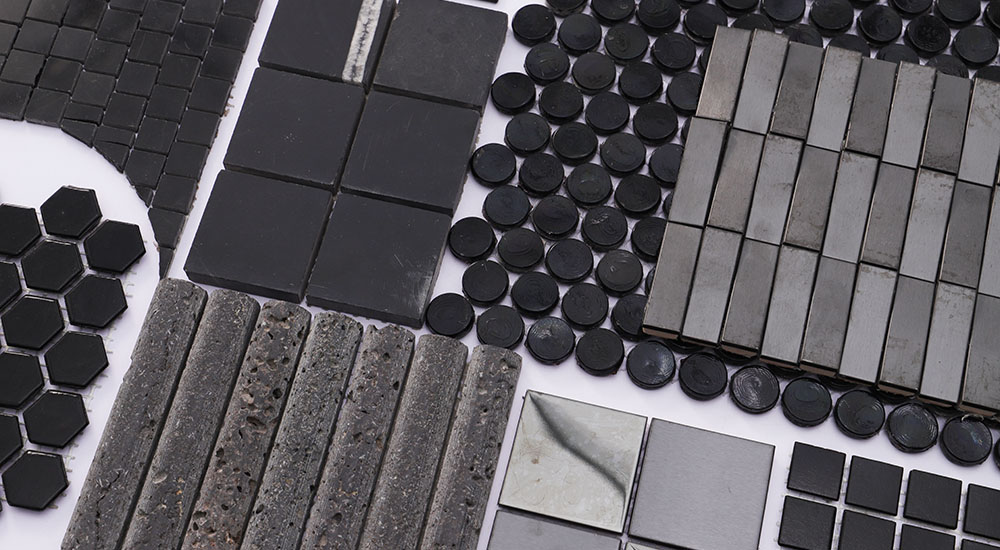
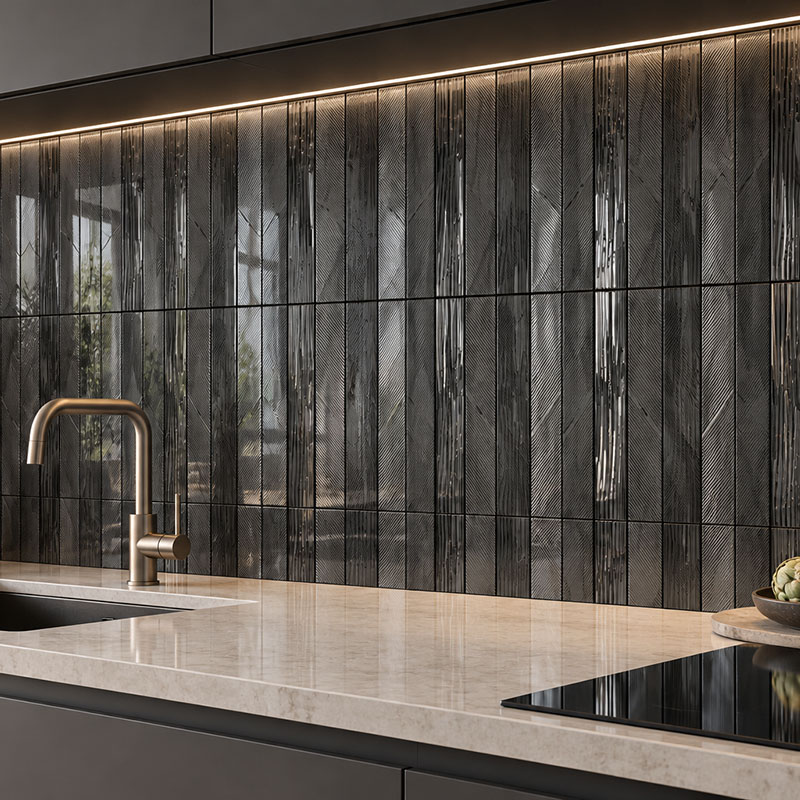
Black Tiles That Make a Bold Statement


-
-
-
-
-
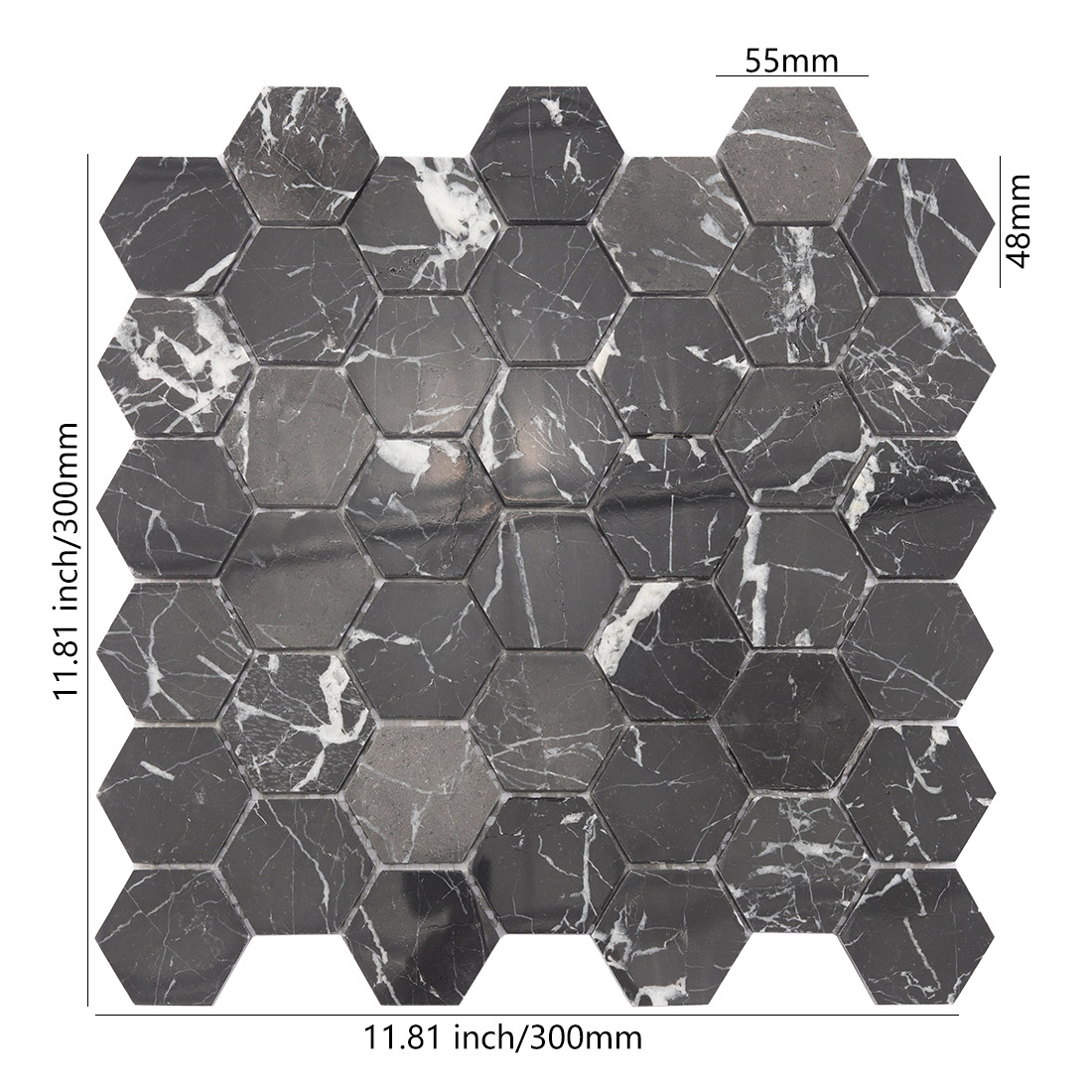
Black Hexagon Marble Floor Mosaic Tile$11.70 USD
-
-
-
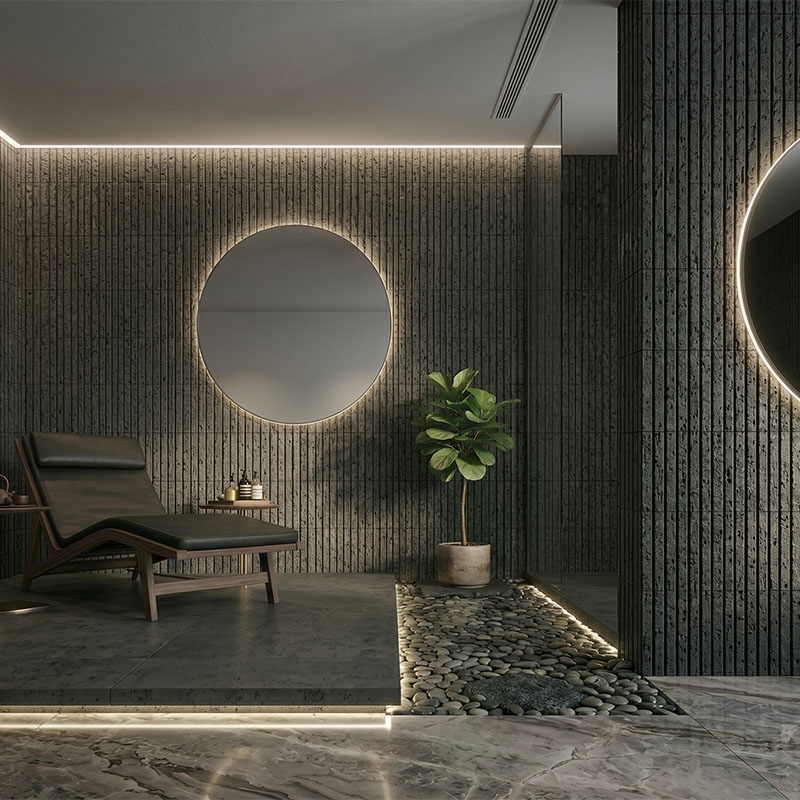
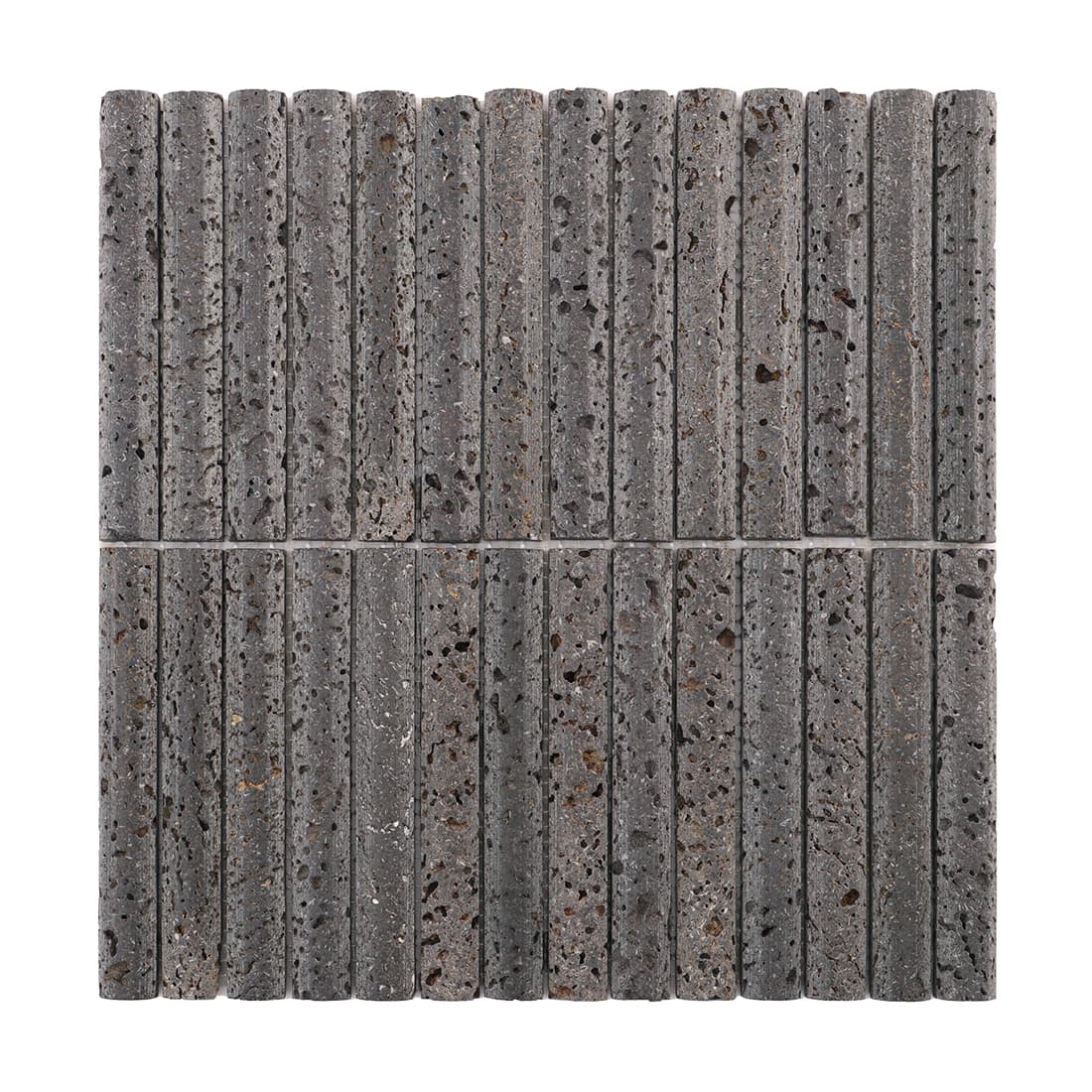
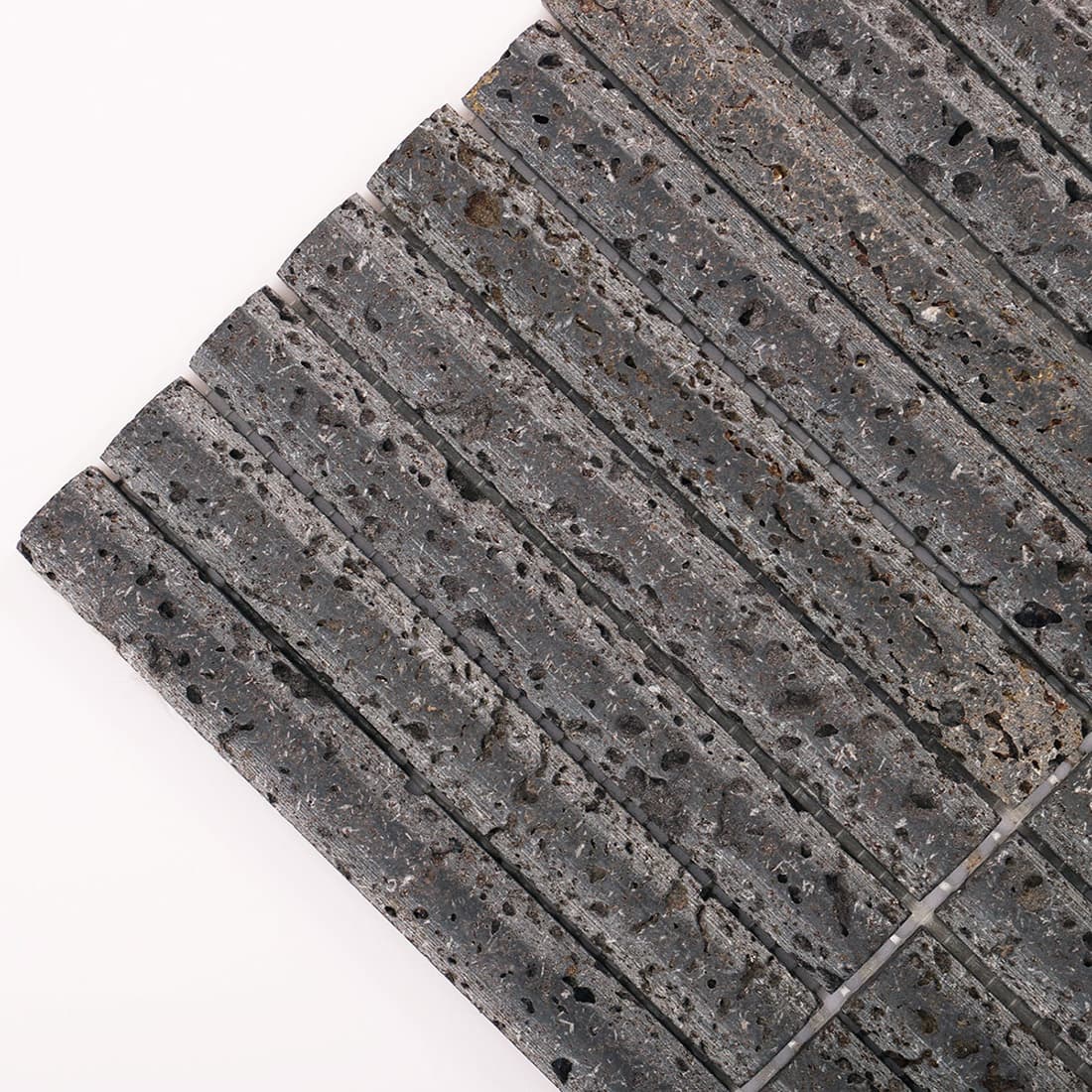
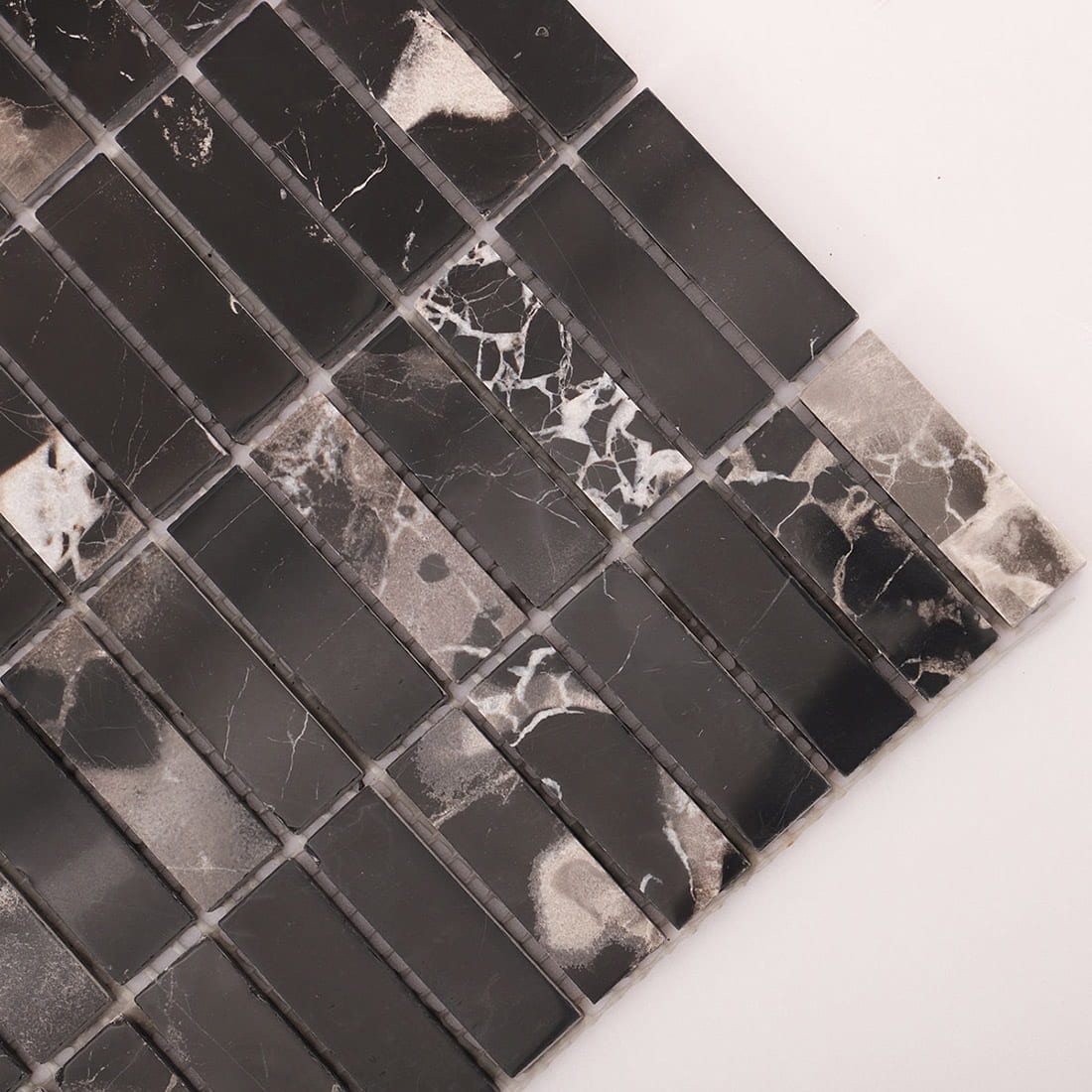
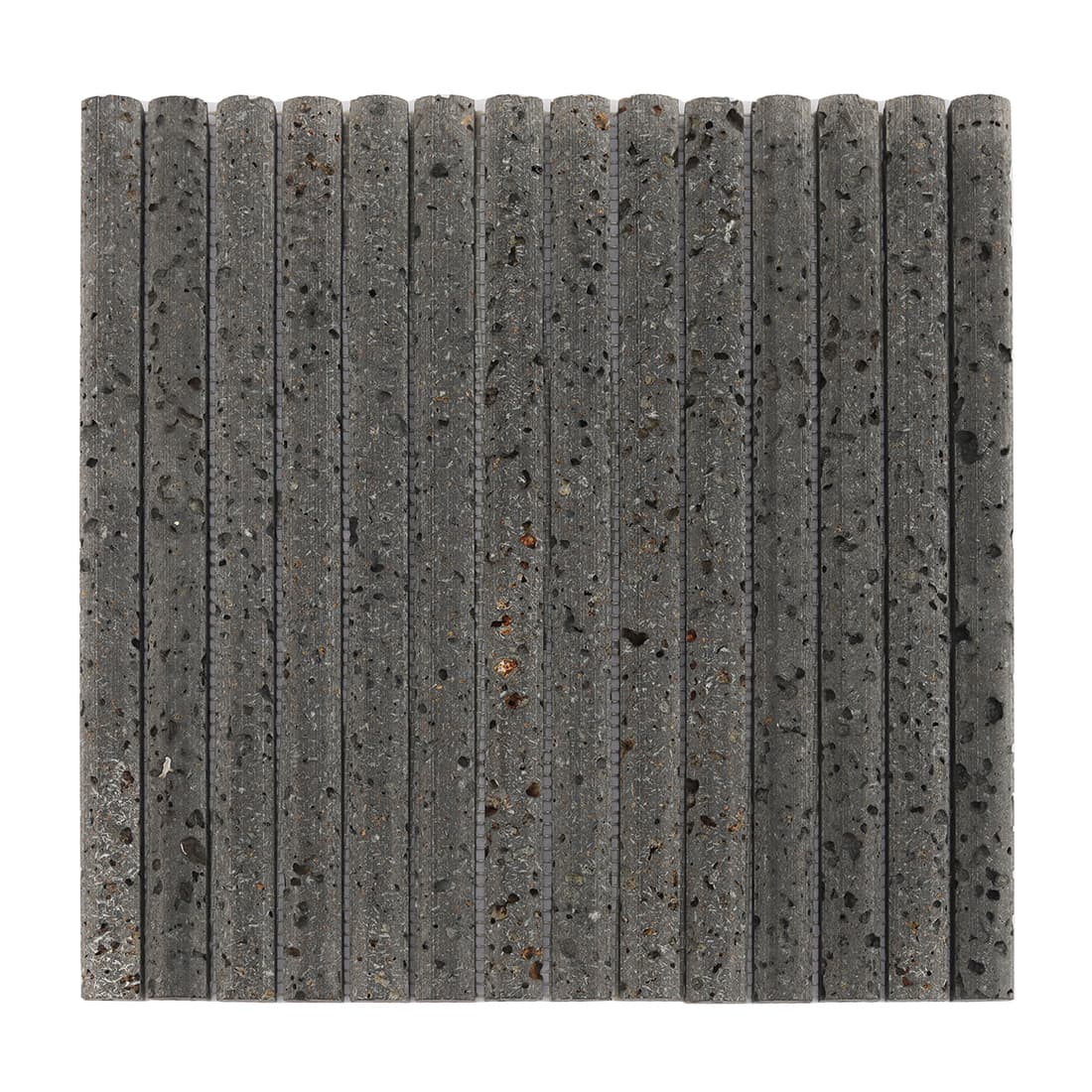
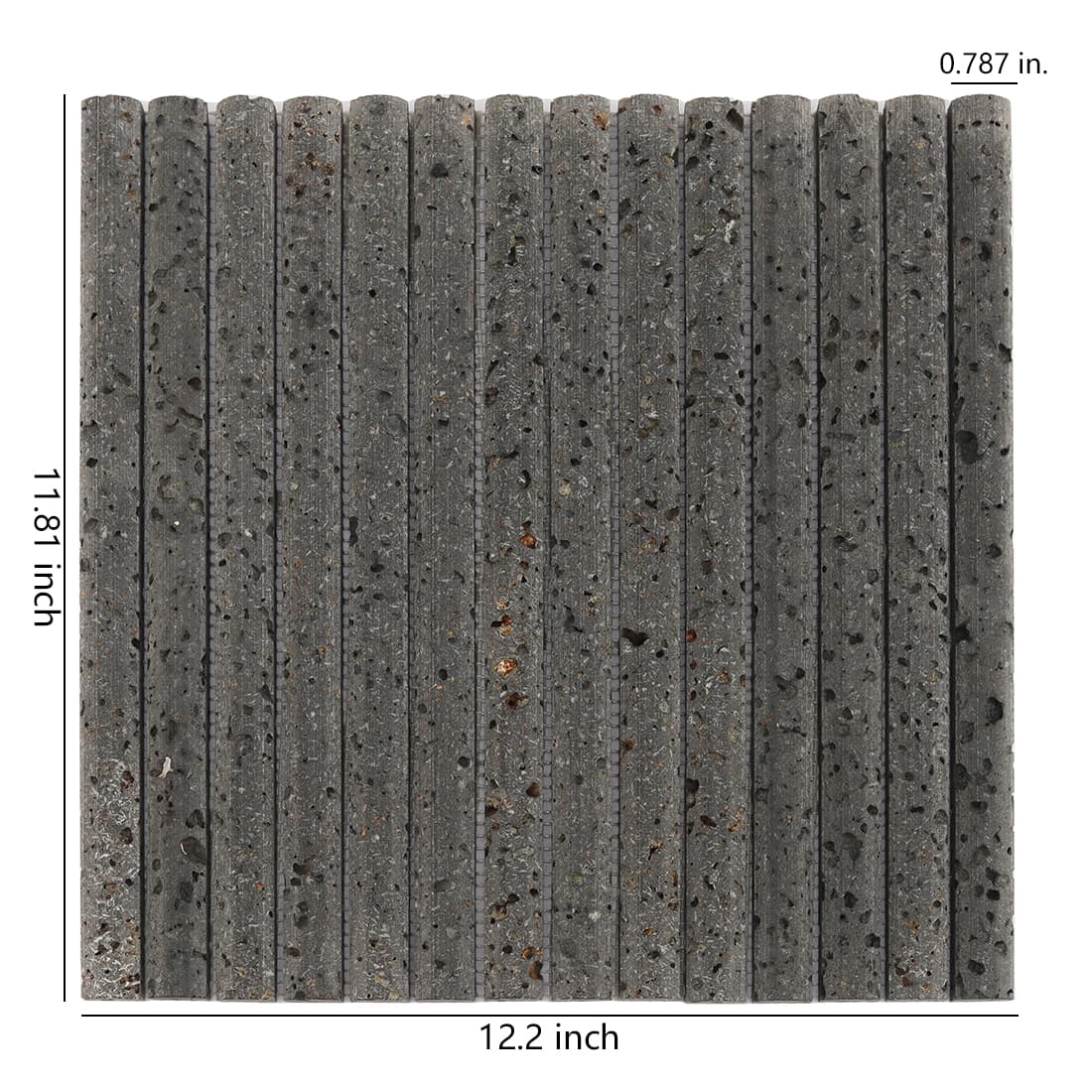
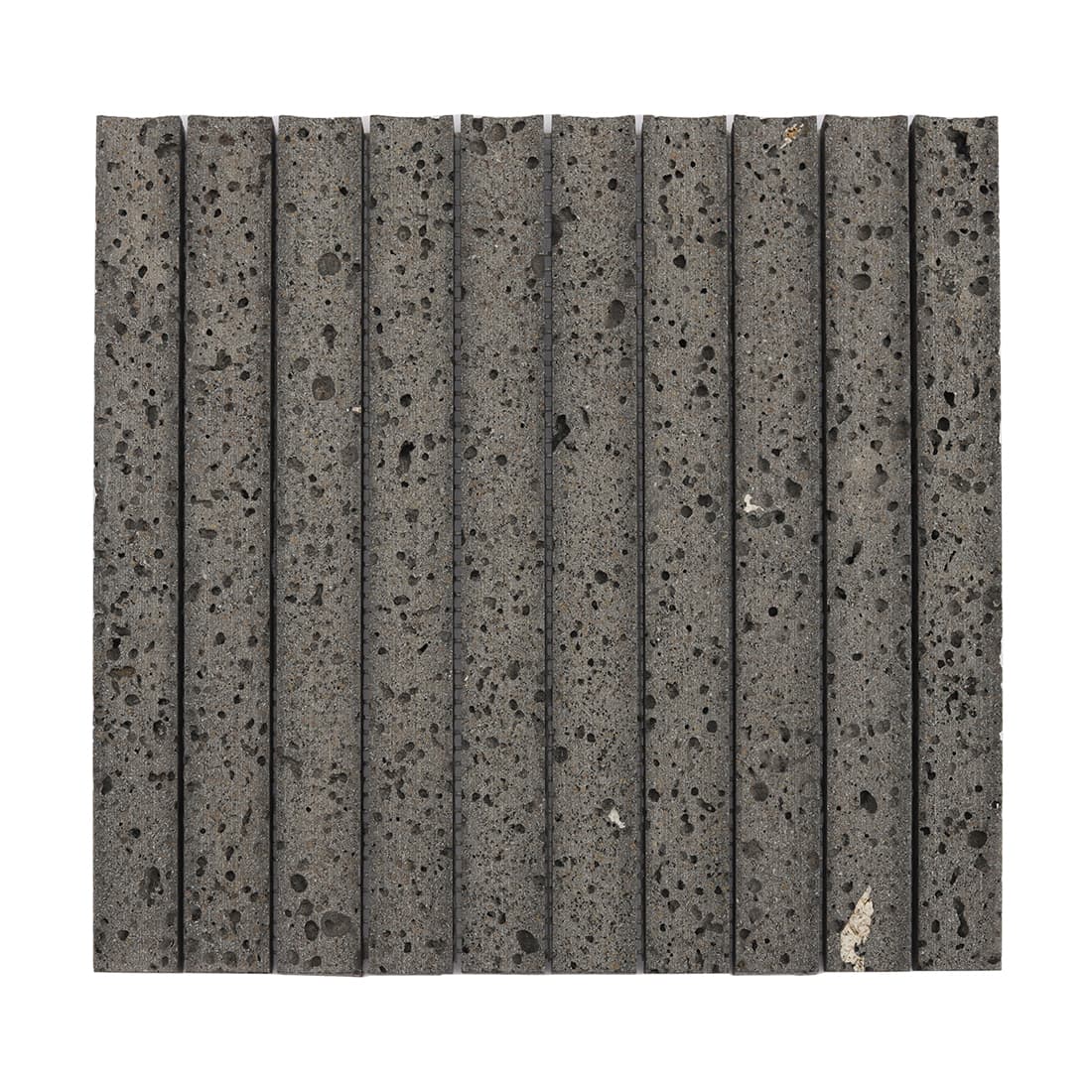
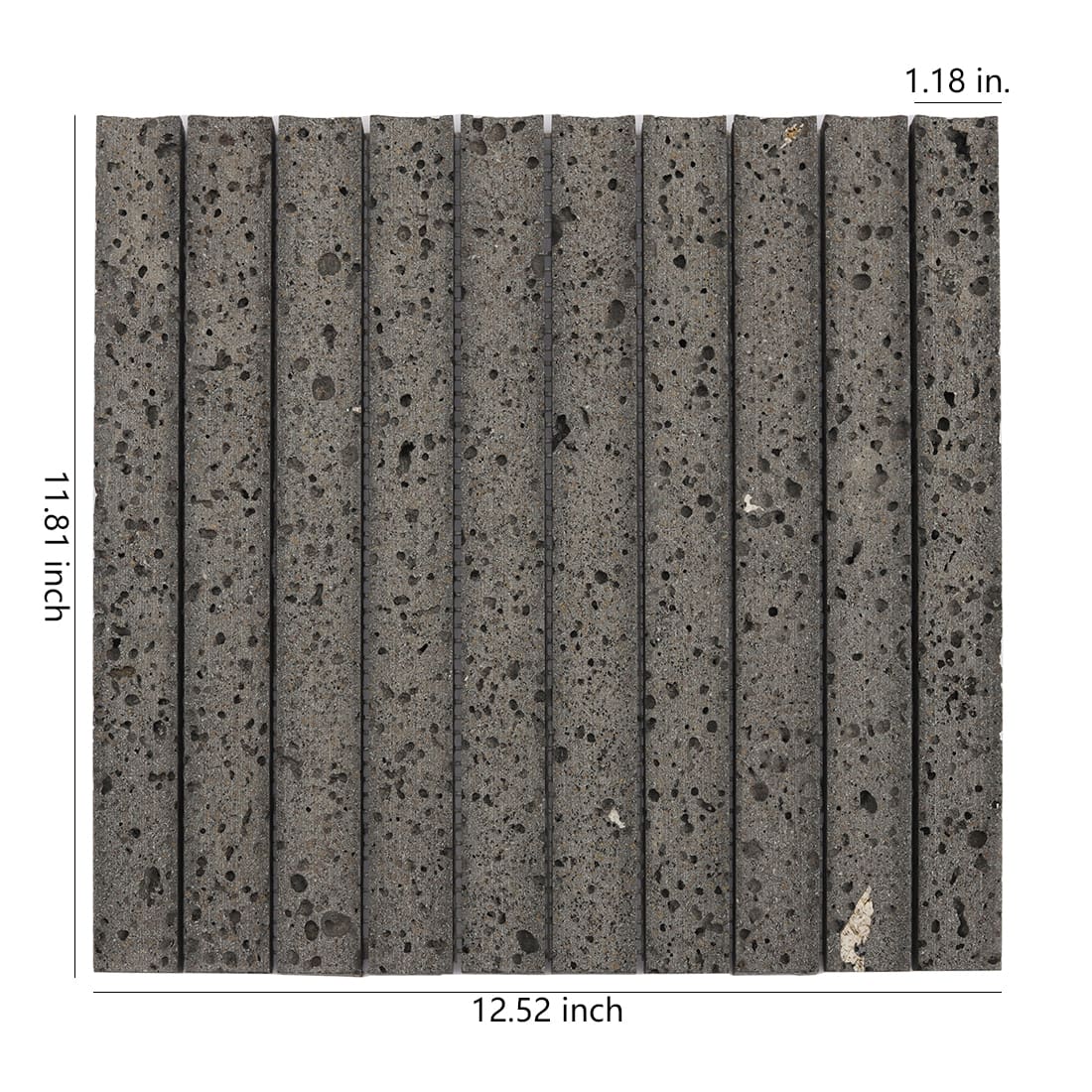
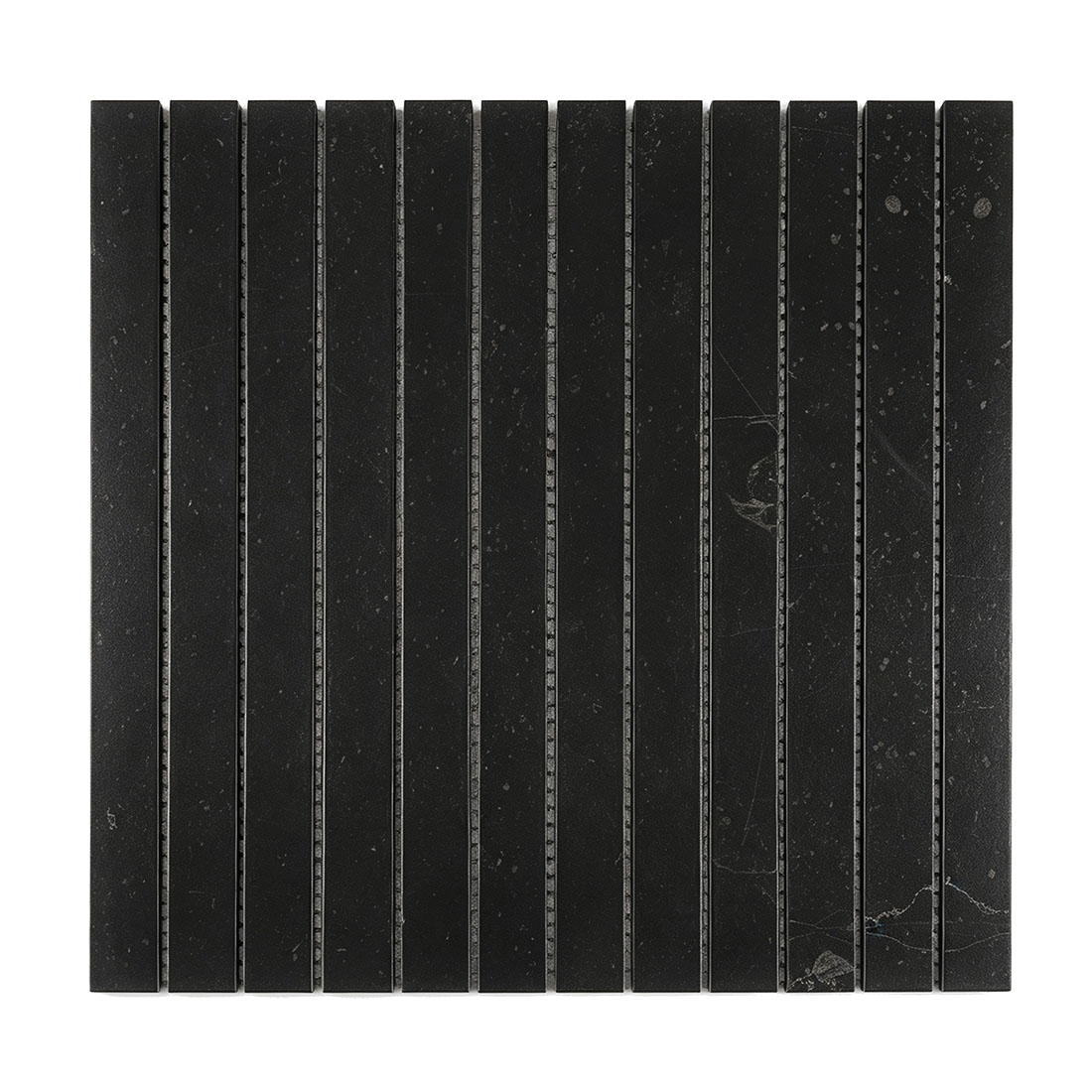
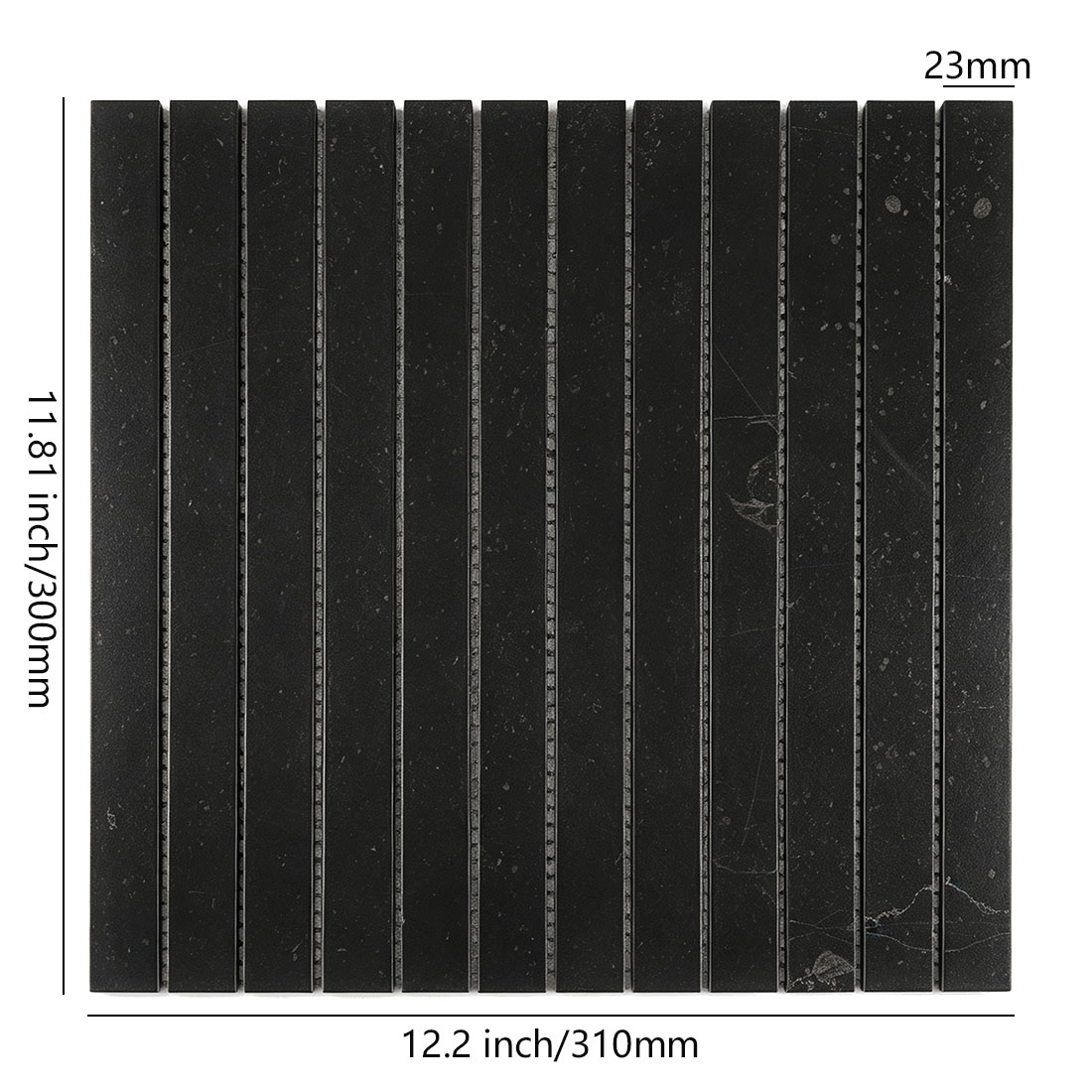
Black 3D Lava Stone Strip Mosaic Tile$18.20 USD
-
-
-
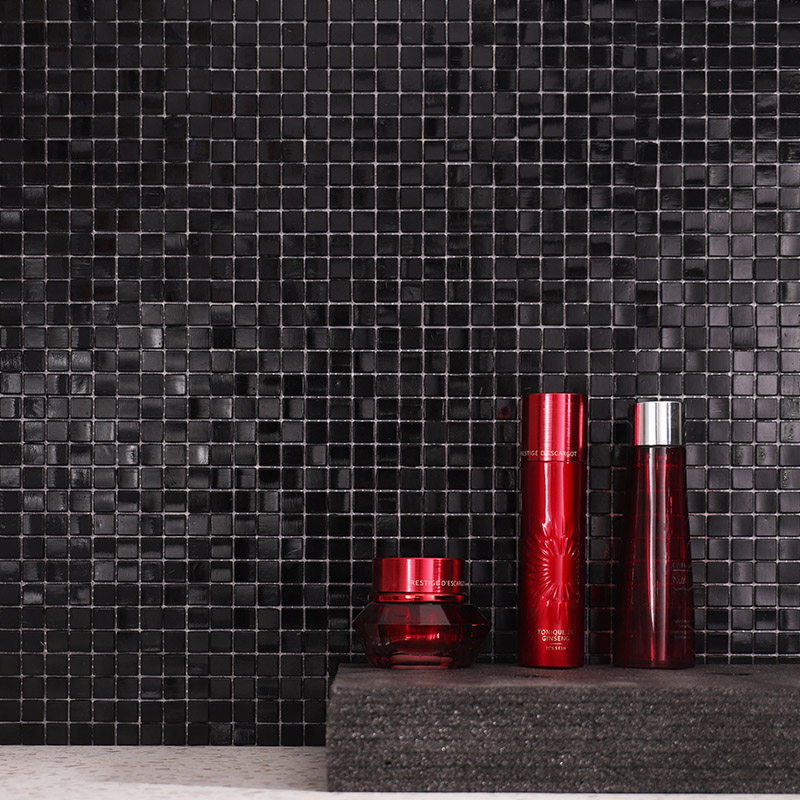
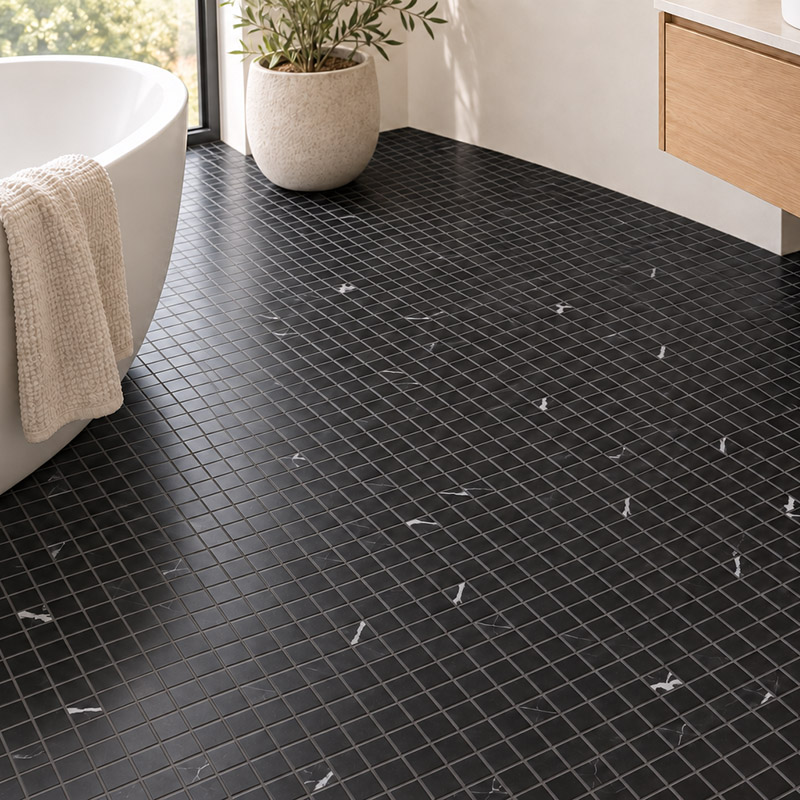
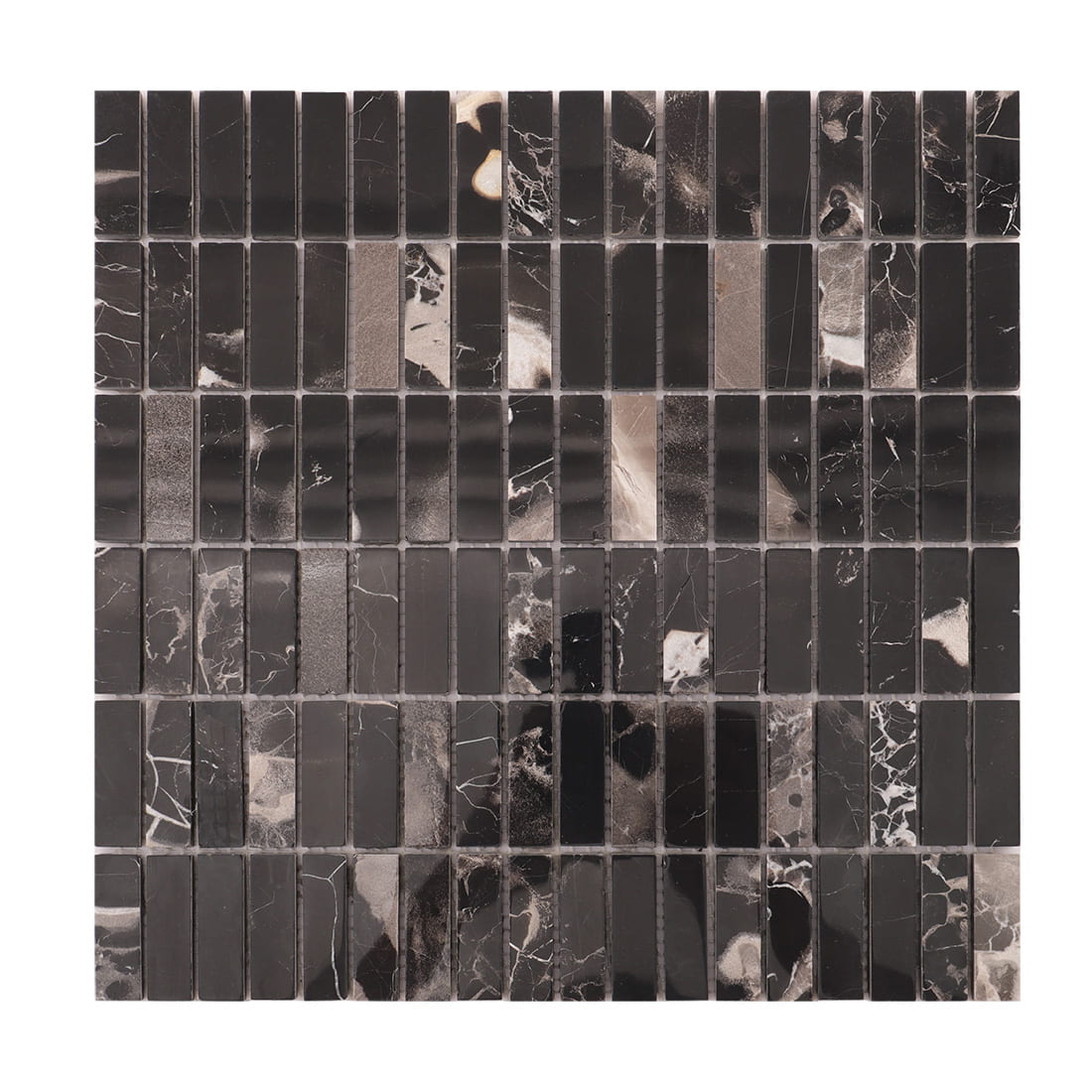
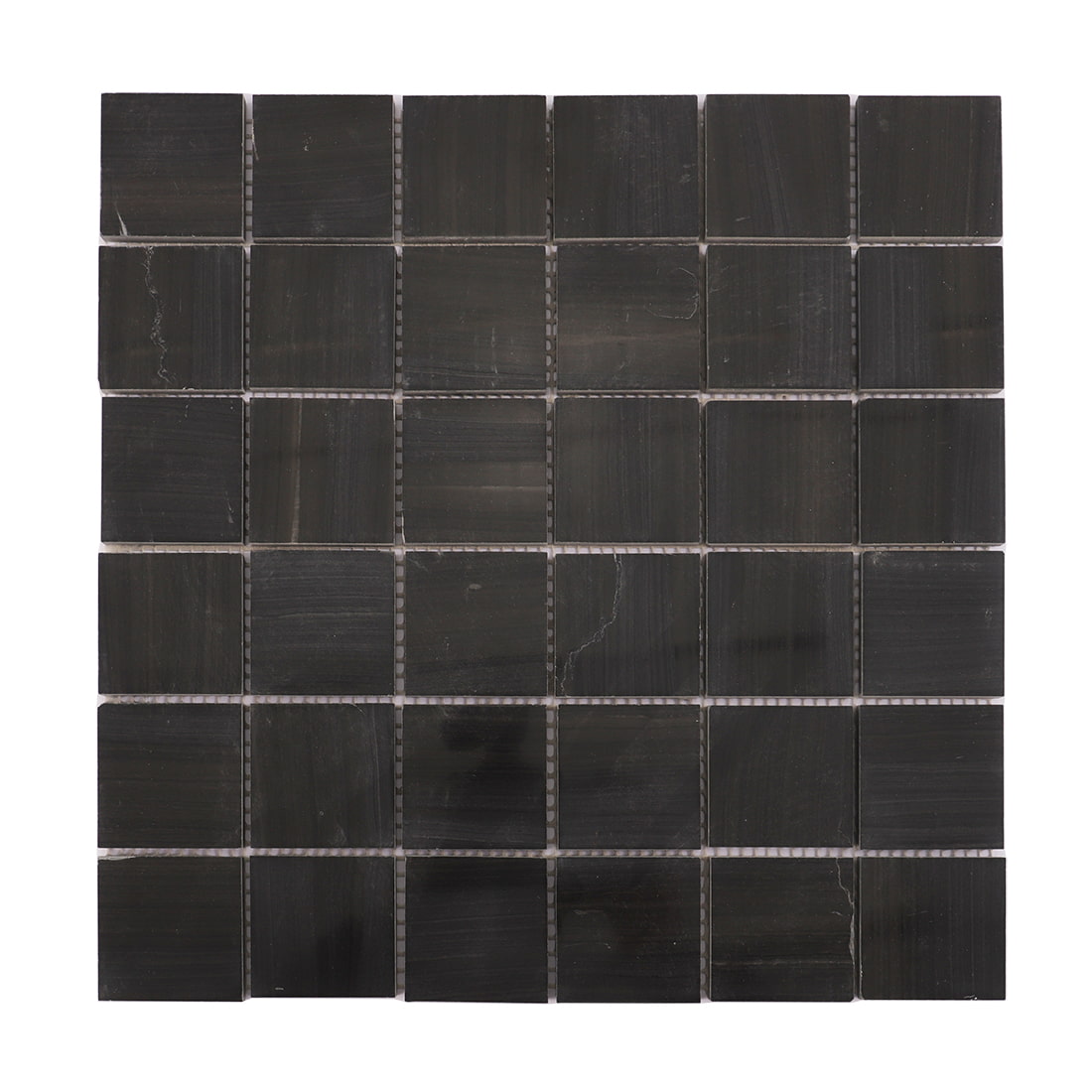
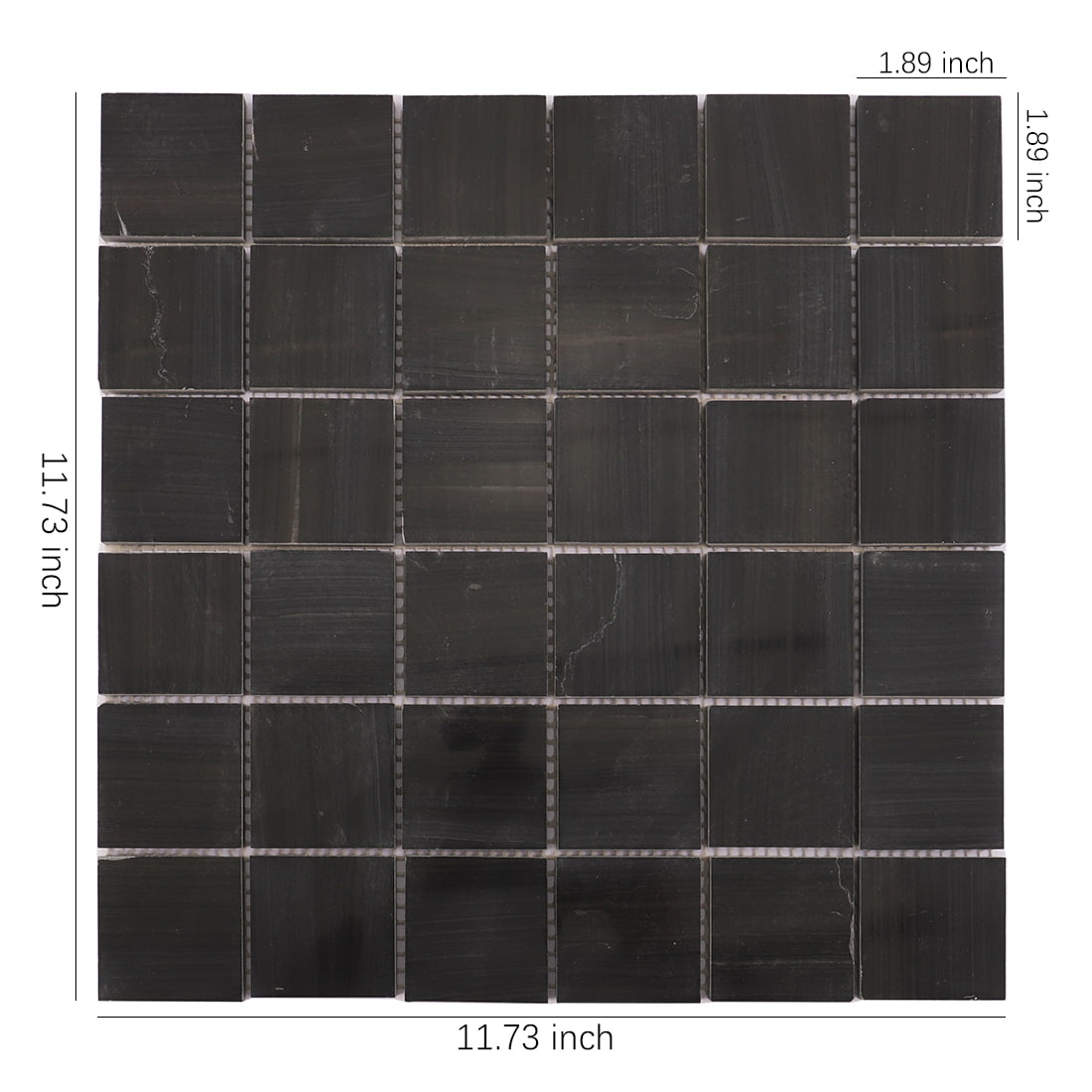
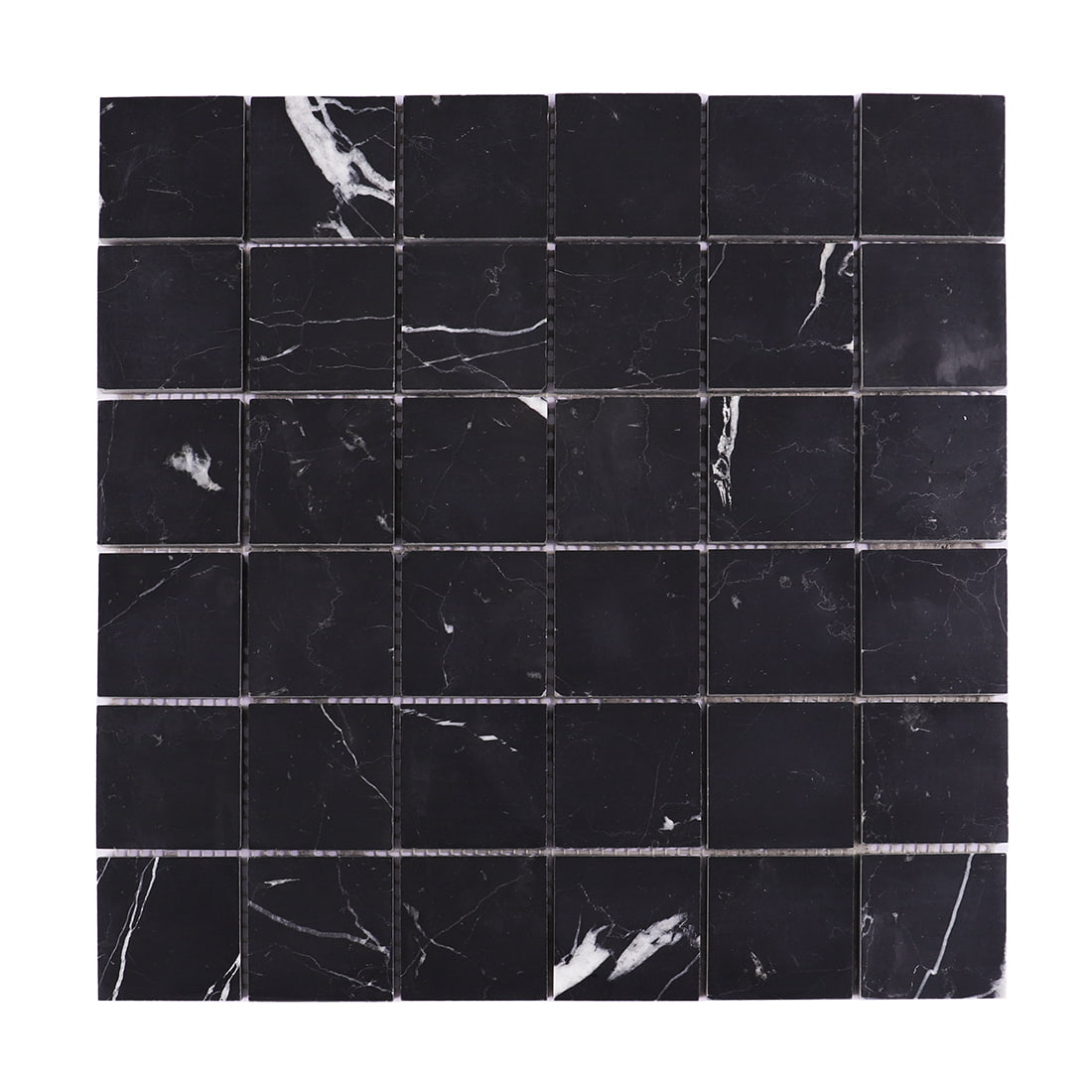
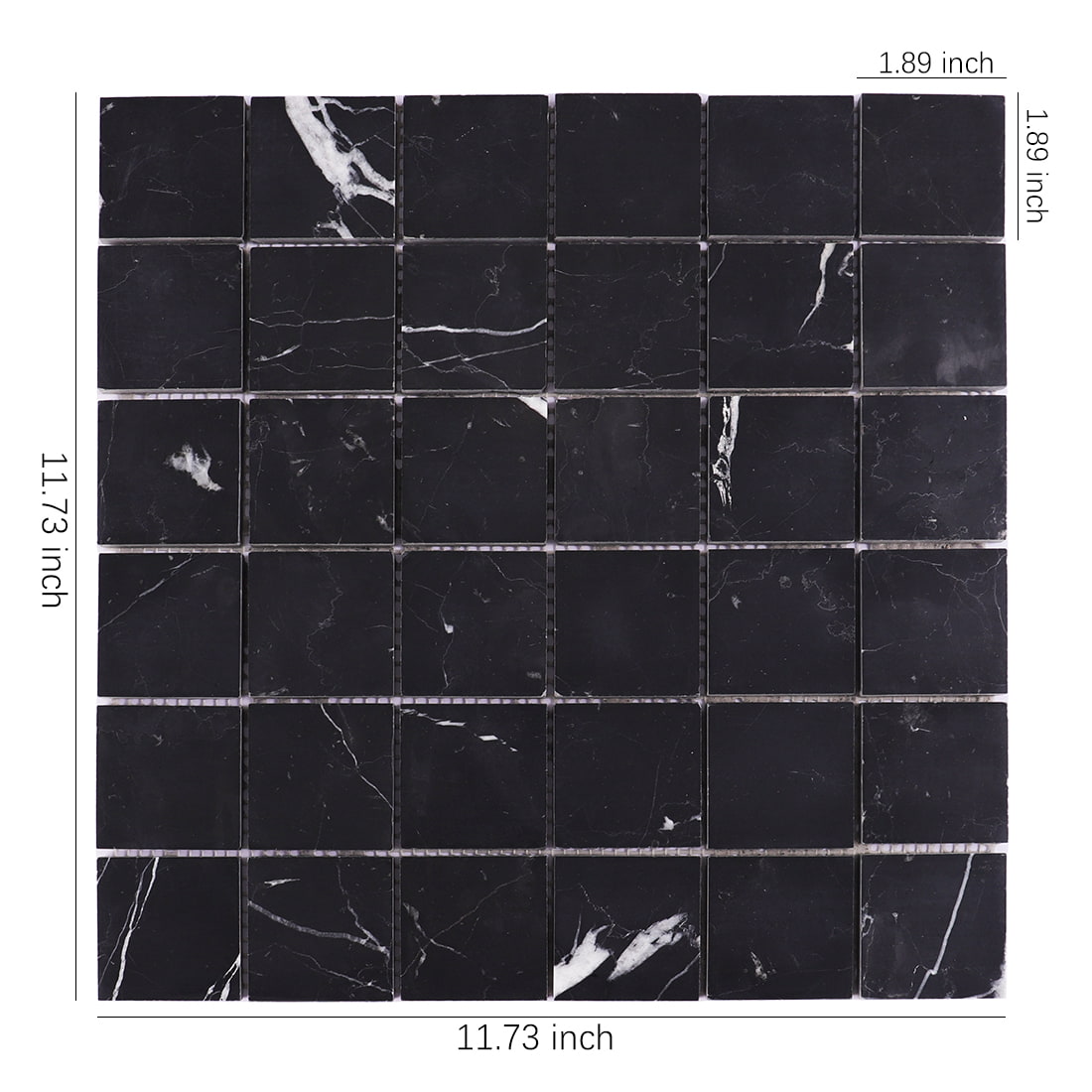
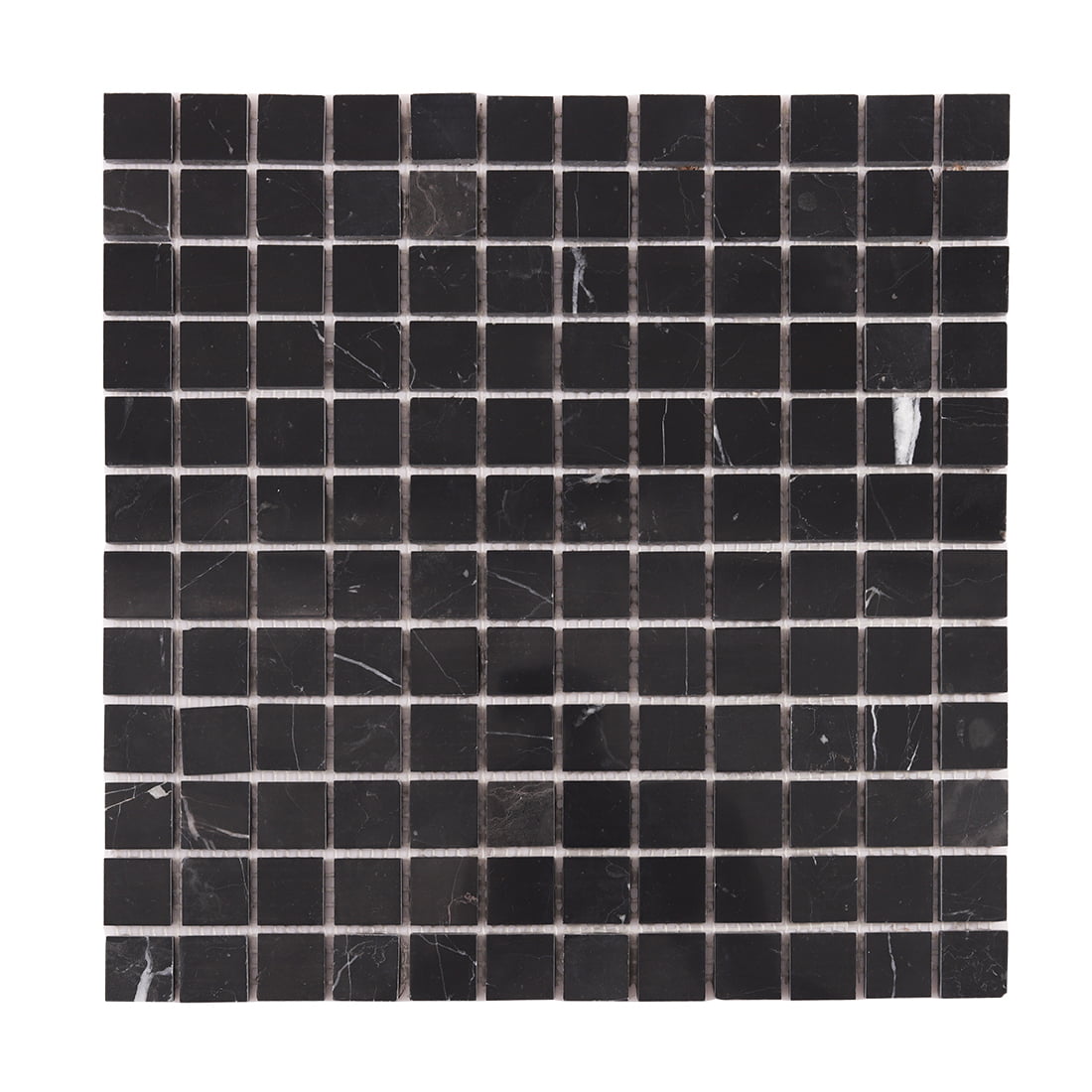
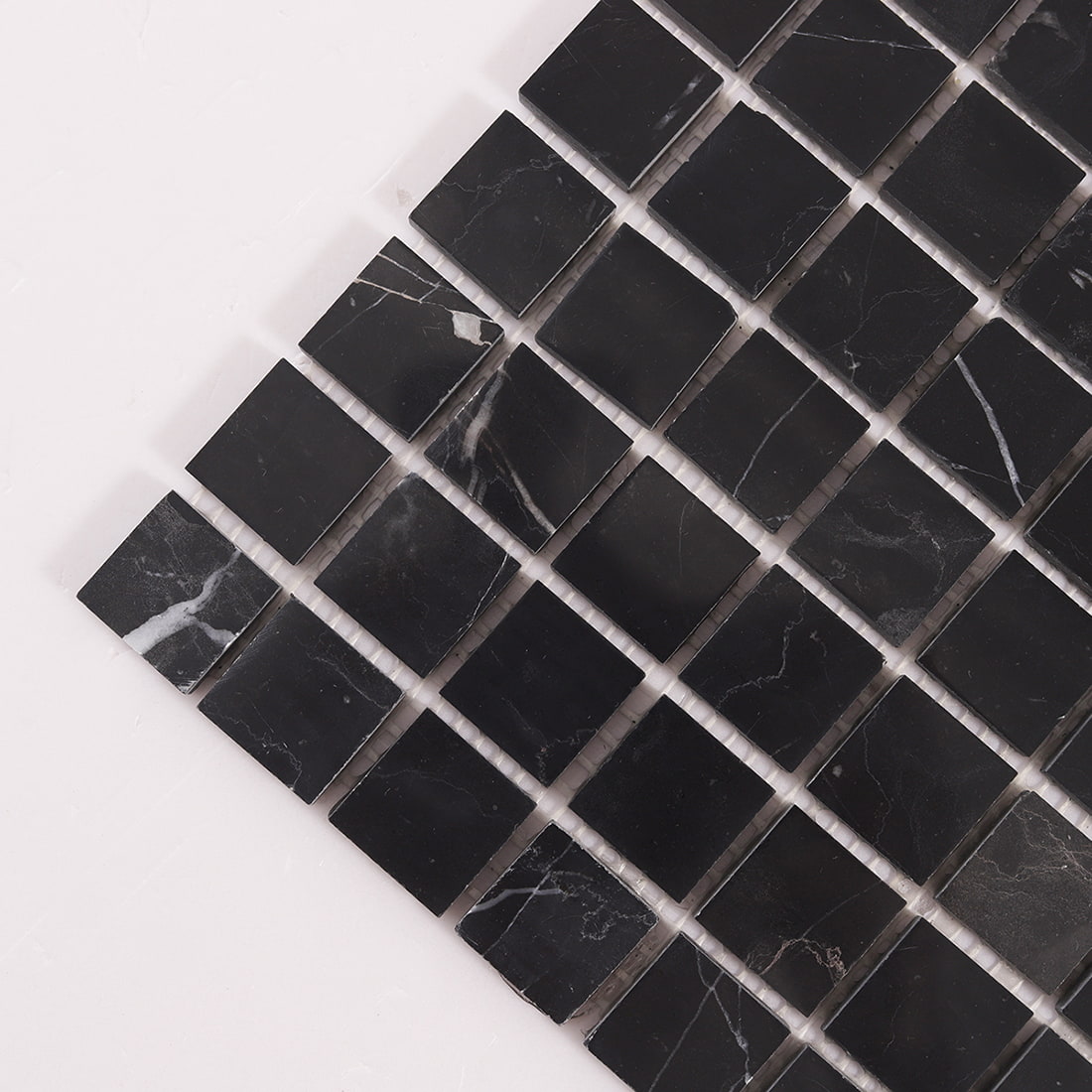
Nero Black Square Marble Mosaic Tile$9.02 USD
-
-
-
-
-
Black Geometric Diamond Metal Tile$10.90 USD
-
-
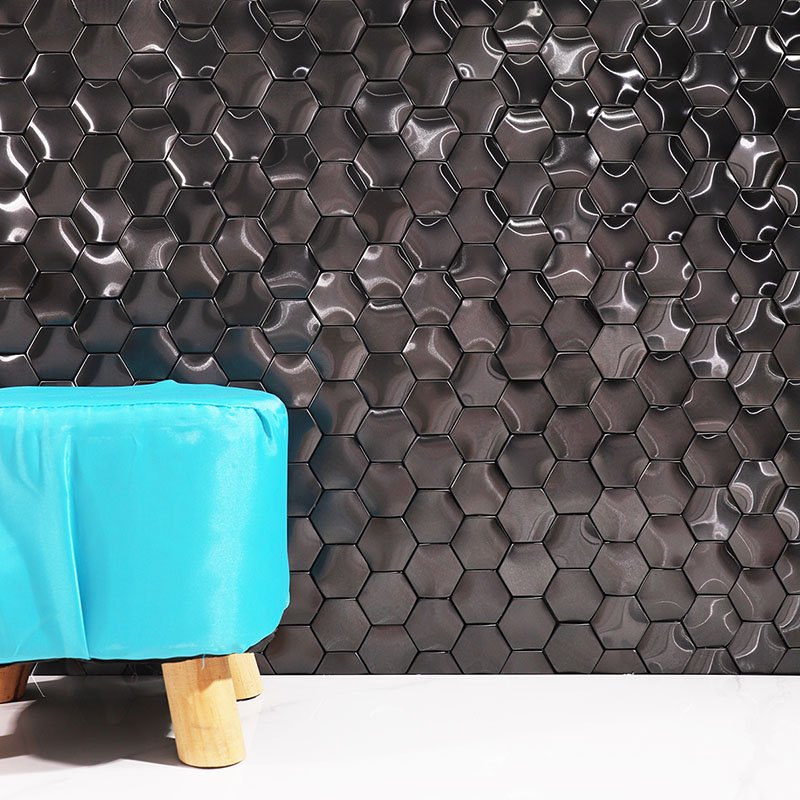
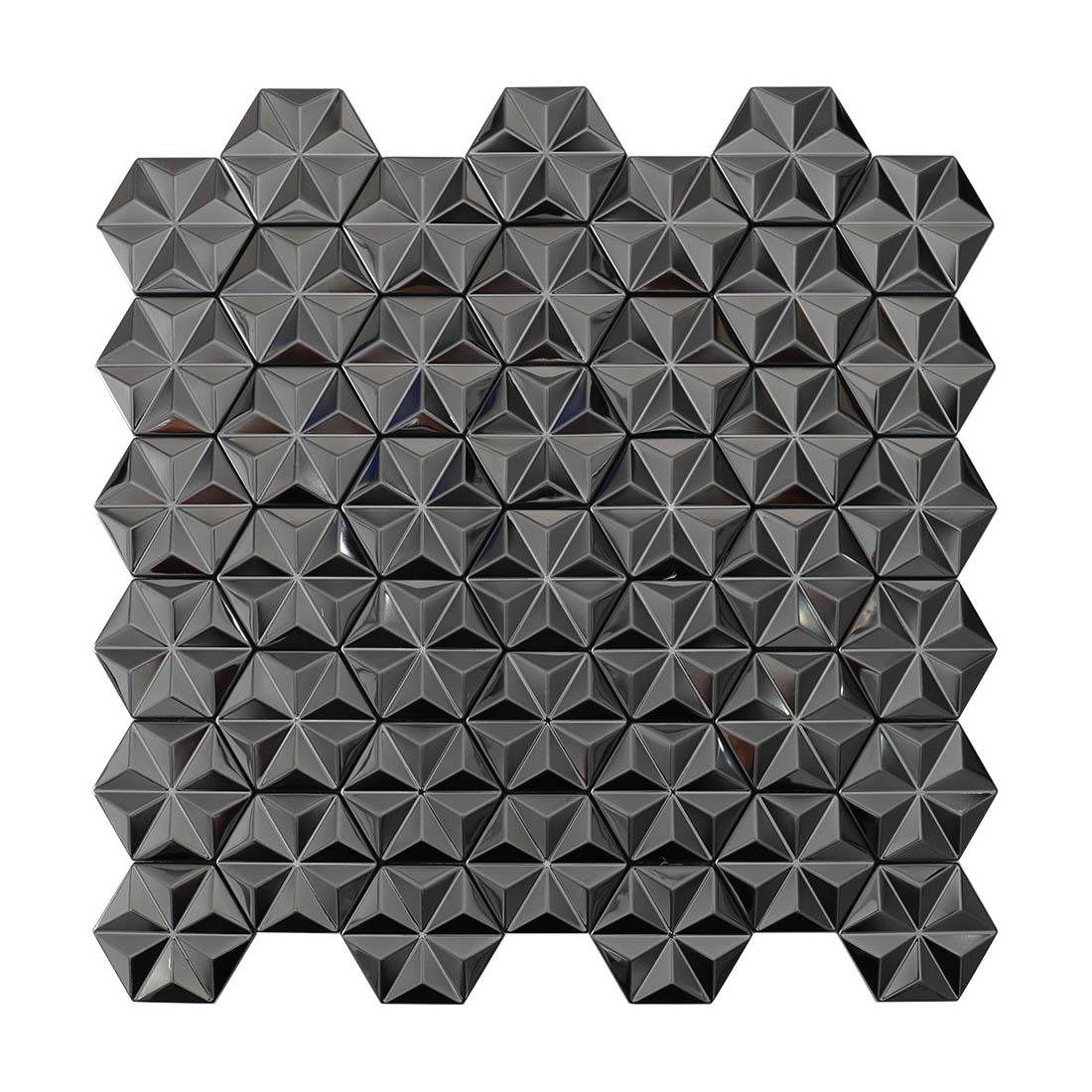
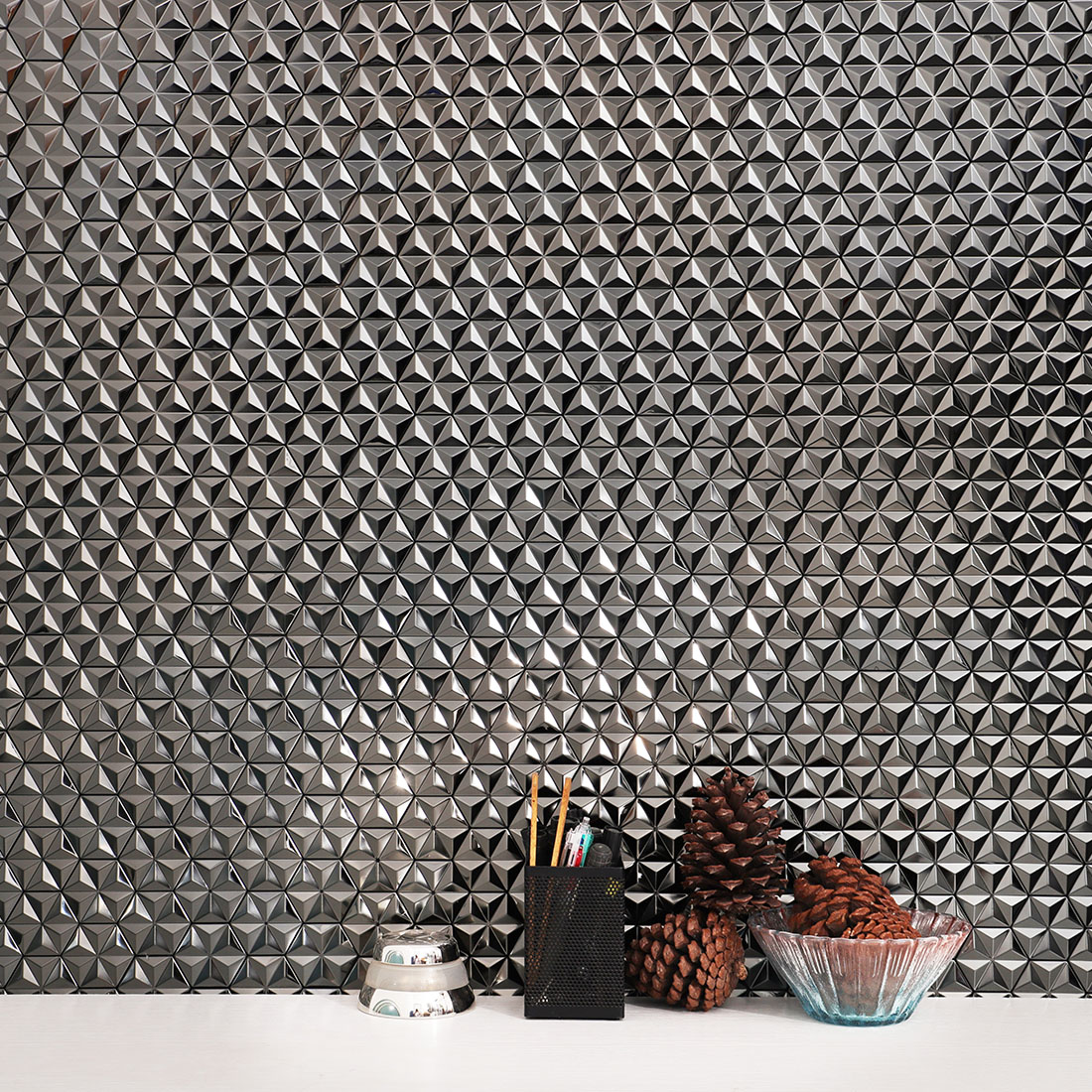
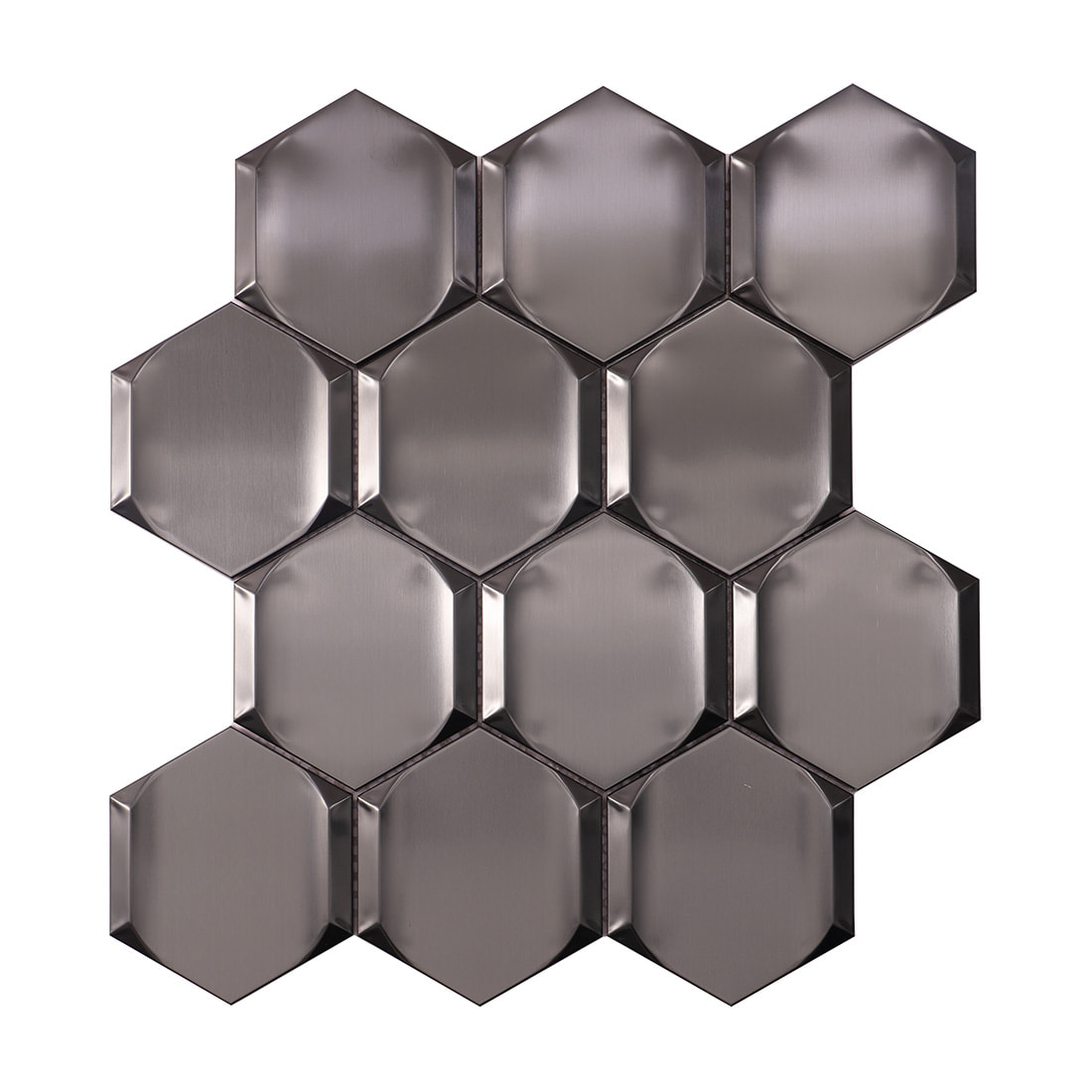
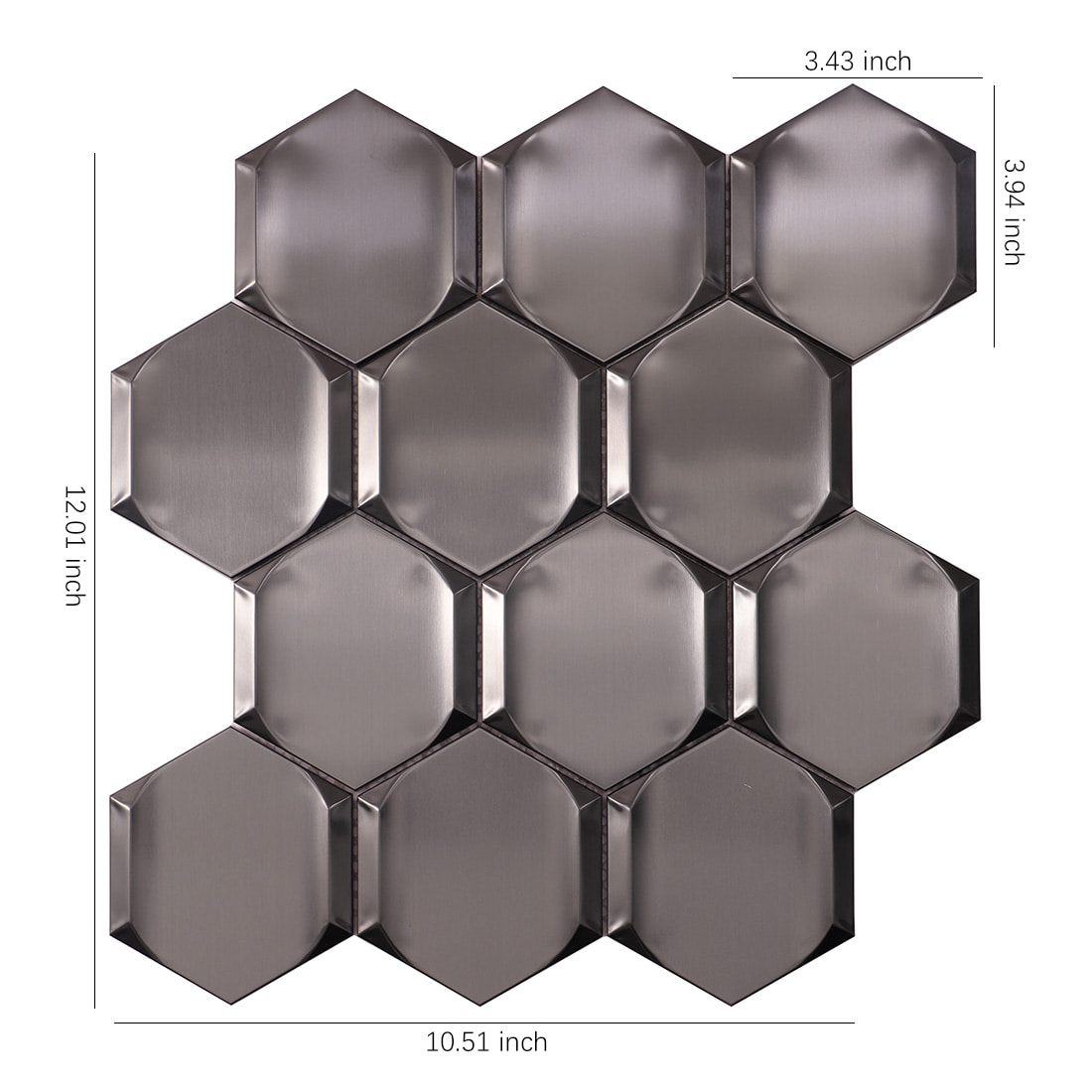
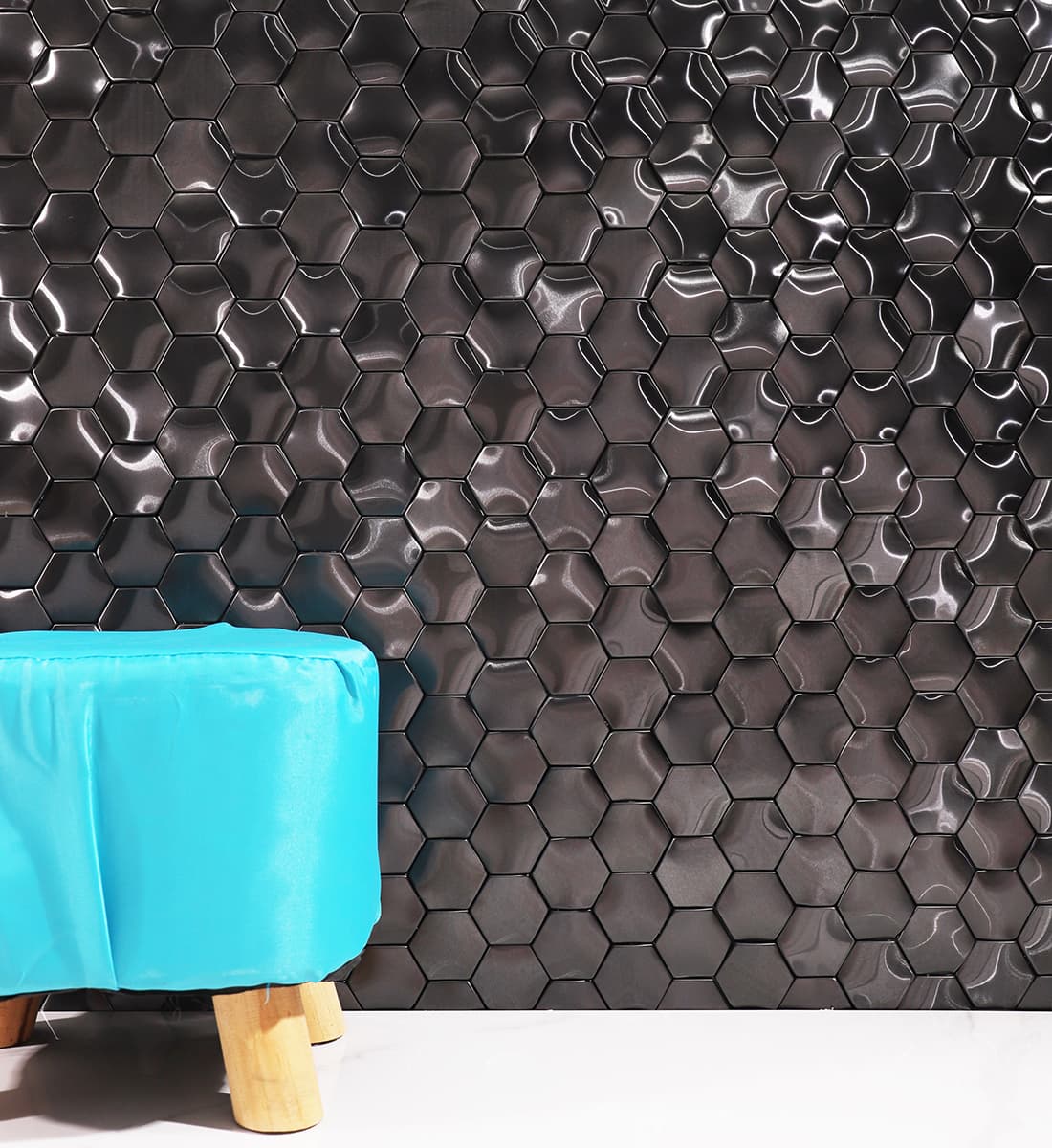
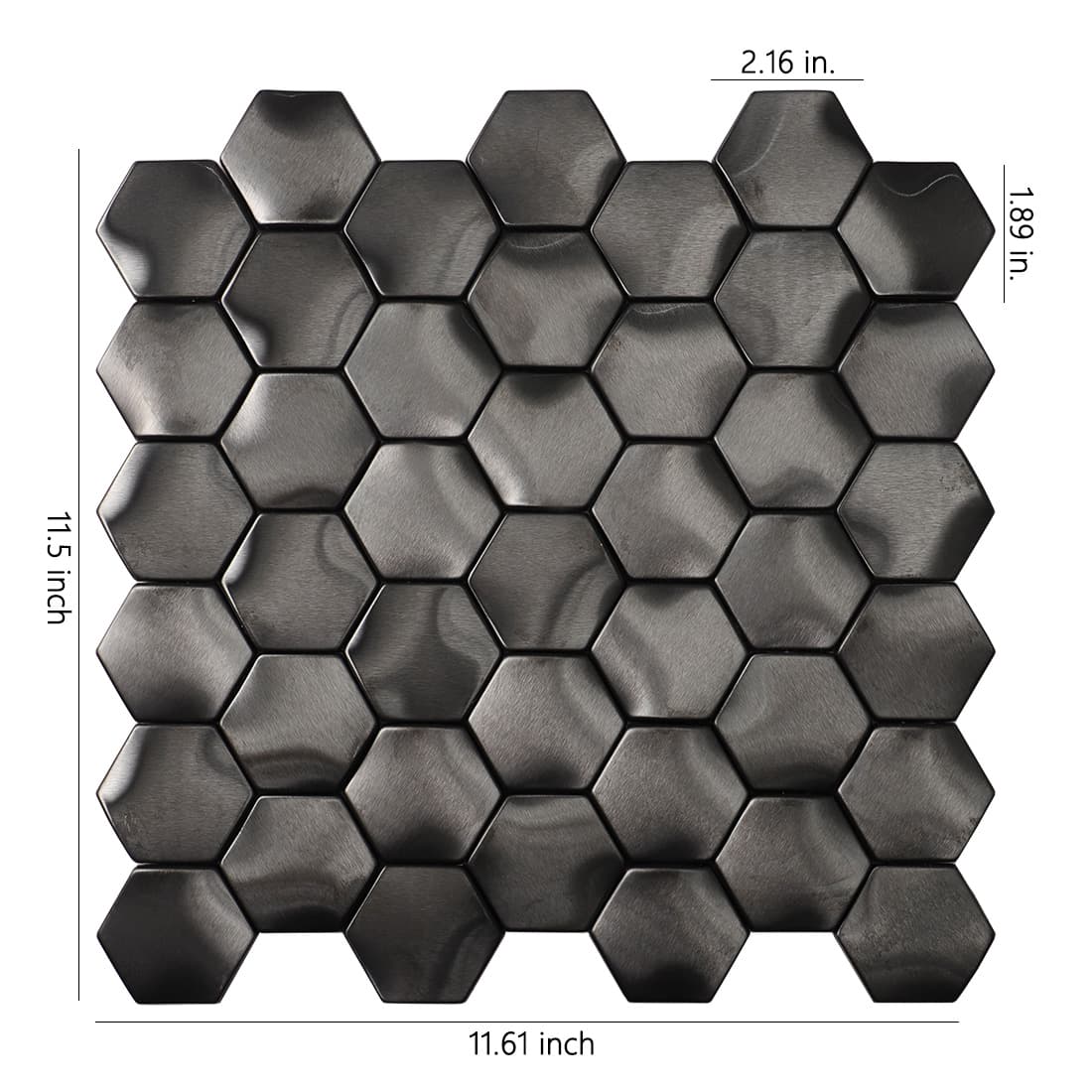
Black Hexagon Metal Wall Mosaic Tile$12.98 USD
-
-
-
-
-
-
-
-
-
-
-
-
-
-
-
-
-
-
-
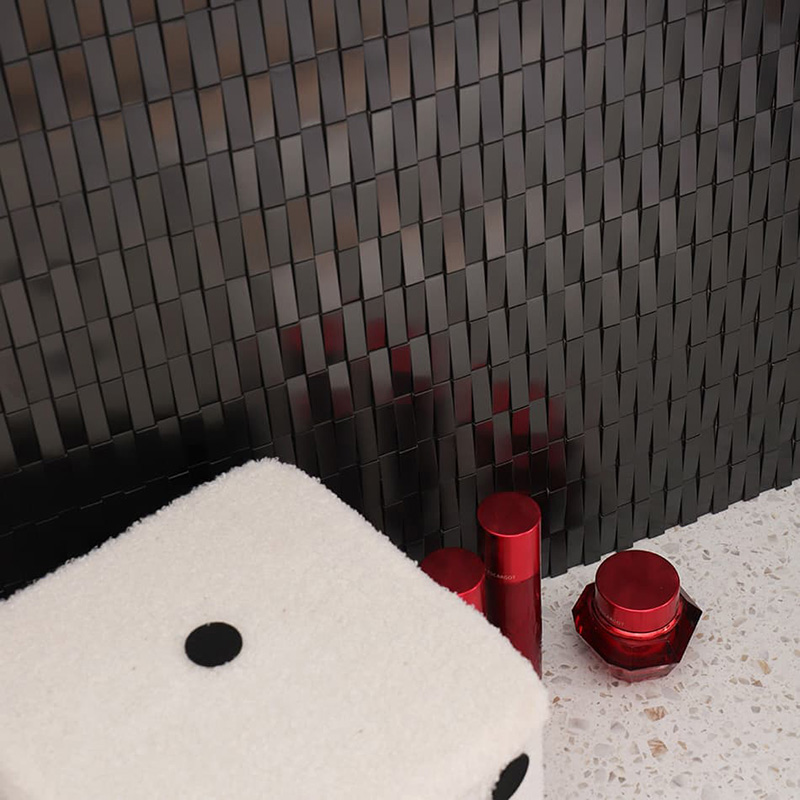
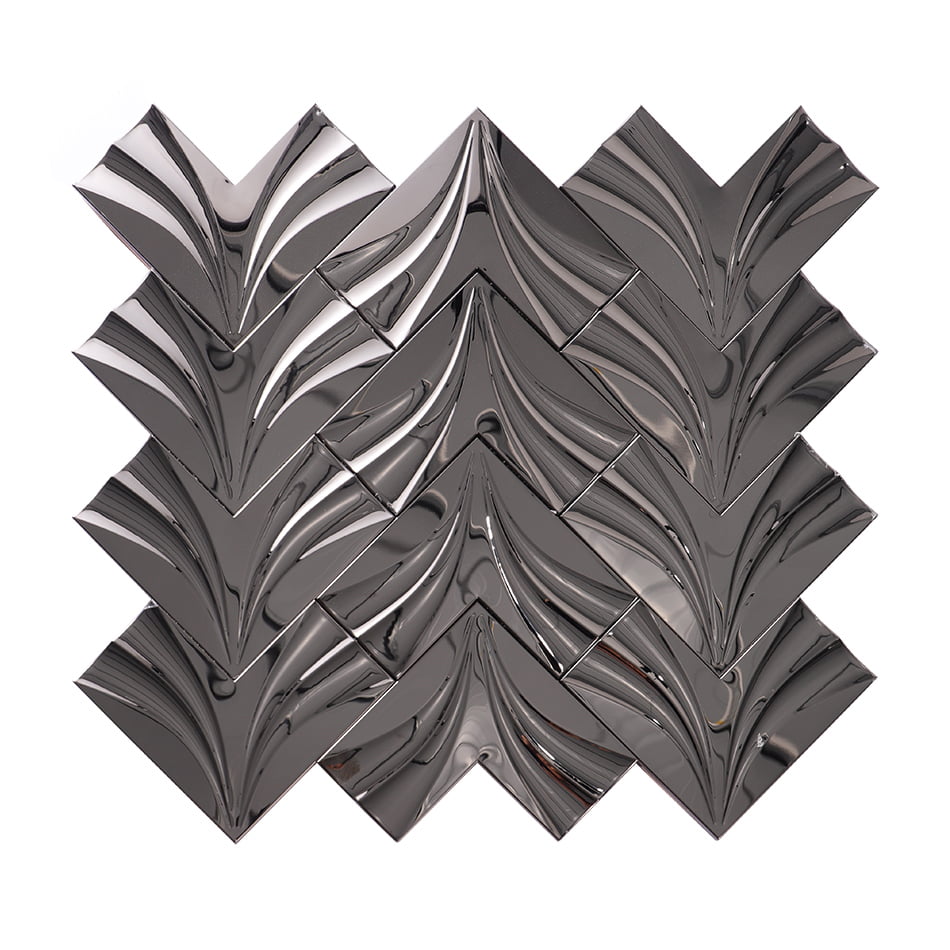
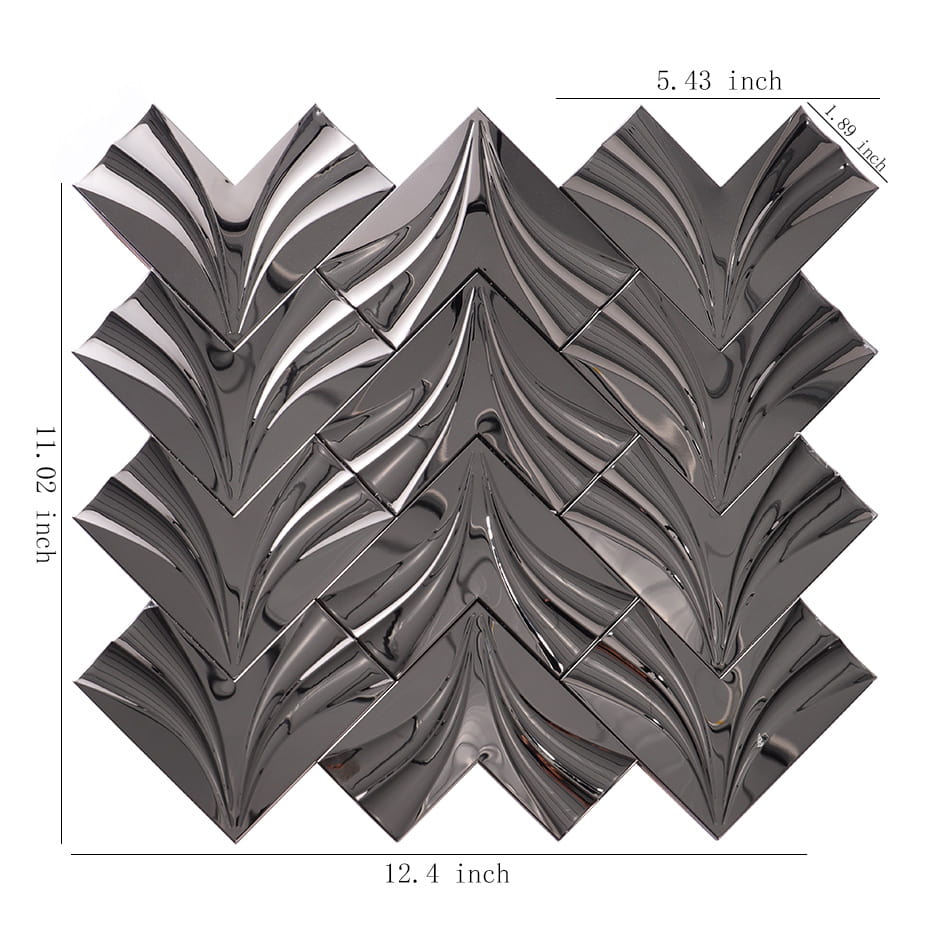
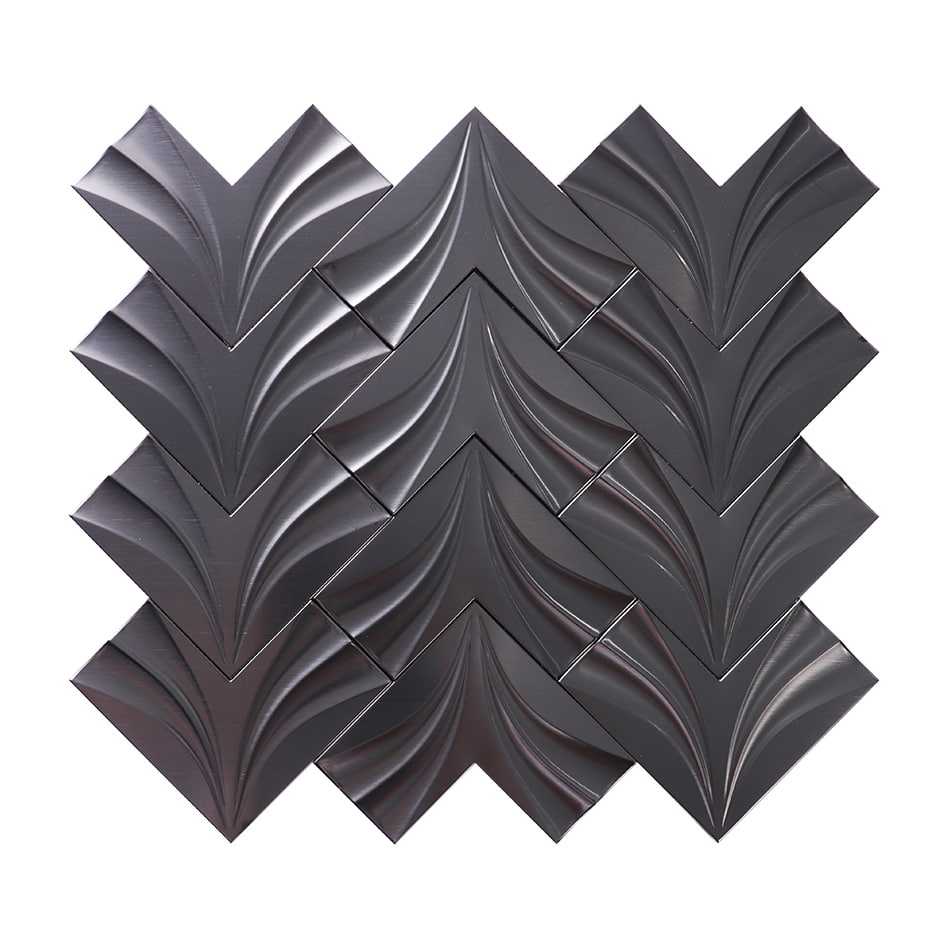
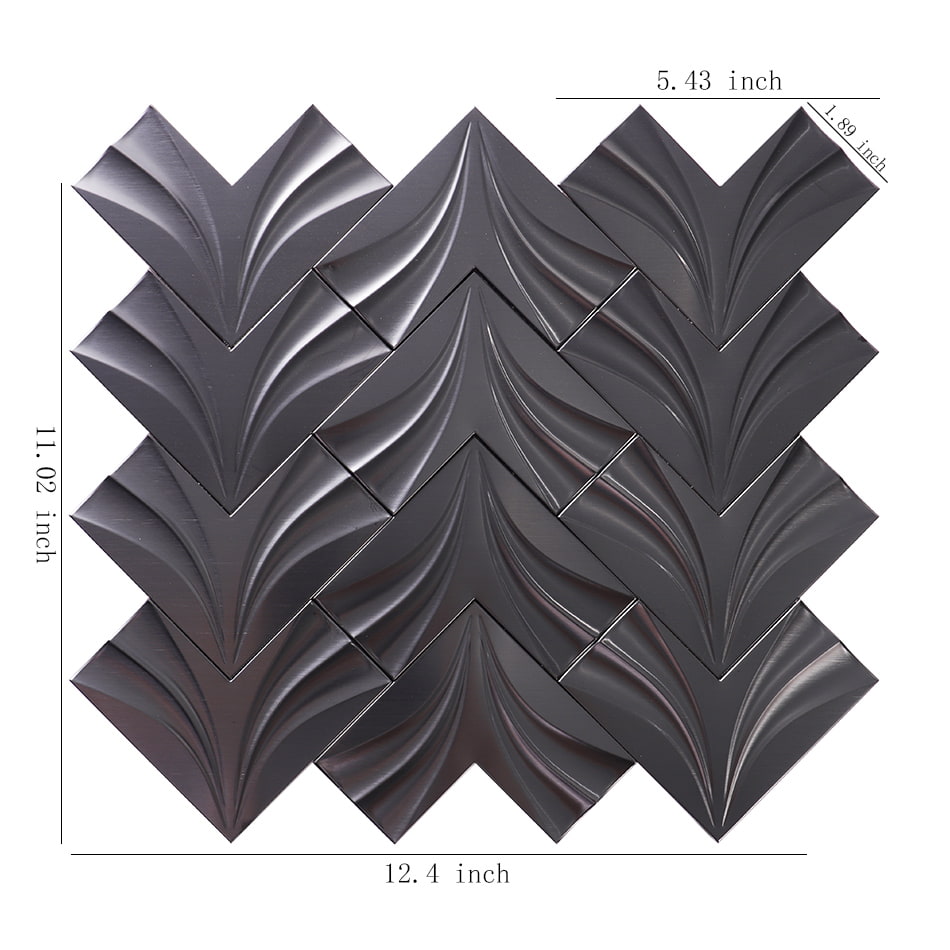
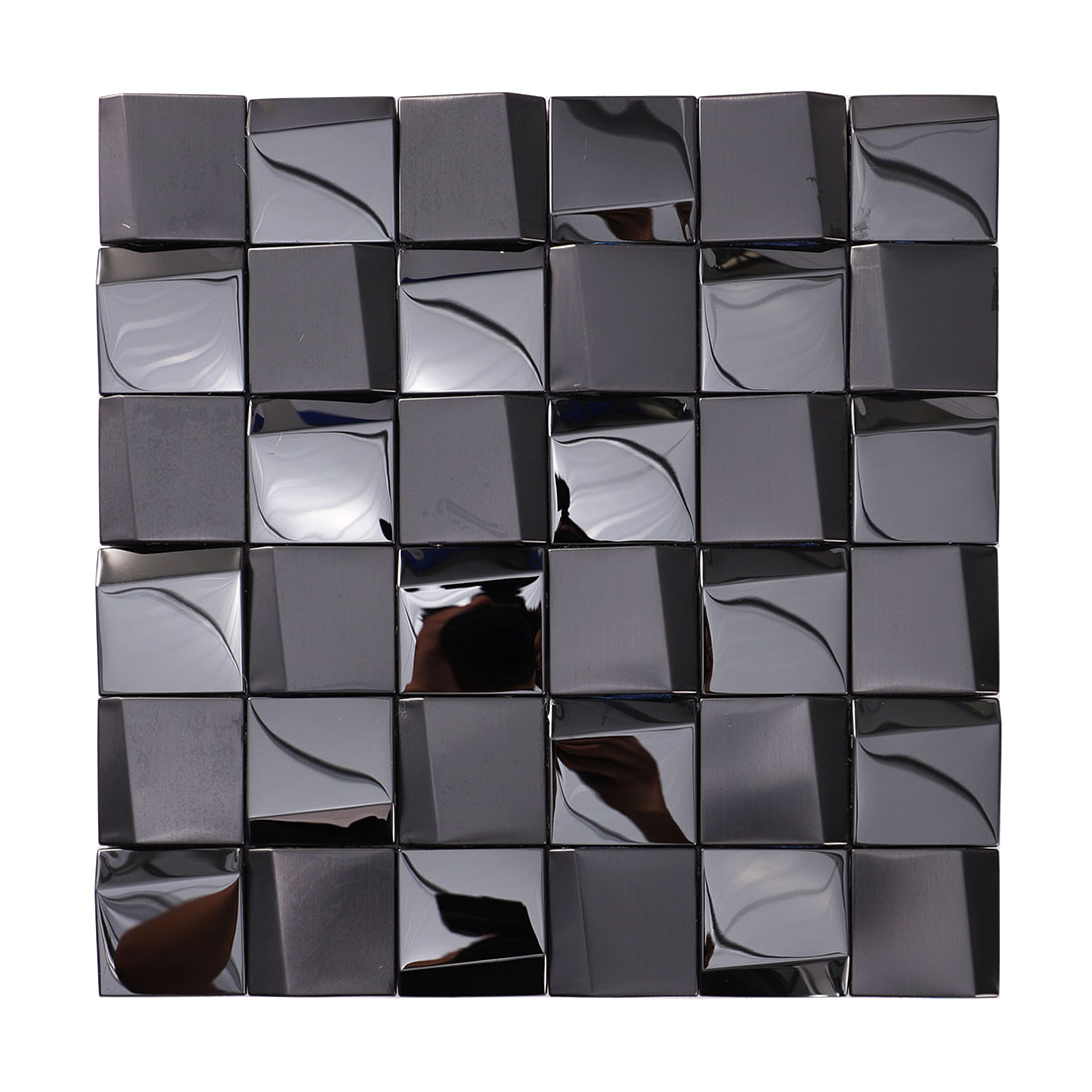
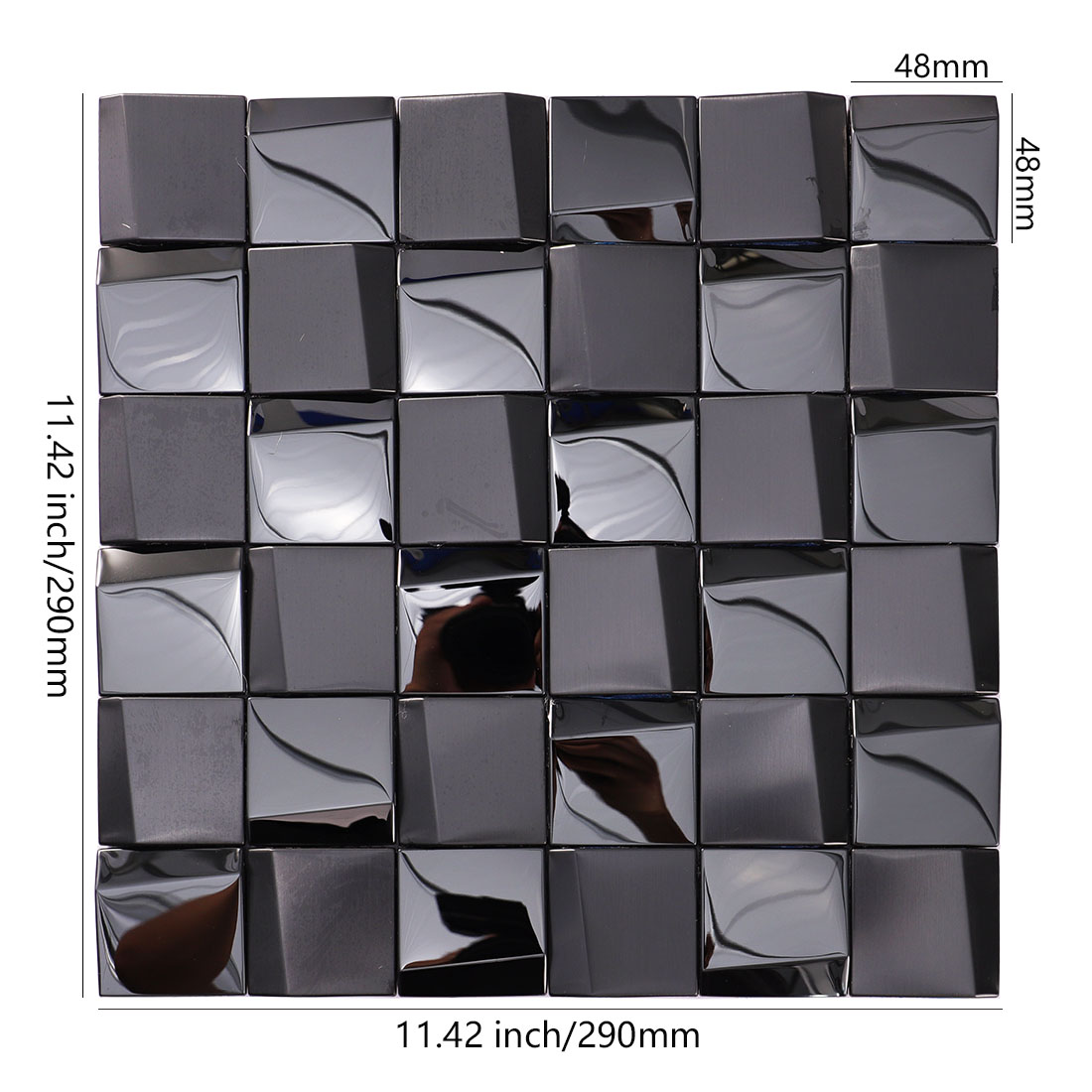
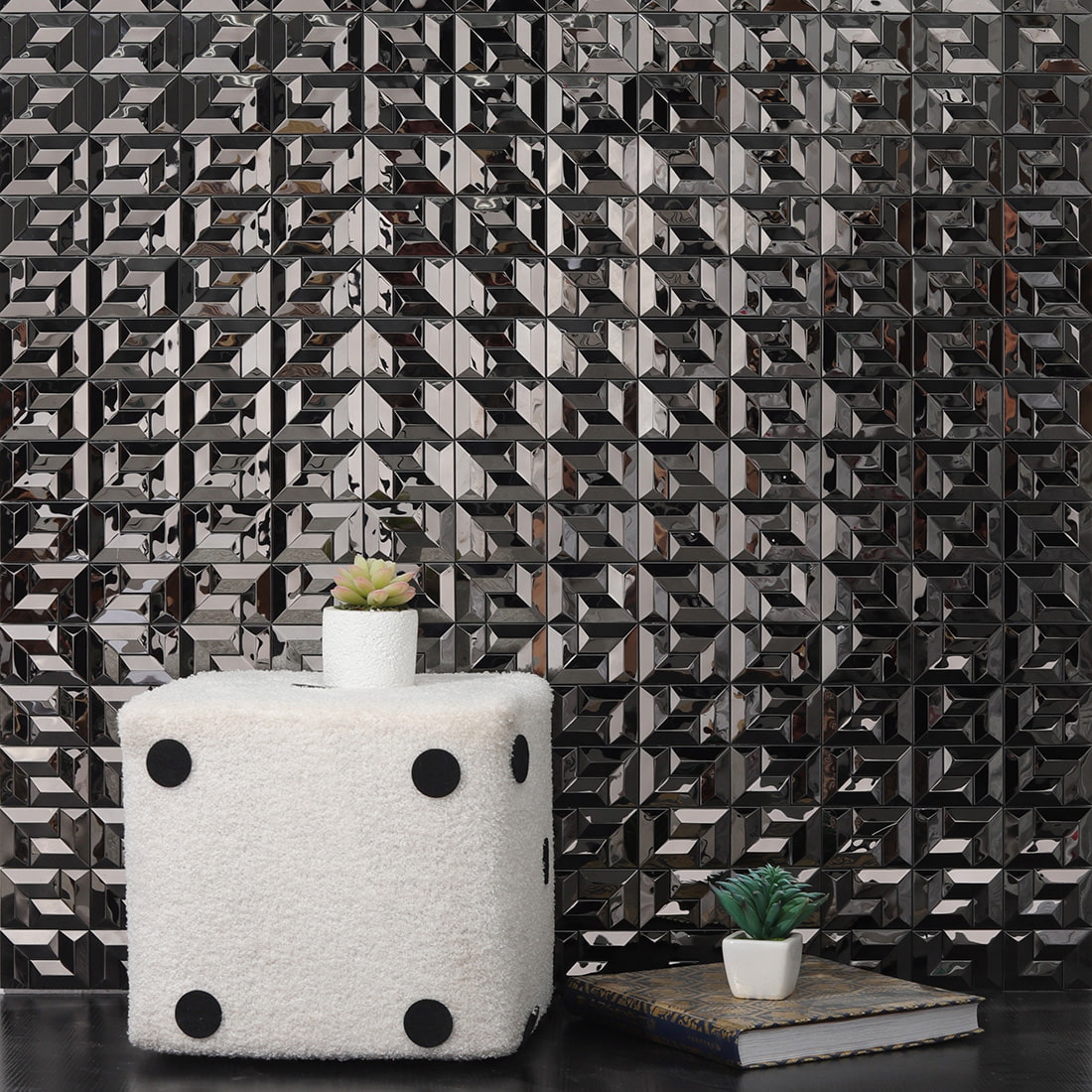
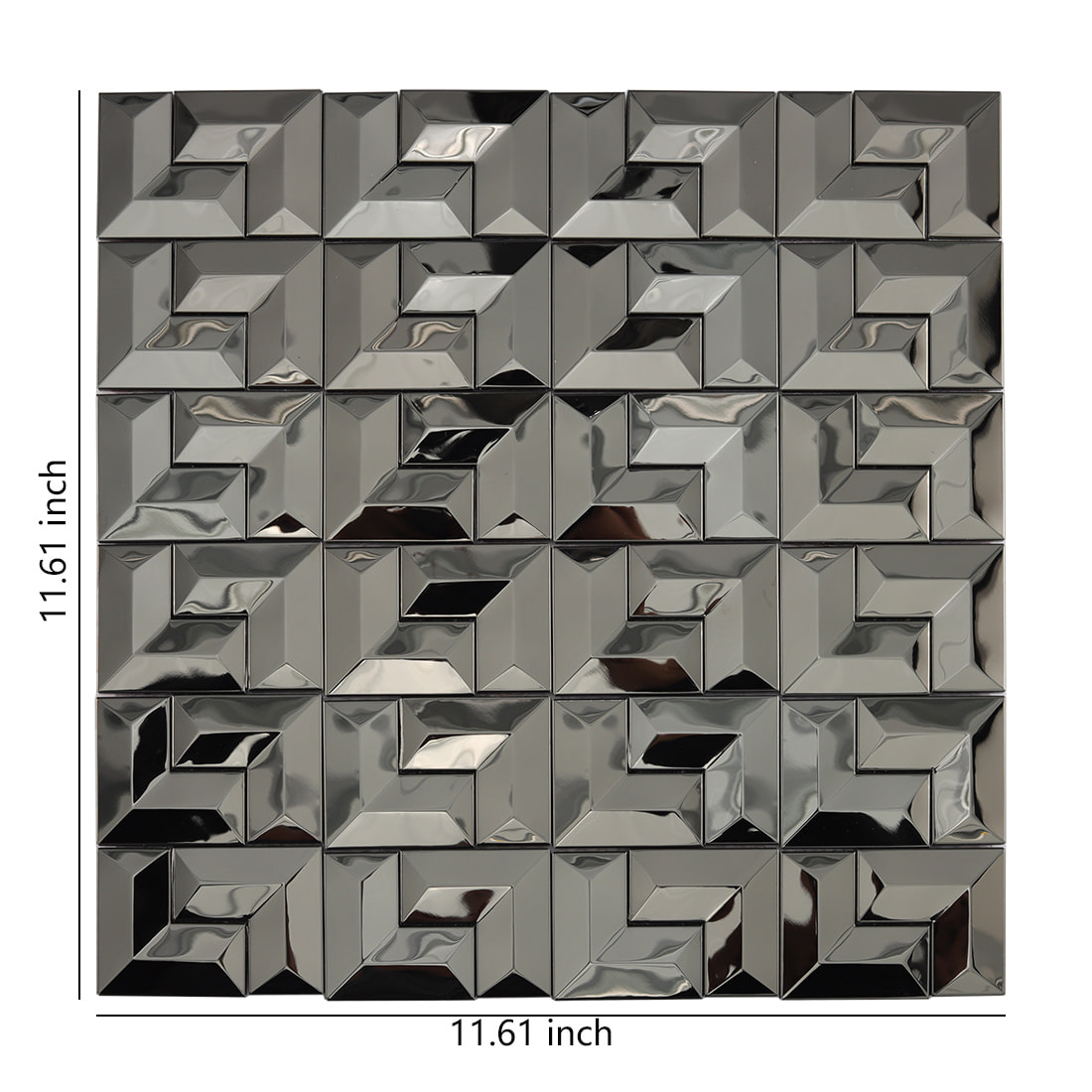
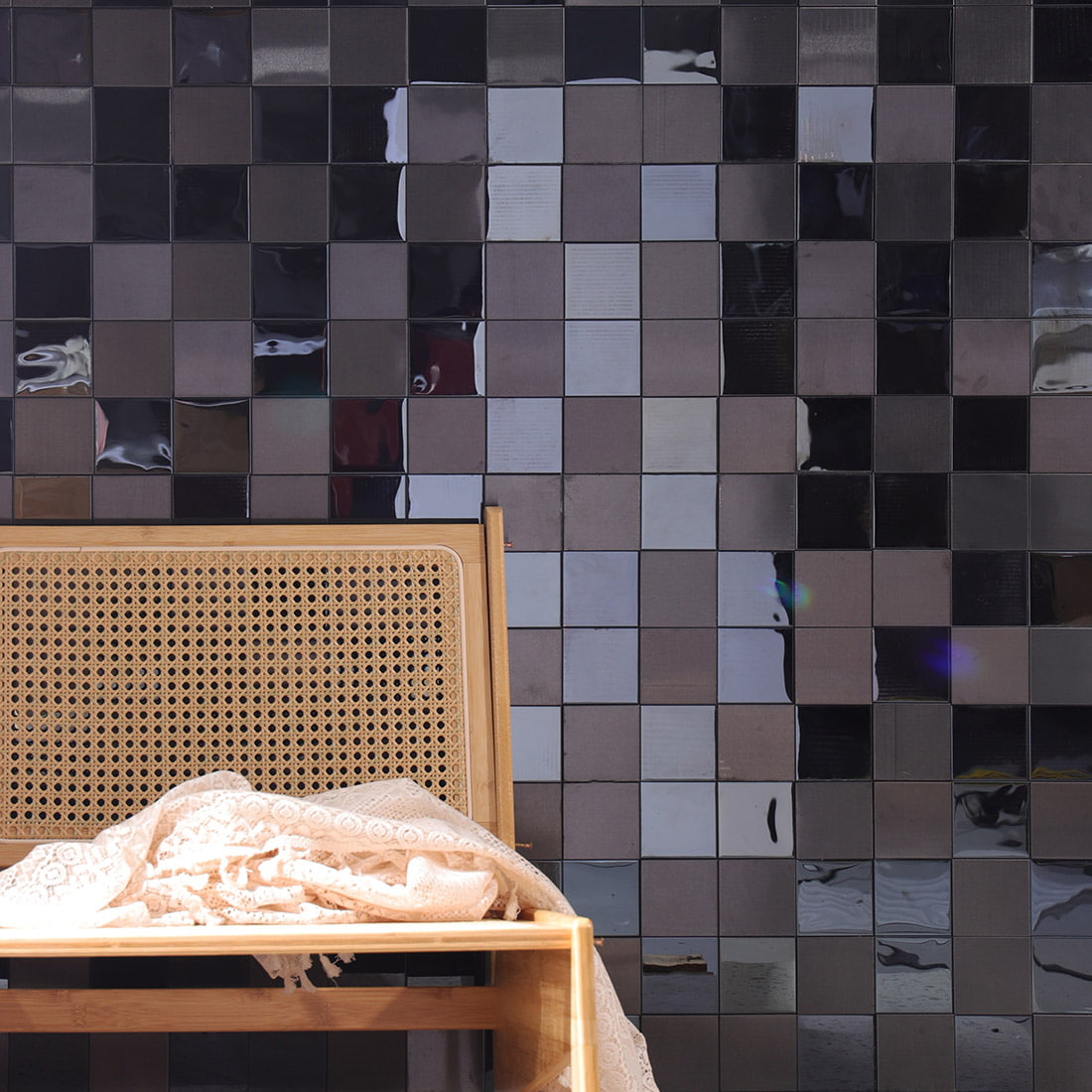
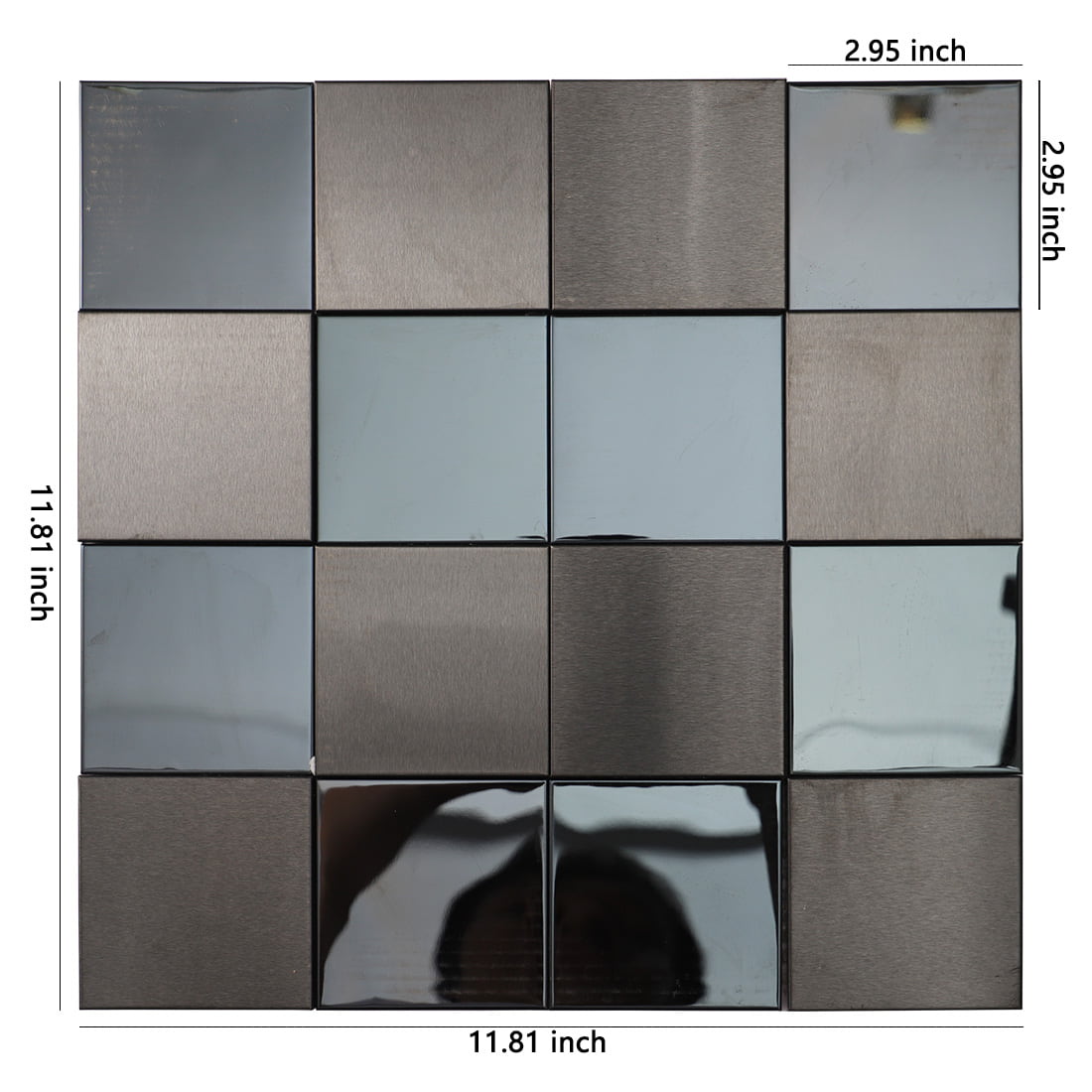
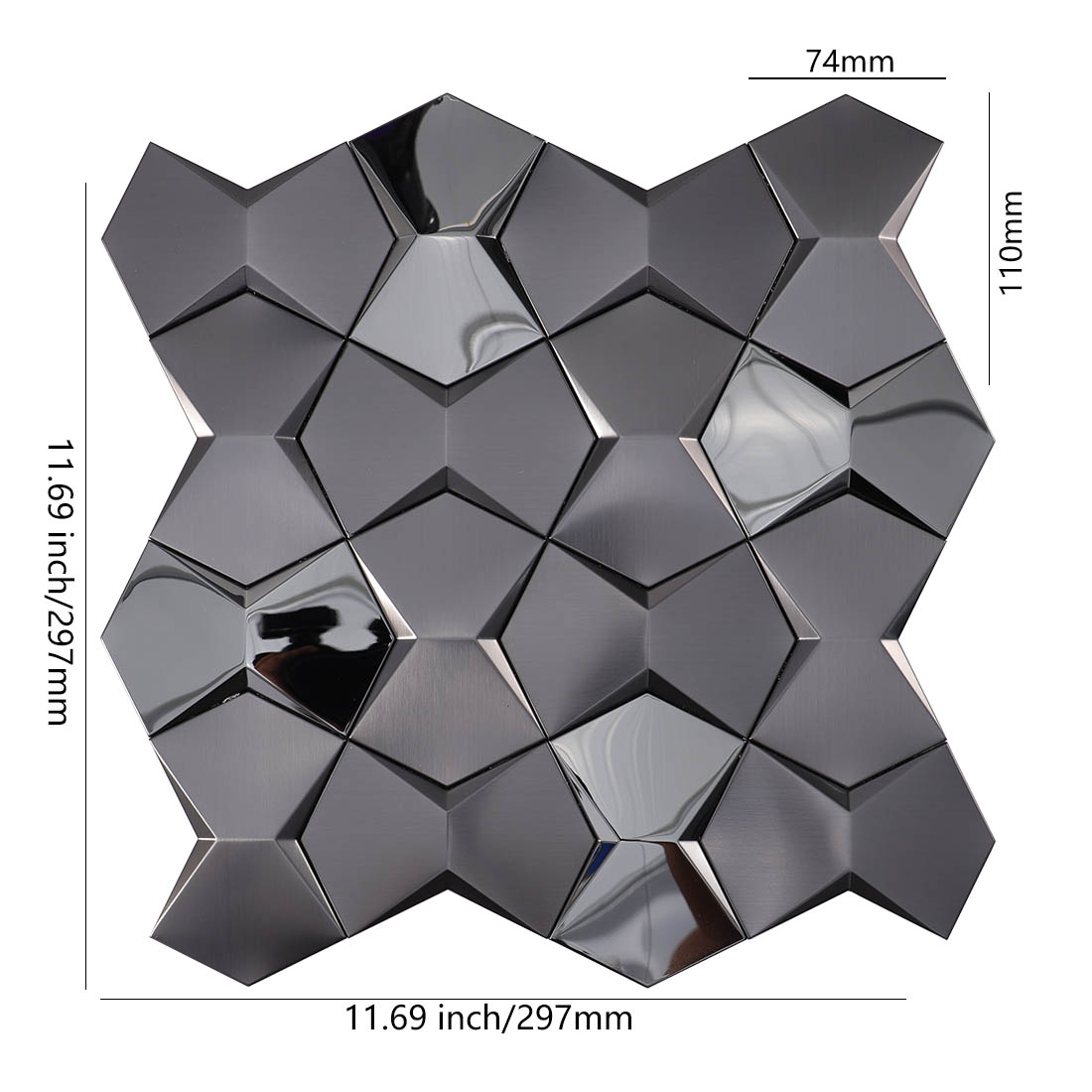
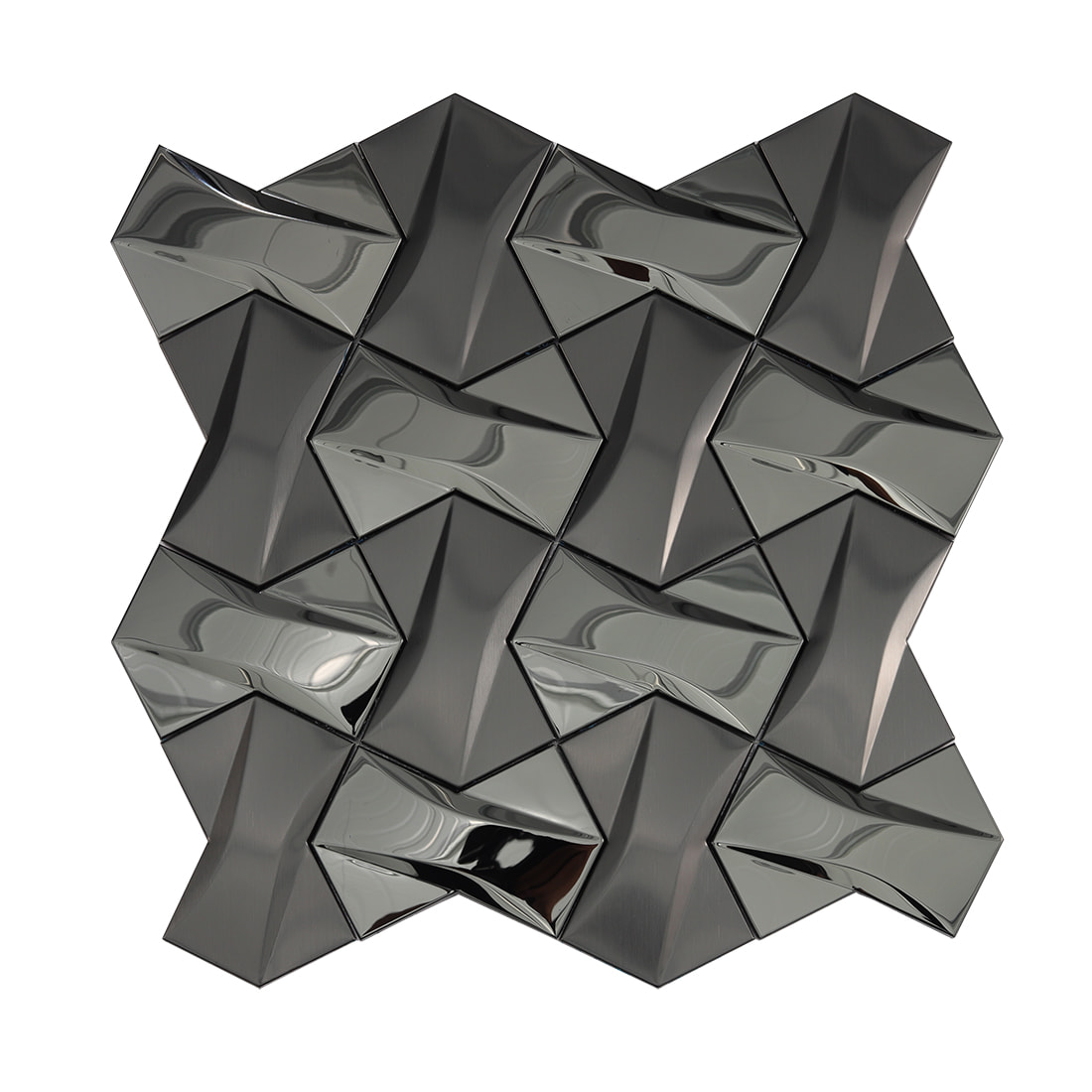
Black Geometric 3D Metal Mosaic Tile$13.50 USD
-
-
-
-
-
-
-
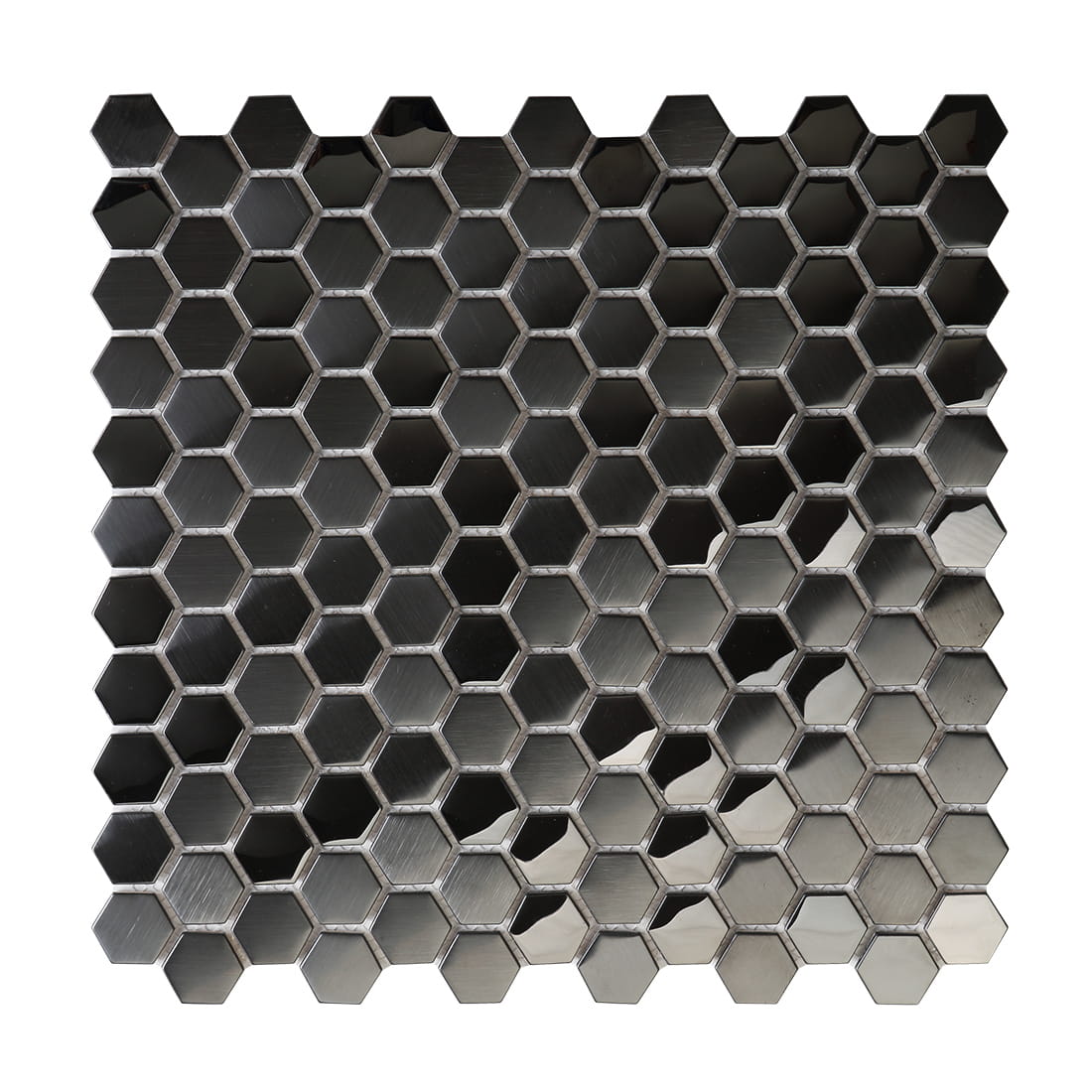
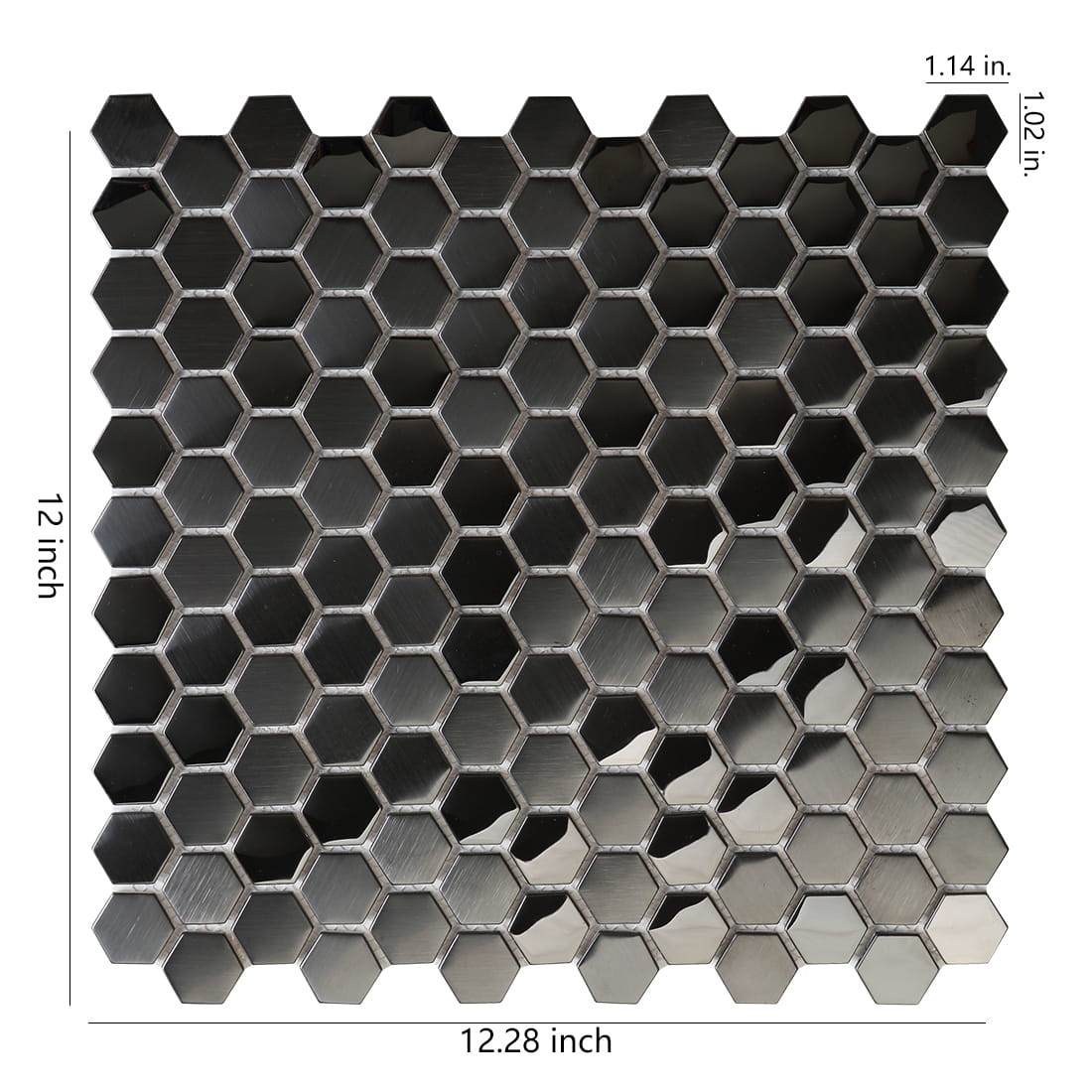
Black Stainless Steel Hexagon Mosaic Tile$14.70 USD
-
-
-
-


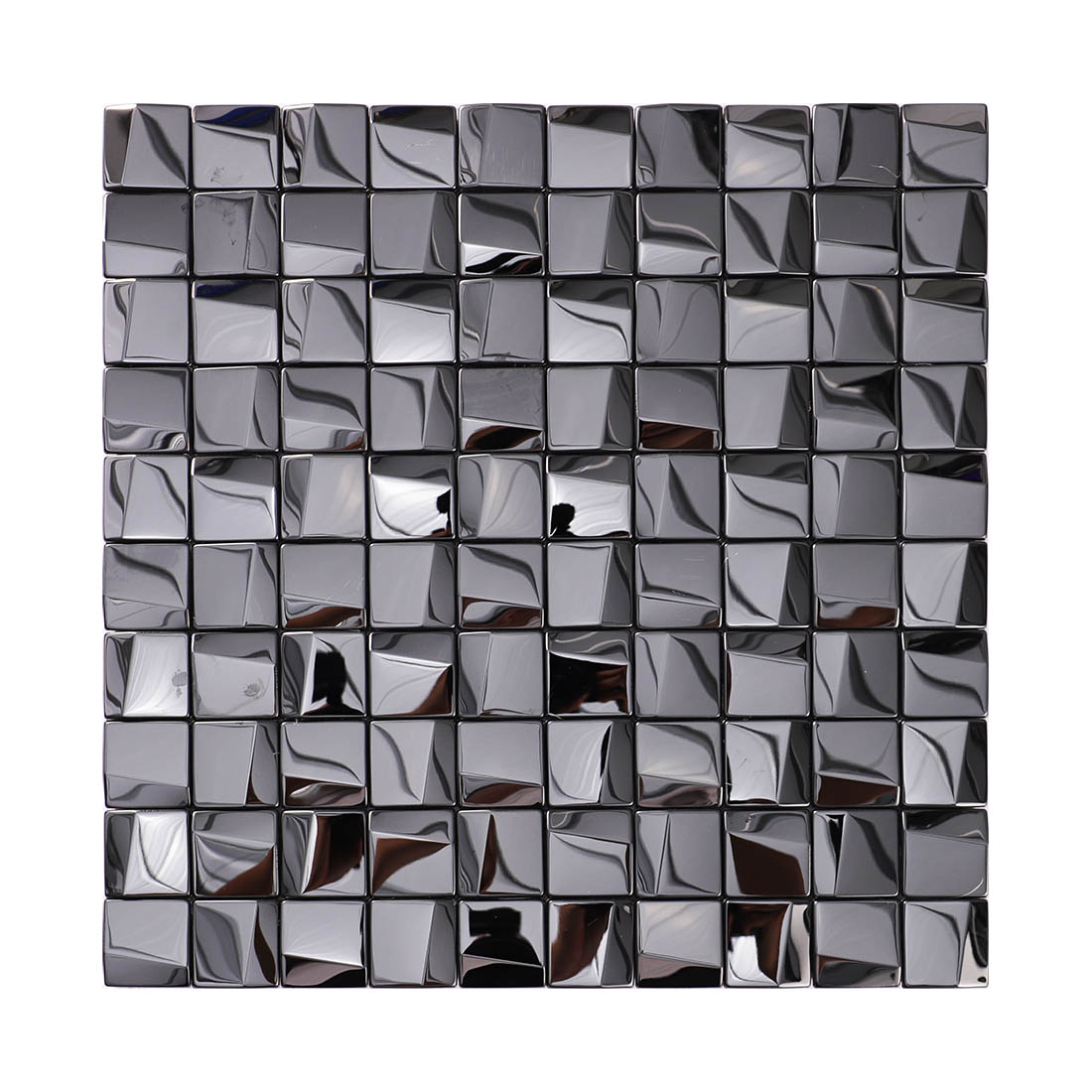
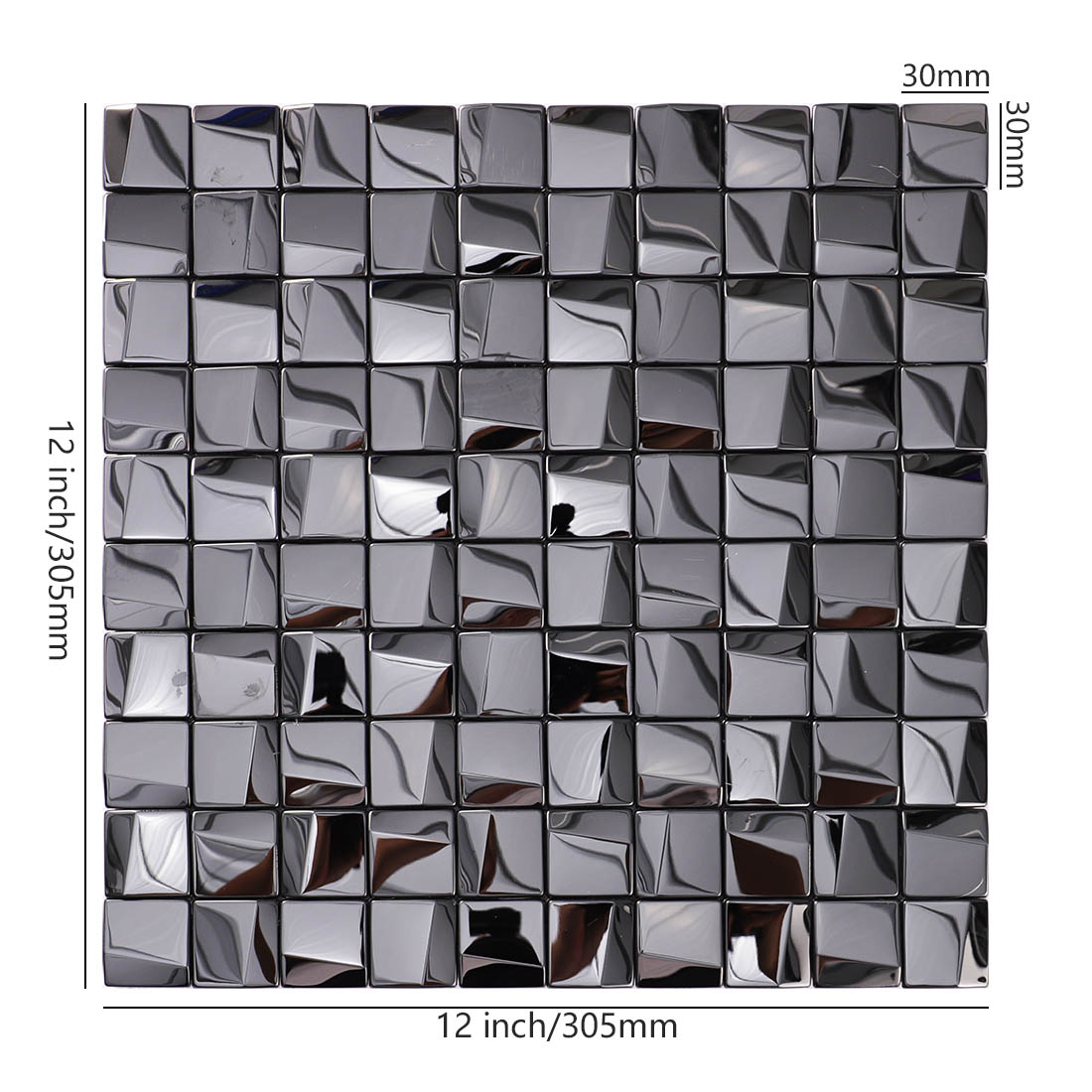
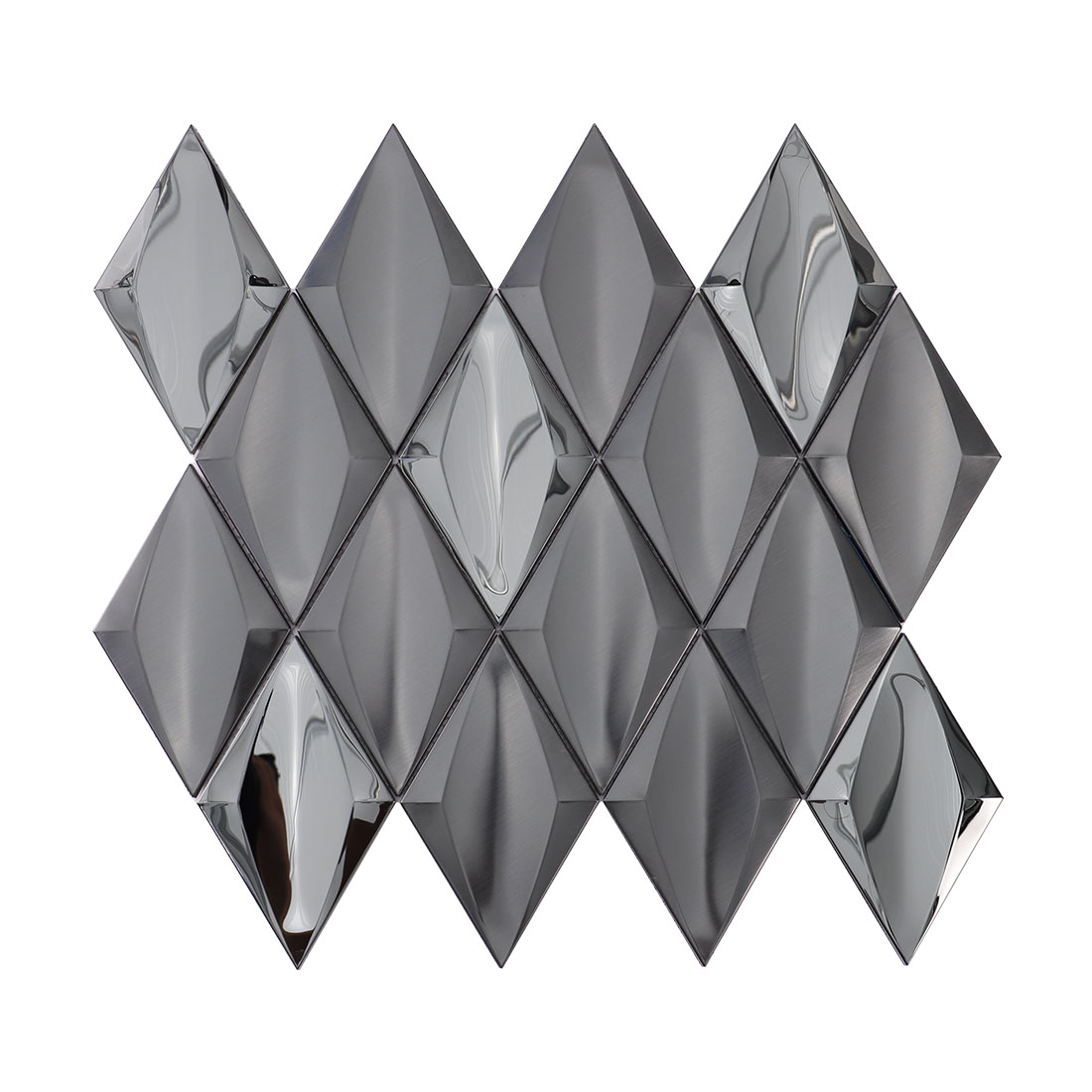
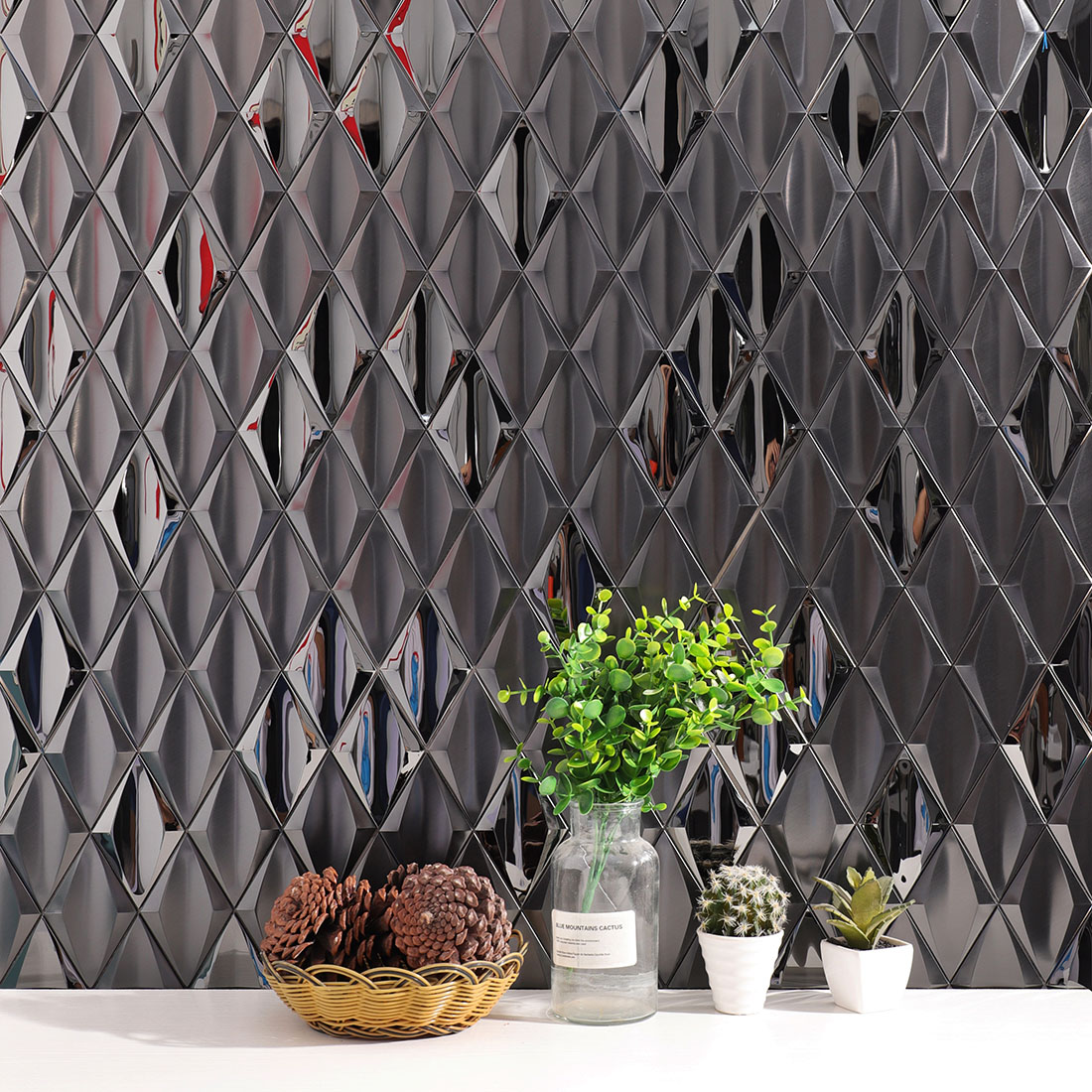
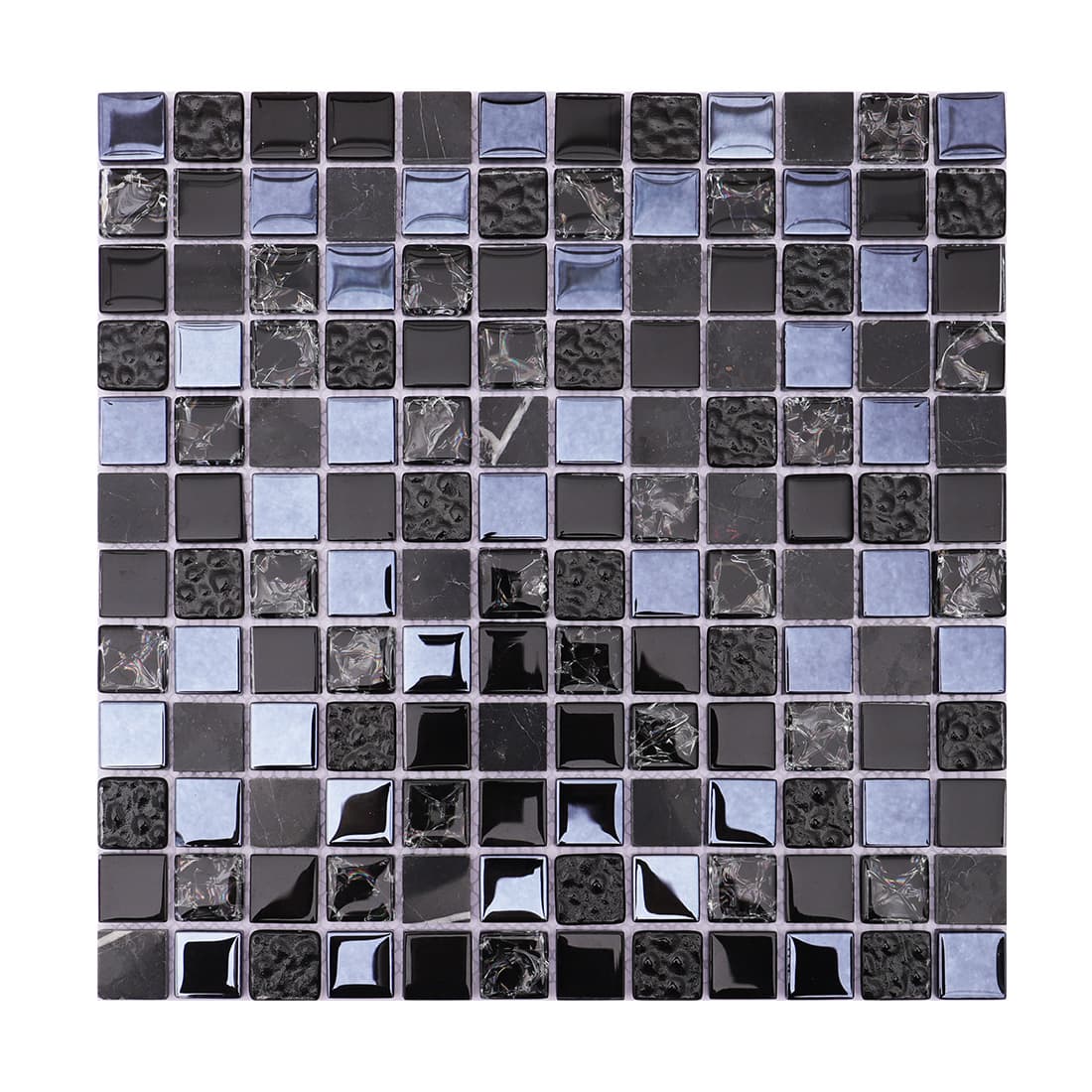
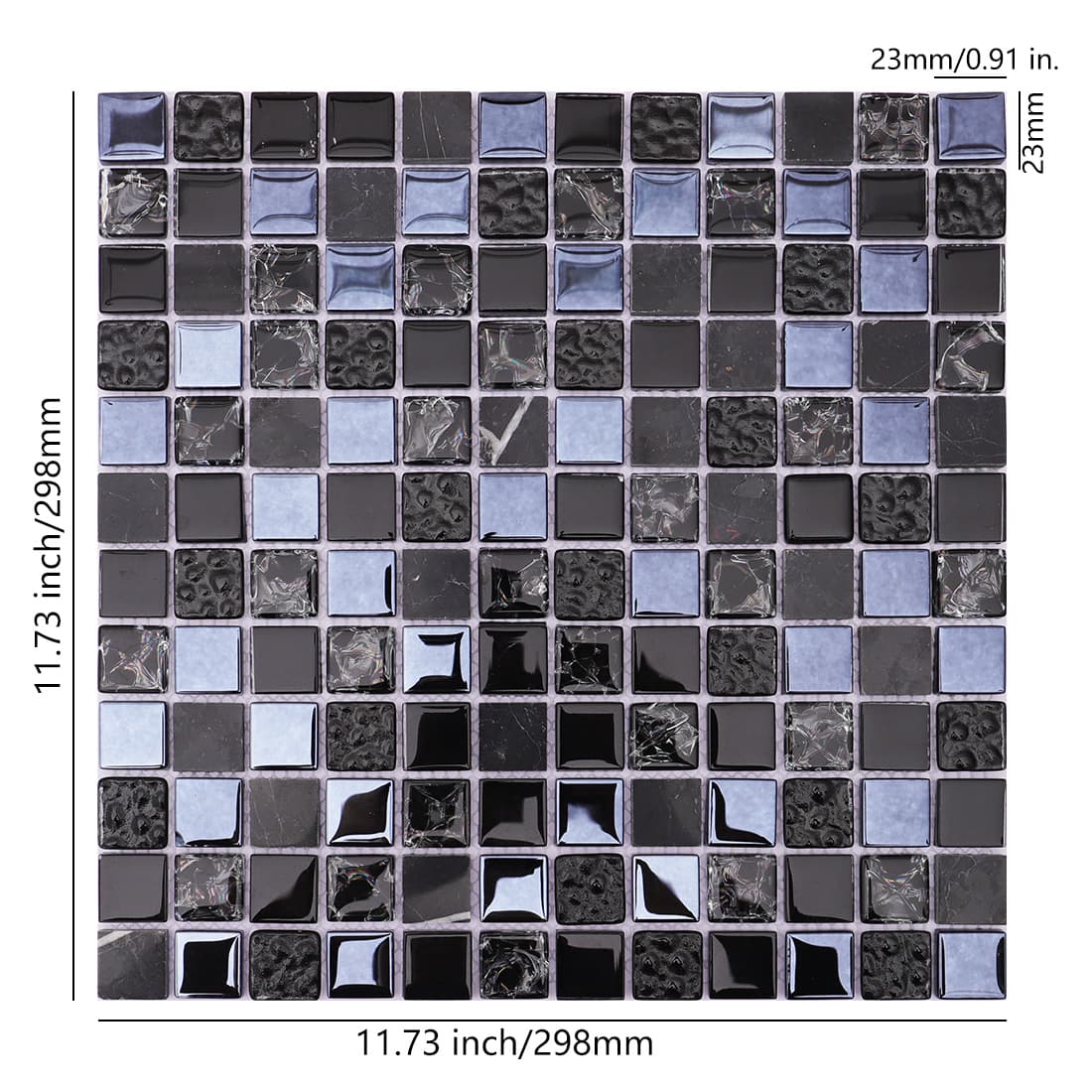
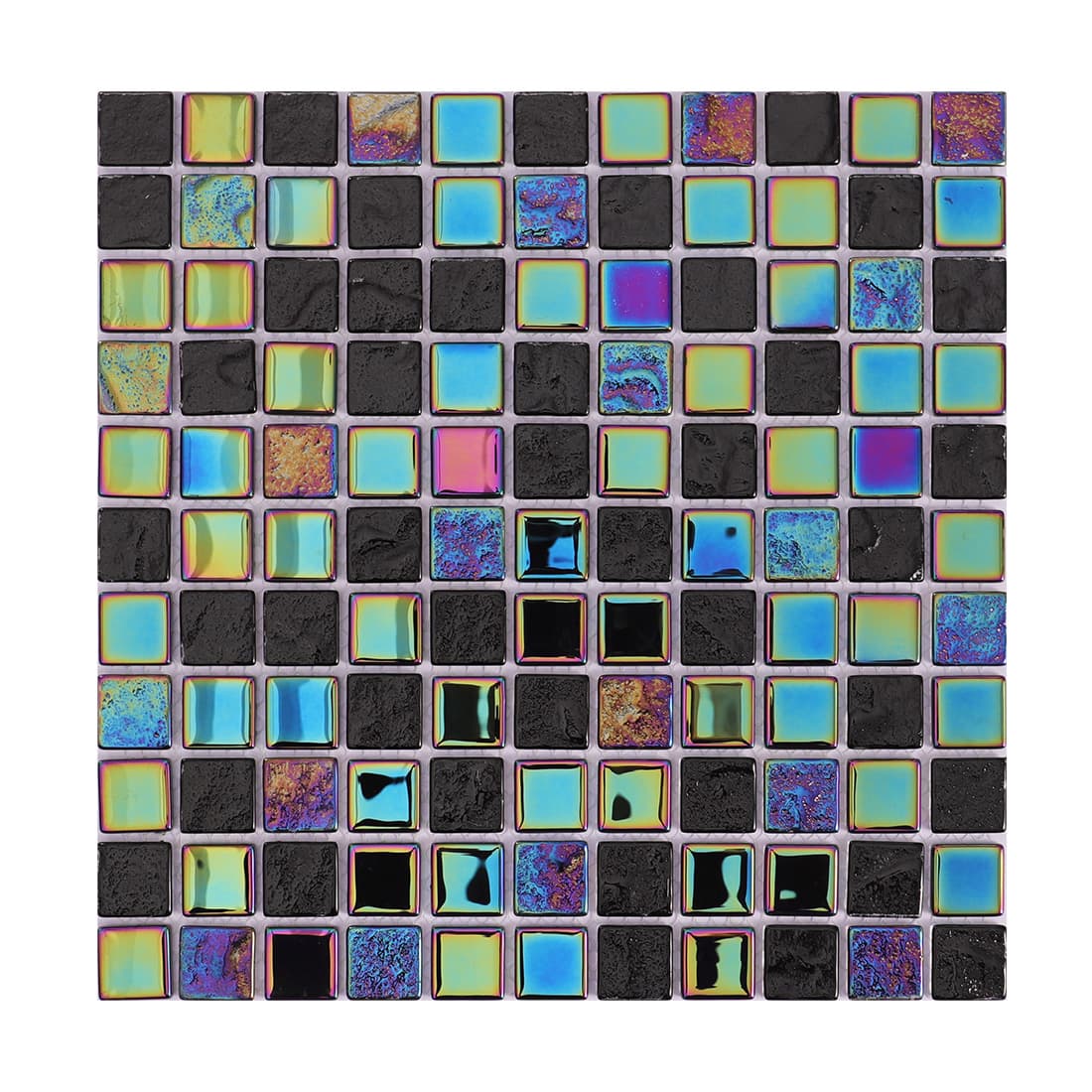
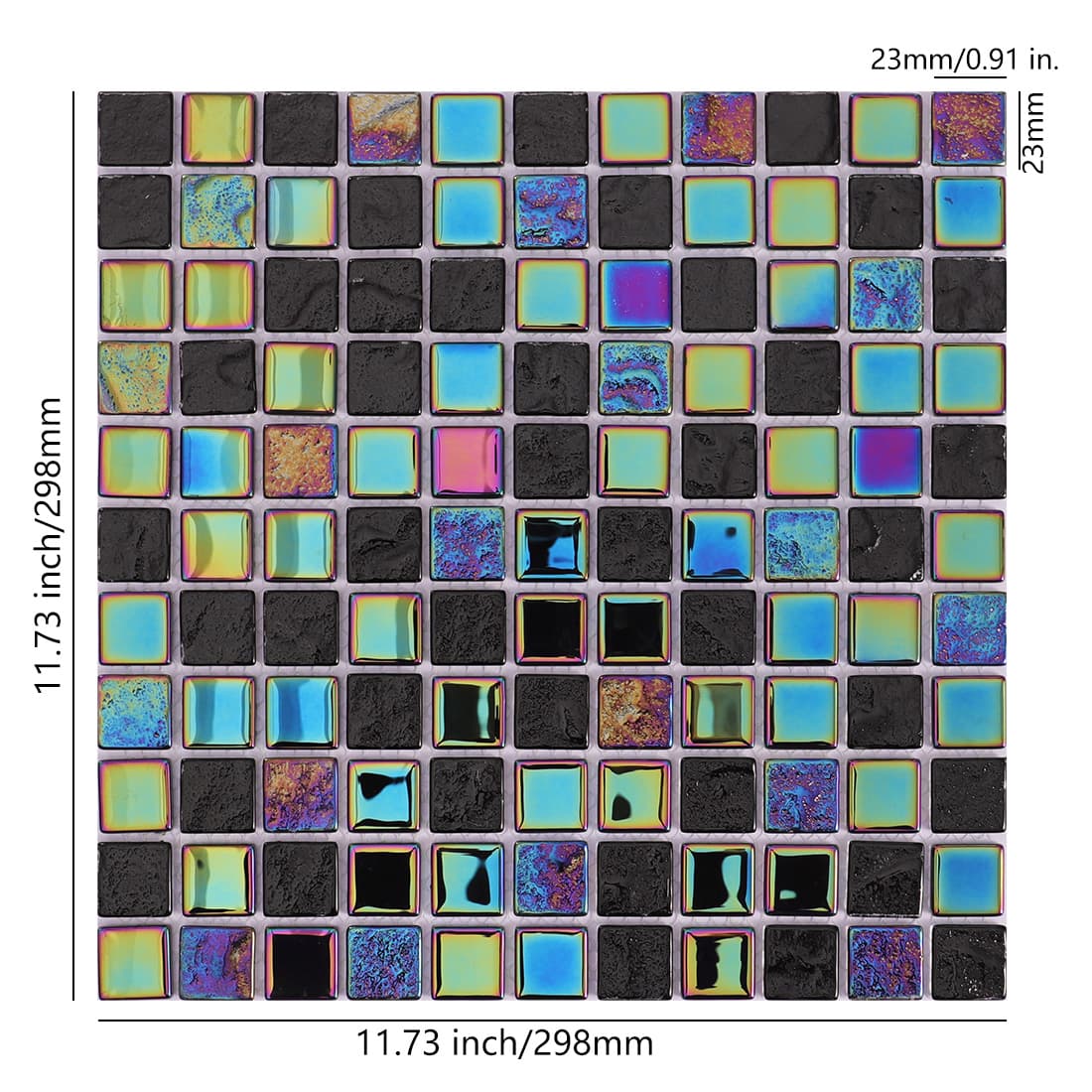




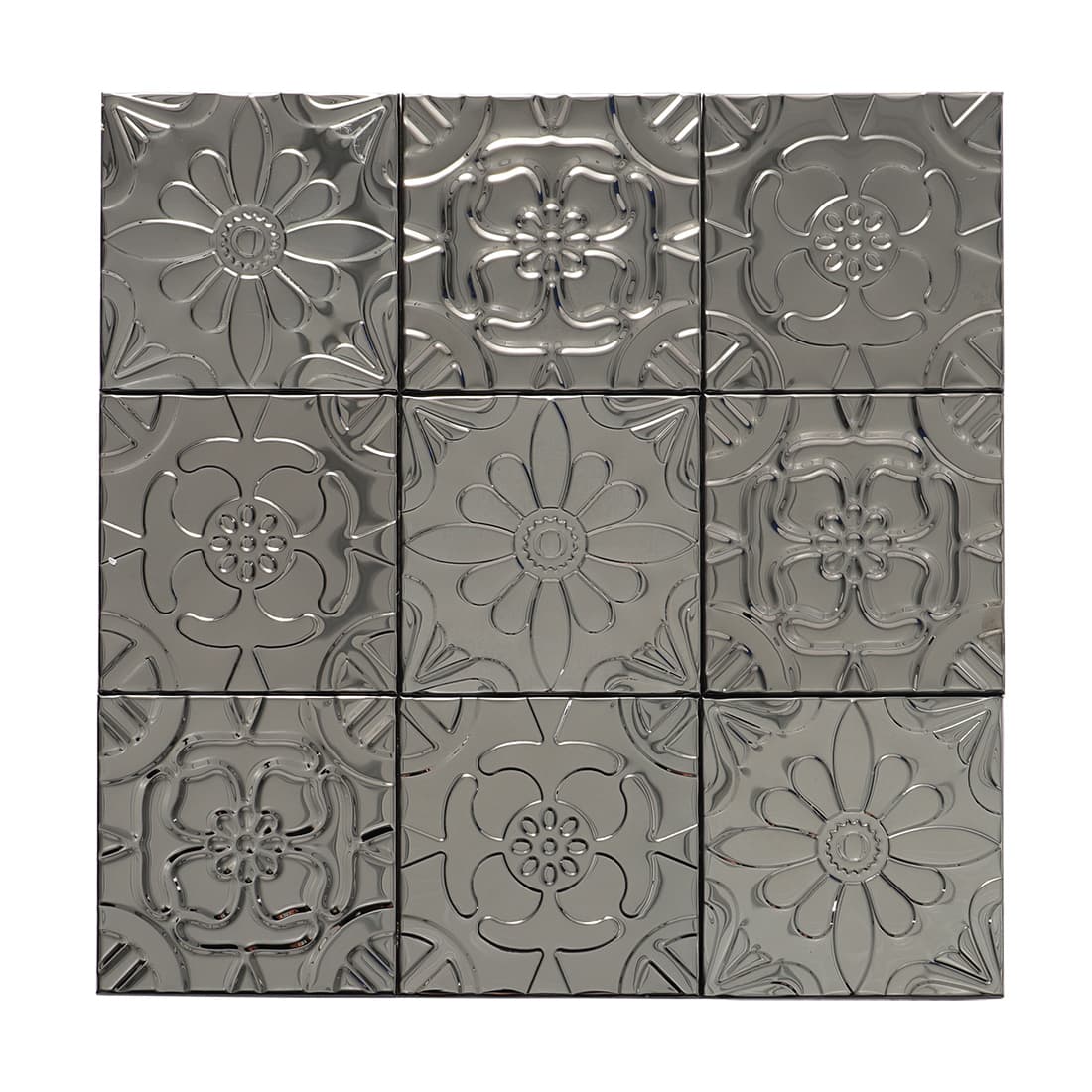
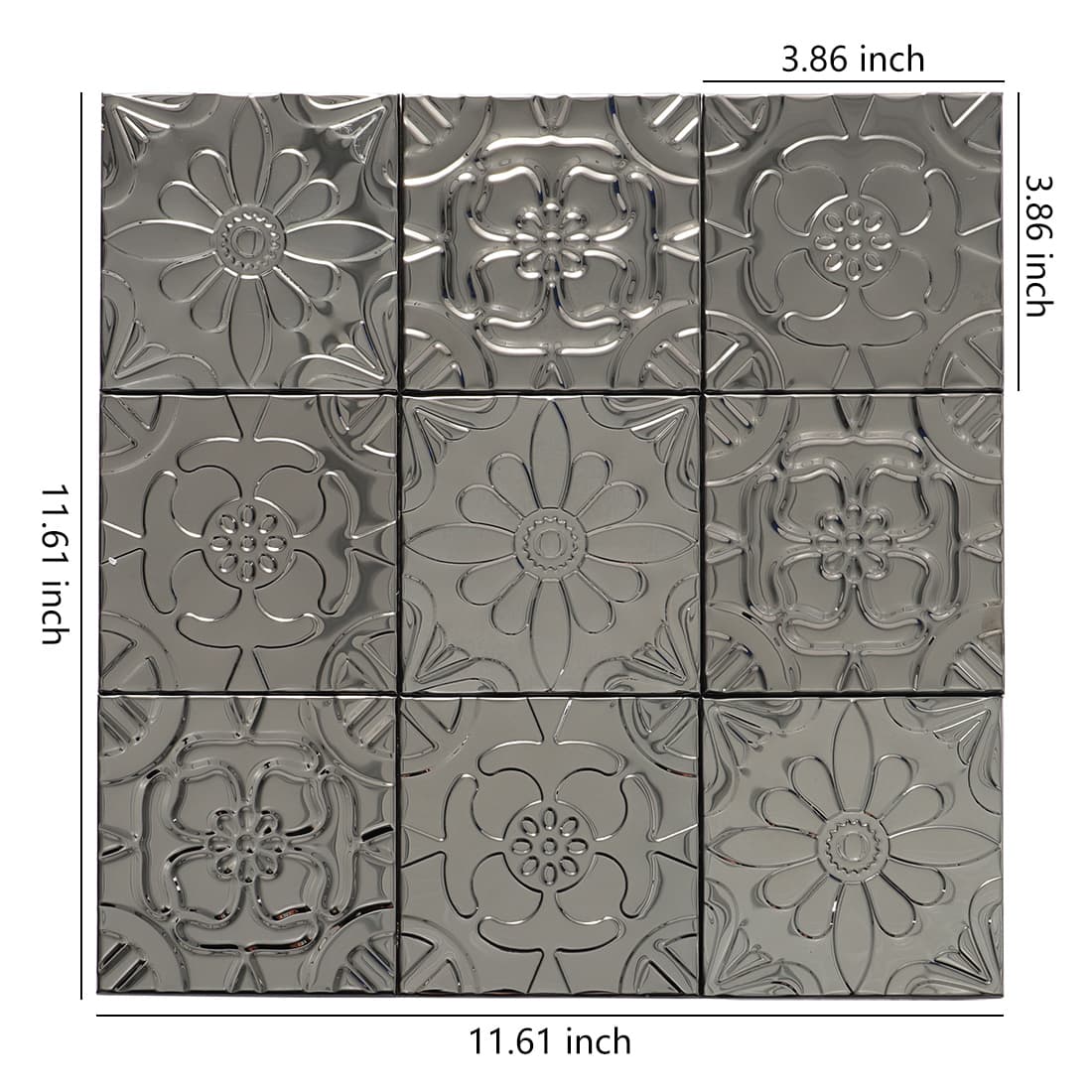
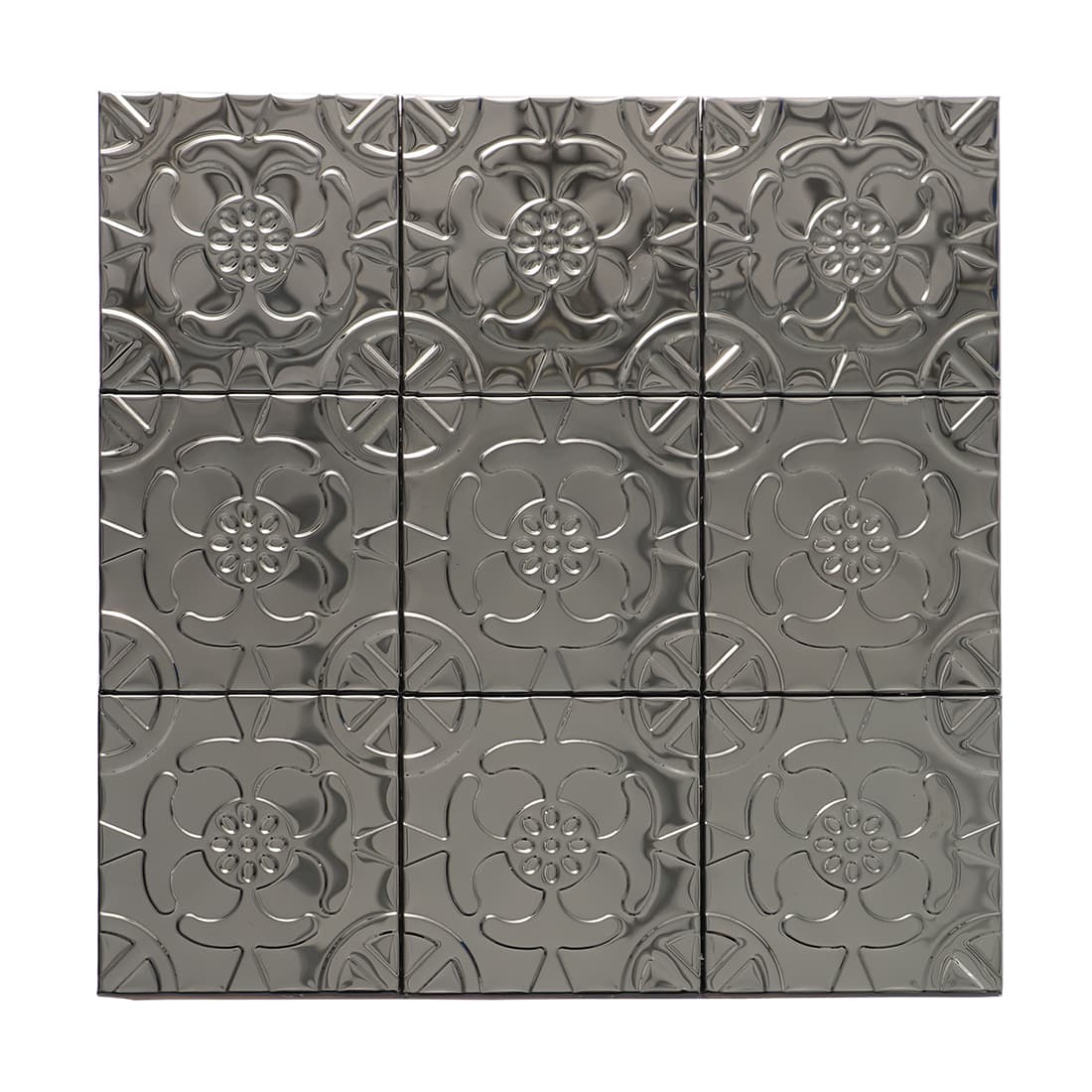
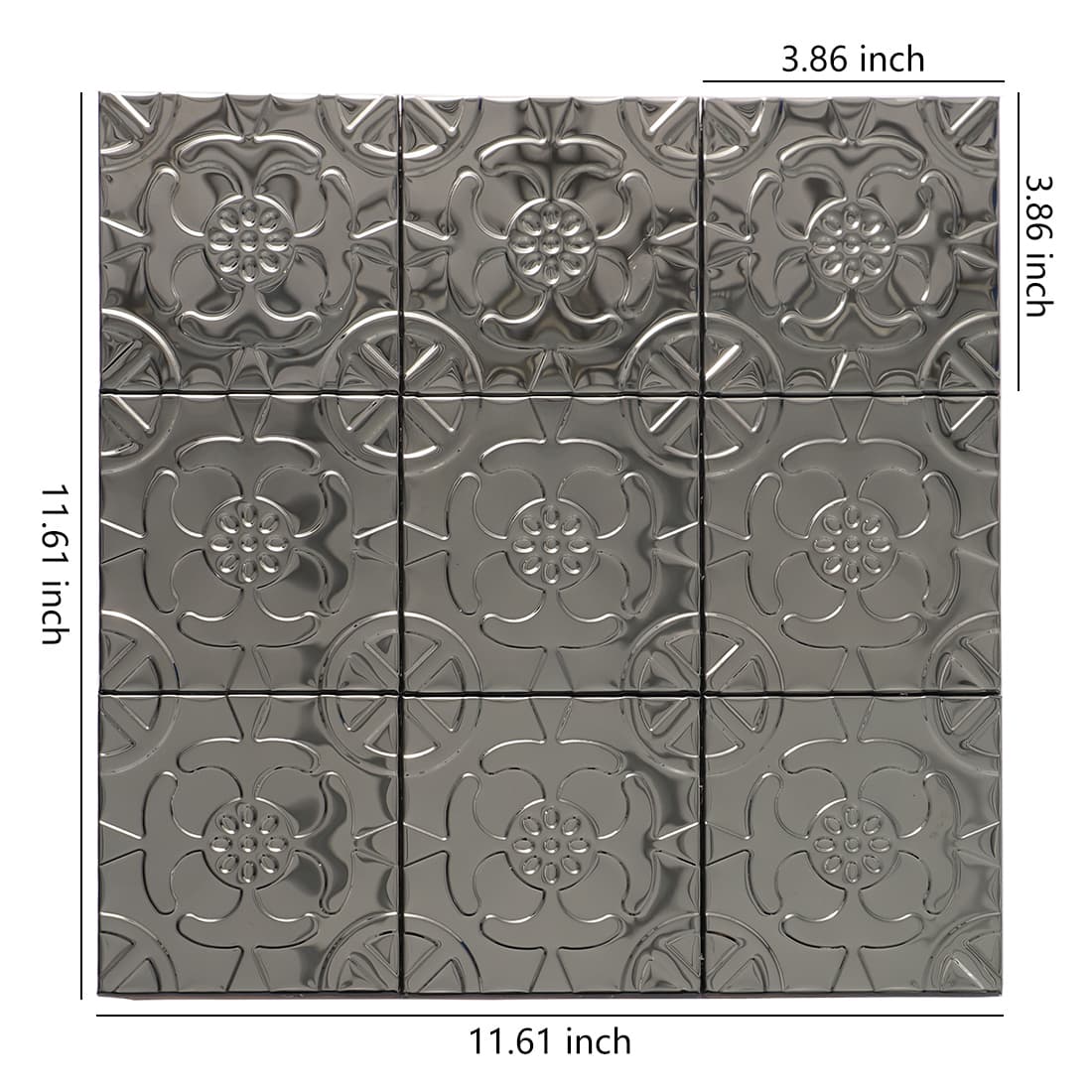
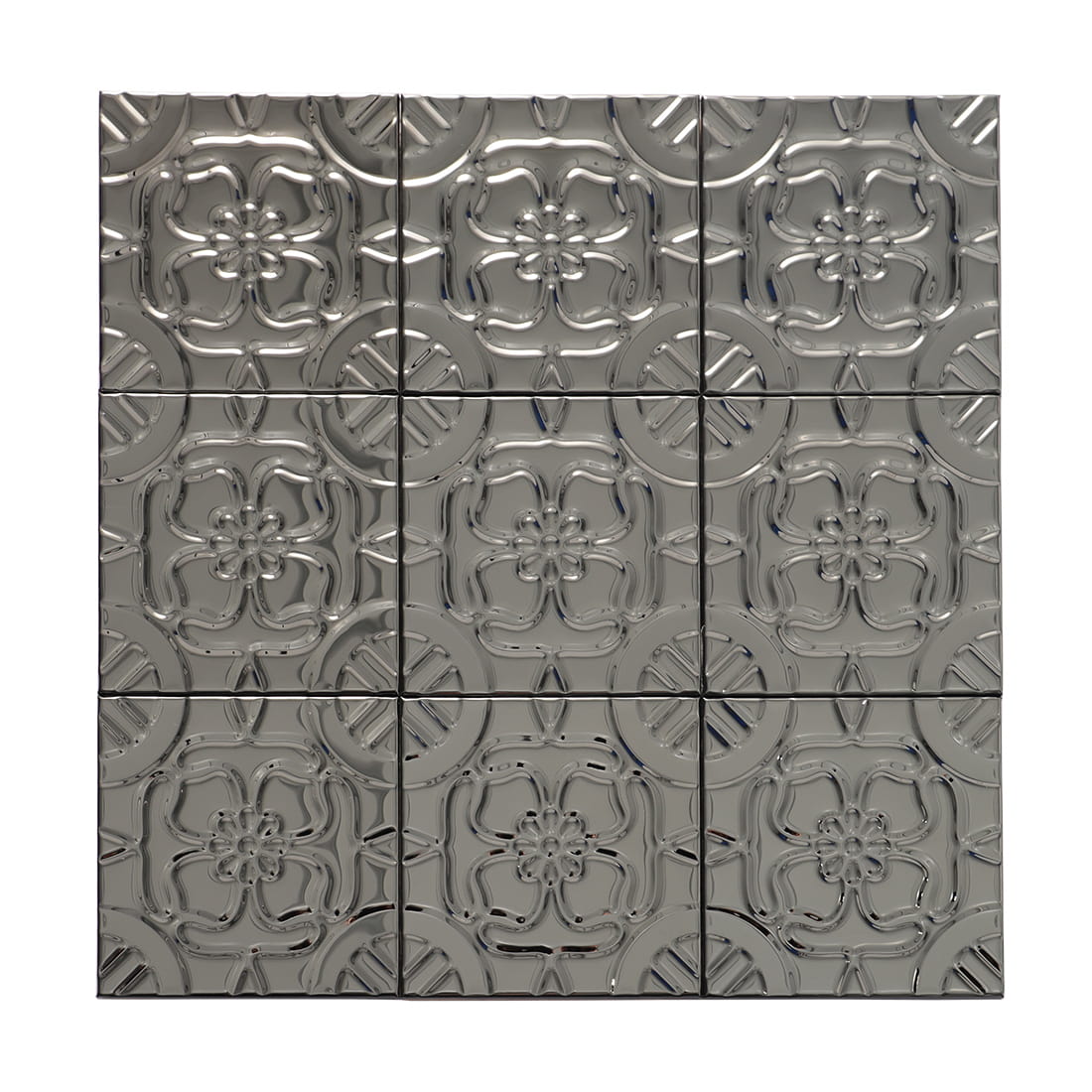
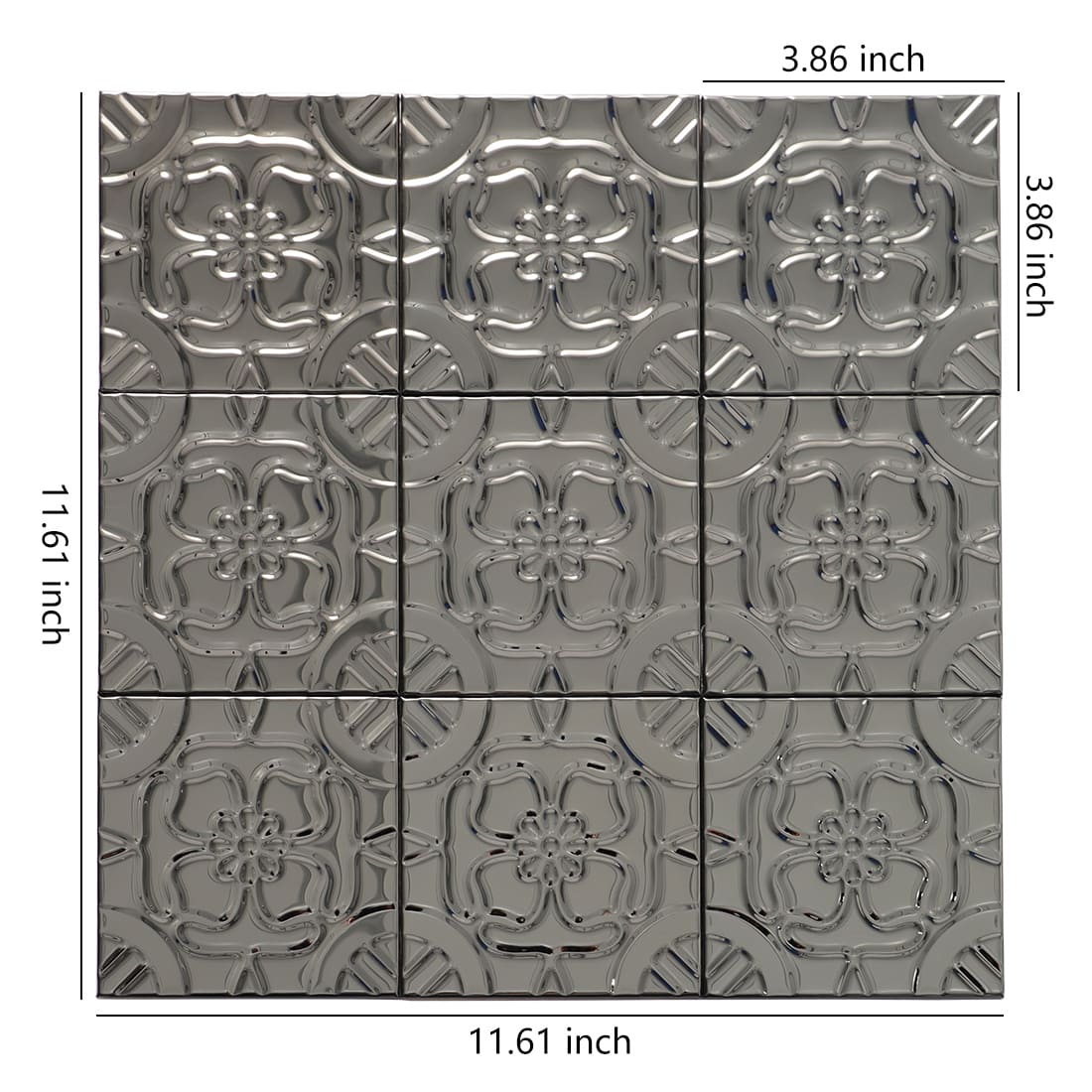


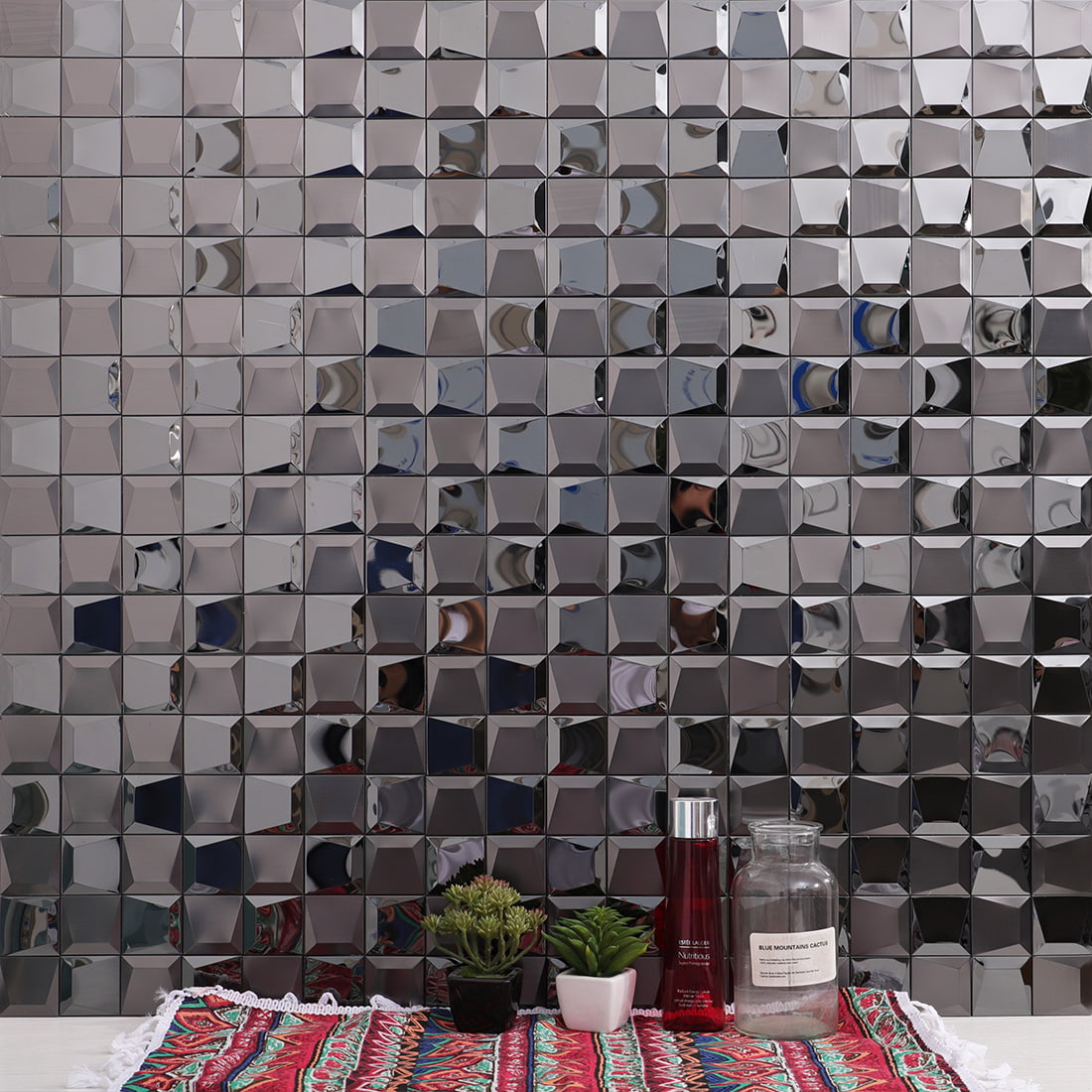
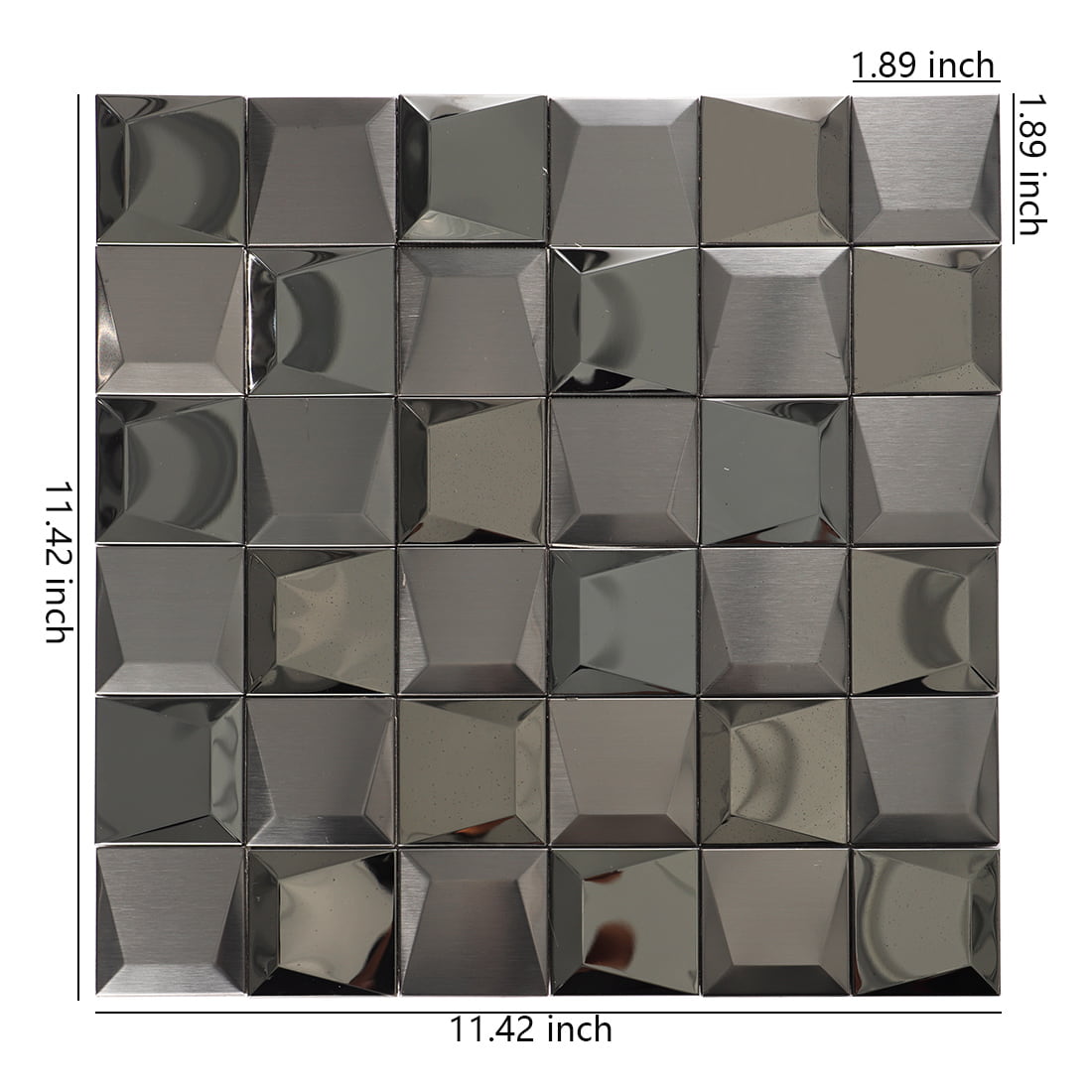

Black Tiles: Ultimate Guide to Materials, Shapes, and Design Ideas
Black tiles represent the pinnacle of sophistication and versatility in modern interior design. Whether utilized to create a dramatic focal point or to anchor a space with subtle elegance, the depth and character of black tiles are unmatched. From the natural veining of marble to the sleek reflectivity of glass, black tiles offer endless possibilities for transforming residential and commercial environments into statements of luxury and style.
Black Tile Materials
The material composition of a tile dictates not only its aesthetic appeal but also its durability and application. Black tiles are available in a diverse array of materials, each offering unique textures and finishes.
Glass Tiles
Black glass tiles bring a luminous quality to any space. They are particularly favored for backsplashes and bathroom walls due to their ability to reflect light and create depth.
- Vitreous Glass: Highly durable and frost-resistant, suitable for both indoor and outdoor applications.
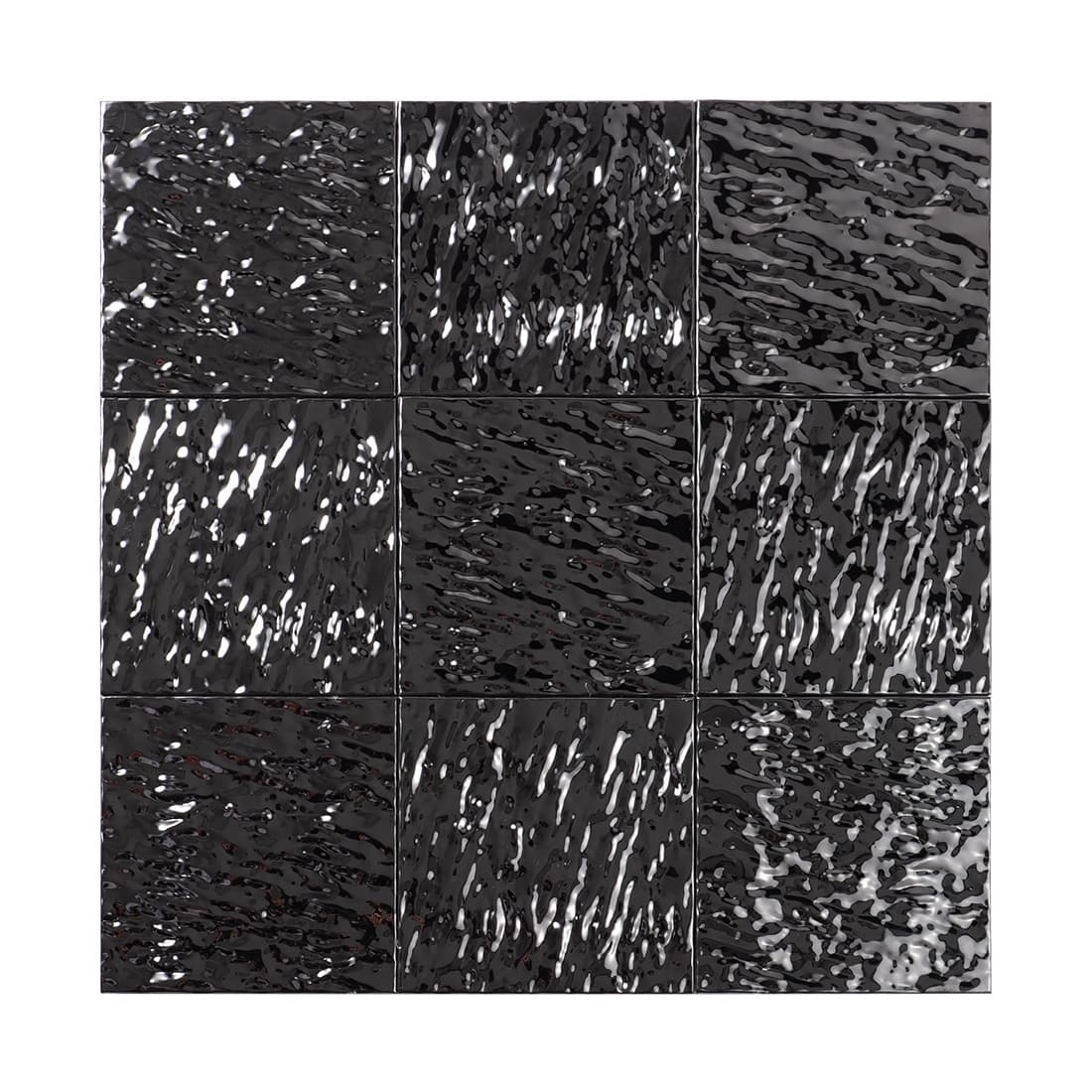
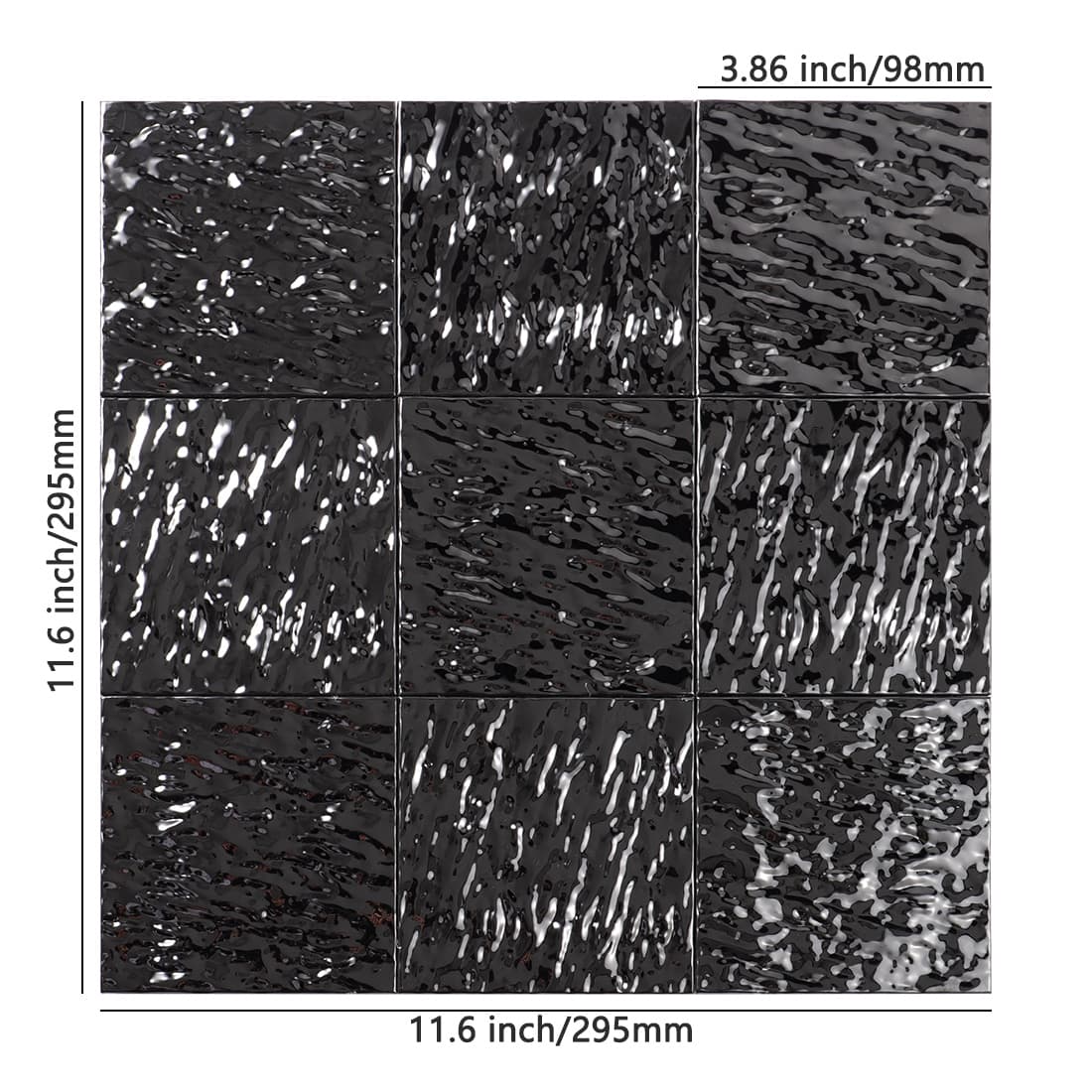
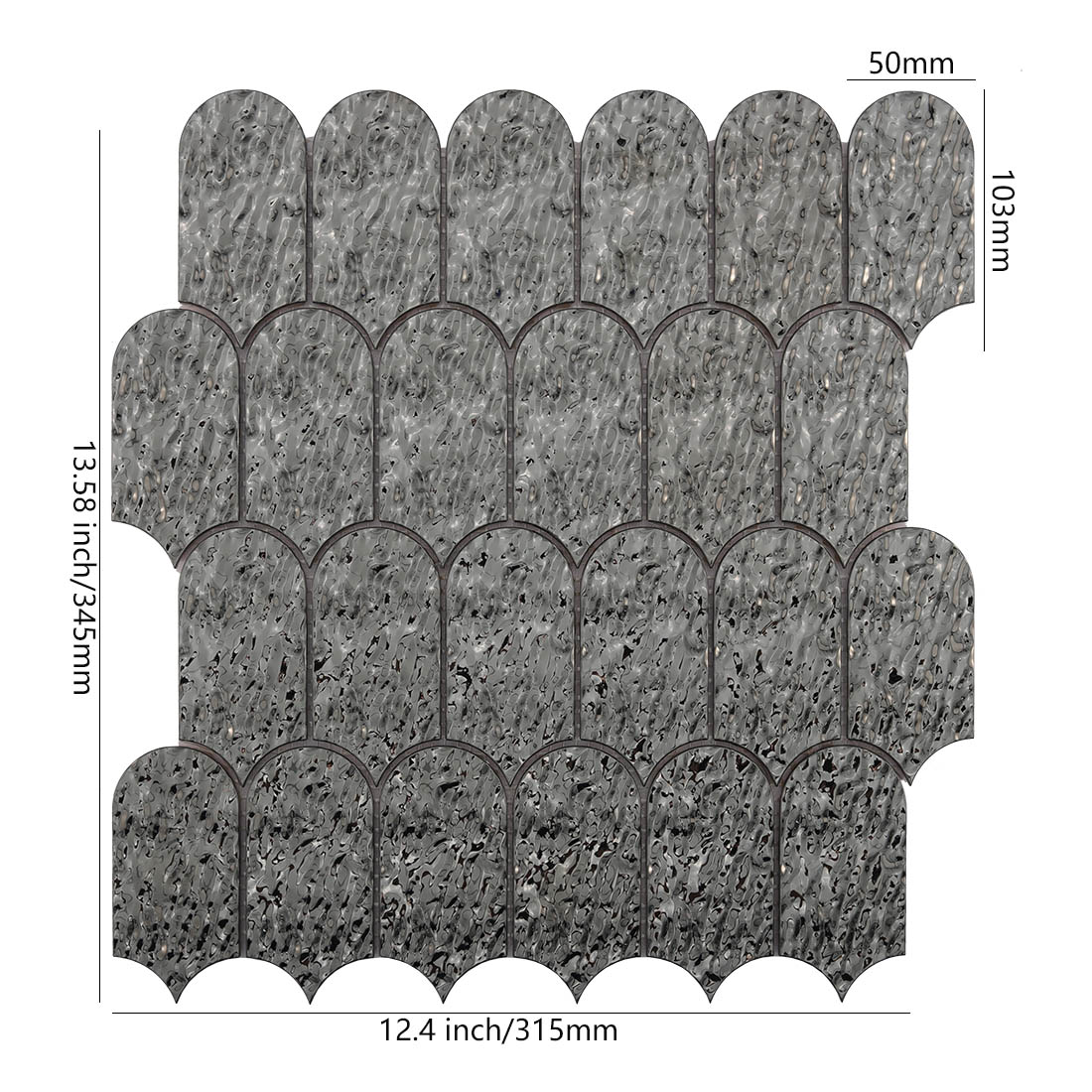
- Water Glass: Features a wavy, textured surface that mimics the movement of water, adding visual interest.
- Crystal Glass: Offers superior clarity and brilliance, often used for high-end luxury finishes.
- Finishes: Available in matte for a subtle look, glossy for high reflectivity, iridescent for a spectrum of color shifts, and metallic for an industrial edge.
Marble Tiles
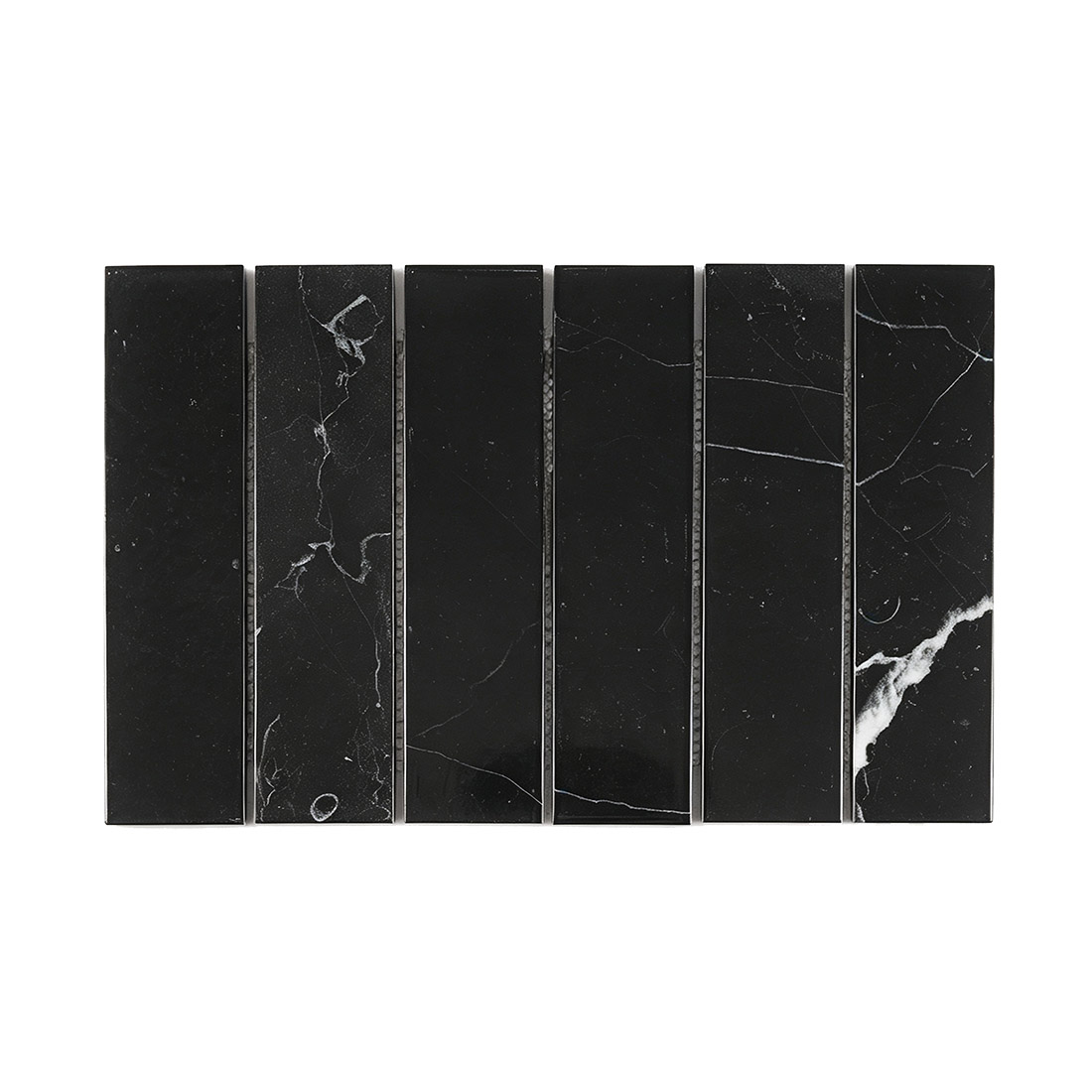
Black marble is synonymous with opulence. It provides a natural, organic look that no other material can replicate. Each piece is unique, featuring distinct veining patterns.
- Popular Types:
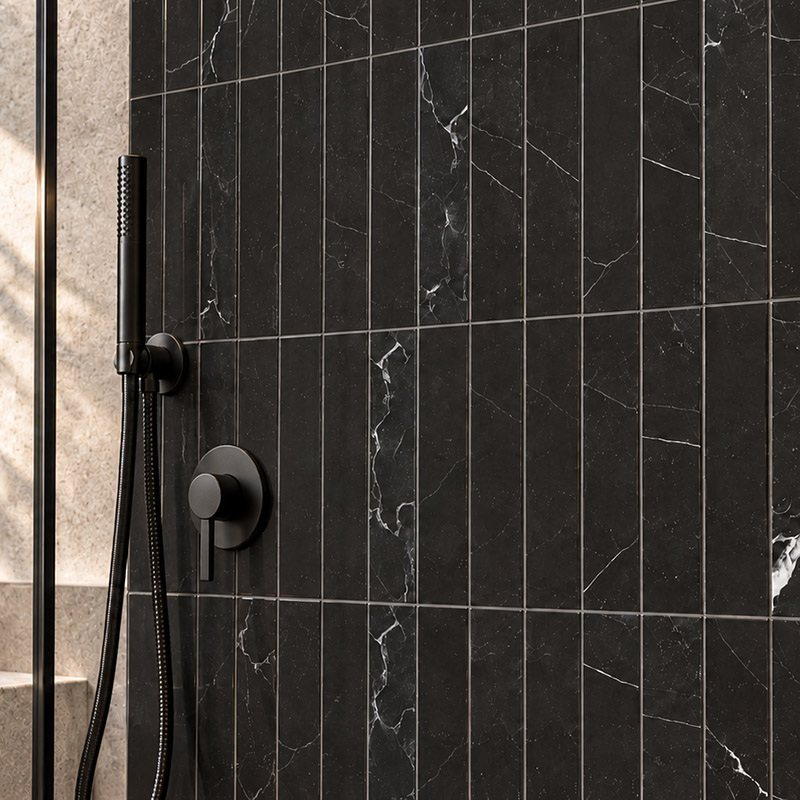
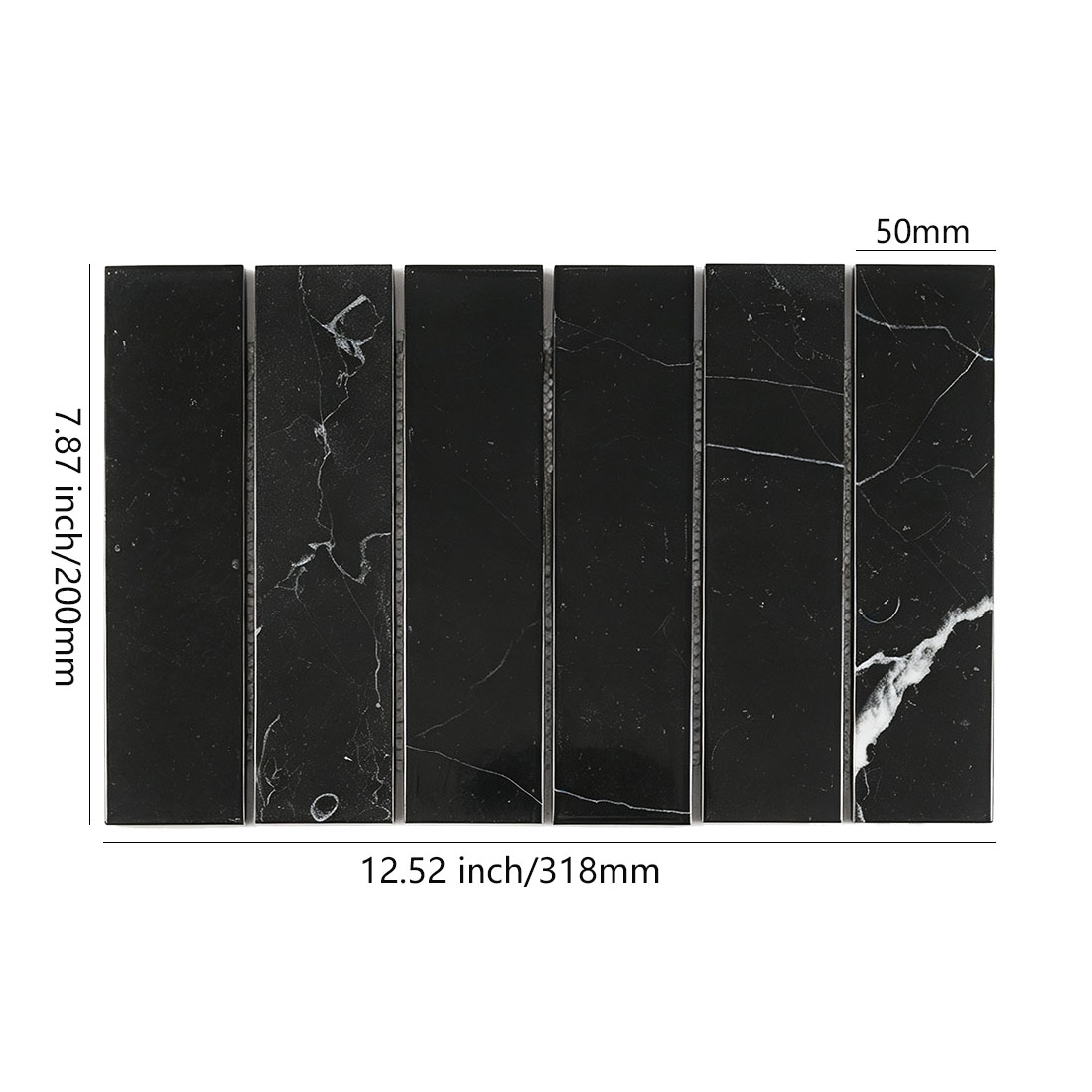
- Nero Marquina (Black and White Vein): A classic black marble with striking white veins, perfect for creating dramatic contrast.
- Mongolian Black: A solid, deep black basalt-like stone often used for modern minimalist designs.
- Hainan Black: Known for its dark grey to black tones and porous texture, often filled and honed for flooring.
- Finishes: Can be processed into polished (high shine), honed (matte, satin feel), tumbled (aged, rustic look), or sawn cut textures.
Ceramic Tiles
Ceramic tiles are a versatile and cost-effective option for black surfaces. They are durable, easy to maintain, and available in a vast range of styles.
- Glazed vs. Unglazed: Glazed ceramic tiles offer a protective layer that can be colored and patterned, while unglazed tiles rely on the natural color of the clay and are more slip-resistant.
- Surface Effects: Modern manufacturing allows for metallic effects, high-gloss "piano black" finishes, or soft, powdery matte surfaces that absorb light.
Mother of Pearl
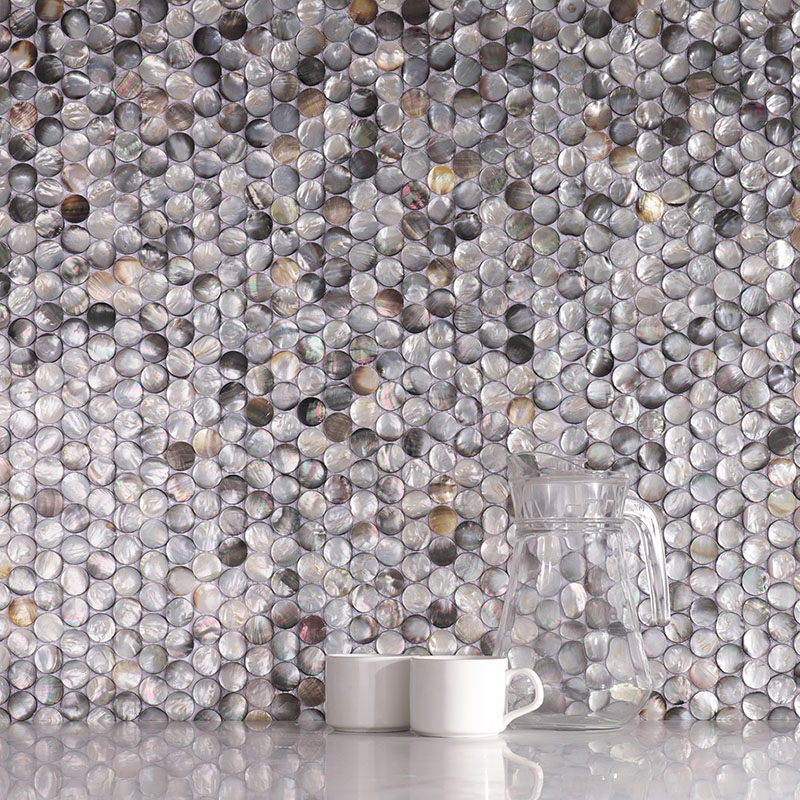
For those seeking true luxury and rarity, black Mother of Pearl tiles are an exquisite choice. Sourced from the black lip shell found in deep ocean waters, these tiles are iridescent and rich in color.
- Characteristics: These tiles shimmer with natural undertones of green, pink, and purple against a dark background.
- Application: Due to their precious nature and cost, they are best used as accent walls, feature strips, or in small powder rooms.
Metal Tiles
Black metal tiles, particularly stainless steel, offer a sleek, industrial, and ultra-modern aesthetic. They are durable and heat resistant.
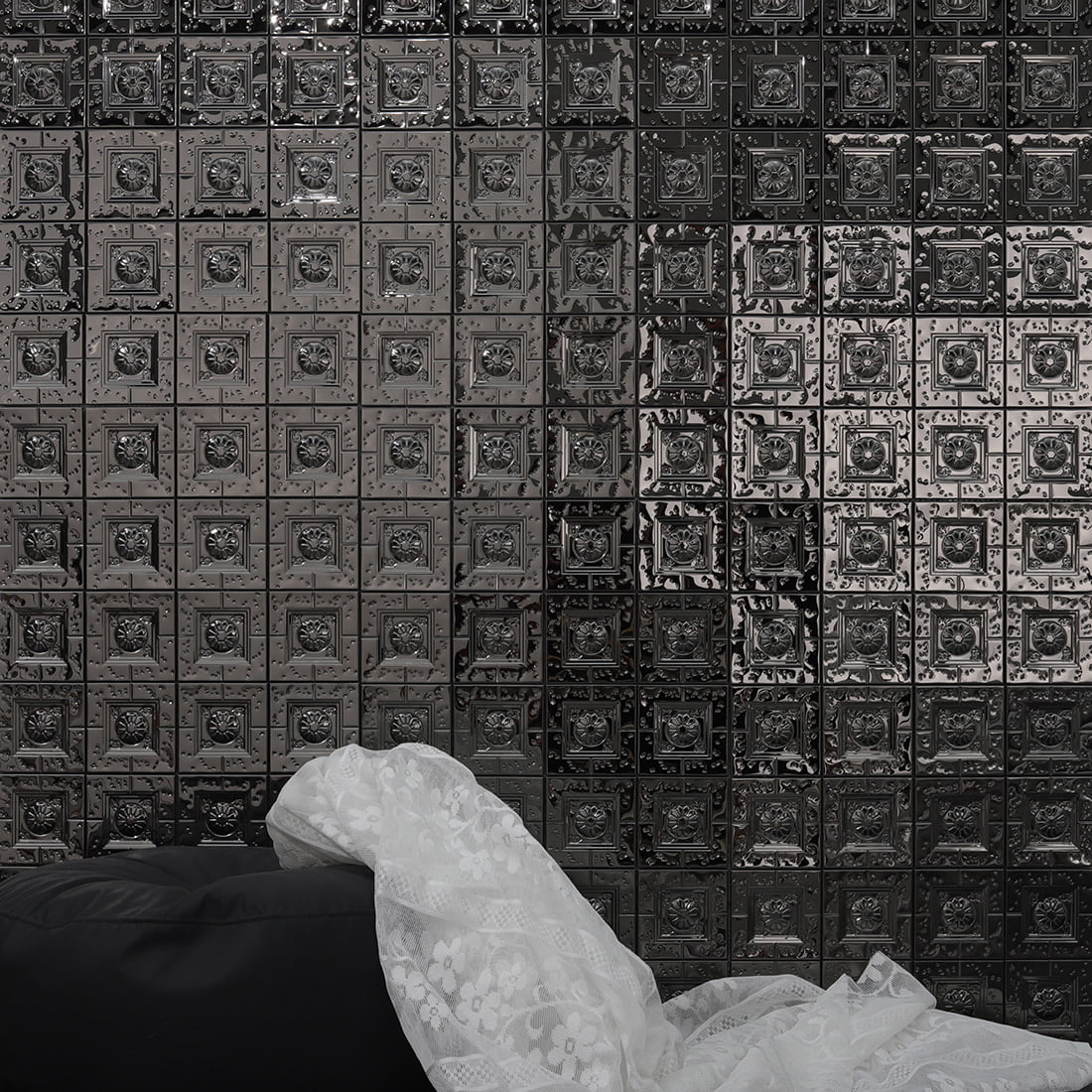
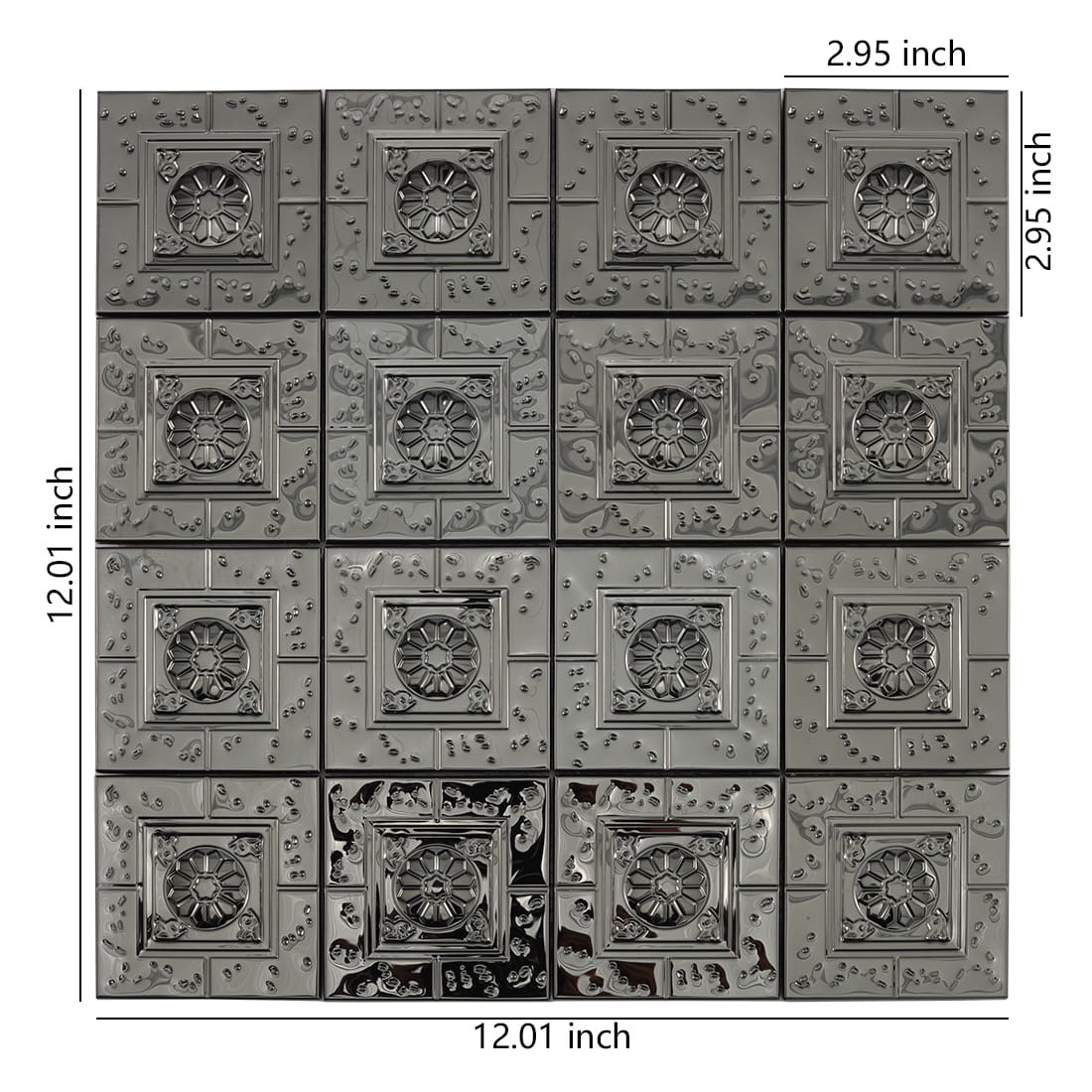
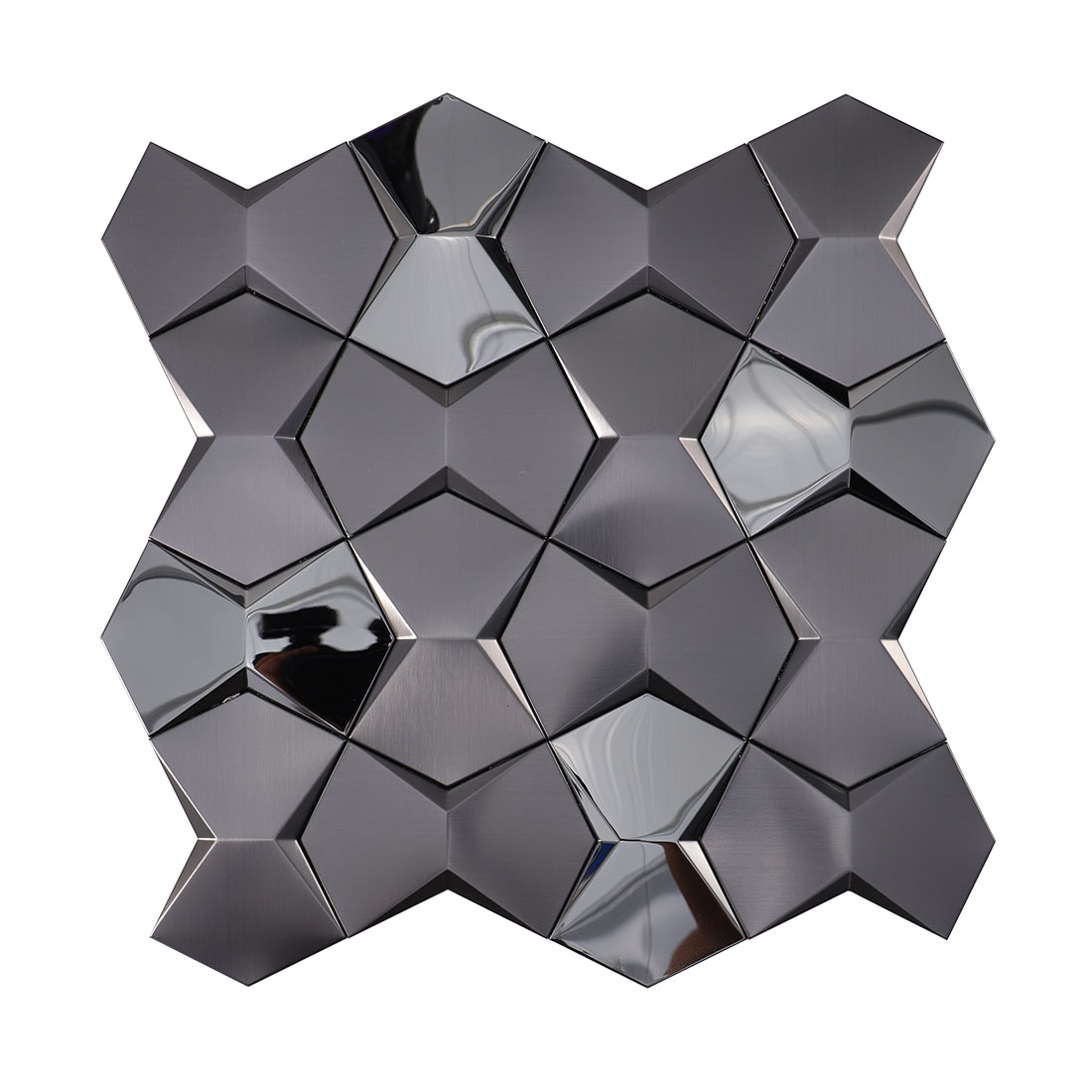
- Finishes: Brushed black stainless steel resists fingerprints, while polished black metal acts like a dark mirror.
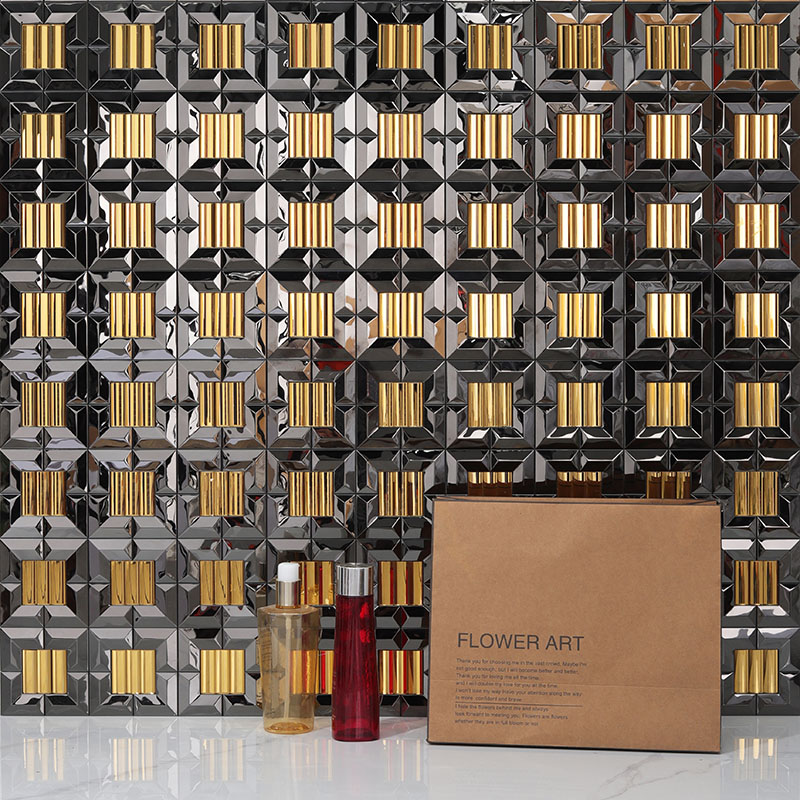
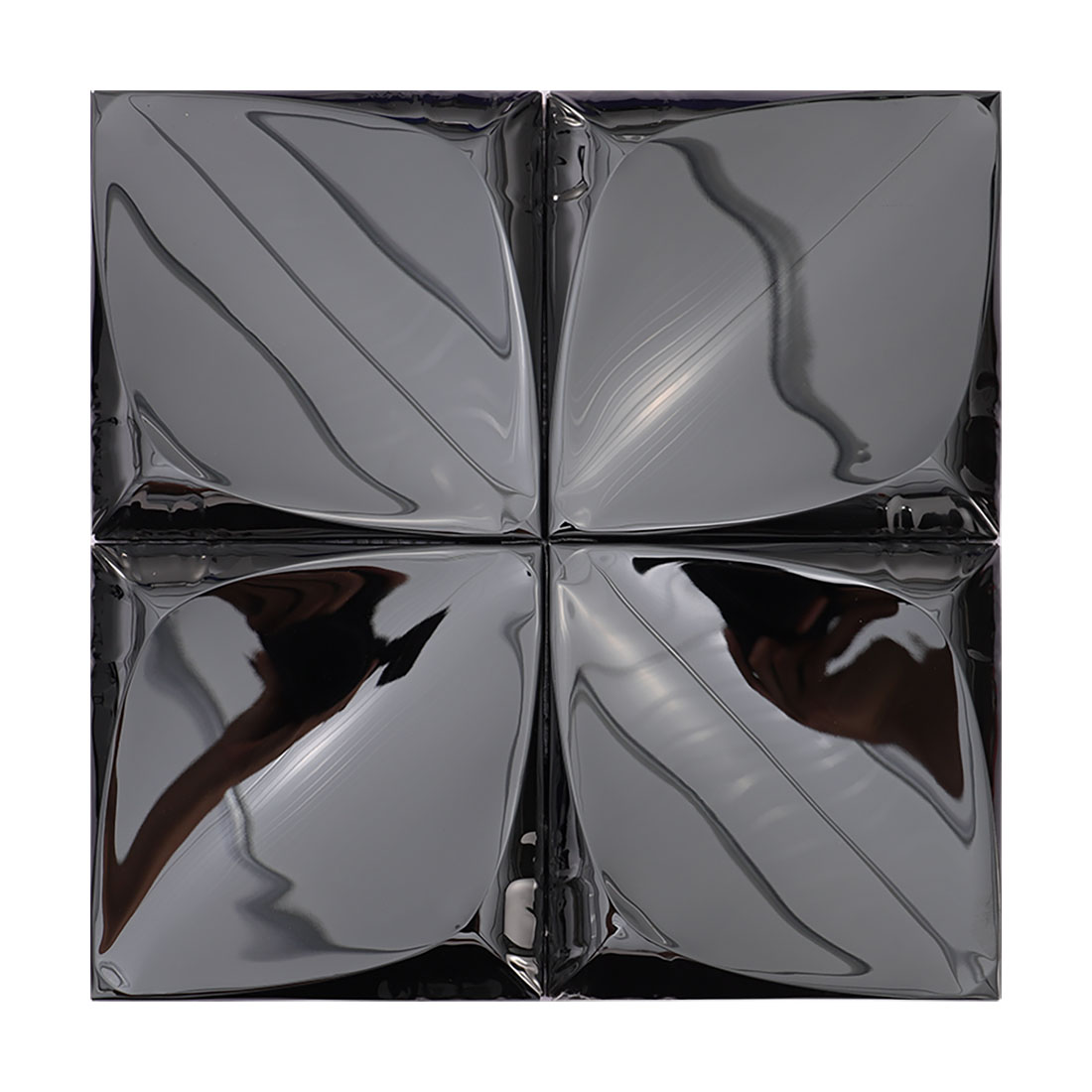
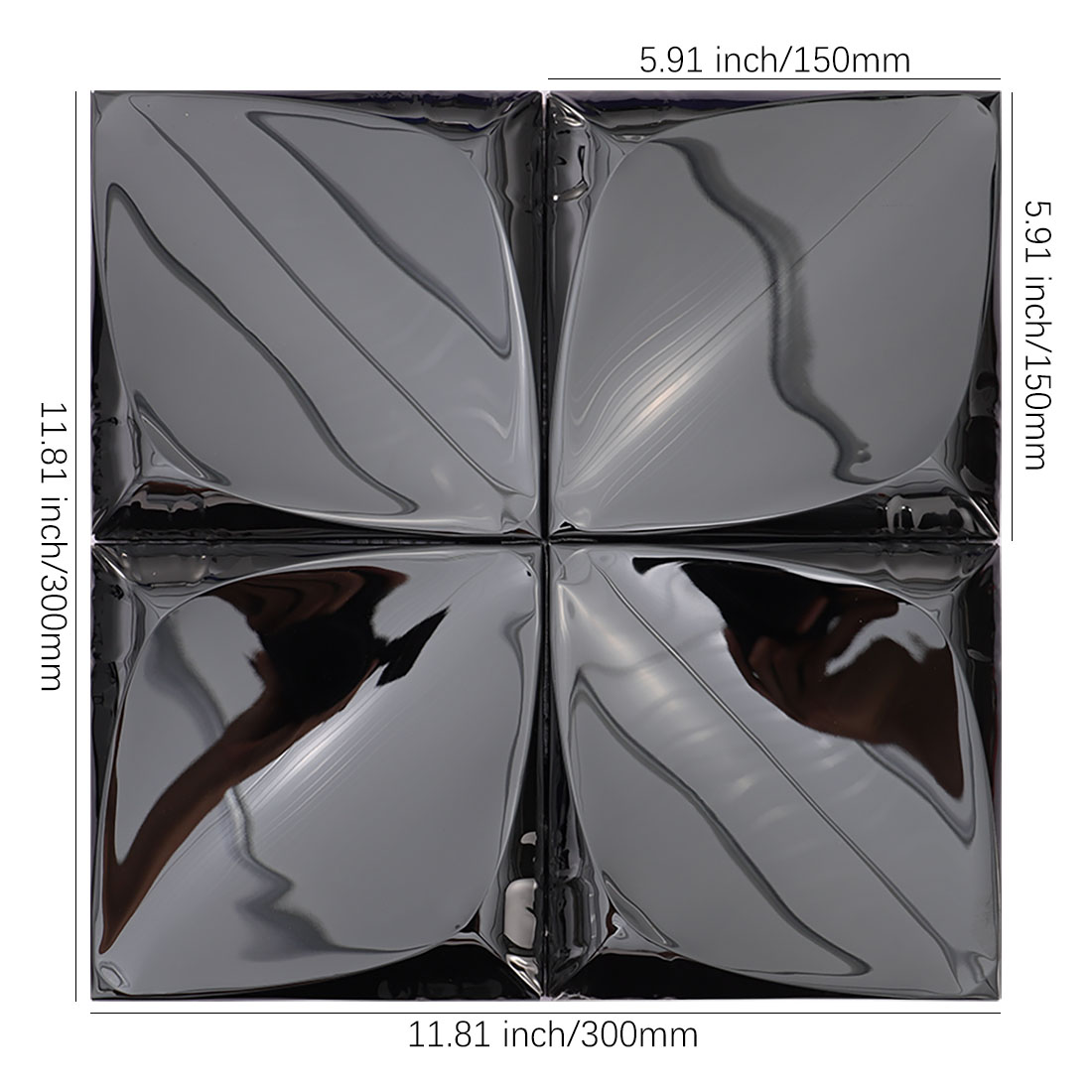
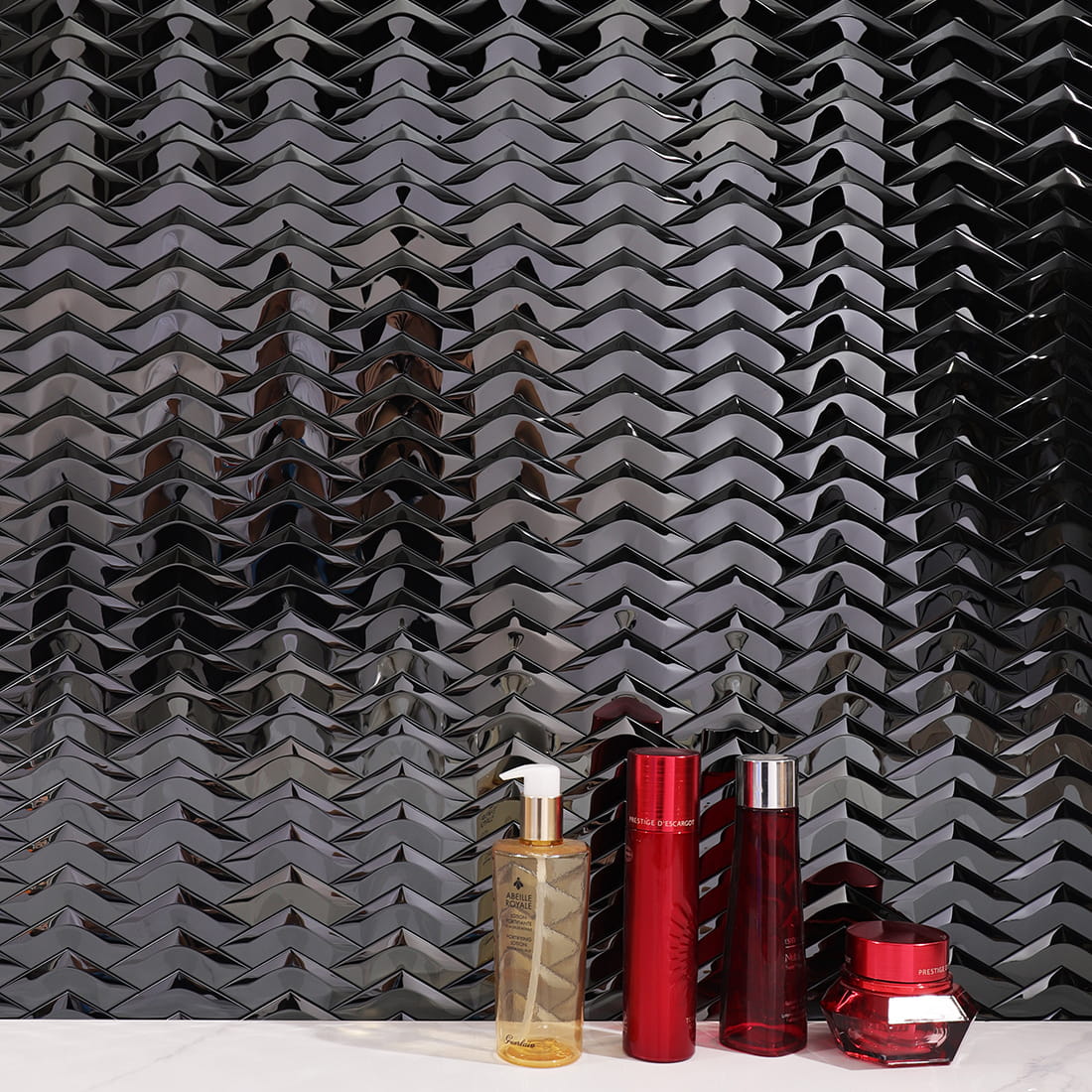
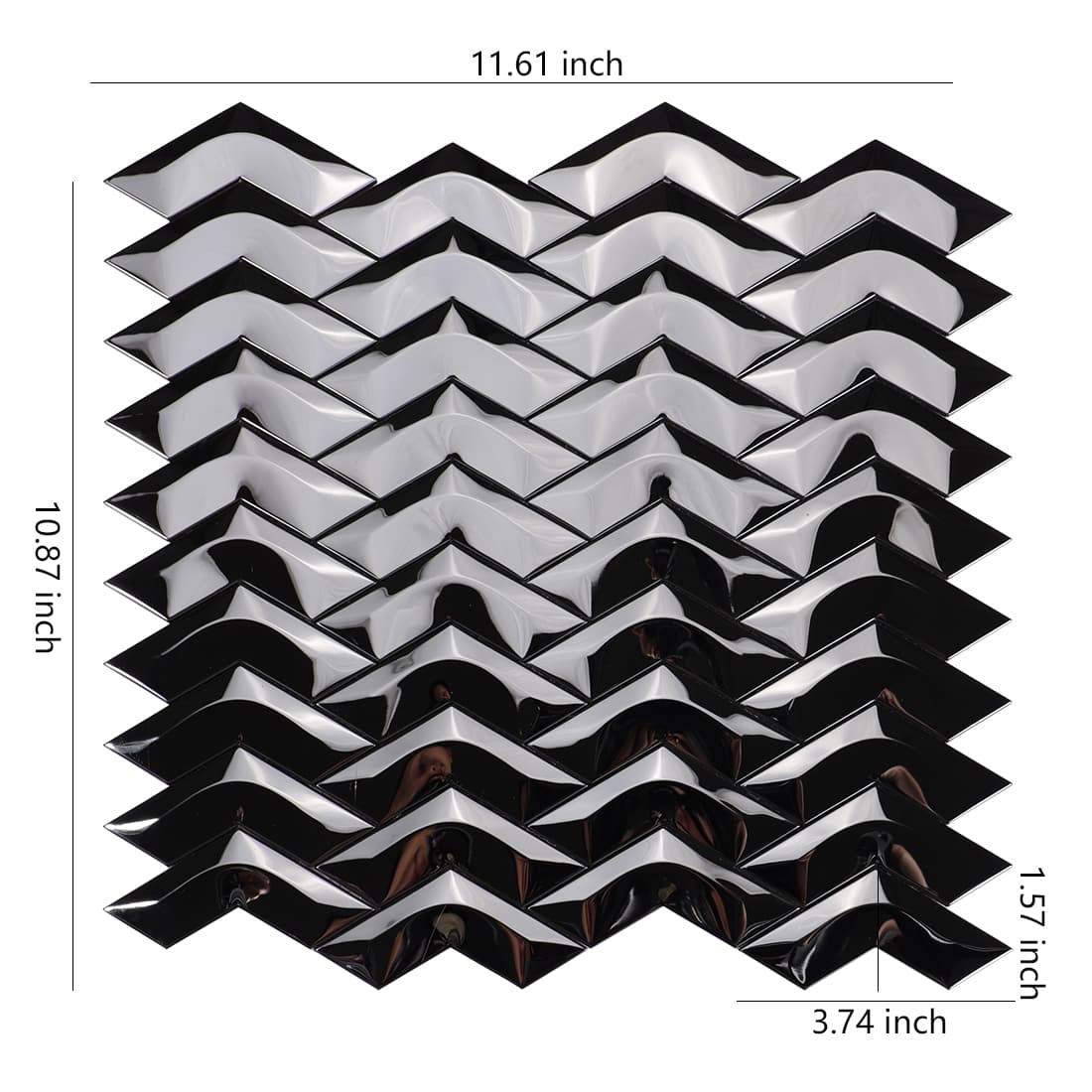
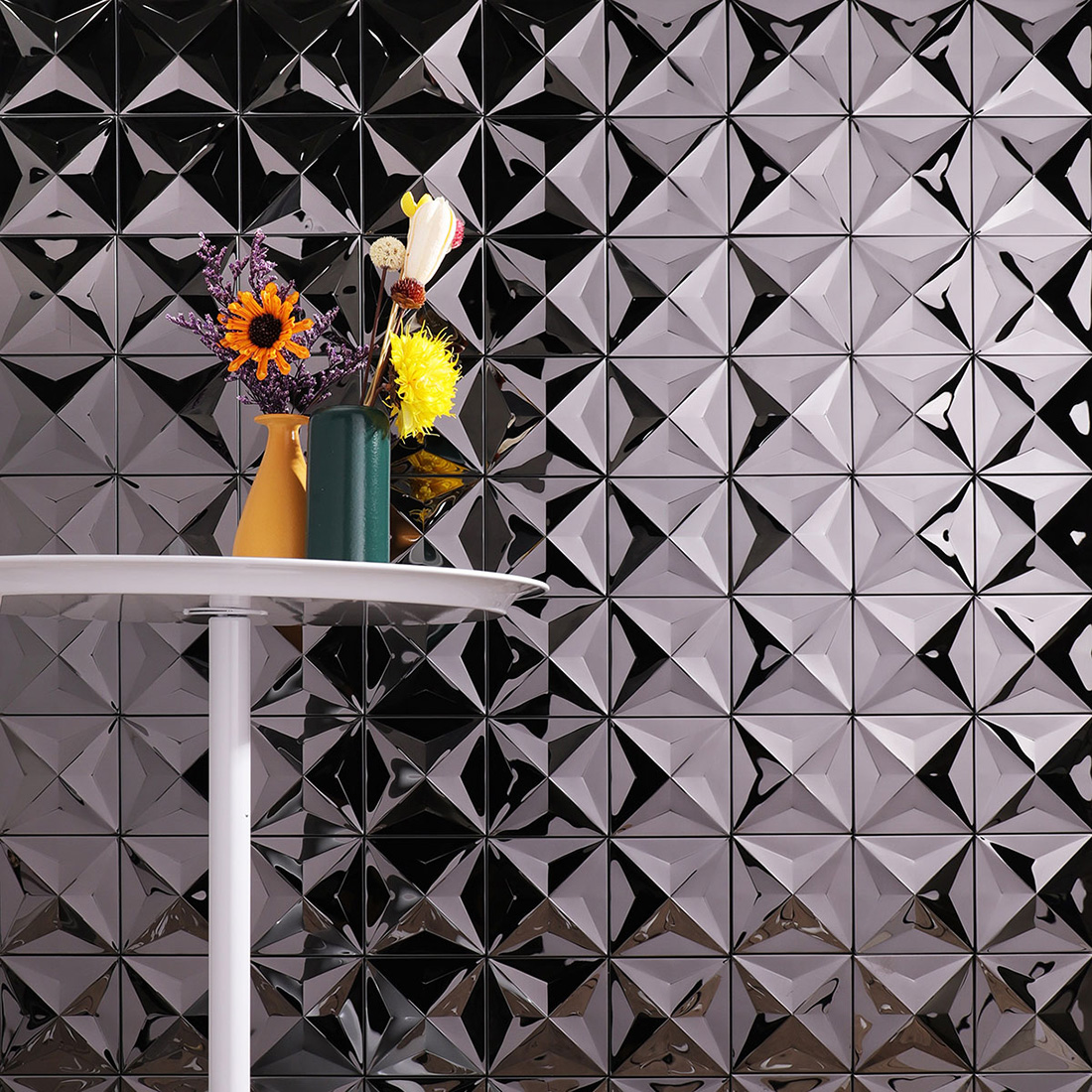
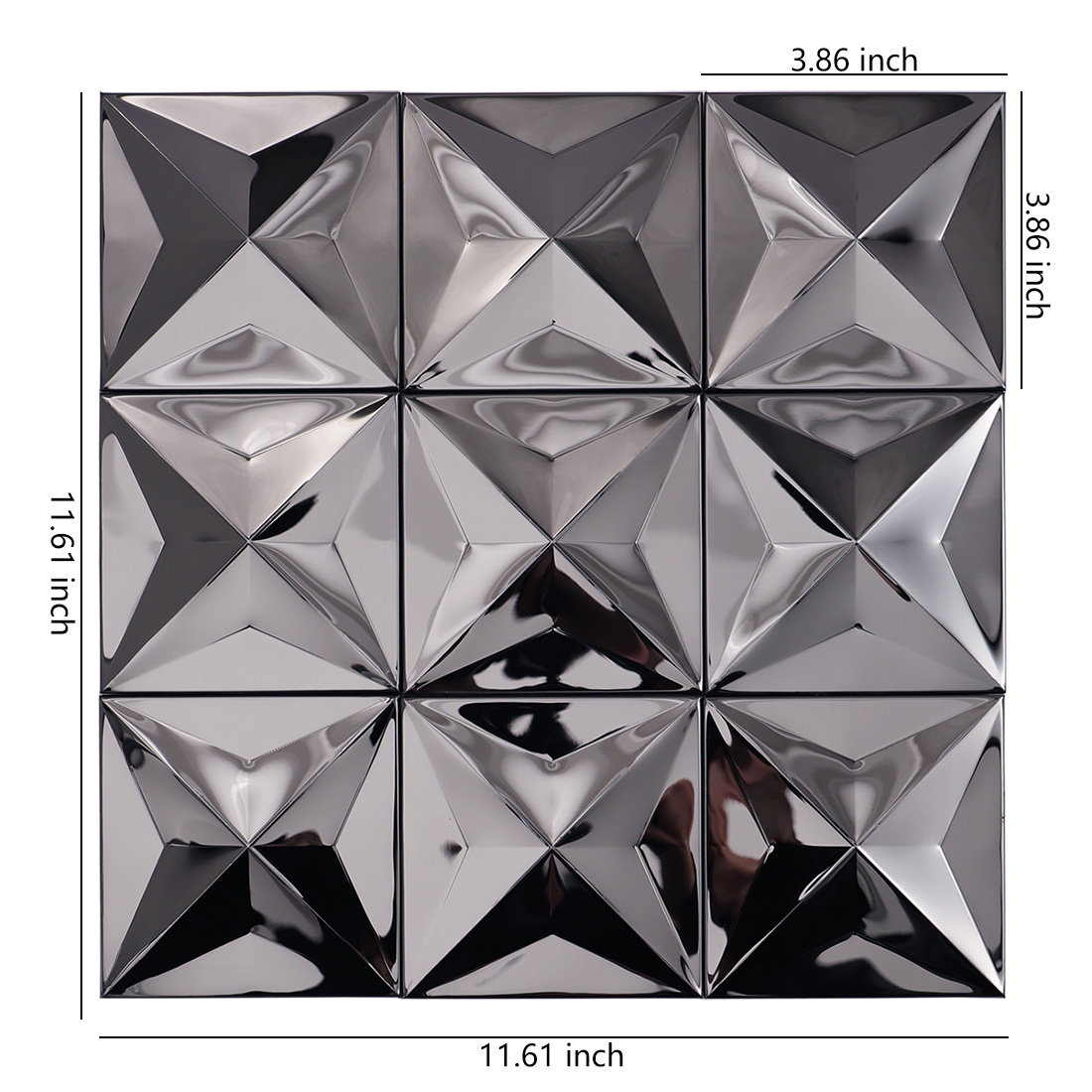
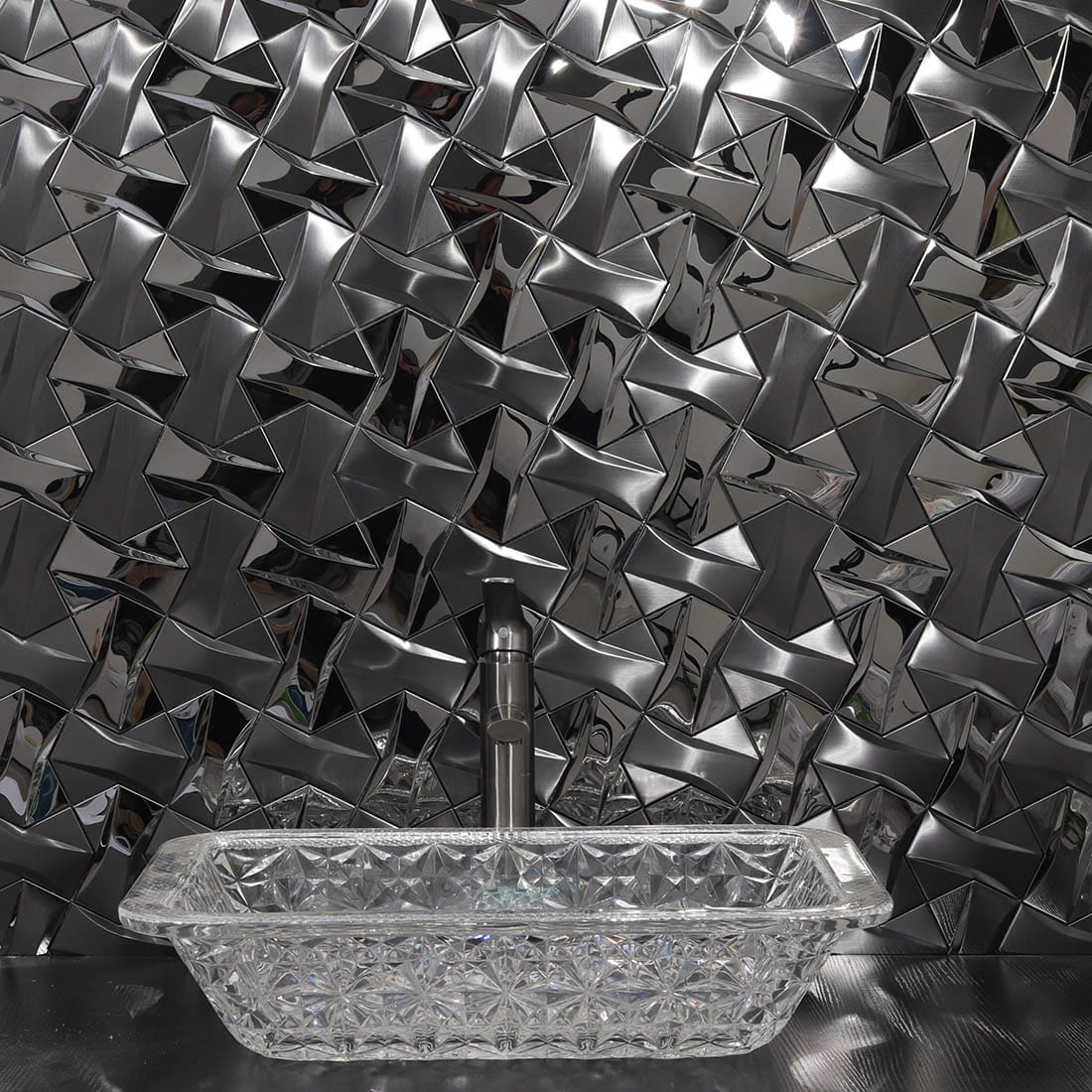
- Forms: Available in flat sheets or 3D dimensional forms that add architectural relief to walls.
Black Tile Shapes And Patterns
The shape of the tile is just as important as the material. The geometry of the installation can completely alter the perception of a room.
Classic Shapes
Square and Rectangle: Timeless and versatile. Large-format black rectangular tiles can make a room feel expansive, while classic square tiles (like 4x4 or 6x6) offer a retro or grid-like modern appeal.
Hexagon Tiles
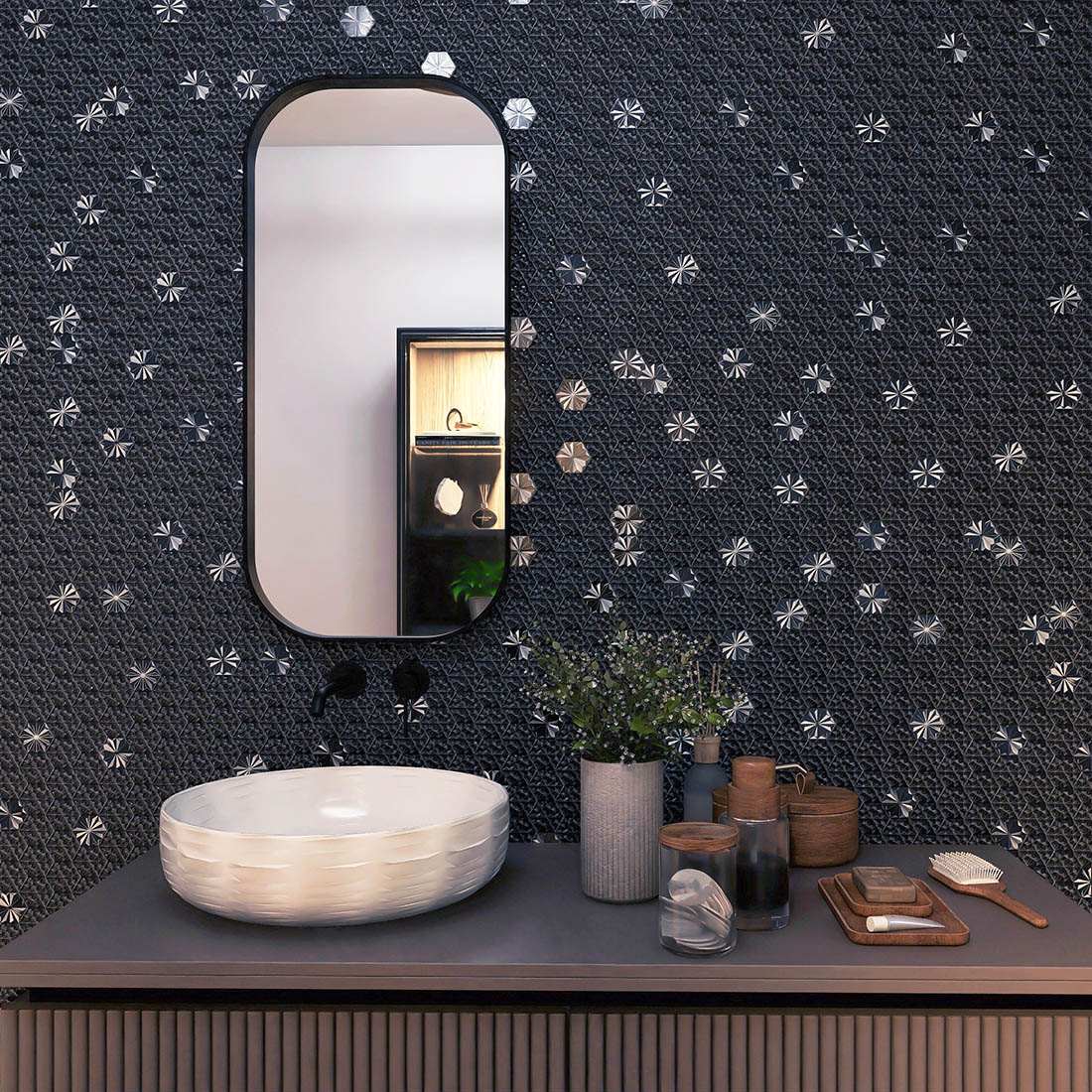
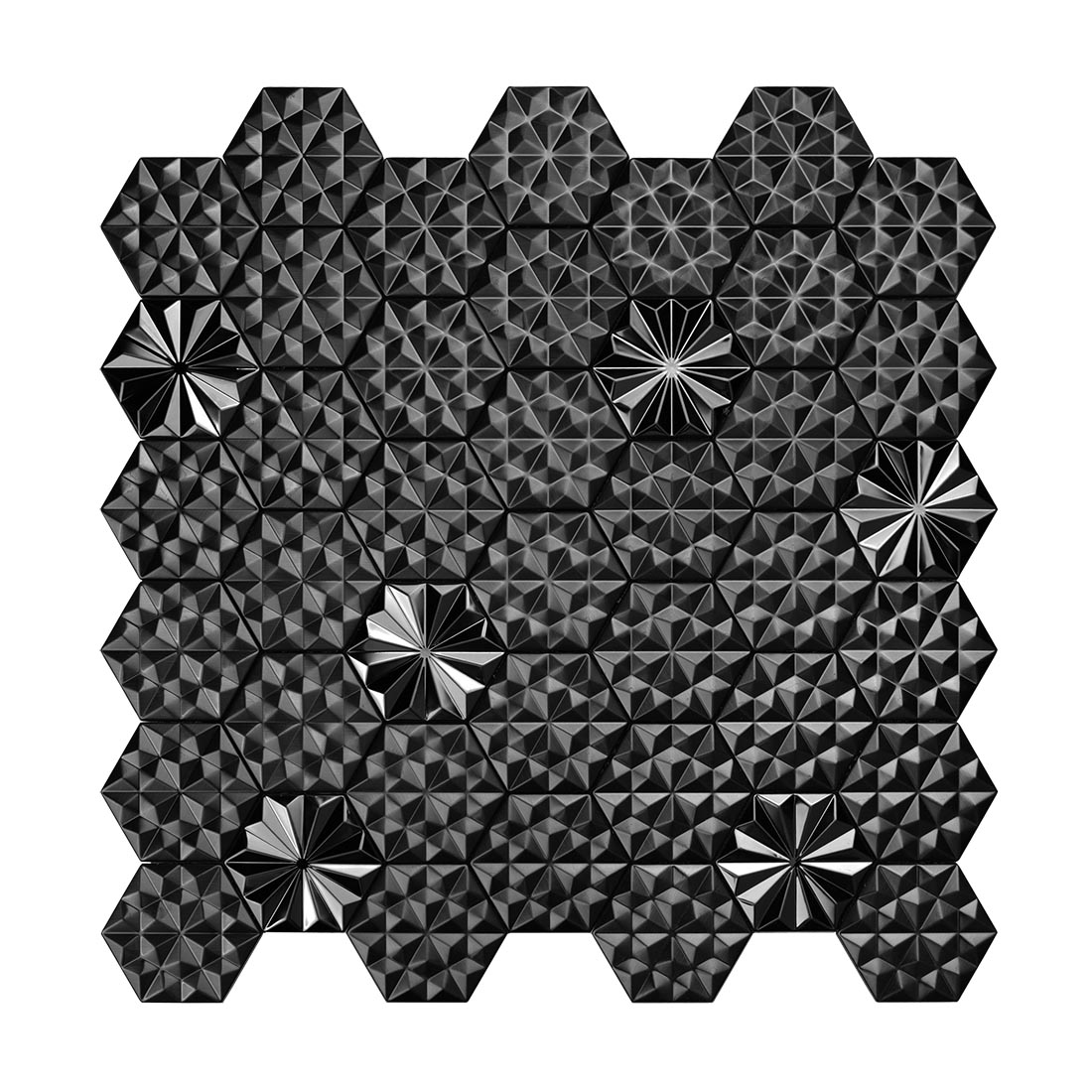
Hexagonal or honeycomb tiles have seen a massive resurgence. Black hexagon tiles work exceptionally well on bathroom floors, creating a geometric pattern that is interesting without being overwhelming.
Fish Scale Tiles
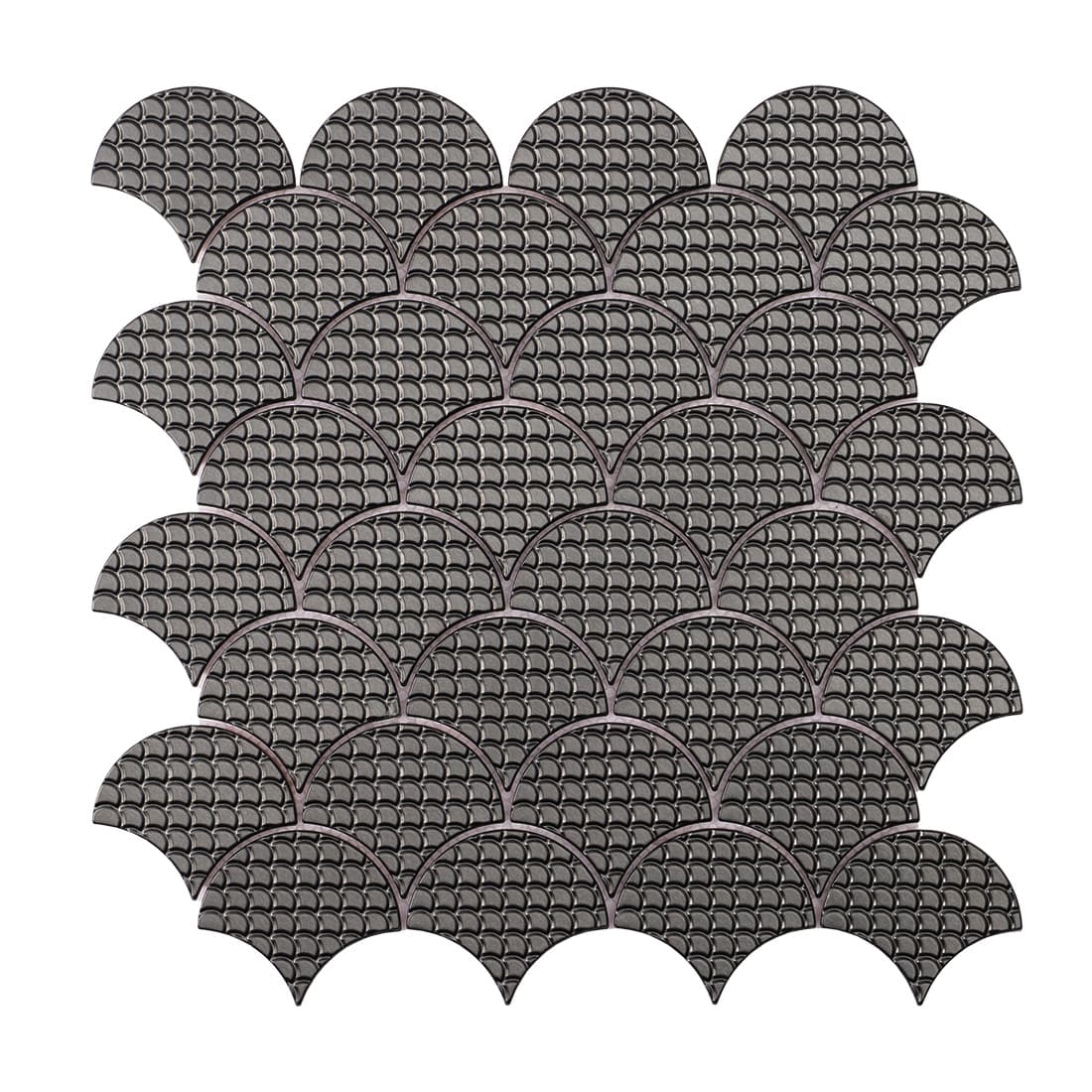
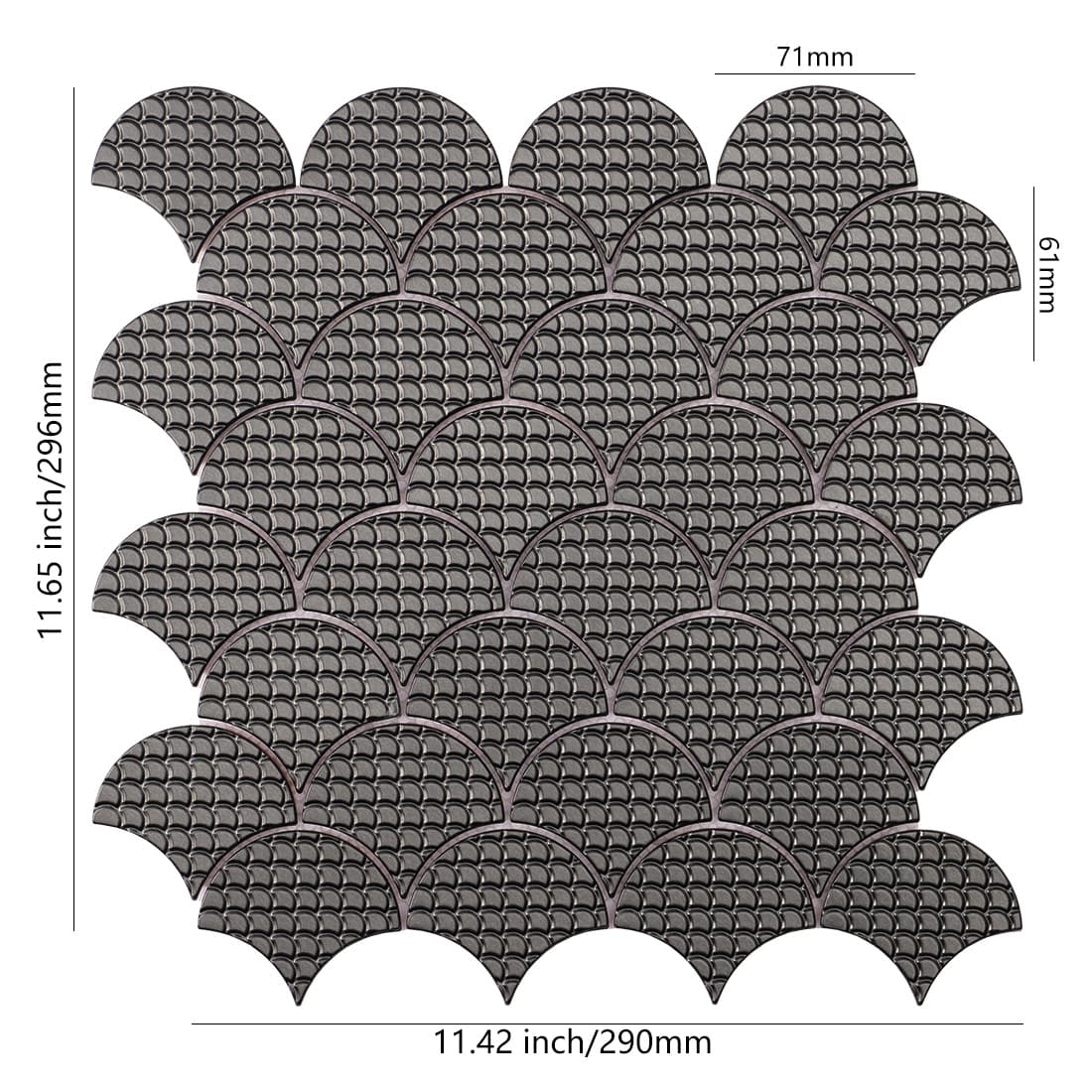
Also known as scallop or fan-shaped tiles, black fish scale tiles are inspired by Art Deco design. When installed with the curve facing up, they resemble fish scales; facing down, they look like arches. This shape adds movement and softness to the hard surface of the tile.
Penny Round Tiles
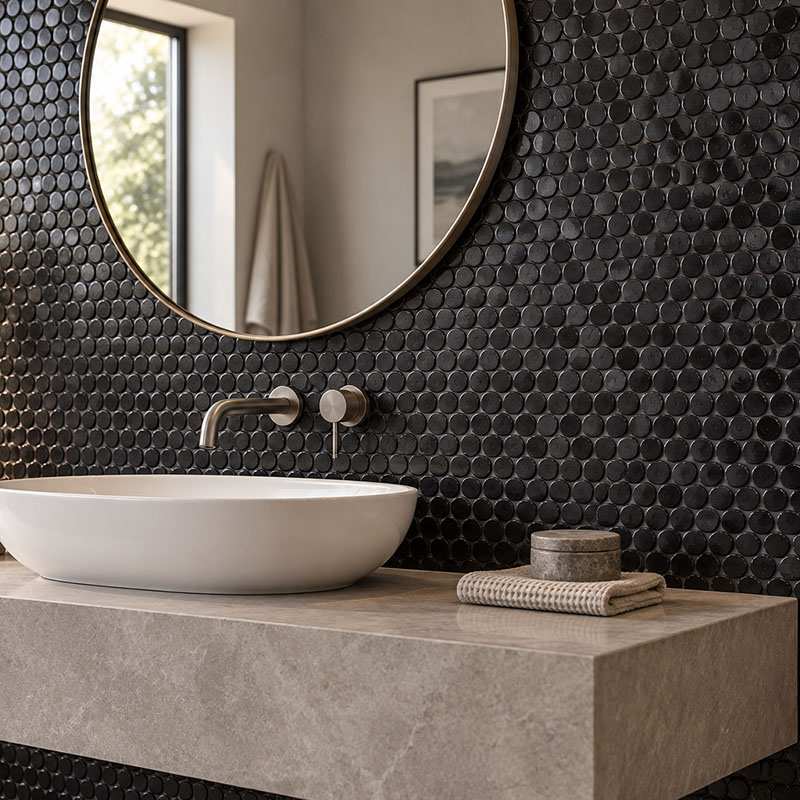
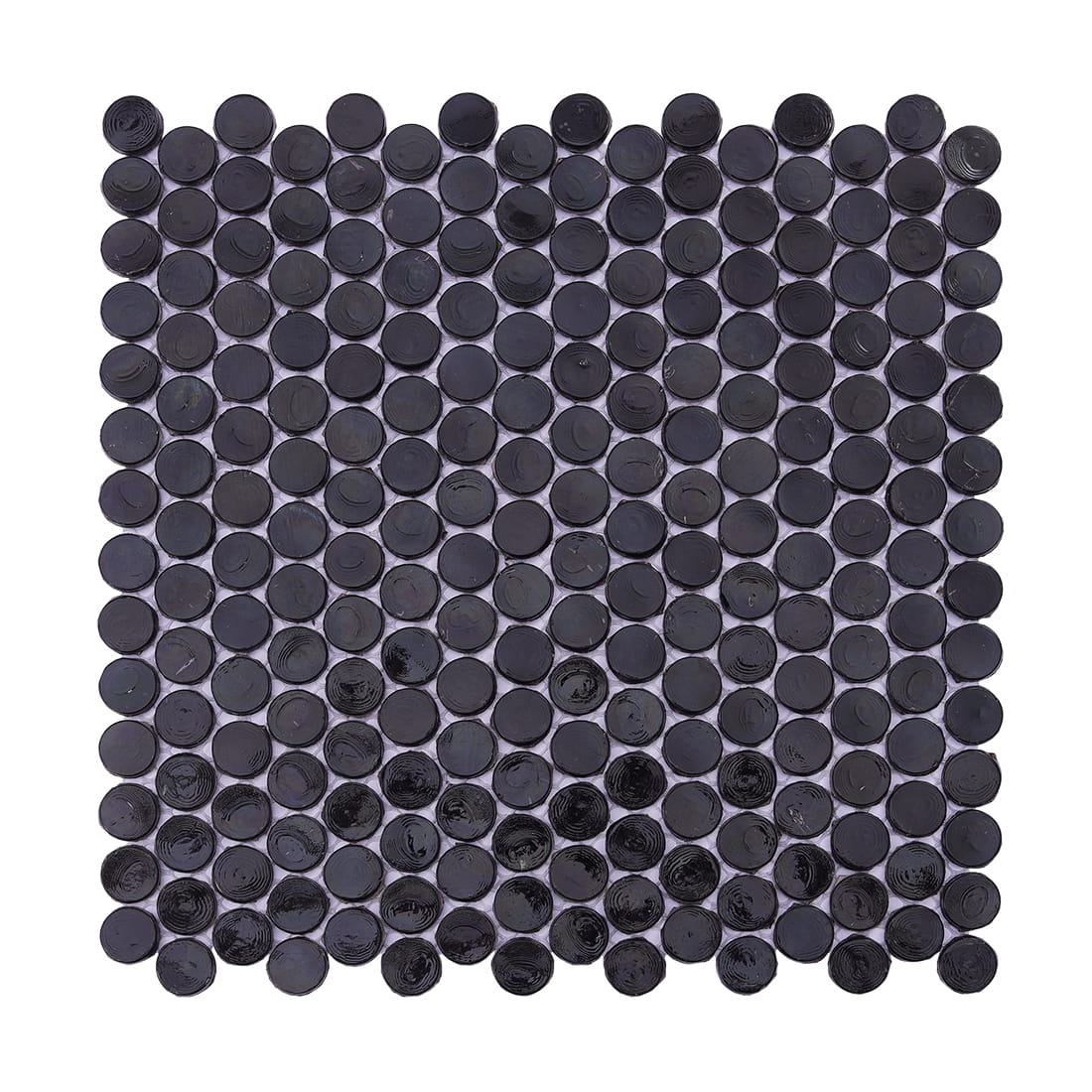
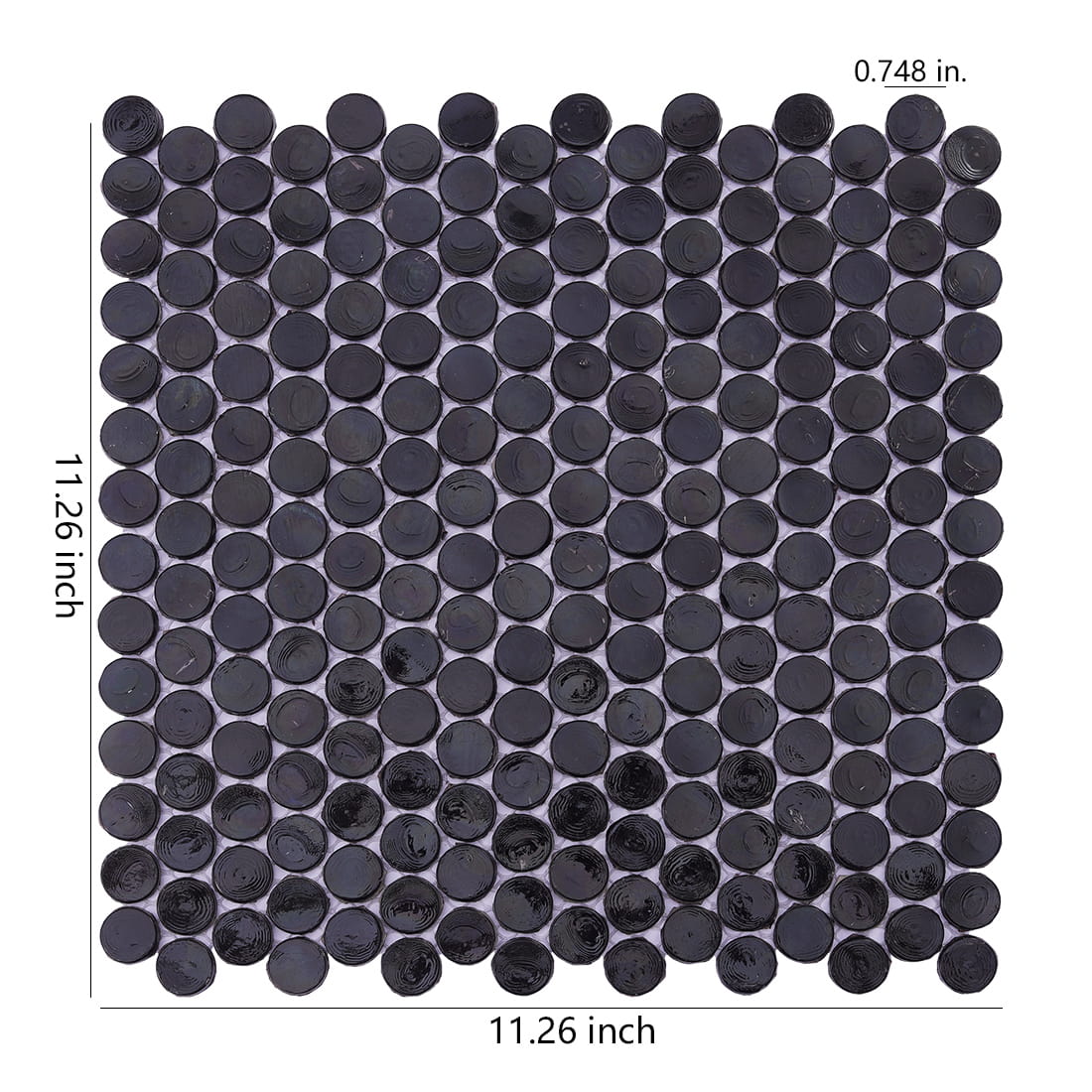
Small, circular tiles mounted on mesh sheets. Black penny rounds are excellent for shower floors because the high ratio of grout lines provides natural slip resistance. They create a textured, uniform appearance.
Specialty Patterns
- Herringbone: Rectangular tiles laid at 90-degree angles. A black herringbone floor is a classic design staple that elongates a room.
- Chevron: Similar to herringbone but cut at an angle to create a continuous "V" shape.
- Basketweave: Pairs of rectangular tiles laid in alternating horizontal and vertical blocks, often featuring a contrasting dot.
Surface Finishes For Black Tiles
The finish of a black tile dramatically affects how it interacts with light and the overall mood of the space.
- Matte Finish: Absorbs light, creating a soft, velvety appearance. It hides smudges and water spots better than glossy finishes, making it practical for floors.
- Glossy/Polished Finish: Reflects light, making spaces feel brighter and larger despite the dark color. Ideal for walls and low-traffic areas where a sleek, high-end look is desired.
- Textured Finish: Mimics natural stone or fabric. Adds tactile interest and slip resistance.
- Iridescent Finish: Common in glass and shell tiles, this finish reflects a spectrum of colors, adding a magical, shifting quality to the black base.
- Metallic Finish: Adds a sheen of copper, silver, or gold undertones to the black, perfect for industrial or glamour aesthetics.
Black Tile Color Combinations
Black is the ultimate neutral, allowing it to pair beautifully with almost any color. However, certain combinations are design classics.
Black and White
The most iconic combination. Whether it’s a checkerboard floor, black tiles with white grout, or a black feature wall in a white room, this high-contrast pairing is timeless, crisp, and clean.
Black and Gold
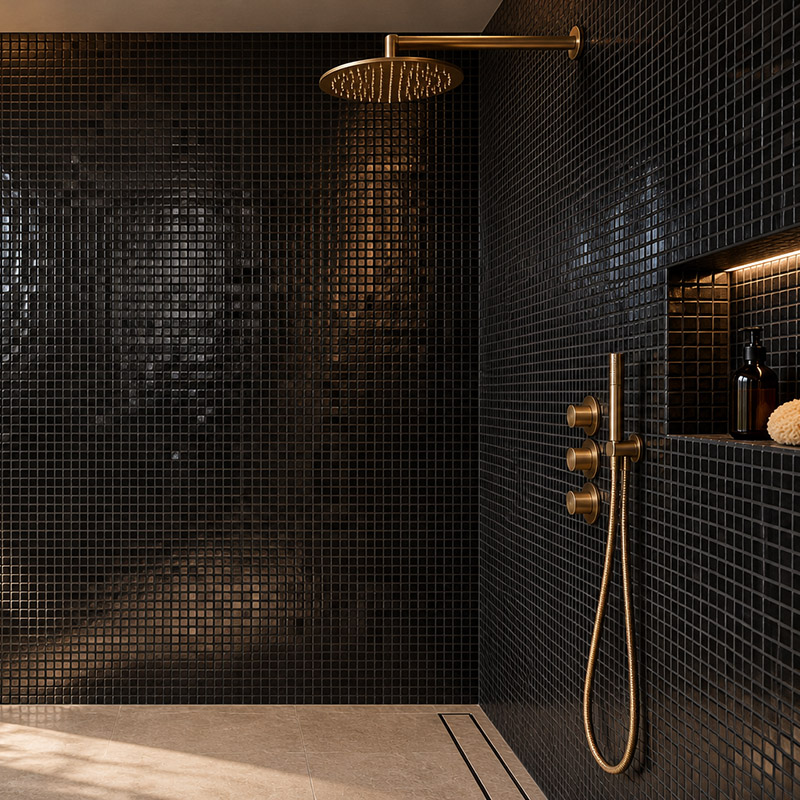
A pairing synonymous with luxury. Black tiles serve as a dramatic backdrop for gold fixtures, brass hardware, or metallic grout lines. This combination is popular in Art Deco and modern luxury bathrooms.
Black and Brown
For a warmer, earthier look, pair black tiles with wood tones. The warmth of the brown wood balances the coolness of the black, creating a cozy, organic modern or rustic industrial vibe.
Black and Green
A nature-inspired palette. Deep emerald green plants or wall paint against black tiles create a moody, lush, and botanical atmosphere. This is a very trendy combination for modern sanctuaries.
Where To Use Black Tiles
- Bathrooms: Black tiles are popular for shower enclosures, floors, and vanity backsplashes. They create a spa-like, enveloping feel.
- Kitchens: A black backsplash hides splashes and adds drama to white or wood cabinetry. Black slate or porcelain floors are durable and forgiving.
- Living Rooms: A black tiled fireplace surround acts as a stunning architectural anchor. Large-format black marble floors in a living area create a grand statement.
- Outdoor Spaces: Black stone pavers or slate tiles are excellent for patios and pool surrounds. They absorb heat (which can be a pro or con depending on climate) and hide outdoor grime effectively.
Design Tips For Black Tiles
- Lighting Considerations: Black absorbs light. Ensure you have adequate artificial and natural light to prevent the room from feeling dungeon-like. Use layered lighting to highlight the texture of the tiles.
- Balancing Dark Tones: If you use black on the floor, consider lighter walls or ceilings to maintain a sense of height and airiness.
- Grout Color Selection:
- Matching Black Grout: Creates a seamless, monolithic look where the tile shape disappears.
- Contrasting White/Grey Grout: Highlights the shape and pattern of the tile (essential for geometric shapes like hexagons or subway tiles).
- Mixing Materials: To avoid a flat look, mix glossy black wall tiles with matte black floor tiles, or pair smooth black marble with rough slate.
FAQ
Yes, they are highly practical. Black tiles are durable and forgiving of everyday wear. However, in bathrooms, they can show soap scum and limescale more than lighter tiles, so regular cleaning is required.
While they hide dark grime and shadows well, black tiles can highlight light-colored debris like dust, pet hair, and lint. A matte finish is generally more forgiving than a high-gloss finish regarding dust visibility.
Contrary to popular belief, black tiles can work in small spaces. They blur the boundaries of a room, creating an infinite depth effect. To maximize this, pair them with good lighting and mirrors.
Choose glossy if you want to reflect light and make the space feel brighter and more glamorous. Choose matte for a modern, understated look that hides smudges and provides better slip resistance on floors.
Black is a neutral color, making it timeless. While specific shapes (like hexagons) may trend, the color itself will never go out of style. It is as classic as white.
White, gold, brass, warm wood tones, and grey are the best companions. For a bold look, jewel tones like emerald green or navy blue also work beautifully.
Use pH-neutral cleaners to avoid damaging the finish or grout. For glossy tiles, use a microfiber cloth to prevent streaks. If you have hard water, wipe down wet areas immediately to prevent white mineral deposits.
The cost depends on the material, not the color. Black ceramic is very affordable, while black marble (like Nero Marquina) or Mother of Pearl can be quite expensive due to rarity and manufacturing complexity.