


Elegance Captured in Mosaic Art

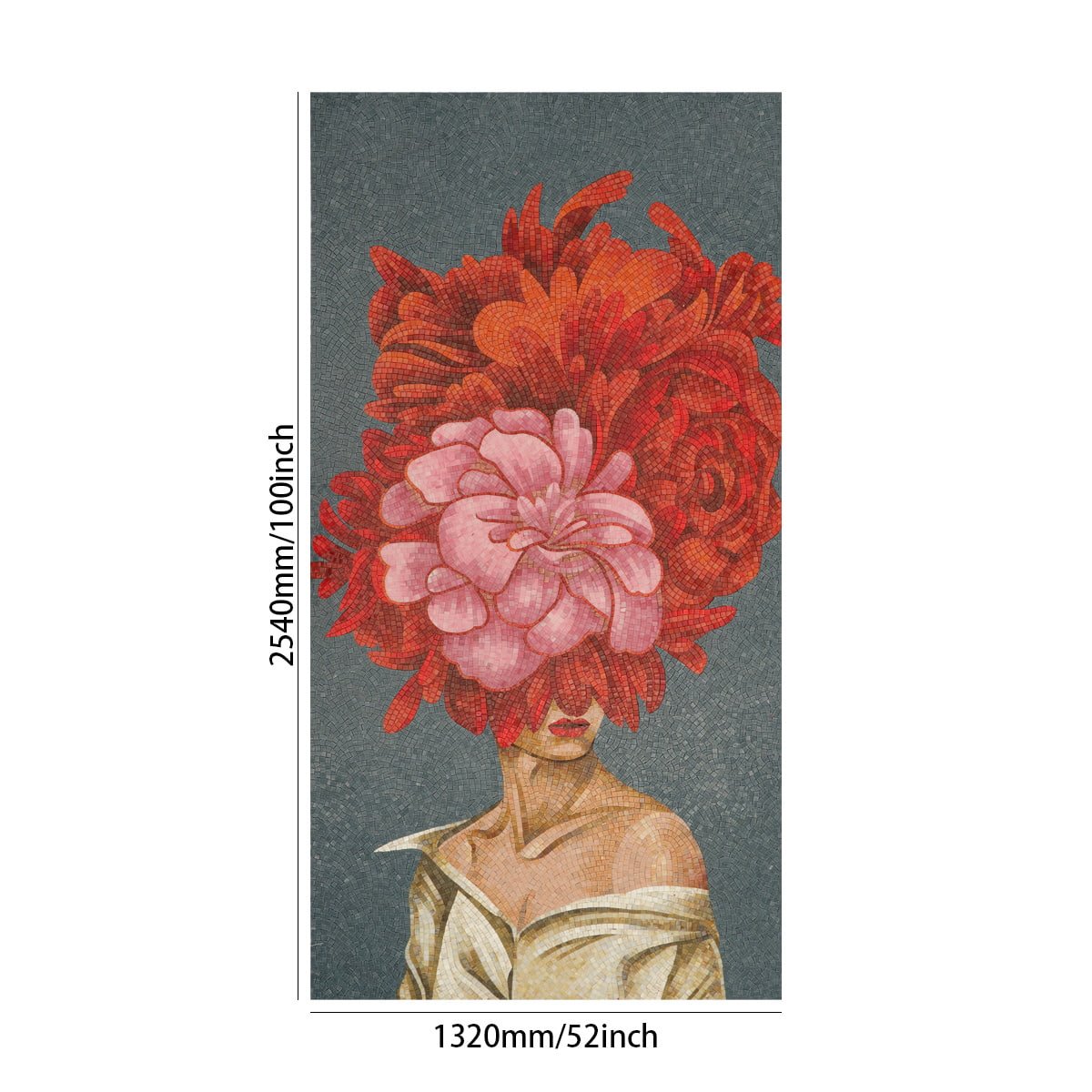


Mosaic Mural Woman Art
Understanding Mosaic Mural Woman Art
Mosaic murals depicting women represent one of the most enduring forms of artistic expression, spanning from ancient Byzantine empresses to contemporary female artists revolutionizing the craft. This timeless art form combines technical precision with profound storytelling.
Historical Significance of Women in Mosaic Art
Byzantine Era Women
The Byzantine period produced some of the most iconic mosaic murals featuring women. Empress Theodora’s portrait in San Vitale, Ravenna, stands as a masterpiece of 6th-century craftsmanship, showcasing women’s power through glass and gold tesserae.
These mosaics utilized stationary figures floating against golden backgrounds, creating an ethereal quality that elevated female subjects to divine status.
Ancient Techniques
From Sumerian civilizations to Roman baths, mosaic art evolved through centuries. The opus tessellatum technique, using larger tesserae laid on-site, became the foundation for depicting female figures in public and private spaces.
Islamic mosaic traditions further influenced representations through geometric and floral patterns, celebrating femininity through abstract beauty.
Inspiring Female Mosaic Artists
Women artists have transformed mosaic art from ancient craft to contemporary masterpiece. These pioneers combine traditional techniques with innovative approaches to create powerful visual narratives.
Elaine Goodwin
British artist awarded honorary doctorate by University of Exeter. Her public commissions span England, Scotland, and India, exhibited internationally from Italy to Japan.
Sonia King
First American mosaic artist featured in Museo della Citta di Ravenna’s permanent collection. Recipient of International Prize for Mosaic Art and Architecture in Italy.
Yulia Hanansen
Pioneer of layered mosaic technique creating multi-dimensional illusions. Her innovative approach bridges traditional manufacturing with contemporary expression.
Laurel True
Co-founder of Institute of Mosaic Art in Oakland. Created 100+ large-scale projects across US, Caribbean, Europe, and Africa over 20 years.
Carrie Reichardt
First Class Fine Art graduate from Leeds University. Known for public murals blending ceramics and mosaic, continuing British activist art tradition.
Monir Farmanfarmaian
Prominent Iranian artist uniting geometric patterns with cut-glass mosaic skills, merging Persian heritage with Western geometric abstraction.
Mosaic Mural Techniques
Direct Method
Tesserae are directly attached to the final support surface. This traditional technique allows artists to see the work’s progress in real-time, making adjustments to color and composition immediately.
Ideal for creating detailed portraits of women, where nuanced expressions require constant visual feedback during the creation process.
Indirect (Reverse) Method
Tesserae are attached in reverse on temporary support, later transferred to the final surface. This method ensures perfect flatness and uniform surface texture.
Particularly useful for large-scale murals where consistent surface quality across the entire composition is essential.
Specialized Techniques
Picassiette Method
Uses broken china and discarded materials, championed by artists like Caroline Jariwala, giving old objects new beauty.
Layered Mosaic
Developed by Yulia Hanansen, creates multi-dimensional impressions and exceptional illusion effects in female portraits.
Florentine Commesso
Piecing together cut gemstones into black marble patterns, creating luminous artwork with precious materials.
Materials Used in Mosaic Murals
Glass Tesserae
Traditional Byzantine material, often enhanced with gold leaf for divine female representations.
Marble & Stone
Durable natural materials in various colors, perfect for permanent outdoor installations.
Ceramics
Versatile and customizable, allows for unlimited color possibilities in contemporary designs.
Recycled Materials
Sustainable approach using discarded china, glass, and found objects for eco-conscious art.
Design Ideas for Mosaic Mural Woman
Portrait Murals
Create powerful representations of women through detailed facial features. Use varied tesserae sizes for skin tones and flowing andamento for hair movement. Byzantine-inspired gold backgrounds elevate the subject.
Nature-Inspired Feminine Forms
Blend female figures with organic elements like flowers, water, or wind. This approach celebrates the connection between femininity and natural beauty, popular in contemporary mosaic art.
Historical Women Figures
Pay homage to influential women throughout history. Draw inspiration from Empress Theodora or Artemisia Gentileschi, using period-appropriate color palettes and symbolic elements.
Abstract Female Forms
Explore non-representational approaches to depicting womanhood. Use color, texture, and geometric patterns to evoke emotional responses rather than literal representations.
Installation Process
Step 1: Planning & Design
Create detailed preparatory drawings. Consider the viewing distance, lighting conditions, and architectural context. Select appropriate materials and color palette for your female subject.
Step 2: Surface Preparation
Prepare the substrate (tuff, wood, or concrete). Ensure proper adhesion surface. Transfer the design using grid method or projection. Apply appropriate adhesive for chosen materials.
Step 3: Installation & Finishing
Place tesserae following the design, working in sections. Allow proper curing time. Apply grout carefully, clean excess. Seal the surface for weather protection if outdoors.
Contemporary Trends
Social Commentary
Artists like Julie Sperling use mosaic murals to address social issues, female empowerment, and cultural awareness.
Cultural Fusion
Blending techniques from different traditions - Islamic geometric patterns with Western portraiture creates unique female representations.
Community Participation
Large-scale collaborative projects involving women from local communities, fostering connection and shared artistic expression.
Digital Integration
Using digital photos and modern materials to create mosaic collages depicting contemporary women, bridging ancient craft with modern technology.
Famous Mosaic Murals Featuring Women
San Vitale, Ravenna - Italy
Byzantine Empress Theodora in 6th-century glory, gold tesserae creating divine presence.
Basilica di Santa Maria - Venice, Italy
Early Christian mosaics depicting biblical women in naturalistic Hellenistic style.
Children’s Medical Center - Dallas, USA
Sonia King’s Spectrum Award-winning mural celebrating healing and hope through female imagery.
Park Güell - Barcelona, Spain
Gaudí’s modernist mosaics incorporating feminine forms into architectural elements.
Institute of Mosaic Art - Oakland, USA
Contemporary works by female artists exploring diverse representations of womanhood.
Stoke-on-Trent Public Murals - England, UK
Emma Biggs’ “Made in England” featuring women in ceramic industry social history.
Care & Preservation
Indoor Murals
- Regular dusting with soft, dry cloth
- Avoid harsh chemical cleaners
- Protect from direct sunlight to prevent fading
- Maintain consistent humidity levels
Outdoor Murals
- Apply weather-resistant sealant annually
- Inspect grout for cracks or deterioration
- Clean with gentle pressure washing
- Professional restoration every 5-10 years
Learning Resources
Recommended Reading
- History of Byzantine Mosaic Art
- Contemporary Women Mosaic Artists
- Mosaic Techniques and Materials
- Public Art Installation Guides
Training Opportunities
- Institute of Mosaic Art workshops
- Online courses by female masters
- Community mosaic projects
- International mosaic symposiums
Frequently Asked Questions
What makes mosaic murals of women unique?
Mosaic murals depicting women combine durability with artistic expression, preserving feminine representations for centuries. The technique allows for rich color gradations and symbolic depth unmatched by other mediums.
How long does it take to create a mosaic mural?
Timelines vary dramatically based on size and complexity. A small portrait might take weeks, while large-scale public murals can require months or years of meticulous work.
Can beginners create mosaic murals?
Absolutely. Start with small projects using the picassiette method with broken china. Many contemporary female artists began as amateurs and developed their skills through practice and workshops.
What is the cost of commissioning a mosaic mural?
Costs depend on materials, size, artist experience, and installation complexity. Expect anywhere from a few thousand dollars for small pieces to hundreds of thousands for major public installations.
The Enduring Legacy of Mosaic Mural Woman
From Byzantine empresses to contemporary portraits, mosaic murals celebrating women represent humanity’s continuous effort to preserve feminine power, beauty, and resilience. Today’s female artists carry forward ancient traditions while pushing boundaries with innovative techniques and materials.
Whether you’re drawn to historical reproductions or contemporary expressions, mosaic art offers infinite possibilities for depicting the strength and diversity of womanhood. The combination of timeless craft and modern vision ensures this art form will continue inspiring generations to come.