


Glass Tiles

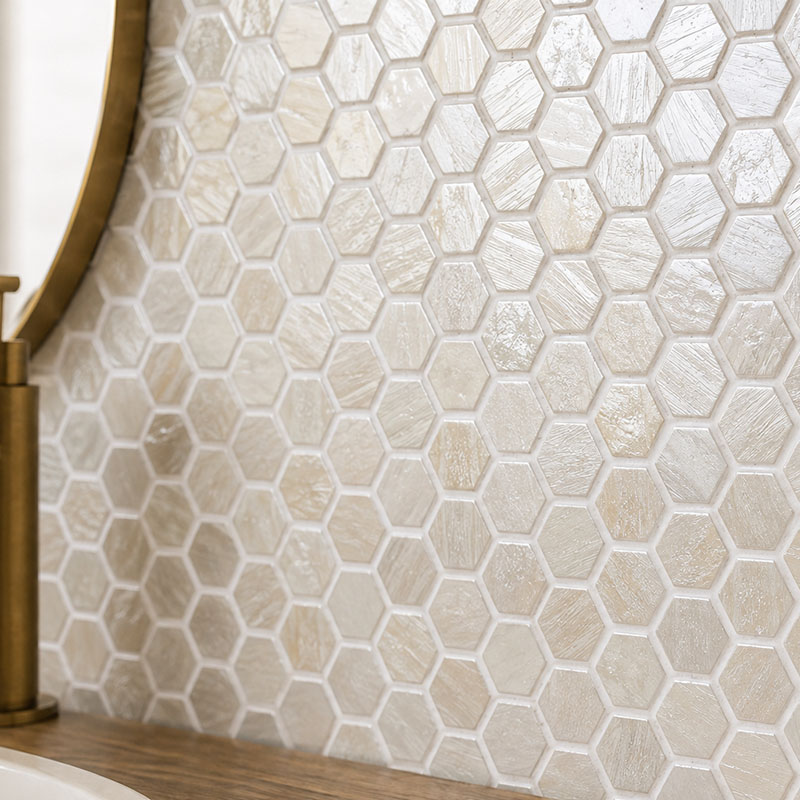
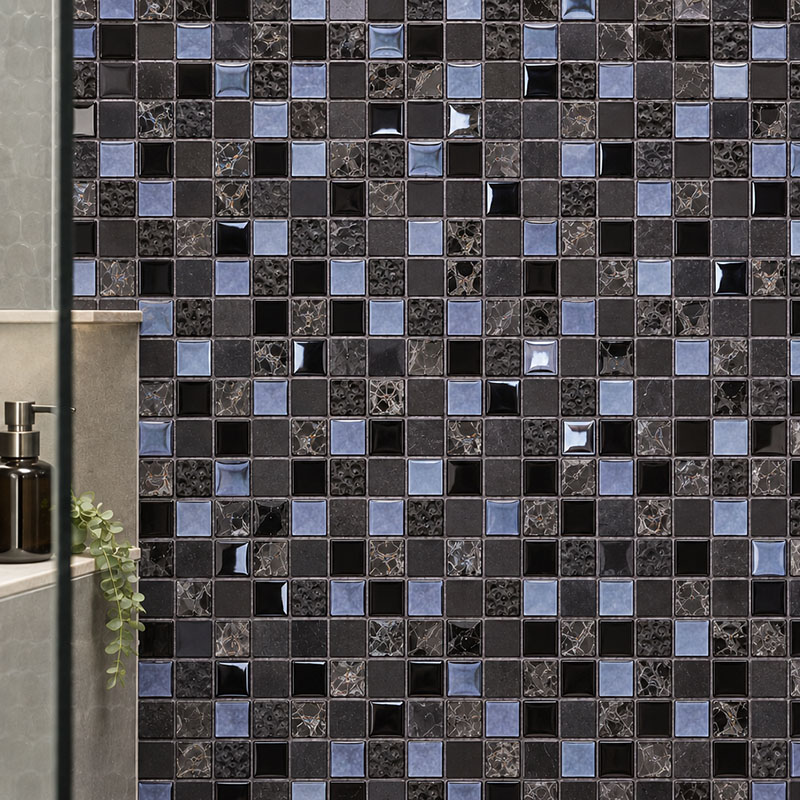
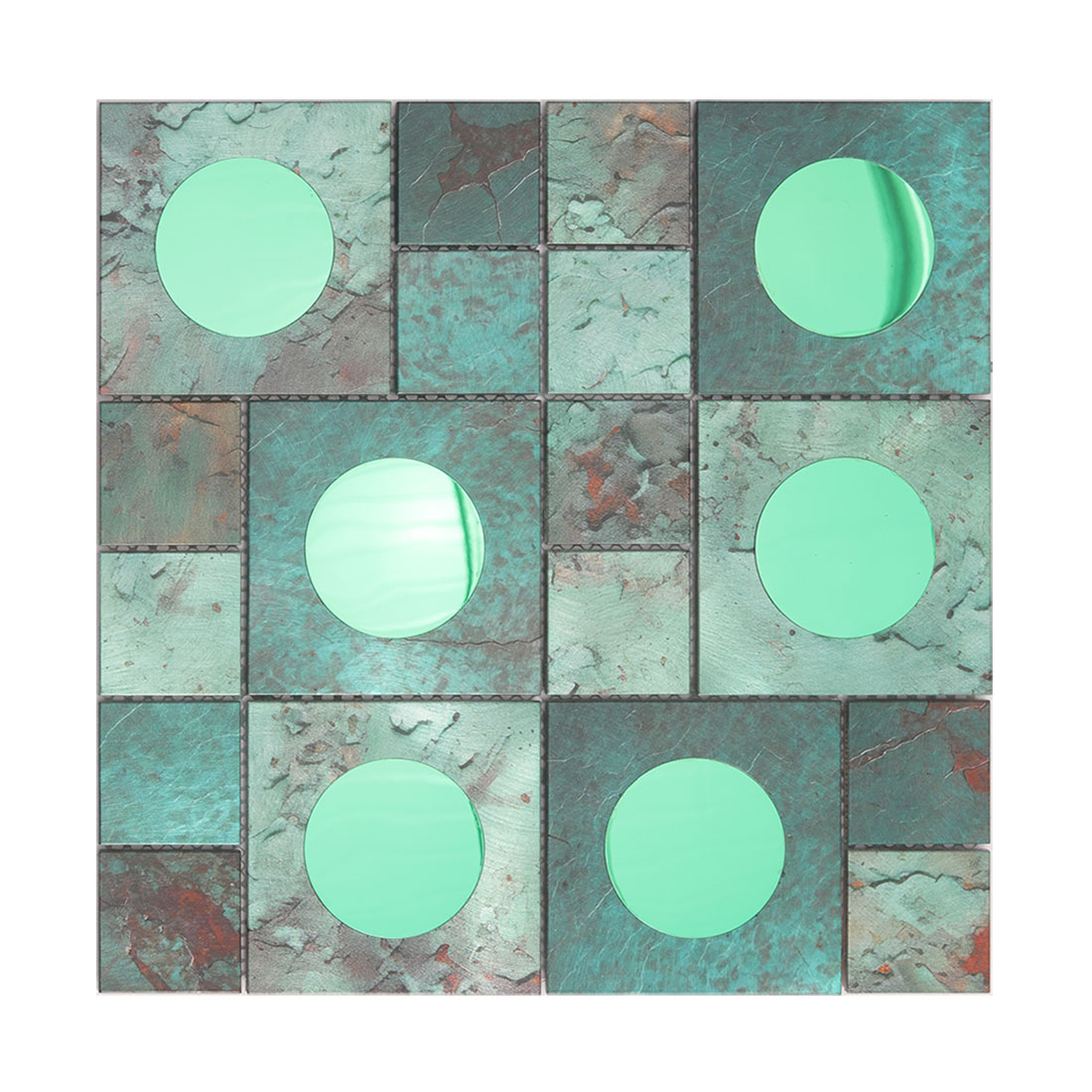
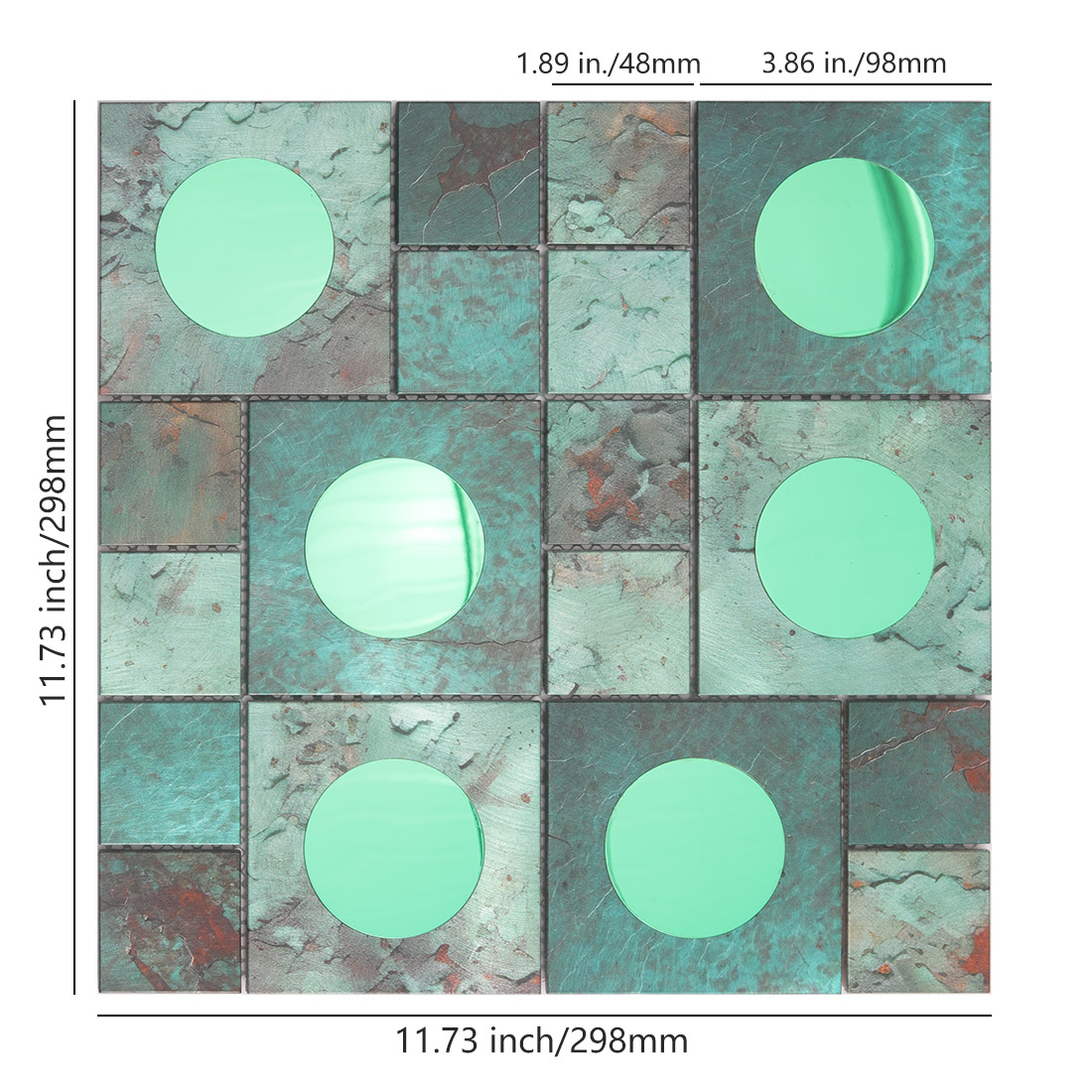
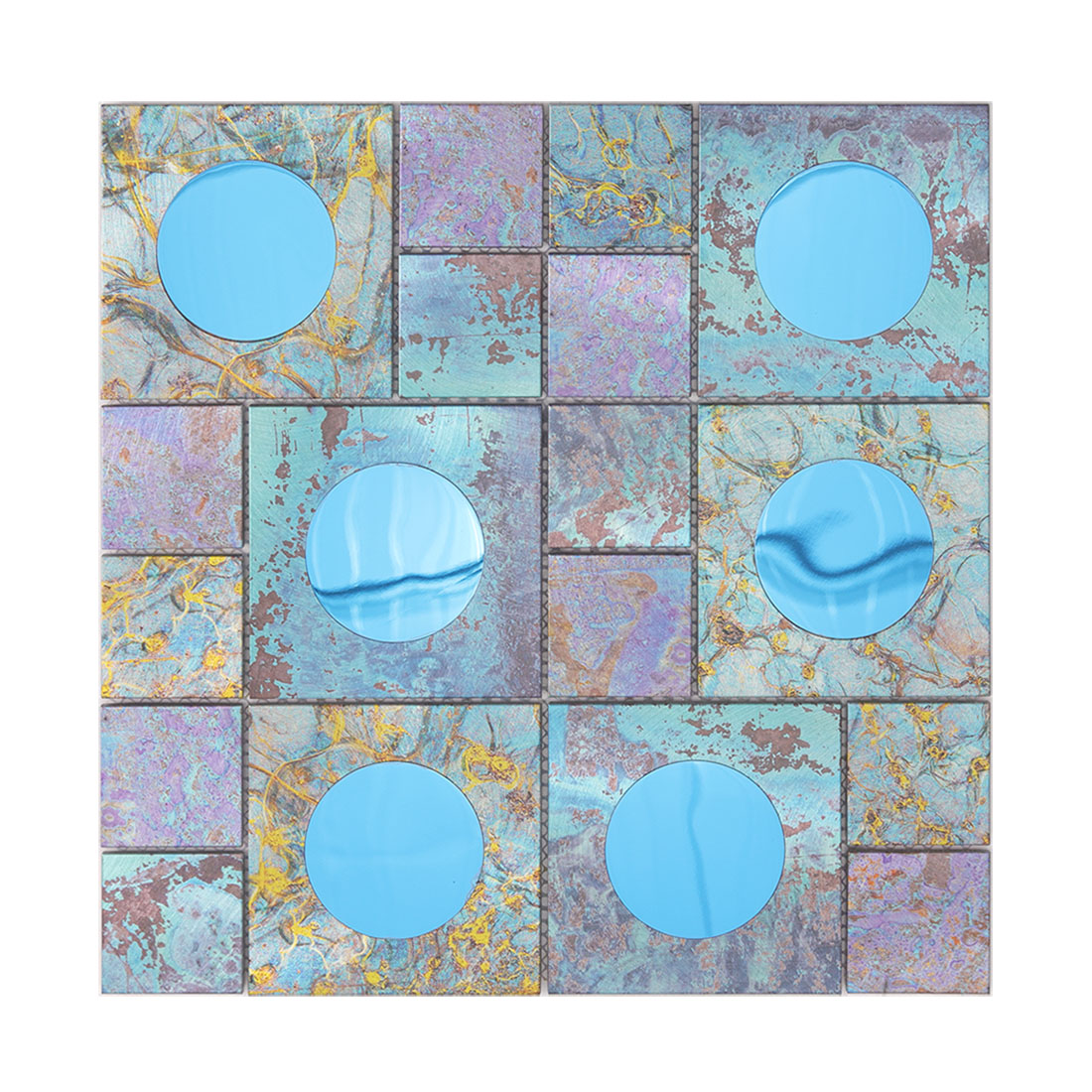
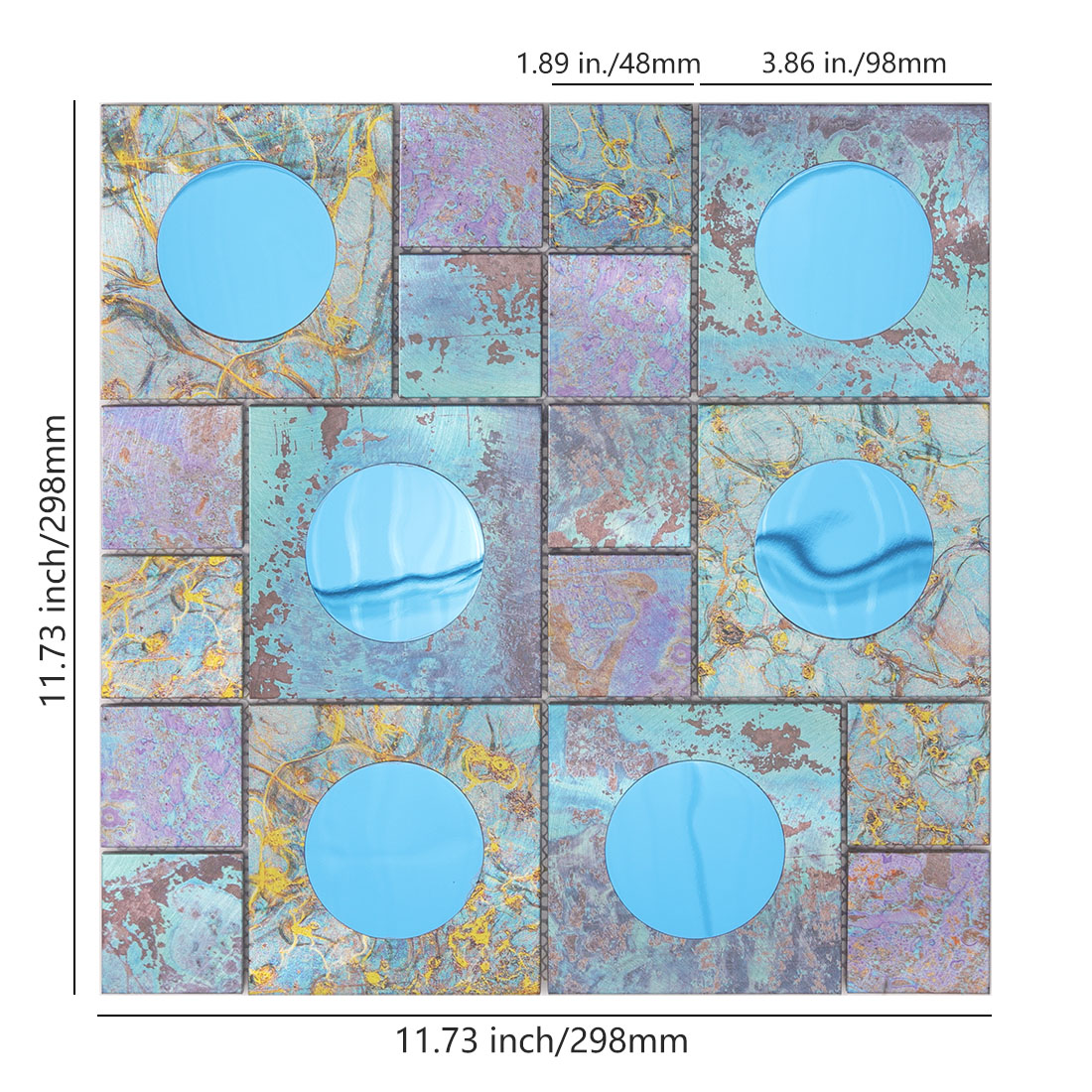
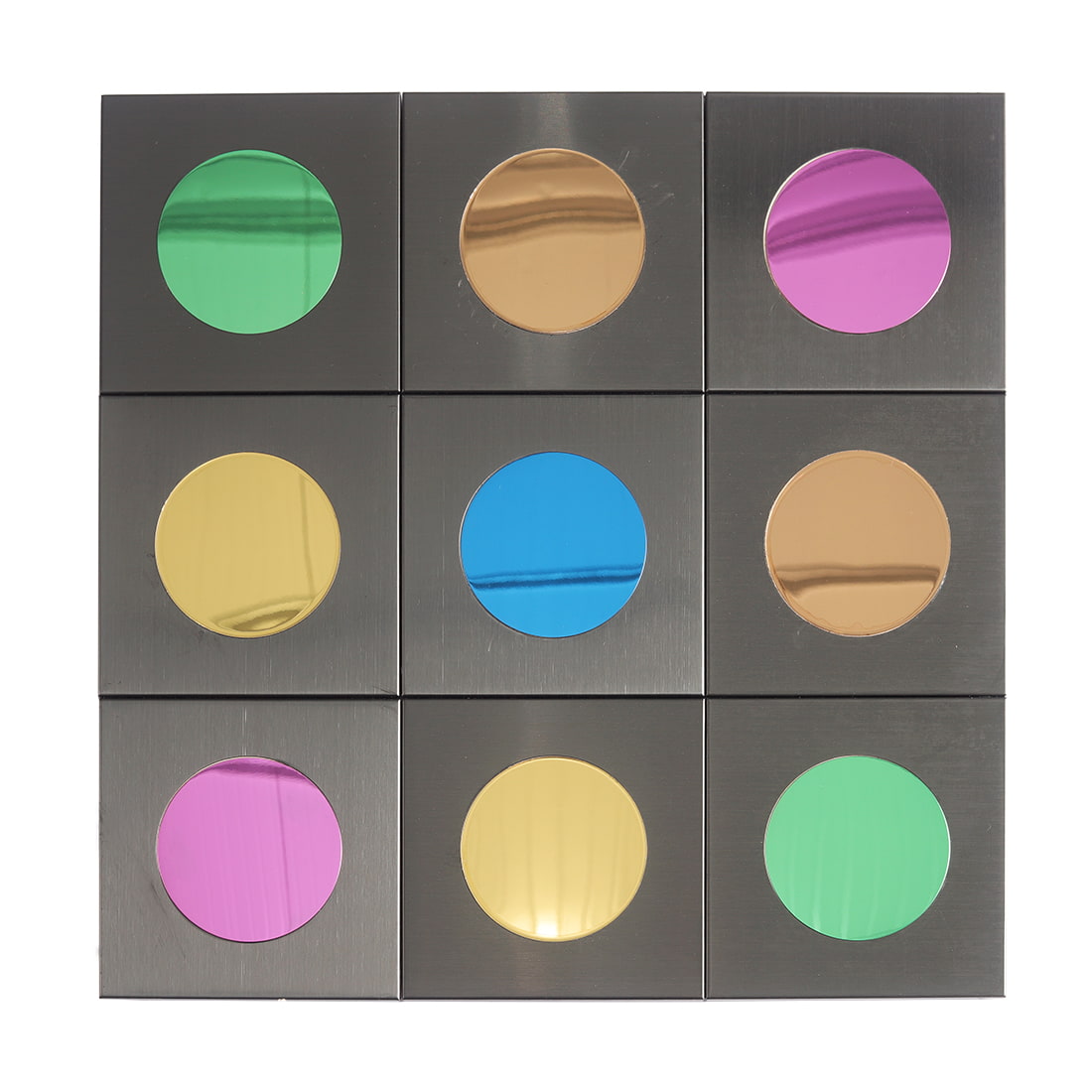
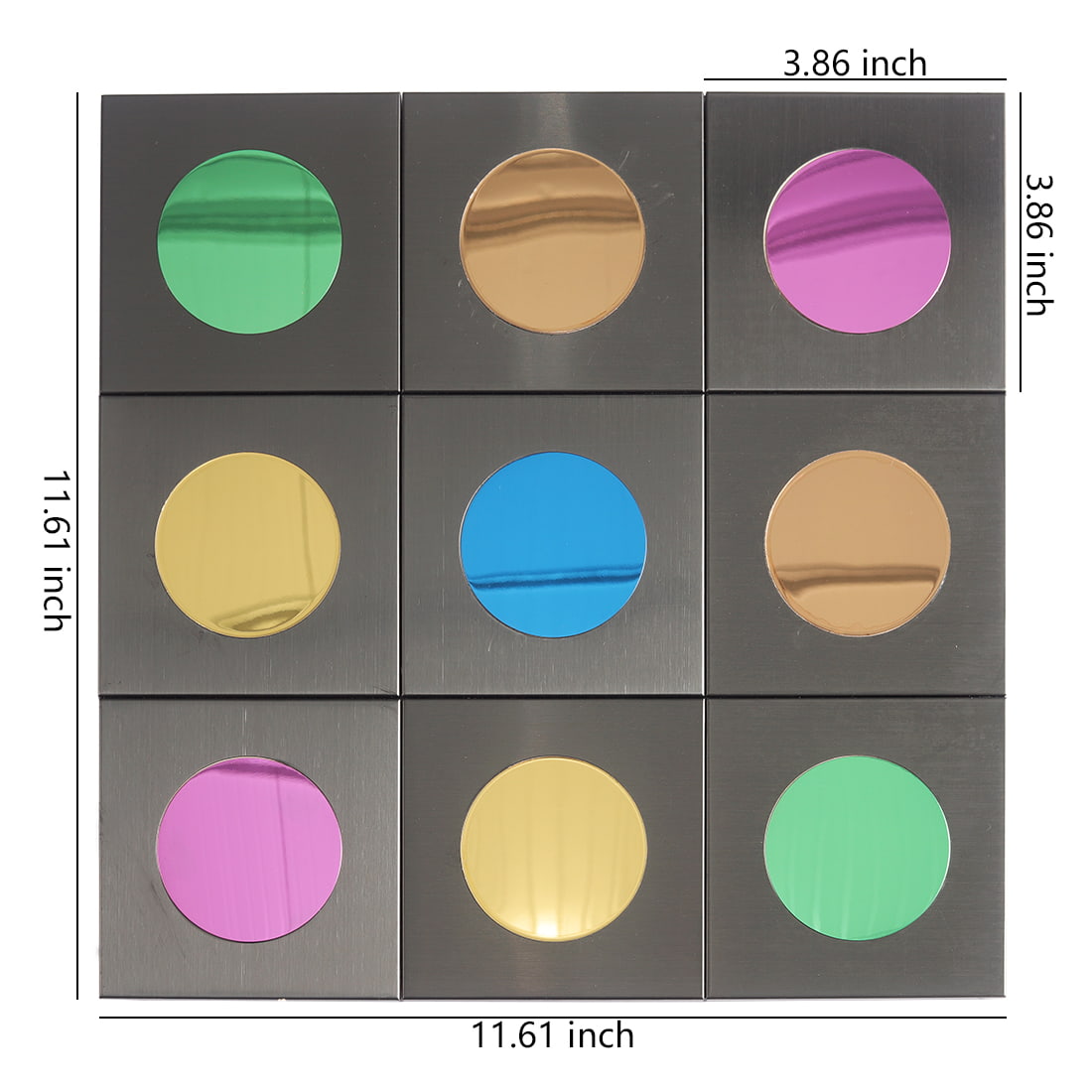
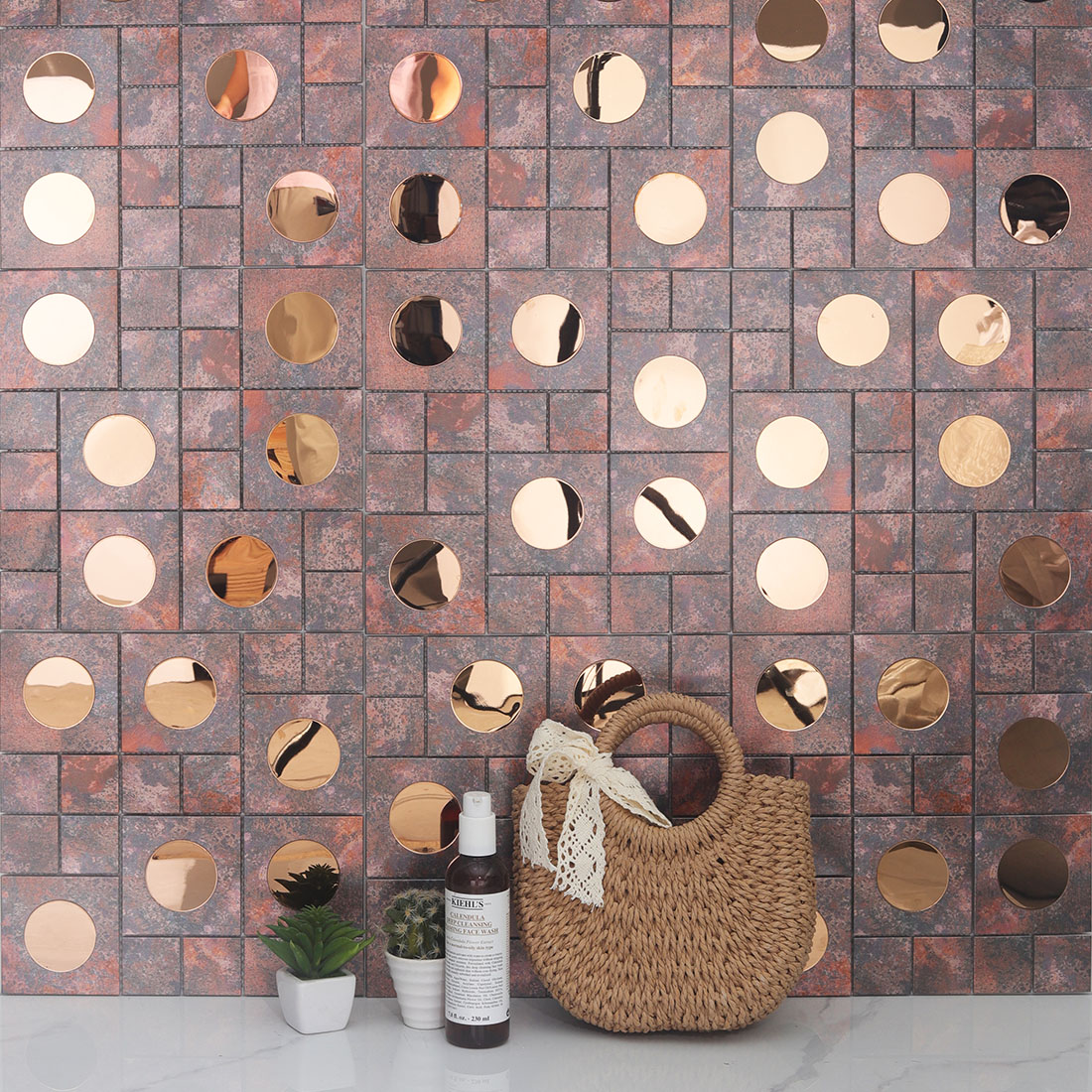
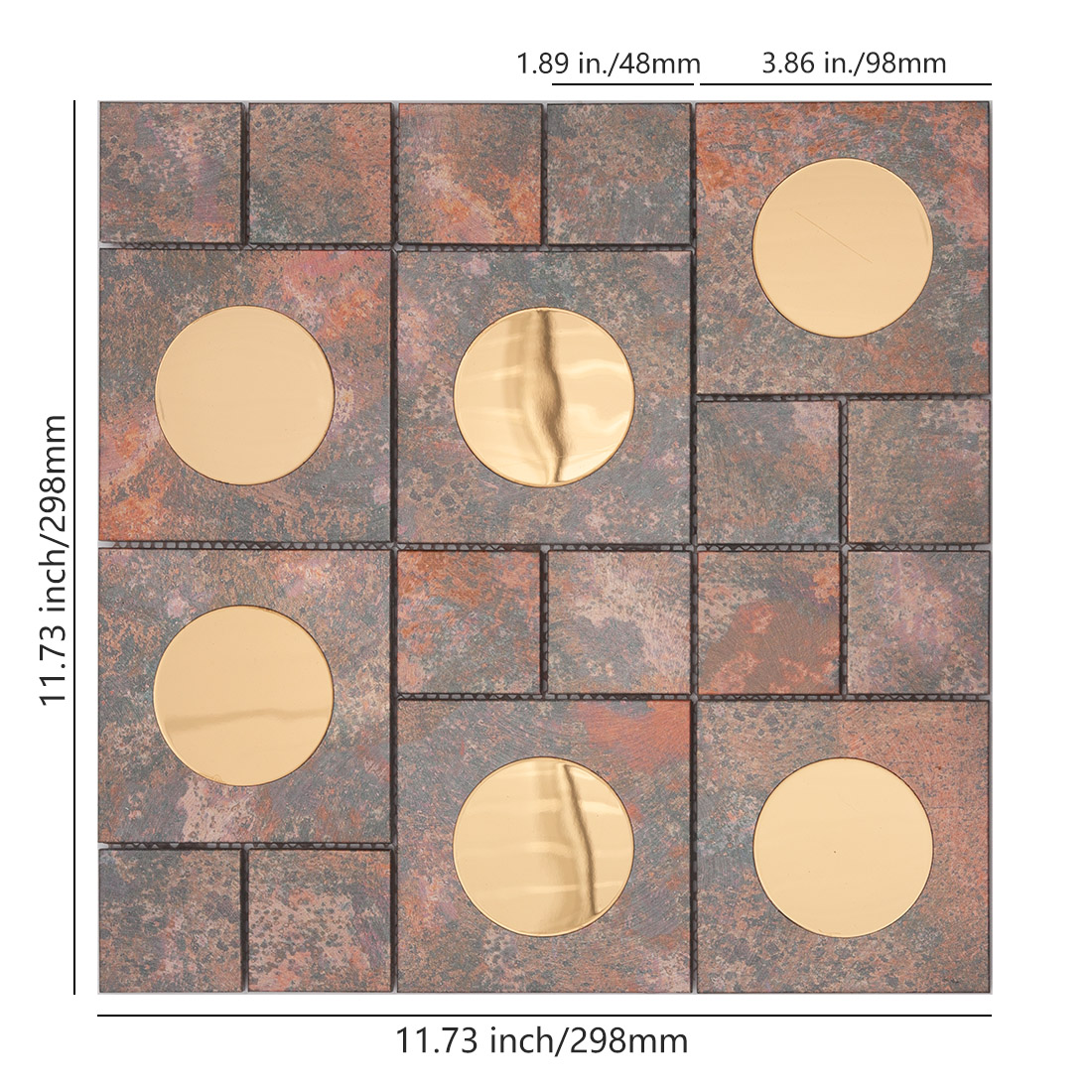
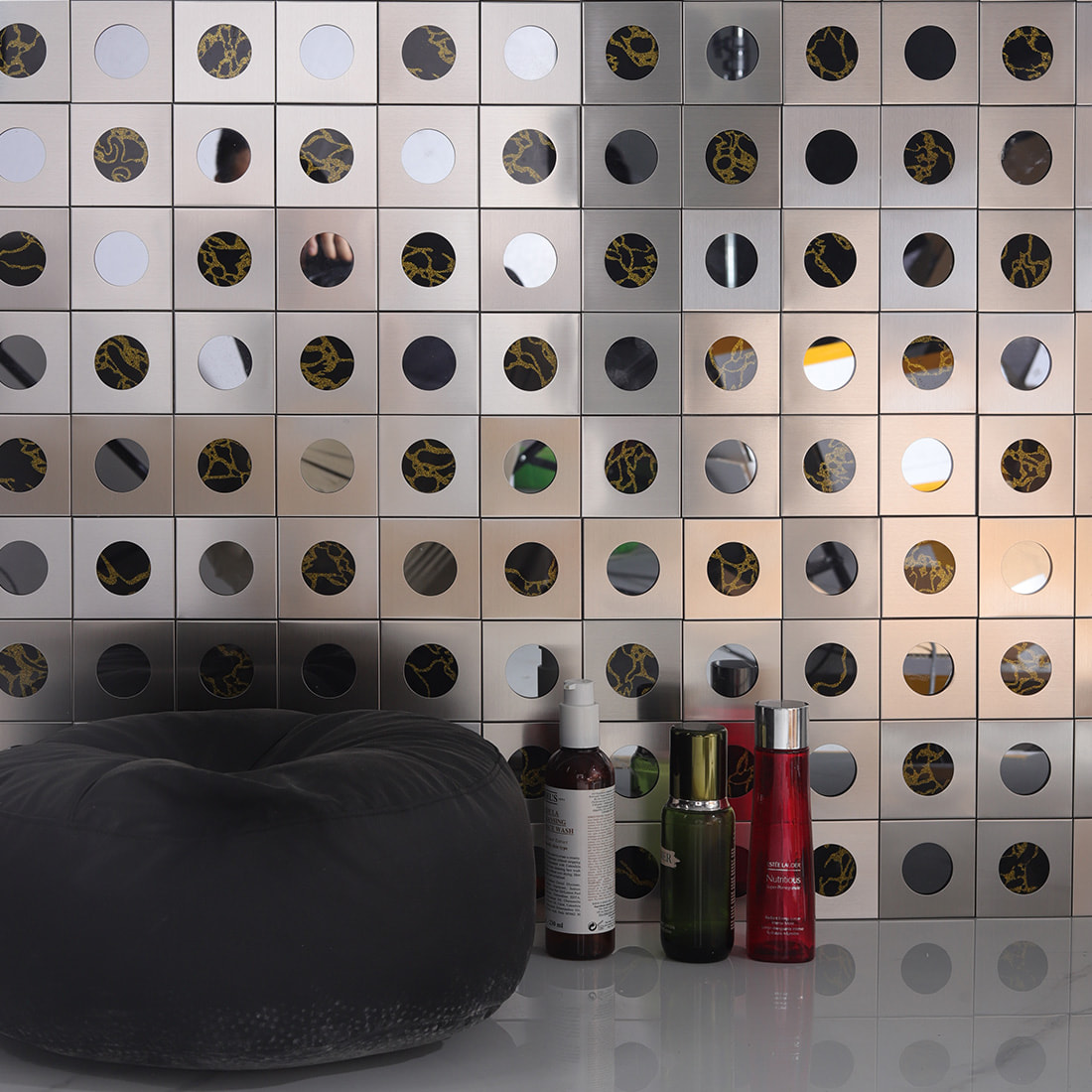
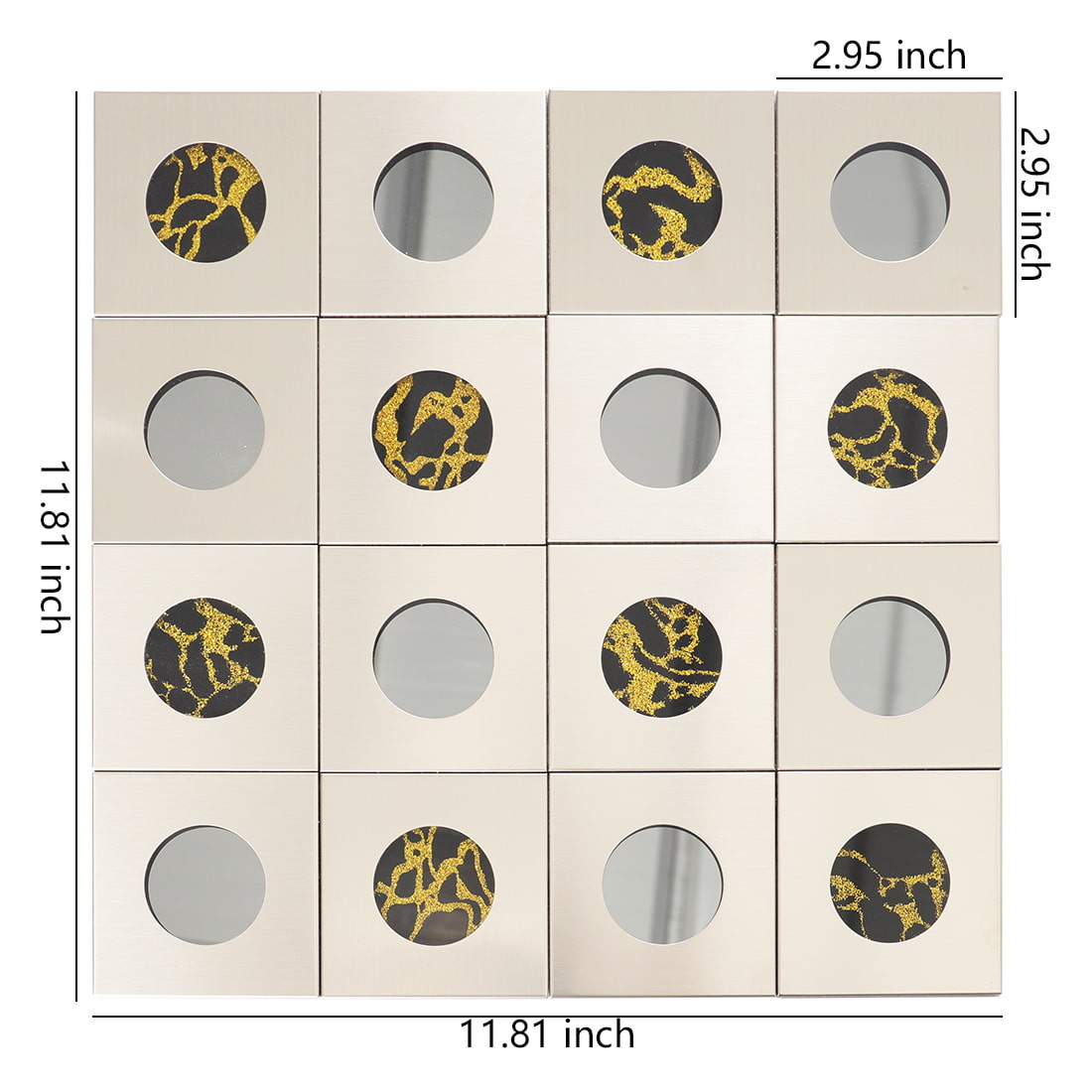
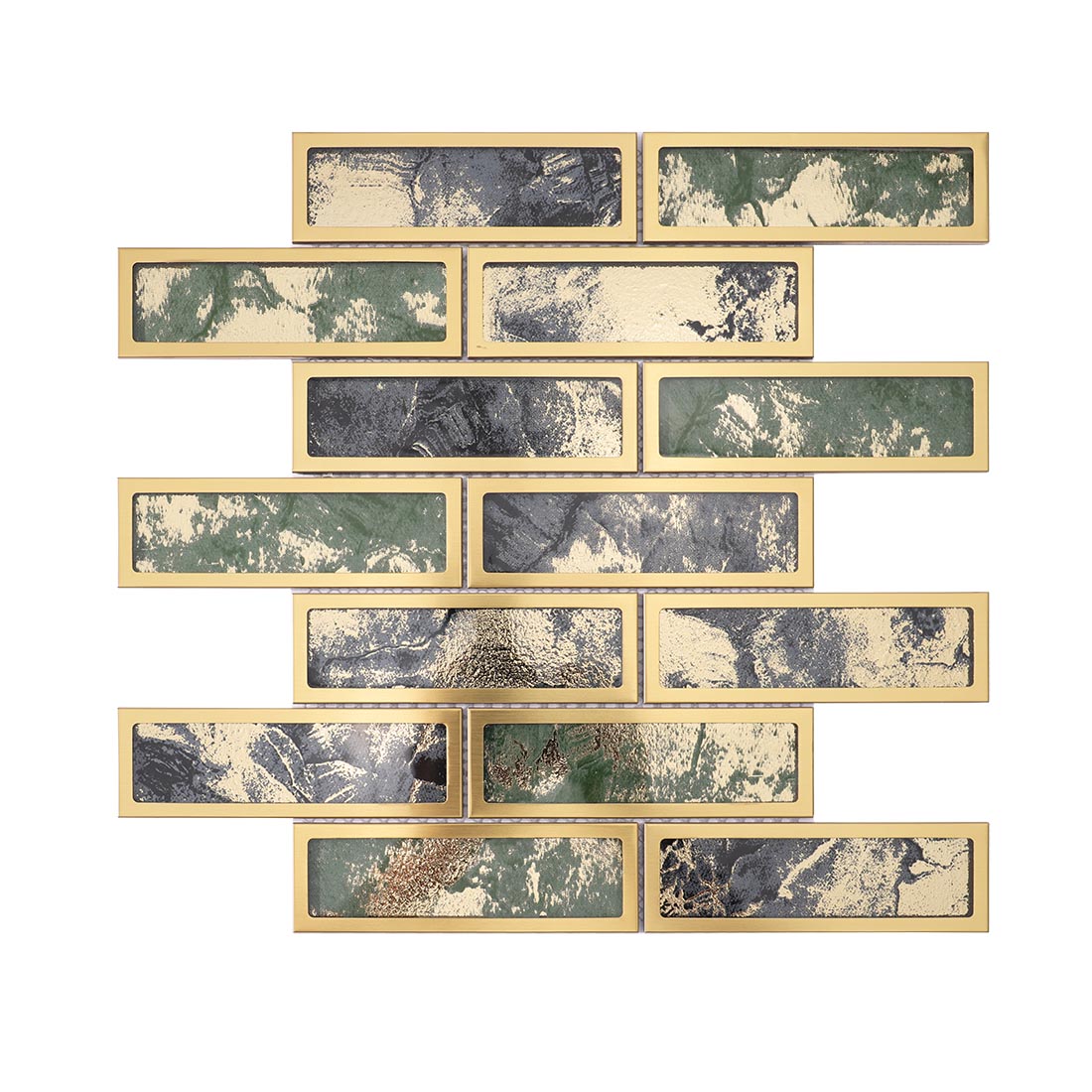
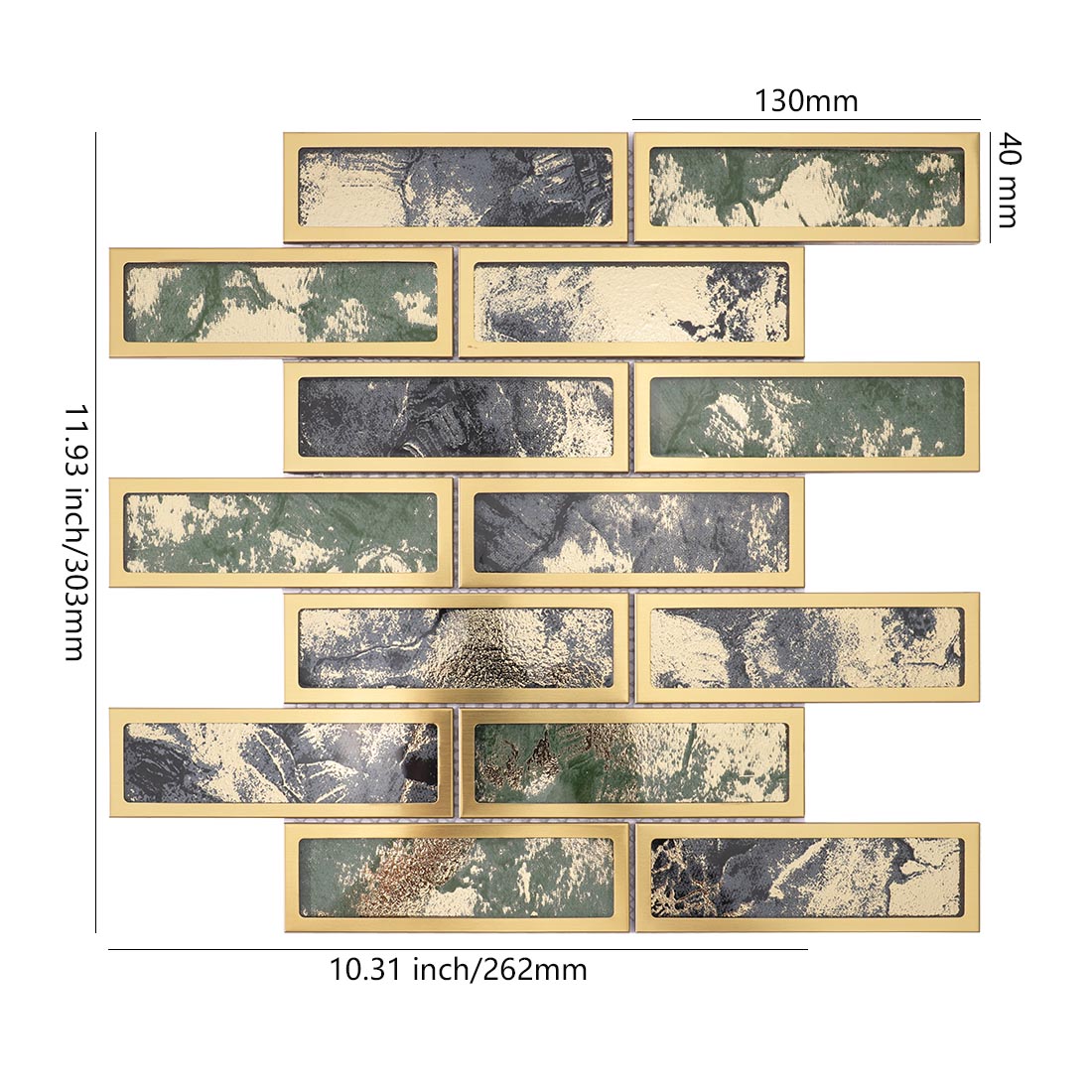
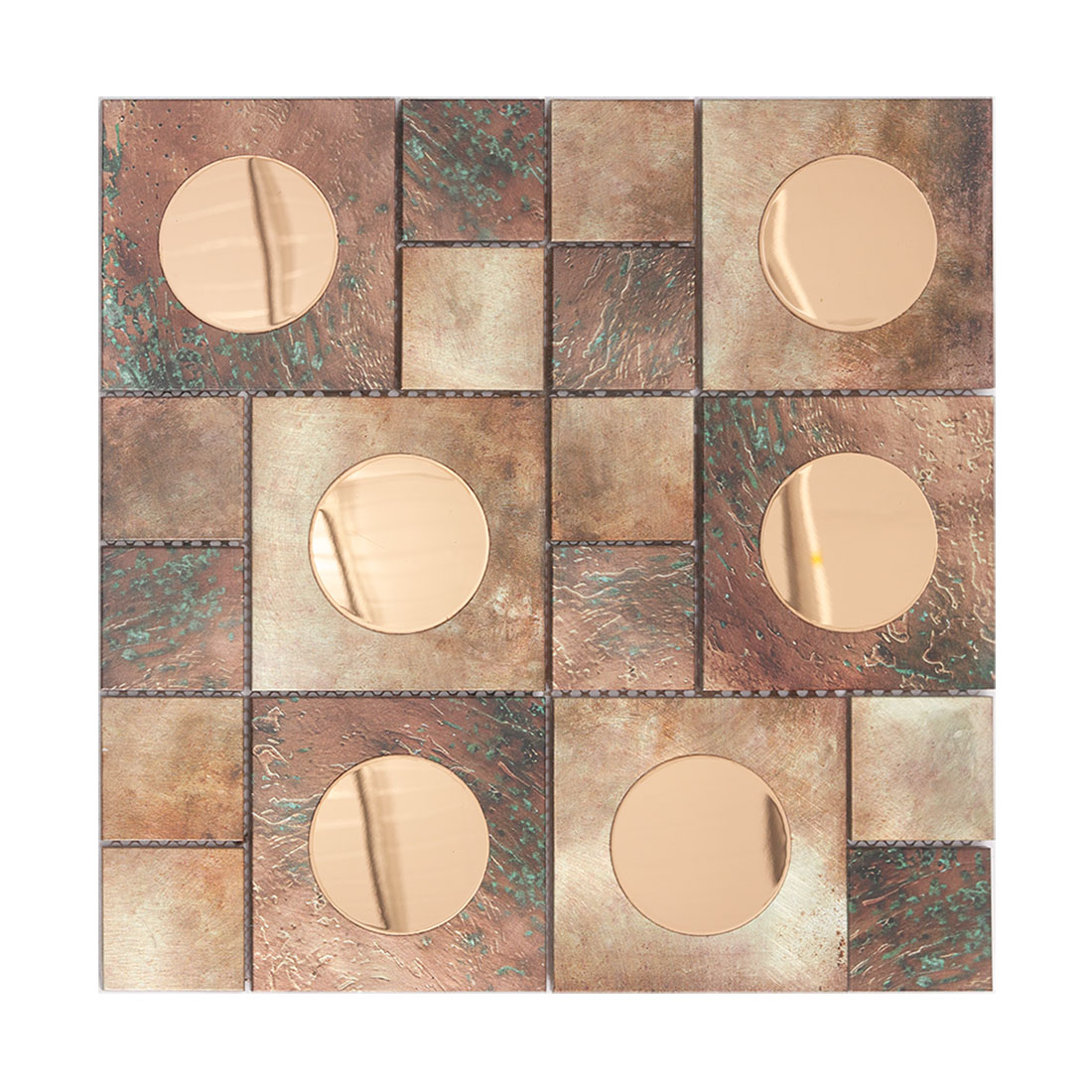
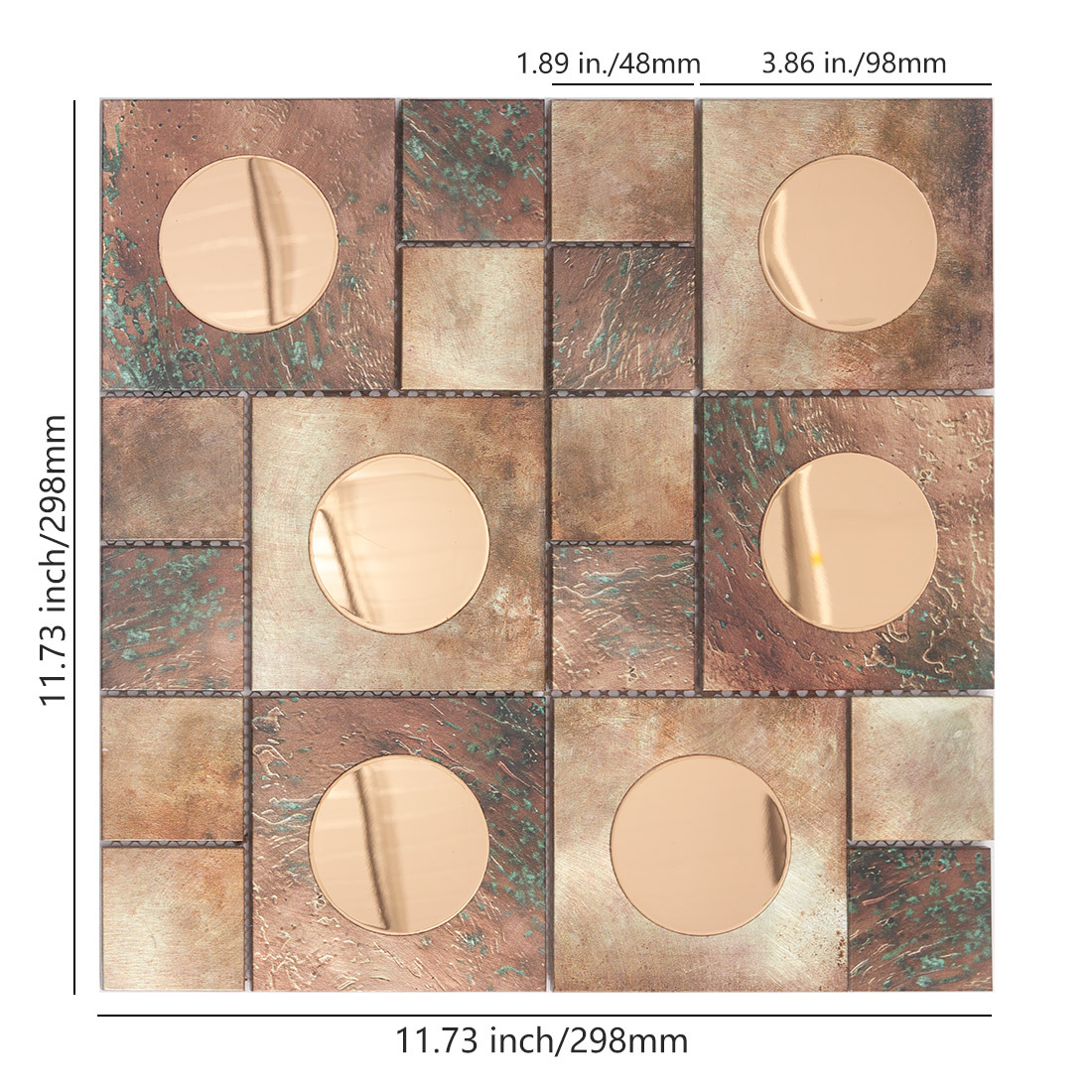

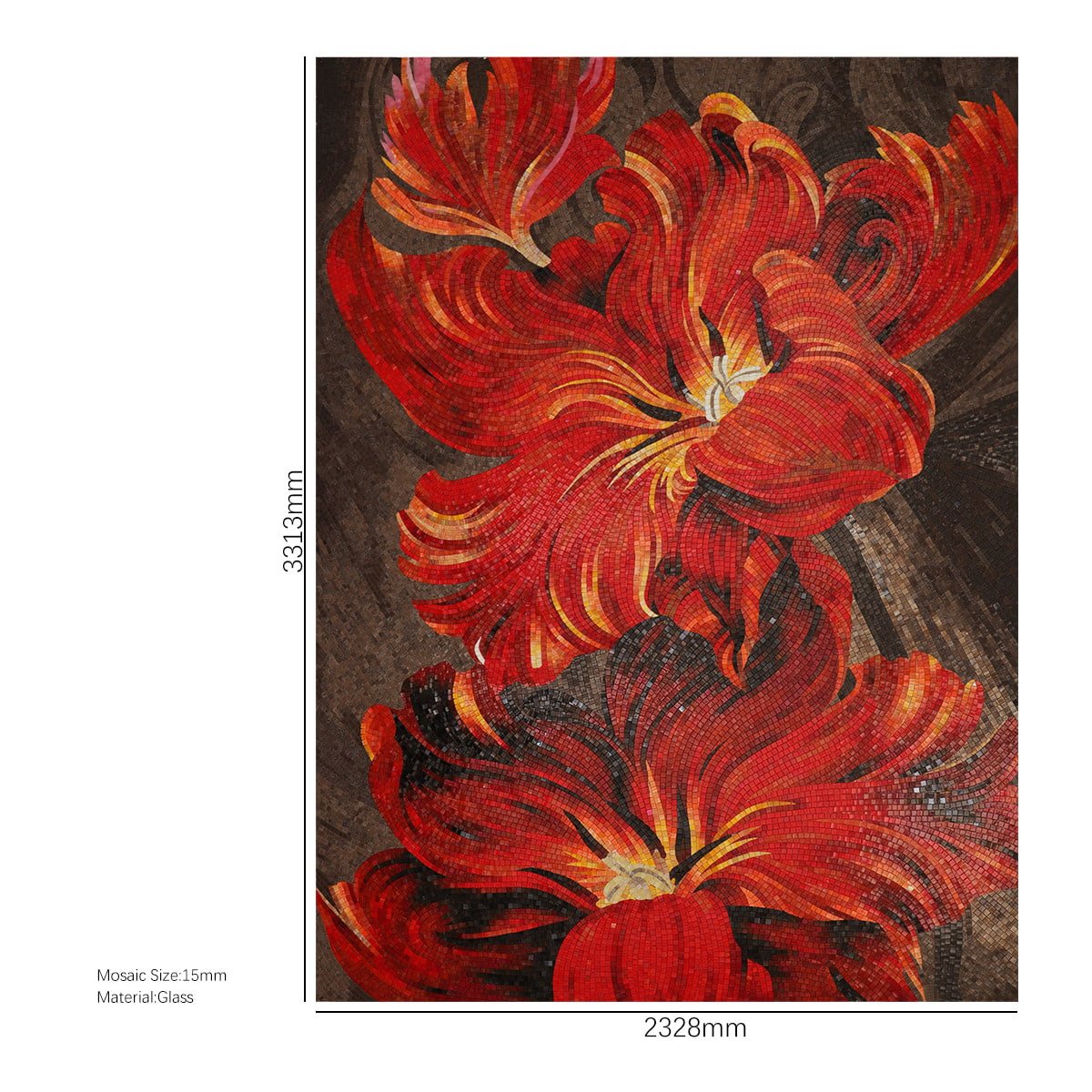
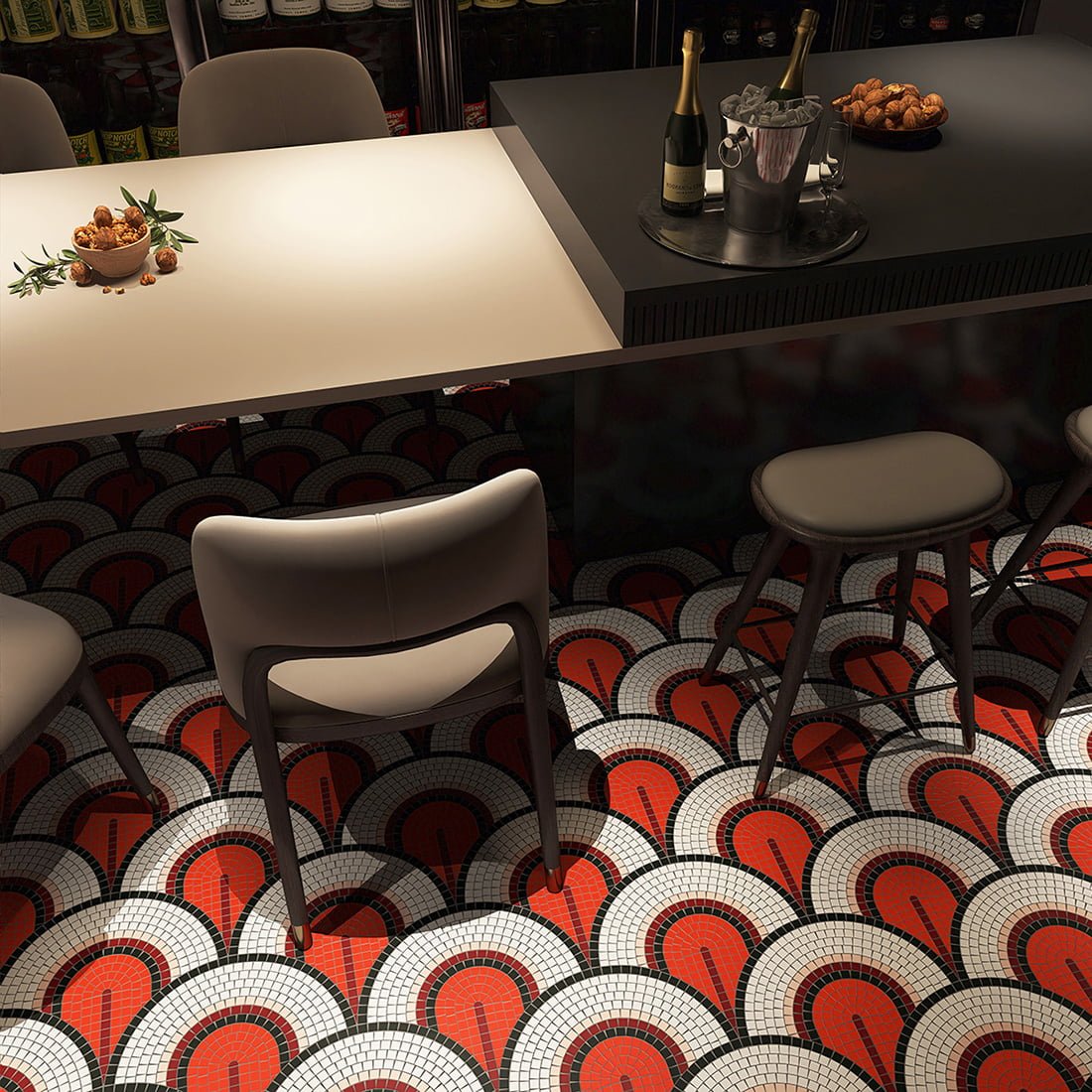


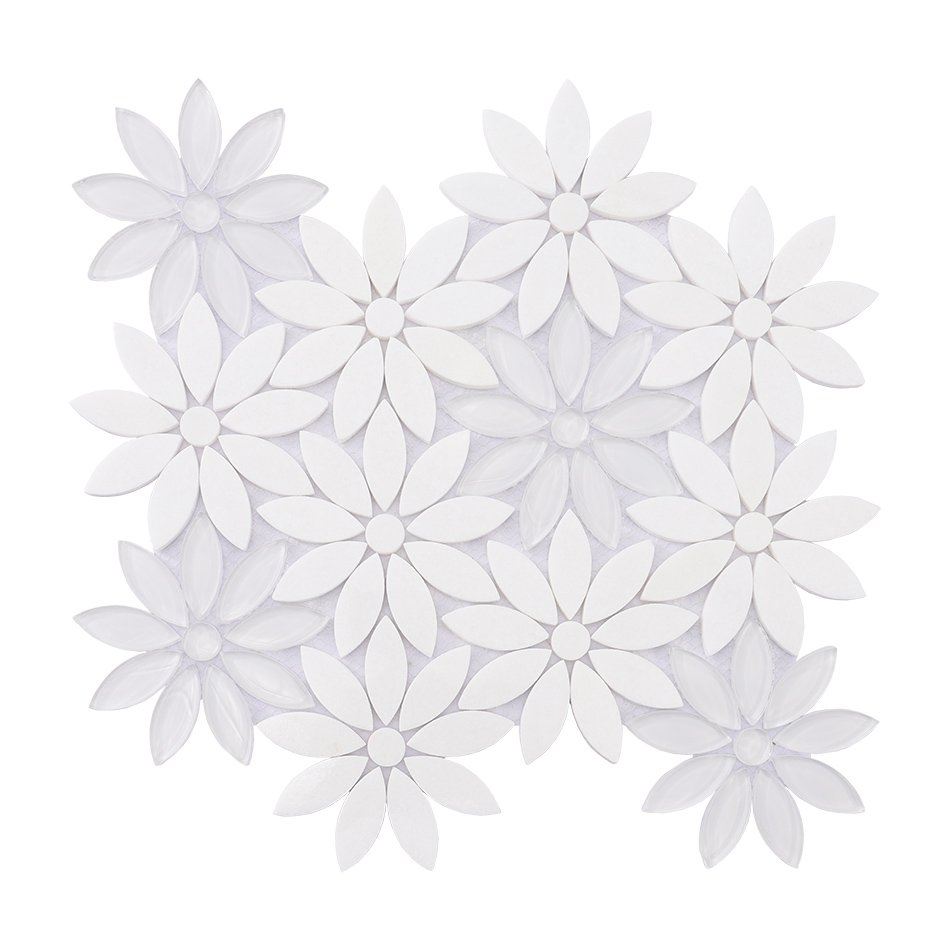
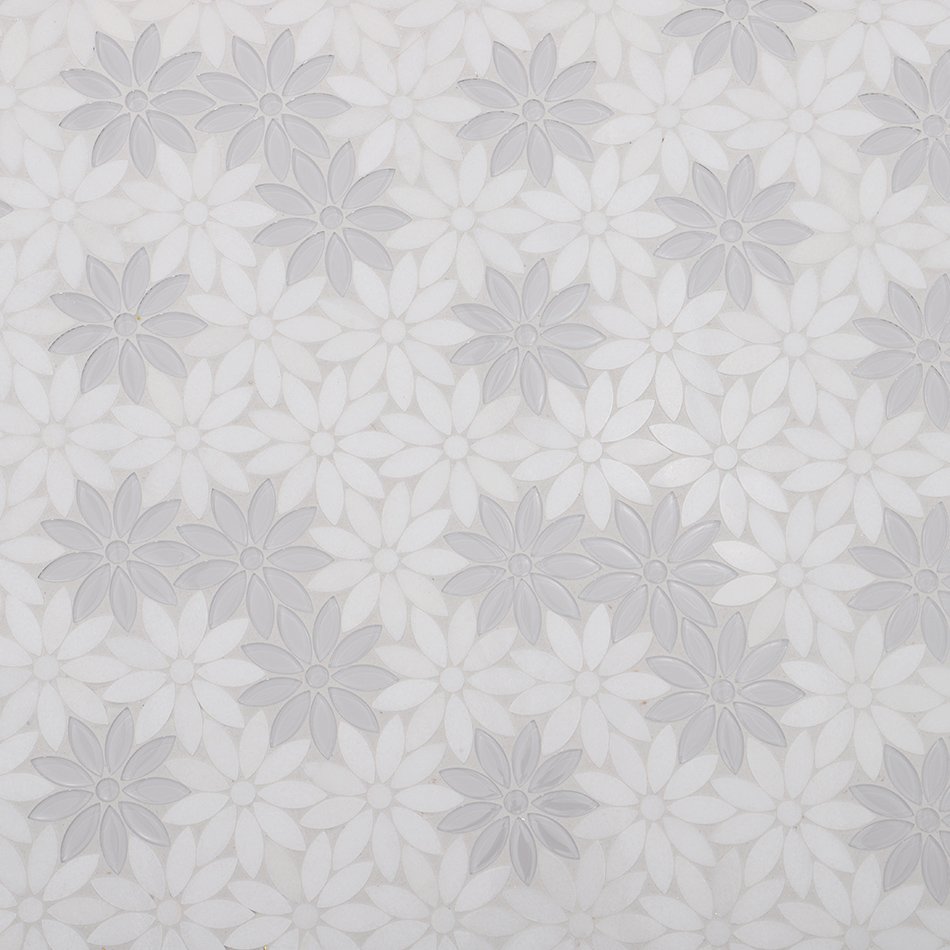
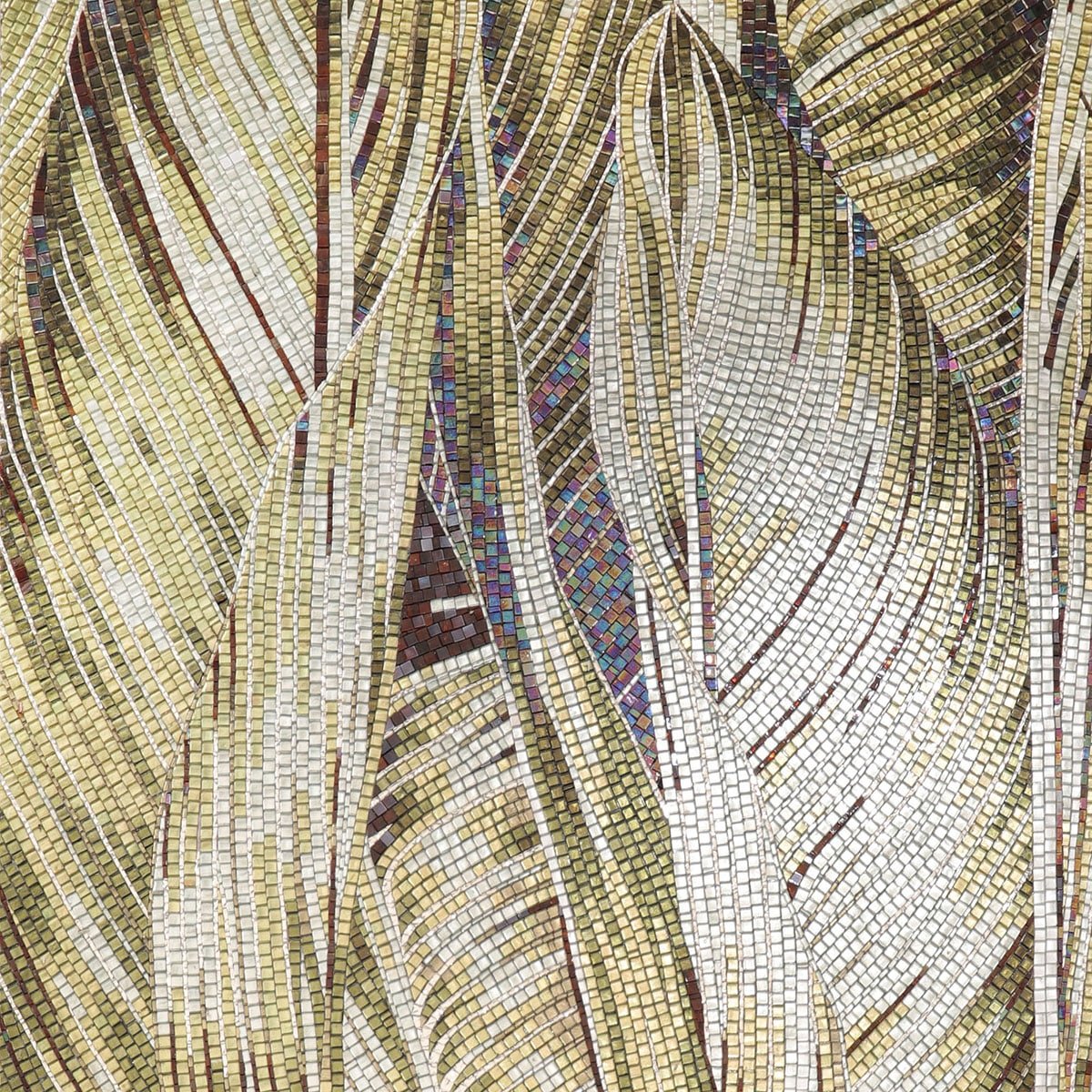
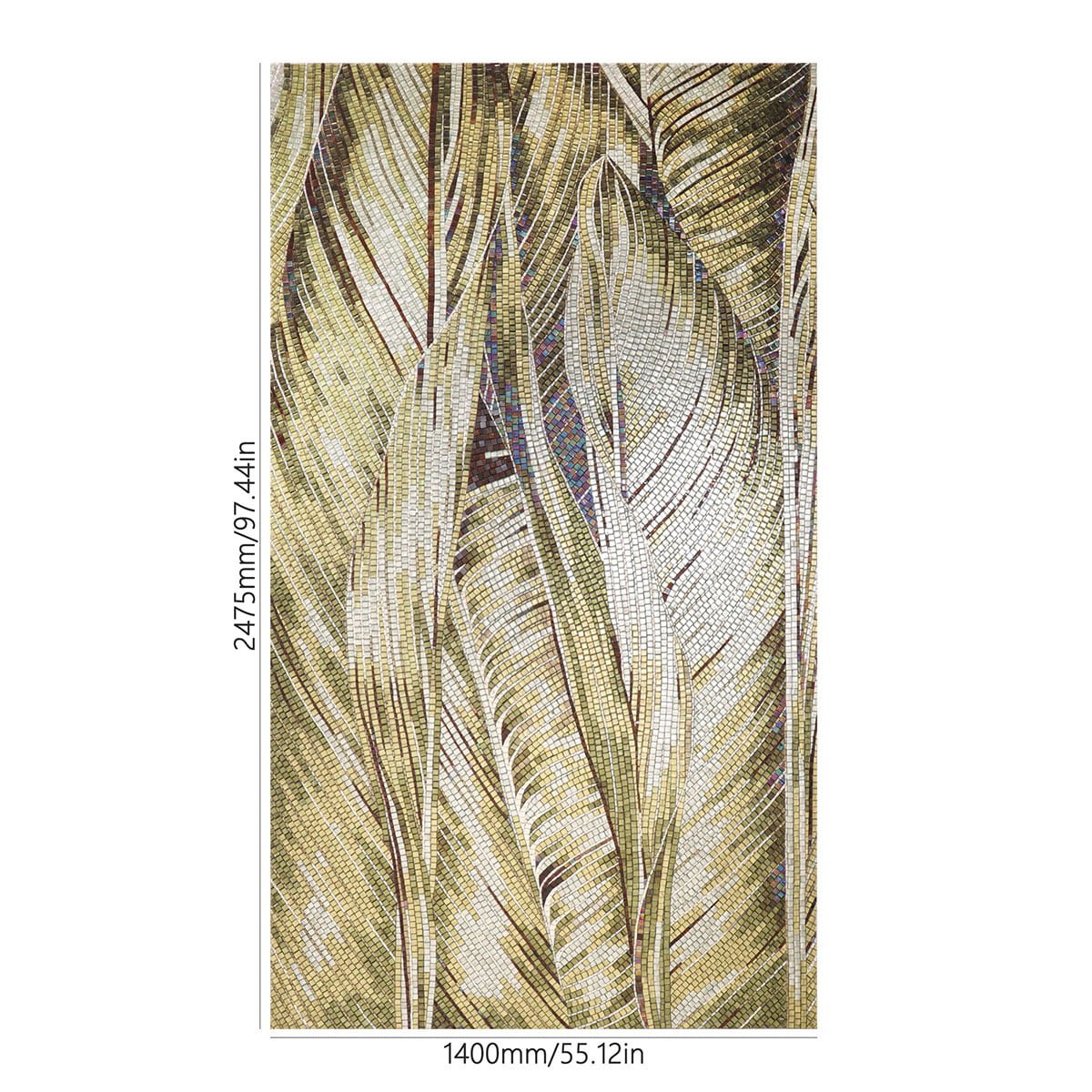





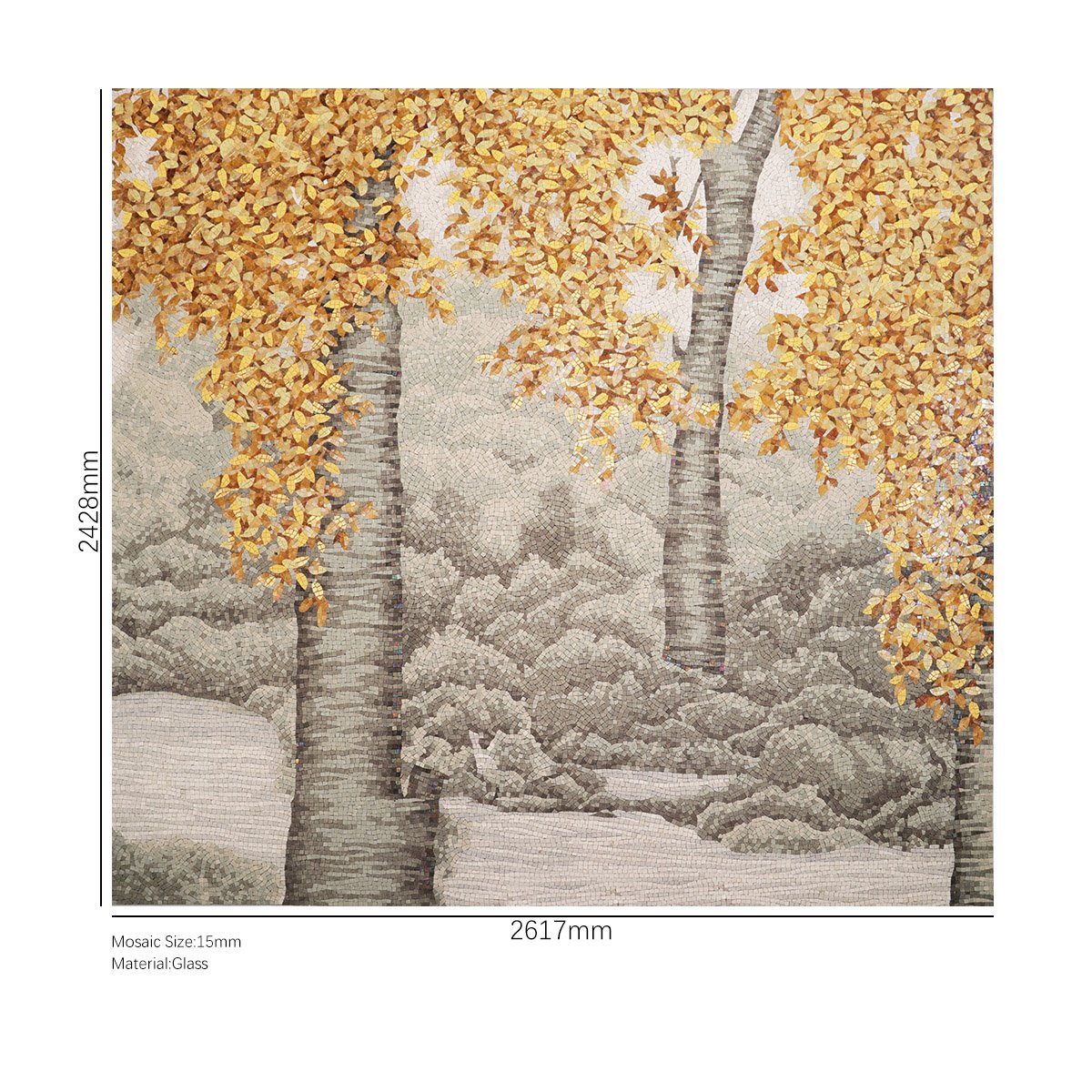


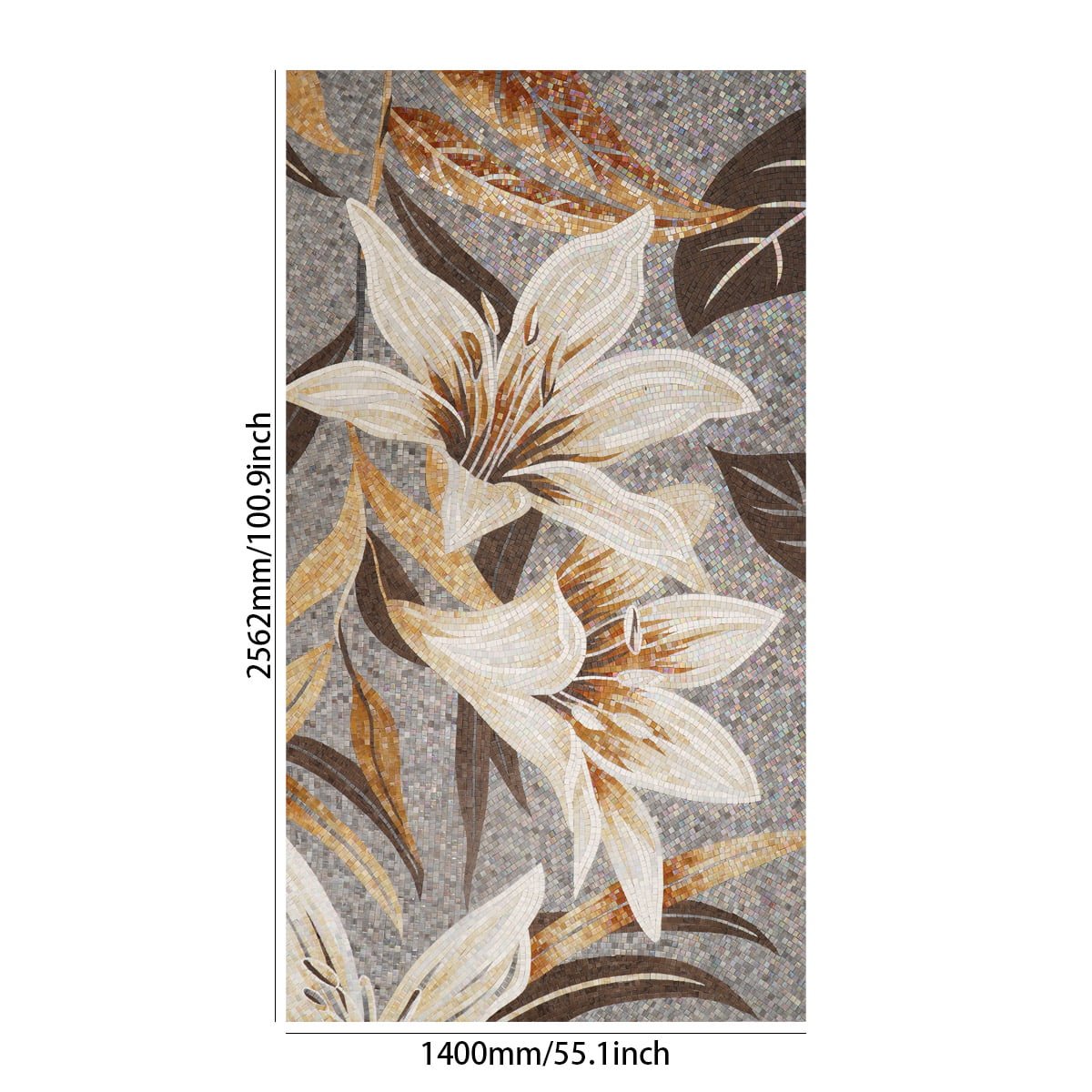



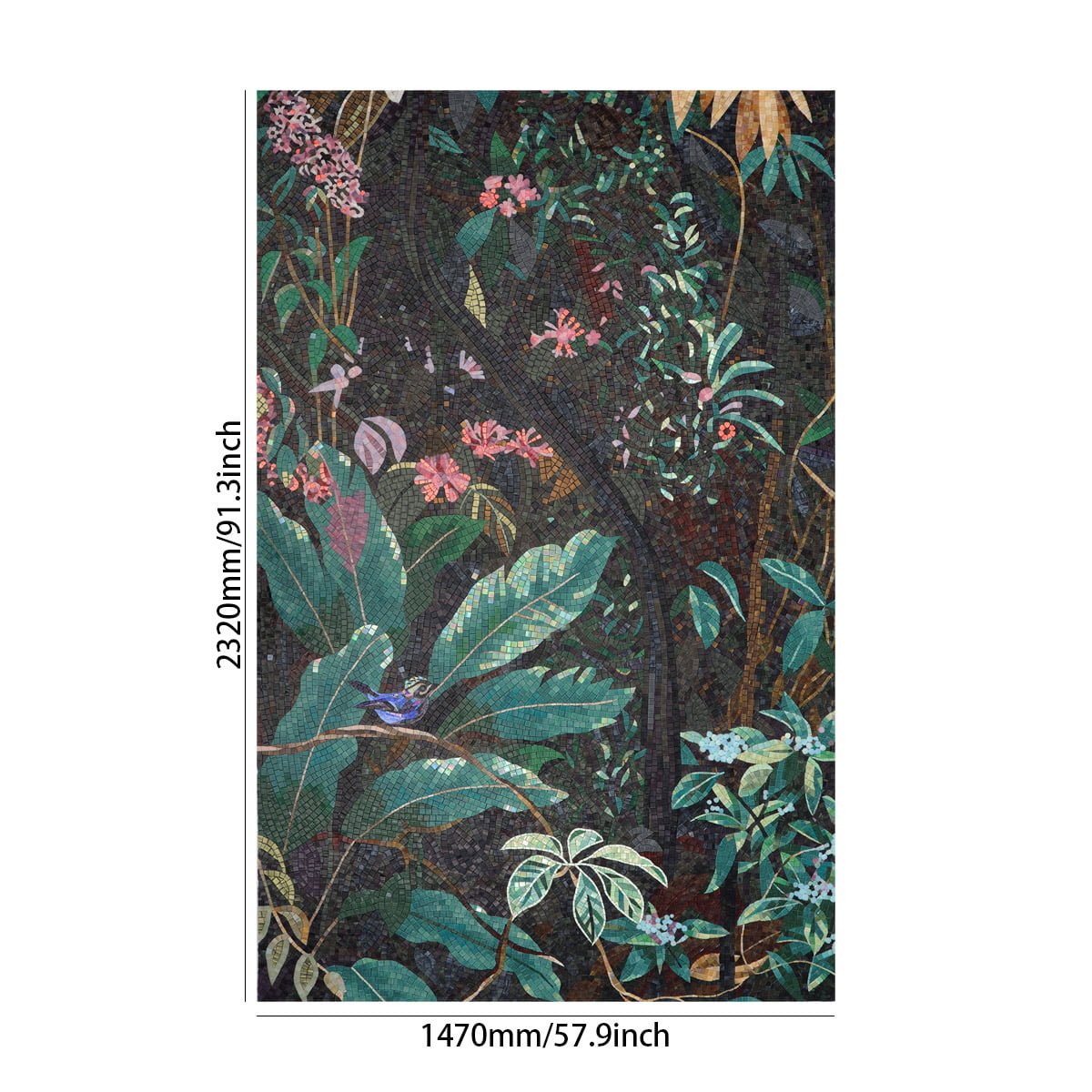


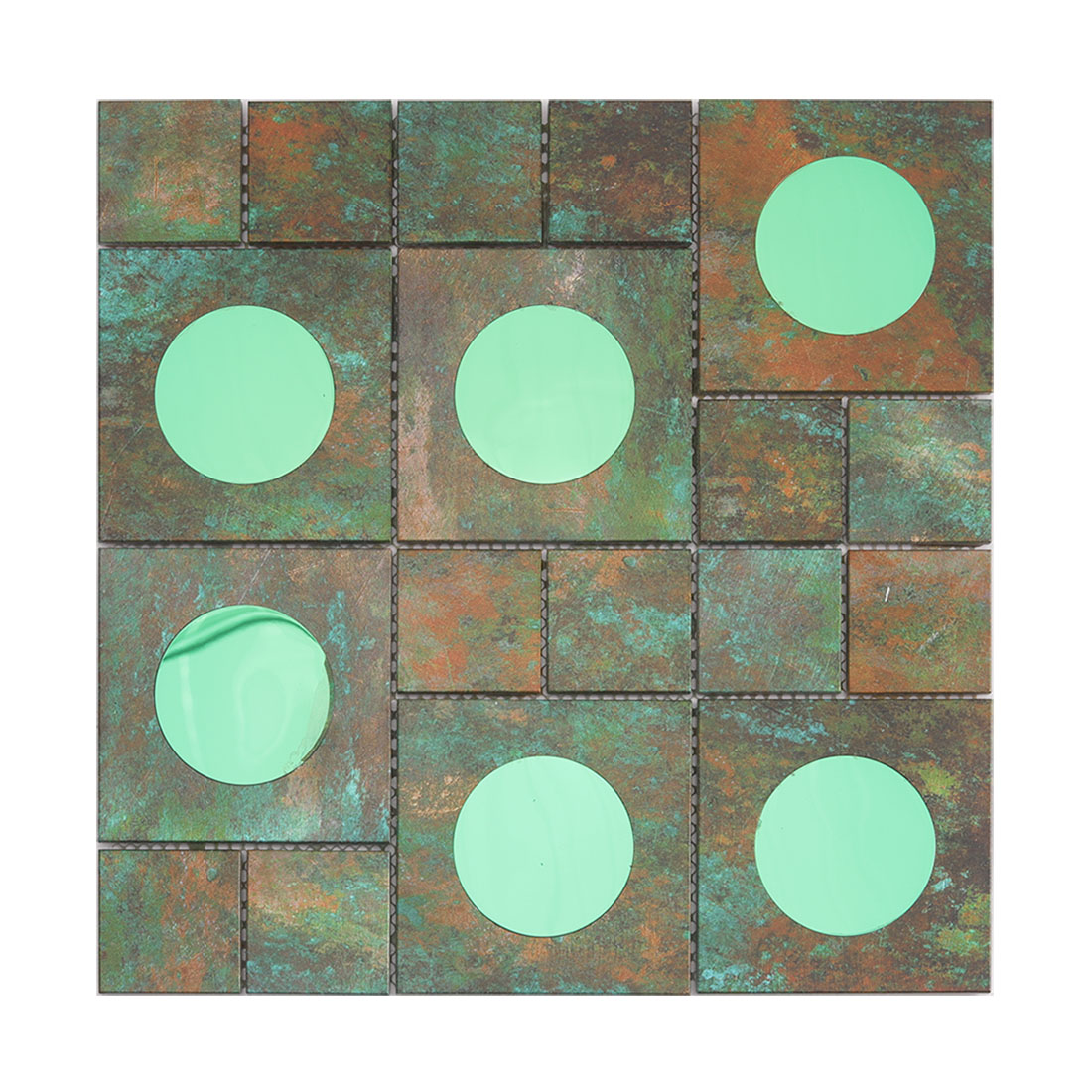
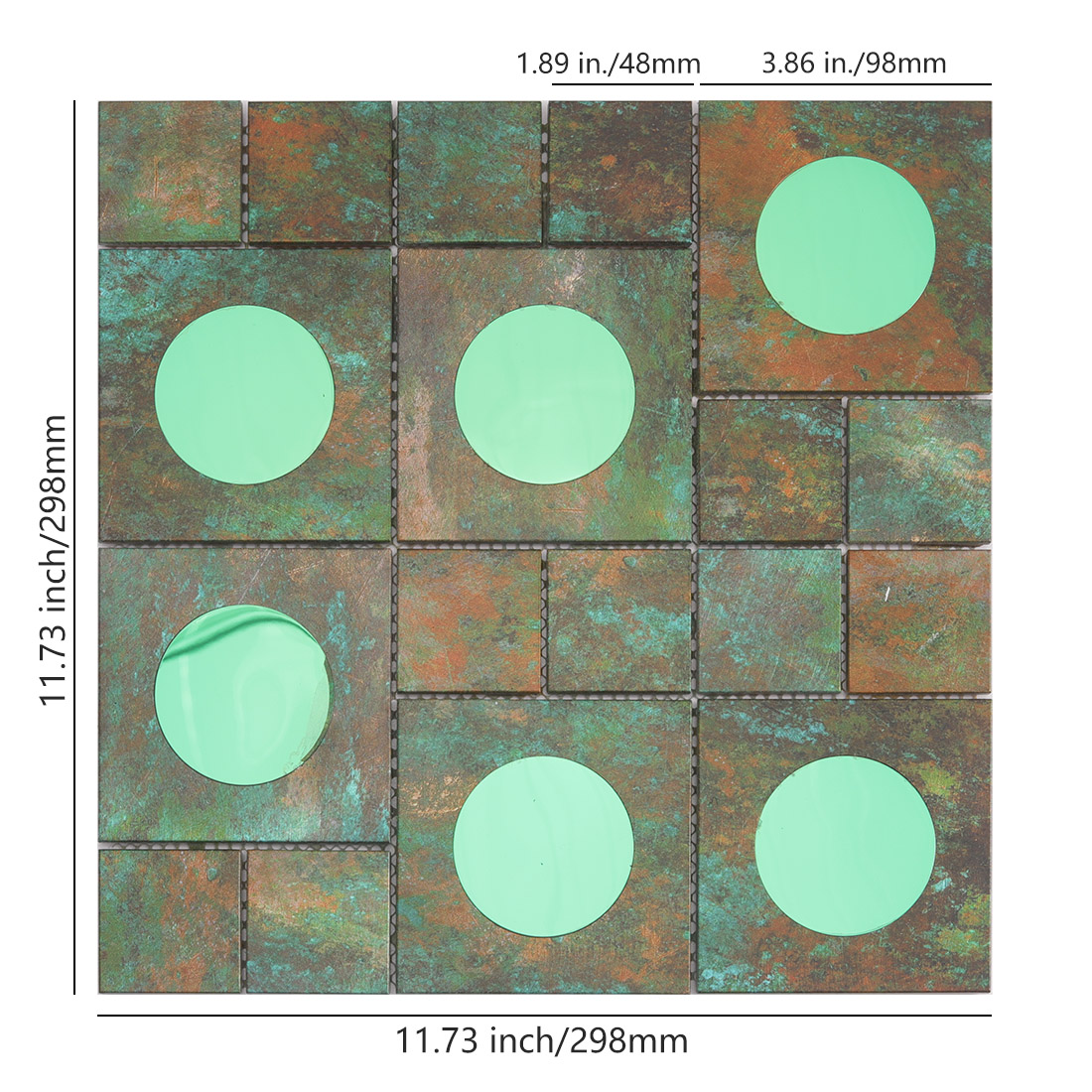

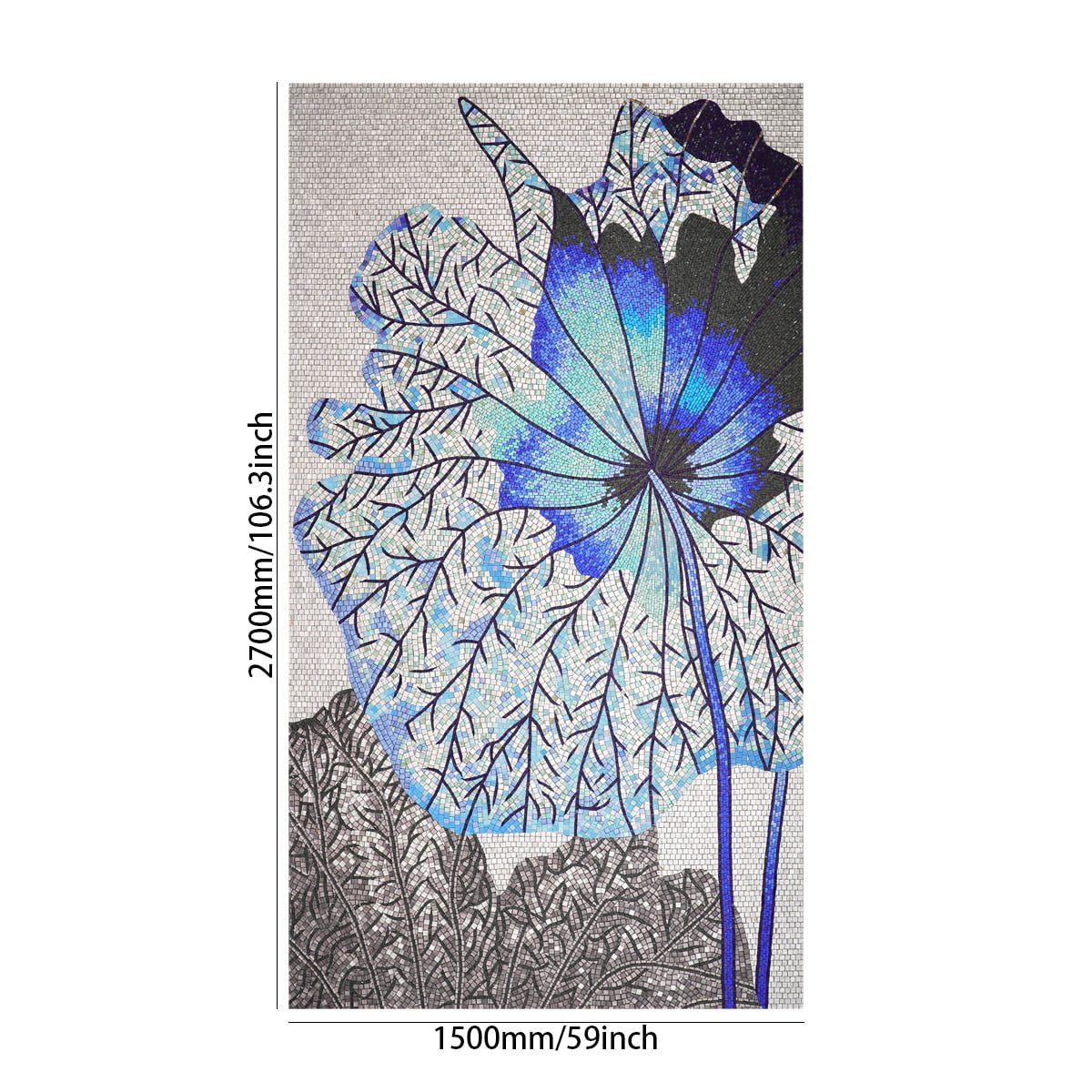


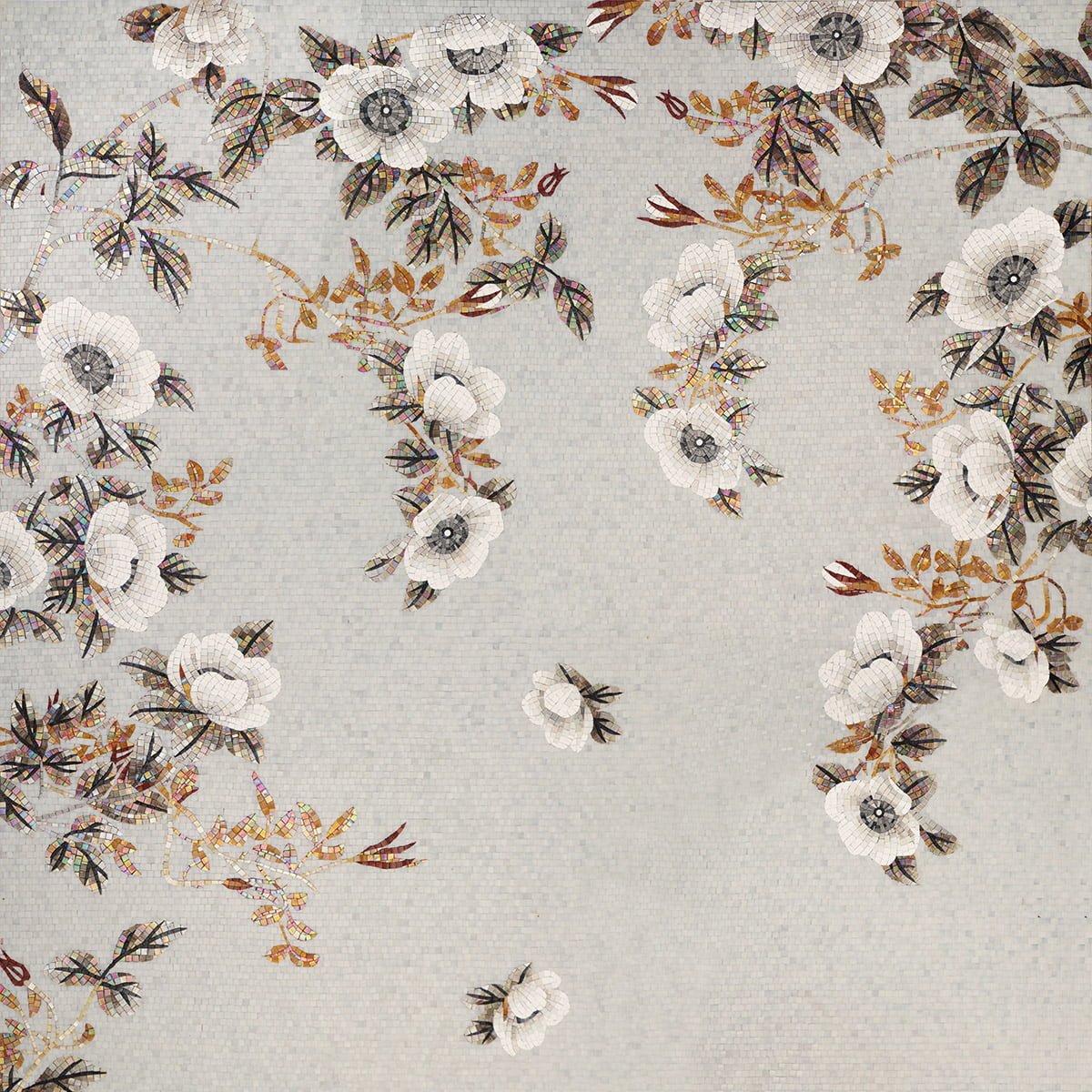
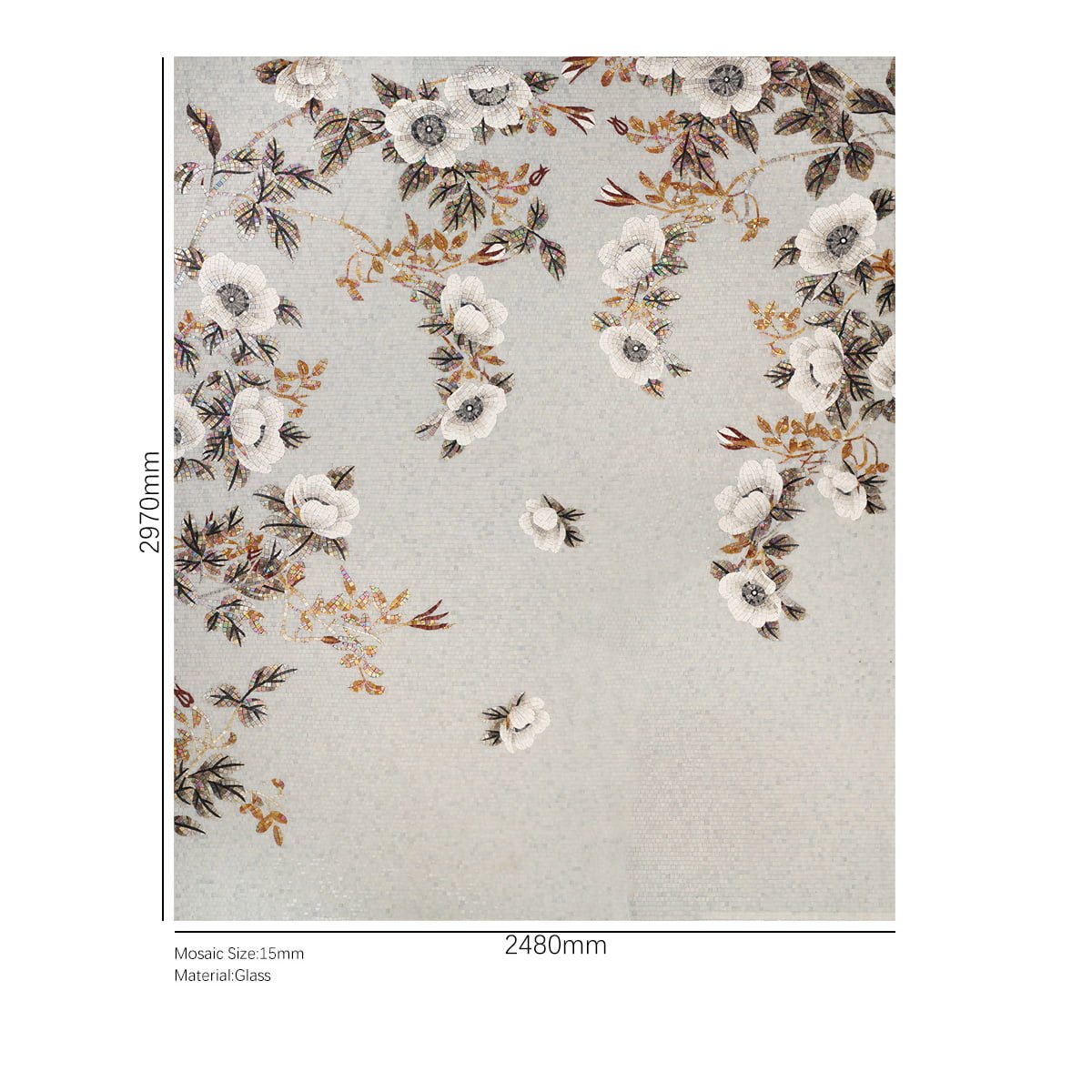





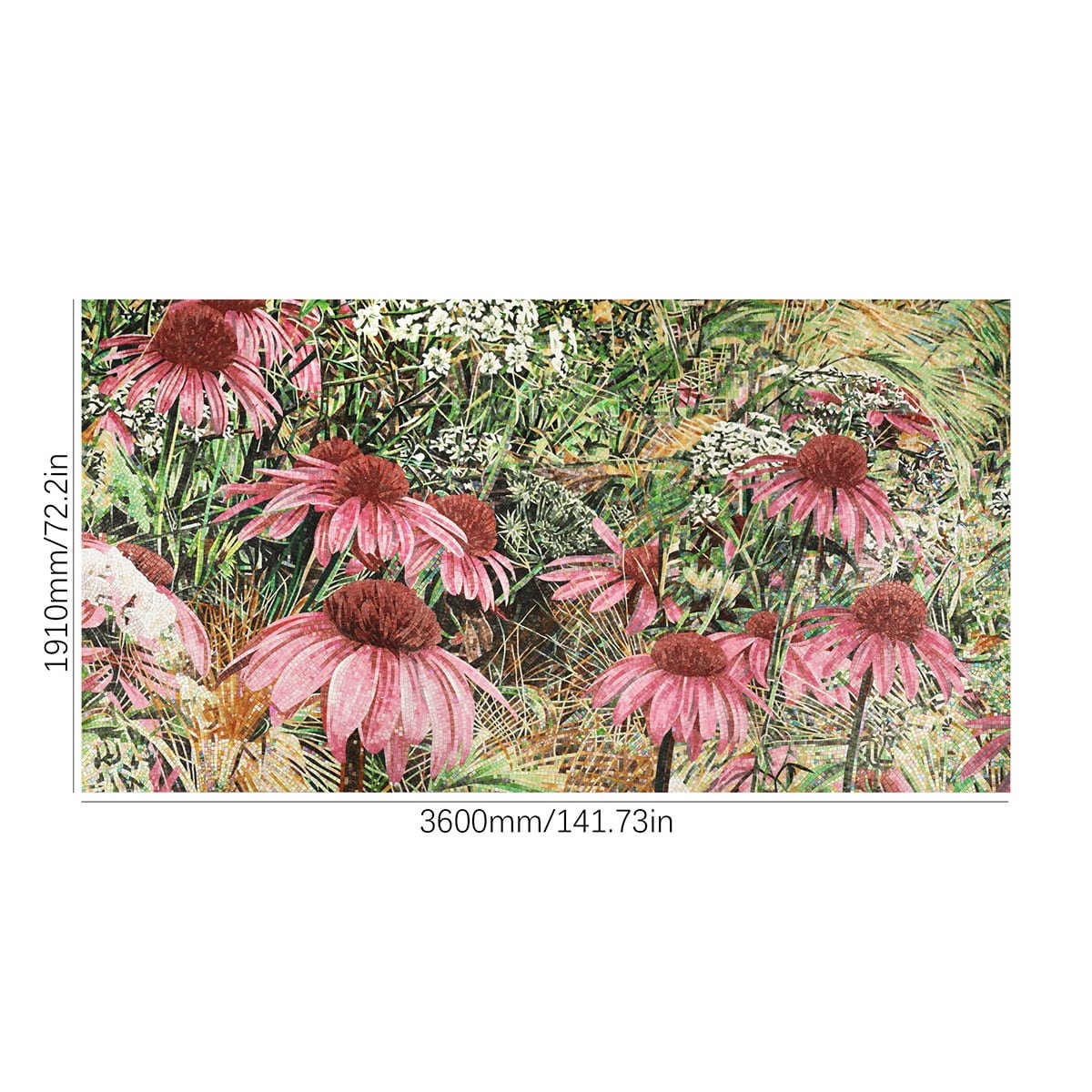


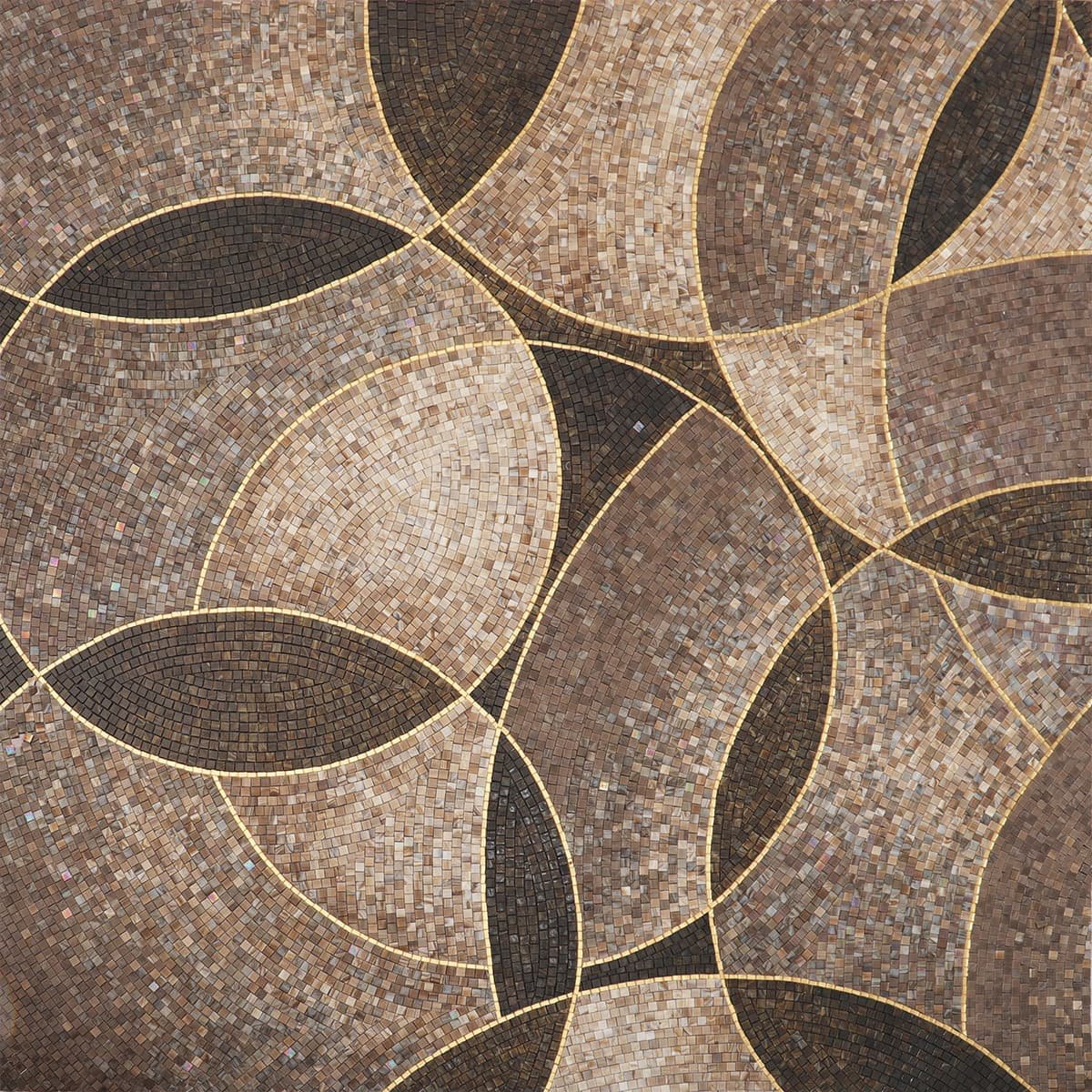
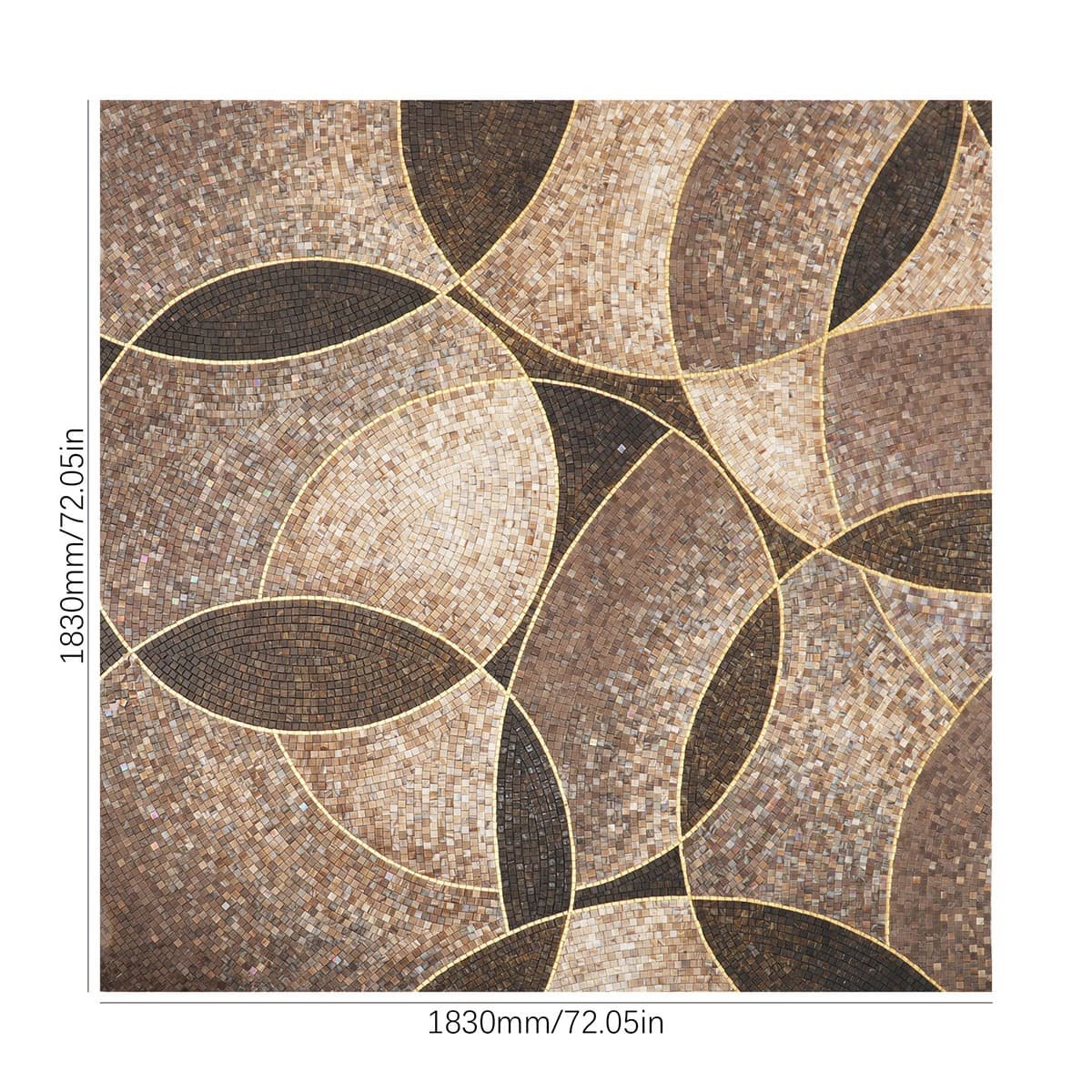

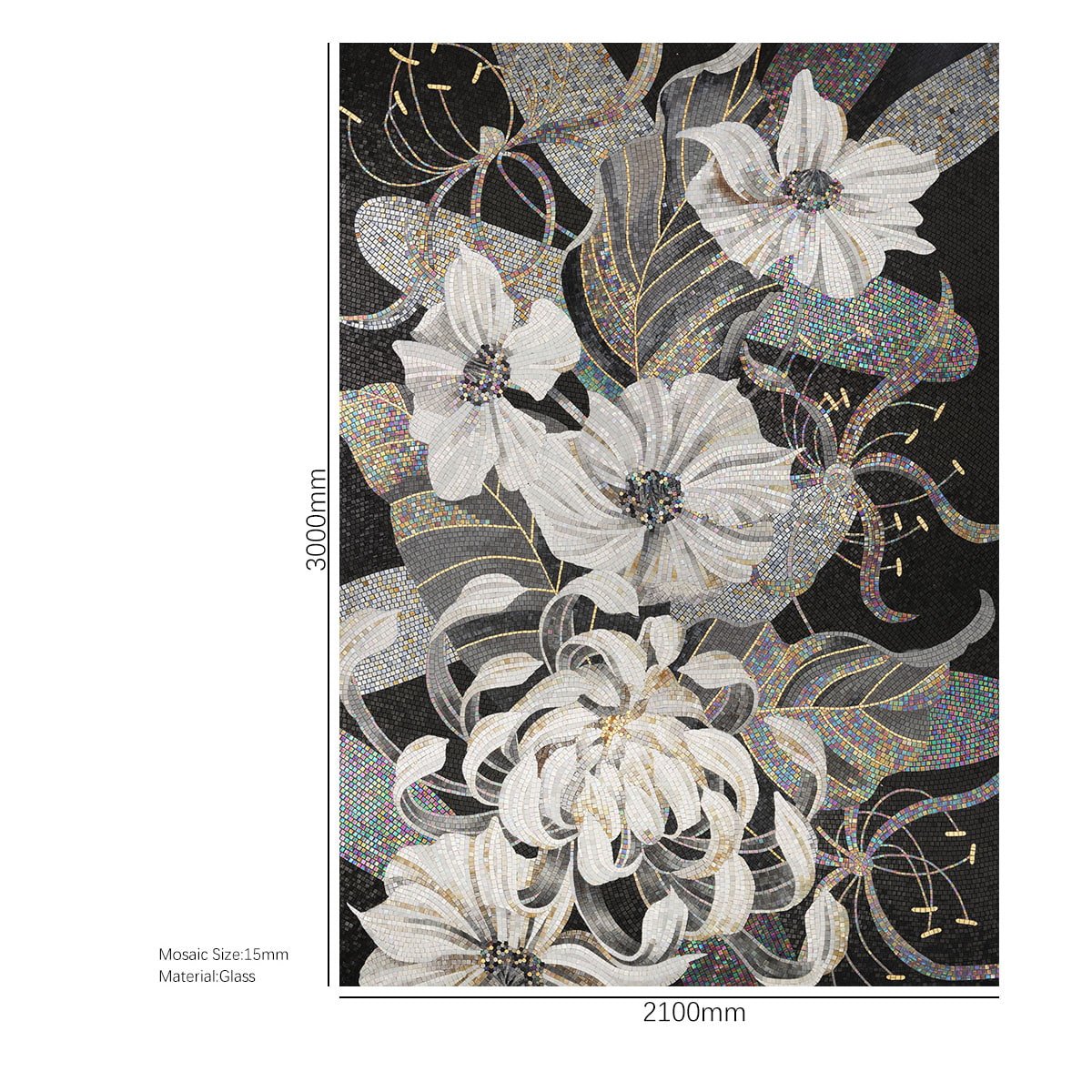


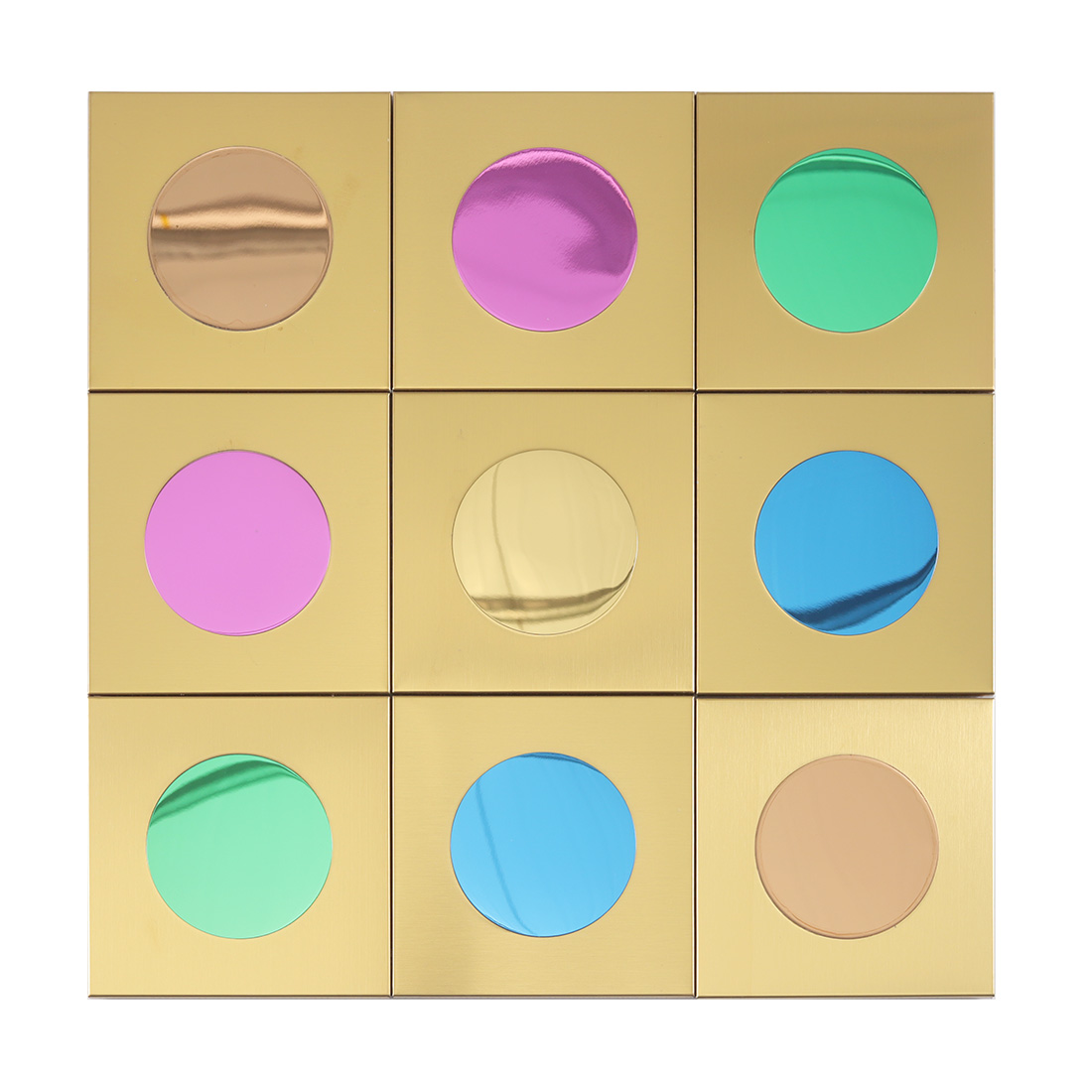

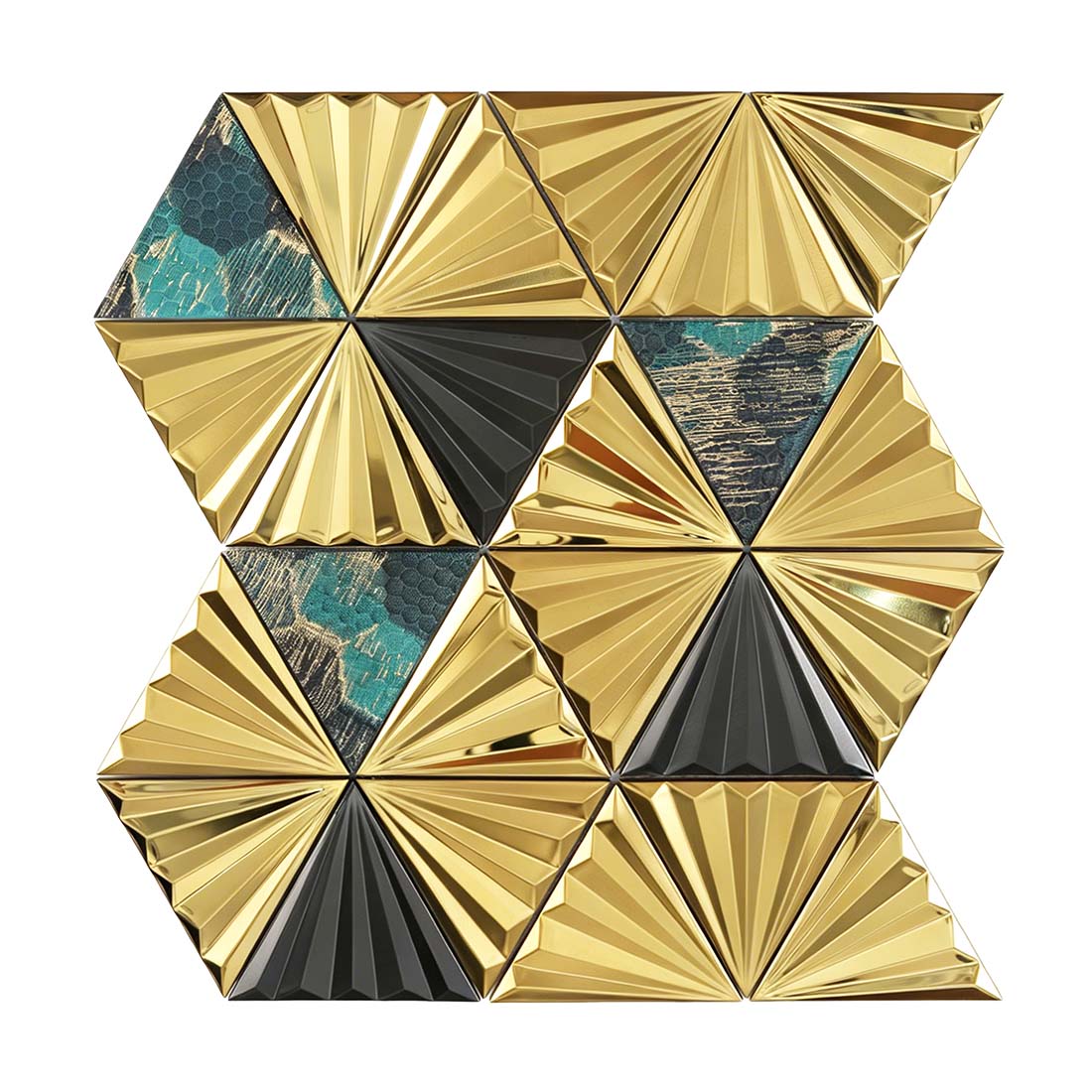




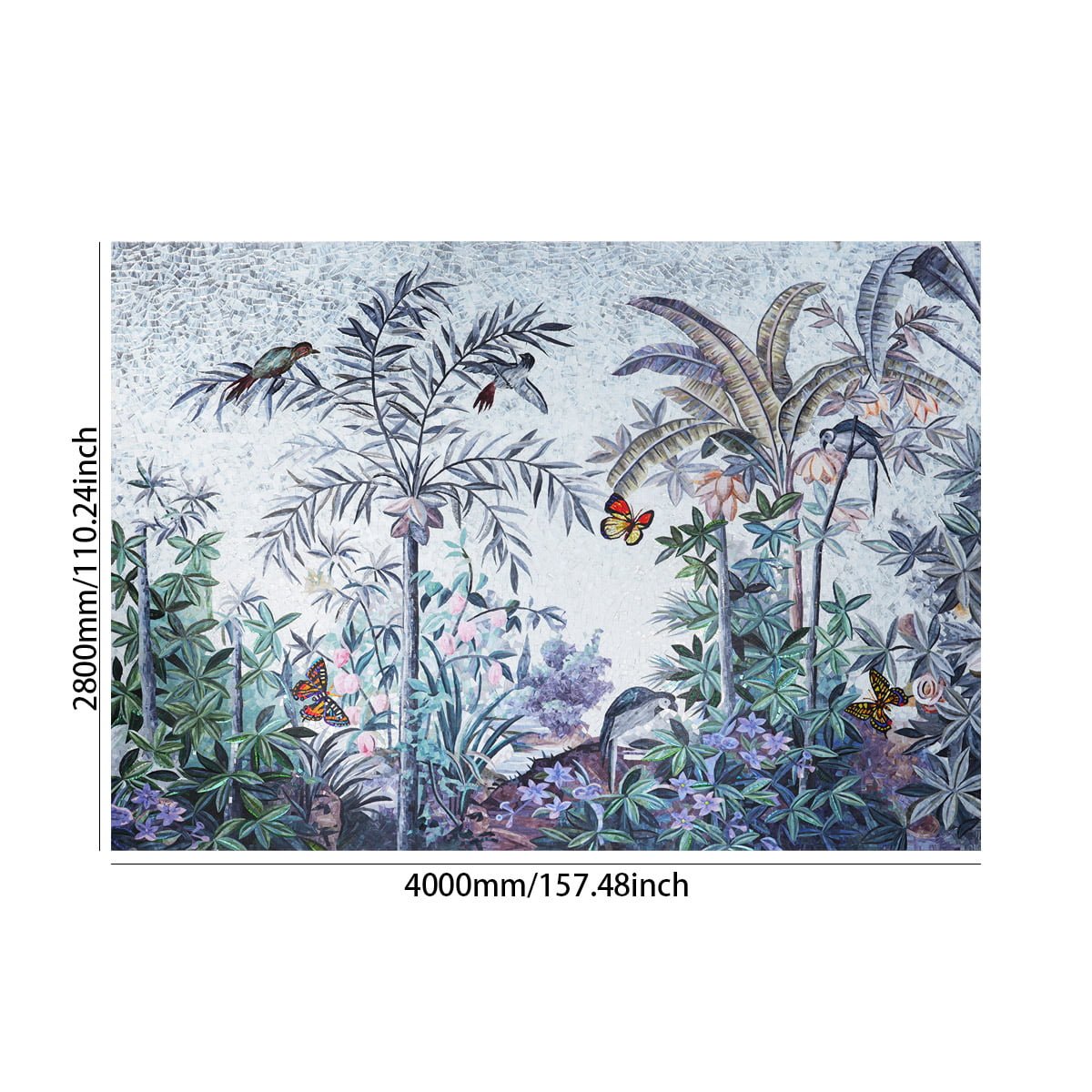

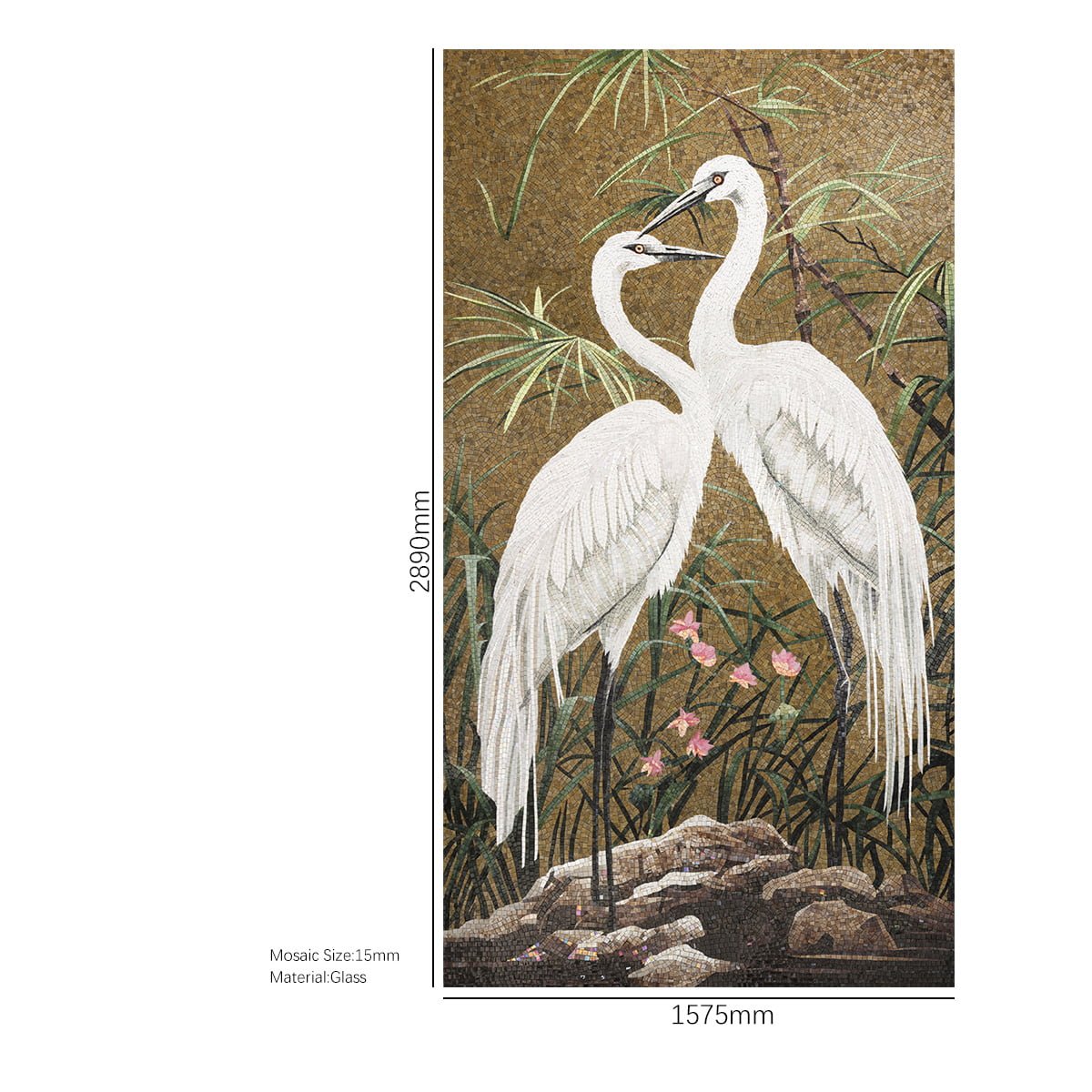




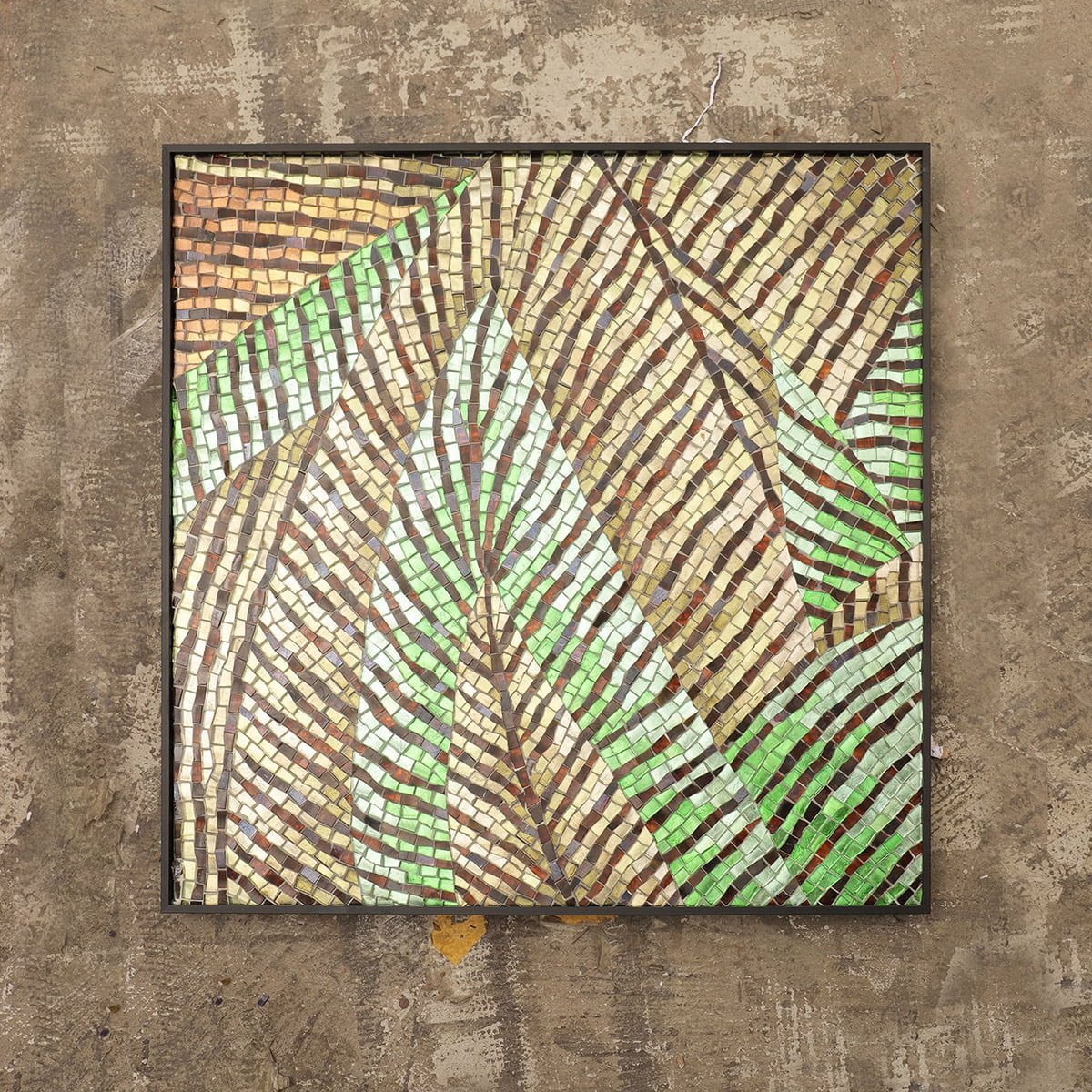
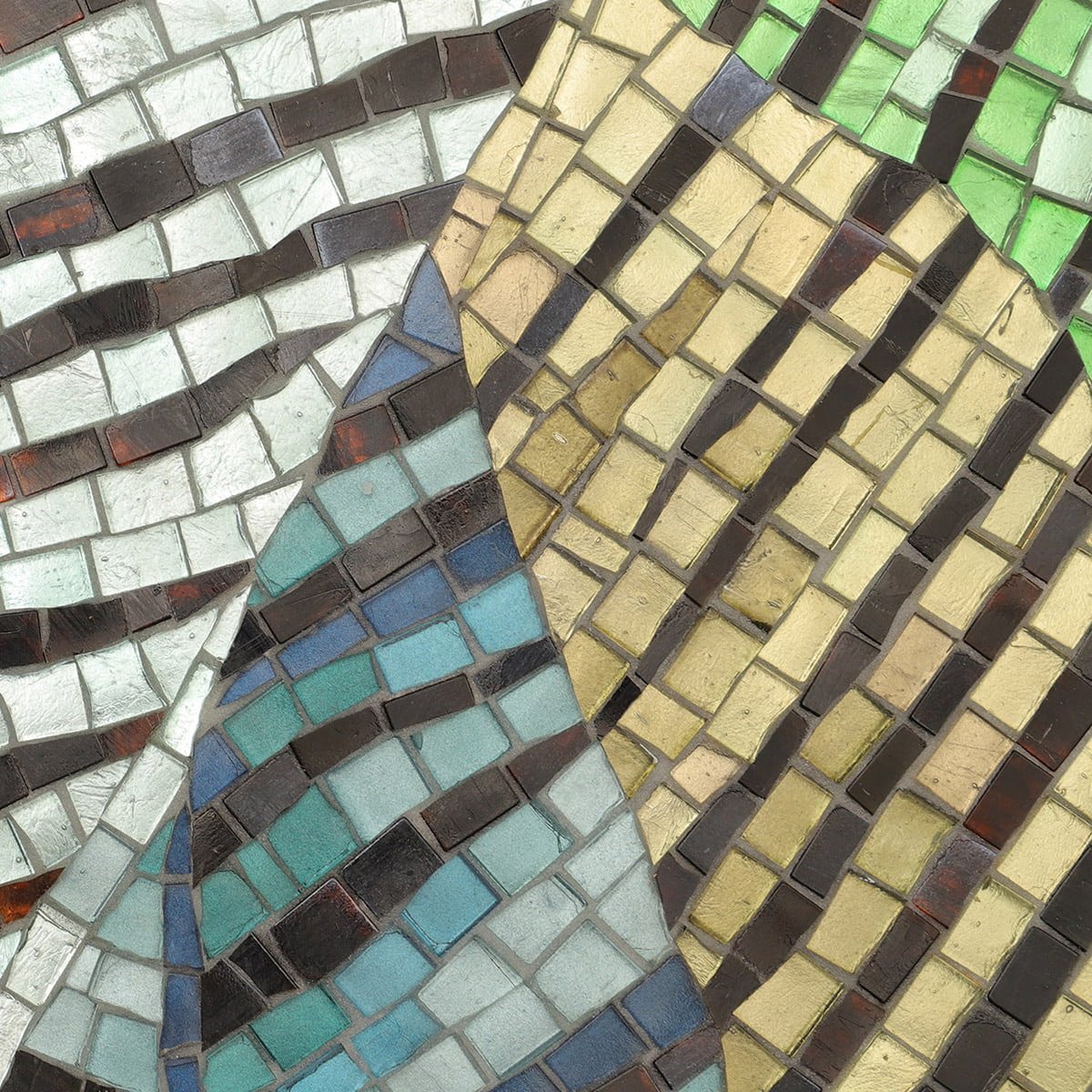
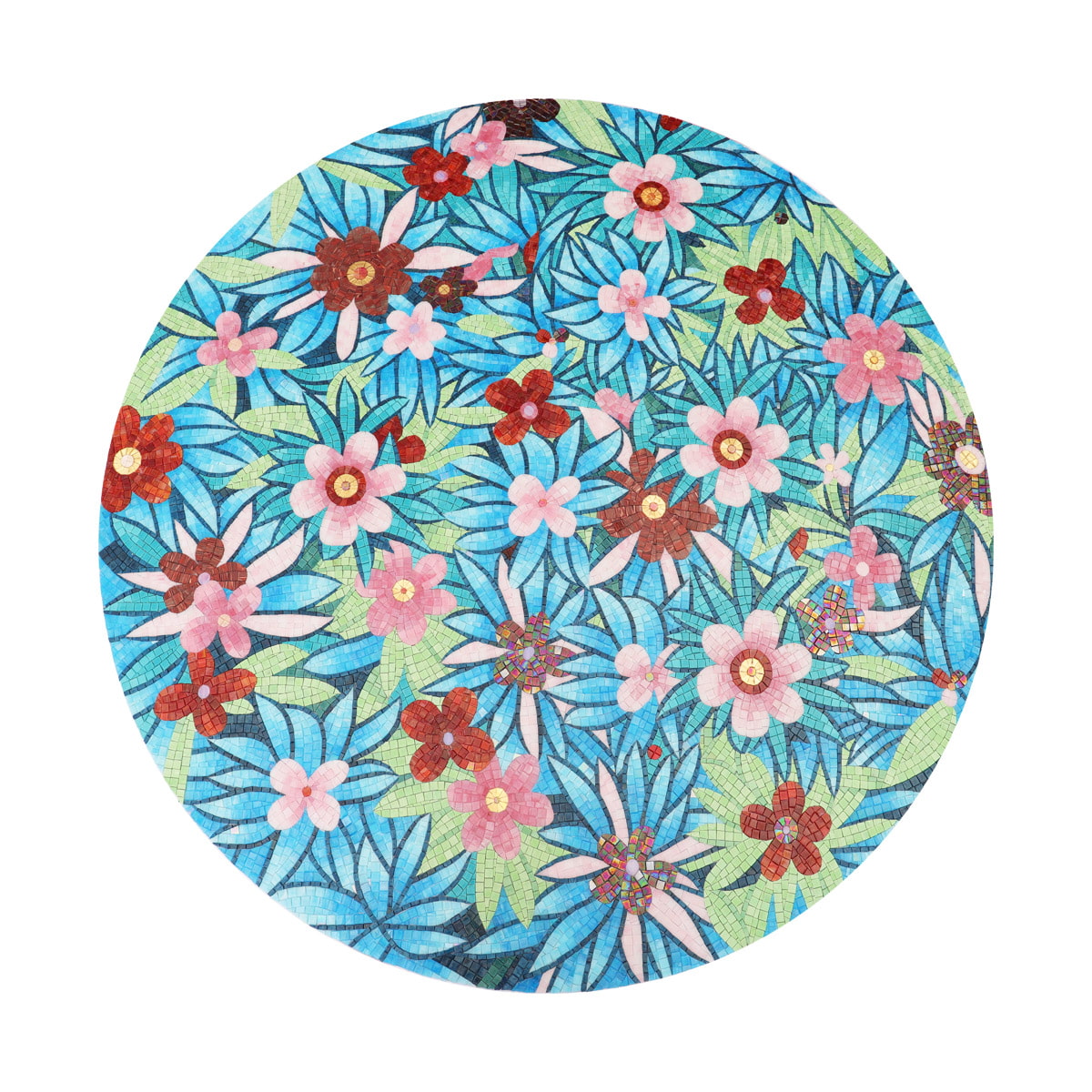




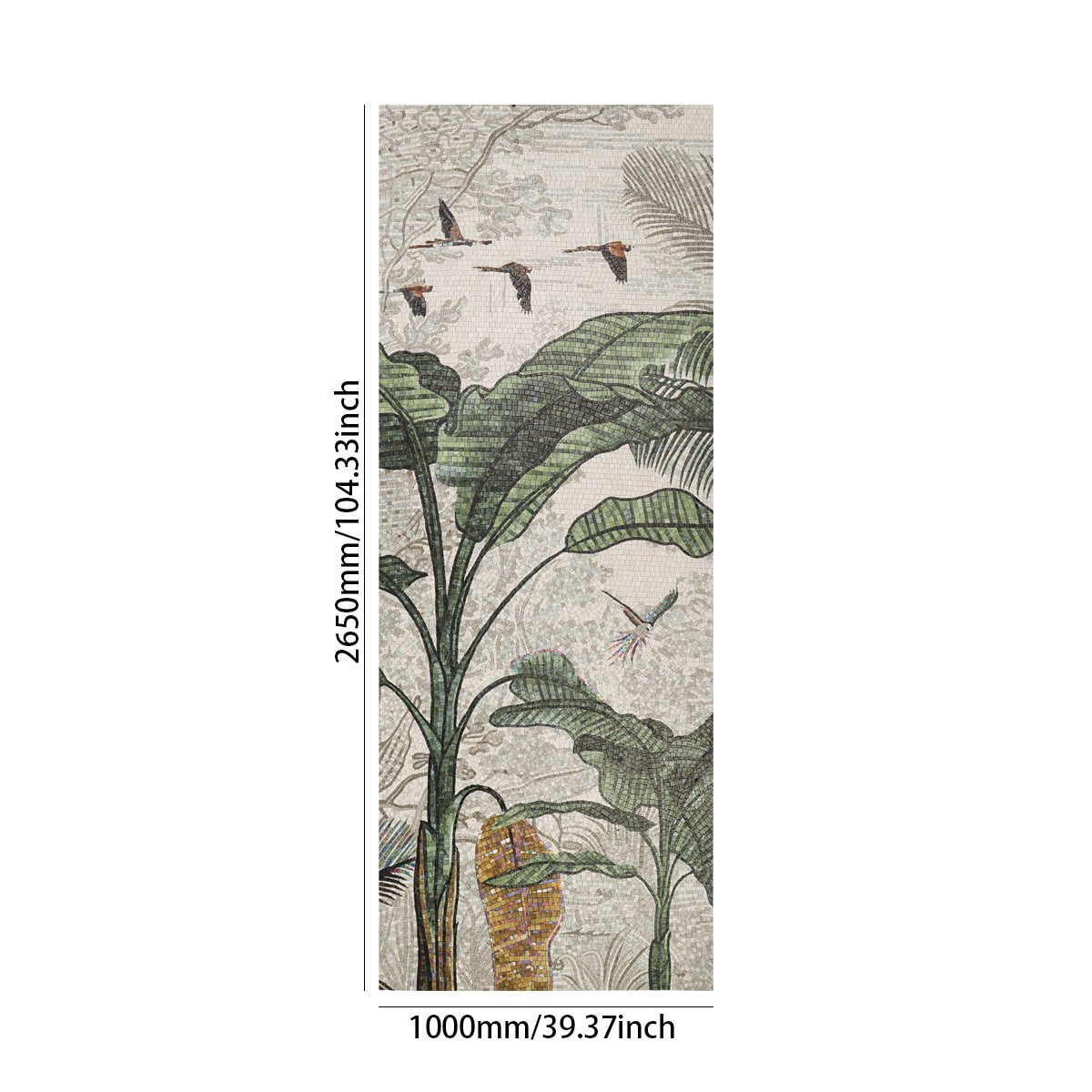


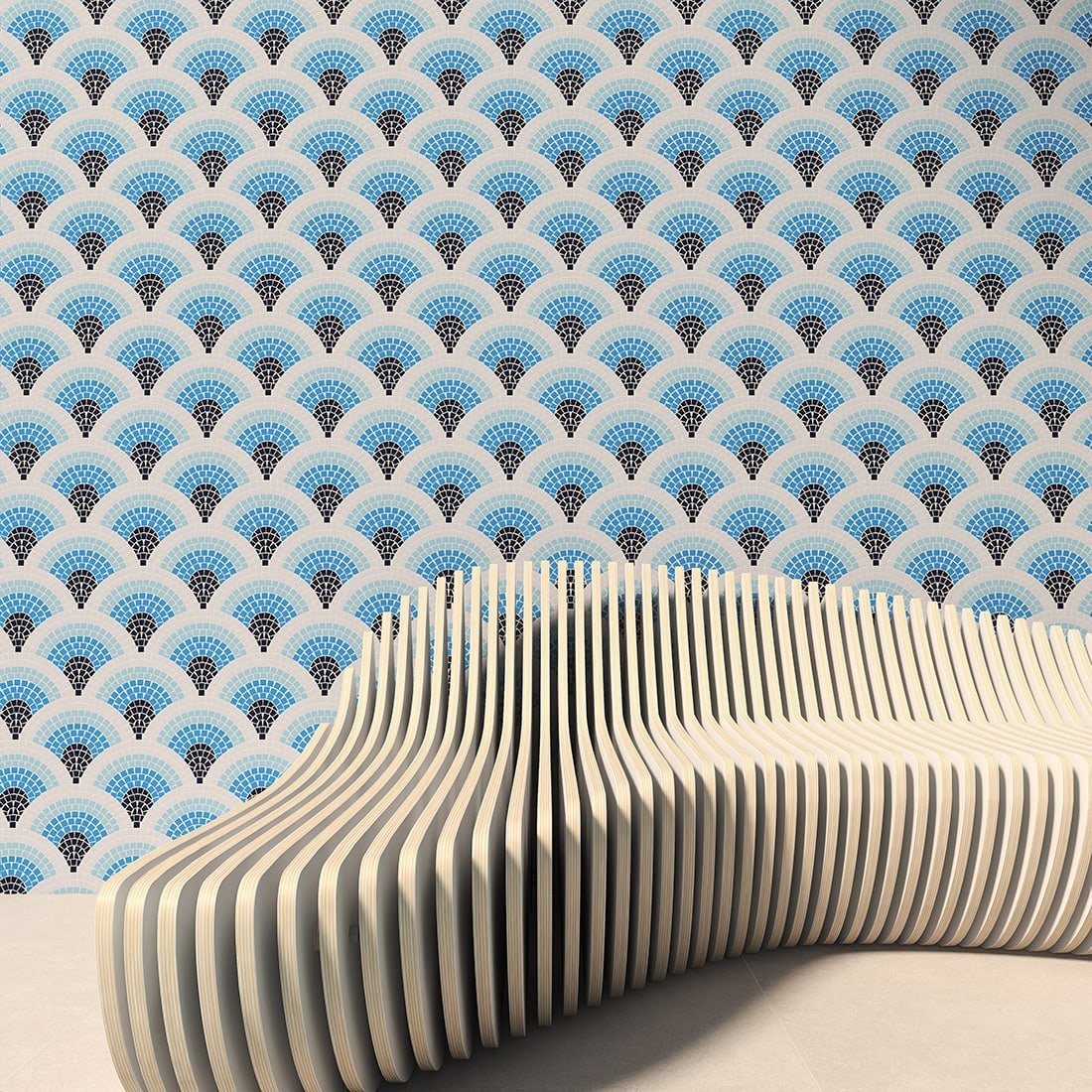
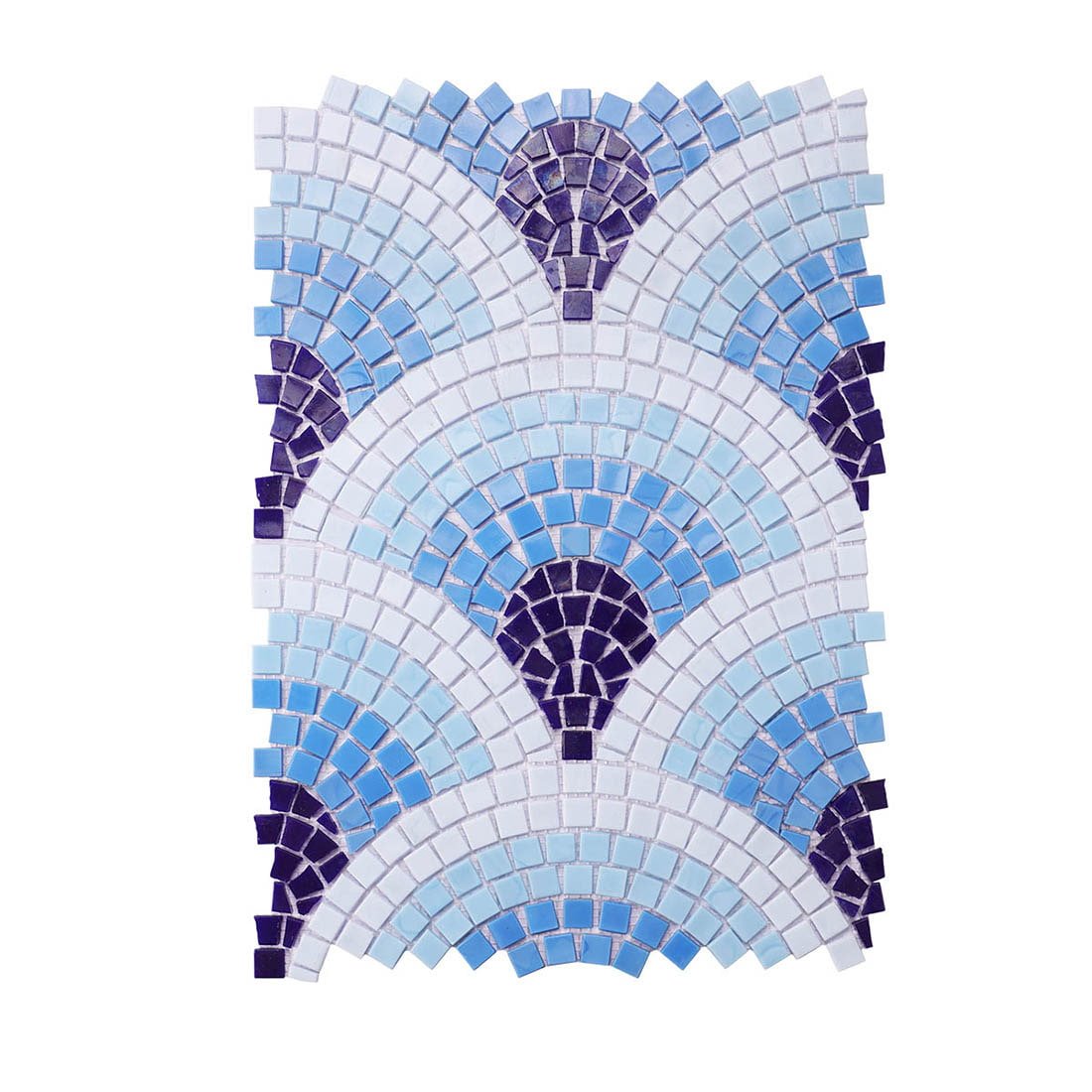


Glass tiles have revolutionized modern interior design, offering an unparalleled combination of luminous beauty, durability, and versatility. Whether you’re planning a stunning kitchen backsplash, a luxurious bathroom renovation, or creating artistic mosaic murals, glass tiles provide endless possibilities to transform any space with their reflective brilliance and rich color palette.
What Are Glass Tiles?
Glass tiles are decorative tiles manufactured from high-quality materials including soda ash, quartz sand, colorants, and fluorite, fired at temperatures reaching 1350°C (2462°F). The result is a non-porous, impervious material with zero water absorption rate, making glass tiles suitable for virtually any application—from indoor feature walls to outdoor pools and water features.
Unlike traditional ceramic or porcelain tiles, glass tiles possess unique light-reflecting properties that can make spaces appear larger, brighter, and more luxurious. Their impervious nature means they resist stains, mold, mildew, and harsh chemicals, making them ideal for high-moisture environments.
Types of Glass Tiles
Understanding the different types of glass tiles is essential for selecting the right product for your specific project needs.
Water Glass Tiles
Water glass tiles are double-sided tiles with no distinction between front and back surfaces. Manufactured through high-temperature firing at 1350°C and mold-pressed into various shapes, these versatile tiles offer:
- Rich Surface Effects: Available in transparent, matte, iridescent, and metallic finishes
- Extensive Color Range: Hundreds of color options to match any design palette
- Gold Foil Application: Transparent tiles often feature gold foil backing for enhanced sparkle and shimmer
- Perfect for Artistic Projects: Ideal for creating intricate mosaic murals, mosaic artwork, and decorative patterns
- Uniform Surface: Both sides polished to the same quality standard
Vitreous Glass Tiles
Vitreous glass tiles feature a single finished surface with a smooth, flat front and a grooved back designed for superior adhesive bonding. Key characteristics include:
- Enhanced Adhesion: Grooved backing creates maximum contact surface with adhesive
- Diverse Surface Textures: Sand-speckled, gold-flecked, color-flow patterns, iridescent, and metallic finishes
- Professional Applications: Excellent choice for both mosaic murals and commercial installations
- Superior Durability: Designed for long-lasting performance in demanding environments
- Wide Color Selection: Extensive palette for creative freedom
Crystal Glass Tiles
Crystal glass tiles are precision-cut from large glass sheets, offering exceptional clarity and brilliance:
- Bottom-Colored: Color and patterns applied to the underside for depth and dimension
- Customizable Shapes: Can be cut into any size or geometric shape
- Edge-Fired Process: Cutting edges are kiln-fired for crystal-clear transparency
- Luxury Finishes: Features marble veining, metallic effects, or genuine gold foil backing
- High-End Applications: Perfect for premium projects requiring sophisticated aesthetics
Recycled Glass Tiles
Eco-friendly recycled glass tiles are manufactured from reclaimed glass materials:
- Sustainable Choice: Made primarily from recycled glass ground into powder
- Unique Character: Slightly irregular appearance adds artisanal charm
- Heat-Pressed Formation: Molded into various shapes with colored surface treatments
- Iridescent Options: Can achieve stunning light-reflecting effects
- Environmental Benefits: Reduces waste while delivering beautiful results
Glass Tile Shapes & Sizes
Glass tiles are available in numerous shapes to accommodate diverse design visions:
- Rectangle/Subway Tiles: Classic elongated format for timeless appeal
- Square Tiles: Versatile sizes from small mosaics to large format
- Penny Round: Circular tiles creating distinctive patterns
- Hexagon: Six-sided tiles for honeycomb designs
- Oval/Ellipse: Organic shapes for fluid, artistic layouts
- Triangle: Geometric tiles for contemporary angular patterns
- Custom Shapes: Many manufacturers offer bespoke cutting services
Benefits of Glass Tiles
Non-Porous & Impervious
Glass tiles have zero water absorption rate, making them completely impervious to moisture. This critical property provides:
- Resistance to water damage and deterioration
- Prevention of mold and mildew growth
- Suitability for wet environments including showers, pools, and spas
- Easy maintenance with simple wipe-down cleaning
Light Reflection & Space Enhancement
The reflective surface of glass tiles naturally bounces light throughout the space:
- Makes small rooms appear larger and more open
- Brightens dark areas by maximizing natural and artificial light
- Creates dynamic visual interest as lighting changes throughout the day
- Adds depth and dimension to flat surfaces
Exceptional Durability
When properly installed with appropriate adhesives and techniques:
- Withstands high-traffic areas and daily use
- Resists scratching, staining, and chemical damage
- Maintains color vibrancy without fading over time
- Performs in extreme temperatures from freezing to very hot conditions
Low Maintenance
Glass tiles require minimal upkeep:
- Simple cleaning with mild soap and water
- Non-porous surface prevents dirt and bacteria accumulation
- Clean glass tiles with warm water, mild soap or a compatible pH-neutral cleaner. Avoid abrasive tools and harsh chemicals that may damage surface coatings, metallic finishes or grout.
- Grout lines can be sealed for additional protection
Design Versatility
Endless creative possibilities with glass tiles:
- Hundreds of colors from subtle neutrals to vibrant hues
- Multiple finish options: glossy, matte, iridescent, metallic, textured
- Mix and match different types for custom looks
- Suitable for traditional, contemporary, or eclectic designs
Eco-Friendly Options
Recycled glass tiles offer environmental benefits:
- Reduces landfill waste by repurposing glass
- Often contains 70-100% recycled content
- Contributes to green building certifications
- Sustainable choice without compromising aesthetics
Popular Applications for Glass Tiles
Kitchen Backsplashes
Glass tiles are the premier choice for kitchen backsplashes:
- Easy to Clean: Smooth surface wipes clean of cooking splatters and grease
- Heat Resistant: Withstands heat from stovetops without damage
- Design Statement: Creates a stunning focal point in the kitchen
- Light Enhancement: Brightens work areas for better visibility
Bathroom Walls & Shower Enclosures
The impervious nature makes glass tiles perfect for bathrooms:
- Shower Walls: Complete waterproof protection with elegant appearance
- Tub Surrounds: Luxurious spa-like atmosphere
- Vanity Backsplashes: Protects walls while adding sparkle
- Accent Walls: Creates dramatic feature walls
Swimming Pools & Spas
Glass tiles excel in aquatic environments:
- Chemical Resistance: Unaffected by chlorine and pool chemicals
- Underwater Beauty: Shimmering effects enhance water appearance
- Slip Resistance: Textured options available for safety
- Long-lasting: Maintains appearance for decades
Mosaic Murals & Artwork
The rich colors and variety make glass tiles ideal for artistic installations:
- Custom Designs: Create portraits, landscapes, or abstract art
- Color Consistency: Glass maintains true colors for accurate designs
- Precision Details: Small format tiles enable intricate patterns
- Durable Artwork: Permanent installations that won’t fade or deteriorate
Feature Walls & Accent Areas
Transform any space with glass tile focal points:
- Living Room Accent Walls: Add sophistication and light reflection
- Entryway Statements: Create impressive first impressions
- Commercial Spaces: Retail, restaurant, and hotel design statements
Design Tips for Glass Tiles
Color Selection Strategy
- Monochromatic Schemes: Use varying shades of one color for subtle sophistication
- Complementary Colors: Pair opposite colors on the color wheel for vibrant contrast
- Gradient Effects: Create ombre transitions from light to dark
- Accent Colors: Use bold glass tiles to punctuate neutral palettes
Pattern & Layout Ideas
- Subway Pattern: Classic brick-laid horizontal arrangement
- Herringbone: Diagonal zigzag pattern for dynamic visual interest
- Vertical Stack: Modern clean lines with stacked squares
- Basketweave: Alternating horizontal and vertical pairs
- Random Mix: Blend different colors and finishes for custom looks
Mixing Materials
Combine glass tiles with complementary materials:
- Natural Stone: Pair with marble or granite for luxury
- Metal Accents: Add stainless steel or copper trim
- Wood Elements: Balance glass shine with warm wood tones
- Ceramic or Porcelain: Use glass as accents with larger format tiles
Lighting Considerations
Maximize glass tiles’ reflective properties:
- Under-Cabinet Lighting: Illuminate kitchen backsplashes from below
- Accent Lighting: Use spotlights to highlight feature walls
- Natural Light: Position glass tiles where sunlight will enhance sparkle
- LED Backlighting: Install lighting behind translucent glass for dramatic effect
Grout Color Selection
Grout color dramatically impacts the overall appearance:
- Matching Grout: Creates seamless, unified appearance
- Contrasting Grout: Emphasizes tile pattern and grid lines
- White or Light Grout: Traditional choice that brightens spaces
- Dark Grout: Hides dirt in high-use areas and adds definition
Installation Guidelines
Substrate Preparation
Proper surface preparation is critical for glass tile success:
- Ensure substrate is clean, dry, level, and structurally sound
- Apply crack isolation membrane (ANSI A118.12) to prevent movement transfer
- Glass tiles show imperfections—substrate must be perfectly smooth
- Avoid using thin-set to level substrate under glass tiles
Adhesive Selection
Use appropriate adhesives for glass tiles:
- White Polymer-Modified Thin-Set: Prevents color show-through on transparent tiles
- Glass-Specific Adhesives: Formulated for optimal glass bonding
- Back-Butter Technique: Apply adhesive to both substrate and tile back for full coverage
- Proper Coverage: Ensure 95%+ adhesive contact to prevent voids
Cutting & Installation
Glass tiles require specialized cutting tools:
- Wet Saw with Diamond Blade: Specifically designed for glass cutting
- Safety Equipment: Always wear safety glasses and gloves
- Cooling Water: Use plenty of water to prevent overheating and cracking
- Edge Smoothing: Sand cut edges to prevent injury
Grouting Process
Proper grouting protects installation and enhances appearance:
- Non-Sanded Grout: Prevents scratching glass surfaces
- Urethane or Epoxy Grout: Superior water resistance for wet areas
- Soft Rubber Float: Apply grout without scratching tiles
- Sealing: Seal grout lines to prevent staining and moisture penetration
Professional Installation Recommended
While DIY installation is possible, professional installation ensures:
- Proper substrate preparation and leveling
- Correct adhesive selection and application
- Precise cutting and minimal breakage
- Long-lasting results with manufacturer warranties
Maintenance & Care
Regular Cleaning
Maintain glass tiles’ beauty with simple cleaning:
- Use pH-neutral cleaners designed for glass surfaces
- Soft microfiber cloth or non-abrasive sponge
- Warm water and mild dish soap for routine cleaning
- Avoid harsh chemicals, bleach, or acidic cleaners
Stain Removal
For stubborn marks:
- Baking soda paste for difficult stains
- Glass cleaner for fingerprints and water spots
- Specialized grout cleaner for discolored grout lines
- White vinegar solution (diluted) for mineral deposits
Long-Term Care
Protect your investment:
- Reseal grout lines annually in wet areas
- Use coasters and trivets to prevent scratches
- Promptly clean spills, especially acidic substances
- Avoid abrasive scrubbers that could scratch surfaces
Glass Tiles vs. Other Materials
Glass vs. Ceramic Tiles
- Appearance: Glass offers superior light reflection and color vibrancy
- Durability: Both durable, but glass is impervious while ceramic may be porous
- Cost: Glass tiles generally cost 20-50% more than ceramic
- Installation: Glass requires more expertise and specialized tools
Glass vs. Porcelain Tiles
- Water Resistance: Glass has zero water absorption vs. porcelain’s minimal absorption
- Aesthetic: Glass provides unique luminosity that porcelain cannot match
- Price: Glass typically more expensive for premium aesthetics
- Maintenance: Both low-maintenance, though glass shows water spots more easily
Glass vs. Natural Stone
- Consistency: Glass offers uniform color; stone has natural variation
- Porosity: Glass is completely non-porous; stone requires sealing
- Maintenance: Glass is easier to maintain than most natural stones
- Weight: Stone is generally heavier than glass tiles
Cost Considerations
Glass tile pricing varies based on several factors:
- Type: Recycled glass typically costs less than crystal or iridescent glass
- Size: Smaller mosaic tiles often cost more per square foot than larger formats
- Finish: Specialty finishes (metallic, iridescent) command premium prices
- Brand: Designer brands may cost 2-3x more than standard options
- Installation: Professional installation adds $10-$25+ per square foot
Budget Planning:
- Basic recycled glass tiles: $15-$30 per square foot
- Mid-range glass tiles: $30-$60 per square foot
- Premium designer glass tiles: $60-$150+ per square foot
- Installation costs: $10-$25 per square foot
Current Glass Tile Trends
Oversized Glass Tiles
Large format glass tiles (12"×24" and larger) create:
- Fewer grout lines for cleaner appearance
- Modern, minimalist aesthetic
- Easier maintenance with less grout to clean
- Contemporary sophistication
Textured Glass Surfaces
Three-dimensional glass tiles add:
- Tactile interest and depth
- Light and shadow play
- Slip resistance for safety
- Unique visual character
Metallic & Iridescent Finishes
Shimmering glass tiles featuring:
- Color-shifting iridescent coatings
- Metallic gold, silver, bronze, and copper effects
- Glamorous, upscale appearance
- Dramatic focal points
Sustainable Recycled Glass
Eco-conscious design with:
- 70-100% recycled glass content
- LEED certification contribution
- Unique artisanal appearance
- Environmental responsibility
Mixed Material Combinations
Blending glass with:
- Natural stone for textural contrast
- Metal accents for industrial chic
- Wood elements for warm balance
- Concrete or cement for modern edge
Common Challenges & Solutions
Challenge: Higher Cost
Solution: Use glass tiles strategically as accents or focal points, combining with more affordable tiles for surrounding areas to control budget while maintaining design impact.
Challenge: Installation Complexity
Solution: Hire experienced installers familiar with glass tile techniques, or thoroughly research proper methods if attempting DIY installation. Invest in quality tools.
Challenge: Transparency Shows Imperfections
Solution: Ensure substrate is perfectly flat and smooth. Use white adhesive for light-colored or transparent tiles. Apply thin, even adhesive layers.
Challenge: Potential Chipping
Solution: Handle tiles carefully during installation. Purchase 10-15% extra for breakage and future repairs. Use professional-grade cutting tools.
Challenge: Water Spots & Fingerprints
Solution: Select matte or textured finishes for high-touch areas. Keep glass cleaner and microfiber cloth handy for quick wipe-downs.
Environmental Considerations
Glass tiles offer several environmental advantages:
Sustainability Benefits
- Many glass tiles contain 70-100% recycled content
- Glass is infinitely recyclable without quality degradation
- Locally manufactured options reduce transportation emissions
- Long lifespan reduces replacement frequency
Indoor Air Quality
- Non-porous surface doesn’t harbor allergens, bacteria, or mold
- No VOC emissions from the glass material itself
- Easy to clean without harsh chemicals
- Hypoallergenic properties benefit sensitive individuals
Green Building Certifications
Glass tiles can contribute to:
- LEED points for recycled content
- LEED points for regional materials (if locally produced)
- Green building certification programs
- Sustainable design goals
Frequently Asked Questions
Can glass tiles be used on floors?
Yes, but choose thicker glass tiles (8mm+) specifically rated for floor use. Textured or matte finishes provide better slip resistance than glossy tiles. Glass floor tiles work best in low-traffic areas.
Are glass tiles difficult to install?
Glass tiles require more care and specialized techniques than ceramic tiles, but experienced DIYers can successfully install them with proper tools, materials, and patience. Professional installation is recommended for complex patterns or large areas.
Do glass tiles crack easily?
When properly installed with adequate adhesive coverage, glass tiles are quite durable. However, they can crack or chip if heavy objects are dropped on them or if installation issues cause stress points.
Can I use glass tiles behind a stove?
Yes, glass tiles are heat-resistant and excellent for behind cooktops and ranges. They withstand high temperatures and are easy to clean of cooking splatters.
What type of grout should I use with glass tiles?
Always use non-sanded grout to avoid scratching glass surfaces. For wet areas, choose waterproof epoxy or urethane grout. Match or contrast grout color based on your design preference.
How do I clean glass tiles?
Regular cleaning requires only warm water and mild dish soap with a soft cloth or sponge. For tougher stains, use pH-neutral glass cleaner. Avoid abrasive cleaners and scrubbers.
Can glass tiles be used in outdoor applications?
Yes, glass tiles’ impervious nature makes them suitable for outdoor use. They resist freeze-thaw cycles, UV exposure, and weather conditions. Commonly used for pools, fountains, and exterior accent walls.
Conclusion
Glass tiles represent the perfect marriage of form and function, offering stunning aesthetics alongside practical benefits like zero water absorption, easy maintenance, and exceptional durability. Whether you’re drawn to the eco-friendly appeal of recycled glass, the artistic possibilities of vibrant mosaic tiles, or the luxurious sparkle of iridescent finishes, glass tiles provide unmatched versatility for transforming any space.
From water glass and vitreous glass to crystal and recycled options, understanding the different types of glass tiles empowers you to make informed decisions for your project. With available shapes ranging from classic subway rectangles to contemporary hexagons and penny rounds, the design possibilities are truly limitless.
While glass tiles may require higher initial investment and professional installation for optimal results, their long-lasting beauty, minimal maintenance requirements, and ability to brighten and enhance spaces make them a worthwhile investment that adds value and sophistication to any home or commercial environment.
Ready to transform your space with luminous glass tiles? Explore the extensive collection of premium glass tiles in every color, finish, and format imaginable to bring your vision to life with lasting brilliance.