


Bathroom Tiles

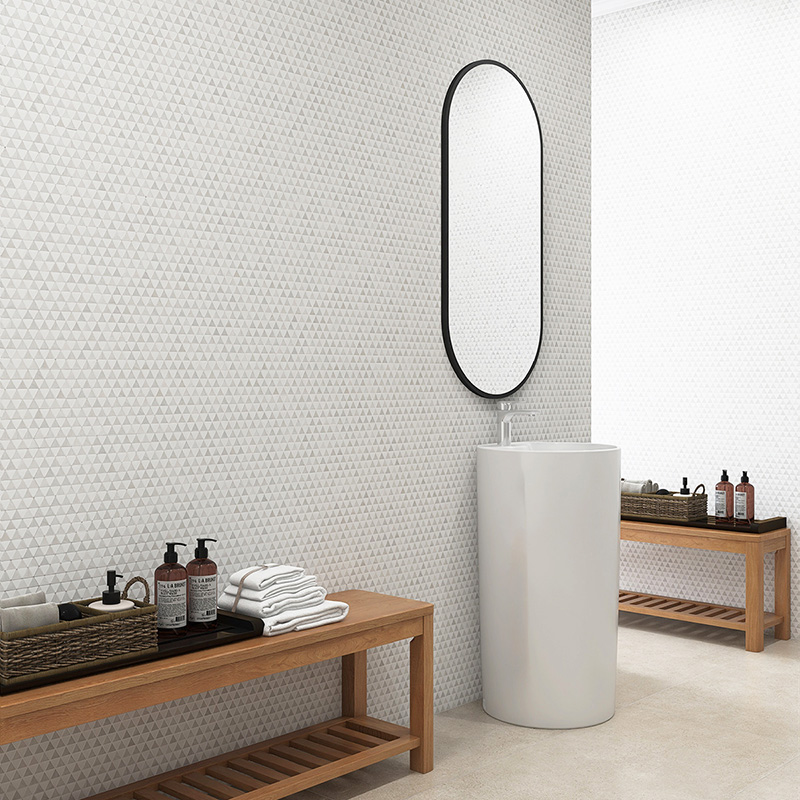
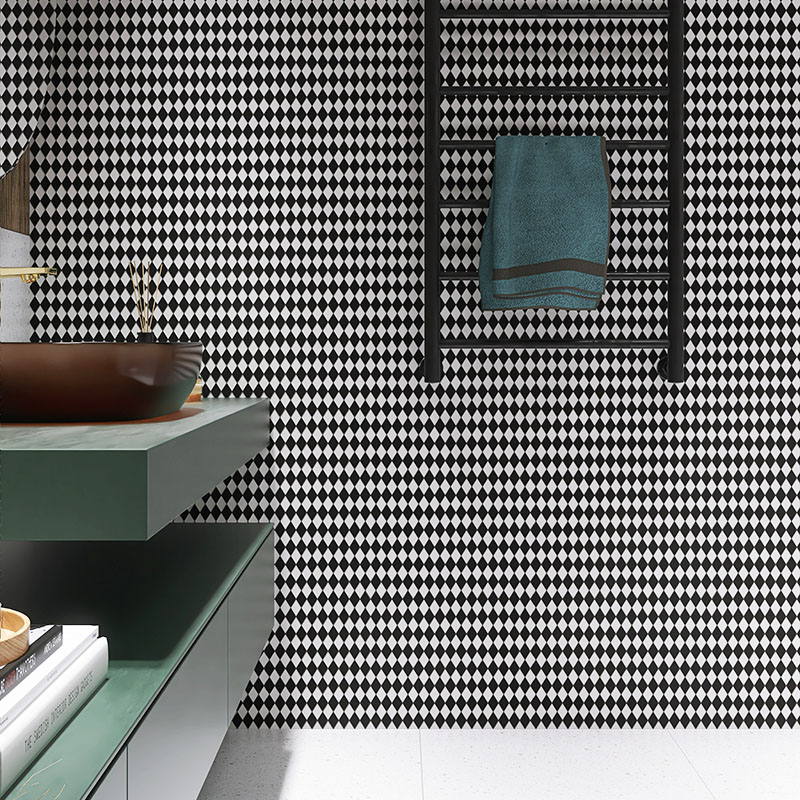

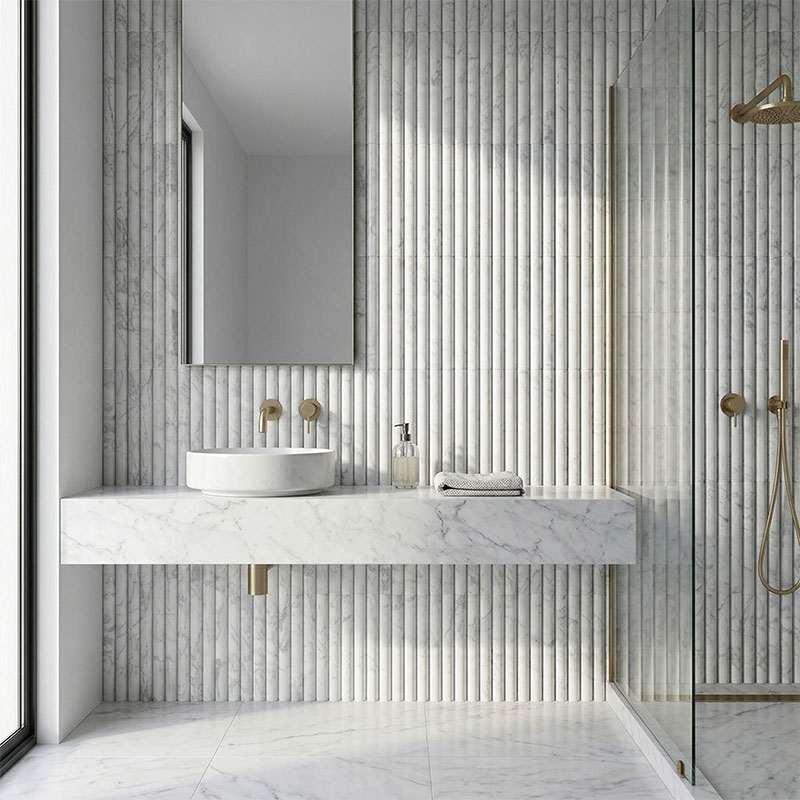
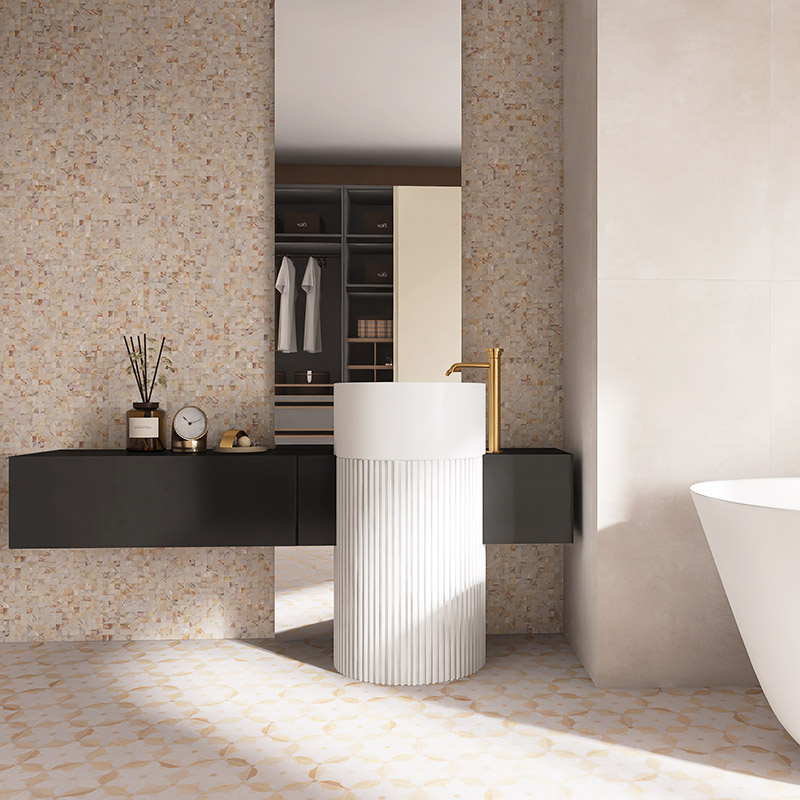



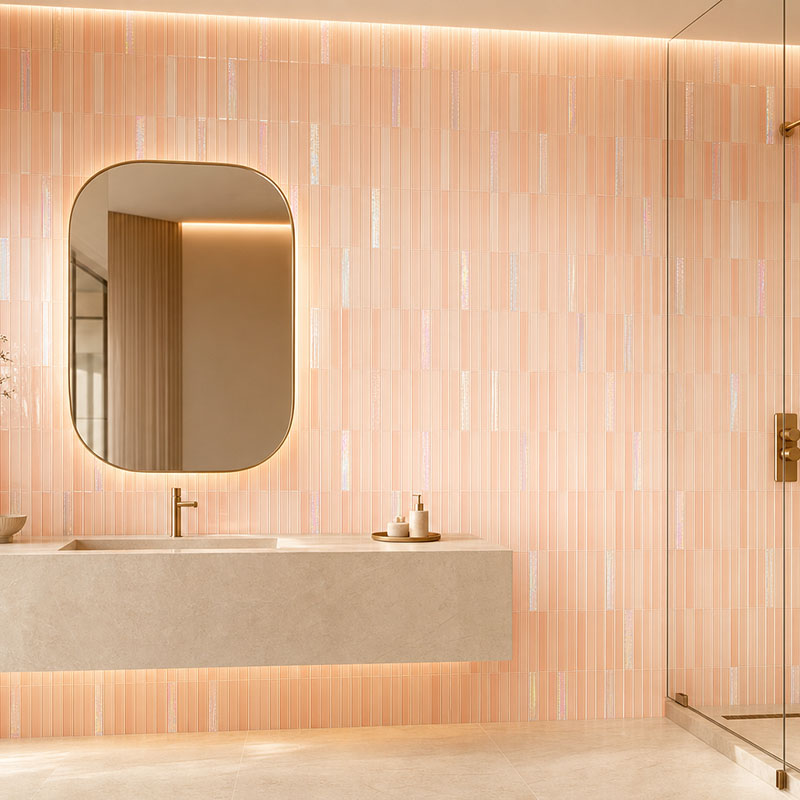
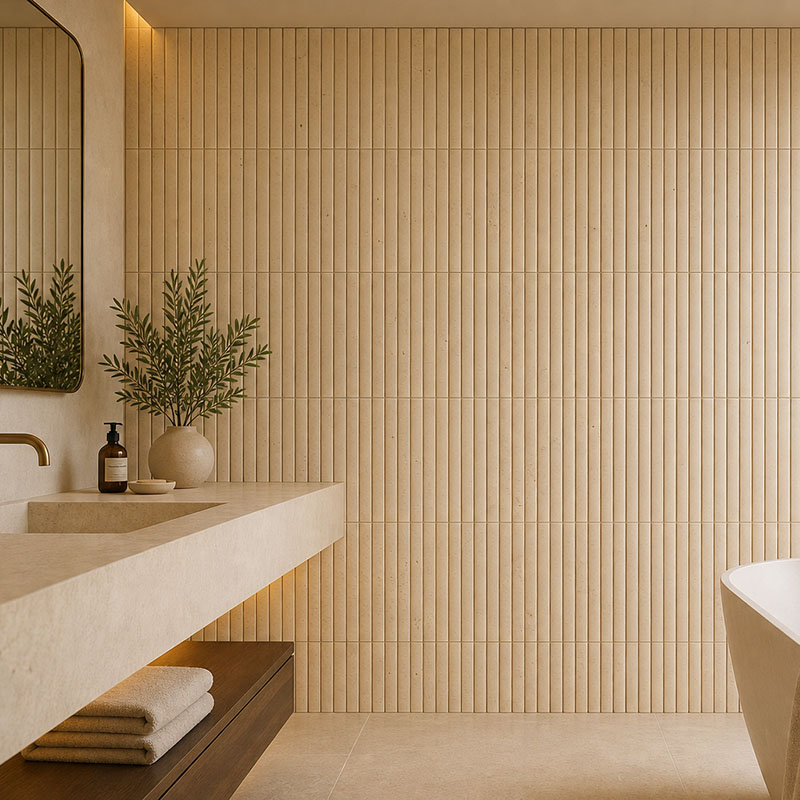
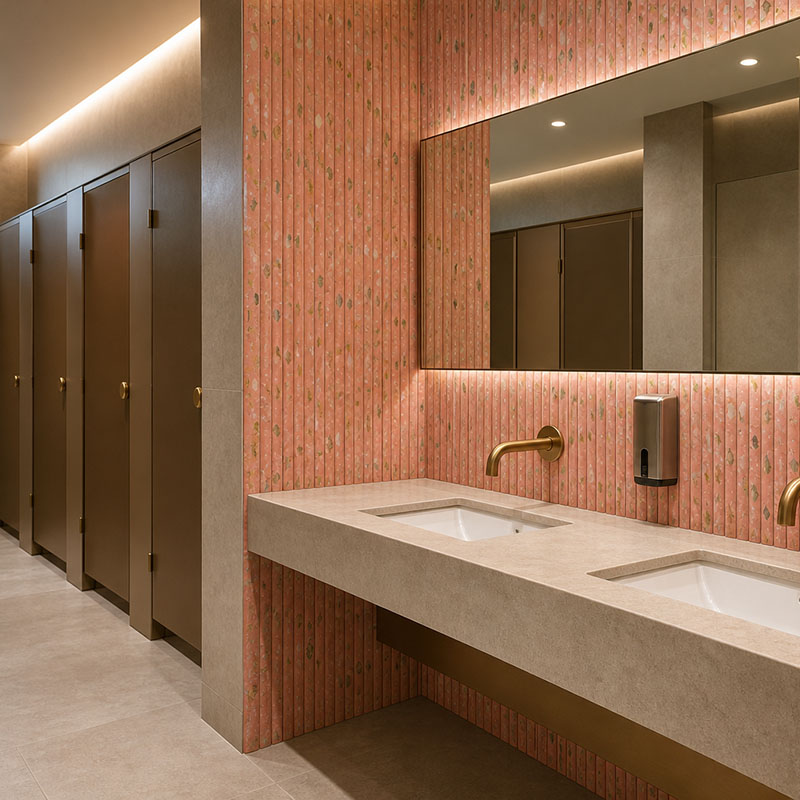
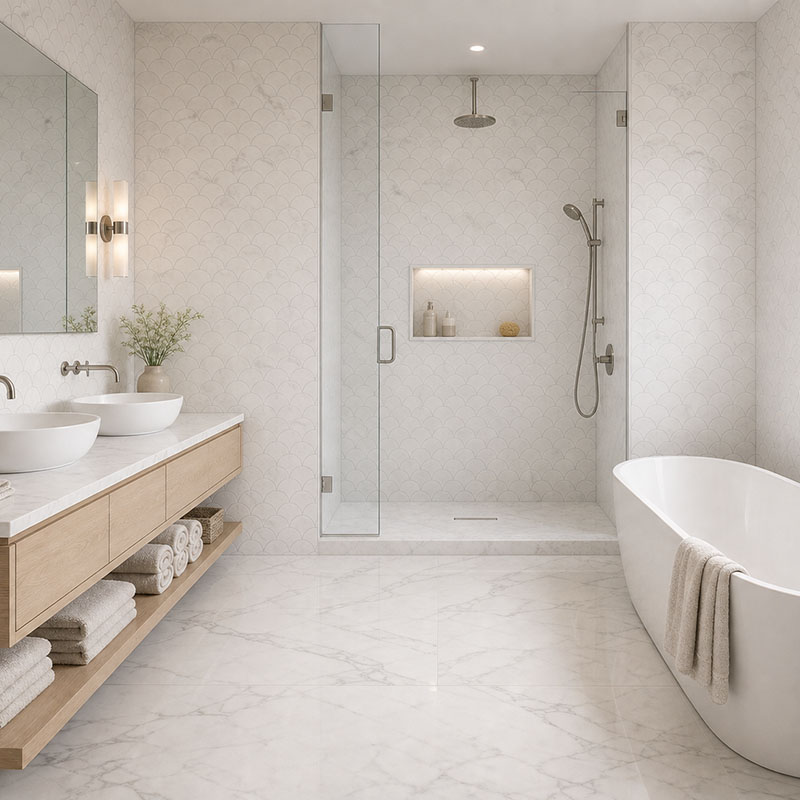
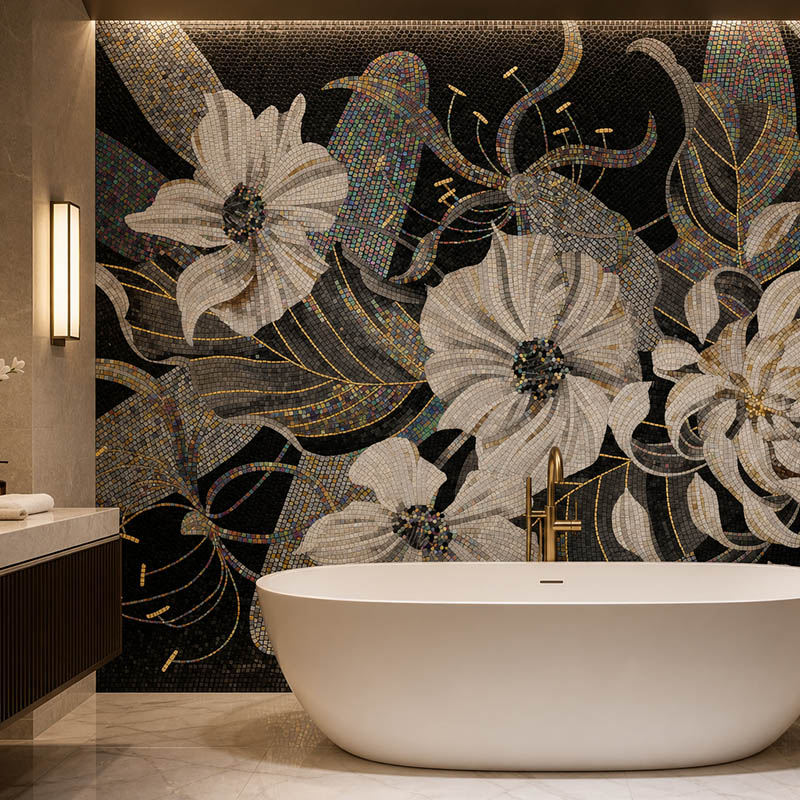
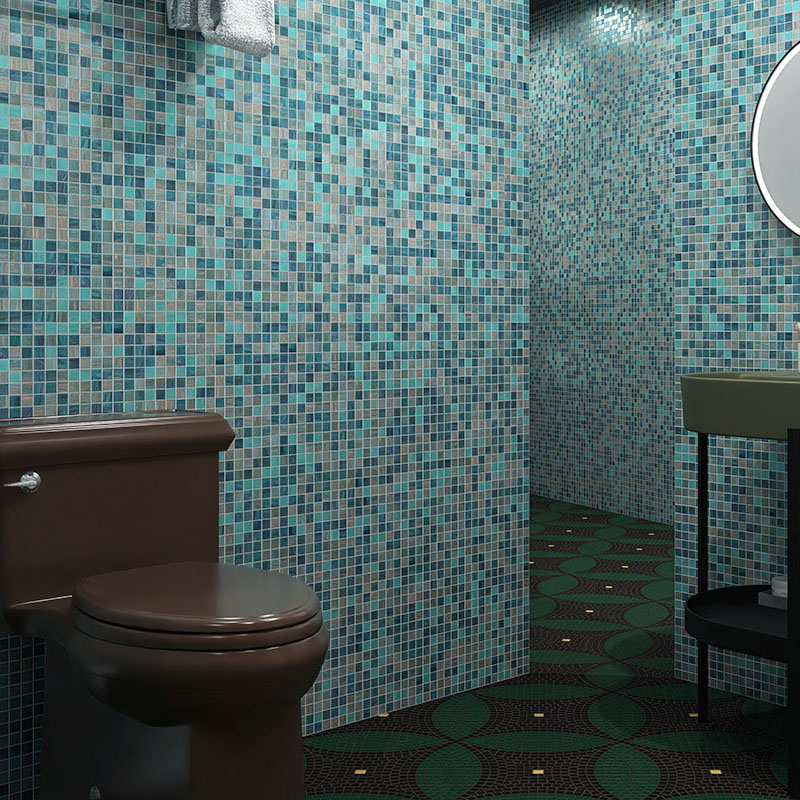







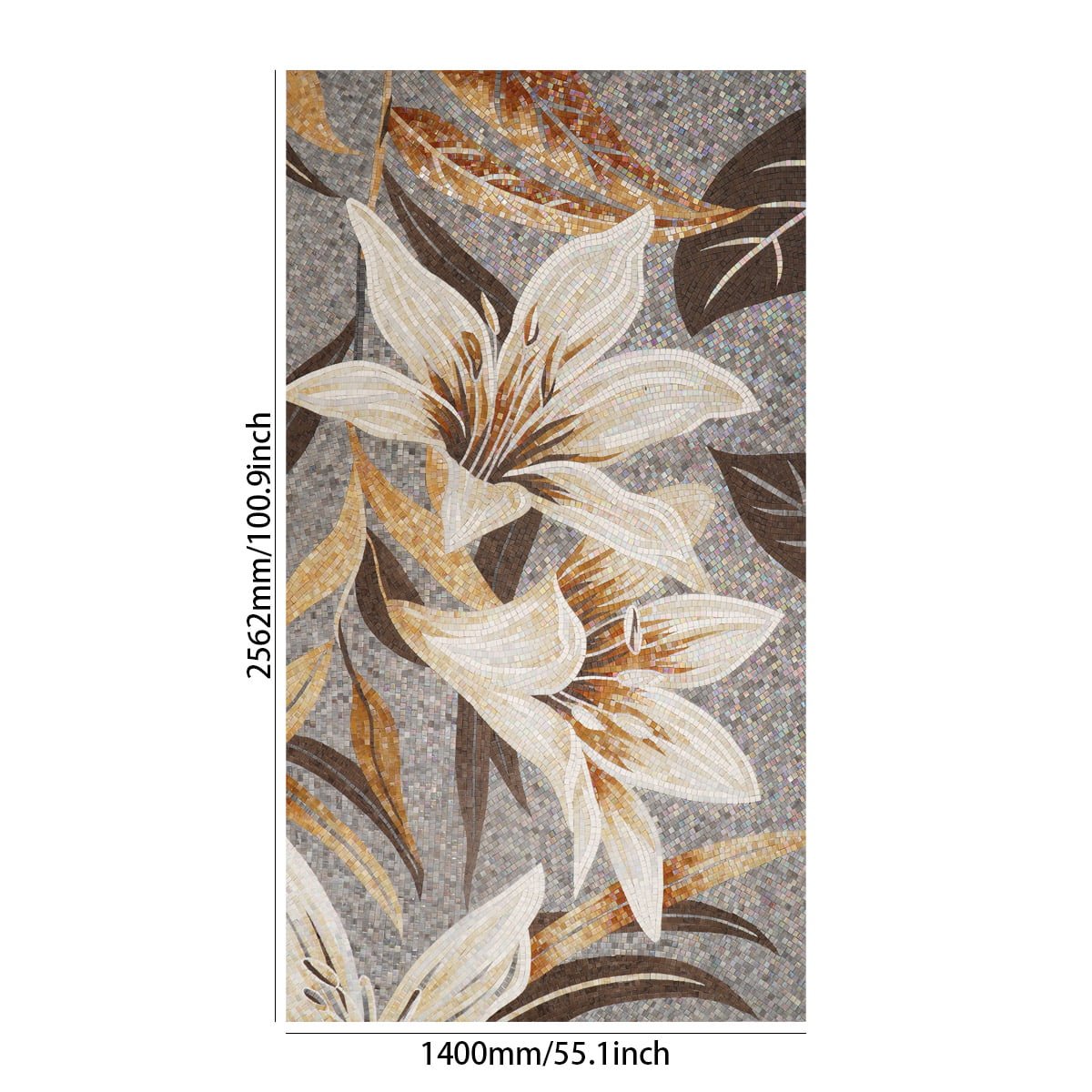


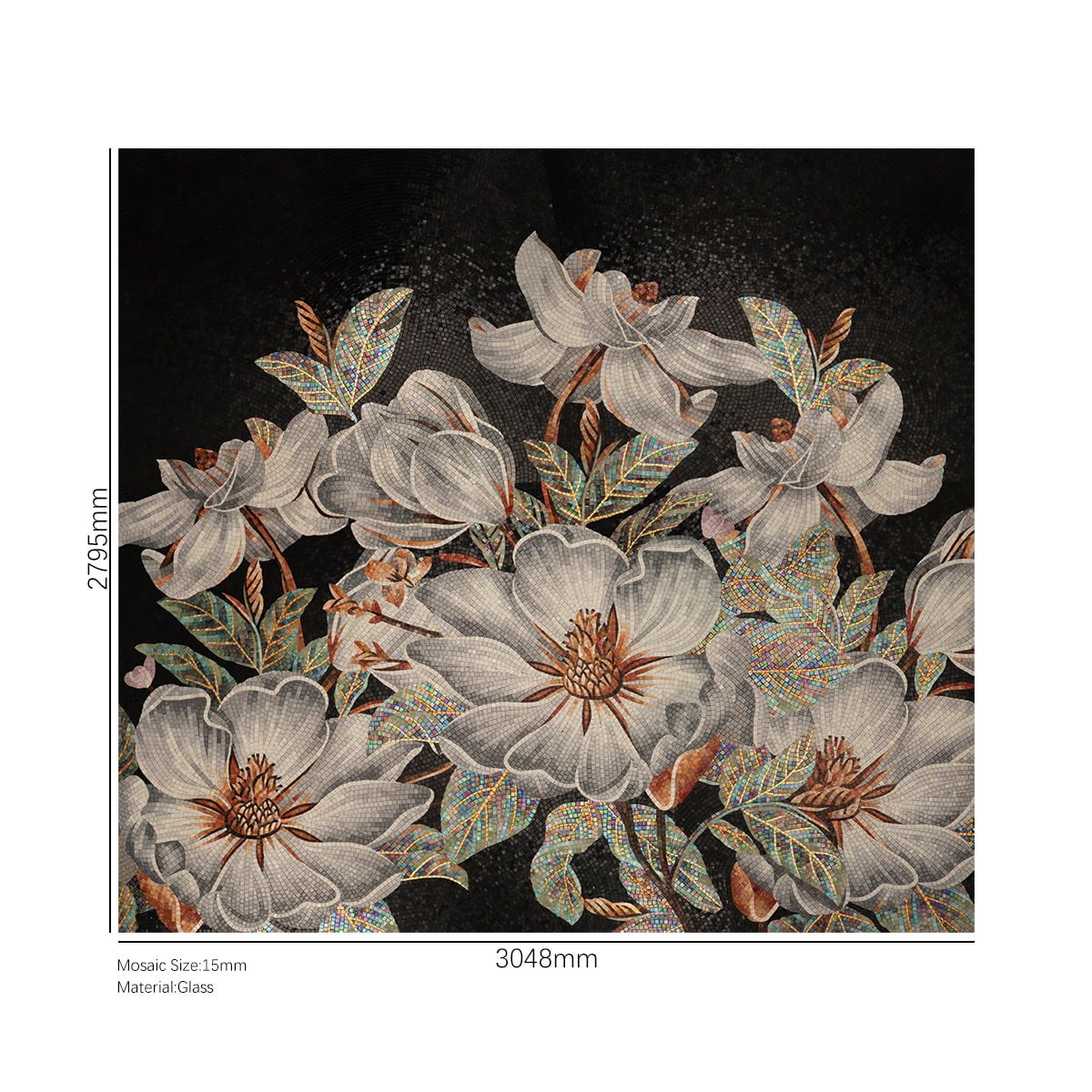
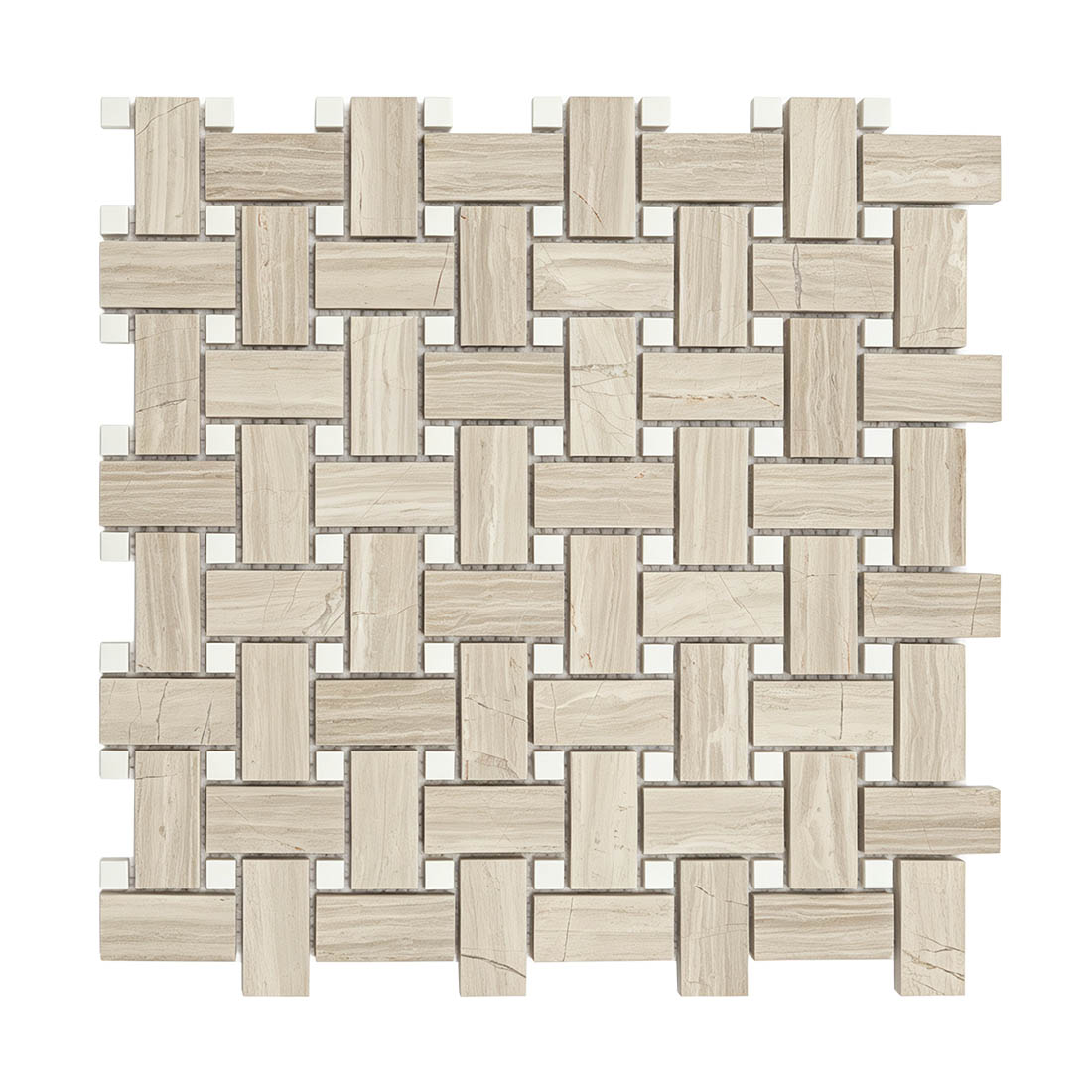


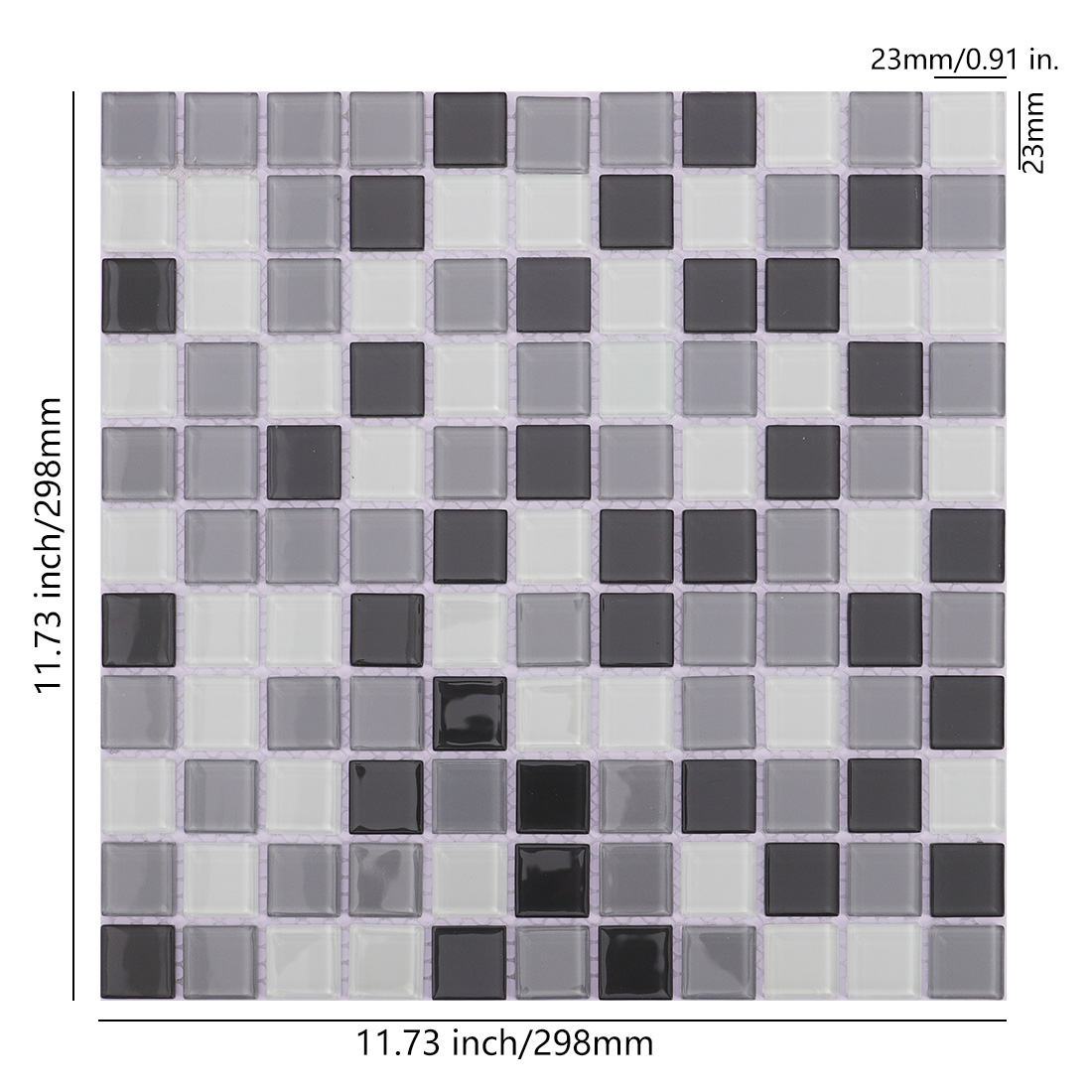


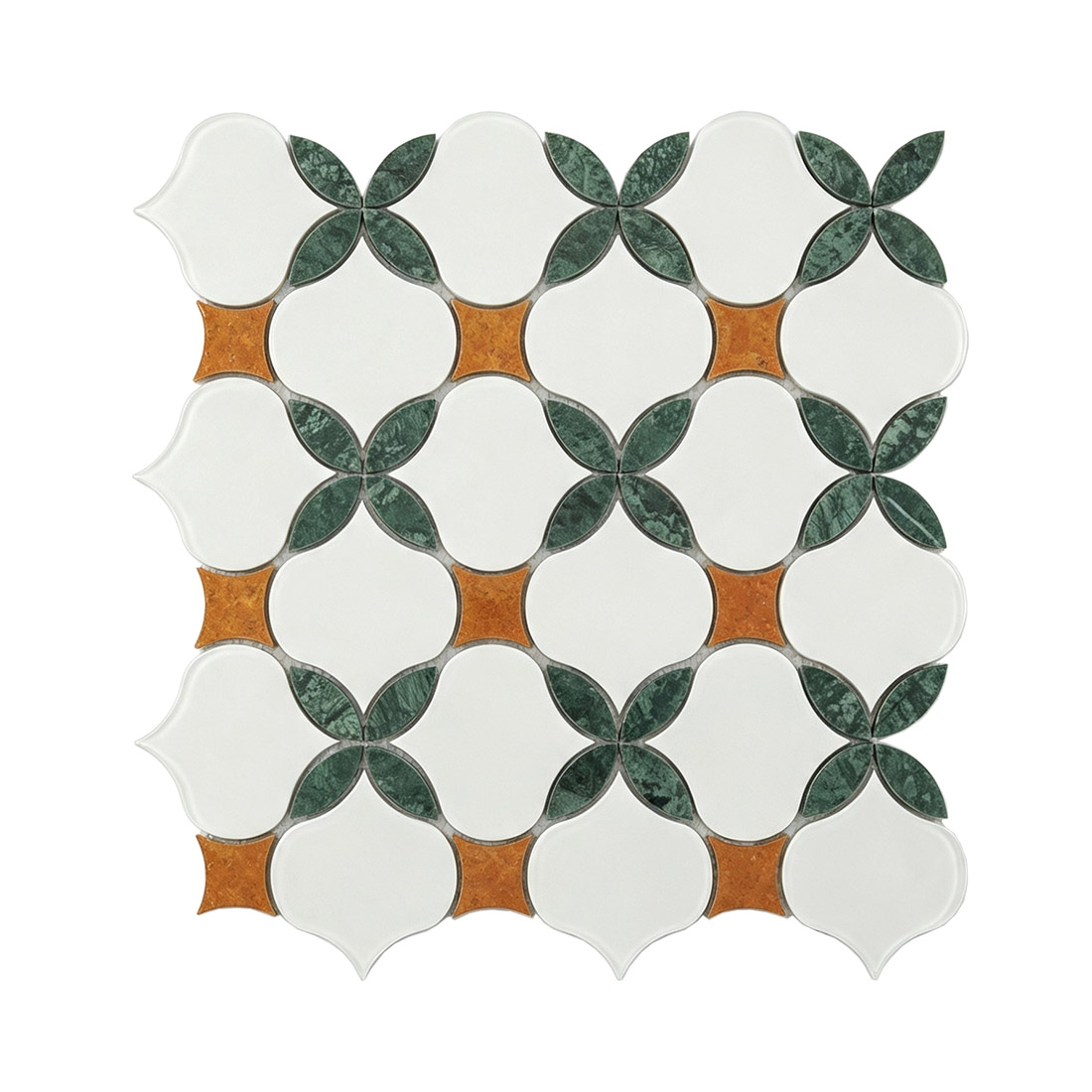

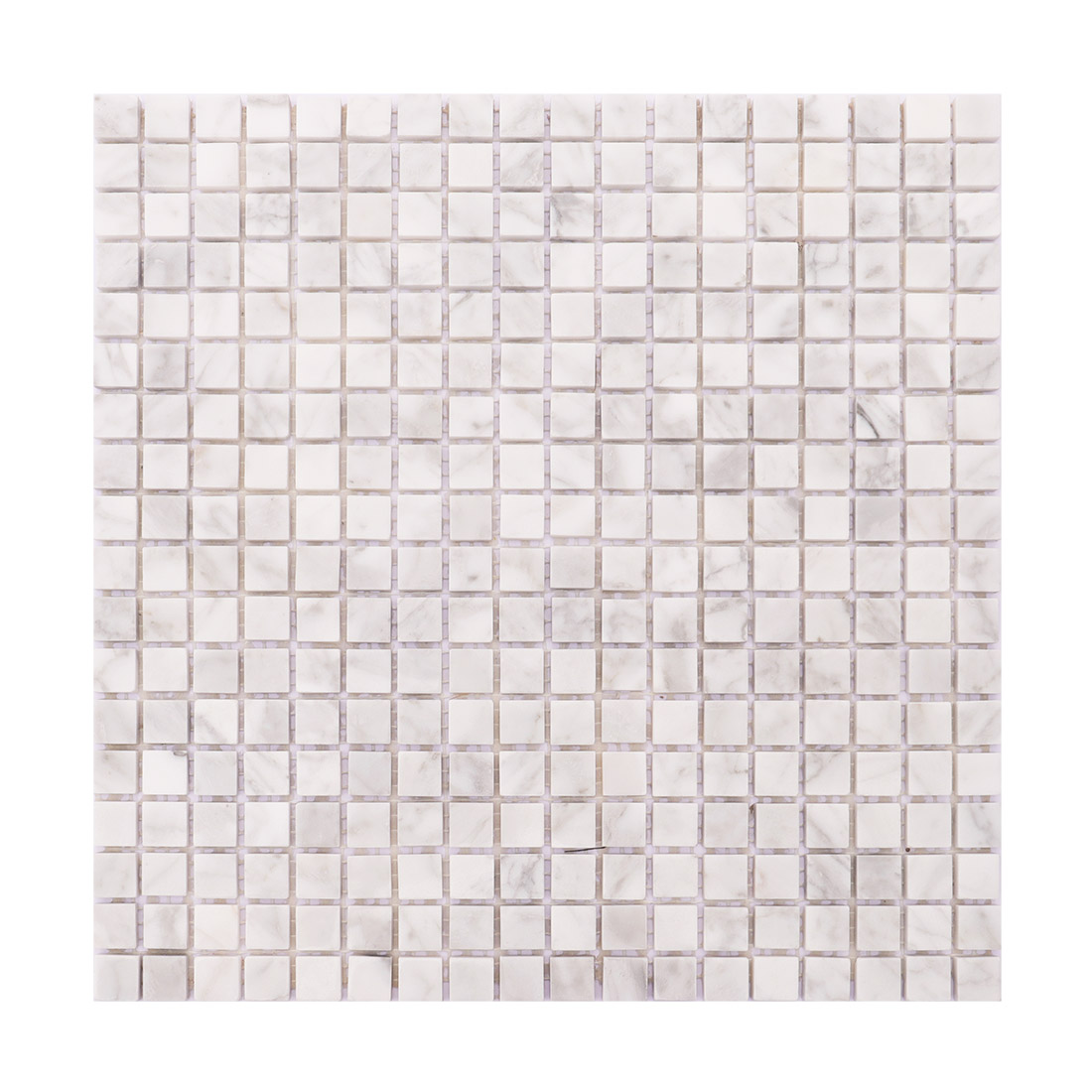


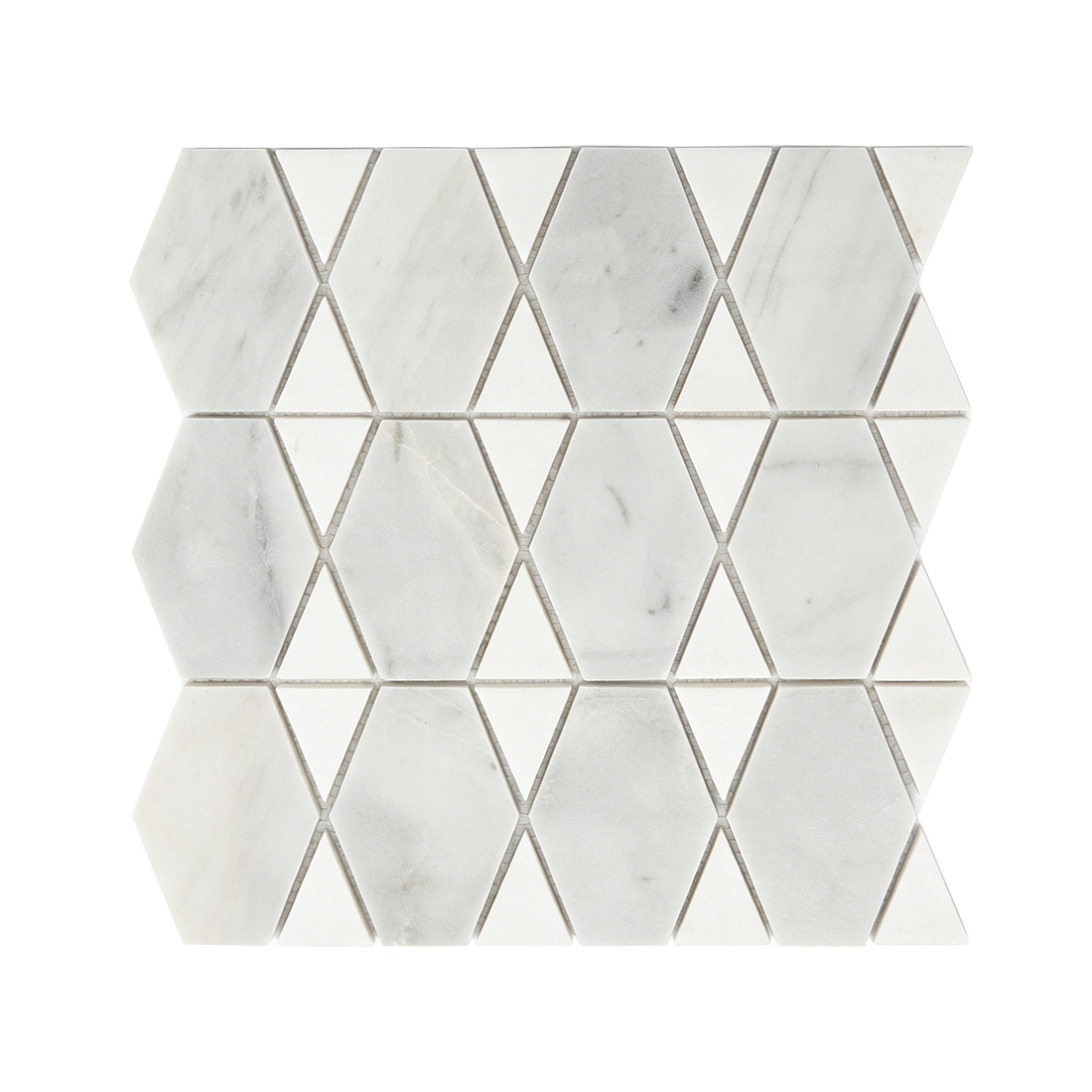
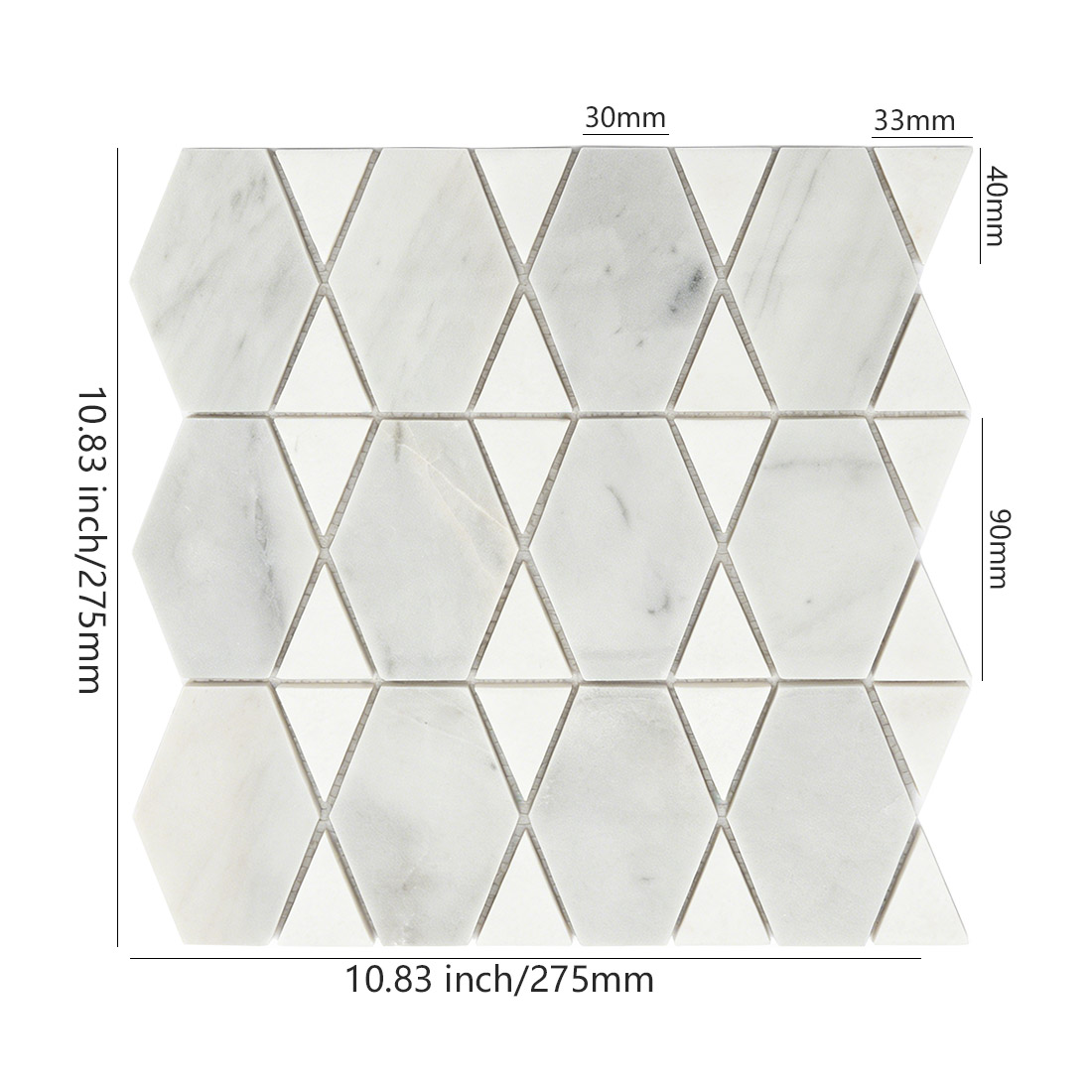
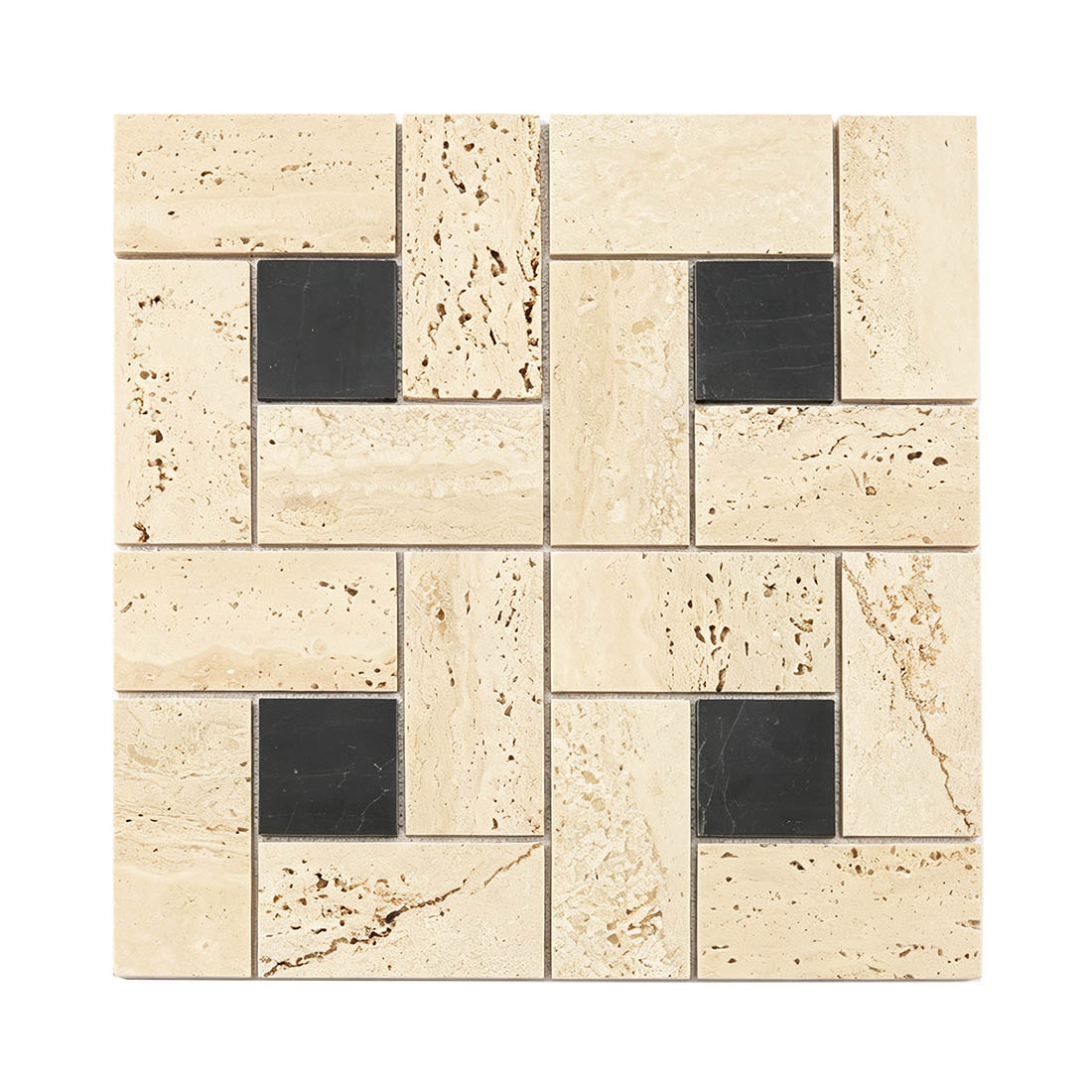

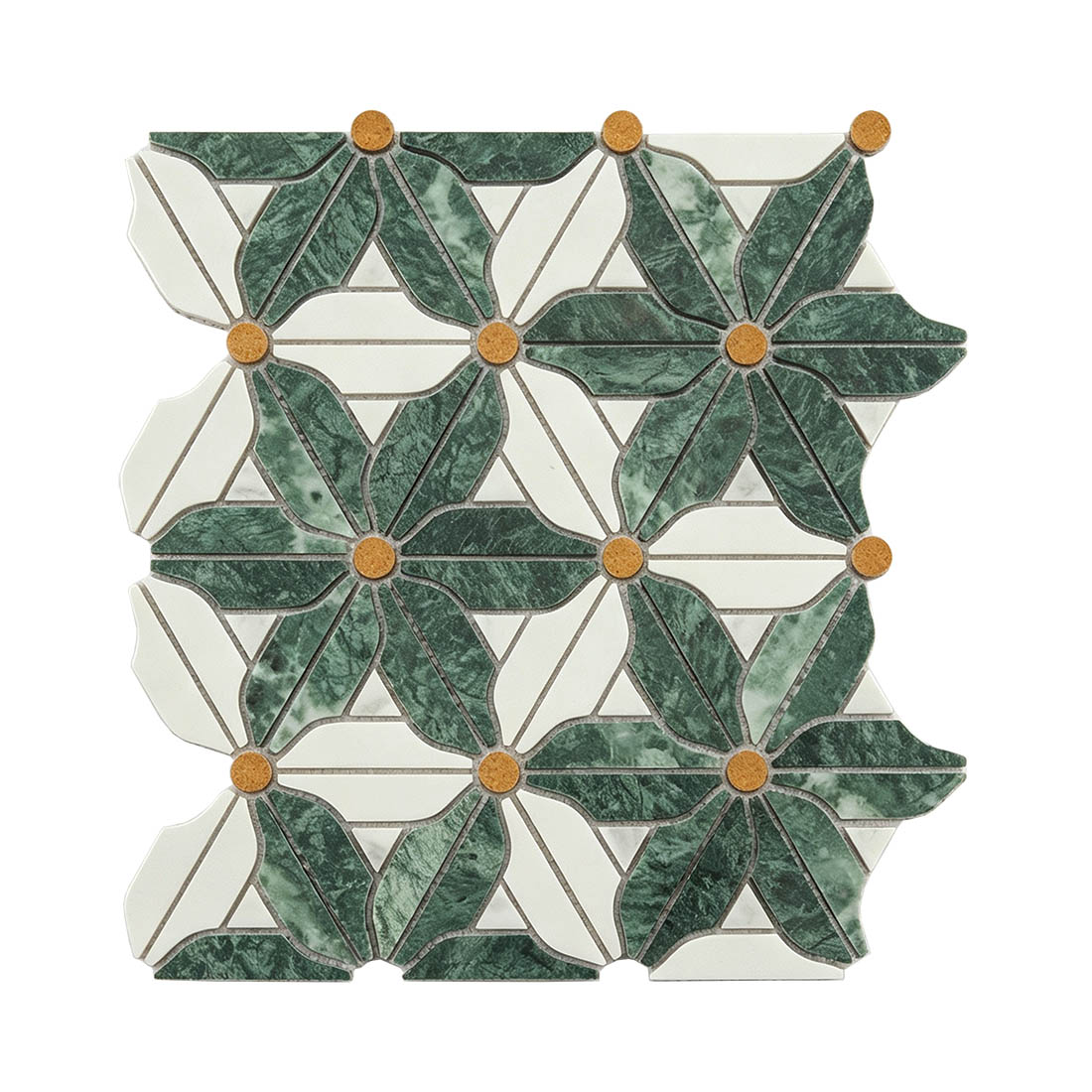
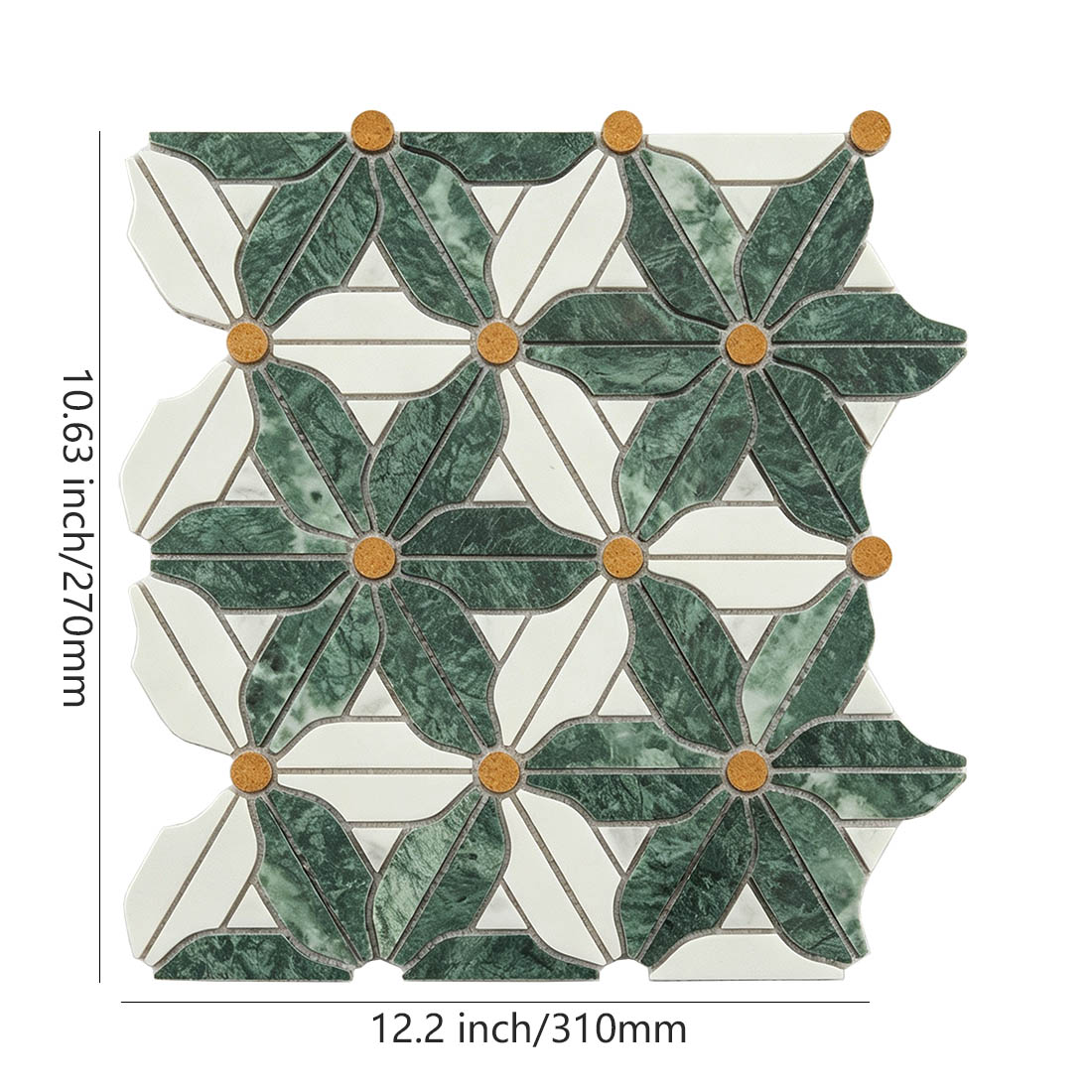
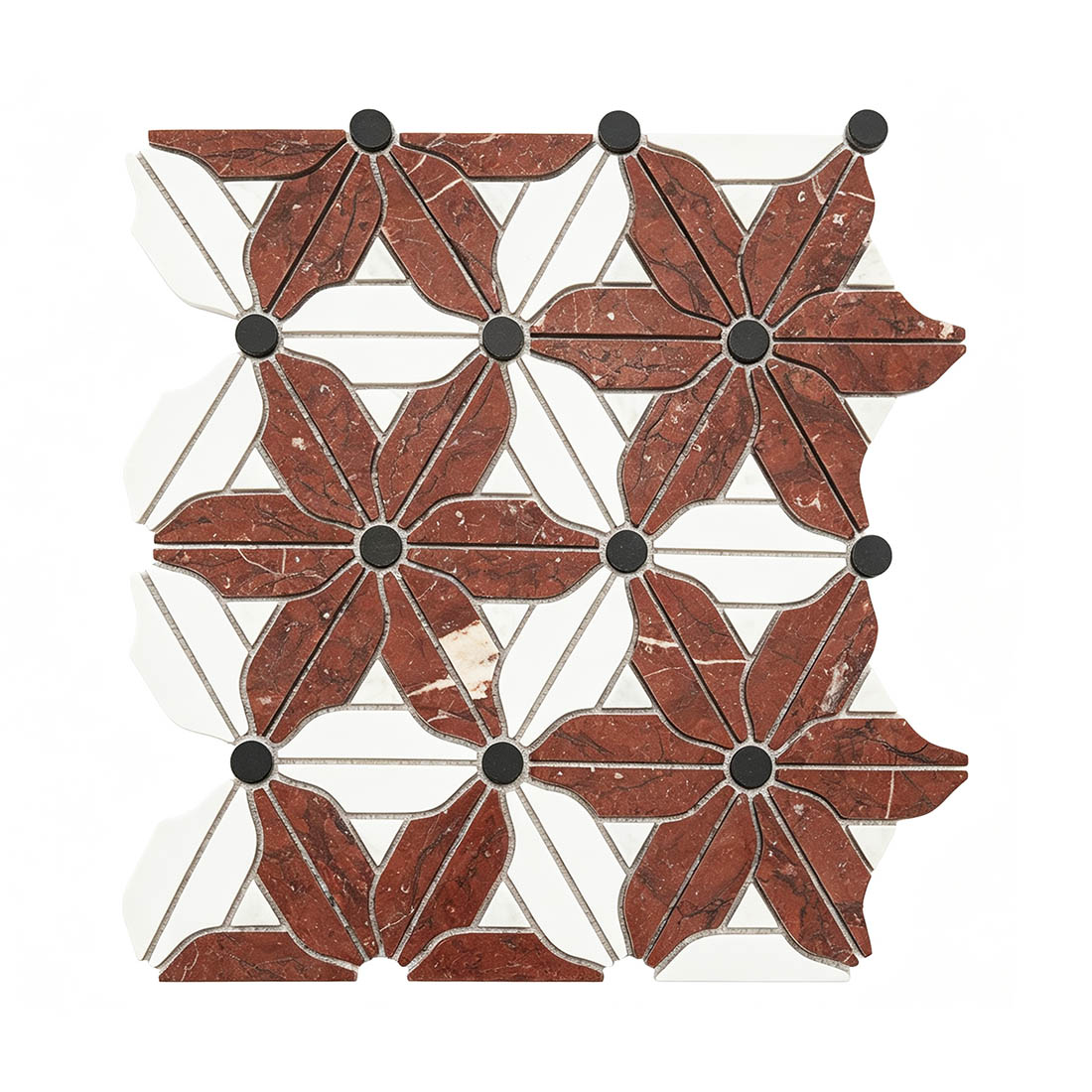
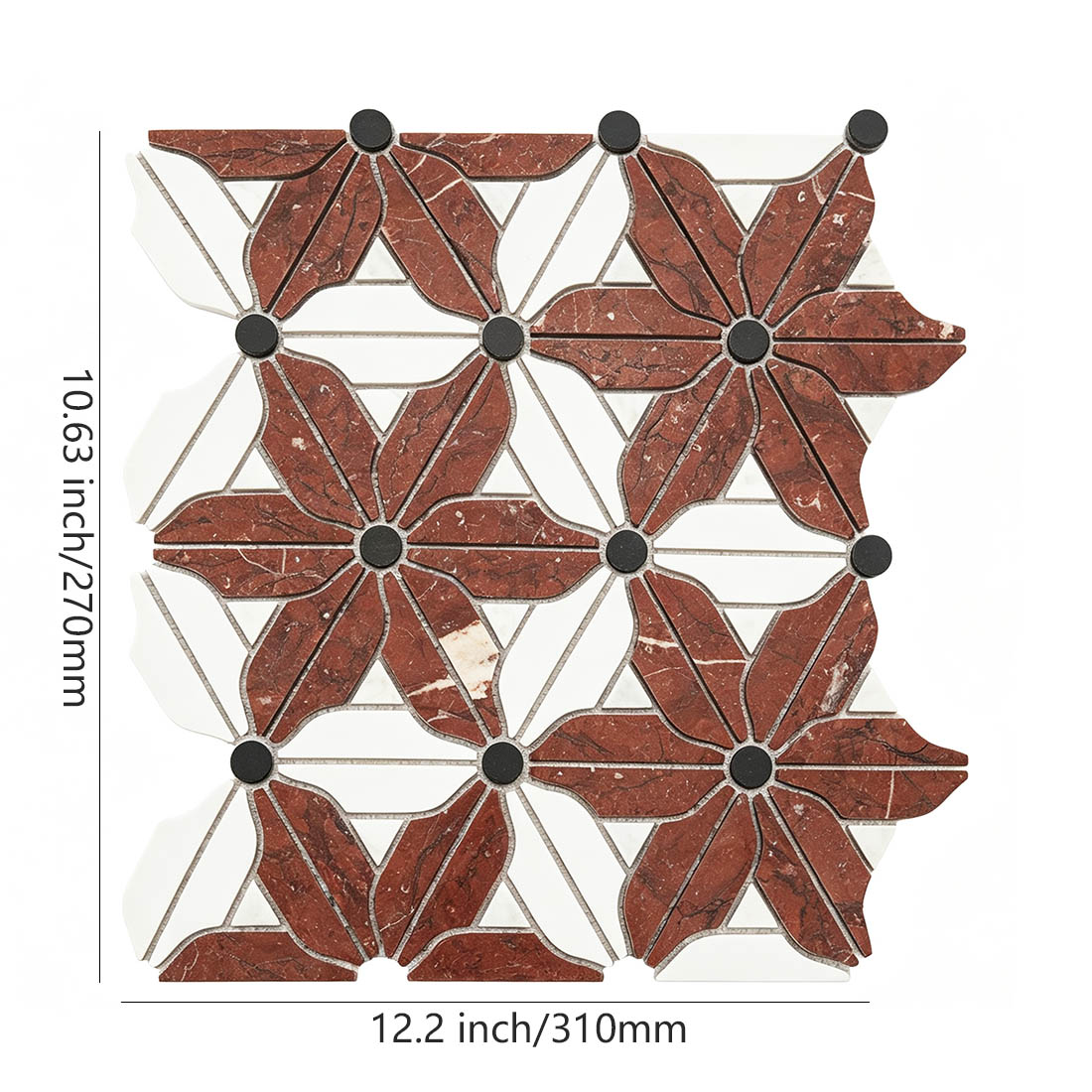


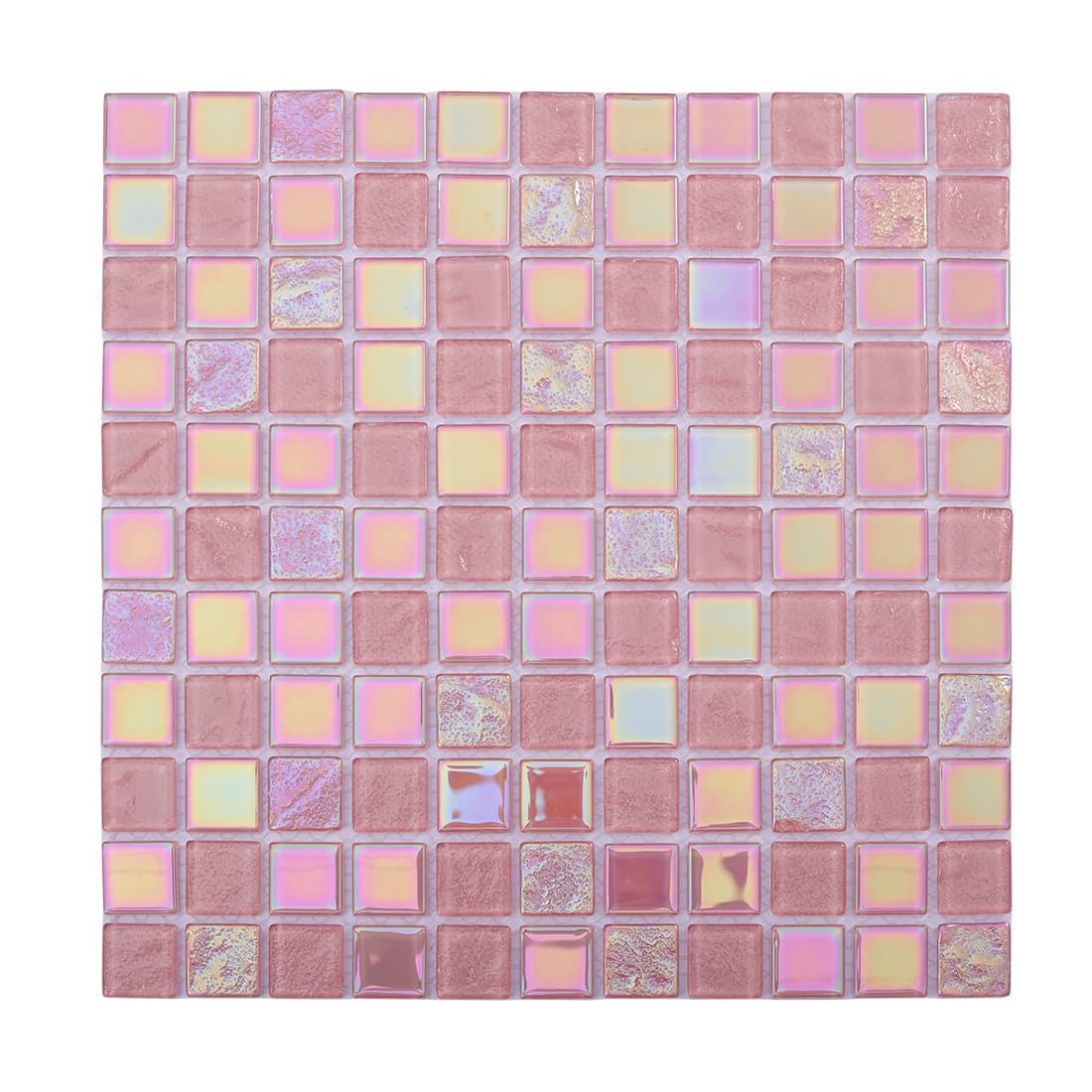
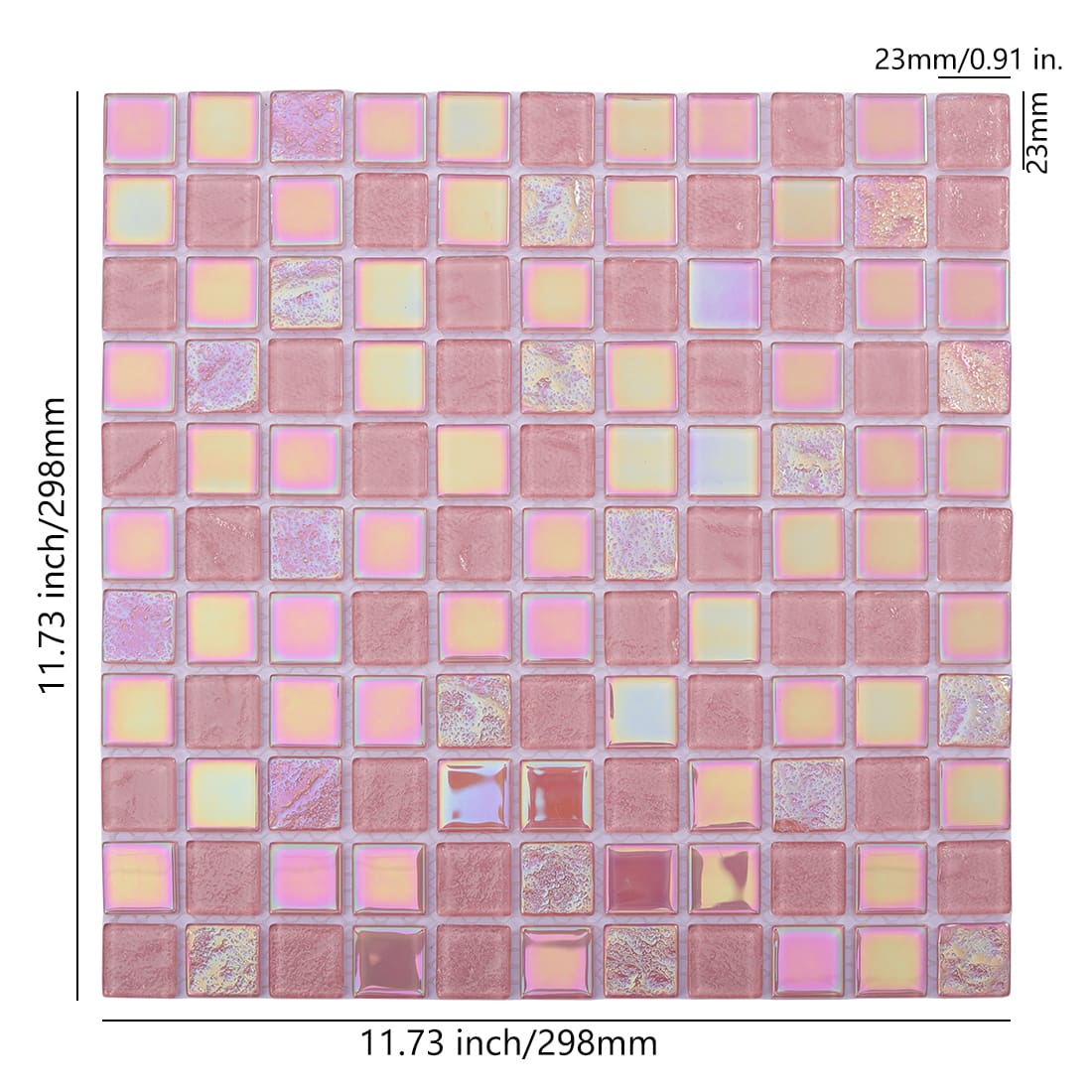
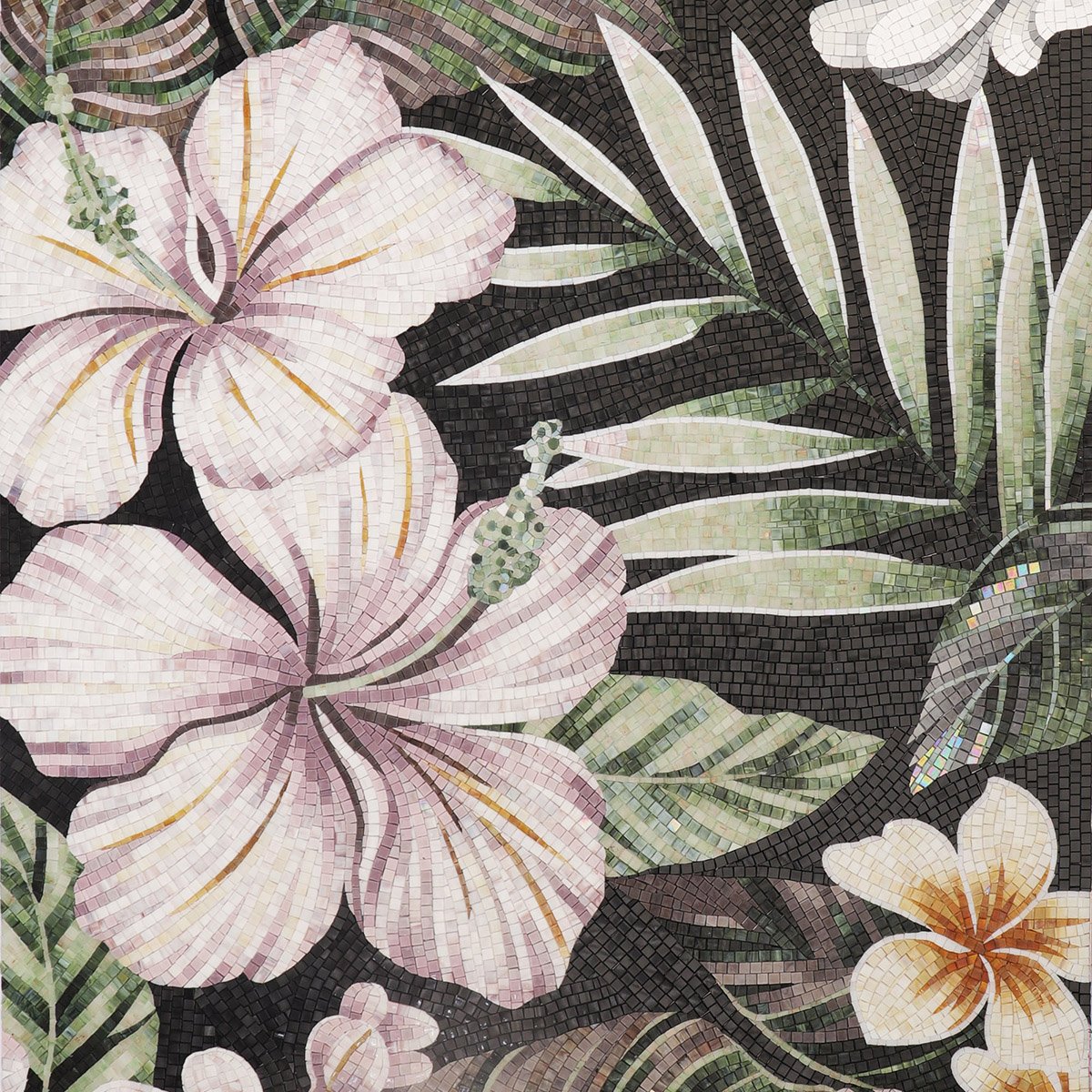
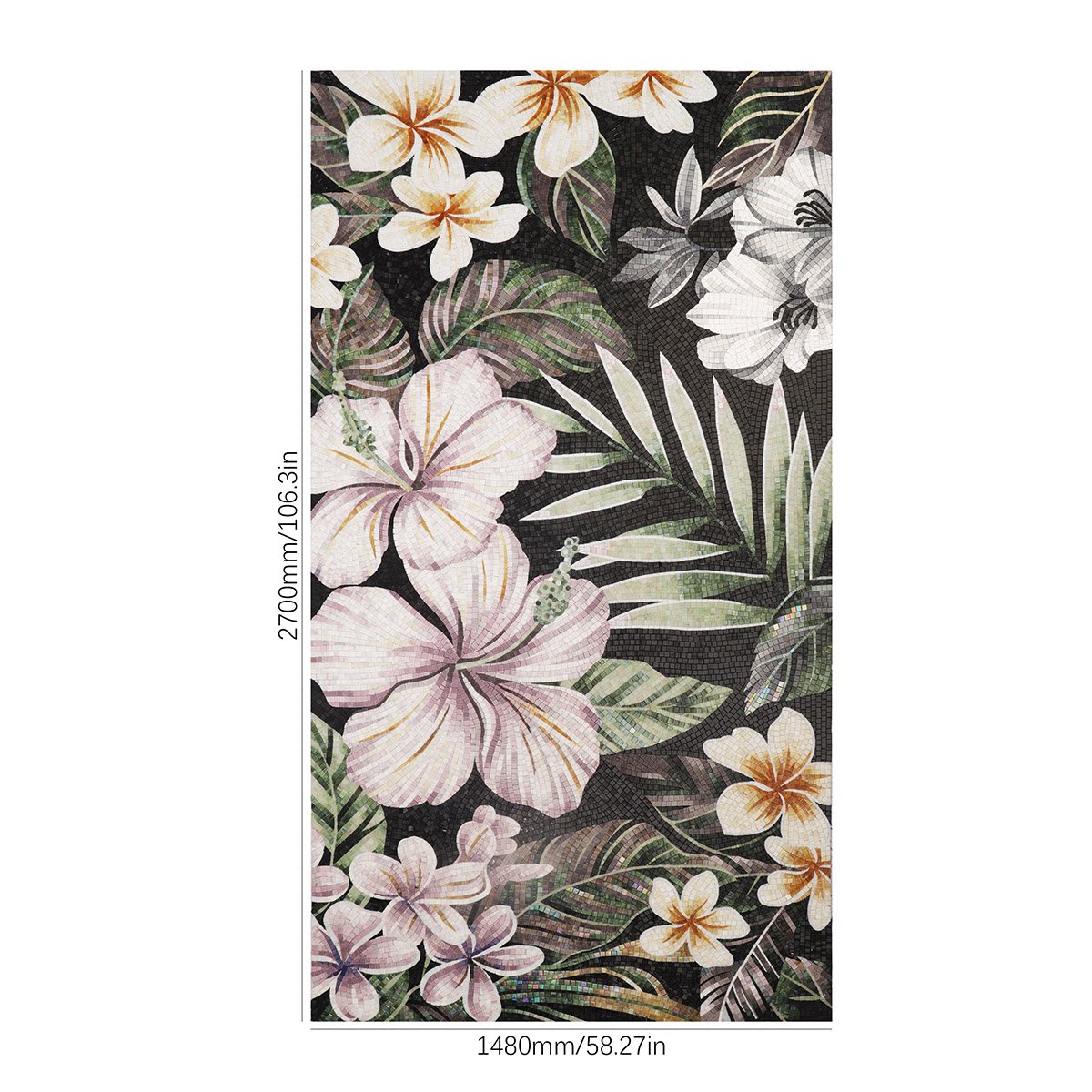
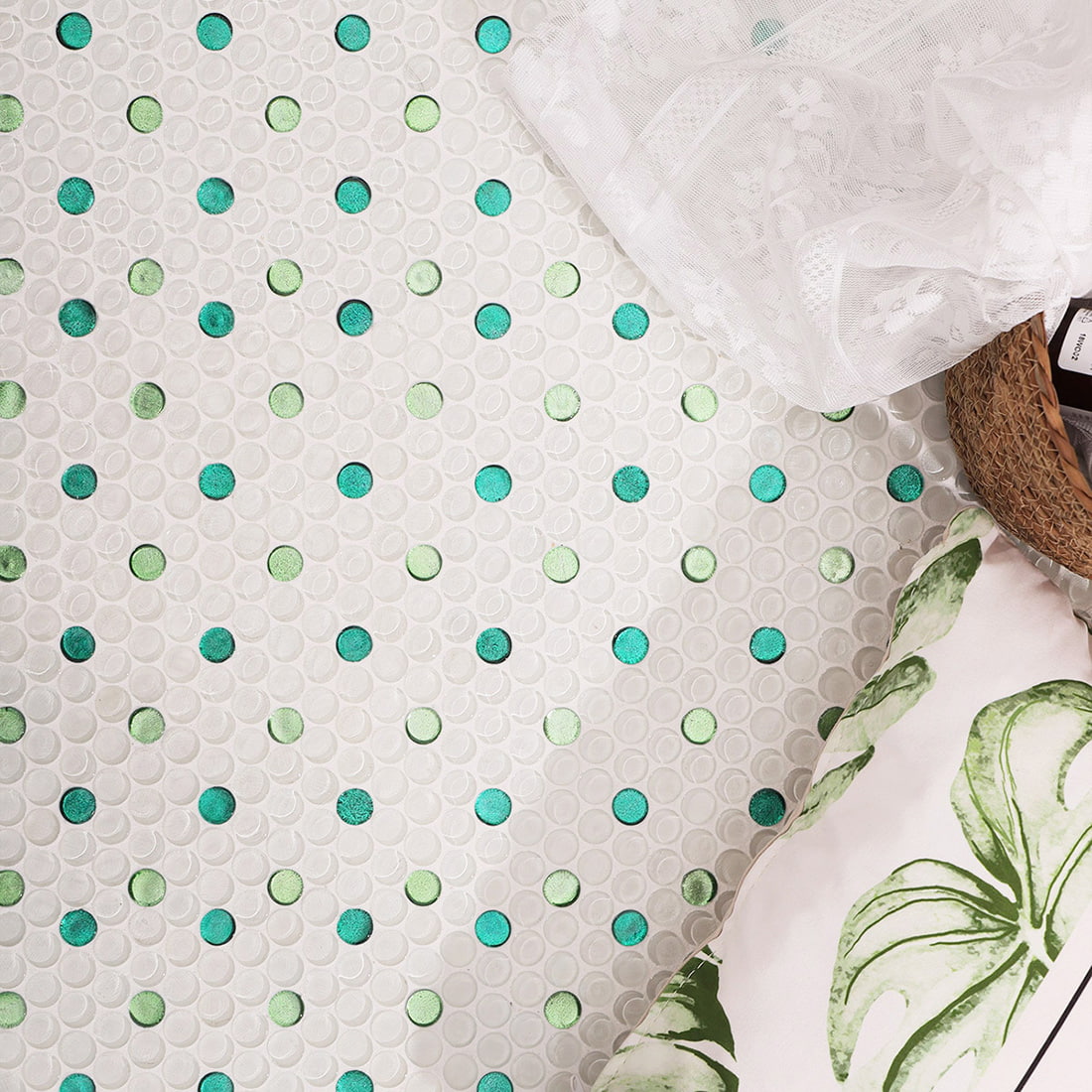

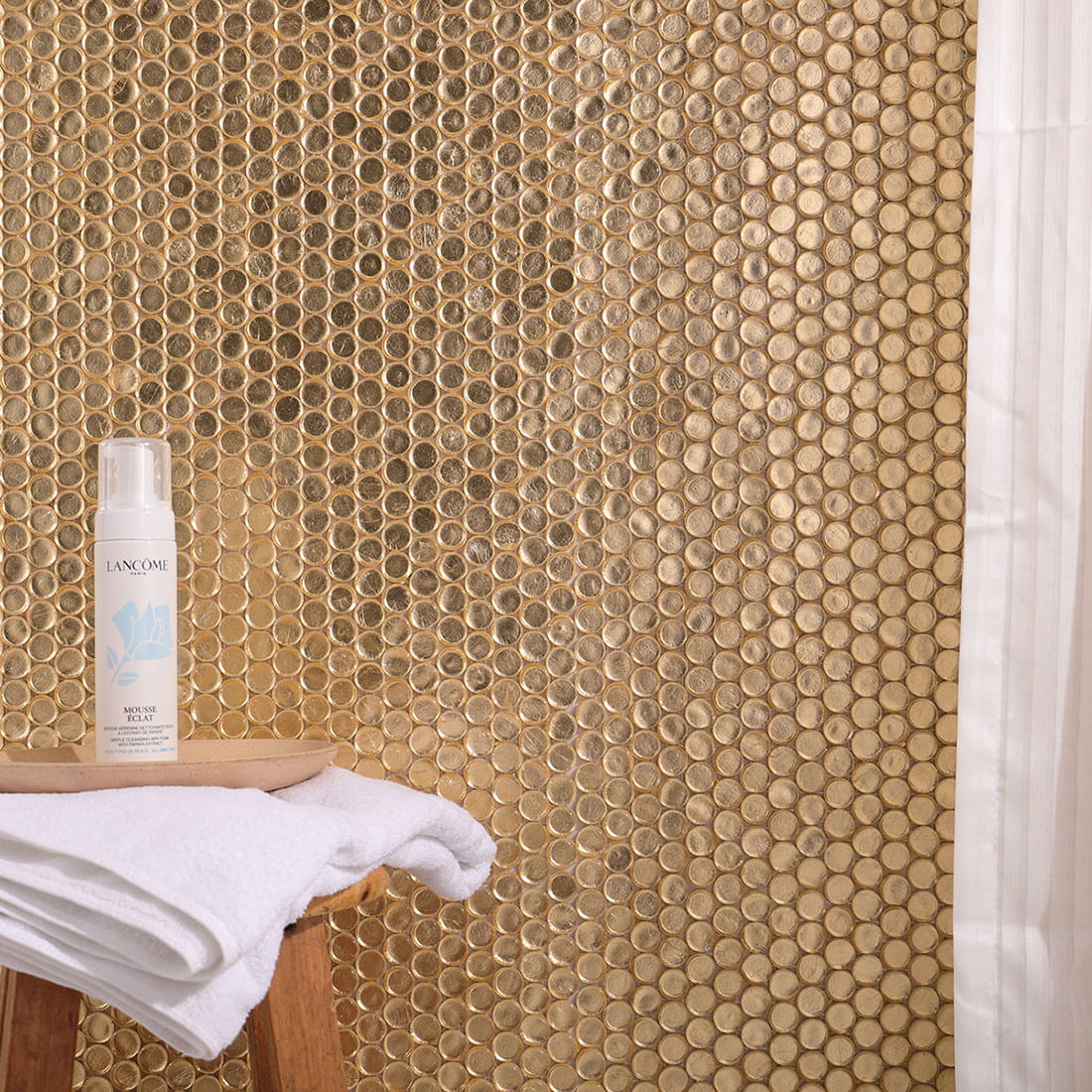
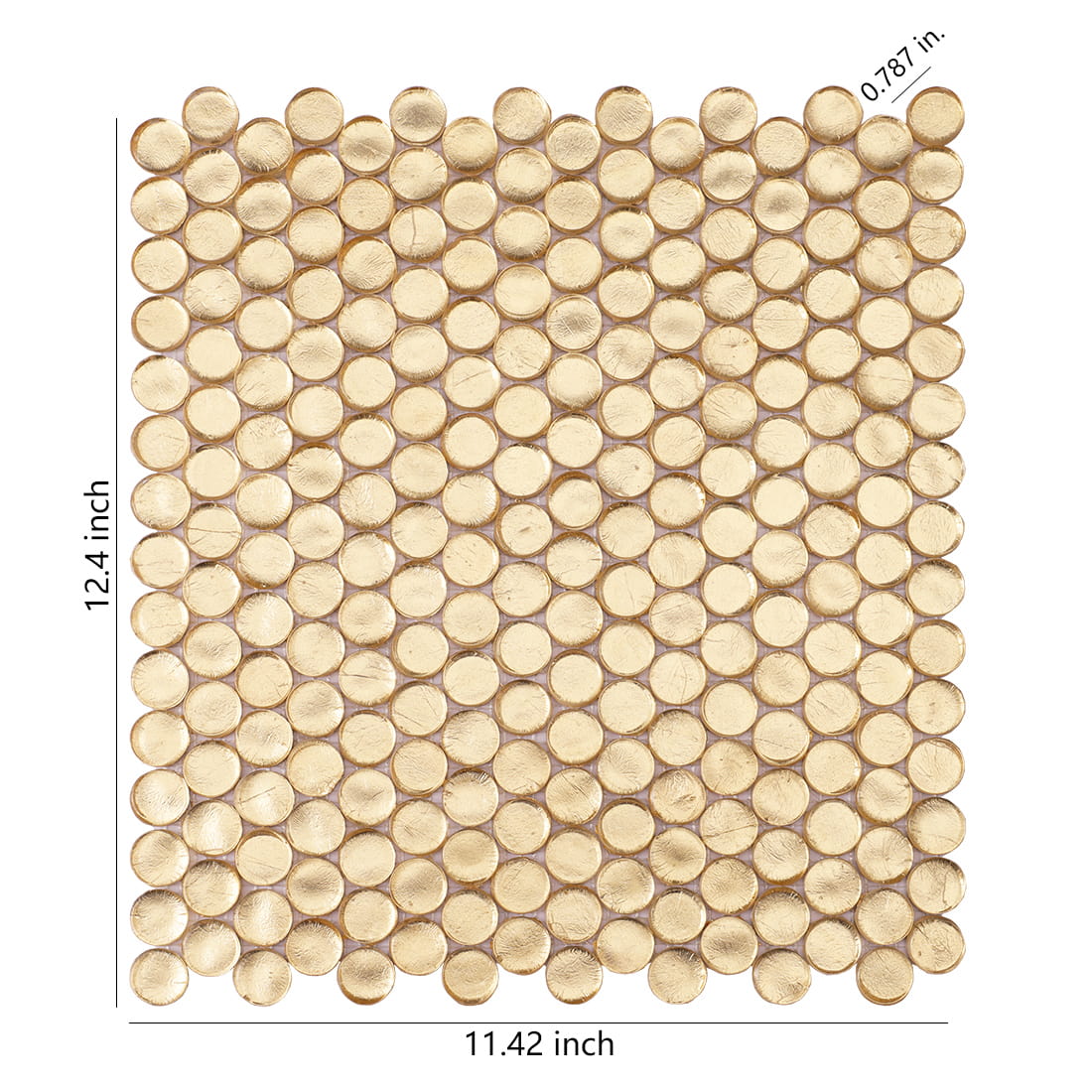
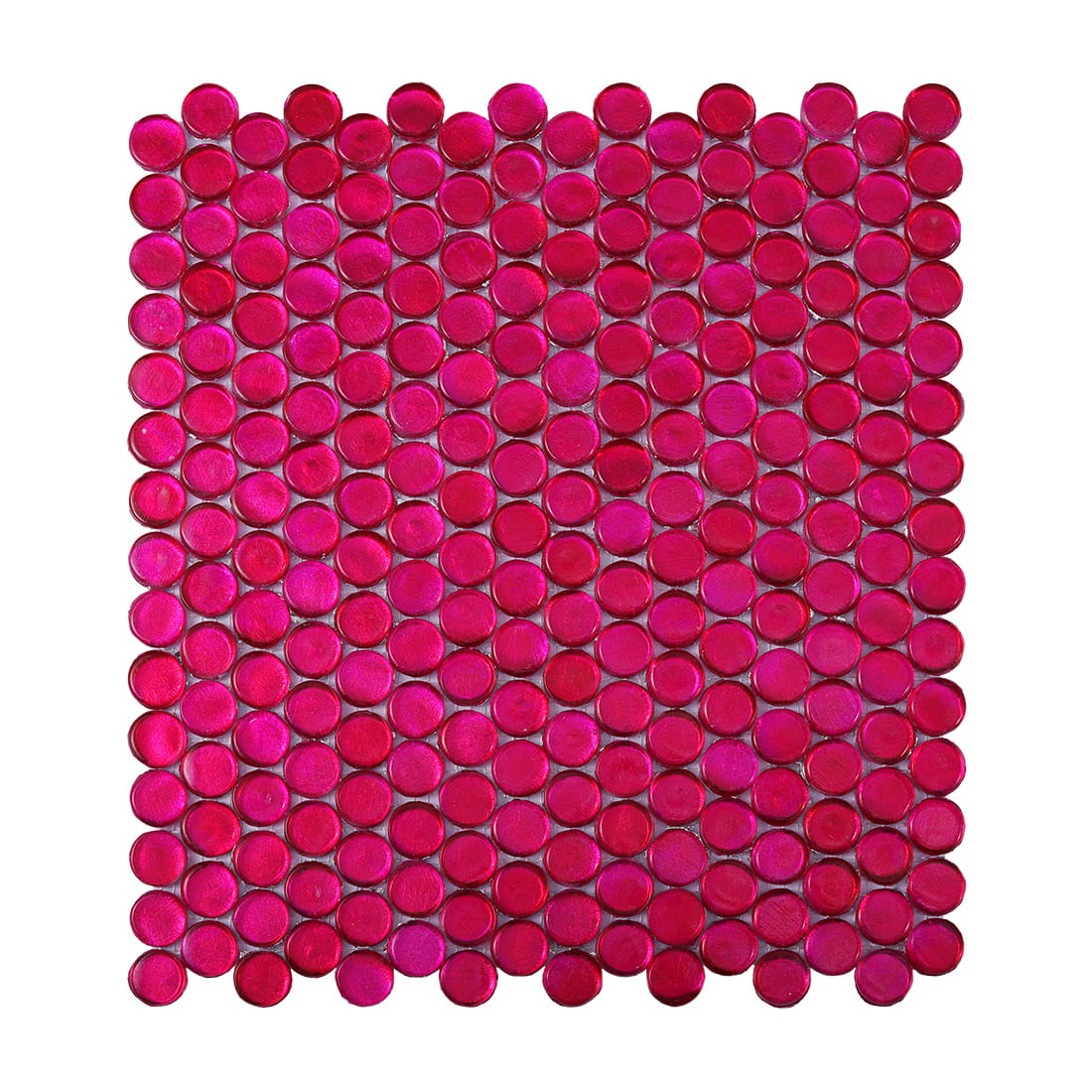
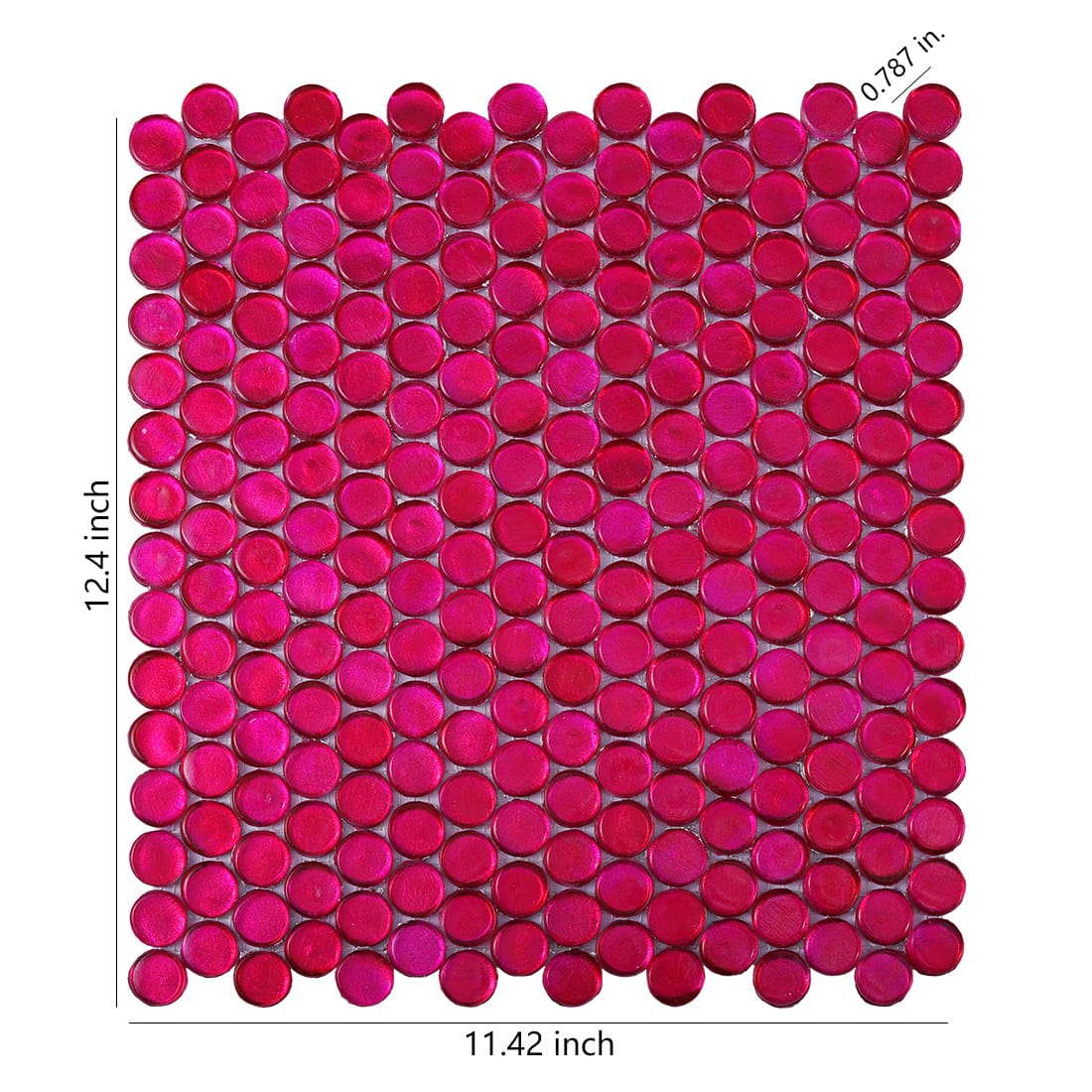
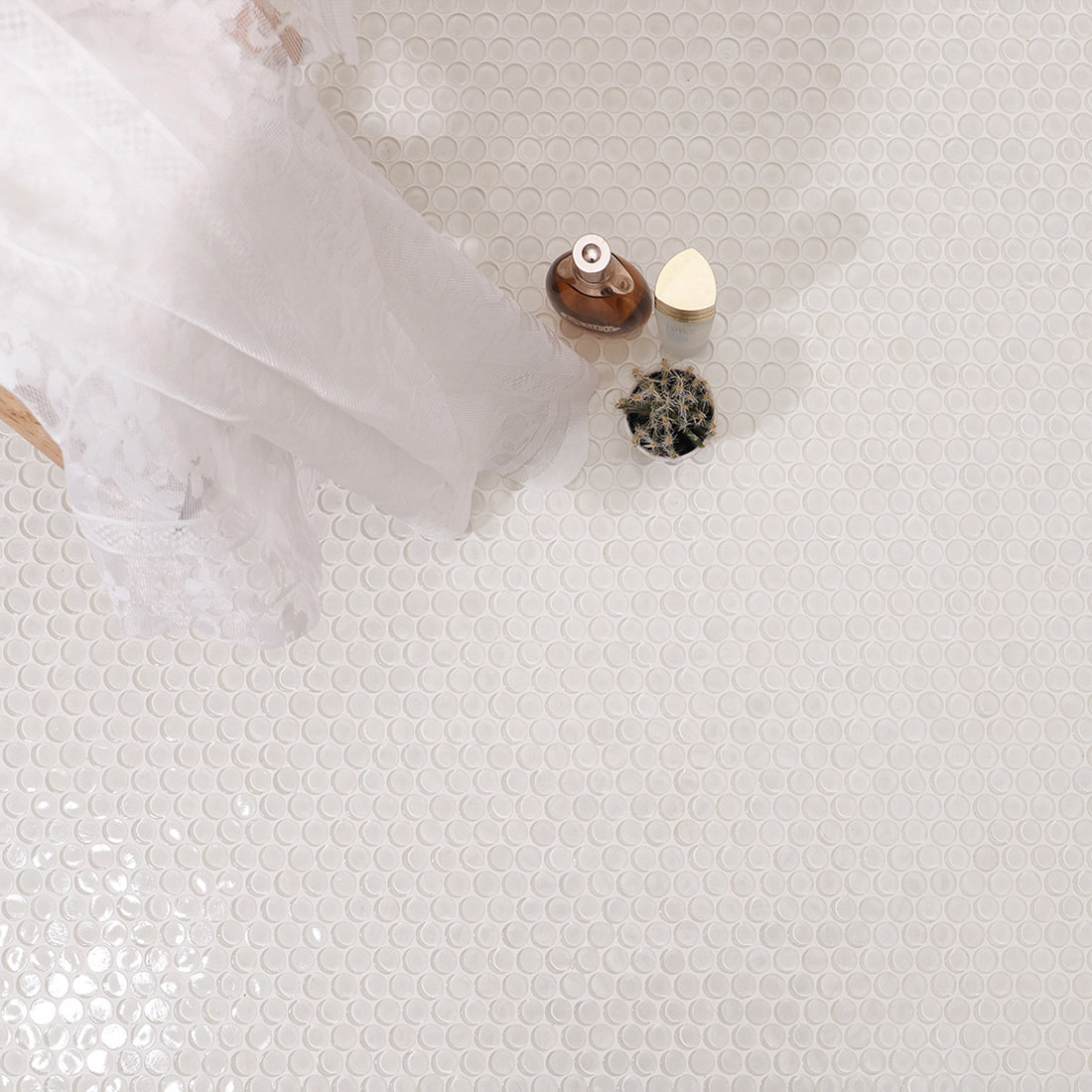
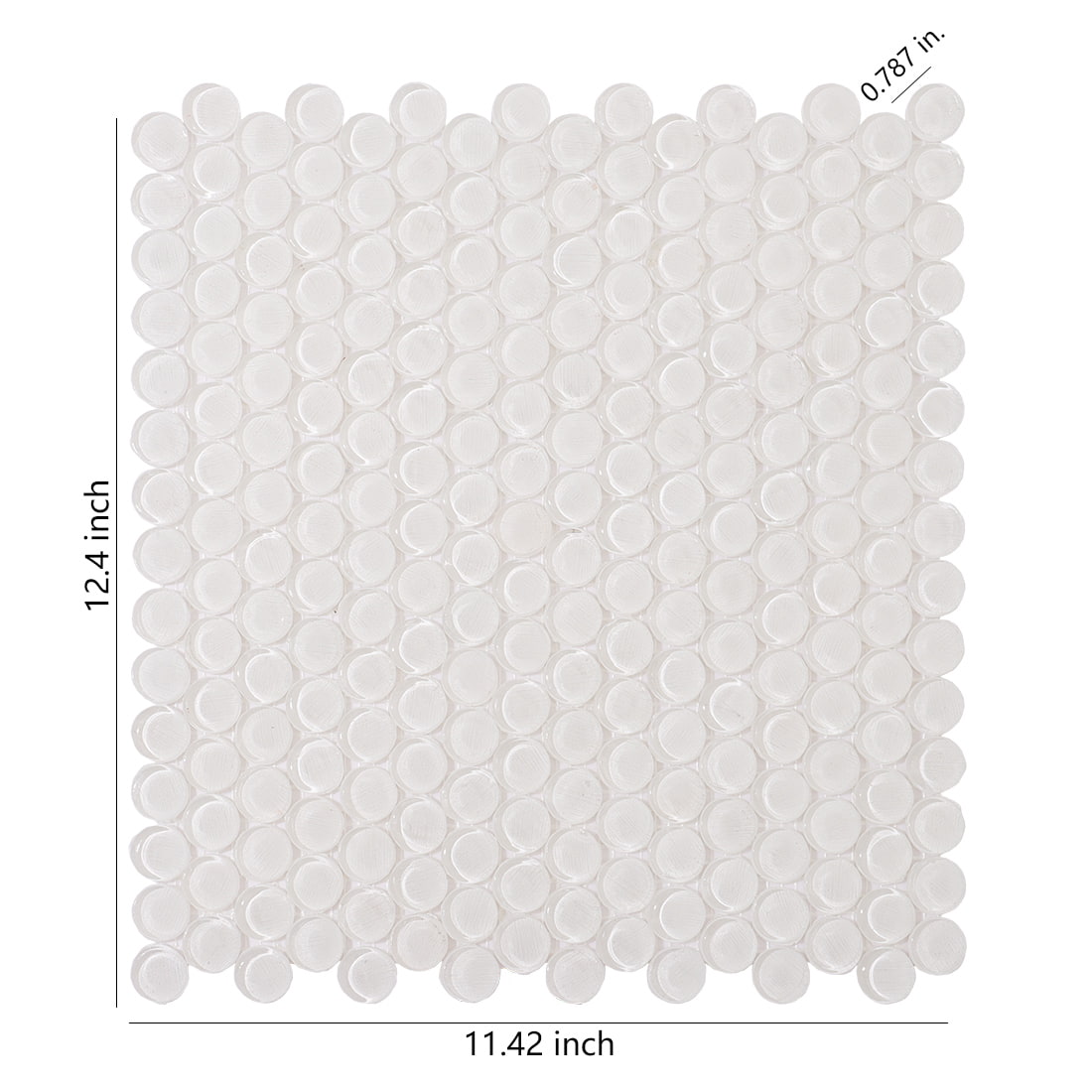
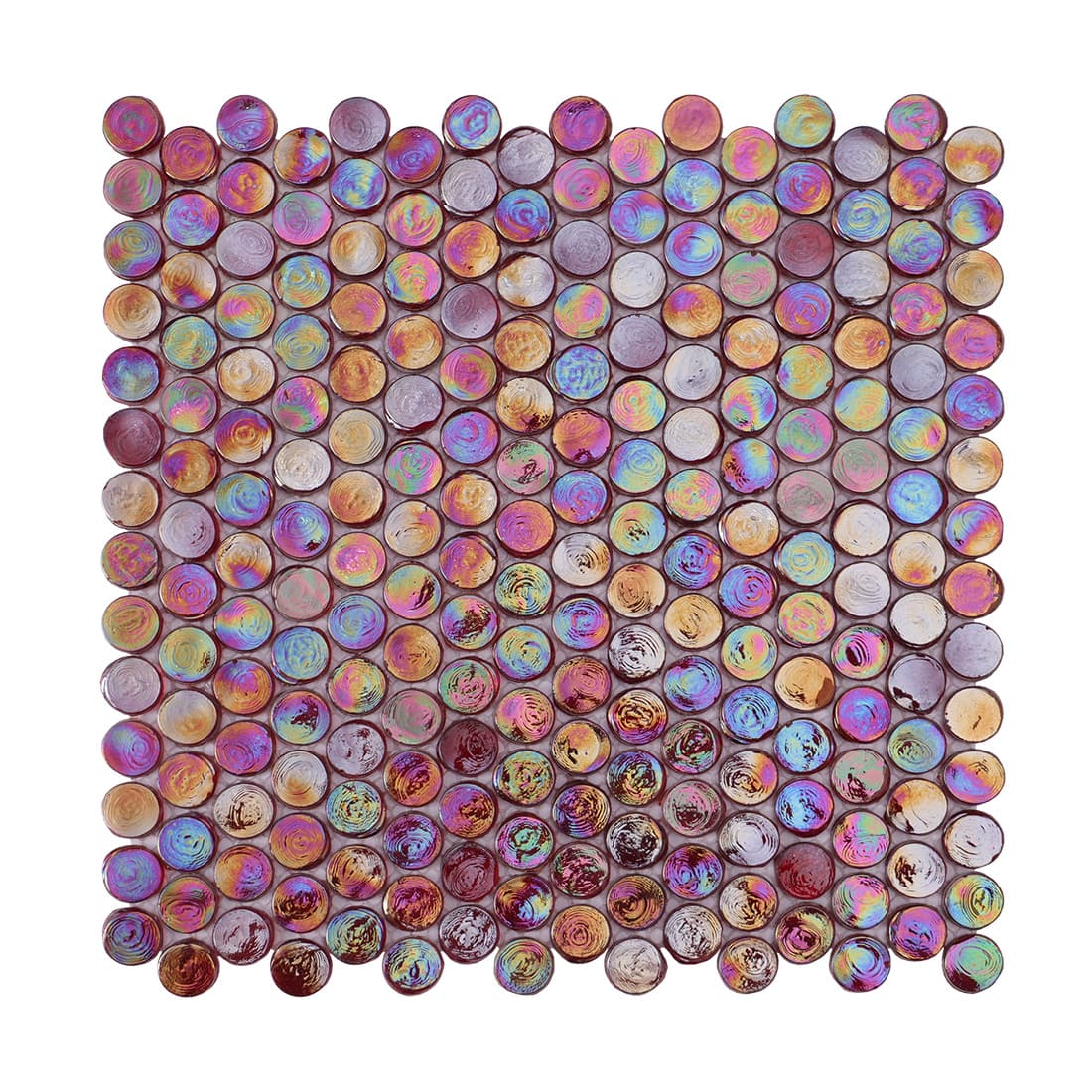
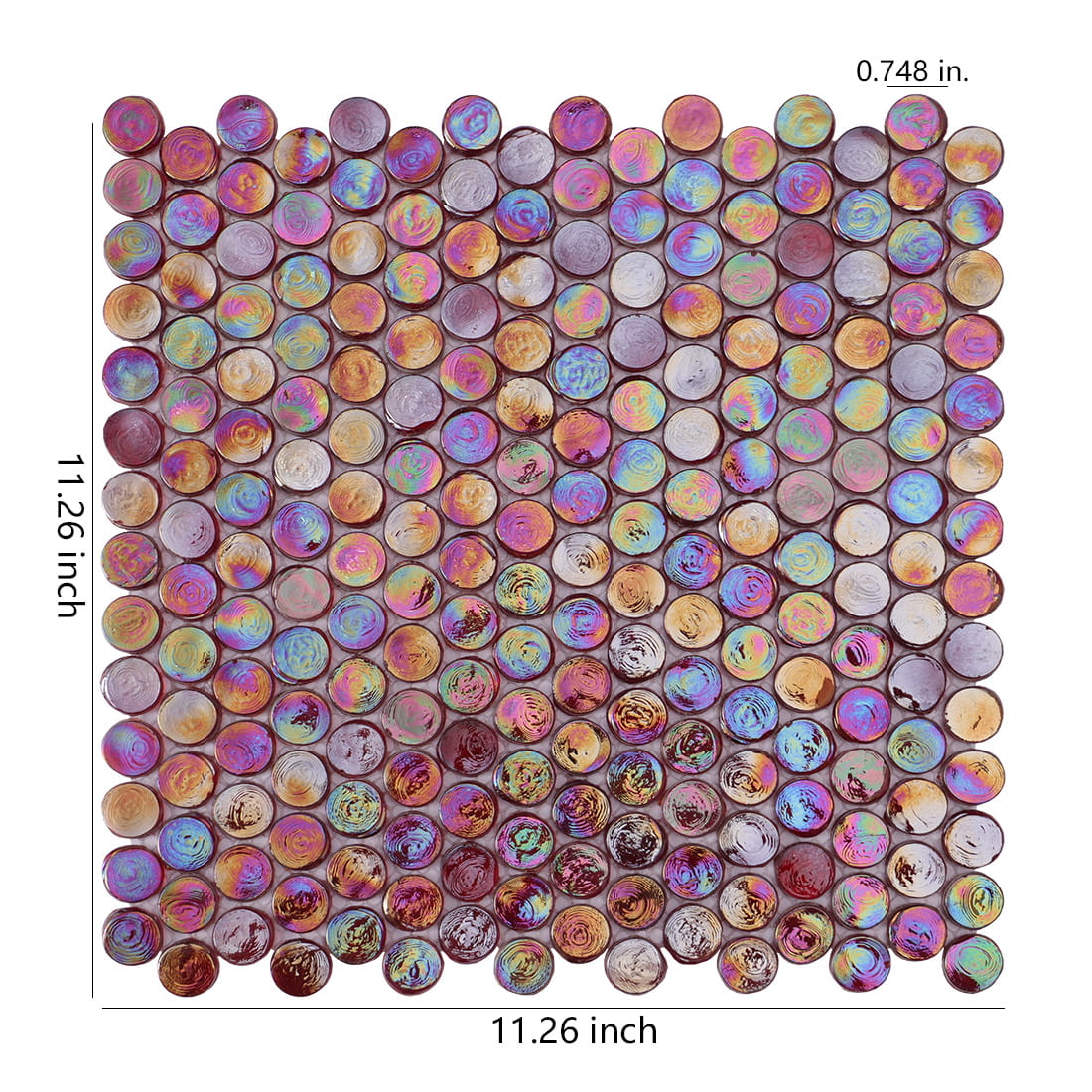
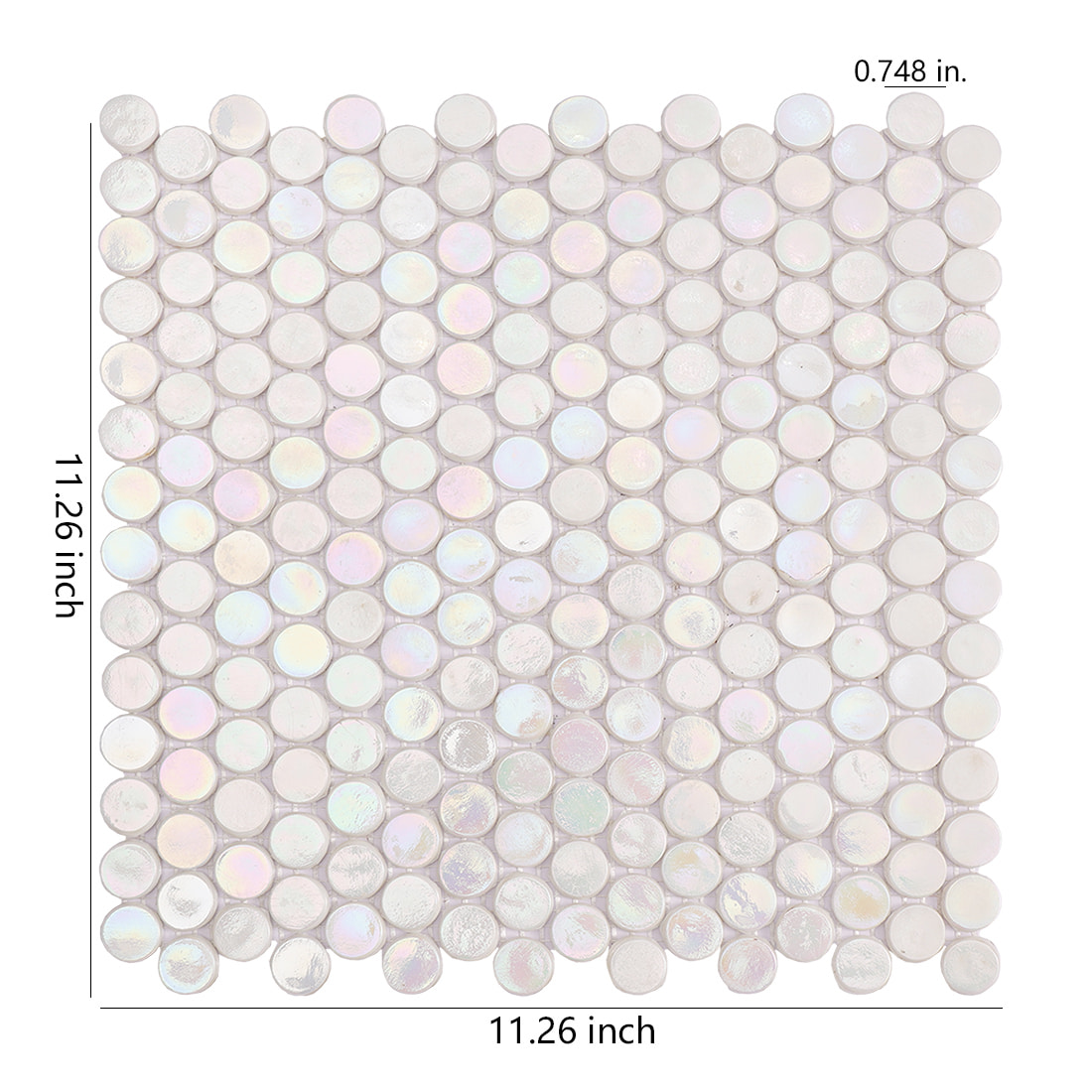
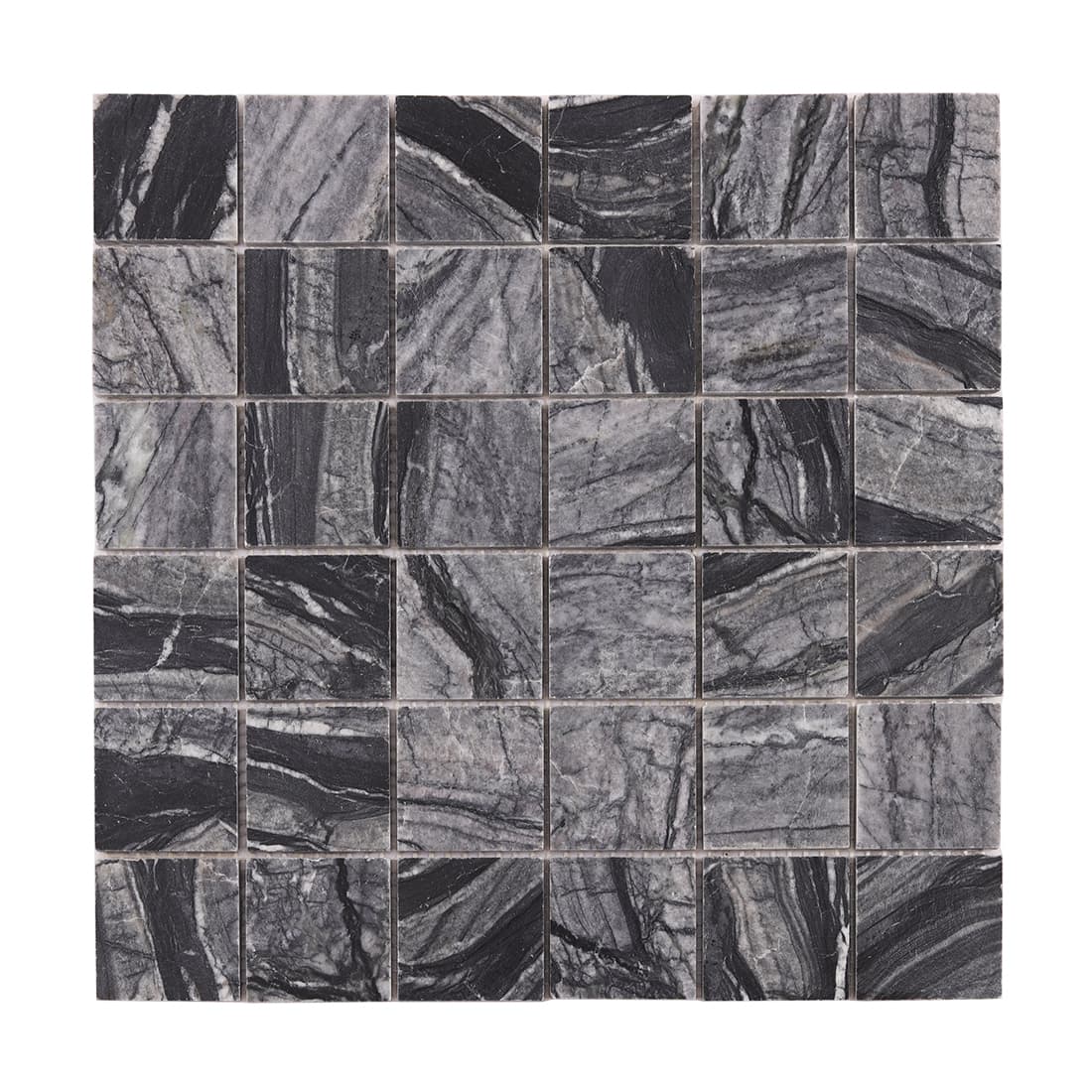
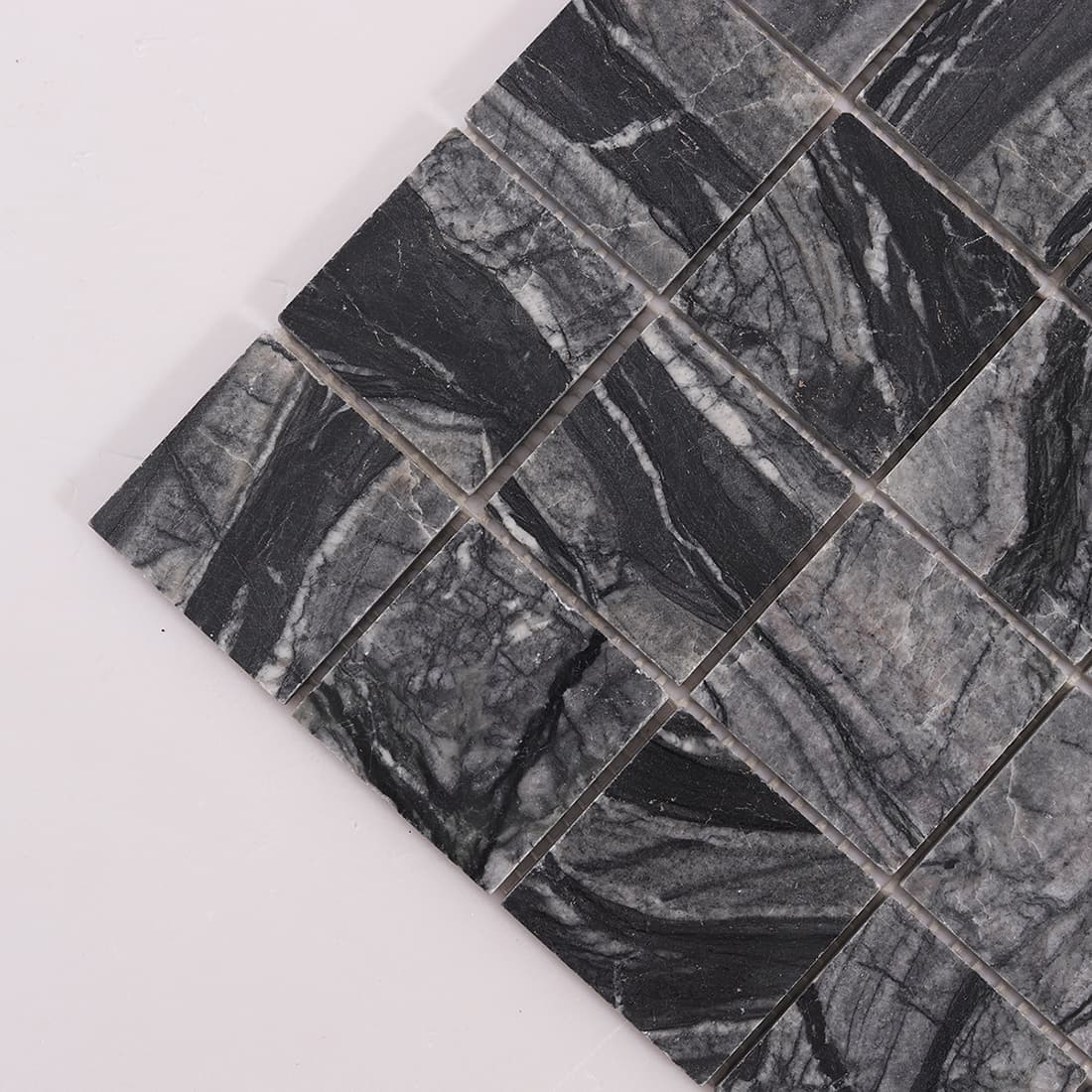
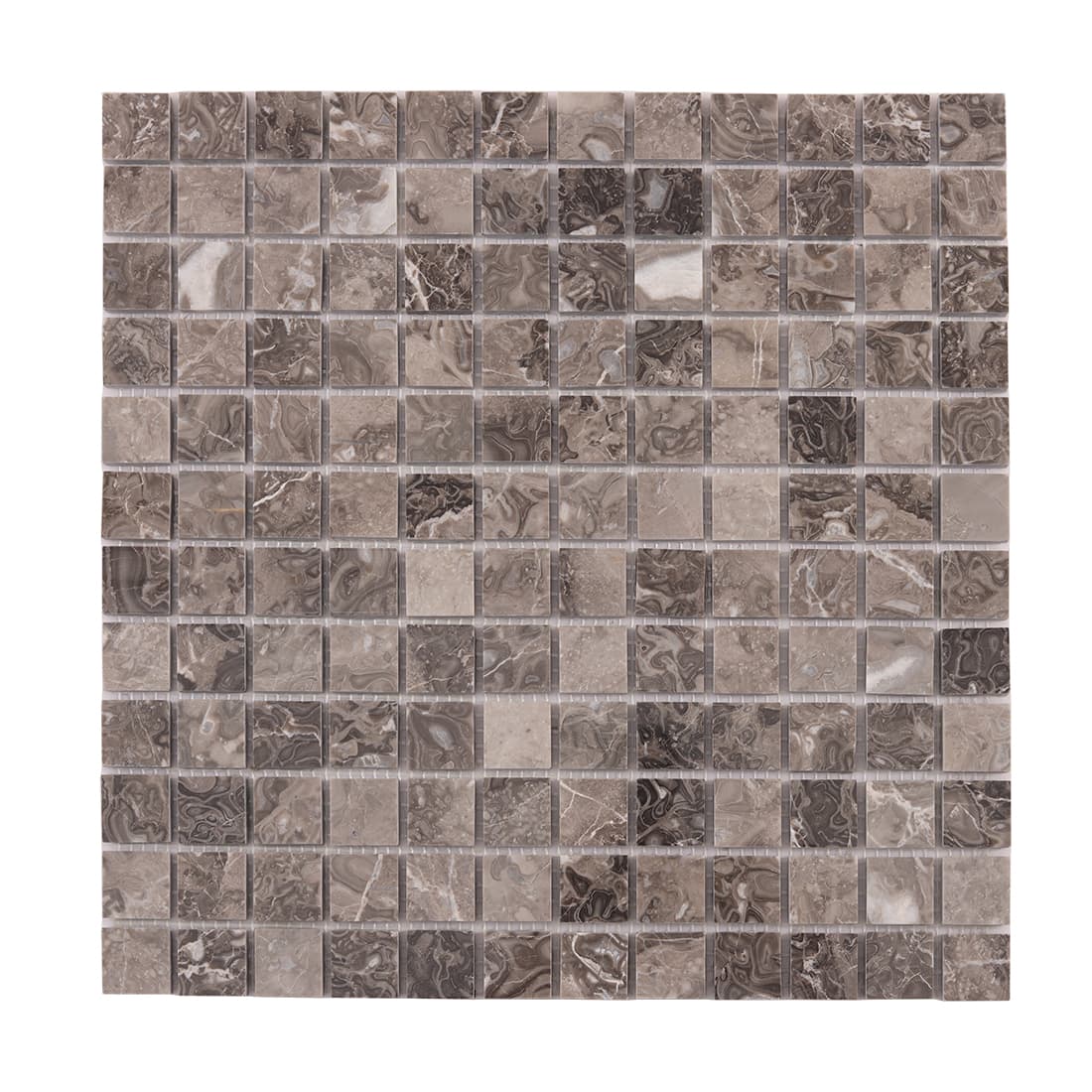
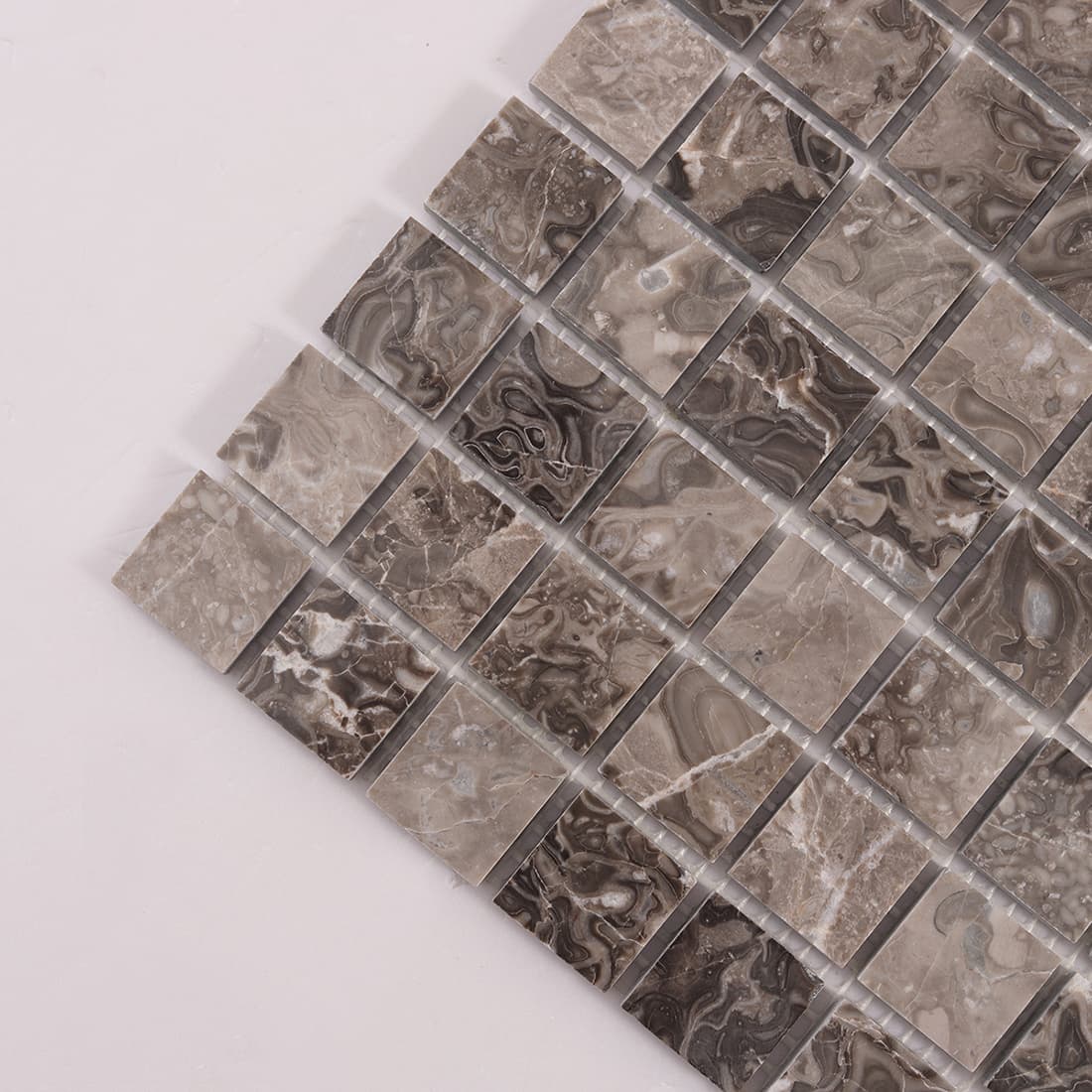
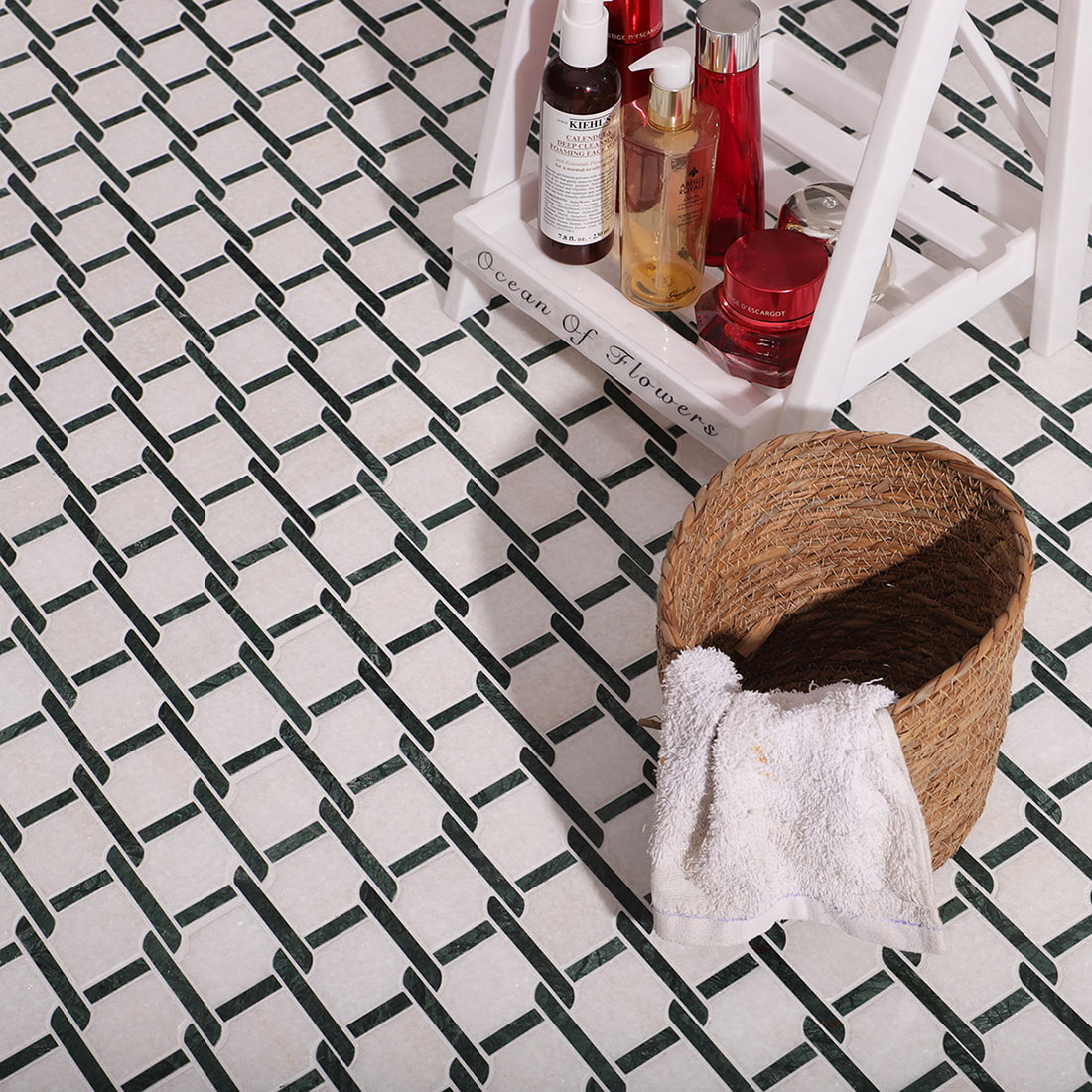
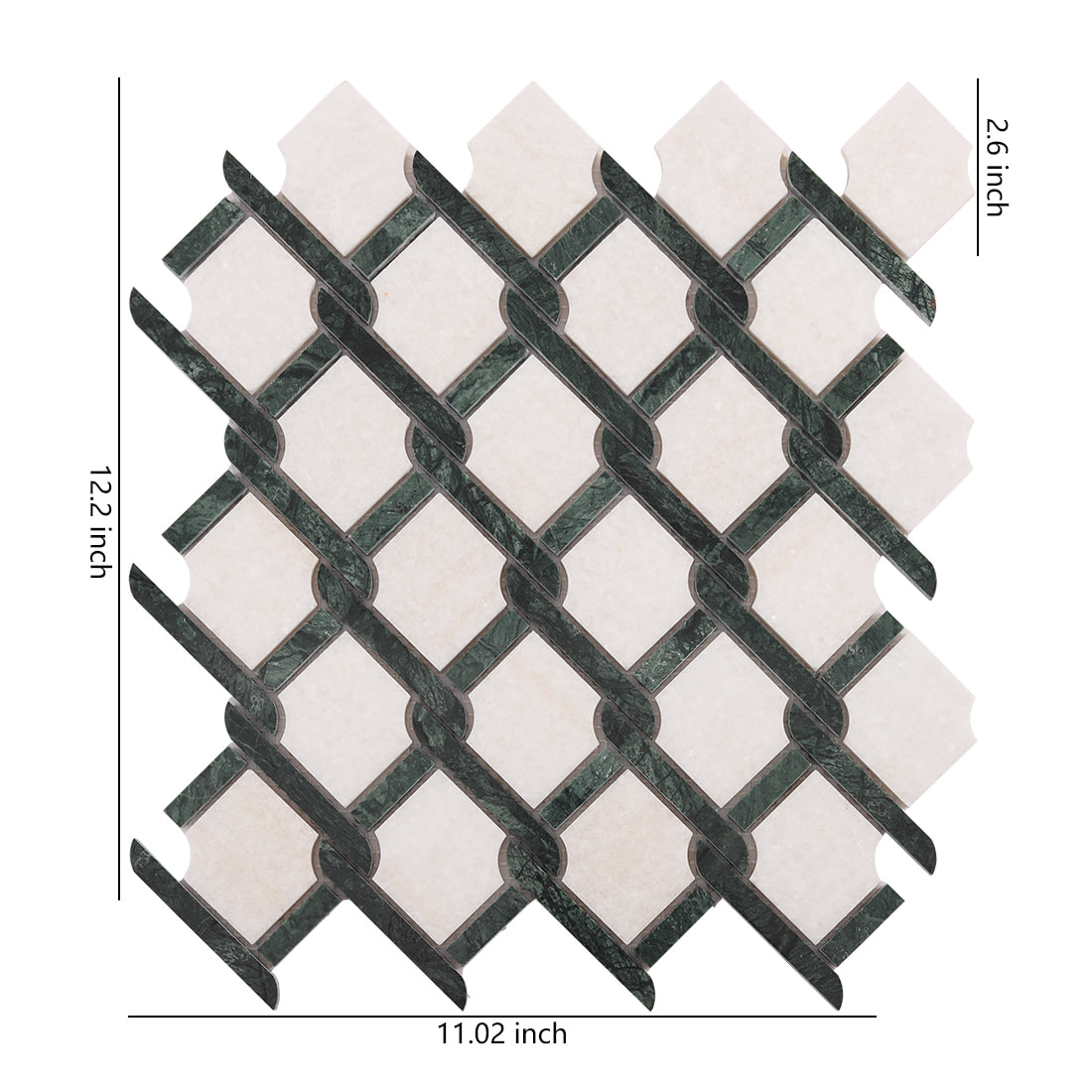
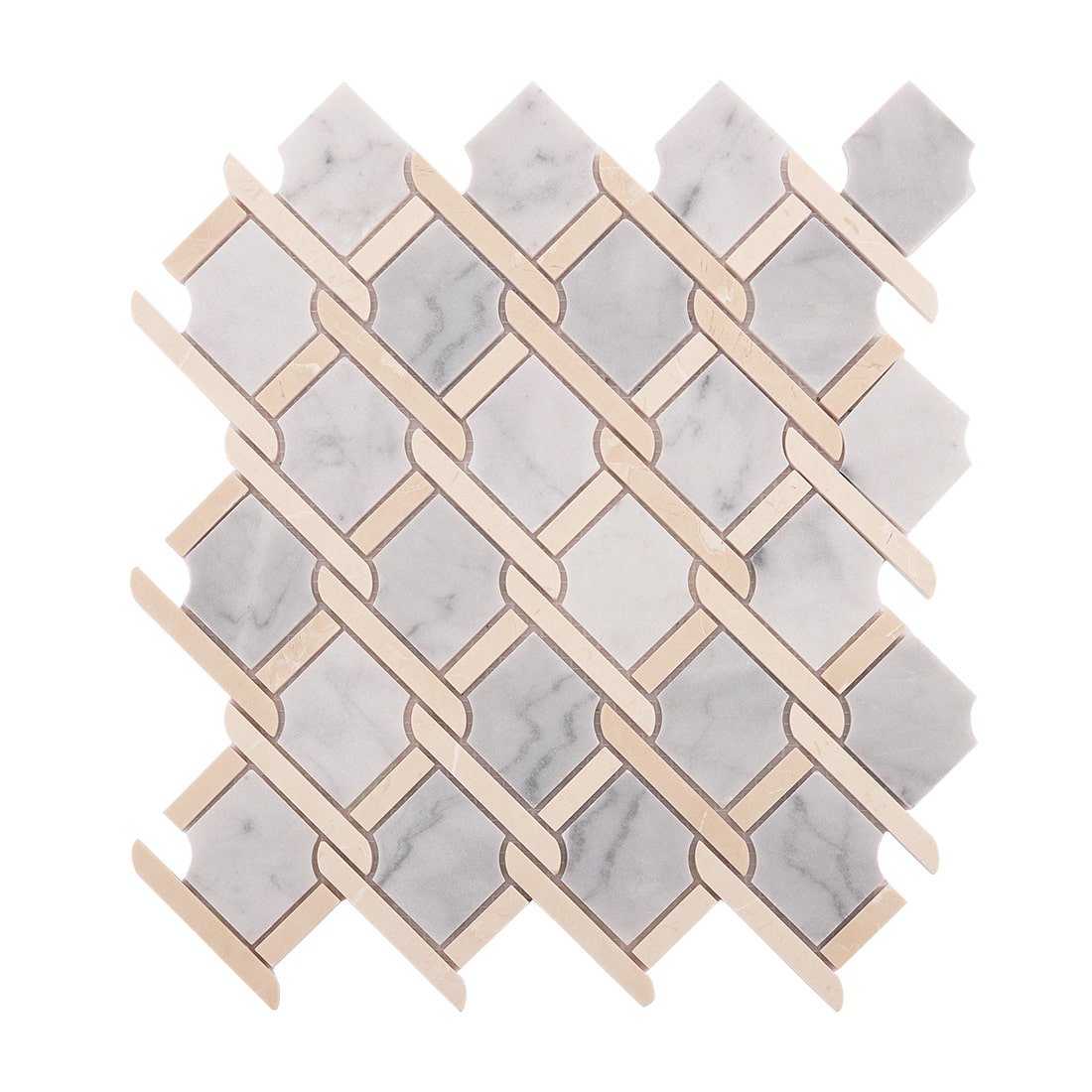
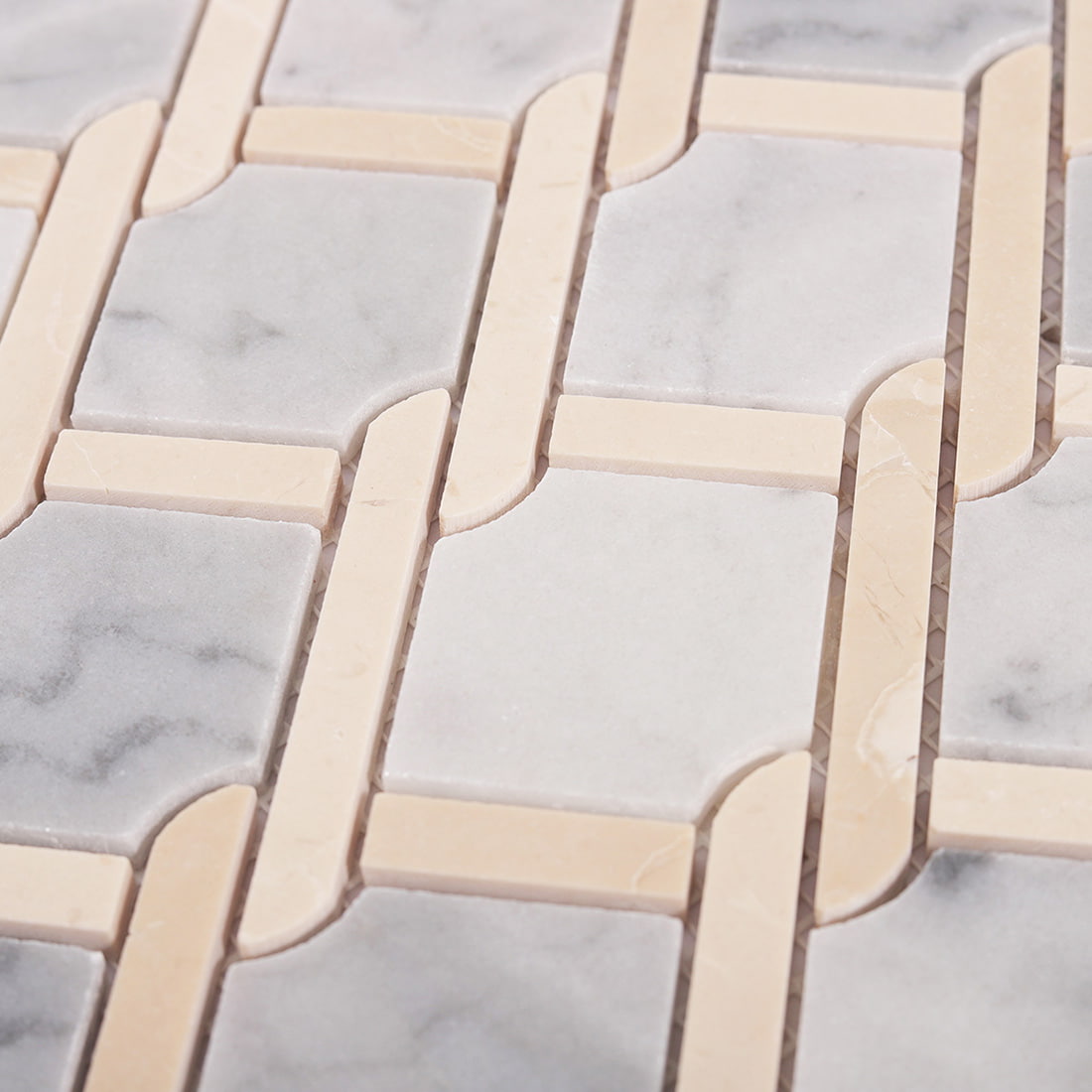
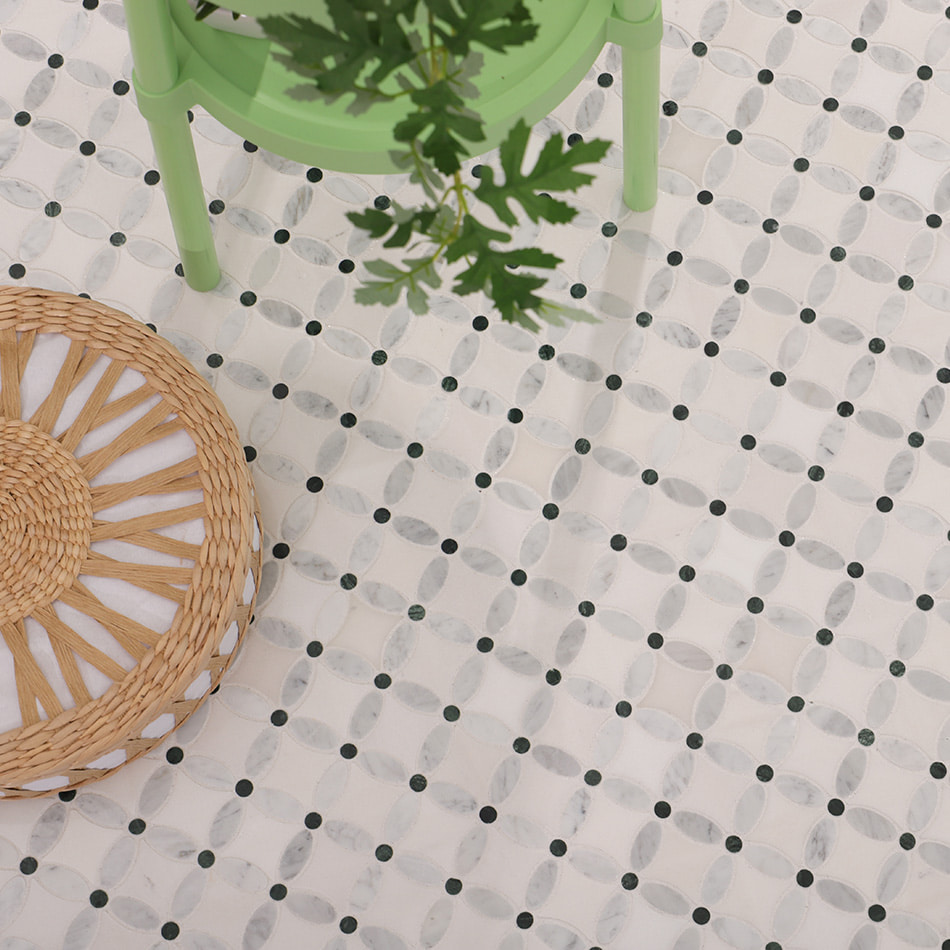
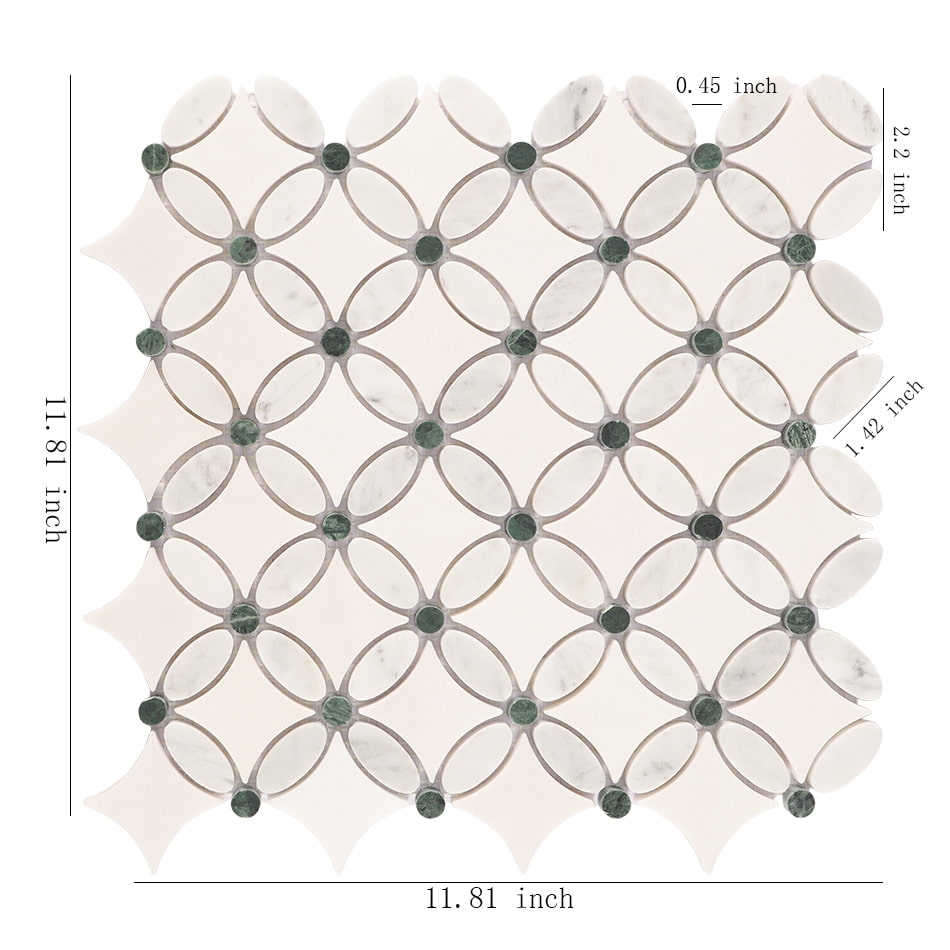
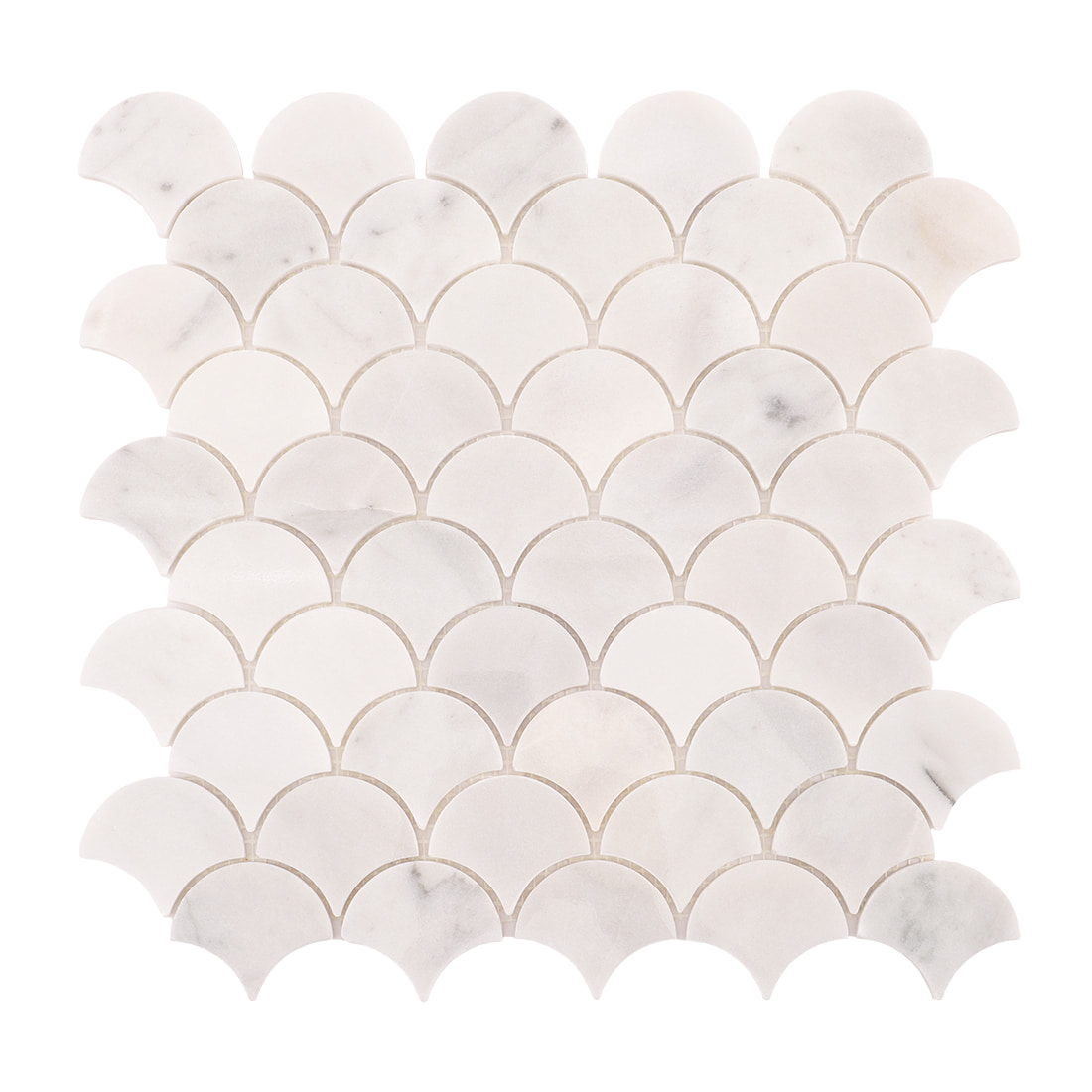
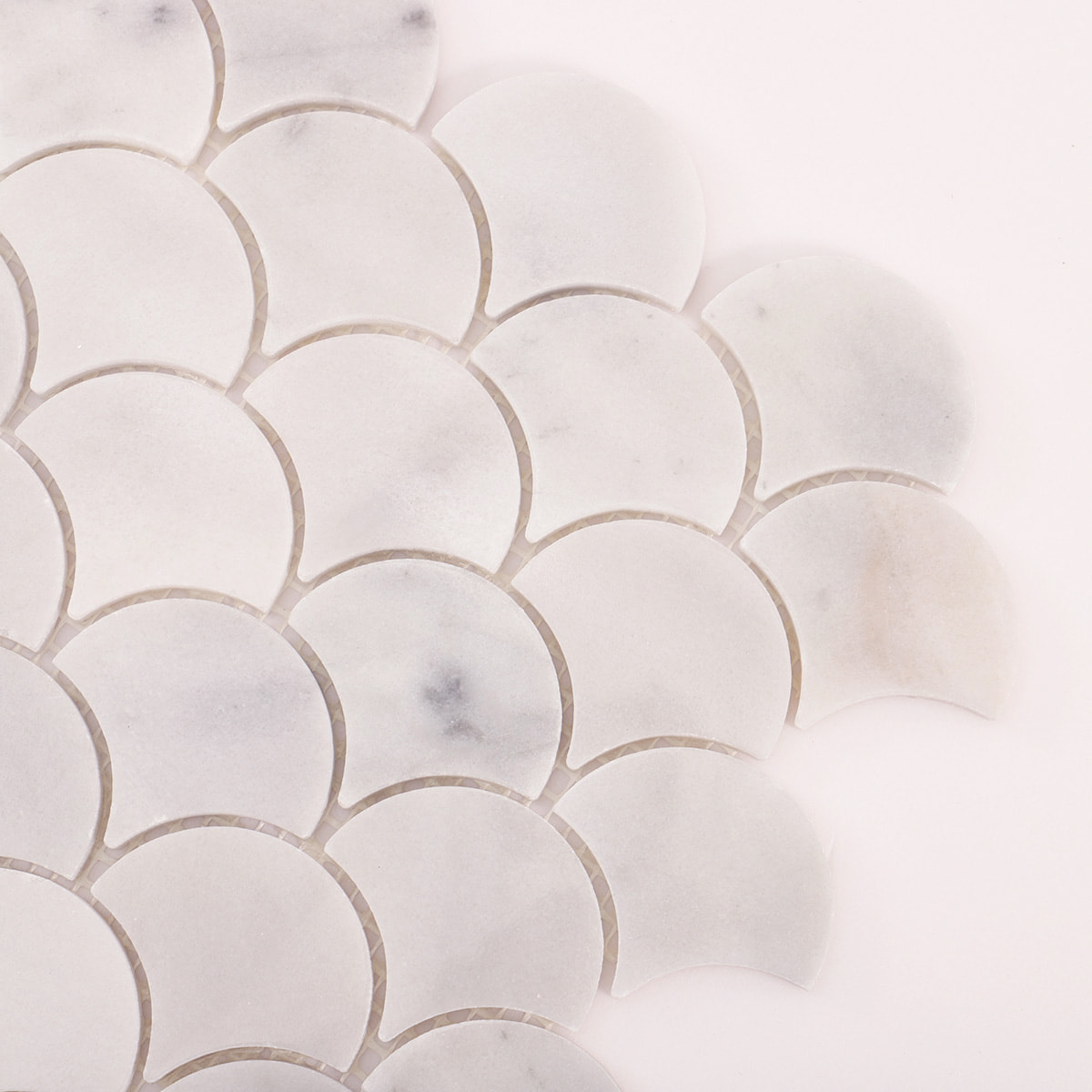
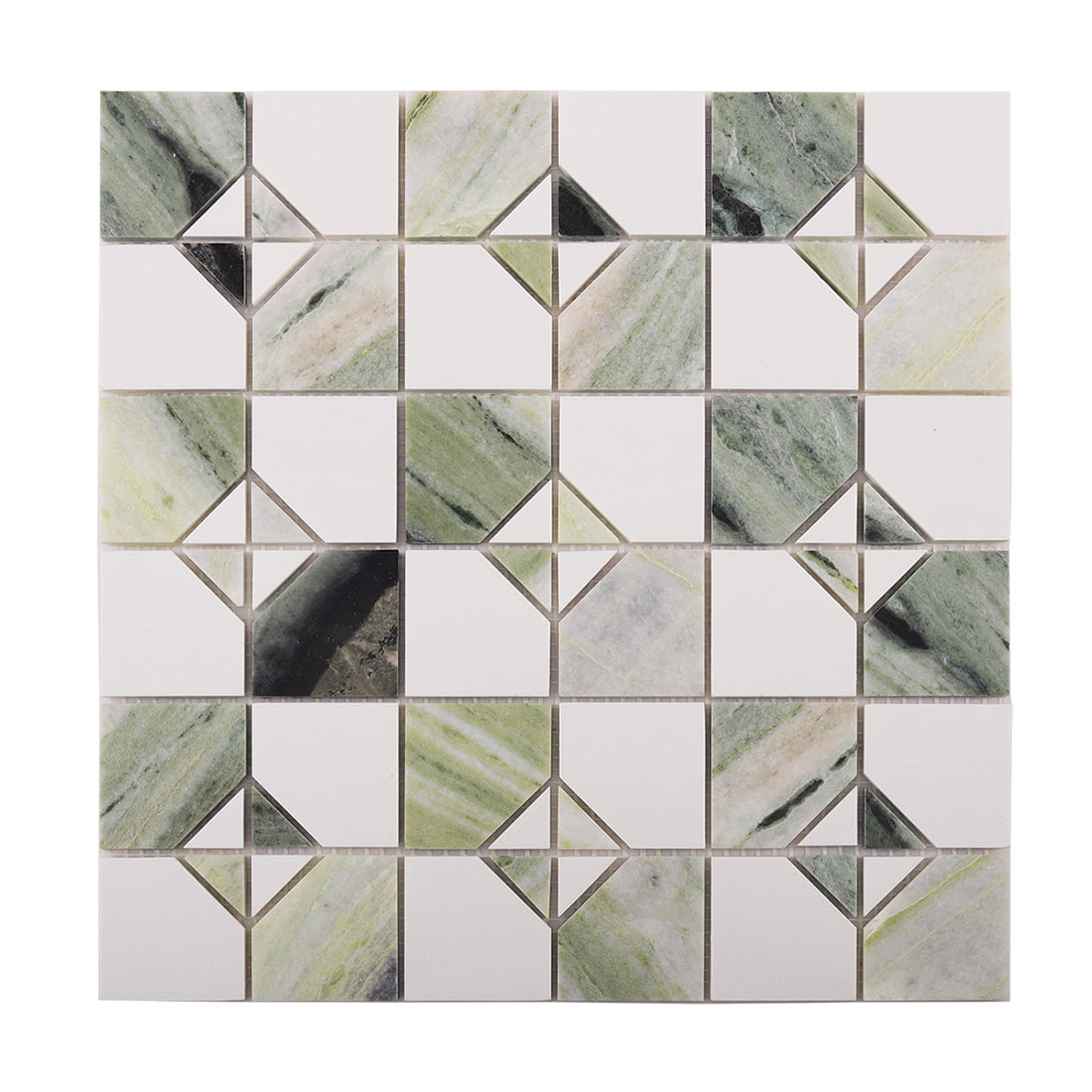
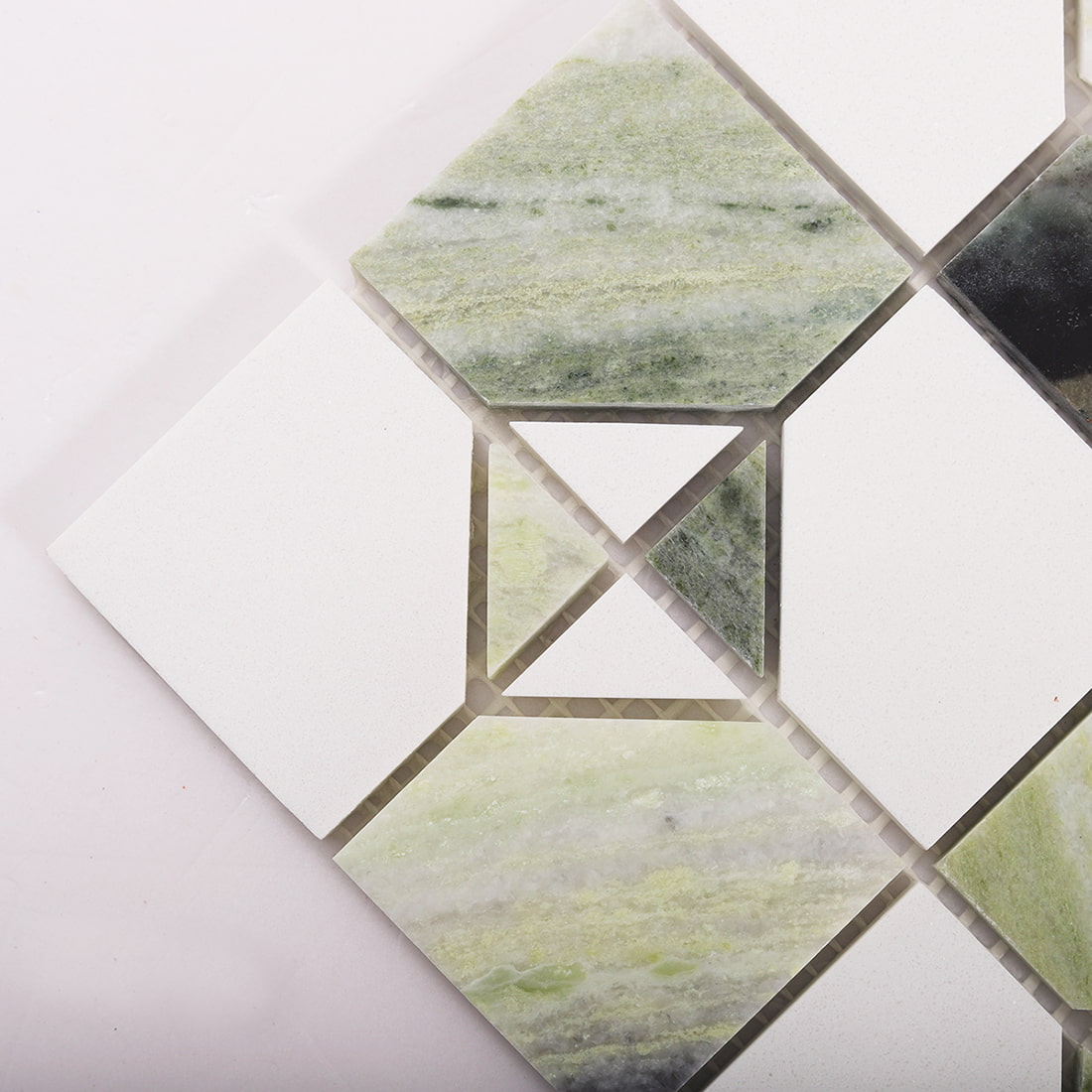
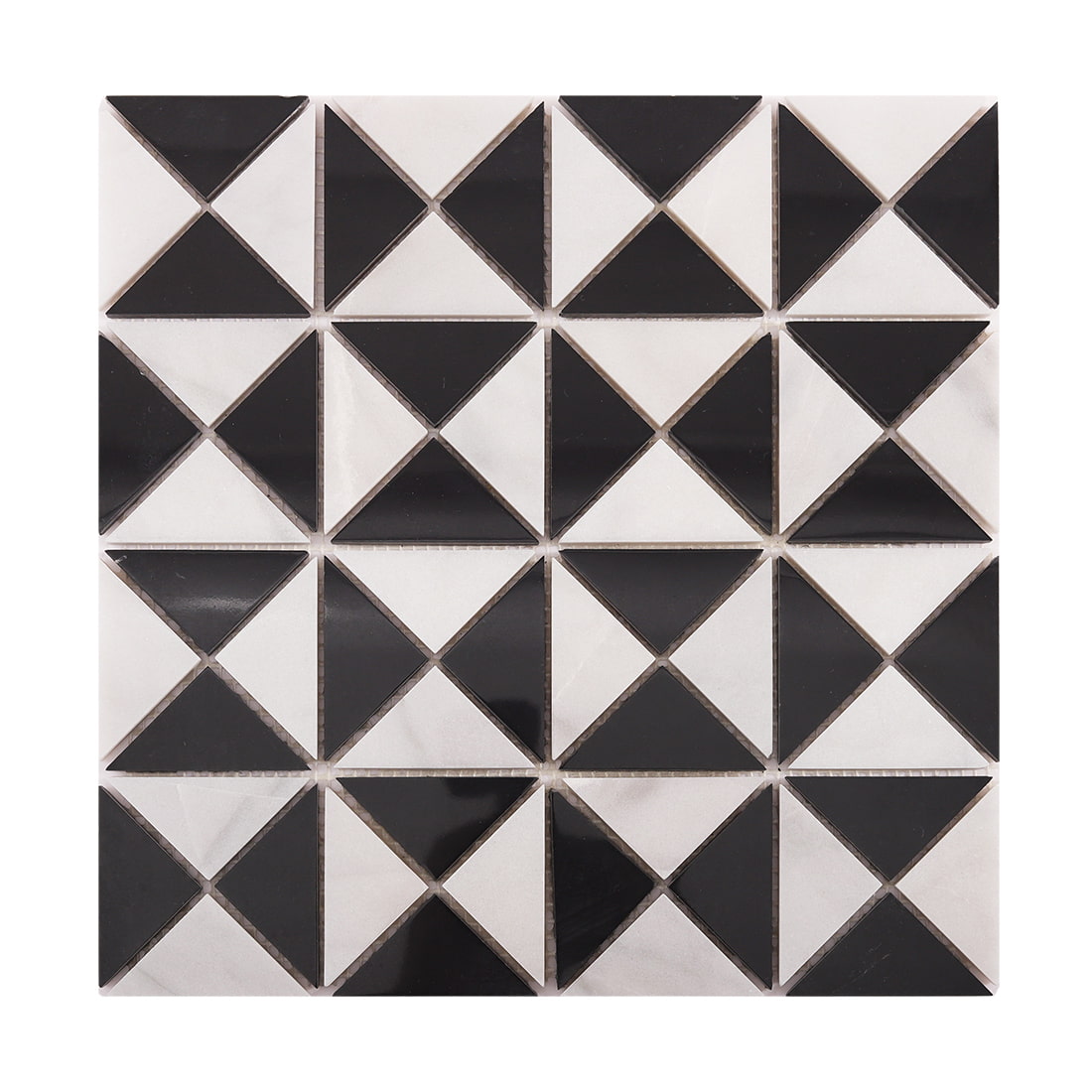
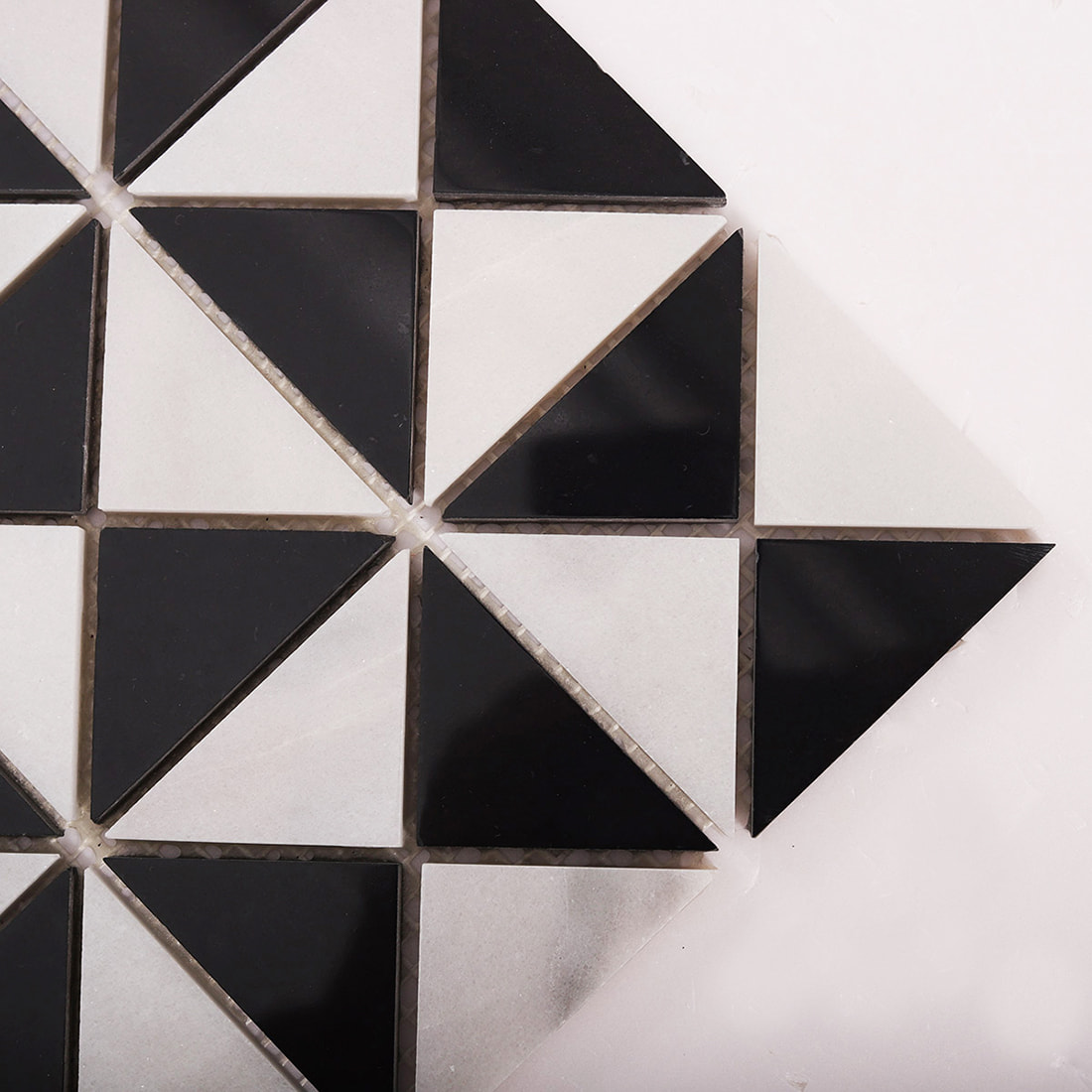
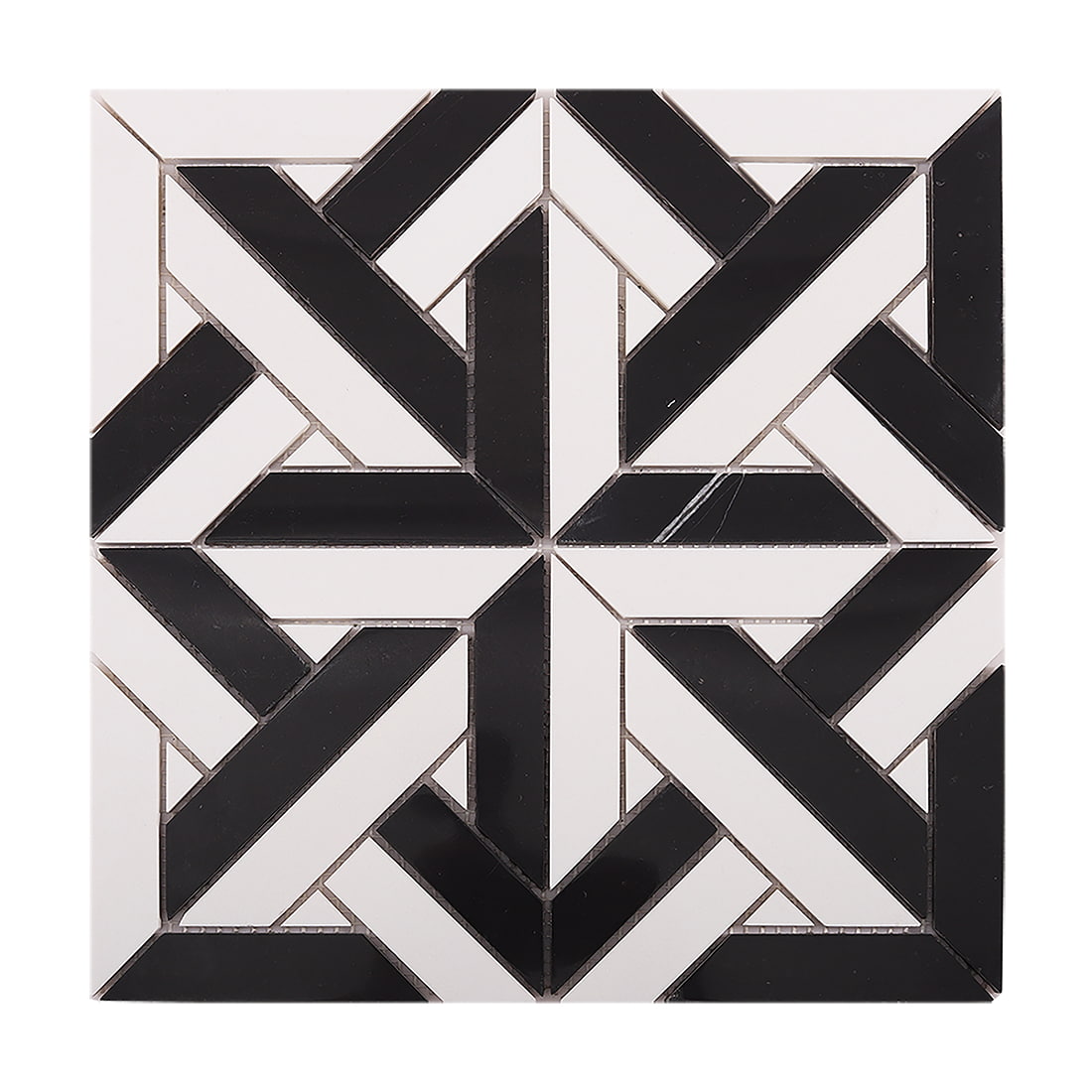
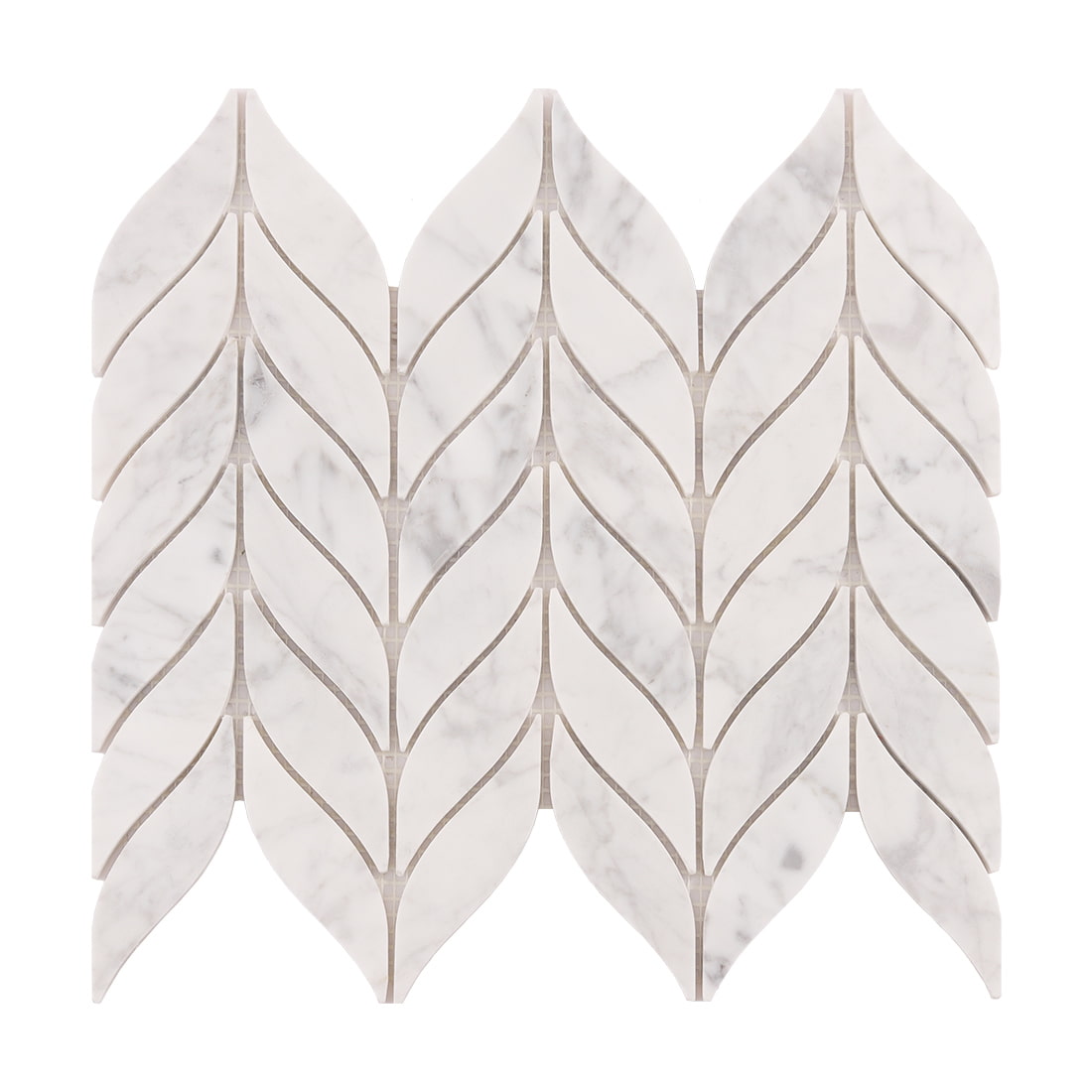
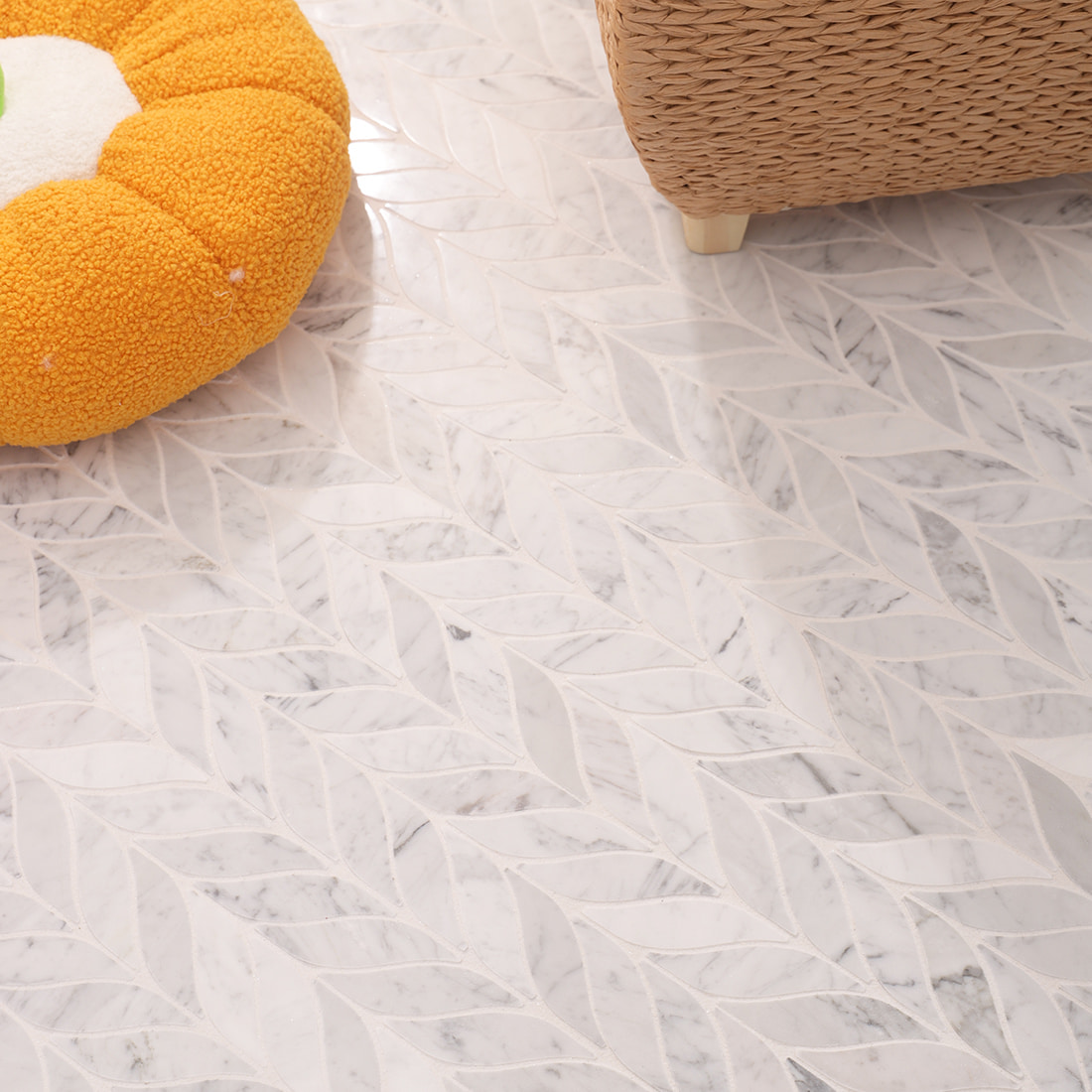
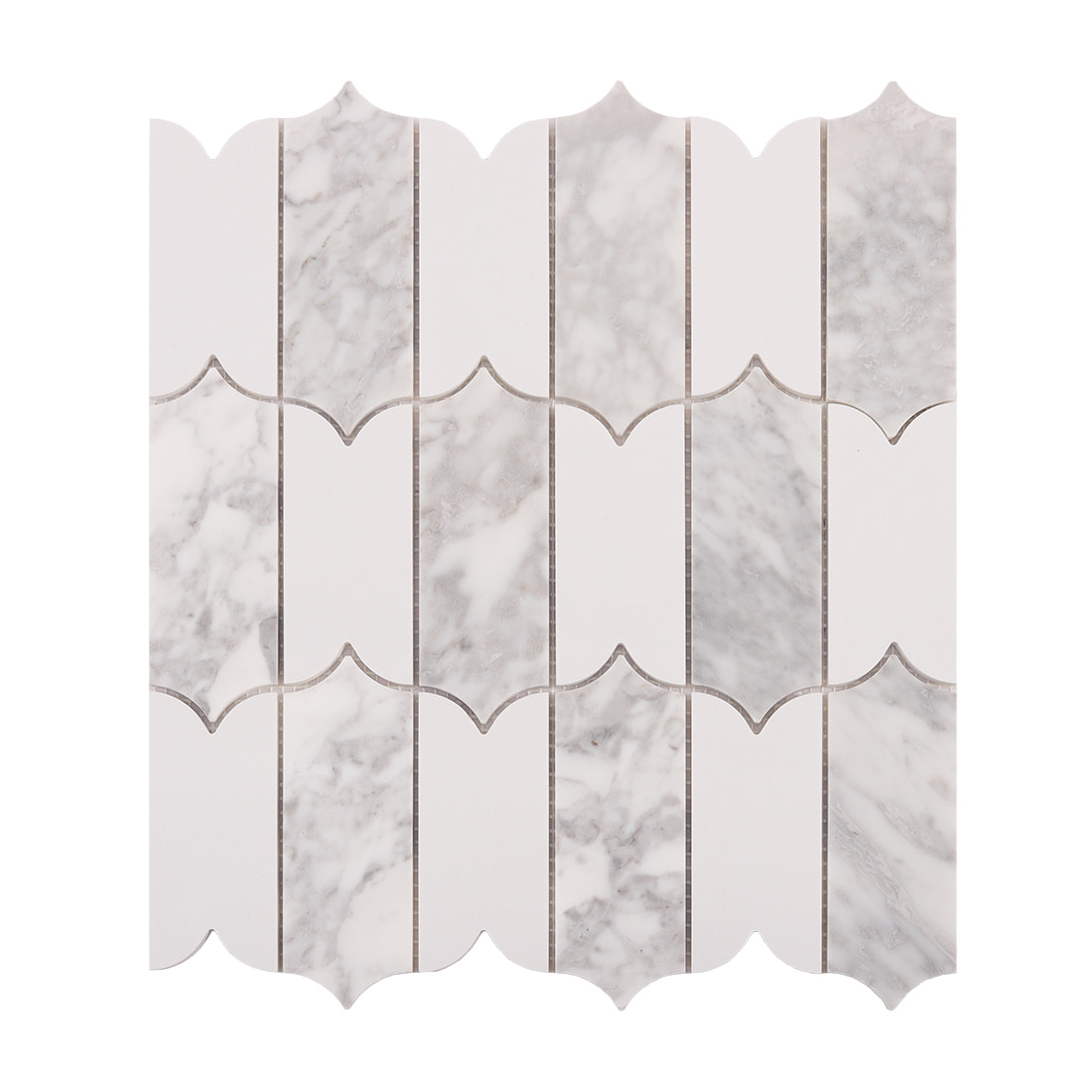
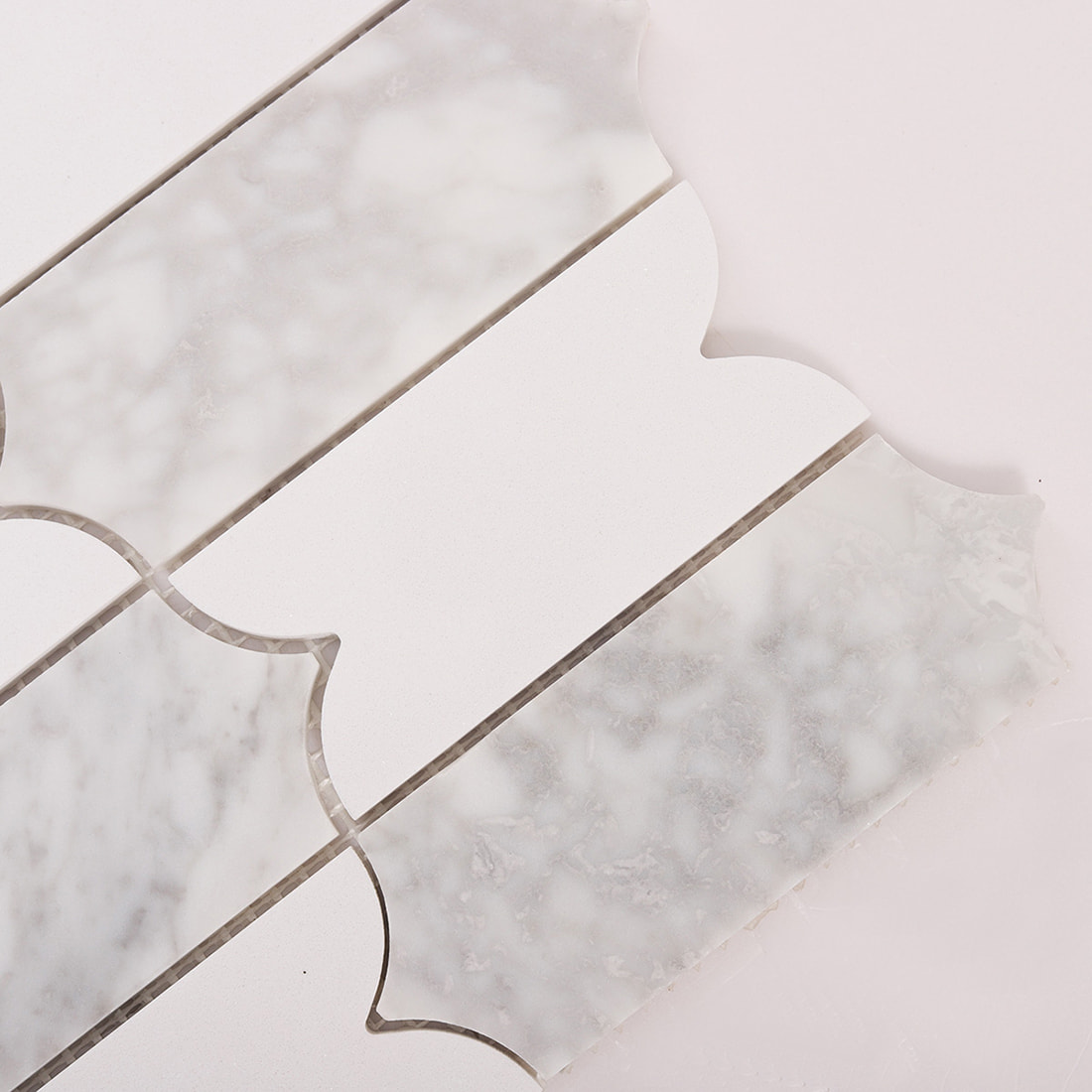
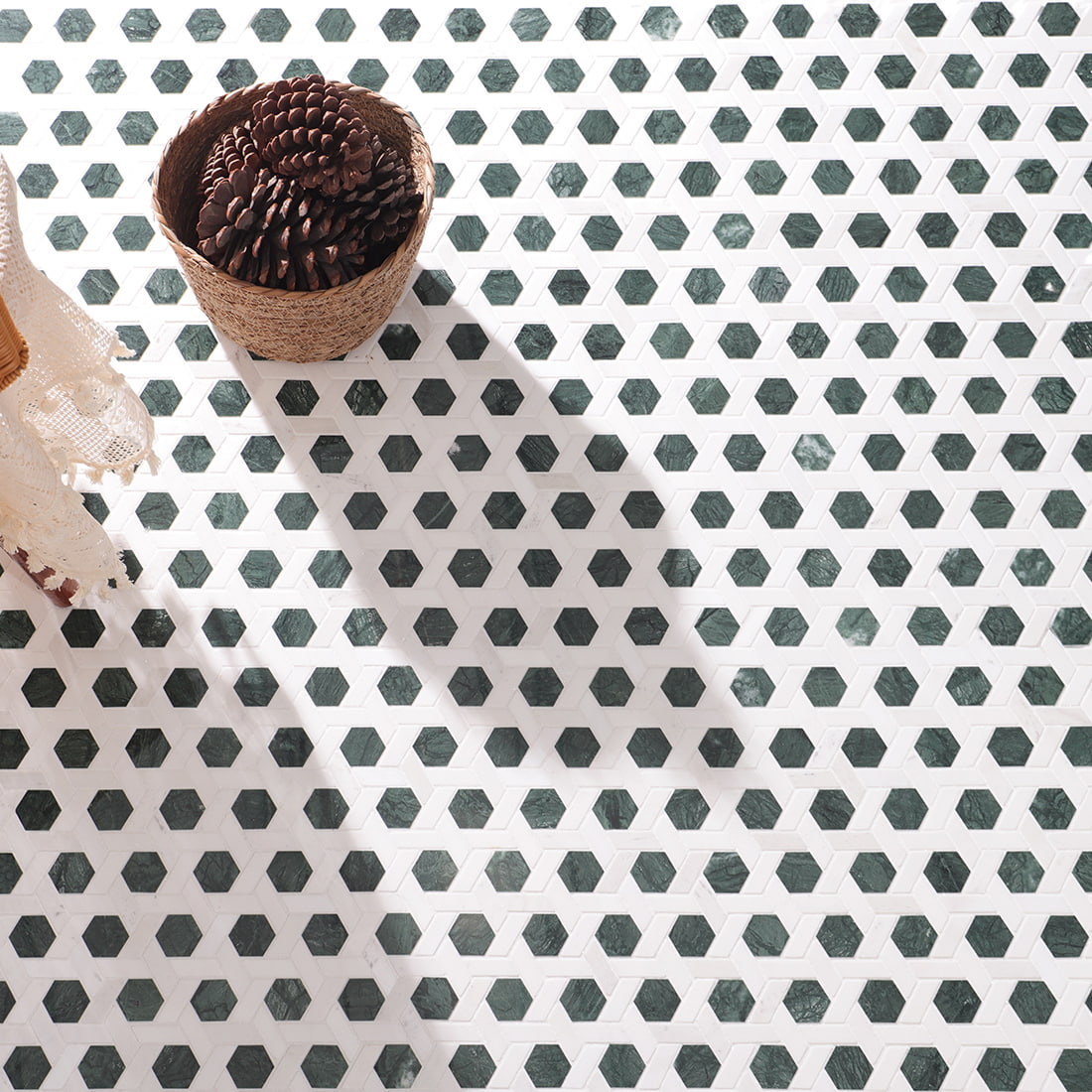
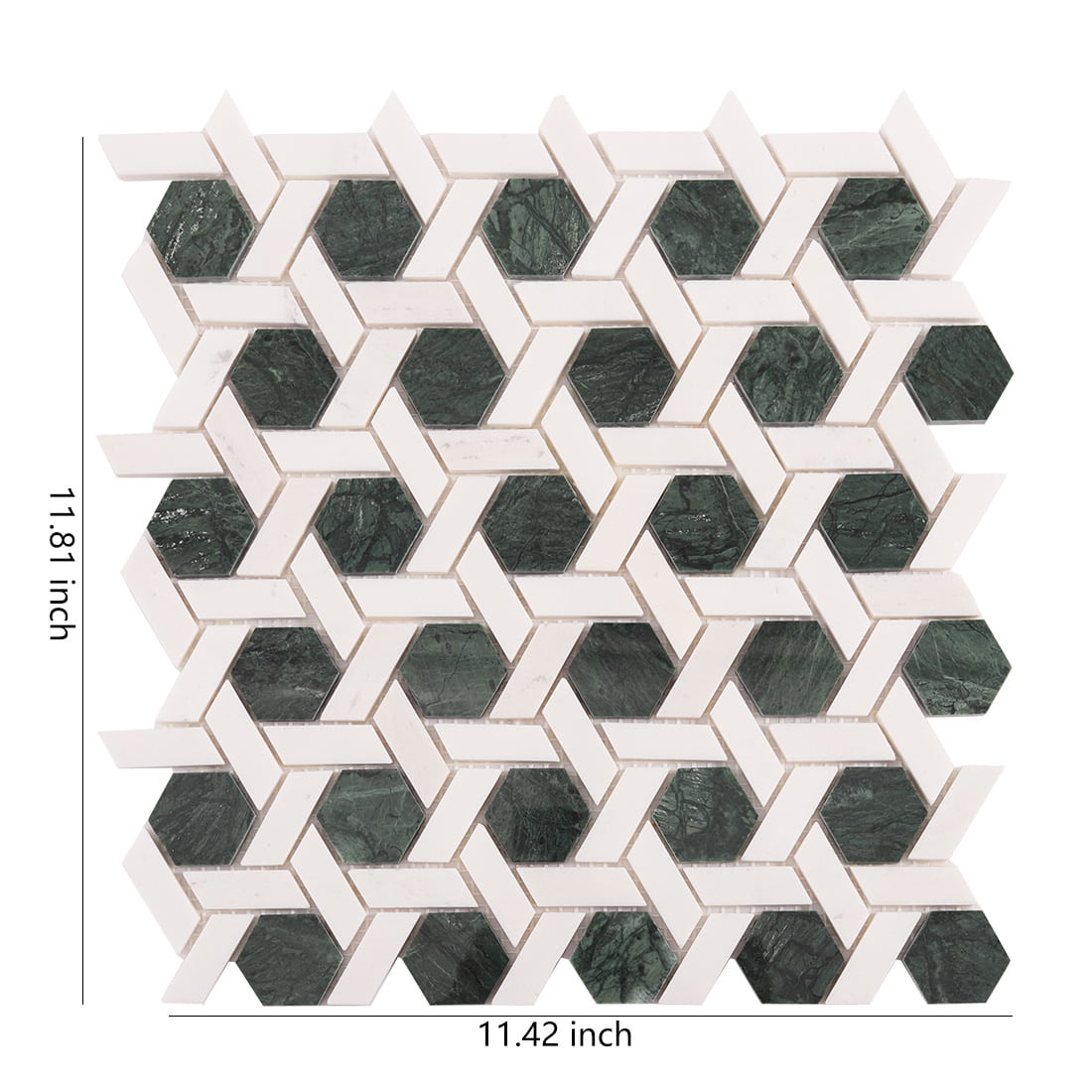


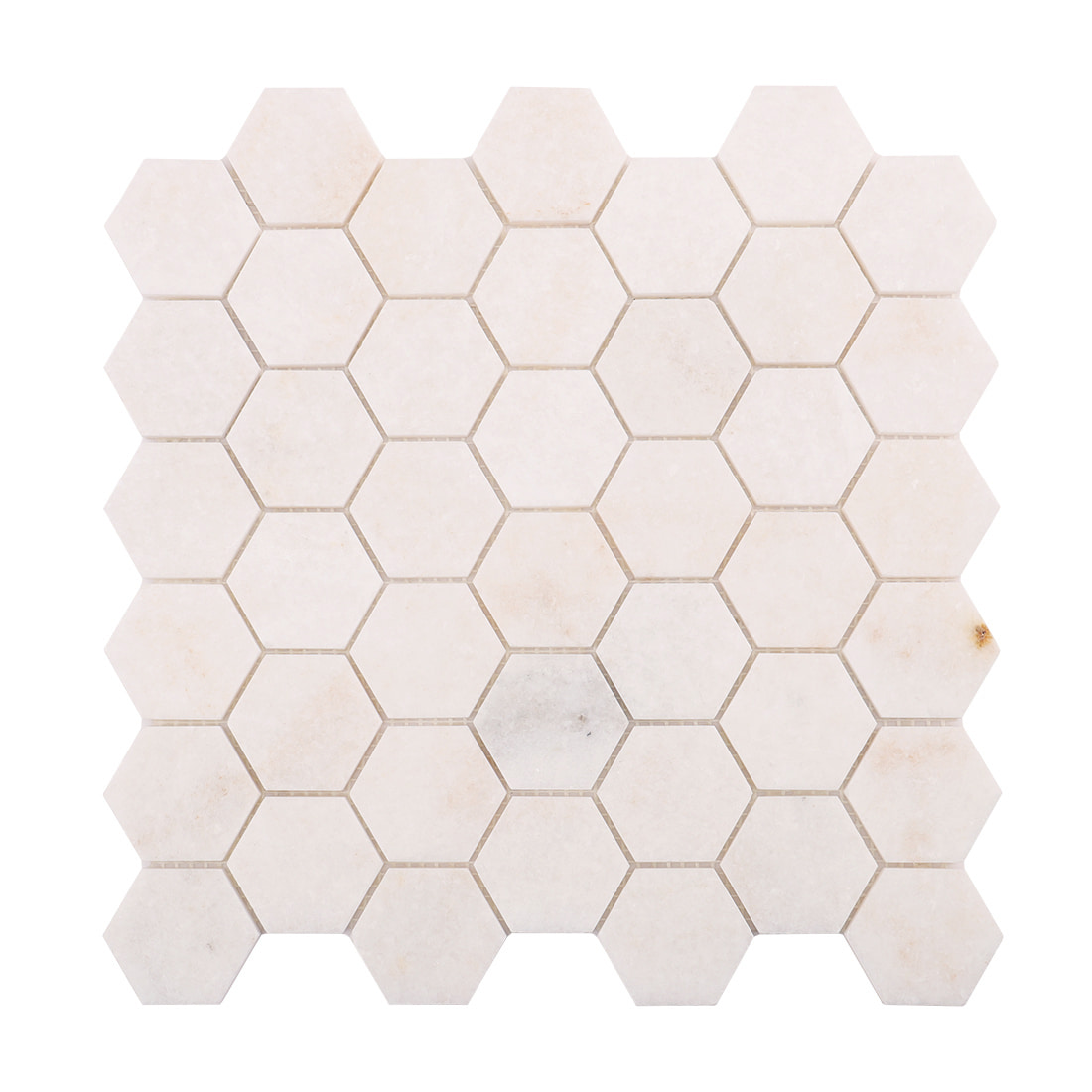
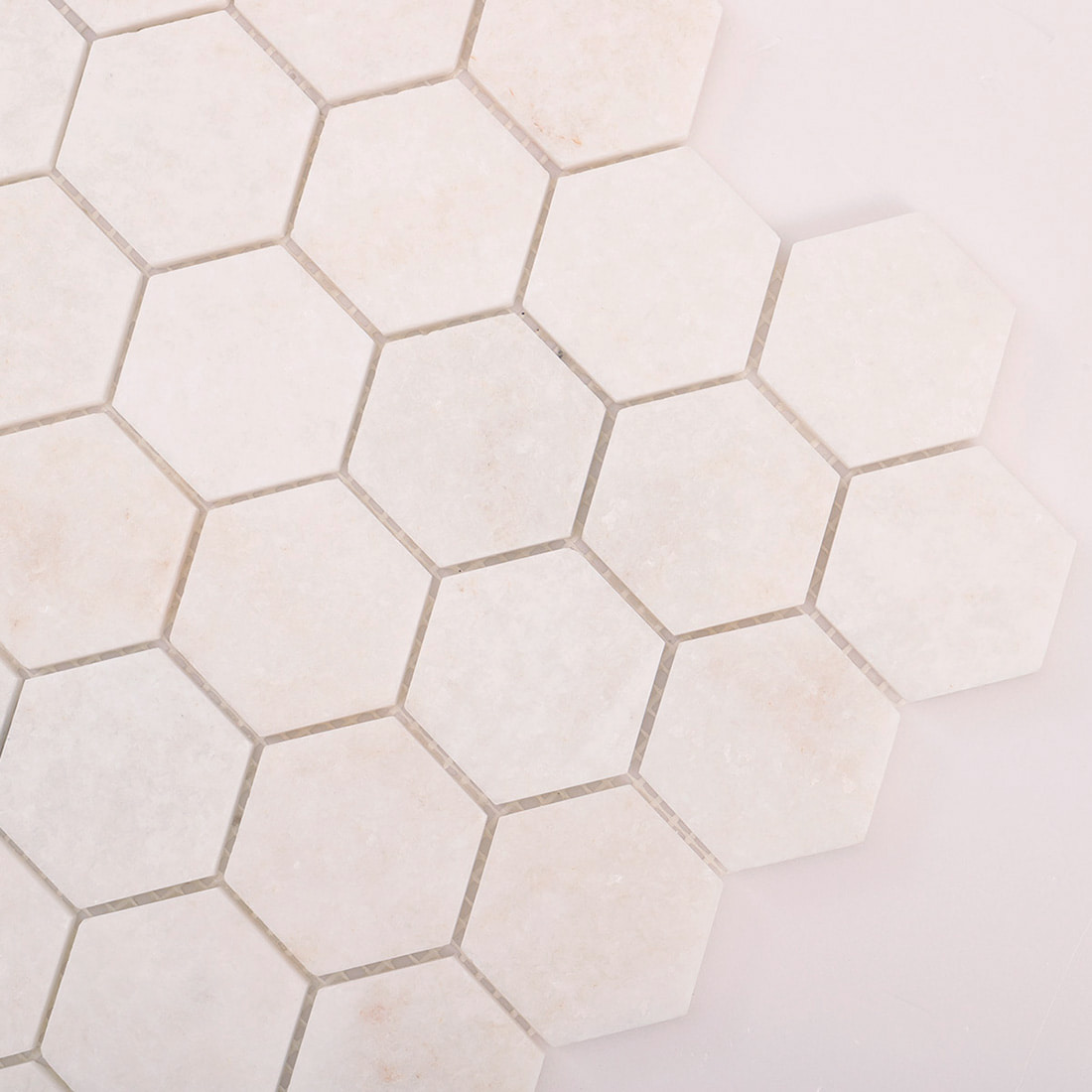
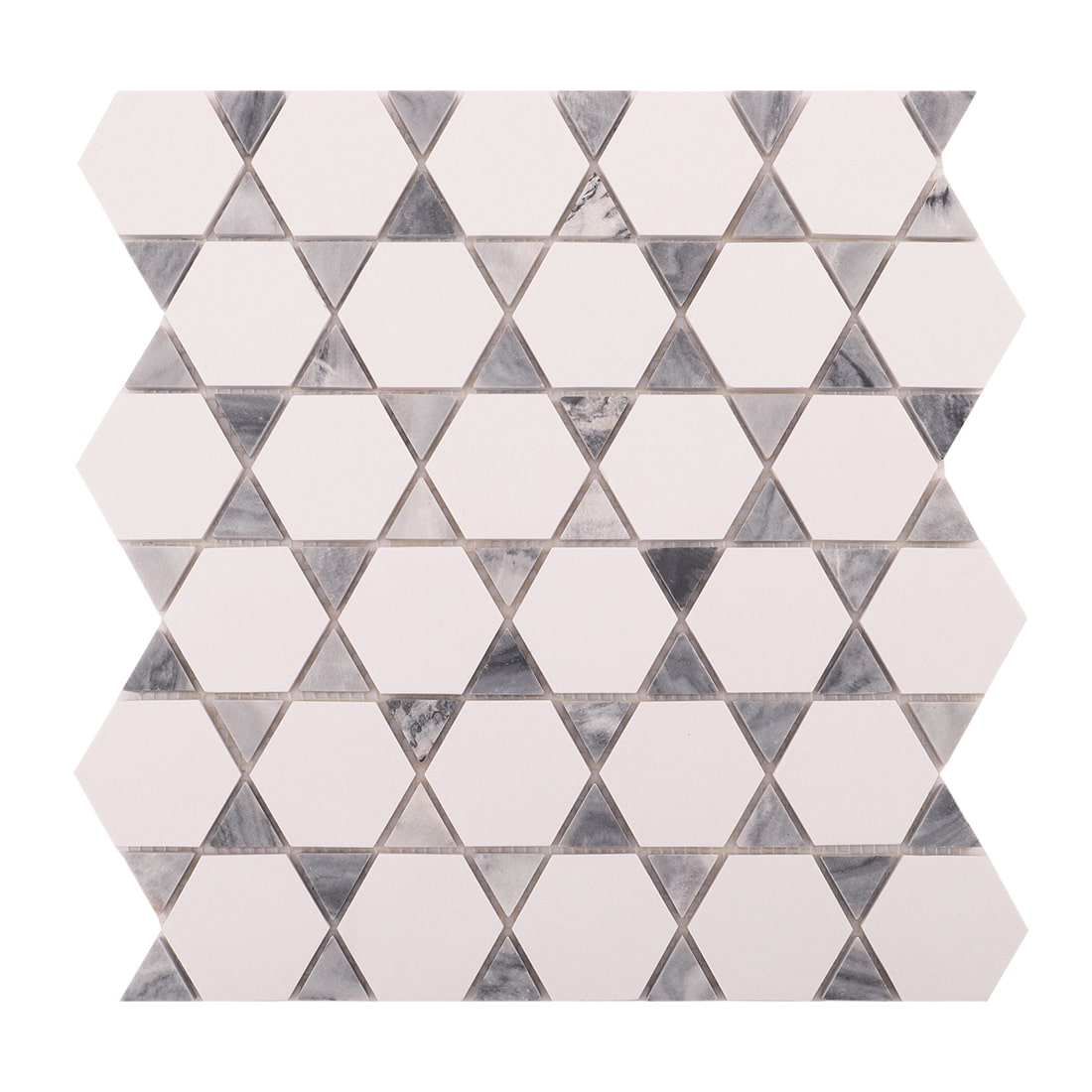
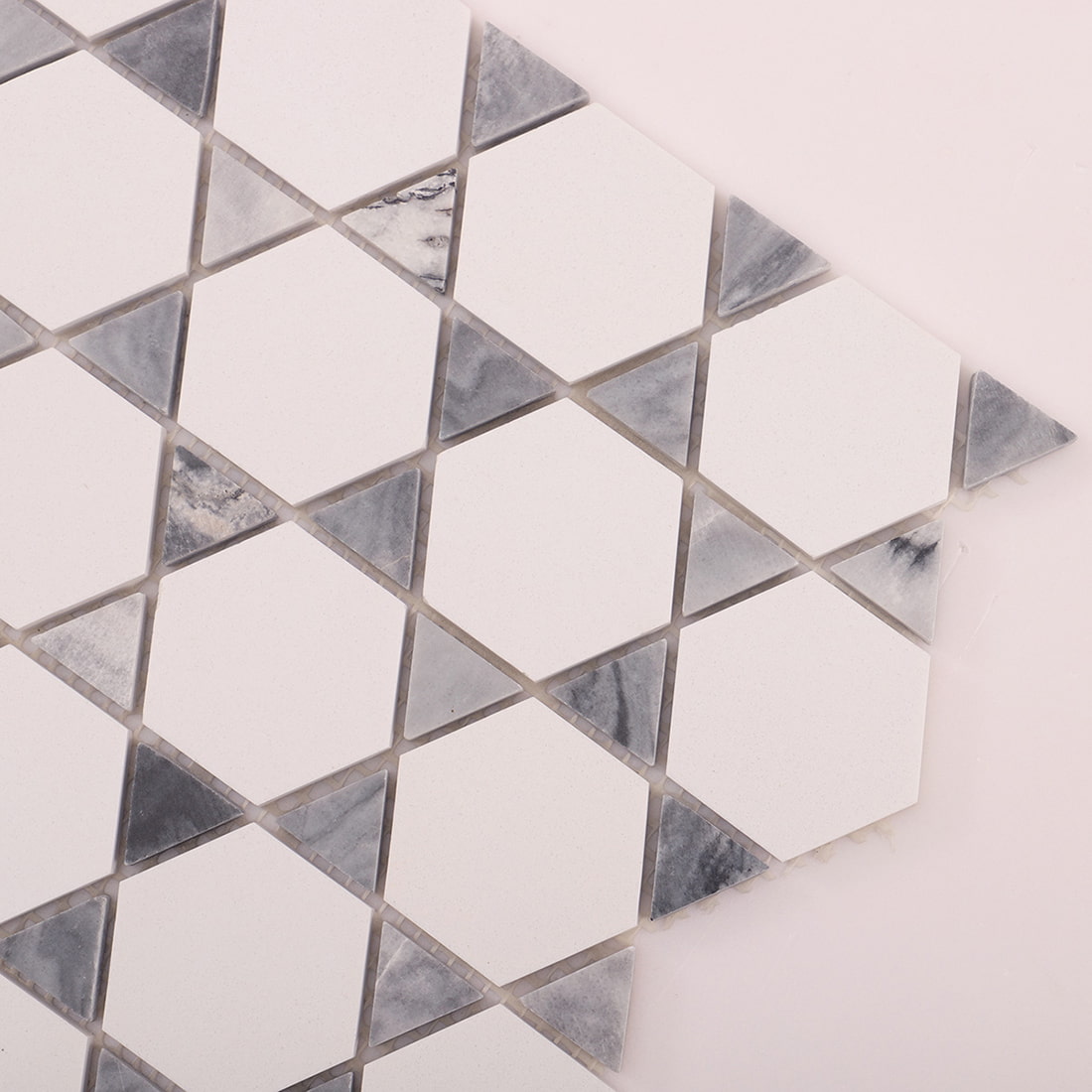
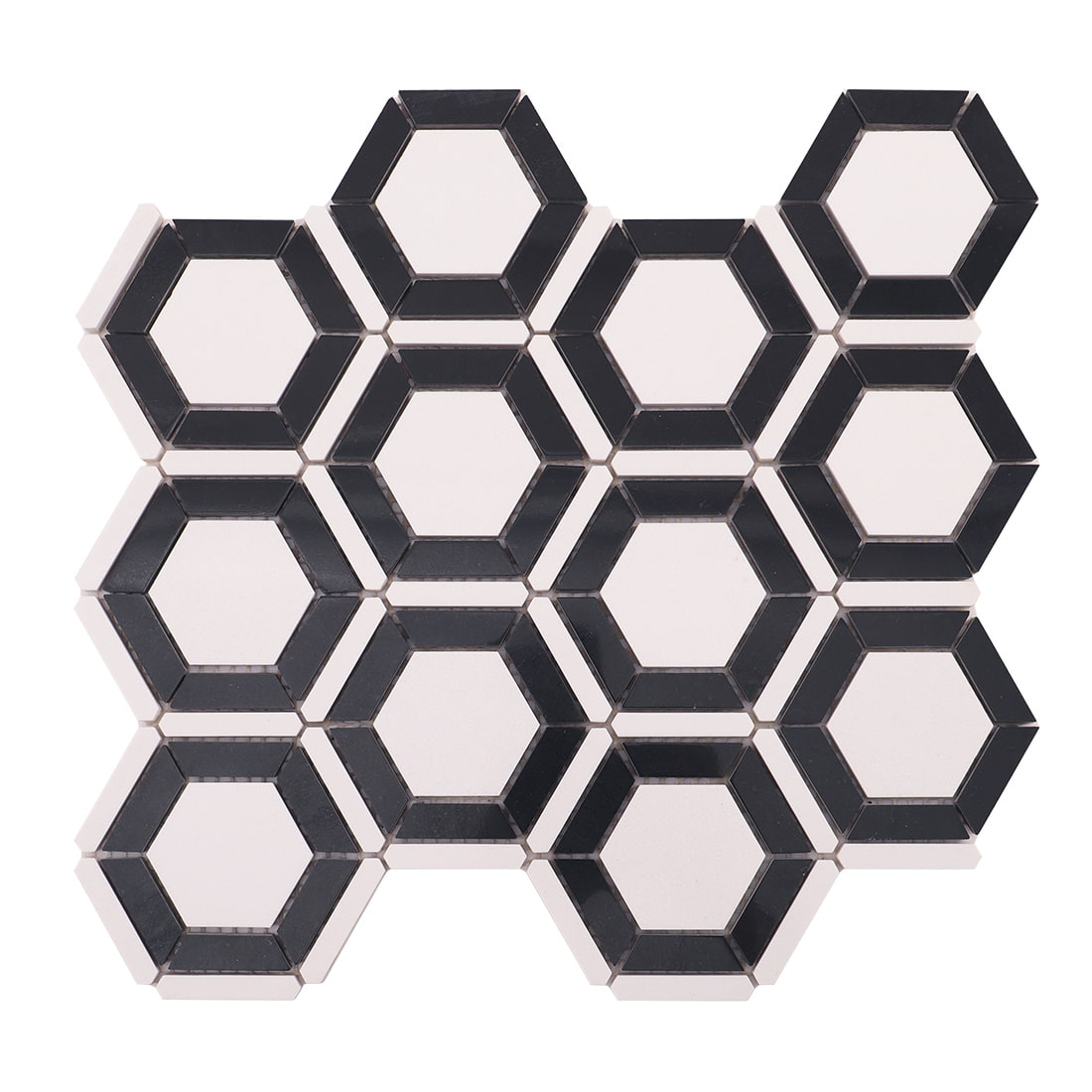
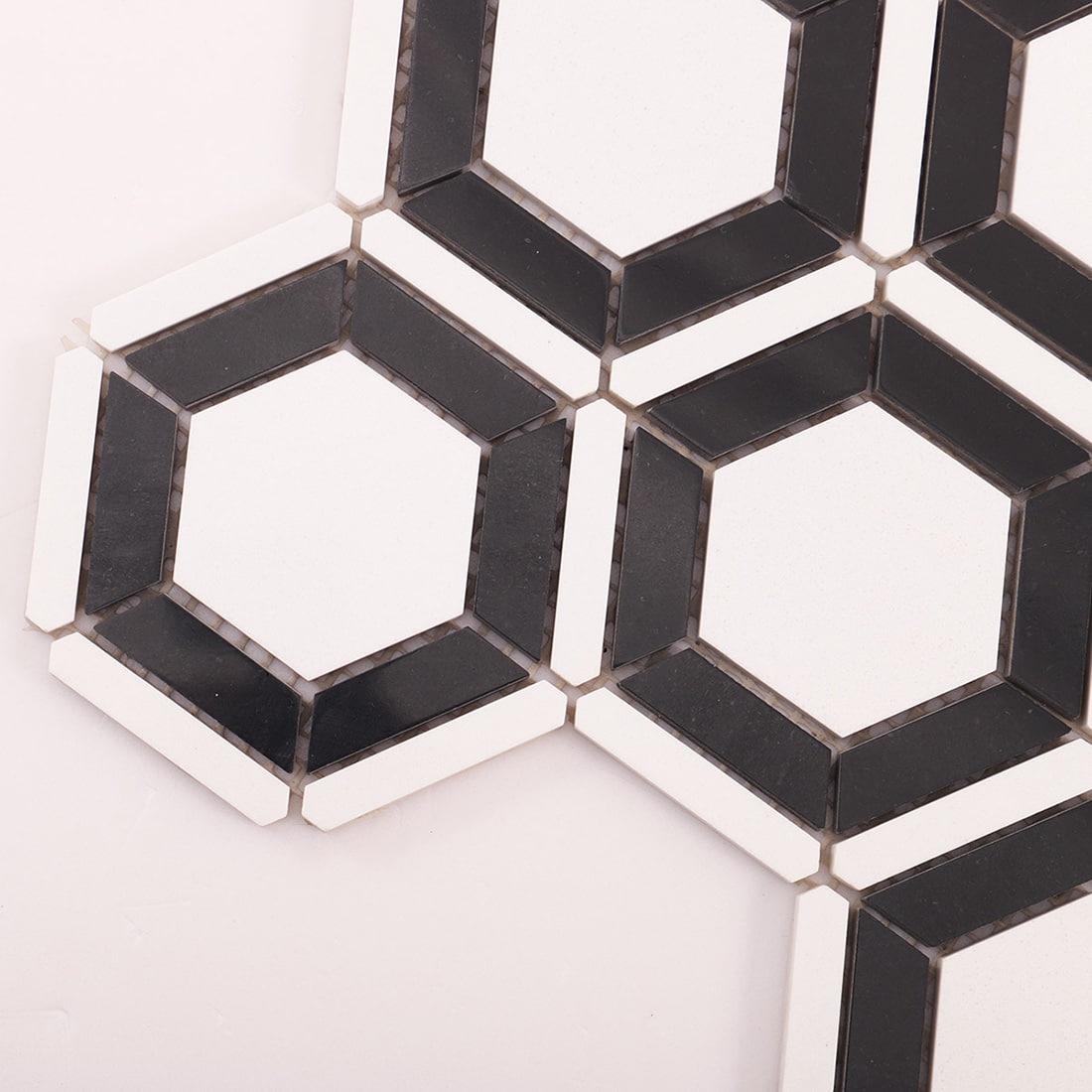
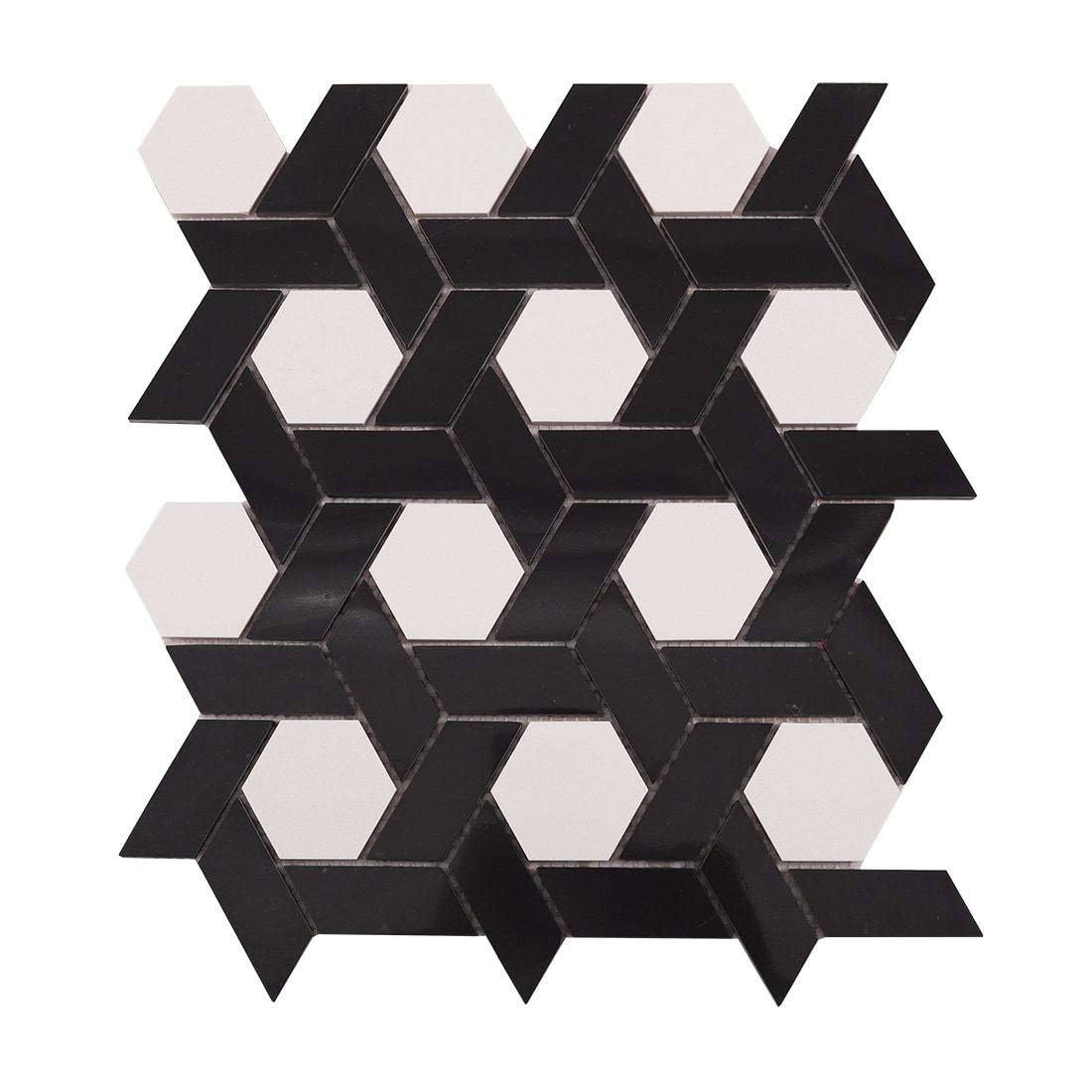
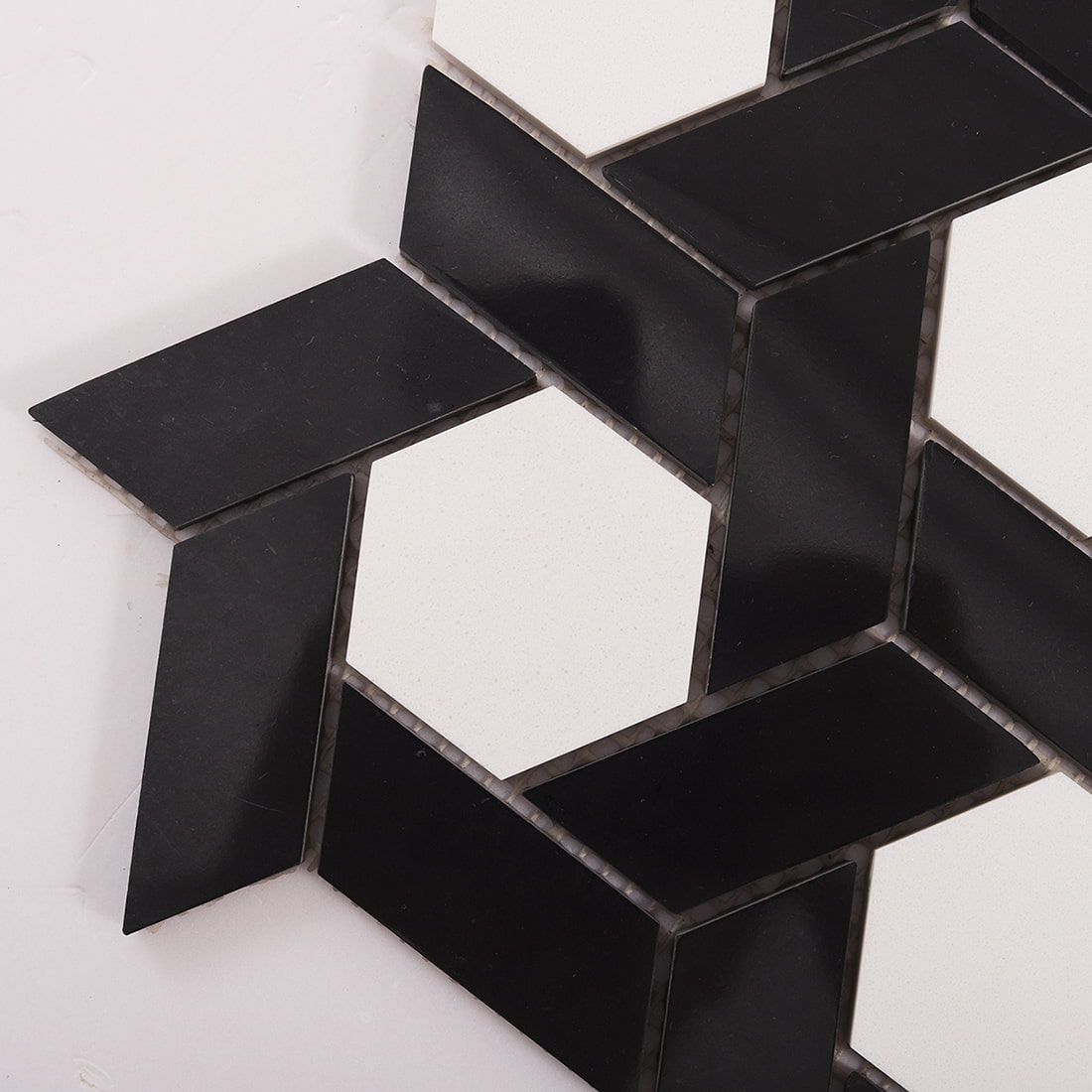
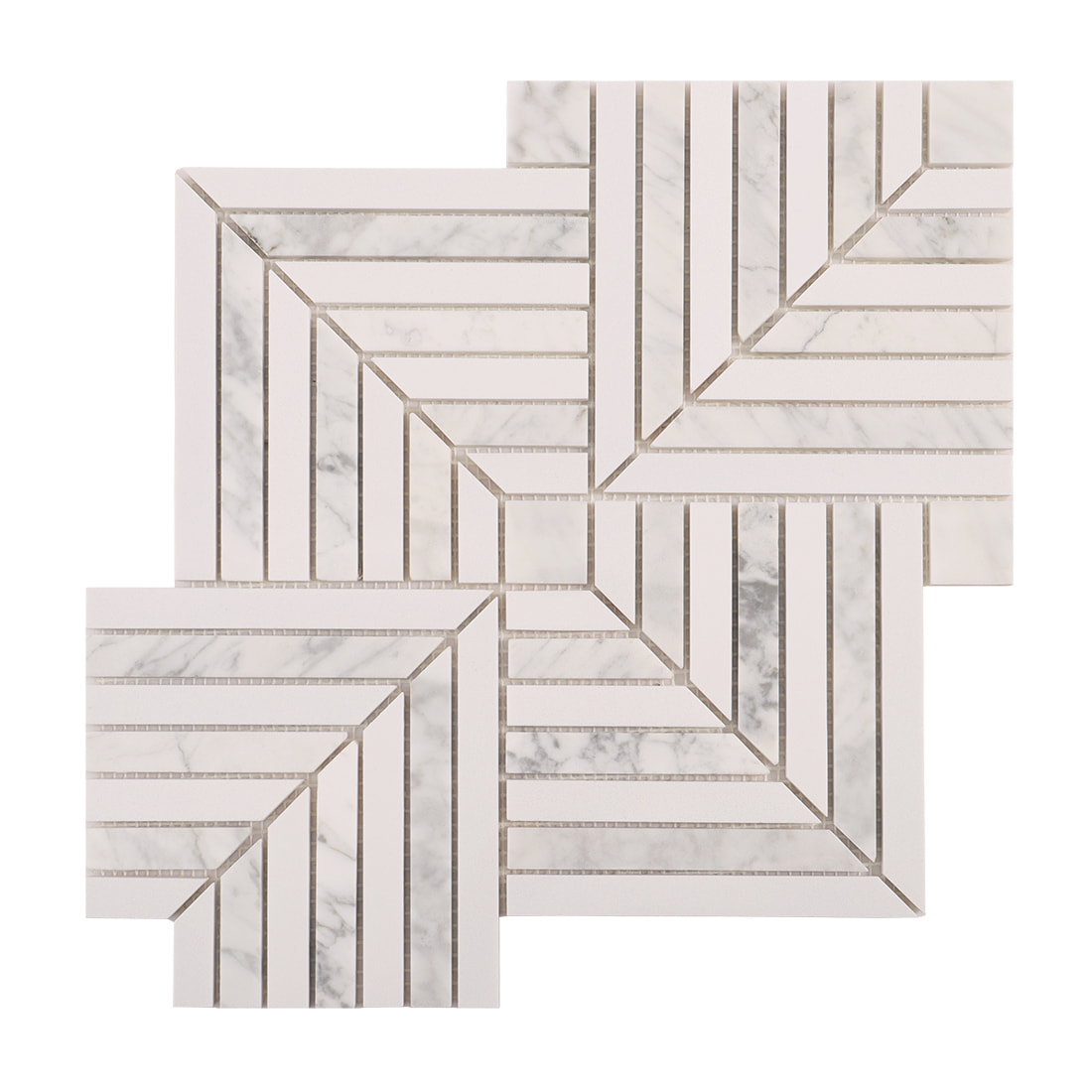
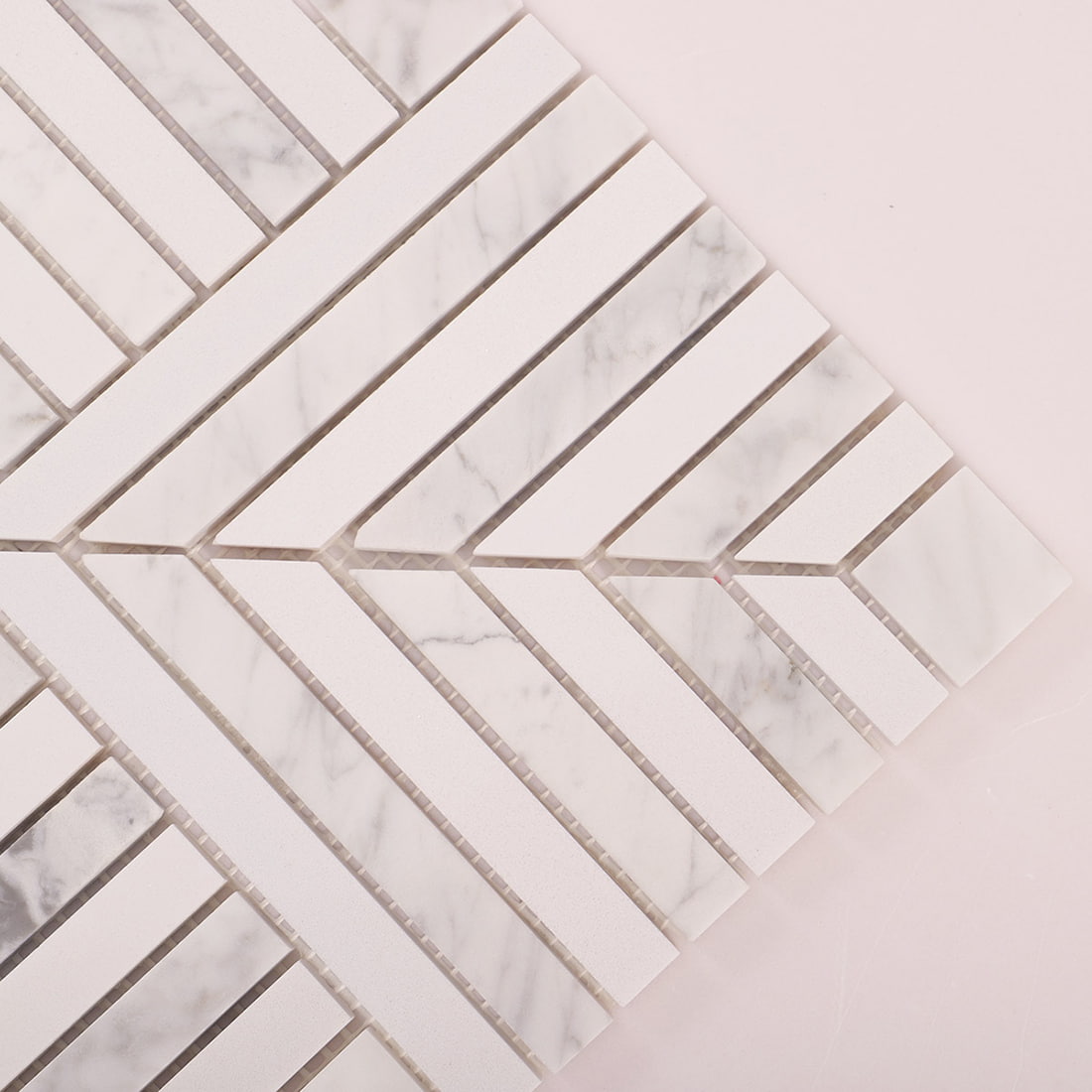
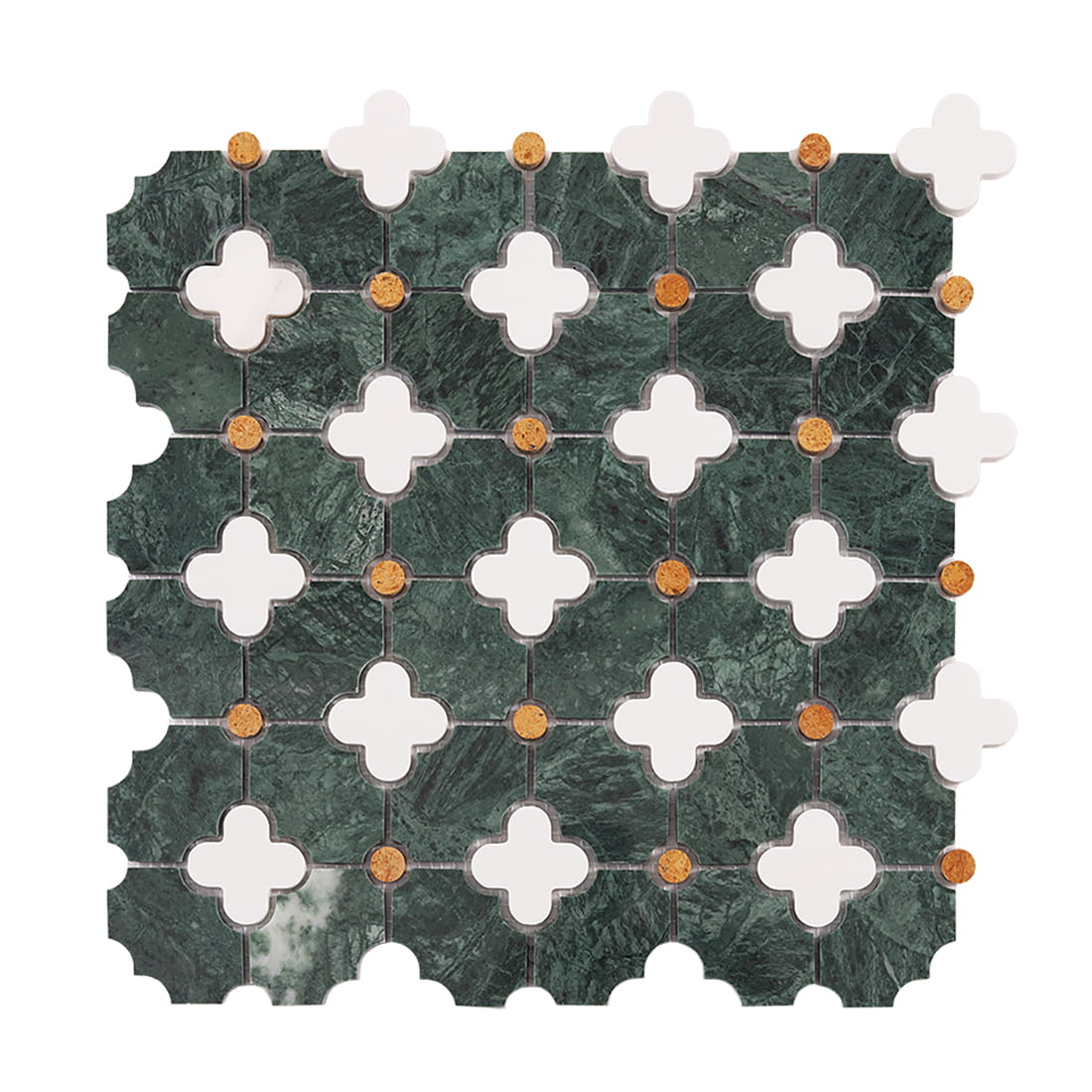
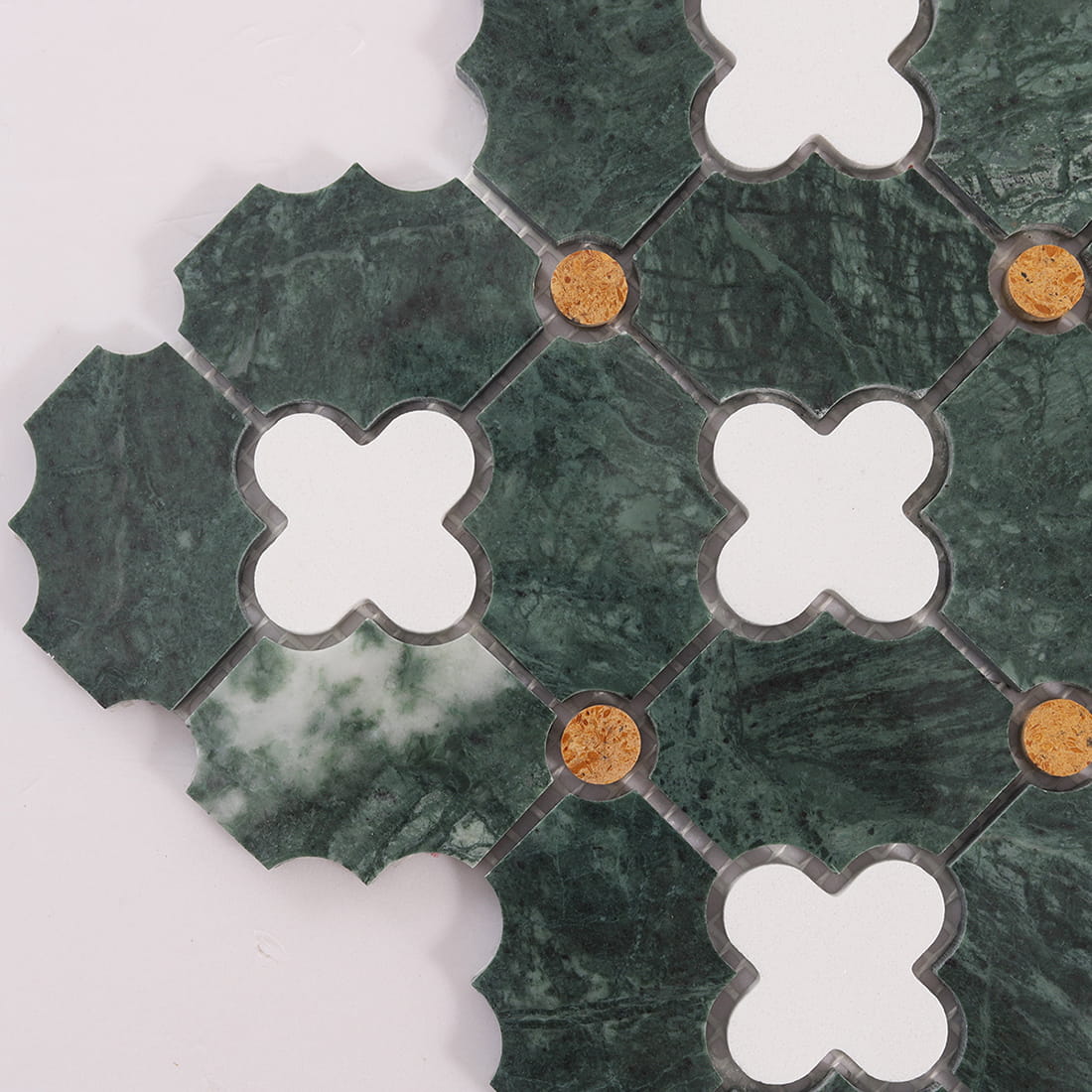
Transforming your bathroom into a personal sanctuary starts with the perfect foundation. In 2026, bathroom tile design is moving away from sterile "millennial gray" toward sustainable luxury, handcrafted textures, and earth-inspired warmth. Whether you are looking for a sleek modern finish or a timeless marble retreat, choosing the right material and scale is essential for both style and safety.
1. Top Bathroom Tile Trends for 2026
Modern bathrooms are no longer just functional; they are experiential. Here are the leading styles dominating this year:
-
Tile Drenching: Using the same tile across floors, walls, and even ceilings to create a seamless, spa-like cocoon.
-
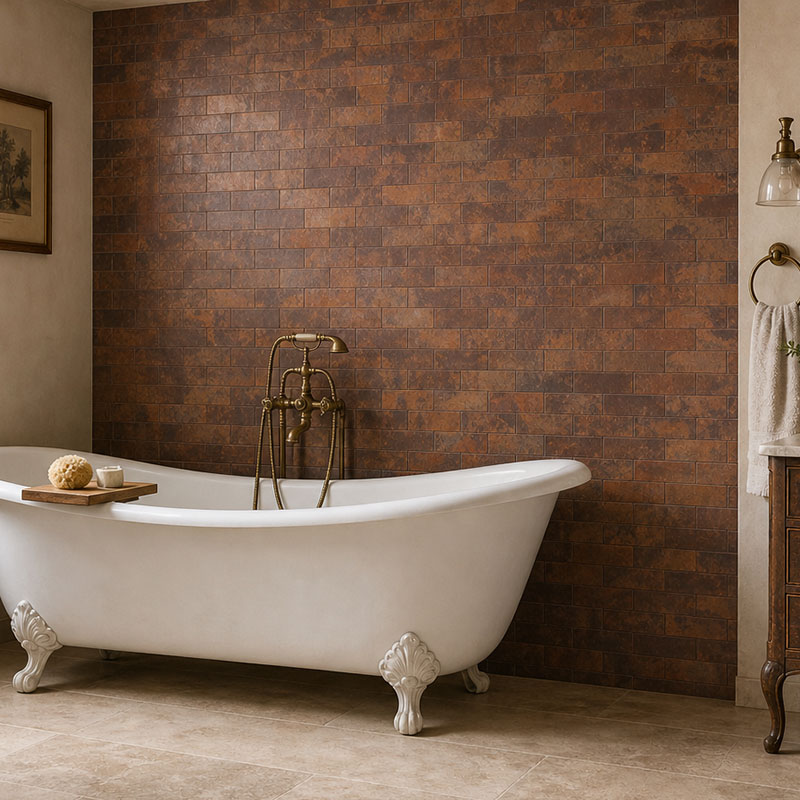
Warm Earth Tones: Shades of terracotta, sage green, sandy beige, and clay are replacing cool whites and grays.
-
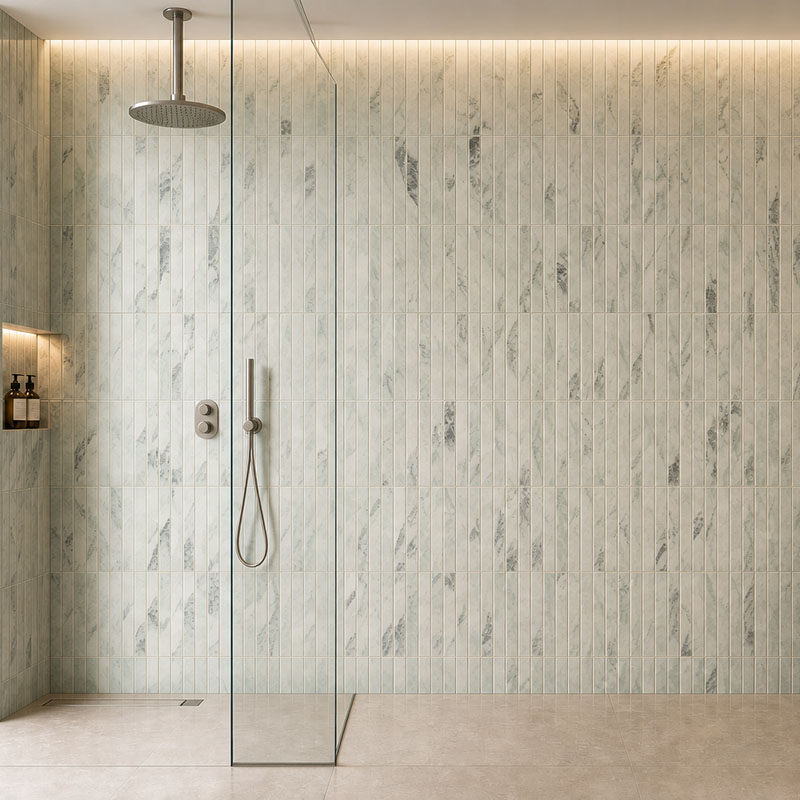
Textured & 3D Surfaces: Fluted tiles and "zellige" (hand-glazed) styles add a tactile, artisanal feel to shower walls.
-
Modern Heritage: A resurgence of checkerboard patterns and herringbone layouts using luxe materials like marble and brass-inlayed stone.
2. Choosing the Right Material: Beyond Ceramic
While porcelain and ceramic remain staples, 2026 is the year of high-end material mixing.
Natural Stone & Marble
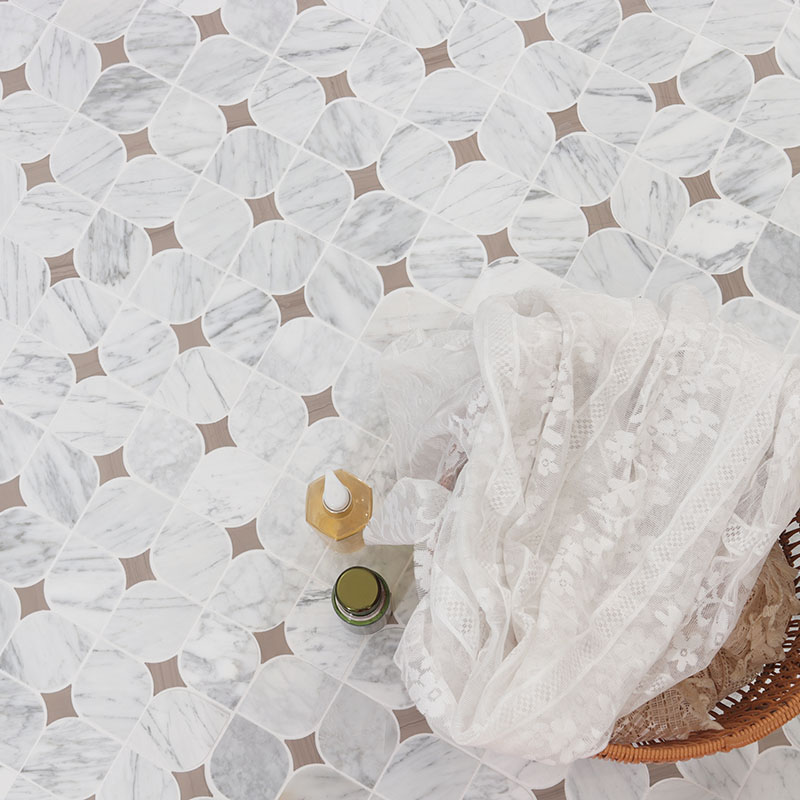
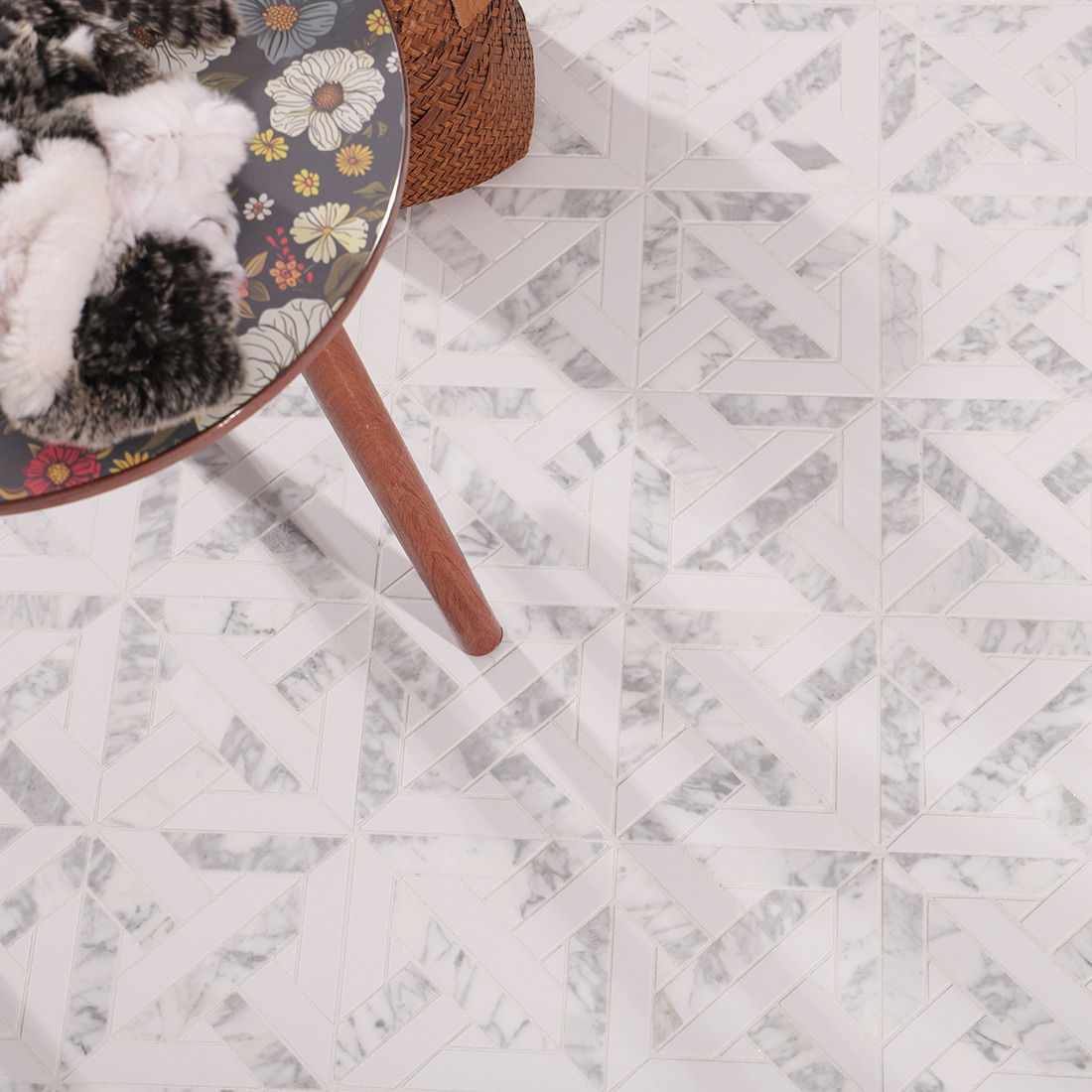
Nothing says luxury like Natural Stone. Options like Carrara Marble or Travertine offer unique veining that ensures no two bathrooms are alike.
-
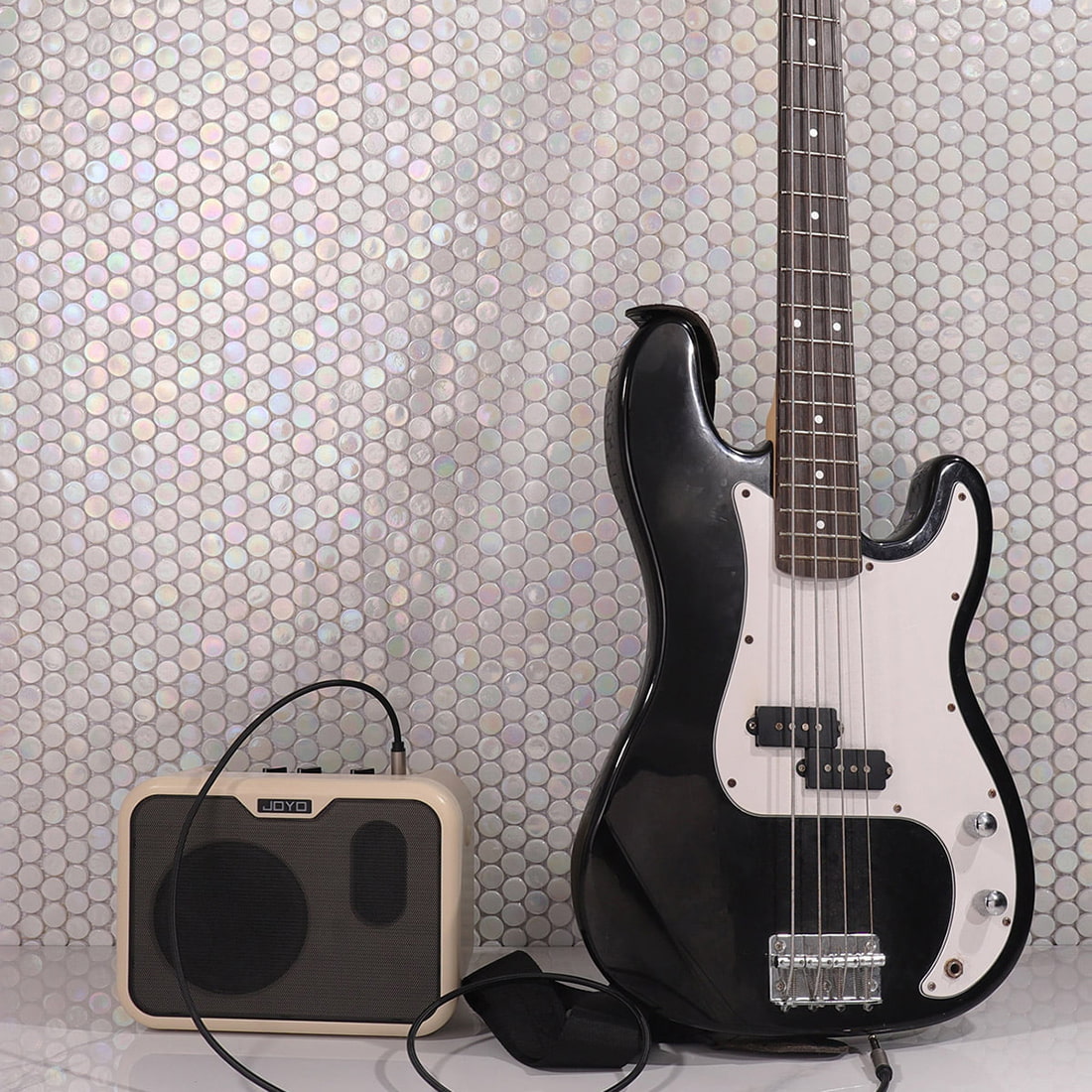
Mother of Pearl & Shell: Perfect for accent walls or niches, adding an iridescent glow that mimics the ocean.
-
Metallic Accents: Incorporating copper, stainless steel, or brass-edged tiles adds a "jewelry" effect to the room.
The Glass Tile Revolution
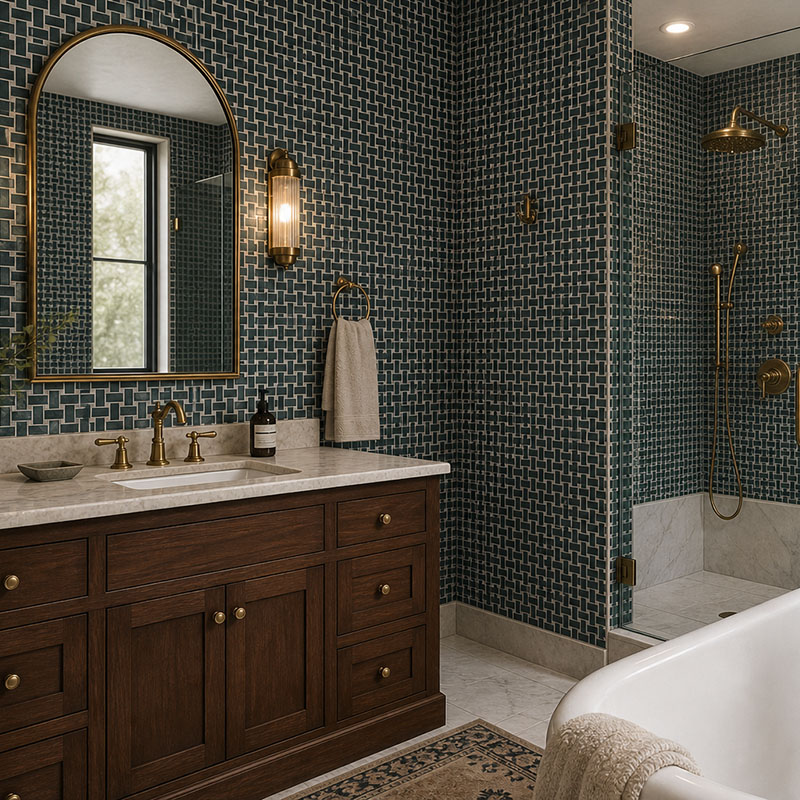
Glass tiles are favored for their light-reflecting properties, making small bathrooms feel brighter.
-
Crystal & Vitreous Glass: Offer deep, translucent colors.
-
Recycled Glass: The eco-friendly choice for the sustainability-conscious homeowner.
-
Water Glass: Features a wavy, fluid texture that looks stunning in walk-in showers.
3. Size & Scale: Small vs. Large Format
The size of your tile dictates the visual "flow" of the room.
Why Small Bathrooms Love Large Tiles
Contrary to old design rules, large-format tiles (e.g., 60x120cm) make small bathrooms feel bigger. Fewer grout lines mean fewer visual interruptions, allowing the eye to sweep across the floor, creating an illusion of expansive space.
The Safety Power of Mosaics
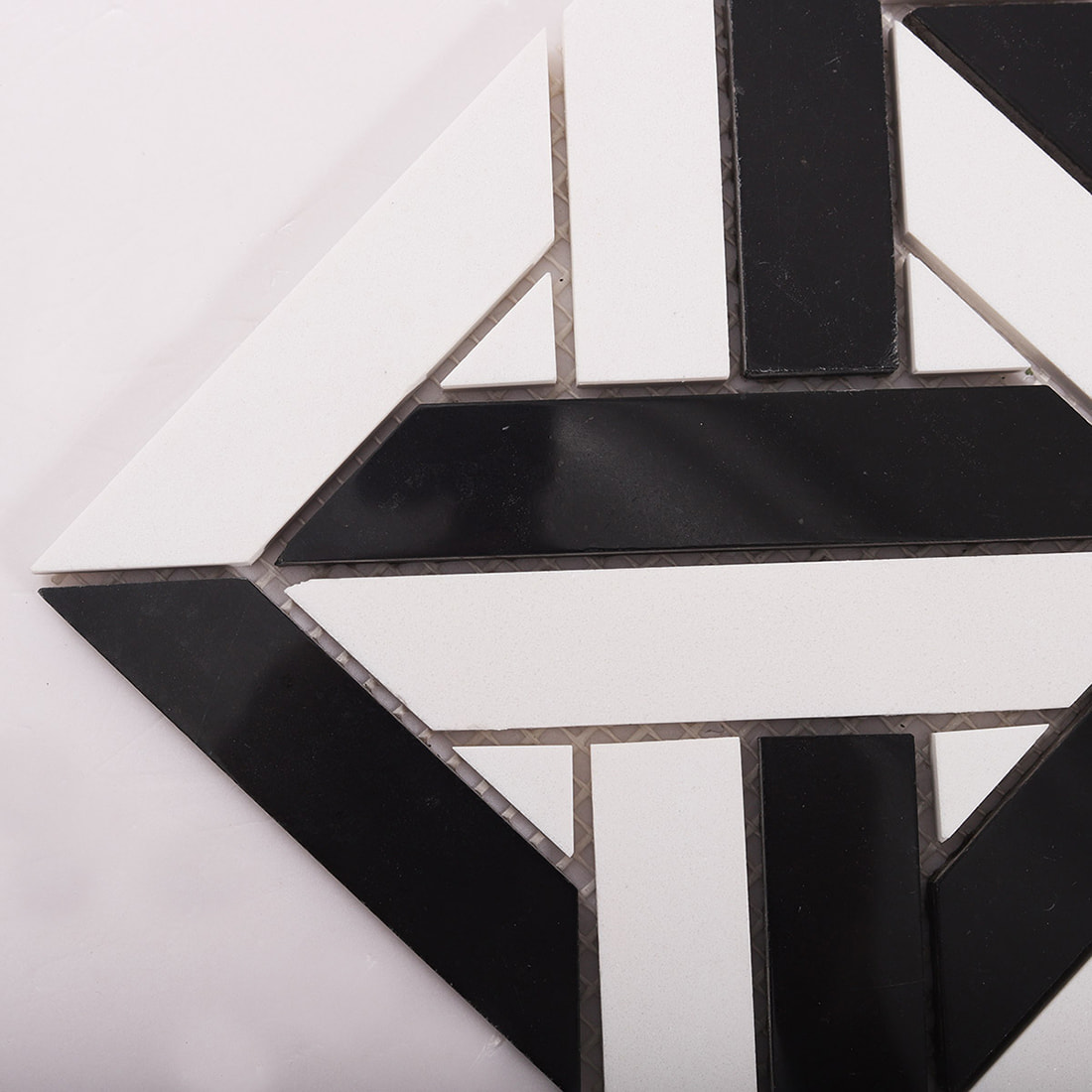
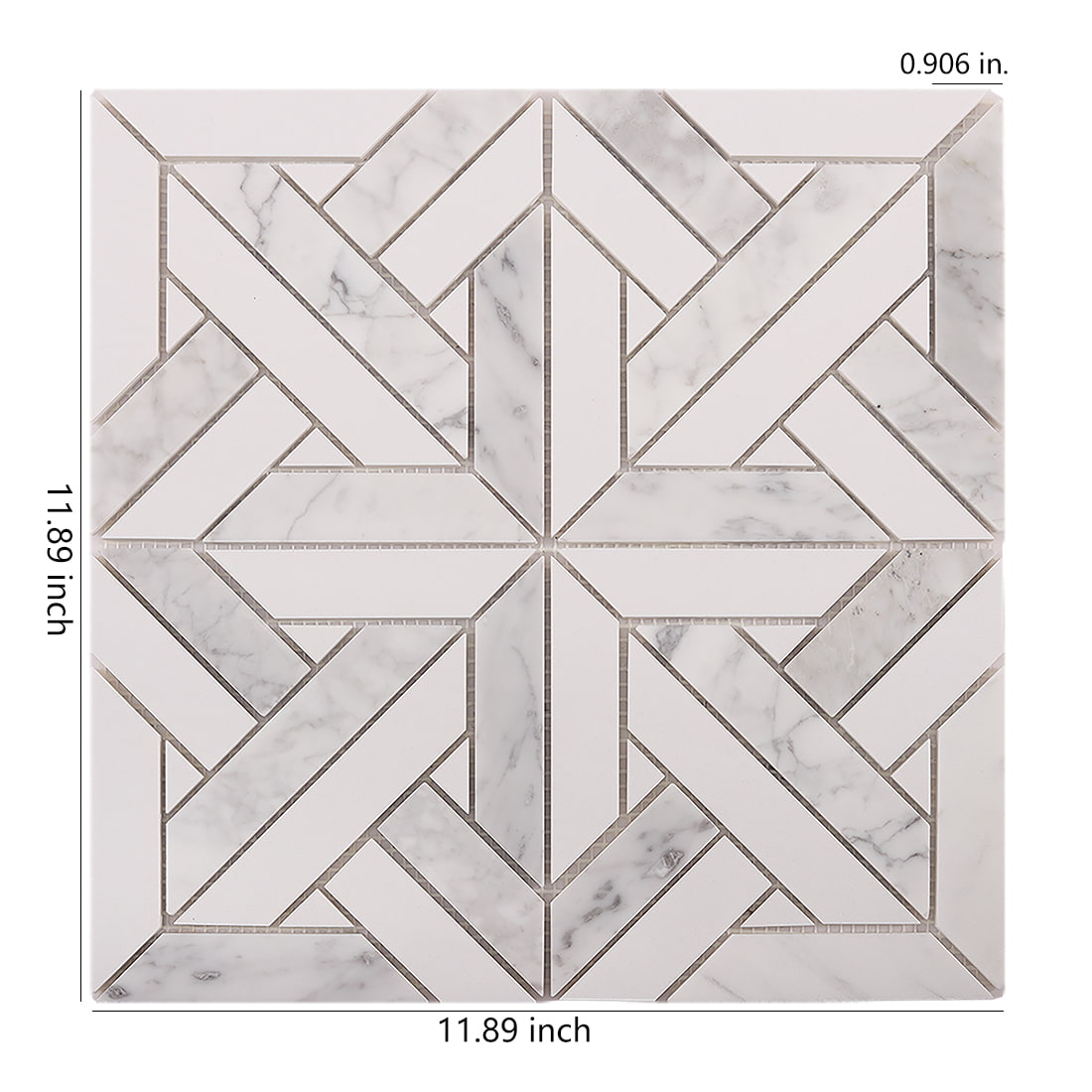
Mosaic tiles are the gold standard for shower floors. Because they are smaller, they require more grout lines. In a wet environment, these extra lines act as natural anti-slip "grips," providing essential traction underfoot without sacrificing style.
4. Maintenance & Longevity: The Epoxy Grout Advantage
The biggest pain point in bathroom renovation is mold and dirty grout. To future-proof your bathroom, we recommend Epoxy Grout .
| Feature | Traditional Cement Grout | Epoxy Grout |
| Porosity | High (Absorbs water/dirt) | Non-porous (Waterproof) |
| Stain Resistance | Poor | Excellent |
| Mold/Mildew | Prone to growth | Naturally resistant |
| Maintenance | Requires regular sealing | Wipe-and-go (No sealing needed) |
Pro Tip: Using a color-matched epoxy grout not only makes your bathroom look high-end but also ensures your tiles stay pristine for decades with minimal scrubbing.
5. Summary of Best Practices
-
Floor to Wall: Match your floor and wall tiles for a cohesive, "boutique hotel" look.
-
Safety First: Ensure your floor tiles have a high DCOF (Dynamic Coefficient of Friction) rating for wet areas.
-
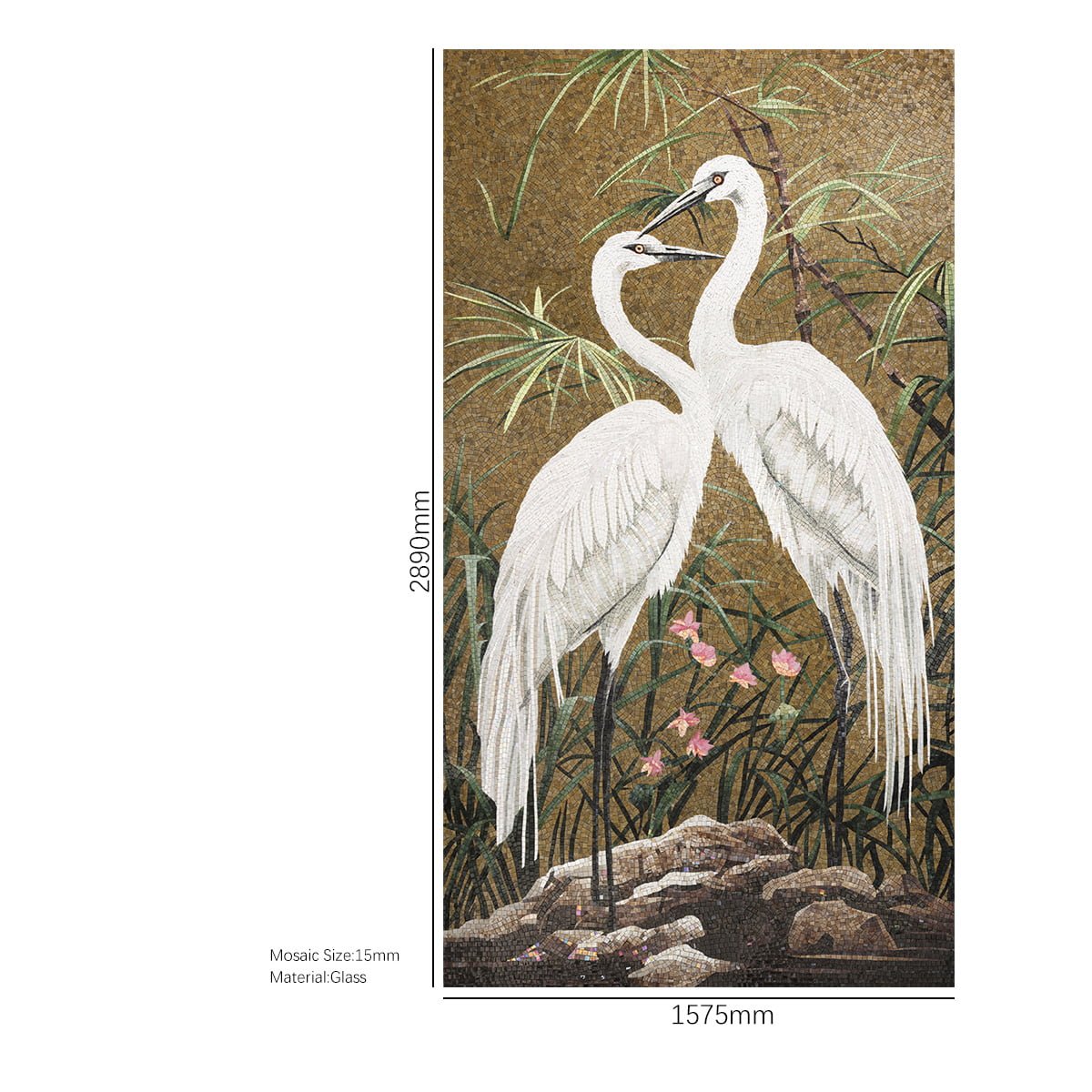
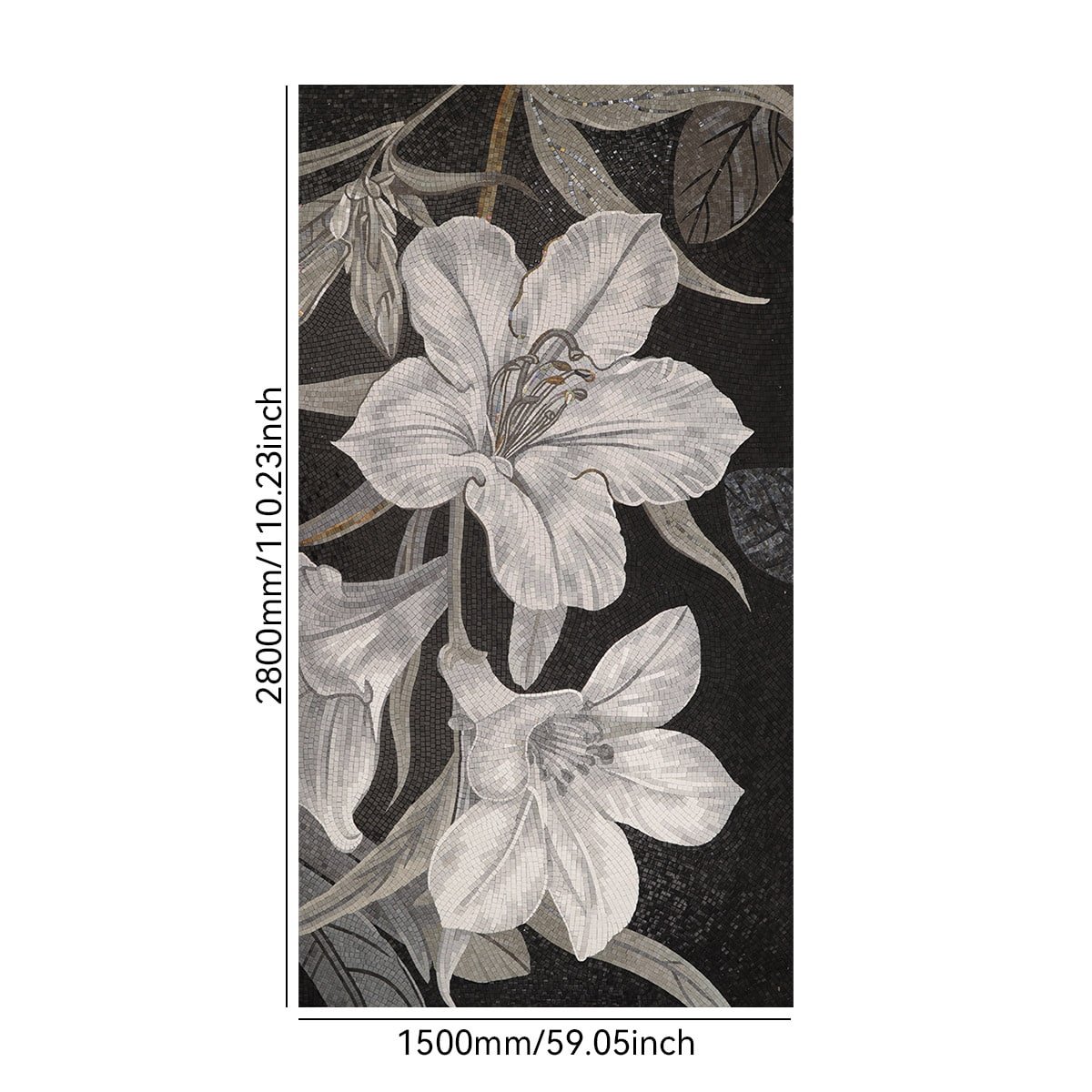
Accentuate: Use mosaic murals or mother-of-pearl strips to create a focal point behind the vanity.