

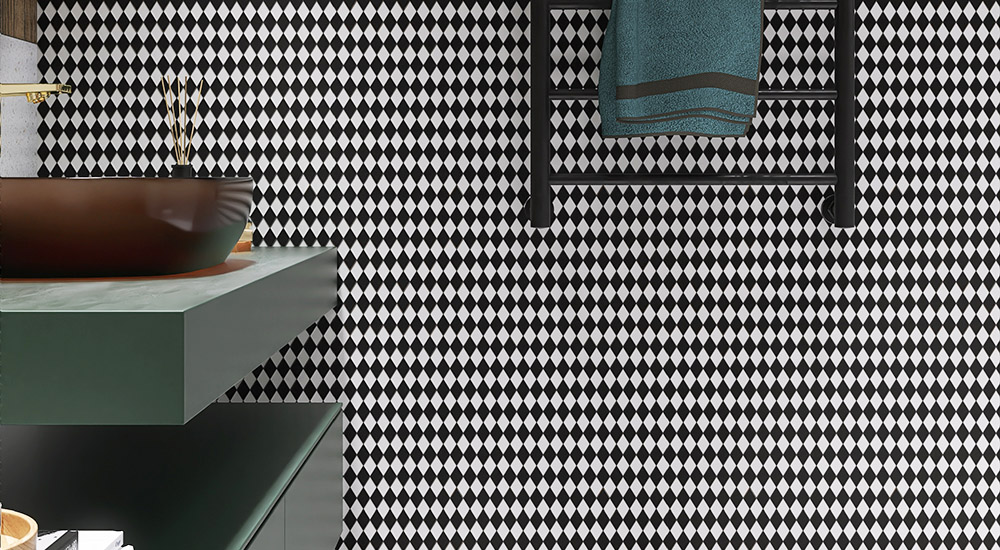
Checkerboard Bathroom Tiles: A Bold Geometric Statement for Vanity Walls
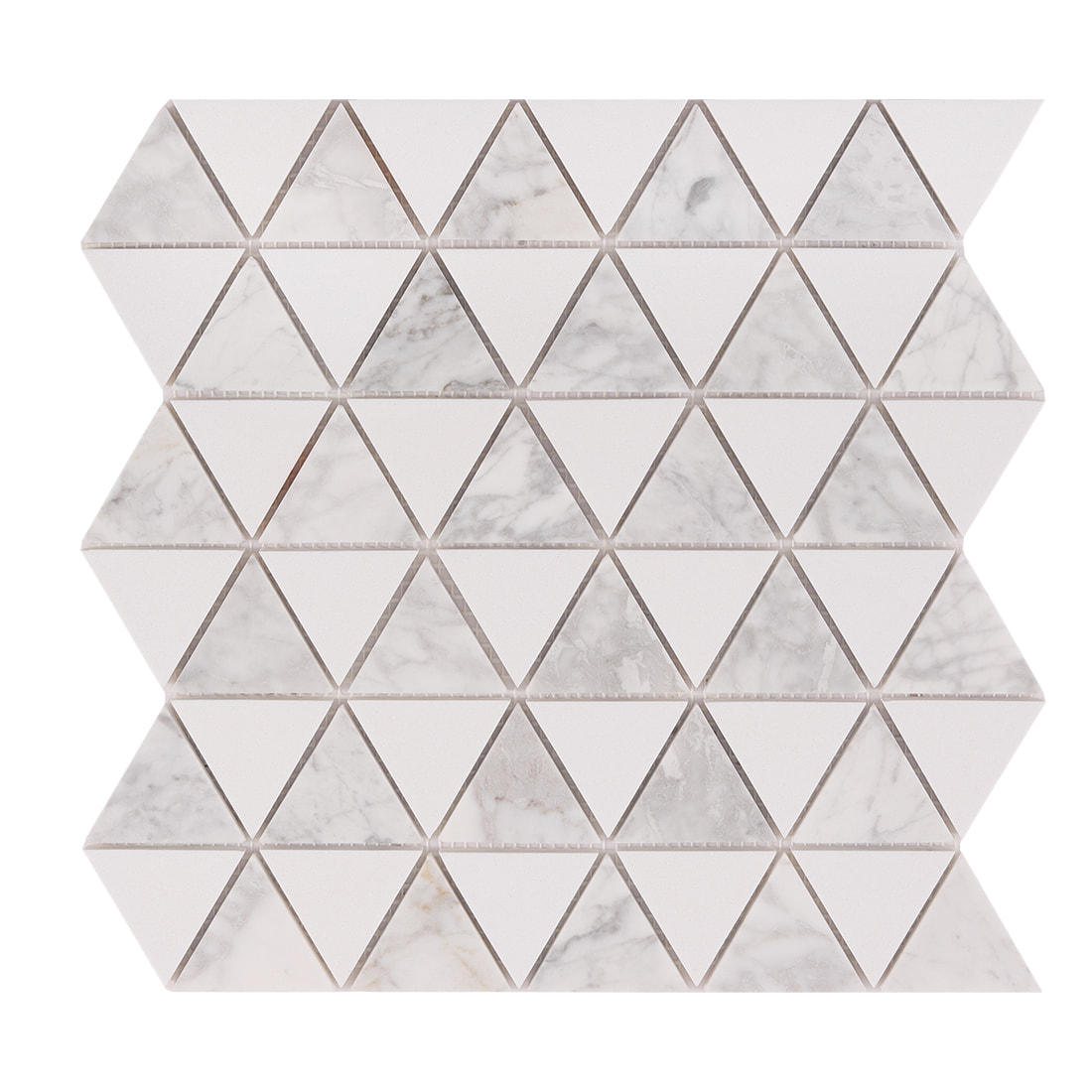
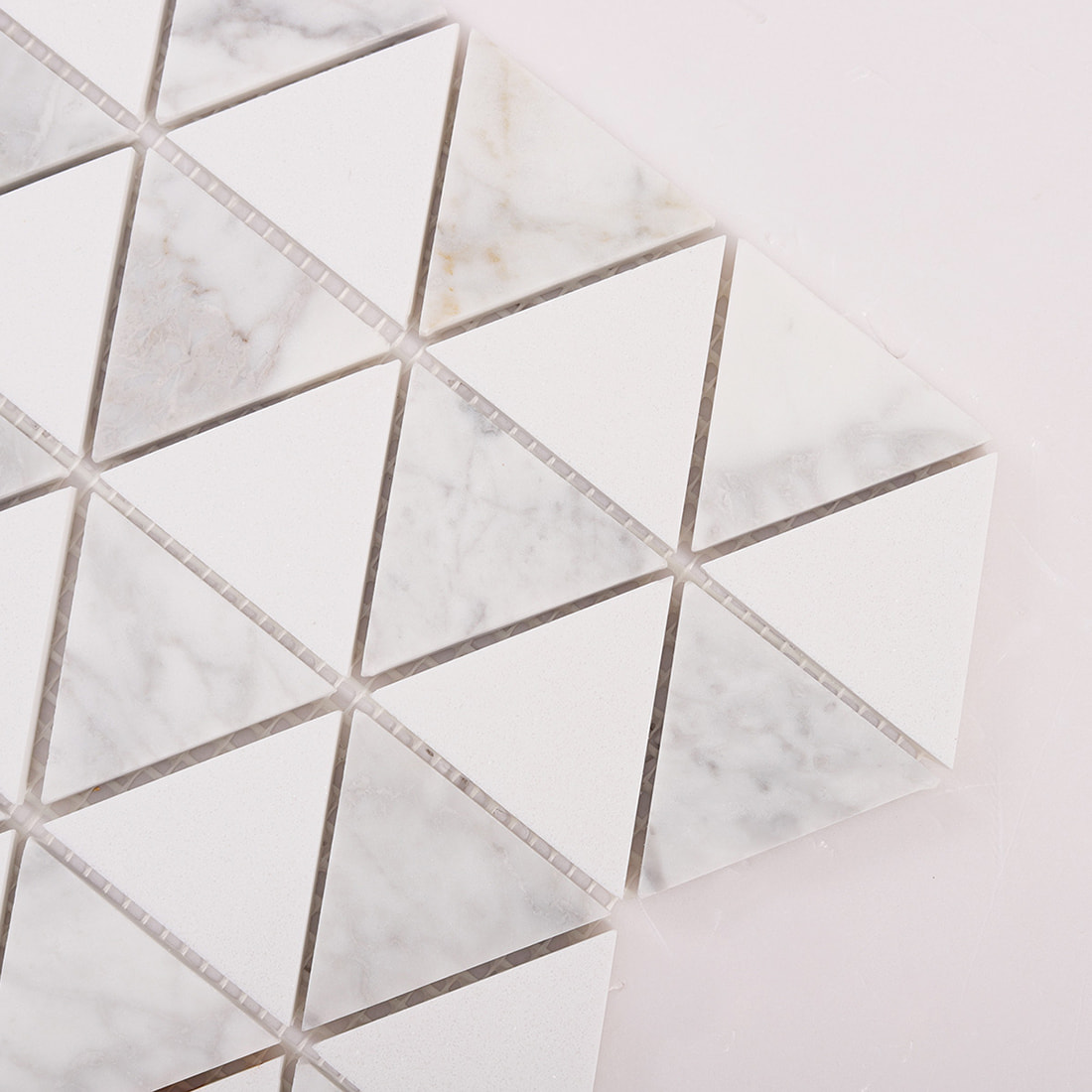
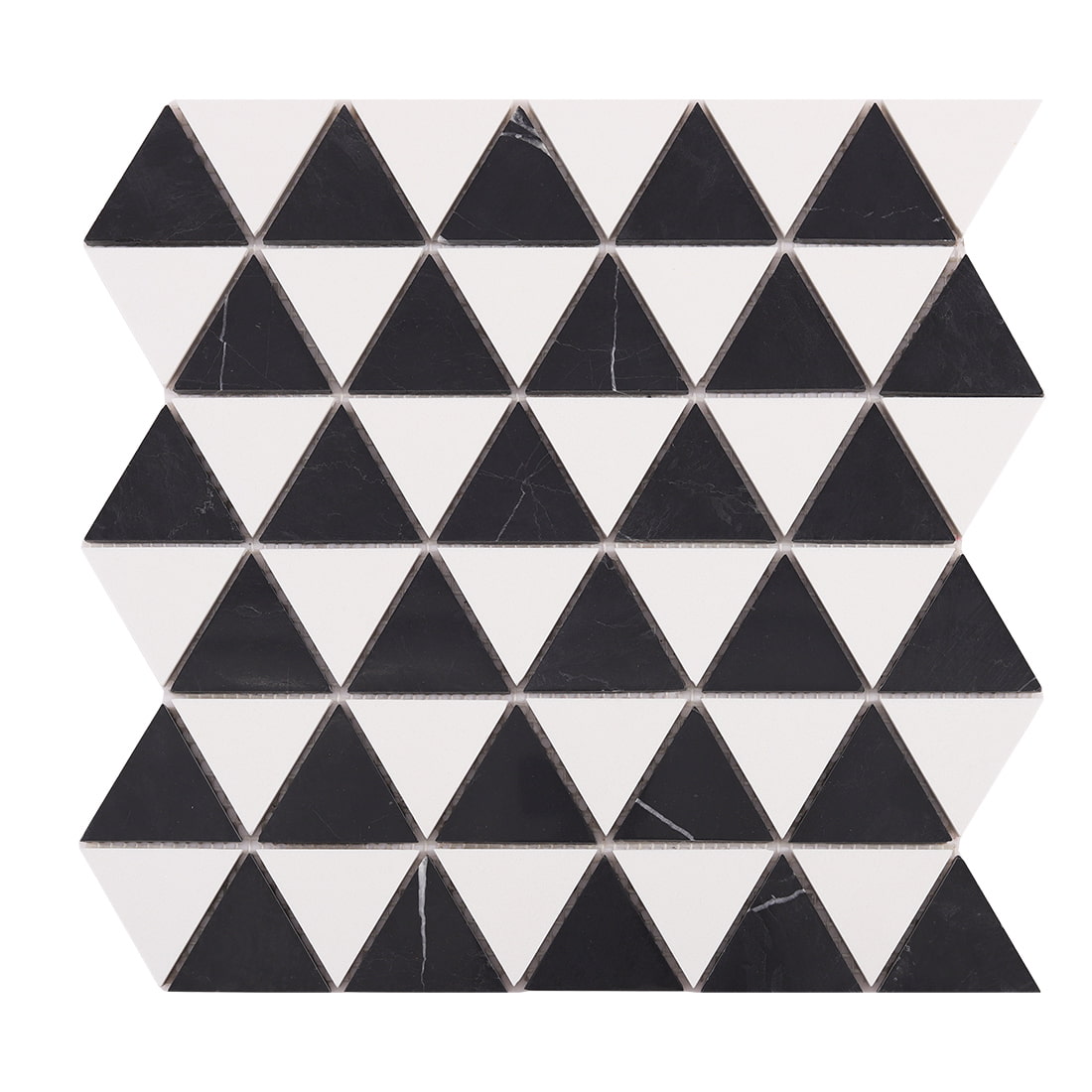
Checkerboard Bathroom Tiles: The Ultimate Guide to Timeless Elegance
Checkerboard bathroom tiles are more than just a trend—they are a long-term aesthetic investment. From the high-contrast glamour of the 1920s Art Deco era to the muted serenity of modern Scandinavian design, this pattern remains the gold standard for homeowners seeking a balance of heritage and style.
Why Checkerboard Tiles are a Timeless Choice
Unlike "fast-fashion" interior trends, the checkerboard pattern is a classic. It provides a structured visual rhythm that can ground a room or serve as a bold statement piece. Whether you are Renovating a master suite or a compact powder room, these tiles offer:
-
Style Versatility: Adapts to French Country, Mid-Century Modern, and Minimalist themes.
-
Visual Expansion: Strategic layouts can trick the eye into seeing more space.
-
Increased Property Value: Classic materials like marble checkerboard never go out of style.
Choosing the Right Shape for Your Space
While the classic square is the most popular, modern geometry offers new ways to interpret this look:
-
Classic Square: The gold standard for a traditional, balanced look.
-
Diamond Pattern: Rotating squares to a $45^{\circ}$ angle creates a dynamic flow that leads the eye across the room.
-
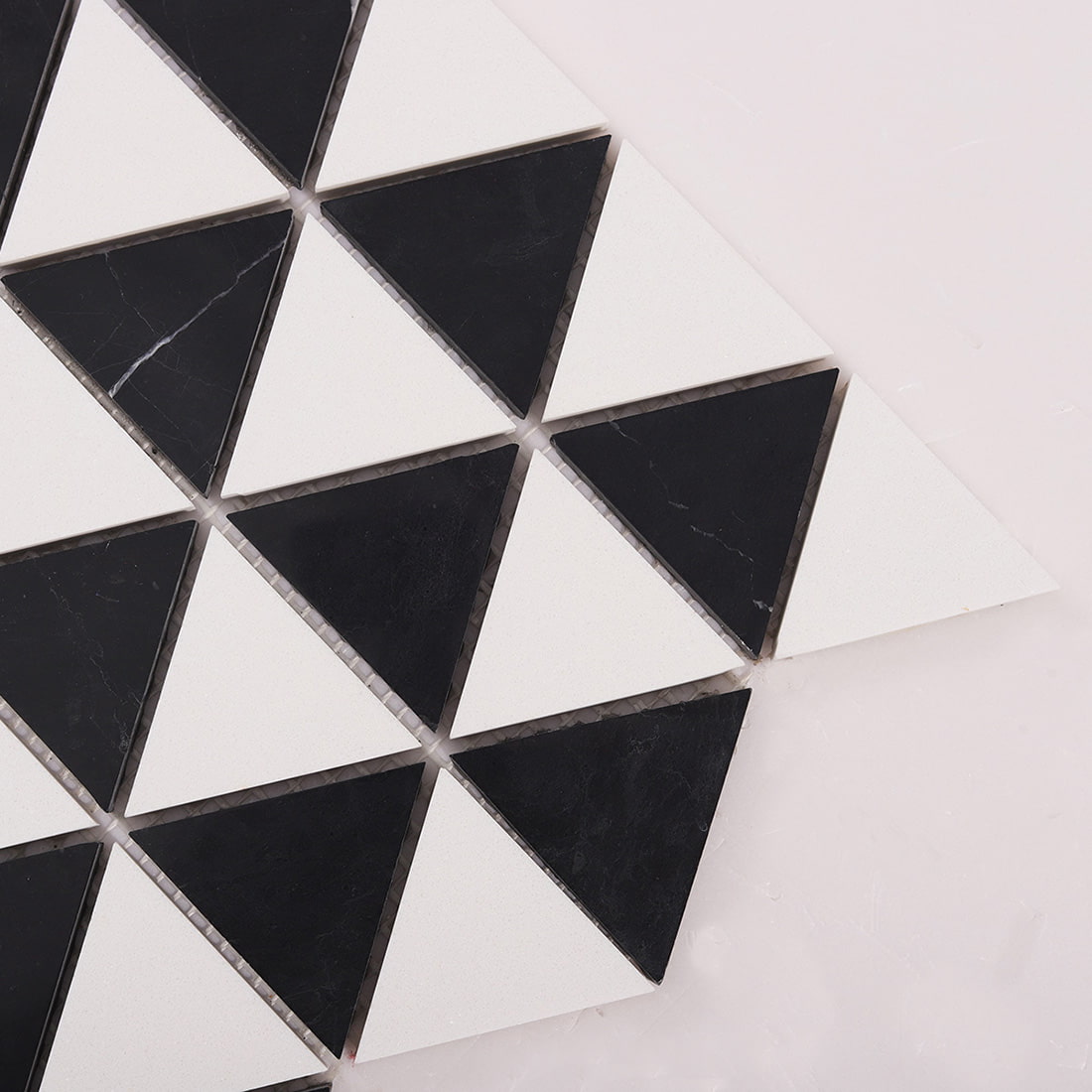
Triangle: A contemporary "chevron-meets-checker" twist for those wanting a sharper, modern edge.
Color Palettes: Beyond Black and White
While the monochromatic look is iconic, exploring different colorways can define the mood of your bathroom:
-
Black & White: The quintessential high-contrast look.
-
White & Gold / Black & Gold: Infuses a sense of luxury and "Old Hollywood" glamour.
-
Beige & White: Perfect for "Quiet Luxury" or Mediterranean styles, offering a softer, organic warmth.
-
Custom Hues: Deep forest green or navy blue paired with white for a personalized, moody vibe.
Material Matters: Performance Meets Aesthetics
Selecting the right material is crucial for bathroom durability and slip resistance.
| Material | Best For | Aesthetic Vibe |
| Natural Marble | Floors & Feature Walls | High-end, sophisticated, unique veining. |
| Ceramic | High-traffic floors | Versatile, cost-effective, easy maintenance. |
| Glass | Accent walls / Showers | Luminous, reflective, modern. |
| Mother of Pearl | Backsplashes / Details | Iridescent, delicate, ultra-luxury. |
Strategic Application: Floors vs. Walls
The scale of your tile can drastically change the perception of the room:
-
Ground the Space (Floors): Use large-format tiles on the floor to reduce grout lines and create a solid foundation.
-
Define the Details (Walls): Small-scale mosaics or petite checkerboard patterns are ideal for shower niches, backsplashes, or wainscoting to add texture without overwhelming the space.
Pro Tip: The $45^{\circ}$ Layout Secret
If you have a narrow hallway or a small bathroom, install your checkerboard tiles on a $45^{\circ}$ diagonal. This "Diamond Layout" breaks the boxy feel of a room, extending the visual sightlines and making the floor area appear significantly wider.
Design Styles That Pair Perfectly
-
1920s Art Deco: Pair black and white marble with brass fixtures and arched mirrors.
-
French Provincial: Use tumbled stone or beige/white combinations for a rustic, sun-drenched feel.
-
Modern Nordic: Clean ceramic squares in muted tones paired with light wood vanities and matte black hardware.
Frequently Asked Questions (FAQ)
Are checkerboard tiles hard to maintain?
It depends on the material. Ceramic is very easy to clean, while natural marble requires sealing to prevent staining in wet environments.
Does a checkerboard pattern make a small bathroom look smaller?
Quite the opposite! When laid diagonally, the pattern draws the eye to the widest part of the room, creating an illusion of space.
Can I mix different materials in one pattern?
Yes, mixing matte and gloss finishes or different stones can add a sophisticated textural layer to the bathroom.