


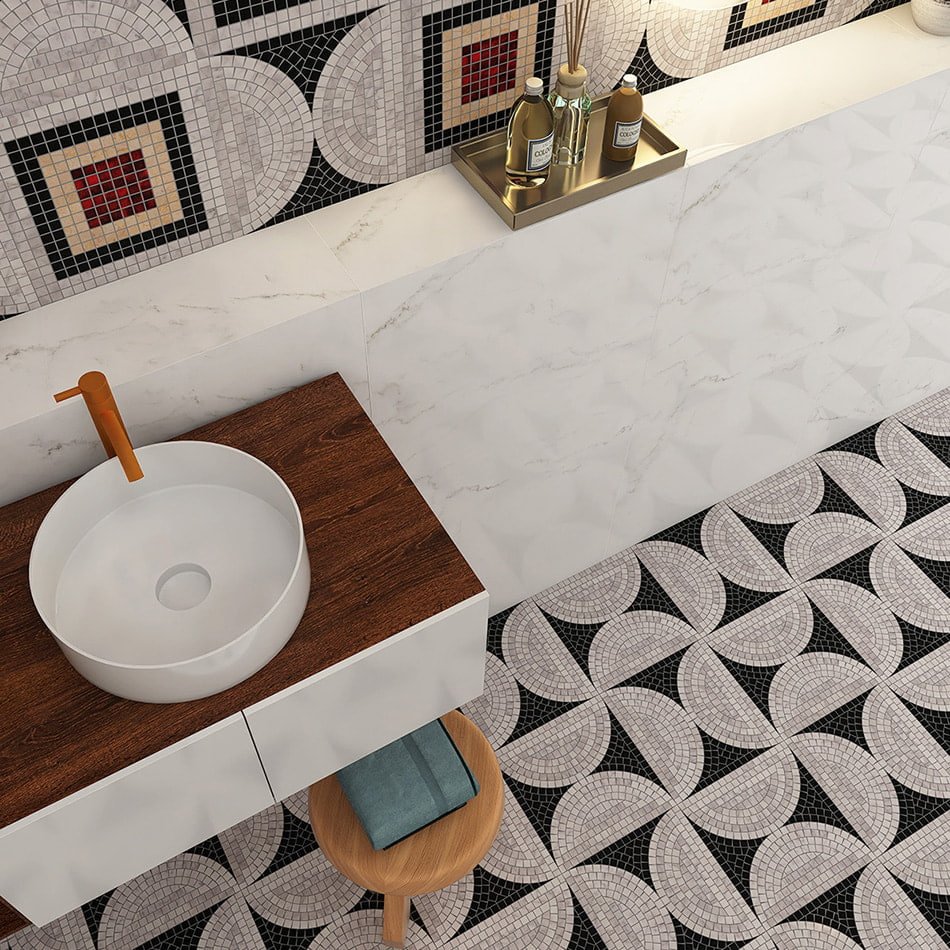
Vibrant Mosaic Tiles for a Stylish and Modern Bathroom



-
-
-
-
-
-
-
-
-
-
-
-
-
-
-
-
-
-
-
-
-
-
-
-
-
-
-
-
-
-
-
-
-
-
-
-
-
-
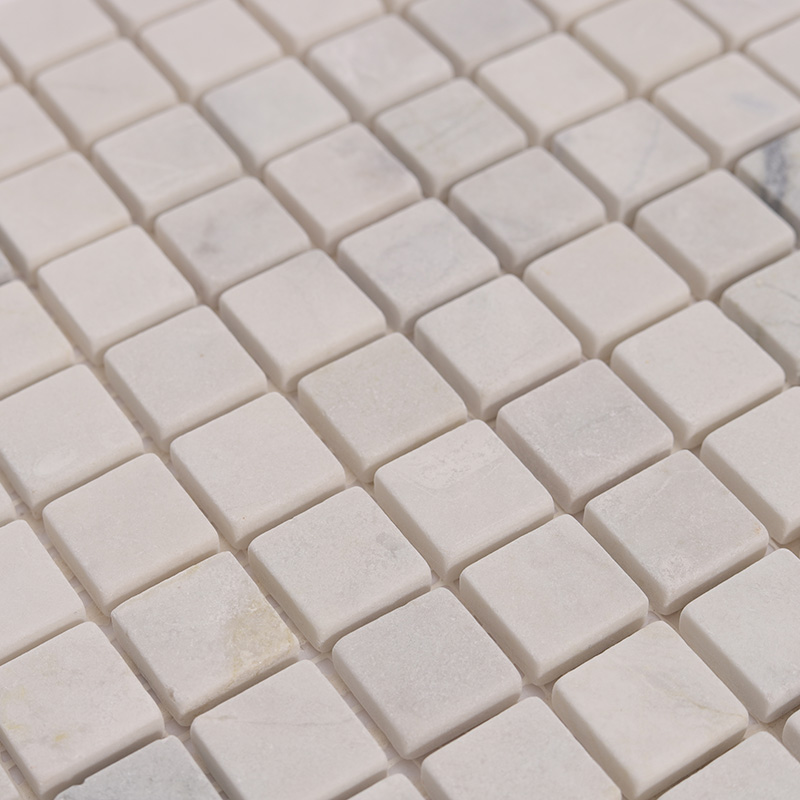
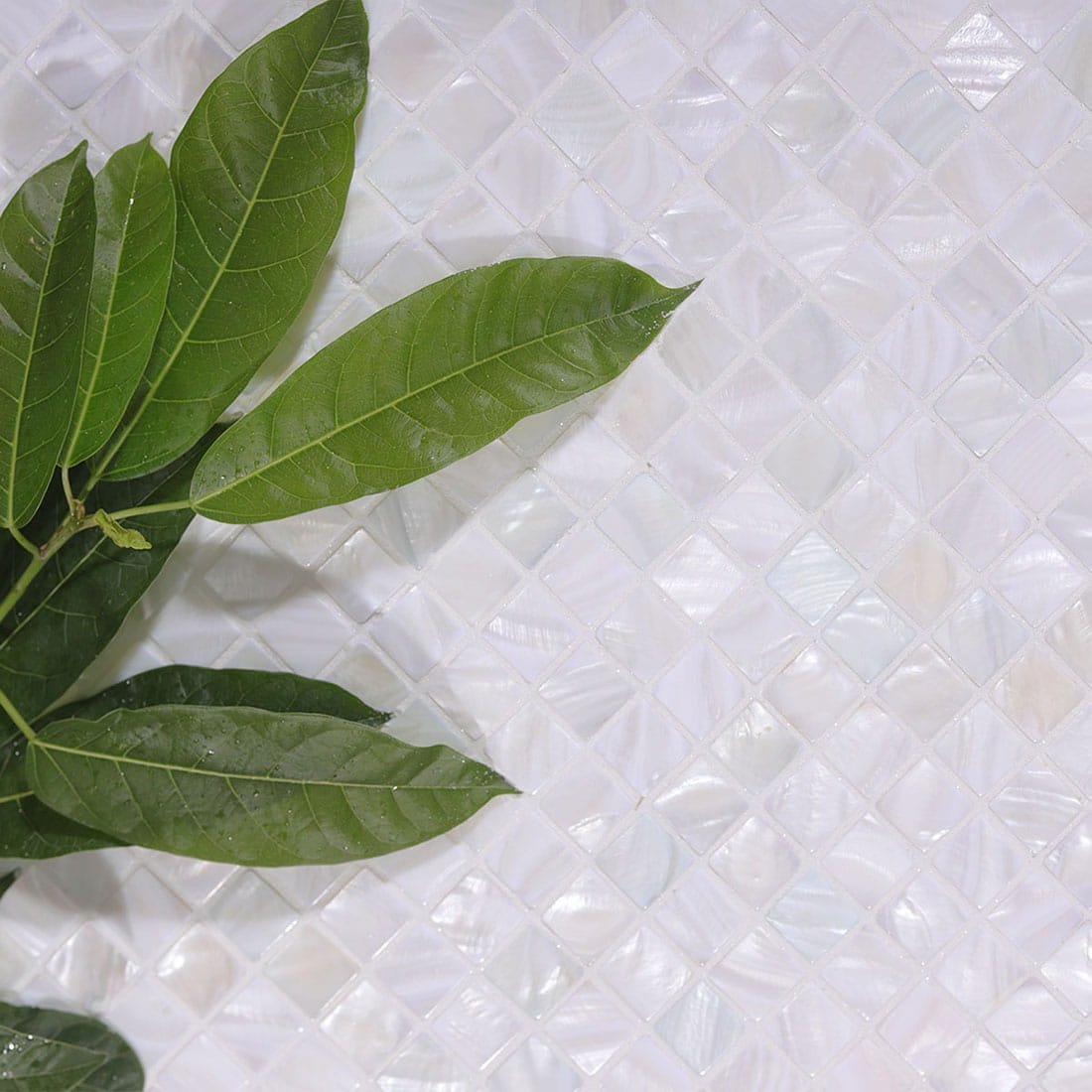
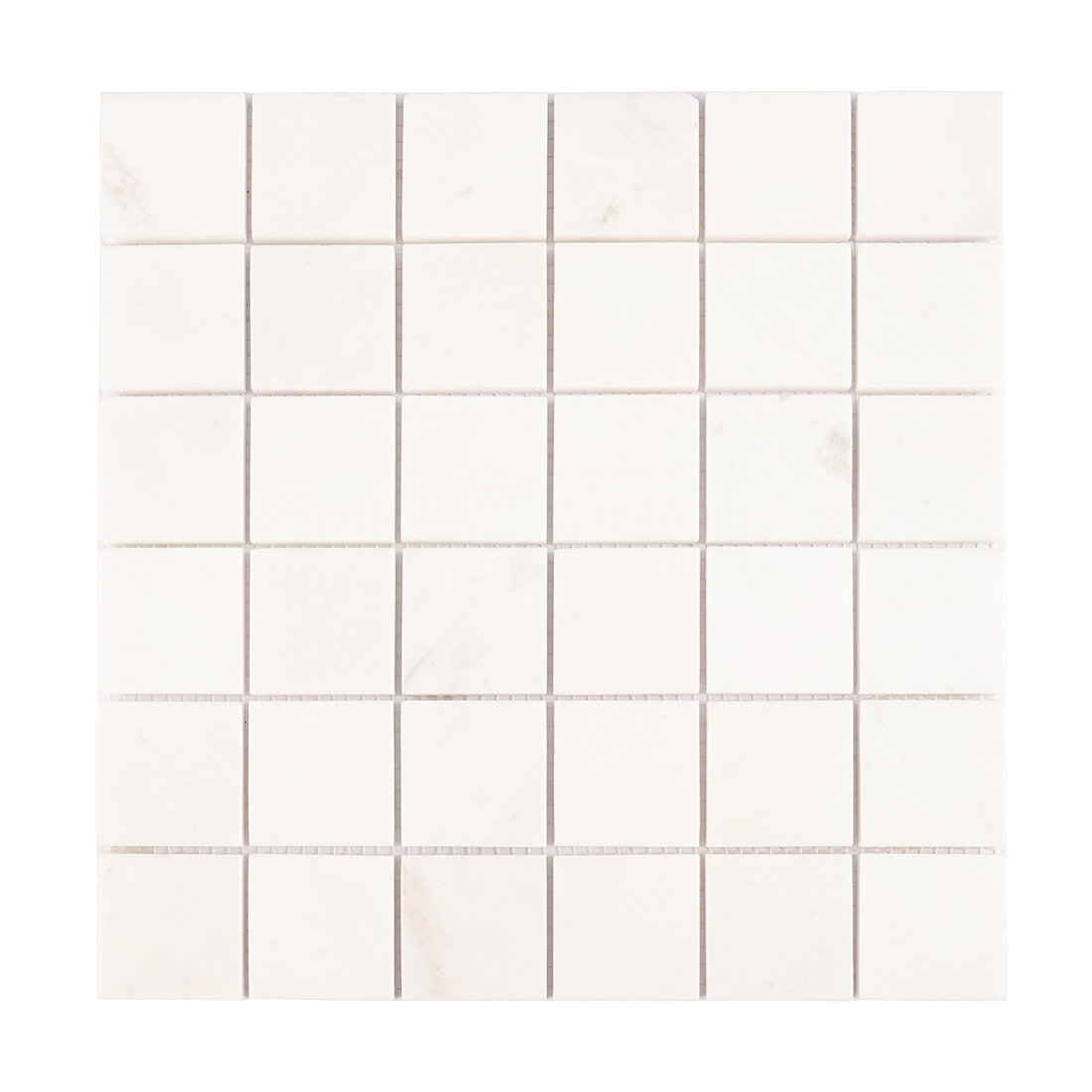
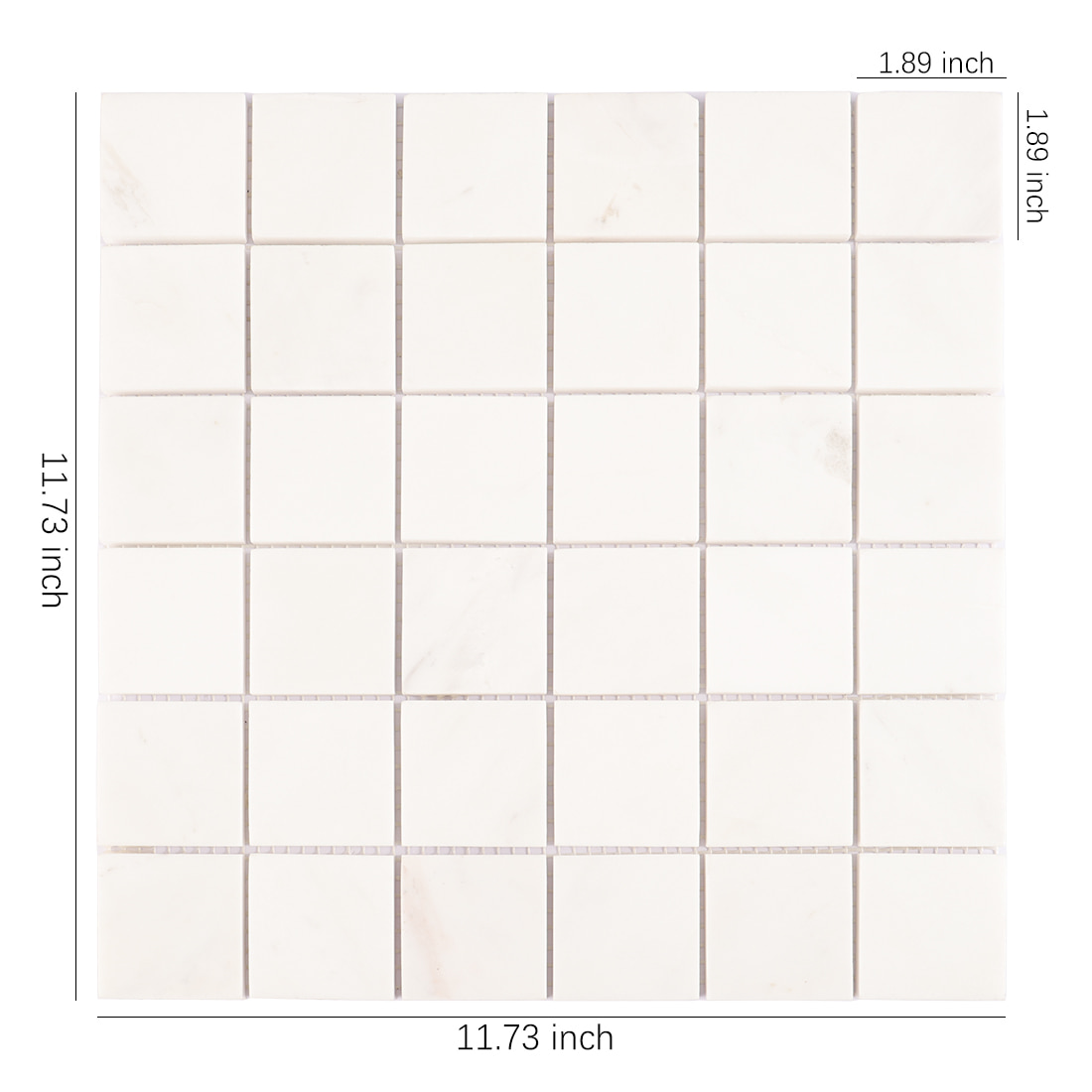
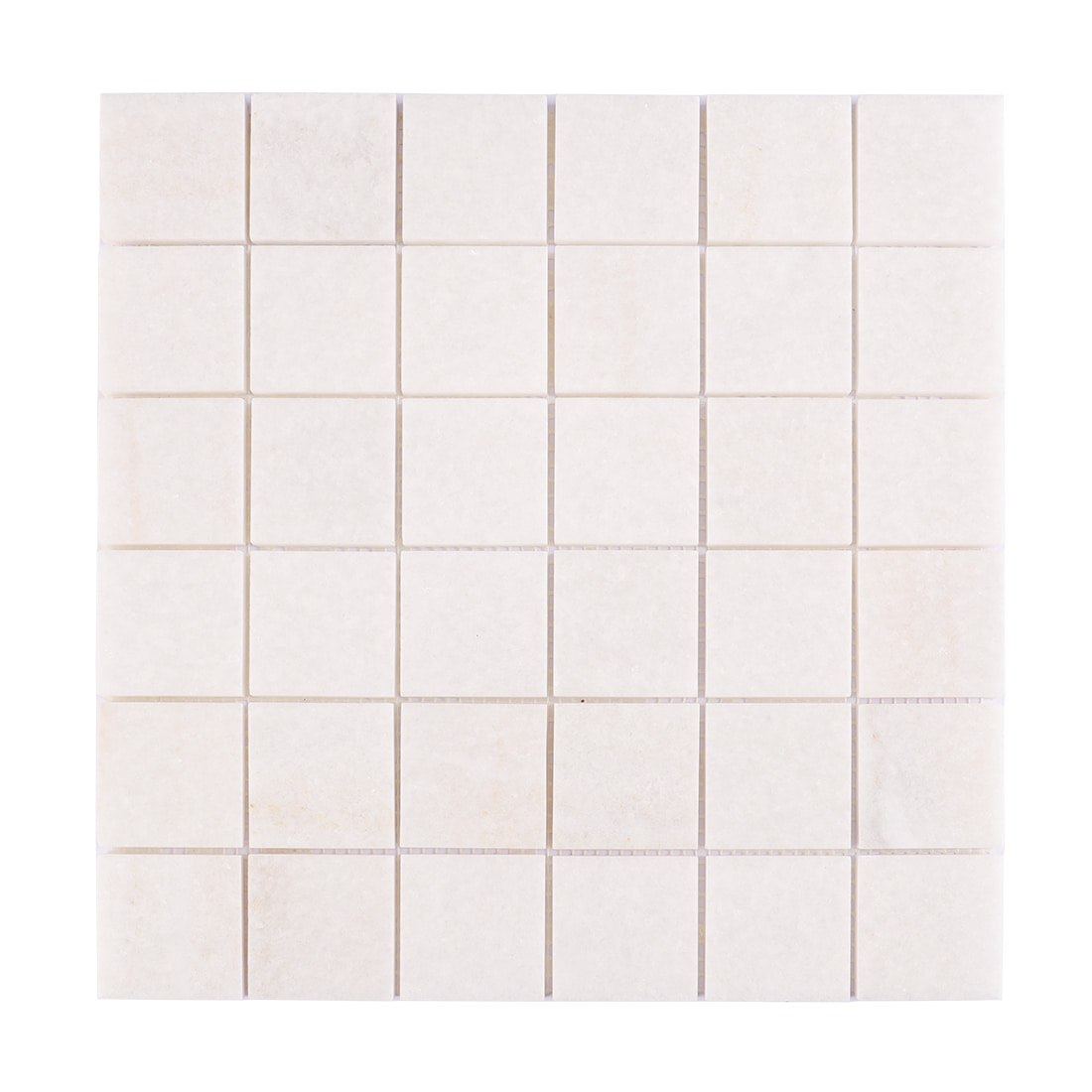
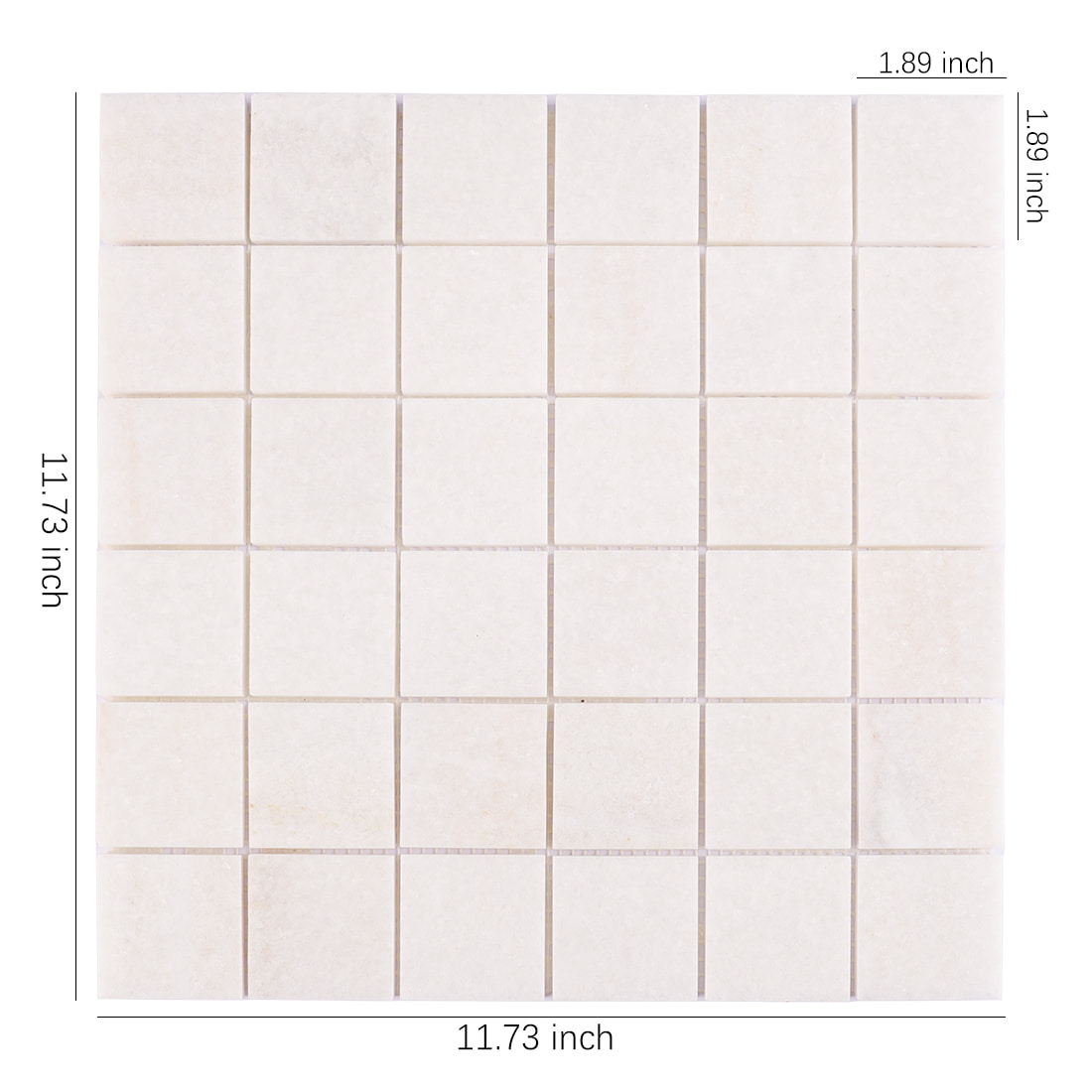
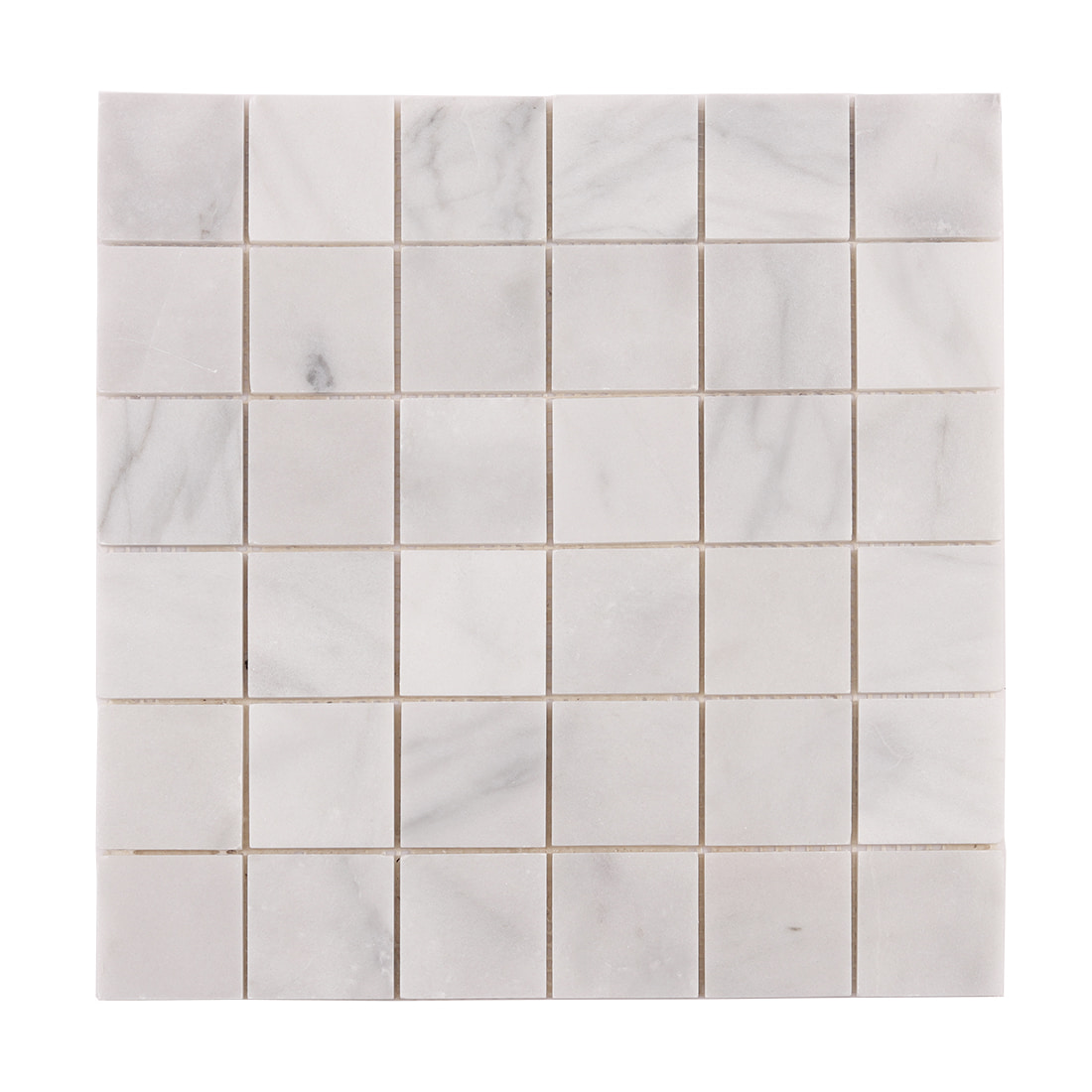
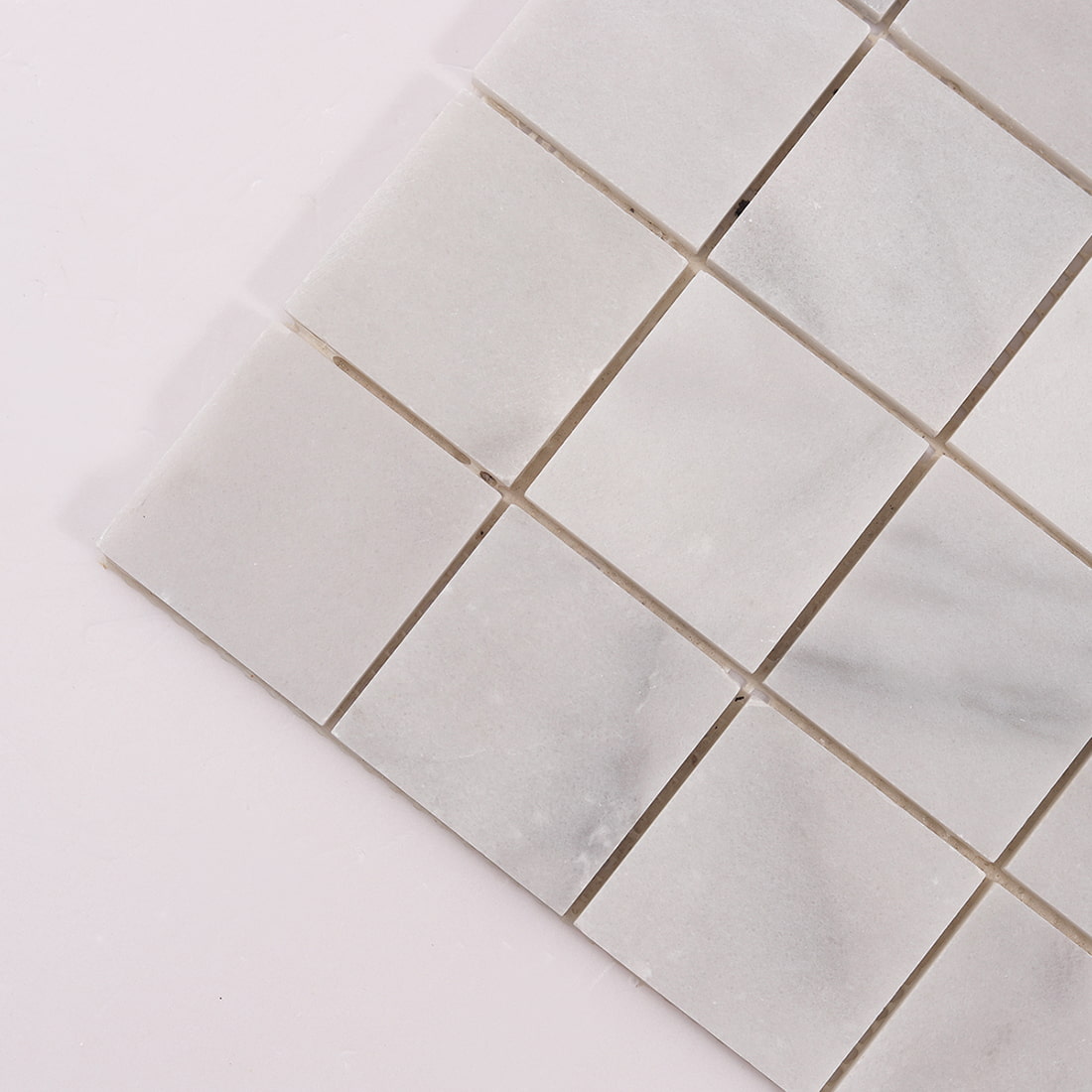
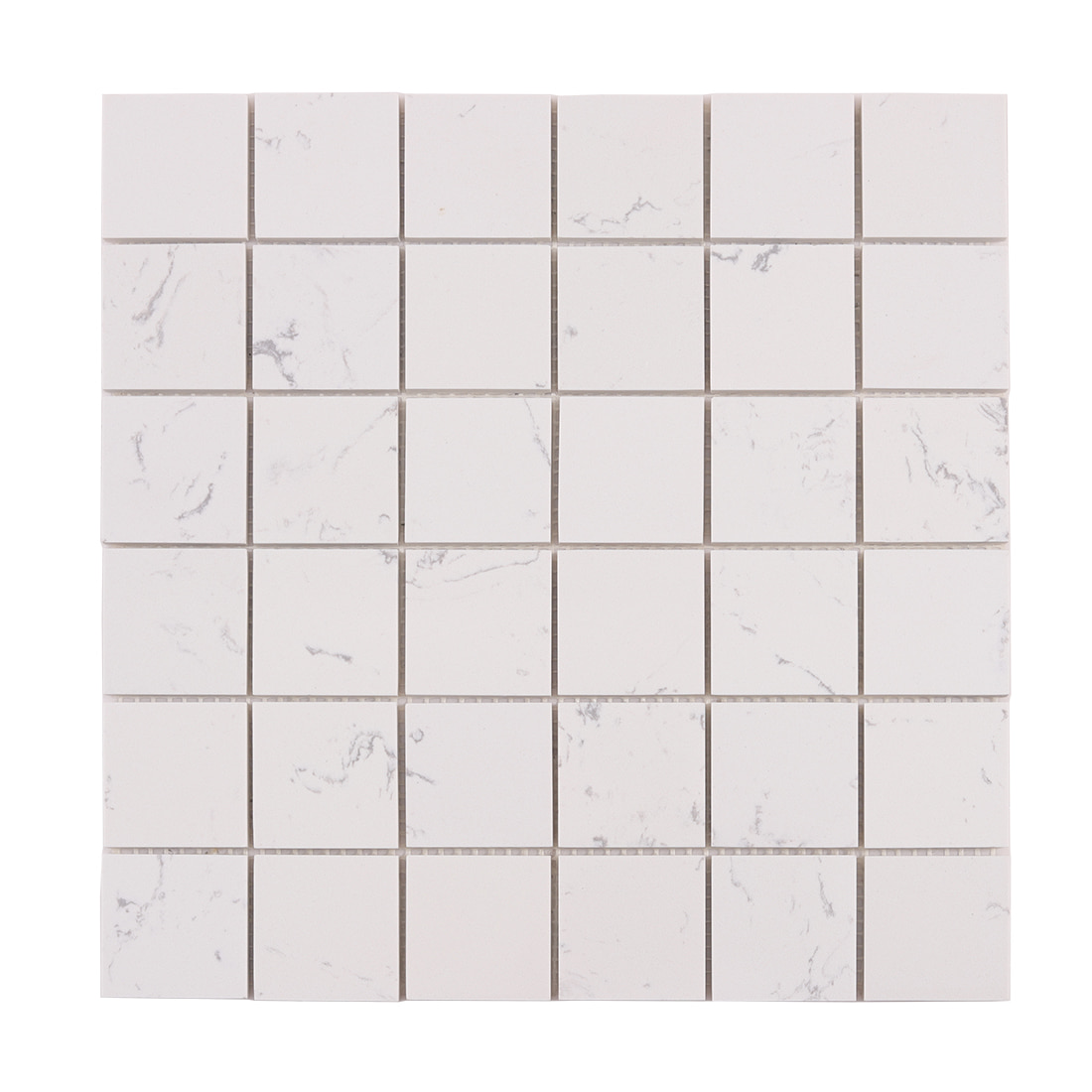
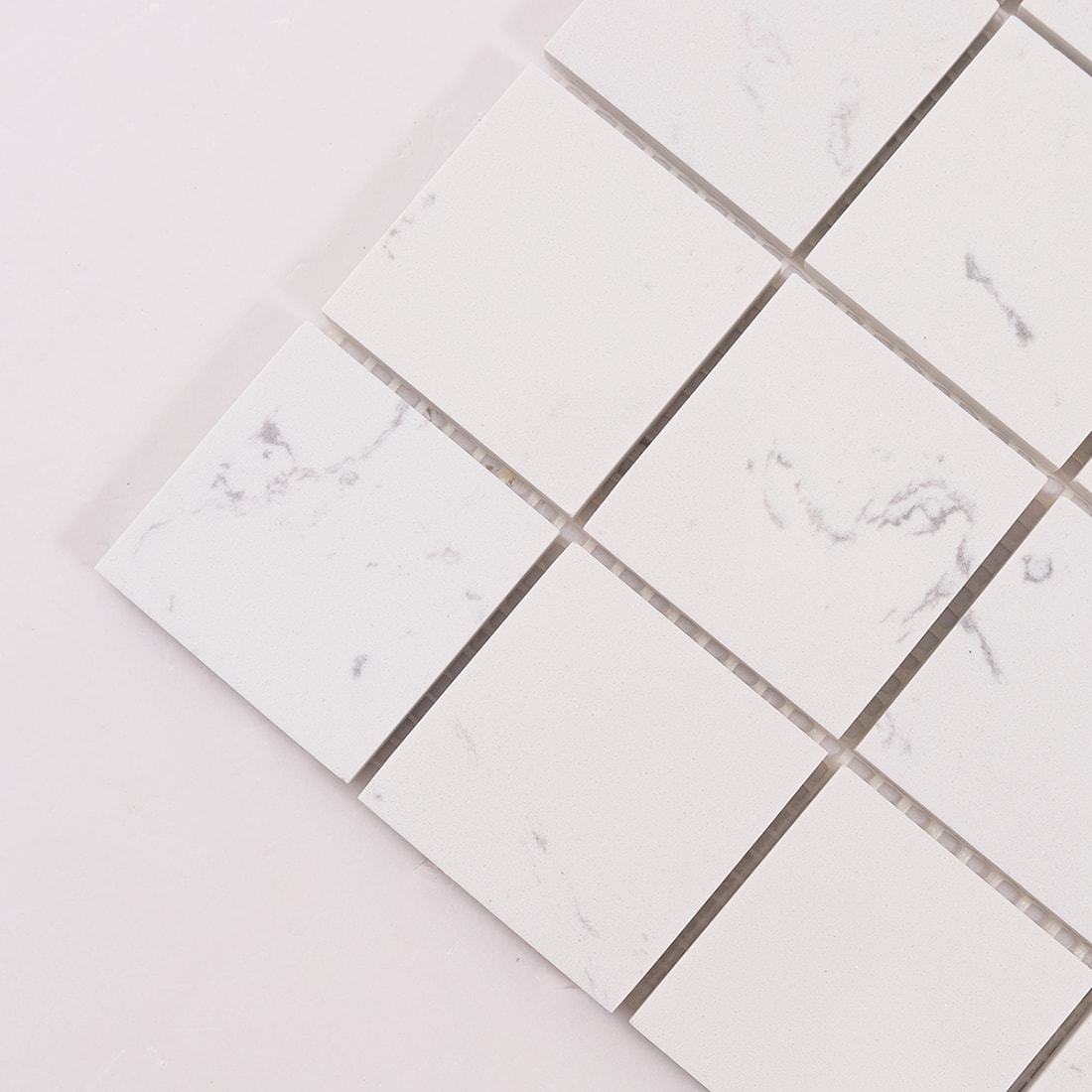
Volakas White Square Marble Mosaic Tile$9.69 USD
-
-
-
-
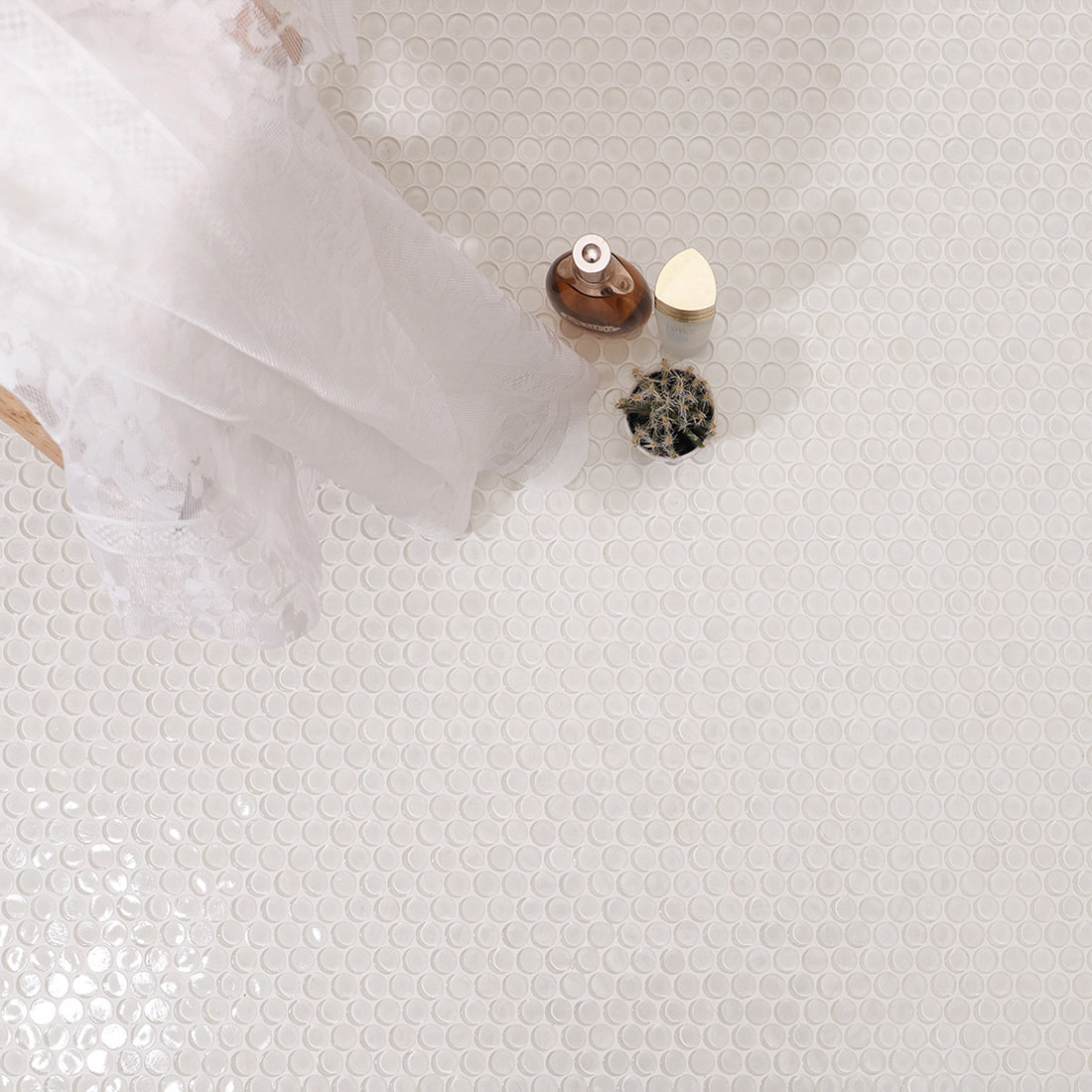
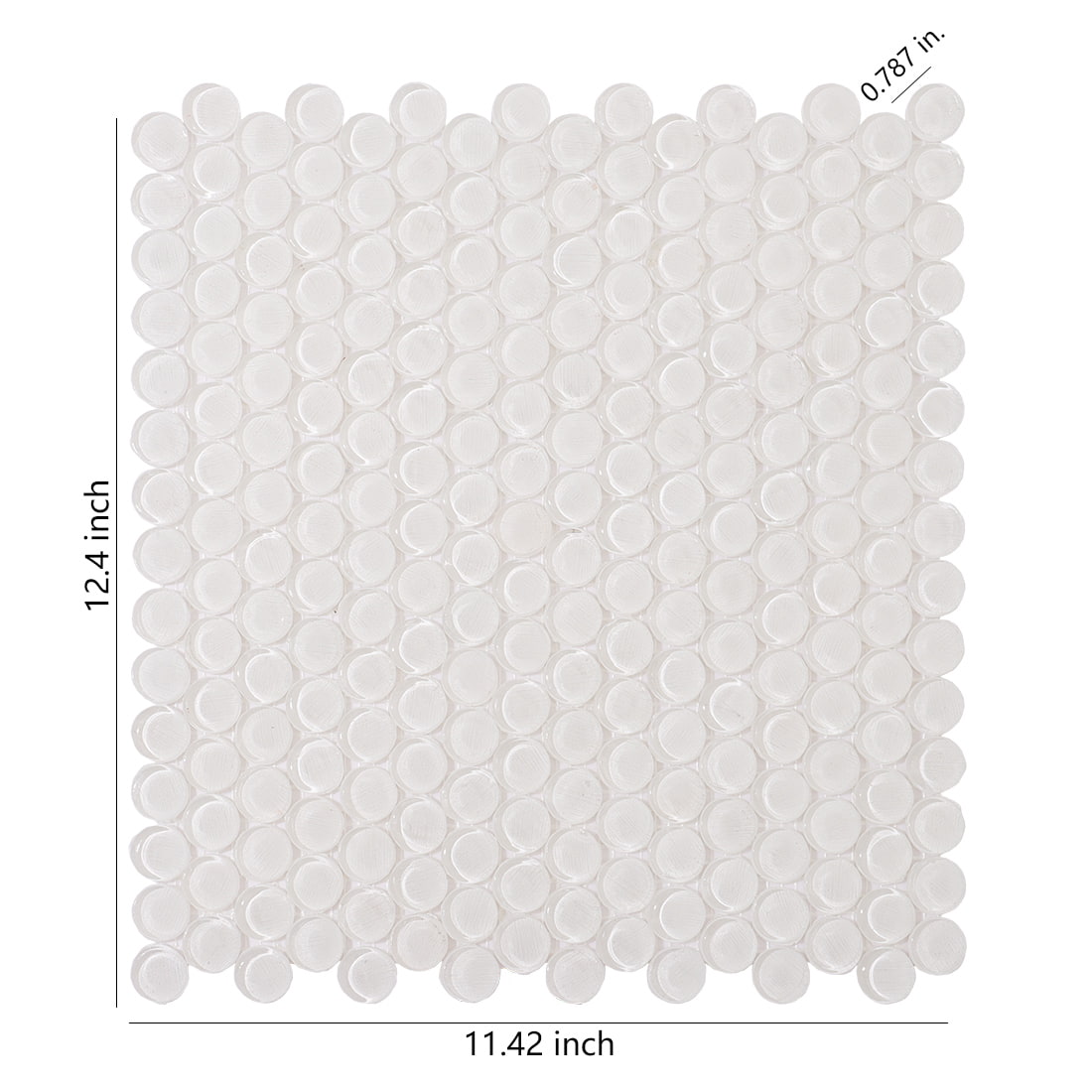
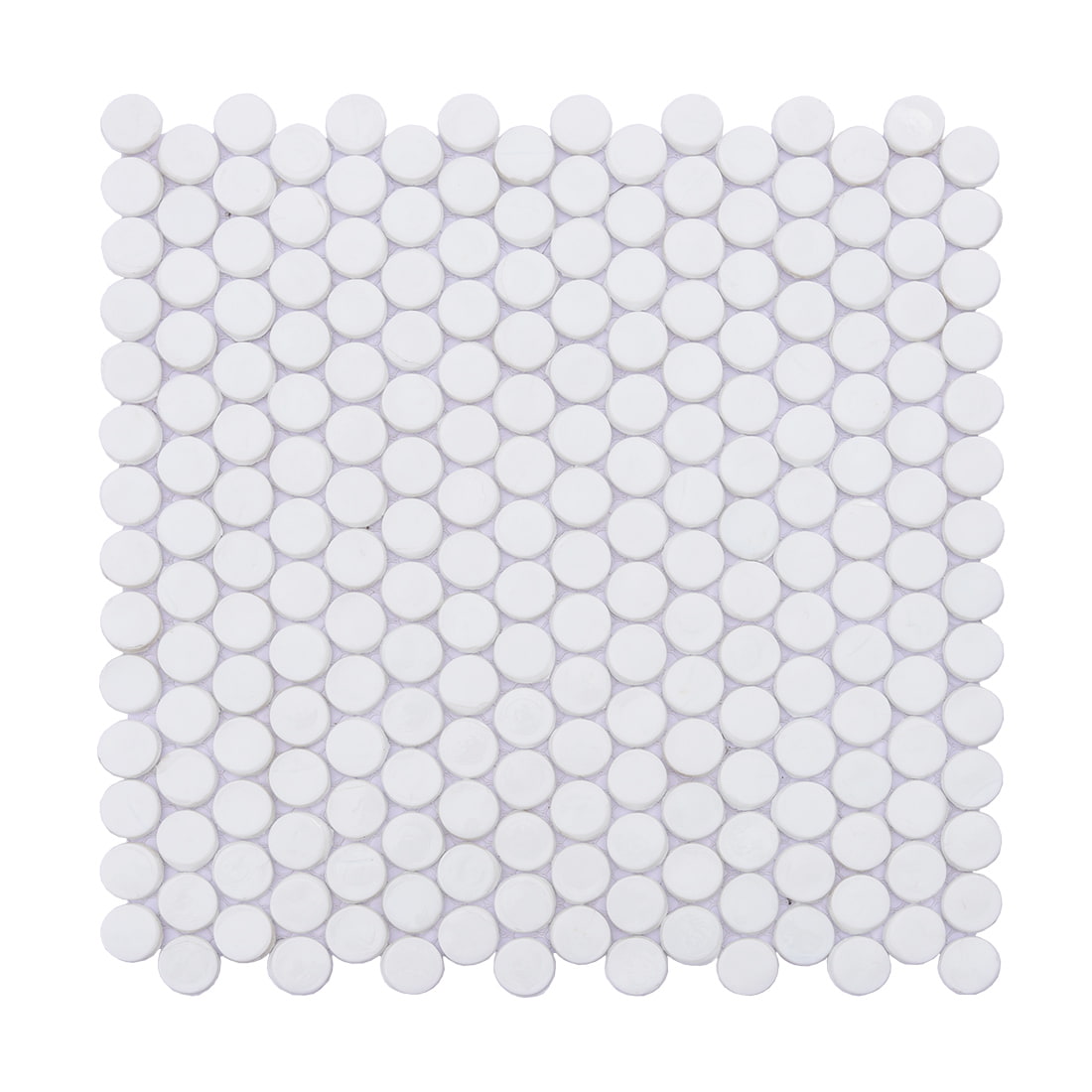
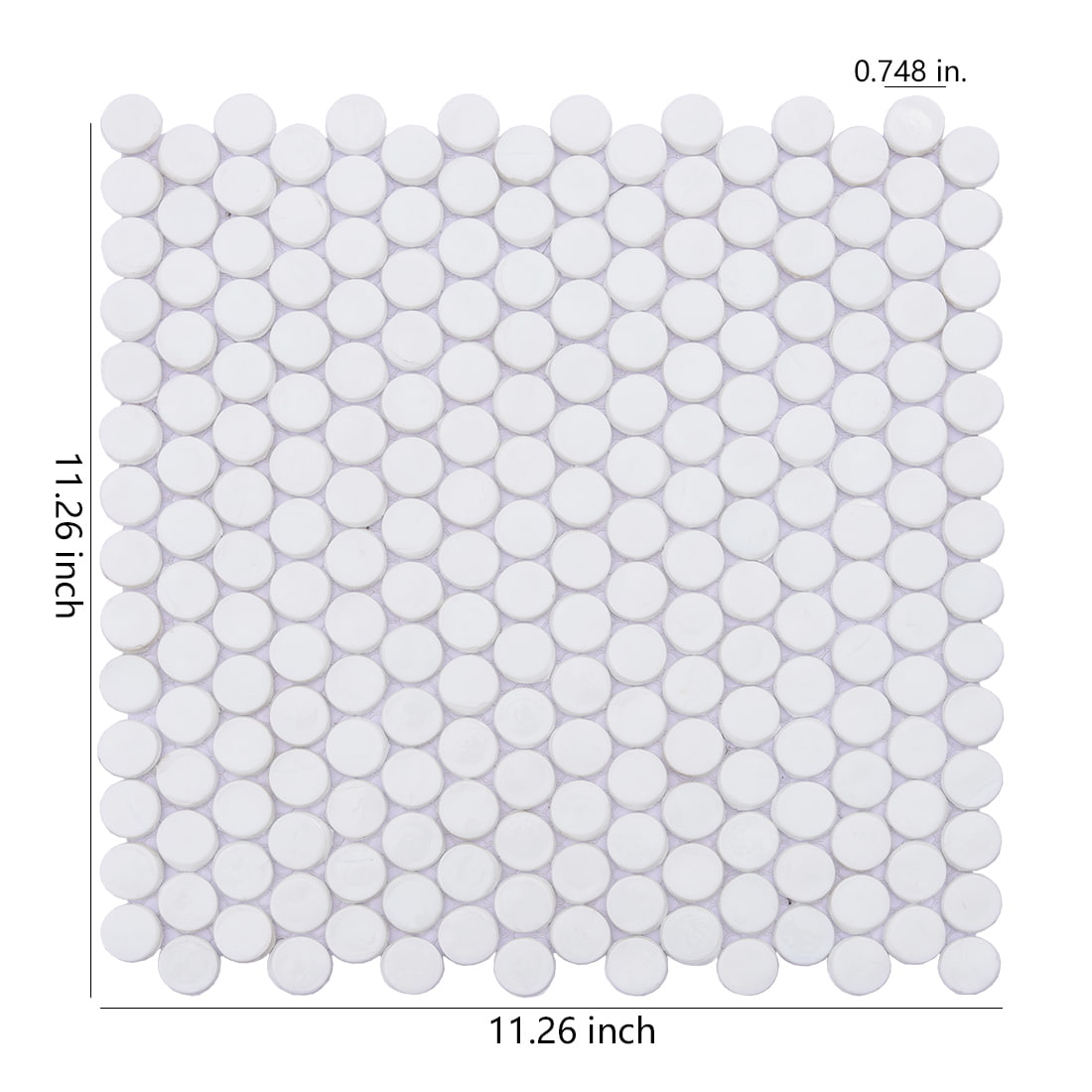
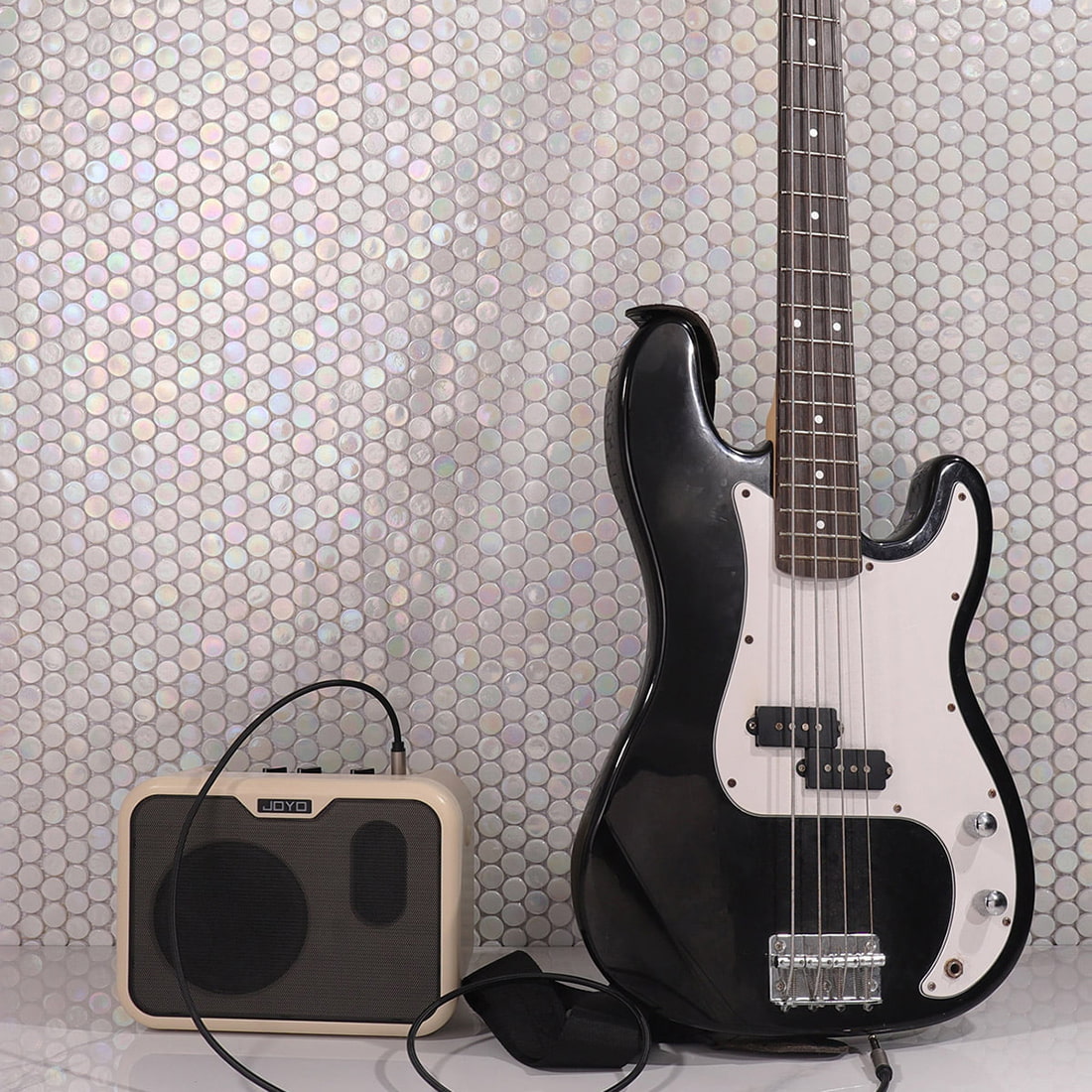
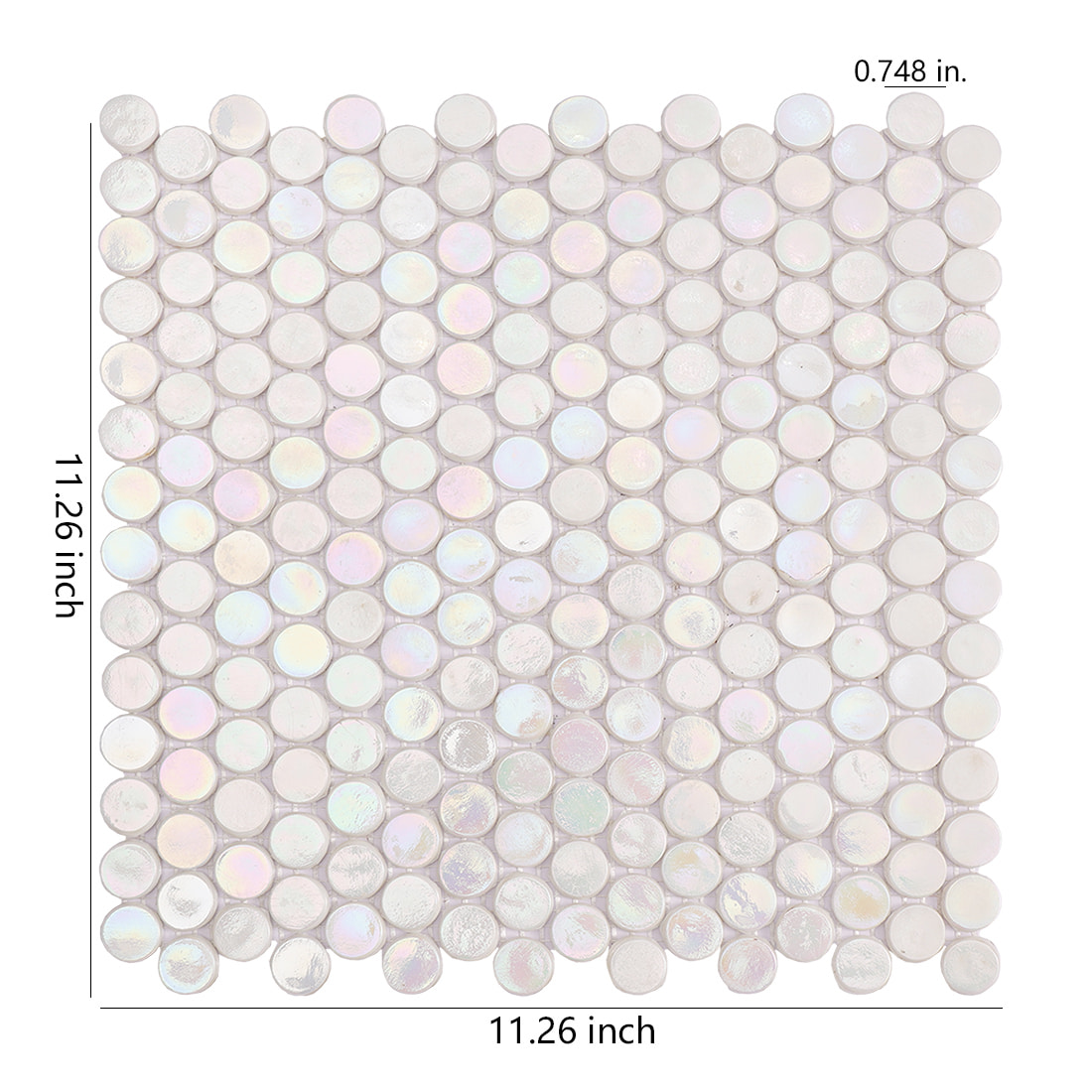
White Round Penny Tile Glass Mosaic Sheet$16.07 USD
-
-
-
-
-
-



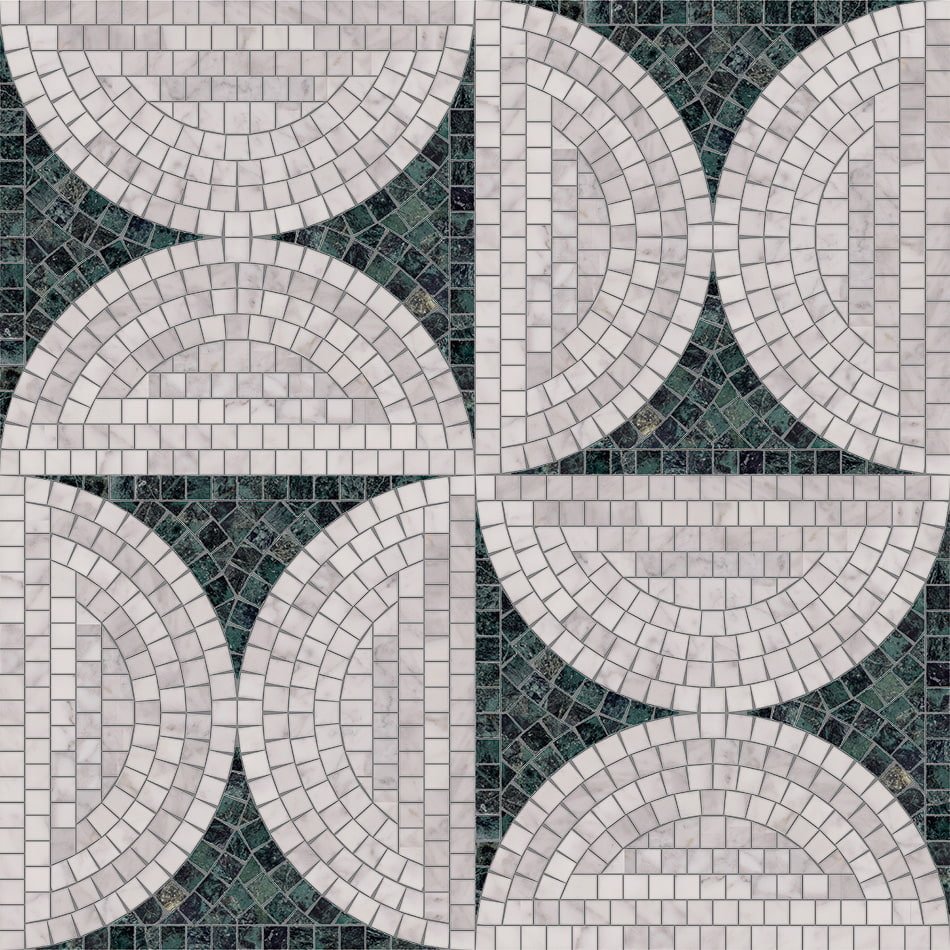
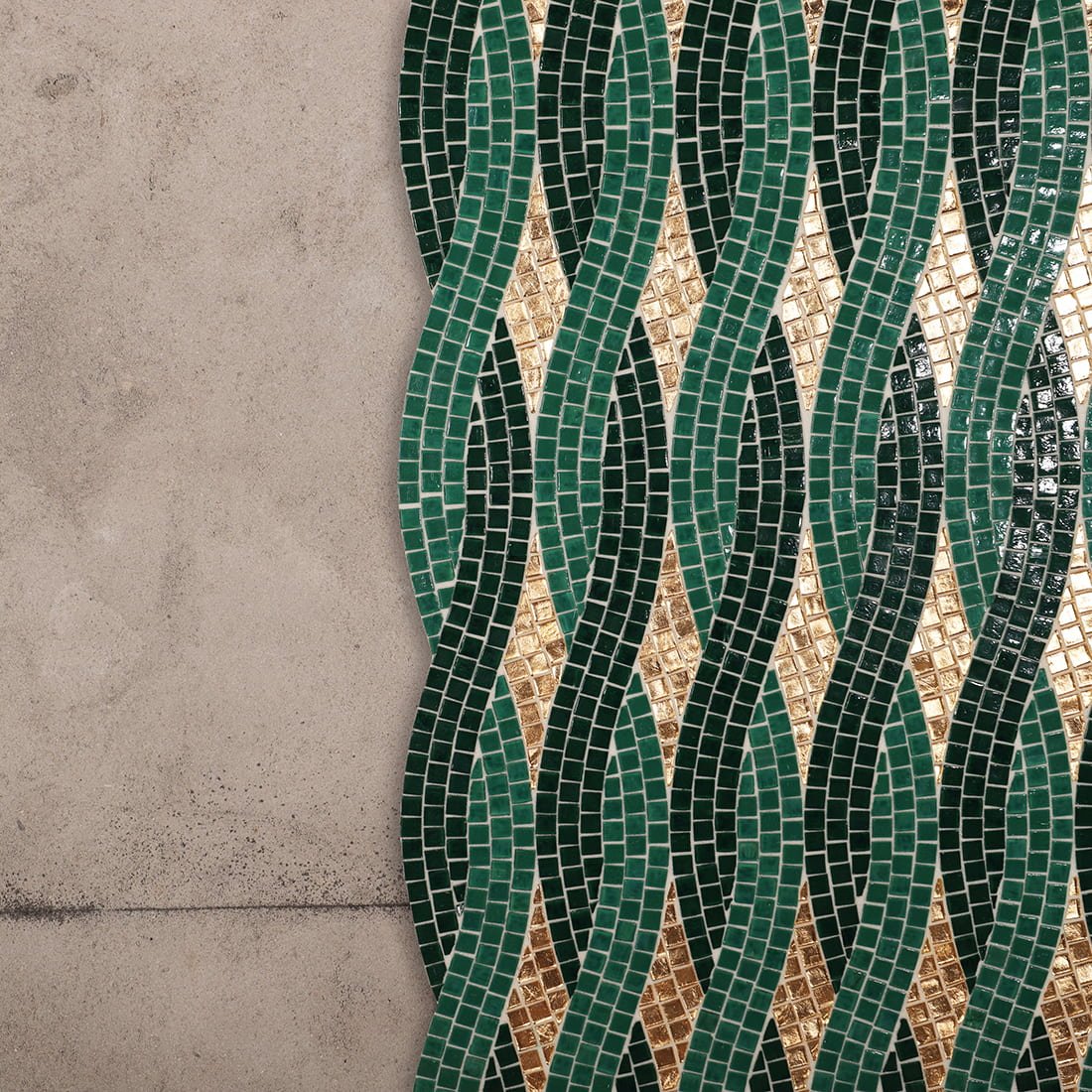

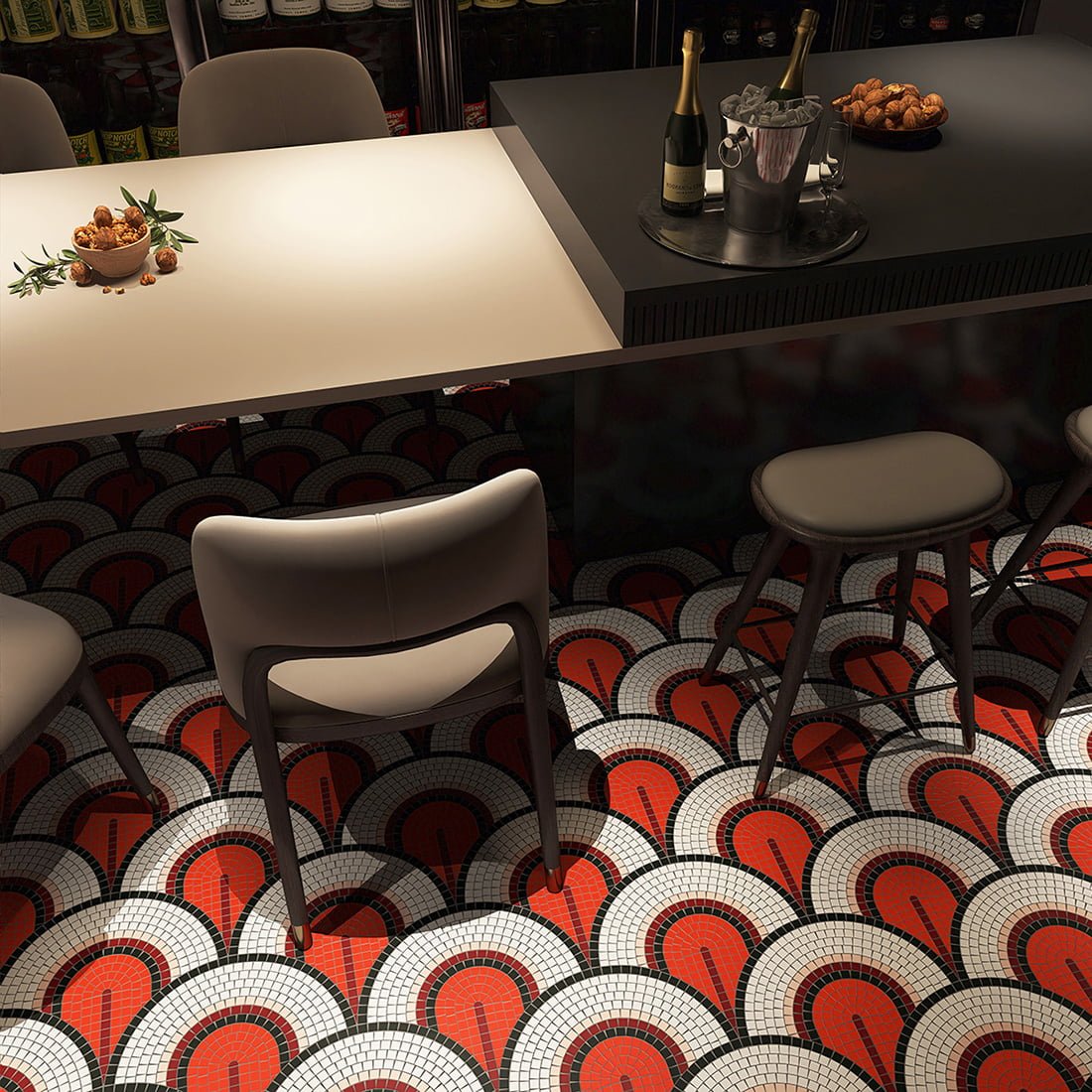
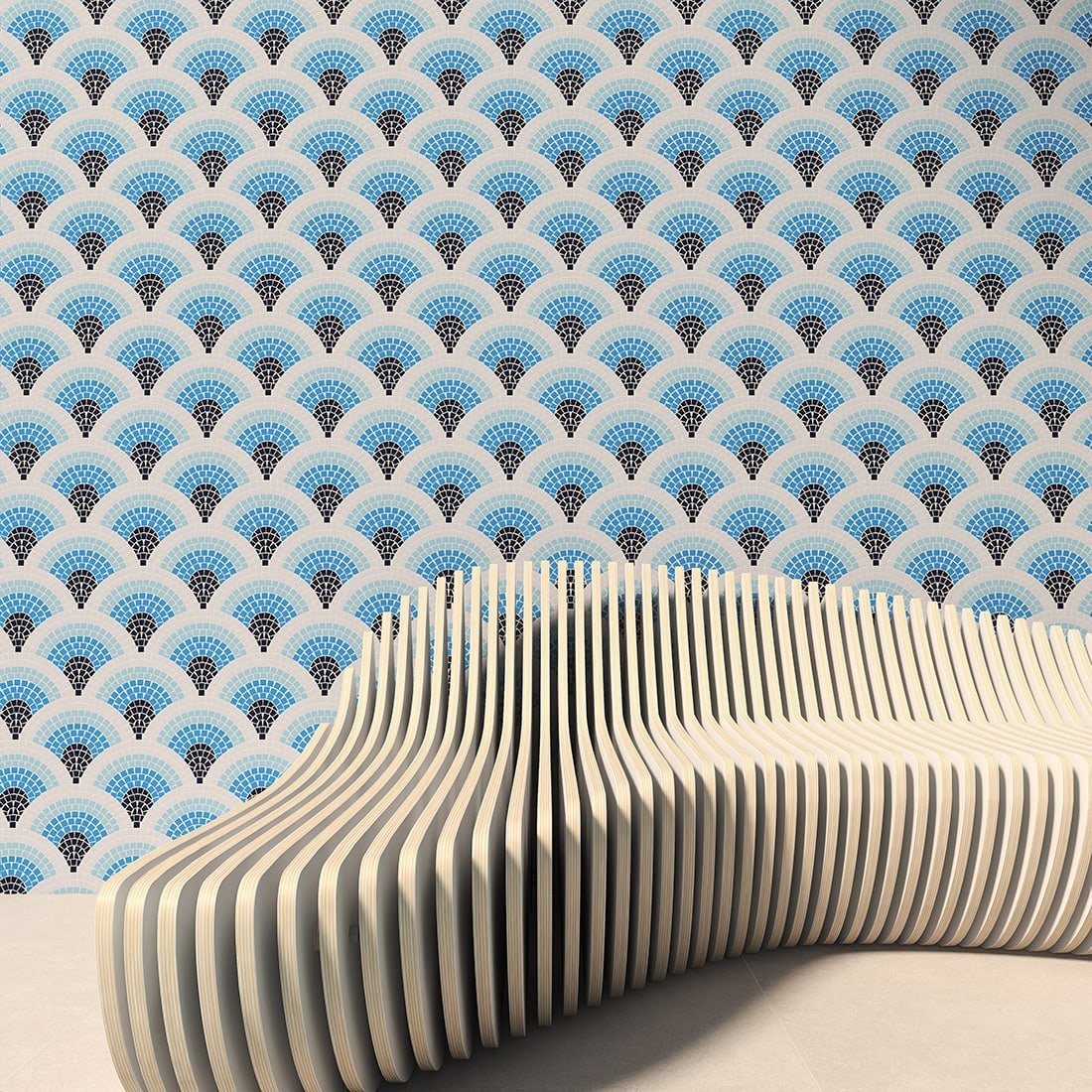
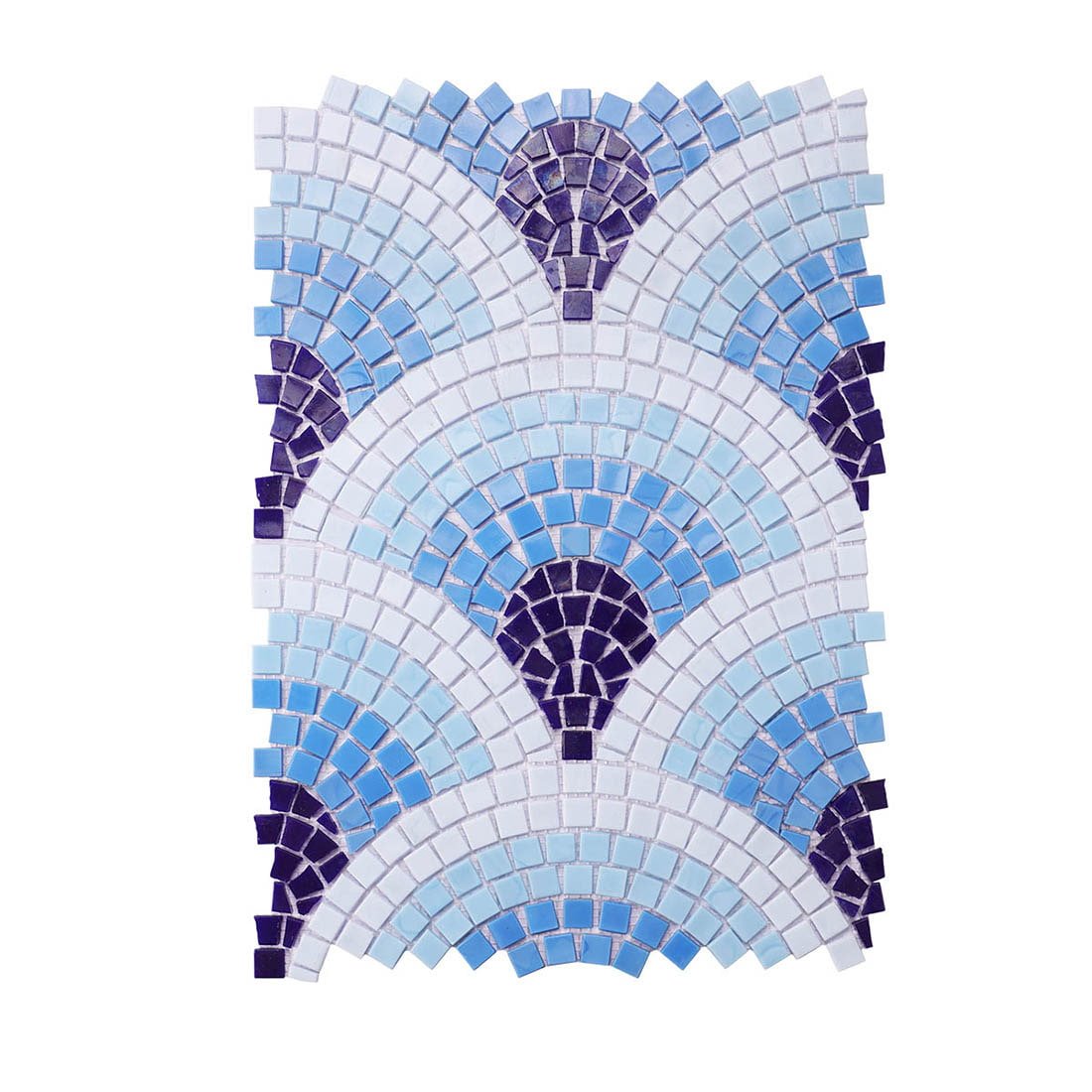


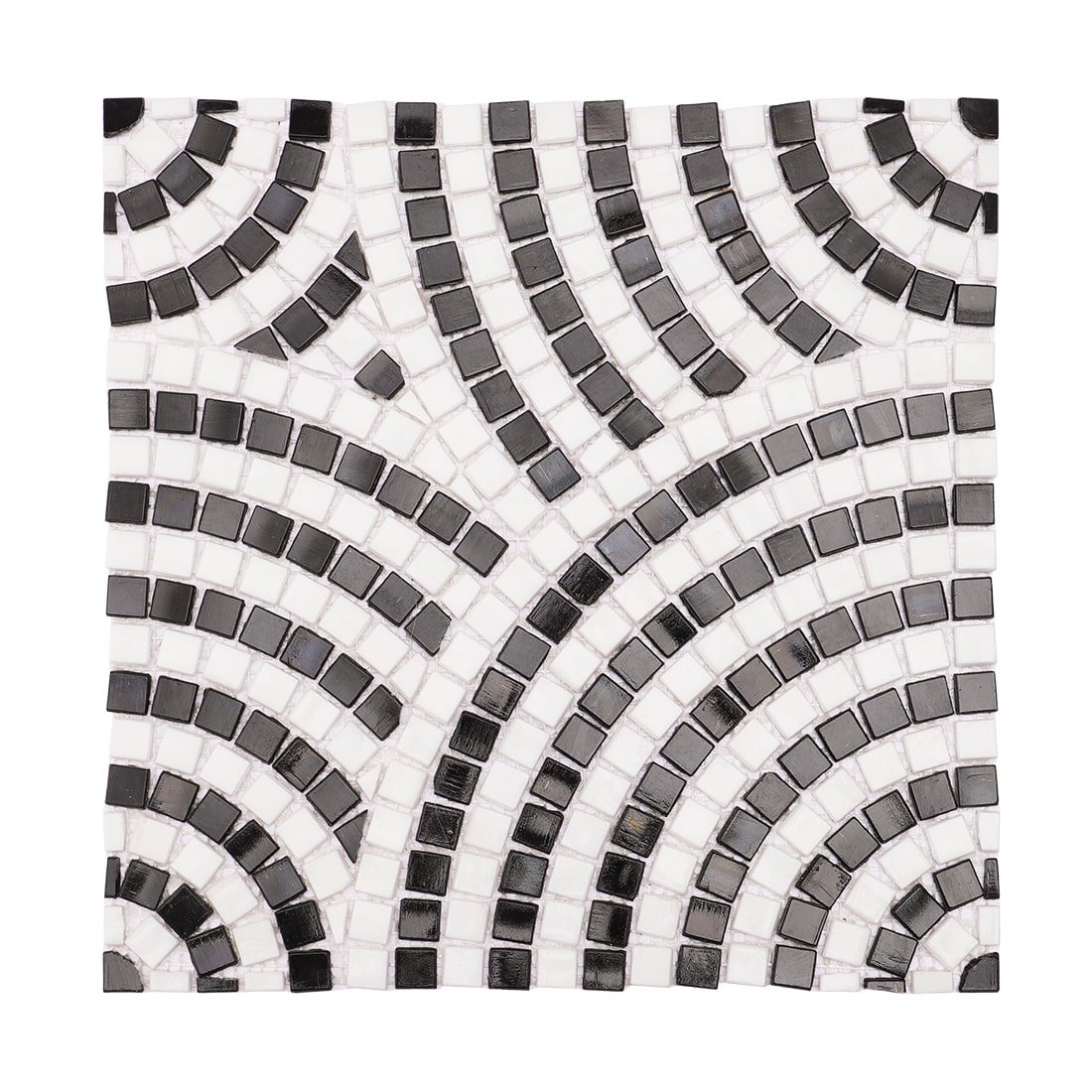
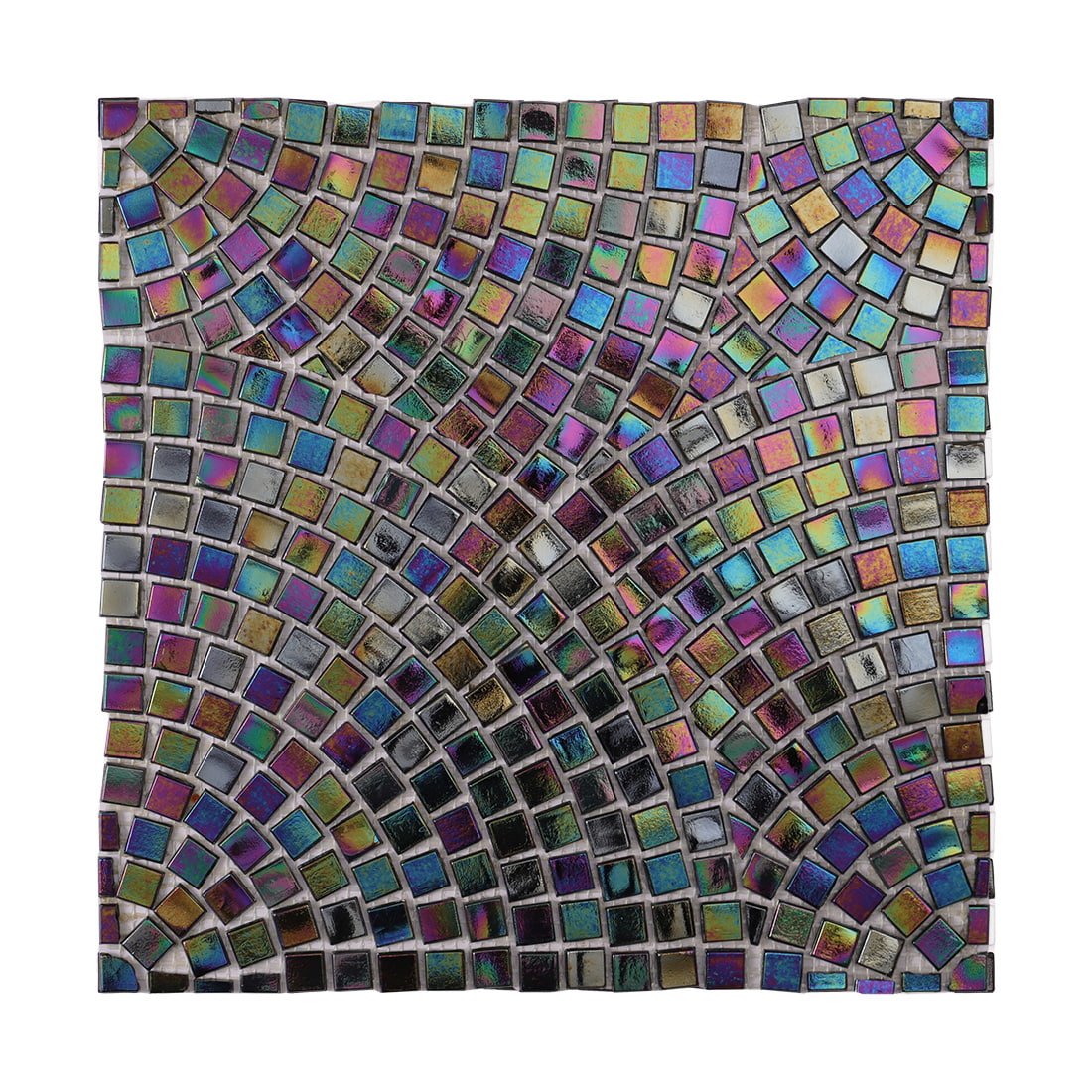
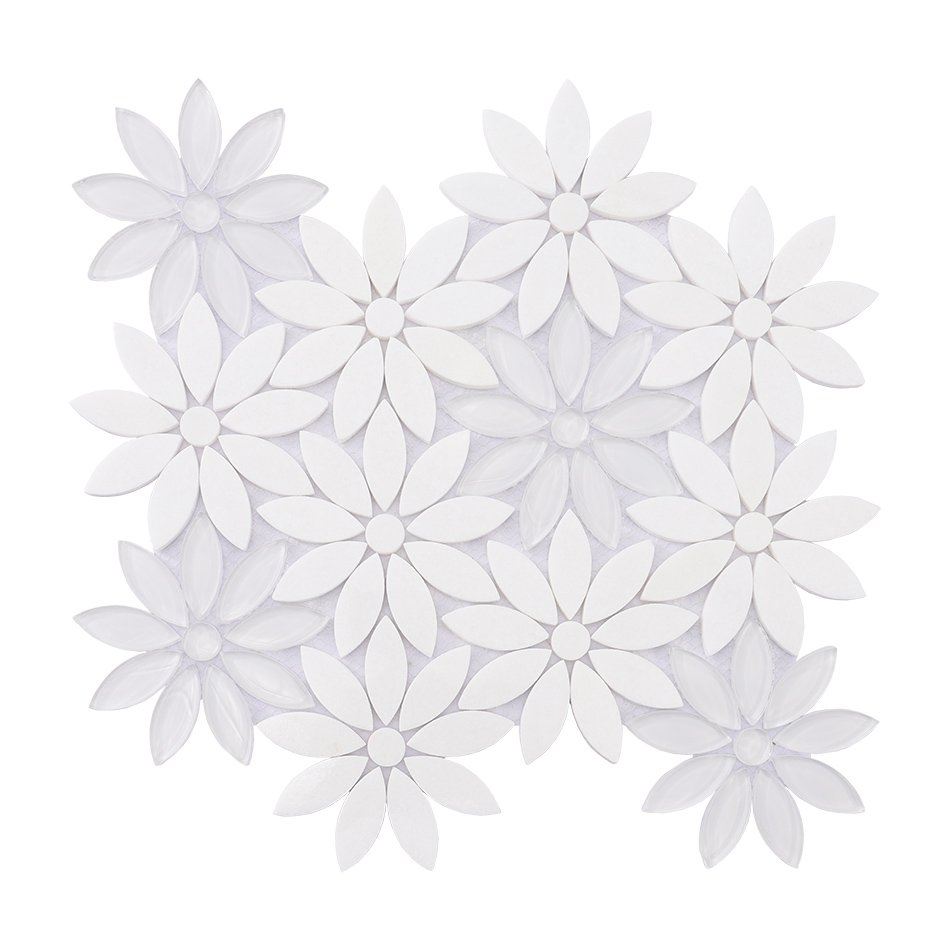
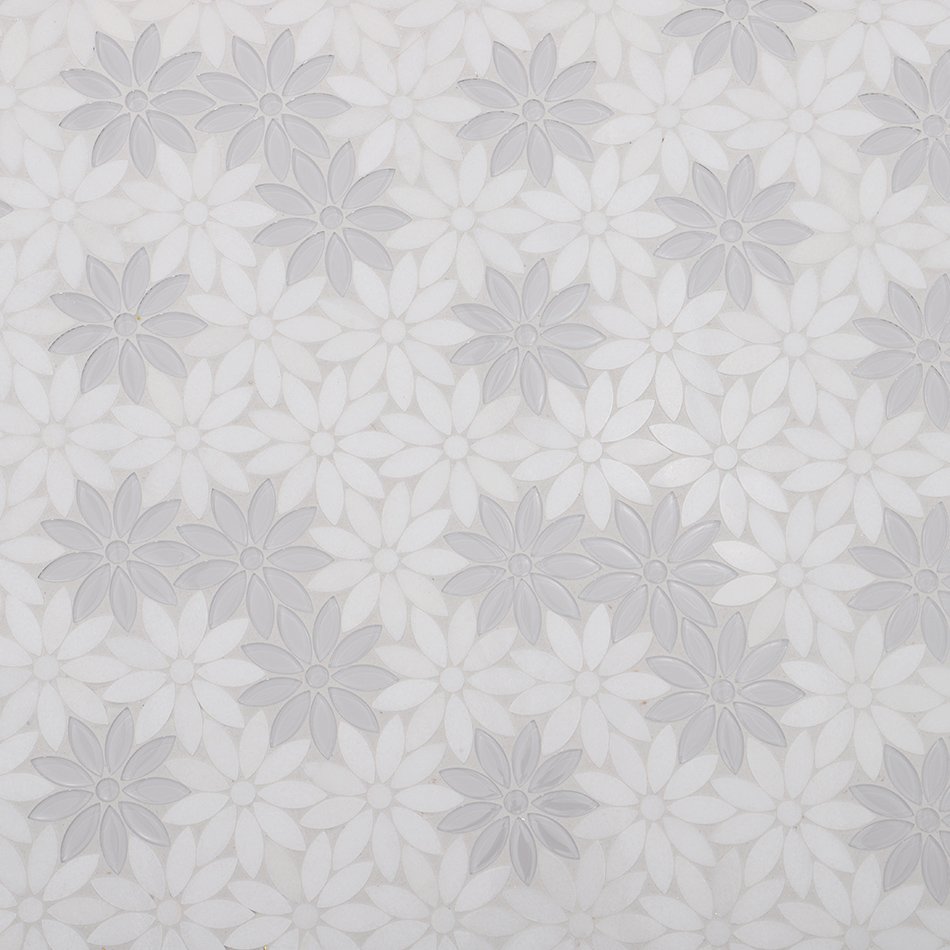
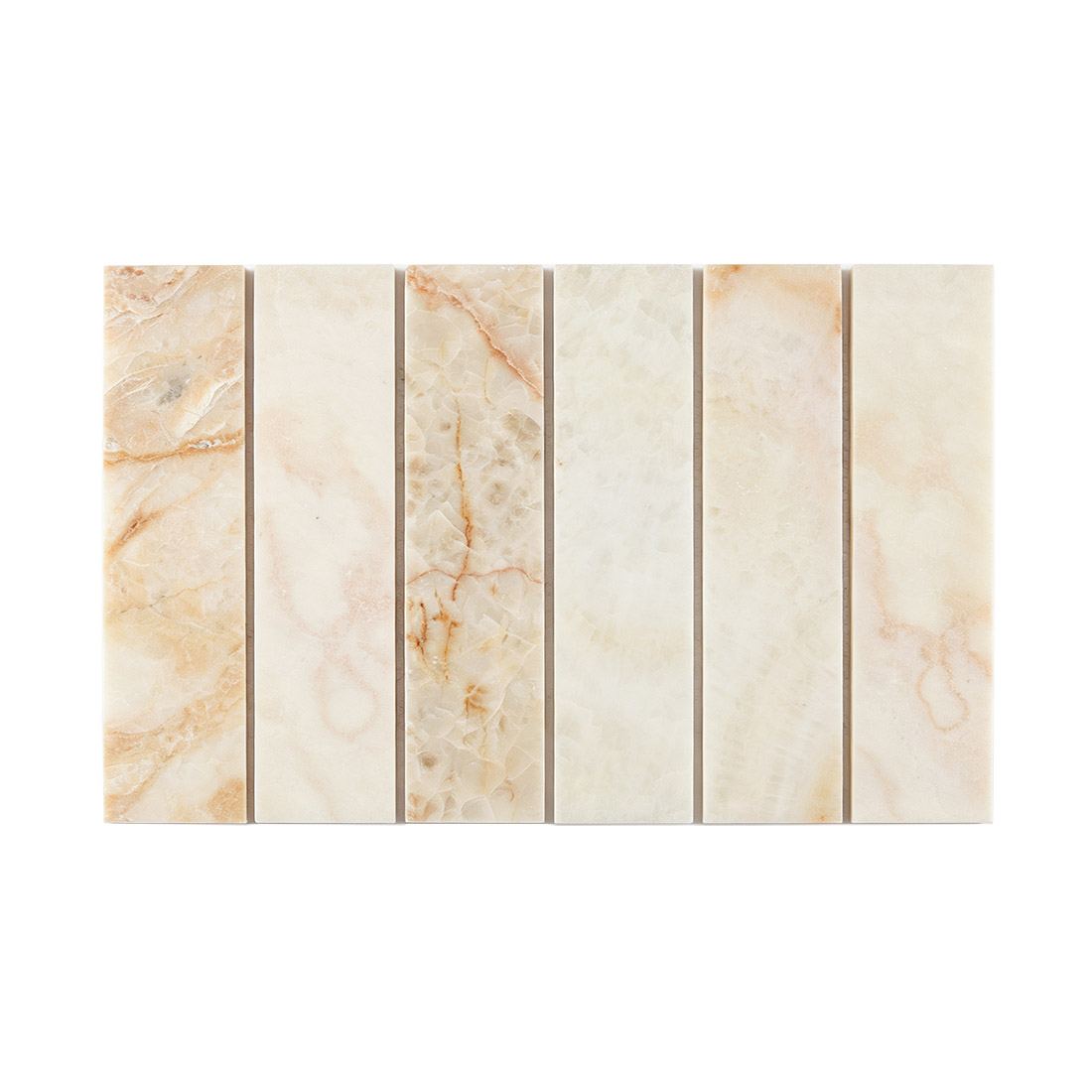
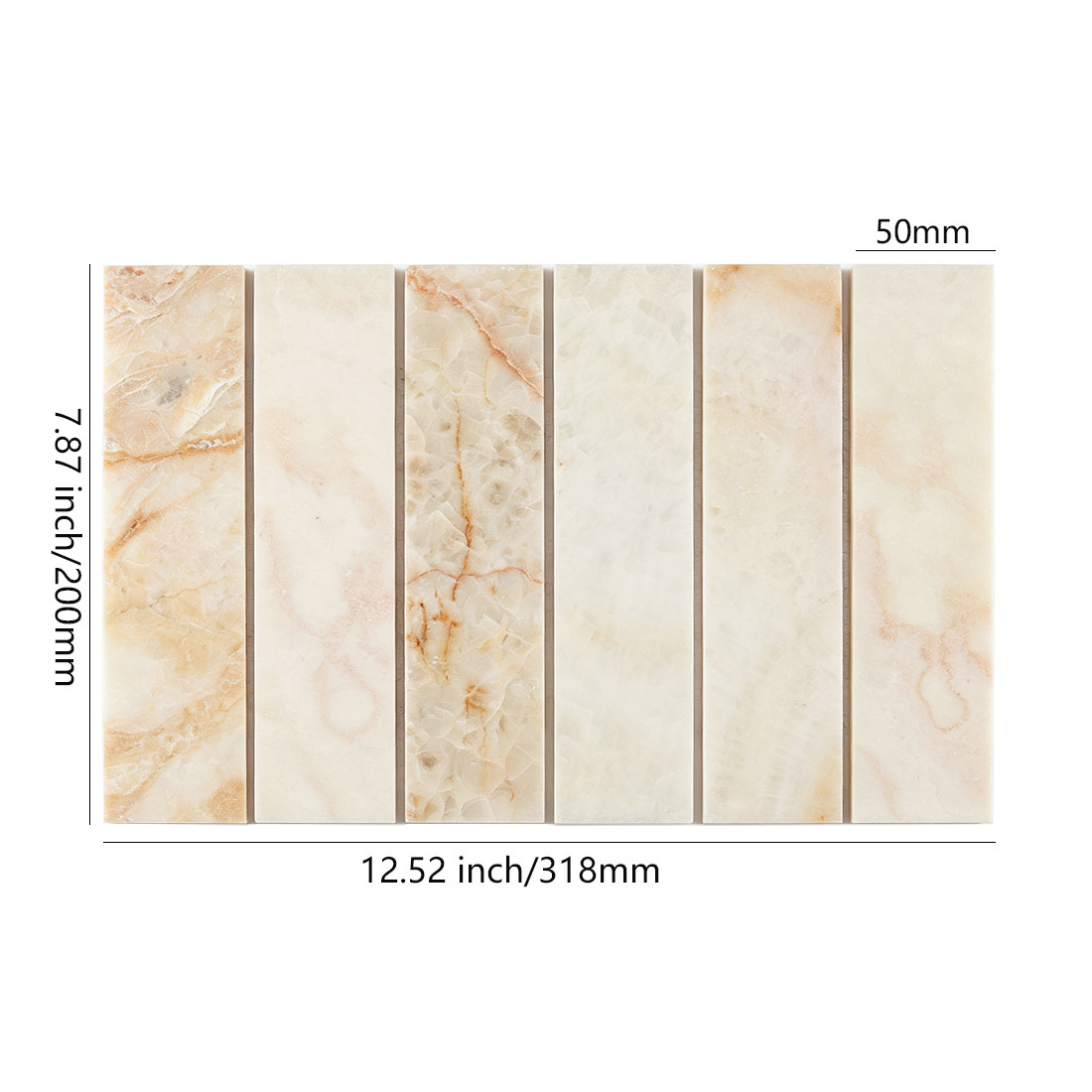
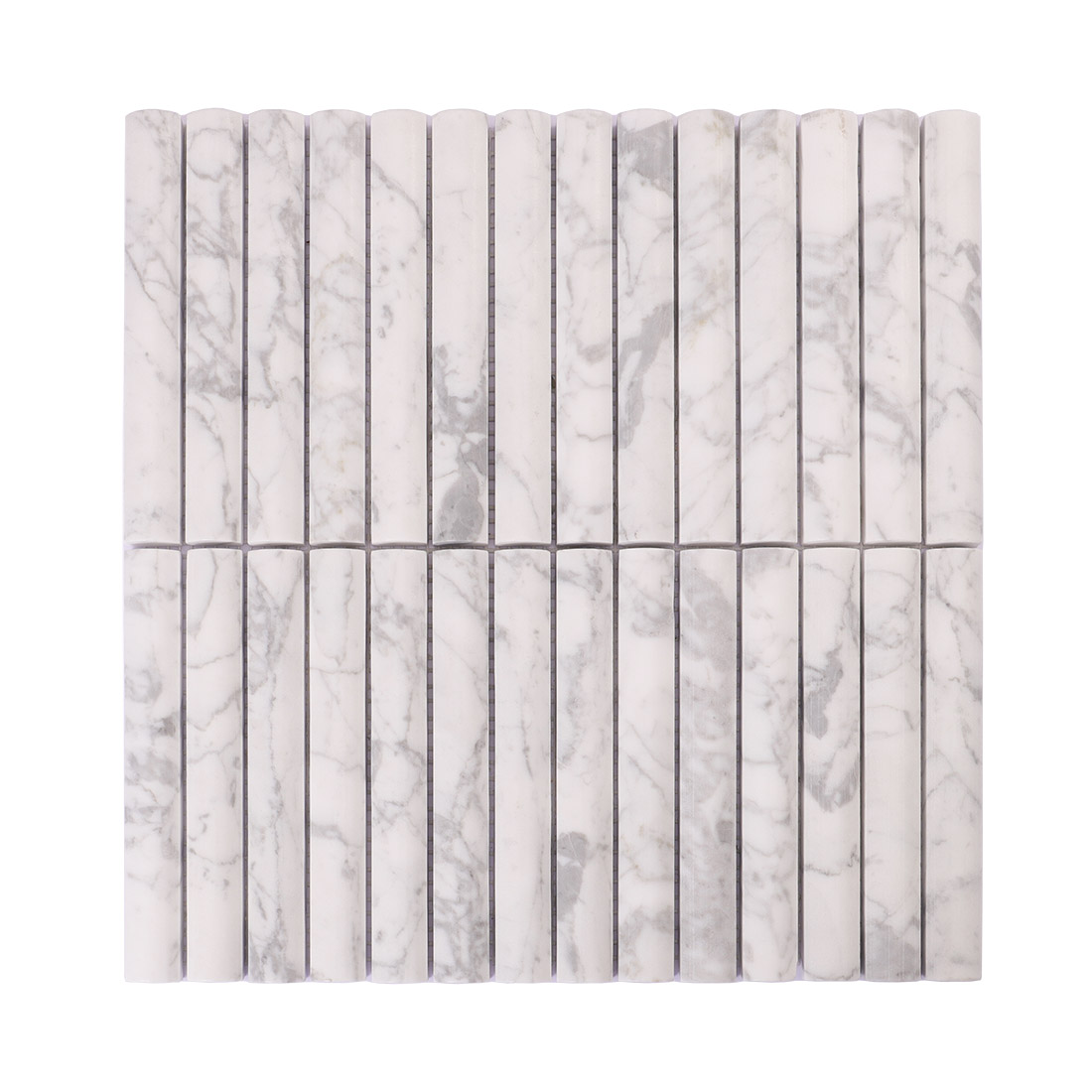
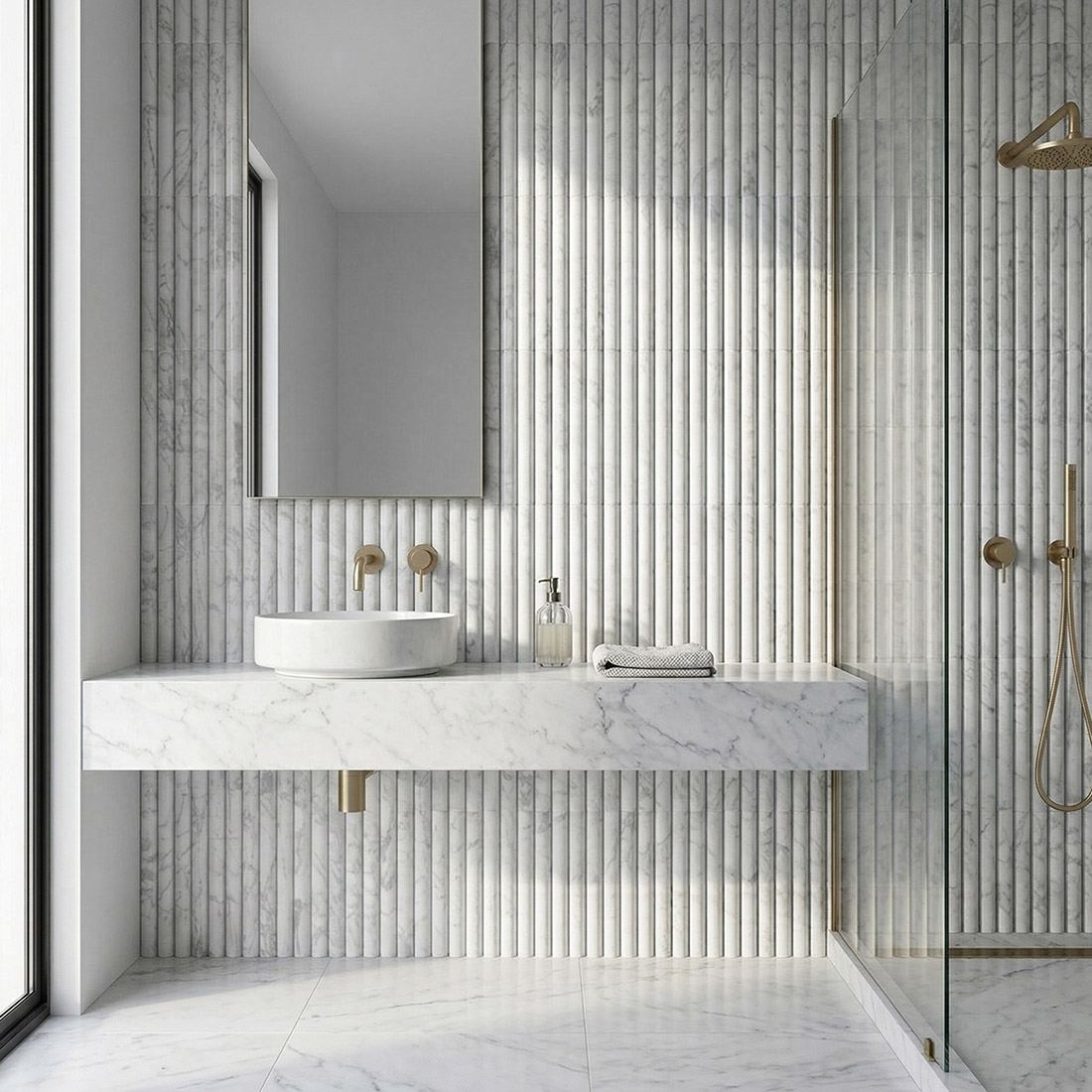
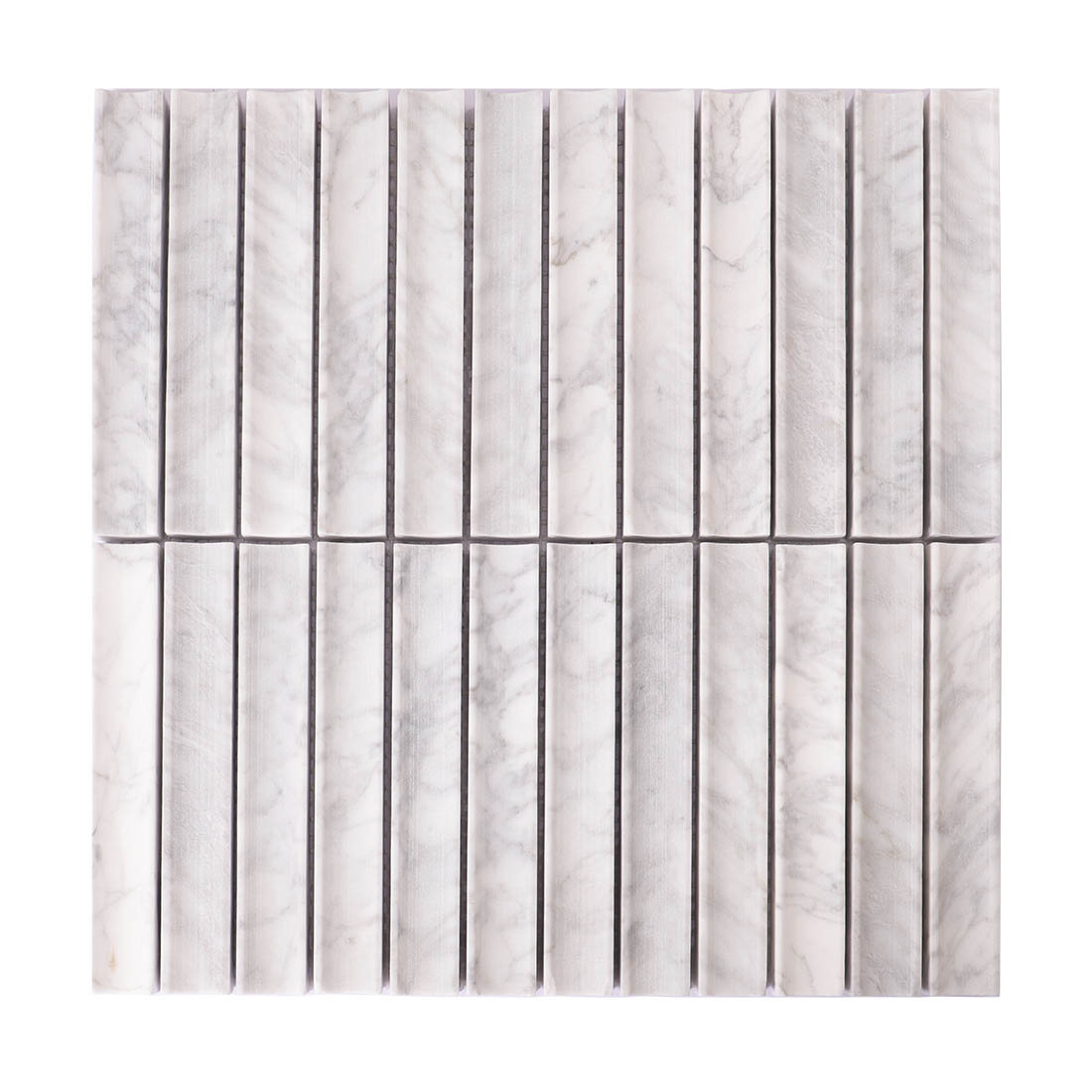
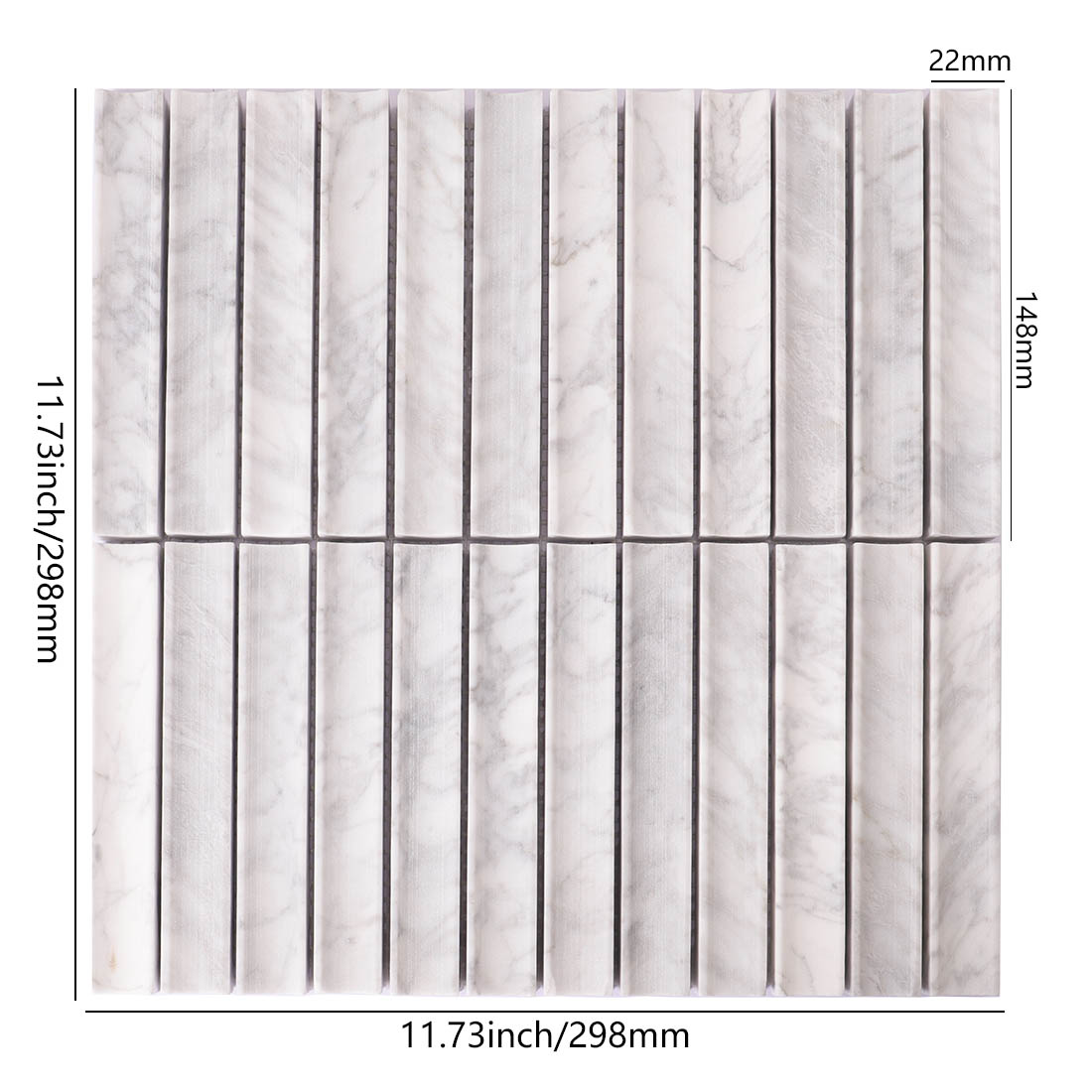
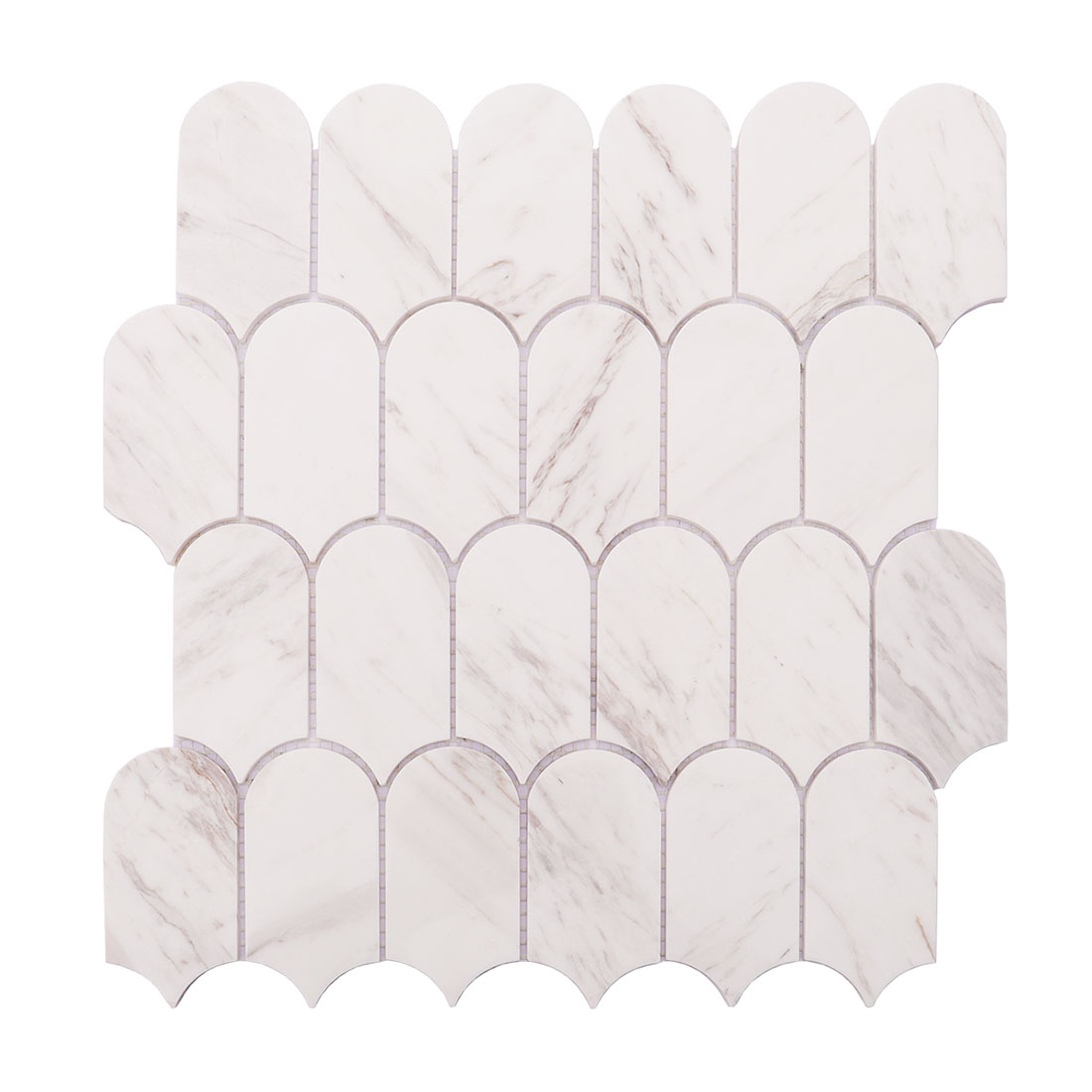
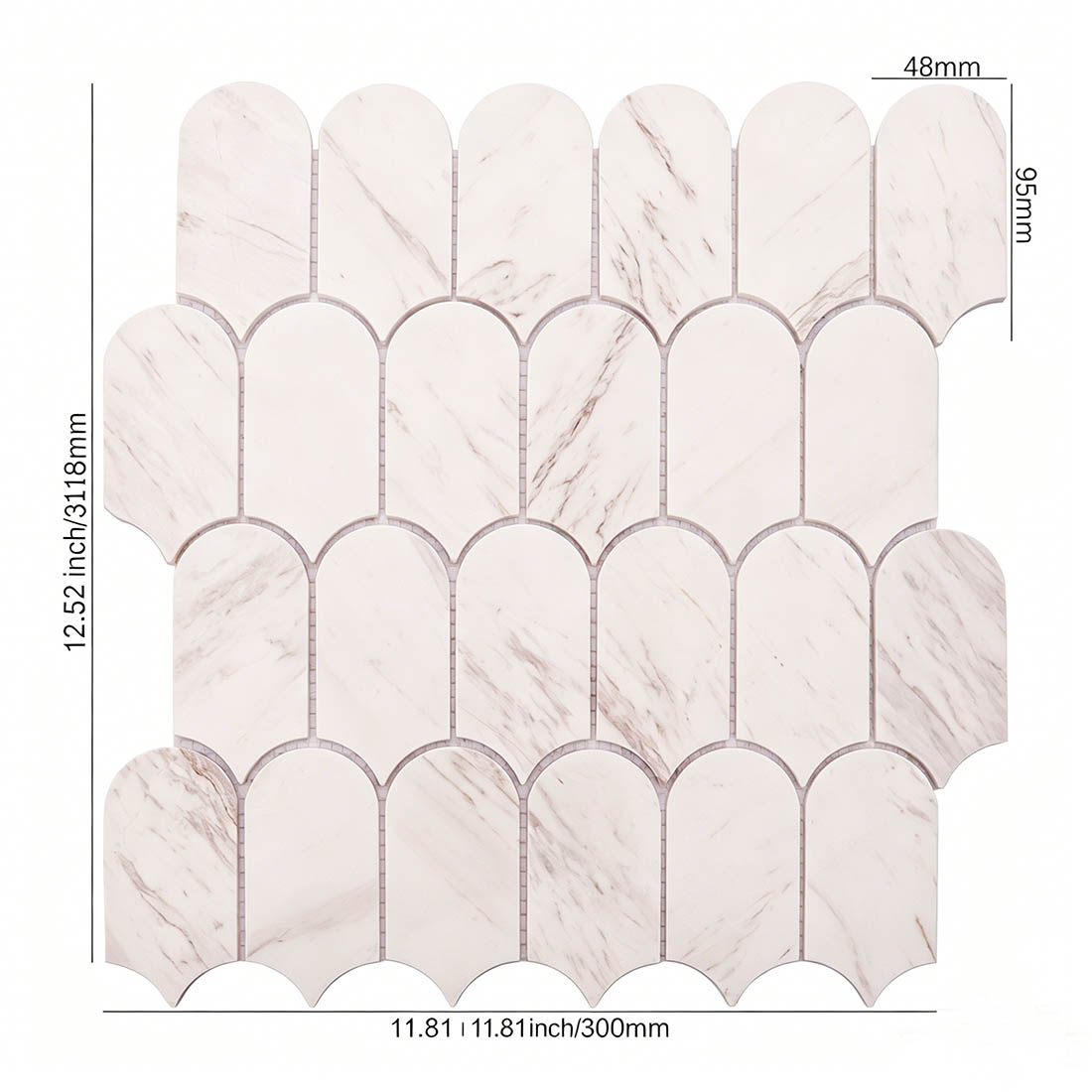
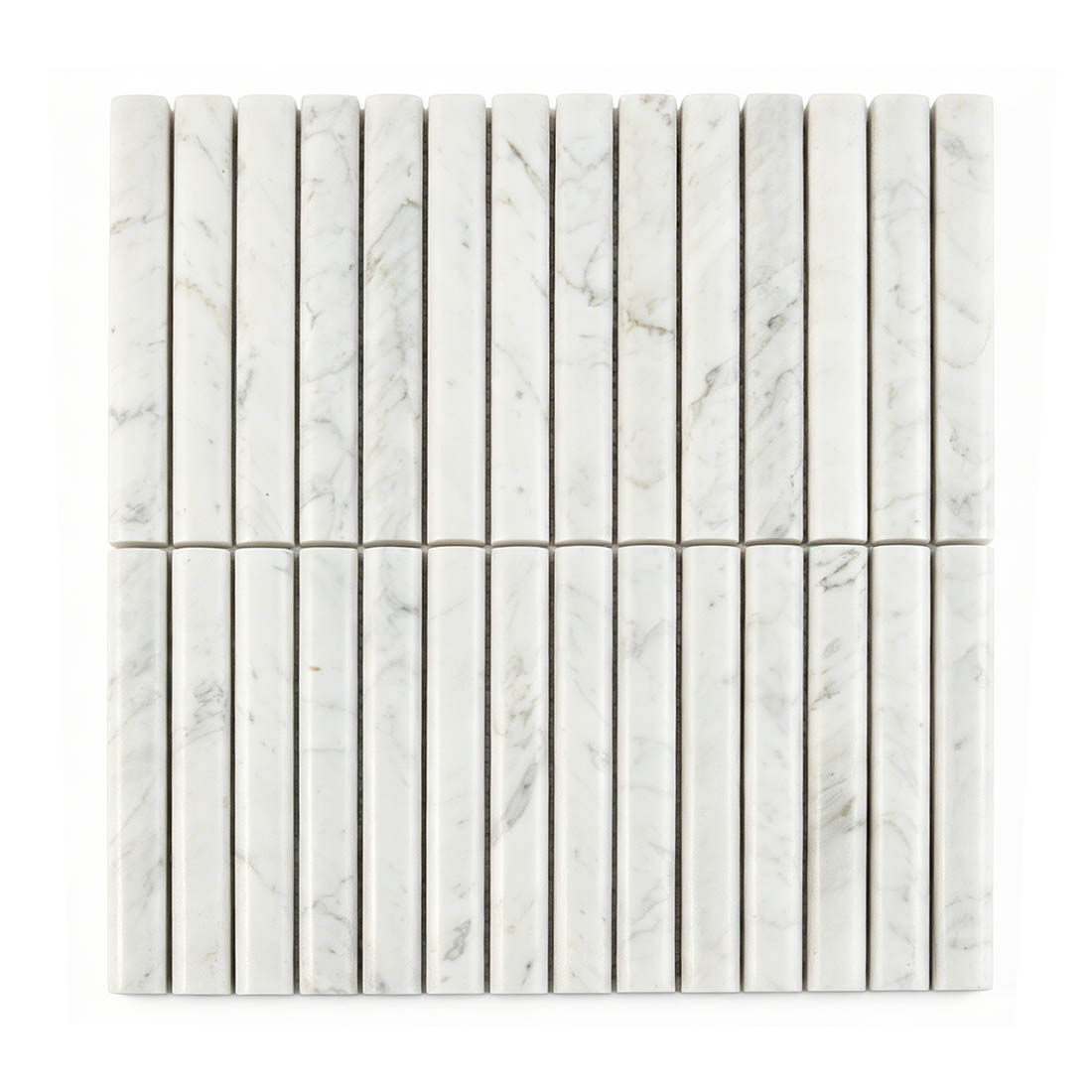
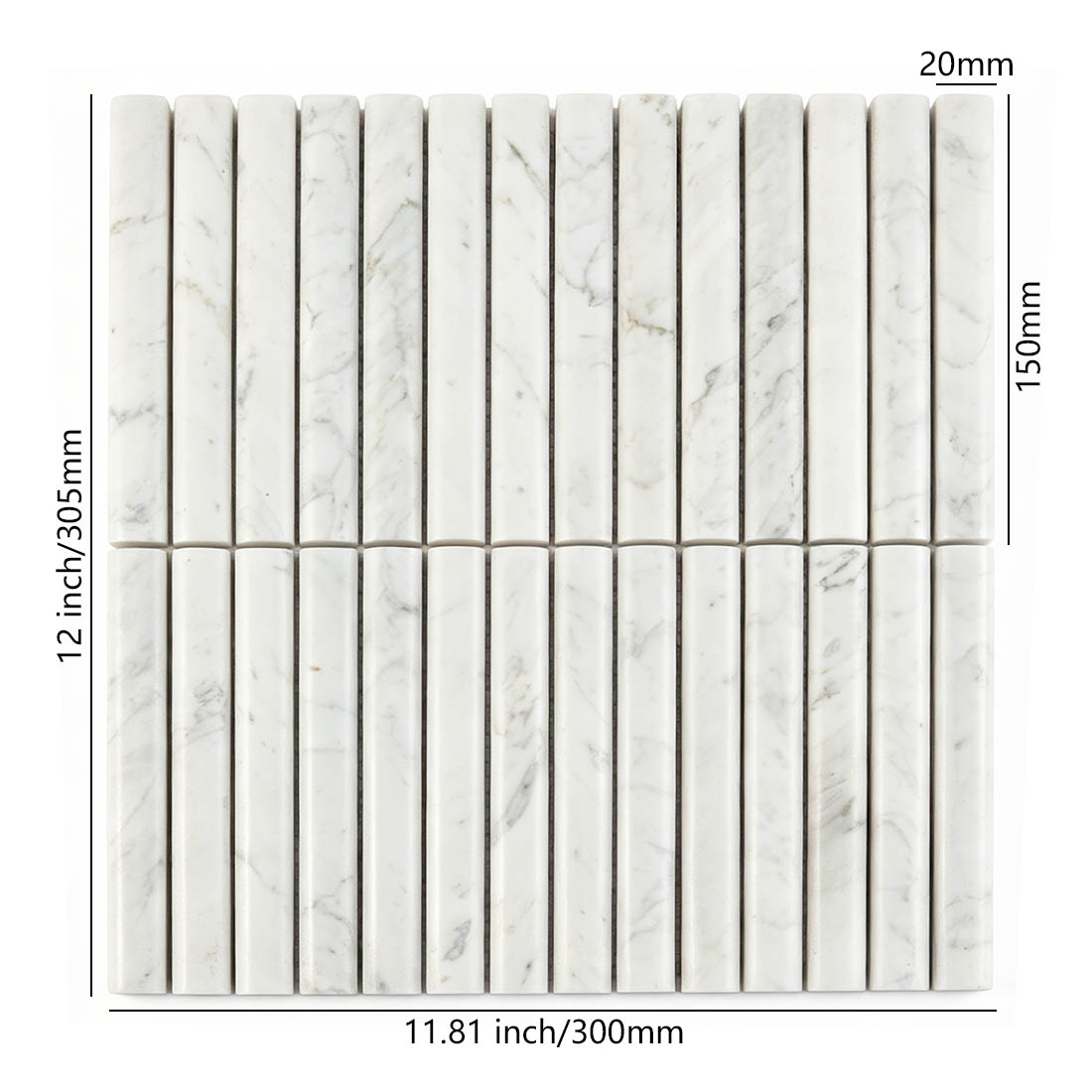
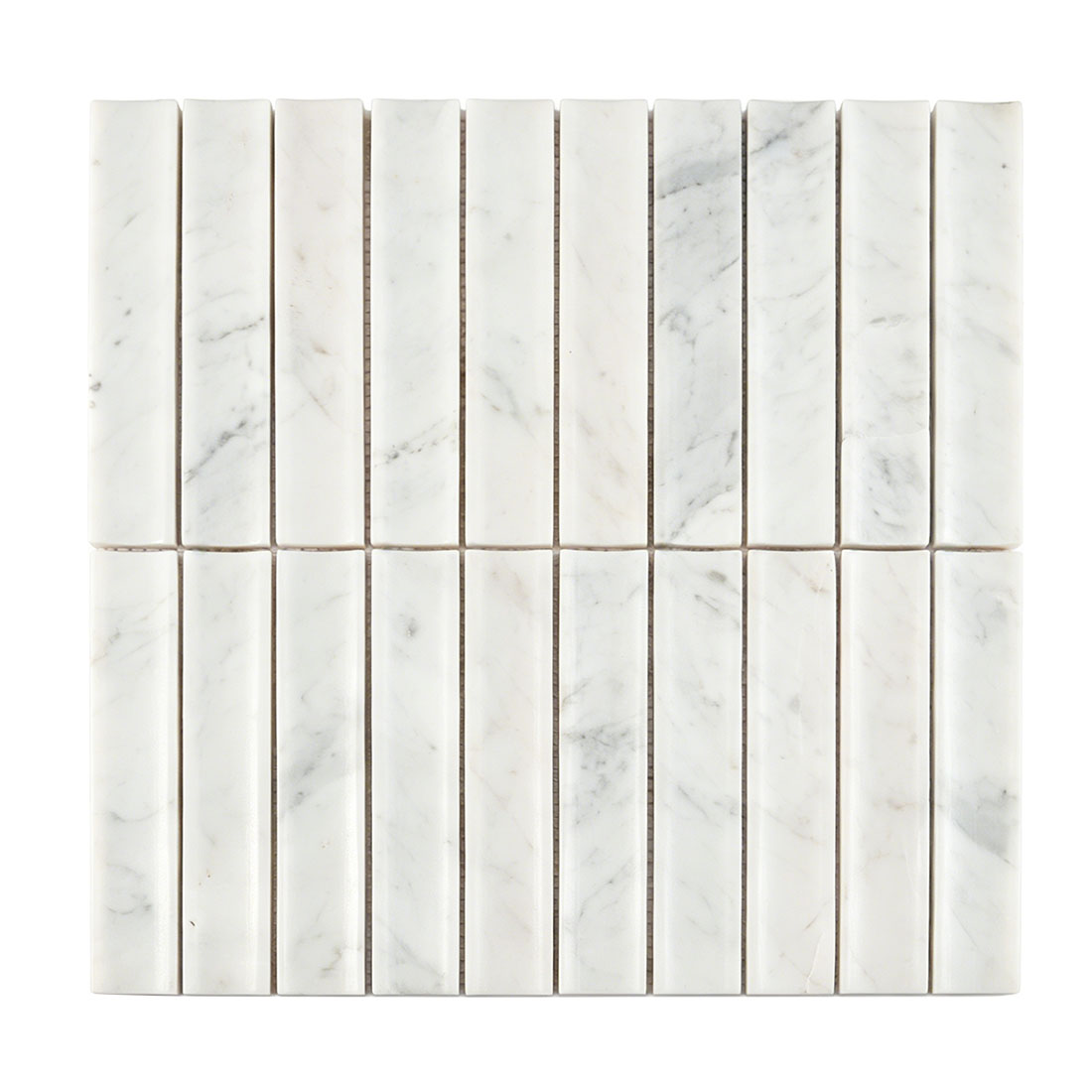
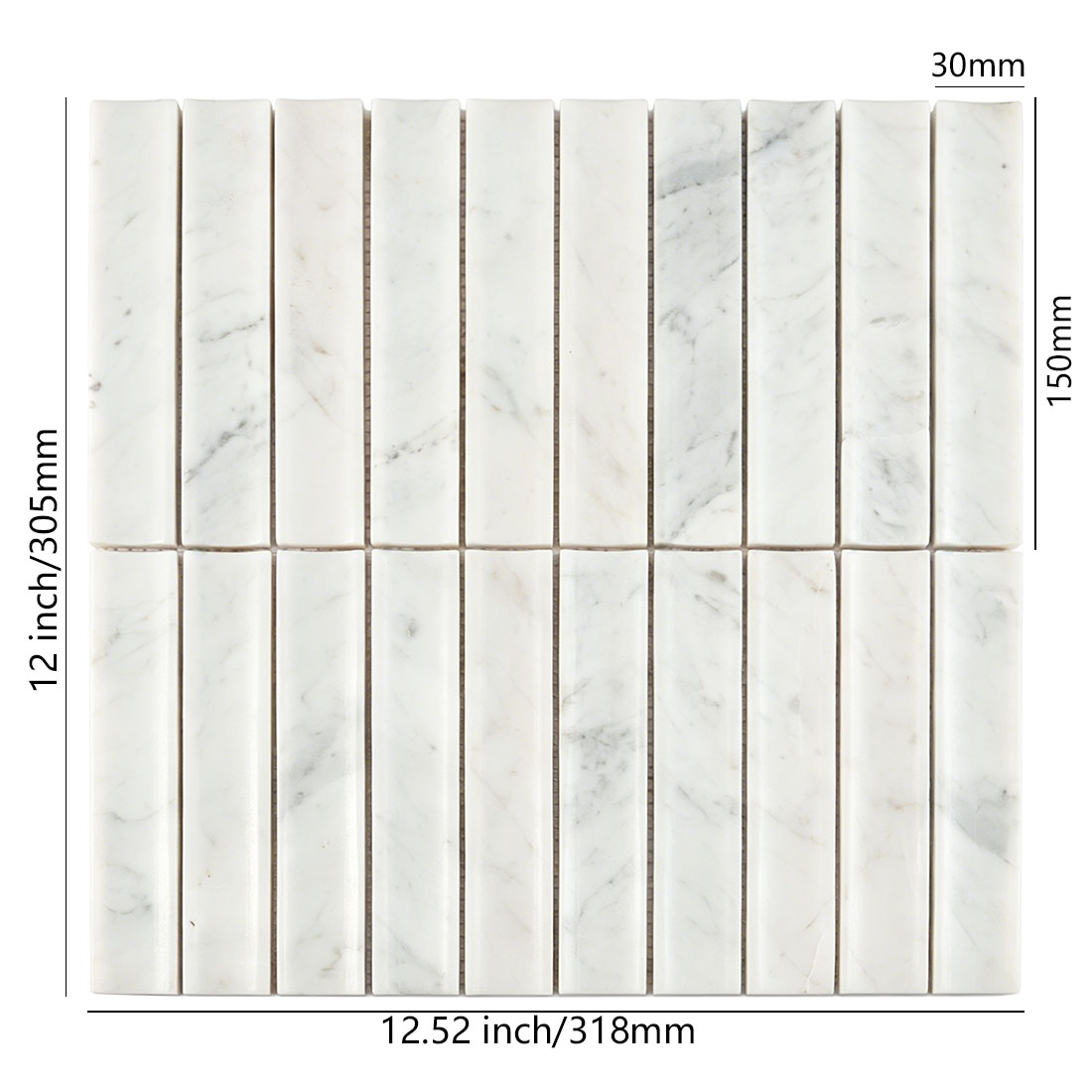
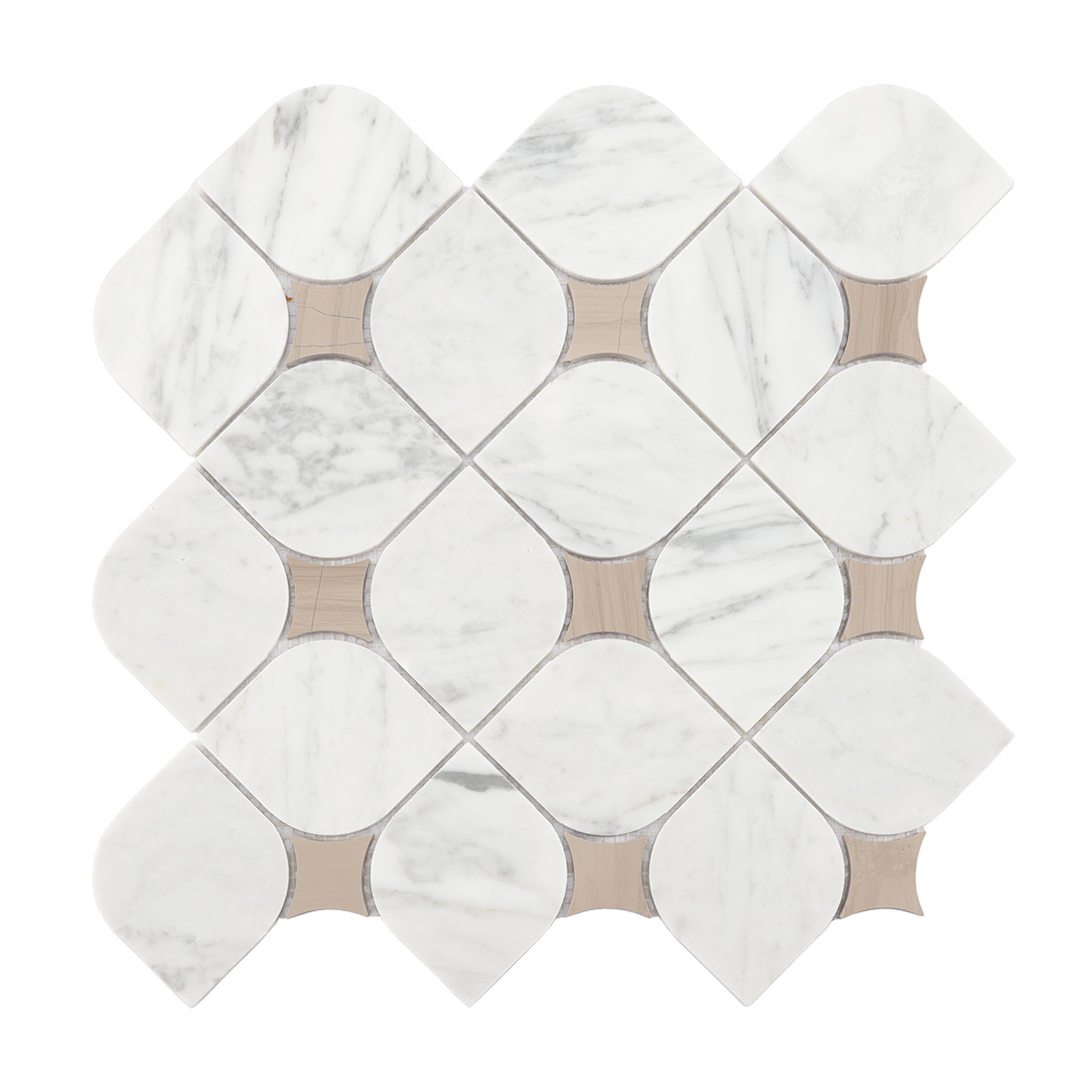
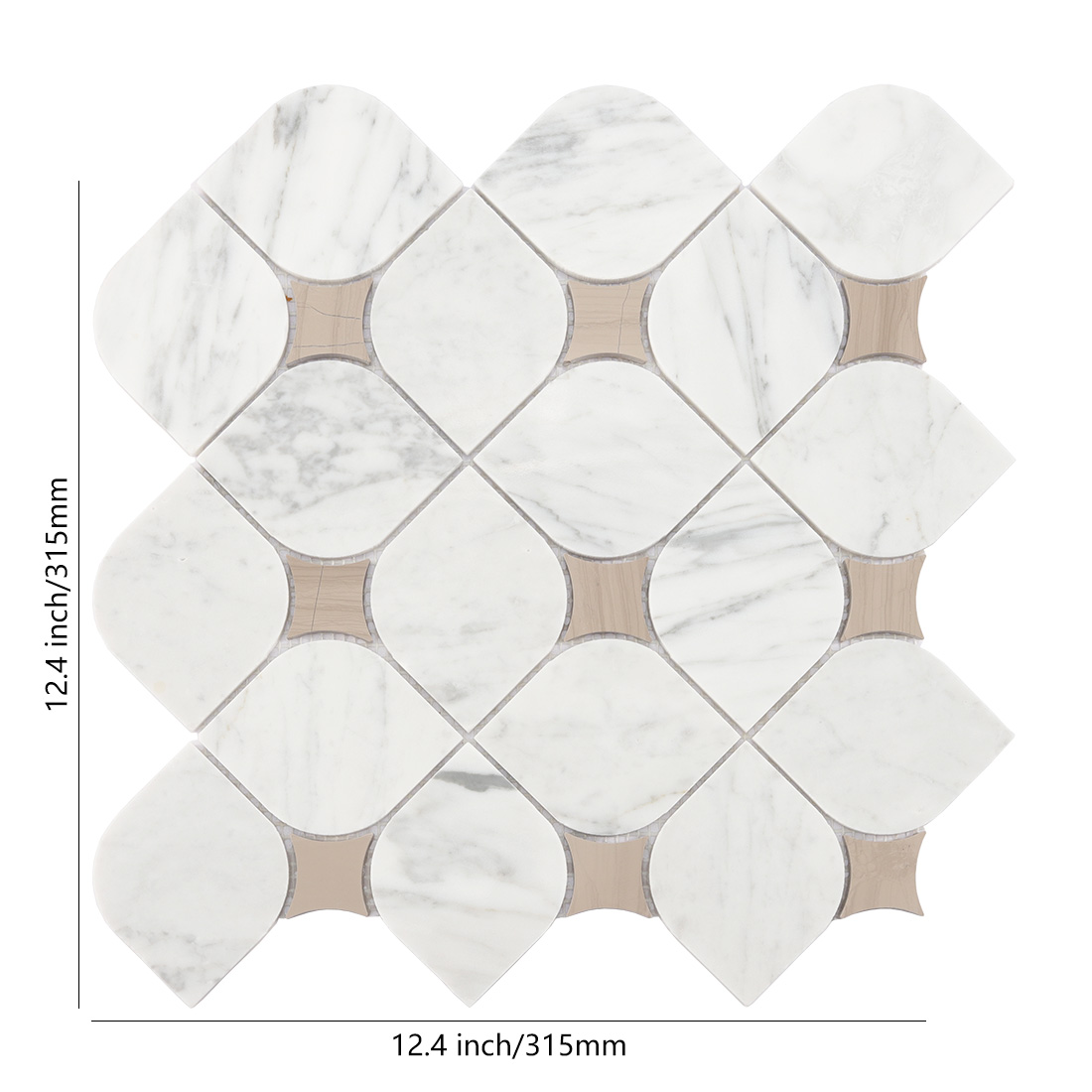
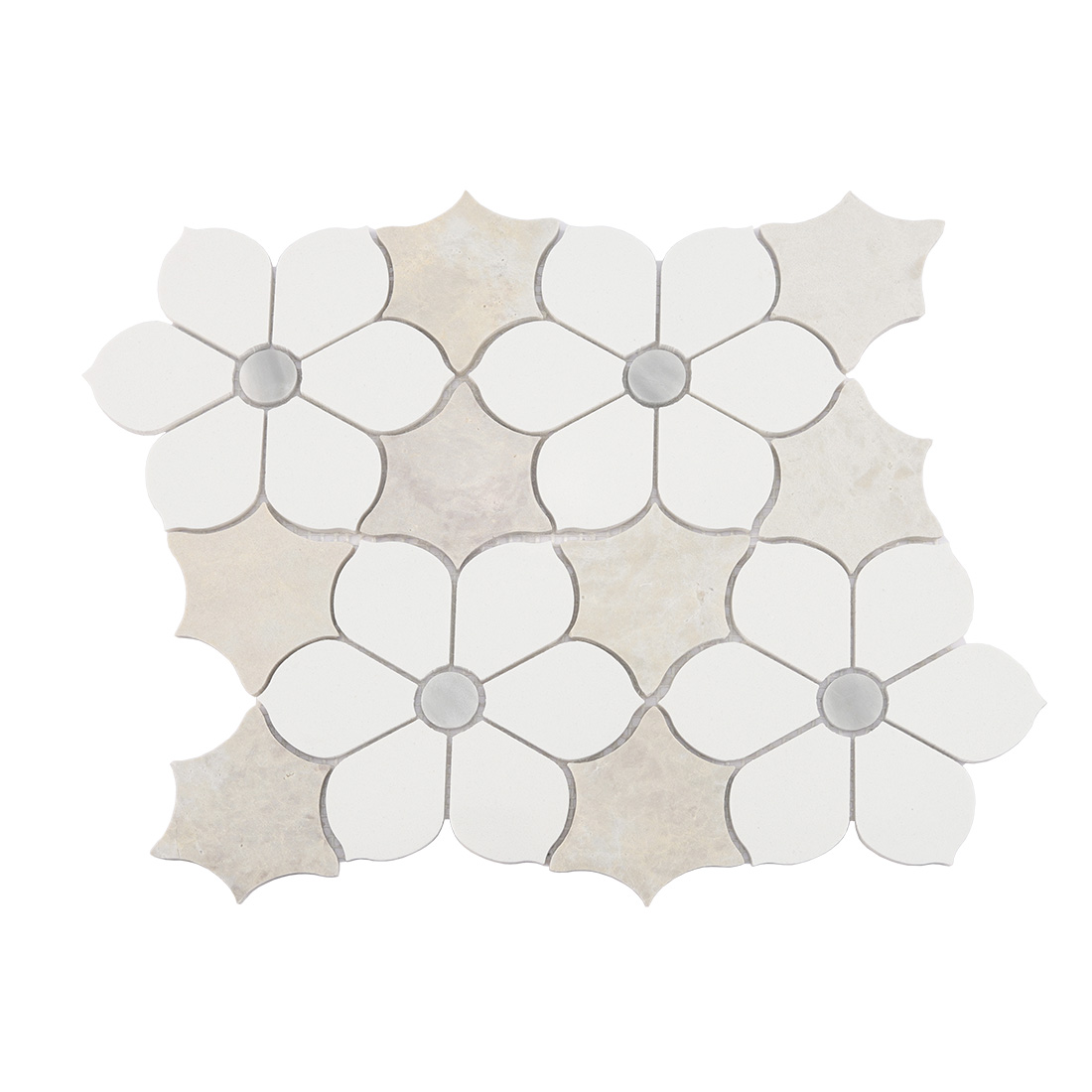

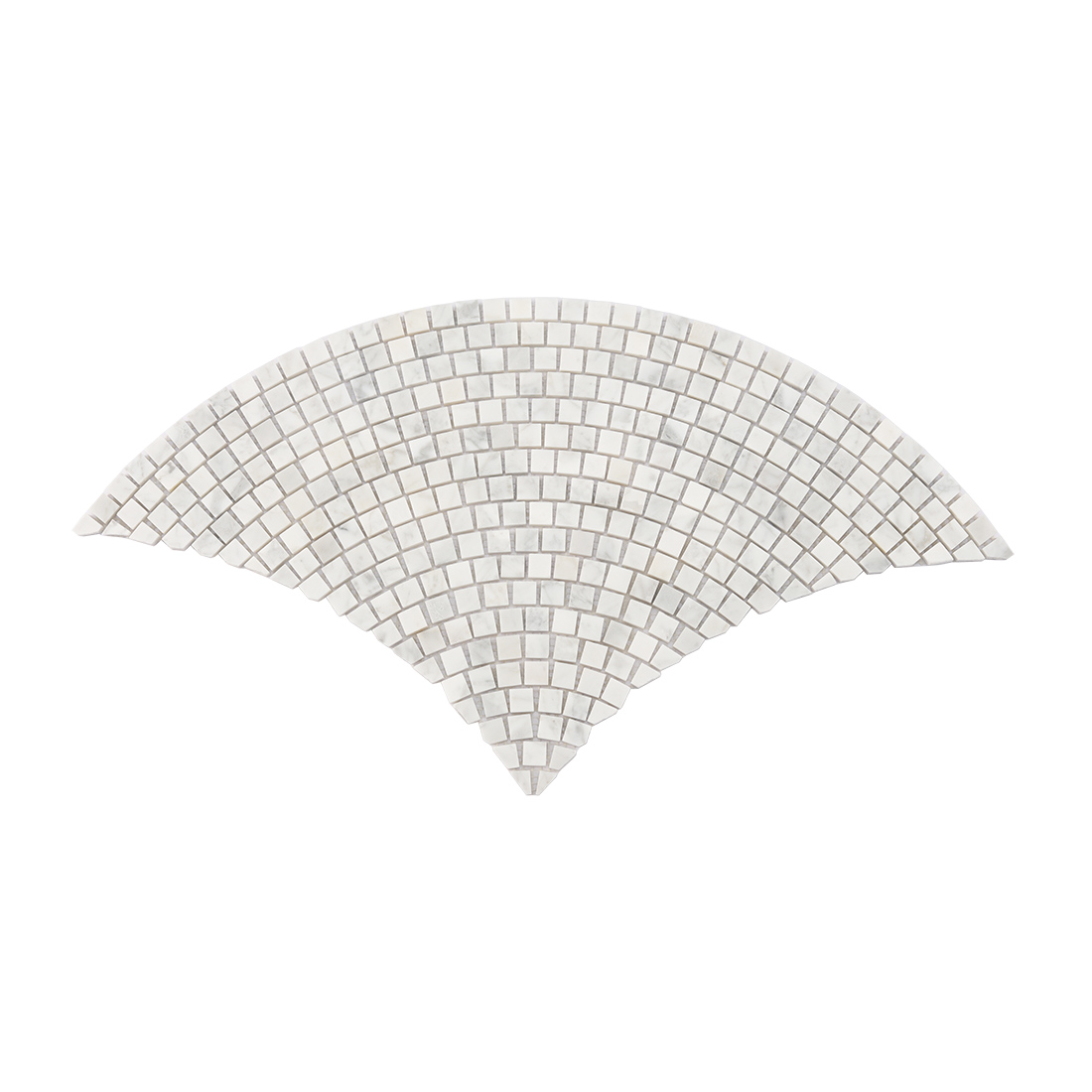
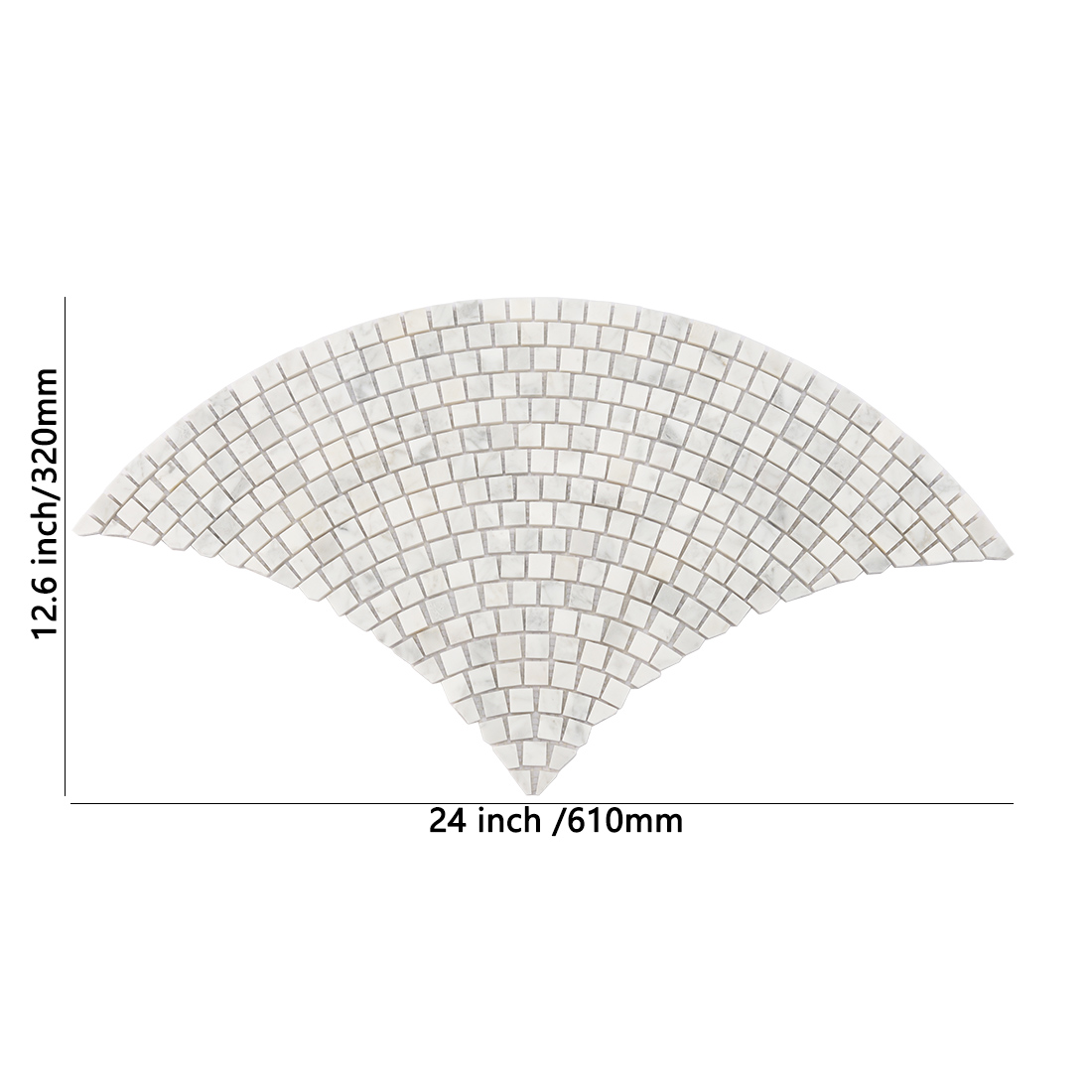
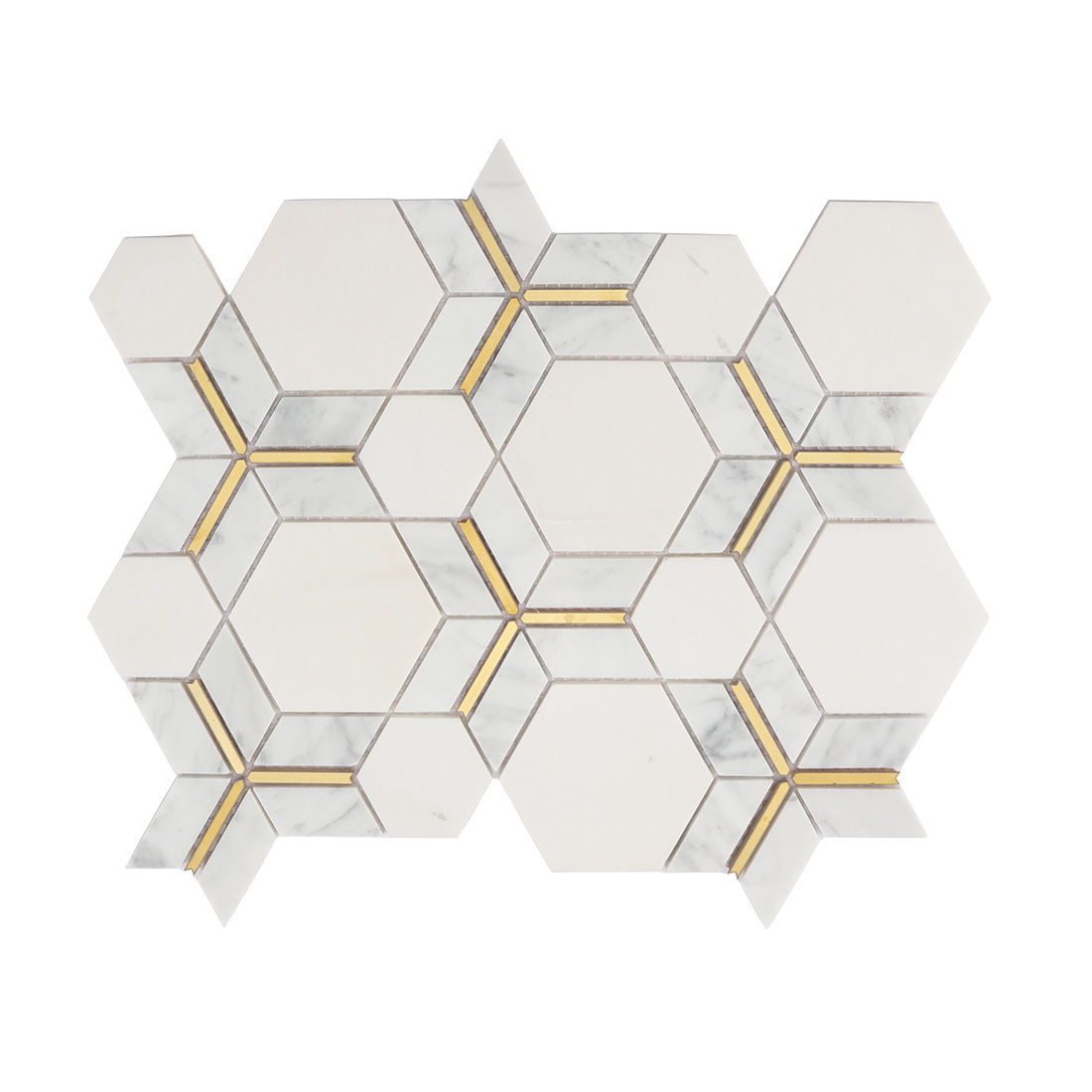


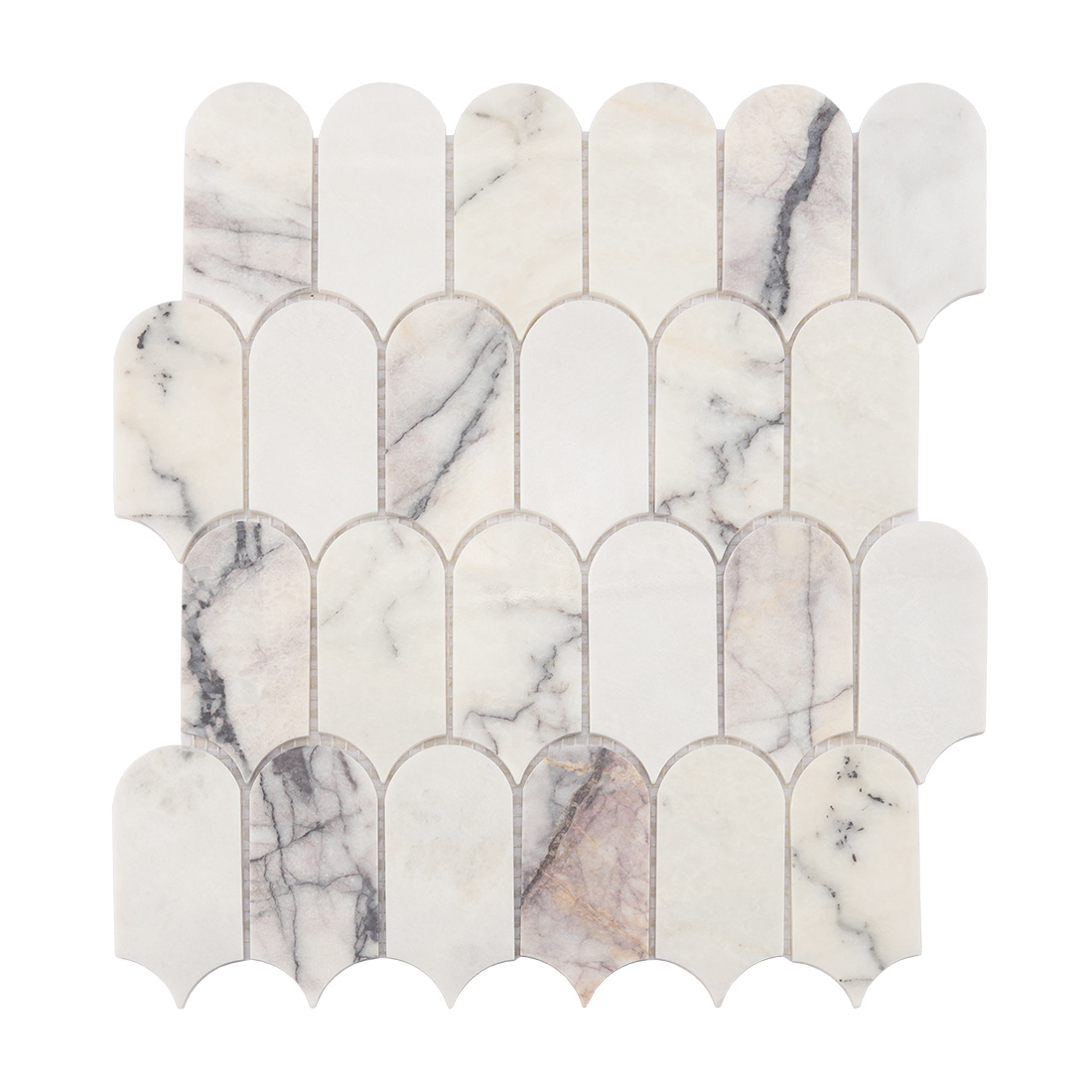
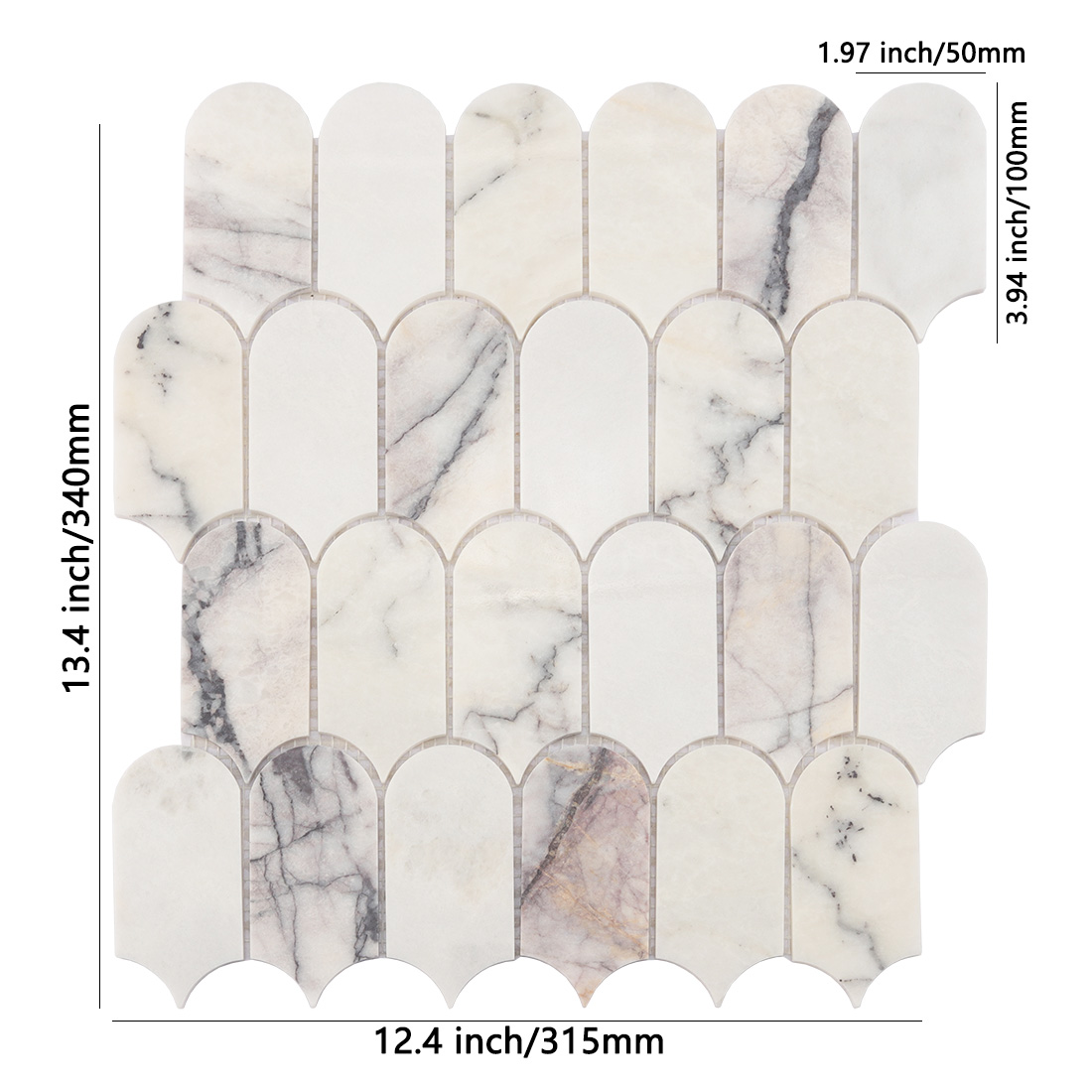
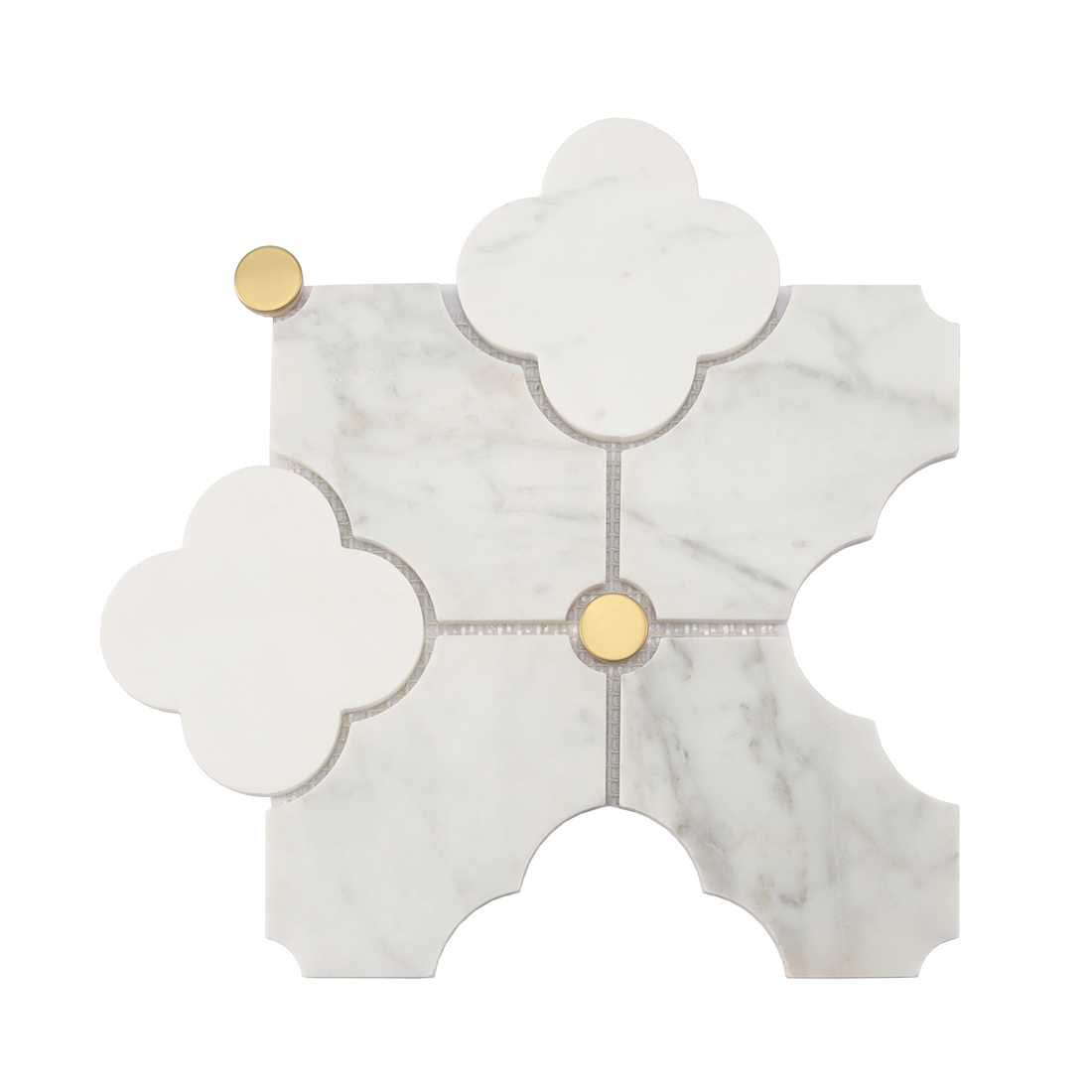
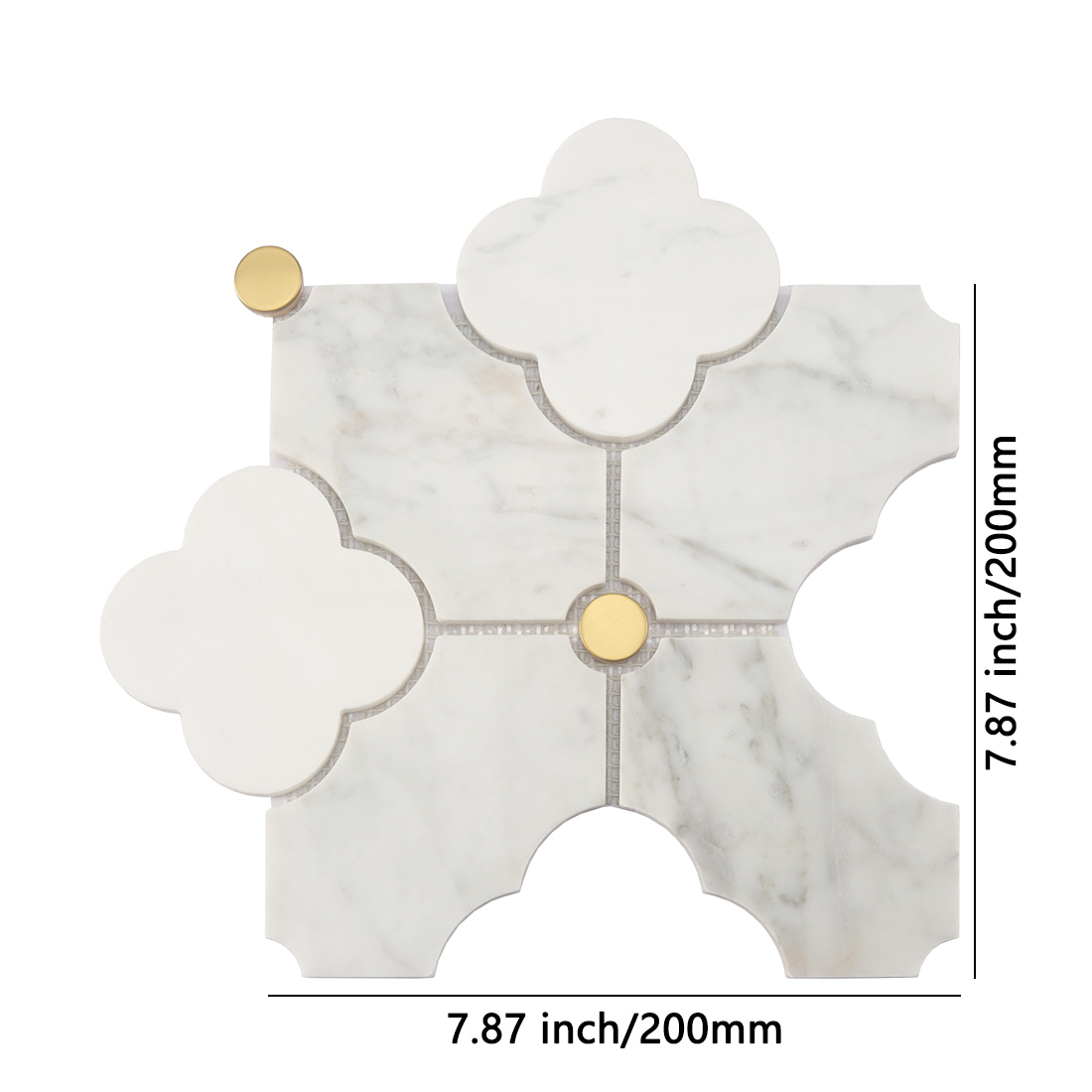
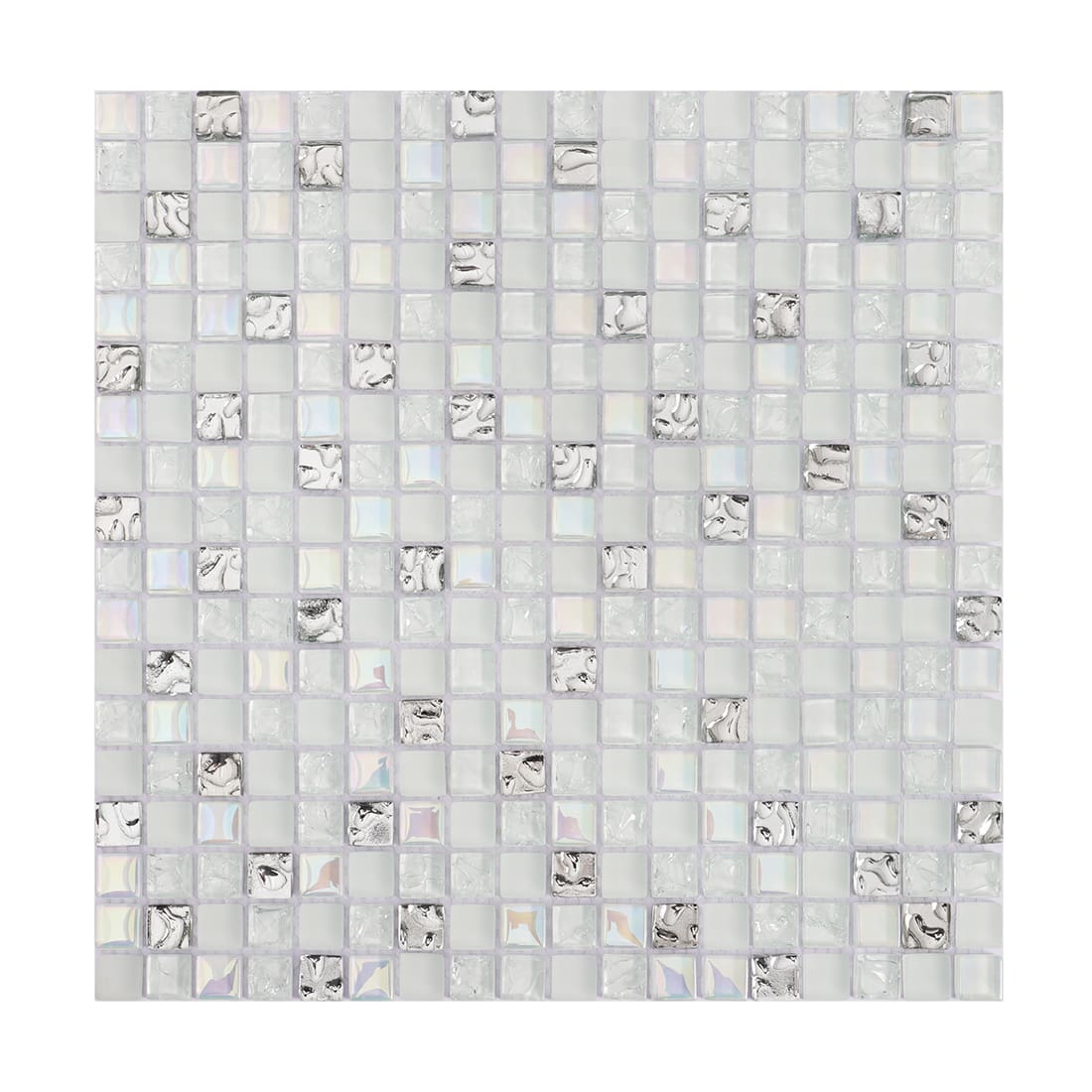

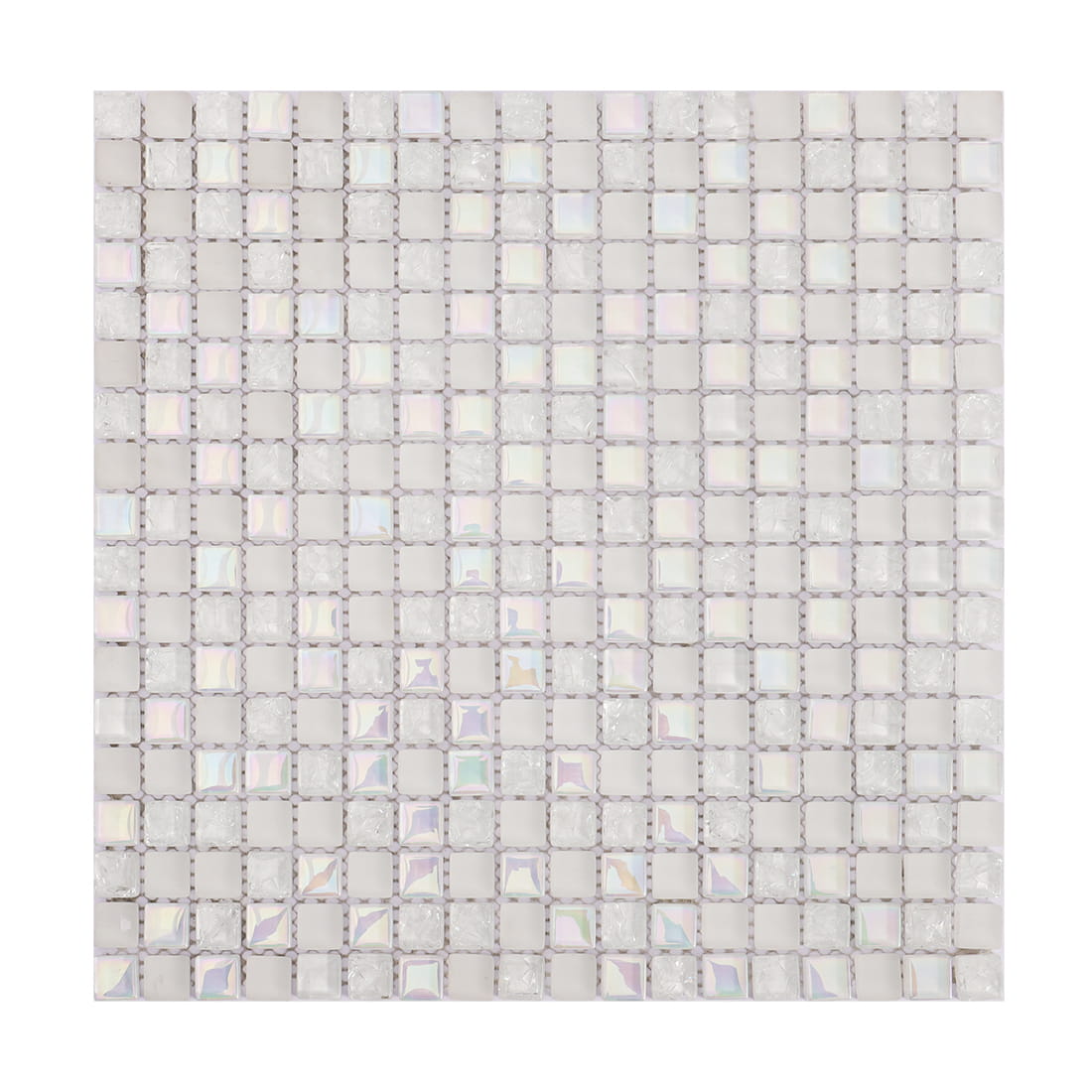
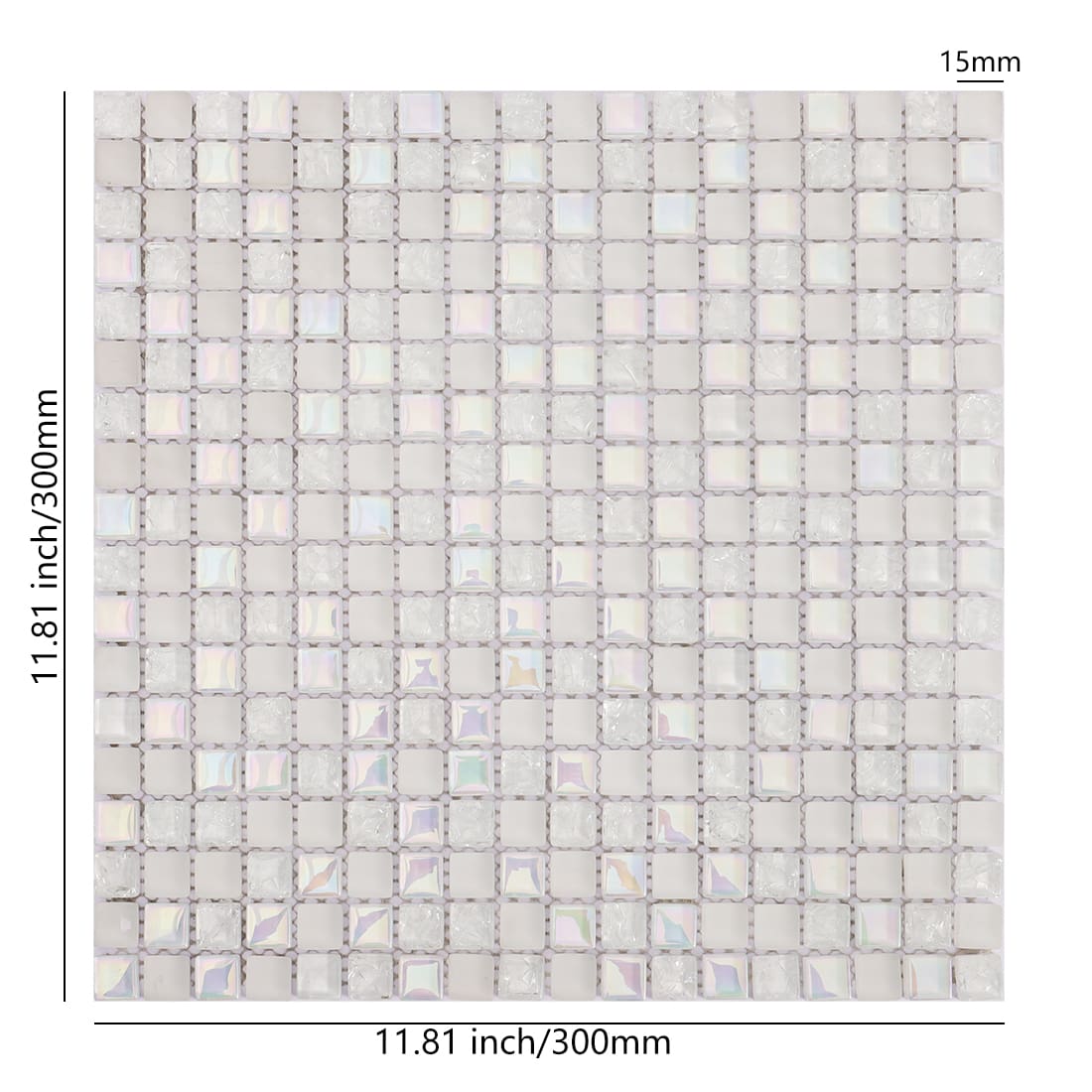
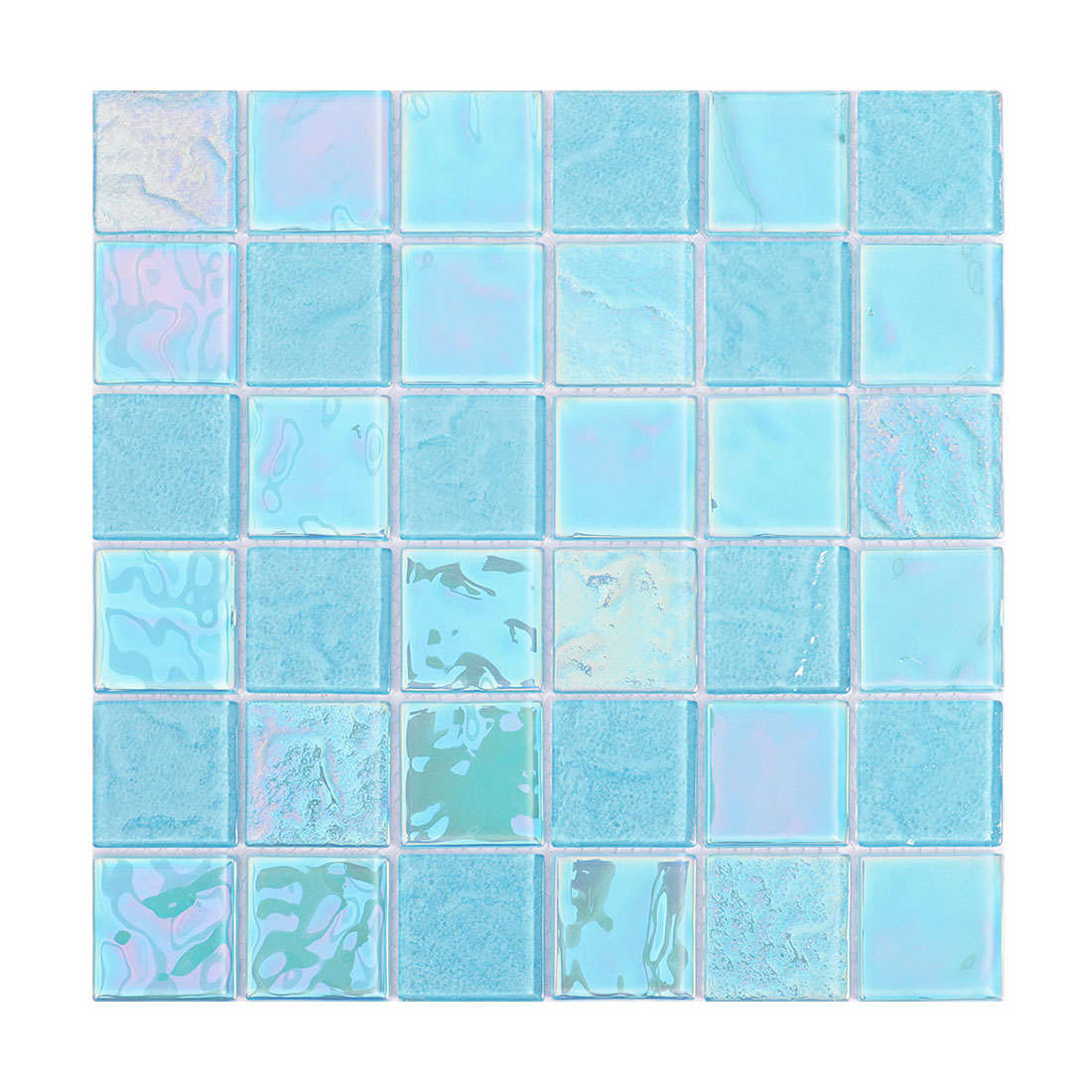

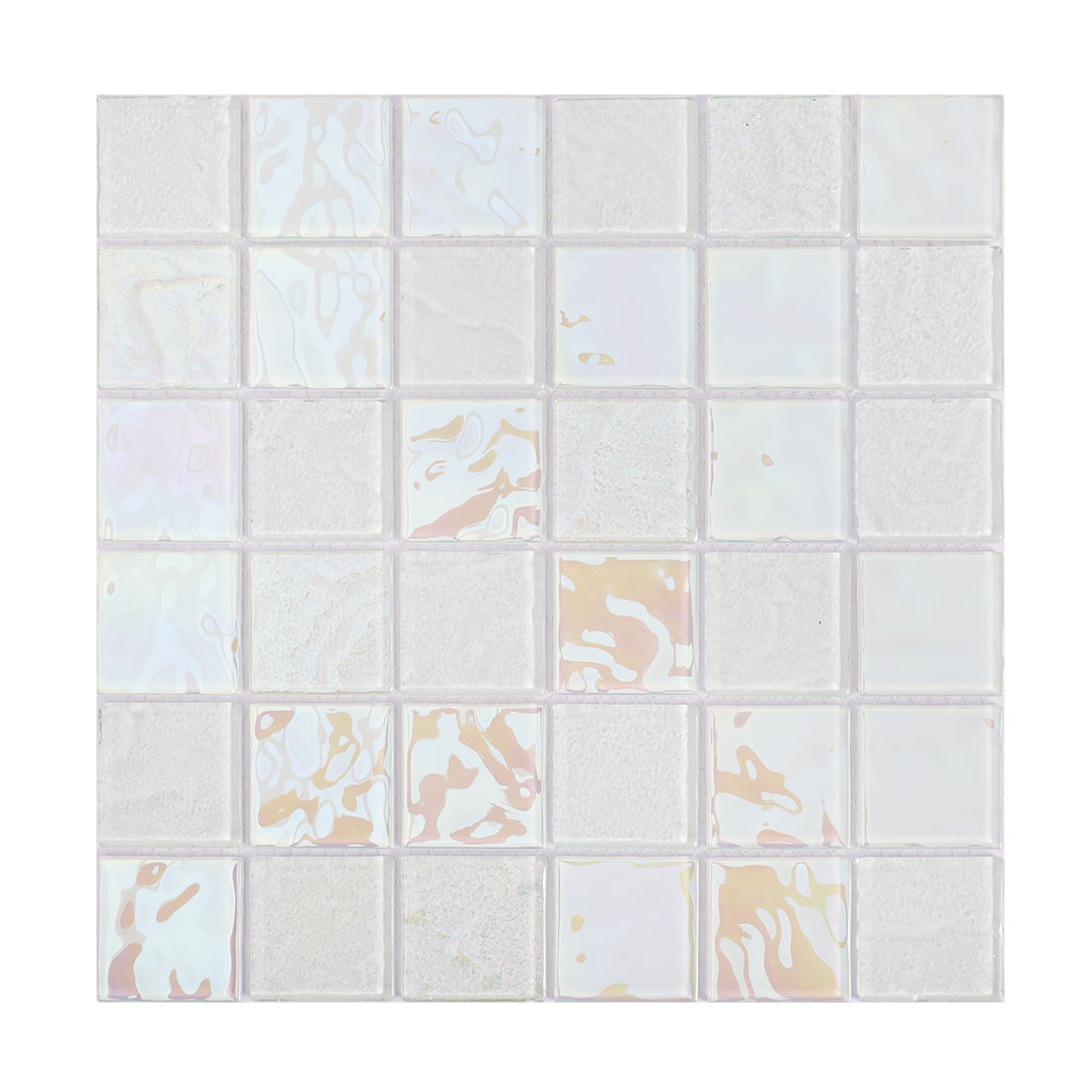
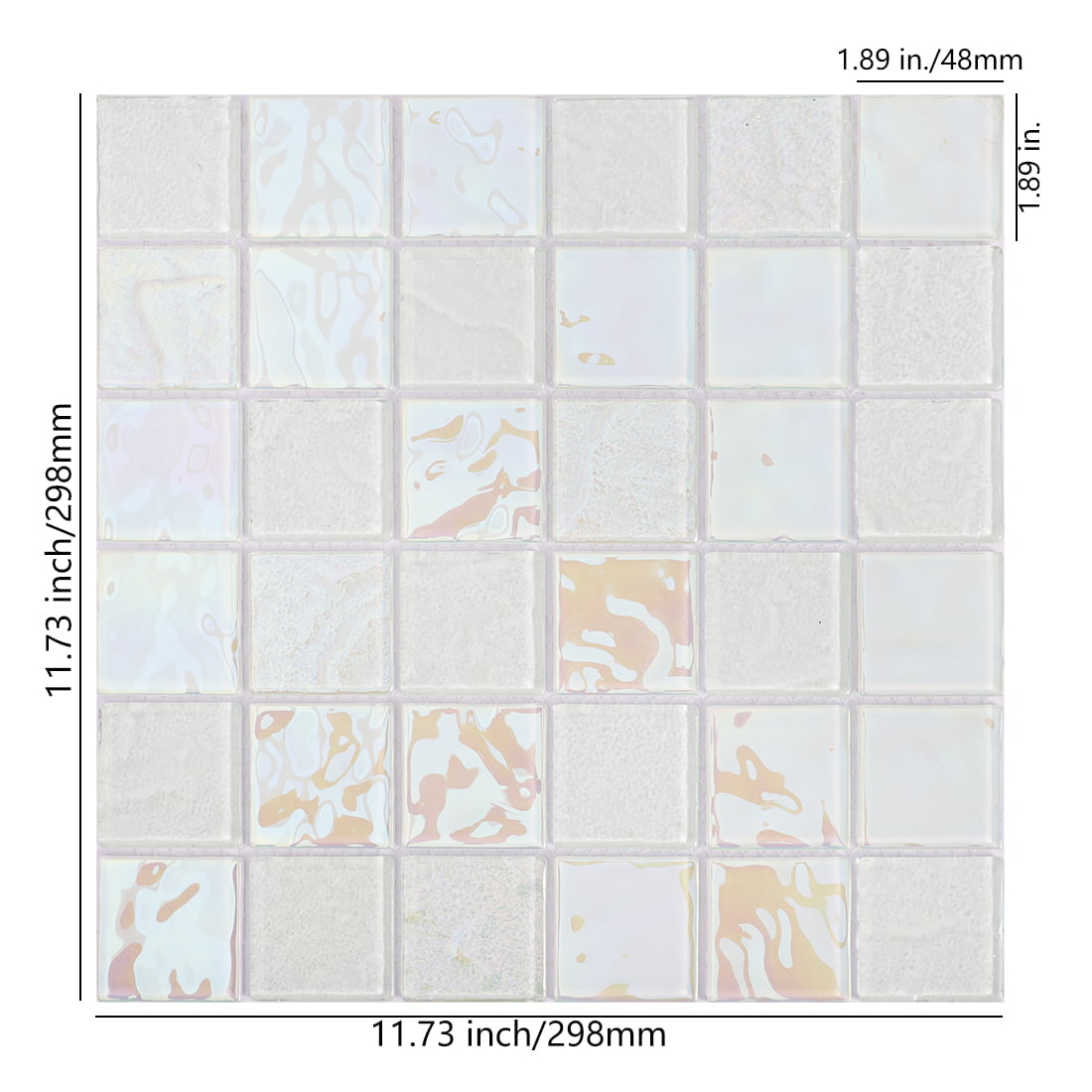
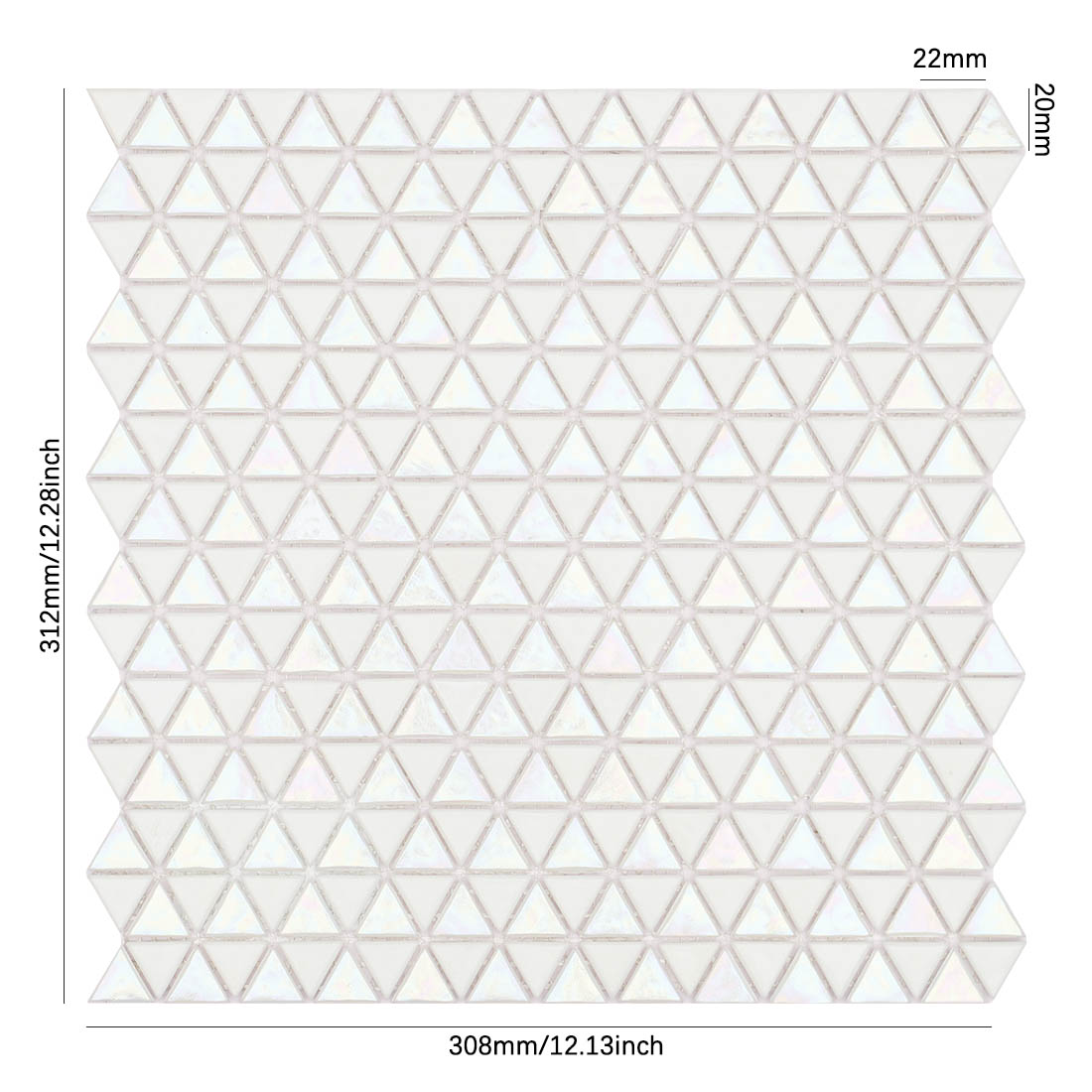

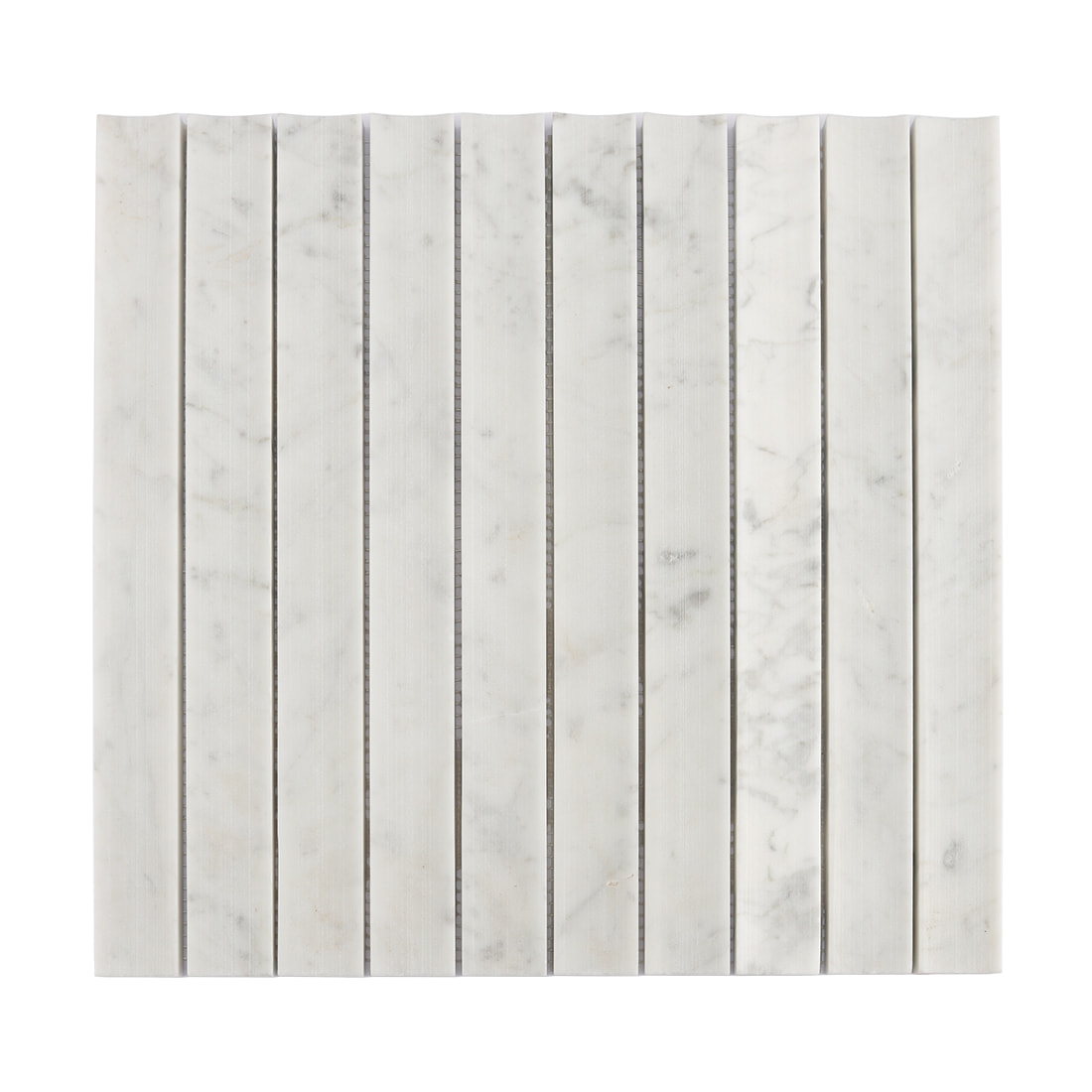
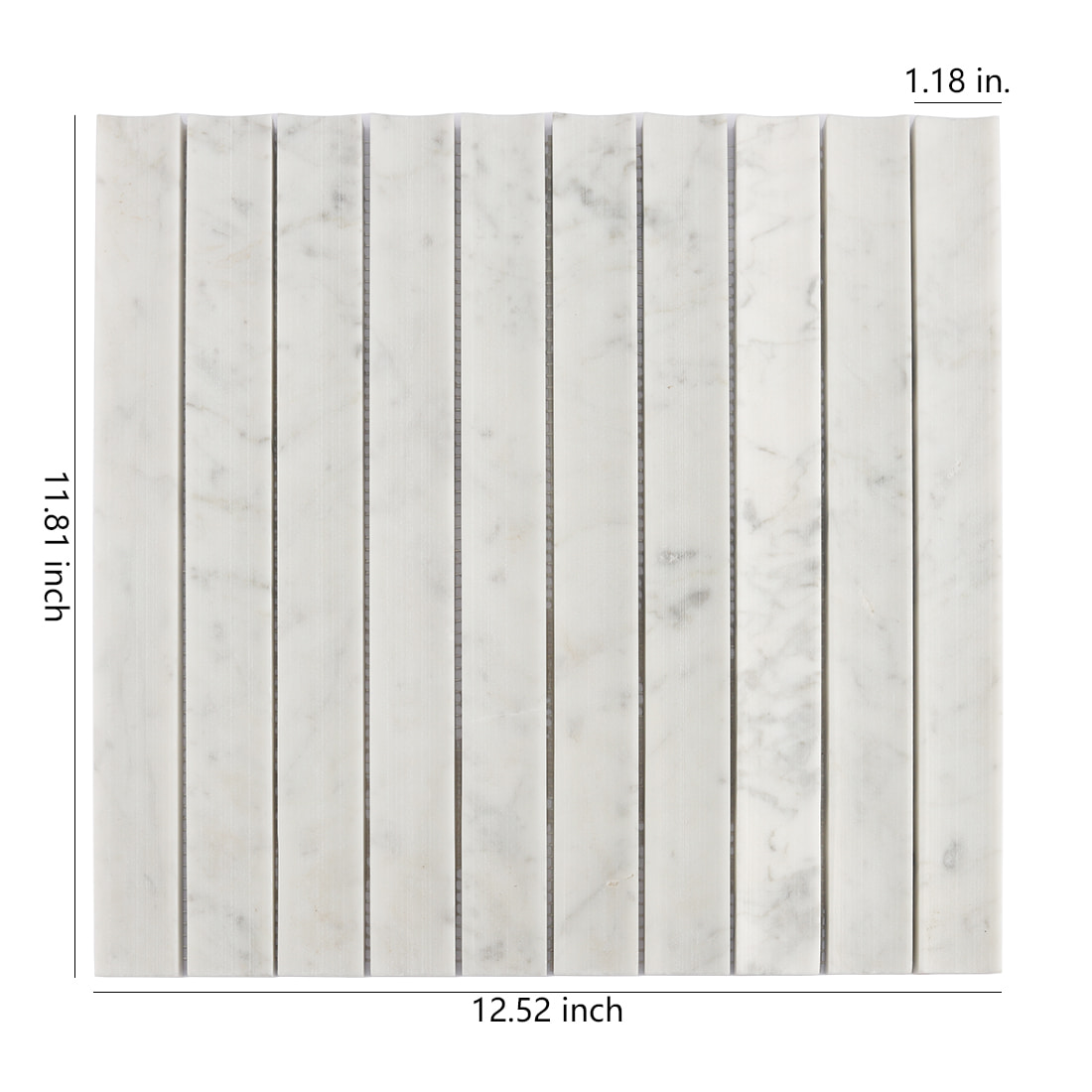
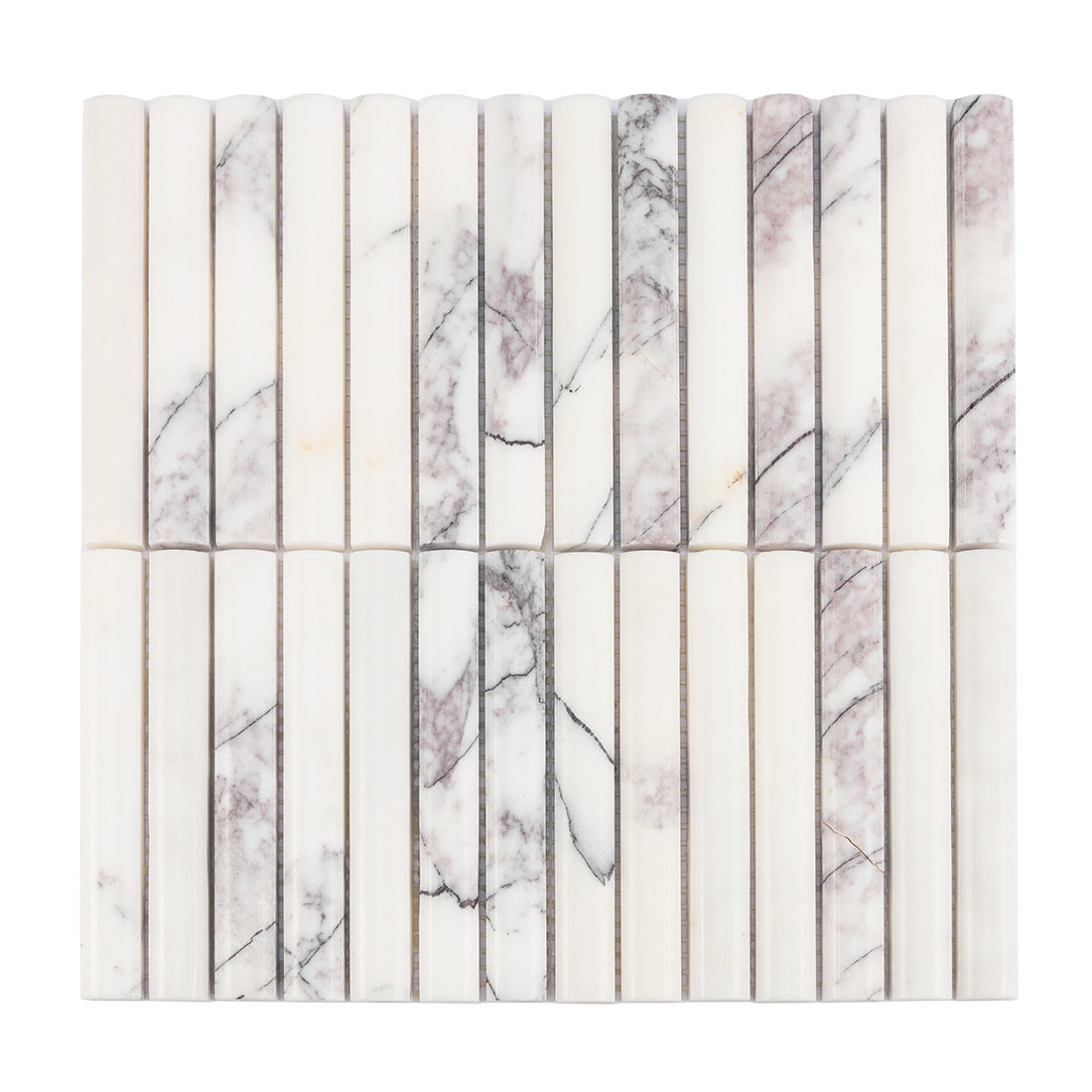
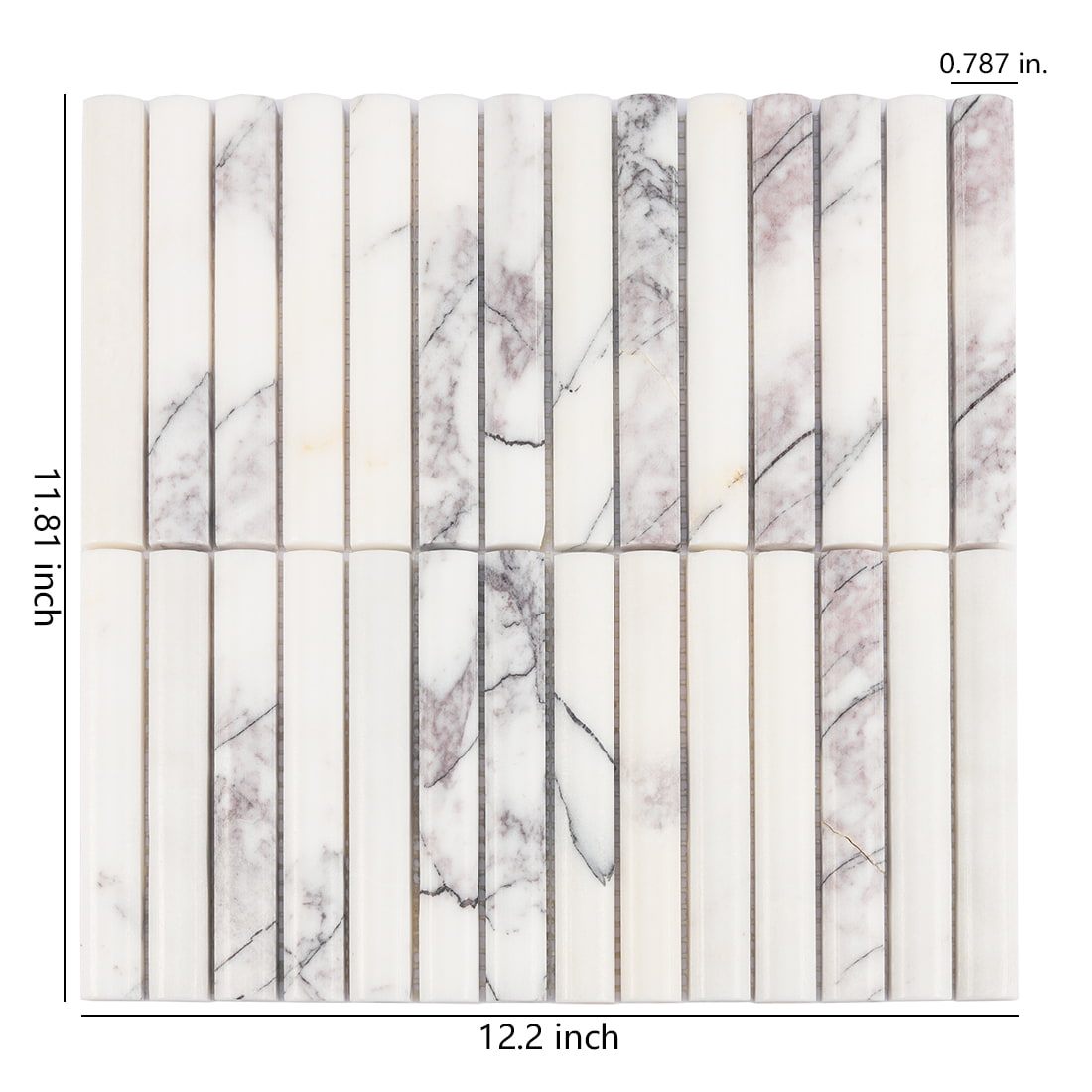
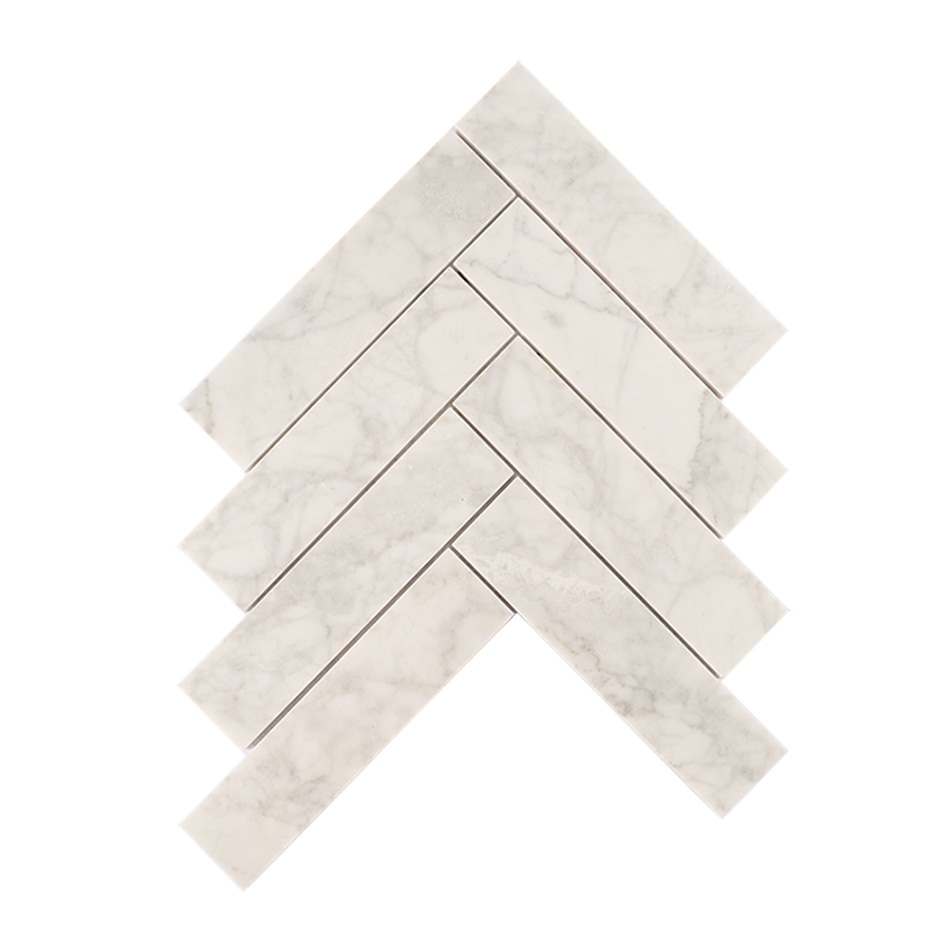
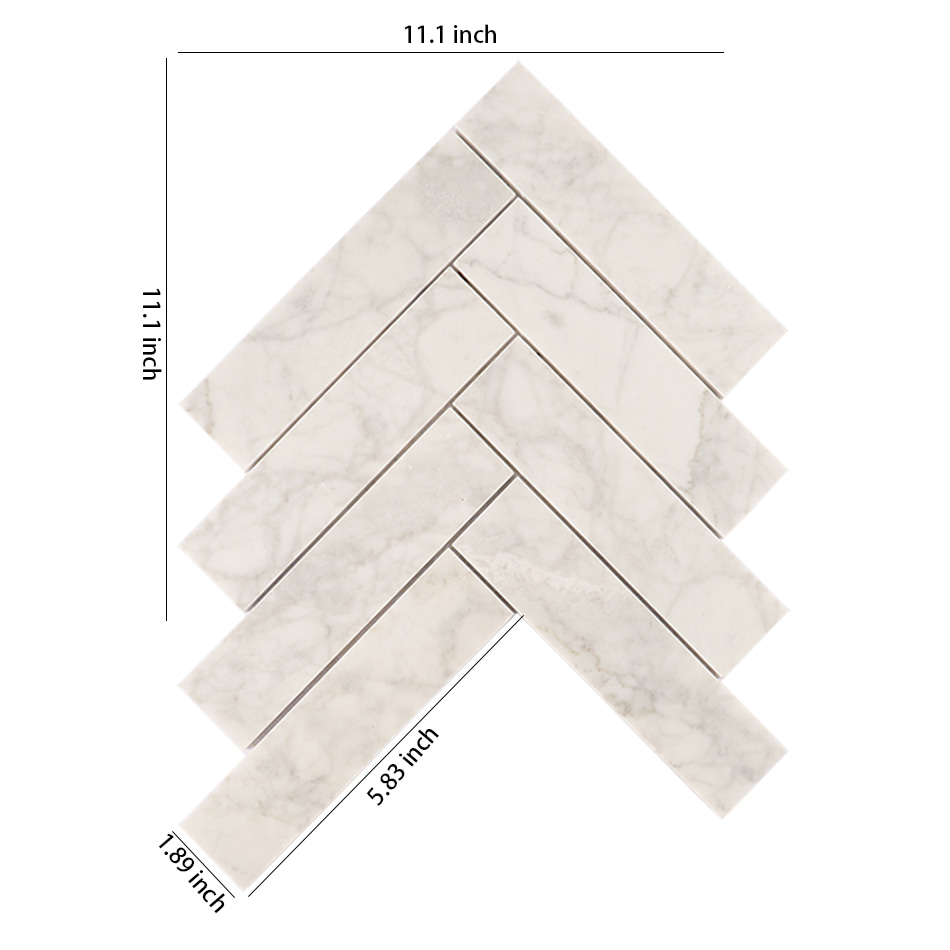
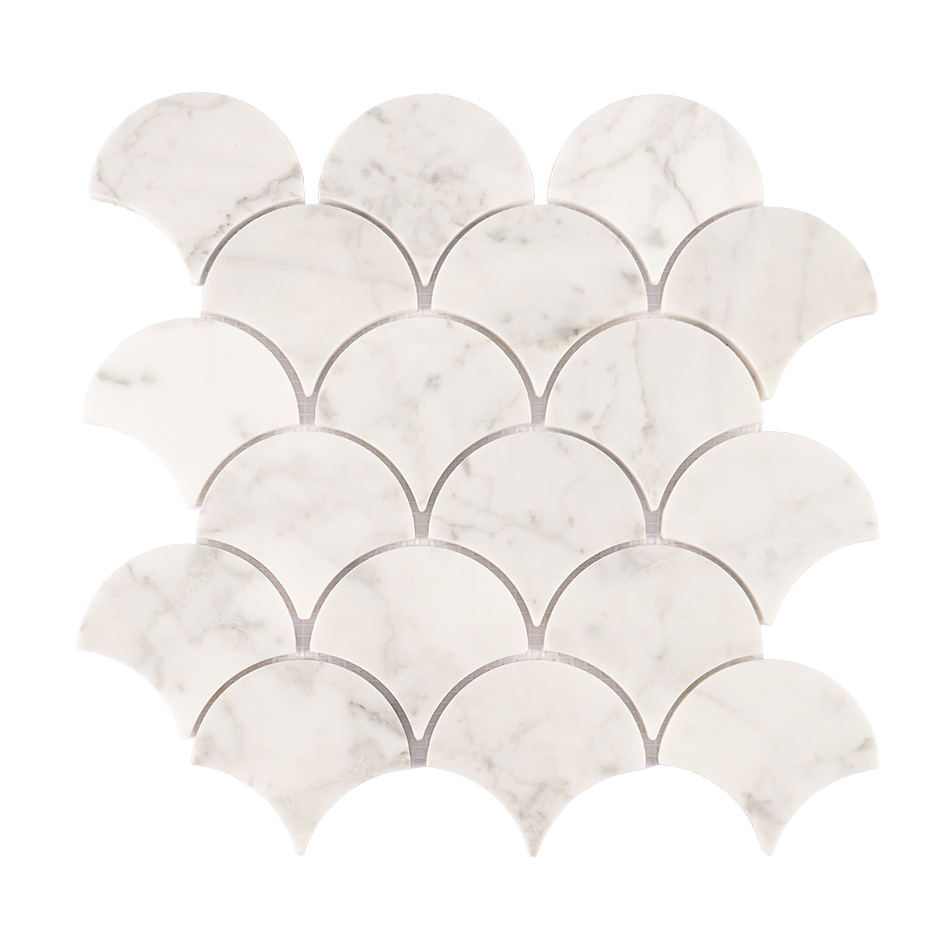
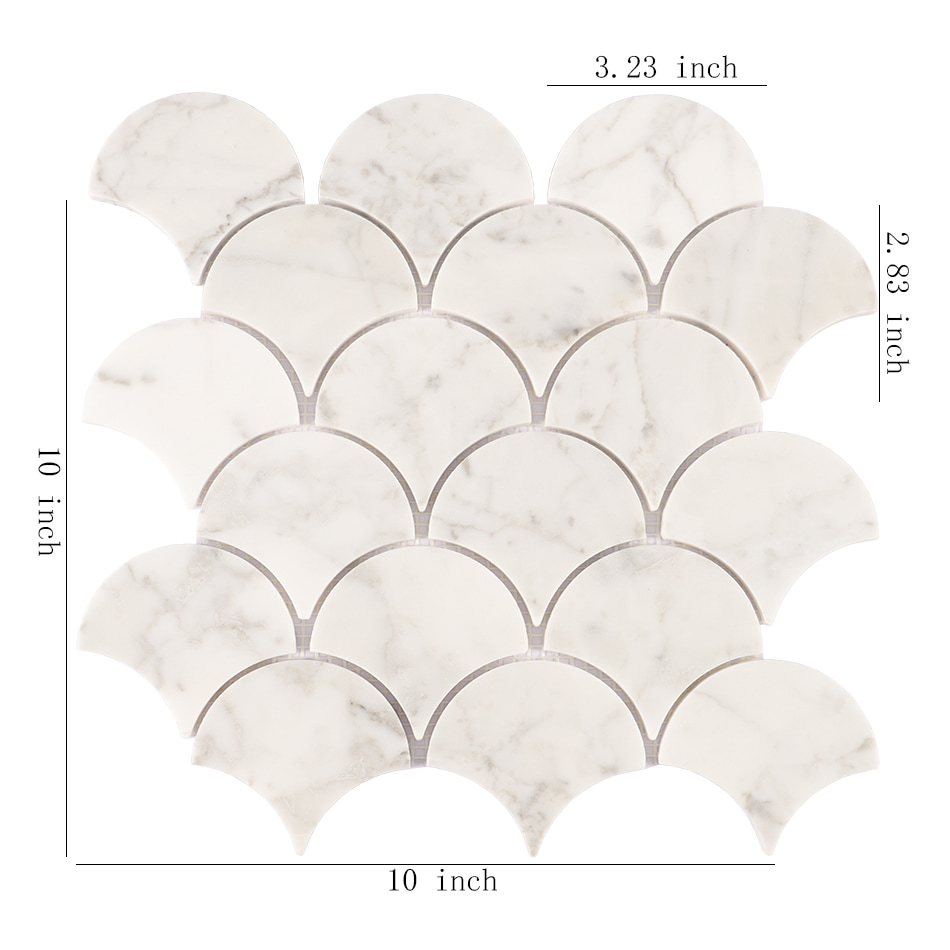
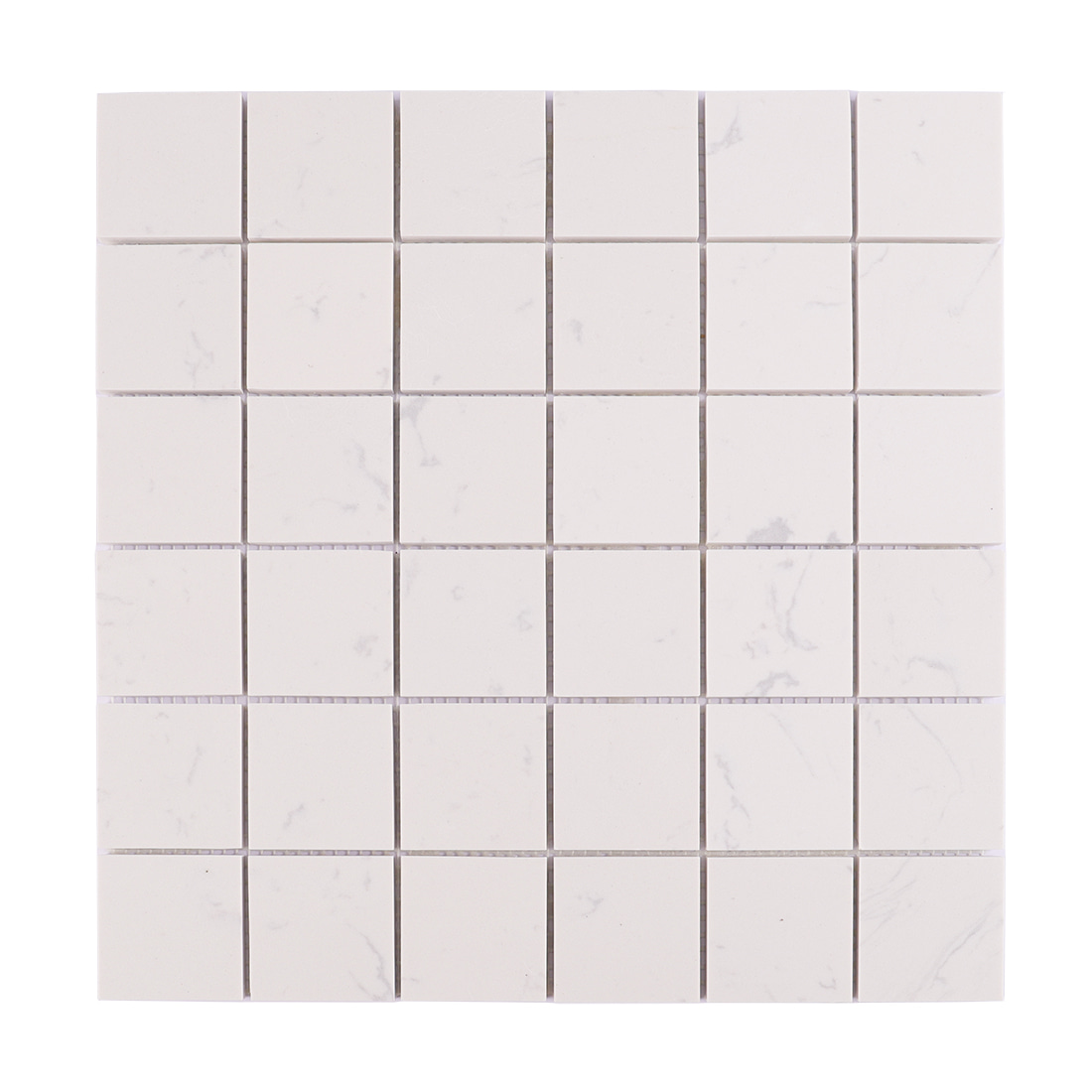
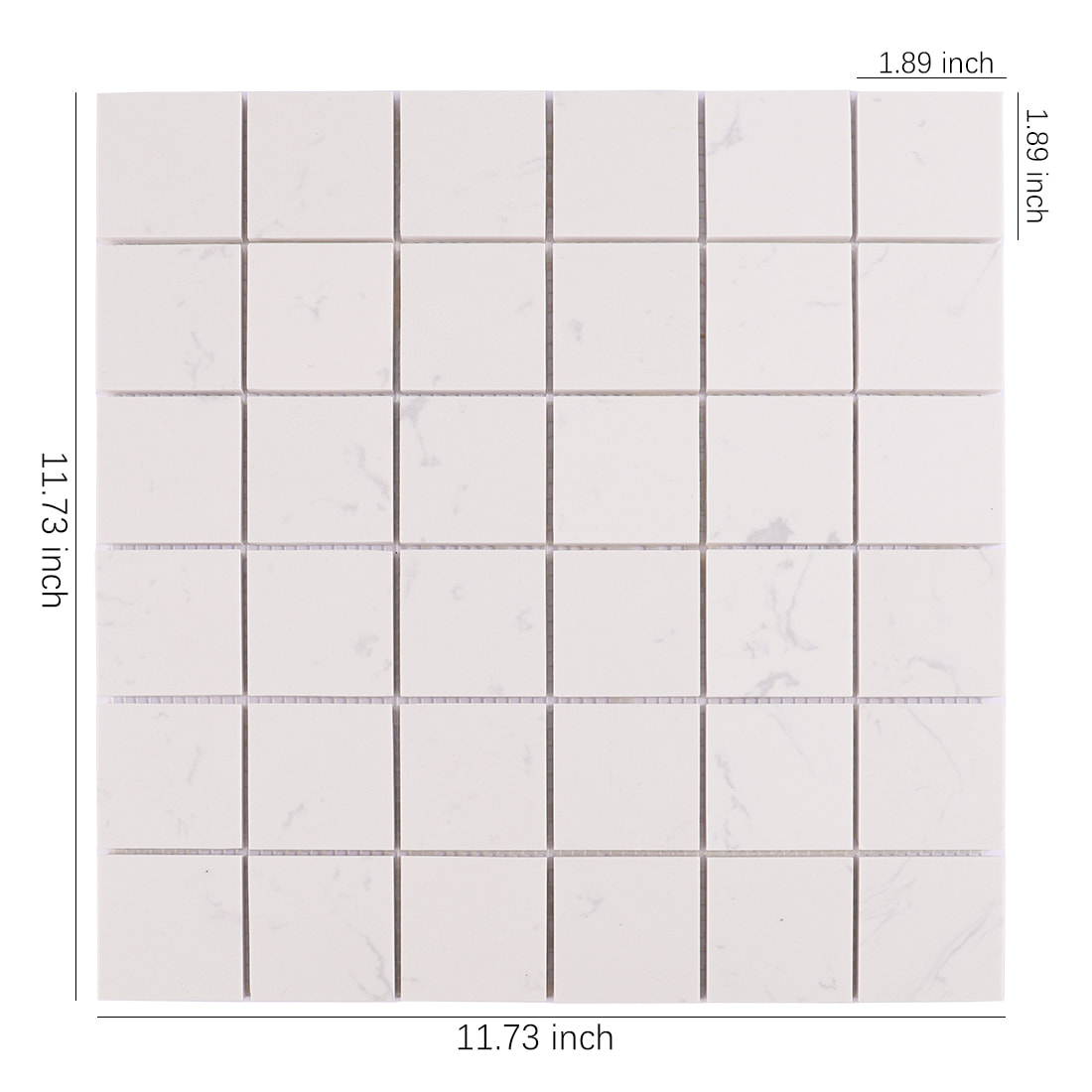
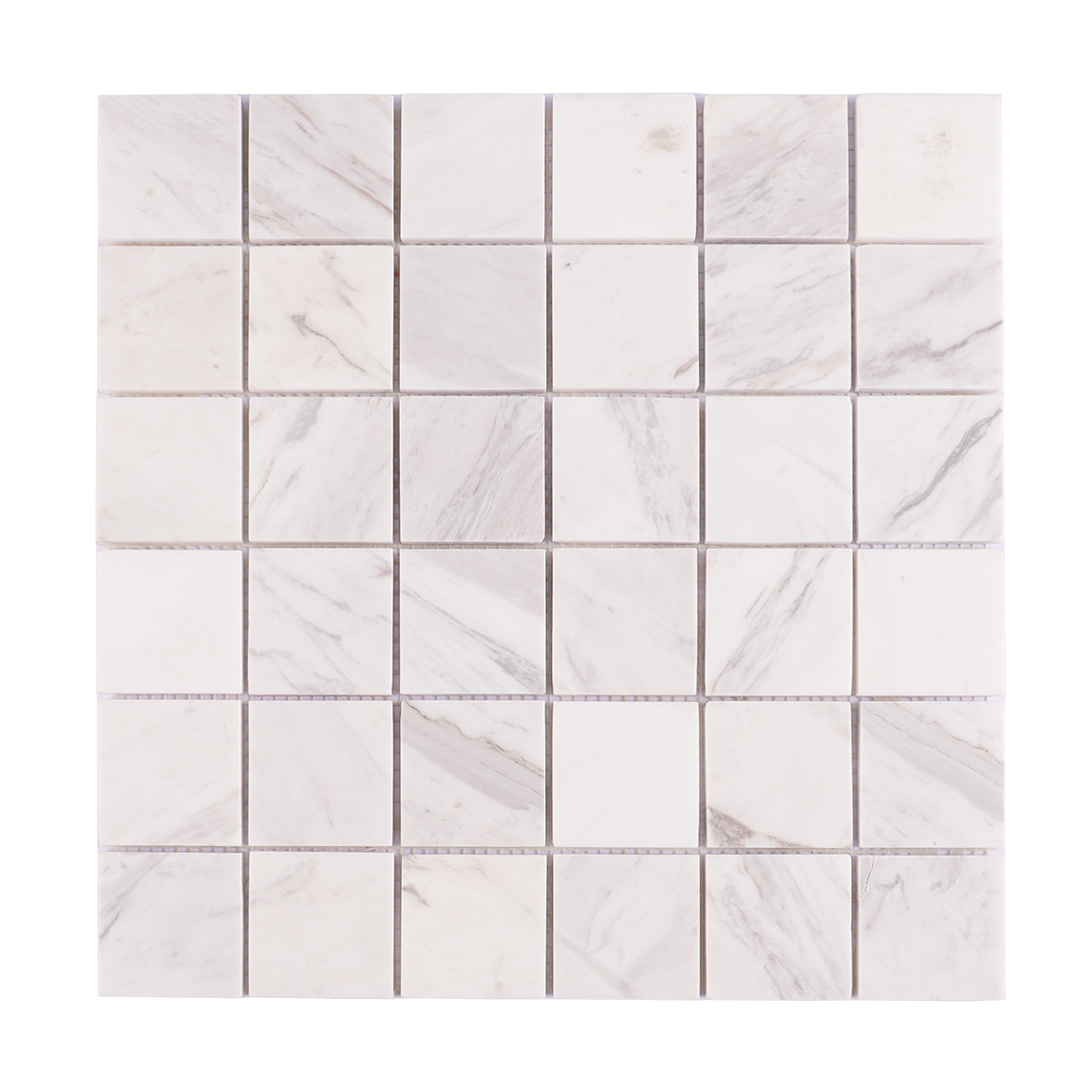
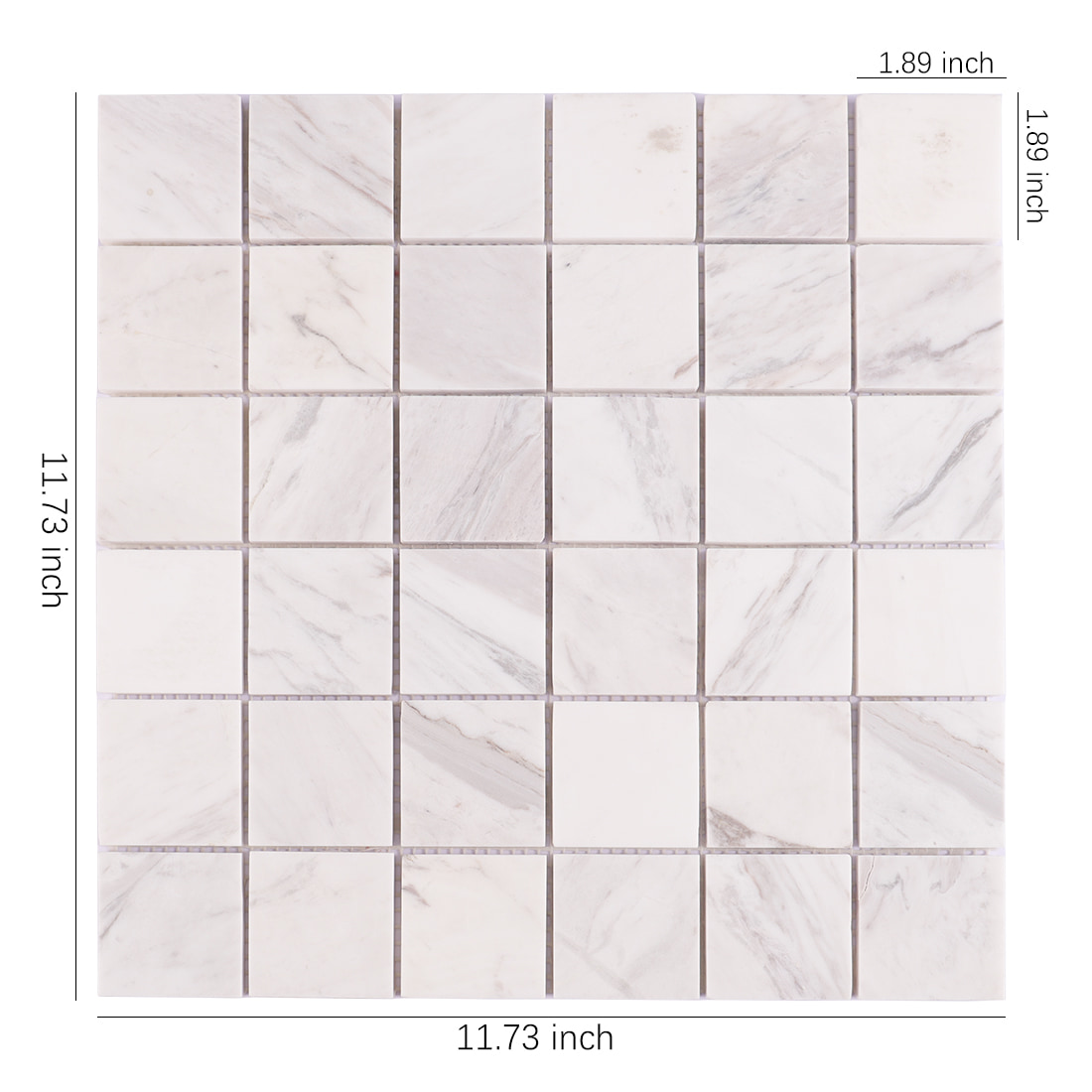
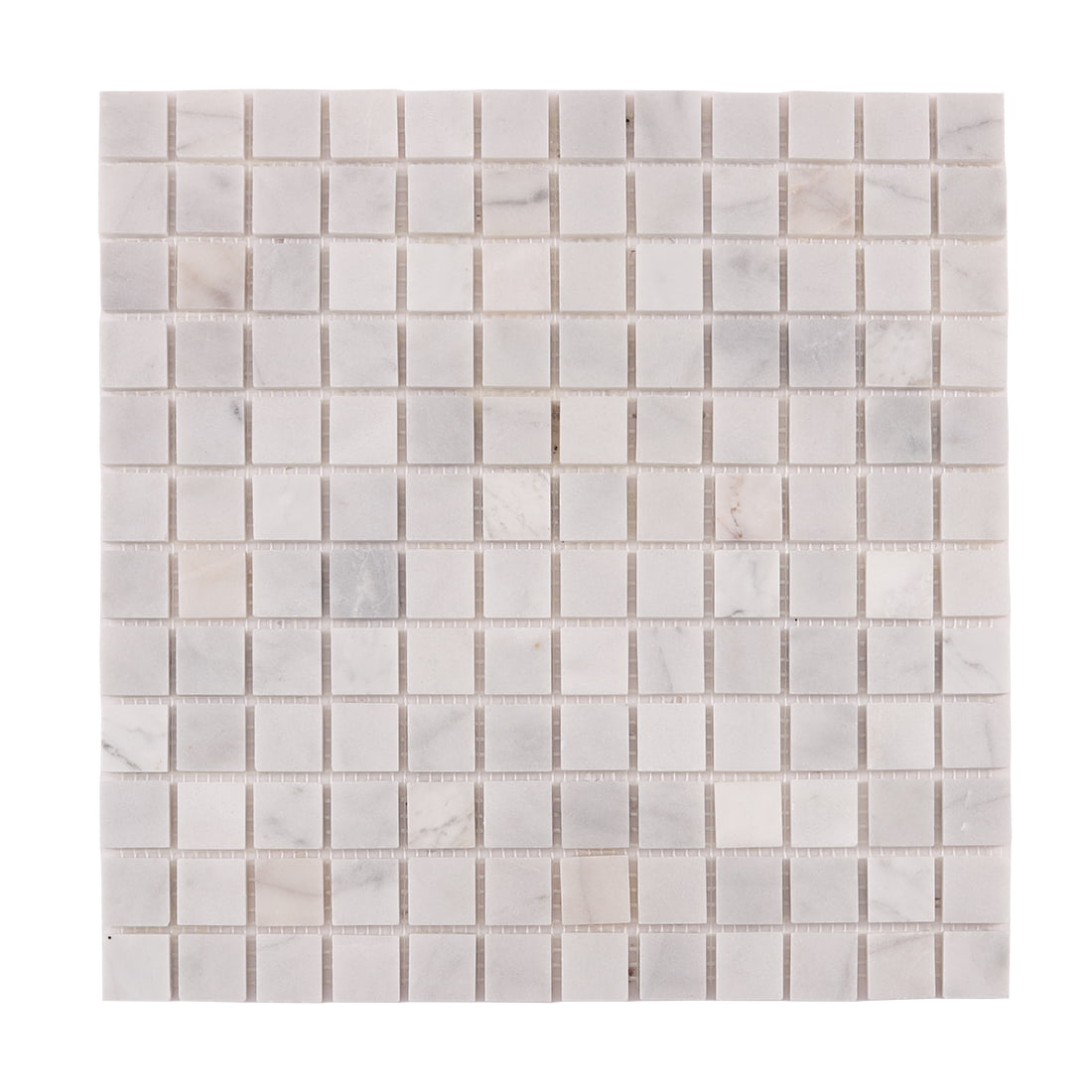
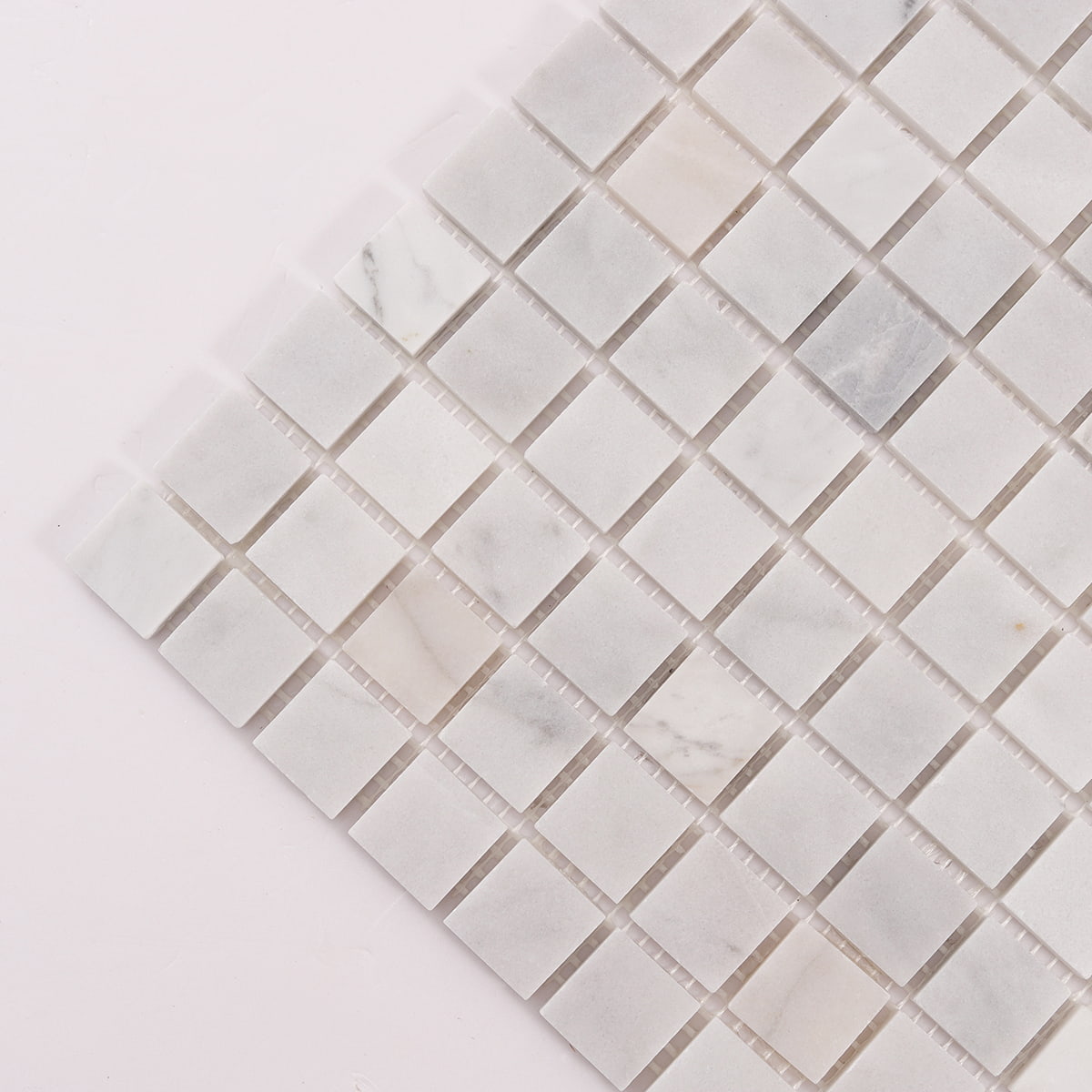
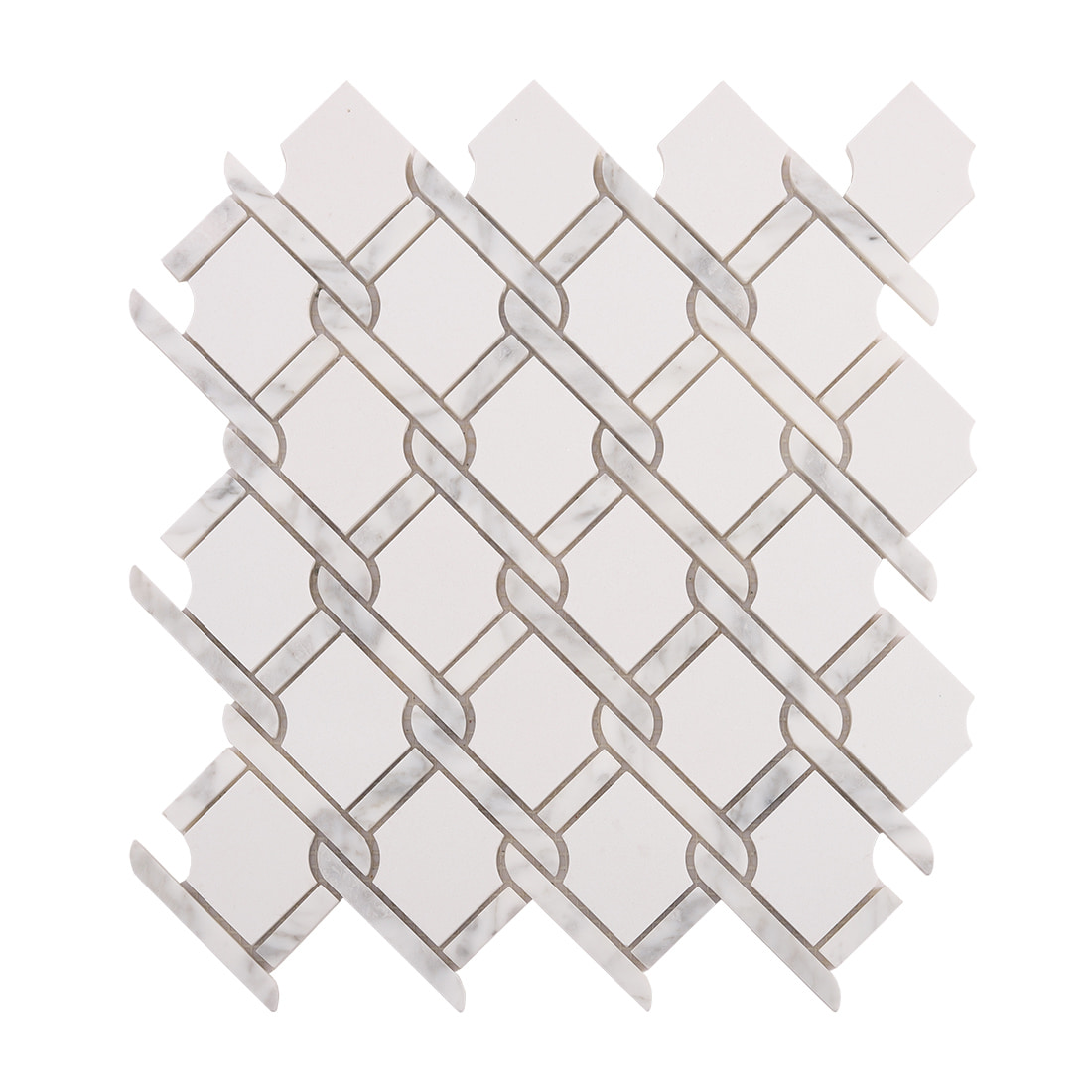
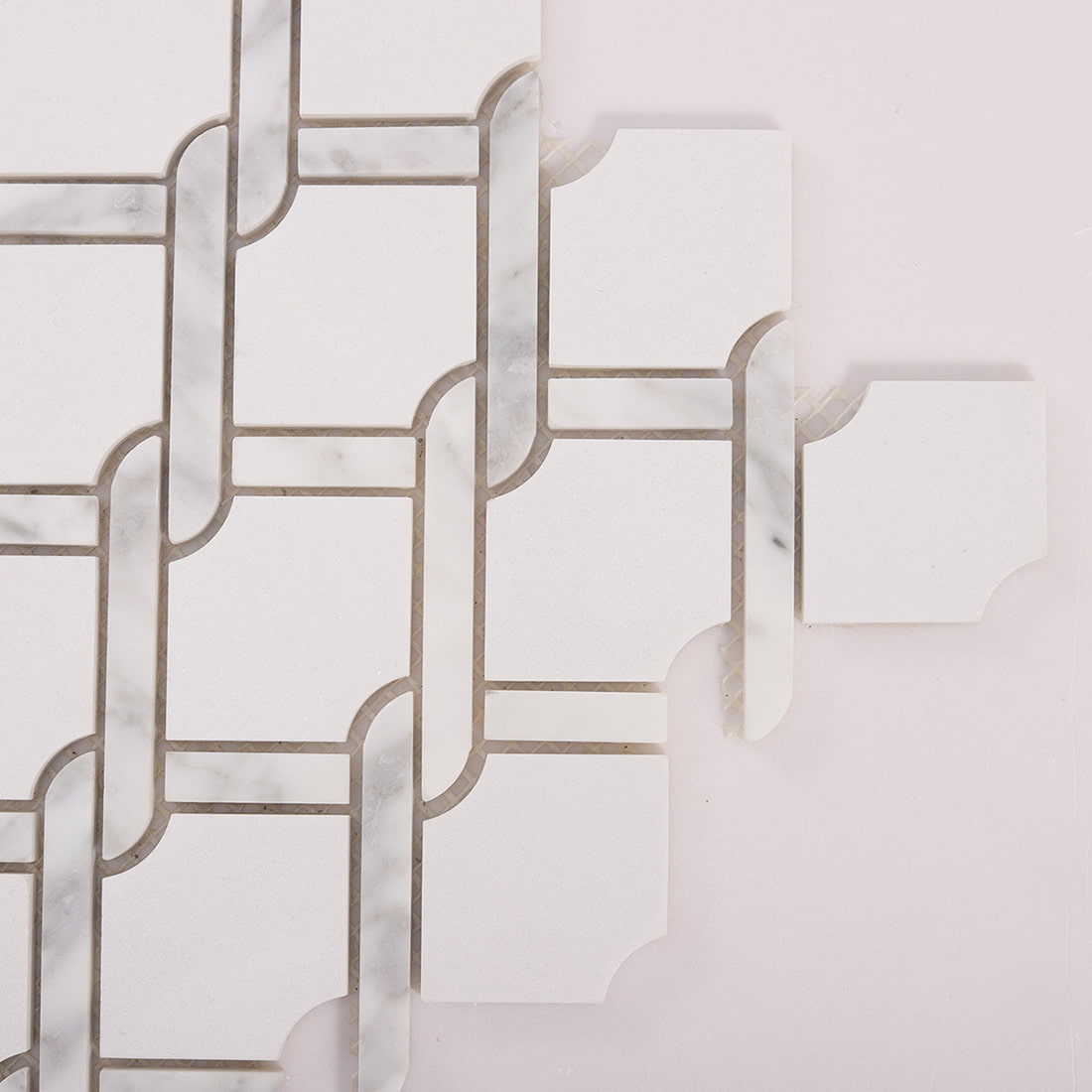
Mosaic Tiles
Discover the timeless beauty of mosaic tiles - small-format masterpieces ranging from 10mm to 73mm that transform ordinary surfaces into extraordinary works of art. From classic bathrooms to stunning commercial installations, mosaic tiles bring unparalleled versatility and elegance to every space.
Understanding Mosaic Tiles
What Defines a Mosaic Tile?
From years of professional experience in the tile industry, I’ve come to understand that mosaic tiles are fundamentally about scale and artistry. Any small-format piece - whether 10mm, 48mm, or 73mm - can be considered a mosaic tile. These diminutive tiles are distinguished by their ability to create intricate patterns and stunning visual effects.
The beauty of “mosaic” lies in its dual nature: it’s both a noun and a verb. To “mosaic” something means to transform it through the art of small pieces. What we know today as mosaic tiles are small objects assembled into tile format, featuring numerous grout lines that enable the creation of elaborate patterns and magnificent mosaic murals.
These tiles come in an extraordinary variety of colors, materials, and shapes - from classic squares and rectangles to exotic fish scales and custom waterjet-cut designs. The versatility of mosaic tiles makes them perfect for both residential and commercial applications.
Key Characteristics
- Small Format: Typically ranging from 10mm to 73mm in size
- Multiple Grout Lines: Creating intricate grid patterns
- Sheet-Mounted: Pre-assembled on backing for easy installation
- Diverse Materials: Glass, stone, ceramic, metal, wood, shell
- Unlimited Colors: From subtle neutrals to vibrant hues
- Versatile Shapes: Squares, rectangles, hexagons, circles, and custom designs
How Mosaic Tiles Are Connected Together
Many people are curious about how these tiny tiles are installed so perfectly aligned and uniformly. The mounting methods have evolved dramatically from ancient craftsmanship to modern manufacturing efficiency.
Traditional Hand Installation
In the earliest days, mosaic tiles were truly installed one piece at a time - a painstaking process requiring exceptional skill and patience. Craftsmen would carefully position each tiny tile individually, ensuring perfect alignment and spacing.
Italian Paper Method
Italian innovators revolutionized the process by applying paste to paper and mounting mosaic tiles face-down on the surface. After installation, workers would wet the paper with damp cloths to remove it, then proceed with grouting. This method significantly improved installation speed.
Modern Mesh-Backing
The current standard method uses white latex adhesive with fiber mesh attached to the back of mosaic tiles. This technique remains the industry standard today, providing stable mounting while maintaining flexibility for installation on various surfaces. The mesh allows thin-set mortar to bond effectively.
Face-Tape for Transparent Glass
For transparent glass mosaics, back-mounting would be visible and unattractive. The solution: applying transparent adhesive film to the front surface. After installing the tiles on walls or floors, installers simply peel away the protective film before grouting, leaving pristine glass surfaces.
Modern Automated Production
To increase efficiency and consistency, large-scale modern factories now employ automated dot-glue application systems. These machines precisely apply adhesive dots to connect mosaic tiles, replacing manual labor with mechanical precision. This advancement enables mass production while maintaining high quality standards and reducing manufacturing costs.
Mosaic Tile Materials
The material you choose dramatically affects the look, feel, and performance of your mosaic installation. Each material offers unique characteristics and aesthetic possibilities.
Glass Materials
Glass mosaic tiles offer an extraordinary range of colors and surface effects including matte, sandy texture, gold dust, iridescent, and metallic finishes. Glass is exceptionally well-suited for creating pixel mosaics and elaborate mosaic murals due to its color consistency and light-reflective properties.
Vitreous Glass
Manufactured from color pigments, fluorite, soda ash, and quartz sand fired at 1,350°C (2,462°F), then molded into various shapes.
Key Features:
- Grooves on back for adhesive bonding
- Solid-body color throughout
- Superior durability
Water Glass
Same manufacturing process as vitreous glass using color pigments, fluorite, soda ash, and quartz sand at high temperature.
Key Features:
- Smooth back surface (no grooves)
- Solid-body coloring
- Cost-effective option
Crystal Glass
Created from large glass sheets with color spray-painted on the bottom, then cut to shape and low-temperature fired.
Key Features:
- Smooth rounded edges
- Textured surfaces (grooves, waves)
- Brilliant clarity
Recycled Glass - Sustainable Choice
Eco-friendly recycled glass is manufactured from reclaimed glass powder pressed into shapes, surface-colored, and fired. This sustainable material can be recycled endlessly without losing purity or quality.
Available in diverse colors including iridescent and metallic effects. When your tiles eventually reach end-of-life, they can be recycled again to create new products - a truly circular solution for environmentally conscious projects.
Natural Stone Materials
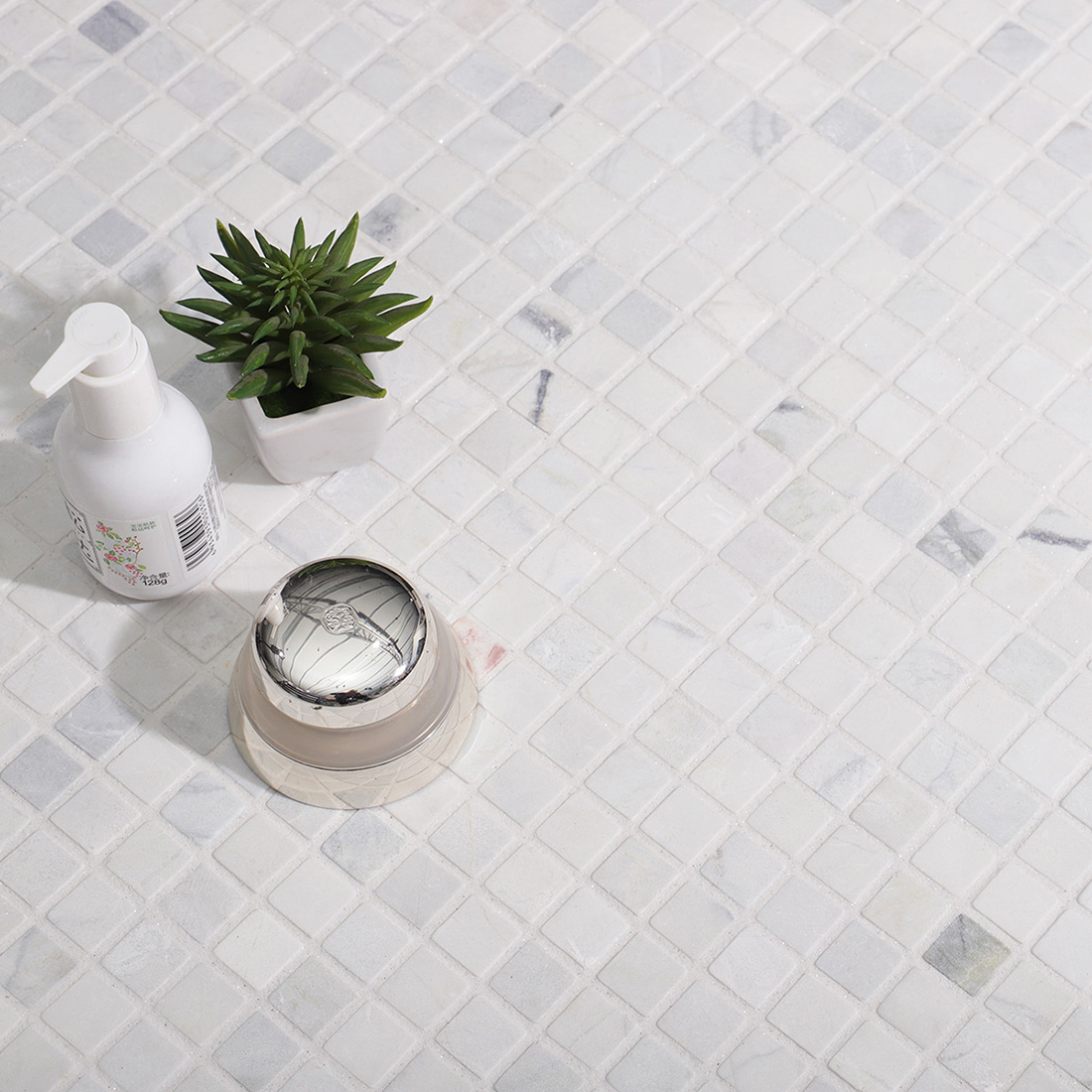
Natural stone provides direct connection to nature’s timeless beauty. Stone can be waterjet-cut into any imaginable shape and customized to various thicknesses based on project requirements. Before glass tiles existed, marble was the primary material for creating stunning mosaic murals, and it remains a prestigious choice today.
Marble
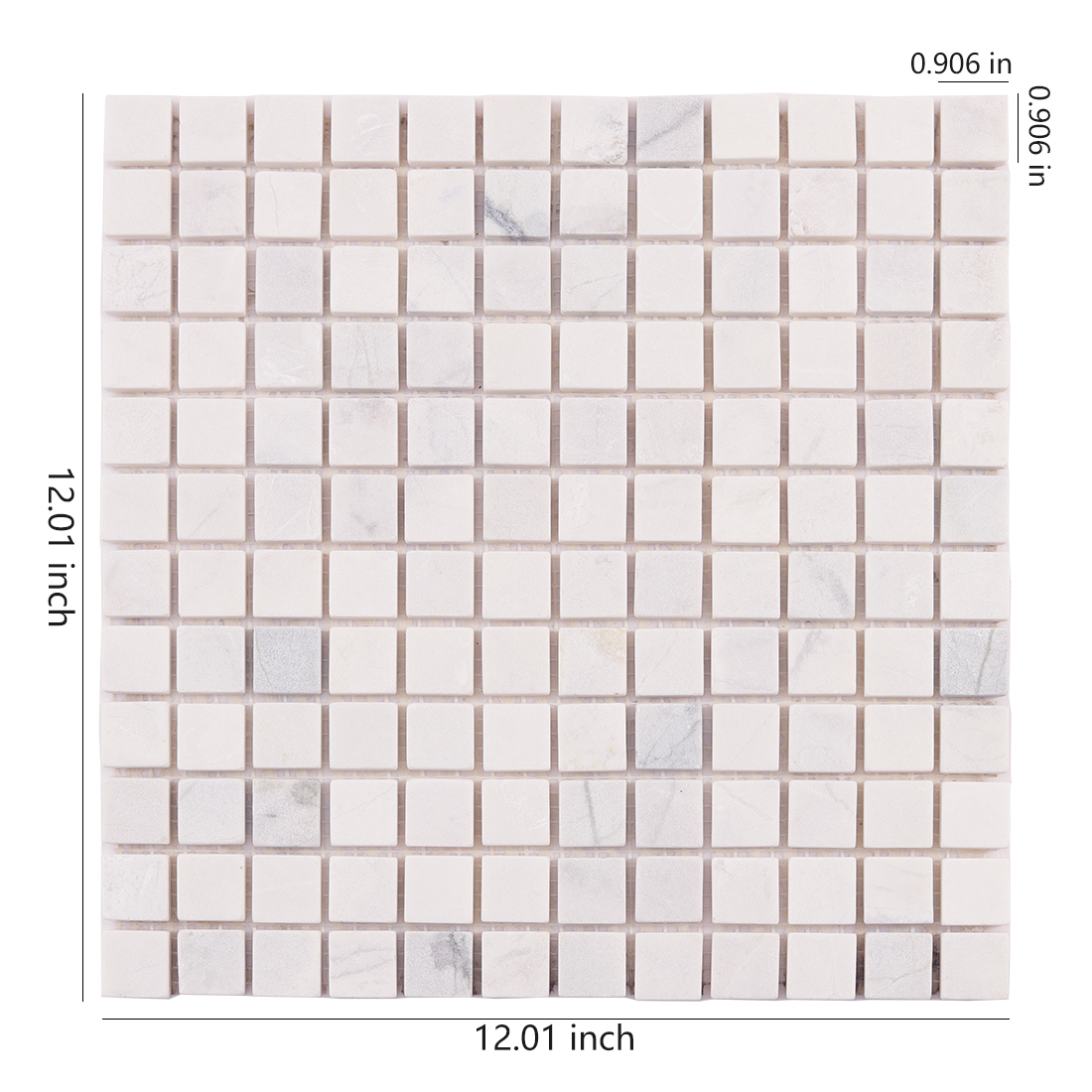
Marble offers an extensive color palette from pure whites to dramatic blacks, with infinite variations in veining patterns. No two marble pieces are identical, ensuring your installation is truly one-of-a-kind.
Available Surface Finishes:
- Tumbled
- Polished
- Honed
- Grooved
- Split Face
- Brushed
Travertine
Travertine is remarkably versatile, suitable for walls, floors, and both indoor and outdoor applications. Its natural porous character creates distinctive texture and visual interest.
Special Characteristics:
- Natural porous texture adds organic appeal
- Hand-applied gold leaf options available
- Multiple finish possibilities
- Excellent for indoor and outdoor use
Ceramic Materials
High-temperature fired ceramic tiles enable efficient large-scale production. Through various glazing techniques, manufacturers create an extensive array of colors and surface effects suitable for any design vision.
Available Finishes:
- Standard Glaze: Classic finishes
- Metallic Glaze: Lustrous sheen
- Vintage Glaze: Aged patina
- Crystalline Glaze: Crystal effects
- Unglazed: Natural finish
Metal Materials
Metal tiles create dramatic three-dimensional and embossed effects, making them particularly suitable for distinctive feature walls in commercial spaces. The reflective properties add depth and contemporary sophistication.
Stainless Steel
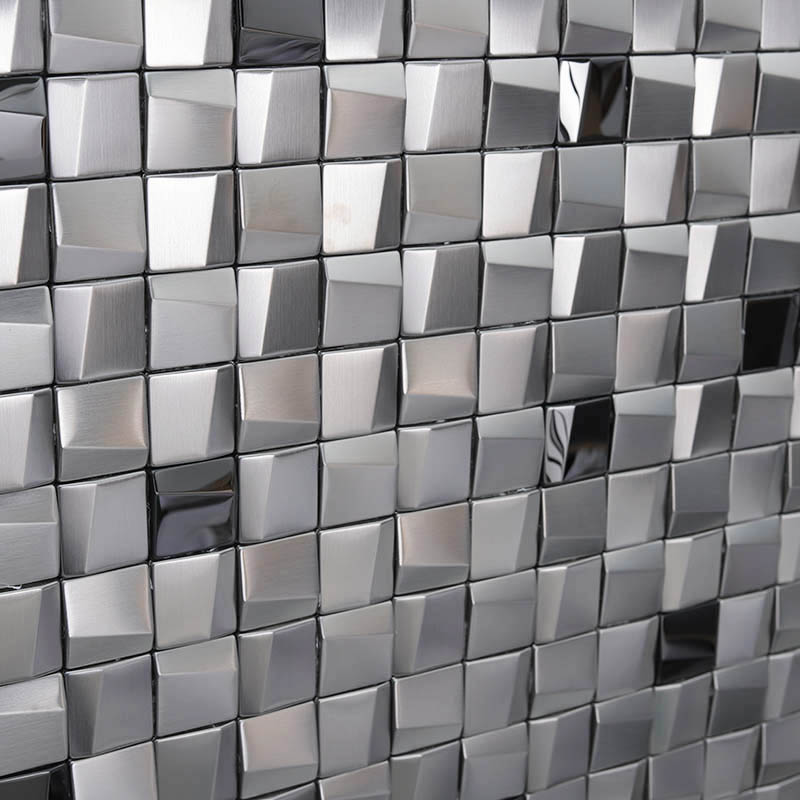
Modern aesthetic, exceptional durability, corrosion-resistant for wet environments
Copper
Warm rich tones, develops beautiful natural patina over time, timeless appeal
Aluminum
Lightweight construction, versatile finishing options, contemporary styling
Real Wood Materials
Real wood tiles can be precision-cut into various shapes and crafted into three-dimensional effects, bringing organic warmth and natural beauty to contemporary interiors.
Reclaimed Ship Wood
Authentic character with weathered patina and historical significance, each piece tells a unique story
White Oak
Classic elegance with prominent natural grain patterns, light neutral tones complement any décor
Walnut
Rich dark chocolate tones, sophisticated appeal with beautiful grain variation and depth
Mother of Pearl Shell
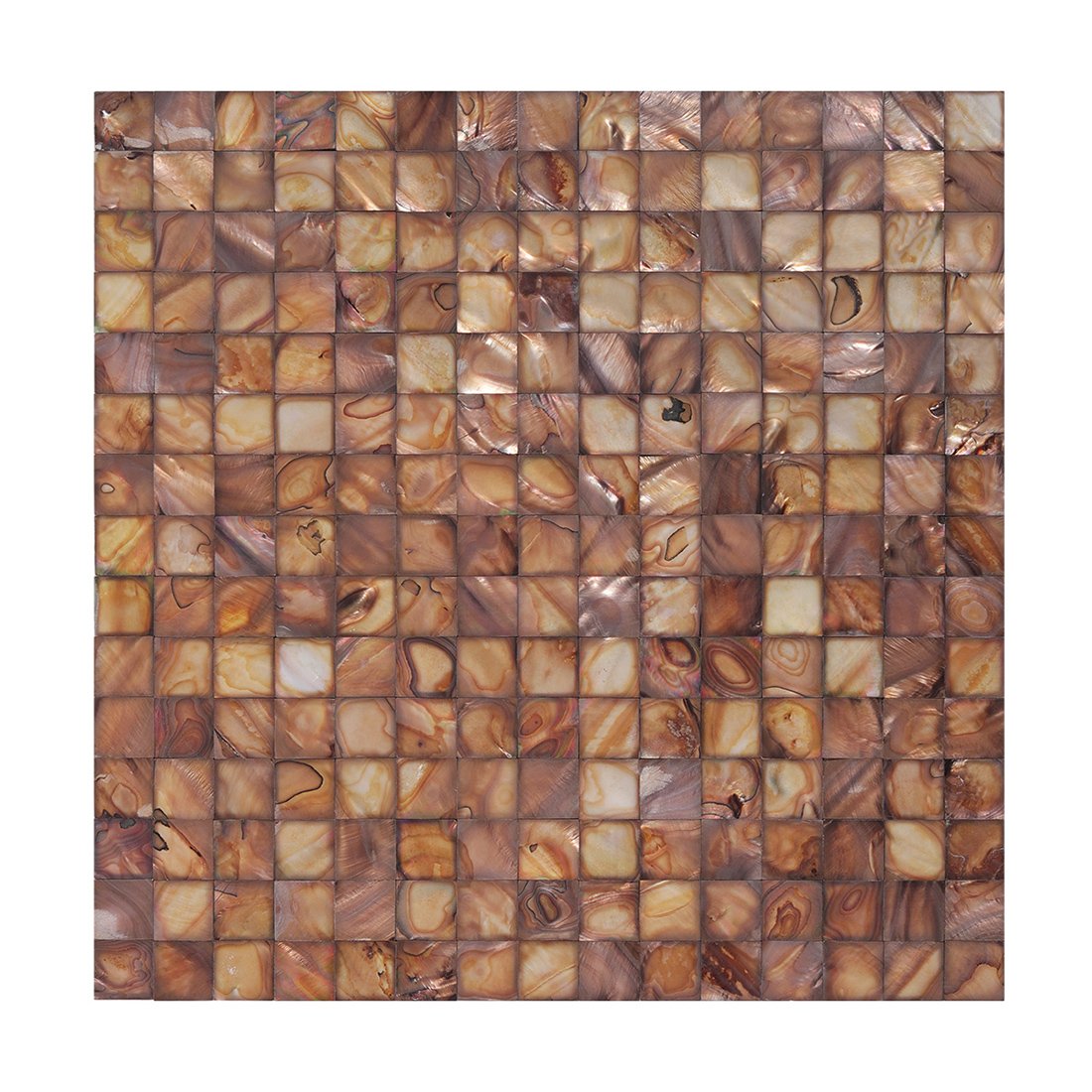
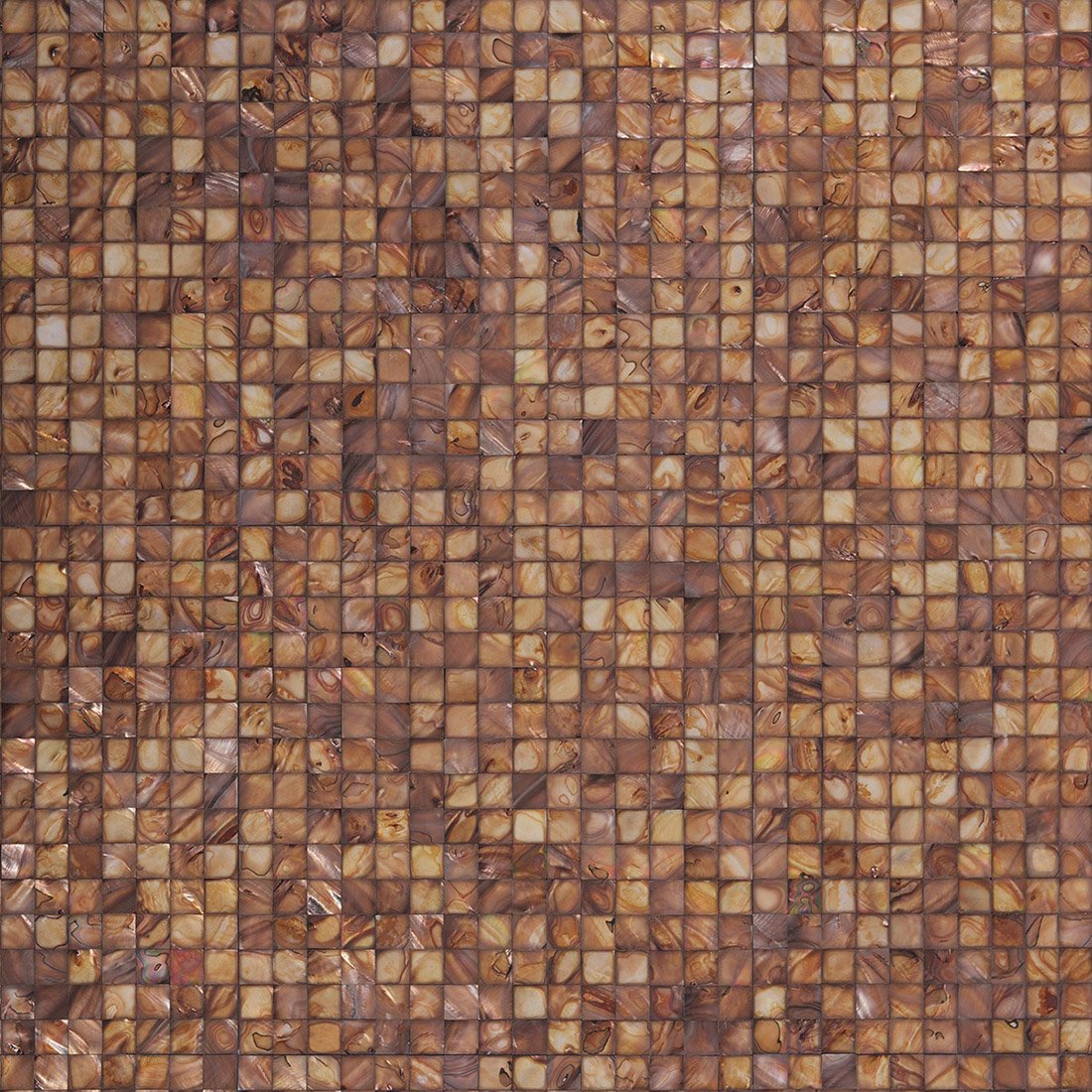
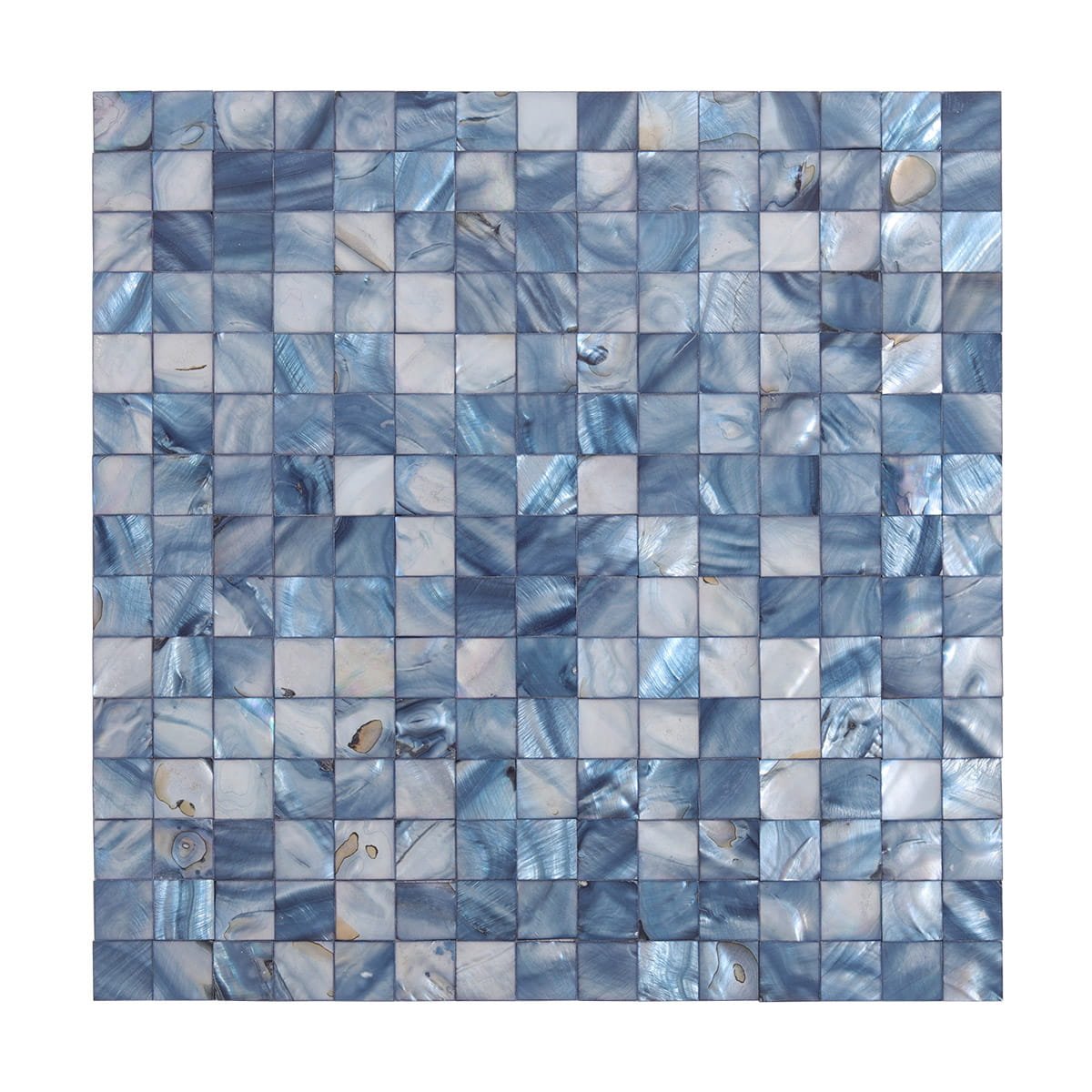
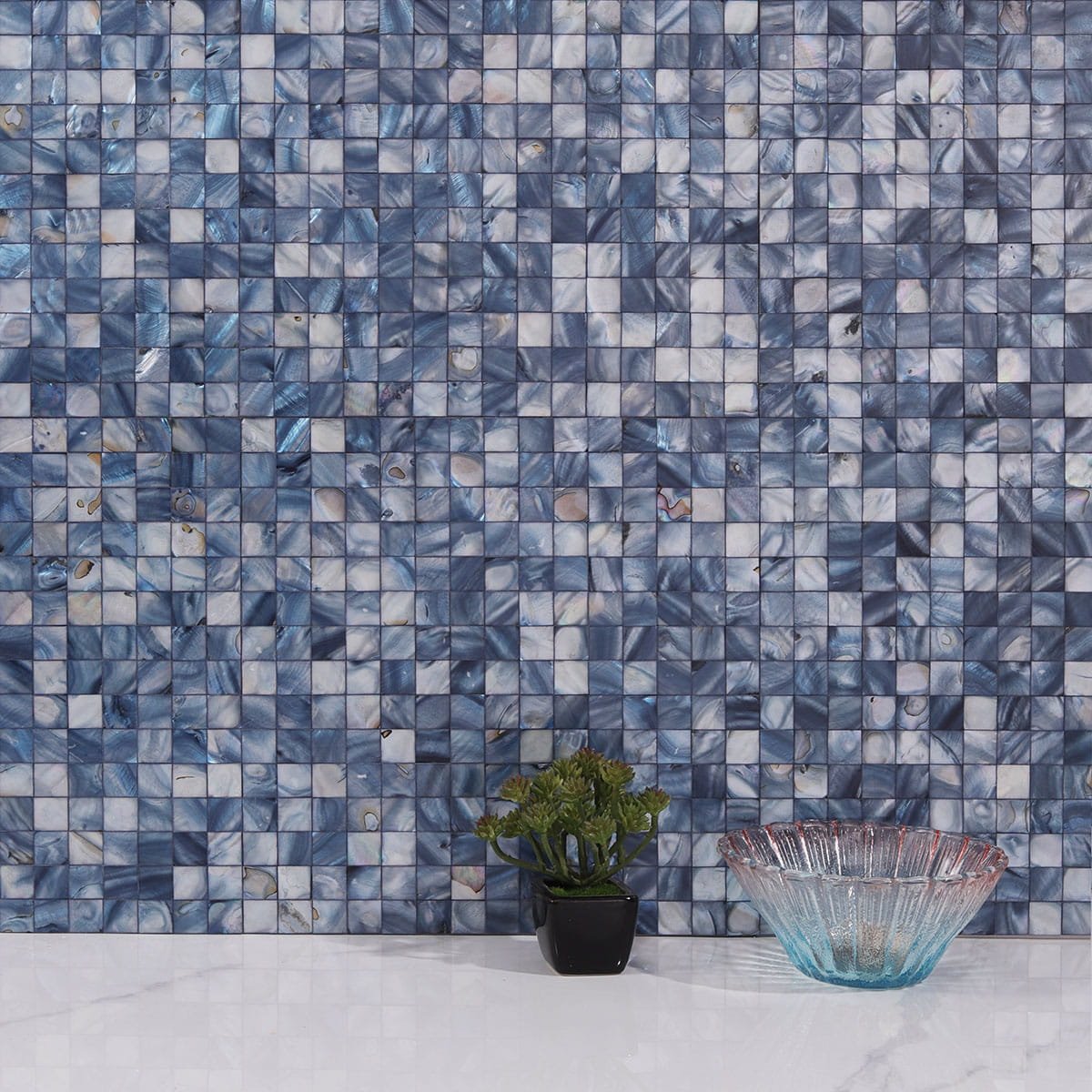
Mother of pearl shell tiles are exceptionally lightweight at just 2mm thickness. Due to limited raw material availability, these tiles command premium pricing and are highly valued for their unique iridescent beauty and natural shimmer.
Freshwater Shell
Cultivated river mussel shells are harvested after pearl extraction. The shells are meticulously cut into various shapes - squares, rectangles, circles, and fish scale patterns - then carefully hand-polished to reveal their natural luster.
Deep-Sea Shell
Exotic varieties sourced from pristine coastal regions worldwide:
- Black Lip Pearl: Deep dramatic tones
- Gold Lip Pearl: Warm golden shimmer
- White Butterfly: Pure luminous white
- Penguin Shell: Unique patterning
Sourced from Tahiti, Australia, USA, New Zealand, and other pristine coastal regions
Selecting Grout for Mosaic Tiles
For mosaic tiles that require grout, choosing the right grout color is critically important - it can determine the success or failure of your entire project. Based on my professional experience, I’ve identified three proven approaches to grout selection.
Complementary Color Matching
Choose grout that is lighter than your tile color. By “complementary,” I mean selecting a shade lighter than the tiles themselves. This approach beautifully showcases the tile’s natural color while creating soft, natural-looking grout lines that appear full and harmonious.
Ideal For: Creating cohesive, elegant designs that let the tiles shine
Contrasting Color Choice
Black tiles with white grout, or white tiles with black grout. For unique special styles, try white tiles with orange grout. This bold approach creates dramatic visual impact and emphasizes the mosaic pattern itself, perfect for contemporary and artistic installations.
Ideal For: Bold, modern statements and artistic expressions
Universal Neutrals
Semi-transparent or light grey grout. Semi-transparent is a recent innovation made from glass sand that blends seamlessly with multi-colored mosaics. Light grey - a shade very close to white but distinctly not pure white nor dark grey - provides versatile coordination.
Ideal For: Multi-color installations or mixed material designs
Professional Installation
While mosaic tile installation follows similar principles to standard tile work, the sheet-mounted format and small tile size require special attention to alignment, grout line consistency, and proper thinset application.
Key Installation Steps
- Surface preparation and leveling
- Layout planning with reference lines
- Proper thinset application technique
- Sheet alignment and embedding
- Grouting and sealing
Professional Tips
- Use appropriate notched trowel size
- Work in small manageable sections
- Use beating block for even embedding
- Allow proper curing time
- Seal grout in wet areas
Popular Applications
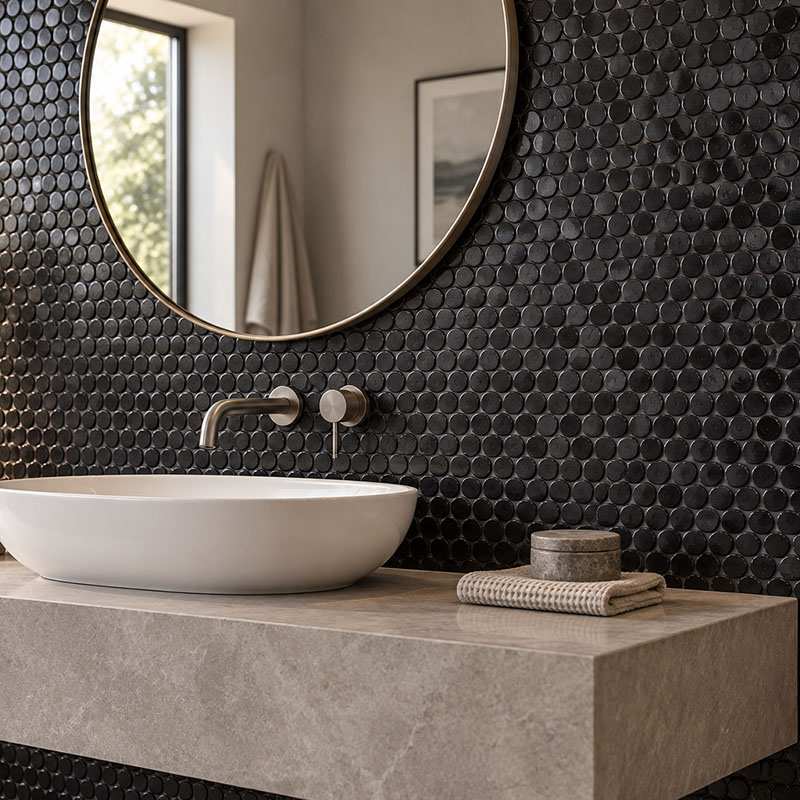
Bathroom Walls & Showers
Perfect for shower walls, bathroom feature walls, and vanity backsplashes. Glass and stone mosaics provide superior water resistance with easy maintenance and timeless beauty.
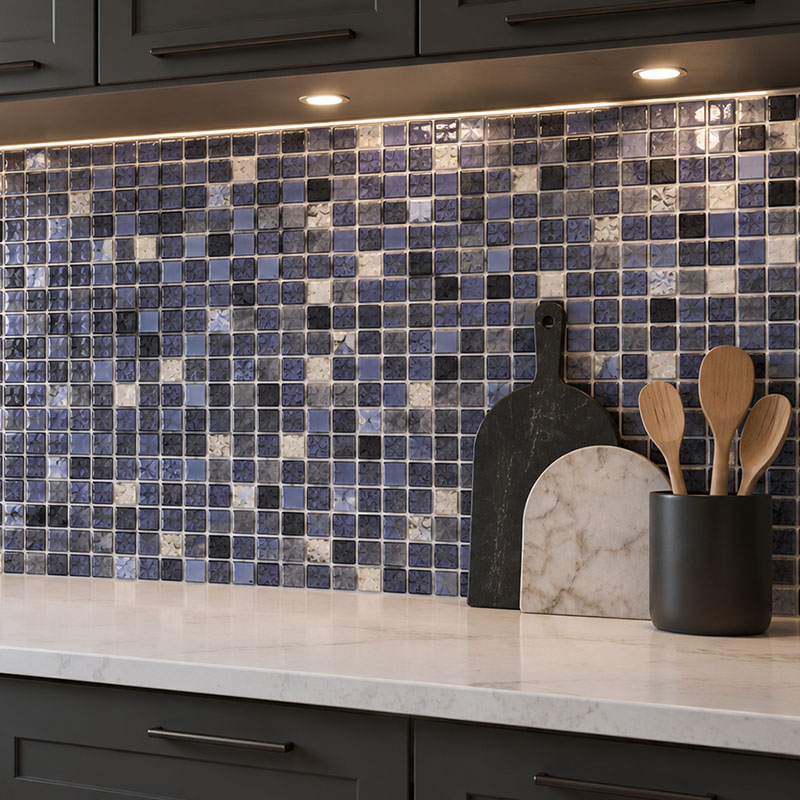
Kitchen Backsplashes
Create stunning focal points with glass, ceramic, or stone mosaics. Heat-resistant, splash-proof, and easy to clean for daily cooking demands while adding artistic flair.
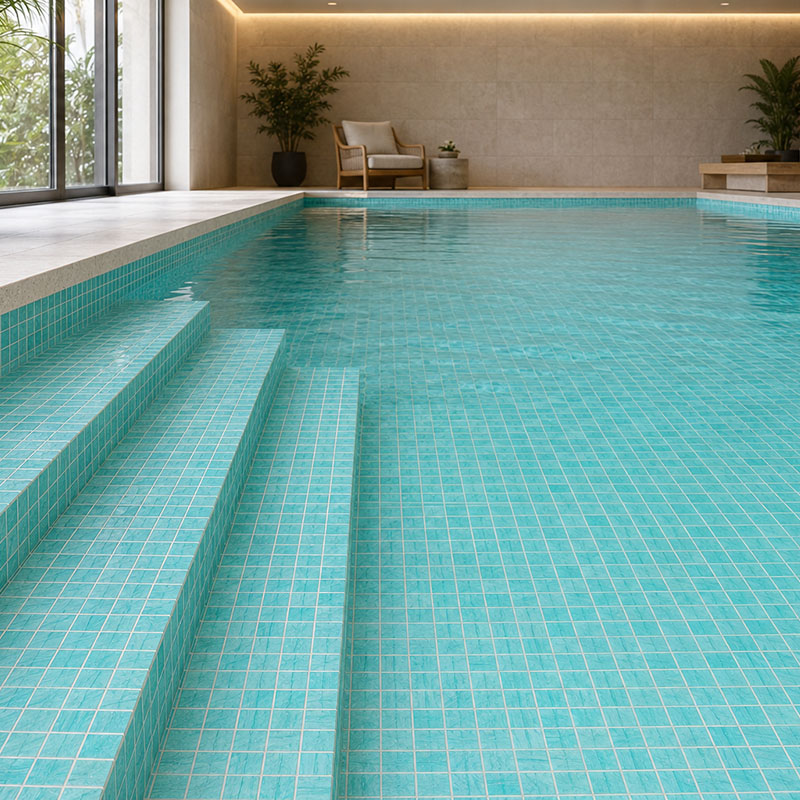
Swimming Pools & Spas
Glass mosaics excel in aquatic environments. Completely waterproof, fade-resistant, and available in brilliant colors perfect for waterlines or full pool coverage.
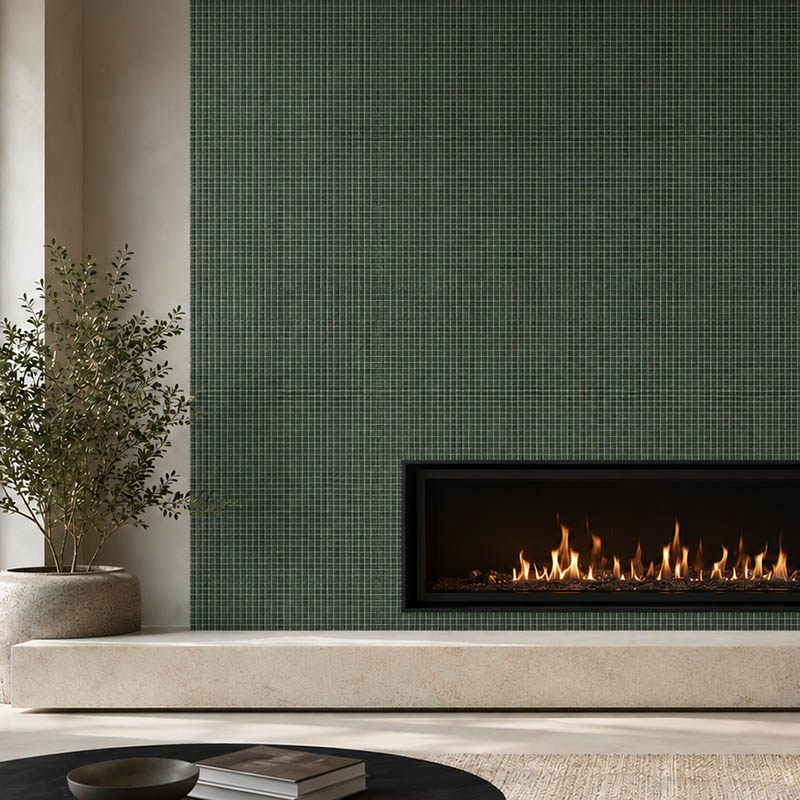
Fireplace Surrounds
Heat-resistant glass and ceramic mosaics create captivating fireplace focal points. Suitable for both indoor hearths and outdoor fire features with lasting durability.
Commercial Spaces
Durable and distinctive for hotels, restaurants, retail environments, and office lobbies. Metal and waterjet mosaics create memorable, high-impact commercial interiors.
Floor Applications
Stone and porcelain mosaics provide durability for entryways, bathroom floors, and kitchen floors. Natural slip resistance from multiple grout lines enhances safety.
Custom Mosaic Murals
Transform any space with breathtaking custom mosaic murals. Our artists create stunning pixel-art compositions using thousands of precisely placed tiles to form photorealistic images, abstract designs, or branded logos.
Why Choose Mosaic Tiles?
Exceptional Durability
Mosaic tiles withstand heavy foot traffic, moisture exposure, and temperature fluctuations. Glass and stone varieties maintain their beauty for decades with minimal maintenance requirements.
Unlimited Design Possibilities
With countless colors, materials, shapes, and patterns, mosaic tiles enable truly unique designs. Create custom murals, geometric patterns, or choose from thousands of pre-designed options.
Water & Stain Resistant
Glass and porcelain mosaics are completely non-porous, making them ideal for wet areas. Natural stone can be sealed for excellent stain protection and water resistance.
Easy Maintenance
Simple cleaning with mild detergent keeps mosaics looking pristine. Non-porous materials naturally resist bacteria and mold growth, promoting healthy indoor environments.
Eco-Friendly Options
Recycled glass mosaics offer sustainable beauty without compromise. Natural stone is a renewable resource. Many mosaics contain no VOCs for healthier indoor air quality.
Increases Property Value
High-quality mosaic installations significantly enhance property appeal and market value. Timeless designs remain attractive for years, offering excellent return on investment.
Frequently Asked Questions
What size range qualifies as mosaic tiles?
Mosaic tiles typically range from 10mm to 73mm, though the definition extends beyond strict measurements. From a professional perspective, any small-format tile that creates patterns with multiple grout lines can be considered a mosaic. The key characteristic is the ability to create intricate designs through small pieces.
Can mosaic tiles be used on floors?
Yes, many mosaic tiles are specifically rated for floor applications. Stone, porcelain, and unglazed ceramic mosaics work exceptionally well for flooring. The multiple grout lines provide natural slip resistance, making them safer than large-format tiles in wet areas.
Are glass mosaic tiles suitable for showers?
Absolutely. Glass mosaics are ideal for showers due to their completely waterproof, non-porous nature. They resist mold and mildew growth, clean easily, and maintain their vibrant appearance indefinitely in wet environments. Use appropriate waterproofing membrane and thin-set mortar rated for wet areas.
How do I clean mosaic tiles?
Use mild detergent or pH-neutral cleaner mixed with water. Avoid abrasive cleaners that may scratch surfaces, especially glass. For natural stone, use stone-specific cleaners to prevent etching. Clean grout lines with a soft brush. Reseal grout annually in wet areas for optimal protection.
Can I install mosaic tiles myself?
DIY installation is possible with proper preparation, tools, and patience. The sheet-mounted format simplifies the process compared to individual tile installation. However, premium materials and complex patterns benefit significantly from professional installation expertise, particularly for maintaining consistent grout lines and proper sheet alignment.
What’s the typical cost of mosaic tiles?
Pricing varies significantly based on material, size, and design complexity. Basic ceramic mosaics start around $5-10 per square foot. Glass typically ranges $15-40. Natural stone runs $20-60. Premium materials like mother of pearl shell, metal mosaics, or custom waterjet designs can exceed $100 per square foot.
Why Shop With Us
Fast Shipping
Quick delivery on in-stock items nationwide
Free Samples
Order samples to experience quality firsthand
Expert Support
Professional guidance throughout your project