

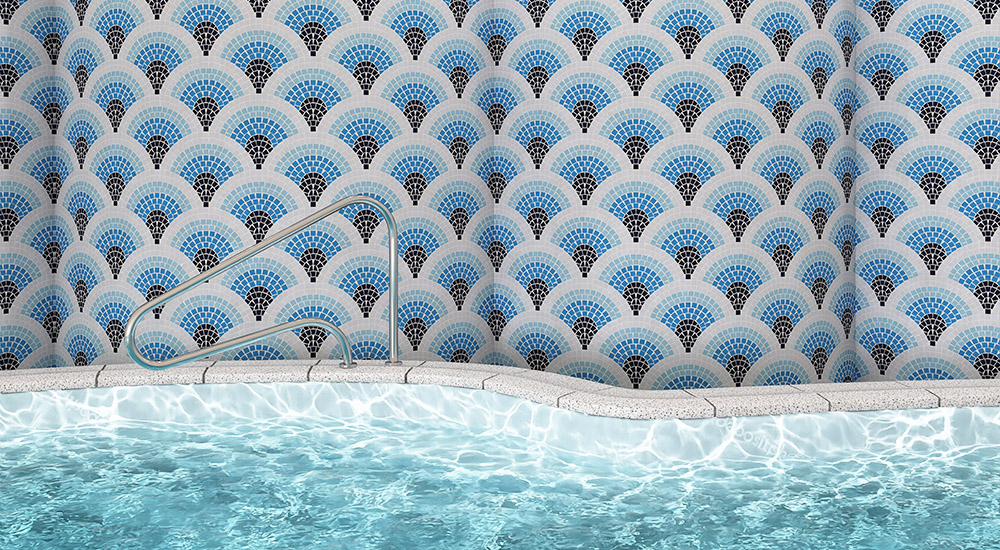
Elegant Blue Fan-Shaped Mosaic Tiles Creating a Refreshing Poolside Ambience
-
-
-
-
-
-
-
-
-
-
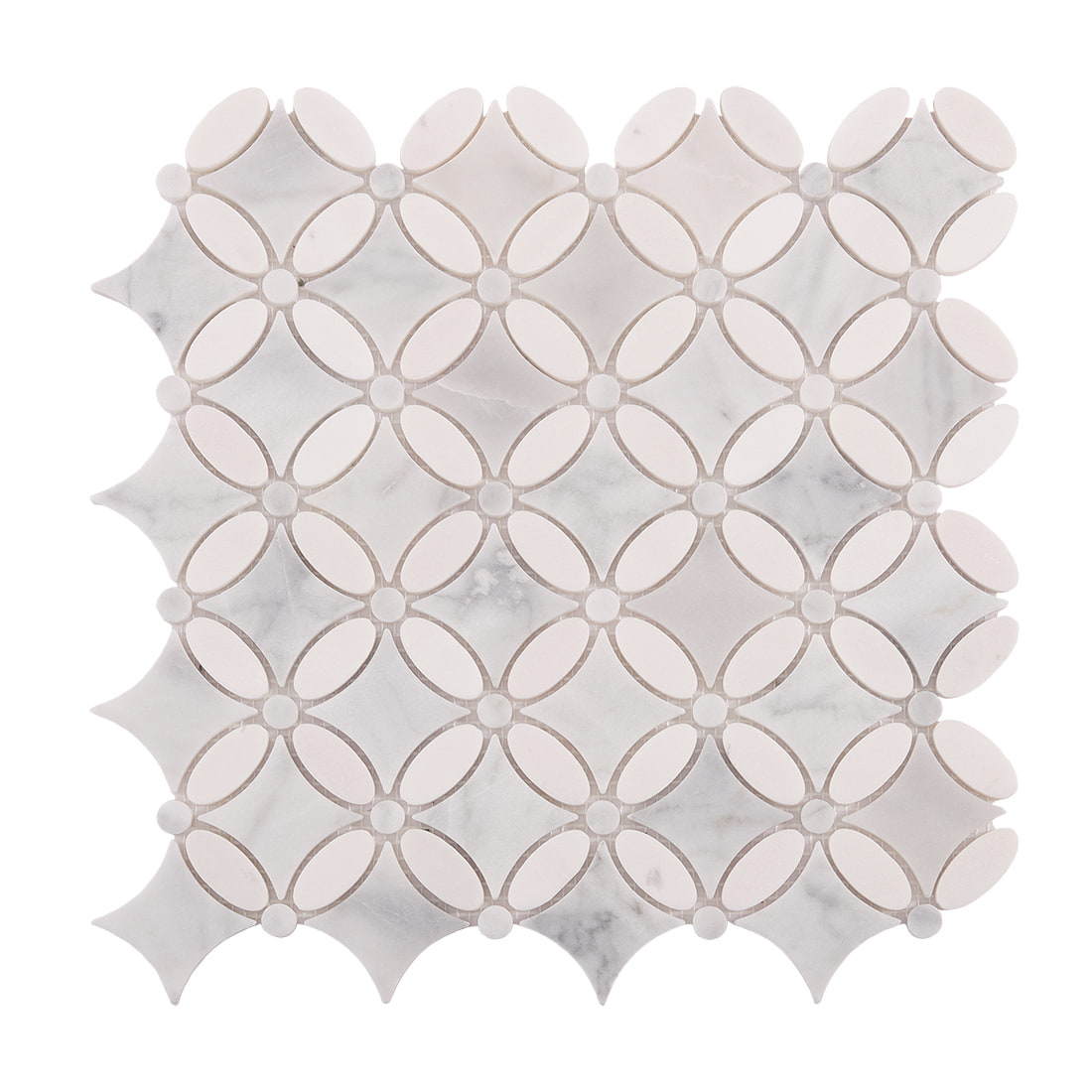
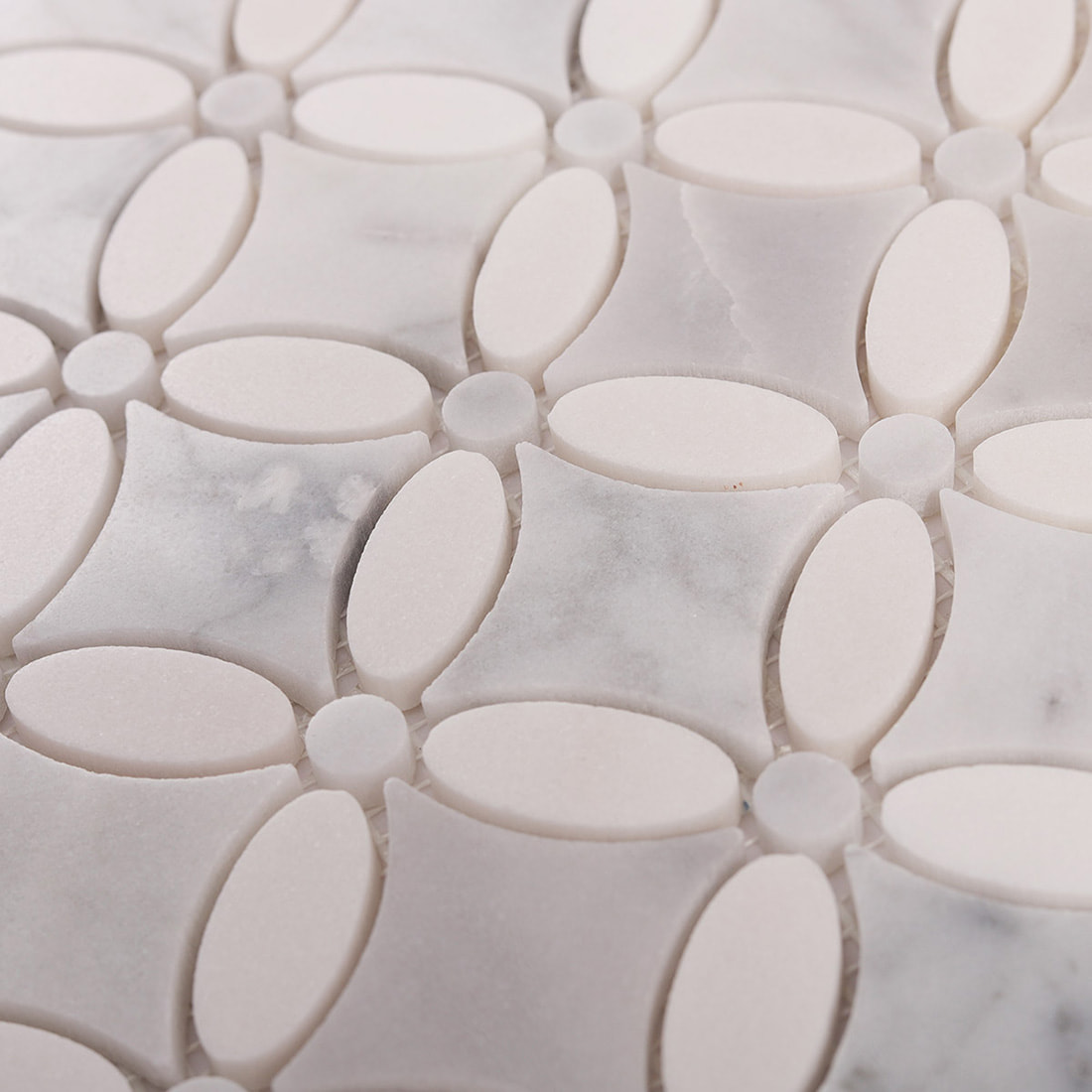
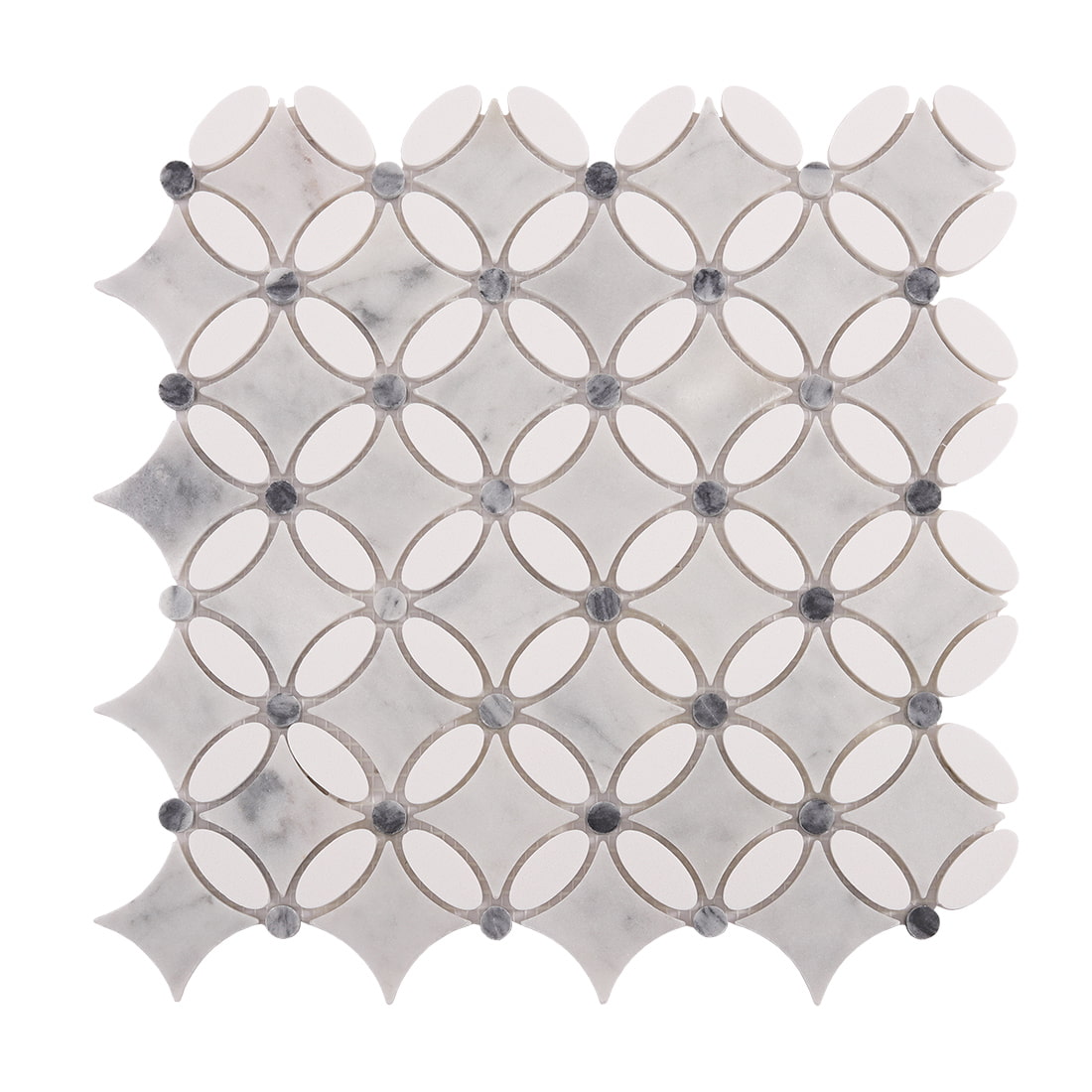
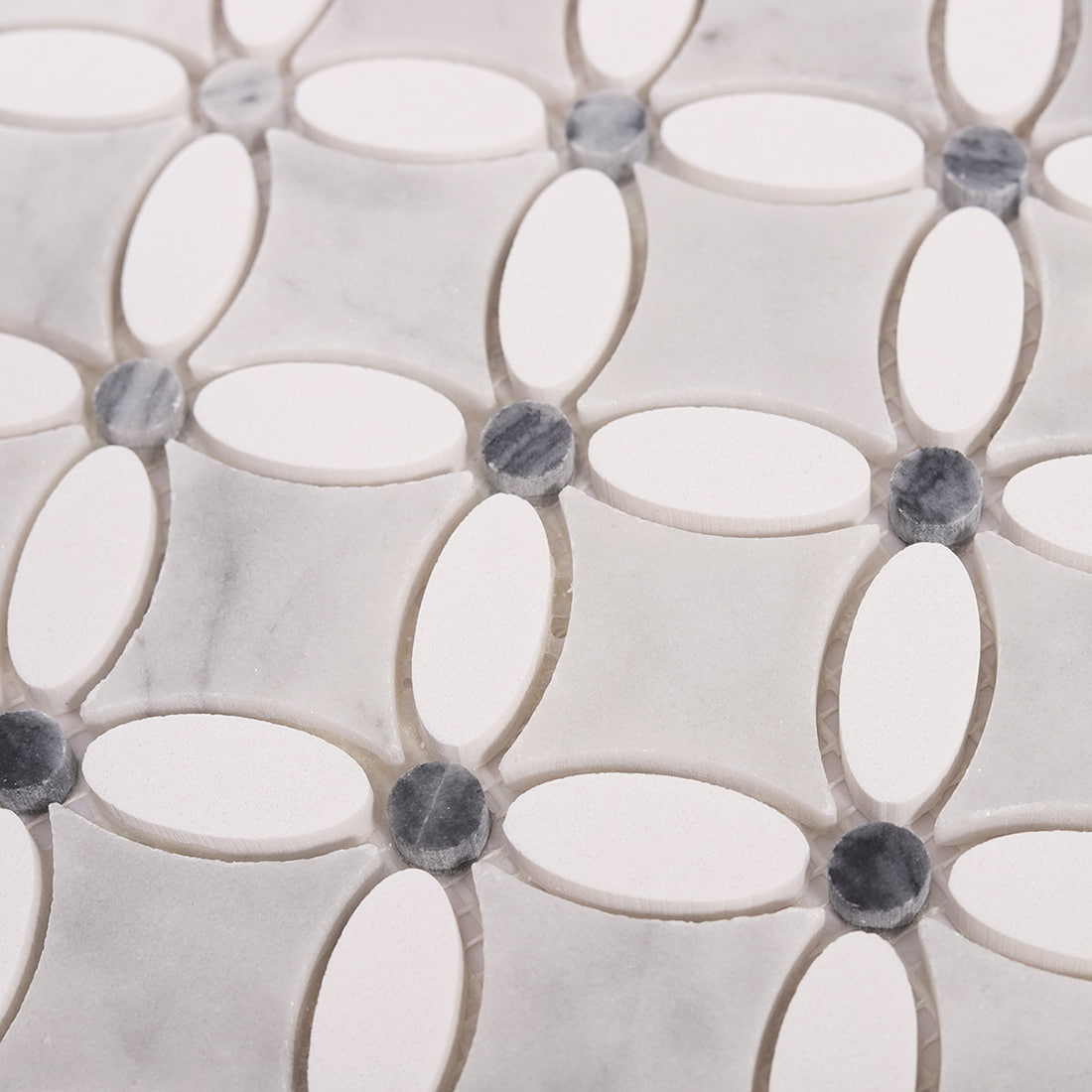
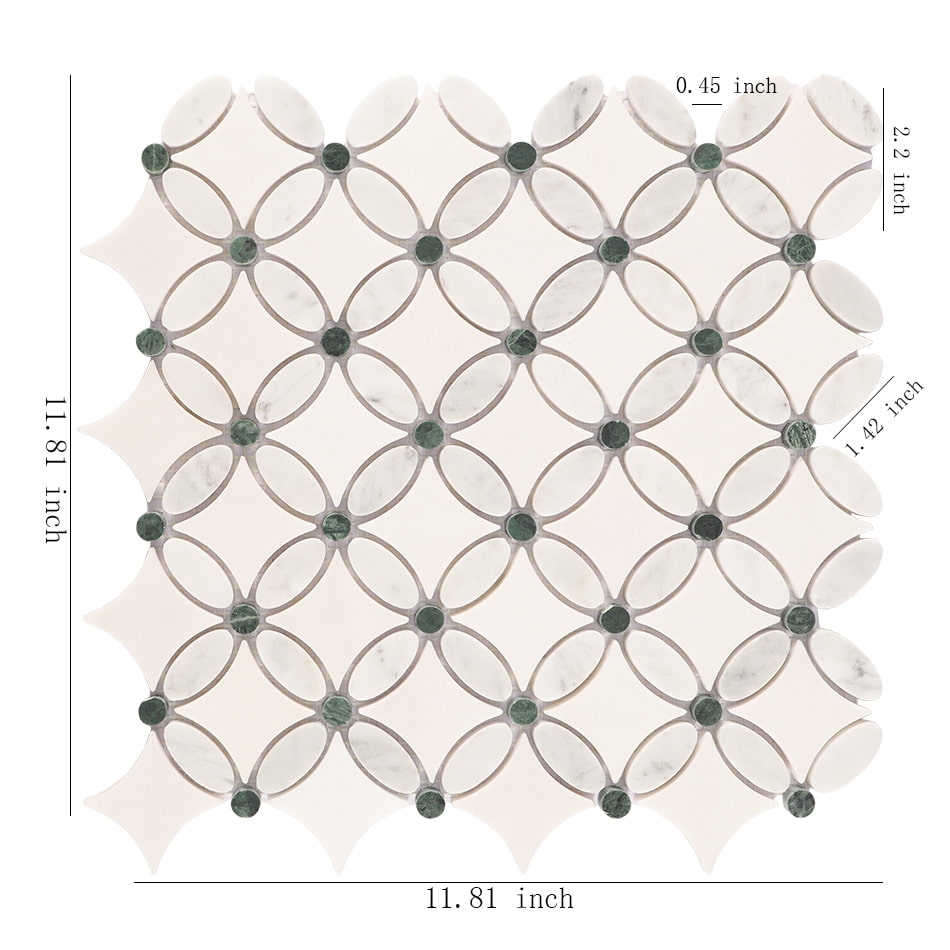
Carrara White Marble Oval Flower Mosaic Tile$15.90 USD
-
-
-
-
-
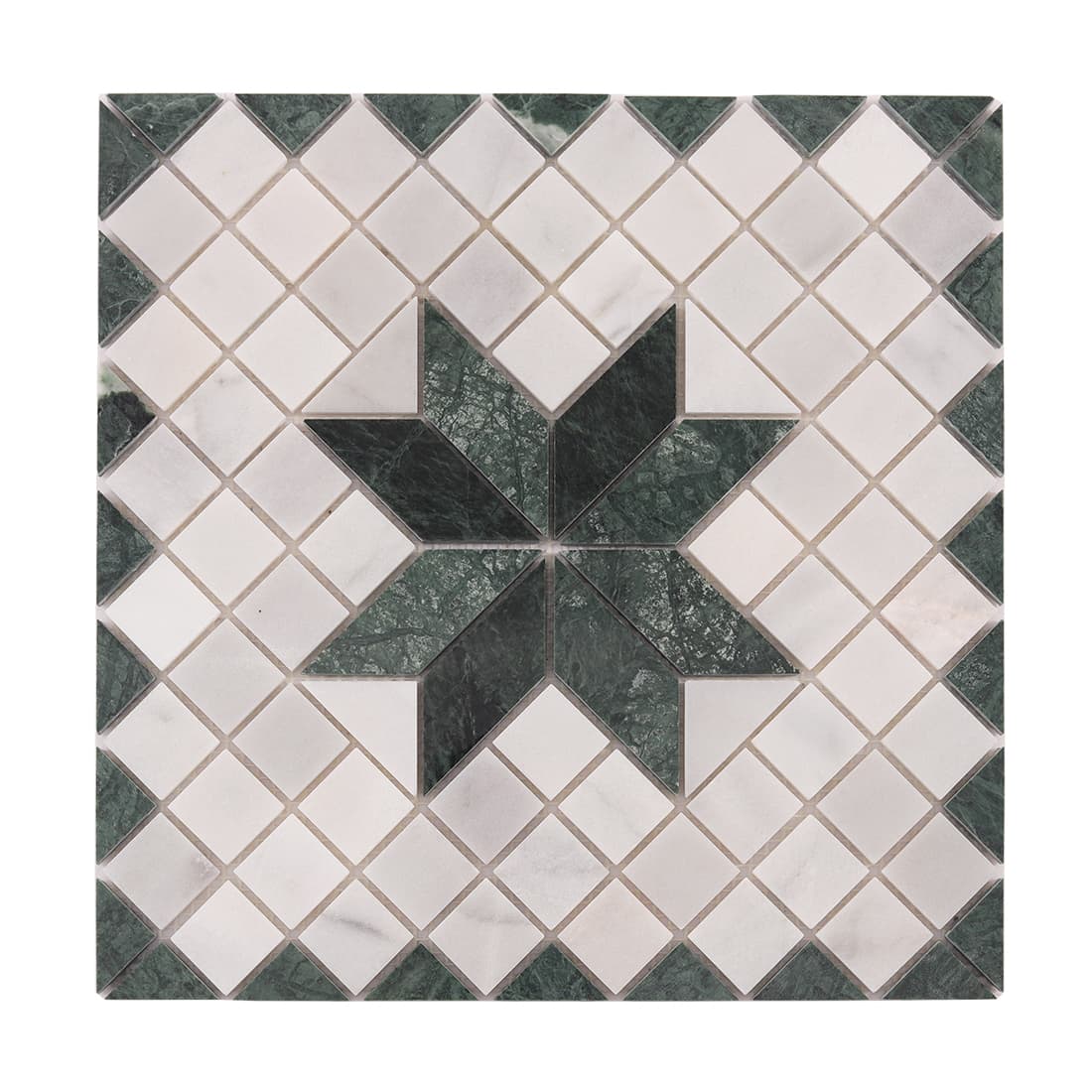
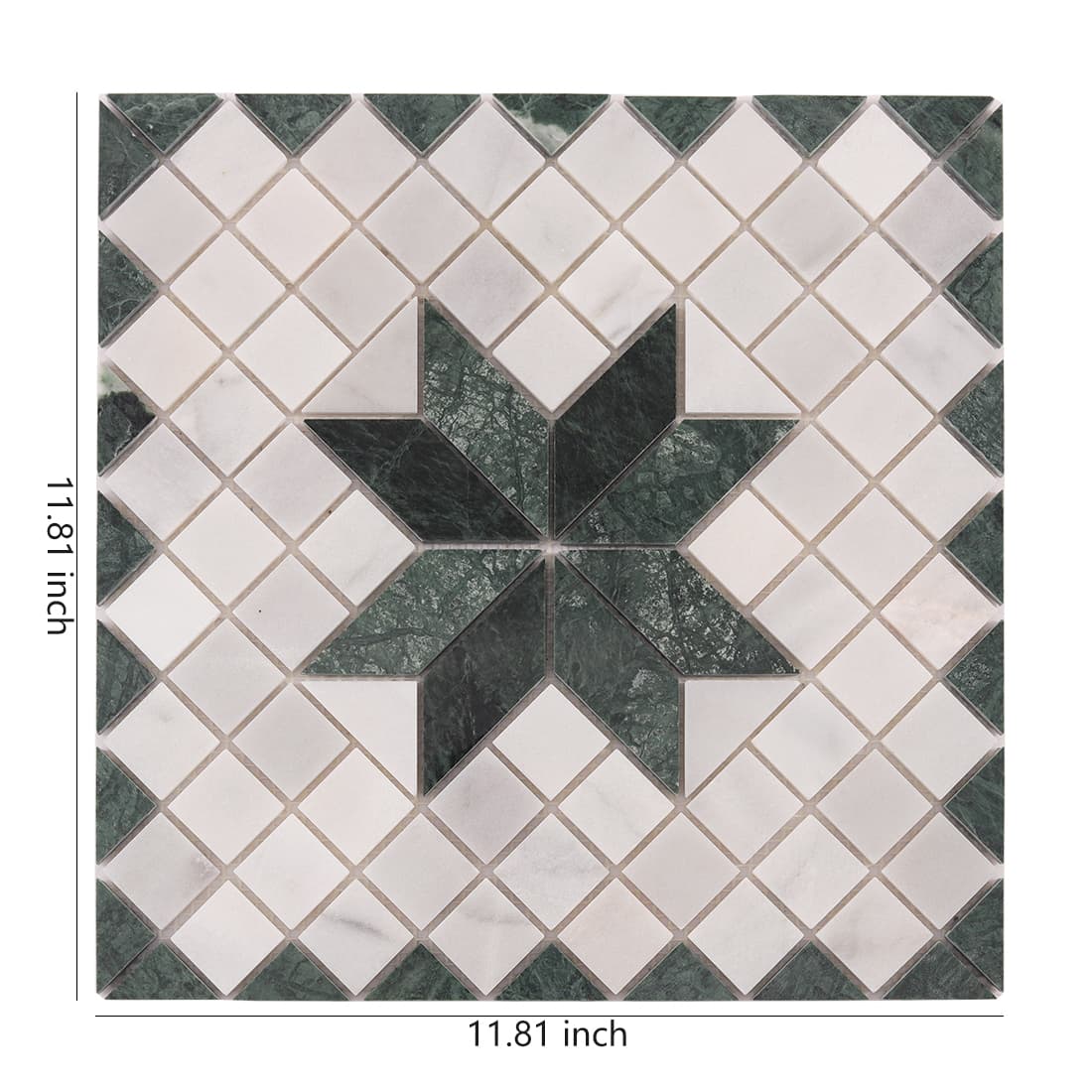
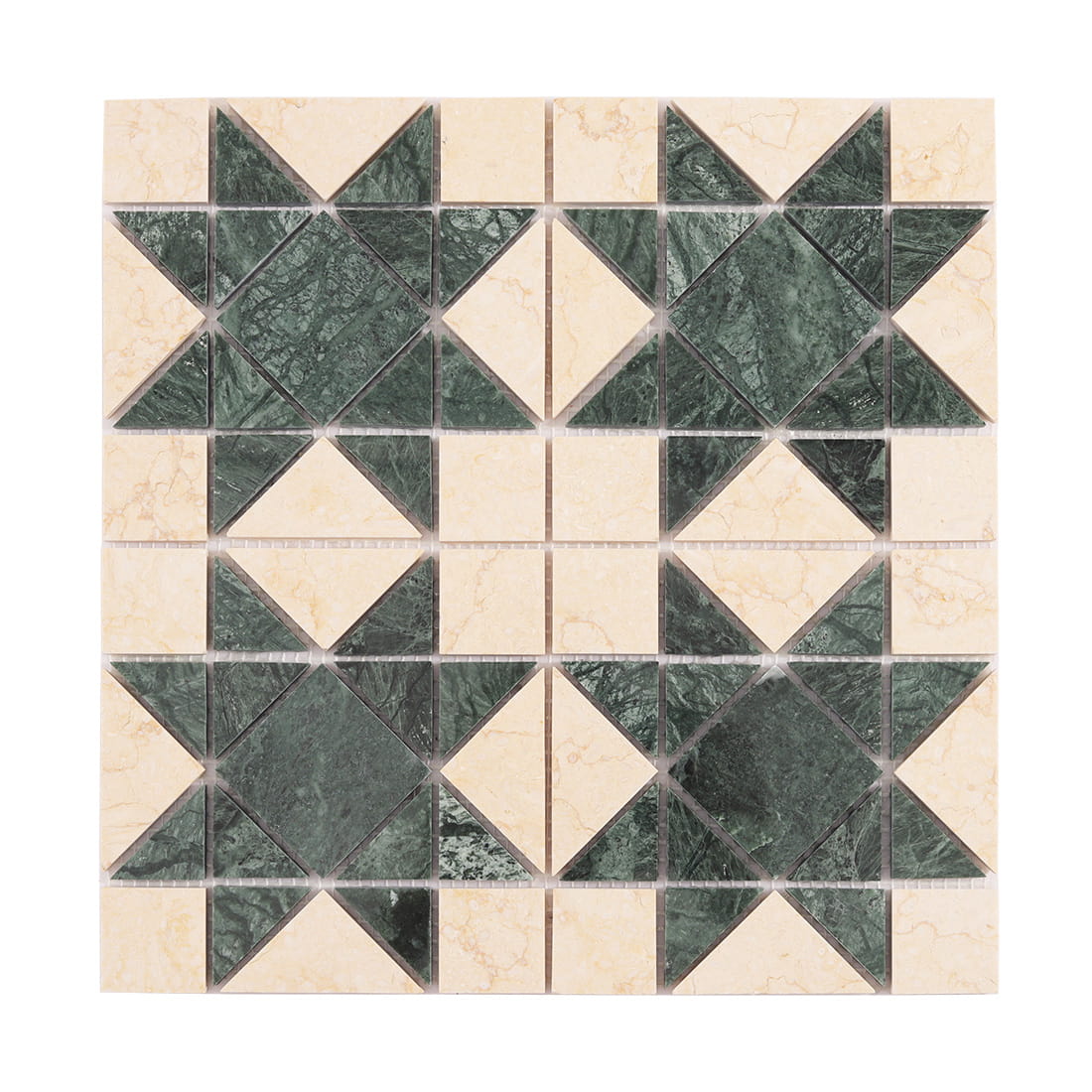
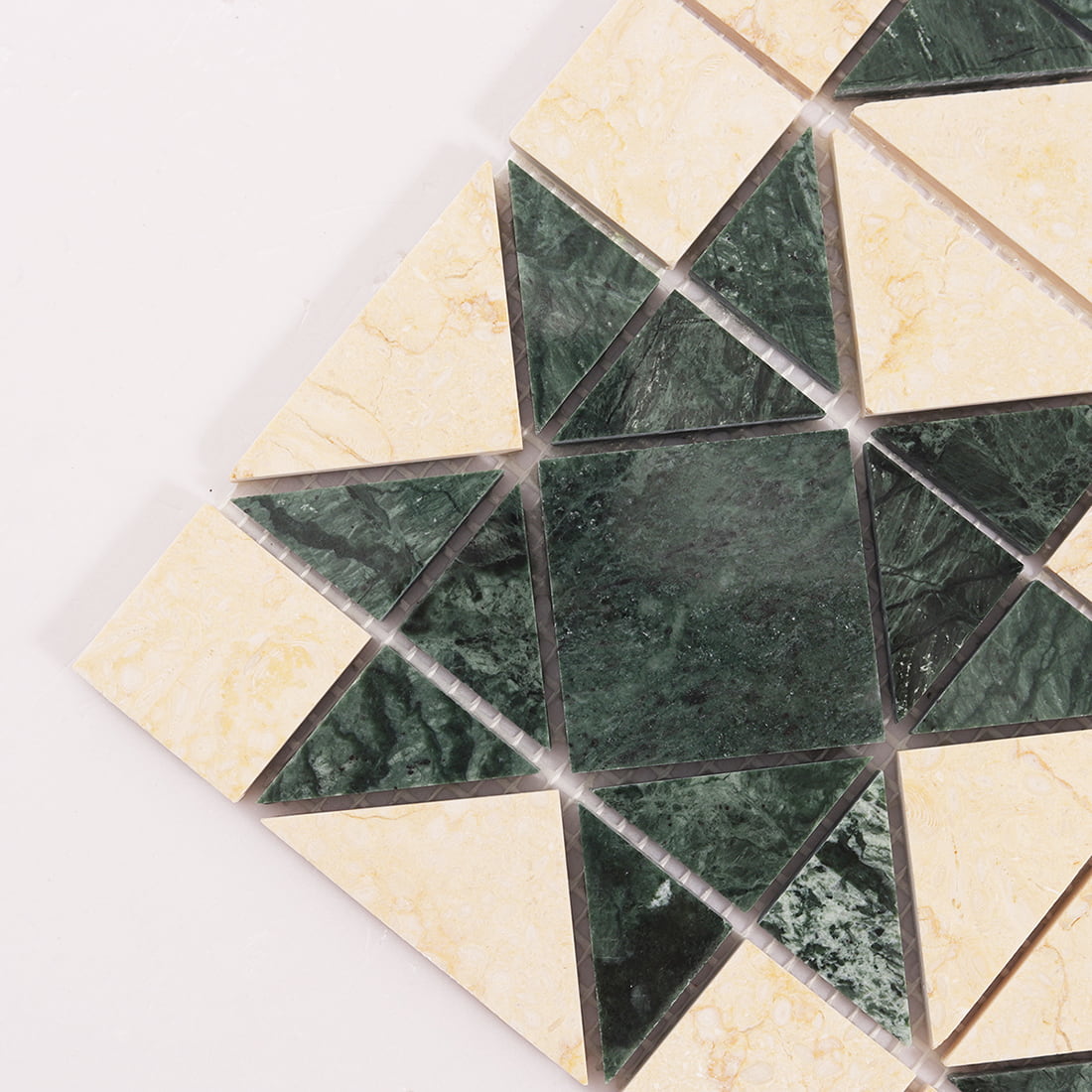
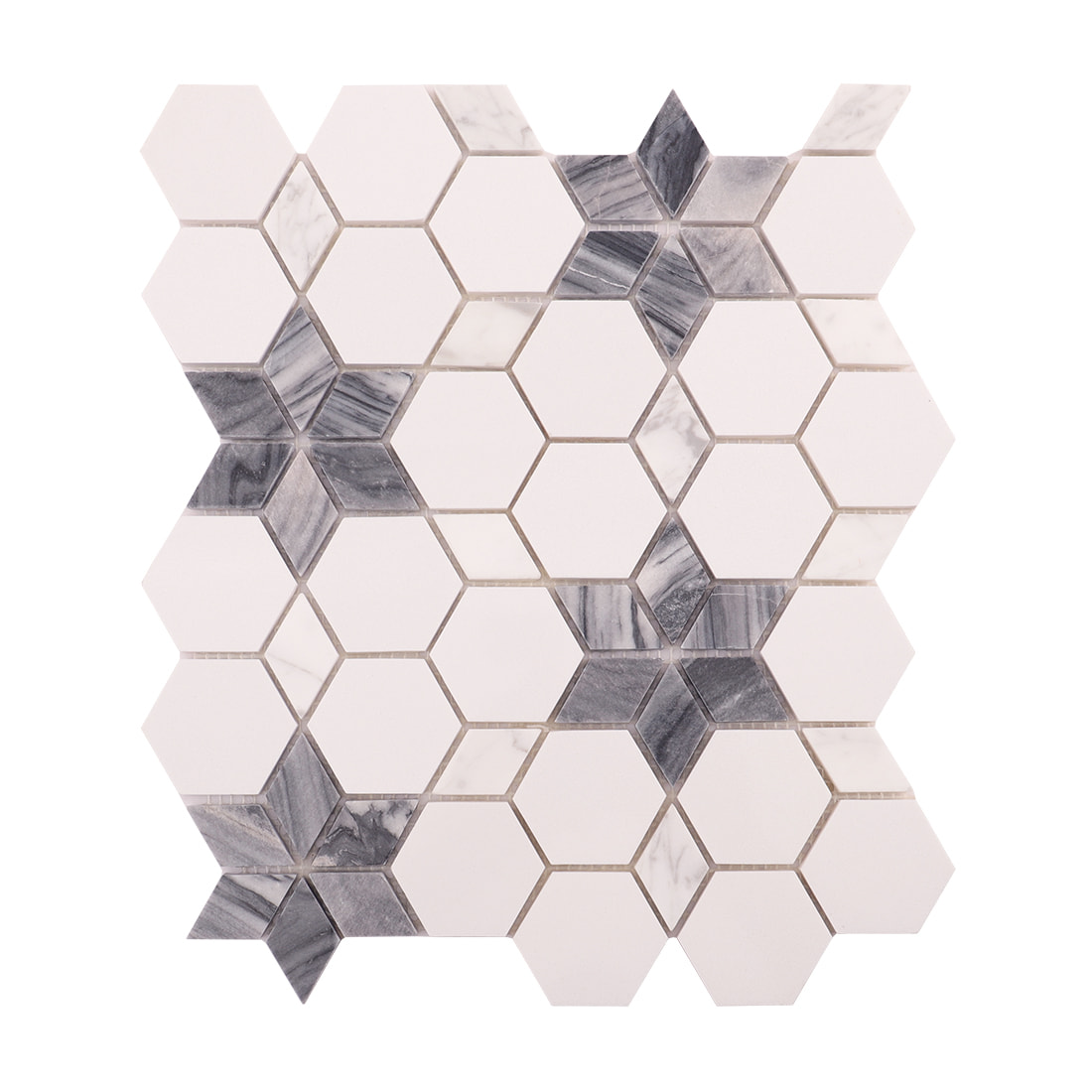
Green and Cream Stars Marble Mosaic Tile$9.85 USD
-
-
-
-
-
-
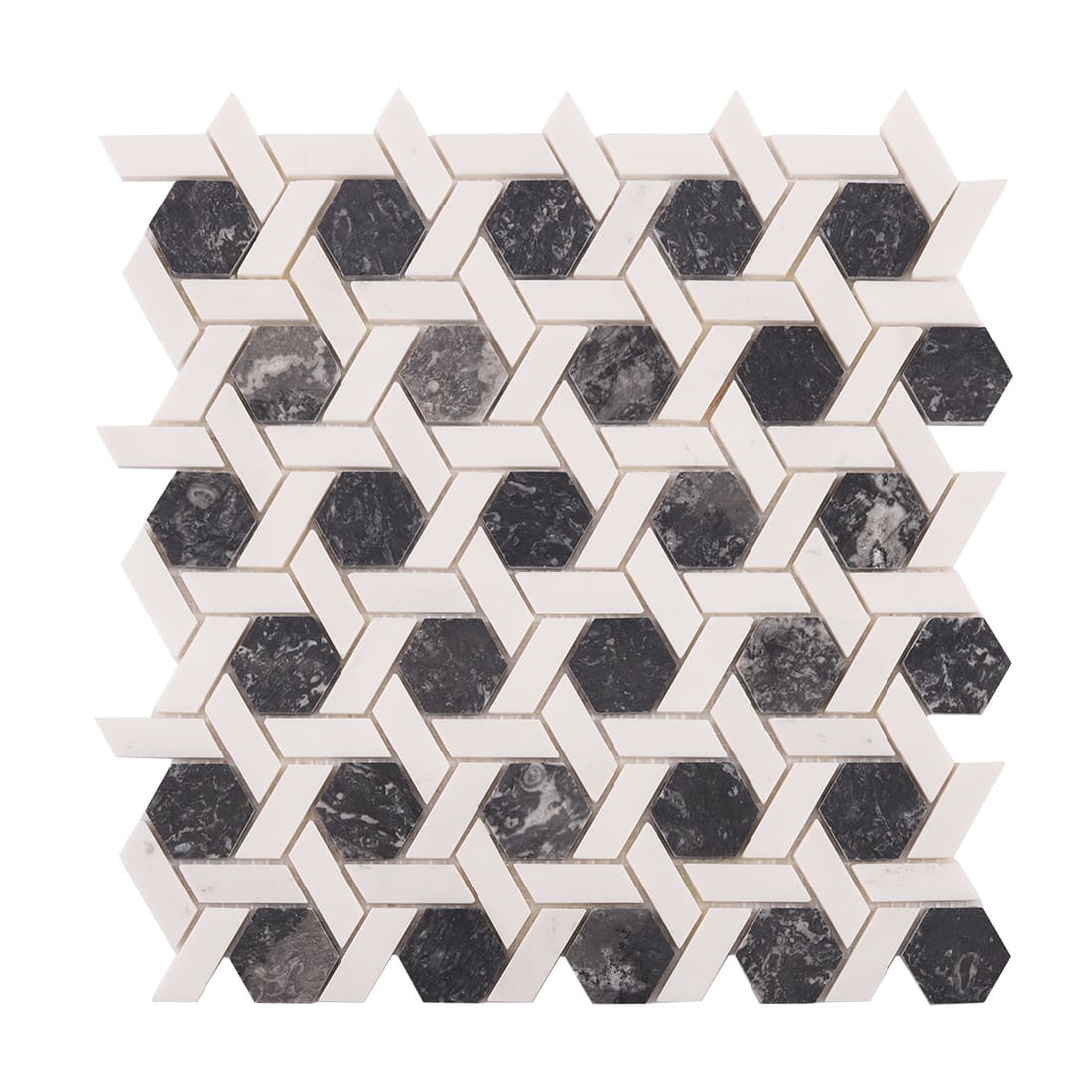
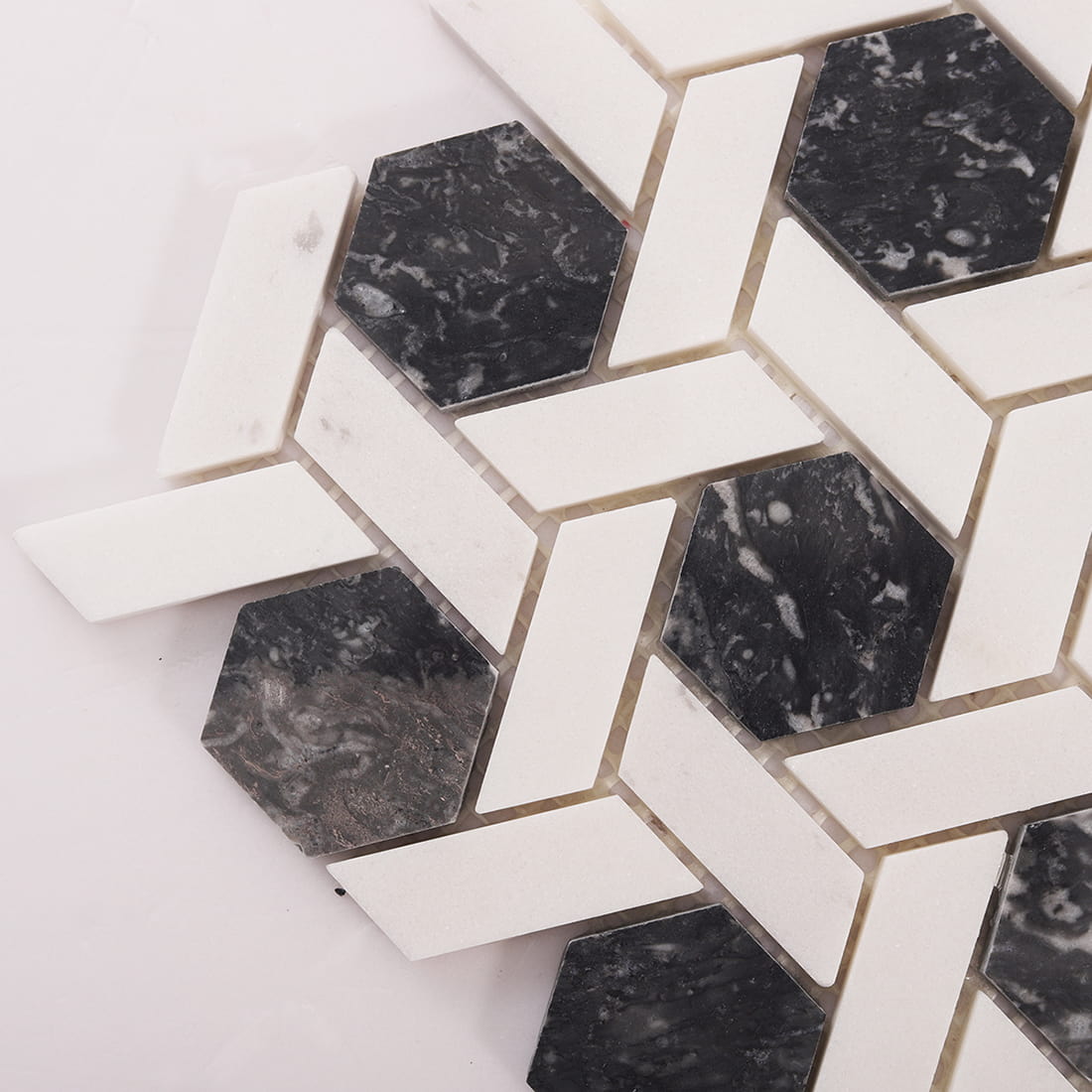
Dark Grey Weaved Hexagon Marble Mosaic Tile$11.36 USD
-
-
-
-
-
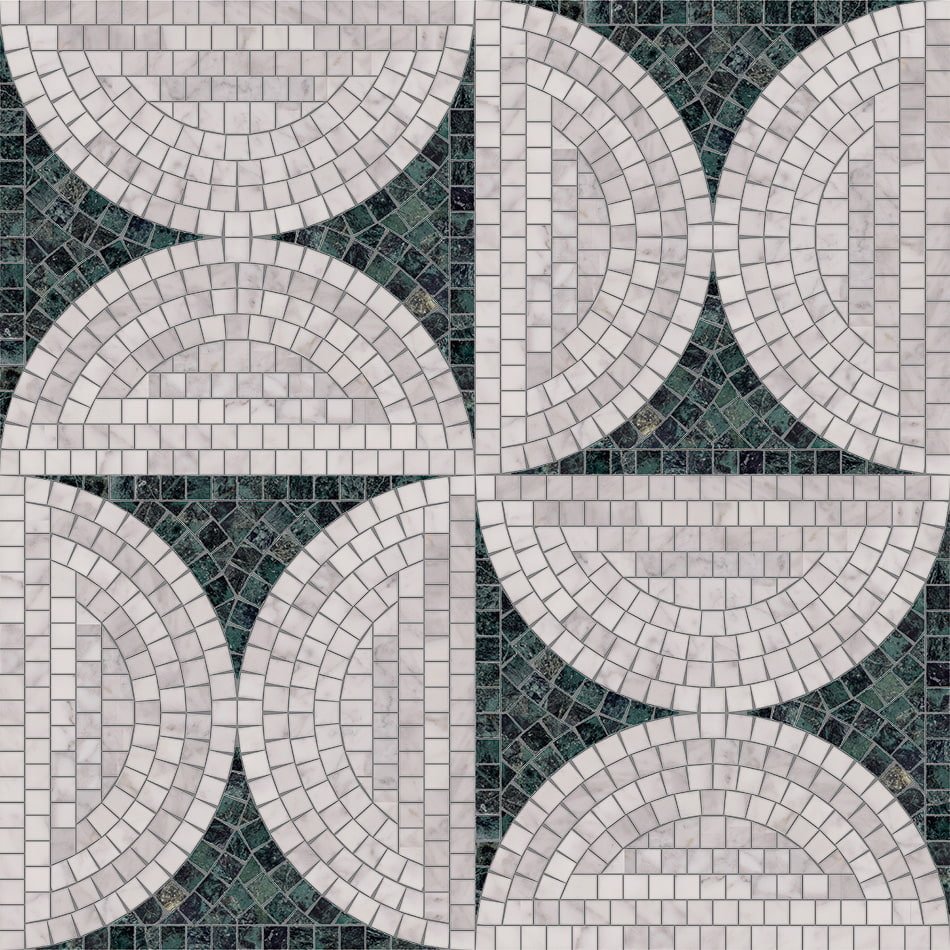
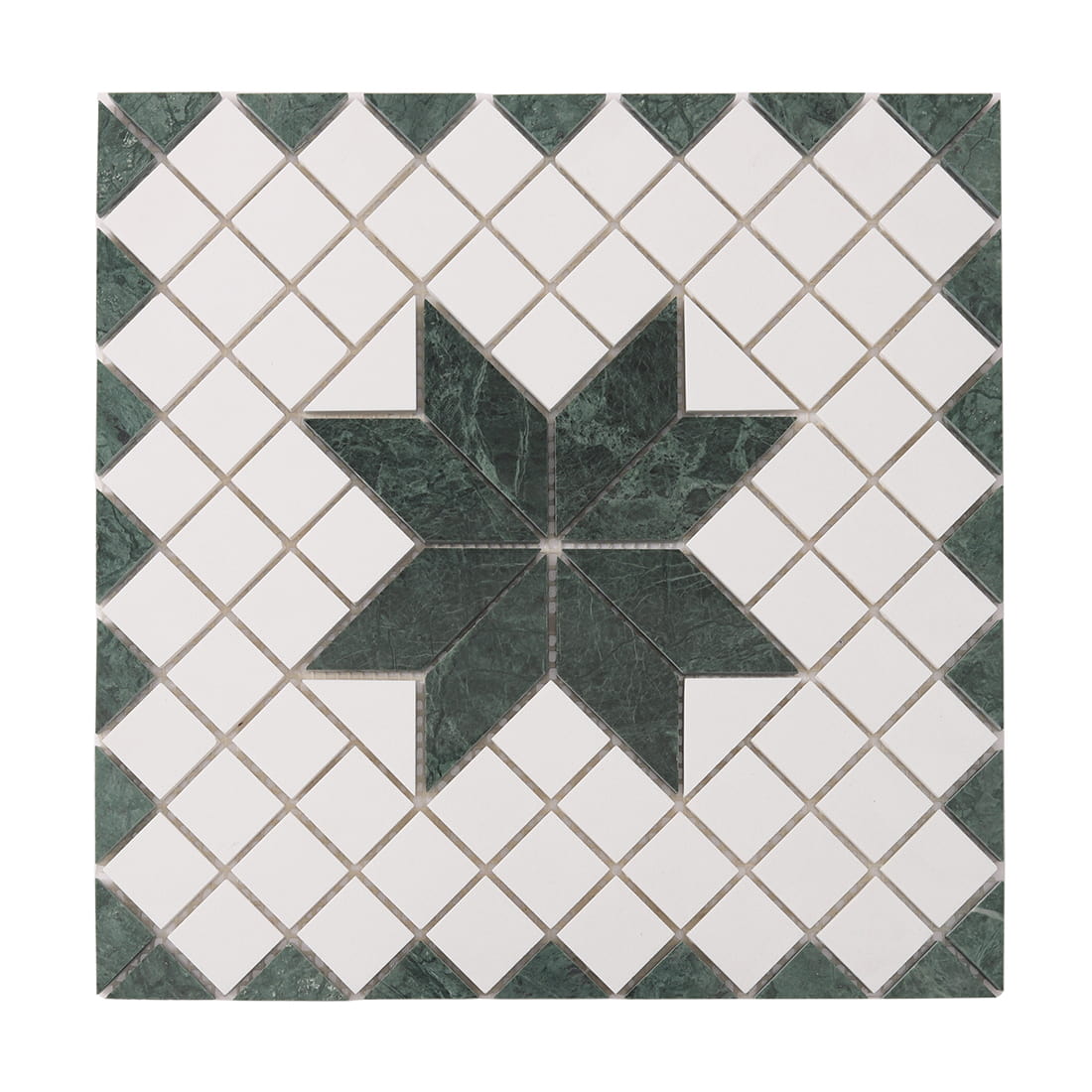
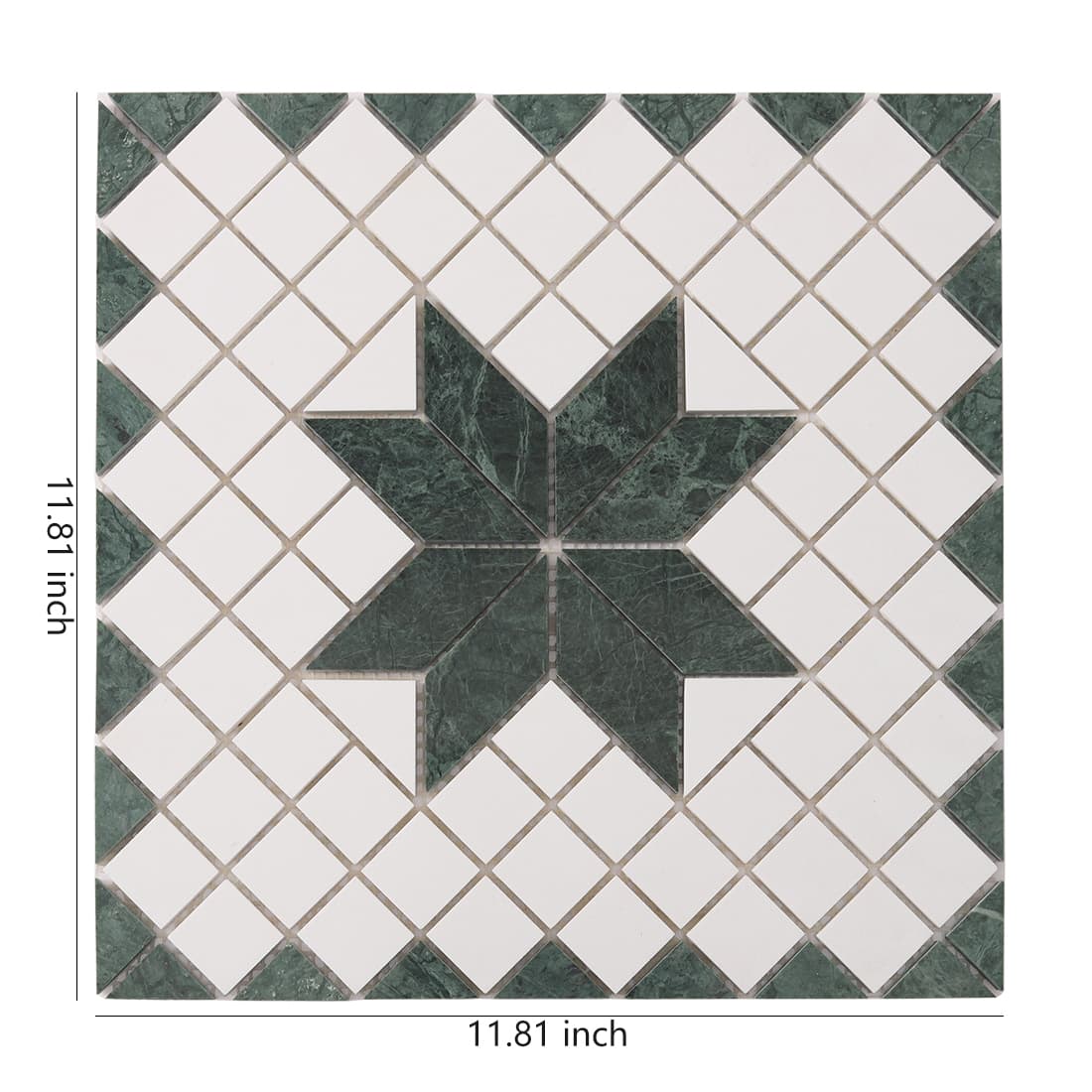
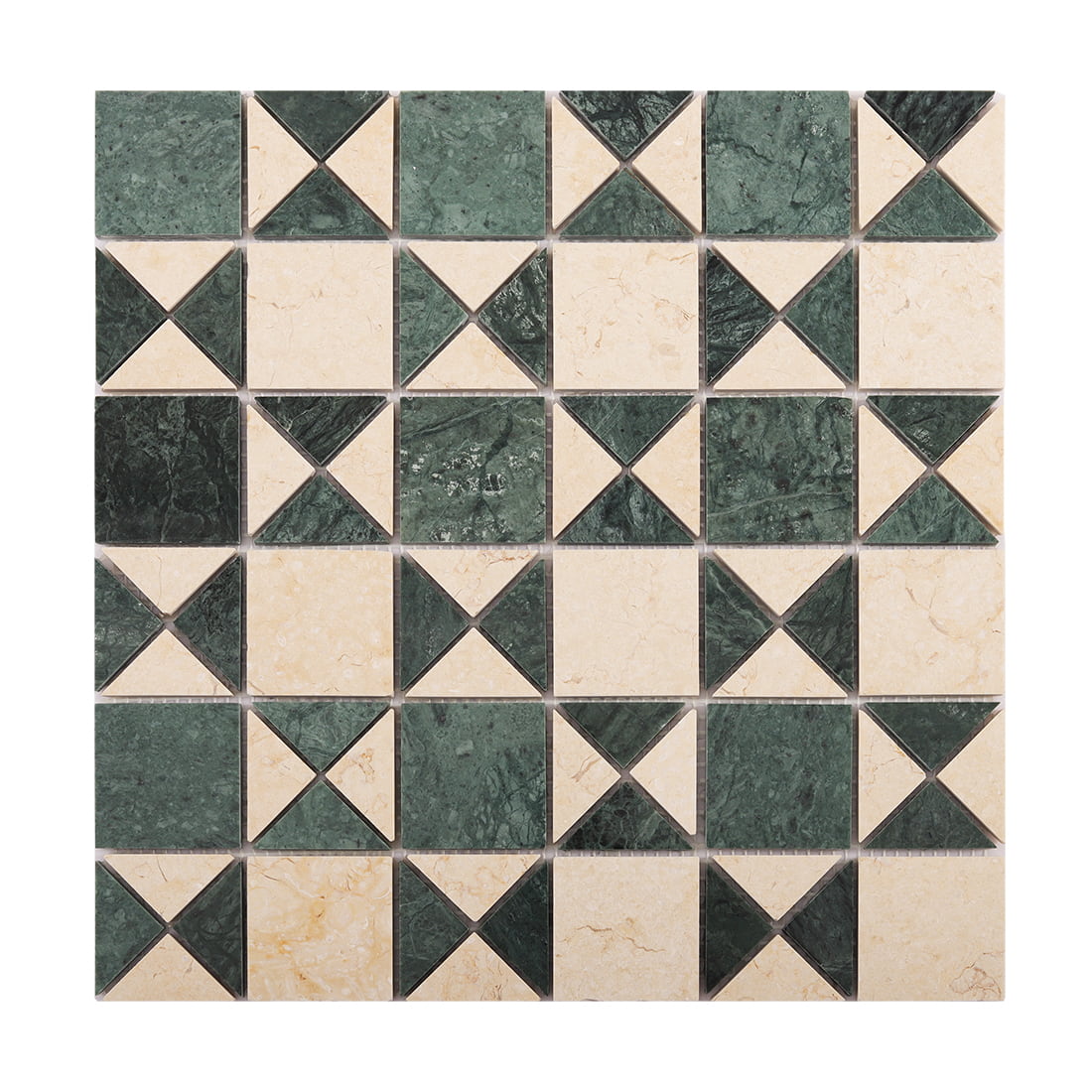
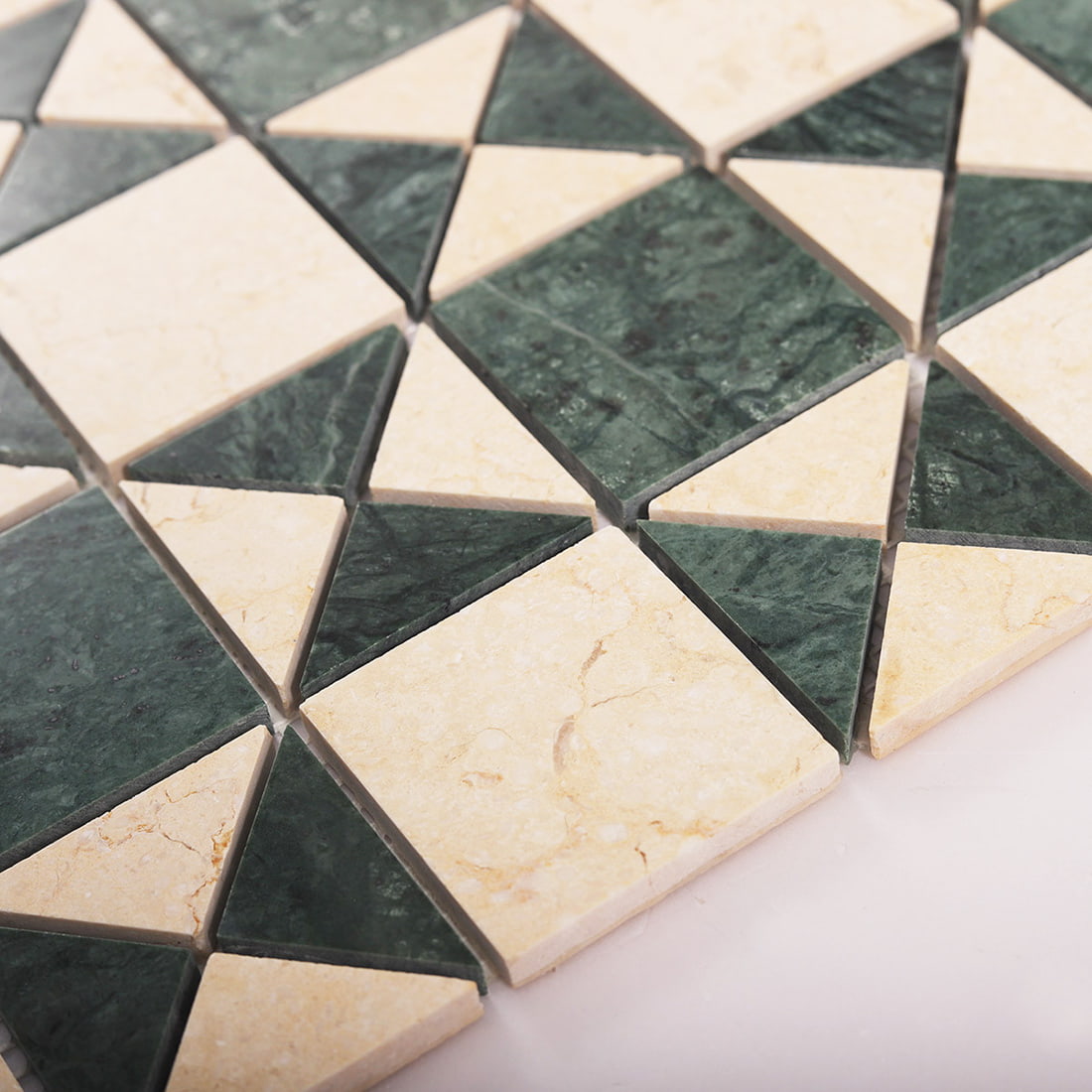
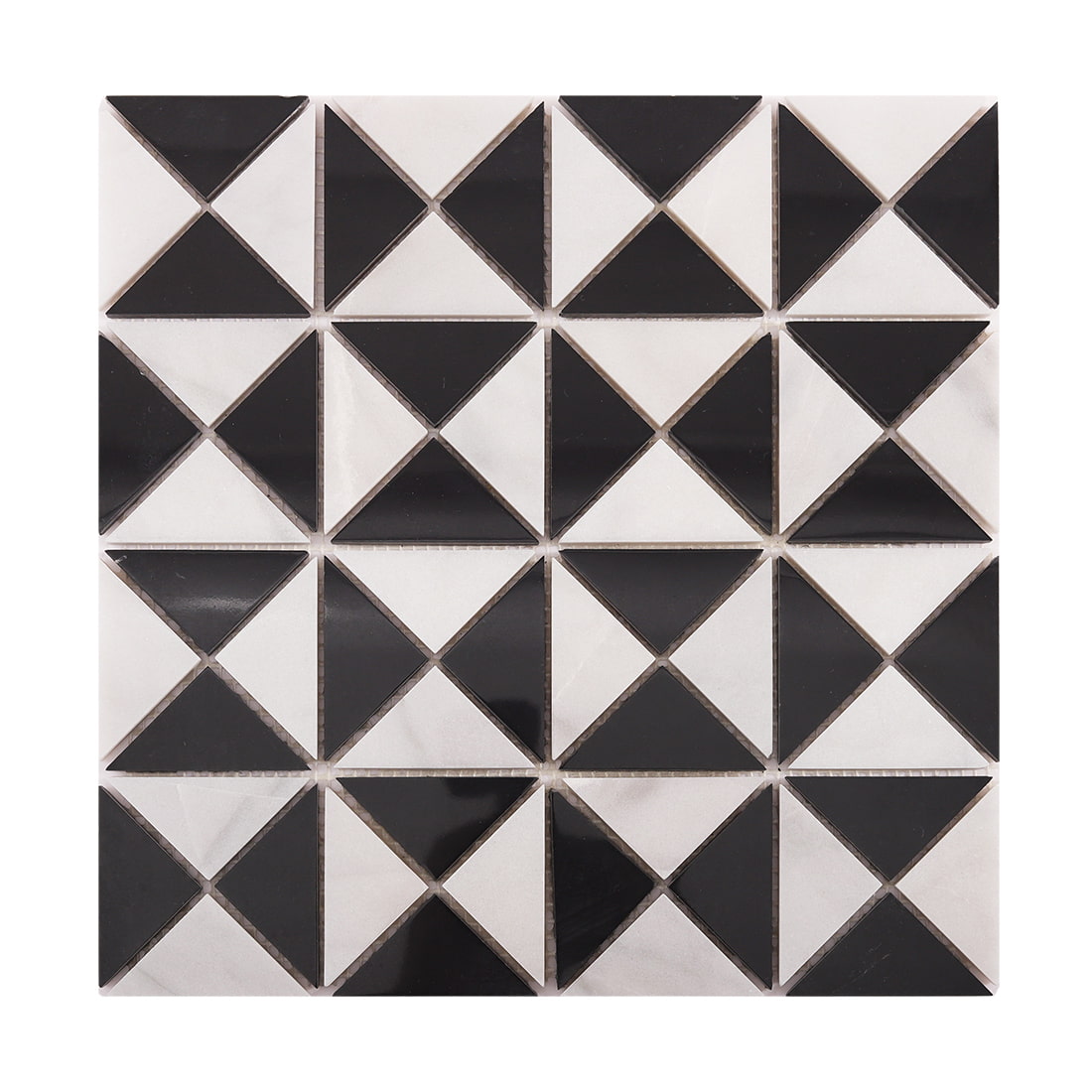
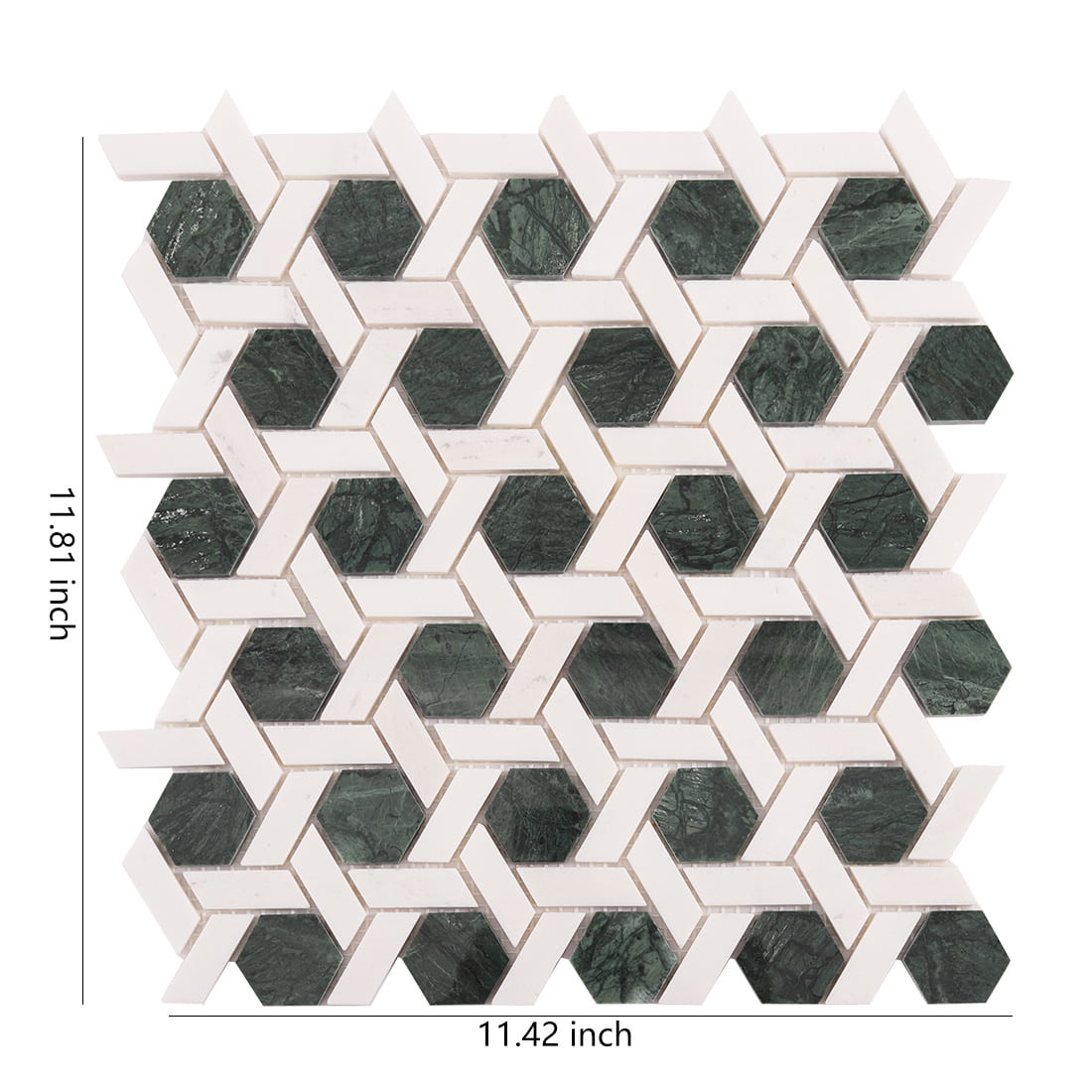
Green and White Geometric Marble Mosaic Tile$12.43 USD
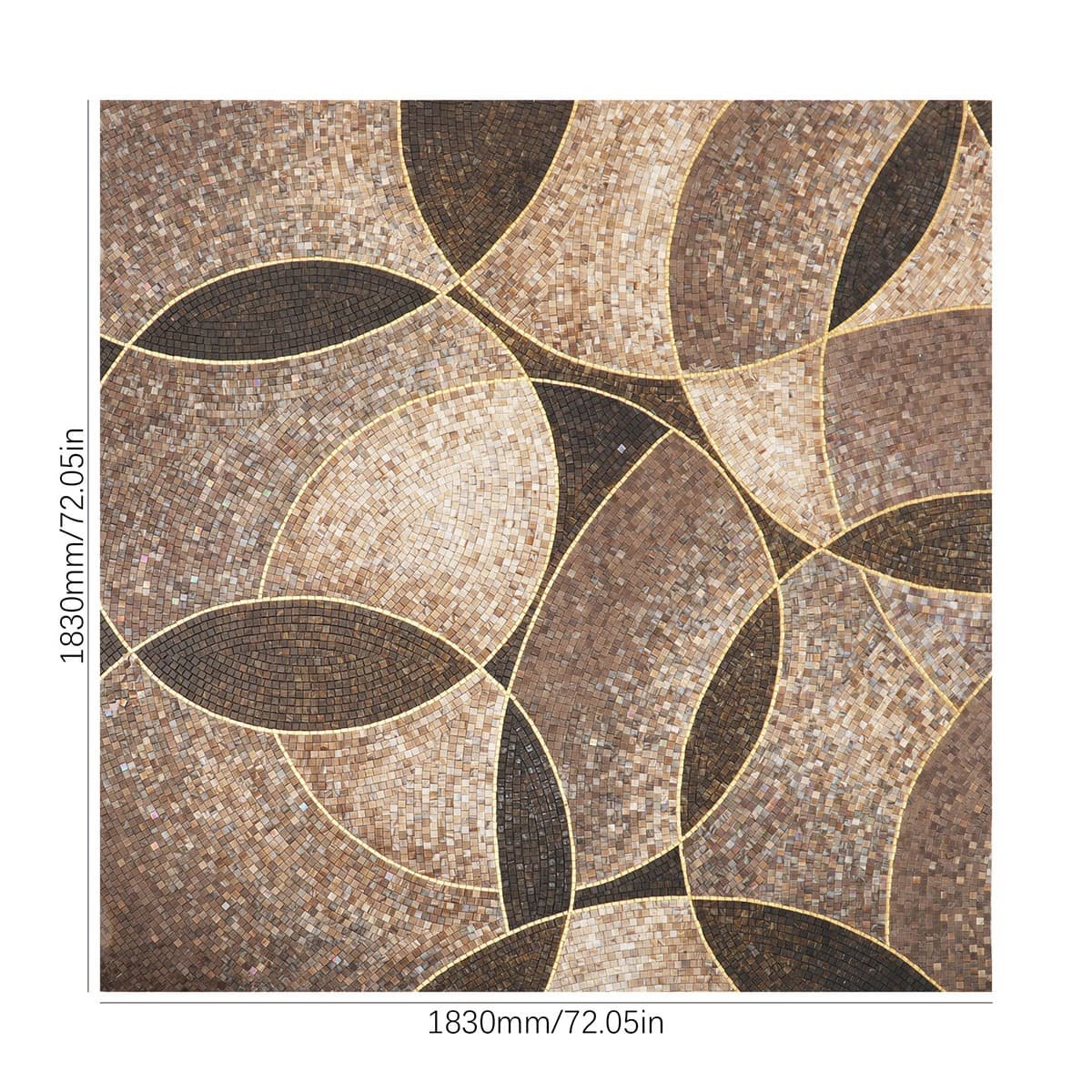
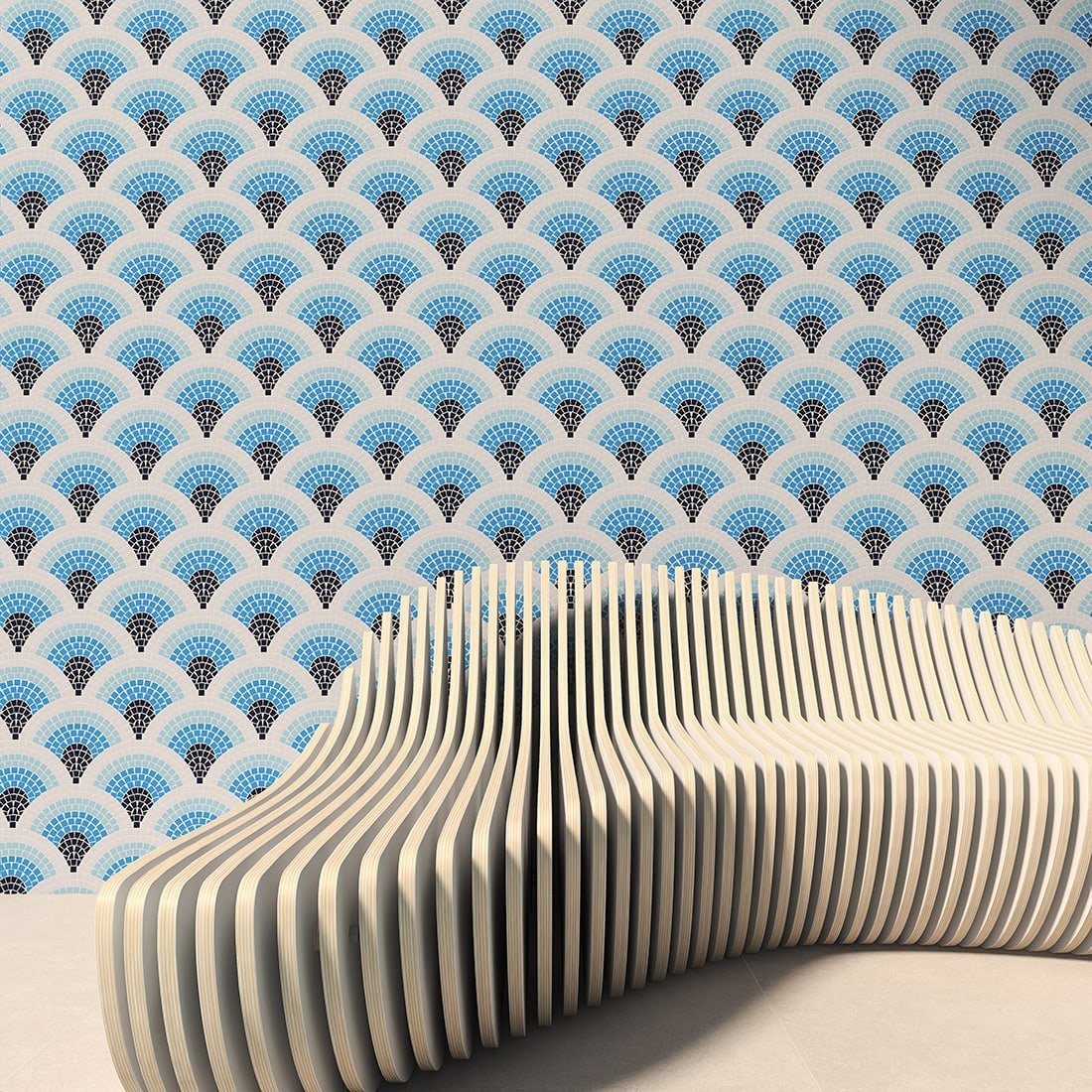
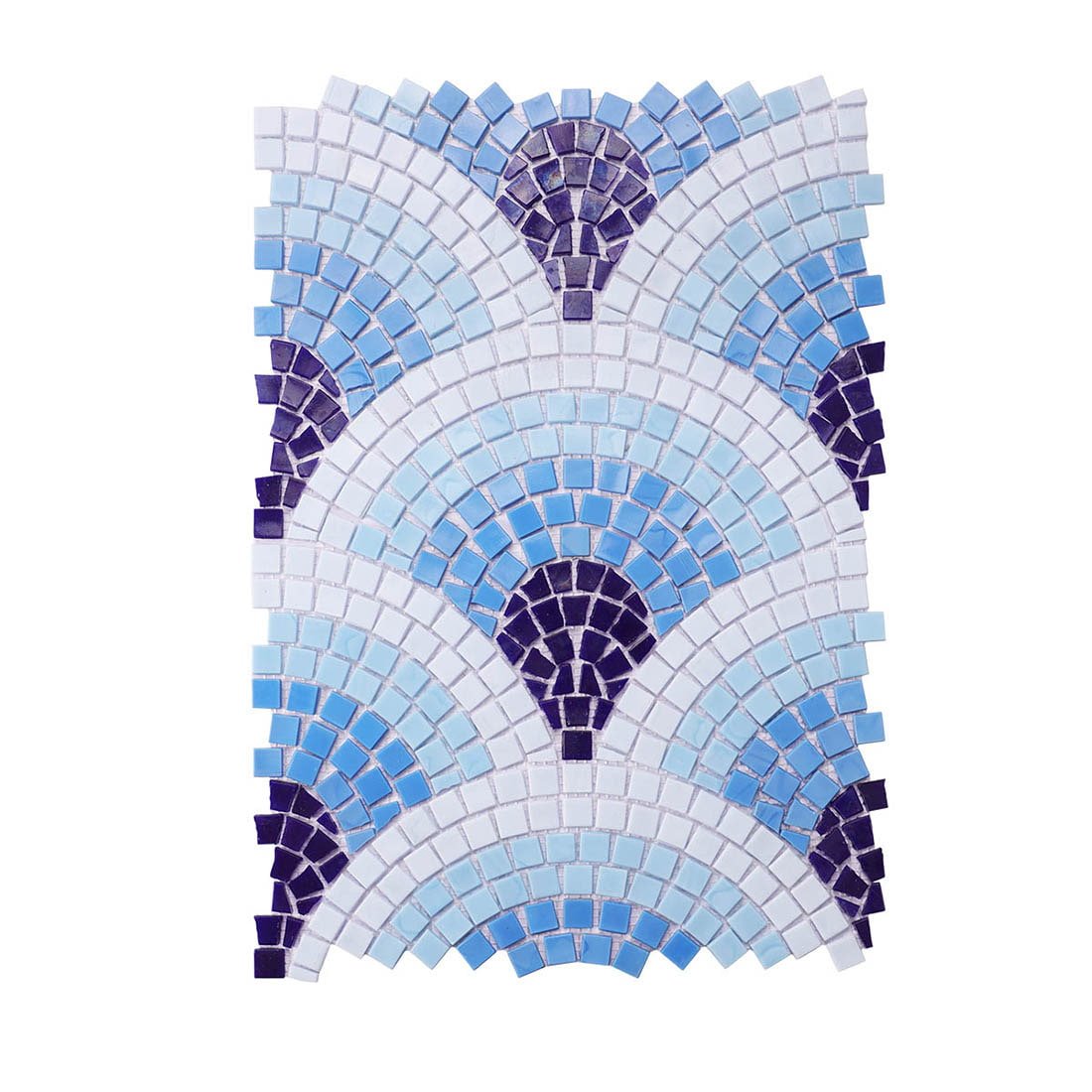


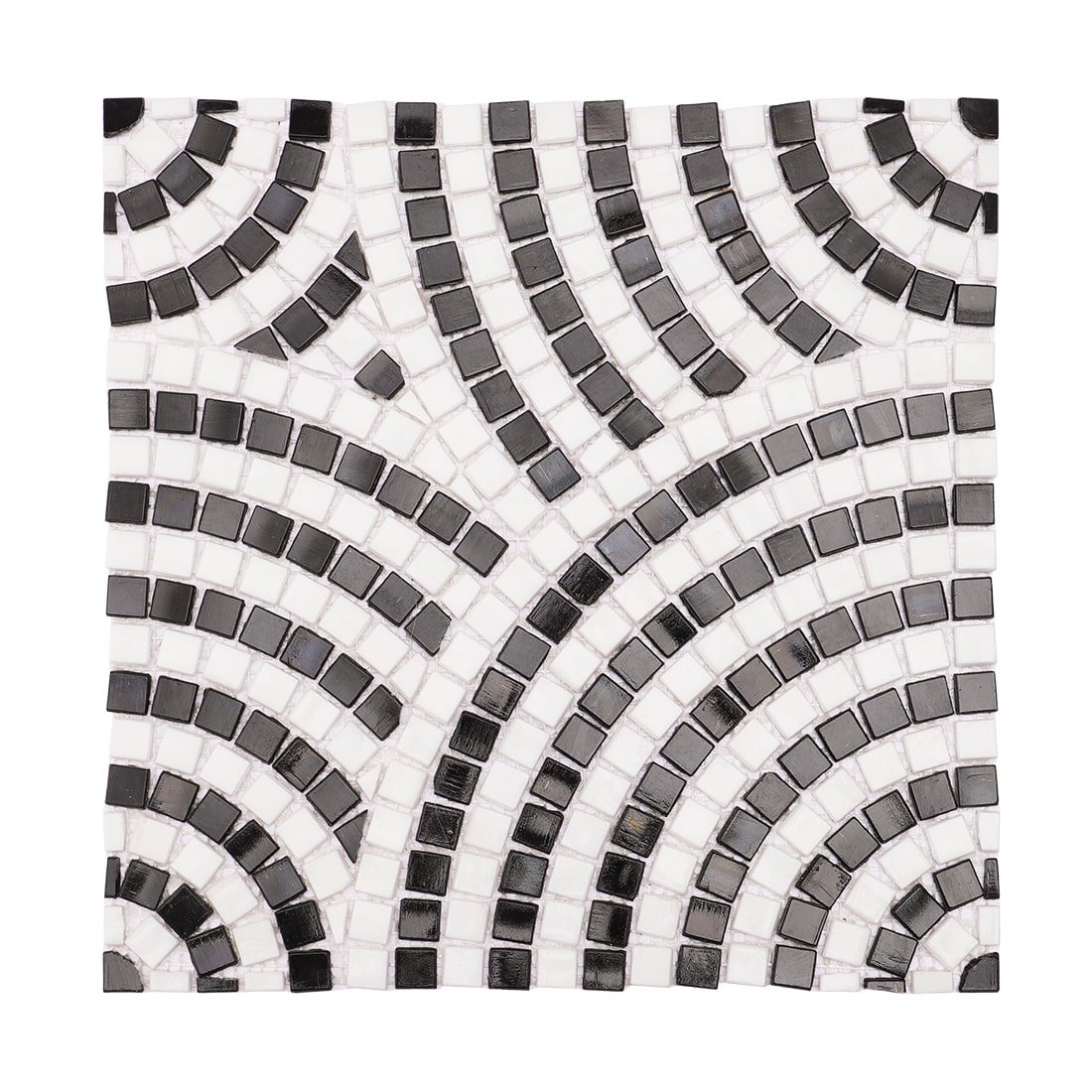

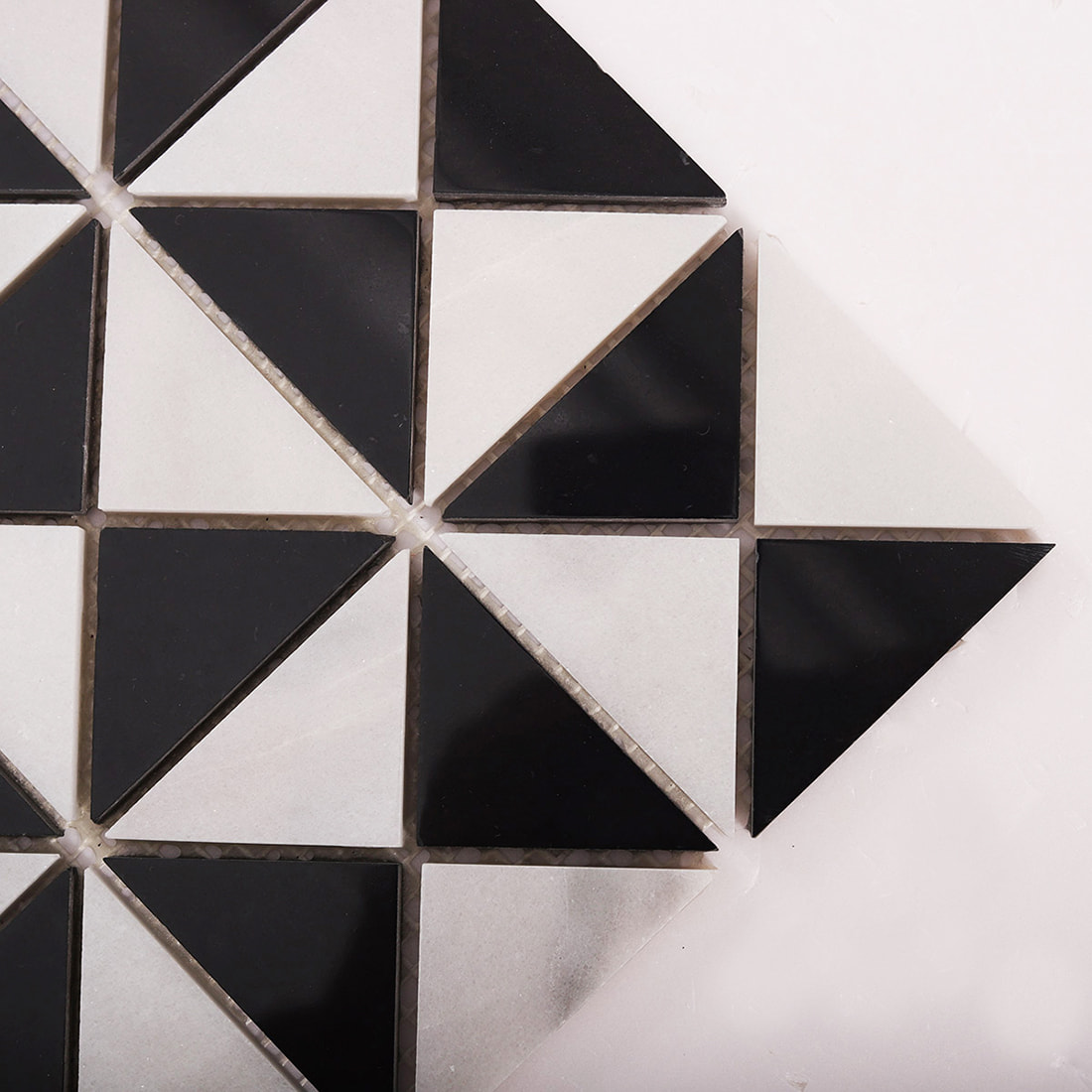
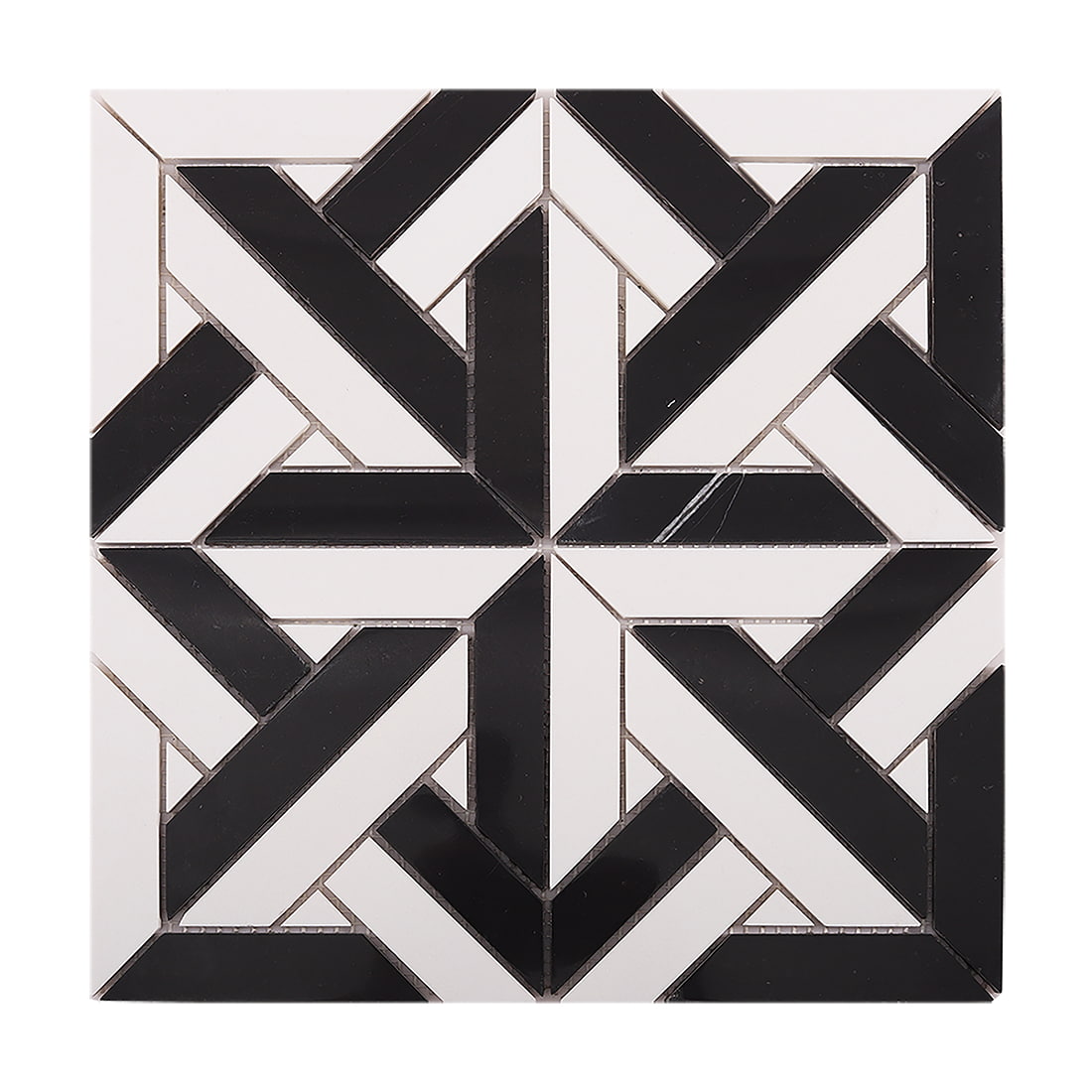
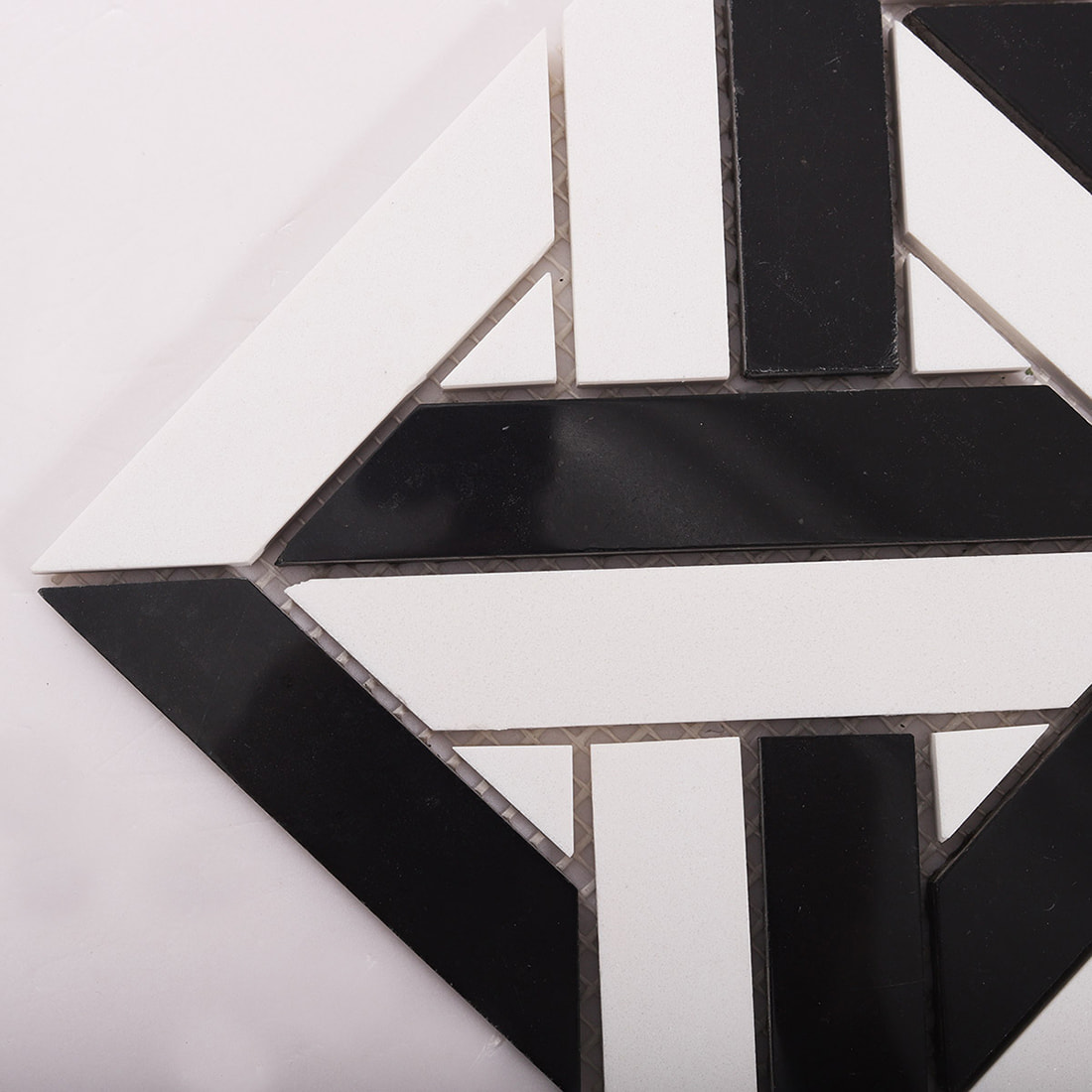
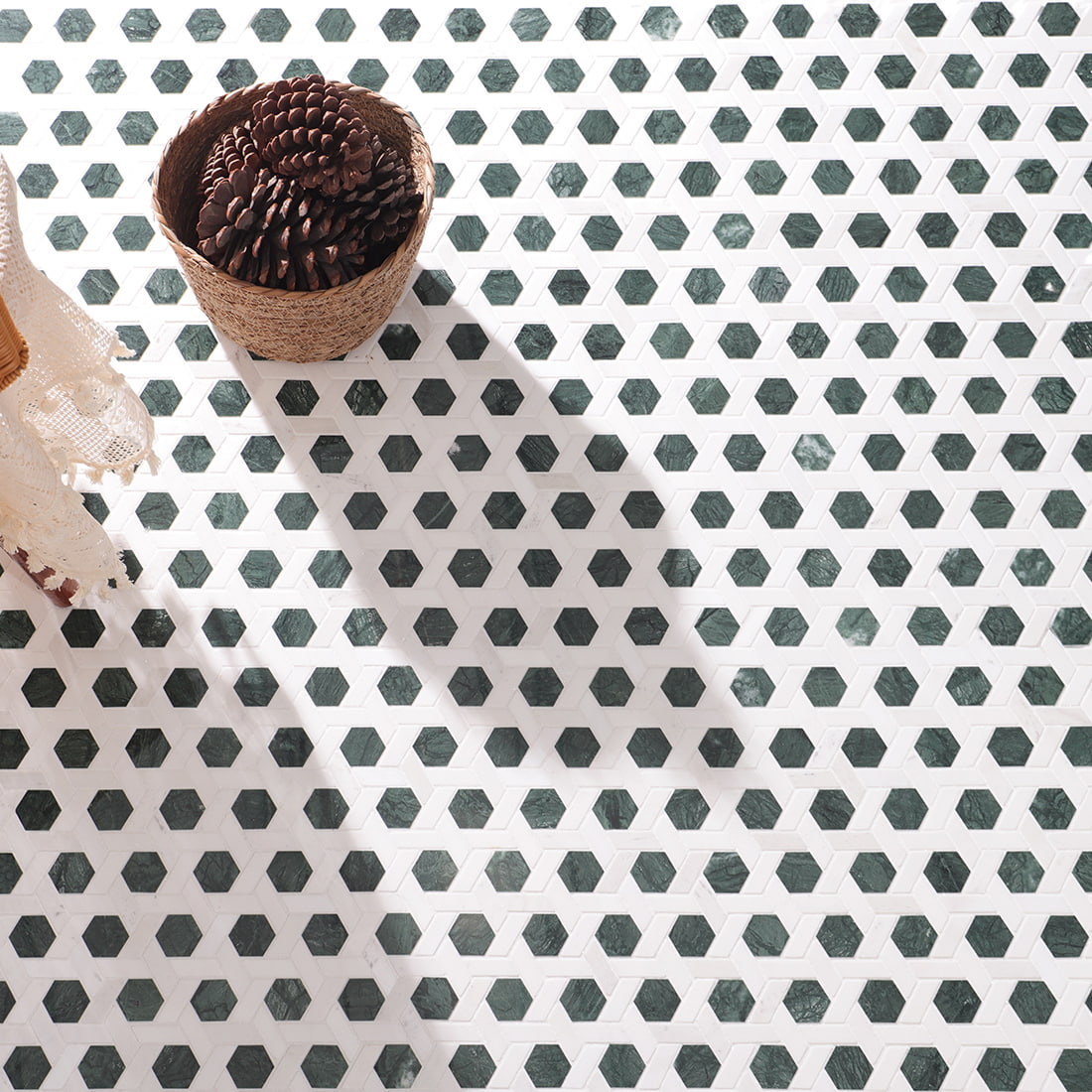


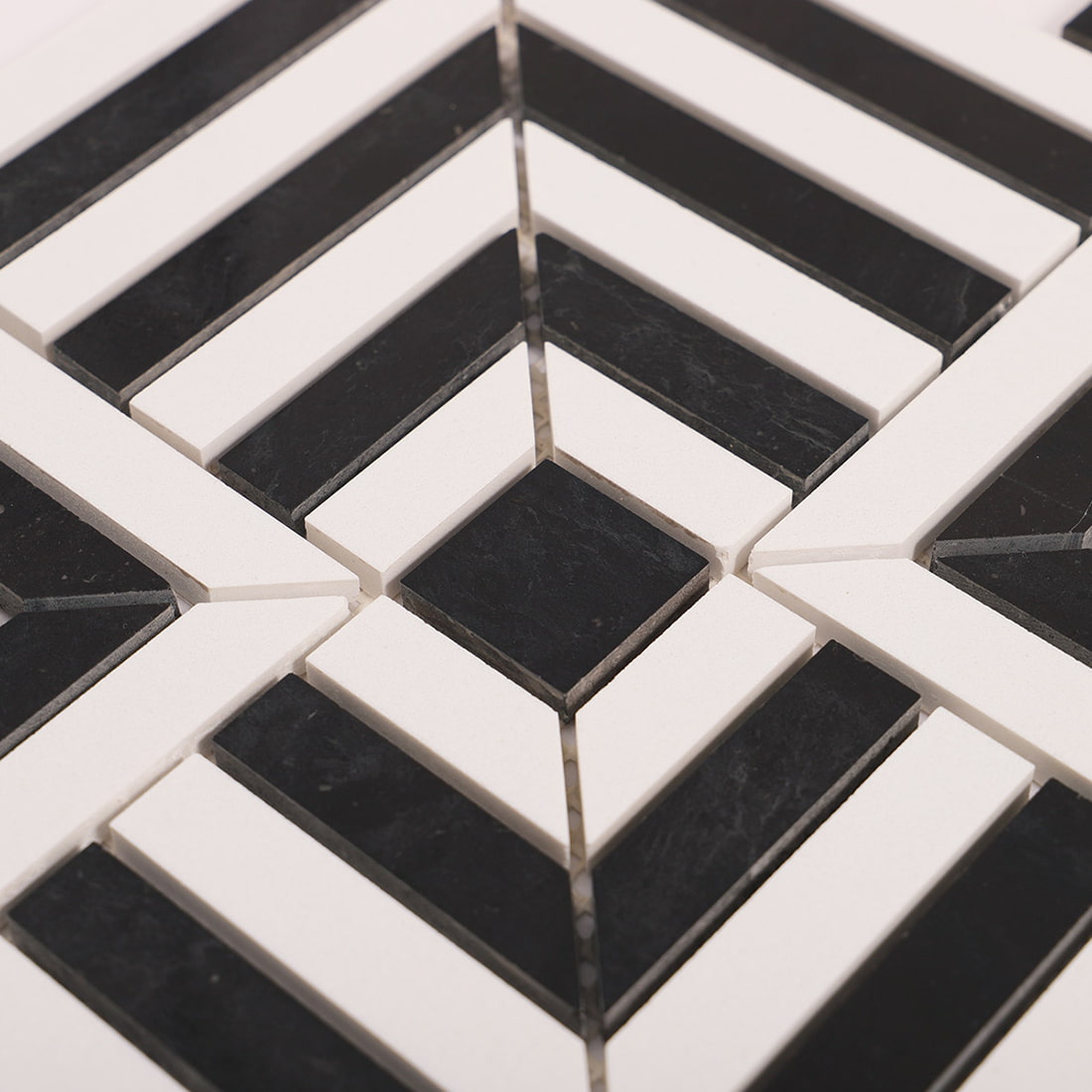
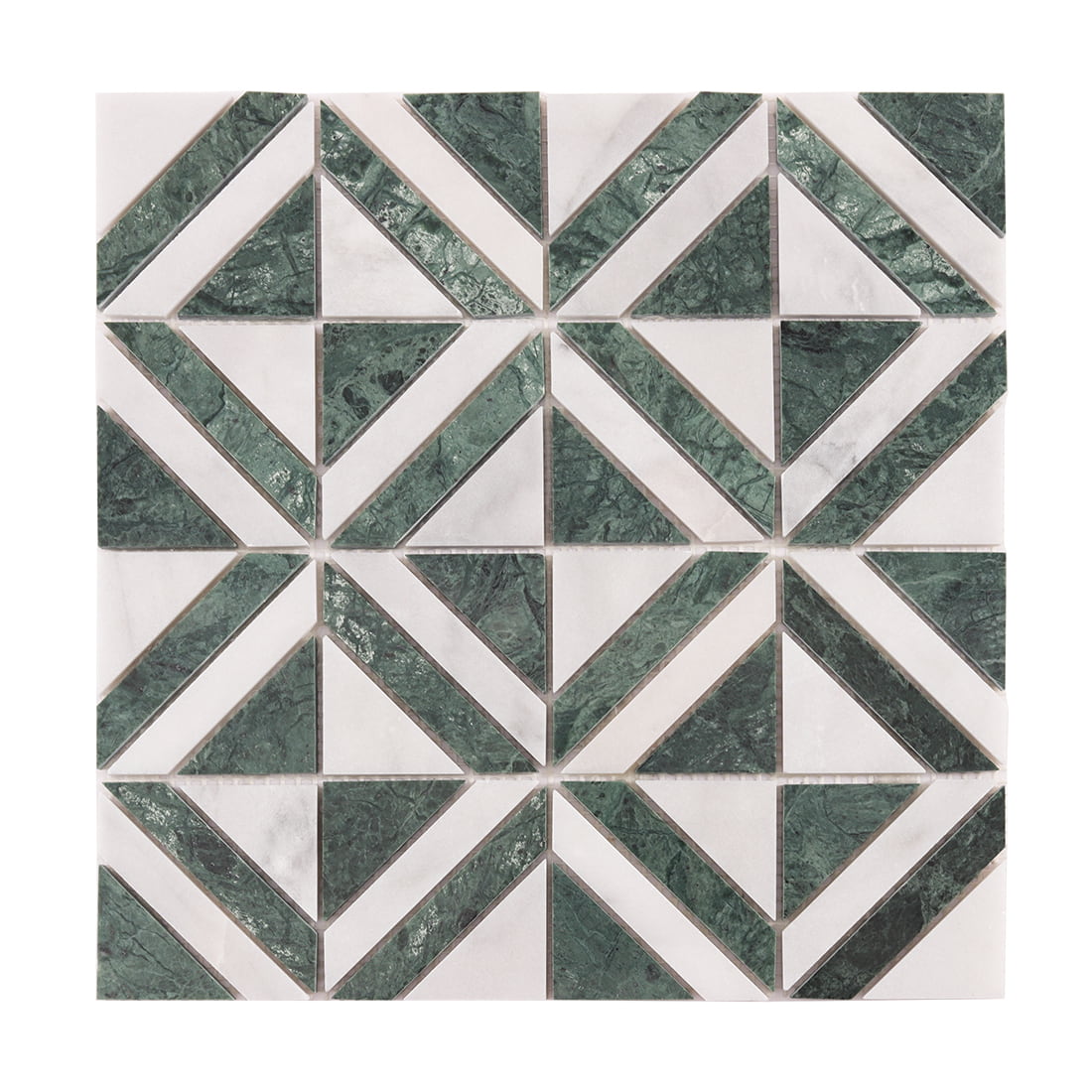
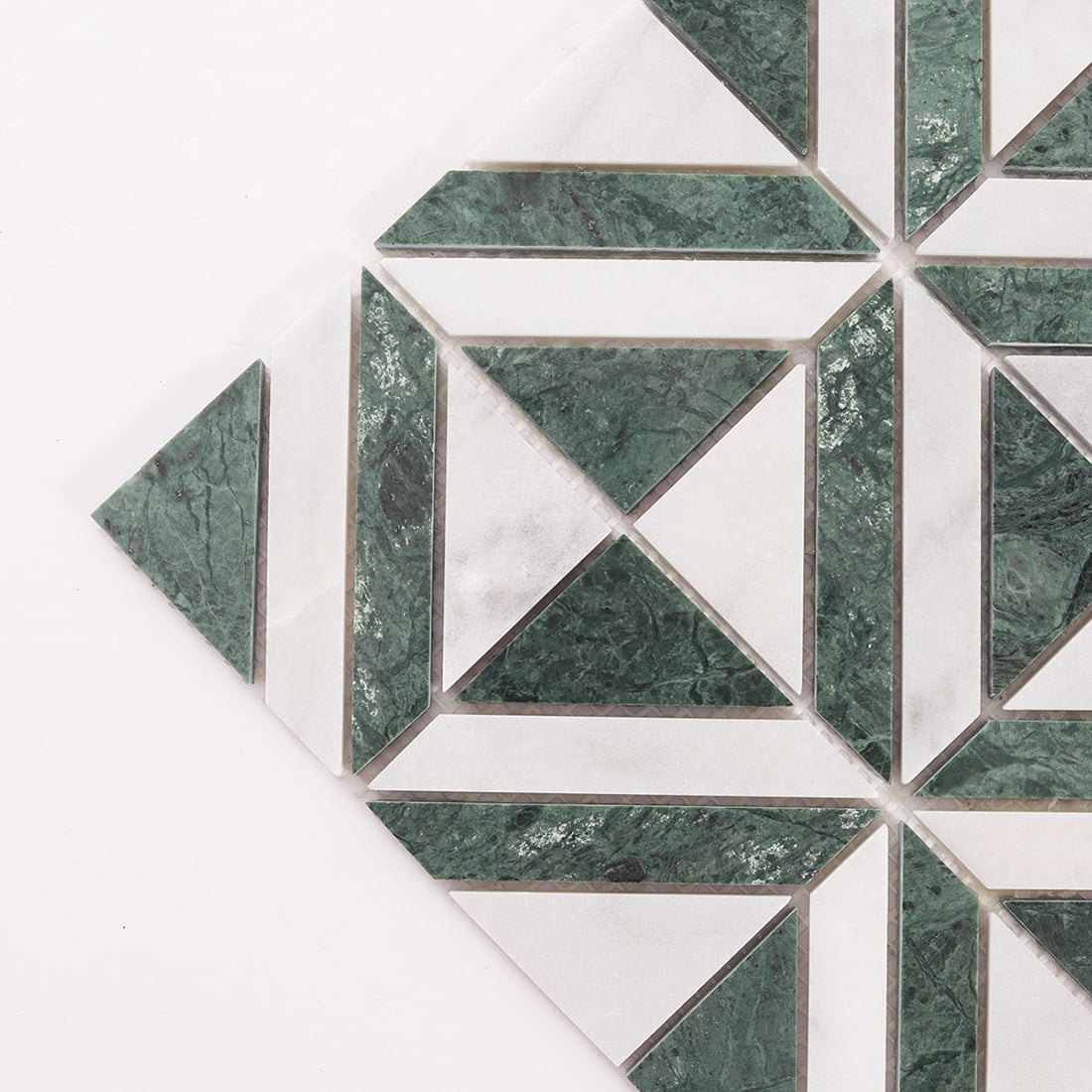
Mosaic Tile Patterns
Mosaic tile patterns transform ordinary spaces into extraordinary works of art. From timeless herringbone to contemporary geometric designs, discover how these intricate arrangements of small tiles create stunning visual impact in kitchens, bathrooms, and living spaces.
Understanding Mosaic Tile Patterns
Mosaic tile patterns represent one of the oldest and most versatile decorative techniques in interior design. These patterns consist of small tiles arranged in specific formations to create cohesive designs that range from simple geometric layouts to complex artistic compositions. Whether you’re renovating a kitchen backsplash, designing a bathroom floor, or creating a statement wall, understanding different mosaic patterns is essential for achieving your desired aesthetic.
The beauty of mosaic tiles lies in their flexibility. By combining various shapes, colors, and arrangement methods, you can create patterns that suit any architectural style—from classic Mediterranean to ultra-modern minimalist. Each pattern type offers unique visual characteristics and installation considerations that influence the overall look and feel of your space.
Popular Mosaic Tile Shapes & Their Patterns
Square Mosaic Tile Patterns
Mosaic tile patterns using square shapes represent the most classic and enduring choice in tile design. Square tiles are available in the widest color range and typically come in small formats, making them ideal for creating detailed mosaic artwork or pixel-style patterns.
Common Square Arrangements:
- Grid Pattern: Straight alignment creates clean, orderly appearance
- Checkerboard: Alternating colors form classic checkerboard effect
- Offset Grid: Staggered alignment adds visual interest
- Pixel Mosaic: Creates images through color arrangement
Best Applications:
- Kitchen backsplashes
- Bathroom floors
- Shower walls
- Artistic murals
Pro Tip: Square mosaic tiles work exceptionally well for creating custom designs and gradients due to their uniform shape and extensive color availability.
Rectangle Mosaic Tile Patterns
Mosaic tile patterns featuring rectangular shapes offer exceptional versatility through various laying methods. The elongated format creates dynamic visual movement and can make spaces appear larger or more directional.
Popular Rectangle Layouts:
- Running Bond: Offset pattern with centered alignment
- Stack Bond: Vertical and horizontal alignment
- Herringbone: V-shaped zigzag arrangement
- Vertical Stack: Creates height illusion
Design Advantages:
- Elongates narrow spaces
- Creates directional flow
- Classic subway tile aesthetic
- Works in traditional & modern styles
Installation Note: Herringbone patterns require precise cutting at edges and approximately 15% more material for waste.
Hexagon Mosaic Tile Patterns
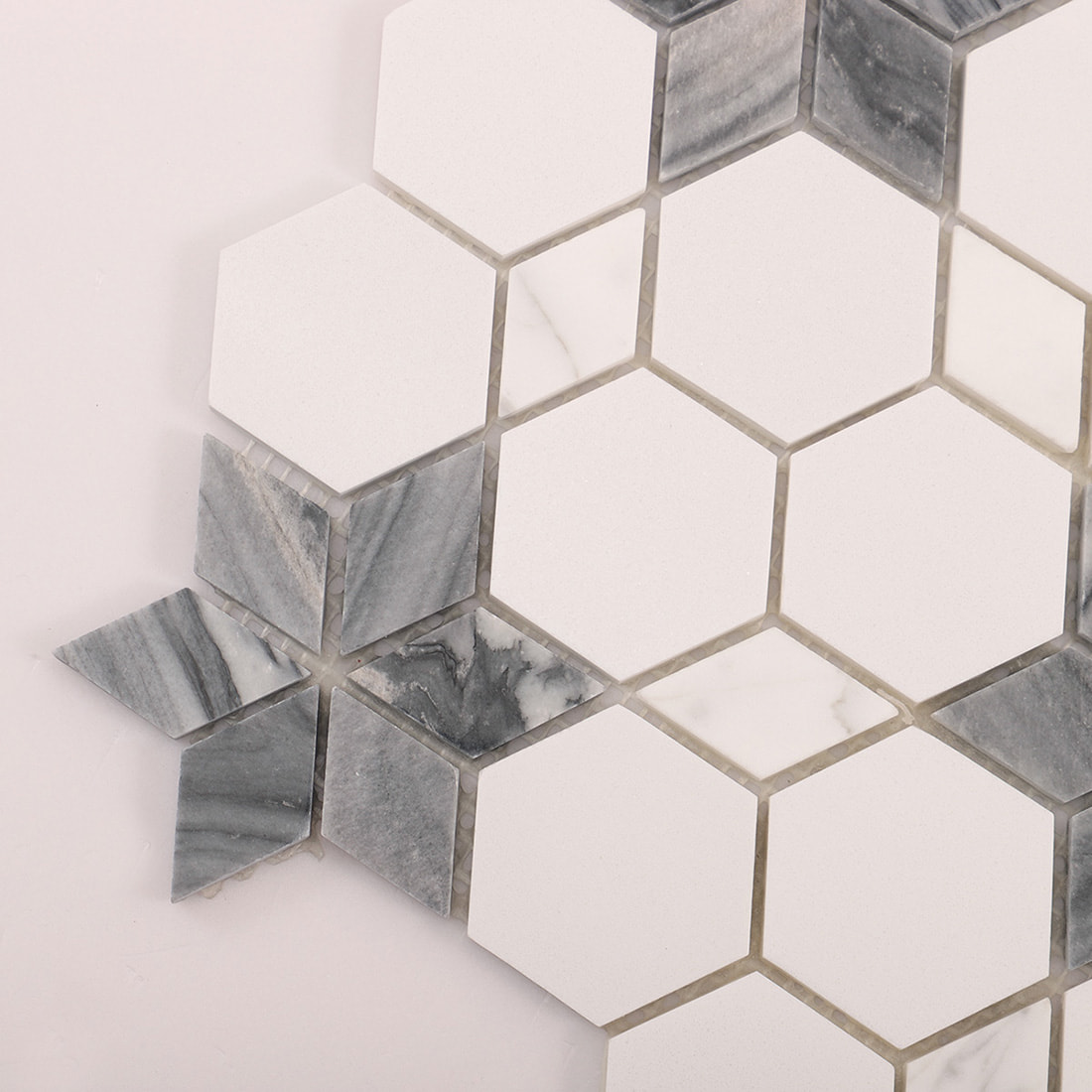
Mosaic tile patterns using hexagonal shapes have experienced a major resurgence in modern interior design. The six-sided format creates naturally interlocking honeycomb patterns that offer both visual interest and structural stability.
Hexagon Pattern Styles:
- Honeycomb: Traditional interlocking arrangement
- Mixed Size: Combines large and small hexagons
- Flower Pattern: Central hex surrounded by six others
- Color Block: Strategic color placement creates dimension
Contemporary Appeal:
- Trendy geometric aesthetic
- Available in matte and gloss finishes
- Perfect for accent walls
- Works with marble, porcelain, and glass
Design Trend: Small-format hexagons (1-2 inches) are currently among the most popular choices for modern bathroom and kitchen designs.
Round Mosaic Tile Patterns (Penny Round)
Mosaic tile patterns featuring circular tiles, commonly called “penny rounds,” create organic, flowing designs that soften angular spaces. These patterns evoke vintage charm while remaining thoroughly contemporary in the right color palette.
Penny Round Characteristics:
- Standard Layout: Interlocking circular arrangement
- Graduated Size: Varying circle diameters
- Mixed Materials: Combines glass and ceramic rounds
- Organic Flow: Natural, non-geometric appearance
Ideal Uses:
- Spa-like bathroom floors
- Vintage-inspired kitchens
- Shower floors (excellent grip)
- Feature walls
Maintenance Advantage: The curved edges and multiple grout lines of penny rounds provide natural slip resistance, making them excellent for wet areas.
Triangle Mosaic Tile Patterns
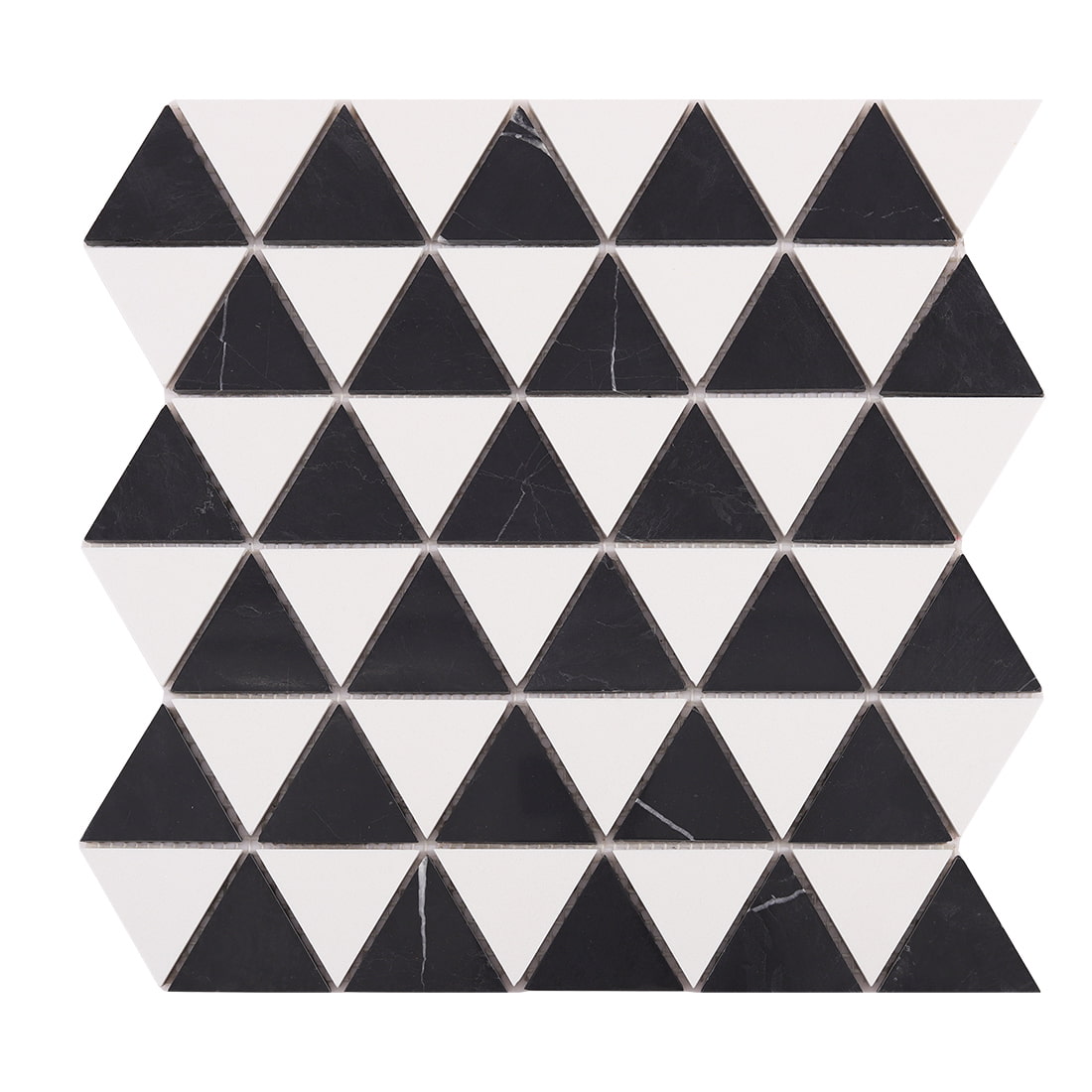
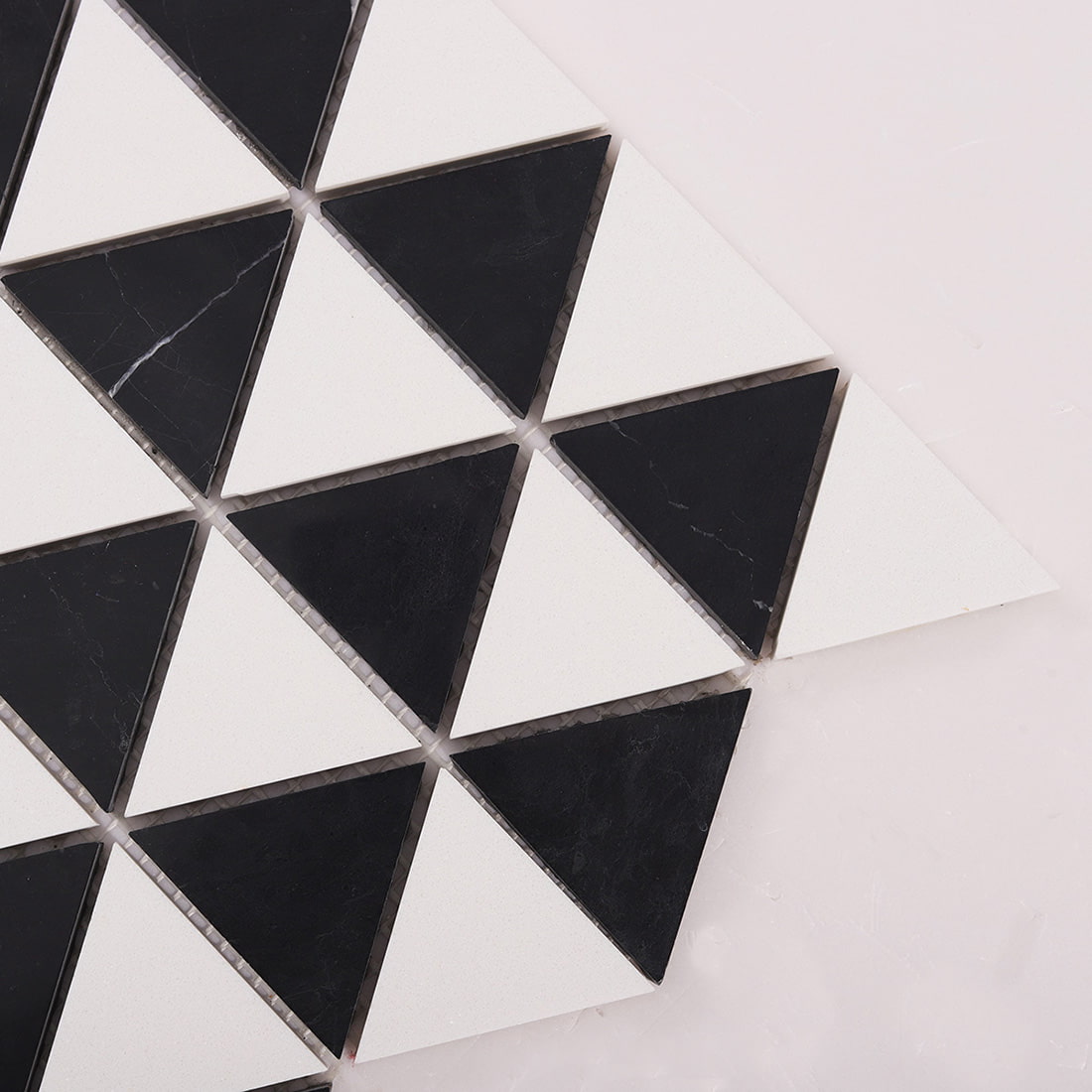
Mosaic tile patterns incorporating triangular shapes create bold, contemporary statements with strong geometric impact. Triangle patterns can be arranged in numerous configurations, each producing distinctly different visual effects.
Triangle Arrangements:
- Chevron: Triangles form arrow-like patterns
- Hexagon Formation: Six triangles create hexagons
- Checkerboard: Alternating triangle colors
- Pyramid Stack: Creates three-dimensional illusion
Design Impact:
- Modern, edgy aesthetic
- Creates visual movement
- Excellent for accent features
- Works well with bold colors
Style Note: Triangle patterns work exceptionally well in contemporary and mid-century modern design schemes.
Diamond & Rhombus Mosaic Tile Patterns
Mosaic tile patterns using diamond and rhombus shapes offer sophisticated elegance and can create stunning three-dimensional optical effects. These patterns add depth and visual intrigue to any surface.
Diamond Pattern Types:
- 3D Cube: Creates perspective illusion
- Simple Diamond: Classic diagonal grid
- Hexagon Formation: Three rhombi form hexagons
- Tumbling Blocks: Repeating 3D pattern
Visual Effects:
- Three-dimensional appearance
- Sophisticated elegance
- Optical depth illusion
- Classic Art Deco appeal
Color Strategy: Using three shades in cube patterns (light, medium, dark) maximizes the 3D effect.
Oval & Ellipse Mosaic Tile Patterns
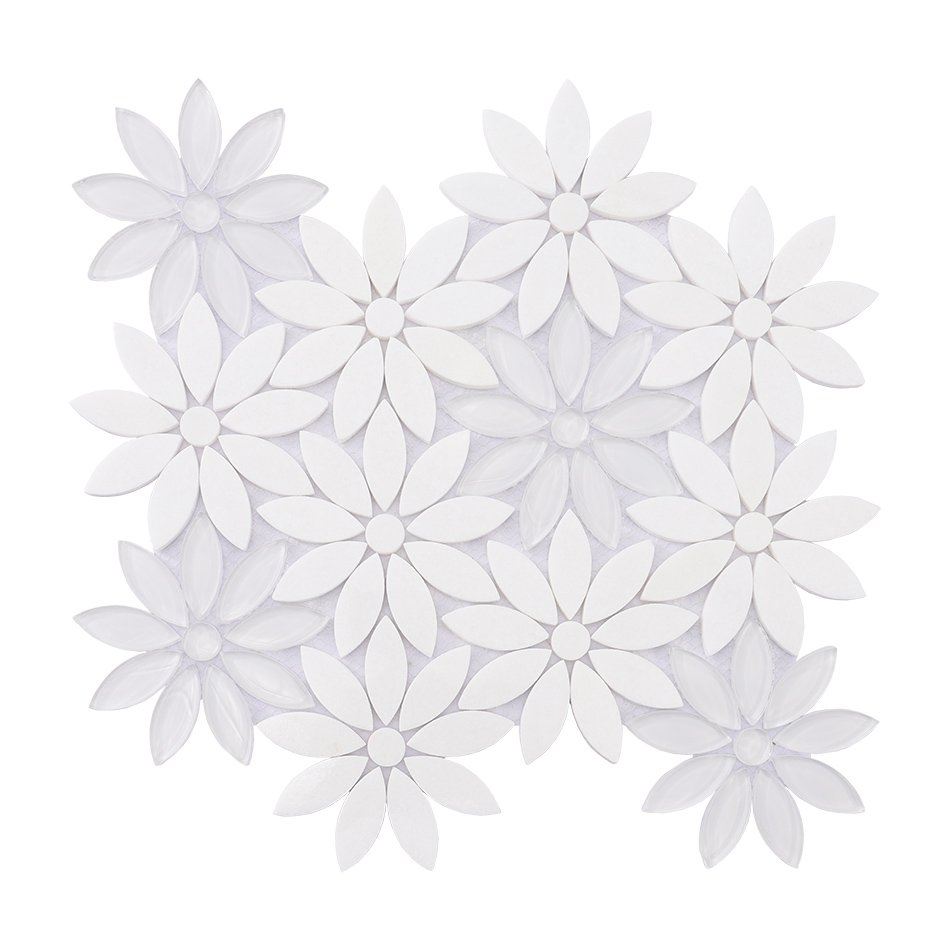
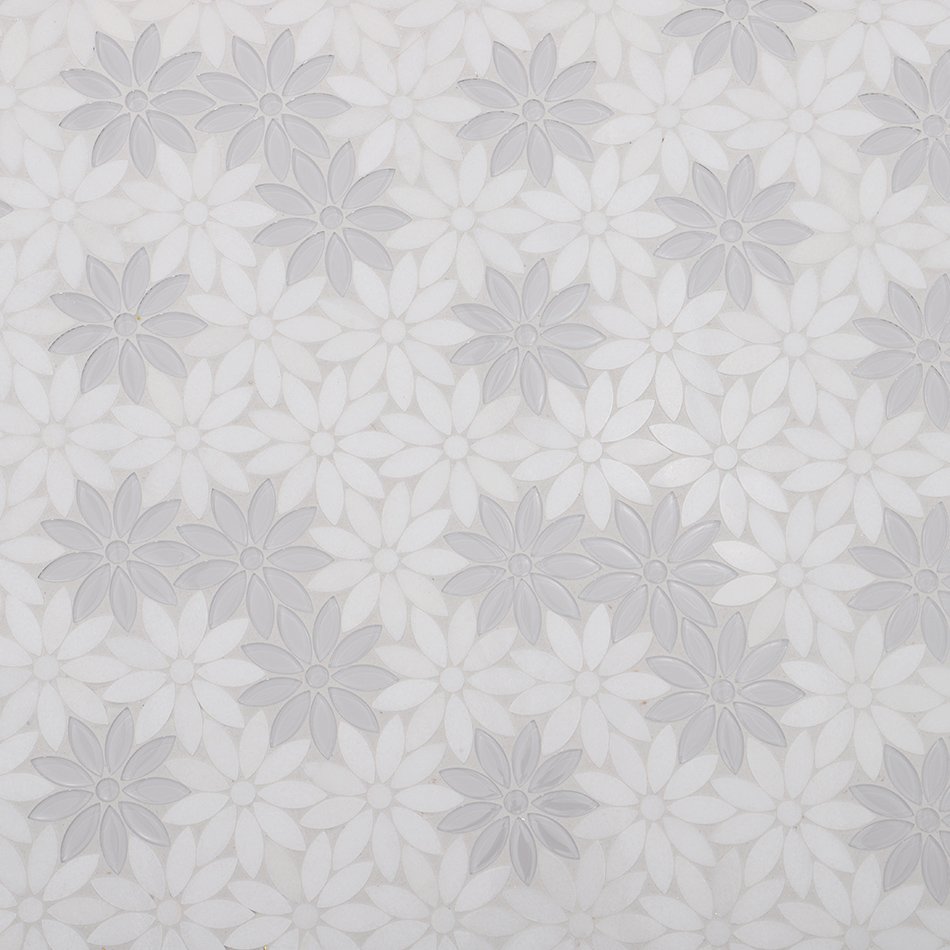
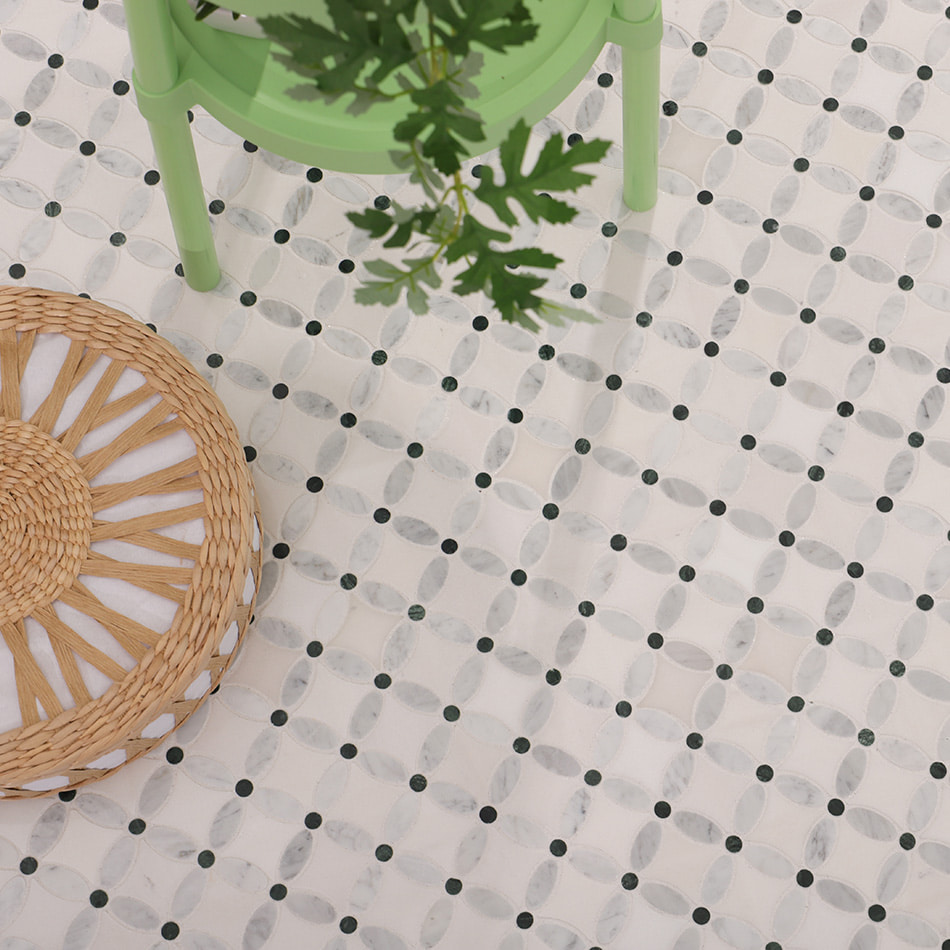
Mosaic tile patterns featuring oval and elliptical shapes create graceful, organic designs reminiscent of flower petals and natural forms. These patterns bring softness and fluidity to geometric tile installations.
Ellipse Pattern Styles:
- Petal Pattern: Ovals arranged like flower petals
- Daisy Formation: Central circle with surrounding petals
- Overlapping Scales: Fish-scale effect
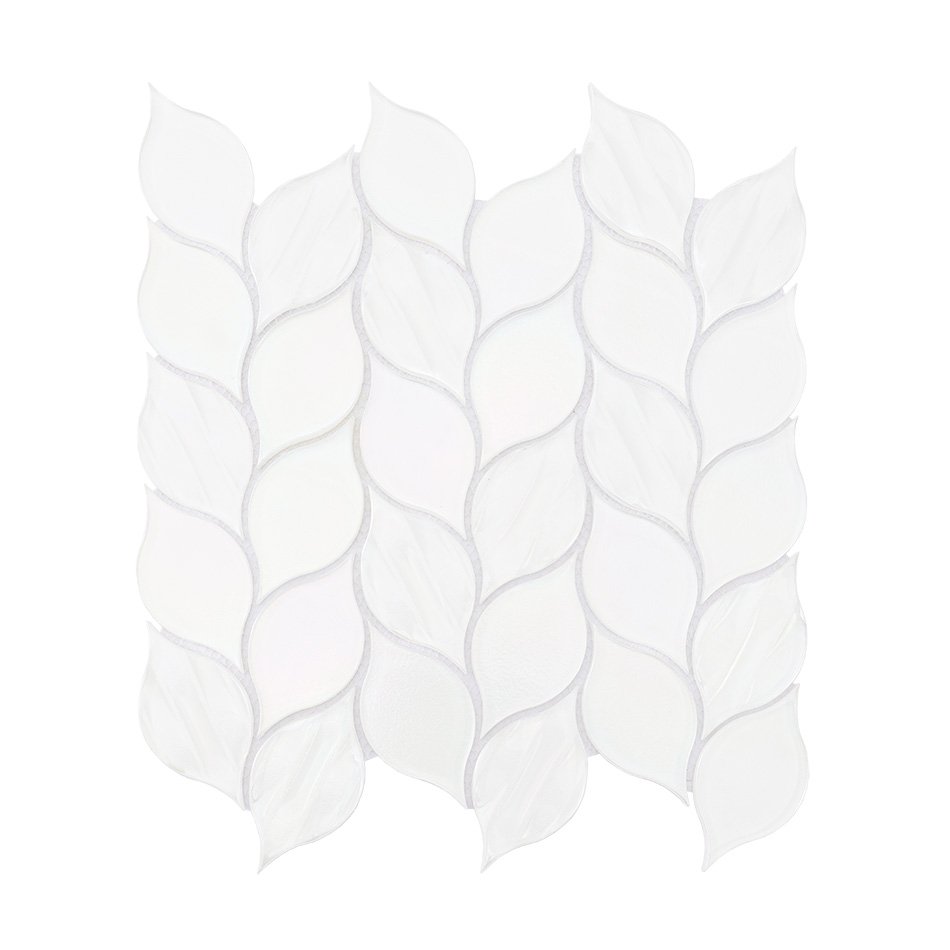
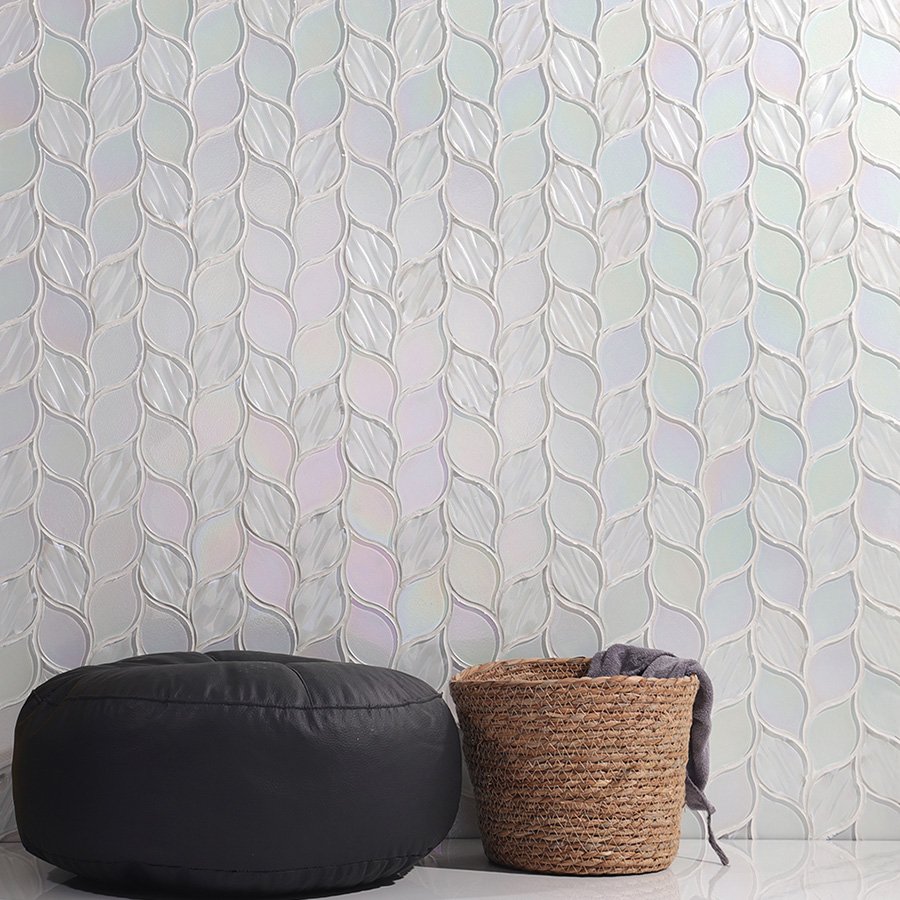
- Leaf Pattern: Elongated ellipses as foliage
Artistic Applications:
- Botanical-themed designs
- Romantic, feminine spaces
- Nature-inspired bathrooms
- Statement feature walls
Design Versatility: Ellipse patterns work beautifully in both monochromatic schemes and multi-colored floral arrangements.
Classic Mosaic Tile Pattern Layouts
Herringbone Pattern
Mosaic tile patterns arranged in herringbone create distinctive V-shaped zigzag formations. This timeless layout adds sophistication and visual movement to floors and walls.
- 45-degree or 90-degree angles
- Creates optical elongation
- Ideal for narrow spaces
- Classic European aesthetic
Basketweave Pattern
Mosaic tile patterns in basketweave mimic the interwoven appearance of woven baskets, creating texture and depth through strategic tile placement.
- Pairs of tiles alternating direction
- Traditional, cottage appeal
- Works with two-color combinations
- Excellent for bathroom floors
Chevron Pattern
Mosaic tile patterns using chevron arrangement create bold, arrow-like designs with tiles meeting at precise points for dramatic visual impact.
- Requires precise angle cuts
- Creates strong directional flow
- Modern, dynamic appearance
- Popular in contemporary design
Pinwheel Pattern
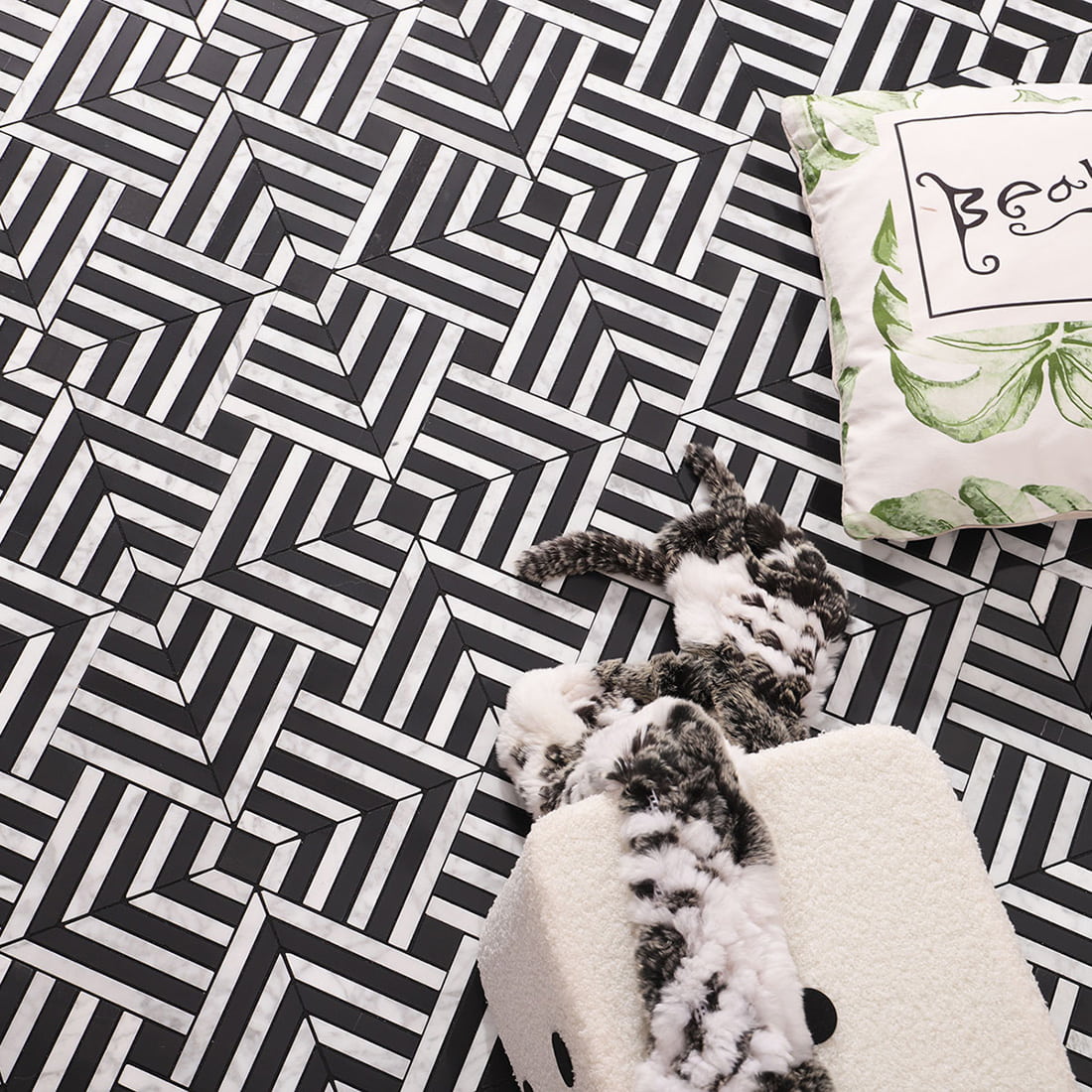
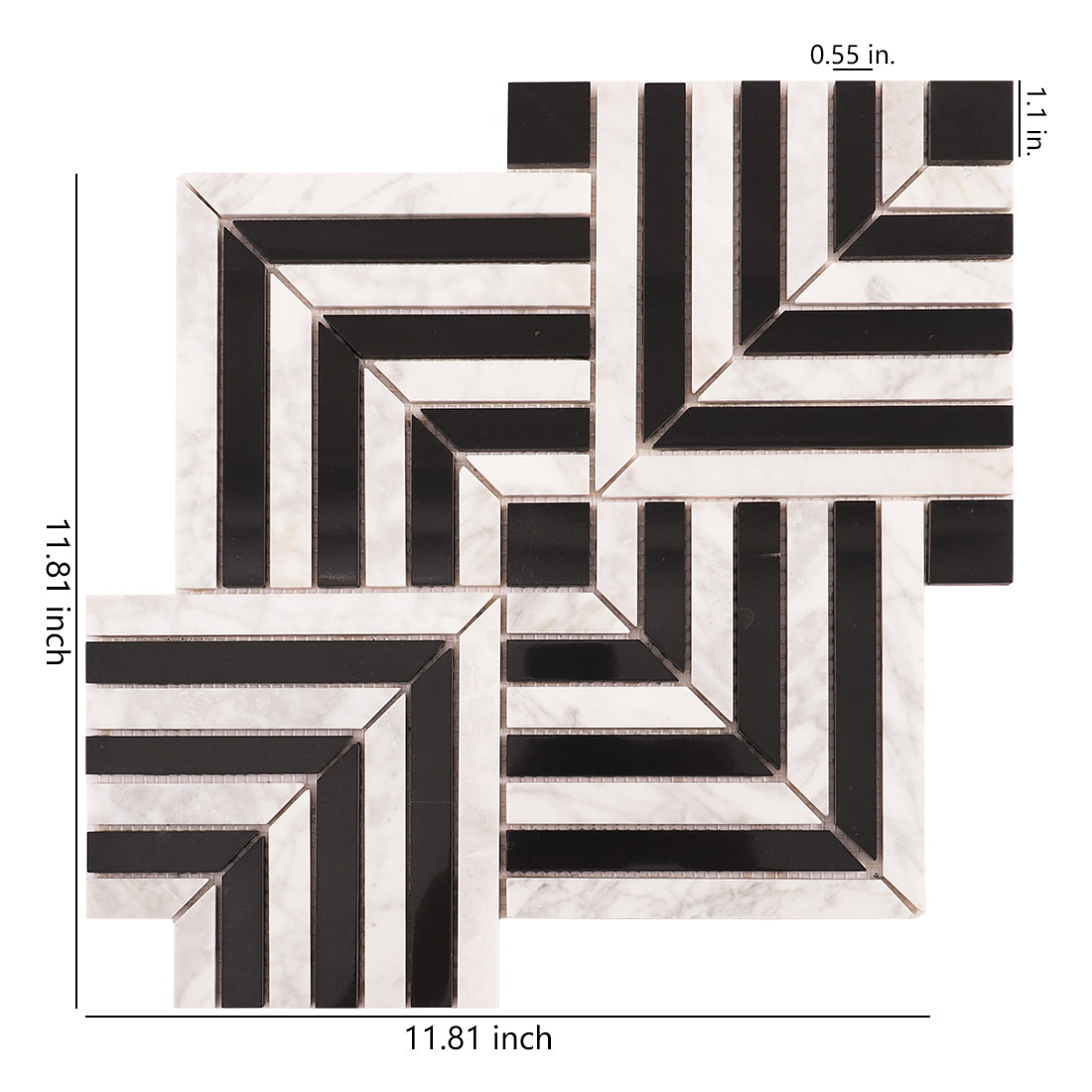
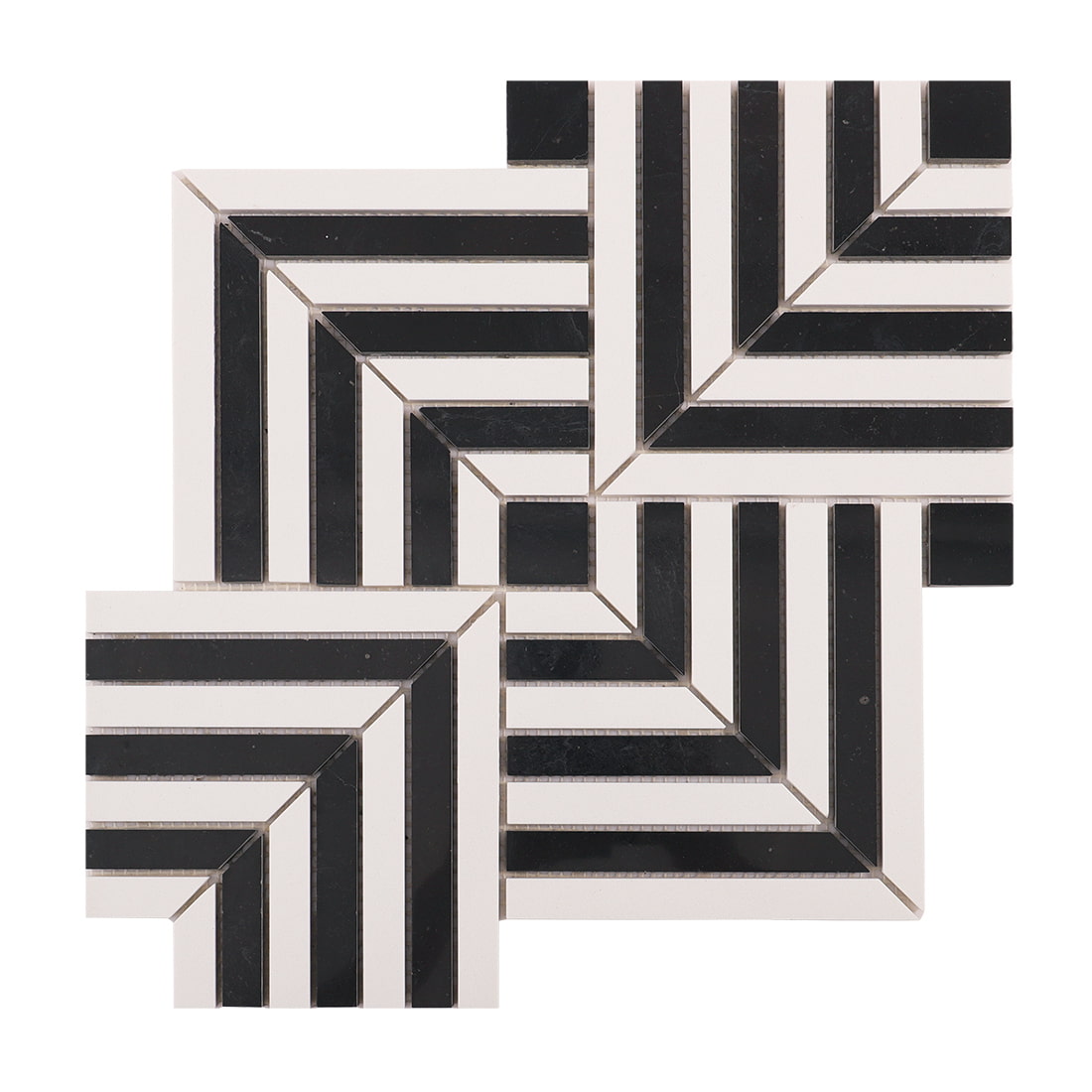
Mosaic tile patterns in pinwheel formation combine square tiles with smaller accent squares, creating rotating visual motion.
- Four rectangles around small square
- Creates rotational movement
- Vintage charm with modern appeal
- Perfect for accent borders
Where to Use Mosaic Tile Patterns
Kitchen Applications
- Backsplash accent walls
- Island feature panels
- Floor borders and insets
- Range hood surrounds
- Under-cabinet borders
Bathroom Applications
- Shower walls and floors
- Bathtub surrounds
- Vanity backsplashes
- Accent niches
- Floor borders
Living Spaces
- Entryway floor patterns
- Fireplace surrounds
- Accent wall features
- Pool and spa areas
- Outdoor patios
Mosaic Tile Pattern Design Considerations
Material Selection
Glass Mosaics: Mosaic tile patterns in glass offer luminous, reflective qualities ideal for backsplashes and accent walls. Available in countless colors with excellent moisture resistance.
Ceramic & Porcelain: Durable, affordable options for mosaic tile patterns in high-traffic areas. Excellent for floors and shower applications with superior stain resistance.
Natural Stone: Marble, travertine, and slate create organic mosaic tile patterns with unique variations. Perfect for luxury installations requiring timeless elegance.
Metal Mosaics: Stainless steel and copper tiles in mosaic patterns provide contemporary industrial aesthetic with exceptional durability.
Color Strategy
Monochromatic: Single-color mosaic tile patterns in varying shades create sophisticated, cohesive designs with subtle depth and texture variation.
Complementary Colors: Opposite color wheel choices in mosaic patterns create vibrant, energetic spaces with maximum visual contrast and impact.
Gradient Blends: Gradual color transitions in mosaic tile patterns produce soothing, organic effects perfect for spa-like bathroom environments.
Bold Accents: Strategic color placement within neutral mosaic patterns draws focus to architectural features and creates memorable focal points.
Scale & Proportion
Small Format (under 1"): Tiny mosaic tile patterns provide maximum flexibility for curves and detailed designs. Ideal for shower floors and intricate artwork.
Medium Format (1-2"): Balanced mosaic patterns offer versatility across applications. Most popular size for walls and standard installations.
Large Format (over 2"): Contemporary mosaic tile patterns with larger pieces create modern aesthetic with reduced grout lines and easier maintenance.
Mixed Sizes: Combining multiple tile sizes within mosaic patterns adds visual complexity and artistic dimension to otherwise simple layouts.
Grout Selection
Matching Grout: Grout colors matching tile create seamless mosaic patterns where the overall design takes visual priority over individual pieces.
Contrasting Grout: Dark grout with light tiles (or vice versa) emphasizes the pattern structure and geometric arrangement of mosaic installations.
Epoxy Grout: Essential for mosaic tile patterns in wet areas. Provides superior stain resistance and requires less maintenance than standard cement grout.
Grout Width: Narrower grout lines (1/16") create refined appearance, while wider lines (1/8"+) emphasize individual mosaic tile pattern components.
Professional Installation Tips for Mosaic Tile Patterns
Surface Preparation
Successful mosaic tile patterns require perfectly flat, clean, and stable substrates. Any surface irregularities will telegraph through small-format tiles, creating unsightly lippage and installation challenges.
- Level all surfaces within 1/8" over 10 feet
- Apply appropriate waterproofing membranes for wet areas
- Use cement backer board for wall installations
- Prime porous surfaces before tiling
Layout Planning
Proper layout prevents awkward cuts and ensures mosaic tile patterns remain centered and balanced throughout the installation area.
- Dry-lay pattern to identify potential issues
- Start from room center or focal point
- Plan cuts to fall in less visible areas
- Account for 10-15% waste for complex patterns
Adhesive Application
Mosaic tile patterns require appropriate thin-set mortar and proper troweling techniques to ensure complete coverage and prevent tiles from popping loose.
- Use white thin-set for glass mosaics to prevent shadowing
- Apply mortar with 1/4" square-notch trowel
- Flatten trowel ridges with flat side of trowel
- Work in small sections to prevent mortar skinning
Grouting Process
The numerous grout lines in mosaic tile patterns require careful grouting technique to achieve consistent color and complete joint filling.
- Wait 24-48 hours before grouting
- Apply grout at 45-degree angle to fill all joints
- Remove excess promptly with damp sponge
- Seal natural stone mosaics before and after grouting
Maintaining Your Mosaic Tile Patterns
Regular Cleaning
Mosaic tile patterns require consistent cleaning to prevent grime buildup in numerous grout lines and maintain the beauty of intricate designs.
- Clean weekly with pH-neutral cleaner
- Avoid acidic cleaners on natural stone
- Use soft brush for grout lines
- Wipe glass mosaics with microfiber cloth
- Squeegee shower walls after each use
Long-Term Care
Proper long-term maintenance ensures mosaic tile patterns remain beautiful and functional for decades.
- Reseal natural stone annually
- Reseal grout every 1-2 years
- Address chips and cracks promptly
- Deep clean grout lines semi-annually
- Inspect for loose tiles and re-adhere immediately
Current Trends in Mosaic Tile Patterns
Geometric Precision
Mosaic tile patterns featuring sharp geometric shapes in monochromatic palettes create contemporary, minimalist appeal with strong visual impact and architectural presence.
Natural Textures
Organic mosaic tile patterns using natural stone and wood-look tiles bring warmth and authenticity to modern spaces, connecting interiors with natural elements.
Mixed Materials
Combining glass, metal, and stone within single mosaic patterns creates textural contrast and visual depth, offering custom, artistic installations with unique character.
Oversized Formats
Larger mosaic pieces in contemporary patterns reduce grout lines while maintaining mosaic aesthetic, providing easier maintenance without sacrificing visual interest.
Bold Color Blocking
Strategic use of vibrant colors in mosaic tile patterns creates focal points and artistic statements, moving beyond traditional neutral palettes toward expressive design.
3D Dimensional Effects
Textured and relief mosaic patterns add physical dimension to walls, creating shadow play and tactile interest beyond flat surface installations.
Frequently Asked Questions About Mosaic Tile Patterns
What is the most popular mosaic tile pattern?
Mosaic tile patterns in herringbone arrangement remain consistently popular due to their timeless appeal and versatility. However, hexagon patterns have seen tremendous growth in popularity for contemporary designs, particularly in small-format installations for bathrooms and kitchens.
Are mosaic tile patterns difficult to install?
Mosaic tile patterns mounted on mesh backing are relatively easy to install compared to laying individual tiles. However, complex custom patterns, precise cuts around edges, and ensuring proper pattern alignment require experience. Professional installation is recommended for expensive materials or intricate designs.
How much do mosaic tile patterns cost?
Mosaic tile patterns range from $5-10 per square foot for basic ceramic options to $30-100+ per square foot for premium glass, natural stone, or metal mosaics. Installation costs typically add $10-25 per square foot depending on pattern complexity and location.
Can mosaic tile patterns be used on floors?
Yes, many mosaic tile patterns work excellently for flooring when using appropriate materials. Porcelain and natural stone mosaics provide necessary durability for floor applications. Penny round patterns are particularly popular for bathroom floors due to their slip resistance.
How do I clean grout in mosaic tile patterns?
Clean grout in mosaic tile patterns weekly using pH-neutral cleaner and soft brush. For deep cleaning, apply oxygen bleach solution, let sit 10-15 minutes, scrub with brush, and rinse thoroughly. Seal grout every 1-2 years to prevent staining and simplify maintenance.
What’s the difference between herringbone and chevron patterns?
Mosaic tile patterns in herringbone use rectangular tiles laid at 90-degree angles with cut ends, creating a staggered zigzag. Chevron patterns require tiles cut at precise angles that meet at points, forming continuous V-shapes without staggering. Chevron requires more precise installation but creates cleaner lines.
Conclusion: Choosing the Right Mosaic Tile Pattern
Mosaic tile patterns offer endless possibilities for transforming ordinary surfaces into extraordinary design statements. Whether you prefer the classic elegance of herringbone, the contemporary appeal of hexagons, or the organic beauty of penny rounds, there’s a mosaic pattern perfectly suited to your aesthetic vision and functional requirements.
When selecting mosaic tile patterns for your project, consider the overall style of your space, the scale of the area, maintenance requirements, and your budget. Don’t hesitate to request samples of different patterns and materials to see how they look in your specific lighting conditions. Remember that while trends come and go, timeless mosaic tile patterns executed in quality materials will provide lasting beauty and value.
Whether you’re tackling a DIY bathroom refresh or planning a comprehensive kitchen renovation, understanding the diverse world of mosaic tile patterns empowers you to make informed decisions that result in spaces you’ll love for years to come. Start with a clear vision, choose quality materials, and don’t rush the installation process—beautiful mosaic tile patterns are worth the investment of time and attention to detail.