


Penny Tiles in Iridescent Rainbow Glass




-
-
-
-
-
-
-
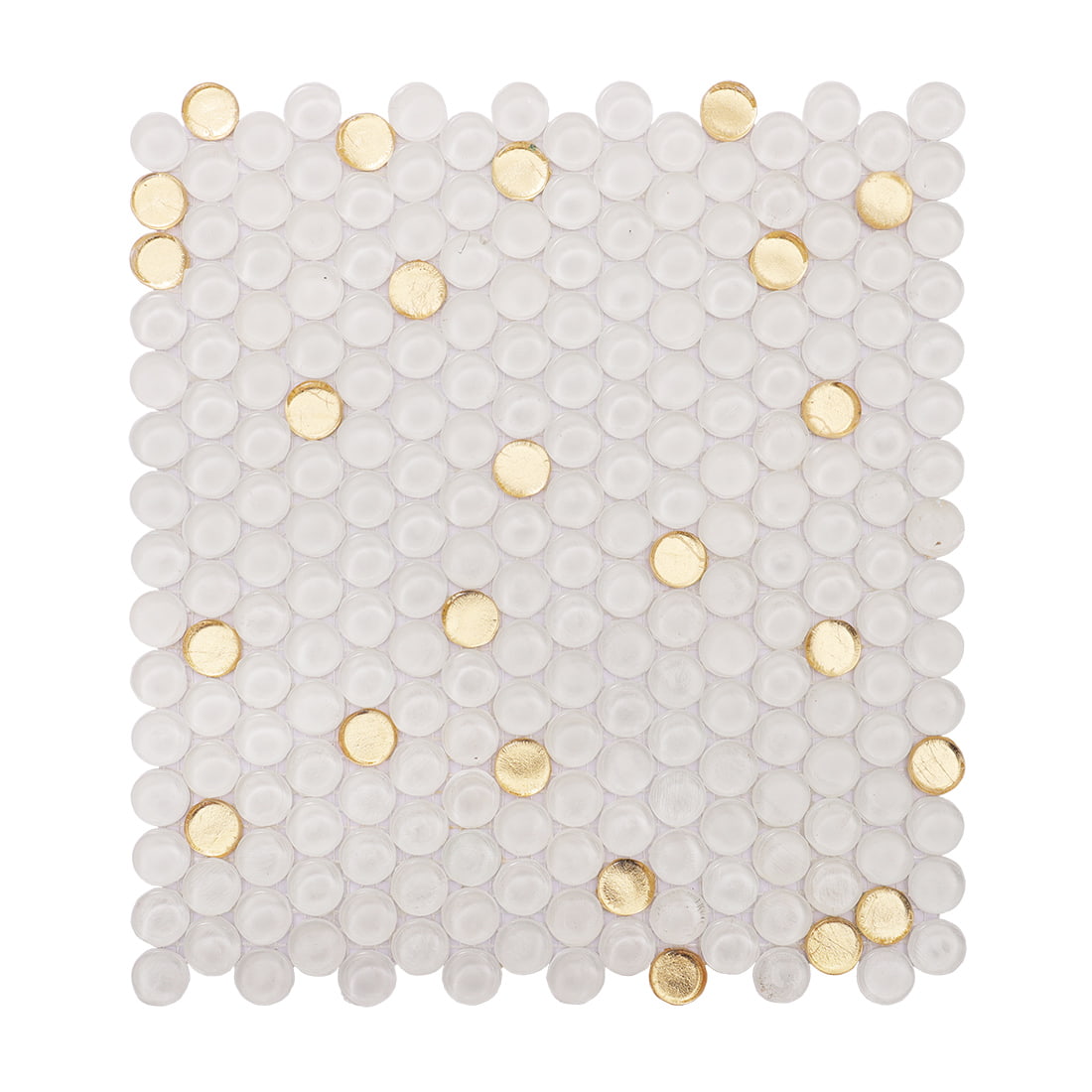
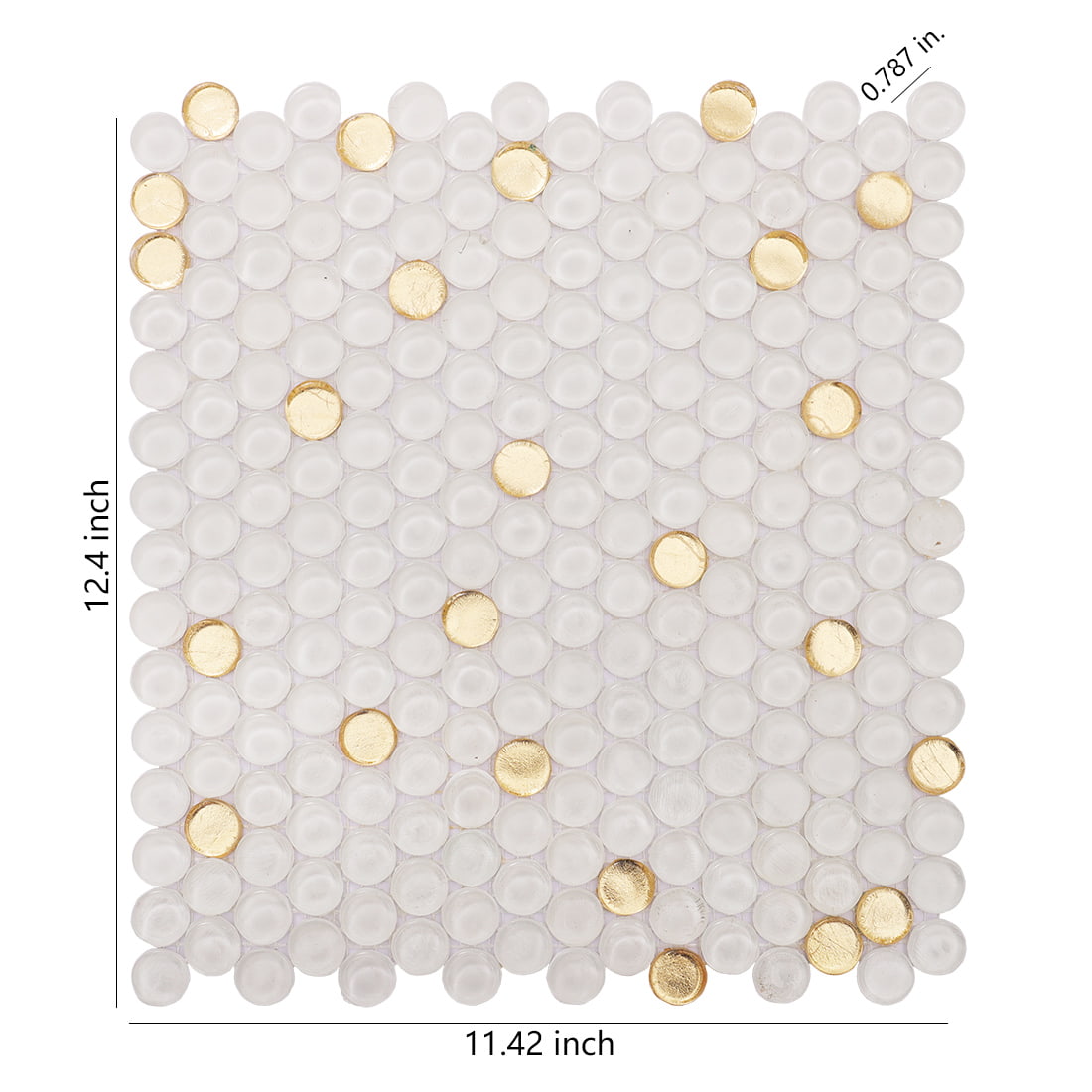
White Round Penny Tile Glass Mosaic Sheet$16.07 USD
-
-
-
-
-
-
-
-
-
-
-
-
-
-
-
-
-
-
-
-
-
-
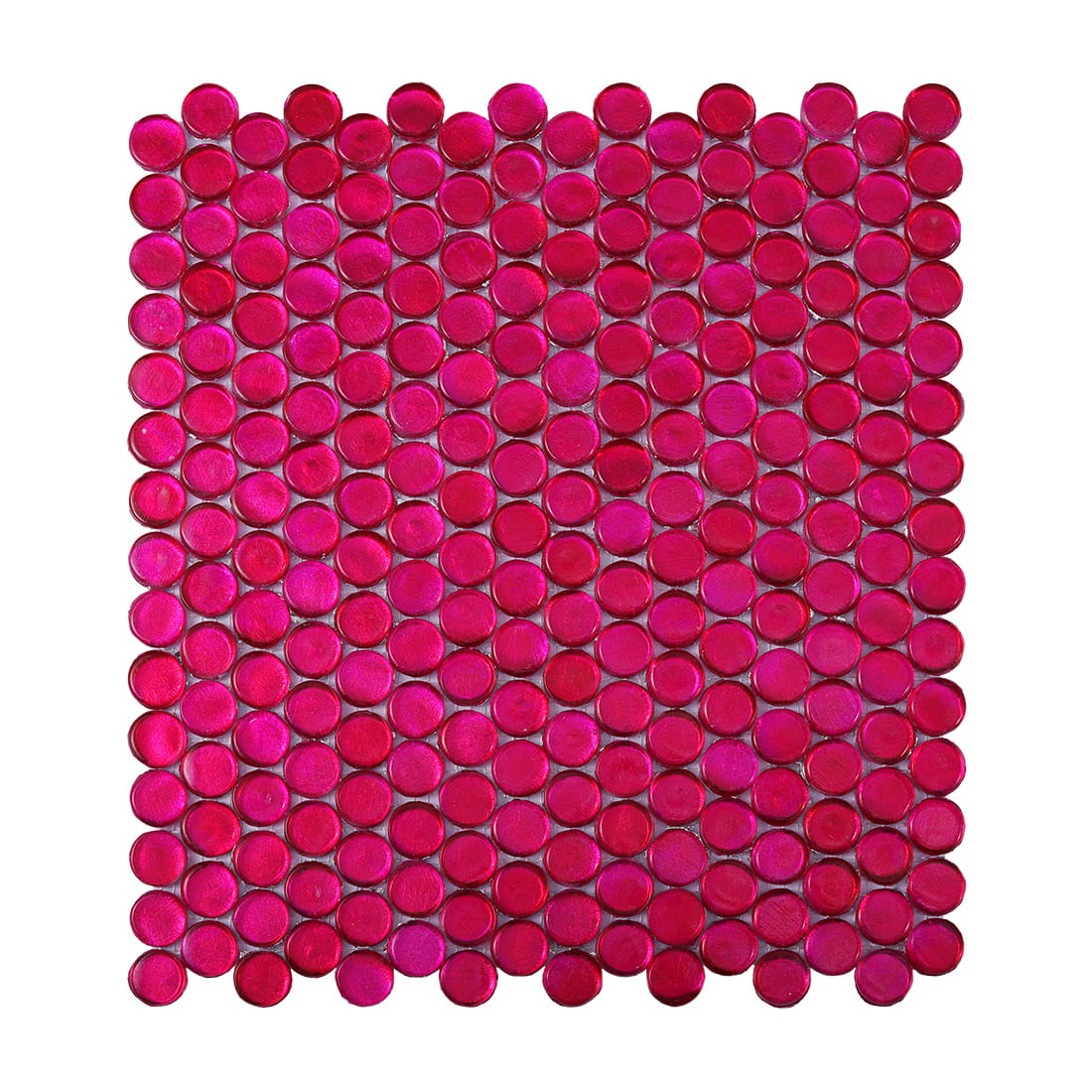
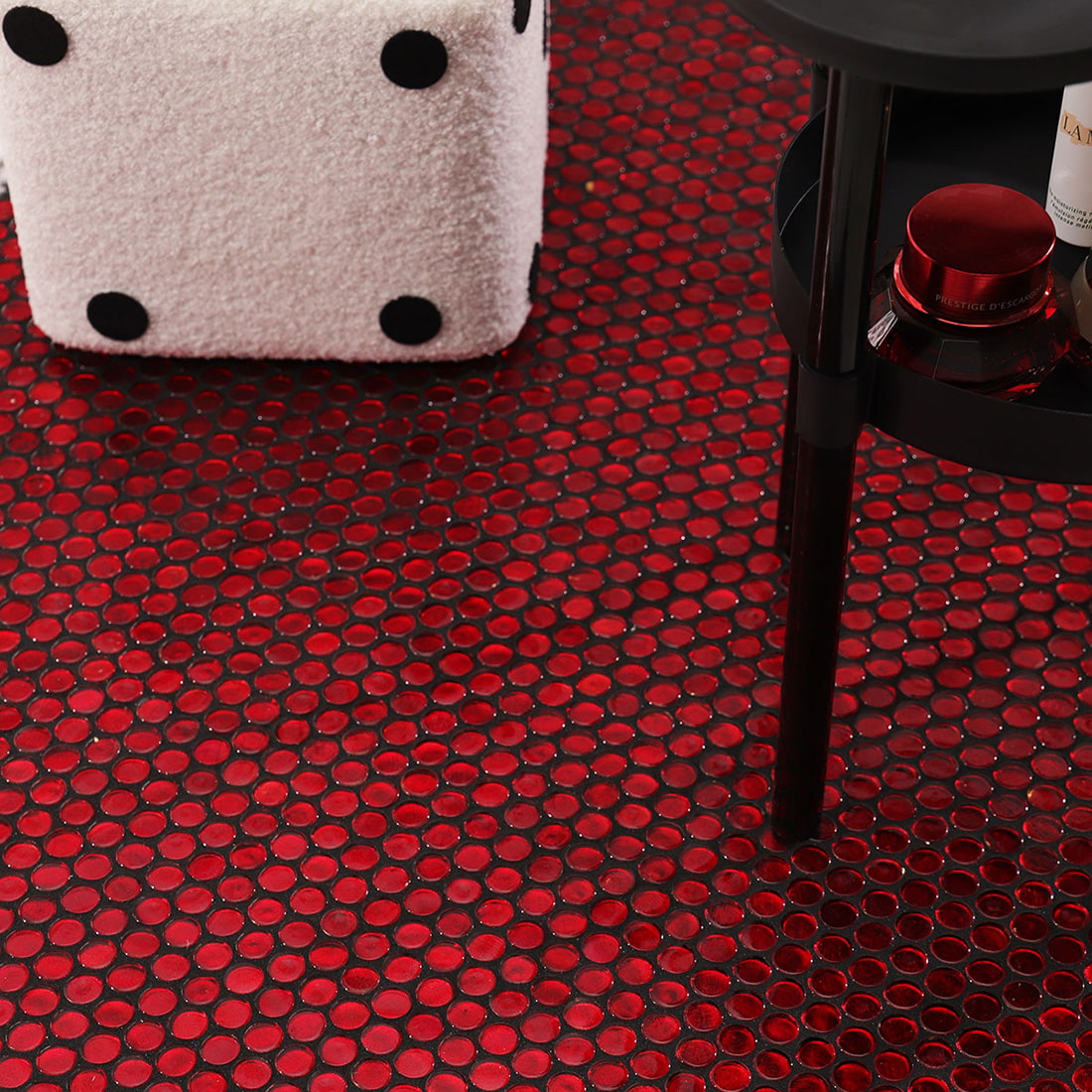
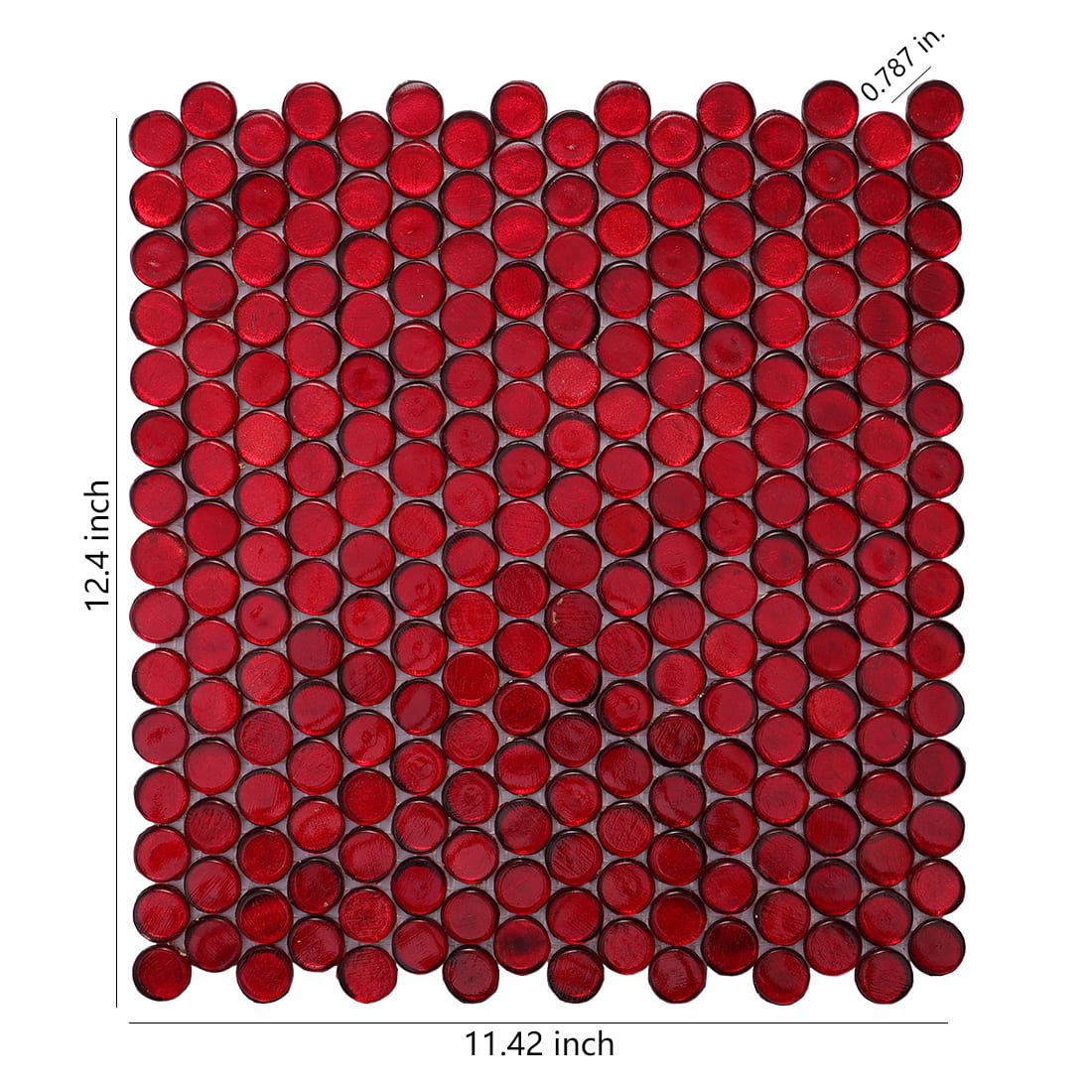
Red Foil Penny Round Glass Mosaic Tile$23.73 USD
-
-
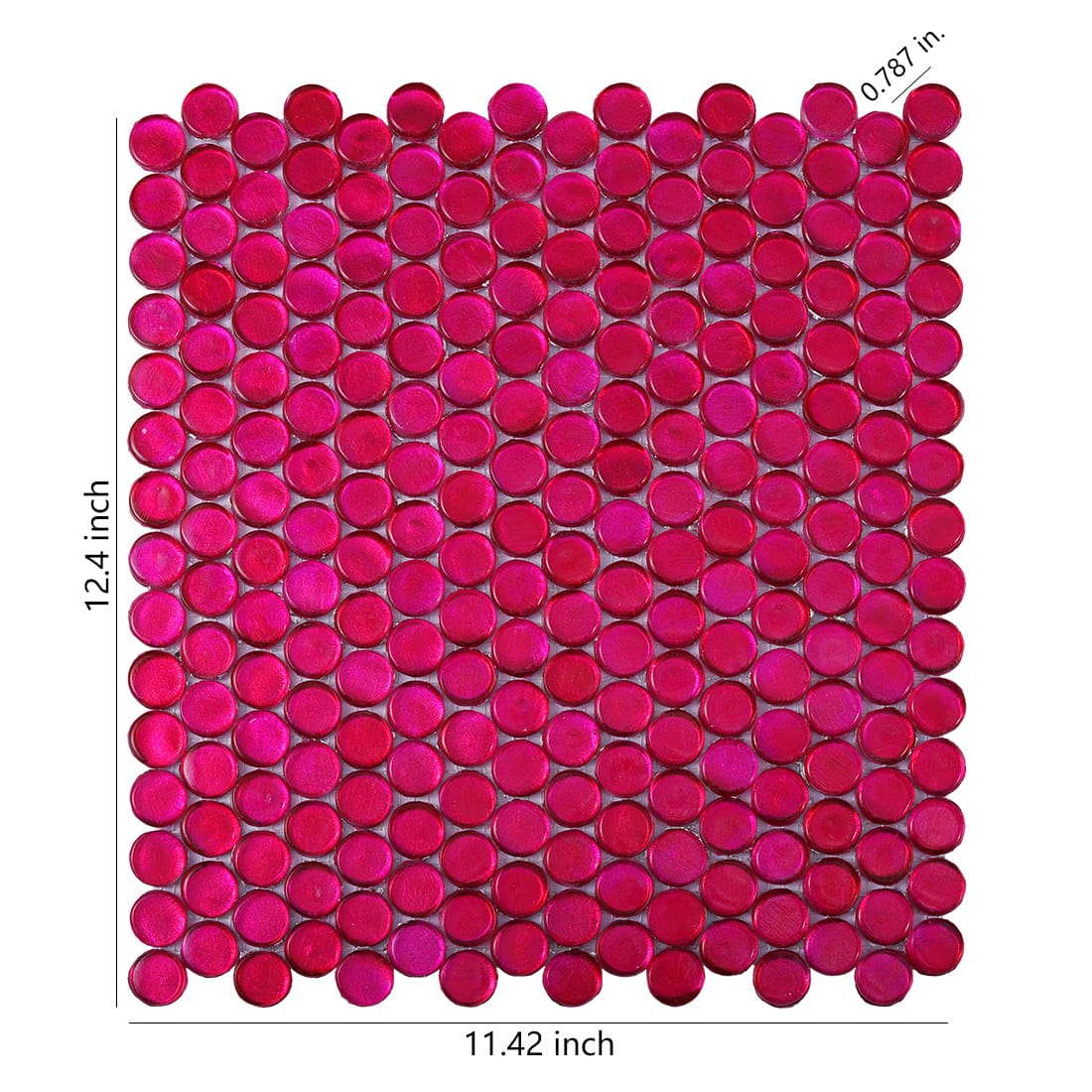
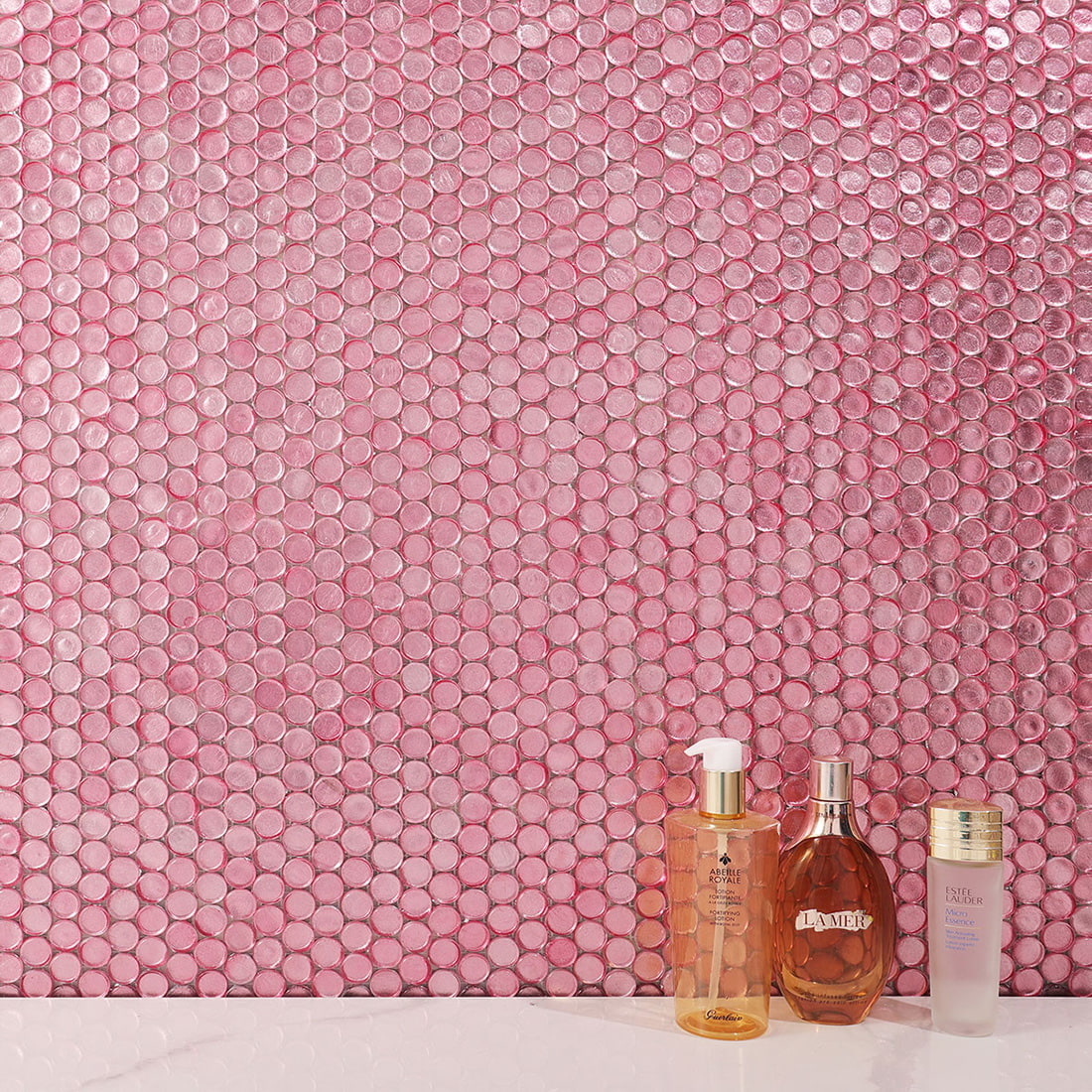
Pink Penny Round Glass Mosaic Wall Tile$25.60 USD



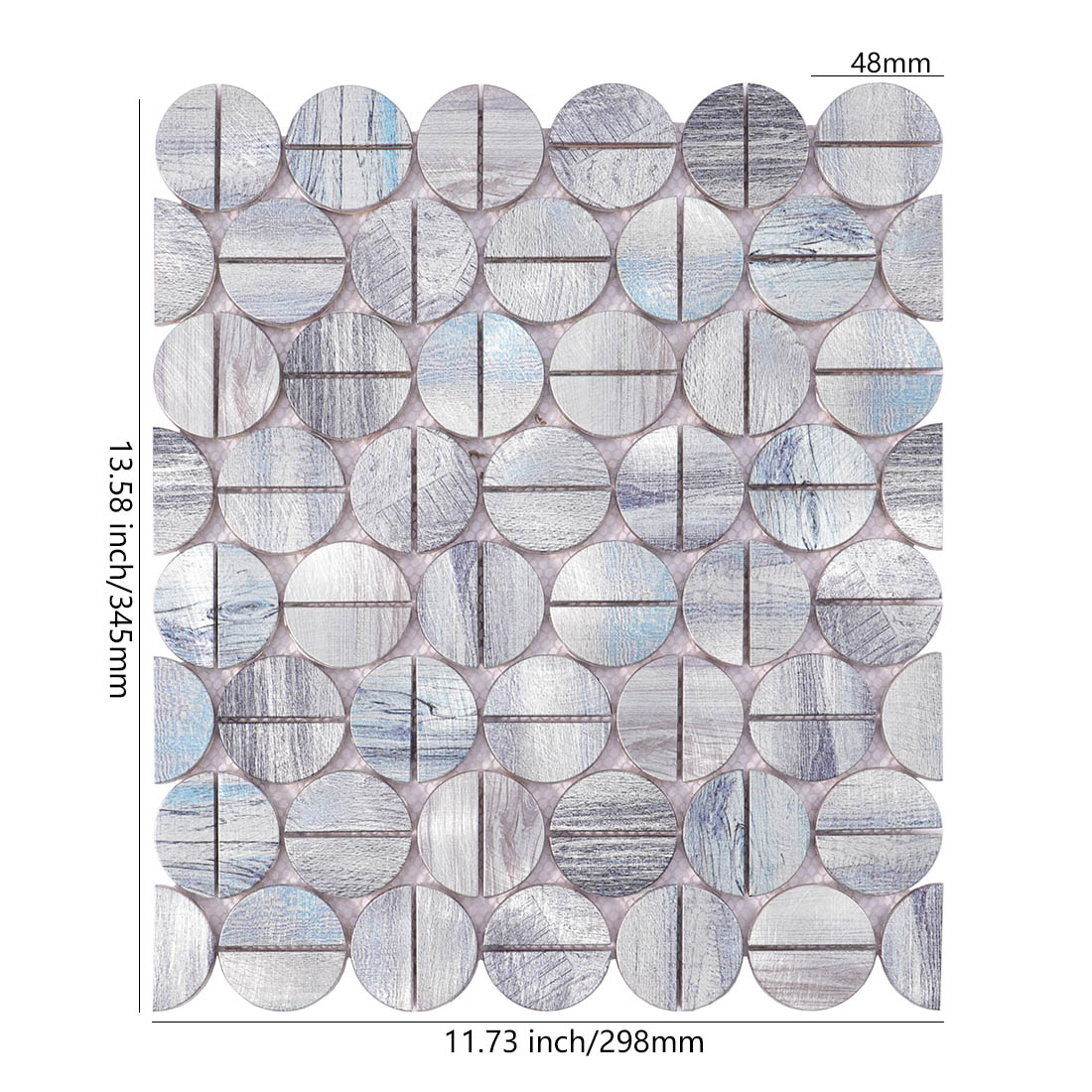
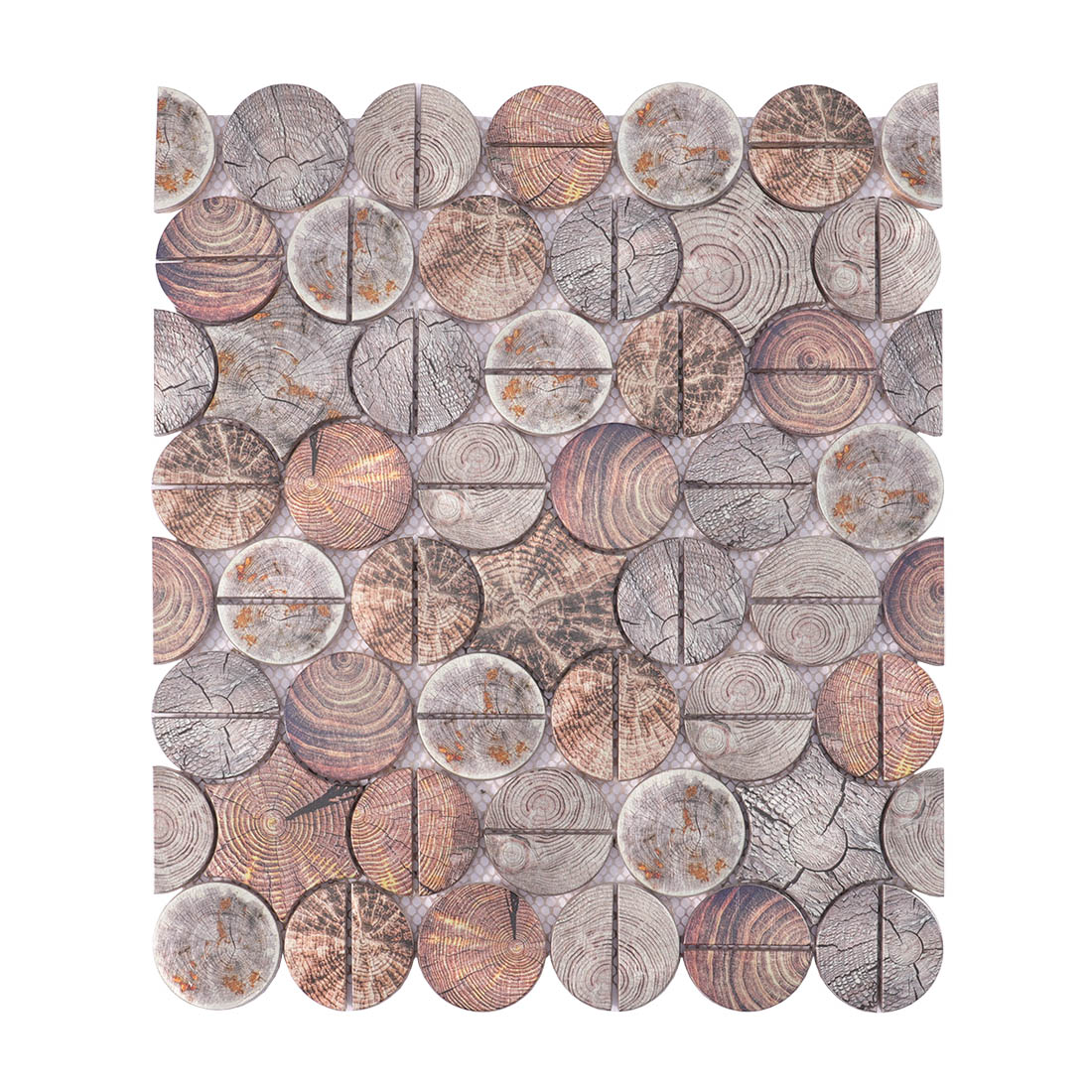
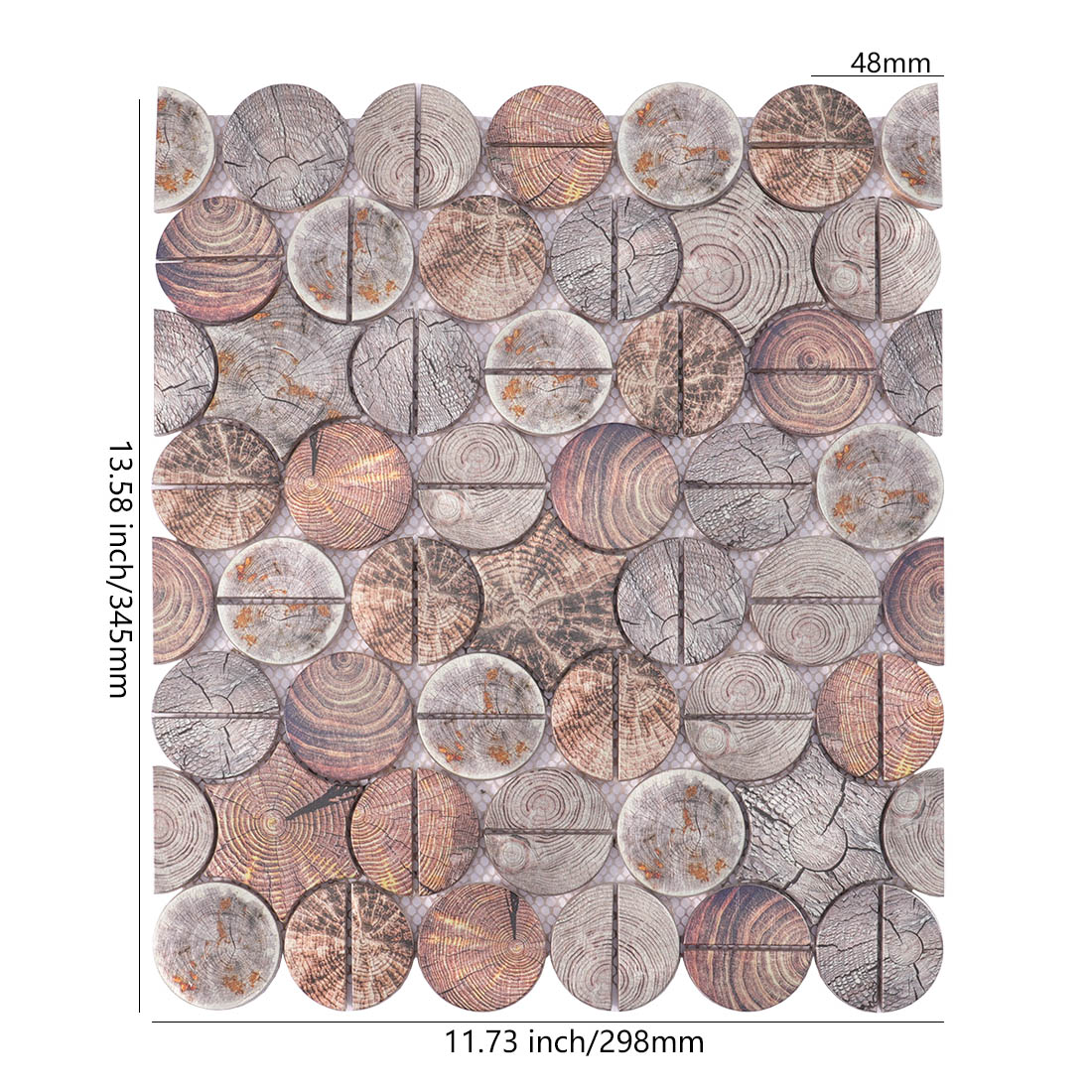
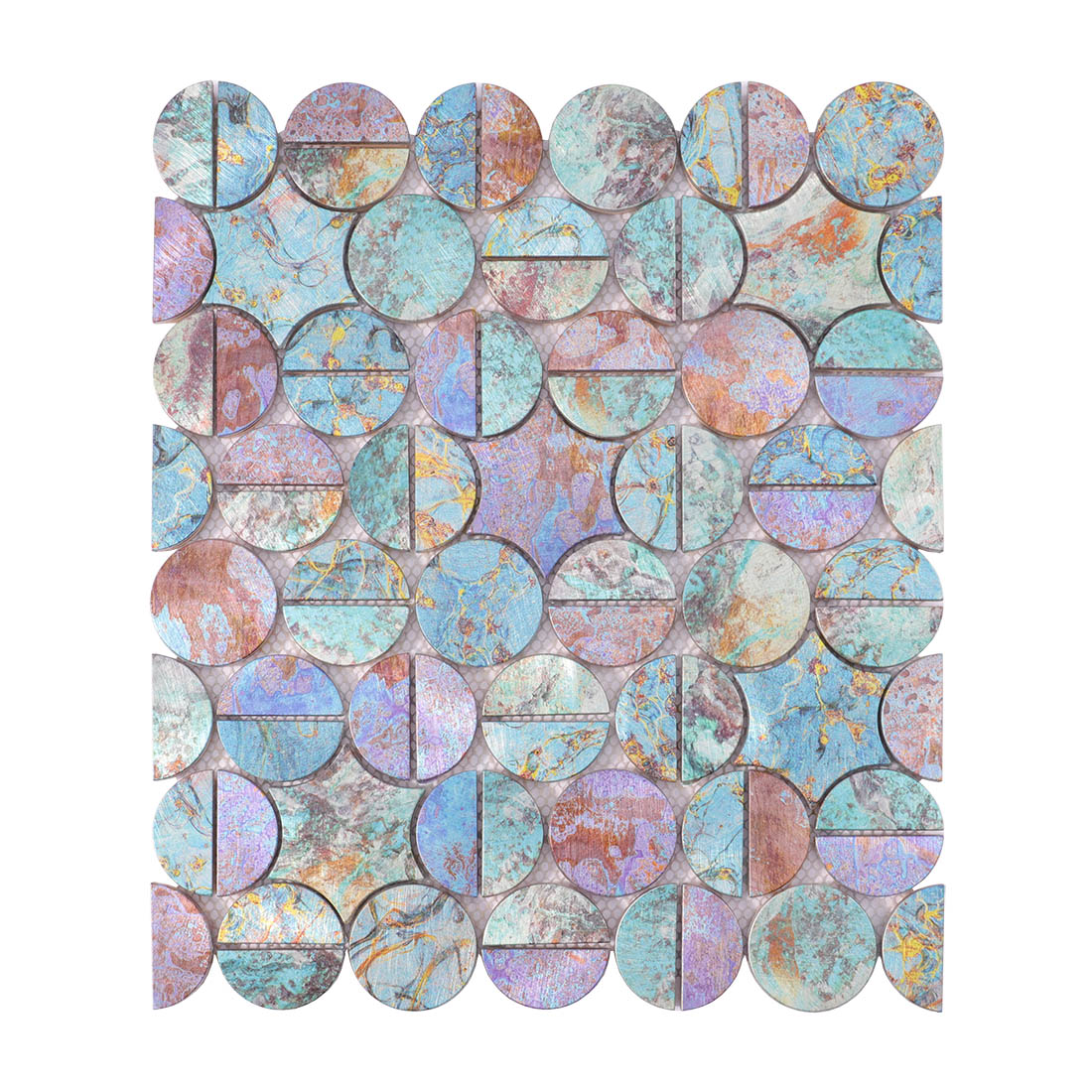
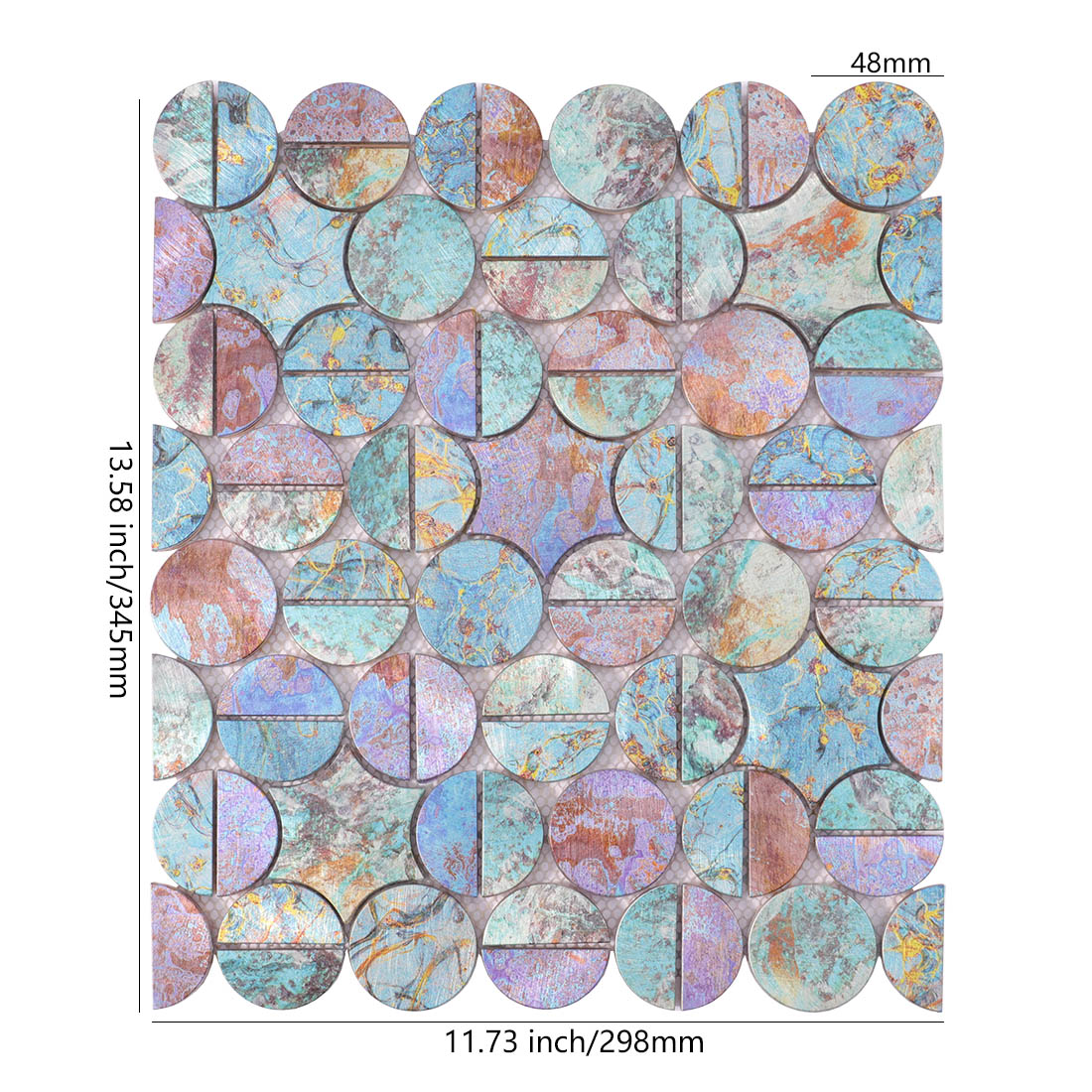
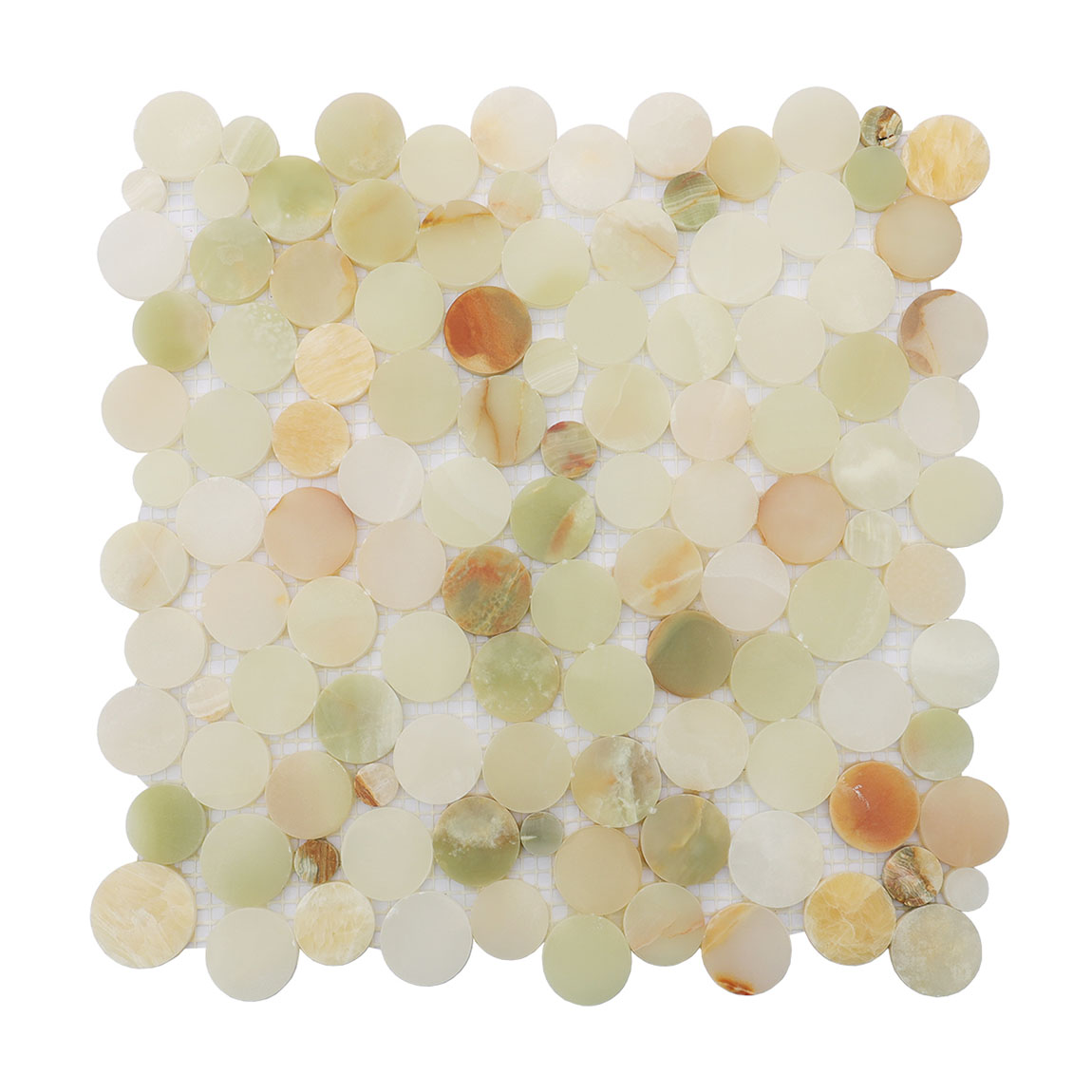
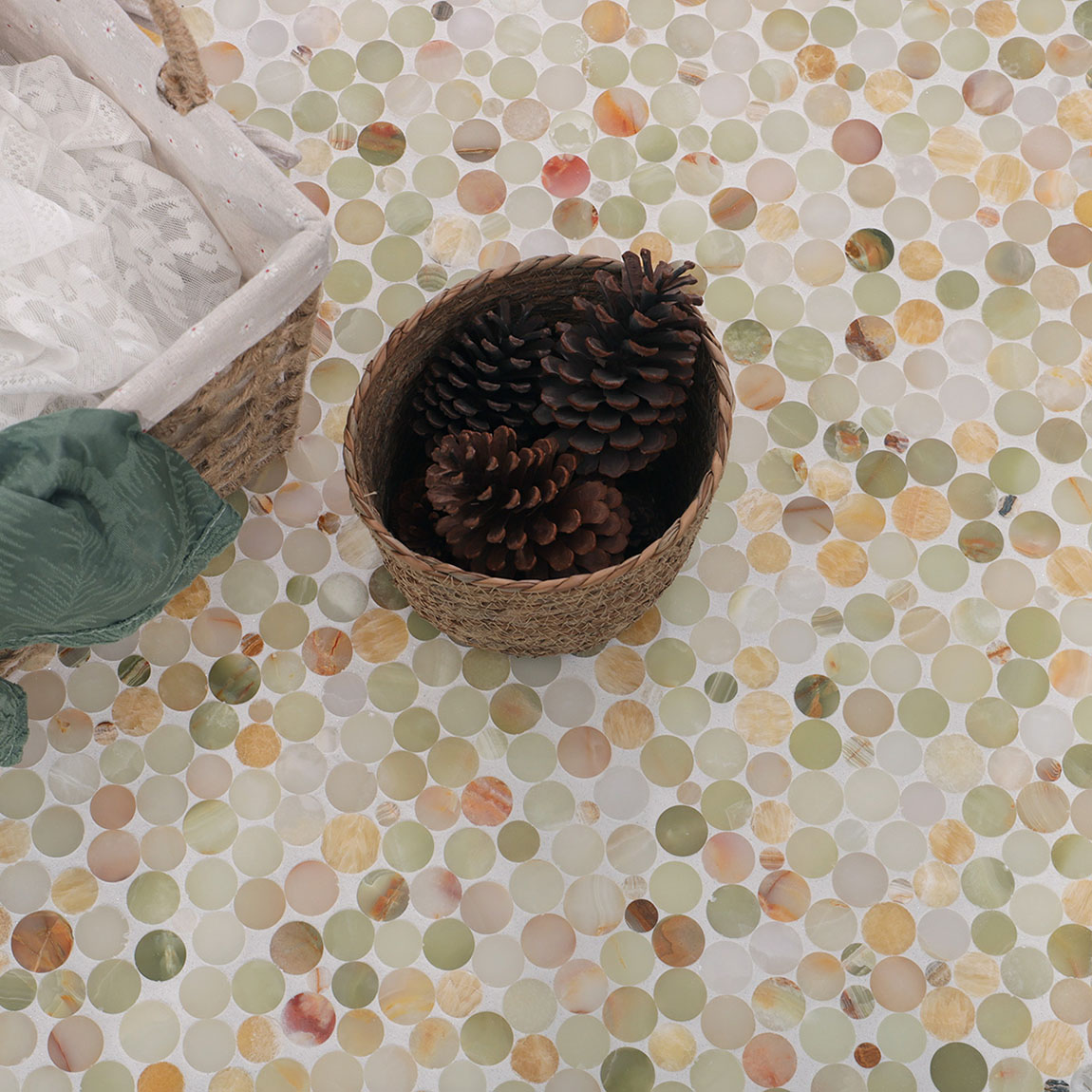


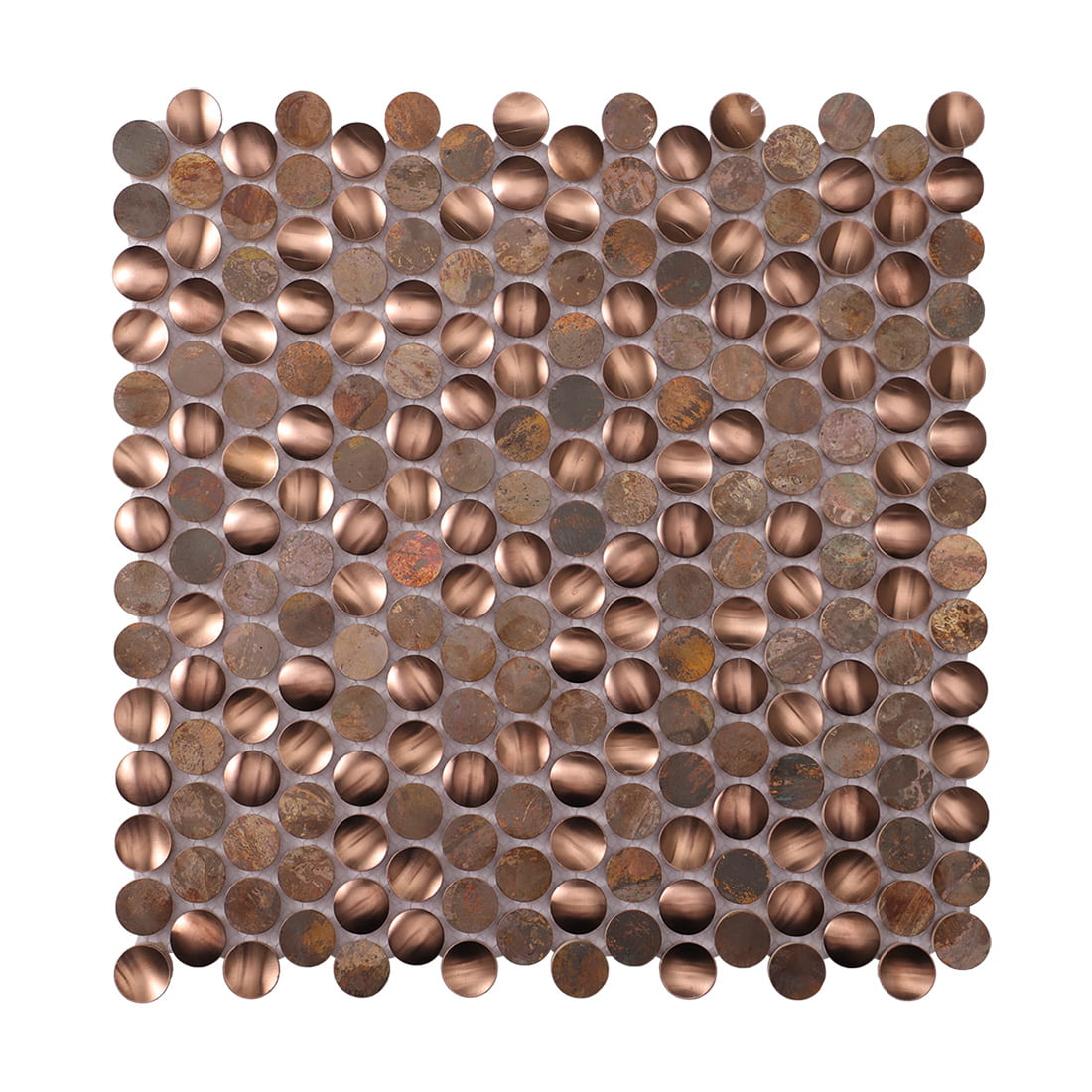



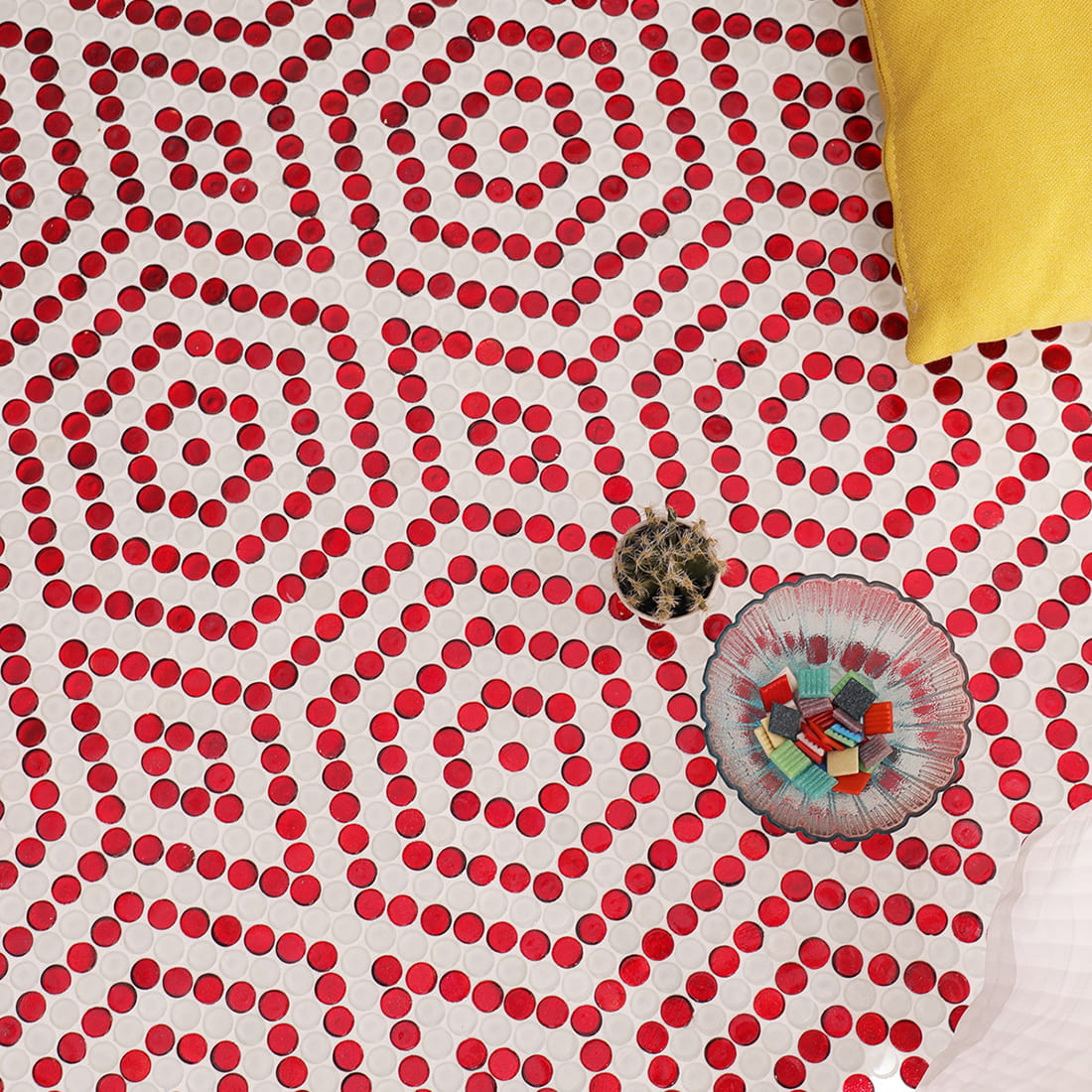
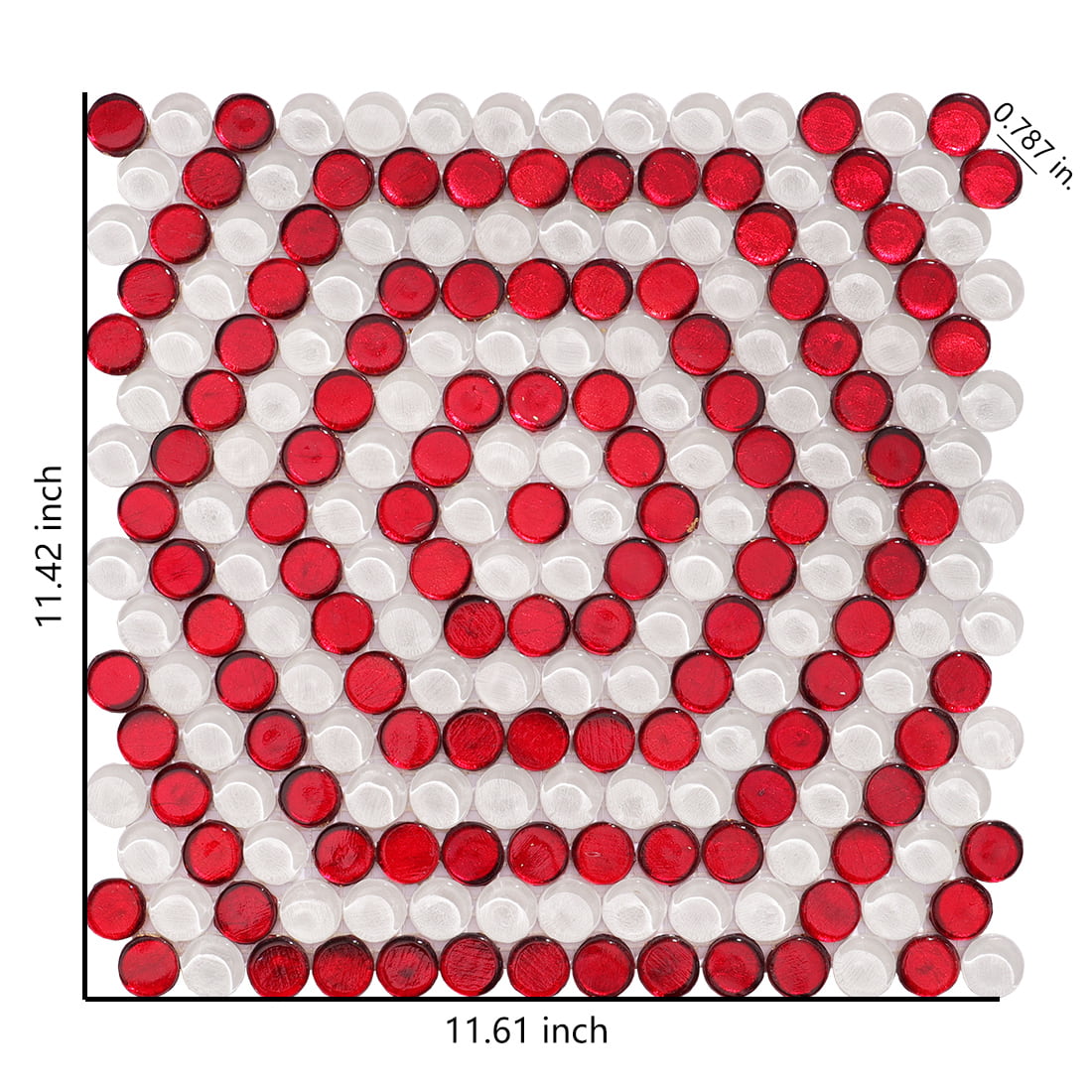
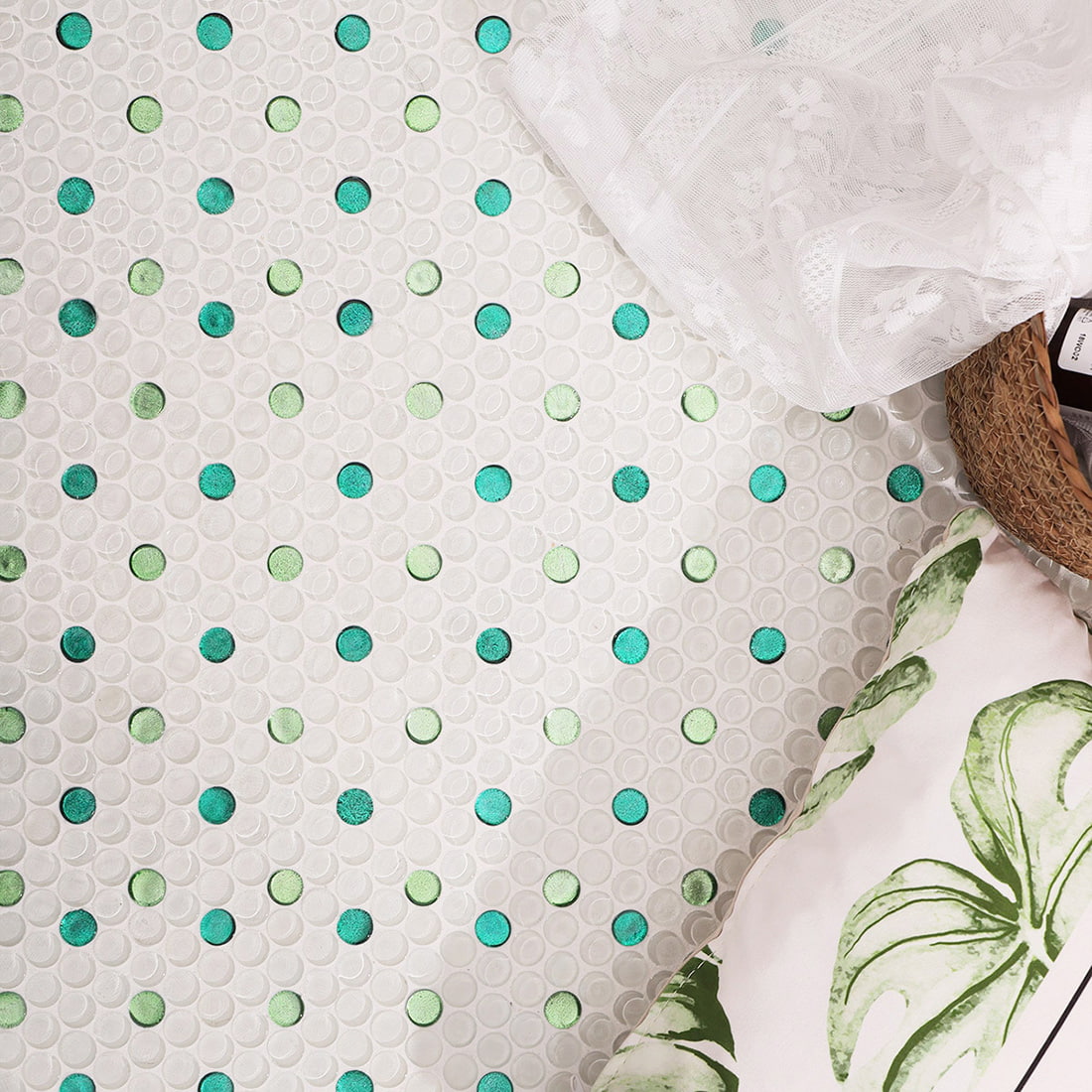

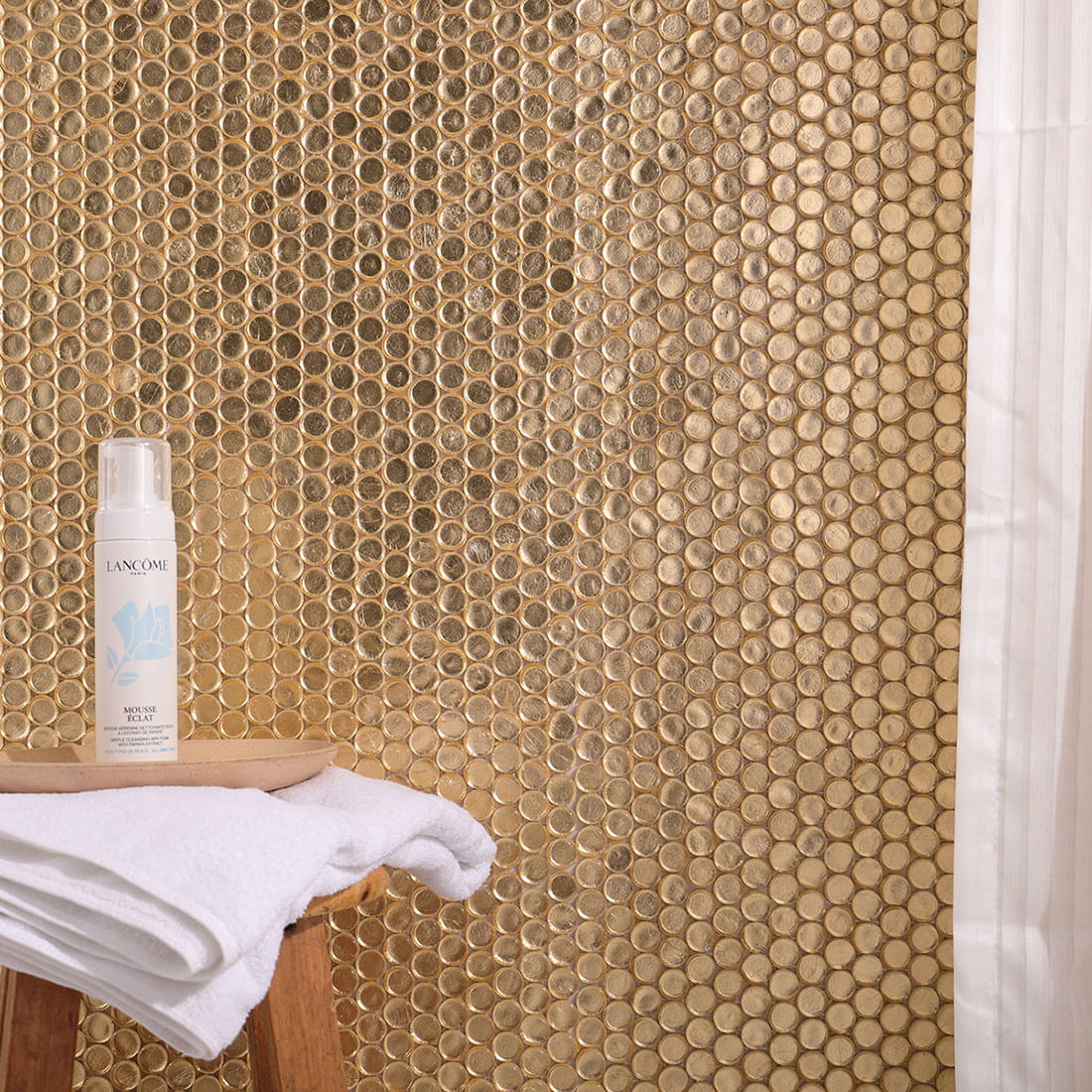
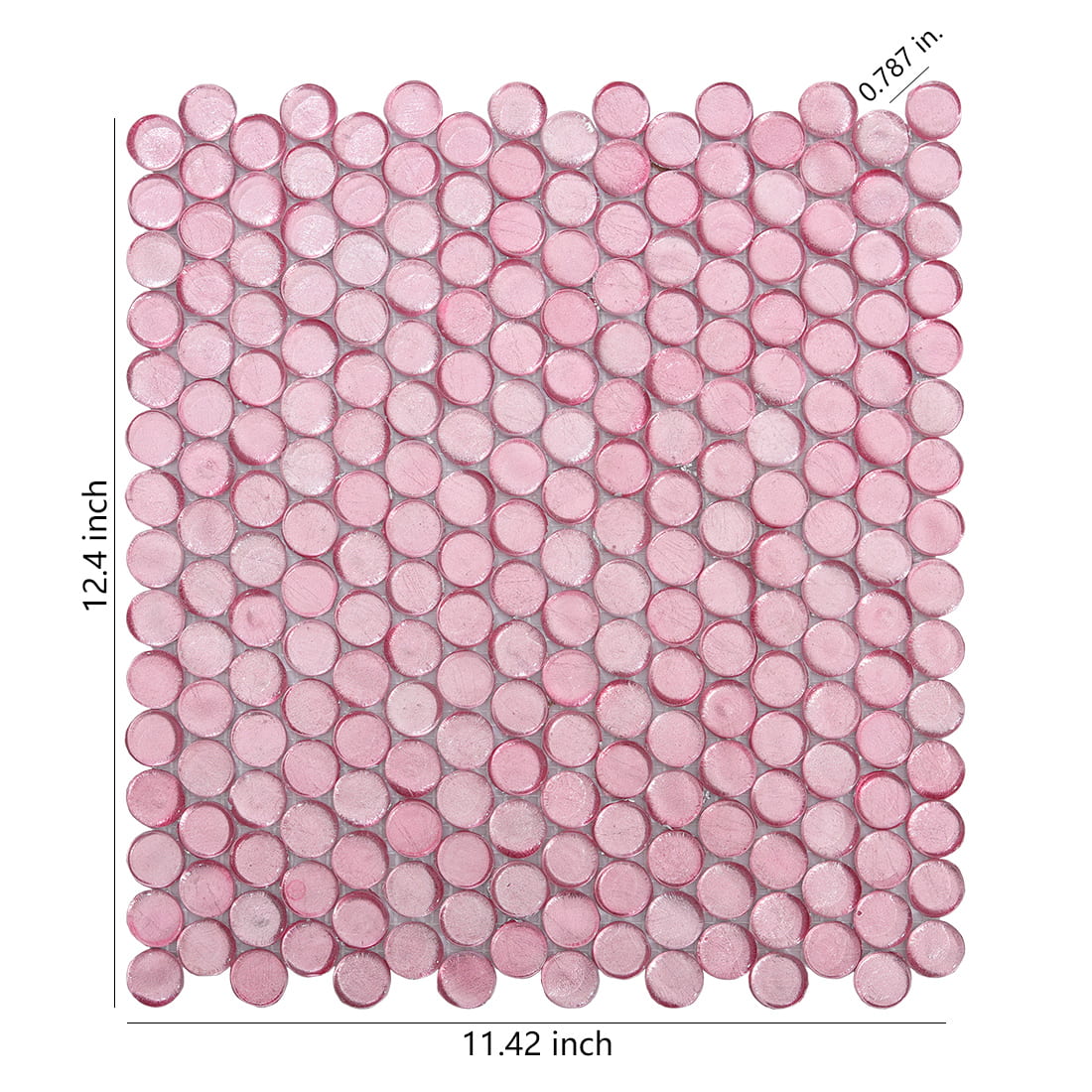
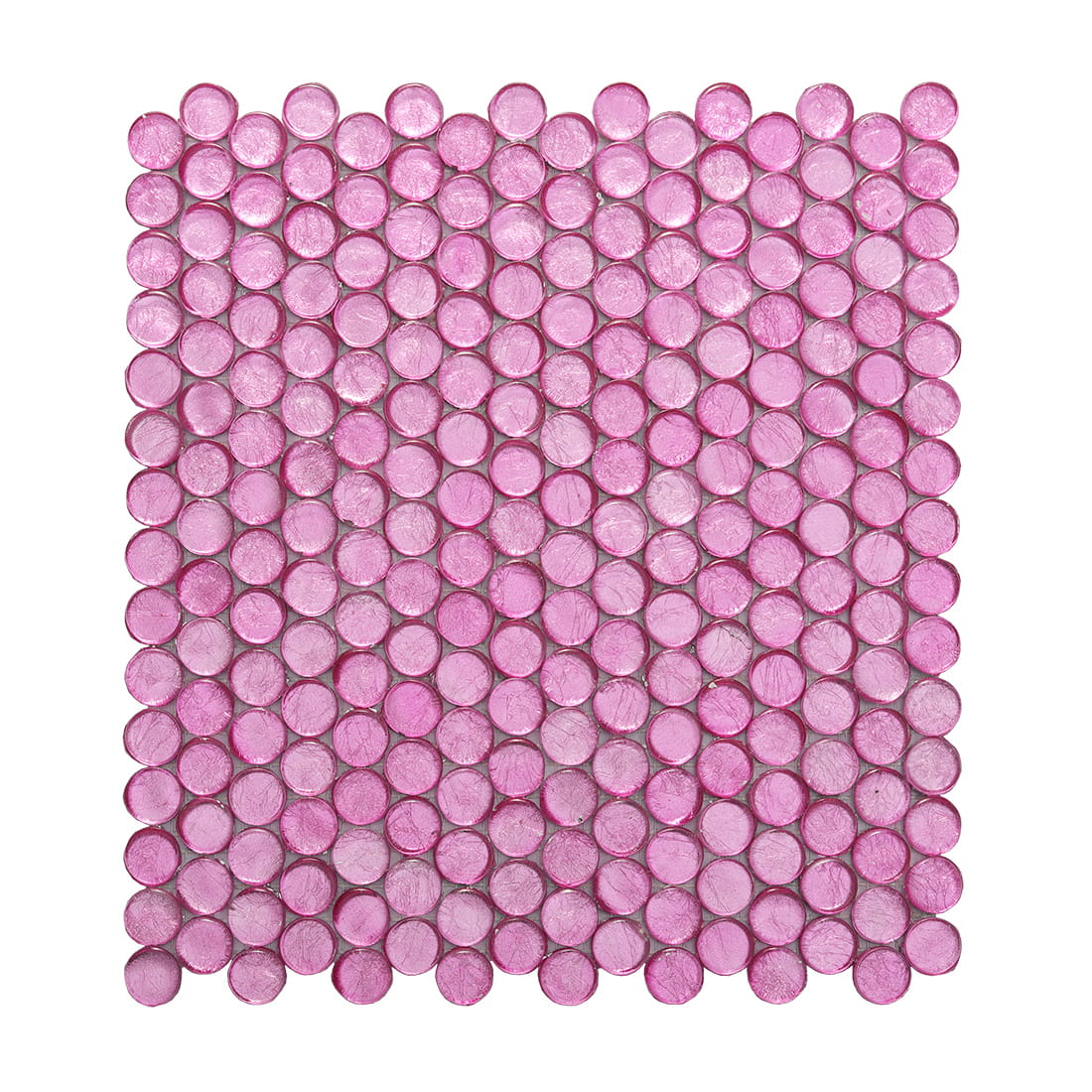
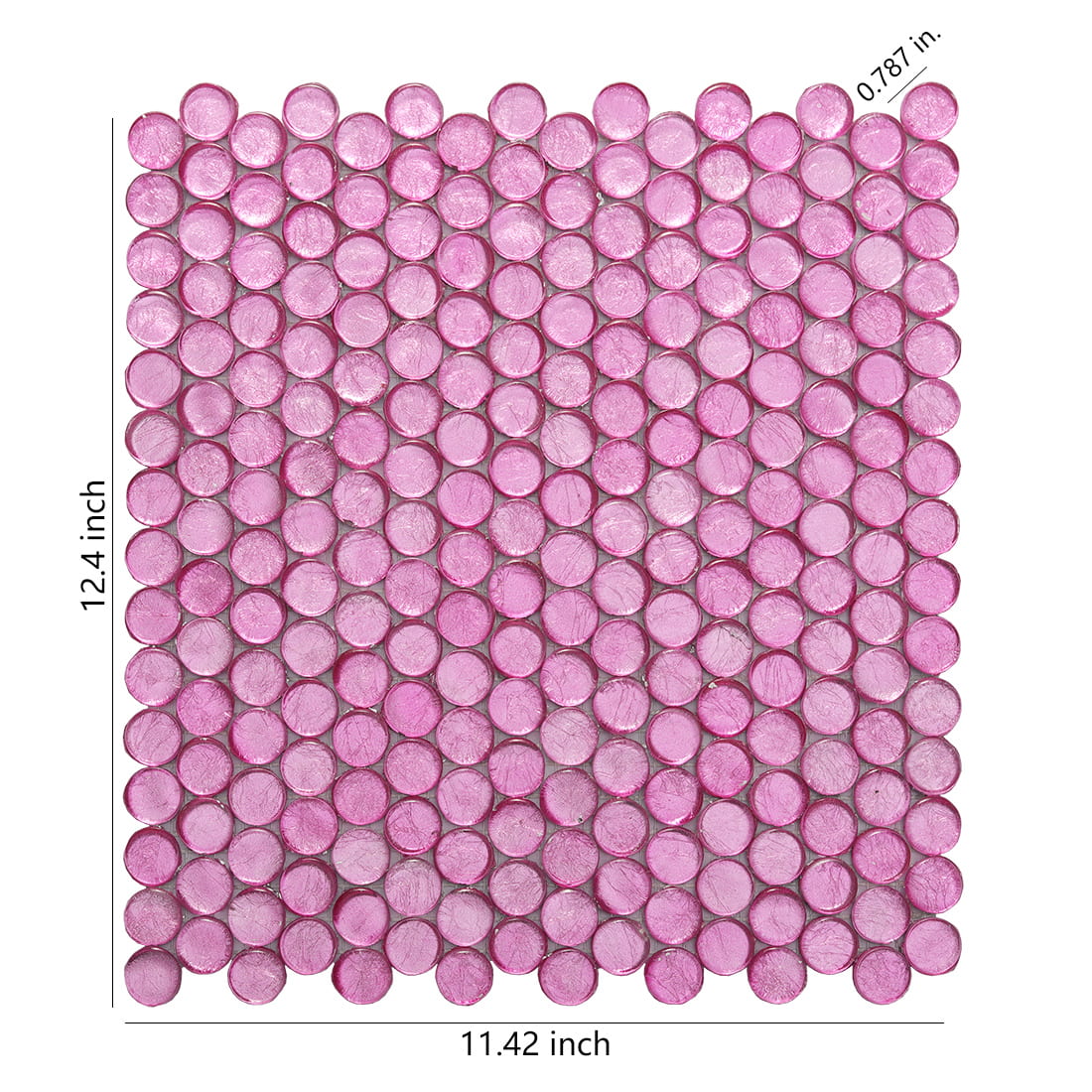
Penny Tiles
Penny tiles, also known as penny round tiles, are circular mosaic tiles that have graced homes for over a century. These distinctive round tiles offer timeless charm and versatility, making them perfect for bathrooms, kitchens, backsplashes, and more. Whether you’re planning a renovation or exploring design options, this comprehensive guide covers everything you need to know about penny tiles.
What Are Penny Tiles?
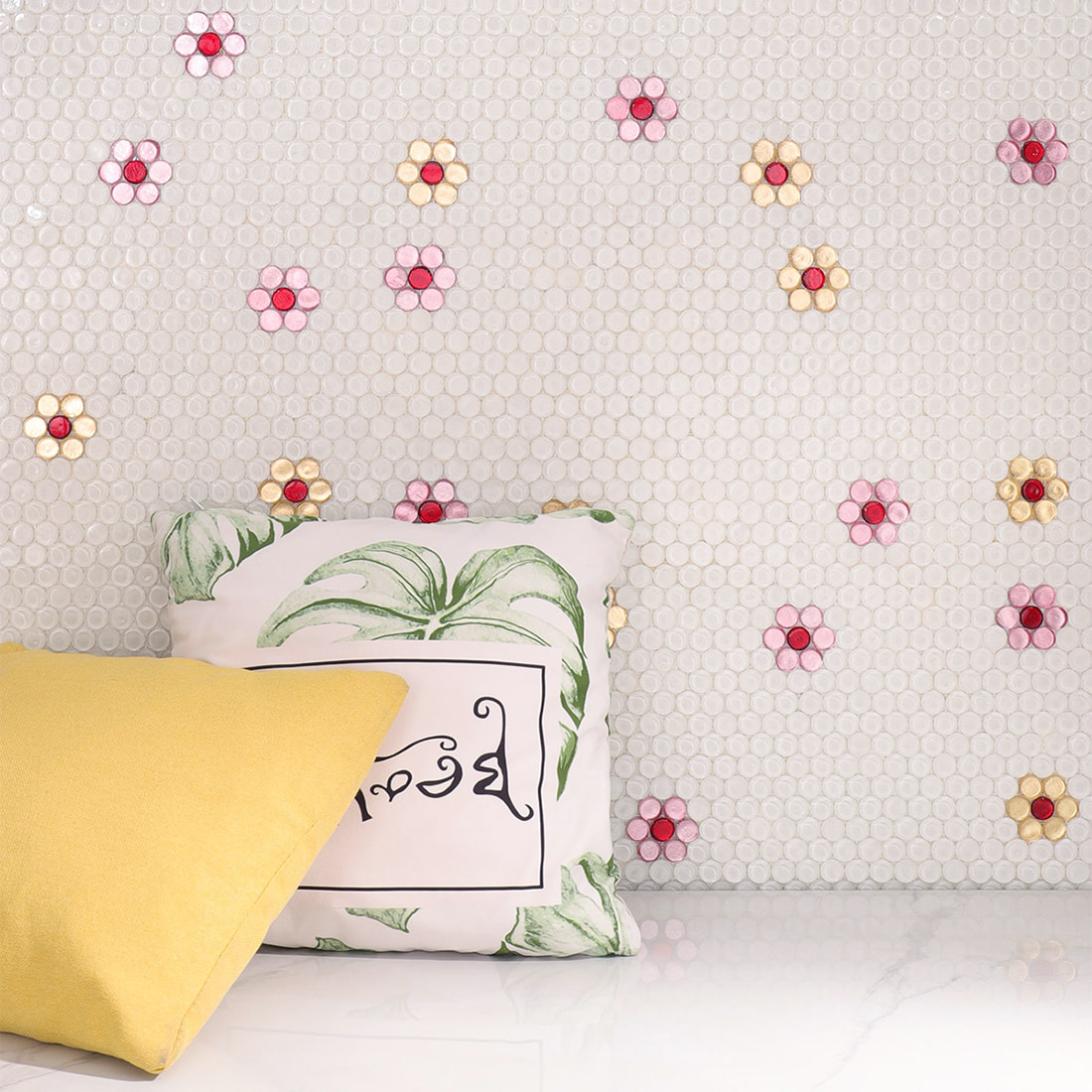
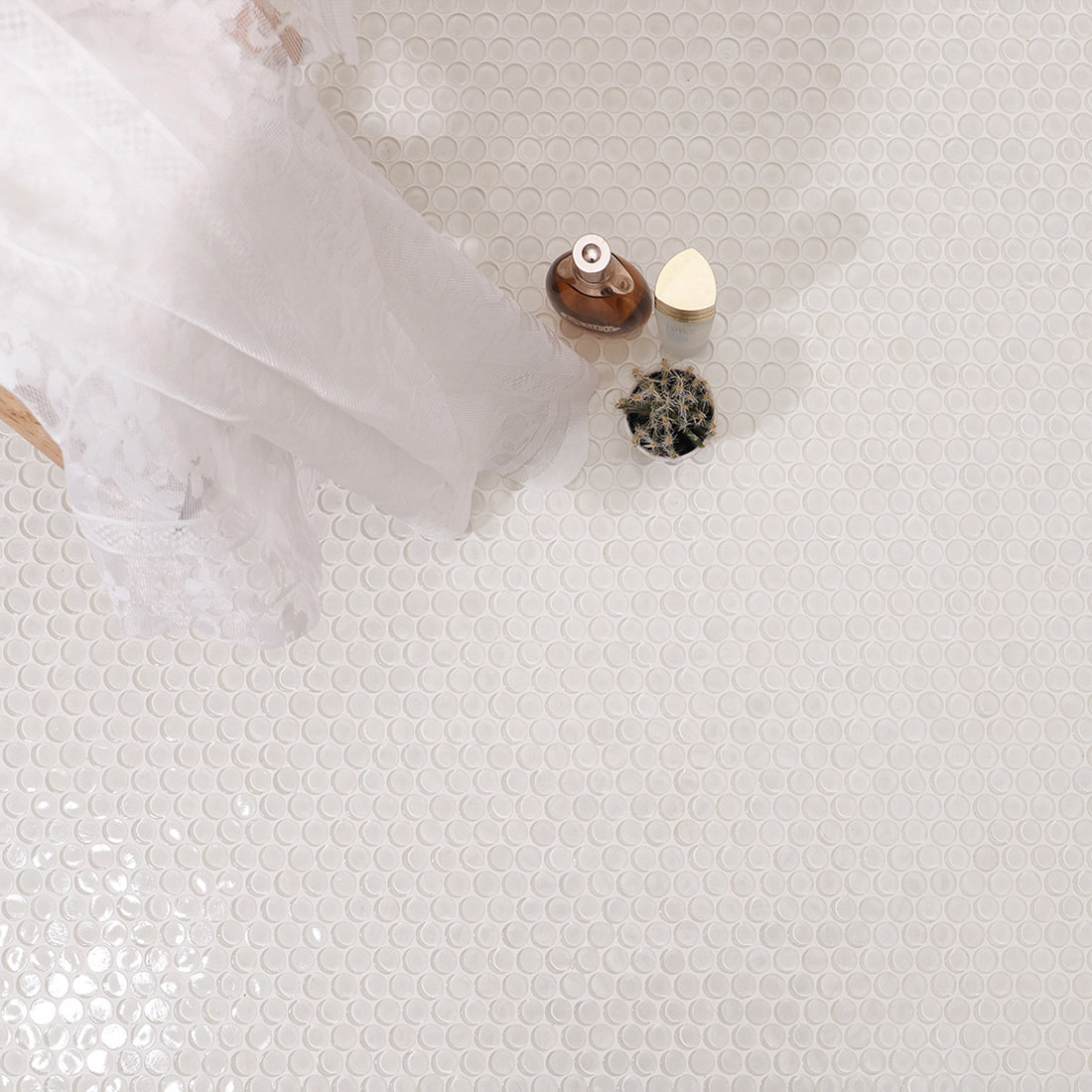
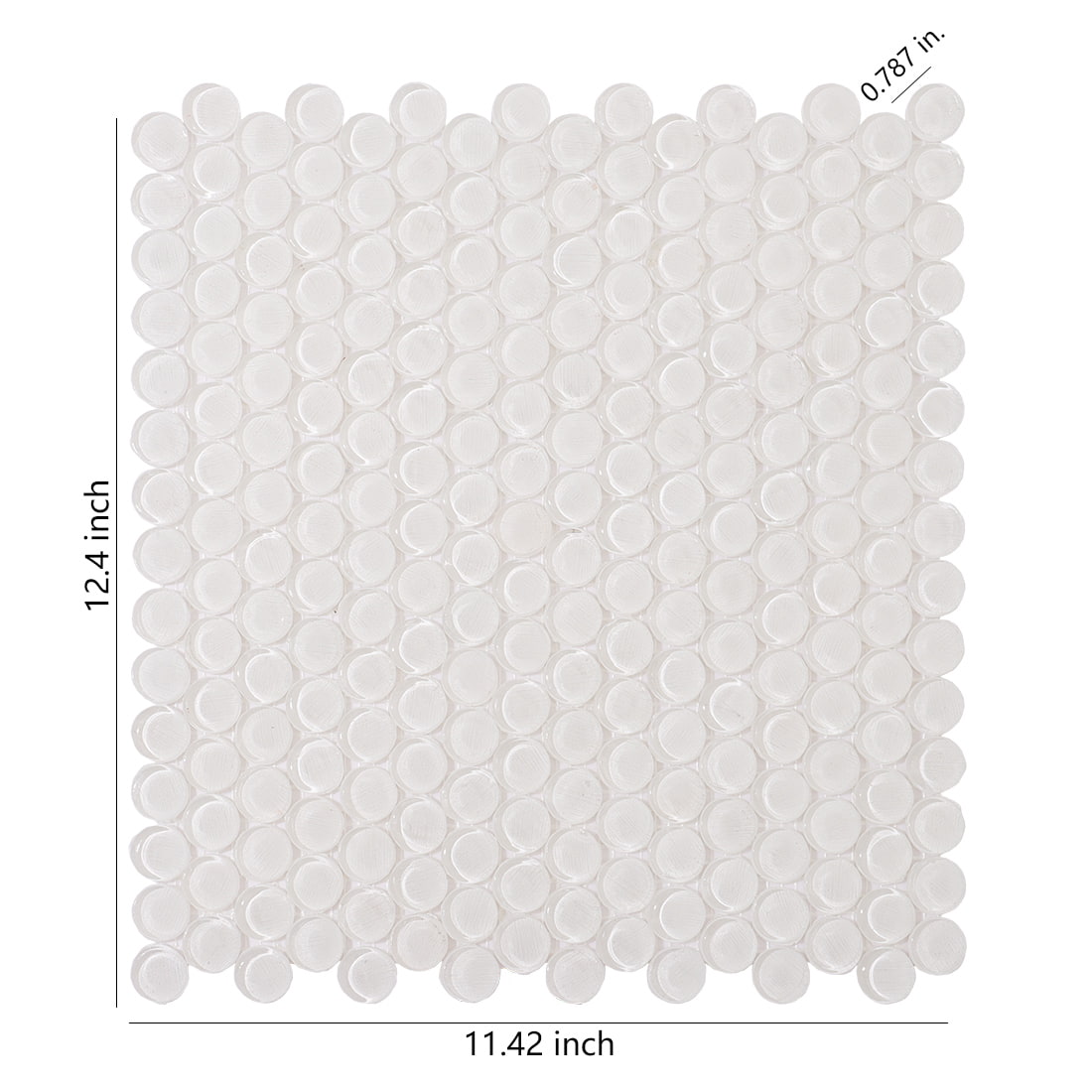
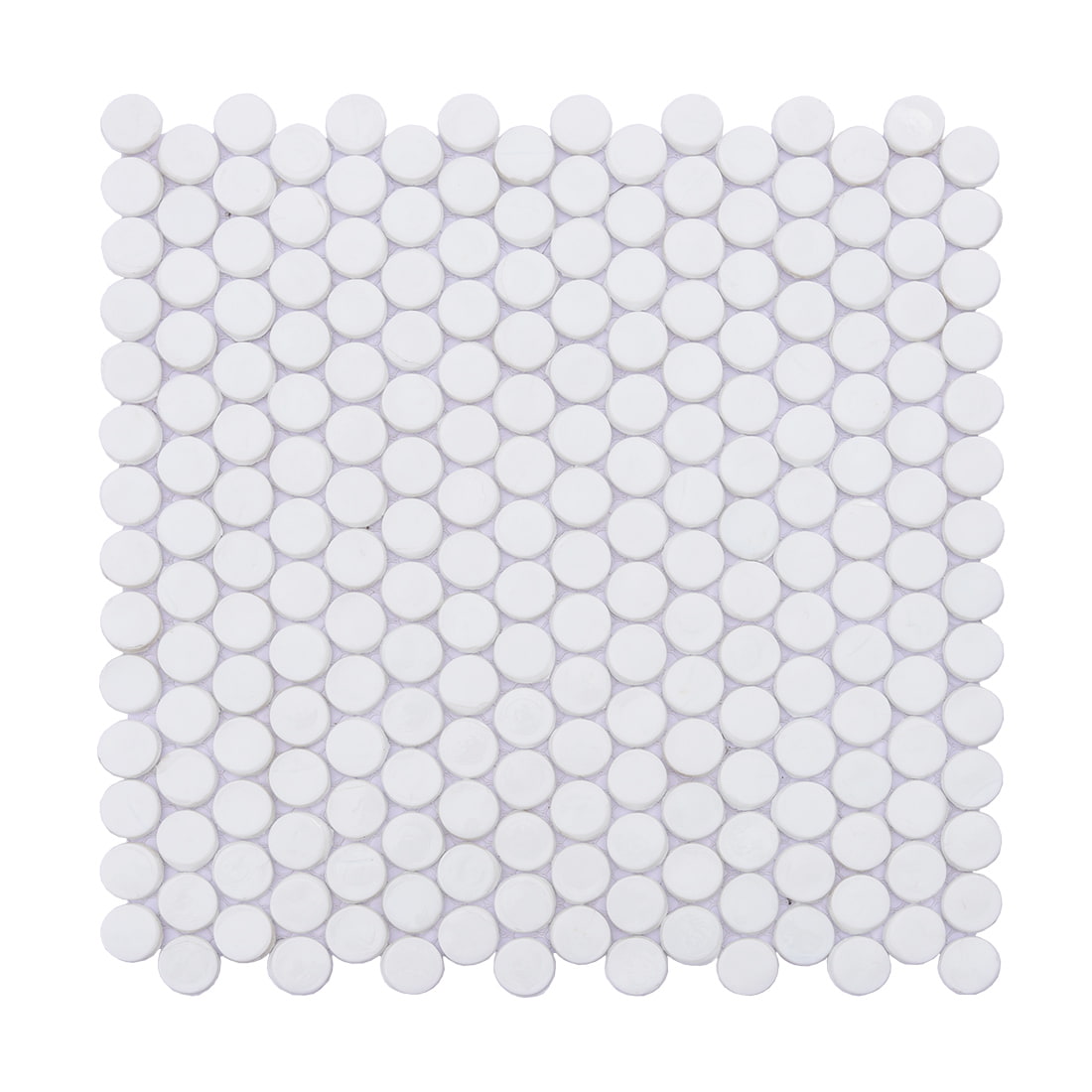
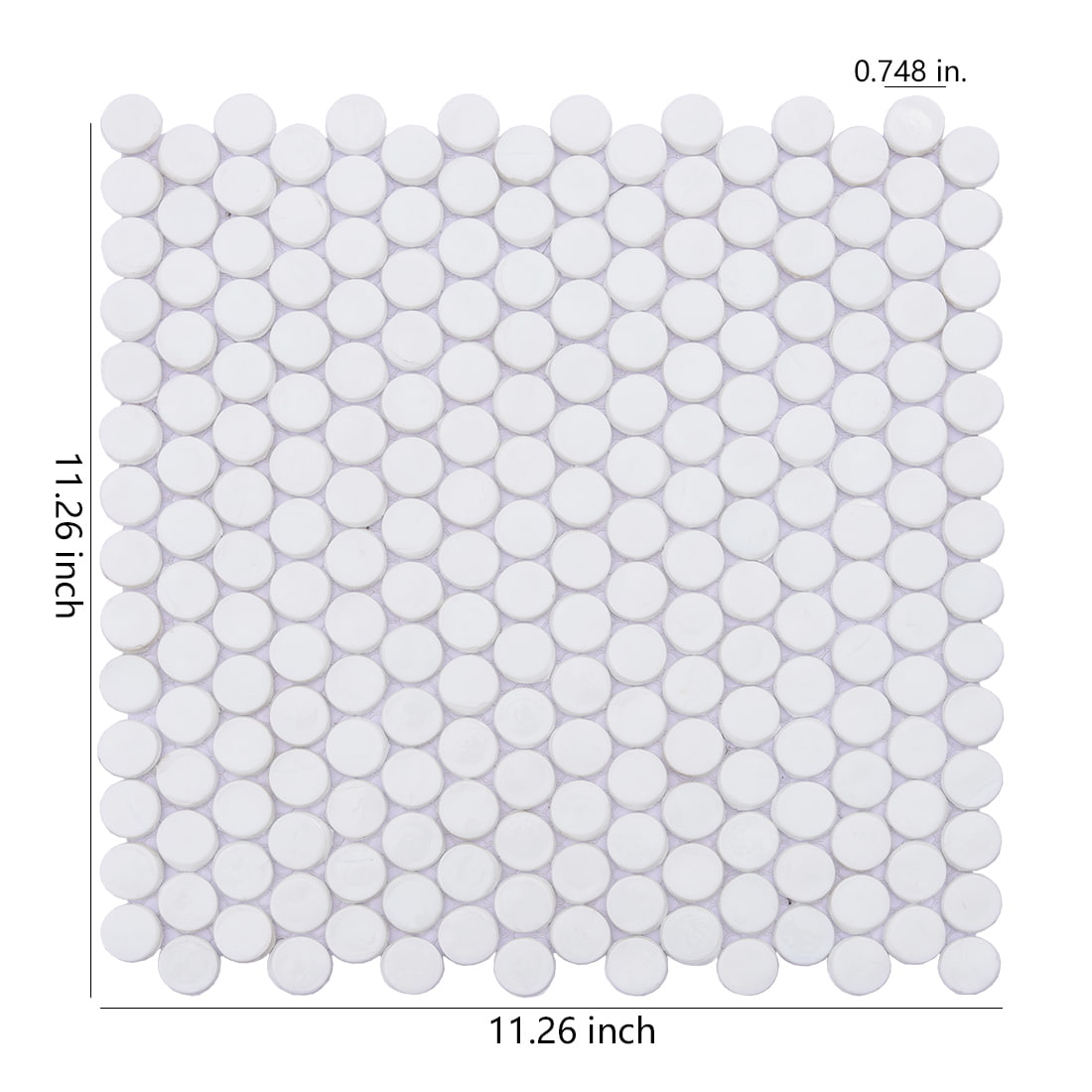
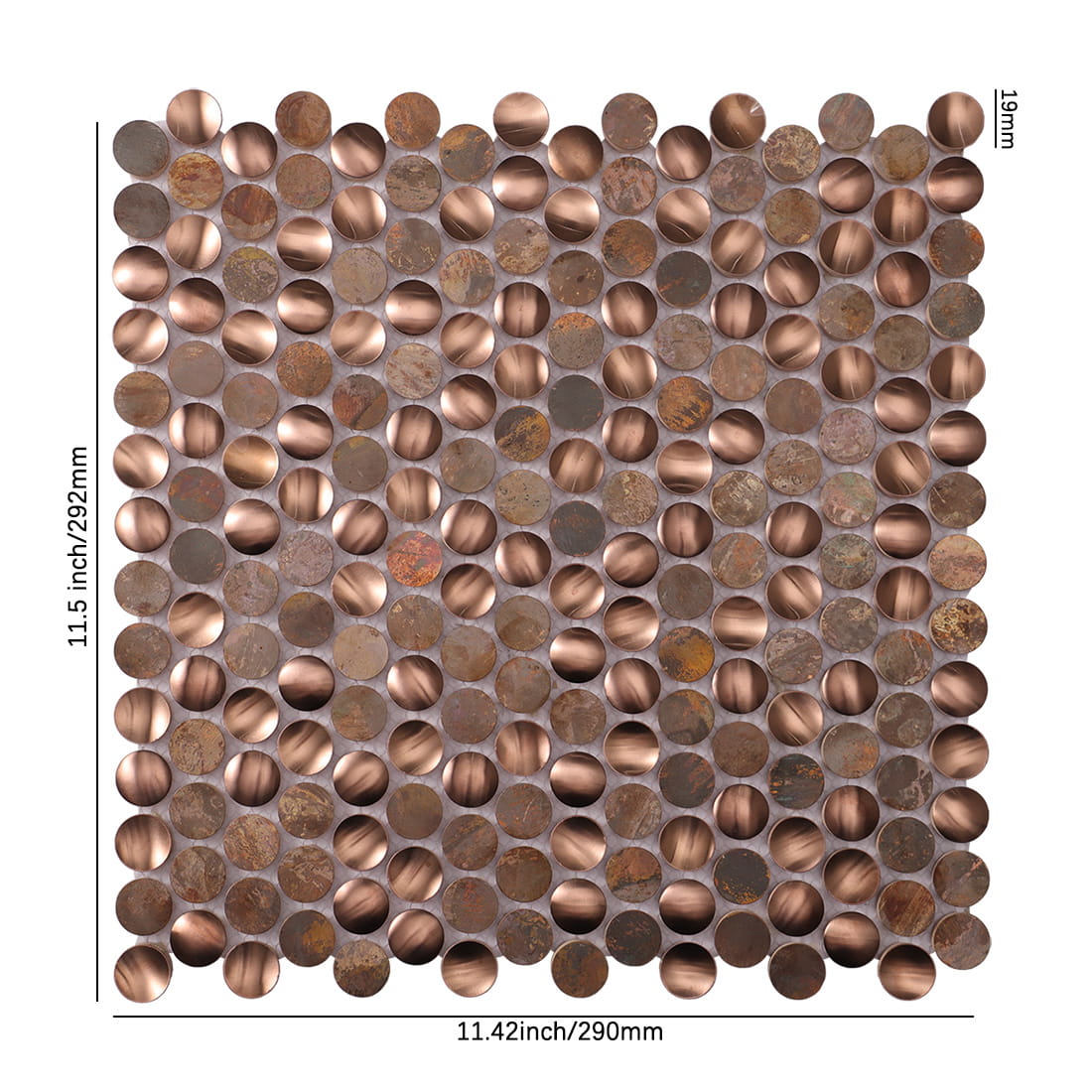
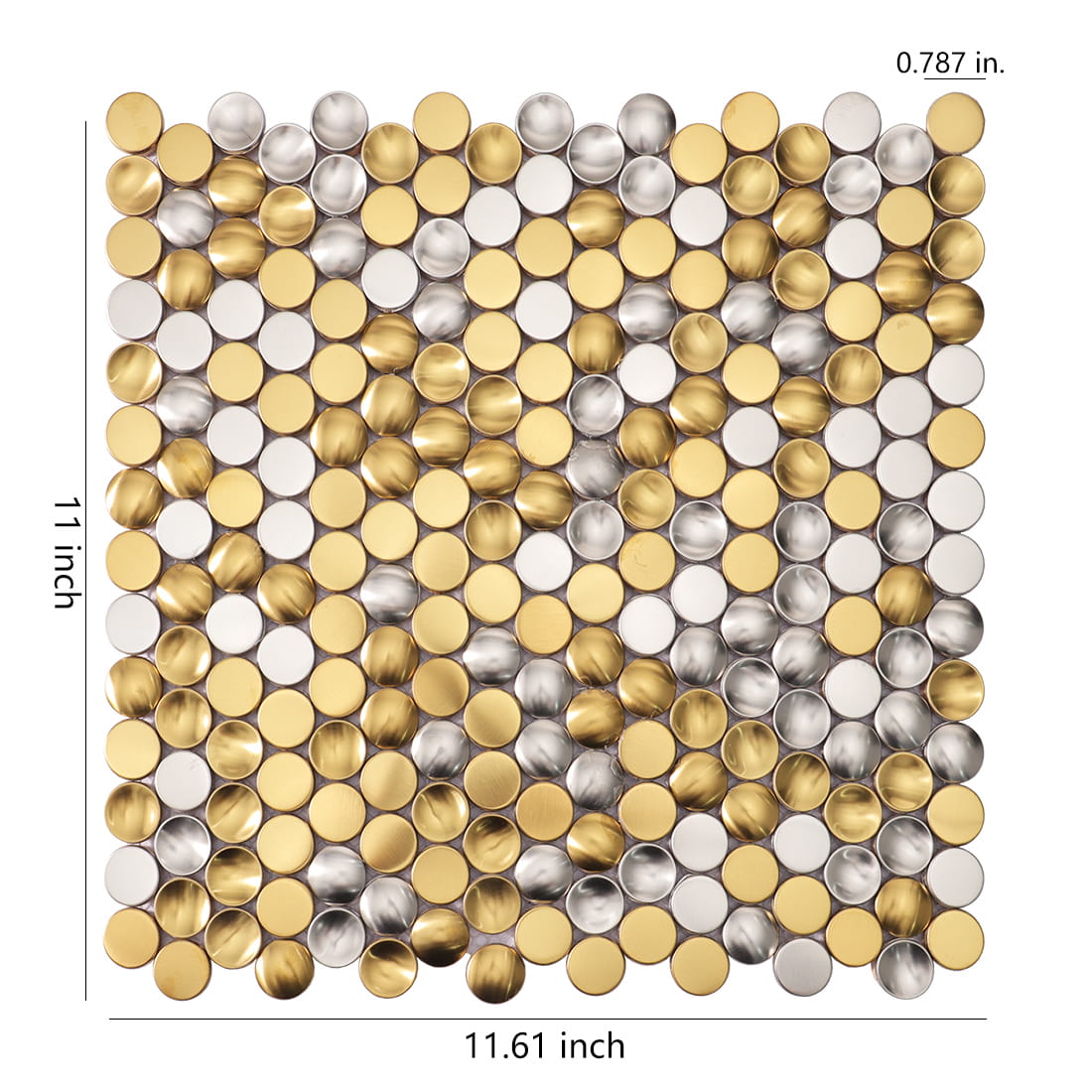
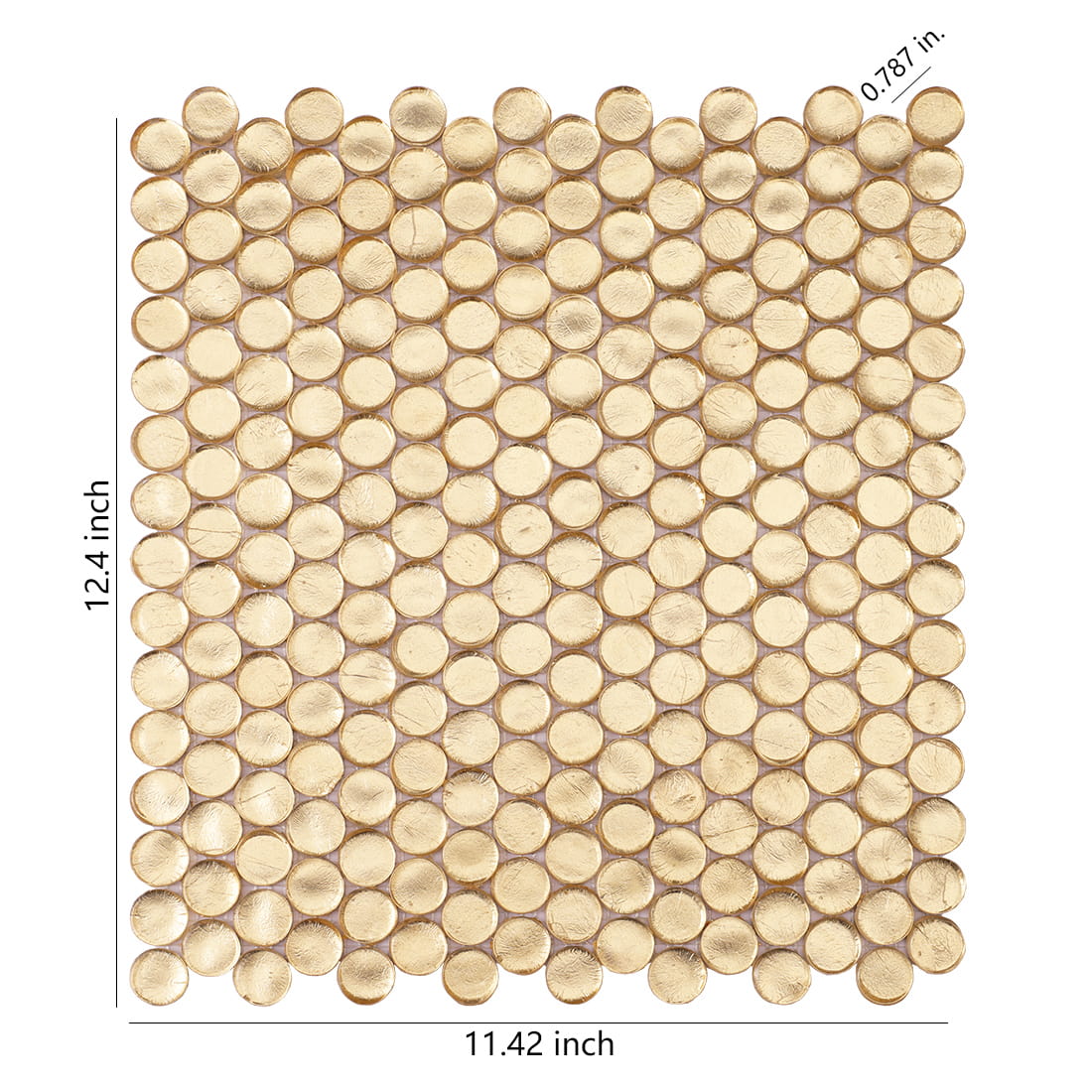
Penny tiles are small, circular tiles typically measuring between 19mm to 25mm in diameter—approximately the size of a penny coin. These charming tiles come mounted on mesh-backed sheets for easier installation and are available in an extensive range of materials, colors, and finishes. Their compact size and round shape create intricate patterns that add visual interest and texture to any space.
Why Choose Penny Tiles?
- Timeless Elegance: Penny tiles seamlessly blend vintage charm with modern aesthetics
- Visual Appeal: The circular pattern creates depth and highlights architectural details
- Versatility: Available in numerous materials, colors, and finishes
- Durability: Made from robust materials that withstand daily wear
- Space Enhancement: Small size creates optical illusions that make spaces appear larger
- Easy Maintenance: Fewer grout lines compared to other small-format tiles
Penny Tile Materials
Glass Penny Tiles
Glass penny tiles offer stunning visual effects and are available in three distinct types:
Water Glass
- Characteristics: Full-body color throughout the entire tile (no separate base and surface)
- Finishes Available: Matte, metallic, and iridescent
- Color Range: Rich and diverse color palette
- Best For: Creating vibrant backsplashes, accent walls, and decorative features
- Benefits: Light-reflective properties brighten spaces naturally
Crystal Glass
- Manufacturing: Color applied at the bottom with low-temperature fired edges
- Surface: Smooth and polished finish
- Visual Effect: Depth and dimension from bottom coloring
- Ideal Applications: Kitchen backsplashes, bathroom walls, and decorative accents
Recycled Glass
- Eco-Friendly: Made from environmentally sustainable recycled materials
- Coloring Method: Color sprayed on surface
- Appeal: Modern aesthetic with environmental consciousness
- Popular Uses: Green building projects, contemporary kitchens, and eco-conscious designs
Ceramic Penny Tiles
Ceramic penny tiles are classic, affordable, and versatile options available in two main varieties:
Glazed Ceramic
- Surface: Protected with glaze coating for durability
- Color Options: Extensive palette from bright whites to deep blacks
- Finish: Glossy, matte, or satin
- Advantages: Stain-resistant, easy to clean, water-resistant
- Perfect For: Bathroom floors, shower walls, kitchen backsplashes
Unglazed Ceramic
- Appearance: Natural, matte finish throughout
- Texture: More porous than glazed versions
- Character: Rustic, organic aesthetic
- Best Applications: Residential floors, vintage-inspired bathrooms
Mother of Pearl Penny Tiles
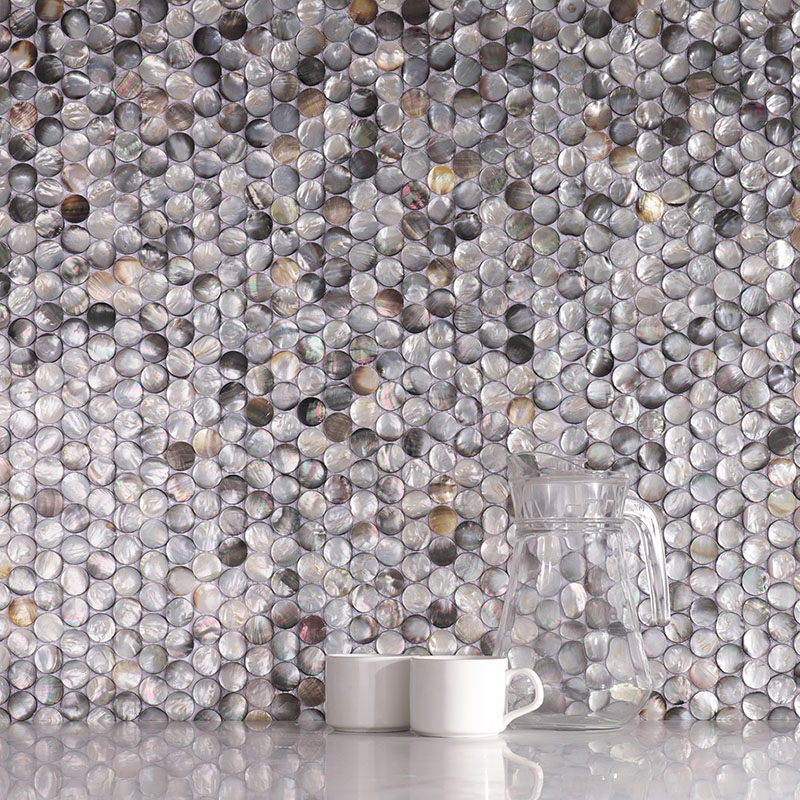
Mother of Pearl tiles bring natural luxury and iridescent beauty to interior spaces.
- Types: Freshwater shell (white tones) and deep-sea shell (black and dark tones)
- Characteristics: Unique iridescent shimmer that changes with light
- Thickness: Typically 2mm (wall use only)
- Luxury Appeal: High-end, spa-like atmosphere
- Note: Not recommended for submerged applications (shower floors, pools)
- Ideal For: Bathroom accent walls, decorative borders, kitchen backsplashes
Marble Penny Tiles
Natural marble penny tiles offer sophisticated elegance with unique veining patterns.
- Variety: Available in various marble types including Carrara, Calacatta, and Ming Green
- Manufacturing: Cut into circular shapes from natural stone slabs
- Uniqueness: Each tile features distinct natural variations
- Color Range: White, gray, black, green, and multi-toned options
- Best Uses: Bathroom floors, shower walls, luxury kitchen backsplashes
- Maintenance: Requires sealing to prevent staining
Metal Penny Tiles
Metal penny tiles add contemporary flair and industrial sophistication.
Stainless Steel
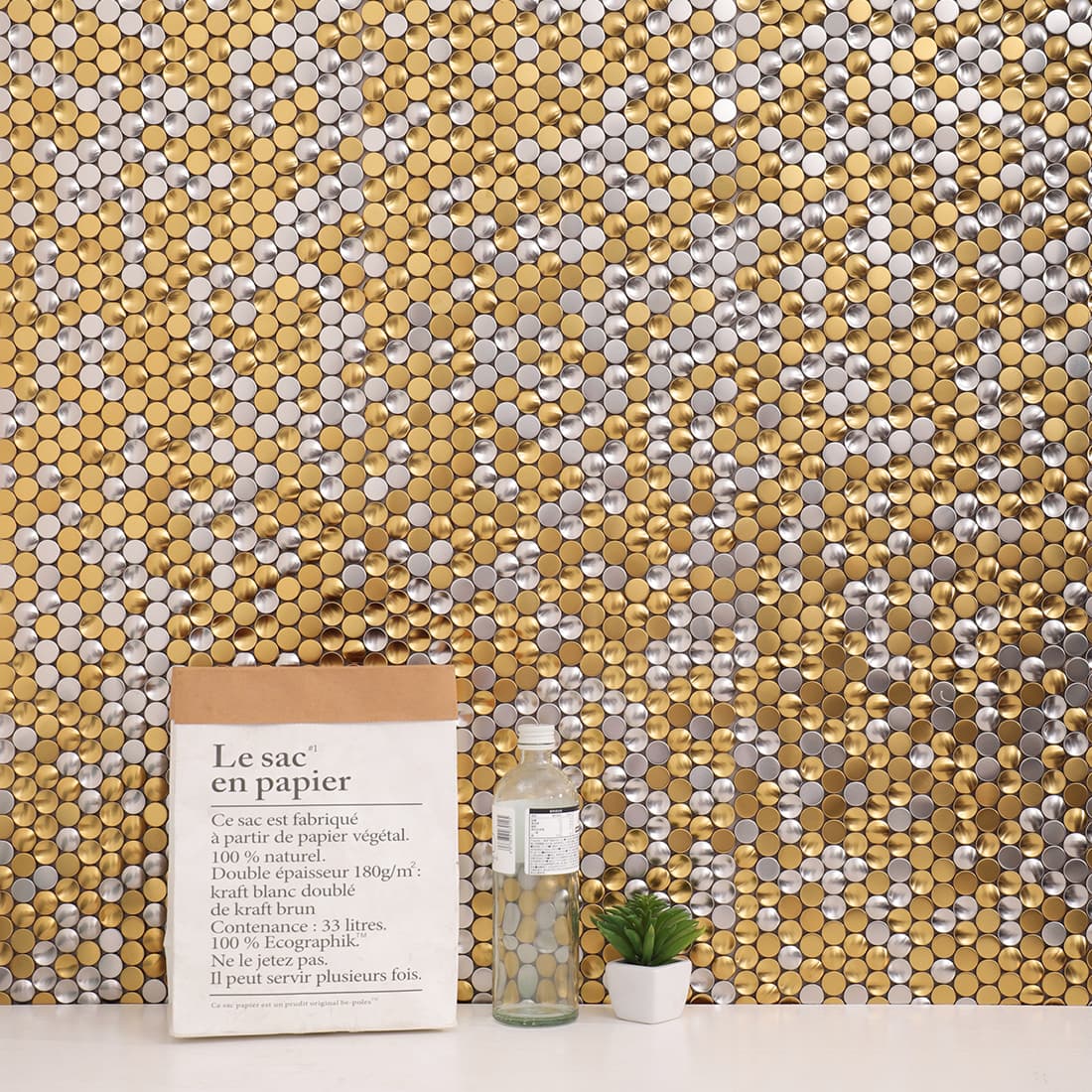
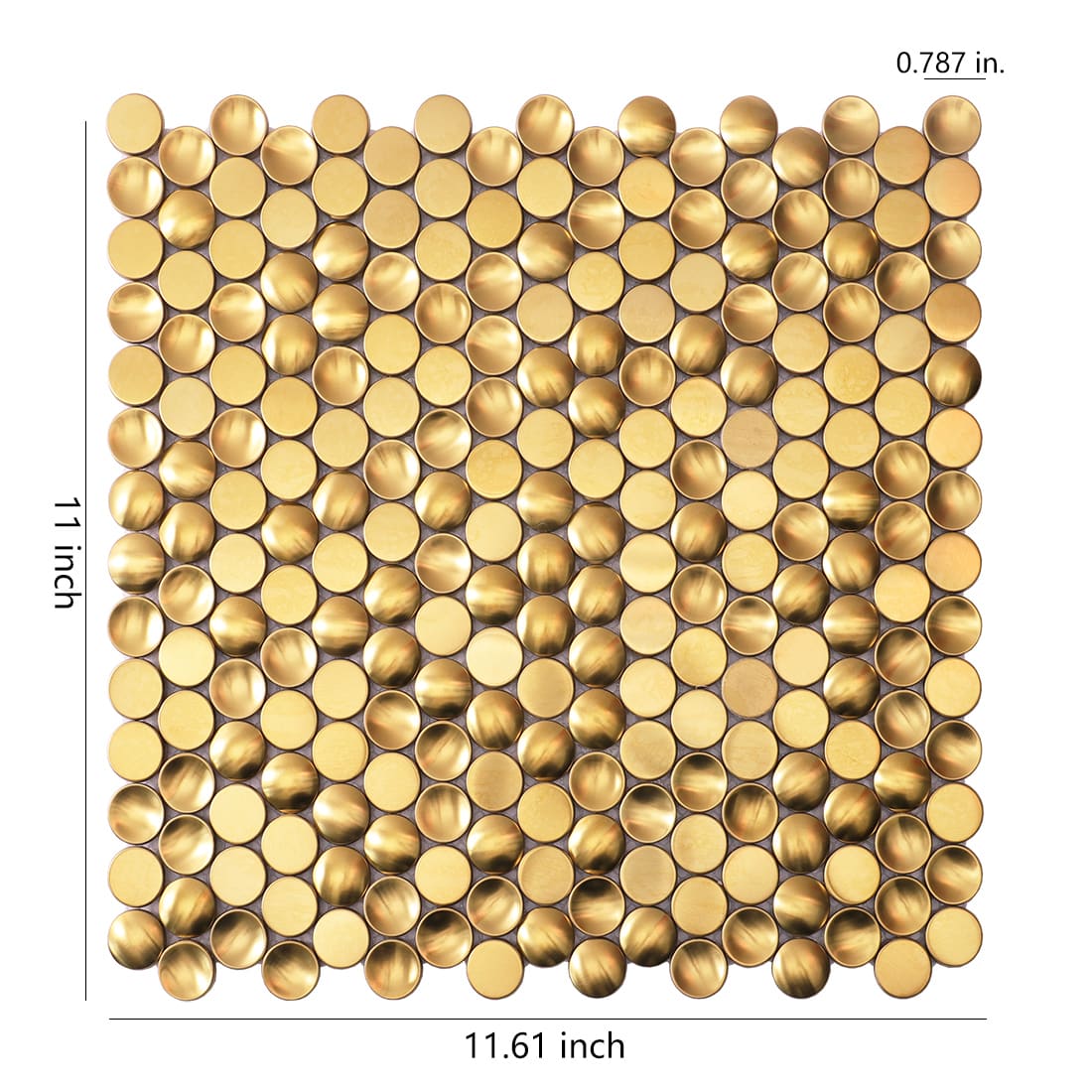
- Finishes: Mirror-polished, brushed, and 3D embossed surfaces
- Characteristics: Corrosion-resistant, modern aesthetic
- Applications: Modern kitchens, commercial spaces, accent walls
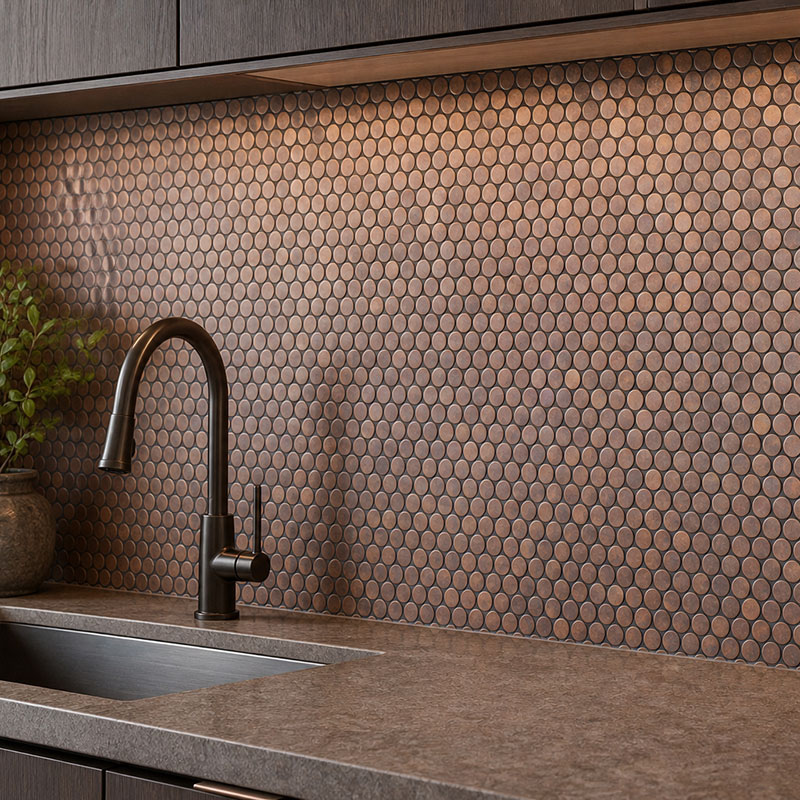
Copper
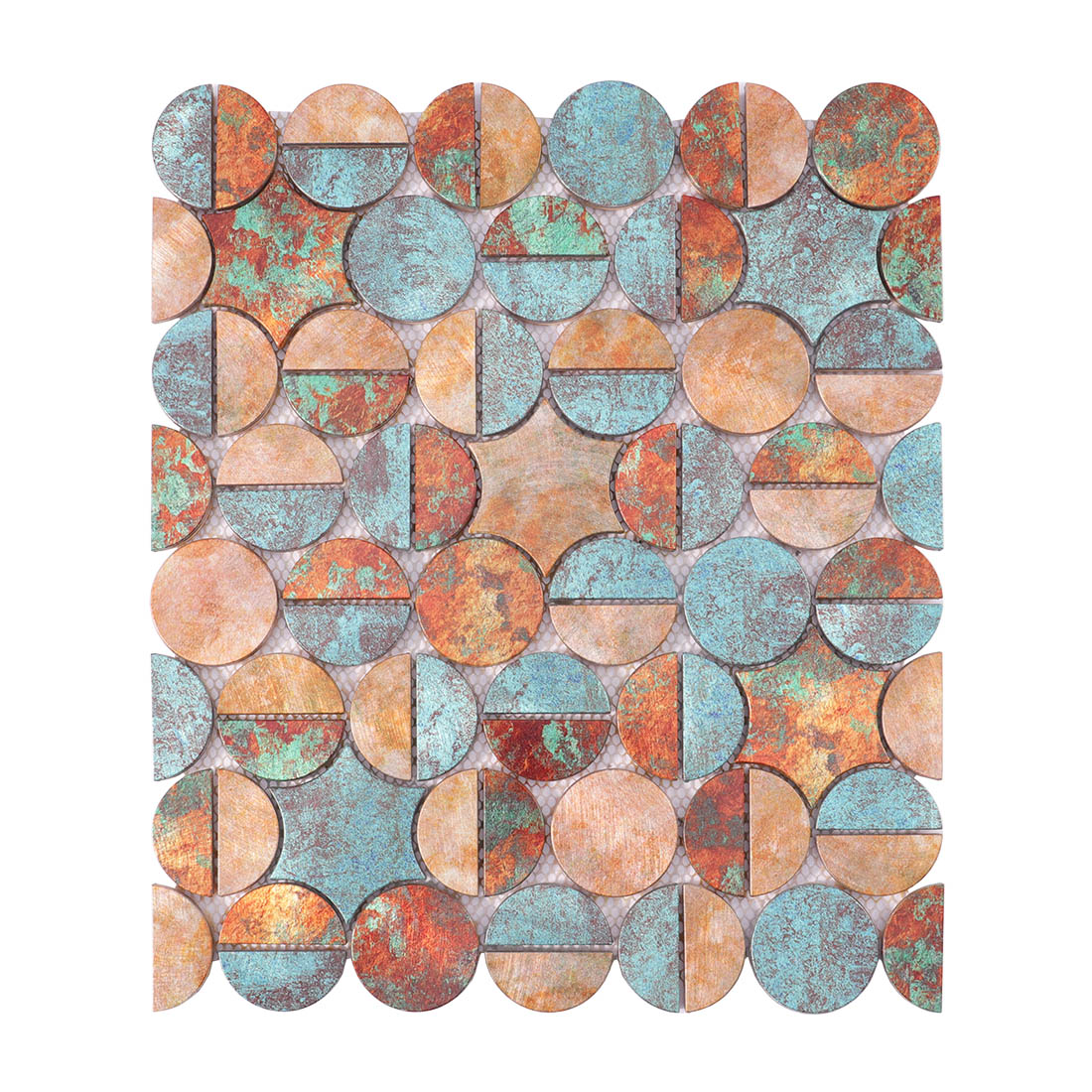
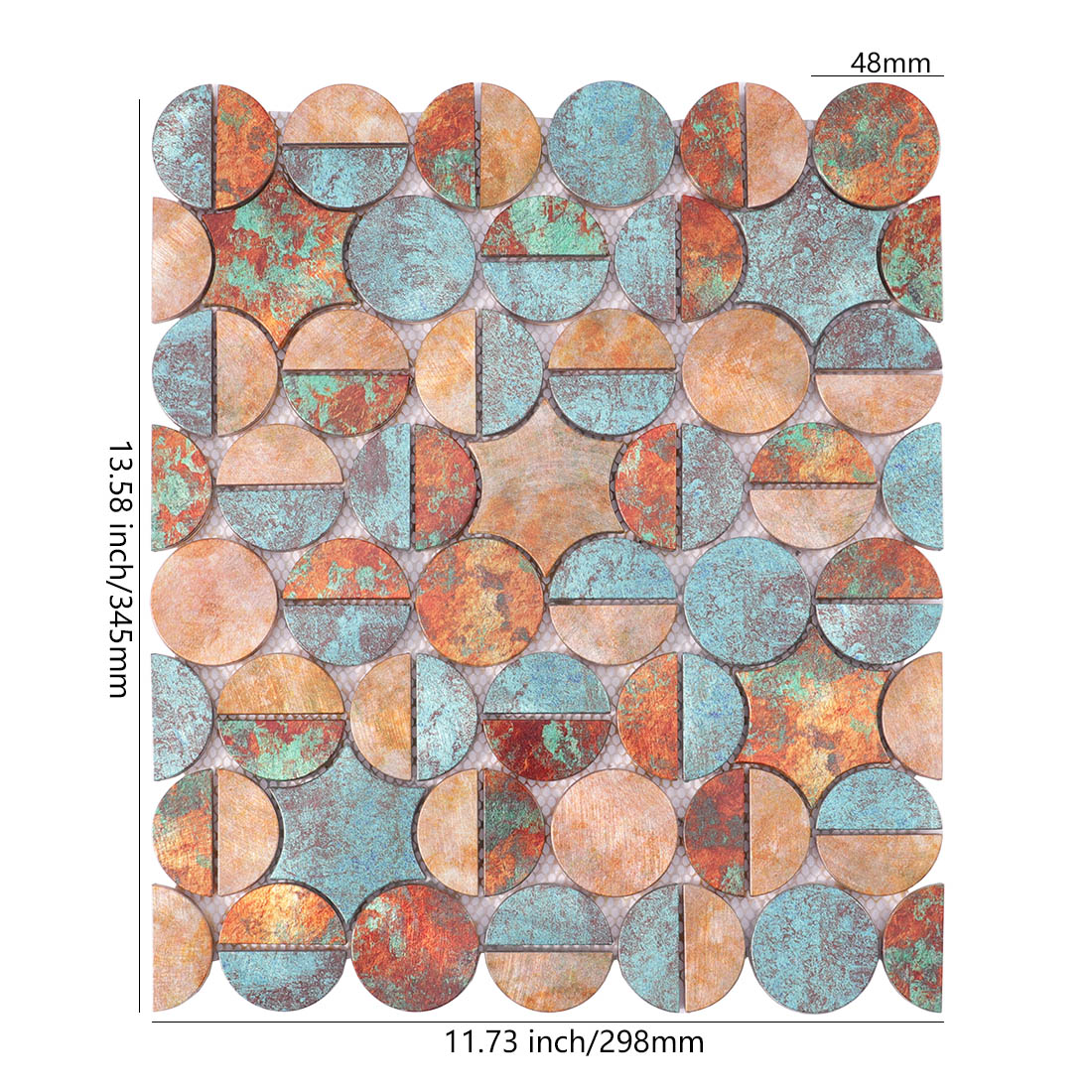
- Finishes: Fire-burned patina, vintage rusted look
- Character: Warm tones that develop unique patina over time
- Style: Industrial, farmhouse, and eclectic interiors
Aluminum
- Benefits: Lightweight, affordable metal option
- Manufacturing: Hand-pressed for unique texture
- Versatility: Contemporary and transitional designs
Penny Tile Sizes
Penny tiles are available in standard sizes to accommodate different design needs:
19mm Diameter (¾ inch)
- Traditional Size: Classic penny tile dimension
- Coverage: More tiles per square foot create intricate patterns
- Best For: Detailed designs, borders, and vintage-inspired bathrooms
20mm Diameter
- Popular Choice: Balanced size for most applications
- Installation: Easier to work with than smaller sizes
- Versatility: Suitable for floors, walls, and backsplashes
25mm Diameter (1 inch)
- Modern Option: Larger size for contemporary designs
- Installation: Faster coverage with fewer grout lines
- Applications: Large-scale floors, shower walls, feature walls
Where to Use Penny Tiles
Bathroom Applications
Bathroom Floors
Penny tiles provide slip-resistant surfaces ideal for bathroom floors. The numerous grout lines offer natural traction when wet, making them a safe and stylish choice.
Shower Walls and Floors
Waterproof materials like glazed ceramic and glass penny tiles are perfect for shower enclosures. The round shape allows tiles to conform to shower pan slopes naturally.
Bathroom Accent Walls
Create stunning focal points behind vanities or bathtubs using contrasting penny tile colors or materials like Mother of Pearl.
Kitchen Applications
Kitchen Backsplash
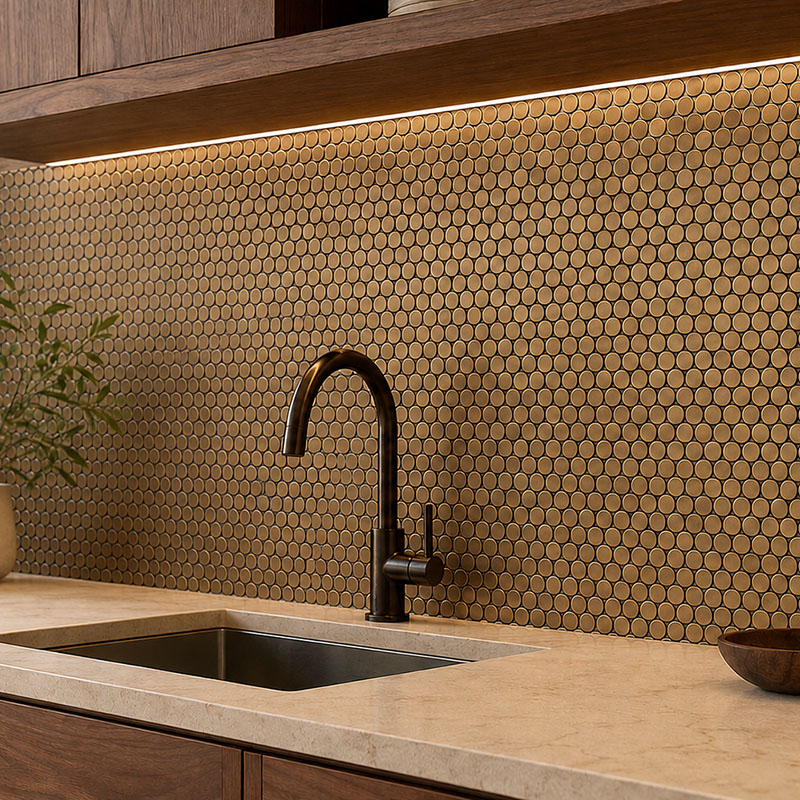
Penny tiles make beautiful, easy-to-clean backsplashes that protect walls from splashes while adding visual interest. Heat-resistant materials work perfectly behind stoves.
Kitchen Floors
Durable ceramic and porcelain penny tiles withstand heavy foot traffic and are easy to maintain in busy kitchens.
Additional Applications
- Entryway Floors: Create welcoming first impressions with pattern designs
- Laundry Room Walls: Add personality with word designs in penny tile
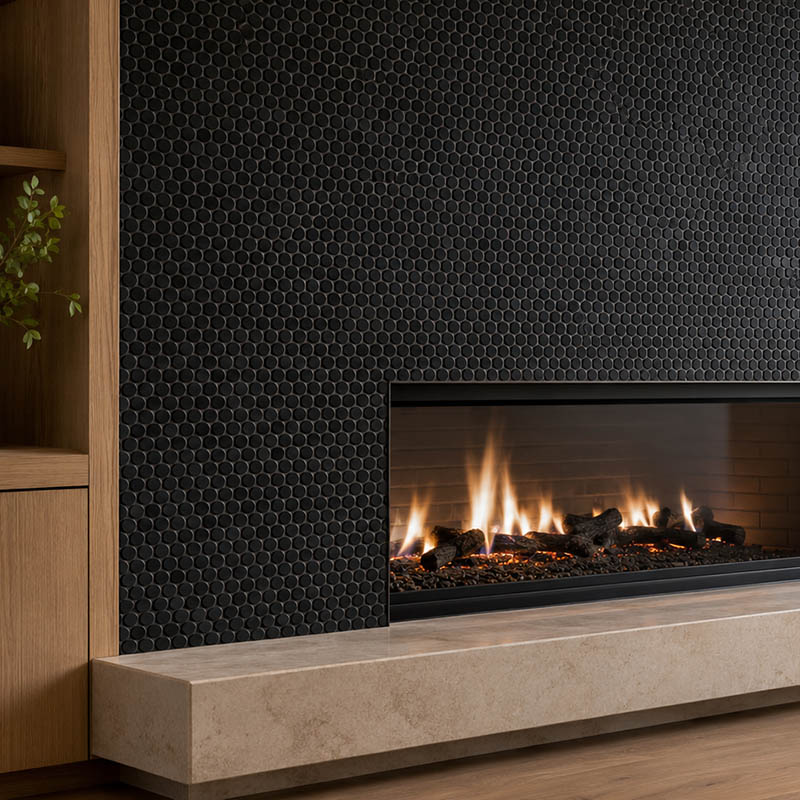
- Fireplace Surrounds: Heat-resistant materials create stunning focal points
- Furniture Accents: Apply to tabletops and furniture for unique touches
- Commercial Spaces: Durable and visually appealing for retail and hospitality
Design Ideas & Patterns
Classic Black and White
Create timeless flower patterns or snowflake designs using black and white penny tiles. This traditional combination works beautifully in vintage and contemporary bathrooms alike.
Monochromatic Elegance
Use single-color penny tiles with matching or contrasting grout. White penny tiles with white grout create soft, seamless surfaces, while white tiles with dark grout emphasize the circular pattern.
Ombre Effects
Blend multiple shades of the same color family to create stunning gradient effects that transition across walls or floors.
Word Designs
Spell out words like “FRESH,” “RELAX,” or “WASH” using contrasting penny tile colors for playful, personalized touches in bathrooms and laundry rooms.
Greek Key Borders
Frame penny tile installations with classic Greek key borders using small square tiles for elegant, traditional aesthetics.
Mixed Materials
Combine different penny tile materials—like pairing glass with marble or metal with ceramic—for unique textural contrast.
Installation Tips
Preparation
- Ensure substrate is clean, level, and properly primed
- Use cement backer board in wet areas
- Plan layout carefully to minimize visible sheet seams
Adhesive Selection
- Glass Tiles: Use glass tile-specific thin-set mortar
- Ceramic/Porcelain: Standard polymer-modified thin-set
- Stone/Marble: White thin-set to prevent discoloration
- Metal: Check manufacturer recommendations
Trowel Size
Use 3/16" v-notched trowel for most penny tile installations. This size provides adequate coverage without excess thin-set squeezing through joints.
Grouting
- Allow thin-set to cure fully (24-48 hours) before grouting
- Use unsanded grout for joints less than 1/8"
- Clean excess grout promptly to prevent haze
- Seal natural stone and unglazed ceramic after grouting
Professional Installation
Penny tile installation requires meticulous attention to detail. Consider hiring experienced tile installers for best results, especially for large-scale projects.
Maintenance & Care
Regular Cleaning
- Sweep or vacuum regularly to remove debris
- Mop with mild detergent and warm water
- Avoid abrasive cleaners that can scratch surfaces
Grout Care
- Seal grout lines annually to prevent staining
- Clean grout with pH-neutral cleaners
- Address mold or mildew promptly with appropriate cleaners
Material-Specific Care
- Glass: Use glass cleaner for streak-free shine
- Marble: Seal regularly and avoid acidic cleaners
- Metal: Polish copper and brass periodically; use stainless steel cleaner for steel tiles
- Mother of Pearl: Avoid harsh chemicals; clean gently with soft cloths
Penny Tile Design Trends
Vintage Revival
Black and white penny tile floors evoke nostalgic charm perfect for traditional and farmhouse bathrooms.
Bold Color Statements
Vibrant colored penny tiles in jewel tones create eye-catching accent walls and backsplashes.
Natural Materials
Marble, Mother of Pearl, and recycled glass penny tiles appeal to eco-conscious homeowners seeking organic aesthetics.
Metallic Accents
Copper, brass, and stainless steel penny tiles add contemporary sophistication to modern interiors.
Textural Contrast
Mixing matte and glossy finishes or combining different materials creates dimensional visual interest.
Frequently Asked Questions
Are penny tiles hard to install?
Penny tile installation is more labor-intensive than large-format tiles due to the small size and need for precise alignment. DIY installation is possible for experienced tilers, but professional installation ensures best results.
How do I prevent visible seams between tile sheets?
Stagger sheet placement carefully, pre-plan layout, and consider removing individual tiles from sheets to blend seams seamlessly. This technique requires patience but creates professional results.
Can penny tiles be used on floors?
Yes! Materials like ceramic, porcelain, marble, and metal penny tiles with 6-8mm thickness are suitable for floors. Mother of Pearl tiles (2mm) should only be used on walls.
What grout color should I choose?
Matching grout creates subtle, cohesive looks. Contrasting grout emphasizes the penny tile pattern and creates graphic impact. Consider your overall design aesthetic when deciding.
Are penny tiles suitable for shower floors?
Yes, penny tiles are excellent for shower floors because the numerous grout lines provide natural slip resistance. Ensure proper waterproofing and slope for drainage.
How do I clean penny tile grout?
Use pH-neutral grout cleaners and soft brushes. For deep cleaning, use oxygen bleach solutions. Seal grout lines annually to prevent staining and simplify maintenance.
Conclusion
Penny tiles offer timeless versatility, stunning visual appeal, and remarkable durability for residential and commercial applications. With extensive material options including glass (water glass, crystal glass, recycled glass), ceramic (glazed and unglazed), Mother of Pearl, marble, and metal (stainless steel, copper, aluminum), plus standard sizes of 19mm, 20mm, and 25mm diameter, you can create truly customized designs.
Whether you’re renovating a vintage bathroom, updating a modern kitchen backsplash, or adding unique accents throughout your home, penny tiles provide the perfect blend of form and function. Their classic circular shape, available in countless colors and finishes, ensures these charming tiles will remain stylish for years to come.
Ready to transform your space with penny tiles? Explore our extensive collection to find the perfect materials, colors, and sizes for your next project.