

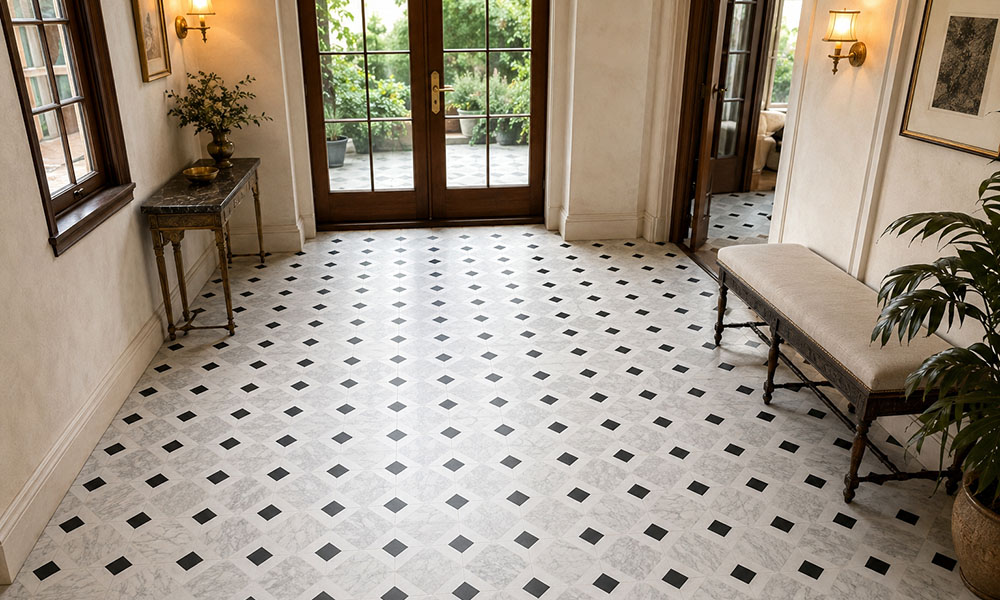
Timeless Black and White Retro Tiles for an Elegant Entryway
-
-
-
-
-
-
-
-
-
-
-
-
-
-
-
-
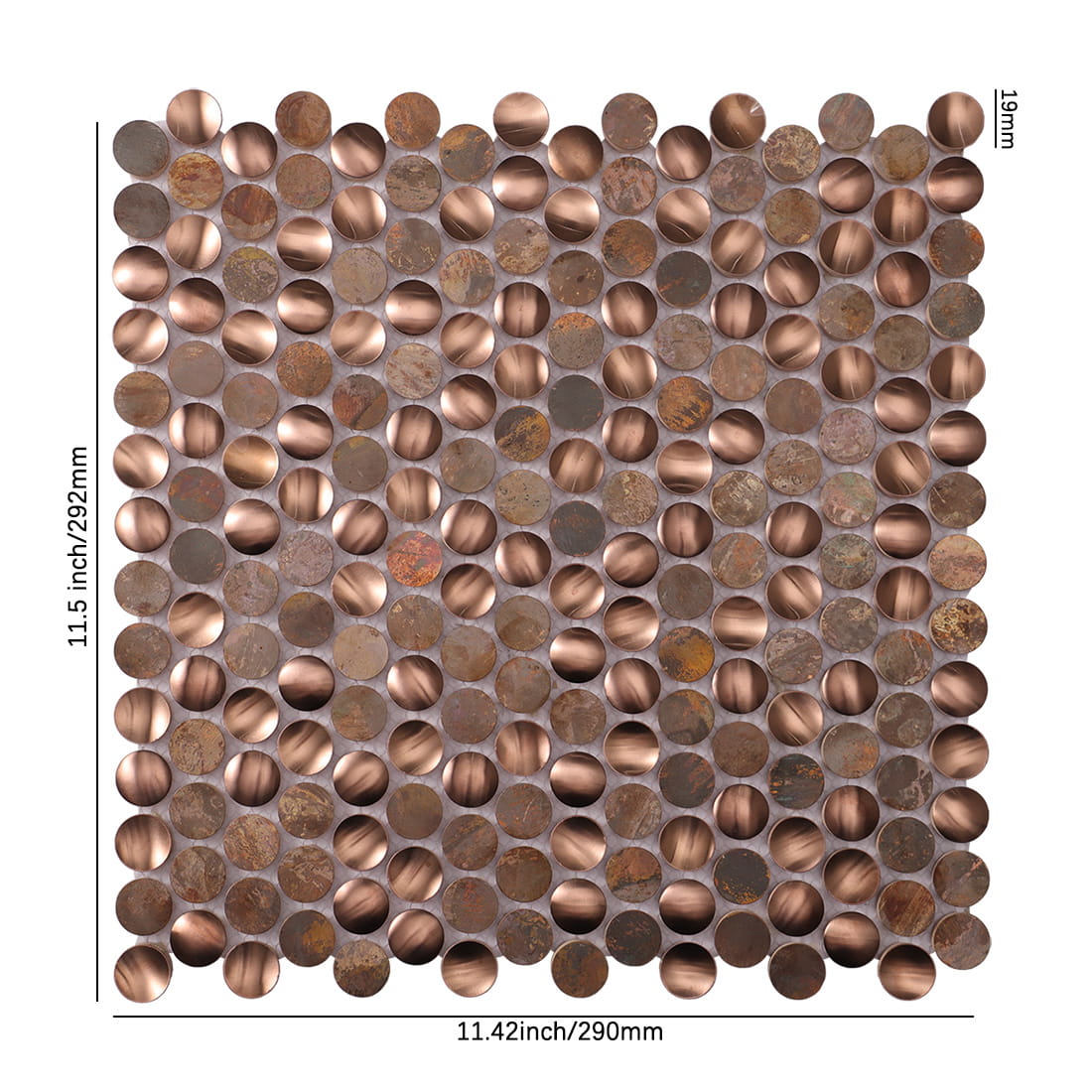
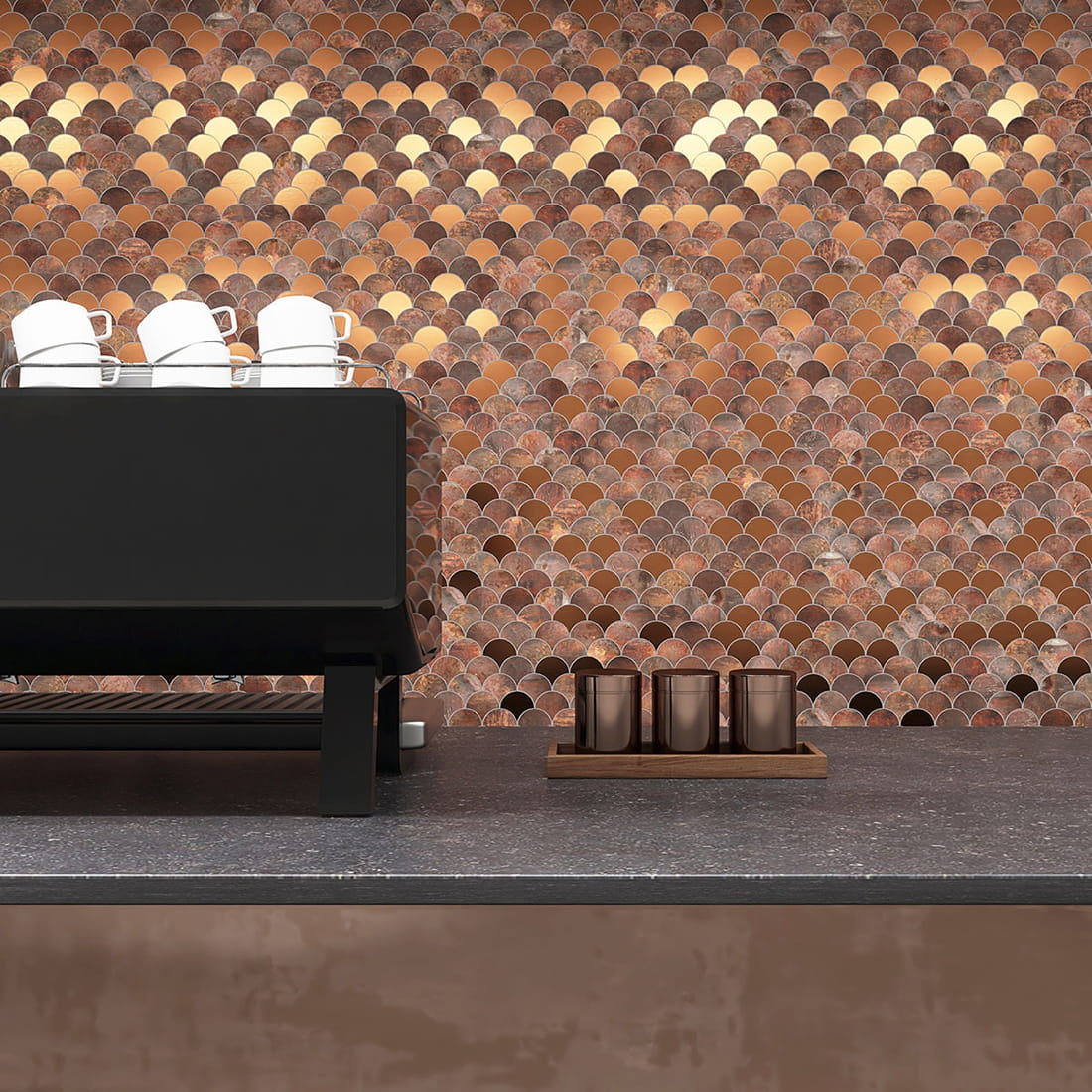
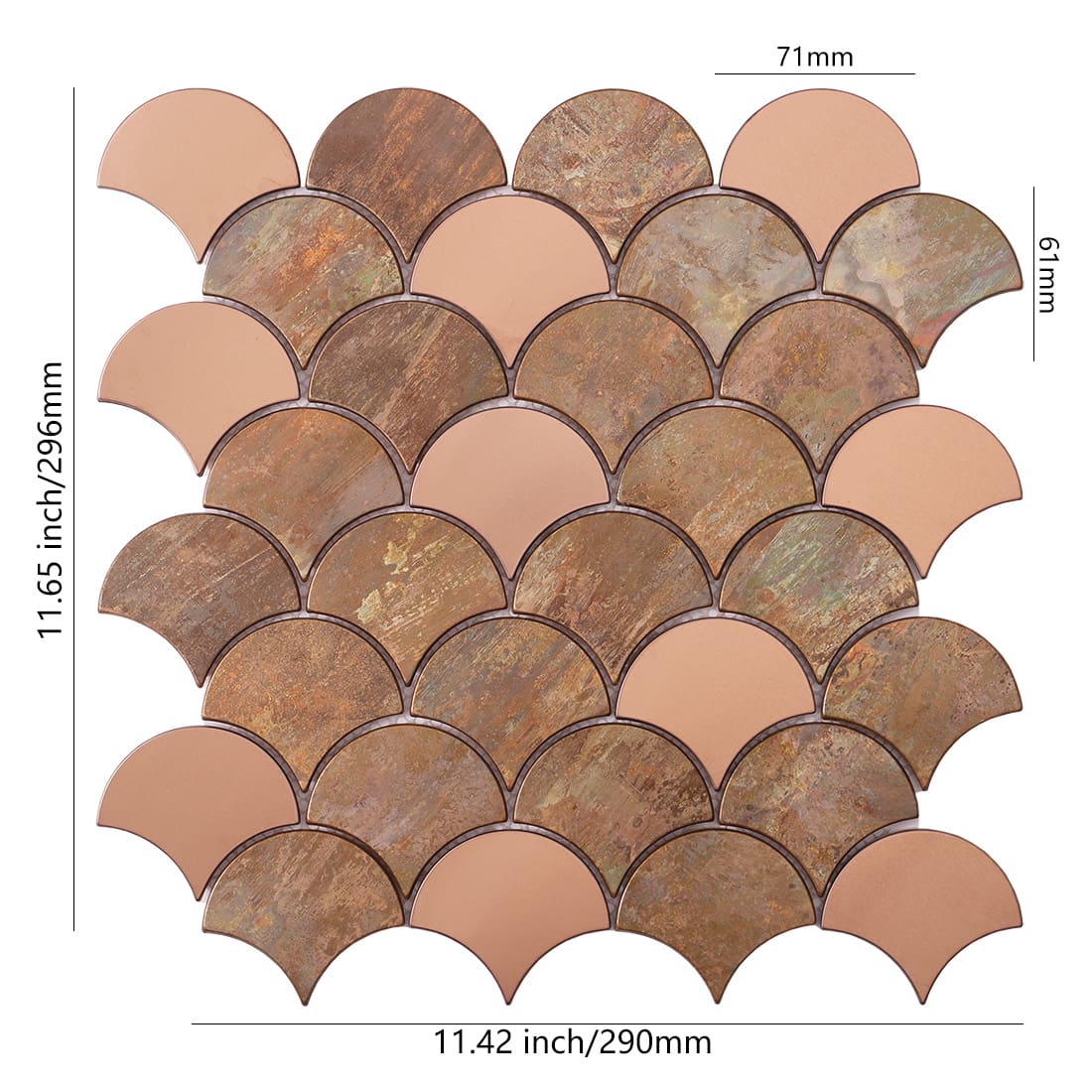
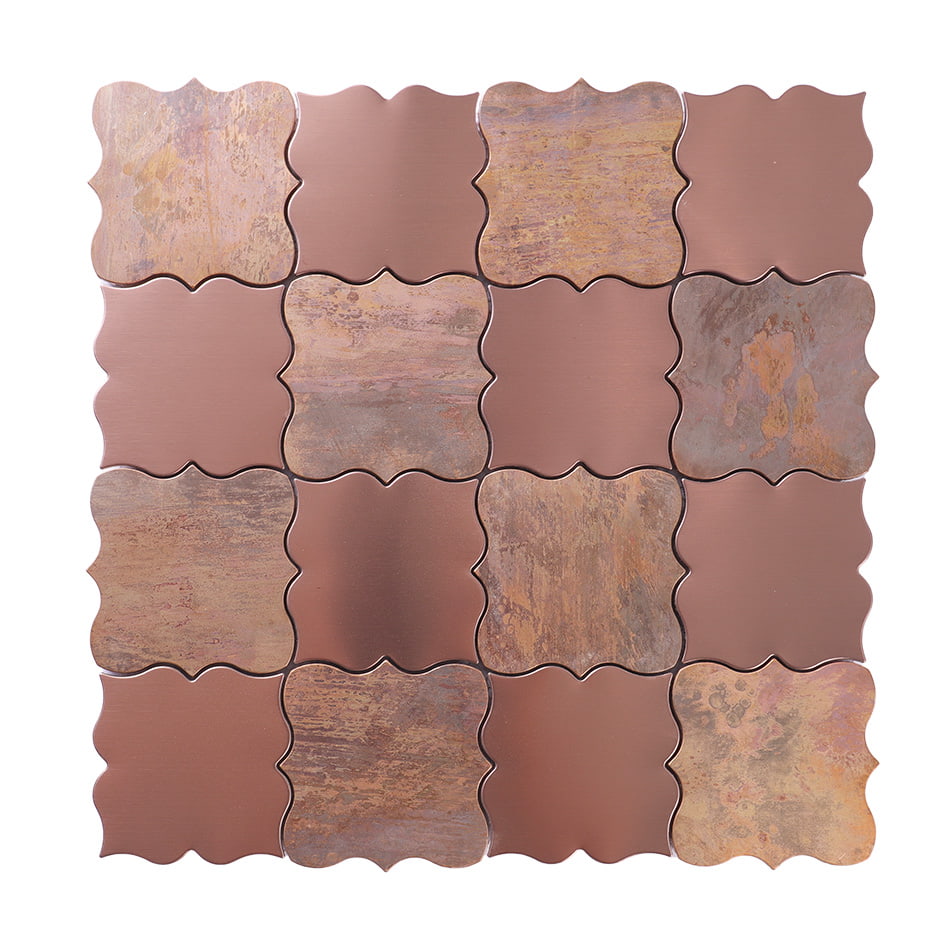
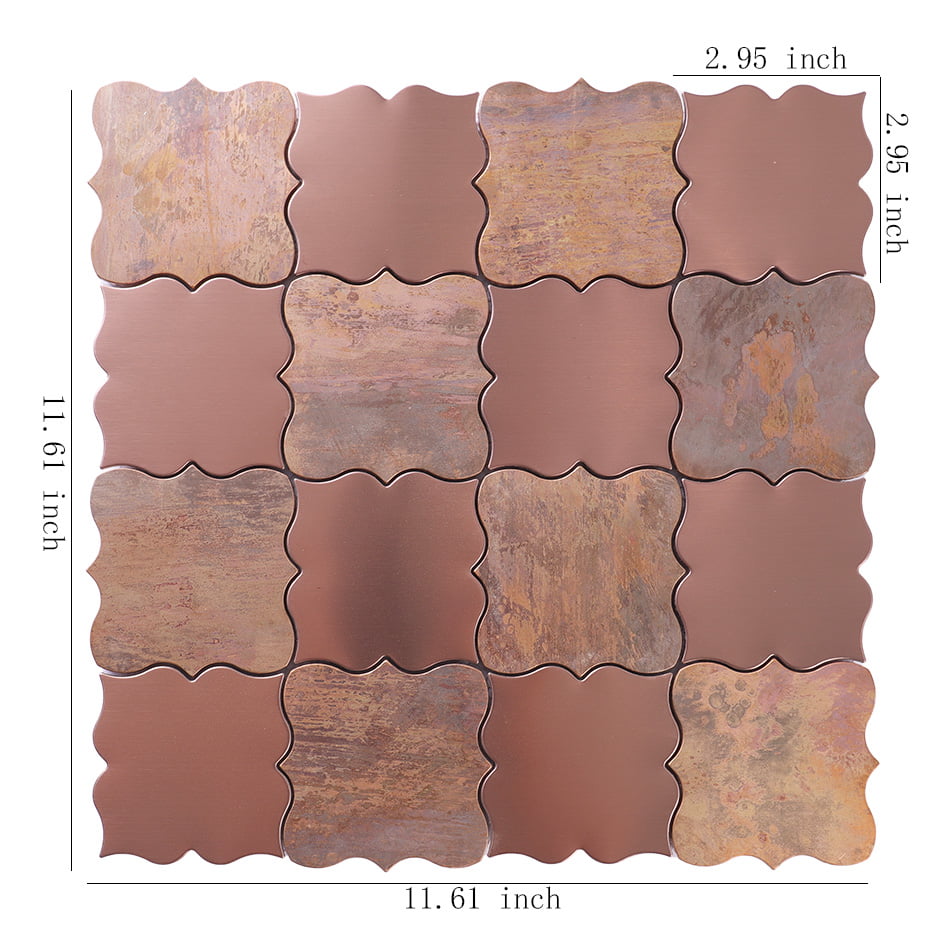
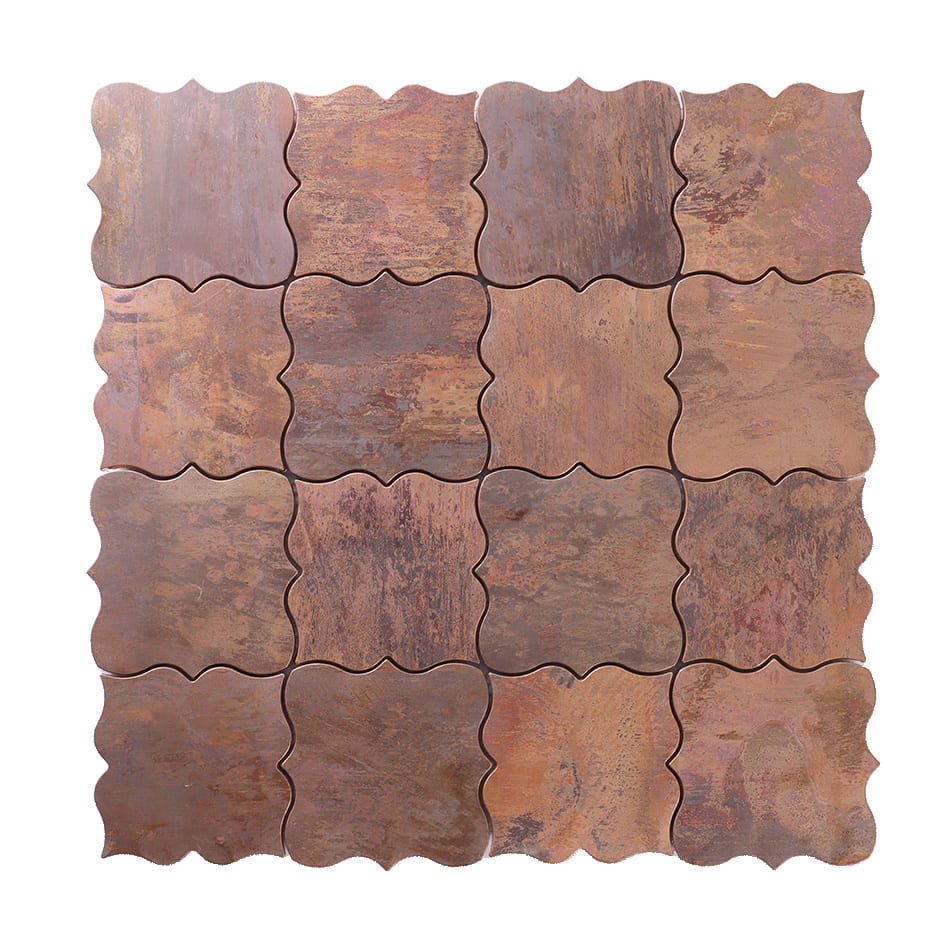
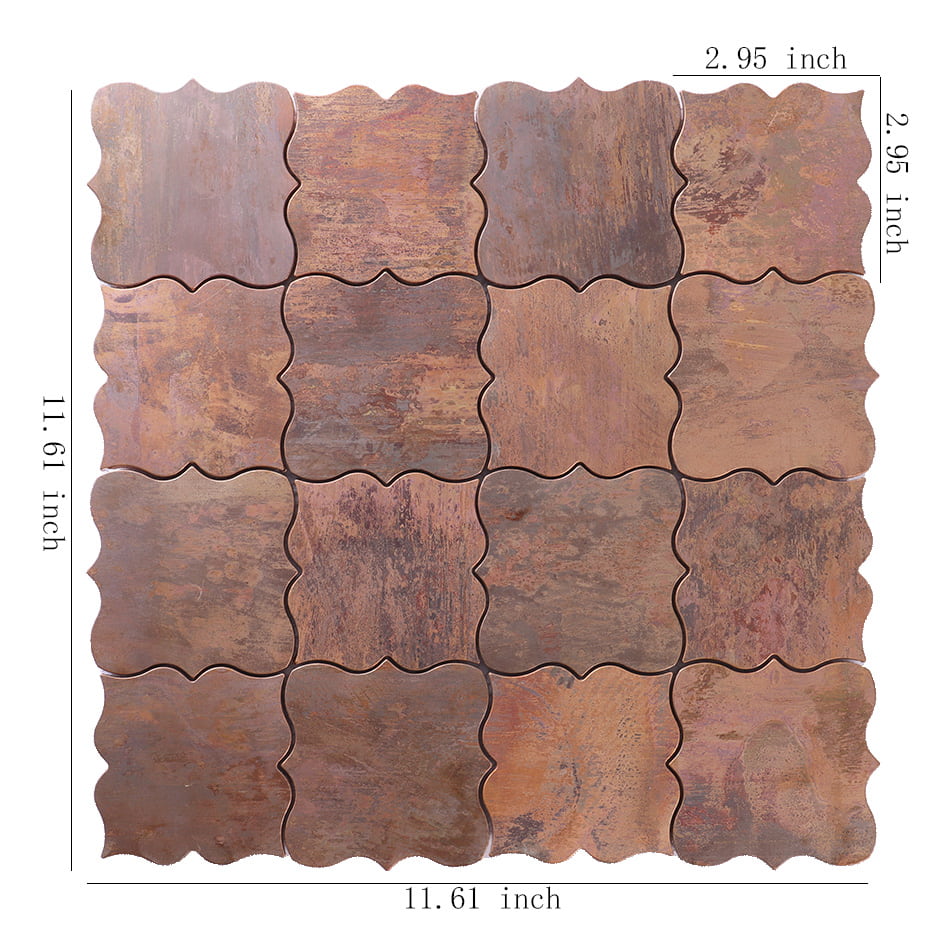
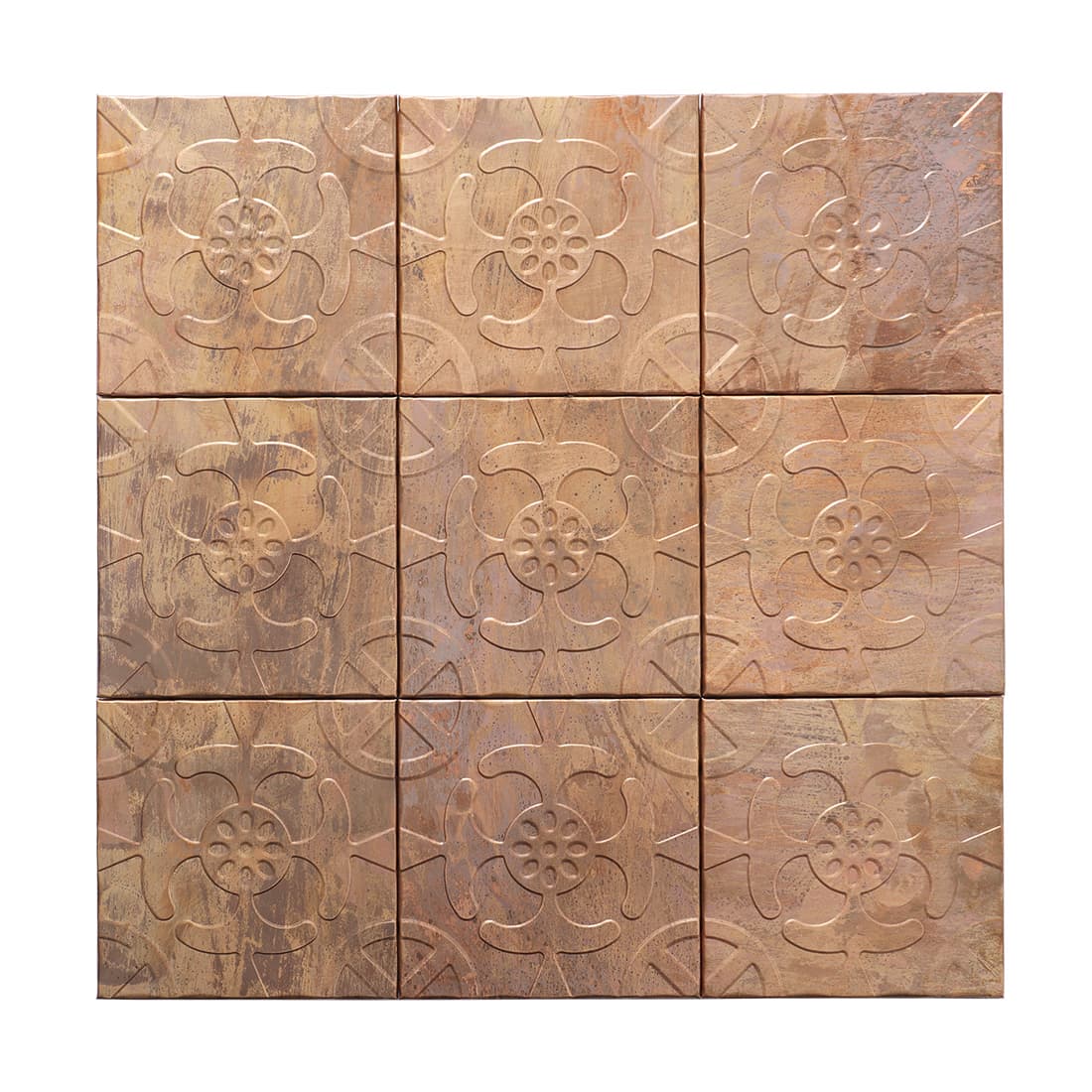
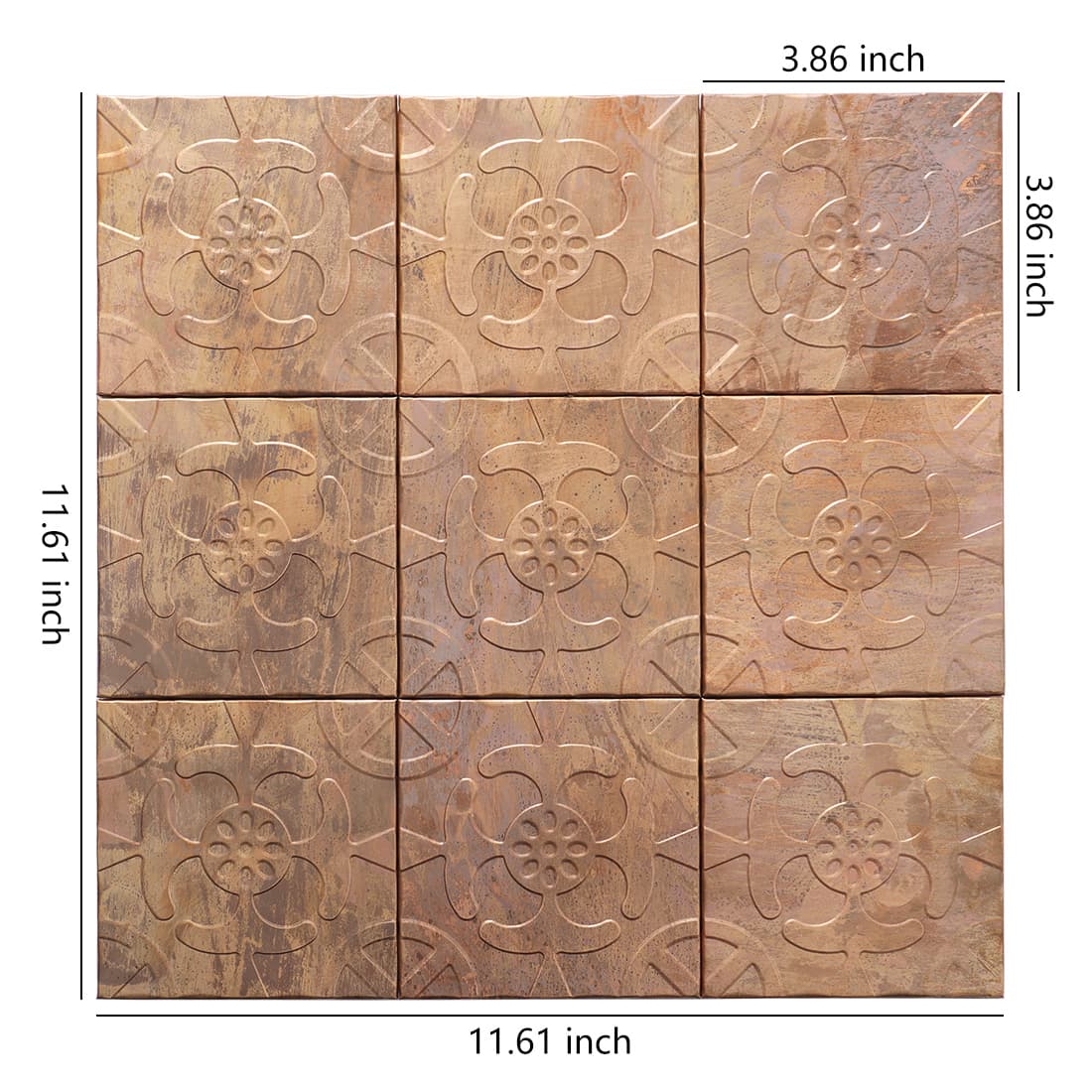
Antique Copper Arabesque Mosaic Tile$35.47 USD
-
-
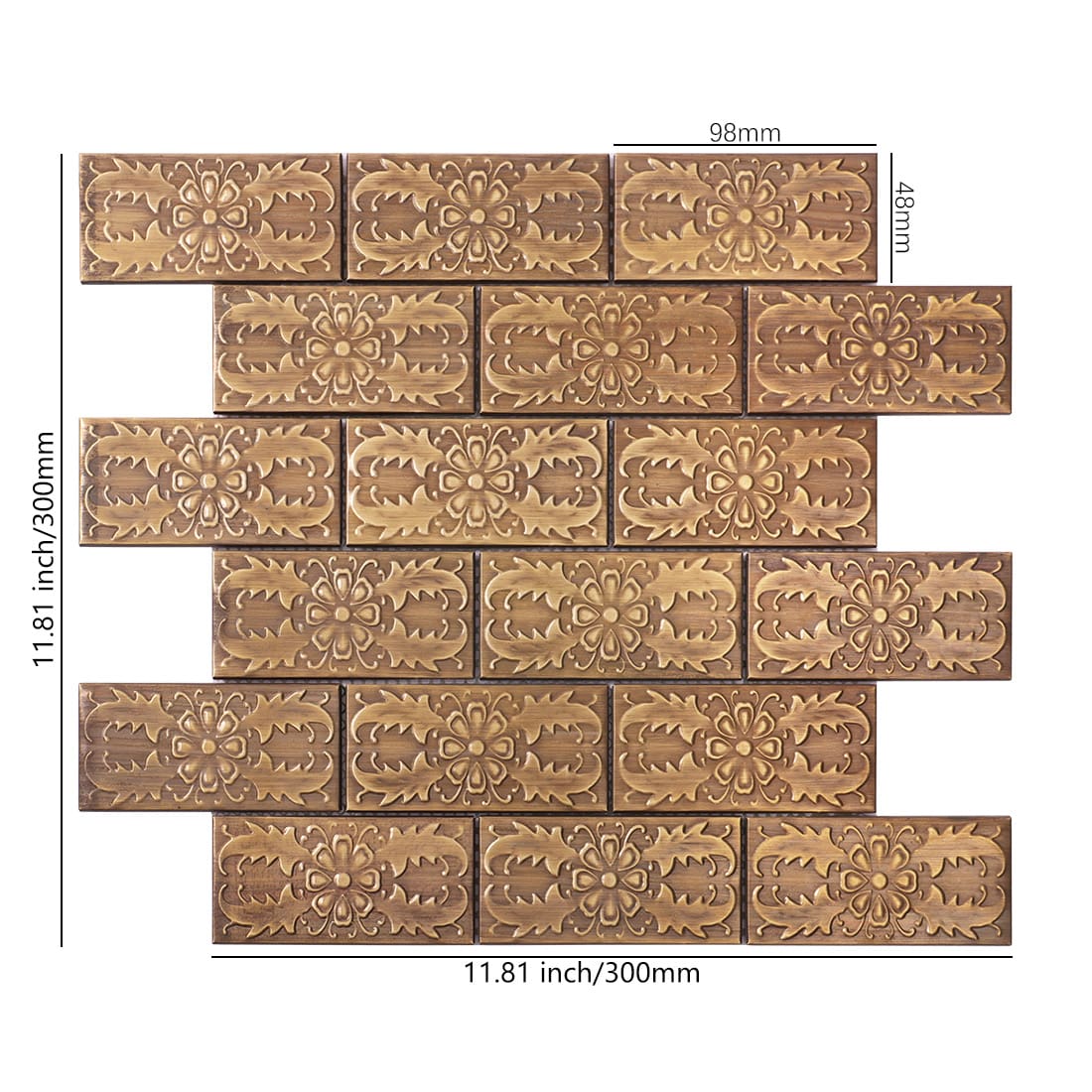
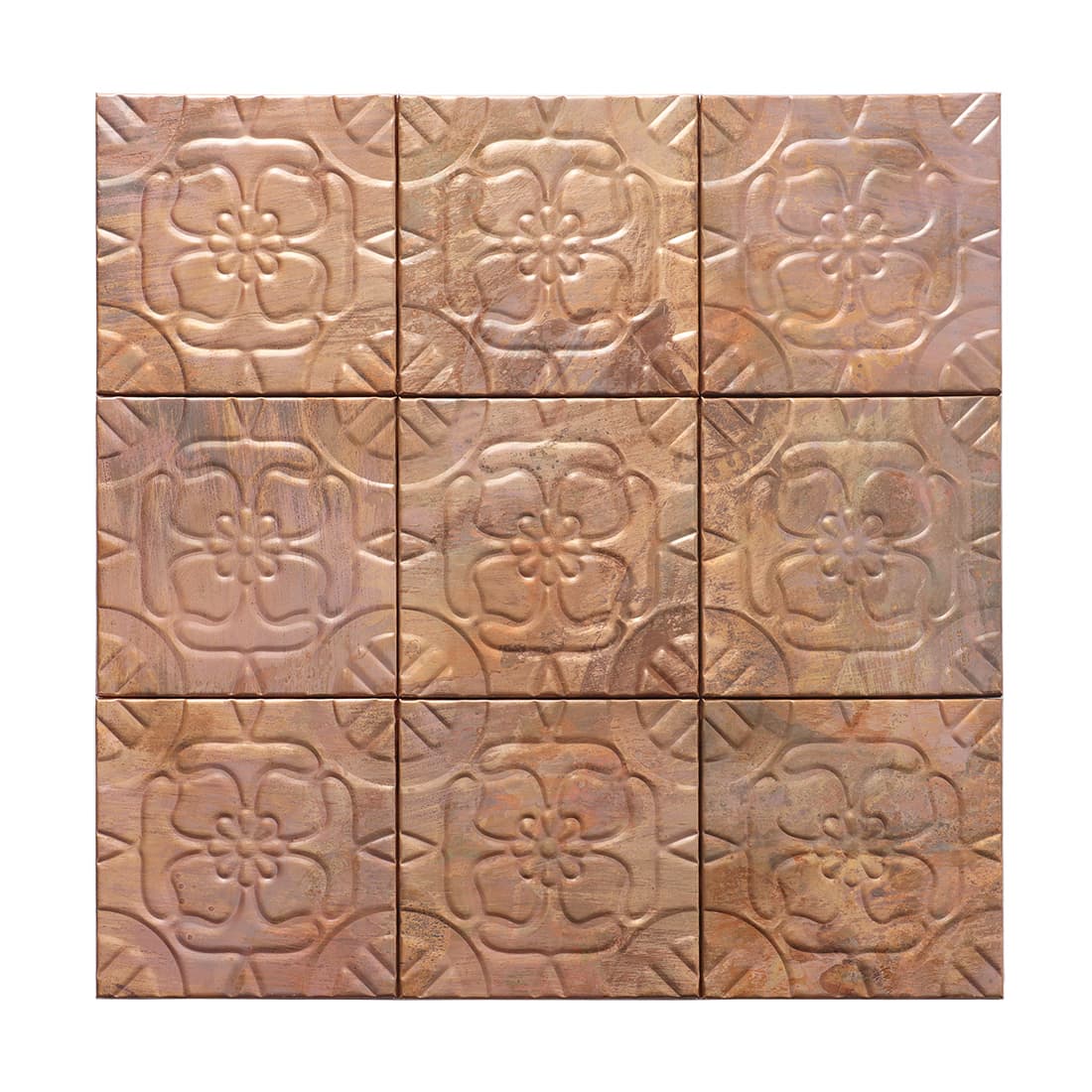
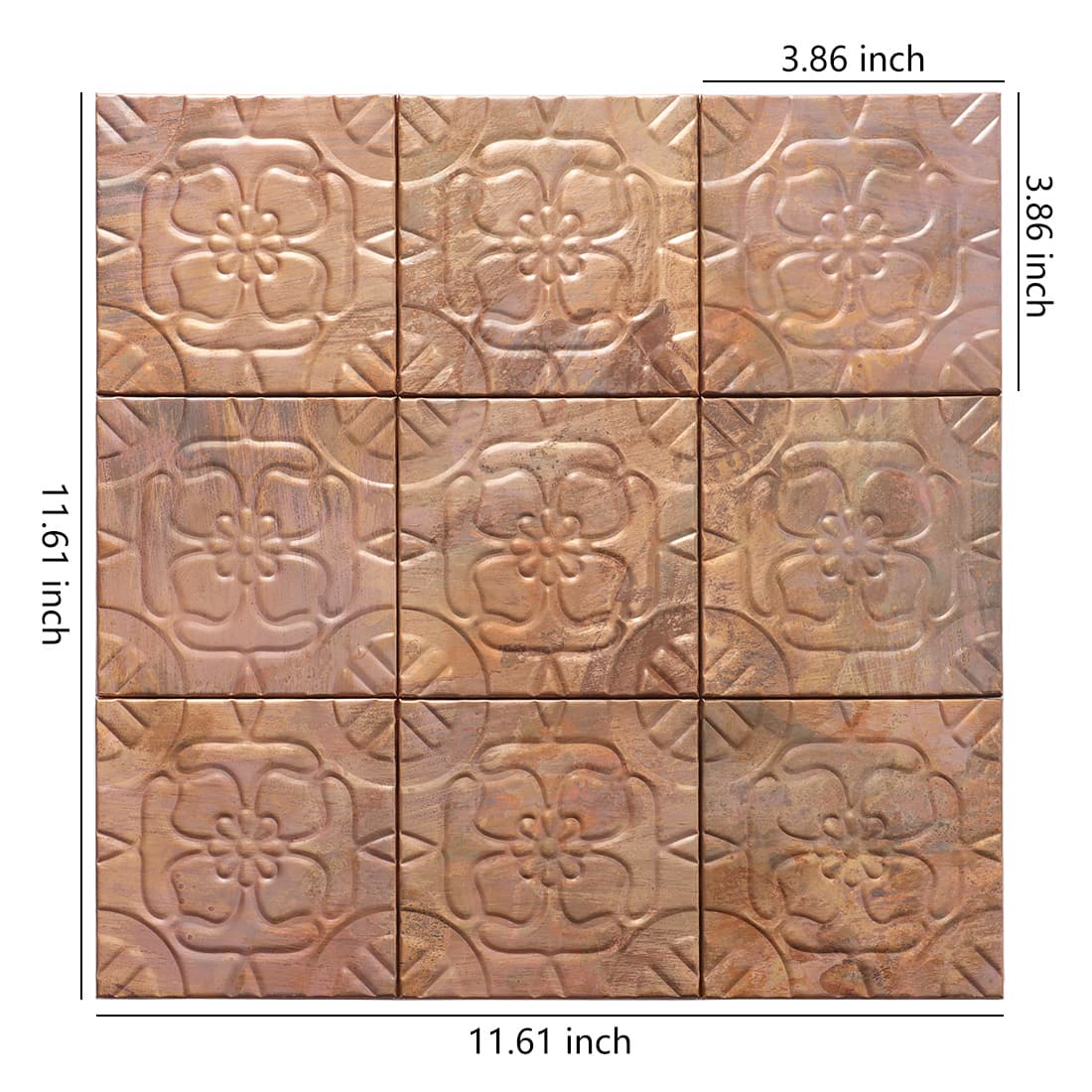
Antique Copper Floral Embossed Mosaic Tile$32.57 USD
-



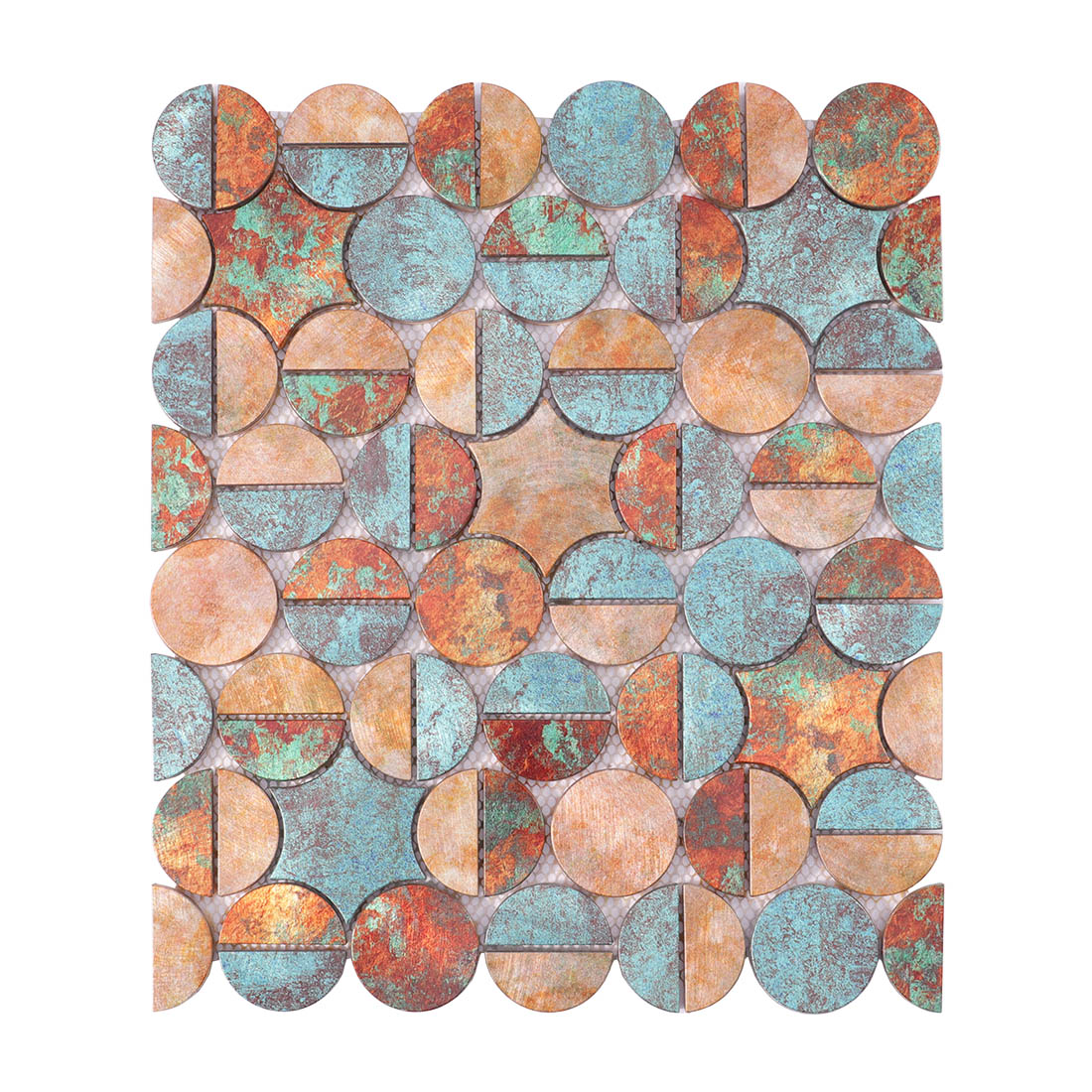
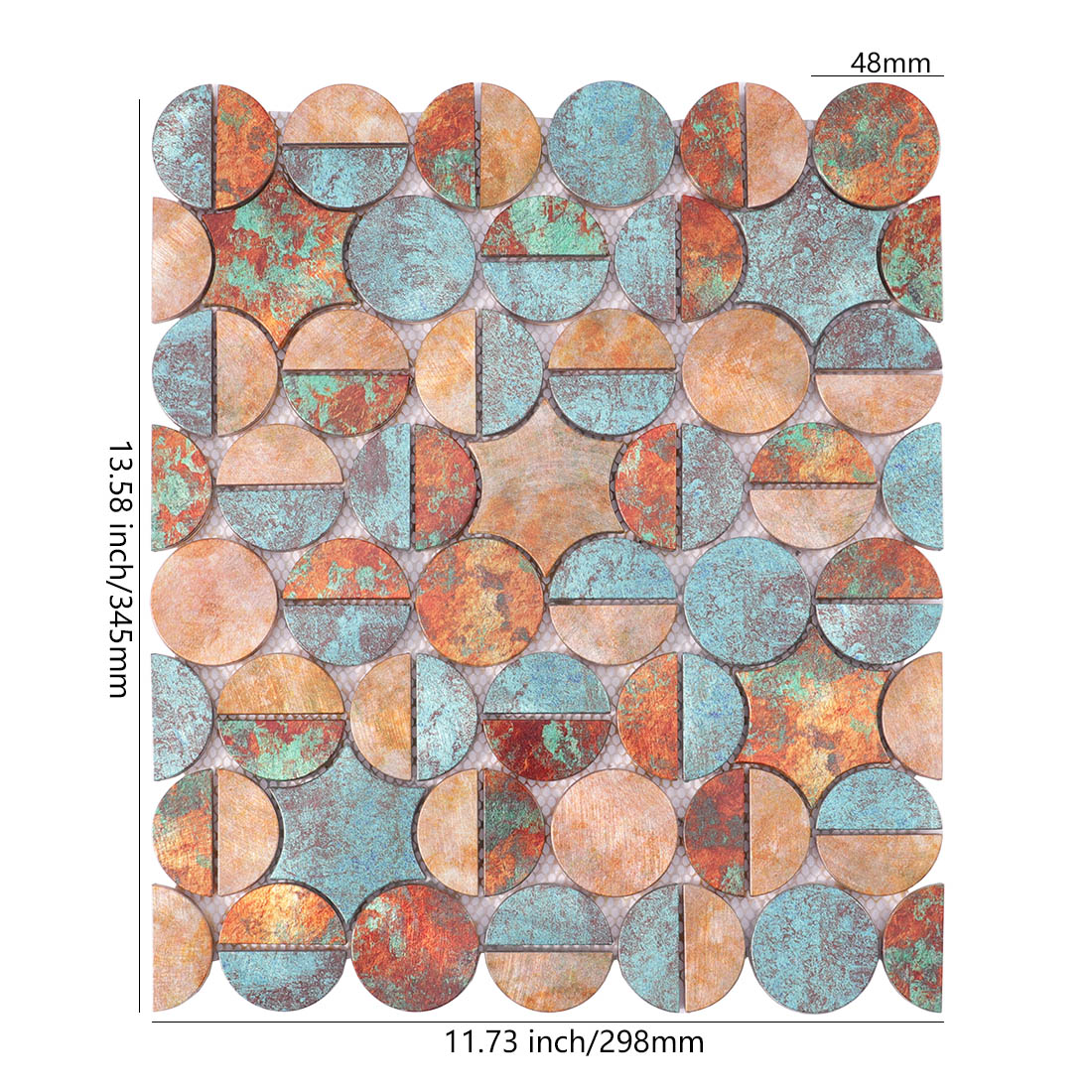
Retro Tiles
Retro tiles bring nostalgic color, memorable pattern and tactile character into contemporary interiors. At Woos Tiles, our collection draws on Art Deco geometry, mid-century simplicity, 1960s optimism, 1970s earth tones and the playful colors of the 1980s and 1990s. Use them to restore the spirit of an older property, create a period-inspired room or add one expressive vintage note to a modern space.
From marble, stone and glass to metal, shell and mixed-material mosaics, the collection offers more than a single old-fashioned look. Discover quiet cream subway tiles, black-and-white mosaics, jewel-toned glass, warm bronze surfaces, terrazzo-inspired patterns and custom mosaic designs for residential and commercial projects. Browse by material, color, shape and application, then check each product page to confirm where the tile can be installed.
What Are Retro Tiles?
Retro tiles are newly made tiles that intentionally revive the colors, shapes, patterns or surface character associated with an earlier design era. Unlike genuine vintage tiles, which were manufactured in the past, retro designs give you the visual language of a historic period in a product made for a current project.
The term covers many looks rather than one fixed style. A black-and-white octagon mosaic can recall an early twentieth-century bathroom, a glossy pastel square can suggest a 1950s kitchen, and an avocado, mustard or burnt-orange geometric pattern can evoke the 1960s or 1970s. Distressed stone, antiqued metal, iridescent glass and mother-of-pearl can also create a layered, time-worn atmosphere without copying one decade literally.
Retro and vintage are often used interchangeably in interior design, but there is a useful distinction:
-
Retro tile is new tile inspired by a past style.
-
Vintage tile was made in an earlier period, although the phrase “vintage-style tile” is also commonly used for new products.
-
Antique tile usually refers to a genuinely old or reclaimed piece with historical age and provenance.
Choosing new retro tiles can make it easier to purchase a consistent quantity, coordinate trims and obtain current technical information. Always review the stated material, finish and application rating rather than assuming that every vintage-looking product performs in the same way.
Explore Retro Tile Styles by Era
Art Deco and 1920s–1930s Glamour
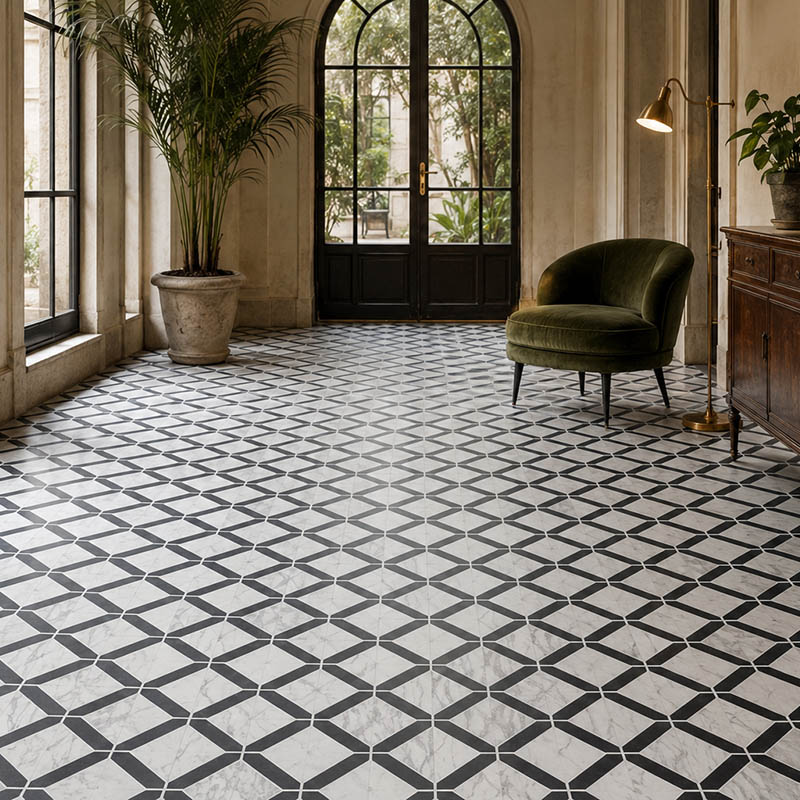
Art Deco retro tiles favor symmetry, fan shapes, diamonds, sunbursts and sharp black-and-white contrast. Polished marble, mirrored glass, brass tones and metallic details suit this direction especially well. Use the look on a powder room wall, cocktail bar front, hotel reception feature or elegant entry floor.
Mid-Century and 1950s Character
The 1950s introduced clean shapes, cheerful color and practical tiled surfaces. Small squares, stacked rectangles, penny rounds and simple geometric mosaics in mint, blush, powder blue, butter yellow or crisp white can create an authentic mid-century mood. Pair them with warm timber, rounded furniture and simple cabinetry to keep the room fresh rather than theatrical.
Bold 1960s and 1970s Patterns
For a stronger statement, look for repeating geometry, stylized florals, checkerboards, terrazzo effects and rhythmic curves. Olive green, mustard, rust, chocolate brown, cream and orange immediately suggest the period. A full patterned floor feels immersive, while a backsplash, shower niche or fireplace surround adds a controlled dose of retro color.
1980s and 1990s Revival
Dusty pastels, graphic grids, black accents, glossy squares and playful color blocking give late-twentieth-century interiors their distinctive energy. These elements work particularly well in contemporary kitchens, cafés and bathrooms when balanced with streamlined fixtures and uncluttered surfaces.
European, Mediterranean and Old-World Influence
Retro design also reaches beyond decade-specific American interiors. Encaustic-inspired motifs, aged limestone tones, terracotta colors, decorative borders and softly distressed stone can reference European apartments, Mediterranean villas and traditional cafés. Choose a restrained palette when you want an established, collected-over-time appearance.
Shop Retro Tiles by Material
Material affects not only the look of a tile but also its recommended placement, installation method and maintenance. The product specification should make the final decision.
Ceramic and Porcelain Retro Tiles
Ceramic and porcelain are versatile choices for glazed squares, subway tiles, decorative patterns and stone- or terrazzo-inspired designs. They are available in matte, satin, glossy, crackle-look and textured finishes. Some products are intended only for walls, while floor-rated options can suit kitchens, bathrooms, hallways and commercial spaces. For wet or exterior floors, verify the manufacturer’s stated use classification, slip-resistance information and frost suitability.
Marble and Natural Stone Retro Tiles
Marble, limestone, travertine and other natural stones provide genuine mineral movement, tonal variation and softly aged character. Tumbled edges, honed surfaces and small mosaic formats can make a new installation feel established from the start. Natural stone may require an impregnating sealer and a stone-safe maintenance routine. Confirm suitability for showers, floors, freeze-thaw conditions and high-traffic areas before ordering.
Retro Glass Tiles
Glass adds translucent color and changing reflections that flat, opaque surfaces cannot reproduce. Vitreous glass, crystal glass, water-textured glass, stained-glass-inspired pieces and recycled glass can create anything from a softly mottled backsplash to a jewel-like mural. Many glass tiles are ideal for walls and water features, but floor, pool and submerged applications are product-specific. Review the mounting method, adhesive, grout and installation instructions before use.
Retro Metal Tiles
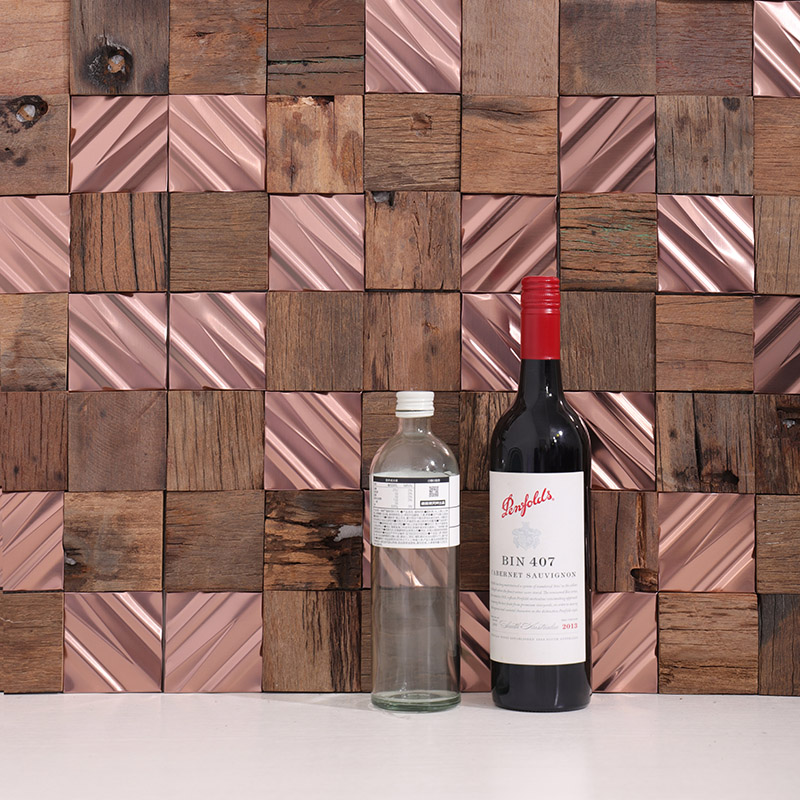
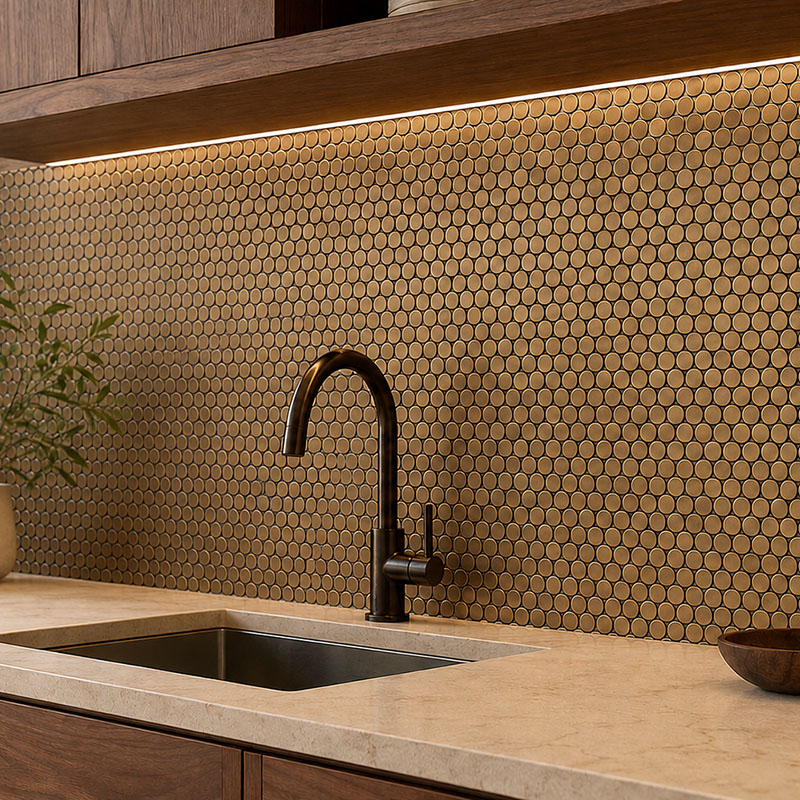
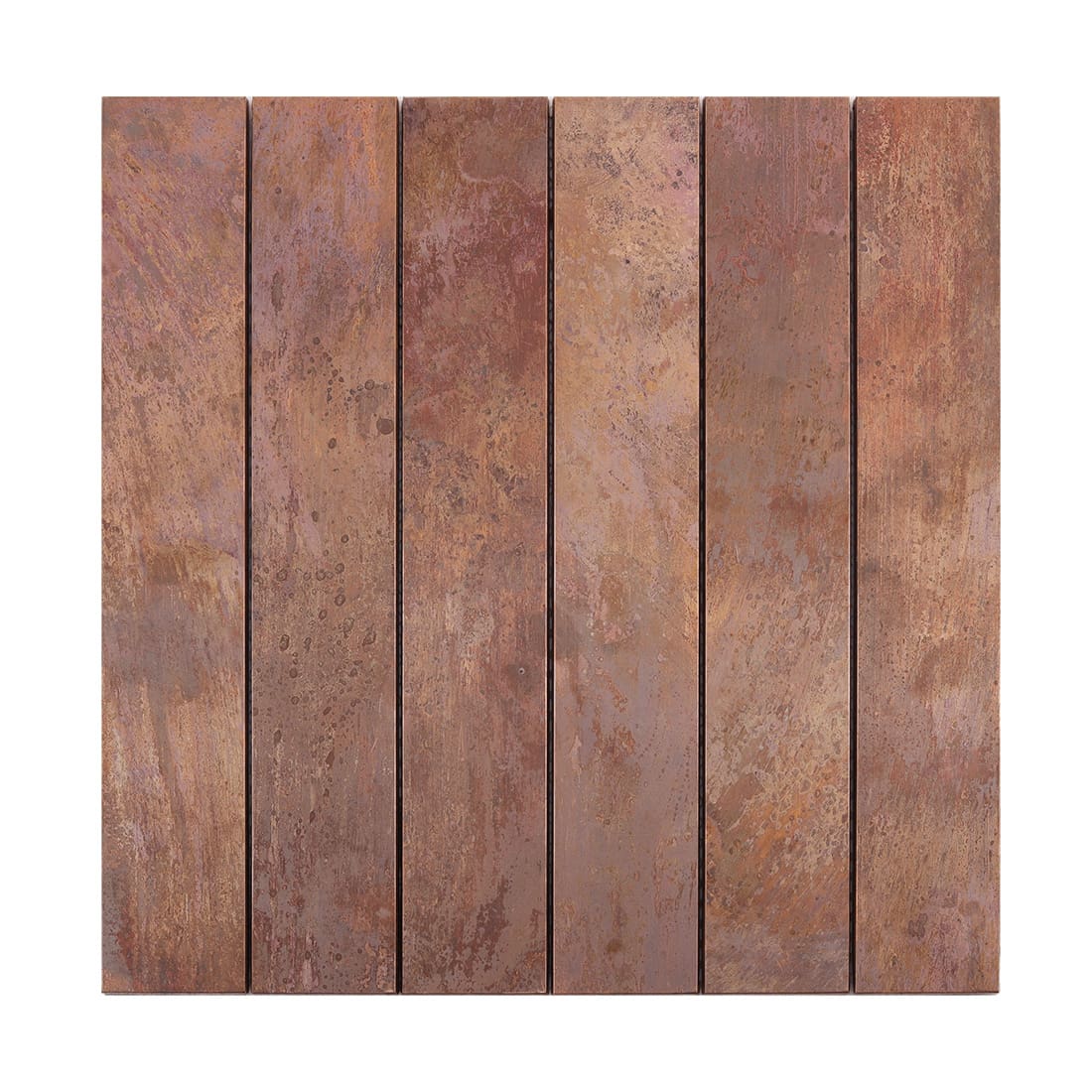
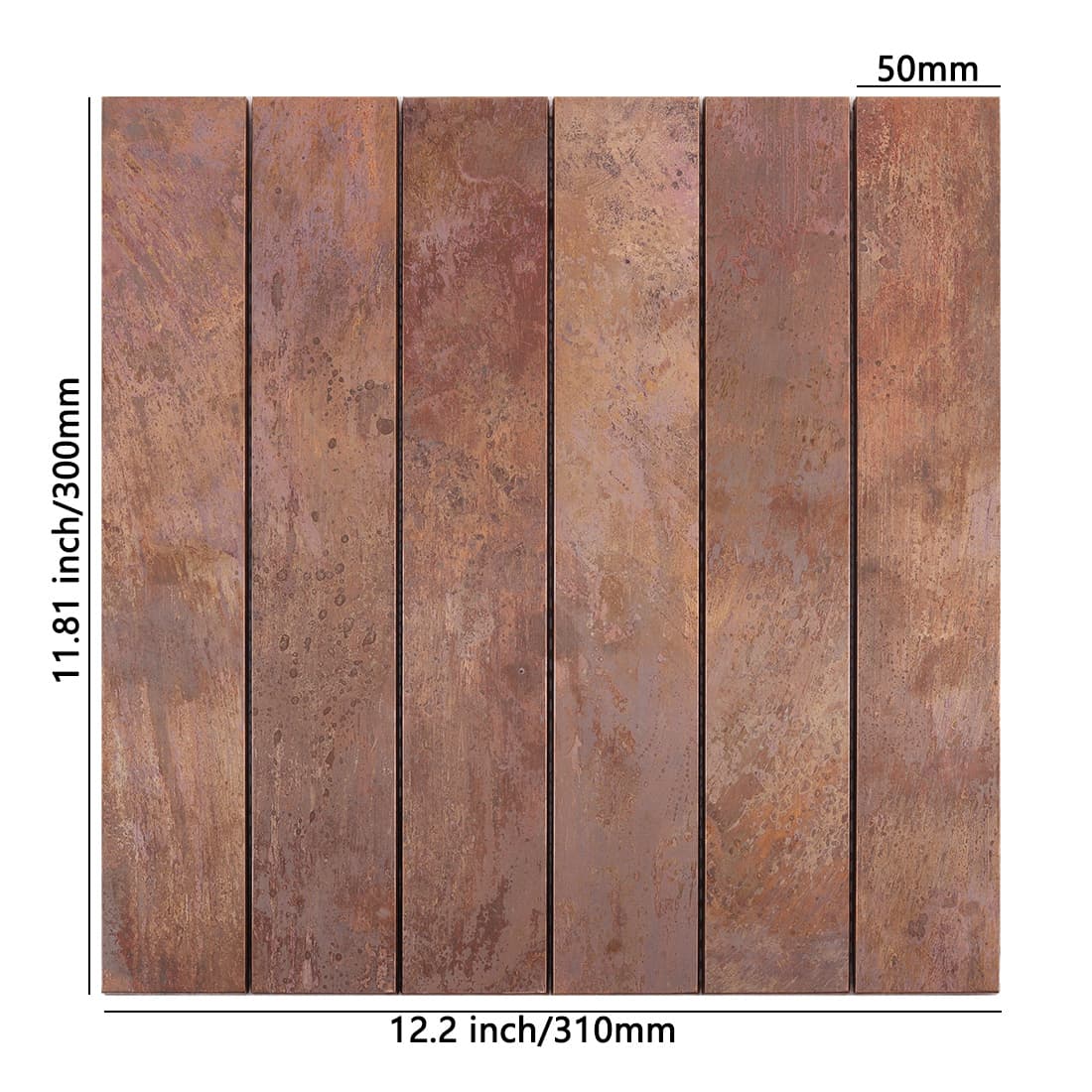
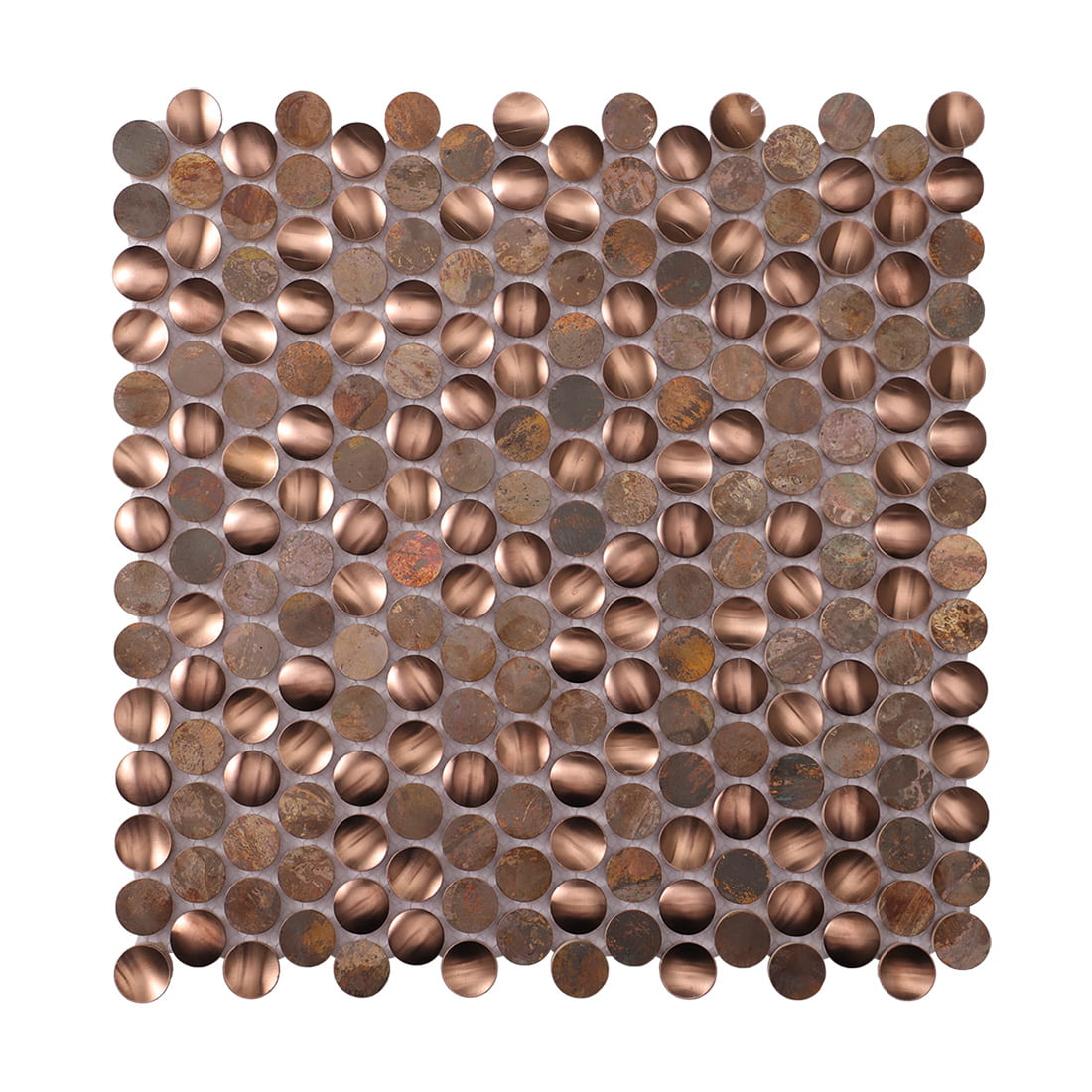
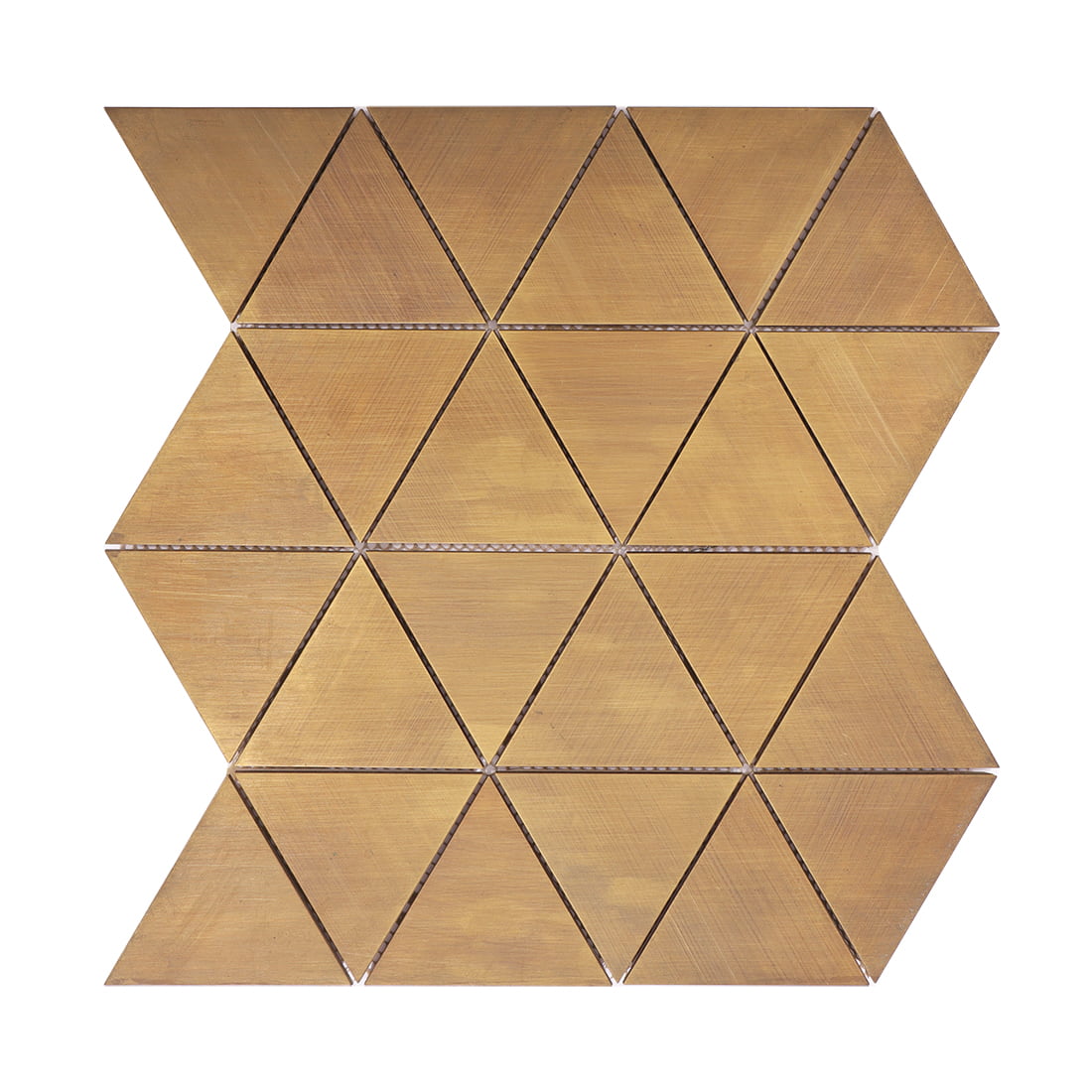
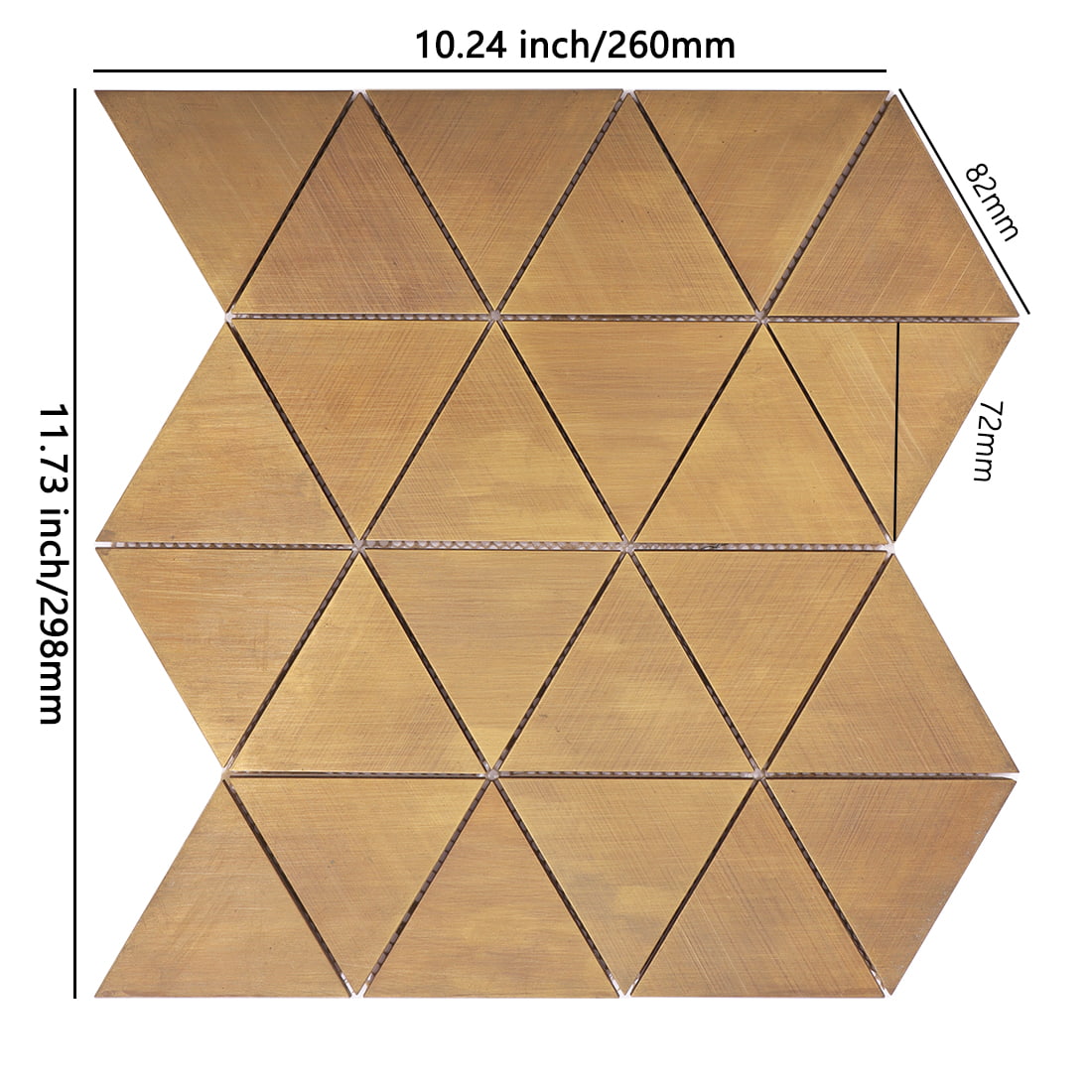
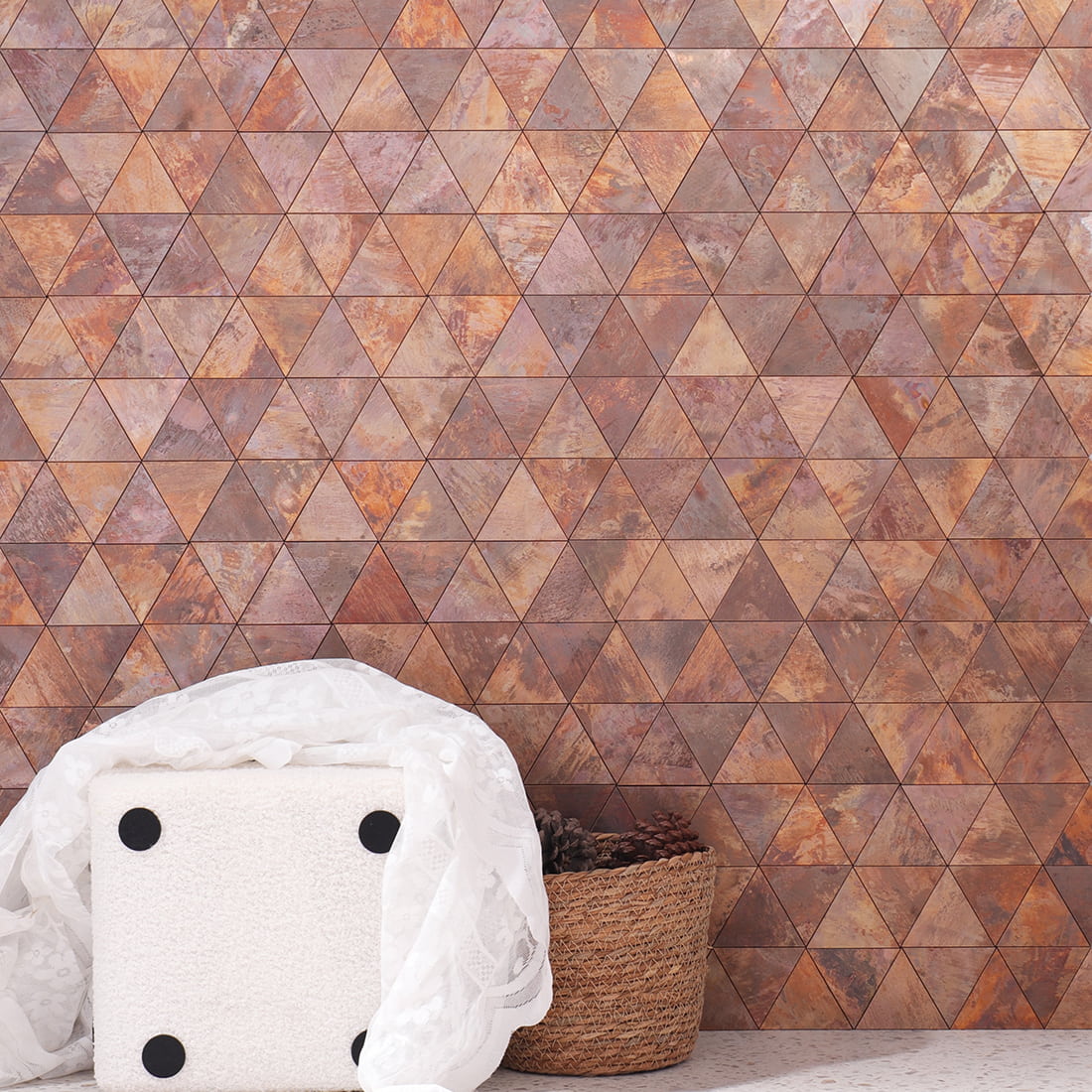
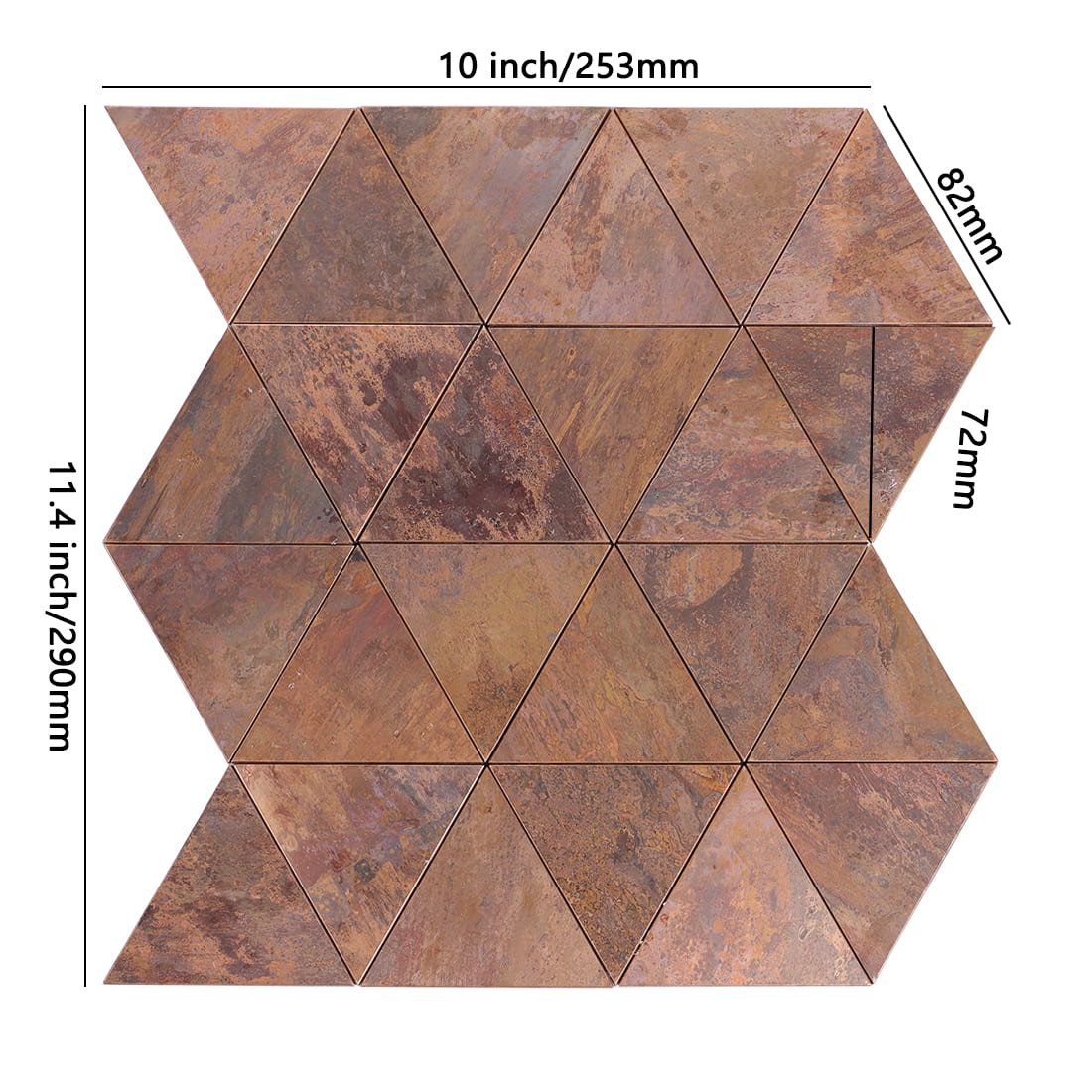
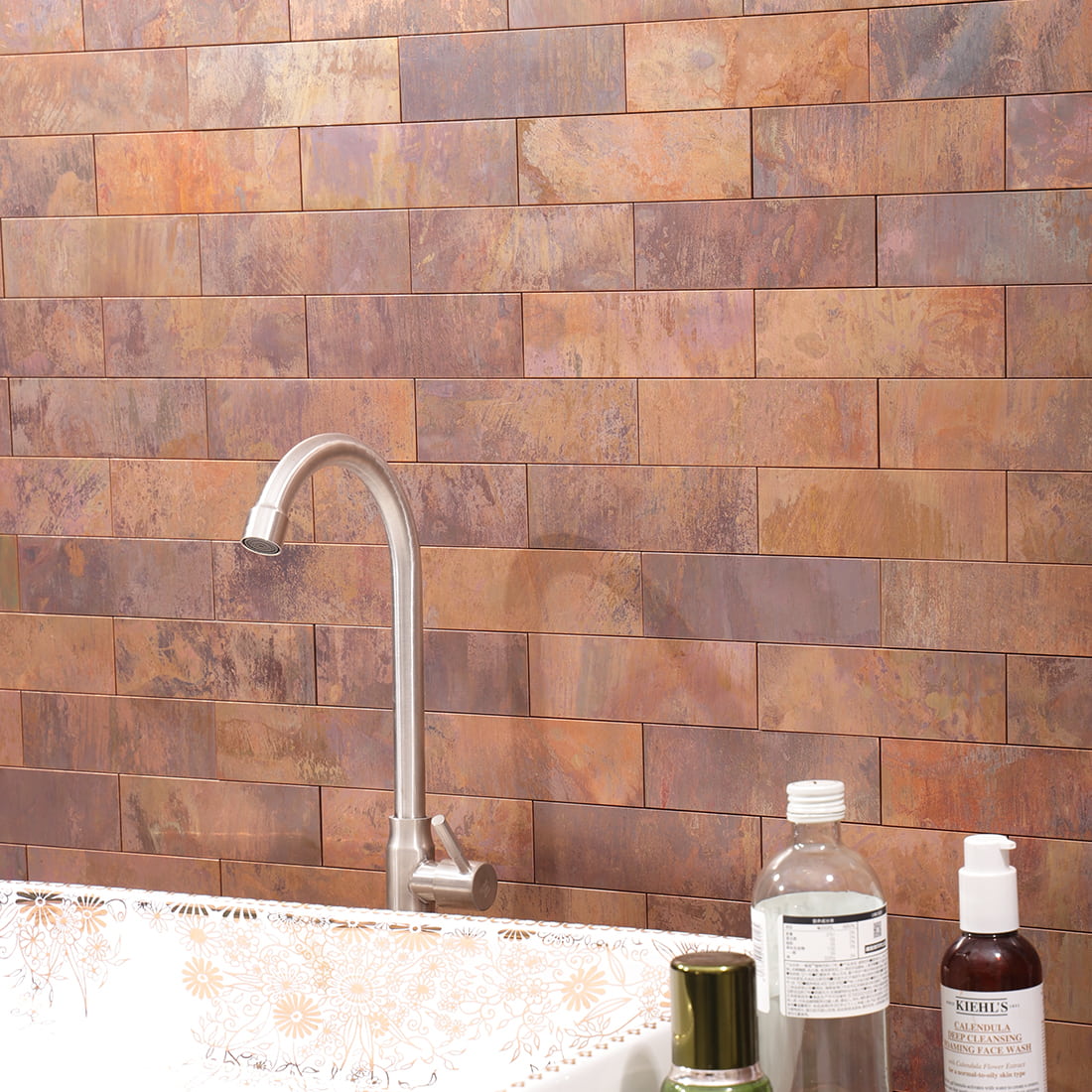
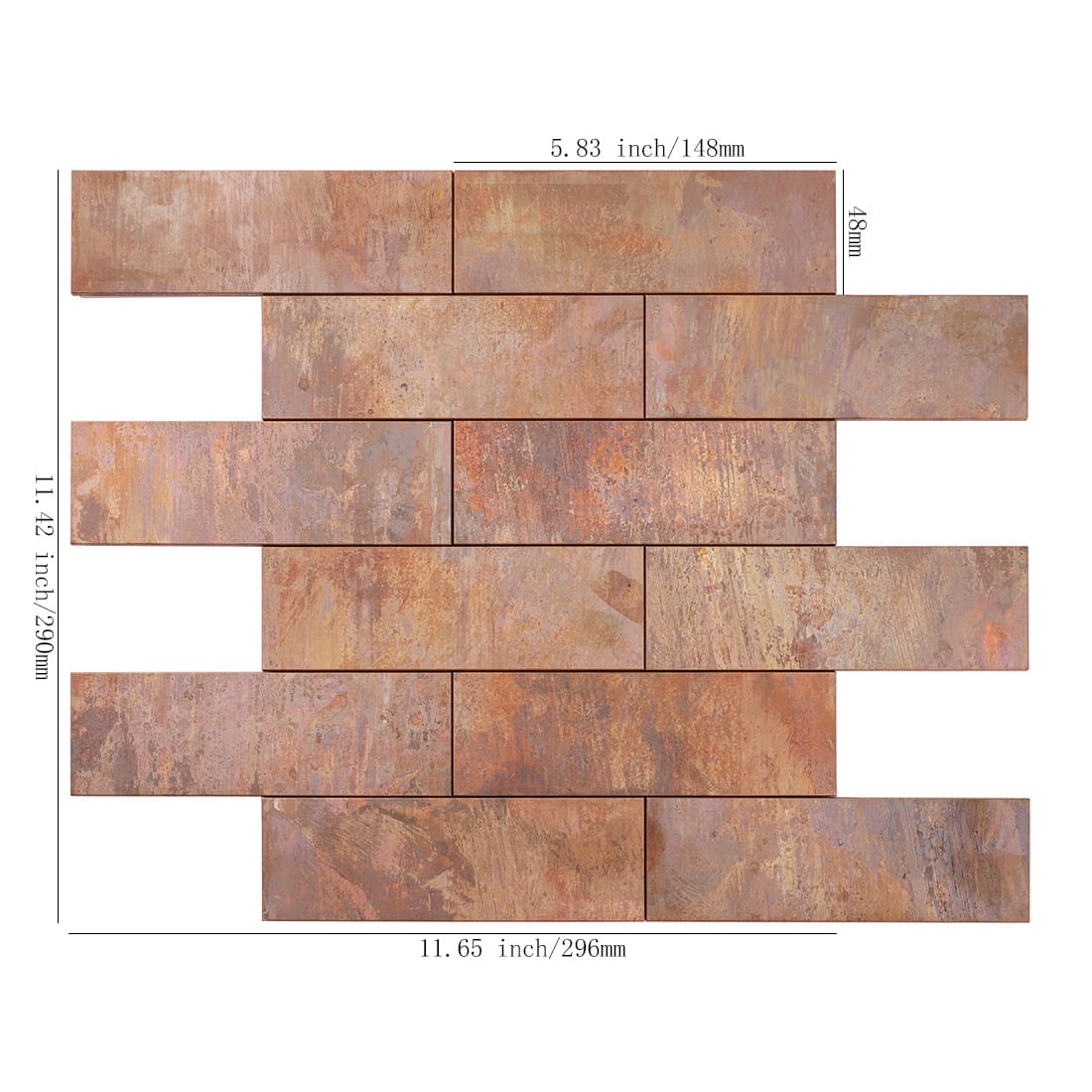
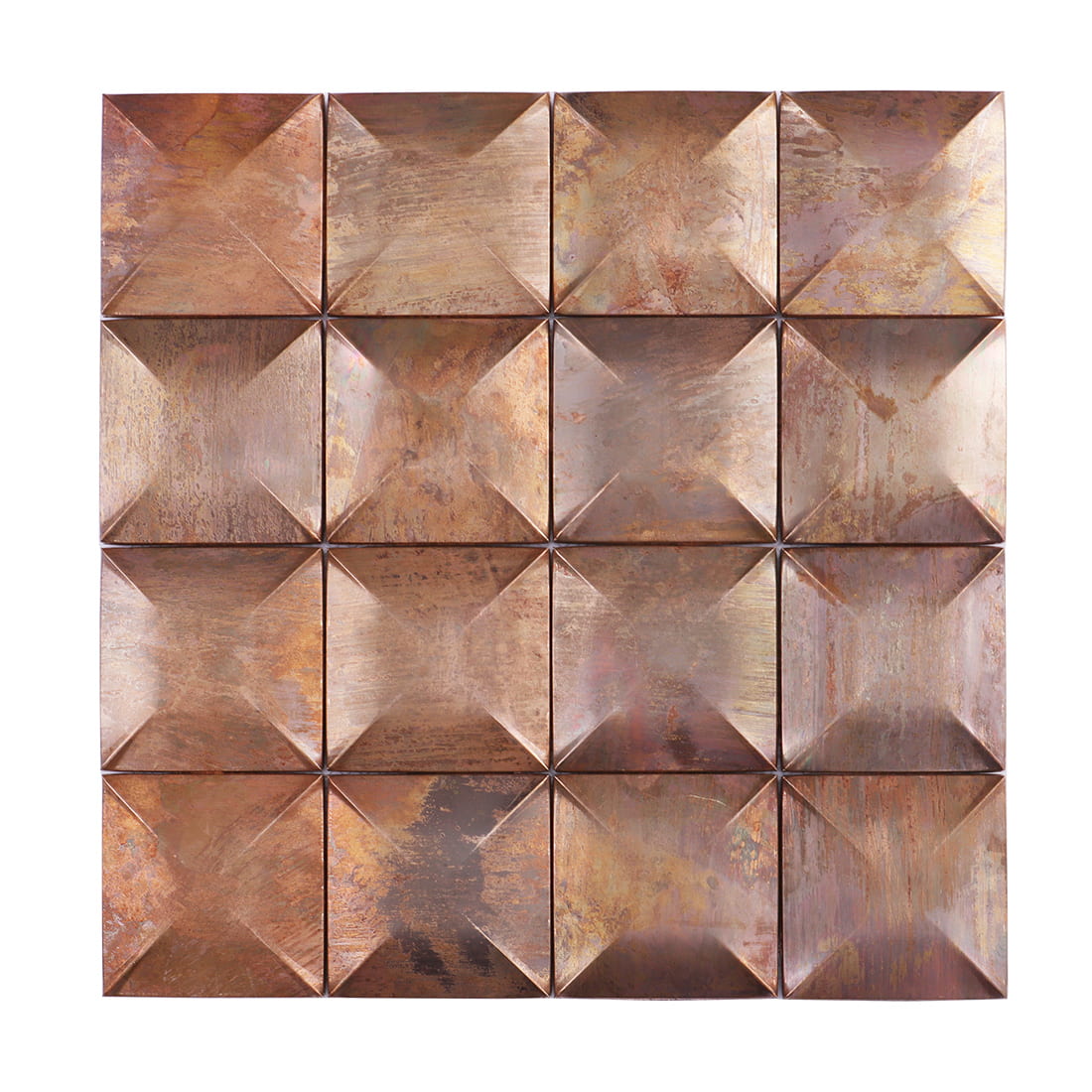
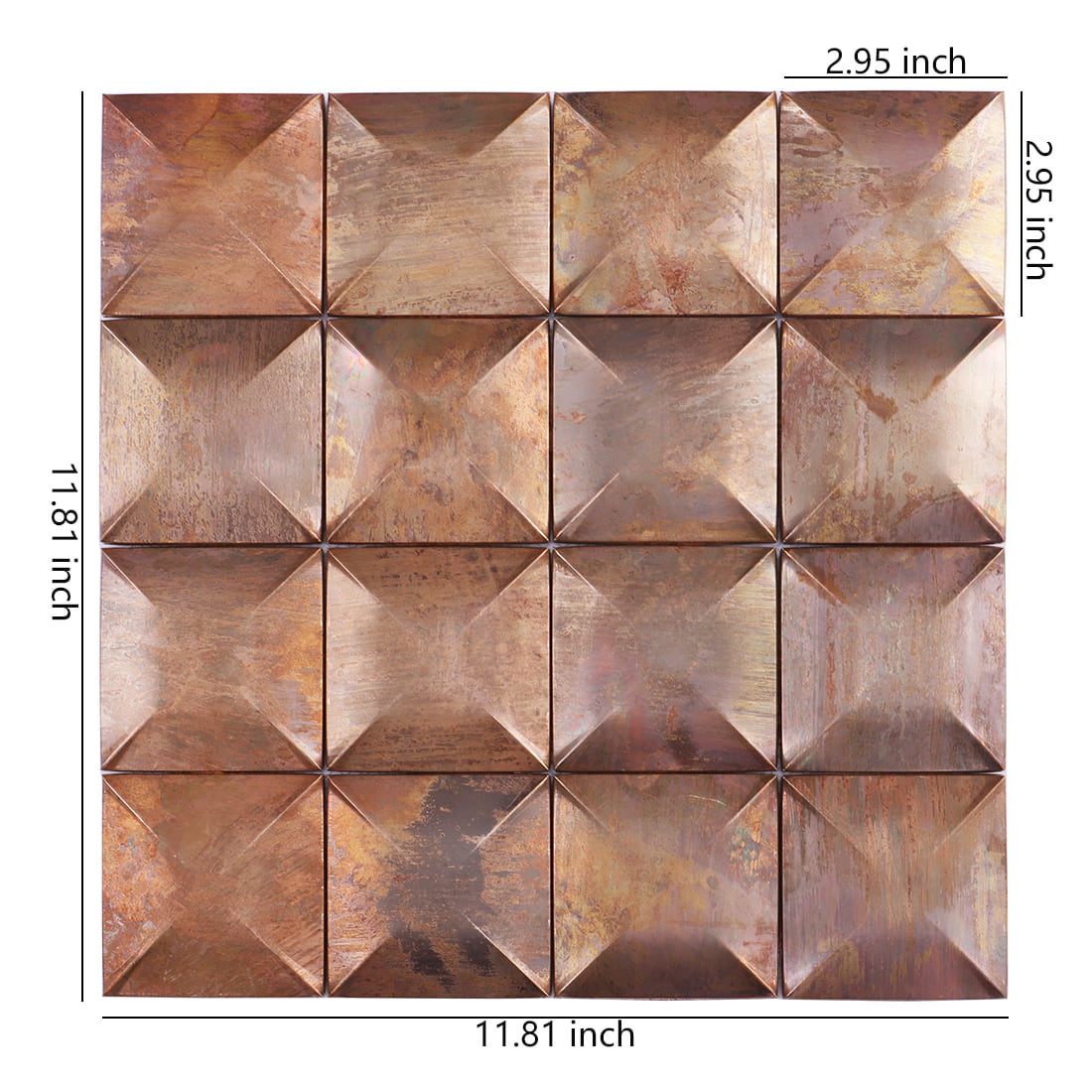
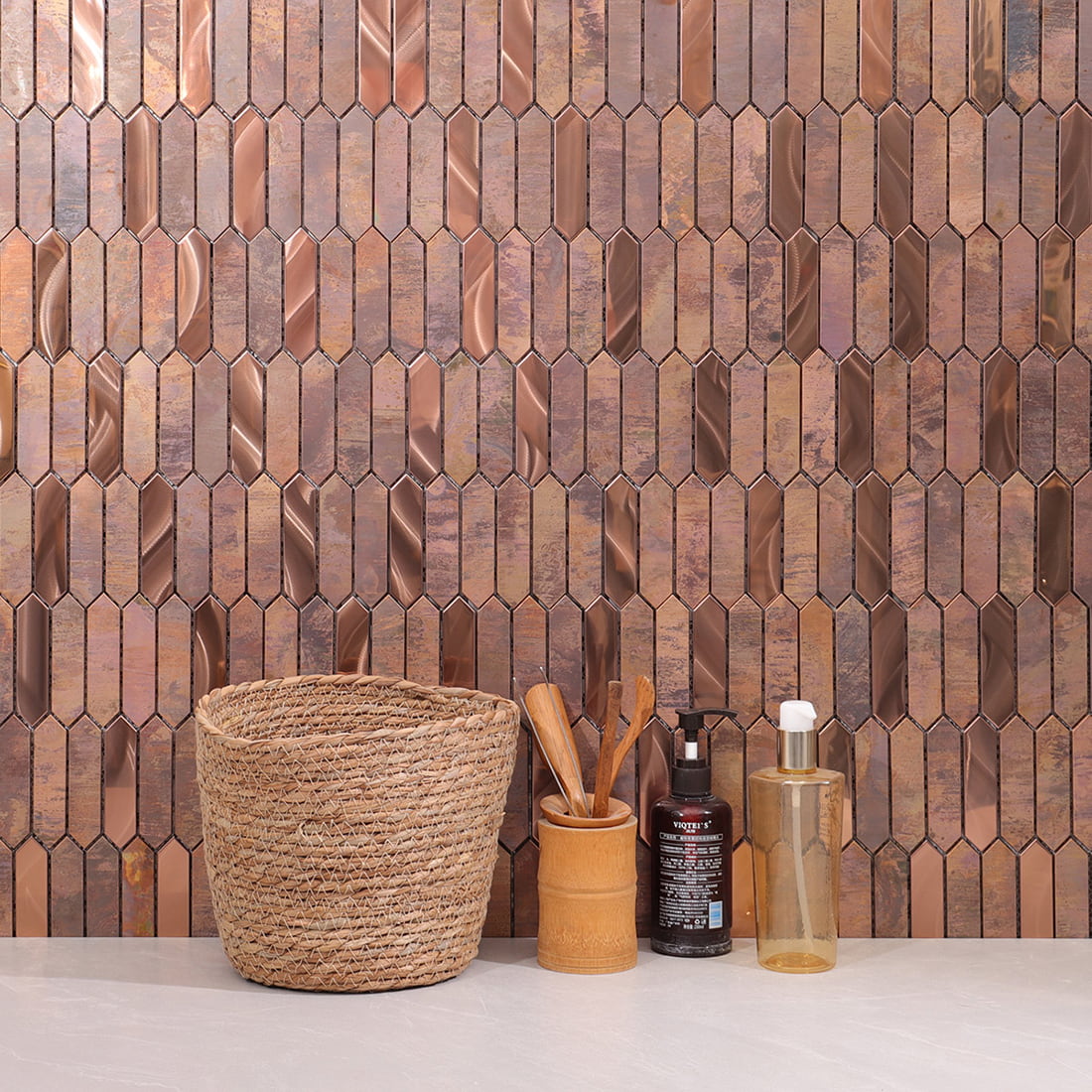
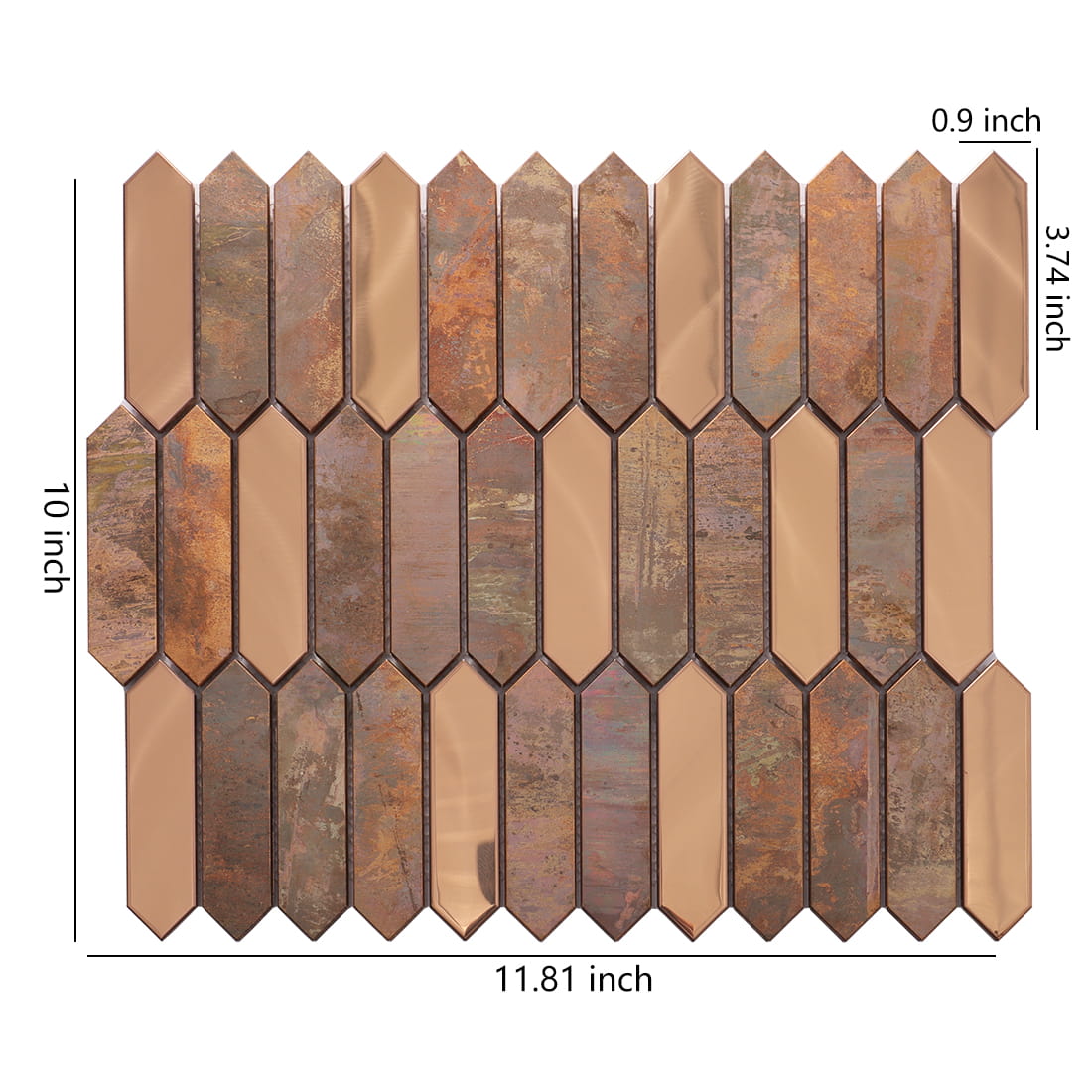
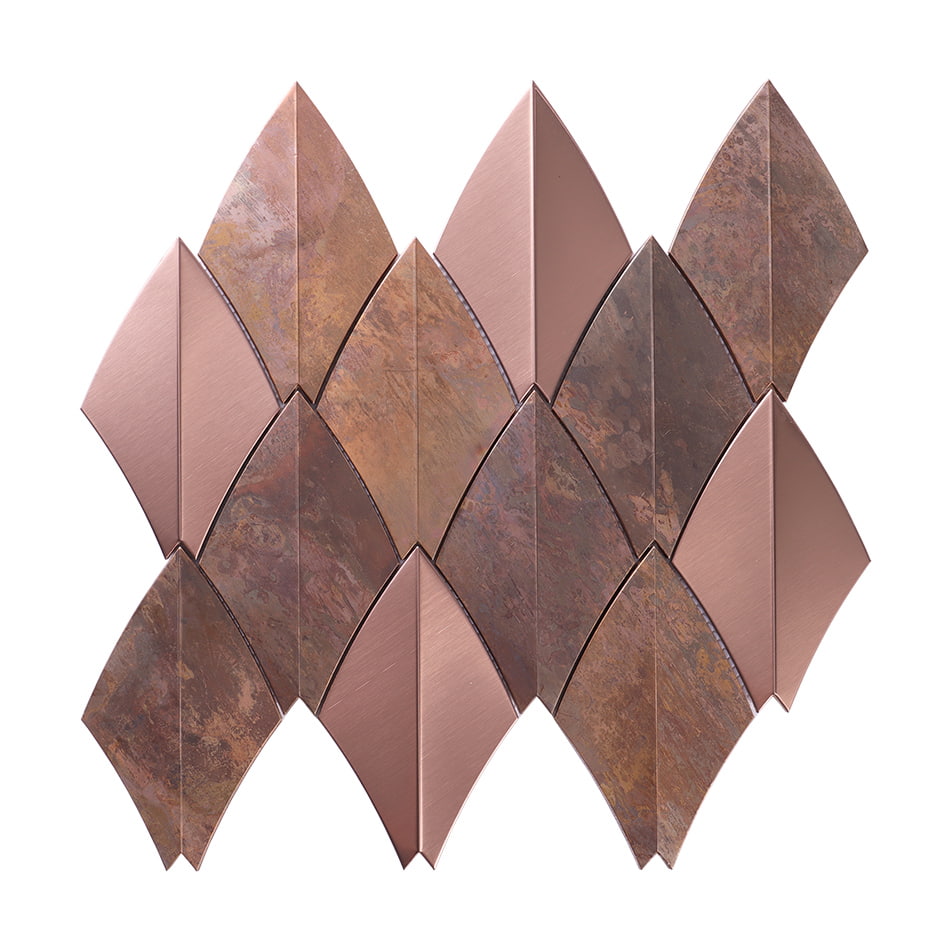
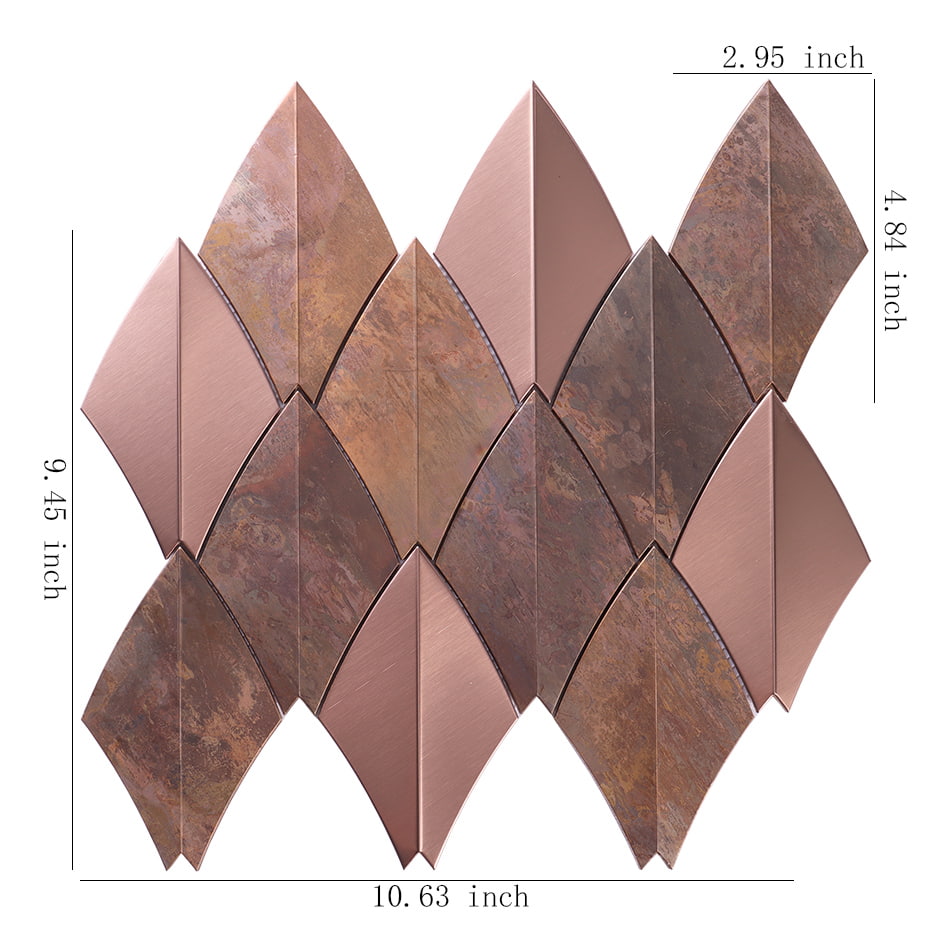
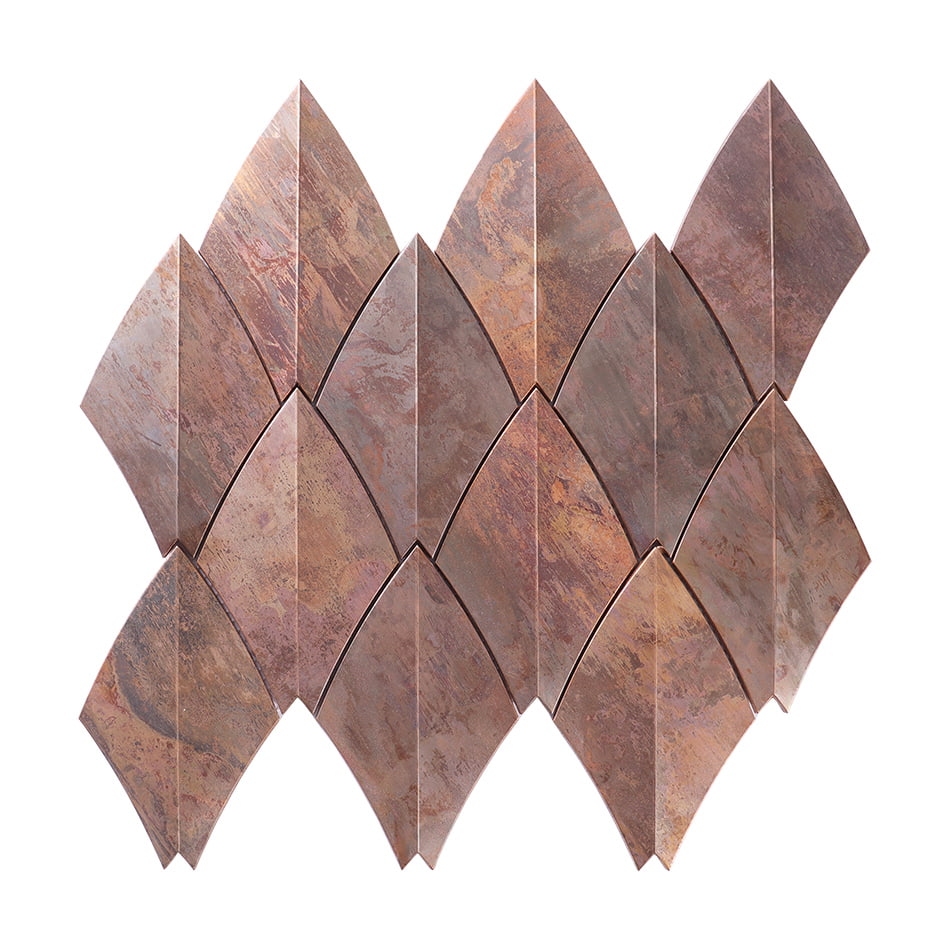
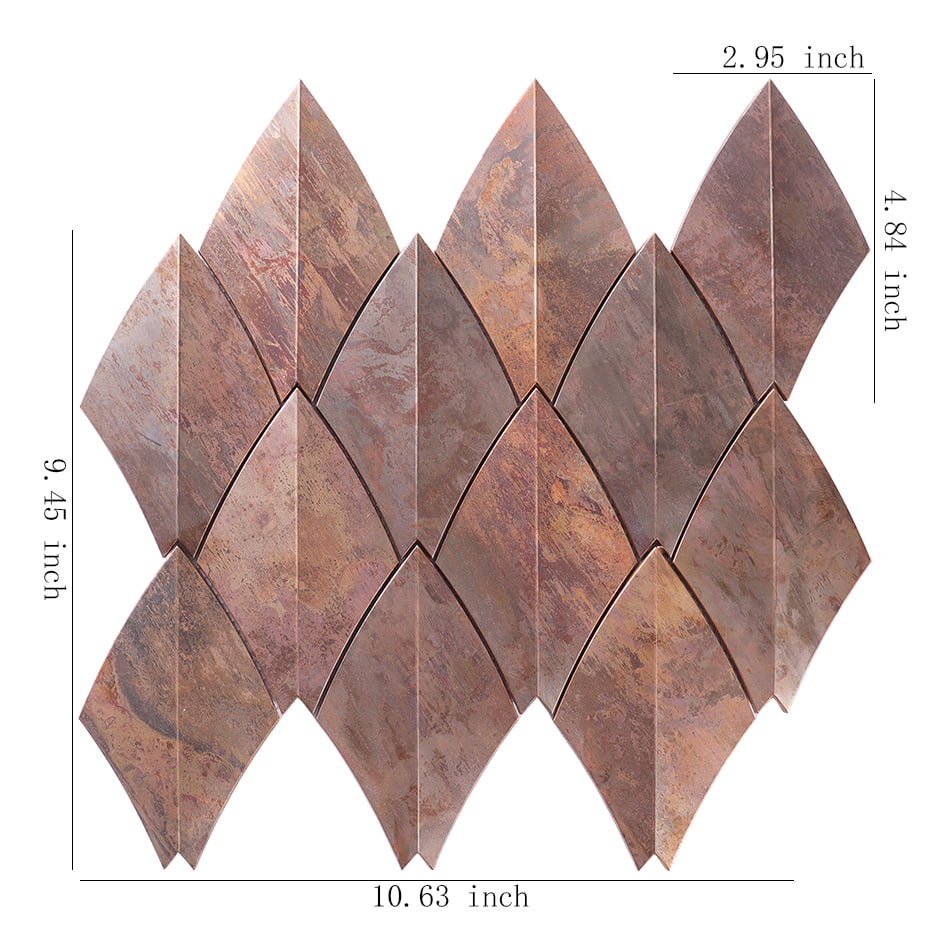
Copper, brass, bronze-toned metal, stainless steel and aluminum bring the warmth of an old café, the polish of Art Deco or the raw character of an industrial interior. Finishes may include brushed, embossed, fluted, antiqued, burned, hammered or mirror-like surfaces. Metal tiles are especially effective on backsplashes, bar fronts, fireplace surrounds and feature walls. Because coatings and metals react differently to moisture, heat and cleaning chemicals, follow the care and placement guidance for the selected product.
Mother-of-Pearl and Shell Tiles
Mother-of-pearl tile has natural iridescence, fine growth lines and subtle tonal variation. Small squares, rectangles, hexagons, fish scales and waterjet shapes can add a luminous vintage detail without making the room feel heavy. Shell pieces are naturally thin and are generally best used on decorative interior walls, backsplashes, niches and furniture details unless a product is specifically rated for another application.
Wood and Wood-Inspired Decorative Tiles
Reclaimed-look timber, oak and walnut tones introduce warmth and visible grain to retro interiors. Three-dimensional, carved and relief surfaces can make a feature wall feel handcrafted. Genuine wood and wood-composite products have different moisture and fire limitations from ceramic tile, so use them only in the locations approved by the manufacturer. For demanding wet or floor applications, consider a suitably rated wood-look porcelain alternative.
Mixed-Material and Custom Mosaic Tiles
Mixed mosaics combine stone, glass, metal or shell to create more depth than a single material. They are useful for borders, medallions, niches and statement walls. Woos Tiles also offers custom mosaic murals for projects that need a particular motif, color palette, scale or architectural fit. Share your dimensions and inspiration early so the design, production method and installation plan can be coordinated.
Popular Retro Tile Shapes and Patterns
Checkerboard
Black and white is the classic choice, but cream and terracotta, sage and ivory, or brown and beige create a softer result. Checkerboard floors work in kitchens, entries and cafés, while a smaller checkerboard mosaic can suit shower floors or backsplashes when the product is rated for that location.
Penny Round, Hexagon and Octagon-and-Dot Mosaics
Small geometric mosaics immediately suggest historic bathrooms, pool houses and early commercial interiors. Their numerous grout joints can add useful texture underfoot, but the tile itself and the completed assembly still need to be suitable for the intended wet area.
Subway, Square and Stacked Tile
Subway and square tiles are ideal when color and finish should lead the design. Choose crackled-looking glaze for old-world character, glossy pastels for a mid-century room or vertically stacked rectangles for a cleaner interpretation. A contrasting grout emphasizes the grid, while a closely matched grout creates a quieter field of color.
Encaustic-Inspired and Geometric Patterns
Stars, cubes, arches, diamonds, fans and repeating florals can turn a floor or wall into the focal point. Let one patterned surface lead the room and keep nearby cabinetry, countertops and textiles more restrained. Before installation, dry-lay several tiles to check the repeat, orientation and edge transitions.
Terrazzo and Speckled Surfaces
Terrazzo and terrazzo-look tile add familiar mid-century energy through colored chips and irregular movement. Large pieces create a calmer continuous field, while small-scale terrazzo patterns feel more animated. Coordinate one or two chip colors with the surrounding paint, furniture or metal finishes for a deliberate scheme.
Fluted, Relief and Dimensional Tile
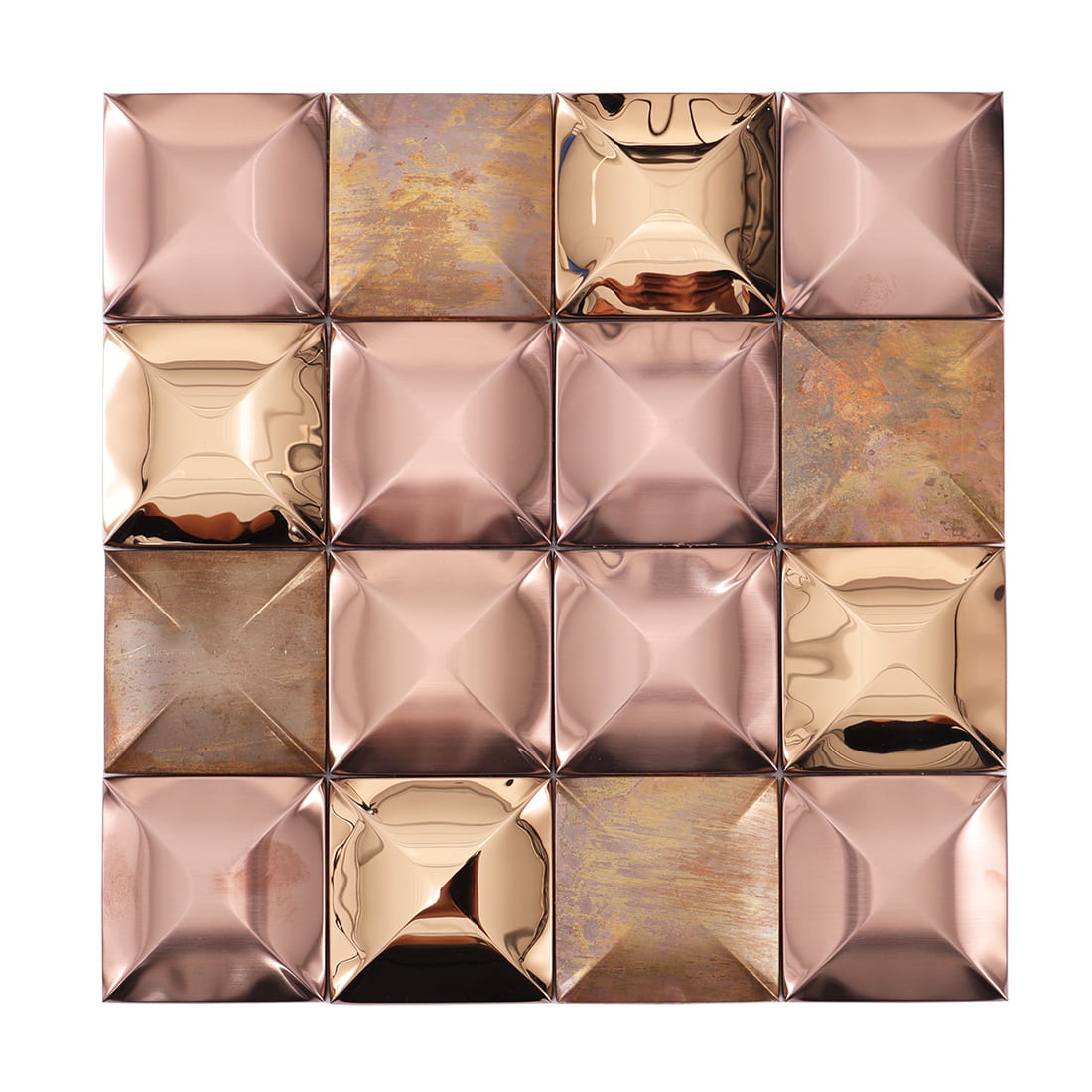
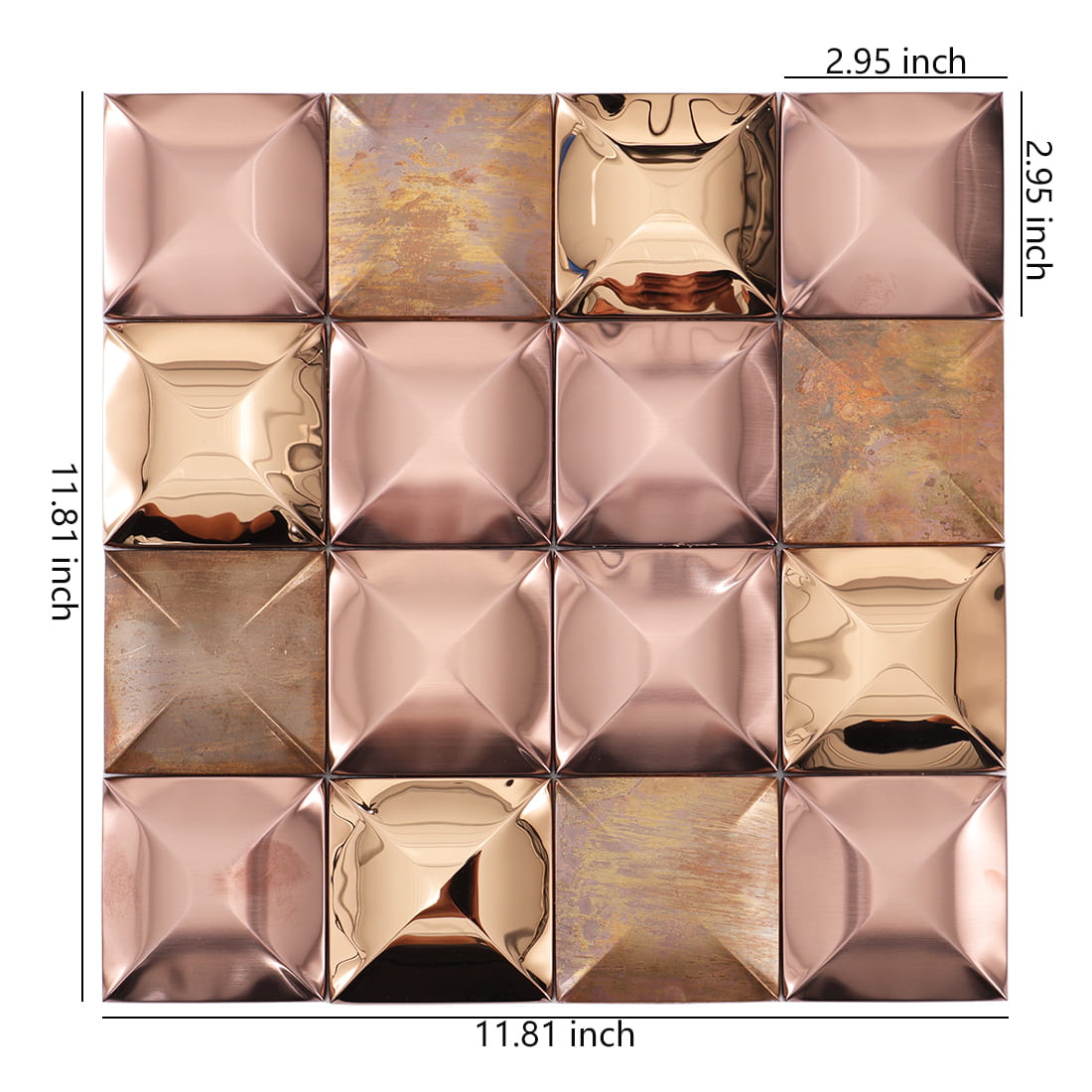
Concave fluting, embossed metal, beveled mosaics and sculpted ceramic surfaces catch light throughout the day. Use dimensional tile where it can be seen and touched, such as a reception desk, vanity wall or fireplace feature. Avoid locations where deep texture would make frequent cleaning unnecessarily difficult.
Retro Tiles for Every Room
Retro Kitchen Tiles
A backsplash is one of the easiest places to introduce retro style. Glossy subway tile, colored glass, floral mosaics and small geometric patterns can sit behind a range or sink without dominating the entire kitchen. For countertops and floors, choose products explicitly approved for those surfaces and consider resistance to impact, staining, heat and frequent cleaning.
Warm cream, sage, powder blue and amber complement timber cabinetry, while black-and-white patterns sharpen painted cabinets. Metal details can connect the tile to brass lighting, stainless appliances or copper accessories.
Retro Bathroom Tiles
Bathrooms naturally suit penny rounds, hexagons, pastel squares, marble mosaics and decorative borders. A full-height shower wall creates an immersive period look, while a vanity backsplash or niche offers a smaller commitment. Do not select by appearance alone: confirm whether the tile is approved for a bathroom floor, shower wall, shower floor, steam room or submerged area.
In wet walking areas, review slip-resistance and use-classification information for the complete project conditions. Drainage, slope, grout joints, maintenance and the way the space will be used all matter alongside the tile surface.
Retro Floor Tiles
Patterned porcelain, natural stone mosaics, checkerboards and terrazzo-inspired tiles can define an entry, kitchen, laundry room, powder room or retail floor. Match the product’s traffic rating and surface finish to the space. A polished decorative wall tile should never be assumed to be floor-safe simply because it is made from a durable material.
Retro Wall Tiles and Feature Walls
Walls allow greater freedom with delicate, reflective and dimensional materials. Consider iridescent shell in a powder room, antiqued metal behind a bar, stained-glass color in a niche or hand-cut stone on a reception wall. Use lighting that grazes textured surfaces or passes across glass to reveal depth.
Fireplace Surrounds
Stone, ceramic, porcelain, glass and metal can all create memorable fireplace surrounds, but heat suitability depends on the specific product and fireplace construction. Confirm clearance requirements, adhesive and substrate recommendations with the tile supplier, installer and fireplace manufacturer. Retro geometry can frame the opening, while a vertical field can visually extend the surround toward the ceiling.
Commercial Interiors
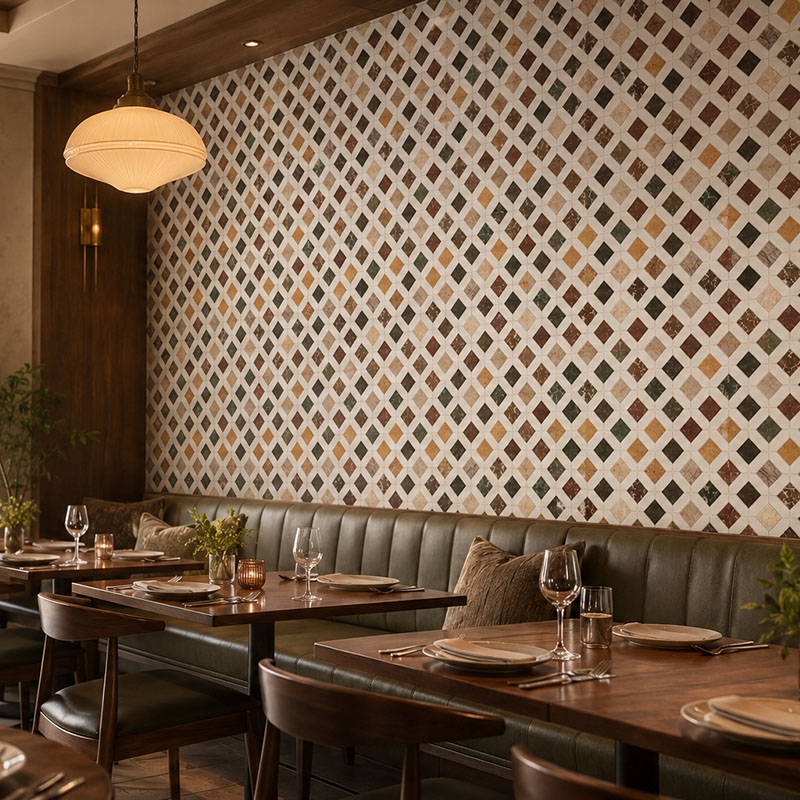
Retro tiles can give cafés, restaurants, hotels, boutiques and salons an identity that customers remember. Use bold patterns where they guide attention—an entry, counter front or feature wall—and more restrained surfaces in high-traffic support areas. Commercial floors require products rated for the expected traffic, contaminants and cleaning schedule.
Outdoor Areas
Some porcelain, glass and natural stone tiles can be used on patios, exterior walls, pools and outdoor kitchens, but “retro” describes the appearance rather than outdoor performance. Verify exterior, freeze-thaw, UV, submerged and slip-resistance suitability for the exact climate and installation. Decorative shell, wood and many metal products are normally better reserved for protected or interior locations unless stated otherwise.
How to Choose the Right Retro Tile
Start With the Installation Area
Decide whether the surface is an interior wall, dry floor, wet floor, shower, pool, fireplace or exterior area. Then filter out every product that is not rated for that use. This is more reliable than choosing a pattern first and trying to force it into an unsuitable location.
Choose the Era and Mood
Select two or three words for the desired result: understated mid-century, bold 1970s, elegant Art Deco, romantic European or industrial vintage. This keeps color, shape and material choices aligned.
Consider Scale
Small mosaics add detail and can wrap curves or compact areas. Medium squares and subway formats give a recognizable period rhythm. Large patterned tiles reduce grout lines and can make a busy motif feel calmer. Test the actual scale against cabinetry, fixtures and room dimensions.
Compare Finish and Light
Glossy glass and polished metal reflect light and make color appear more vivid. Matte ceramic, honed stone and distressed surfaces absorb light for a softer effect. Order a sample and view it vertically or horizontally in the room at different times of day, because screen colors cannot fully show reflection, texture or natural variation.
Plan the Grout
Grout is part of the design. A matching tone softens the tile grid and lets color read as one field. A contrasting tone outlines each shape and makes checkerboards, hexagons and subway layouts more graphic. Test grout beside the tile before installation, and confirm whether the tile surface needs protection from pigment or grout haze.
Check Edge and Trim Details
Ask how exposed edges, corners, niches and transitions will be finished. Bullnose pieces, pencil trims, metal profiles, stone edges or mitered returns can all work, but they should be planned before the order is placed.
Order Enough Tile
Measure the installation area, account for sheet or carton coverage and include extra material for cuts, breakage, pattern matching and future repairs. A simple straight layout commonly needs about 10% extra, while diagonal layouts, complex repeats, irregular rooms and custom mosaics may need 15% or more. Confirm the appropriate allowance with your installer before ordering.
Retro Tile Design Ideas
-
Create a black-and-white mosaic floor with simple white wall tile for a classic bathroom.
-
Pair olive or sage tile with walnut cabinetry and warm brass for a calm mid-century palette.
-
Use rust, cream and brown geometry on one floor, then repeat one color on a plain backsplash.
-
Frame a range, vanity or fireplace with a decorative border instead of patterning the entire wall.
-
Combine handmade-looking glass with streamlined cabinets to balance old and new.
-
Use antiqued metal on a bar front or reception desk where changing light can reveal the relief.
-
Place mother-of-pearl in a niche or small feature panel for a restrained vintage shimmer.
-
Carry one tile color into paint, textiles or furniture so a bold pattern feels connected to the room.
Installation and Care
Correct installation protects both the appearance and performance of retro tiles. Begin with a flat, stable and properly prepared substrate. Review the product instructions for adhesive color, trowel size, grout type, joint width, movement accommodation, sealing and cutting method. Glass, metal, natural stone, shell and mesh-mounted mosaics can have different requirements, so an installer experienced with the selected material is recommended.
Dry-lay patterned tiles and inspect several cartons or sheets before setting. Blend natural variation across the installation, confirm the direction of veining or relief, and check that mosaic sheet joints do not become visible. Do not install material with an unresolved color, dimension or quality concern.
For routine care, use a soft cloth or mop and a cleaner approved for the material. Avoid abrasive pads on reflective glass, polished metal and shell. Use pH-neutral, stone-safe products on marble, limestone and travertine because acidic cleaners can etch calcareous stone. Sealing can improve stain resistance for some natural stones and grout, but it does not make a surface stain-proof. Follow the tile and sealer manufacturers’ recommendations.
Why Shop Retro Tiles at Woos Tiles?
Woos Tiles is an online tile superstore serving residential and commercial projects. Our range includes marble tiles, glass tiles, metal tiles, shell tiles, stone tiles, mosaic tiles, wall tiles, floor tiles, bathroom tiles, kitchen tiles, backsplash tiles, outdoor tiles and custom mosaic murals.
That breadth makes it easier to build a complete retro scheme instead of limiting a project to one material or one decade. Compare quiet stone, vibrant glass, dimensional metal, luminous shell and detailed mosaics in one place. For custom work, share your drawings, dimensions, reference images, target application and required quantity so our team can help assess the next step.
Order samples whenever available before purchasing the full quantity. A physical sample helps you evaluate true color, texture, sheen, scale and variation in the intended lighting. Explore the Retro Tiles collection and start creating a space with the character of the past and the performance your project needs today.
Retro Tiles FAQs
Are Retro Tiles Actually Old?
Usually, no. Retro tiles are newly produced tiles inspired by designs from earlier decades. Genuine vintage or antique tiles were manufactured in the past and may have limited quantities, aging or dimensional variation.
What Is the Difference Between Retro and Vintage Tile?
Retro describes a new product that revives a past aesthetic. Vintage describes an older original product, although many retailers also use “vintage tile” as shorthand for vintage-inspired designs.
What Patterns Make Tile Look Retro?
Checkerboards, penny rounds, hexagons, octagon-and-dot mosaics, encaustic-inspired motifs, stylized florals, terrazzo, stacked squares, fan shapes and bold repeating geometry are all strongly associated with retro interiors.
Can Retro Tiles Be Used on Floors?
Yes, when the selected product is rated for the intended floor and traffic level. Wall-only glass, polished metal, thin shell and some dimensional products should not be used on floors unless the specification explicitly permits it.
Which Retro Tiles Are Best for Bathrooms?
Porcelain, ceramic, glass and natural stone can all work in bathrooms, depending on the exact surface. Shower floors, bathroom floors, shower walls and steam rooms have different performance requirements, so confirm the approved applications and maintenance needs for each product.
Can I Use Retro Tiles for a Kitchen Backsplash?
Yes. Subway tile, patterned ceramic, glass mosaics, natural stone, metal and shell can all create distinctive backsplashes. Consider cleaning, heat exposure, staining and the manufacturer’s placement guidance, especially behind a cooktop.
Are Retro Tiles Suitable for Outdoor Use?
Some are, but style alone does not determine suitability. Choose a product specifically approved for exterior conditions and verify freeze-thaw, wet-use, UV and slip-resistance requirements for the project.
What Grout Color Works With Retro Tile?
Use matching grout for a softer, more continuous field or contrasting grout to emphasize the pattern and shape. Warm white, cream and light gray often feel more period-appropriate than a stark contrast, while black or charcoal can sharpen graphic designs.
Will Retro Tile Make a Small Room Look Busy?
Not necessarily. Use a small pattern in a limited area, select a restrained two-color palette or pair a patterned floor with plain walls. Repeating one tile color elsewhere in the room creates visual unity.
How Should I Clean Retro Tiles?
Care depends on the material. Use non-abrasive products on glass, metal and shell, and use a pH-neutral, stone-safe cleaner on natural stone. Always follow the product instructions and test a cleaner in an inconspicuous area.
Should I Order a Sample First?
Yes. Samples help you judge color, sheen, texture, scale and natural variation under the actual project lighting. They also make it easier to test grout and coordinate paint, cabinetry and fixtures.
Can Woos Tiles Create a Custom Retro Mosaic?
Woos Tiles offers custom mosaic murals for residential and commercial projects. Provide the desired artwork or inspiration, installation dimensions, material preference, application and project quantity so feasibility and production details can be reviewed.