

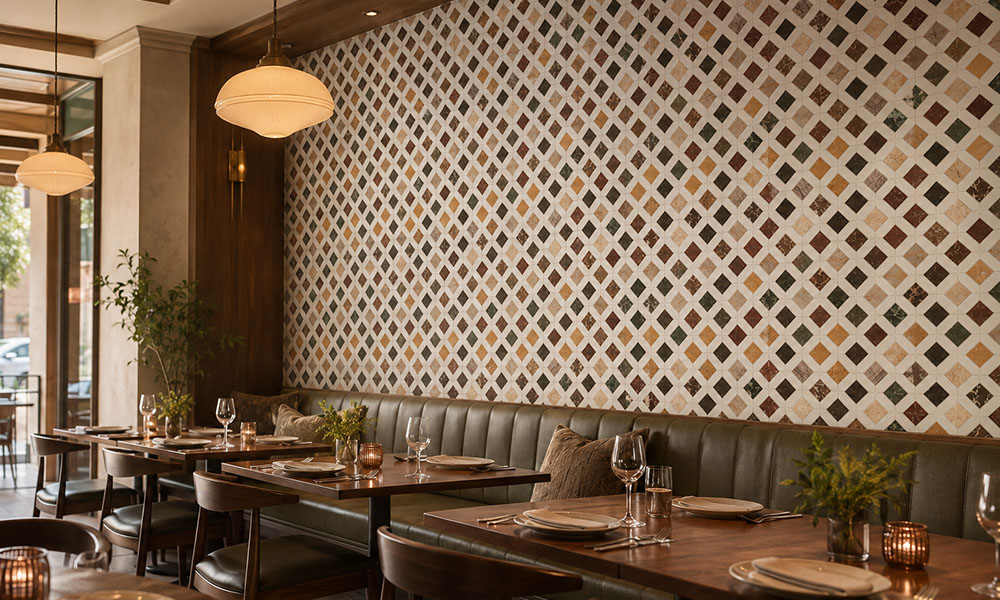
Retro Wall Tiles for a Warm and Refined Restaurant
-
-
-
-
-
-
-
-
-
-
-
-
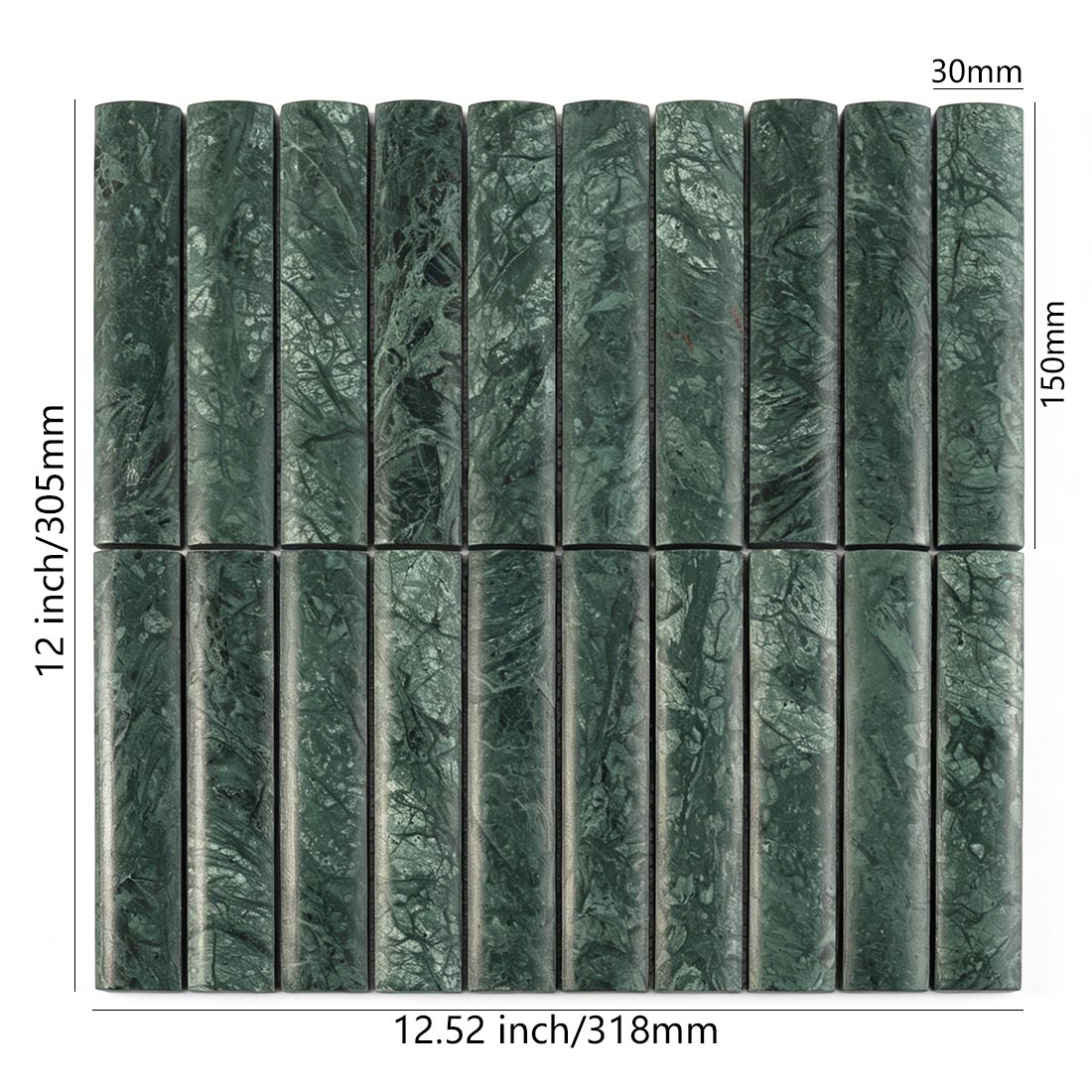
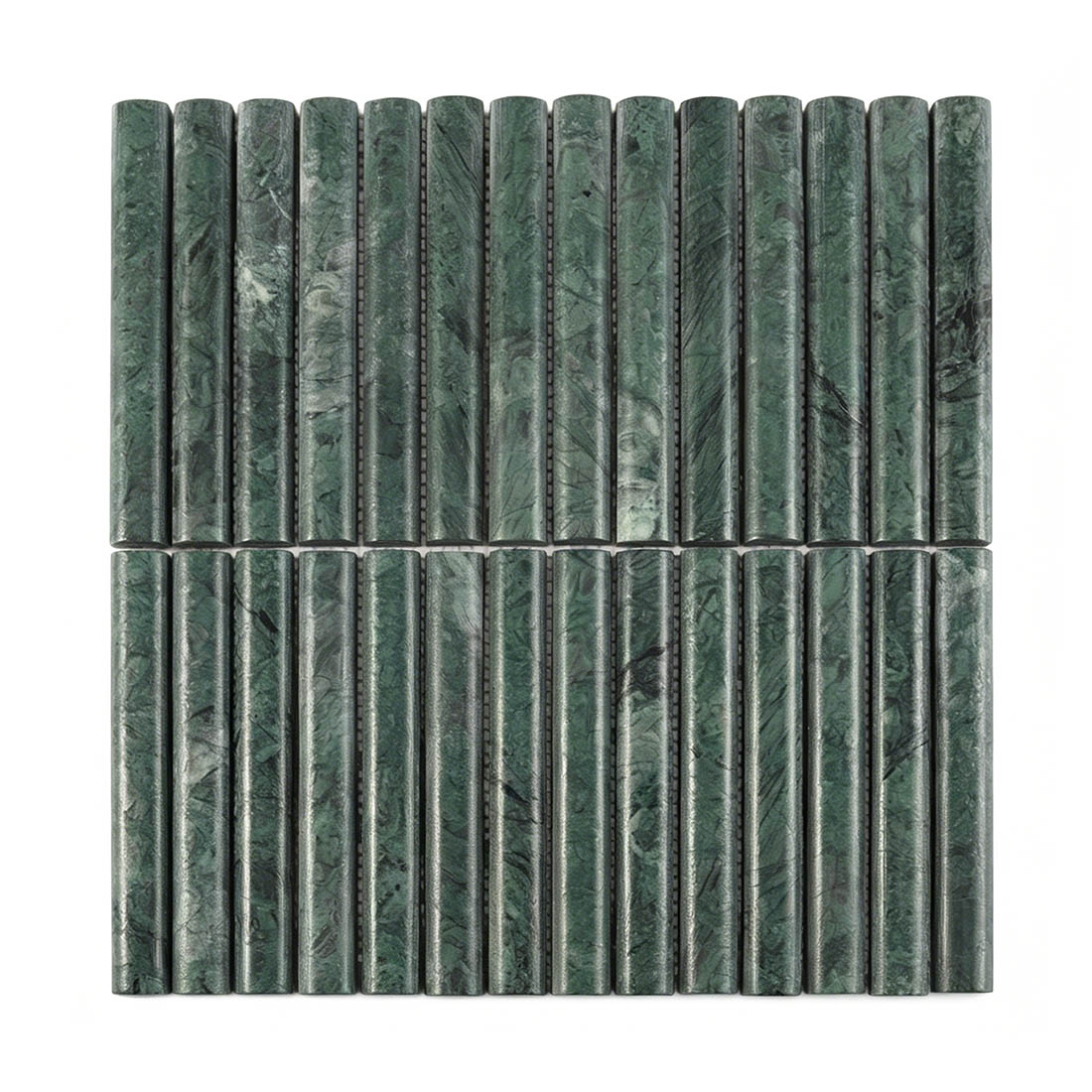
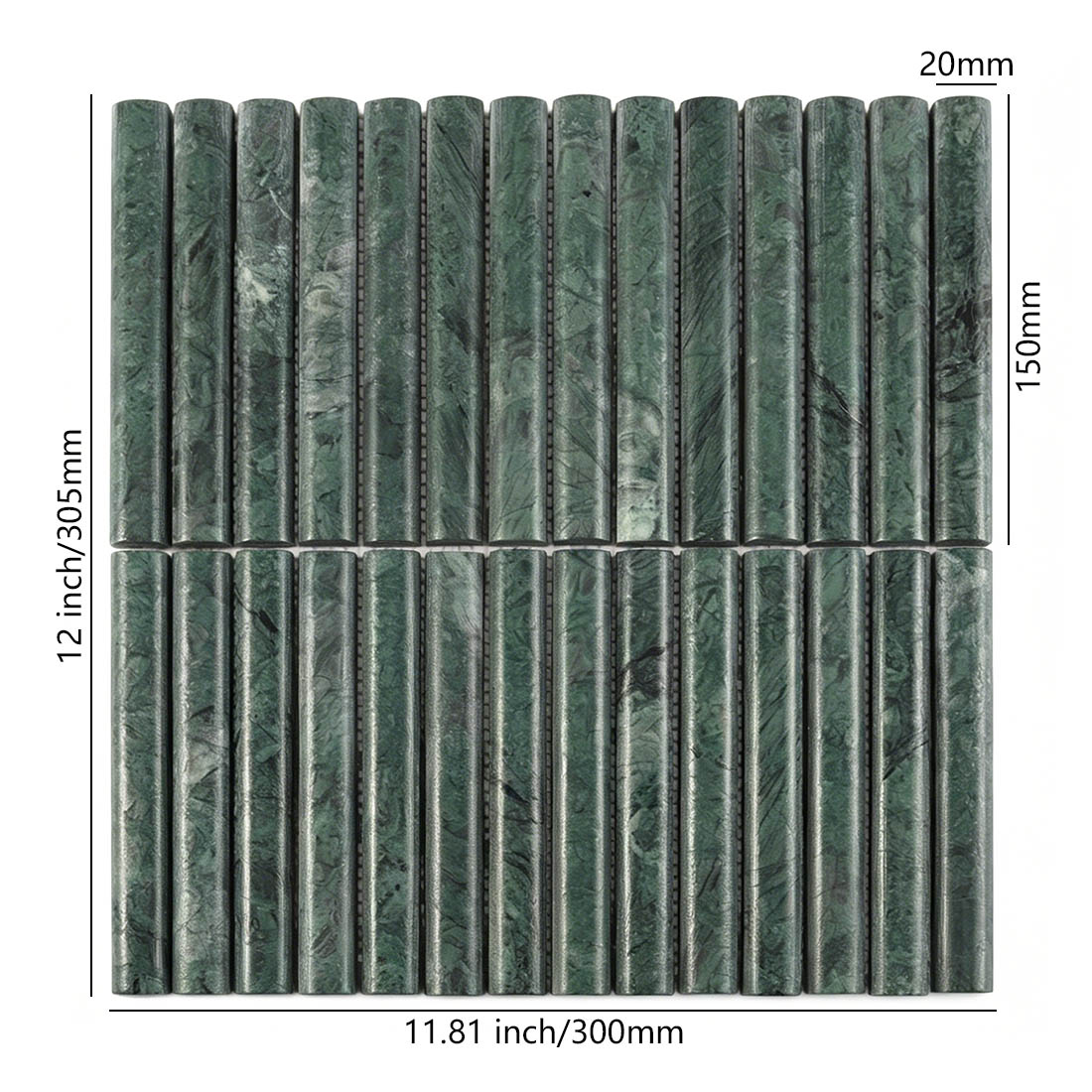
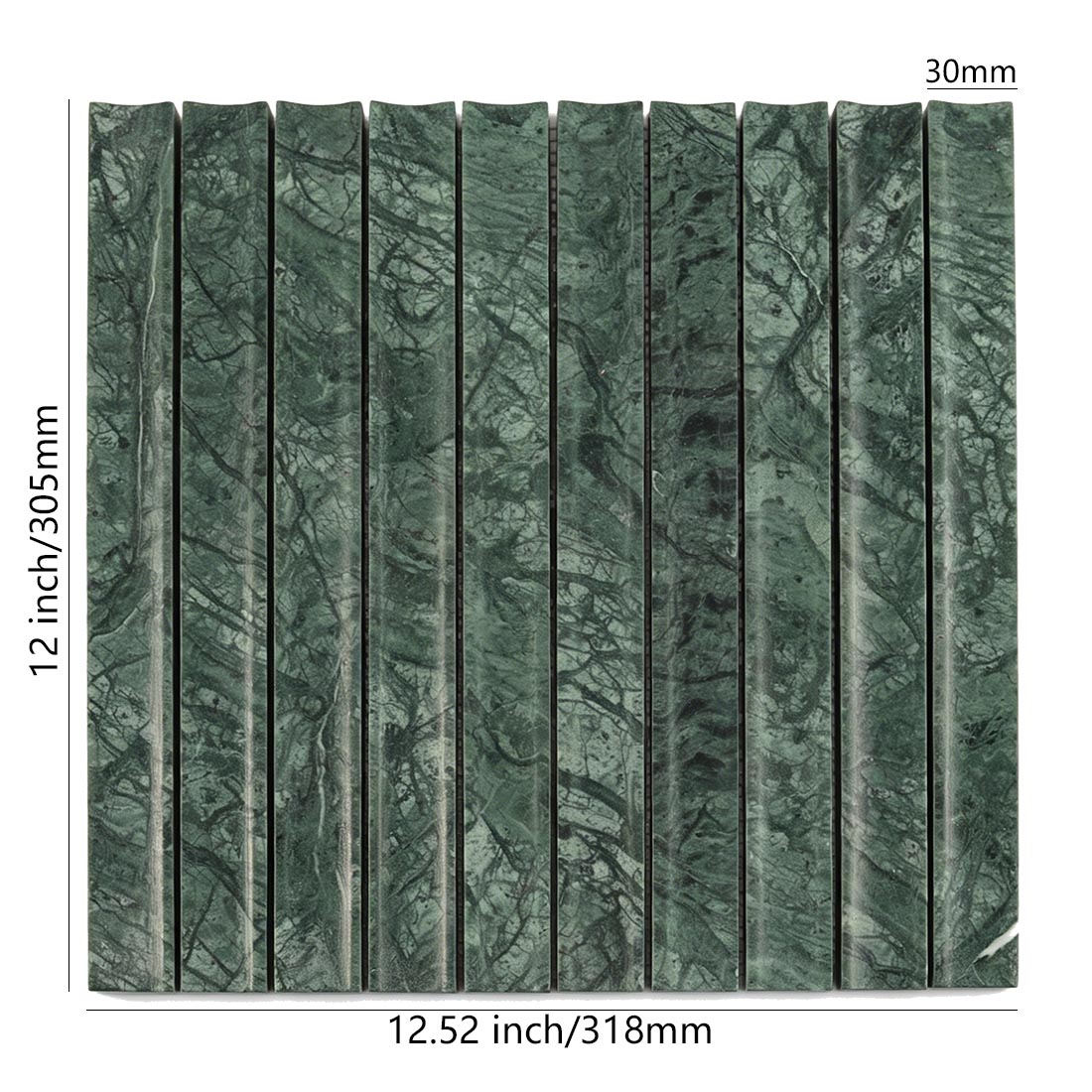
Green Marble Arched Bar Hotel Spa Wall Tile$15.67 USD
-
-
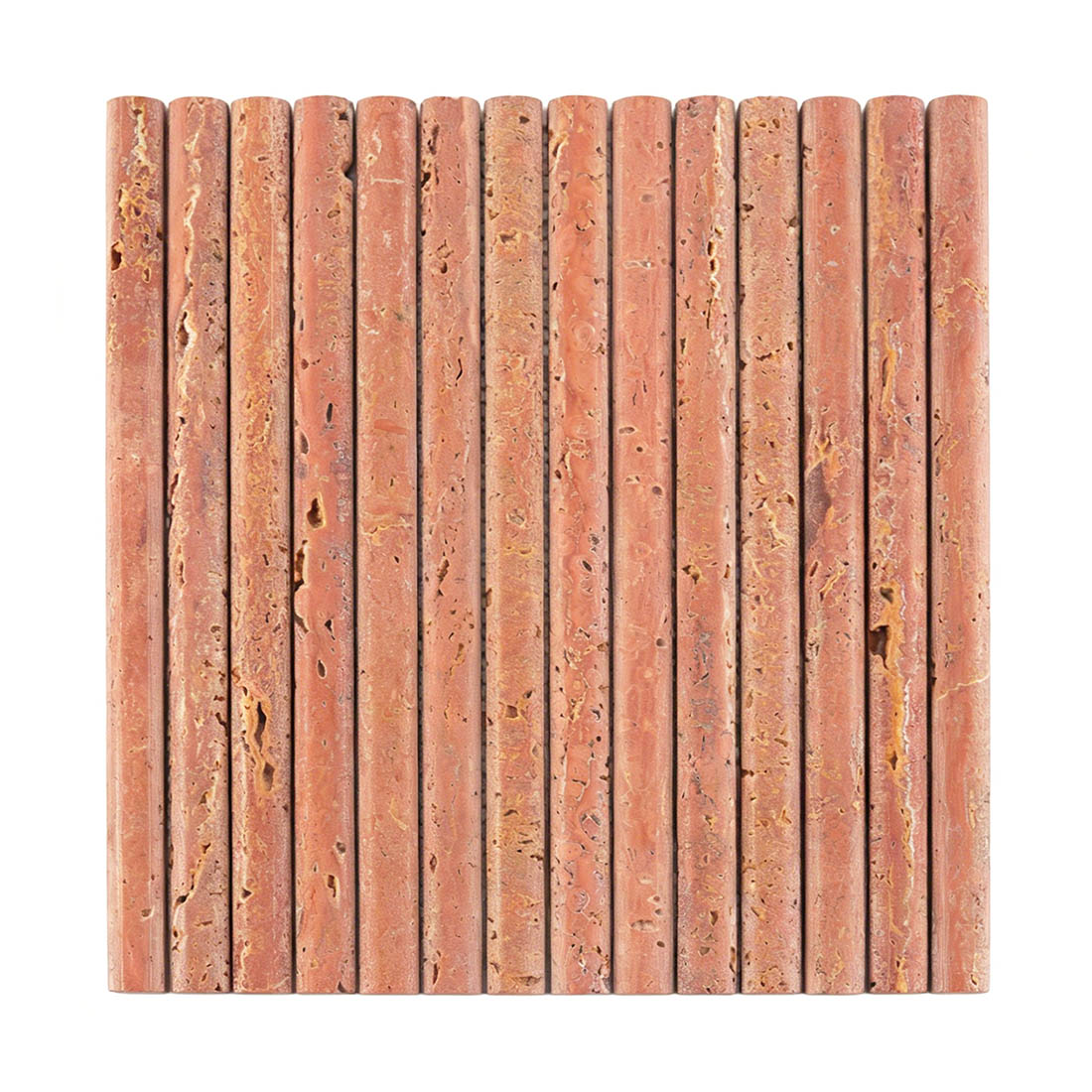
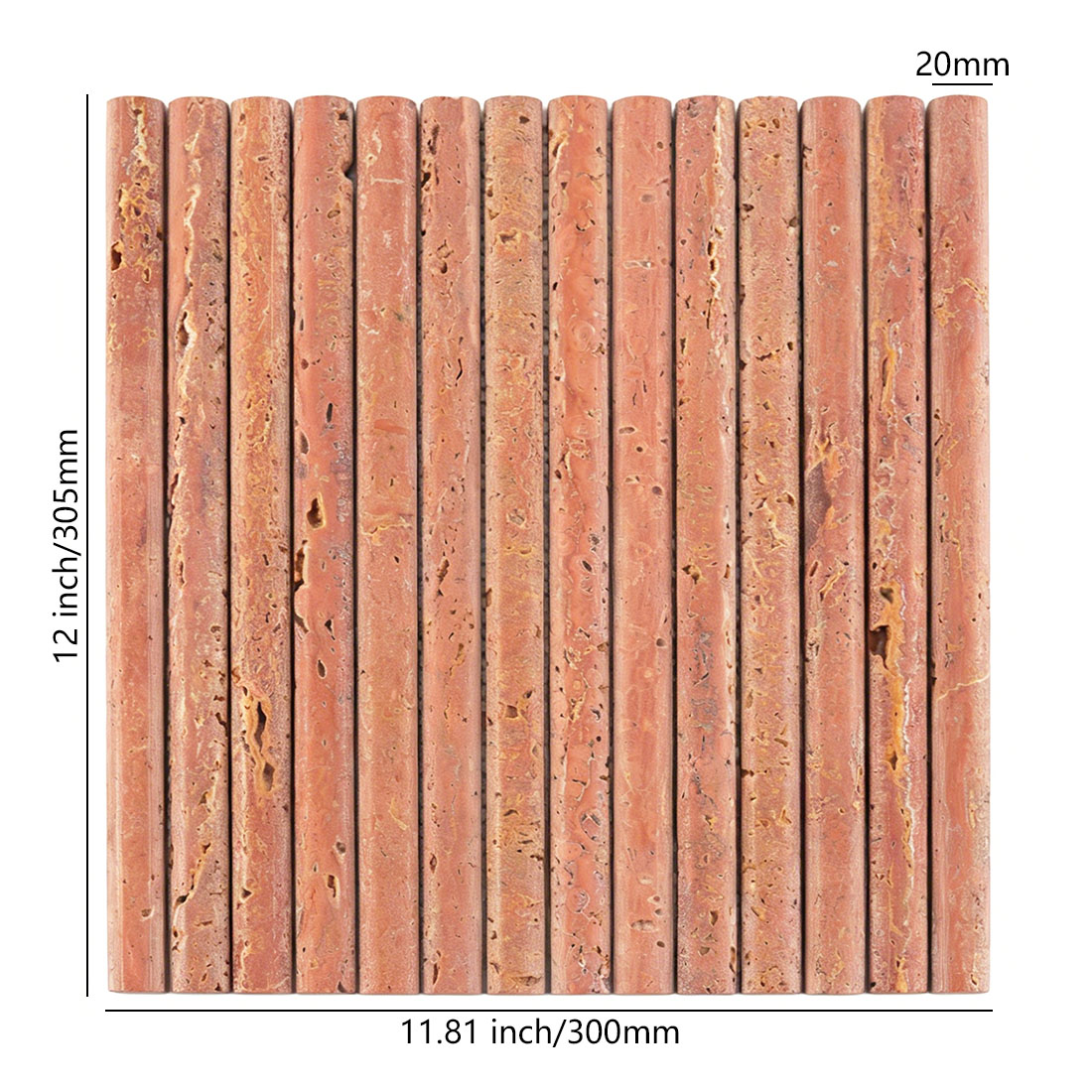
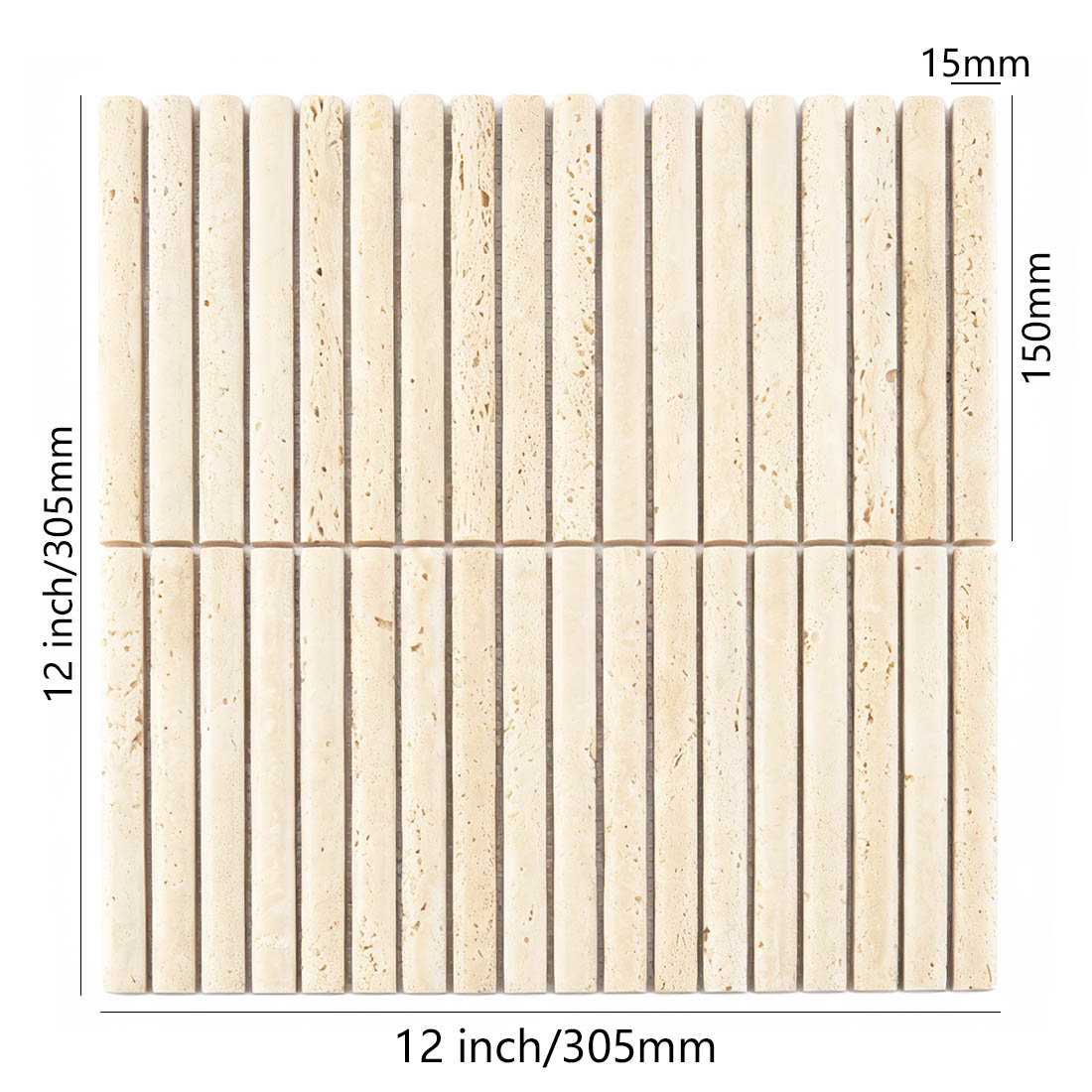
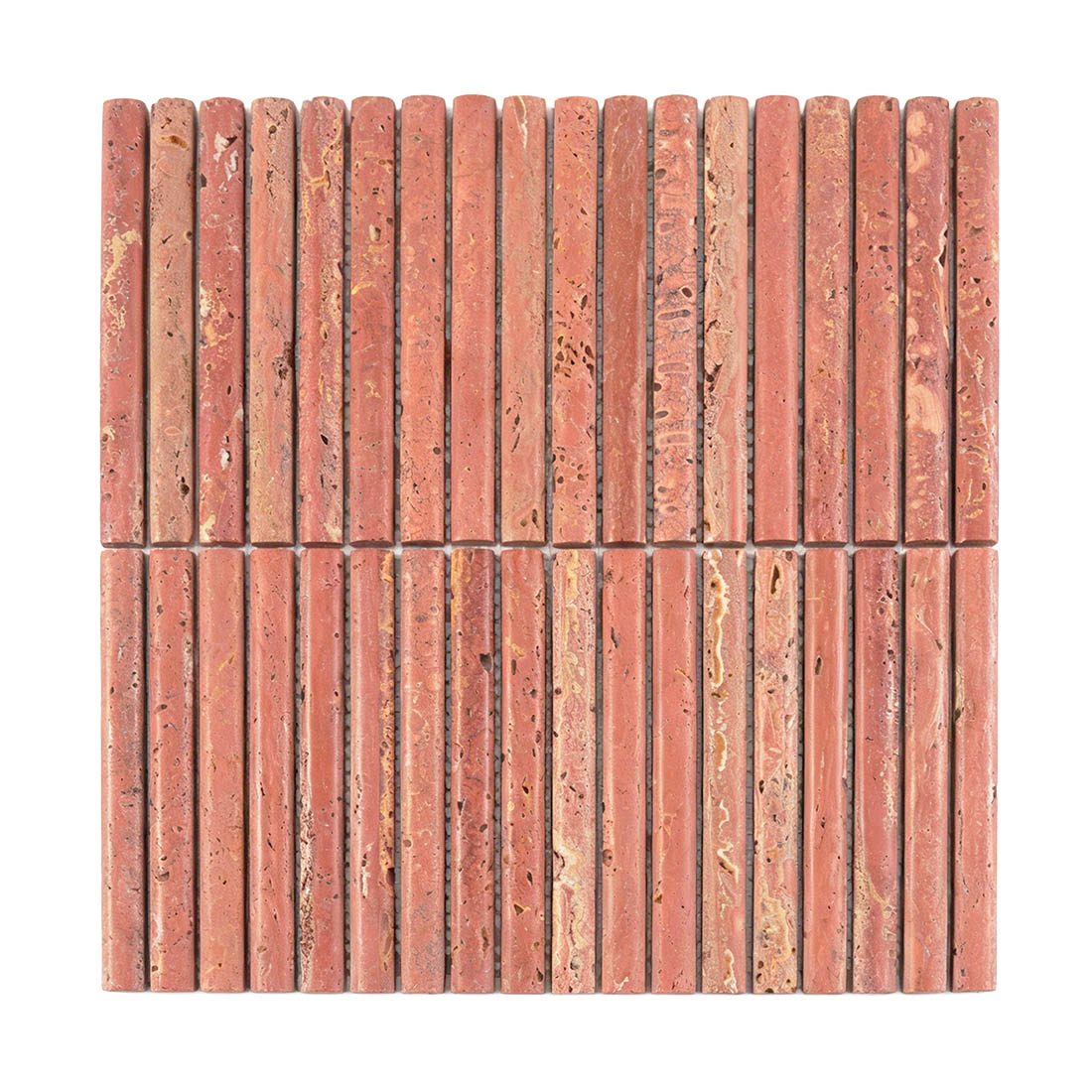
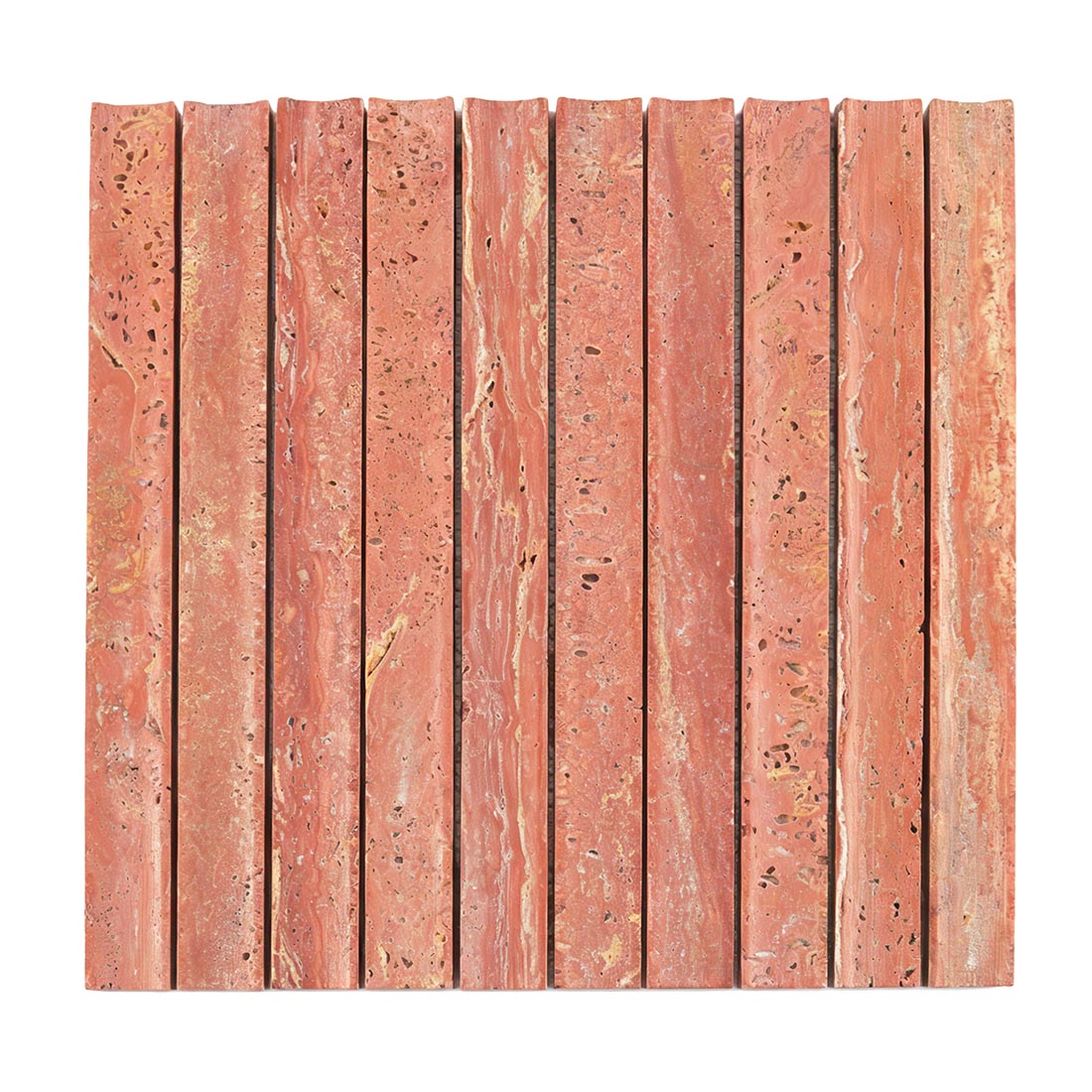
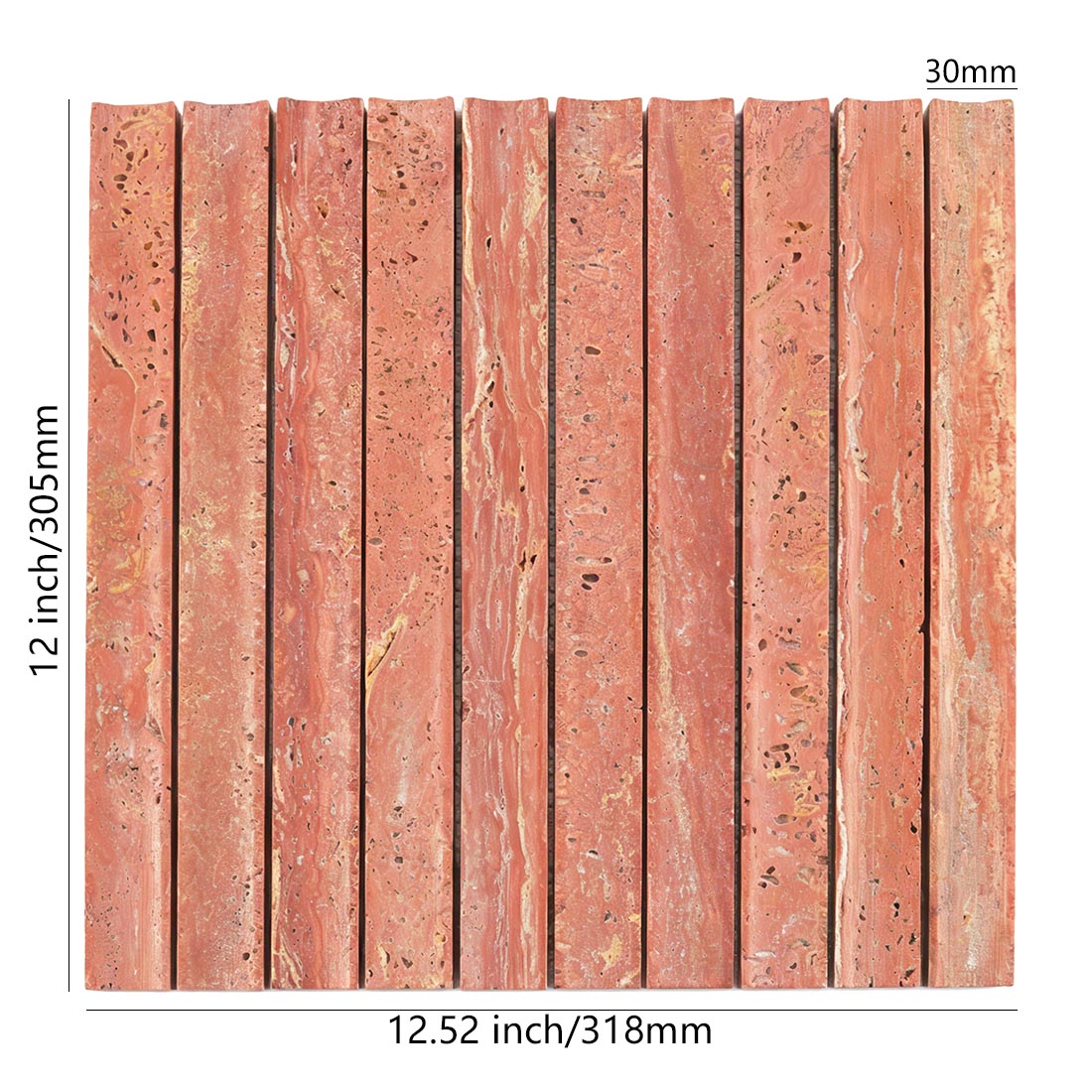
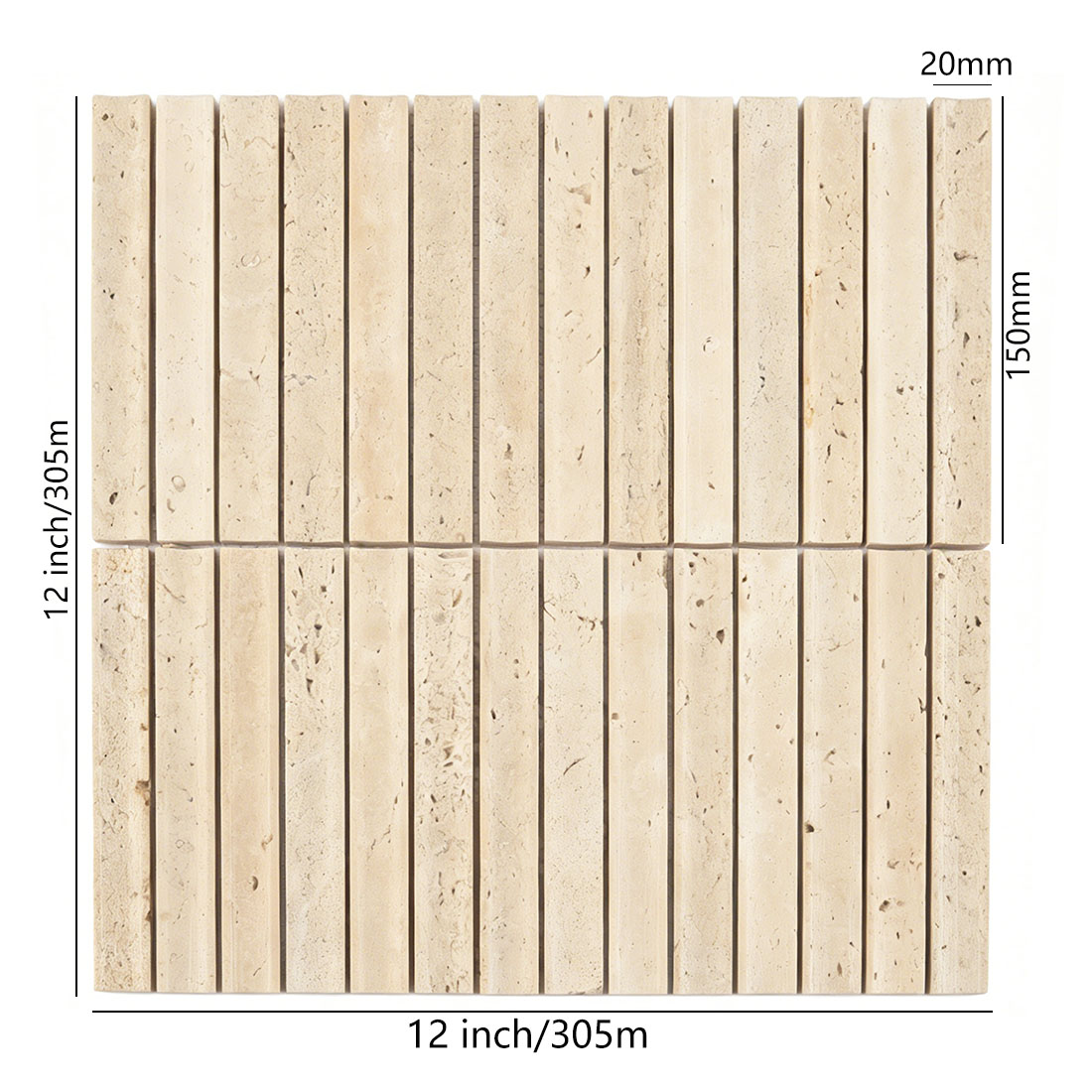
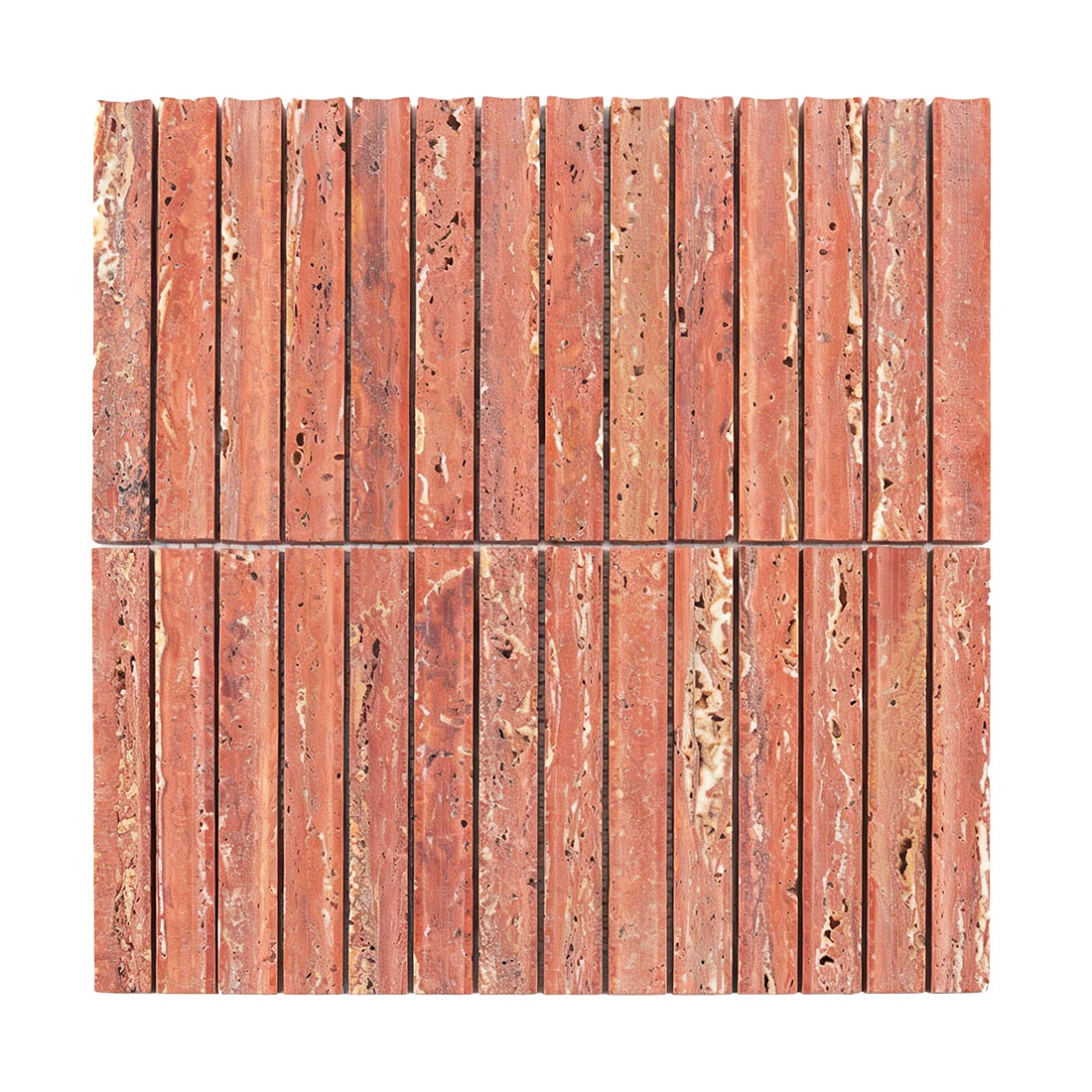
Red Travertine Convex Liner Tile$19.30 USD
-
-
-
-
-
-
-
-
-
-
-
-
-
-
-
-
-
-
-
Brown Glass and Stone Square Mosaic Tile$6.52 USD
-
-
-
-
-
-
-
-
-
-
Antique Bronze Square Metal Mosaic Tile$31.75 USD
-
-
-
-
-
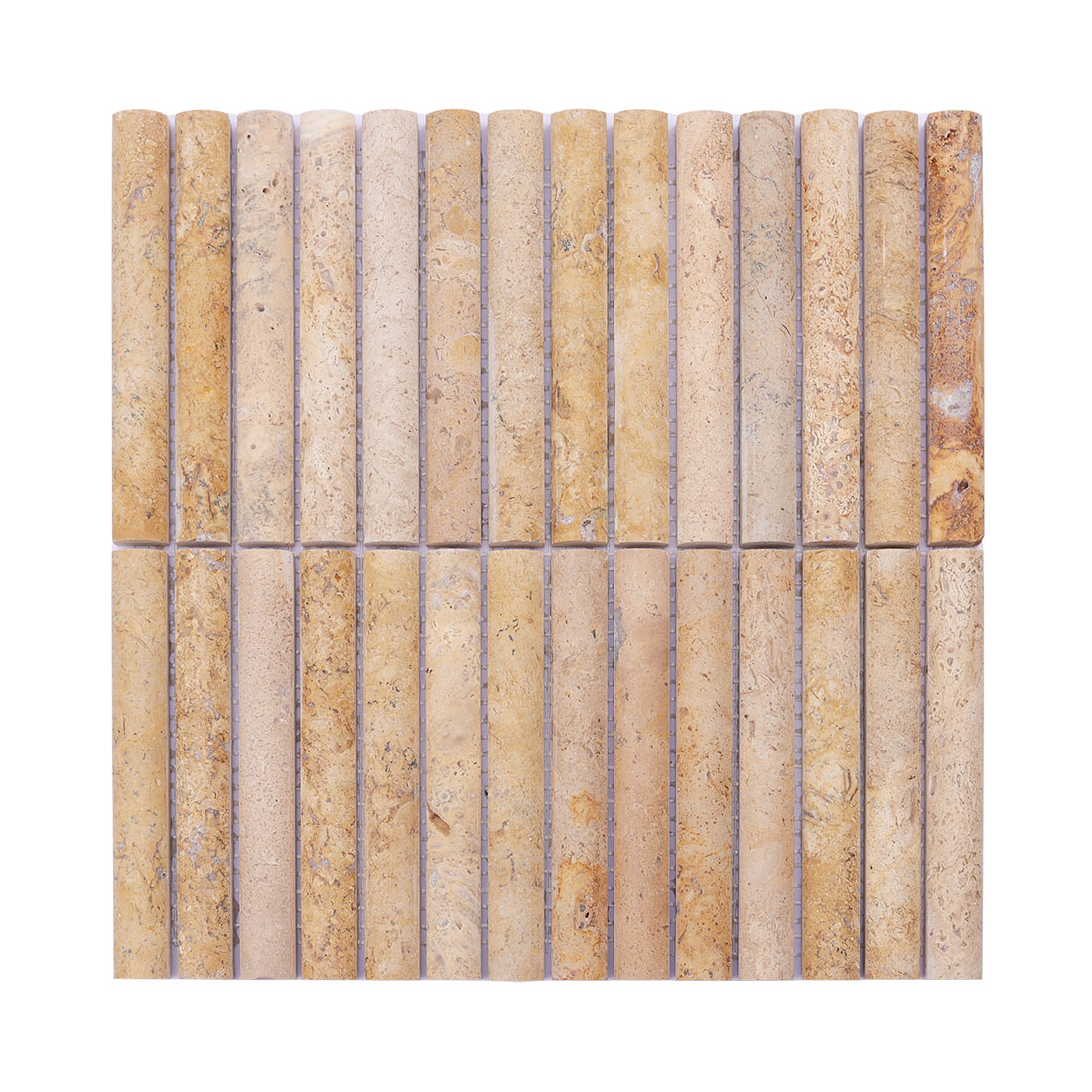
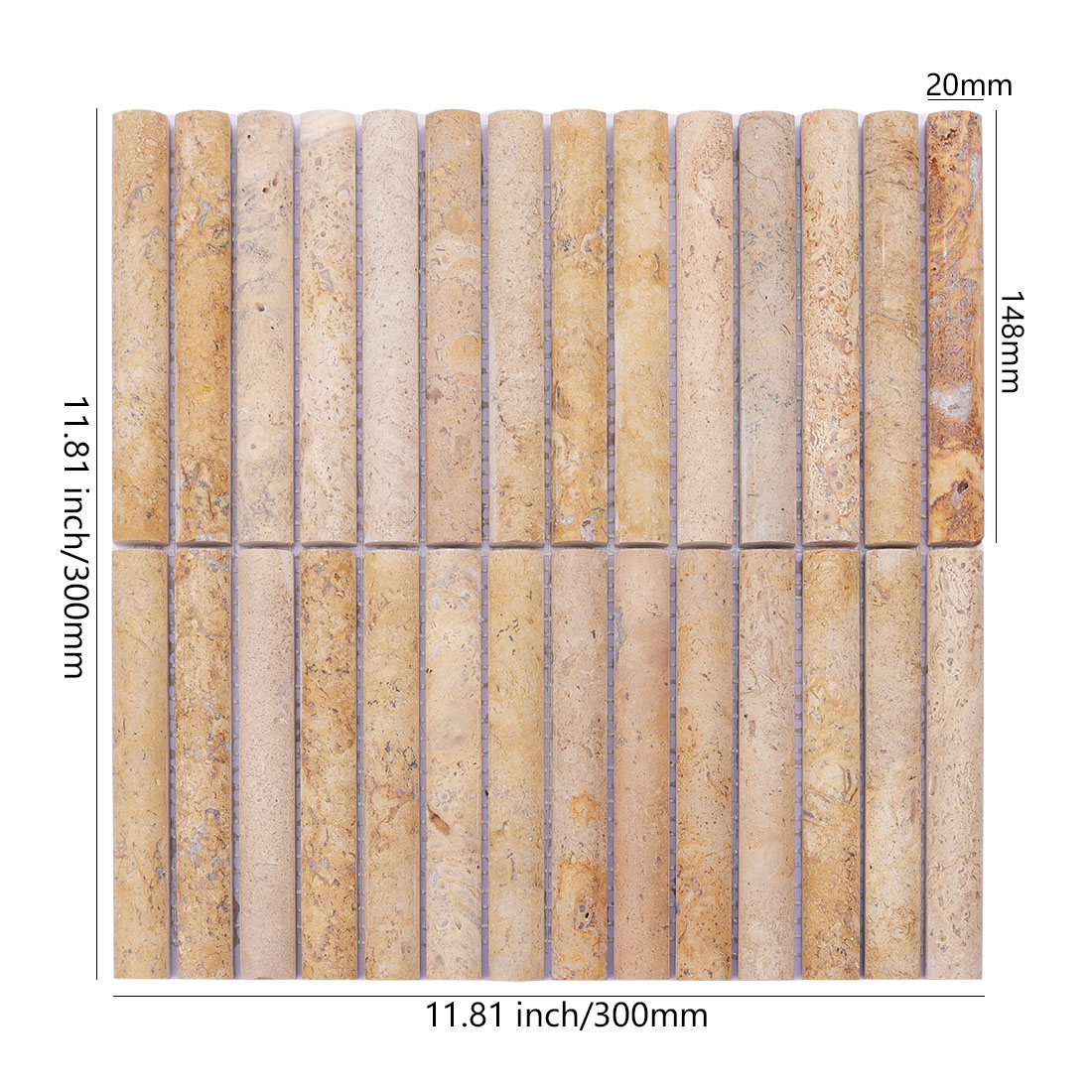
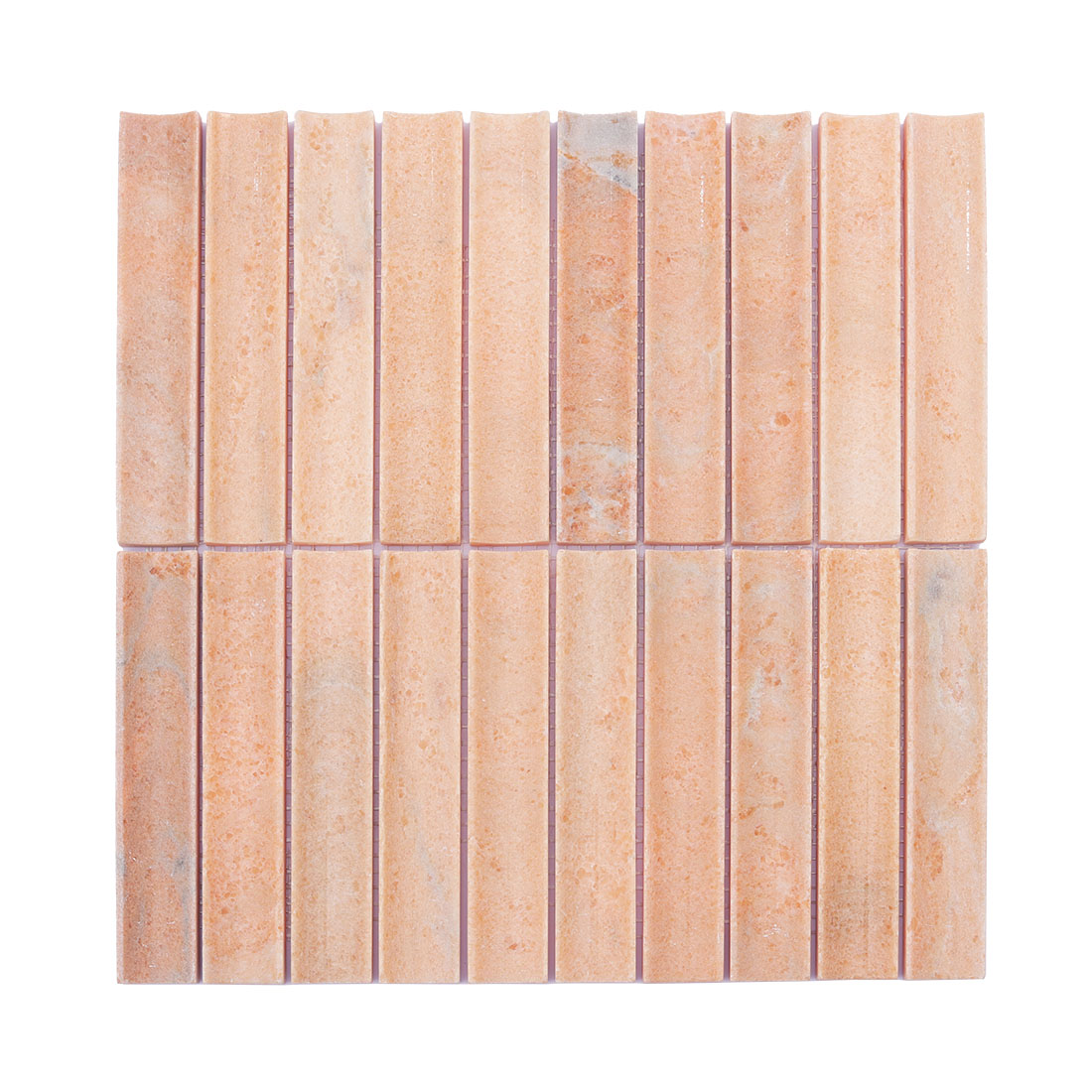
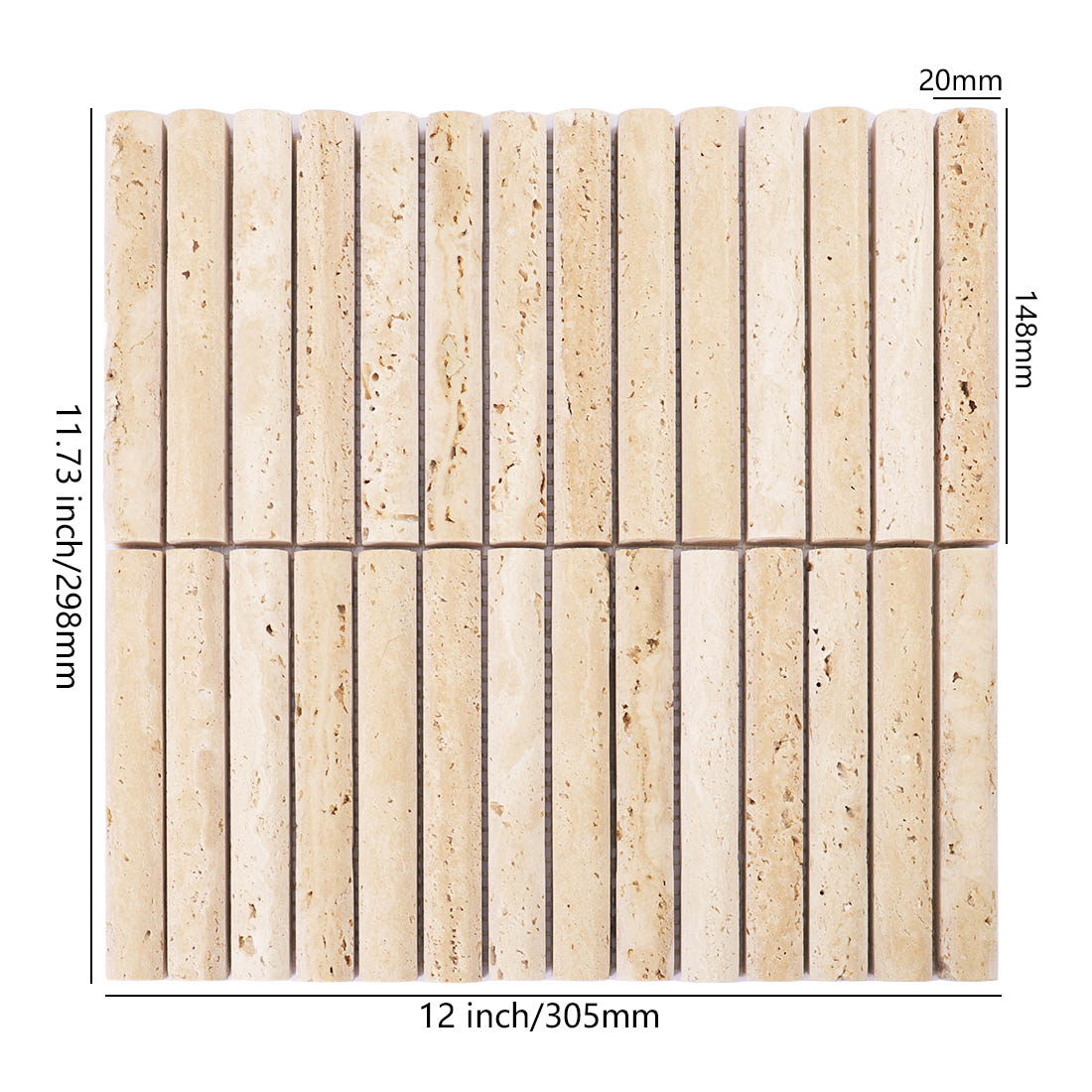
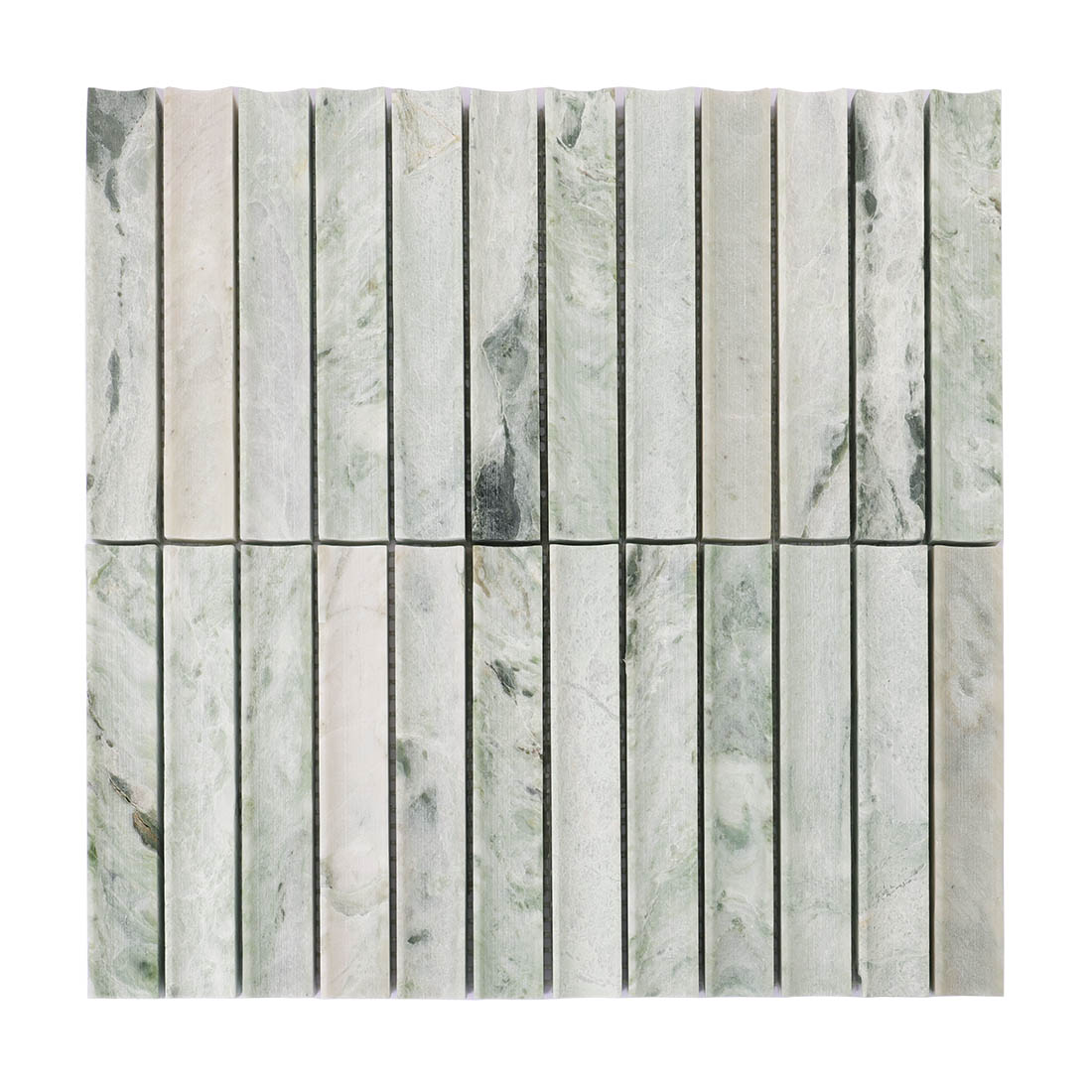
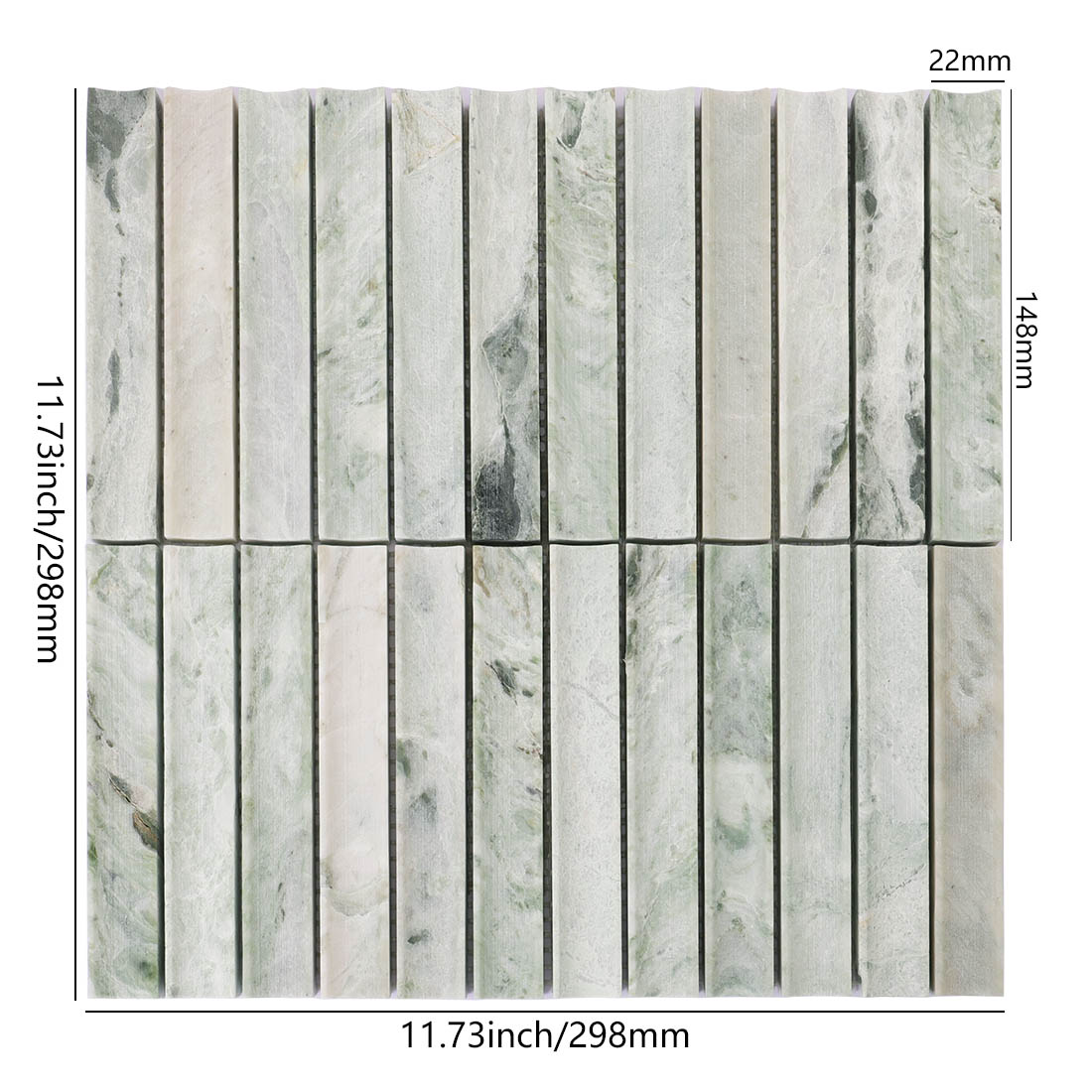
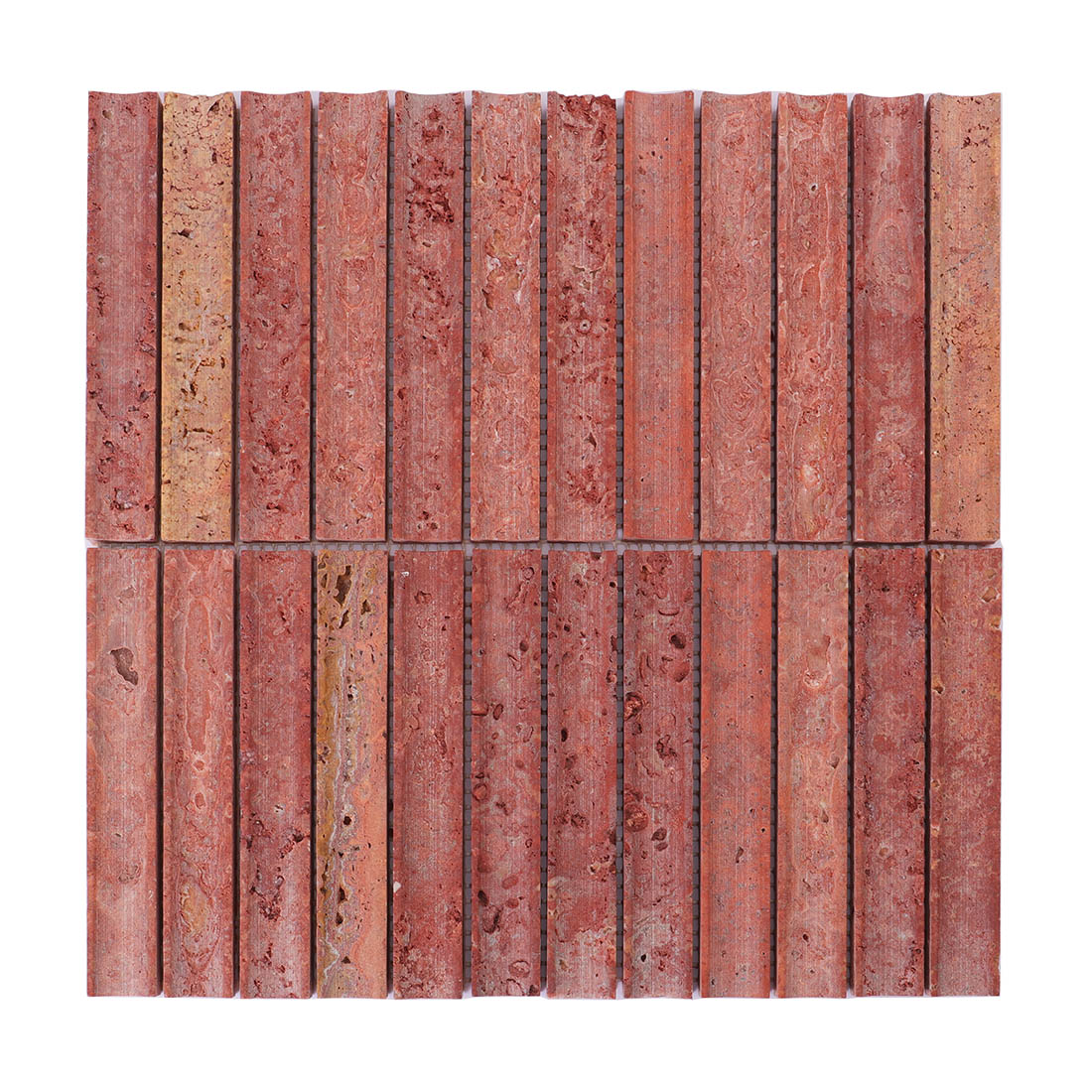
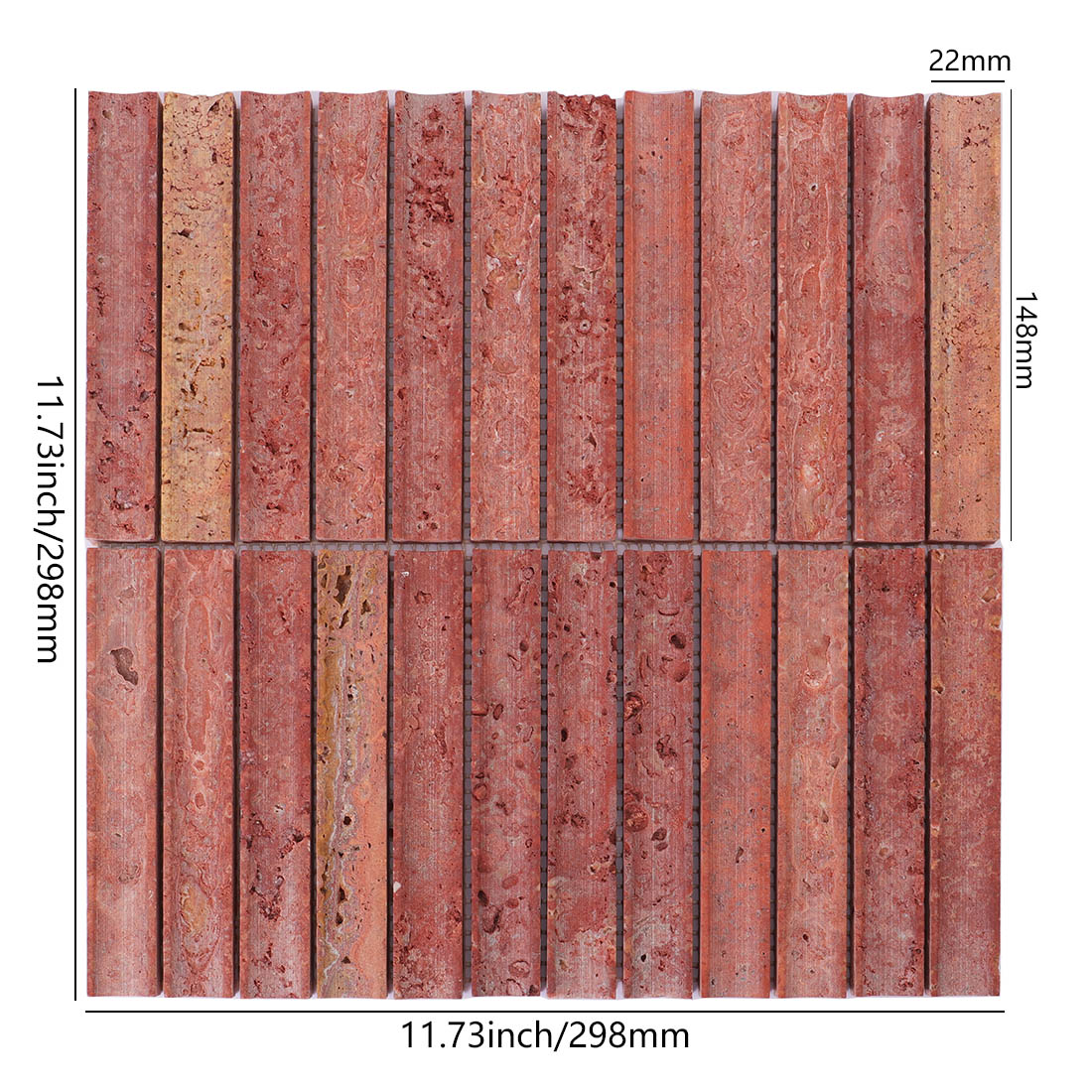
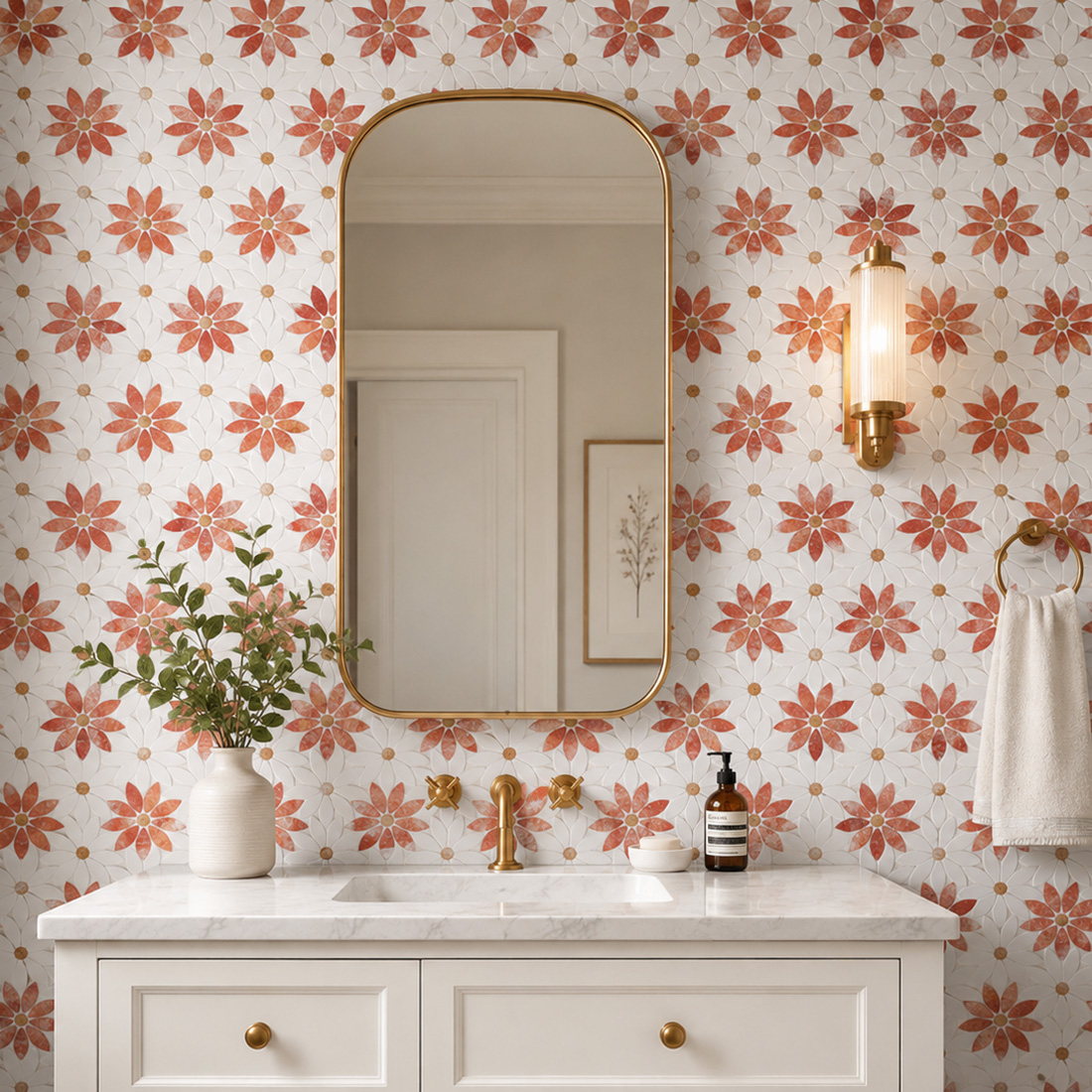
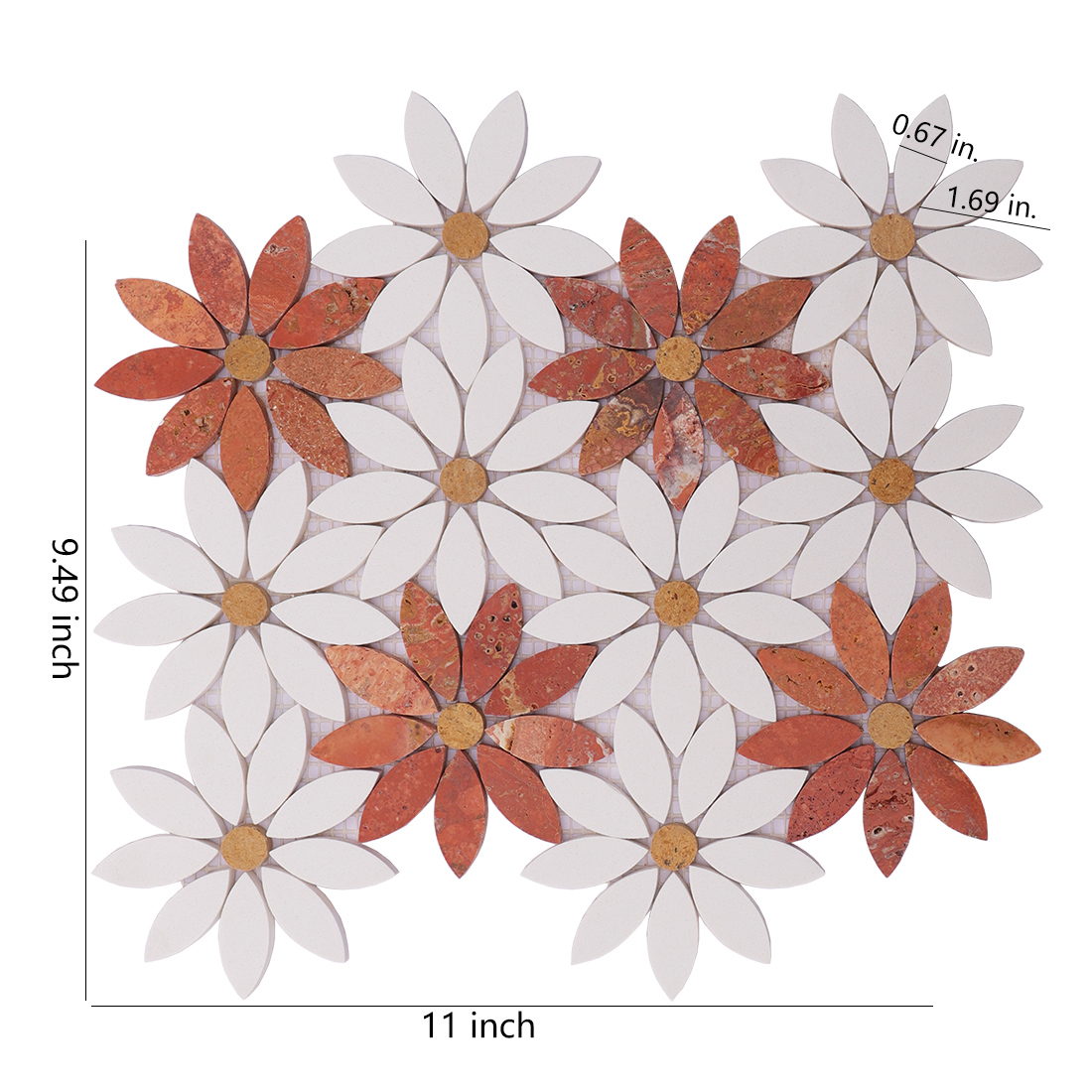
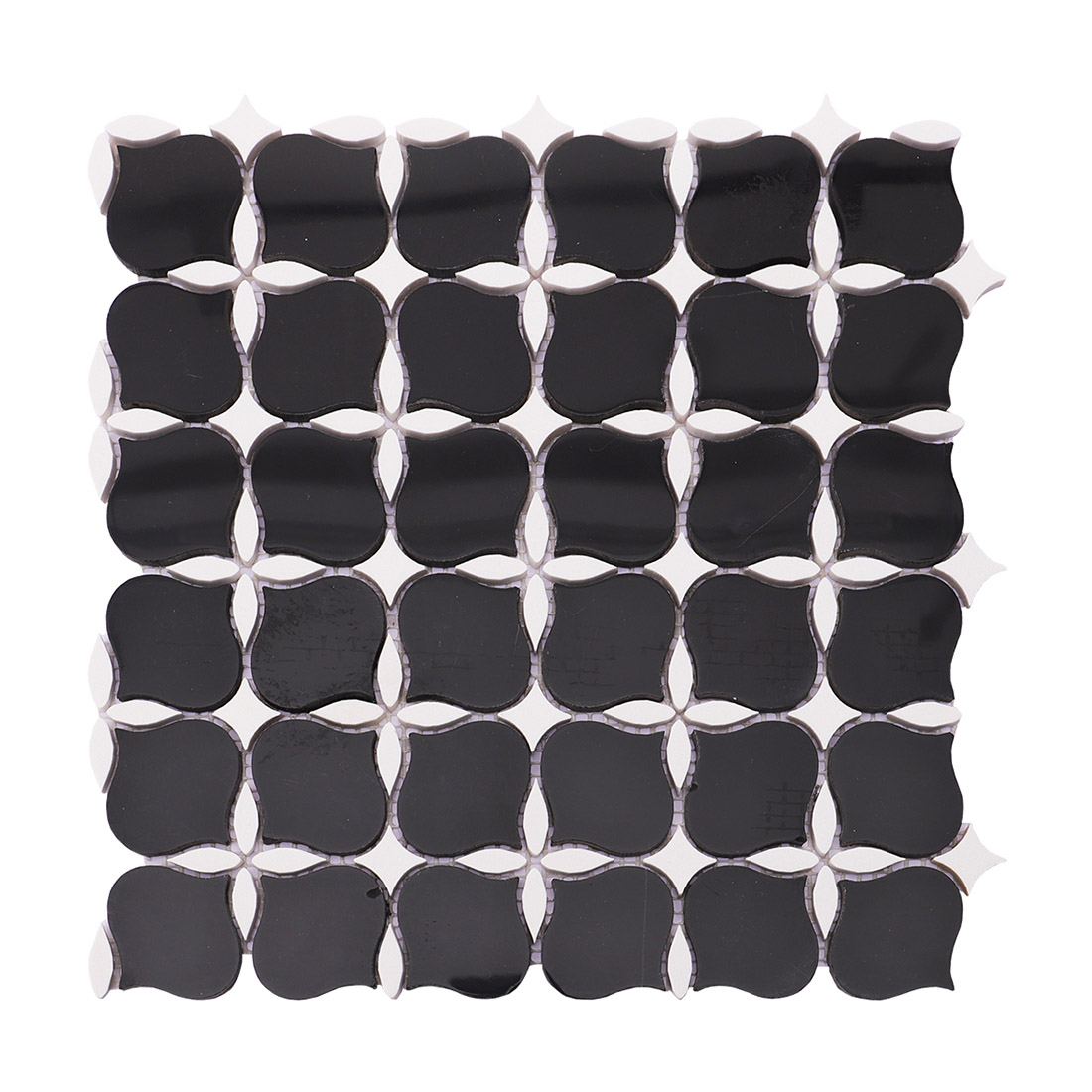
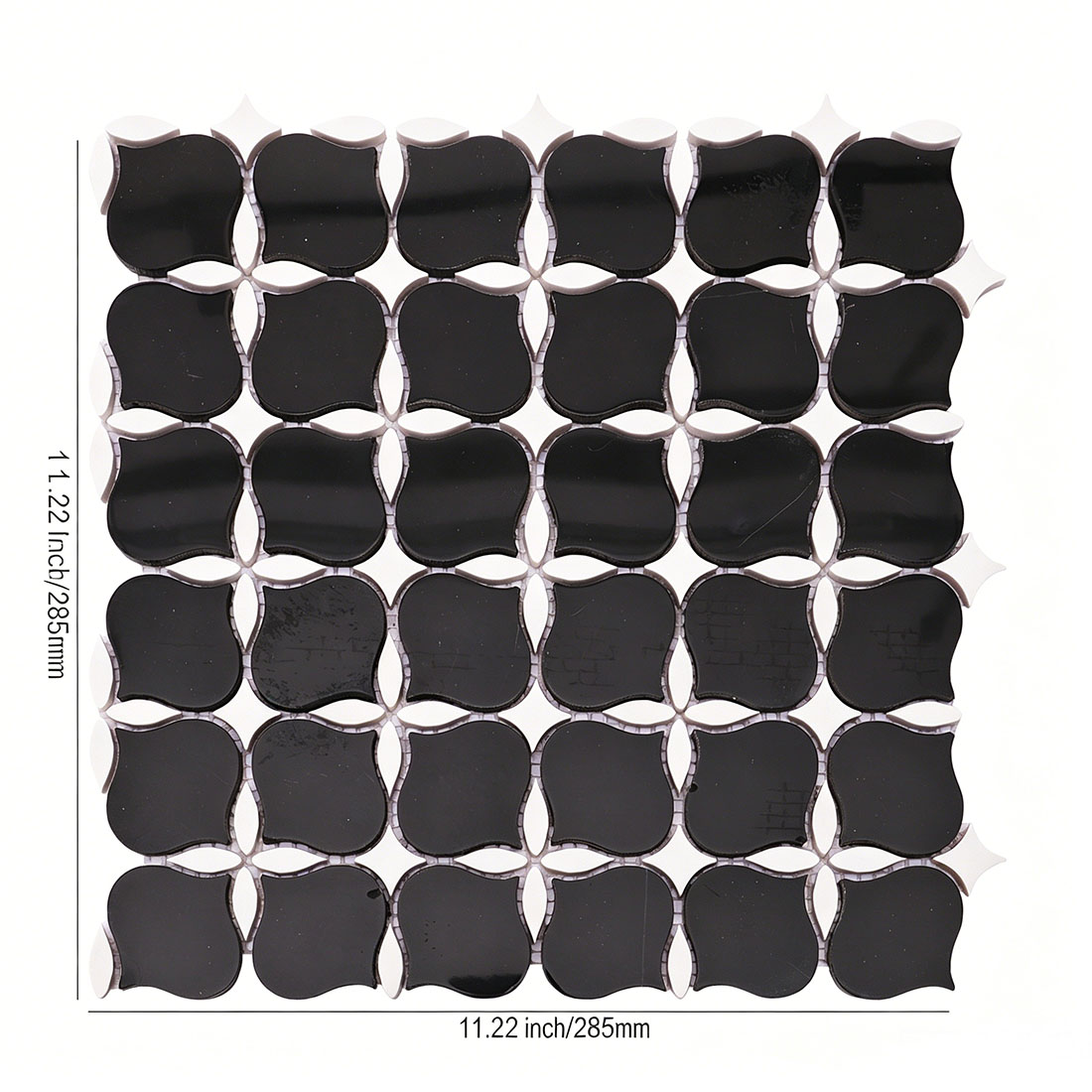
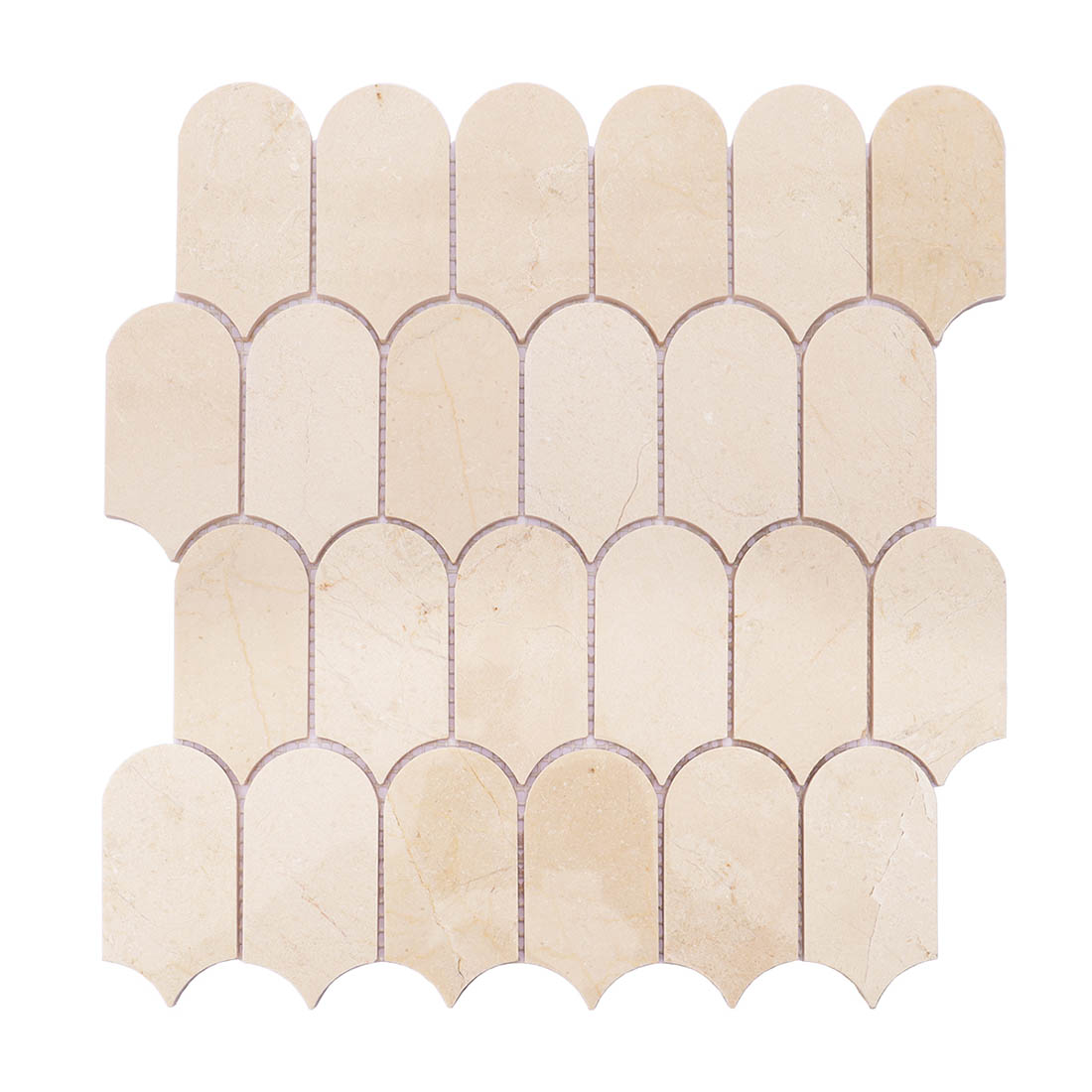
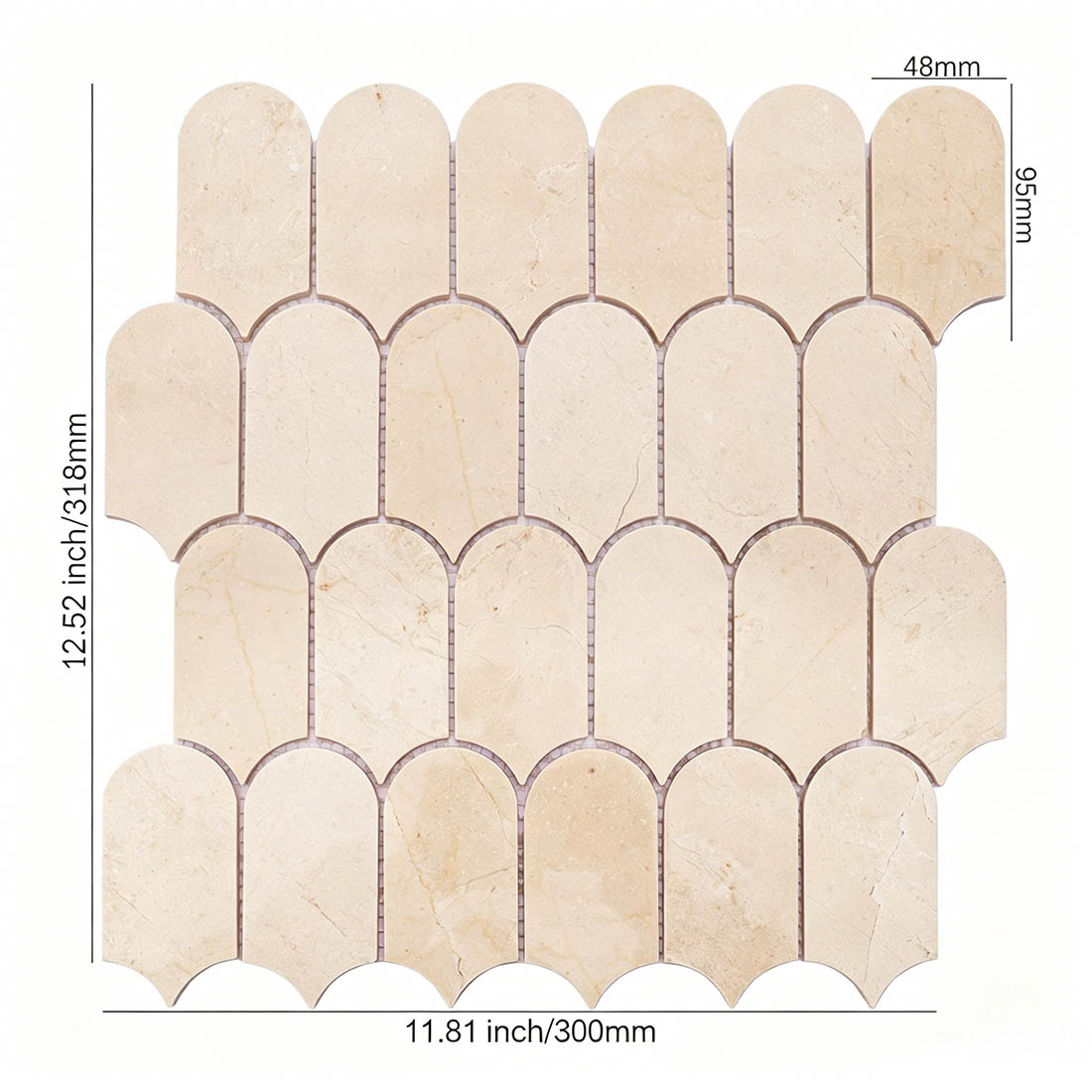
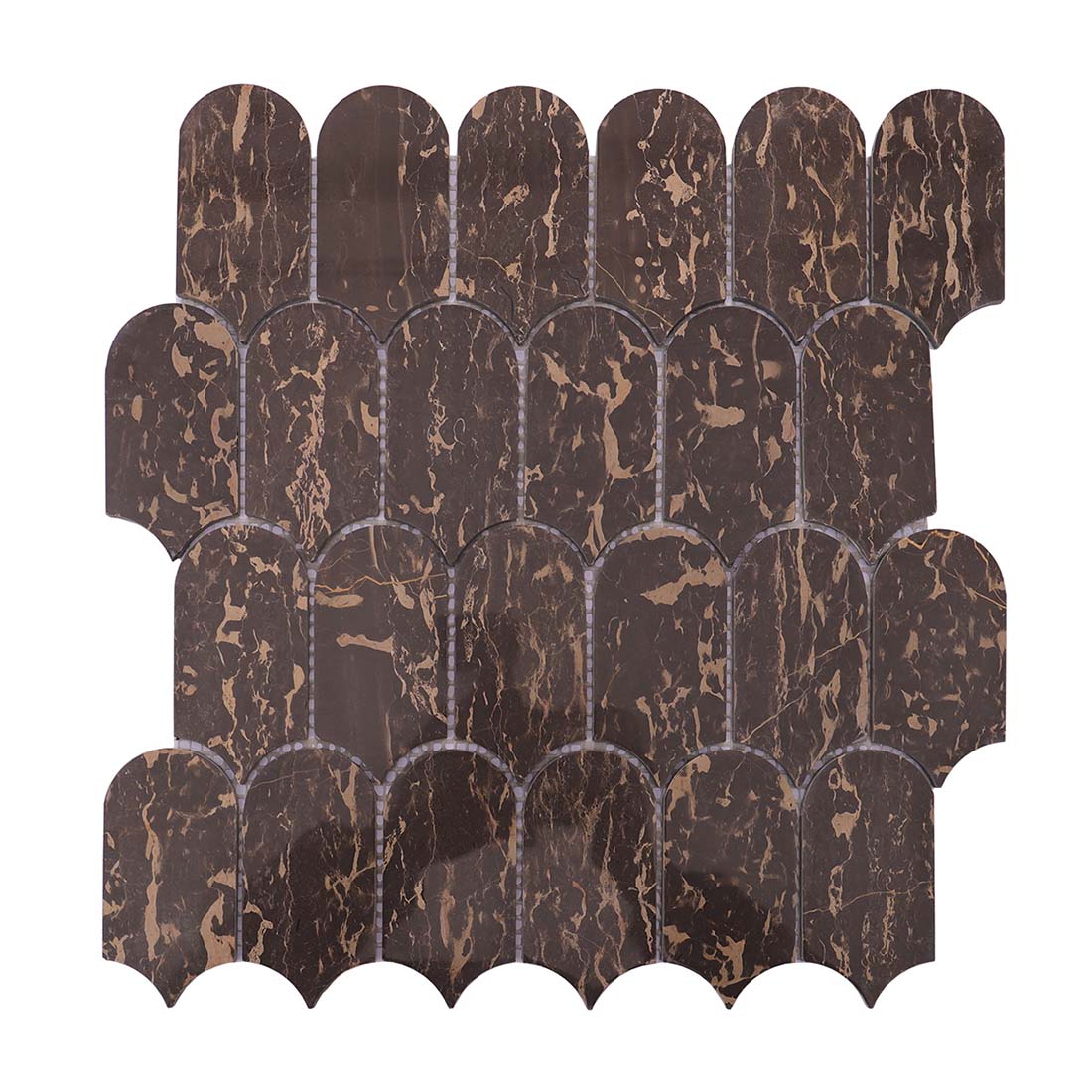
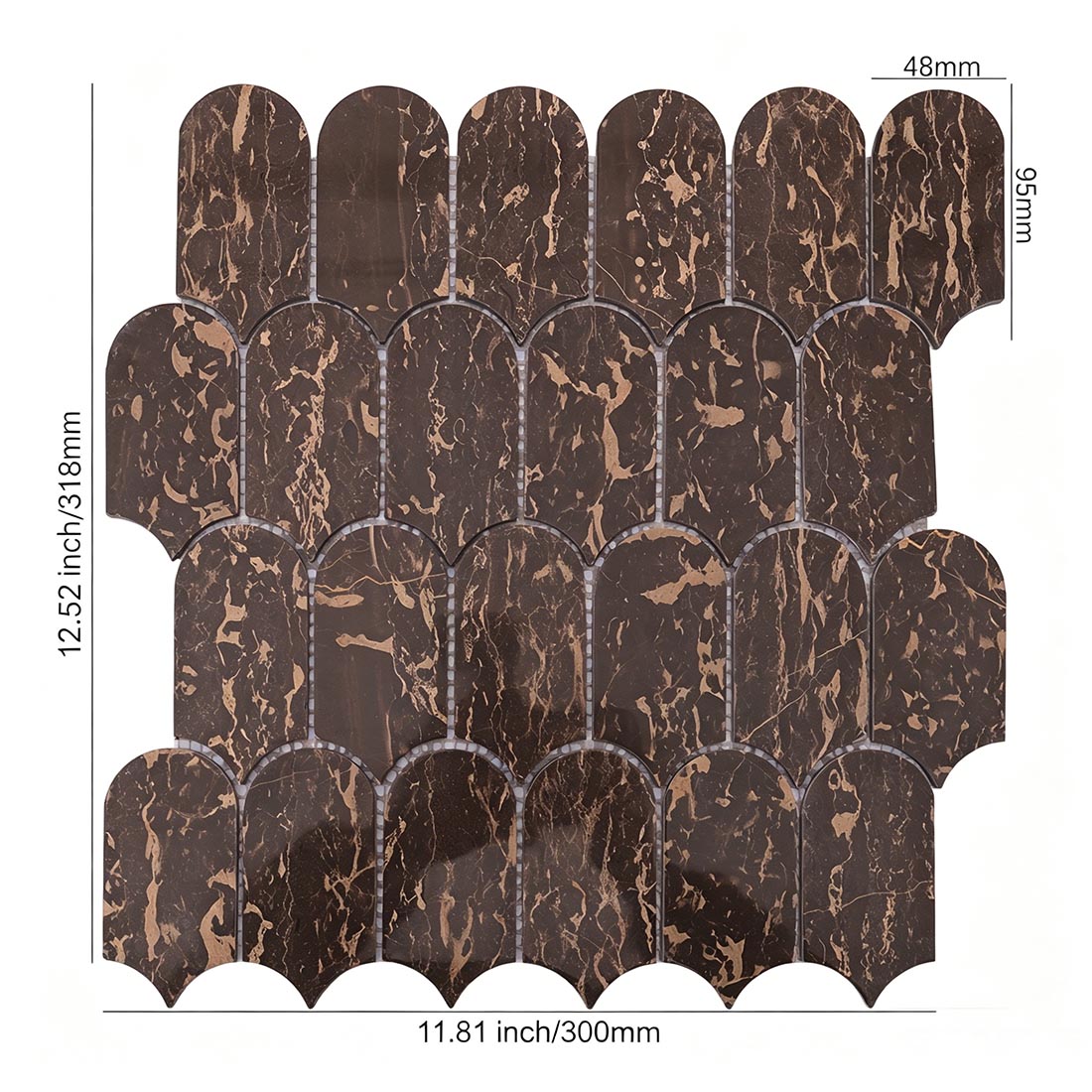
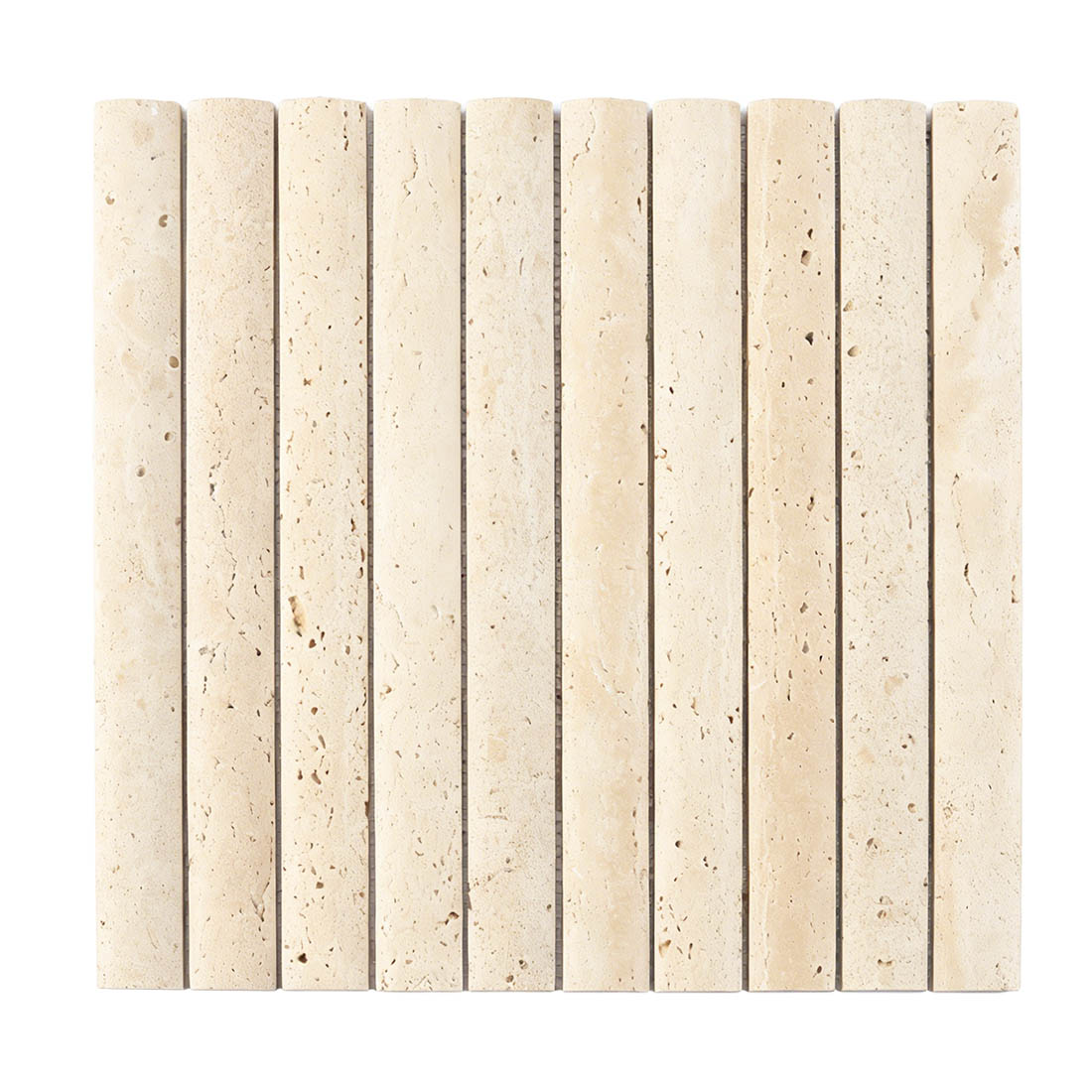
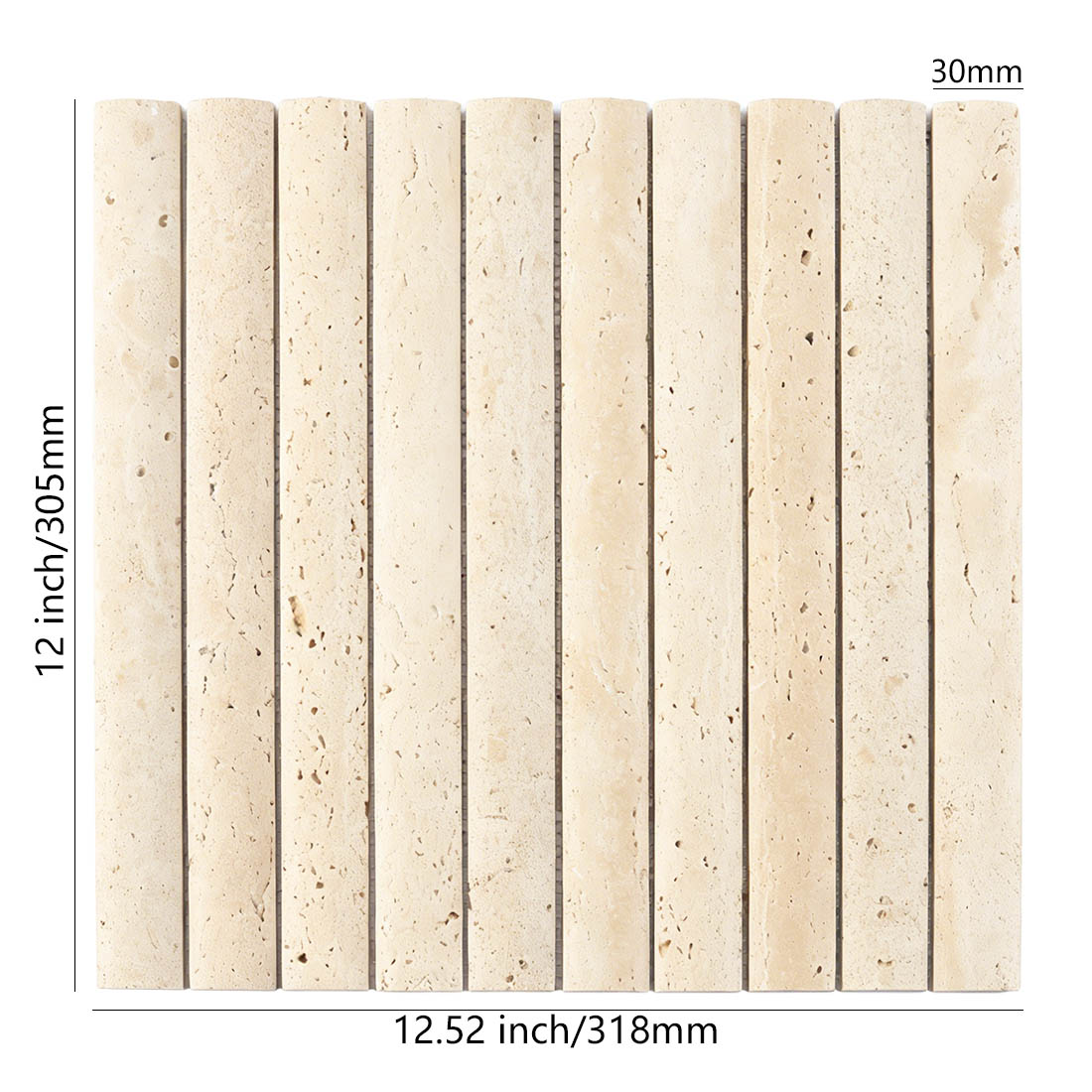
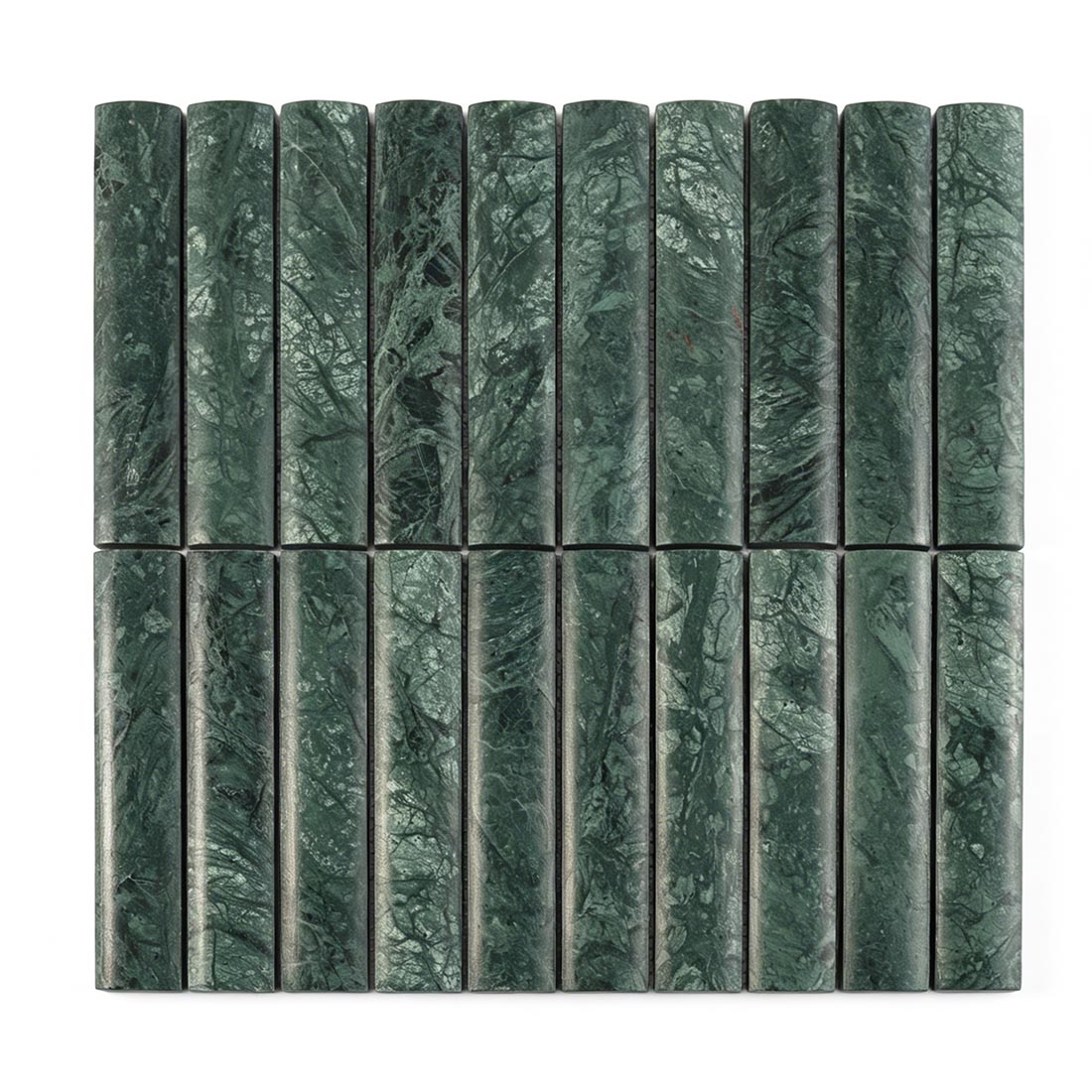


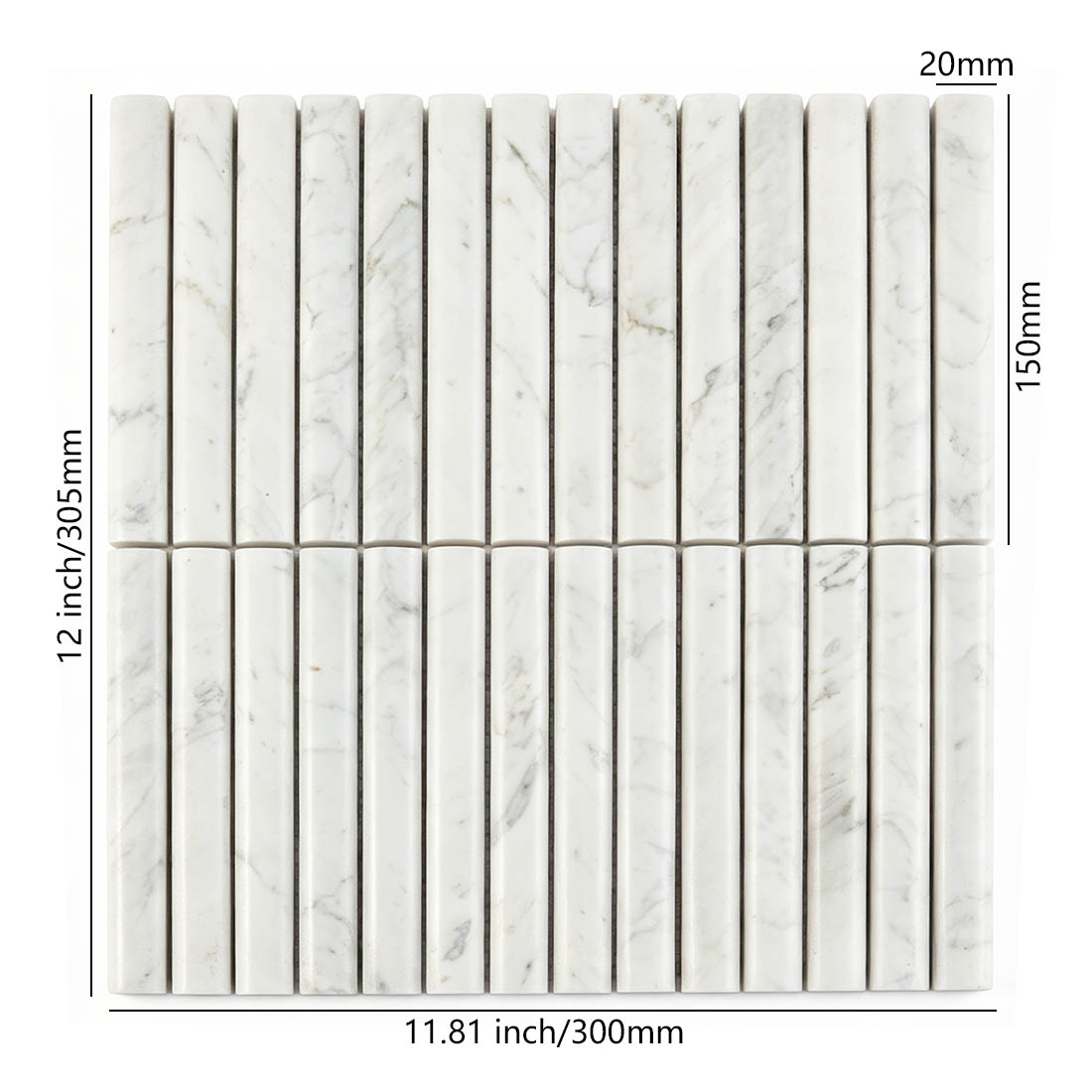
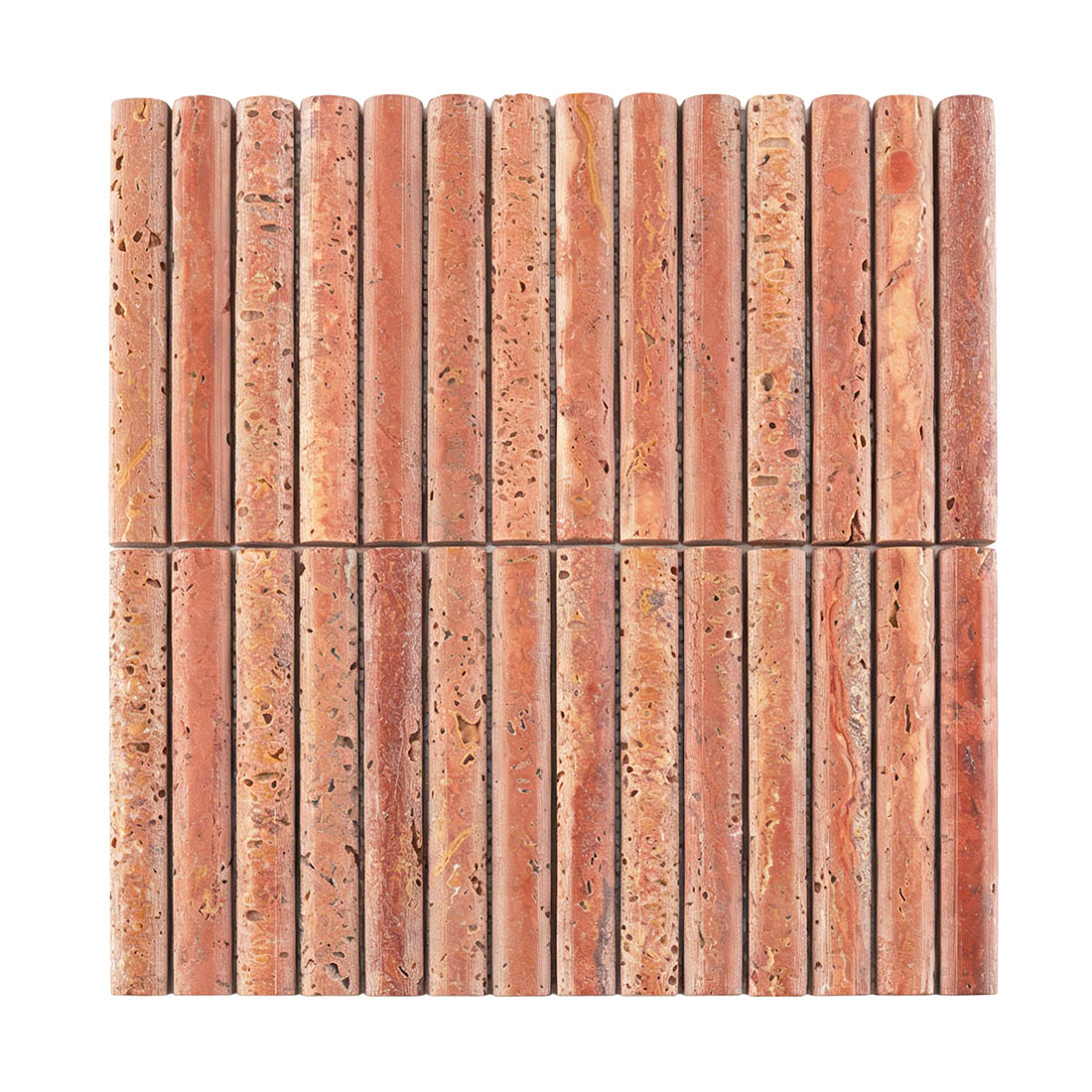
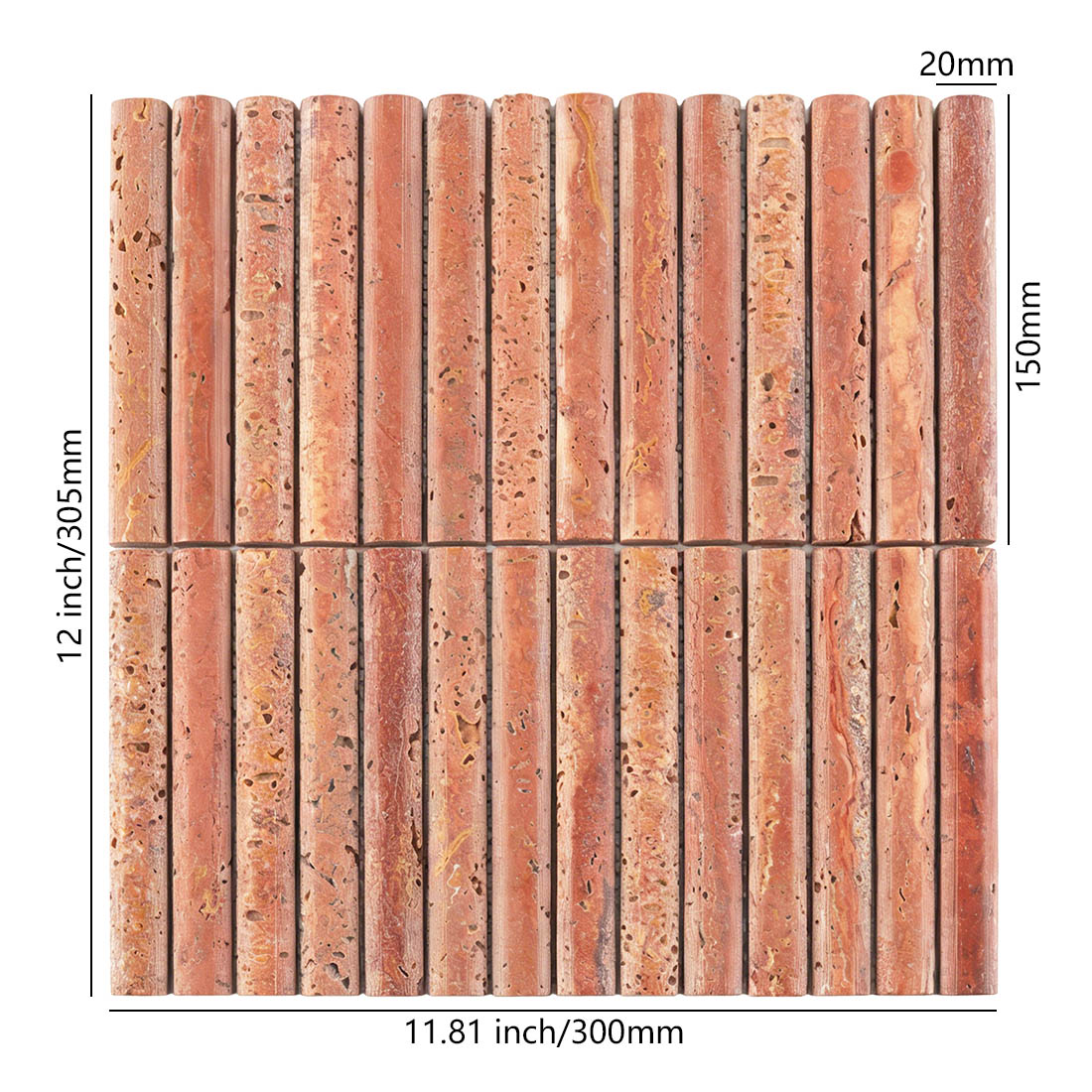
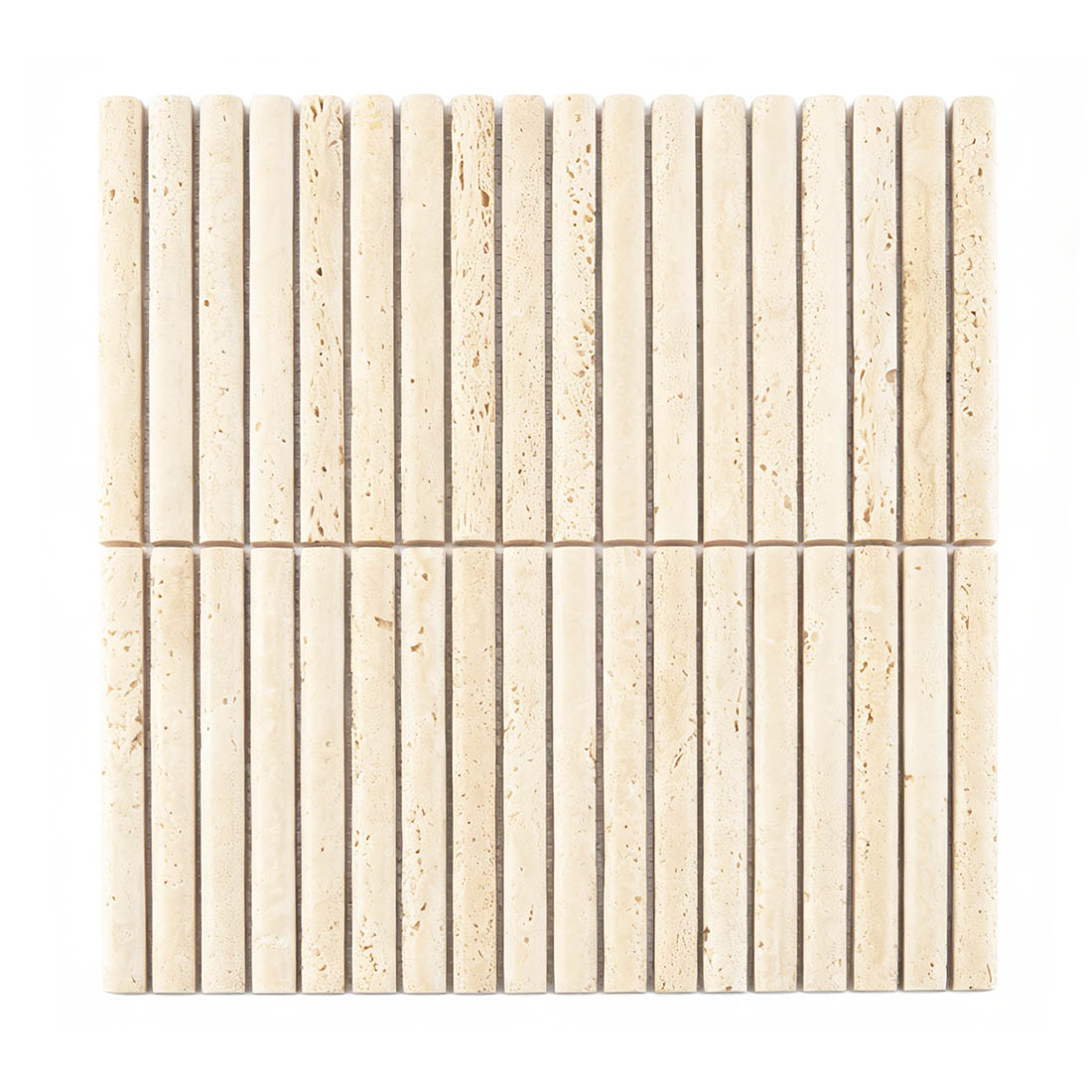
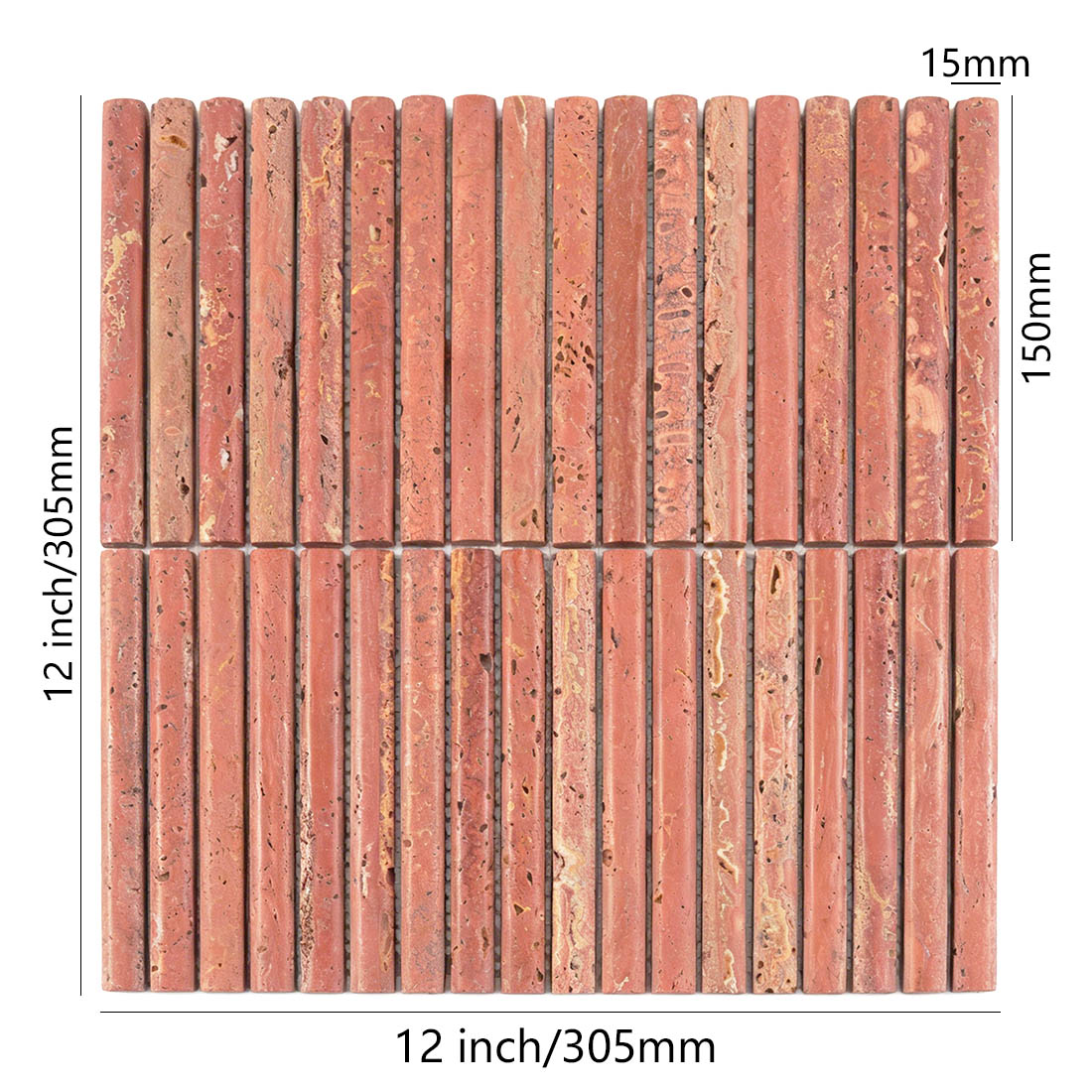
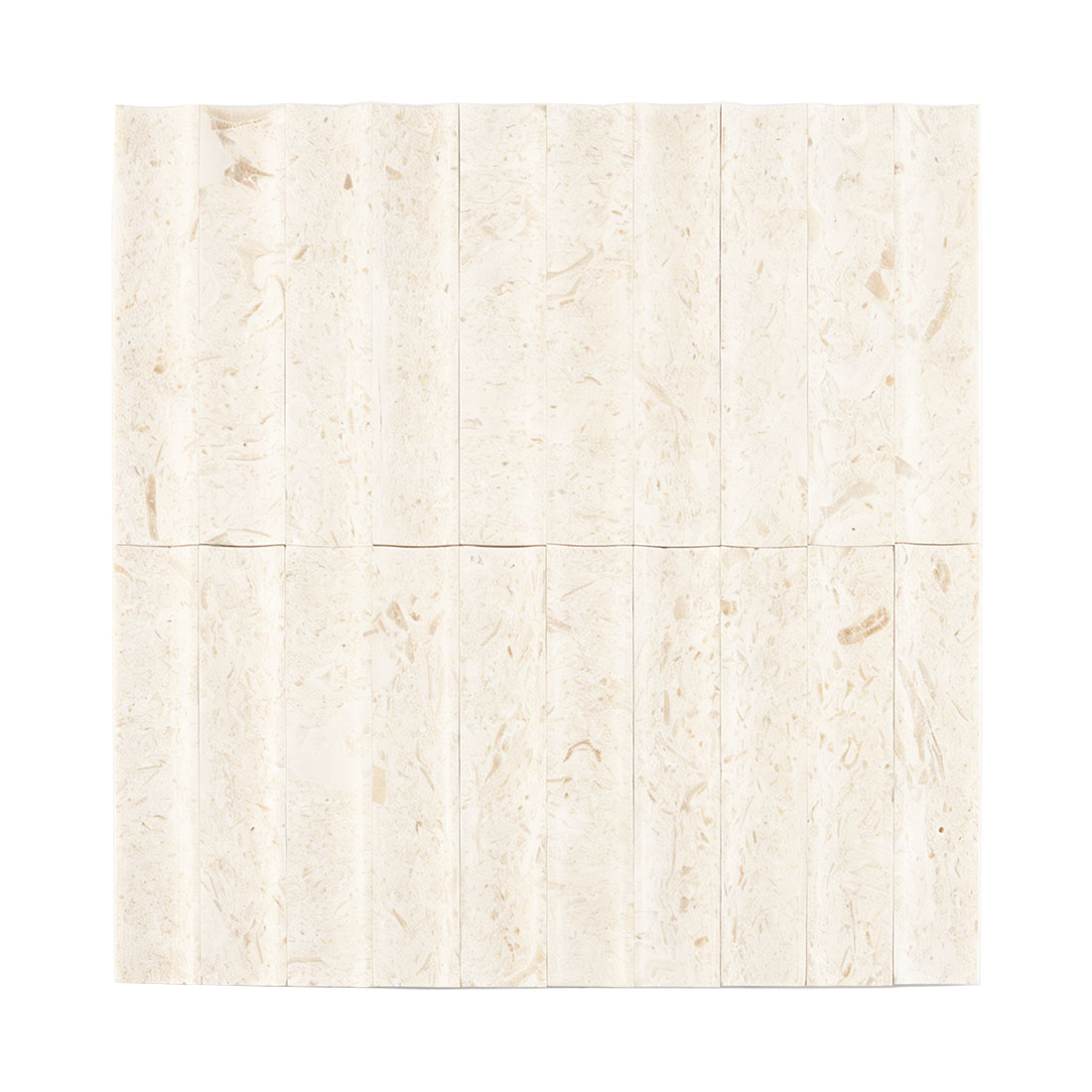
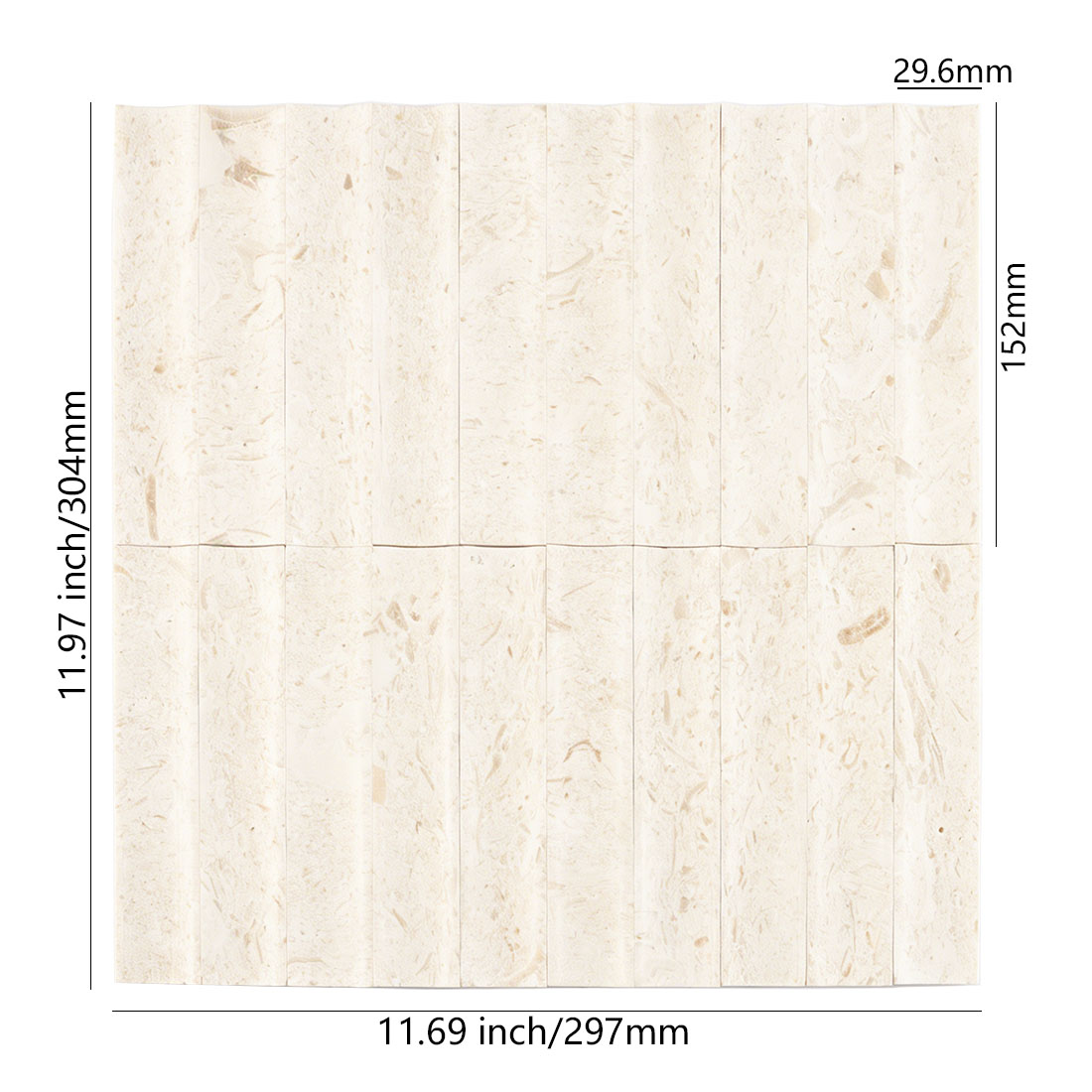
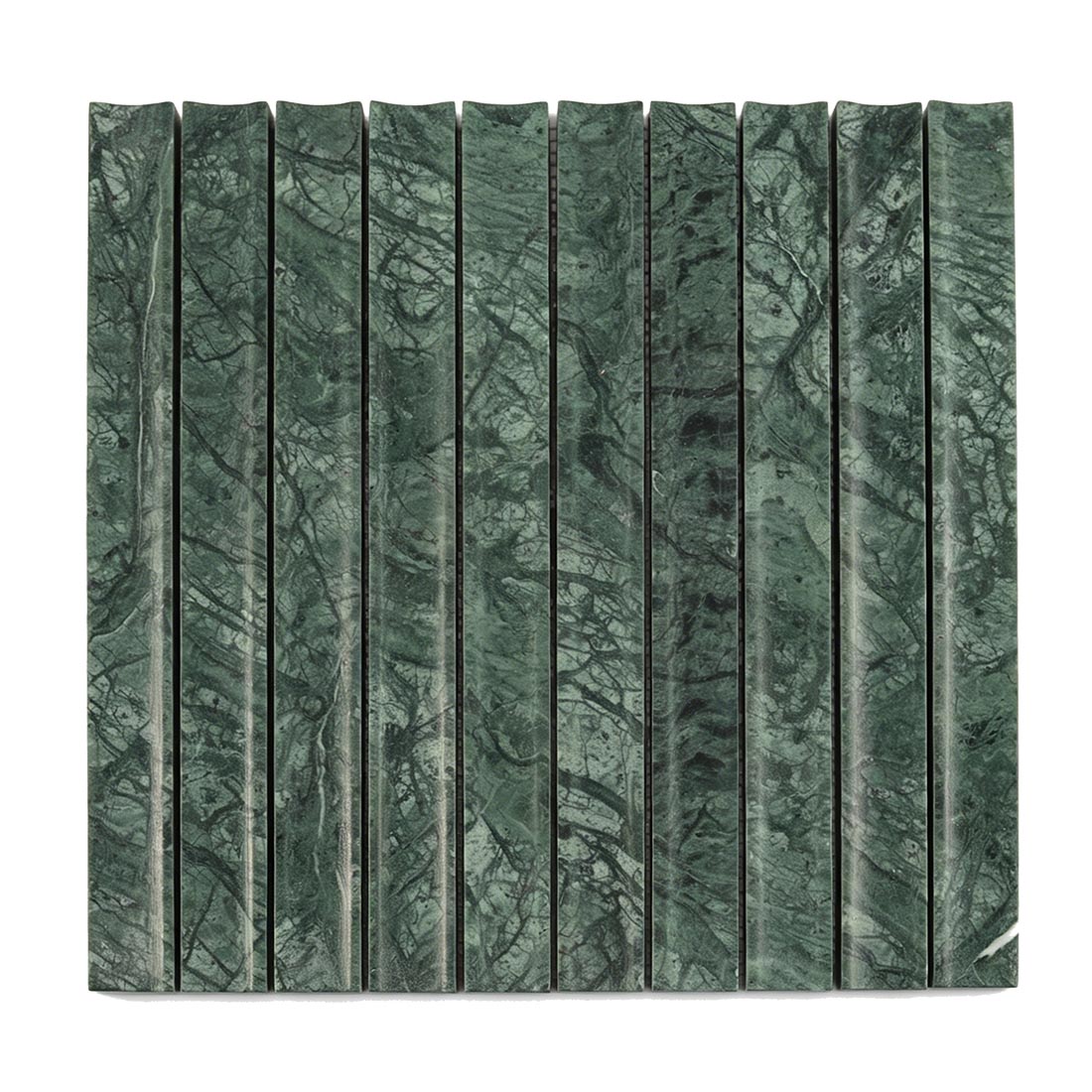
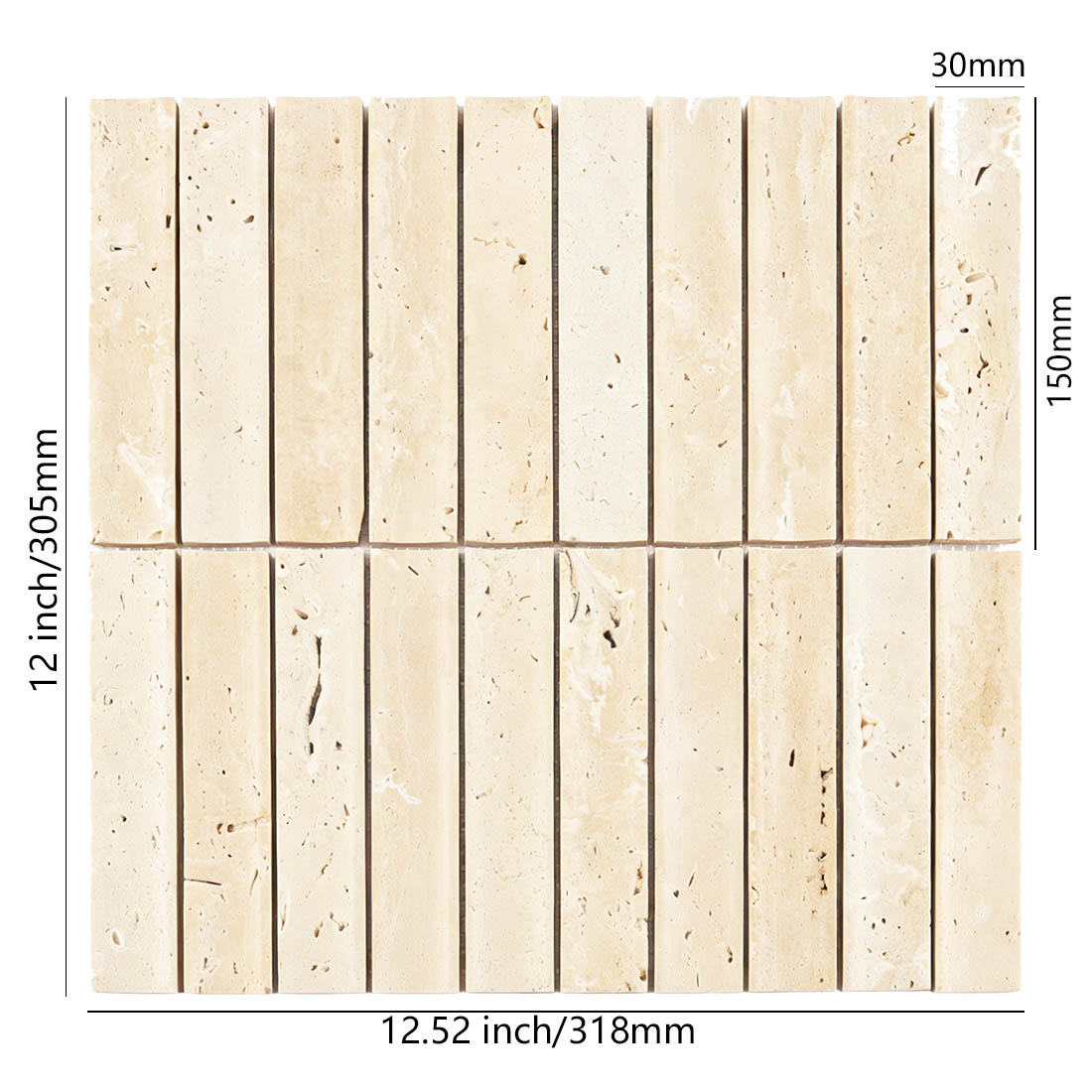
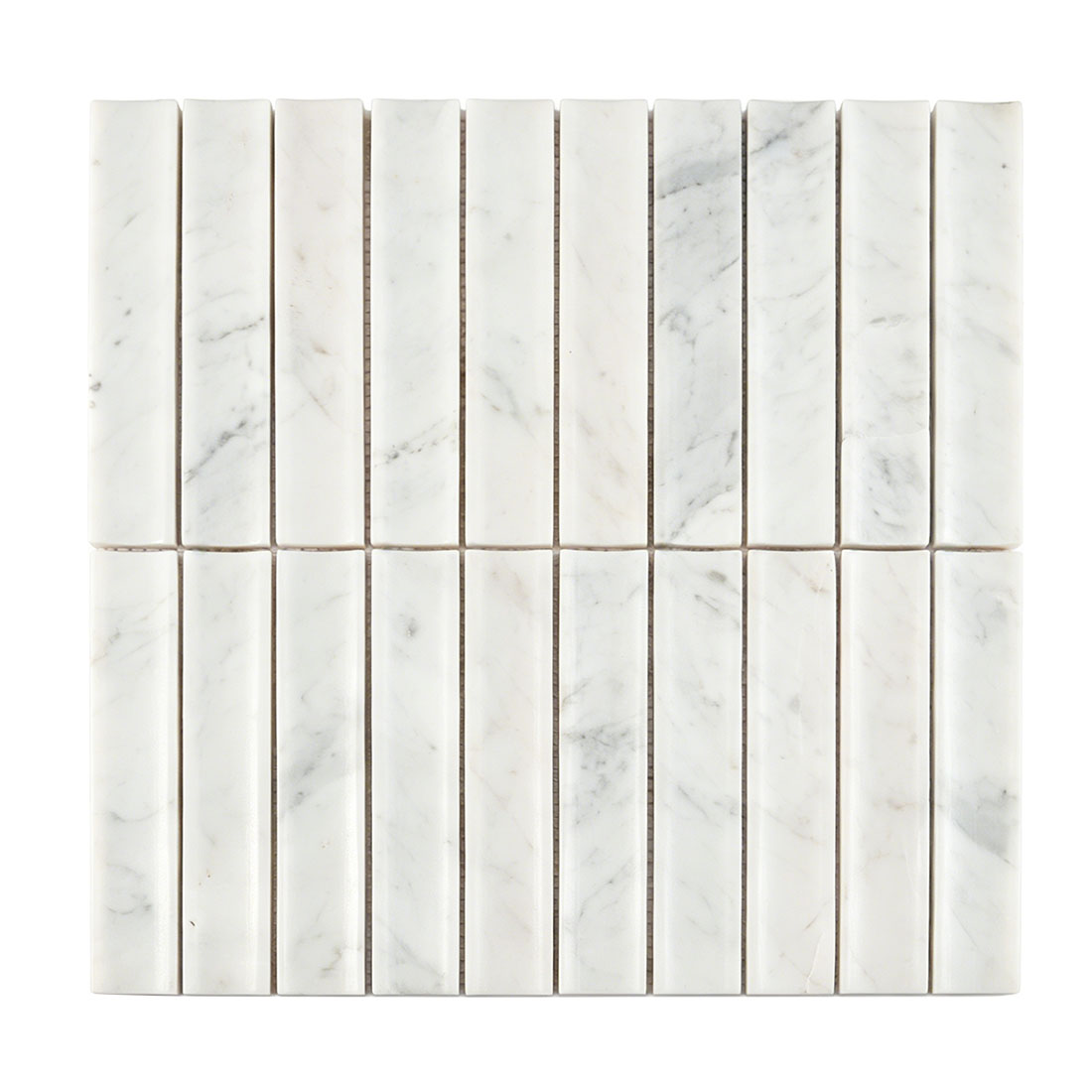
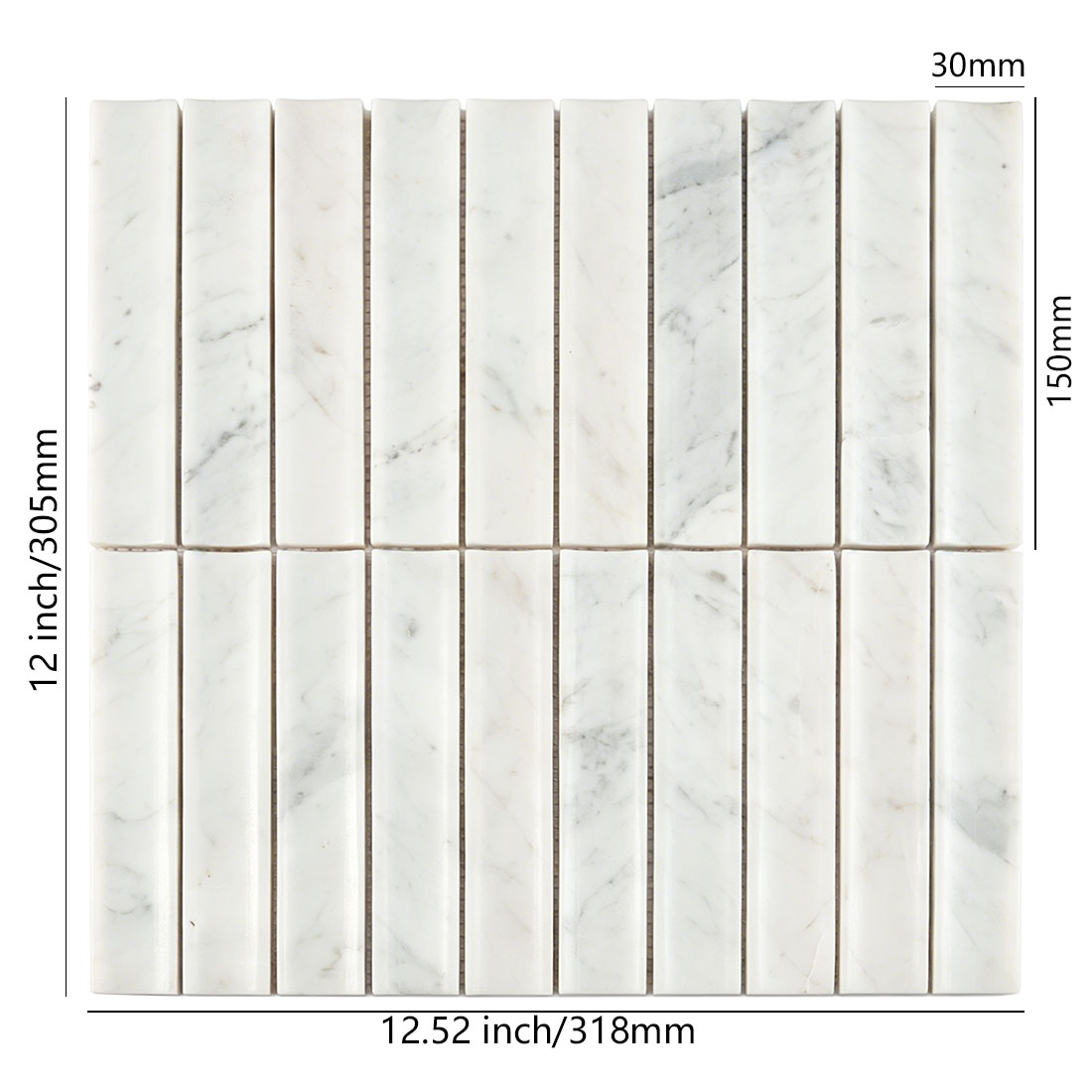
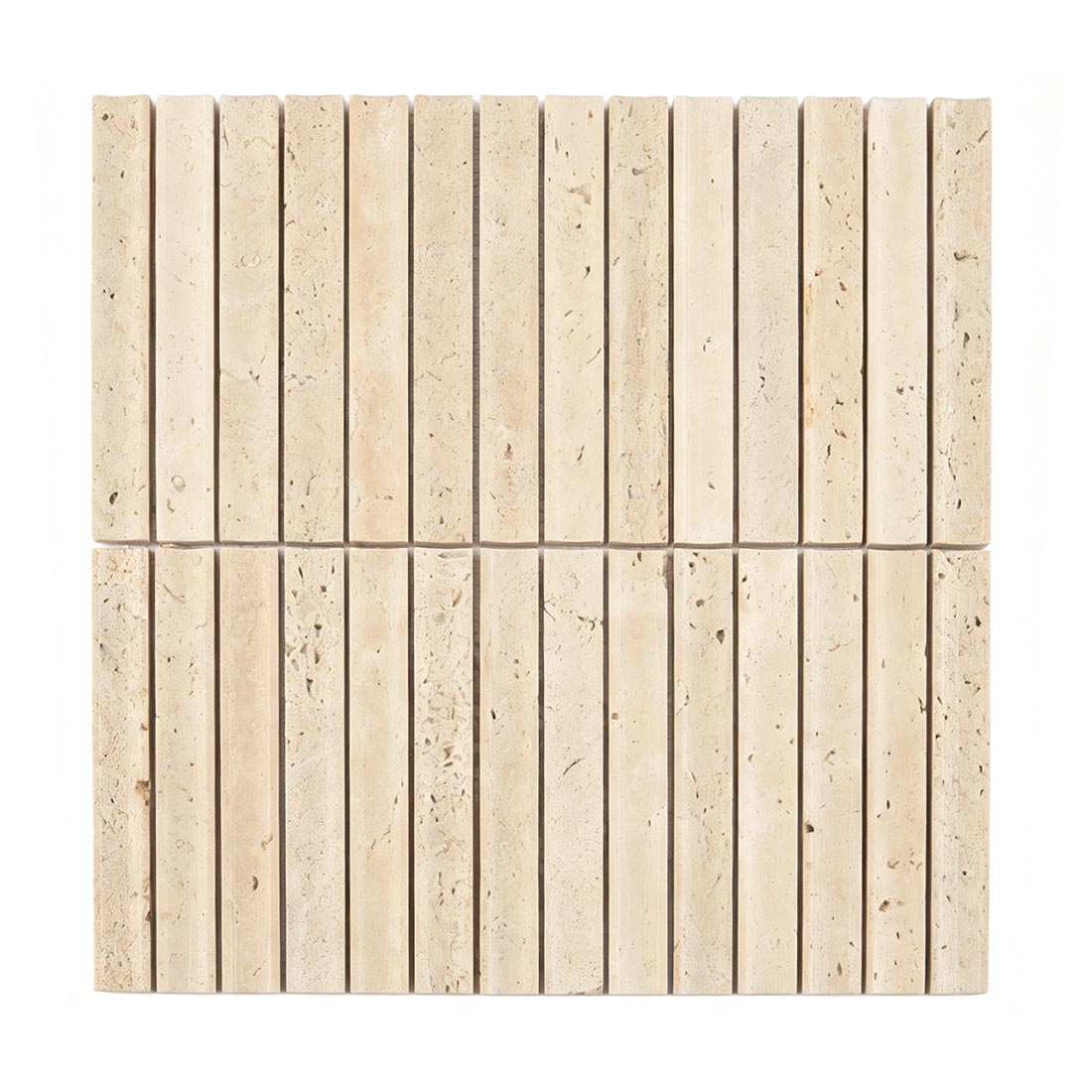
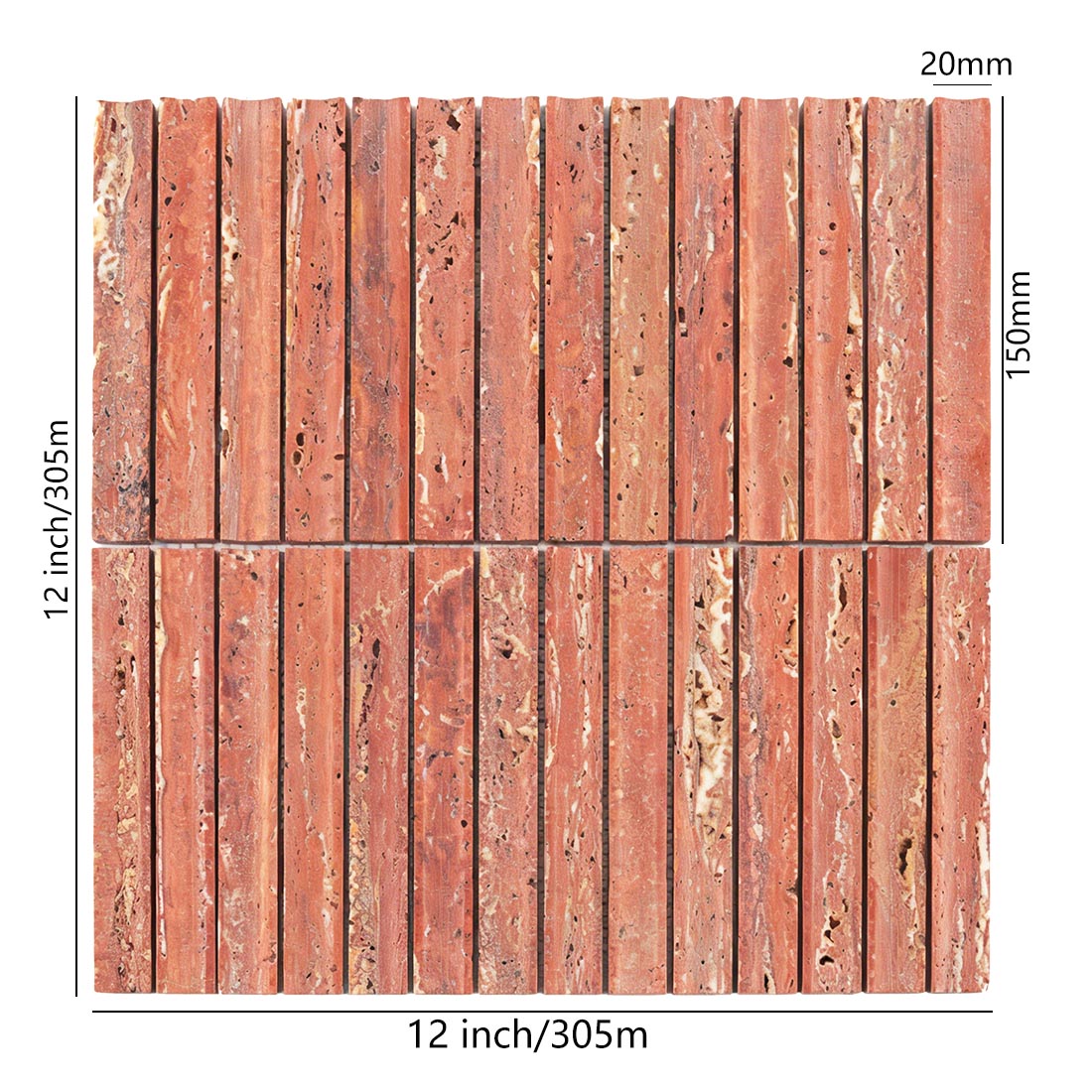
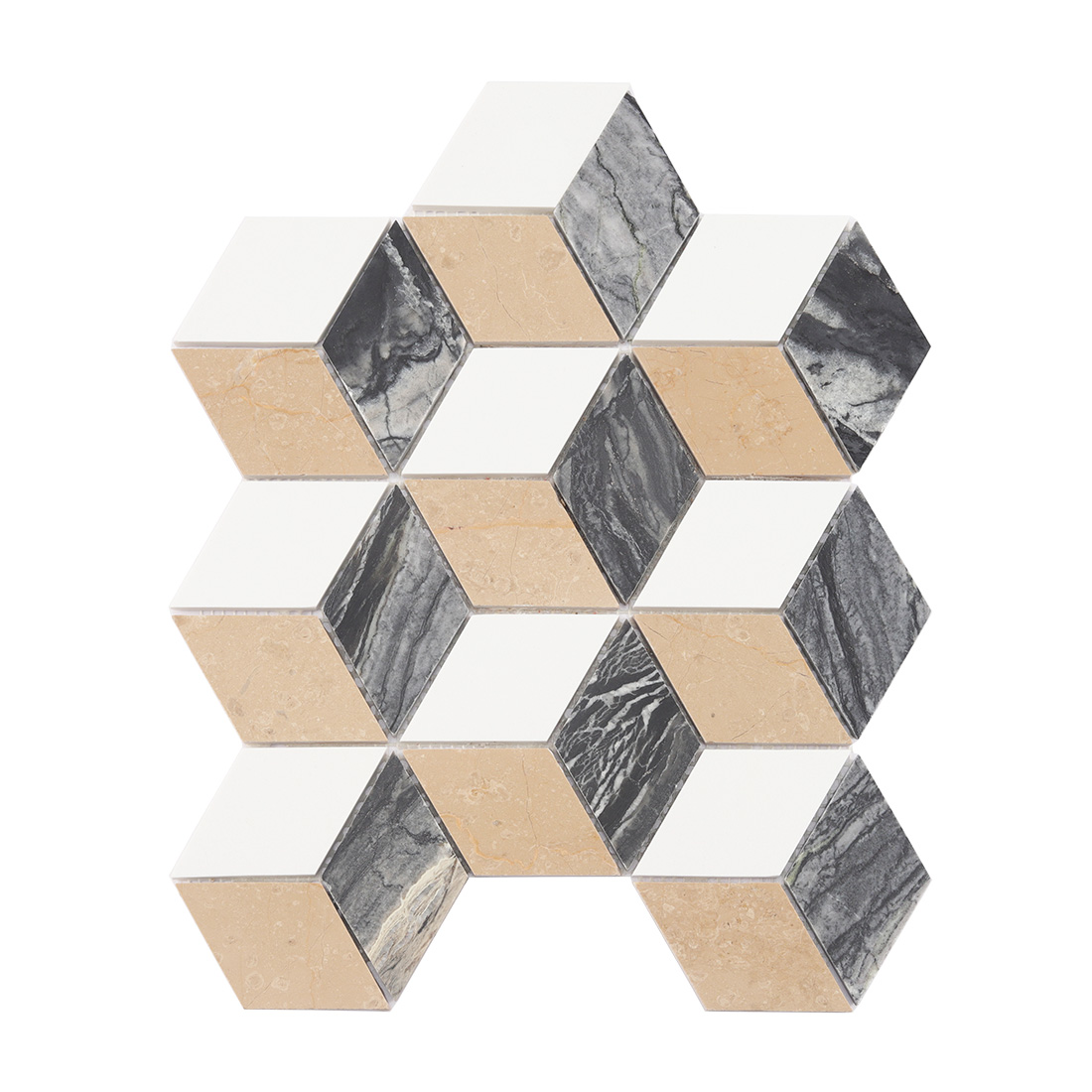
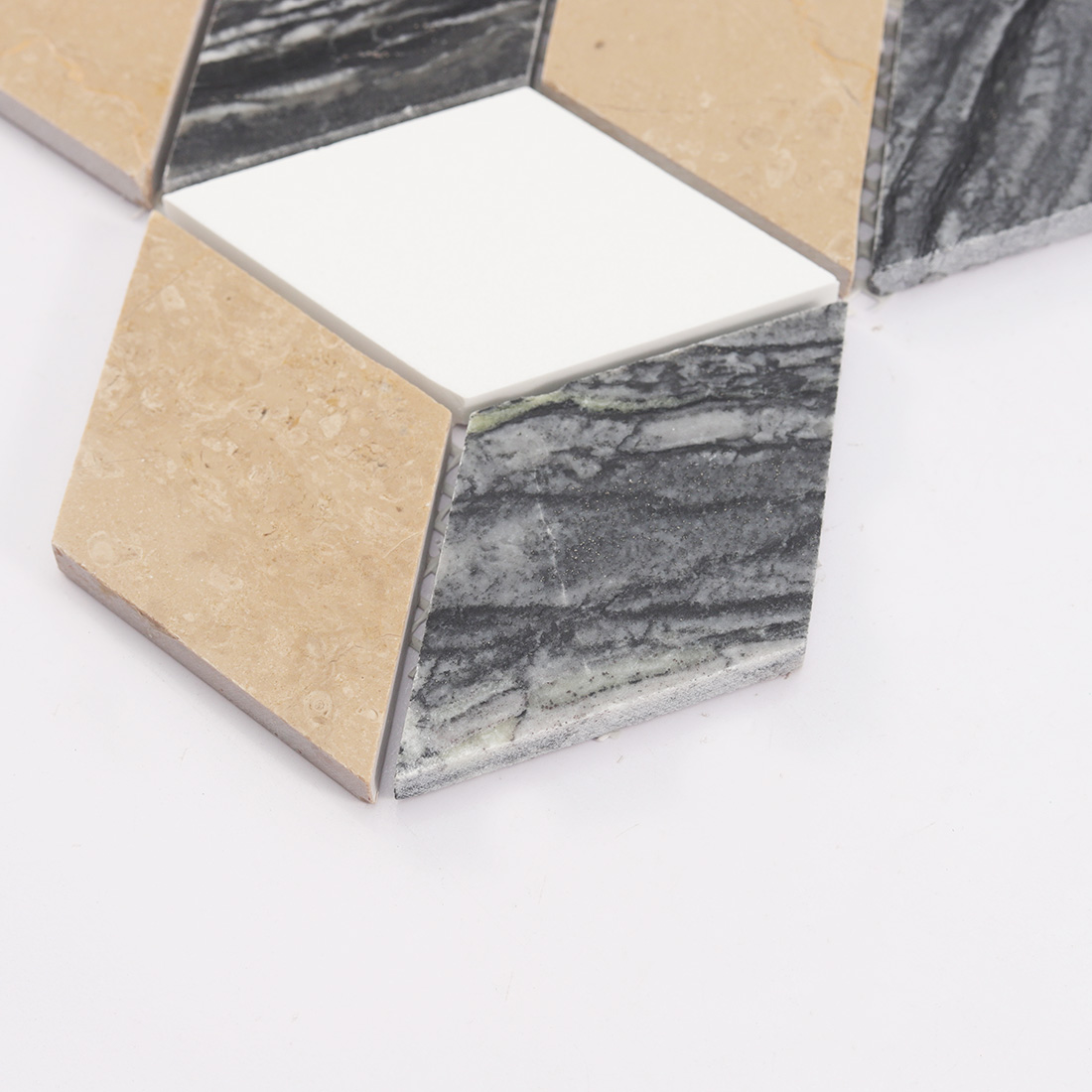
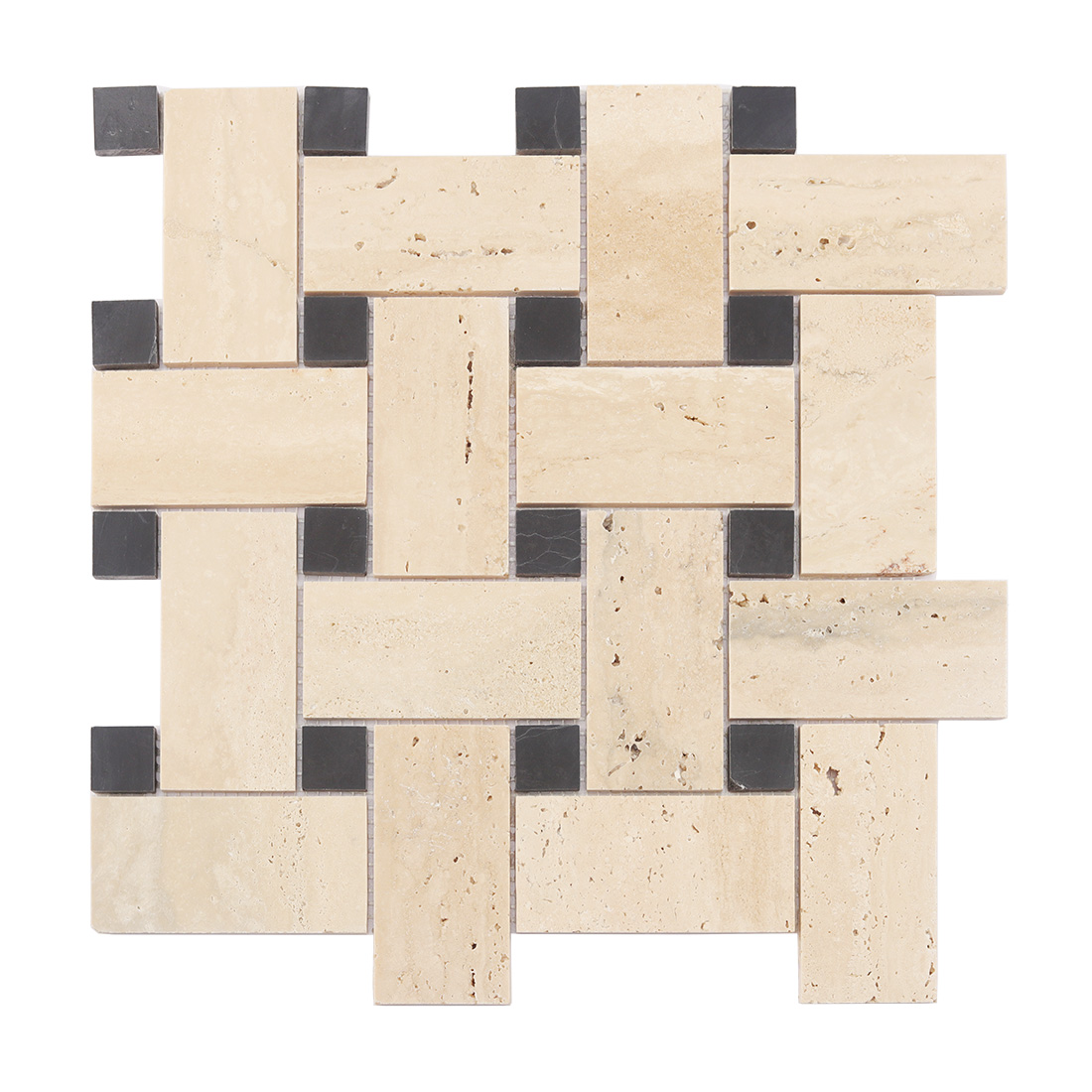




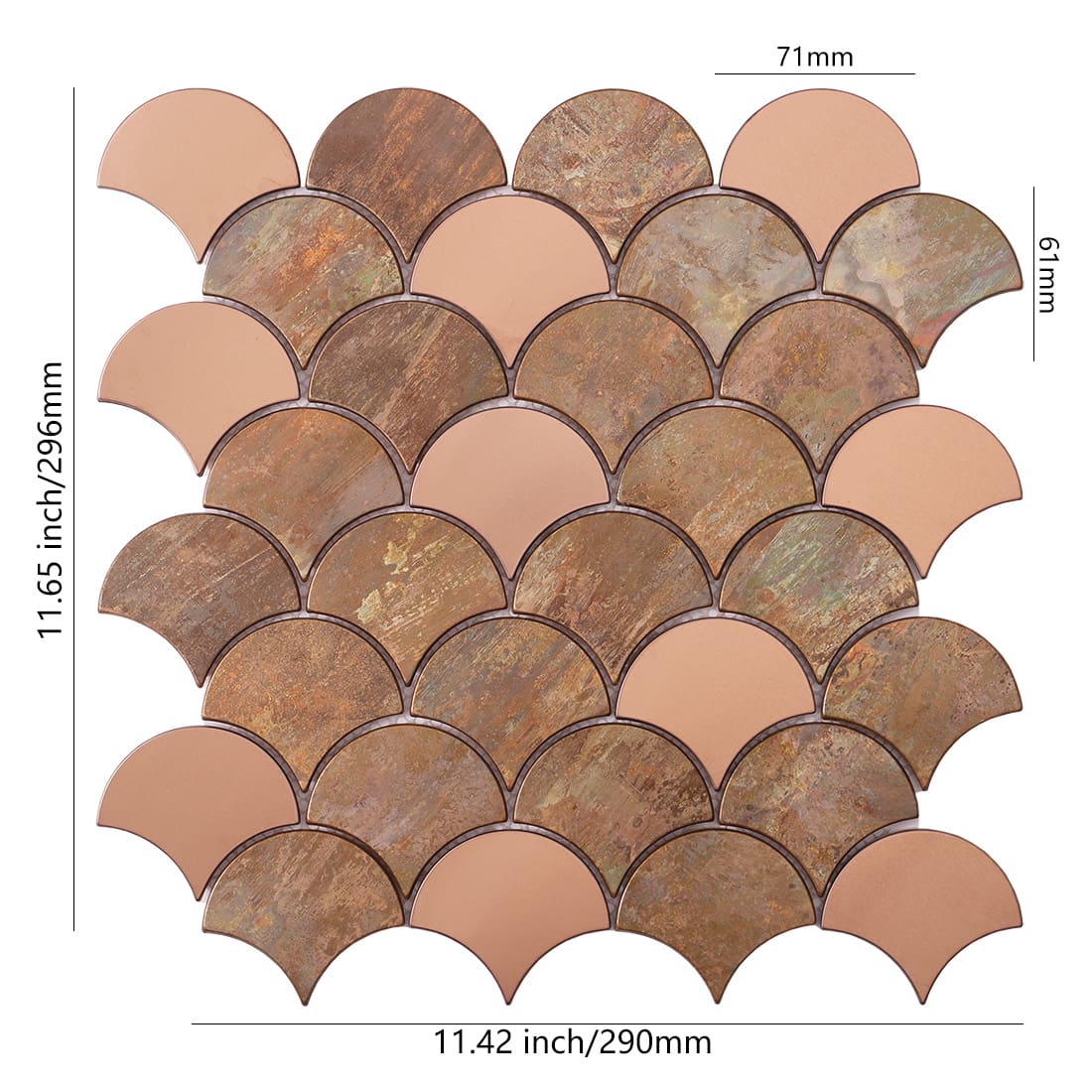

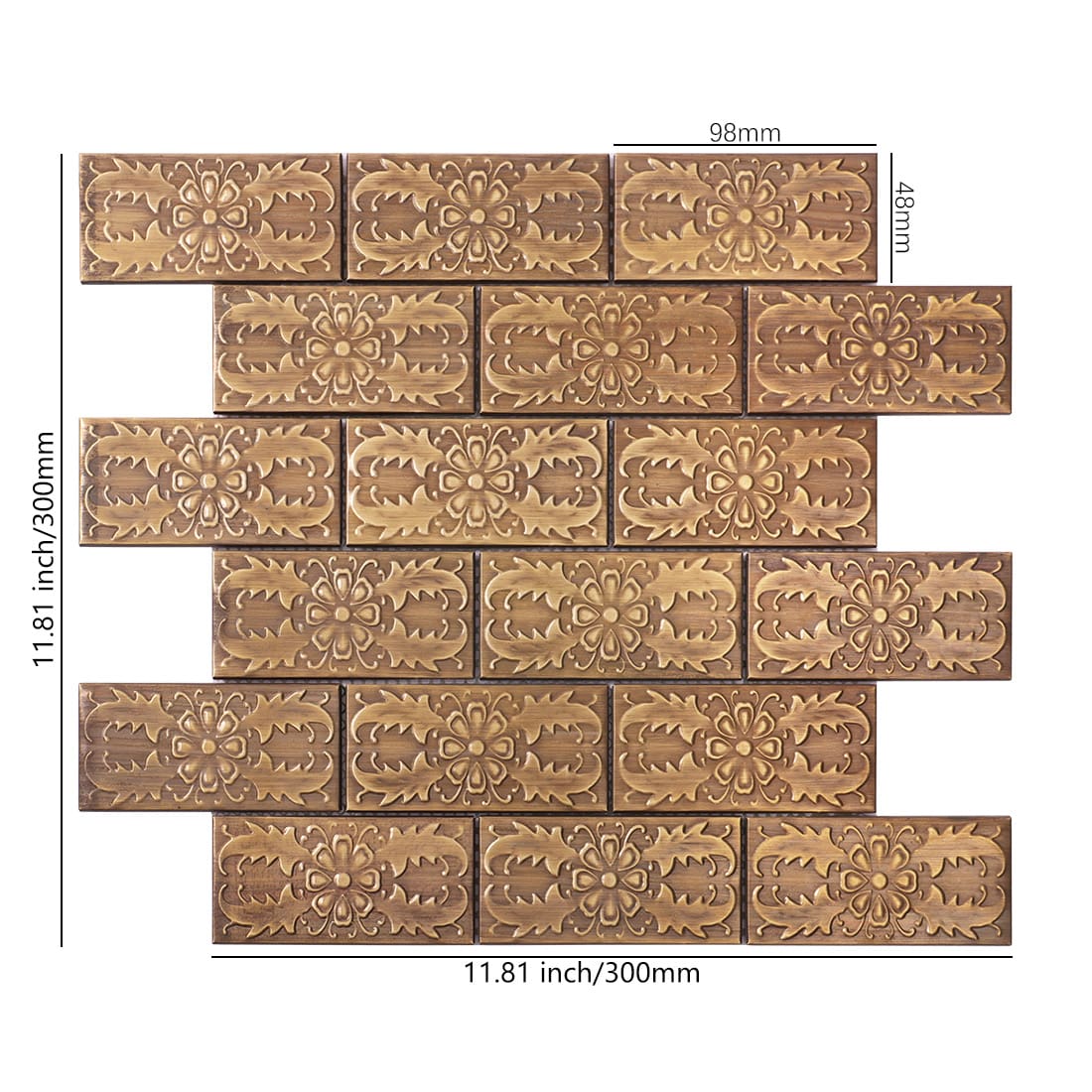
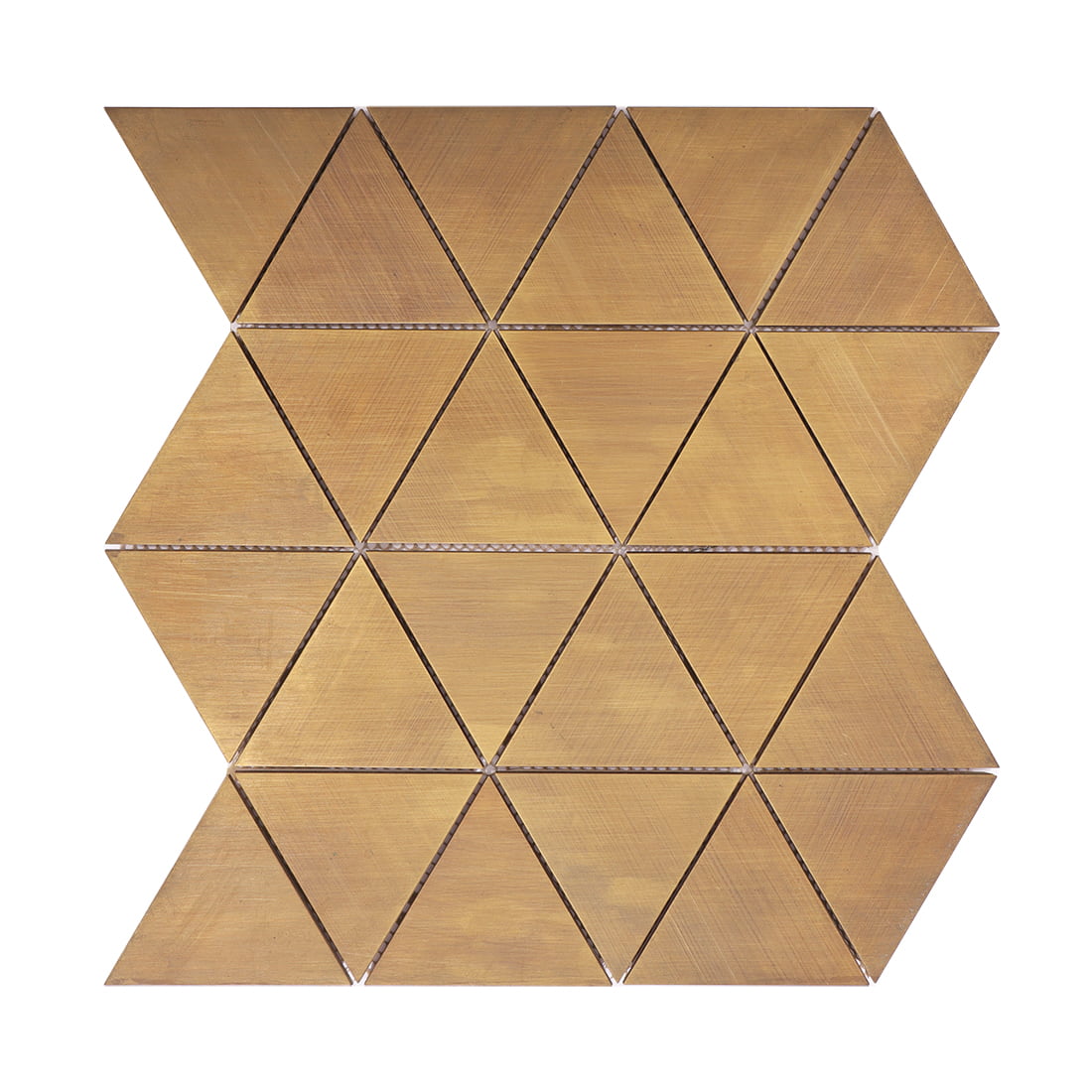
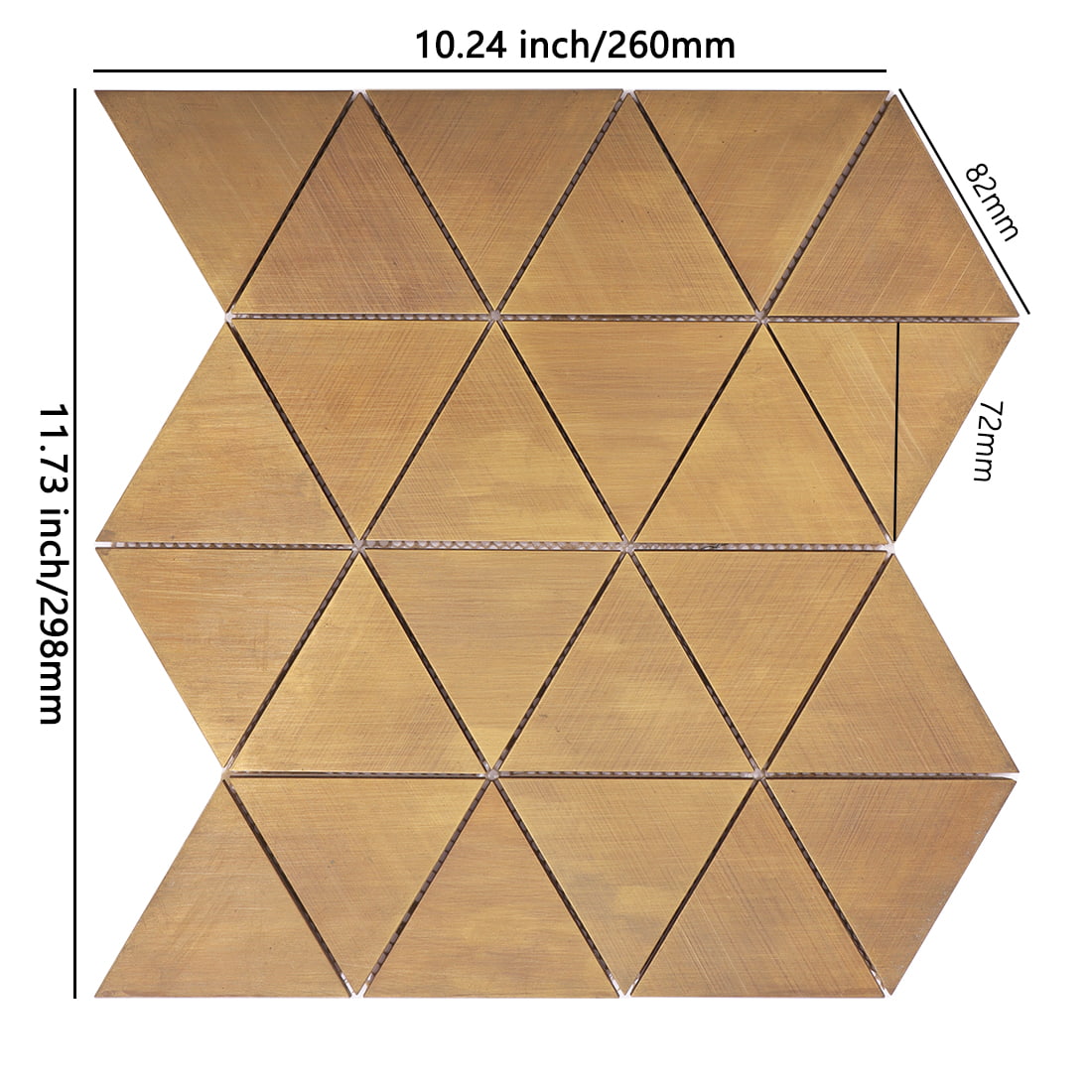

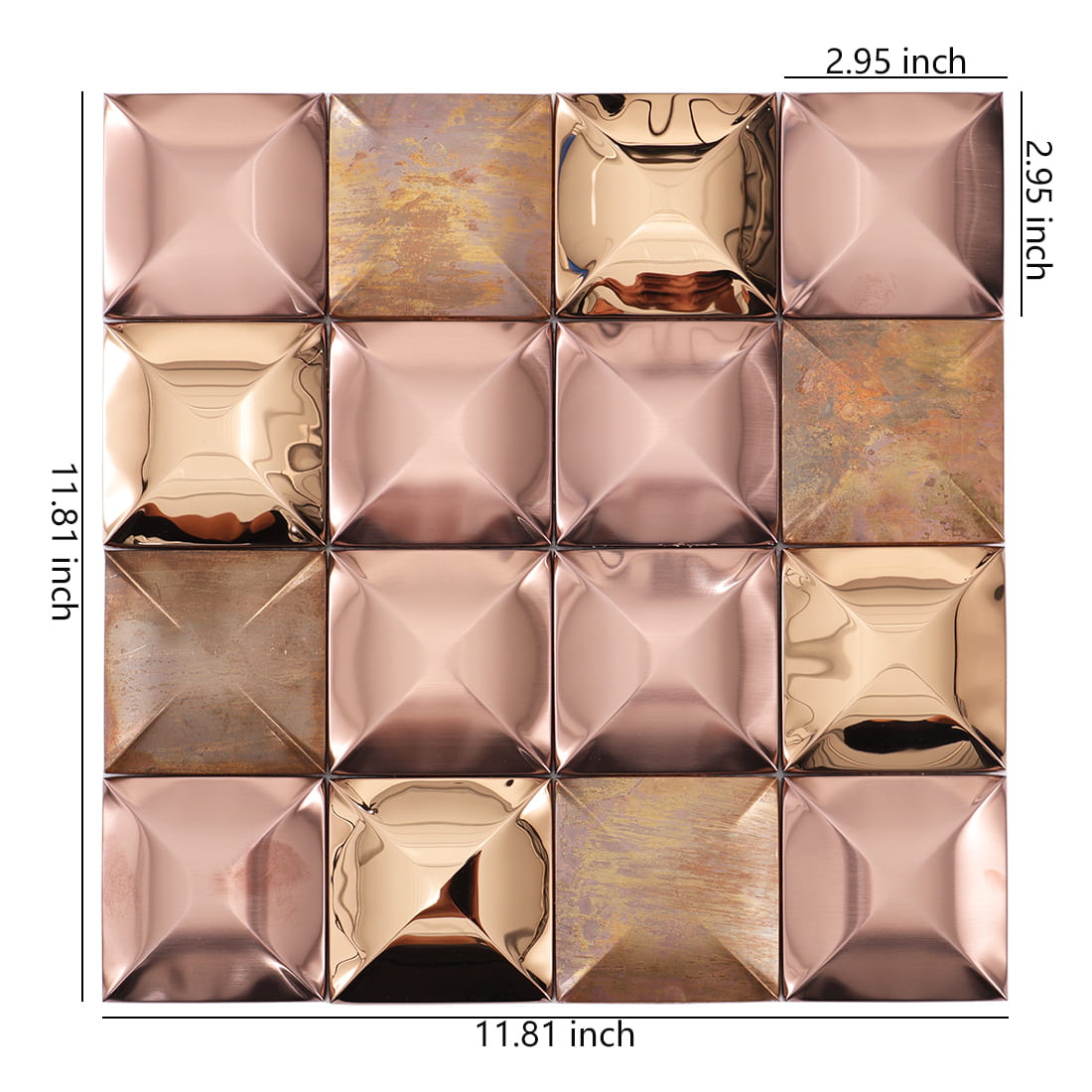
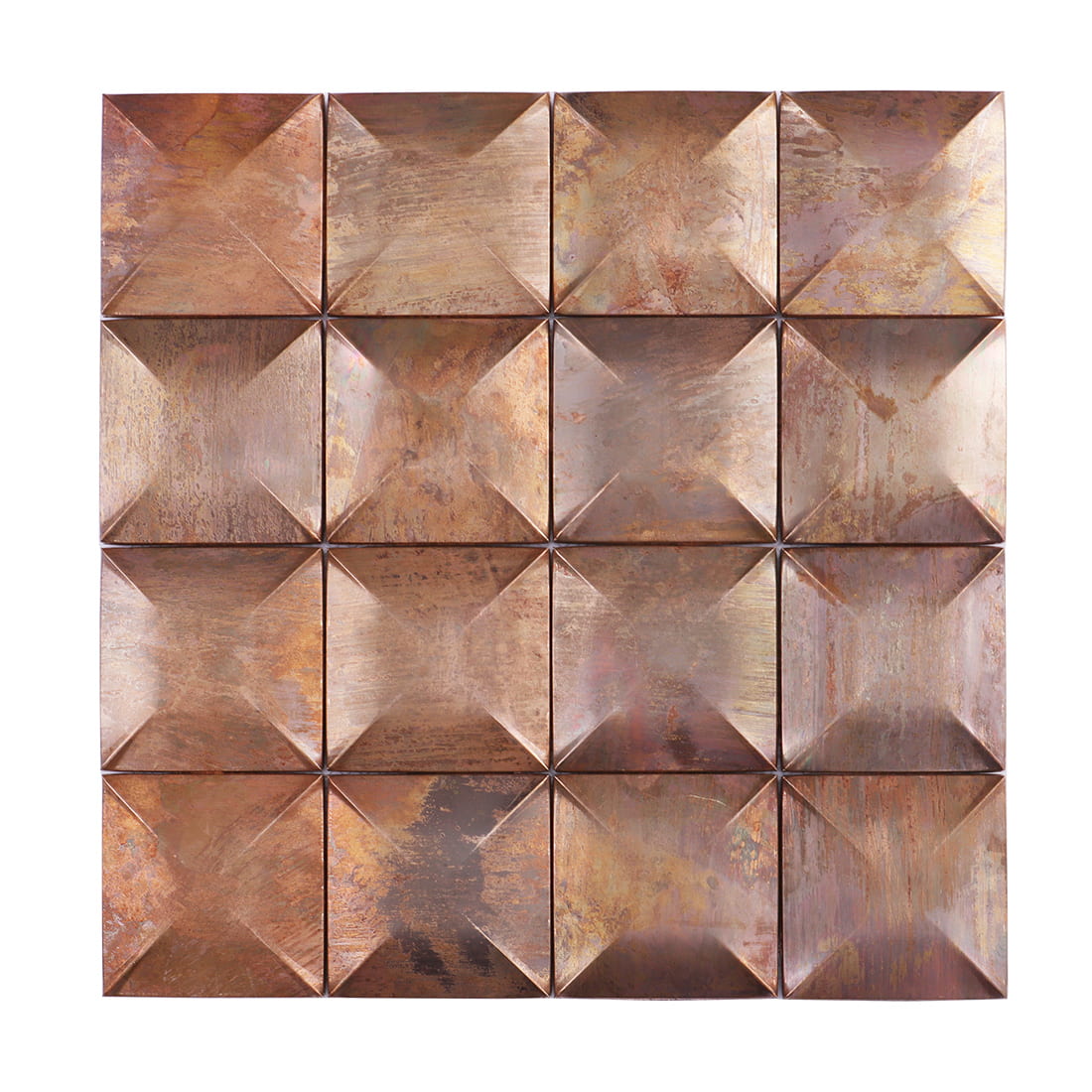
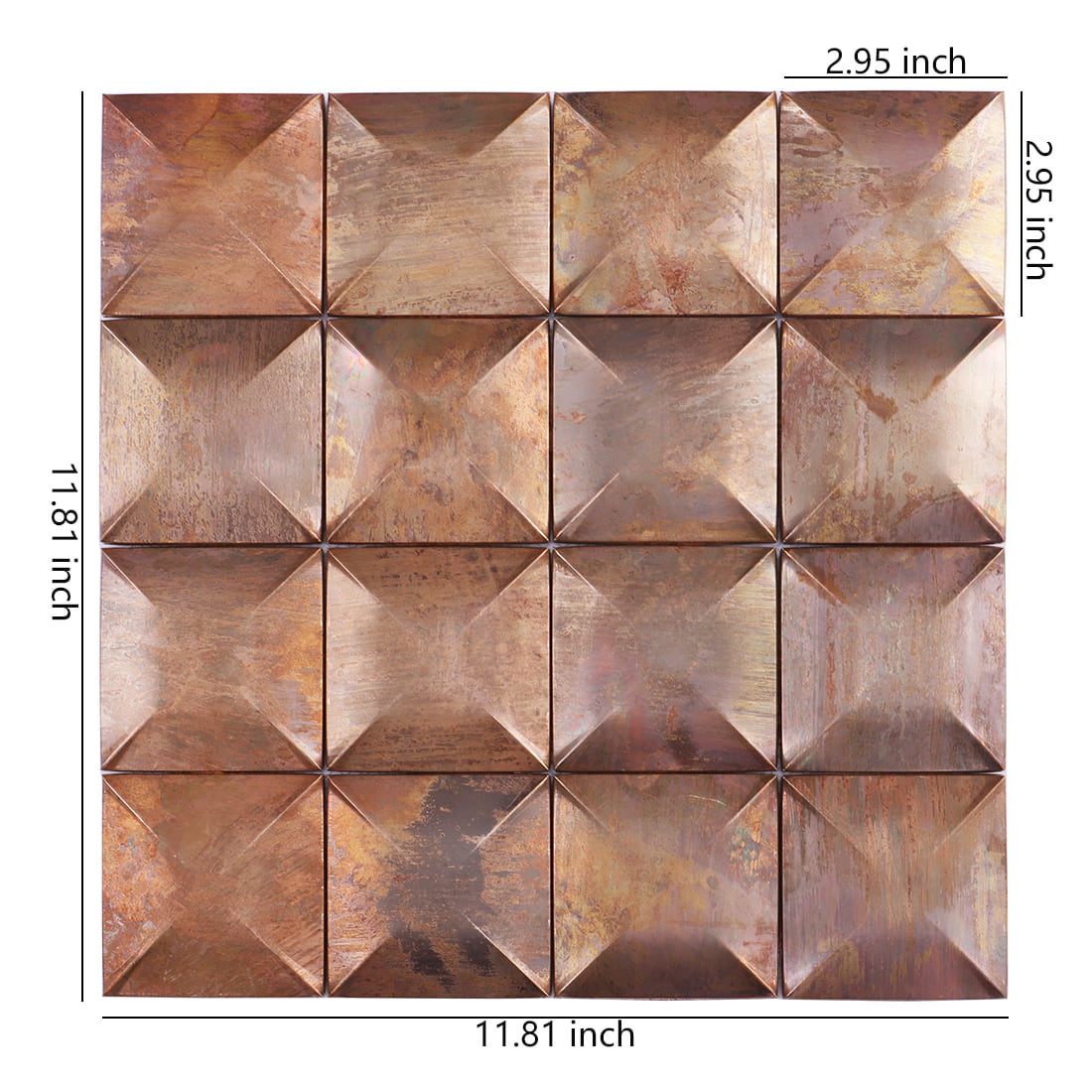
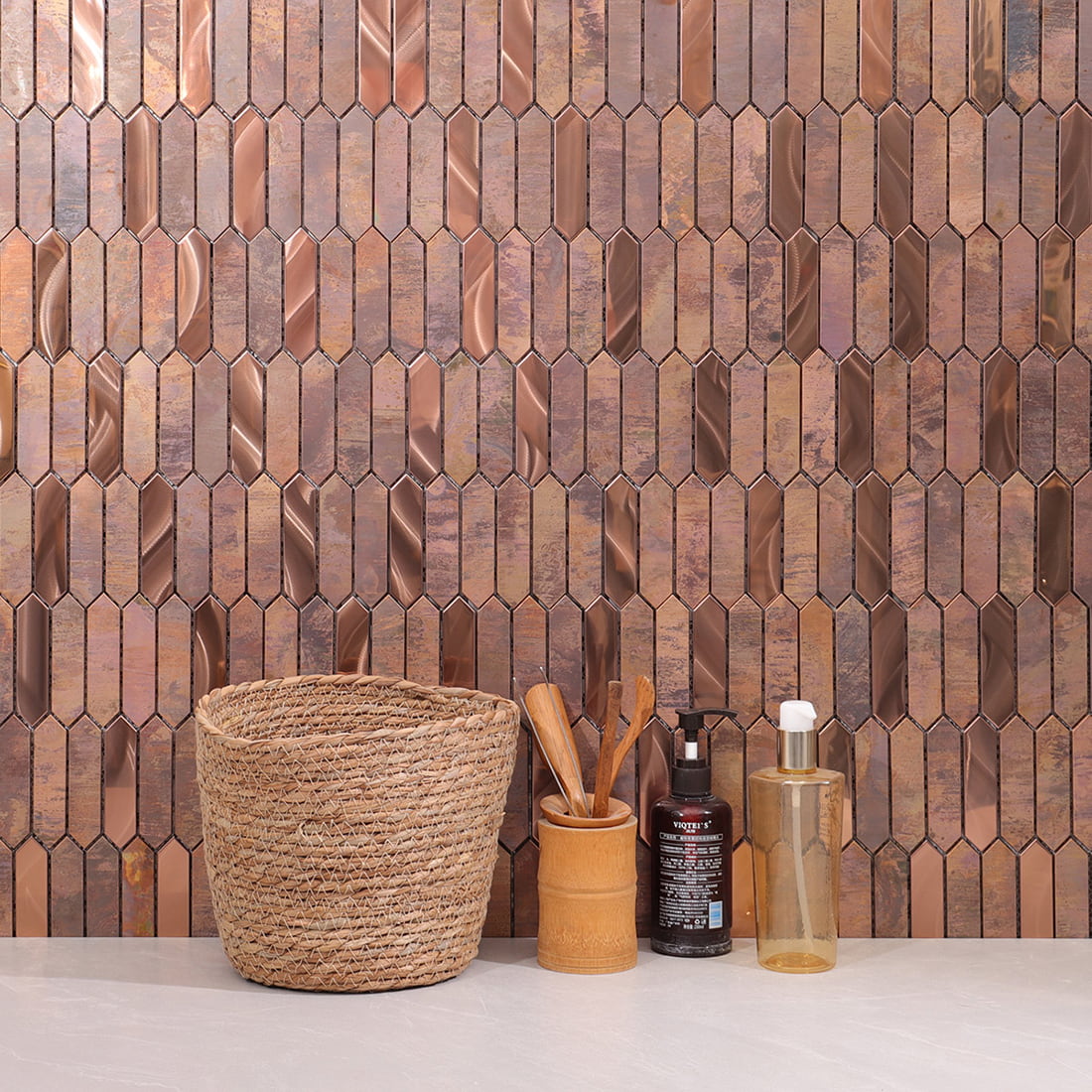
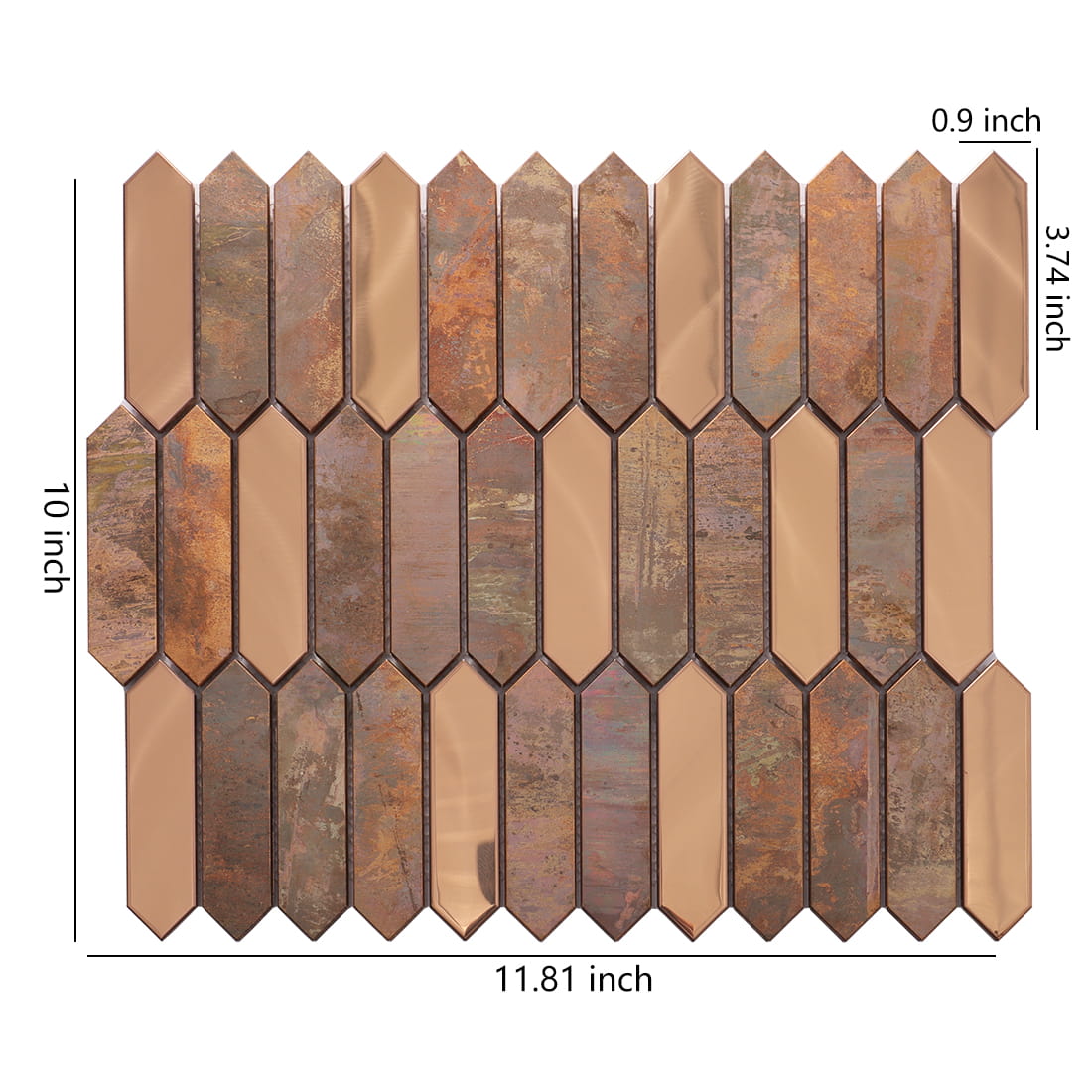
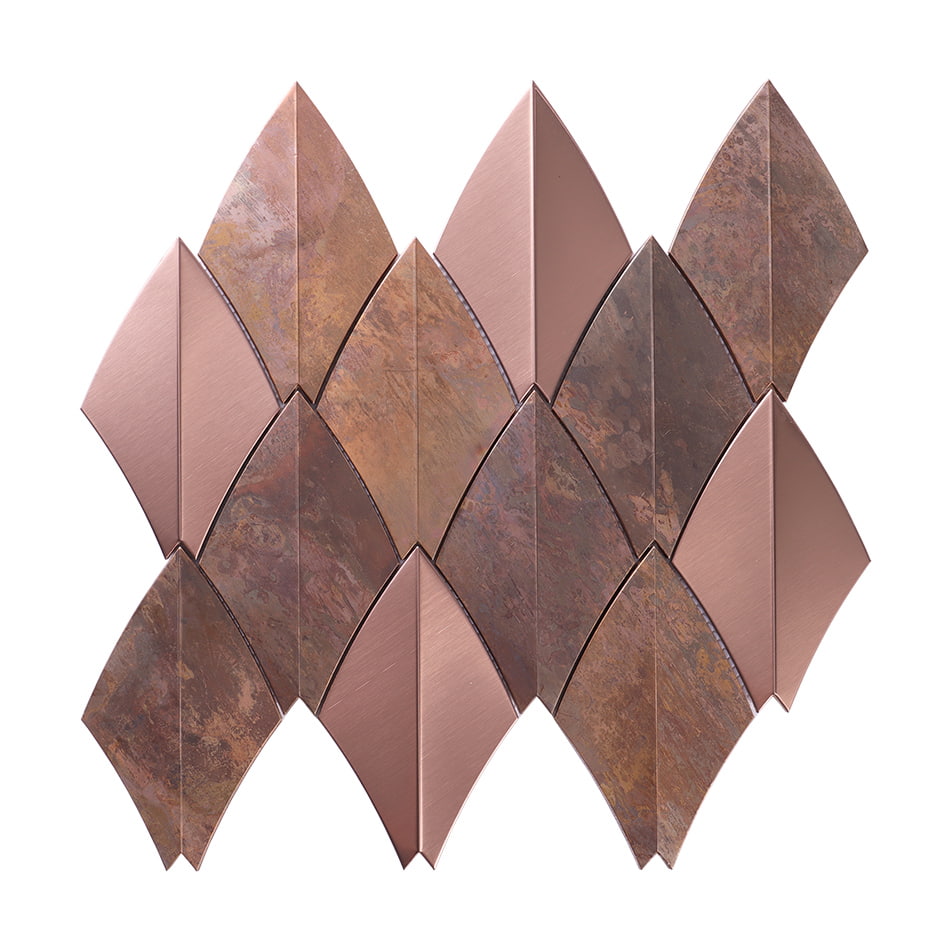
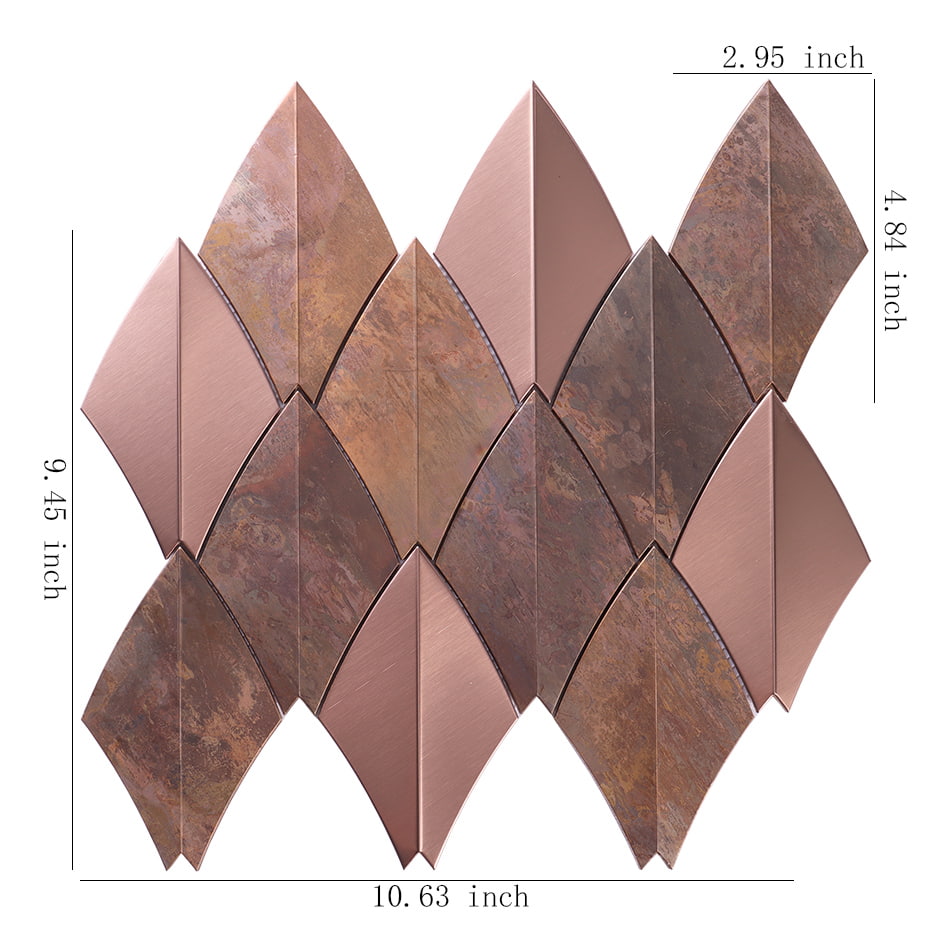
Retro Wall Tiles for Timeless, Character-Rich Interiors
Retro wall tiles bring the color, pattern and craftsmanship of earlier design eras into contemporary interiors. Inspired by Victorian ornament, Art Deco geometry, mid-century color, Mediterranean craftsmanship and the earthy palettes of the 1970s, they make modern spaces feel warmer, more personal and full of character.
The retro look is not limited to one particular pattern or decade. It may appear as softly irregular subway tiles, black-and-white penny mosaics, faded floral patterns, richly colored glass, tumbled natural stone, natural wood or antique-finish metal. The final effect can be bold and historically expressive or quiet and understated, depending on the chosen material, color, scale, finish and grout.
At Woos Tiles, our retro wall tile collection is created for homeowners, interior designers, architects, builders and commercial project teams looking for something more distinctive than a conventional wall finish. These tiles can restore character to a period property, create a memorable hospitality interior or introduce a carefully selected vintage influence into a modern space.
What Are Retro Wall Tiles?
Retro wall tiles are newly manufactured tiles inspired by the colors, shapes, proportions, textures and decorative details associated with earlier design periods. They recreate the visual character of the past while allowing customers to order coordinated quantities for modern residential and commercial projects.
Retro-inspired tiles are different from genuine vintage or antique tiles. Genuine vintage tiles were manufactured in an earlier era and may only be available as discontinued stock, reclaimed pieces or limited batches. They can be ideal for historically sensitive restoration projects, but matching colors, trims and replacement quantities may be difficult.
Retro wall tiles offer greater flexibility when a project requires consistent dimensions, repeatable quantities, modern installation formats or a customized design.
Common retro characteristics include:
-
Low-saturation cream, dusty blue, sage green, faded pink, ochre and earthy brown
-
Black-and-white geometry and checkerboard compositions
-
Penny rounds, compact squares, subway tiles, hexagons and narrow strips
-
Floral, fan, diamond, basketweave and Mediterranean-inspired motifs
-
Matte, frosted, tumbled, brushed, oxidized or softly glossy surfaces
-
Tonal variation that creates a less uniform, more handcrafted appearance
-
Embossed, fluted, beveled and relief textures that interact with light
-
Patinated metal, natural stone veining, water-like glass texture and real wood grain
Retro Wall Tile Styles by Design Era
Victorian-Inspired Wall Tiles
Victorian interiors favor decorative borders, small geometric repeats, floral motifs and confident color combinations. Black, white, deep green, burgundy and warm cream can create a historically grounded palette.
Use Victorian-inspired tiles as bathroom wainscoting, a fireplace surround, a hallway feature or a decorative kitchen backsplash. Balance detailed patterns with simple painted walls, traditional cabinetry and restrained fixtures.
Art Deco-Inspired Wall Tiles
Art Deco wall tiles use symmetry, repeated geometry, polished contrast and refined metallic accents. Fan shapes, diamonds, elongated hexagons, scallops, black glass, white marble and aged brass or copper all support this style.
Compact Art Deco patterns are particularly effective behind bathroom vanities, around bars, on elevator surrounds or as framed backsplash panels.
Mid-Century Modern Wall Tiles
Mid-century interiors work well with clean geometry, compact squares, stacked rectangles, finger mosaics and penny rounds. Pale pink, mint green, mustard yellow, teal, burnt orange and warm white recall the 1950s and 1960s without making a room feel overly themed.
Pair one nostalgic color with streamlined cabinetry, simple lighting and natural timber to create a more contemporary interpretation.
1970s-Inspired Wall Tiles
The 1970s palette is warm, earthy and tactile. Avocado green, amber, tobacco brown, terracotta, ochre, burnt orange and aged metal are characteristic choices.
Textured glass, travertine, fluted stone, natural wood and handmade-looking mosaics complement this style. Warm lighting strengthens the visual depth of earthy colors and patinated surfaces.
Mediterranean and European Vintage Style
Tumbled natural stone, blue-and-white decoration, faded floral patterns, irregular edges and handcrafted surface variation suggest the layered character of Mediterranean and European interiors.
These tiles work beautifully in farmhouse kitchens, wine rooms, boutique hotels, cafés, restaurants and relaxed residential feature walls.
Industrial Retro Style
Industrial retro interiors emphasize authentic material character. Antique copper, aged brass, oxidized metal, distressed stainless steel, dark stone and brick-style layouts pair naturally with black metal, reclaimed timber and concrete.
Use metal tiles selectively on bar fronts, reception walls, kitchen accents or retail displays to prevent the finished space from feeling visually heavy.
Retro Wall Tile Materials
Material determines more than appearance. It also affects installation, maintenance, sealing requirements, water resistance, heat exposure and long-term color change. Always review the specifications of the individual product before confirming its application.
Ceramic and Porcelain Retro Wall Tiles
Ceramic and porcelain tiles offer a wide range of solid colors, decorative prints, vintage glazes and molded surfaces. They are practical choices when a design calls for subway tiles, checkerboard patterns, geometric decoration or a consistent repeating layout.
Many glazed ceramic wall tiles are suitable for kitchen backsplashes and bathroom walls. Porcelain can provide additional density and durability for demanding applications.
A wall tile designation does not automatically mean that a product can be used on floors, exterior walls, in steam rooms or in submerged areas. Always confirm the product rating before ordering.
Recommended applications include:
-
Kitchen backsplashes
-
Bathroom vanity walls
-
Bathroom wainscoting
-
Shower walls when product-rated
-
Laundry-room walls
-
Fireplace surrounds when product-rated
-
Cafés, restaurants and retail interiors
Retro Glass Wall Tiles
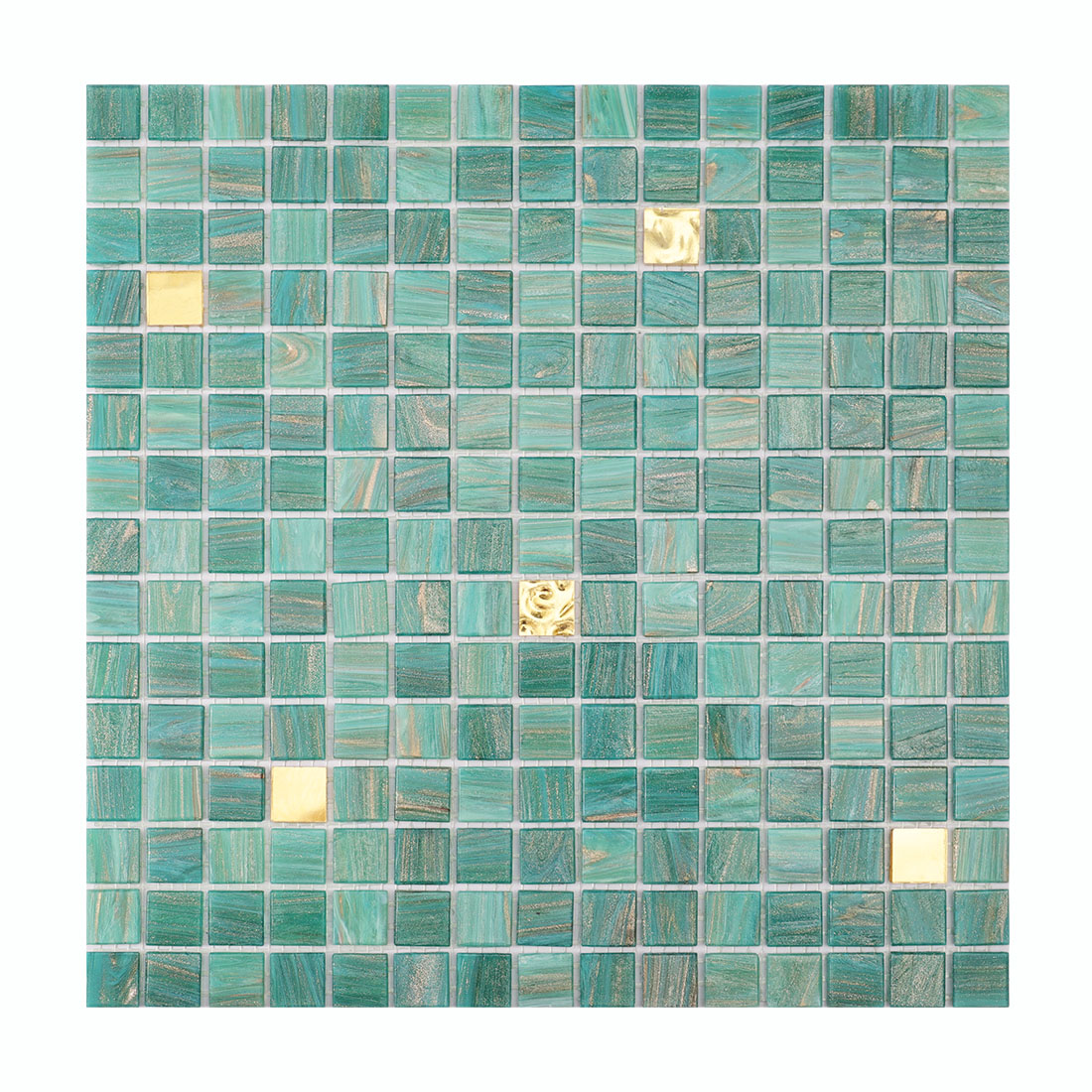
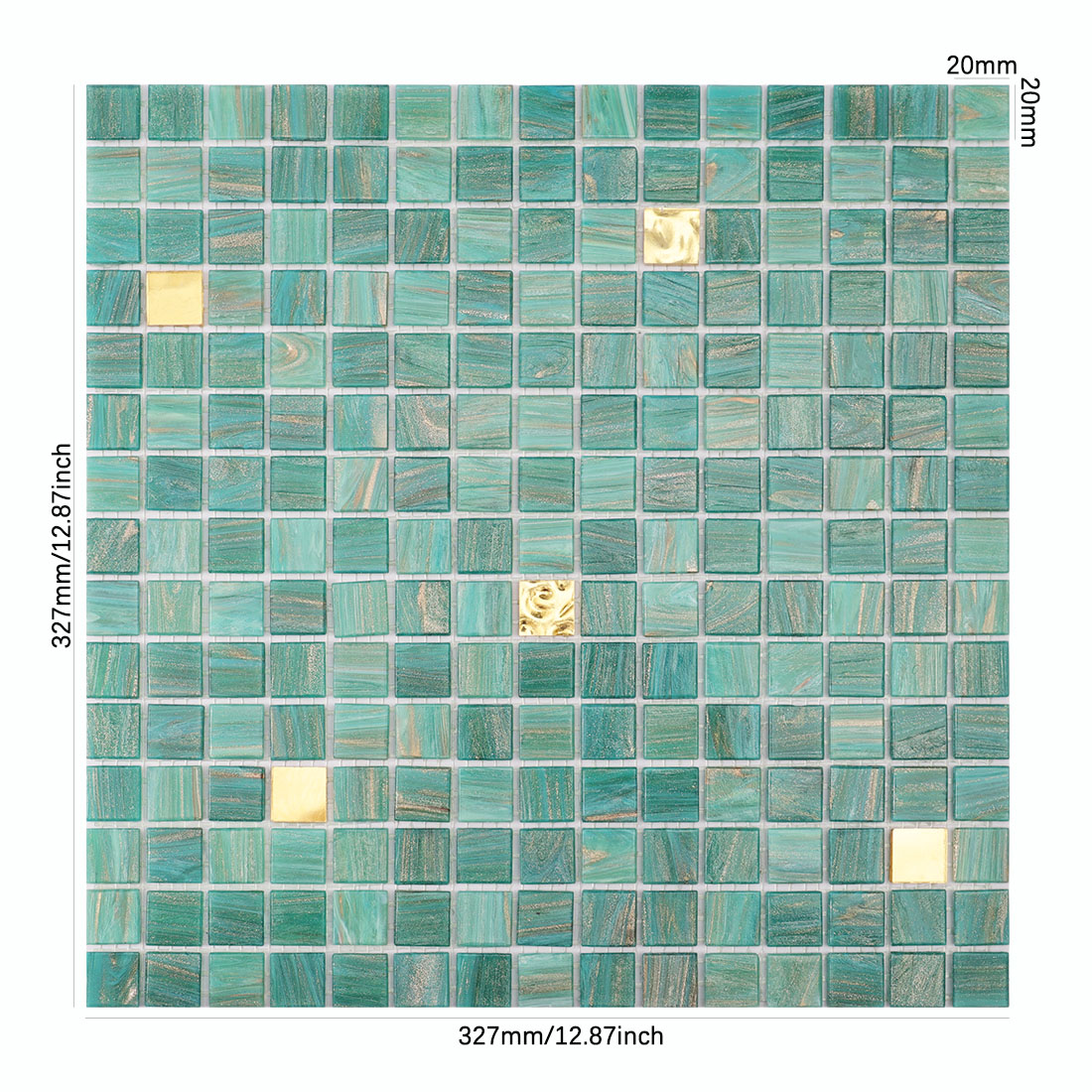
Glass brings rich color, light and visual depth to a wall. Depending on the manufacturing process and finish, glass tile may appear dense and matte, softly translucent, highly polished, rippled, frosted or iridescent.
Woos Tiles offers several glass directions for retro interiors:
-
Vitreous glass with dense color and matte, glossy or iridescent surfaces
-
Water glass with flowing surface movement and soft handmade highlights
-
Crystal glass with greater clarity and jewel-like light reflection
-
Colored and stained glass in amber, burgundy, cobalt, emerald and warm brown
-
Recycled glass with subtle tonal or textural variation
Smooth glass surfaces are generally easy to wipe clean, making them attractive for kitchen backsplashes and decorative bathroom walls.
Suitability for shower walls, steam rooms, swimming pools, exterior areas and heat-exposed surfaces depends on the specific glass, backing, mounting system and installation method.
Recommended applications include:
-
Kitchen backsplashes
-
Bar backsplashes
-
Vanity walls
-
Bathroom accent walls
-
Shower walls when product-rated
-
Powder-room walls
-
Decorative niches
-
Illuminated feature walls
-
Custom mosaic panels and murals
Natural Stone Retro Wall Tiles
Natural stone develops its retro character through geological variation and surface finishing rather than through printed imitation. Marble, travertine, limestone and slate contain naturally occurring veins, pores, fossils, mineral marks and tonal movement, ensuring that no two pieces are exactly the same.
Marble offers elegant veining and rich color. Honed, tumbled and hand-finished marble usually creates a softer, more aged appearance than highly polished stone.
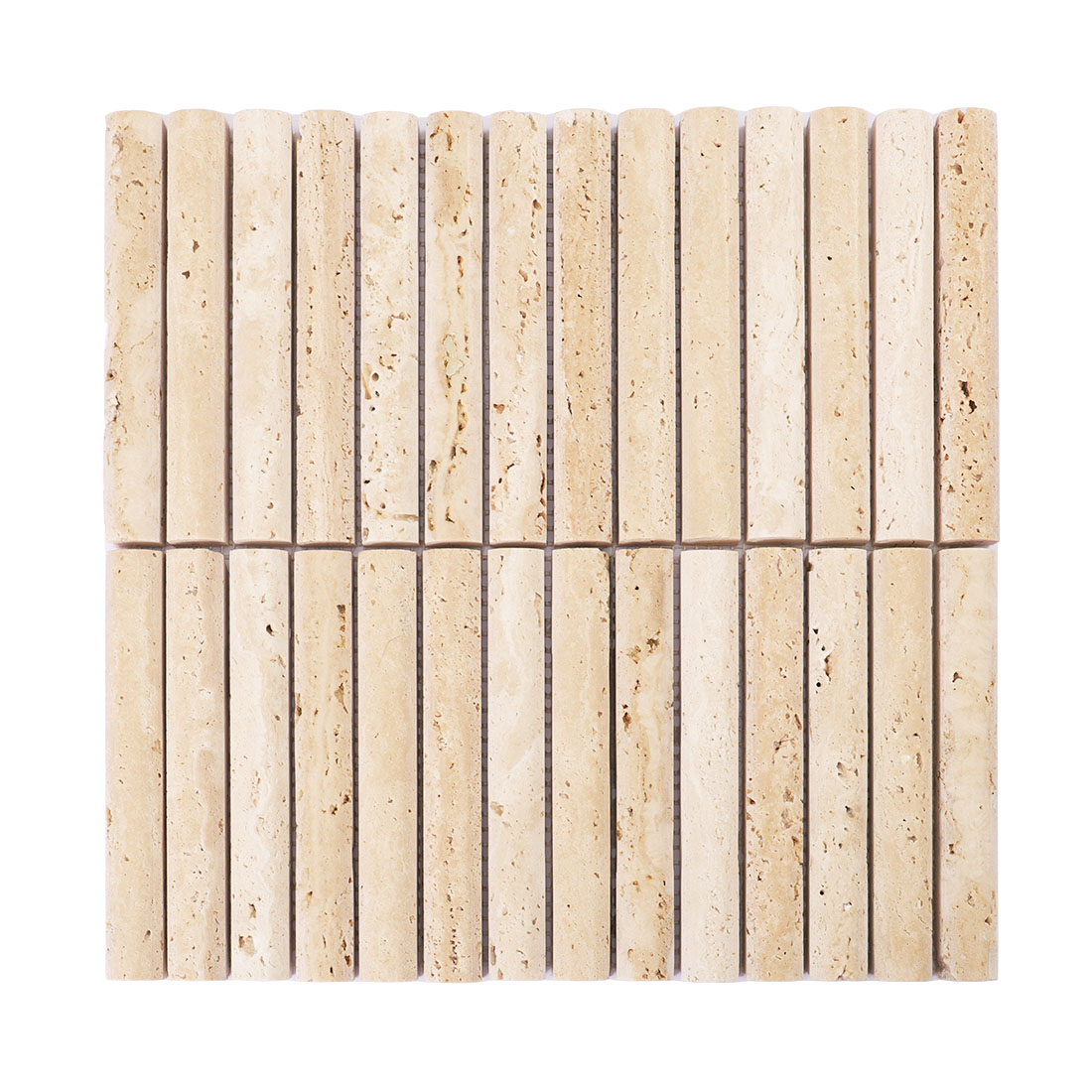
Travertine is recognized for its warm earth tones and natural pores. Tumbled edges and unfilled textures work particularly well in Mediterranean, rustic and old-world interiors.
Limestone has a quieter and more understated appearance, often featuring soft fossil details and warm neutral colors.
Slate introduces layered texture and deep gray, charcoal, rust or green tones for rustic and industrial walls.
Many natural stones should be sealed before grouting and may require periodic resealing. Marble, travertine and limestone are calcium-based stones that can be etched by acidic cleaners.
Natural stone is an excellent choice for customers who value authentic variation and are comfortable with material-specific maintenance.
Recommended applications include:
-
Living-room feature walls
-
Dining-room feature walls
-
Kitchen backsplashes with appropriate sealing
-
Bathroom walls when product-rated
-
Fireplace surrounds when product-rated
-
Wine rooms
-
Hotel and restaurant interiors
-
Reception walls
-
Architectural columns
Metal Retro Wall Tiles
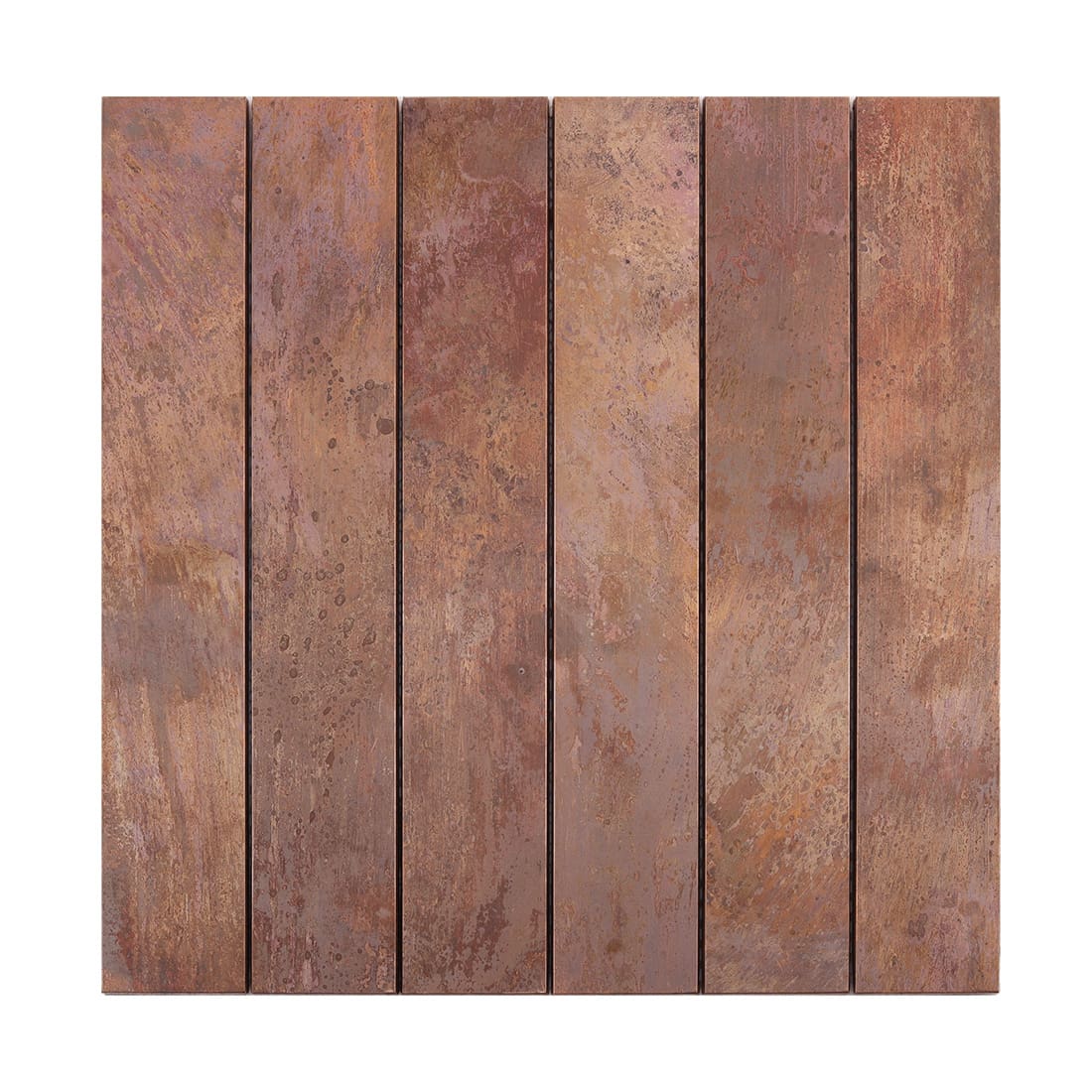
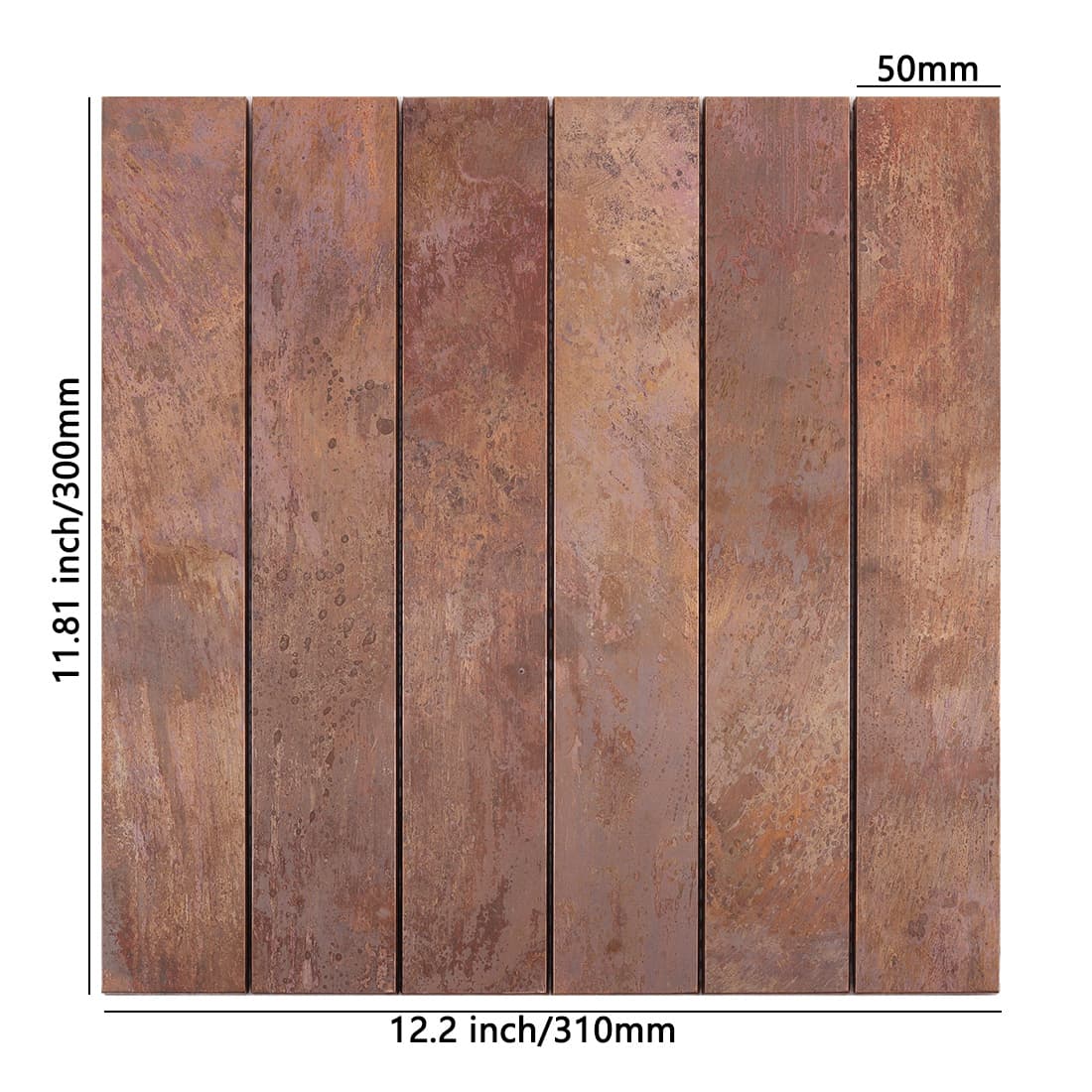
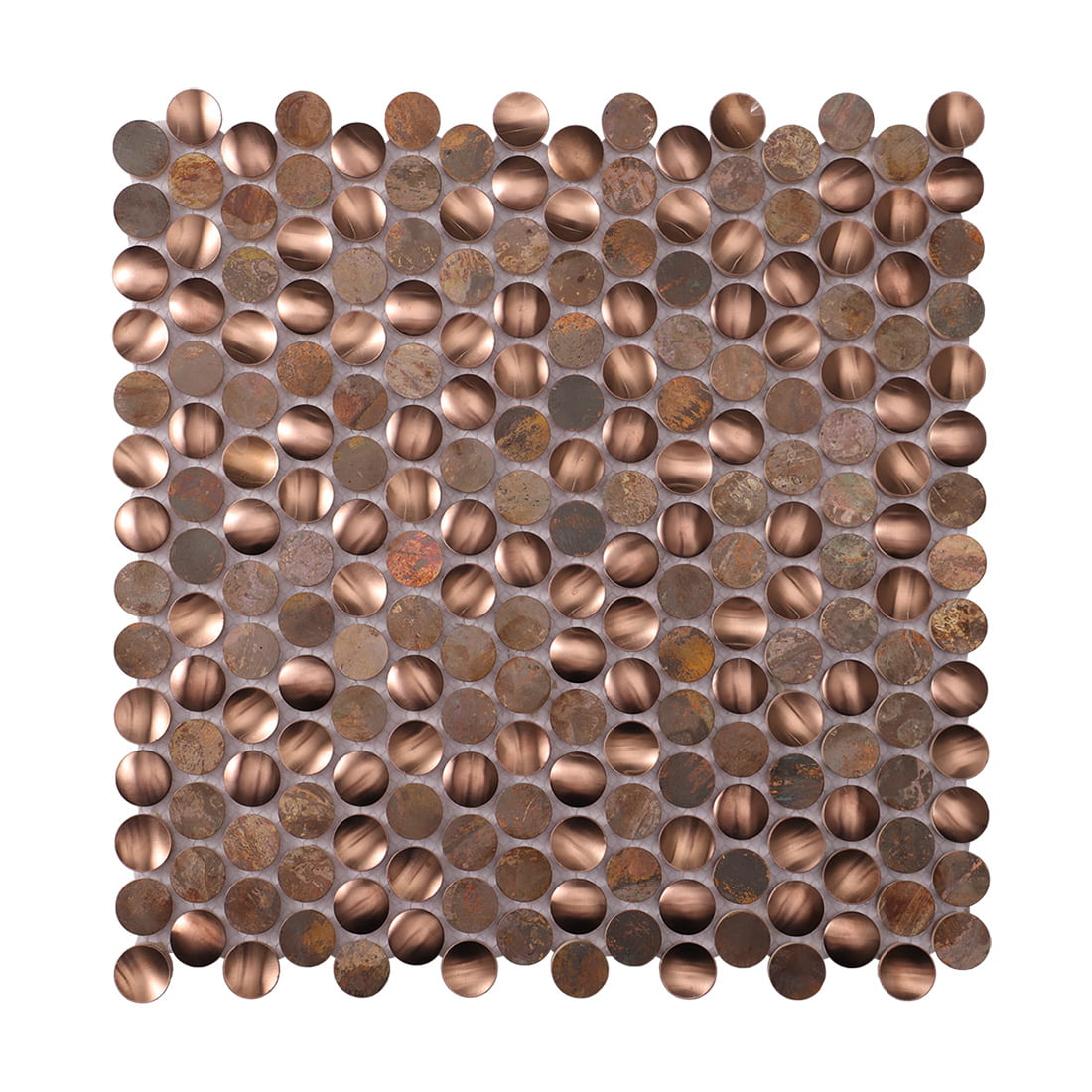
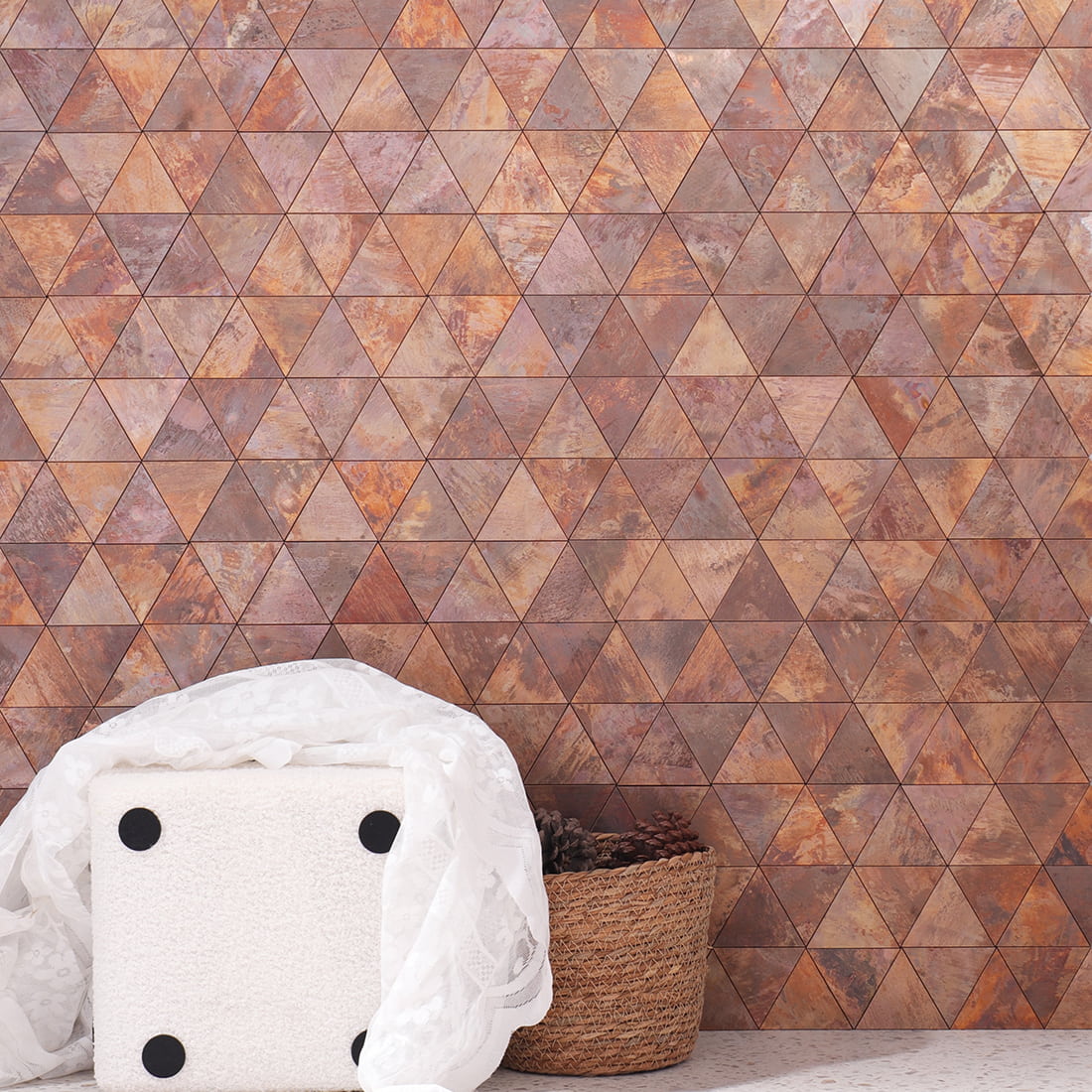
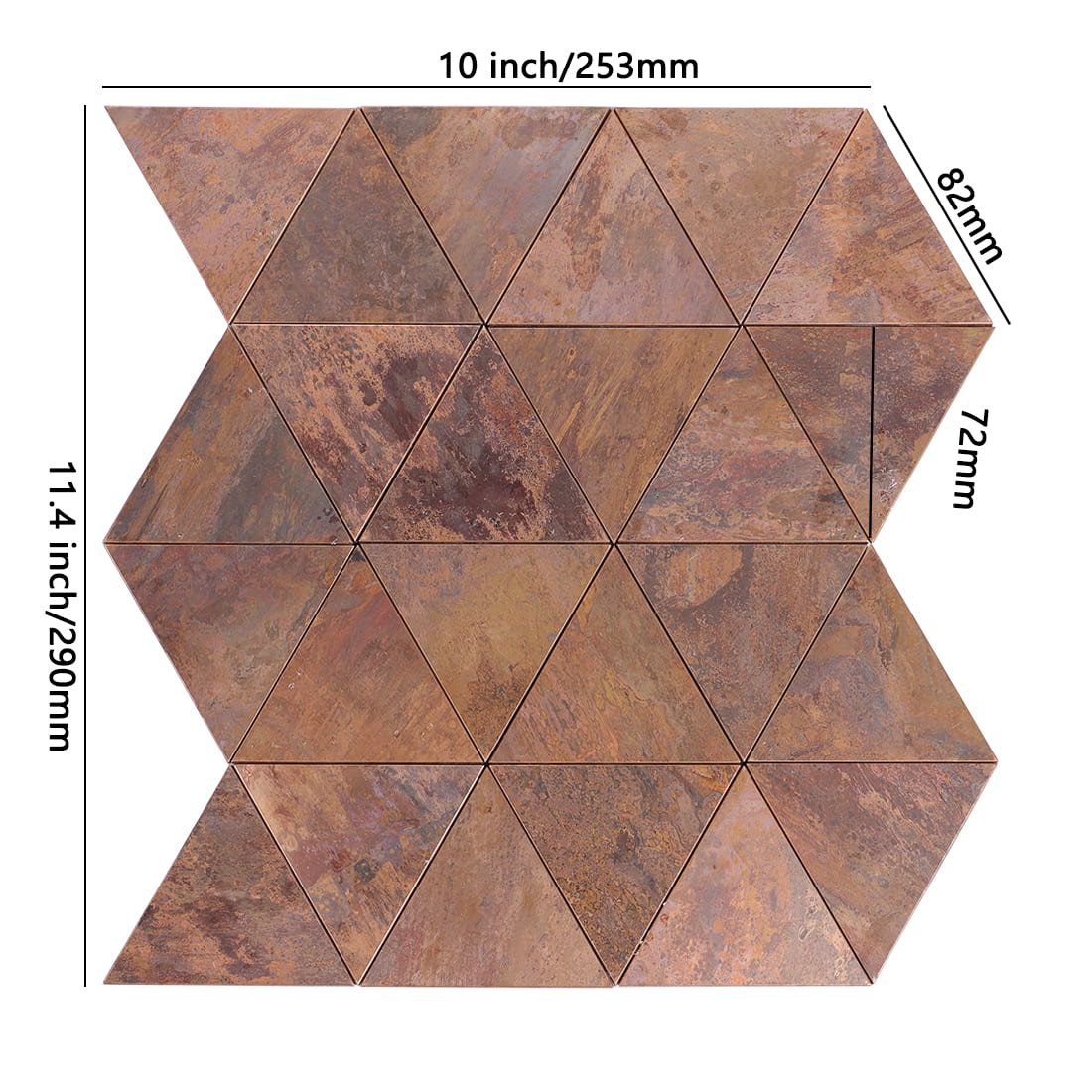
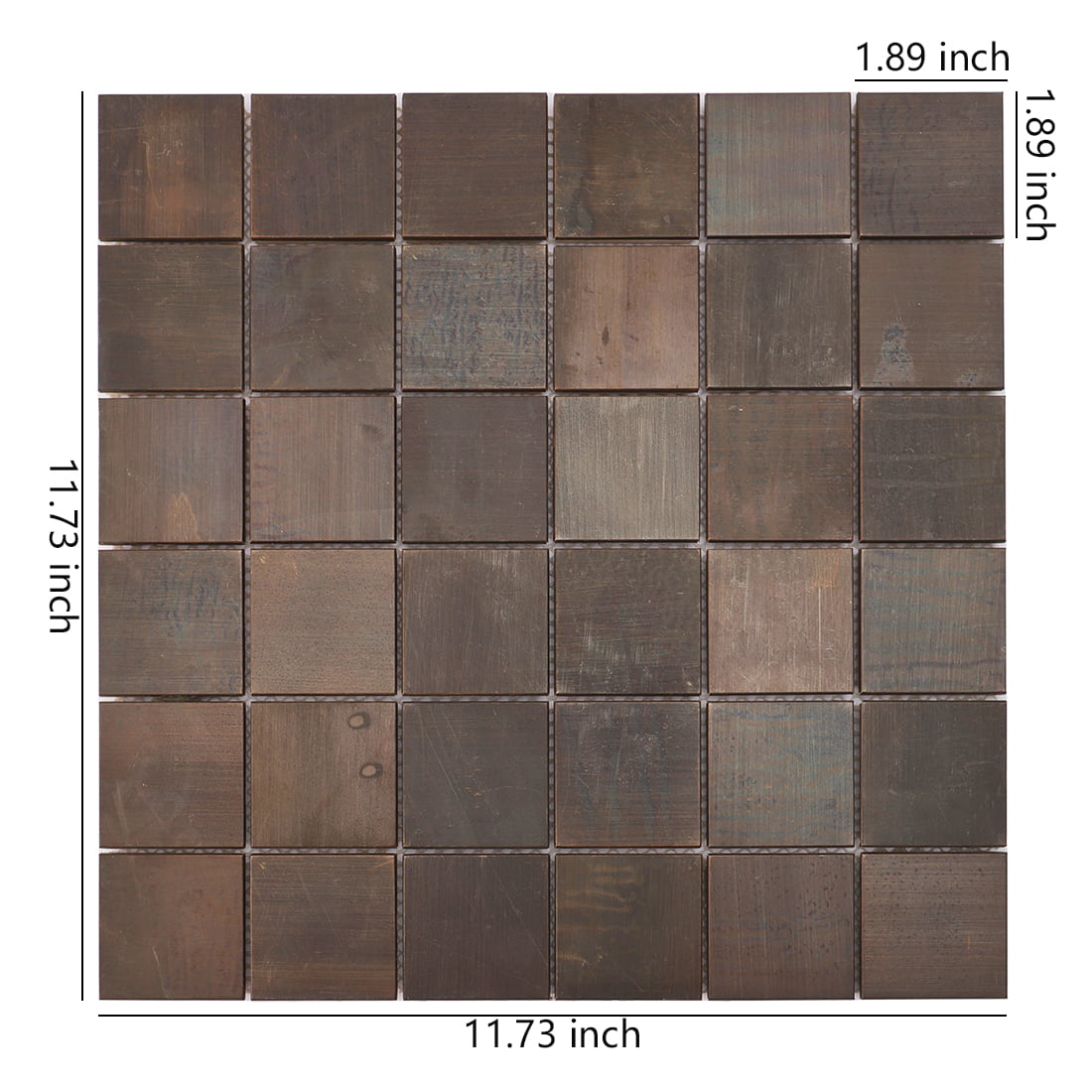
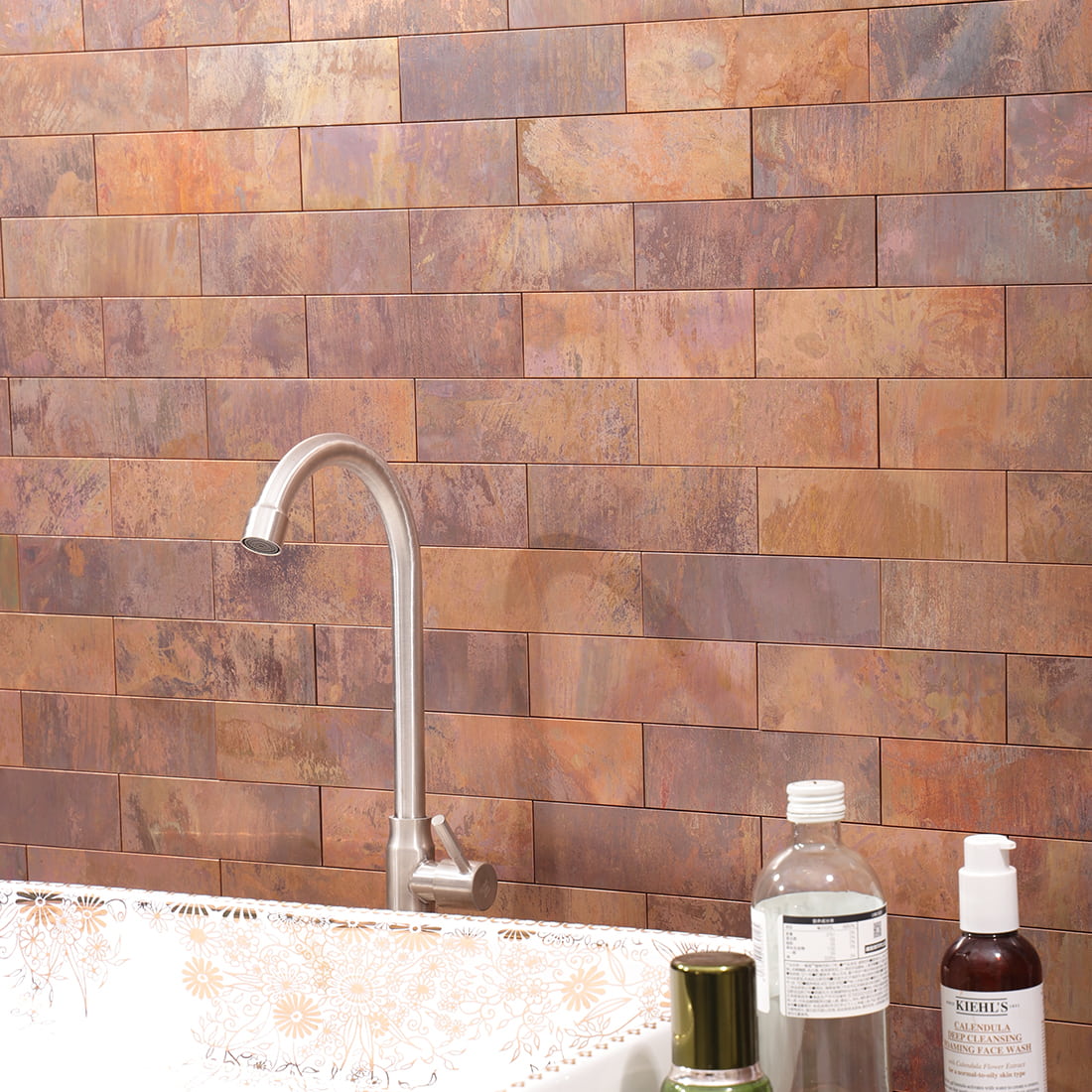
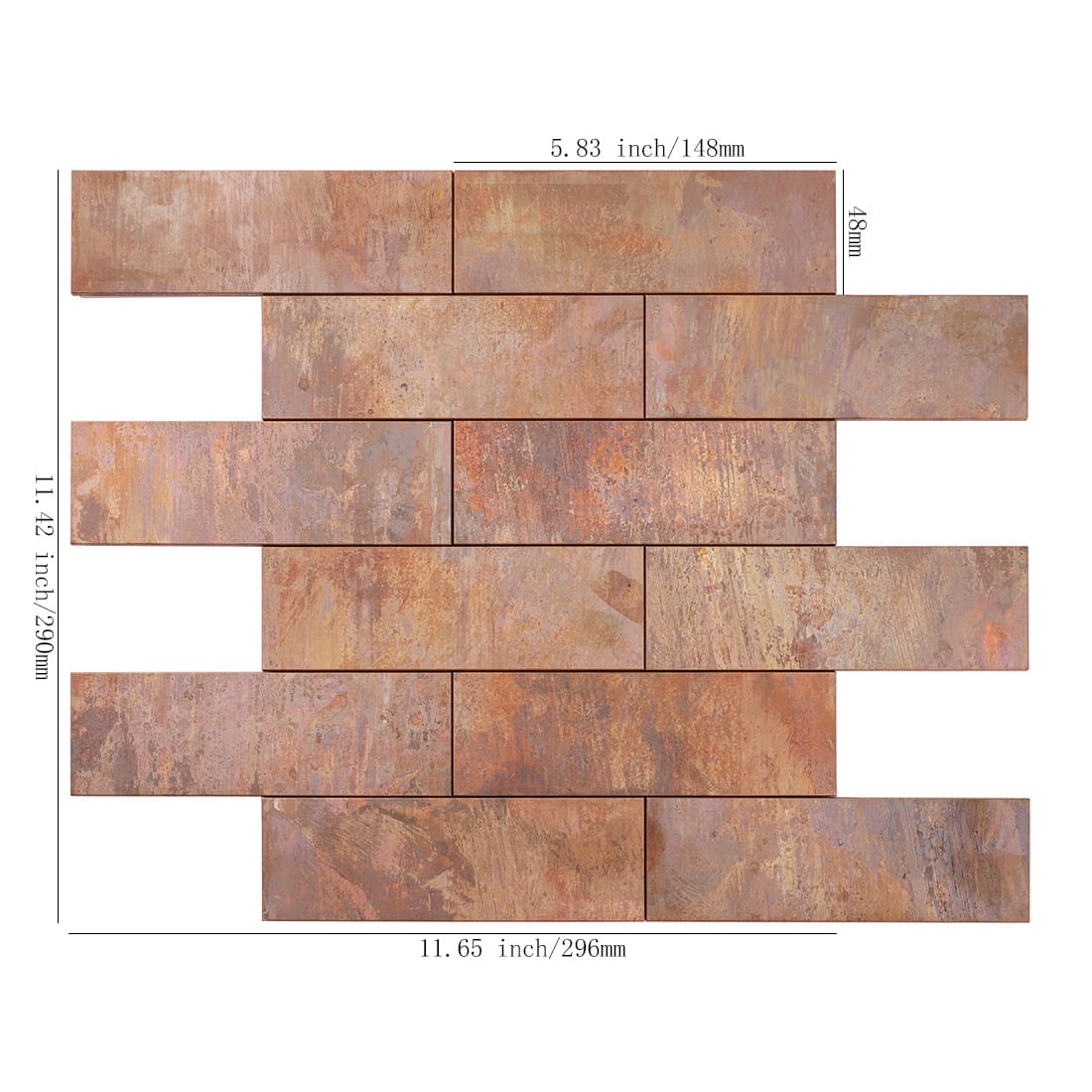
Metal tiles create distinctive aged surfaces through brushed texture, embossing, oxidation, patination and layered color. Antique copper, brass and distressed stainless steel may display warm bronze, brown, black, gold, blue-green or burnt copper tones.
Natural and hand-finished metal tiles may contain intentional variation between individual pieces. Some unsealed copper and brass surfaces can continue to develop a natural patina, while coated finishes may retain their original appearance for longer.
Acidic, alkaline, abrasive and salt-based cleaners can damage certain metal finishes. Follow the maintenance instructions provided for the specific product.
Metal tiles may appear visually suitable behind a cooktop or around a fireplace without necessarily being approved for direct heat exposure. Confirm temperature limitations, required clearances and the complete installation system before using metal in a high-temperature location.
Recommended applications include:
-
Restaurant and bar interiors
-
Kitchen accent walls
-
Hotel reception areas
-
Retail display walls
-
Living-room feature walls
-
Industrial interiors
-
Art Deco interiors
-
Commercial feature columns
Shell Retro Wall Tiles
Mother-of-pearl and other natural shell surfaces introduce delicate iridescence and organic color movement. Small shell mosaics can recall traditional decorative inlay while still working beautifully in modern powder rooms, vanity backsplashes and boutique interiors.
Shell is a natural decorative material, so its color and reflectivity change according to the viewing angle and surrounding light.
Suitability for continuous wet areas, high-temperature locations, floors and exterior applications must be confirmed for each product. Clean shell tile with nonabrasive products to avoid scratching or clouding the surface.
Recommended applications include:
-
Vanity backsplashes
-
Powder-room walls
-
Decorative borders
-
Bedroom feature walls
-
Dressing-room walls
-
Boutique hotel accents
-
Retail display walls
Natural Wood Retro Wall Tiles
Natural wood wall tiles retain real grain, knots, tonal movement and tactile warmth that printed wood-look surfaces cannot completely reproduce.
Brushed, carbonized, distressed and reclaimed-looking finishes complement mid-century, Japanese retro, American country and organic interior styles.
Natural wood should generally be reserved for dry interior walls unless the specific engineered product is approved for another environment. Do not automatically use natural wood wall tiles on shower walls, wet backsplashes, exterior walls or fireplace surrounds.
Recommended applications include:
-
Bedrooms
-
Studies and home offices
-
Dining rooms
-
Tea rooms
-
Dry living-room feature walls
-
Boutique hotels
-
Lounges
-
Dry commercial interiors
Solid-Color Retro Wall Tiles
Solid color is a design direction rather than one particular material. Creamy white, warm gray, terracotta, sage green, dusty blue, pale pink and muted yellow can be created using ceramic, porcelain, glass, stone or mixed-material mosaics.
Choose subtle tonal movement for a softer handmade effect, or select more consistent color for a clean mid-century appearance.
Solid-color retro wall tiles are especially useful when cabinetry, furniture, wallpaper or artwork already provides a strong decorative pattern.
Popular Retro Tile Shapes and Patterns
Subway and Brick Tiles
Subway tiles are one of the most flexible retro wall choices. A horizontal running-bond layout feels familiar and traditional, while a straight stack creates a cleaner appearance.
Vertical stacking can make a low wall appear taller. Herringbone installation introduces movement but requires additional cutting and careful pattern alignment.
Penny Round Tiles
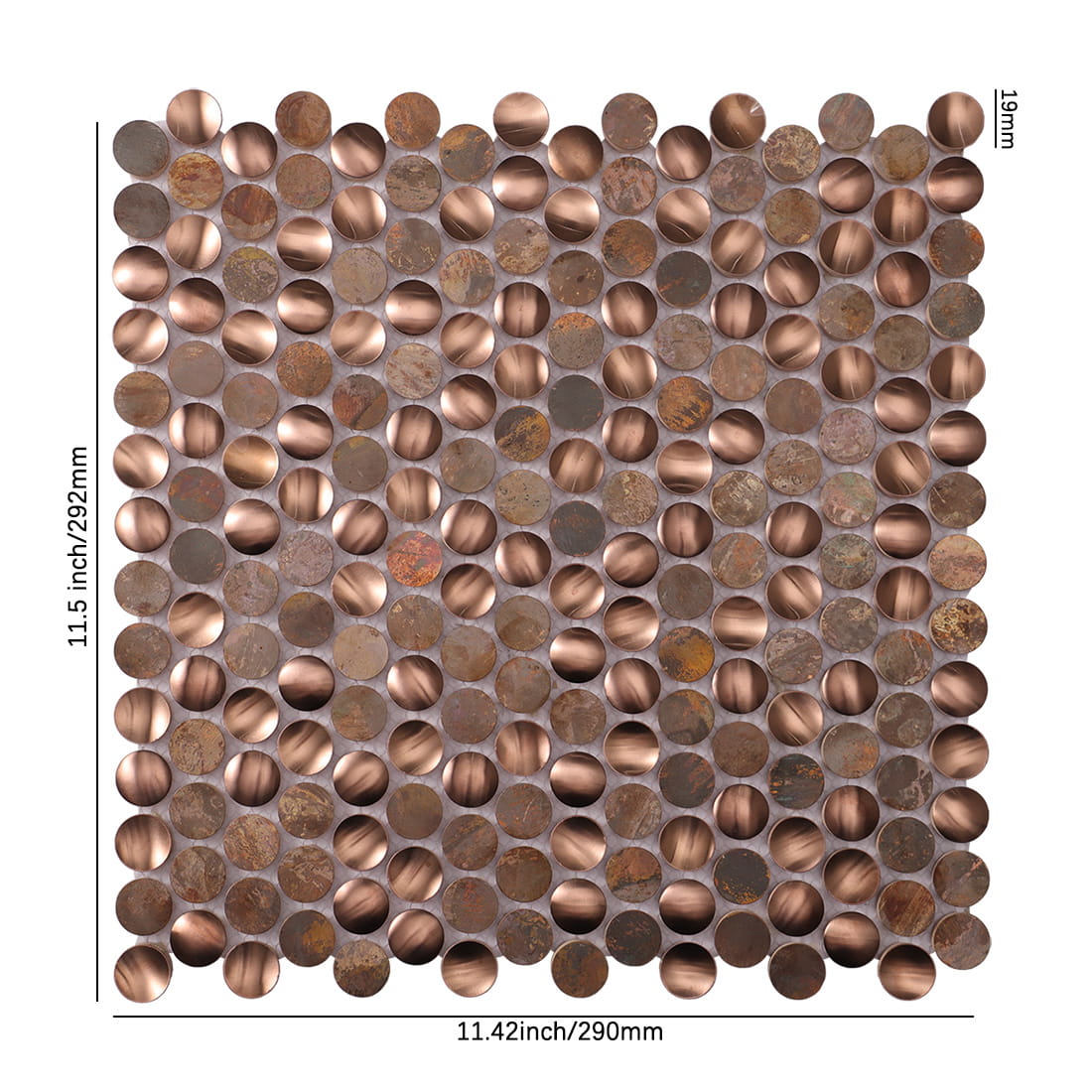
Penny round tiles recall early bathroom mosaics and mid-century interiors. Tone-matched grout creates a softer and more continuous surface, while contrasting grout clearly outlines each circle.
Their small size also works well in niches, on curved walls and around detailed transitions when the product and mounting method are suitable for the application.
Square and Checkerboard Tiles
Small square tiles can be arranged as simple grids, two-color checkerboards, decorative borders or custom pixel-style patterns.
Pink, dusty blue, green, cream, brown and black-and-white combinations are particularly effective in retro kitchens and bathrooms.
Hexagon and Octagon Tiles
Hexagon and octagon tiles create a recognizable vintage repeat without relying on printed decoration.
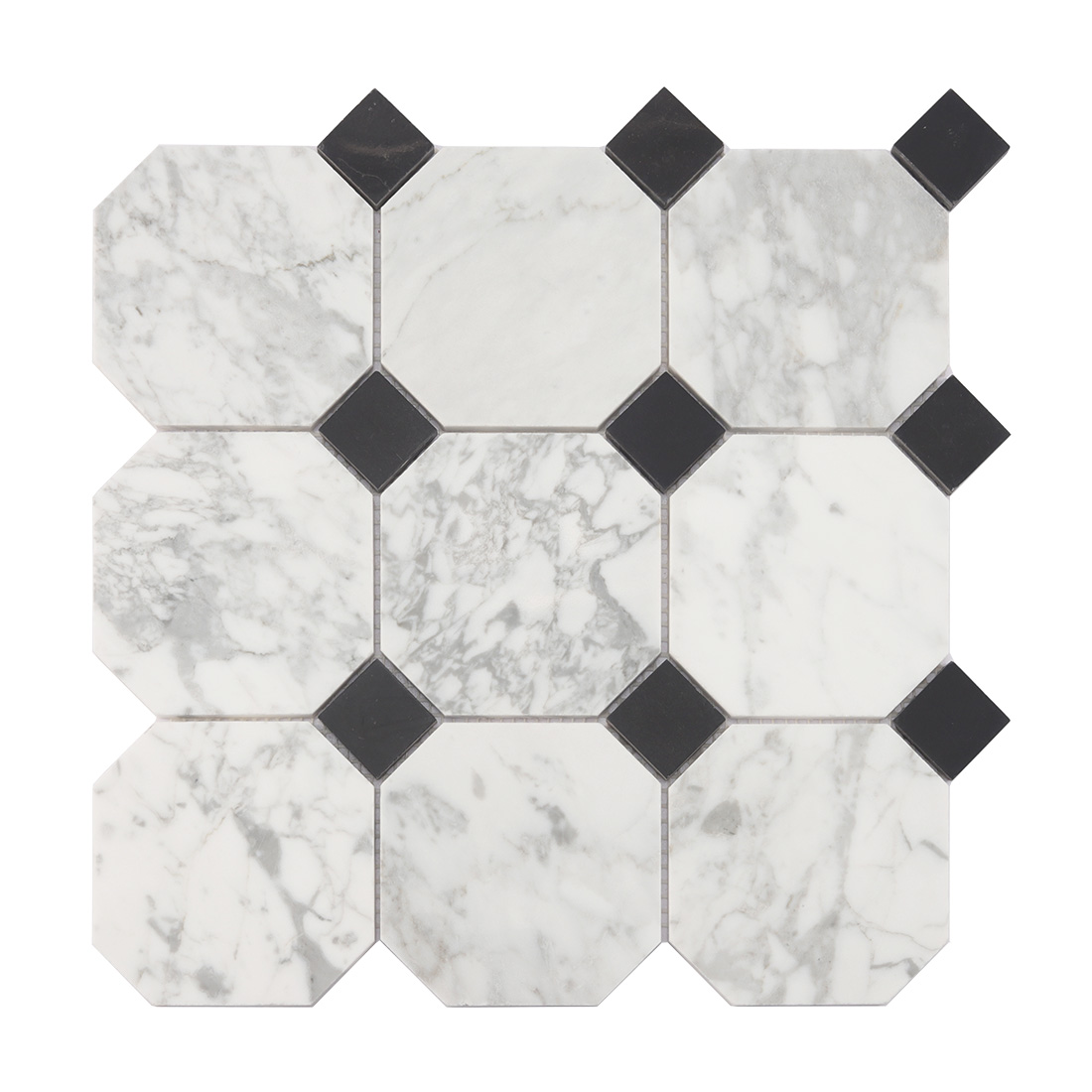
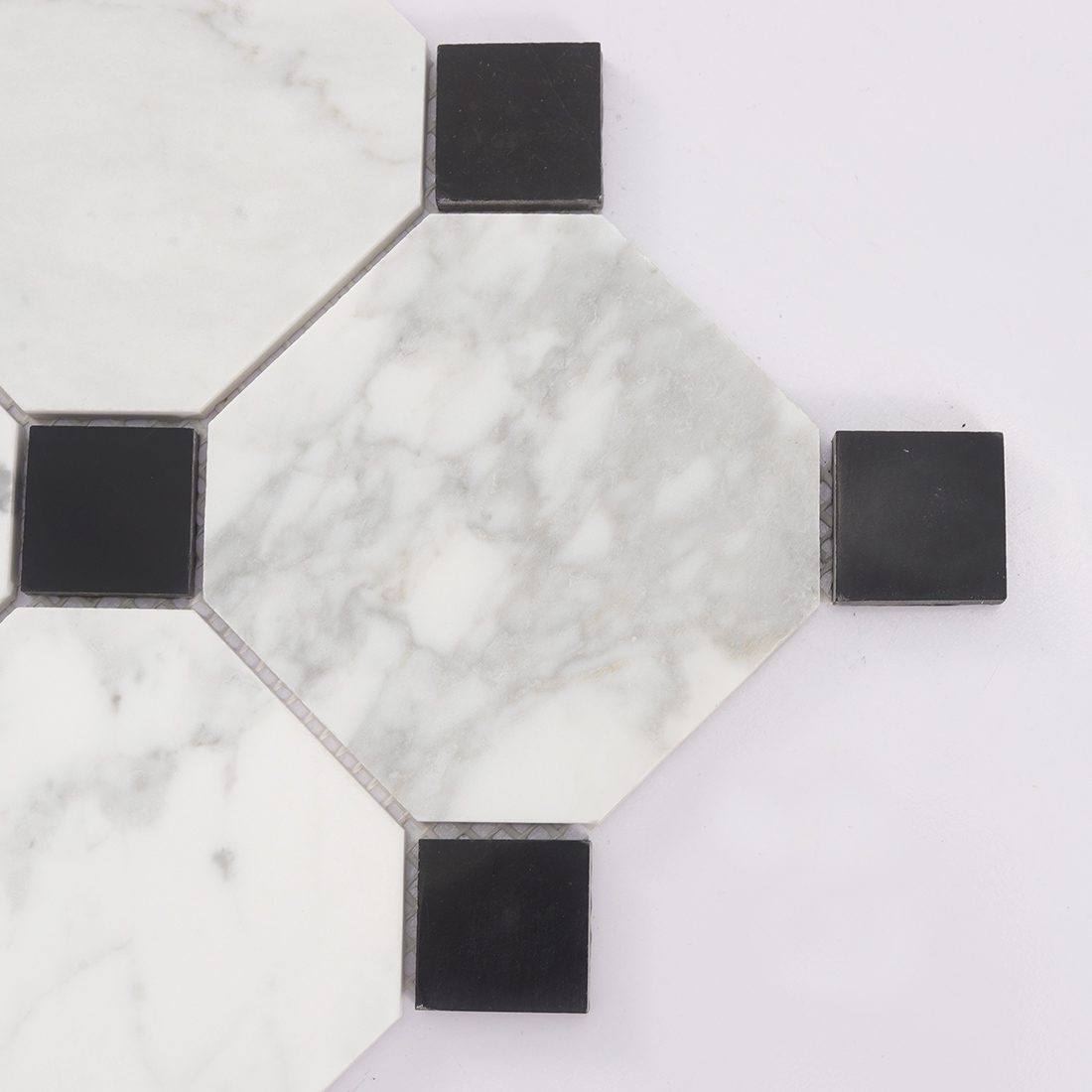
Black-and-white combinations feel crisp and historical, while natural marble, aged glass and warm mixed colors give the geometry a softer and more organic character.
Herringbone, Chevron and Basketweave Tiles
Herringbone, chevron and basketweave patterns add directional movement and a tailored finish.
Herringbone uses rectangular pieces arranged in an interlocking zigzag. Chevron forms continuous V-shaped lines, while basketweave creates the appearance of a woven surface.
Pattern alignment, edge cuts and sheet transitions should be reviewed before installation begins.
Fish Scale, Fan and Scallop Tiles
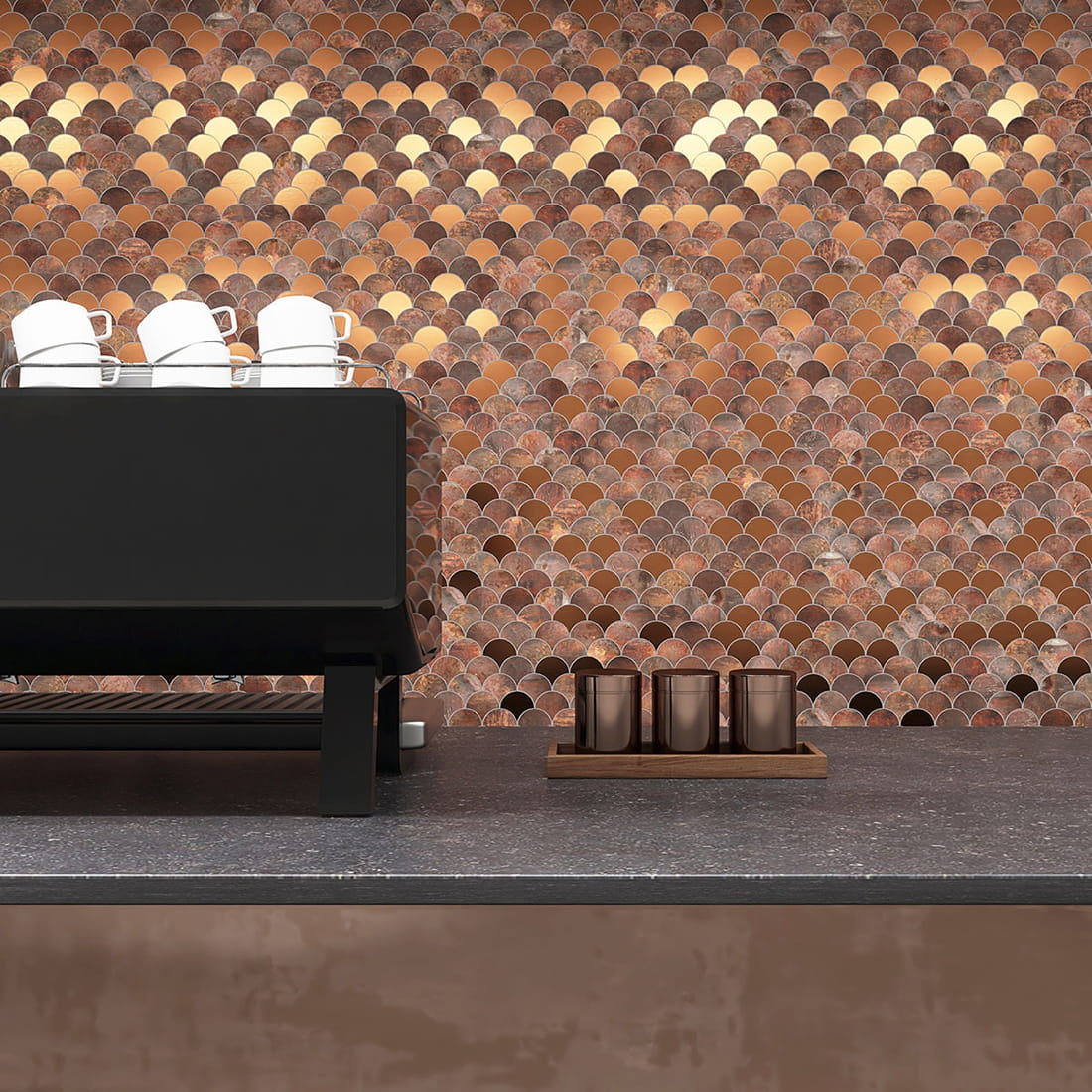
Curved fish-scale, fan and scallop shapes can suggest Art Deco glamour, Mediterranean craftsmanship or coastal nostalgia depending on the material and color.
Installation direction changes the overall effect. Points facing upward create a rising pattern, while points facing downward produce a cascading rhythm.
Kit Kat, Finger and Linear Mosaics
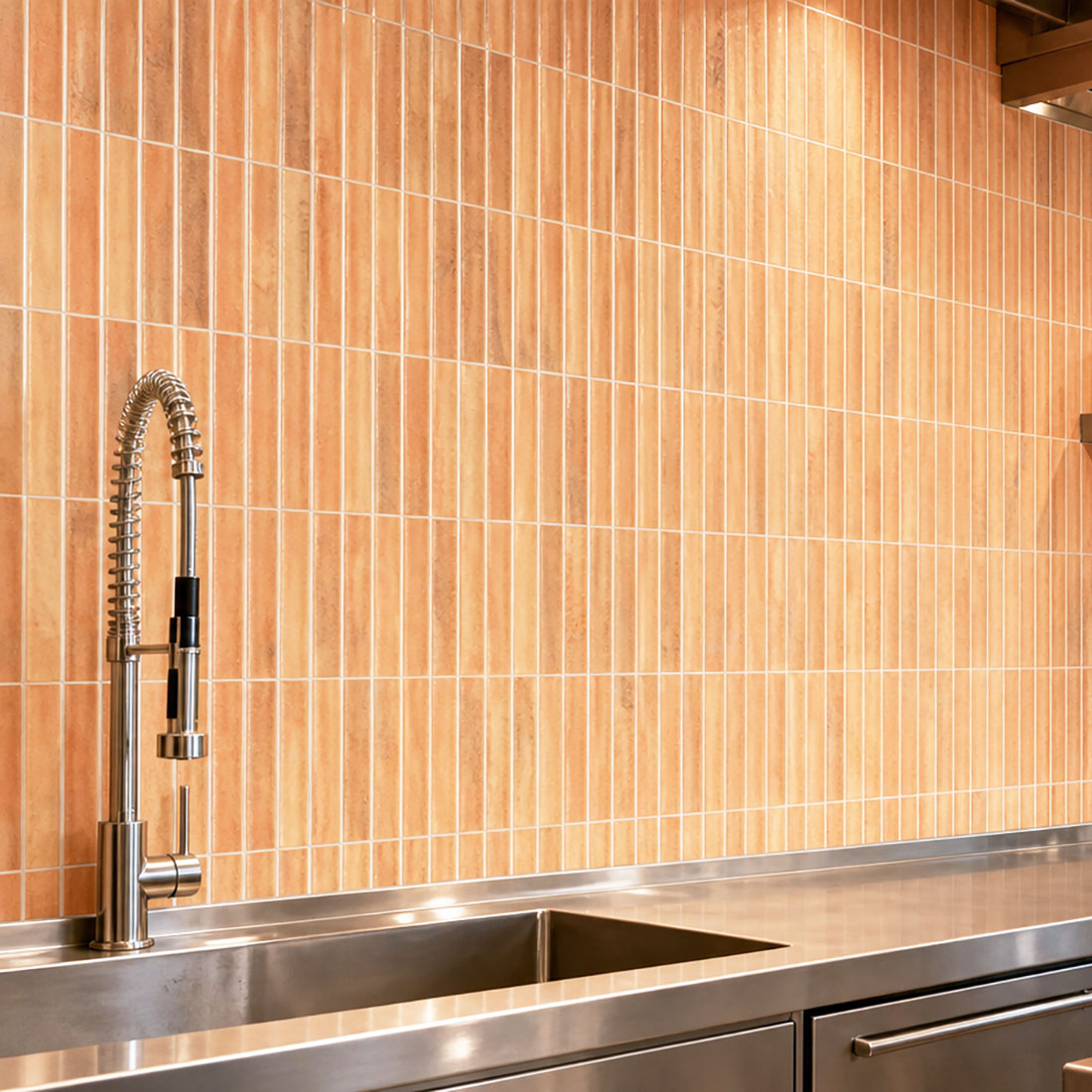
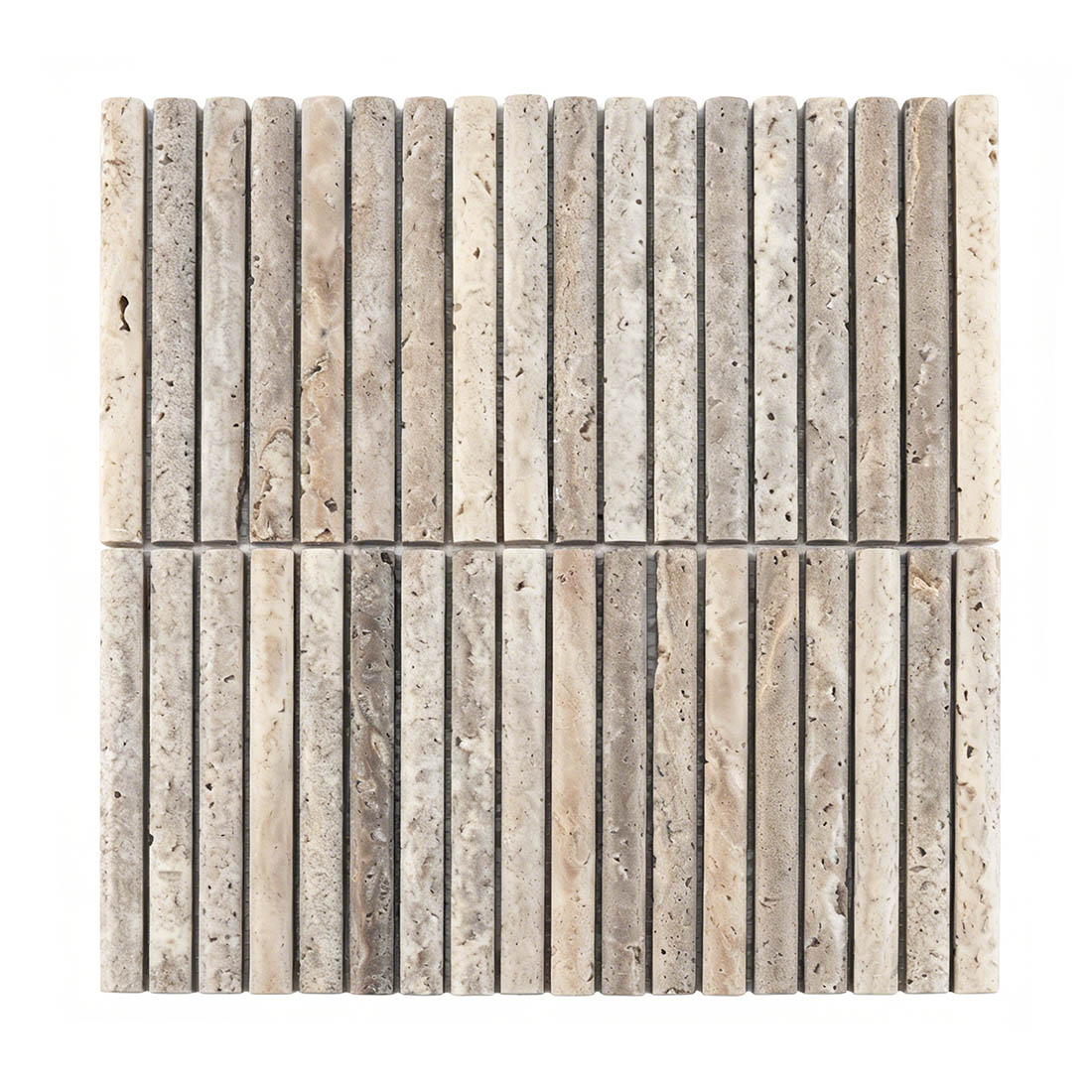
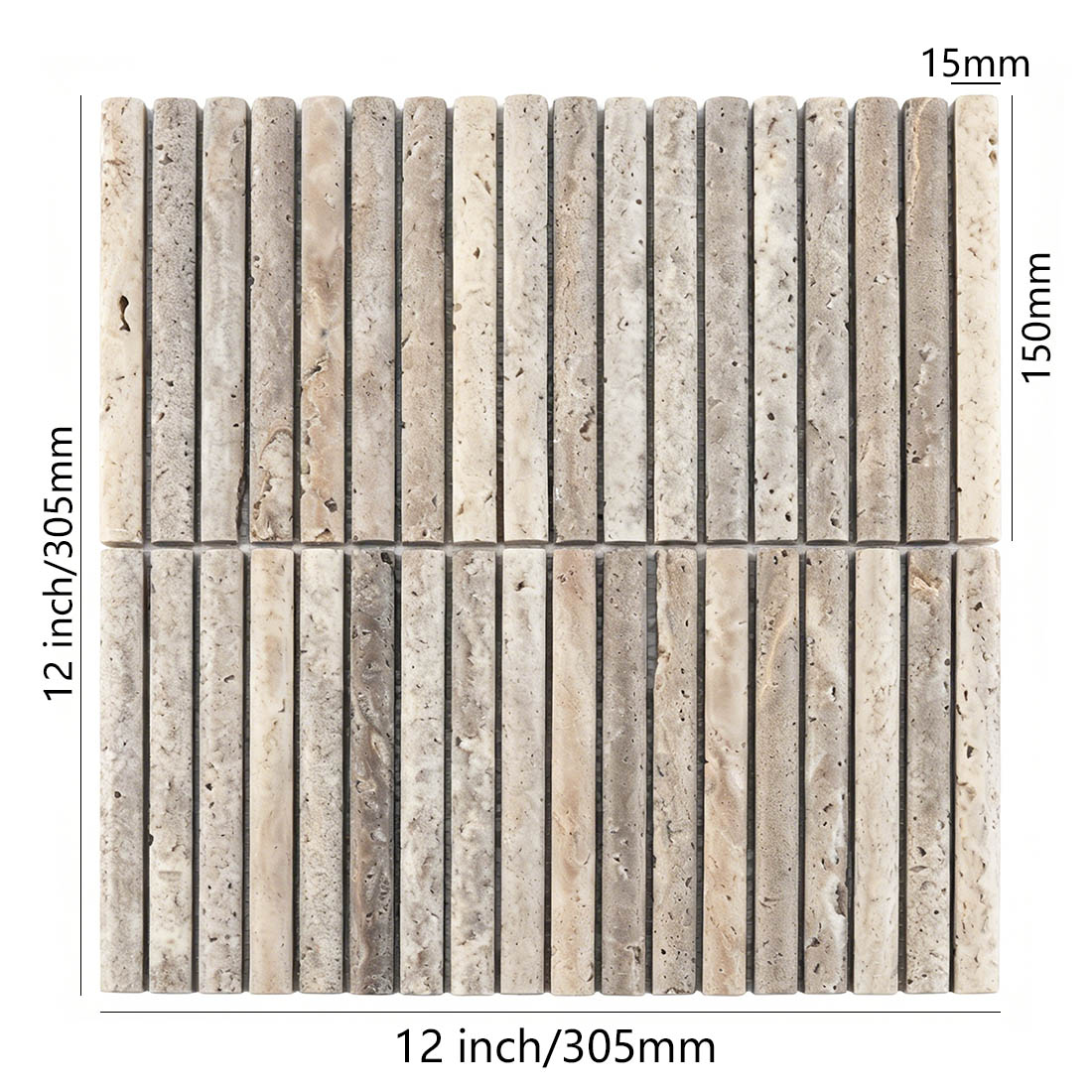
Narrow strips bring distinctive 1960s and 1970s character to a wall. Vertical installation emphasizes height, while horizontal installation can make a backsplash or bar front appear wider.
Tonal glass, natural stone and metal combinations add visual depth without requiring a printed pattern.
Fluted, Embossed and 3D Tiles
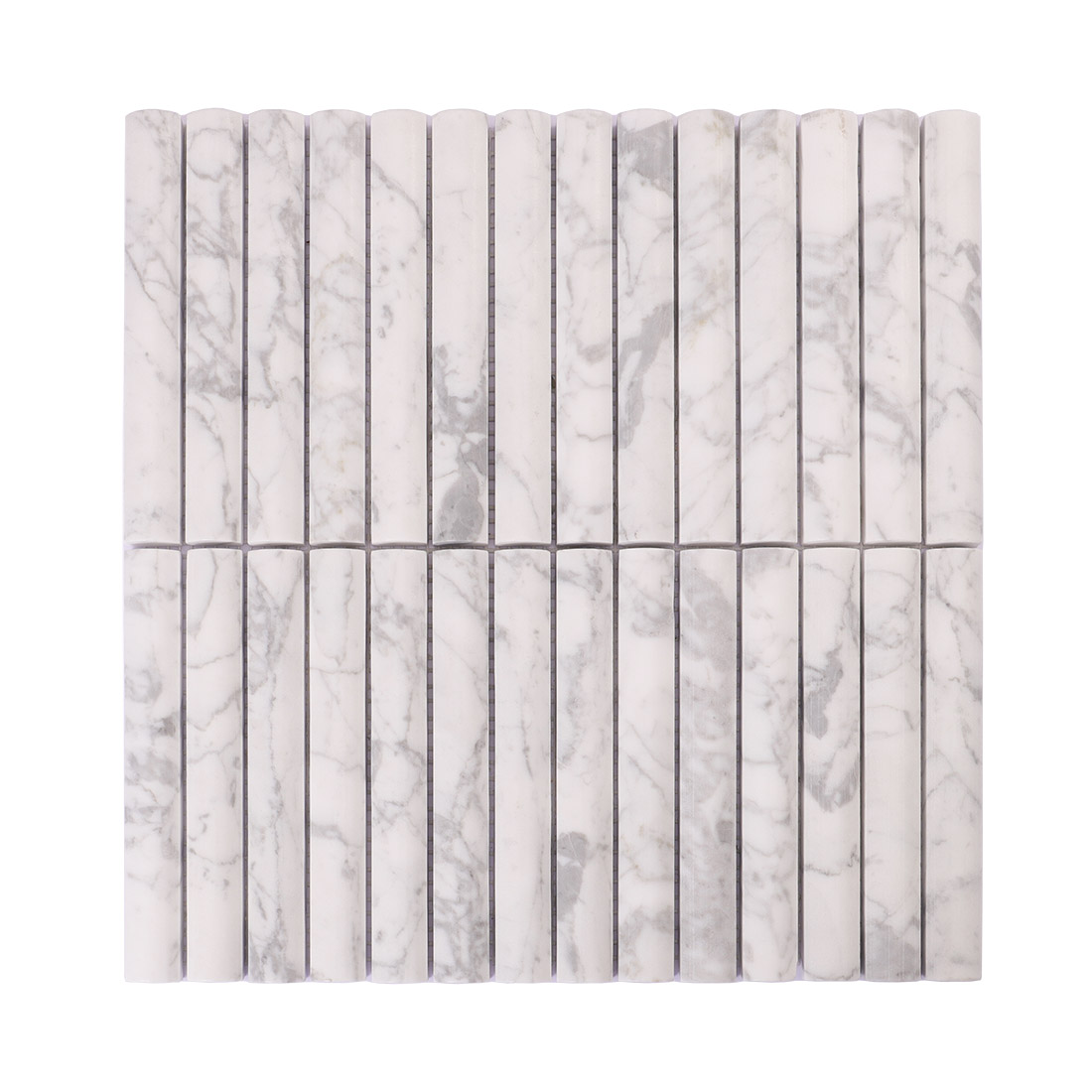
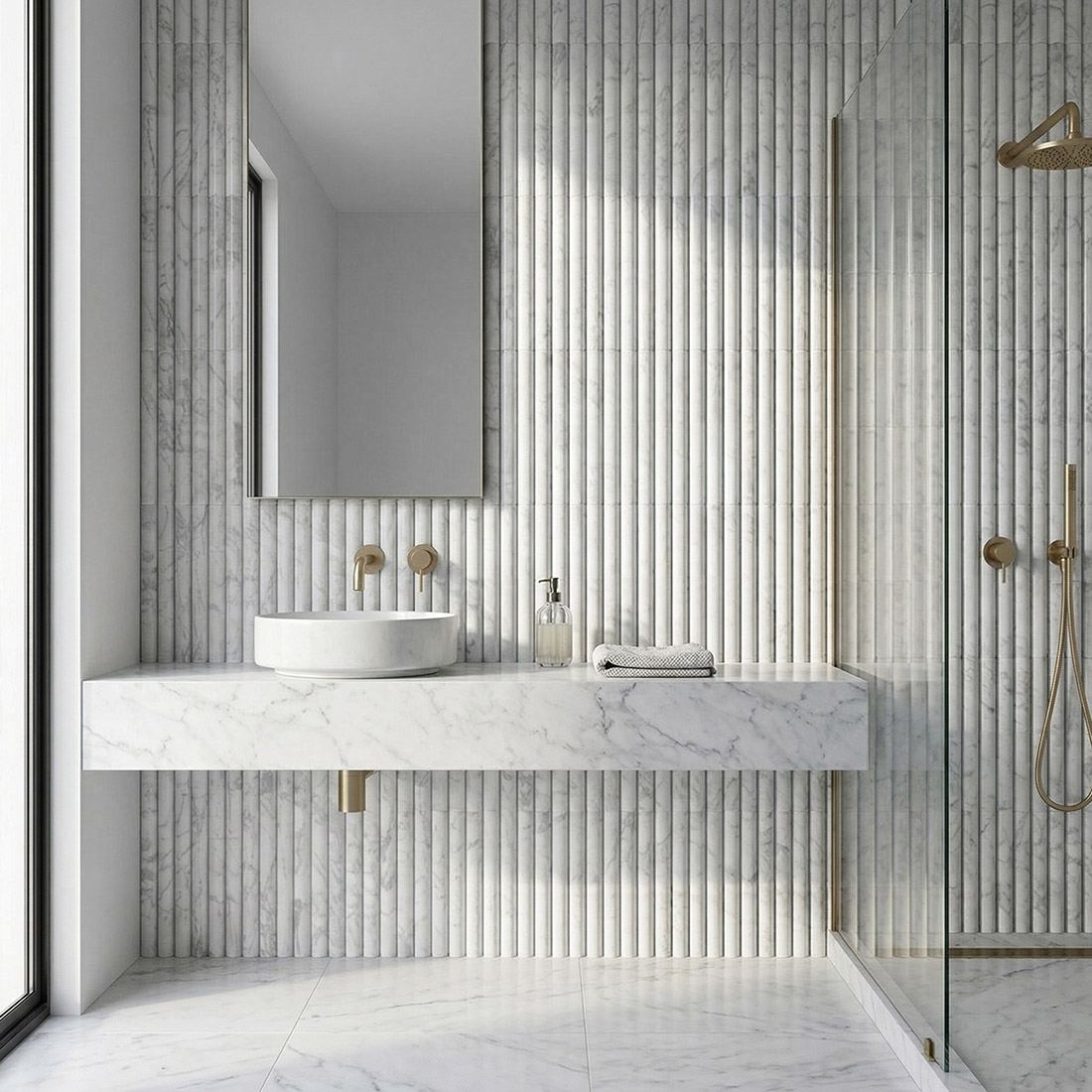
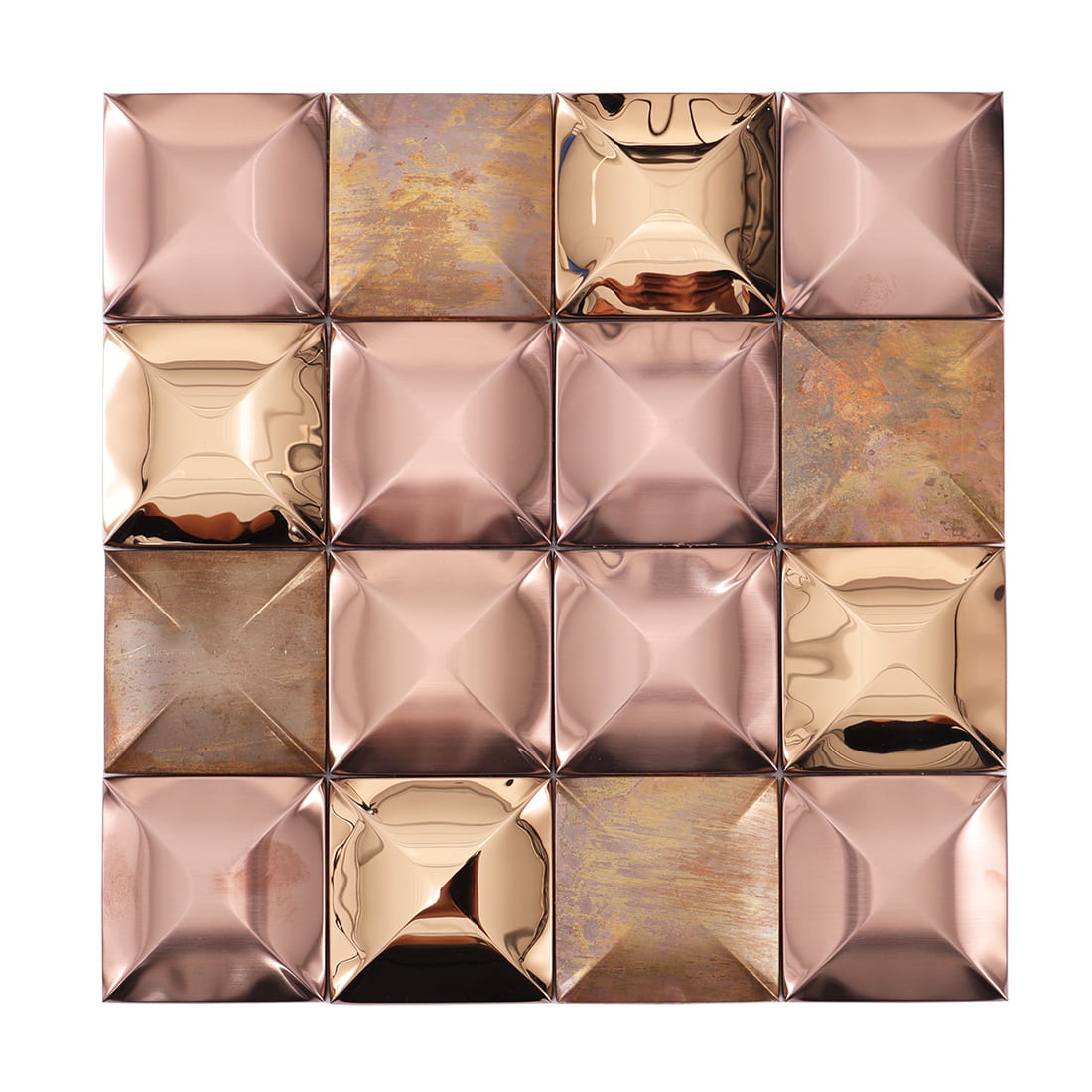
Relief surfaces create pattern through changing light and shadow. Fluted stone, embossed metal and beveled mosaics are particularly effective on reception walls, bar fronts, fireplace surrounds and feature walls with directional lighting.
Use textured tiles where their contours remain visible and where the surface can be cleaned appropriately.
Decorative and Custom Mosaic Patterns
Floral motifs, Mediterranean ornament, geometric borders and handmade mosaic murals transform tile into a form of architectural artwork.
Use decorative tiles across an entire wall for an immersive interior, or frame them with simpler field tiles as a backsplash panel, niche lining, border or focal insert.
Retro Wall Tile Colors and Finishes
Warm Neutral Colors
Cream, ivory, beige, taupe, warm white and limestone gray create calm backgrounds that can cover large walls without overwhelming the room.
Pair these colors with natural timber, aged brass, plaster, linen and warm lighting.
Green and Blue Tiles
Sage, olive, bottle green, teal, dusty blue and cobalt introduce historical color while working comfortably with contemporary cabinetry.
Softer shades support farmhouse and mid-century interiors, while deeper jewel tones feel more Art Deco or Mediterranean.
Pink, Burgundy and Red Tiles
Pale pink recalls 1950s bathrooms, while burgundy and oxblood create a richer and more architectural effect.
Terracotta and muted red work naturally with aged stone, dark wood and antique metal finishes.
Brown, Amber, Copper and Ochre Tiles
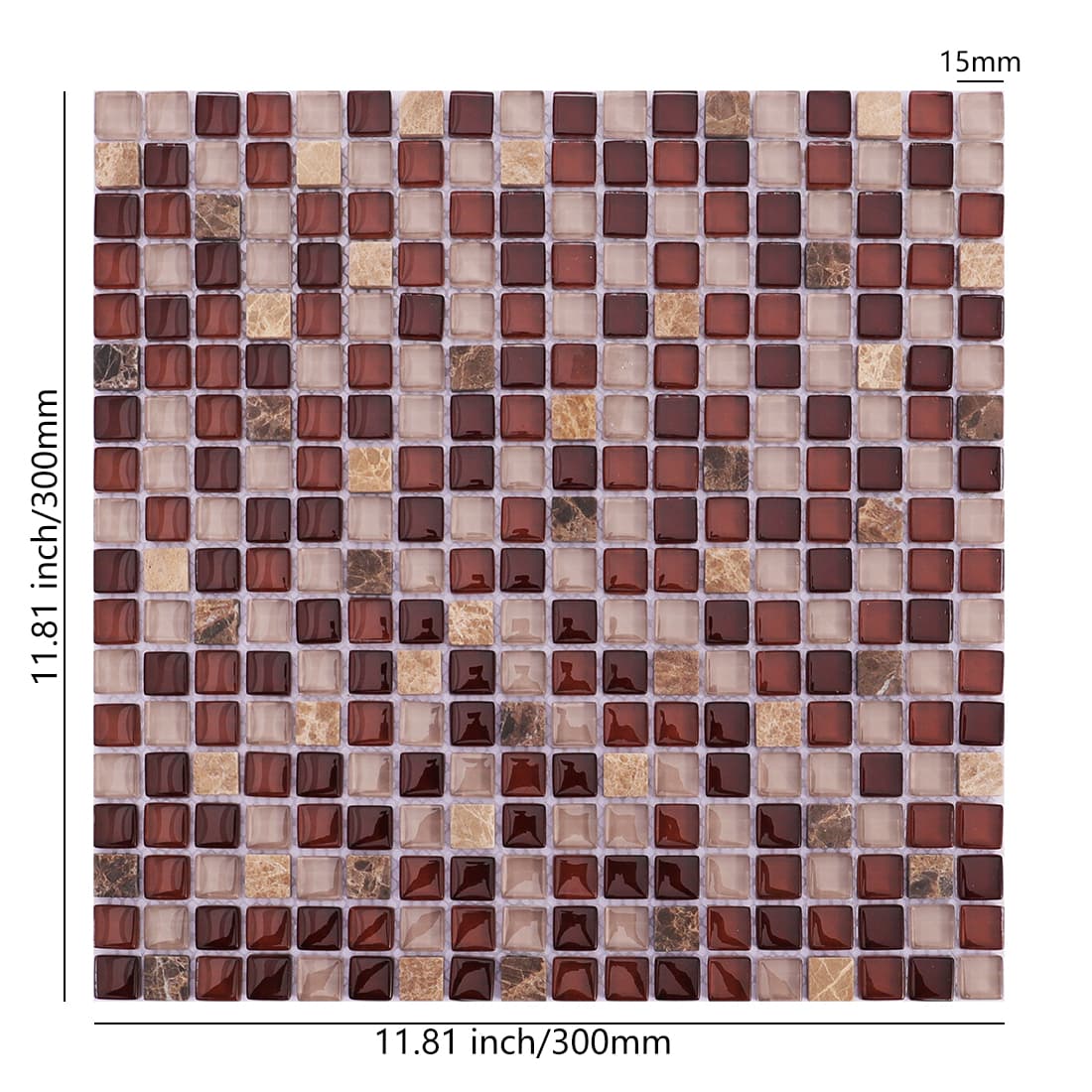
Earth tones create warmth and are central to many 1970s-inspired interiors. Amber glass, brown marble, travertine, antique copper and ochre ceramic tiles pair beautifully with walnut, leather and warm-white lighting.
Black and White Tiles
Black-and-white tile is one of the most recognizable vintage combinations. Use it in penny round, hexagon, checkerboard, basketweave or floral mosaic patterns.
Off-white and charcoal can be used instead of pure black and white when a softer contrast is preferred.
Matte, Honed and Frosted Finishes
Low-sheen surfaces diffuse light, soften color and create a calmer atmosphere. They complement rustic, farmhouse, mid-century and minimalist retro interiors.
Deeply textured matte finishes may require more detailed cleaning than smooth tiles.
Glossy and Iridescent Finishes
Glossy glass and glazed ceramic reflect light and can make compact kitchens and bathrooms feel brighter.
Iridescent glass and natural shell change according to the viewing angle. These materials are most successful when surrounding finishes remain relatively simple.
Tumbled, Distressed and Patinated Finishes
Tumbled stone, aged-looking glass and patinated metal intentionally contain visible variation.
Physical samples are especially important because online images cannot fully represent surface depth, reflectivity, color movement and natural variation.
Where to Use Retro Wall Tiles
Retro Kitchen Backsplashes
A retro backsplash introduces color and pattern without requiring a complete kitchen renovation.
Subway tiles, small squares, penny rounds, colored glass and compact geometric mosaics fit naturally between countertops and upper cabinets. A stronger pattern can be centered behind the range or sink, while a quieter solid color can continue across the entire wall.
Before selecting a product, consider exposure to grease, water, cleaning products and heat. Also plan around electrical outlets, corners and exposed edges.
Smooth glass and many glazed ceramic surfaces are relatively easy to wipe clean. Natural stone and patinated metal require more material-specific maintenance.
Retro Bathroom Walls
Retro bathroom wall tiles can define a vanity area, bathtub surround, shower feature wall, niche, wainscot or complete bathroom.
Penny rounds and small squares create a direct historical reference. Muted glass, marble and tone-on-tone mosaics provide a quieter interpretation of vintage style.
For showers and steam rooms, tile is only the visible surface. The complete installation system must include a suitable substrate, waterproofing, adhesive, grout, movement joints and sealant.
Confirm that every component is approved for the intended wet environment.
Fireplace Surrounds
Natural stone, ceramic, porcelain, glass and metal can create memorable fireplace surrounds, but visual suitability does not automatically confirm heat suitability.
Check the temperature limitations of the tile and setting materials. Use noncombustible materials where required and maintain the clearances specified by the fireplace manufacturer and local building regulations.
Natural wood should not be used near a heat source unless the complete installation has been specifically approved.
Living Rooms and Dining Areas
Use retro wall tiles behind open shelving, on a dining-room feature wall, around a fireplace or as an inset decorative panel.
Textured stone, aged metal, natural wood and relief tile add architectural depth to simple interiors. If the tile is visually strong, repeat only one of its colors elsewhere in the room to create balance and cohesion.
Bars, Cafés and Restaurants
Retro wall tiles can become an important part of a hospitality brand identity.
Patinated copper, amber glass, decorative mosaics, fluted stone and saturated colors work particularly well on bar fronts, host stations, feature columns and restaurant walls.
Choose materials with cleaning frequency, furniture impact, exposed edges, lighting, fire requirements and future replacement stock in mind.
Hotels, Retail and Commercial Interiors
Hotel reception walls, elevator surrounds, boutique displays, spa features and corridor focal points benefit from materials that remain distinctive at a distance and photograph well.
For commercial projects, confirm maintenance procedures, substrate requirements, applicable regulations and the availability of extra tiles for future repairs.
Older-Home Renovations
Retro wall tile can restore visual continuity to a period property without requiring genuine antique material.
Start by identifying the age of the property, its original color palette and any surviving architectural details. A sympathetic new tile should support the building rather than compete with it.
Order samples and compare them beside existing woodwork, fixtures, paint colors and natural light.
How to Choose the Right Retro Wall Tile
Confirm the Application
Begin with performance requirements rather than color.
Determine whether the tile will be installed on a dry interior wall, kitchen backsplash, shower wall, steam-room wall, exterior wall or fireplace surround. A product suitable for one application may not be appropriate for another.
Choose the Degree of Retro Character
Decide whether the project needs a bold historical statement or a subtle vintage reference.
Floral patterns, checkerboards and colorful metal walls become immediate focal points. Muted subway tiles, honed natural stone and solid-color mosaics are easier to combine with modern furniture and cabinetry.
Match Tile Scale to the Surface
Small mosaics add detail and adapt to niches, curved walls and irregular areas. Medium-size tiles balance visual pattern with easier maintenance. Larger formats produce fewer grout lines and create a calmer surface.
Evaluate the design at full scale rather than judging it only from a close-up product photograph.
Select the Right Maintenance Level
Smooth glazed ceramic and glass surfaces are generally easier to wipe clean.
Natural stone, shell, patinated metal and wood offer stronger material character but require more specialized care. Choose a surface that suits the room’s cleaning routine and the customer’s long-term maintenance expectations.
Order Physical Samples
A physical sample reveals scale, edge detail, reflectivity, texture and natural variation that cannot be fully represented on a screen.
View samples vertically in the actual room during both daylight and evening lighting. Place them beside cabinetry, countertops, paint colors, metal finishes and flooring.
Plan Grout and Edge Details
Grout color changes the overall appearance of the installation.
Tone-matched grout blends the individual pieces and emphasizes the complete surface. Contrasting grout makes each shape and joint more visible. Warm gray and beige often complement aged colors, while dark grout produces a stronger graphic outline.
Test grout on spare material, especially when working with porous stone, crackle finishes, textured tile, metal or light-colored surfaces.
Confirm the grout type, joint width, sealant color, trim pieces, exposed edges and corner details before installation.
Calculate Tile Quantity
Measure the total width and height of the tiled wall and subtract only large openings. Confirm the coverage provided by each box or mosaic sheet.
A straightforward wall installation commonly requires approximately 10% extra material. Herringbone patterns, diagonal layouts, multiple corners, pattern matching, fragile materials and custom cuts may require 15–20% extra or more.
Order the complete quantity at one time when color batches, natural stone variation or handmade finishes are important. Keep several spare pieces or sheets for future repairs.
Ask the installer to confirm the final waste allowance before purchasing.
Retro Wall Tile Installation
Professional installation is recommended for natural stone, glass, metal, shell, relief surfaces, complex patterns and high-value custom mosaics.
Prepare the Wall
The wall must be sound, flat, clean and suitable for the weight and type of tile.
Correct uneven areas before installation because small mosaics, glossy finishes and reflective surfaces can reveal substrate irregularities. Wet areas require a complete waterproofing system behind the tile.
Dry-Lay the Pattern
Arrange several sheets or loose pieces before applying adhesive.
Check the pattern repeat, tonal distribution, sheet alignment, focal centerline, edge cuts and relationship to electrical outlets, niches and fixtures.
Blend pieces from multiple boxes when natural or intentional color variation is part of the design.
Use Compatible Setting Materials
Adhesive, mortar, grout, sealer and cleaning products must be compatible with both the tile and substrate.
Light-colored or translucent glass may require white setting material. Some metal, glass, shell and natural stone surfaces can be scratched or stained by an unsuitable grout or cleaner.
Follow the instructions provided by the tile and setting-material manufacturers.
Prevent Visible Mosaic Sheet Lines
Mesh-mounted and face-mounted mosaics simplify installation, but the installer should adjust perimeter pieces while the setting material remains workable.
Step back regularly and inspect the entire wall under the intended lighting. This helps prevent the boundaries of individual mosaic sheets from becoming visible.
Seal and Protect When Required
Some natural stones and grout products should be sealed before grouting, after installation or both.
Certain crackle glazes and porous decorative surfaces may also require sealing. Protect the finished wall during surrounding construction and avoid aggressive cleaning while the installation materials are curing.
Cleaning and Maintenance
Ceramic and Porcelain Tiles
Use a soft cloth or sponge with a mild, compatible cleaner. Clean grout with a nonabrasive brush when required.
Glass Tiles
Wipe glass with a microfiber cloth and nonabrasive cleaner. Avoid tools or chemicals that can scratch iridescent, frosted or metallic-backed finishes.
Marble, Travertine and Limestone
Use a pH-neutral natural stone cleaner. Avoid vinegar, lemon and acidic bathroom products. Reseal the surface when recommended for the selected stone and finish.
Slate Tiles
Use a stone-compatible cleaner and follow the sealing recommendations for the specific slate surface.
Metal Tiles
Follow the product-specific maintenance instructions. Do not assume that ordinary kitchen or bathroom cleaning chemicals are safe for patinated, oxidized or coated metal finishes.
Shell Tiles
Clean shell gently with a soft cloth and nonabrasive product. Avoid cleaning methods that may scratch or dull the natural surface.
Natural Wood Tiles
Dust regularly and clean only as recommended for the selected finish. Do not soak the wood or allow water to remain around joints and edges.
Custom Retro Wall Tiles and Mosaic Murals
When a standard repeating pattern does not fit the architecture or design concept, Woos Tiles can support custom mosaic and decorative wall-tile projects.
Depending on the material and order requirements, customization may include:
-
Tile size and shape
-
Custom color palettes
-
Tonal color blends
-
Glass, marble, stone, metal, shell or mixed materials
-
Matte, glossy, iridescent, tumbled, brushed or patinated finishes
-
Geometric repeating patterns
-
Decorative borders
-
Sheet-mounted project layouts
-
Feature panels
-
Commercial logos
-
Handmade mosaic murals
-
Project-specific dimensions
For an efficient project review, provide the wall dimensions, intended application, reference images, preferred colors and materials, estimated quantity, delivery location and required completion date.
Architectural drawings or elevations are especially helpful for custom borders, decorative panels, curved walls and large mosaic murals.
Why Choose Woos Tiles?
Woos Tiles brings a broad material and design selection into one online destination, making it easier to compare luminous glass, natural marble, architectural stone, aged metal, shell, warm wood and custom mosaic work for the same project.
-
Extensive choice of materials, colors, shapes and finishes
-
Designs for residential, hospitality and commercial interiors
-
Small mosaics, geometric patterns and irregular shapes
-
Fluted, embossed and three-dimensional wall tiles
-
Physical samples for evaluating color, scale and texture
-
Custom sizes, patterns, decorative panels and mosaic murals
-
Project support for feature walls and commercial installations
Woos Tiles is an online tile superstore offering marble tiles, glass tiles, metal tiles, shell tiles, stone tiles, mosaic tiles, wall tiles, floor tiles, bathroom tiles, kitchen tiles, backsplash tiles, outdoor tiles and custom mosaic murals for residential and commercial projects.
Explore our retro wall tiles, order a physical sample or contact Woos Tiles with your wall dimensions to discuss a custom project.
Frequently Asked Questions About Retro Wall Tiles
What Is the Difference Between Retro, Vintage and Antique Wall Tile?
Retro wall tile is newly manufactured but inspired by the colors, patterns and finishes of an earlier period.
Vintage tile was manufactured in a previous era and may only be available in limited or discontinued quantities. Antique generally refers to older material with historical age or provenance.
Retail terminology can vary, so always read the individual product description before ordering.
Can Retro Wall Tiles Work in a Modern Interior?
Yes. Choose one retro element, such as a muted color, geometric shape or textured finish, and keep the surrounding cabinetry, furniture and lighting simple.
This approach introduces character without making the space feel overly themed.
Which Retro Wall Tiles Are Best for a Kitchen Backsplash?
Glazed ceramic, porcelain and many smooth glass tiles are popular because they are easy to wipe clean.
Sealed natural stone and selected metal tiles may also be suitable when their finishes are compatible with grease, water, heat and the intended cleaning products.
Always confirm the specifications of the individual product.
Are Retro Wall Tiles Suitable for Shower Walls?
Some retro wall tiles are suitable for showers, but not all.
Shower suitability depends on the tile material, backing, mounting system, water absorption, adhesive, grout and waterproofing assembly. Use only tiles and installation products approved for continuous wet-area use.
Can Wall Tiles Be Installed on the Floor?
Only when the product is specifically rated for floor installation.
Wall tiles may not provide the strength, wear resistance or slip performance required for flooring.
Can Retro Tiles Be Installed Around a Fireplace?
Only when the selected tile and complete installation system are suitable for the expected temperature and location.
Maintain the clearances required by the fireplace manufacturer and follow local building regulations. Do not select a fireplace tile based on appearance alone.
What Grout Color Works Best With Retro Wall Tiles?
Matching grout creates a quieter and more continuous surface. Contrasting grout emphasizes penny rounds, squares, hexagons and geometric layouts.
Warm gray, beige and off-white often complement aged finishes, but the best choice depends on the tile color, grout-joint width and desired contrast.
Which Finish Is Easier to Clean: Matte or Glossy?
Smooth glossy surfaces are often easier to wipe, but they may show fingerprints, water spots and reflections.
Matte surfaces soften light and can conceal minor marks. Deeply textured matte finishes may require more detailed cleaning. Material and surface texture are just as important as sheen.
Do Natural Stone Retro Tiles Need Sealing?
Many marble, travertine, limestone and slate products benefit from sealing before grouting and after installation.
The exact requirement and resealing schedule depend on the stone, finish, sealer and installation location.
Will Copper or Brass Wall Tiles Change Color?
Some unsealed copper and brass surfaces continue to develop a natural patina.
Coated or lacquered finishes may retain their original appearance for longer. Review the finish description and maintenance instructions if long-term color consistency is important.
Are Handmade-Looking Variations Considered Defects?
Usually not.
Tonal movement, irregular edges, natural veining, pores, patina and small surface differences may be intentional or inherent to the material. Review the product variation information and inspect several pieces before installation.
How Much Extra Tile Should I Order?
Approximately 10% extra is common for a straightforward wall installation.
Complex patterns, diagonal layouts, multiple corners, fragile materials and extensive cutting may require 15–20% extra or more. Confirm the final quantity with the installer and keep spare material for future repairs.
Should I Order a Sample Before Purchasing?
Yes. A physical sample is the best way to evaluate the true color, size, texture, sheen and natural variation under the lighting used in your project.
Reflective glass, shell, natural stone and patinated metal can look particularly different from online images.
Can Woos Tiles Create Custom Retro Wall Tiles?
Yes. Depending on the material and project requirements, Woos Tiles can help develop custom colors, shapes, sizes, finishes, patterns, borders, decorative feature panels and handmade mosaic murals.
Send the wall dimensions, intended application, reference images, estimated quantity and delivery location for project review.