


Staggered Tiles in Copper Tones: Instant Warmth for Modern Bathrooms
-
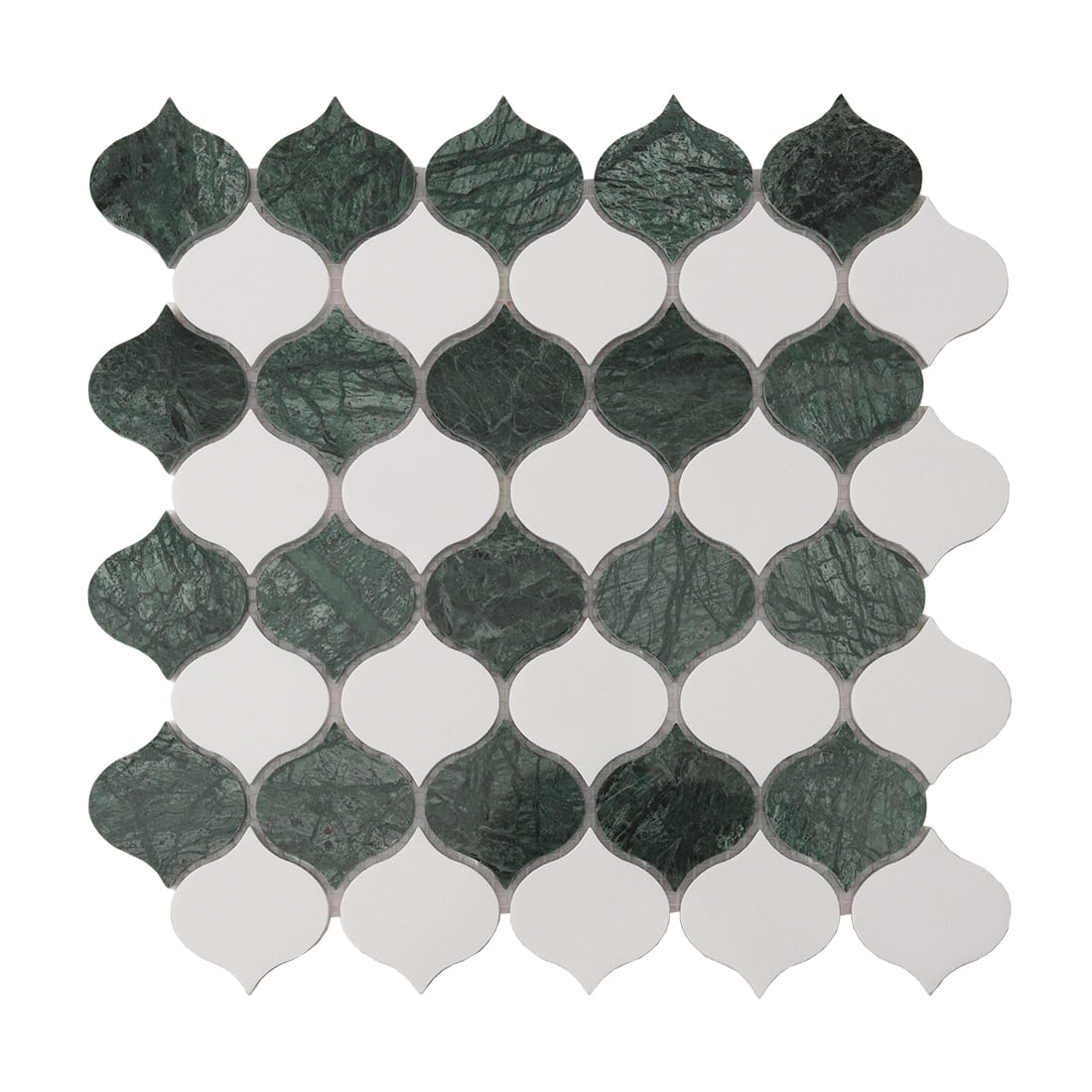
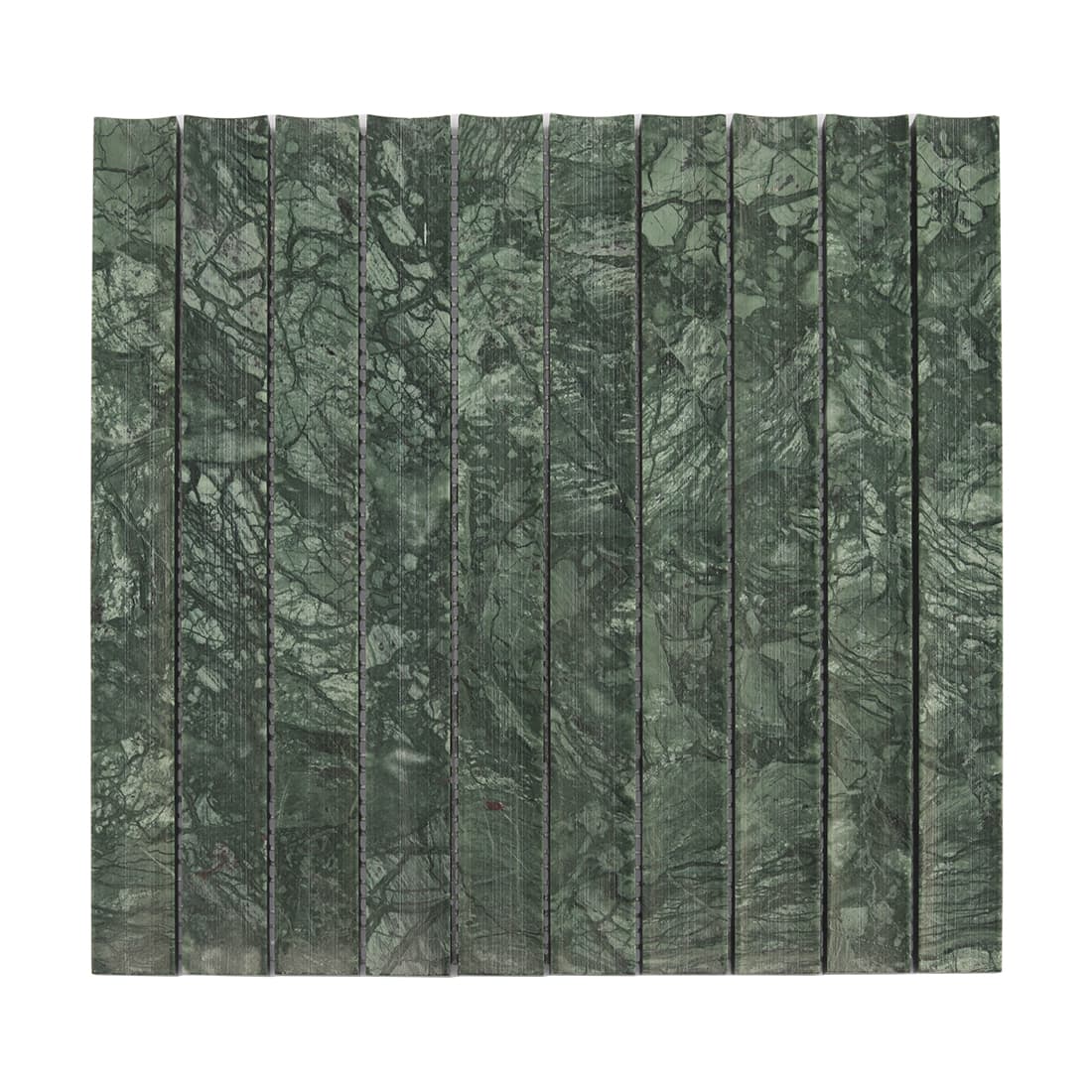
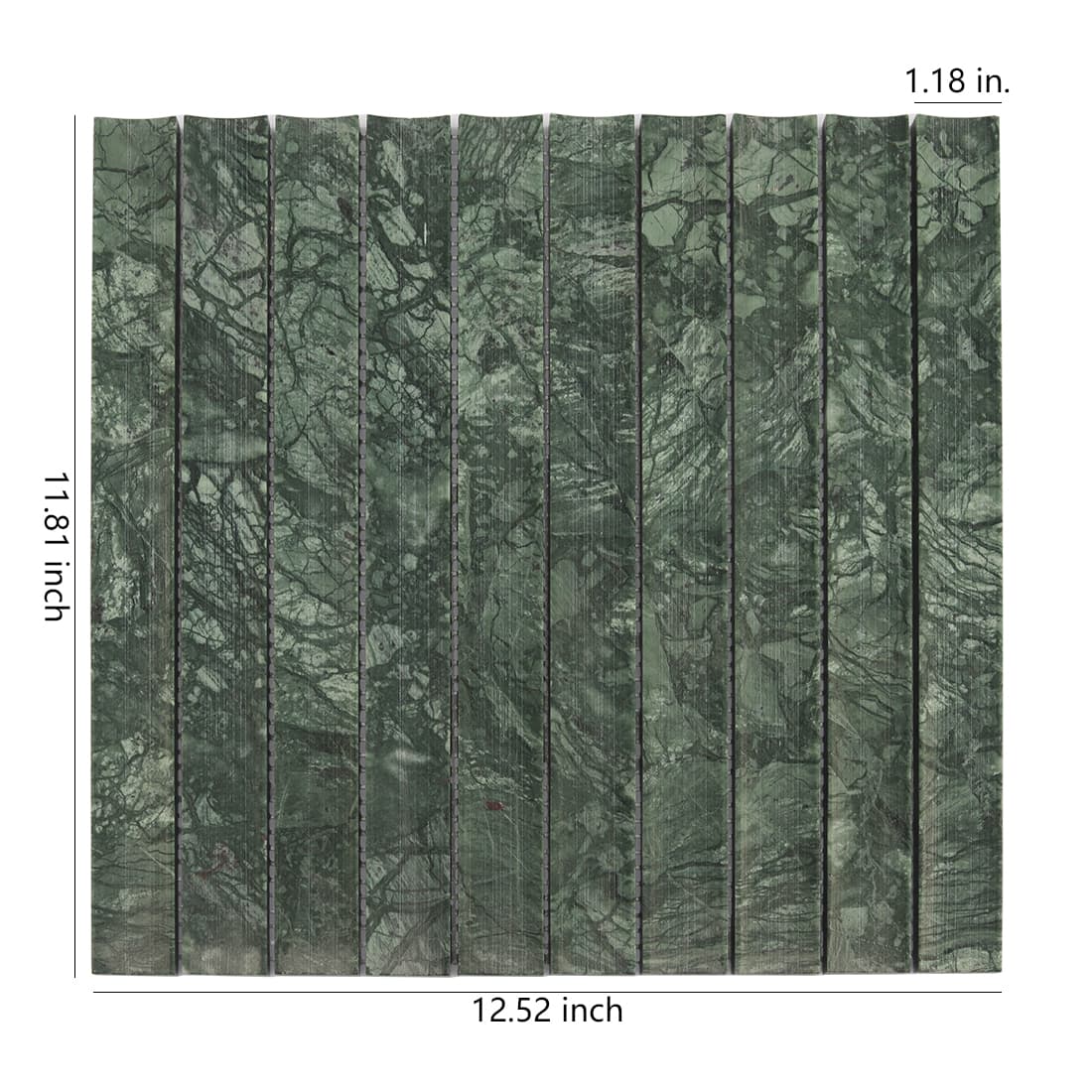
Green and White Arabesque Marble Mosaic Tile$10.58 USD
-
-
-
-
-
-
-
-
-
-
-
-
-
-
-
-
-
-
-
-
-
-
-
-
-
-
-
-
-
-
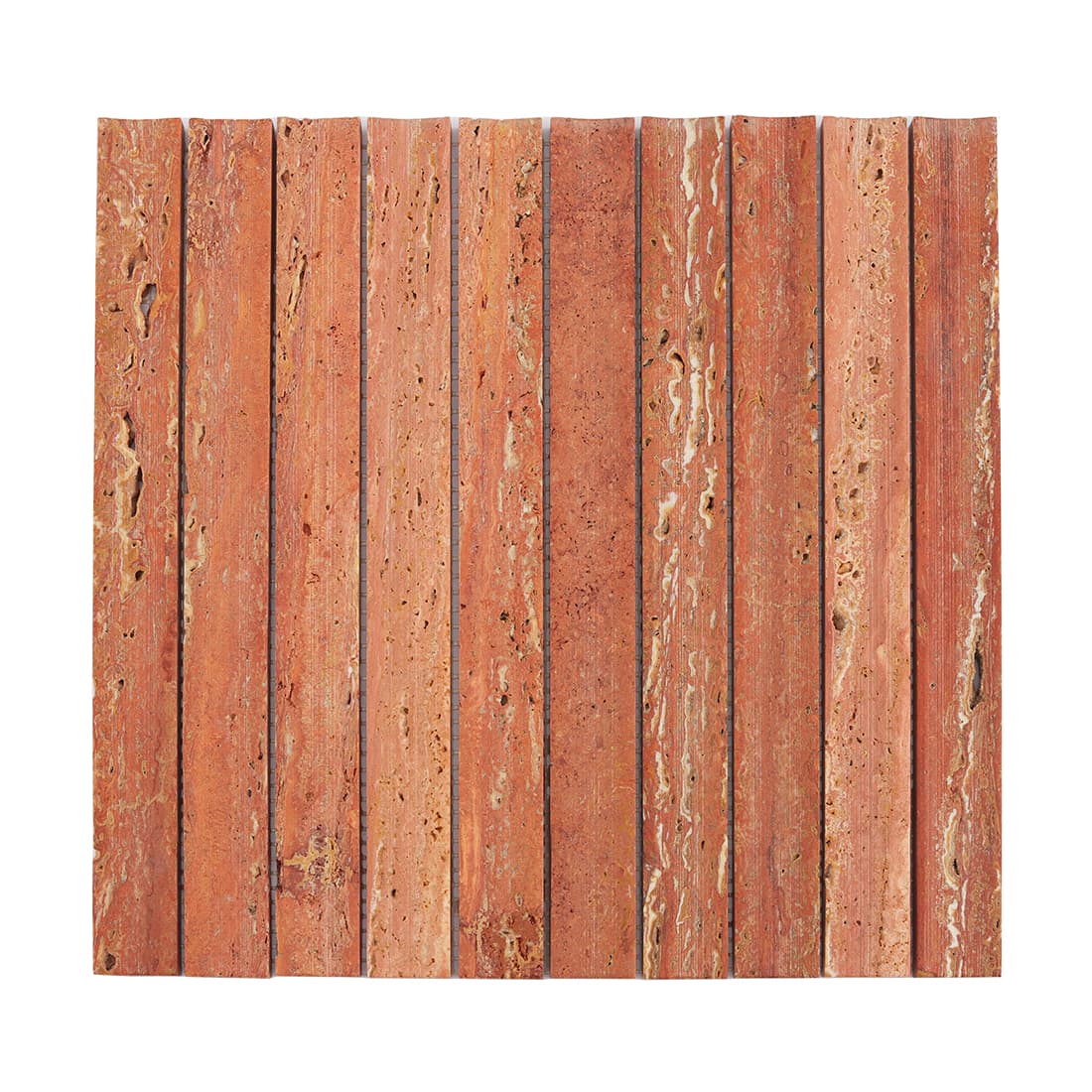
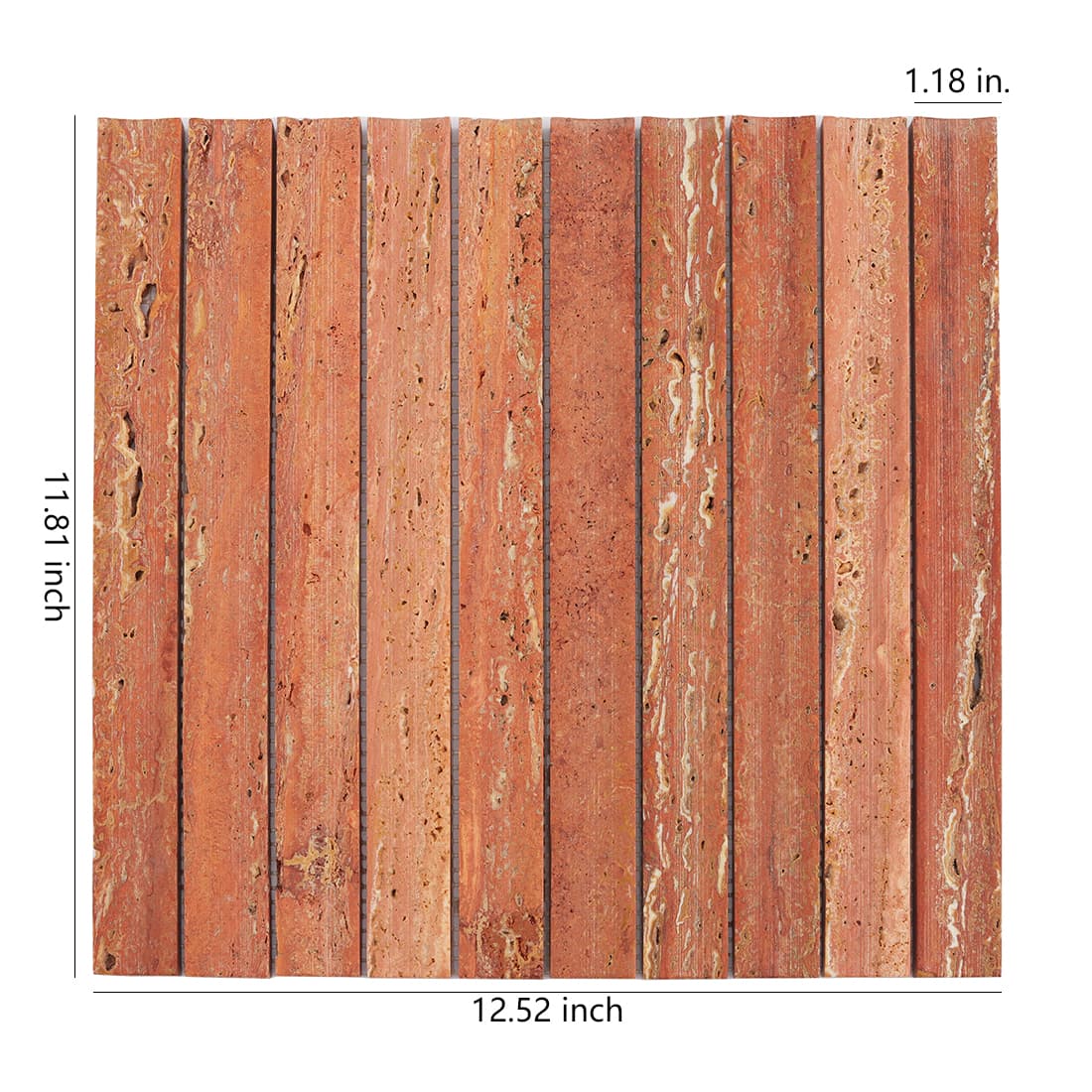
Red Travertine Concave Vertical Mosaic Tile$21.30 USD
-




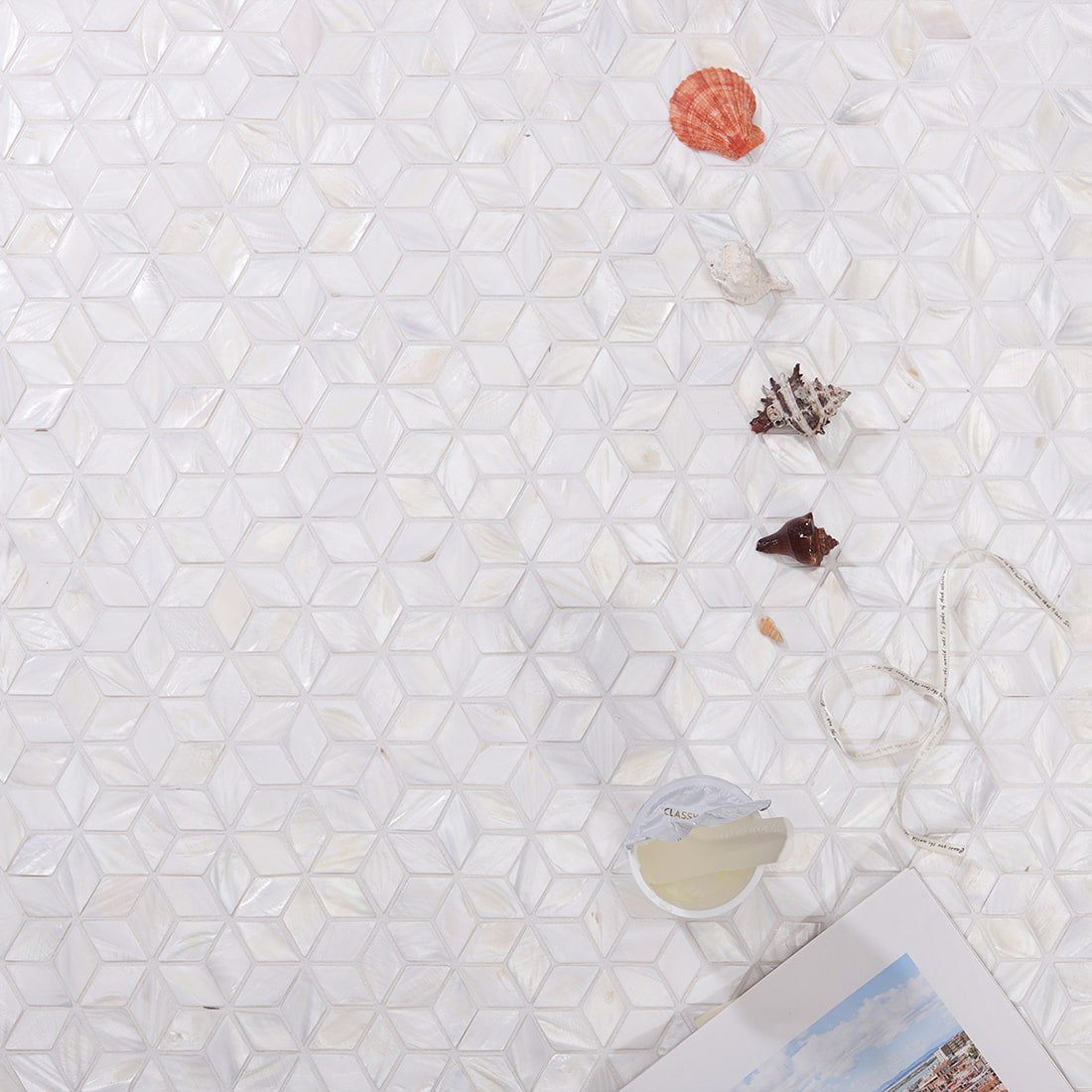
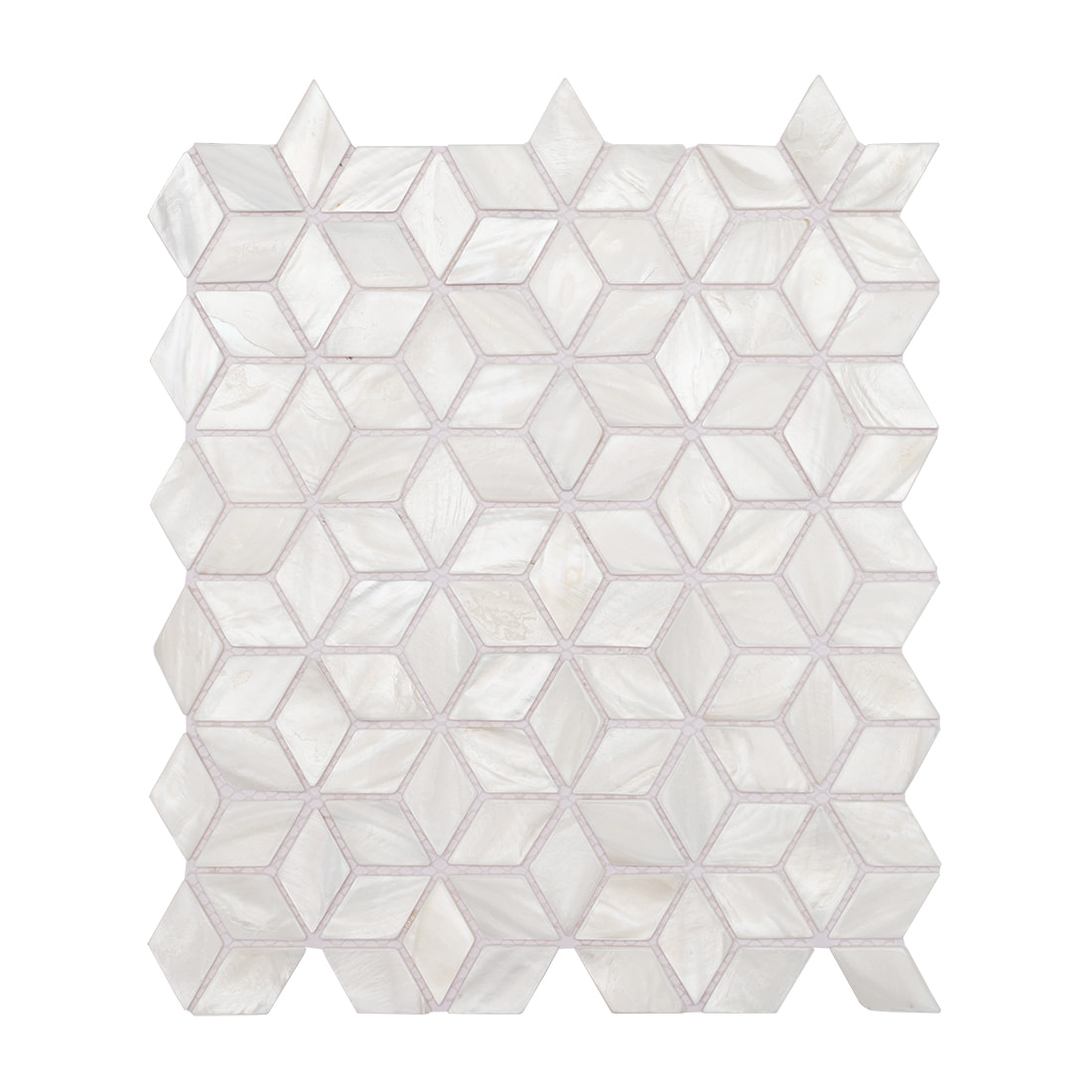


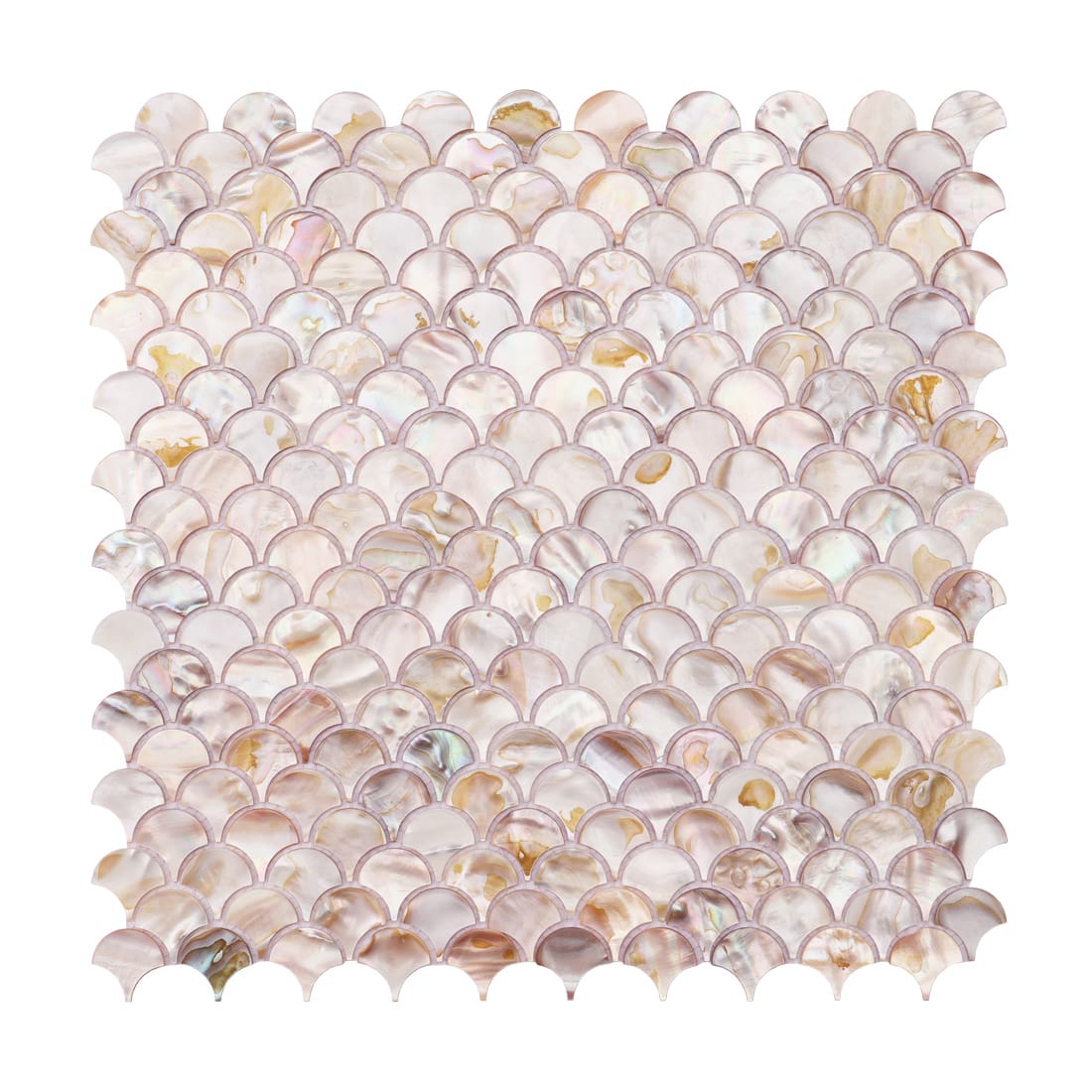
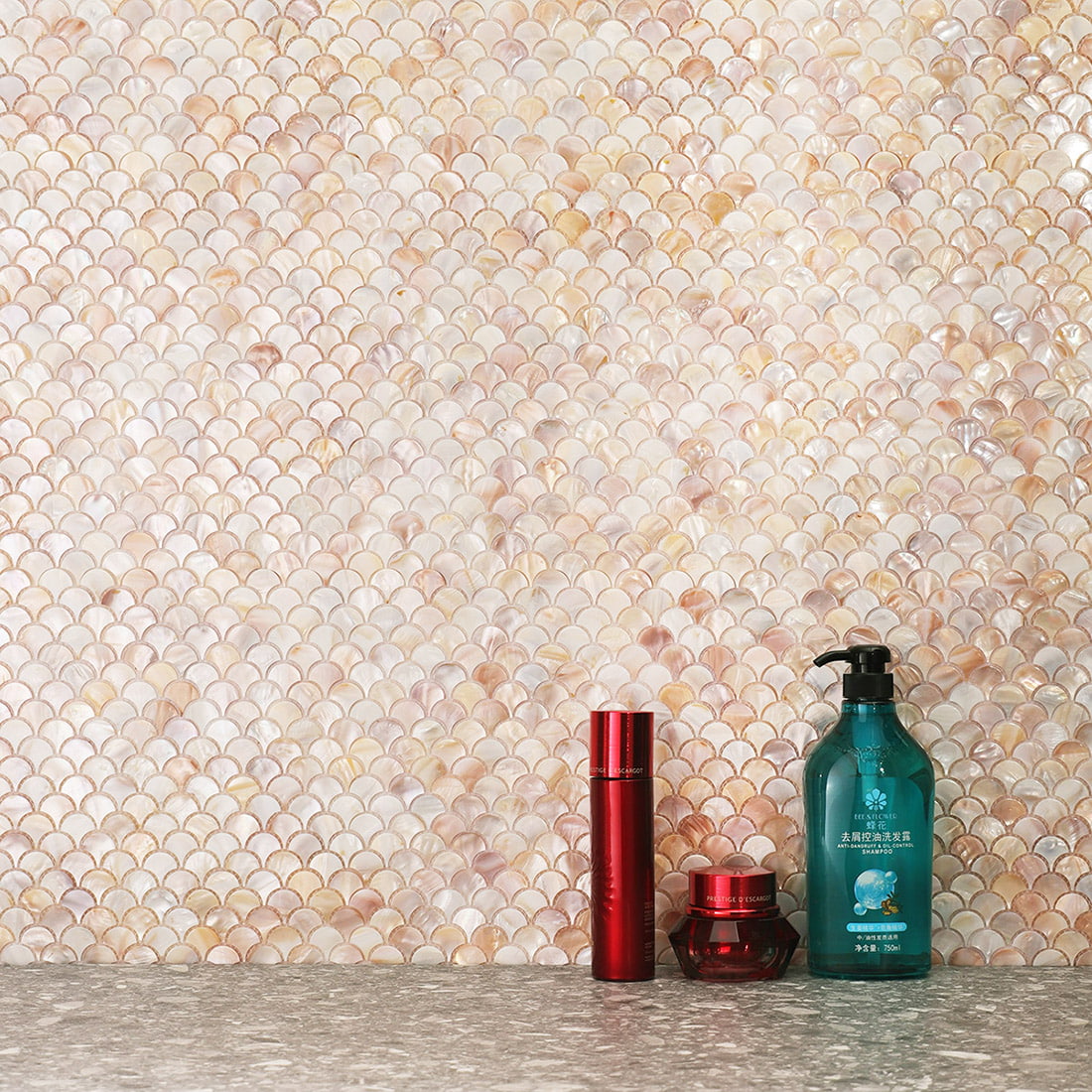


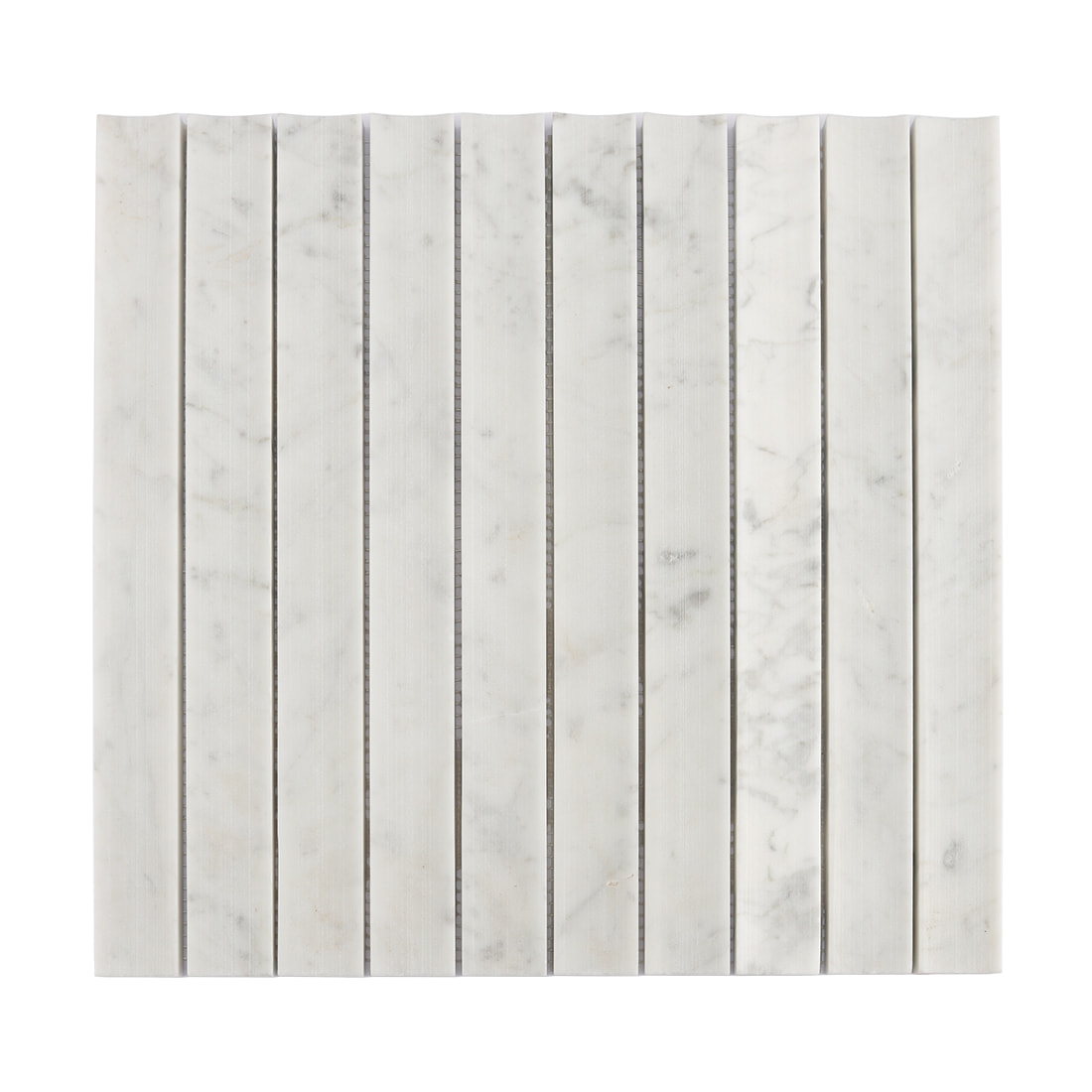
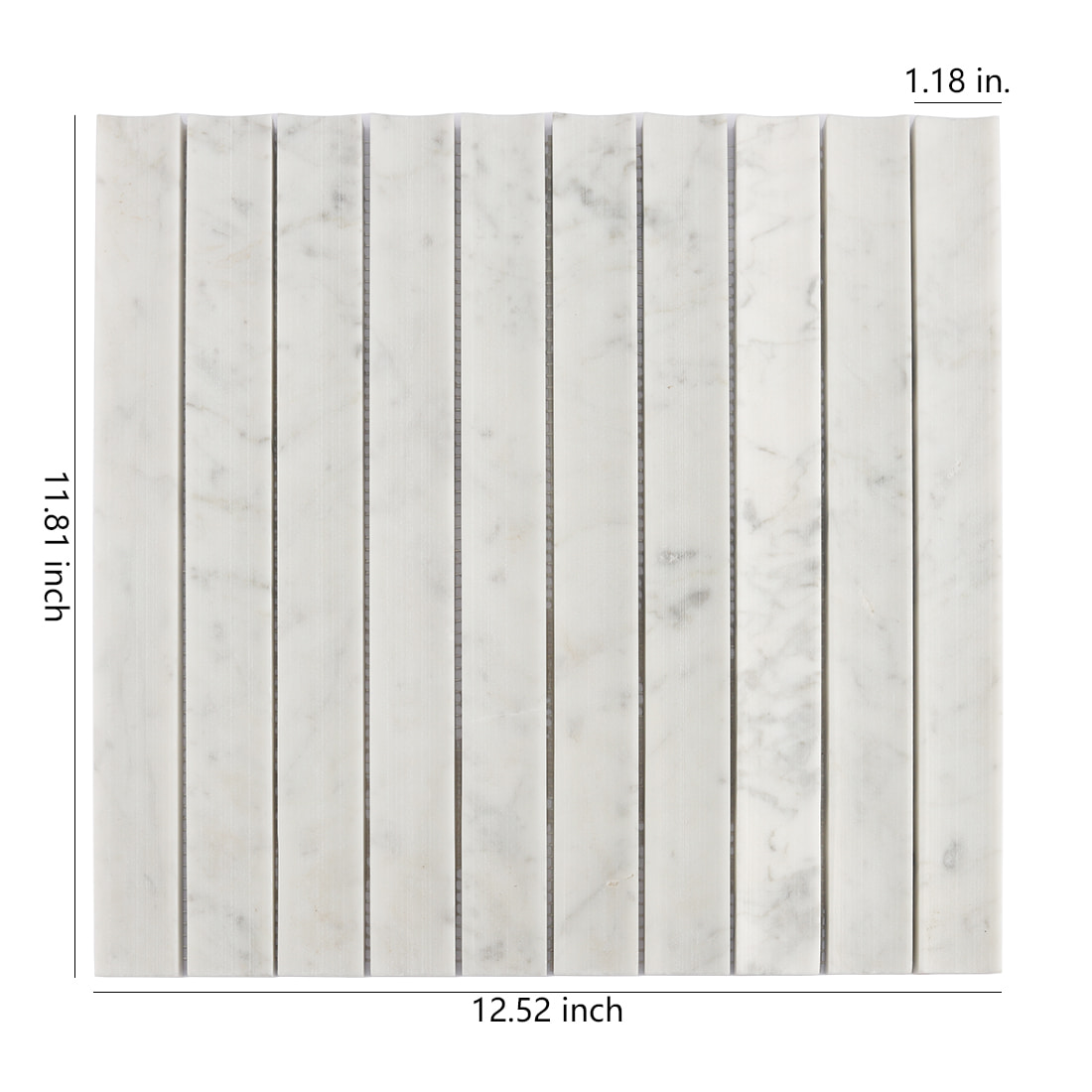
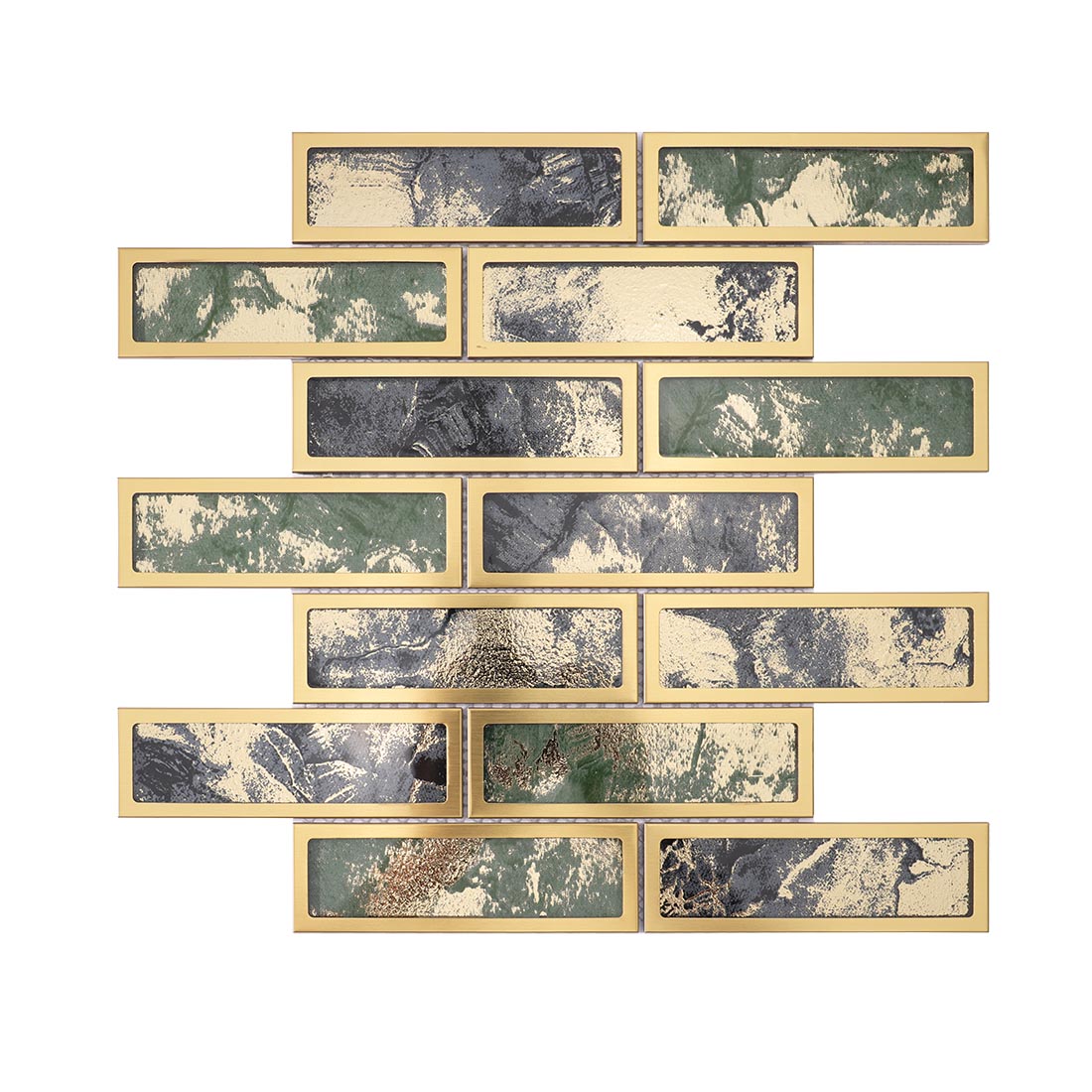
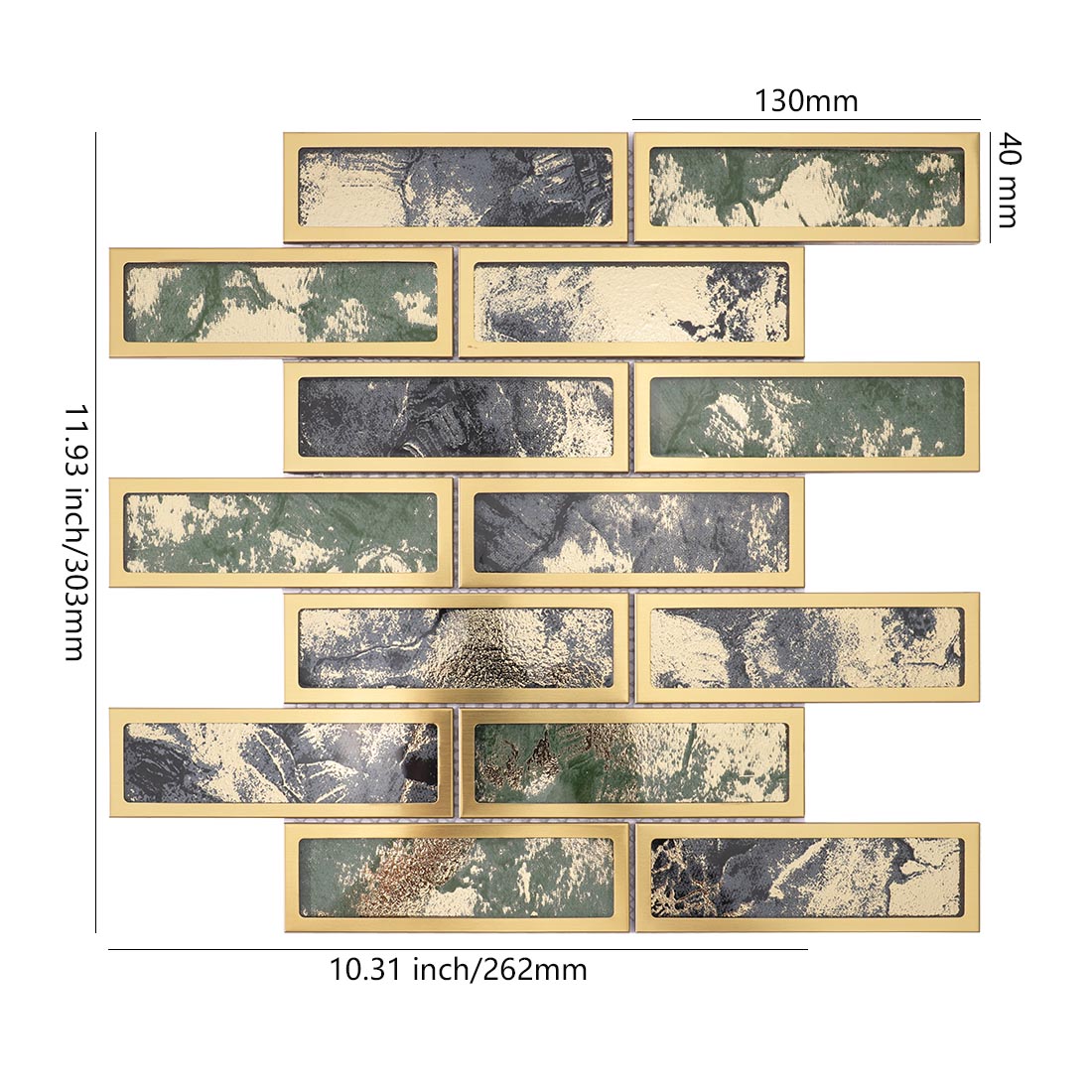

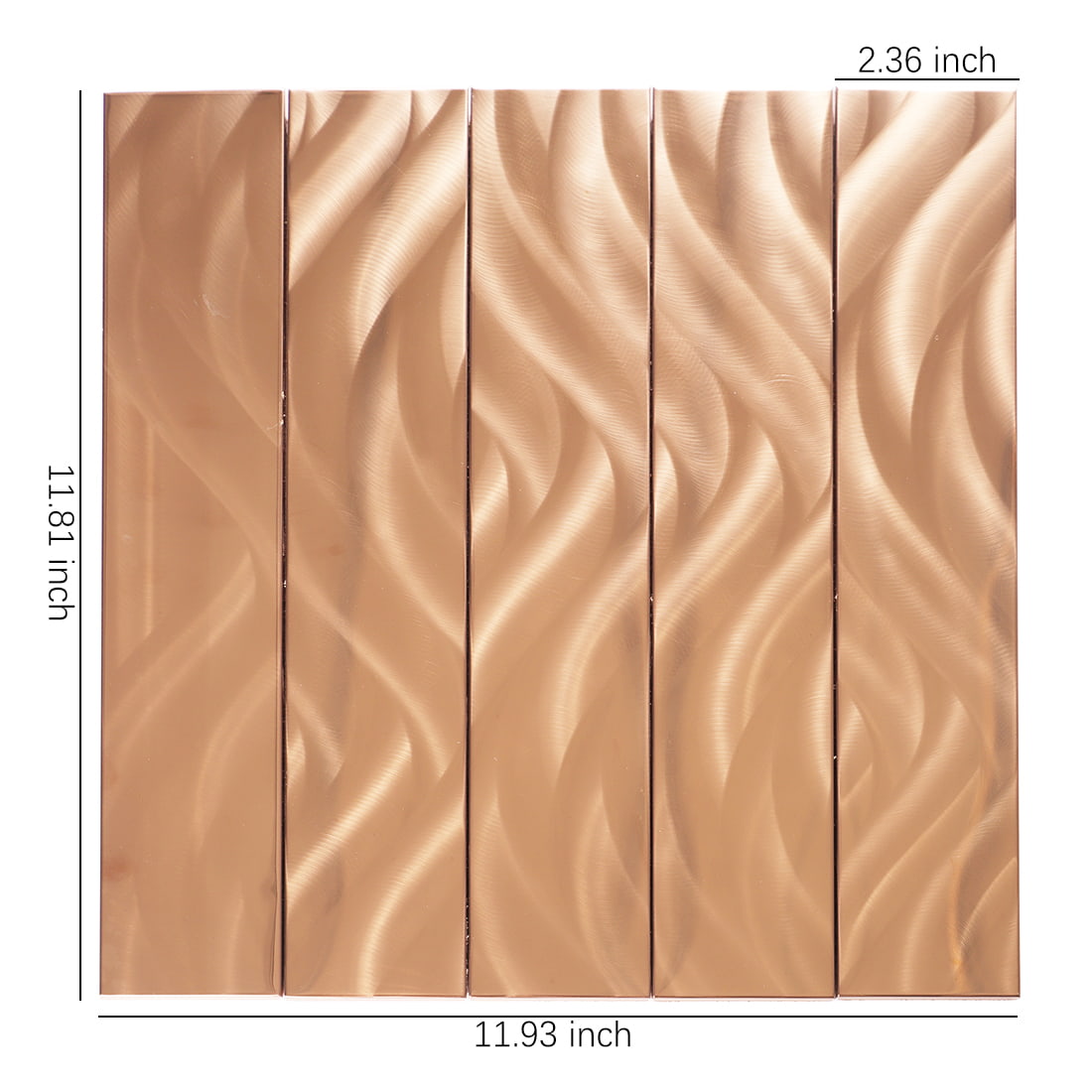
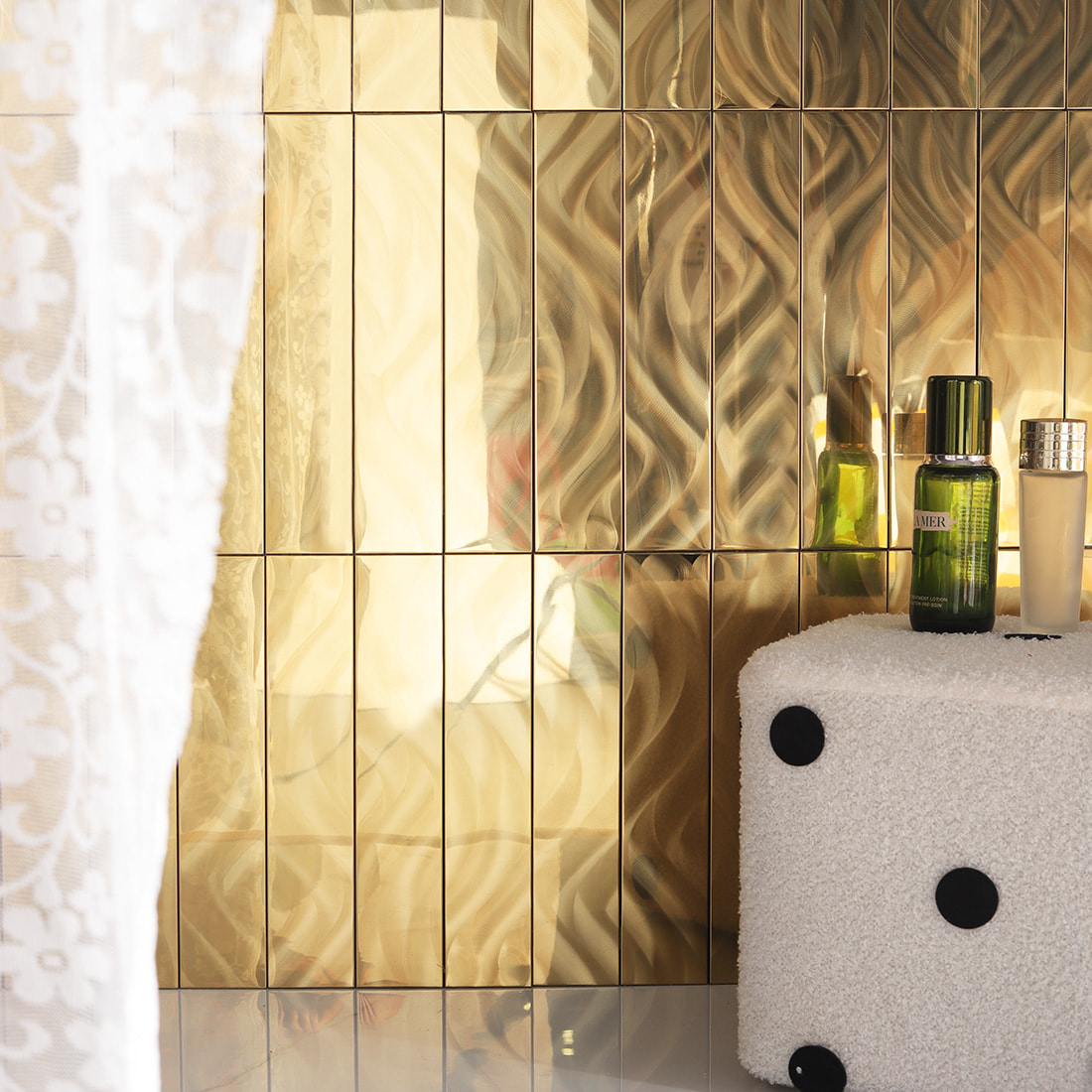
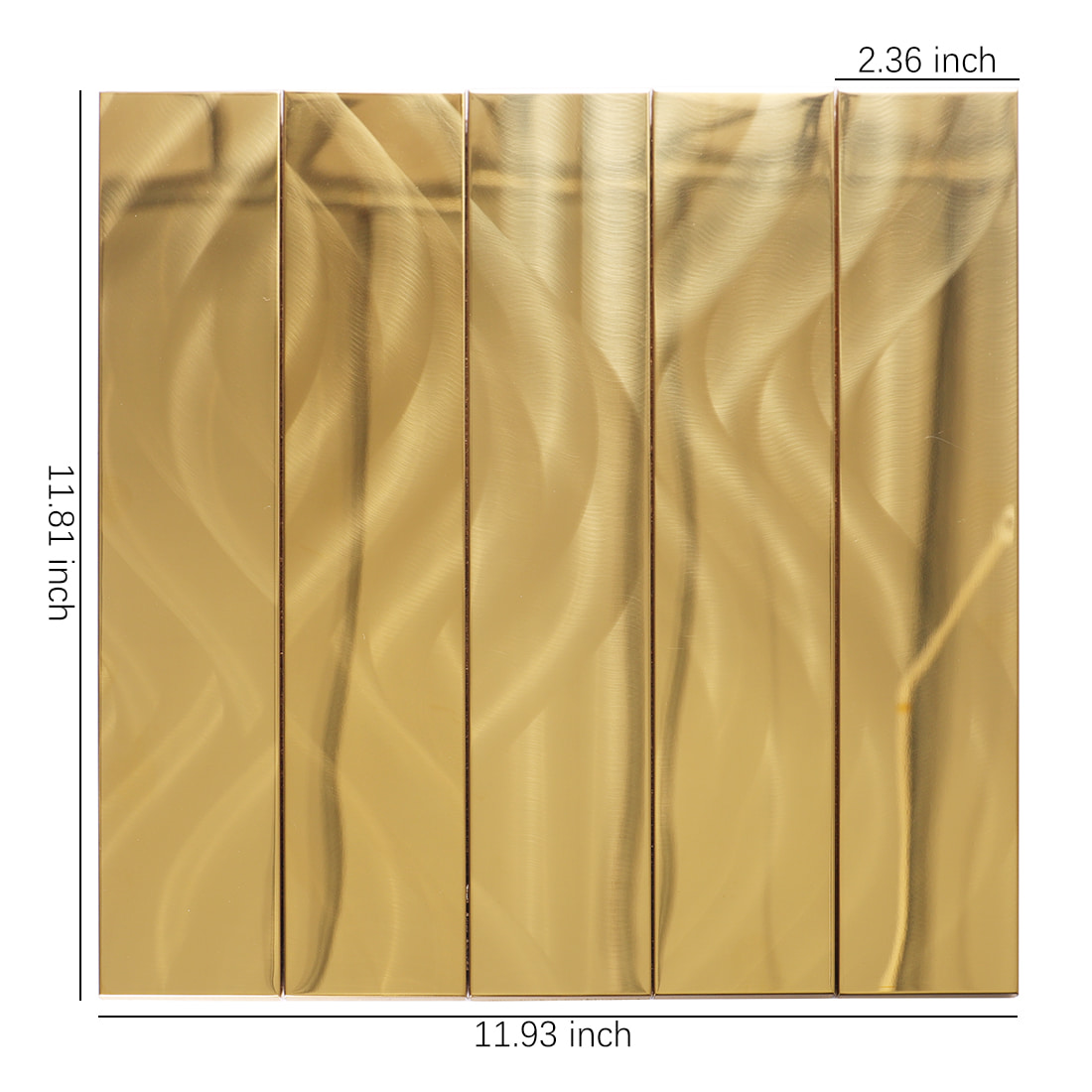
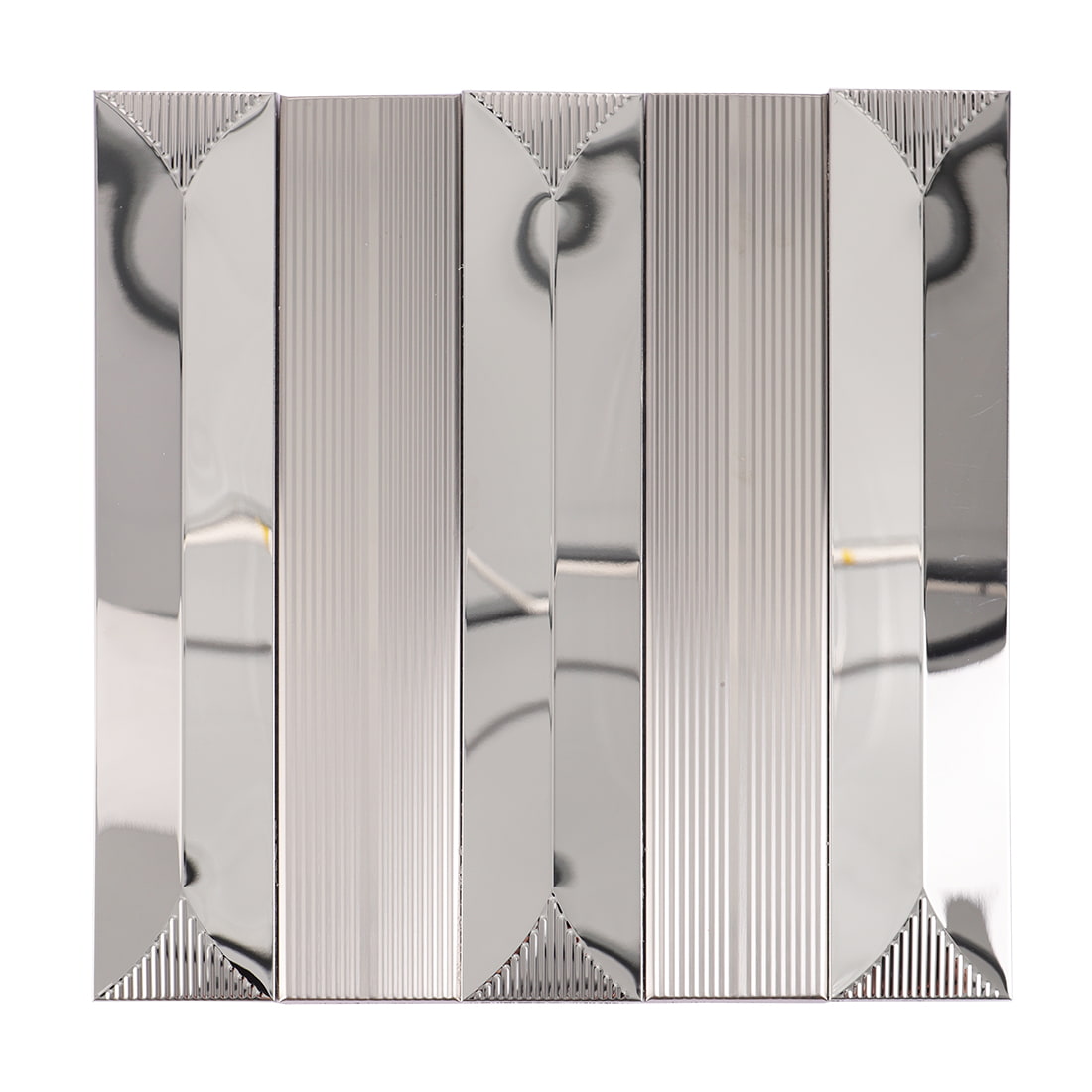
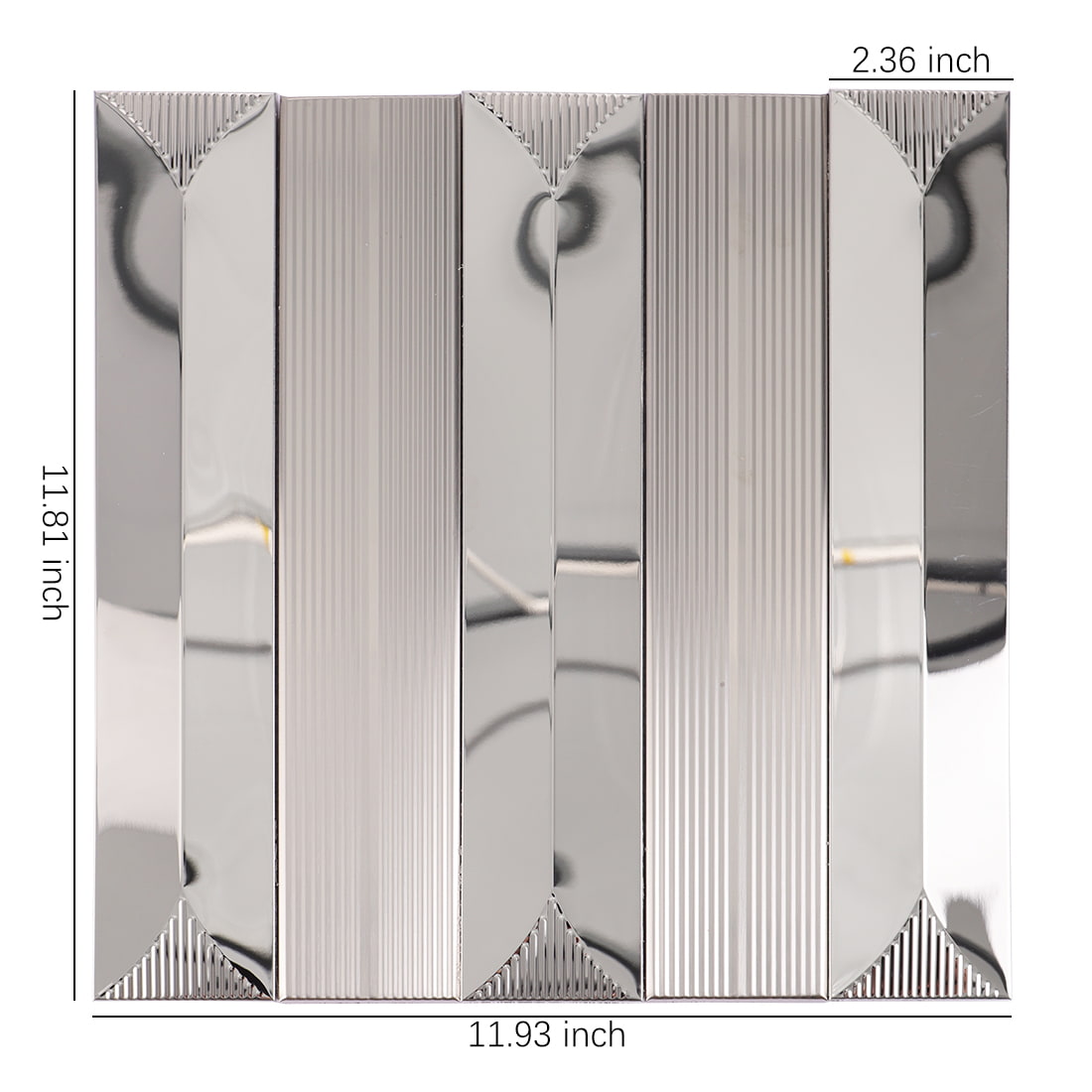
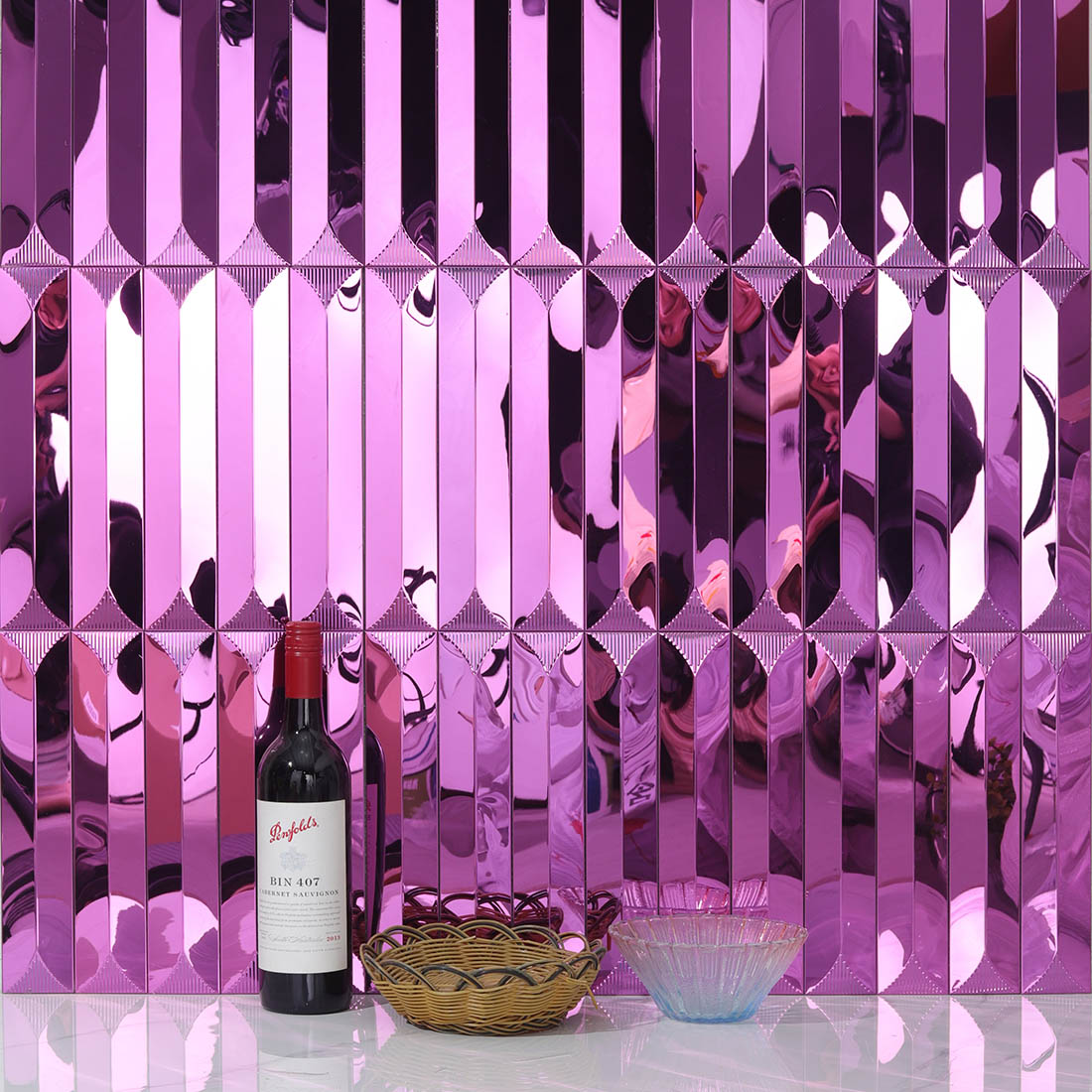
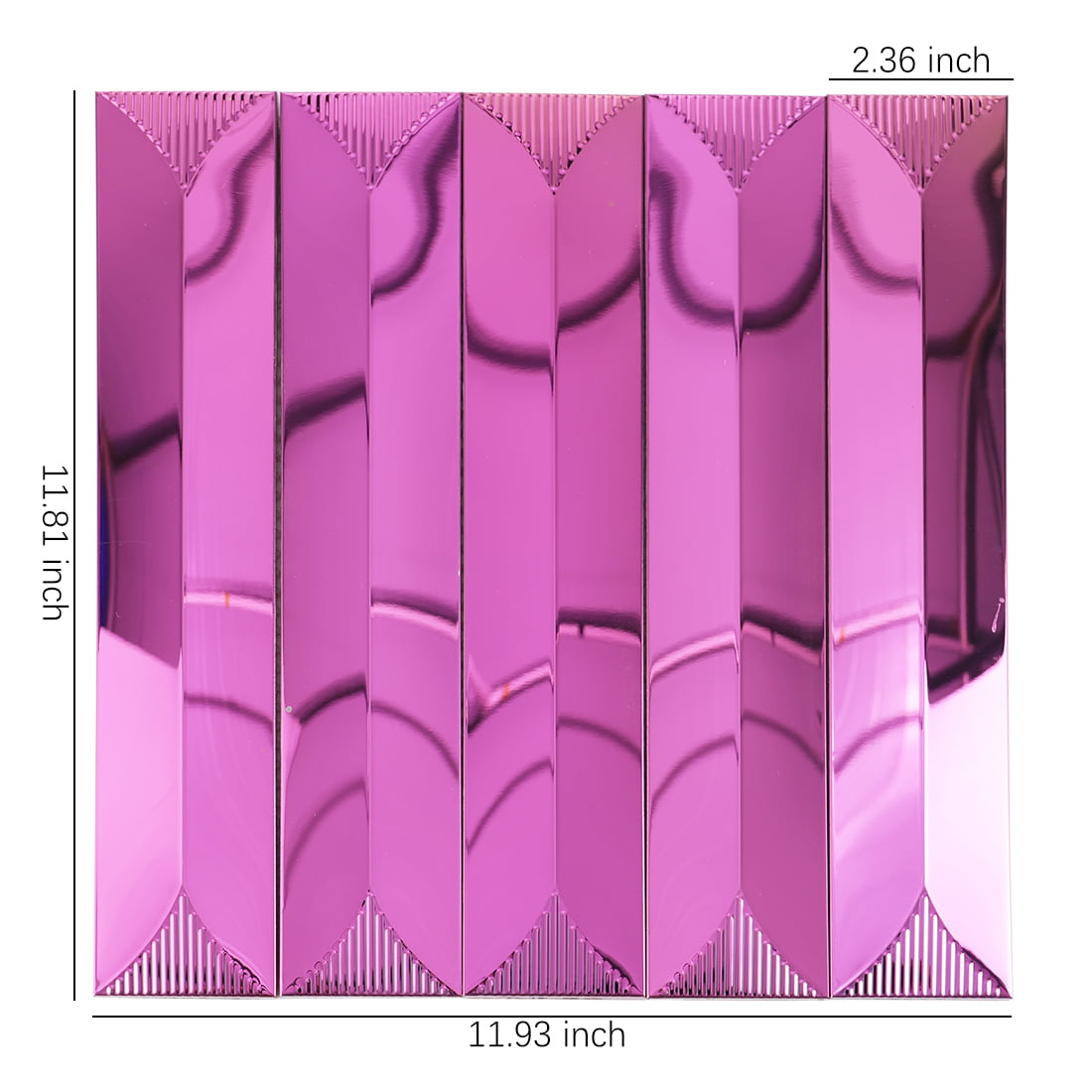
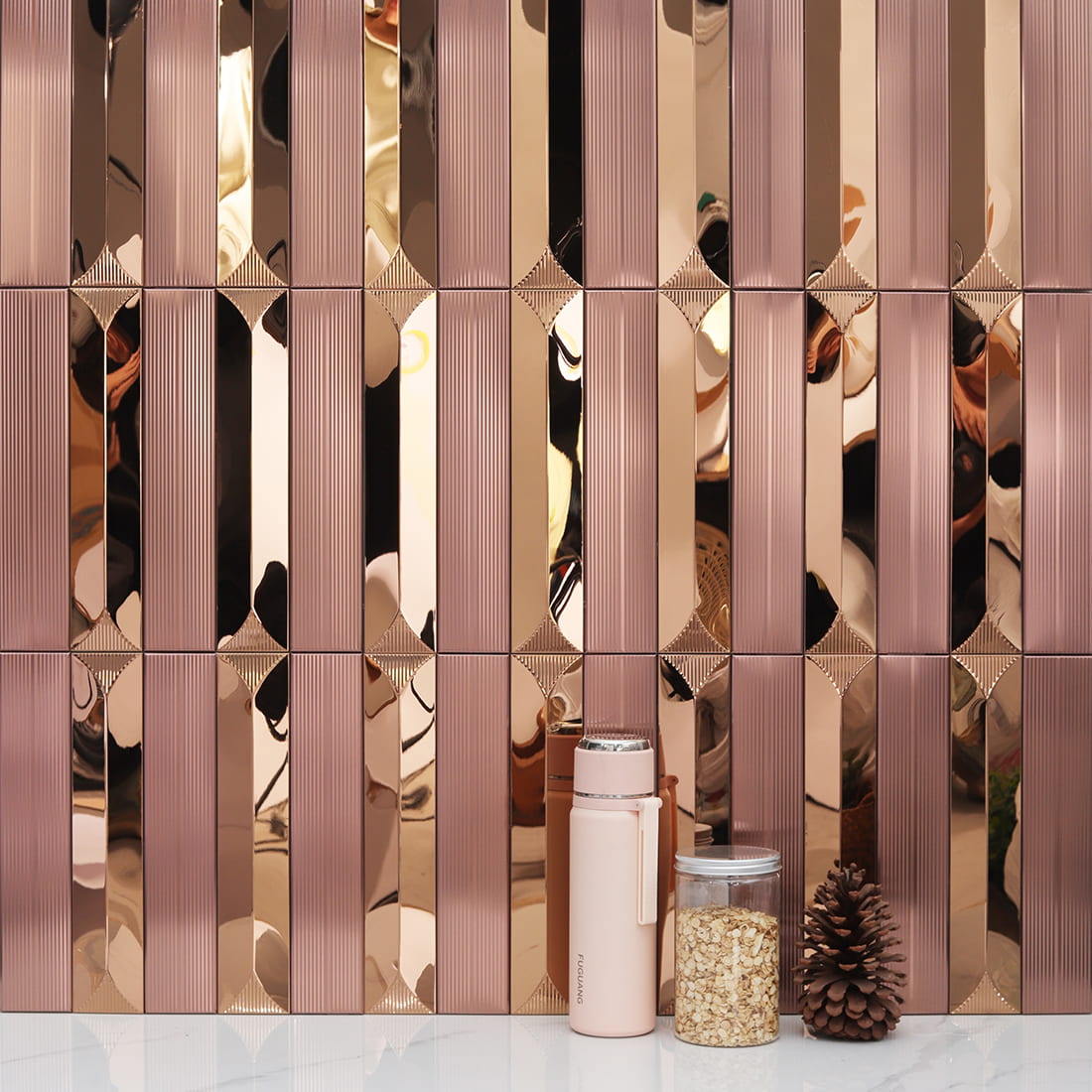
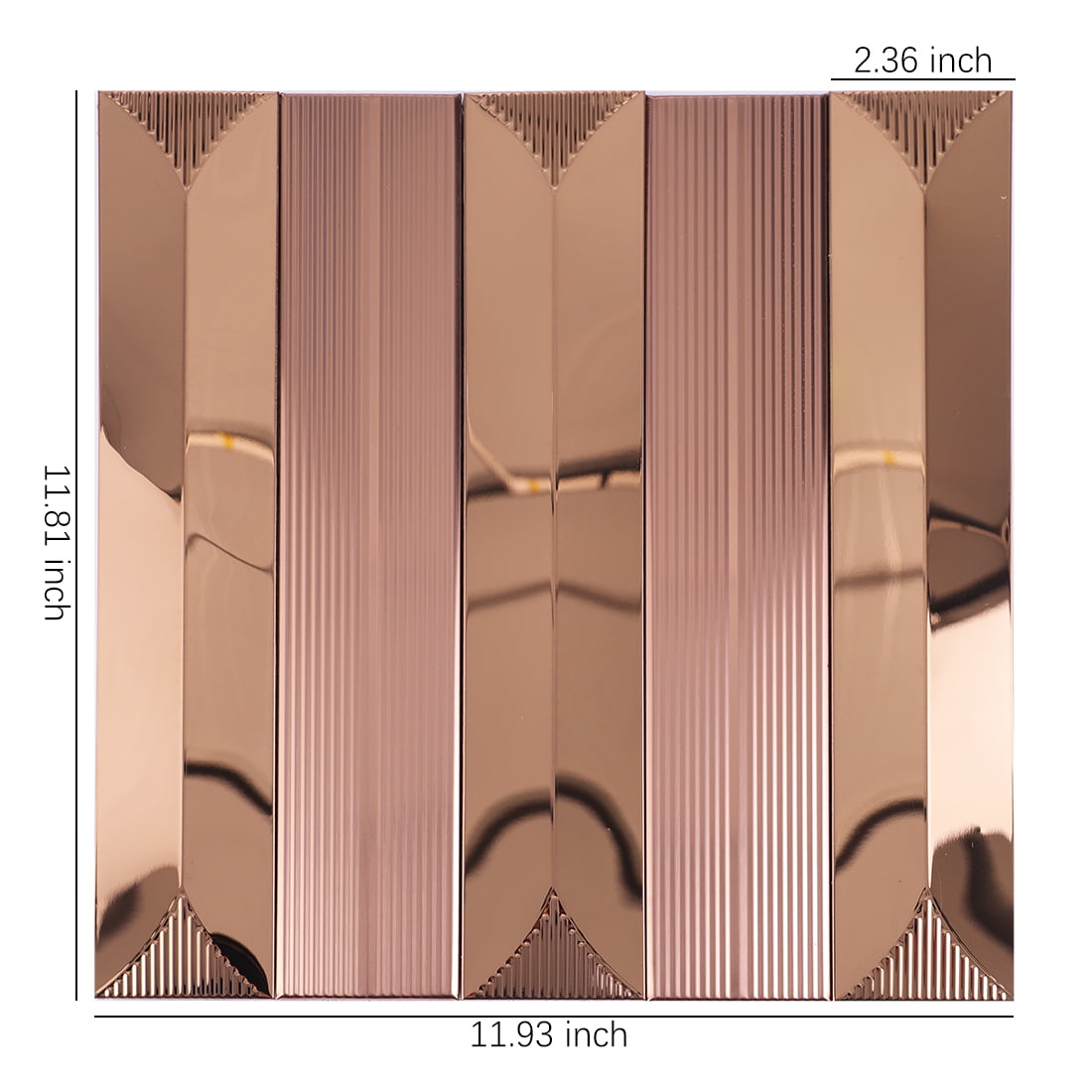
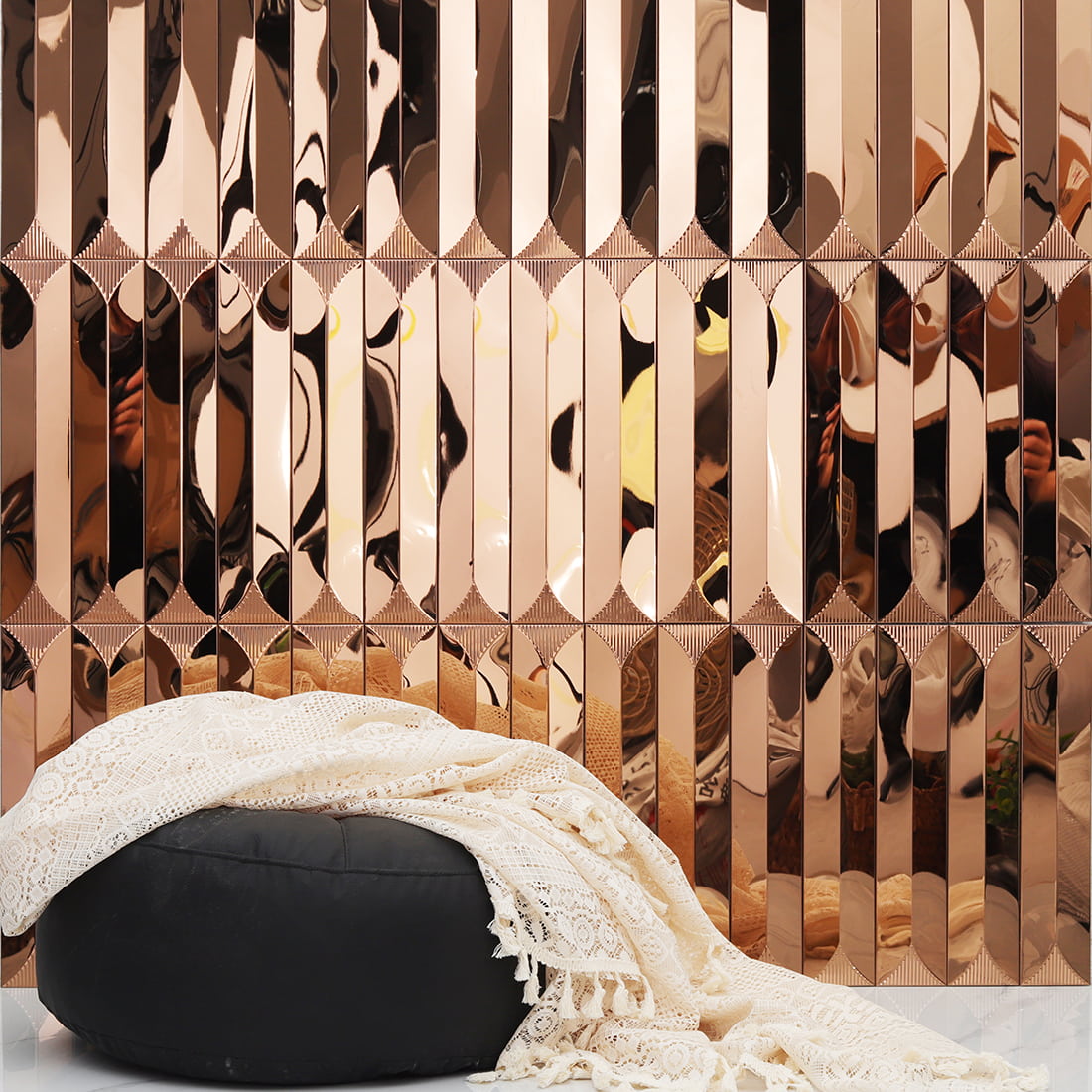

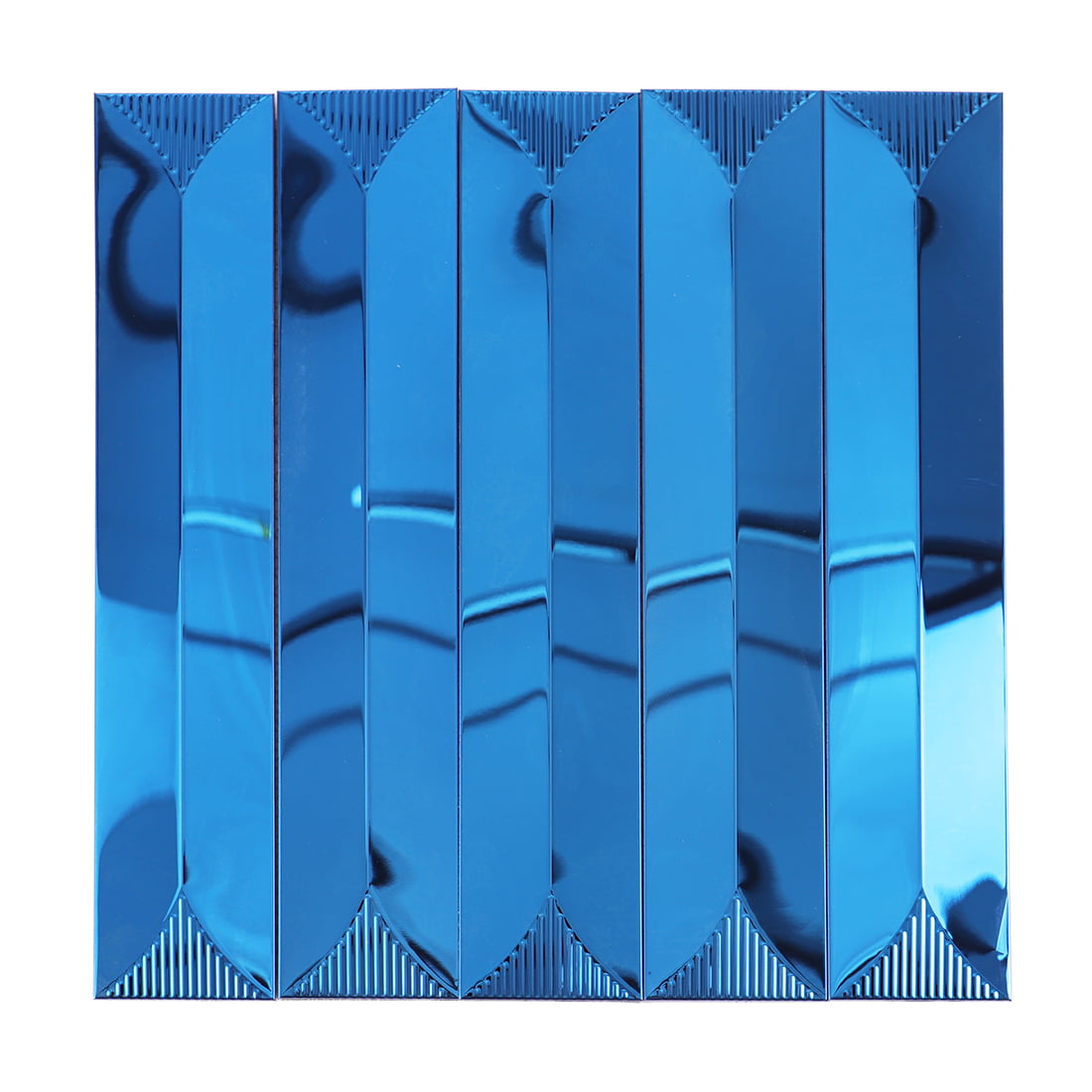
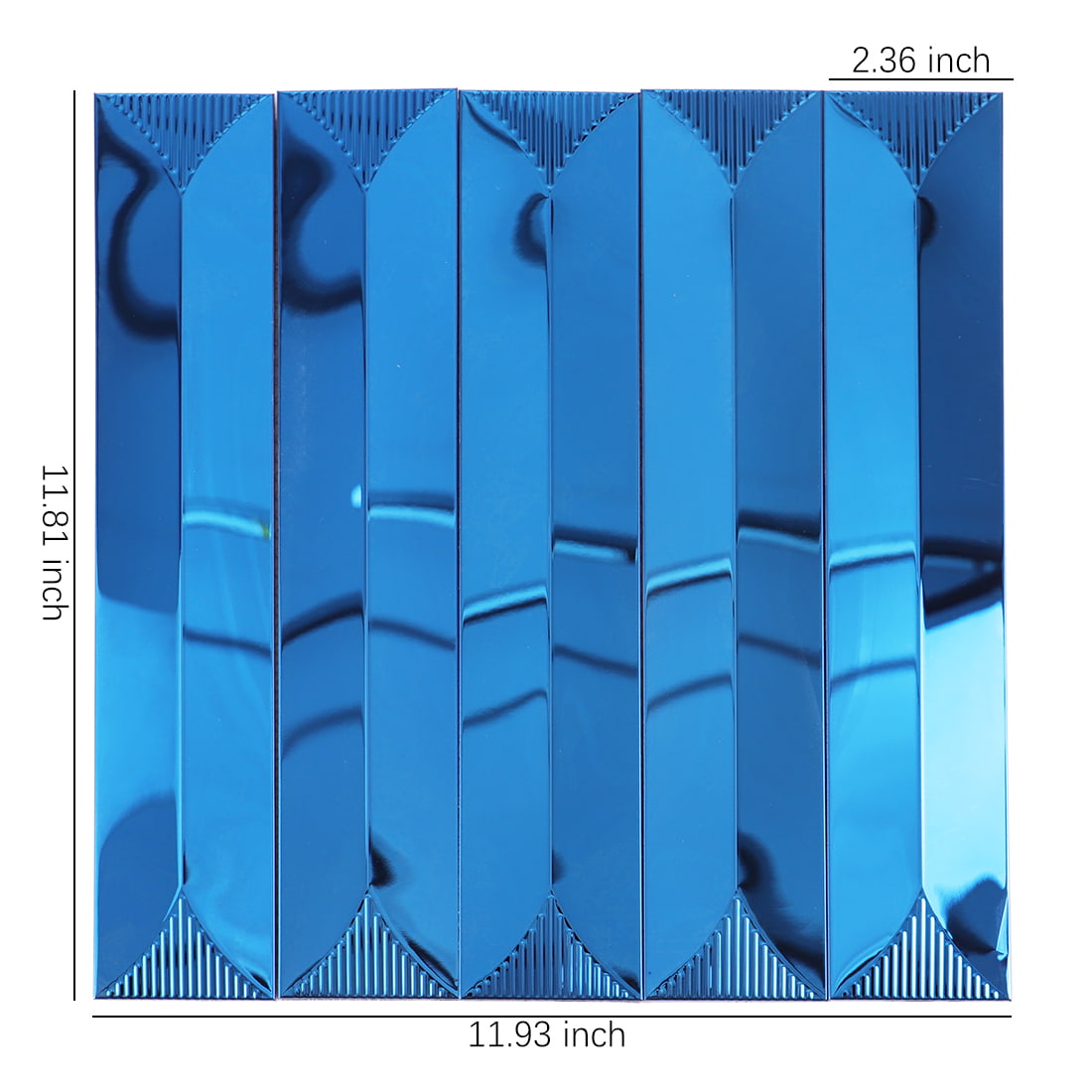
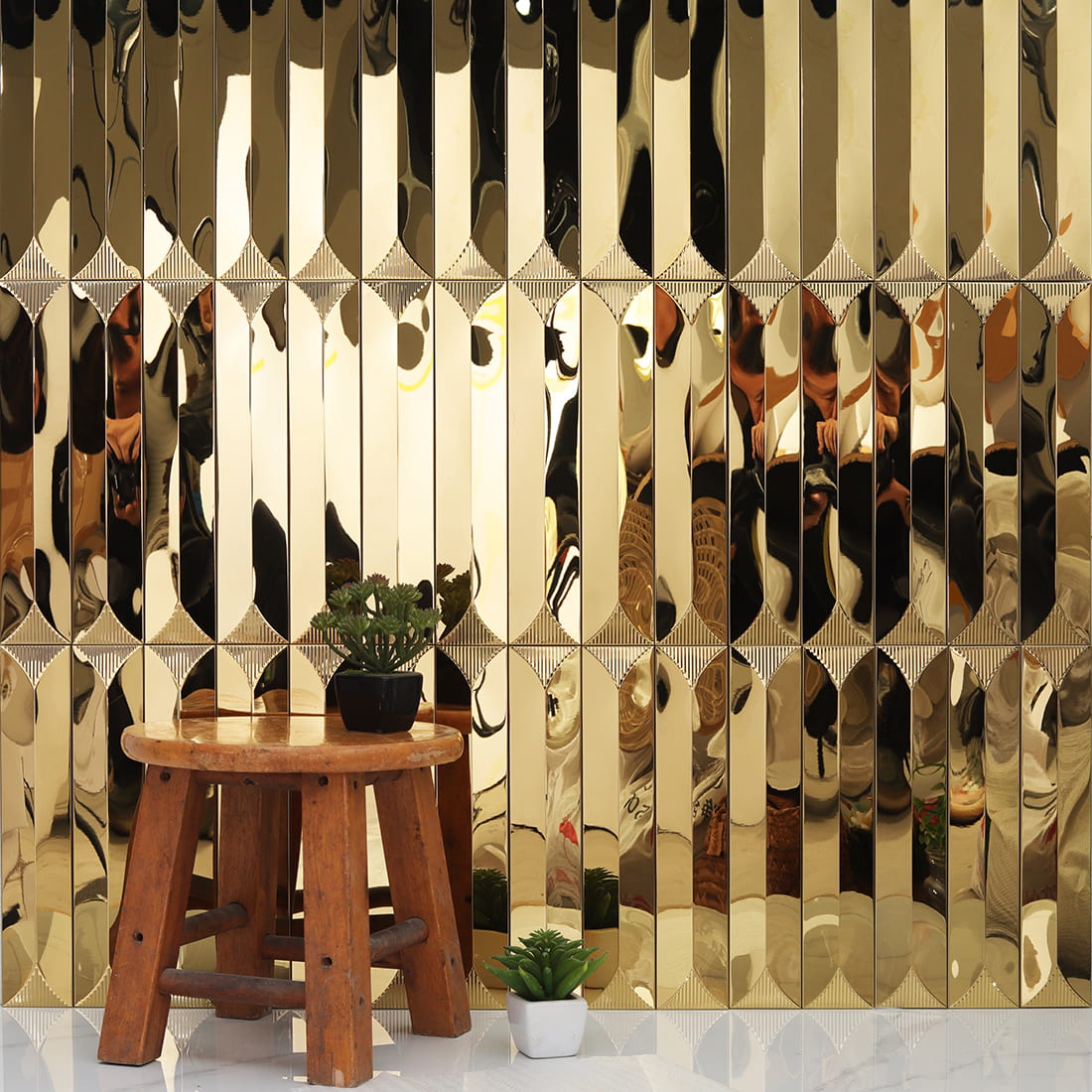
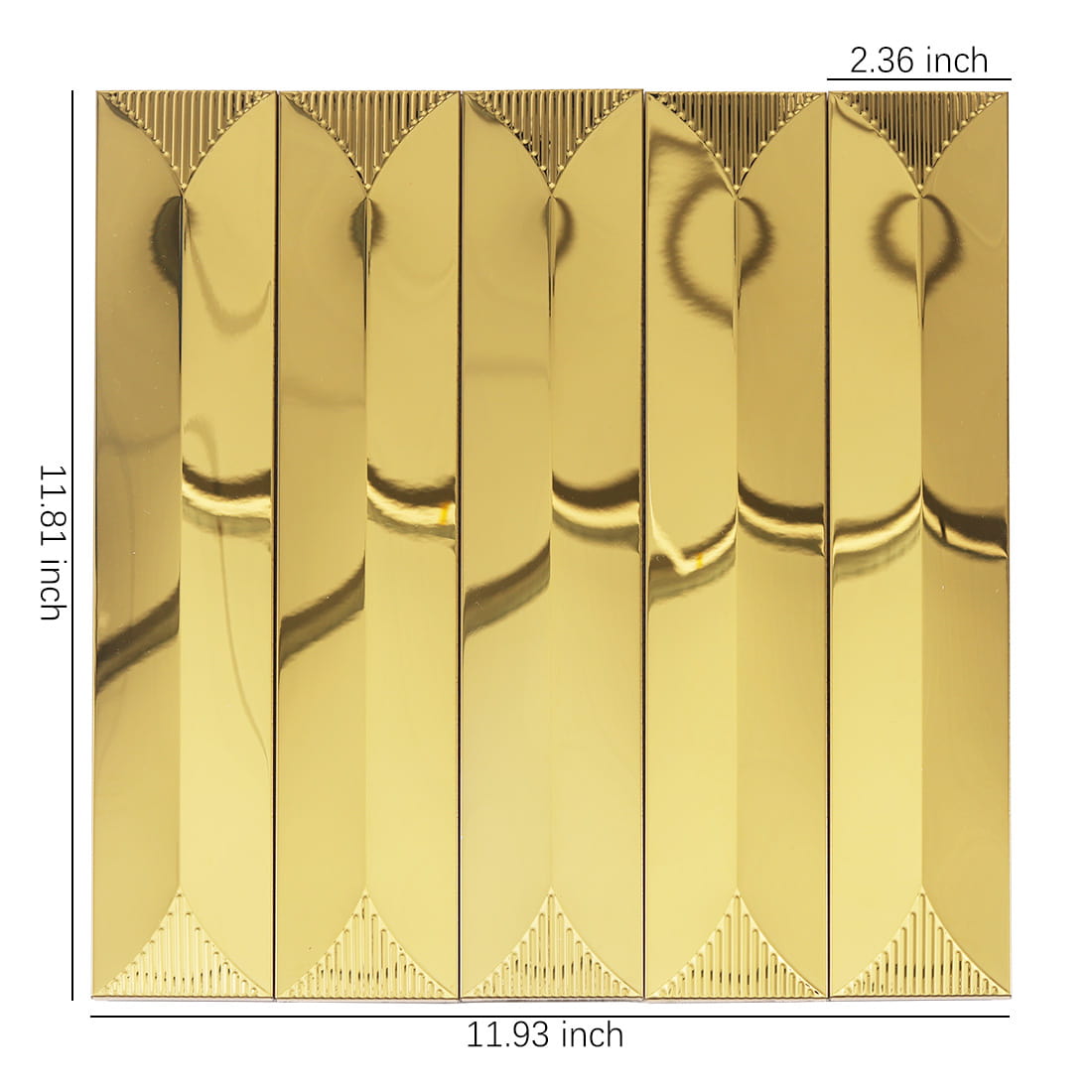


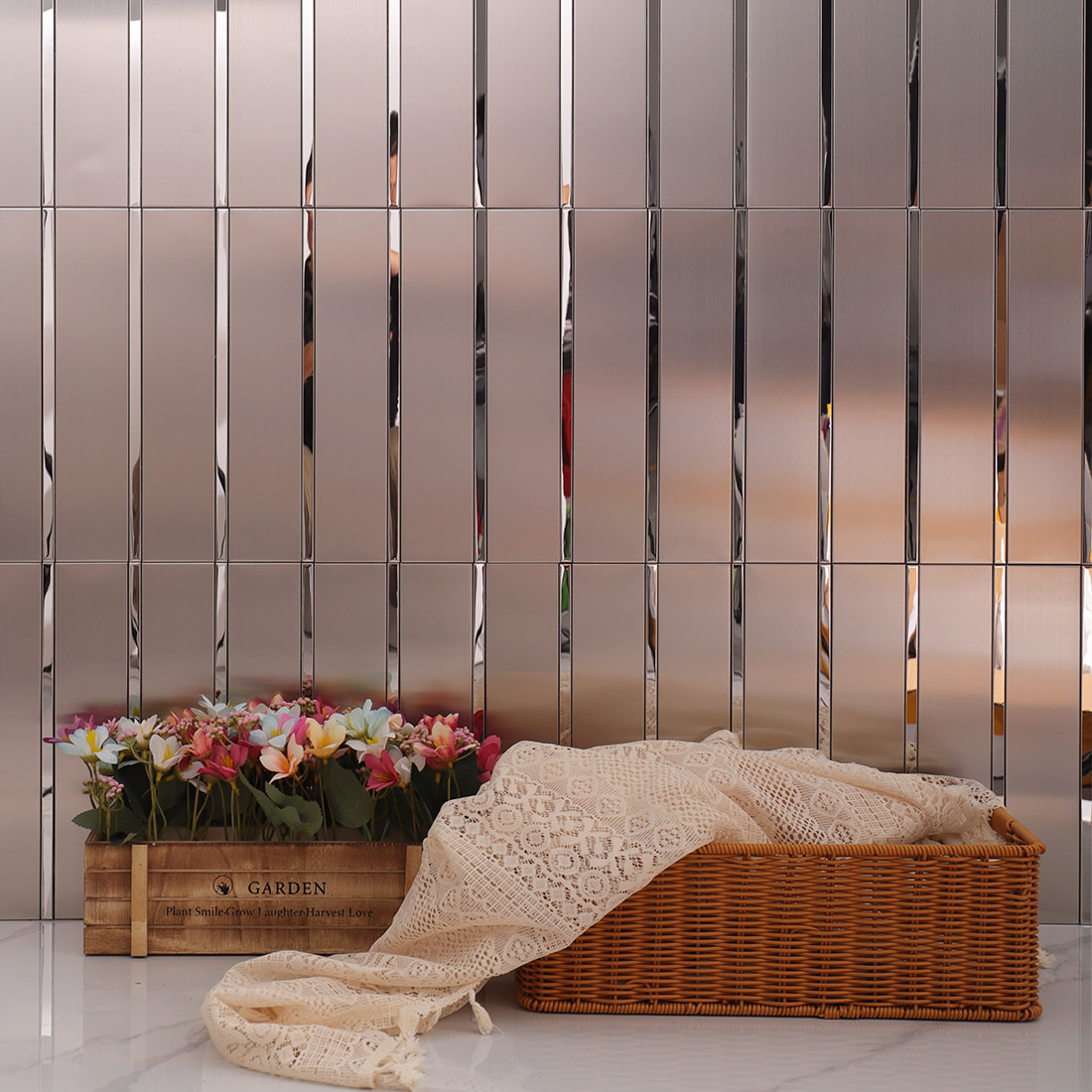
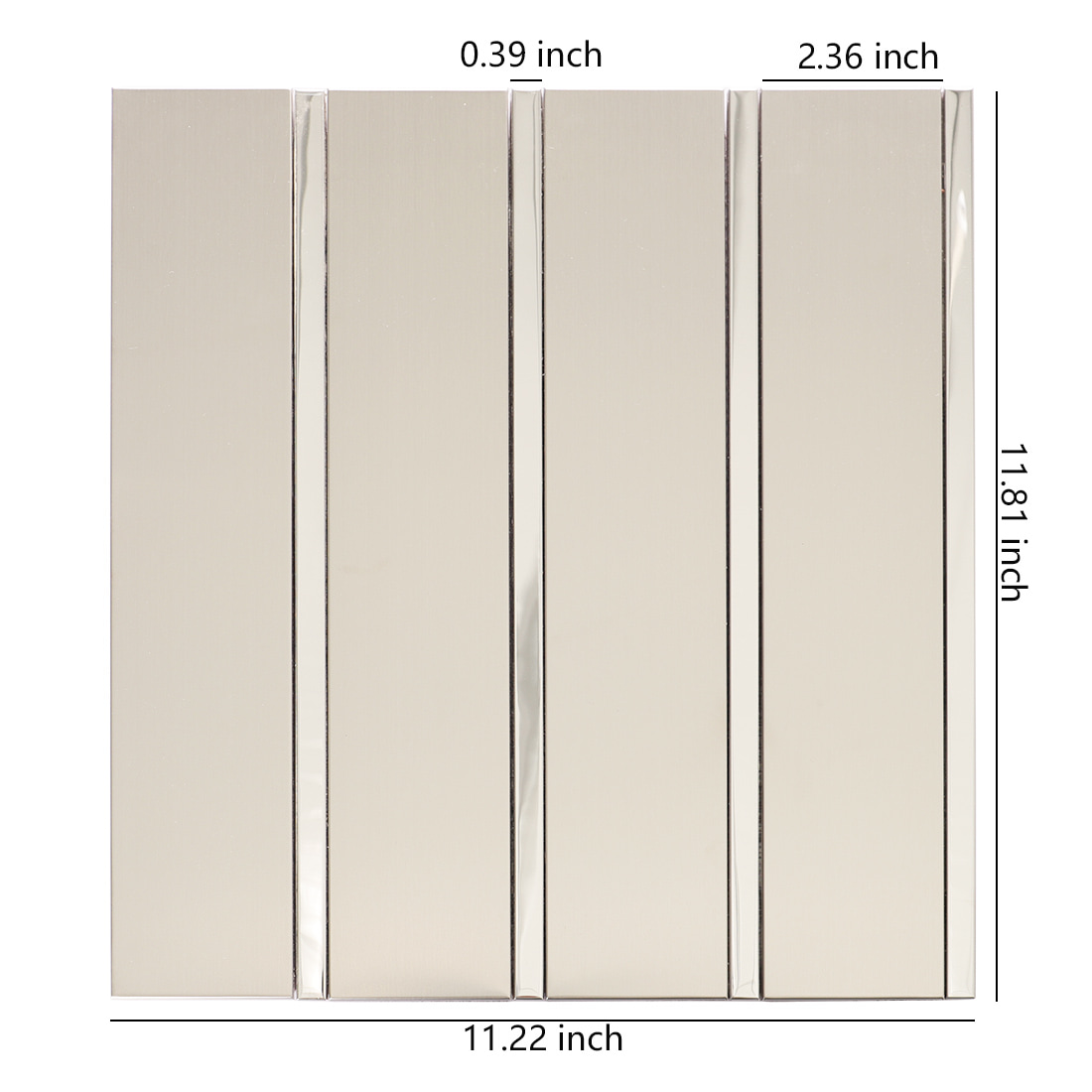
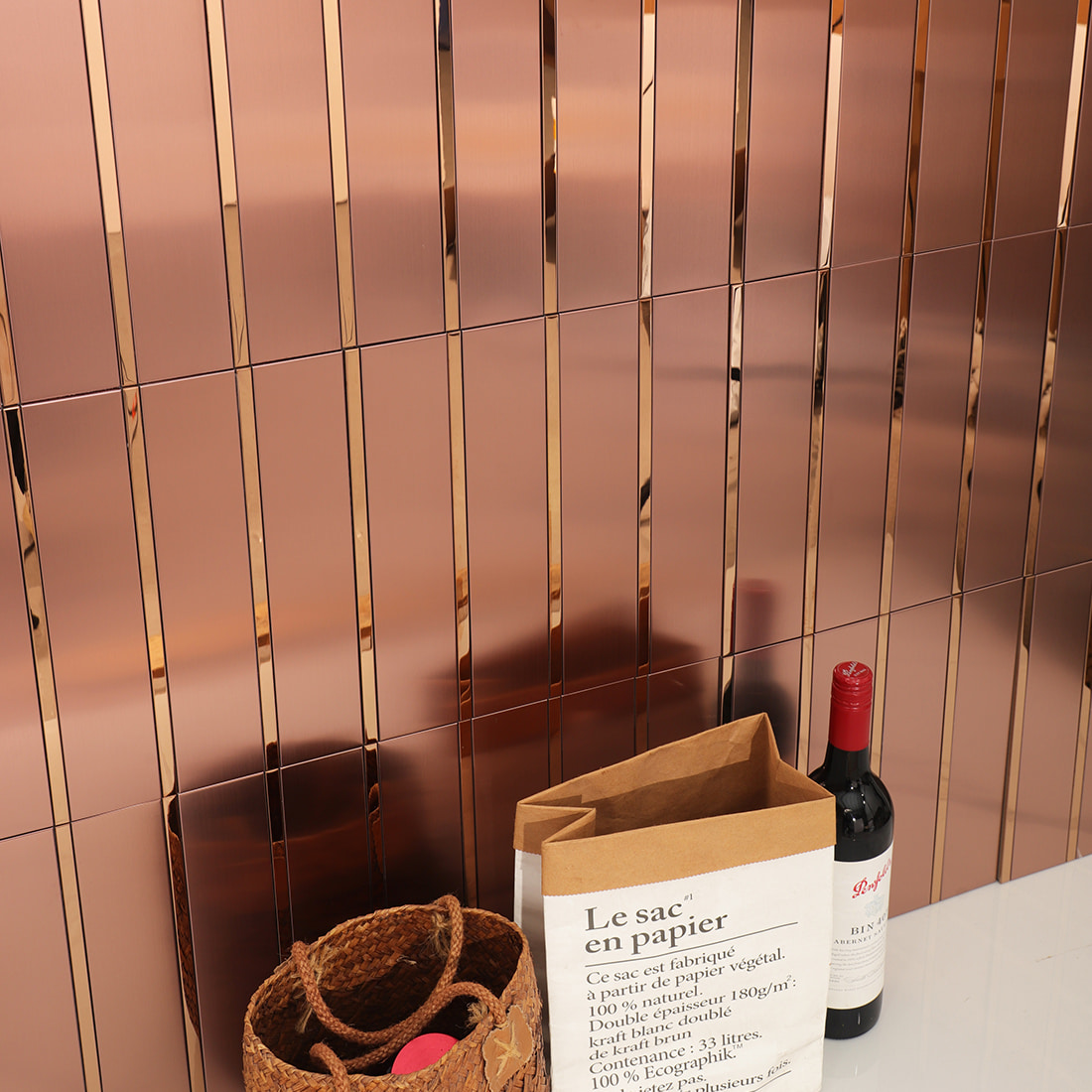
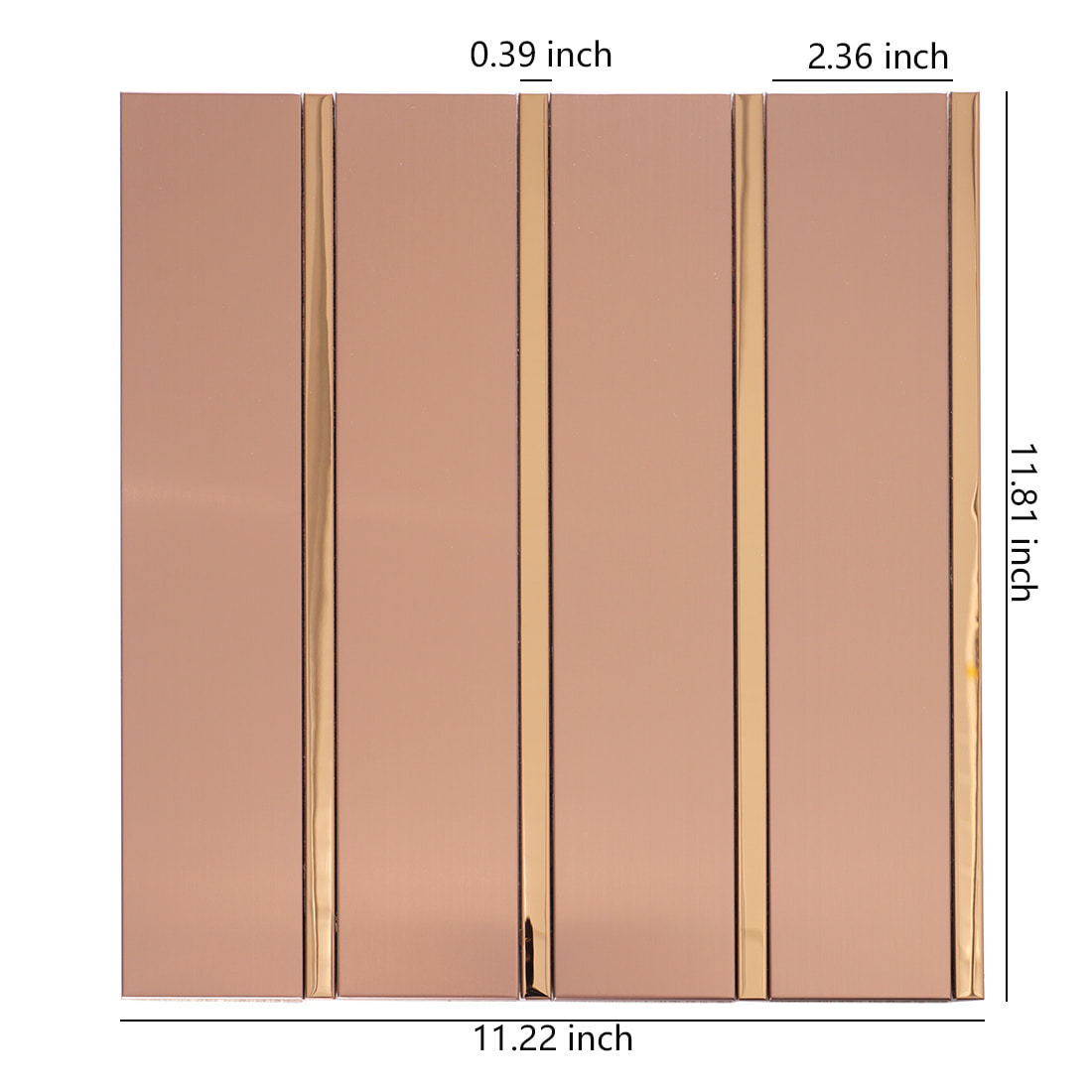
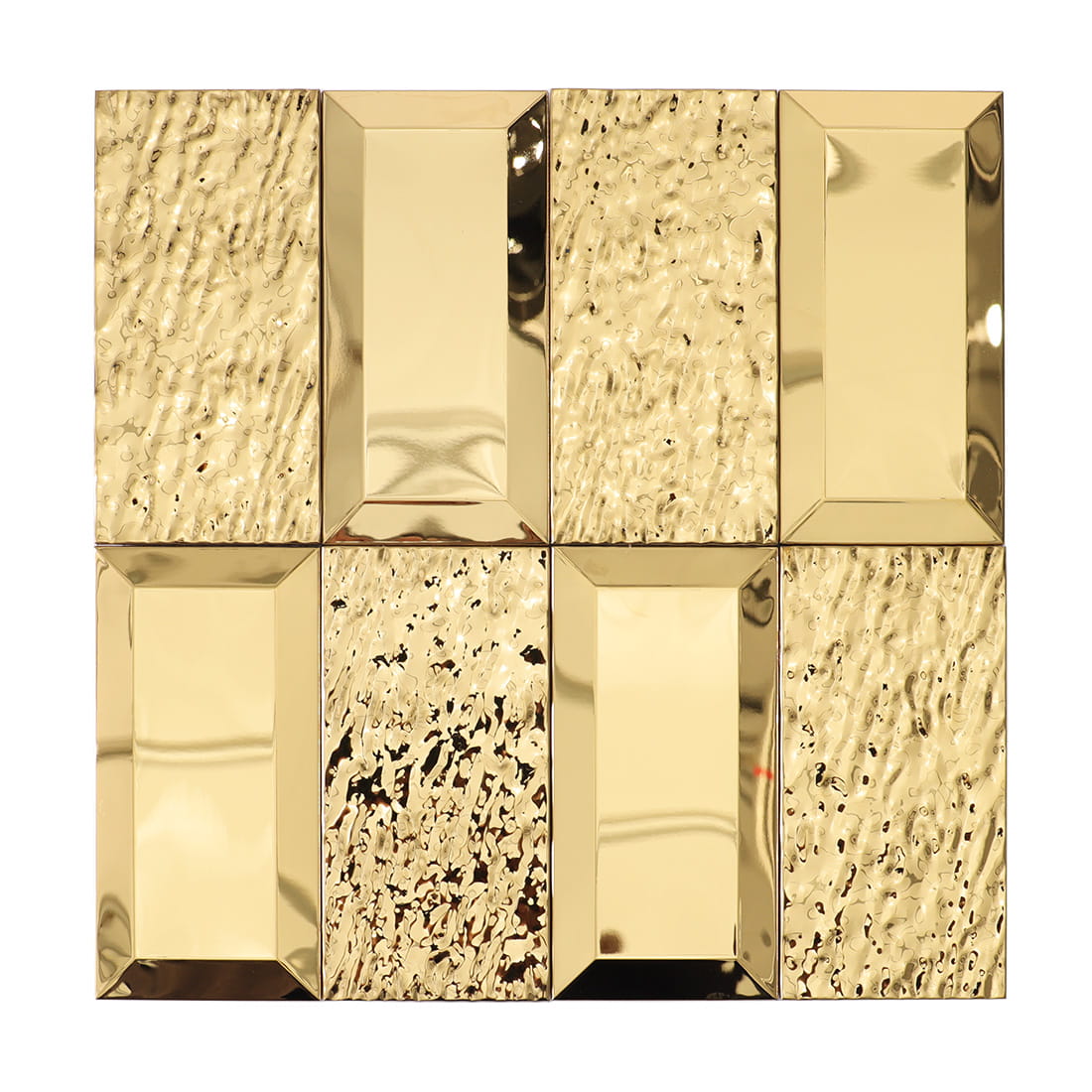
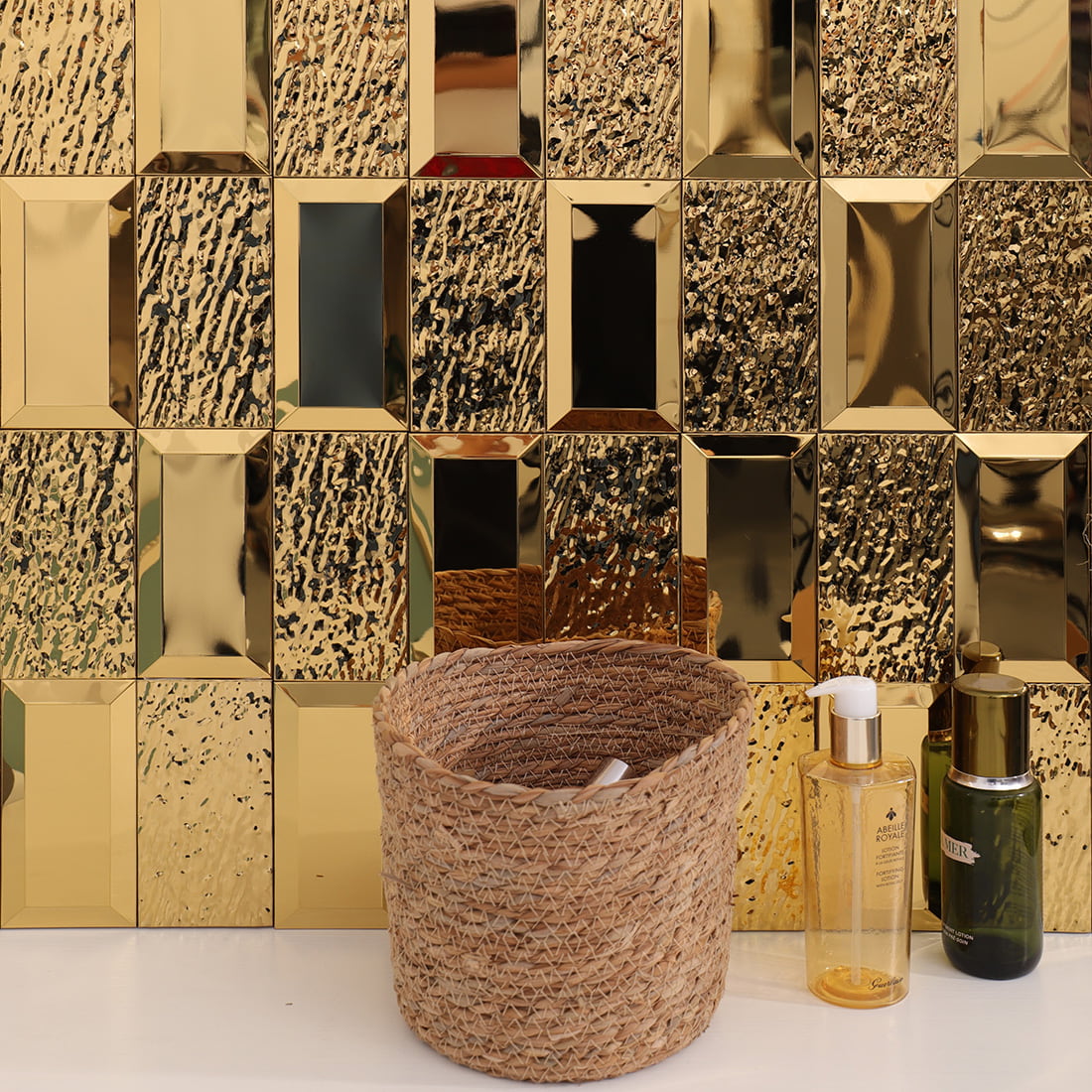
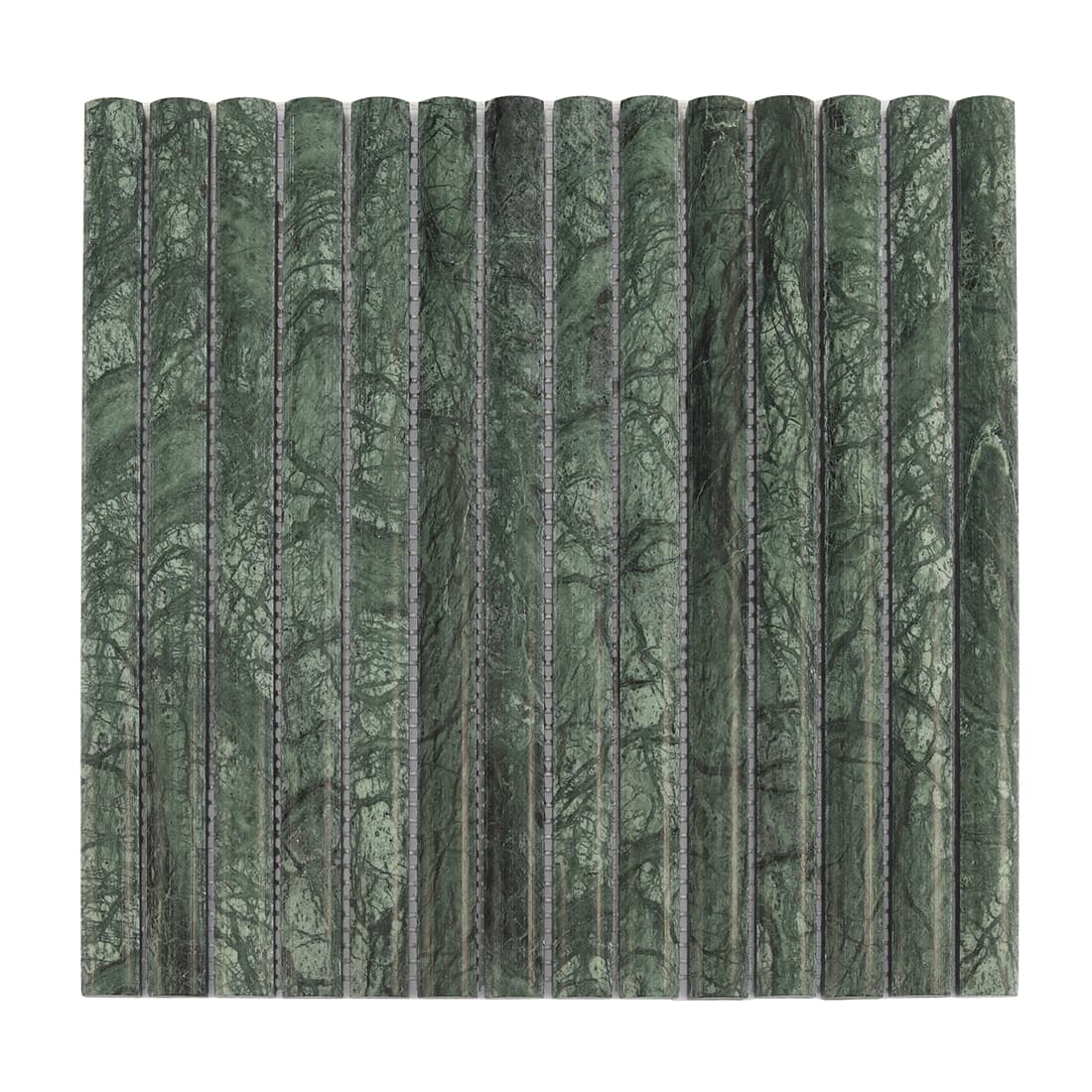
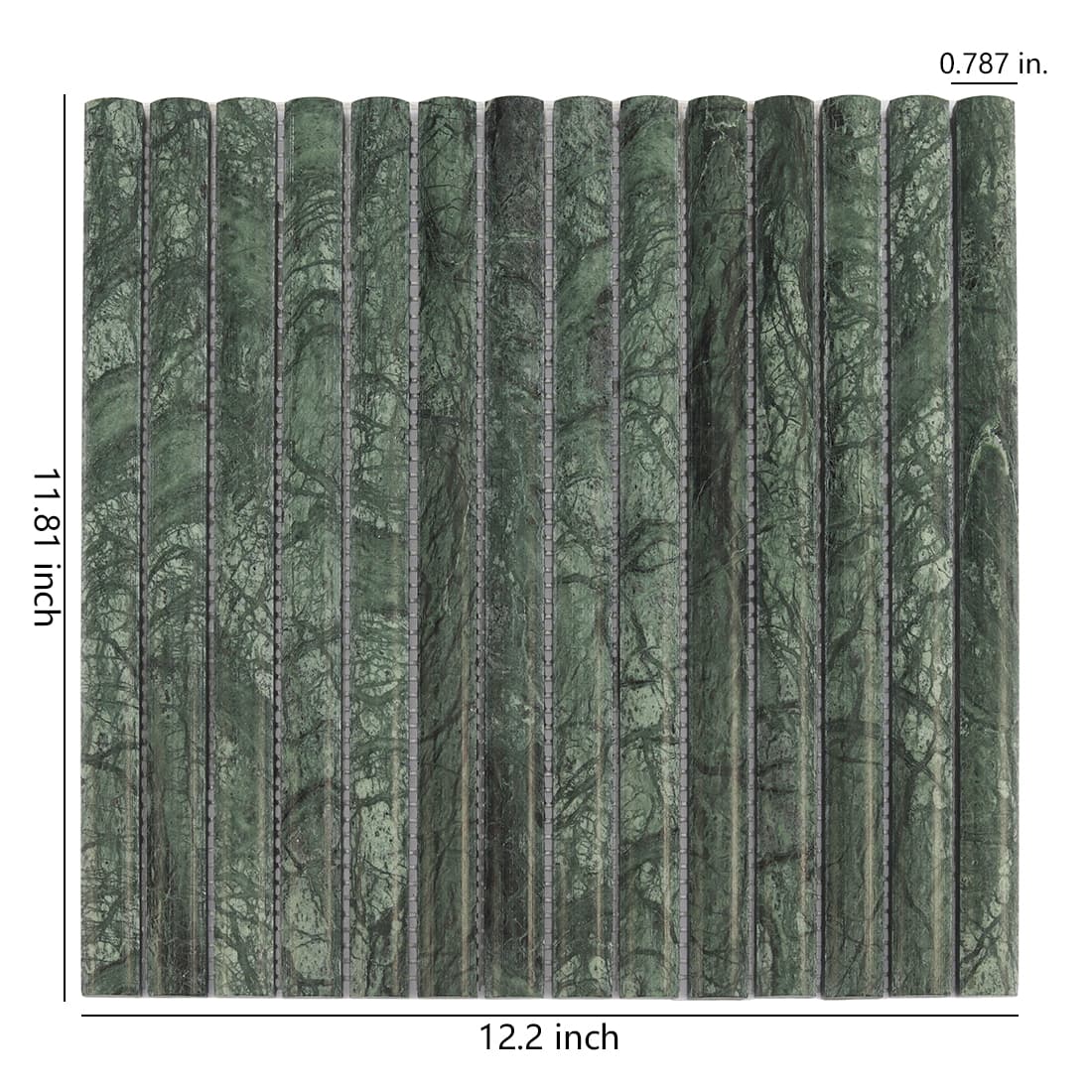
Staggered Tiles
Staggered tiles have become one of the most sought-after design choices for modern and traditional homes alike. This versatile tile pattern adds depth, character, and visual interest to any space while offering practical benefits for installation and maintenance. Whether you’re renovating your kitchen backsplash, bathroom walls, or living room floors, understanding staggered tiles will help you make the best design decision for your project.
What Are Staggered Tiles?
Staggered tiles, also known as offset tiles or brick pattern tiles, are installed in a layout where each tile’s edge aligns with the center point of the tiles above and below it. Unlike stacked patterns where tiles form straight vertical and horizontal lines, staggered patterns create a dynamic, flowing appearance that mimics traditional brickwork. This classic installation method has stood the test of time, offering both aesthetic appeal and structural advantages.
The staggered pattern typically uses a 50% offset (traditional brick pattern) or a 33% offset (1/3 stagger), with the latter being particularly recommended for large-format tiles to minimize lippage and create a smoother surface. This installation technique works beautifully across various tile shapes and materials, making it one of the most versatile options available for residential and commercial spaces.
Staggered Tile Materials: Choose Your Perfect Finish
Glass Staggered Tiles
Glass tiles in a staggered pattern create luminous, reflective surfaces that brighten any space. Perfect for kitchen backsplashes and bathroom accent walls, glass staggered tiles offer:
- Light-Reflecting Properties: Maximize natural and artificial light throughout your space
- Easy Maintenance: Non-porous surface resists stains and moisture
- Modern Aesthetic: Sleek, contemporary look that complements minimalist designs
- Color Variety: Available in clear, frosted, iridescent, and colored options
- Versatile Applications: Ideal for backsplashes, shower walls, and feature walls
Glass staggered tiles work exceptionally well in small bathrooms and kitchens where light reflection can make spaces feel larger and more open.
Ceramic Staggered Tiles
Ceramic tiles remain the most popular choice for staggered patterns, offering affordability and durability. Benefits include:
- Cost-Effective: Budget-friendly option without compromising quality
- Wide Design Selection: Endless colors, textures, and finishes available
- Easy Installation: Lighter weight makes handling and cutting simpler
- Water-Resistant: Perfect for wet areas like bathrooms and kitchens
- Low Maintenance: Simple cleaning with standard household products
Ceramic staggered tiles are particularly popular for subway tile designs, creating timeless kitchen backsplashes and bathroom walls.
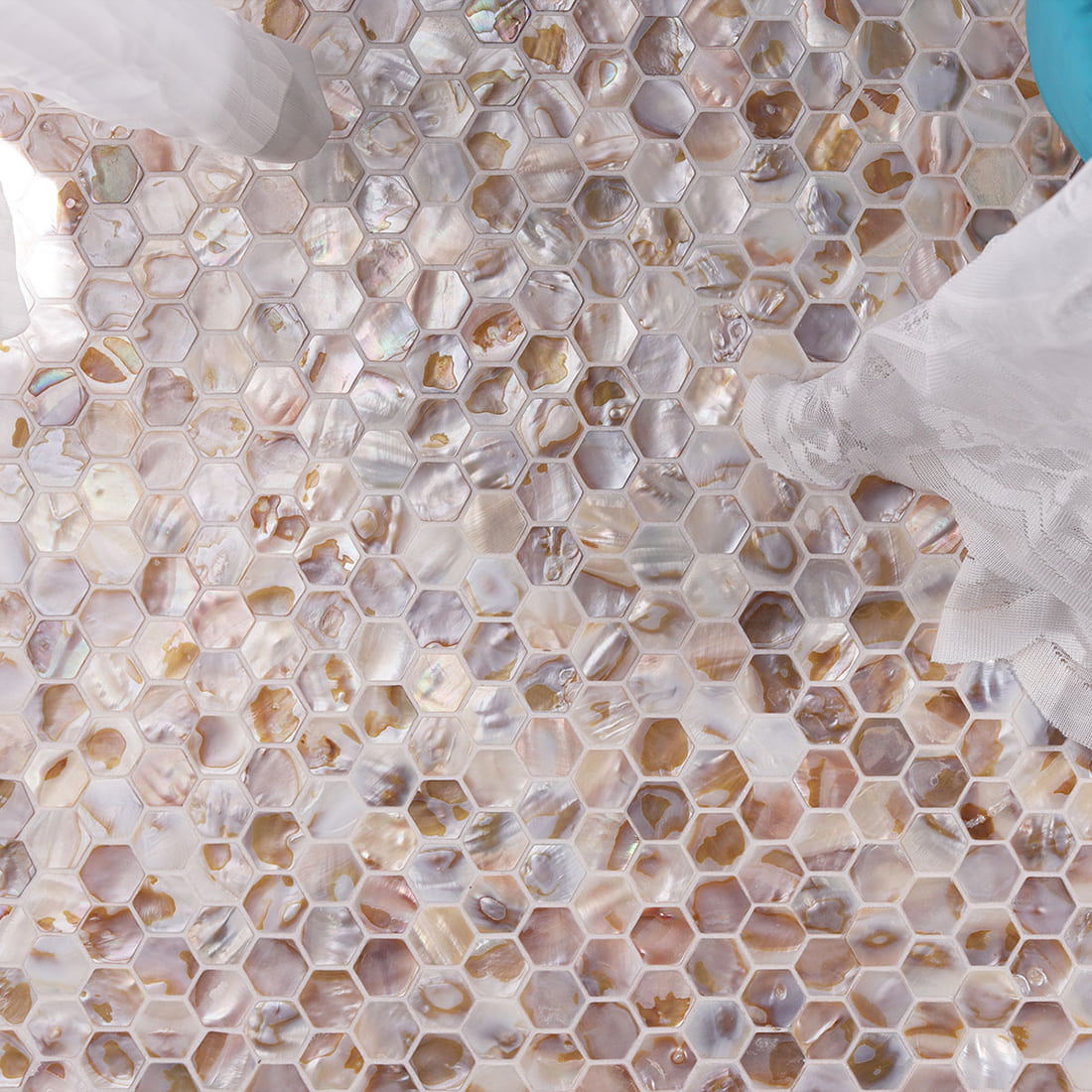
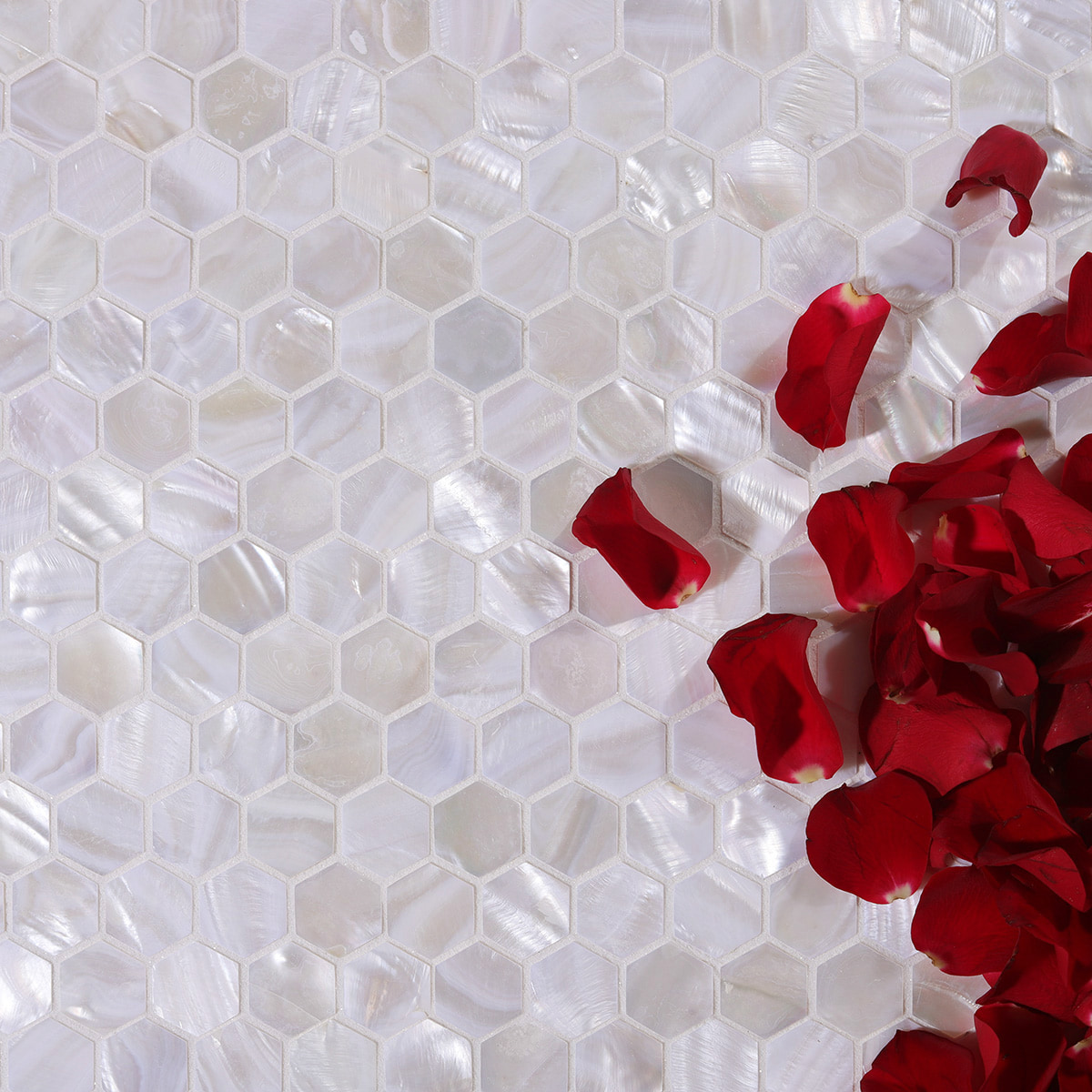
Mother of Pearl Staggered Tiles
Mother of pearl tiles add luxurious iridescence and natural beauty to any space. These premium tiles offer:
- Unique Iridescence: Each tile reflects light differently, creating a shimmering effect
- 100% Natural Material: Authentic seashell construction ensures durability
- Elegant Appearance: Adds sophistication to kitchens, bathrooms, and powder rooms
- Versatile Design: Works as a full backsplash or decorative accent strip
- Durable Construction: Surprisingly resilient for daily use in kitchens and bathrooms
Mother of pearl staggered tiles pair beautifully with neutral tones and work exceptionally well as highlight features in luxury homes.
Marble Staggered Tiles
Marble tiles in staggered patterns deliver timeless elegance and natural stone beauty:
- Natural Veining: Each tile features unique patterns and color variations
- Luxurious Feel: Elevates any space with high-end aesthetic appeal
- Heat Resistance: Excellent choice for fireplace surrounds and kitchen areas
- Increased Home Value: Premium material that appeals to potential buyers
- Variety of Finishes: Available in polished, honed, or tumbled textures
Popular marble options for staggered patterns include Carrara, Calacatta, and Aegean Cream varieties.
Metal Staggered Tiles
Metal tiles create bold, industrial statements in contemporary designs:
- Modern Industrial Look: Perfect for urban loft and contemporary spaces
- Durable Surface: Resistant to water, heat, and daily wear
- Reflective Quality: Brushed or polished finishes add dimension
- Low Maintenance: Easy to clean and maintain
- Design Versatility: Available in stainless steel, copper, bronze, and aluminum
Metal staggered tiles work particularly well as kitchen backsplashes, creating stunning focal points behind ranges and cooktops.
Staggered Tile Shapes: Design Possibilities
Square Staggered Tiles
Square tiles in staggered patterns offer a contemporary twist on traditional designs:
- Versatile Sizing: Available from 1x1 penny rounds to 12x12 large format
- Flexible Patterns: Can be installed at 33% or 50% offset
- Modern Appeal: Creates clean lines with dynamic visual interest
- Easy Planning: Straightforward layout calculations
- Multiple Applications: Works for floors, walls, and backsplashes
Square staggered tiles are ideal for creating checkerboard effects or subtle geometric patterns.
Rectangle Staggered Tiles
Rectangular tiles are the classic choice for staggered patterns, particularly in subway tile designs:
- Traditional Brick Pattern: The most recognized staggered layout
- Common Sizes: 3x6, 4x12, and 12x24 are popular dimensions
- Visual Flow: Creates horizontal or vertical movement depending on orientation
- Space Enhancement: Can make rooms appear wider or taller
- Timeless Design: Never goes out of style
Rectangle staggered tiles work beautifully for kitchen backsplashes, bathroom walls, and shower surrounds.
Hexagon Staggered Tiles
Hexagonal tiles arranged in staggered patterns create stunning honeycomb effects:
- Geometric Interest: Six-sided tiles create captivating visual patterns
- Timeless Yet Modern: Works in both traditional and contemporary settings
- Natural Arrangement: Hexagons naturally stagger when placed side by side
- Design Flexibility: Available in various sizes from 2" to 12"
- Unique Character: Adds personality to floors and feature walls
Hexagon staggered tiles are trending in bathroom floors, entryways, and powder room walls.
Triangle Staggered Tiles
Triangular tiles in staggered patterns deliver bold, geometric statements:
- Dynamic Patterns: Create arrow effects and zigzag designs
- Eye-Catching: Draws attention as a focal point
- Modern Aesthetic: Perfect for contemporary and artistic spaces
- Versatile Arrangements: Can form various geometric compositions
- Statement Making: Ideal for accent walls and small areas
Triangle staggered tiles work best in powder rooms, entryways, or as backsplash accents.
Penny Round Staggered Tiles
Penny round tiles (small circular tiles) create charming, vintage-inspired patterns:
- Classic Retro Look: Evokes 1920s-1940s bathroom design
- Excellent Grip: Multiple grout lines provide slip resistance for floors
- Textured Surface: Creates tactile and visual interest
- Mesh-Mounted Sheets: Simplifies installation despite small size
- Timeless Appeal: Works in both vintage and modern settings
Penny round staggered tiles are popular for bathroom floors, shower floors, and nostalgic backsplashes.
Picket Staggered Tiles
Picket tiles (elongated hexagons or pill-shaped tiles) offer a fresh, modern alternative:
- Elongated Shape: Combines rectangle and hexagon characteristics
- Contemporary Style: Trendy choice for modern renovations
- Vertical Emphasis: Can make walls appear taller
- Unique Aesthetic: Stands out from traditional tile patterns
- Versatile Installation: Works horizontally or vertically
Picket staggered tiles are increasingly popular for kitchen backsplashes and bathroom feature walls.
Where to Use Staggered Tiles in Your Home
Kitchen Backsplashes
Staggered tiles are a classic choice for kitchen backsplashes, offering timeless appeal and practical benefits:
- Traditional Subway Tile: The most popular backsplash choice, featuring 3x6 white ceramic tiles in a staggered pattern
- Glass Tile Backsplashes: Reflective surfaces that brighten kitchens and make spaces feel larger
- Mixed Material Design: Combine ceramic, glass, and metal tiles for custom looks
- Full-Height Applications: Extend backsplashes to ceiling for dramatic effect
- Behind Range Features: Use contrasting staggered patterns to create focal points
Best materials: Ceramic, glass, and metal tiles offer easy cleaning and stain resistance.
Bathroom Walls
Staggered patterns on bathroom walls create texture and depth:
- Shower Walls: Ceramic or porcelain tiles provide water resistance and visual interest
- Accent Walls: Mother of pearl or marble staggered tiles add luxury
- Wainscoting: Subway tile in staggered patterns creates classic bathroom wainscoting
- Full Wall Coverage: Floor-to-ceiling staggered tiles make bathrooms feel cohesive
- Wet Room Applications: Waterproof materials like glass and ceramic excel in humid environments
Best materials: Ceramic, marble, glass mosaic provide durability and moisture resistance.
Bathroom Floors
Smaller tiles in staggered patterns provide excellent slip resistance:
- Penny Round Tiles: Traditional choice for bathroom floors with superior grip
- Small Hexagons: Vintage-inspired look with practical slip resistance
- Mosaic Patterns: Staggered small-format tiles create texture and safety
- Heated Floor Compatible: Most staggered tile patterns work with radiant heating
- Grout Lines for Safety: More grout joints mean better traction when wet
Best materials: Porcelain, ceramic, and natural stone offer durability for high-traffic floors.
Kitchen Floors
Staggered tile patterns add character to kitchen flooring:
- Large Format Tiles: 12x24 or larger tiles in 1/3 stagger patterns create modern looks
- Wood-Look Tiles: Porcelain planks in staggered patterns mimic hardwood
- Neutral Tones: Gray, beige, or white staggered tiles complement any cabinet color
- Durable Materials: Porcelain and ceramic withstand kitchen traffic and spills
- Easy Maintenance: Staggered patterns hide dirt between cleanings
Best materials: Porcelain and ceramic for durability, stain resistance, and easy cleaning.
Living Room Feature Walls
Transform living spaces with staggered tile feature walls:
- Fireplace Surrounds: Marble or slate tiles in staggered patterns create stunning focal points
- Accent Walls: Large-format staggered tiles add texture without overwhelming
- TV Wall Backdrops: Subtle staggered patterns provide visual interest behind entertainment centers
- Entryway Statements: Welcome guests with dramatic staggered tile walls
- Textured Surfaces: Mix matte and glossy tiles for dimensional effects
Best materials: Natural stone, ceramic, and metal tiles suit living area applications.
Outdoor Patios
Staggered patterns bring rustic charm to outdoor spaces:
- Patio Flooring: Natural stone or porcelain tiles in staggered layouts create durable outdoor surfaces
- Walkways: Brick pattern staggered tiles define paths through gardens
- Pool Surrounds: Slip-resistant tiles in staggered patterns enhance pool safety
- Outdoor Kitchen Backsplashes: Weather-resistant materials protect exterior walls
- Fire Pit Areas: Heat-resistant tiles in staggered patterns add warmth
Best materials: Natural stone, porcelain, and outdoor-rated ceramic for weather resistance.
How to Install Staggered Tiles: Professional Tips
Planning Your Layout
Proper planning ensures professional results:
- Measure Your Space: Calculate square footage and order 10% extra for cuts and waste
- Choose Your Offset: Decide between 50% offset (traditional) or 33% offset (modern, recommended for large tiles)
- Find Your Center: Mark center lines on walls or floors for balanced layouts
- Dry Lay First: Place tiles without adhesive to visualize the pattern and identify potential issues
- Plan Cut Locations: Position cuts in less visible areas like corners and edges
Installation Steps
- Surface Preparation: Ensure walls or floors are clean, level, and dry
- Apply Adhesive: Use appropriate thinset or adhesive with correct notched trowel size
- Set First Row: Start with a straight, level reference line for the first course
- Stagger Subsequent Rows: Offset each row according to your chosen pattern (33% or 50%)
- Use Spacers: Maintain consistent grout joint width throughout
- Check Alignment: Regularly verify tiles remain level and properly offset
- Cut Edge Tiles: Measure and cut tiles for edges, corners, and obstacles
- Allow Drying Time: Let adhesive cure according to manufacturer recommendations
- Apply Grout: Fill joints with appropriate grout color and type
- Clean and Seal: Remove grout haze and apply sealer if required
Professional Installation Tips
- 1/3 Offset Rule: For tiles 18 inches or longer, use 1/3 offset instead of 50% to minimize lippage
- Back-Buttering: Apply thin layer of adhesive to back of large-format tiles for better adhesion
- Leveling Systems: Use tile leveling clips and wedges for perfectly flush installations
- Grout Joint Width: Maintain 1/16" to 1/8" joints for wall tiles, 1/8" to 1/4" for floor tiles
- Stagger Sheet Starts: When using mesh-mounted tiles, vary starting points to avoid obvious seam lines
Staggered Tiles vs. Stacked Tiles: Making the Right Choice
Staggered Tiles Best For:
- Traditional and transitional design styles
- Hiding minor tile size variations or imperfections
- Creating visual movement and depth
- Classic subway tile installations
- Rustic and vintage-inspired spaces
- Outdoor applications and patios
Stacked Tiles Best For:
- Modern and contemporary aesthetics
- Minimalist design approaches
- Clean, geometric visual effects
- Emphasizing tile height or width
- Faster installation timelines
- Highlighting bold grout colors
Key Difference: Staggered patterns offer timeless appeal and hide imperfections, while stacked patterns provide modern simplicity and clean lines.
Maintenance and Care for Staggered Tiles
Daily Cleaning
- Sweep or vacuum regularly to remove dirt and debris
- Wipe with damp microfiber cloth for light cleaning
- Use pH-neutral cleaners designed for tile materials
- Avoid abrasive cleaners that can scratch tile surfaces
Deep Cleaning
- Clean grout lines periodically with grout-specific cleaners
- Use soft-bristle brushes to scrub grout without damaging tiles
- Steam clean for chemical-free deep cleaning
- Reseal grout annually in wet areas like showers
Material-Specific Care
- Glass Tiles: Use glass cleaner or vinegar solution for streak-free shine
- Natural Stone: Apply stone-specific sealers to prevent staining
- Ceramic/Porcelain: Most versatile; resistant to most cleaning products
- Metal Tiles: Use metal-specific cleaners to maintain finish
- Mother of Pearl: Clean gently with mild soap and avoid acidic cleaners
Design Trends: Staggered Tiles in 2025
Current Popular Trends
- Vertical Staggered Layouts: Installing rectangular tiles vertically creates height and modern appeal
- Mixed Material Staggering: Combining different materials in one staggered pattern
- Large Format Staggered: 12x24 and larger tiles in 1/3 offset patterns for contemporary looks
- Contrasting Grout: Bold grout colors that emphasize the staggered pattern
- Textured Surfaces: Matte and dimensional tiles in staggered arrangements
Emerging Styles
- Sustainable Materials: Recycled glass and eco-friendly ceramic in staggered patterns
- Digital Printing: Advanced printing technology creates realistic stone and wood looks
- Geometric Mixing: Combining different shapes (hexagons with rectangles) in staggered designs
- Metallic Accents: Incorporating metal tiles within ceramic staggered patterns
- Ombre Effects: Gradual color transitions across staggered tile installations
Cost Considerations for Staggered Tiles
Material Costs
- Ceramic: $1-$15 per square foot
- Porcelain: $3-$25 per square foot
- Glass: $7-$30 per square foot
- Natural Stone/Marble: $5-$50 per square foot
- Metal: $10-$40 per square foot
- Mother of Pearl: $15-$50 per square foot
Installation Costs
- Professional Installation: $5-$15 per square foot for standard staggered patterns
- Complex Patterns: $10-$25 per square foot for intricate or mixed designs
- DIY Savings: Save 50-70% on labor by installing yourself
- Additional Costs: Include underlayment, adhesive, grout, sealers, and tools
Long-Term Value
- Quality staggered tile installations last 20+ years
- Increases home resale value, especially in kitchens and bathrooms
- Low maintenance costs compared to other surfaces
- Timeless patterns maintain appeal across design trends
Frequently Asked Questions About Staggered Tiles
Q: Should tiles be staggered or stacked?
A: It depends on your design goals. Staggered tiles suit traditional styles and hide imperfections, while stacked tiles work best for modern aesthetics and faster installation.
Q: What is the best offset for staggered tiles?
A: For tiles under 18 inches, a 50% offset (traditional brick pattern) works well. For large-format tiles 18 inches or longer, use a 33% (1/3) offset to minimize lippage.
Q: Can staggered tiles be used on floors?
A: Yes, staggered patterns work excellently on floors, providing durability and visual interest. Use porcelain or ceramic tiles with appropriate slip resistance for floor applications.
Q: What grout color works best with staggered tiles?
A: Matching grout creates seamless looks, while contrasting grout emphasizes the staggered pattern. White tiles with gray or black grout are popular contemporary choices.
Q: Are staggered tiles harder to install than stacked tiles?
A: Staggered patterns require slightly more planning and cutting, but with proper layout, they’re manageable for DIYers. Professional installation ensures best results for large projects.
Q: Can I mix different tile shapes in a staggered pattern?
A: Yes, mixing shapes like hexagons and rectangles creates unique staggered designs. This requires careful planning but delivers stunning custom results.
Q: How do I clean grout in staggered tile patterns?
A: Use grout-specific cleaners and soft-bristle brushes to clean grout lines. Regular sealing protects grout from staining, especially in kitchens and bathrooms.
Q: What tiles work best for staggered bathroom floors?
A: Smaller tiles like penny rounds, small hexagons, or mosaics provide better slip resistance. Choose porcelain or ceramic for durability in wet environments.
Q: Can staggered tiles make small spaces look bigger?
A: Yes, especially when using light-colored tiles with minimal grout contrast. Horizontal staggered patterns can make rooms appear wider, while vertical patterns add height.
Q: Should I seal staggered tiles?
A: Natural stone and unglazed tiles require sealing. Glazed ceramic and porcelain tiles don’t need sealing, but grout should be sealed in wet areas.
Conclusion: Transform Your Space with Staggered Tiles
Staggered tiles offer timeless versatility, working beautifully across multiple materials, shapes, and applications. Whether you choose classic ceramic subway tiles for a kitchen backsplash, luxurious marble for a bathroom feature wall, or charming penny rounds for a vintage-inspired floor, the staggered pattern adds depth, character, and enduring style to any space.
By understanding the various materials—from glass and ceramic to mother of pearl, marble, and metal—and exploring diverse shapes including squares, rectangles, hexagons, triangles, penny rounds, and pickets, you can create truly customized designs that reflect your personal style while meeting practical needs.
The beauty of staggered tiles lies in their proven longevity. This pattern has survived changing design trends because it fundamentally works—visually, structurally, and aesthetically. Whether your home leans traditional, contemporary, or somewhere in between, staggered tiles provide the perfect foundation for creating spaces that are both beautiful and functional.
Ready to transform your kitchen, bathroom, or living space with stunning staggered tiles? Start by exploring material options that match your lifestyle, select shapes that complement your design vision, and plan installations that bring your dream space to life.