


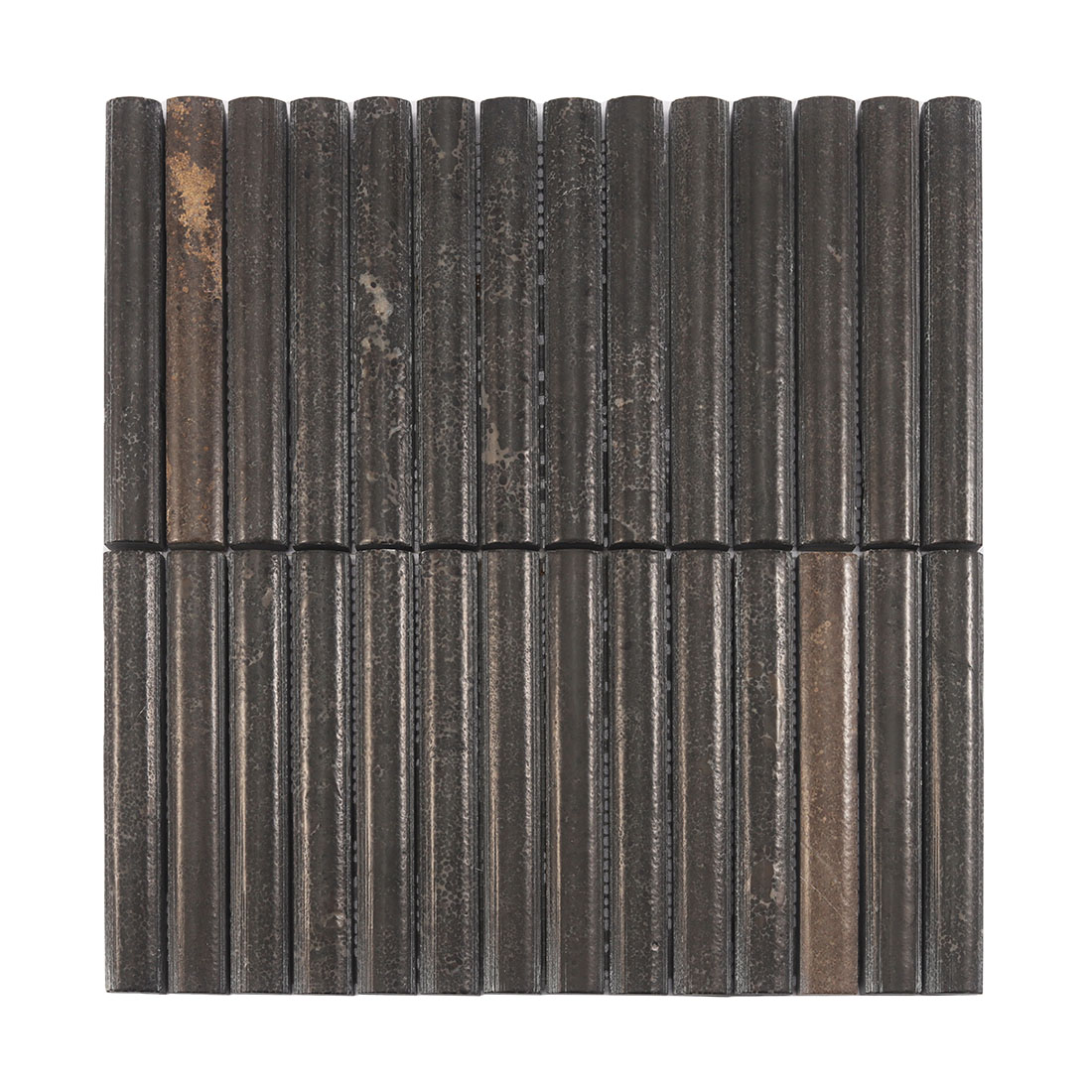
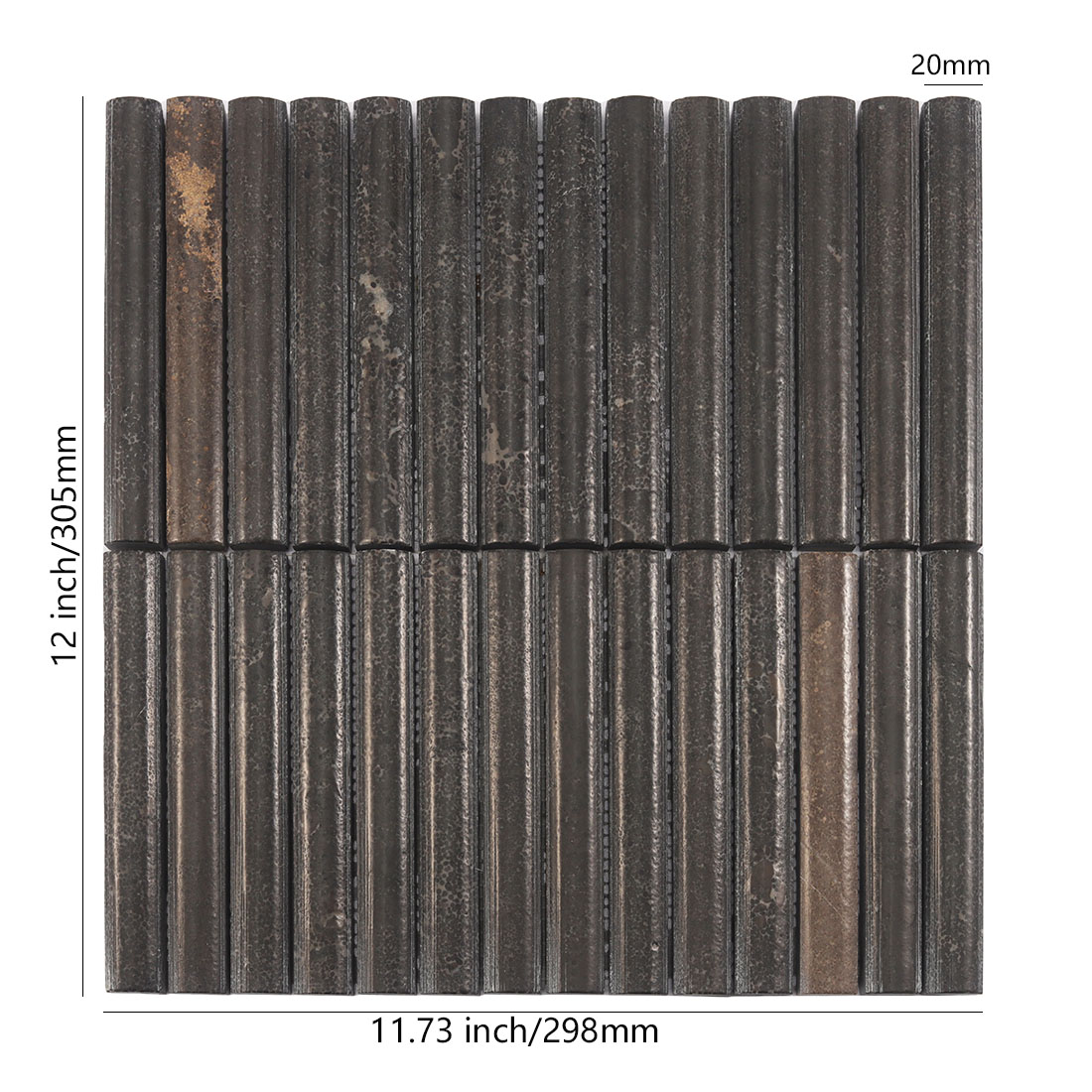
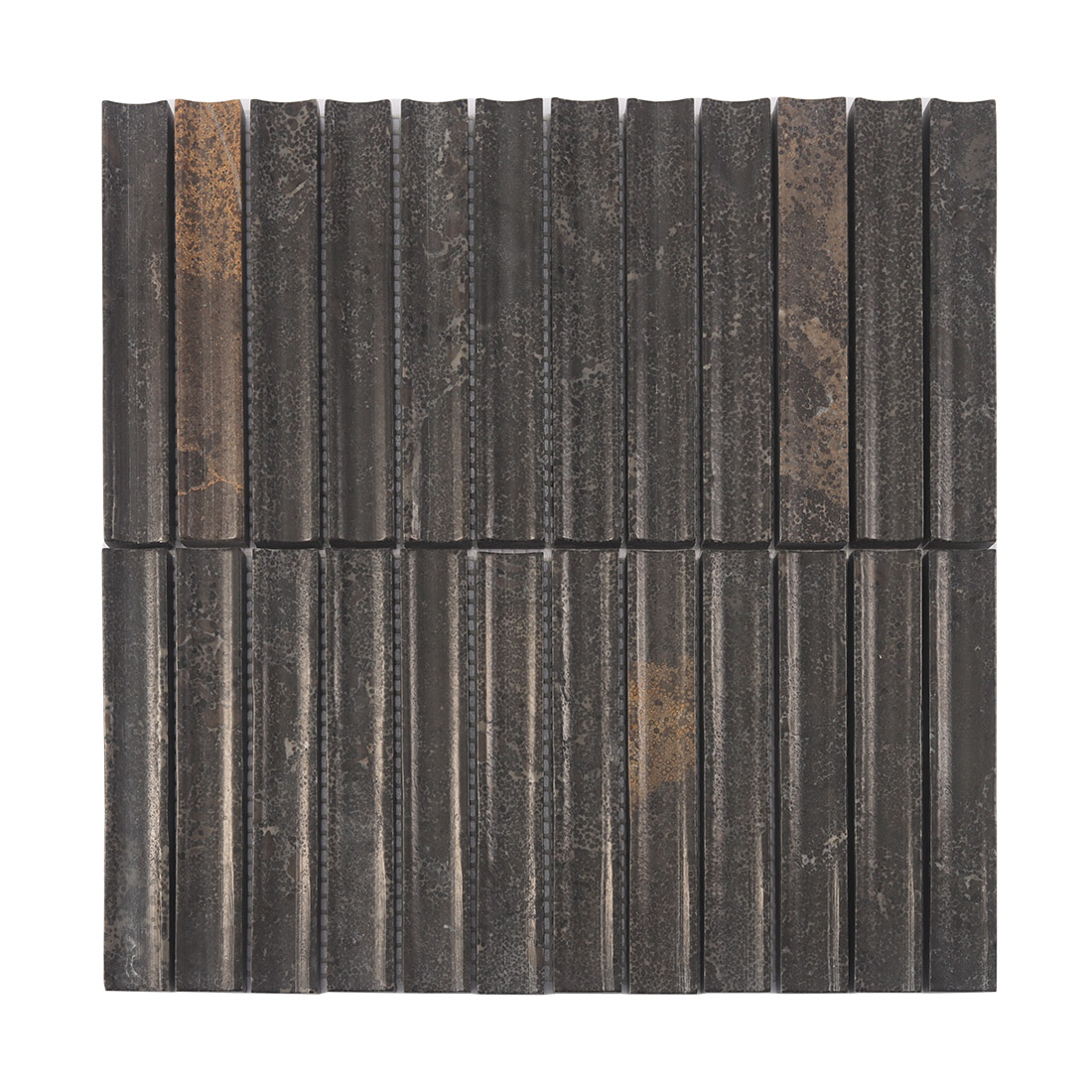
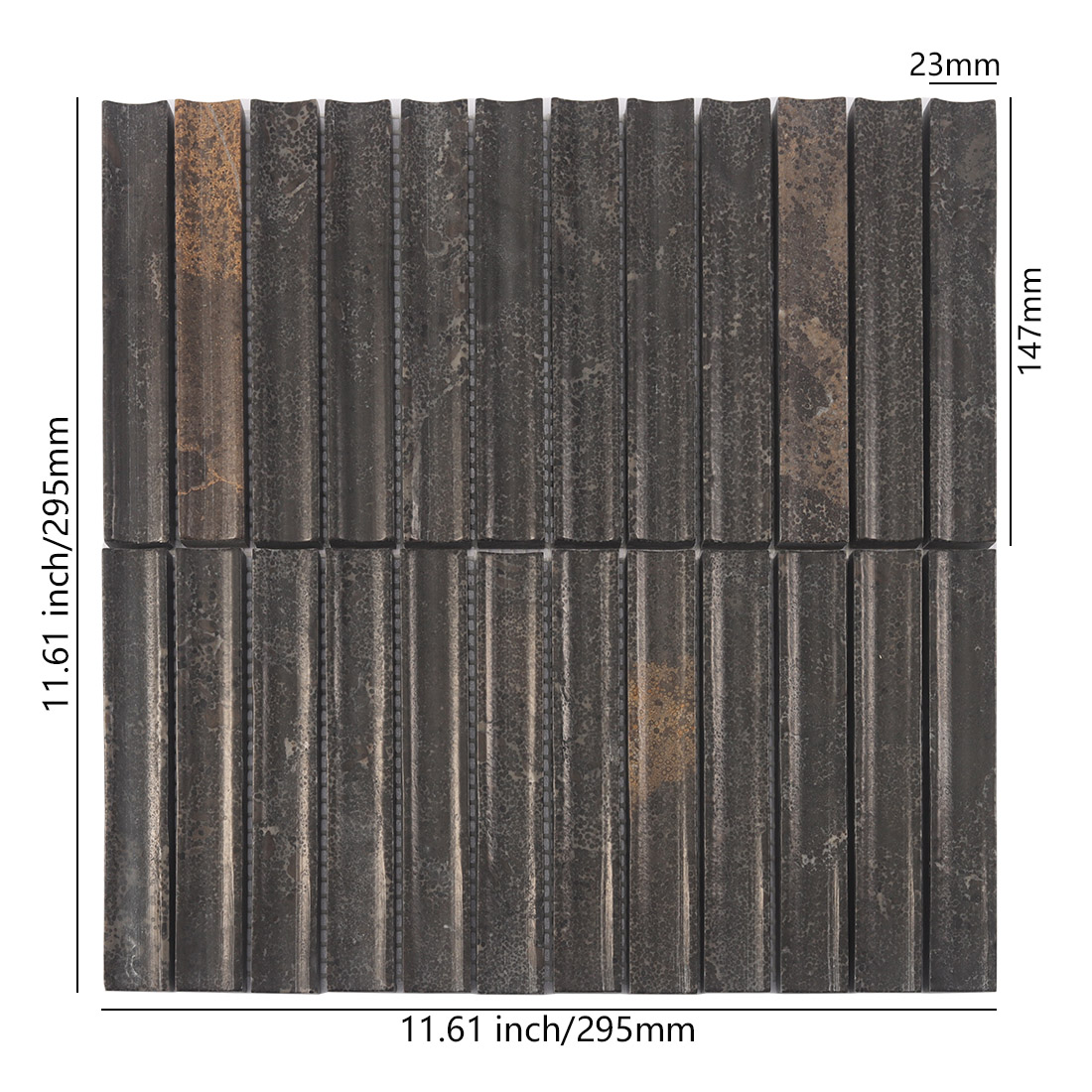
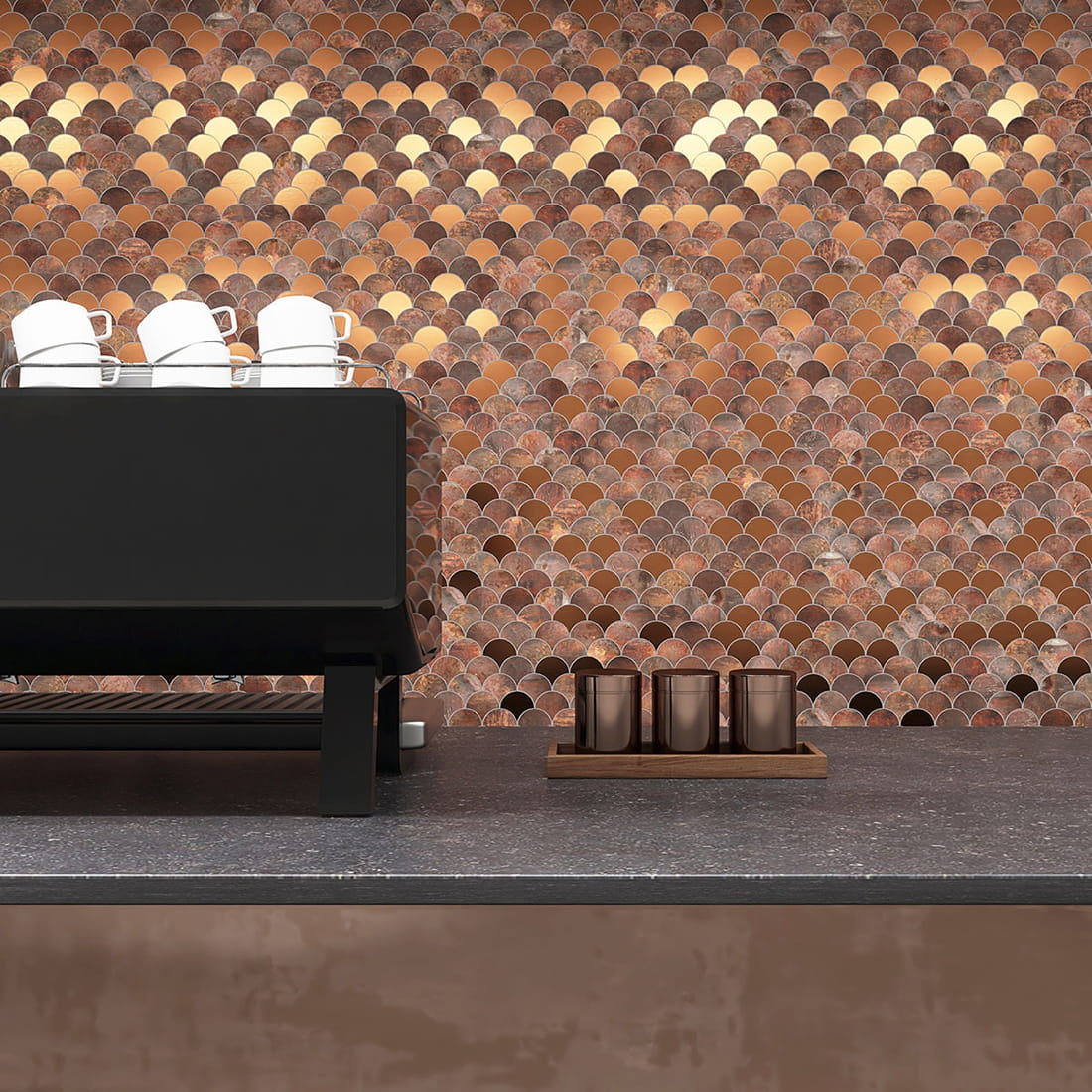
Dark Fluted Industrial Tiles for a Refined Coffee Shop

-
-
-
-
-
-
-
-
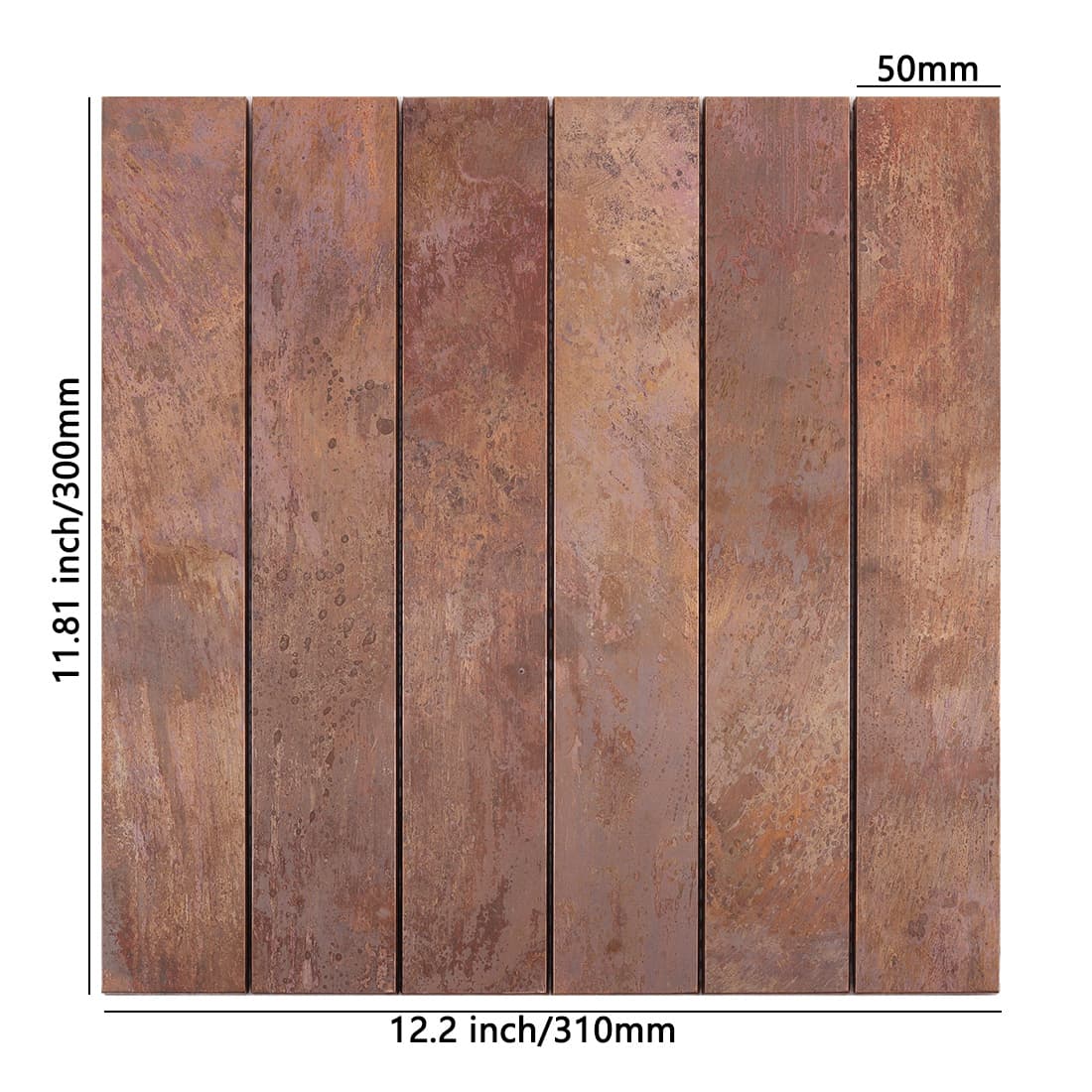
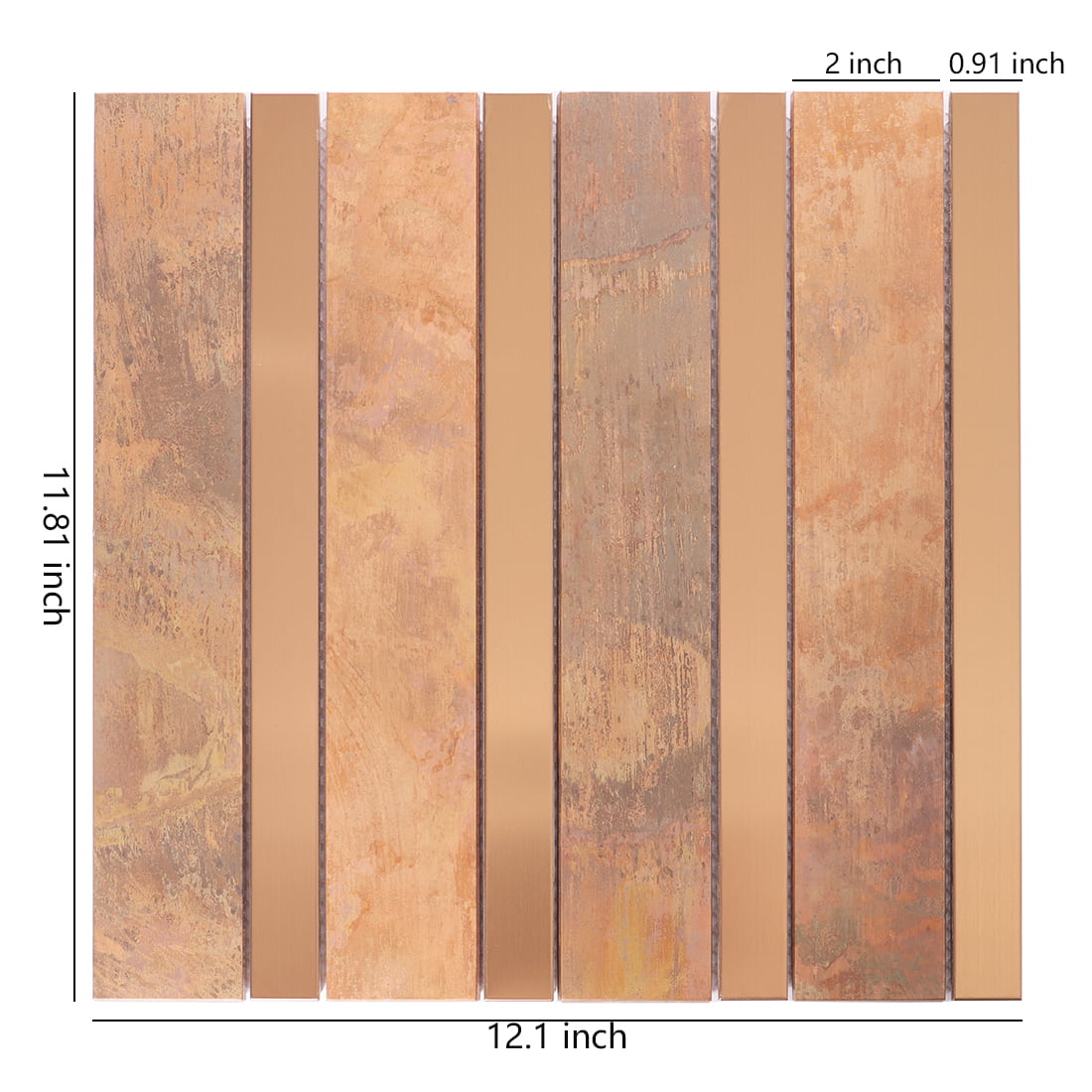
Rustic Wood Stainless Steel Mosaic Tile$18.30 USD
-
-
-
-
-
-
-
-
-
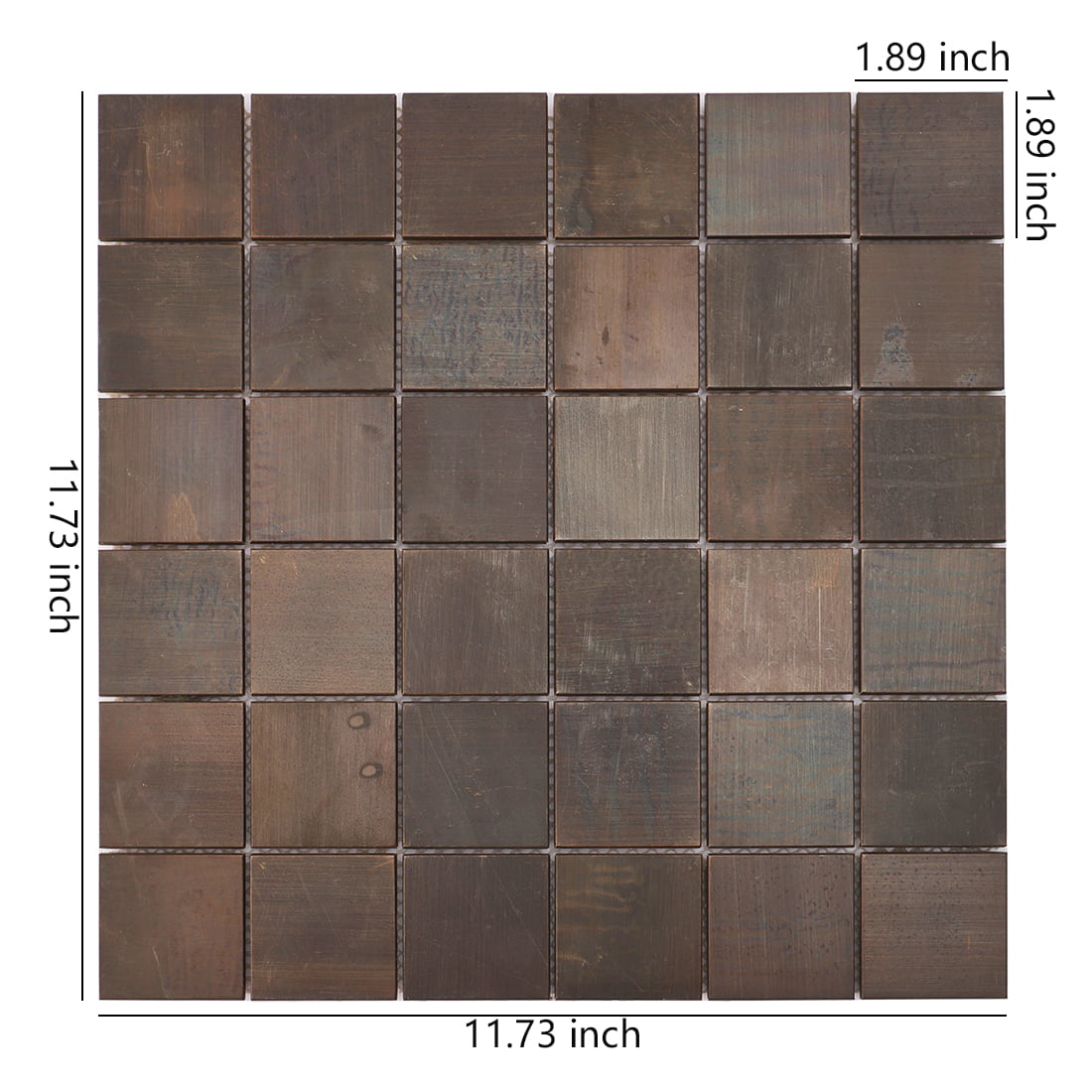
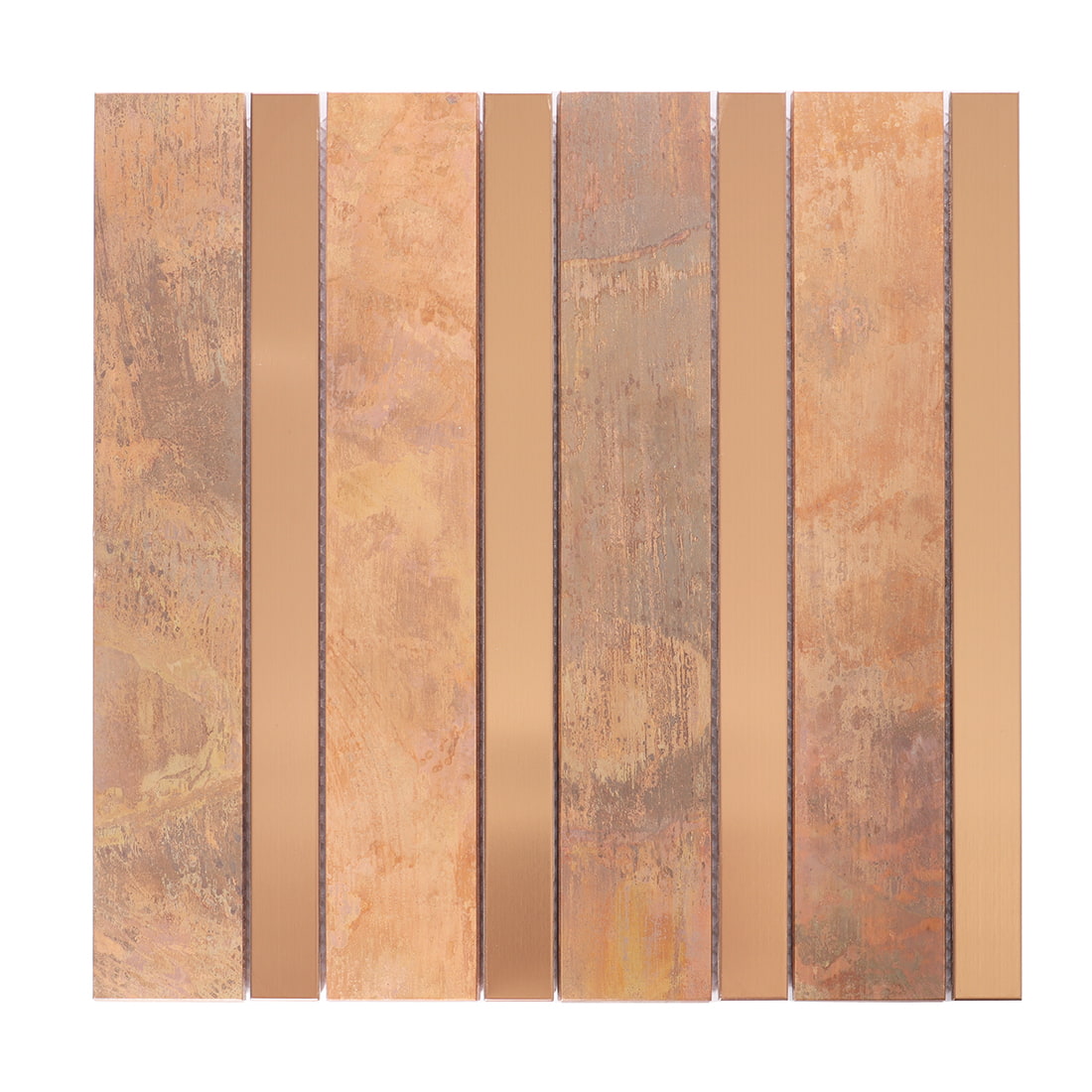
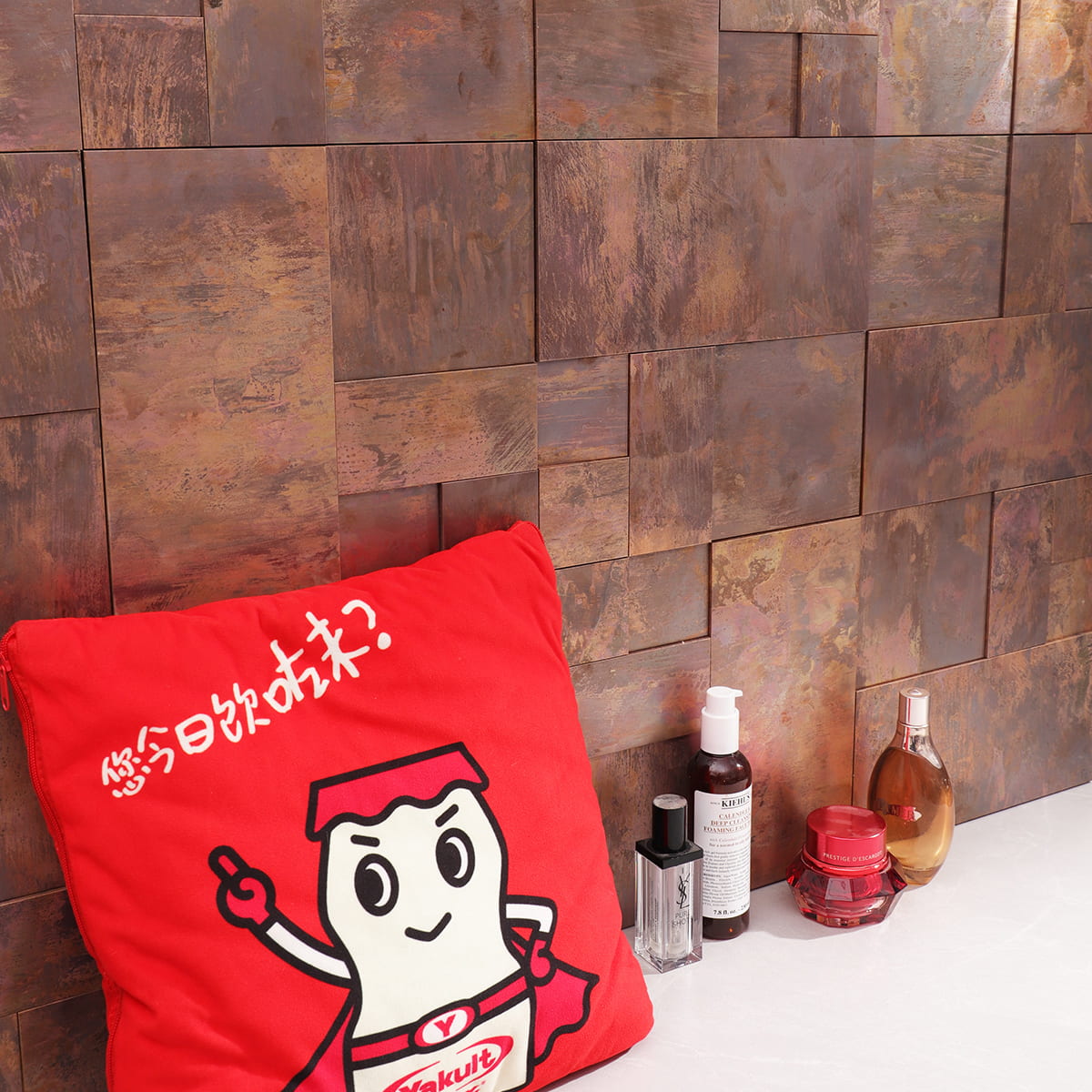
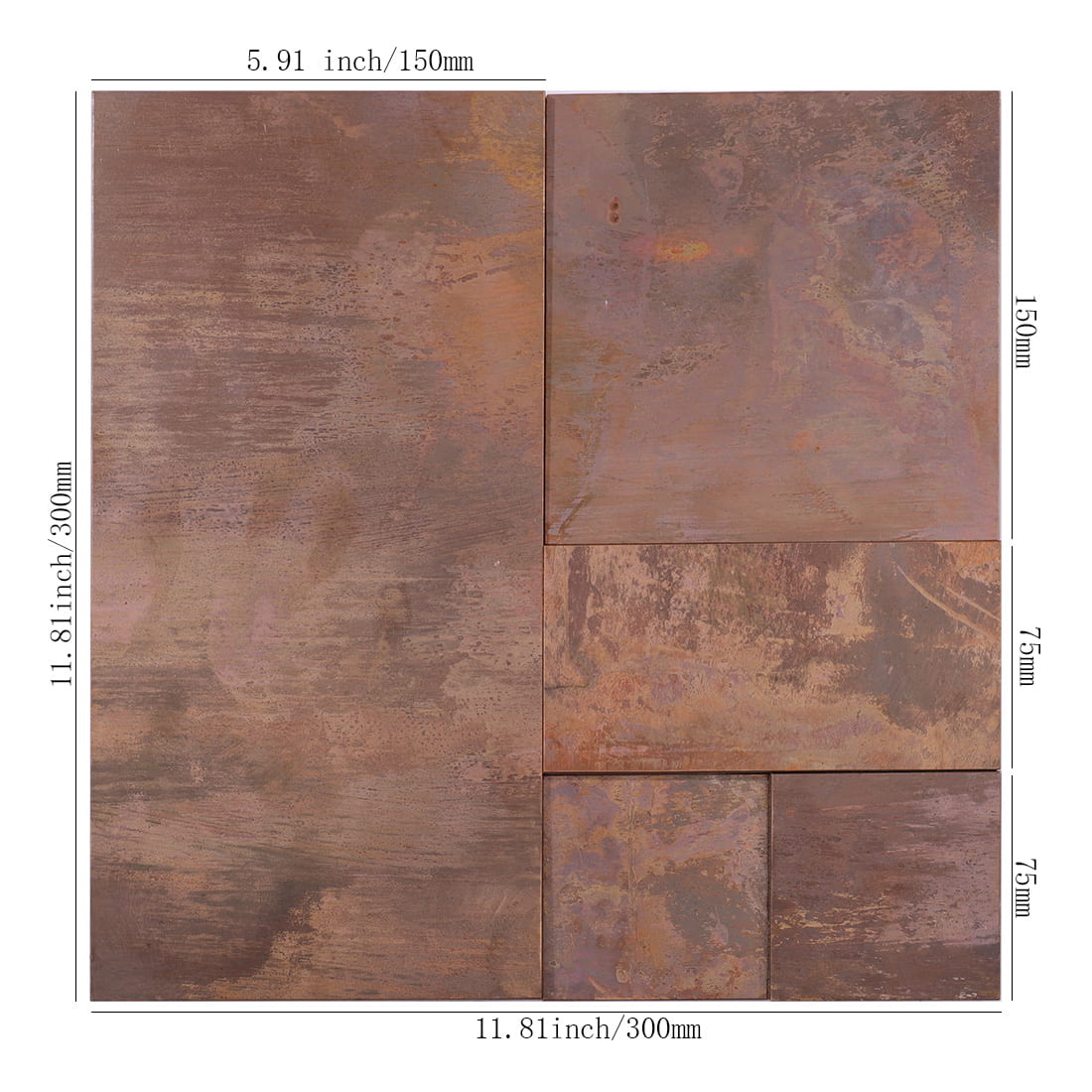
Antique Bronze Square Metal Mosaic Tile$31.75 USD
-
-
-
-
-
-
-
-
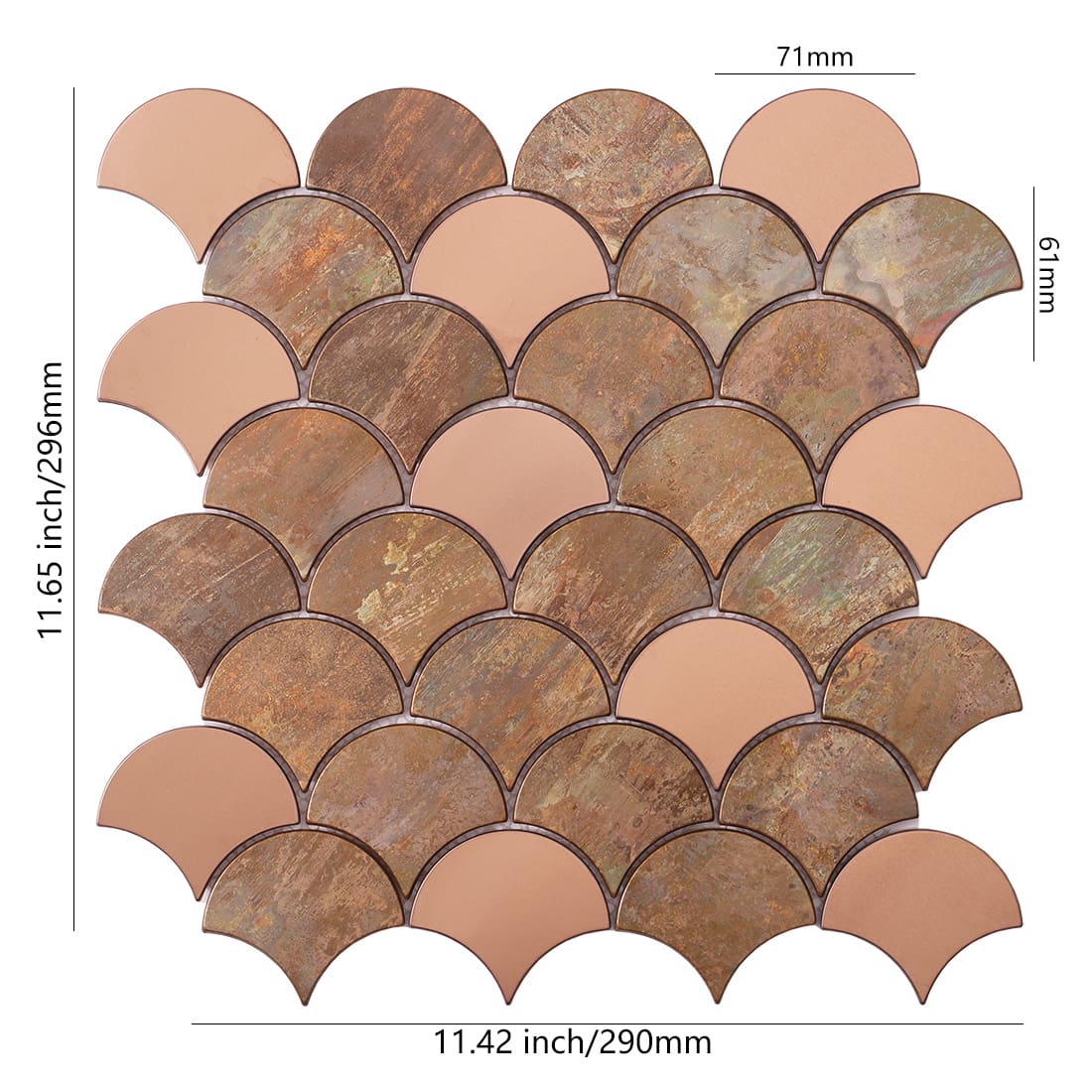
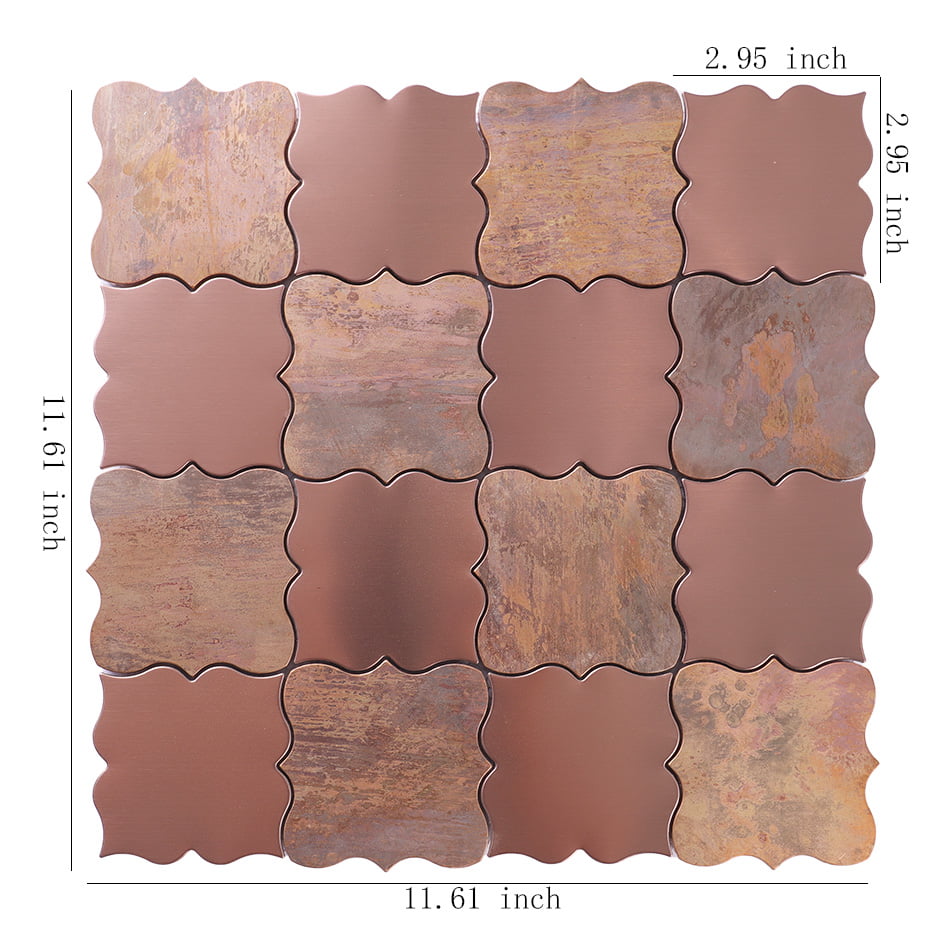
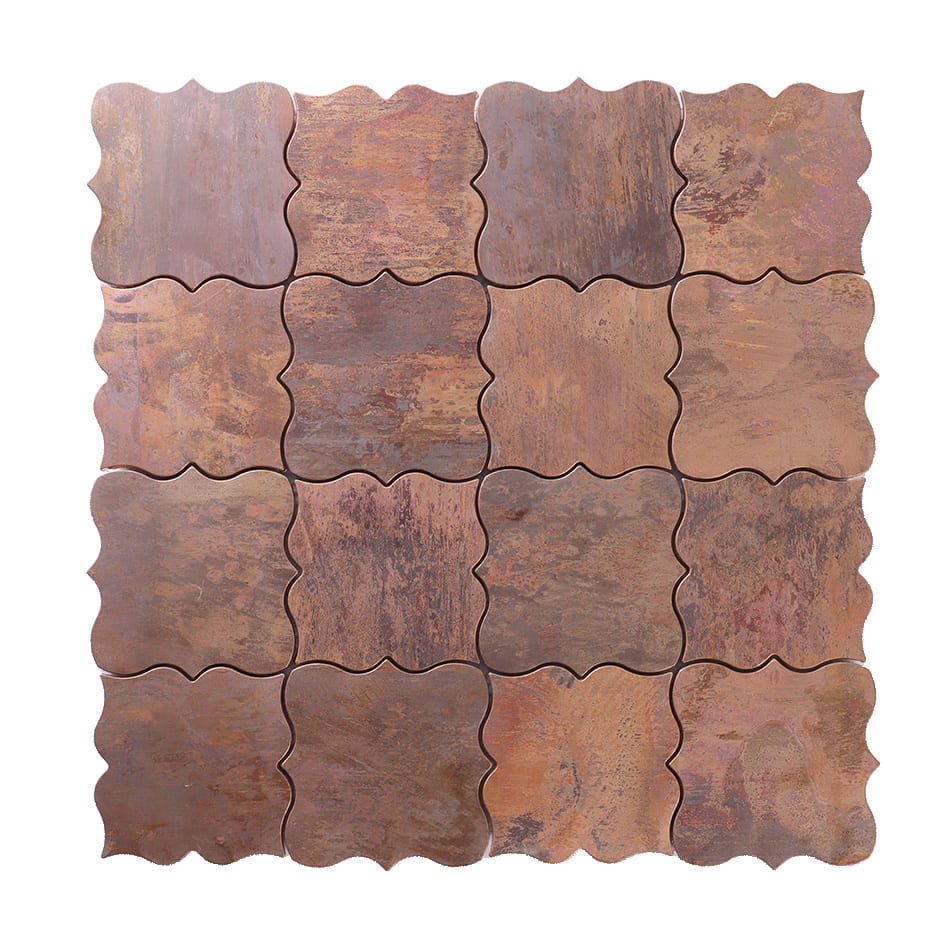
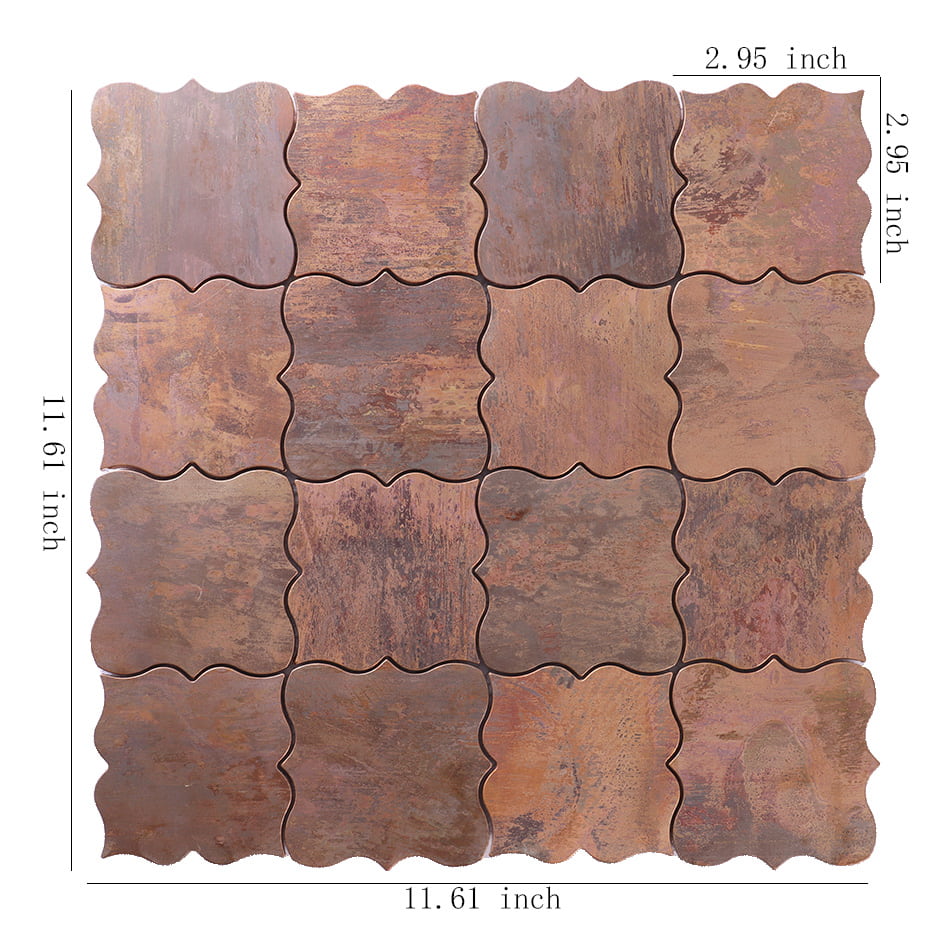
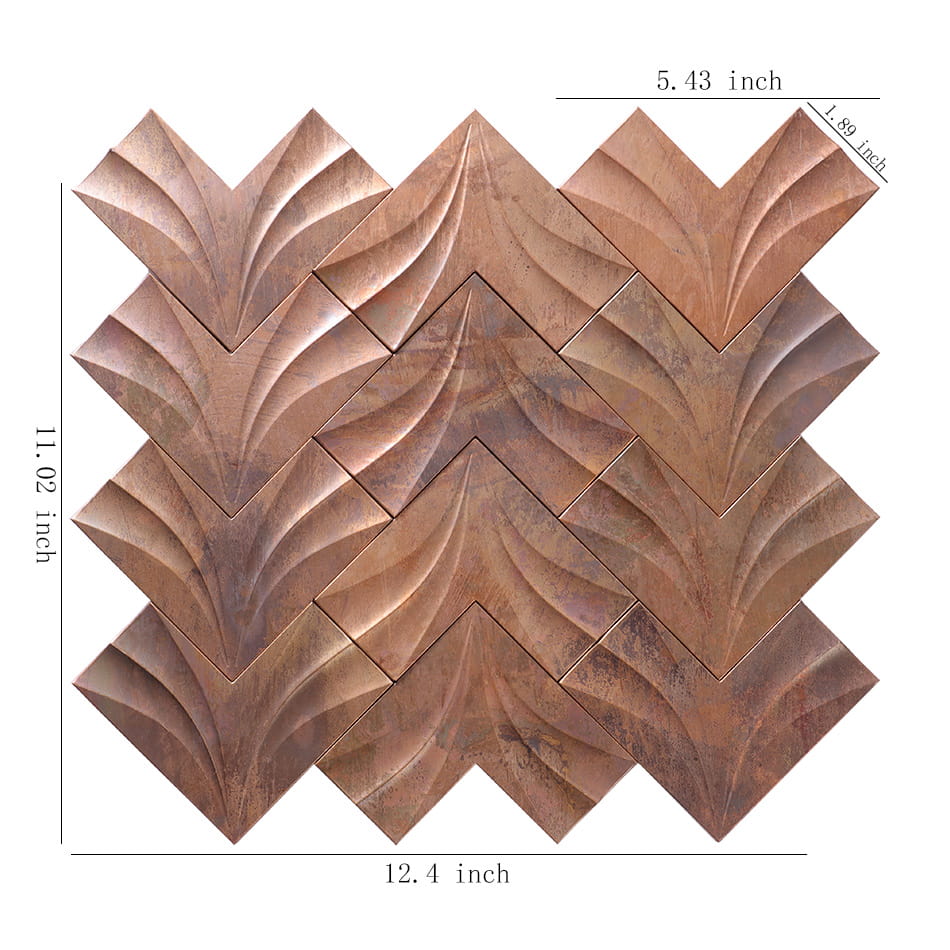
Antique Copper Arabesque Mosaic Tile$35.47 USD
-
-
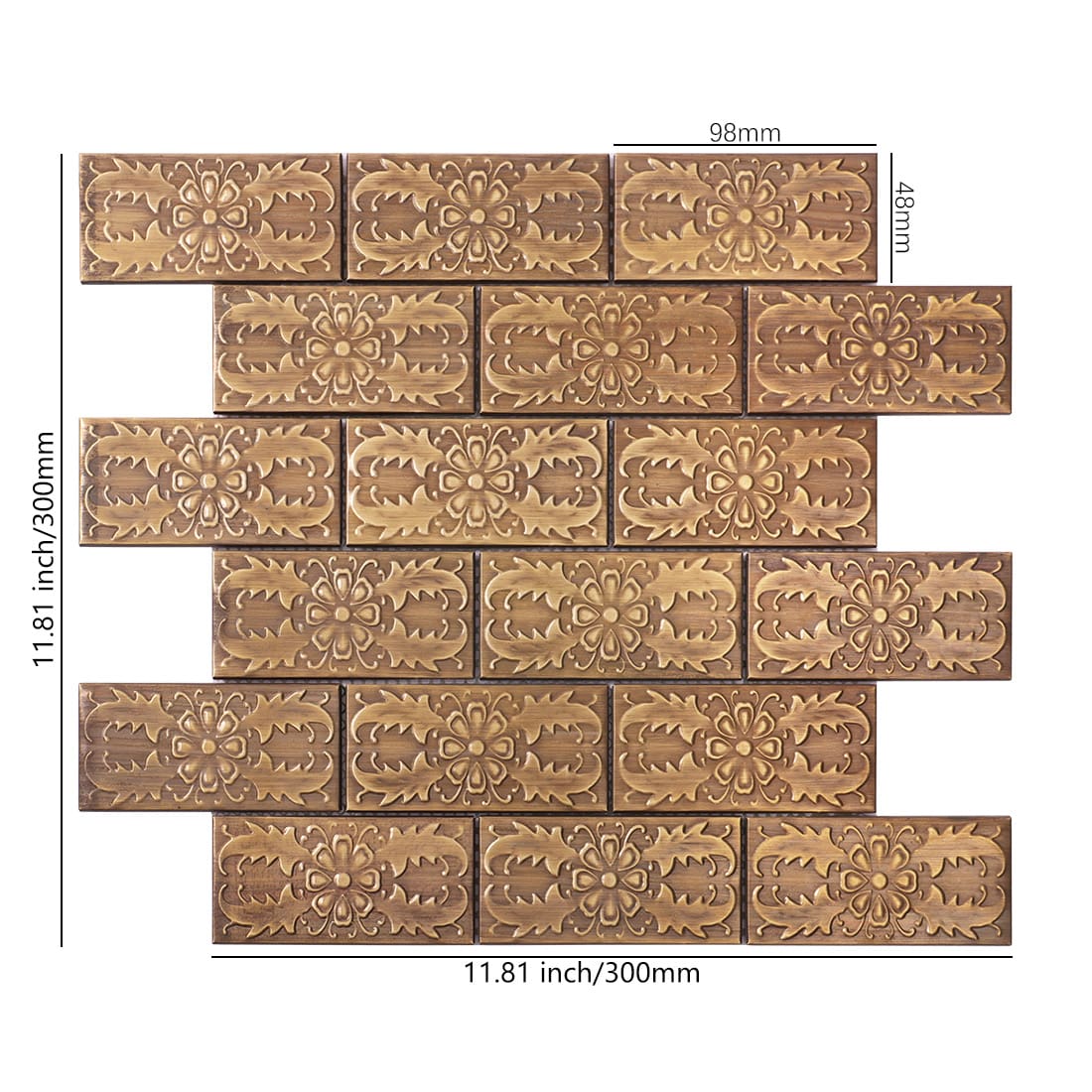
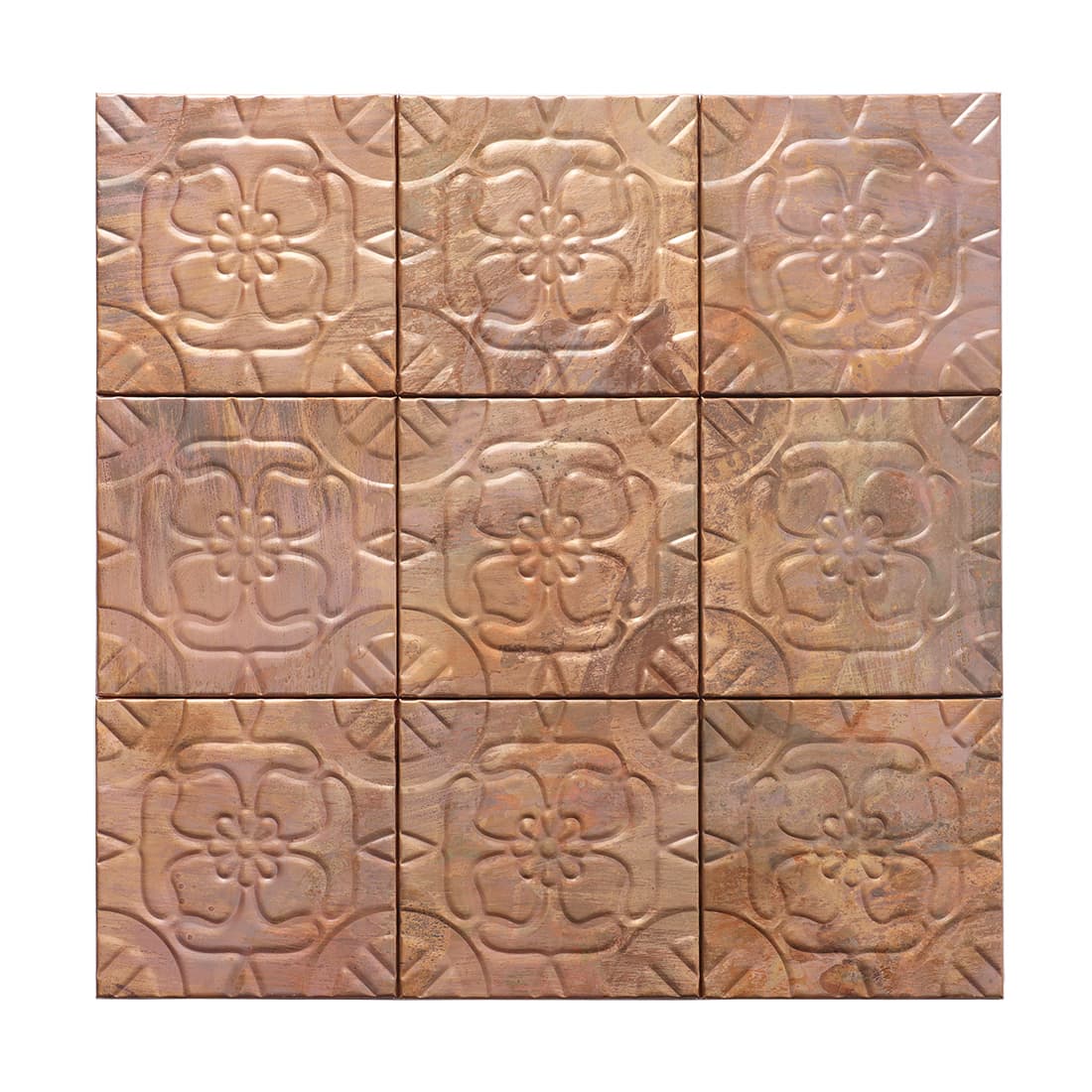
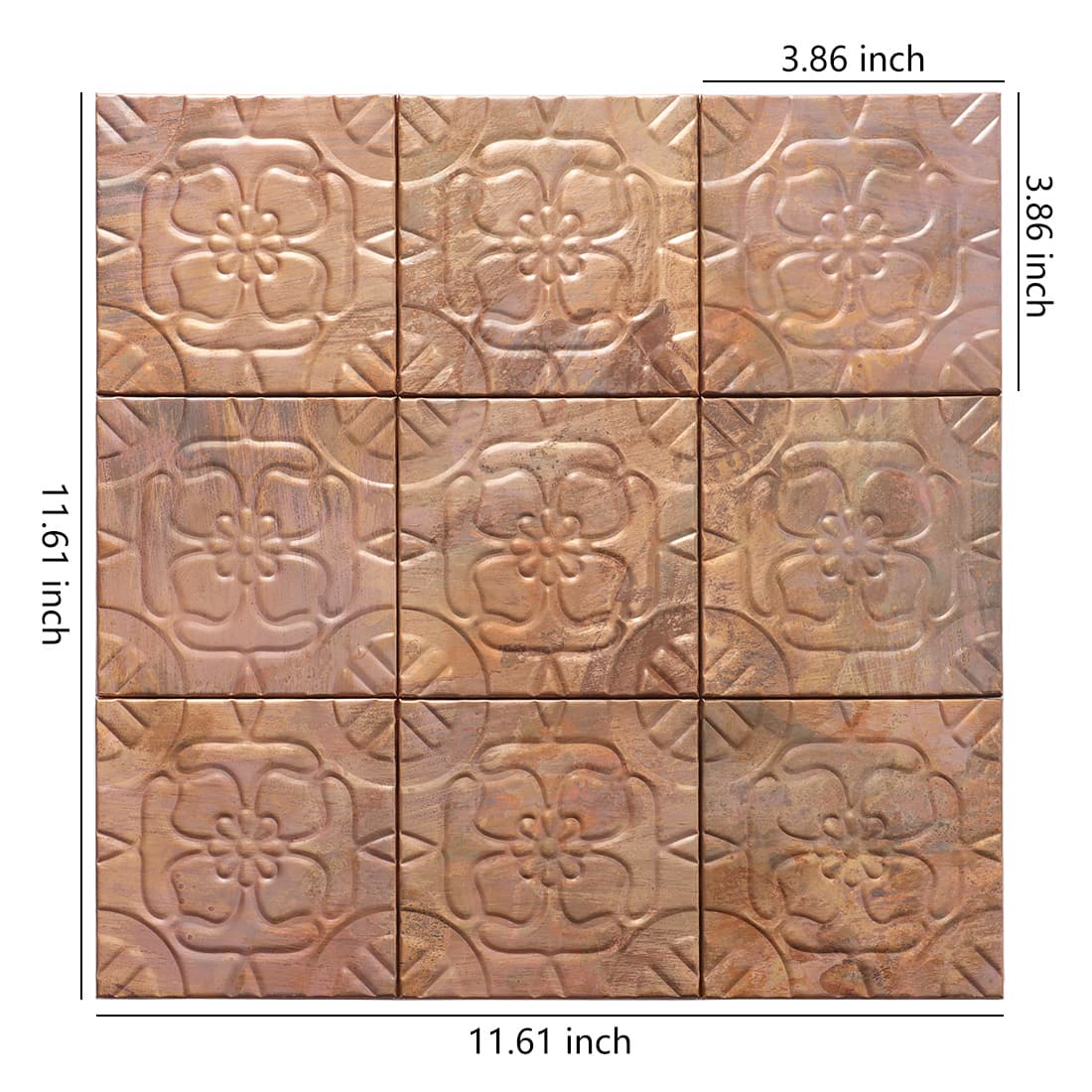
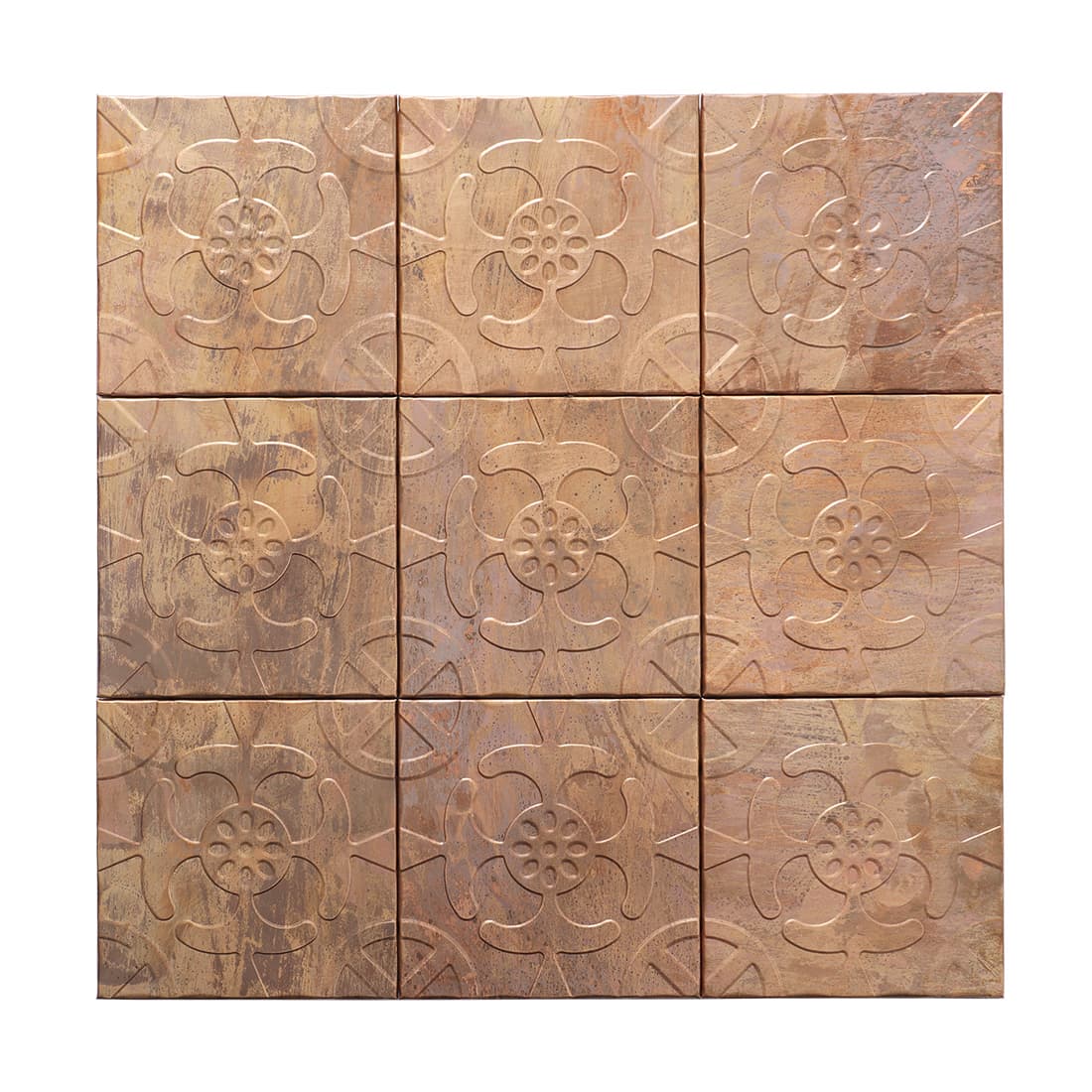
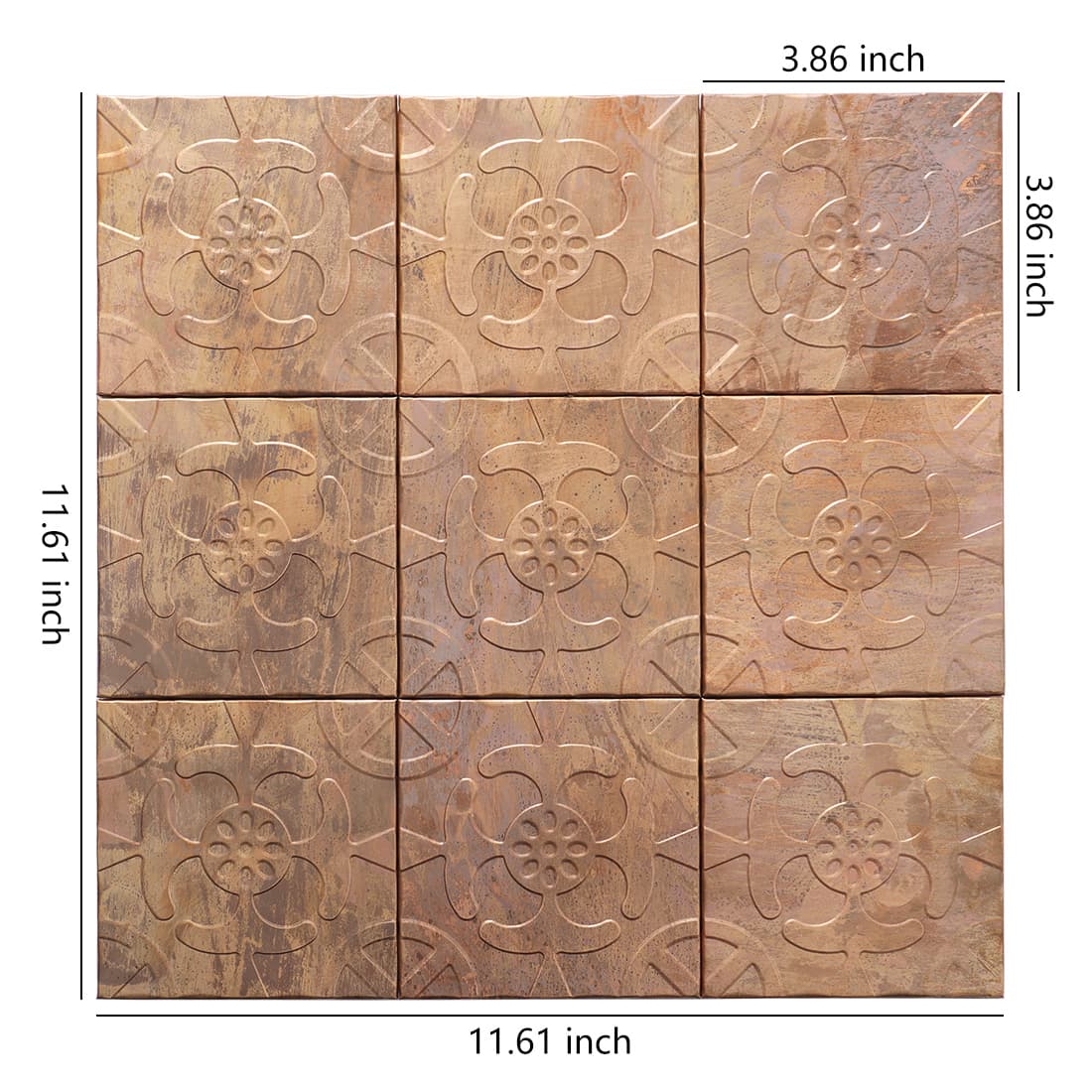
Antique Copper Floral Embossed Mosaic Tile$32.57 USD
-
-
-
-
-
-
-
-
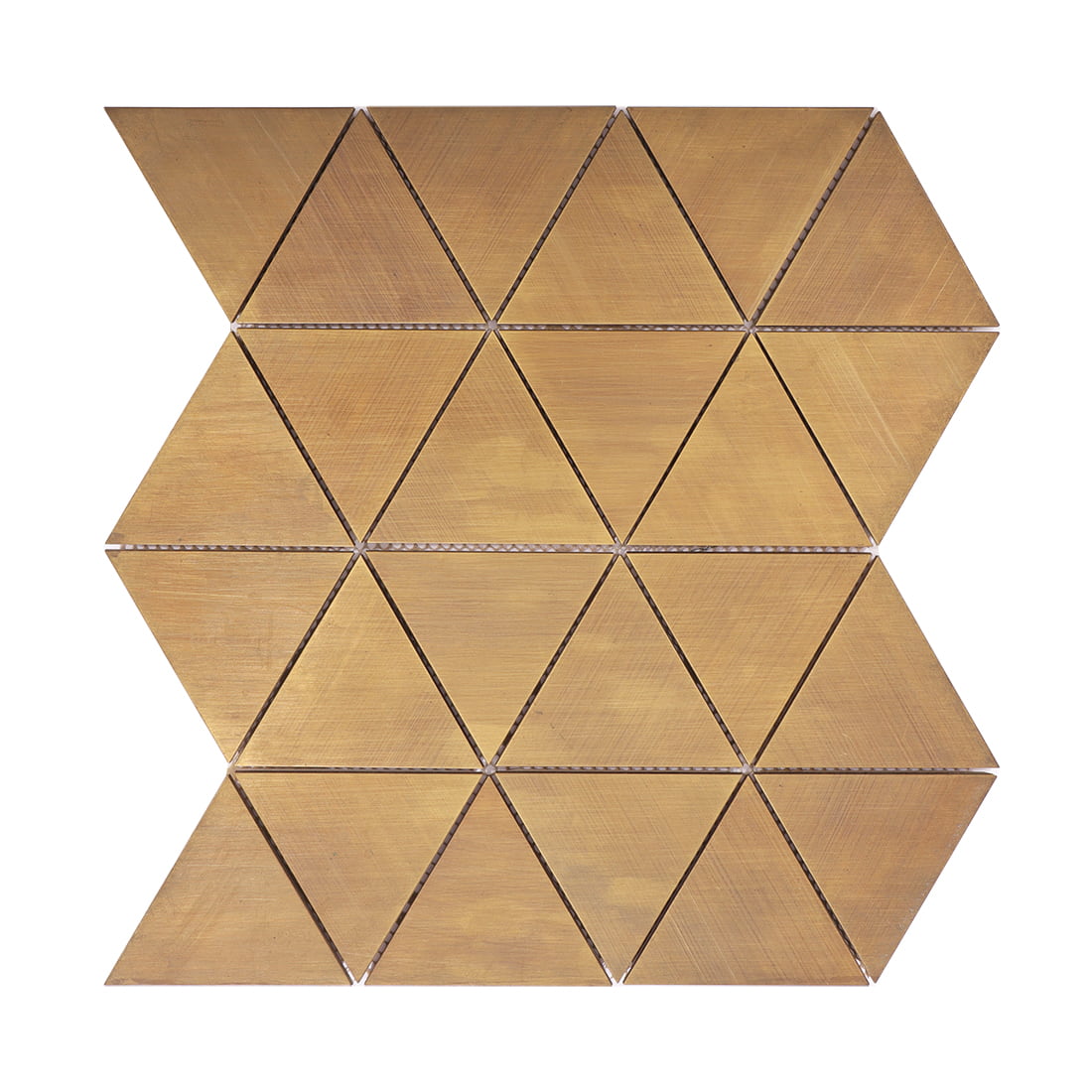
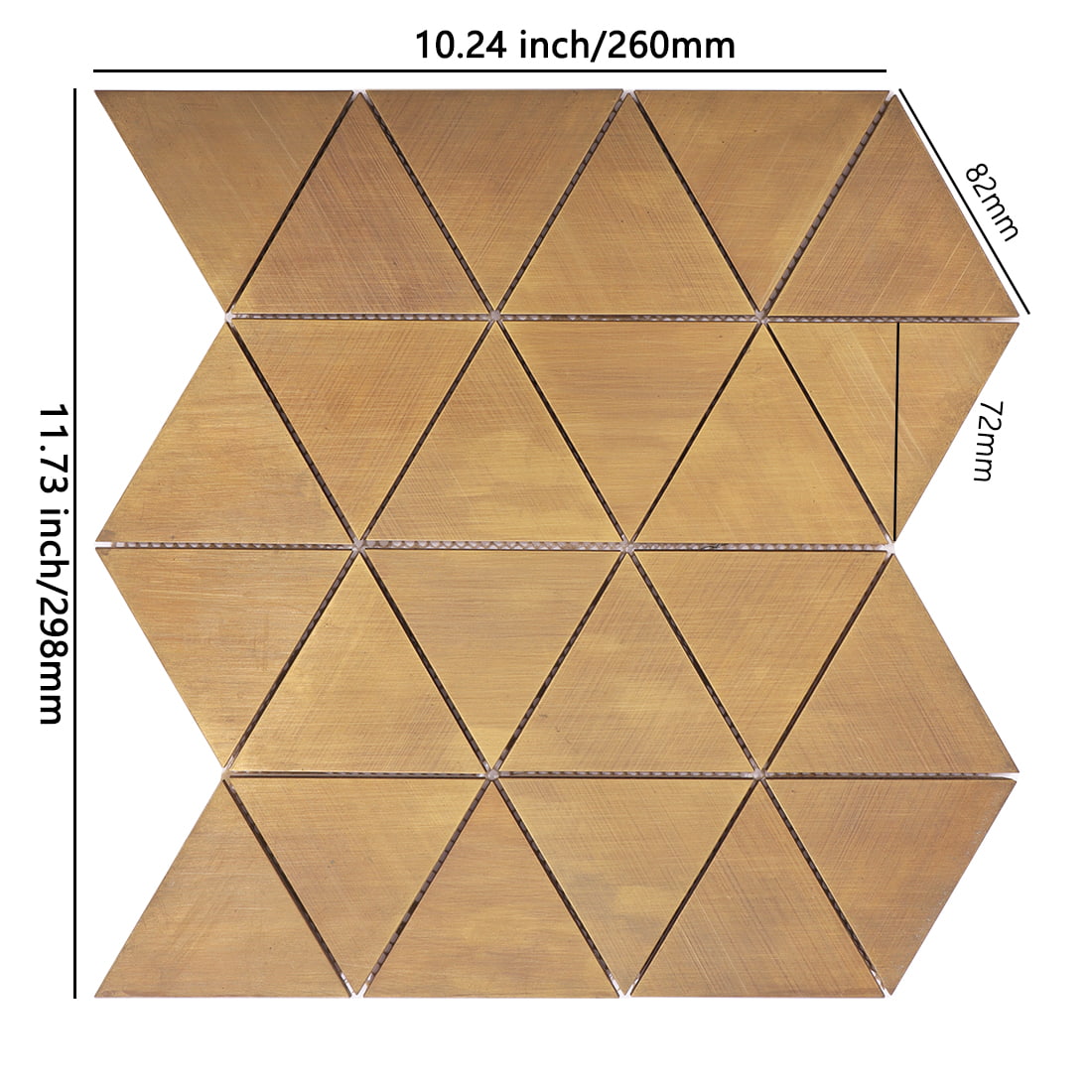
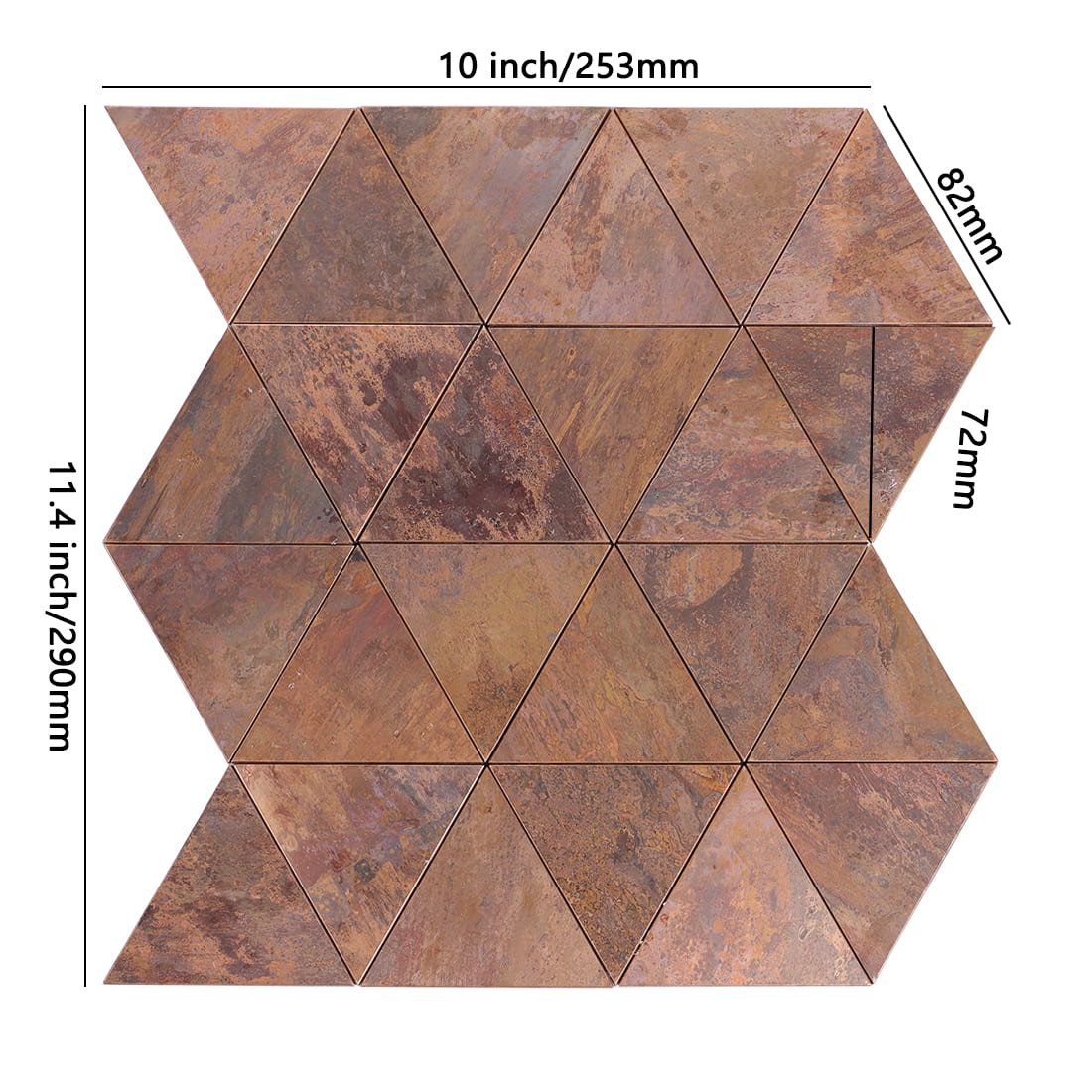
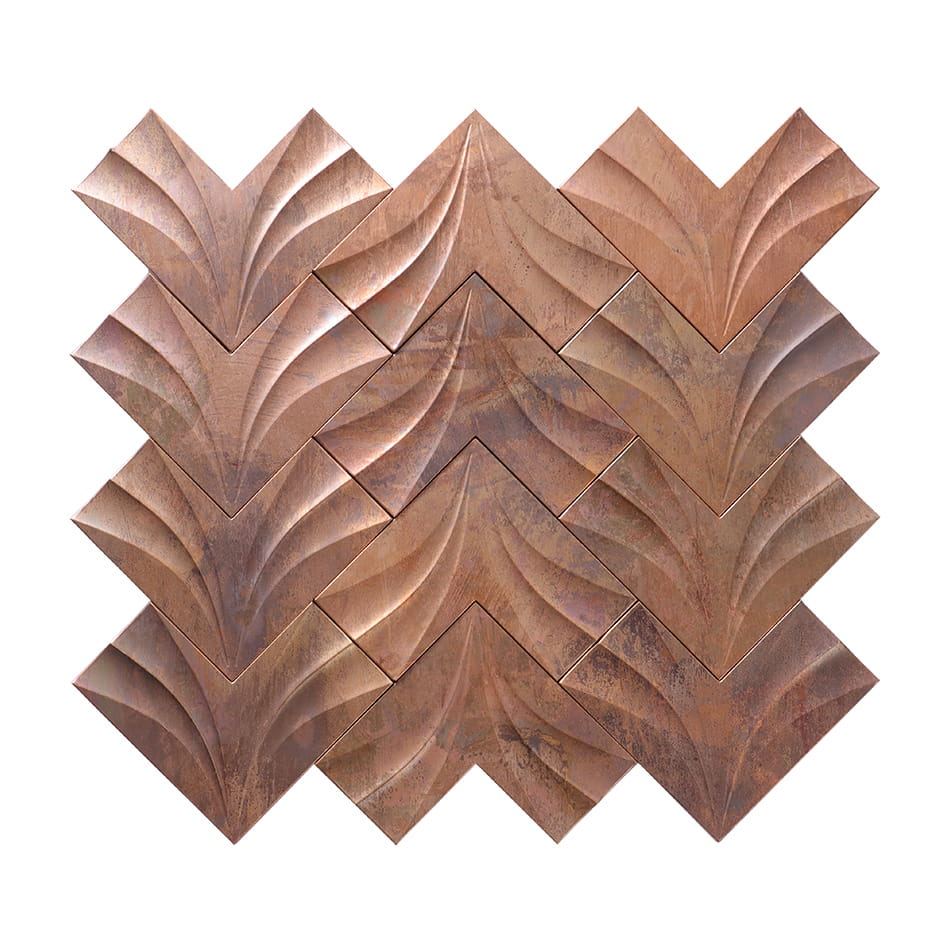
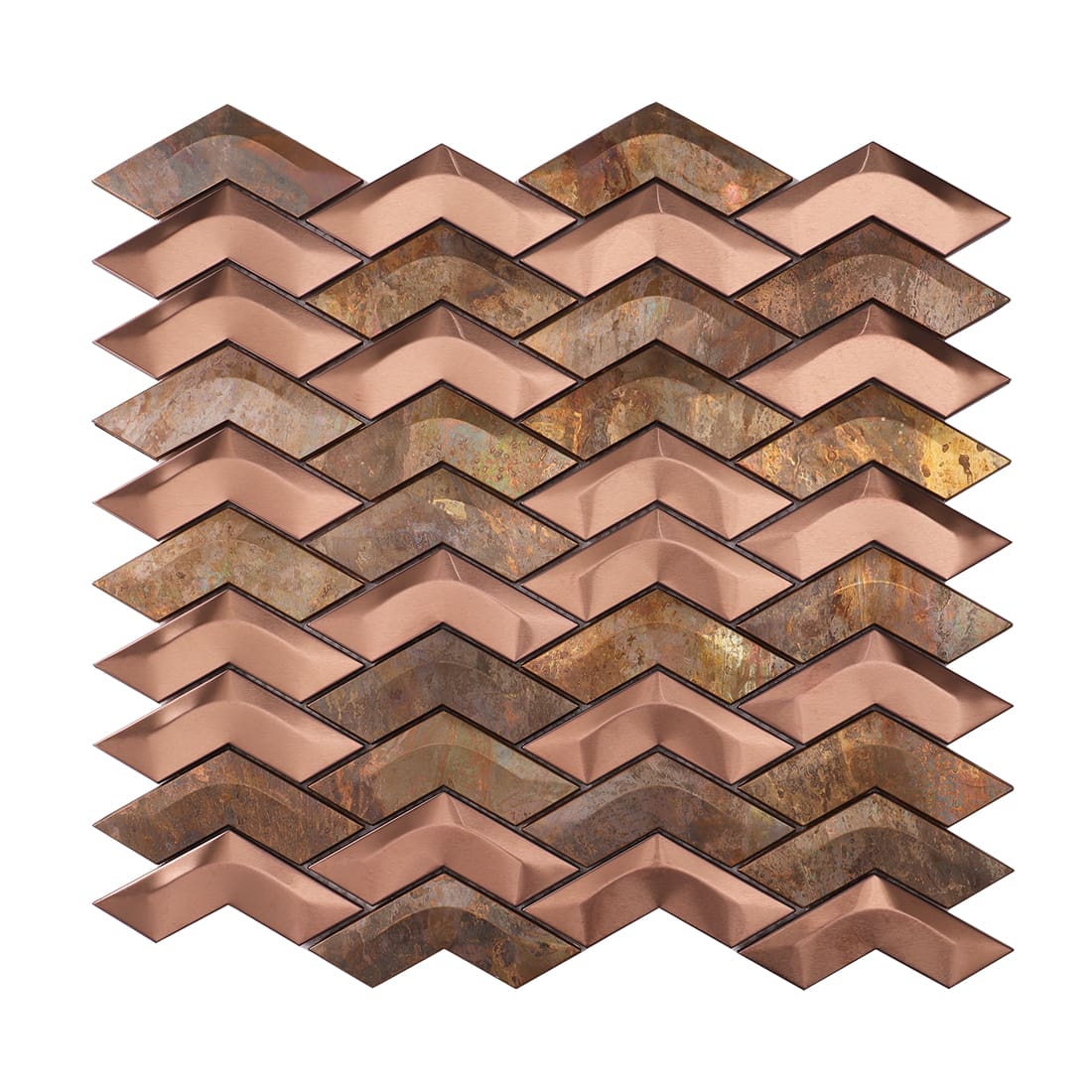
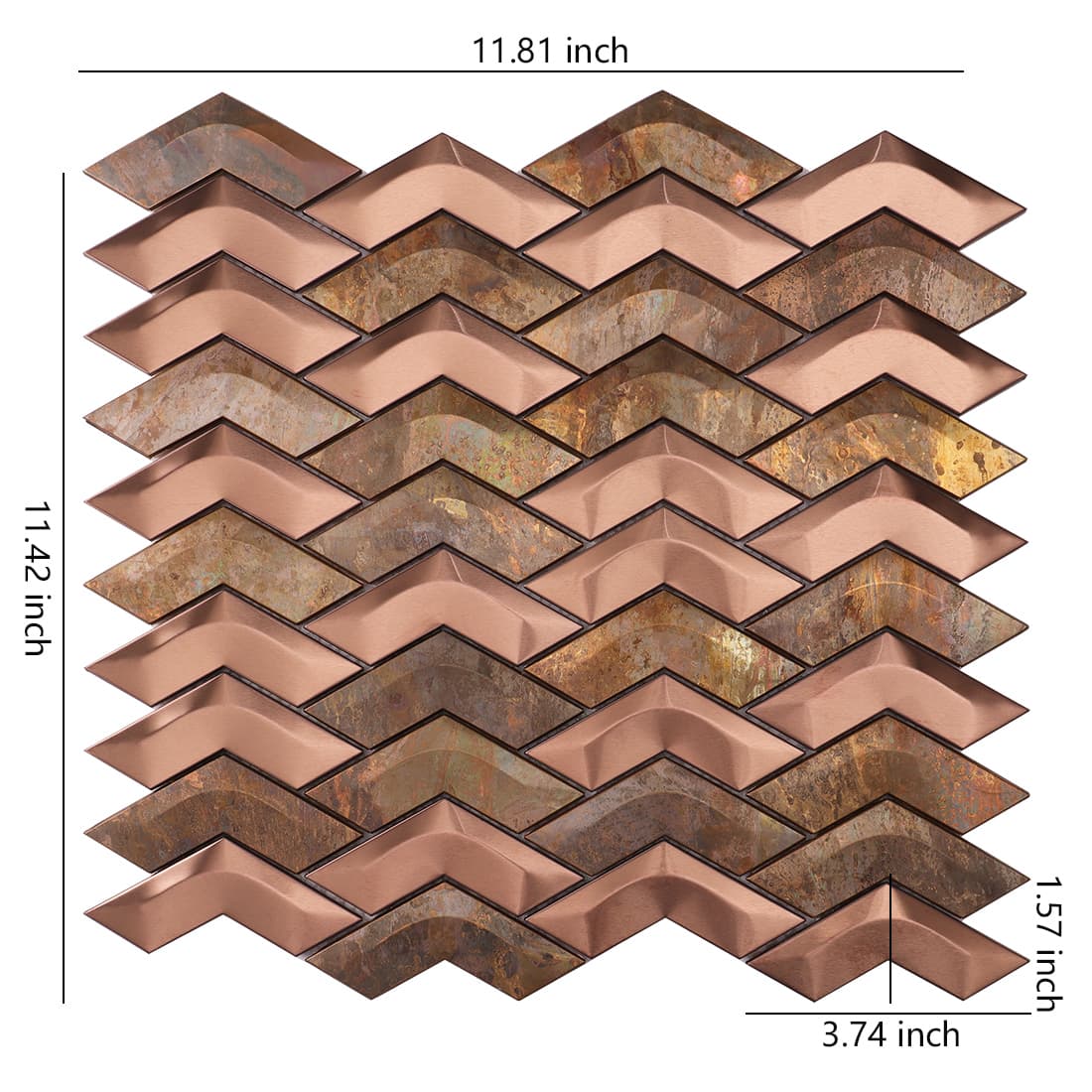
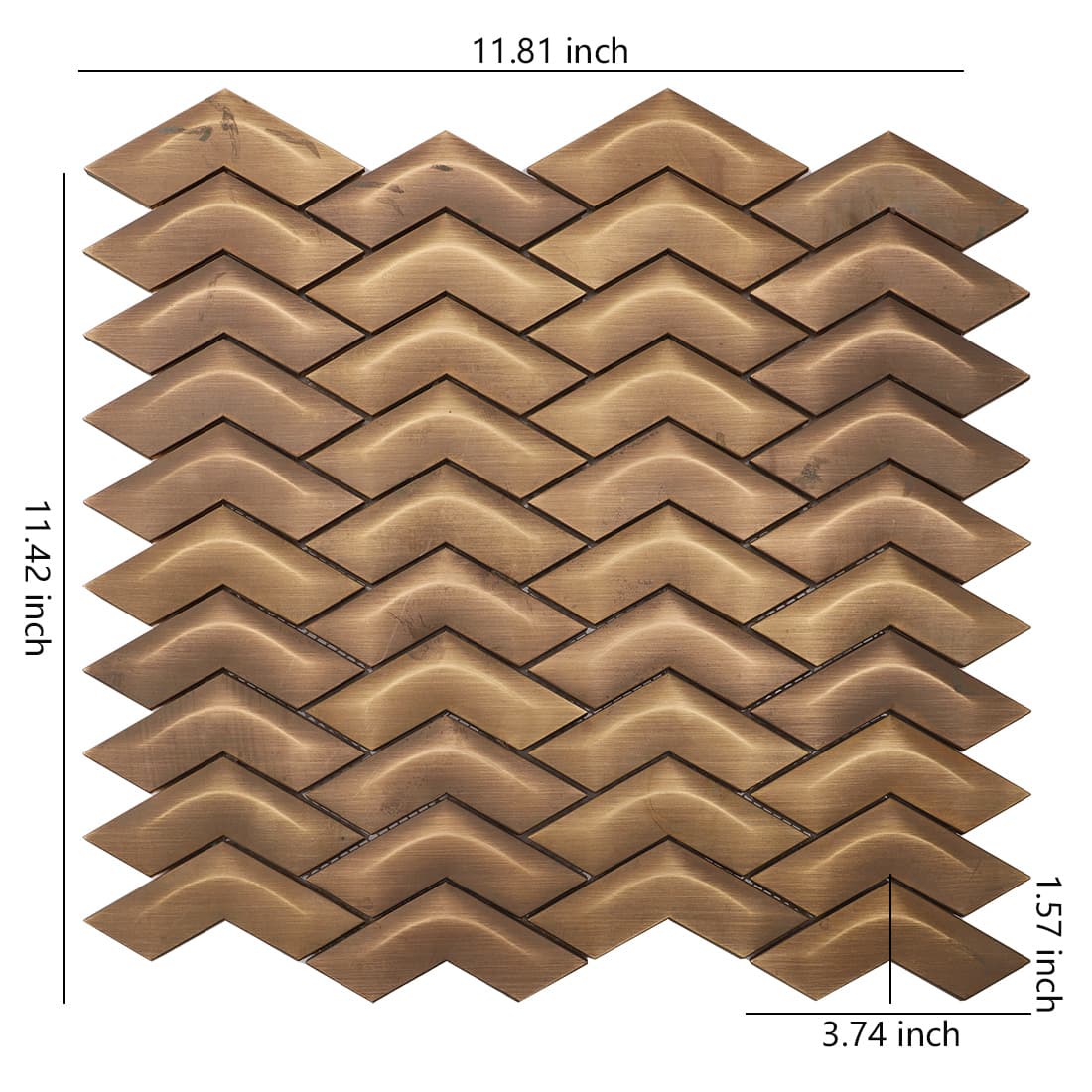
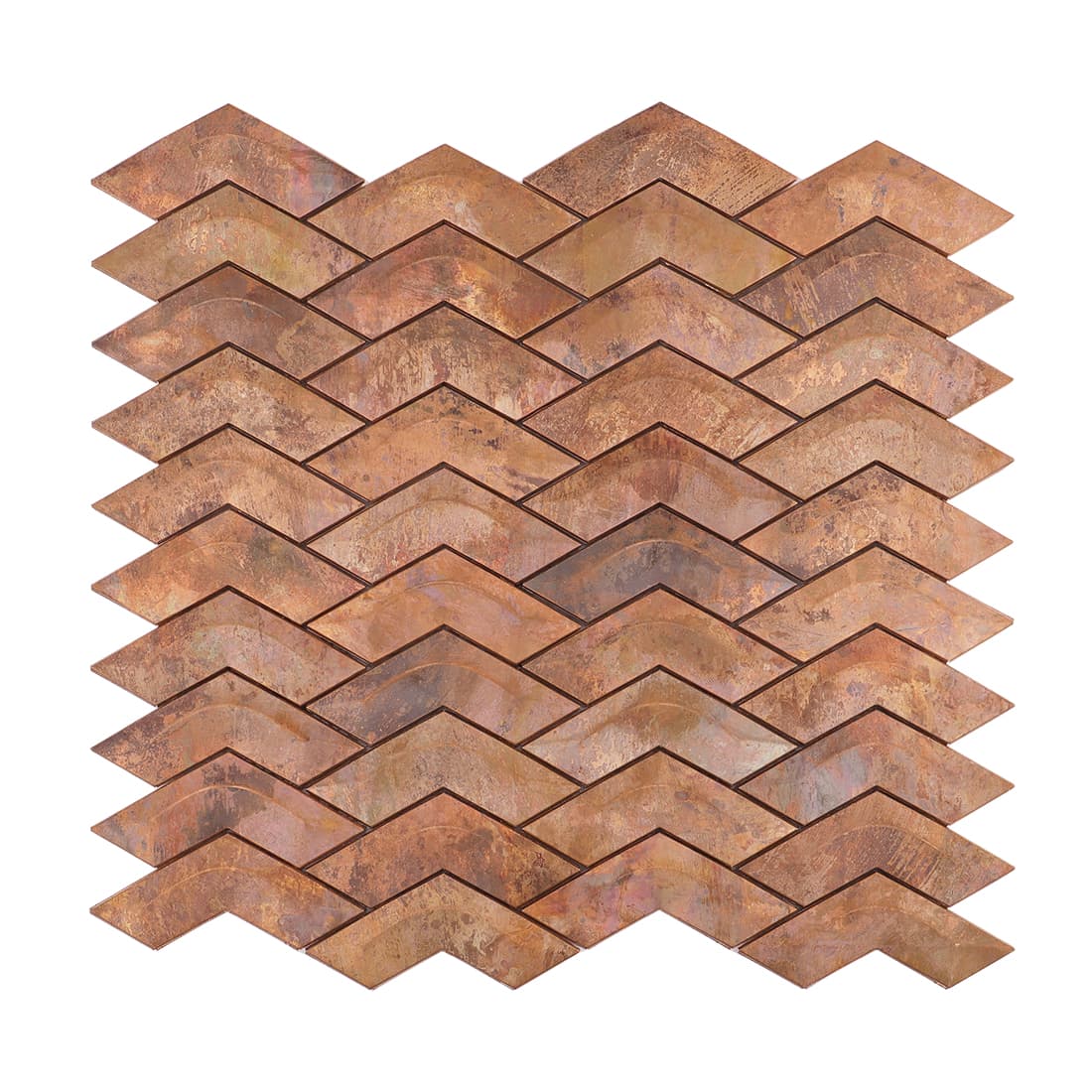
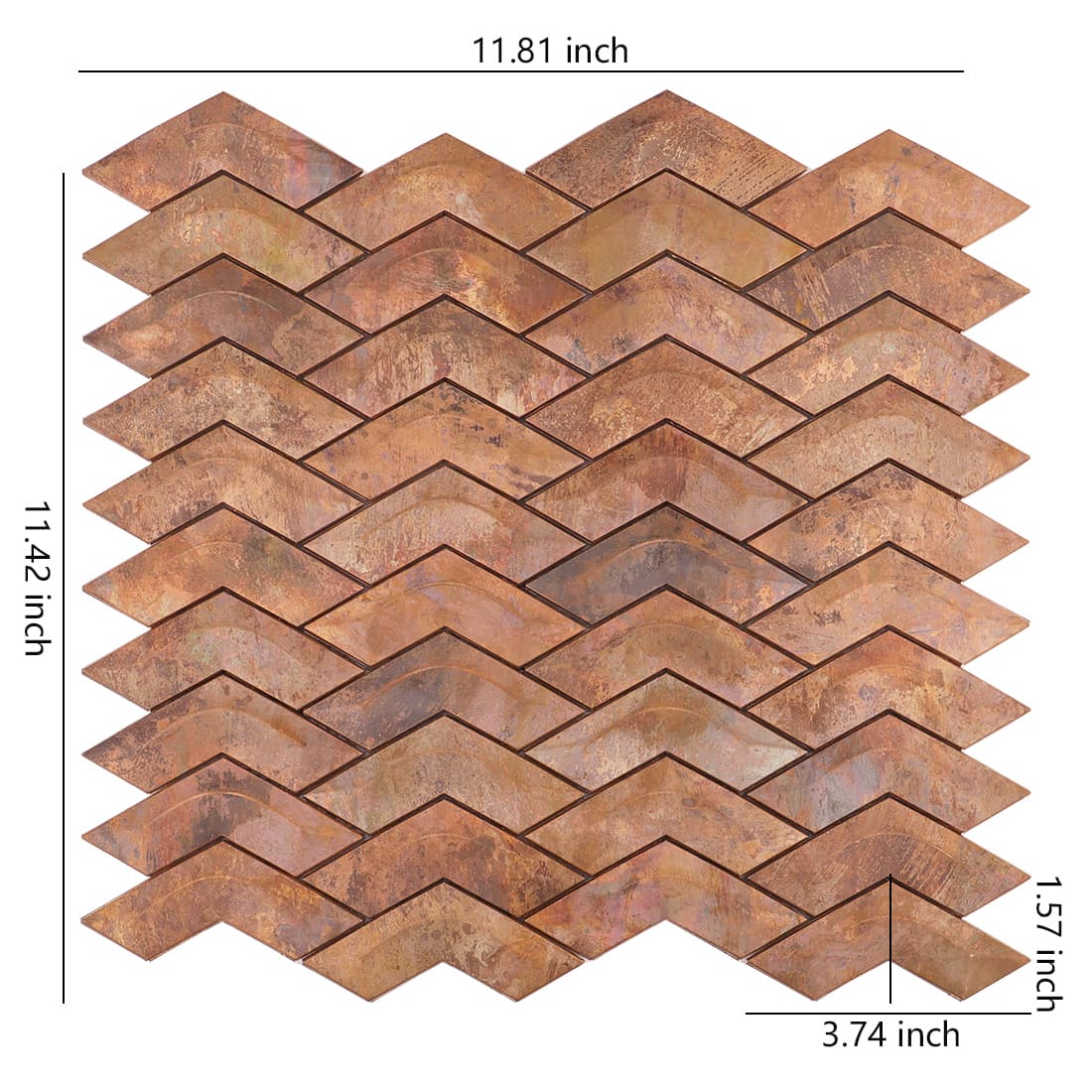
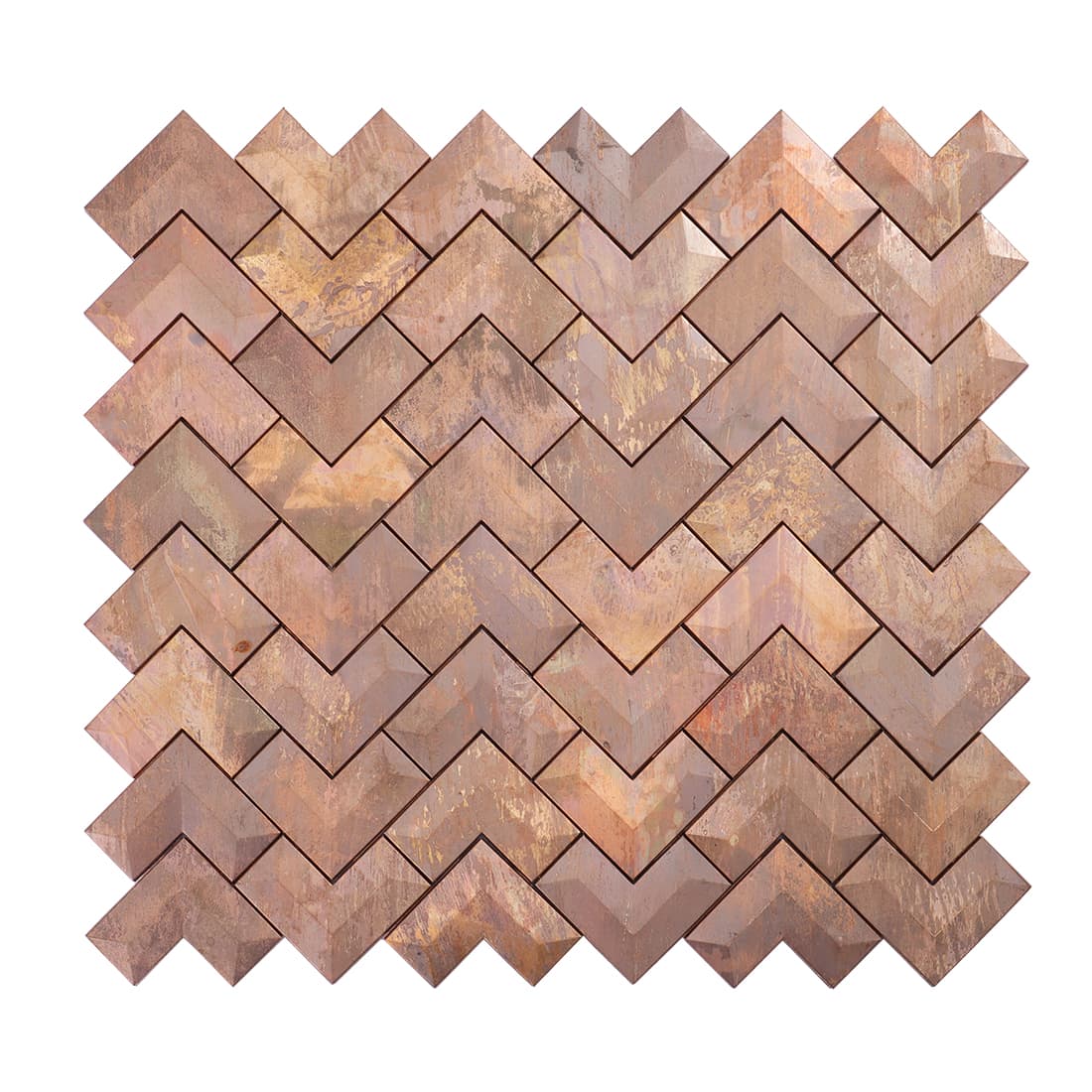
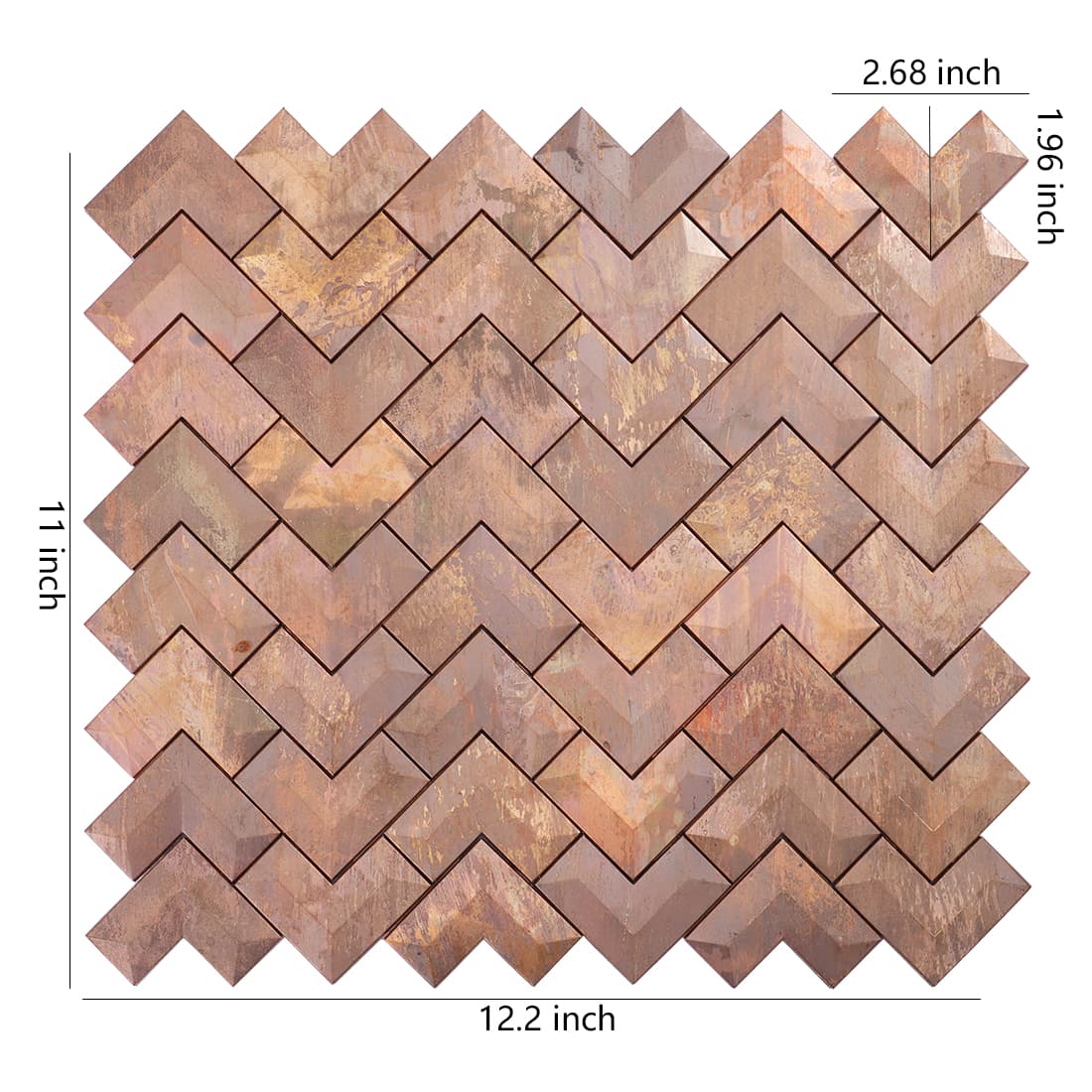
3D Antique Copper Chevron Metal Mosaic Tile$34.18 USD
-
-
-
-
-
-
-
-
-
-
-
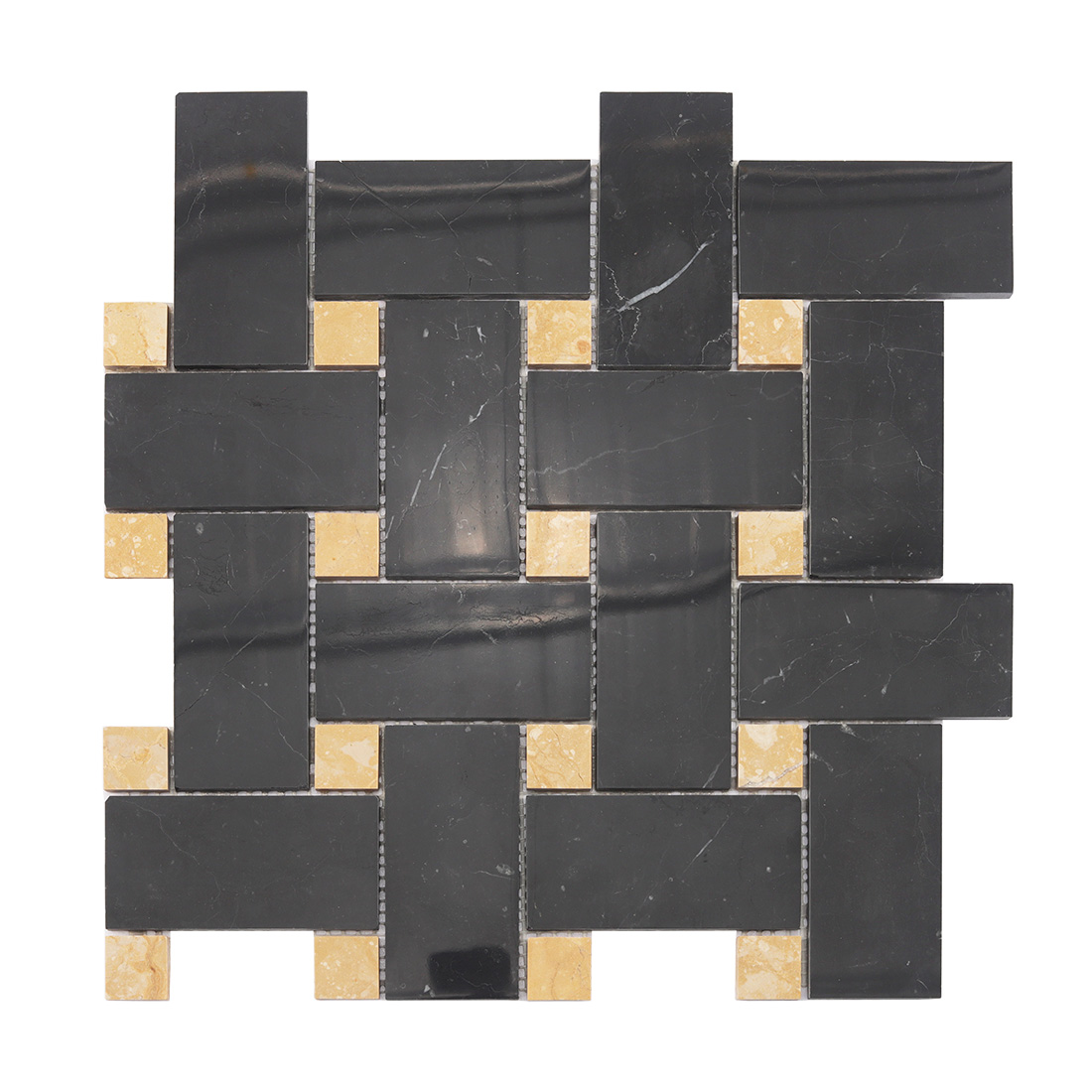

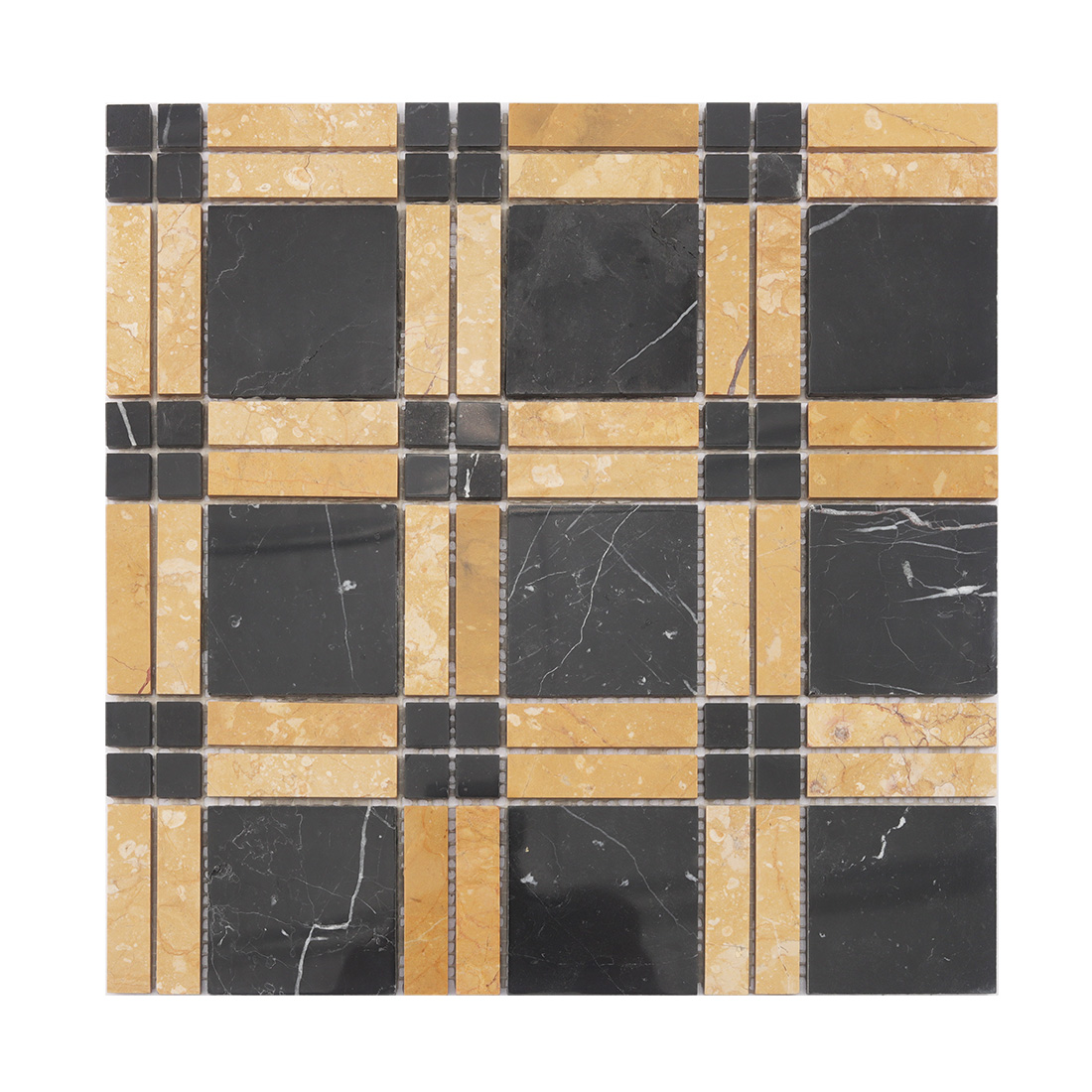

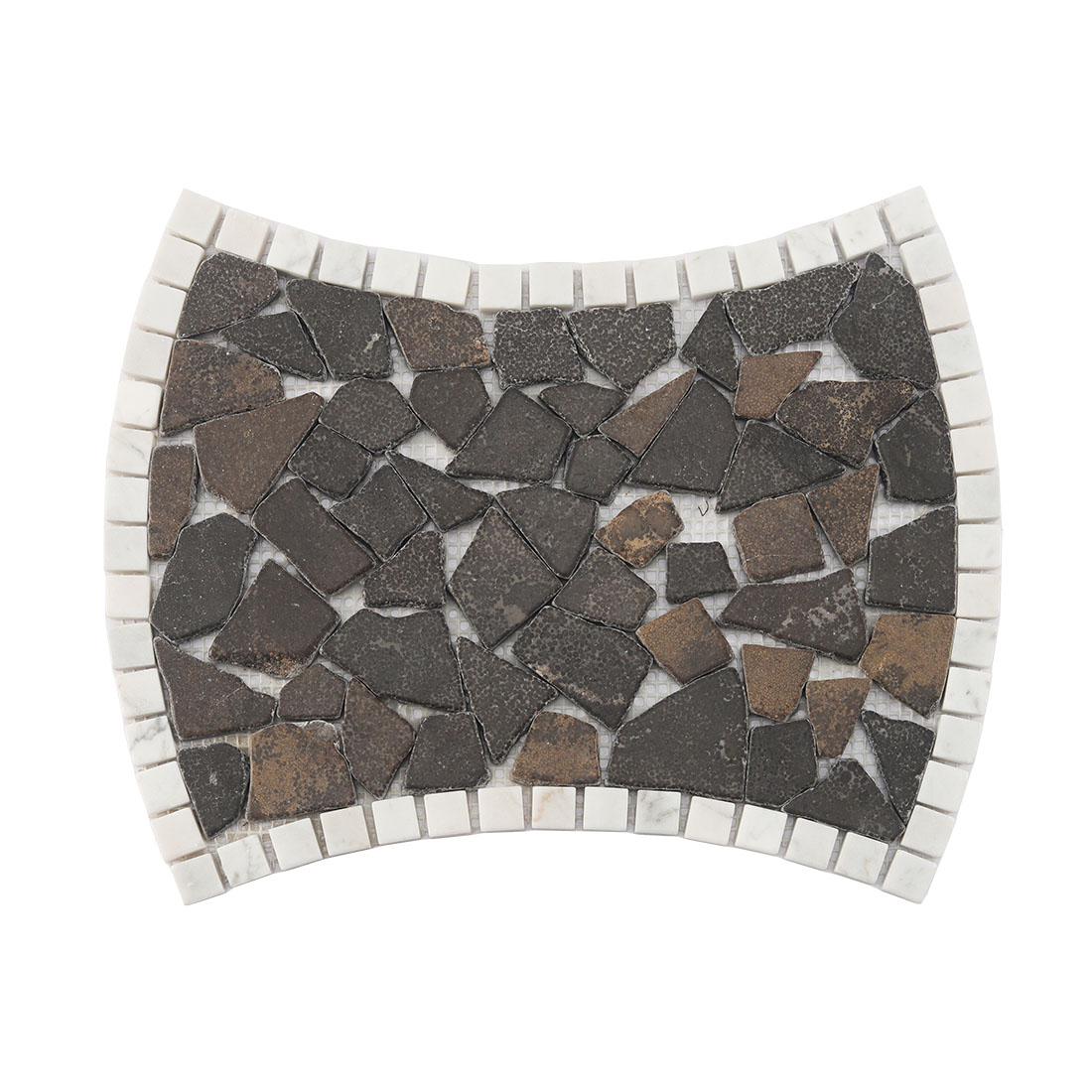
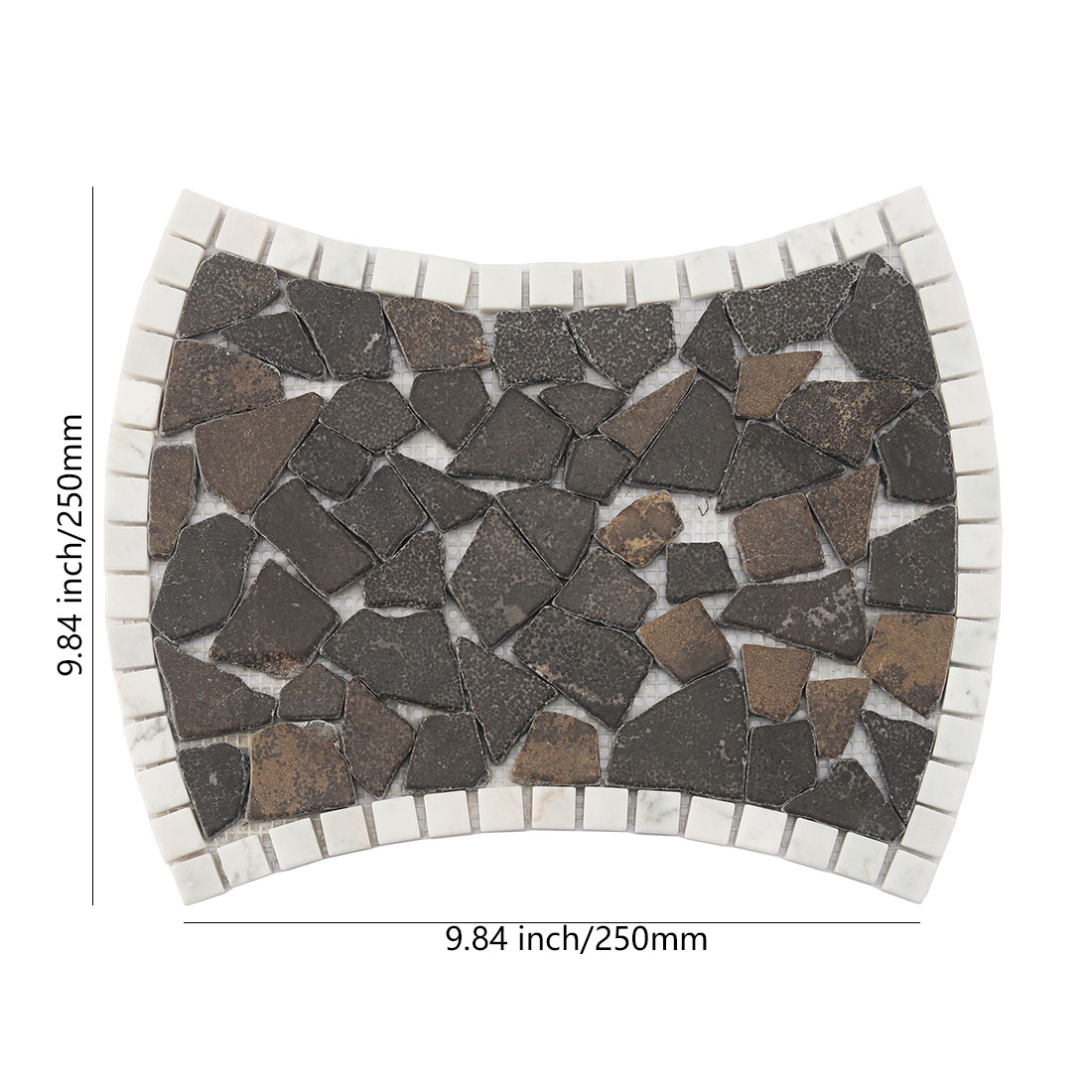
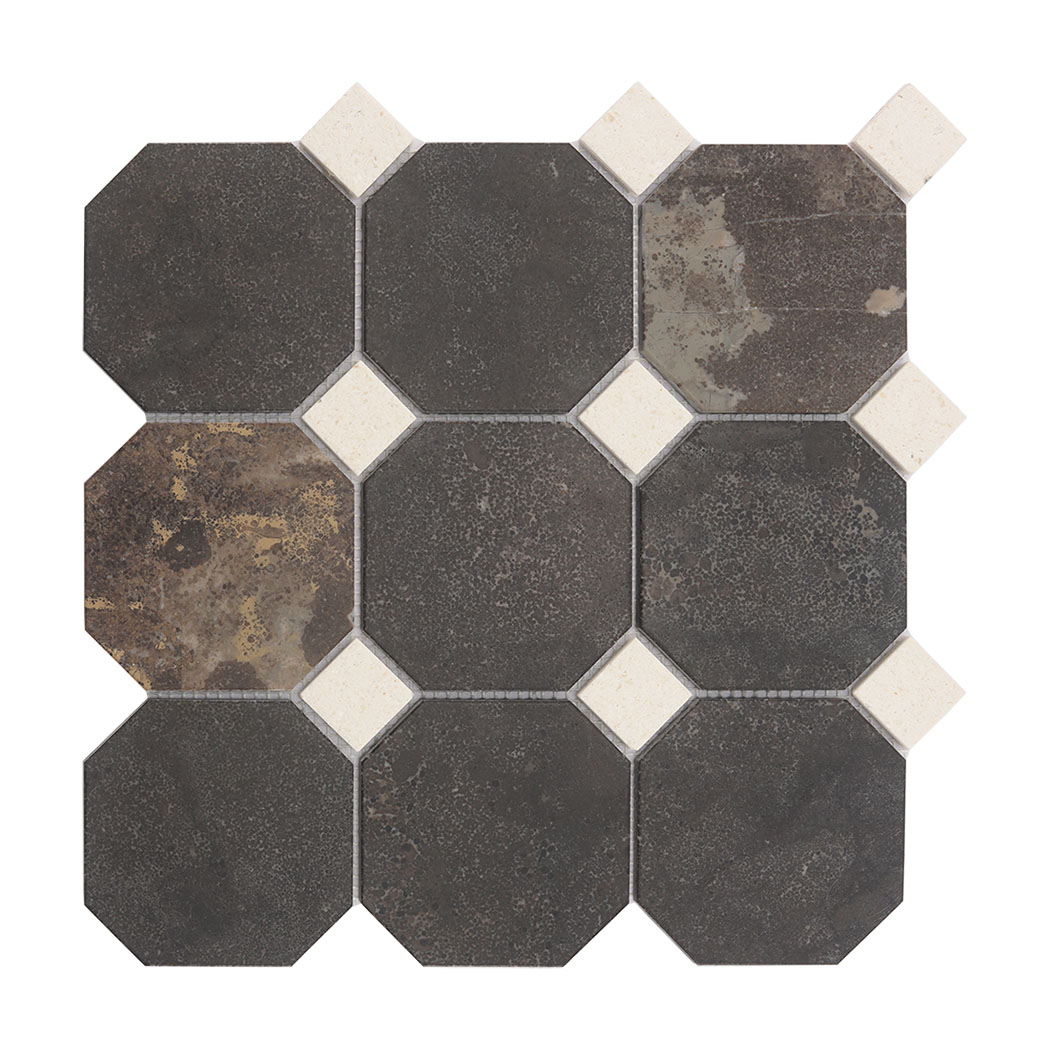
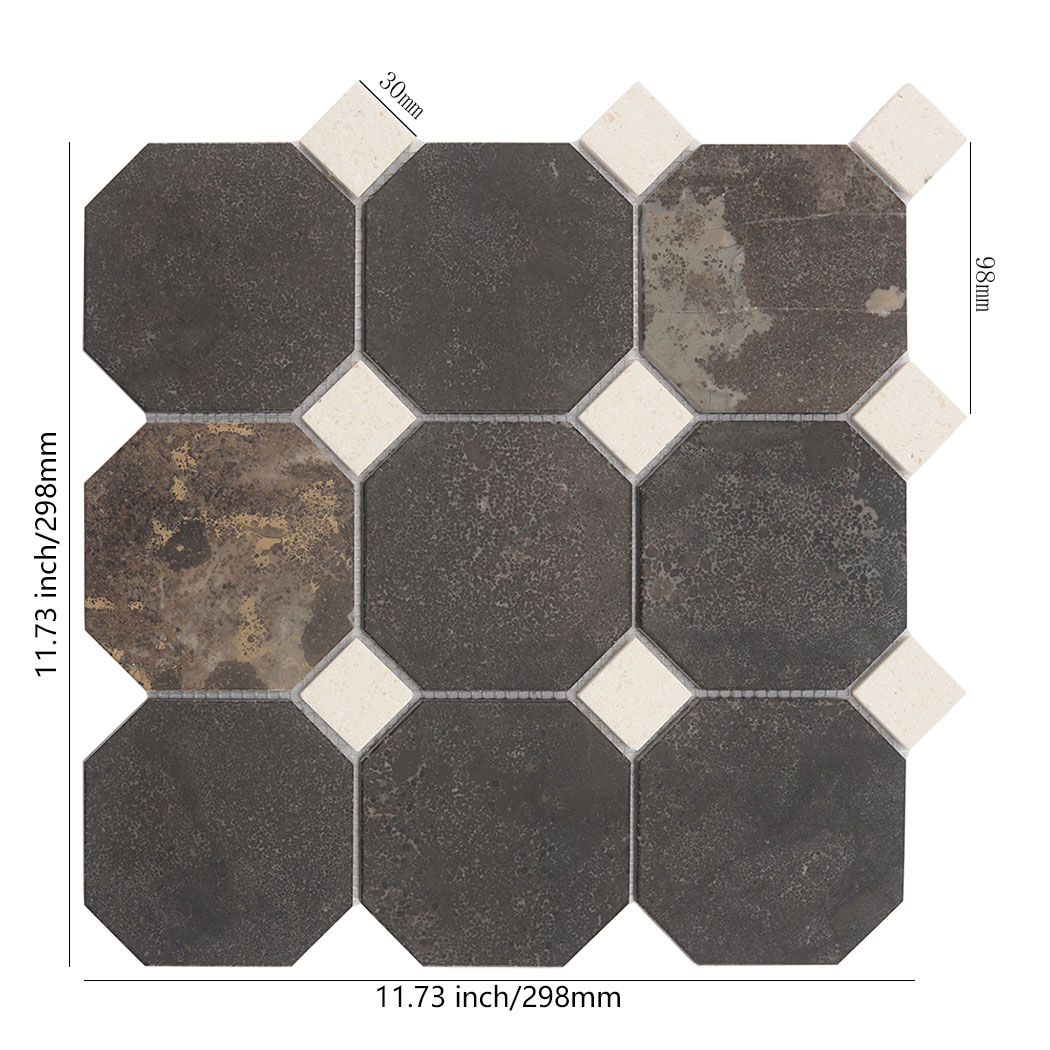
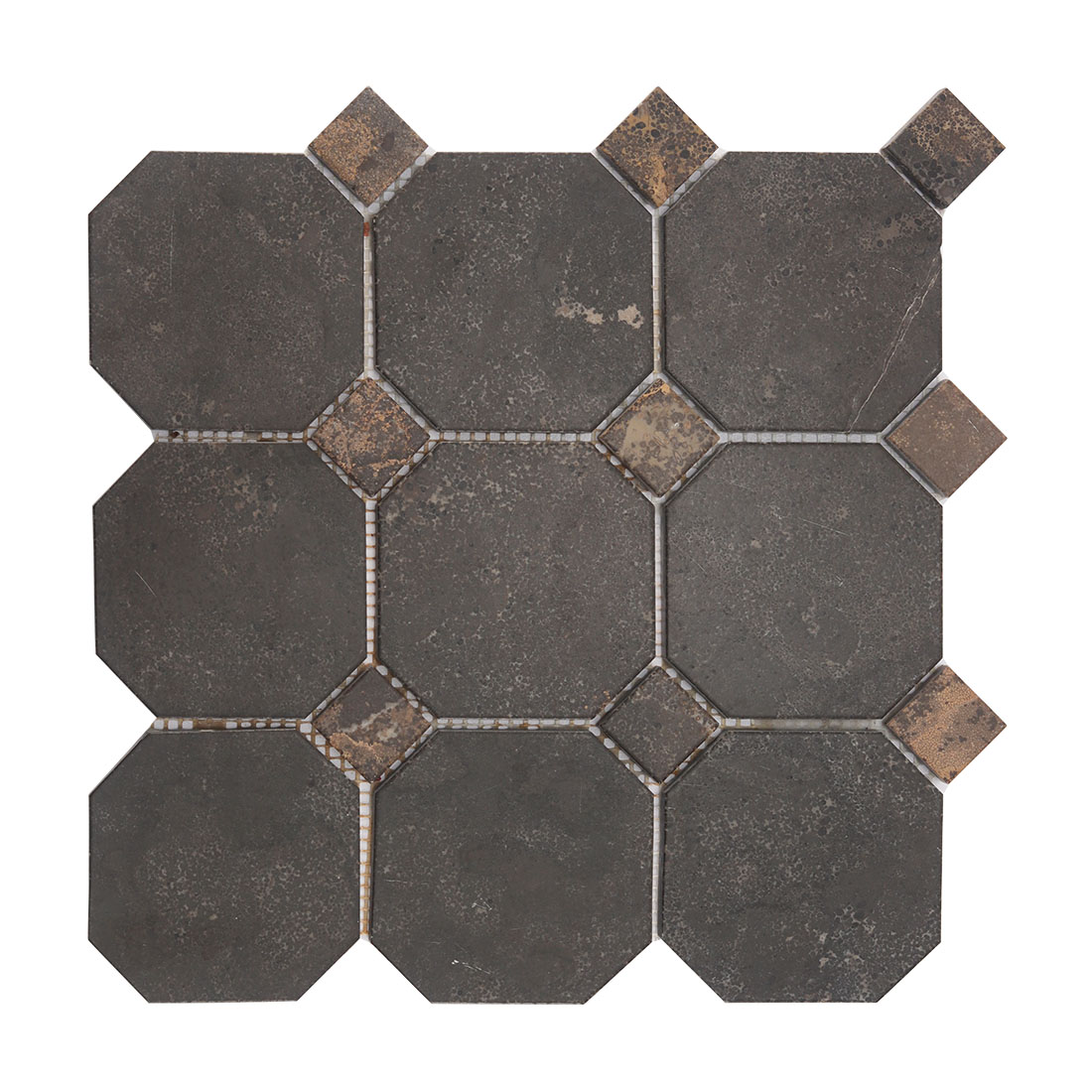


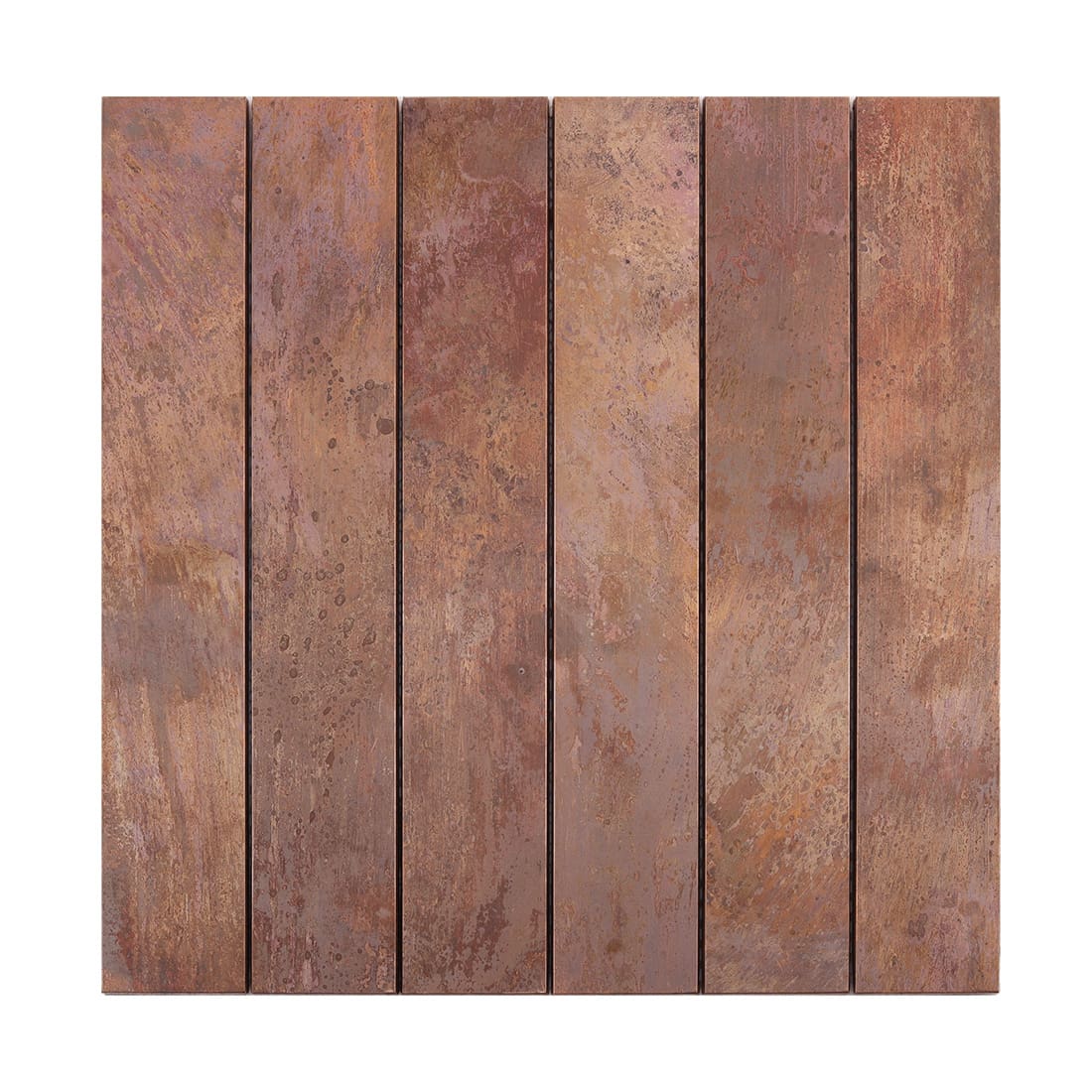




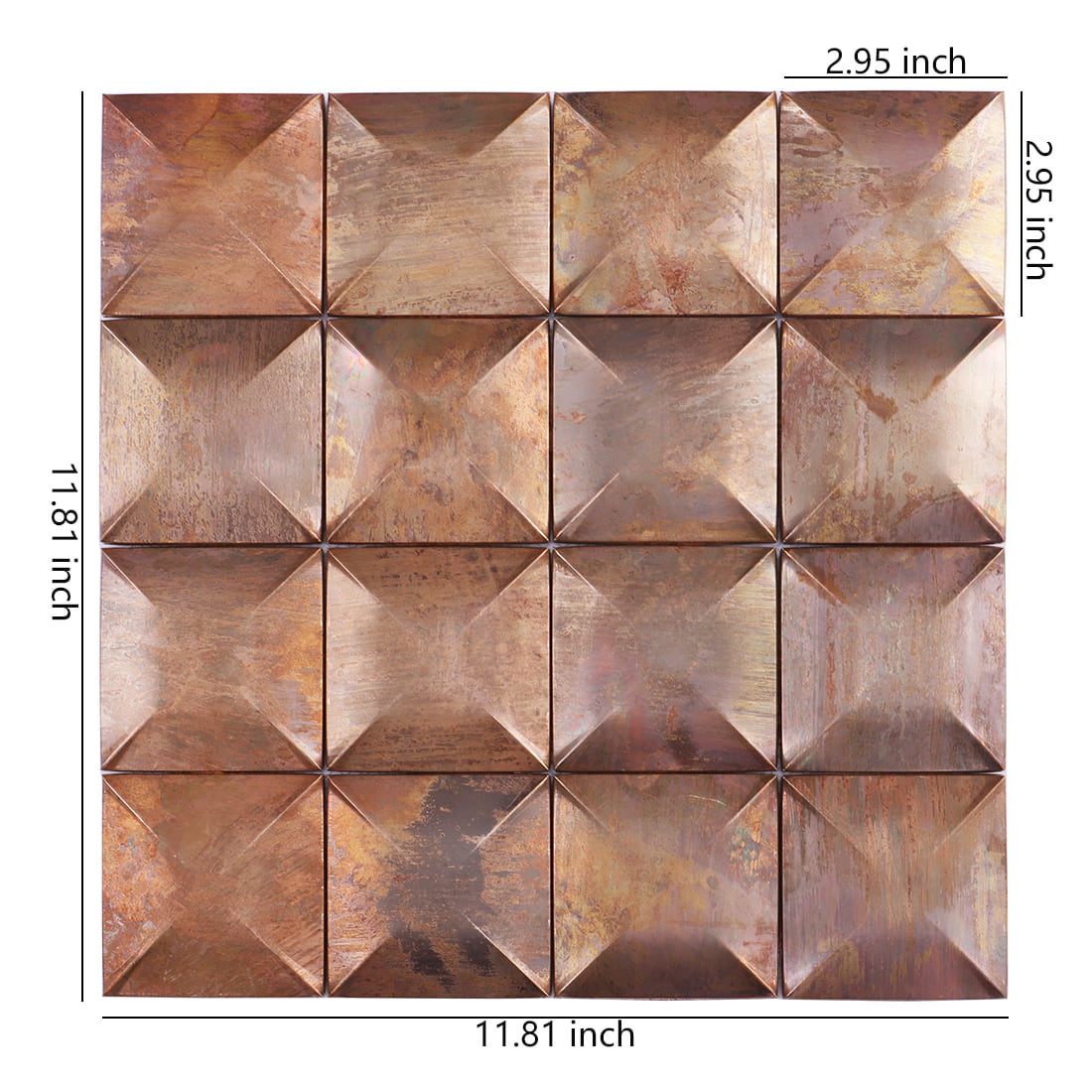
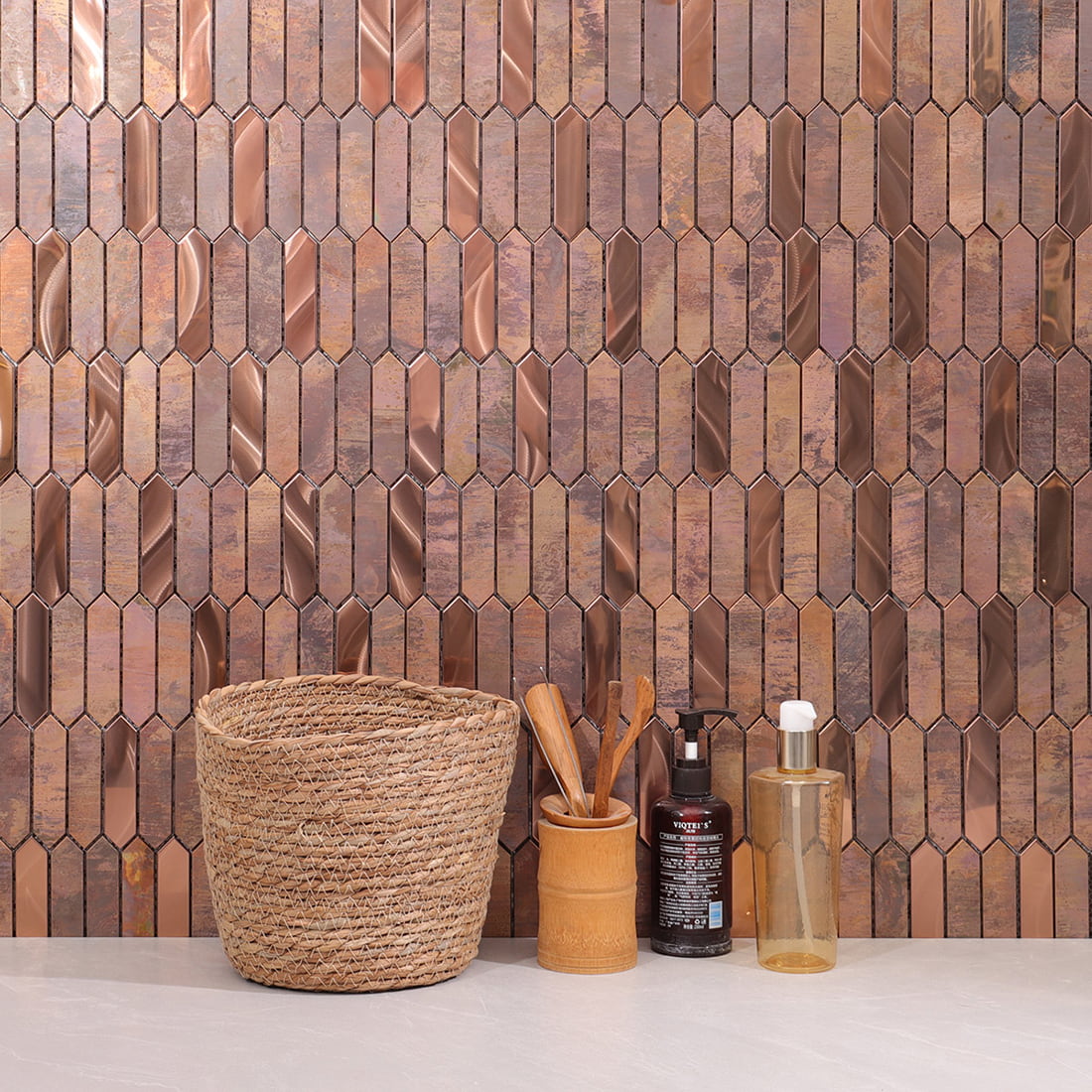
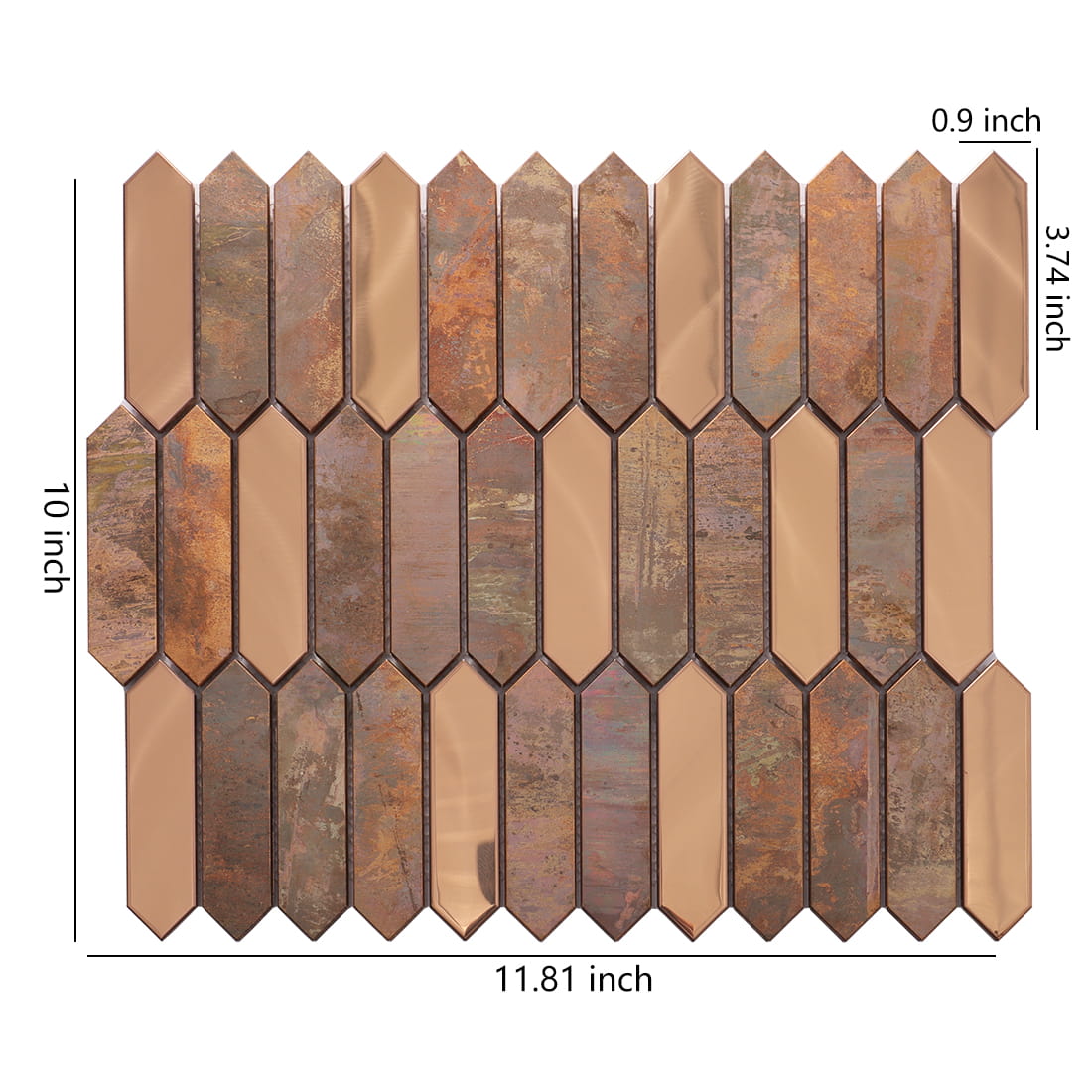
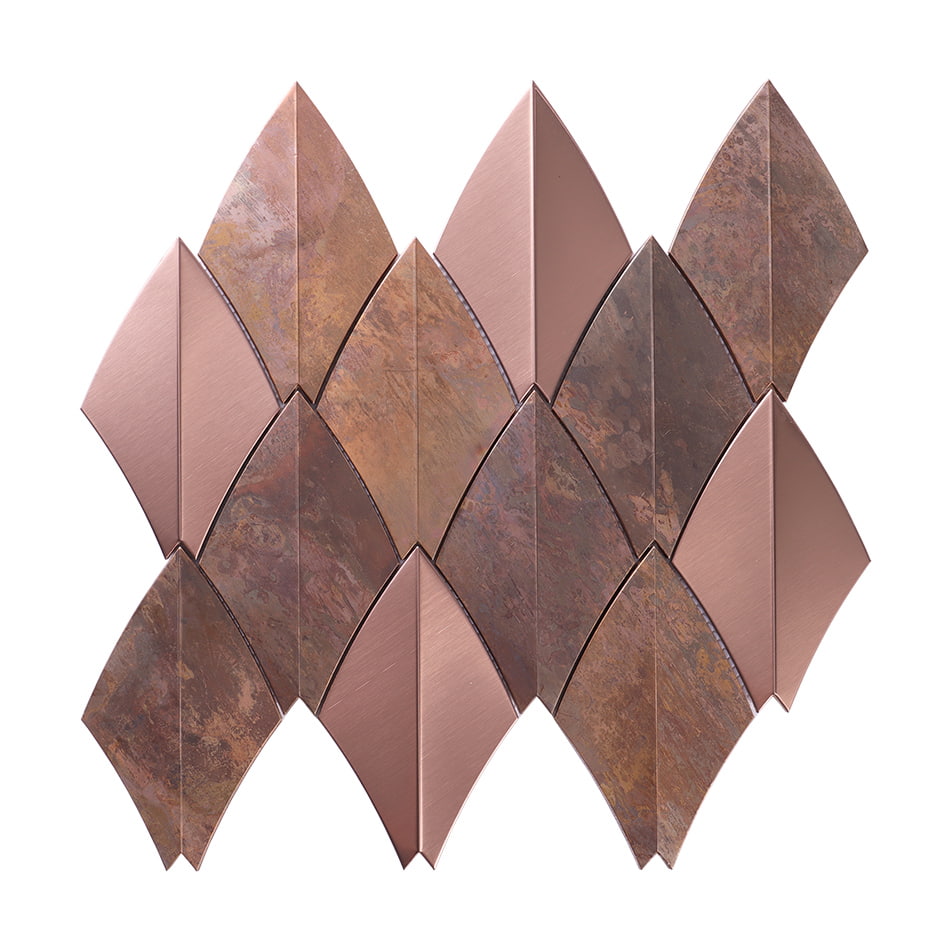











Industrial Tiles for Walls, Floors & Urban Interiors
Industrial tiles combine raw architectural character with the practical advantages of modern wall and floor coverings. Inspired by converted factories, warehouse lofts, exposed concrete, aged metal, brickwork and natural stone, these tiles create interiors that feel understated, structured and intentionally unfinished.
At Woos Tiles, our industrial-style tile collection includes concrete-look surfaces, distressed finishes, metal tiles, stone tiles, brick-inspired designs, terrazzo patterns, mosaics and three-dimensional wall tiles. Use them to build anything from a restrained modern kitchen to a dramatic restaurant, retail store, loft apartment or creative studio.
Industrial design does not have to feel dark, cold or excessively rustic. Light gray cement tiles can produce a clean minimalist interior, while rusted metal finishes, black mosaics and weathered stone add stronger vintage or urban character. By choosing the right material, finish, format and grout color, industrial tiles can work in both residential and commercial projects.
What Are Industrial Tiles?
The term “industrial tiles” can describe two different product categories.
Industrial-style tiles are decorative wall and floor coverings designed to recreate the appearance of concrete, metal, brick, aged stone, reclaimed wood and other raw materials. They are commonly used in homes, cafés, restaurants, offices, hotels, studios and retail interiors.
Heavy-duty industrial tiles are engineered for demanding facilities such as factories, food-processing areas, warehouses, workshops and commercial kitchens. These applications may require verified resistance to chemicals, grease, rolling loads, impact and intensive traffic.
This Woos Tiles category primarily focuses on industrial-style tiles for residential and commercial design. If your project involves machinery, vehicle traffic, industrial chemicals, oils or specialized hygiene requirements, select only products whose technical specifications confirm suitability for those conditions.
Explore the Main Types of Industrial Tiles
Concrete-Look and Cement-Look Industrial Tiles
Concrete-look tiles are one of the most recognizable choices for industrial interiors. Their soft tonal movement, mineral texture and muted gray palette recreate the appearance of poured concrete without requiring an actual polished-concrete floor.
Choose light gray or greige tiles for airy kitchens, bathrooms and open-plan living spaces. Medium gray works well for balanced modern-industrial interiors, while charcoal and graphite tiles create a more dramatic warehouse-inspired atmosphere.
Large-format concrete-look floor tiles can reduce the visual number of grout lines and make a room feel more continuous. Smaller cement-effect tiles and mosaics are useful for backsplashes, shower walls and defined feature areas.
Distressed and Vintage Industrial Tiles
Distressed industrial tiles feature worn edges, faded colors, irregular markings, oxidation effects or time-aged surfaces. These details create the character of reclaimed materials while allowing the installation to use a purpose-made tile system.
They are particularly effective in cafés, bars, boutiques, restaurants, studios and hospitality spaces where atmosphere is an important part of the customer experience. Pair distressed tiles with timber, leather, black steel and warm lighting to prevent the room from feeling overly severe.
Variation is often an intentional part of this style. Review all product images and variation information, then blend pieces from several boxes during installation for a balanced result.
Matte and Textured Industrial Tiles
Matte industrial tiles soften reflected light and support the quiet, understated character associated with minimalist industrial design. Subtle textures can introduce depth without using a strong decorative pattern.
For floors, do not assume that every matte tile is automatically suitable for wet or high-traffic areas. Confirm the product’s intended application, slip-resistance classification, wear information and maintenance requirements before ordering.
Textured wall tiles can also create pronounced light-and-shadow effects. They are ideal for reception desks, restaurant walls, fireplace surrounds, retail displays and residential feature walls.
Stone-Look and Natural Stone Industrial Tiles
Slate, limestone, basalt, travertine and volcanic-stone effects bring an organic dimension to industrial spaces. Their layered mineral appearance works well with exposed concrete, dark metal, plaster and wood.
Stone-look porcelain offers a controlled way to introduce the appearance of natural stone, while genuine natural stone provides unique color and veining from piece to piece. Natural stone may require sealing and material-specific cleaning, so always review the care instructions for the selected product.
Dark slate-style tiles produce a strong architectural effect, while light limestone and travertine tones create a softer version of industrial minimalism.
Metal and Metal-Look Industrial Tiles
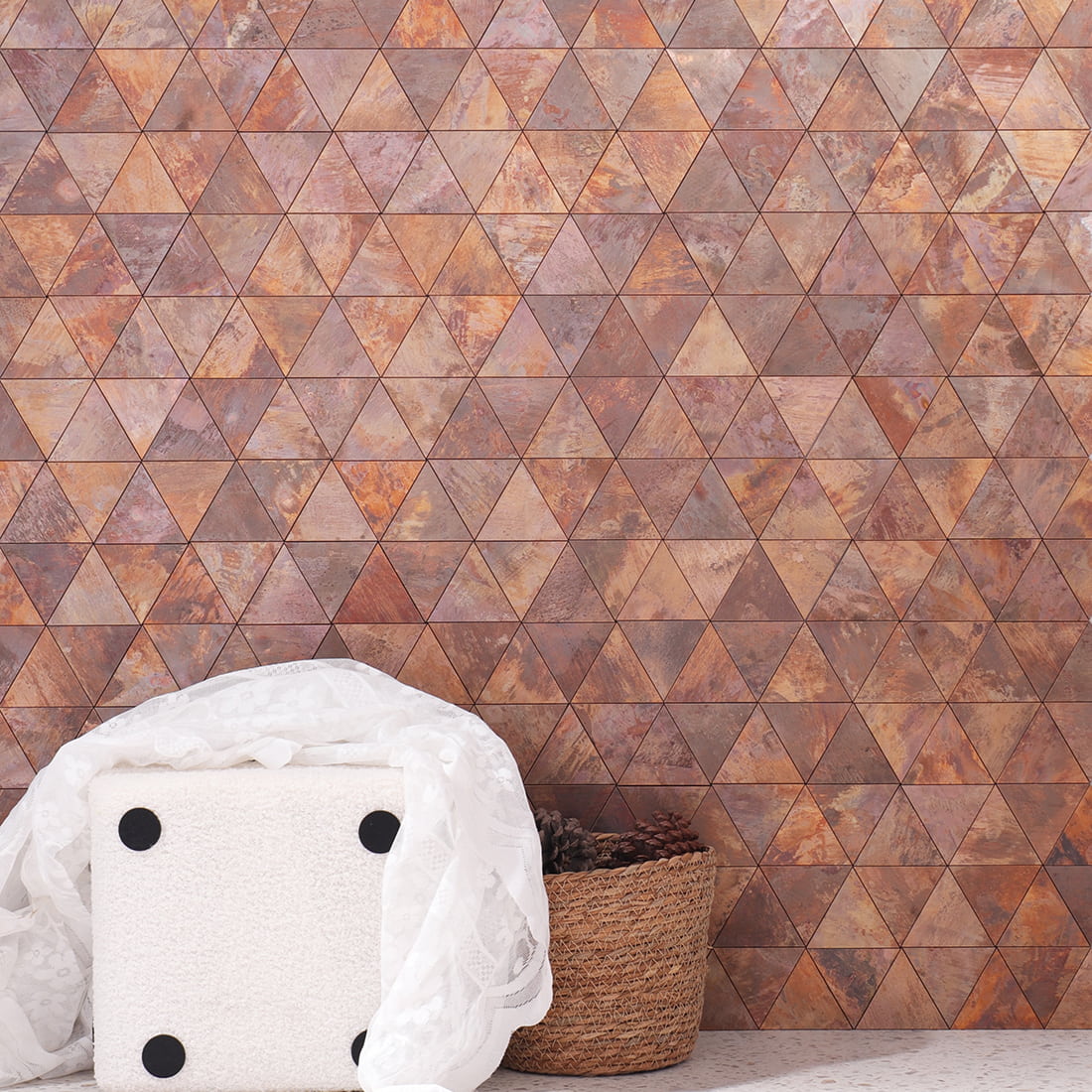
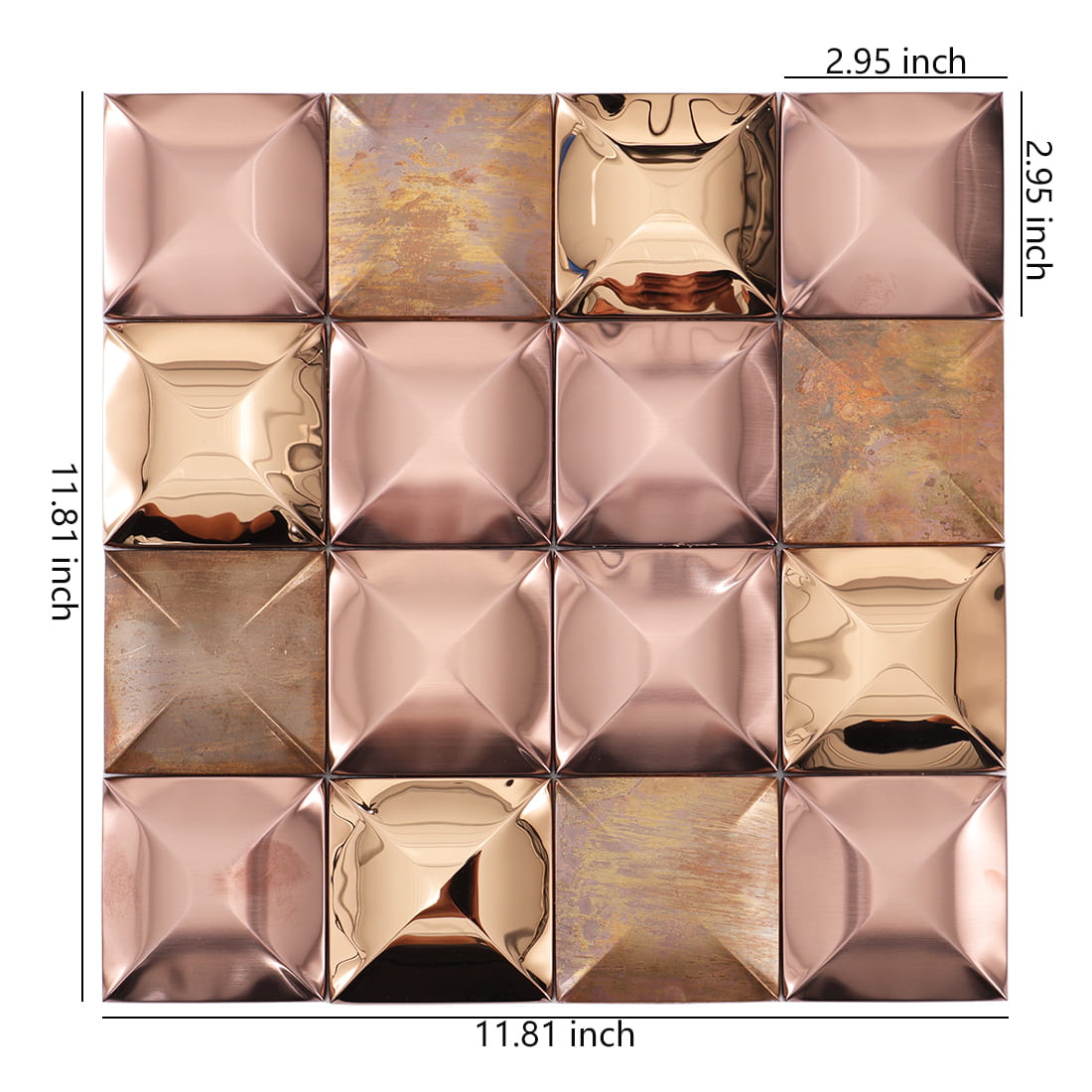
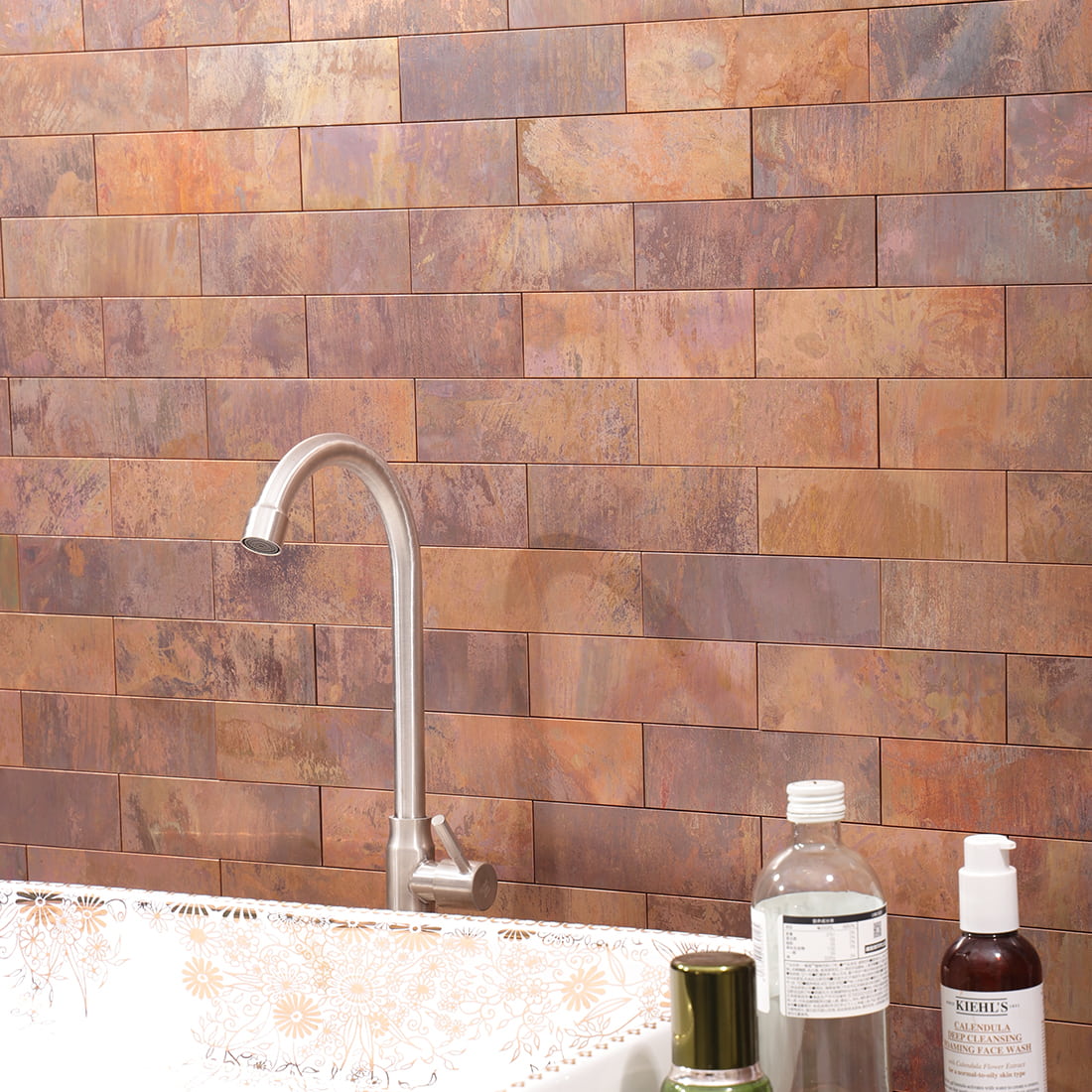
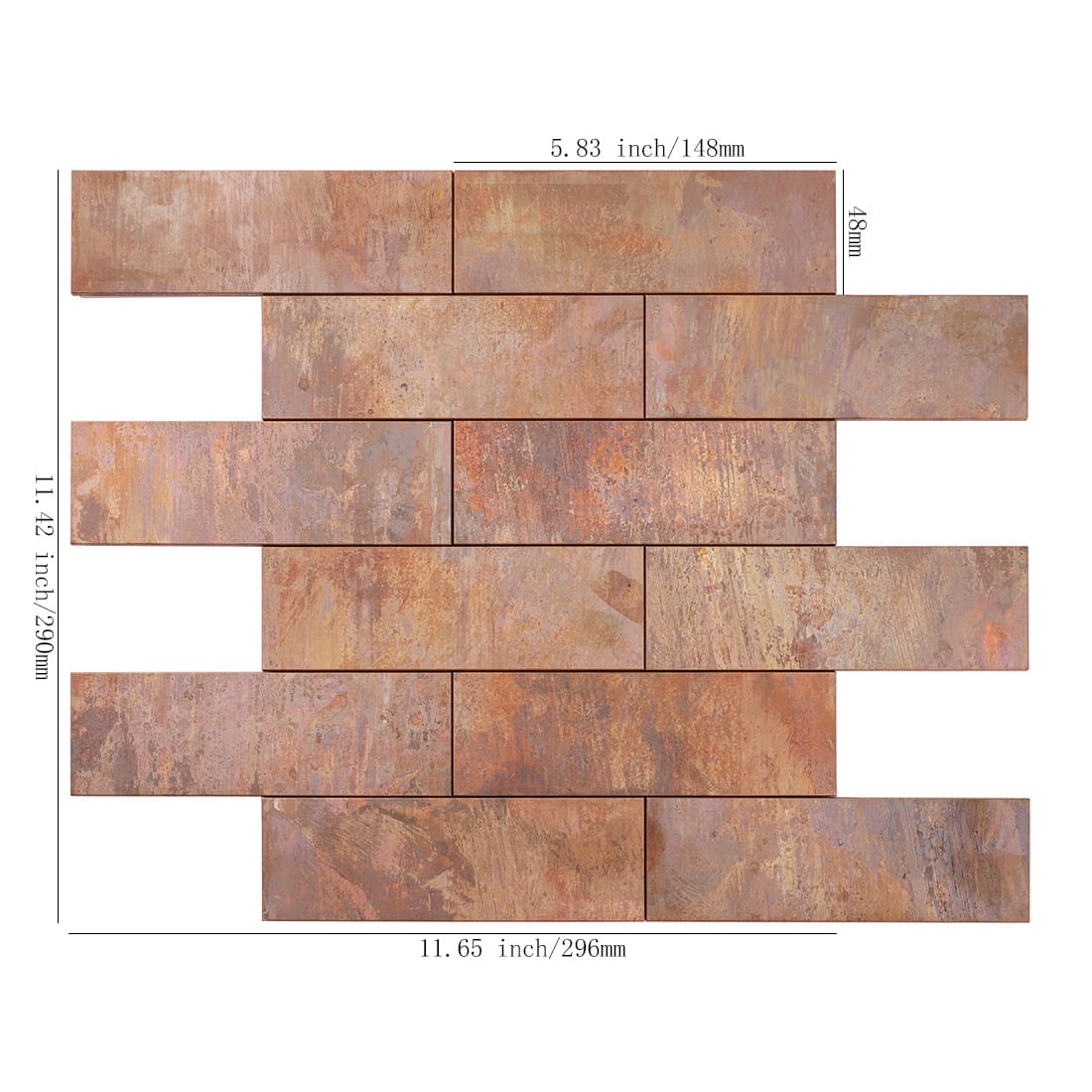
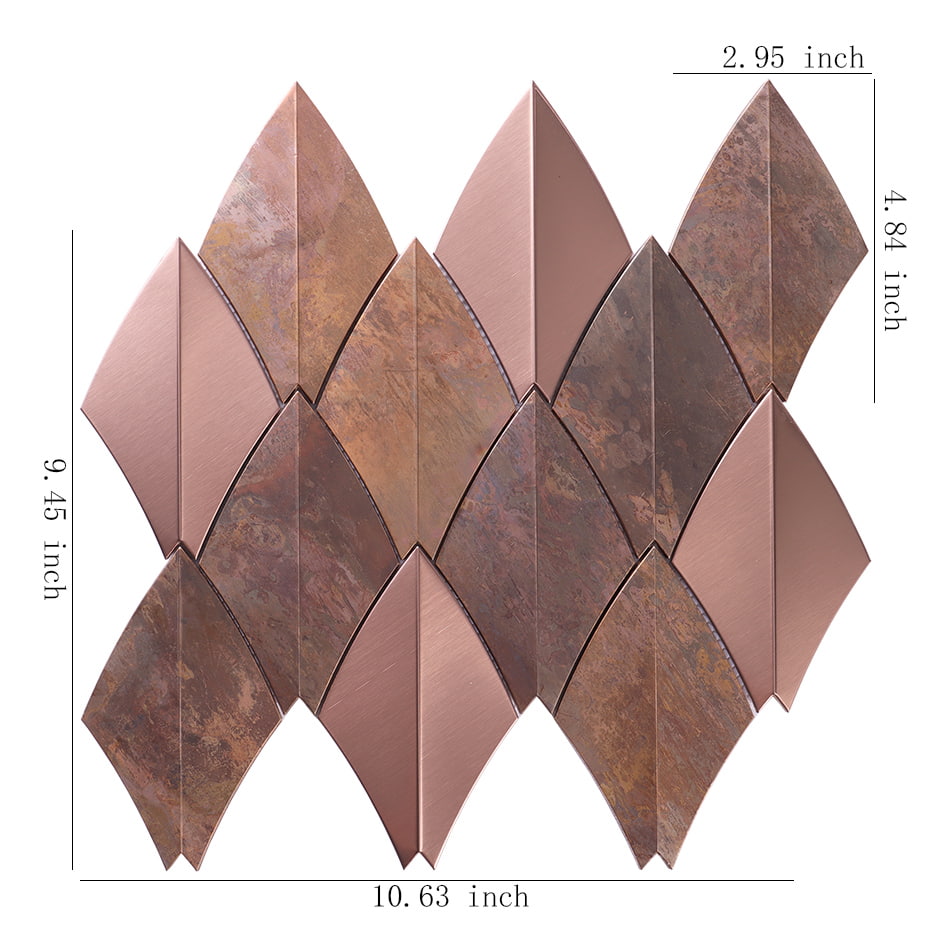
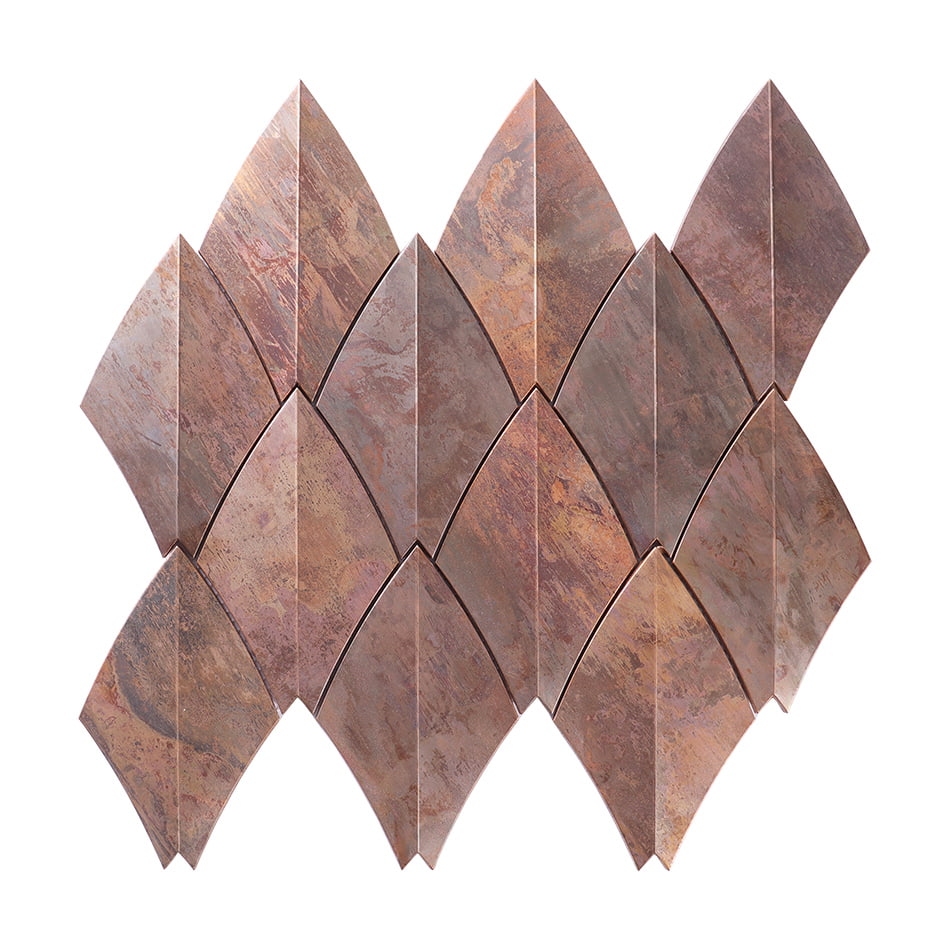
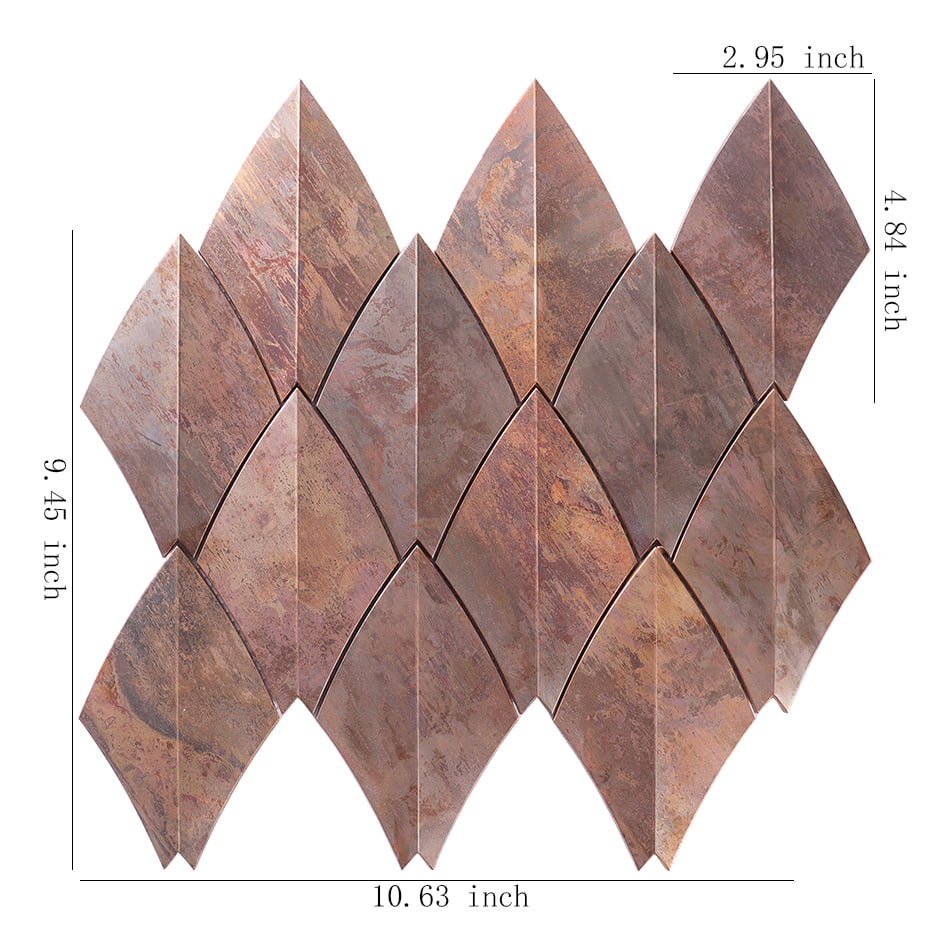
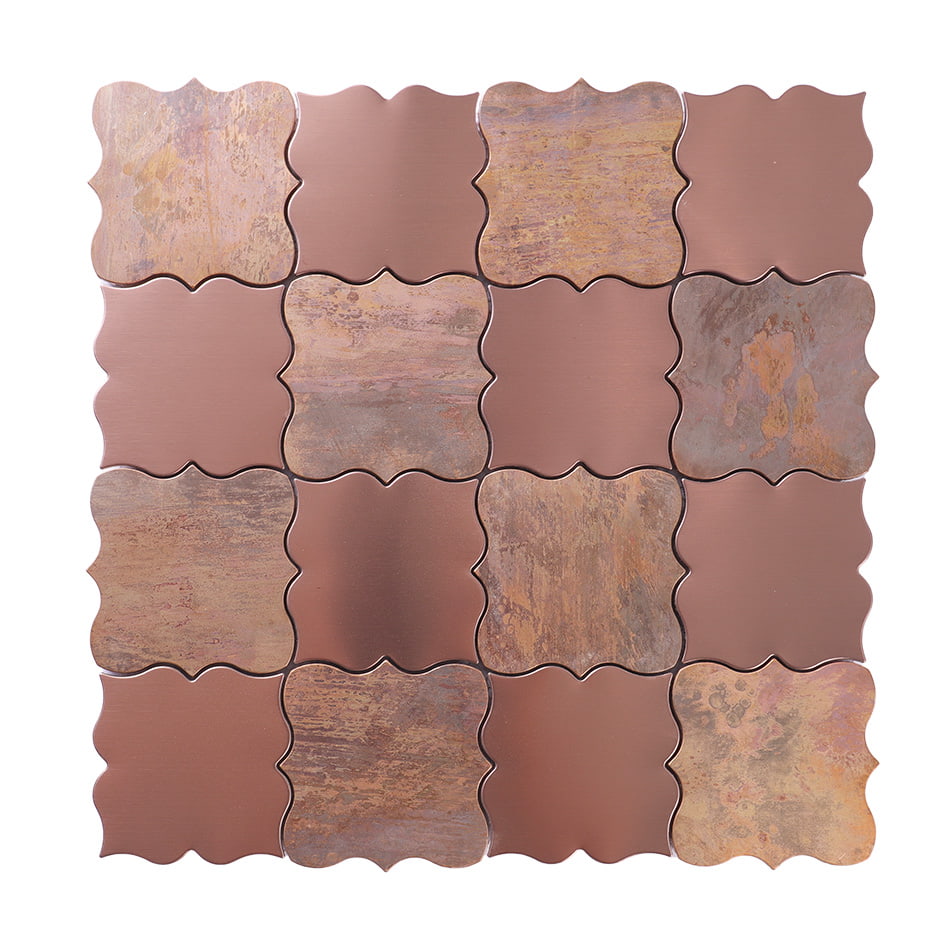
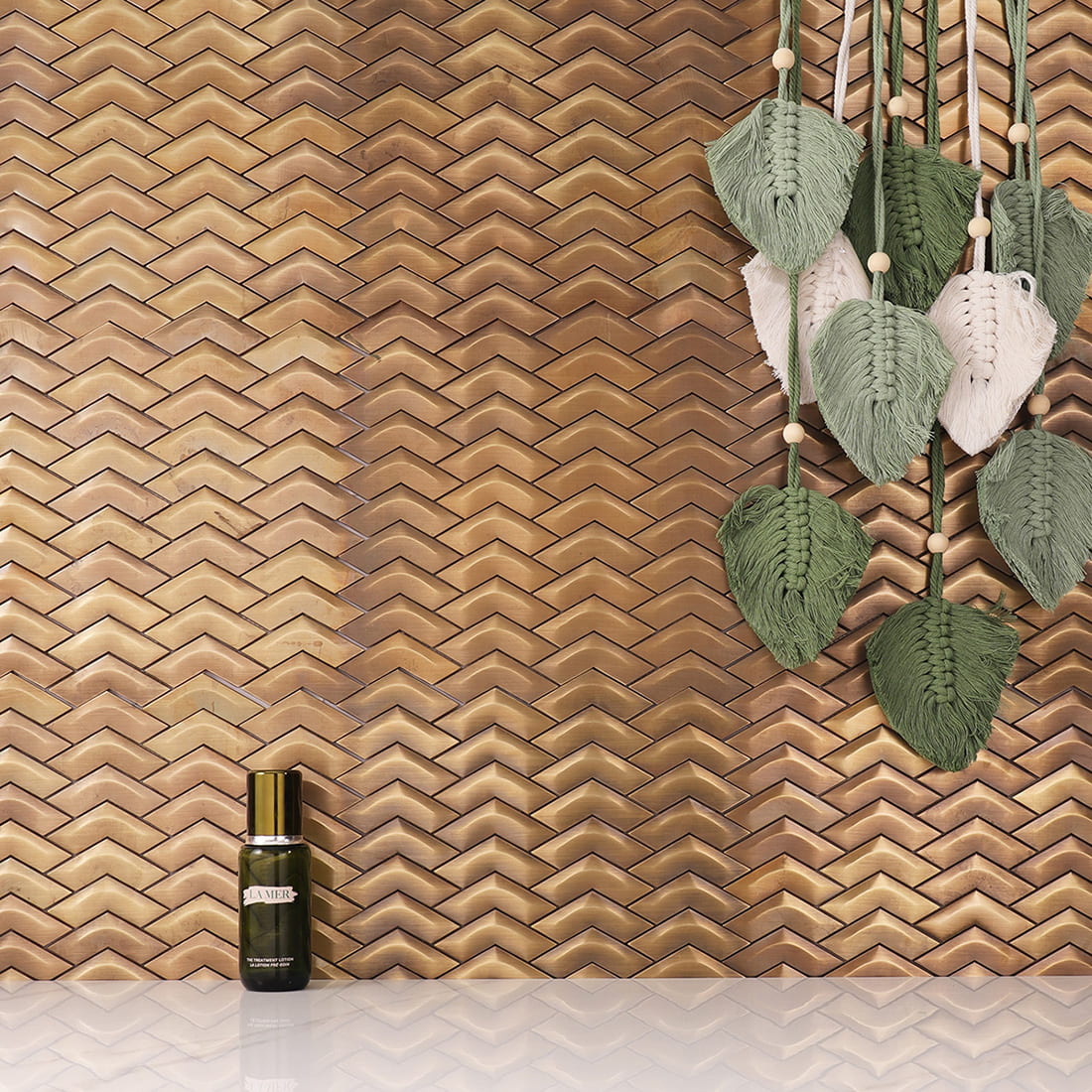
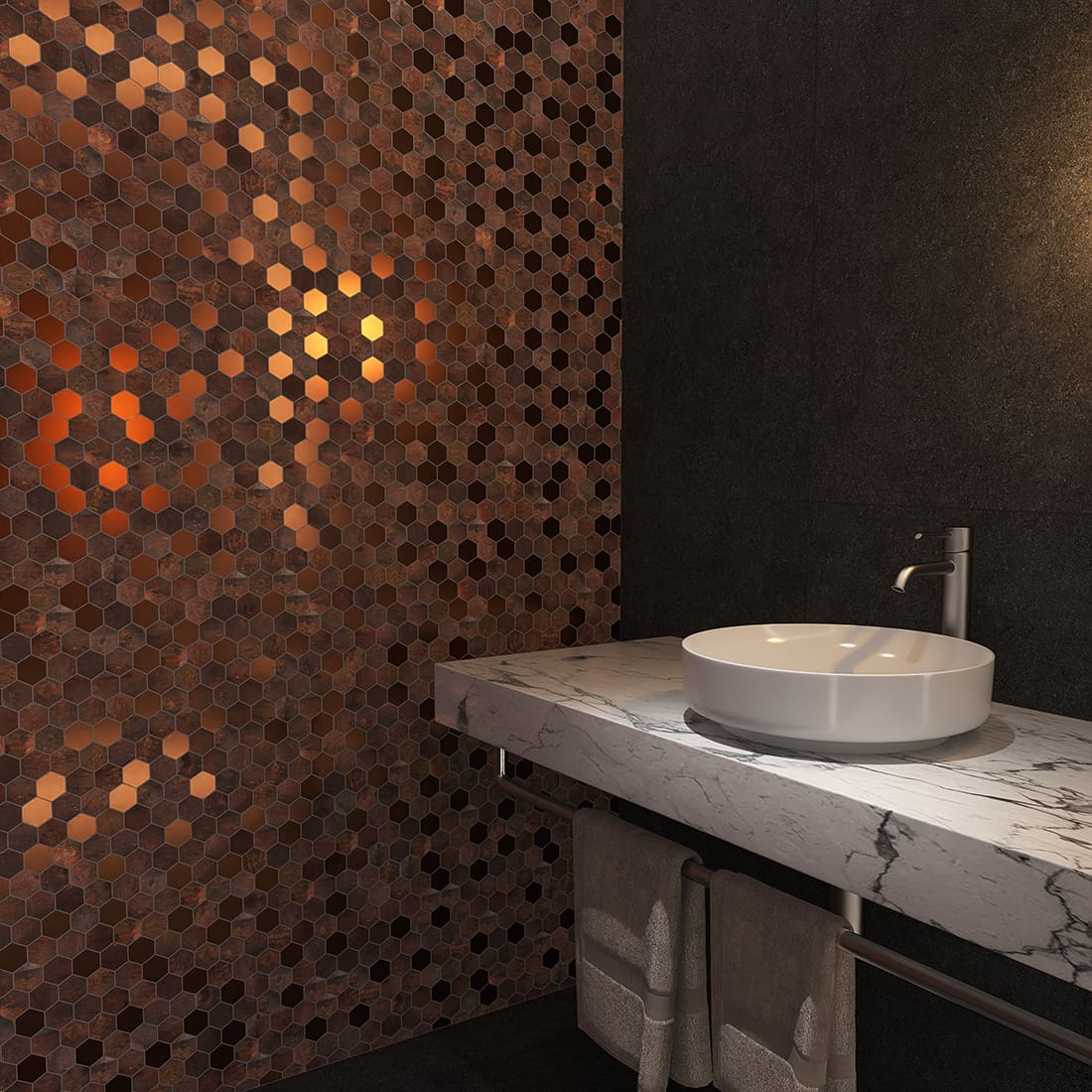
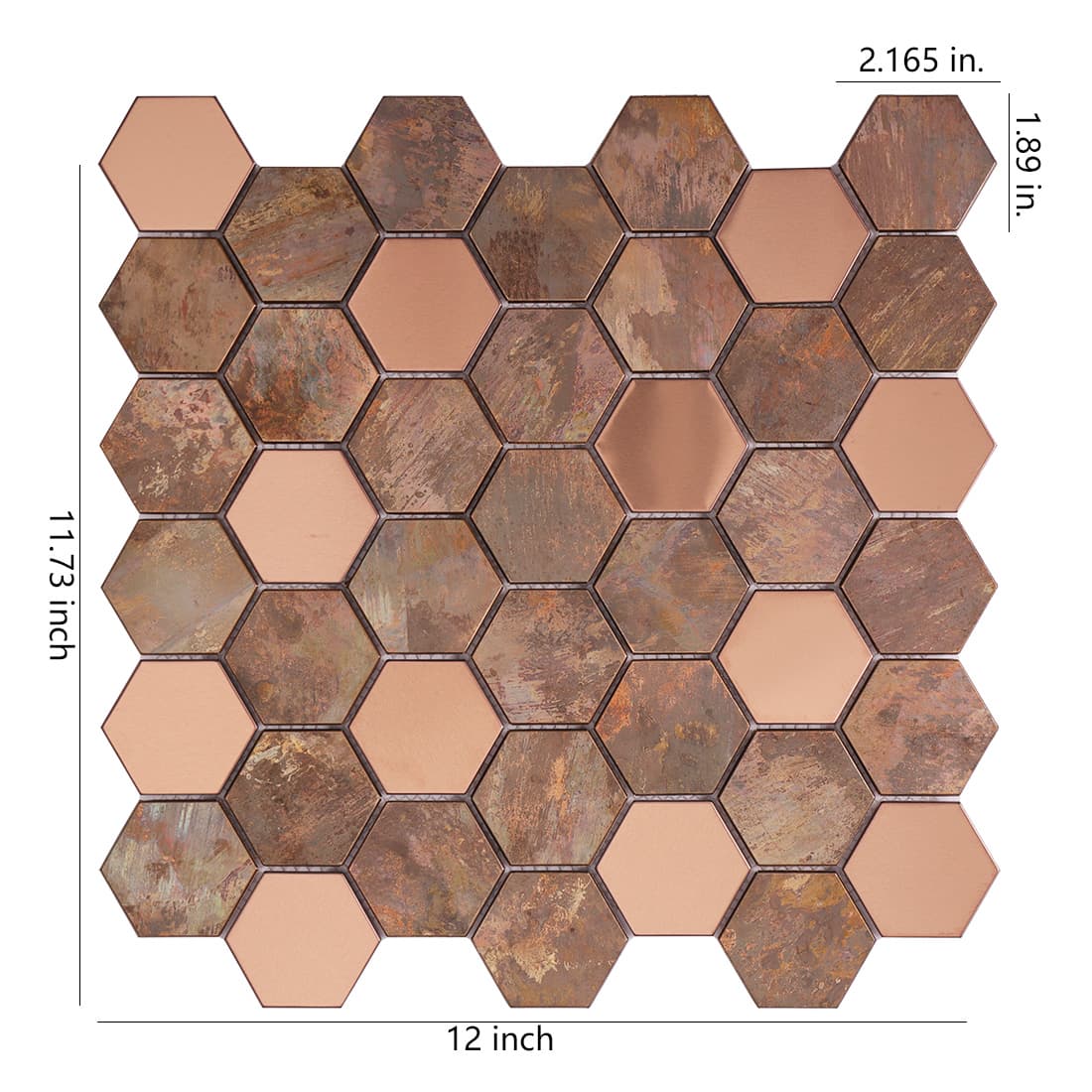
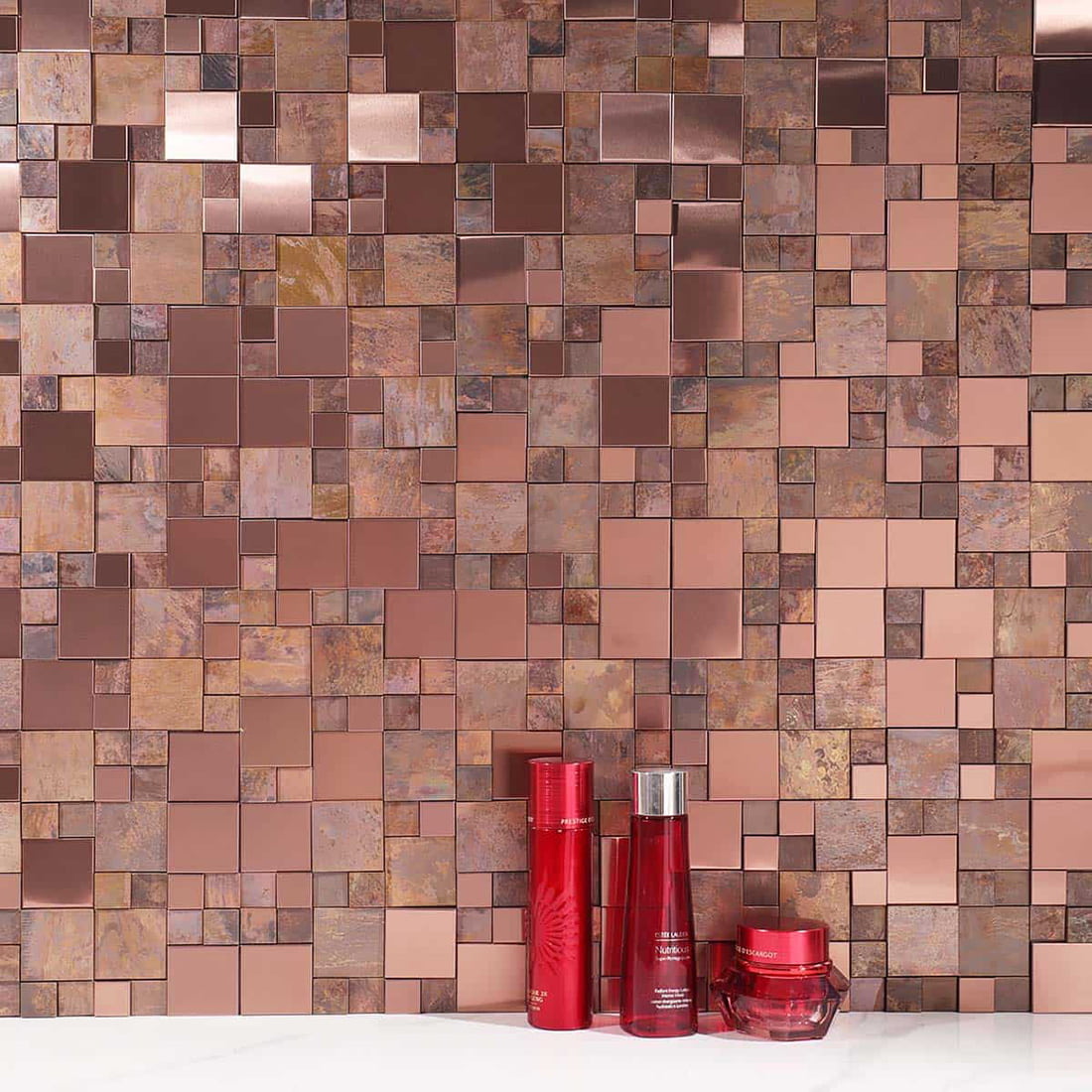
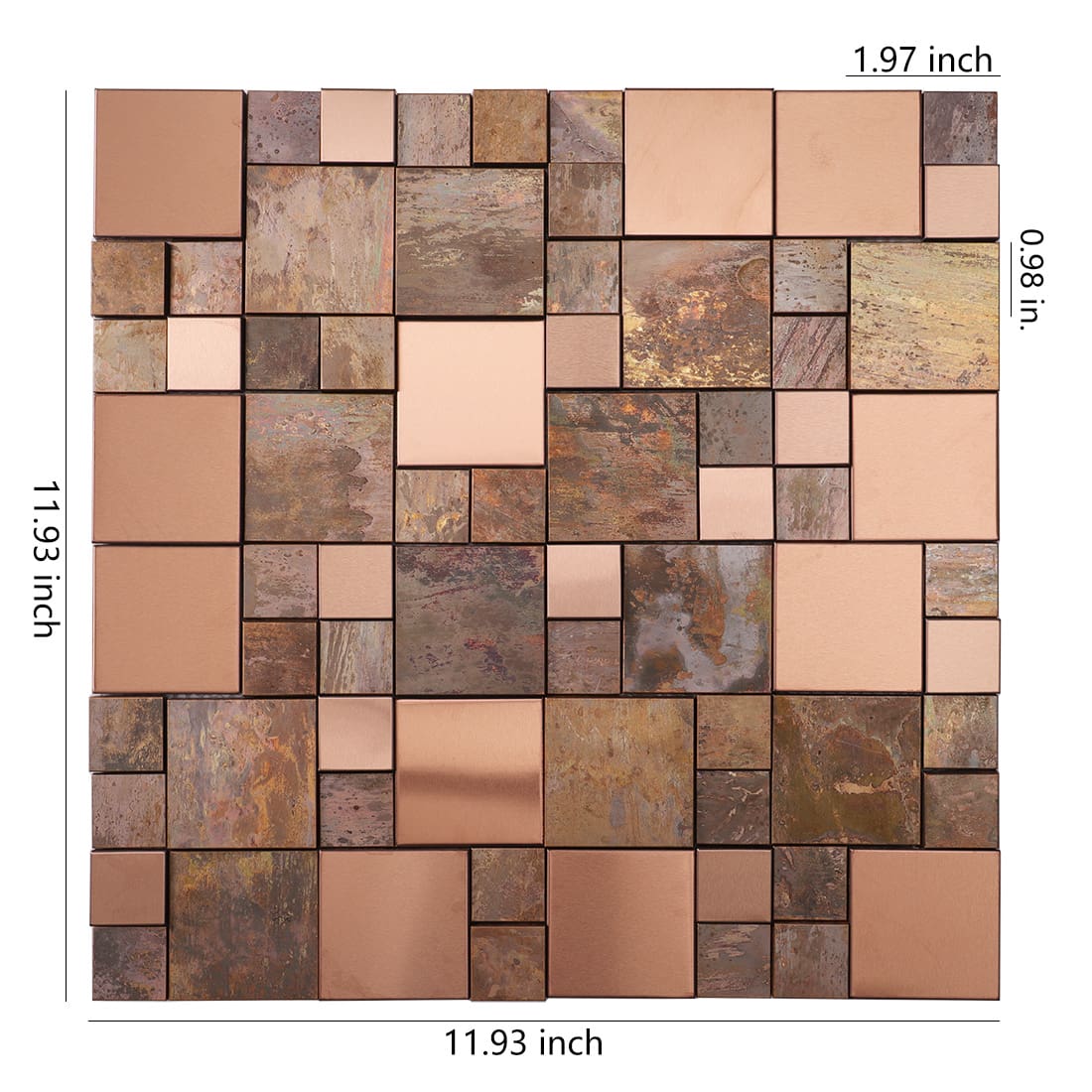
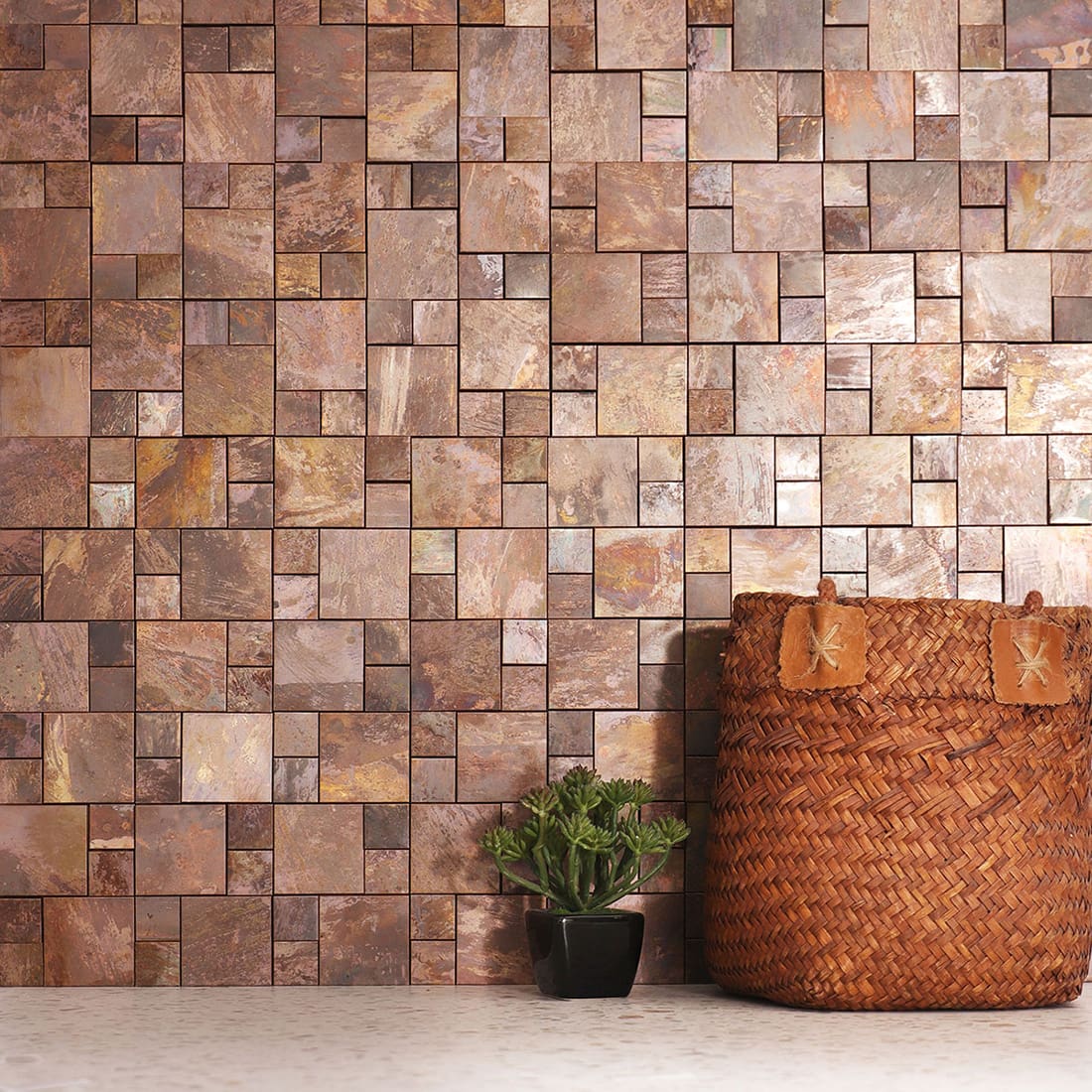
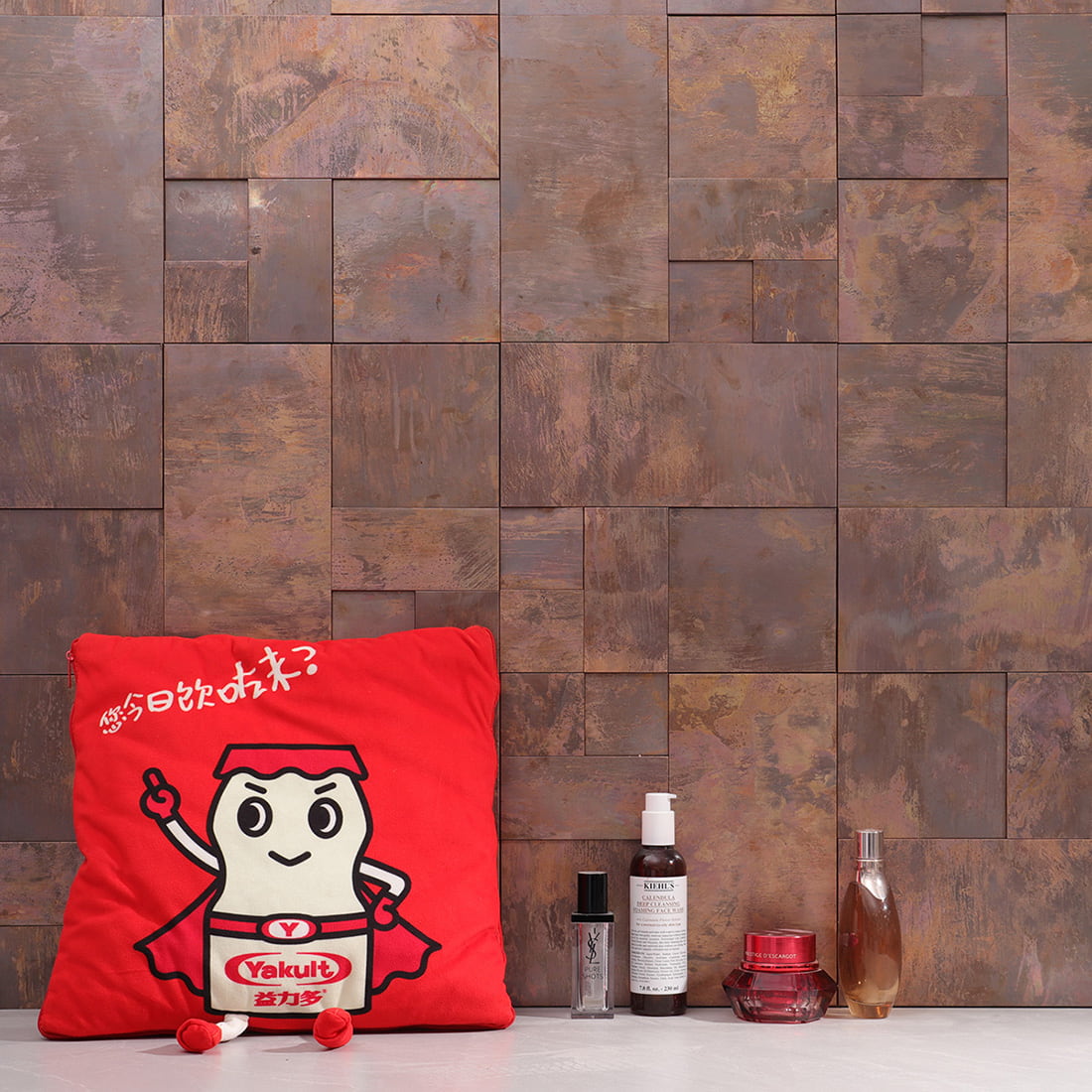
Metal tiles and metal-look surfaces are ideal for adding a stronger factory-inspired character. Popular finishes include brushed stainless steel, blackened metal, aged copper, oxidized bronze, silver gray and rust-effect surfaces.
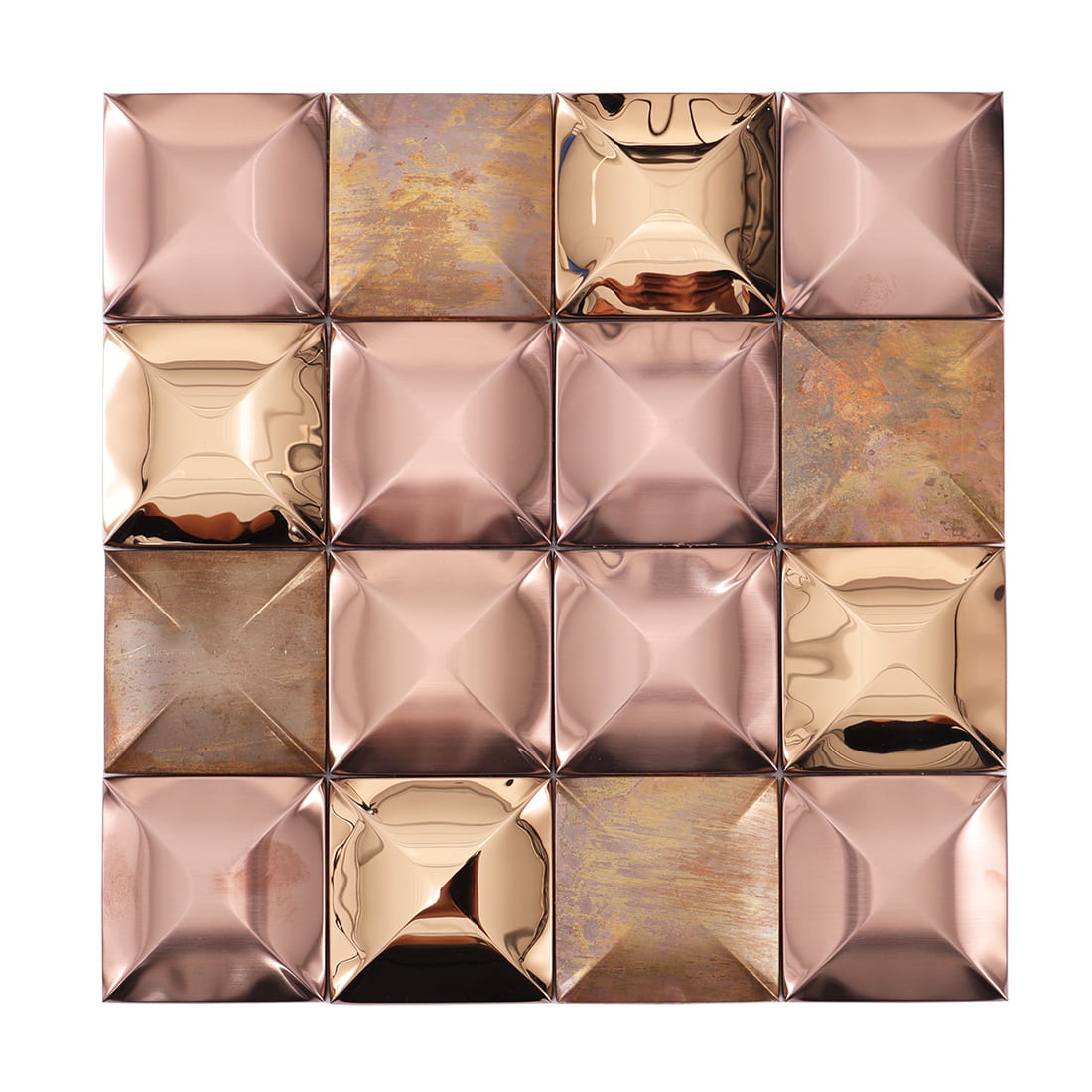
Use metal tiles for kitchen backsplashes, bar fronts, reception areas, fireplace surrounds and feature walls. Some designs create a restrained metallic accent, while mirrored, brushed or three-dimensional pieces make the tiled area a focal point.
Real metal, metal-faced and metal-look ceramic or porcelain products have different installation and maintenance requirements. Check whether each product is approved for floors, showers, steam rooms, exterior use or areas exposed to heat before installation.
Brick and Subway Industrial Wall Tiles
Brick-look and subway tiles reference the walls of historic factories, stations and workshops. Traditional running-bond layouts produce a familiar brickwork effect, while vertical stacking, herringbone and straight-set patterns create a more contemporary interpretation.
White, off-white and soft gray subway tiles can brighten industrial kitchens and bathrooms. Black, charcoal, brown and weathered red designs create stronger vintage character. A contrasting grout emphasizes each tile, while a closely coordinated grout produces a quieter and more continuous wall.
Terrazzo, Grid and Geometric Industrial Tiles
Terrazzo-look tiles, small square grids, hexagons and restrained geometric mosaics introduce pattern without losing the practical character of industrial design. They are useful when a plain concrete-effect surface feels too minimal.
Large terrazzo chips can become a strong visual feature, while fine aggregates offer a subtle mineral texture. Grid mosaics work well on shower floors, backsplashes, bar fronts and commercial feature walls. Black-and-white patterns can create a graphic workshop-inspired look, while gray and beige combinations feel softer and more residential.
Fluted and Three-Dimensional Industrial Wall Tiles
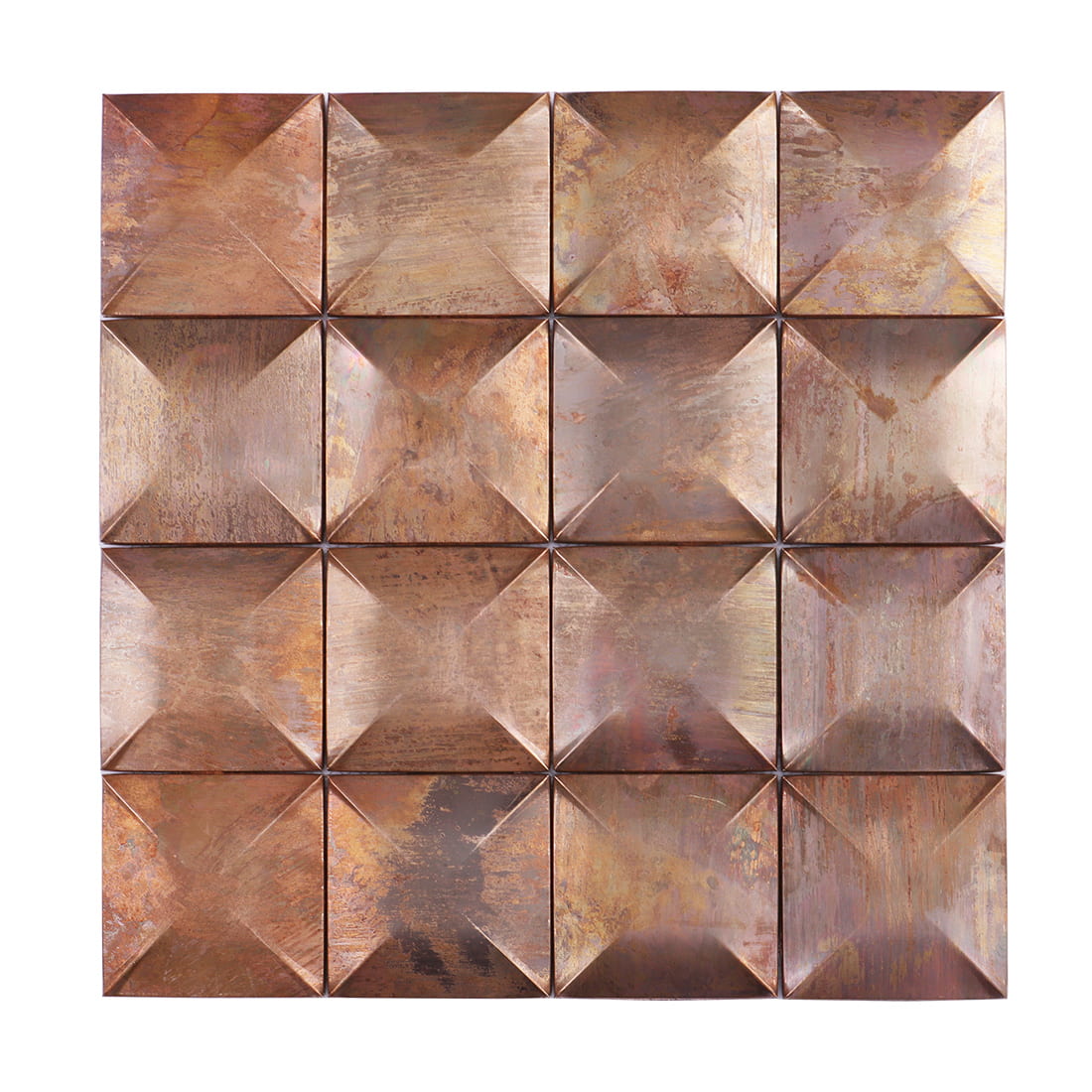
Fluted, grooved, ribbed and concave wall tiles add architectural depth through shadow rather than printed pattern. Directional lighting makes the relief more visible and can transform a simple wall into a sculptural surface.
These tiles are especially suitable for café counters, restaurant walls, hotel reception areas, office entrances and residential feature walls. Because pronounced relief can require additional cleaning, consider the installation height and exposure to cooking grease or frequent splashes.
Industrial Tile Materials
Porcelain Tiles
Porcelain is commonly selected for industrial-style floors because many porcelain products are dense, durable and available in concrete, stone, metal, terrazzo and wood effects. Suitability still varies by product, so confirm whether the selected tile is rated for residential floors, commercial floors, wet areas or exterior installations.
Ceramic Tiles
Ceramic tiles are widely used on kitchen walls, bathroom walls, backsplashes and decorative features. They are available in subway, brick, handmade-look, glossy, matte and textured finishes. Only install ceramic tiles on floors when the product specifications explicitly permit floor use.
Natural Stone Tiles
Marble, slate, limestone, travertine and other natural stone tiles bring authentic mineral variation to industrial interiors. Because natural stone varies in porosity, finish and chemical sensitivity, it may require sealing and pH-neutral cleaning products.
Metal Tiles
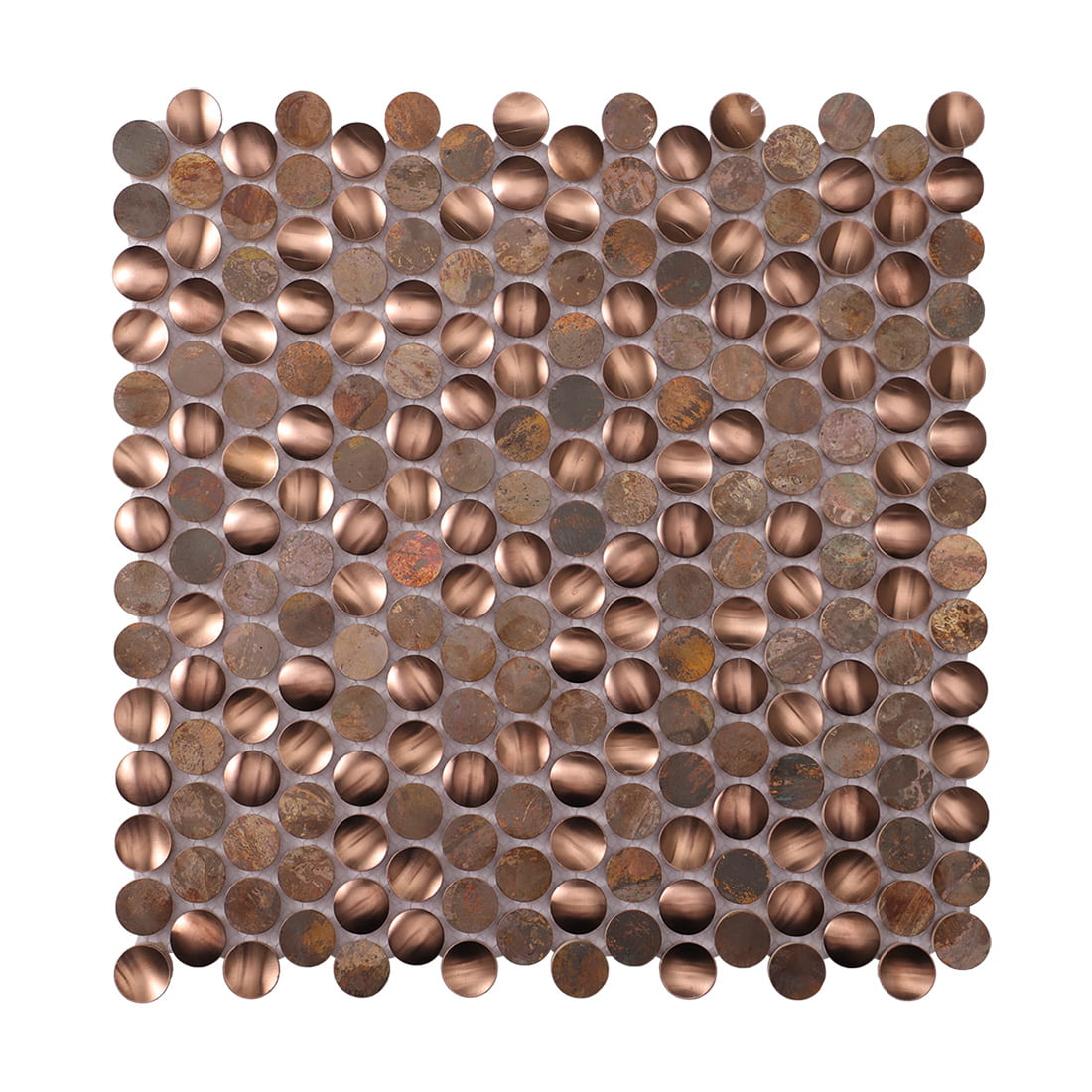
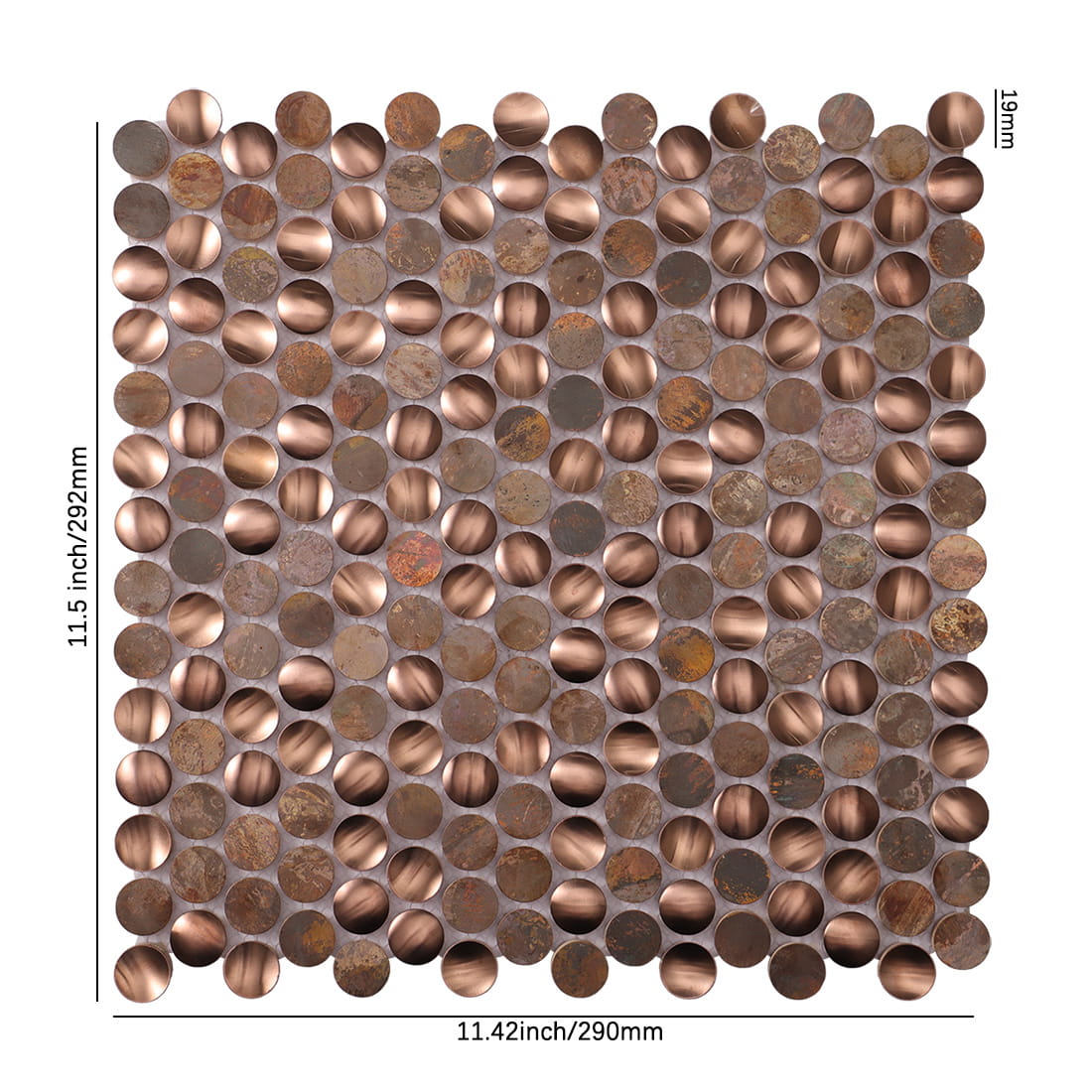
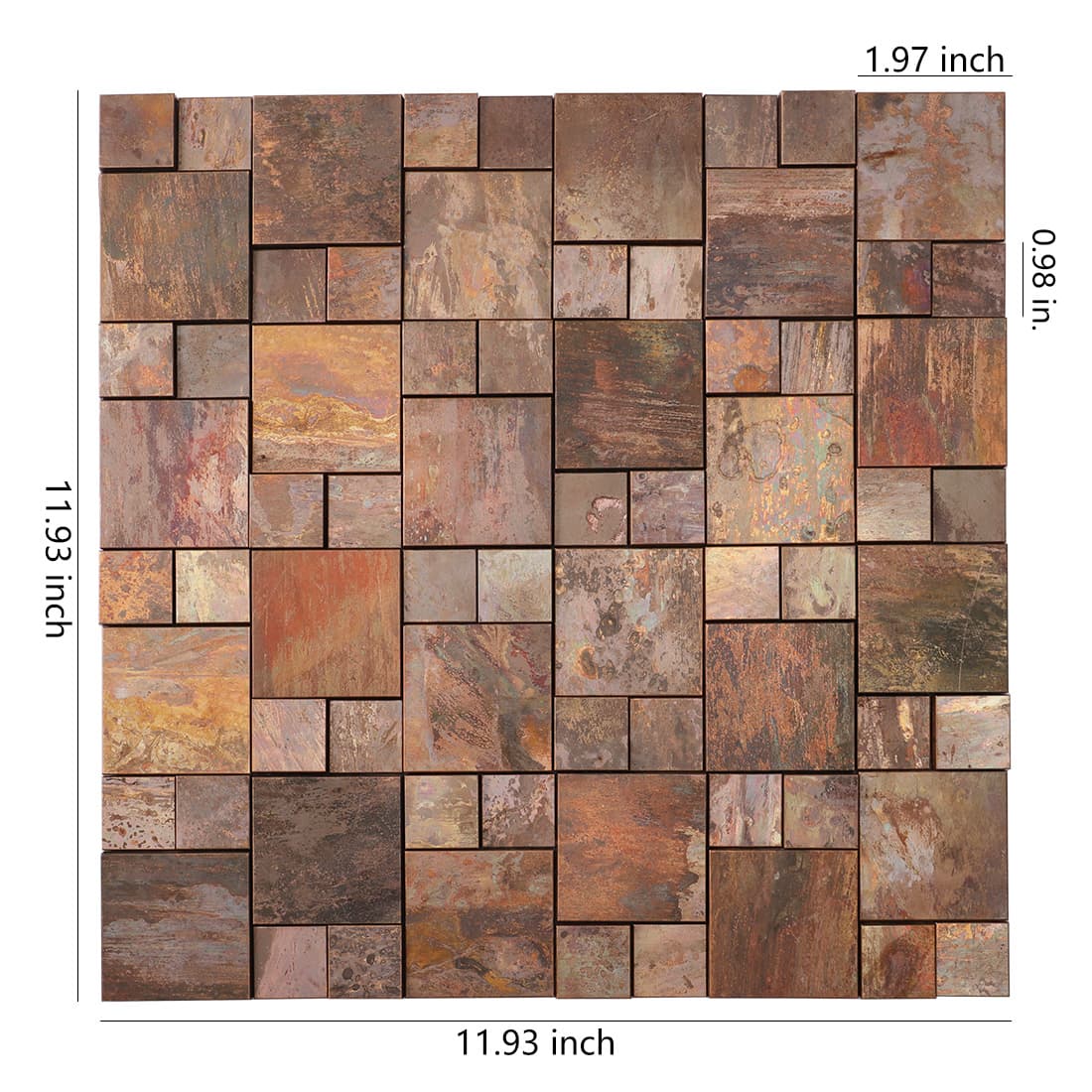
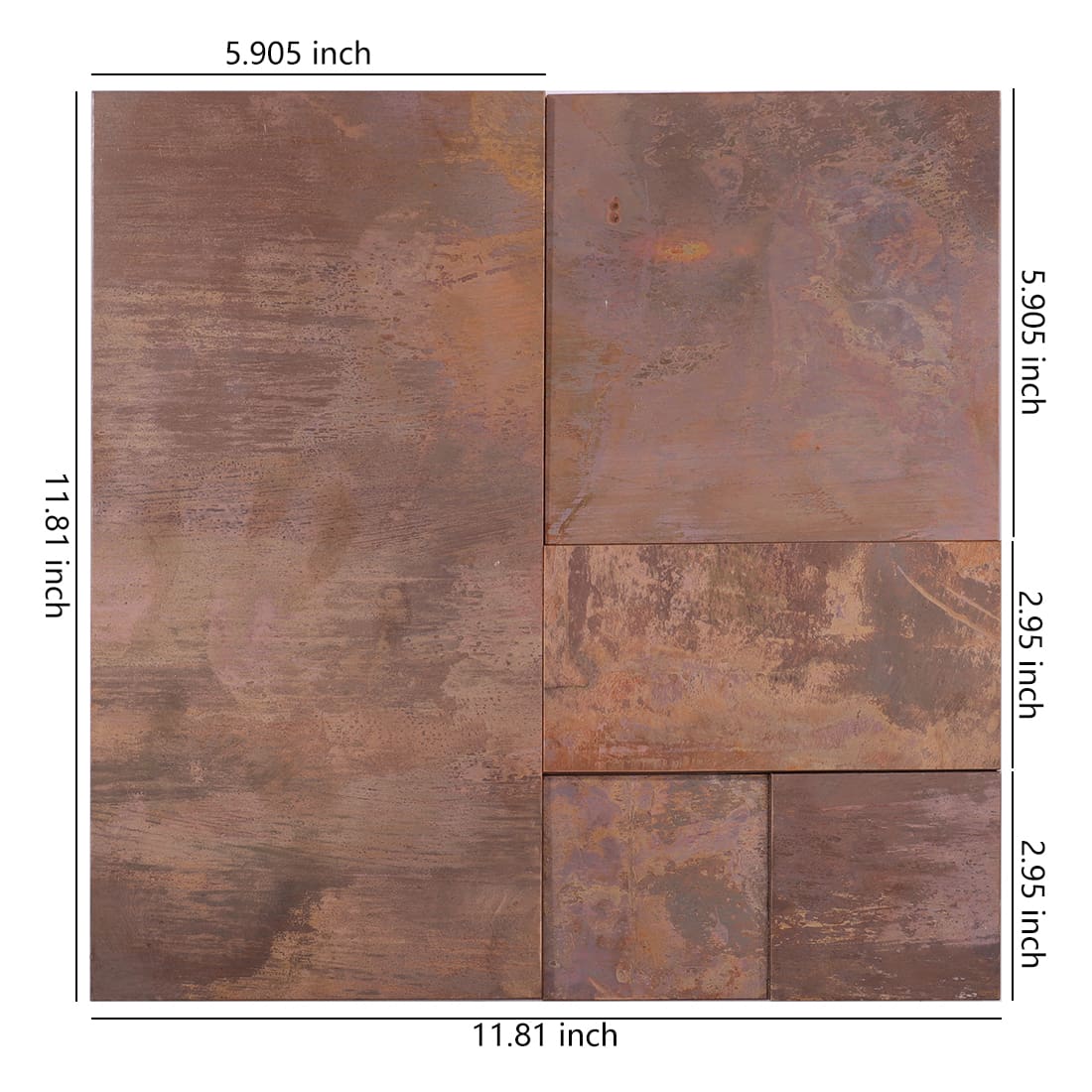
Stainless steel, copper-tone, brass-tone and other metal mosaics create distinctive backsplashes and feature walls. Confirm adhesive compatibility, cutting requirements and restrictions for wet, exterior or high-heat locations.
Glass and Mosaic Tiles
Glass tiles and mixed-material mosaics can introduce reflection, color and detail into an otherwise matte industrial palette. Dark glass, smoky gray mosaics and geometric blends work particularly well with concrete-look floors and black fixtures.
Where Can Industrial Tiles Be Used?
Industrial Kitchen Tiles
Industrial kitchen tiles can be used on floors, backsplashes, islands and feature walls. Concrete-look porcelain floors form a calm foundation, while metal, brick, subway, glass or textured mosaics can define the cooking area.
For kitchen floors, prioritize products approved for floor use and consider anticipated water, grease and traffic. For backsplashes, choose surfaces that can be cleaned according to their care instructions. Highly textured tiles may require more frequent cleaning near a cooktop.
Industrial Bathroom Tiles
Industrial bathroom tiles can create anything from a dark urban retreat to a light spa-like room. Combine gray stone or concrete-effect floors with black fixtures, warm wood cabinetry and textured walls for a balanced result.
Tiles used inside showers or on wet bathroom floors must be specifically suitable for that application. A complete wet-area installation also depends on correct substrate preparation, waterproofing, adhesive, grout, drainage and movement accommodation—not only the tile itself.
Industrial Living Room and Loft Tiles
Large-format concrete or stone-look floor tiles help unify open-plan lofts, living rooms, dining areas and hallways. A tiled fireplace wall or textured feature wall can reinforce the industrial style without making every surface visually heavy.
In colder-looking gray schemes, introduce warmth through timber, natural textiles, leather, soft lighting and warm white wall colors.
Industrial Backsplash Tiles
A backsplash is an easy way to introduce industrial character without renovating an entire room. Metal mosaics create a stronger statement, brick and subway tiles provide a classic factory look, and concrete-effect or geometric tiles offer a quieter contemporary finish.
Always verify the tile’s recommendations for installation behind cooktops or other heat-producing appliances.
Commercial Industrial Tiles
Industrial-style tiles are popular in cafés, restaurants, bars, hotels, offices, showrooms, boutiques, salons and creative studios. They can communicate a strong brand identity while providing a tiled surface appropriate to the intended setting.
A commercial project should be specified according to actual traffic, cleaning procedures, moisture, slip risk and regulatory requirements. A tile’s industrial appearance alone does not confirm that it is rated for heavy commercial or industrial use.
Outdoor Industrial Tiles
Concrete, stone and rust-effect tiles can extend an industrial design to patios, terraces and exterior walls. Use only products specifically rated for exterior exposure and the project’s climate. Freeze-thaw conditions, direct sunlight, drainage, surface texture and wet-use classification should all be considered.
How to Choose the Right Industrial Tiles
1. Define the Installation Area
Begin by deciding whether the tile will be installed on a wall, residential floor, shower wall, wet floor, backsplash, fireplace, commercial floor or exterior surface. This quickly eliminates products that are not approved for the intended location.
2. Separate Style Requirements From Performance Requirements
If you want an industrial appearance in a home, a decorative concrete, brick, metal or stone design may be sufficient. If the space has heavy traffic, grease, chemicals, machinery or rolling equipment, technical performance must lead the selection process.
3. Check the Product Specifications
Review the product page for:
-
Wall, floor, wet-area or exterior suitability
-
Material and surface finish
-
Slip-resistance or product-use classification where relevant
-
Traffic or wear recommendations
-
Water absorption and frost suitability when applicable
-
Tile thickness and edge type
-
Shade and pattern variation
-
Sealing requirements
-
Recommended installation products and methods
4. Select the Right Finish
Matte and lightly textured finishes support a restrained industrial look. Polished or metallic surfaces add contrast and reflected light. Strongly textured and three-dimensional tiles create depth but may require additional cleaning.
For wet floors, choose according to verified technical information and the complete conditions of use rather than appearance alone.
5. Consider Tile Size and Room Scale
Large-format tiles can make open spaces feel expansive and reduce visual interruption from grout lines. Medium rectangular tiles are versatile for both walls and floors. Subway tiles, brick formats and mosaics add scale, rhythm and pattern.
In a small room, large tiles can still work well when the layout is carefully planned. Smaller mosaics may be preferable around curved areas, detailed features or shower floors, subject to product suitability.
6. Plan the Grout Color
Grout is part of the design:
-
Matching gray or taupe grout creates a more continuous concrete effect
-
Dark grout emphasizes white subway or brick tiles
-
Light grout outlines black, charcoal and rust-colored tiles
-
Coordinated grout keeps geometric mosaics visually controlled
Grout-joint width should follow the tile dimensions, edge profile, variation, layout and installation requirements. Do not choose an extremely narrow joint based only on appearance.
7. Review Samples in the Project Lighting
Gray, black, metallic and stone finishes can change significantly under warm, cool and natural light. View samples beside cabinetry, countertops, paint, metalwork and flooring before finalizing the order.
Samples are especially useful for products with intentional shade variation, reflective metal surfaces, natural stone or strong three-dimensional textures.
Industrial Tile Colors
Gray remains the most familiar industrial tile color, but it is not the only option.
-
Light gray creates a clean, open and contemporary foundation
-
Mid gray offers a balanced factory-inspired appearance
-
Charcoal and black add drama and architectural definition
-
Greige, taupe and beige soften industrial interiors
-
Rust, copper and bronze introduce aged-metal character
-
White and ivory brighten brick and subway tile installations
-
Deep blue and green can add controlled color while maintaining an urban mood
Using more than one neutral tone often creates greater depth than covering every surface in the same dark gray.
Industrial Tile Layout Ideas
A tile’s layout can change the character of the entire space:
-
Straight set creates a clean, structured grid
-
Running bond reinforces a traditional brick or factory-wall effect
-
Vertical stack makes narrow walls feel taller
-
Herringbone introduces movement to subway and rectangular tiles
-
Checkerboard adds graphic vintage character
-
Modular layouts combine compatible sizes for a more architectural floor
-
Floor-to-ceiling installation creates an immersive commercial feature wall
-
Framed tile panels define bars, counters, fireplaces and display areas
Dry-lay the proposed pattern before installation, particularly when using tiles with substantial shade or directional variation.
Styling Industrial Tiles
Industrial interiors are most successful when raw surfaces are balanced with comfortable materials.
Pair concrete-look tiles with oak or walnut to add warmth. Combine black metal tiles with off-white plaster for contrast. Use leather seating and warm lighting beside distressed surfaces. Match stone-look tiles with brushed steel for a restrained architectural scheme.
Industrial tiles can also support several related styles:
-
Minimalist industrial
-
Vintage industrial
-
Industrial chic
-
Rustic urban
-
Modern loft
-
Scandinavian industrial
-
Contemporary commercial
-
Luxury industrial
For a lighter interpretation, use pale concrete, limestone tones and warm wood. For a stronger warehouse look, combine charcoal floors, aged brick, dark metal and visible architectural details.
Measuring and Ordering Industrial Tiles
Measure the length and width of each rectangular surface and multiply them to calculate the area. Divide irregular spaces into smaller rectangles, calculate each section and add the results.
Order additional material for cuts, breakage, future repairs and pattern alignment. Approximately 10% extra is commonly considered for straightforward layouts, while diagonal patterns, complex mosaics, irregular rooms or projects requiring extensive matching may need more. Ask the installer to confirm the final quantity before ordering.
Check the coverage per box or sheet rather than relying only on the nominal tile dimensions. Order the required quantity together whenever possible to reduce the risk of noticeable differences between production batches.
Industrial Tile Installation Tips
A successful installation begins with a stable, clean, flat and properly prepared substrate. Wet areas need an appropriate waterproofing system beneath the tile because tile and grout alone do not make an assembly waterproof.
Before installation:
-
Inspect tiles and confirm the correct product and quantity
-
Check shade, size and batch information
-
Blend tiles from several boxes
-
Dry-lay the pattern and confirm the starting point
-
Plan cuts, transitions and edge finishing
-
Use adhesive and grout suitable for the tile material and location
-
Follow product and installation-material instructions
-
Include appropriate perimeter and movement joints
-
Protect the completed installation while materials cure
Large-format, natural stone, metal, three-dimensional, shower and exterior installations may require specialized tools or methods. Professional installation is recommended when the project exceeds your experience.
Cleaning and Maintaining Industrial Tiles
Routine care depends on the tile material and finish.
Sweep or vacuum floors to remove abrasive debris, then clean with a compatible neutral cleaner. Wipe backsplash splashes promptly, particularly on textured or metallic surfaces. Avoid harsh acids, abrasive powders, steel wool and unapproved cleaning chemicals.
Natural stone may require stone-specific cleaner and periodic sealing depending on the material and installation. Metal tiles may require a soft cloth and a cleaner approved for the particular finish. Always test a new cleaning product in a small, inconspicuous area first.
Keeping grout clean and repairing failed sealant or damaged joints promptly will help preserve the appearance of the installation.
Why Choose Woos Tiles?
Woos Tiles is an online tile superstore serving residential and commercial projects. Our broad selection makes it easier to coordinate industrial floors, feature walls, backsplashes and decorative details within one design concept.
Explore marble tiles, glass tiles, metal tiles, shell tiles, stone tiles, mosaic tiles, wall tiles, floor tiles, bathroom tiles, kitchen tiles, backsplash tiles and outdoor tiles in a wide variety of shapes, colors, textures and finishes.
For projects requiring a distinctive focal point, Woos Tiles also offers custom mosaic murals. Whether you are designing a home, restaurant, hotel, retail store or commercial interior, our range helps you combine functional surfaces with a clear visual identity.
Industrial Tiles FAQ
Are industrial tiles only for factories?
No. Industrial-style tiles are widely used in homes, cafés, restaurants, offices, hotels and shops. However, decorative industrial-style tiles should not be confused with heavy-duty flooring engineered for factories or facilities exposed to machinery, chemicals and rolling loads.
What are the best tiles for an industrial-style floor?
Concrete-look, stone-look, slate-effect, terrazzo and distressed porcelain tiles are popular options. The best choice depends on the installation area, expected traffic, moisture and required technical performance.
Can industrial tiles be used on both walls and floors?
Some products are approved for both, while others are wall-only. Never assume a wall tile can be installed on a floor. Check the application information on the individual product page.
Are industrial tiles suitable for bathrooms?
Many industrial-style tiles can be used in bathrooms, but shower and wet-floor applications require products specifically approved for those locations. Slip resistance, waterproofing, drainage and professional installation should also be considered.
Can I use metal tiles in a shower?
Suitability varies among stainless steel, metal-faced and metal-look products. Some may be limited to dry interior walls. Confirm the manufacturer’s wet-area guidance before installing metal tiles in a shower.
Are industrial tiles always gray?
No. Gray is common, but industrial tiles are also available in black, white, beige, taupe, rust, copper, bronze, blue, green and mixed neutral palettes.
Do industrial tiles make a small room look dark?
Not necessarily. Light gray concrete tiles, off-white brick tiles, pale stone finishes and coordinated grout can create an open industrial look. Mirrors, warm lighting and natural wood can further soften the space.
What grout color works with industrial tiles?
Matching grout creates a more continuous surface, while contrasting grout emphasizes tile shape and layout. Medium gray is versatile, but the best color depends on the tile, pattern, maintenance needs and desired visual effect.
Do industrial tiles need sealing?
Most glazed ceramic and many porcelain products do not require surface sealing, but requirements vary. Natural stone and some unglazed or specialty products may need sealing. Follow the instructions for the specific tile and grout.
Are industrial tiles easy to clean?
Many tile surfaces are straightforward to maintain, but heavily textured, porous, metallic and natural stone finishes may require special care. Use cleaners approved for the product material.
Can industrial tiles be used outdoors?
Only use tiles specifically rated for exterior installation and suitable for local climate conditions. Confirm frost resistance, wet-use suitability, surface texture and installation requirements before ordering.
How much extra tile should I order?
Approximately 10% extra is often used for a straightforward layout. Complex patterns, diagonal installations, irregular rooms and strong pattern matching may require around 15% or more. Have the installer confirm the final amount.
Shop Industrial Tiles Online at Woos Tiles
Create a raw urban interior, a refined industrial kitchen or a dramatic commercial feature wall with industrial tiles from Woos Tiles. Explore concrete, metal, stone, brick, terrazzo, mosaic and textured designs for residential and commercial projects.
Browse the collection, review each product’s application information and order the quantity required for your project. For product selection, coordinated materials or custom mosaic mural requirements, contact Woos Tiles for assistance.