


Industrial Floor Tiles for an Atmospheric Café Interior




Industrial Floor Tiles
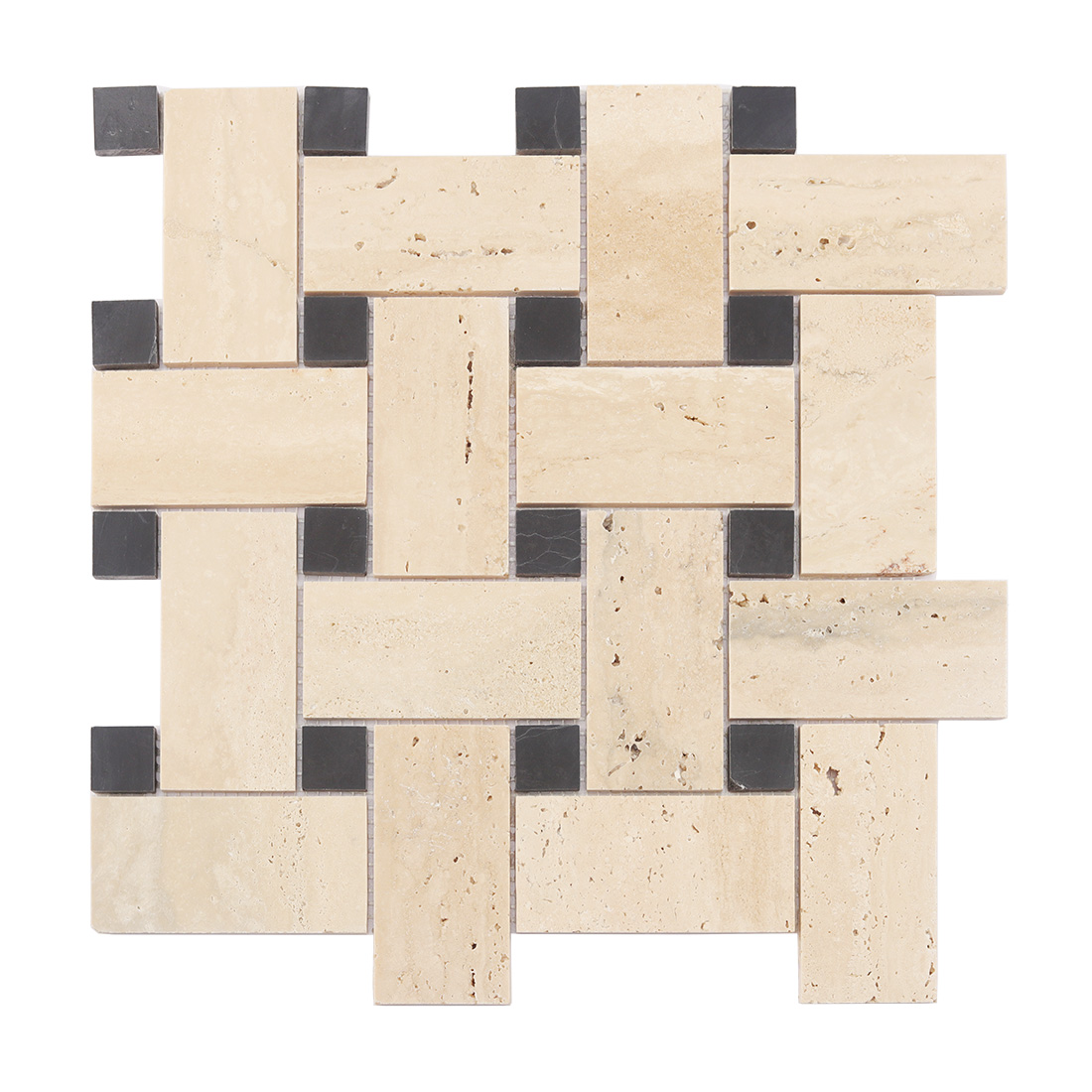
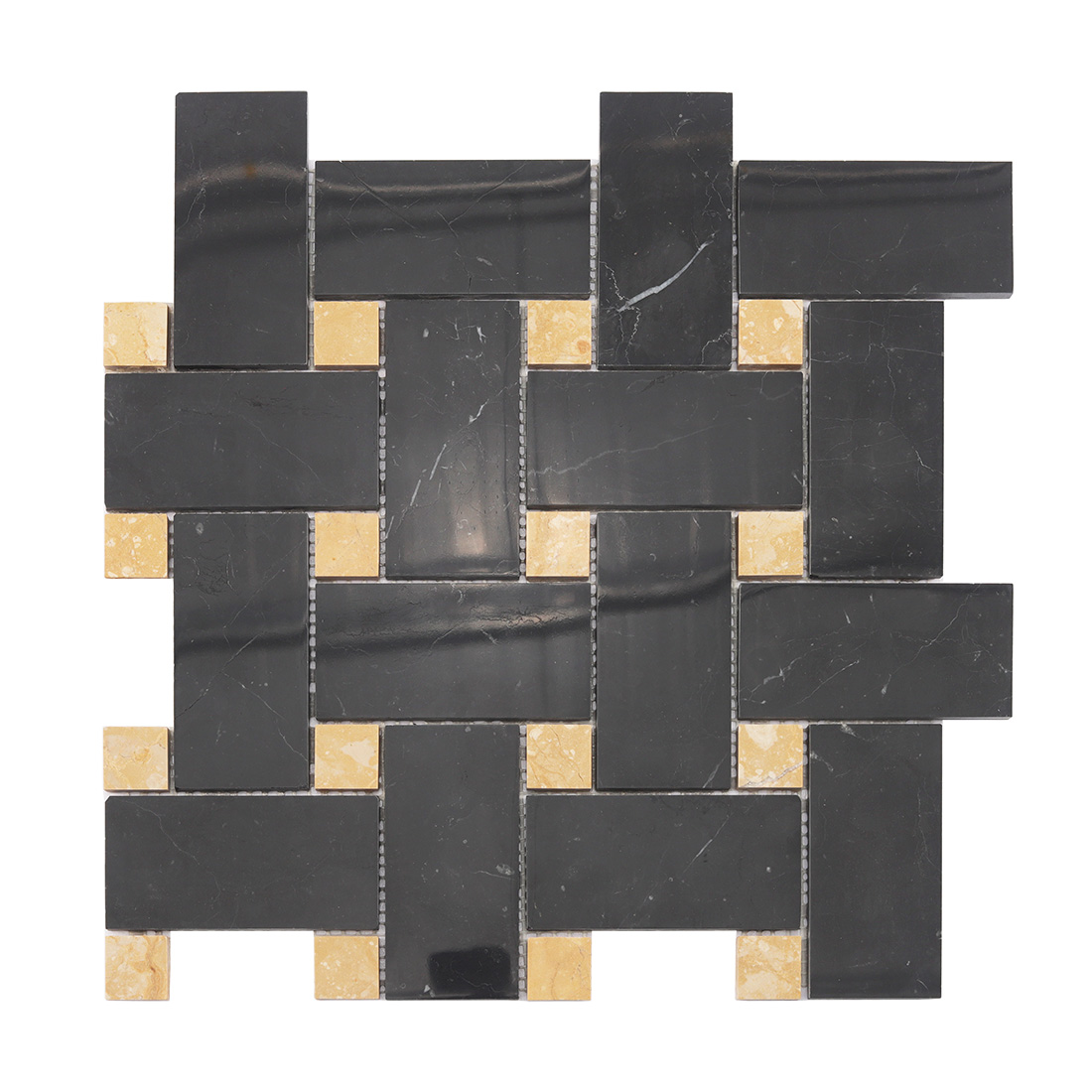
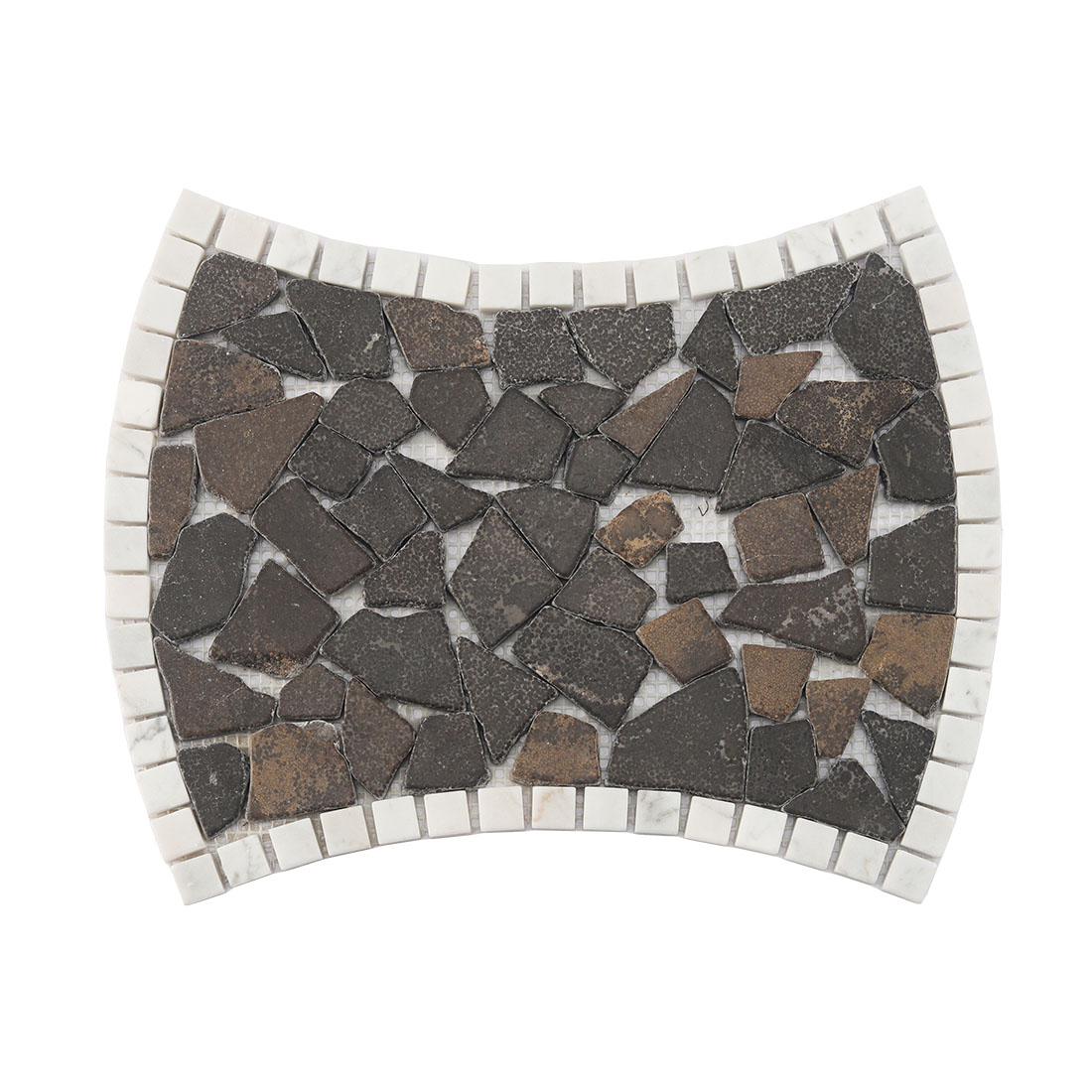
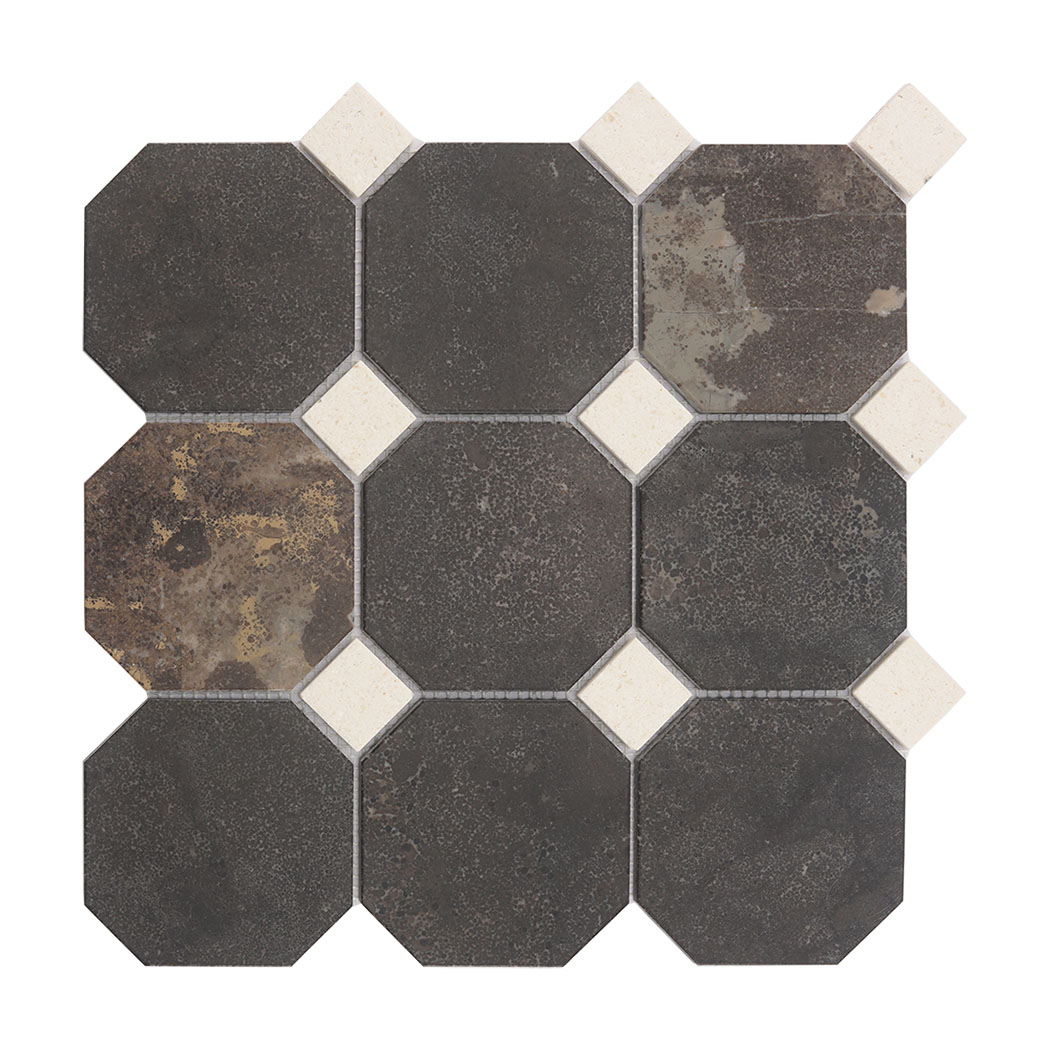
Discover industrial floor tiles made for interiors that value honest materials, understated color, and lasting character. The Woos Tiles collection brings together matte natural stone surfaces with subtle mineral markings, tonal variation, and softly aged finishes—ideal for loft apartments, cafés, design studios, offices, restaurants, retail stores, and modern residential projects.
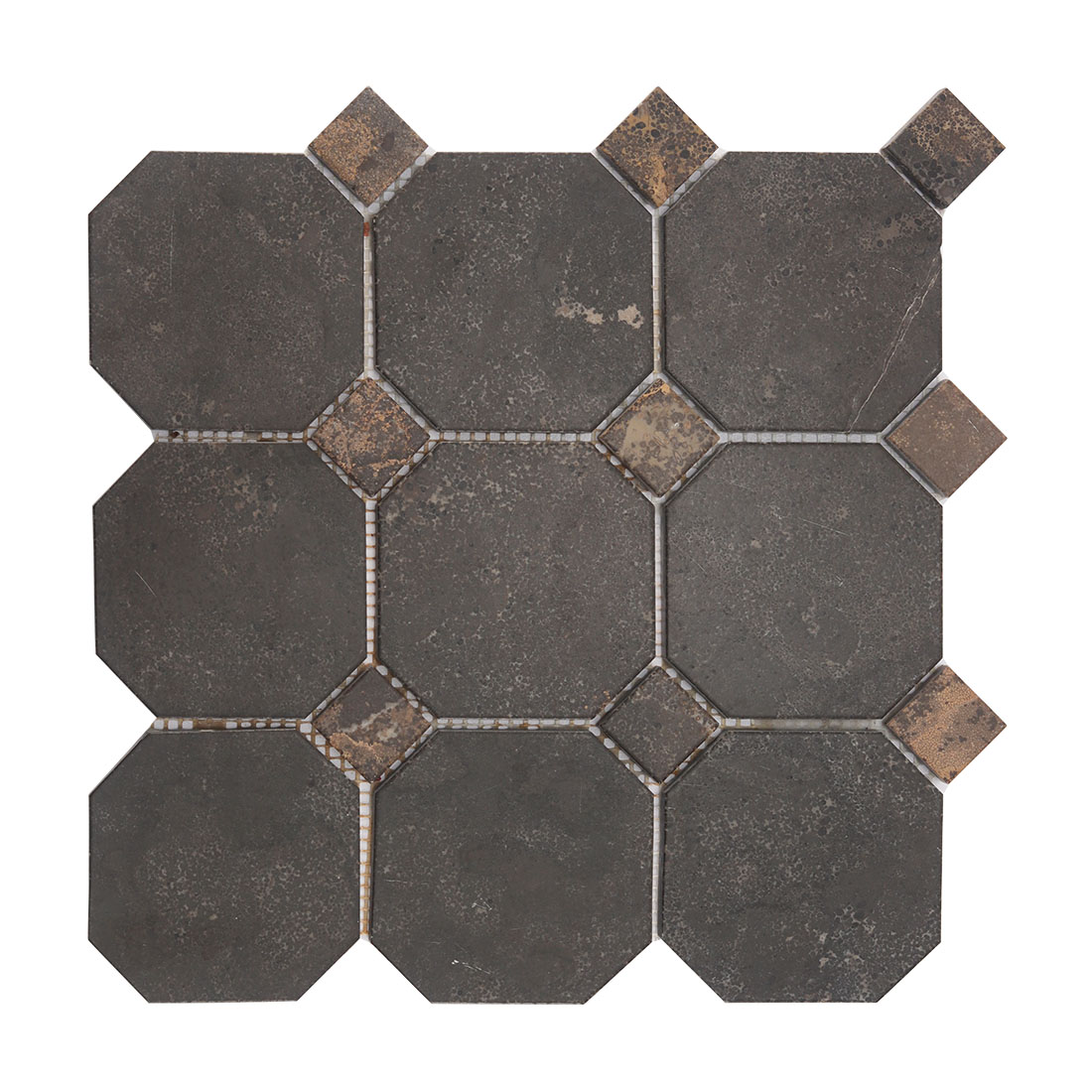
Unlike printed concrete-look tiles, natural stone is formed by geological processes. Every tile has its own veining, mineral deposits, pores, shade movement, and surface details. Once installed, these natural differences create a floor that feels layered and authentic rather than mechanically repeated.
Explore the collection, order samples, or contact Woos Tiles for custom sizes and commercial project support.
Authentic Industrial Style in Natural Stone
Industrial interiors are defined by raw materials, open space, functional details, and a restrained visual language. Exposed brick, blackened steel, aged wood, concrete, and visible structural elements are common features. Industrial-style floor tiles provide the grounding surface that brings these materials together.
Our natural stone industrial floor tiles express this aesthetic through:
-
Matte and honed surfaces with minimal glare
-
Organic mineral markings and naturally occurring variation
-
Muted gray, charcoal, beige, off-white, taupe, and brown tones
-
Clean square and rectangular formats
-
Subtle antiqued or weathered finishes
-
Durable stone construction for suitable residential and commercial applications
-
Custom cutting and layout options for project-based designs
The result is a floor that feels architectural and substantial without becoming visually overpowering.
Industrial-Style Tiles or Heavy-Duty Industrial Tiles?
“Industrial floor tiles” can describe two different product categories.
Industrial-style floor tiles are selected primarily for their raw, factory-inspired appearance. They are commonly installed in homes, cafés, offices, studios, restaurants, hotels, and retail interiors.
Heavy-duty industrial tiles are engineered for factories, warehouses, production lines, vehicle workshops, chemical processing areas, and other demanding environments. These applications may require verified load capacity, abrasion resistance, chemical resistance, impact resistance, fire classification, thickness, and slip-resistance data.
The Woos Tiles collection focuses primarily on premium industrial-style natural stone flooring for architectural, residential, hospitality, retail, and general commercial projects. If your project involves forklifts, heavy machinery, aggressive chemicals, production equipment, or regulated safety requirements, contact us before ordering. We can review the application and confirm whether a specific product is appropriate.
Why Choose Natural Stone Industrial Floor Tiles?
Unique Natural Texture
No two pieces of natural stone are exactly identical. Variations in veins, mineral traces, small pores, fossil markings, and shade are inherent characteristics of the material rather than manufacturing defects.
These differences prevent the repeated-print appearance found in many imitation products and give large floors a more natural rhythm.
Matte, Low-Glare Appearance
Matte, honed, or lightly antiqued finishes absorb and diffuse light instead of producing a highly reflective surface. This creates the quieter, more grounded appearance associated with industrial and minimalist interiors.
A matte finish may also make minor dust, footprints, and everyday wear less visually prominent than a highly polished surface. However, matte does not automatically mean slip-resistant. Always check the technical information for the specific tile when selecting flooring for wet or safety-sensitive areas.
Long-Term Material Character
Correctly selected, installed, sealed, and maintained natural stone can provide a durable flooring surface for residential and commercial interiors. Instead of relying on a printed top layer, the visual character comes from the stone itself.
Actual performance varies by stone type, thickness, finish, traffic level, installation system, and maintenance program. Product-specific information should always be reviewed before specification.
Flexible Design Compatibility
Industrial natural stone tiles coordinate easily with:
-
Black or brushed metal
-
Stainless steel
-
Exposed brick
-
Raw or reclaimed wood
-
Microcement and concrete
-
Plaster and limewash walls
-
Dark cabinetry
-
Leather furniture
-
Clear or smoked glass
-
Minimalist lighting
-
Vintage industrial fixtures
This versatility allows the same flooring collection to work in raw warehouse-inspired interiors, refined industrial spaces, modern rustic projects, and minimalist commercial environments.
Industrial Floor Tile Colors
Concrete Gray
Gray industrial floor tiles create the closest visual connection to concrete and warehouse flooring. Light gray makes a space feel open and contemporary, while medium gray provides a balanced neutral base for black metal, wood, and brick.
Charcoal and Black
Charcoal and black stone tiles create a stronger, more dramatic floor. They work especially well in bars, restaurants, fashion stores, galleries, hotel entrances, and masculine residential interiors.
Because dark flooring can make compact or poorly lit rooms appear smaller, it is often best balanced with warm lighting, lighter walls, pale wood, or reflective metal accents.
Stone Beige and Warm Taupe
Beige, taupe, and warm gray industrial tiles soften the coldness sometimes associated with concrete-inspired interiors. These colors pair naturally with oak, walnut, aged brass, linen, and warm white walls.
They are particularly suitable for cafés, reception areas, boutique hotels, residential living rooms, and relaxed industrial interiors.
Off-White and Natural Cream
Off-white natural stone provides an understated industrial look with a lighter architectural feeling. It can visually expand smaller spaces while preserving the mineral texture and variation of authentic stone.
Natural Stone Options for Industrial Floors
The exact appearance and performance depend on the selected material.
Limestone
Limestone usually offers calm movement, subtle fossil or mineral details, and muted beige, gray, or cream colors. Honed and antiqued limestone can create a soft, understated industrial floor.
Some limestone varieties are sensitive to acids and may require sealing. Suitability for high-traffic commercial use should be confirmed for the individual product.
Travertine
Travertine is recognized by its linear movement, pores, cavities, and warm mineral tones. Filled and honed travertine creates a smoother floor, while more open or textured finishes emphasize its raw natural character.
Because travertine is a calcareous stone, acidic products can etch the surface. Proper sealing, installation, and pH-neutral maintenance are important.
Marble
Certain gray, black, brown, and heavily veined marbles work well in refined industrial interiors. A honed finish reduces gloss and gives marble a quieter, more contemporary appearance.
Marble should be selected carefully for busy or wet floors because different varieties have different abrasion, slip, stain, and acid-resistance characteristics.
Slate and Other Textured Stones
Slate and similar stones can produce deeper color, natural cleft texture, and pronounced industrial character. Variation in thickness and surface profile may be greater, so installation requirements should be discussed with a qualified stone installer.
Where to Use Industrial Floor Tiles
Loft Apartments and Open-Plan Homes
Industrial floor tiles can visually connect the kitchen, dining area, and living space without introducing unnecessary pattern changes. Larger rectangular formats can reinforce the open architectural character of a loft.
Kitchens
Matte stone flooring complements stainless-steel appliances, black hardware, timber cabinetry, and exposed brick backsplashes. For kitchen use, verify stain resistance, sealing requirements, cleanability, and suitability for occasional water or grease exposure.
Cafés and Restaurants
Natural stone brings warmth and authenticity to hospitality spaces while supporting industrial furniture, metal counters, concrete walls, and warm ambient lighting.
Commercial projects should evaluate expected foot traffic, chair movement, spill exposure, maintenance procedures, and applicable slip-resistance requirements before final selection.
Retail Stores and Showrooms
Neutral industrial flooring allows merchandise and displays to remain the visual focus. Gray, black, and taupe stone surfaces are especially effective in fashion stores, furniture showrooms, galleries, salons, and lifestyle boutiques.
Offices and Design Studios
Industrial natural stone floors suit reception areas, meeting rooms, collaborative workspaces, and creative studios. They coordinate easily with glass partitions, exposed services, black framing, and modular furniture.
Bathrooms and Wet Areas
Some natural stone products can be used in bathrooms and other wet areas, but suitability is product-specific. Water absorption, finish, slope, drainage, sealing, grout joints, cleaning procedures, and wet slip performance must all be considered.
Do not select a bathroom floor solely because it has a matte surface. Request technical data and consult the installer before ordering.
Outdoor Areas
Only products specifically approved for the intended exterior environment should be used outdoors. Climate, freeze-thaw exposure, water absorption, thickness, substrate, drainage, surface finish, and installation method can all affect performance.
Contact Woos Tiles with the project location and intended application before selecting natural stone for a patio, entrance, terrace, or other exterior floor.
How to Choose the Right Industrial Floor Tile
1. Define the Application
Start by determining whether the project is residential, hospitality, retail, office, exterior, wet-area, or heavy commercial. A tile suitable for a private living room may not be appropriate for a busy restaurant entrance or production facility.
2. Review the Stone Type
Ask which natural stone is being supplied and how that material performs in the intended environment. Different limestones, travertines, marbles, and slates can vary significantly.
3. Select the Surface Finish
Honed finishes provide a smooth, matte appearance. Antiqued, brushed, sandblasted, or textured finishes may create a more weathered look and different surface characteristics.
Choose the finish according to appearance, cleaning requirements, traffic conditions, and relevant slip-resistance needs.
4. Check Technical Information
Depending on the project, request available information for:
-
Tile dimensions
-
Nominal thickness
-
Dimensional tolerances
-
Surface finish
-
Recommended application
-
Water absorption
-
Abrasion performance
-
Breaking strength
-
Slip-resistance test results
-
Freeze-thaw suitability
-
Sealing requirements
-
Chemical or acid sensitivity
-
Recommended adhesive and grout
-
Care and maintenance instructions
Not every test applies to every natural stone product or installation. A designer, architect, contractor, or qualified stone installer should determine the requirements for the project.
5. Inspect a Sample
Digital screens cannot reproduce stone color, texture, sheen, or variation with complete accuracy. Order a physical sample before placing a full order.
For projects where variation is especially important, request current batch photos or a representative sample range rather than relying on a single piece.
Sizes, Shapes, and Layouts
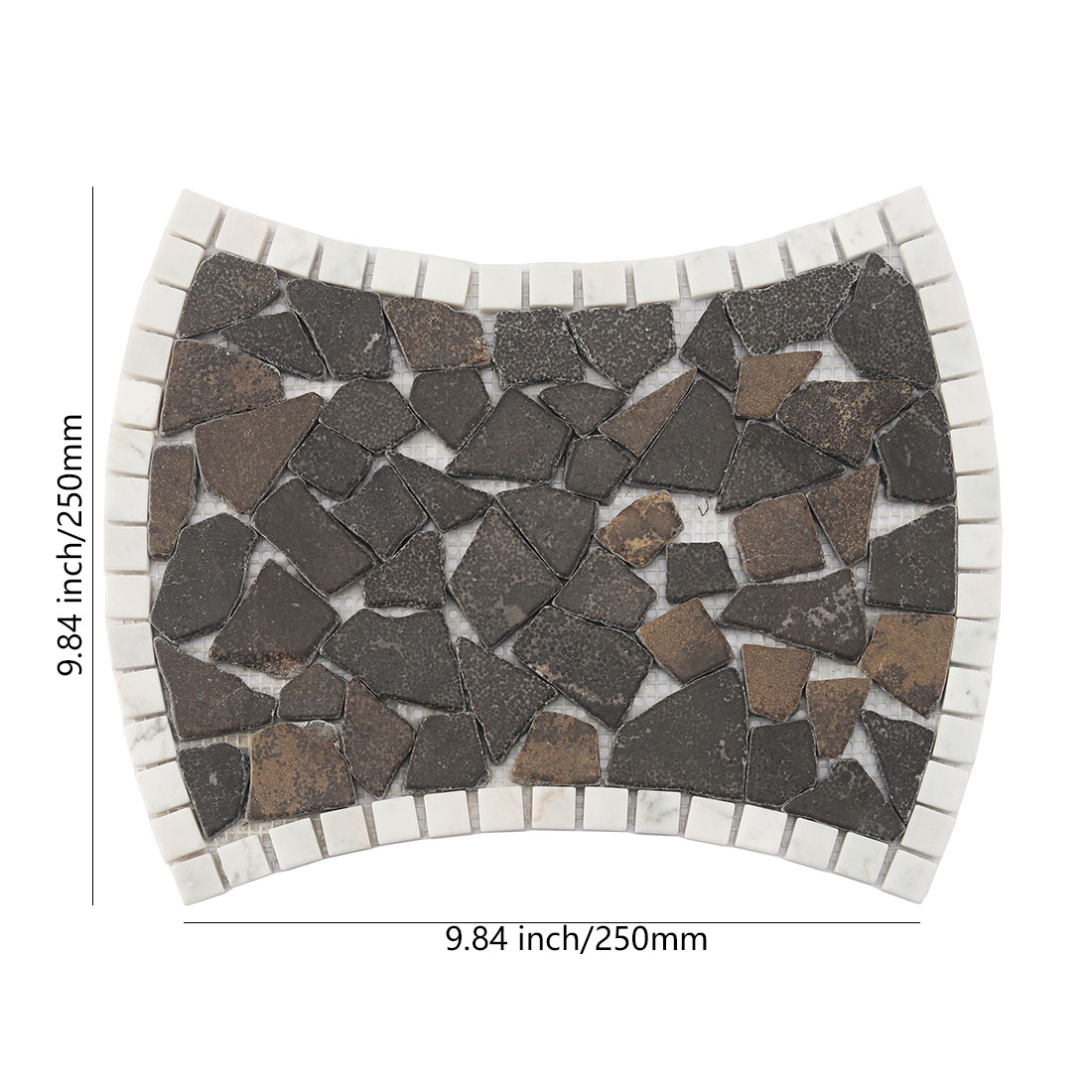
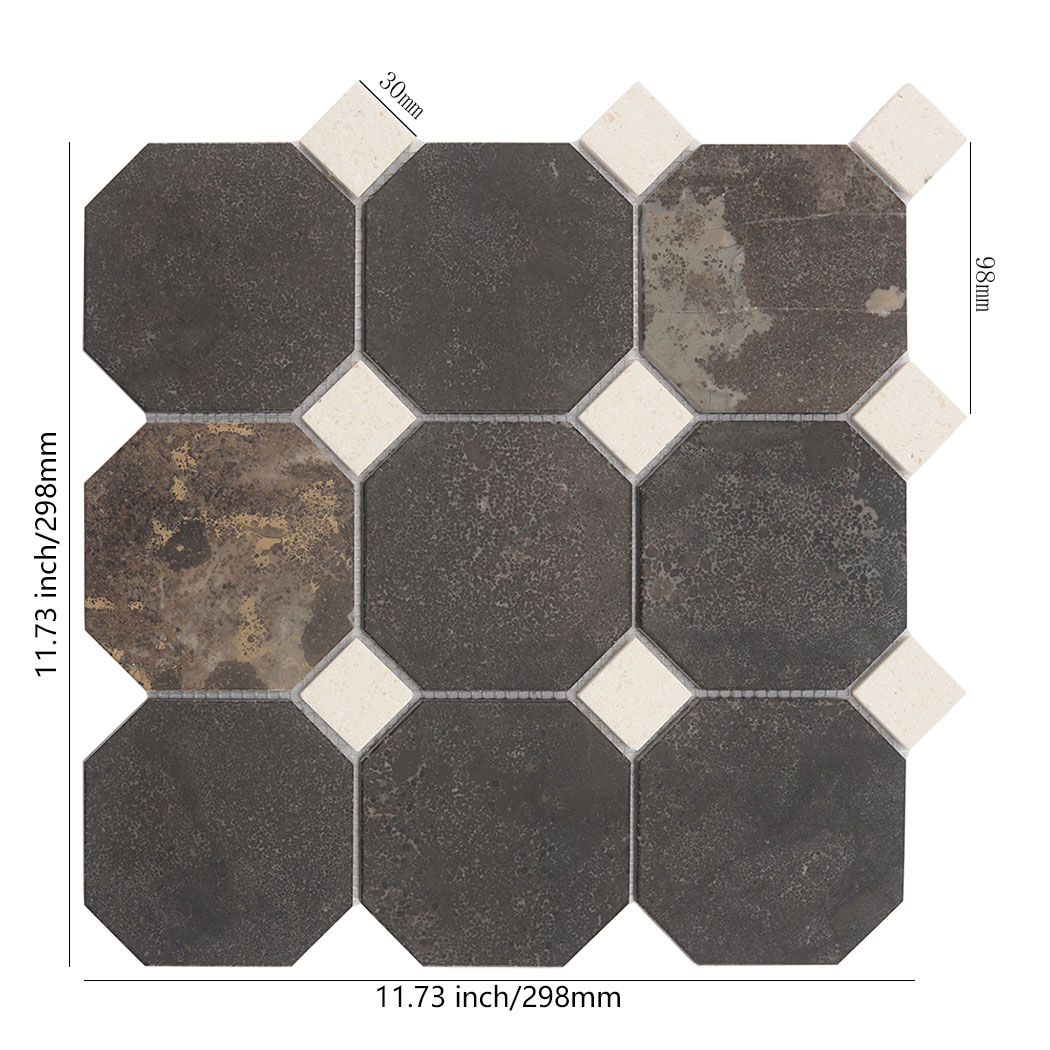
Industrial floor tiles are available in square, rectangular, mosaic, and custom-cut formats. Available dimensions depend on the stone and current collection.
Common layout options include:
Straight Stack
Tiles are aligned in a clean grid. This layout emphasizes geometry and works well in minimalist offices, galleries, and modern industrial homes.
Running Bond
Rectangular tiles are offset from row to row. A moderate offset creates movement while maintaining an orderly appearance. The recommended offset should be confirmed for the selected tile size and flatness.
Mixed-Size Layout
Multiple stone formats can be combined for a more aged, European, or workshop-inspired floor. This layout works particularly well with antiqued limestone and travertine.
Checkerboard
Two contrasting stone colors create a strong vintage-industrial statement. Gray and off-white, charcoal and beige, or black and cream are versatile combinations.
Custom Geometric Layout
Woos Tiles can support custom-cut stone shapes, borders, panels, and project-specific patterns. Contact us with drawings, dimensions, quantities, reference images, and material preferences for evaluation.
Grout Color and Joint Design
Grout color can change the visual impact of an industrial tile floor.
-
Matching gray or beige grout creates a calmer, more continuous surface.
-
Dark grout emphasizes the geometry of light-colored tiles.
-
Light grout creates visible contrast around charcoal or black stone.
-
Medium gray grout offers a practical, balanced appearance for many commercial interiors.
Natural stone tiles should not be installed with an assumed zero-width joint. Joint width must accommodate actual tile dimensions, edge finish, substrate conditions, layout, and installation requirements. Movement and perimeter joints should also be planned by the installer.
Test grout and sealers on spare pieces before installation. Some natural stones may absorb pigment or develop grout haze if the wrong products or methods are used.
Installation Guidelines
Natural stone flooring should be installed by an experienced tile or stone professional.
Inspect Before Installation
Open several boxes and dry-lay pieces from different packages. Confirm color, variation, dimensions, finish, and overall blend before installation begins.
Natural variation is expected, but damaged or unsuitable pieces should be identified before they are permanently installed.
Prepare a Stable, Flat Substrate
The substrate must be structurally suitable, clean, dry, stable, and sufficiently flat for the selected tile format. Surface irregularities can create lippage, hollow areas, or uneven joints.
Substrate preparation, waterproofing, crack-isolation systems, uncoupling membranes, and movement joints should be selected according to site conditions and applicable installation standards.
Use Stone-Compatible Setting Materials
Adhesives, mortars, grouts, sealers, and cleaners must be compatible with the stone. Light-colored or moisture-sensitive stones may require specialized setting materials.
Do not assume that a general-purpose ceramic tile adhesive is suitable for every natural stone.
Blend the Tiles
Install pieces from several boxes at the same time. Rotate and rearrange tiles where appropriate to distribute light, dark, heavily marked, and quieter pieces naturally across the floor.
Allow for Natural Variation
Natural stone should not look perfectly uniform. Variation is part of the design. Reviewing and approving the proposed blend before installation helps prevent misunderstandings after the floor is completed.
Sealing and Maintenance
Many natural stone floors benefit from a penetrating sealer, but not every stone or application requires the same product. Ask the stone supplier and sealer manufacturer for recommendations and test the sealer on an inconspicuous area first.
For regular care:
-
Remove loose grit with a soft broom or vacuum attachment.
-
Clean with warm water and a pH-neutral stone cleaner.
-
Blot spills promptly instead of spreading them across the surface.
-
Rinse away cleaner residue and dry the floor when appropriate.
-
Use entrance mats in high-traffic commercial spaces.
-
Avoid abrasive scouring products unless approved for the stone.
-
Avoid vinegar, lemon-based cleaners, acidic descalers, and harsh chemicals on acid-sensitive stone.
-
Renew the sealer only when required by the product, stone, and level of use.
A practical maintenance program should also consider grout joints, entrance contamination, grease, water, cleaning equipment, and the type of traffic using the floor.
How Much Tile Should You Order?
Calculate the net floor area, then add material for cuts, breakage, pattern alignment, stone selection, and future repairs.
As a general planning guide:
-
Simple straight layouts: consider approximately 10% extra
-
Diagonal or more complex layouts: consider approximately 15% extra
-
Mixed formats or highly selective natural stone layouts: the project may require additional allowance
These percentages are estimates only. Room shape, tile size, pattern, stone variation, installer requirements, and project complexity can change the final quantity.
For commercial projects, consider retaining unopened material from the same production batch for future maintenance. Natural stone purchased later may not match the original shade and variation exactly.
Designing an Industrial Interior
A successful industrial space balances raw materials with comfortable lighting and controlled detail.
Refined Industrial
Combine gray natural stone flooring with black-framed glass, walnut cabinetry, warm white walls, and simple architectural lighting.
Vintage Factory
Use darker stone, exposed brick, aged metal, leather seating, and reclaimed timber. A running-bond or mixed-size floor layout can enhance the time-worn character.
Light Industrial
Pair warm beige or off-white stone with pale wood, soft gray plaster, minimal black details, and natural textiles. This creates an industrial influence without making the room feel dark or severe.
Luxury Industrial
Choose large-format honed stone, precision-cut edges, dark metal, smoked glass, custom cabinetry, and restrained lighting. Keeping the palette limited allows the stone texture to become the main feature.
Commercial and Custom Project Support
Woos Tiles supports homeowners, designers, architects, contractors, retailers, hospitality businesses, and commercial developers.
Depending on the product and order requirements, our services may include:
-
Physical samples
-
Current batch photos
-
Custom sizes and shapes
-
Custom surface treatments
-
Quantity estimation assistance
-
Project-based production
-
Commercial quotations
-
International shipping options
-
Custom mosaic mural development
Send us the floor plan, required area, preferred stone, tile size, installation location, project timeline, and delivery destination. Our team will help review suitable options and prepare a project quotation.
Why Buy Industrial Floor Tiles from Woos Tiles?
Woos Tiles combines a broad tile selection with project-focused service. We help customers compare materials, finishes, formats, applications, and customization options instead of selecting flooring by appearance alone.
Woos Tiles is an online tile superstore offering marble tiles, glass tiles, metal tiles, shell tiles, stone tiles, mosaic tiles, wall tiles, floor tiles, bathroom tiles, kitchen tiles, backsplash tiles, outdoor tiles, and custom mosaic murals for residential and commercial projects.
Whether you are creating a compact industrial kitchen, a loft apartment, a café, a retail showroom, or a larger hospitality project, our team can help you find a solution that balances material character, practical requirements, and design intent.
Browse the industrial floor tile collection, order a sample, or contact Woos Tiles for personalized project assistance.
Frequently Asked Questions
What are industrial floor tiles?
Industrial floor tiles may refer either to tiles with a raw, factory-inspired appearance or to heavy-duty products engineered for factories and warehouses. The Woos Tiles collection primarily focuses on industrial-style natural stone flooring for residential, retail, hospitality, office, and general commercial interiors.
What colors work best for industrial-style flooring?
Gray, charcoal, black, warm taupe, stone beige, off-white, and weathered brown are the most versatile choices. These muted colors coordinate naturally with metal, brick, concrete, wood, leather, and glass.
Are industrial floor tiles made from real stone?
Products in this collection may include genuine natural stone options. Check each product page for the exact material because limestone, travertine, marble, slate, porcelain, and other materials have different characteristics and maintenance requirements.
Is natural stone better than concrete-look porcelain?
Neither material is universally better. Natural stone offers authentic mineral variation and unique character. Porcelain usually offers more uniform technical performance and may require less specialized maintenance. The best choice depends on the appearance, application, budget, traffic, and maintenance expectations of the project.
Are matte industrial tiles slip-resistant?
Not necessarily. Matte describes the visual sheen and does not by itself confirm slip resistance. Review product-specific test data and consider the actual environment, including water, grease, slope, footwear, cleaning procedures, and traffic.
Can these tiles be used in commercial spaces?
Many products may be suitable for cafés, offices, shops, restaurants, studios, hotels, and other commercial interiors. Confirm the expected traffic, abrasion, maintenance, slip-resistance, thickness, and installation requirements before ordering.
Can industrial floor tiles be used in bathrooms?
Some products can be used in bathrooms, but suitability must be confirmed for each tile. Wet-area flooring requires careful consideration of surface performance, drainage, slope, waterproofing, sealing, grout, and maintenance.
Can natural stone industrial tiles be used outdoors?
Only use products specifically approved for the project’s exterior conditions. Climate, freeze-thaw cycles, water absorption, thickness, finish, drainage, and installation method must be reviewed.
Do natural stone tiles need sealing?
Many natural stones benefit from sealing, but requirements vary. The selected stone, finish, location, exposure, and sealer system determine whether sealing is recommended and how frequently it may need to be renewed.
How do I clean industrial natural stone flooring?
Use a soft broom or suitable vacuum attachment for loose dirt, followed by warm water and a pH-neutral stone cleaner. Avoid acidic cleaners on acid-sensitive materials such as limestone, travertine, and marble.
Why do the tiles vary in color and texture?
Natural stone contains inherent variations in color, mineral pattern, veining, pores, and markings. These differences are expected and help create an authentic, non-repetitive floor.
Should I order a sample first?
Yes. A physical sample provides a more accurate understanding of color, finish, texture, and material character than a screen image. For larger projects, also request current batch photos or representative samples.
How much extra material should I order?
Approximately 10% extra is commonly considered for simple layouts, while complex or diagonal patterns may require around 15% or more. Ask the installer to confirm the final quantity before ordering.
Can Woos Tiles produce custom sizes?
Custom sizing, shapes, finishes, borders, and project-specific patterns may be available depending on the stone, quantity, and technical requirements. Send your drawings and project specifications for evaluation.
Are these tiles suitable for factories or forklift traffic?
Do not assume that decorative industrial-style stone tiles are suitable for forklifts, heavy machinery, chemical processing, or production environments. These applications require specific engineering and verified performance data. Contact Woos Tiles before specification.