

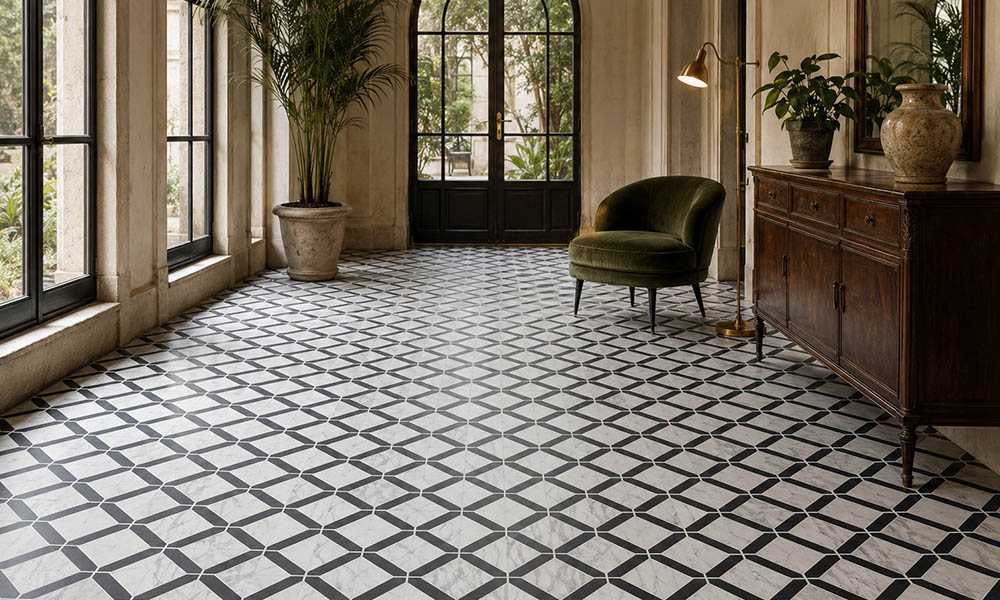
Retro Floor Tiles for a Refined Classic Entryway
-
-
-
-
-
-
-
-
-
-
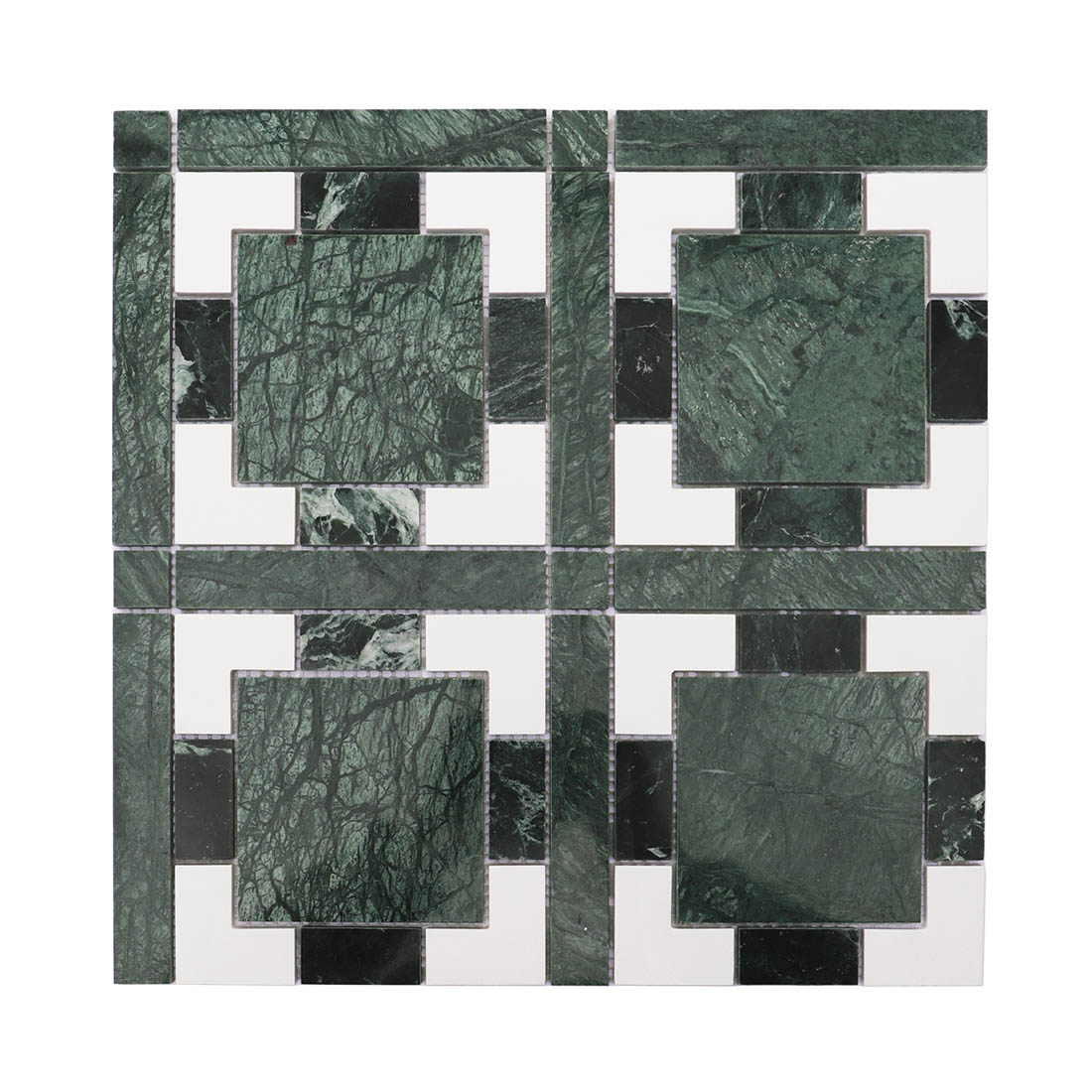
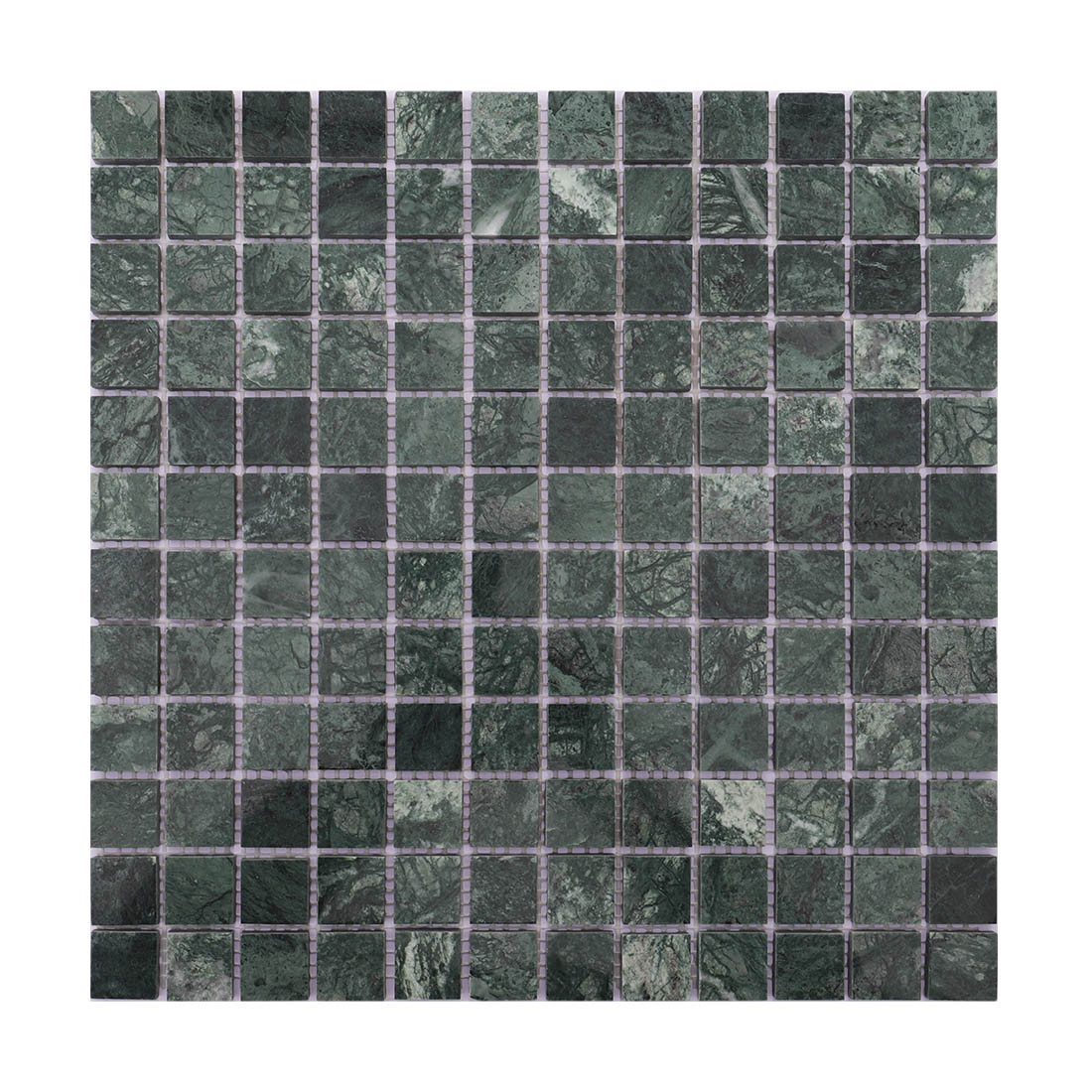
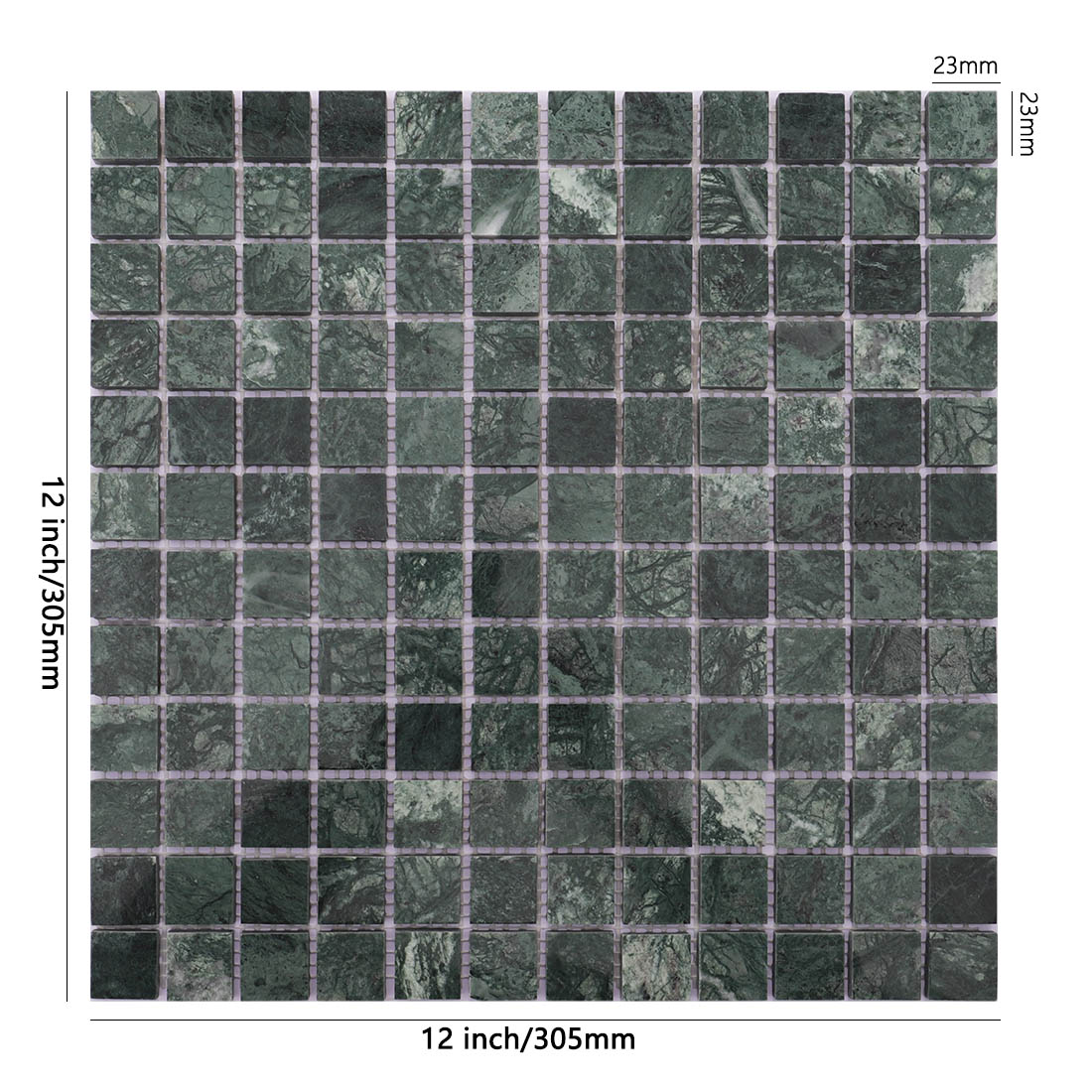
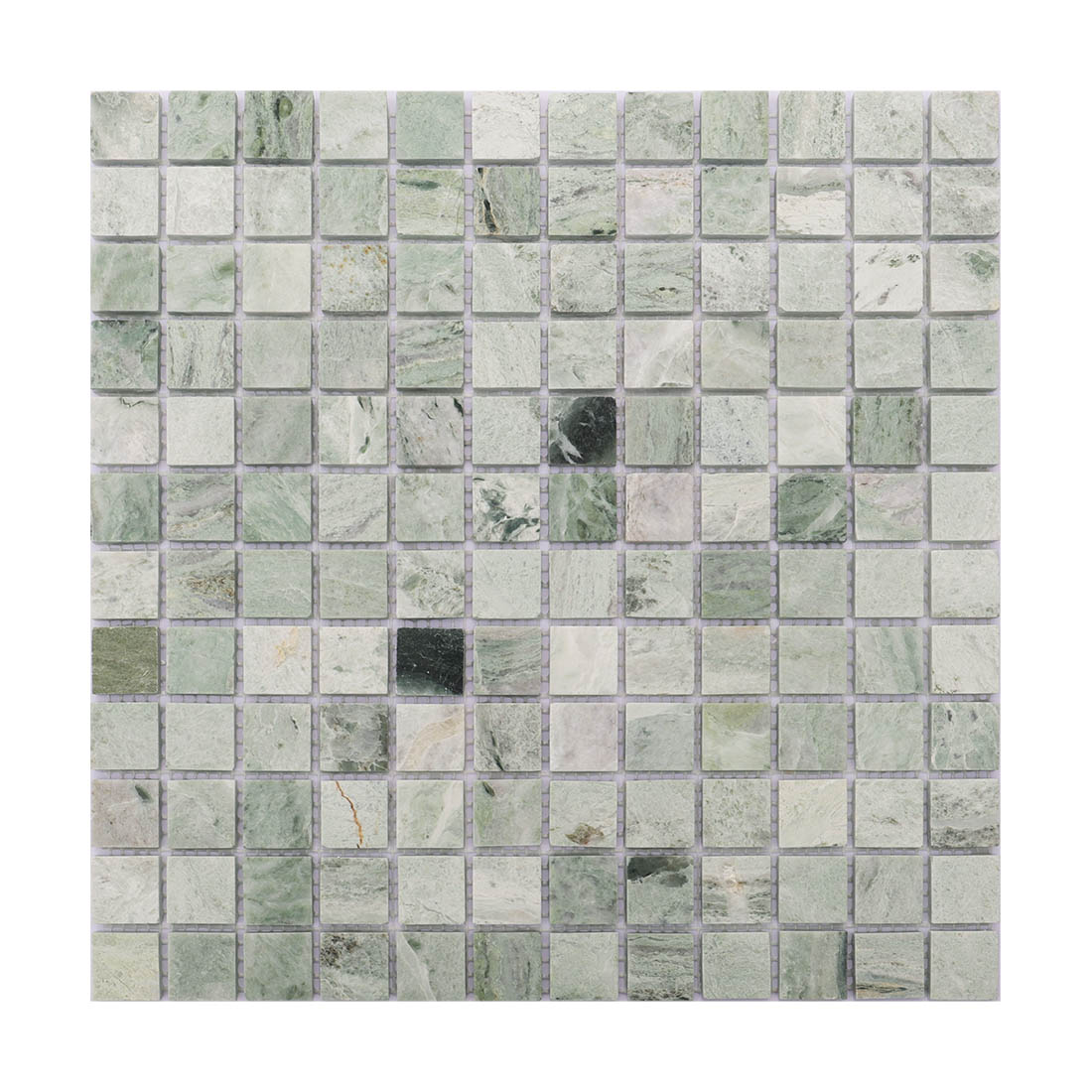
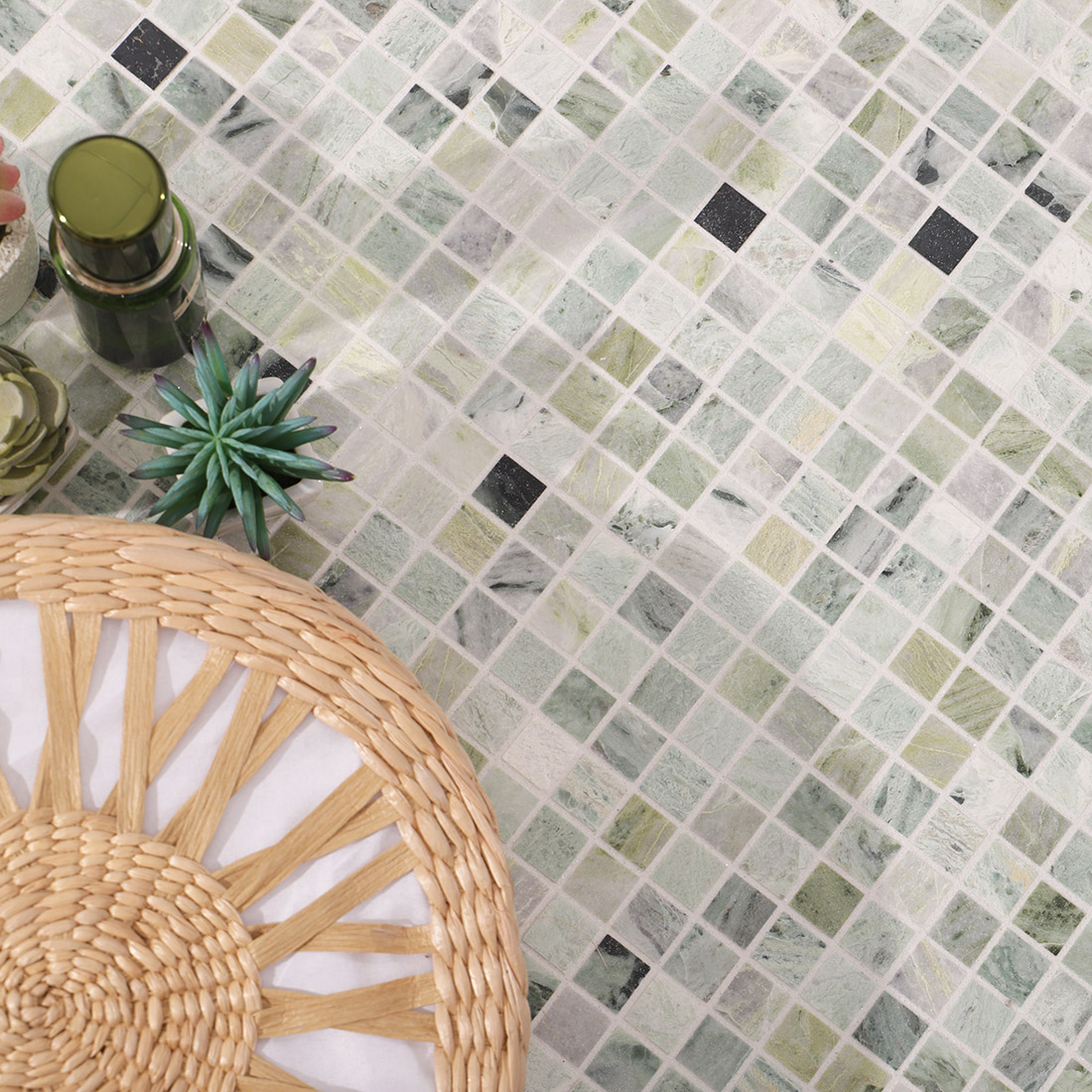
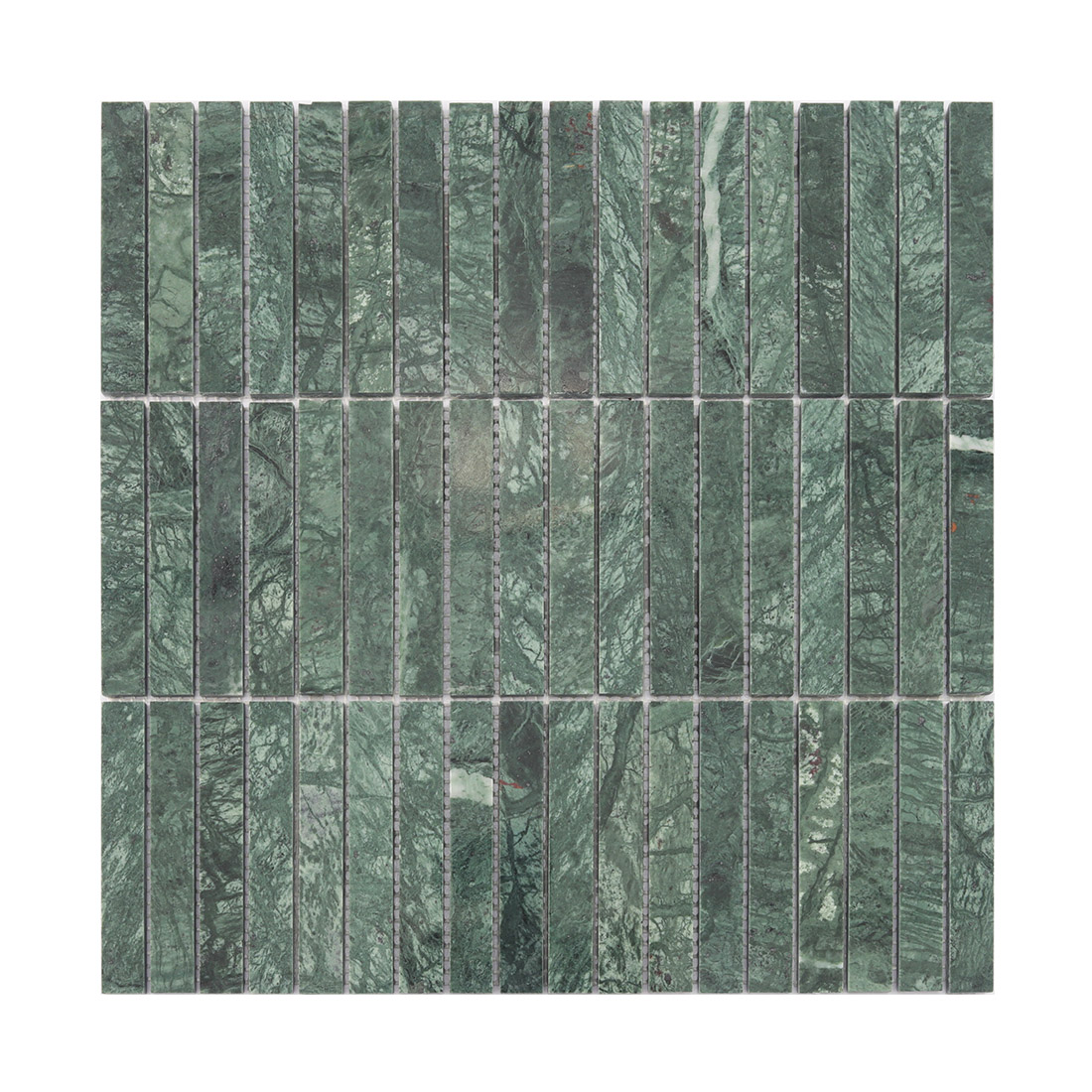
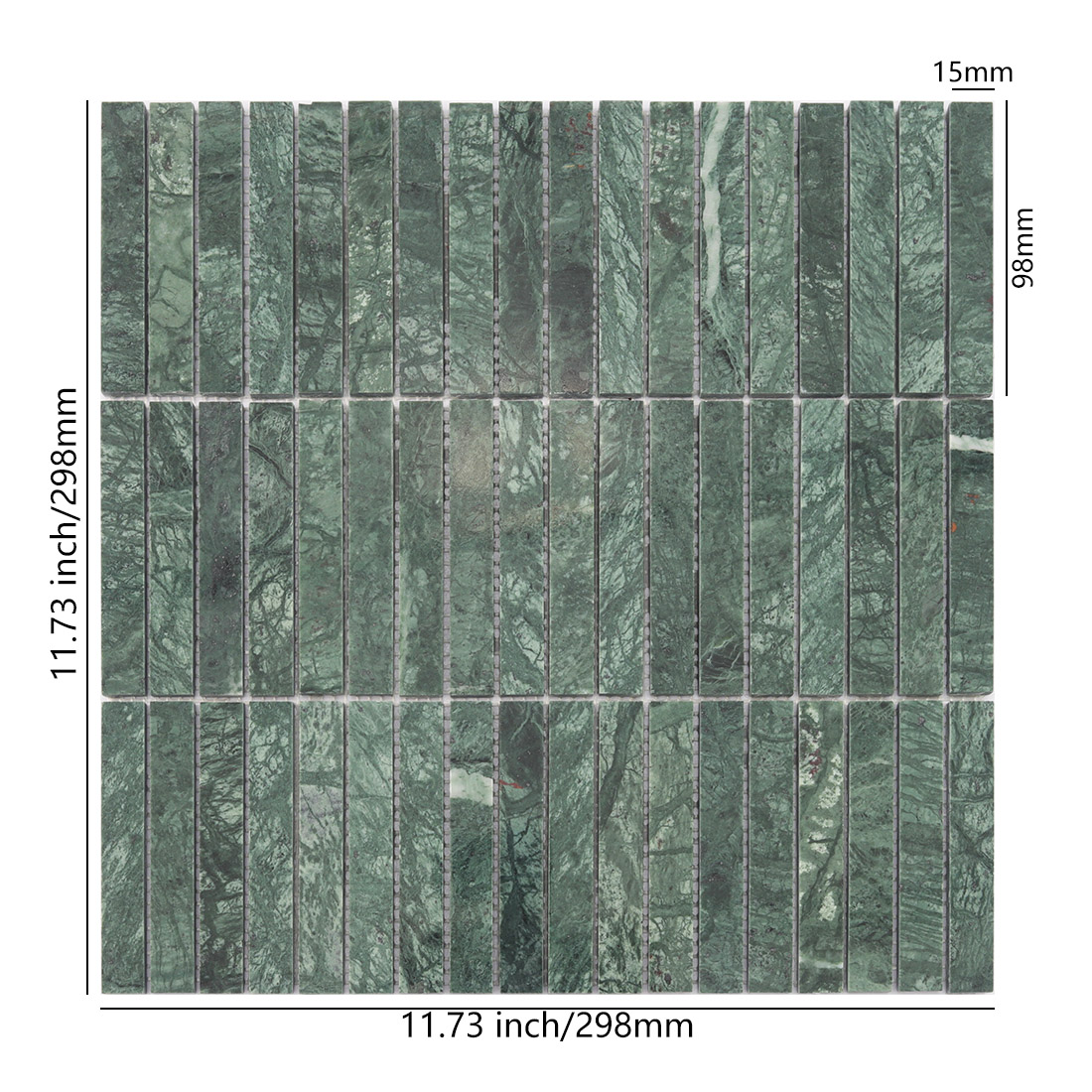
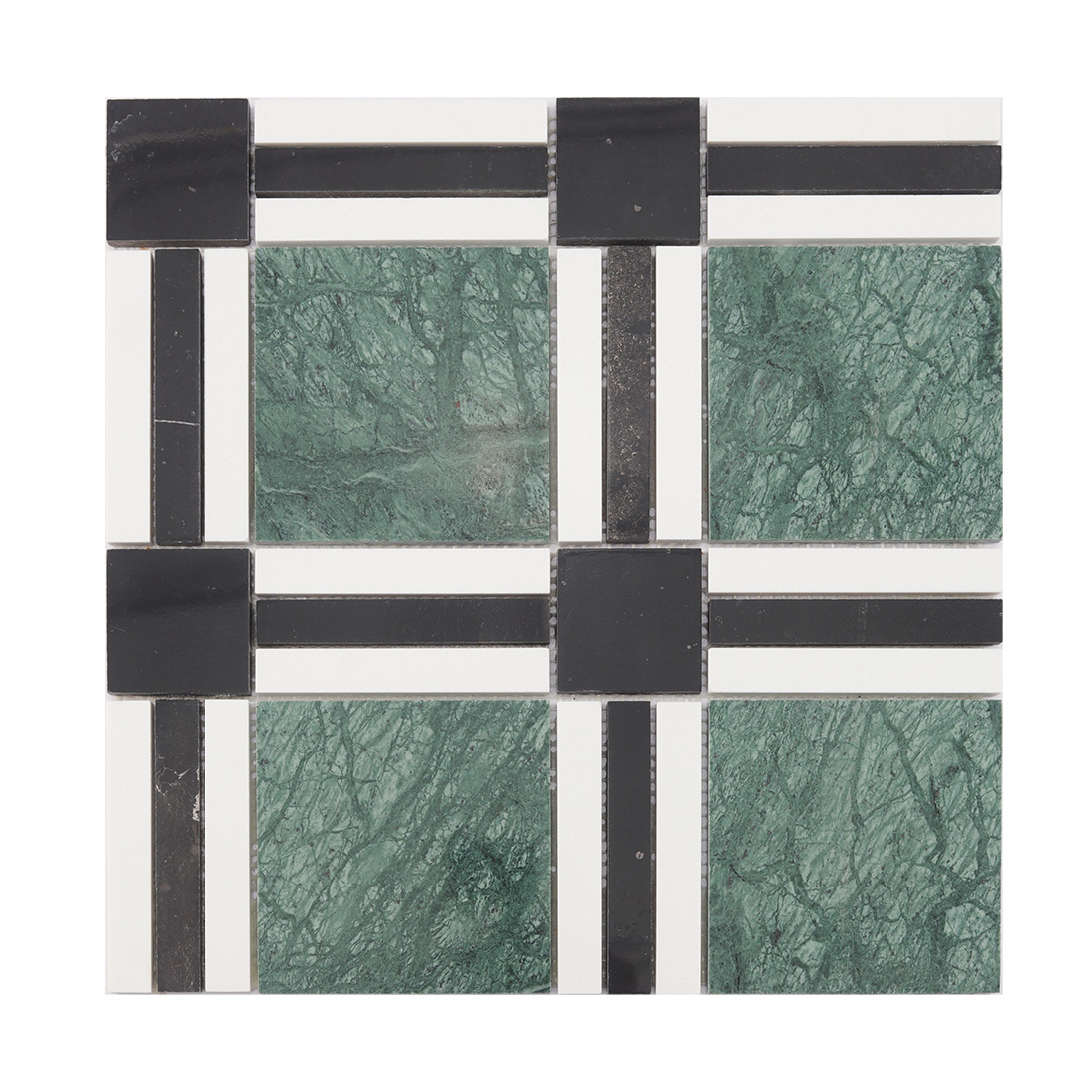
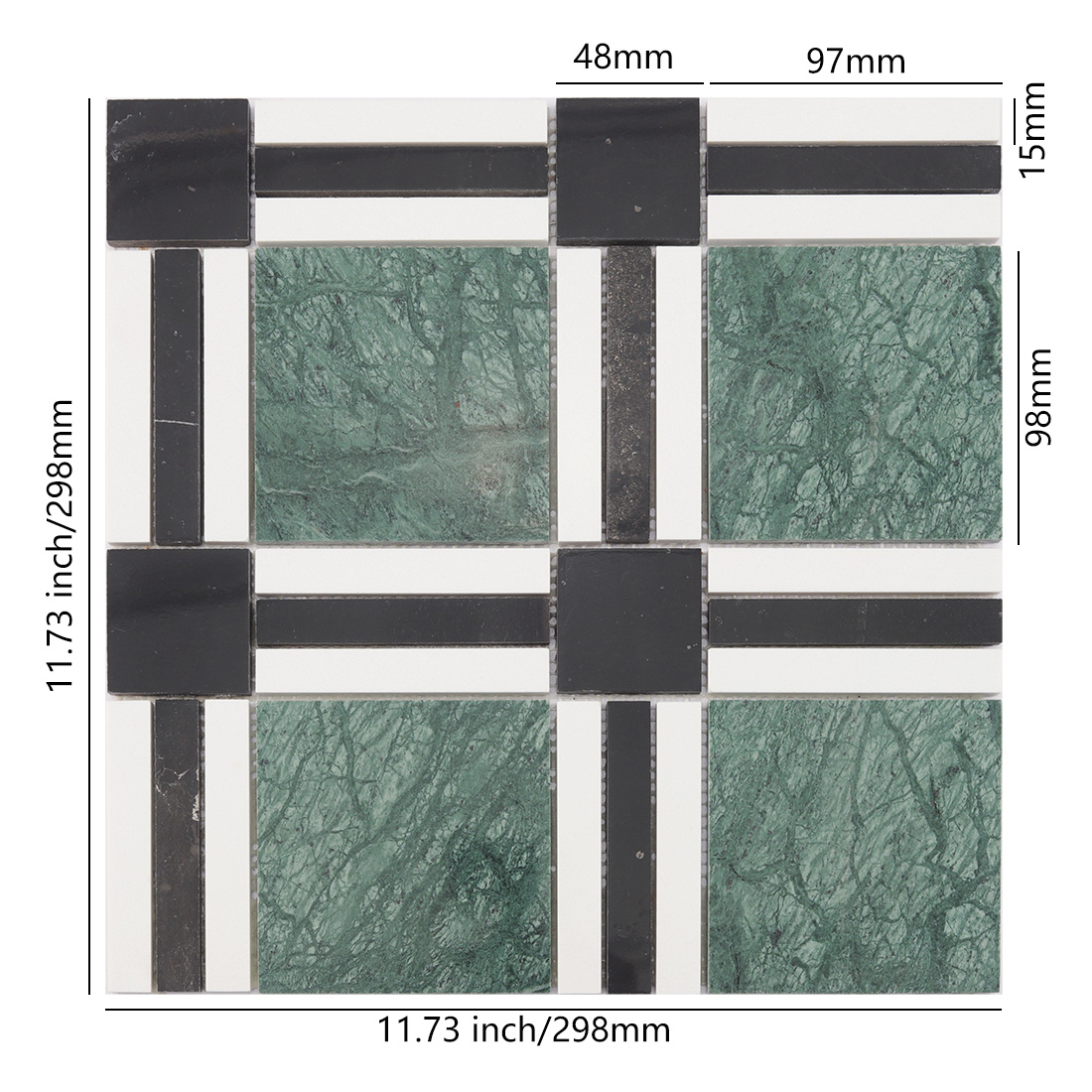
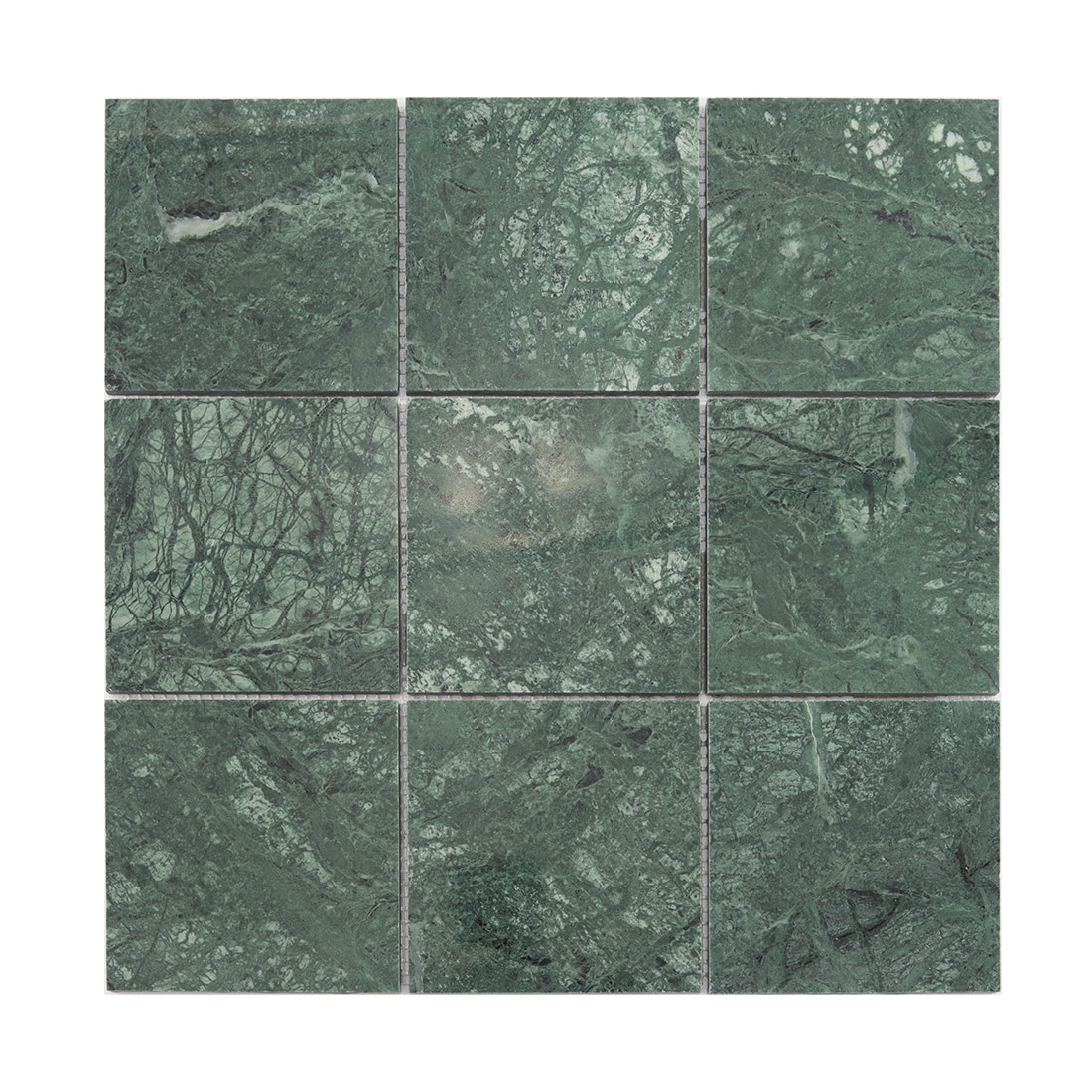
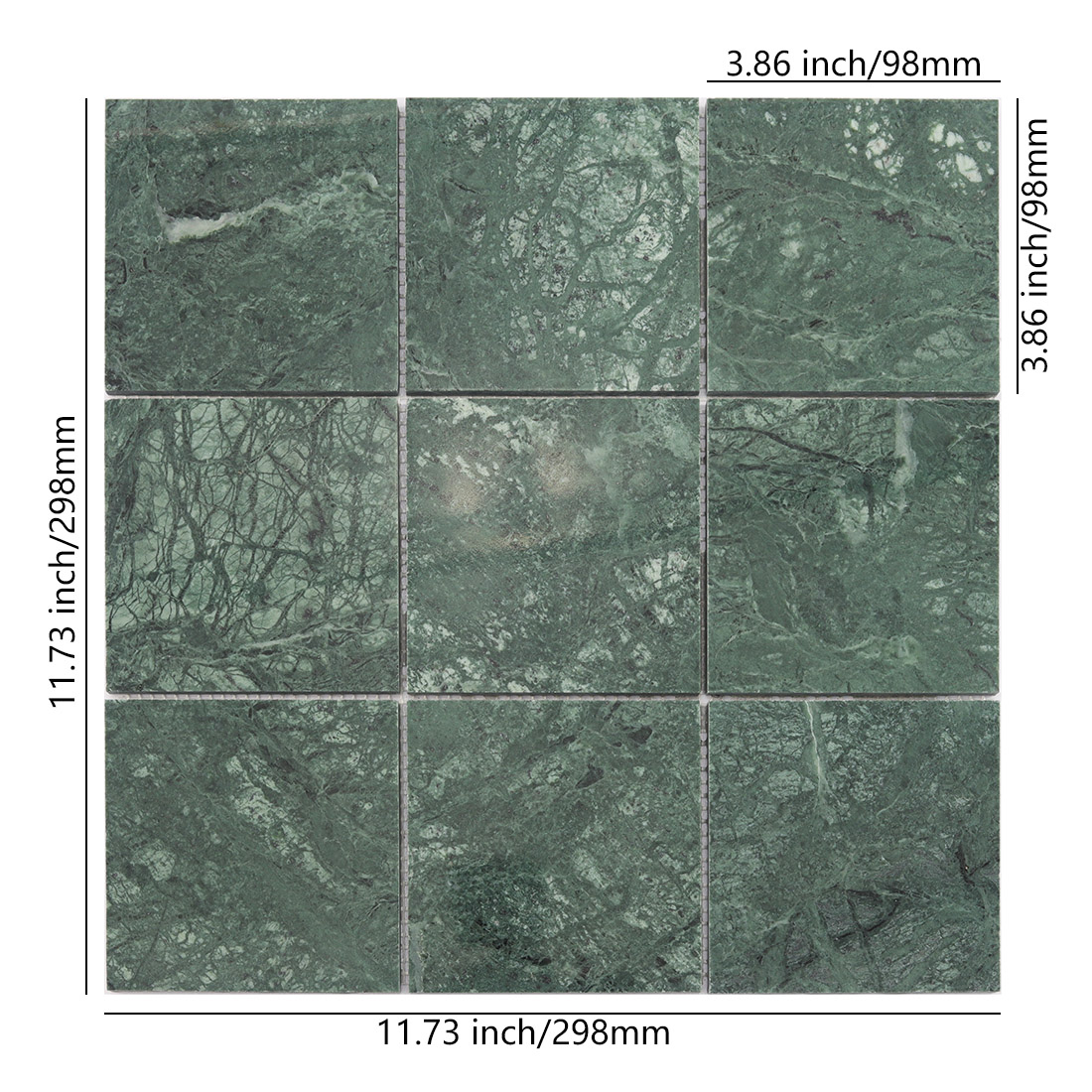
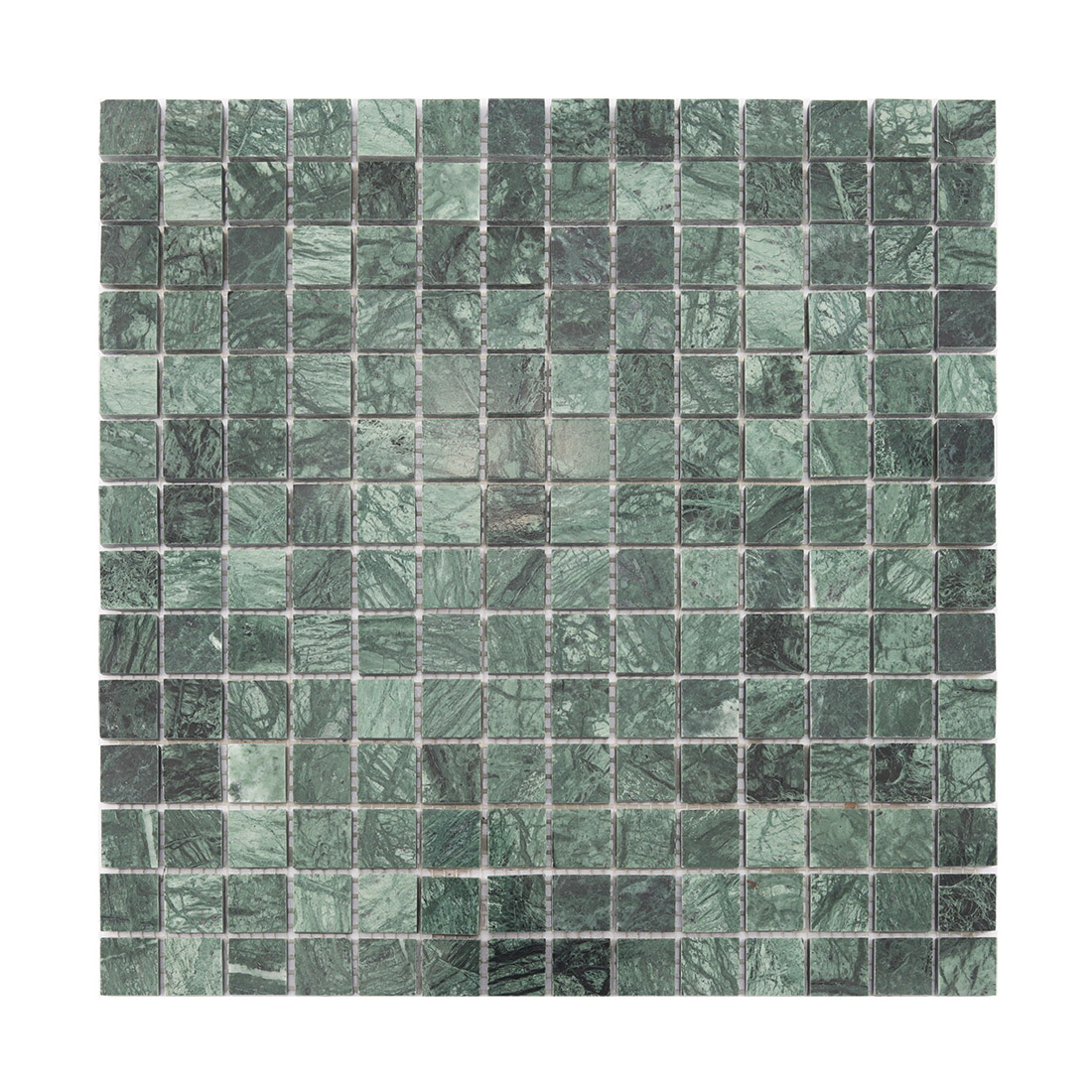
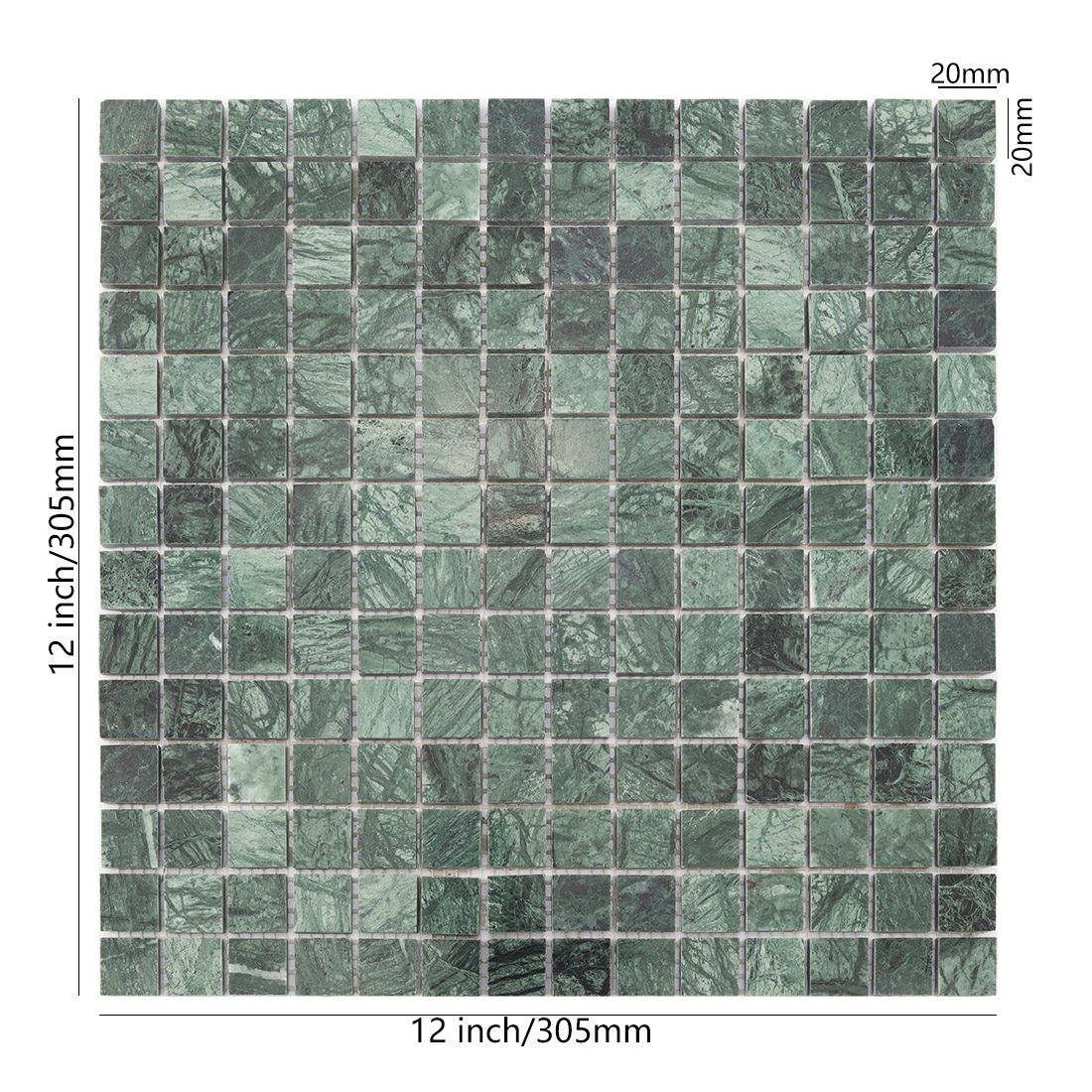
India Green Square Marble Floor Mosaic Tile$11.10 USD
-
-
-
-
-
-
-
-
-
-
-
-
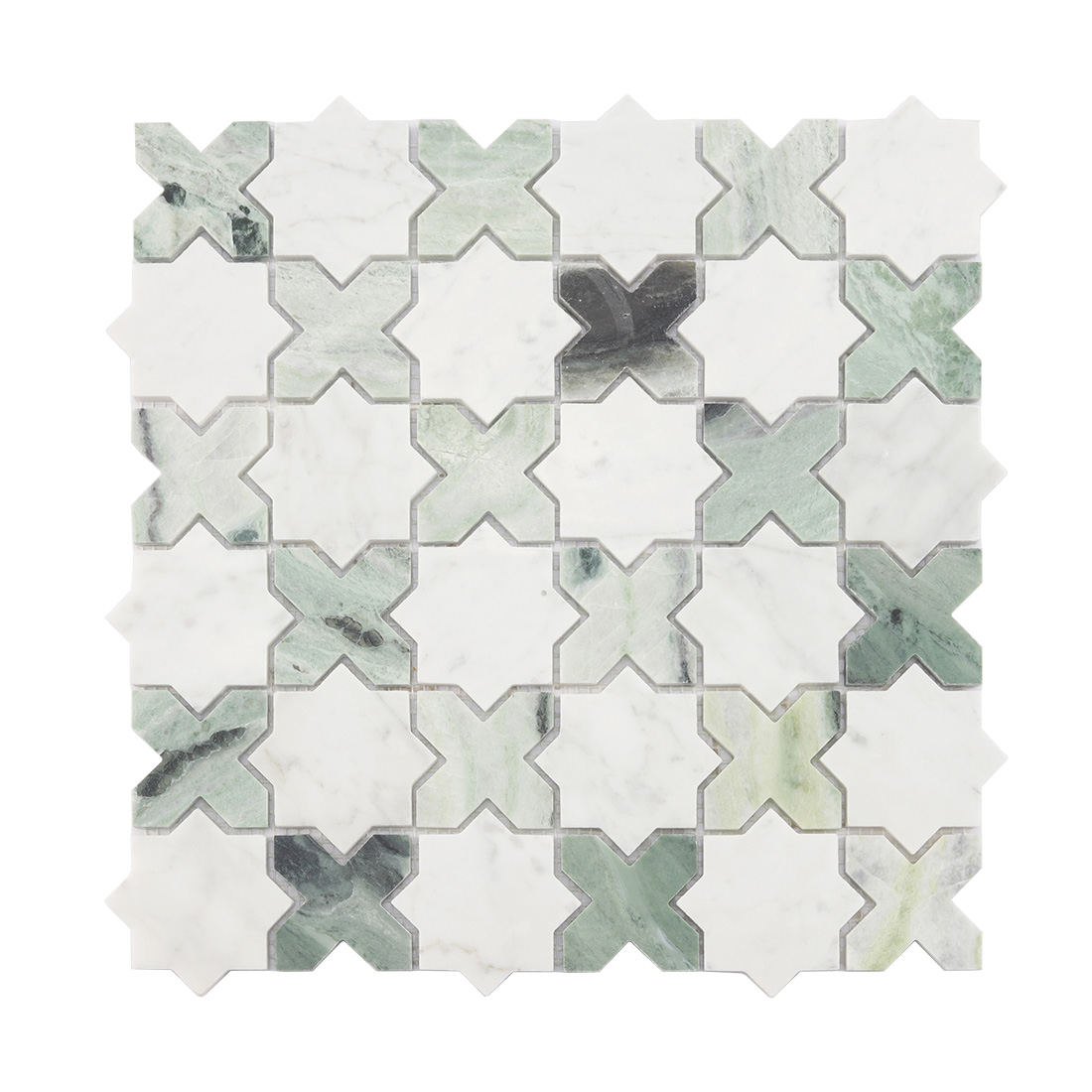
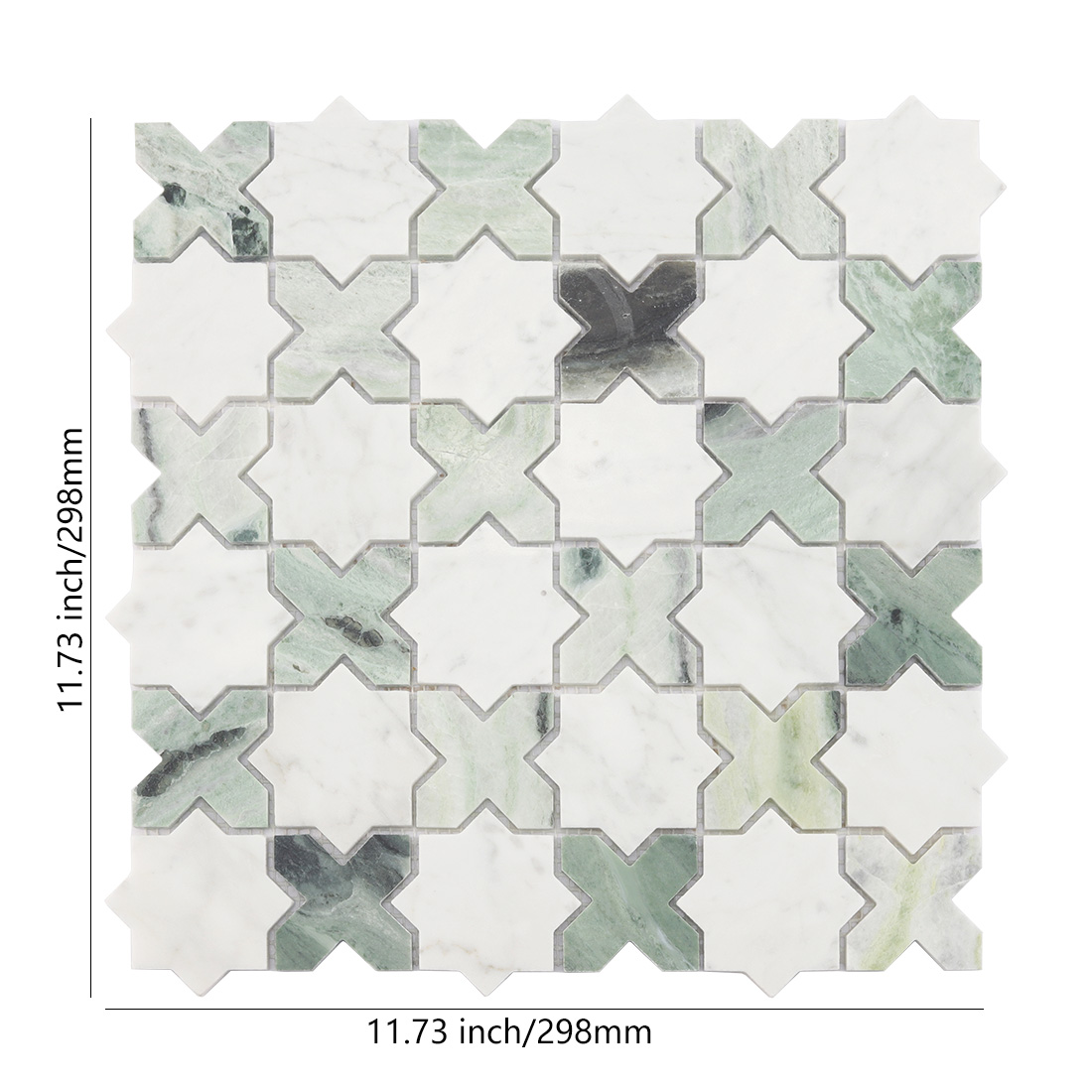
White Green Marble Star Cross Mosaic Tile$23.80 USD
-
-
-
-
-
-
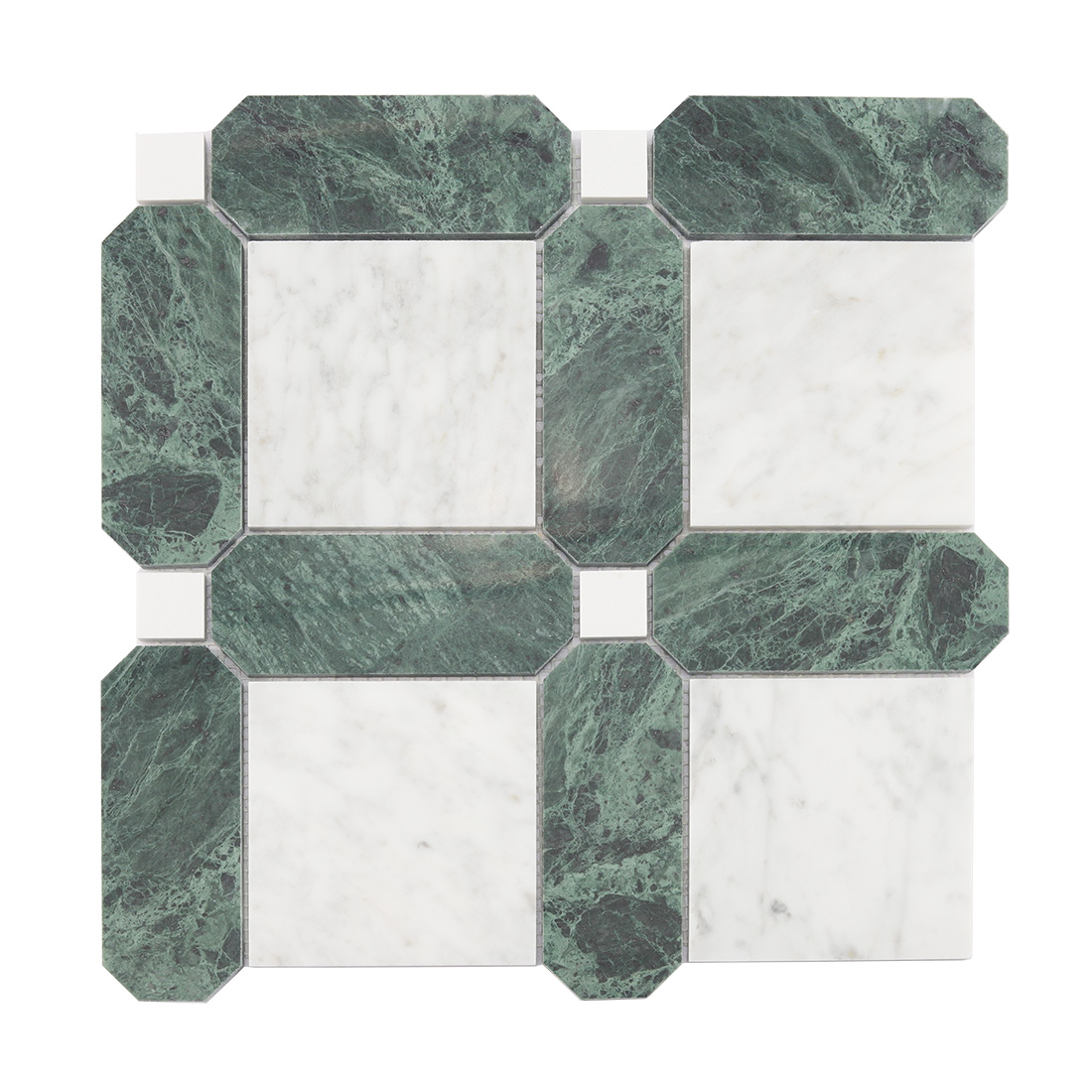
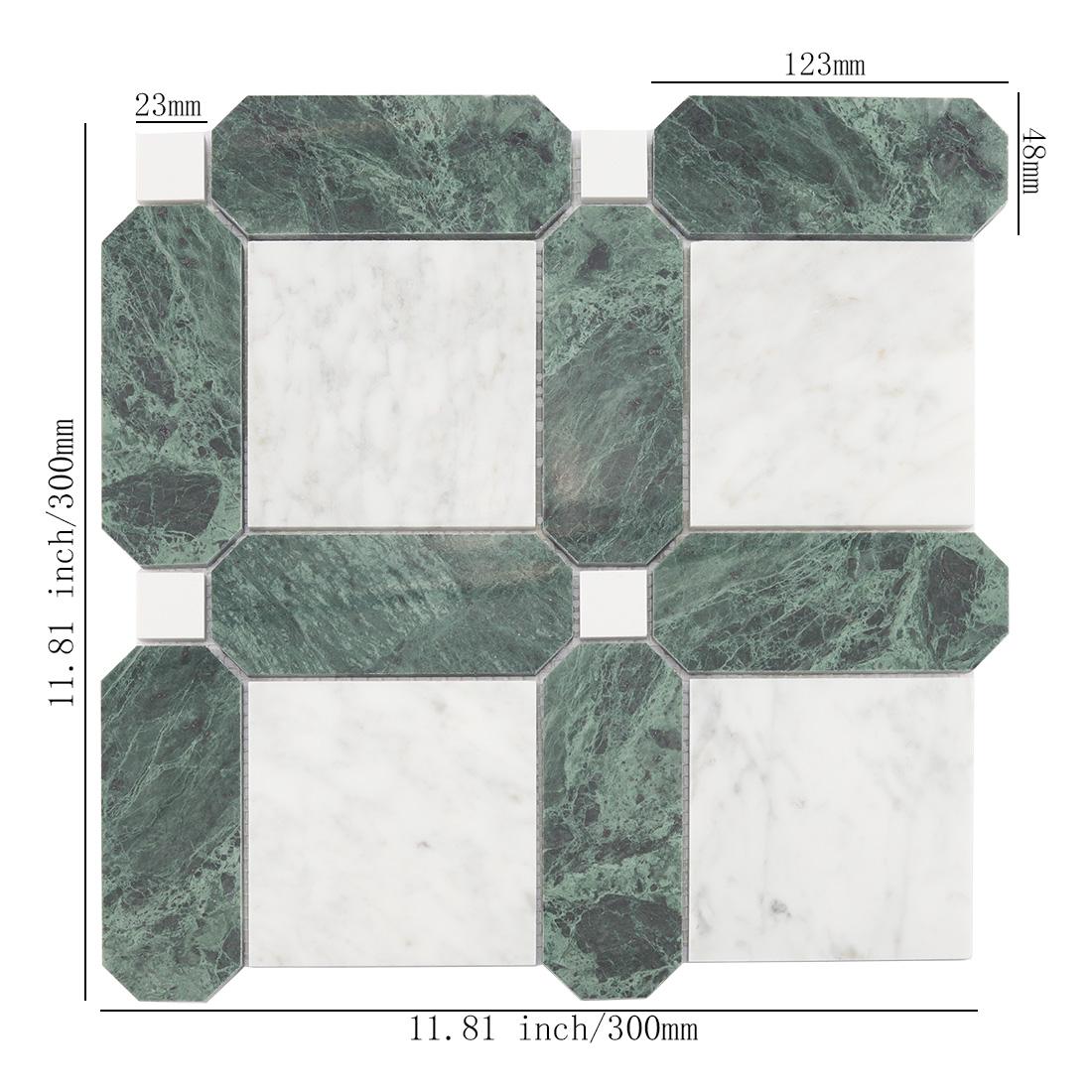
White Green Octagon Marble Mosaic Tile$23.80 USD
-
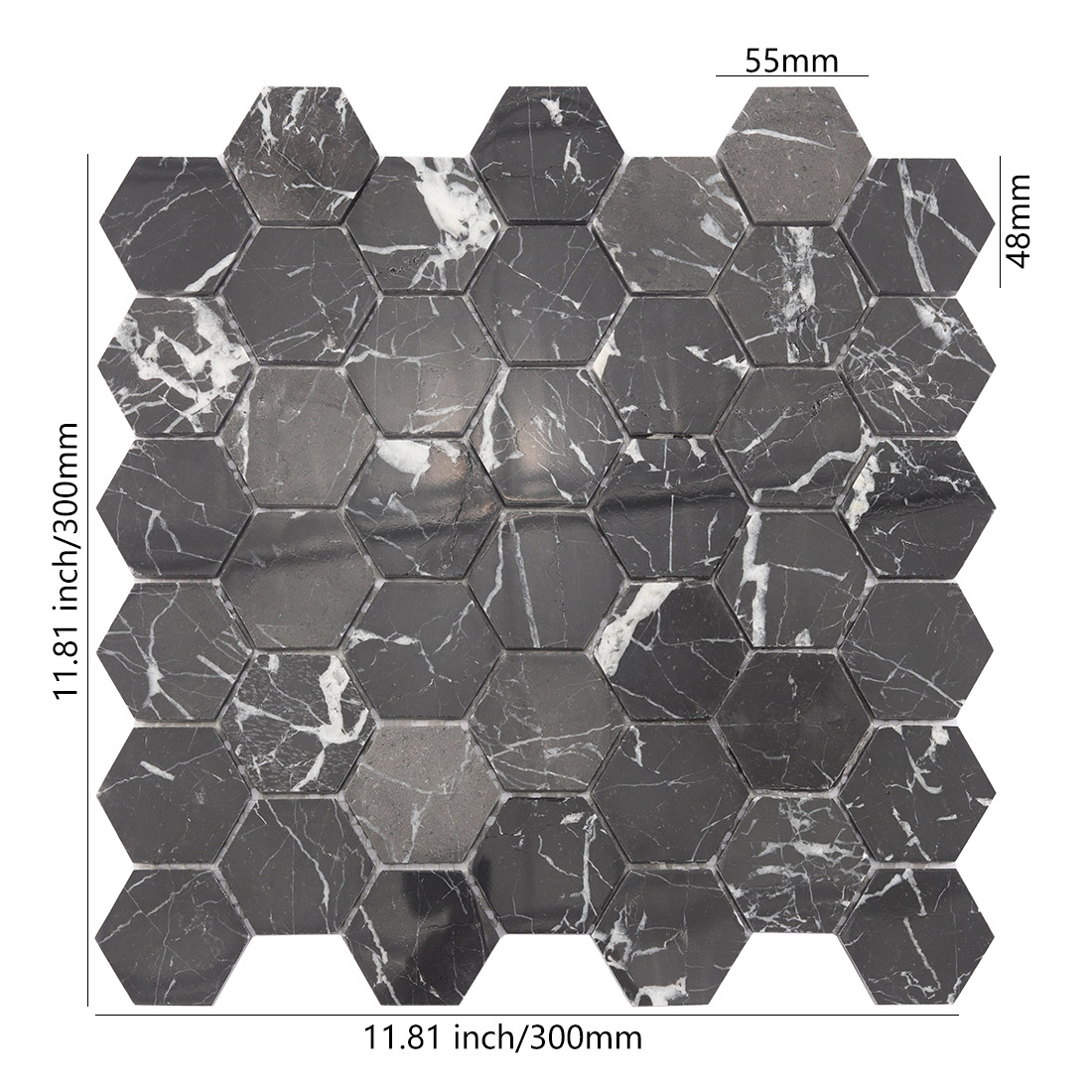
Black Hexagon Marble Floor Mosaic Tile$11.70 USD
-
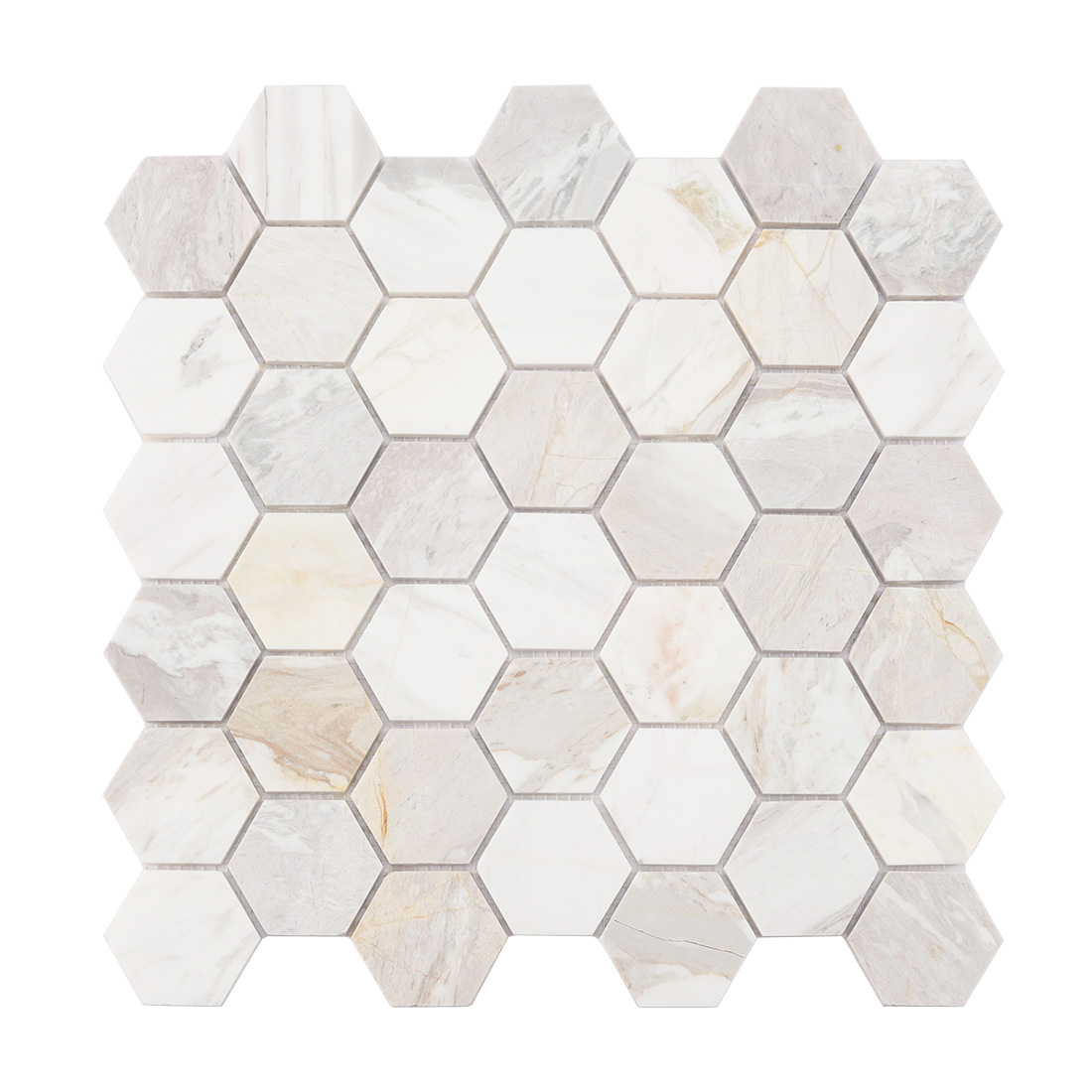
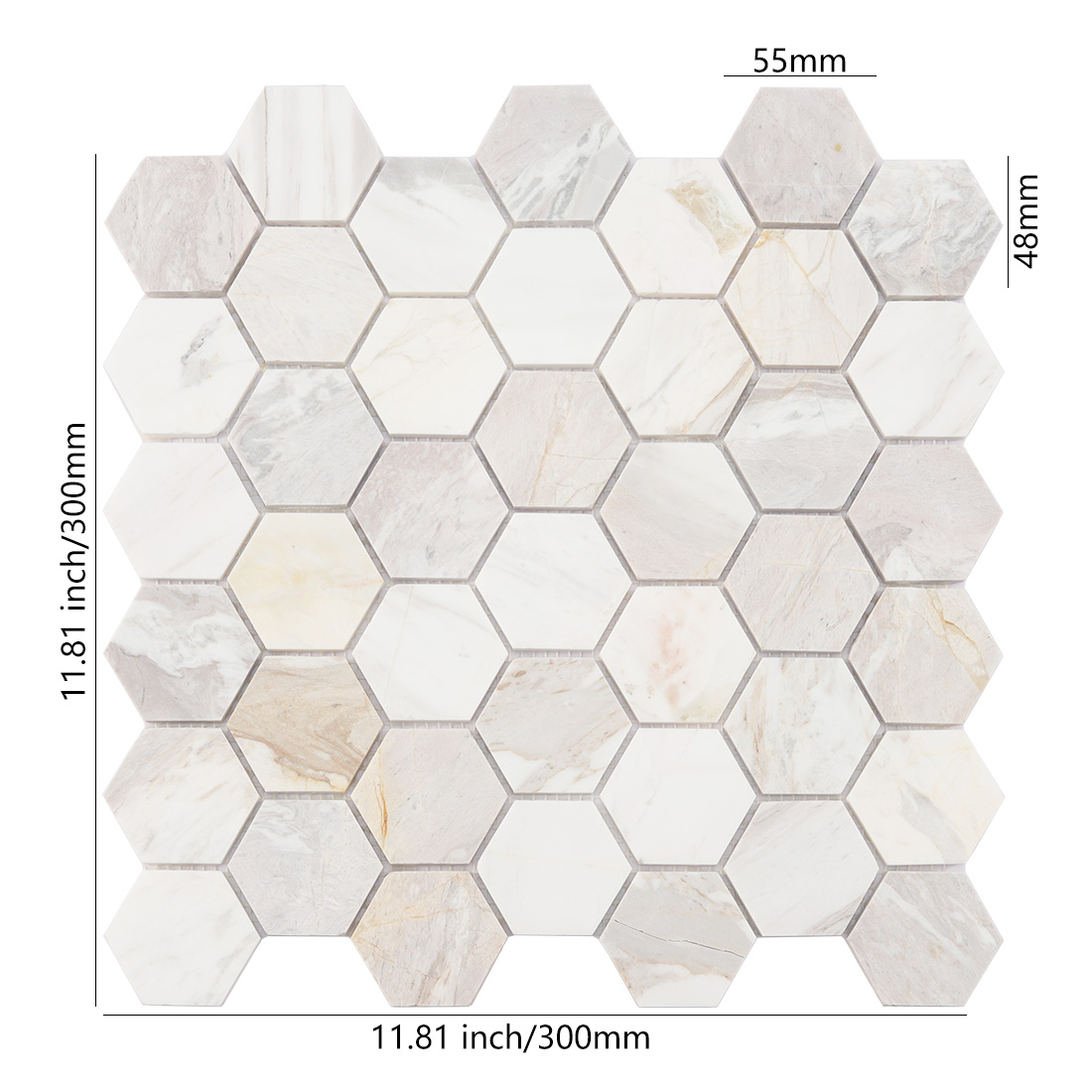
Beige Hexagon Marble Floor Mosaic Tile$12.70 USD
-
-
-
-
-
-
-
-
-
-
-
-
-
-
-
-
-
-
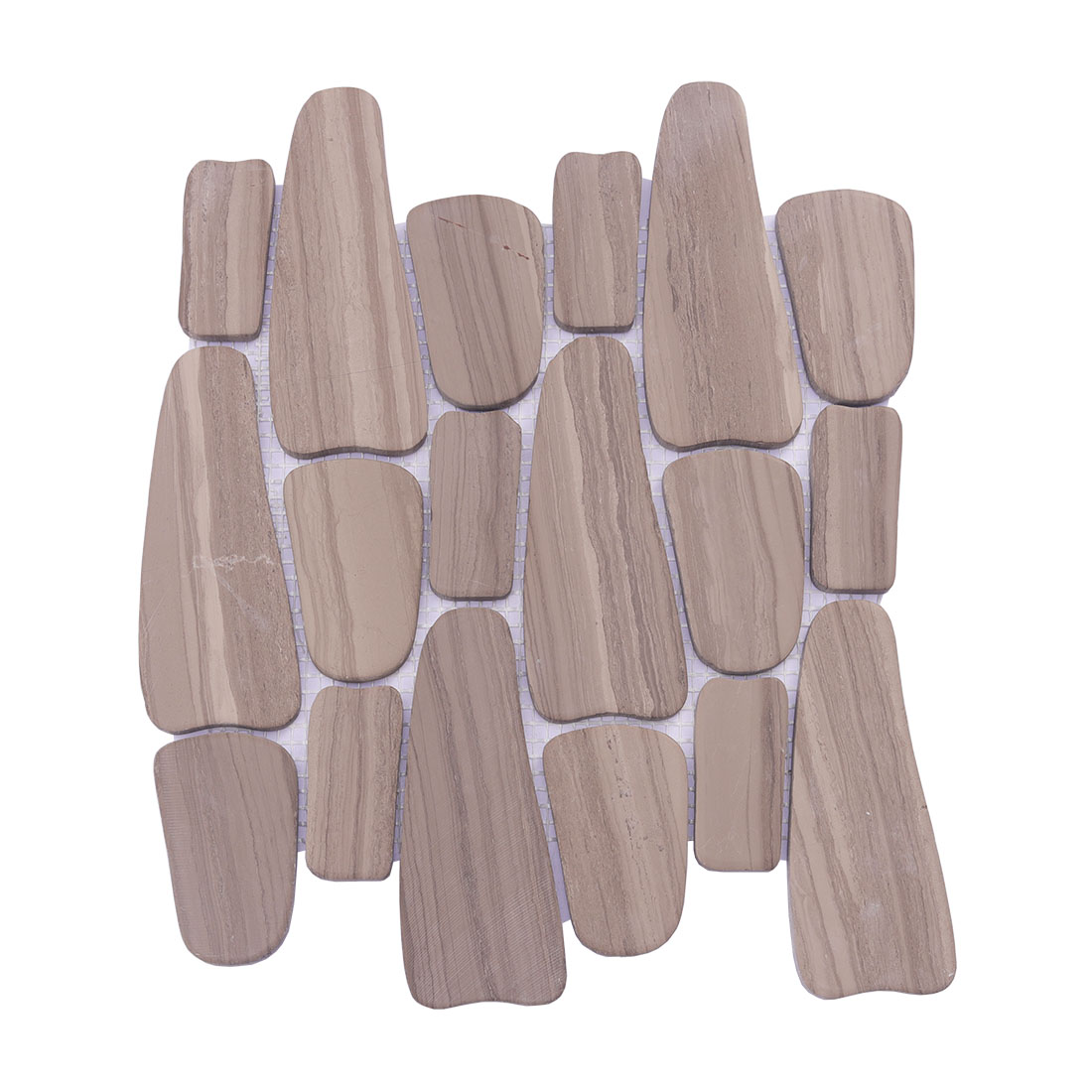
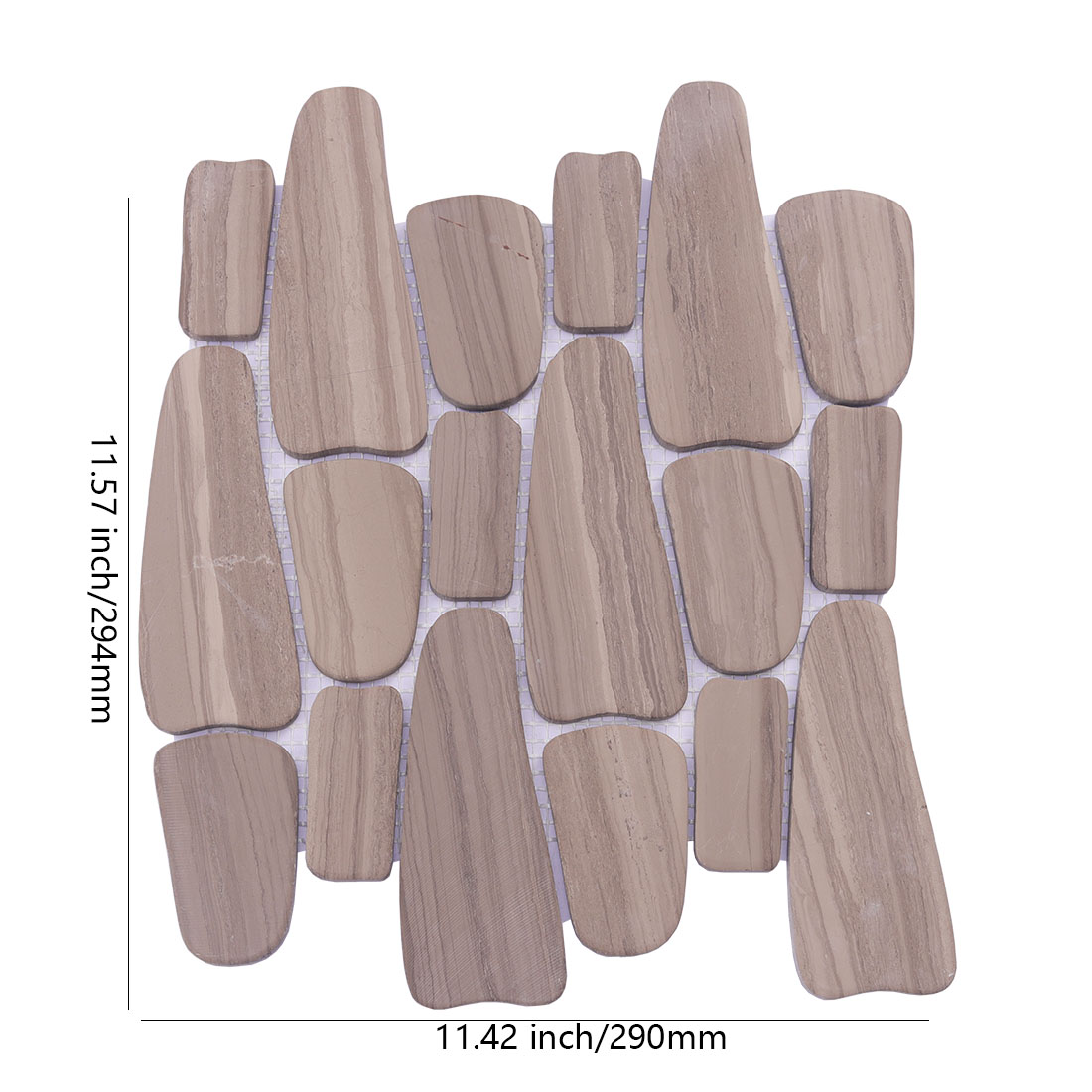
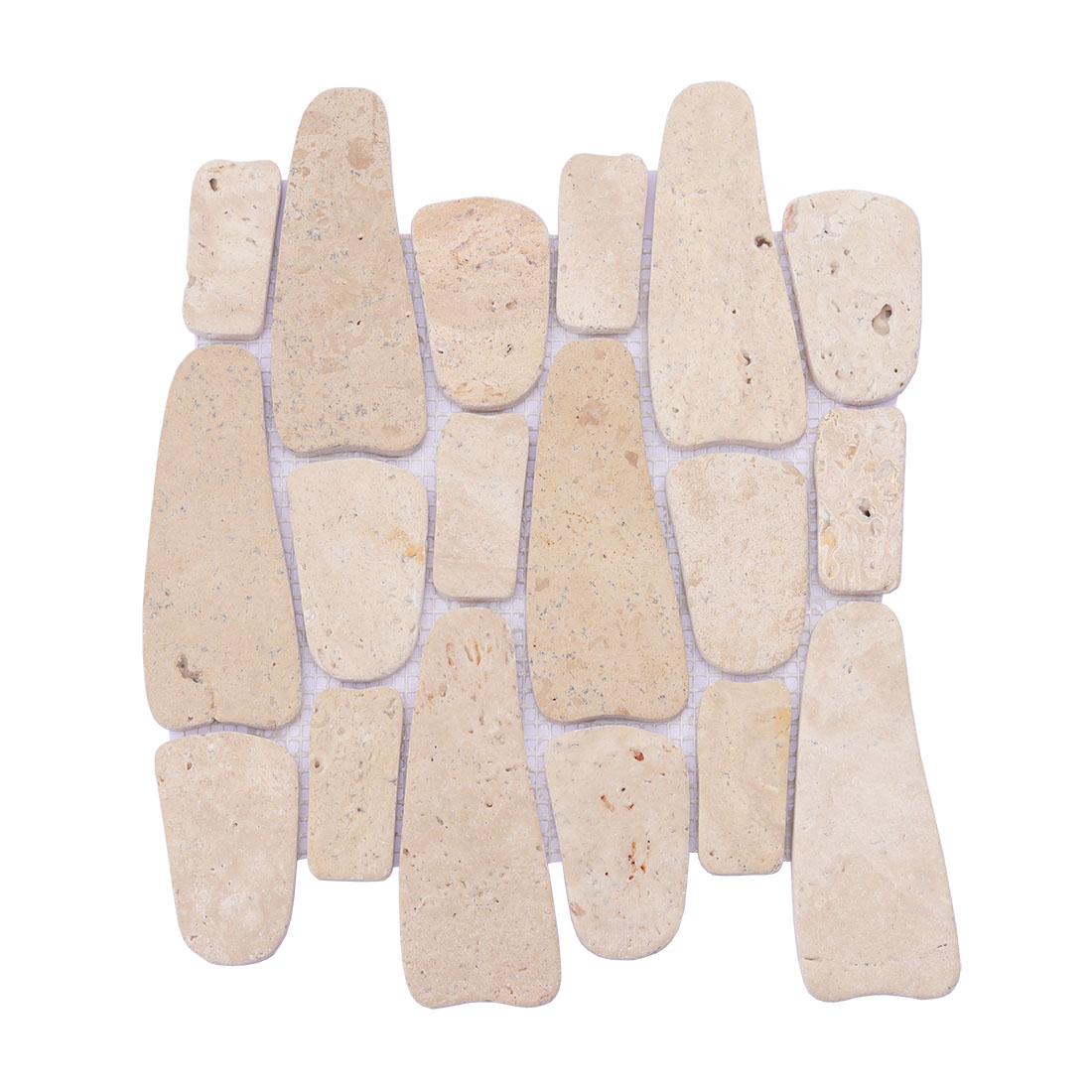

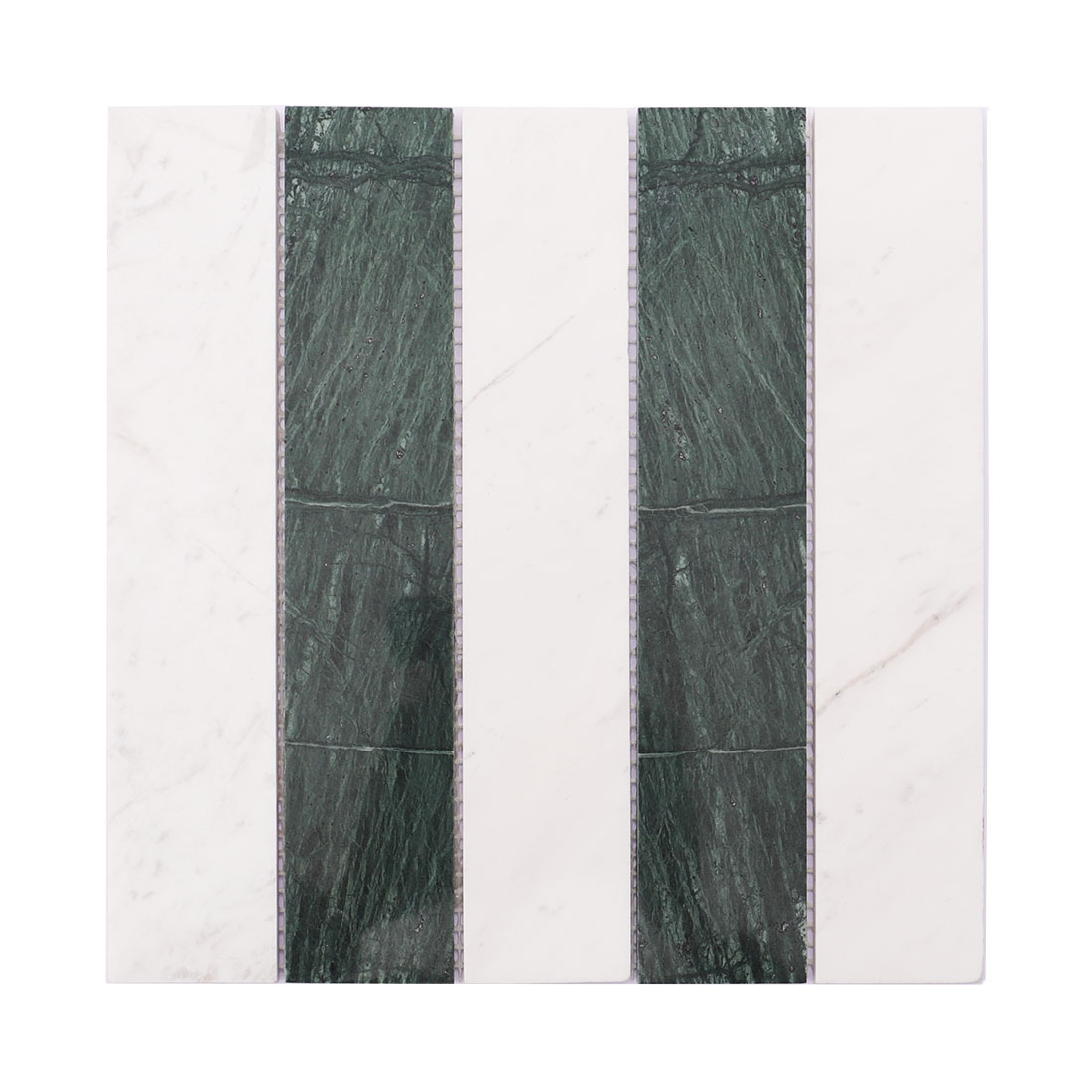
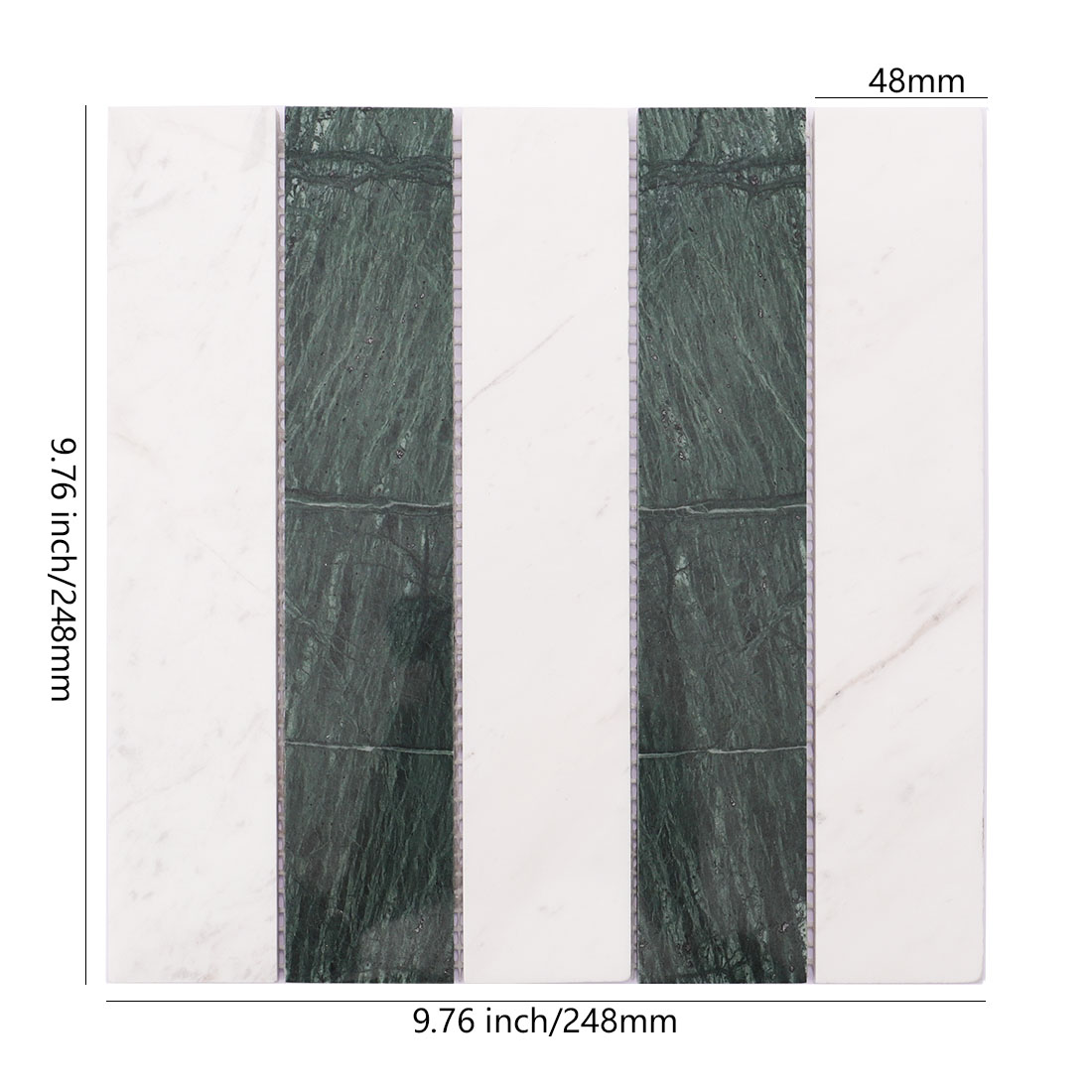
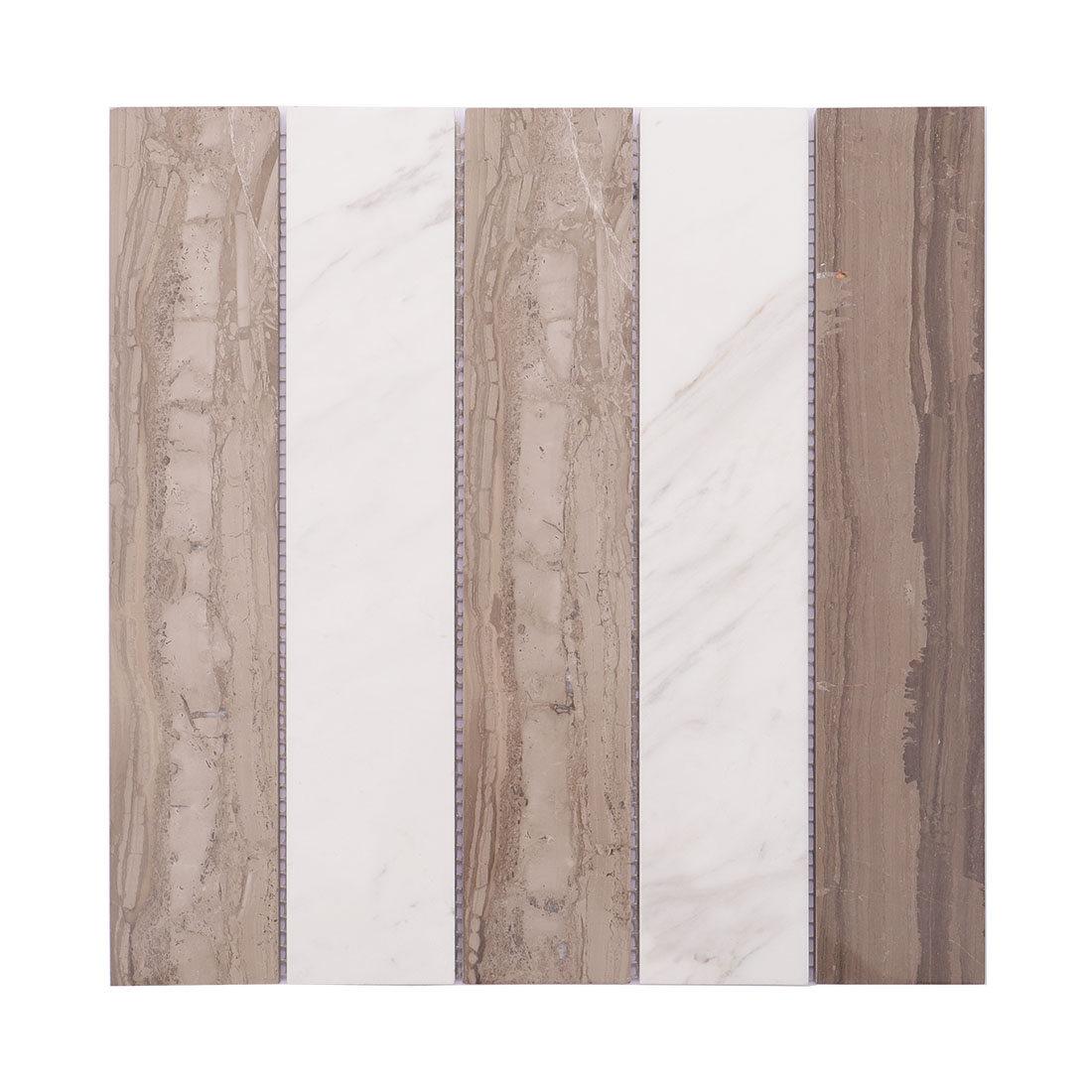
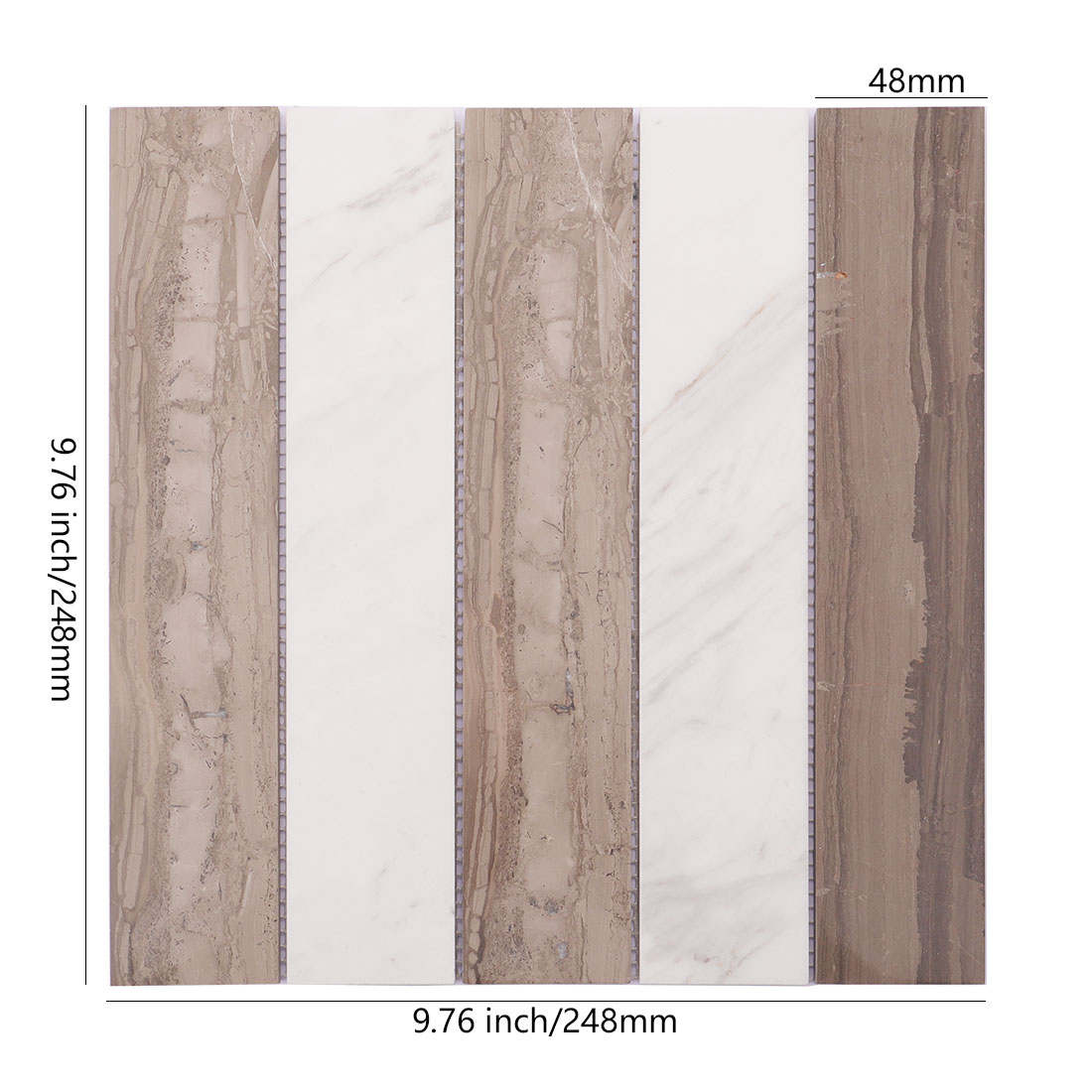
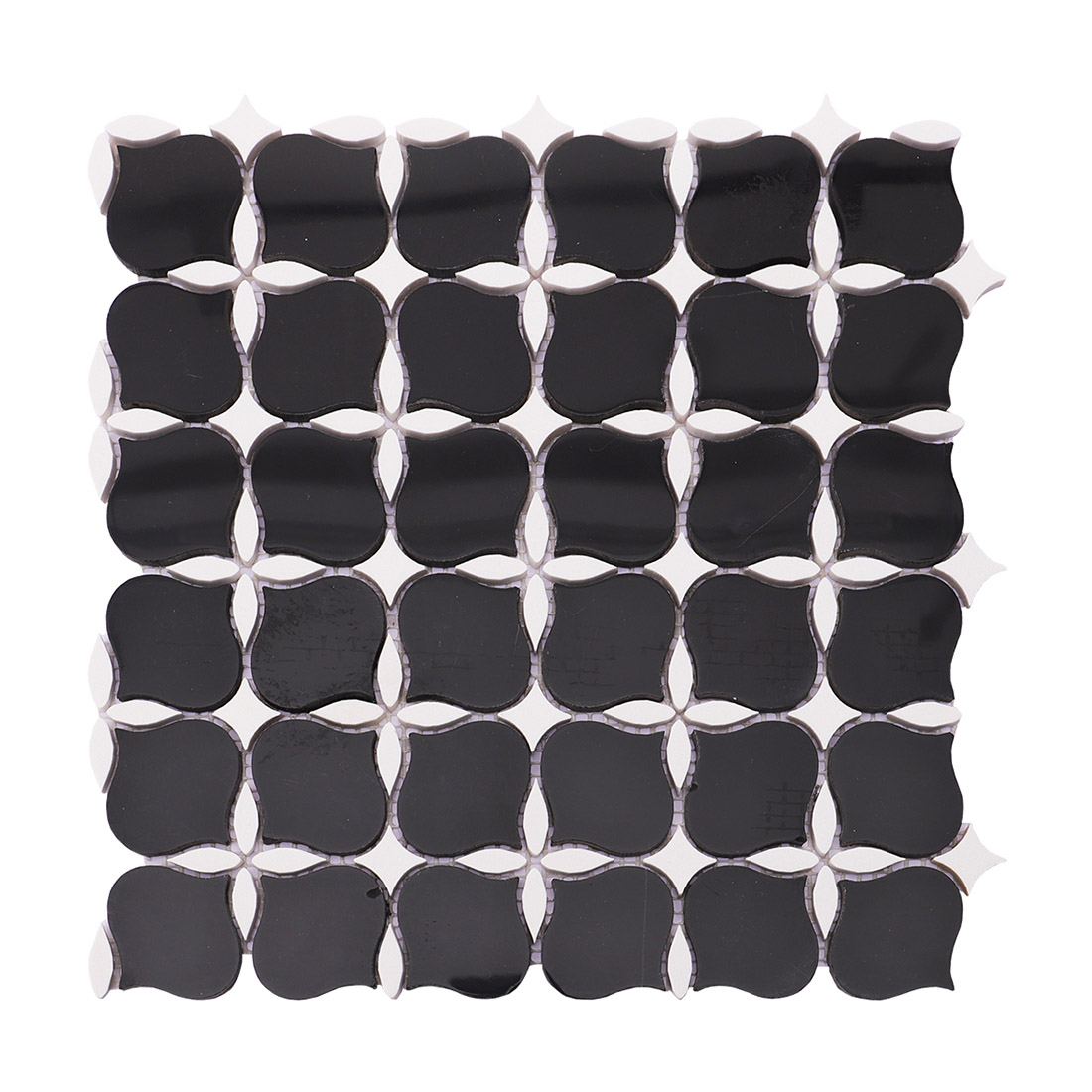
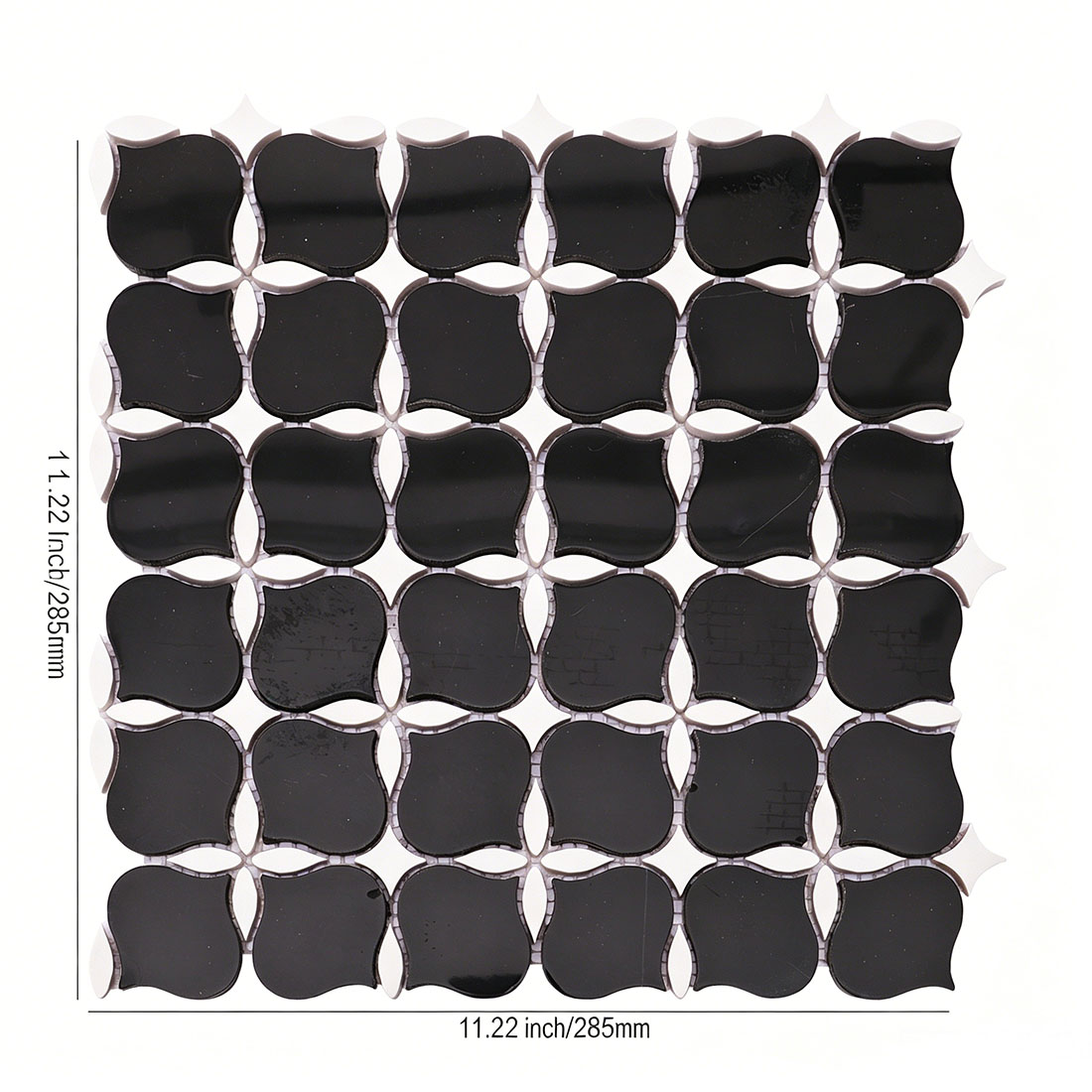
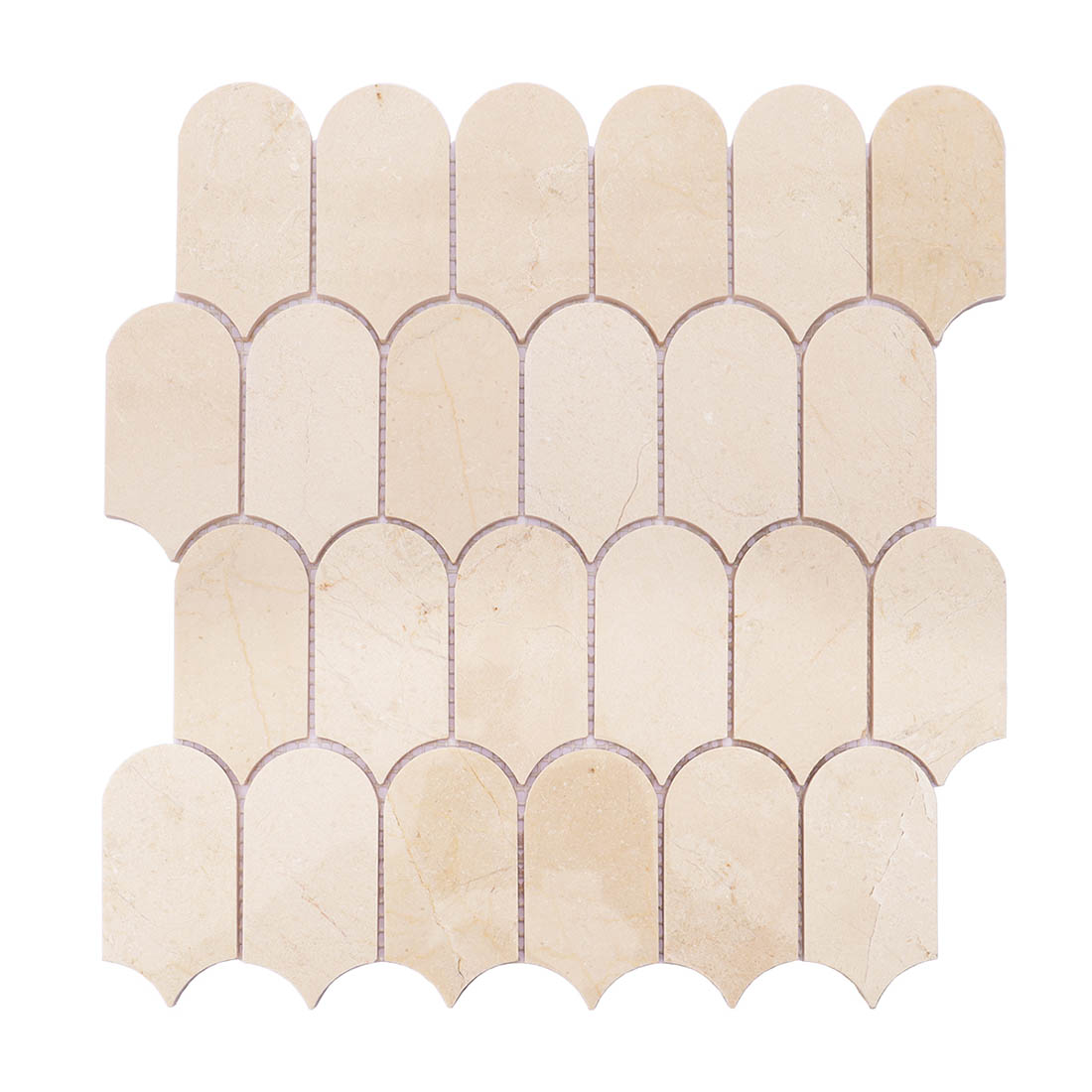
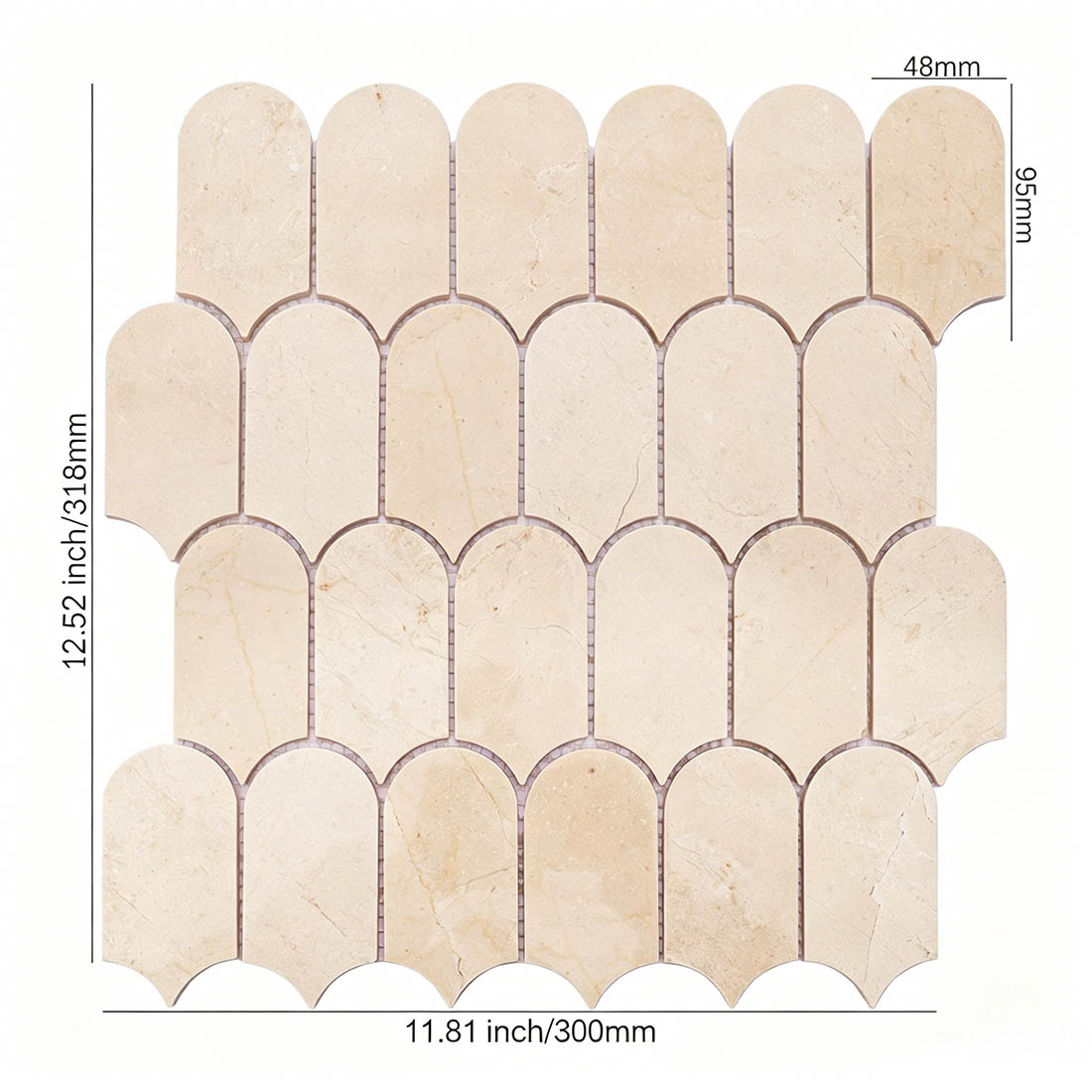
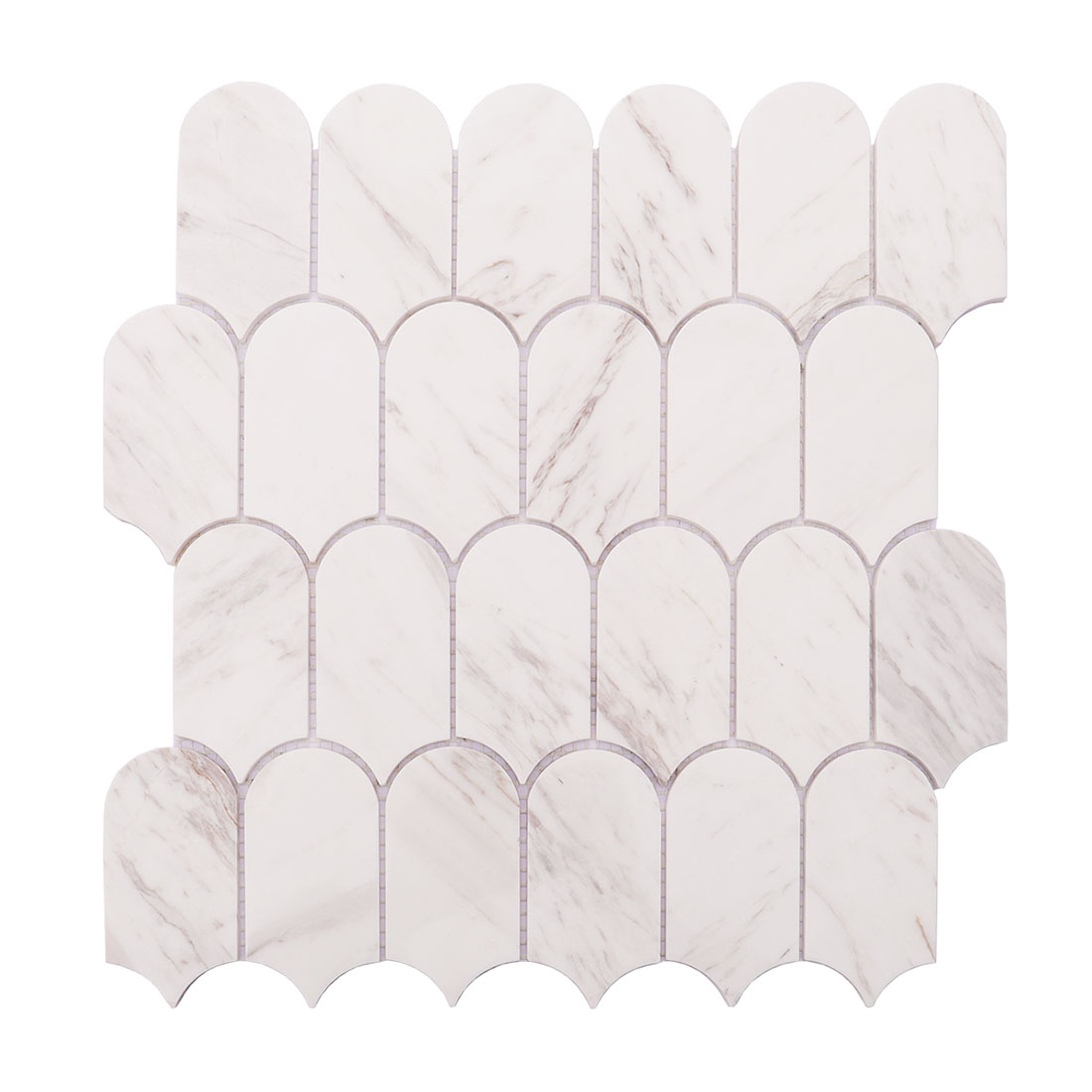
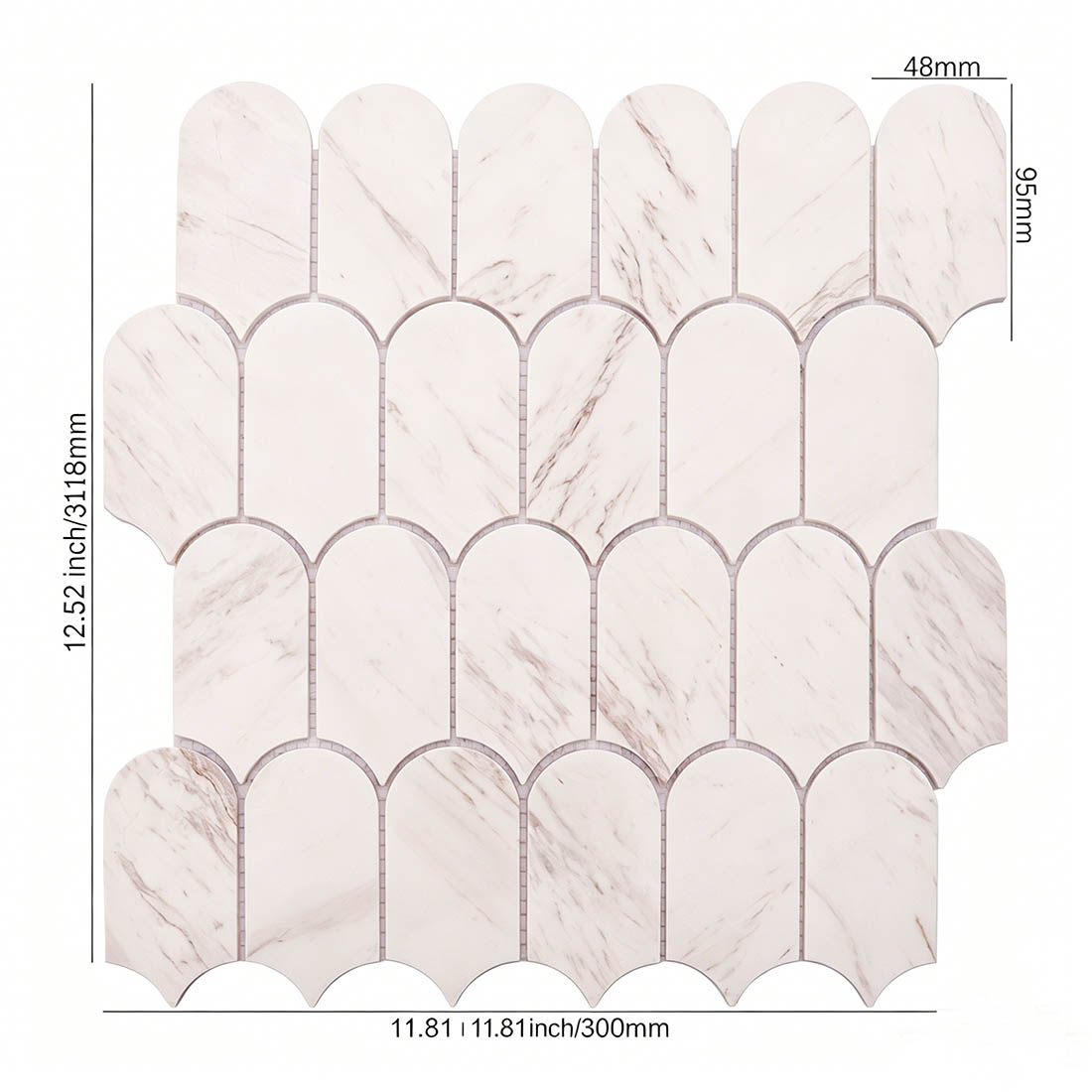
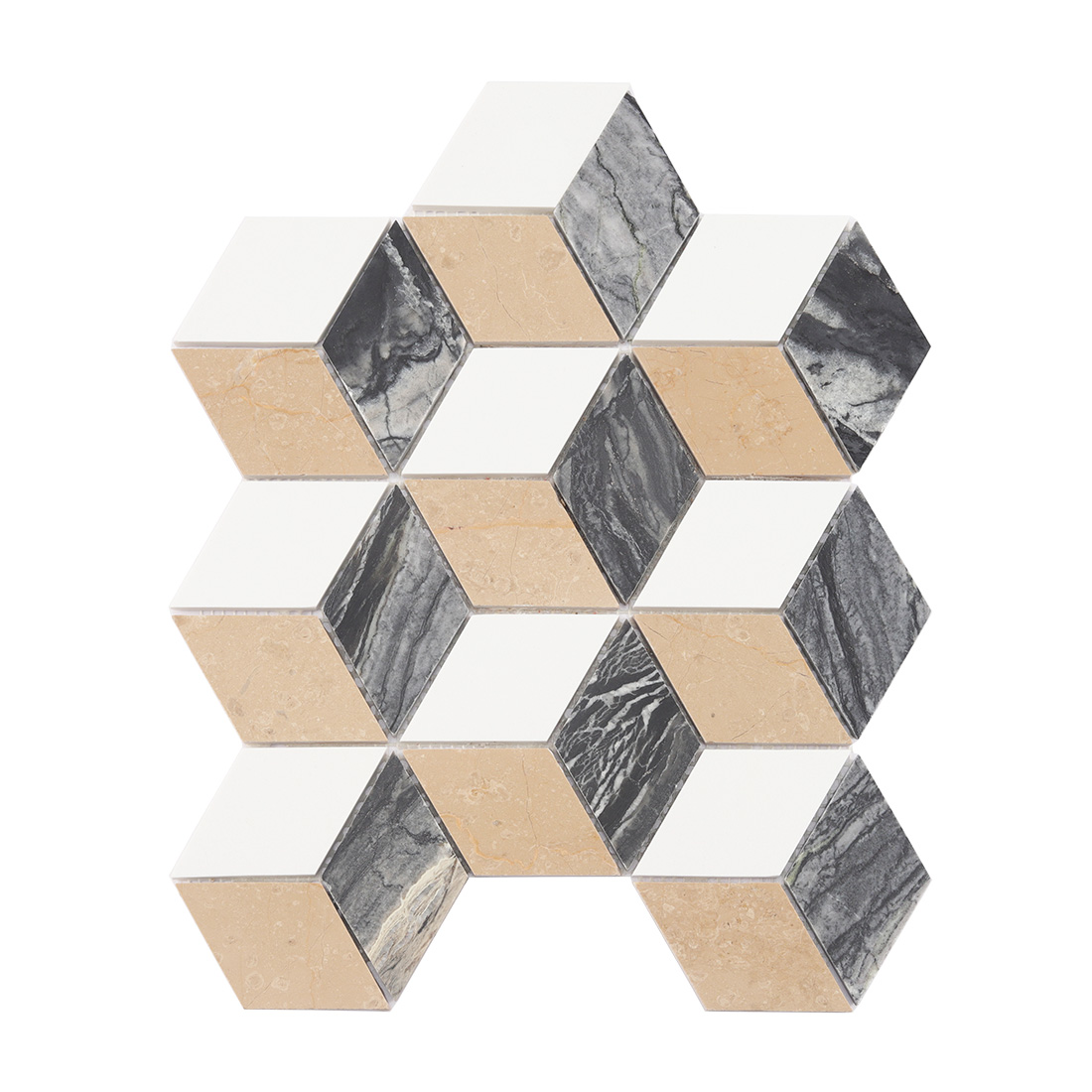
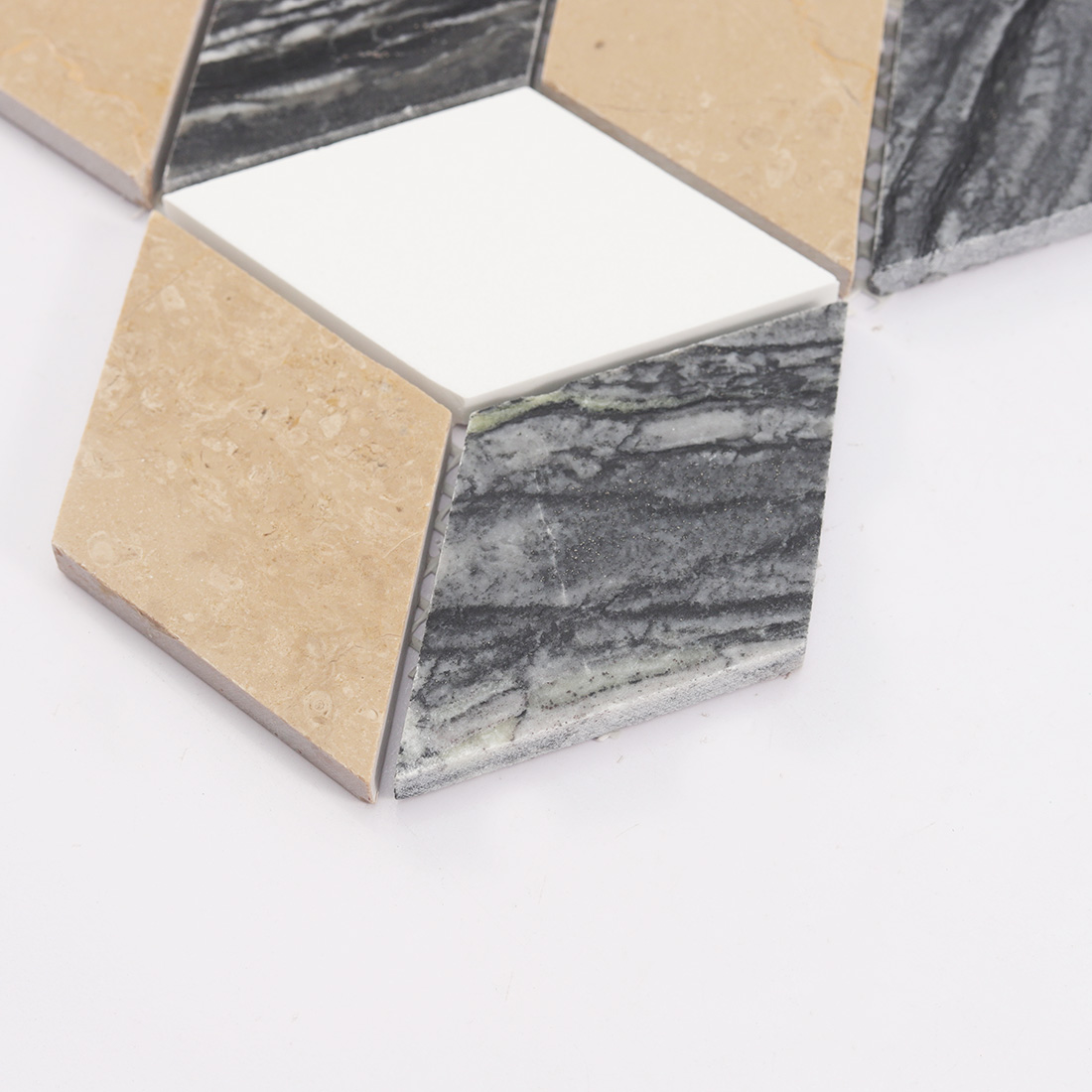
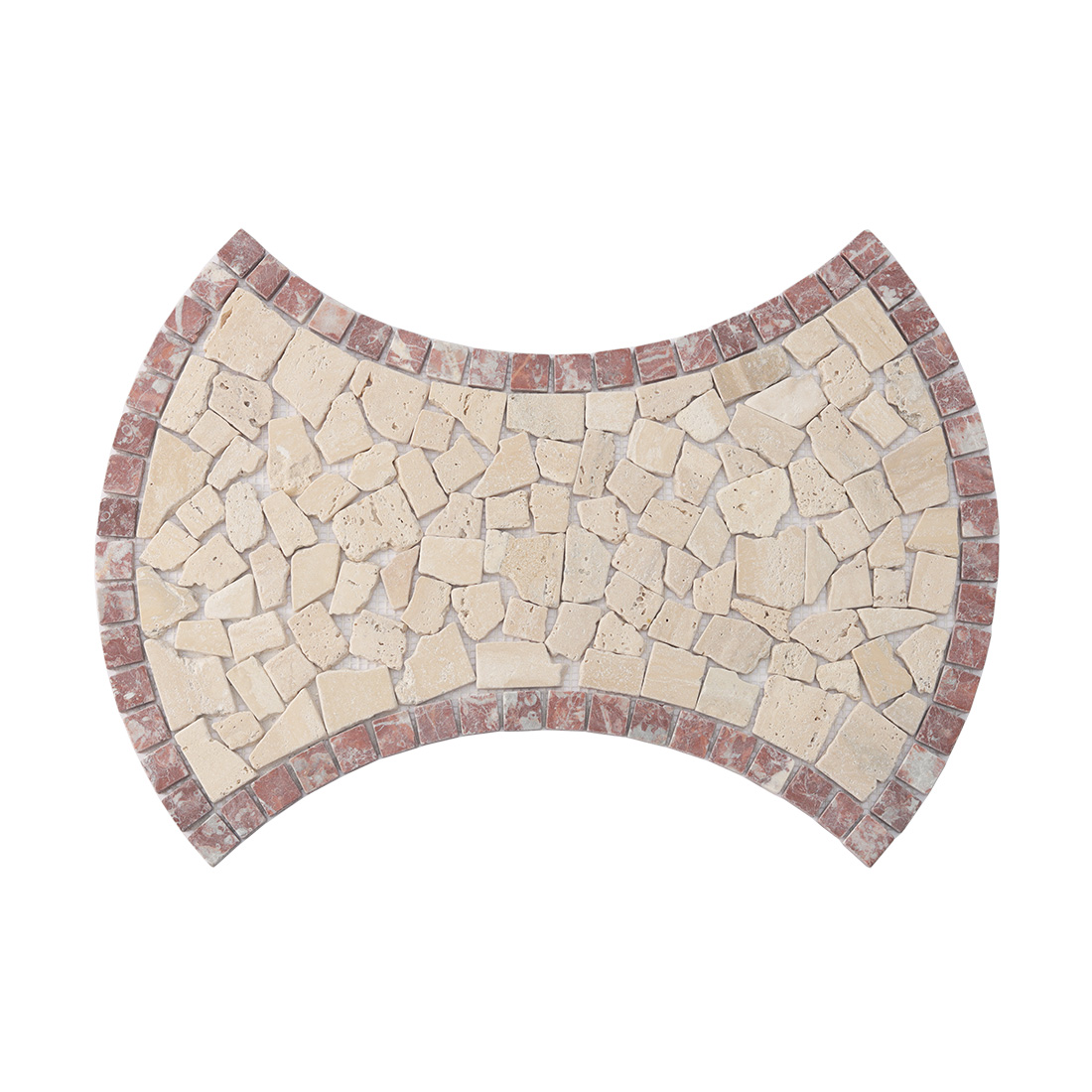
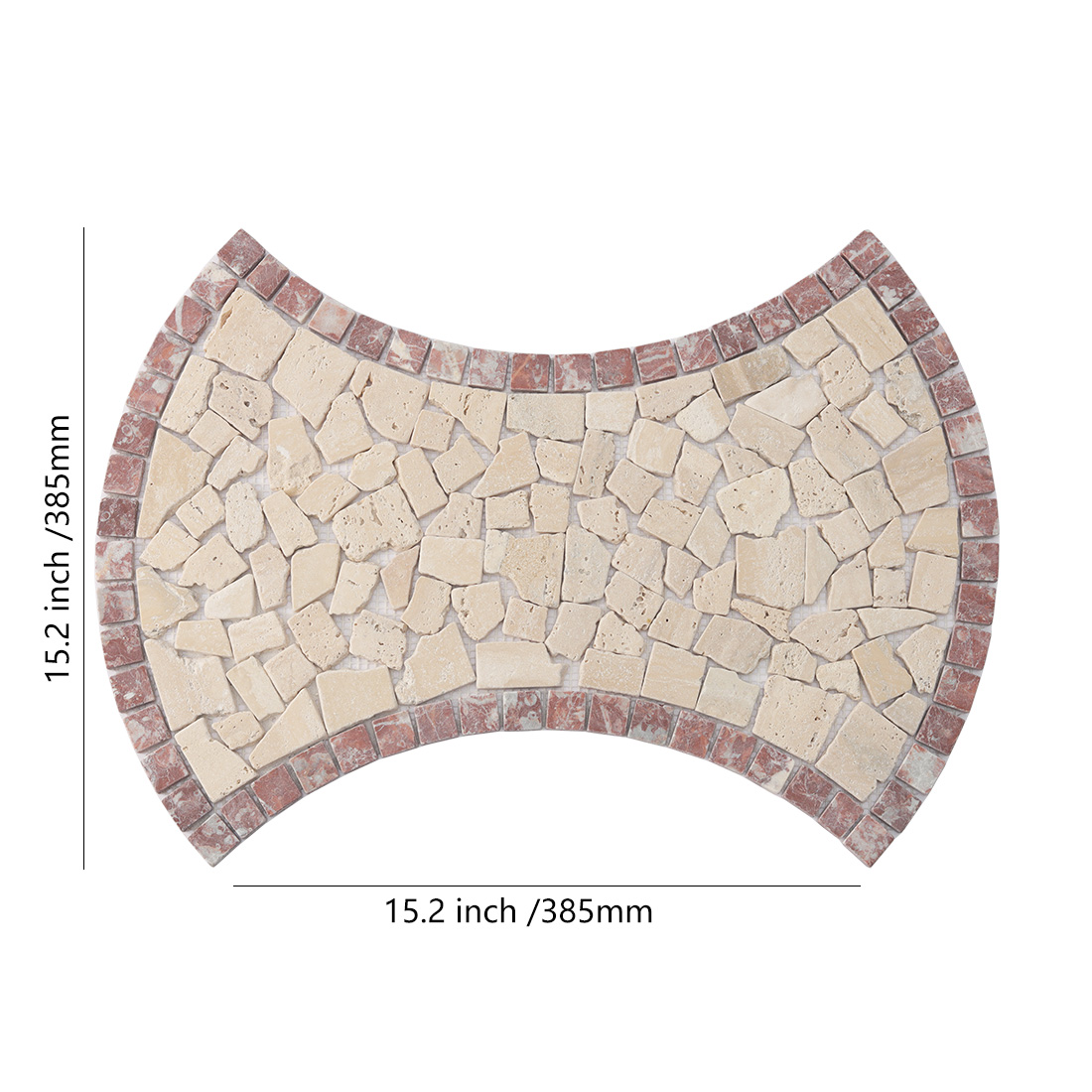
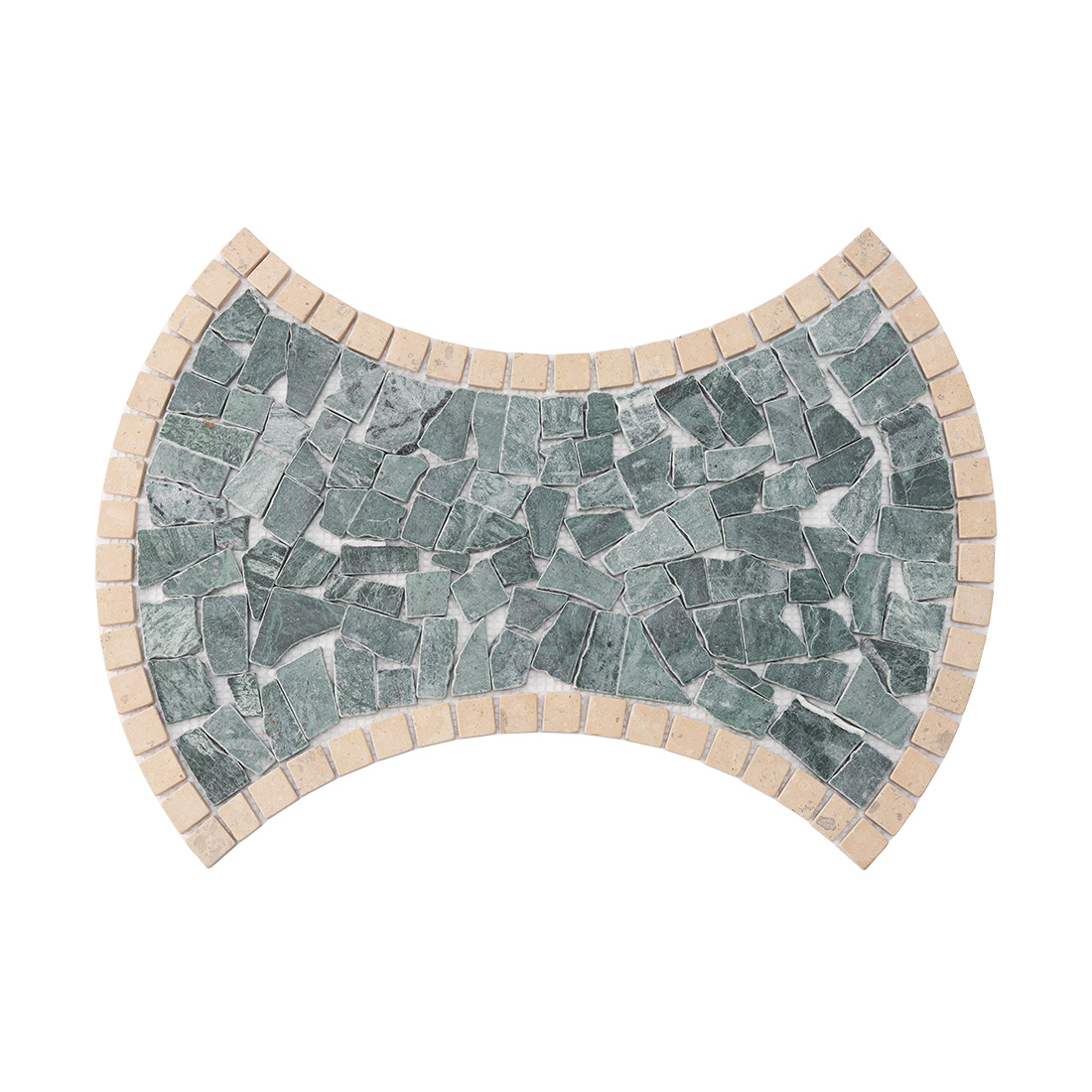
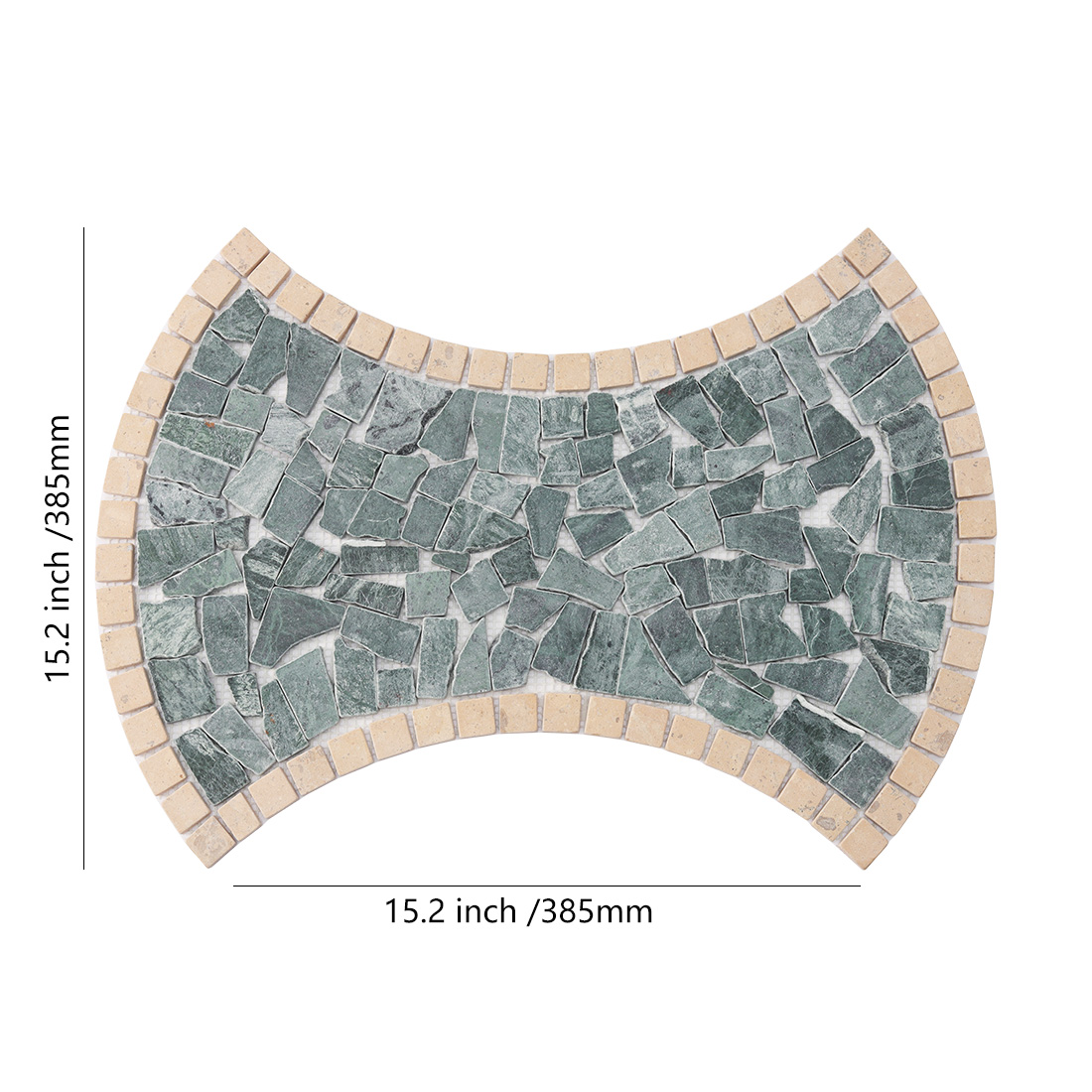
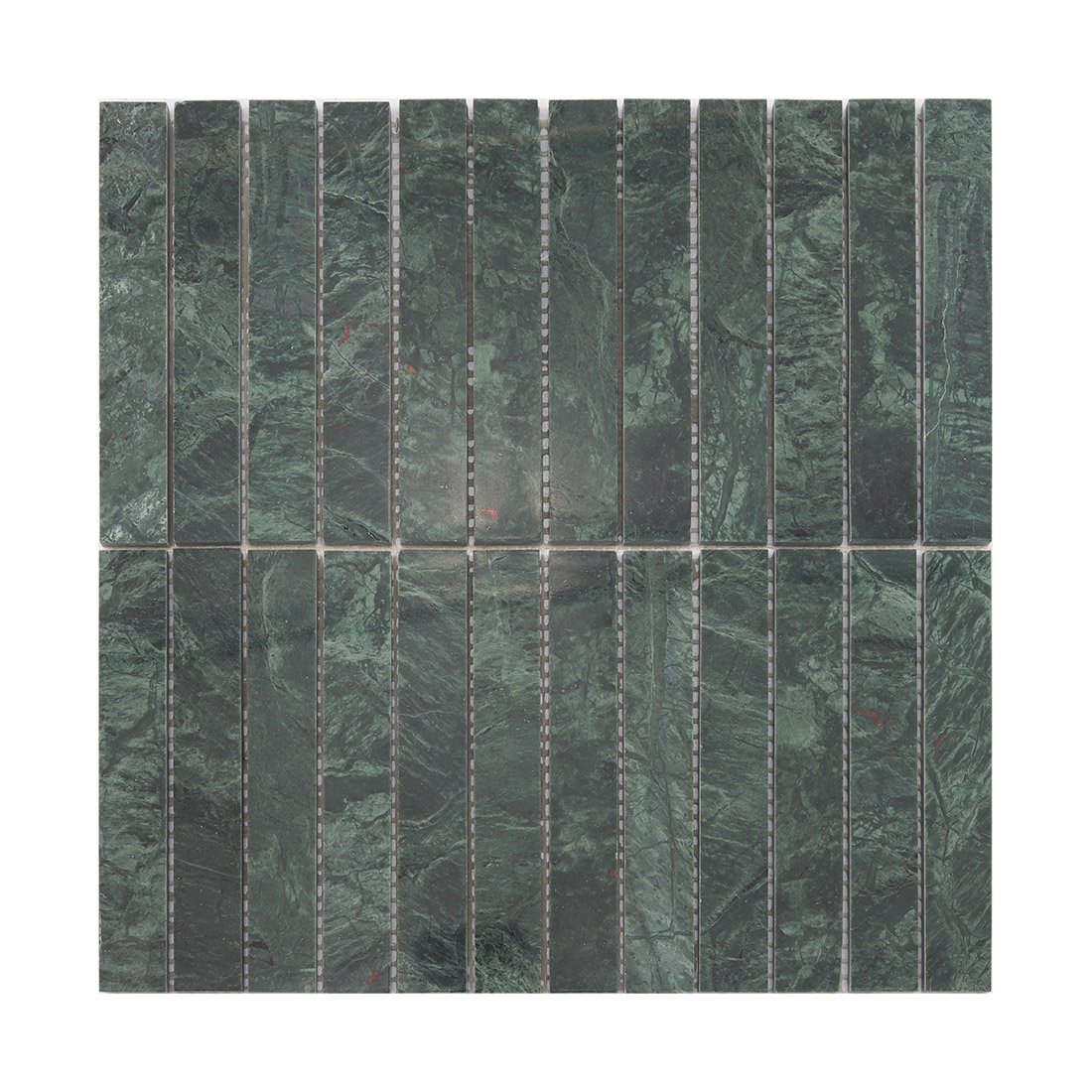
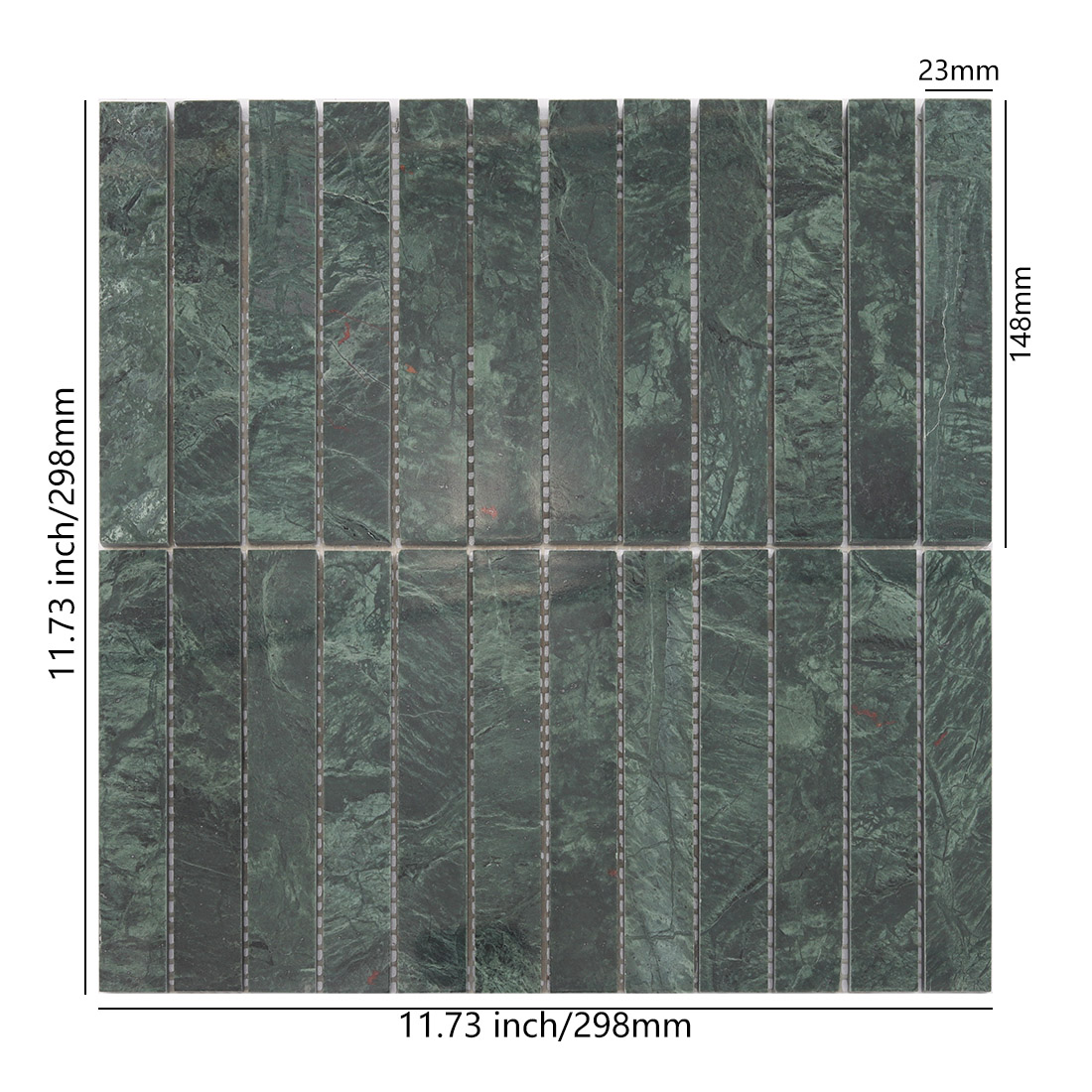
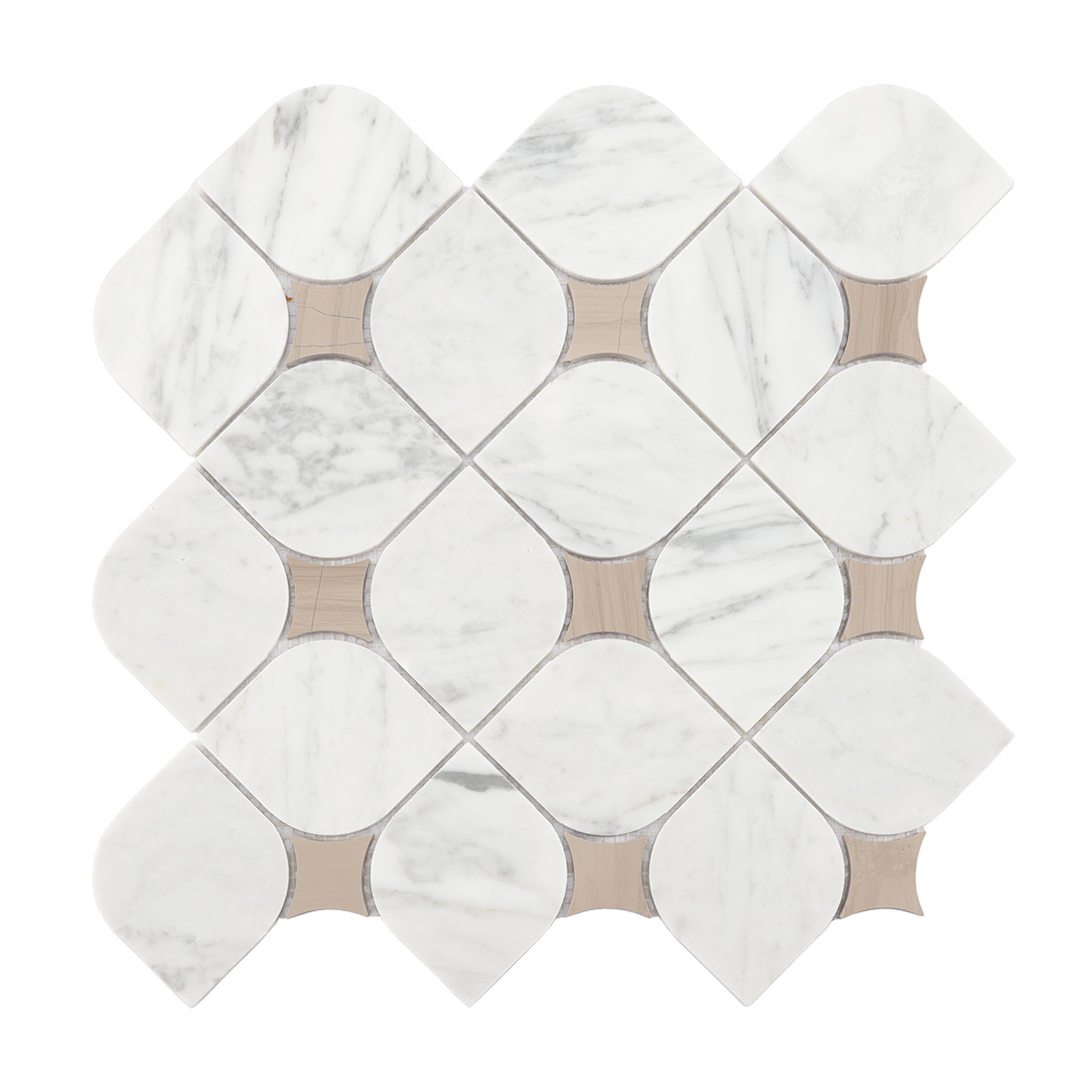
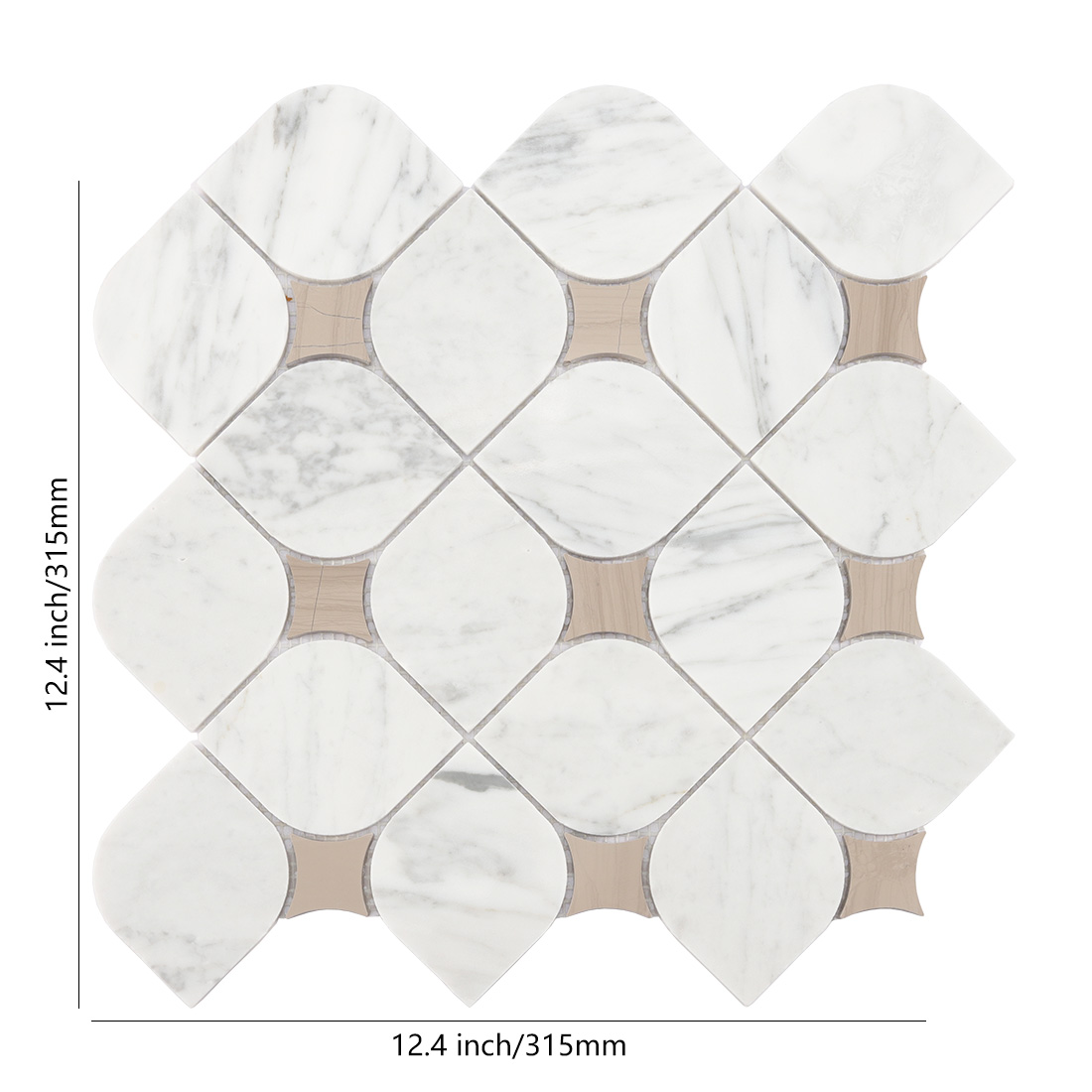
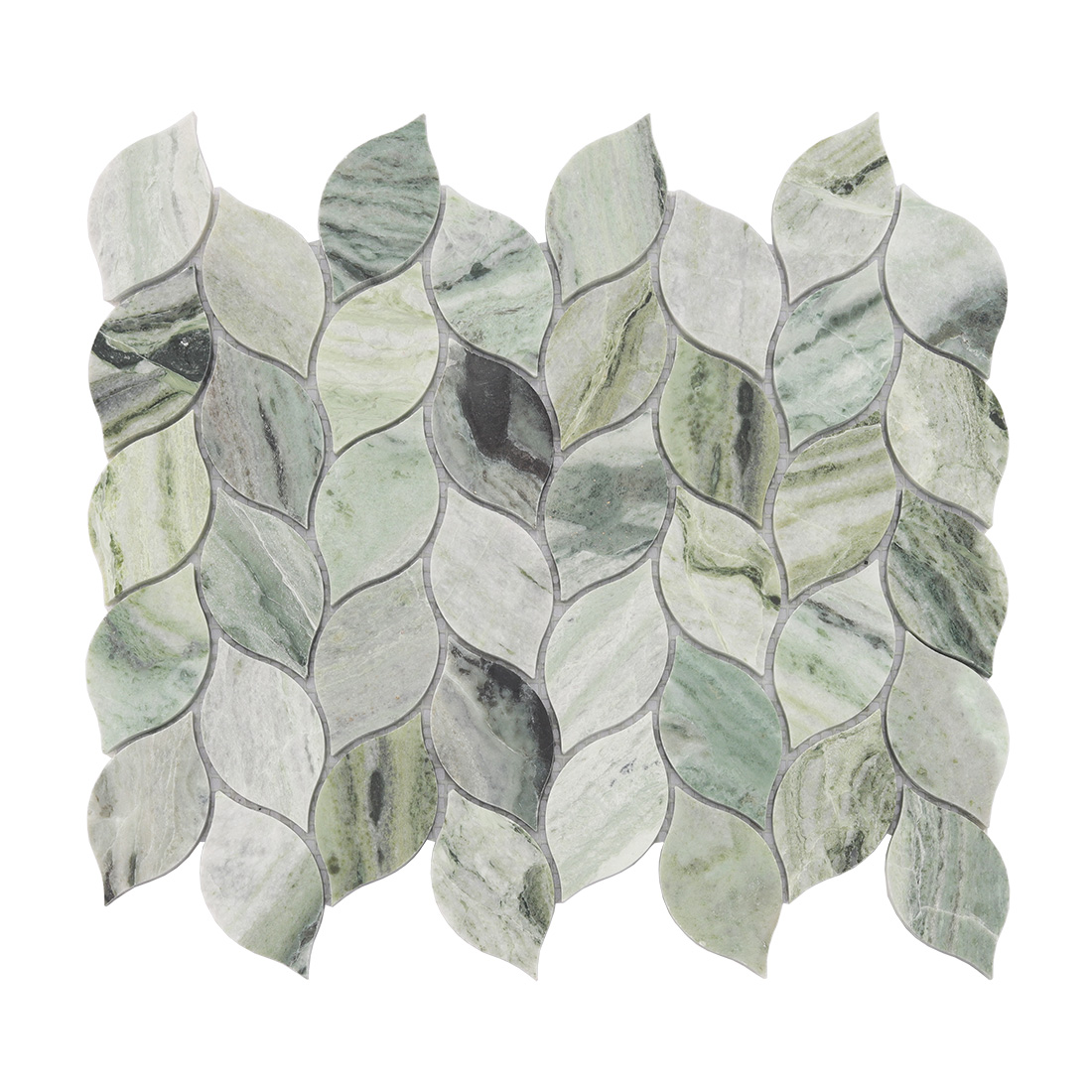
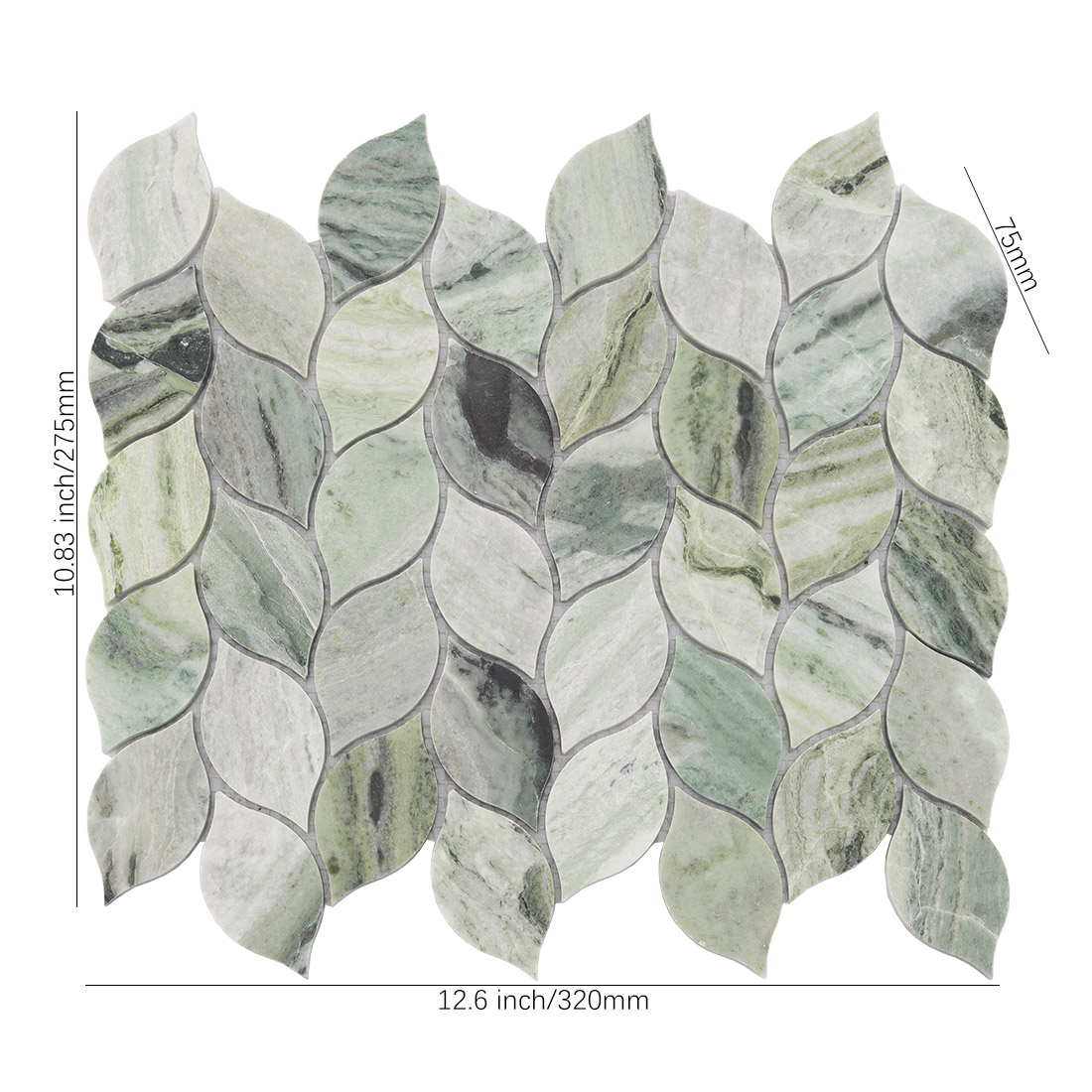
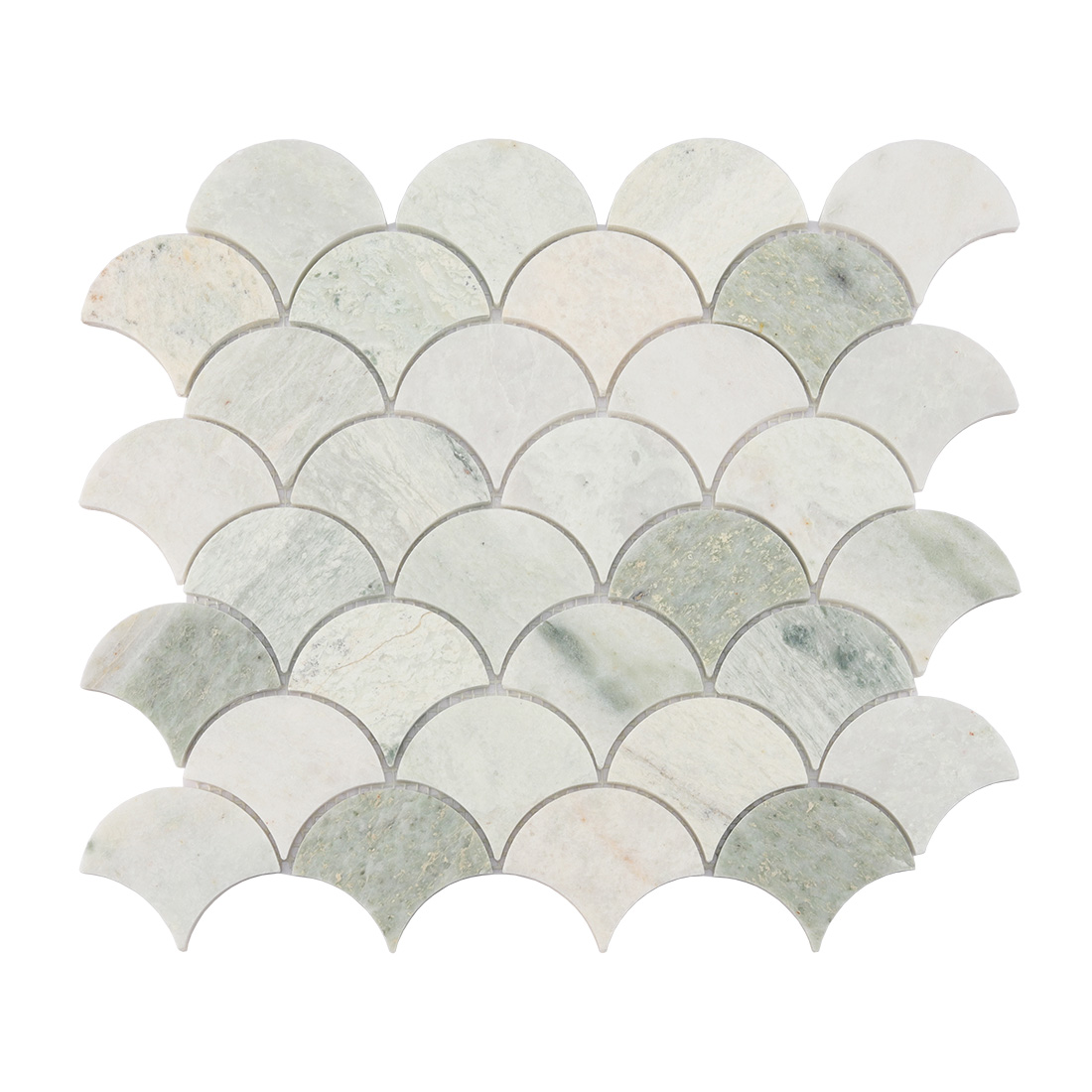
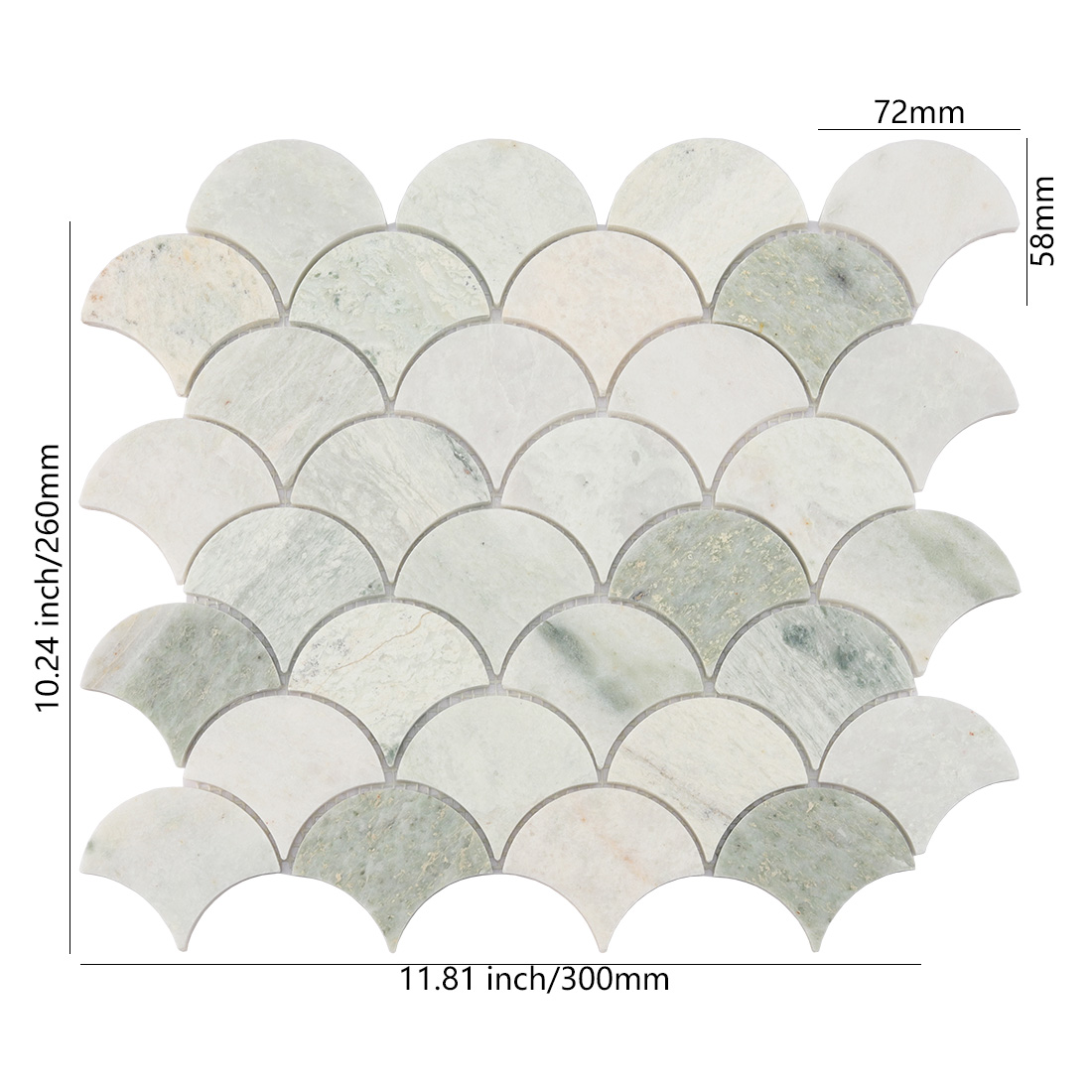
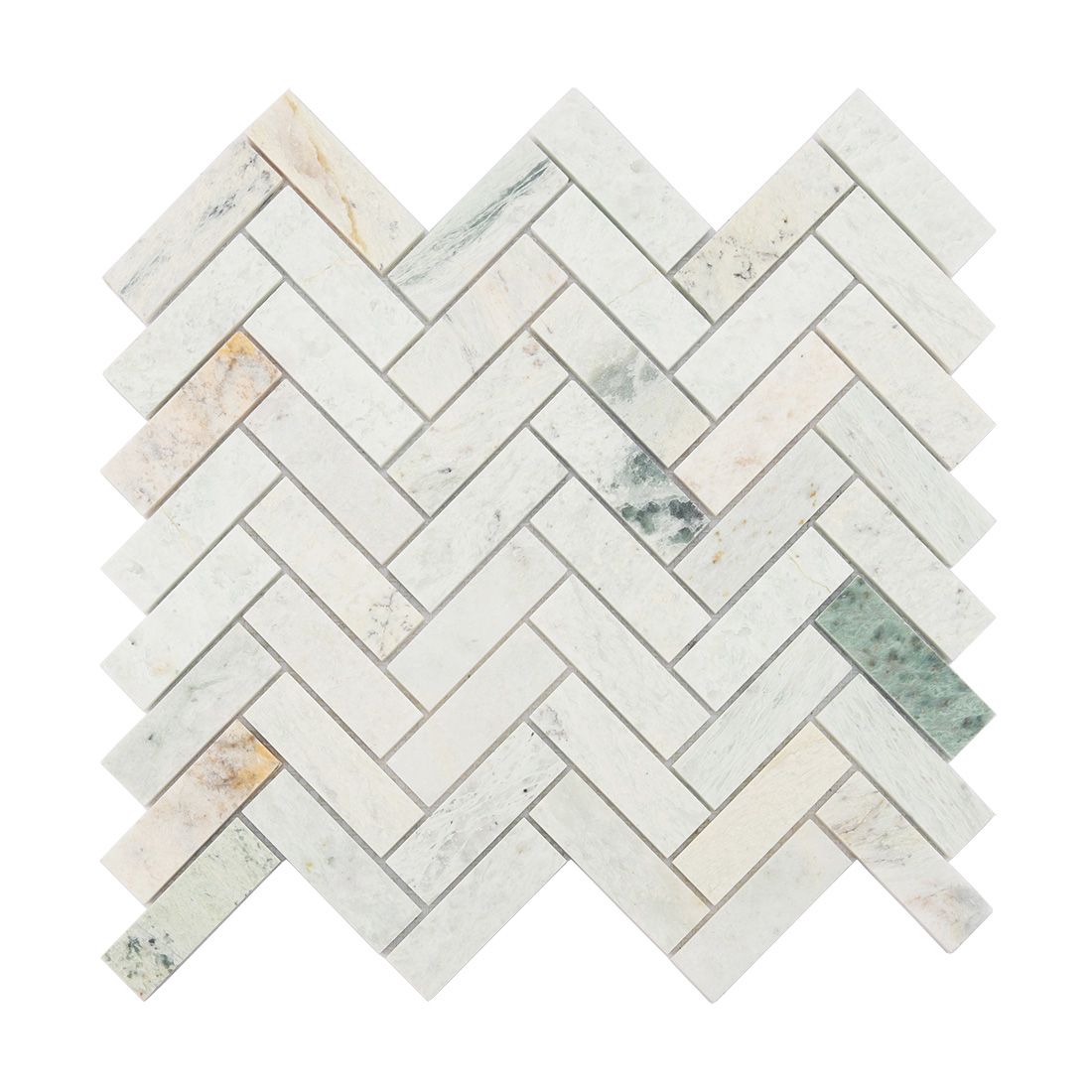
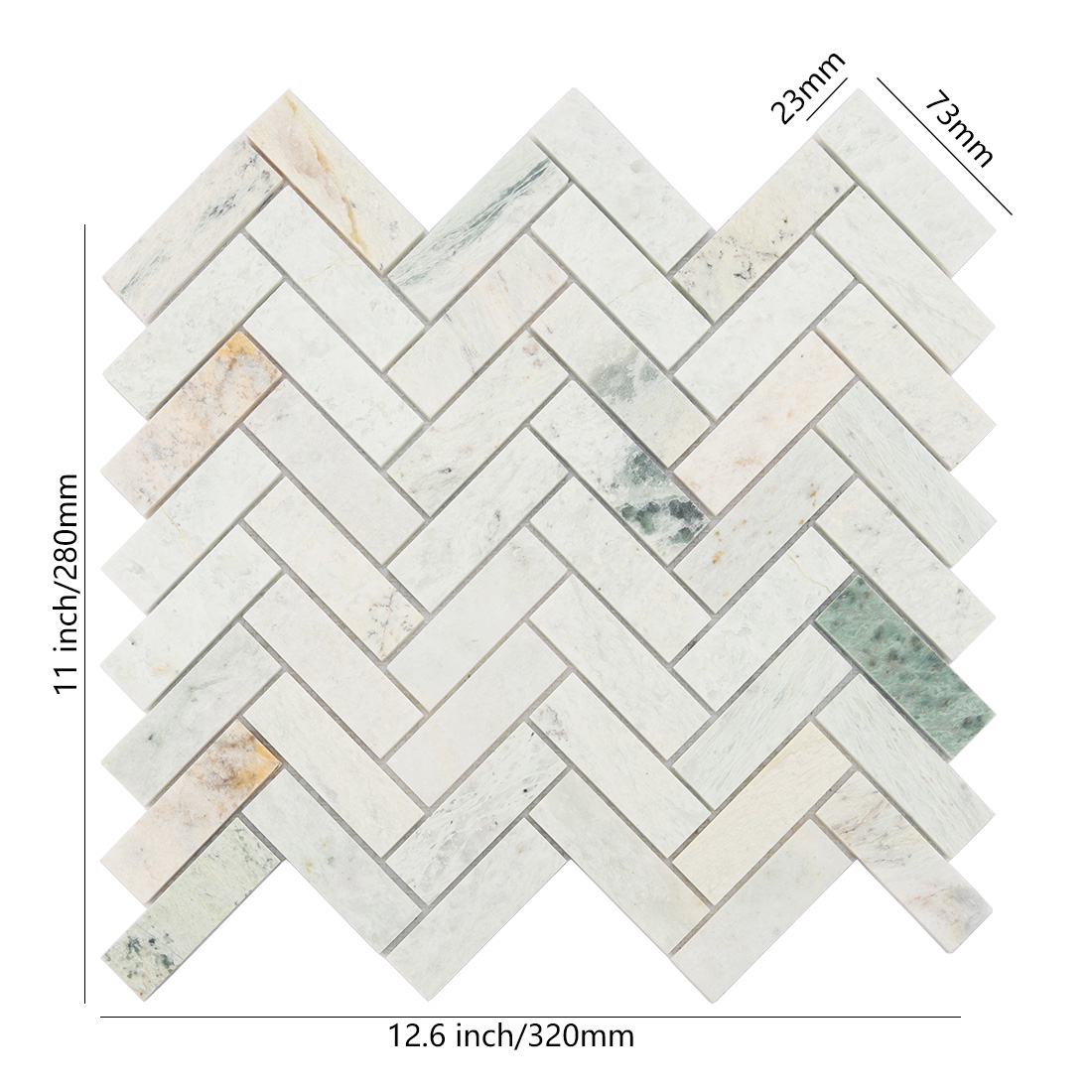


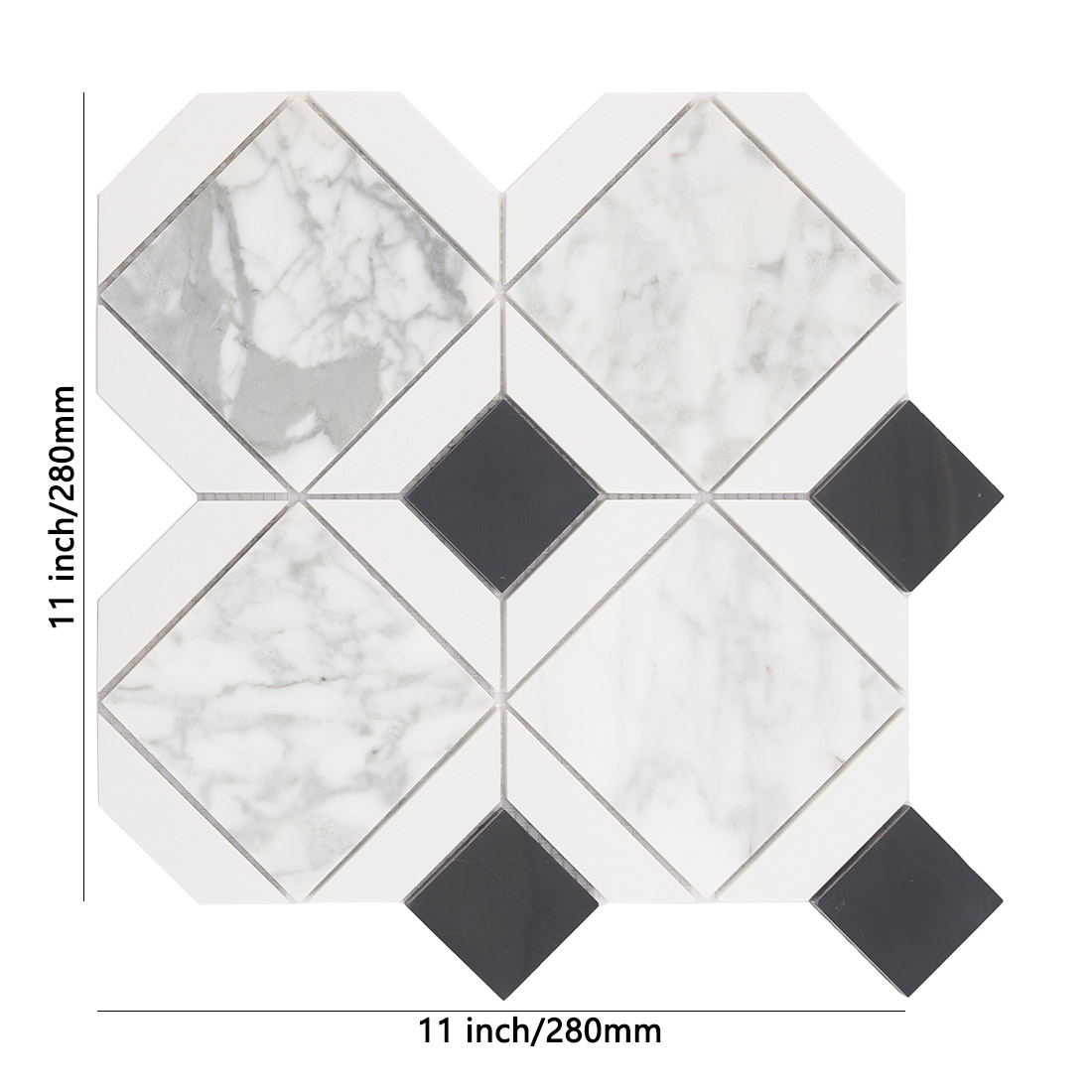
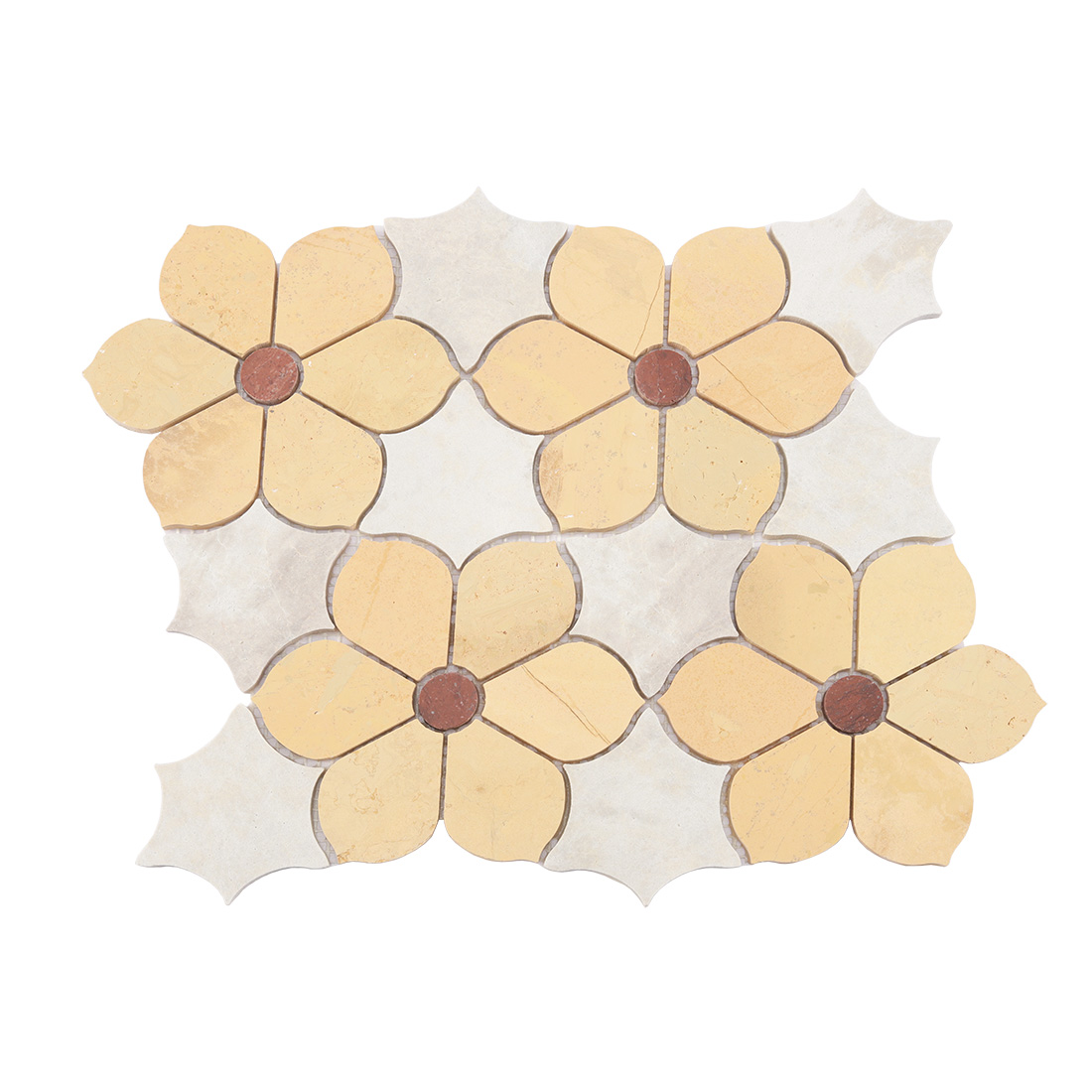
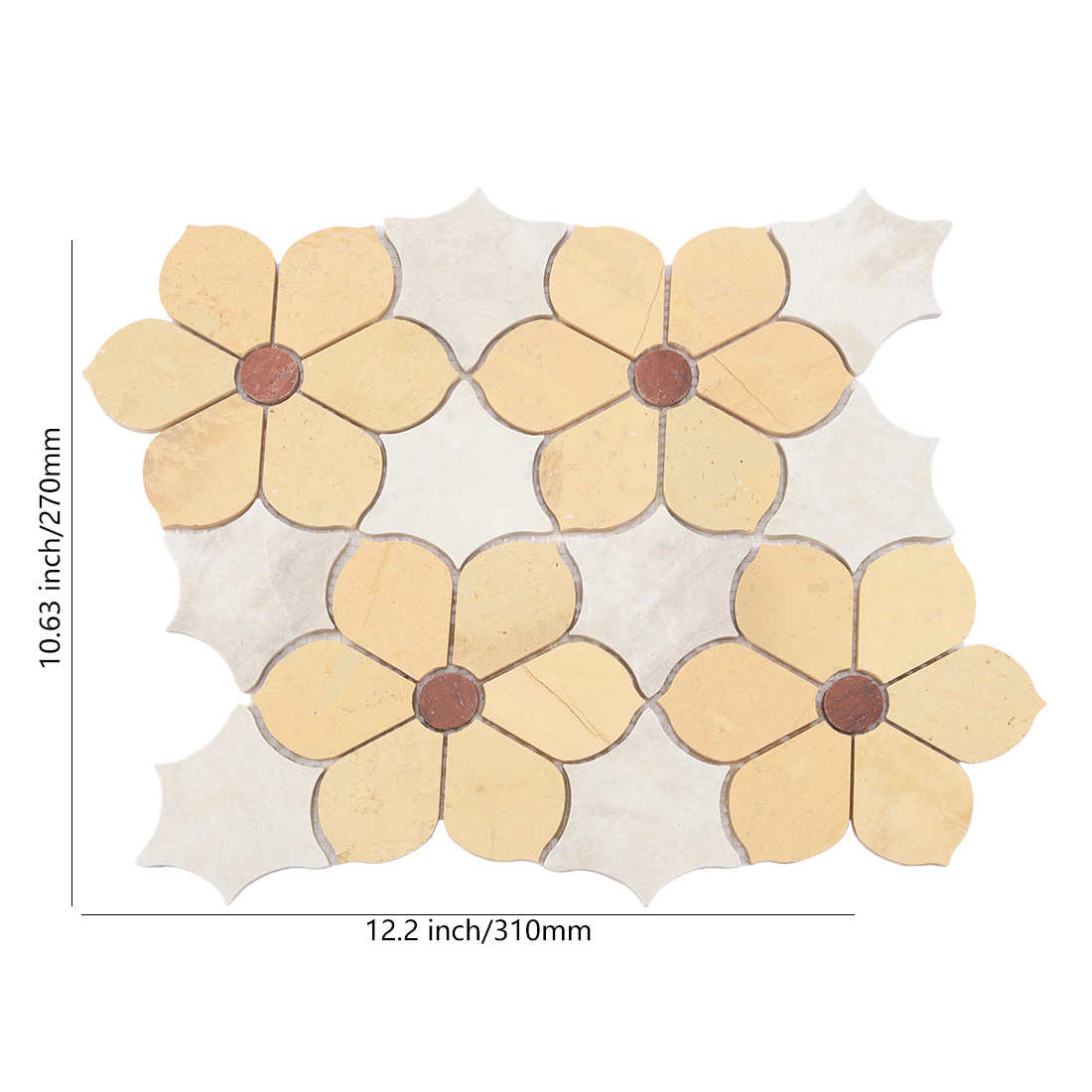
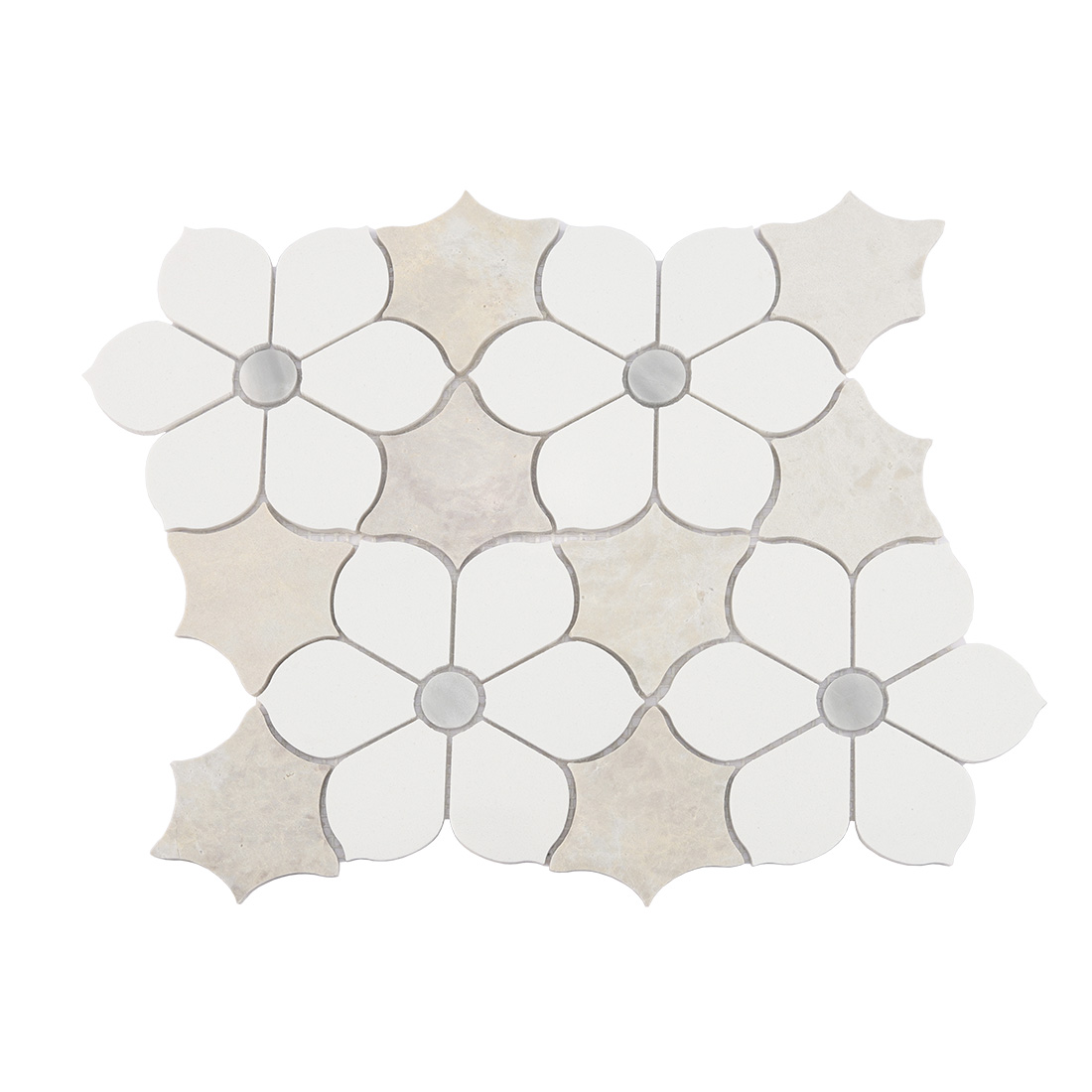

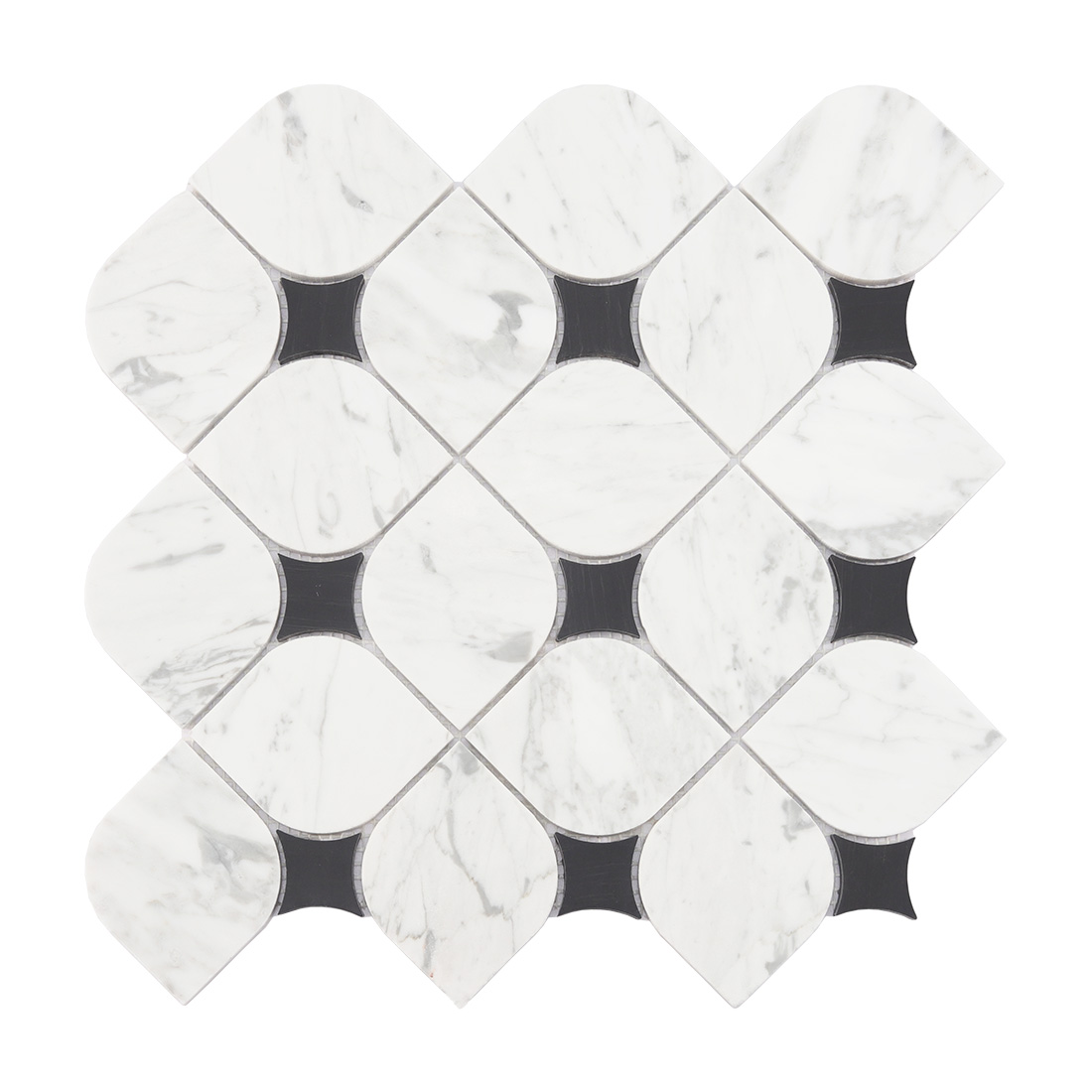
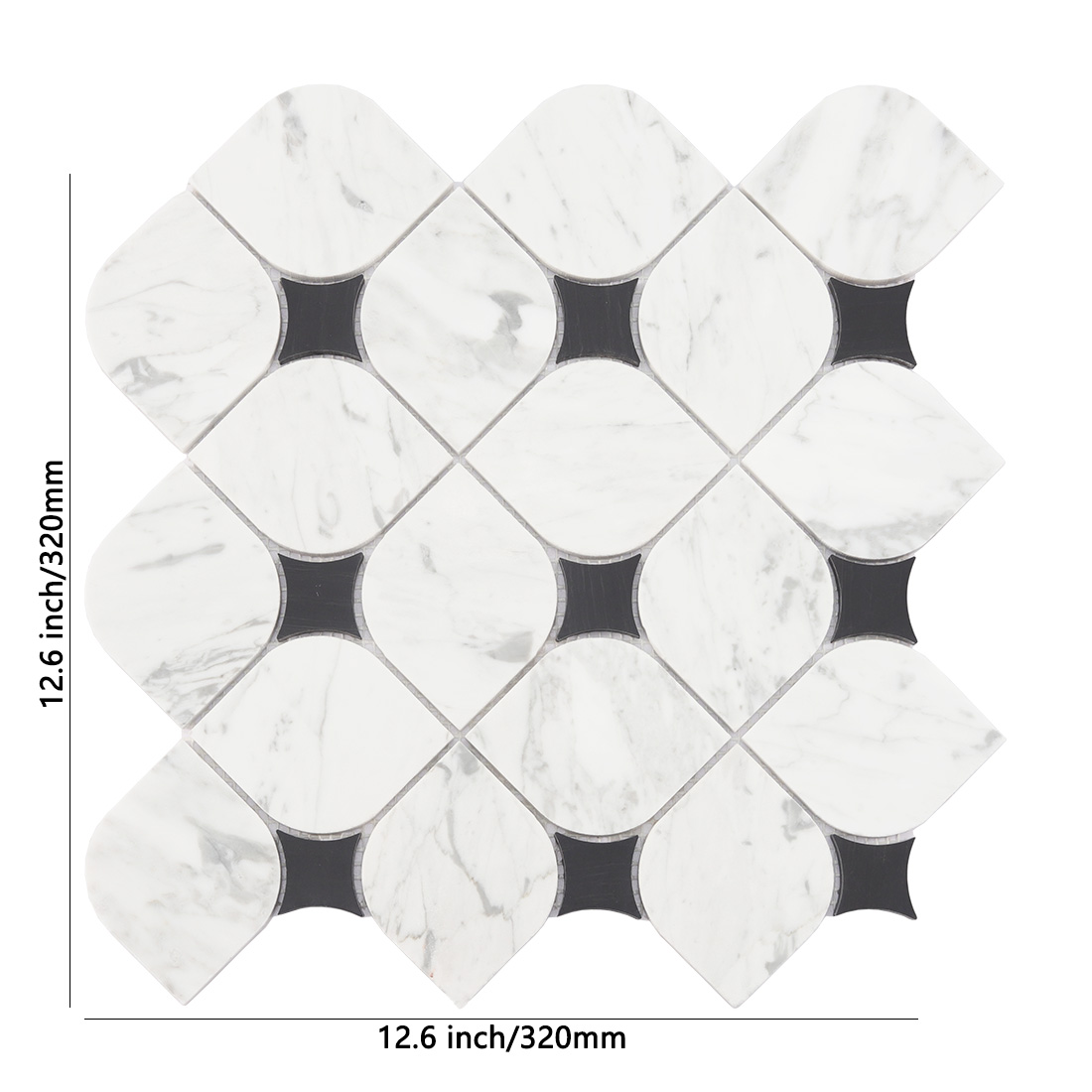
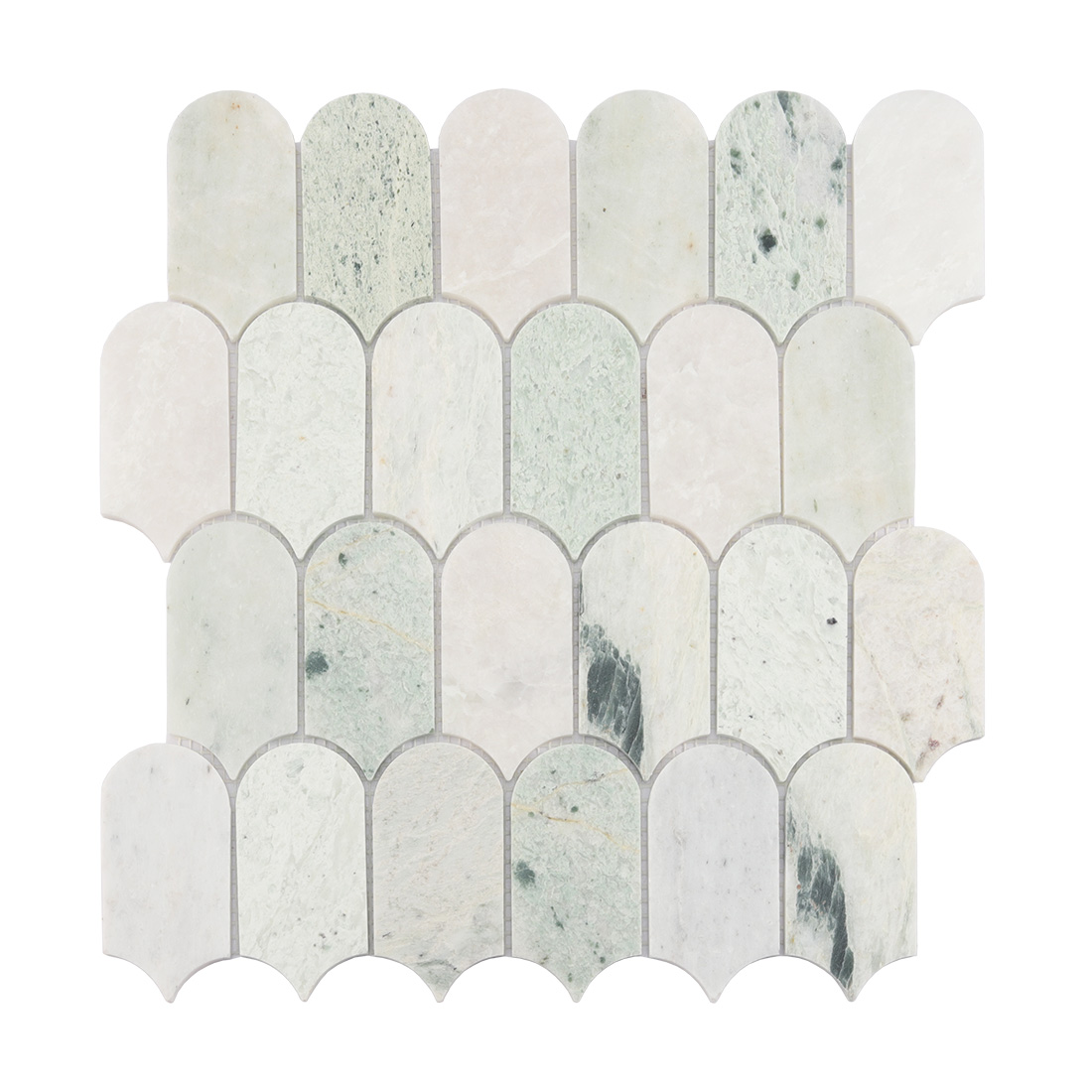
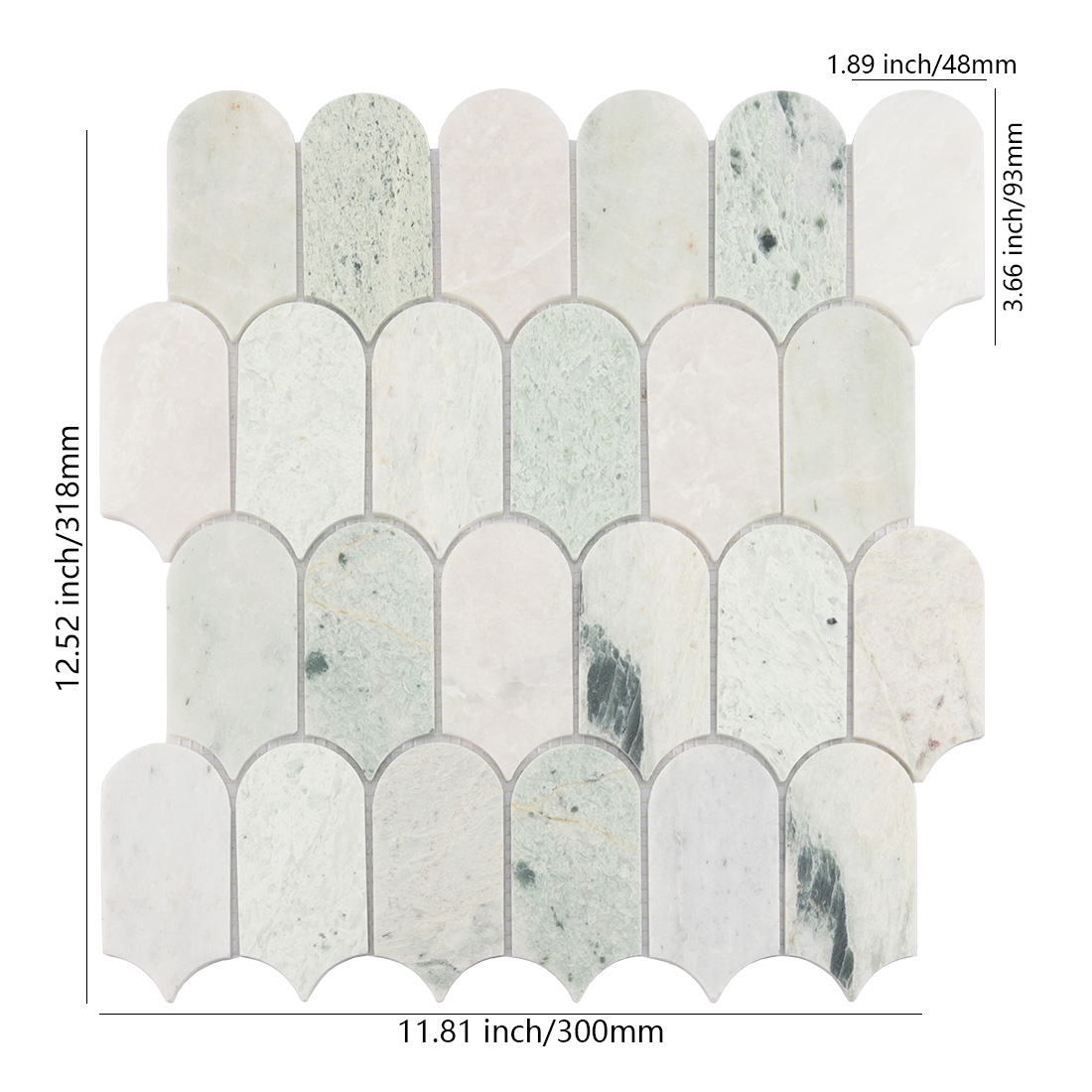




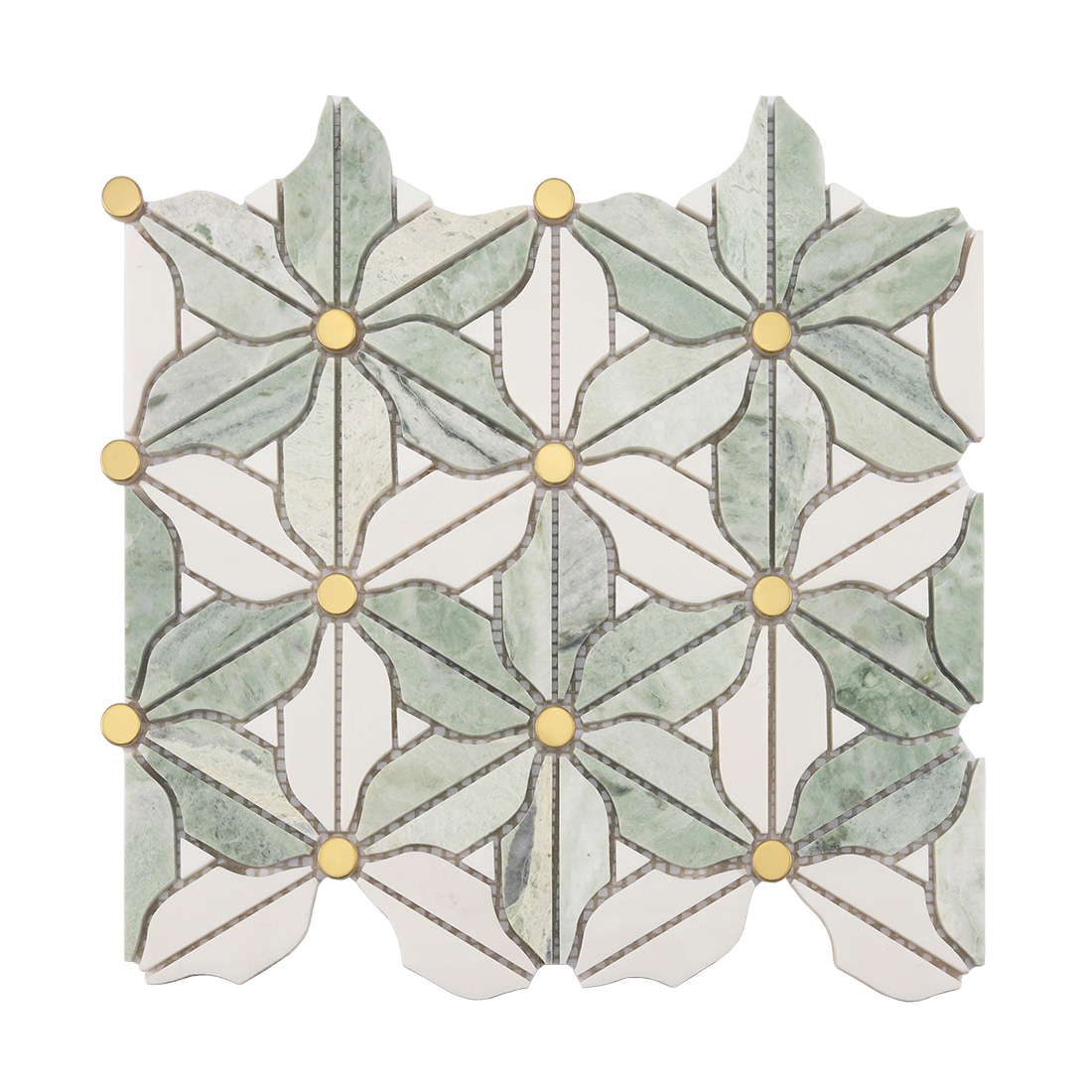


Retro Floor Tiles – Timeless Patterns for Character-Filled Spaces
Retro floor tiles bring the color, rhythm, and personality of earlier design eras into today’s interiors. From classic checkerboard floors and intricate marble mosaics to bold mid-century geometry and 1970s-inspired color palettes, these tiles turn an ordinary surface into a defining part of the room.
Explore the Woos Tiles collection to find retro-inspired floor designs for bathrooms, kitchens, entryways, hallways, living spaces, cafés, restaurants, hotels, boutiques, and other residential or commercial projects. Choose from natural marble, stone, mosaics, and selected floor-rated materials in colors, shapes, and patterns that combine nostalgic character with practical modern performance.
What Are Retro Floor Tiles?
Retro floor tiles are newly made tiles inspired by recognizable styles from the past. They may reference Victorian pattern work, the glamour of Art Deco, the playful geometry of the 1950s and 1960s, or the earthy colors and terrazzo surfaces associated with the 1970s.
Unlike genuinely antique tiles, retro tiles allow you to recreate a period-inspired floor using products manufactured for contemporary installation. Depending on the material and product specifications, they may offer modern advantages such as reliable sizing, mesh-mounted mosaic sheets, easier maintenance, water resistance, or suitability for high-traffic areas.
The retro look is defined by more than age. It is created through a combination of:
-
Repeating geometric or floral patterns
-
Checkerboard and contrasting color layouts
-
Small-format mosaics
-
Muted, earthy, or saturated period colors
-
Honed, matte, tumbled, or gently aged finishes
-
Natural variation in marble and stone
-
Distinctive shapes such as penny rounds, hexagons, octagons, diamonds, and cabochons
Retro Floor Tiles vs. Vintage Floor Tiles
Although the terms are often used together, they can describe slightly different design directions.
Retro floor tiles usually recreate a recognizable style from a particular period, especially the 1950s through the 1970s. They often feature confident colors, clean geometry, checkerboard arrangements, terrazzo effects, and playful repeating patterns.
Vintage floor tiles may refer to authentic older tiles, reclaimed materials, or new tiles designed with a broader aged or historic appearance. Victorian mosaics, weathered limestone, rustic travertine, and distressed stone surfaces often fall into the vintage category.
Choose retro tiles when you want a deliberate, energetic reference to a past design era. Choose vintage-style flooring when you prefer a softer, timeworn, or old-world atmosphere. Both can work beautifully in traditional and contemporary spaces.
Why Choose Retro Tile Flooring?
Distinctive Visual Character
A retro floor introduces pattern and personality without depending on furniture or decorative accessories. Even a restrained black-and-white layout can become a strong architectural feature.
Timeless Design References
Checkerboard, basketweave, penny round, octagon-and-dot, terrazzo, and geometric mosaic patterns have appeared in interiors for generations. Their familiar proportions help them remain relevant even as surrounding décor changes.
Flexible Design Options
Retro tile flooring can be subtle or expressive. Neutral marble mosaics create a refined heritage look, while green, terracotta, blue, mustard, pink, or multicolor patterns produce a more playful result.
Practical Material Choices
Floor-rated marble, natural stone, porcelain, ceramic, and selected glass mosaics can provide durable surfaces when correctly specified and installed. Always confirm that an individual product is approved for the intended floor, traffic level, and moisture conditions.
Suitable for Residential and Commercial Projects
Retro floors can add warmth to a private bathroom or kitchen while also creating a memorable identity for a café, restaurant, hotel, boutique, gallery, or reception area.
Popular Retro Floor Tile Styles
Checkerboard Floor Tiles
Checkerboard is one of the most recognizable retro flooring patterns. Traditional black-and-white tiles create strong contrast and recall classic diners, Victorian hallways, European cafés, and historic foyers.
For a softer interpretation, consider:
-
Cream and beige
-
Sage green and white
-
Terracotta and ivory
-
Brown and warm white
-
Gray and Carrara white
-
Soft pink and cream
-
Navy and pale gray
Square tiles may be installed in a straight grid for a clean appearance or turned diagonally to create a more dynamic diamond effect.
Victorian and Encaustic-Inspired Patterns
Victorian-style floors use repeated geometric motifs, borders, floral elements, and contrasting colors to create detailed surfaces. They work especially well in entryways, powder rooms, hallways, fireplaces, cafés, and period-inspired renovations.
A decorative border can frame the main pattern, define the edge of a room, or visually separate one functional area from another.
Art Deco Geometric Tiles
Art Deco flooring combines symmetry, contrast, and refined geometry. Fan shapes, diamonds, stars, arches, octagons, and bold linear arrangements pair naturally with marble, brass details, dark wood, and polished metal fixtures.
Black, white, green, gold, burgundy, and deep blue are popular Art Deco colors. For a quieter interpretation, use the same geometry in cream, beige, or soft gray marble.
Mid-Century Modern Floor Tiles
Mid-century floor tiles are characterized by clean lines, simplified shapes, and confident color blocking. Diamonds, triangles, elongated hexagons, atomic-inspired motifs, and irregular geometric repeats can introduce movement without excessive ornament.
Pair these floors with walnut cabinetry, rounded furniture, warm white walls, brushed metal, and simple lighting for a balanced modern-retro interior.
1950s Diner Floors
A black-and-white or red-and-white checkerboard floor instantly creates a recognizable 1950s diner atmosphere. This style is suitable for retro kitchens, cafés, ice cream shops, restaurants, entertainment rooms, and commercial interiors that need a strong visual identity.
Use chrome details, pastel cabinetry, upholstered seating, or simple subway tile walls to complete the theme without overwhelming the space.
1970s Terrazzo and Earth-Tone Designs
Terrazzo-inspired surfaces, speckled patterns, warm neutrals, olive green, mustard, burnt orange, chocolate brown, and muted cream capture the relaxed character of 1970s interiors.
These colors can feel surprisingly contemporary when paired with minimal cabinetry, natural wood, plaster walls, and simple modern fixtures.
Penny Round Mosaics
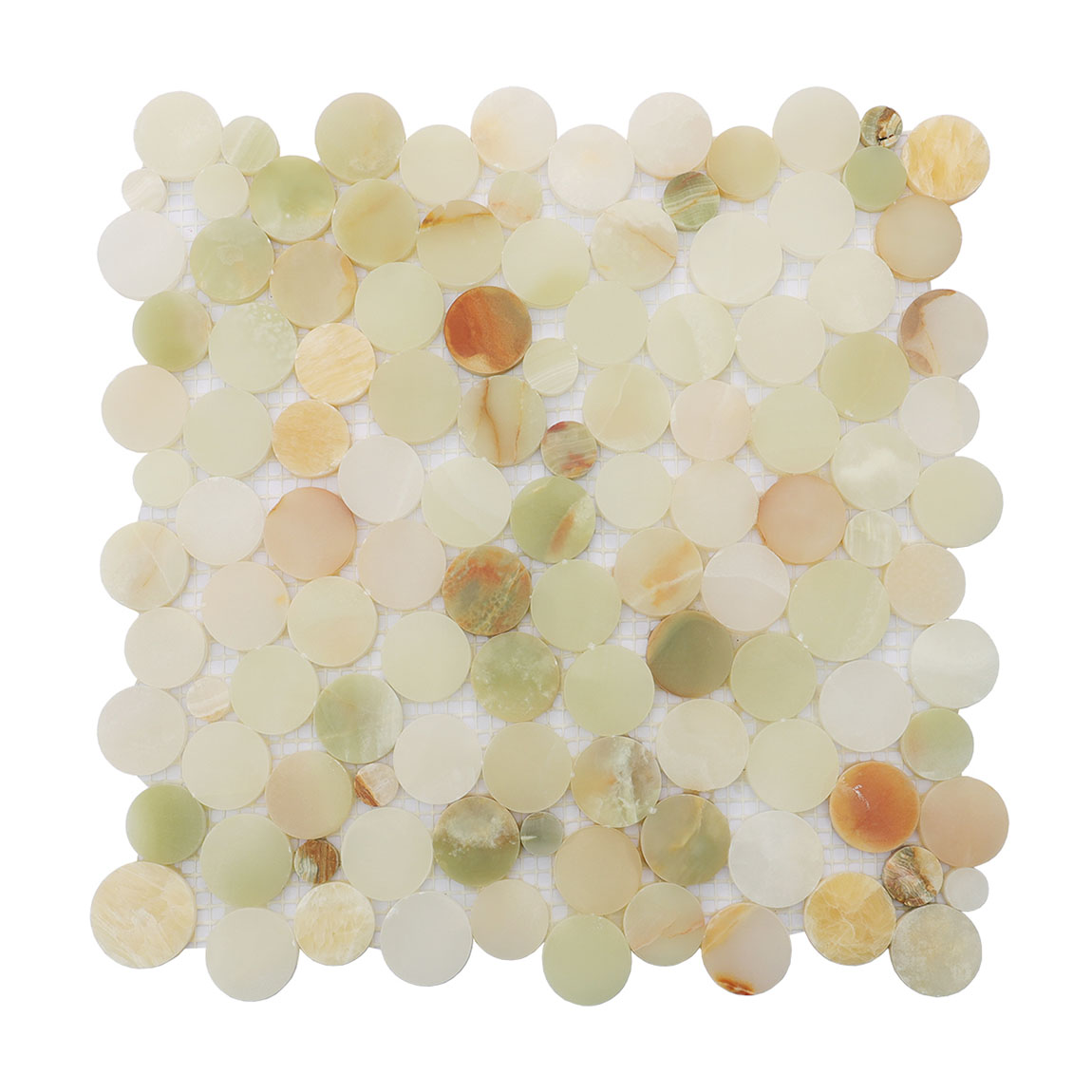
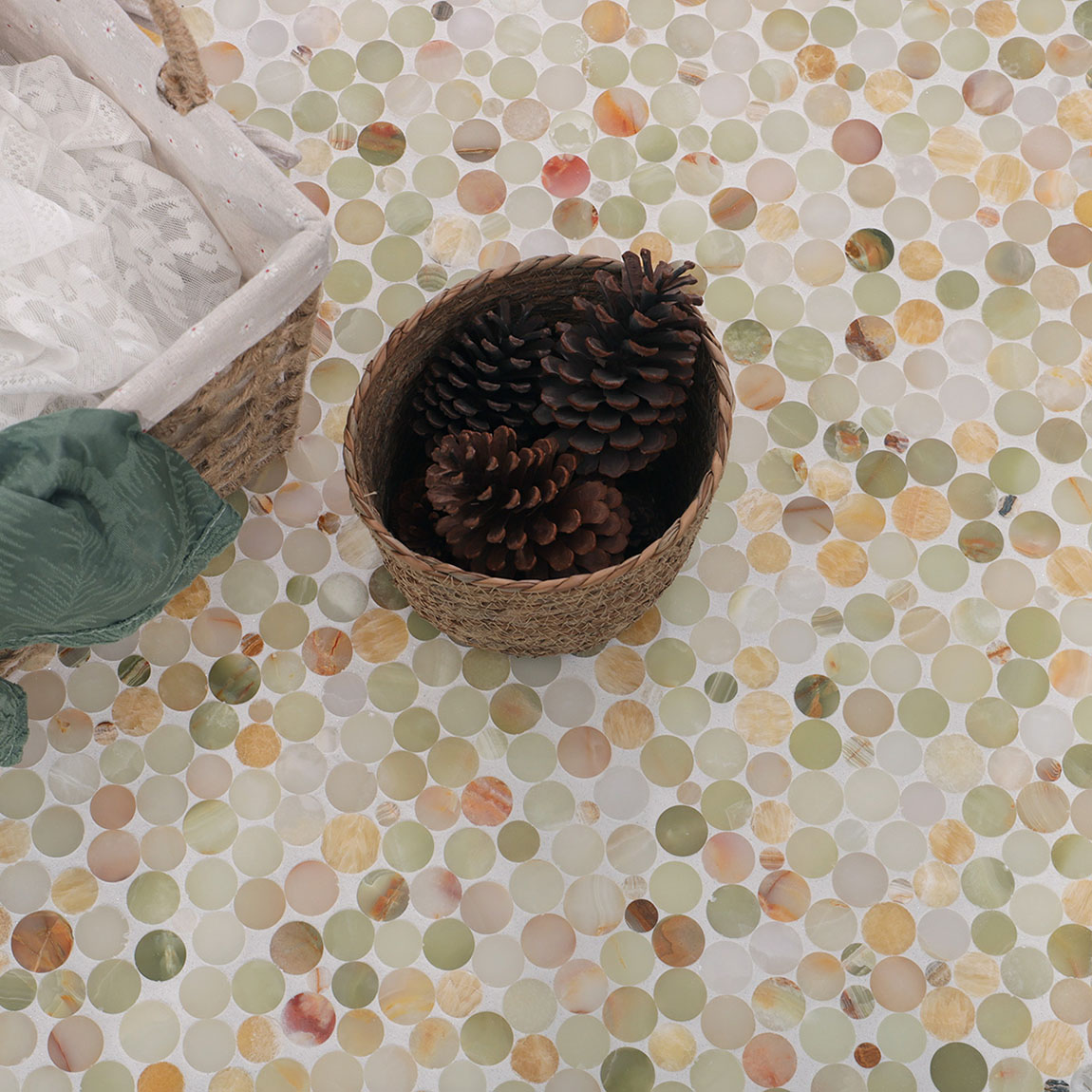
Small penny tiles are closely associated with early twentieth-century bathrooms, public buildings, and classic commercial interiors. Their continuous circular pattern adds texture and works especially well on compact floors and curved surfaces.
Because suitability differs by material and finish, confirm that the selected penny tile is approved for the intended floor or shower application.
Hexagon and Octagon Tiles
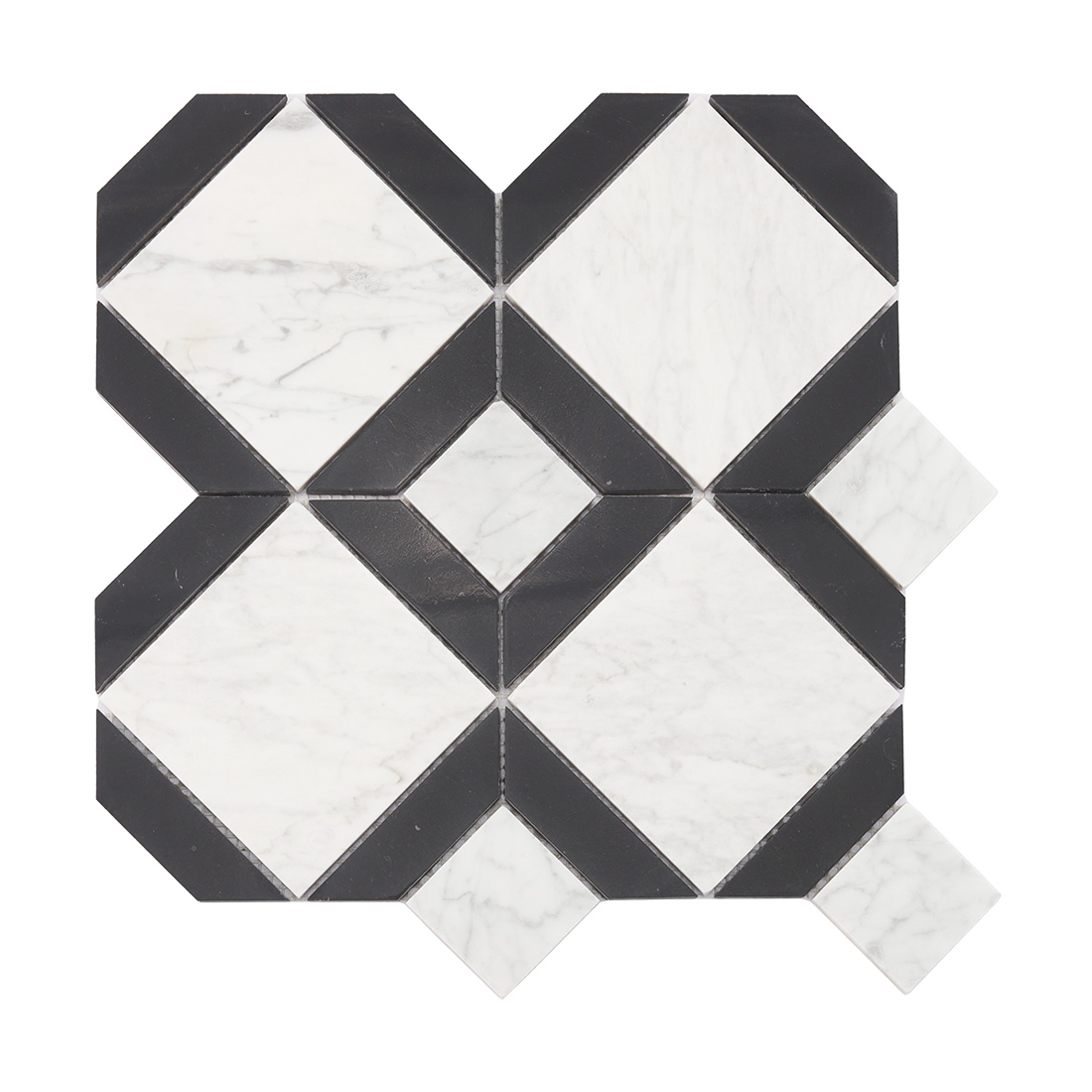
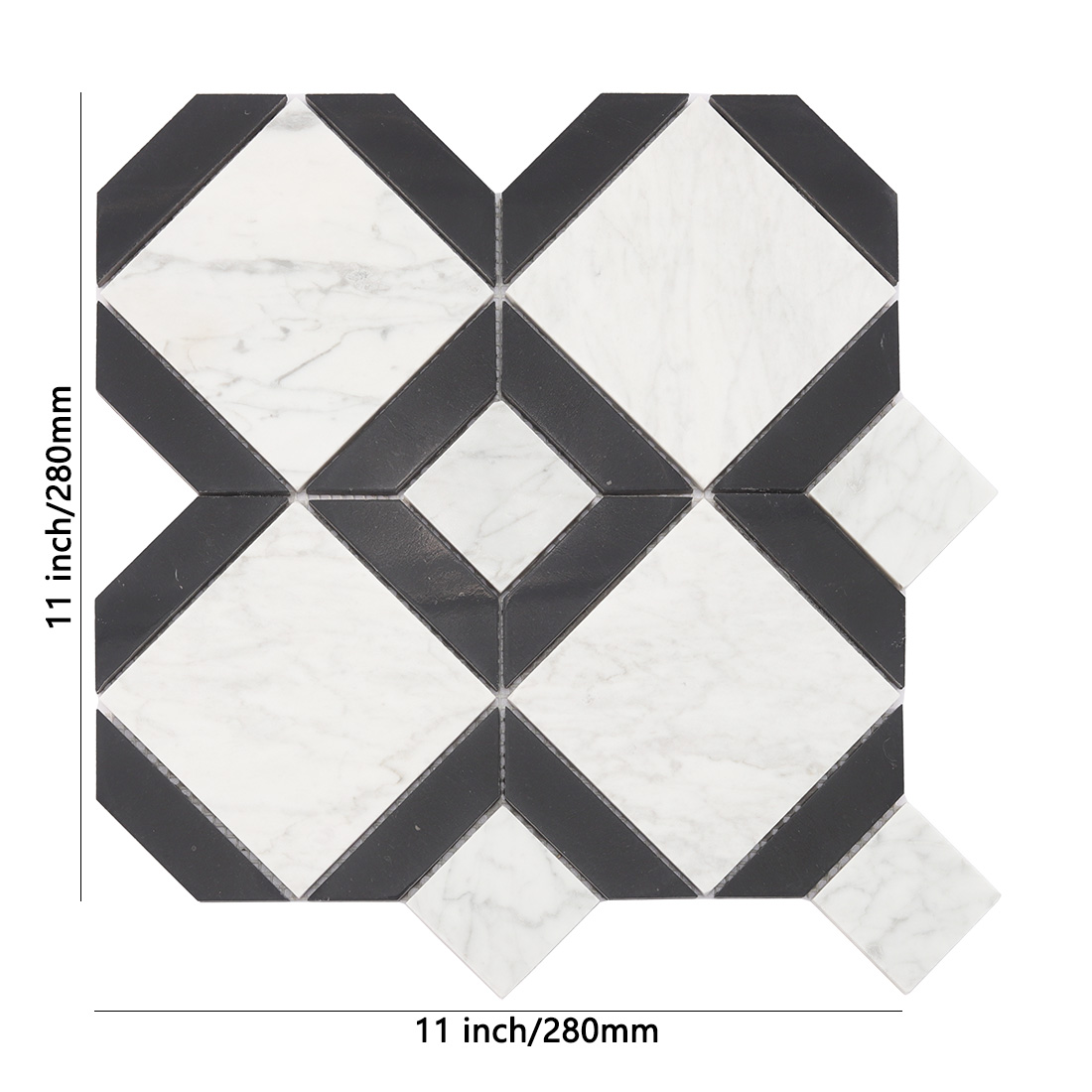
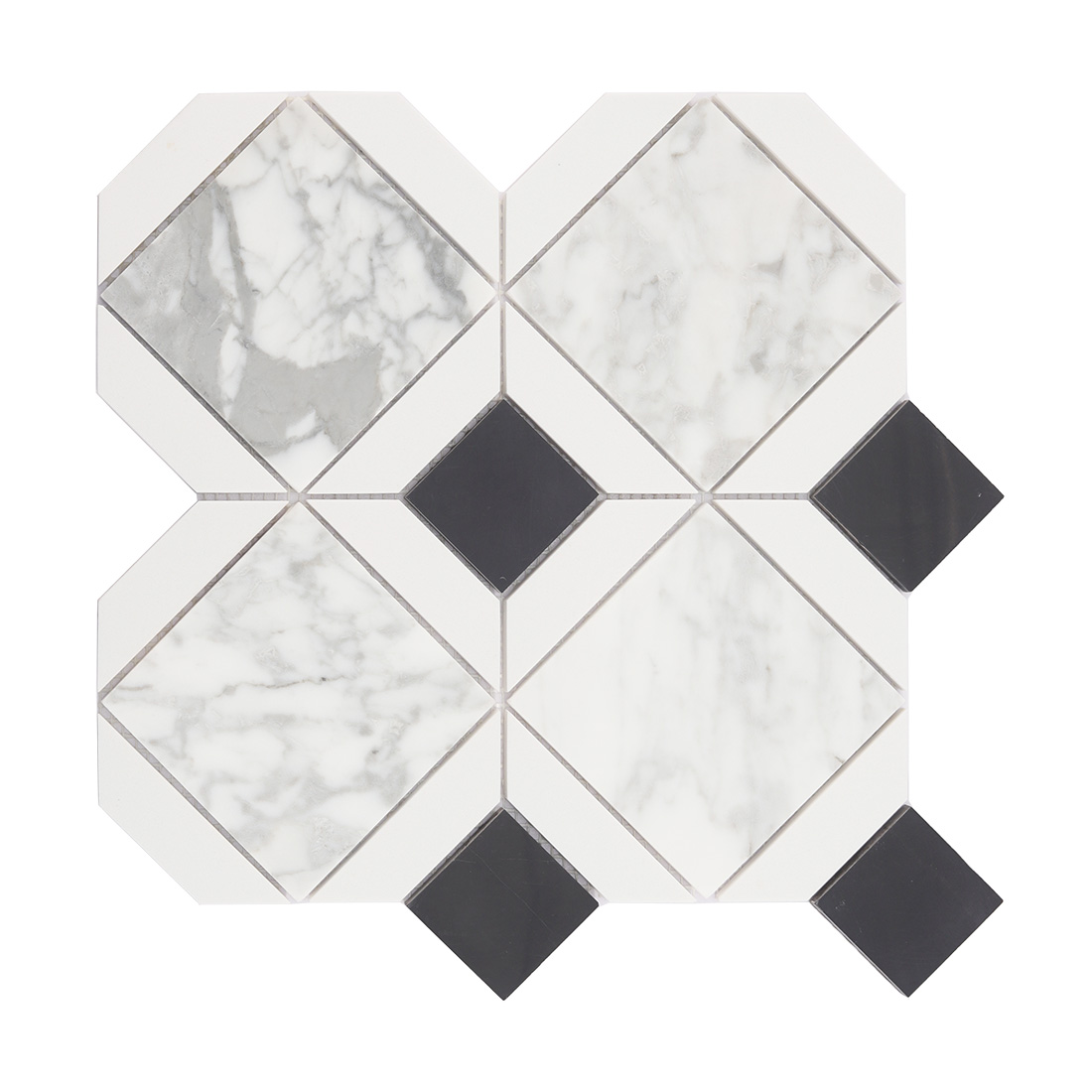
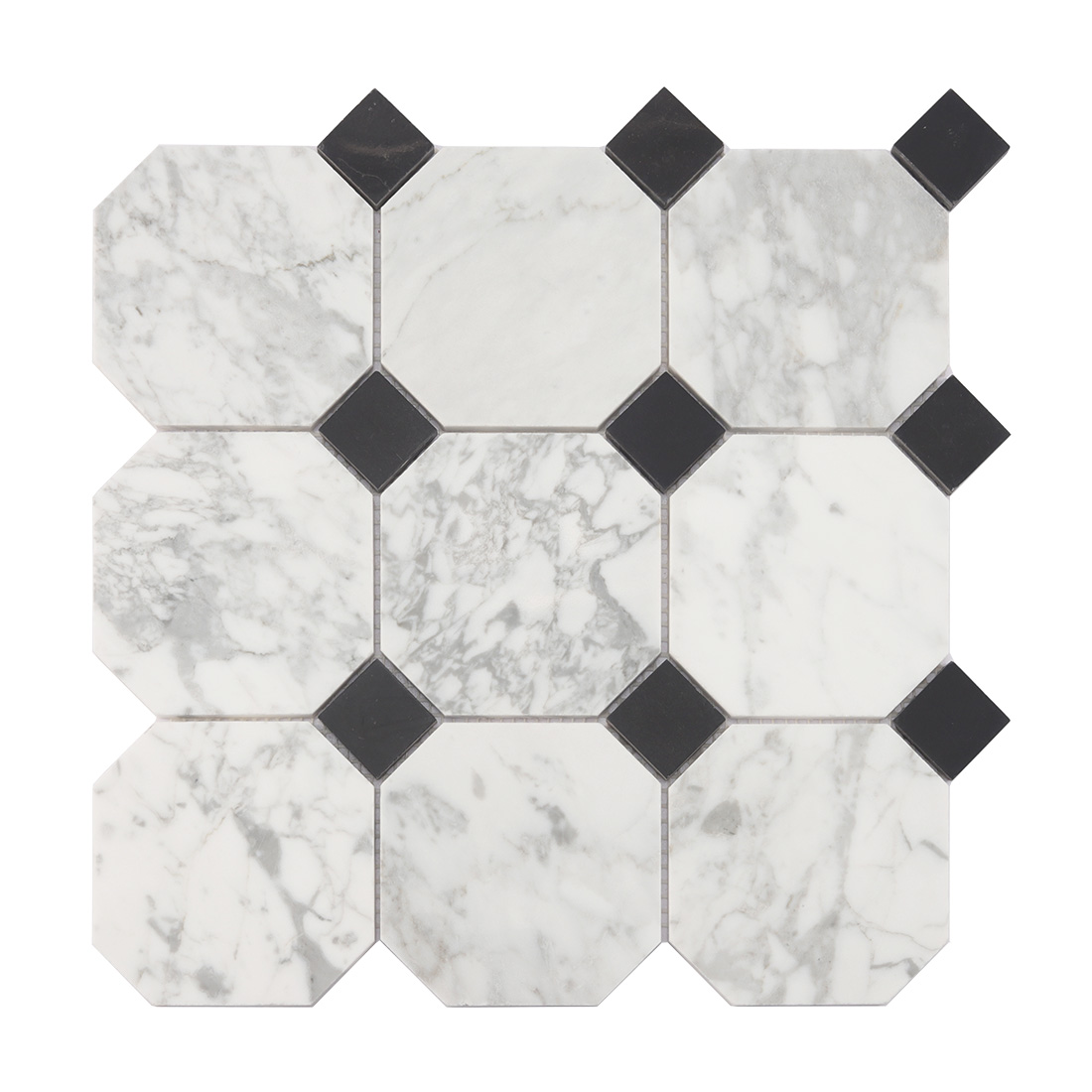
Small hexagon mosaics create a familiar retro bathroom floor, particularly in black, white, or marble combinations. Octagon tiles with contrasting square inserts offer a more formal vintage-inspired look for bathrooms, entryways, hotel floors, and traditional kitchens.
Basketweave and Herringbone Patterns
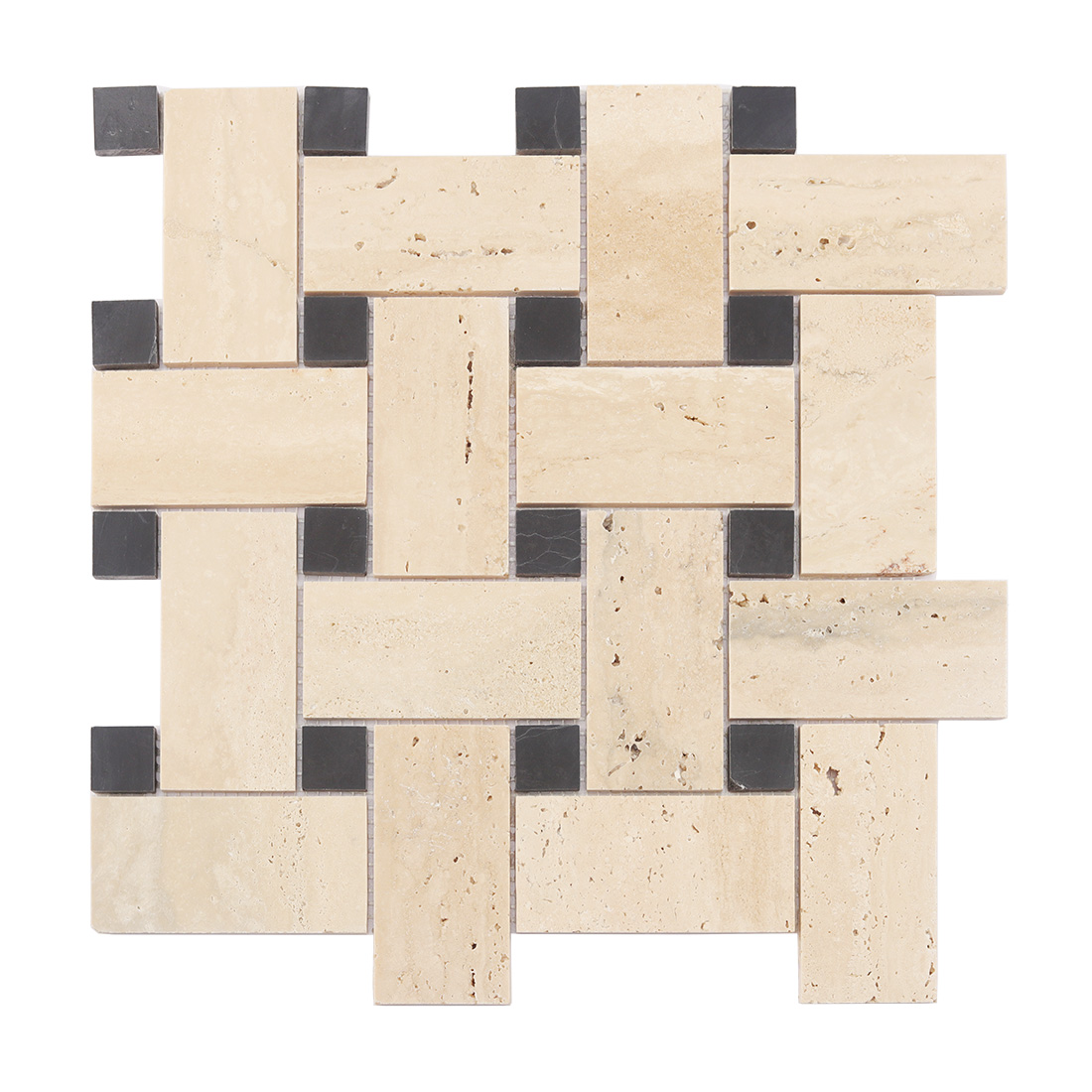
Basketweave mosaics create the appearance of interlaced strips and are ideal for elegant bathrooms, powder rooms, foyers, and boutique hotels. Herringbone layouts introduce directional movement and work with marble, stone, ceramic, and rectangular mosaic pieces.
Cabochon Floor Patterns
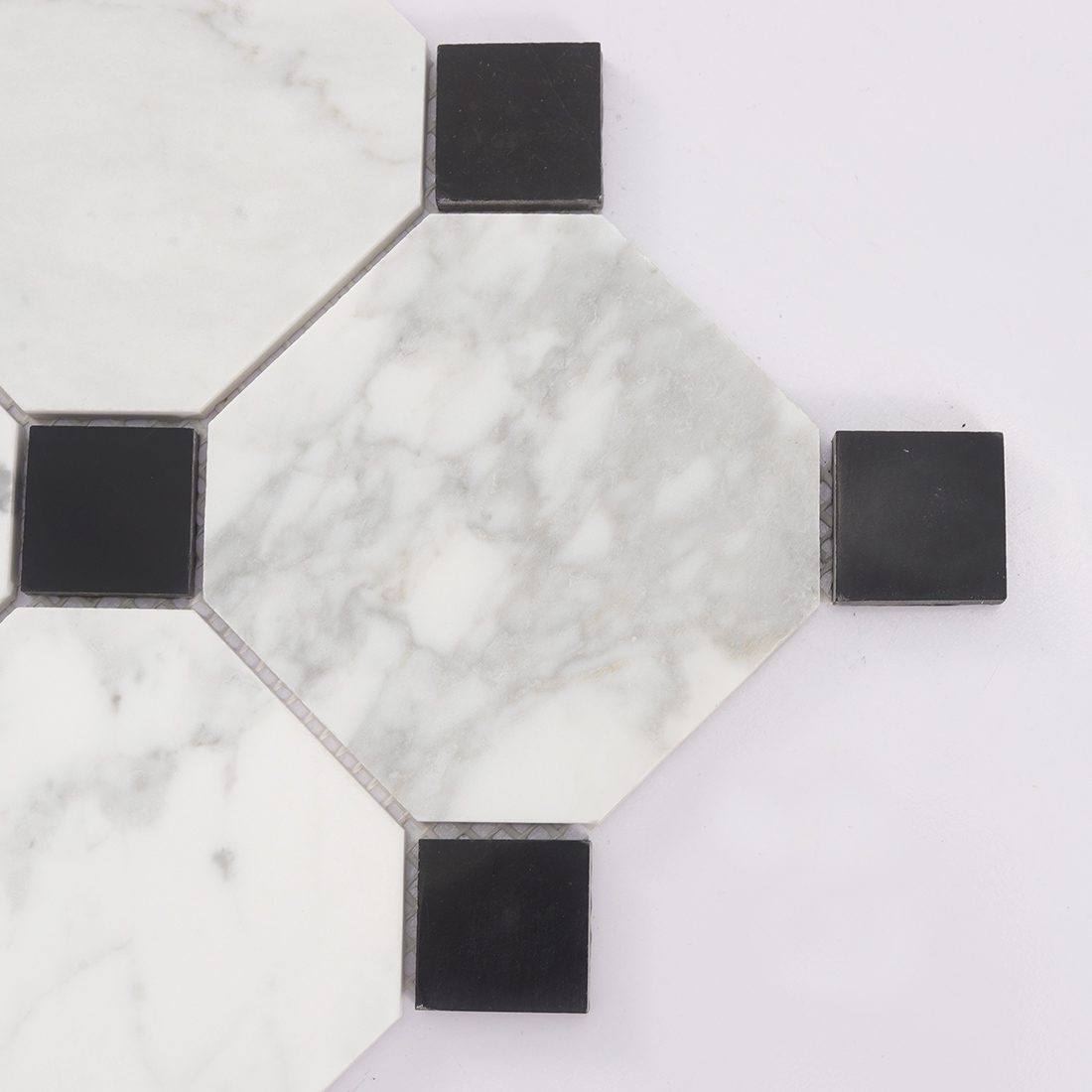
Cabochon floors use larger octagonal or clipped-corner tiles with small contrasting square inserts. This classic arrangement suits French country, Georgian, traditional European, and modern luxury interiors.
Marble, limestone, and stone combinations add natural variation, while high-contrast inserts make the pattern more graphic.
Floral and Custom Mosaic Floors
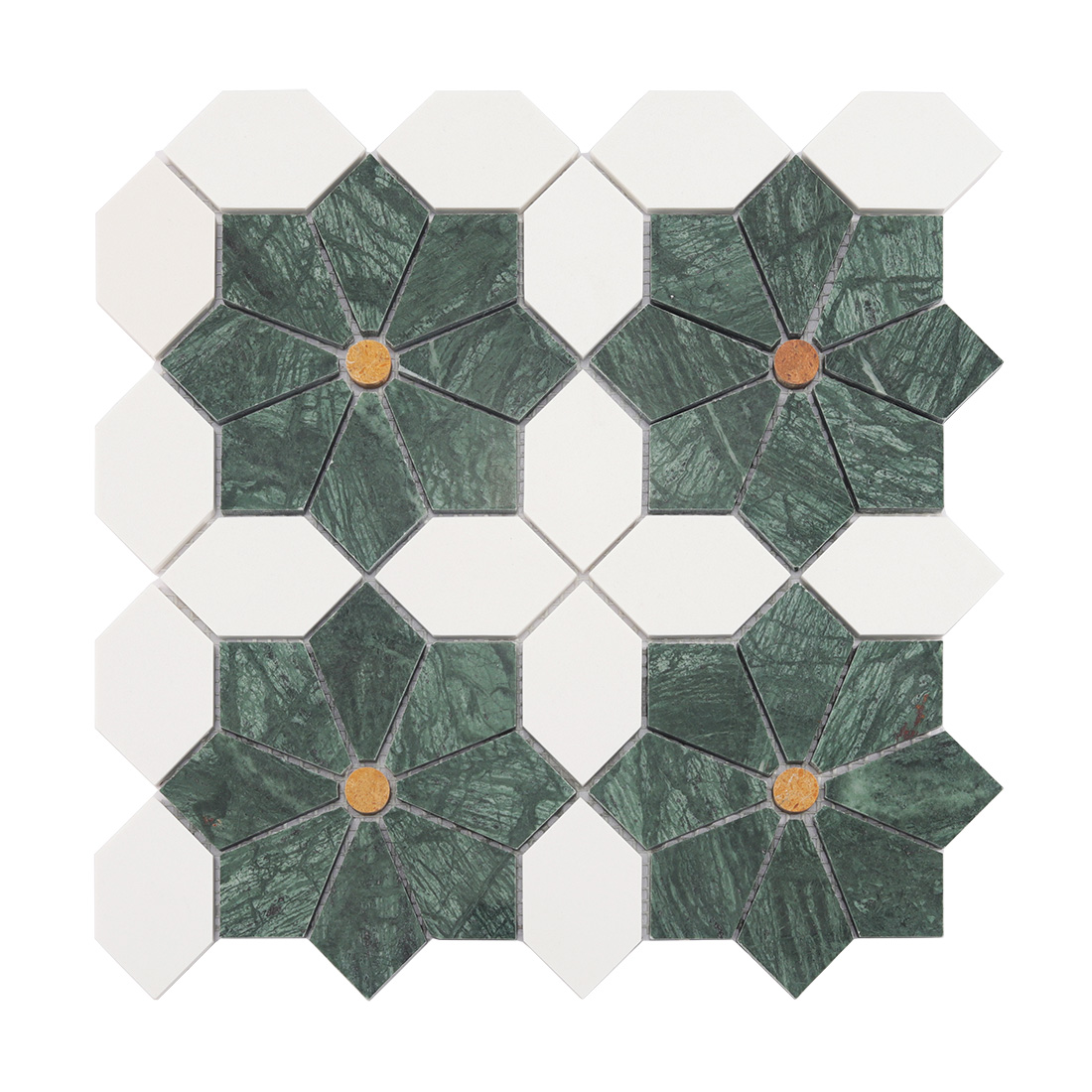
Floral mosaics and decorative medallions can turn the floor into a permanent artwork. They are well suited to entrance halls, hotel lobbies, restaurants, luxury bathrooms, villas, and branded commercial spaces.
For custom concepts, provide the required dimensions, material preferences, colors, reference images, and intended application so the pattern can be evaluated for production and installation.
Retro Floor Tile Materials
Marble Retro Floor Tiles
Natural marble brings depth, veining, and tonal variation to checkerboard, basketweave, octagon, hexagon, floral, and geometric designs. Every piece is slightly different, giving the finished floor a richer appearance than a flat printed pattern.
Popular choices include Carrara white, Nero Marquina black, green marble, beige marble, gray marble, and multicolor stone combinations.
Marble floors may require sealing and should be cleaned with products suitable for natural stone. Avoid acidic cleaners that can etch calcium-based stone.
Limestone and Travertine
Limestone and travertine create warm, architectural floors with a naturally aged character. Beige, cream, taupe, and soft gray tones suit Mediterranean, French country, rustic, farmhouse, and mid-century interiors.
Because natural stone performance varies, confirm the finish, porosity, sealing requirements, slip characteristics, and suitability for wet or exterior locations before ordering.
Porcelain and Ceramic Tiles
Porcelain and ceramic products can reproduce checkerboard, encaustic, terrazzo, concrete, and period-inspired patterns in practical formats. Porcelain is often selected for busy interiors because of its density and low-maintenance surface, but performance still varies by product.
Check the manufacturer’s floor rating, water absorption, slip information, frost resistance, and declared area of use.
Floor-Rated Glass Mosaics
Glass mosaics can add color, translucency, and reflective detail to a retro design. However, not every glass tile is suitable for flooring. Use only products specifically approved for the intended residential, commercial, wet-area, or submerged application.
Matte and textured glass generally creates a different floor experience from polished glass, but the finish alone does not guarantee slip resistance.
Mixed-Material Mosaics
Marble can be combined with glass, ceramic, or metal details to create borders, inserts, medallions, and custom patterns. Metal and shell tiles are usually used as decorative accents and should not be installed on floors unless the product is expressly rated for that use.
Always follow the application information on the individual product page.
Popular Retro Colors and Finishes
Classic retro flooring is not limited to black and white. Suitable palettes include:
-
Ivory, cream, beige, and warm white
-
Sage, olive, emerald, and forest green
-
Navy, dusty blue, teal, and aqua
-
Terracotta, rust, caramel, and burnt orange
-
Mustard, ochre, and muted yellow
-
Soft pink, peach, and burgundy
-
Gray, charcoal, brown, and black
Matte and honed finishes create a calm, understated appearance. Tumbled or antiqued surfaces provide a more aged texture, while polished marble produces a formal and reflective result.
For floors exposed to water, do not select a finish based on appearance alone. Review the product’s declared area of use and available slip-resistance information.
Where to Use Retro Floor Tiles
Retro Bathroom Floor Tiles
Small mosaics, hexagons, penny rounds, octagon-and-dot patterns, basketweave marble, and checkerboard designs can create a bathroom with authentic period character.
For main bathroom and shower floors, confirm:
-
The product is approved for flooring
-
It is suitable for the expected wet conditions
-
The substrate and waterproofing system are correctly prepared
-
The floor has the required drainage slope
-
The grout and adhesive are compatible with the tile material
Retro Kitchen Floor Tiles
Kitchen floors must withstand foot traffic, spills, cooking residue, and frequent cleaning. Checkerboard, geometric stone mosaics, encaustic-inspired designs, and matte floor-rated tiles can add character while supporting everyday use.
Pair a patterned floor with simple cabinets and countertops to prevent visual competition. Alternatively, use a quiet stone floor with bolder retro cabinetry or backsplash tiles.
Entryways, Hallways, and Mudrooms
An entrance floor is an ideal location for a strong retro pattern. Checkerboard, Victorian geometry, cabochon layouts, and marble mosaics establish the style of a home from the first step.
Choose a material and finish suitable for footwear, tracked-in moisture, dirt, and the expected traffic level.
Living and Dining Spaces
Retro tiles can define a dining zone, frame a fireplace, or create a durable floor throughout an open-plan interior. Warm marble, limestone, terrazzo-inspired surfaces, and large checkerboard patterns work particularly well in larger rooms.
Cafés, Restaurants, Hotels, and Retail Spaces
Patterned tile flooring can reinforce a commercial brand identity while helping customers remember the space. Retro designs are especially effective in cafés, bakeries, bars, boutique hotels, restaurants, bookstores, salons, galleries, and fashion stores.
Commercial projects should consider traffic classification, slip performance, cleaning routines, maintenance access, replacement stock, and applicable building requirements.
Outdoor Areas
Only selected retro-style tiles are suitable for patios, porches, pool surrounds, and exterior walkways. Confirm exterior approval, frost resistance where relevant, wet-area slip characteristics, drainage, and installation requirements before specifying a product outdoors.
How to Choose the Right Retro Floor Tiles
Confirm Floor Suitability
Never assume that a tile is suitable for flooring because of its shape or material. A similar-looking wall tile may not be designed to support foot traffic.
Check the product specifications for:
-
Floor or wall suitability
-
Residential or commercial use
-
Indoor or outdoor use
-
Dry, wet, or submerged applications
-
Traffic classification
-
Slip-resistance or declared area-of-use information
-
Frost resistance when required
Match the Pattern Scale to the Room
Small mosaics add detail and work well in bathrooms, powder rooms, niches, and compact entryways. Larger checkerboard or geometric patterns need more viewing distance and can create greater impact in kitchens, hallways, living rooms, and commercial spaces.
Before ordering, map the pattern on the actual floor dimensions. This helps prevent awkward partial motifs at doorways, walls, and transitions.
Select an Appropriate Finish
Honed, matte, textured, tumbled, and polished finishes each produce a different appearance and maintenance experience. Wet or high-traffic areas may require different surface characteristics from a formal dry interior.
Consider the Grout Color
Grout changes how strongly the tile pattern appears.
-
Matching grout creates a softer, more continuous surface.
-
Light gray grout defines the pattern without severe contrast.
-
White grout creates a crisp traditional appearance.
-
Dark grout produces a graphic effect and may visually reduce staining.
-
Warm beige grout complements limestone, travertine, and cream marble.
Test the grout with a sample before completing the full installation, particularly with porous or light-colored natural stone.
Order Samples
View samples in the actual room under daylight and artificial light. Compare the tile with cabinetry, paint, metal finishes, countertops, and adjacent flooring.
Natural marble and stone will vary, so a small sample represents the general material rather than every vein or color variation in the final order.
Calculate the Required Quantity
Measure the length and width of each floor section and calculate the total area. For irregular spaces, divide the floor into smaller rectangles and combine the results.
A common starting allowance is approximately 10% extra for cutting, breakage, and future repairs. Complex layouts, diagonal installations, borders, or highly selective natural stone may require about 15% or more. Ask the installer to confirm the final quantity before ordering.
For mosaics, calculate the number of sheets using the coverage stated on the product page rather than the nominal sheet dimensions alone.
Retro Floor Tile Design Tips
-
Use one bold surface as the main feature and keep surrounding finishes quieter.
-
Pair colorful retro floors with neutral walls and simple cabinetry.
-
Repeat one floor color in the furniture, lighting, or accessories to connect the room.
-
Use borders to frame an intricate pattern or create a rug-like effect.
-
Lay checkerboard tiles diagonally to make the floor feel more dynamic.
-
Choose low-contrast colors for a softer, more spacious appearance.
-
Use strong black-and-white contrast for a classic diner or Art Deco look.
-
Combine aged stone with clean modern fixtures to avoid creating a themed interior.
-
Continue the same flooring through connected rooms to make small spaces feel more unified.
-
Test the complete repeat before installation so doors, vanities, islands, and focal points align with the pattern.
Installation Guidance
Correct installation is essential for both appearance and performance.
The substrate should be clean, stable, flat, and suitable for the selected tile. Wet areas require an appropriate waterproofing and drainage system. Natural stone, glass mosaics, and mixed-material products may need specific adhesives, cutting tools, grout, and sealing procedures.
Before installation:
-
Inspect all boxes or sheets for damage, shade variation, and correct quantity.
-
Mix natural stone pieces or tiles from different boxes to distribute variation.
-
Dry-lay part of the design to confirm pattern direction and edge cuts.
-
Verify that mosaic sheets align without visible sheet lines.
-
Use adhesives and grout approved for the material and application.
-
Follow the recommended joint size and movement-joint requirements.
-
Allow the installation to cure fully before regular traffic or wet use.
Intricate mosaics, natural stone, wet rooms, exterior floors, and custom patterns are best handled by an experienced professional tile installer.
Cleaning and Maintenance
Routine care helps retro tile flooring preserve its color and surface.
-
Sweep or vacuum regularly to remove abrasive grit.
-
Clean with warm water and a mild product compatible with the tile.
-
Wipe spills promptly, especially on porous stone.
-
Avoid harsh abrasive pads unless the manufacturer approves them.
-
Avoid vinegar, lemon, or acidic cleaners on marble, limestone, and travertine.
-
Clean grout using a suitable non-damaging product.
-
Reapply penetrating sealer only when recommended for the specific material and installation.
-
Keep replacement tiles from the original order for future repairs.
Cleaning methods vary between marble, limestone, glass, ceramic, porcelain, metal, and mixed-material mosaics. Always follow the care instructions for the individual product.
Why Choose Woos Tiles?
Woos Tiles is an online tile superstore offering marble tiles, glass tiles, metal tiles, shell tiles, stone tiles, mosaic tiles, wall tiles, floor tiles, bathroom tiles, kitchen tiles, backsplash tiles, outdoor tiles, and custom mosaic murals for residential and commercial projects.
Our retro-inspired selection includes natural materials, classic mosaic arrangements, geometric patterns, and distinctive color combinations for projects ranging from private bathroom renovations to hotels, restaurants, retail stores, and other commercial interiors.
Browse the collection, compare materials and application details, request samples, or contact Woos Tiles for help with quantities, product suitability, and custom project requirements.
Frequently Asked Questions About Retro Floor Tiles
Are retro floor tiles still in style?
Yes. Checkerboard, terrazzo, penny round, hexagon, basketweave, and geometric floors continue to appear in both traditional and contemporary interiors. Timeless patterns and balanced color schemes are less likely to look dated than designs selected only for a short-term trend.
What is the difference between retro and vintage floor tiles?
Retro tiles are usually new products designed to revive a recognizable past style. Vintage tiles may be genuinely old, reclaimed, or designed with a broader aged and historic appearance.
What are the most popular retro floor tile patterns?
Popular patterns include checkerboard, Victorian geometry, Art Deco motifs, penny rounds, hexagons, octagon-and-dot, basketweave, herringbone, cabochon, floral mosaics, and terrazzo-inspired designs.
Are retro floor tiles suitable for bathrooms?
Yes, provided the selected product is approved for the intended bathroom floor or wet-area application. Review the floor rating, moisture suitability, finish, slip information, waterproofing requirements, adhesive, and grout before installation.
Are retro tiles suitable for kitchen floors?
Many floor-rated retro tiles are suitable for kitchens. Select a material that can withstand expected traffic, spills, cleaning, and furniture loads. Natural stone may need additional sealing and material-specific maintenance.
Are retro floor tiles slippery?
Slip performance depends on the material, surface, grout joints, contaminants, maintenance, and installation environment. A matte appearance alone does not prove that a tile is appropriate for a wet floor. Check the manufacturer’s declared area of use and available slip-resistance data.
Can wall tiles be installed on a floor?
Only if the manufacturer specifically approves them for flooring. Wall-only glass, ceramic, metal, shell, or decorative tiles may not be designed for foot traffic or concentrated loads.
Do retro floor tiles work in small rooms?
Yes. Small mosaics and low-contrast patterns can add detail without overwhelming a compact room. A continuous pattern may also make the floor feel more expansive. For very bold designs, limit competing colors and decorative elements elsewhere.
Can retro floor tiles be combined with modern furniture?
Yes. The contrast between a characterful floor and simple contemporary furniture often makes a retro pattern feel more sophisticated. Use clean cabinetry, neutral walls, natural wood, or minimal fixtures to balance an expressive floor.
Can retro floor tiles be used outdoors?
Selected products can be used outdoors, but only when they are approved for exterior conditions. Confirm frost resistance, wet-area slip characteristics, drainage, substrate preparation, and climate suitability.
Are retro tiles compatible with underfloor heating?
Many tile and stone products can be used over properly designed floor-heating systems. Compatibility depends on the tile, adhesive, substrate, heating system, expansion provisions, and installation method. Confirm all requirements before installation.
Do marble retro floor tiles need sealing?
Many marble installations benefit from an appropriate penetrating sealer, but the requirement depends on the stone, finish, grout, location, and expected exposure. Follow the stone supplier’s and sealer manufacturer’s recommendations.
How much extra tile should I order?
Approximately 10% extra is a common starting point. Consider about 15% or more for diagonal layouts, complicated patterns, borders, extensive cutting, natural variation, or future replacement stock. Confirm the final allowance with the installer.
How do I keep a bold retro floor from looking outdated?
Choose a well-established pattern, limit the main color palette, and combine it with simple permanent finishes. Neutral walls, natural wood, clean cabinetry, and restrained fixtures allow the floor to remain the focal point without making the entire room feel themed.
Discover Retro Floor Tiles at Woos Tiles
Give your floor lasting character with checkerboard layouts, geometric marble mosaics, penny rounds, hexagons, basketweave patterns, floral designs, and other retro-inspired surfaces.
Explore the Woos Tiles retro floor tile collection today, request samples, and find the right material, pattern, color, and finish for your residential or commercial project.