


Retro Penny Tiles Create a Warm Vintage Kitchen Backsplash
-
-
-
-
-
-
-
-
-
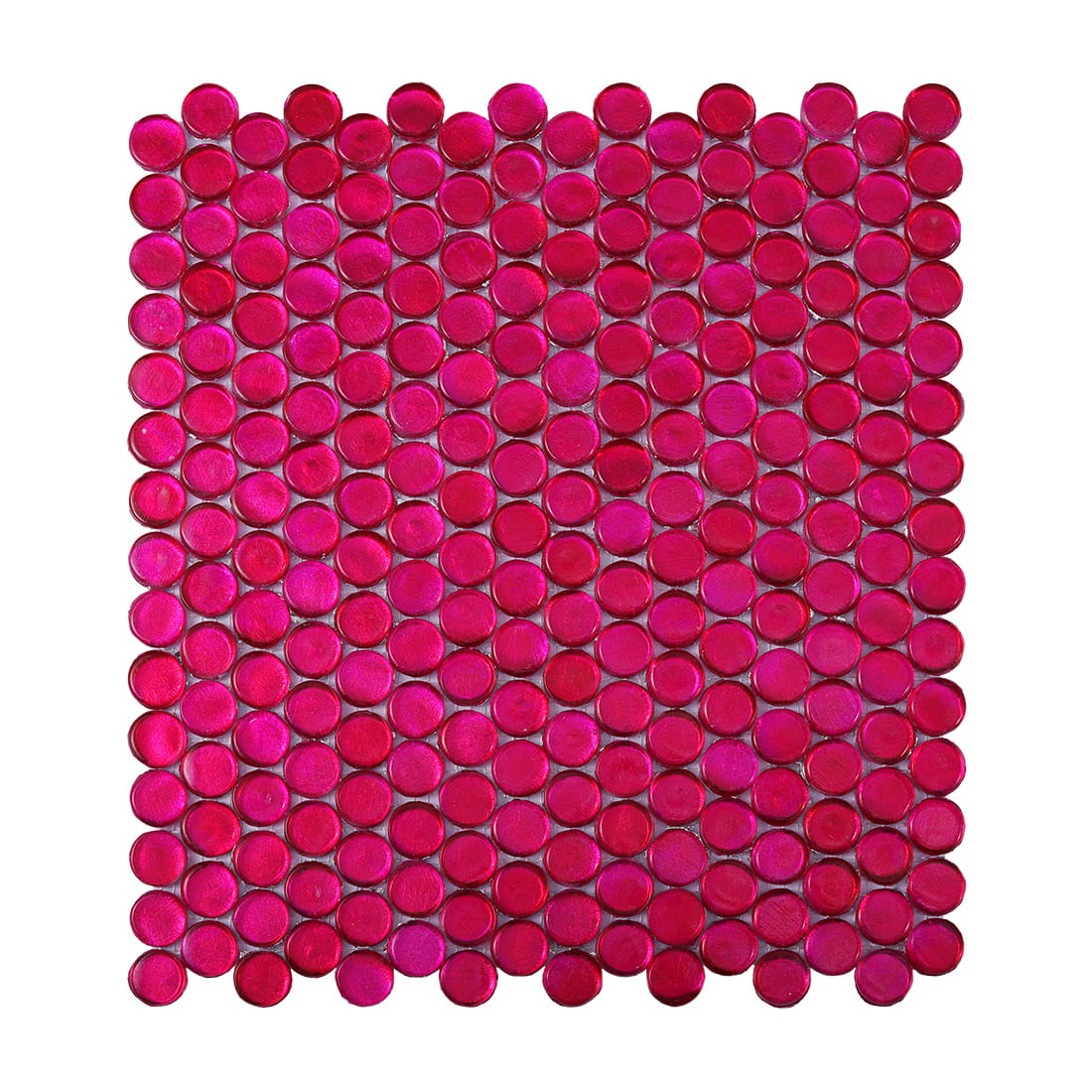
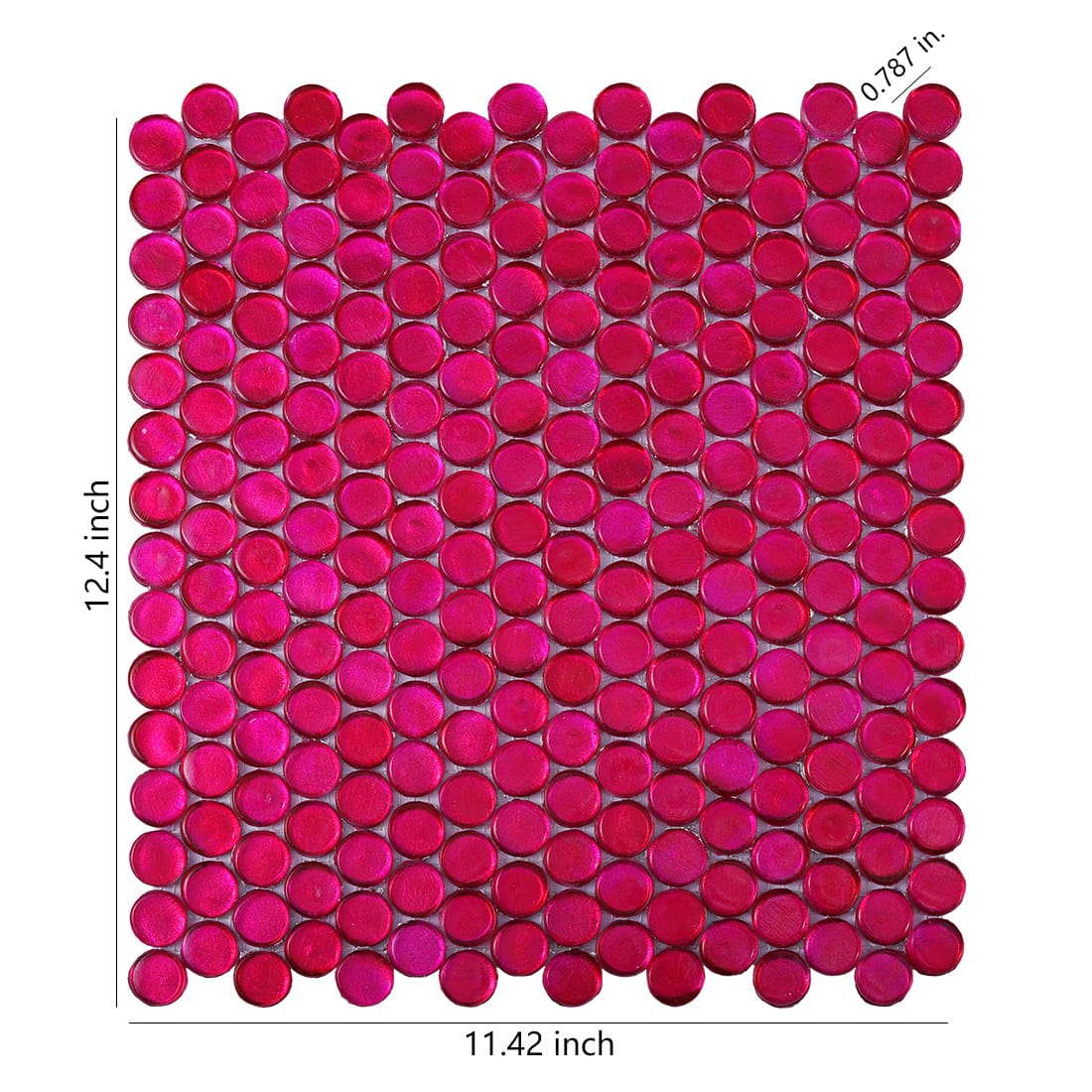
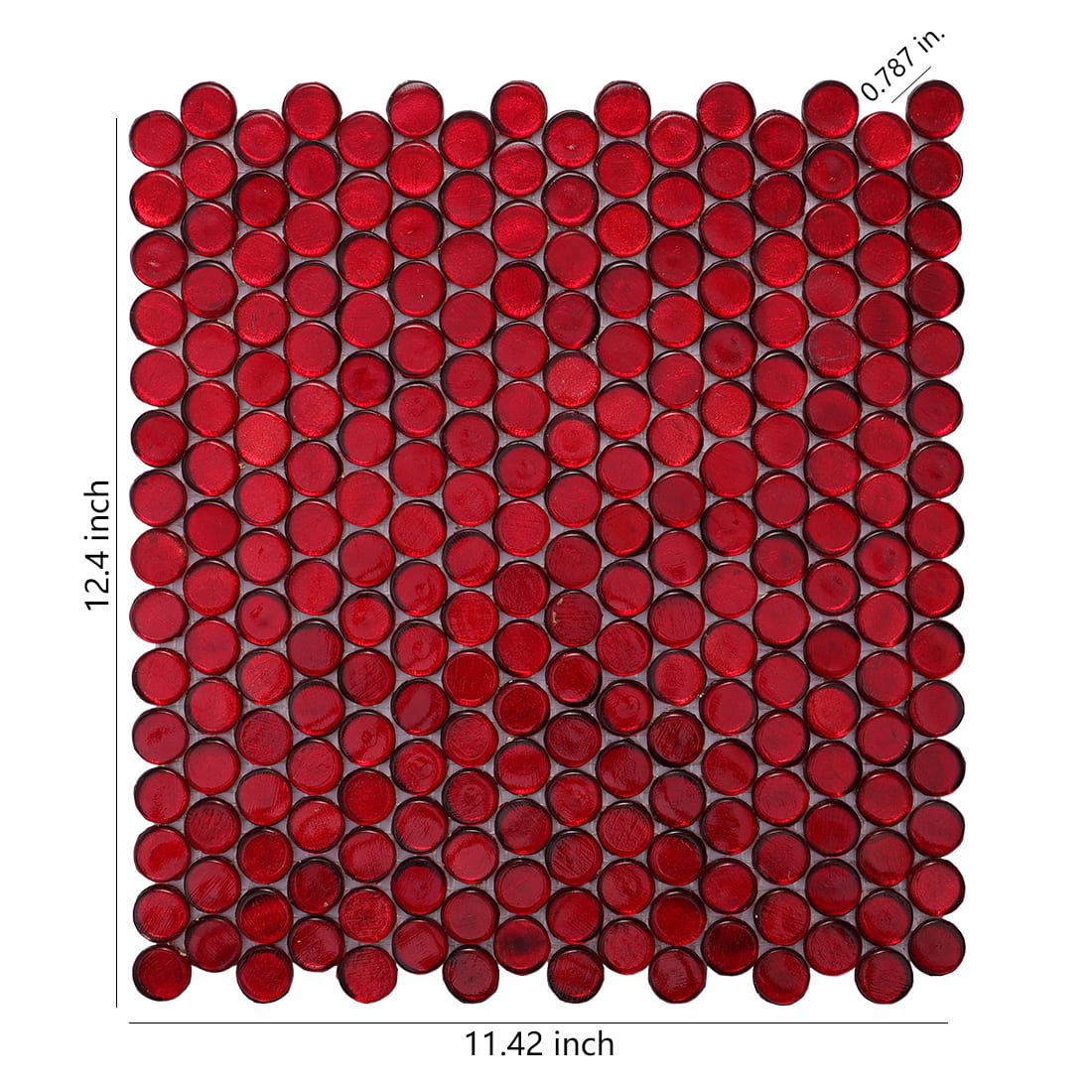
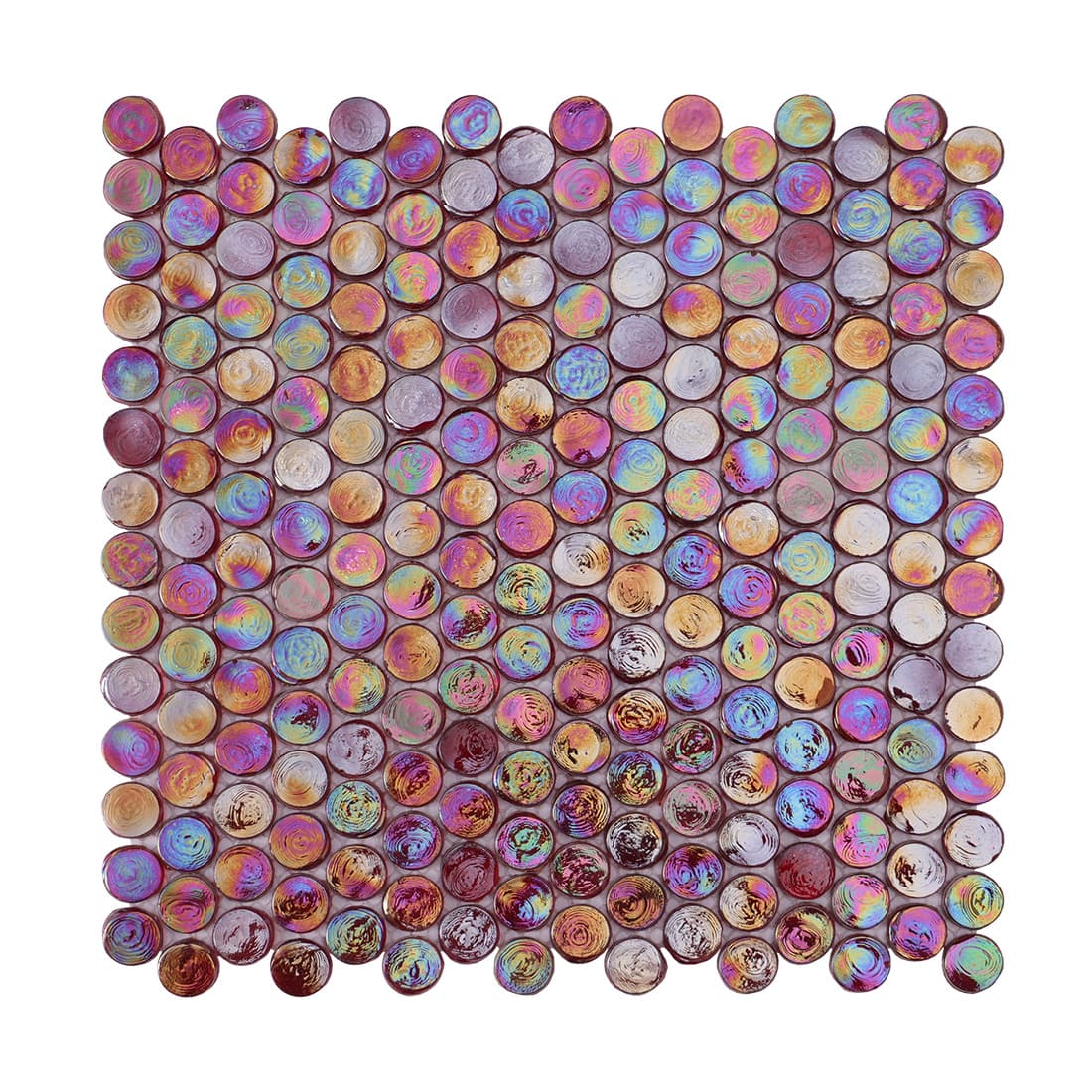
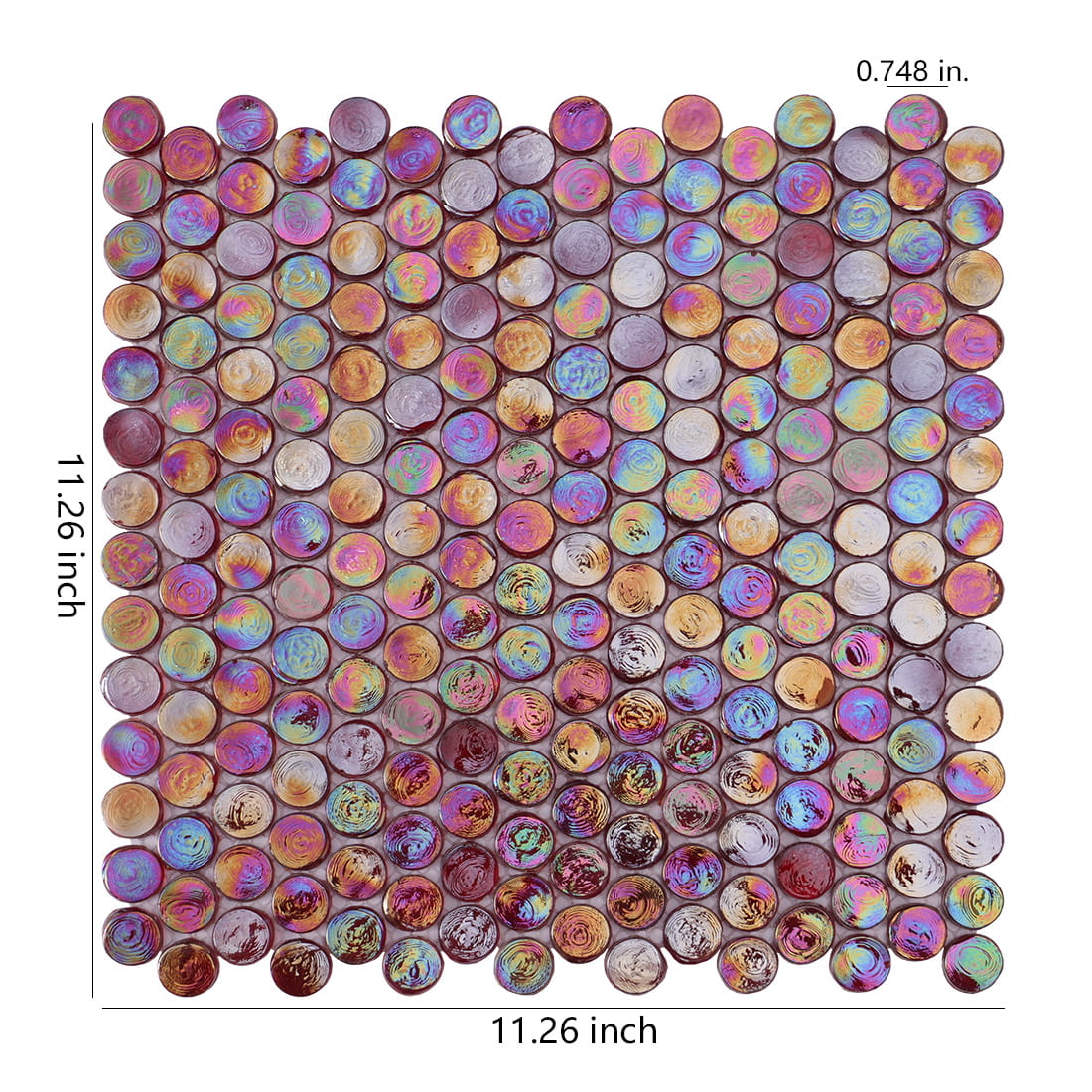
Red Foil Penny Round Glass Mosaic Tile$23.73 USD
-
-
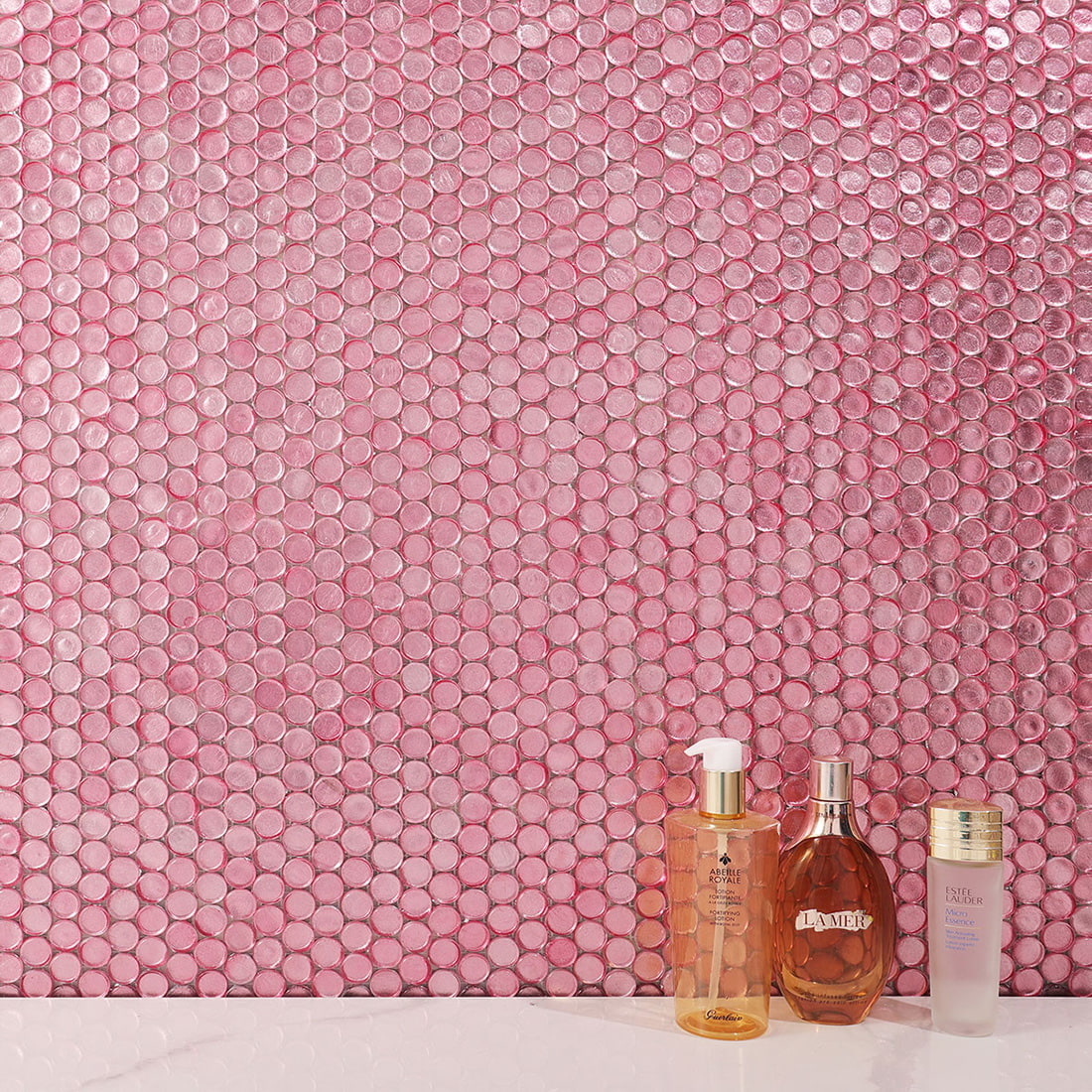
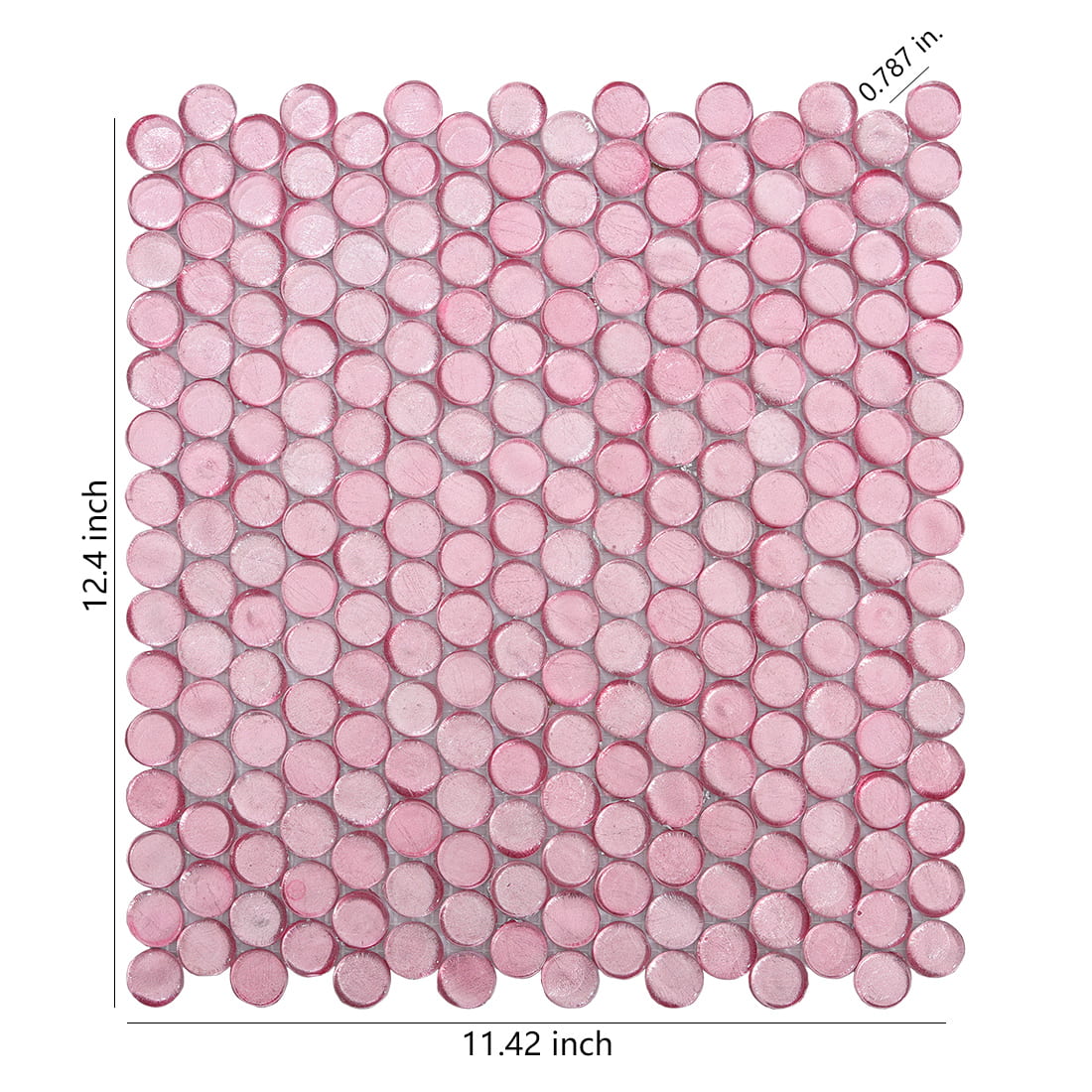
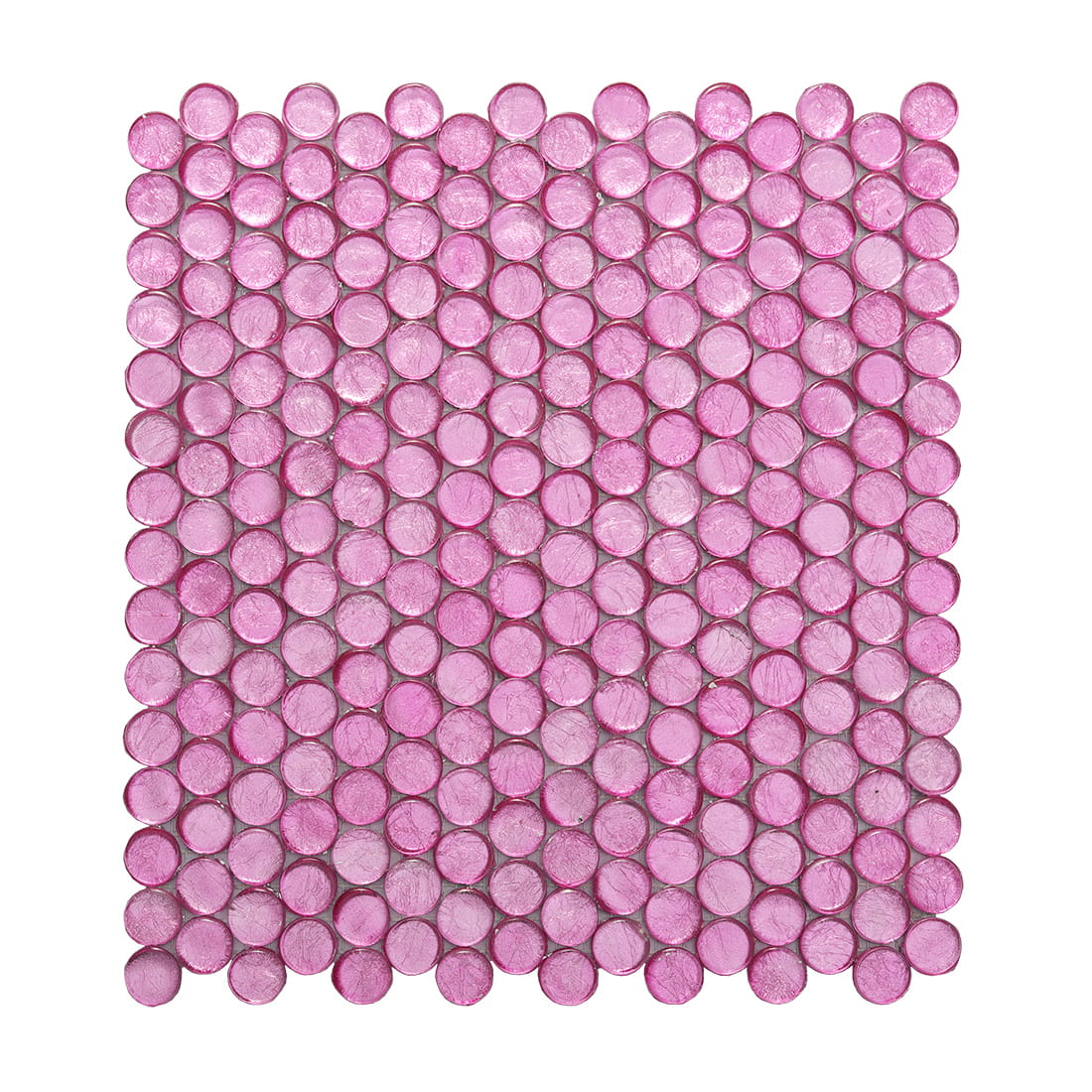
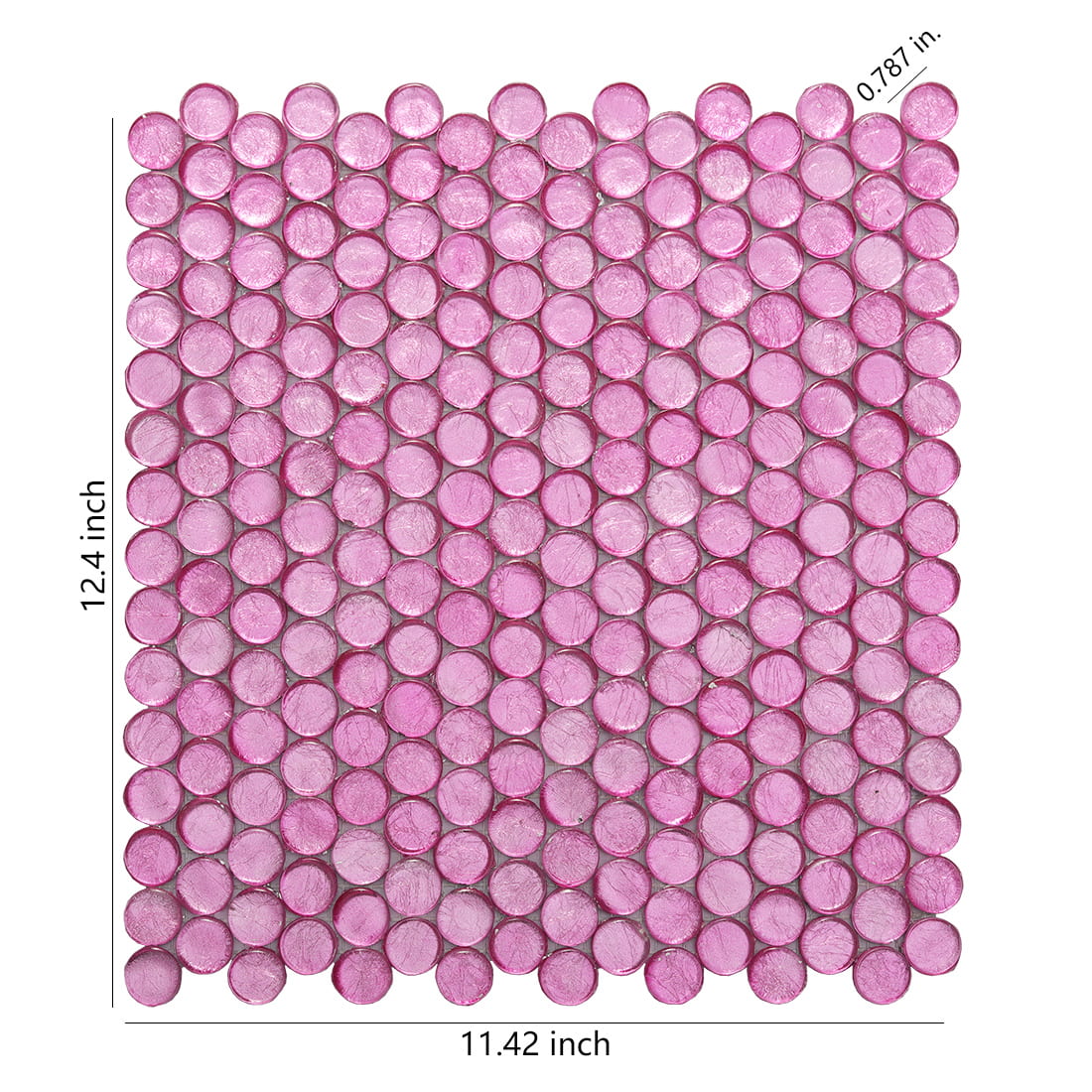
Pink Penny Round Glass Mosaic Wall Tile$25.60 USD
-
-
-


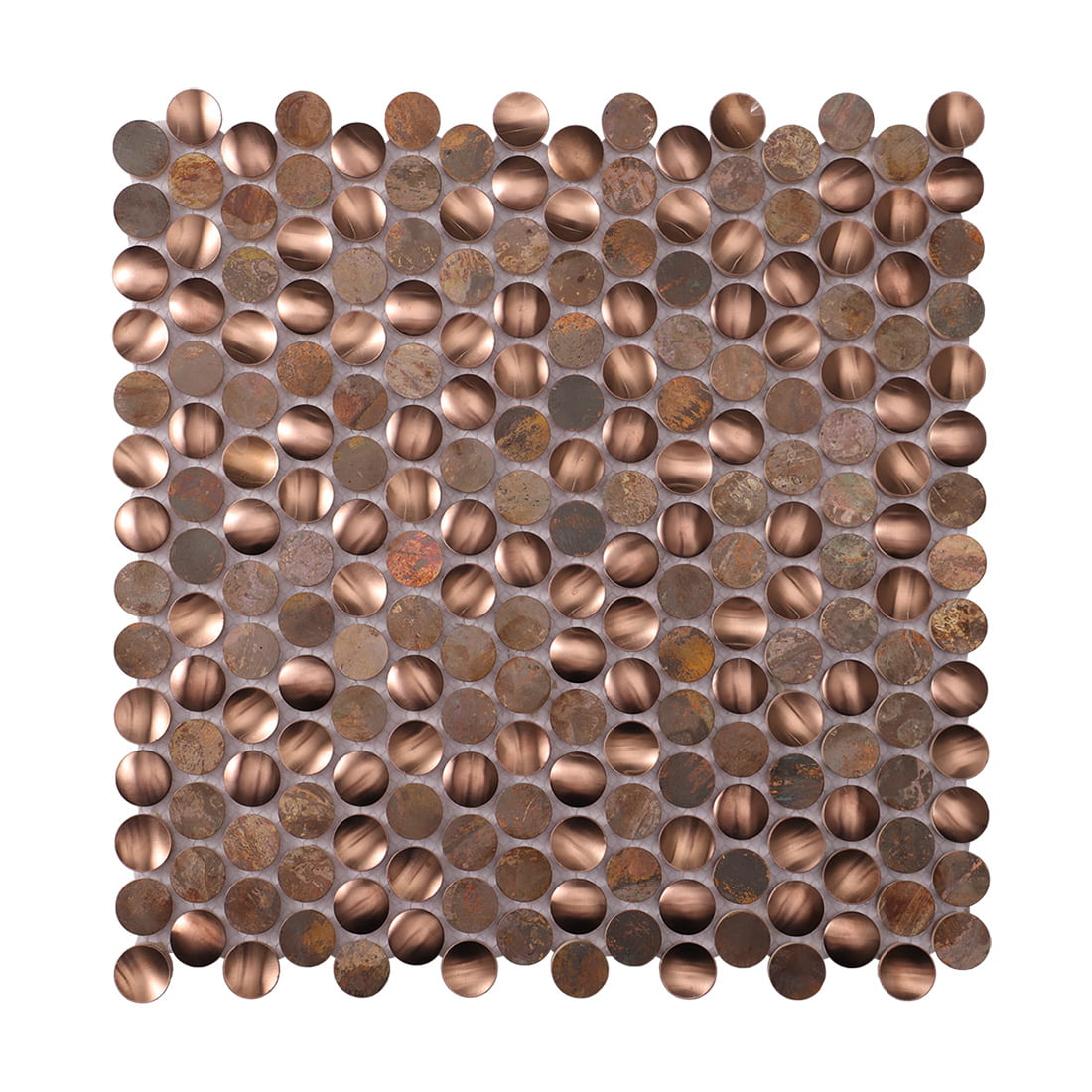
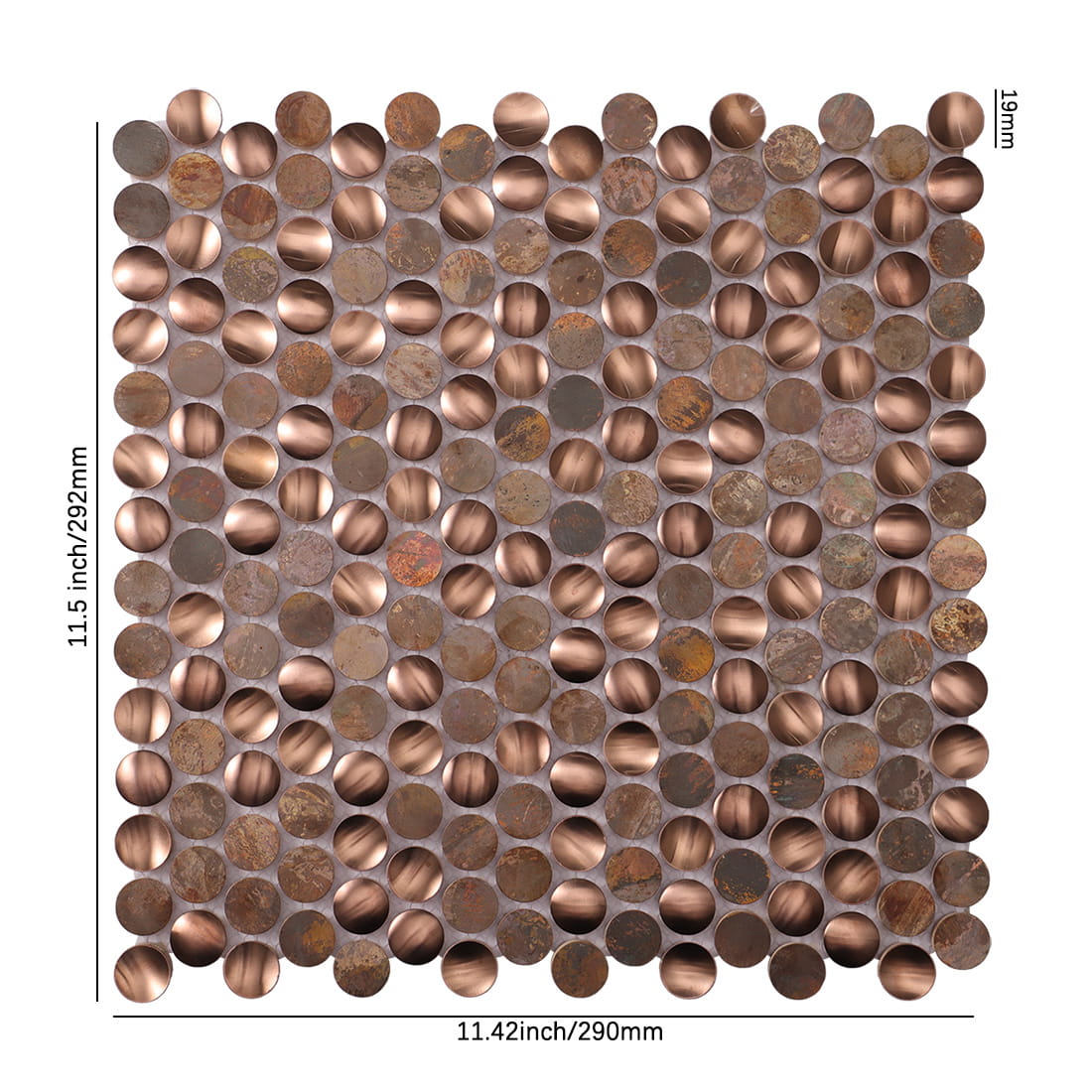


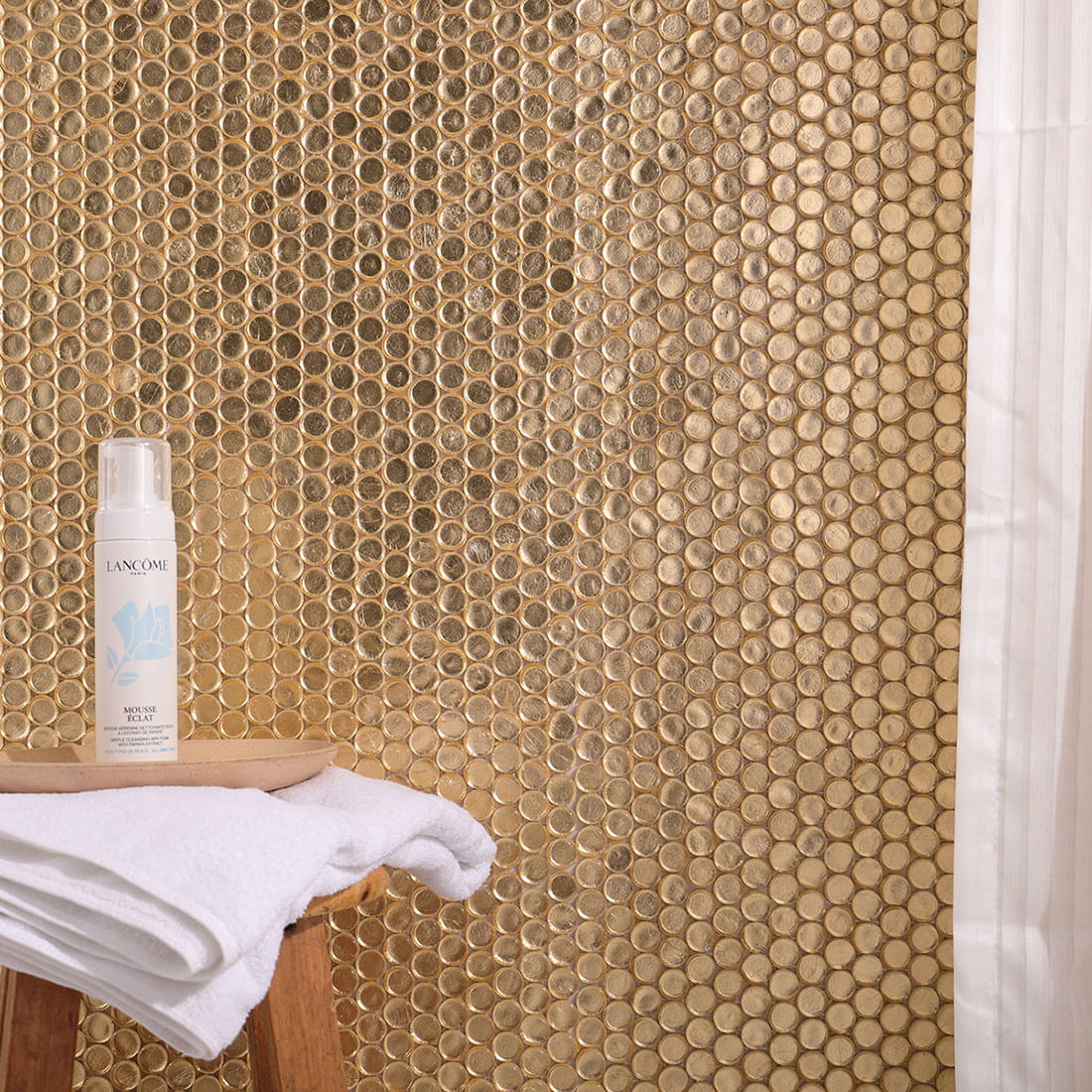
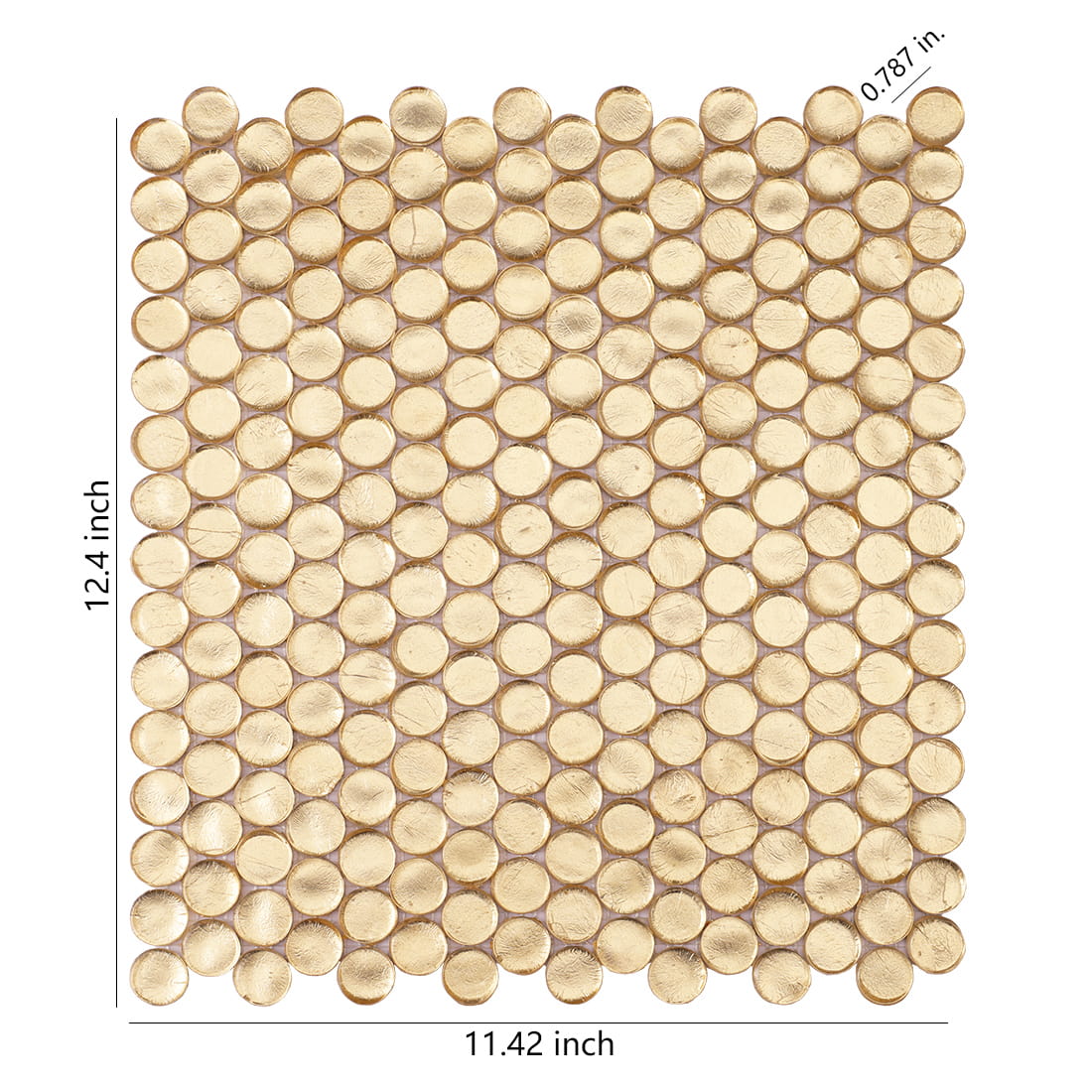

Retro Penny Tiles | Timeless Penny Round Mosaic Tiles
Retro penny tiles bring the timeless character of small round mosaics into bathrooms, kitchens, entryways, feature walls, and commercial interiors. Recognized by their coin-sized shape and rhythmic pattern, these classic tiles add texture without making a room feel visually heavy.
At Woos Tiles, our retro penny round tile collection includes glass, metal, natural stone, ceramic, and porcelain options in vintage-inspired colors, polished surfaces, soft matte finishes, and distinctive metallic textures. Explore the collection to find penny mosaic tiles for residential renovations, hospitality interiors, retail environments, and custom design projects.
What Are Retro Penny Tiles?
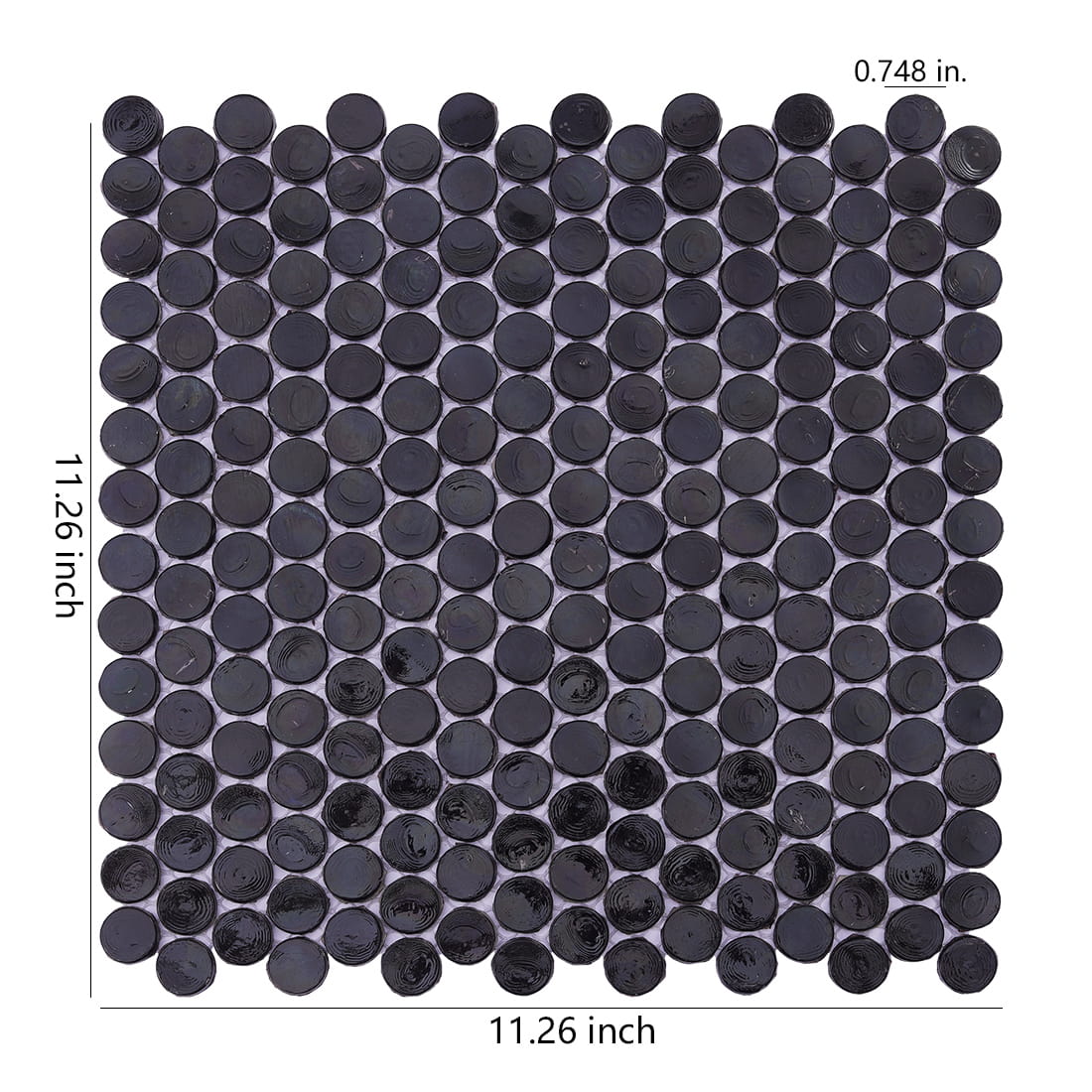
Retro penny tiles are small circular mosaic pieces arranged on mesh-backed or paper-faced sheets. Most traditional penny rounds measure approximately 19–23 mm in diameter, although exact chip sizes and sheet dimensions vary by product.
The design became popular in late nineteenth- and early twentieth-century interiors, especially in bathrooms, kitchens, entrance halls, cafés, and public buildings. Classic black-and-white penny tile floors remain closely associated with Victorian, Art Deco, and early American interiors.
Today, penny rounds work equally well in vintage and contemporary spaces. Their curved shape softens straight architectural lines, while the repeated circular pattern introduces detail, movement, and visual depth.
Why Choose Retro Penny Round Tiles?
Timeless Vintage Character
The penny round is one of the most recognizable historic mosaic shapes. It can recreate the atmosphere of an early twentieth-century bathroom, vintage restaurant, traditional entryway, or Art Deco commercial interior without making the finished space feel outdated.
Compact Scale and Rich Texture
Small round pieces create a detailed surface that looks refined from a distance and visually textured when viewed closely. The format is especially effective in compact rooms, niches, curved surfaces, and areas where larger tiles may appear too rigid.
Flexible Design Possibilities
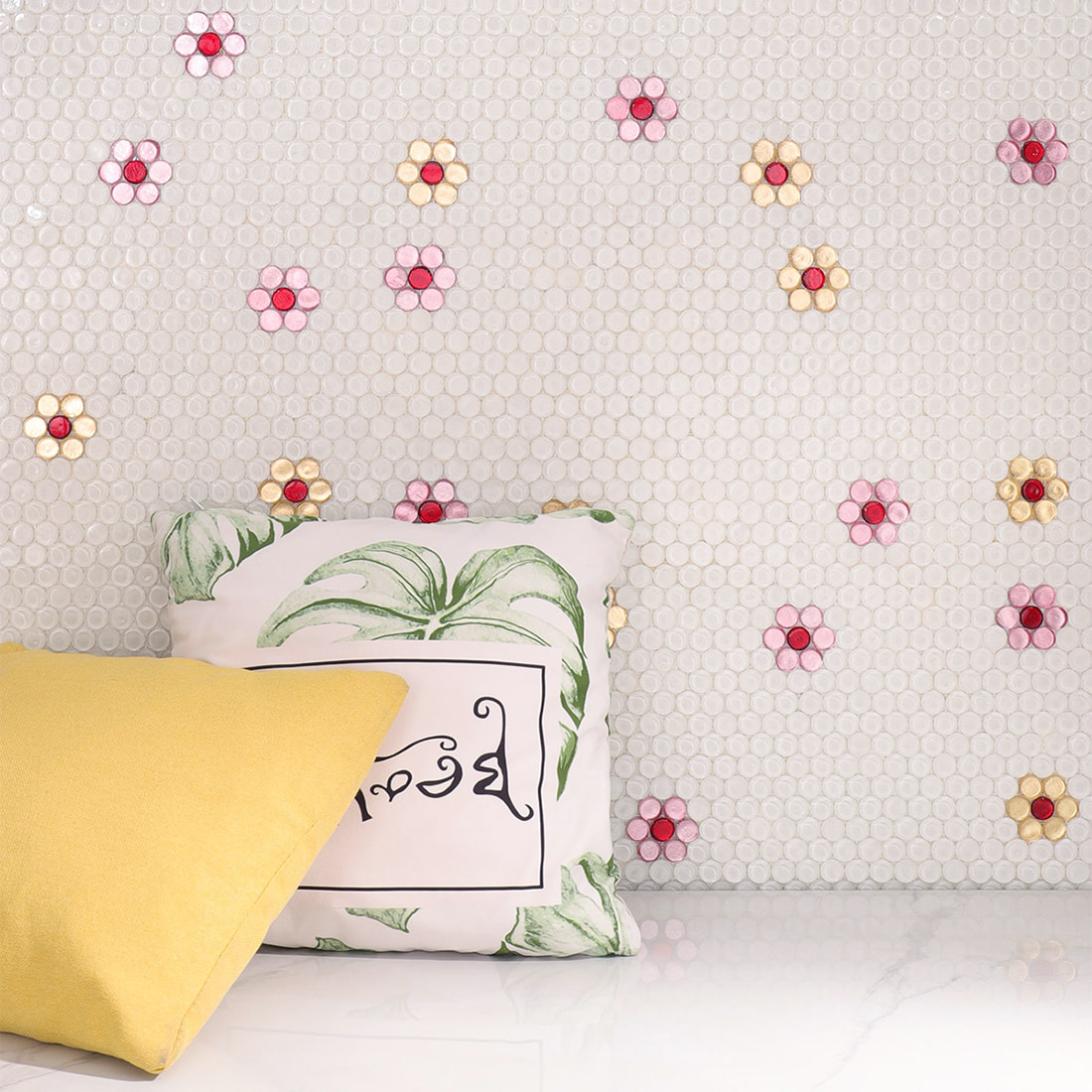
Retro penny tiles can be installed as a single-color field or combined into borders, stripes, flower motifs, initials, numbers, logos, and custom patterns. Neutral colors provide quiet texture, while contrasting colors create a more graphic appearance.
Convenient Sheet-Mounted Format
Mesh-mounted and paper-faced sheets keep the small pieces aligned and reduce the time required to place individual mosaics. The sheets can also be cut between rows to fit corners, niches, plumbing fixtures, and curved architectural details.
Suitable for Many Project Types
Depending on the material and individual product rating, penny round mosaics may be used on interior walls, residential floors, shower walls, shower floors, kitchen backsplashes, fireplace surrounds, feature walls, bars, reception desks, and commercial surfaces.
Always confirm the application rating of the selected product before ordering. Not every glass, metal, stone, ceramic, or porcelain penny tile is approved for floors, submerged areas, exterior installations, or steam rooms.
Popular Penny Tile Sizes
Woos Tiles offers classic penny round sizes suited to different patterns and levels of visual detail.
| Nominal Diameter | Approximate Inch Size | Visual Effect |
|---|---|---|
| 19 mm | 3/4 inch | Traditional, detailed and closely associated with vintage interiors |
| 20 mm | 0.79 inch | Balanced scale for backsplashes, bathroom walls and floors |
| 23 mm | 0.91 inch | Slightly bolder circles with clearly defined grout lines |
The exact diameter, thickness, joint width, sheet size, sheet coverage, backing type, and number of pieces per sheet are listed on each product page.
Choose the Right Penny Tile Material
The material affects appearance, durability, maintenance, installation, and suitable applications. Select the material according to the actual conditions of the project rather than appearance alone.
Ceramic and Porcelain Penny Tiles
Ceramic and porcelain penny rounds deliver the most familiar vintage appearance. They are available in black, white, cream, gray, blue, green, beige, and other traditional colors, with matte, glossy, and textured finishes.
Porcelain generally offers low water absorption and strong durability, making properly rated products suitable for bathroom floors, shower areas, entryways, laundry rooms, and light-commercial floors. Ceramic suitability varies, so floor and wet-area ratings must be checked individually.
Glass Penny Tiles
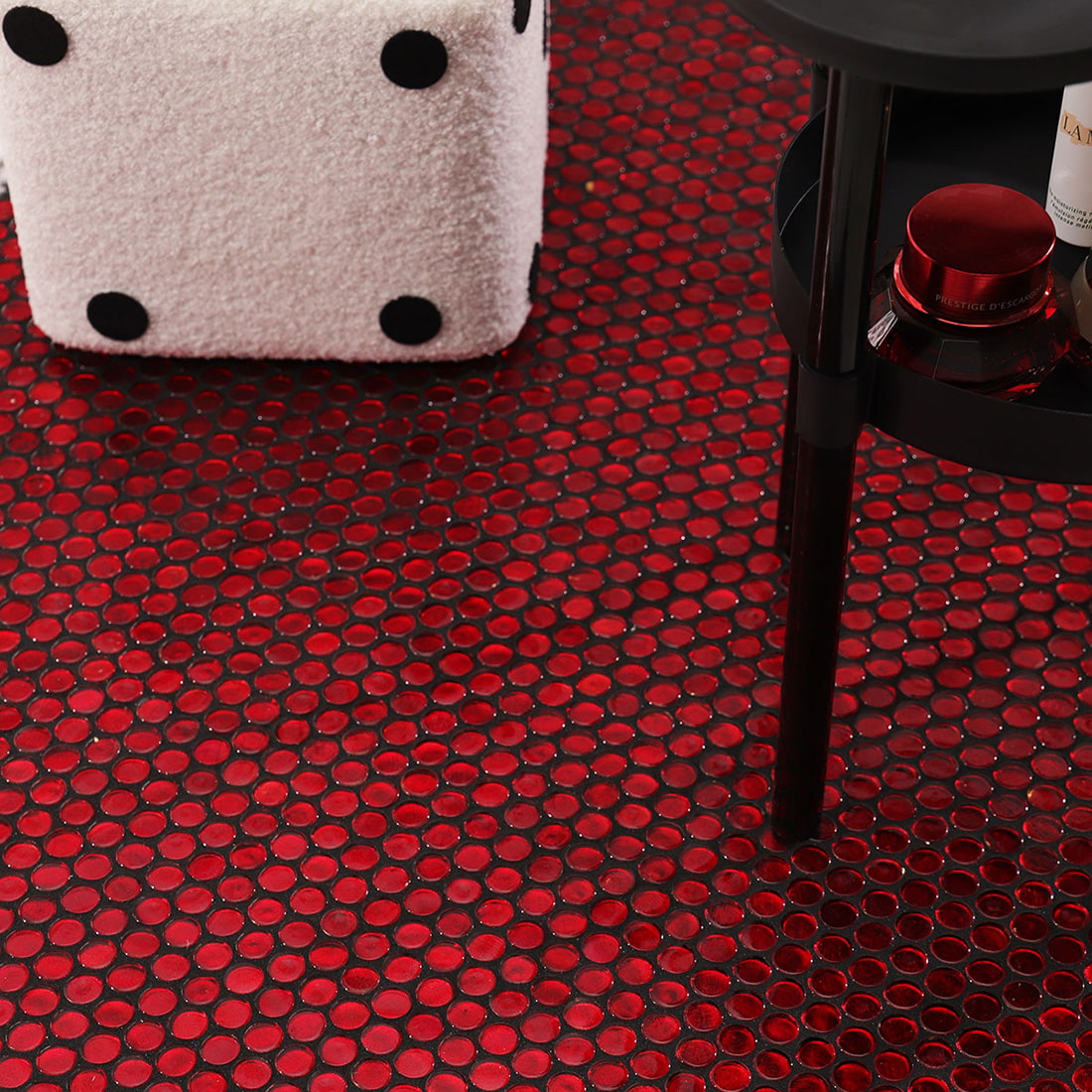
Glass penny tiles reflect light and give the circular pattern a luminous, dimensional quality. Transparent, translucent, frosted, iridescent, and opaque finishes can create anything from a soft vintage atmosphere to a bright contemporary feature.
Glass penny mosaics are frequently used for kitchen backsplashes, vanity walls, shower walls, niches, wet bars, and decorative commercial walls. Only use them on floors, outdoors, or in pools when the individual product is specifically rated for that application.
Metal Penny Tiles
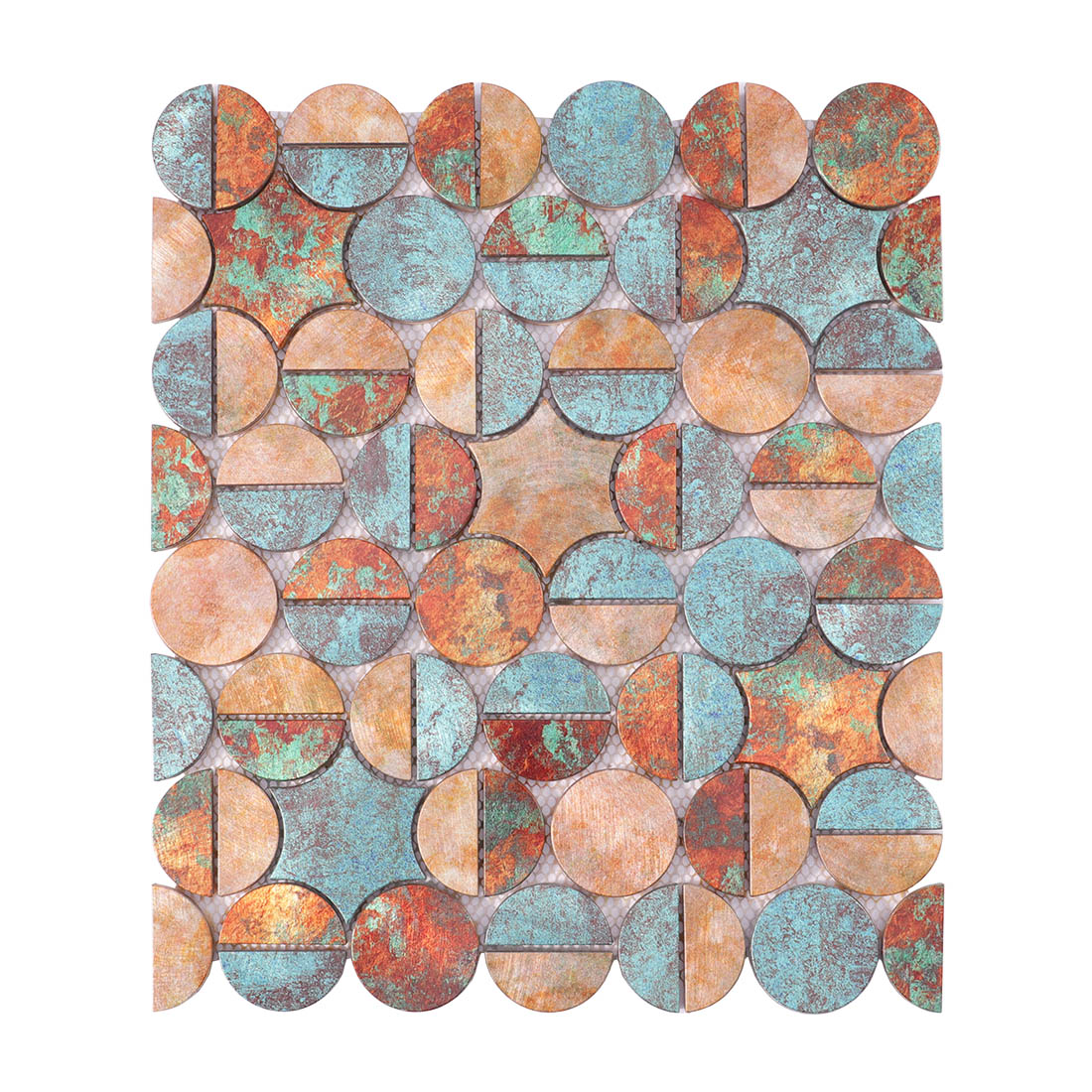
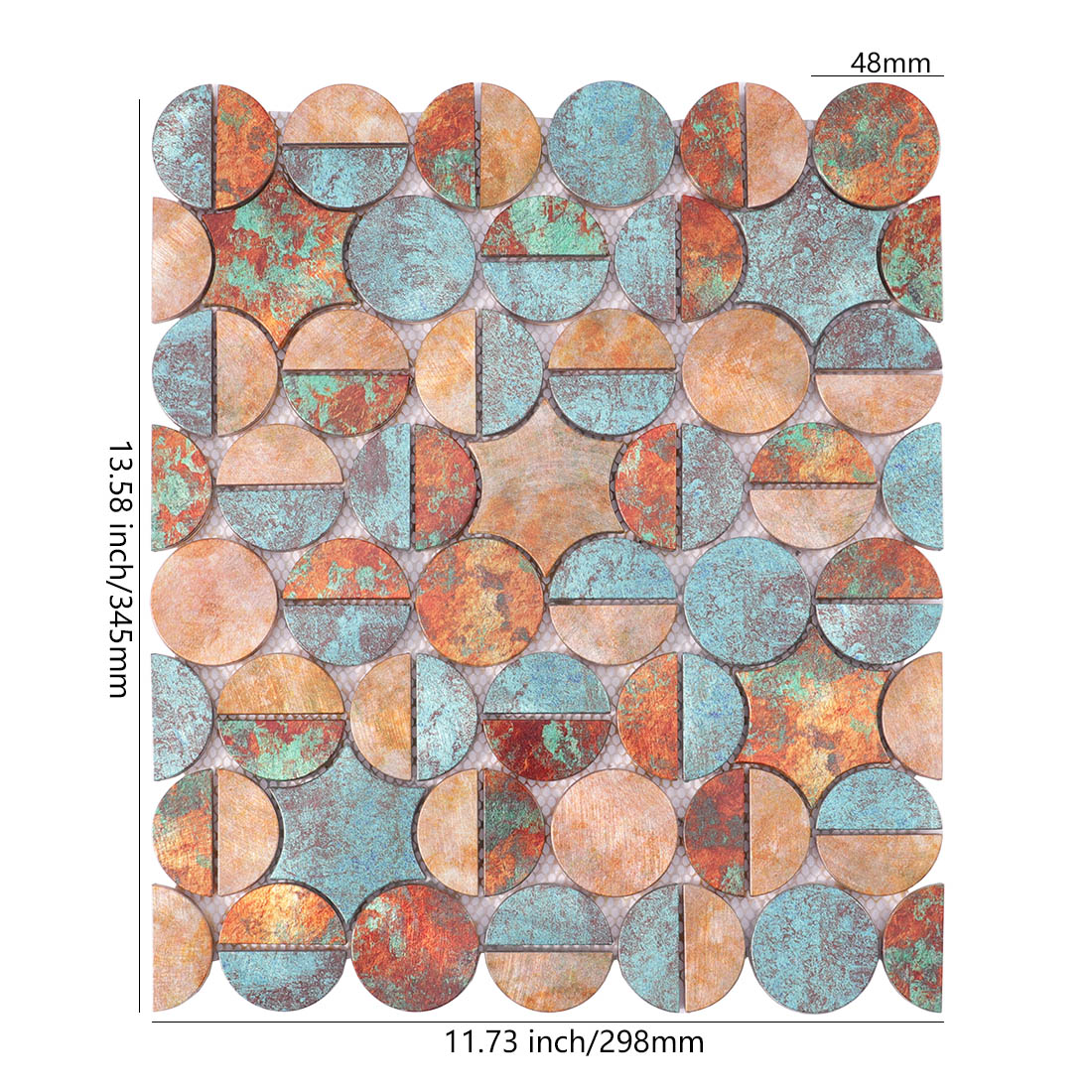
Metal penny rounds introduce aged brass, copper, bronze, stainless steel, silver, or antique metallic character. Brushed and matte surfaces provide an industrial vintage look, while polished metal creates stronger reflections and a more luxurious finish.
Metal mosaics are commonly selected for bar fronts, restaurant walls, kitchen accents, reception desks, retail displays, powder rooms, and other decorative wall applications. Confirm compatibility before using metal tile in constantly wet, submerged, exterior, high-heat, or chemically exposed environments. Some metals are designed to develop a natural patina over time.
Natural Stone Penny Tiles
Marble, limestone, travertine, and other natural stones give every round piece individual veining and tonal variation. The result feels warmer and more organic than a completely uniform manufactured surface.
Natural stone penny tiles complement traditional, Mediterranean, rustic, transitional, luxury, and wabi-sabi interiors. Depending on their rating, they may be used on floors, walls, backsplashes, shower surfaces, fireplace surrounds, and commercial features.
Many natural stones require sealing. Stone should be cleaned with a pH-neutral, stone-safe product because acidic cleaners can etch or discolor acid-sensitive materials such as marble and limestone.
Colors and Finishes
Classic Black and White
Black, white, and black-and-white combinations create the most recognizable vintage penny tile look. They are ideal for Victorian bathrooms, traditional entry floors, restaurant restrooms, and Art Deco-inspired spaces.
Cream, Beige and Warm Neutrals
Cream, ivory, sand, and beige penny tiles produce a softer interpretation of retro style. They pair naturally with oak cabinetry, unlacquered brass, warm stone, handmade furniture, and neutral plaster walls.
Gray and Charcoal
Light gray offers a calm, versatile background, while charcoal gives the circular pattern a deeper and more architectural appearance. Both work well in industrial, transitional, and modern-retro interiors.
Vintage Blue and Green
Muted blue, aqua, sage, forest green, and teal recall historic bathrooms, old cafés, Art Deco interiors, and mid-century color palettes. These colors work particularly well on shower walls, kitchen backsplashes, bars, and restaurant feature walls.
Matte, Glossy and Textured Surfaces
-
Matte finishes reduce reflection and create a soft, understated appearance.
-
Glossy finishes reflect more light and make colors appear brighter.
-
Honed stone has a smooth, low-sheen surface with natural variation.
-
Polished stone and glass create stronger reflections and richer color.
-
Brushed or aged metal produces an industrial, handcrafted character.
-
Iridescent glass changes subtly as the viewing angle and lighting change.
Order a physical sample whenever possible. Screen settings, room lighting, surrounding materials, grout color, and natural shade variation can all affect the finished appearance.
Where Can Retro Penny Tiles Be Used?
Bathroom Floors
A retro penny tile bathroom floor creates a detailed surface that complements freestanding tubs, pedestal sinks, vintage faucets, wood vanities, and traditional wall paneling.
The numerous grout joints may contribute additional underfoot texture, but the round format alone does not guarantee slip resistance. For bathroom or shower floors, select a floor-rated product with the required wet-area performance.
Shower Floors and Walls
Small mosaics can follow properly formed shower slopes and fit around drains more easily than many large tiles. Penny rounds can cover the complete shower enclosure or create a focused feature on the floor, niche, bench, or accent wall.
The tile, backing, adhesive, grout, waterproofing system, and installation method must all be approved for the intended wet environment.
Kitchen Backsplashes
Penny round backsplash tile introduces curves between straight cabinets, countertops, shelving, and appliances. Glossy glass can brighten a compact kitchen, while cream ceramic, honed stone, or aged metal can create a warmer vintage effect.
Use a suitable grout and clean cooking splashes promptly. For natural stone installed near food preparation areas, ask whether sealing is recommended.
Entryways, Hallways and Laundry Rooms
Properly rated porcelain, ceramic, or stone penny mosaics can add character to small entrance floors, corridors, mudrooms, and laundry rooms. Black-and-white borders, flower patterns, and custom lettering are especially effective in these areas.
For high-traffic projects, confirm the product’s floor rating, wear resistance, cleaning requirements, and commercial-use classification.
Feature Walls and Decorative Surfaces
The compact circular format works well on vanity walls, niches, fireplace surrounds, bars, reception desks, retail counters, restaurant columns, and curved architectural surfaces.
Penny tiles can cover an entire wall or appear as a smaller framed panel surrounded by subway tile, natural stone, plaster, or large-format tile.
Commercial Interiors
Retro penny tiles are well suited to cafés, restaurants, boutique hotels, retail stores, salons, studios, and hospitality restrooms. They can help establish a memorable visual identity while connecting the interior to vintage, industrial, Art Deco, or mid-century design themes.
Commercial projects should use products rated for the expected traffic, moisture, cleaning chemicals, and installation environment.
Fireplaces, Outdoor Areas and Pools
Some penny mosaics may be suitable for fireplace surrounds, exterior walls, swimming pools, spas, or freeze-thaw conditions, but these are product-specific applications.
Do not assume that every penny tile is heat-resistant, frost-resistant, submersible, or approved for direct contact with flames. Check the technical specifications and use a compatible installation system.
How Grout Color Changes the Design
Grout is a major visual element because penny tile contains more visible joints than large-format tile.
Matching Grout
A grout color close to the tile color creates a quieter and more continuous surface. White tile with white grout feels clean and traditional, while green tile with matching green or gray-green grout produces a deeper color field.
Contrasting Grout
Contrasting grout defines every circle and makes the pattern more graphic. White penny rounds with black or dark gray grout create a strong vintage appearance. Dark tile with light grout produces an equally bold reverse effect.
Mid-Tone Grout
Light gray, warm gray, beige, and taupe grout provide definition without creating the sharp contrast of black or bright white. These colors can also be practical in kitchens, entries, and commercial interiors.
Before installation, make a sample board using the actual tile, adhesive, sealer if required, and proposed grout. Grout can change the perceived color and spacing of the finished mosaic.
Retro Penny Tile Design Ideas
Black-and-White Flower Patterns
Arrange one color around a contrasting center to create traditional flower or rosette motifs. Repeat the pattern across the floor or use it as a decorative border.
Borders and Framed Fields
Use a dark border around a light penny tile field to define the room. This technique works particularly well in bathrooms, entryways, hotel corridors, and restaurant floors.
Custom Words and Monograms
Contrasting penny rounds can form house numbers, initials, room names, short words, or commercial logos. Plan the design on a scaled grid before installation.
Tone-on-Tone Texture
Combine similar shades of cream, gray, blue, or green for a subtle surface with natural movement. This approach keeps the retro shape while creating a calmer modern interior.
Full-Height Feature Walls
Extend penny tile from the countertop or floor to the ceiling behind a vanity, bar, or reception desk. Matching grout creates a unified color field, while contrasting grout makes the wall more graphic.
Pairing Penny Rounds With Larger Tiles
Penny tiles pair naturally with subway tile, checkerboard floors, terrazzo, marble slabs, fluted stone, handmade ceramic tile, and large-format wall tile. Repeating one shared color helps the different shapes feel intentional.
How to Select the Best Penny Tile
Before ordering, review the following details:
-
Material and surface finish
-
Individual chip diameter and thickness
-
Sheet dimensions and coverage
-
Mesh-backed or paper-faced mounting
-
Interior or exterior rating
-
Wall or floor rating
-
Shower floor and submerged-area approval
-
Residential or commercial classification
-
Slip-resistance information where required
-
Shade and texture variation
-
Recommended adhesive and grout
-
Sealing requirements
-
Available trim and edge solutions
-
Cleaning and maintenance instructions
A sample allows you to evaluate color, texture, scale, reflection, joint spacing, and compatibility with cabinetry, countertops, paint, fixtures, and lighting.
Retro Penny Tile Installation Guide
Penny round mosaics require careful planning because sheet boundaries and uneven spacing can remain visible after grouting. Professional installation is recommended for showers, pools, exterior projects, sloped floors, and complex custom patterns.
Prepare the Surface
The substrate should be clean, stable, flat, and suitable for tile. Small mosaics can reveal surface irregularities, so correct dips, ridges, and movement before installation. Wet areas also require a properly designed waterproofing and drainage system.
Inspect and Dry-Lay the Sheets
Open multiple cartons and inspect the material before installation. Blend sheets where natural shade variation is expected. Dry-lay several sheets to understand the pattern and identify potential sheet lines.
Use the Correct Adhesive
Select an adhesive approved for the tile material, backing, substrate, and application. White mortar is often preferred behind translucent glass, light stone, and pale mosaics because dark adhesive may affect their appearance.
Use an appropriate trowel and avoid excessive adhesive buildup between the small pieces. Follow the adhesive manufacturer’s coverage, open-time, curing, and environmental instructions.
Align the Sheets Carefully
Maintain the same spacing between sheets as the spacing between individual circles. Adjust pieces before the adhesive sets and inspect the installation from several viewing angles to find visible rows, gaps, or sheet outlines.
For paper-faced mosaics, follow the product instructions for wetting and removing the facing paper at the correct stage.
Grout and Finish
Allow the adhesive to cure before grouting. Use a grout compatible with the material and intended environment. Some polished stone, textured tile, or metal surfaces may require testing or protection before grout application.
Clean grout residue without scratching the tile. Apply a suitable sealer when recommended for the stone, grout, or installation conditions.
How Much Penny Tile Should You Order?
Measure the length and width of each surface and calculate the total square footage. Divide the project area by the coverage of one sheet to determine the basic quantity.
Order at least 10% extra for normal cuts, selection, and possible future repairs. Consider 15% or more for diagonal layouts, numerous corners, niches, curved areas, detailed borders, custom lettering, or complicated patterns.
Purchase the full quantity at one time whenever possible to reduce the risk of noticeable differences between production batches.
Cleaning and Maintenance
Routine care depends on the tile material and grout.
-
Sweep or vacuum floor installations with a soft attachment to remove abrasive dirt.
-
Clean ceramic, porcelain, and glass with warm water and a compatible mild cleaner.
-
Avoid abrasive pads that may scratch glossy glass, polished stone, or metal.
-
Use pH-neutral stone cleaner on marble, limestone, travertine, and other natural stone.
-
Do not use vinegar, lemon-based products, or acidic bathroom cleaners on acid-sensitive stone.
-
Clean metal tile with a soft cloth and the product’s recommended cleaner.
-
Wipe spills and cooking residue promptly.
-
Keep grout joints clean with a soft brush and non-damaging cleaner.
-
Inspect sealers periodically and reseal only when recommended.
Always follow the care instructions supplied with the individual product.
Why Shop Retro Penny Tiles at Woos Tiles?
Woos Tiles is an online tile superstore offering marble tiles, glass tiles, metal tiles, shell tiles, stone tiles, mosaic tiles, wall tiles, floor tiles, bathroom tiles, kitchen tiles, backsplash tiles, outdoor tiles, and custom mosaic murals for residential and commercial projects.
Our extensive material and design selection makes it easier to compare penny round mosaics for different spaces and budgets. Whether you are restoring a traditional bathroom, designing a boutique hotel, creating a restaurant feature wall, or developing a custom commercial surface, Woos Tiles can help you evaluate materials, colors, finishes, specifications, quantities, and project requirements.
Browse our retro penny tiles, order samples of your preferred styles, or contact Woos Tiles for assistance with product selection and custom mosaic projects.
Frequently Asked Questions
What are retro penny tiles?
Retro penny tiles are small circular mosaic tiles inspired by traditional Victorian and early twentieth-century interiors. They are commonly supplied on mesh-backed or paper-faced sheets and are available in ceramic, porcelain, glass, metal, and natural stone.
What size are penny round tiles?
Traditional penny rounds are usually less than one inch in diameter. Common Woos Tiles sizes include approximately 19 mm, 20 mm, and 23 mm. Exact dimensions vary by product.
Are penny tiles suitable for bathroom floors?
Yes, when the selected product is specifically rated for bathroom floors. The numerous grout joints can add surface texture, but you should still confirm the product’s wet-floor and slip-resistance information.
Can penny tiles be installed on shower floors?
Some porcelain, ceramic, glass, and stone penny mosaics are approved for shower floors. Confirm the rating of the individual tile, backing, adhesive, grout, and waterproofing system before installation.
Are all penny round tiles slip-resistant?
No. Small pieces and additional grout joints may improve underfoot texture, but shape alone does not guarantee slip resistance. Finish, material, grout, installation quality, maintenance, and product testing all affect performance.
What grout color works best with penny tiles?
Matching grout creates a softer, more continuous surface. Contrasting grout highlights each circle and produces a more graphic retro pattern. Light gray, warm gray, and beige offer a balanced result between these two effects.
Do penny tiles require more grout?
Penny mosaics generally contain more joints than large-format tile, so they usually require more grout per square foot. Use the tile and grout manufacturers’ coverage information when calculating quantities.
Are penny tiles difficult to install?
Sheet mounting makes placement faster than installing individual circles, but careful alignment is necessary to prevent visible sheet lines. Professional installation is recommended for wet areas, floors, custom patterns, and large surfaces.
Do retro penny tiles need to be sealed?
Ceramic, porcelain, and glass usually do not require surface sealing, although the grout may benefit from protection. Many natural stones require sealing, while some metal finishes have their own protective coating. Follow the individual product instructions.
Can penny tiles be used around a fireplace?
Some ceramic, porcelain, glass, metal, and natural stone penny tiles can be used on fireplace surrounds. Confirm heat limitations and installation requirements. Do not install tile inside a firebox or in direct contact with flames unless it is specifically approved.
Can retro penny tiles be used outdoors or in swimming pools?
Only products specifically rated for exterior, freeze-thaw, submerged, or pool applications should be used in those environments. Material type alone is not sufficient to confirm suitability.
Are penny tile floors easy to clean?
The tile surfaces are generally straightforward to clean, but penny floors contain more grout joints than large-tile floors. Regular sweeping and compatible cleaning products help prevent dirt from collecting in the joints.
How much extra penny tile should I order?
Order at least 10% extra for a standard installation. Increase the allowance to approximately 15% or more for custom patterns, borders, curved surfaces, multiple corners, difficult cuts, or future replacement needs.
Are penny tiles still in style?
Yes. The penny round has remained relevant because its simple geometry works with vintage, Art Deco, industrial, mid-century, transitional, and contemporary interiors. Color, material, finish, and grout determine whether the result feels historic or modern.
Can Woos Tiles help with a custom penny mosaic design?
Woos Tiles supplies tile products and custom mosaic murals for residential and commercial projects. Contact the Woos Tiles team with the dimensions, reference design, material preference, application, and project quantity to discuss available customization options.
Find the Right Retro Penny Tiles for Your Project
Bring classic character, detailed texture, and flexible design to your next interior with retro penny tiles from Woos Tiles. Explore the collection, compare materials and finishes, order samples, or contact us for help selecting penny round mosaics for your residential or commercial project.