

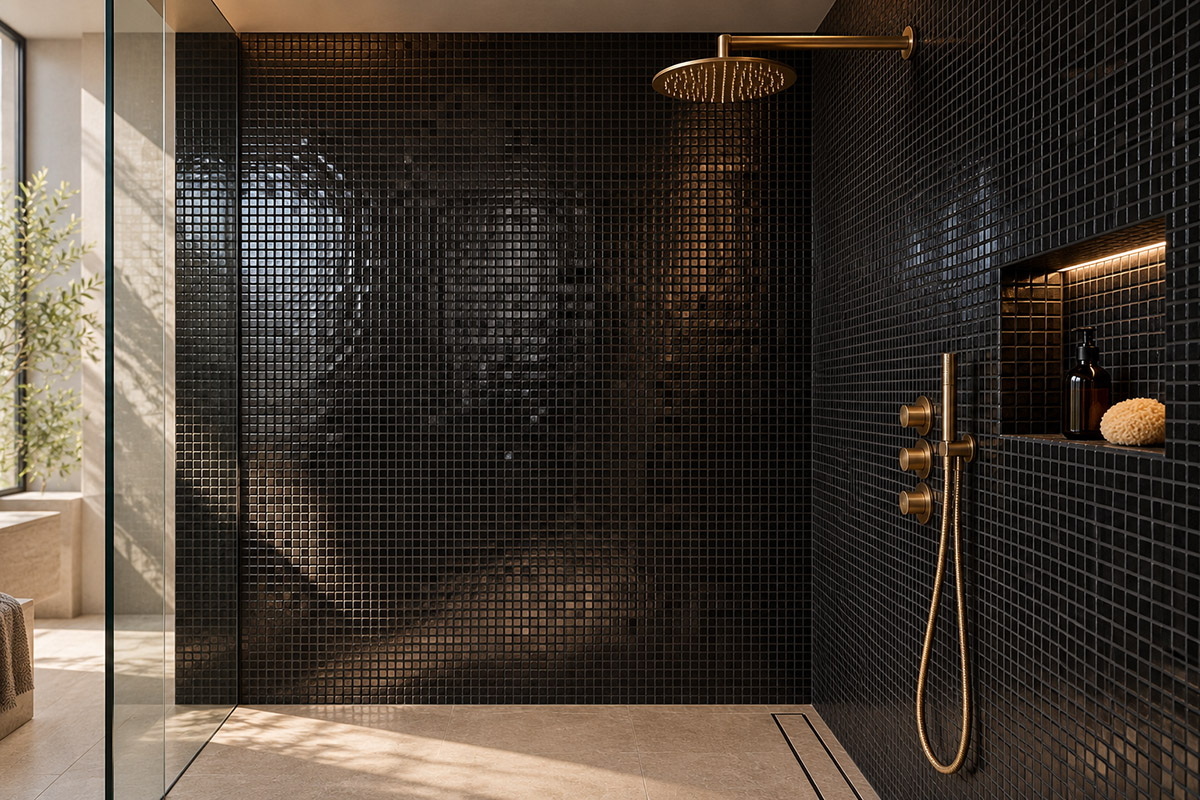
Black Tile Shower
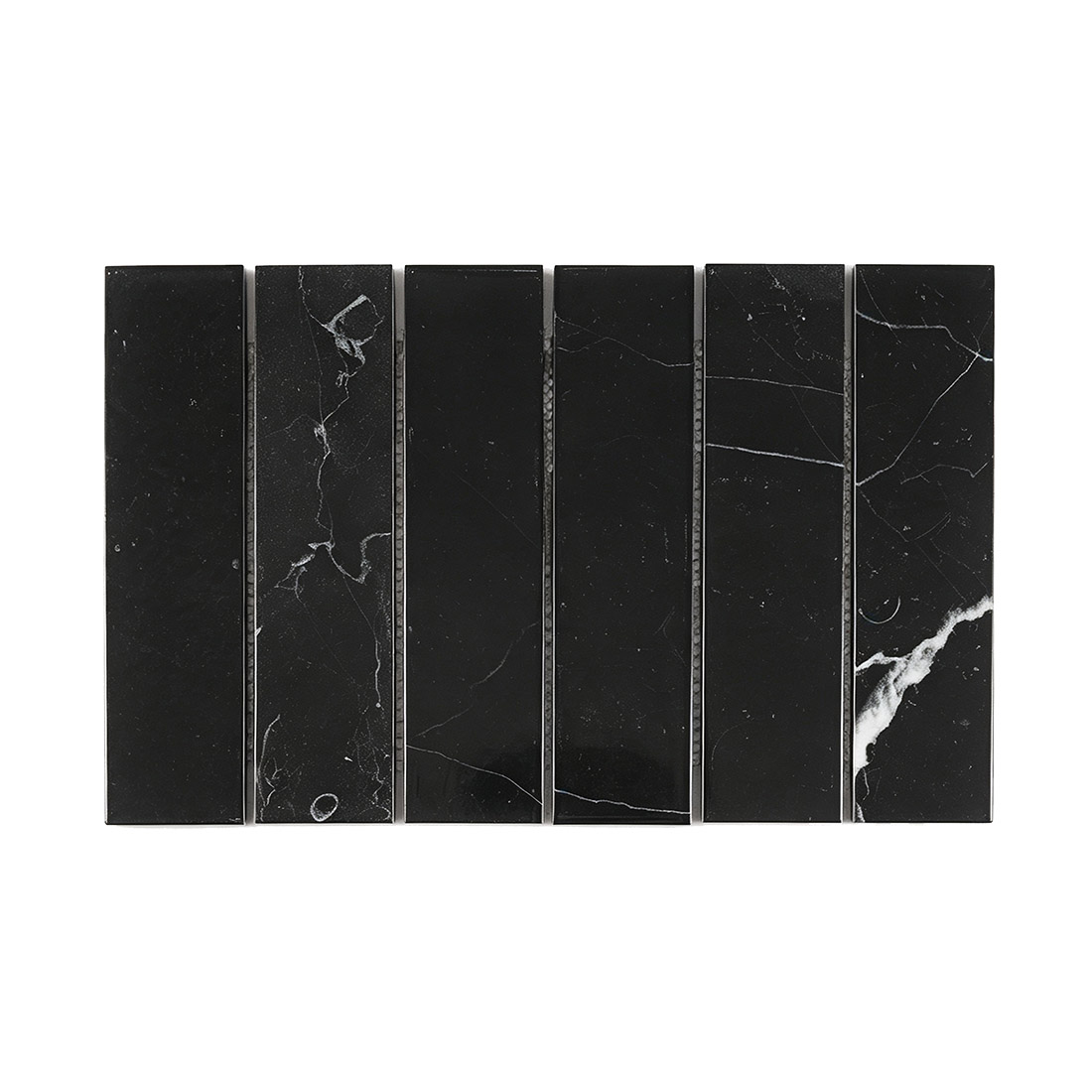
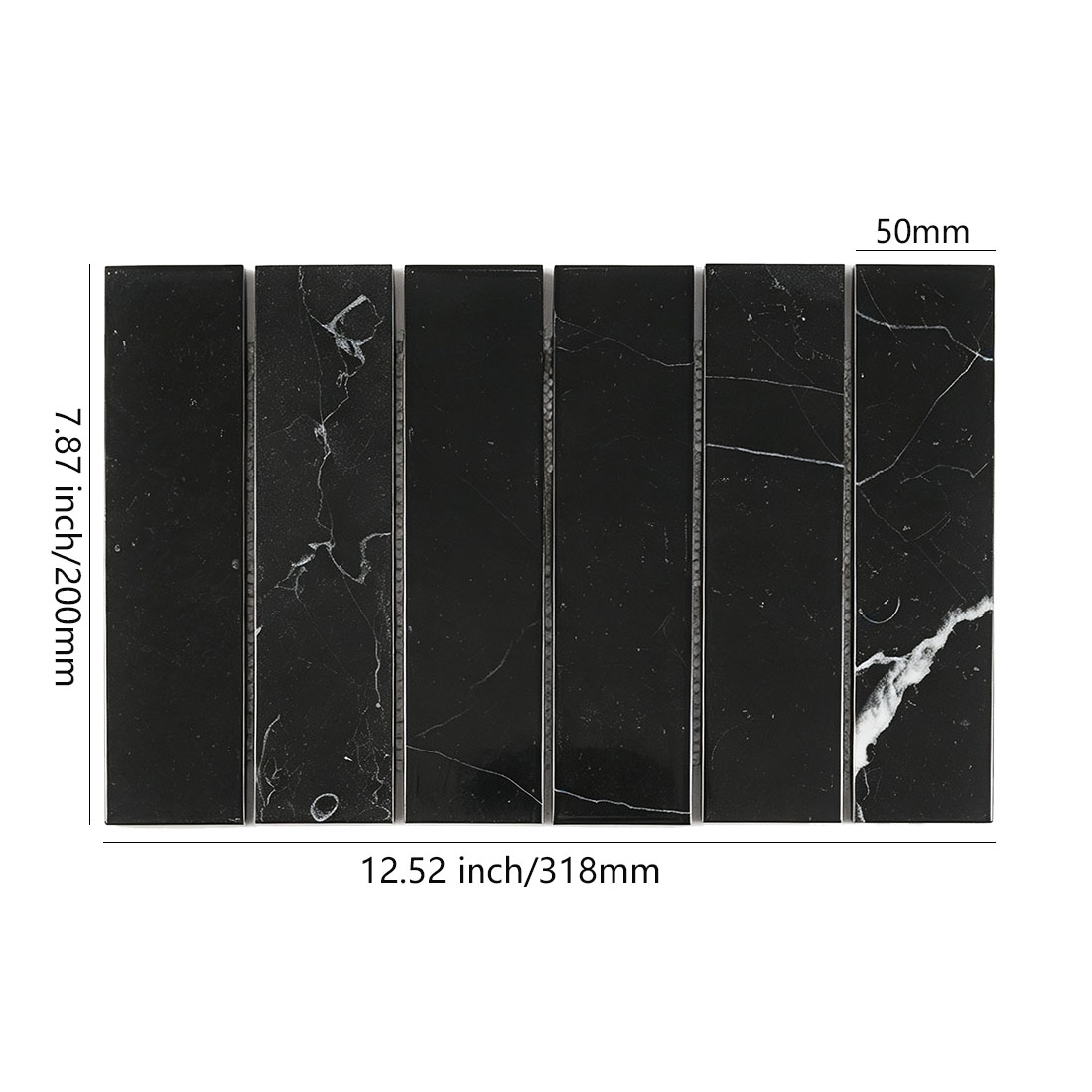
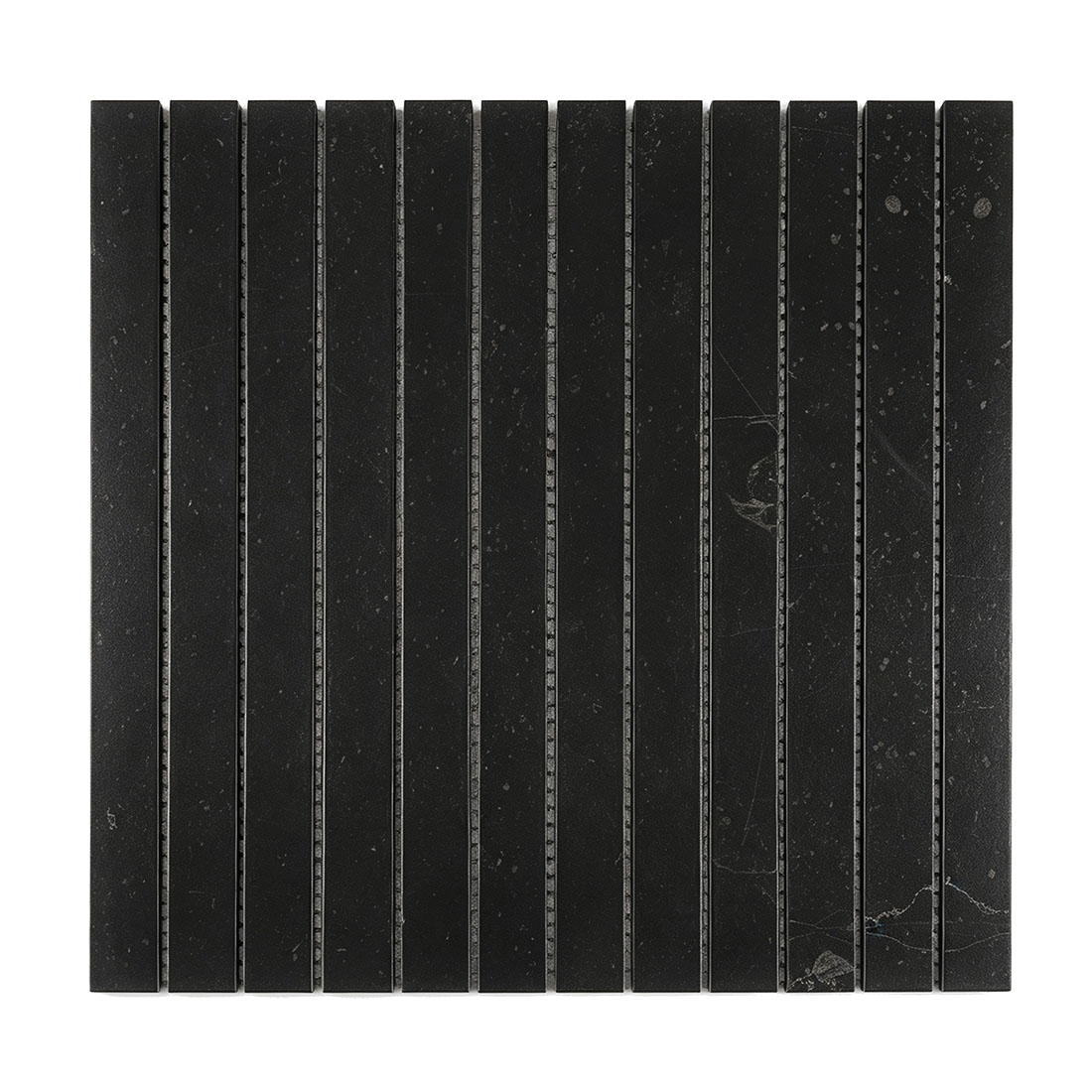
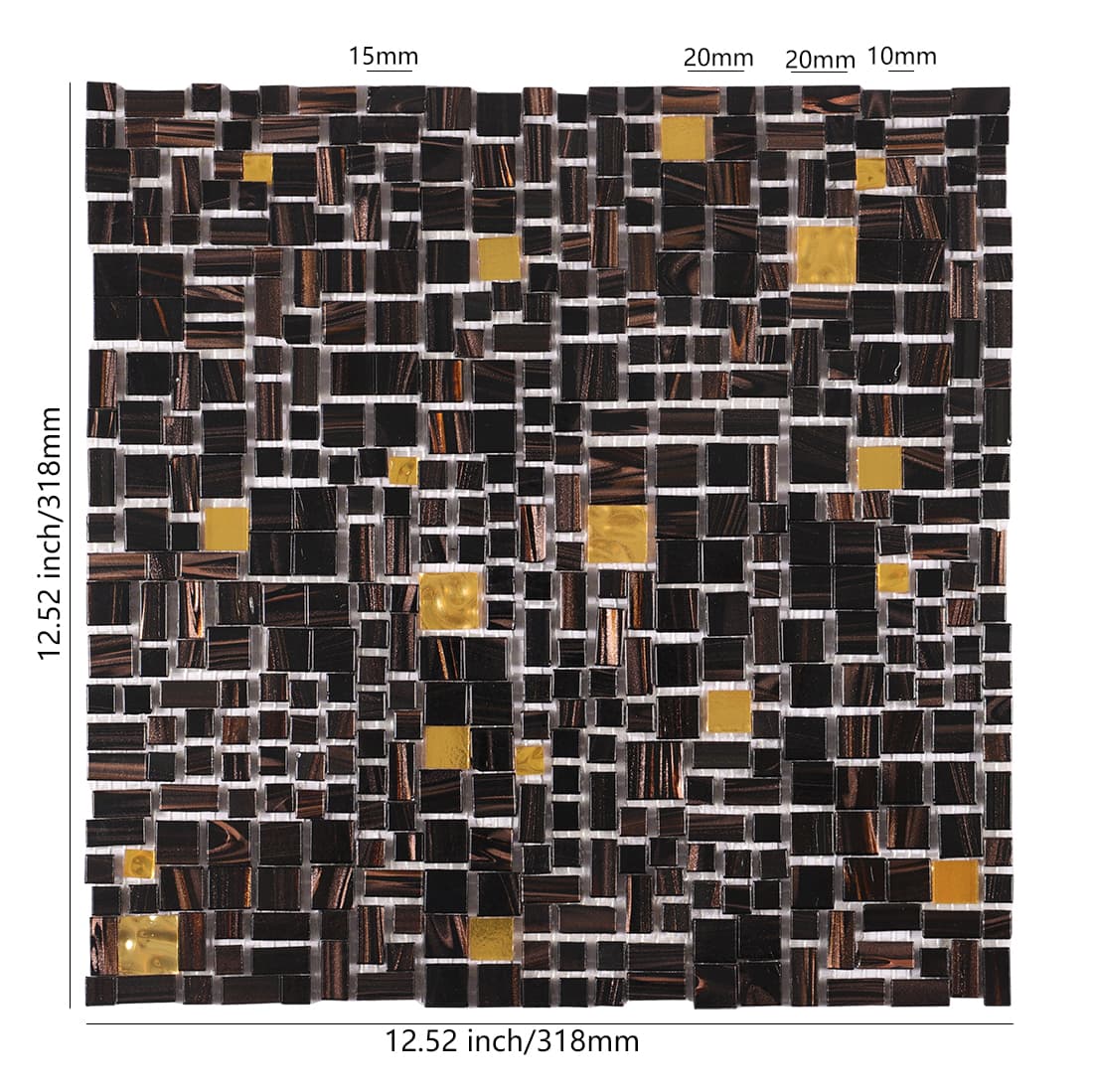
Black tile shower designs bring depth, texture, and character to modern bathrooms. From tiny square mosaics to veined marble and reflective glass, black tiles create a distinctive backdrop for everyday bathing.
Discover your preferred look with Woos Tiles, whether you are planning a dramatic walk-in shower, a compact bathroom renovation, or a single mosaic feature wall. Choose each tile according to its approved application, especially when coordinating shower walls and floors.
Why Choose Black Shower Tiles?
Black provides a versatile foundation for minimalist, industrial, and contemporary bathrooms. Its character changes with the finish: matte surfaces soften reflections, glossy tiles catch the light, and natural stone introduces individual patterns.
Use black throughout the enclosure for an immersive feel, or combine it with white walls, pale stone, and wood tones for balance. Keep maintenance in mind: pale mineral deposits and soap residue can stand out against dark surfaces, particularly in hard-water areas.
Black Tile Shower Ideas
Small Black Mosaic Tiles
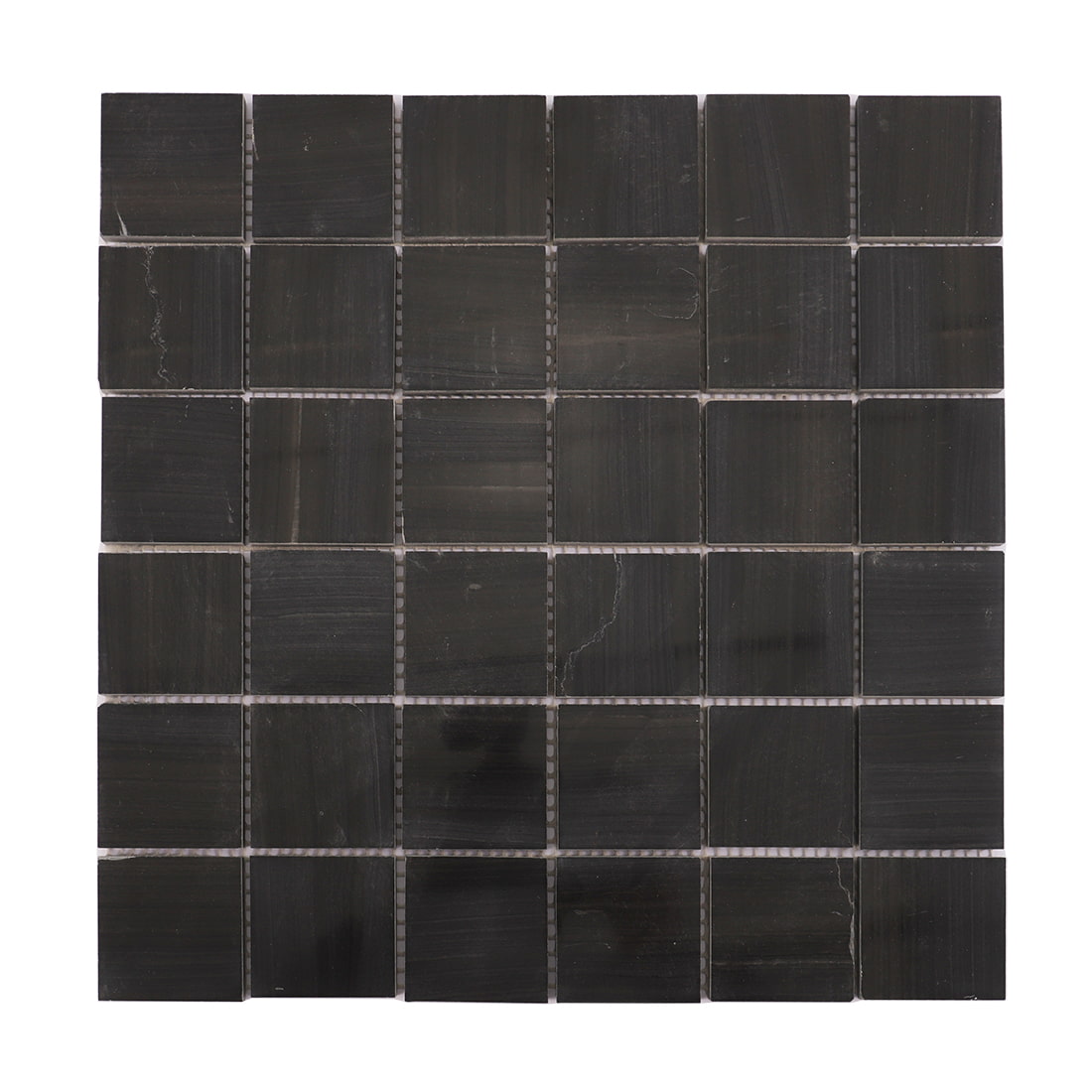
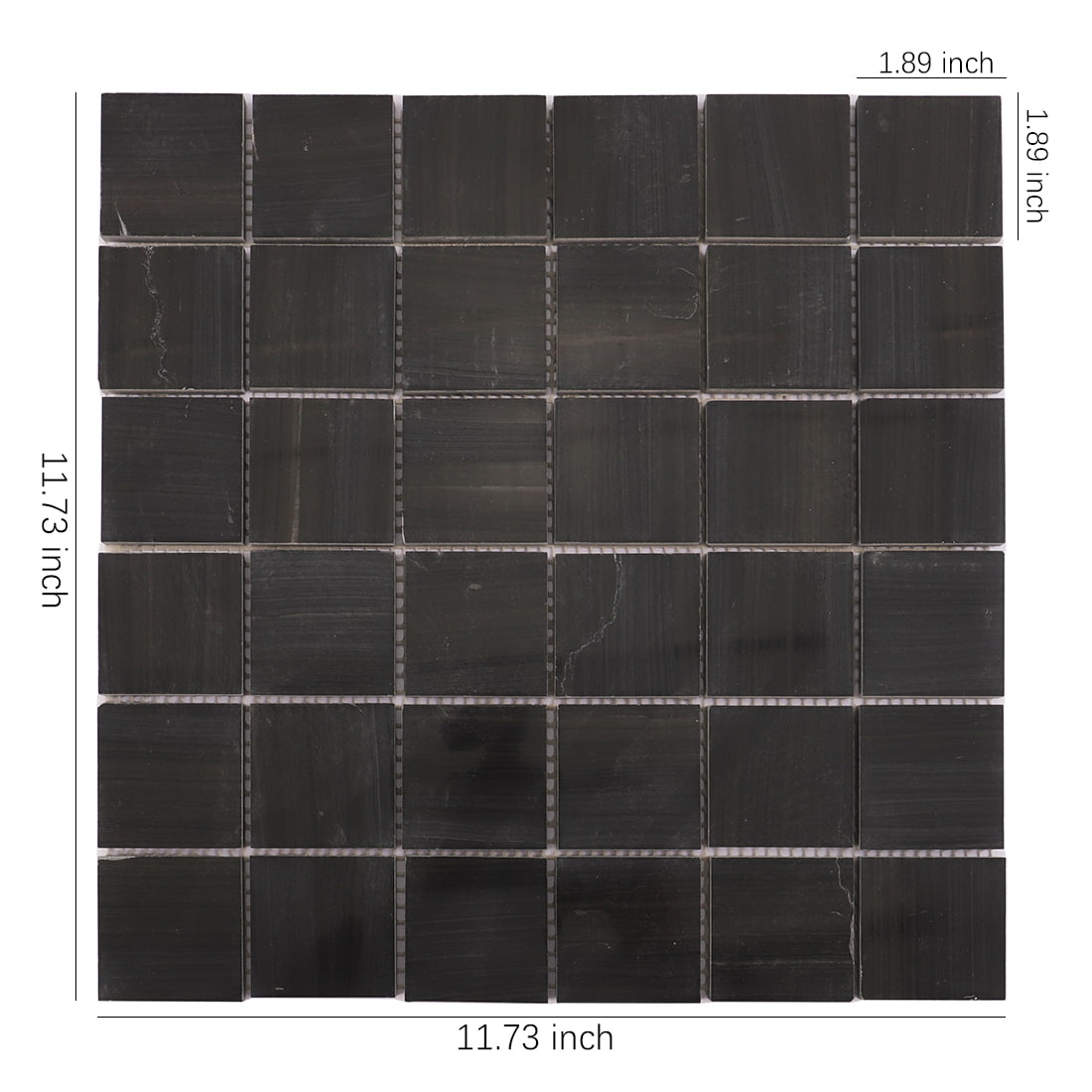
Small square mosaics create a fine, consistent texture across shower walls, niches, and approved floor applications. Tiny formats, such as 10 × 10 mm mosaics, produce a detailed grid that feels different from larger tiles. Coordinating grout keeps the effect subtle; lighter grout makes every piece more visible.
Black Hexagon and Penny Round Tiles
Hexagon mosaics introduce geometric structure, while penny rounds create a softer, rounded pattern. Pair a black mosaic shower floor with simple wall tiles to highlight the shape without overwhelming the room.
Subway, Herringbone, and Chevron Patterns
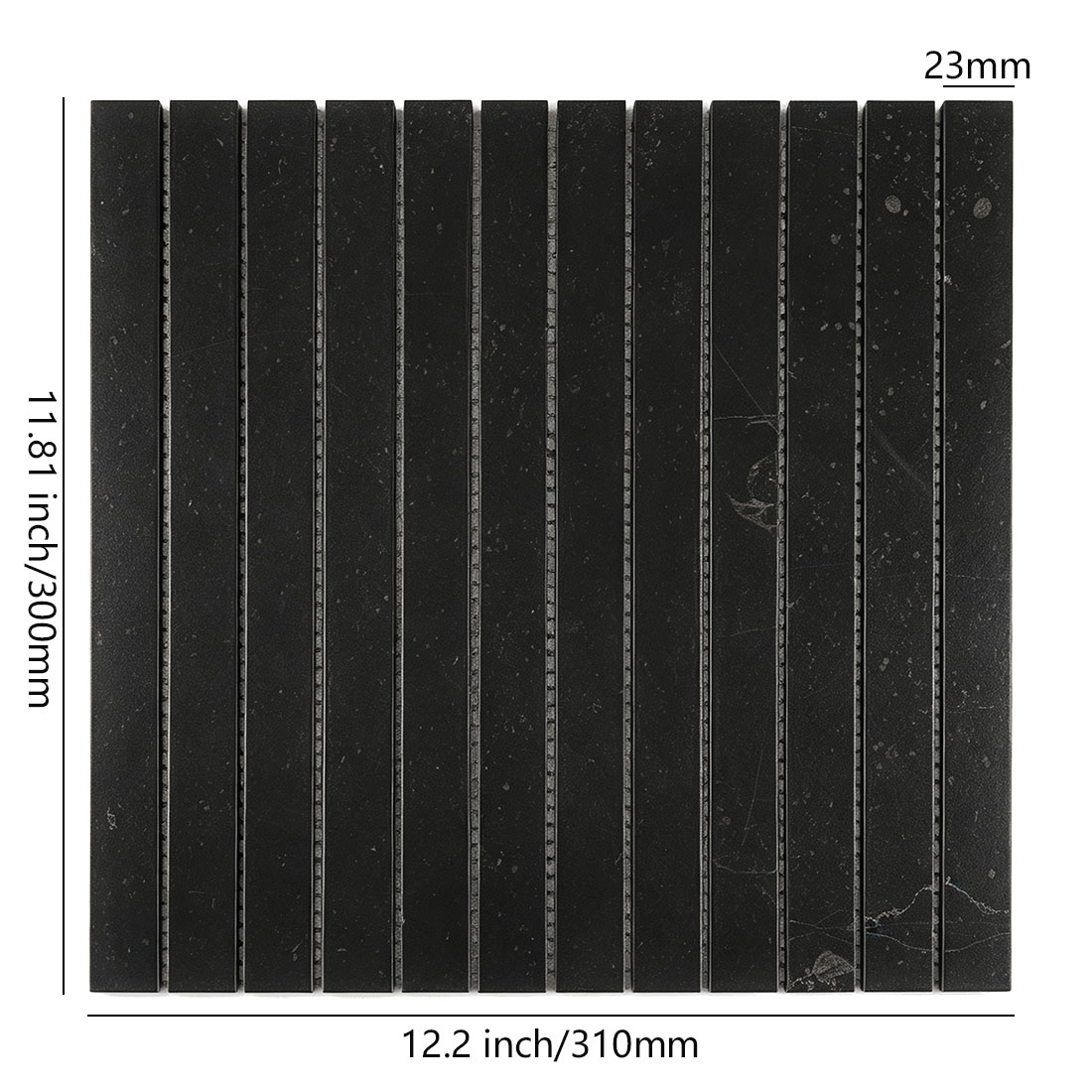
Black subway tiles suit classic and contemporary showers. Stack them vertically to emphasize height, or choose herringbone for interlocking movement. Chevron creates continuous zigzag lines with angled pieces. Either pattern can define a feature wall or recessed niche.
Matte and Glossy Combinations
Combine glossy black shower walls with a complementary floor tile approved for wet barefoot use. The variation in sheen adds depth even within a single color palette. A matte appearance alone does not establish slip resistance.
Black Marble and Natural Textures
Veined black marble creates a focal point, while slate and pebble mosaics introduce a more organic surface. For pebble floors, consider comfort underfoot, cleaning around joints, and drainage as well as appearance.
Black and White Contrast
Pair a black feature wall with white or pale gray surroundings for a brighter composition. Larger wall tiles can create a quieter backdrop for detailed mosaics on the shower floor or inside a niche.
Choosing Black Shower Tile Materials
Porcelain and Ceramic
Porcelain and ceramic offer varied finishes and patterns. Porcelain is a practical option to consider where low water absorption matters, while many ceramic tiles are designed primarily for walls. Confirm shower wall or shower floor approval for the exact product.
Glass Mosaic
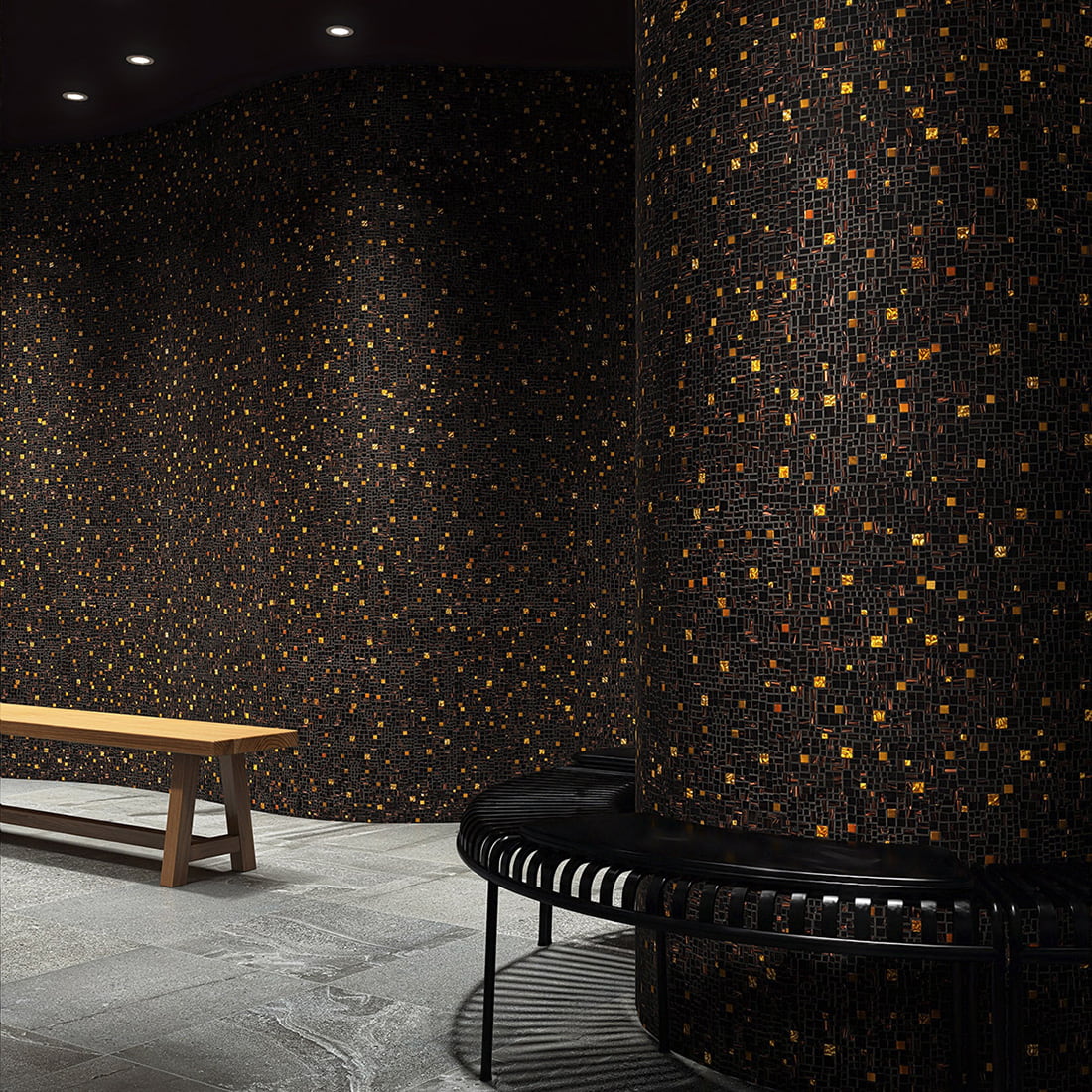
Black glass mosaic tiles add reflections and depth to shower walls. They are tile coverings, distinct from glass shower screens. Choose products specifically approved for the intended wet area, including their backing, adhesive, and grout requirements. Use glass on shower floors only when explicitly approved.
Natural Marble and Stone
Natural stone brings variations in veining, texture, and tone. Choose a stone suitable for shower exposure and follow its sealing and cleaning instructions. Sealing can help resist staining, but it does not waterproof the shower or prevent acid damage to marble.
Metal Mosaic
Black metal tiles offer crisp detail and reflective or brushed finishes. Wet-area suitability depends on the metal, coating, backing, and installation system. Use only products explicitly approved for shower exposure; otherwise, place them on bathroom accent walls outside the wet zone.
Black Mother of Pearl
Black mother of pearl brings natural iridescence and subtle color variation to decorative mosaics. Shower suitability depends on the complete tile construction. Confirm approval before using it on shower walls or niches, and do not assume a decorative shell mosaic is suitable for floors.
Shower Walls vs. Shower Floors
Shower walls allow more decorative choices, including glossy surfaces and intricate relief. Shower floors require closer attention to wet barefoot suitability, drainage, and comfort.
Small mosaics can accommodate sloped shower bases and provide more grout joints, which may help traction. However, size and grout alone do not guarantee a slip-resistant floor. Check the manufacturer’s application guidance and compatibility with the shower base.
A durable installation also needs a suitable waterproofing system, correct drainage, and compatible setting materials. Tile, grout, and sealer do not replace waterproofing beneath the finish.
Grout, Lighting, and Fixture Pairings
-
Black grout: Creates a coordinated surface with less visible pattern contrast.
-
Charcoal grout: Defines the tile gently while maintaining a dark palette.
-
Light gray or white grout: Highlights mosaic shapes and geometric layouts.
-
Brass fixtures: Add warmth against black surfaces.
-
Chrome fixtures: Introduce bright reflections and crisp contrast.
-
Matte black fixtures: Create a coordinated, understated composition.
Test grout with a sample before installation, particularly on textured or delicate finishes. Follow the specified joint width rather than forcing exceptionally narrow joints.
For smaller bathrooms, combine black tile with clear shower glass, lighter surrounding surfaces, and layered lighting. Use fixtures suitable for their installation location, including wet-area lighting where required.
Cleaning and Caring for Black Shower Tiles
Rinse away soap residue and dry accessible surfaces with a soft cloth or suitable squeegee after showering. Regular drying helps limit visible water spots.
Use a nonabrasive cleaner approved for the tile and grout. Natural stone needs appropriate stone-safe products; avoid acidic cleaners on marble. Clean textured surfaces and mosaic joints gently to prevent residue buildup.
Seal stone or cement-based grout only as recommended. Some grout systems do not require sealing. Keep the bathroom ventilated and inspect sealant joints regularly.
Black Tile Shower FAQs
Is Black Tile a Good Choice for a Shower?
Yes, when the specific tile is approved for its intended shower application. Black offers flexible styling, but water hardness, surface finish, lighting, and cleaning habits should influence your selection.
Will Black Tiles Make a Small Shower Look Smaller?
They can make an enclosure feel darker. A black accent wall, clear glass, lighter adjacent surfaces, and well-positioned lighting can help maintain visual openness.
Are Black Shower Tiles Hard to Keep Clean?
They can show pale water spots and soap residue more clearly than lighter tiles. Regular rinsing and drying help, while the material and texture determine which cleaning products are appropriate.
Is Matte Black Tile Suitable for a Shower Floor?
Only if the specific product is approved for that use. Matte describes appearance, not a guaranteed level of wet slip resistance.
Can the Same Tile Be Used on Shower Walls and Floors?
Yes, if it is approved for both applications. Wall-only tiles should not be used on the shower floor.
How Much Tile Should I Order?
Measure walls and floors separately, then account for cuts, pattern layout, sheet coverage, and spare pieces. Ask your installer to confirm the allowance before ordering, especially for diagonal layouts or intricate mosaics.
What Affects the Cost of a Black Tile Shower?
Material, tile format, installation complexity, waterproofing, and substrate preparation all affect the total. Compare coverage per sheet or box rather than price per piece alone.
Plan Your Black Tile Shower With Woos Tiles
Bring your design together with a considered mix of texture, pattern, and light. Contact Woos Tiles to discuss black tile options, sample availability, and the application requirements for your shower project.