


Bohemian Floor Tiles with Natural Stone Artistry
-
-
-
-
-
-
-
-
-
-
-
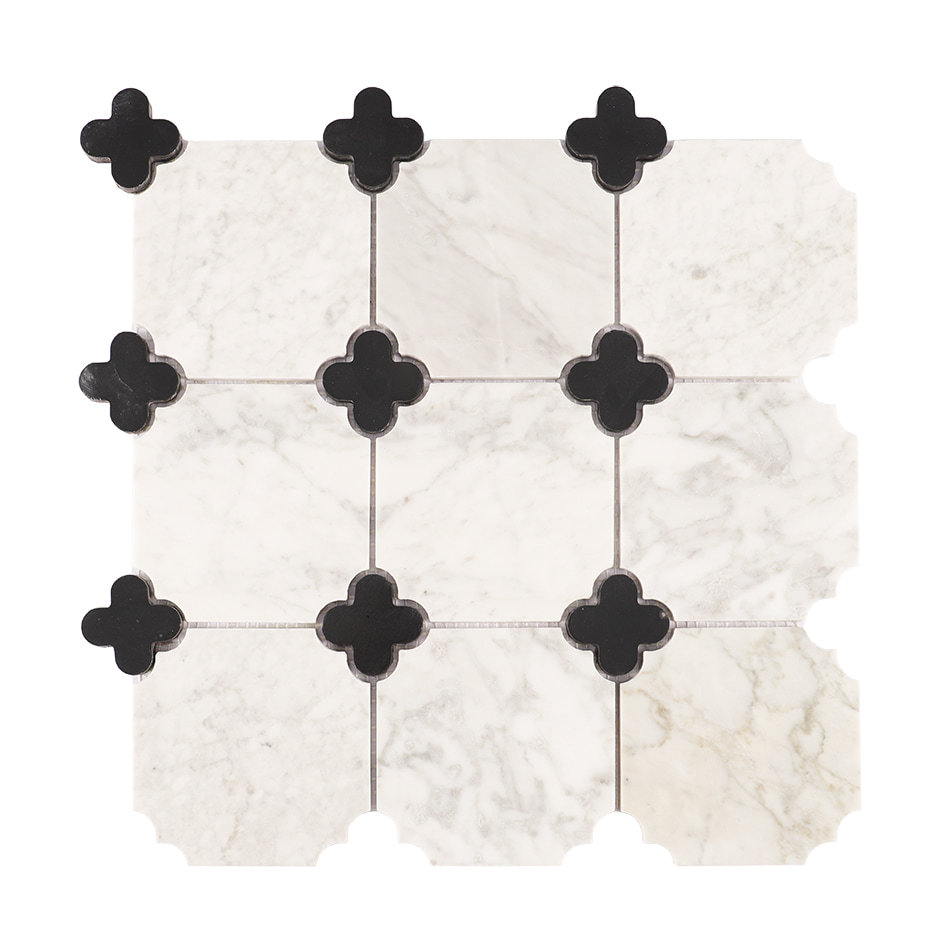
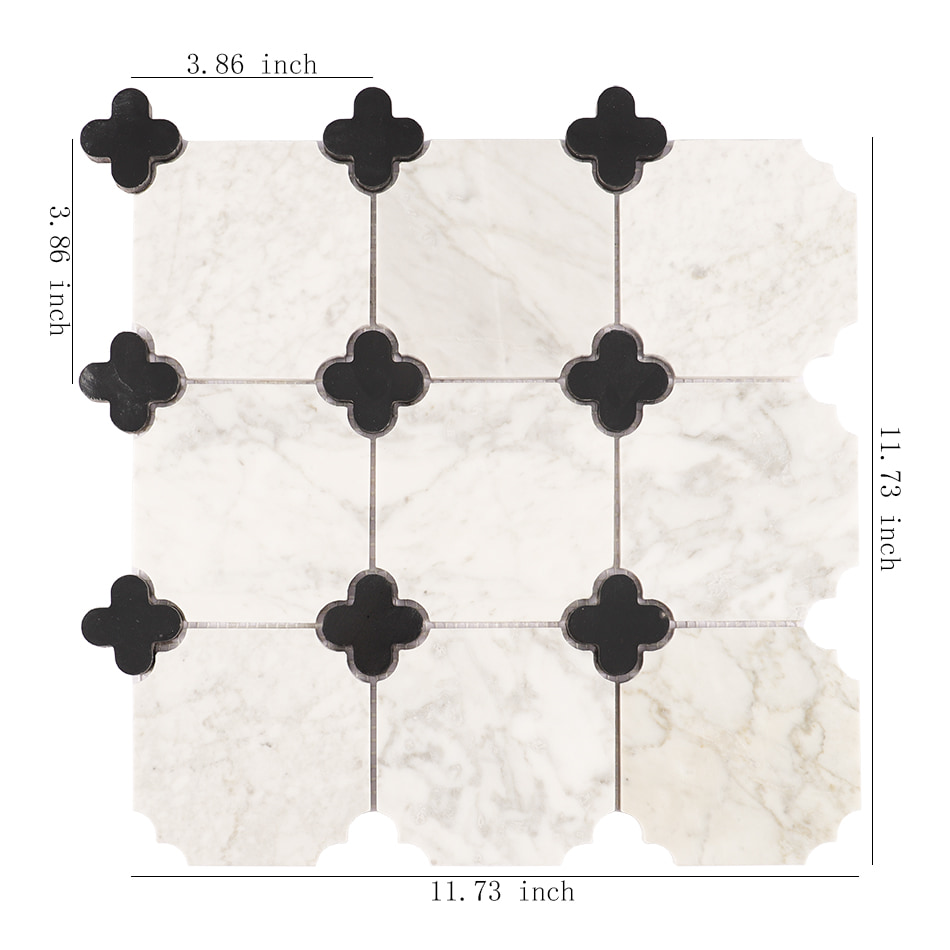
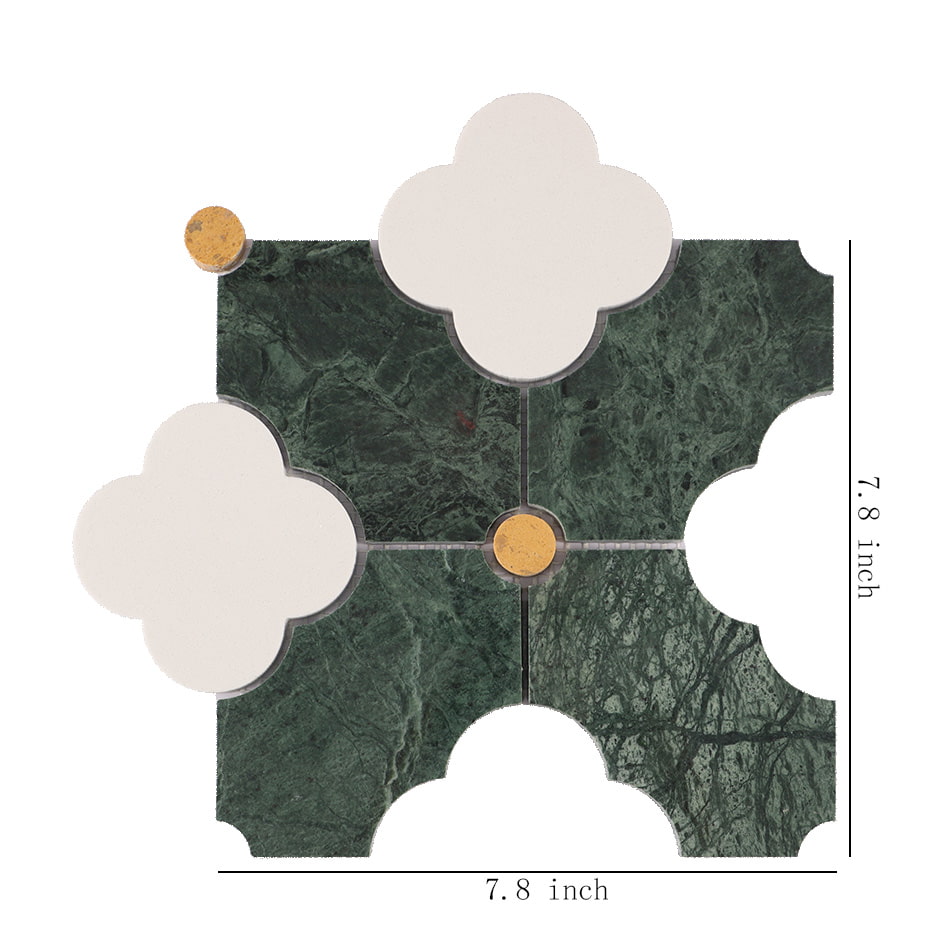
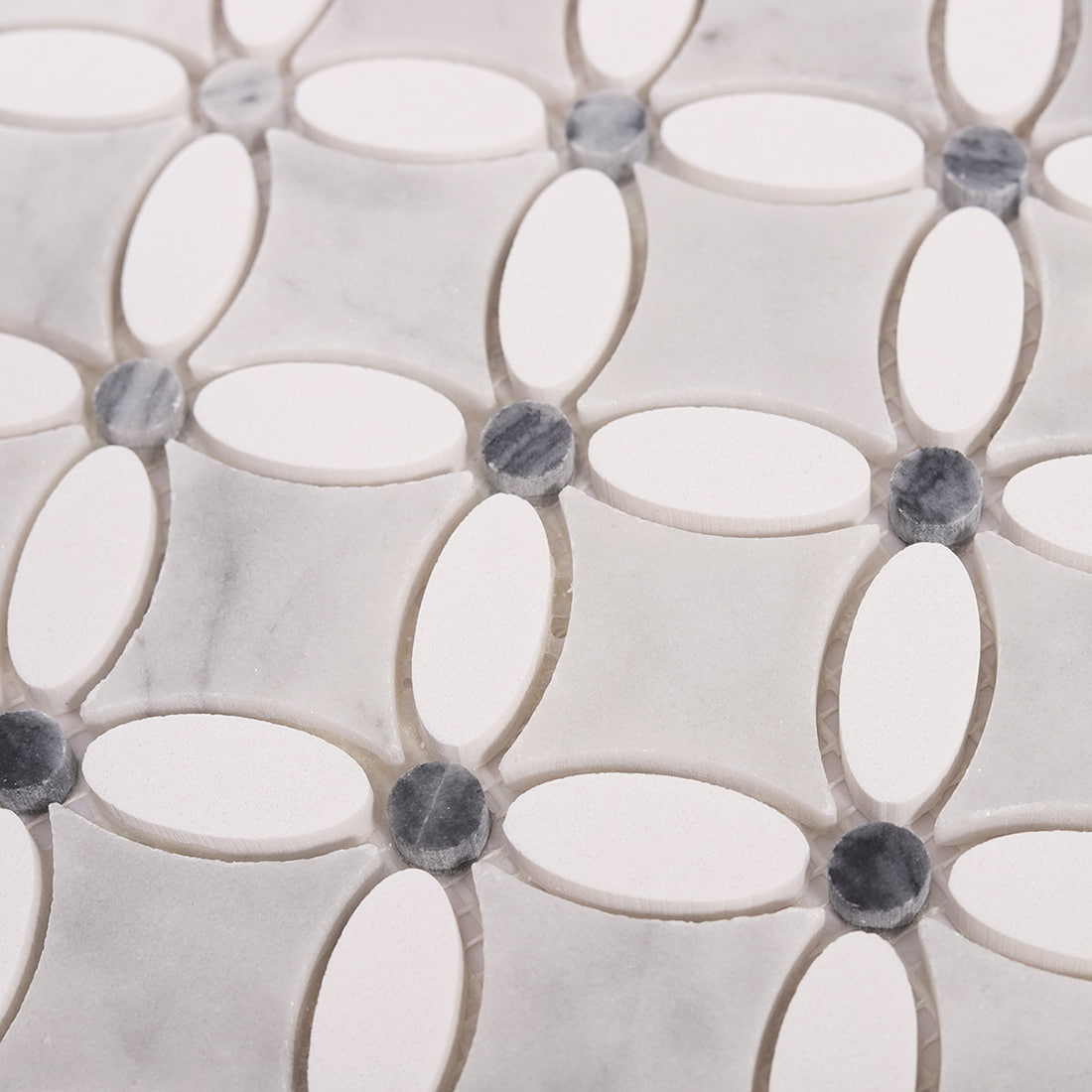
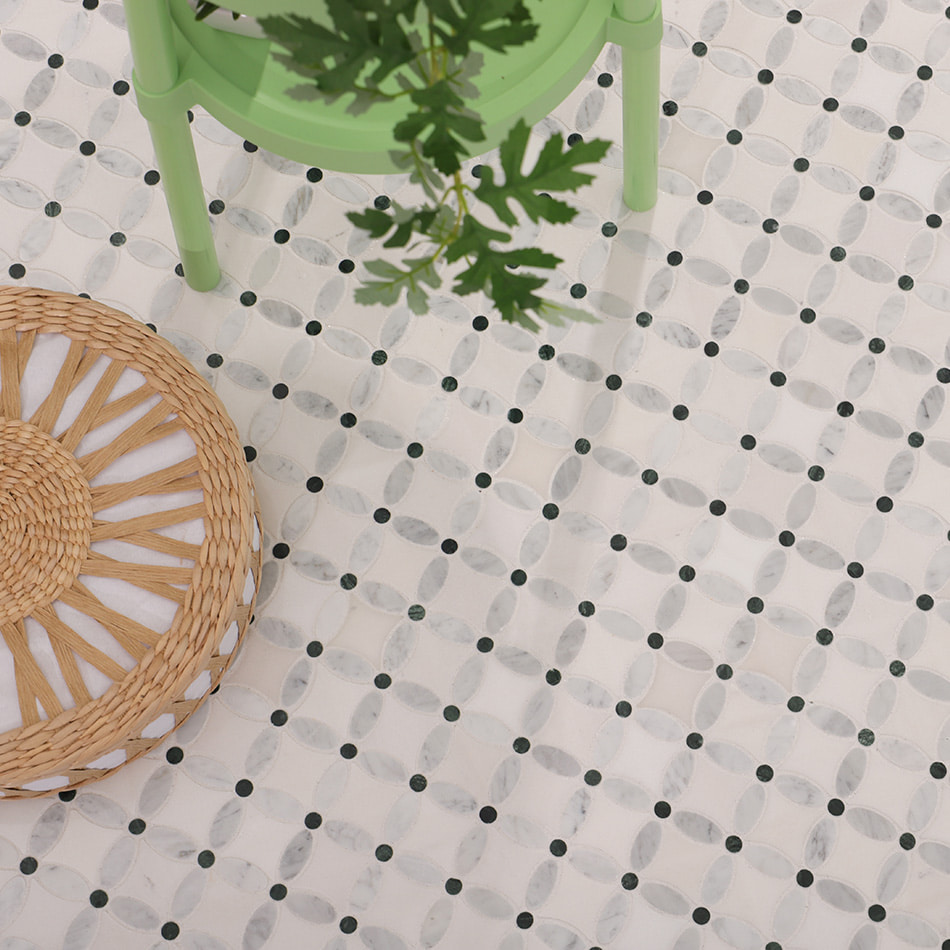
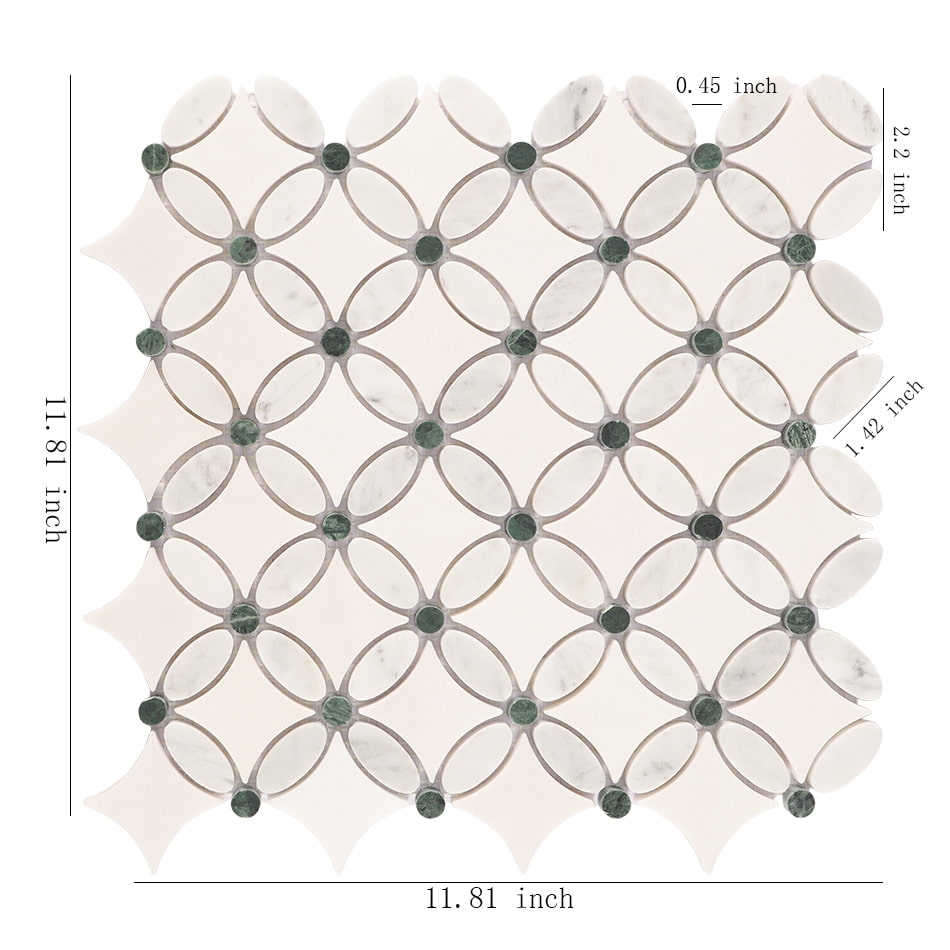
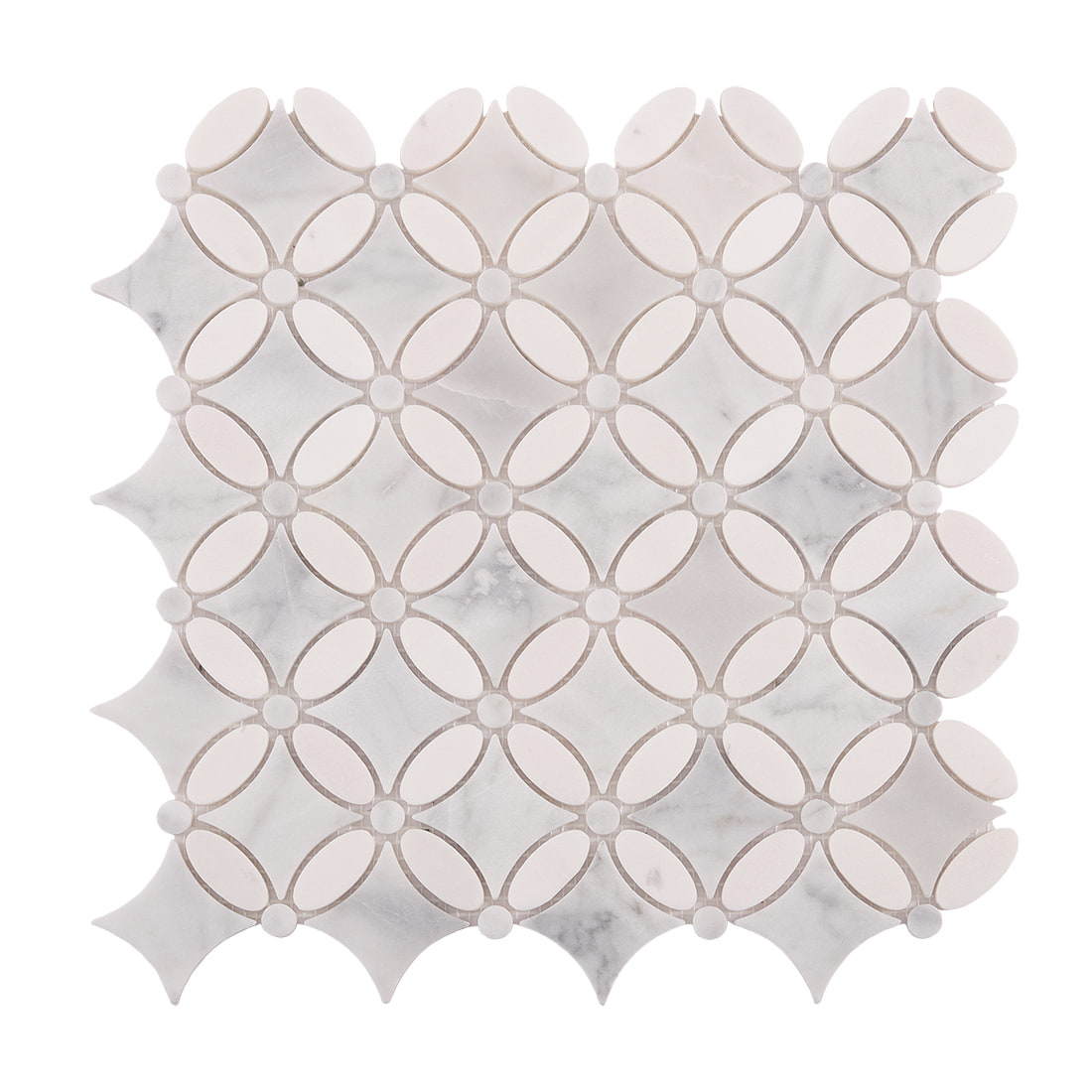
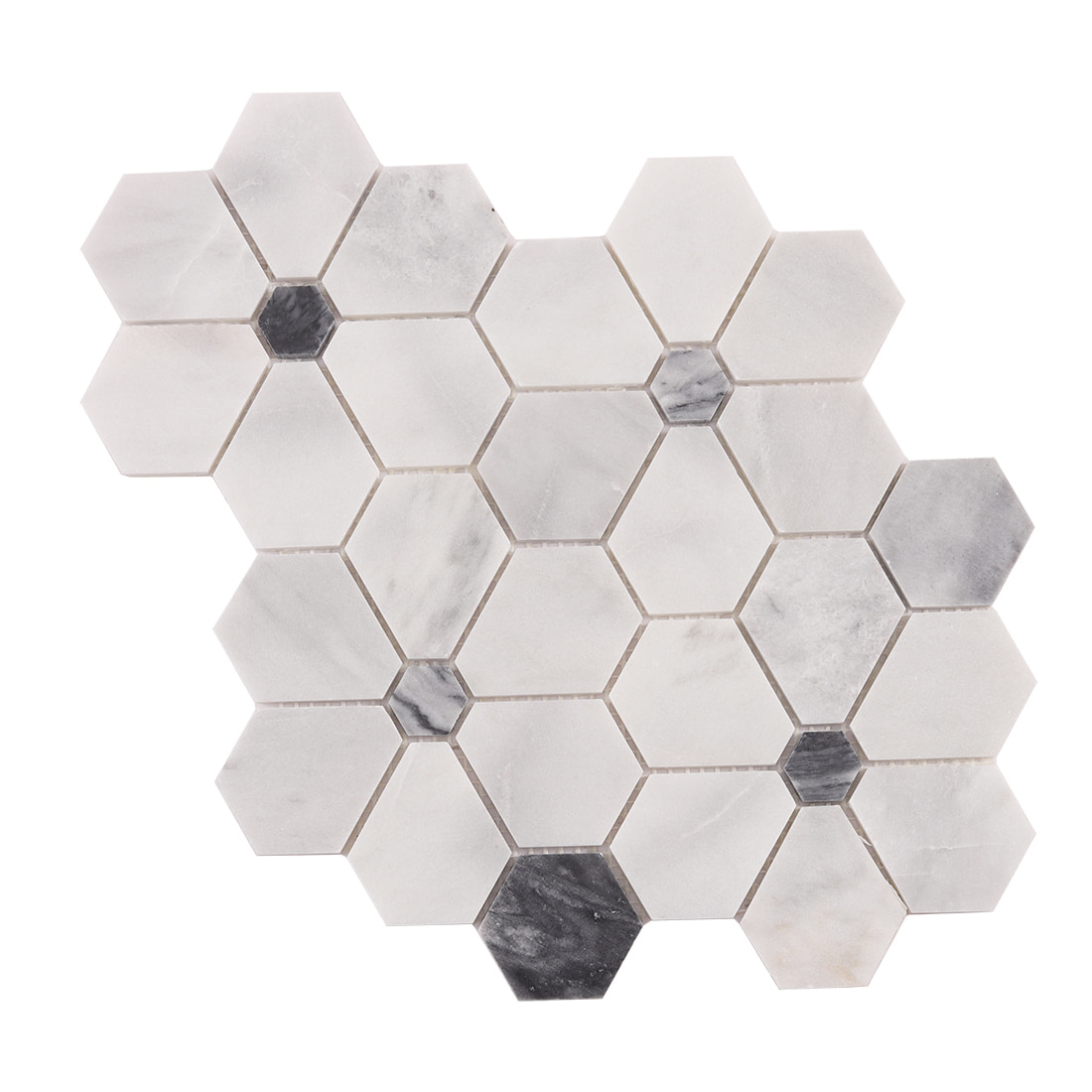
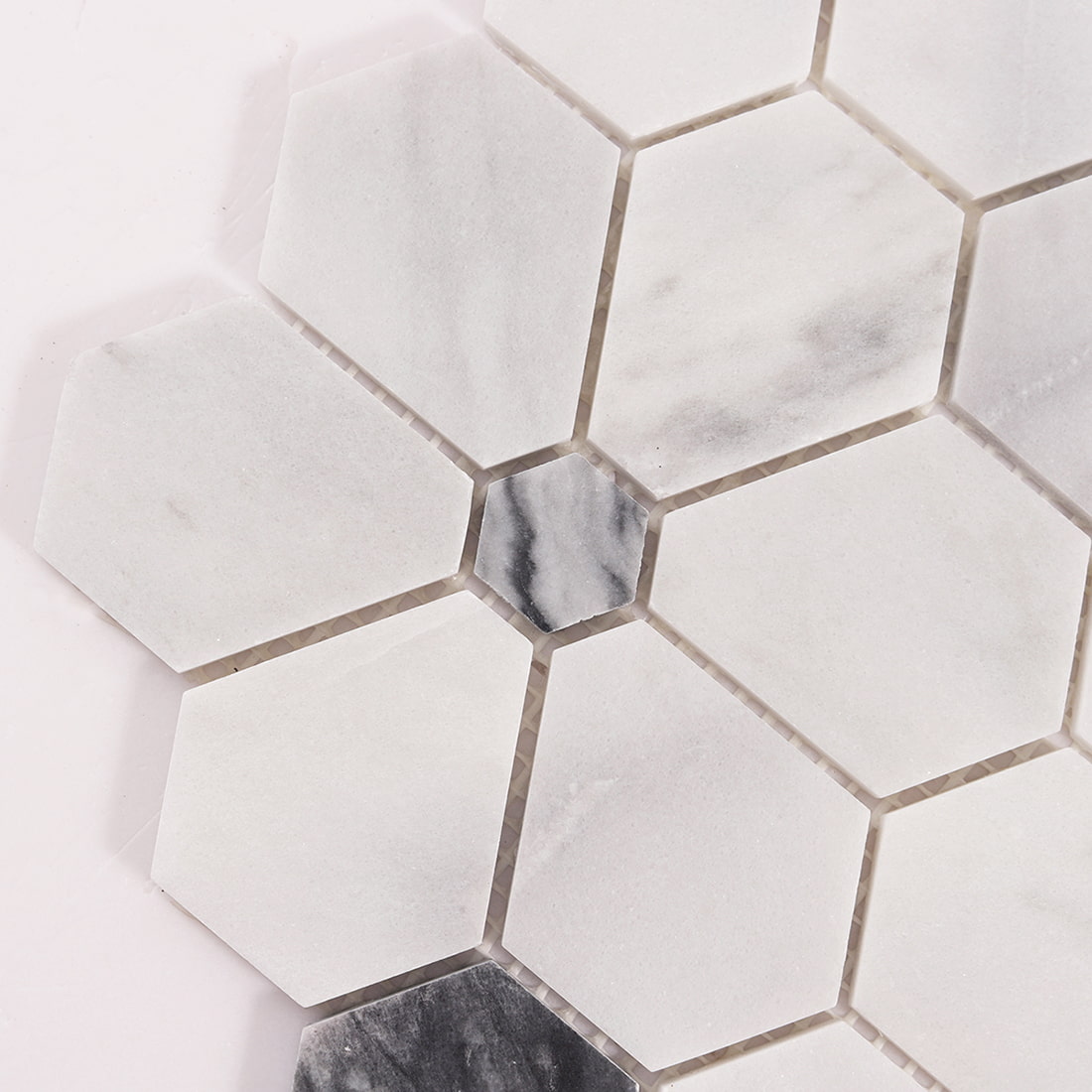
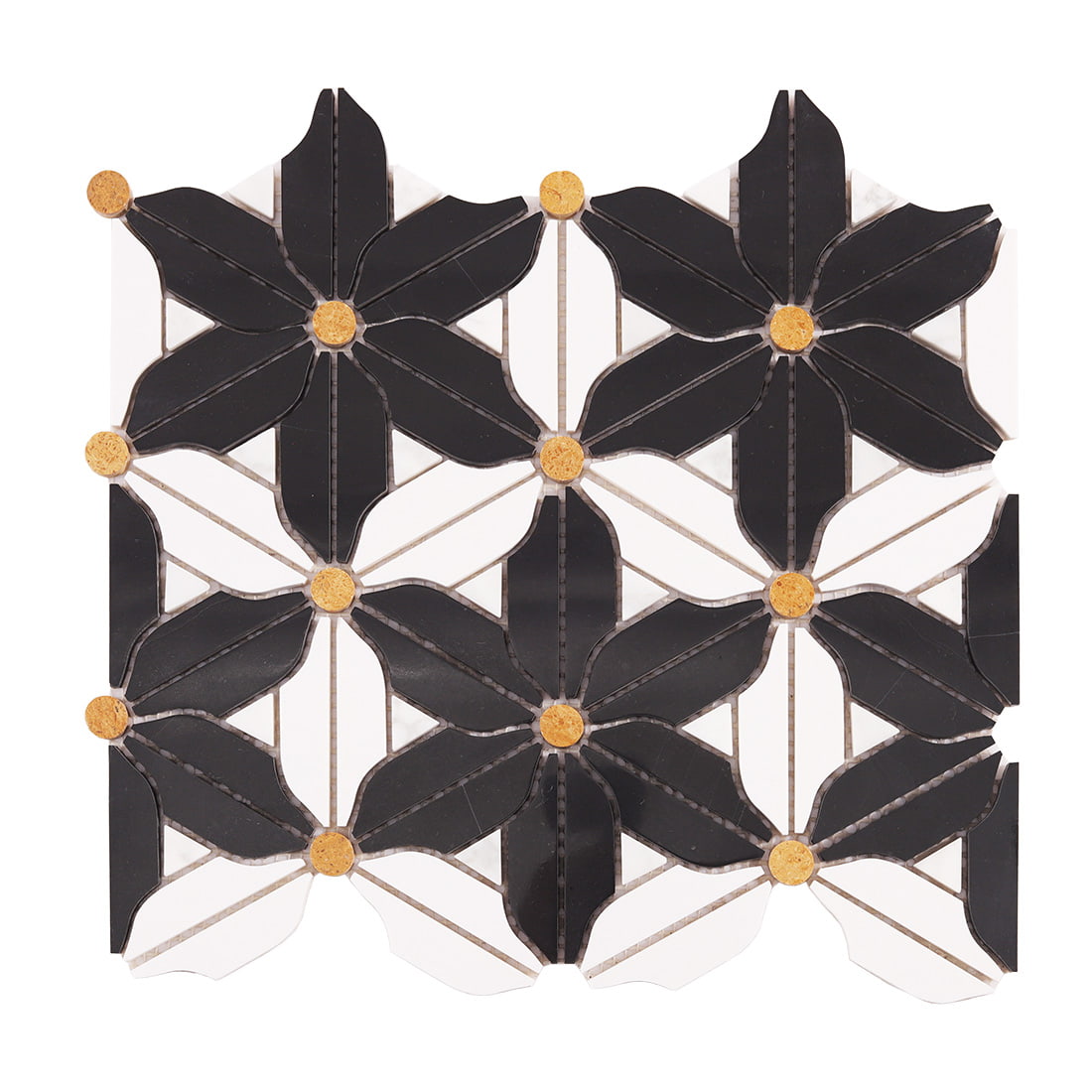
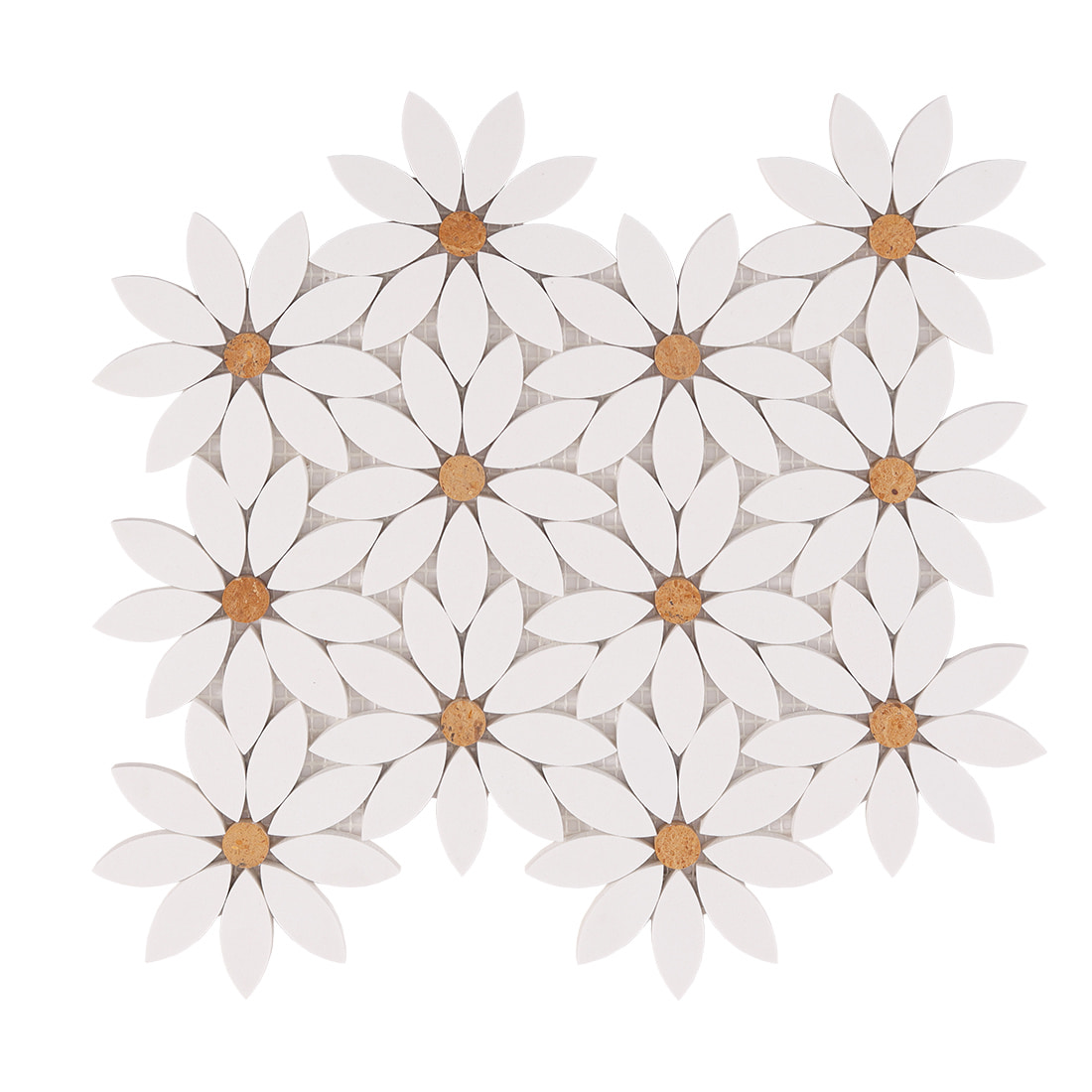
White Black Petal Flower Marble Mosaic Tile$17.30 USD
-
-
-
-
-
-
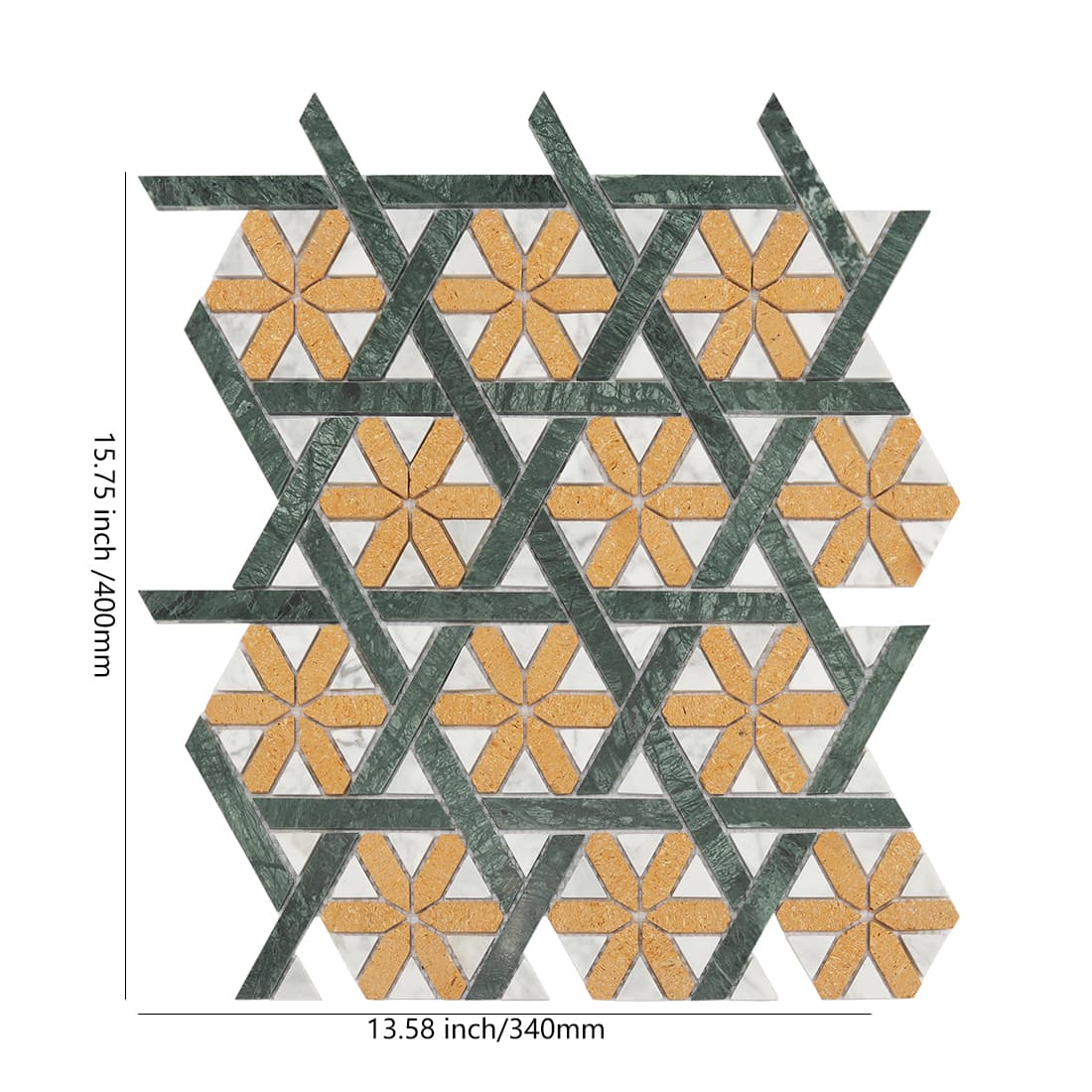
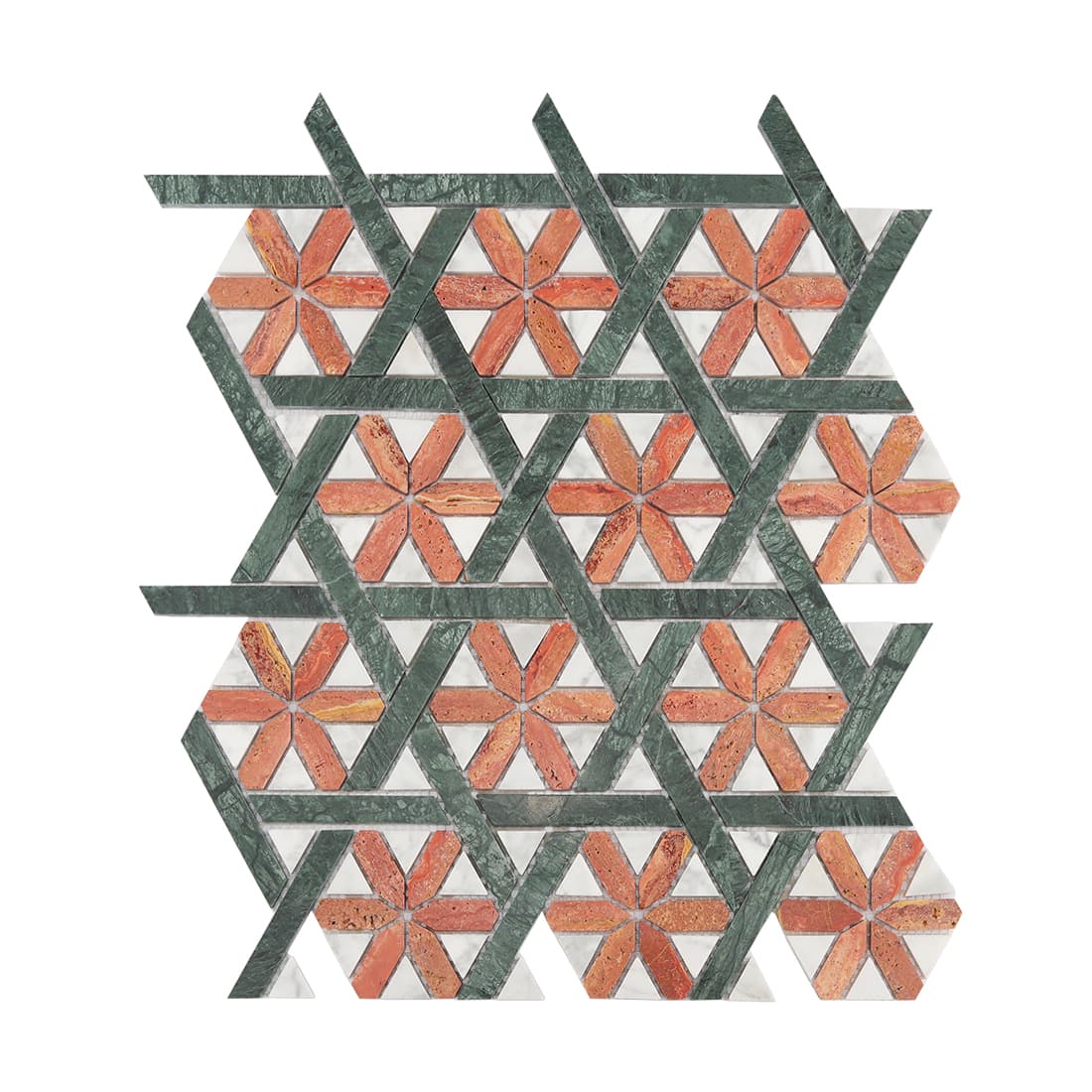
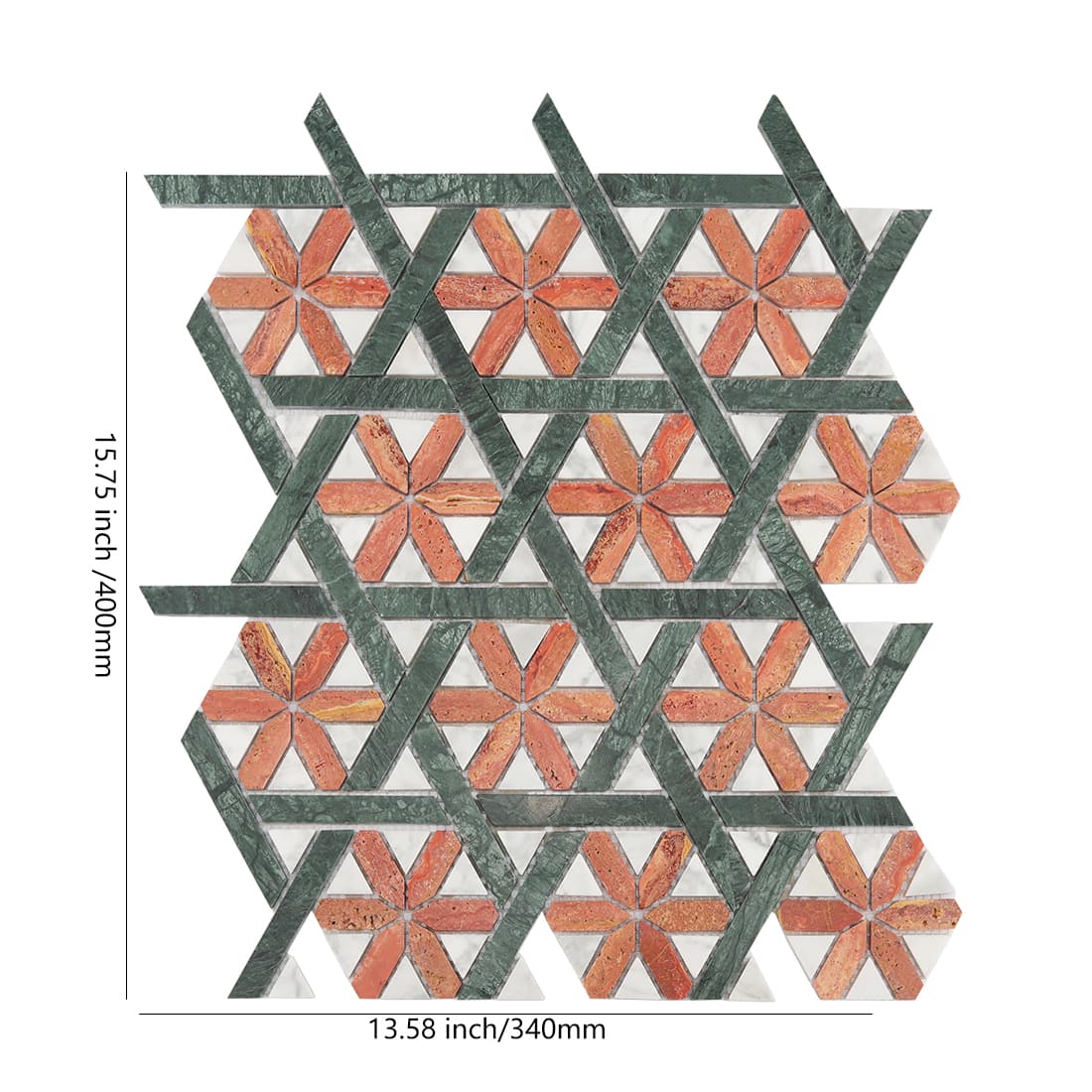
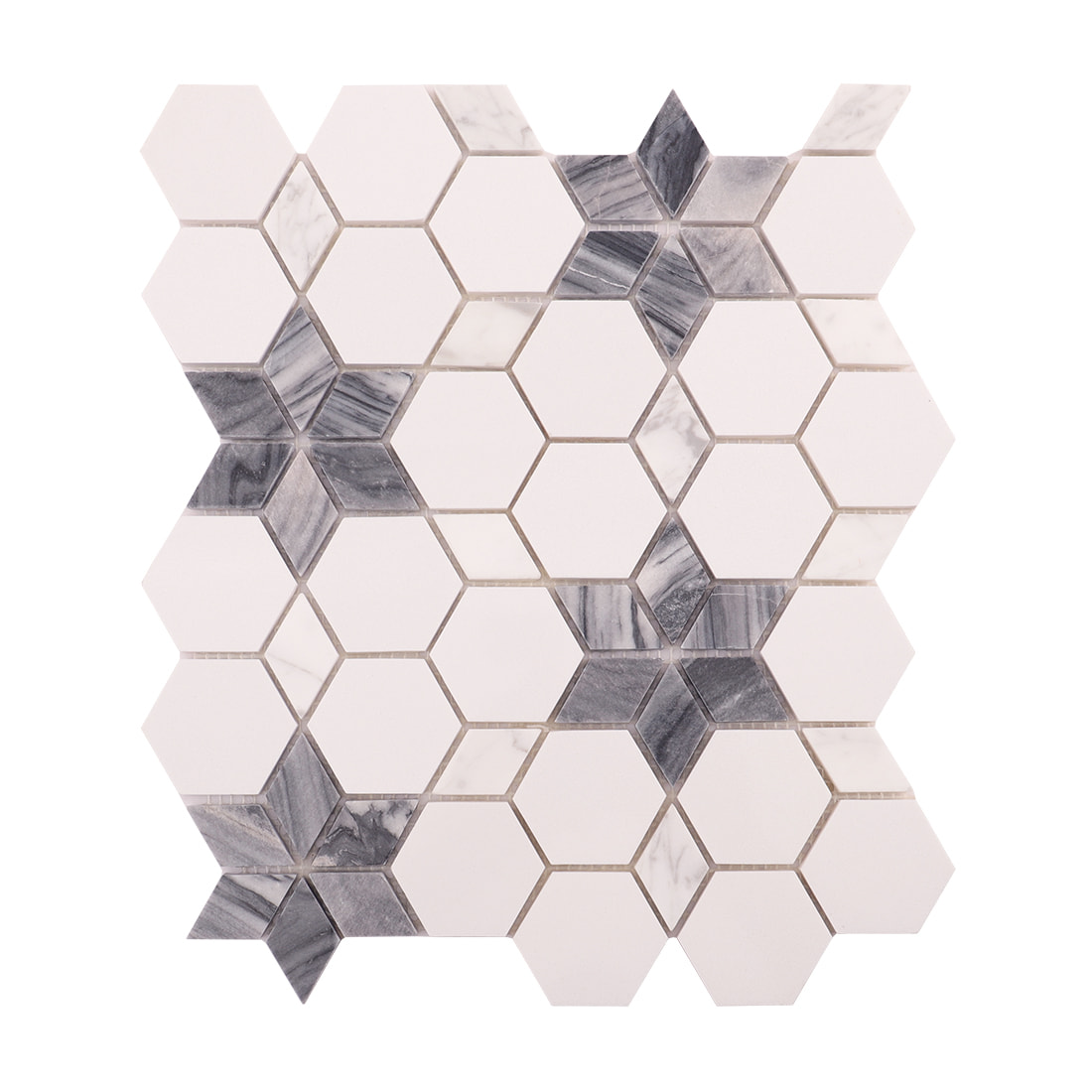
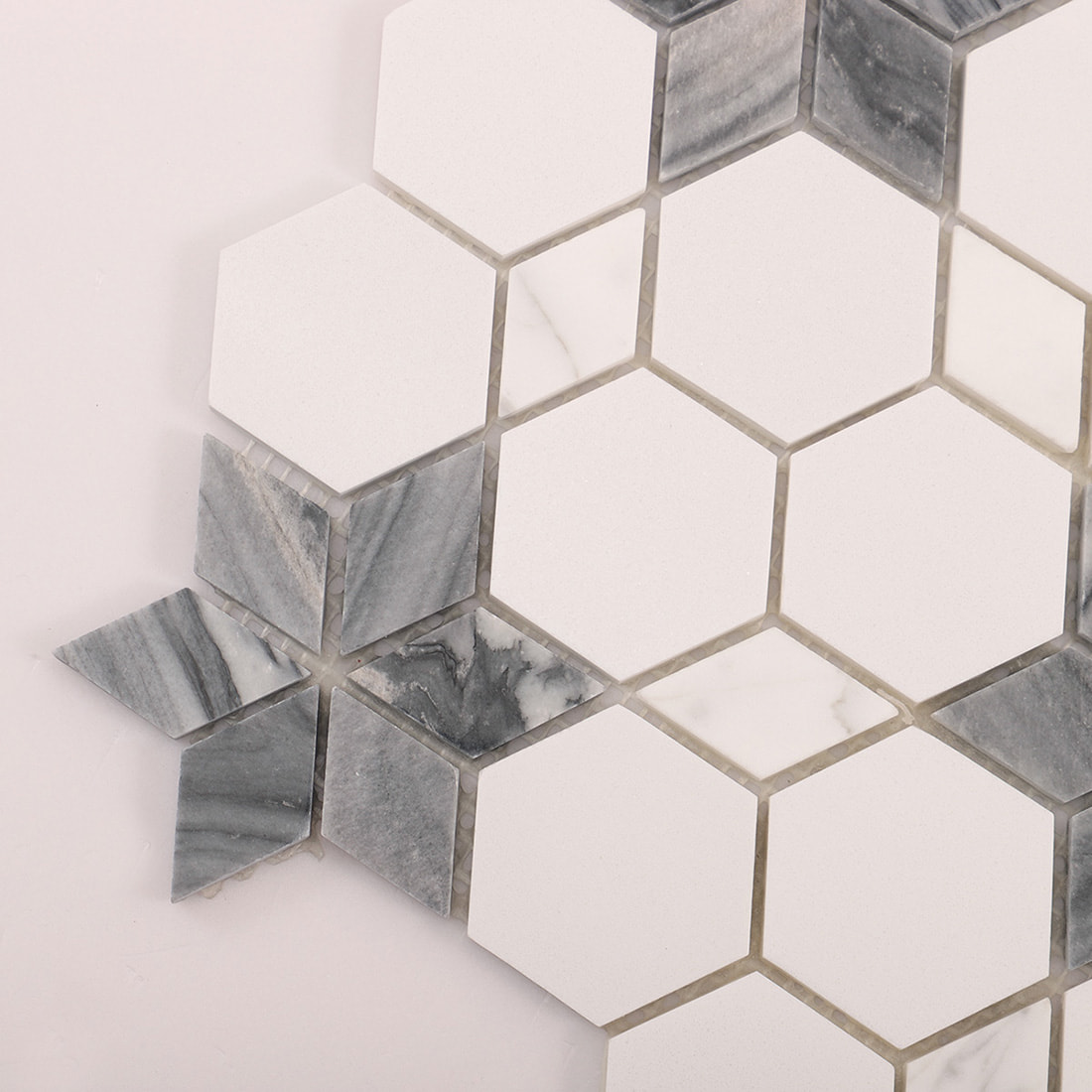
Red and Green Geometric Marble Mosaic Tile$20.15 USD
-
-
-
-
-
-
-
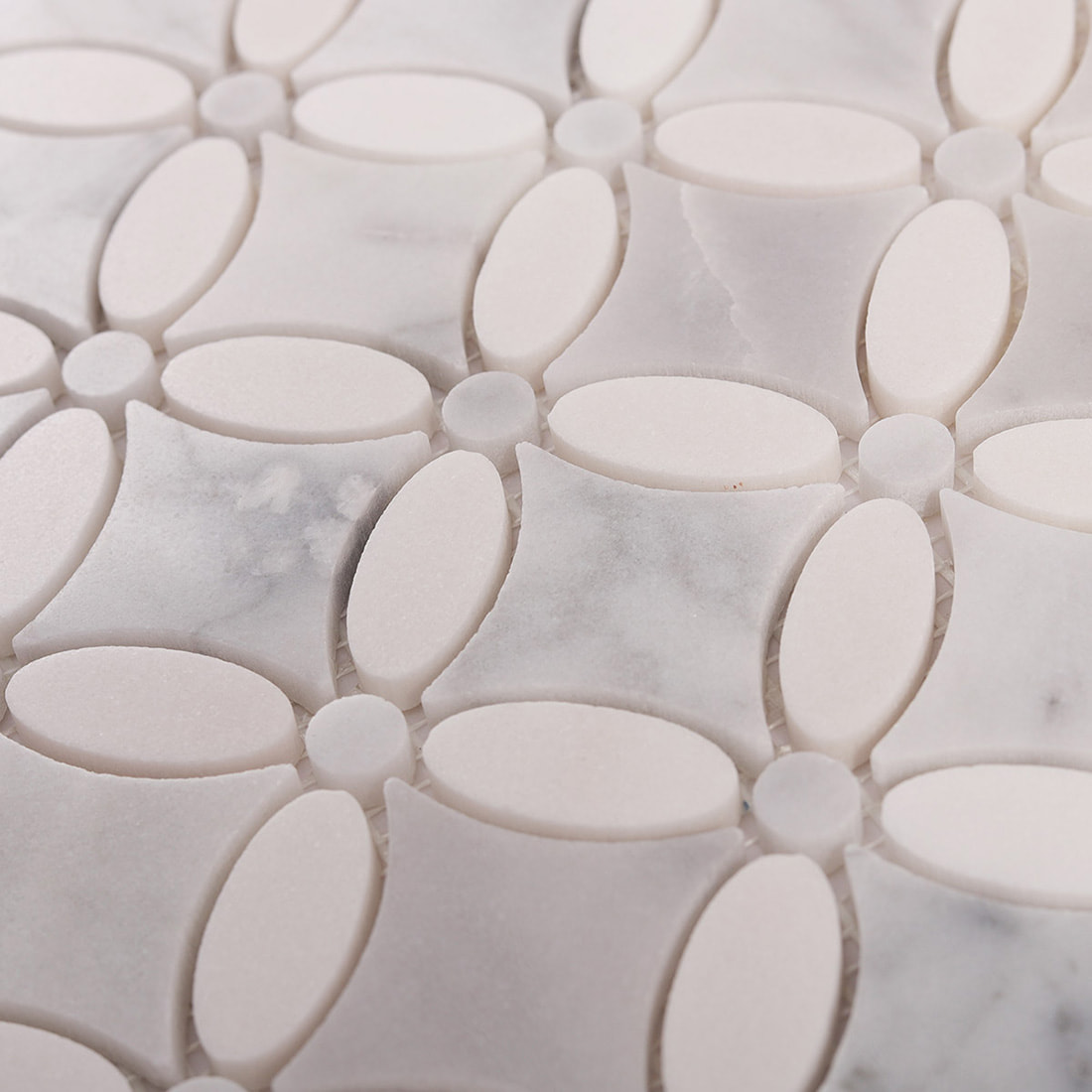
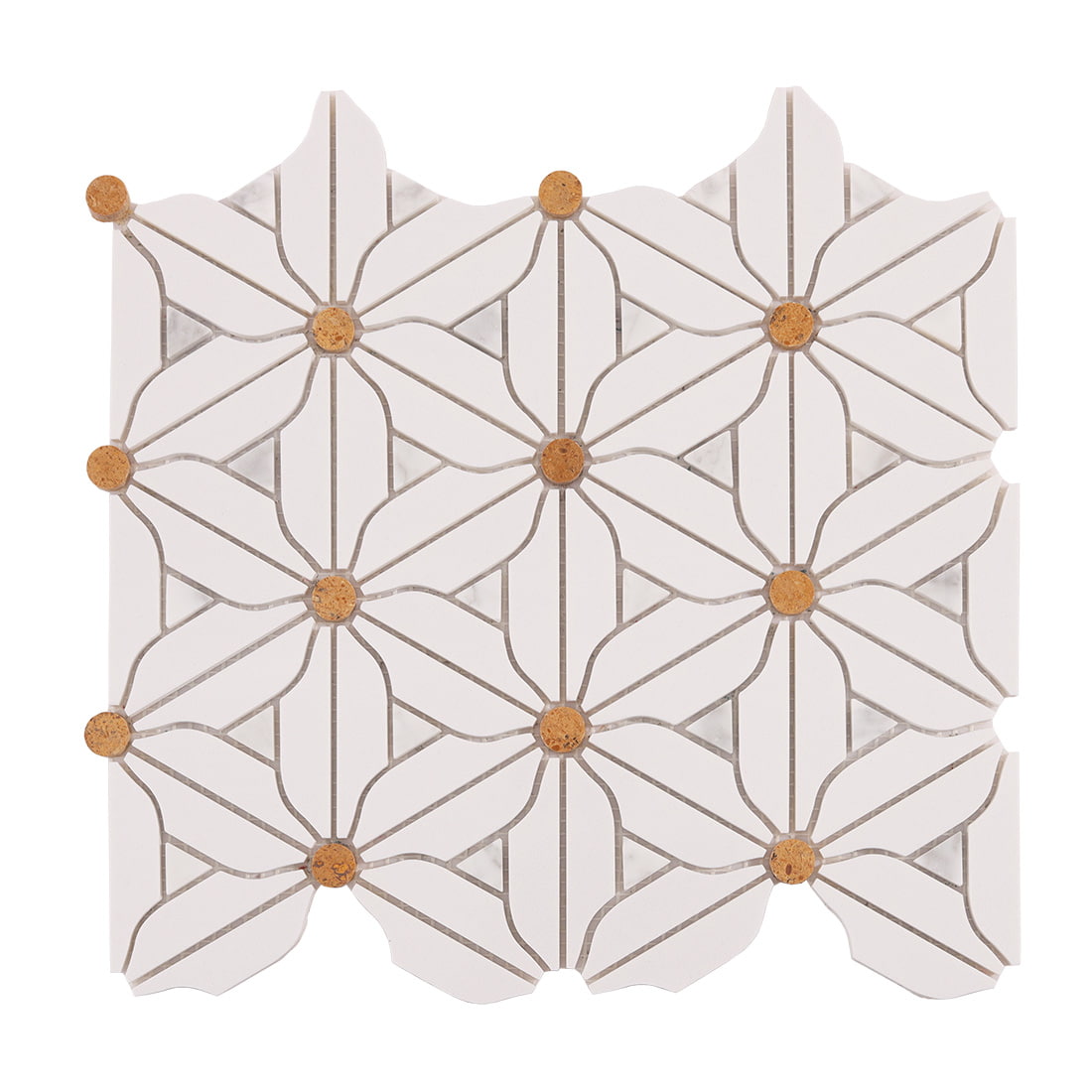
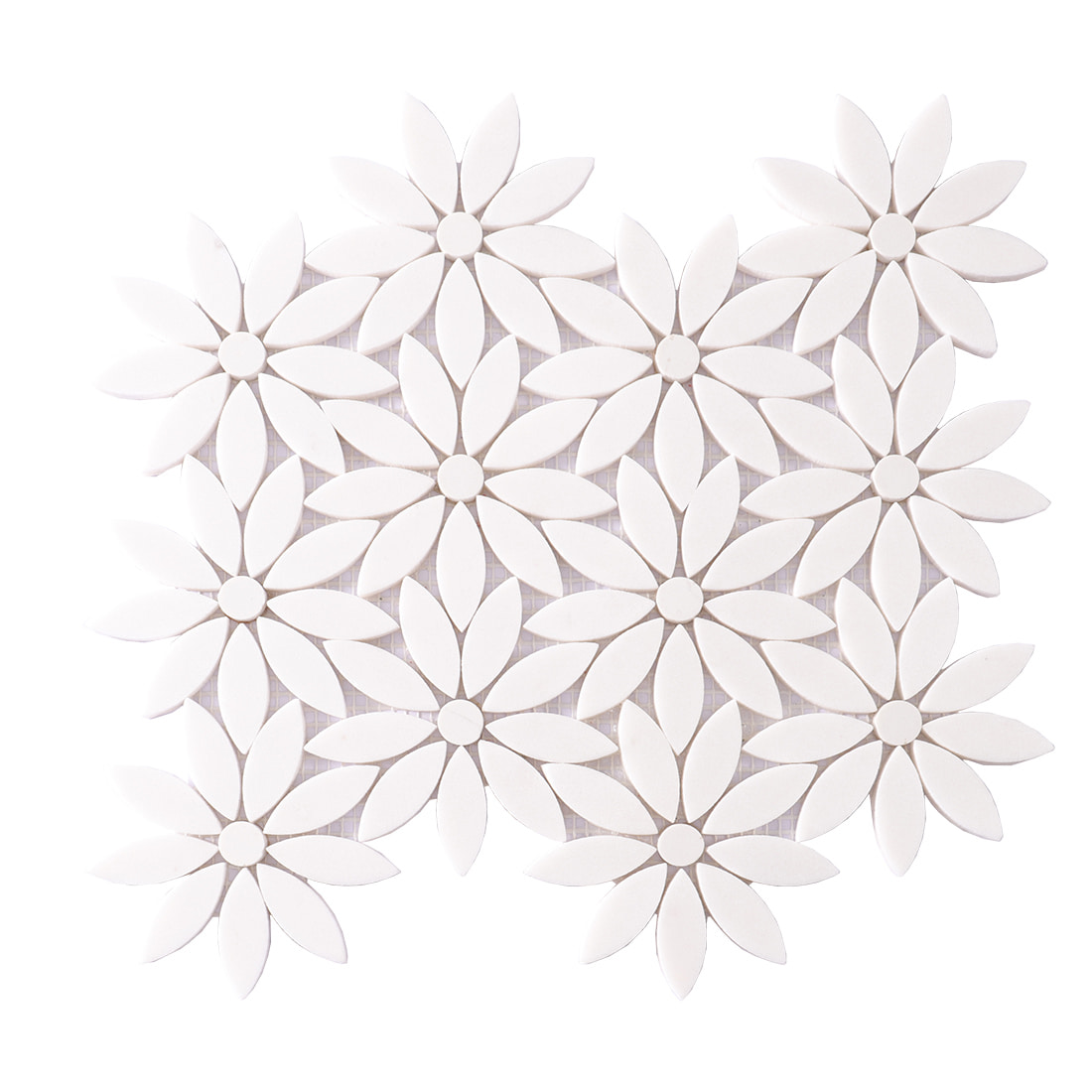
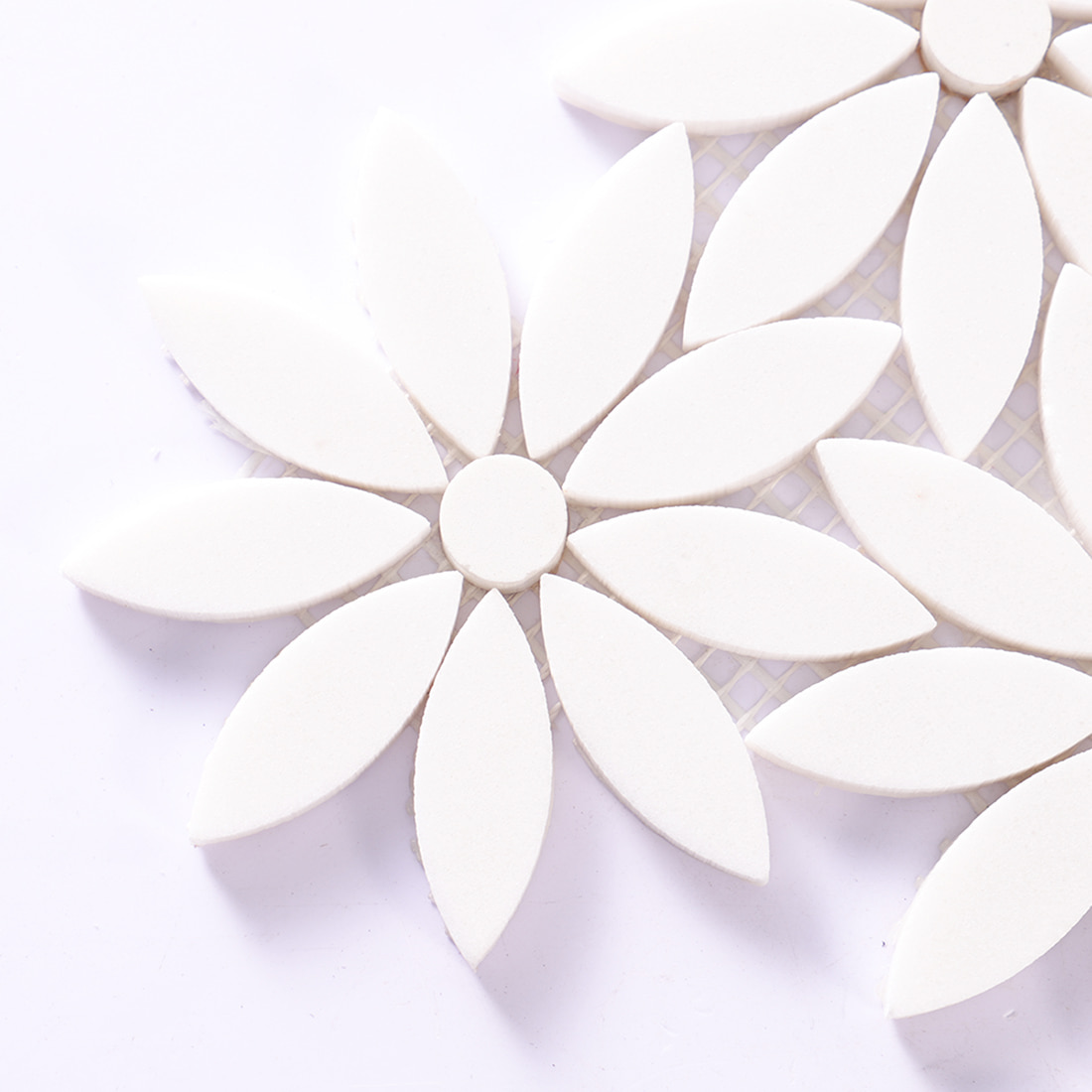
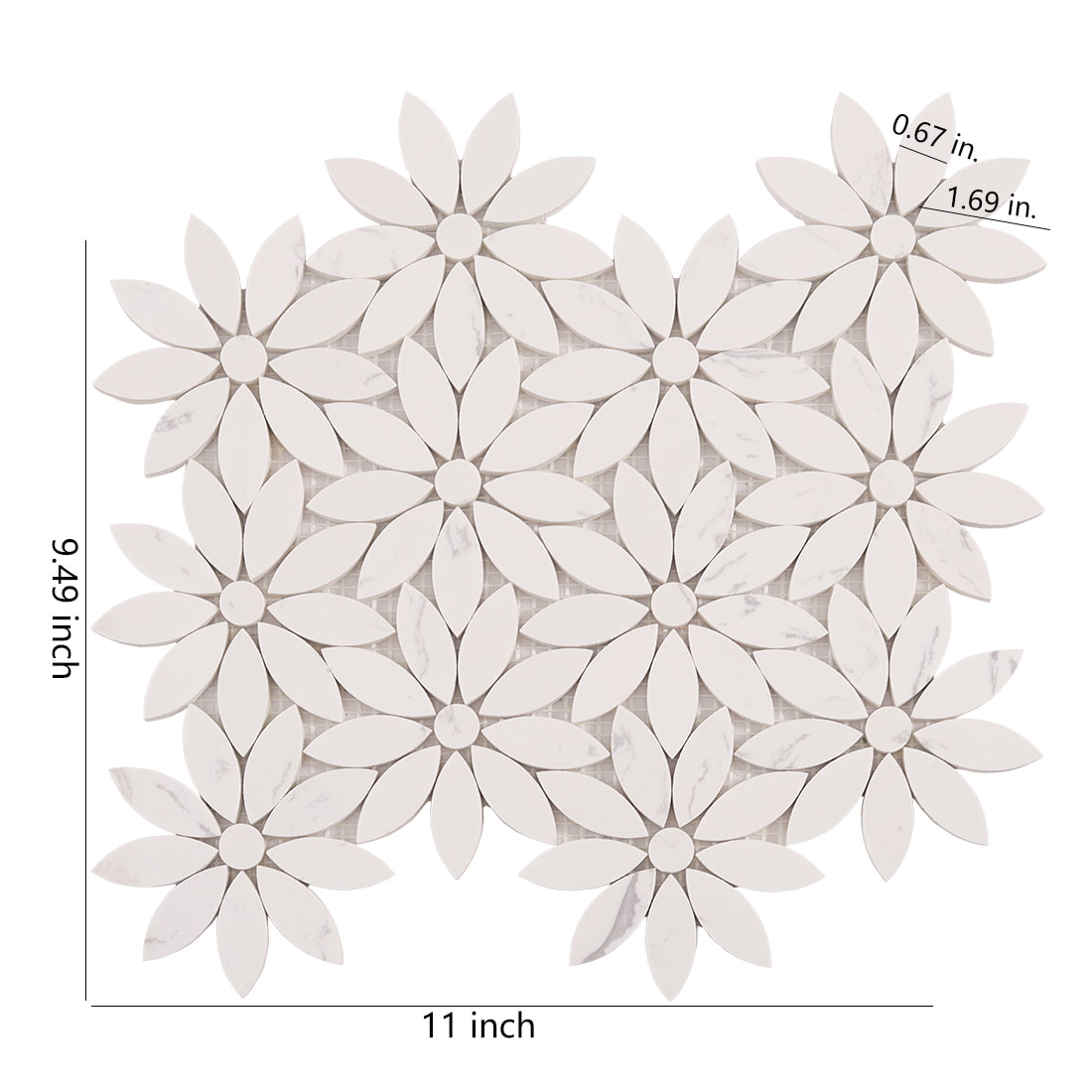
Carrara White Marble Oval Flower Mosaic Tile$15.90 USD
-
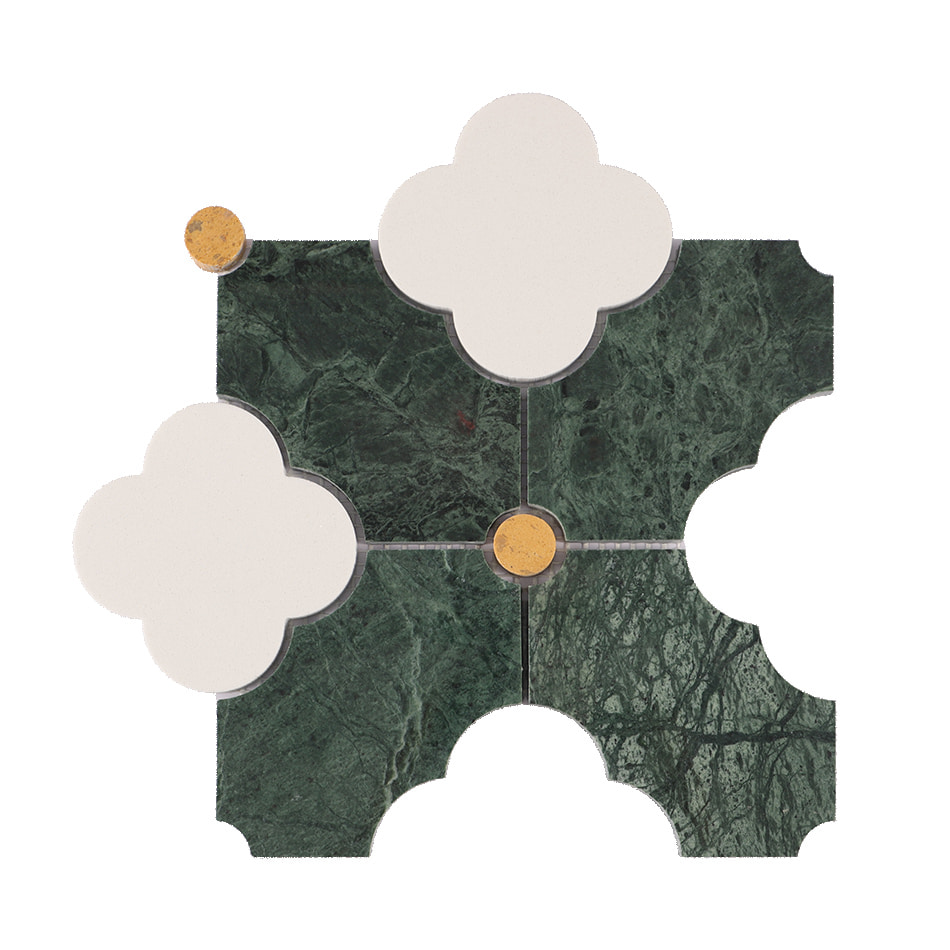
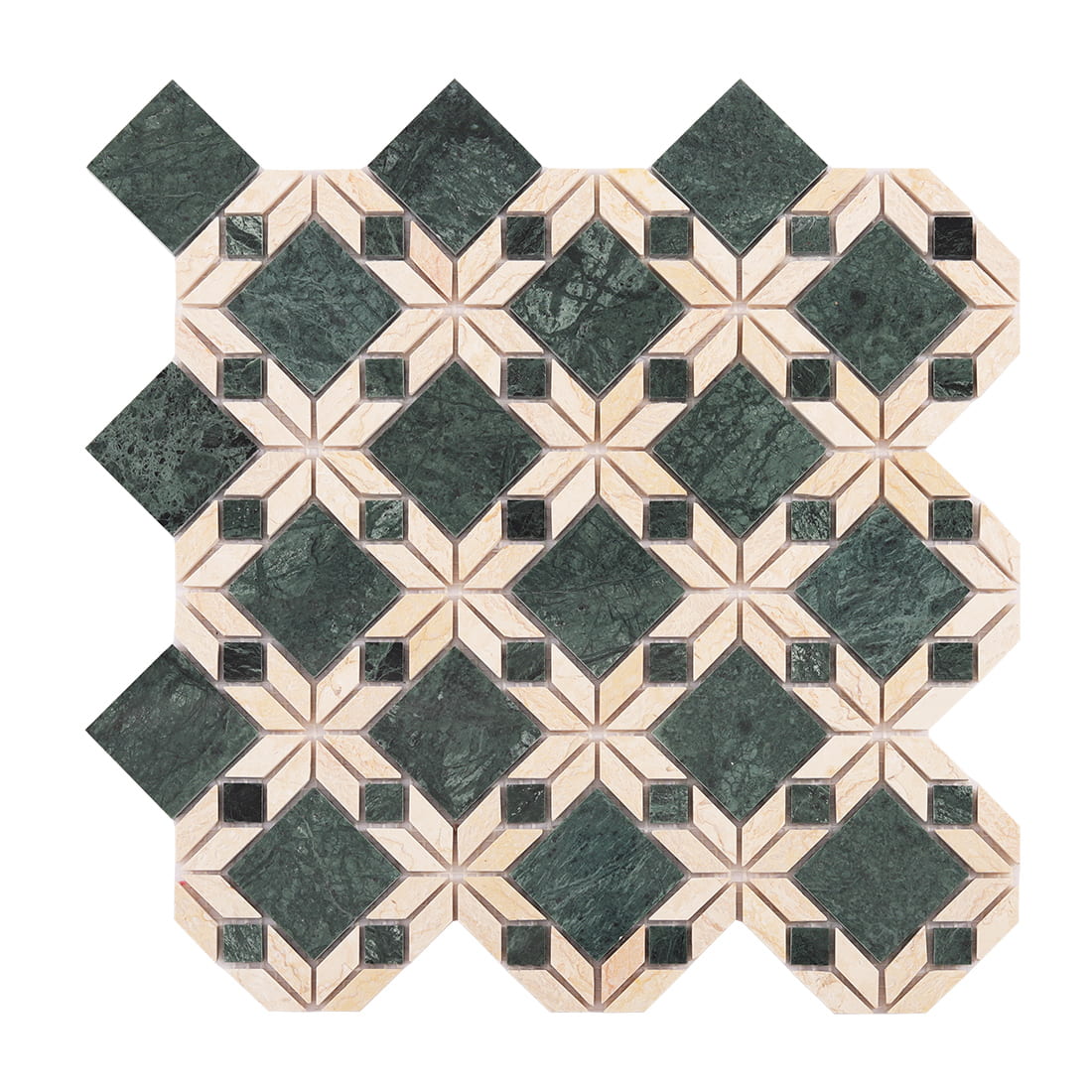
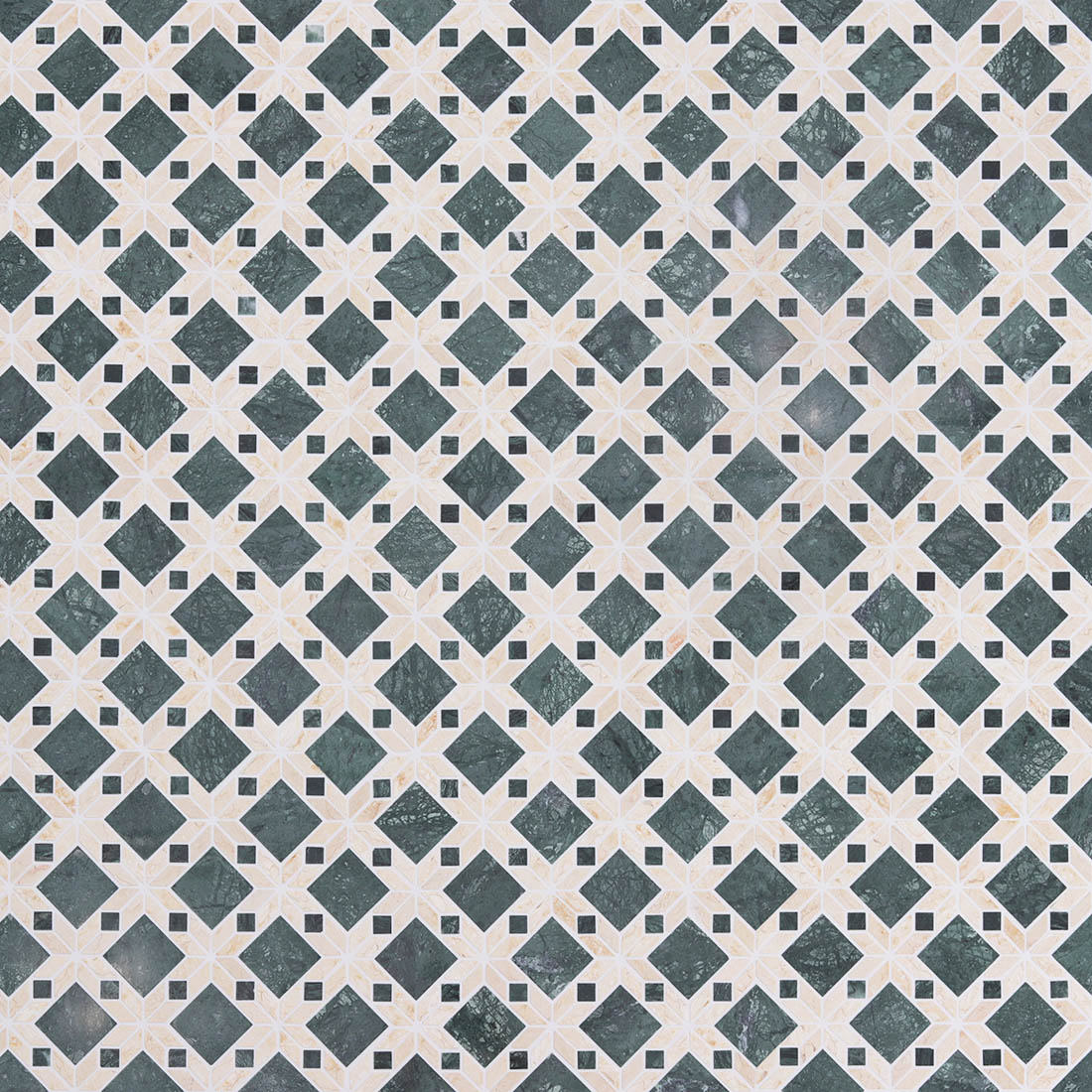
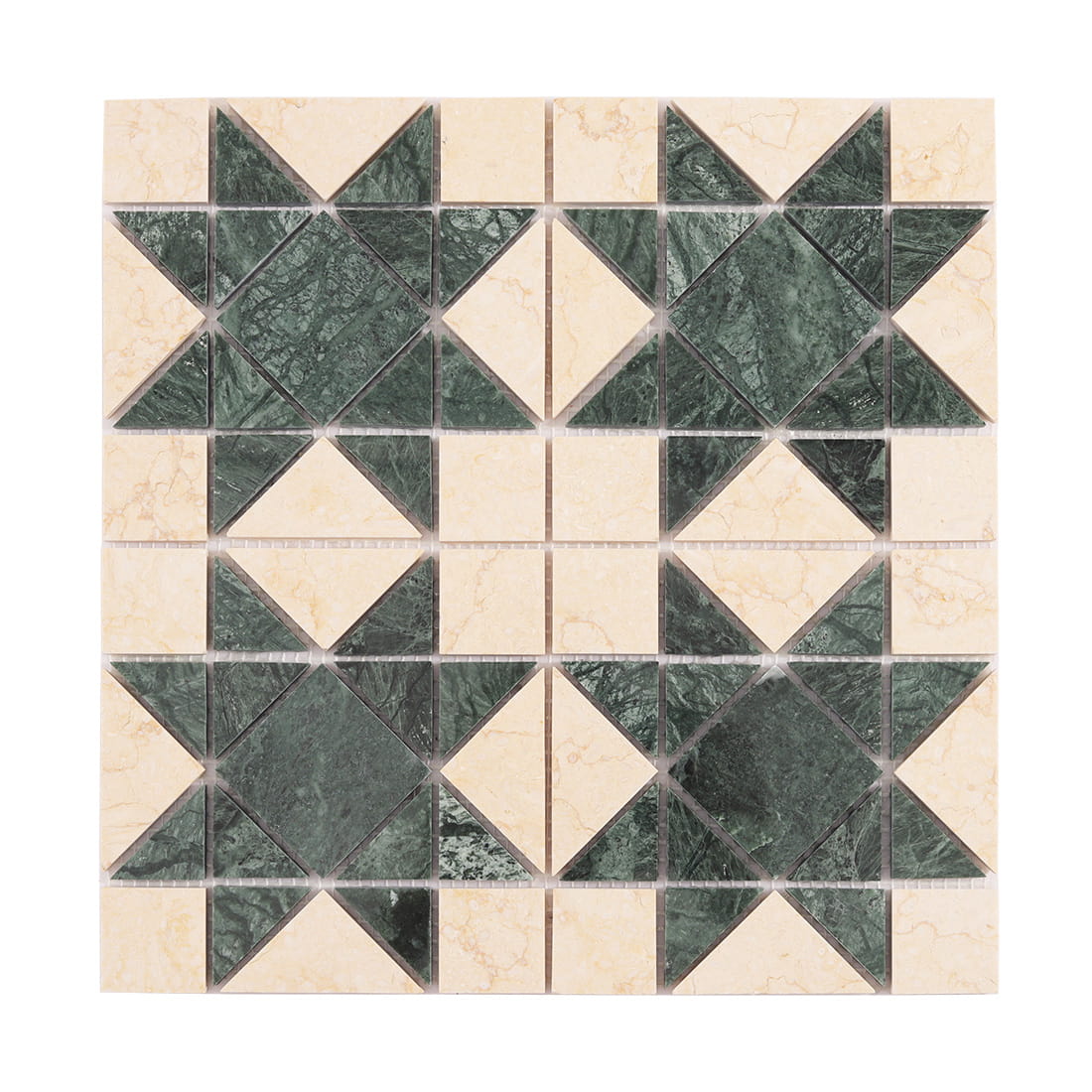
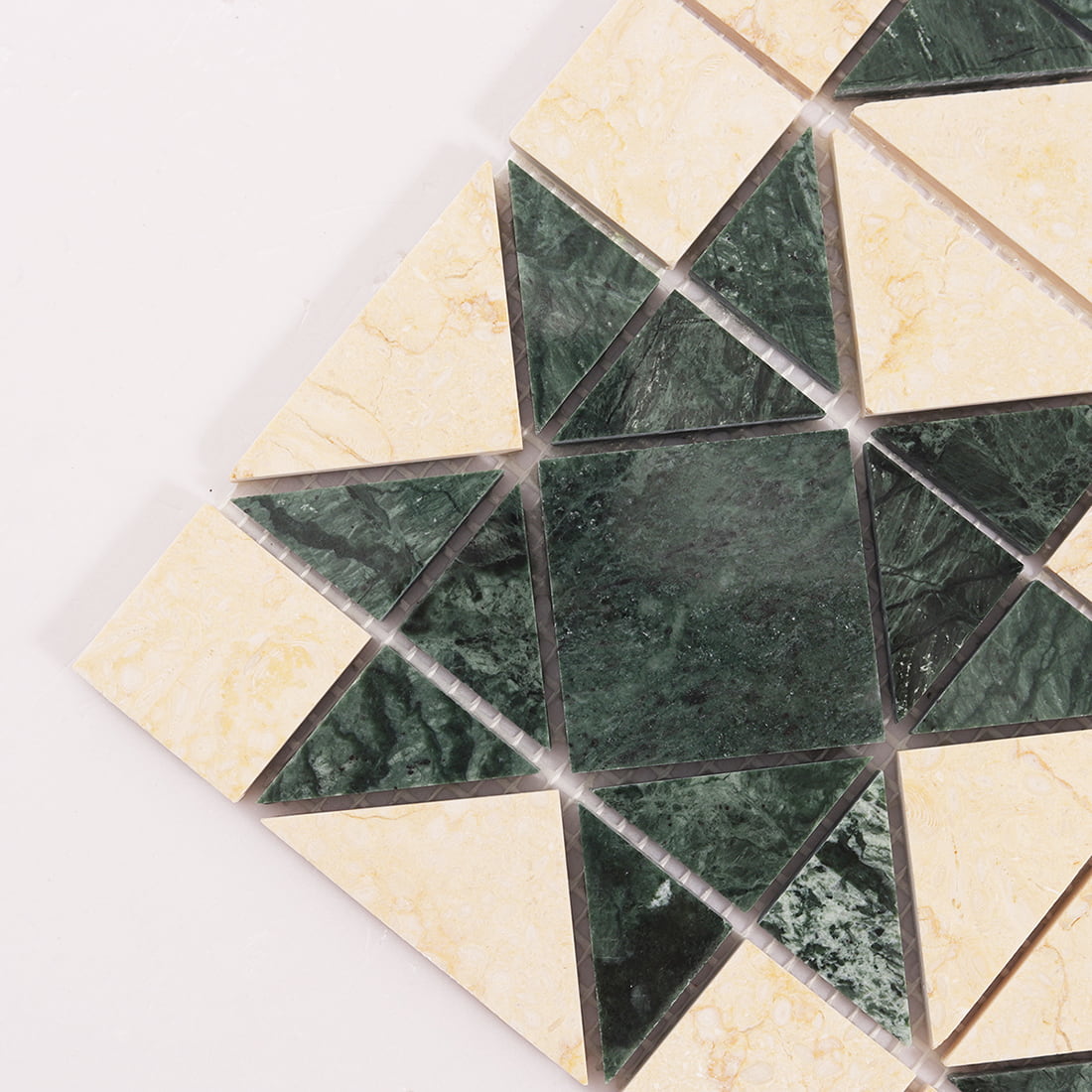
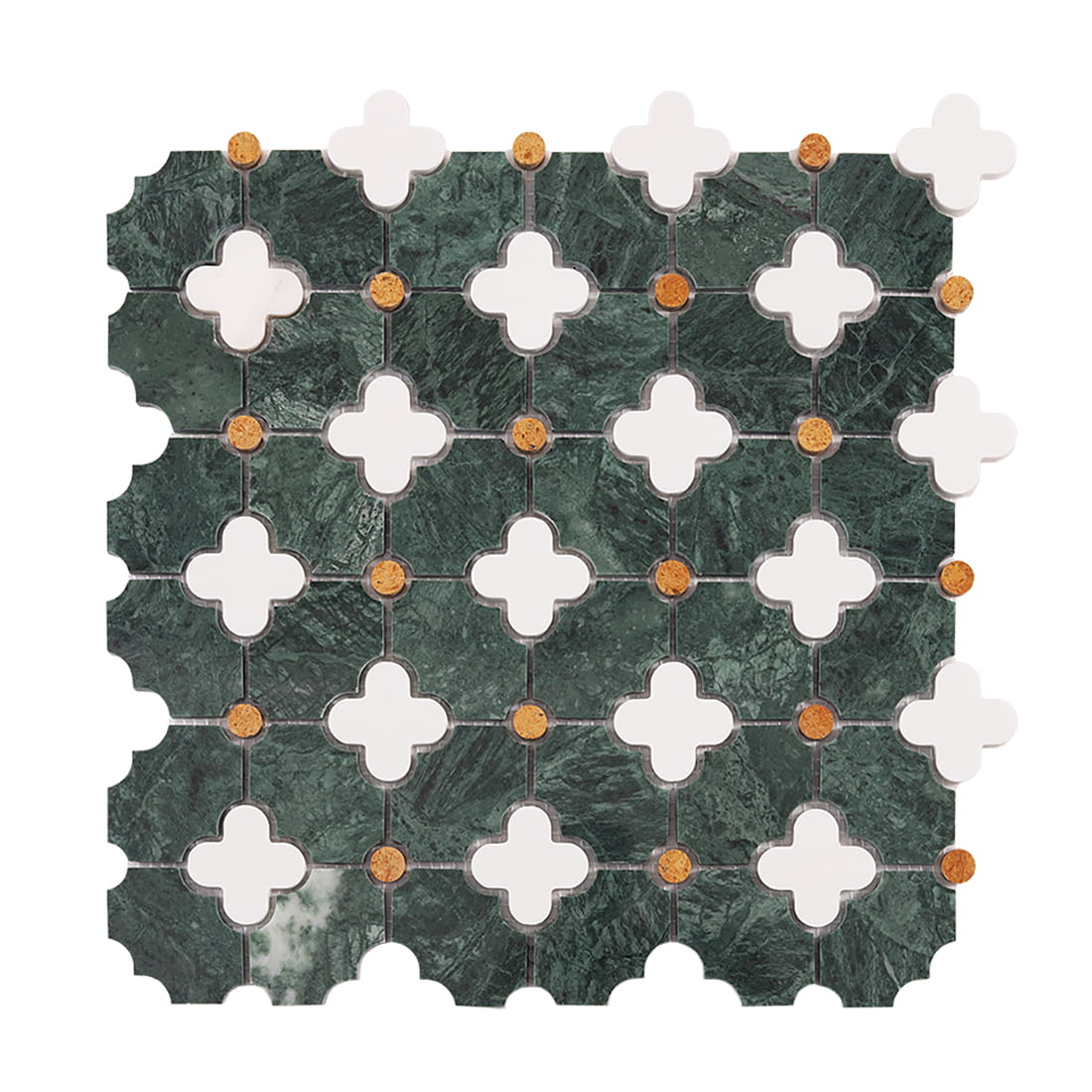
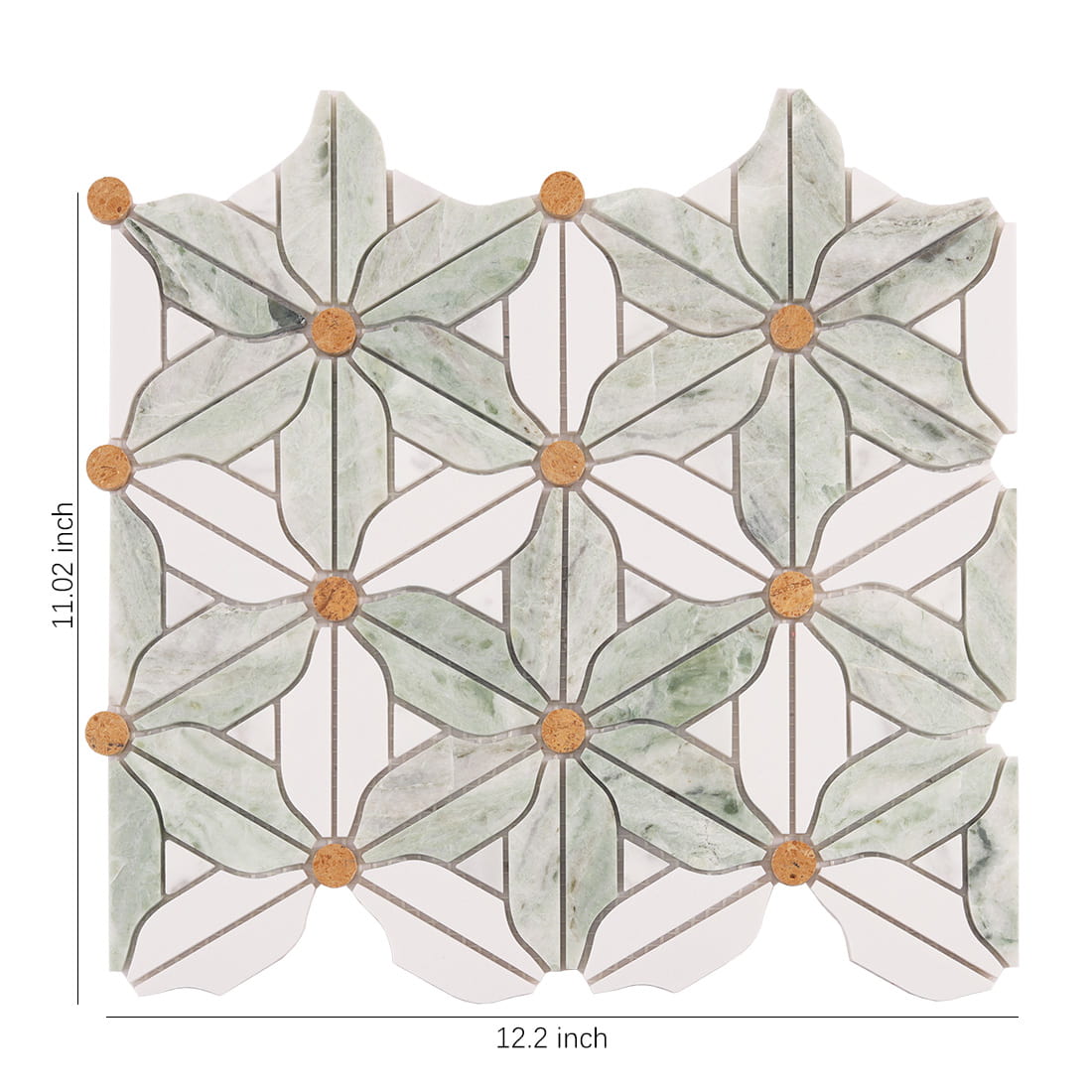
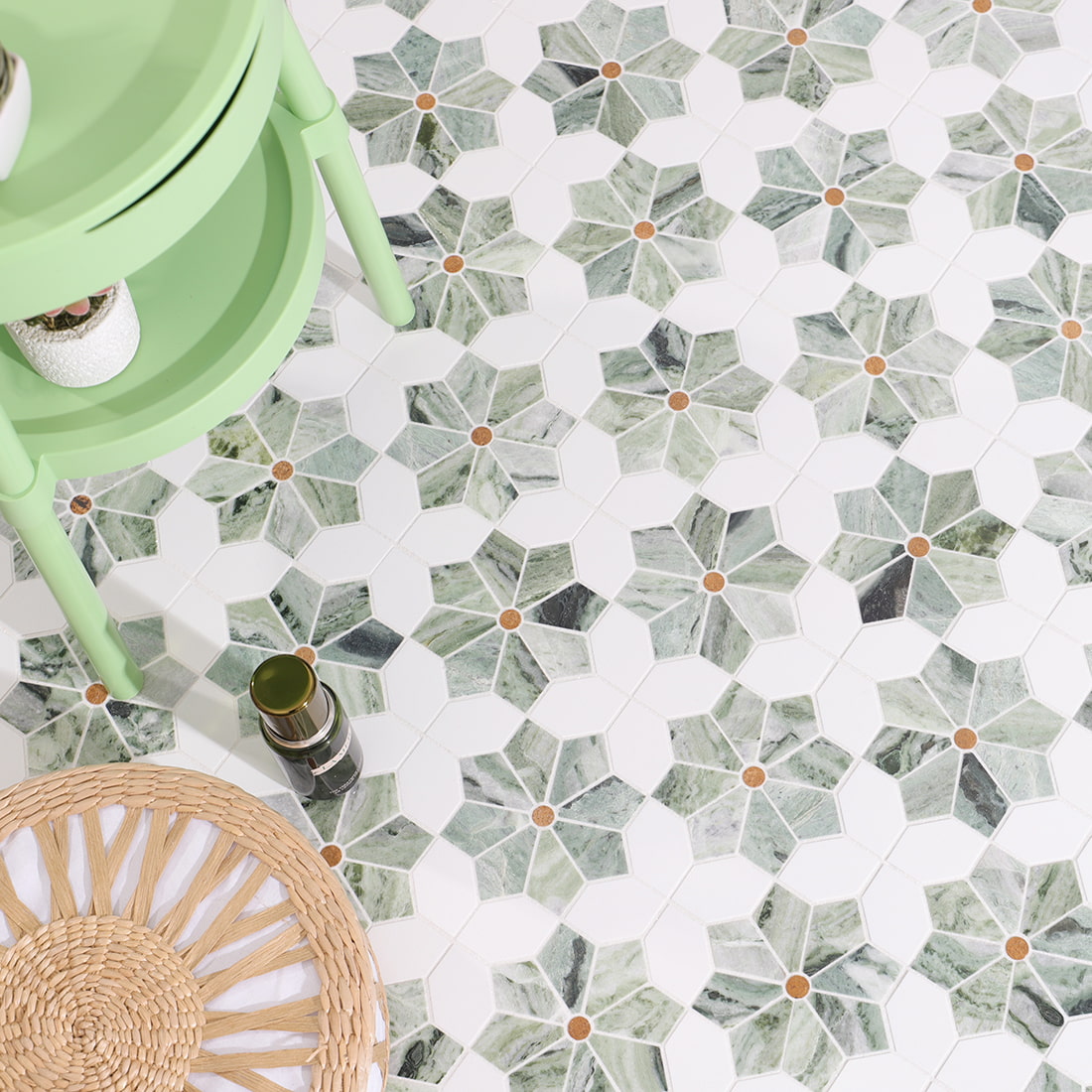
Green and Cream Stars Marble Mosaic Tile$9.85 USD
-
-
-
-
-
-
-
-
-
-
-
-
-
-
-
-
-
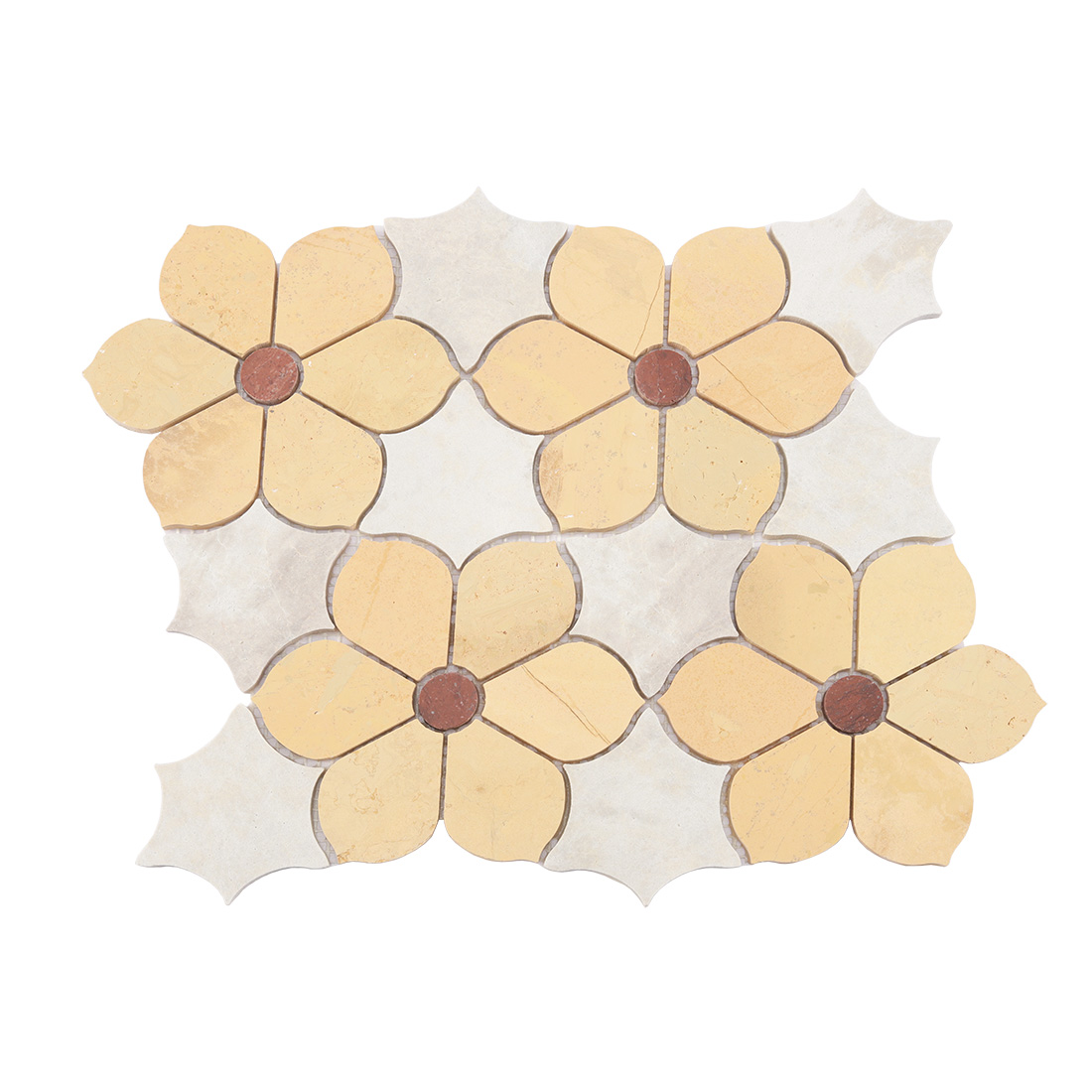
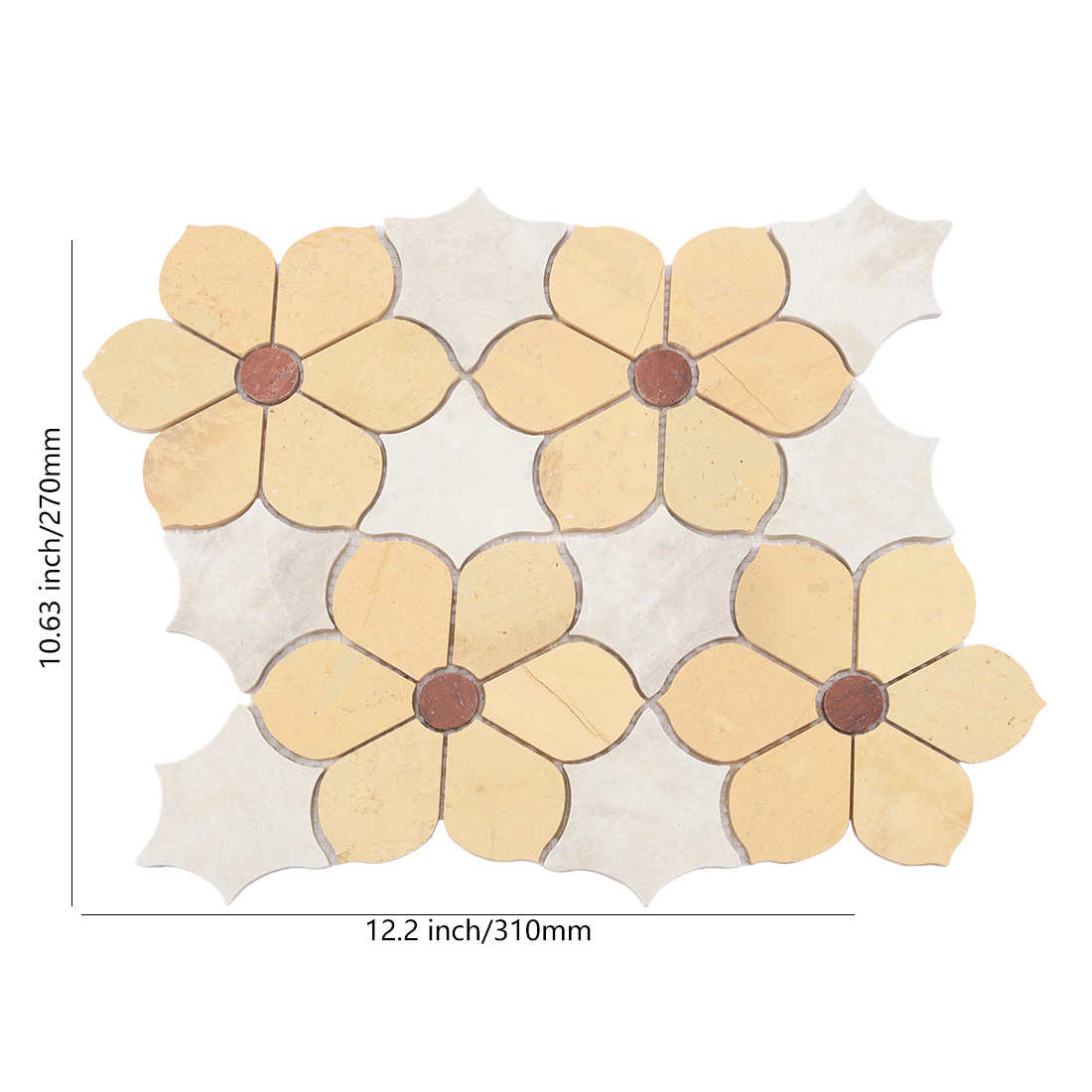
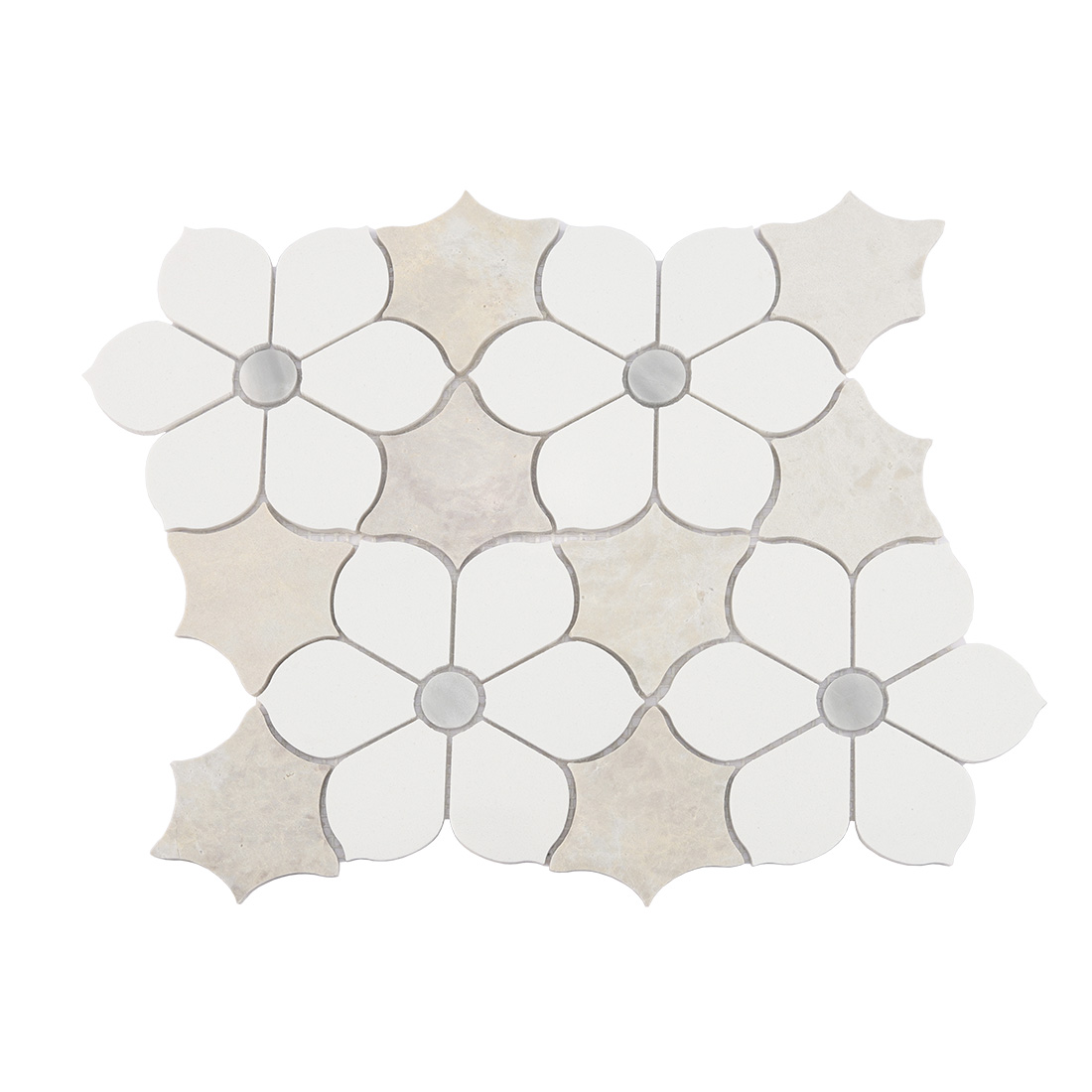

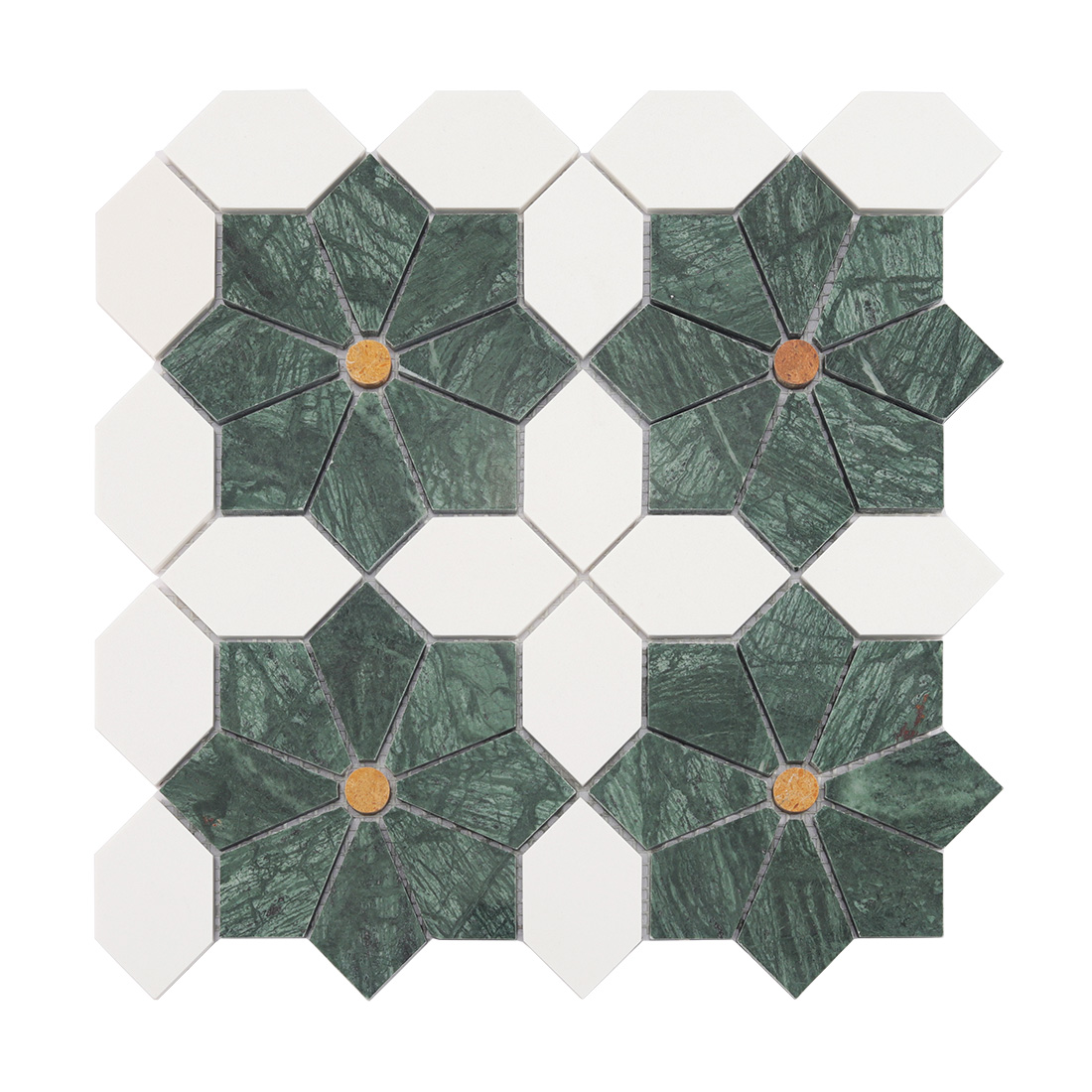



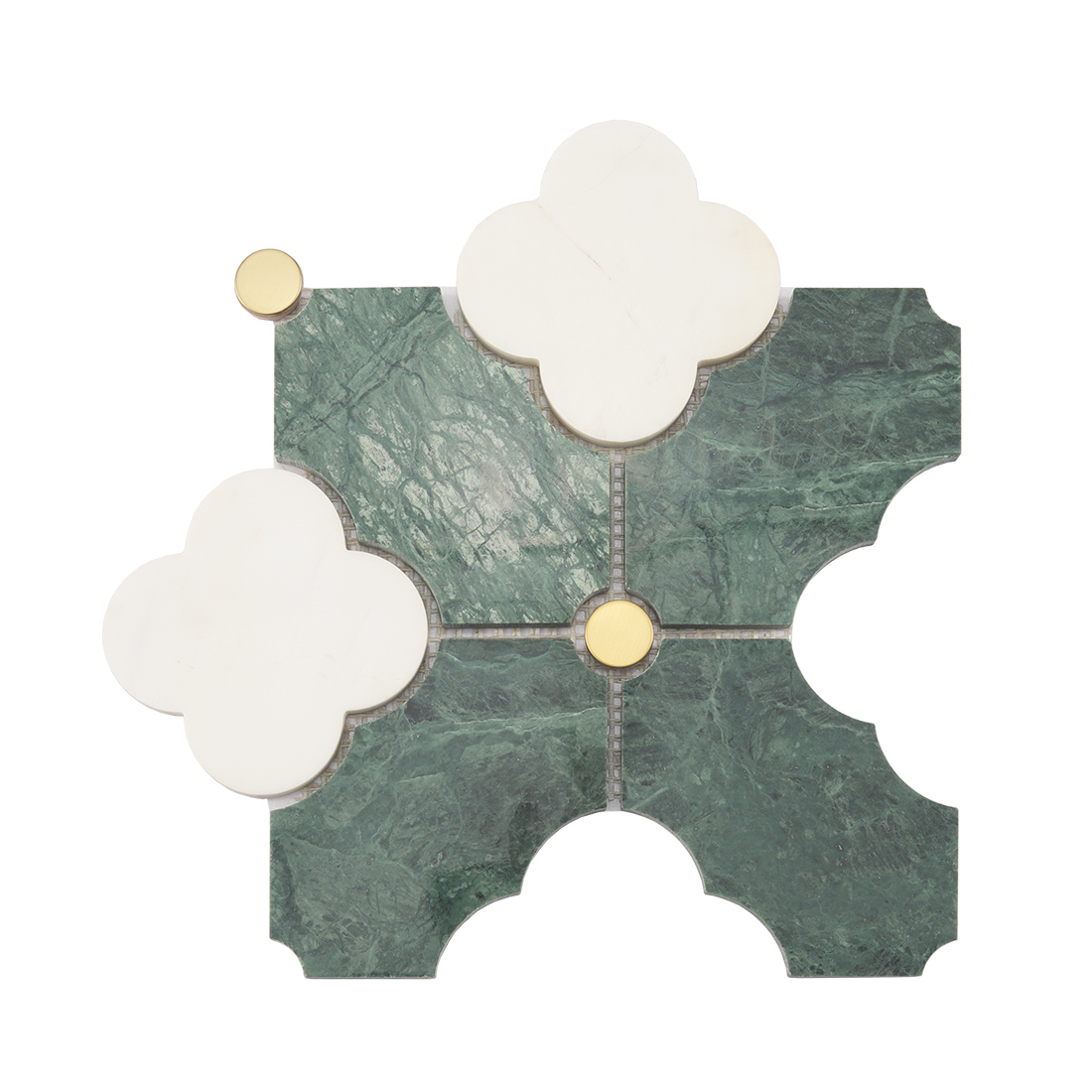

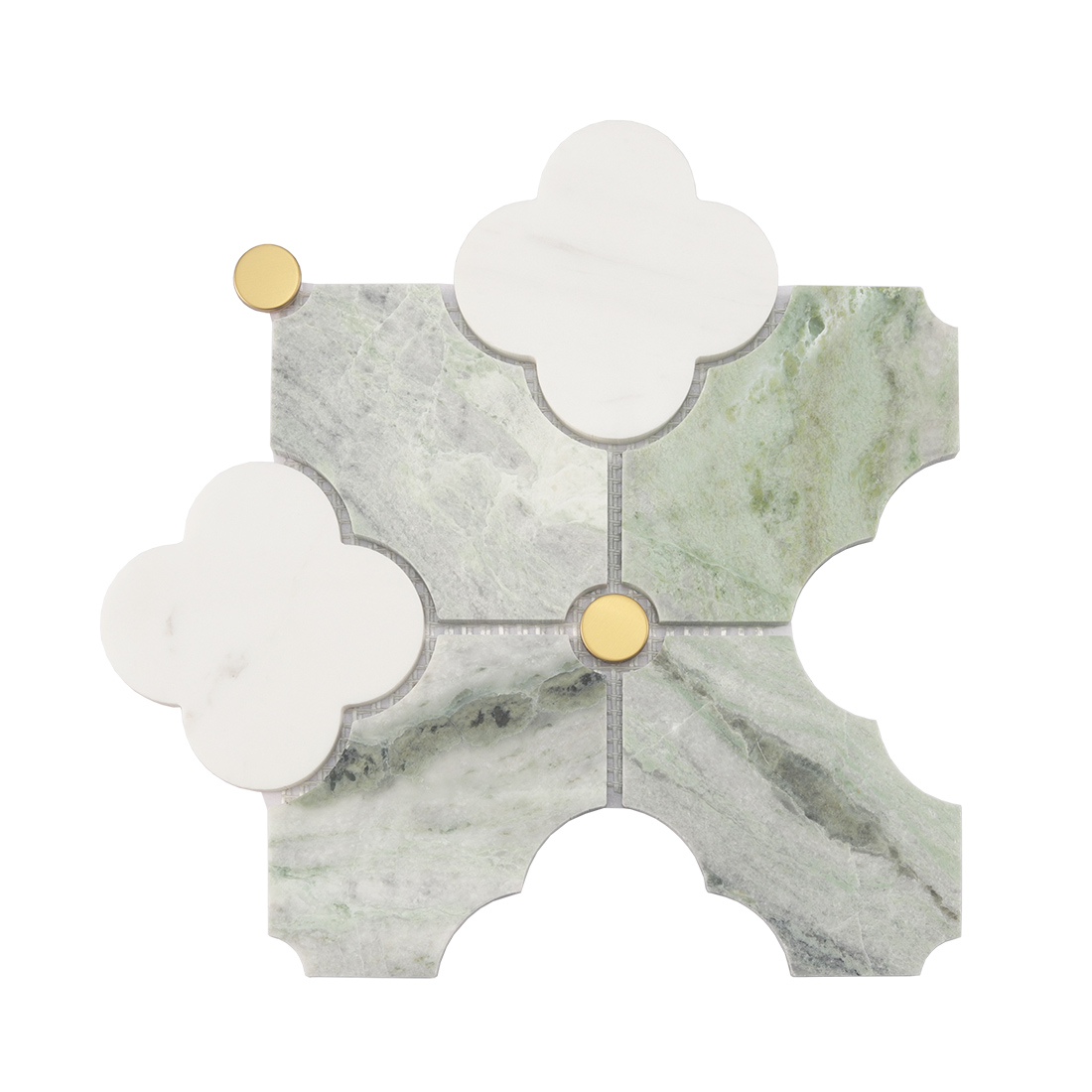
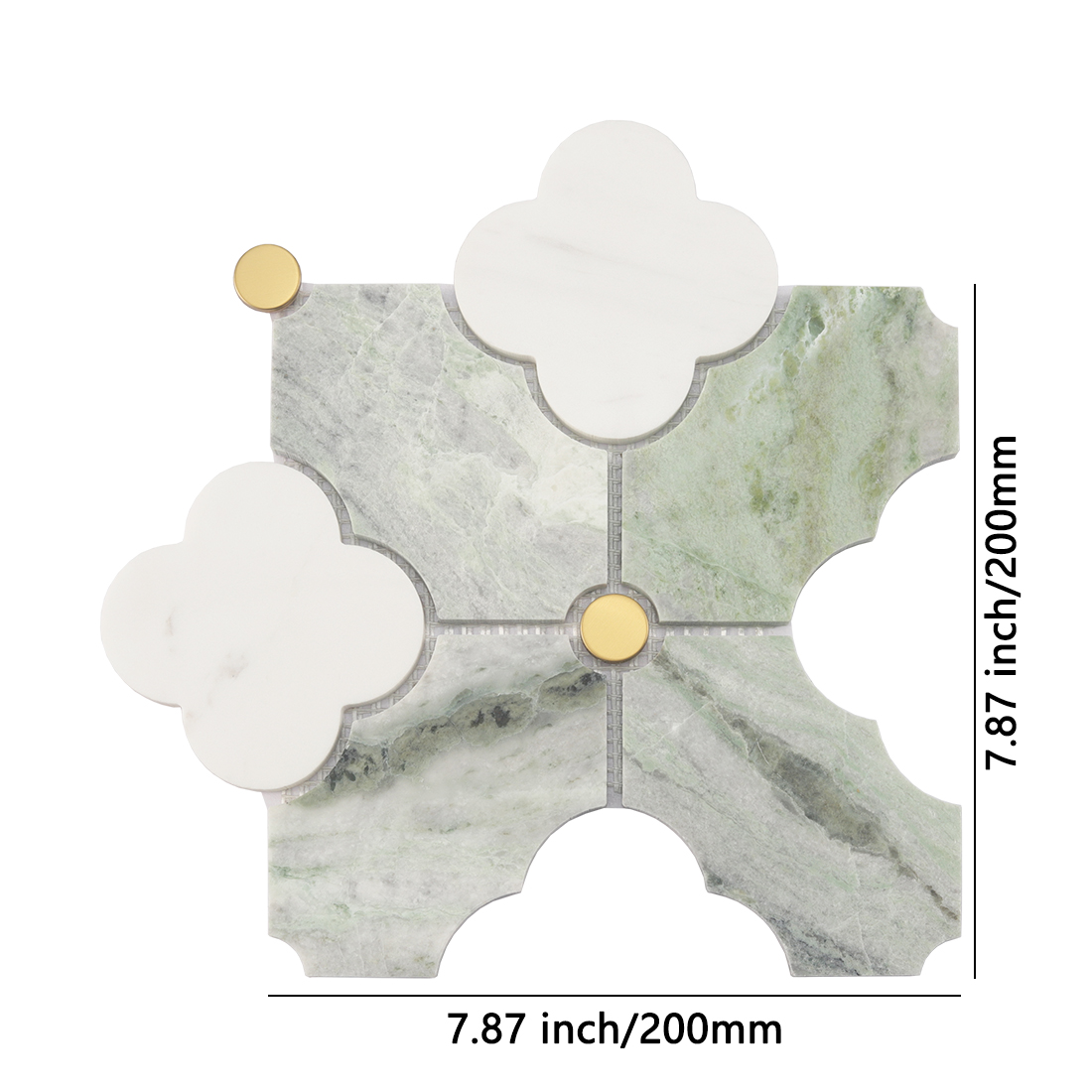
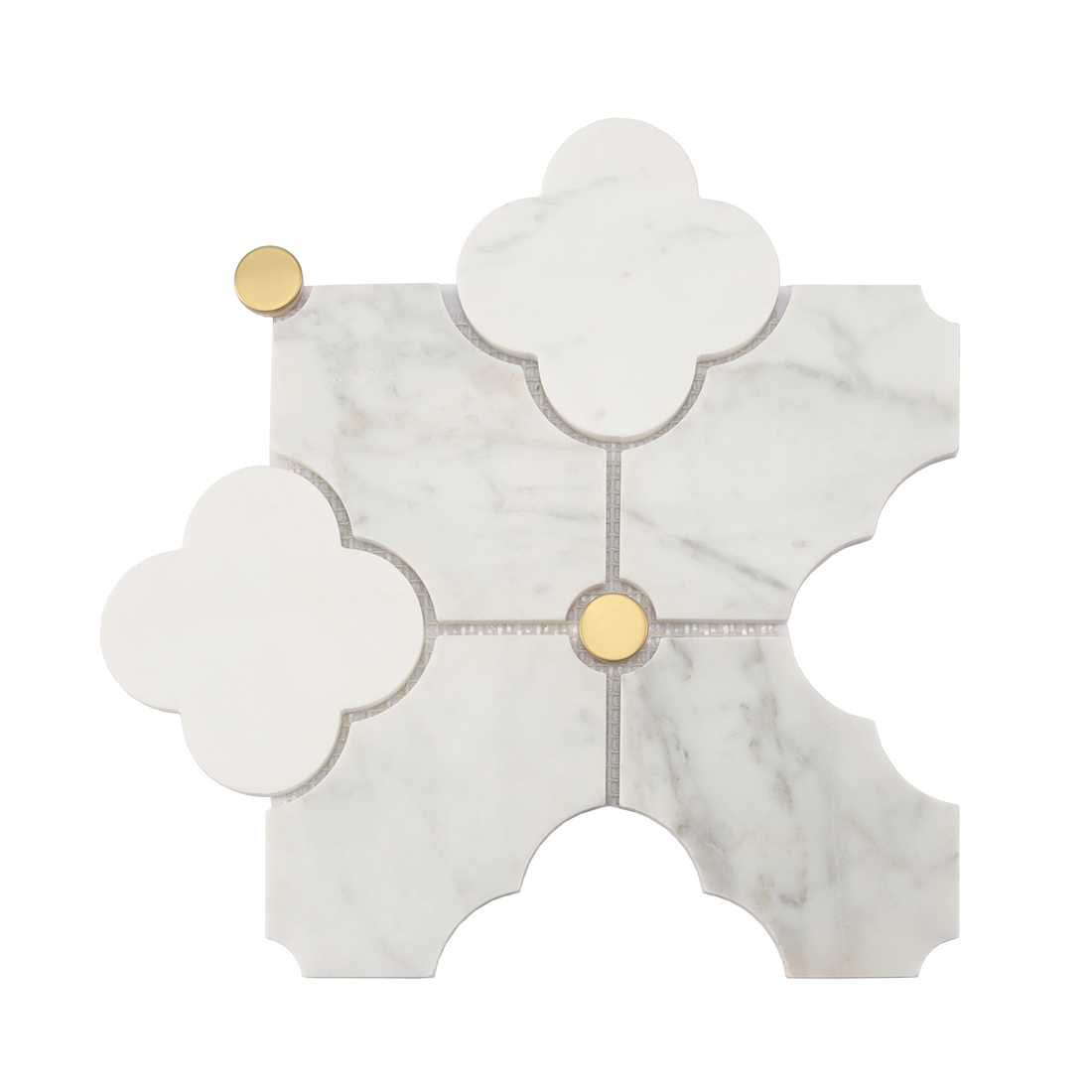
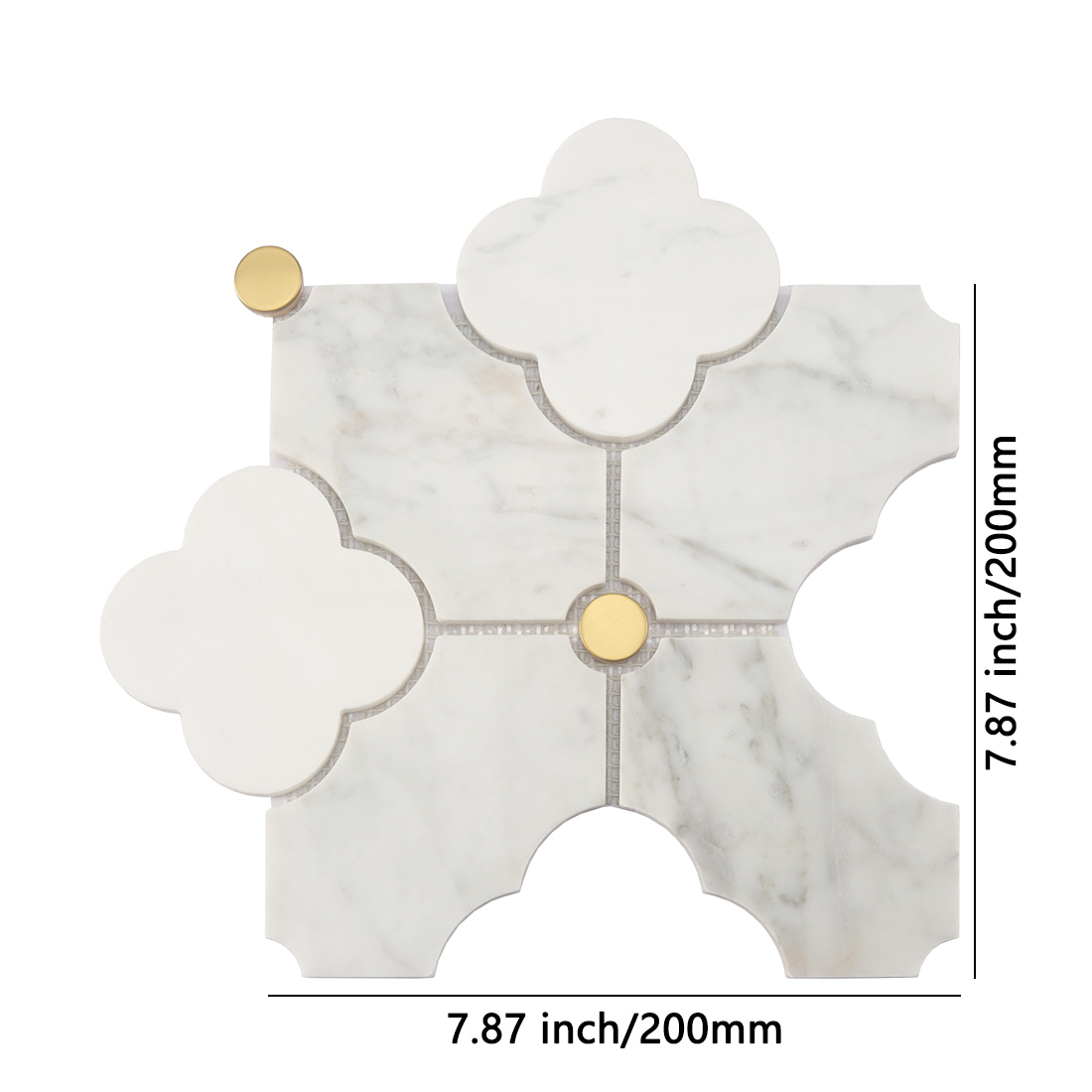
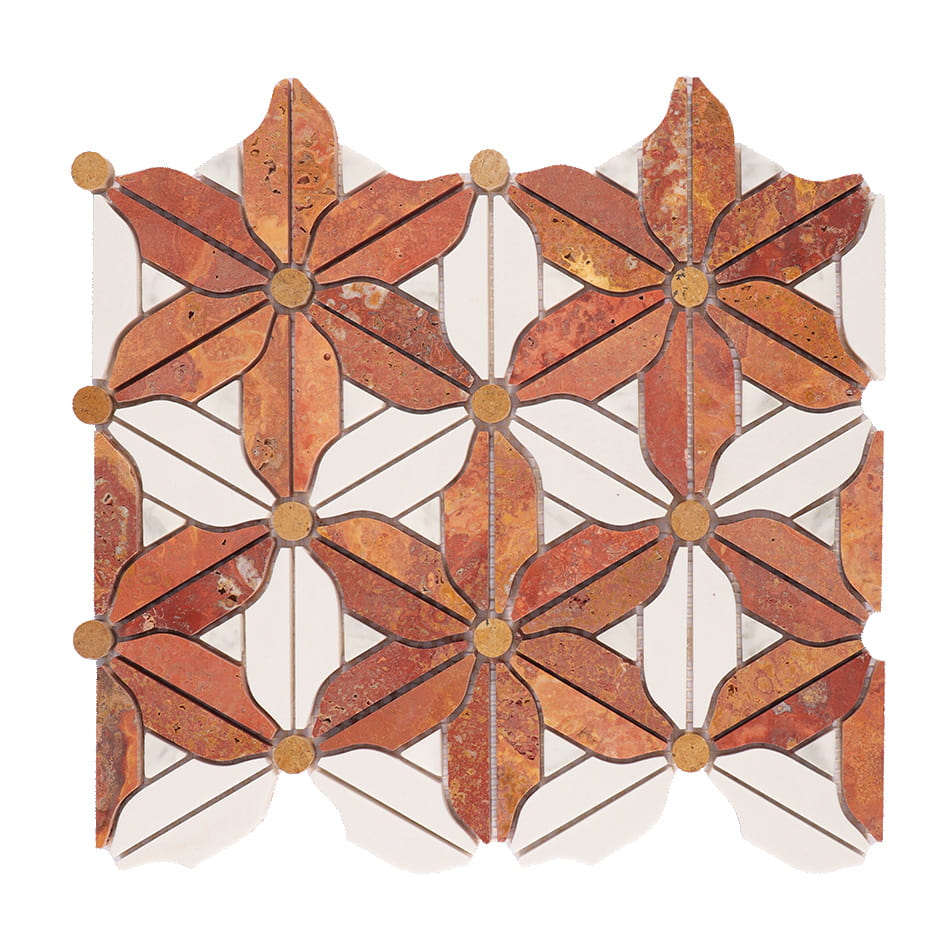
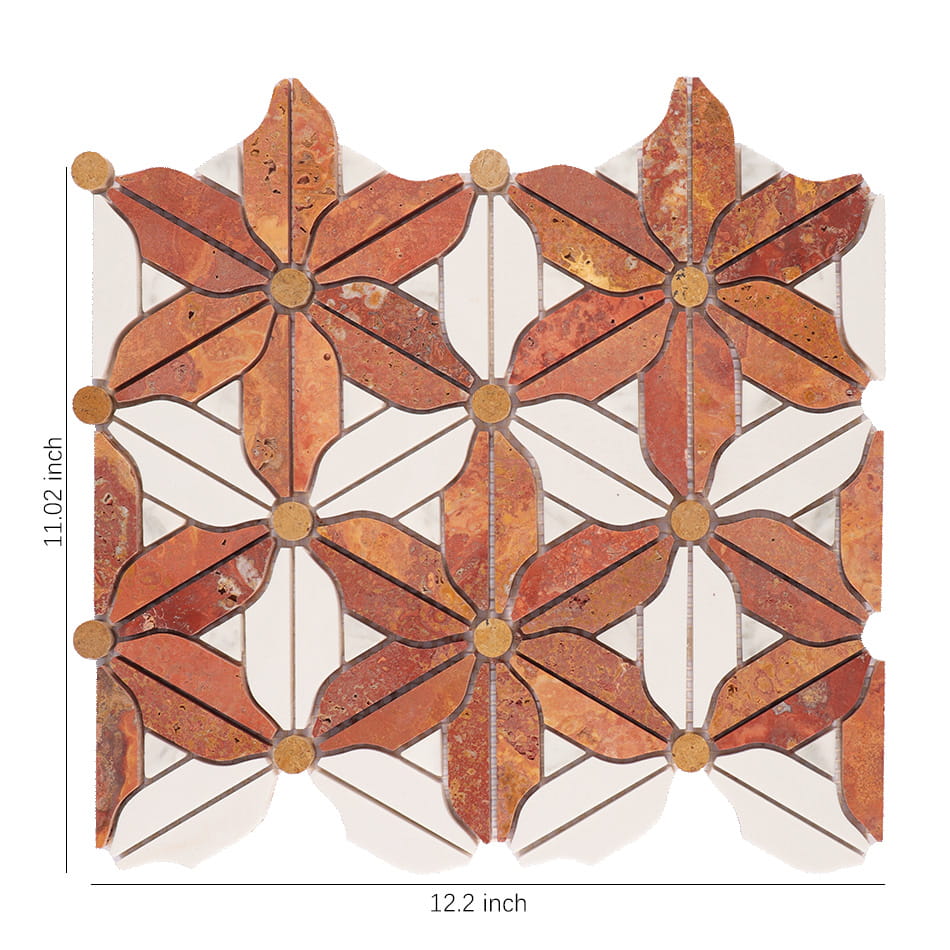
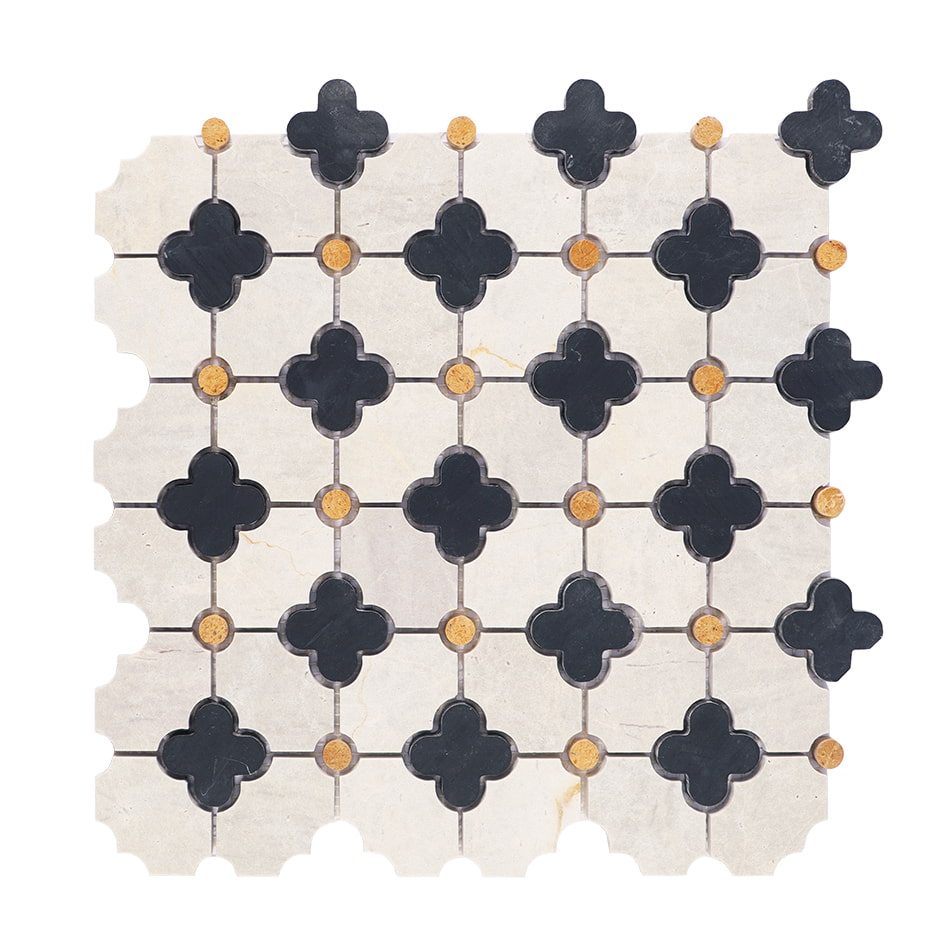
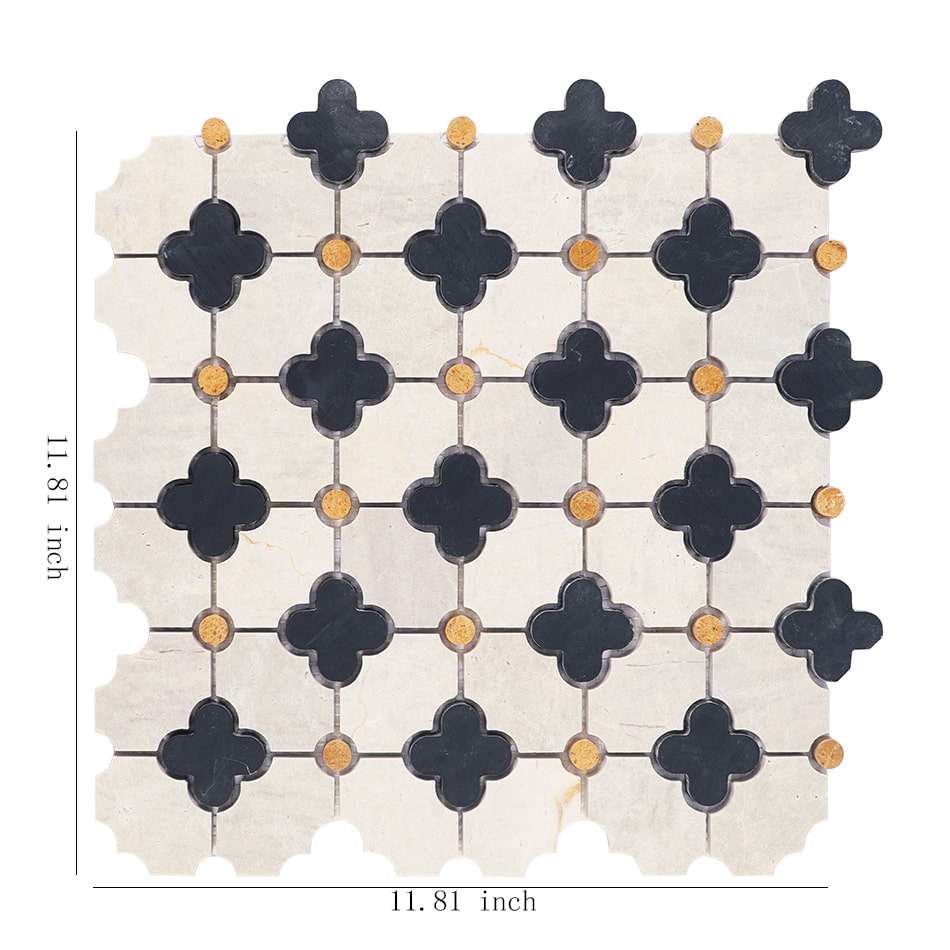
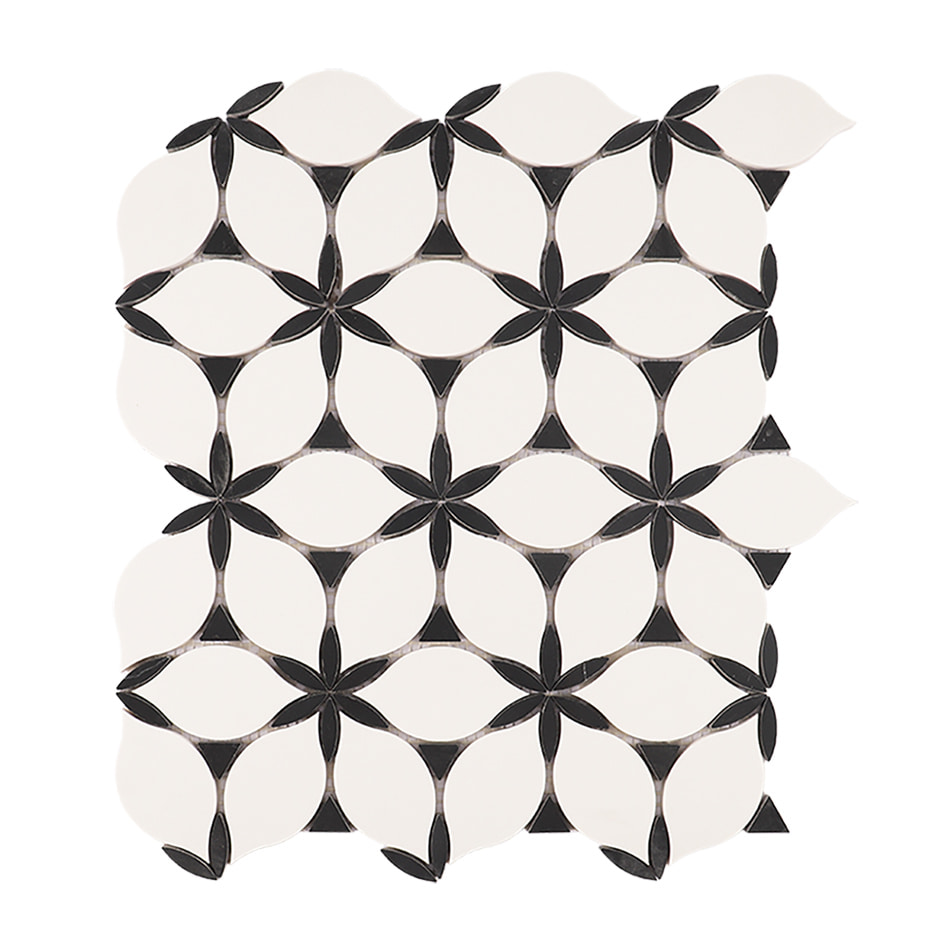
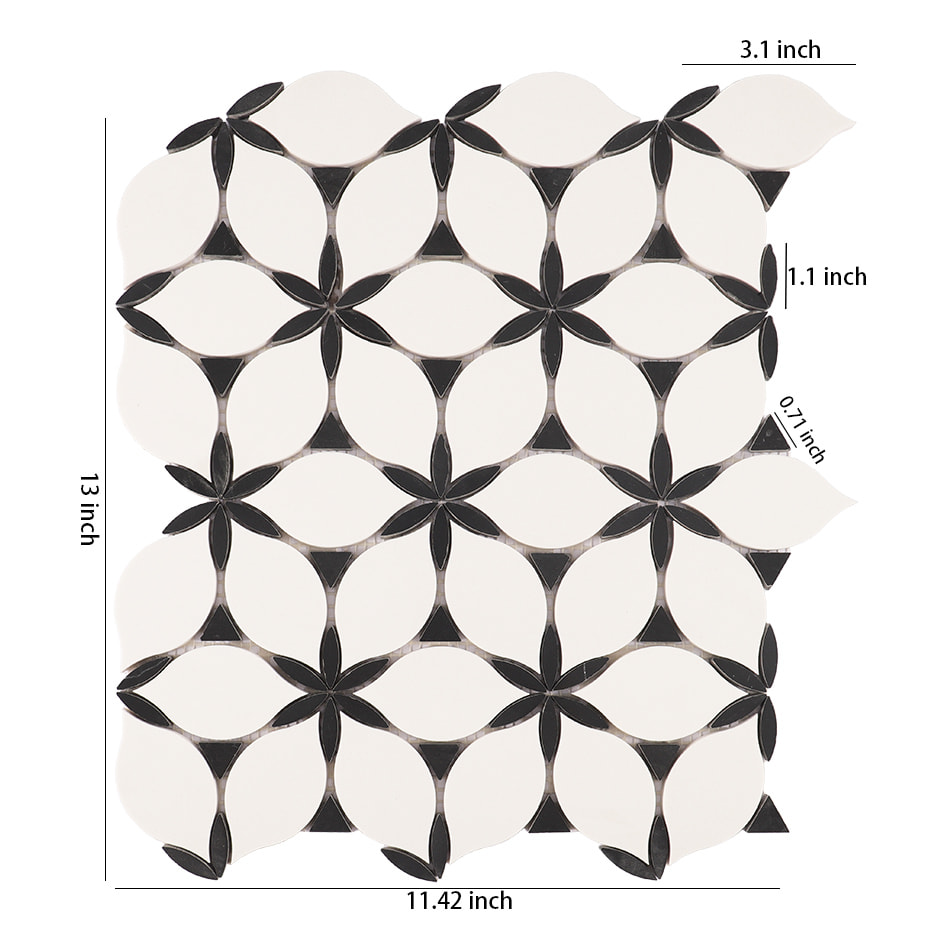
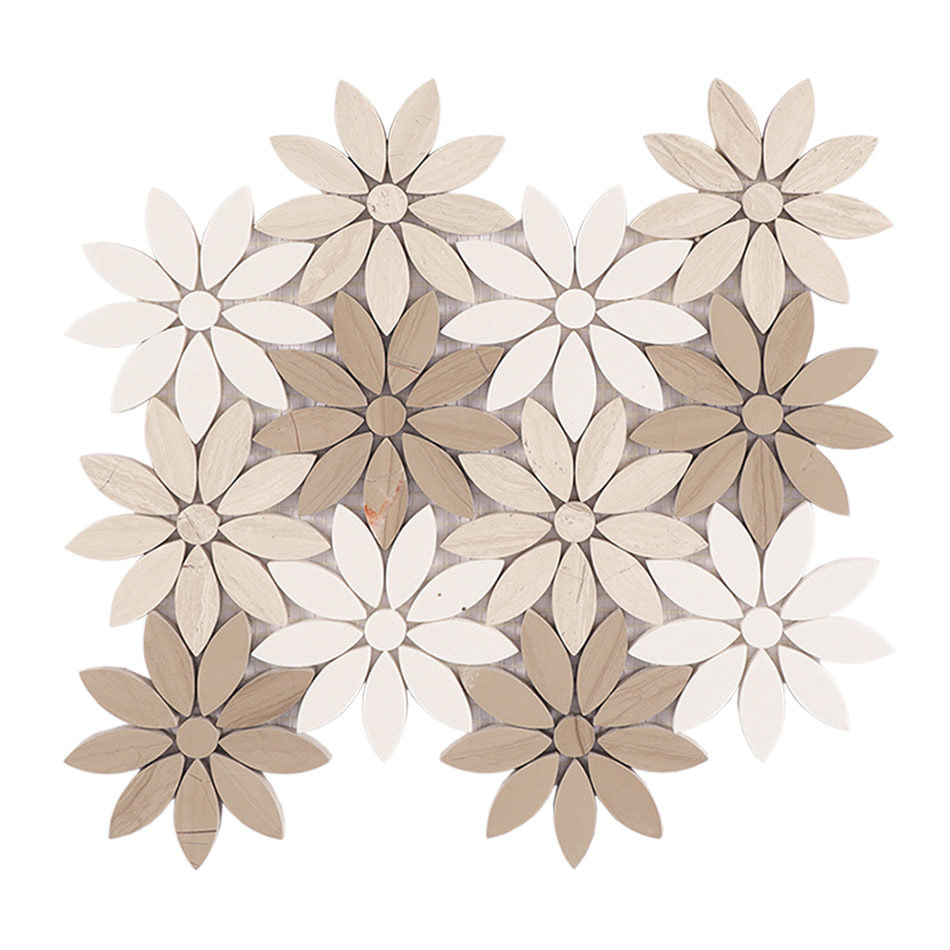
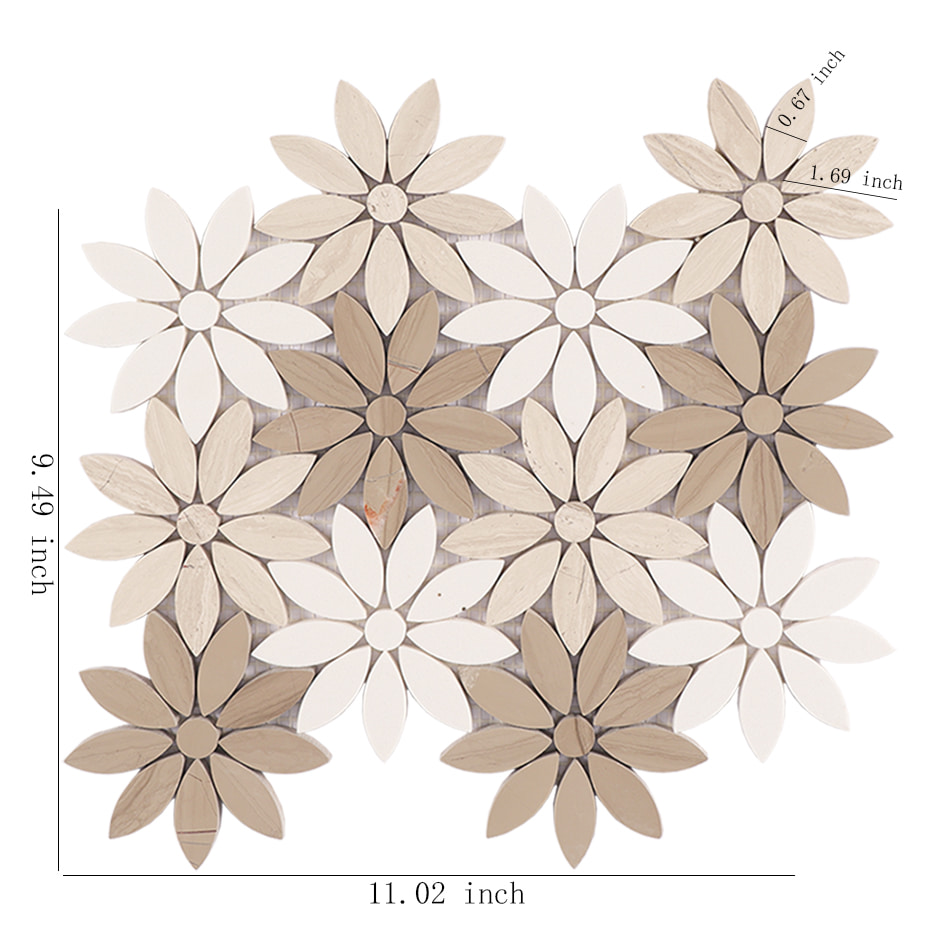

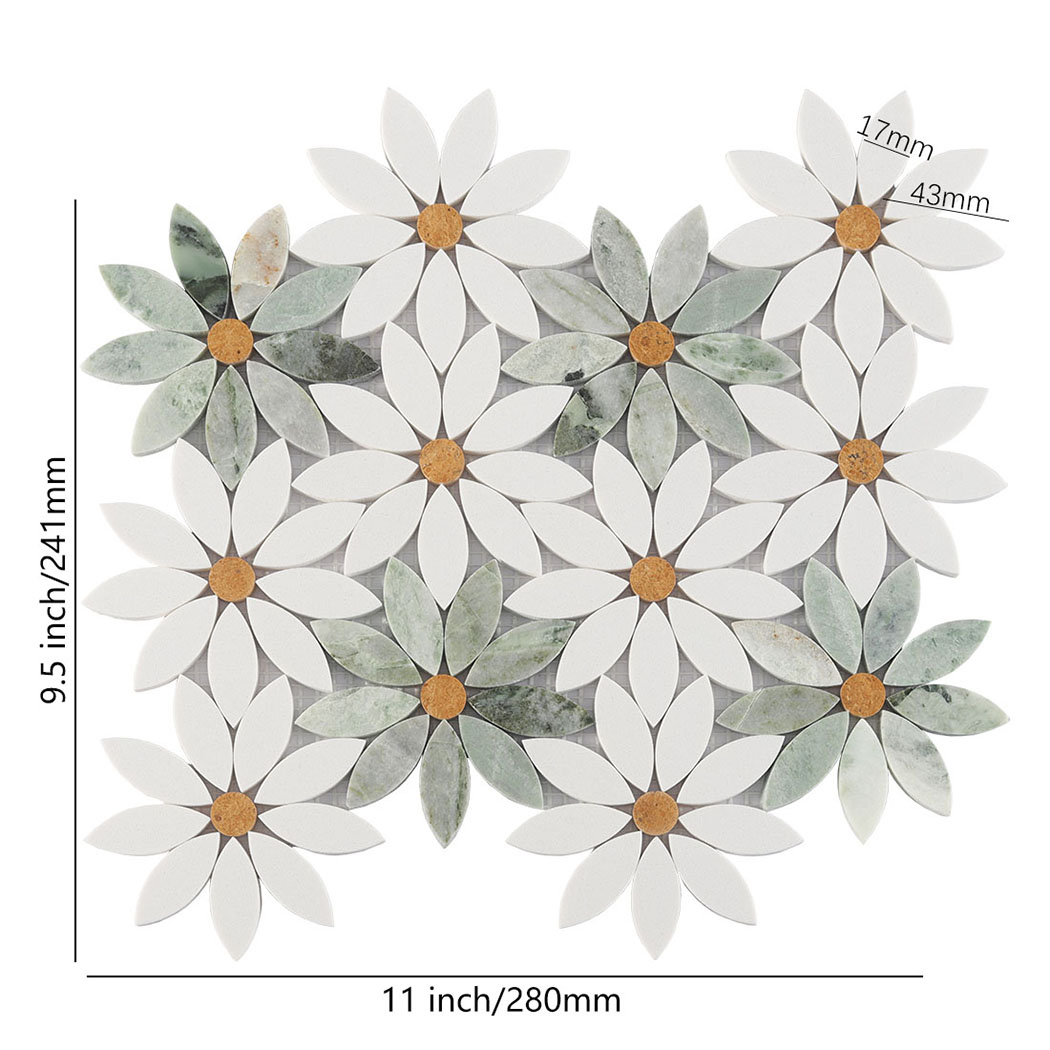
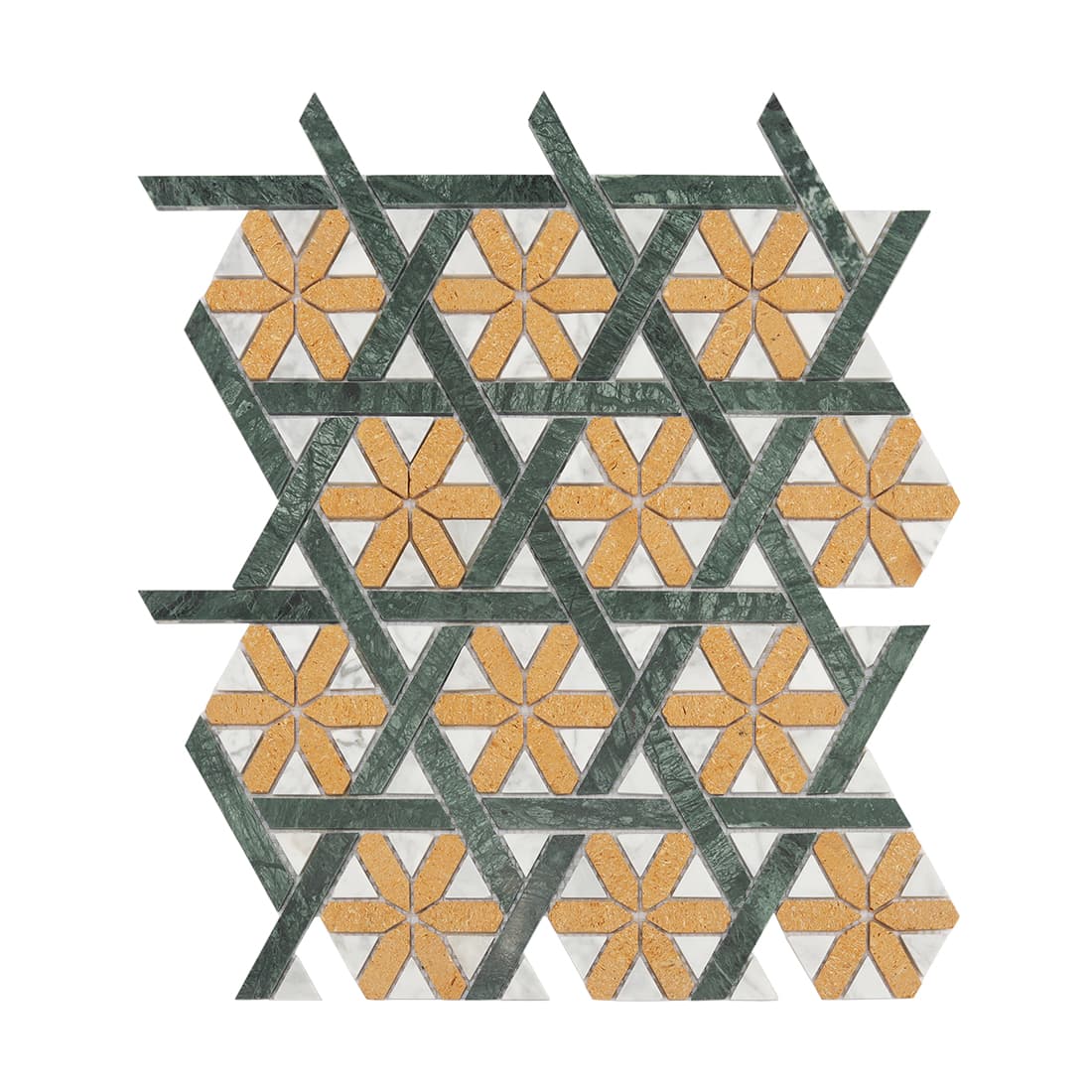
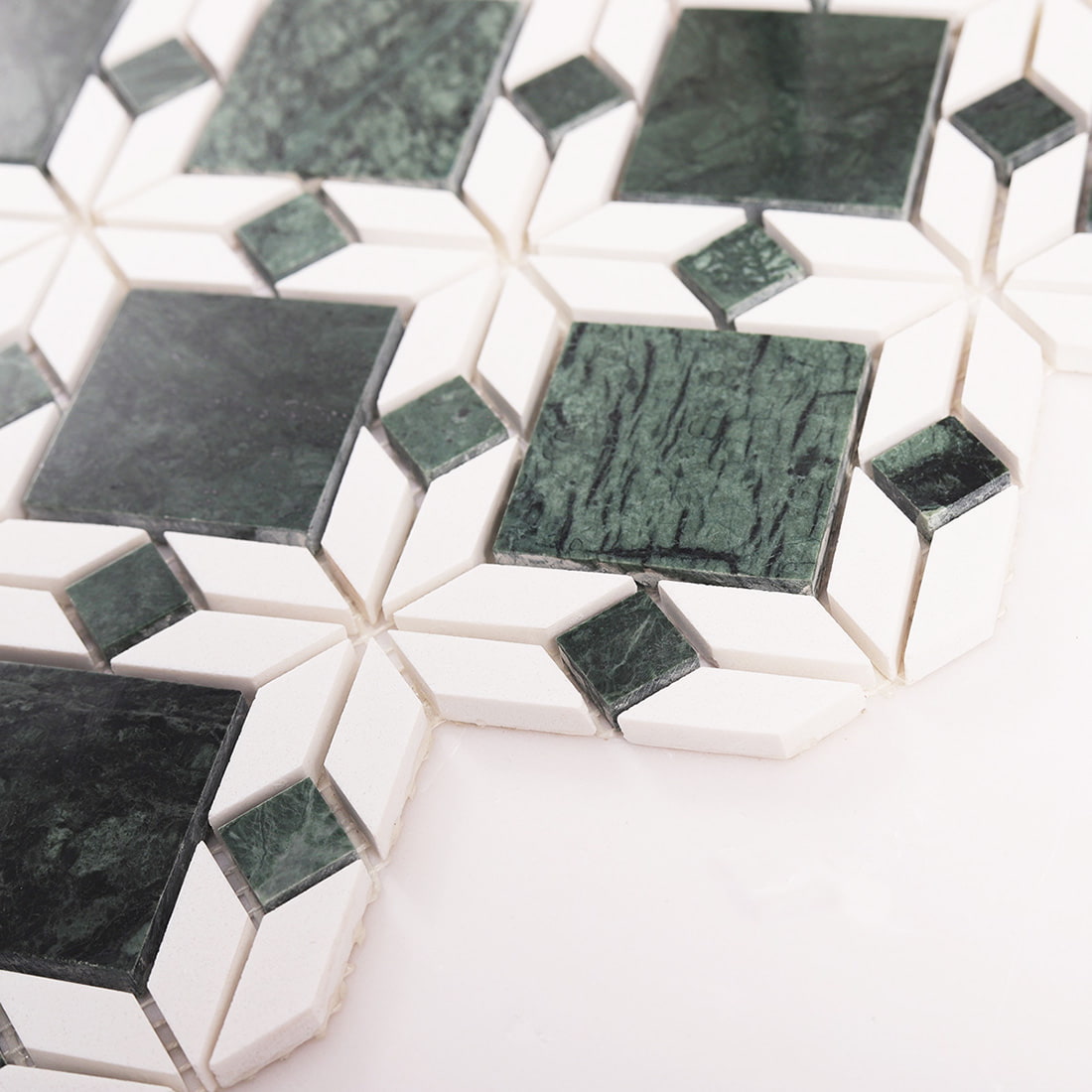
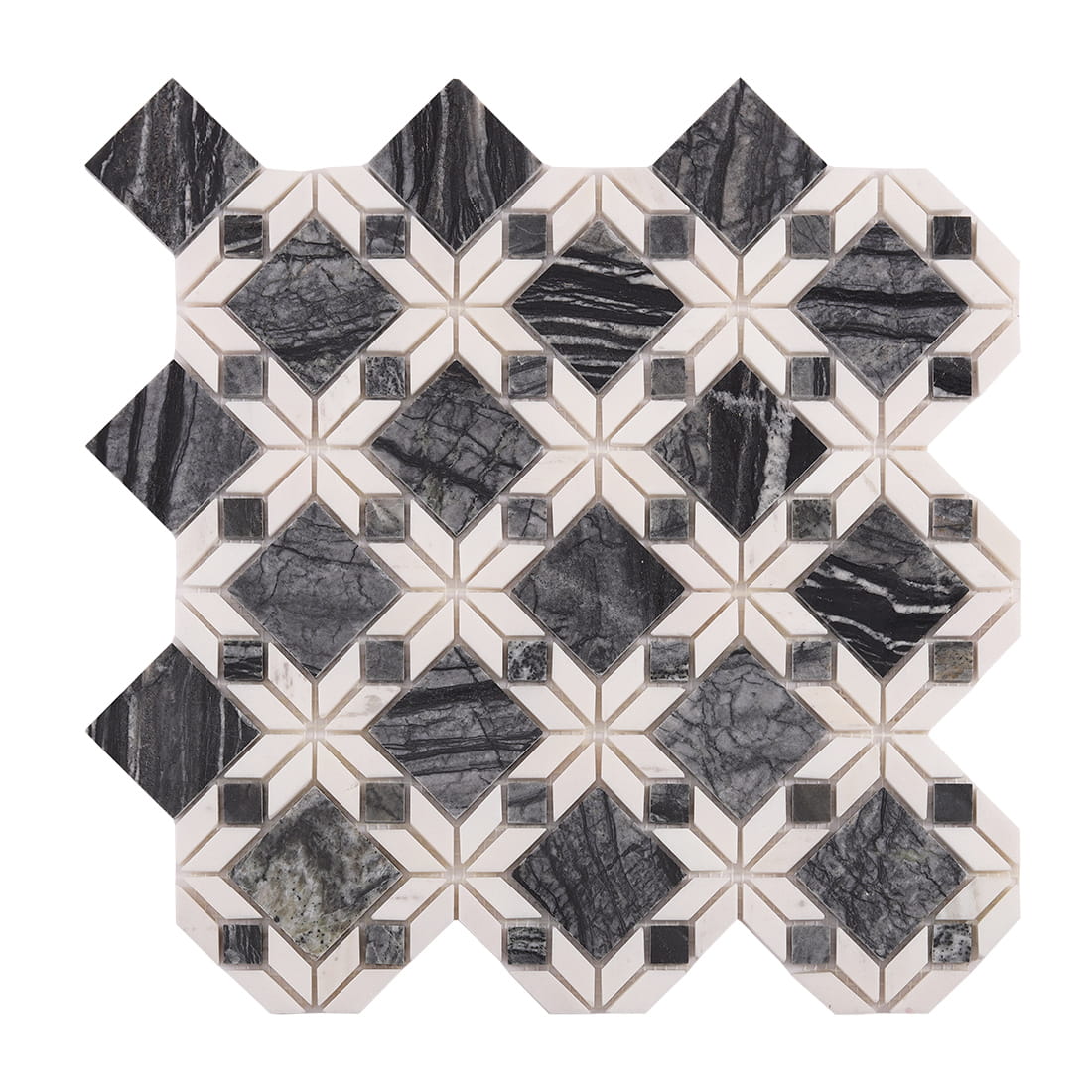
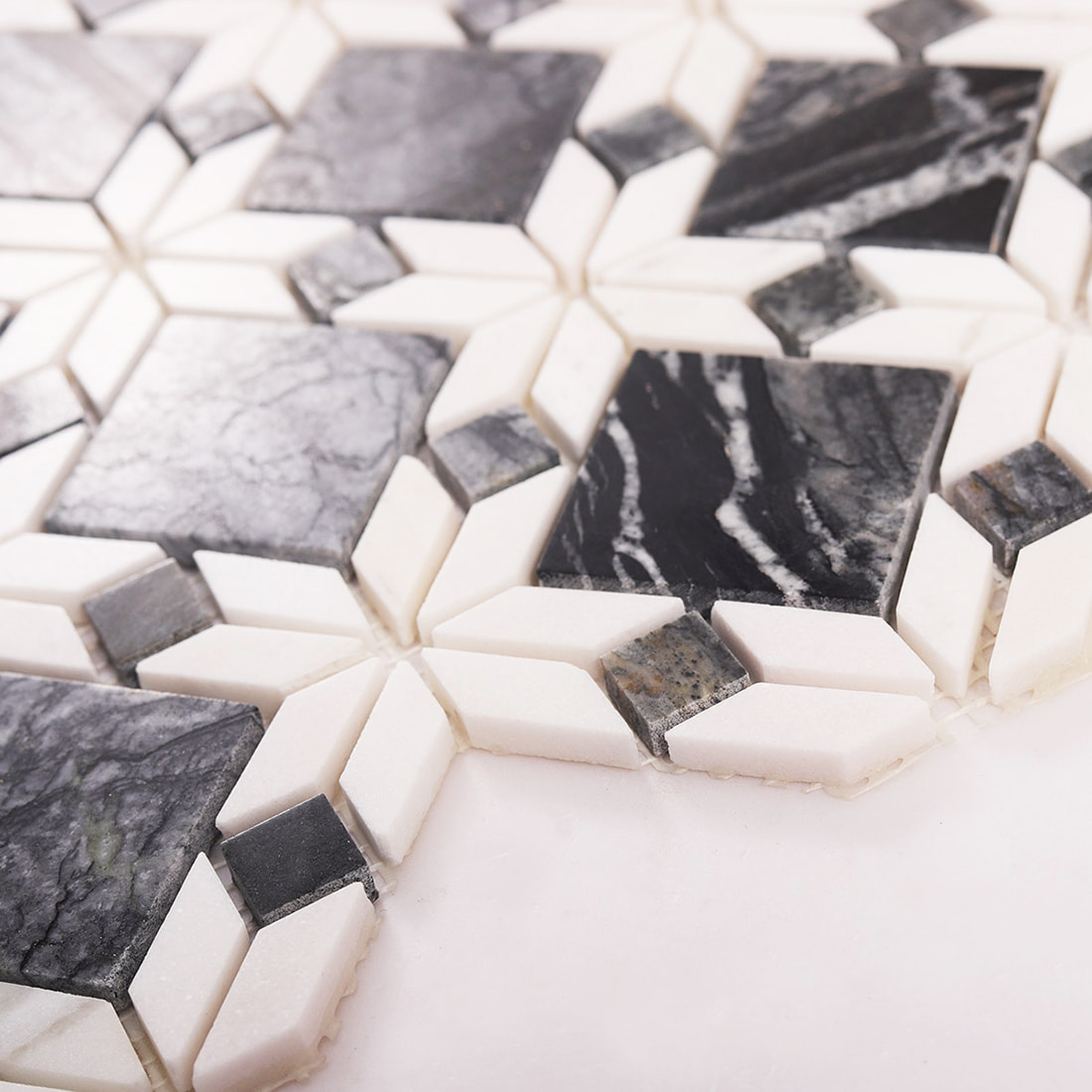
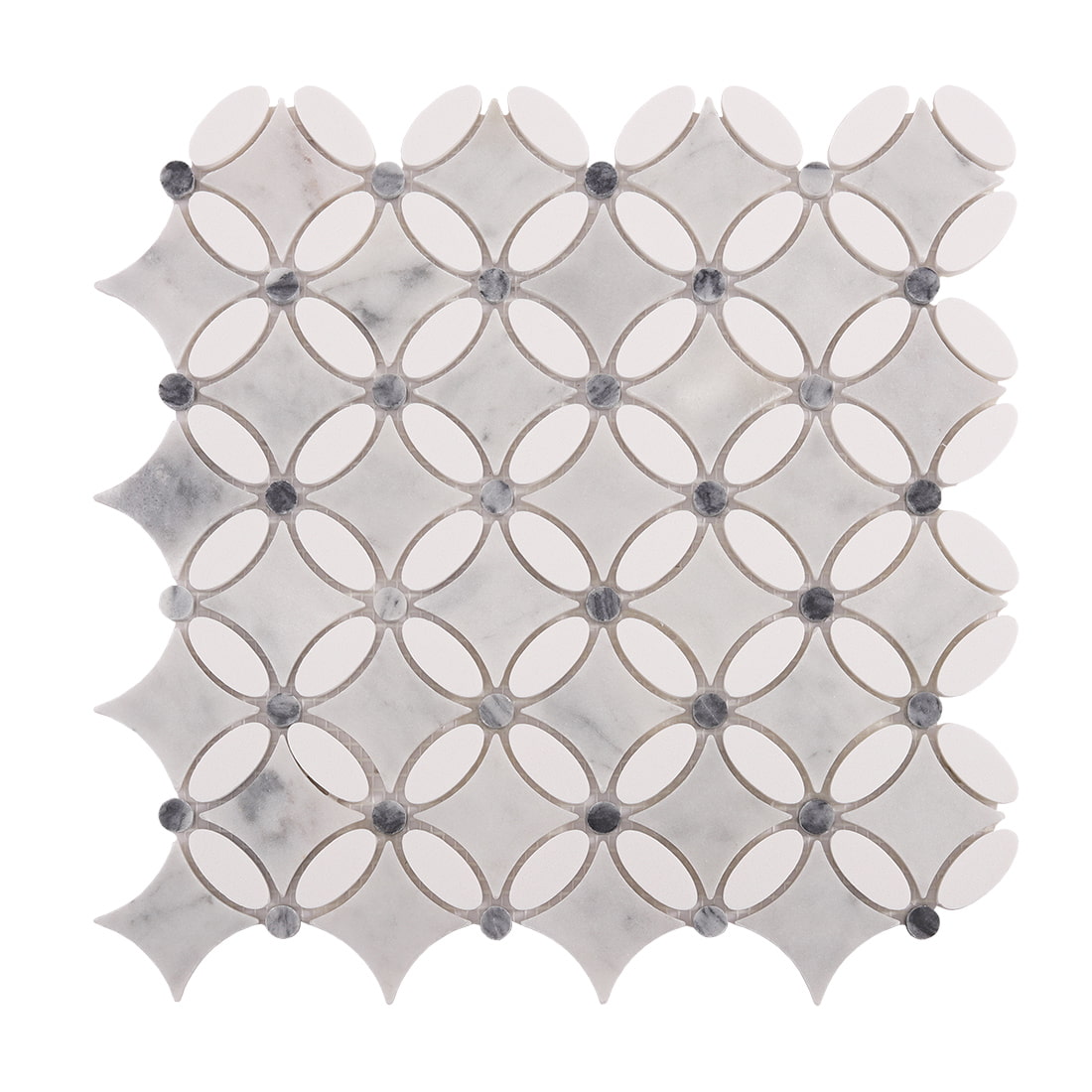


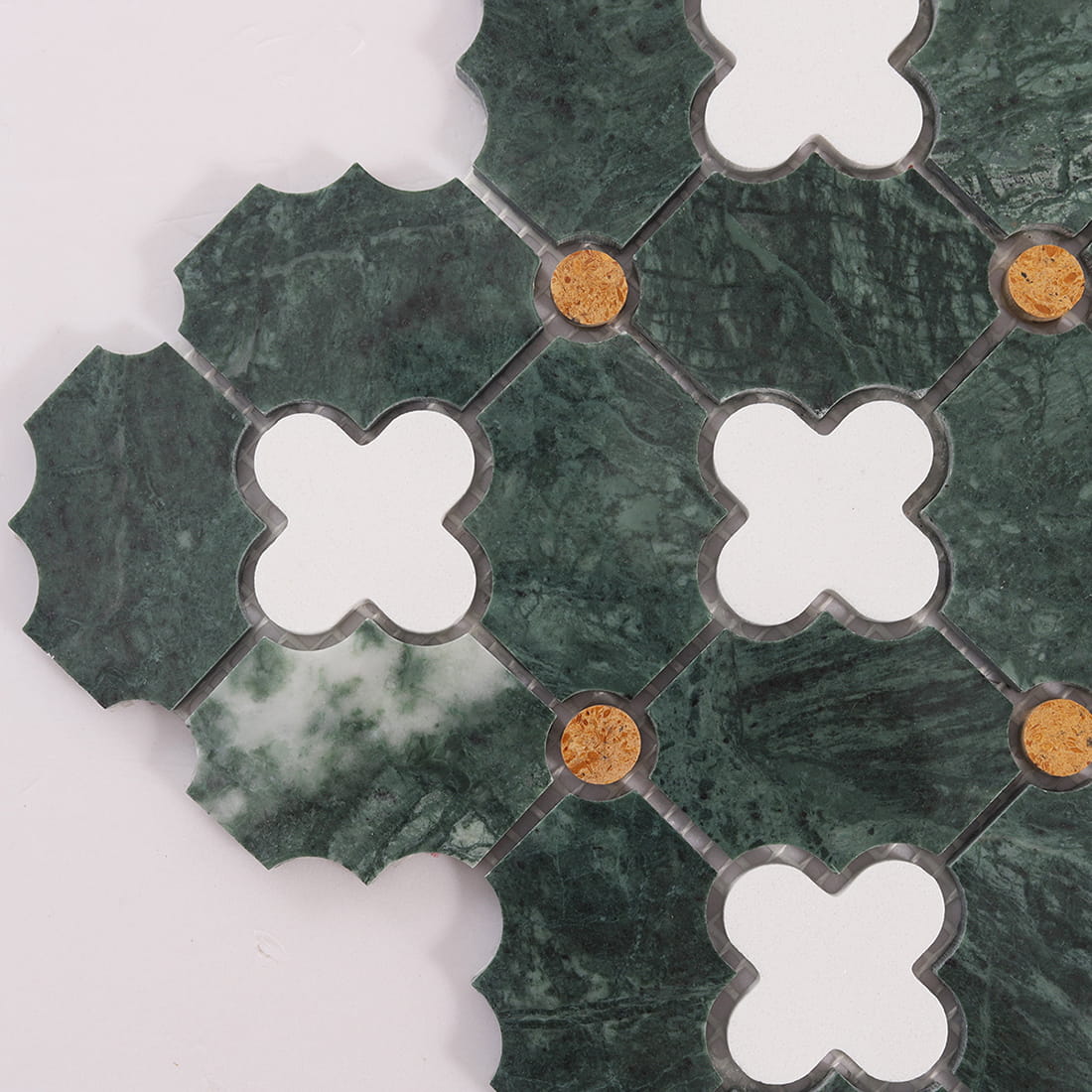
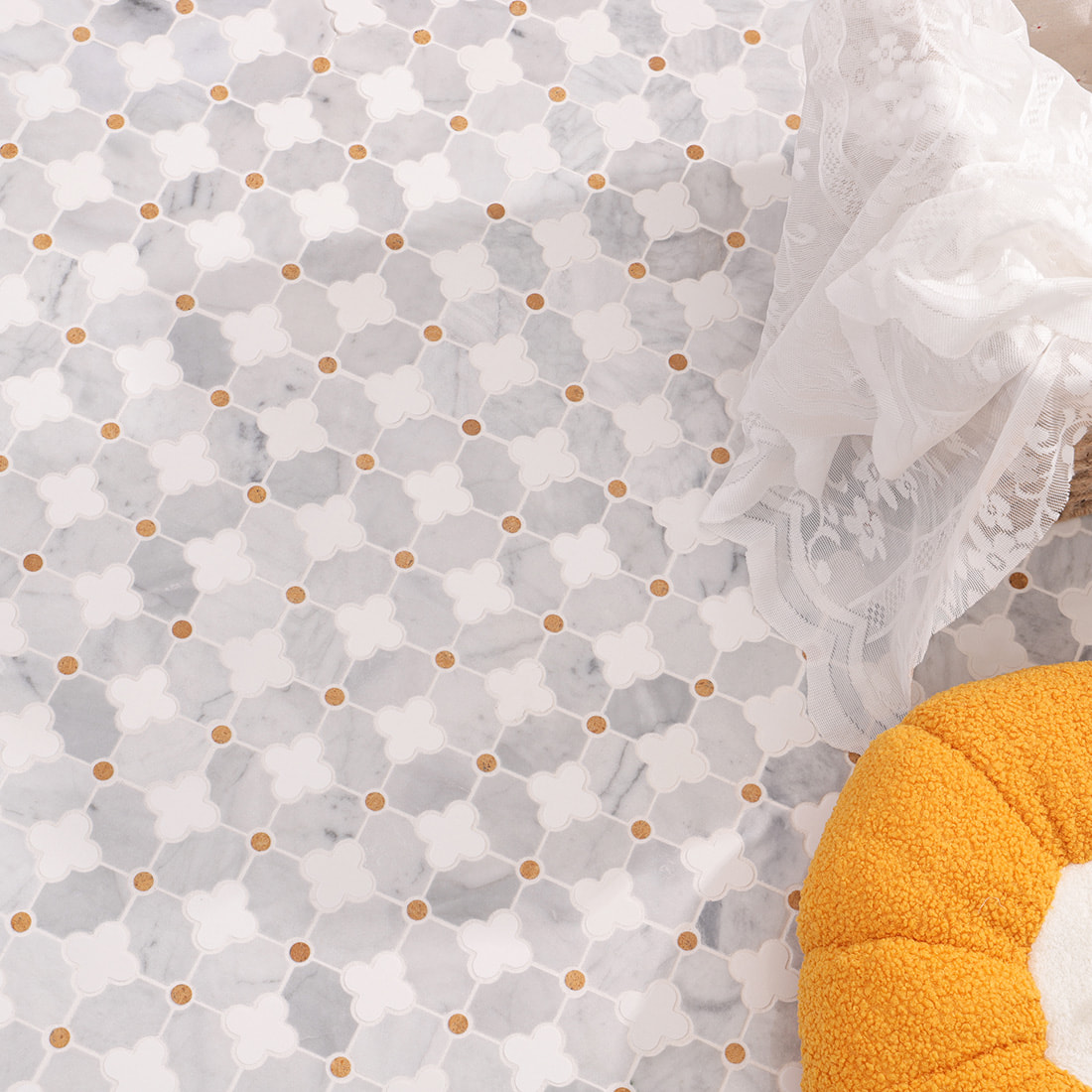
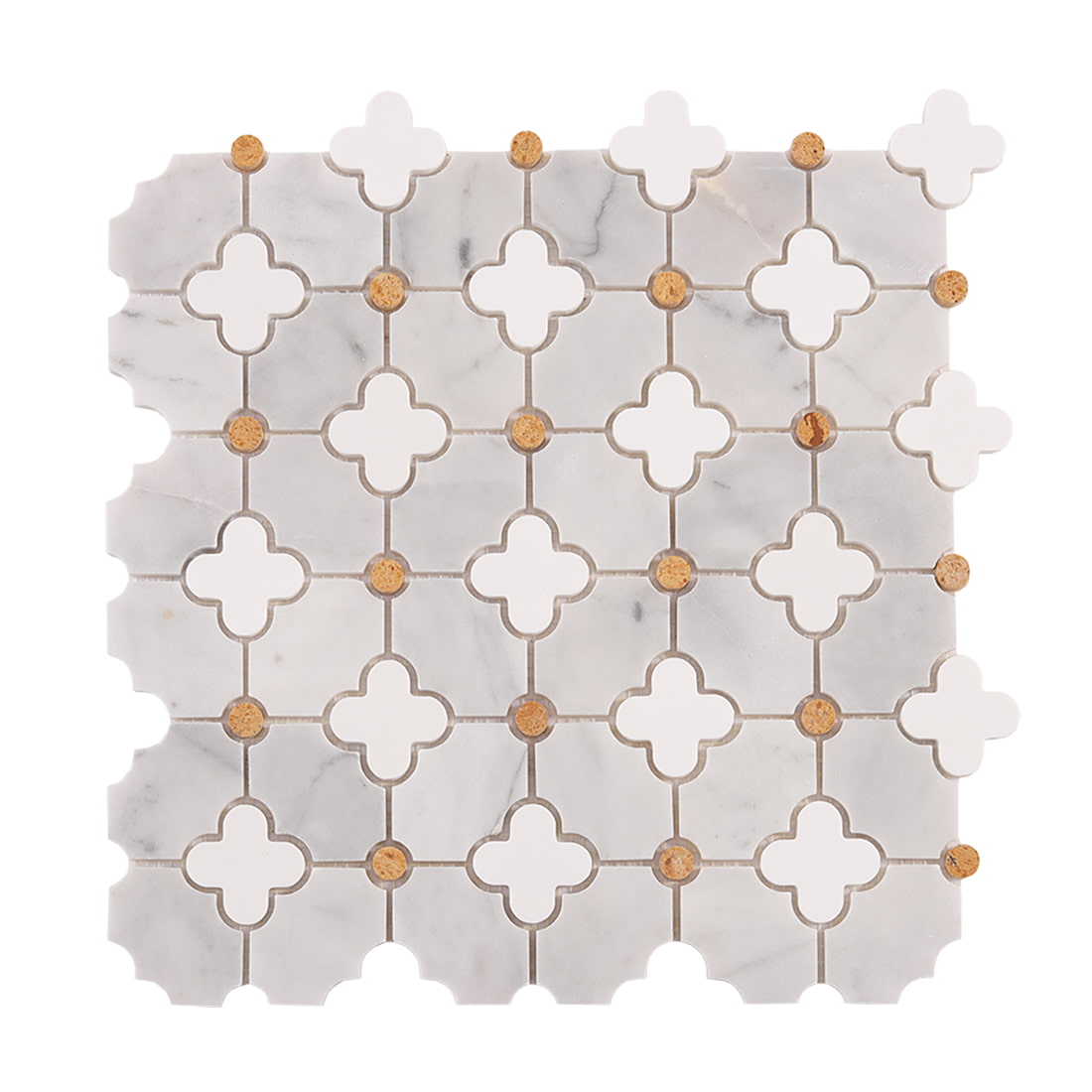
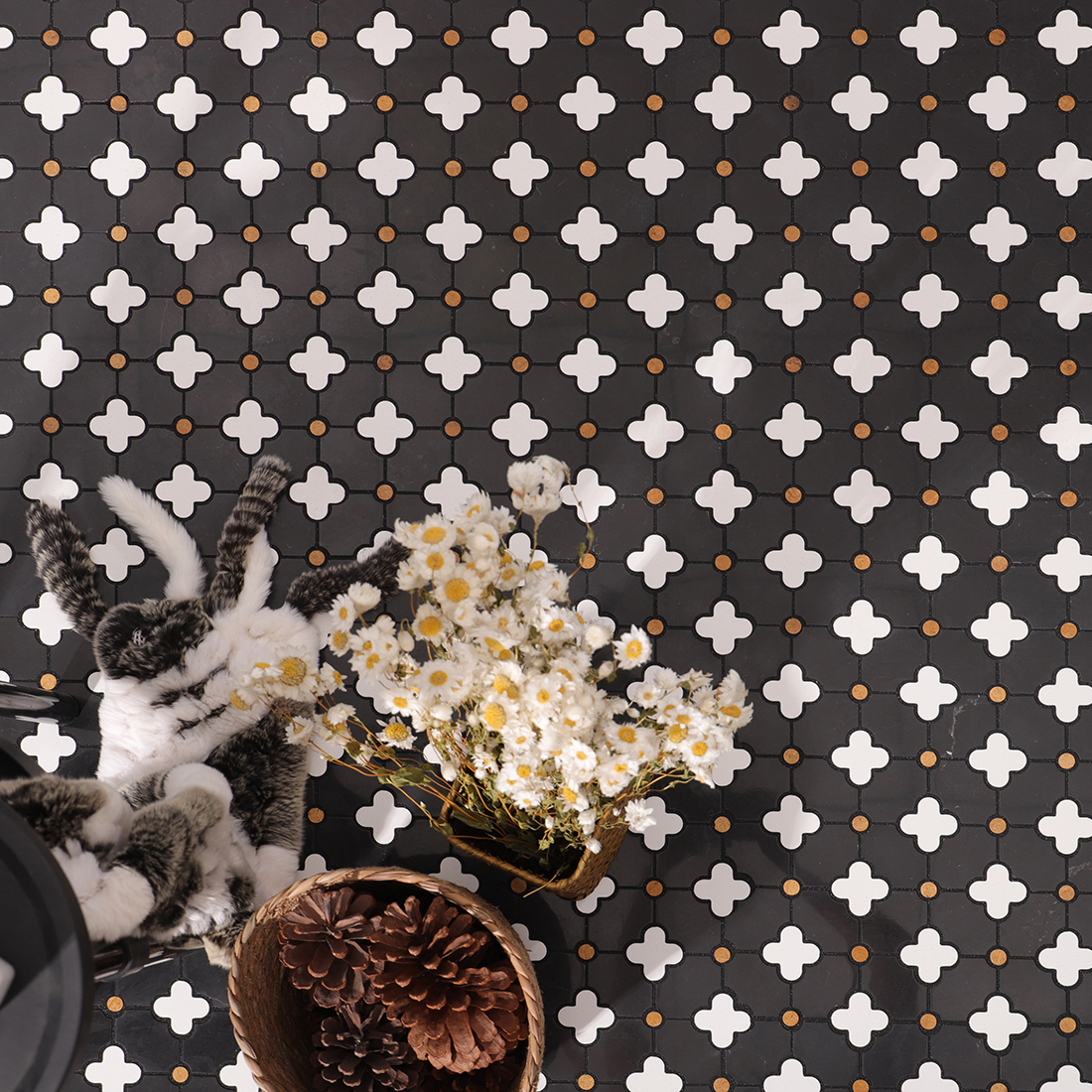
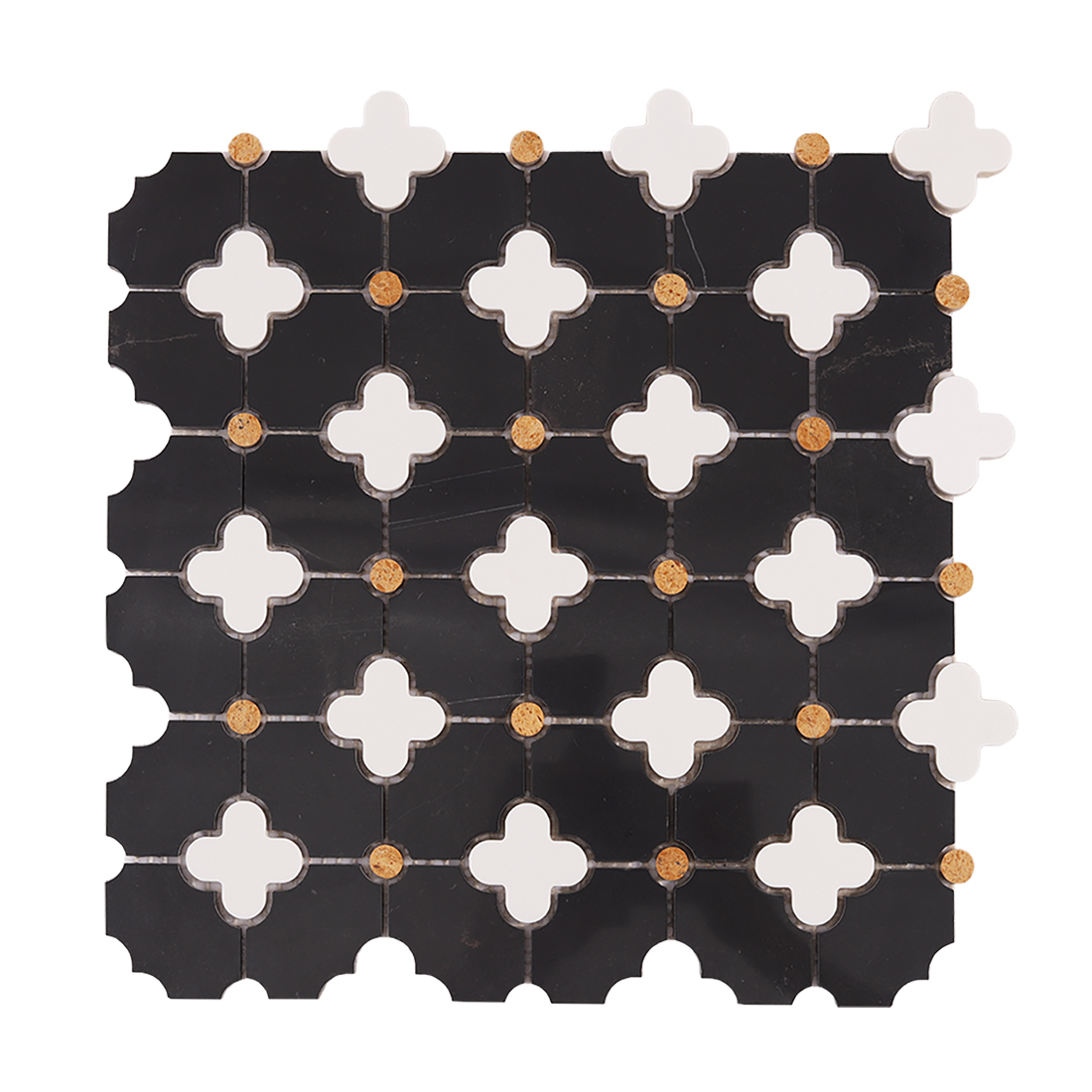
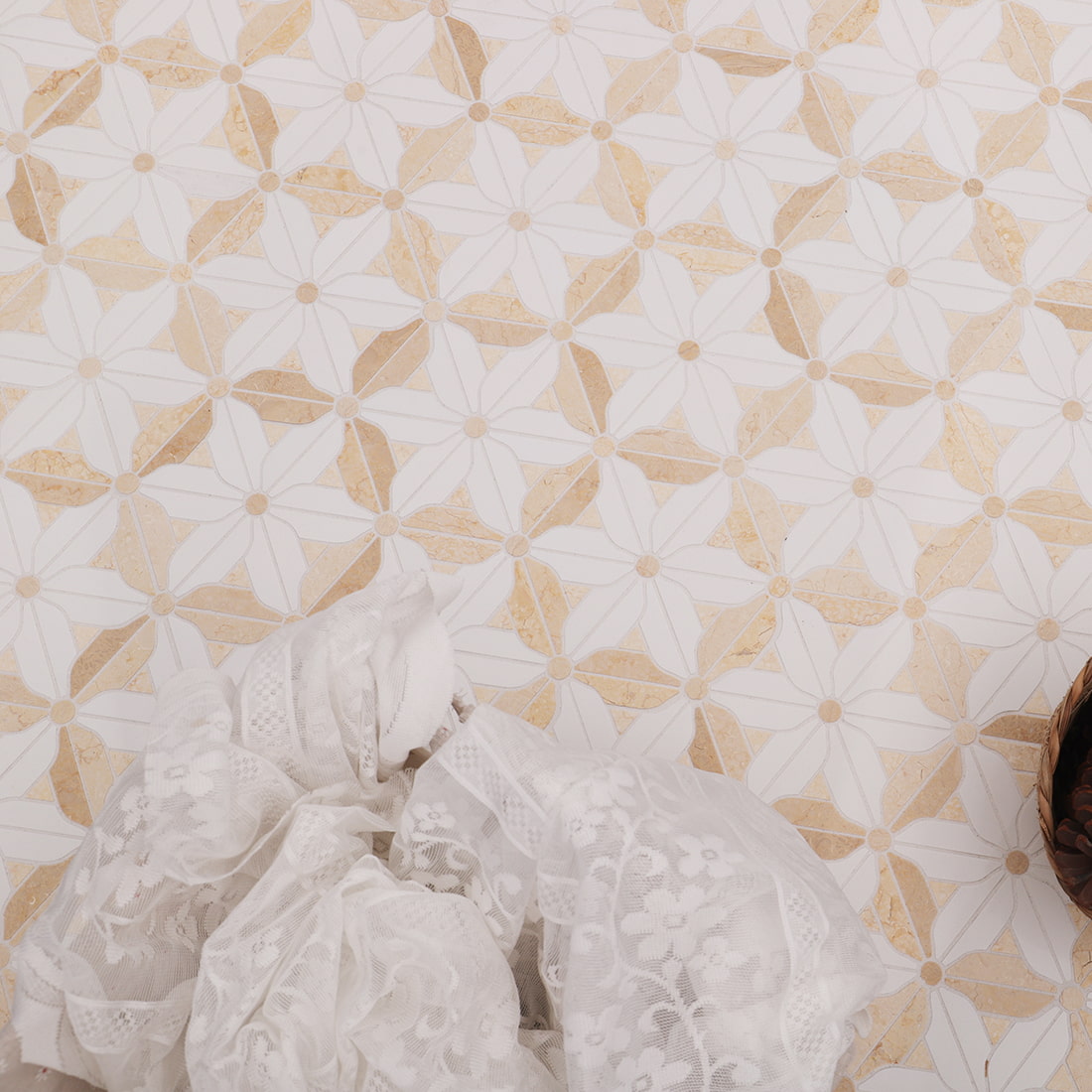
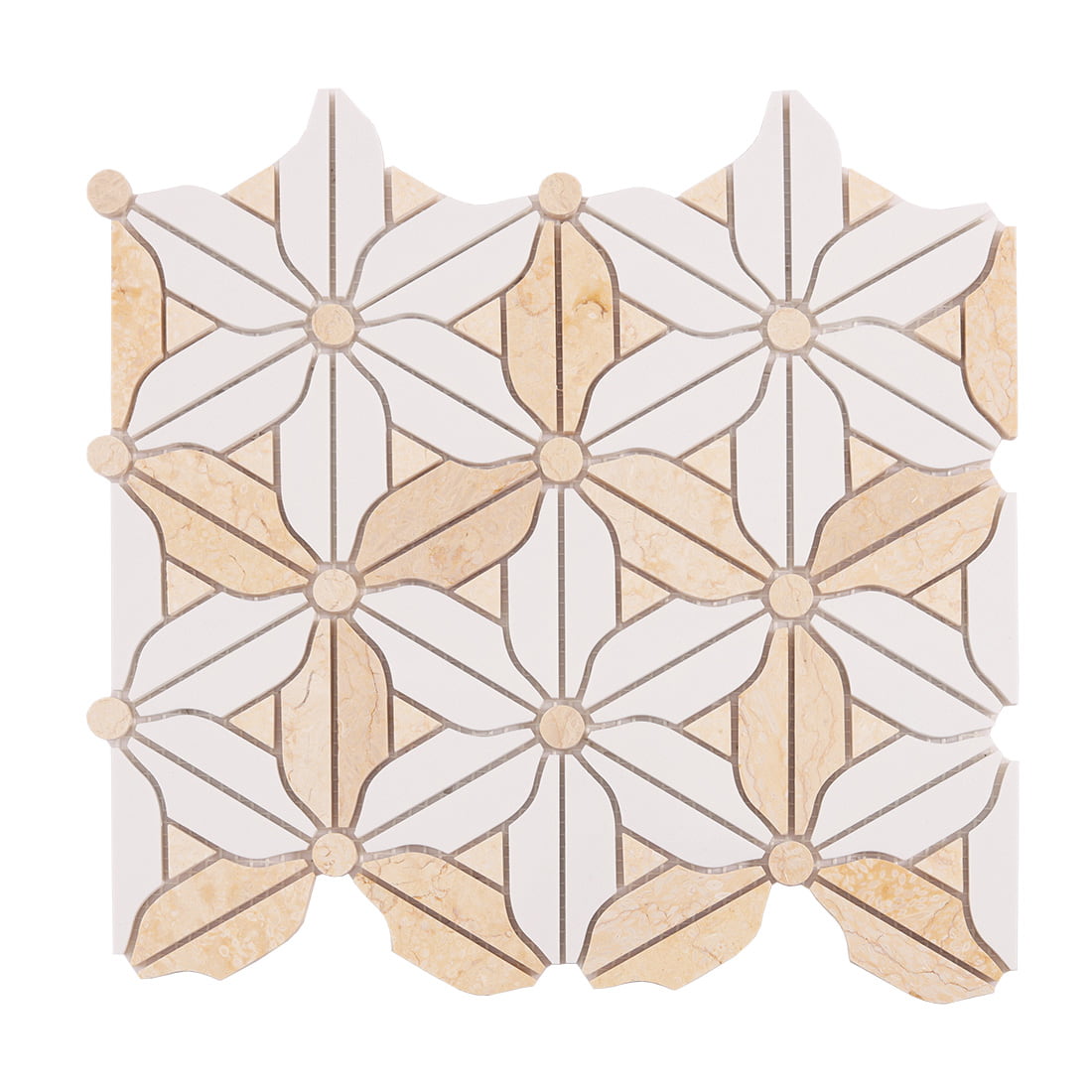
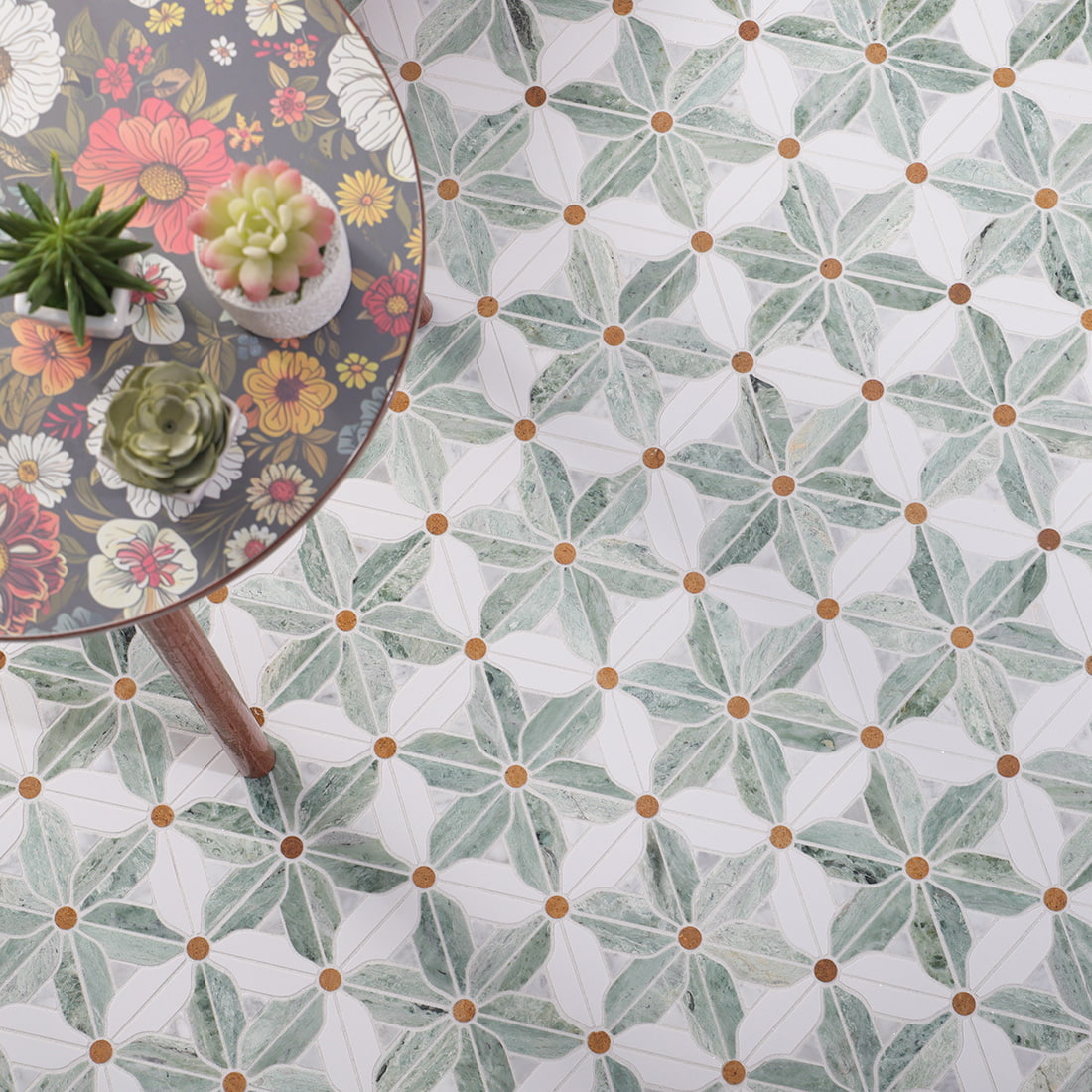




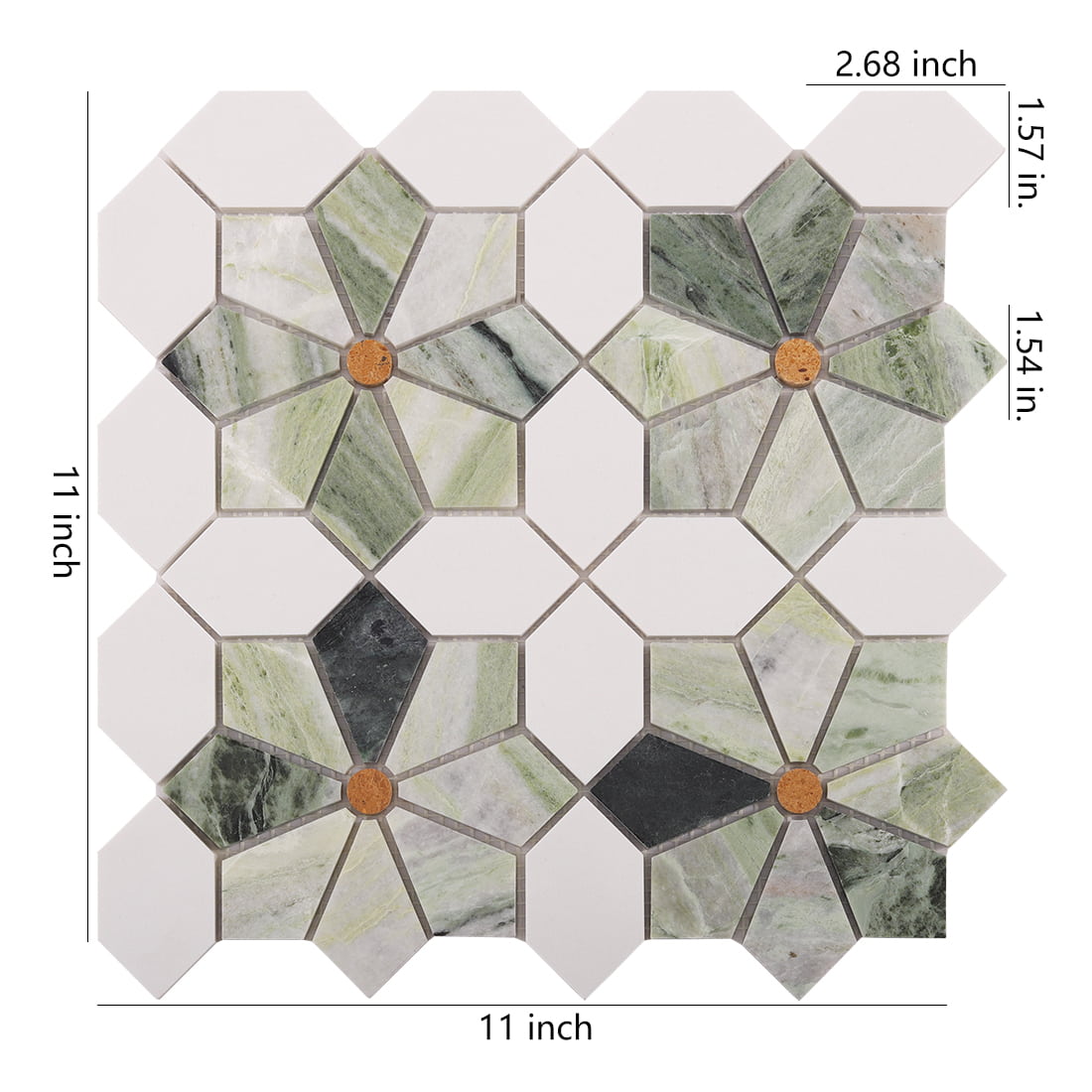
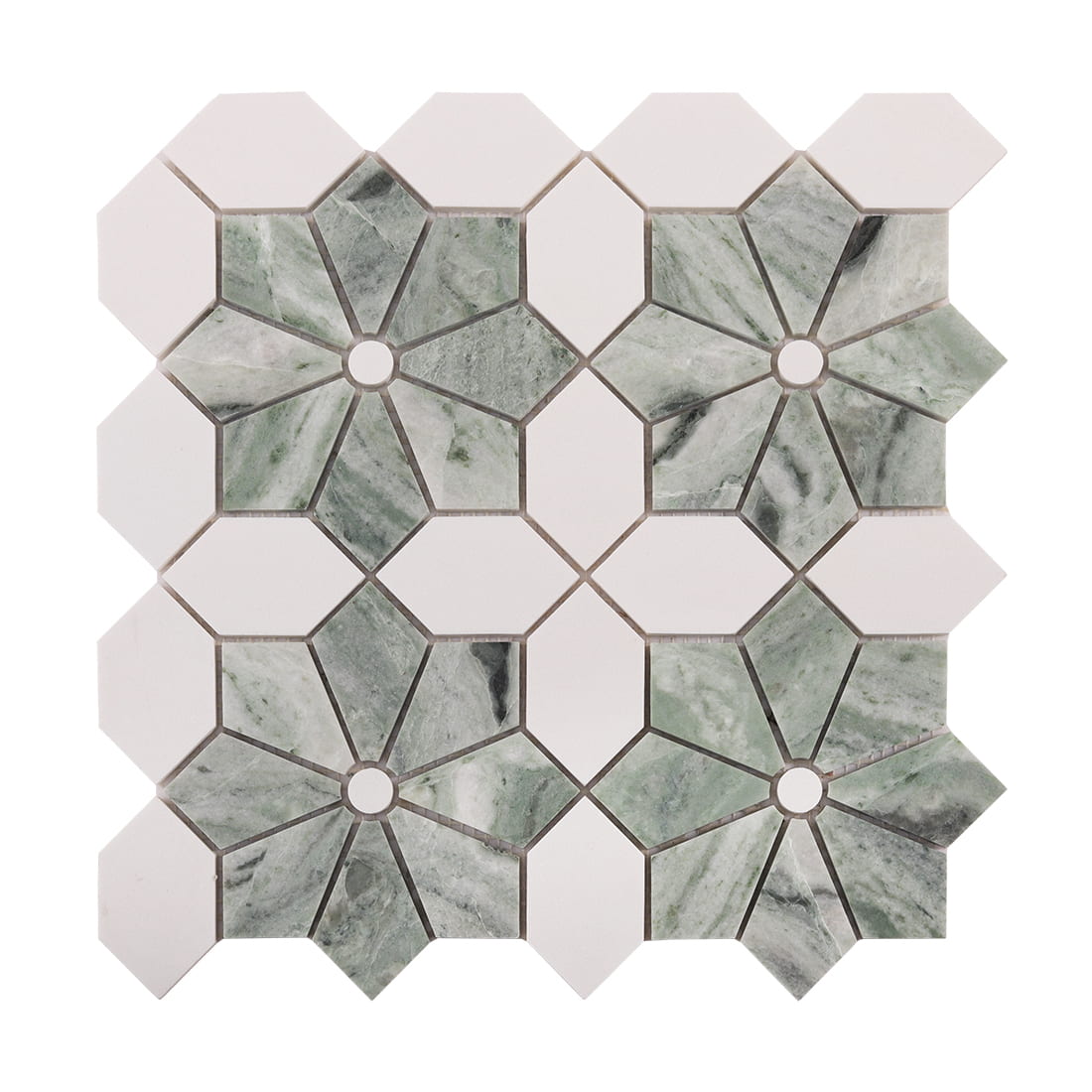
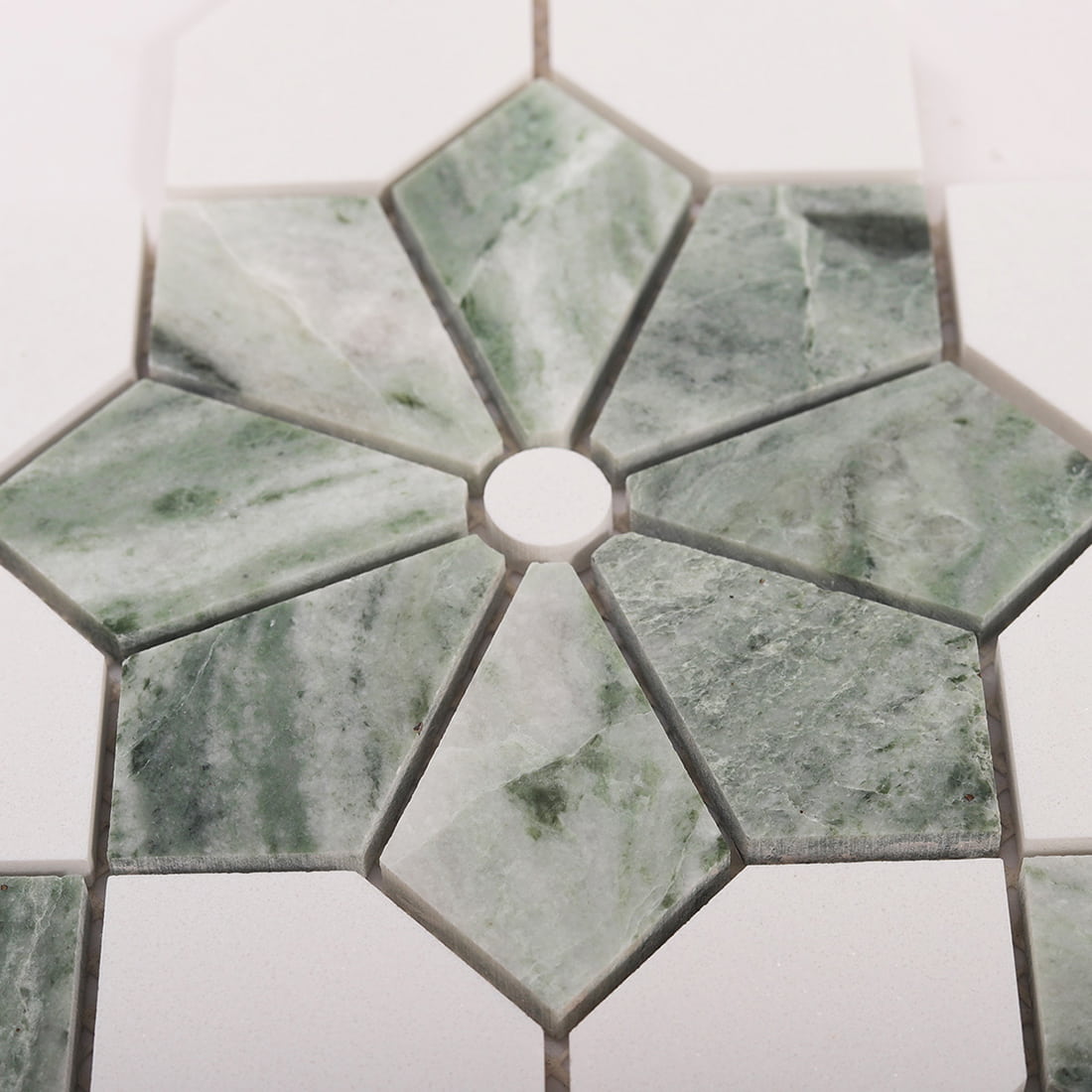
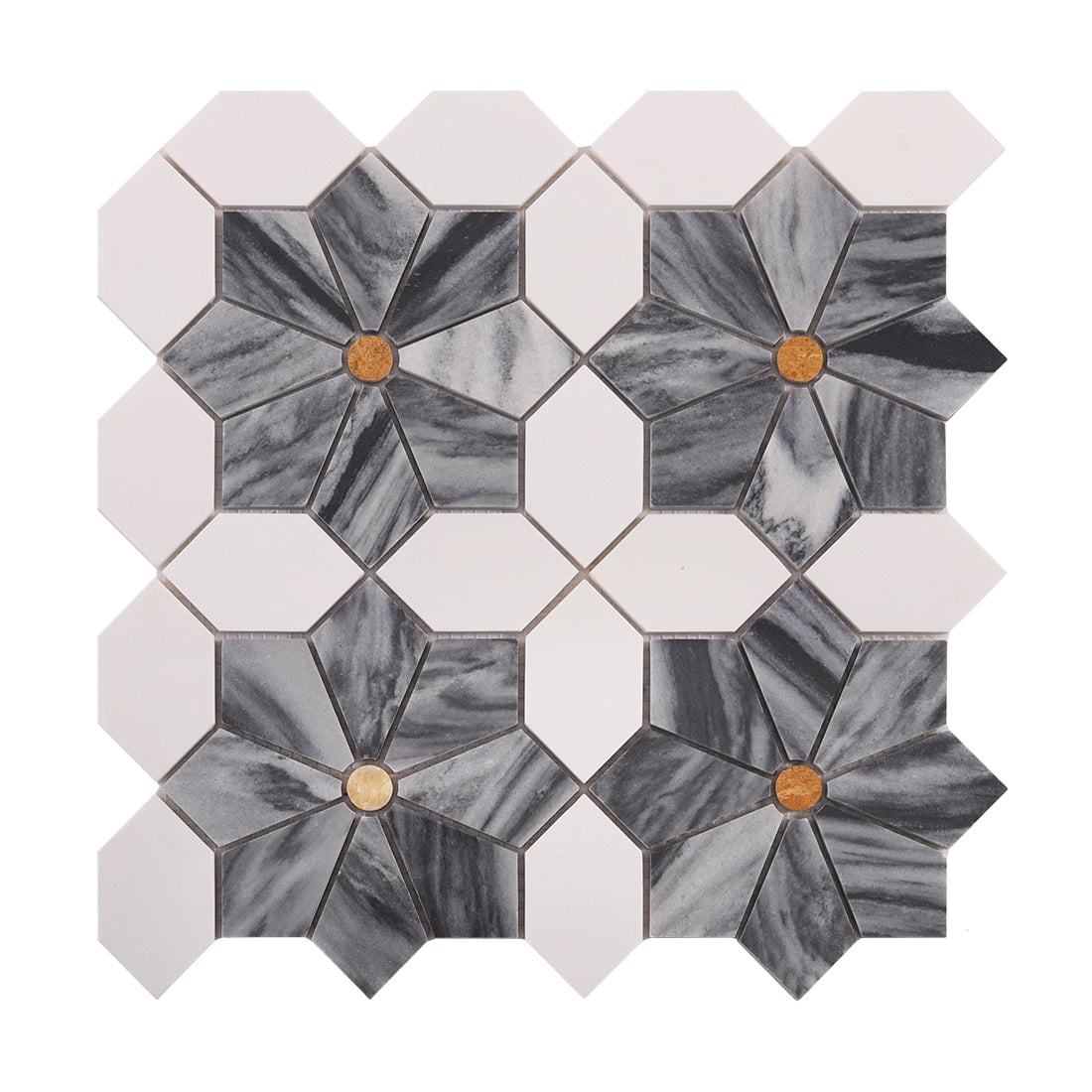
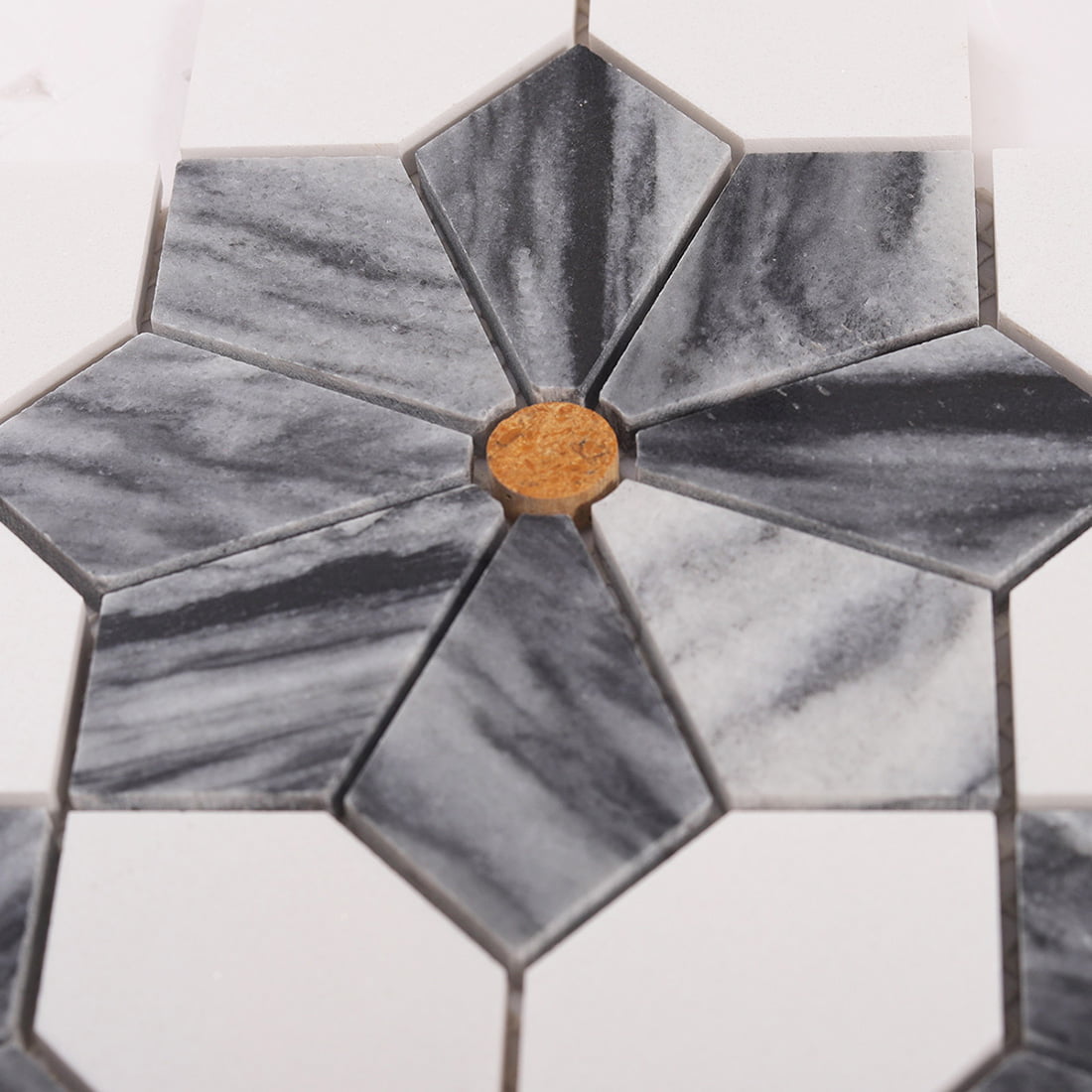
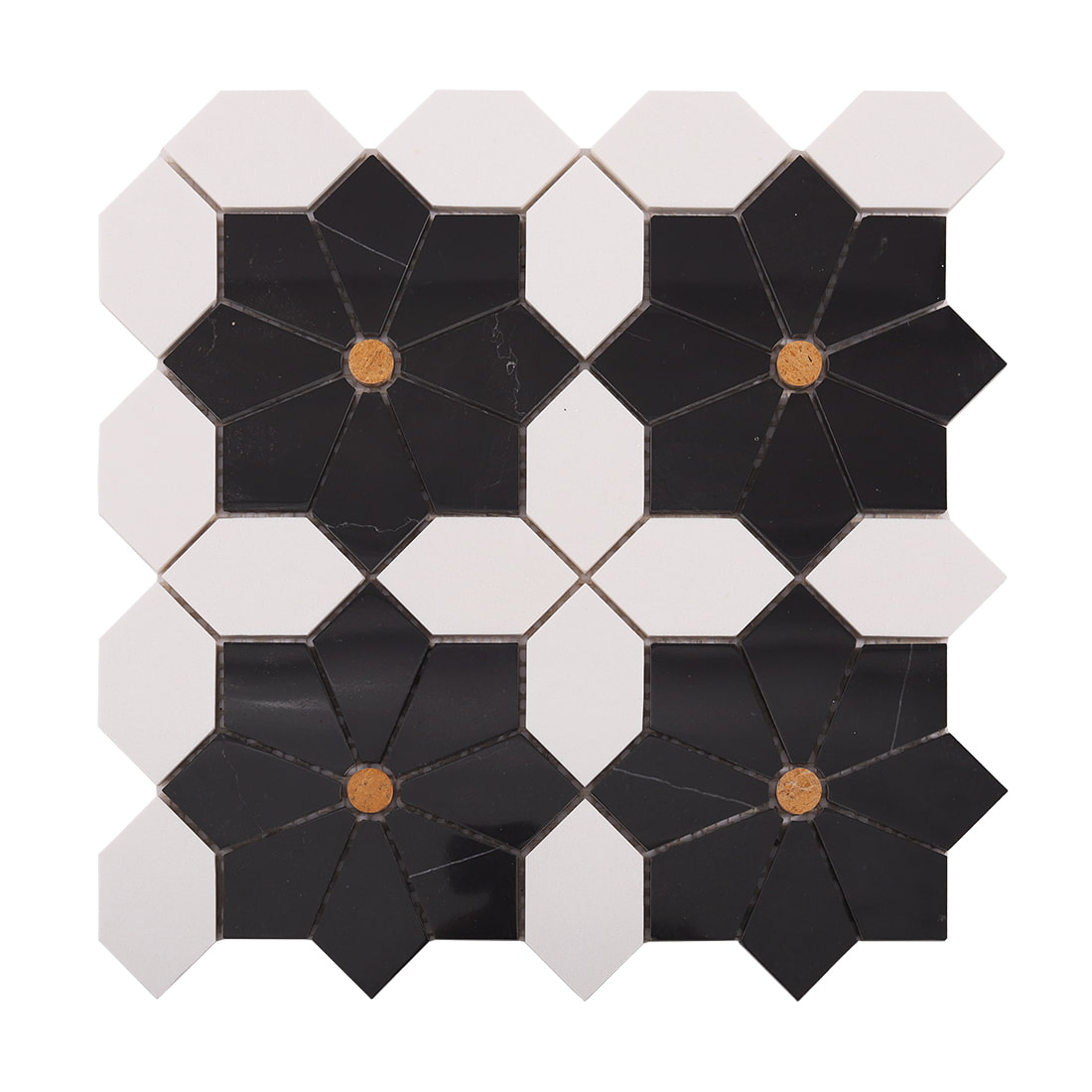
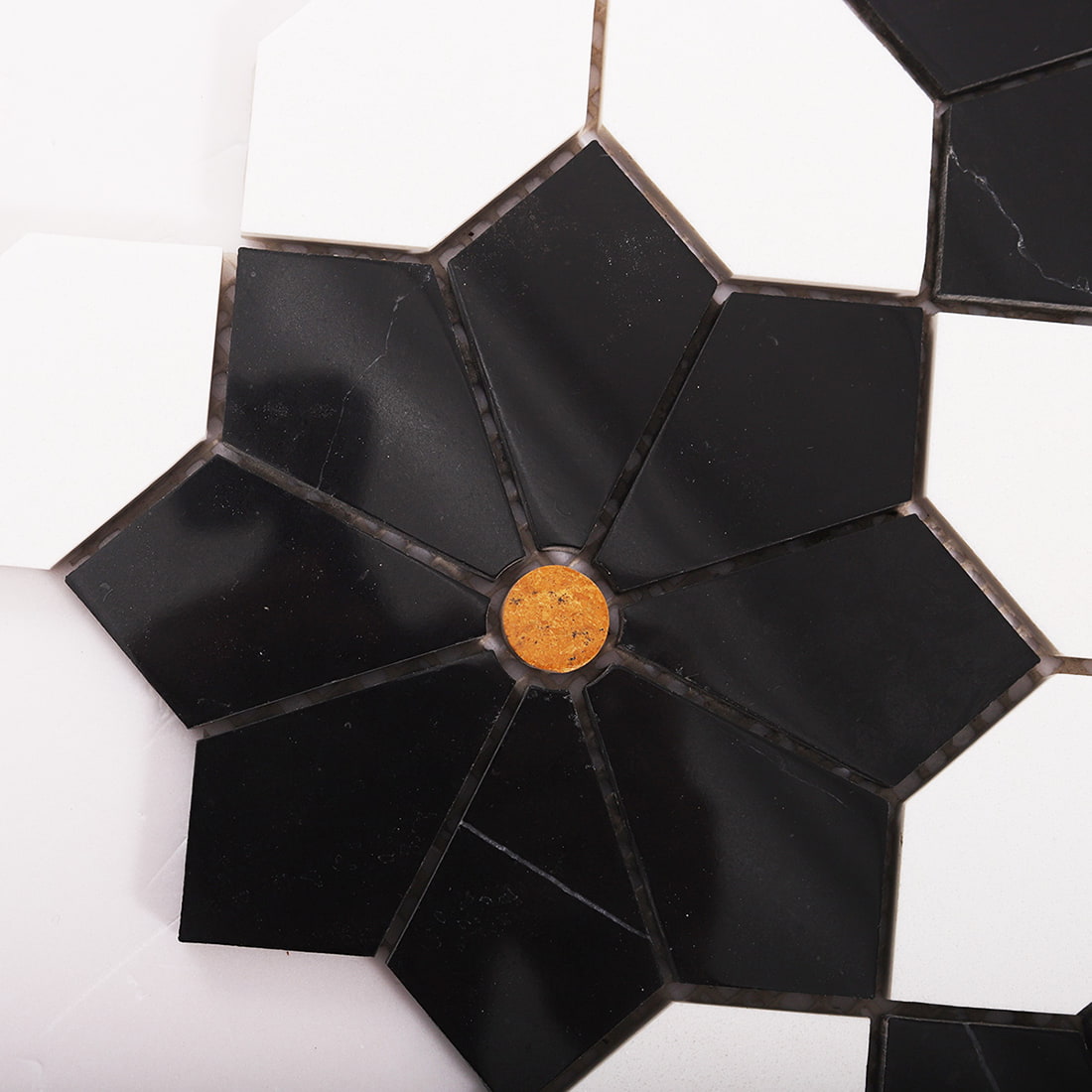
Bohemian Floor Tiles
Bohemian floor tiles bring natural stone, expressive pattern and collected-over-time character into residential and commercial interiors. At Woos Tiles, this collection focuses on genuine marble, travertine and limestone mosaics shaped into geometric, floral and freeform compositions. Authentic mineral movement, tonal variation and precisely cut stone pieces give every floor a character that printed, mechanically repeated surfaces cannot fully reproduce.
Explore Moroccan-inspired geometry, vintage floral mosaics, multicolor patchwork, earthy neutral patterns and refined modern Bohemian designs. Whether you are creating a statement bathroom floor, an inviting kitchen, a boutique hotel lobby or a custom commercial installation, our natural stone mosaics offer a distinctive foundation for the project.
What Are Bohemian Floor Tiles?
Bohemian floor tiles are defined by creative freedom rather than one fixed material, color or historical motif. The style combines artistic patterns, natural textures, vintage references and influences gathered from different craft traditions. A Bohemian floor can be colorful and energetic, soft and earthy, intricately ornamental or surprisingly minimal.
Common design elements include:
-
Geometric and interlocking stone patterns
-
Floral, leaf and botanical motifs
-
Moroccan-inspired stars, lanterns and polygons
-
Contrasting borders and medallions
-
Patchwork-style color combinations
-
Naturally varied marble veining
-
Warm, timeworn travertine surfaces
-
Honed, matte, antiqued and polished finishes
-
Hand-assembled or waterjet-cut mosaic pieces
“Bohemian,” “Moroccan” and “encaustic” are not interchangeable material terms. Bohemian describes an eclectic design direction, Moroccan identifies a regional source of inspiration, and encaustic traditionally refers to a particular method of producing patterned cement tiles. The Woos Tiles collection creates the Bohemian look primarily through the real colors, textures and cut shapes of natural stone.
Why Choose Natural Stone for a Bohemian Floor?
Natural stone is especially well suited to Bohemian interiors because variation is part of the design. No two marble, travertine or limestone pieces have exactly the same veining, mineral markings or tonal balance. When these pieces are assembled into a repeating mosaic, the pattern remains organized while the surface avoids looking flat or mechanically duplicated.
Authentic Color and Veining
The cream, gray, beige, brown, green, burgundy, black and white colors in natural stone come from its mineral composition. They are not simply printed onto the surface. This creates visual depth that continues to feel rich when viewed up close.
Flexible Pattern Design
Stone can be cut into squares, diamonds, hexagons, circles, petals, leaves, scallops, stars, arches and irregular pieces. Precision cutting and hand assembly make it possible to produce everything from simple repeating mosaics to elaborate custom floor artwork.
Timeless Architectural Character
Natural stone patterns can work with Bohemian, Moroccan, Mediterranean, Art Deco, vintage, rustic, traditional and modern interiors. Furniture and accessories may change over time, but a thoughtfully selected stone floor remains architecturally relevant.
Residential and Commercial Possibilities
Floor-rated natural stone mosaics can be specified for homes, restaurants, boutiques, hotels, salons and other commercial interiors. Product suitability must always be confirmed according to the intended traffic level, moisture exposure, finish and maintenance requirements.
Shop Bohemian Floor Tiles by Style
Moroccan-Inspired Bohemian Floor Tiles
Moroccan-inspired designs feature symmetrical geometry, radiating stars, lantern forms, interlocking polygons and carefully balanced borders. Blue, green, ivory, sand, terracotta and black create the strongest traditional references, while beige and white combinations offer a quieter interpretation.
These mosaics work particularly well in entryways, bathrooms, courtyards, restaurants and hospitality interiors. Pair the floor with limewashed walls, warm wood, aged brass, woven textures or simple plaster finishes to create a layered but cohesive space.
Vintage and Antiqued Bohemian Floor Tiles
Vintage Bohemian floors favor softly weathered surfaces, faded-looking stone colors and patterns inspired by old European and Mediterranean interiors. Honed, tumbled or antiqued stone can introduce softened edges and a timeworn appearance without relying on printed distressing.
Muted gray-blue, warm cream, aged beige, brown and dusty green palettes are suitable for relaxed kitchens, dining rooms, powder rooms and traditional homes.
Colorful Mixed-Stone Mosaics
Multicolor Bohemian floor tiles combine several natural stones to create a lively composition. Floral shapes, scattered motifs and contrasting geometric pieces make the floor an artistic focal point.
A successful multicolor floor still needs visual discipline. Choose surrounding finishes that repeat two or three colors from the mosaic, and allow nearby walls, cabinetry and large furnishings to remain relatively calm.
Modern Luxury Bohemian Floor Tiles
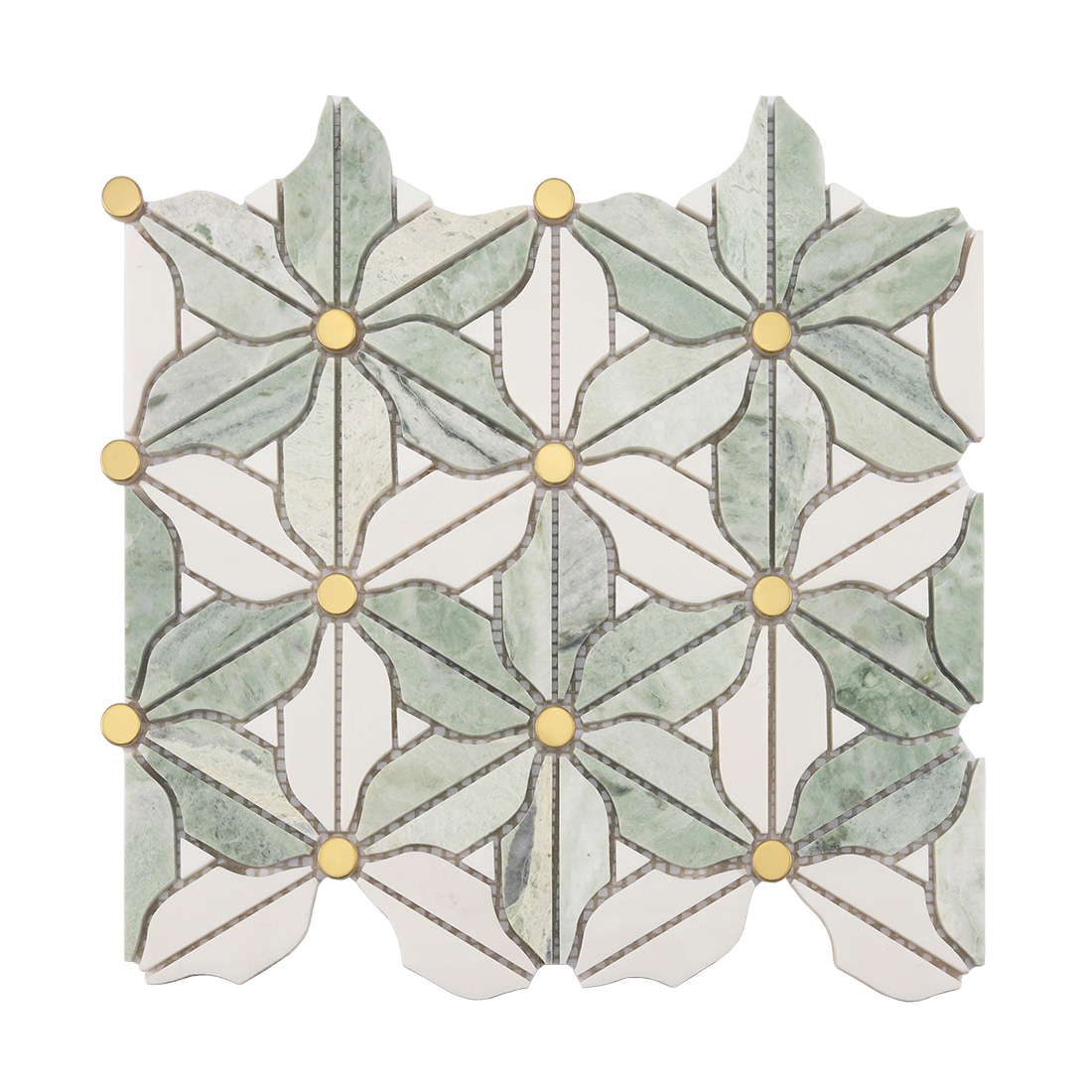
Modern Bohemian design uses the same artistic freedom with a more restrained palette. Black and white geometry, cream-and-green floral mosaics, fine linear patterns and low-contrast marble combinations create personality without overwhelming the room.
This style is ideal for modern bathrooms, refined entryways, boutique hotels and interiors that combine minimalist architecture with natural materials.
Earthy Neutral Bohemian Floors
Beige limestone, warm travertine, cream marble and soft gray stone create a grounded Bohemian atmosphere. Neutral color does not mean plain design: tonal differences, natural pores, veining and interlocking shapes can give the floor substantial depth.
Earthy mosaics pair naturally with oak, walnut, rattan, linen, clay, handmade pottery and aged metal.
Shop by Natural Stone Material
Marble Bohemian Floor Tiles
Marble is valued for its fine grain, distinctive veining and wide color range. It can be precisely cut into detailed geometric and botanical shapes, making it one of the most versatile materials for artistic stone flooring.
Popular marble combinations include:
-
Black and white geometric mosaics
-
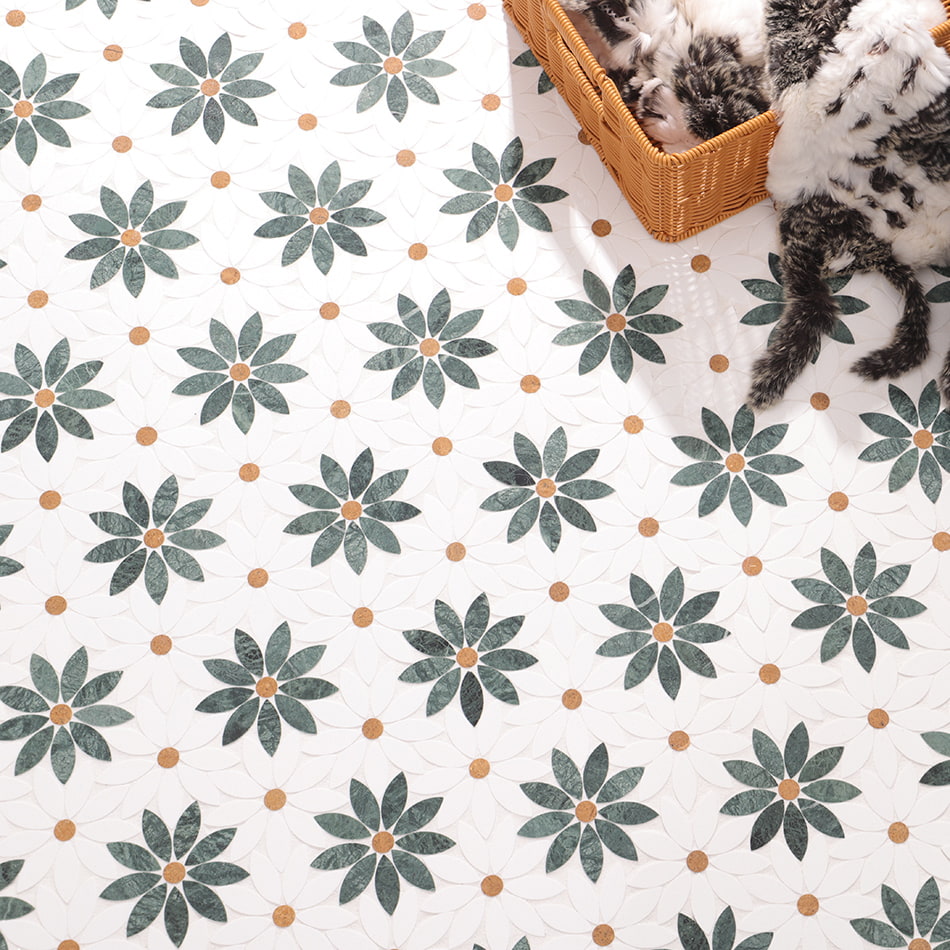
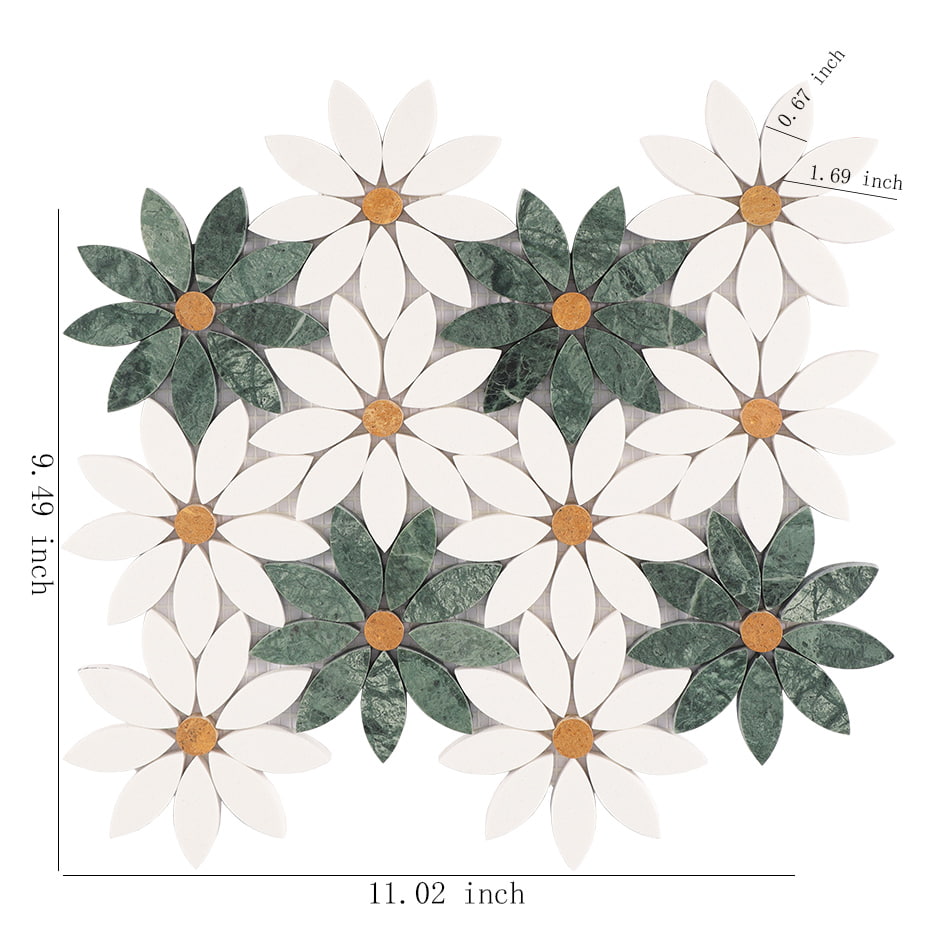
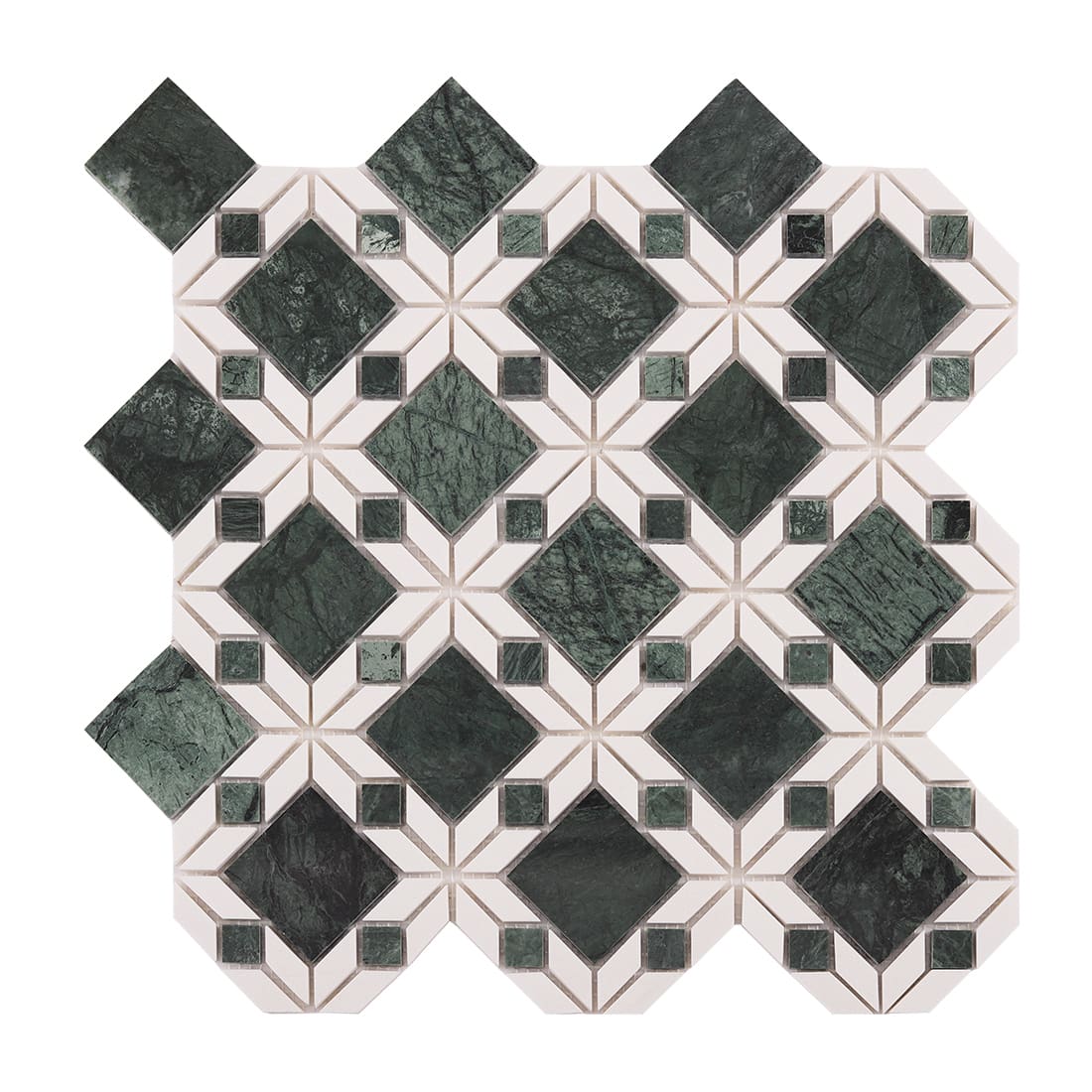
Green and white floral patterns
-
Gray and cream basketweaves
-
Beige and burgundy vintage motifs
-
Multicolor waterjet-cut medallions
-
White marble patterns with subtle gray movement
Polished marble reflects more light and intensifies color, while honed marble offers a softer appearance. Because floor conditions vary, confirm that the individual product and finish are approved for the intended dry or wet location.
Travertine Bohemian Floor Tiles
Travertine, also called travertine stone, has natural pores, layered movement and a warm, aged character. Its cream, ivory, honey, tan and light brown tones are a natural match for rustic, Mediterranean and vintage Bohemian interiors.
Travertine can be cut into repeating geometric mosaics, modular layouts and mixed-stone patterns. Filled travertine produces a smoother surface, while unfilled or antiqued treatments retain more visible texture. Consider cleaning requirements, sealing and the intended traffic level when choosing between these finishes.
Limestone Bohemian Floor Tiles
Limestone generally offers soft, calm coloration and a refined mineral texture. Cream, ivory, beige, light gray and muted brown limestone can support both detailed pattern and minimalist Bohemian design.
Its understated appearance makes it suitable for larger floor areas where a strong multicolor mosaic might feel too busy. Different limestone varieties have different absorption, strength and maintenance characteristics, so selection should be based on the specifications of the individual product.
Popular Patterns and Shapes
Geometric Mosaics
Diamonds, squares, hexagons, triangles and interlocking polygons bring structure to an eclectic interior. Black-and-white combinations look crisp and graphic, while beige, cream and gray stones create a softer architectural effect.
Floral and Botanical Patterns
Flower, petal, leaf and vine-inspired mosaics soften the appearance of a stone floor. These designs are ideal for powder rooms, bathroom floors, dressing rooms, boutique interiors and decorative floor insets.
Stars, Lanterns and Arabesque-Inspired Forms
Radiating stars and curved lantern shapes introduce movement and an international design influence. They can be repeated across a complete floor or used as a border, medallion or central feature.
Basketweave and Interlocking Patterns
Basketweave, chain link, lattice and woven stone patterns provide a sense of craftsmanship without requiring strong color. They are an excellent option for traditional or luxury Bohemian interiors.
Penny Rounds, Scallops and Organic Shapes
Small circular, fan-shaped and irregular pieces give the floor a playful, handmade character. Because these patterns create many grout joints, grout color and maintenance should be considered during selection.
Custom Medallions and Floor Insets
A stone medallion can define an entry, lobby, dining area or reception zone without covering the entire floor in a complex pattern. Borders and corner pieces can connect the feature to surrounding field tile.
Best Colors for Bohemian Floor Tiles
Bohemian floors can be bold or quiet. The best palette depends on the size of the room, available light and the visual weight of surrounding materials.
Warm Earth Tones
Cream, sand, honey, tan, terracotta and warm brown create a comfortable, natural atmosphere. Use them with wood furniture, woven textiles and aged metal.
Green and Botanical Colors
Sage, olive, forest green and pale green stone connect the floor to plants and other organic materials. Green-and-white marble mosaics can feel both artistic and refined.
Blue and Gray
Muted blue, blue-gray, charcoal and soft gray support Moroccan, coastal and vintage Bohemian interiors. They work especially well with white plaster, light oak and warm metallic fixtures.
Black and White
Black-and-white stone mosaics create a stronger graphic statement. Use a simpler surrounding palette and repeat black details in lighting, hardware or furniture for visual continuity.
Multicolor Combinations
A multicolor floor works best when every color has a relationship to another element in the room. Select two or three shades from the mosaic and repeat them in paint, upholstery, cabinetry or artwork.
Where to Use Bohemian Floor Tiles
Bohemian Bathroom Floors
A patterned natural stone floor can transform a bathroom into a personal, layered retreat. Soft neutral mosaics create a spa-like atmosphere, while floral, green or black-and-white patterns provide a stronger focal point.
For shower floors or other regularly wet surfaces, do not select by appearance alone. Confirm that the particular stone, mosaic format, surface finish, grout and complete waterproofing system are suitable for the intended installation. Floor suitability does not automatically mean shower-floor suitability.
Kitchen and Dining Room Floors
Bohemian floor tiles can define a kitchen or dining area and introduce color beneath simple cabinetry. Honed marble, limestone and suitably finished travertine complement natural wood, painted cabinets and brass or bronze hardware.
Kitchens are exposed to food, oil and acidic liquids, so sealing, stain resistance and cleaning requirements should be reviewed before purchase. Clean spills promptly, especially on marble, travertine and limestone.
Entryways, Foyers and Hallways
An entry floor creates the first impression of the interior. Larger geometric repeats and bordered mosaic layouts are easier to appreciate across a broad foyer, while smaller patterns add detail to compact vestibules.
Select a floor-rated product appropriate for the expected traffic and plan for mats or other grit-control measures at exterior entrances.
Living Rooms and Open-Plan Spaces
A stone mosaic can cover a complete living room floor, define a seating zone or form an inset within a quieter field tile. In open-plan interiors, changes in pattern can separate dining, kitchen and living areas without adding walls.
Bedrooms and Dressing Rooms
Muted floral mosaics, low-contrast geometry and warm limestone patterns create a softer Bohemian effect in private spaces. A decorative floor inset beneath a vanity or dressing area can provide character without dominating the entire room.
Cafés, Restaurants, Hotels and Retail Spaces
Bohemian floor tiles help hospitality and retail interiors establish a memorable visual identity. Potential applications include restaurant dining floors, café counters, hotel lobbies, boutique display areas, salon reception zones and decorative restroom floors.
Commercial projects should be evaluated for traffic, slip requirements, cleaning routines, substrate conditions and applicable building regulations. Woos Tiles can review drawings, dimensions and design requirements before production.
Outdoor Areas
Not every natural stone mosaic is suitable for exterior use. Freeze-thaw exposure, water absorption, direct sunlight, drainage, finish and installation system must be considered. Select an explicitly approved exterior product and confirm project conditions before using Bohemian floor tiles on patios, balconies, walkways or pool-adjacent areas.
Natural Stone Floor Finishes
Honed or Matte Finish
Honed stone has a smooth, low-reflection appearance that suits relaxed and sophisticated Bohemian interiors. It reveals natural color without the stronger reflections of polished stone and often coordinates easily with plaster, wood and textiles.
Polished Finish
Polishing increases reflectivity and can make marble color and veining appear more vivid. It is effective in decorative dry interiors where a brighter, more luxurious appearance is desired. Confirm floor and wet-area suitability before selection.
Tumbled or Antiqued Finish
Tumbled and antiqued treatments soften the edges and create a more aged surface. They are particularly effective with travertine, limestone and vintage-inspired patterns. Surface texture may require additional cleaning consideration in areas exposed to grease or heavy soil.
Textured Finish
Textured stone can provide a more tactile, rustic appearance. The suitability of any textured finish depends on the specific location, expected traffic and cleaning program.
How to Choose the Right Bohemian Floor Tile
Confirm the Application First
Begin by identifying whether the tile will be used on a residential dry floor, bathroom floor, shower floor, commercial interior, exterior surface or another location. Never assume that every decorative mosaic is approved for every application.
Review the Product Specifications
Check the sheet or tile size, thickness, stone type, finish, mounting method, recommended grout joint and approved applications. Commercial and wet-area projects may require additional performance information.
Match Pattern Scale to Room Size
Small mosaics add detail and are easy to appreciate in bathrooms and compact entries. Larger repeating patterns or medallions need more viewing distance and work well in open kitchens, foyers, hotel lobbies and restaurant floors.
Order a Sample
Digital screens cannot accurately reproduce every stone color, vein, texture or level of reflectivity. View a physical sample in the room during daytime and evening lighting, and compare it with cabinetry, paint, countertops, metal finishes and furniture.
A sample represents the general material and design, but natural stone variation means the final order will not be perfectly identical to one sample piece.
Expect Natural Variation
Veining, mineral marks, pores, fossils and tonal differences are inherent characteristics of natural stone. They are not automatically defects. Dry-lay and blend sheets or pieces from multiple cartons before installation to distribute the variation naturally.
Choose Grout Carefully
A closely matched grout color allows the stone pattern to read as one continuous composition. Contrasting grout emphasizes each individual shape and creates a more graphic appearance.
Always test grout and any grout-release product on spare material. Some stone colors may be affected by grout pigments or improper cleaning methods.
Coordinate Transitions and Floor Height
Confirm tile thickness, setting-bed requirements and transitions to adjoining wood, carpet or field tile before ordering. Borders and custom edge components may be needed for a clean installation.
How Much Tile Should You Order?
Measure the length and width of each floor section and multiply them to calculate the area. Add all sections together, then include additional material for cuts, pattern alignment, breakage and future repairs.
For a straightforward room, approximately 10% additional material is commonly considered. Intricate mosaics, diagonal layouts, irregular rooms and custom borders may require 15% or more. The exact allowance should be confirmed with the installer before ordering.
Keep several unused sheets or pieces from the same production order for possible future repairs. Natural stone from a later batch may differ in color and veining.
Installation Guidelines
Natural stone mosaics and waterjet-cut patterns should be installed by a qualified tile professional familiar with stone.
Before installation:
-
Confirm that the substrate is clean, stable, flat and suitable for tile
-
Inspect all material before installation
-
Dry-lay the pattern and verify orientation
-
Blend pieces from multiple cartons
-
Check mosaic sheet alignment
-
Confirm the correct mortar, grout and sealer
-
Test products on spare stone
-
Plan movement joints and transitions
-
Complete the required waterproofing for wet areas
Light-colored or translucent natural stone may require a compatible white setting material to reduce the risk of visible discoloration. Moisture-sensitive or resin-backed stone may require a different setting system. Follow the recommendations for the specific stone, backing and installation environment.
Installed material is generally considered accepted material, so color, finish, dimensions and layout should be approved before setting begins.
Sealing and Maintenance
Natural stone sealing requirements vary. Some stones benefit from a penetrating sealer, while other materials or installations may require a different treatment. Sealing can help reduce absorption and staining, but it does not make an unsuitable tile appropriate for a wet area and does not replace waterproofing beneath the tile.
Routine Cleaning
-
Remove loose grit with a soft broom, vacuum or clean mop
-
Use a pH-neutral cleaner approved for natural stone
-
Wipe up spills promptly
-
Rinse away cleaner residue when required
-
Use mats at entrances to reduce tracked-in grit
-
Follow the sealer manufacturer’s maintenance instructions
Avoid vinegar, lemon, acidic bathroom cleaners and abrasive scouring products on marble, limestone and travertine. Acid can dull or etch these calcium-based stones, while abrasive products may scratch sensitive finishes.
Test every cleaner, sealer and stain treatment on a spare piece or inconspicuous area before treating the complete floor.
Designing a Cohesive Bohemian Interior
Let One Pattern Lead
When the floor has a detailed pattern, use quieter walls, countertops and large furniture pieces. A calm background helps the stone design remain the focal point.
Repeat a Controlled Palette
Select two or three colors from the floor and repeat them through upholstery, paint, artwork, lighting or accessories. This keeps an eclectic room intentional rather than visually disconnected.
Layer Natural Materials
Marble, travertine and limestone coordinate naturally with oak, walnut, rattan, linen, wool, limewash, pottery, plants and aged brass. Use several textures within a limited color palette for depth without clutter.
Mix Patterns with Restraint
If the floor is the dominant pattern, select smaller supporting motifs for cushions, rugs or wall details. Patterns combine most successfully when they share a color family, geometric language or similar visual weight.
Use Borders to Define Space
A contrasting stone border can frame a dining zone, mark an entry or separate a custom medallion from a quieter field tile. Borders are particularly useful in open-plan and commercial interiors.
Custom Bohemian Floor Mosaics
Woos Tiles can help homeowners, designers, architects, builders and hospitality teams develop custom natural stone mosaics for projects that require a specific color palette, scale or architectural layout.
Customization may include:
-
Marble, travertine and limestone combinations
-
Custom geometric, floral and freeform patterns
-
Adjusted colors and stone selections
-
Waterjet-cut shapes
-
Hand-assembled mosaic compositions
-
Borders, medallions and corner pieces
-
Pattern and sheet-size adjustments
-
Project-specific dimensions
-
Samples and preproduction mockups
-
Drawing-based layouts
-
Residential and commercial project packaging
-
International shipping support
Send us the installation dimensions, application, reference image, preferred stone colors, project drawing and required quantity. Our team can review the concept and determine an appropriate production approach.
Why Choose Woos Tiles?
Woos Tiles is an online tile superstore serving residential and commercial projects. Our broader selection includes marble tiles, glass tiles, metal tiles, shell tiles, stone tiles, mosaic tiles, wall tiles, floor tiles, bathroom tiles, kitchen tiles, backsplash tiles, outdoor tiles and custom mosaic murals.
For Bohemian flooring projects, Woos Tiles offers:
-
Genuine natural stone color and texture
-
Geometric, floral and artistic mosaic designs
-
Marble, travertine and limestone options
-
Residential and commercial project support
-
Samples for material and color evaluation
-
Flexible custom pattern development
-
Waterjet cutting and mosaic assembly
-
Careful project-specific packaging
-
International project assistance
Explore the collection, order a sample or contact Woos Tiles to discuss a custom Bohemian natural stone floor.
Frequently Asked Questions
What makes a floor tile Bohemian?
Bohemian floor tile is identified by an expressive combination of pattern, natural texture, artistic color and influences from vintage interiors or international craft traditions. It may be highly colorful or use a restrained neutral palette.
Are Bohemian floor tiles the same as Moroccan tiles?
No. Moroccan describes a regional design influence, while Bohemian is a broader eclectic style. Moroccan geometry can be used within a Bohemian interior, but not every Bohemian pattern is Moroccan.
Are these printed tiles?
This Woos Tiles collection focuses on mosaics that create color and pattern through genuine marble, travertine and limestone pieces rather than relying only on a printed stone-look design.
Can natural stone Bohemian tiles be used on floors?
Yes, if the specific product is approved for the intended floor and traffic level. Decorative wall-only mosaics should not be installed on floors.
Can they be installed on shower floors?
Selected products may be suitable, but approval must be confirmed individually. Stone type, piece size, surface finish, grout joints, slope, waterproofing and maintenance all affect shower-floor suitability.
Are Bohemian floor tiles suitable for kitchens?
Many floor-rated natural stone tiles can be used in kitchens. Because cooking areas are exposed to oil, food and acidic spills, review sealing and maintenance requirements and clean spills promptly.
Can natural stone mosaics be used outdoors?
Only products approved for the project’s exterior conditions should be used outdoors. Climate, freeze-thaw exposure, water absorption, drainage, finish and installation system must be considered.
Do natural stone tiles need sealing?
Some natural stones benefit from sealing, but requirements vary by stone and installation. Test the selected sealer and follow the product-specific recommendation. Sealing does not replace waterproofing.
How do I clean marble, limestone or travertine flooring?
Use a soft broom or mop and a pH-neutral cleaner approved for natural stone. Avoid vinegar, lemon, acidic cleaners and abrasive scouring products.
Will every tile look exactly like the sample?
No. Natural stone has inherent variation in color, veining, pores and mineral markings. Samples show the general design and material but cannot represent every piece in a full order.
How much extra tile should I order?
Approximately 10% extra may be suitable for a simple layout, while intricate mosaics, diagonal installations, borders and irregular rooms may require 15% or more. Confirm the quantity with your installer.
Can Woos Tiles customize the color or pattern?
Yes. Depending on the design, Woos Tiles can adjust stone combinations, colors, shapes, pattern scale, borders, medallions and overall dimensions. Send us your drawing, reference image and project requirements for evaluation.
Should I hire a professional installer?
Professional installation is strongly recommended for natural stone mosaics, detailed patterns, wet areas and commercial floors. Correct substrate preparation, blending, mortar selection, waterproofing, sealing and alignment are essential to the finished result.
Can I use underfloor heating beneath natural stone tile?
Natural stone may be installed over compatible radiant-heating systems when the complete substrate, membrane, setting materials and movement-joint design are properly specified. Confirm compatibility with the heating-system and installation-material manufacturers before work begins.
How do I choose between honed and polished stone?
Honed stone provides a softer, low-reflection appearance. Polished stone reflects more light and highlights color and veining. Choose according to the intended application, maintenance needs and product-specific floor rating rather than appearance alone.