


Contemporary Floor Tiles with Artistic Stone Inlays
-
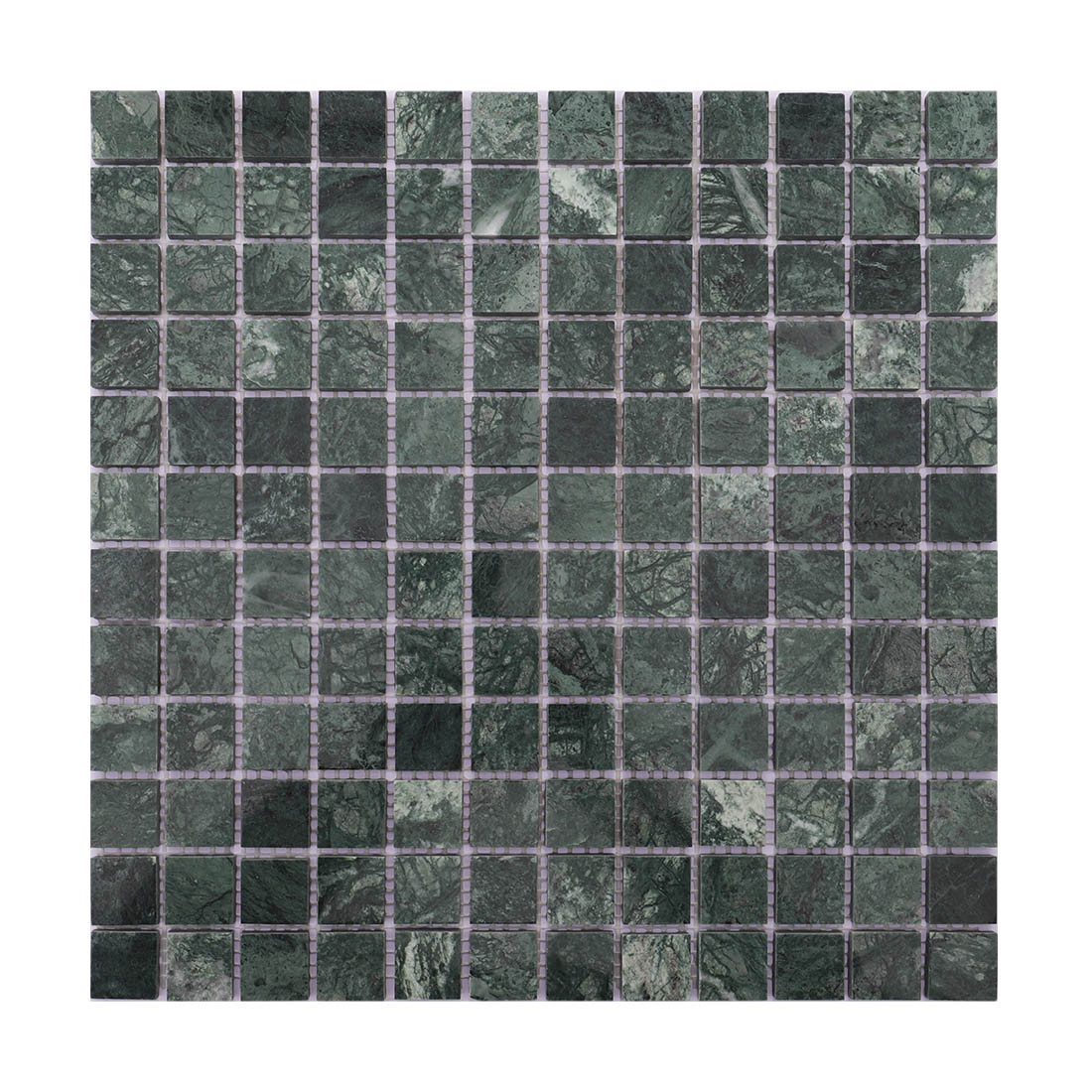
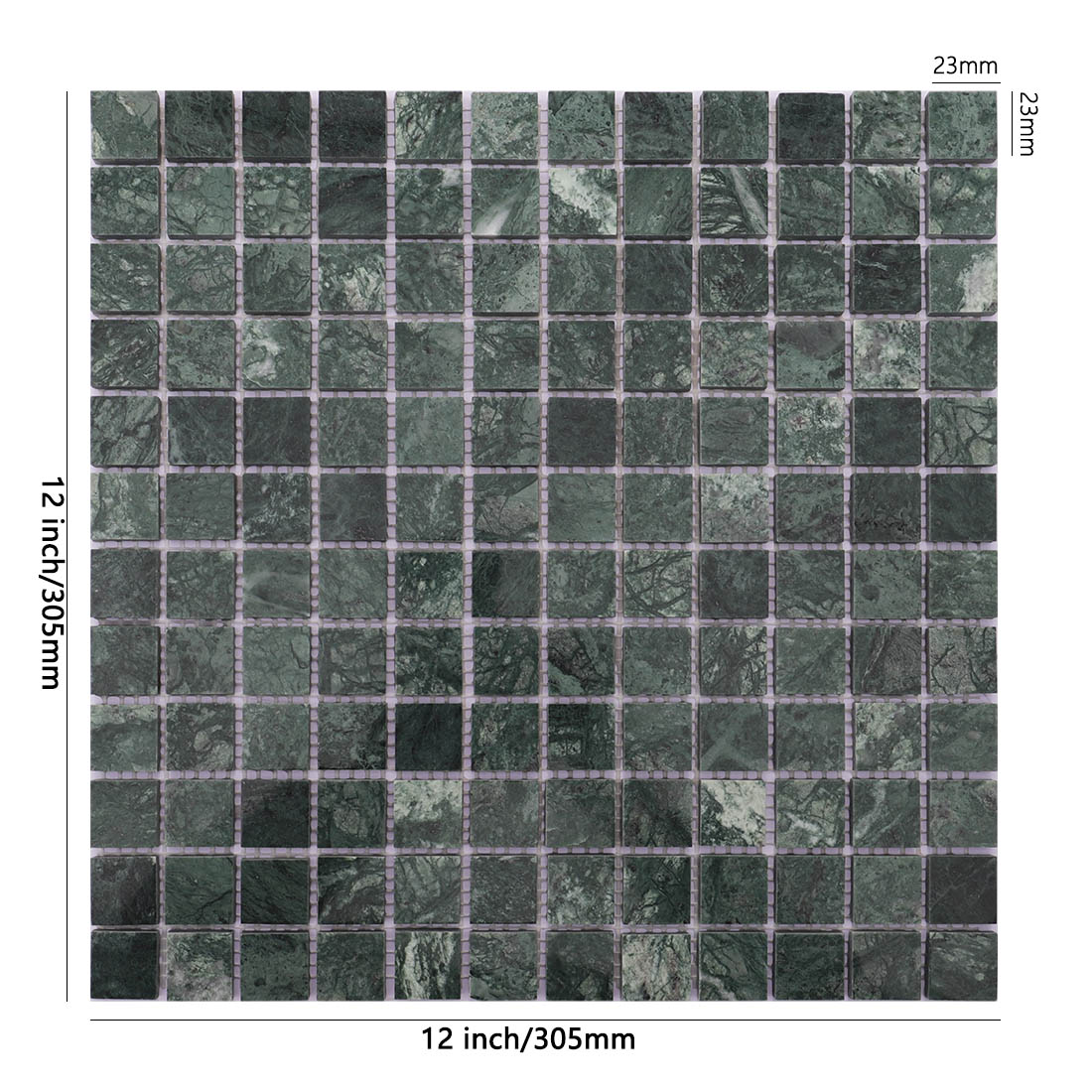
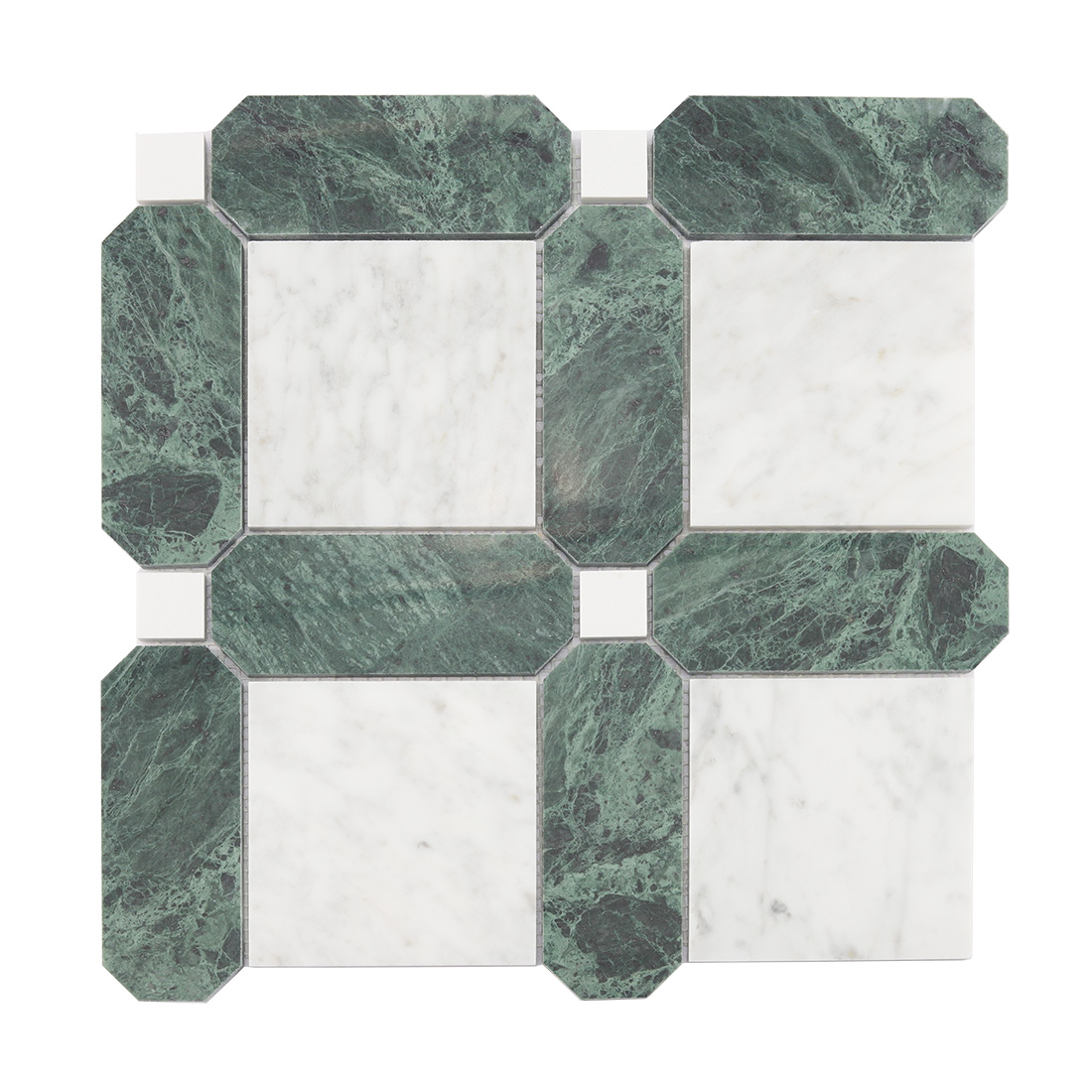
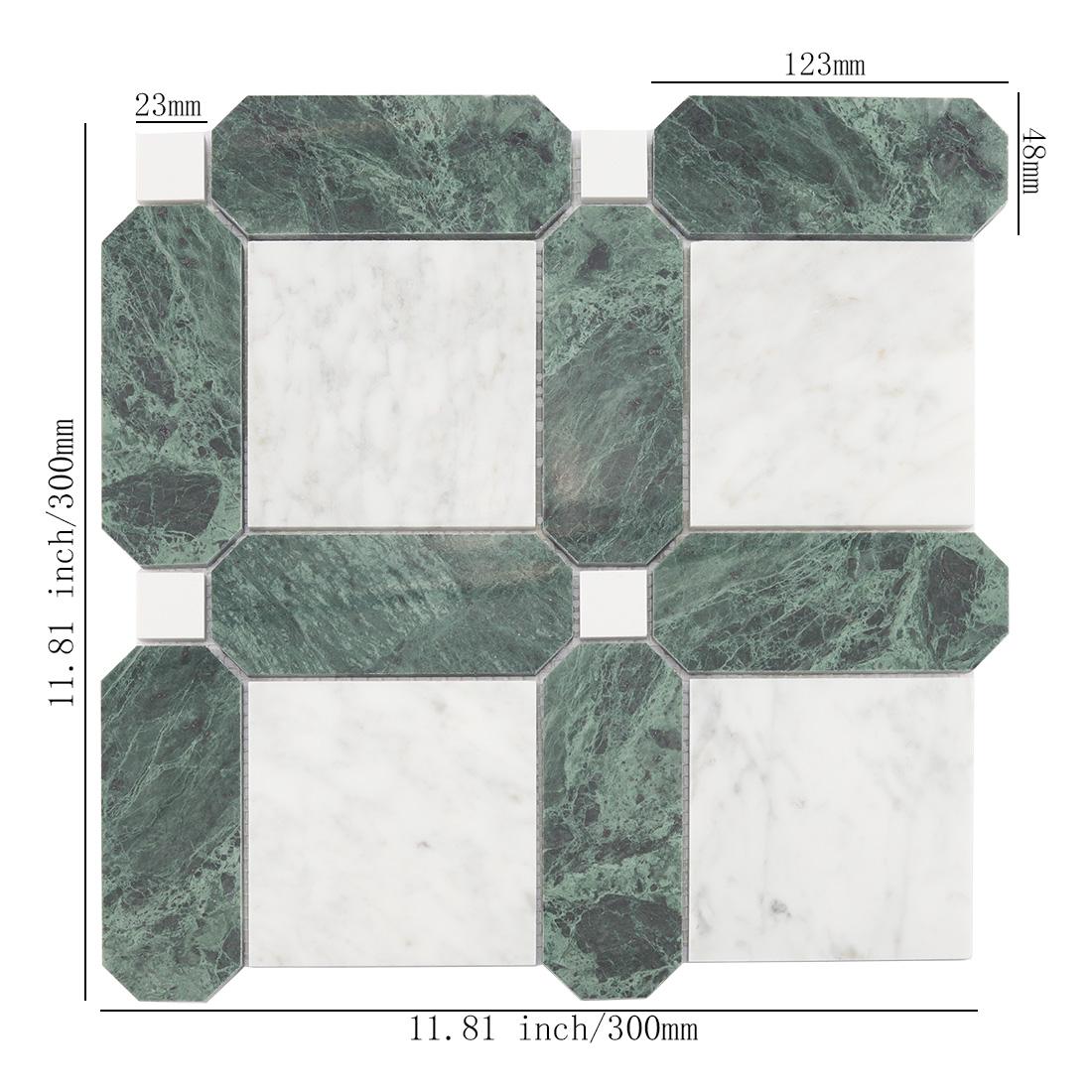
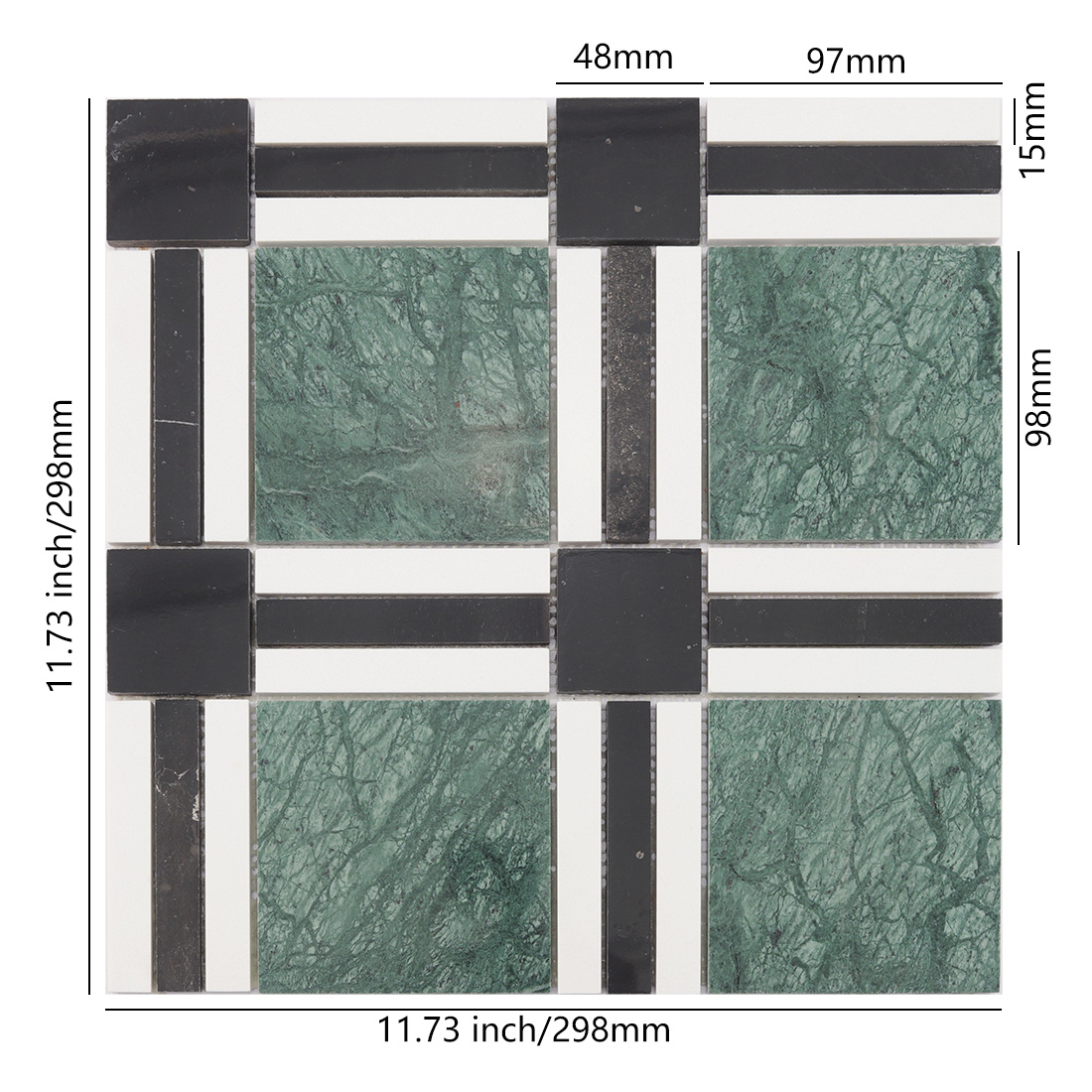
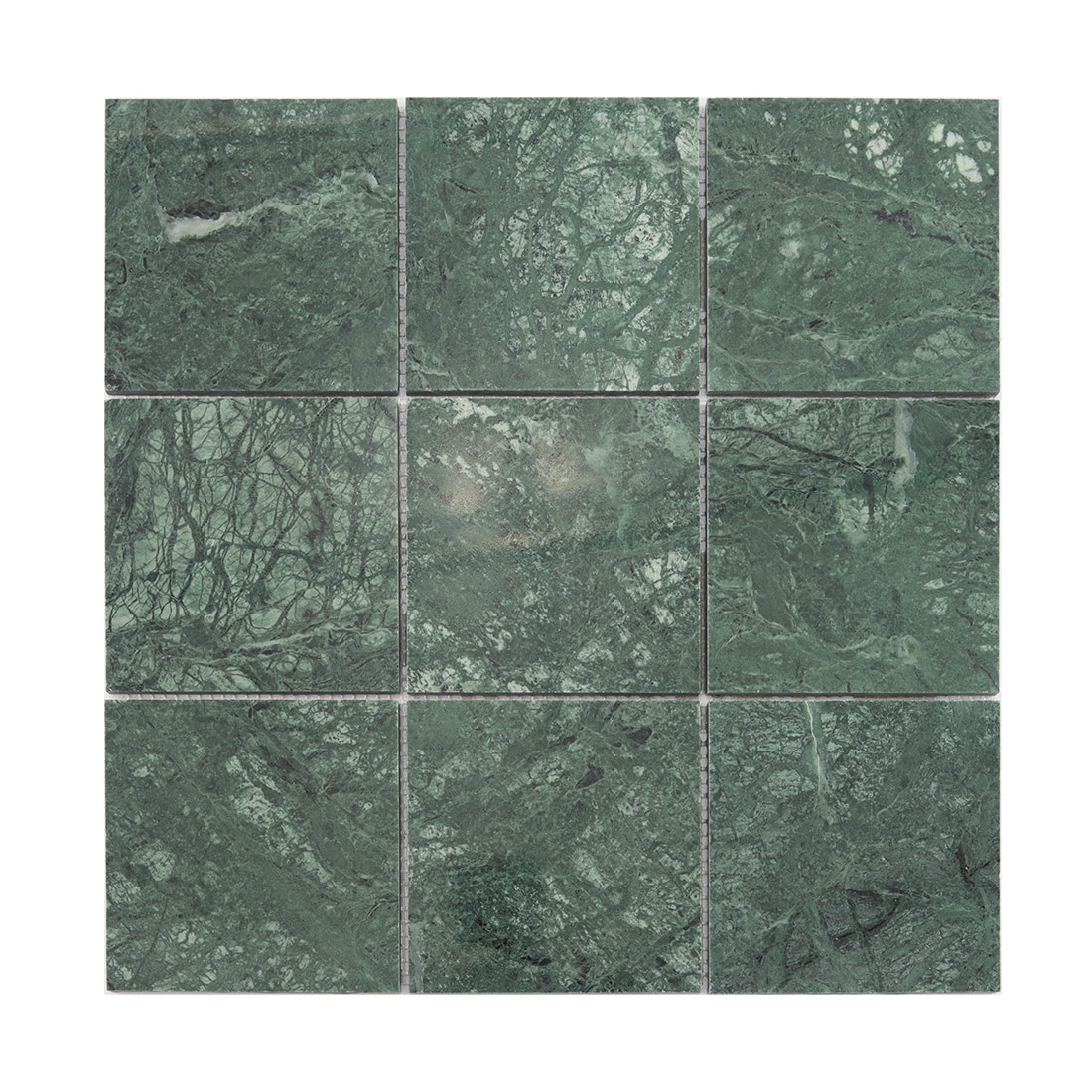
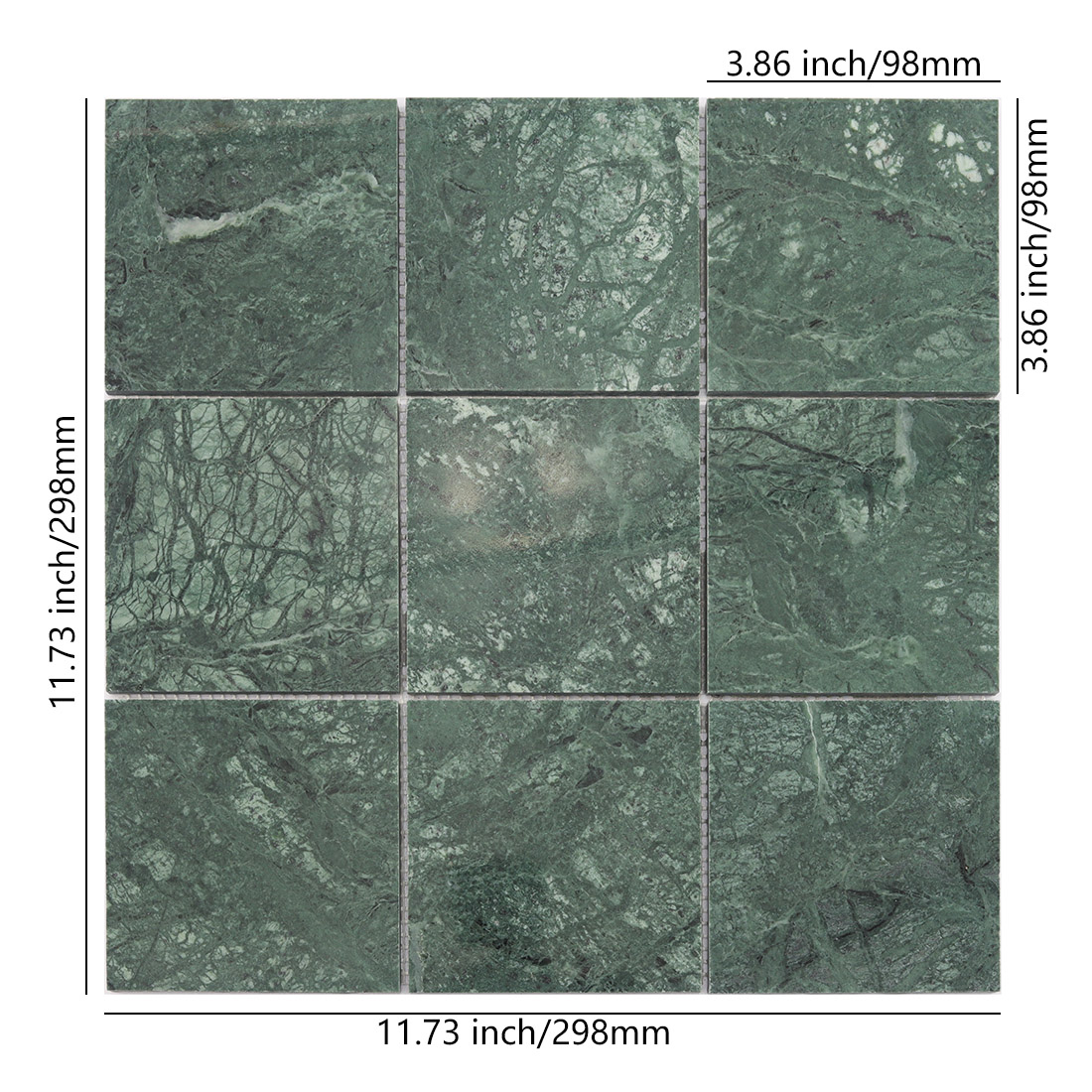
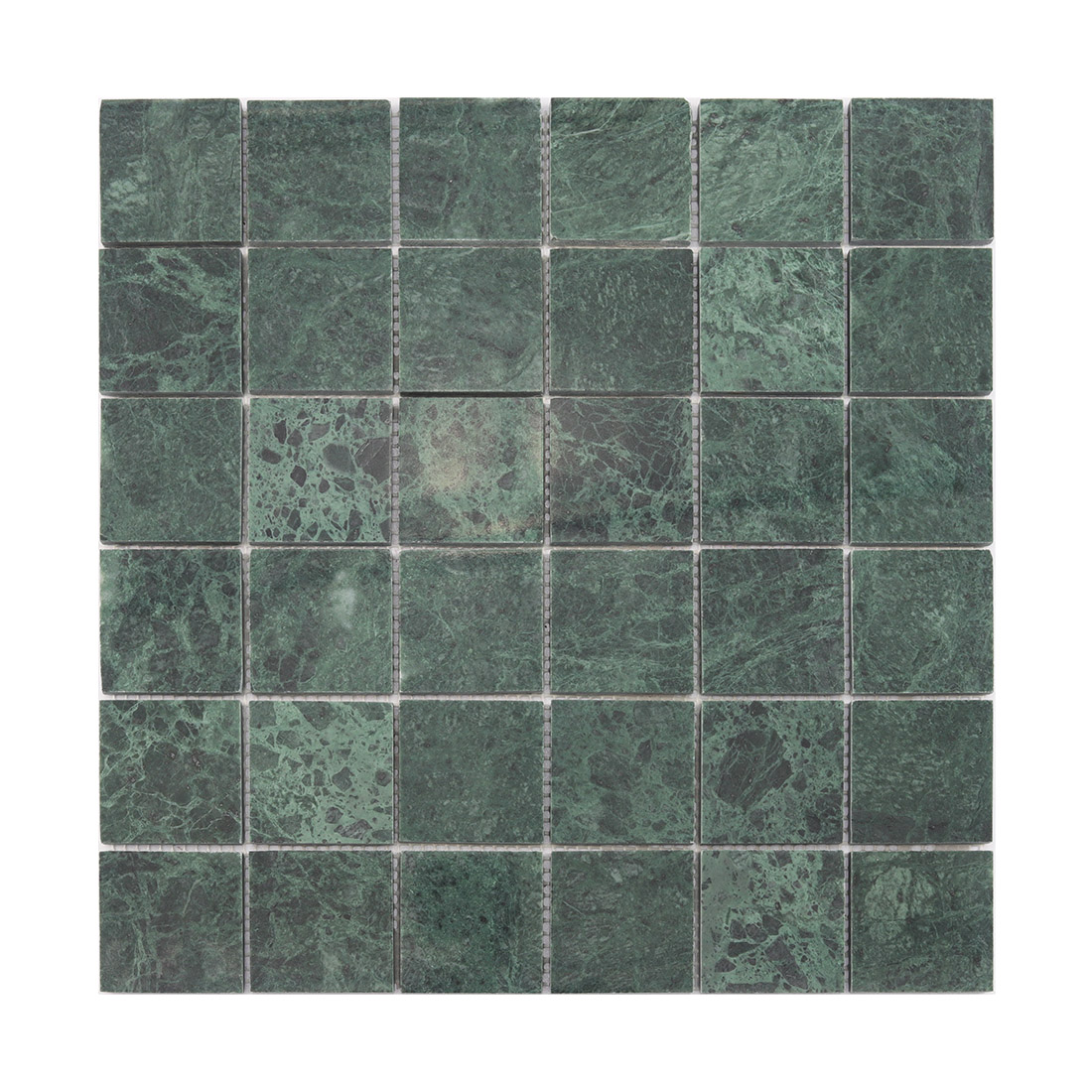
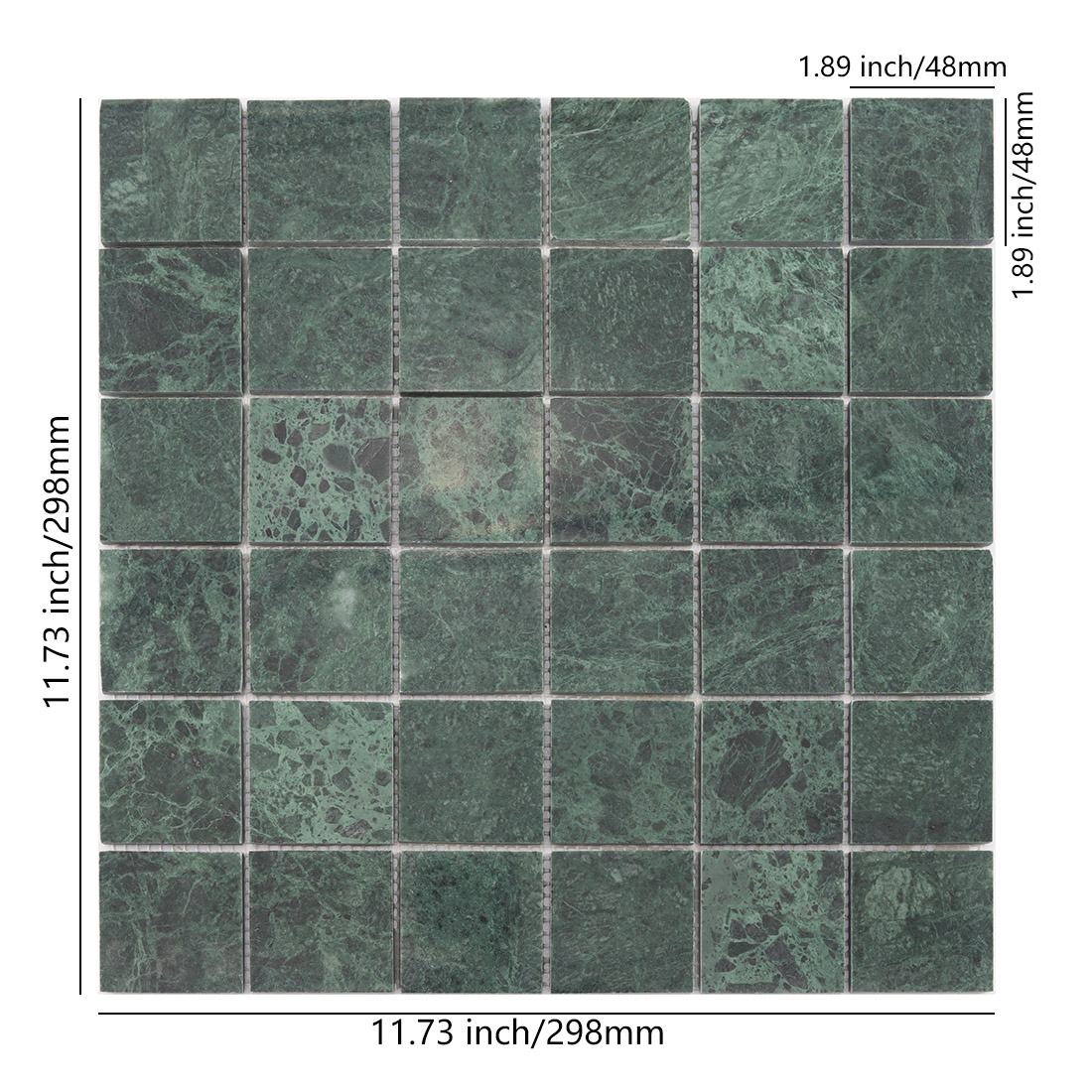
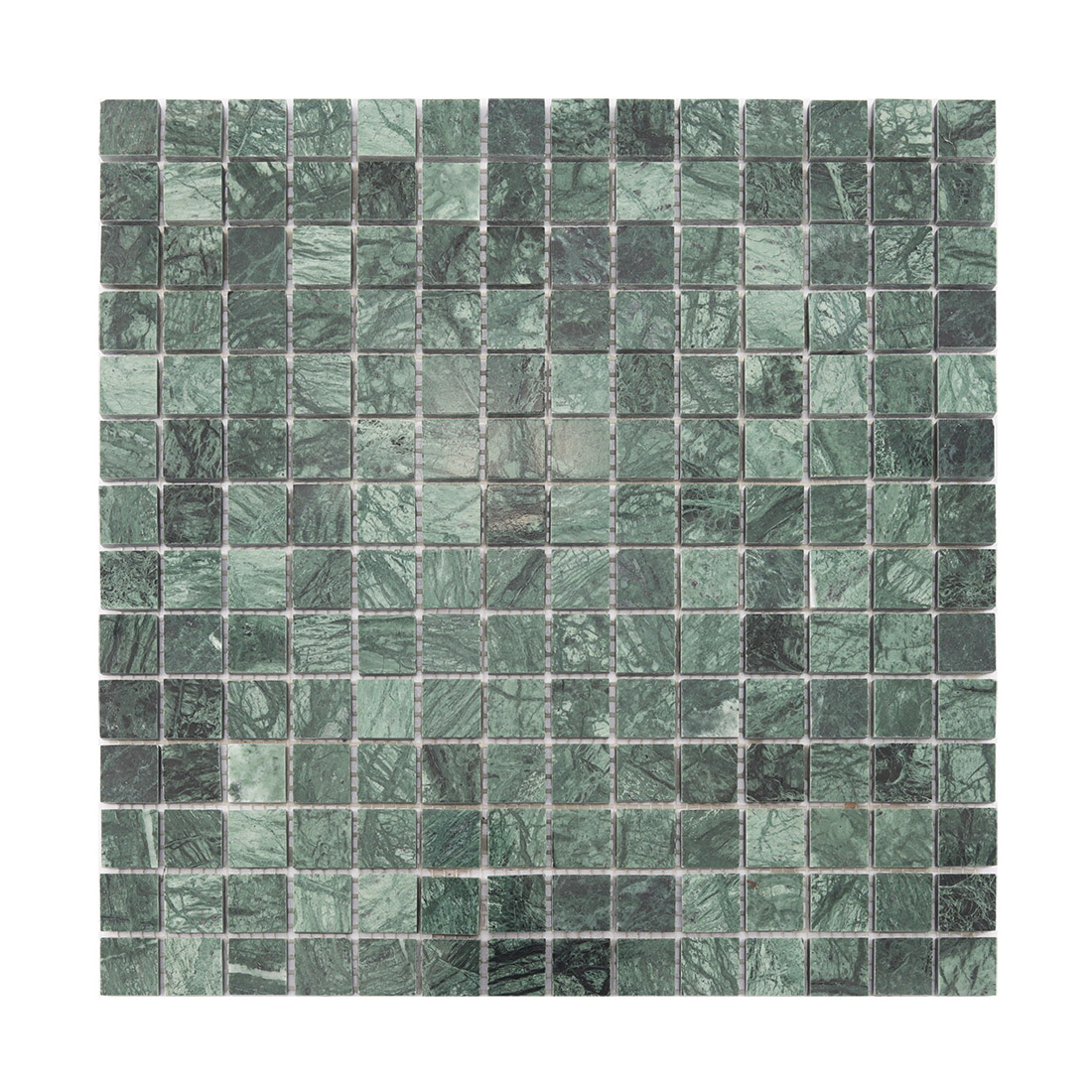
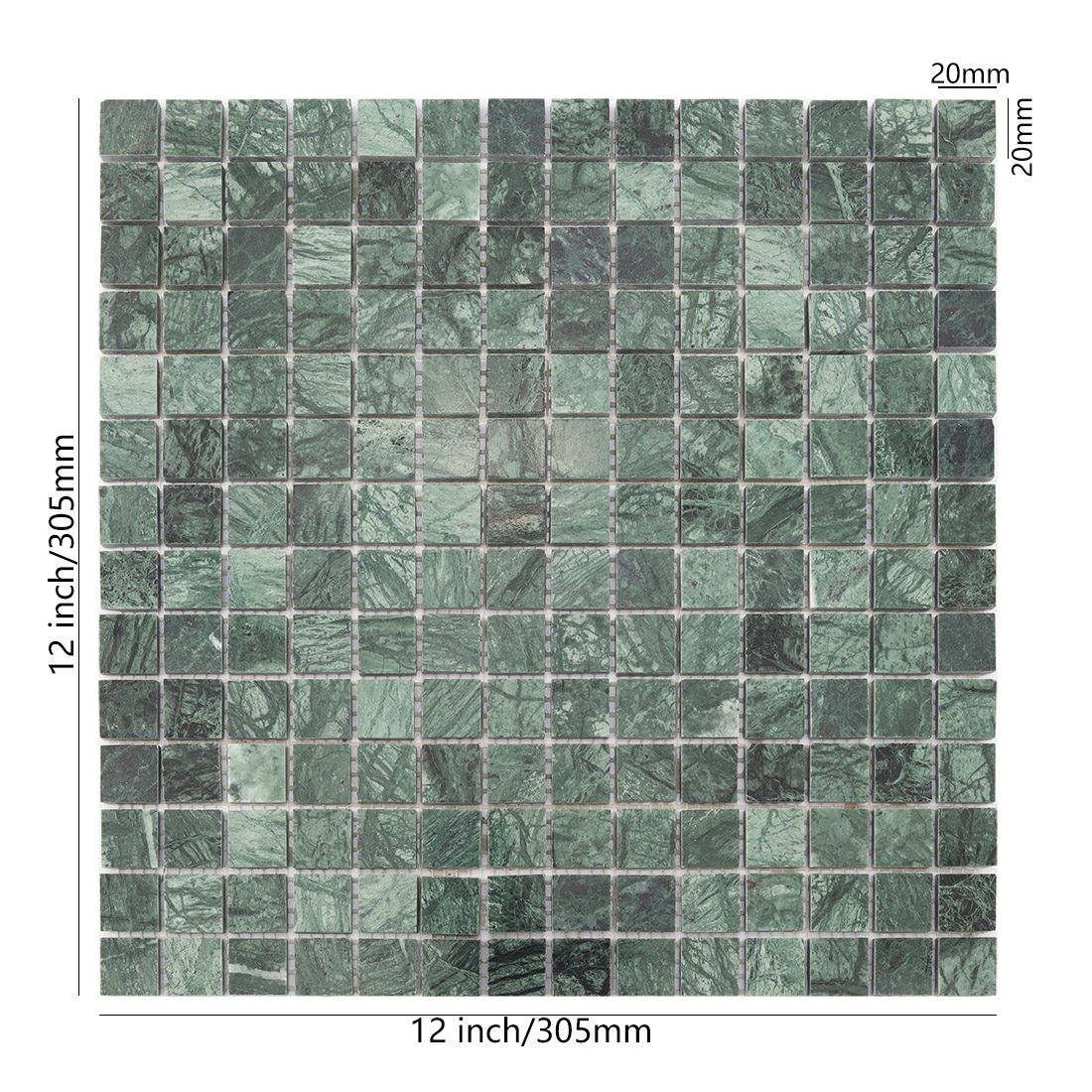
India Green Square Marble Floor Mosaic Tile$11.10 USD
-
-
-
-
-
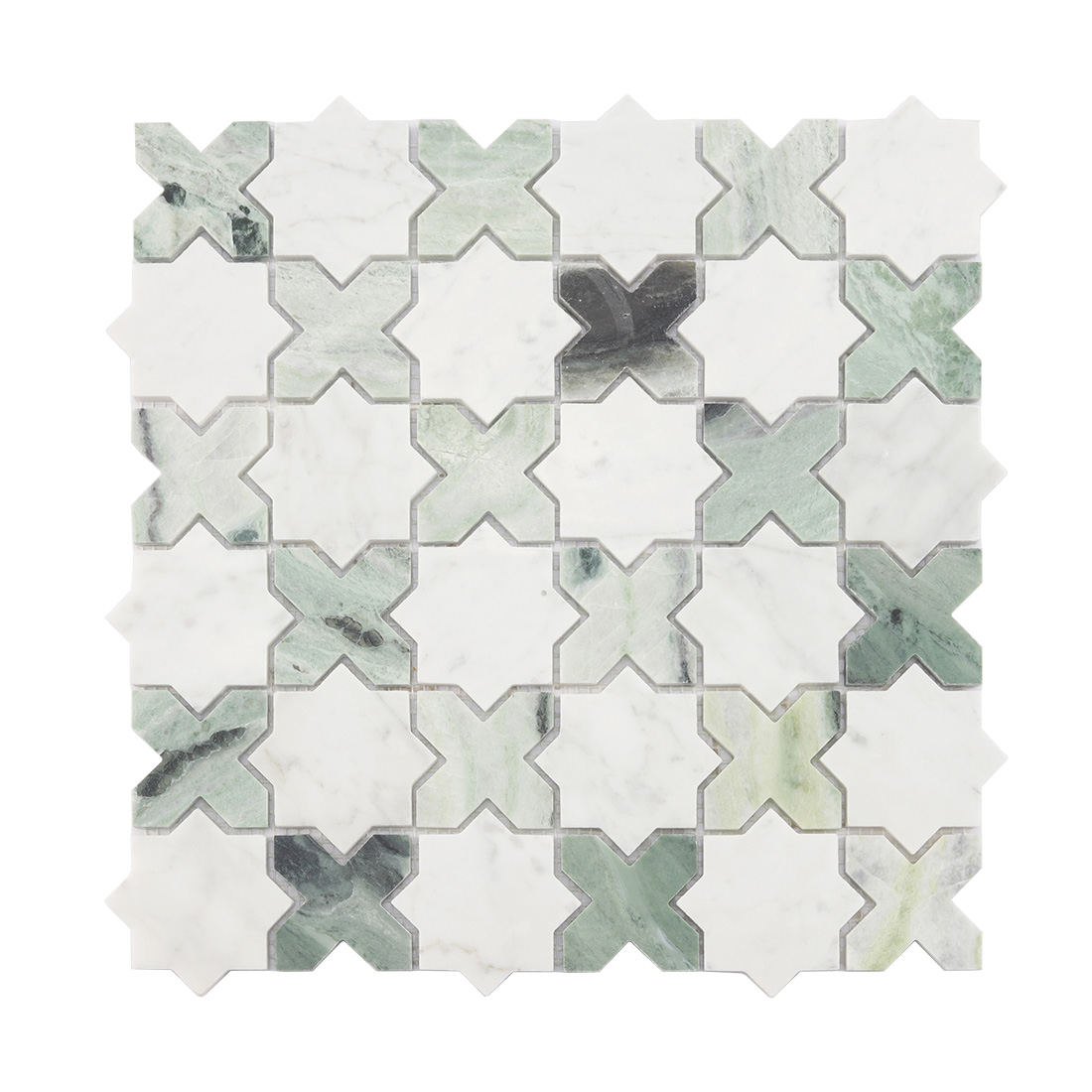
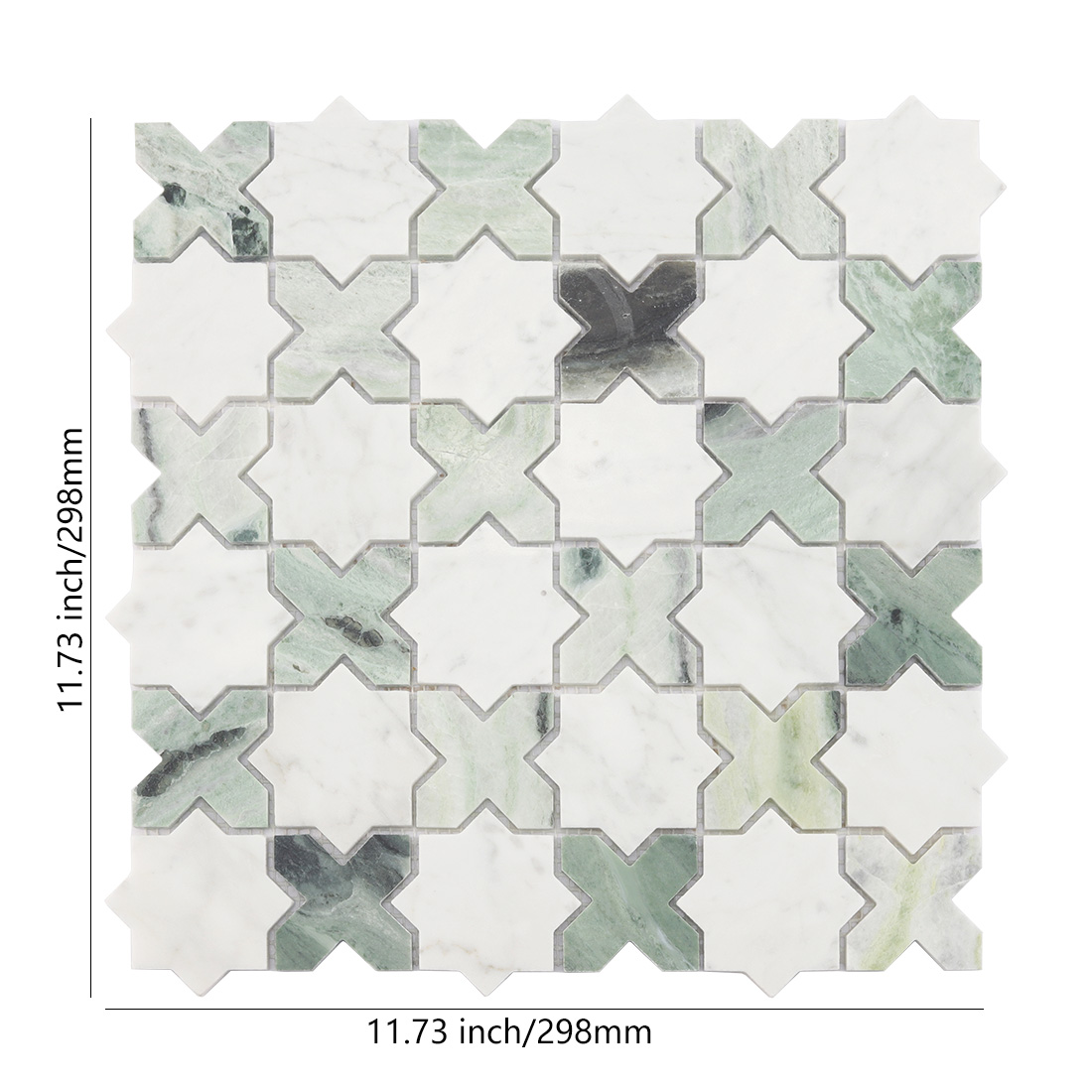
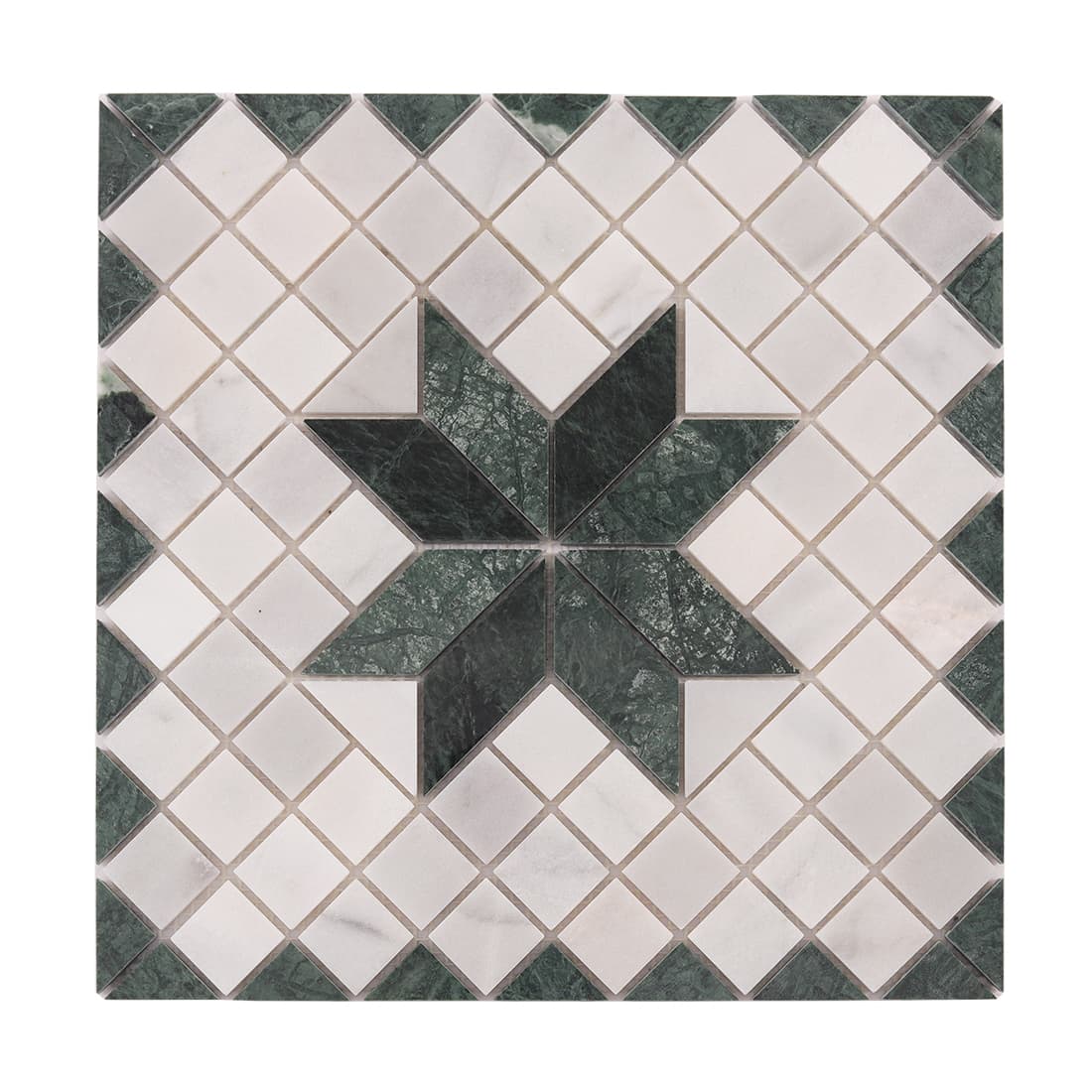
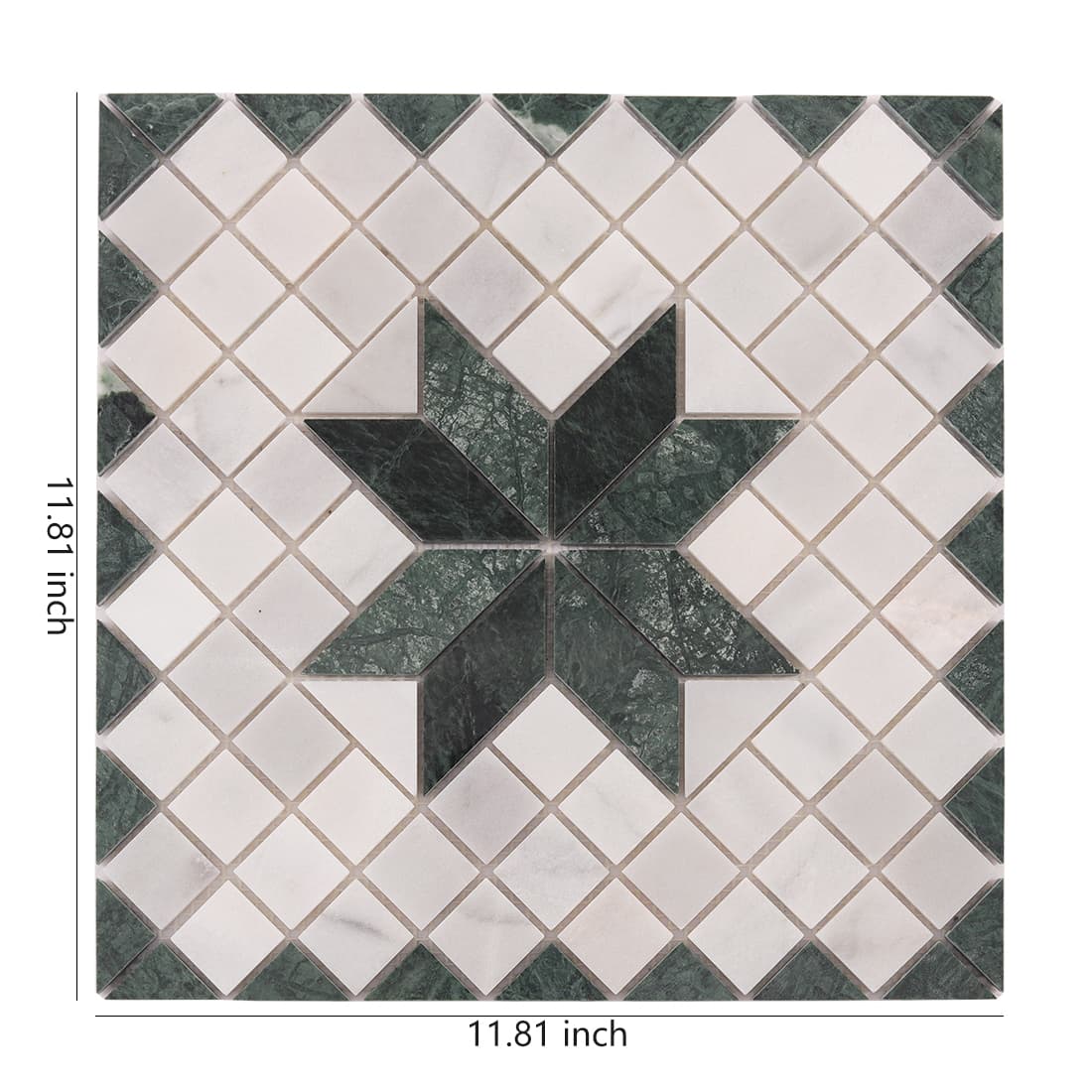
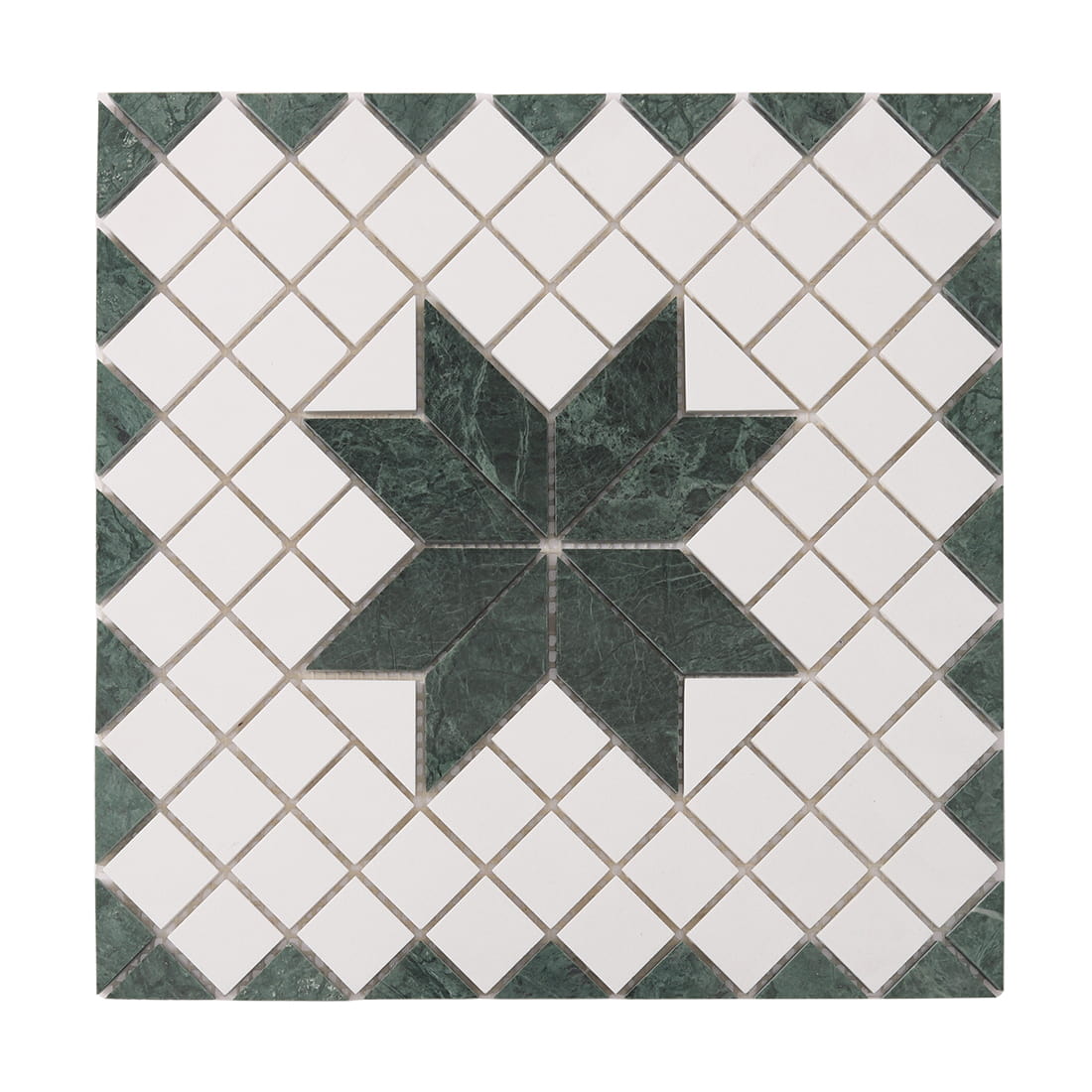
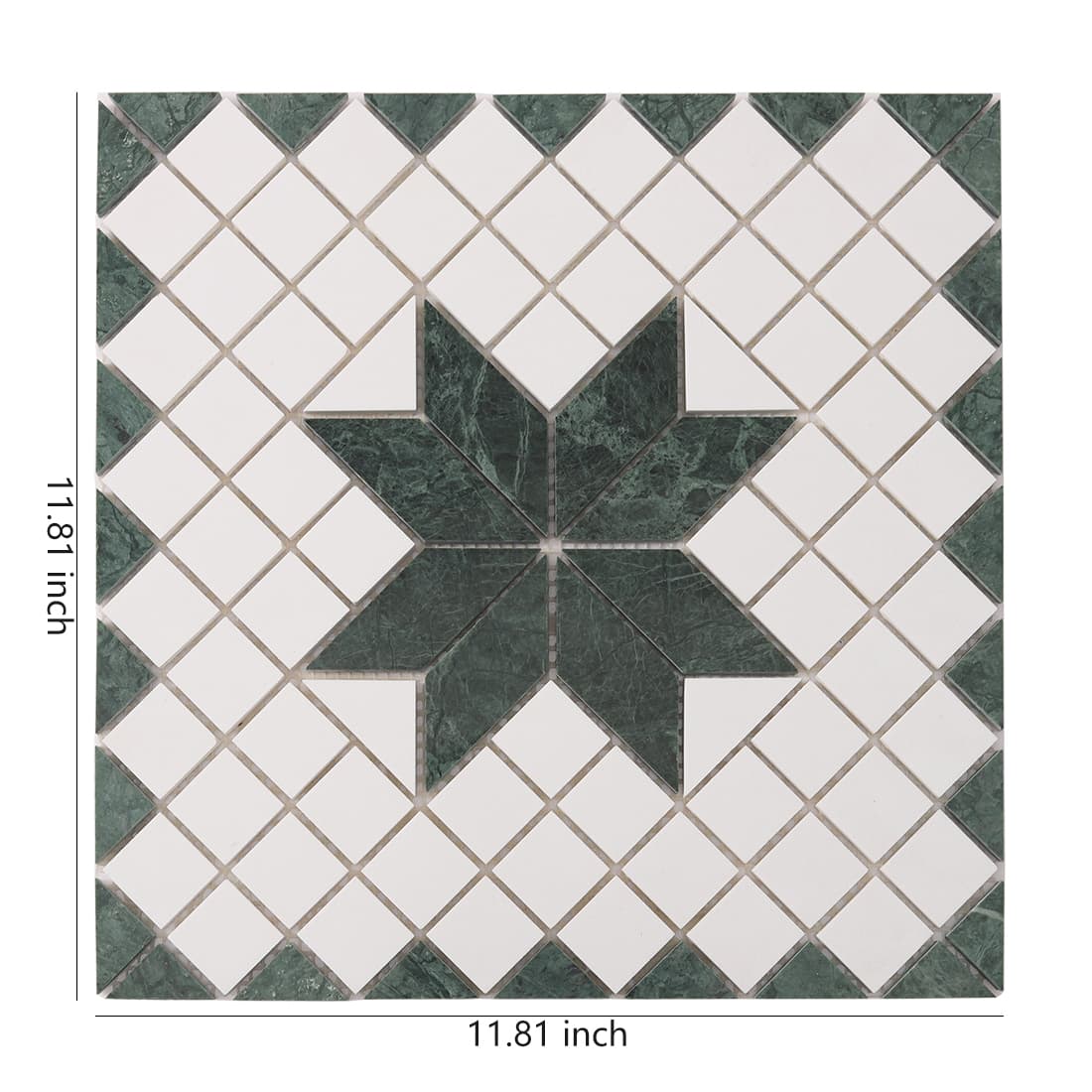
White Green Marble Star Cross Mosaic Tile$23.80 USD
-
-
-
-
-
-
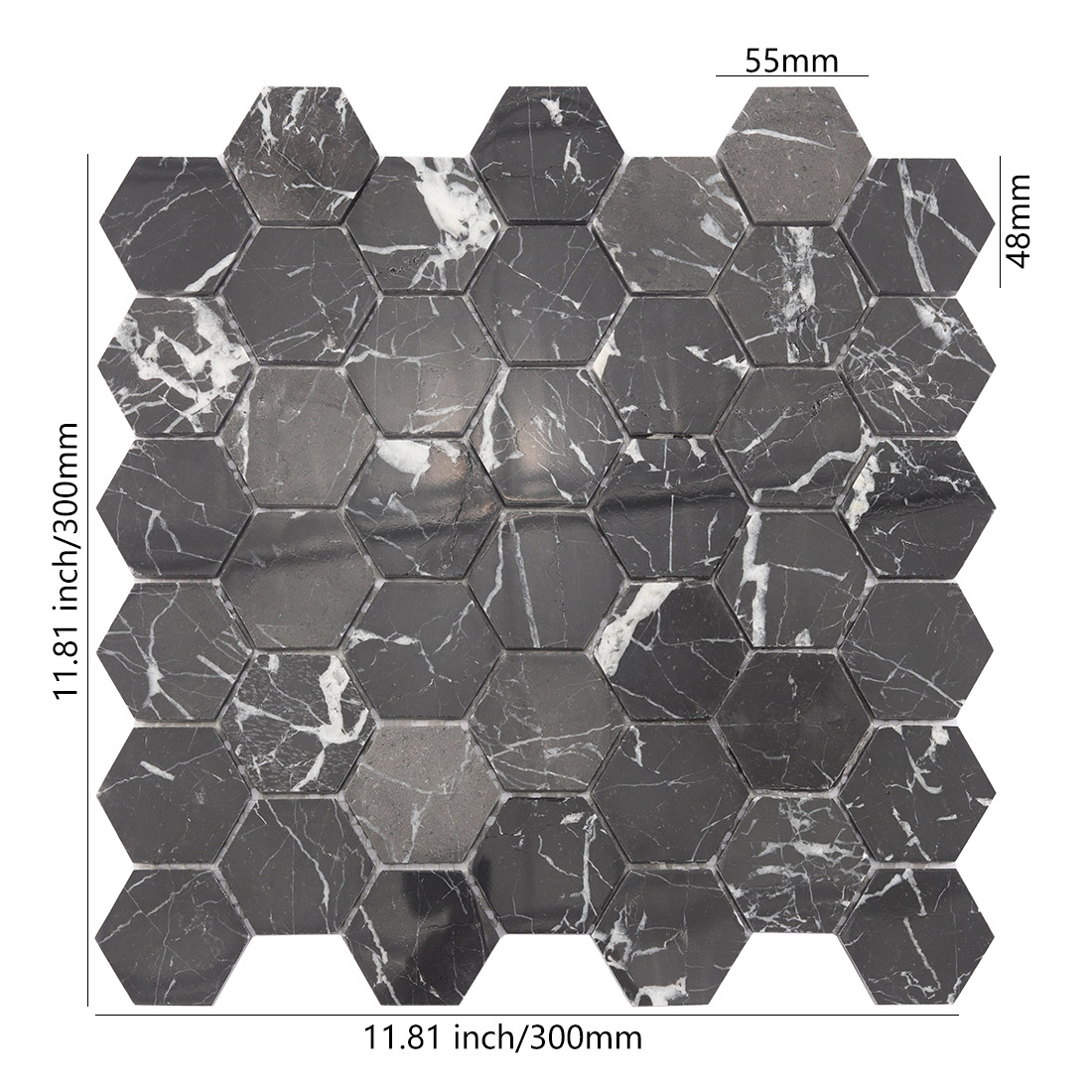
Black Hexagon Marble Floor Mosaic Tile$11.70 USD
-
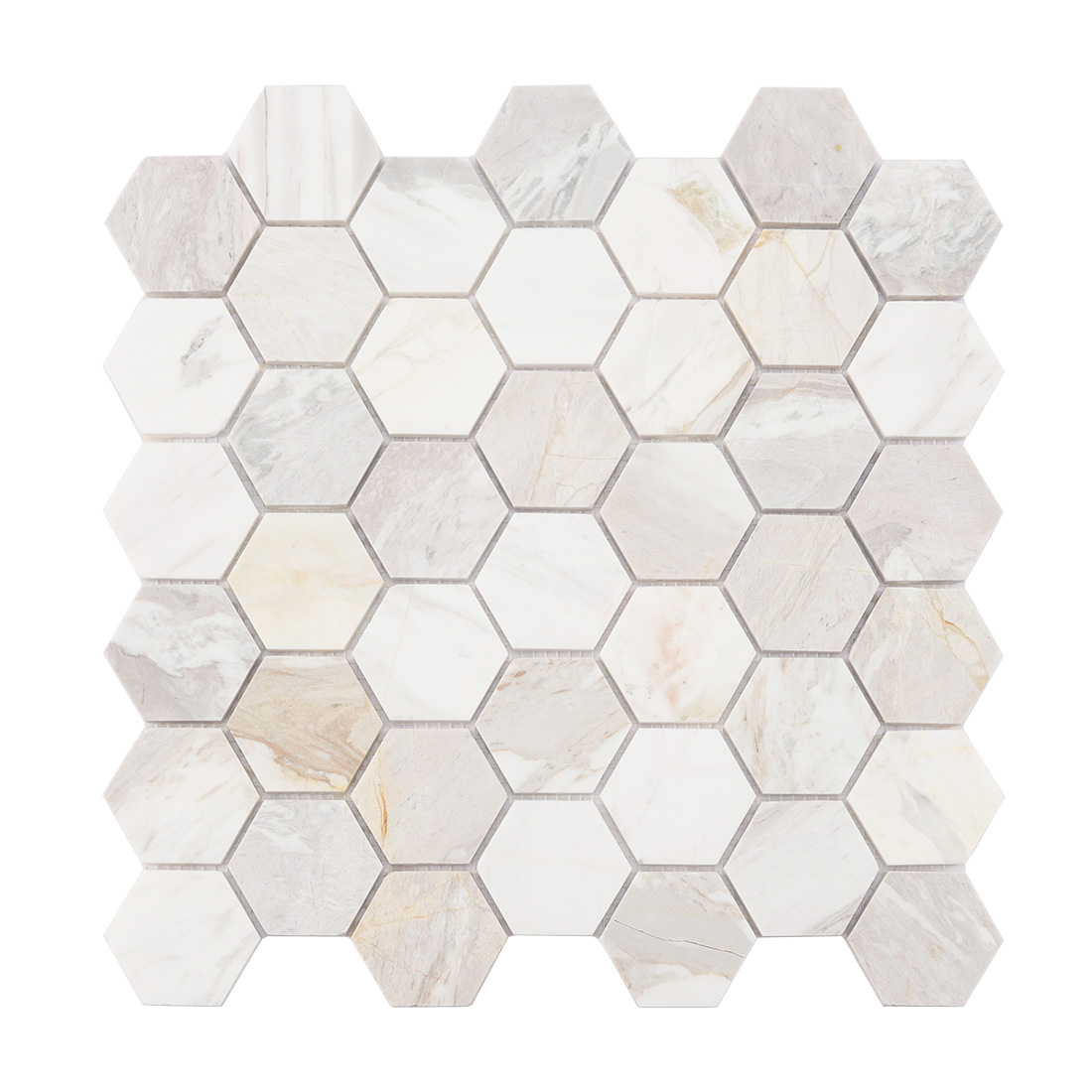
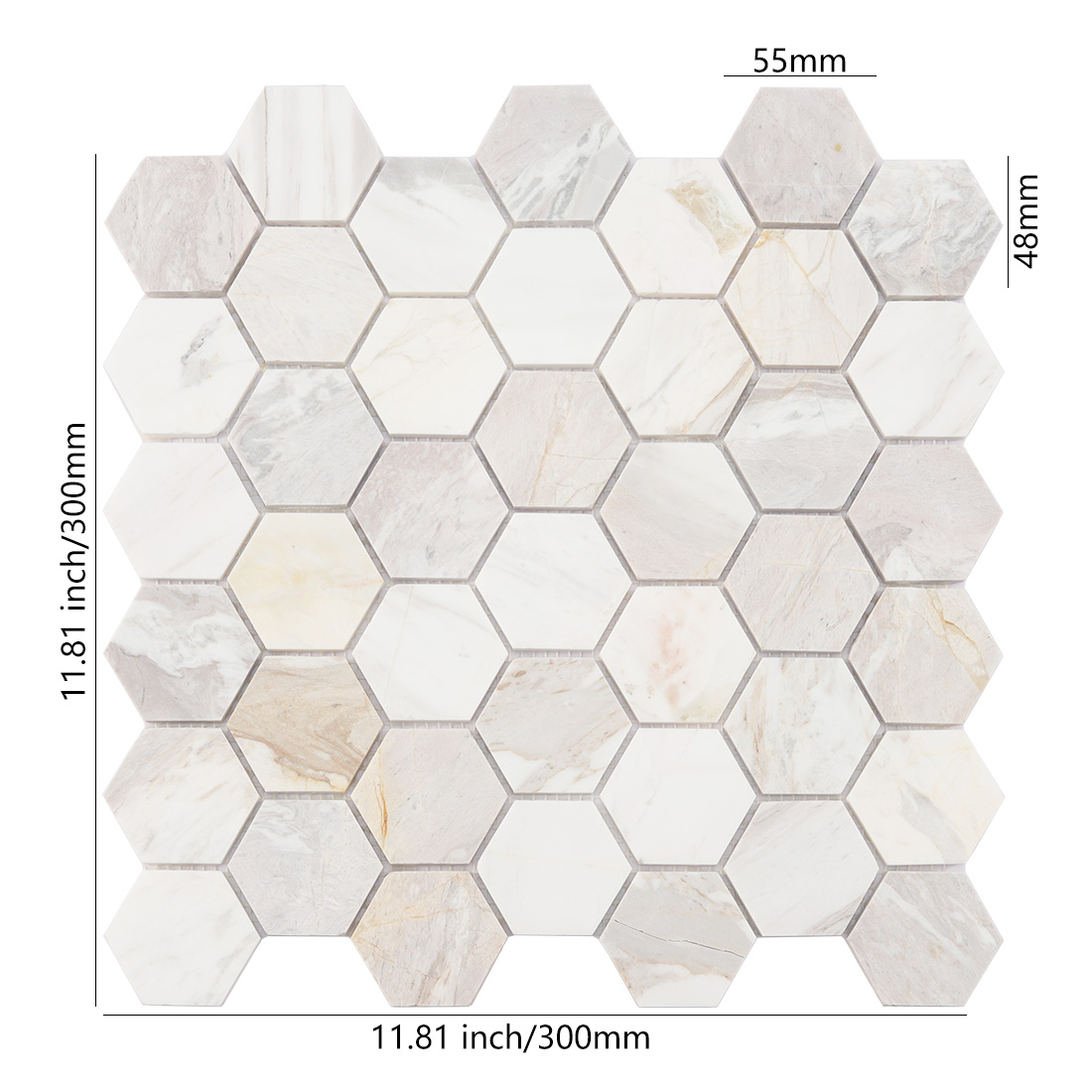
Beige Hexagon Marble Floor Mosaic Tile$12.70 USD
-
-
-
-
-
-
-
-
-
-
-
-
-
-
-
-
-
-
-
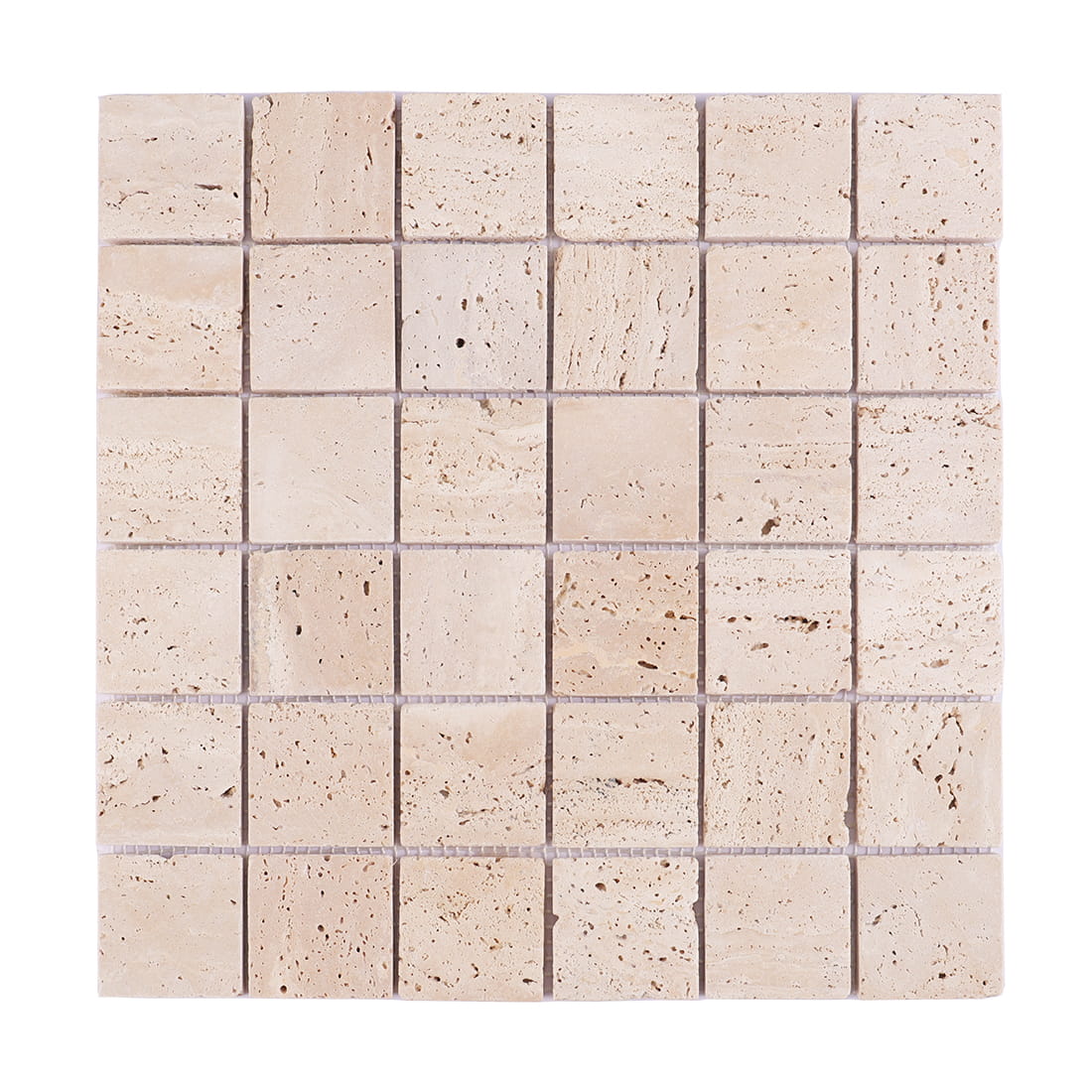
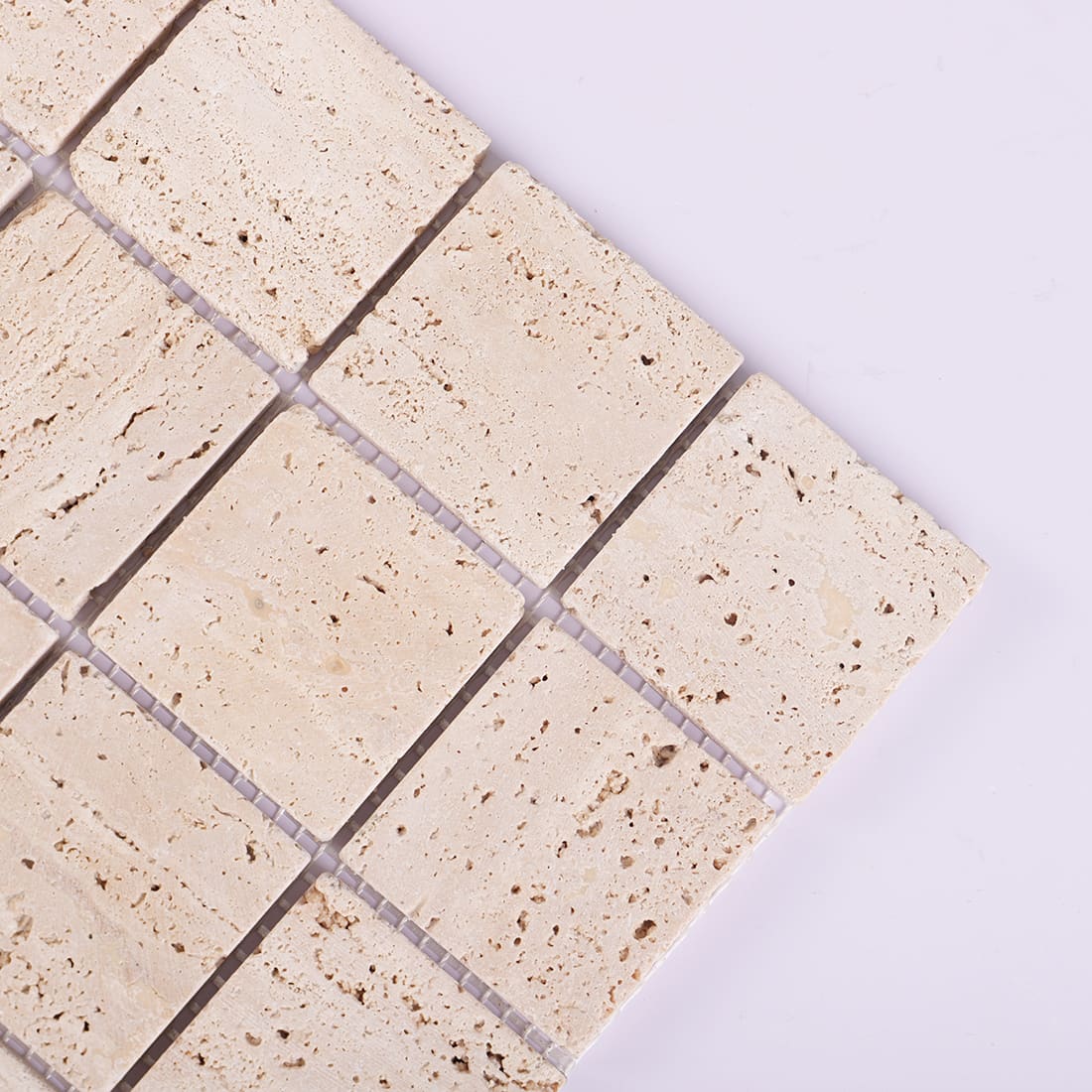
Beige Travertine Square Mosaic Tile$10.03 USD
-
-
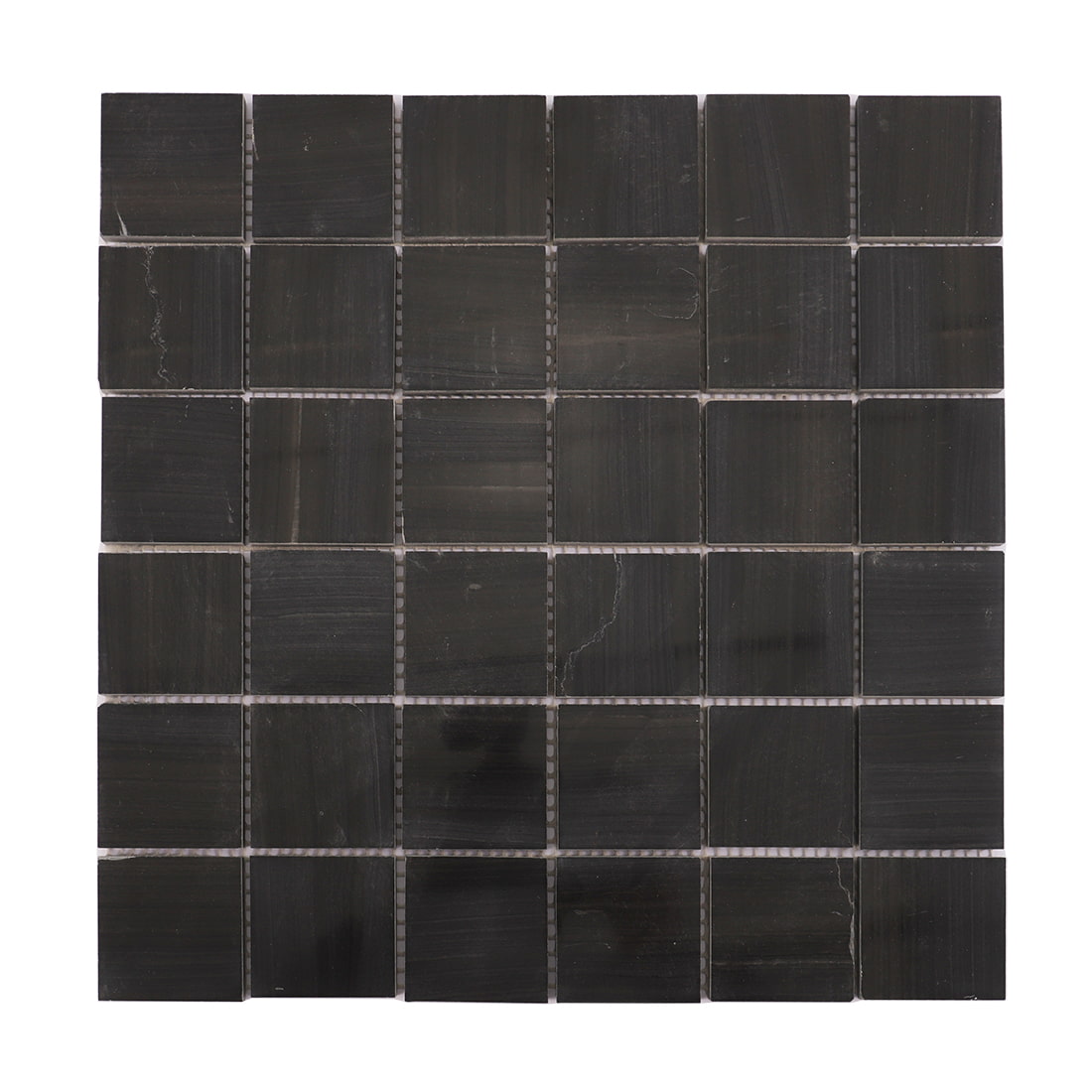
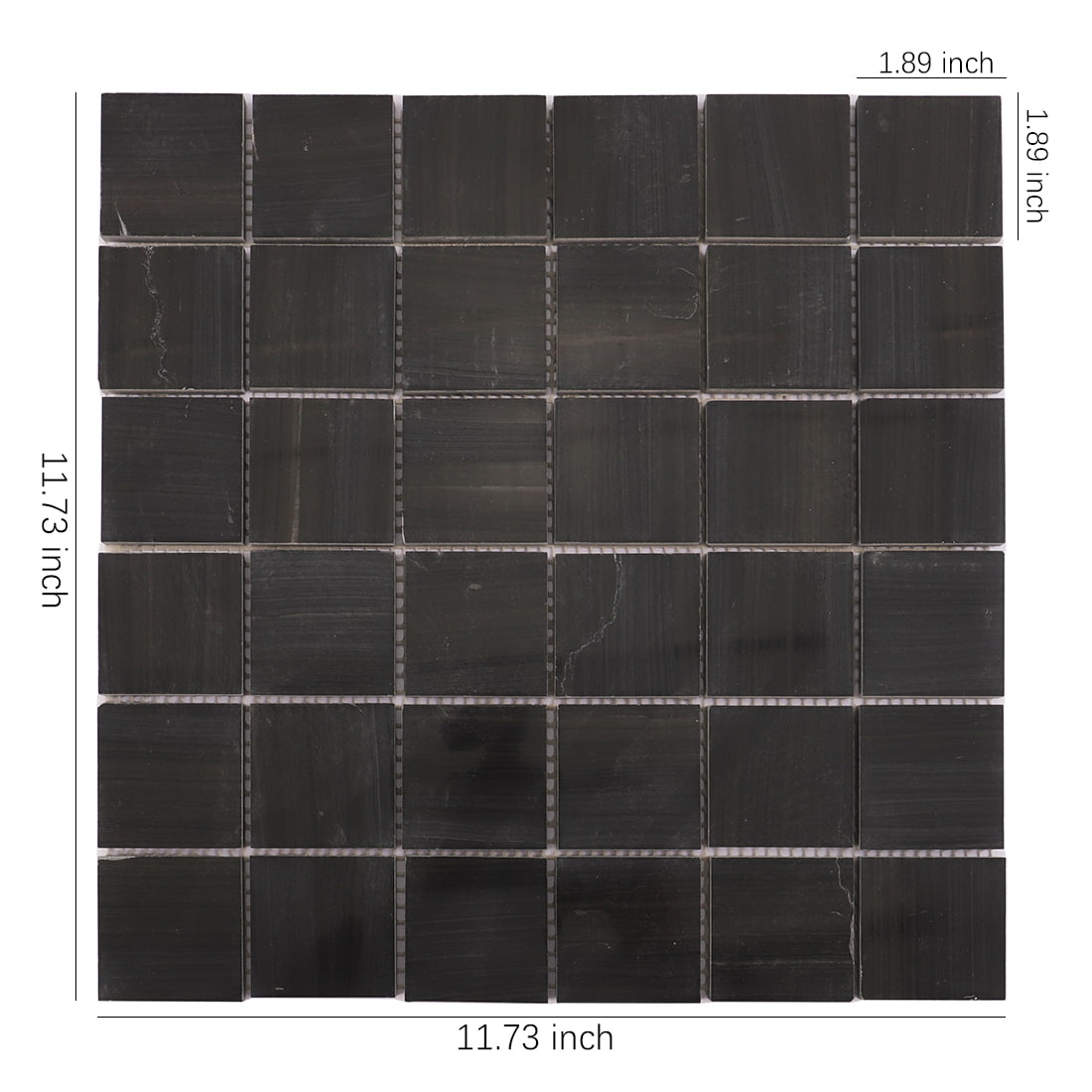
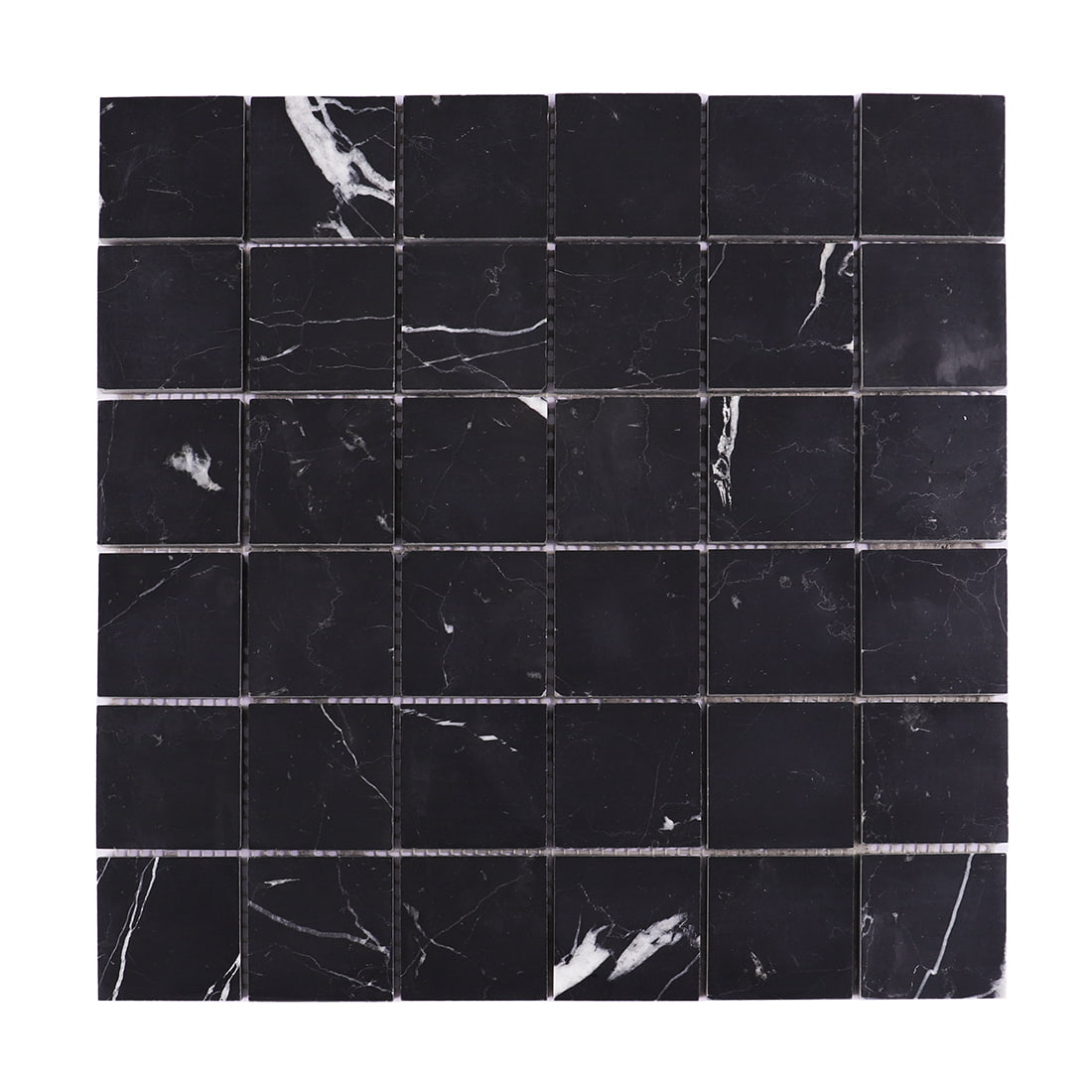
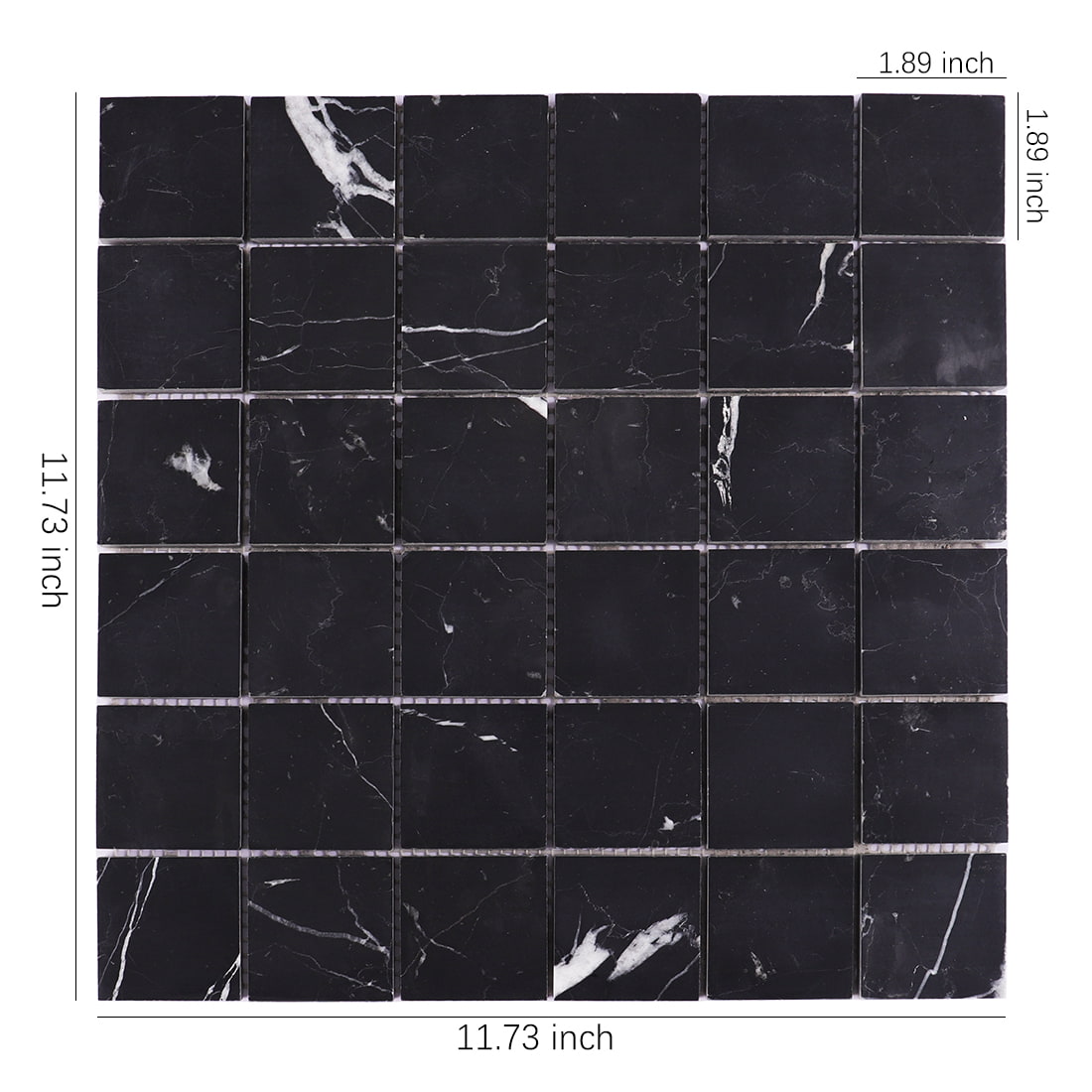
Nero Black Square Marble Mosaic Tile$9.02 USD
-
-
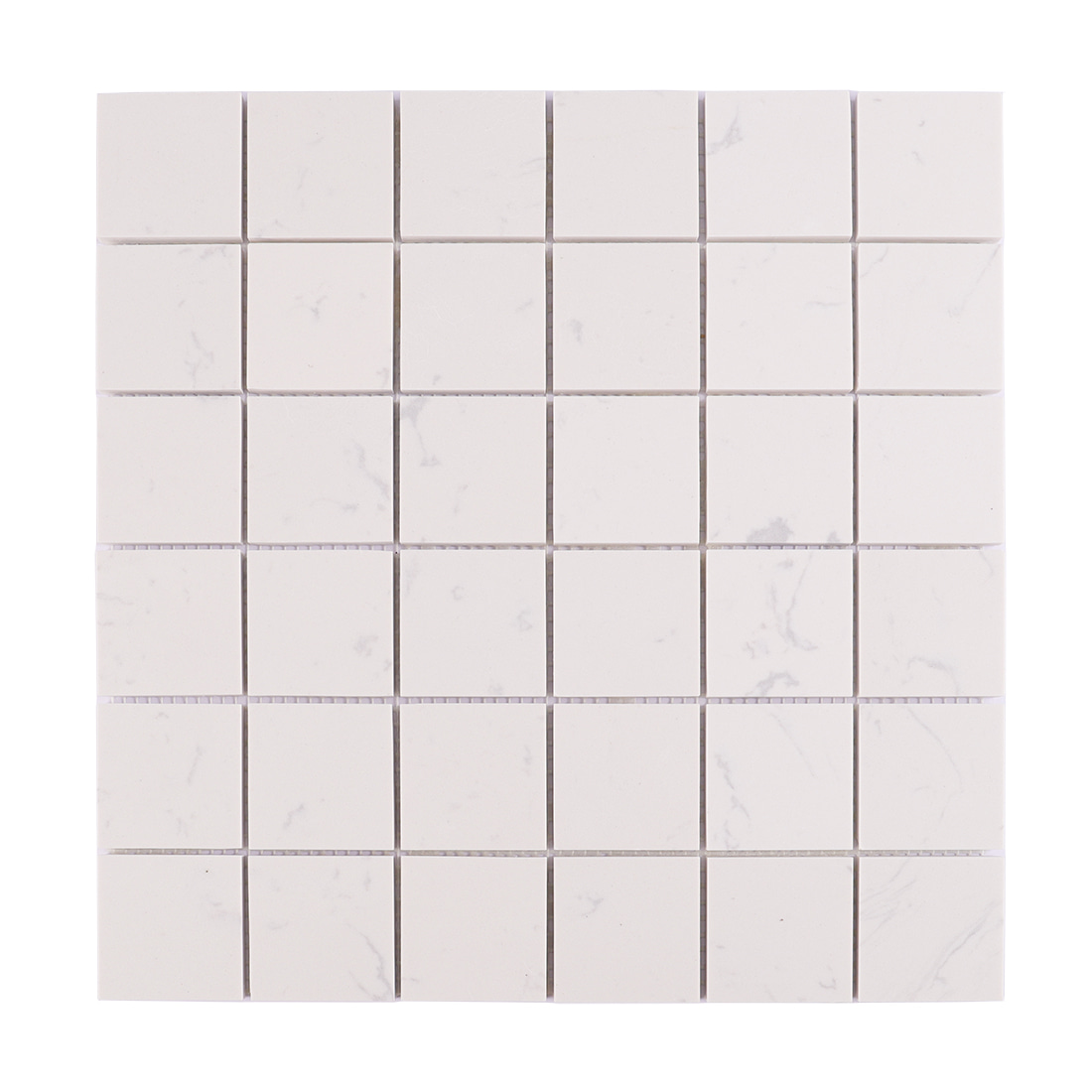
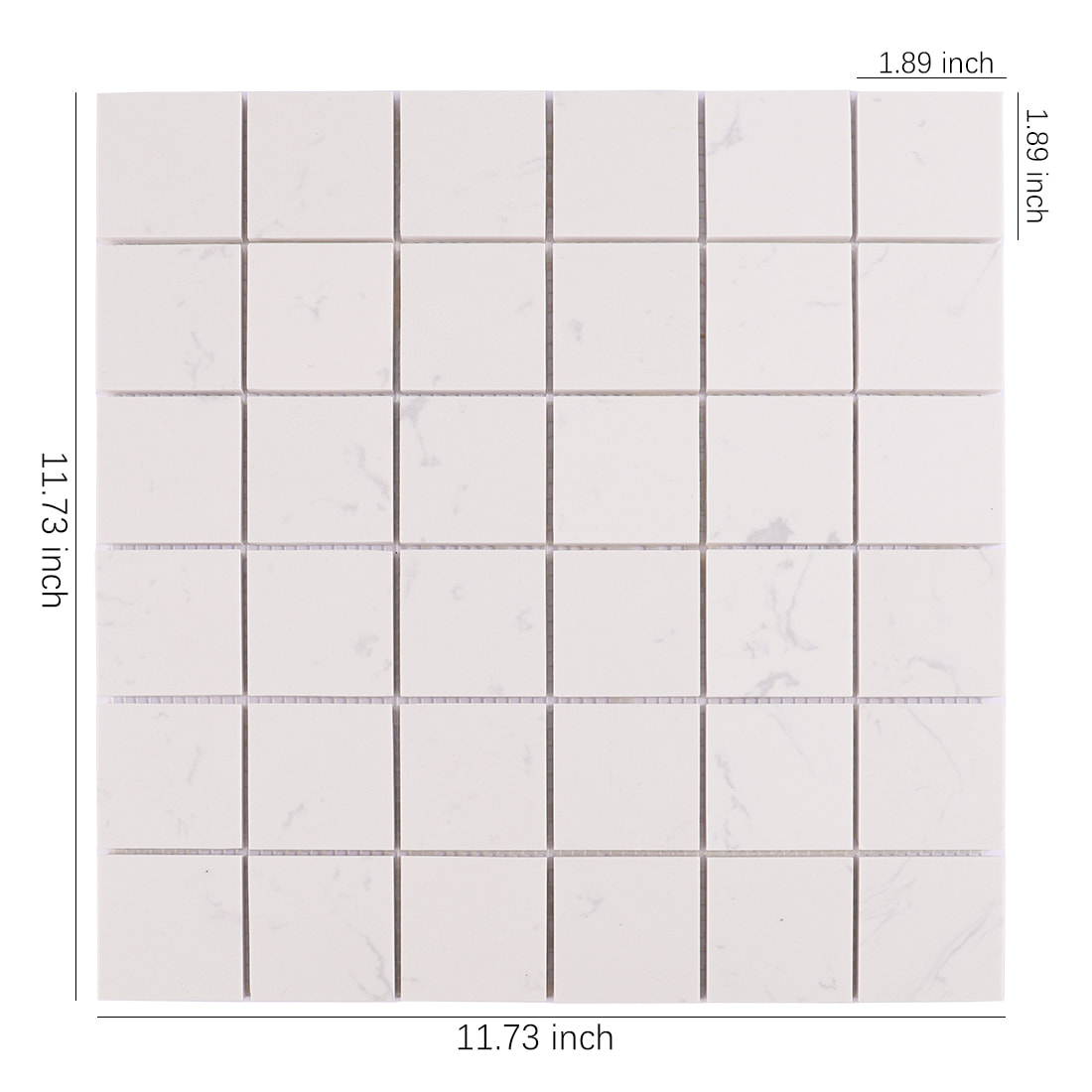
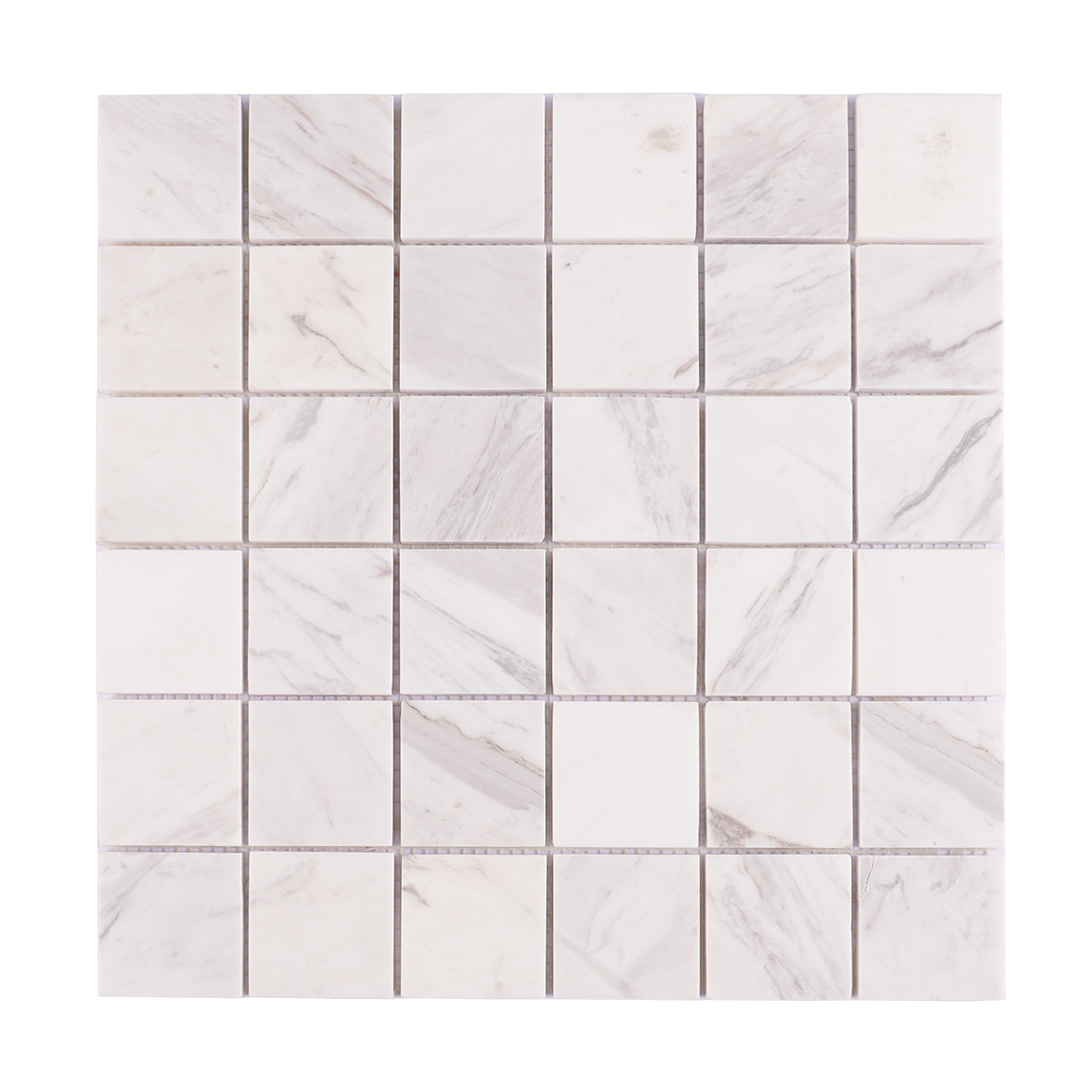
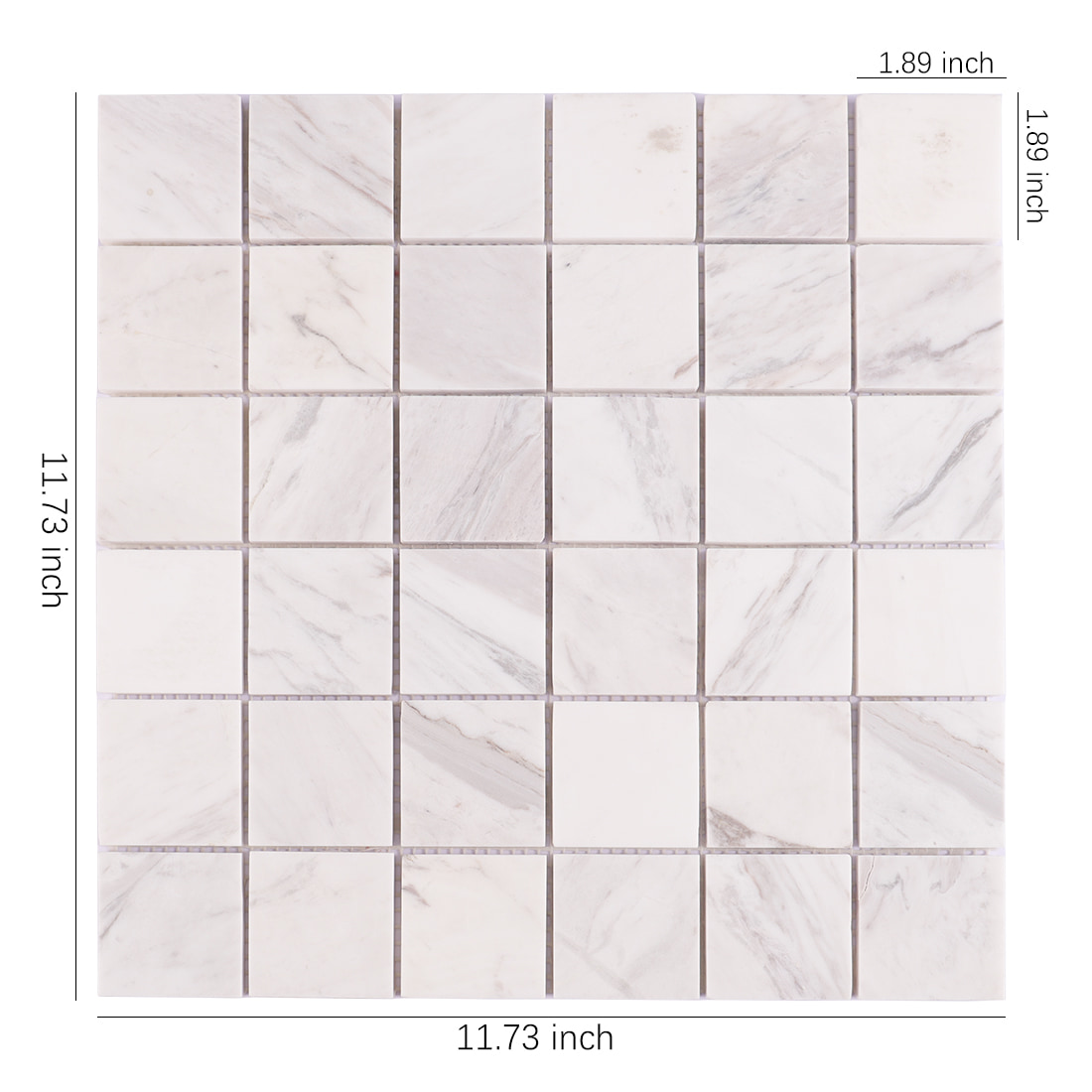
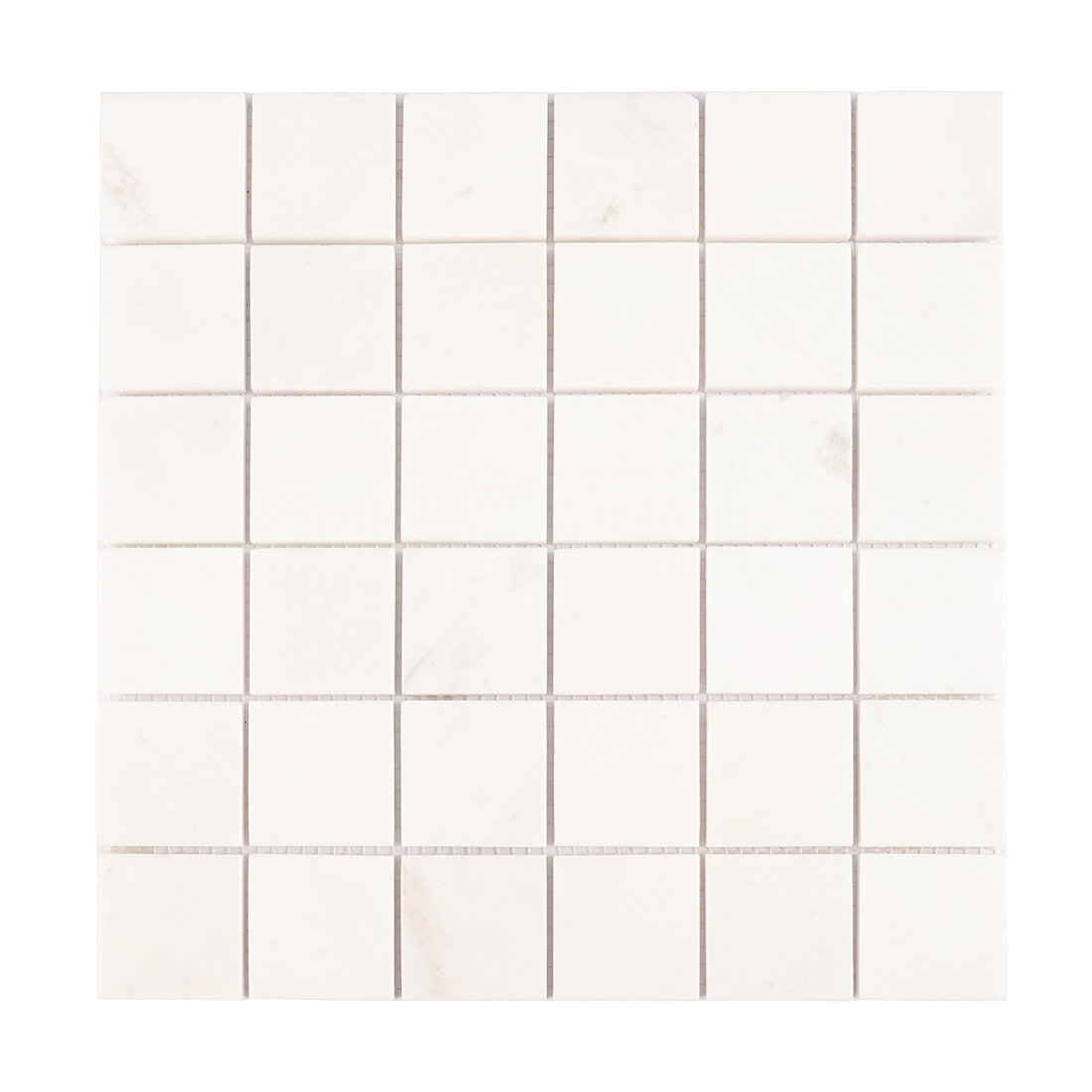
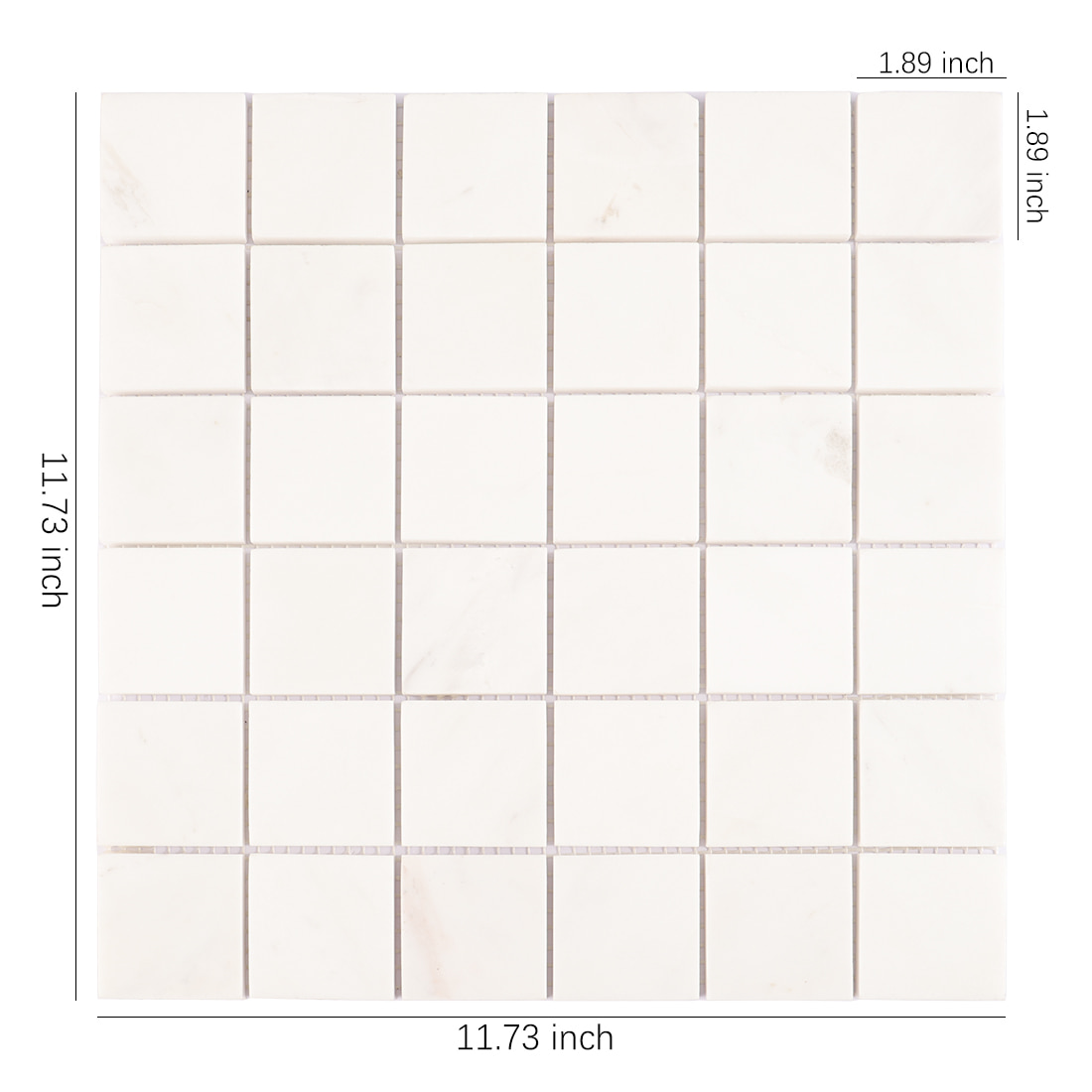
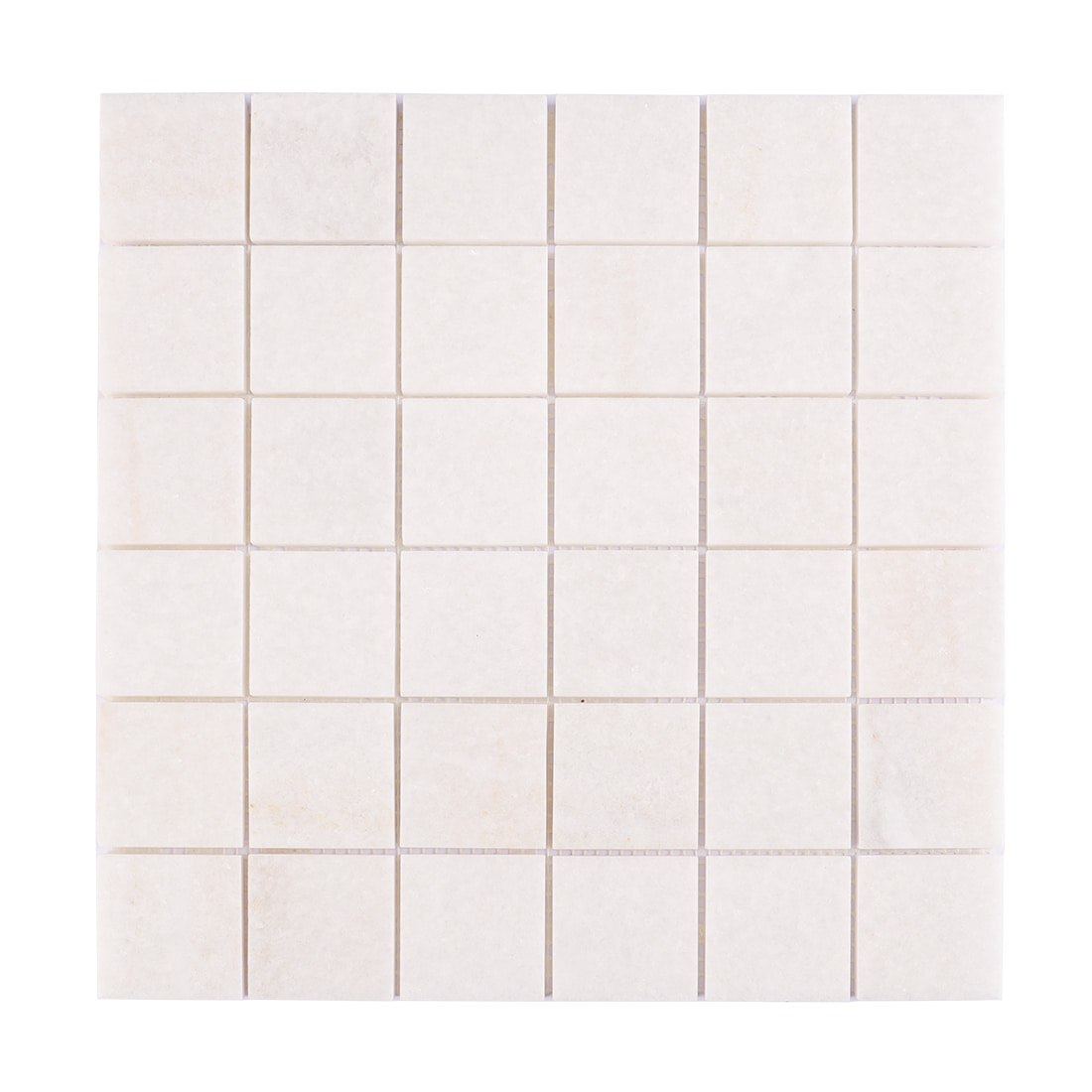
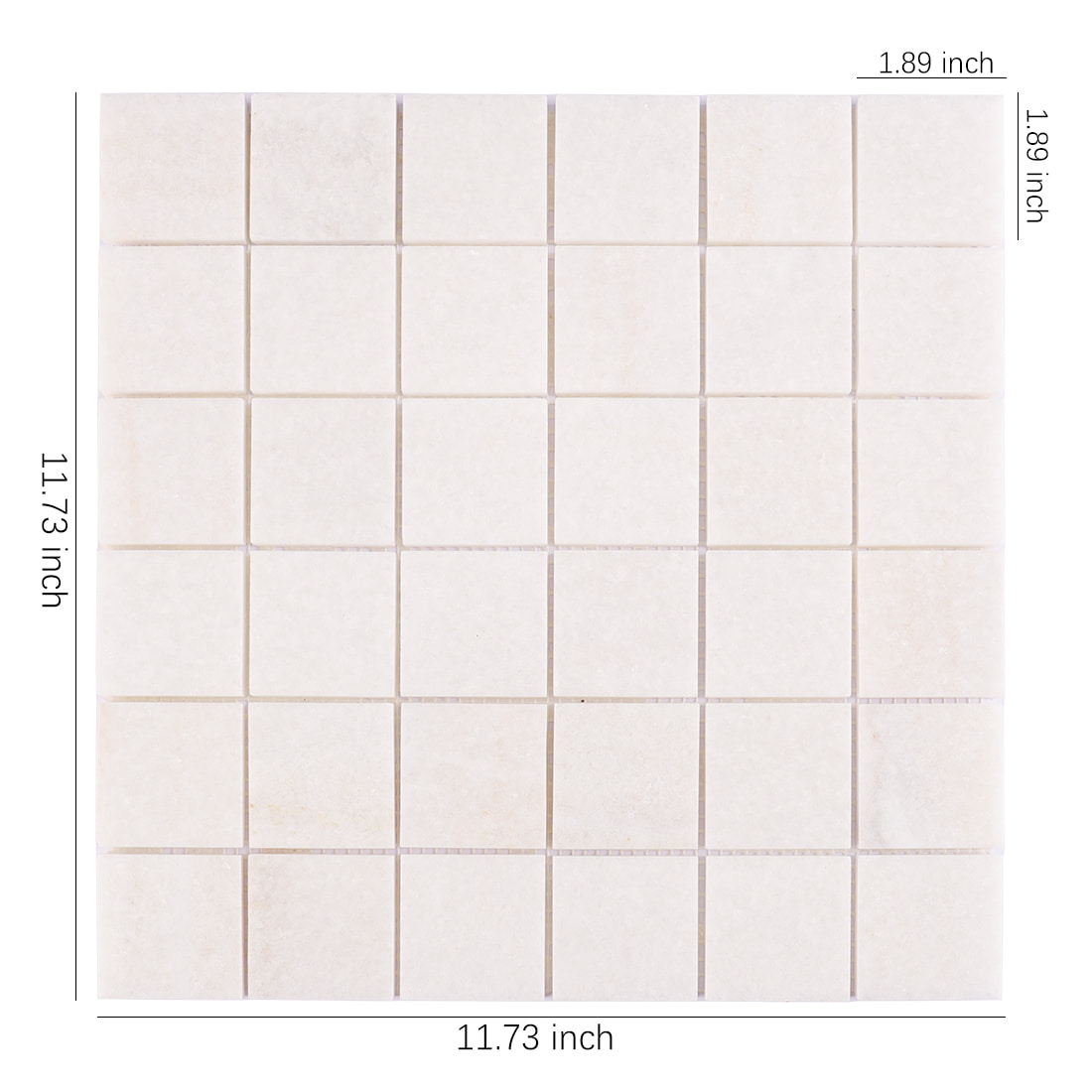
Volakas White Square Marble Mosaic Tile$9.69 USD
-
-
-
-
-
-
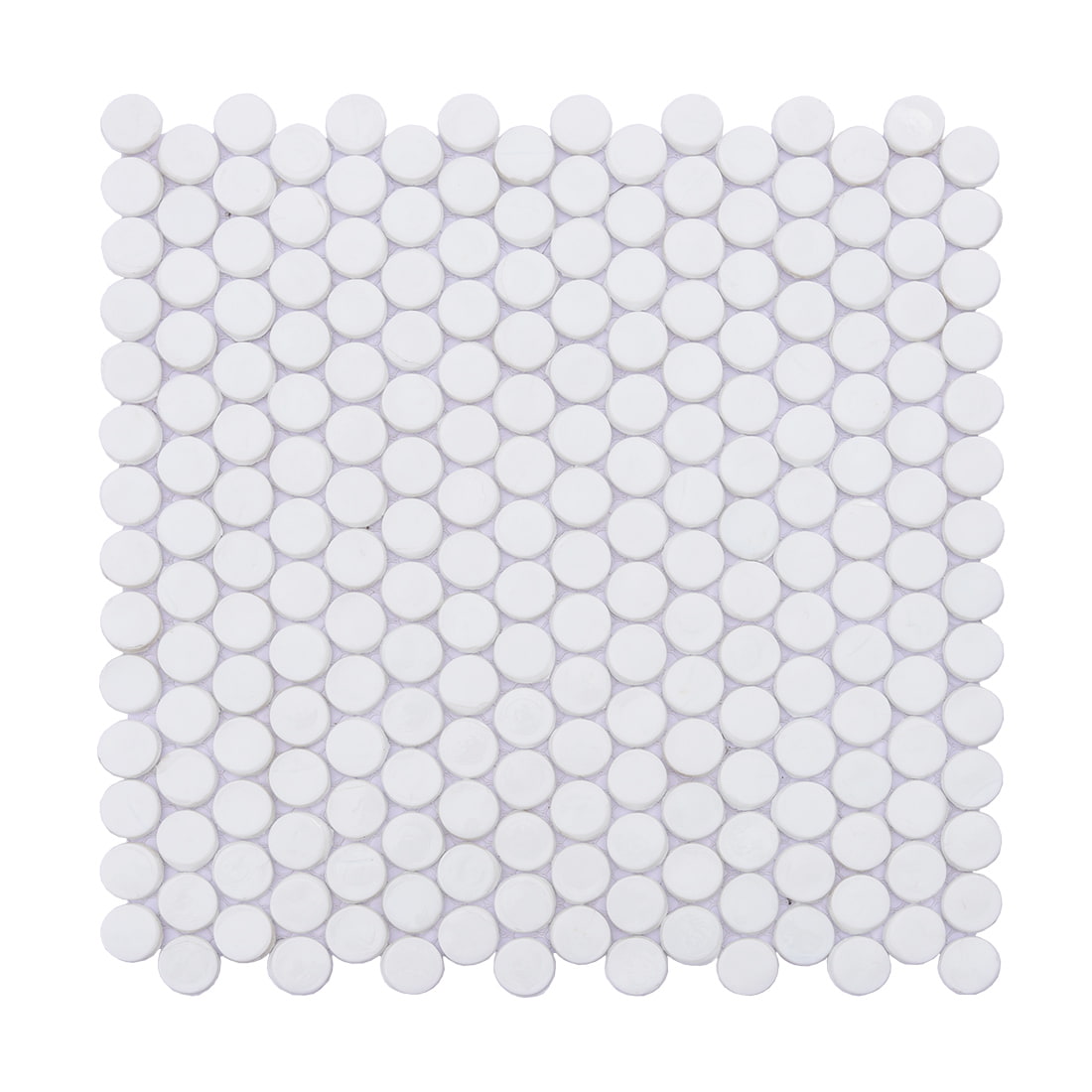
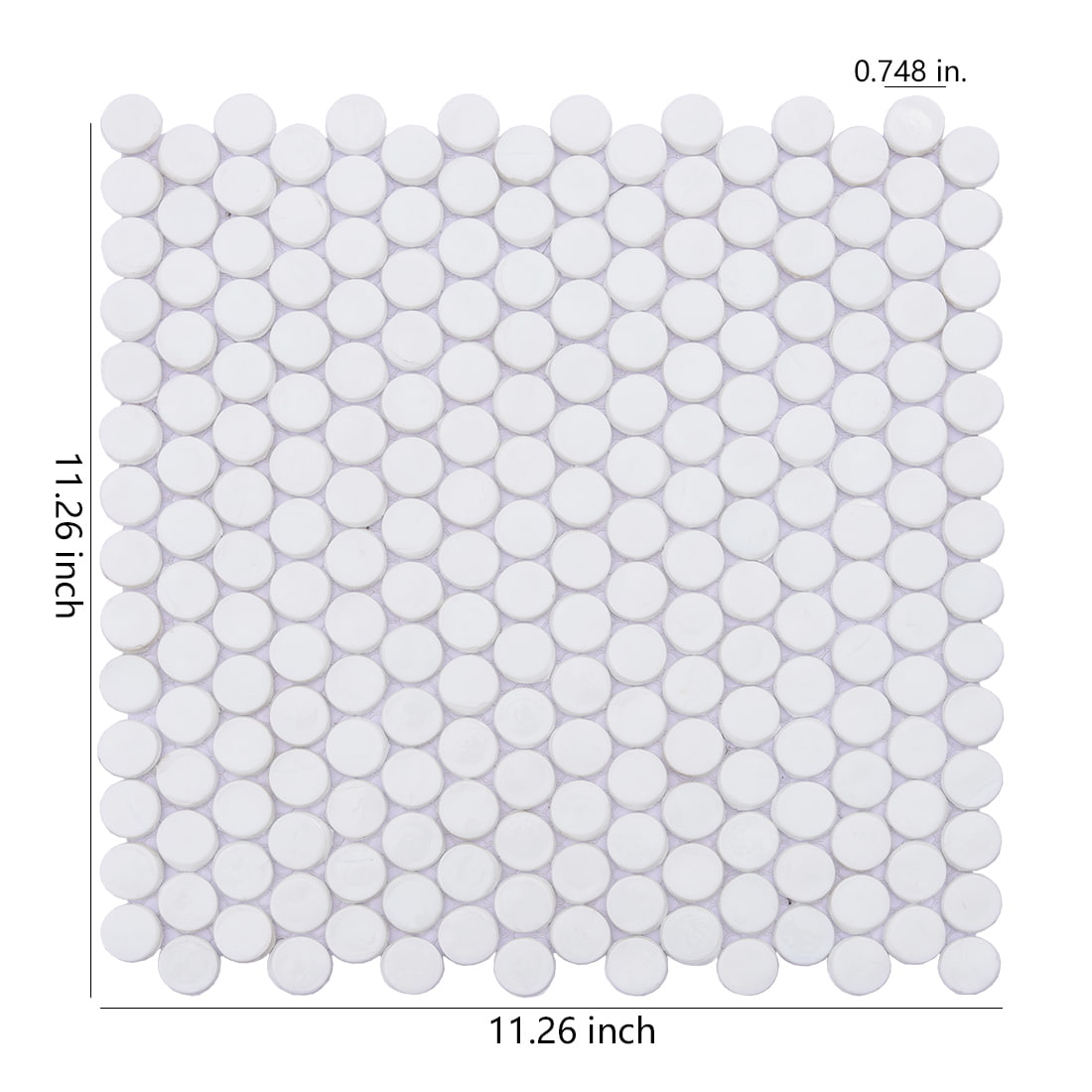
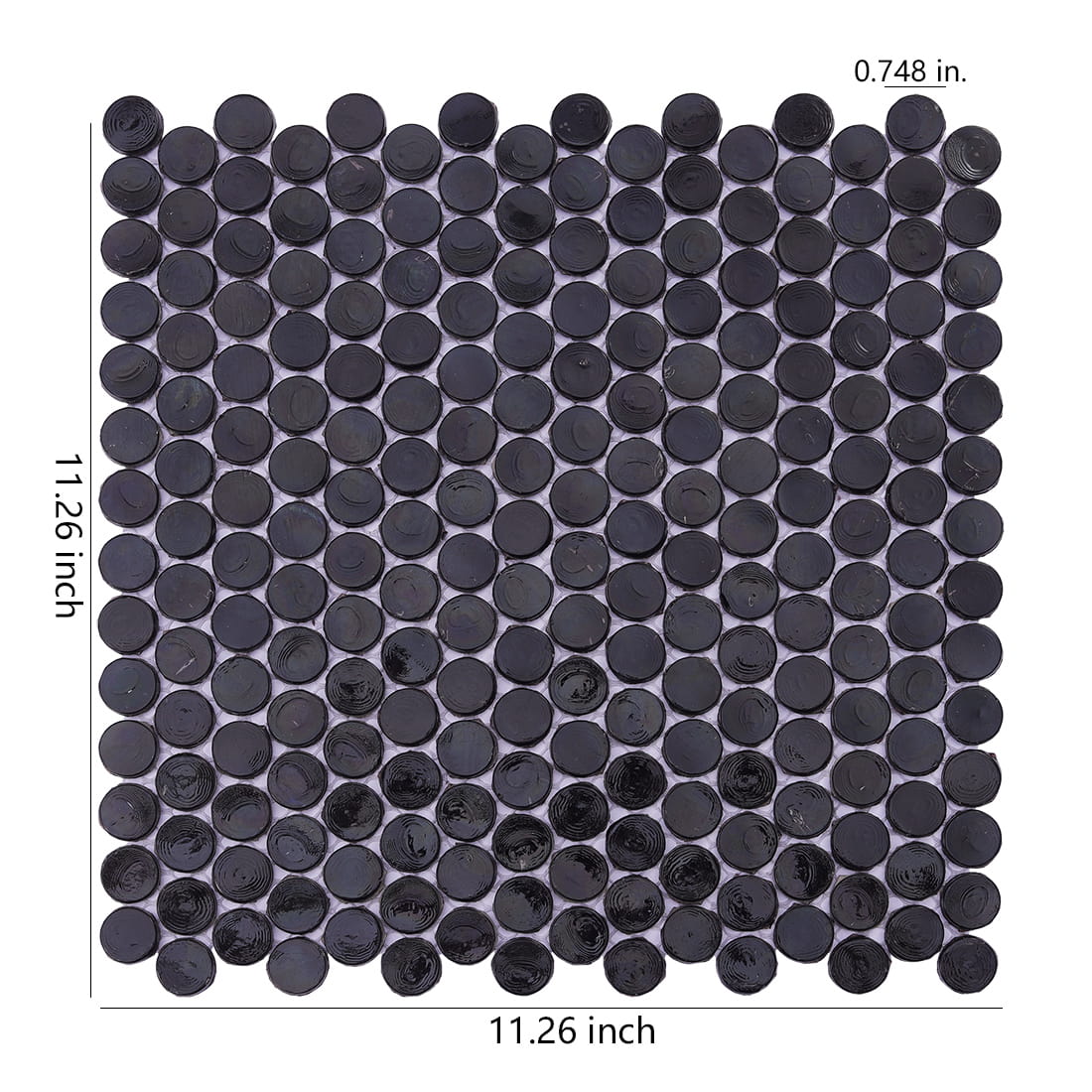
White Round Penny Tile Glass Mosaic Sheet$16.07 USD
-
-
-
-
-
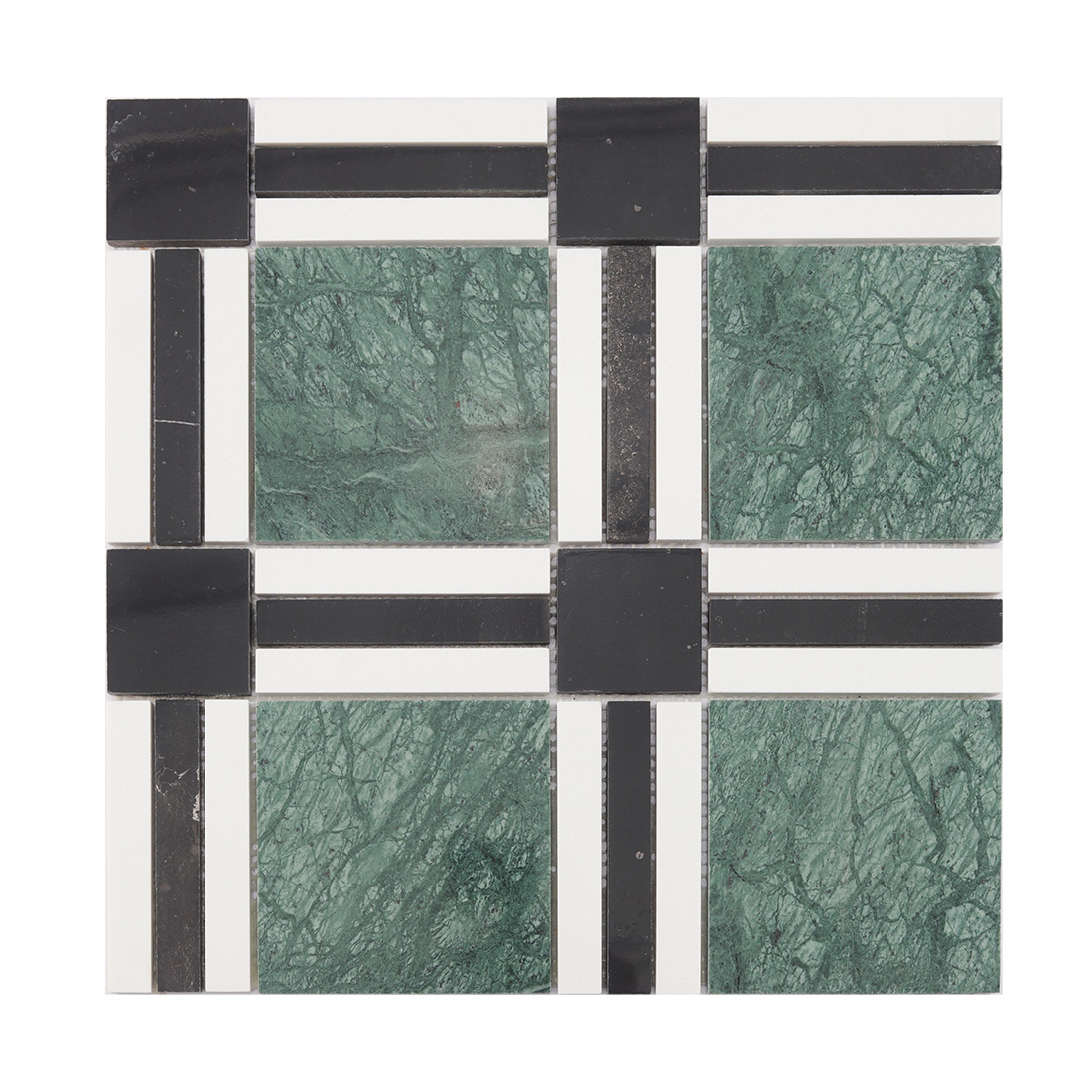
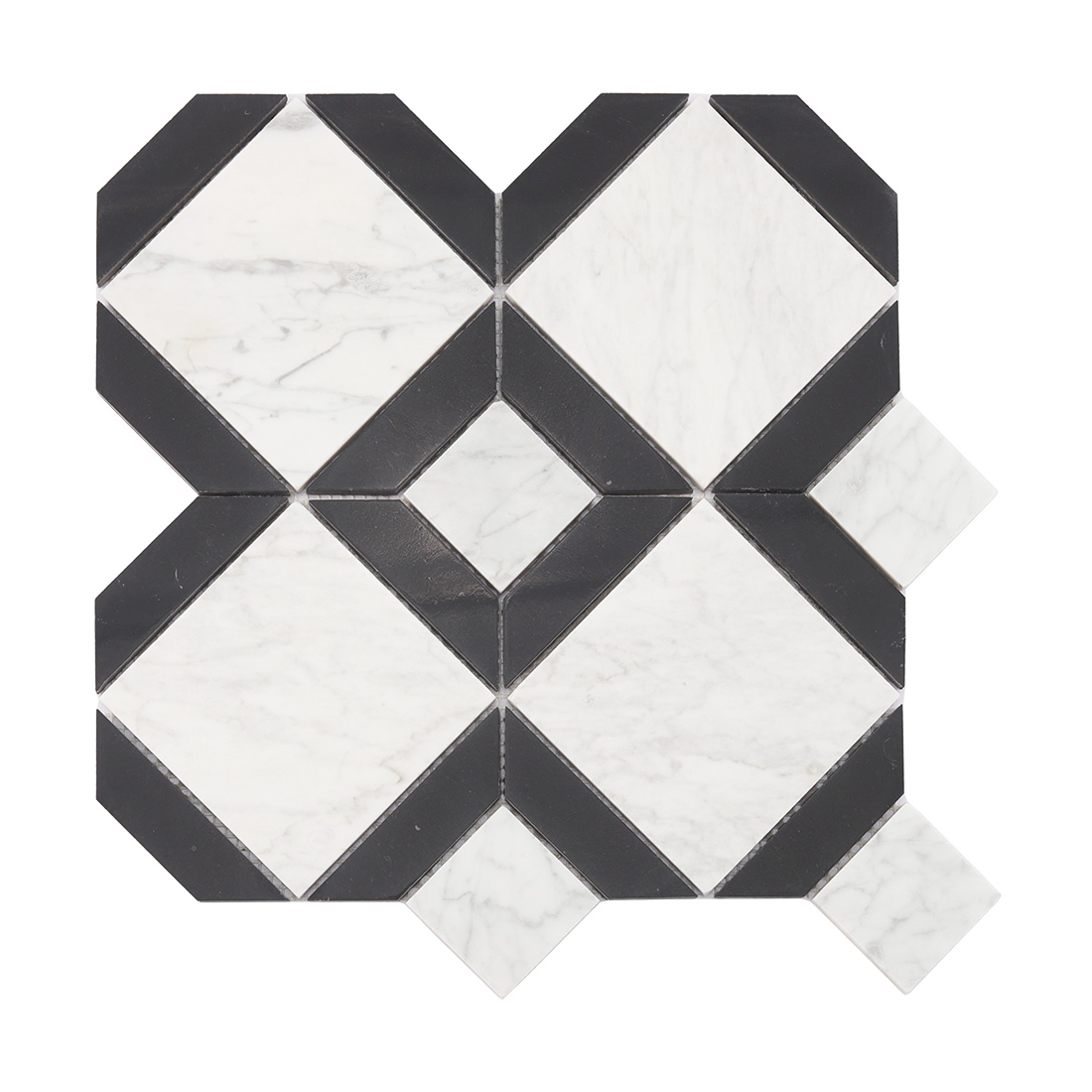
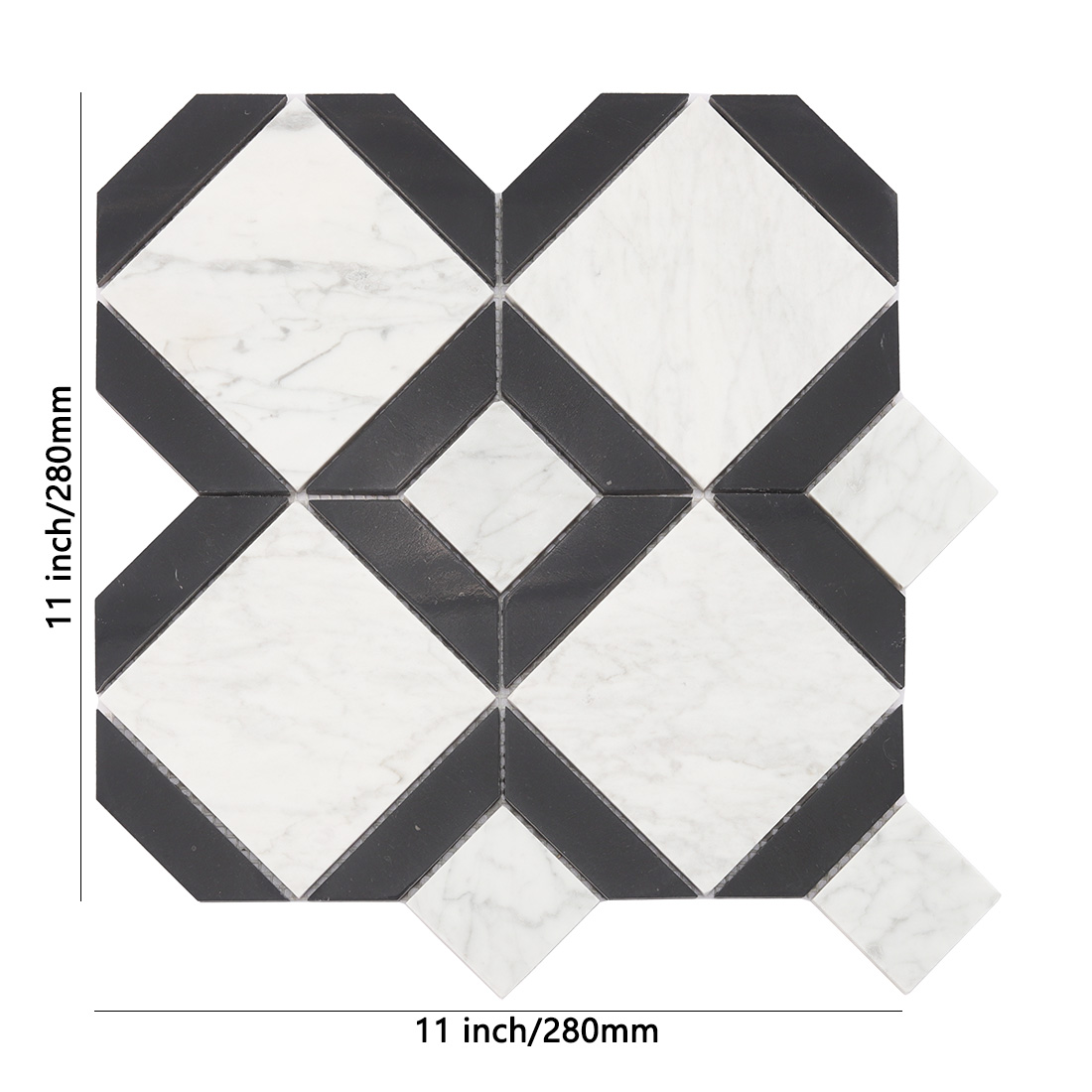
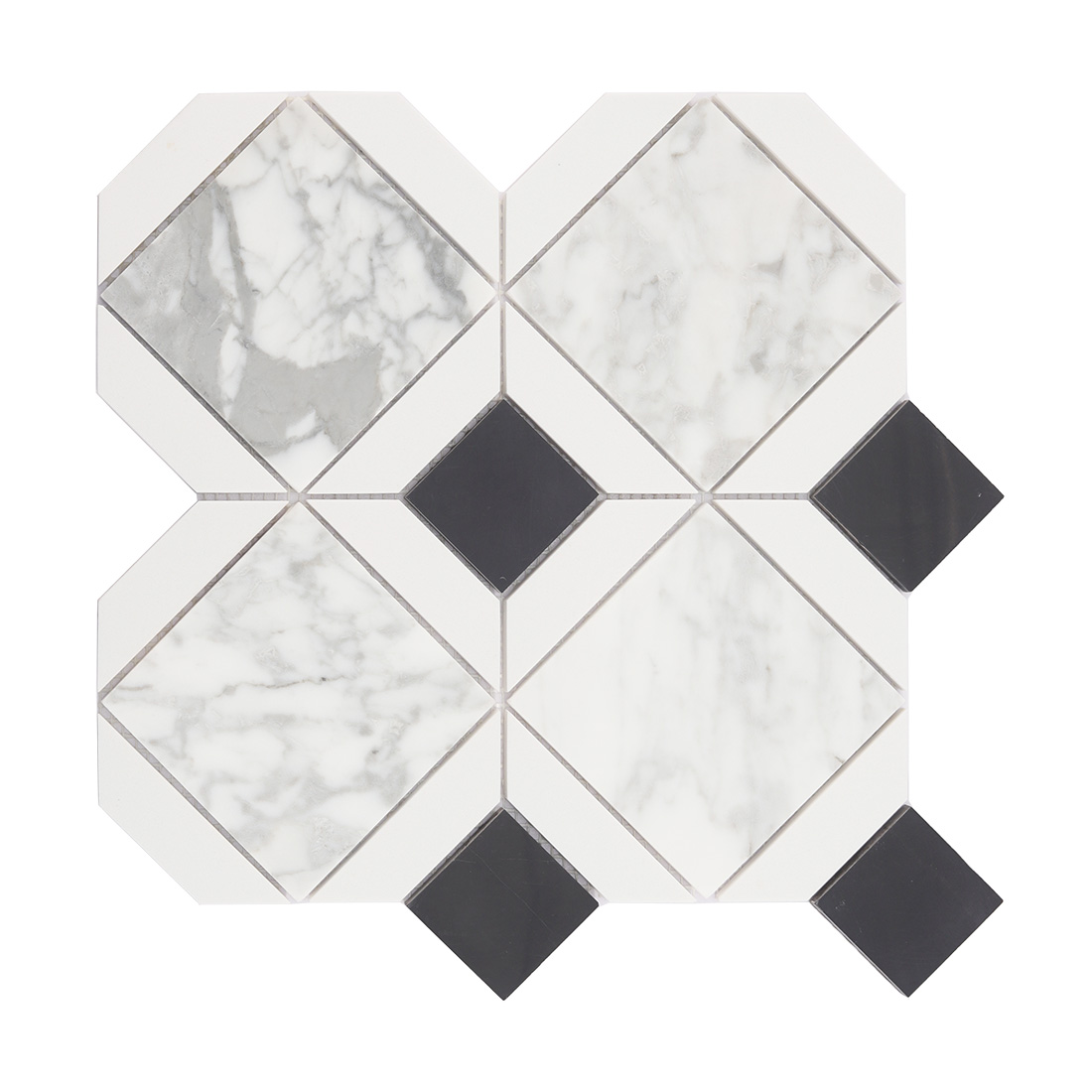
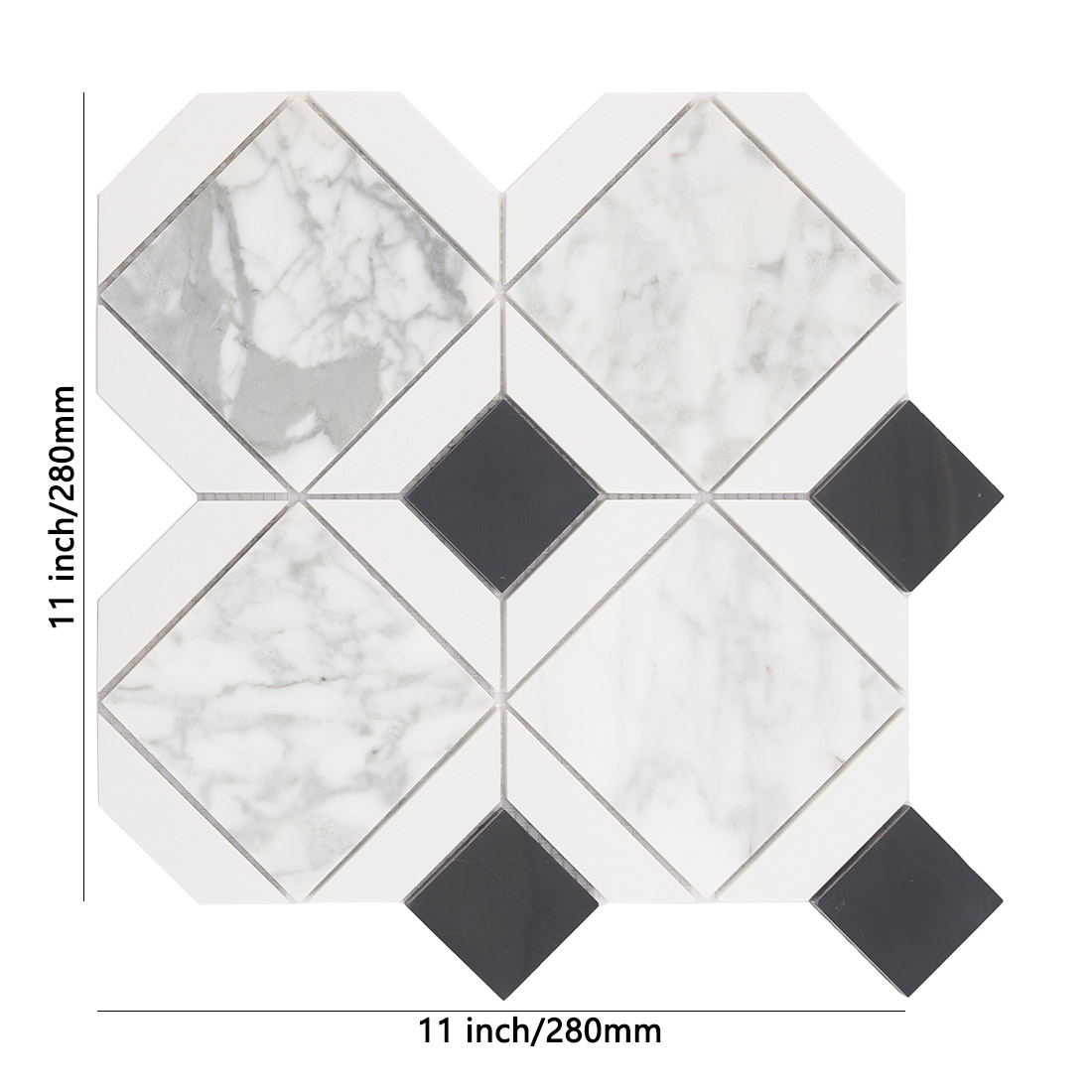
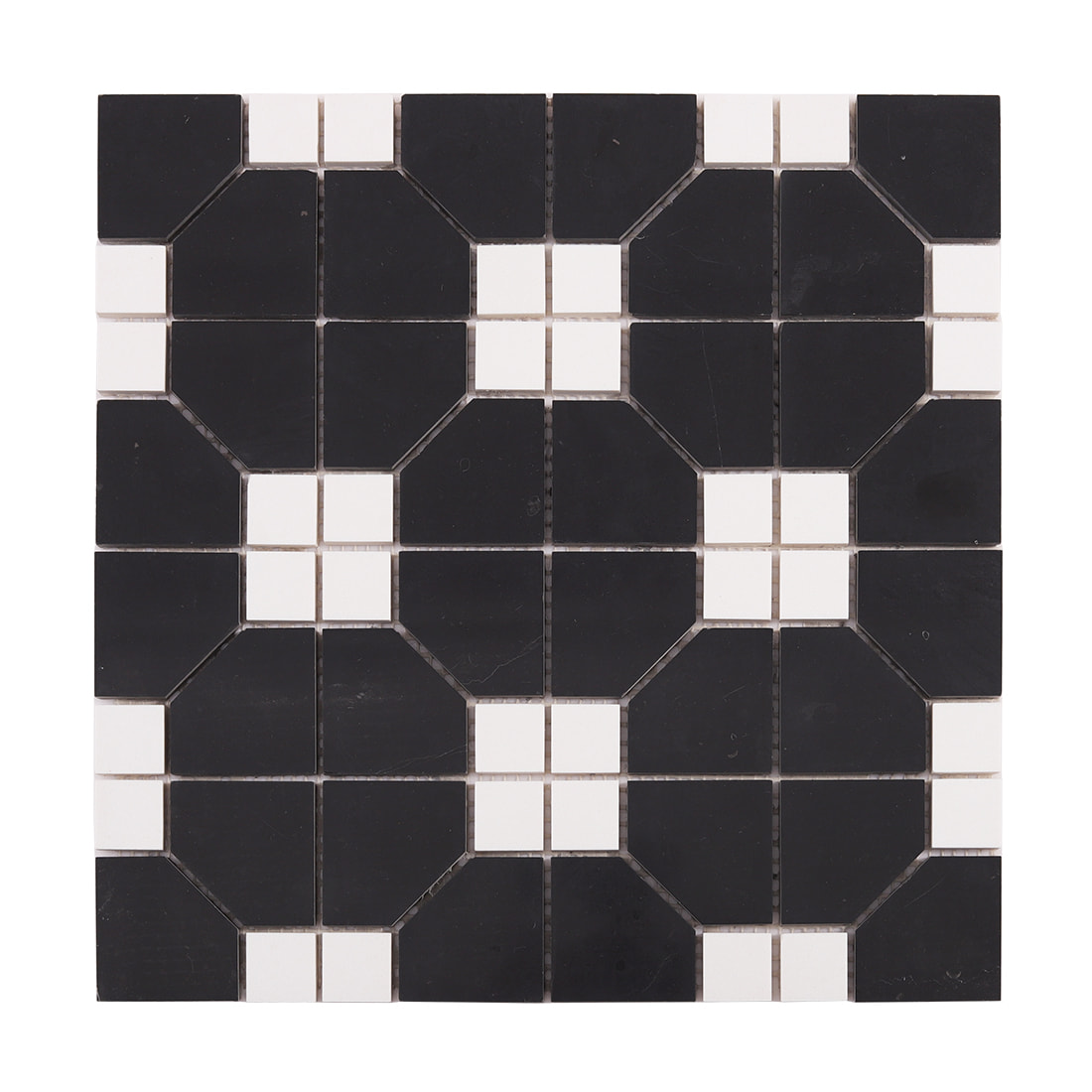
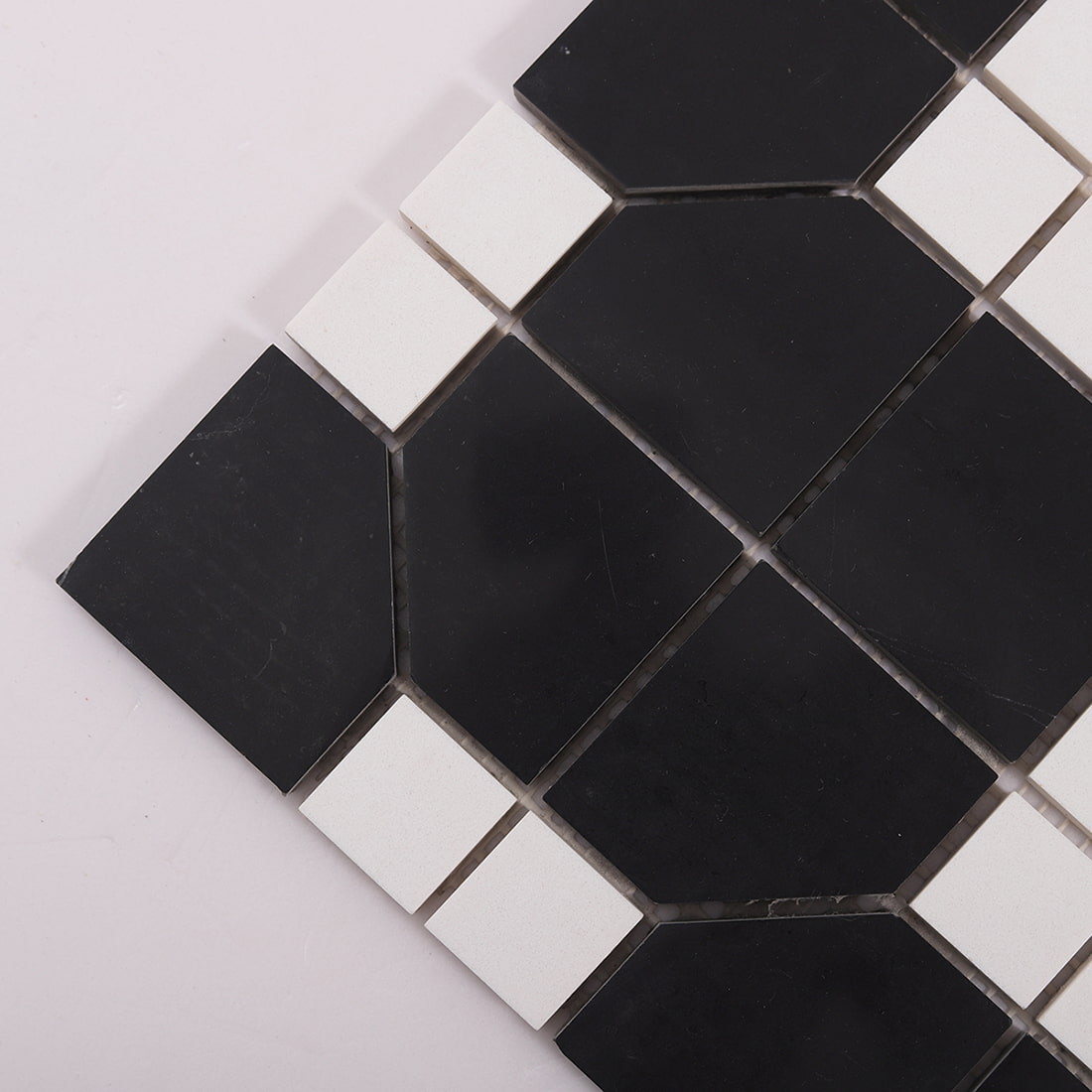
Black and White Geometric Marble Mosaic Tile$10.13 USD
-
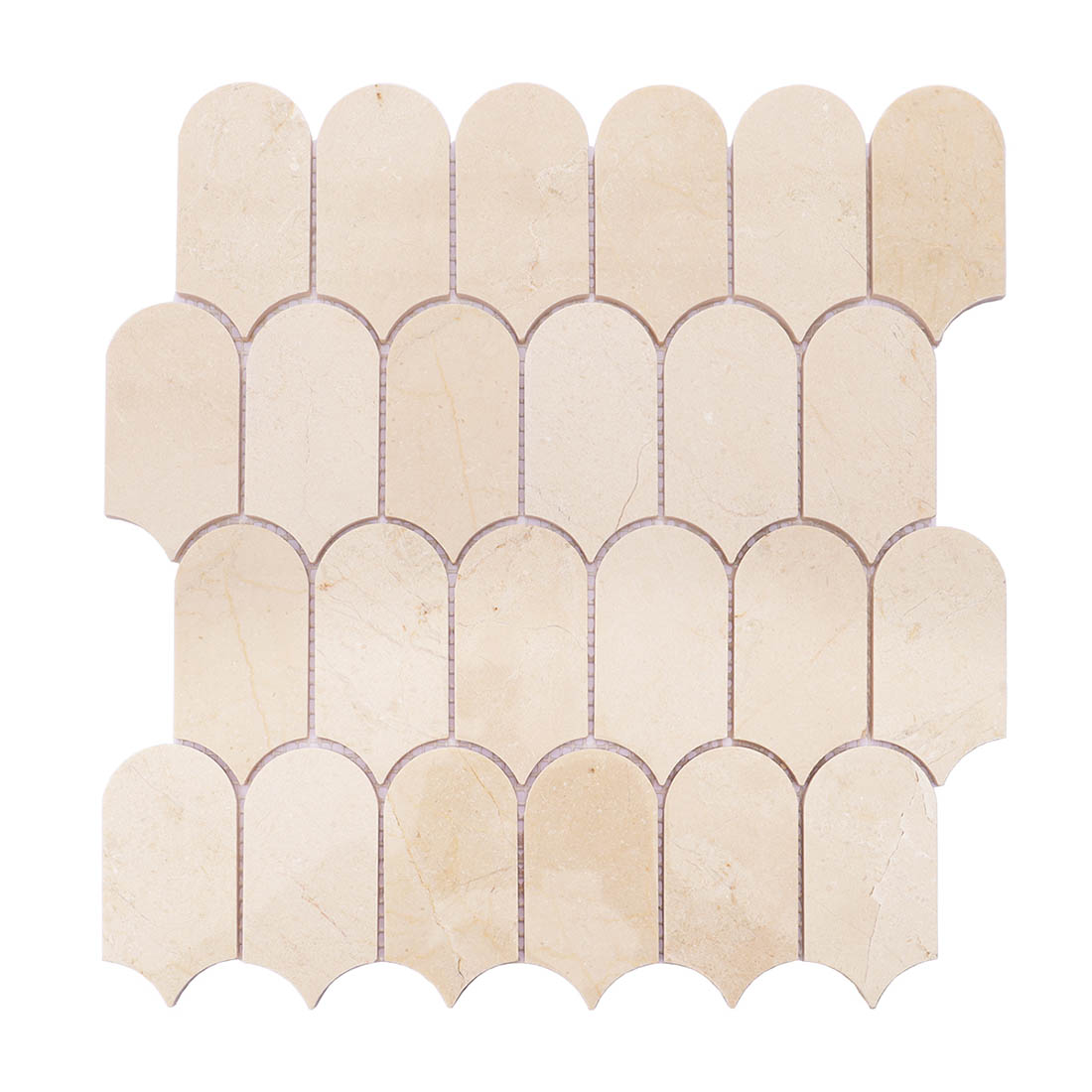
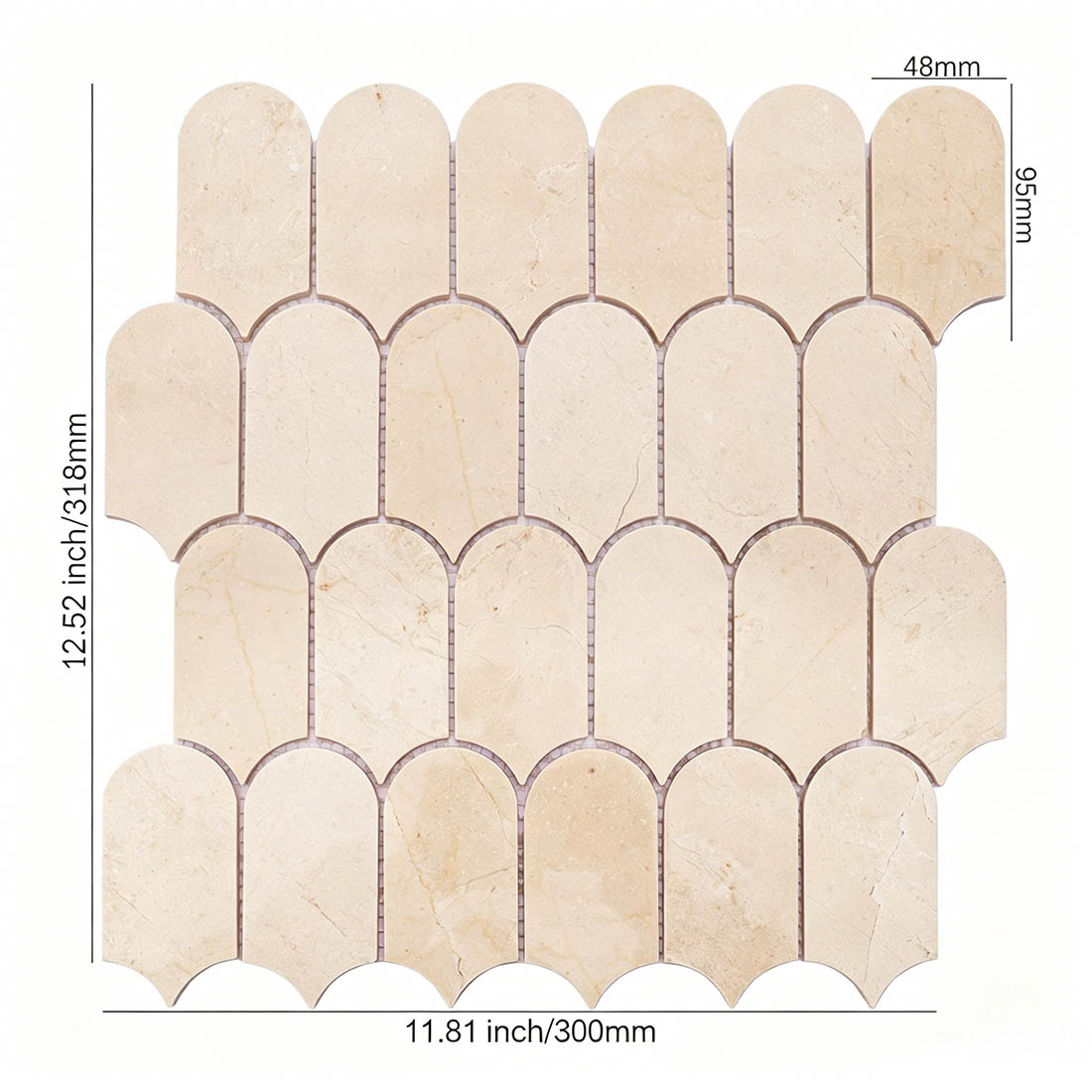
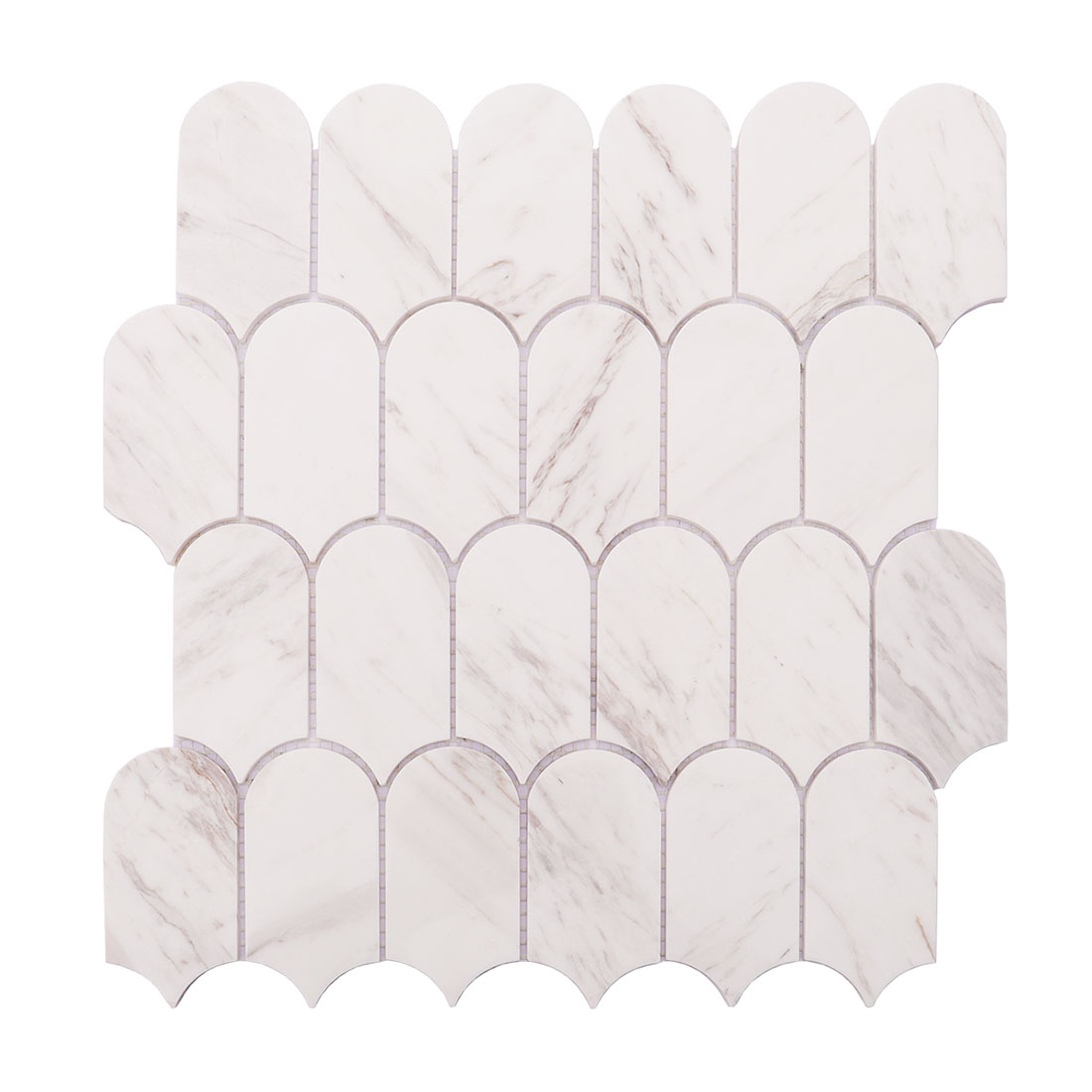
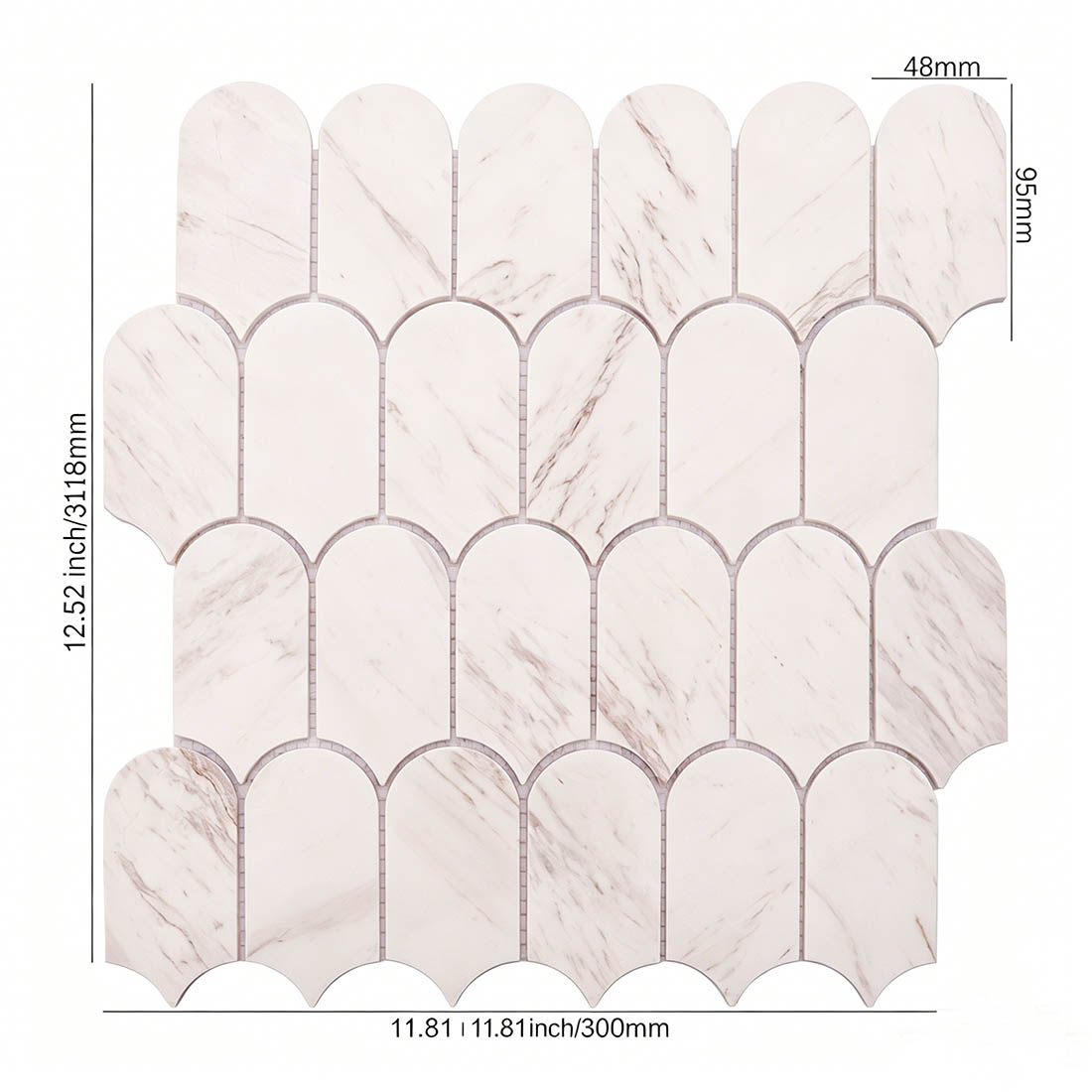
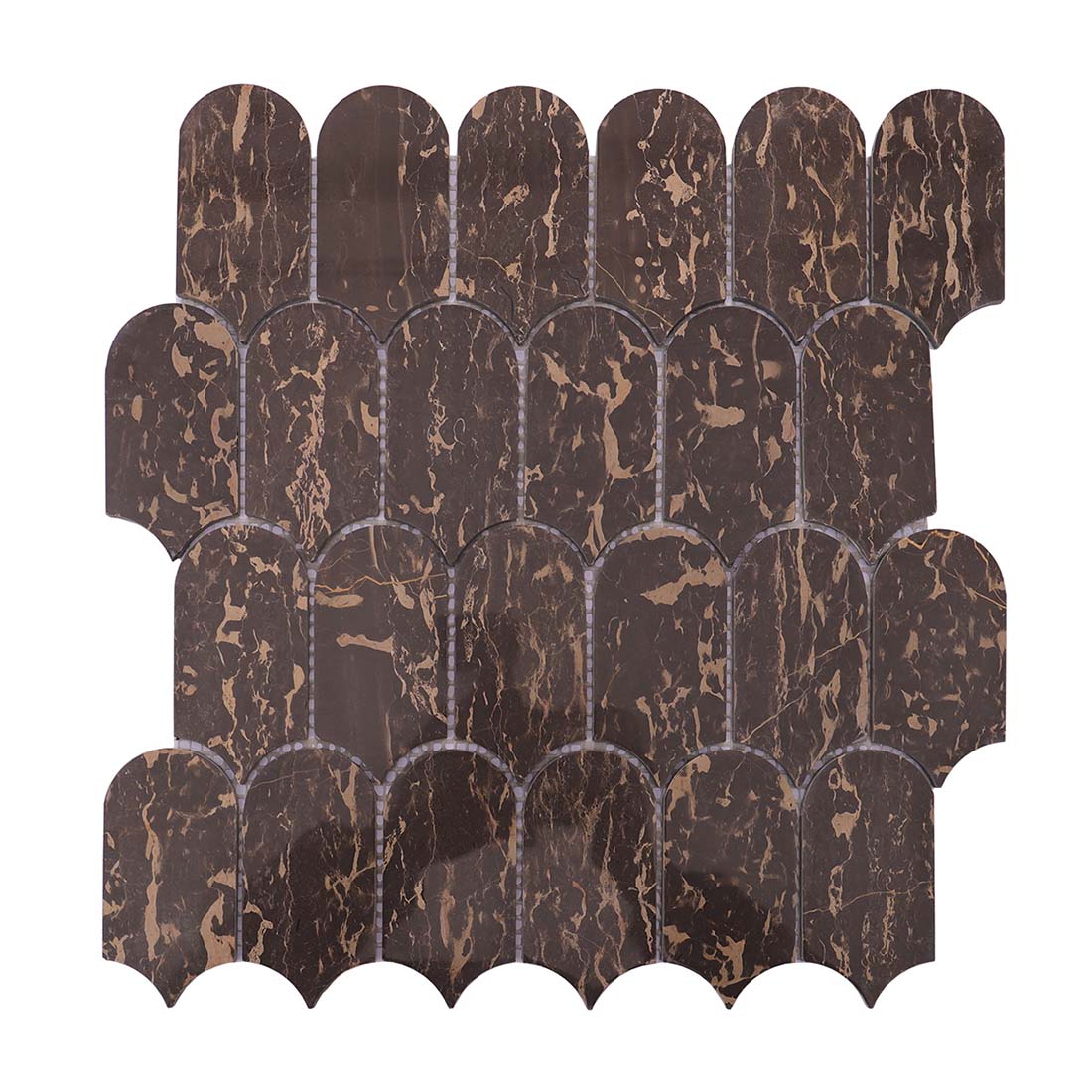
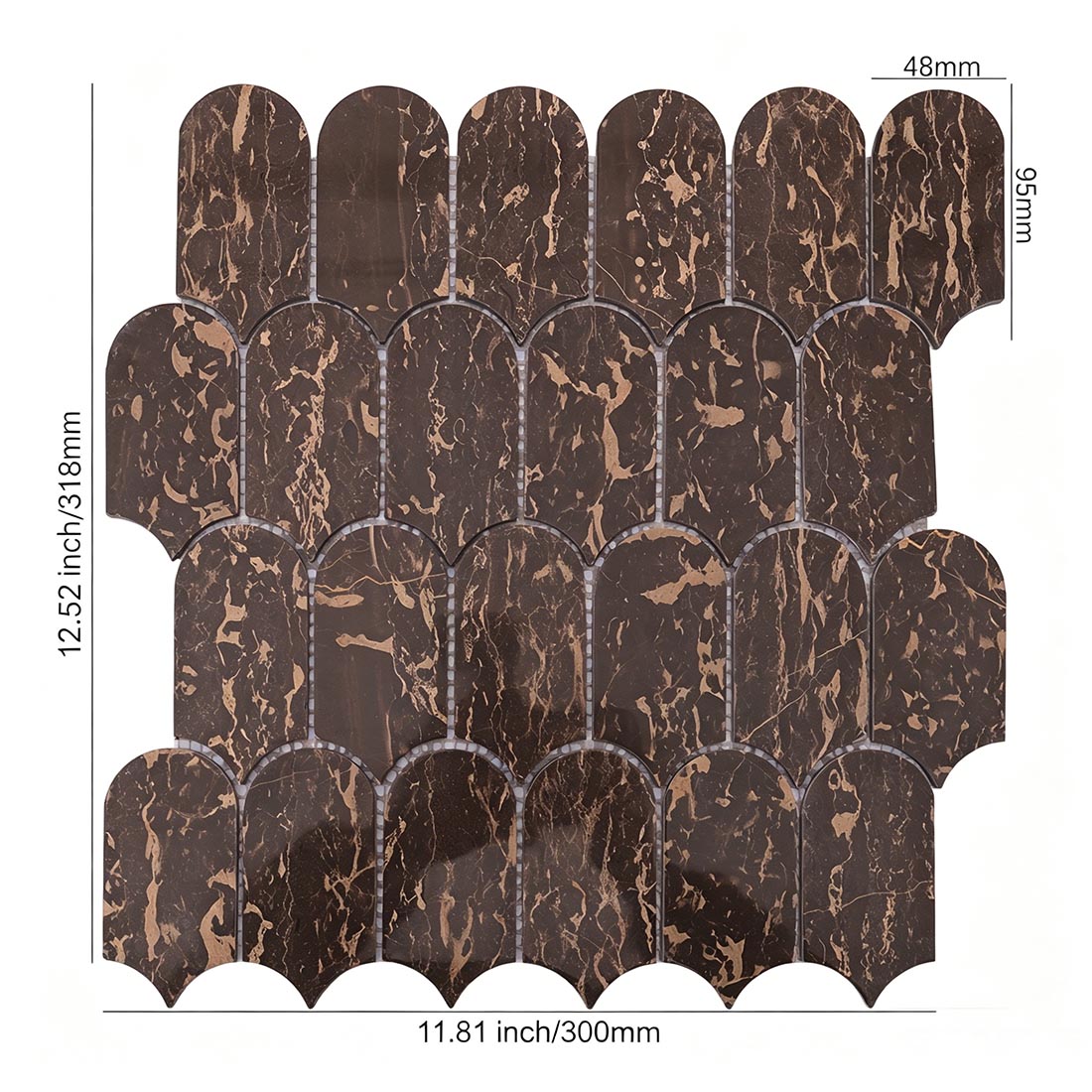
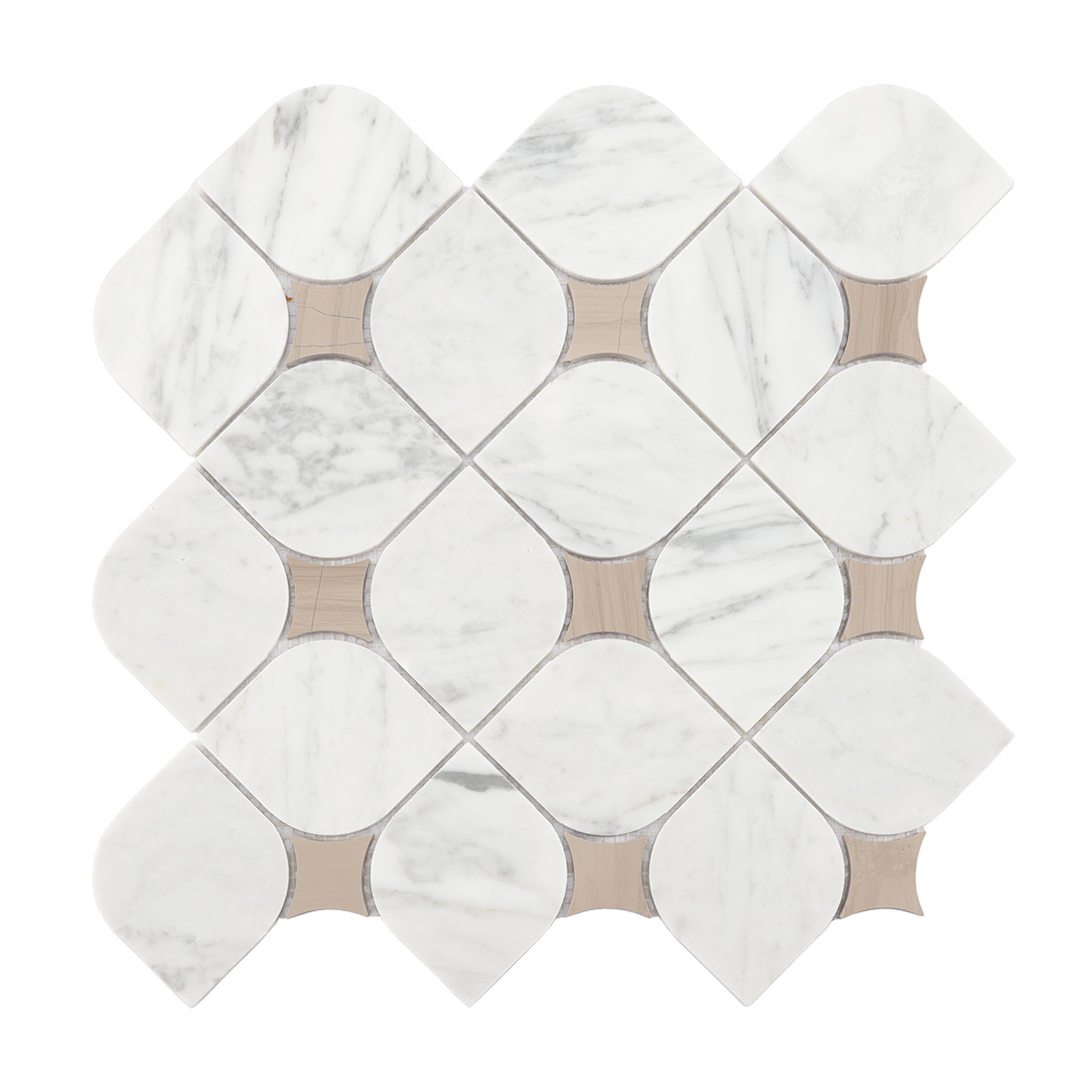
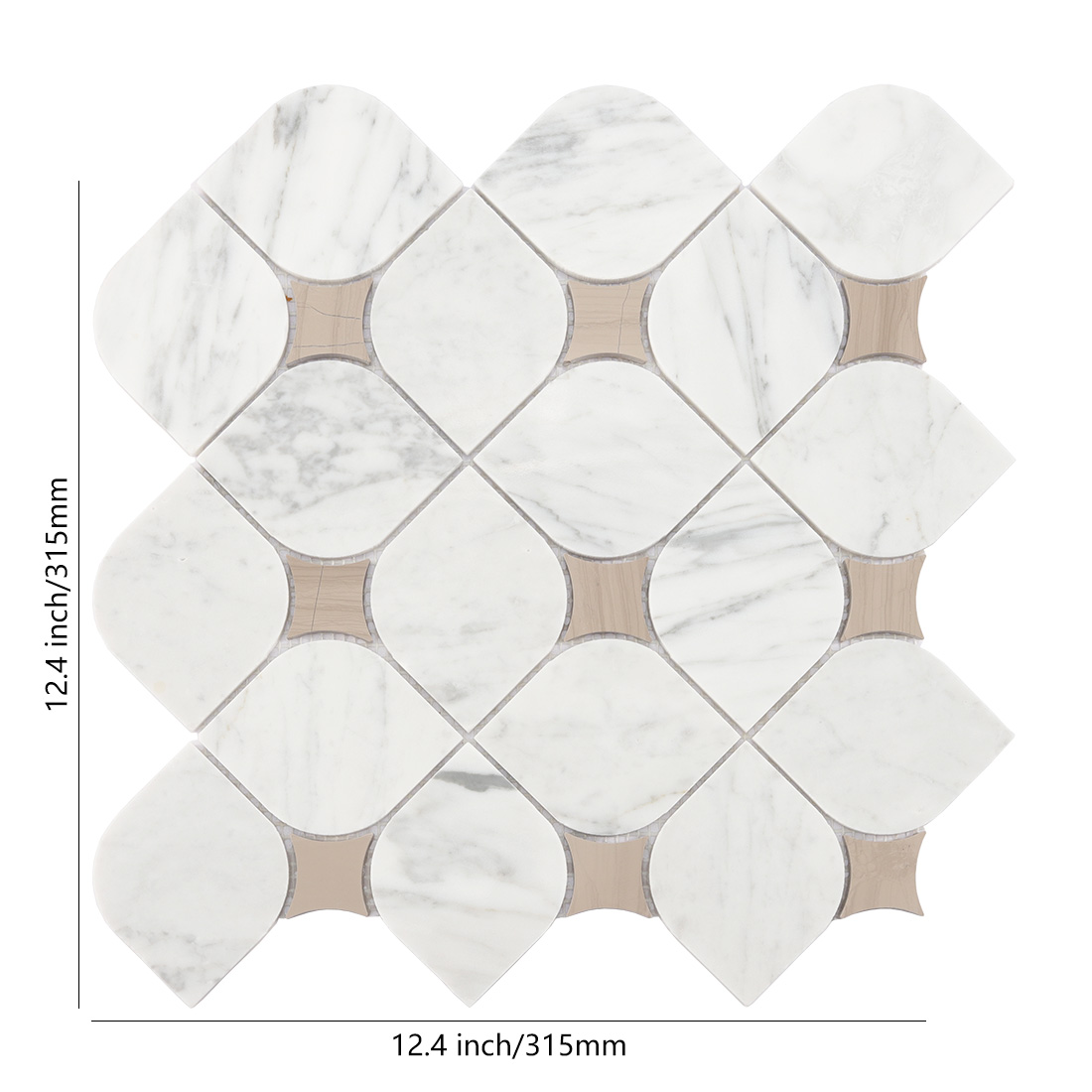
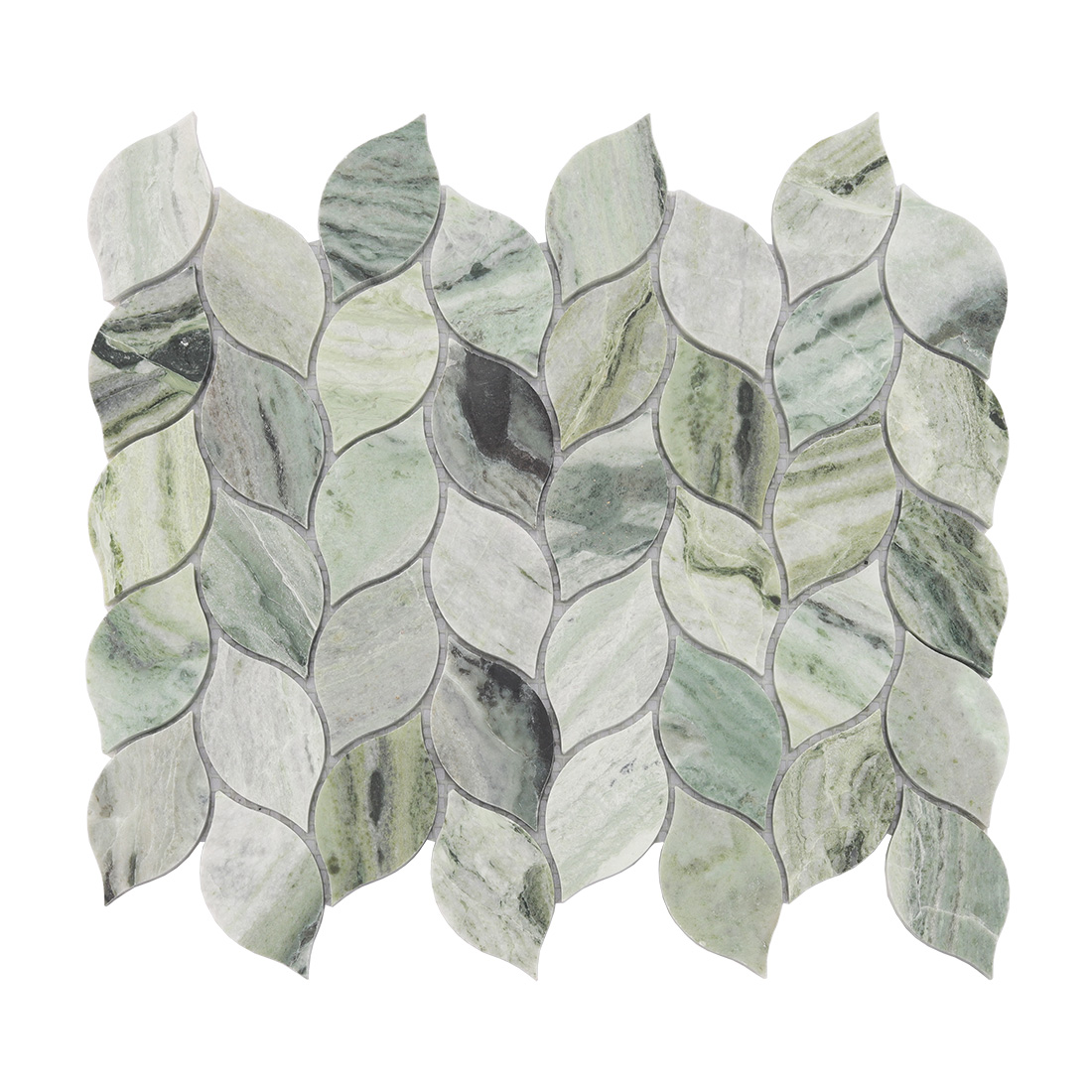
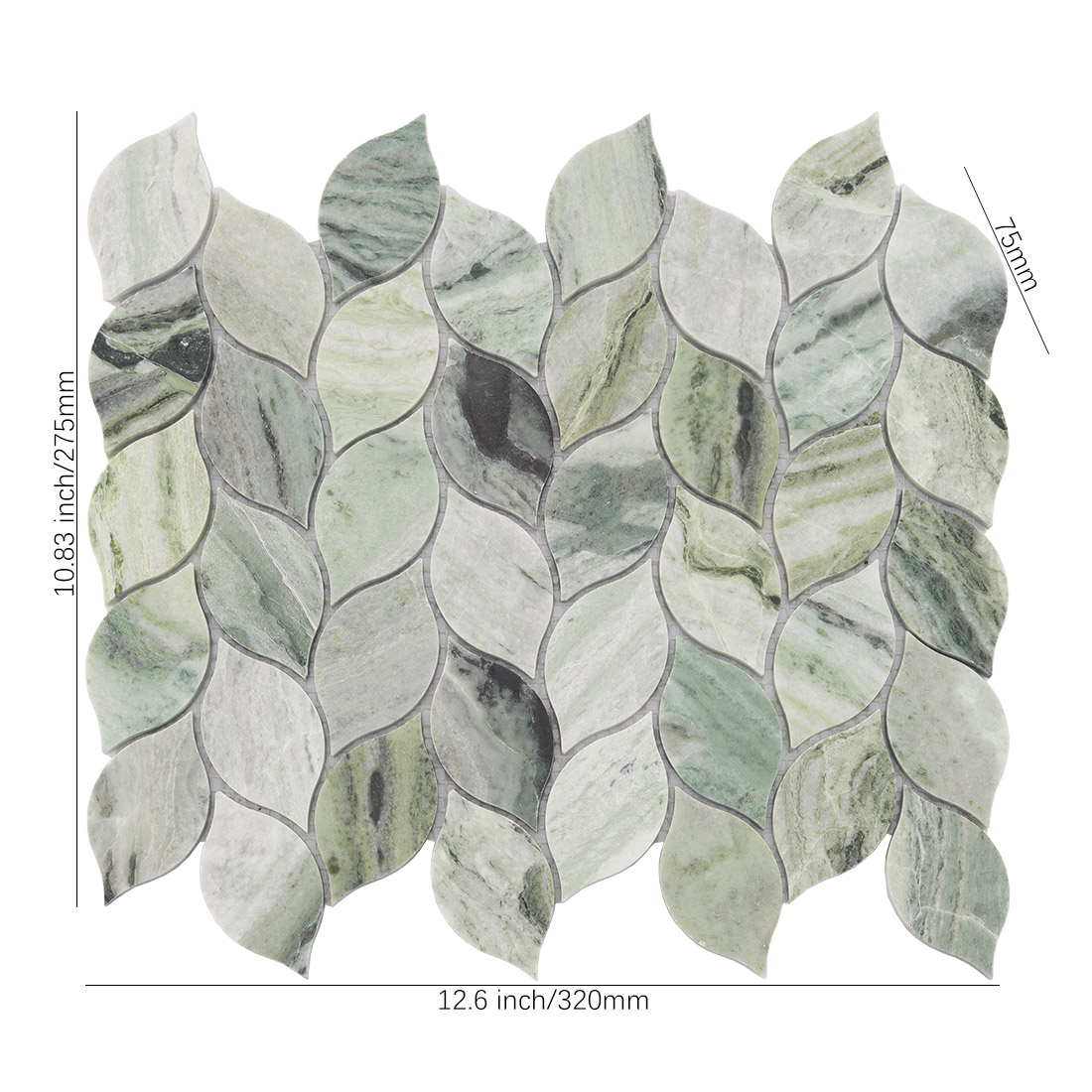
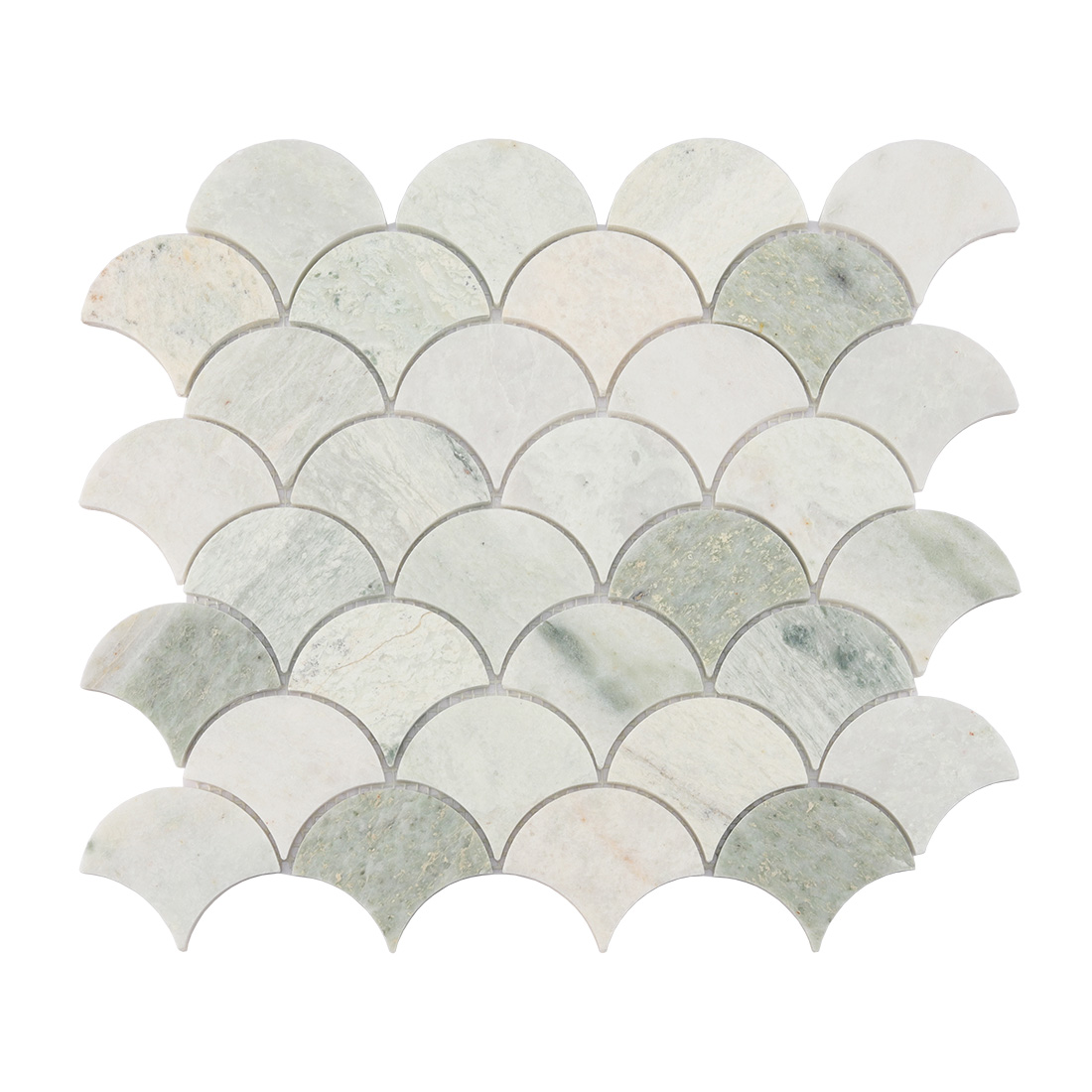
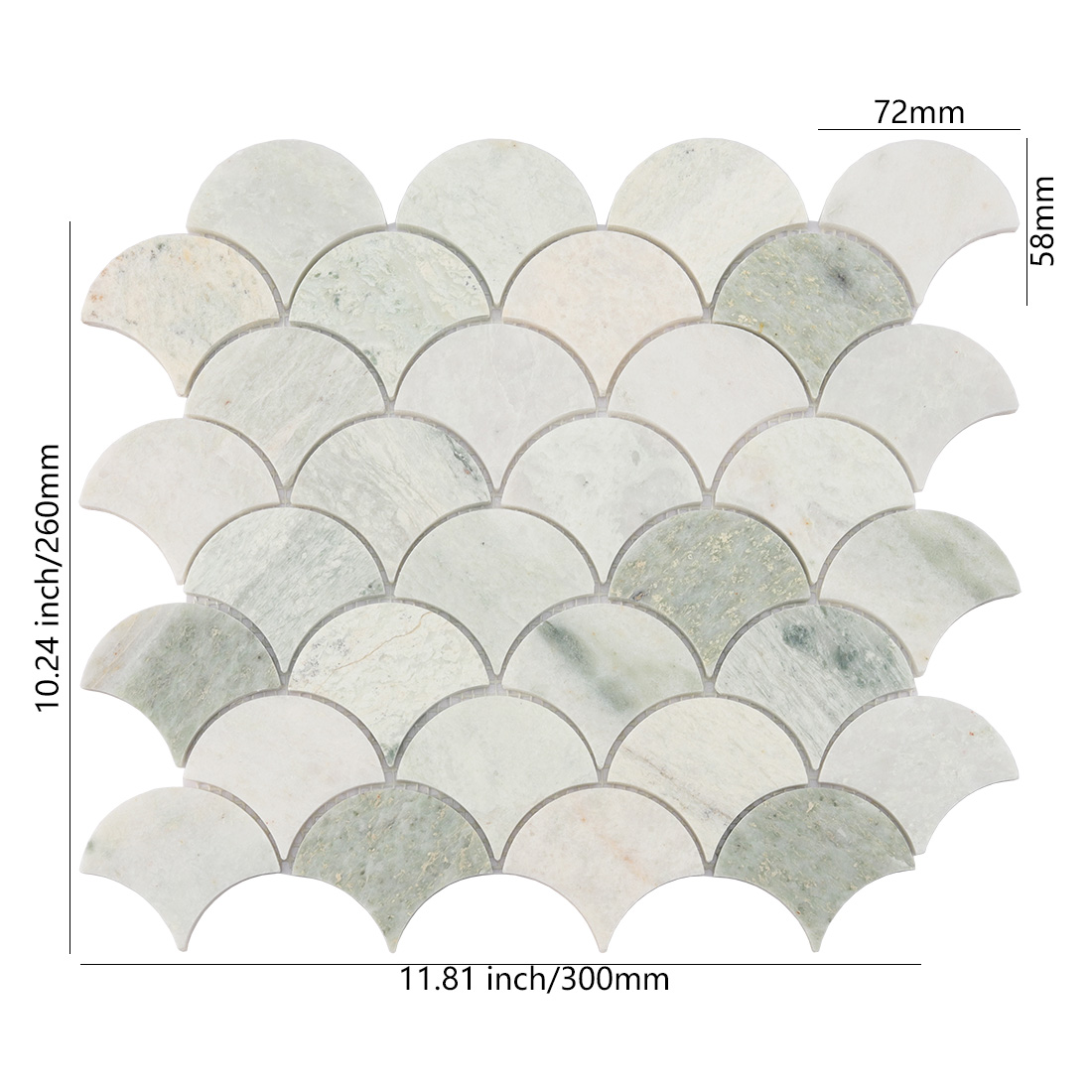
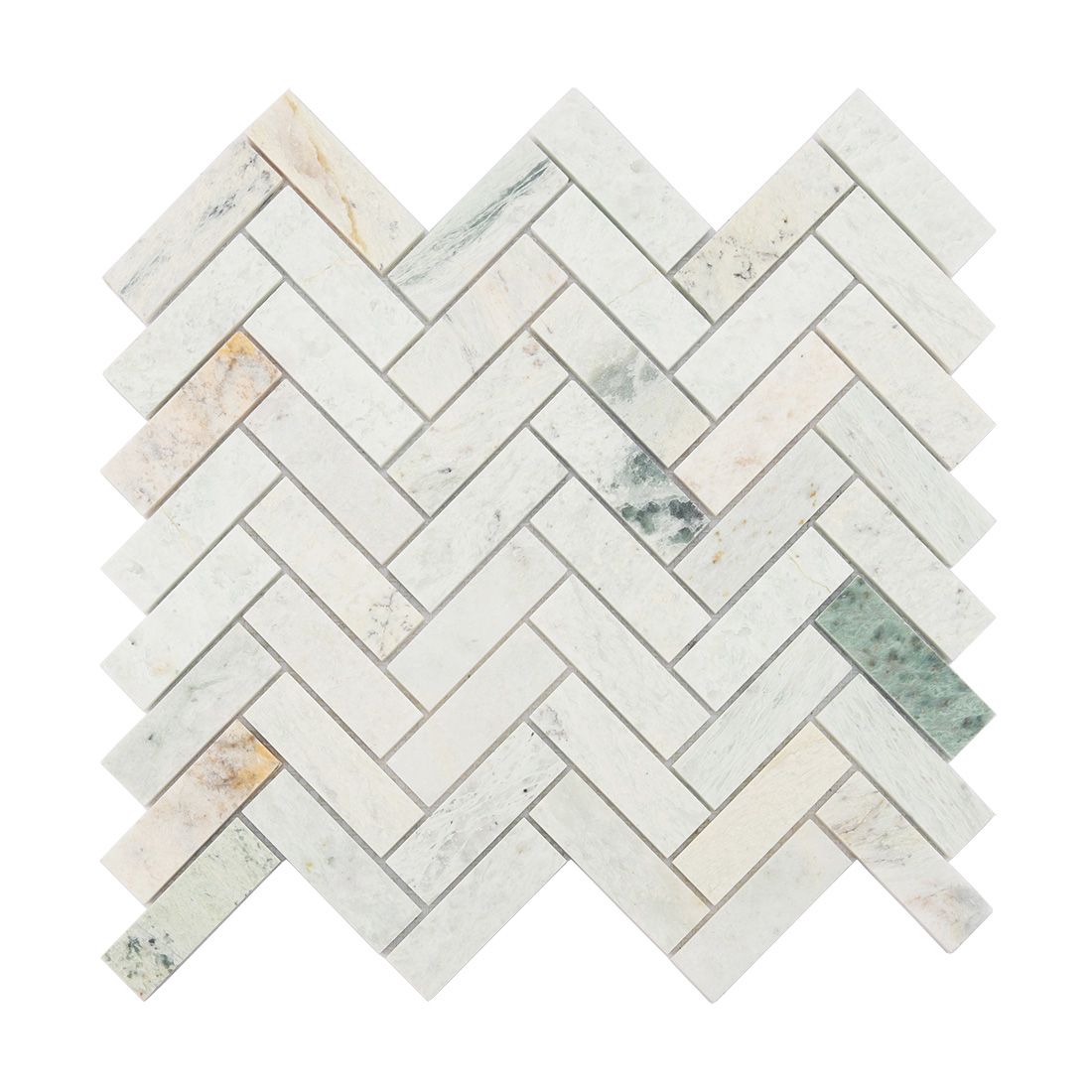
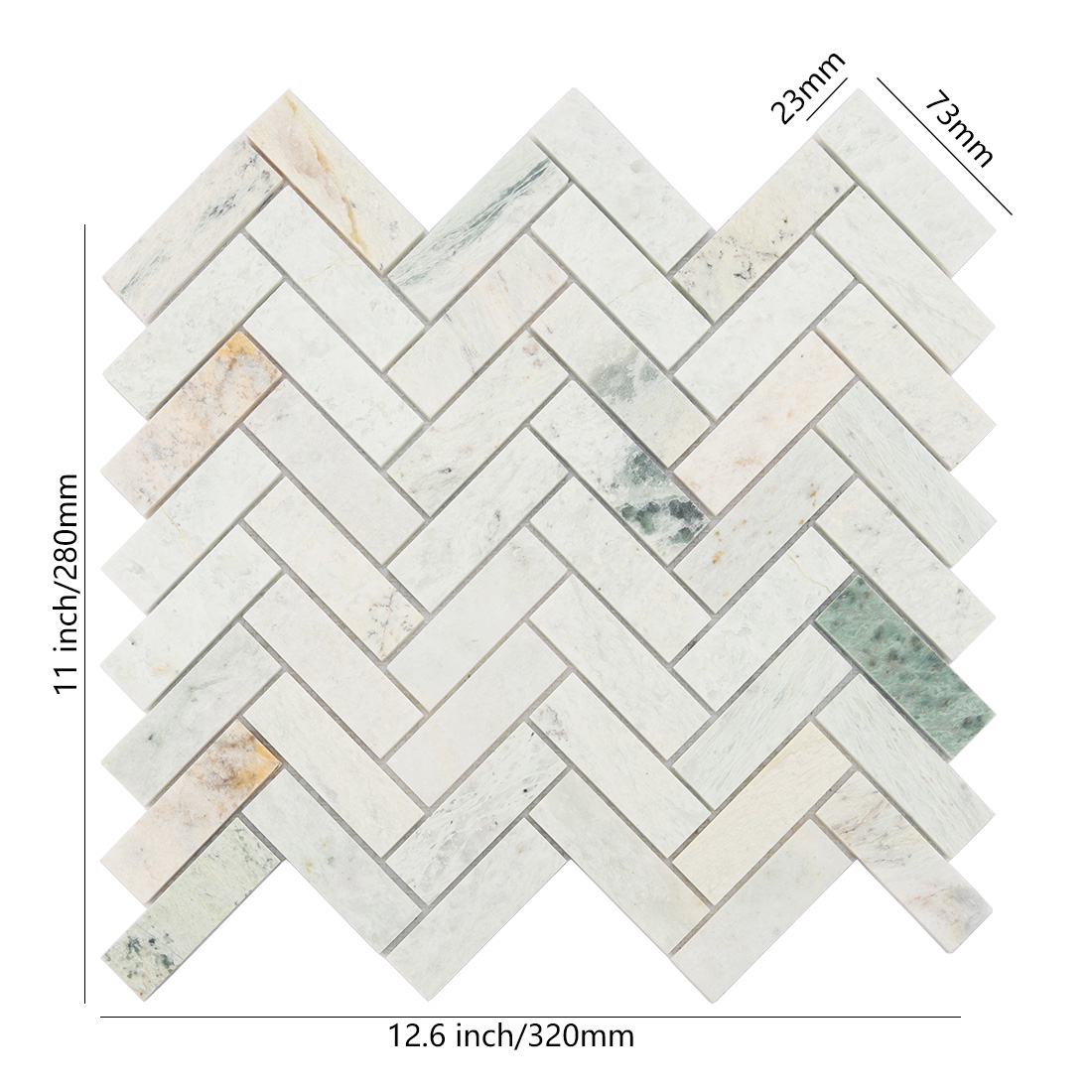


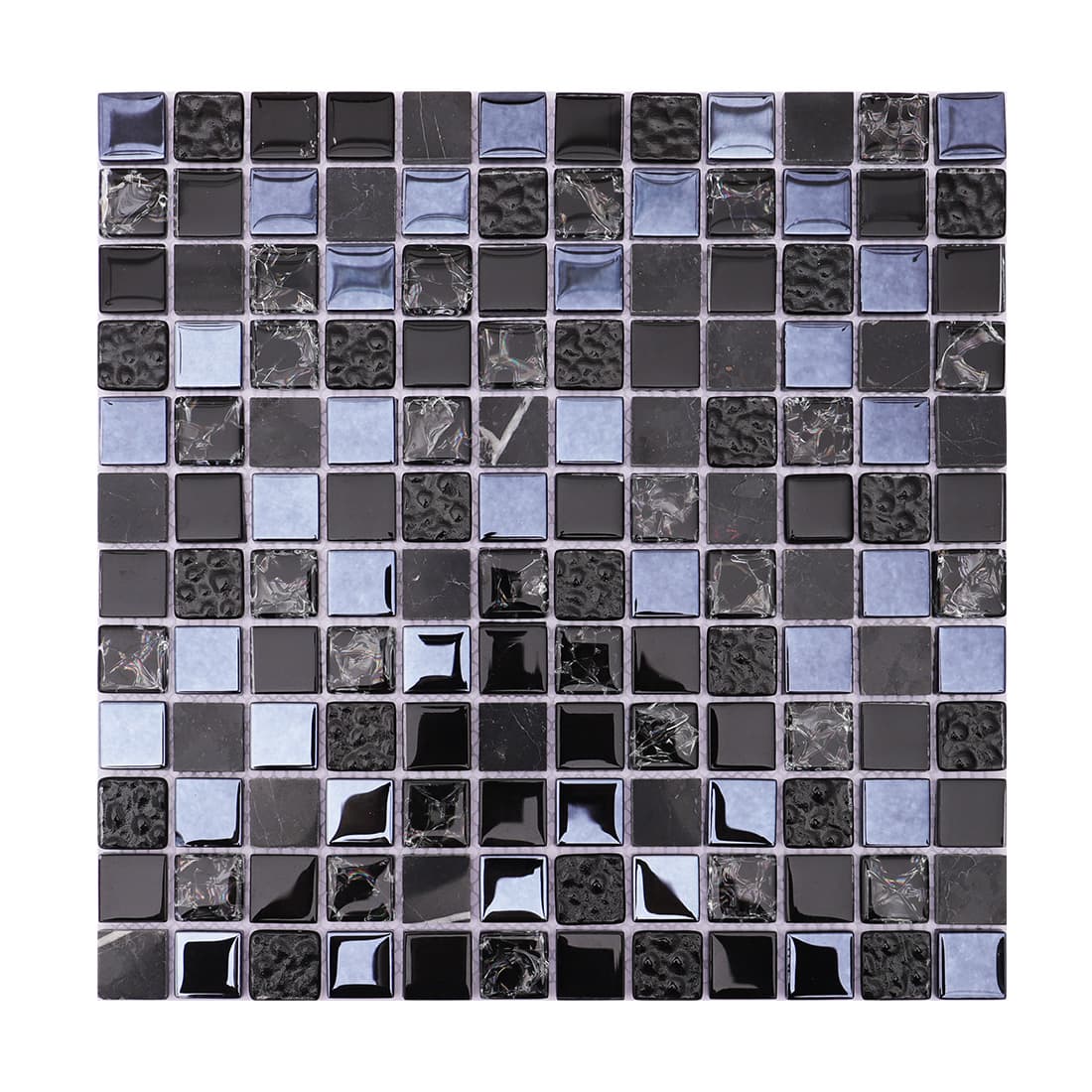
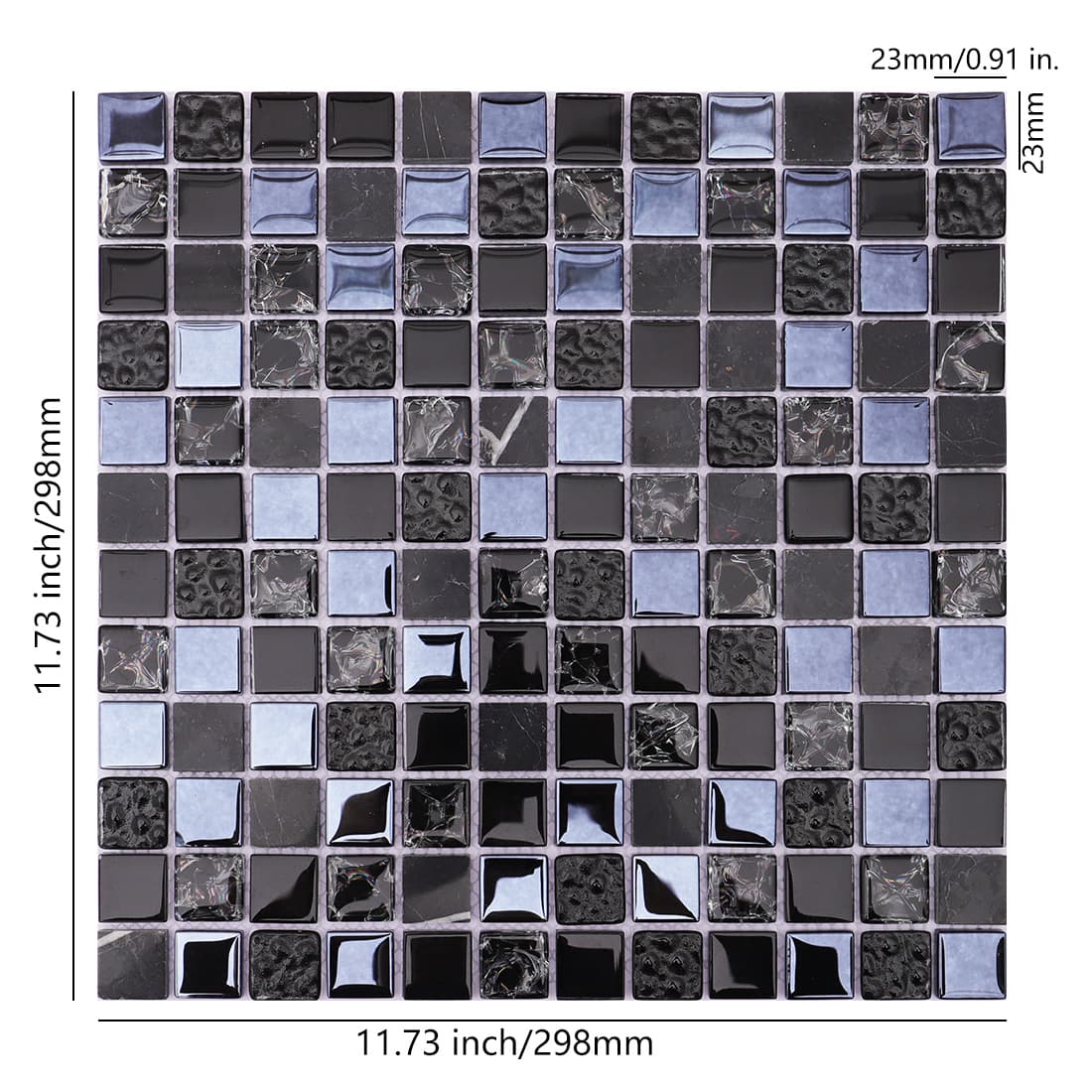
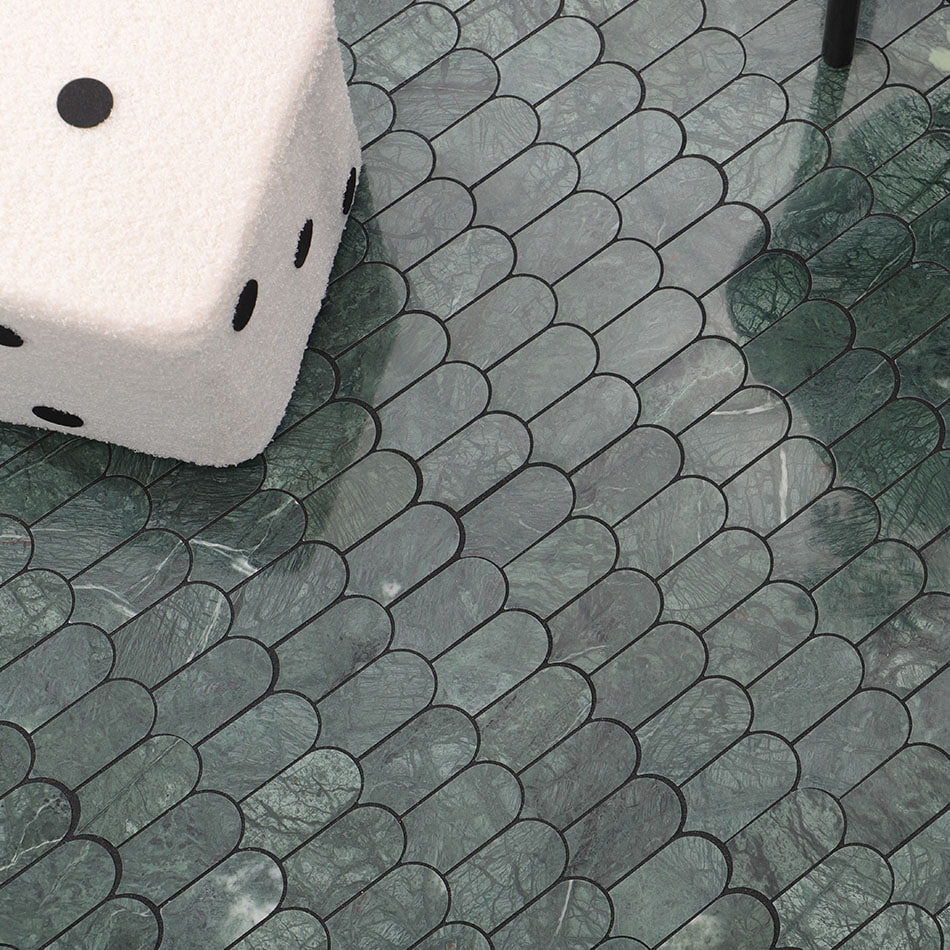
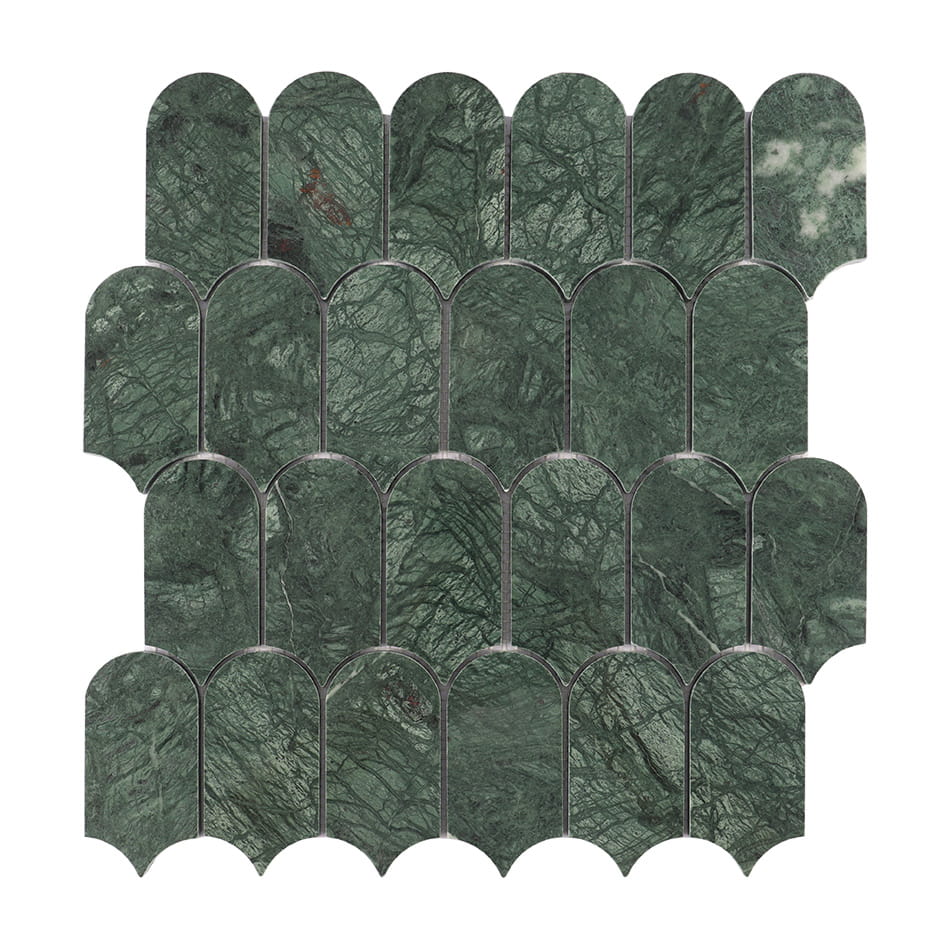
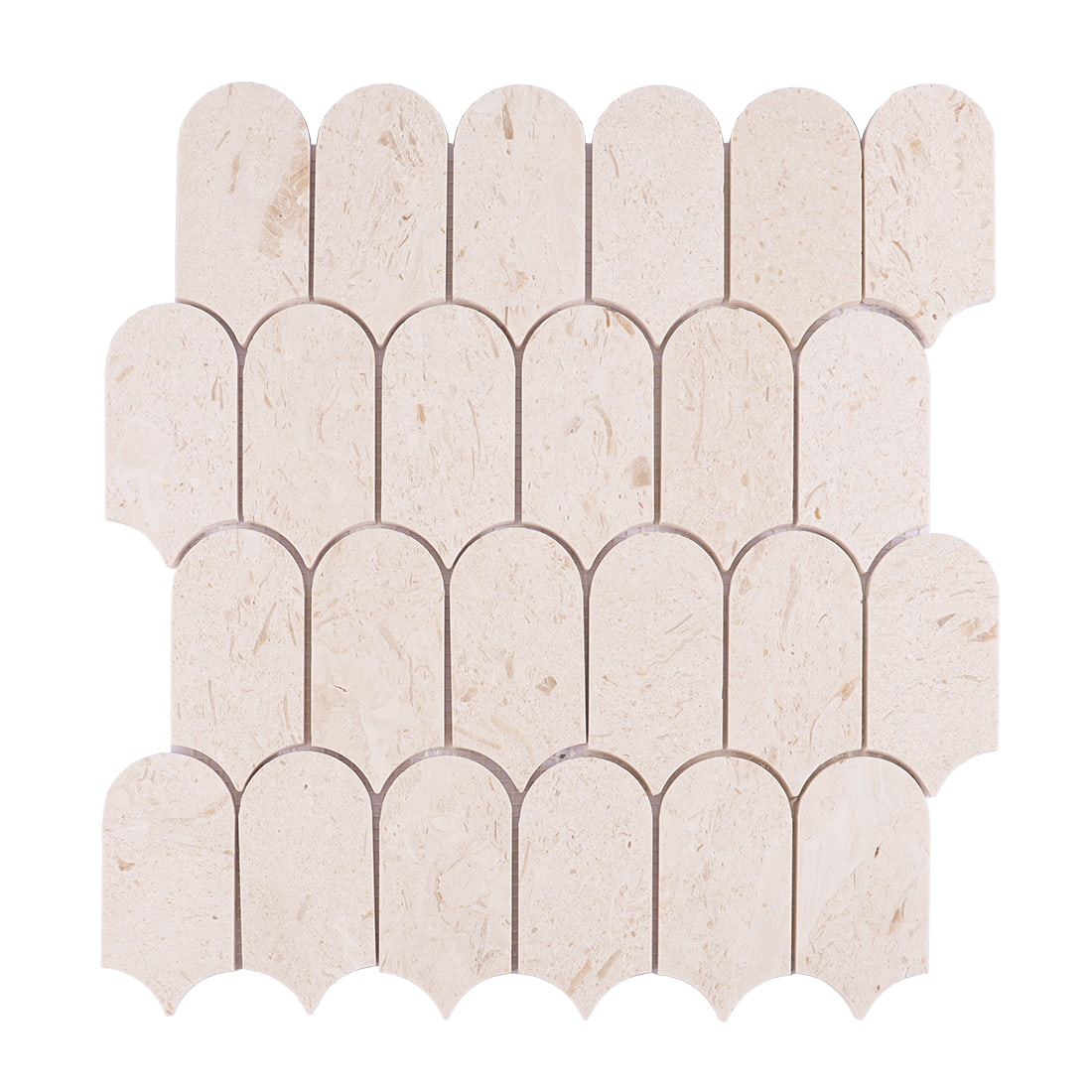
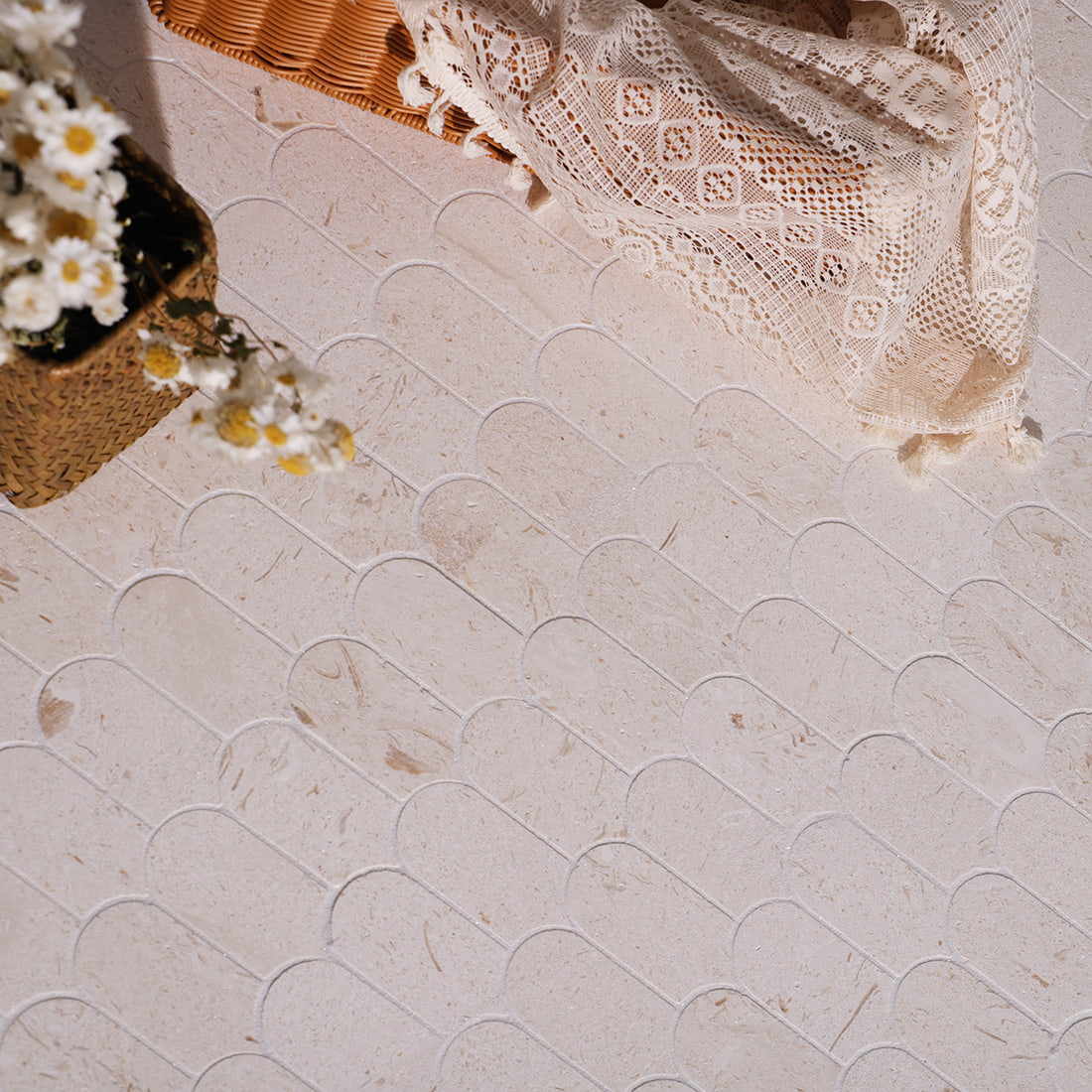
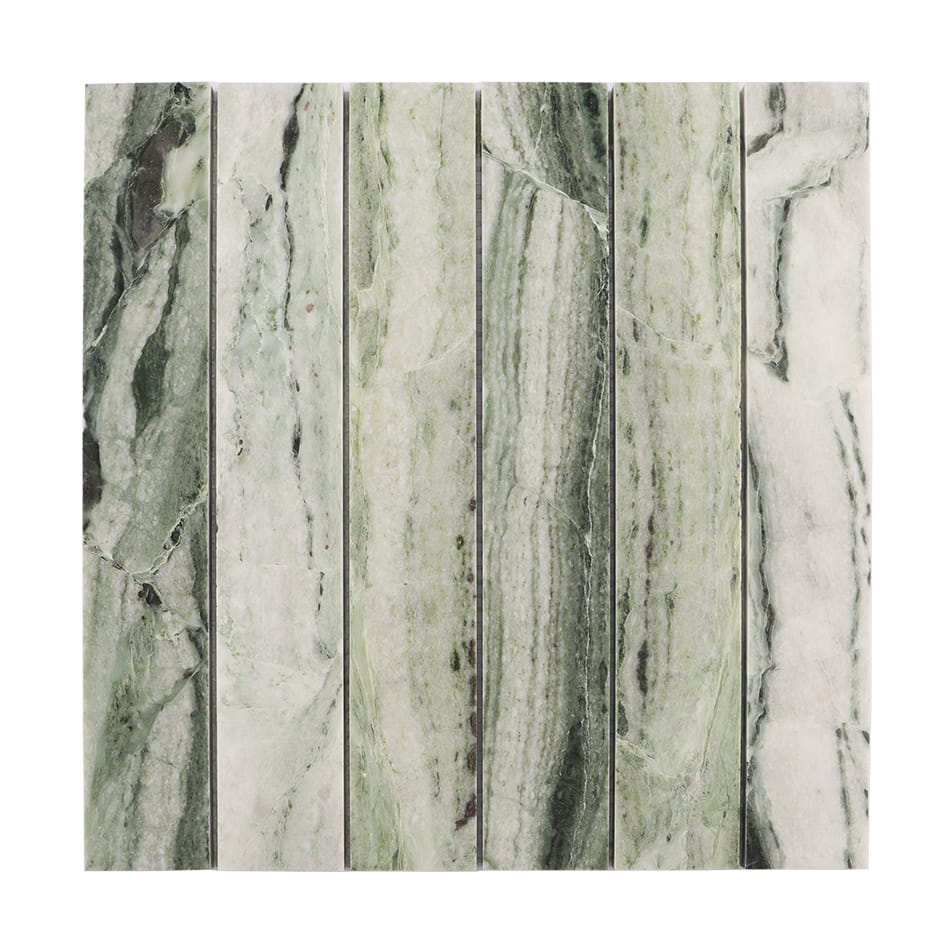
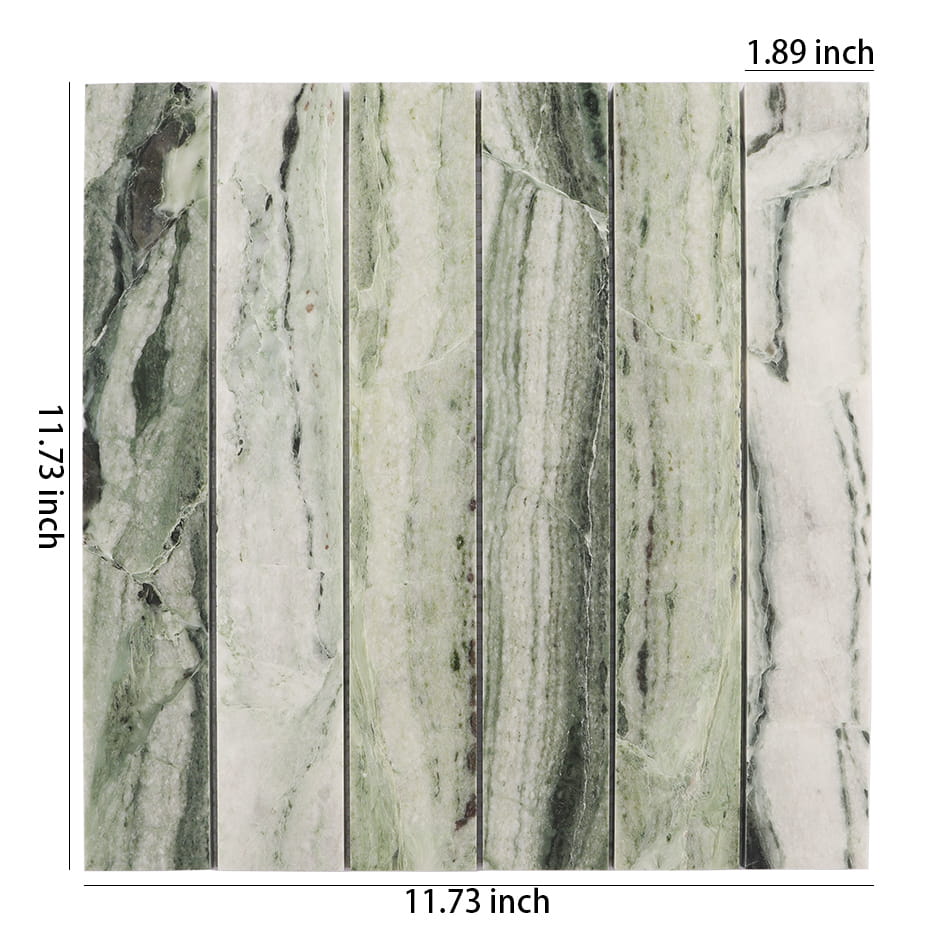
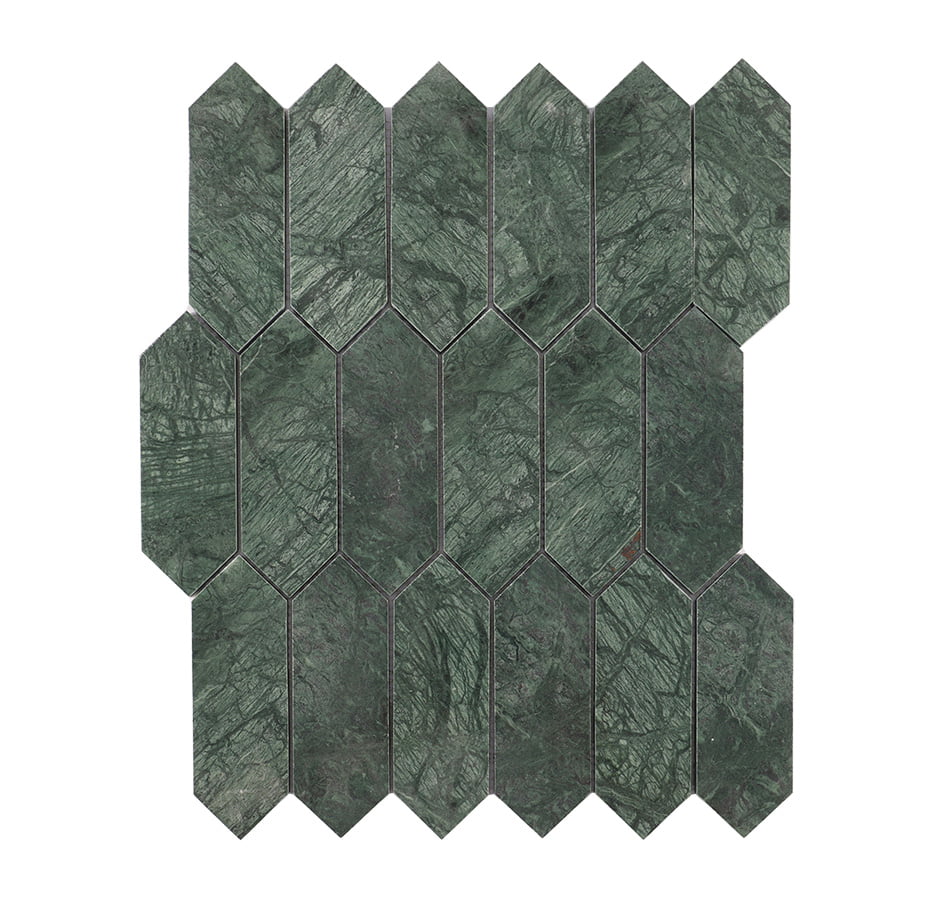
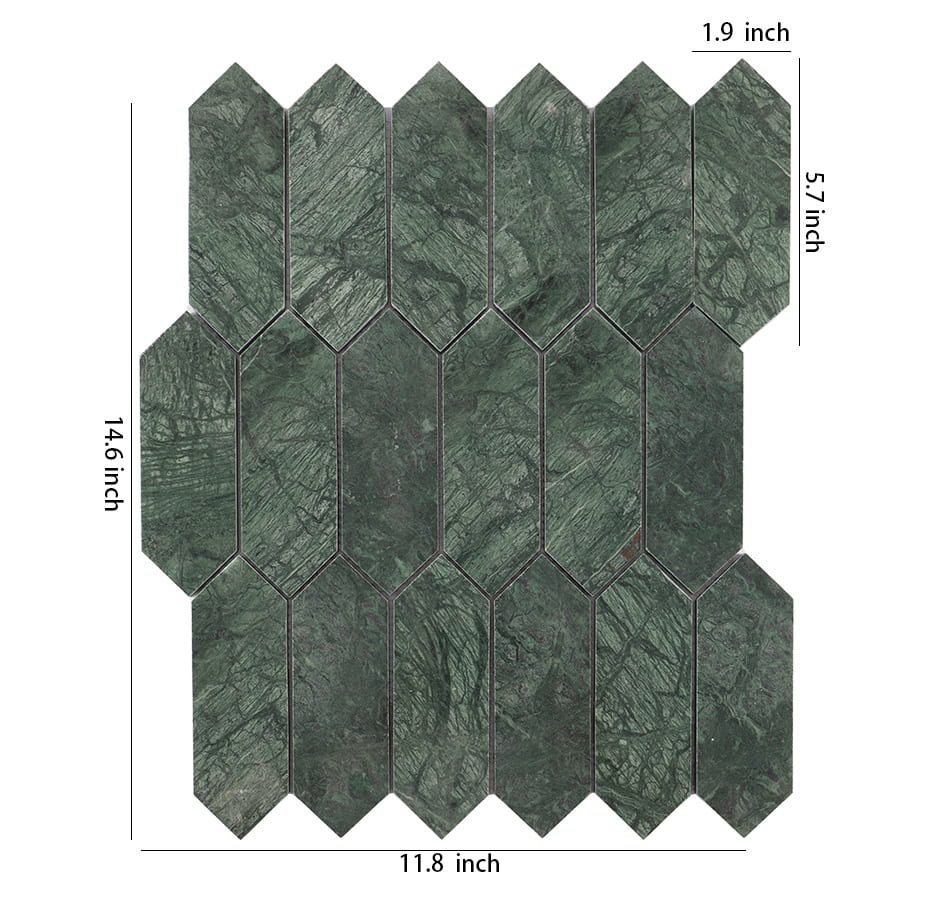
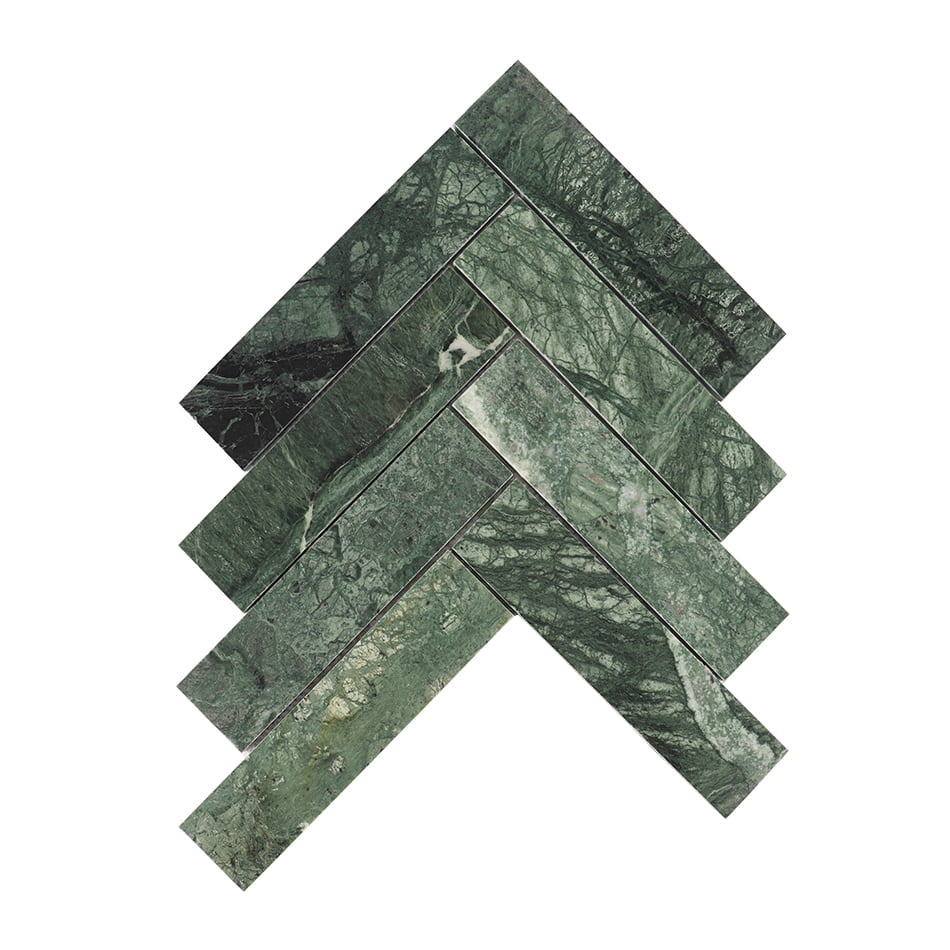
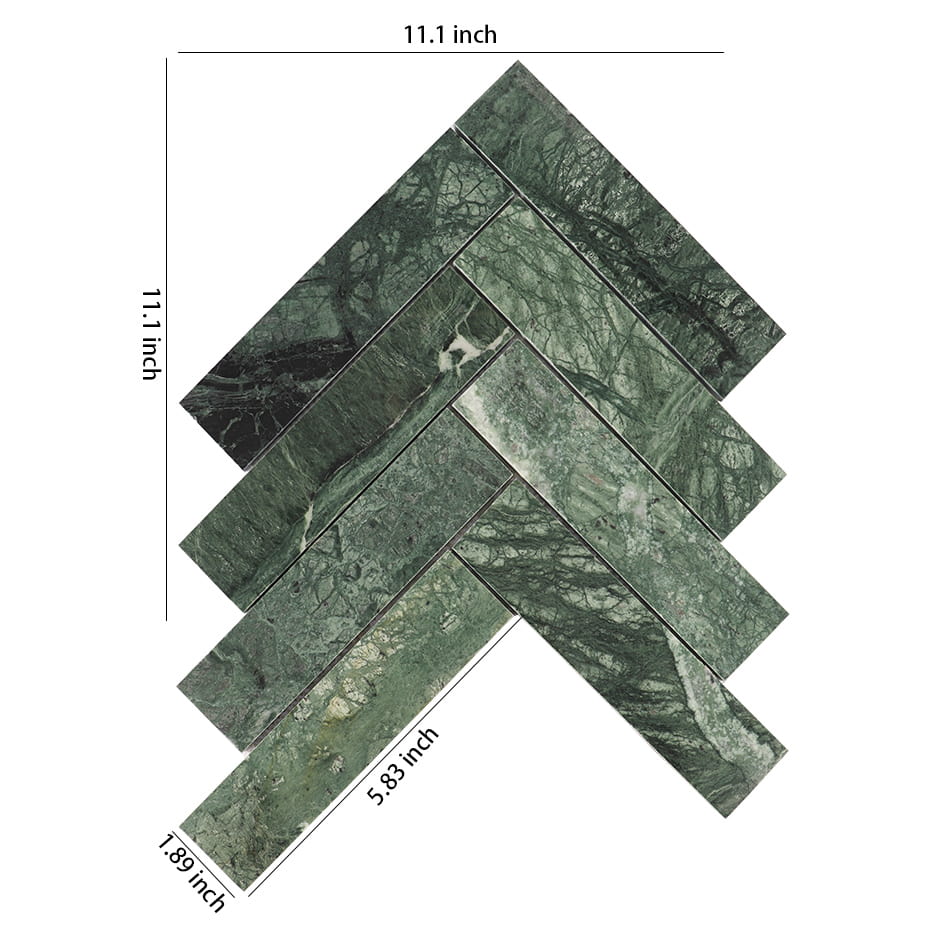
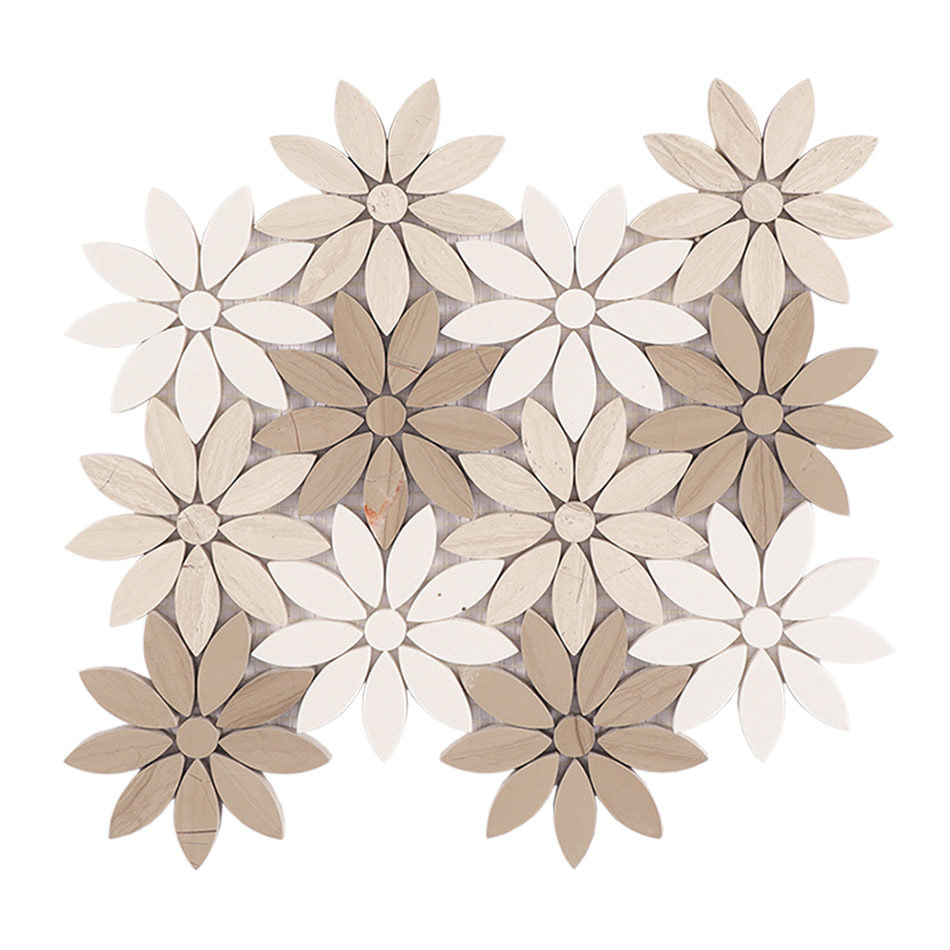
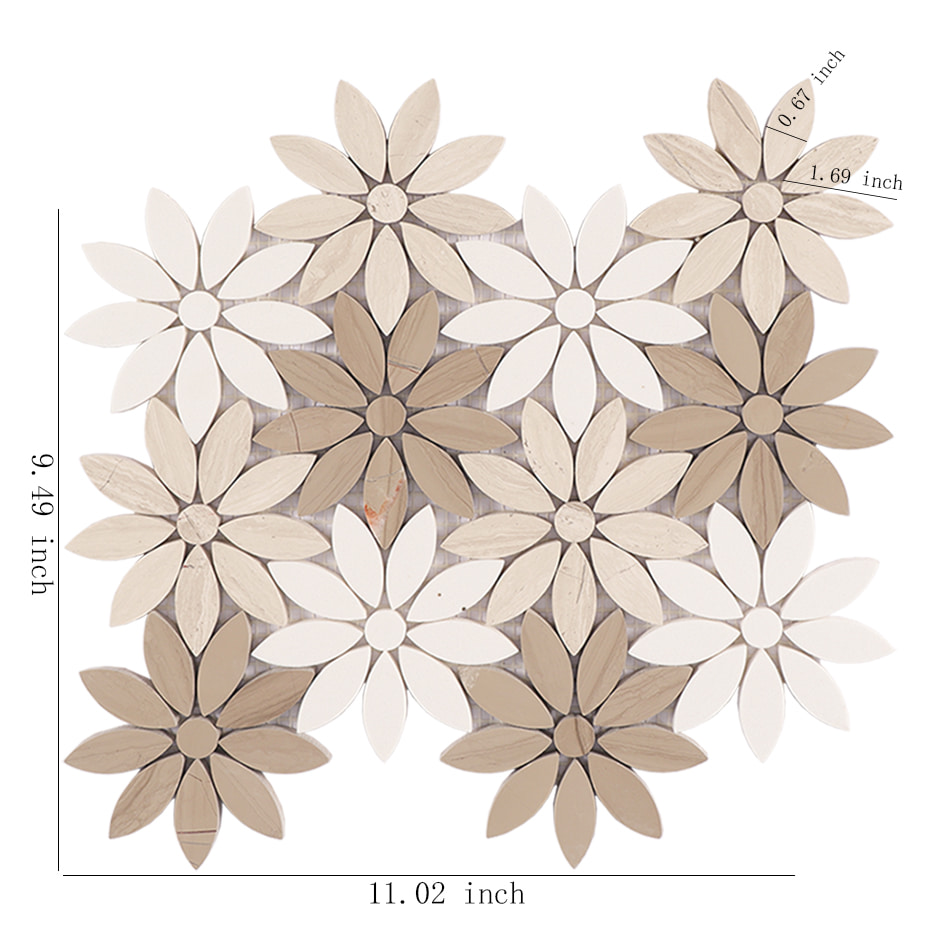

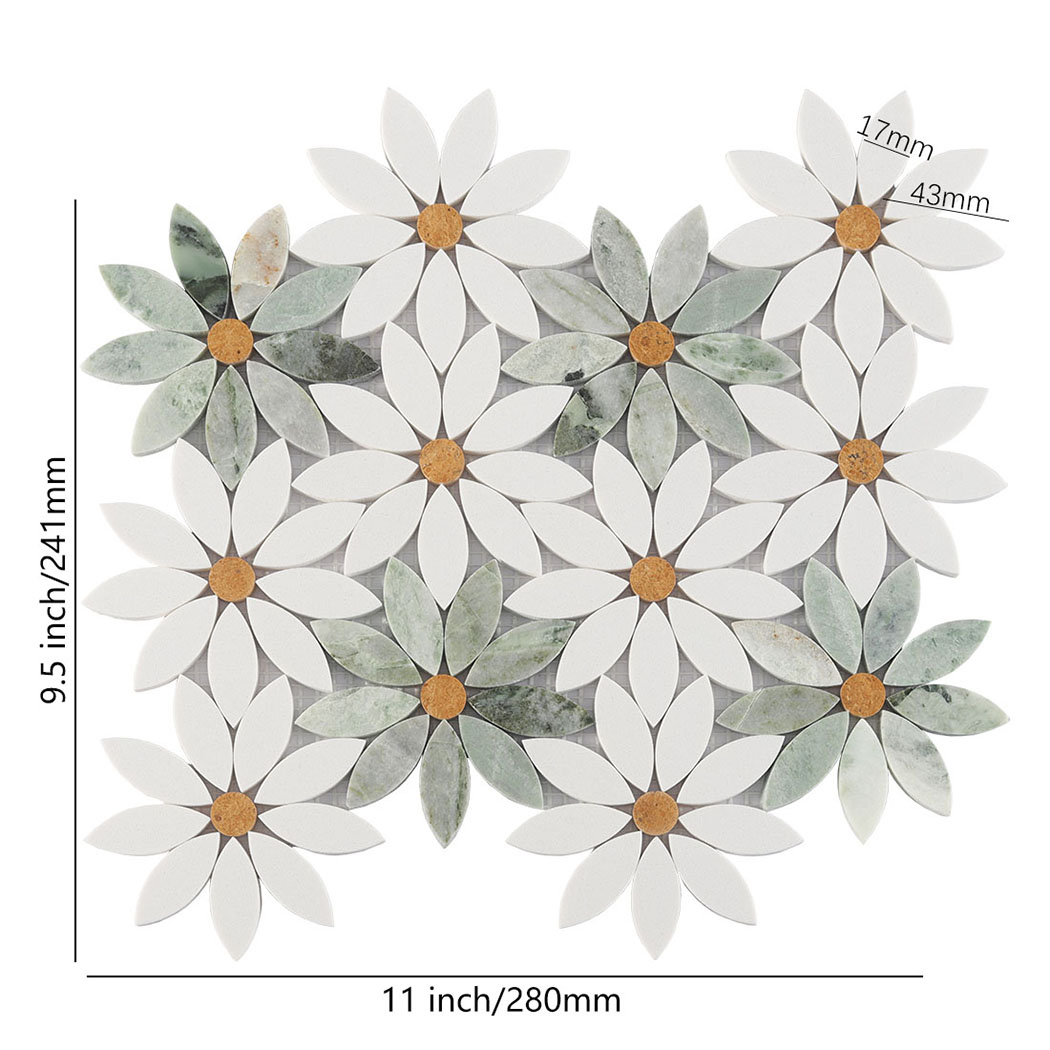
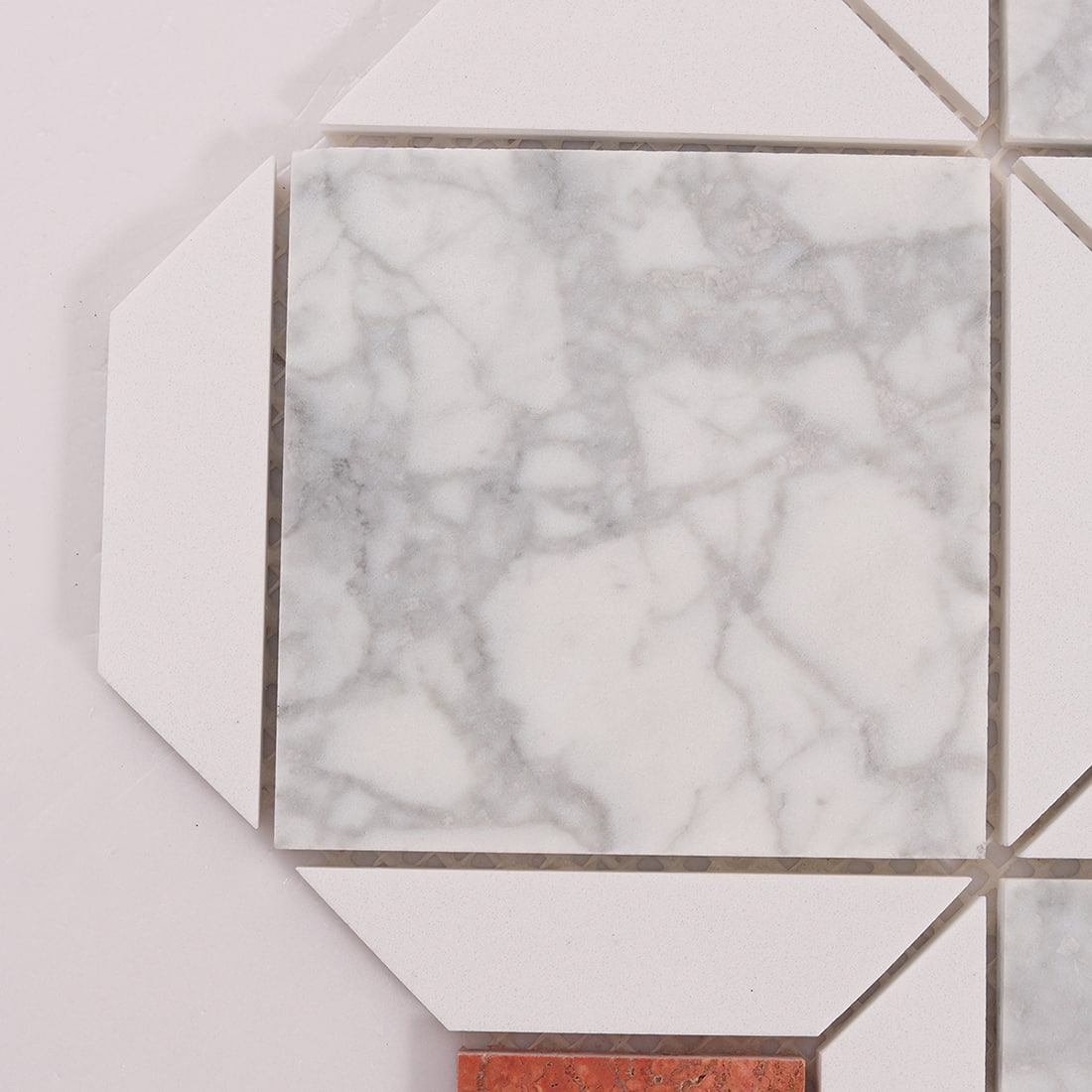
Contemporary Floor Tiles
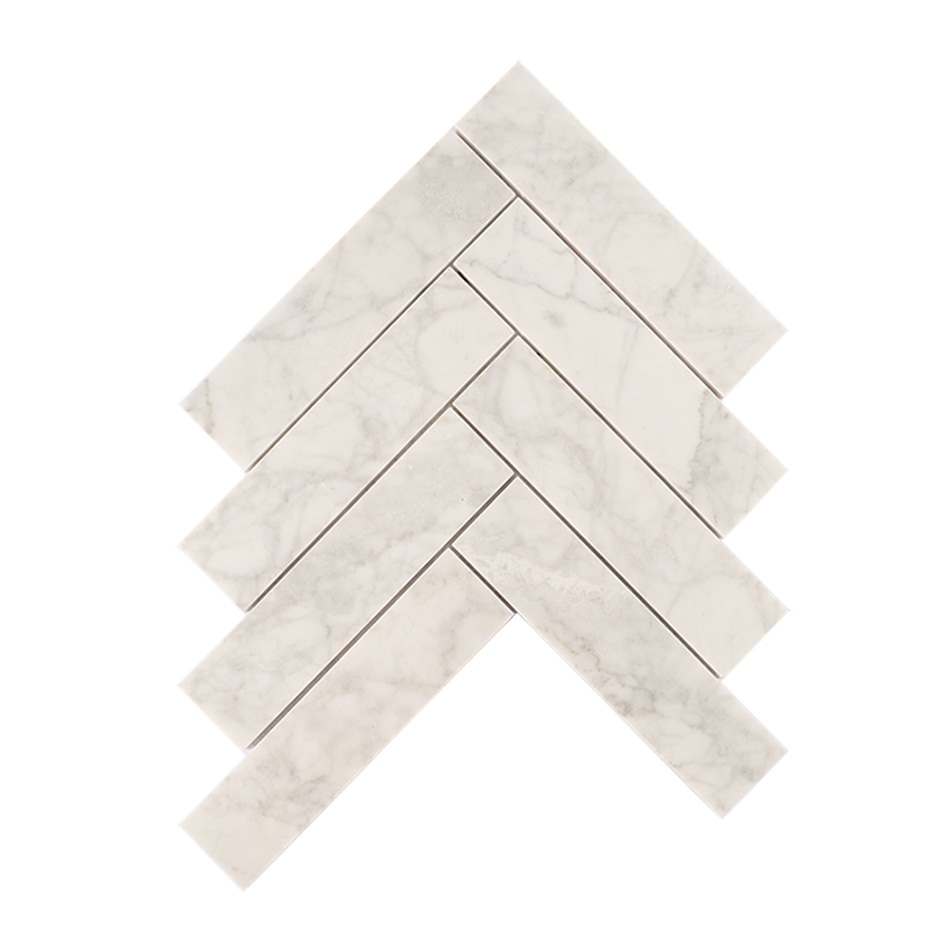
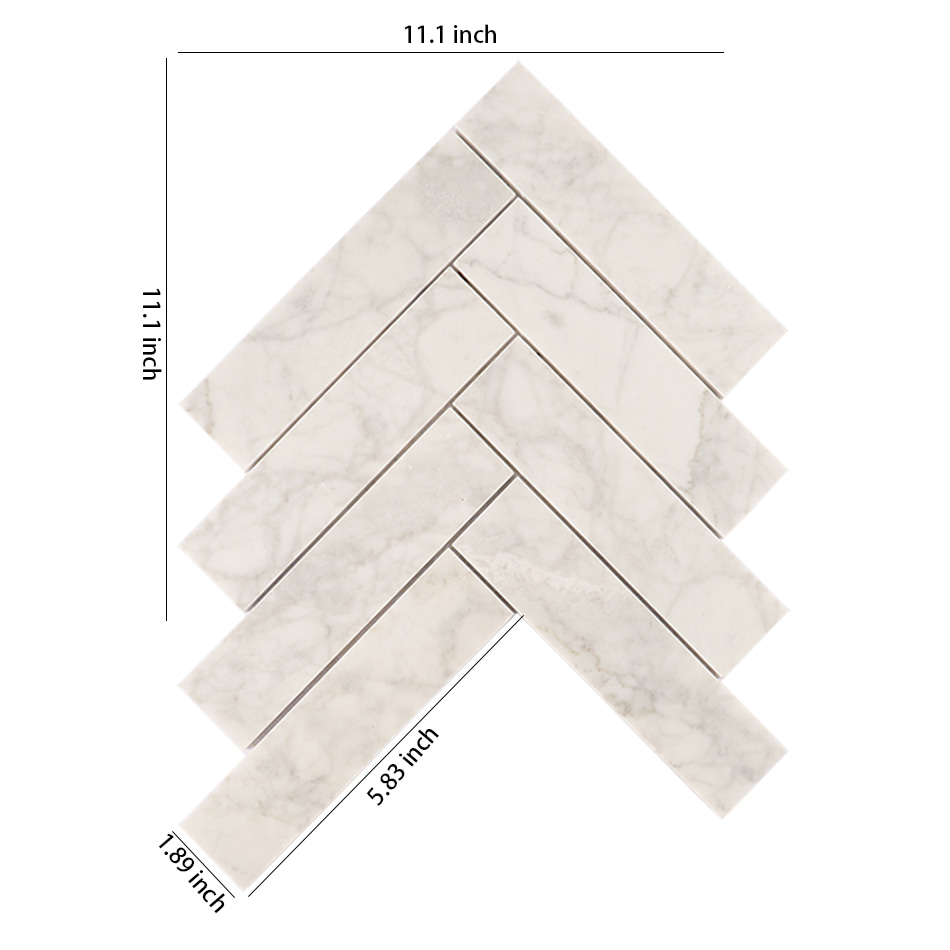
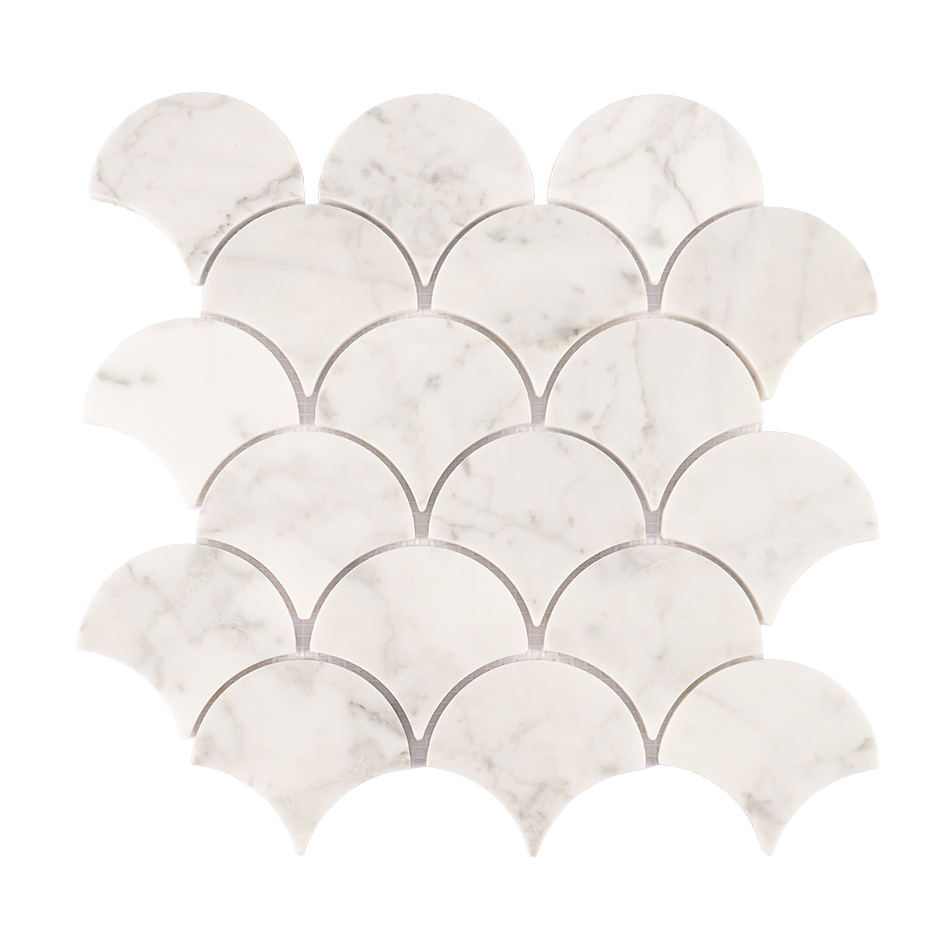
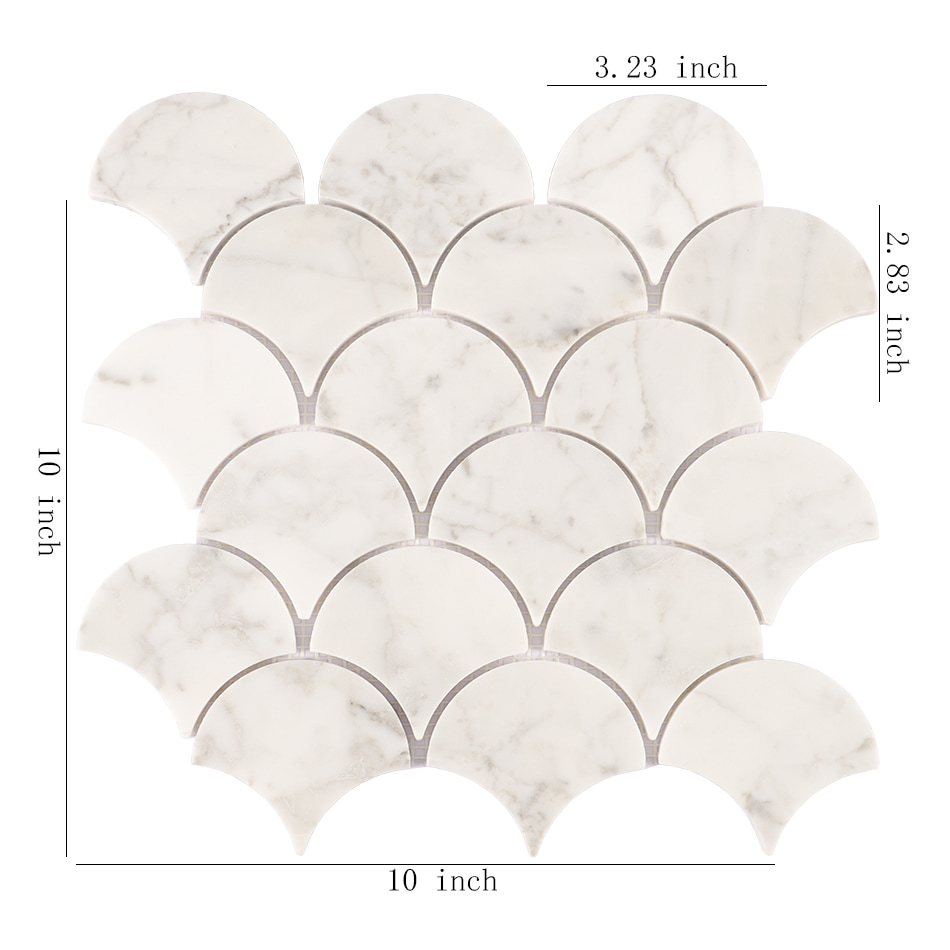
Create a clean, considered foundation with contemporary floor tiles from Woos Tiles. Explore refined marble, natural stone, porcelain, geometric mosaics, and custom-cut designs for residential and commercial interiors. From quiet neutral flooring to expressive patterns, our collection brings together modern style, practical performance, and flexible design possibilities.
Choose from large-format tiles that create an uninterrupted sense of space, compact mosaics that add detail and grip, and natural stone pieces with one-of-a-kind color and veining. Always review each product’s application rating, finish, maintenance requirements, and installation specifications before ordering.
Contemporary Flooring for Modern Everyday Spaces
Contemporary flooring is defined by more than a particular color or material. It reflects the way people design spaces today: open layouts, uncluttered surfaces, natural materials, balanced proportions, and carefully selected details.
Unlike a fixed historical style, contemporary design continues to evolve. A contemporary floor may be softly minimalist, architectural, organic, luxurious, geometric, or boldly artistic. What connects these looks is a sense of intention. The floor supports the room instead of competing with it.
Contemporary floor tiles work beautifully with minimalist, modern luxury, industrial, Scandinavian, transitional, and updated French interiors. Their versatility also makes them suitable for homes, hotels, restaurants, retail stores, offices, and other professionally designed spaces.
Why Choose Contemporary Floor Tiles?
Clean, Versatile Design
Contemporary tiles create a visually calm foundation that works with changing furniture, wall colors, and decorative elements. White, cream, beige, taupe, gray, and charcoal tiles are particularly easy to coordinate, while green, blue, black, and mixed-stone designs introduce a more distinctive point of view.
A well-chosen neutral tile can remain relevant long after short-lived trends have passed. For more expressive spaces, geometric shapes, contrasting stone combinations, and custom patterns can provide personality without making the room feel overcrowded.
Practical Performance
Properly selected floor tile offers a hard-wearing surface for everyday use. Performance varies by material and product, so the tile should always be matched to the intended location.
Consider expected foot traffic, moisture exposure, staining risk, cleaning requirements, exterior conditions, and whether the floor will be used in a residential or commercial setting. Wet rooms, entrances, restaurants, and outdoor areas may require different surface characteristics from bedrooms or dry residential living spaces.
Easy Coordination Between Rooms
Using the same tile, color family, or material palette across connected spaces can improve visual flow. This approach is especially effective in open-plan kitchens, dining rooms, living areas, and hallways.
A larger field tile can be combined with a coordinating mosaic in a shower or small bathroom. Related wall, backsplash, and decorative tiles can then repeat the floor’s color or material elsewhere in the design.
Flexible Sizes and Layouts
Contemporary flooring includes much more than standard square tile. Rectangles, large-format slabs, planks, hexagons, diamonds, chevrons, modular shapes, and mesh-mounted mosaics can all create a modern result.
Straight-stack layouts emphasize order and clean lines. Offset layouts feel more relaxed, while herringbone, chevron, basketweave, and custom geometric patterns add movement.
Contemporary Floor Tile Materials
Porcelain and Ceramic Floor Tiles
Porcelain is often selected for contemporary interiors because it can combine consistent dimensions with practical resistance to moisture and everyday wear. It is available in solid colors as well as marble-look, stone-look, concrete-look, terrazzo-look, and wood-look designs.
Ceramic products may also be suitable for certain floors, but not every ceramic wall tile is engineered for foot traffic. Confirm the listed application, water absorption, wear information, and manufacturer recommendations before installation.
Marble Floor Tiles
Marble brings natural depth and individual character to contemporary spaces. Every piece has its own veining and tonal variation, making the finished floor visually unique.
White and gray marble supports light minimalist interiors, while beige, brown, green, black, and multicolor marble can create a richer architectural statement. Marble may be fabricated into squares, rectangles, hexagons, diamonds, borders, medallions, and custom waterjet patterns.
Because marble is a natural stone, it may require sealing and material-specific maintenance. Acidic cleaners can etch calcium-based stone, and polished finishes should be evaluated carefully for wet or high-traffic locations.
Limestone and Travertine Floor Tiles
Limestone and travertine introduce warm color, subtle movement, and an organic atmosphere. Their quiet beige, ivory, cream, gray, and earthy tones work well in contemporary interiors that combine stone with wood, plaster, glass, or metal.
Honed finishes create a soft, understated appearance, while brushed, tumbled, or textured surfaces offer greater visual variation. Natural pores, pits, veining, and tonal changes are material characteristics rather than manufacturing defects.
These stones may require sealing, appropriate grout selection, and routine care with stone-safe products.
Natural Stone Mosaic Tiles
Stone mosaics allow designers to introduce smaller scale, pattern, and material contrast. Popular forms include hexagons, penny rounds, basketweaves, diamonds, fans, interlocking shapes, and mixed geometric compositions.
Mosaics can be used across an entire floor or as a border, inset, transition, or tile-rug detail. The increased number of grout joints may provide additional surface texture, but the complete assembly must still be approved for the intended floor and wet-use conditions.
Floor-Rated Glass Mosaics
Selected glass mosaics can be used on floors when the product is specifically manufactured and rated for that application. Small glass pieces can create rich color, reflect light, and support custom mosaic compositions.
Do not assume that a glass backsplash or wall mosaic is suitable for flooring. Check the individual product specification for floor, shower, submerged, outdoor, and commercial-use suitability.
Custom-Cut Stone and Mosaic Designs
Contemporary flooring does not need to be limited to standard factory formats. Marble, limestone, travertine, and other stones can be cut into custom shapes and assembled into geometric patterns, borders, medallions, or site-specific compositions.
Woos Tiles can support custom sizes, colors, shapes, patterns, and mosaic artwork for residential and commercial projects. Custom production is especially useful when a designer needs to coordinate the floor with architectural dimensions, brand colors, furniture placement, or a larger interior concept.
Popular Contemporary Floor Tile Styles
Minimal Solid and Tonal Tiles
Solid or nearly solid tiles create the cleanest contemporary appearance. Instead of strong decorative patterns, these designs use subtle shading, fine texture, and controlled variation to give the floor depth.
They are ideal for minimalist homes, galleries, offices, modern retail interiors, and open-plan rooms where furniture or artwork should remain the visual focus.
Marble and Marble-Look Floors
Marble flooring combines natural elegance with strong architectural character. Large pieces can showcase long veins and broad movement, while smaller geometric pieces turn the same material into a detailed pattern.
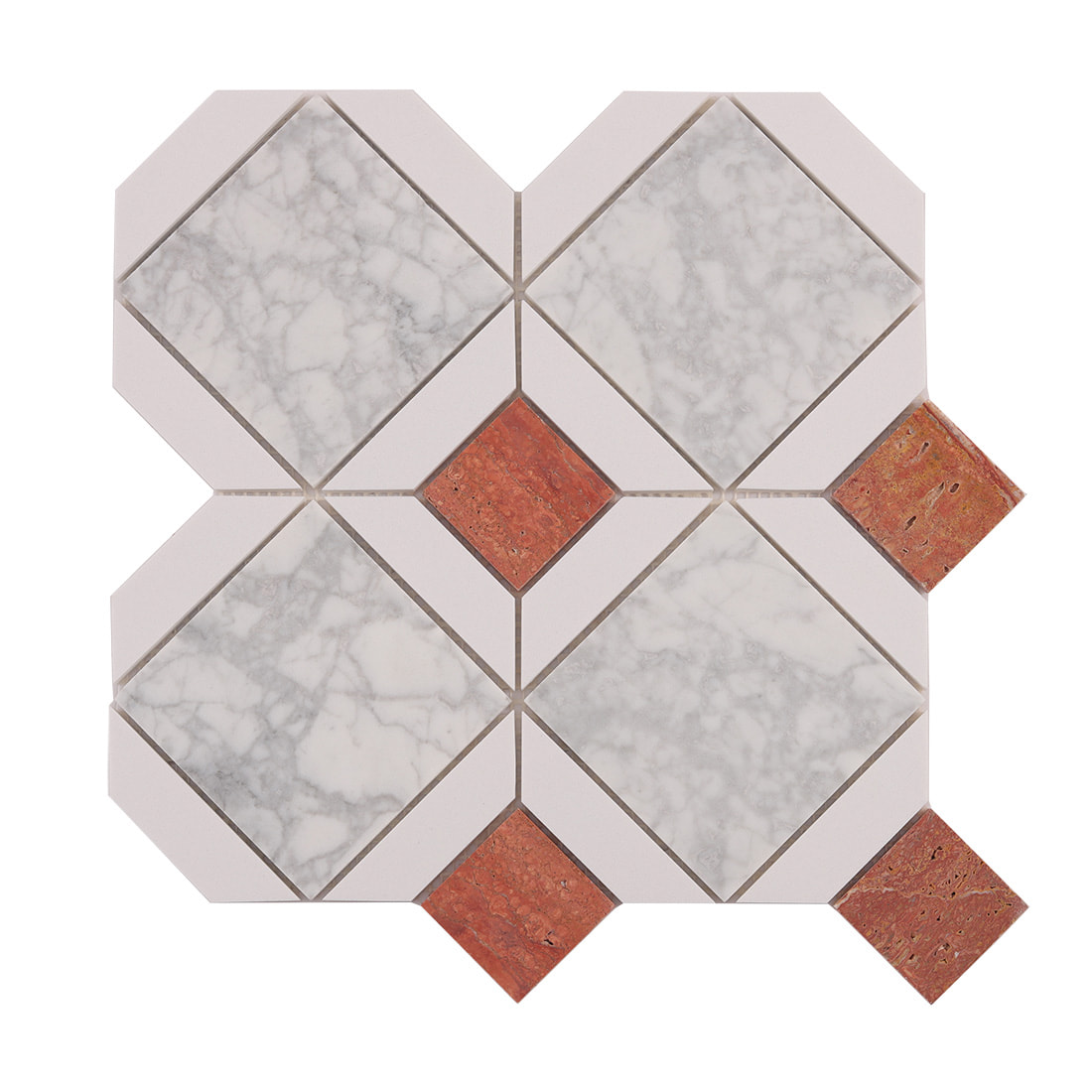
For a quieter result, choose soft veining and a low-contrast palette. For a statement floor, consider dark marble, dramatic veining, book-matched arrangements, or contrasting stone inlays.
Concrete and Microcement-Look Tiles
Concrete-look tiles reproduce the calm, continuous appearance associated with poured cement and microcement interiors. Gray remains popular, but warm beige, greige, clay, and off-white variations can make the space feel more comfortable.
These designs coordinate well with black metal, glass, natural wood, textured plaster, and contemporary cabinetry.
Wood-Look Floor Tiles
Wood-look tiles bring visual warmth to areas where real wood may require more maintenance. Light oak, pale ash, warm beige, and softly weathered tones are particularly suited to Scandinavian and contemporary interiors.
Plank tiles can be installed in straight, staggered, chevron, or herringbone layouts. Review the product’s recommended offset and installation instructions, especially with longer formats.
Terrazzo-Inspired Tiles
Terrazzo-style flooring adds controlled color and movement through scattered aggregate effects. Fine, low-contrast patterns feel understated, while large, colorful fragments create a stronger focal point.
Terrazzo-inspired tiles work particularly well in kitchens, bathrooms, cafés, retail spaces, creative studios, and hospitality interiors.
Geometric and Patterned Floors
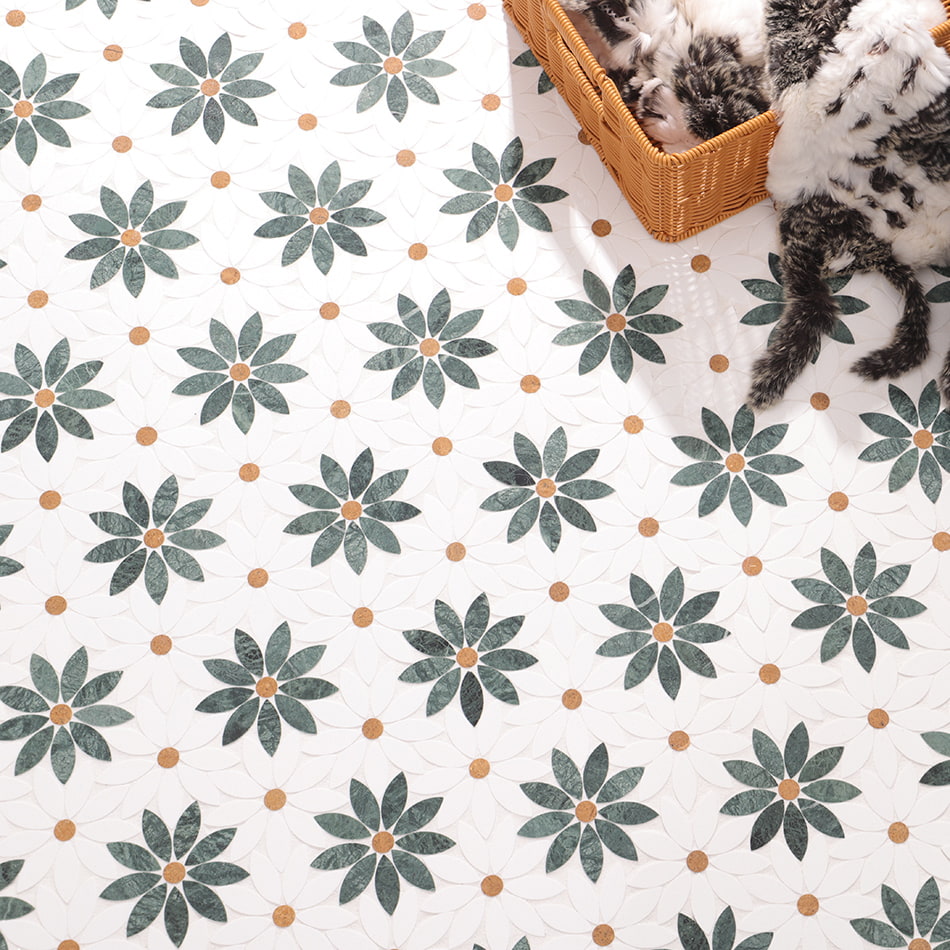
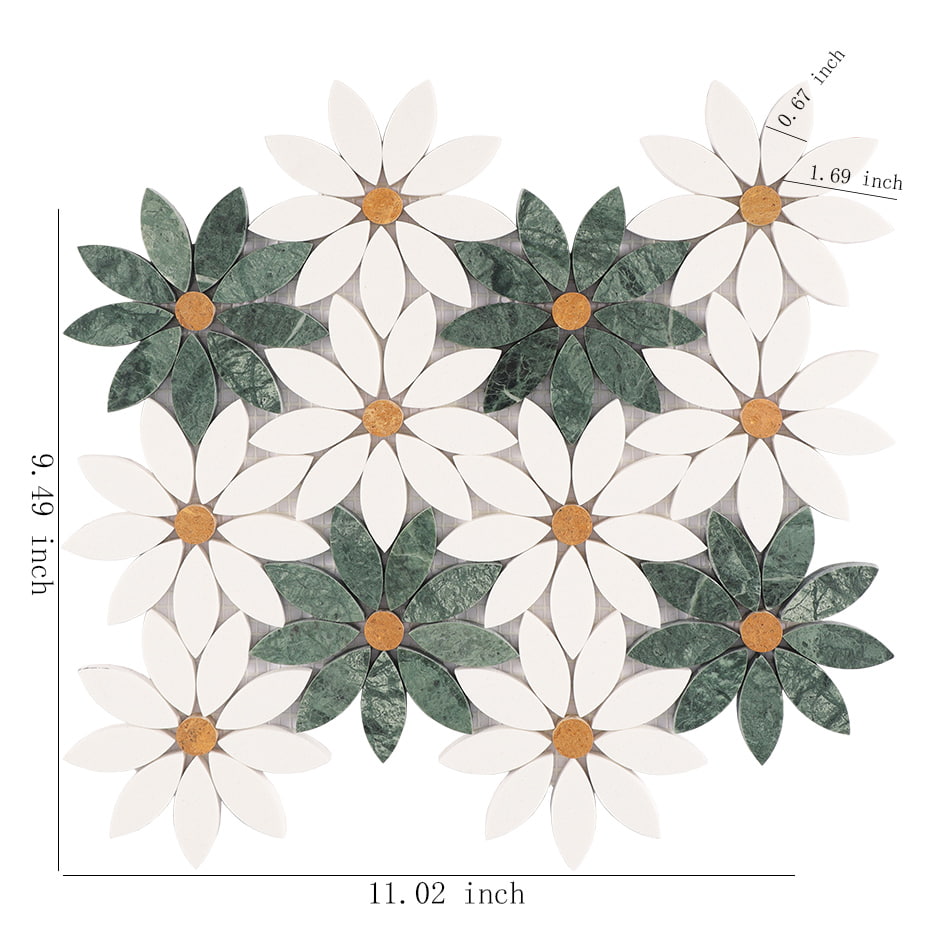
Hexagons, diamonds, triangles, stars, modular shapes, and waterjet-cut stone can transform the floor into an architectural feature. Black-and-white combinations create graphic contrast, while tonal designs offer pattern without overwhelming the room.
A geometric tile can cover the entire floor or define a smaller zone such as an entrance, dining area, reception desk, or bathroom vanity.
Contemporary Floor Tile Colors
White, Ivory and Cream
Light floor tiles reflect available light and can make interiors feel open and fresh. Warm whites and creams are generally softer than pure white and coordinate well with oak, brass, beige upholstery, and natural stone.
Beige, Taupe and Greige
Warm neutrals create a comfortable alternative to cool gray. Beige, taupe, sand, and greige floors pair naturally with wood, linen, plaster finishes, and soft contemporary furniture.
Light and Medium Gray
Gray remains a versatile contemporary choice for residential and commercial spaces. Pale gray feels airy and refined, while medium gray provides practical visual balance in frequently used rooms.
Charcoal and Black
Dark tiles can make a space feel dramatic, intimate, and architectural. They work best when balanced with sufficient lighting, lighter walls, reflective finishes, or warm natural materials.
Green, Blue and Expressive Colors
Color does not need to conflict with contemporary design. Deep green marble, soft blue mosaics, muted terracotta, and carefully selected multicolor patterns can bring individuality to an otherwise restrained interior.
Choosing the Right Tile Size and Shape
Large-Format Floor Tiles
Large-format contemporary floor tiles reduce the number of grout joints and can make a room feel calmer and more continuous. They are effective in open-plan living areas, kitchens, hotel lobbies, showrooms, and commercial interiors.
They can also work in small rooms when the layout is planned carefully. However, large tiles require an appropriately flat substrate, proper handling, suitable mortar coverage, and an experienced installer.
Medium Square and Rectangular Tiles
Medium formats offer a balance between visual continuity and installation flexibility. They can adapt to irregular rooms more easily than oversized pieces and are suitable for many residential projects.
Mosaics and Small Formats
Small tiles introduce pattern and make it easier to follow certain curves, slopes, or compact layouts. They are commonly considered for shower floors and decorative zones, provided the selected product and installation system are approved for the application.
Geometric Shapes
Hexagons, diamonds, triangles, fans, and interlocking shapes add rhythm to contemporary floors. Use contrasting grout to emphasize the geometry or a closely matched grout color for a quieter, more unified effect.
Selecting the Right Finish
Matte and Honed Finishes
Matte porcelain and honed stone create a soft, low-reflection surface associated with contemporary interiors. They can hide minor dust and water marks more effectively than highly reflective finishes, although their maintenance needs still depend on material and texture.
Polished Finishes
Polished tiles reflect light and can create a luxurious, expansive appearance. They are often used in dry living areas, formal entrances, hotel interiors, and other spaces where a sleek finish is desired.
Polished flooring may show footprints, dust, scratches, or water marks more readily. Suitability for wet areas must be confirmed from the product’s application and performance information.
Textured, Brushed and Tumbled Finishes
Textured finishes provide tactile character and may be considered where additional surface structure is desirable. Heavily textured floors may require more frequent or specialized cleaning, particularly in commercial spaces.
Slip-Resistance Considerations
No floor should be described as universally slip-proof. A tile’s suitability depends on its surface, product-use classification, contaminants, drainage, slope, maintenance, footwear, traffic, and the conditions of the project.
For kitchens, bathrooms, showers, entrances, pool surrounds, and commercial areas, review the manufacturer’s declared application and available slip-resistance information. DCOF data can assist with comparison, but it should not be the only factor used to select flooring.
Contemporary Floor Tiles by Room
Living Room and Open-Plan Flooring
Large stone, marble, porcelain, and tonal tiles can create visual continuity across living and dining areas. Light colors make the room feel open, while deeper shades provide contrast with pale walls and furniture.
Repeating the same floor across connected rooms can reduce visual interruptions and make the layout feel more spacious.
Kitchen Floor Tiles
Kitchen flooring should balance style with resistance to traffic, spills, and frequent cleaning. Matte or lightly textured surfaces are often considered for practical everyday use, while marble and other natural stones require suitable sealing and stone-safe care.
Coordinate the floor with the cabinetry, countertops, backsplash, and lighting rather than choosing each surface separately.
Bathroom Floor Tiles
Contemporary bathroom floors often use stone mosaics, porcelain, marble, or geometric patterns. Smaller pieces can accommodate shower slopes more easily, while larger tiles create a calm appearance in the main bathroom area.
Only use products approved for the specific wet application. Shower floors, steam rooms, and areas with standing water may have different requirements from a general bathroom floor.
Bedroom Floor Tiles
Floor tile can give bedrooms a clean, low-maintenance foundation. Warm stone colors, wood-look planks, rugs, and underfloor heating can help create a softer and more comfortable atmosphere.
Hallway, Entry and Mudroom Tiles
Entrances experience concentrated wear, outdoor dirt, moisture, and grit. Choose flooring suited to the expected traffic and cleaning routine, and use entrance mats to reduce abrasive debris.
Patterned mosaics or custom borders can define the entry without visually separating it from adjacent rooms.
Commercial Floor Tiles
Retail stores, restaurants, hotels, offices, galleries, and other commercial interiors require careful specification. Consider traffic level, rolling loads, maintenance, expected contaminants, accessibility, replacement planning, and applicable building requirements.
For large projects, confirm stock or production capacity, shade consistency, lead time, packaging, delivery method, and attic-stock requirements before installation begins.
Outdoor Contemporary Tiles
Only products specifically approved for exterior use should be installed outdoors. The correct selection depends on climate, freeze-thaw exposure, water absorption, surface traction, drainage, substrate, and installation system.
Indoor and outdoor tiles with coordinated colors can help visually connect patios, terraces, pool areas, and interior living spaces.
How to Choose Contemporary Floor Tiles
Start With the Application
Identify whether the floor will be interior or exterior, dry or wet, residential or commercial, and exposed to light or heavy traffic. This determines which products should remain under consideration.
Compare Materials Honestly
Porcelain can offer consistency and practical everyday performance. Marble provides unique natural veining. Limestone and travertine create warmth and organic variation. Mosaics bring scale and pattern. The best choice depends on the project rather than one material being universally superior.
View Samples in the Actual Space
Screens cannot reproduce every color, gloss level, texture, or natural variation accurately. Examine samples next to the room’s cabinetry, paint, countertops, fabrics, and lighting.
View them during the day and at night. If the tile has significant natural variation, review more than one piece or request information about the expected shade range.
Plan the Layout Before Ordering
Confirm the tile direction, starting point, grout-joint width, cut locations, transitions, borders, and relationship to major architectural features. For patterned tiles, verify how the design repeats across multiple sheets or pieces.
A planned layout can reduce awkward cuts and keep focal points properly aligned.
Check Product Specifications
Before purchasing, review:
-
Recommended floor and wall applications
-
Interior, exterior, dry, or wet-use suitability
-
Residential or commercial-use guidance
-
Material and finish
-
Tile and sheet dimensions
-
Thickness and weight
-
Shade and texture variation
-
Water absorption or stone-sealing requirements
-
Slip-resistance or product-use information when available
-
Recommended adhesive, grout, and installation method
-
Care and maintenance instructions
How Much Tile Should You Order?
Measure the length and width of each floor section and calculate the total area. Subtract large areas that will not be tiled only when appropriate for the installation plan.
Basic formula:
Floor length × floor width = required square footage
Add approximately 10% for straightforward layouts and normal cuts. Consider approximately 15% or more for diagonal layouts, herringbone patterns, complex rooms, custom mosaics, natural stone selection, or projects with many corners and cuts.
Before ordering, confirm the coverage per box or mosaic sheet. Round up to complete boxes or sheets rather than rounding down. Keeping several unused pieces from the same production batch can make future repairs easier.
Contemporary Floor Tile Installation
Professional installation is recommended for natural stone, large-format tile, intricate mosaics, wet areas, exterior projects, and commercial floors.
Before installation:
-
Inspect the complete shipment before cutting or installing.
-
Confirm that the product, quantity, color, shade, caliber, finish, and dimensions are correct.
-
Blend pieces from multiple boxes when variation is expected.
-
Dry-lay natural stone and patterned mosaics to plan the final distribution.
-
Make sure the substrate is clean, stable, properly prepared, and sufficiently flat.
-
Use adhesives, membranes, grout, sealers, and movement joints appropriate for the material and location.
-
Follow the product manufacturer’s instructions and applicable building standards.
Rectified edges may allow narrower, more consistent joints, but they do not automatically create a groutless floor. Grout and movement accommodation remain important parts of a durable tile installation.
Cleaning and Maintaining Contemporary Floors
Routine Cleaning
Remove loose dust and grit with a soft broom, vacuum attachment, or dust mop. Clean with warm water and a product compatible with the tile and grout.
Avoid allowing sand or abrasive debris to remain in entrances or high-traffic areas, as it can wear polished surfaces over time.
Natural Stone Care
Use a pH-neutral cleaner formulated for natural stone. Avoid acidic cleaners, vinegar, lemon-based products, and harsh abrasives on marble, limestone, and travertine.
Some natural stones should be sealed before or after installation and resealed periodically. The correct schedule depends on the stone, finish, sealer, traffic, and exposure.
Grout Care
Use a compatible grout cleaner and avoid aggressive scrubbing tools that may damage the tile finish. Proper ventilation, routine cleaning, and effective drainage are especially important in bathrooms and other wet spaces.
Save Spare Material
Store leftover tiles in a dry, protected location and label them with the product name, order information, and installation area. Matching a shade or natural stone selection years later may be difficult.
Why Choose Woos Tiles?
Woos Tiles is an online tile superstore serving residential and commercial projects. Our wider selection includes marble tiles, glass tiles, metal tiles, shell tiles, natural stone tiles, mosaic tiles, wall tiles, floor tiles, bathroom tiles, kitchen tiles, backsplash tiles, outdoor tiles, and custom mosaic murals.
For contemporary flooring projects, customers can explore ready-made designs or request assistance with custom colors, dimensions, stone combinations, geometric shapes, and mosaic patterns.
Broad Material Selection
Coordinate flooring with complementary wall, bathroom, kitchen, backsplash, and decorative tile materials through one tile source.
Custom Design Support
We can help develop custom stone patterns, mosaics, borders, feature compositions, and project-specific sizes for homes, hospitality interiors, retail spaces, and commercial developments.
Residential and Commercial Project Assistance
Whether you are renovating one bathroom or specifying tile for a larger development, our team can help review quantities, applications, samples, customization options, packaging, and shipping requirements.
Samples Before Ordering
Ordering samples allows you to evaluate the true color, material, texture, scale, and finish before making a full project purchase.
Contemporary Floor Tiles FAQ
What makes a floor tile contemporary?
Contemporary floor tiles reflect current design preferences through clean lines, balanced proportions, natural or refined materials, restrained colors, large formats, and carefully controlled patterns. They may be minimalist or decorative, but the overall composition feels intentional and uncluttered.
Are contemporary and modern floor tiles the same?
The terms overlap, but they are not exactly identical. Modern design often refers to a defined historical design movement, while contemporary design describes styles developing in the present. In shopping and SEO language, customers frequently use both terms for clean, current-looking tile floors.
What is the best material for contemporary flooring?
There is no single best material for every project. Porcelain is often chosen for practical performance, marble for natural luxury, limestone and travertine for warmth, and mosaics for pattern or compact spaces. Select the material according to traffic, moisture, maintenance, budget, and desired appearance.
Can large tiles be used in a small room?
Yes. Large tiles can make a small room feel more continuous because they create fewer grout lines. The tile size should still be tested against the room dimensions to avoid awkward cuts, and the substrate must meet the flatness requirements of the selected format.
What floor tile is best for a contemporary bathroom?
Matte porcelain, honed stone, and appropriately rated mosaics are common choices. The correct product depends on whether it will be used on the main bathroom floor, inside a shower, in a steam room, or in another wet location.
Can polished tiles be used on bathroom floors?
Only when the product is approved for the intended area and the project conditions have been evaluated. Polished surfaces can become slippery when contaminated with water, soap, or oils, so they require particular care in wet spaces.
Do natural stone floor tiles need sealing?
Many marble, limestone, travertine, and other natural stone products benefit from sealing, but requirements vary. Follow the stone and sealer manufacturer’s recommendations and use stone-compatible maintenance products.
Are contemporary tiles suitable for underfloor heating?
Many ceramic, porcelain, and natural stone tiles can be used with properly designed radiant heating systems. Compatibility also depends on the substrate, membrane, adhesive, grout, movement joints, heating system, and installation method.
Can contemporary floor tiles be installed outdoors?
Only use a tile specifically rated for the expected exterior conditions. Climate, freeze-thaw cycles, water absorption, drainage, surface traction, and the installation assembly must all be considered.
What grout color works best with contemporary tiles?
A matching grout color creates a quiet, continuous surface. Contrasting grout emphasizes shape and layout. Test the grout with the actual tile because color, texture, joint width, and sealing can affect the final appearance.
How much extra tile should I order?
Approximately 10% extra is commonly considered for straightforward layouts. Complex patterns, natural stone selection, diagonal installation, custom cuts, or irregular rooms may require 15% or more. Confirm the final quantity with the installer before ordering.
Can Woos Tiles create custom contemporary floor designs?
Yes. Custom options may include material combinations, sizes, geometric shapes, borders, stone inlays, mosaic patterns, and project-specific compositions. Contact Woos Tiles with your dimensions, drawings, reference images, preferred materials, quantity, and intended application.
Find the Right Contemporary Floor Tiles at Woos Tiles
A successful contemporary floor combines visual simplicity with the correct material, finish, format, and technical performance. Explore understated natural stone, modern porcelain, geometric mosaics, expressive marble, and custom-cut designs for residential and commercial projects.
Browse the collection, order samples, or contact Woos Tiles for help selecting and customizing flooring for your space.