

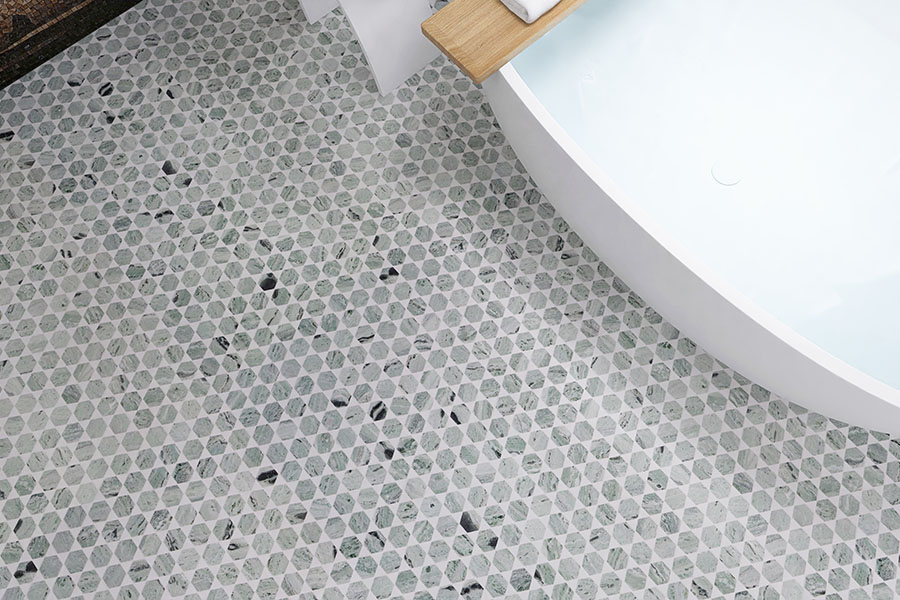
Hexagon Floor Tiles
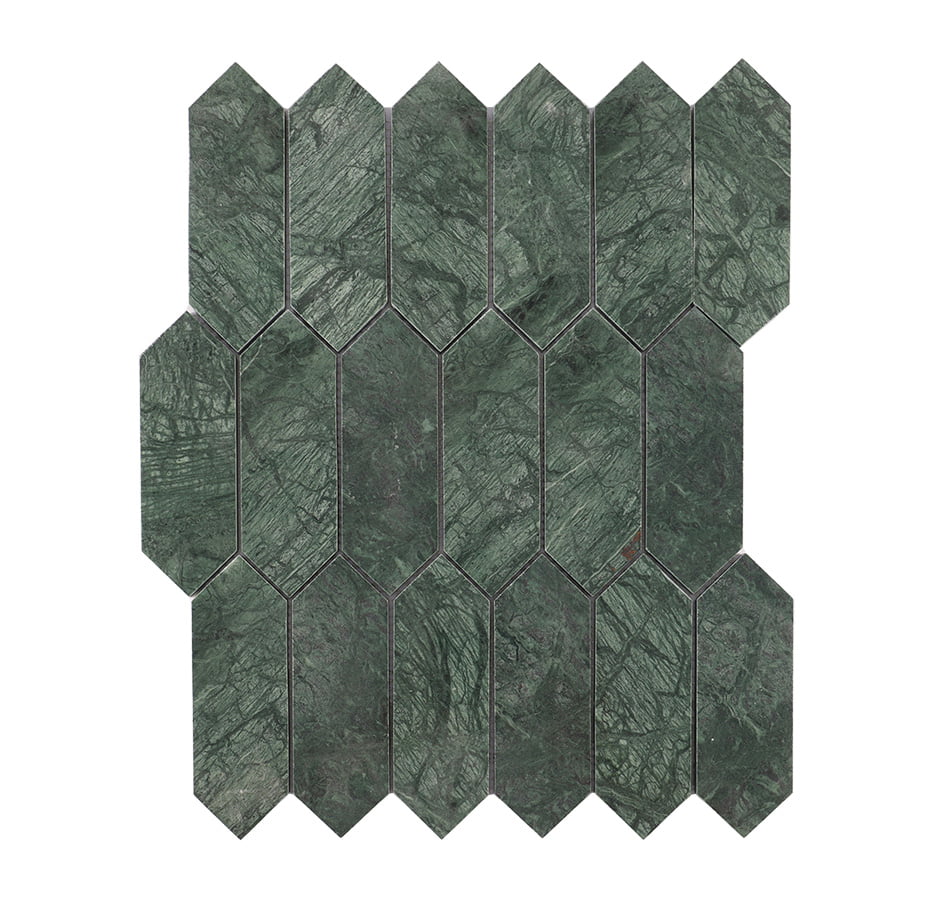
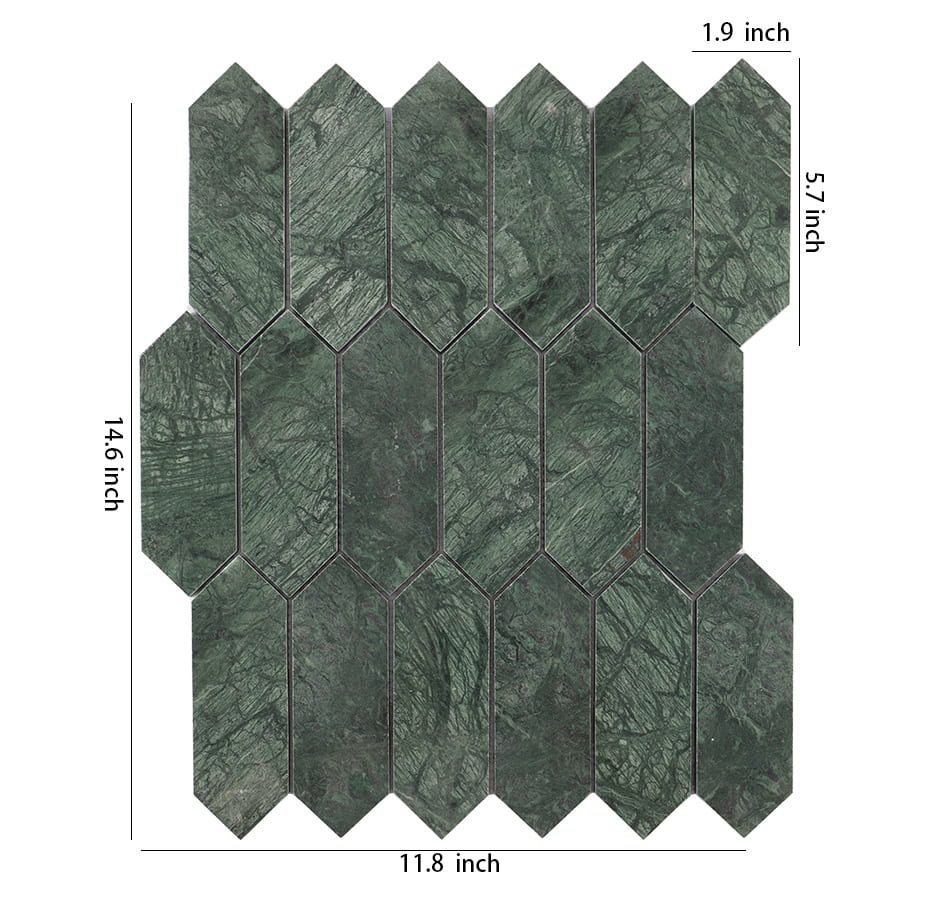
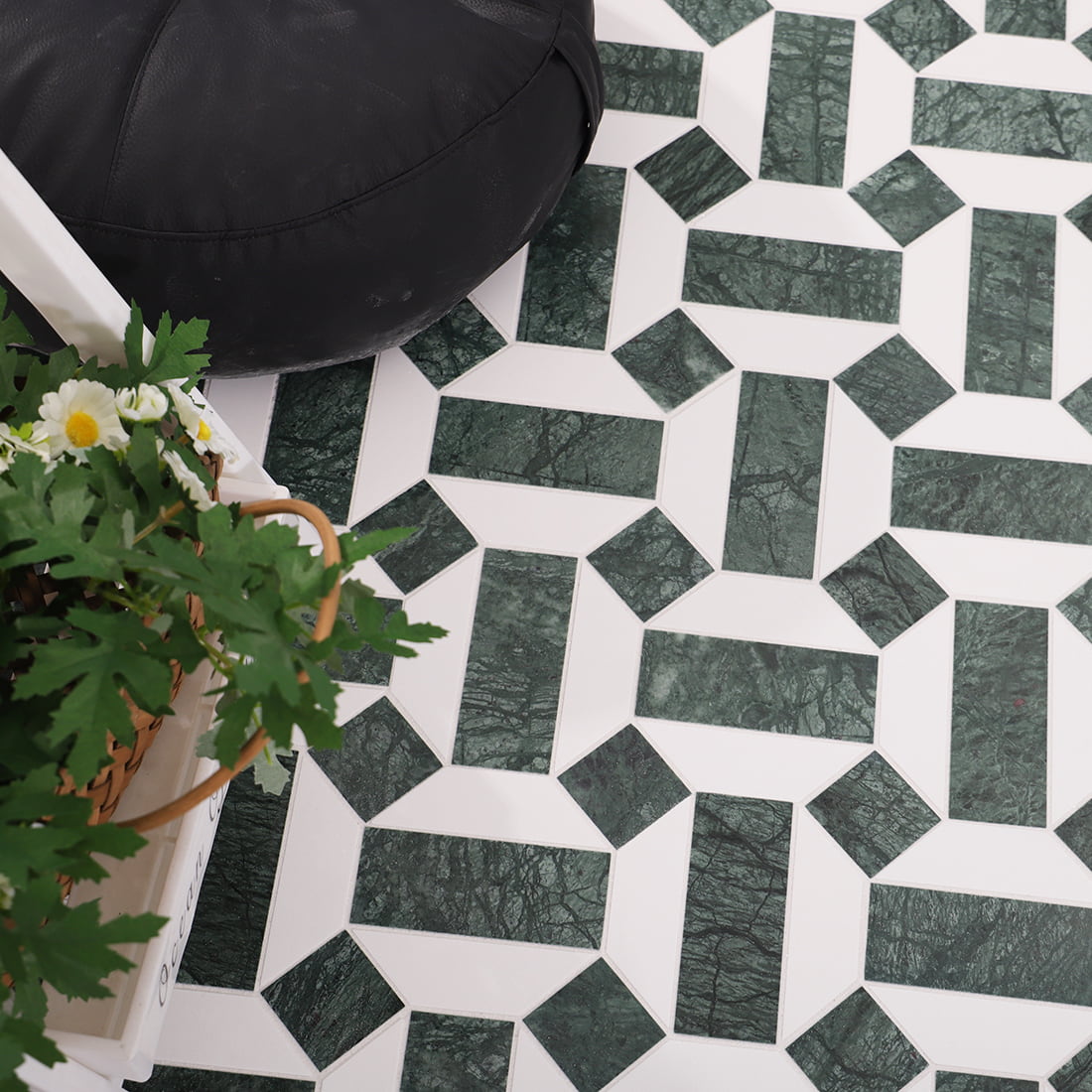
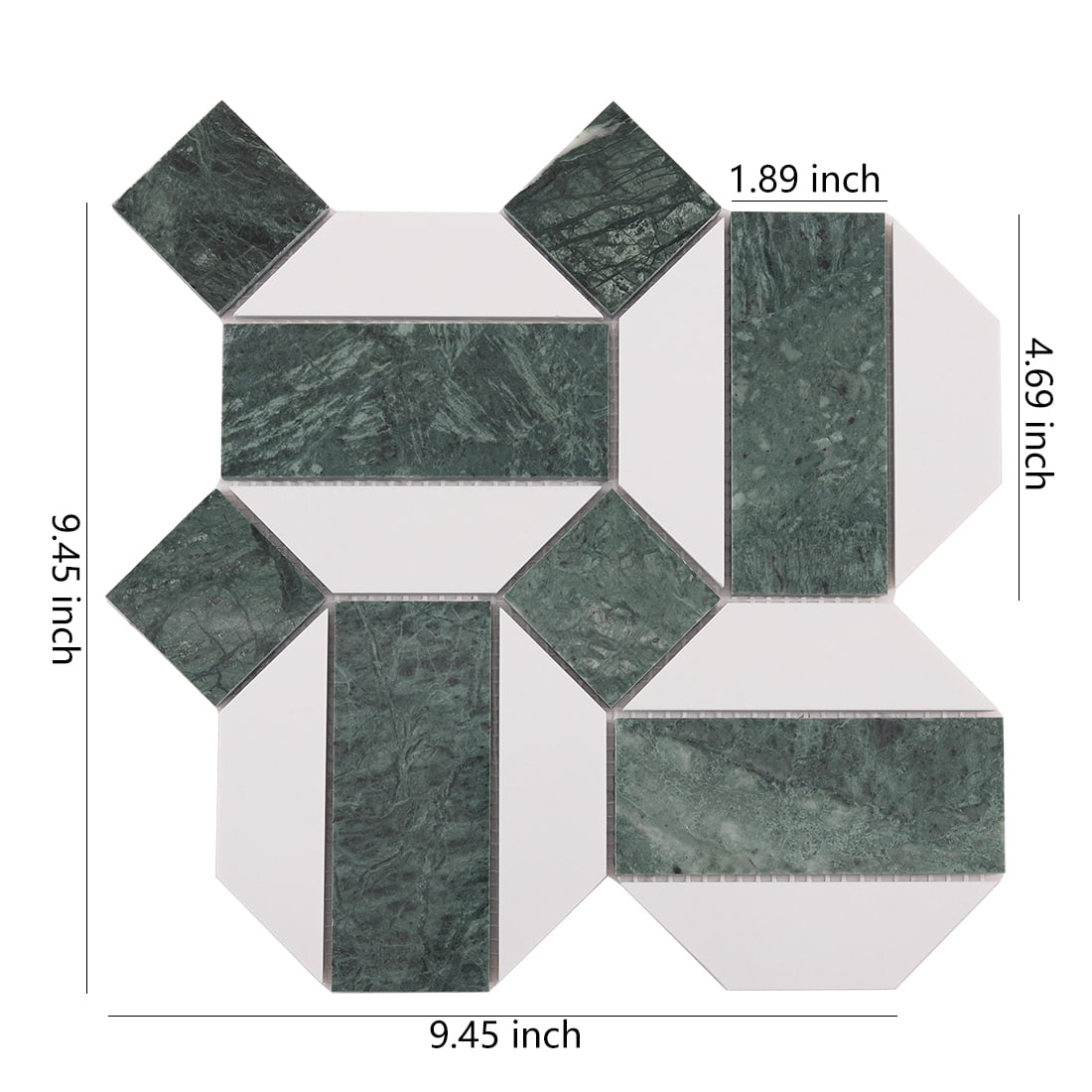
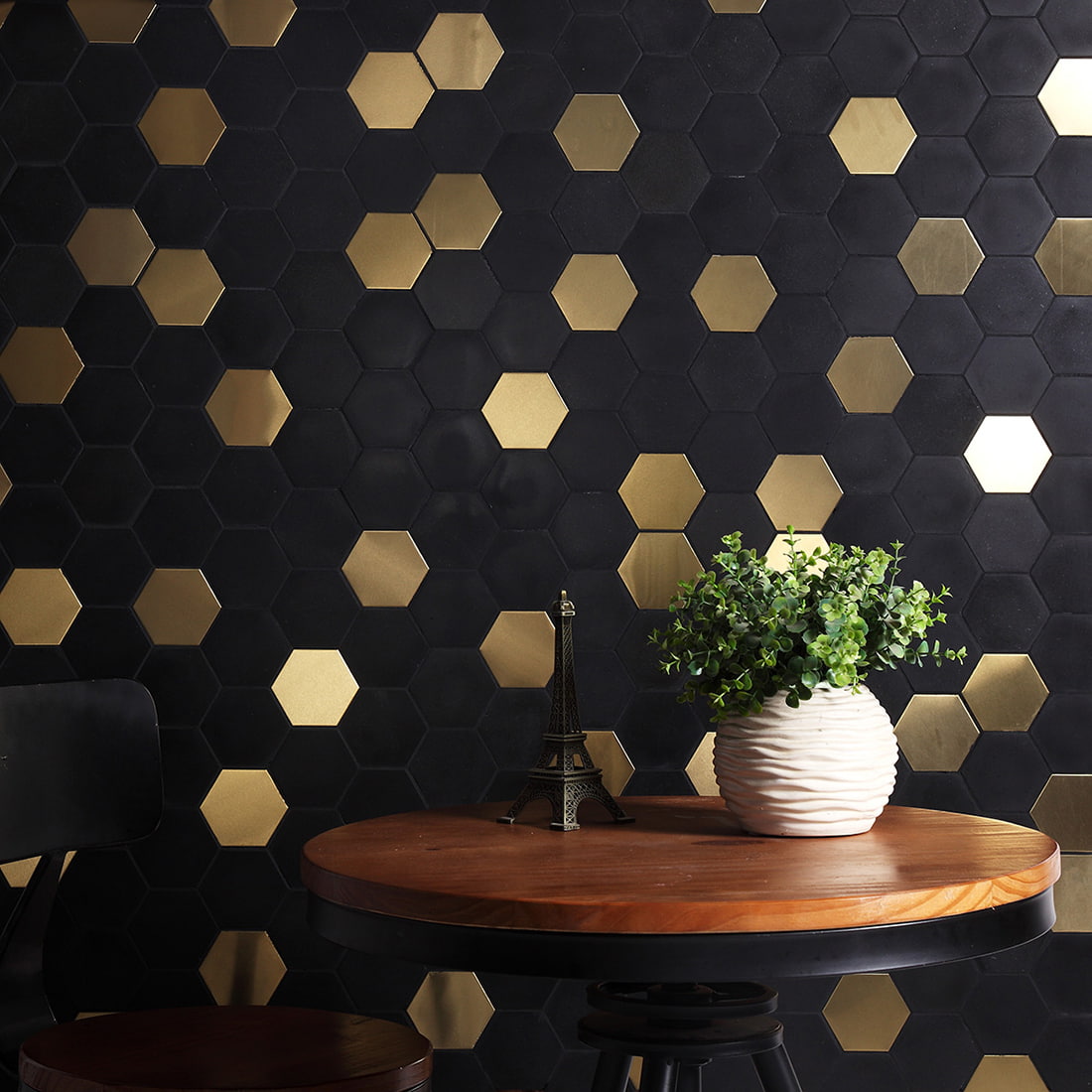
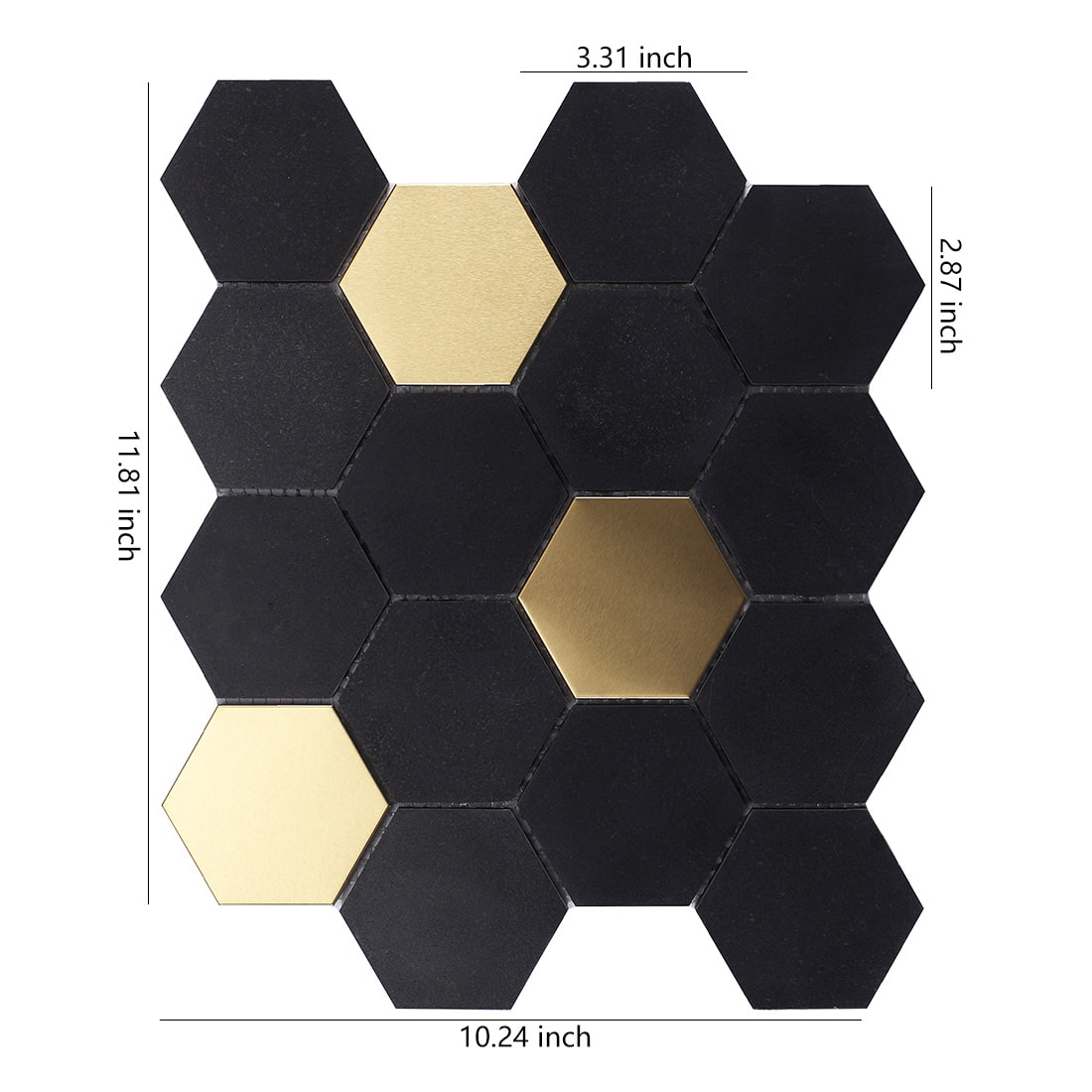
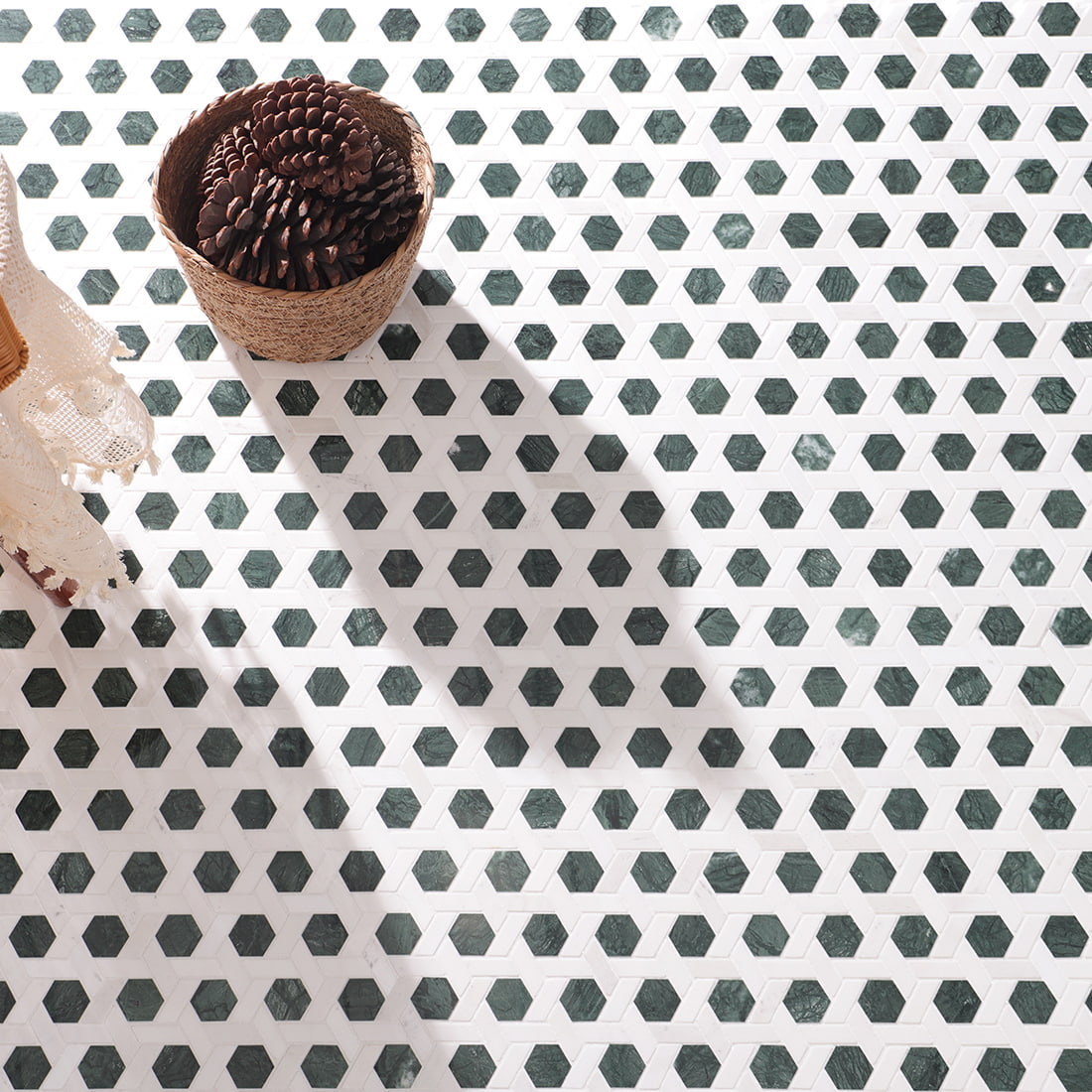
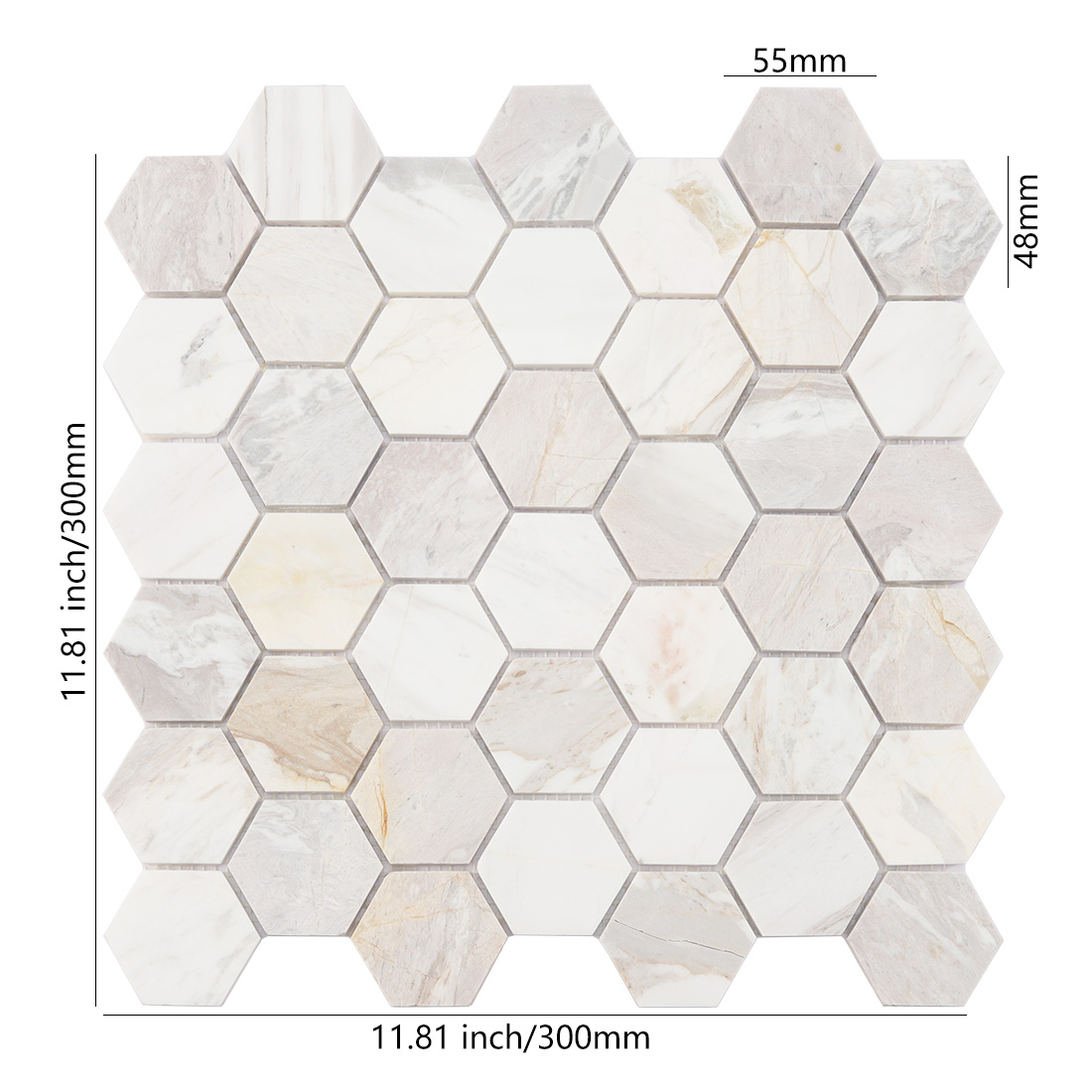

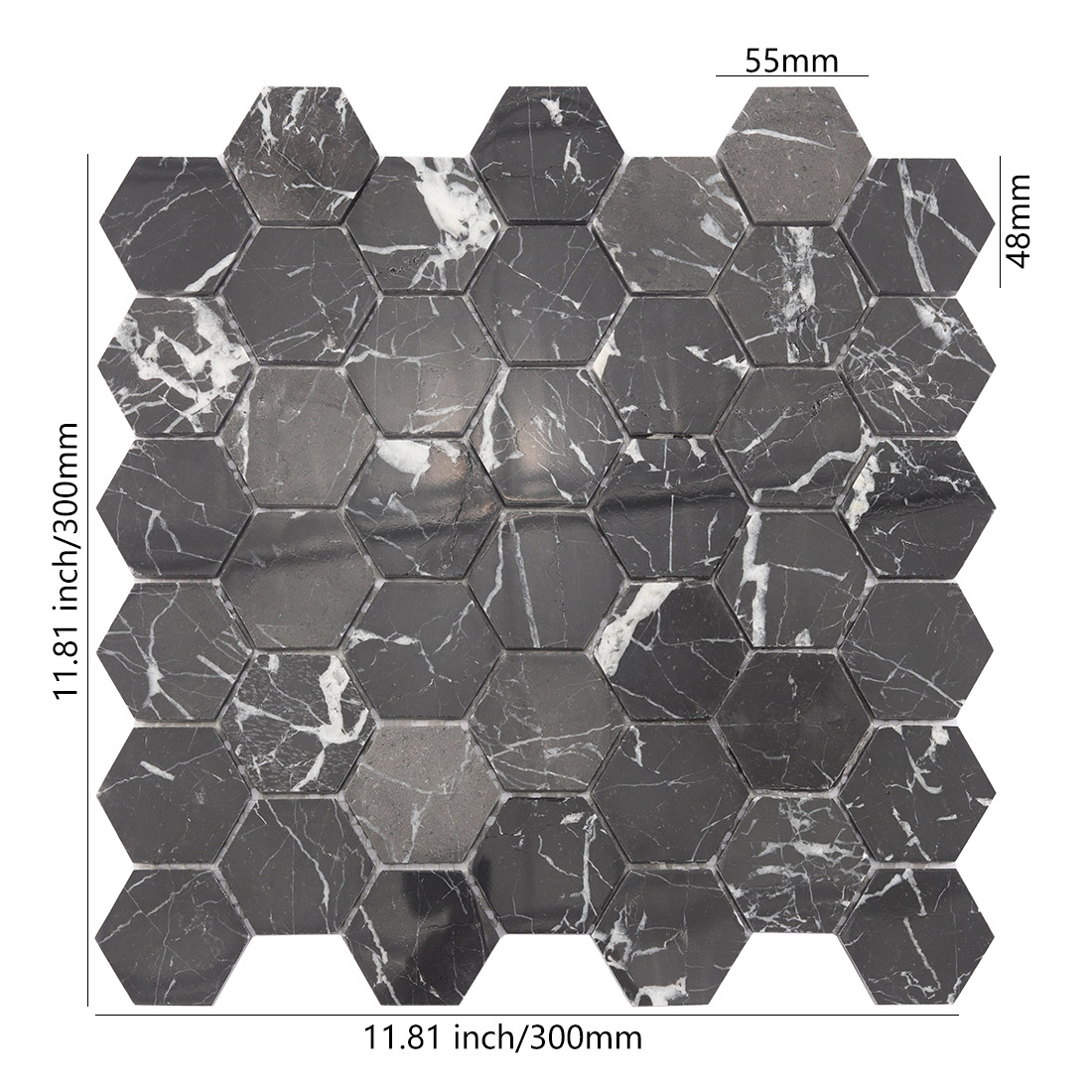
Hexagon Floor Tiles are a timeless choice for interior flooring, combining geometric beauty with everyday practicality. Their six-sided shape creates visual movement while still feeling clean, balanced, and easy to style. From classic bathroom floors to modern kitchens and statement entryways, hexagon floor tile works across a wide range of residential and commercial spaces.
One of the biggest advantages of hexagon floor tiles is their flexibility in both design and function. Smaller hexagon mosaics create more grout lines, which can help improve traction underfoot. Larger hexagon tiles offer a bolder and more spacious appearance. With the right material, finish, and grout, hexagon floor tiles can deliver durability, style, and long-term performance.
Why Choose Hexagon Floor Tiles?
Hexagon floor tiles remain popular because they offer more than just a decorative look. They bring structure to a space, work well with many design styles, and perform well in areas where safety, maintenance, and durability matter.
Key Benefits of Hexagon Floor Tiles
-
Timeless geometric design
-
Suitable for both classic and modern interiors
-
Available in marble, glass, ceramic, and porcelain
-
Small formats provide more grout joints for added traction
-
Ideal for bathrooms, kitchens, shower floors, laundry rooms, and entryways
-
Easy to use in simple layouts or decorative floor patterns
Hexagon floor tile can feel vintage, contemporary, minimalist, luxurious, or artistic depending on the color, finish, size, and material you choose.
Hexagon Floor Tiles Materials
Material selection is one of the most important parts of choosing the right hexagon floor tile. The best option depends on the application area, water exposure, maintenance needs, and desired appearance.
Marble Hexagon Floor Tiles
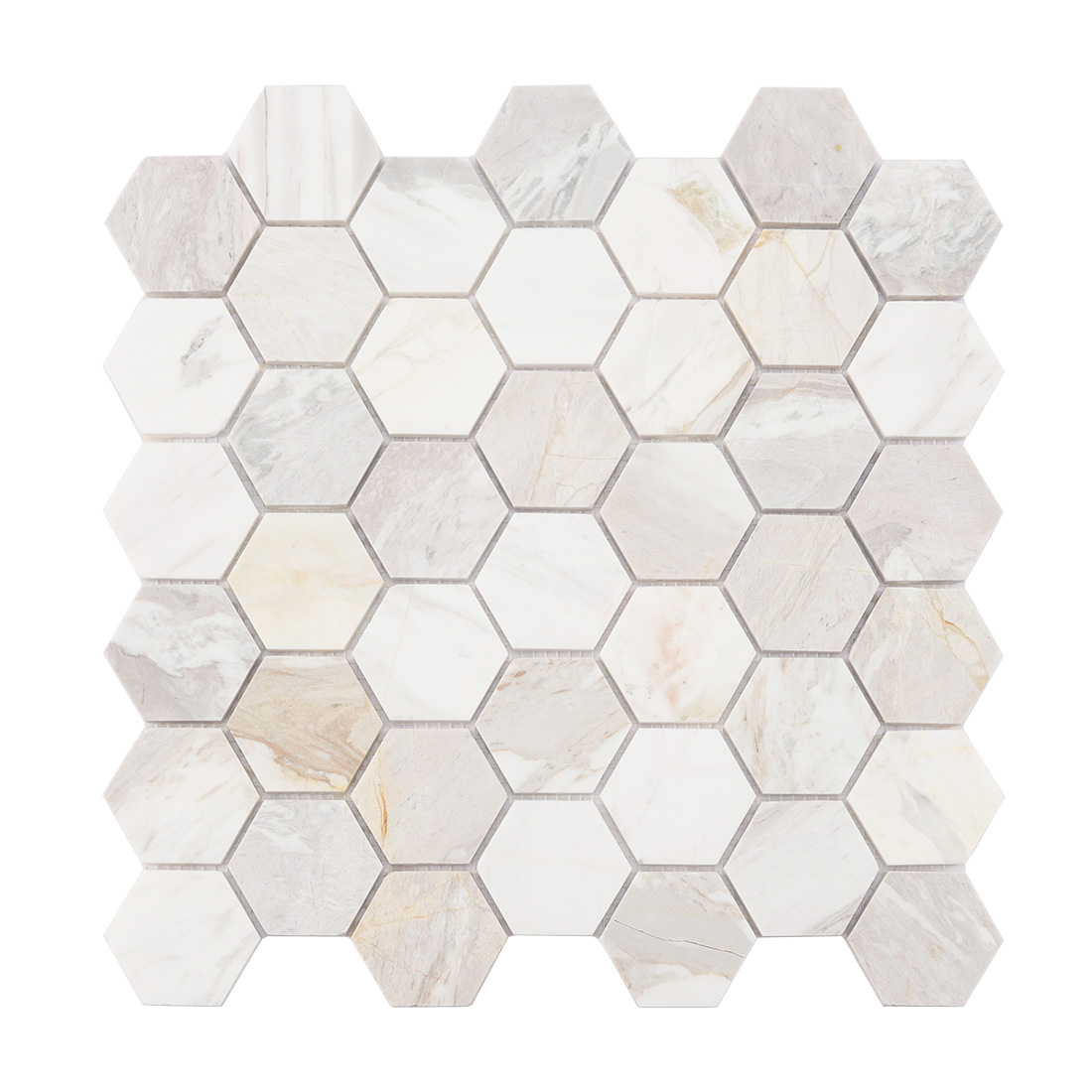
Marble hexagon floor tiles bring natural beauty and high-end appeal to a space. Natural marble can be cut into many different hexagon sizes, making it a flexible choice for both small mosaics and larger statement floors. Every piece has unique veining and color variation, which gives the floor a more custom and refined appearance.
Marble hexagon floor tiles are often used in:
-
Bathroom floors
-
Powder rooms
-
Entryways
-
Feature floors
-
Luxury residential interiors
Because marble is a natural stone, sealing is generally recommended to help protect the surface from staining and moisture.
Vitreous Glass Hexagon Floor Tiles
Vitreous glass hexagon floor tiles are known for their full-body color, strong visual clarity, and moisture resistance. Because the color runs through the material, it offers a consistent and vibrant appearance. Floor-rated vitreous glass can be used in many wet or humid spaces, especially when smaller mosaic formats are selected.
Vitreous glass hexagon tiles are a strong option when you want:
-
Rich and lasting color
-
A clean, crisp geometric look
-
Water resistance
-
Decorative floor impact in bathrooms or shower areas
Ceramic Hexagon Floor Tiles
Ceramic hexagon floor tiles offer wide design flexibility. They are available in glazed and unglazed finishes, in a broad range of colors and patterns. Glazed ceramic can create decorative, traditional, or modern floor looks, while some higher-fired ceramic products also work well in everyday interior floor applications.
Ceramic hexagon floor tiles are often chosen for:
-
Bathroom floors
-
Kitchen floors
-
Laundry rooms
-
Decorative floors in residential spaces
Porcelain Hexagon Floor Tiles
Porcelain hexagon floor tiles are one of the most practical options for flooring. They are dense, durable, and generally easy to maintain. Unglazed porcelain is especially suitable for floors because of its strength and wear resistance. It is an excellent choice for spaces that need both style and long-term performance.
Porcelain hexagon floor tiles are ideal for:
-
High-traffic interior floors
-
Bathrooms
-
Kitchens
-
Mudrooms
-
Entryways
-
Commercial interiors
Types of Hexagon Floor Tiles
Hexagon floor tiles are available in many styles, from simple monochrome mosaics to complex decorative patterns. A strong floor page should cover the types customers most often search for.
Classic Hexagon Mosaic Floor Tiles
Classic hexagon mosaics are one of the most recognizable forms of hexagon floor tile. These smaller pieces are especially suitable for wet areas because the increased number of grout joints can improve traction.
They are commonly used in:
-
Bathroom floors
-
Shower floors
-
Vintage-style interiors
-
Small feature floors
Hexagon Patterned Floor Tiles
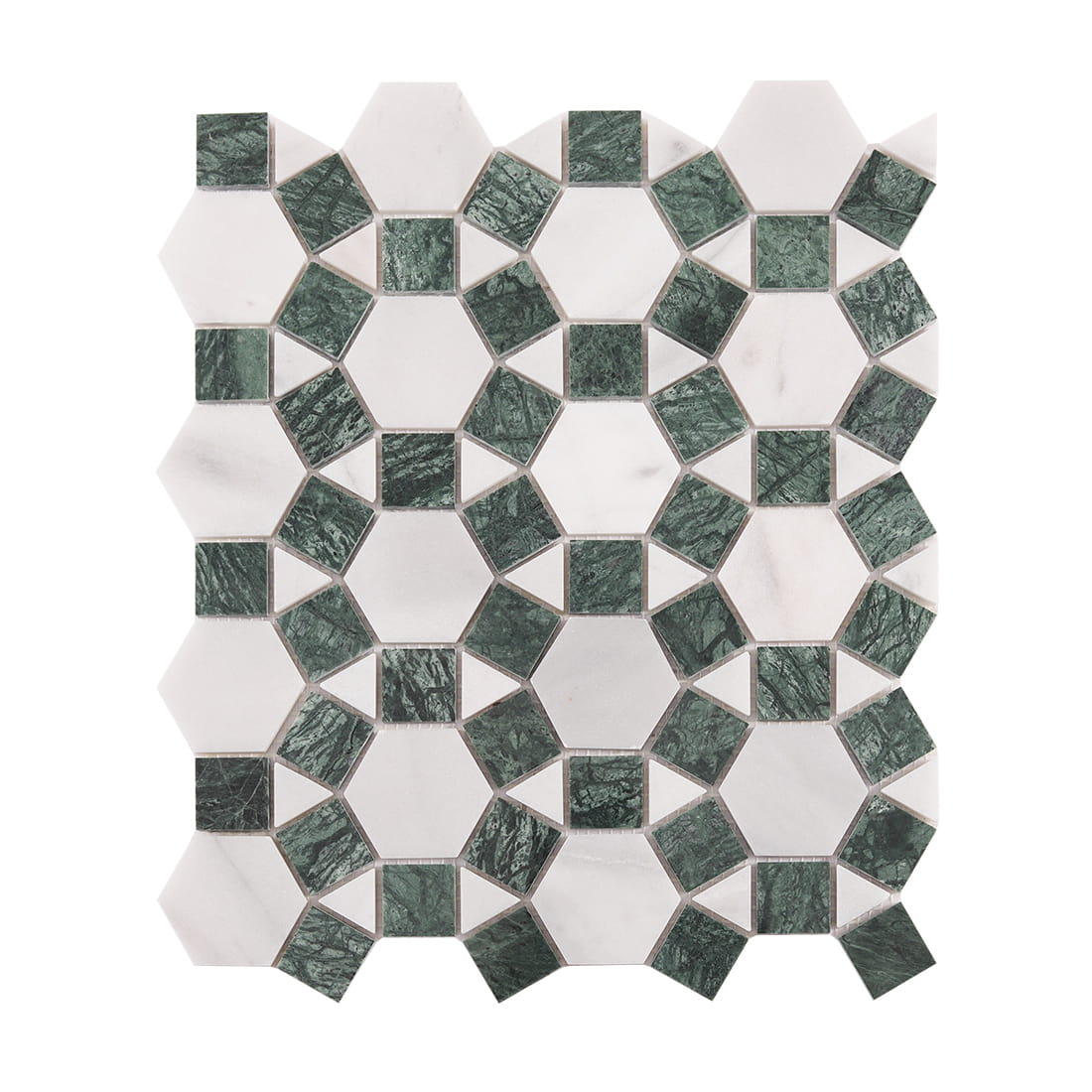
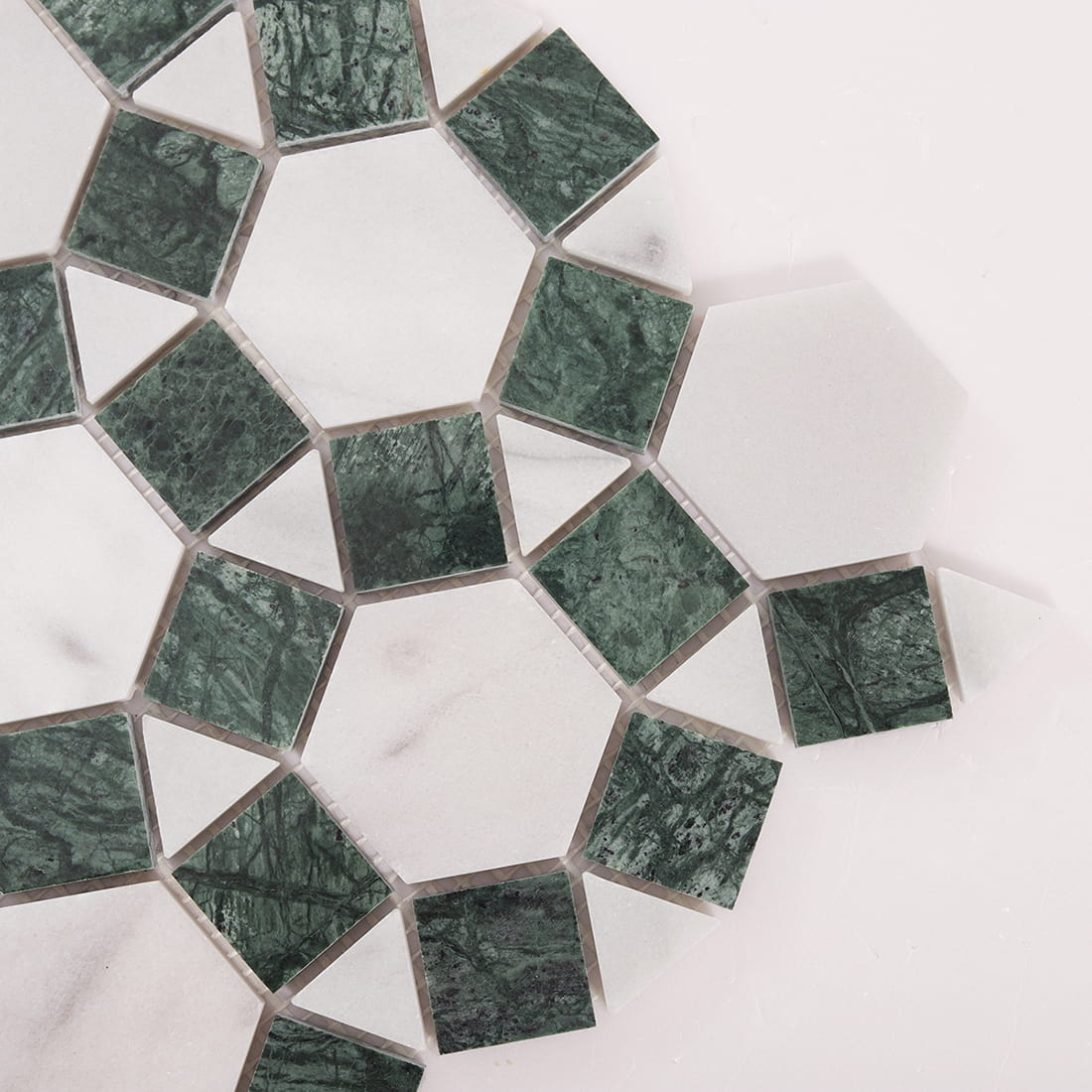
Hexagon floor tiles can be used to create decorative motifs, contrasting inserts, framed layouts, and more expressive floor designs. Patterned hexagon floors work especially well in bathrooms, powder rooms, foyers, and feature areas where the floor becomes part of the overall design statement.
Geometric and Woven Hexagon Tile Designs
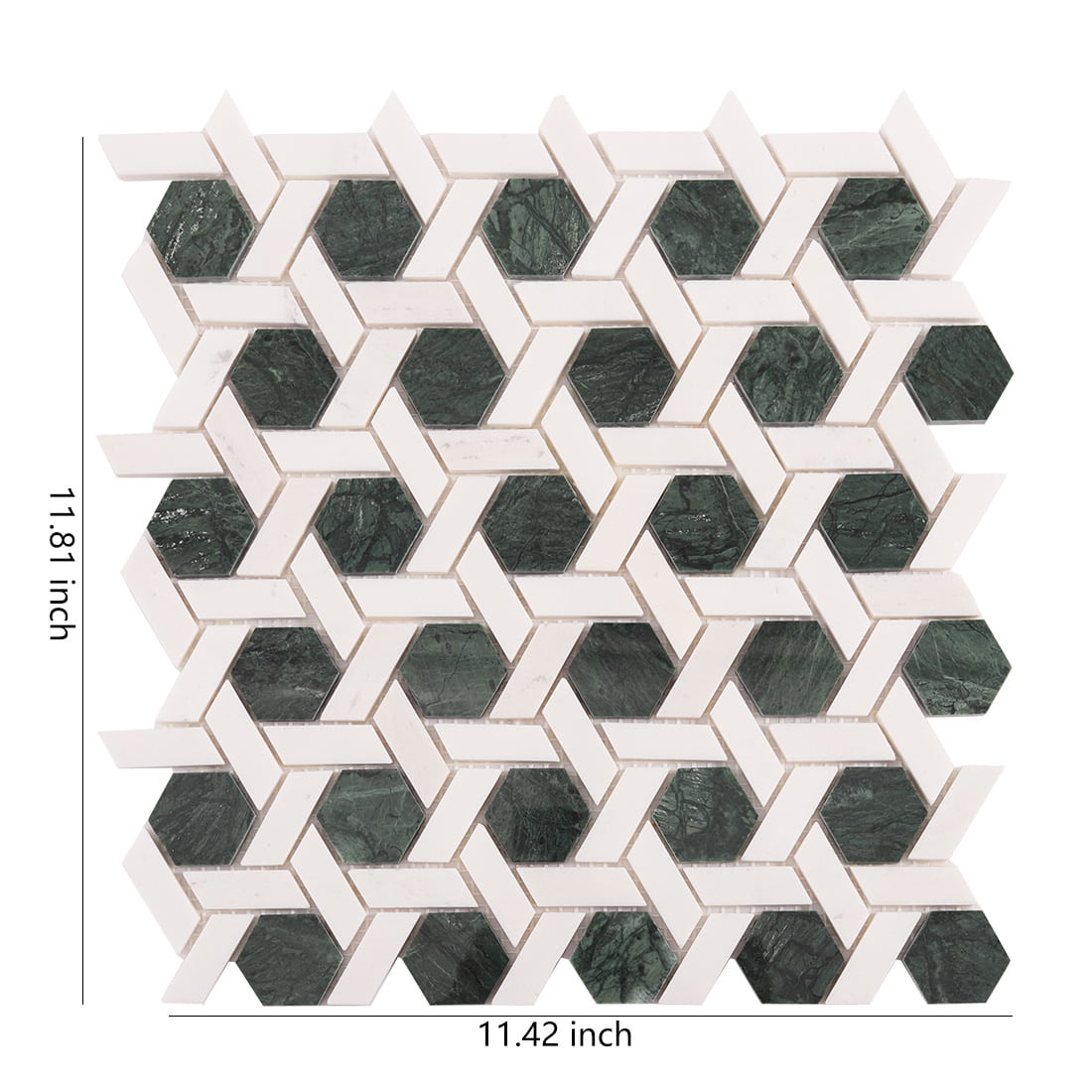
Hexagon floor tiles can also be arranged into more complex geometric layouts, including interlocking and woven-style patterns. These designs bring stronger visual movement and can make a floor feel more custom, especially when using marble, glass, or mixed-tone combinations.
Elongated Hexagon Floor Tiles
Elongated hexagon tiles offer a more modern and architectural interpretation of the classic hexagon shape. They create directional movement and a more contemporary visual rhythm, making them a good choice for modern bathrooms, kitchens, and statement interiors.
Best Sizes for Hexagon Floor Tiles
The size of a hexagon tile affects both the visual style and the practical performance of the floor.
Small Hexagon Floor Tiles
Small hexagon floor tiles are often preferred for wet-area flooring because they create more grout lines. Those extra joints can increase traction and make the surface feel safer underfoot, especially in bathrooms and shower floors.
Small hexagon tiles are ideal for:
-
Bathroom floors
-
Curved or sloped surfaces
-
Traditional mosaic-style interiors
Large Hexagon Floor Tiles
Large hexagon floor tiles create a cleaner and more spacious look. They reduce visual interruption from grout lines and can make a room feel more open. They are often used in kitchens, entryways, powder rooms, and modern floor designs.
Large hexagon tiles are ideal for:
-
Modern interiors
-
Open floor layouts
-
Feature floors
-
Spaces that benefit from a more minimal appearance
Slip Resistance for Hexagon Floor Tiles
Slip resistance is a major factor when choosing tile for any floor, especially in wet areas. Bathrooms, shower floors, laundry rooms, mudrooms, and entryways all require careful attention to safety.
When selecting hexagon floor tiles, consider the following:
-
Choose products rated for floor use
-
In wet areas, smaller tile formats are often a better choice
-
Look for appropriate surface texture
-
Review slip-resistance or floor-performance data when available
-
Matte or textured finishes are often more practical for floors than highly polished surfaces
For wet interior floors, DCOF is an important reference point. A wet DCOF of 0.42 or greater is commonly used as a helpful benchmark when evaluating tile for level interior spaces expected to be walked on when wet.
Choosing Grout for Hexagon Floor Tiles
Because hexagon floor tile often includes many grout joints, grout selection is extremely important. Good grout does more than fill the gaps. It affects moisture resistance, crack resistance, stain performance, and maintenance.
Why Grout Matters on Hexagon Floors
The more grout joints a floor has, the more important grout quality becomes. On bathroom floors and shower floors, grout must stand up to regular water exposure, cleaning, and everyday foot traffic.
A suitable floor grout should help provide:
-
Water resistance
-
Crack resistance
-
Easier cleaning
-
Strong joint support
-
Better long-term appearance
Why Epoxy Grout Is a Good Choice
Epoxy grout is a strong option for hexagon floor tiles, especially in wet or high-use areas. It is widely valued for its durability and its resistance to moisture and stains. Compared with many traditional cement-based grouts, epoxy grout is also easier to clean and maintain.
Epoxy grout is a very good choice when you want:
-
Better water resistance
-
Better stain resistance
-
Easier daily cleaning
-
Stronger grout joints
-
Less maintenance over time
For bathroom floors, shower floors, and other moisture-prone areas, epoxy grout is often one of the best options.
Where to Use Hexagon Floor Tiles
Hexagon floor tiles can be used in many parts of the home or commercial interior, as long as the material and finish are suitable for the application.
Bathroom Floors
Hexagon floor tile is one of the most popular choices for bathroom flooring. Smaller hexagon mosaics are especially useful because they help create a more secure walking surface while still looking elegant and timeless.
Shower Floors
Small hexagon tiles are particularly suitable for shower floors. Their many grout joints can help with grip, and smaller pieces also adapt better to floor slope and drainage design.
Kitchen Floors
Hexagon floor tiles can create a more interesting kitchen floor than traditional square or rectangular tile. Porcelain, ceramic, and some stone options are especially suitable for kitchen use because they combine durability with design flexibility.
Entryways and Mudrooms
Hexagon floor tiles work beautifully in entryways and mudrooms because they create immediate visual impact while also offering practical floor performance. Matte surfaces and durable materials are often preferred in these high-traffic areas.
Laundry Rooms
Laundry rooms benefit from durable, easy-to-clean flooring. Hexagon tiles add design character without sacrificing function, especially when paired with stain-resistant grout.
Design Ideas for Hexagon Floor Tiles
Hexagon floor tiles can support many styles, from traditional to highly modern.
Black and White Hexagon Floors
A classic black and white hexagon floor creates a timeless look that suits vintage, farmhouse, transitional, and even modern interiors. It is especially popular in bathrooms and entryways.
Marble Hexagon Floors
Marble hexagon floor tiles create a softer and more luxurious aesthetic. White, beige, gray, and green marble hexagons can all bring natural texture and high-end appeal to the floor.
Colored Glass Hexagon Floors
Colored vitreous glass hexagon floor tiles can add brightness, personality, and strong visual contrast. They are ideal for decorative bathrooms, shower floors, and custom interiors.
Large Matte Porcelain Hexagon Floors
Large matte porcelain hexagon tiles create a modern and spacious look. They work especially well in contemporary kitchens, mudrooms, and open-plan interiors.
Installation Tips for Hexagon Floor Tiles
A well-installed hexagon floor tile surface should feel balanced, durable, and visually consistent. Because the geometry is so visible, layout accuracy matters.
Basic Installation Tips
-
Start with a clean, flat, and dry substrate
-
Dry-lay tiles before final installation to confirm layout
-
Use the correct adhesive for the tile material
-
Keep grout joints even and consistent
-
Blend tiles from multiple sheets or boxes for natural variation if needed
-
Use grout suited for floor traffic and moisture exposure
-
Follow sealing recommendations for natural stone products
Proper layout planning is especially important with hexagon tile because small misalignments are easier to notice in geometric patterns.
How to Clean and Maintain Hexagon Floor Tiles
Maintenance depends on the material used.
Marble
Marble hexagon floor tiles should be cleaned with a pH-neutral cleaner. Sealing is generally recommended to help reduce staining and make daily care easier.
Glass
Vitreous glass hexagon floor tiles are generally easy to clean because they are non-porous and resist moisture.
Ceramic and Porcelain
Ceramic and porcelain hexagon floor tiles are low-maintenance choices for most interior floors. Regular sweeping and gentle cleaning are usually enough to keep them looking good.
Grout
High-performance grout, especially epoxy grout, can make floor maintenance easier by helping resist staining and moisture absorption.
FAQ About Hexagon Floor Tiles
Are hexagon tiles good for floors?
Yes. Hexagon tiles are an excellent choice for floors when the product is rated for floor use. They are especially popular in bathrooms, shower floors, kitchens, and entryways.
Are small hexagon tiles better for wet floors?
In many cases, yes. Smaller hexagon tiles create more grout joints, which can help improve traction and make them a strong choice for wet areas.
What is the best material for hexagon floor tiles?
The best material depends on the application. Porcelain is often one of the most practical choices for durability and low maintenance. Marble offers a premium natural look, while floor-rated vitreous glass provides strong color and moisture resistance.
What grout is best for hexagon floor tiles?
Epoxy grout is one of the best options for many hexagon floor tile projects, especially in wet or high-use areas, because it offers strong resistance to water, stains, and daily wear.
Can hexagon floor tiles be used in showers?
Yes. Small hexagon mosaics are commonly used on shower floors because they work well with drainage slope and provide more grout lines for traction.
Do marble hexagon floor tiles need sealing?
In most cases, yes. Marble is a natural stone, so sealing is generally recommended to help protect the surface and make maintenance easier.
Conclusion
Hexagon Floor Tiles combine style, function, and lasting appeal. Whether you choose marble for natural elegance, vitreous glass for vivid color, ceramic for decorative versatility, or porcelain for everyday durability, hexagon floor tile offers a strong flooring solution for many interior spaces.
Their geometric shape brings character to the floor, while smaller sizes can improve traction and larger formats create a cleaner visual effect. With the right material, suitable grout, and proper installation, hexagon floor tiles can deliver both beauty and reliable long-term performance.