


Kitchen Wall Tiles




Kitchen Wall Tiles for Backsplashes and Full-Height Designs
Kitchen Wall Tiles bring color, texture and practical surface coverage to the vertical areas of a kitchen. Use them to create a backsplash behind the countertop, define a coffee bar, frame open shelving or extend a decorative tile design across an entire wall.
Our collection includes glass, natural marble, stainless steel, mother of pearl and mixed-material mosaics in square, subway, hexagon, penny round, geometric and dimensional patterns. Because every material has different installation and care requirements, check the specifications of the individual product before ordering.
Where to Use Kitchen Wall Tiles
Countertop and Sink Backsplashes
The wall between a countertop and upper cabinets is one of the most common places to install kitchen tiles. Glass, marble, metal and selected shell mosaics can add an easy-to-clean decorative surface while connecting the colors of the cabinets, countertop and fixtures.
Areas directly behind a sink receive more frequent splashes. Confirm that the selected tile, backing, adhesive and grout are suitable for this level of moisture exposure.
Range Hood and Cooking Walls
Extending tile behind a range hood can create a strong visual center in the kitchen. Marble mosaics, selected glass tiles and approved metal wall tiles can be considered, depending on the appliance layout and required clearances.
Not every decorative tile is designed for direct exposure to high temperatures. Confirm heat limitations, installation requirements and local building requirements before placing tile near a cooktop or other heat-producing appliance.
Coffee Bars and Open Shelving
A smaller tiled wall behind a coffee station, beverage counter or open shelving can introduce pattern without covering the entire kitchen. Reflective glass, mother of pearl and geometric marble mosaics work especially well in these decorative areas.
Full-Height Kitchen Walls
Kitchen wall tiles can continue from the countertop to the ceiling or extend across a complete feature wall. Vertical layouts, fluted textures and repeated geometric patterns can make a compact kitchen feel taller while giving a larger room a more defined architectural surface.
Choose Kitchen Wall Tiles by Material
Glass Kitchen Wall Tiles
Glass tiles reflect surrounding light and are available in glossy, frosted, iridescent, textured and colored finishes. They can be used for countertop backsplashes, sink walls, coffee bars and other approved kitchen wall applications.
Some glass mosaics have decorative coatings, metallic effects or special backing materials. These finishes may require specific adhesives, grout and cleaning methods. Always check the individual product instructions rather than assuming that every glass tile has the same performance.
Marble Kitchen Wall Tiles
Natural marble gives kitchen walls unique veining, tonal movement and an organic surface. It can be cut into subway, hexagon, basketweave, geometric and waterjet mosaic patterns.
Marble is a natural material, so differences in color and veining should be expected. Many marble products benefit from sealing, but sealer does not make stone completely stainproof or waterproof. Clean marble with a compatible pH-neutral product and avoid acidic cleaners.
Metal Kitchen Wall Tiles
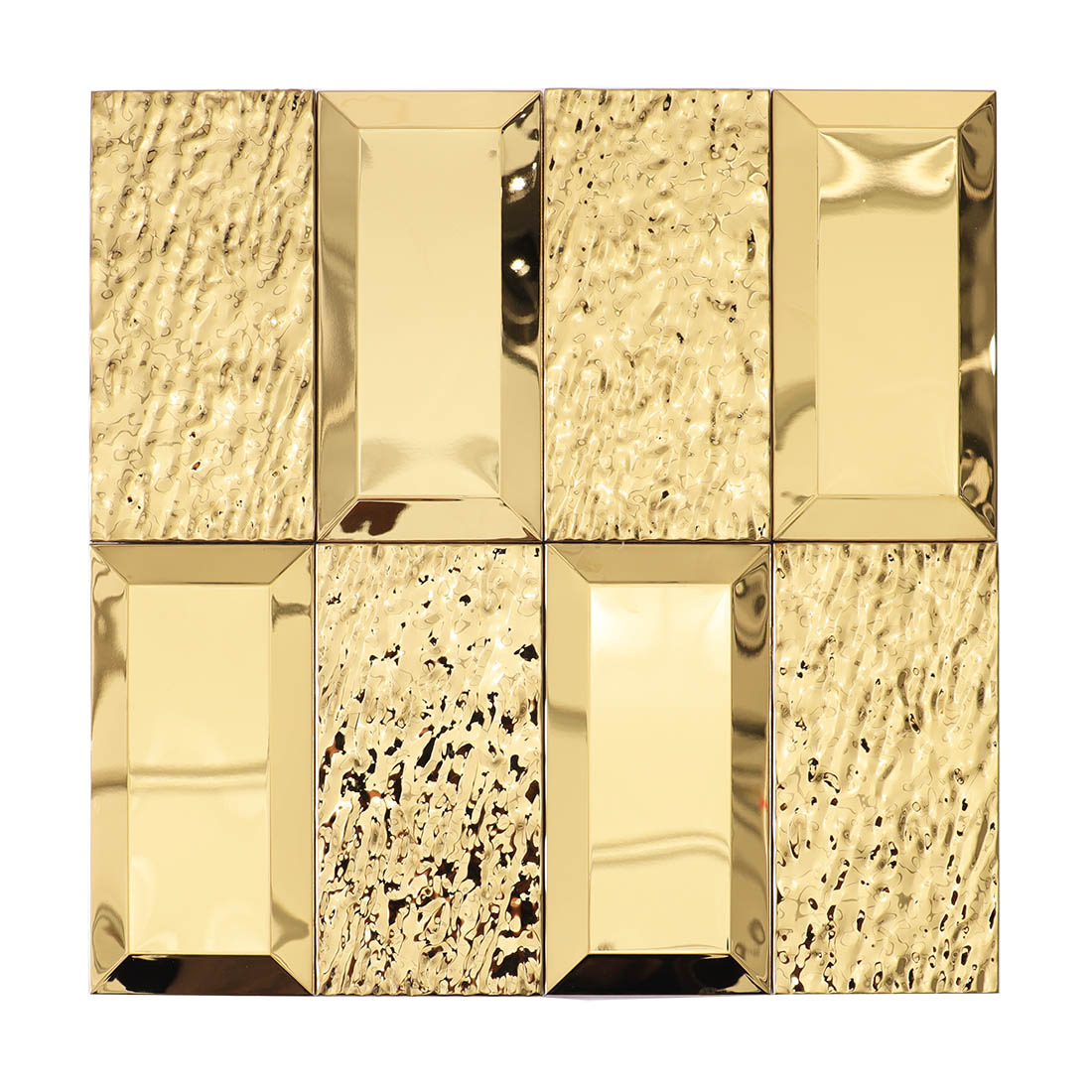
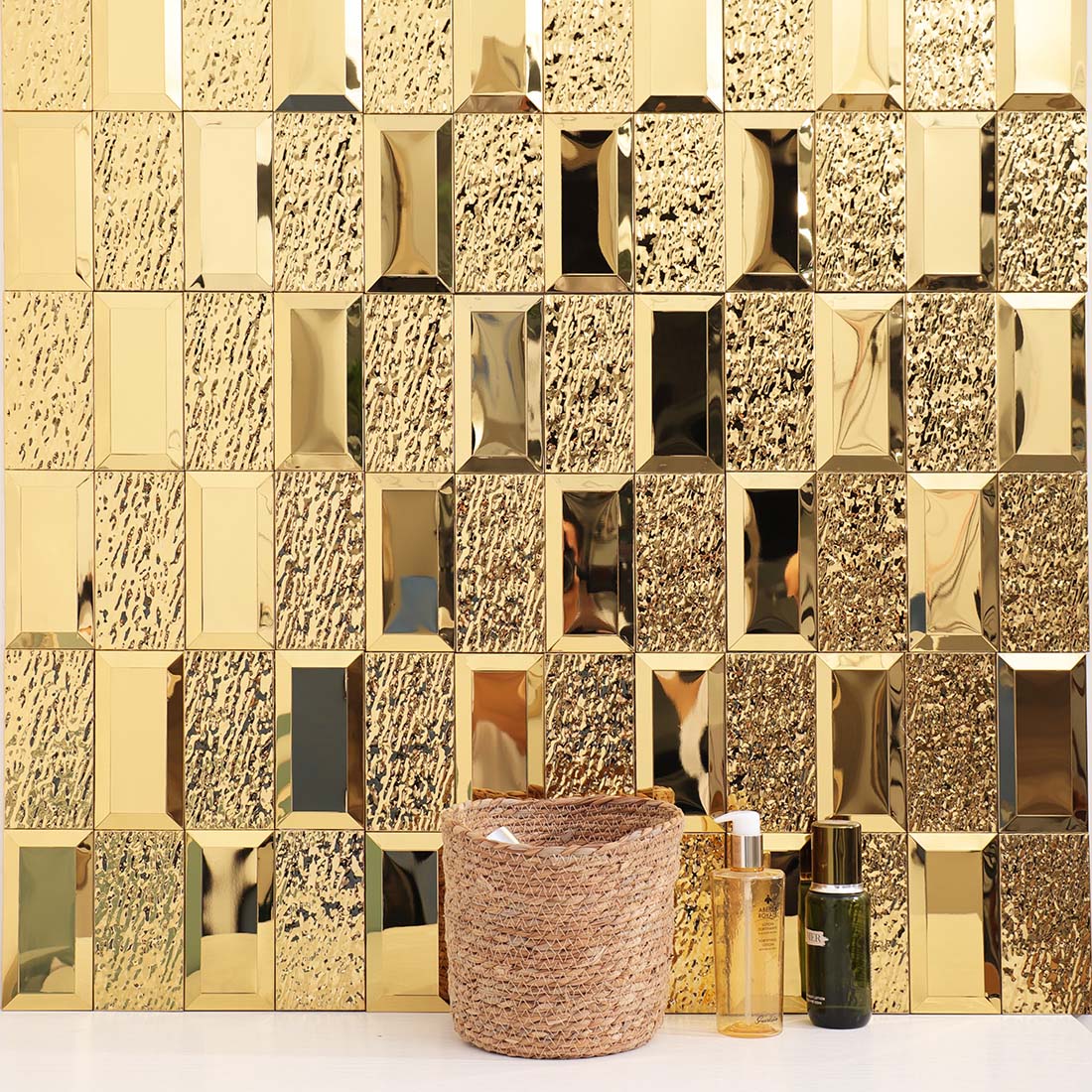
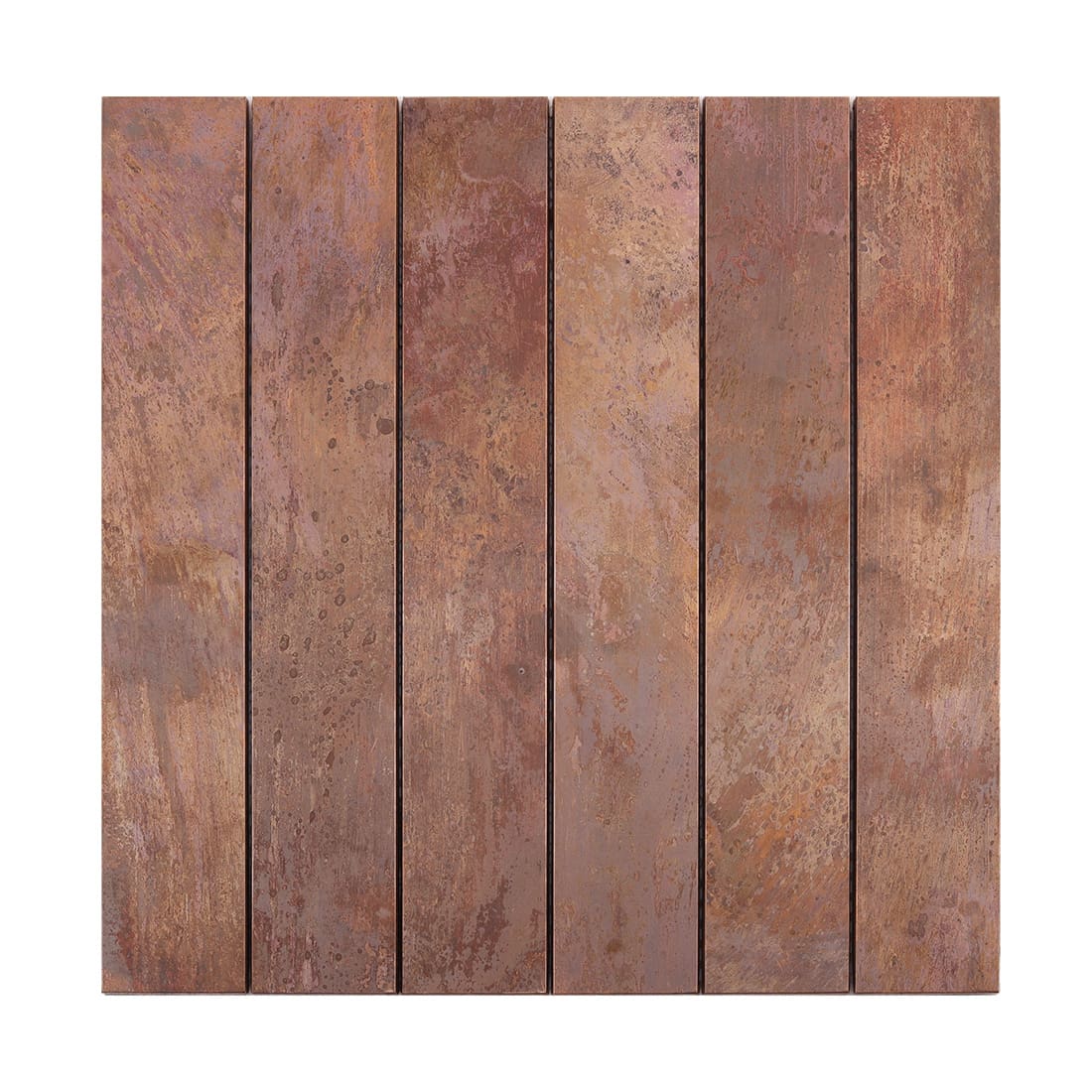
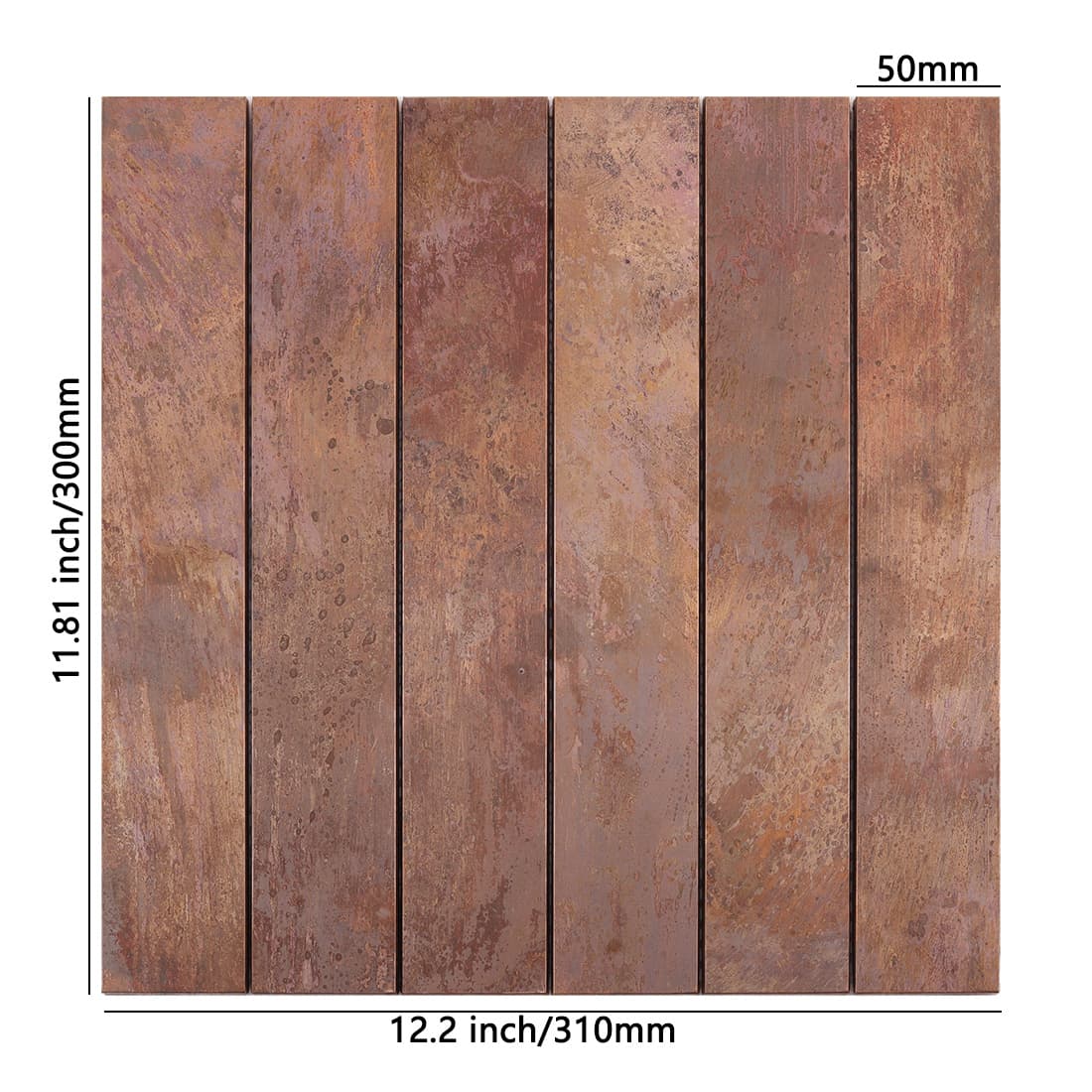
Stainless steel and copper mosaics can introduce brushed, mirrored, embossed or three-dimensional effects. They are best suited to dry interior kitchen walls, bar fronts and backsplash areas that are not exposed to continuous water.
Metal mosaics are not suitable for showers, pools, submerged installations or other continuously wet areas unless the product specification explicitly approves that application. Keep metal finishes away from harsh chemicals and abrasive cleaning tools, which may scratch or alter the surface.
Mother of Pearl Kitchen Wall Tiles
Mother of pearl mosaics provide natural variation and a soft reflective finish. They can be used on coffee-bar walls, decorative panels, low-splash backsplashes and other suitable interior wall areas.
Shell surfaces should be cleaned gently with a soft cloth and compatible mild cleaner. Before installing shell near a sink, cooking appliance or other demanding location, confirm its moisture and heat limitations.
Mixed-Material Mosaic Tiles
Mixed mosaics combine materials such as glass and stone or marble and metal. They can create stronger contrast than a single-material design, but every component must be considered when selecting adhesive, grout, sealer and cleaning products.
Follow the care requirement of the most sensitive material in the mosaic.
Choosing the Right Color and Pattern
Light glass and white marble can help reflect light in compact or darker kitchens. Black, dark green and deep blue tiles provide contrast against light cabinets, while beige, cream and warm metallic finishes complement natural wood.
Small mosaic pieces create a detailed surface with more grout lines. Larger shapes and vertically arranged tiles produce a cleaner and more continuous appearance. Dimensional tiles create stronger shadows but may need more careful cleaning than a flat surface.
When choosing a pattern, consider:
-
Cabinet and countertop colors
-
Tile scale in relation to the wall
-
Natural and artificial lighting
-
Grout color and joint visibility
-
Cleaning requirements
-
Moisture and heat exposure
-
Edge finishing around open tile areas
Order a sample to examine the actual color, scale, texture and reflectivity inside your kitchen.
Installation and Grout Considerations
Kitchen wall tiles should be installed on a clean, flat and structurally sound surface. Select an adhesive that is compatible with the tile material, backing and wall location.
Mosaic sheets must be aligned carefully to prevent the spaces between sheets from becoming visible. Test the layout before installation, especially around cabinets, outlets, corners and exposed edges.
Grout color also changes the appearance of the finished wall. Matching grout creates a quieter surface, while contrasting grout emphasizes the individual shapes. Epoxy grout may be appropriate for some kitchen installations, but it is not automatically compatible with every natural stone, shell, coated glass or metal product. Test the complete installation system first.
Cleaning Kitchen Wall Tiles
Use a soft cloth or non-abrasive sponge for regular cleaning. Glass, marble, metal and shell respond differently to household cleaners, so avoid using one strong cleaning product across every material.
Remove cooking residue according to the product care instructions. Do not use acidic cleaners on natural marble or abrasive pads on polished glass, shell and metal finishes.
Frequently Asked Questions
What is the difference between kitchen wall tiles and backsplash tiles?
Kitchen wall tiles cover all vertical kitchen surfaces, including backsplashes, range hood walls, coffee bars, open shelving areas and full-height feature walls. Backsplash tiles refer more specifically to the areas behind countertops, sinks and suitable cooking zones.
Can Kitchen Wall Tiles be used on the floor?
Not unless the individual product is specifically rated for floor installation. This collection focuses on wall applications. Decorative glass, shell, metal and dimensional products may not withstand floor traffic.
Are metal tiles suitable for wet areas?
No. Metal mosaic tiles should be treated as dry-interior wall products unless their individual specifications state otherwise. They should not be installed in showers, pools or continuously wet locations.
Do marble kitchen tiles need sealing?
Many natural marble tiles benefit from sealing, but requirements depend on the stone and finish. Follow the product and sealer manufacturer’s instructions and test the treatment on a spare piece first.
Should I order a tile sample?
Yes. A sample allows you to check color, natural variation, surface texture, reflectivity and scale under the actual lighting in your kitchen. It also helps you compare the tile with your cabinets, countertop and grout color.
Explore our Kitchen Wall Tiles by material, color, shape and finish. Review the application details for your selected product and order a sample before completing your kitchen design.