


Patio Floor Tiles
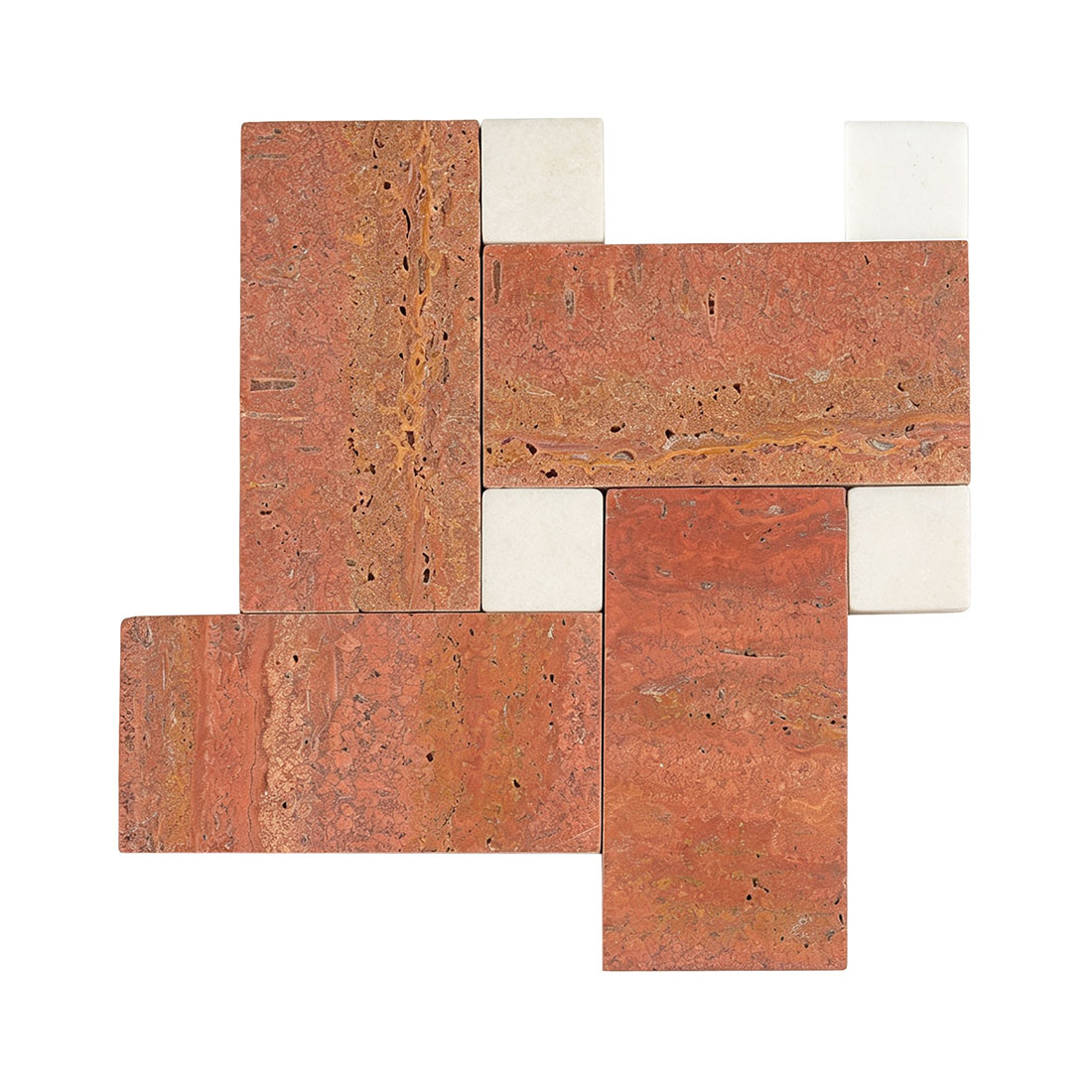
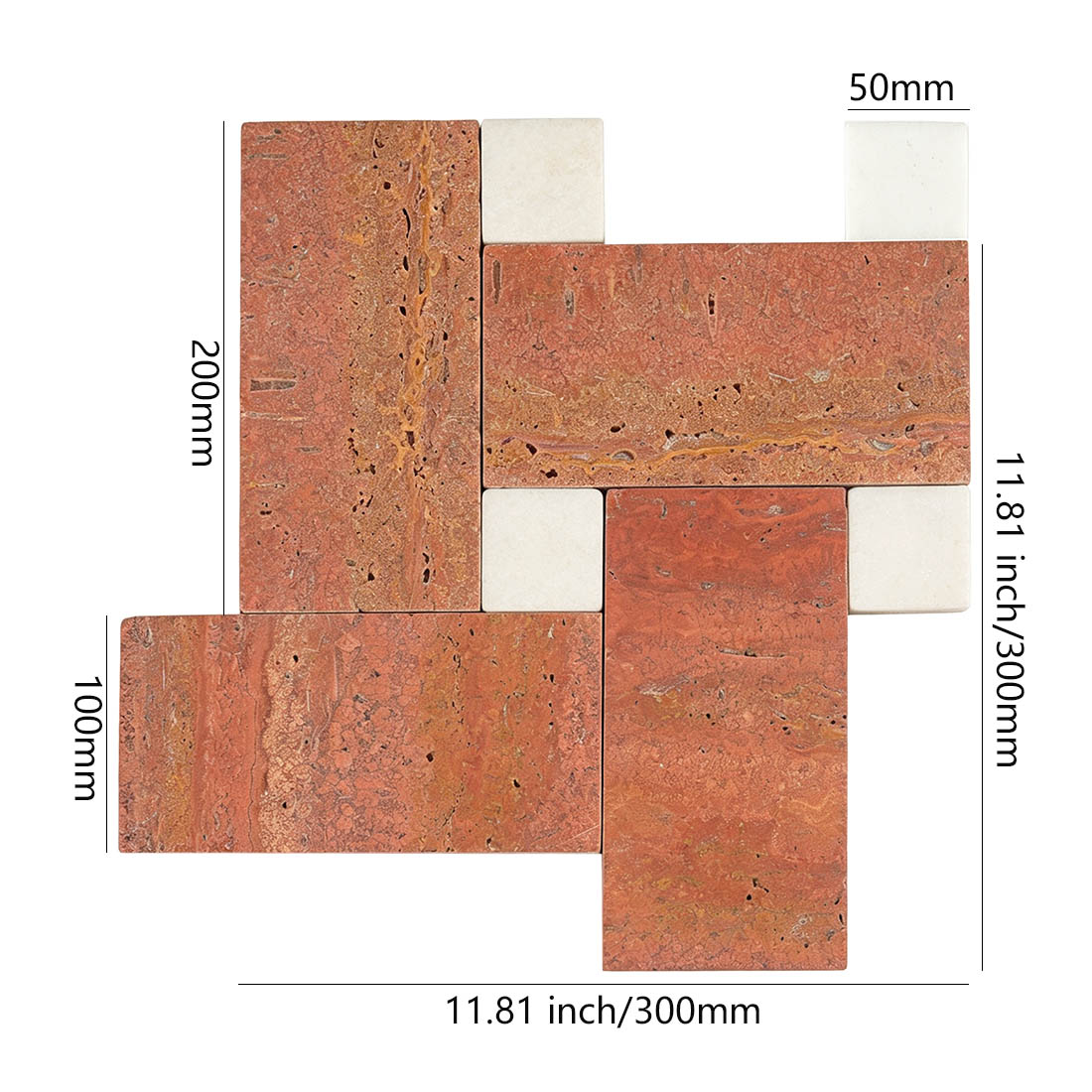
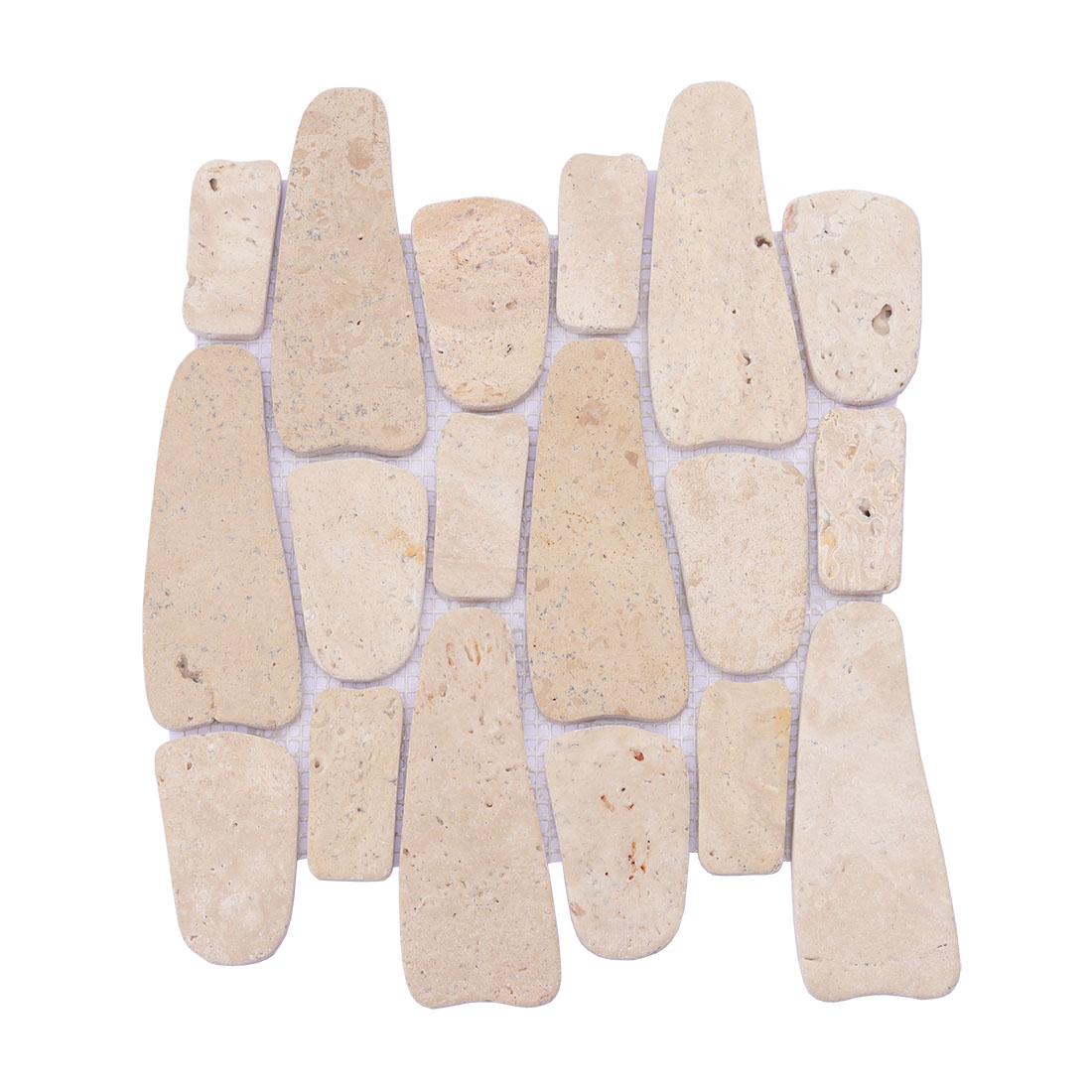

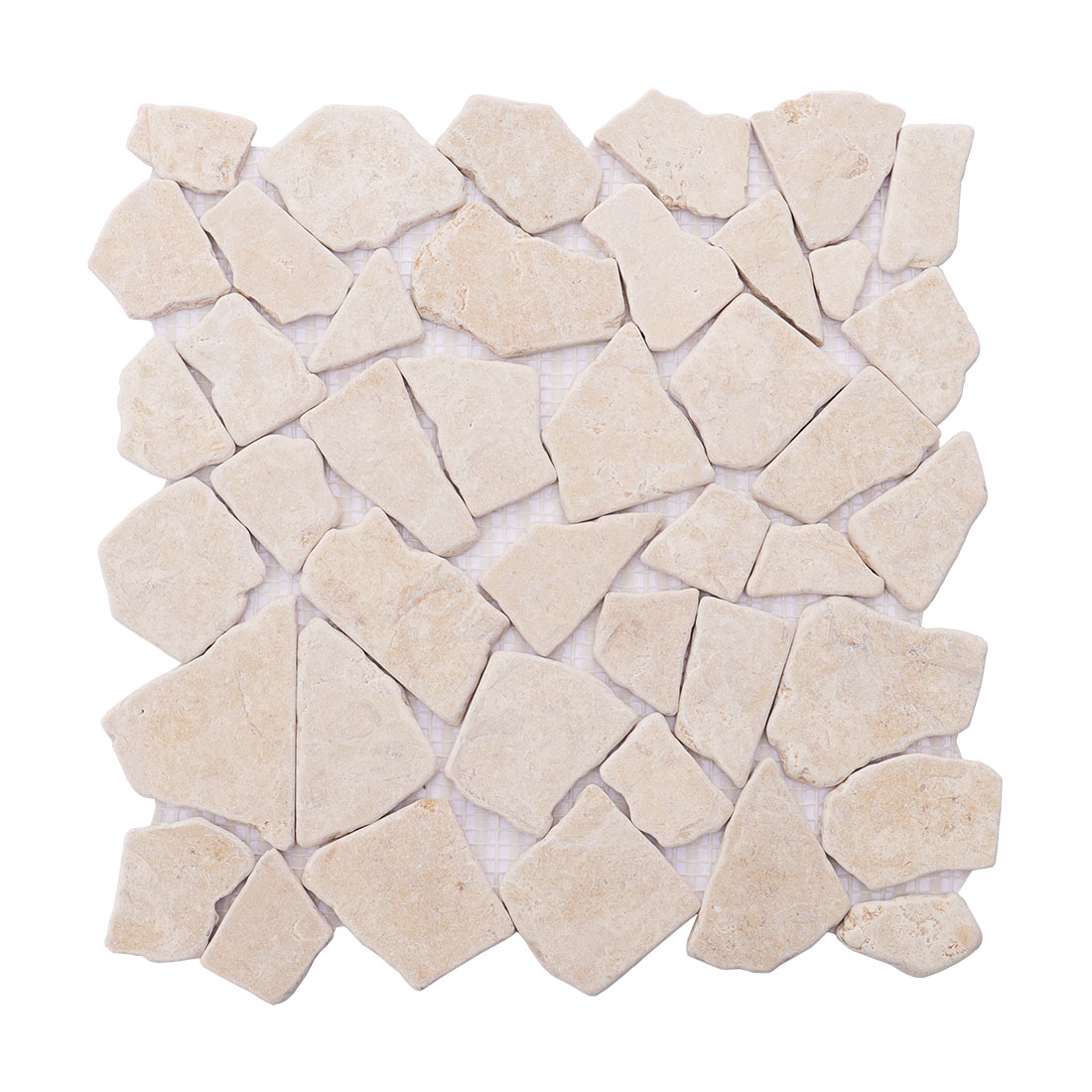
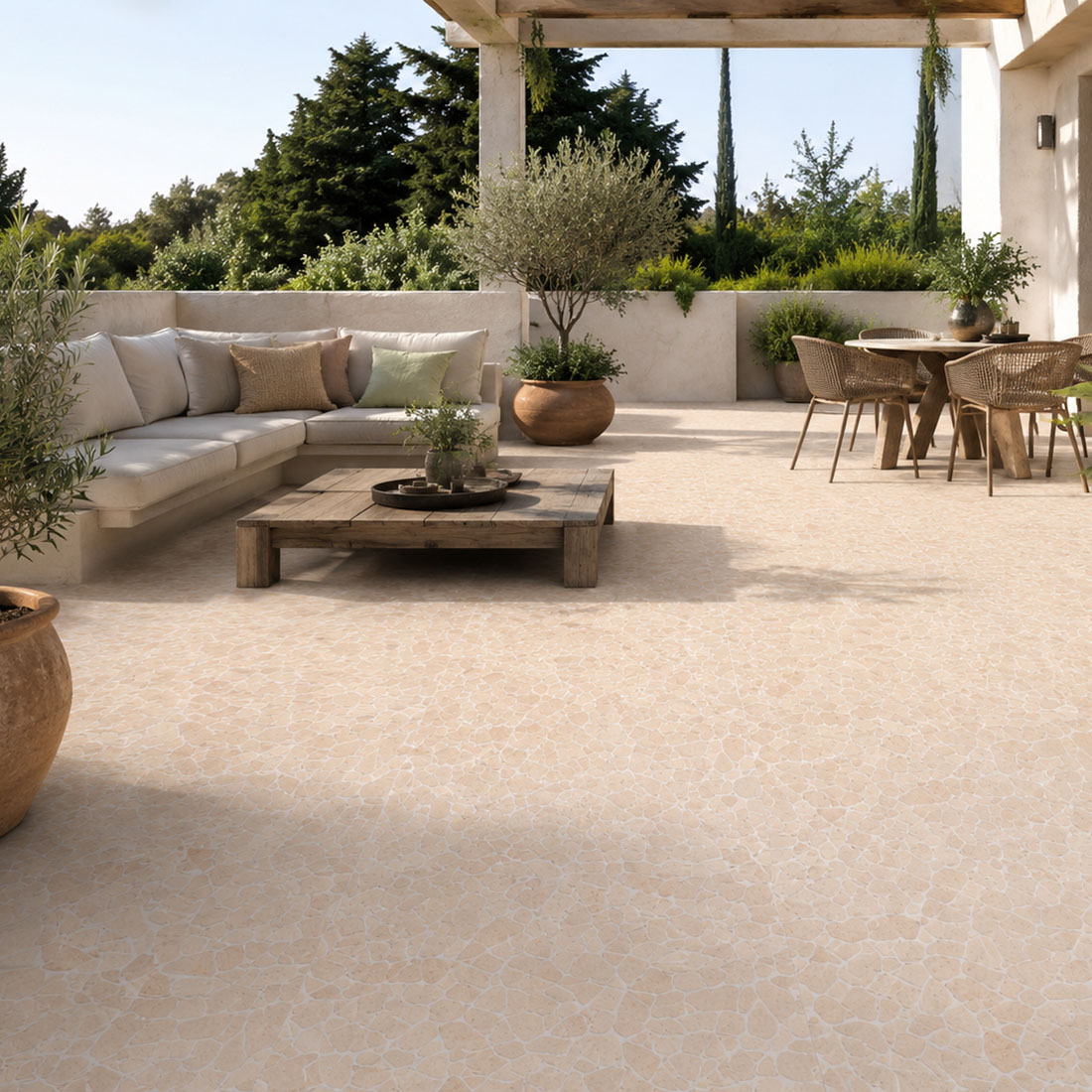
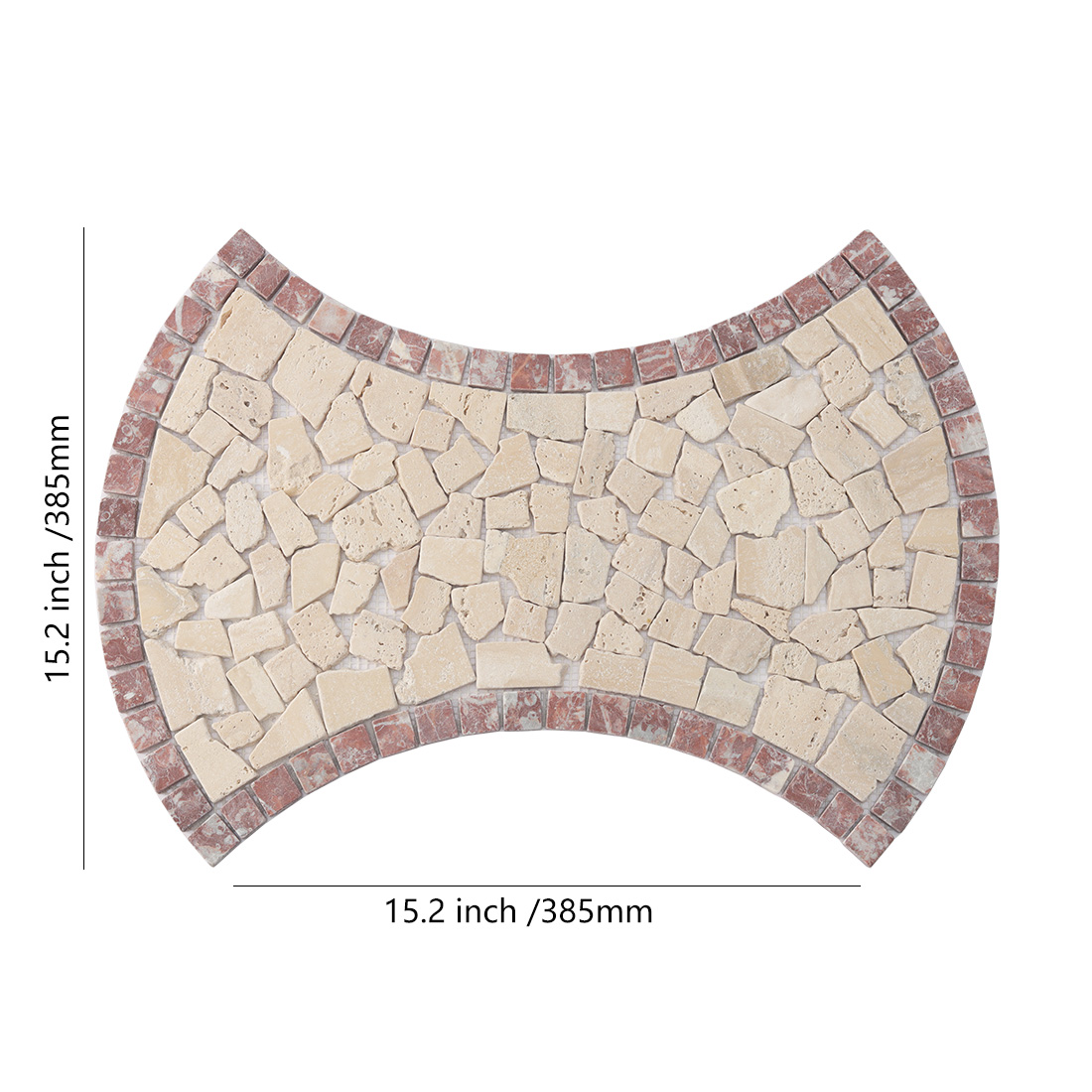


Patio Floor Tiles are one of the most important materials for creating a durable, beautiful, and comfortable outdoor living space. Whether you are designing a backyard patio, garden walkway, courtyard floor, outdoor dining area, landscape platform, or decorative border, the right tile material determines not only the visual style but also the long-term performance of the floor.
For outdoor patio applications, tile materials should be strong, weather-resistant, slip-conscious, easy to maintain, and visually compatible with plants, stone walls, water features, outdoor furniture, and natural landscape design. The most popular patio floor tile materials include natural stone tiles and glass decorative tiles, each offering a different texture, color effect, and design purpose.
Natural stone is ideal for main outdoor floor coverage, while glass tiles and glass pebbles are often used for creative accents, border details, garden features, and decorative landscape zones.
Why Material Matters for Patio Floor Tiles
Outdoor patio floors face sun exposure, rain, foot traffic, temperature changes, moisture, dirt, and garden debris. Because of this, patio tiles must be selected more carefully than standard indoor floor tiles.
A good patio floor tile should offer:
-
Strong outdoor durability
-
Slip-conscious surface texture
-
Weather and moisture resistance
-
Stable color and natural beauty
-
Easy cleaning and maintenance
-
Good compatibility with garden and landscape design
-
Suitable thickness and strength for outdoor use
Many leading outdoor tile guides recommend choosing materials based on durability, slip resistance, maintenance needs, and climate performance rather than appearance alone. Textured porcelain, natural stone, travertine, limestone, and other outdoor-rated materials are frequently recommended for patios, walkways, decks, and exterior living areas.
Patio Floor Tile Materials
Natural Stone Patio Floor Tiles
Natural stone is one of the most classic and popular choices for patio floor tiles. It offers a solid structure, natural texture, long service life, and an organic look that blends beautifully with outdoor environments.
Compared with many artificial materials, natural stone has a more authentic surface variation. Each piece carries unique veining, color movement, mineral patterns, and natural imperfections, making the patio floor feel more connected to the surrounding garden, plants, and architecture.
Natural stone patio floor tiles are suitable for:
-
Main patio flooring
-
Garden walkways
-
Outdoor seating areas
-
Courtyard floors
-
Landscape platforms
-
Poolside accent areas
-
Entry paths
-
Outdoor feature zones
Common natural stone materials for patio floor tiles include thickened marble, travertine, limestone, and natural pebble tiles.
Thickened Marble Patio Floor Tiles
Thickened marble is a premium choice for outdoor patio flooring where both strength and elegance are required. Standard thin marble tiles may not always be suitable for demanding outdoor floor use, but thickened marble tiles provide improved stability, better load-bearing performance, and stronger impact resistance.
Marble is especially valued for its natural veining and refined appearance. It can create a patio floor that feels elegant, calm, and timeless while still maintaining a strong natural stone character.
Key Features
-
Natural marble veining
-
Elegant and premium visual texture
-
Suitable for large patio floor areas
-
Stronger performance when made in thickened formats
-
Works with modern, natural, luxury, and classic courtyard styles
-
Suitable for walkways, platforms, and outdoor leisure areas
Popular Marble Styles for Patio Floors
Cracked marble and bone-vein marble are two attractive styles for outdoor patio flooring.
Cracked marble features natural-looking fracture patterns and irregular veining. This creates a relaxed, organic, and slightly rustic floor effect that works well in garden courtyards and natural outdoor spaces.
Bone-vein marble has a softer, warmer, and more refined texture. Its gentle veining and clean background color make the patio floor look simple, high-end, and easy to coordinate with outdoor furniture, plants, and architectural walls.
Travertine Patio Floor Tiles
Travertine is one of the most classic materials for outdoor patio floor tiles. It has been widely used in courtyards, terraces, walkways, pool surrounds, and garden landscapes because of its warm tone, natural pores, and timeless stone texture.
Travertine usually comes in beige, ivory, cream, walnut, silver, and soft gray tones. These colors are easy to pair with outdoor greenery and natural surroundings.
Key Features
-
Warm and natural stone appearance
-
Classic patio and courtyard material
-
Suitable for walkways, patios, and poolside areas
-
Naturally textured surface
-
Comfortable outdoor visual tone
-
Works well with Mediterranean, rustic, modern, and garden styles
Travertine is often highlighted by outdoor tile suppliers as a suitable natural stone for patios, decks, pool areas, and exterior floors. Some guides also note that sealing can help improve water resistance for porous travertine surfaces.
Limestone Patio Floor Tiles
Limestone is another excellent natural stone option for patio floor tiles. It has a softer, calmer appearance than marble and a more understated surface than many highly patterned stones.
Its natural colors often include light beige, warm cream, gray, taupe, and soft yellow tones. These colors work especially well in outdoor spaces where the goal is to create a quiet, relaxed, and natural courtyard atmosphere.
Key Features
-
Soft natural color palette
-
Calm and elegant surface texture
-
Suitable for patios, walkways, and garden floors
-
Blends well with plants and landscape features
-
More subtle than highly veined marble
-
Ideal for natural and minimalist outdoor spaces
Limestone is frequently included in outdoor natural stone collections alongside travertine and marble for patios, walkways, and exterior flooring areas.
Natural Pebble Patio Floor Tiles
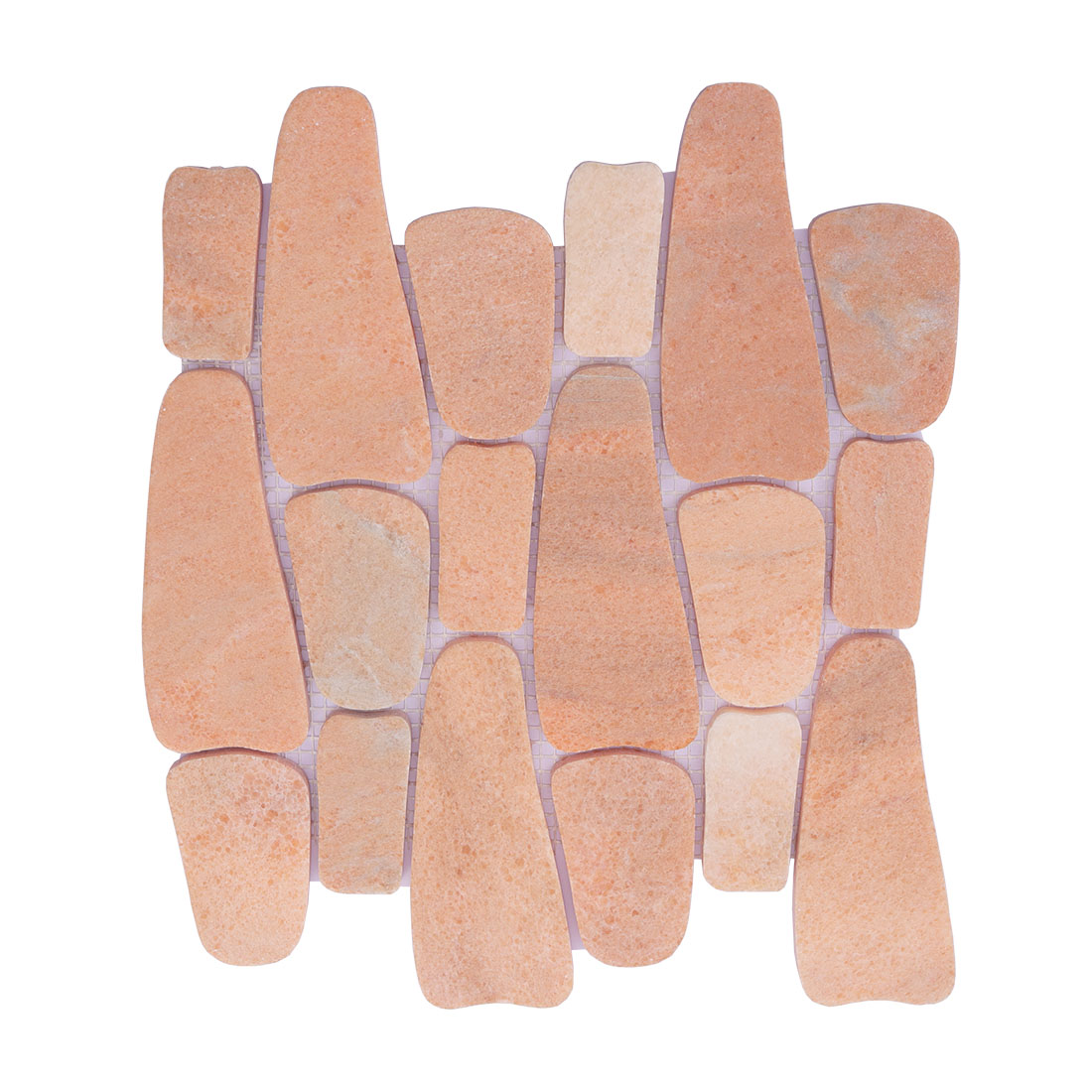
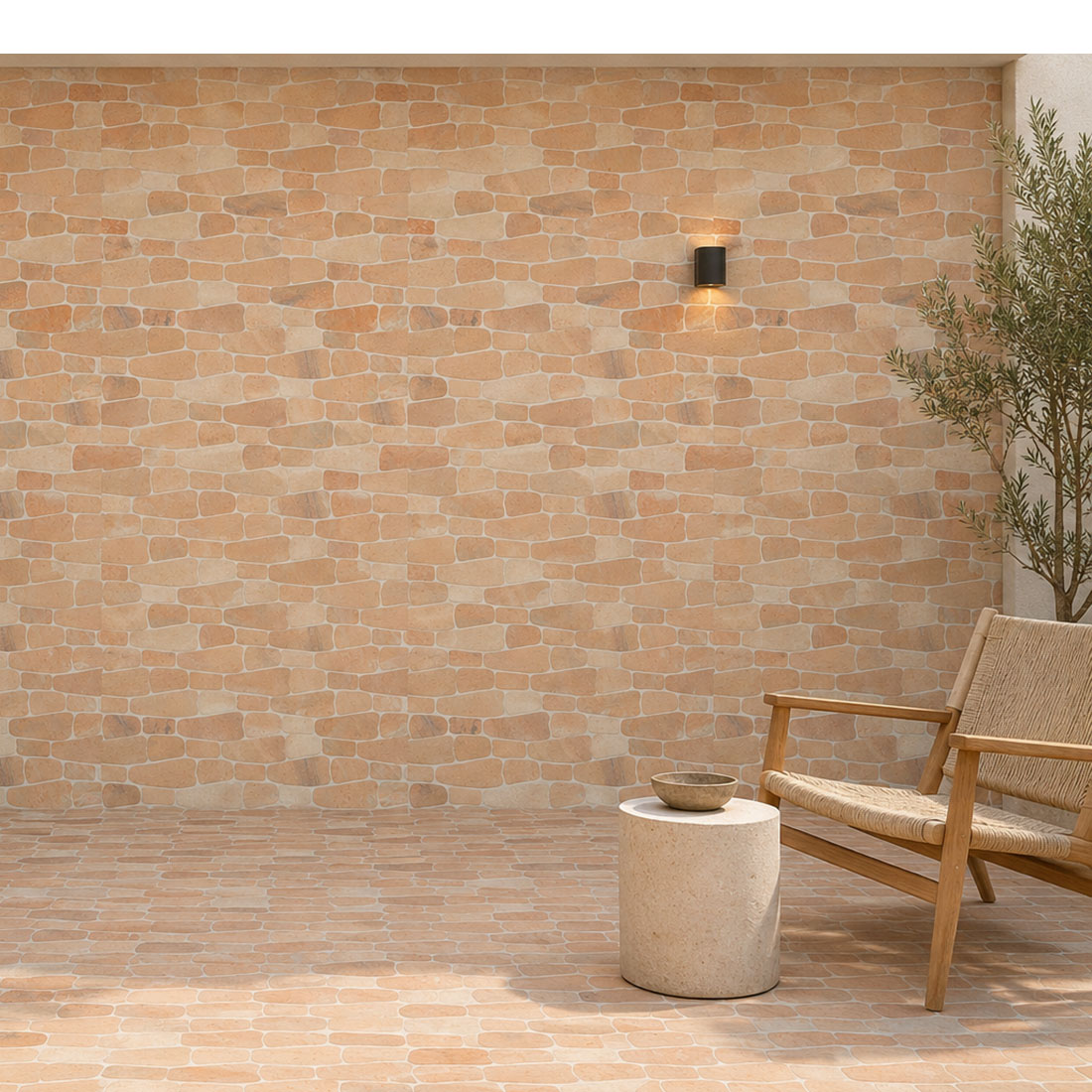
Natural pebble tiles are a highly decorative and practical material for patio floors and garden landscapes. Unlike regular square or rectangular tiles, pebbles create a soft, rounded, organic surface that brings a natural river-stone feeling to outdoor spaces.
Pebble patio floor tiles can be used across larger floor areas or as decorative accents around pathways, garden borders, flower beds, water features, and landscape corners.
Key Features
-
Natural rounded stone texture
-
Strong outdoor decorative effect
-
Slip-conscious surface created by small stone joints
-
Suitable for garden paths and landscape details
-
Excellent for borders, edging, and accent zones
-
Adds a relaxed, natural, handcrafted look
Natural pebble tiles are especially suitable for patios that need a more organic and less formal floor design. They help soften hard architectural surfaces and make the outdoor area feel more connected to nature.
Glass Patio Floor Tiles and Decorative Glass Pebbles
Glass is a creative decorative material for patio floors. Unlike natural stone, which creates a grounded and organic look, glass offers a clean, bright, and light-reflective effect.
Glass tiles are dense, non-porous, water-resistant, and easy to clean. Their smooth, consistent color can create a fresh and modern detail in outdoor landscape design. For patio floors, glass is usually better used as a decorative accent rather than the main high-traffic flooring material.
Glass Patio Floor Tile Features
-
Non-porous and water-resistant
-
Clean and bright color effect
-
Easy to wipe and maintain
-
Resistant to moisture and dirt absorption
-
Suitable for decorative patio accents
-
Adds a light, refined contrast to natural stone floors
Glass can be used to break up the heavy appearance of stone flooring. When paired with marble, travertine, limestone, or pebble tiles, glass details can make the patio feel more layered, creative, and visually dynamic.
Glass Pebbles for Patio Decoration
Glass pebbles are a popular choice for garden and patio accent design. Their rounded shape, translucent color, and reflective surface make them ideal for decorative landscape details.
They can be used in:
-
Garden borders
-
Patio corners
-
Water feature edges
-
Pathway gaps
-
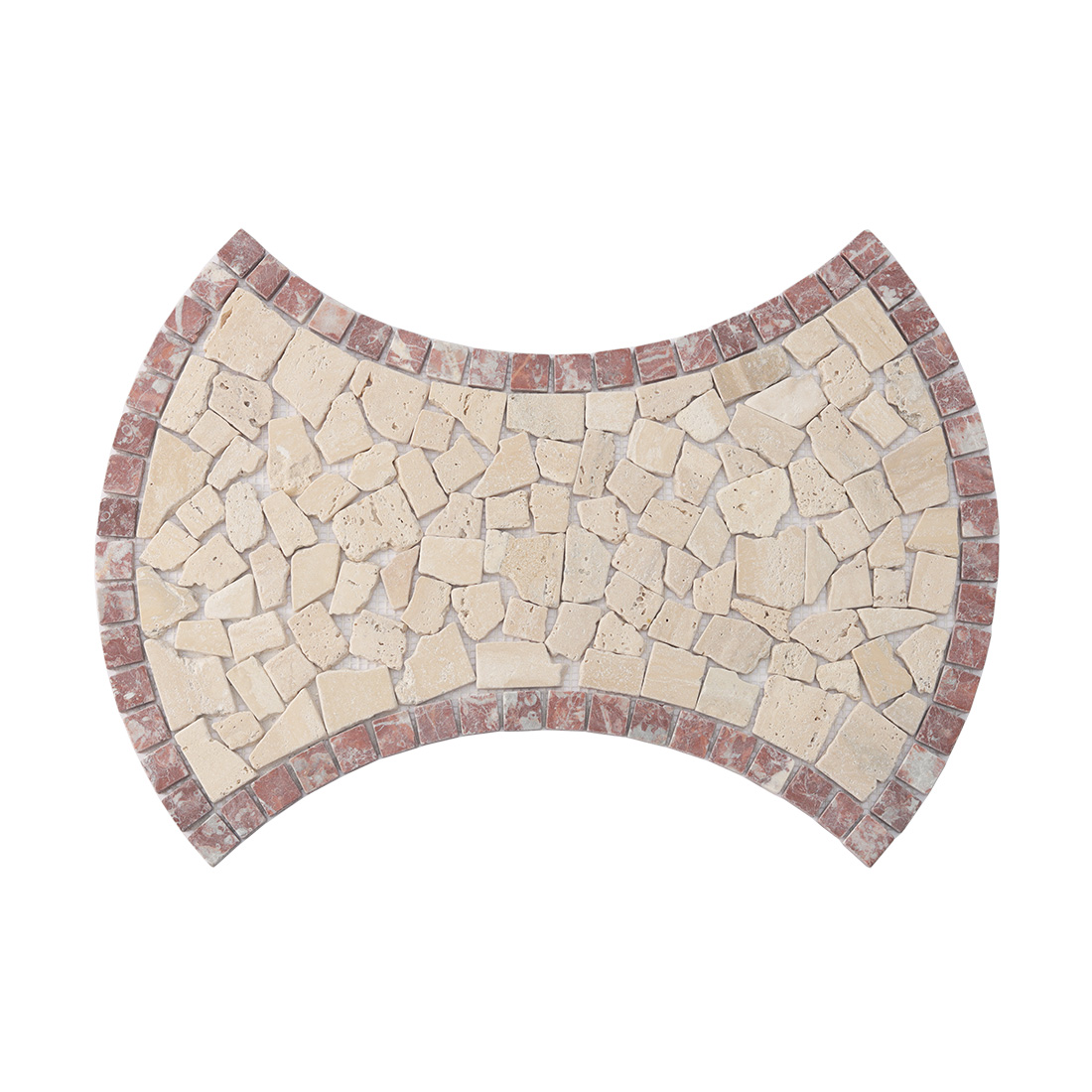
Decorative floor inlays
-
Landscape accent strips
-
Outdoor planters and feature zones
Under sunlight, glass pebbles can create a soft reflective glow, adding a refined and artistic touch to the patio floor. They are especially useful when the design needs a small area of color, brightness, or contrast.
How to Choose the Best Patio Floor Tiles
1. Choose Natural Stone for Main Patio Flooring
For large outdoor patio floors, natural stone is usually the most reliable and visually timeless choice. Thickened marble, travertine, limestone, and pebble tiles all provide strong outdoor character and long-term beauty.
Use natural stone for:
-
Main patio floors
-
Outdoor living spaces
-
Courtyard platforms
-
Garden walkways
-
Large landscape areas
2. Choose Textured or Matte Surfaces for Better Outdoor Use
Outdoor floors may become wet after rain or garden watering. For this reason, textured, honed, tumbled, matte, or naturally uneven surfaces are usually more suitable than highly polished surfaces.
Outdoor tile guides often emphasize slip resistance for patios, pool decks, and walkways, especially in wet areas.
3. Use Glass Tiles as Accent Materials
Glass tiles and glass pebbles are best used as decorative accents rather than the only material for large patio floors. They work beautifully when combined with natural stone, especially around landscape borders, garden features, and artistic floor details.
4. Consider Thickness and Strength
Outdoor patio floor tiles should have suitable thickness and structural strength. Thickened stone tiles are better for areas with regular foot traffic, outdoor furniture, and long-term exposure.
5. Match the Material to the Patio Style
Different materials create different outdoor moods:
-
Marble: elegant, refined, premium
-
Travertine: warm, classic, Mediterranean
-
Limestone: soft, calm, natural
-
Pebble: rustic, organic, garden-like
-
Glass: bright, decorative, artistic
Patio Floor Tile Applications
Patio floor tiles can be used in many outdoor spaces, including:
-
Backyard patios
-
Courtyard floors
-
Garden walkways
-
Outdoor dining areas
-
Outdoor seating zones
-
Landscape platforms
-
Poolside decorative areas
-
Water feature edges
-
Garden borders
-
Entry paths
-
Decorative outdoor floor inlays
For large functional areas, natural stone is recommended. For small decorative details, glass tiles and glass pebbles can create a more distinctive design effect.
Patio Floor Tile Maintenance
Outdoor patio tiles should be easy to clean and maintain. Regular sweeping, rinsing, and mild cleaning help keep the floor looking fresh.
Natural Stone Maintenance
Natural stone may need sealing depending on the material, finish, and outdoor environment. Travertine, limestone, and some marble materials are naturally porous, so sealing can help improve stain resistance and water performance.
Basic care tips:
-
Sweep away sand, leaves, and dirt regularly
-
Use a pH-neutral cleaner
-
Avoid strong acidic cleaners on natural stone
-
Seal porous stone when needed
-
Clean spills early to reduce staining
-
Check grout joints and outdoor drainage
Glass Tile Maintenance
Glass tiles and glass pebbles are easier to clean because they are non-porous and resistant to moisture absorption.
Basic care tips:
-
Rinse with clean water
-
Wipe with a soft cloth or brush
-
Avoid abrasive tools
-
Keep grout joints clean
-
Use mild cleaners for outdoor dirt
Patio Floor Tiles for Natural Outdoor Living
The best patio floor tiles should balance beauty, durability, safety, and outdoor practicality. Natural stone tiles such as thickened marble, travertine, limestone, and pebble tiles create a strong and timeless foundation for patios and courtyards. Glass tiles and glass pebbles add brightness, color, and artistic detail to the landscape.
By combining durable natural stone with creative glass accents, you can create a patio floor that feels natural, elegant, weather-resistant, and visually unique.
Whether you are building a quiet garden path, a refined courtyard floor, a relaxed backyard patio, or a decorative landscape area, the right patio floor tile material can transform the outdoor space into a more beautiful and functional living environment.