

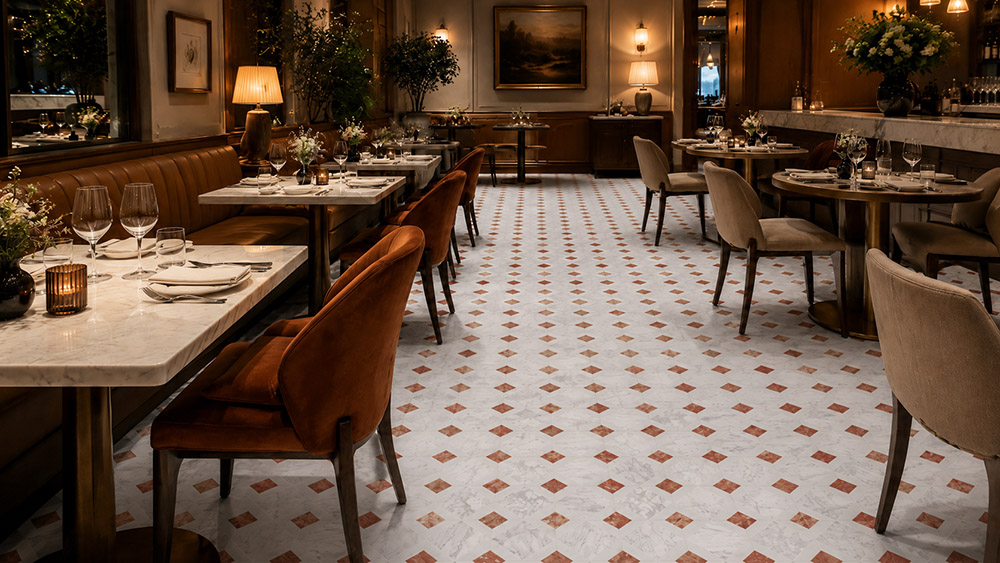
Elegant Restaurant Floor Tiles with Marble and Copper Accents
Shop This-
-
-
-
-
-
-
-
-
-
-
-
-
-
-
-
-
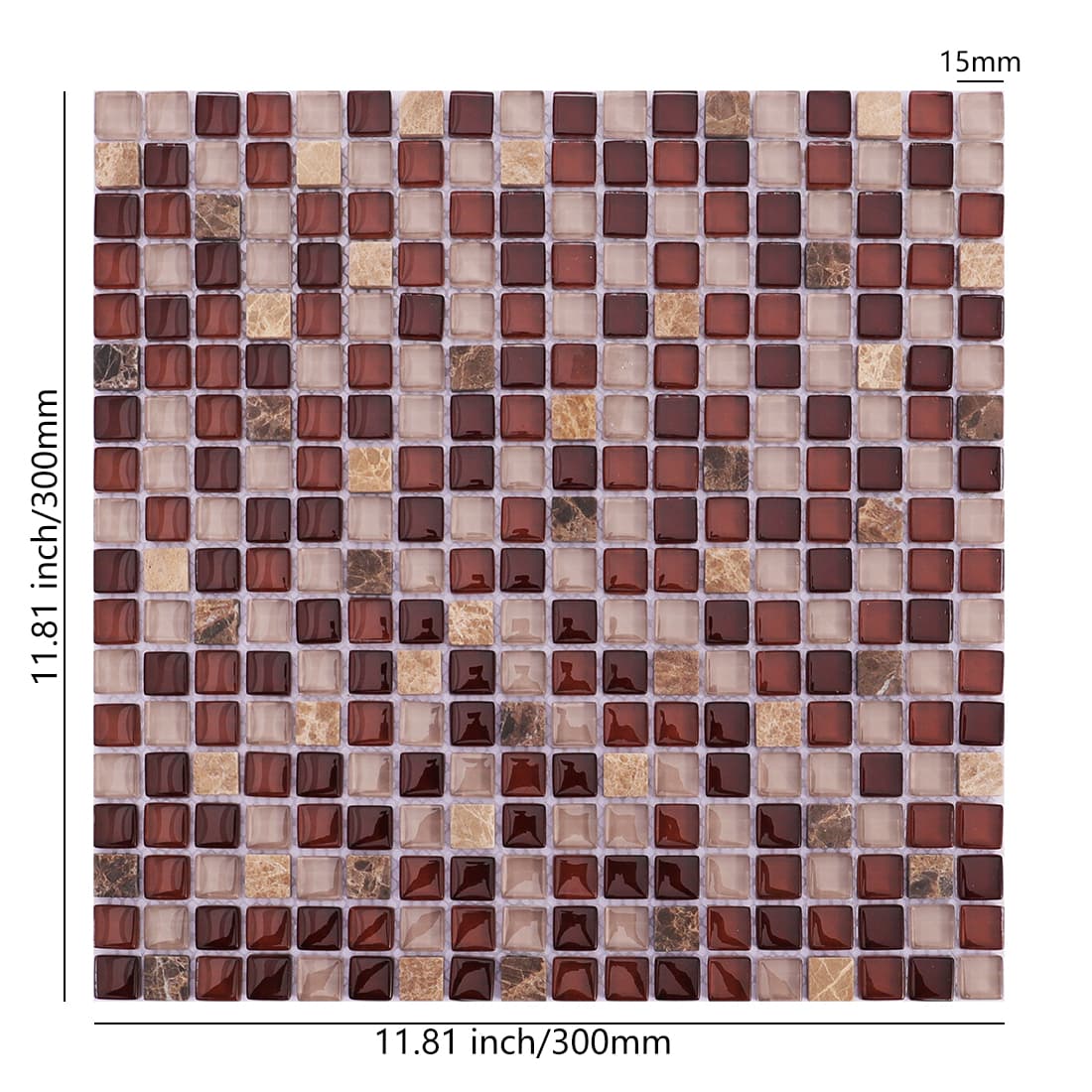
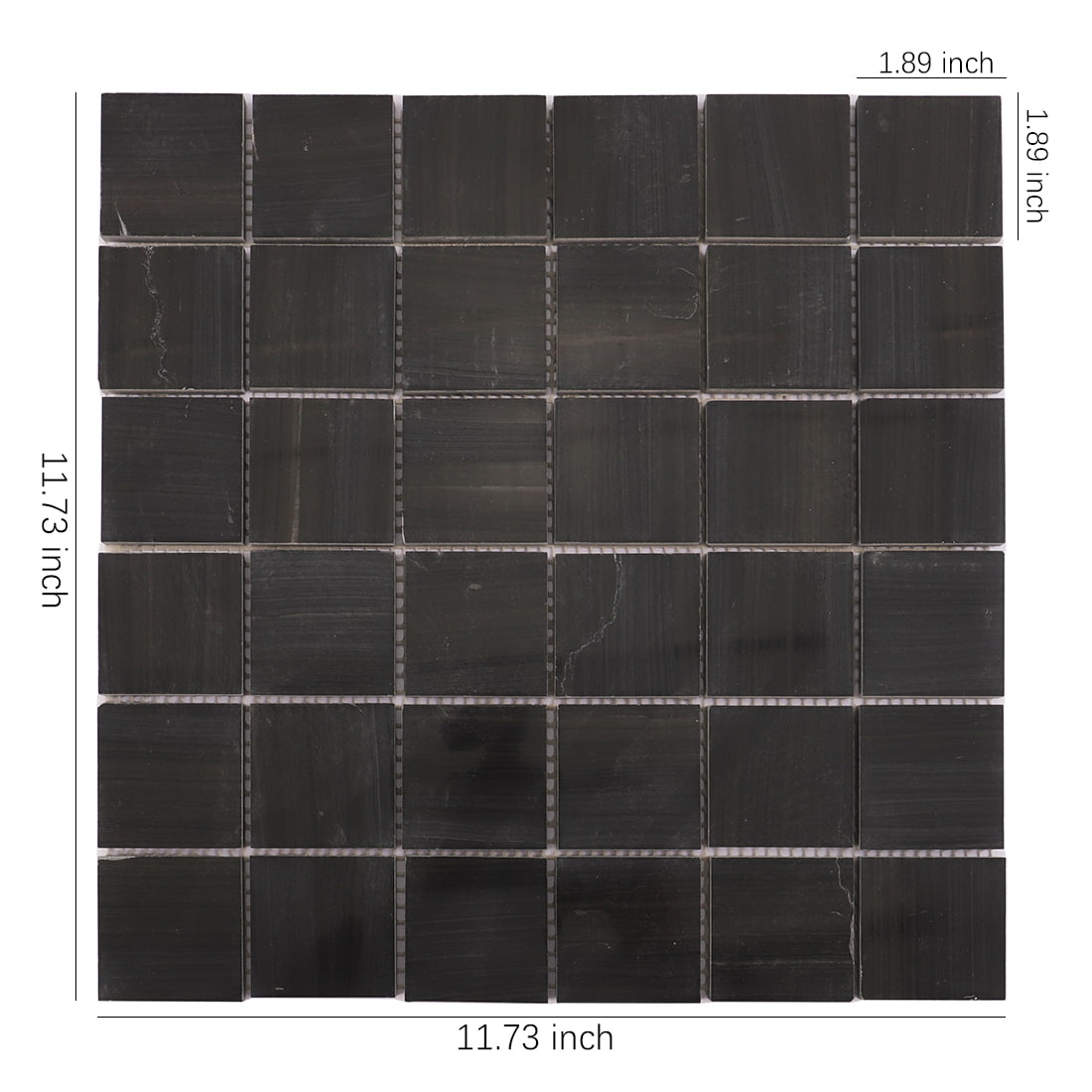
Brown Glass and Stone Square Mosaic Tile$6.52 USD
-
-
-
-
-
-
-
-
-
-
-
-
-
-
-
-
-
-
-
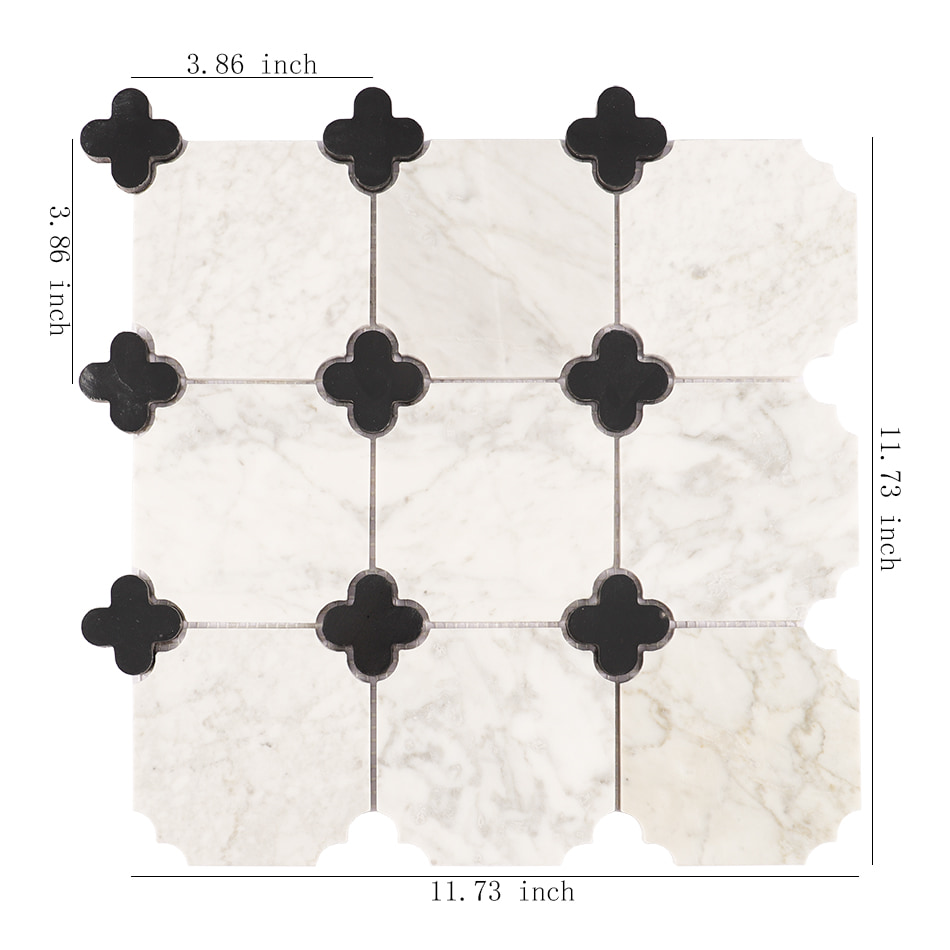
White Black Petal Flower Marble Mosaic Tile$17.30 USD
-
-
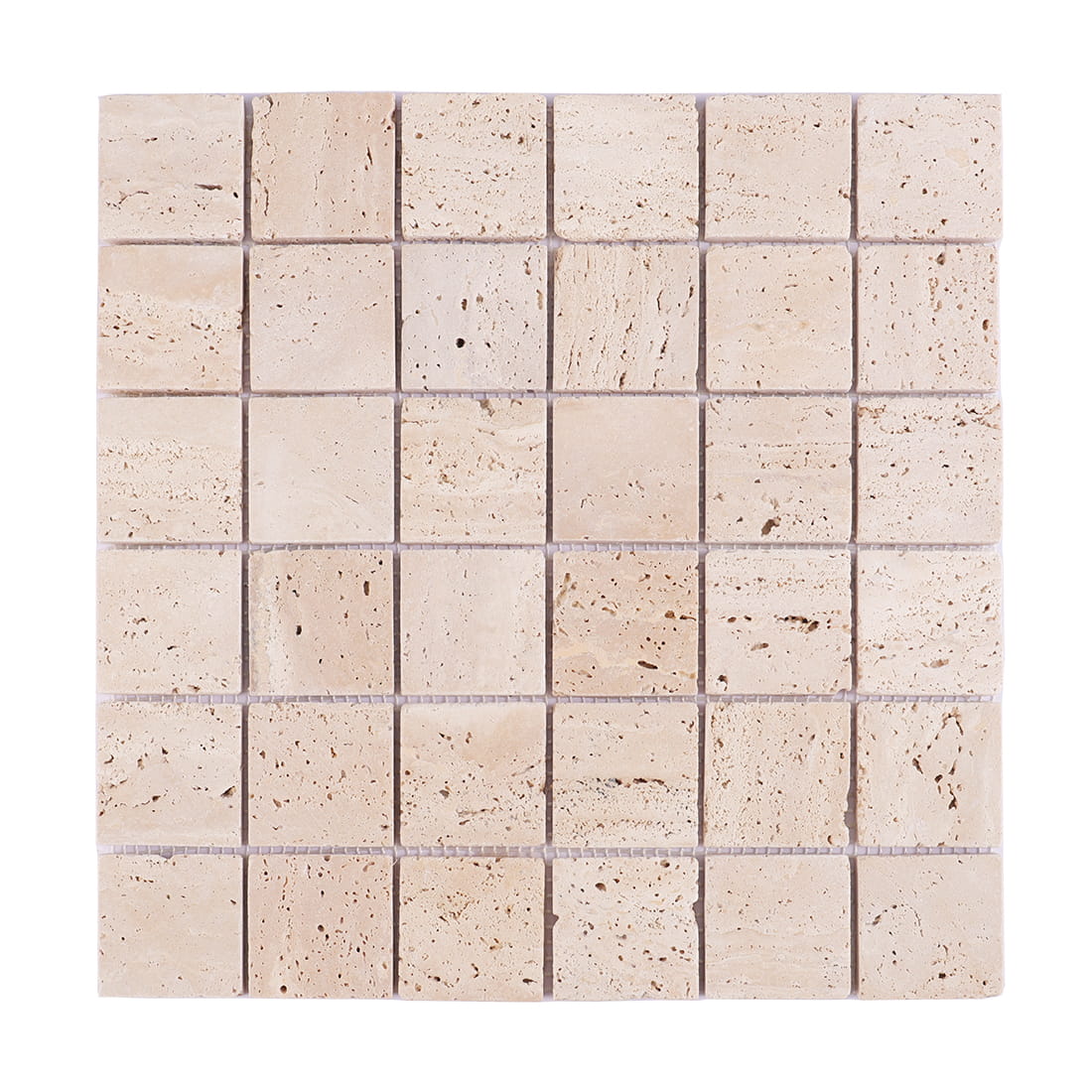
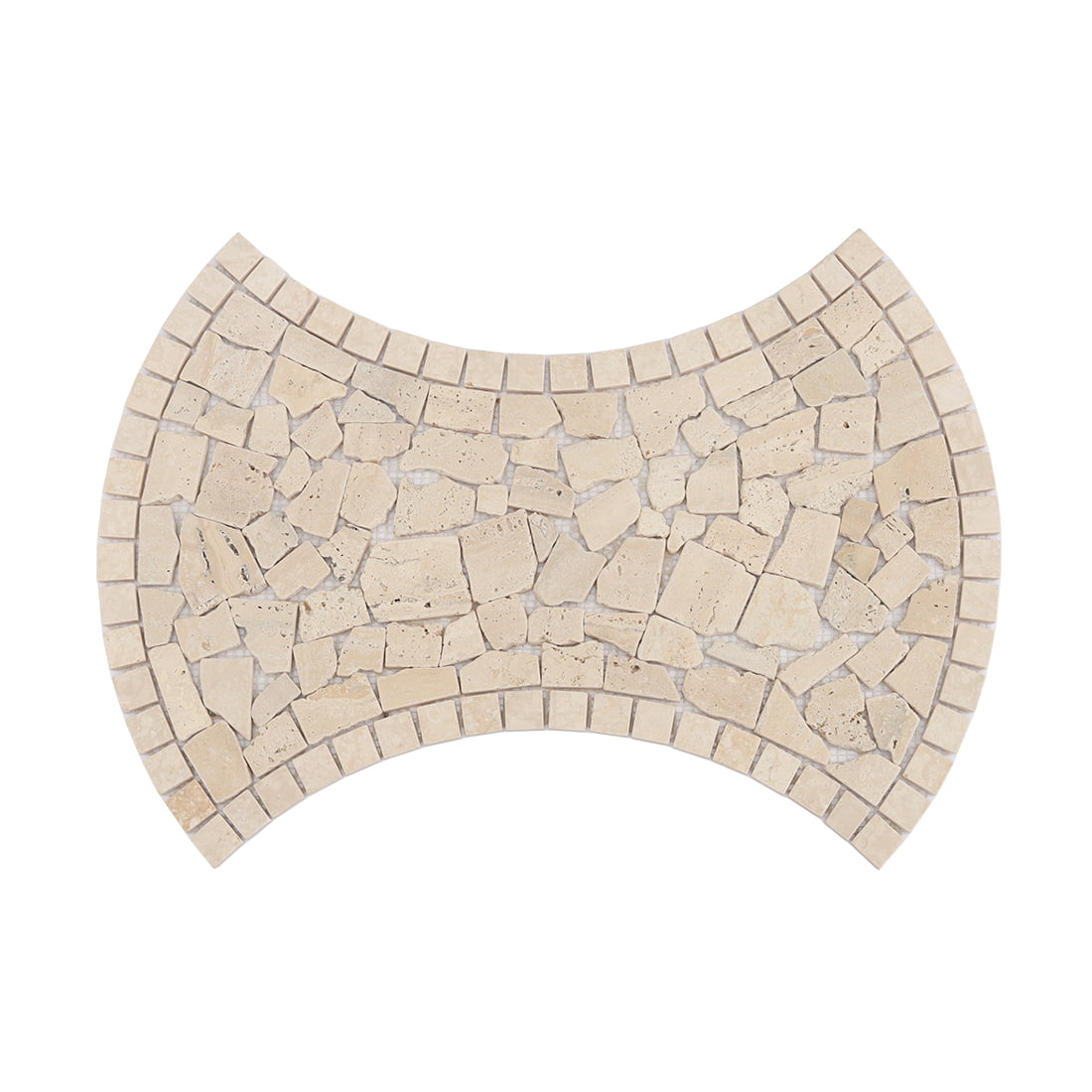
Beige Travertine Square Mosaic Tile$10.03 USD
-
-
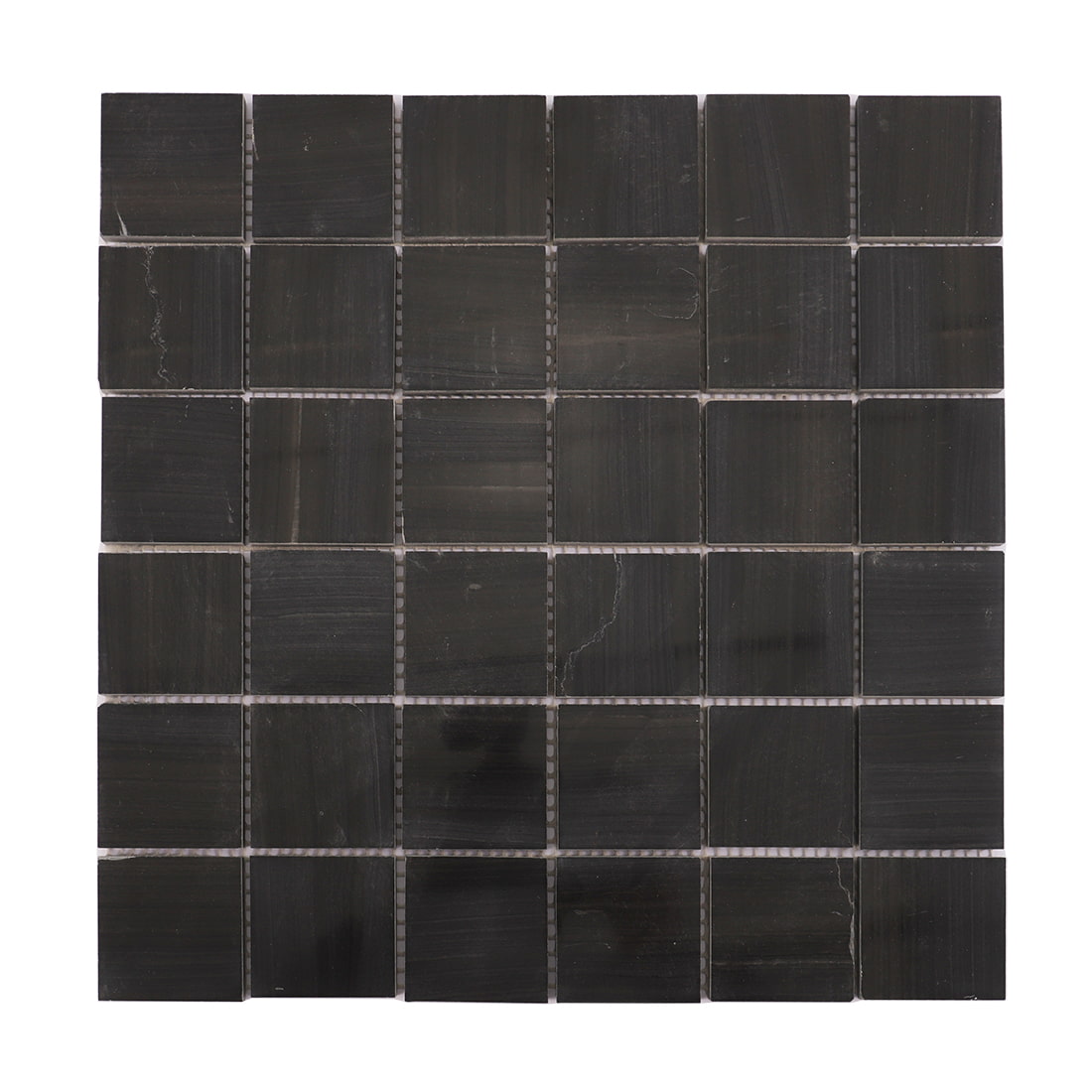
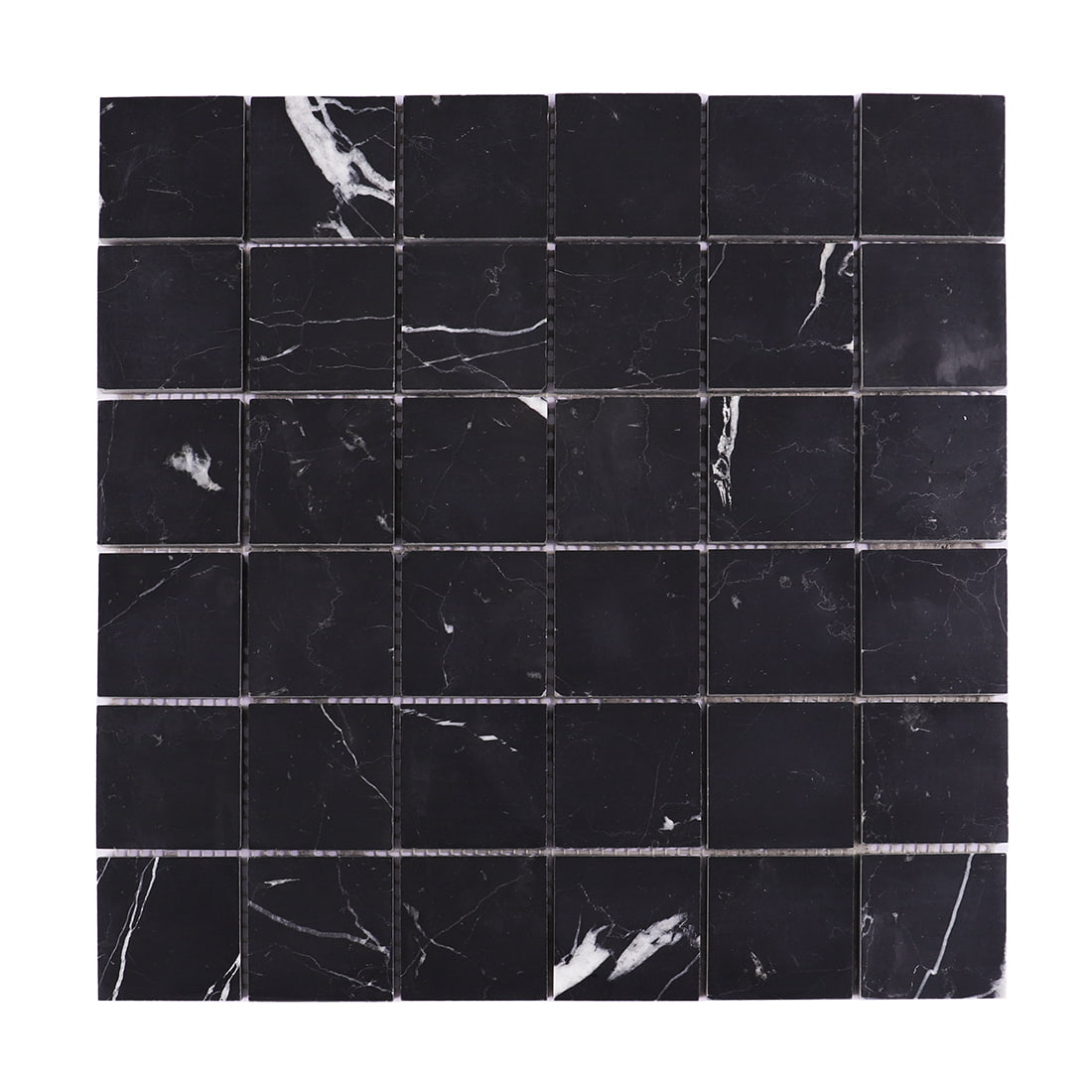
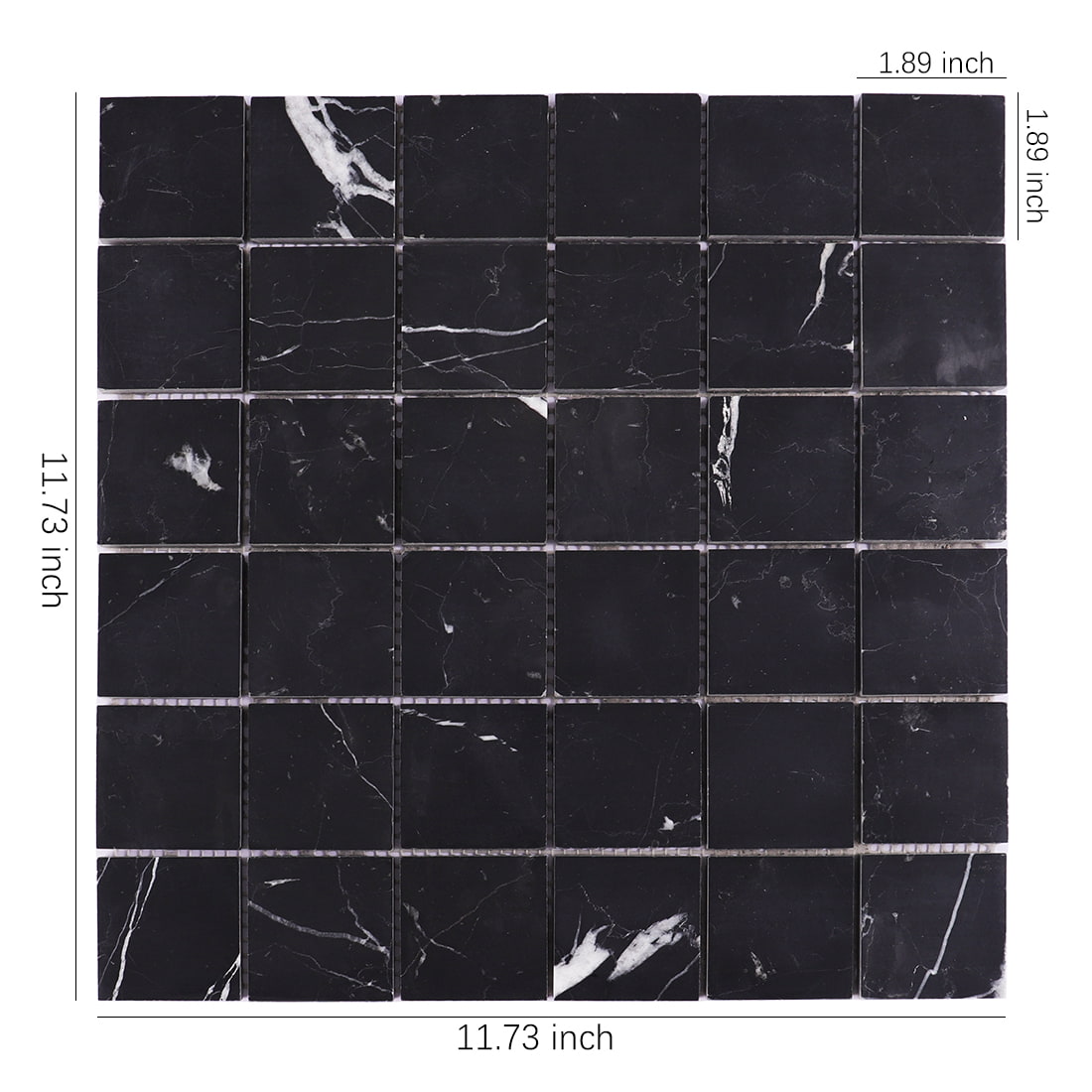
Nero Black Square Marble Mosaic Tile$9.02 USD
-
-
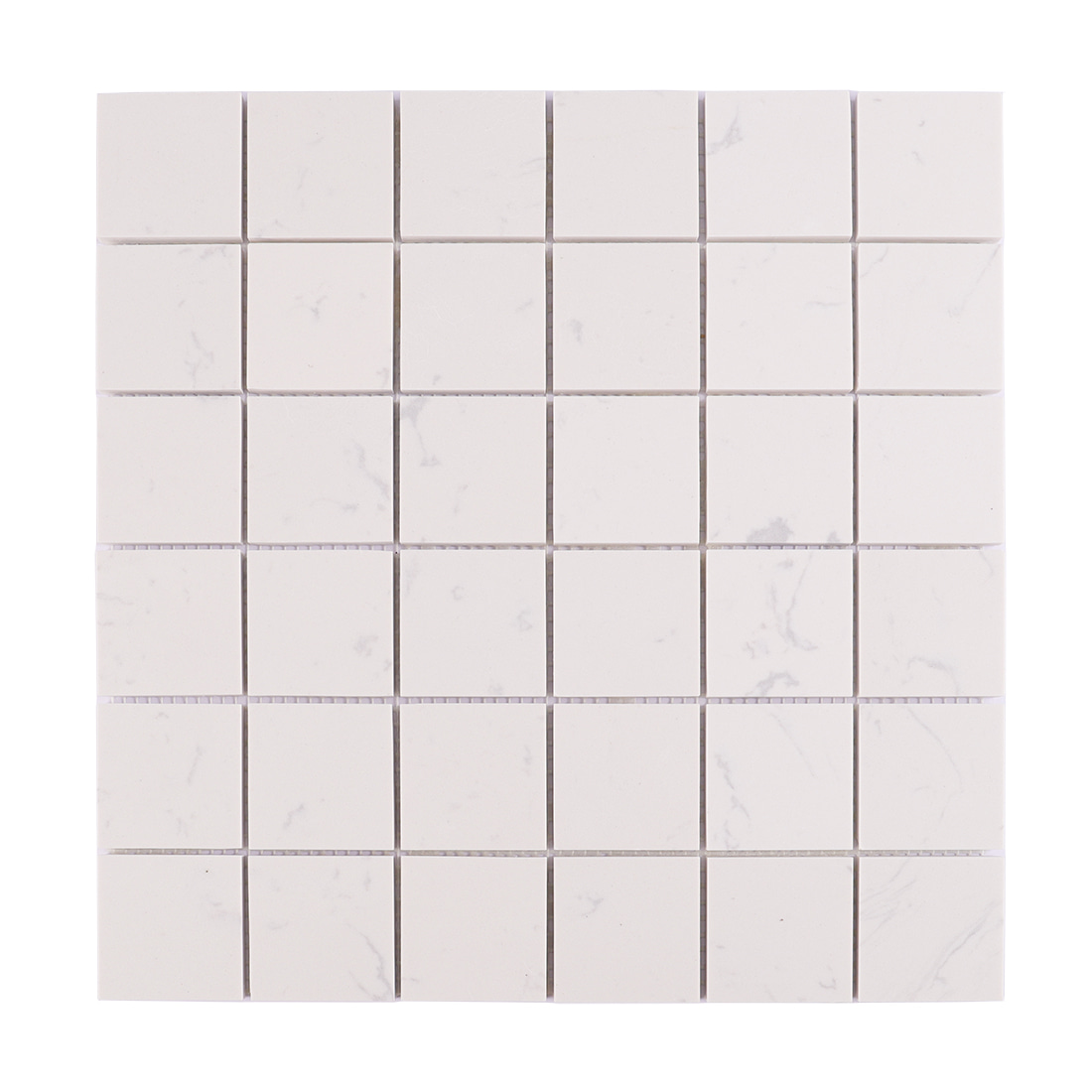
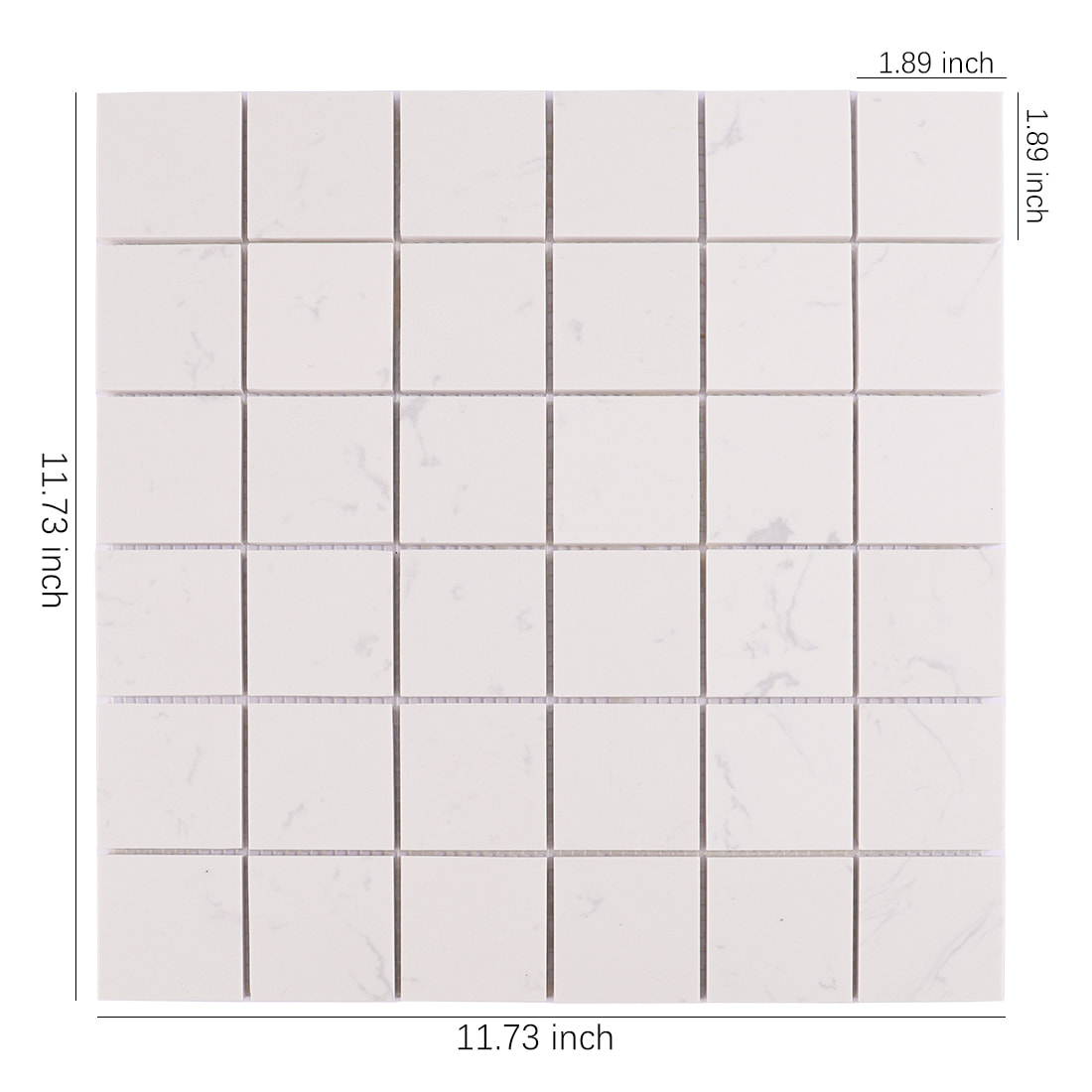
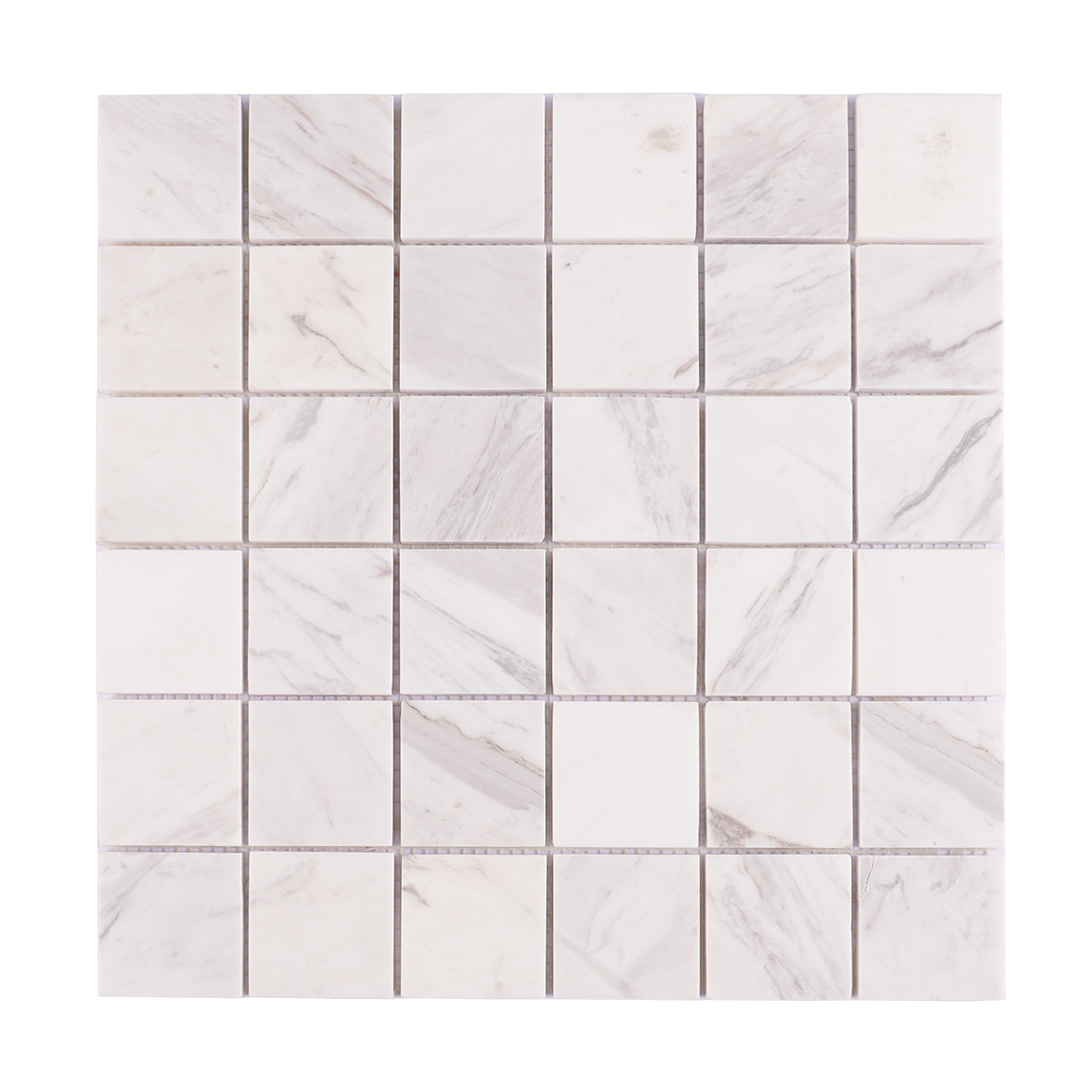
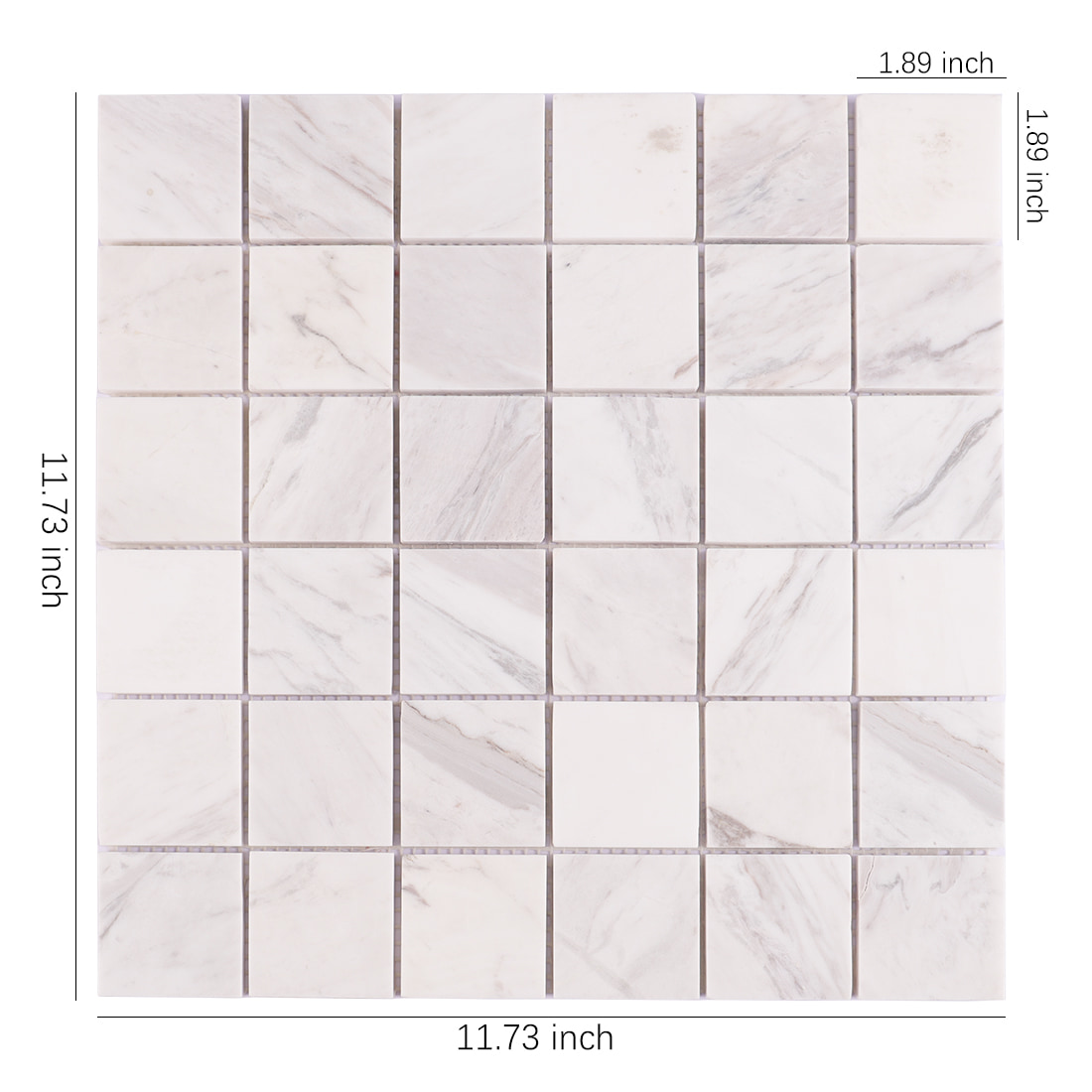
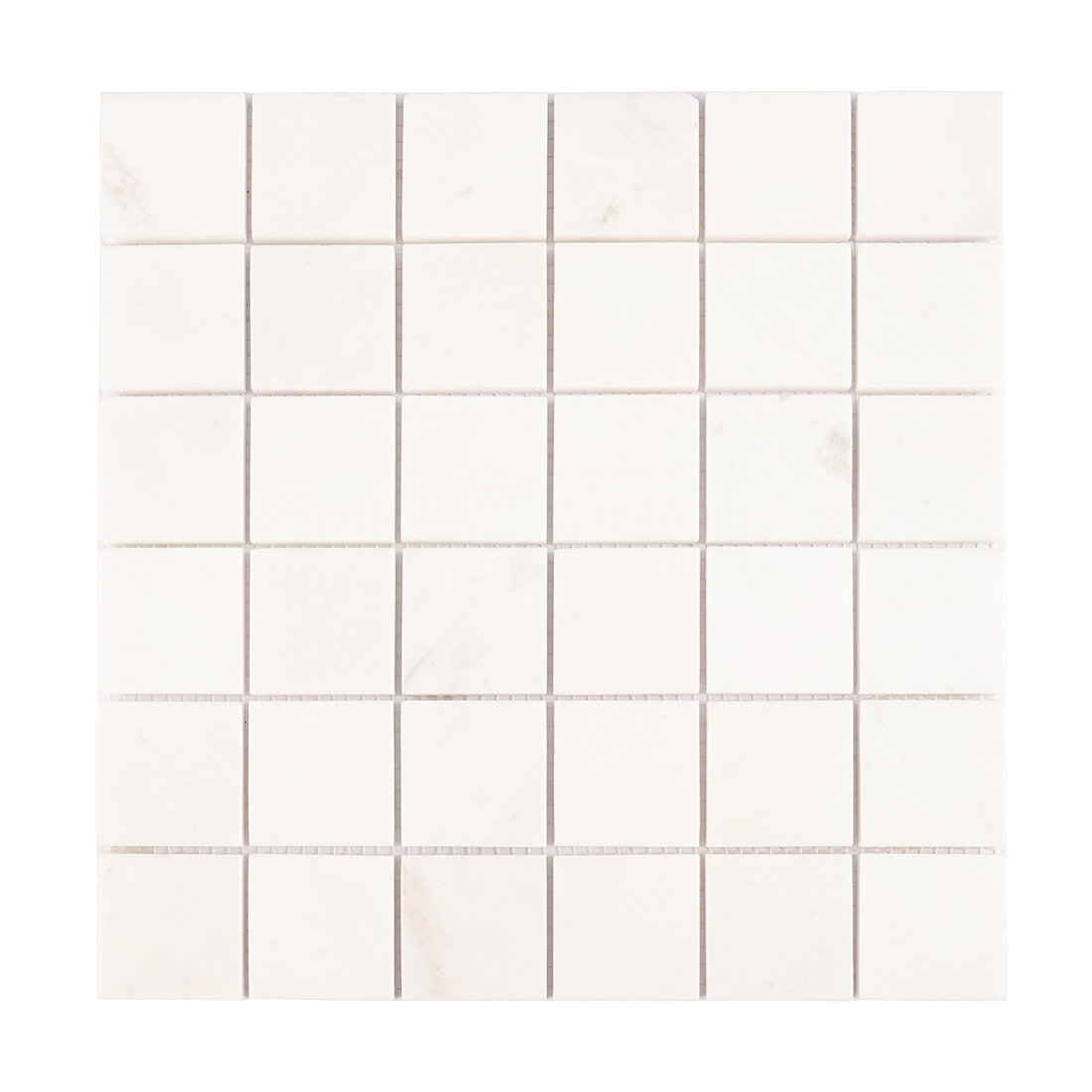
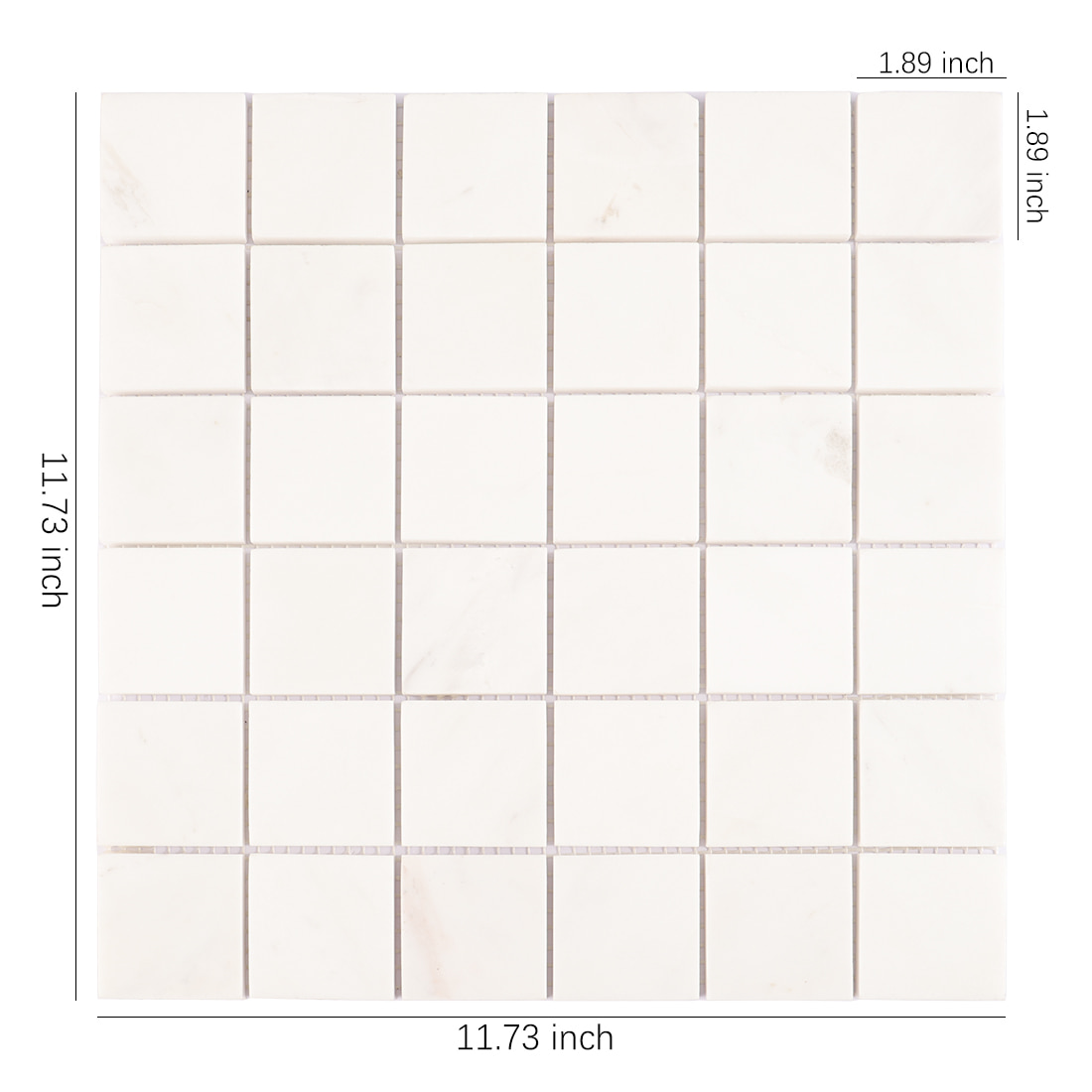
Volakas White Square Marble Mosaic Tile$9.69 USD
-
-
-
-
-
-


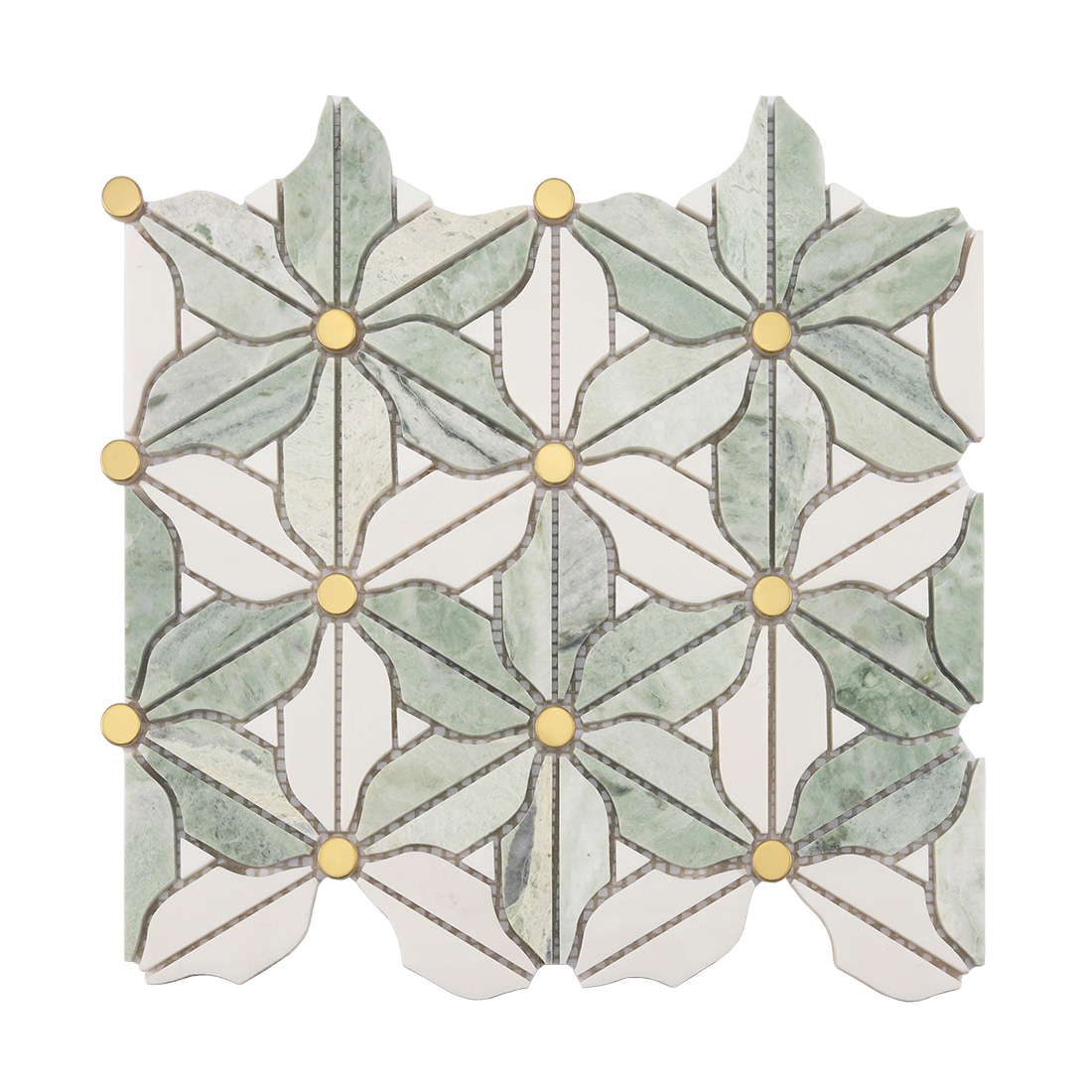


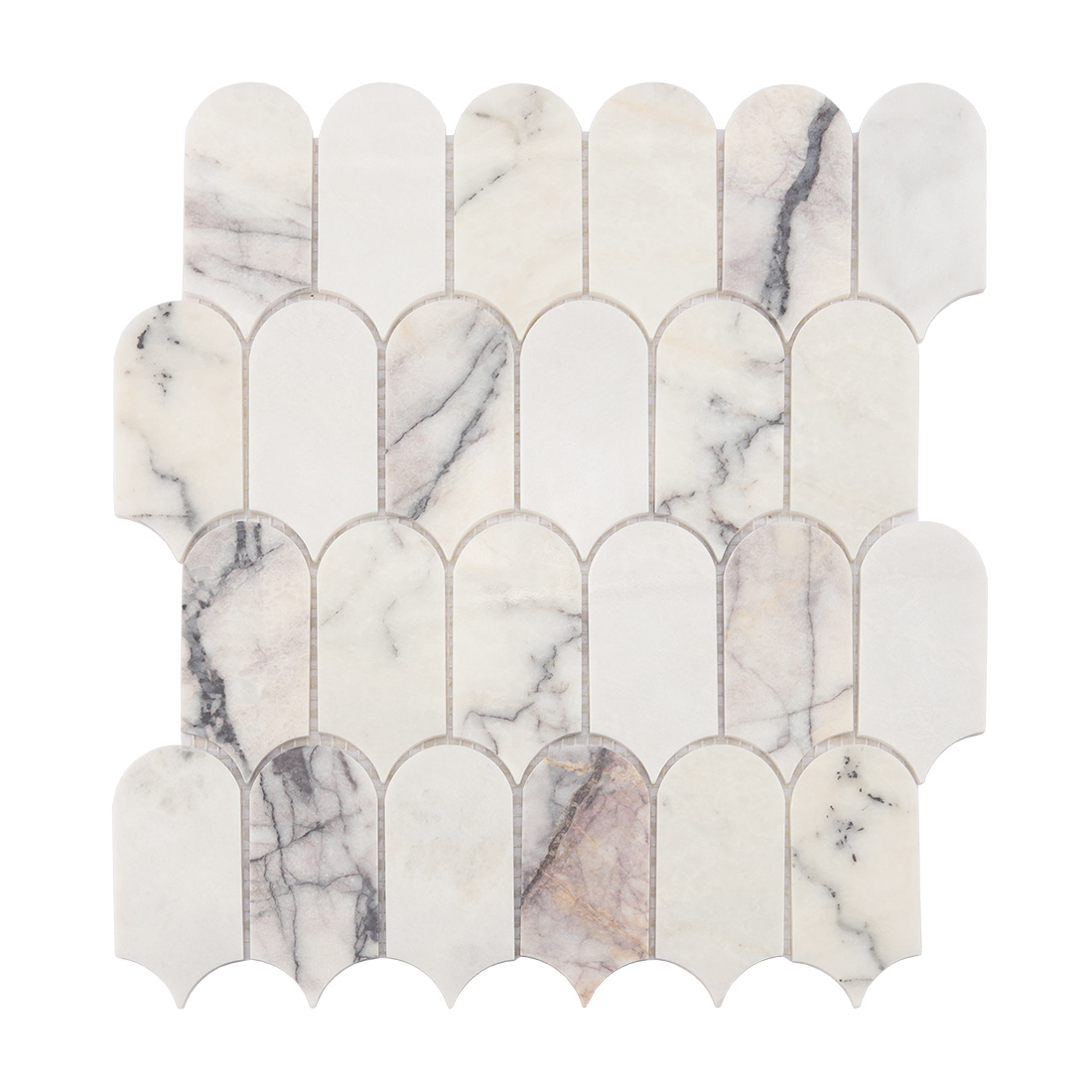
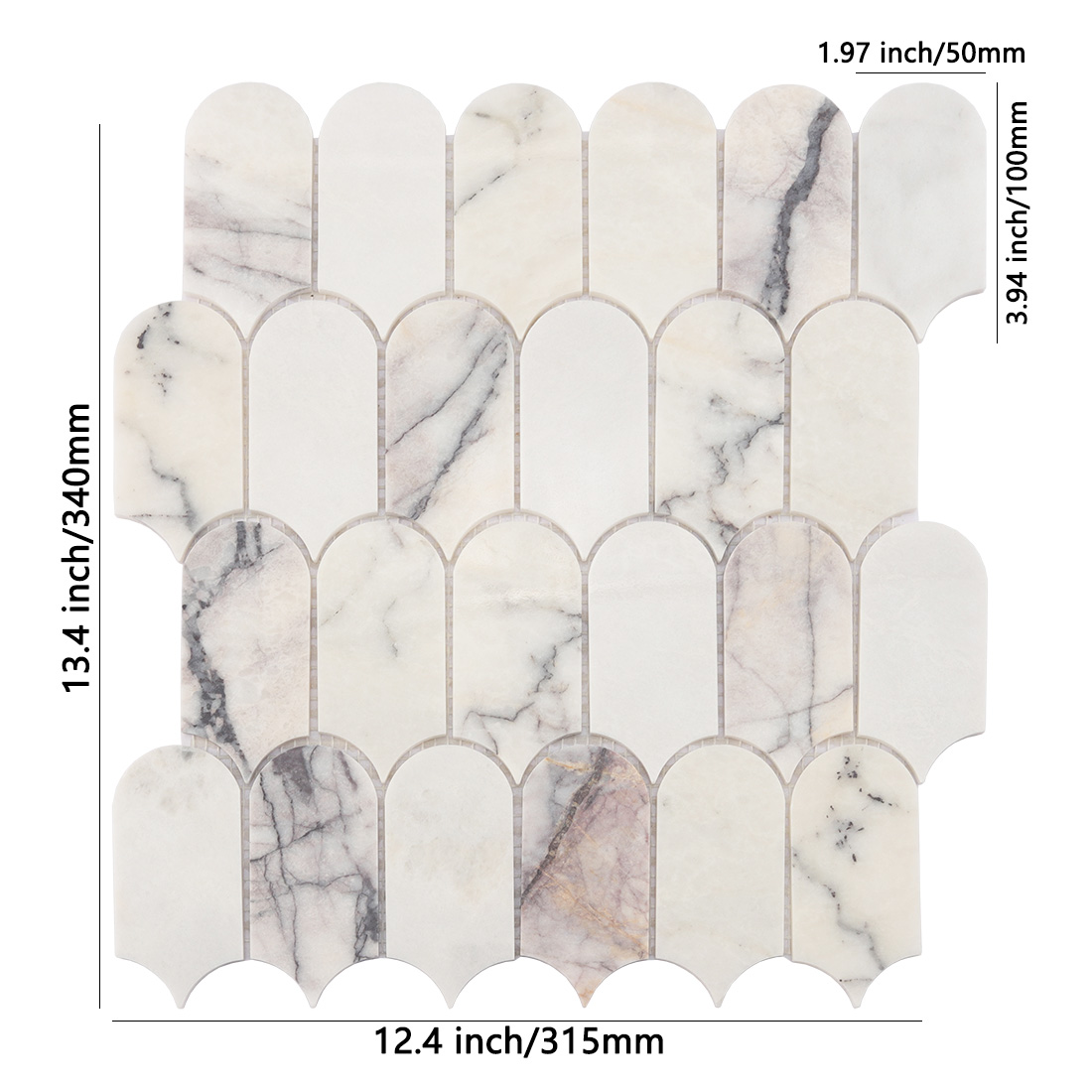
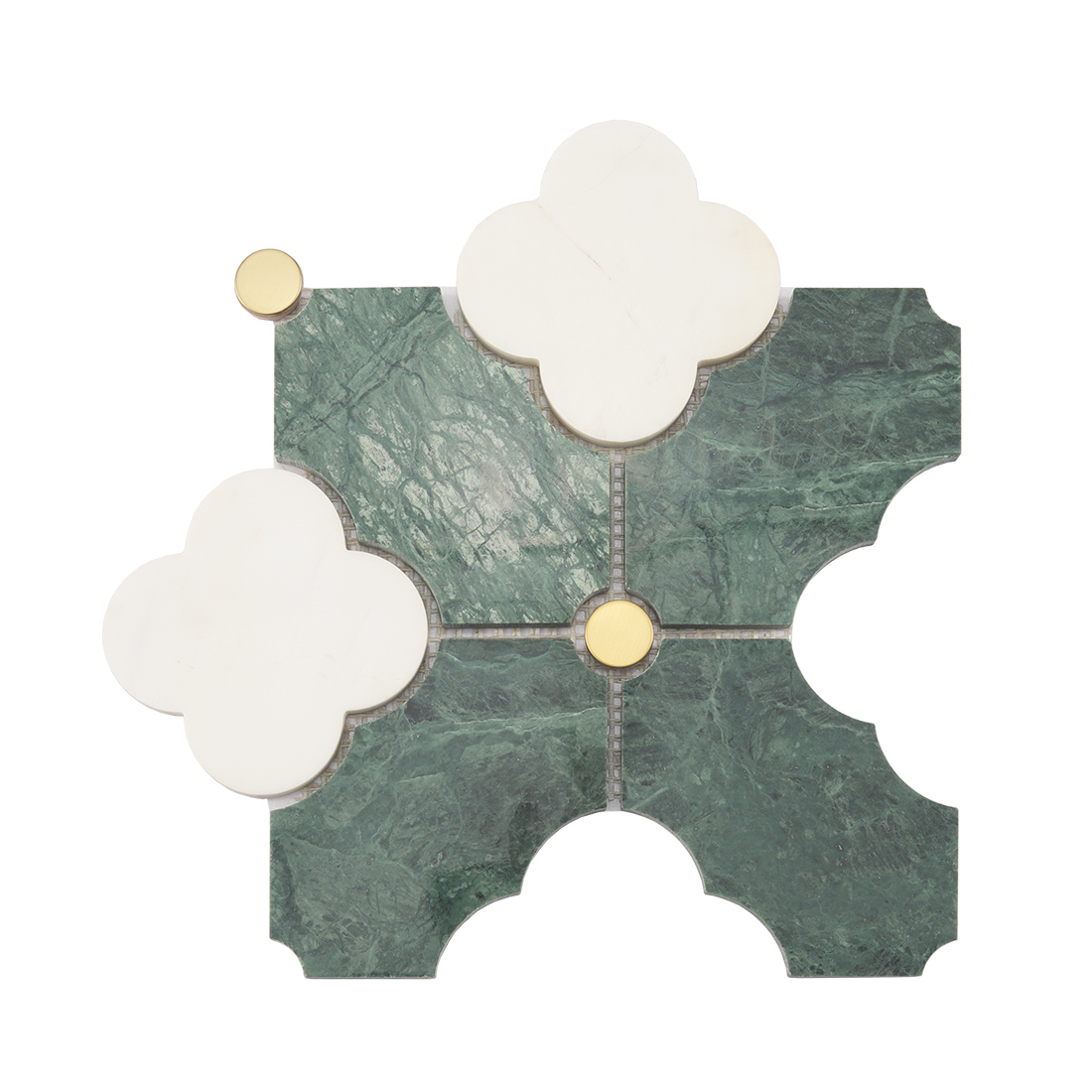

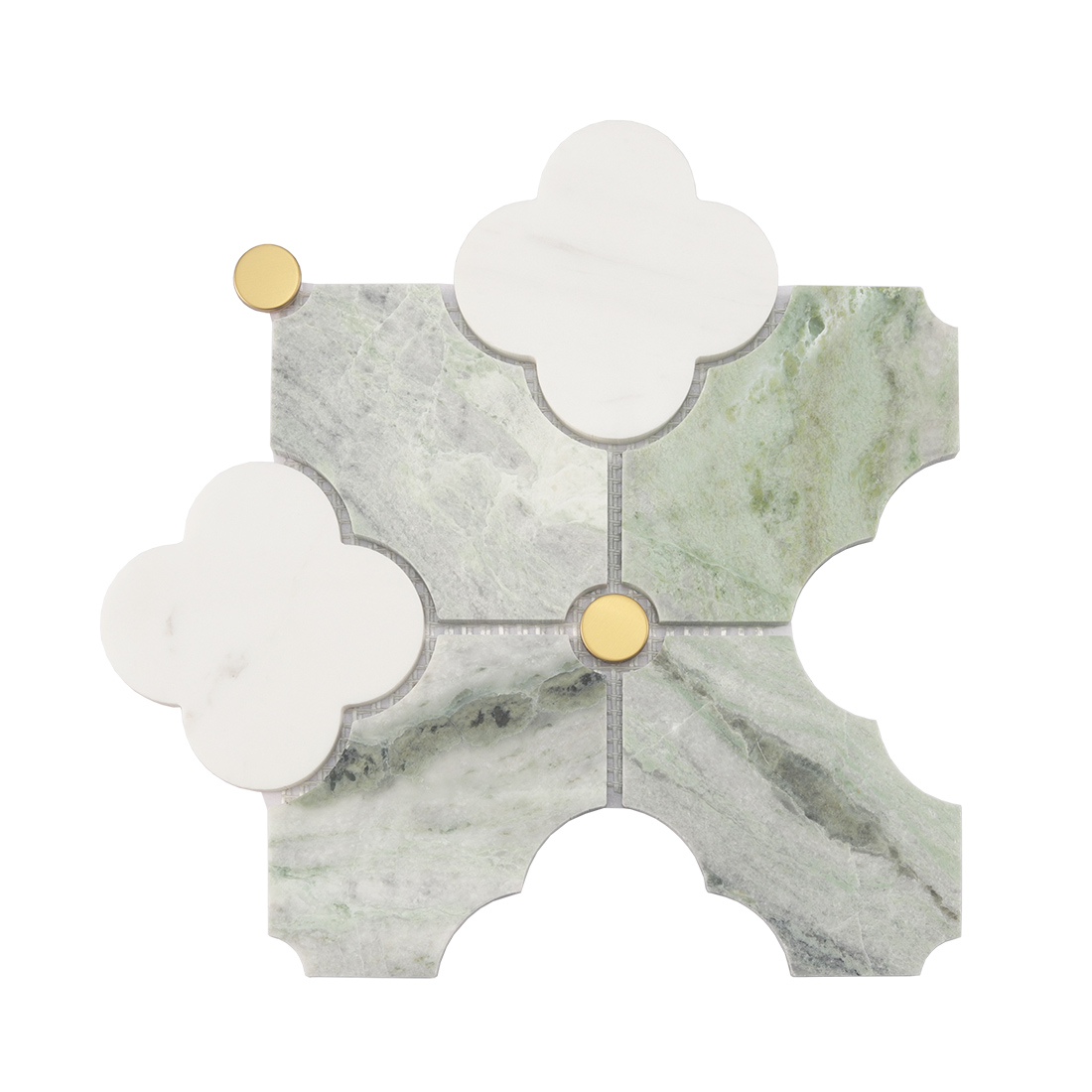
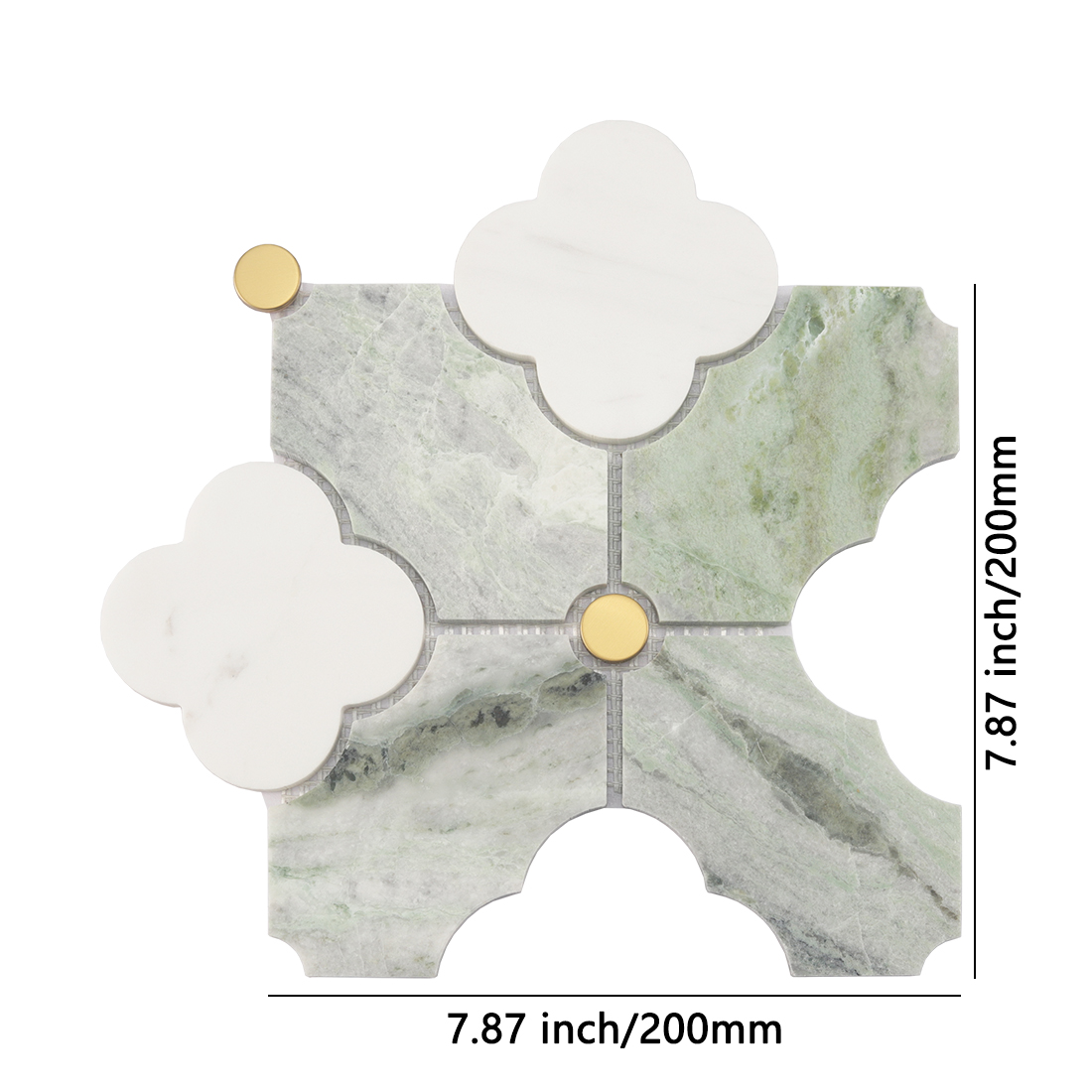
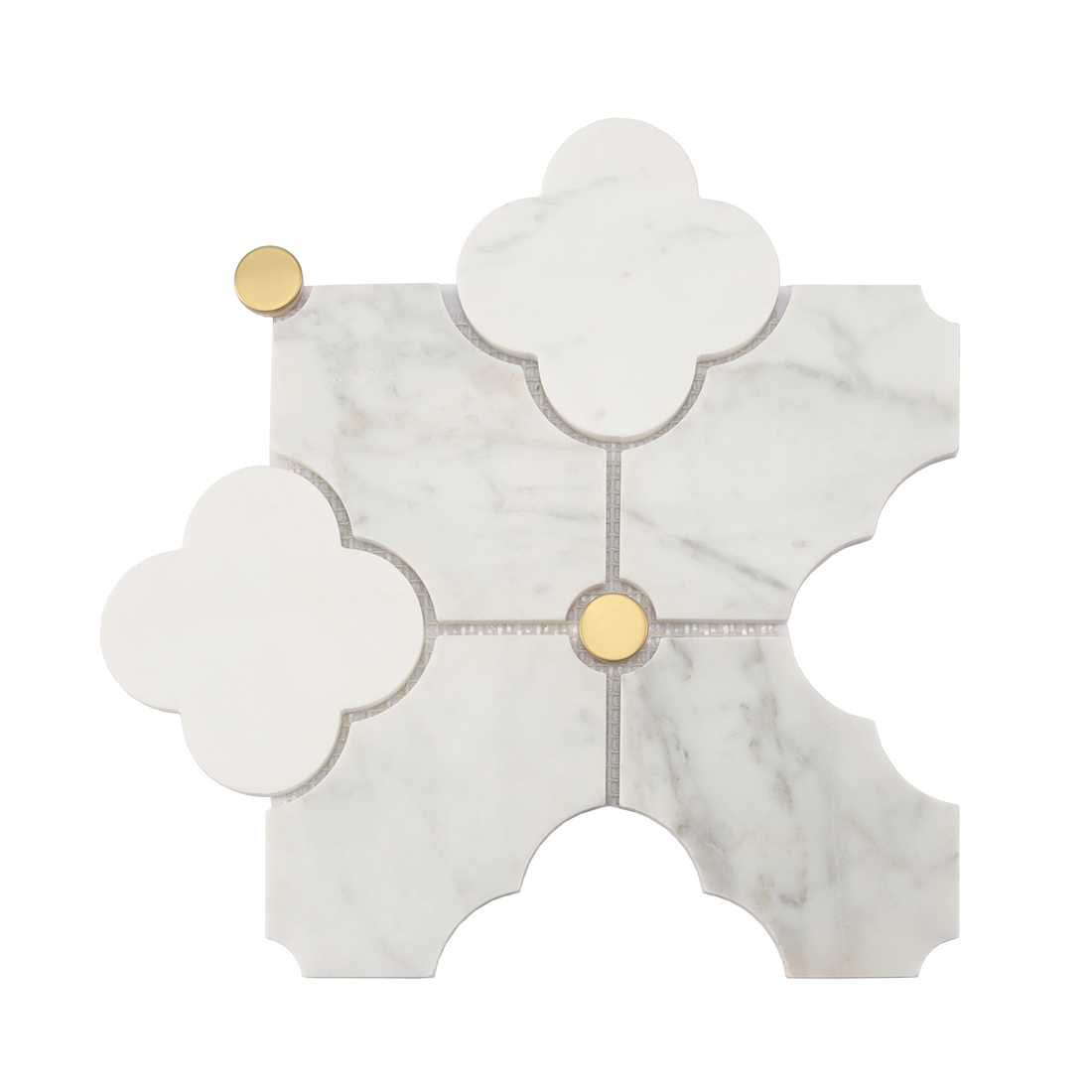
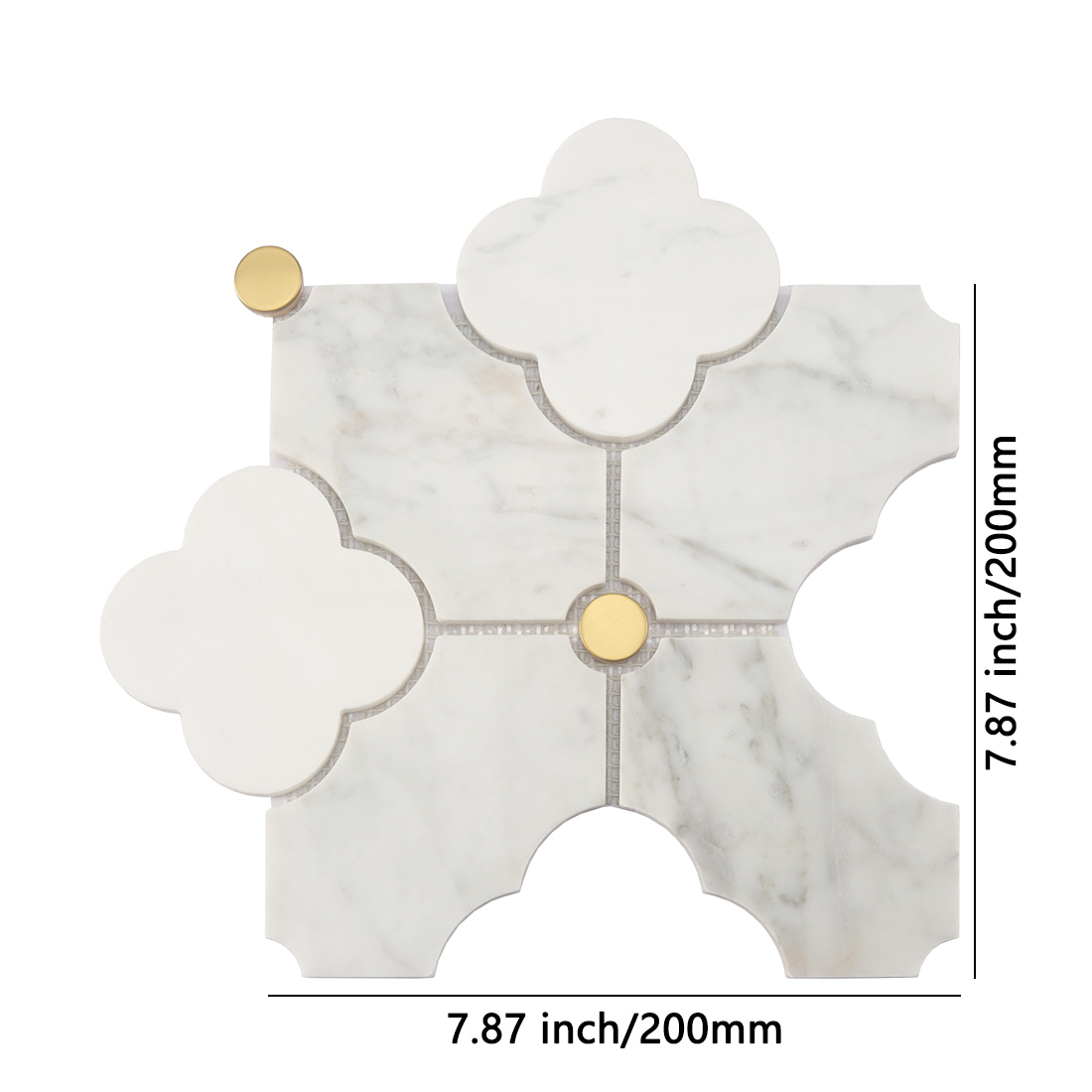
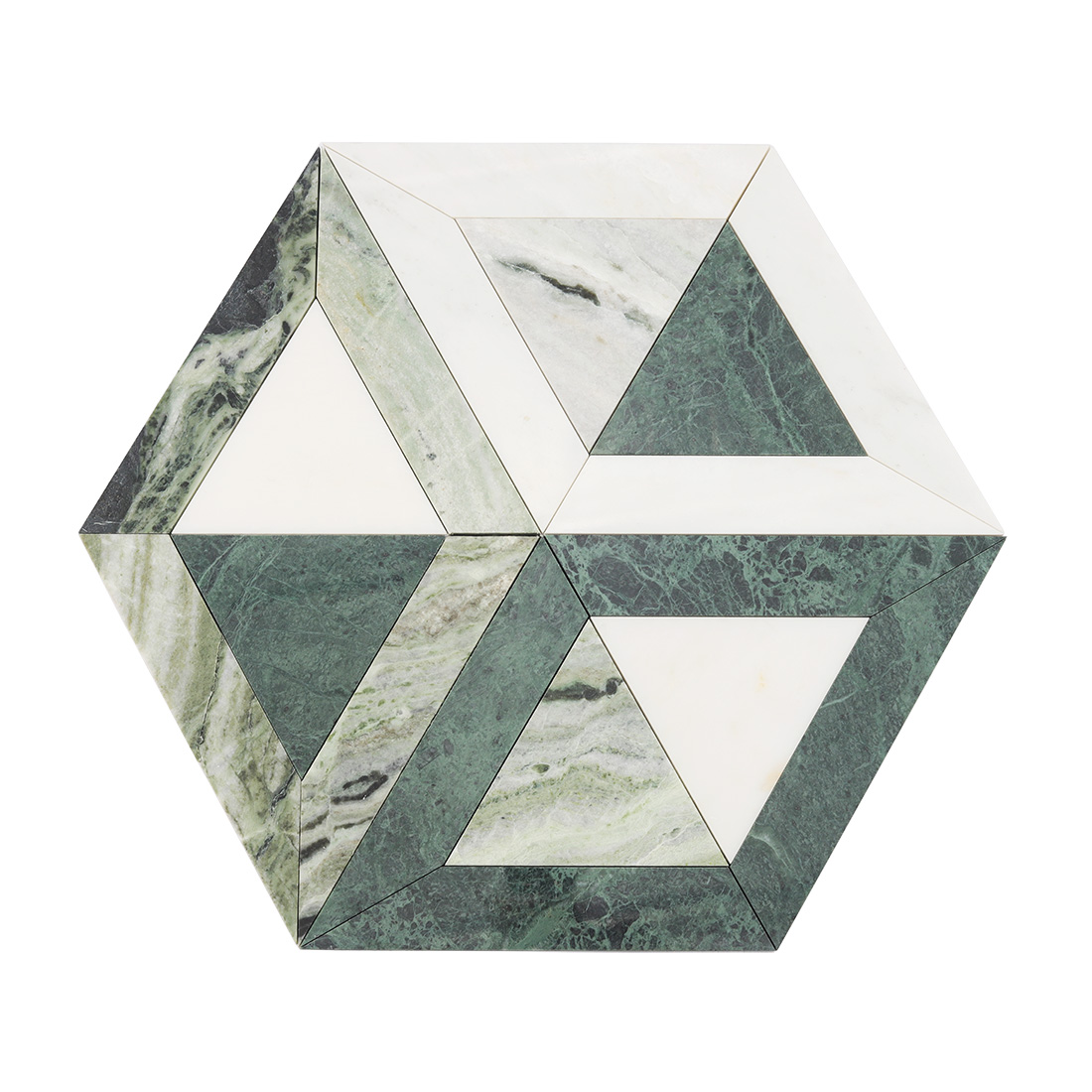

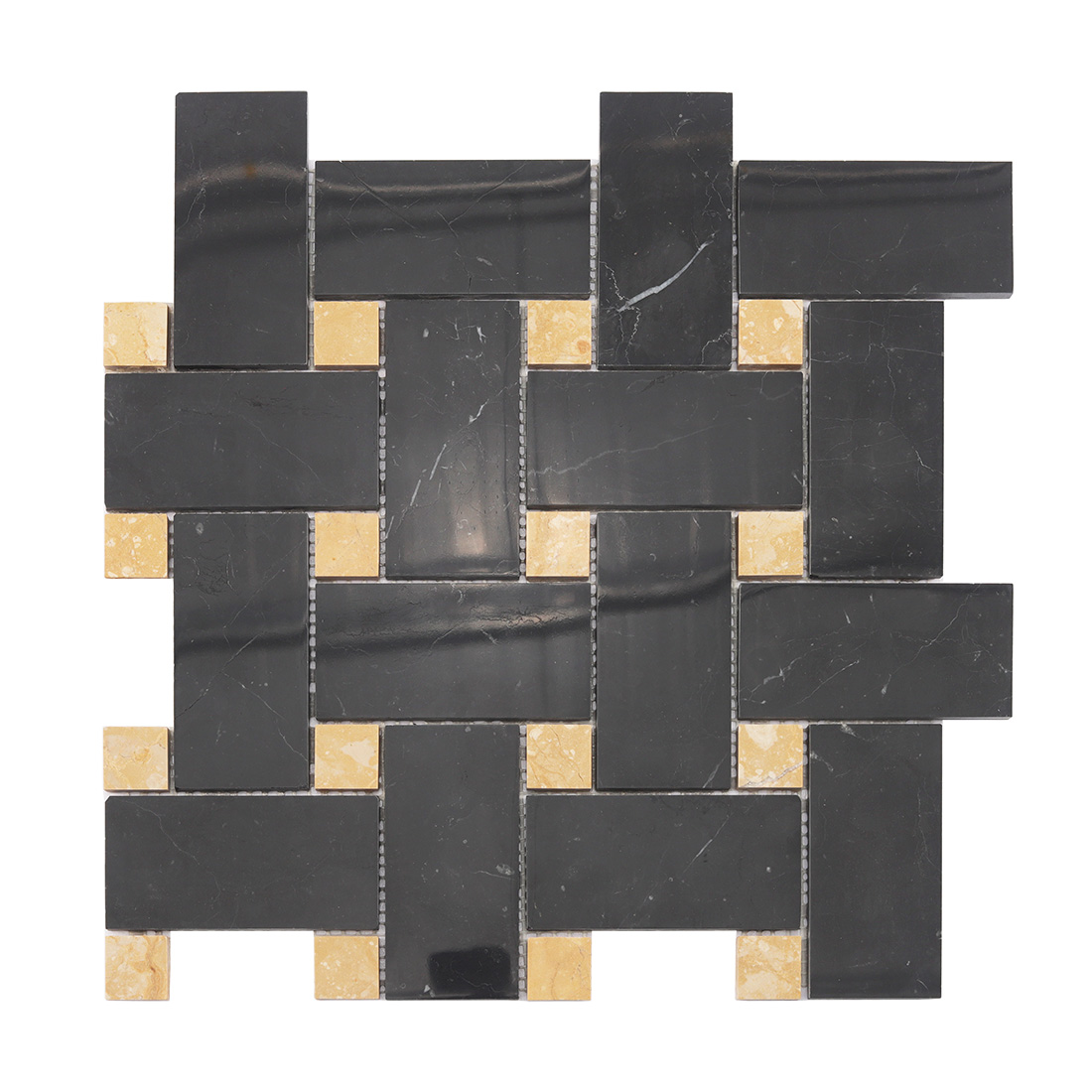

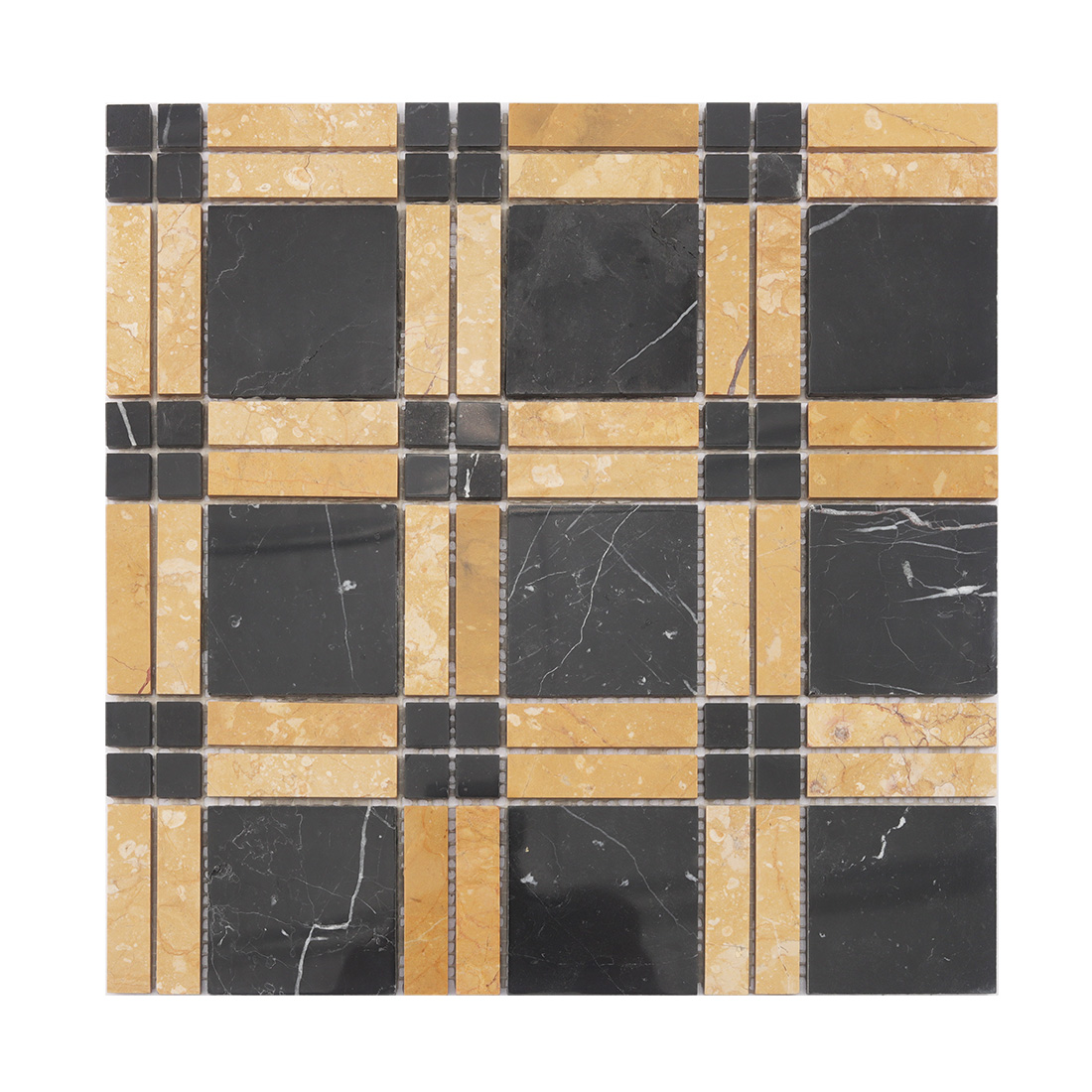

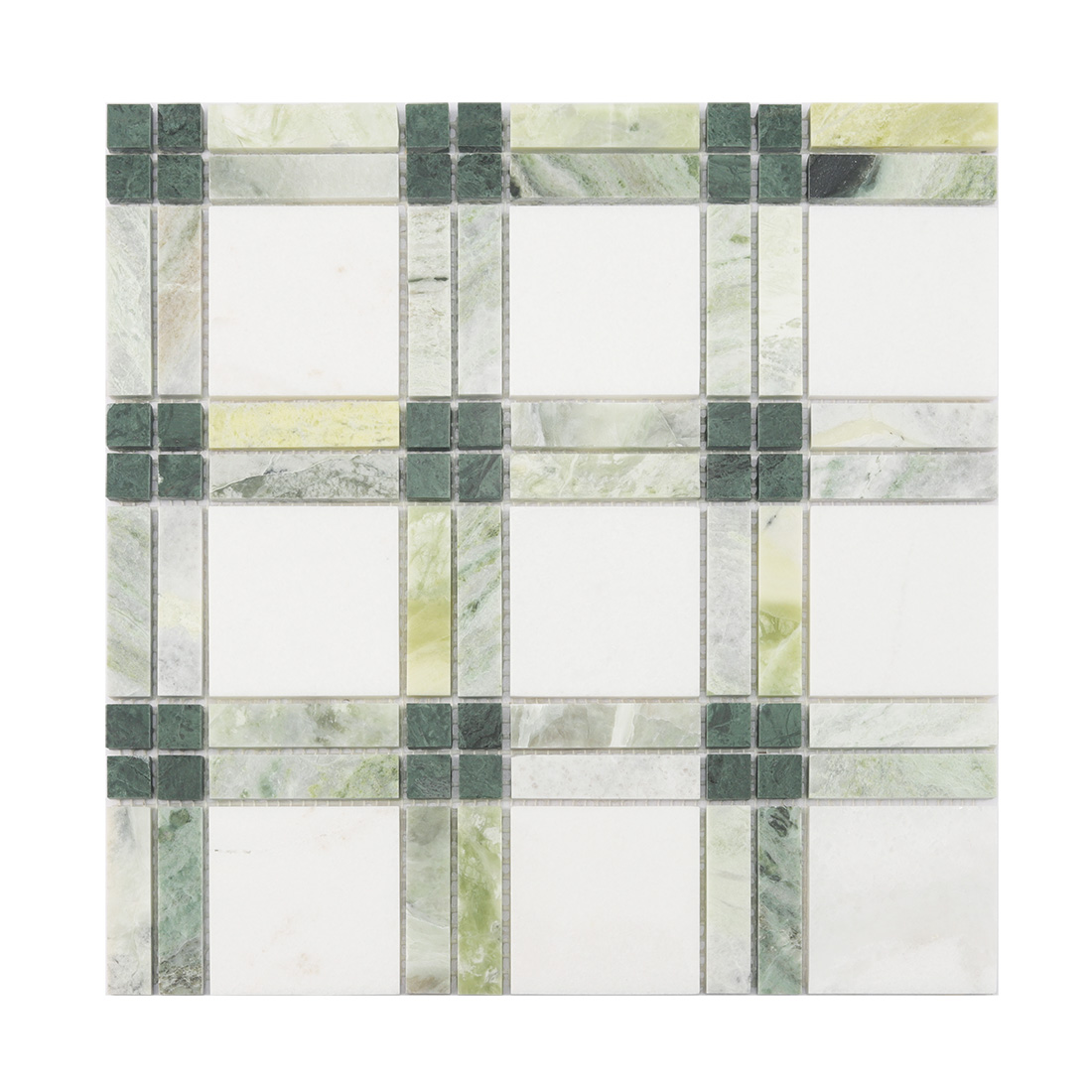

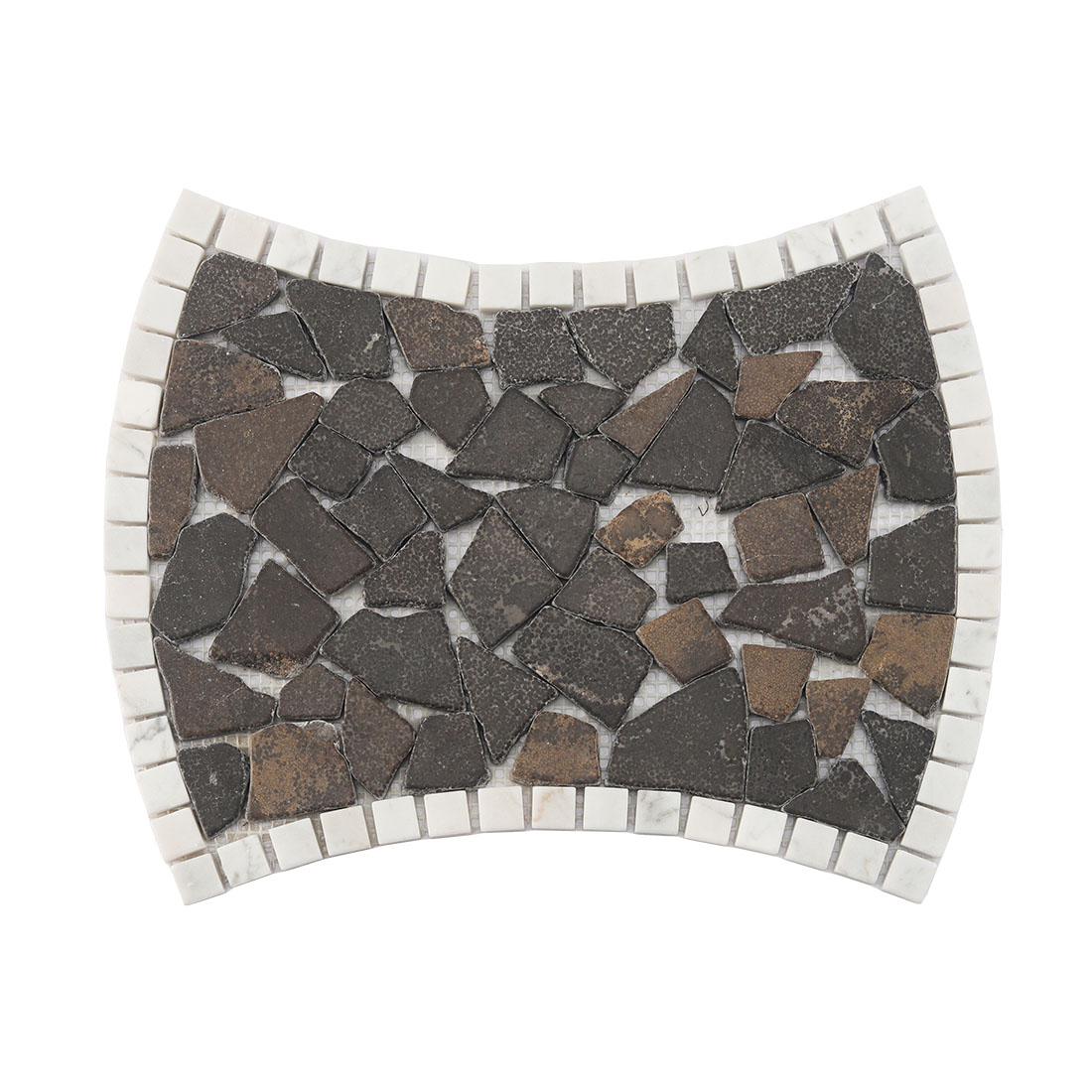
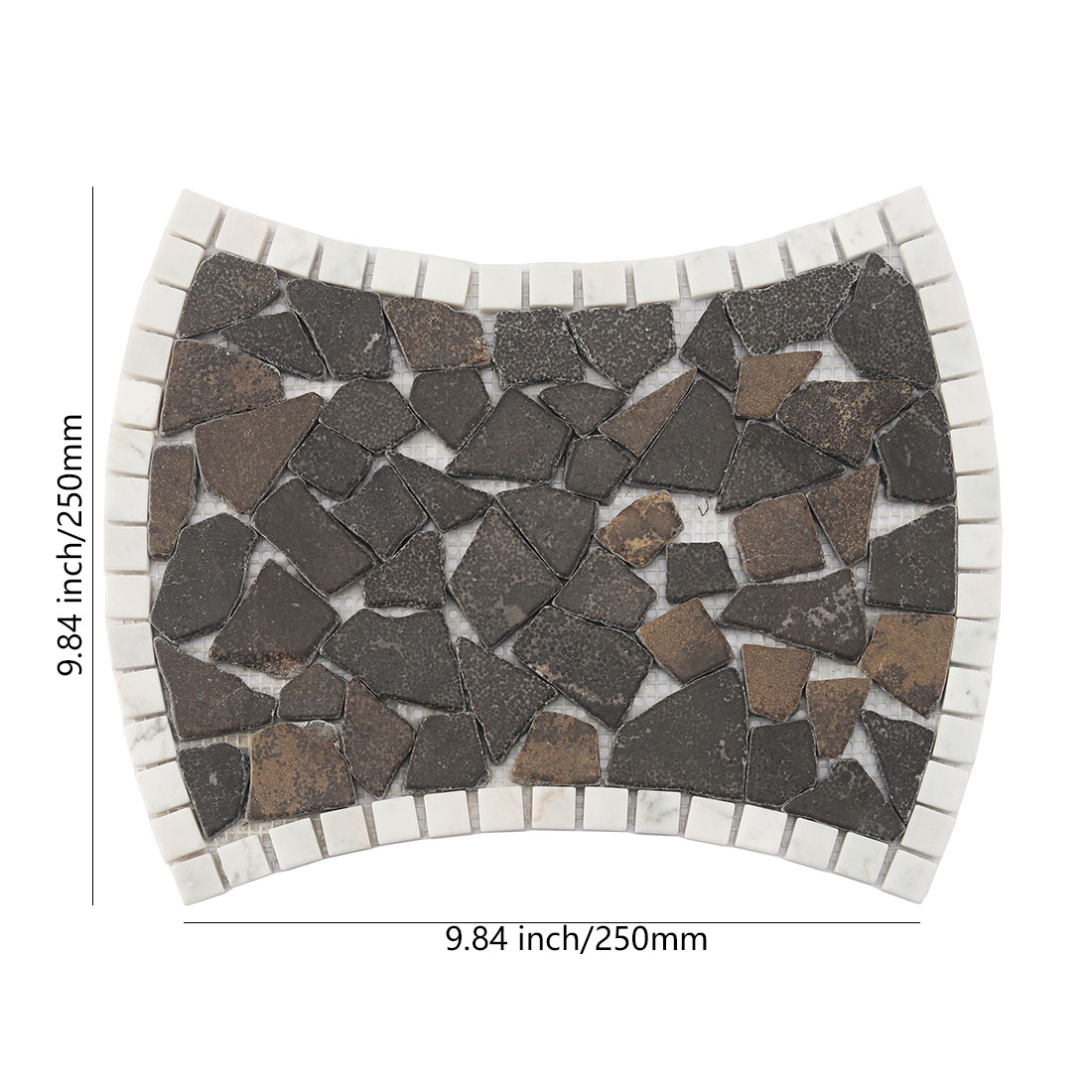
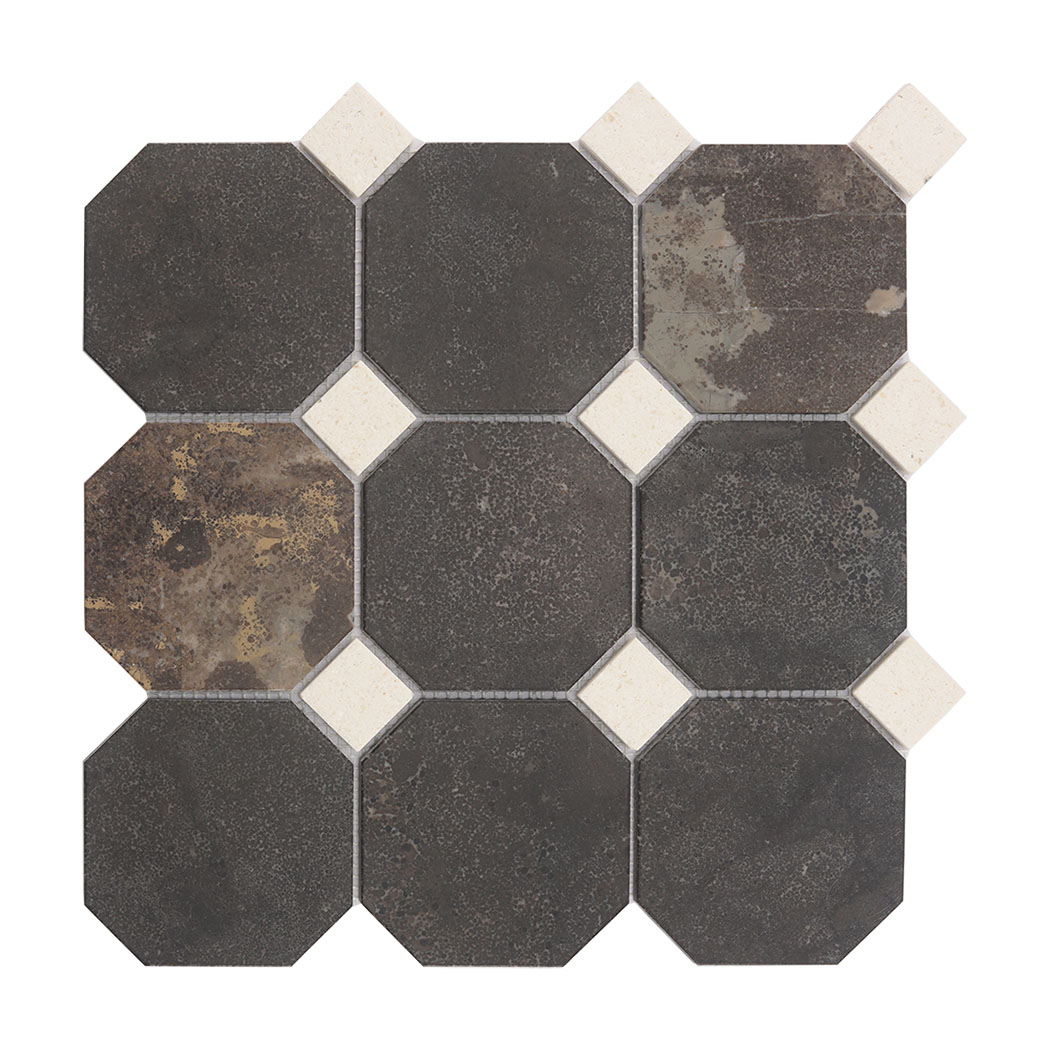
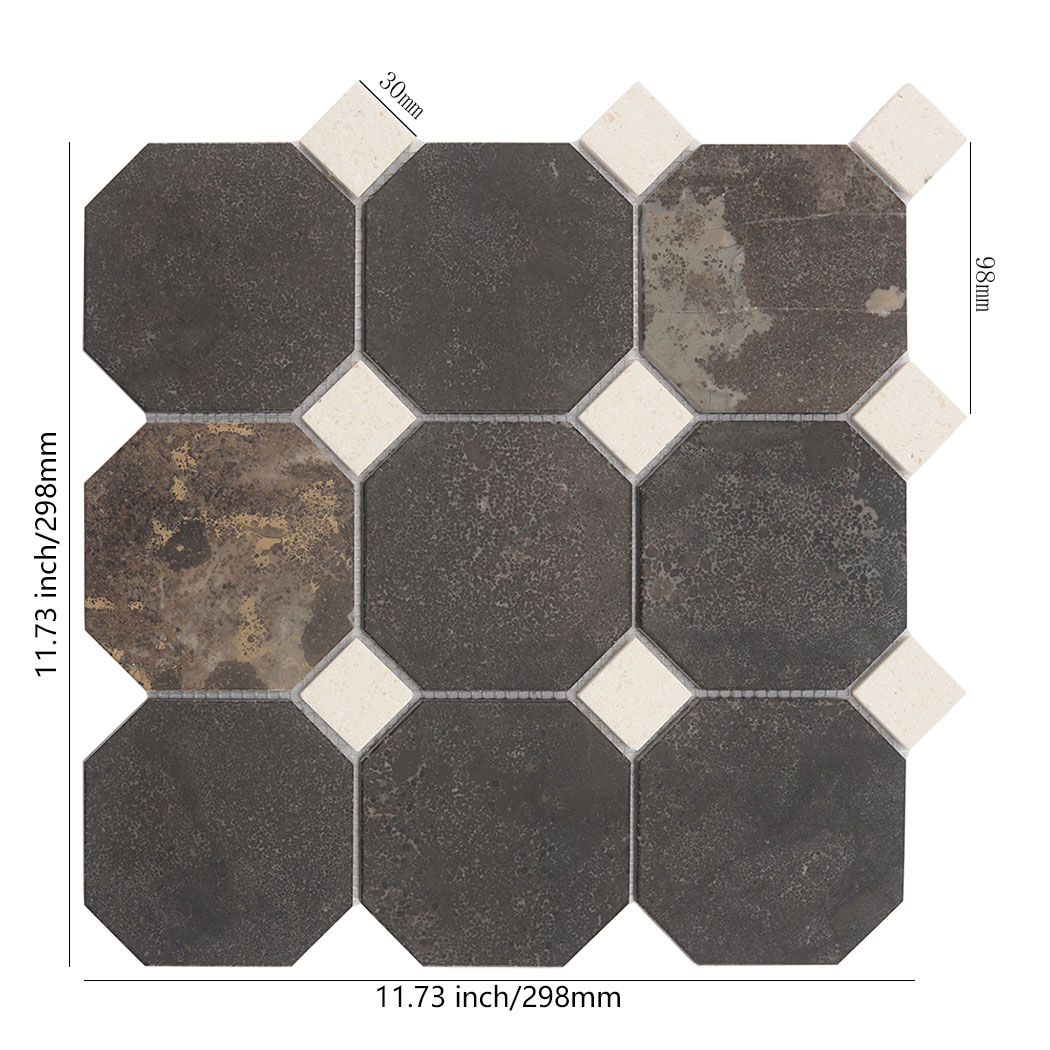
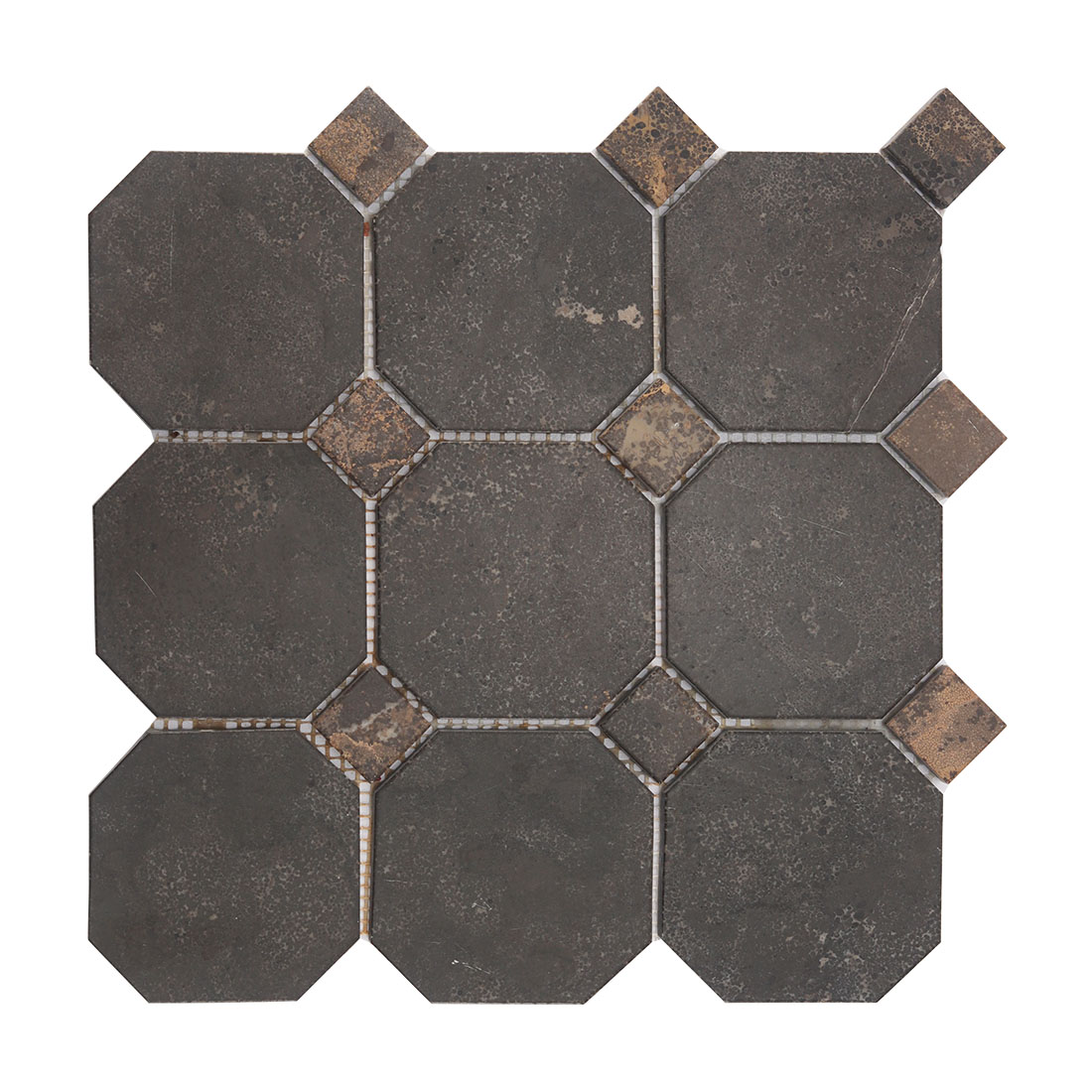

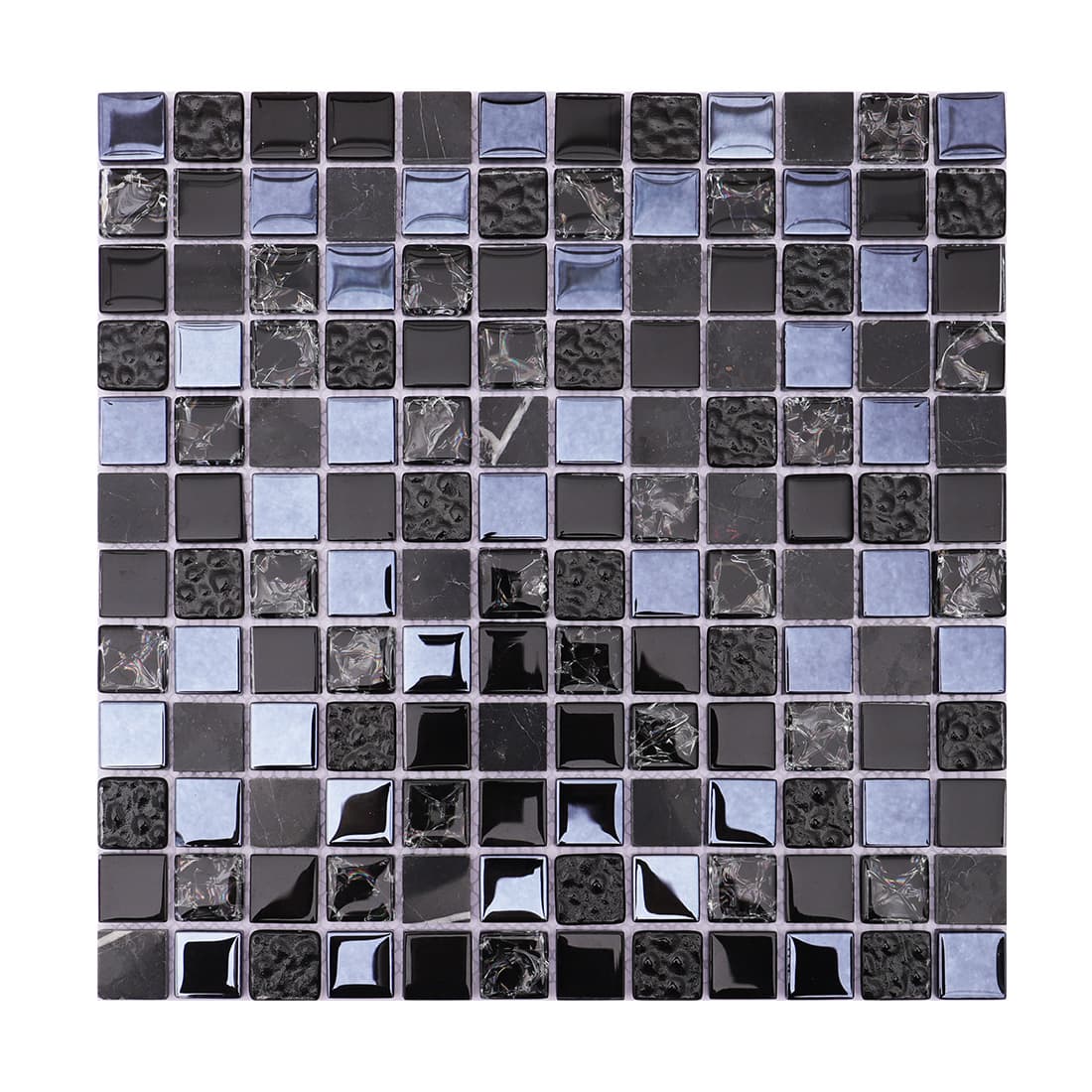
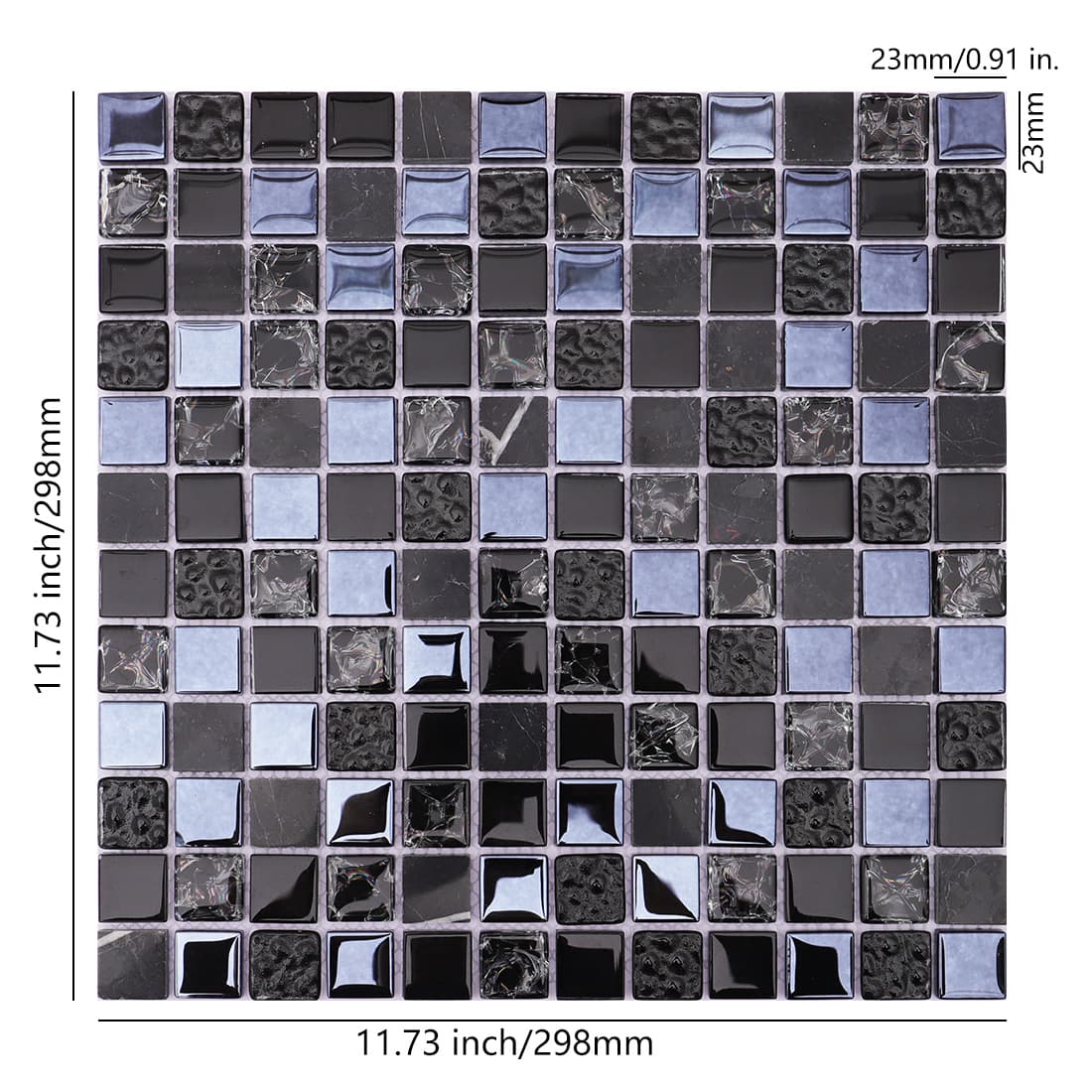





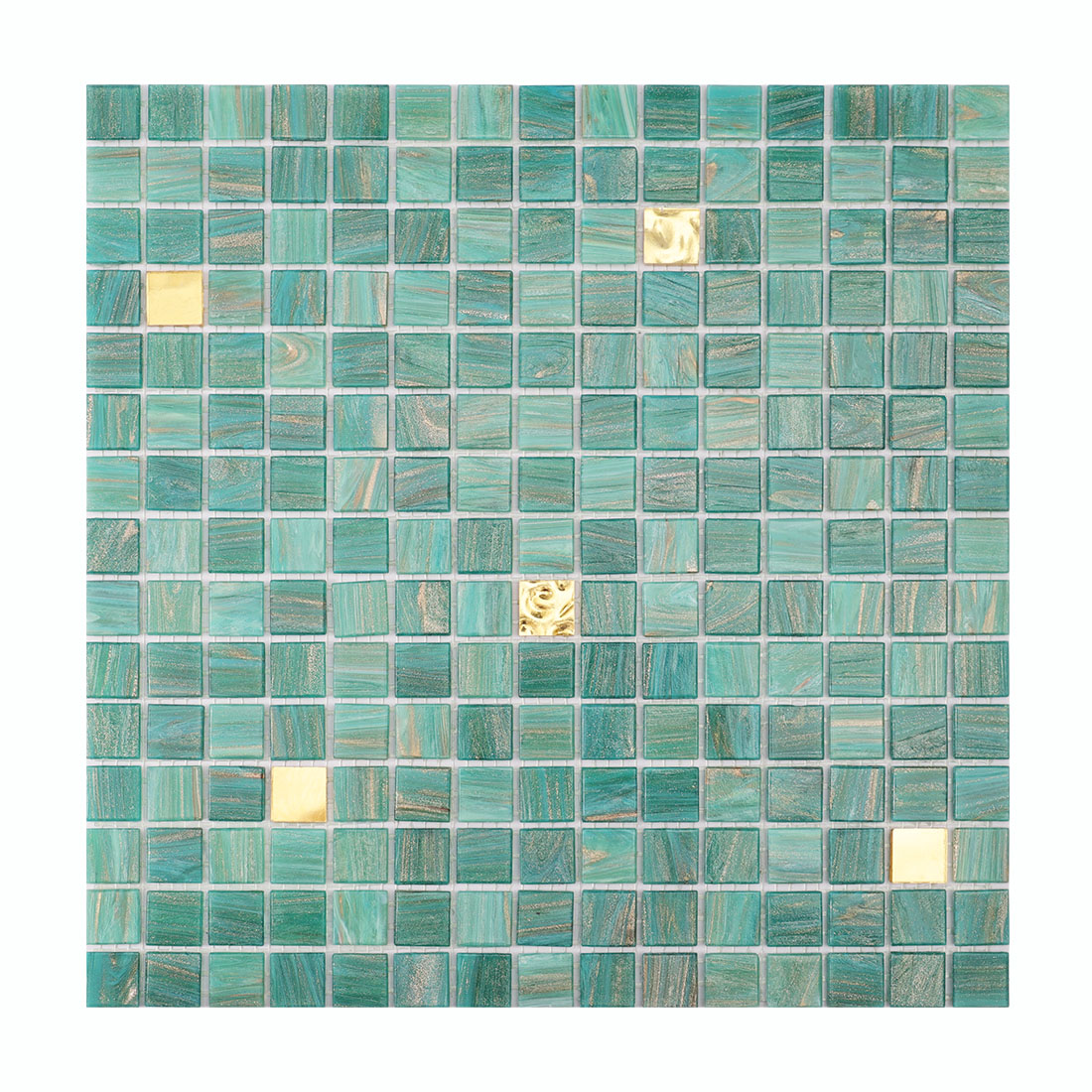
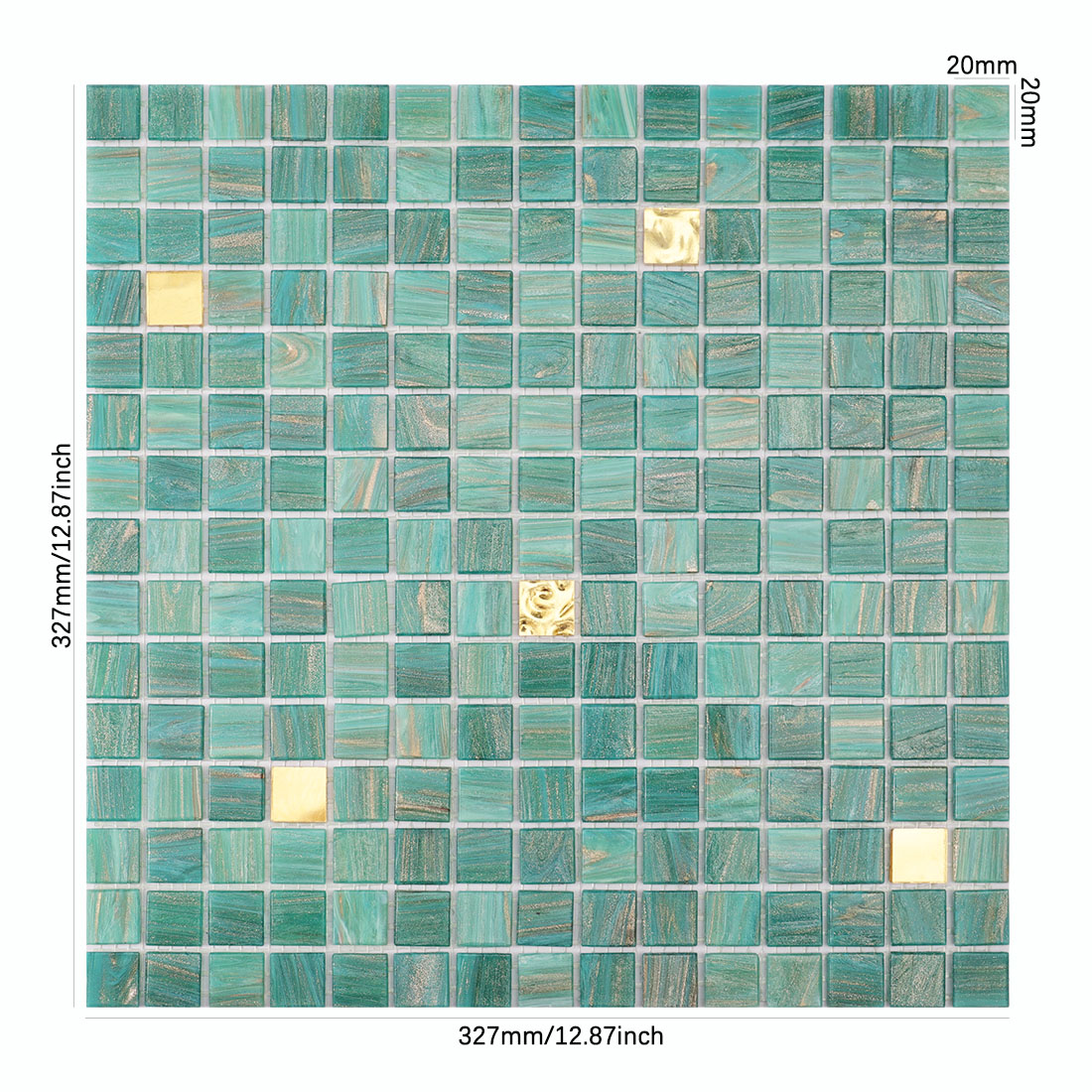
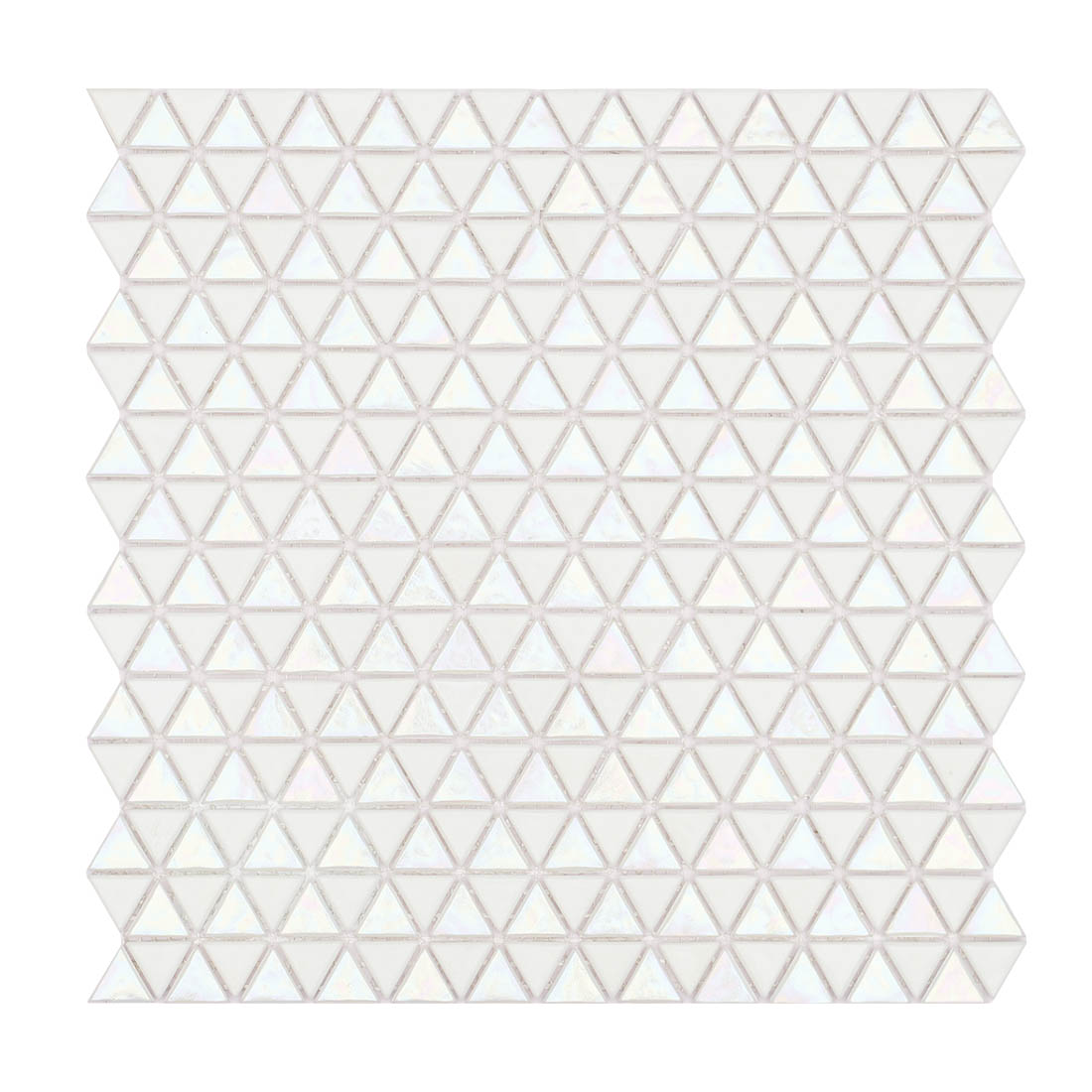
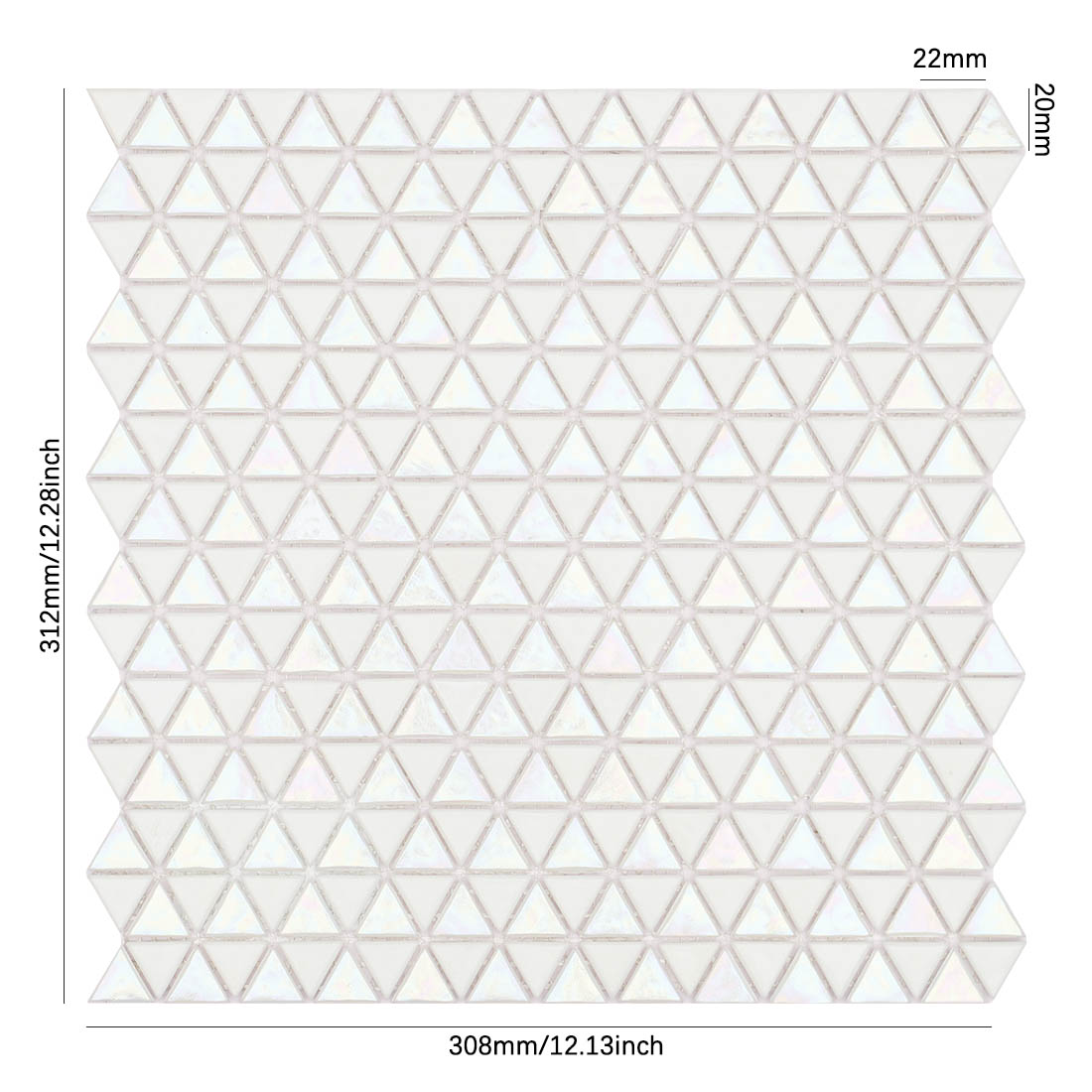
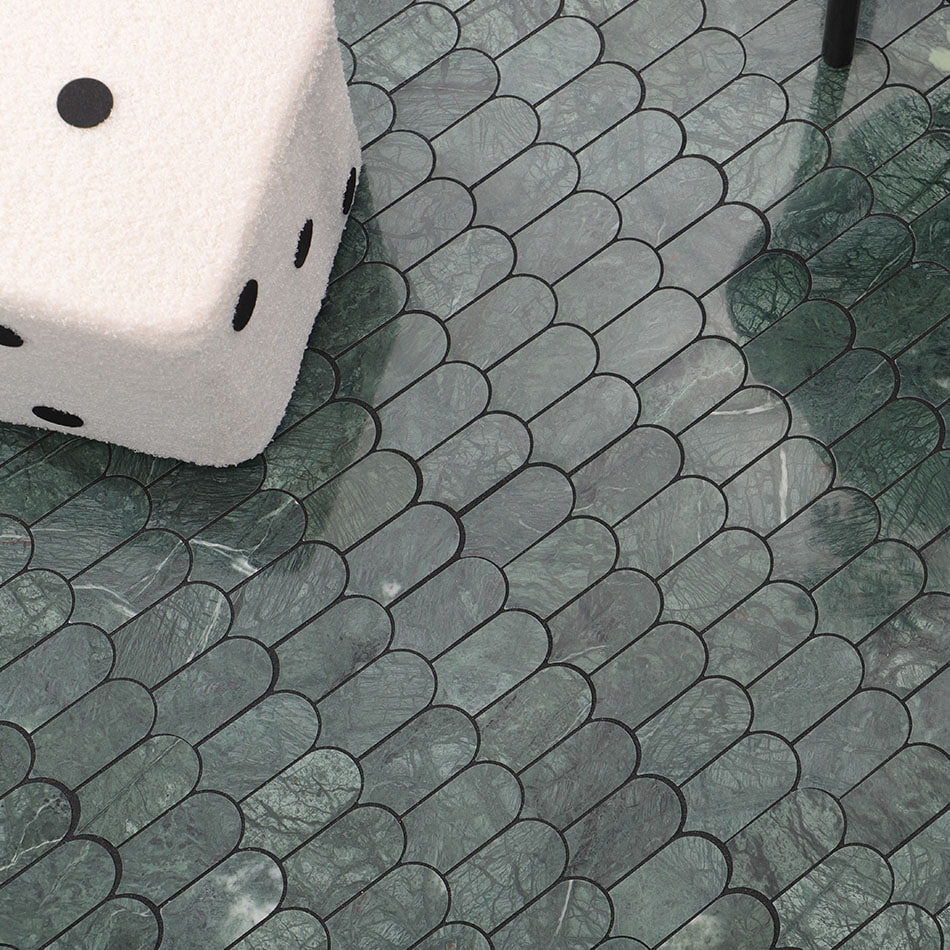
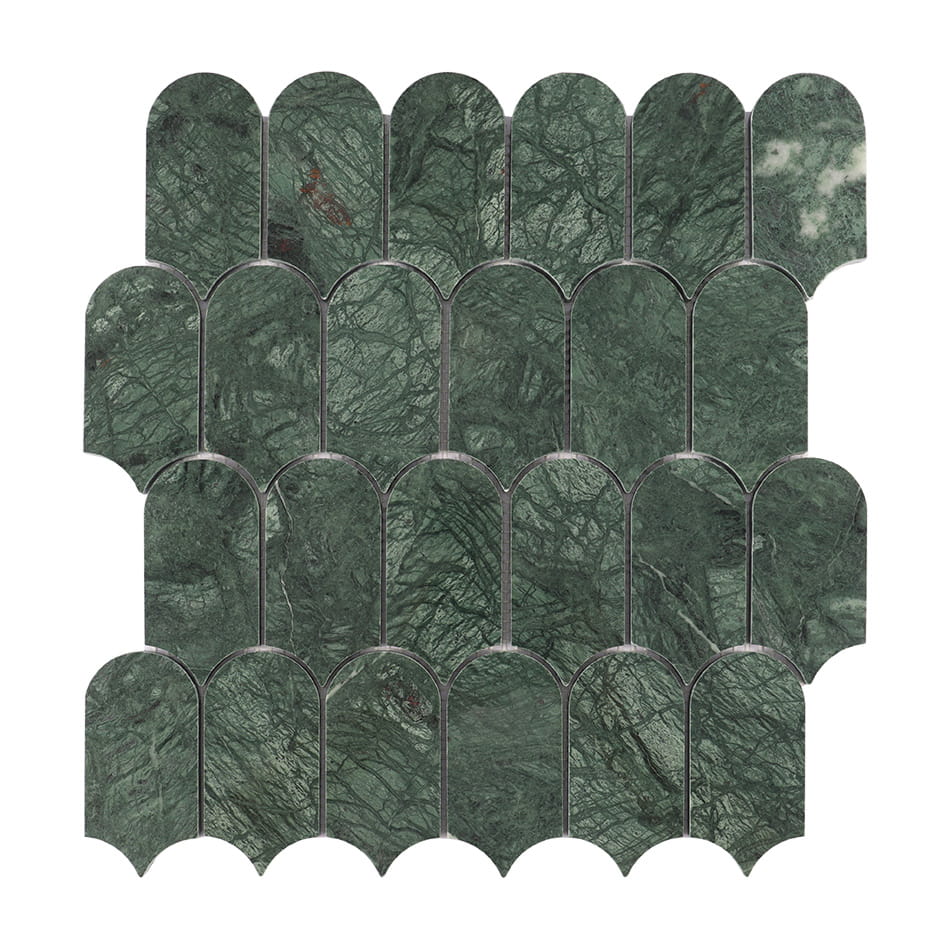
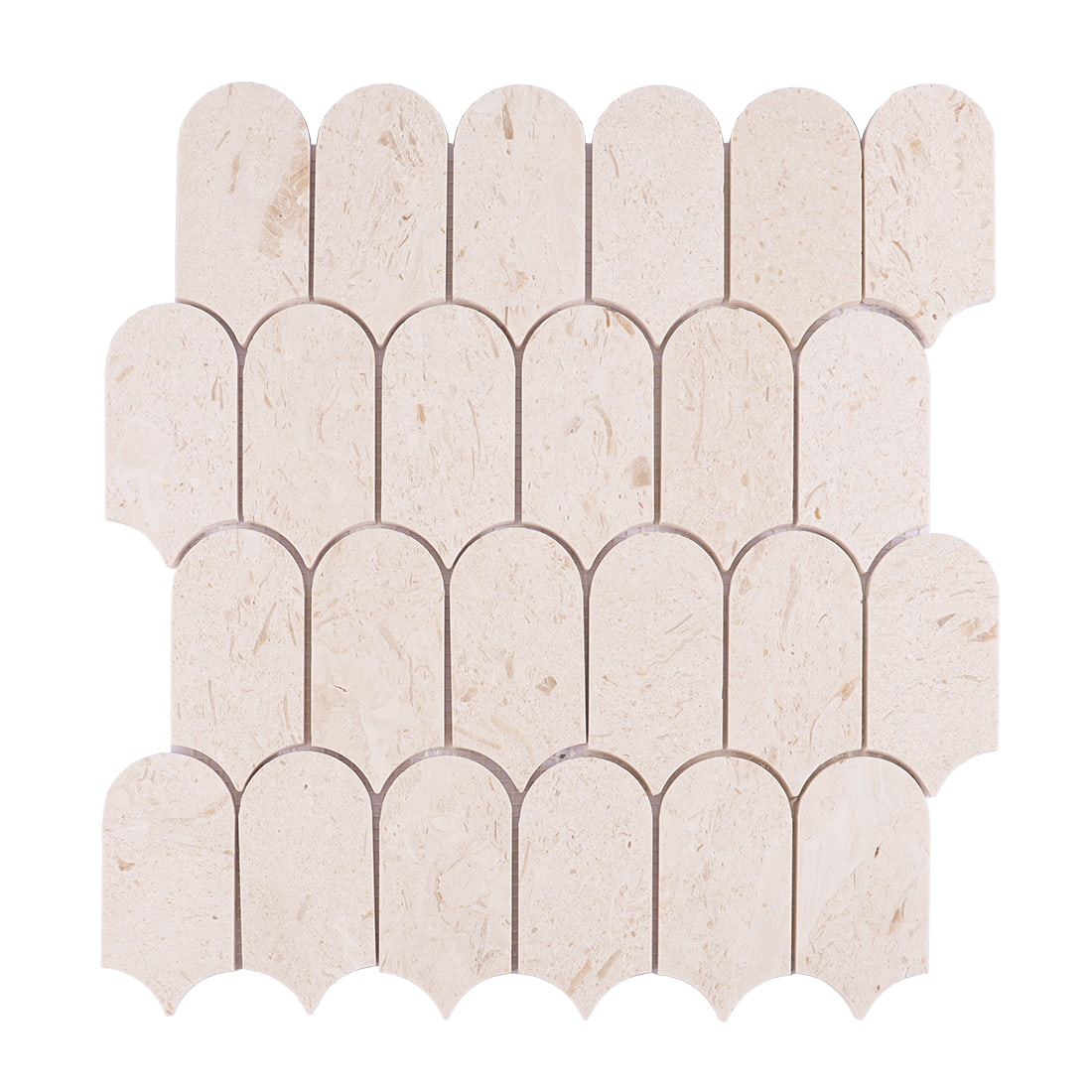
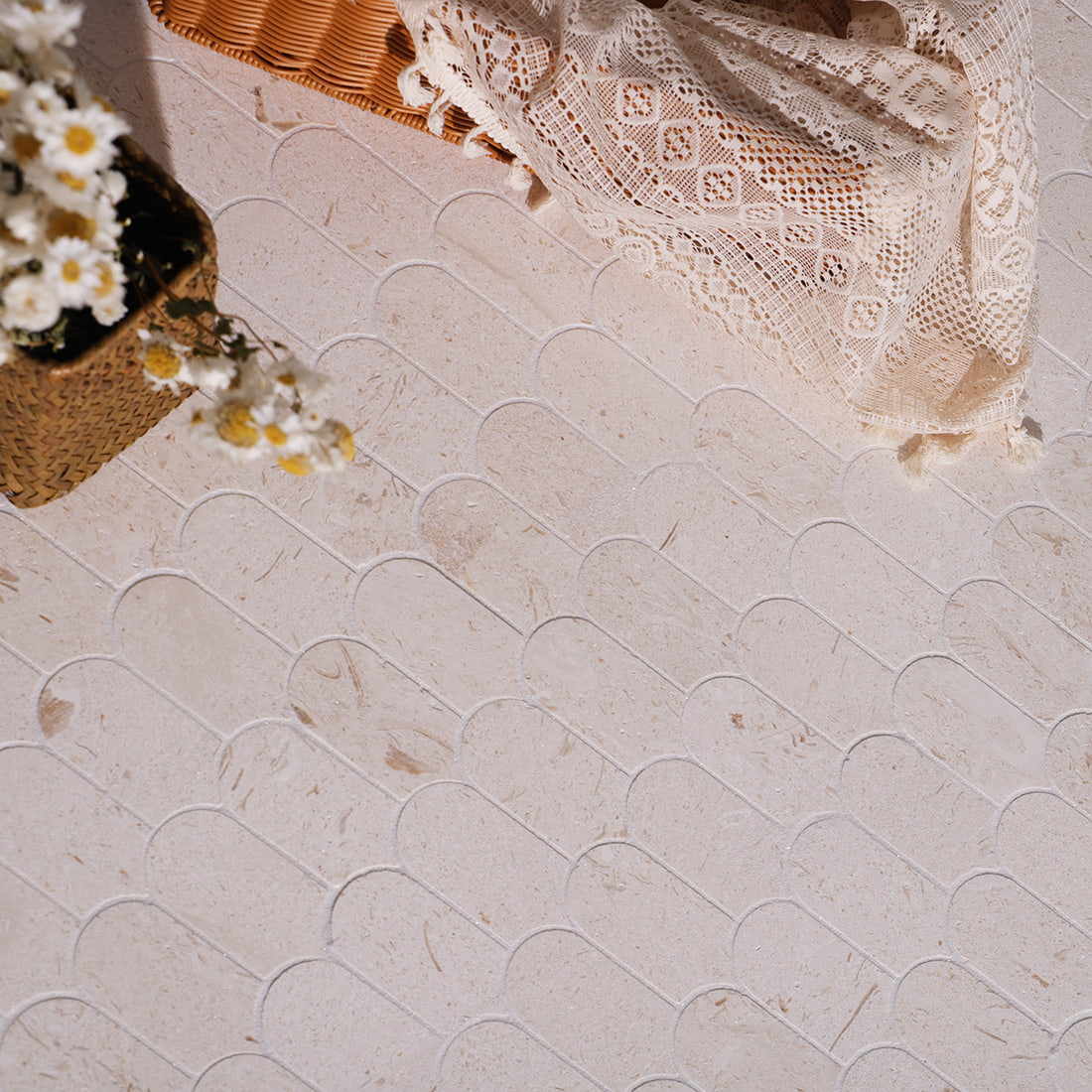
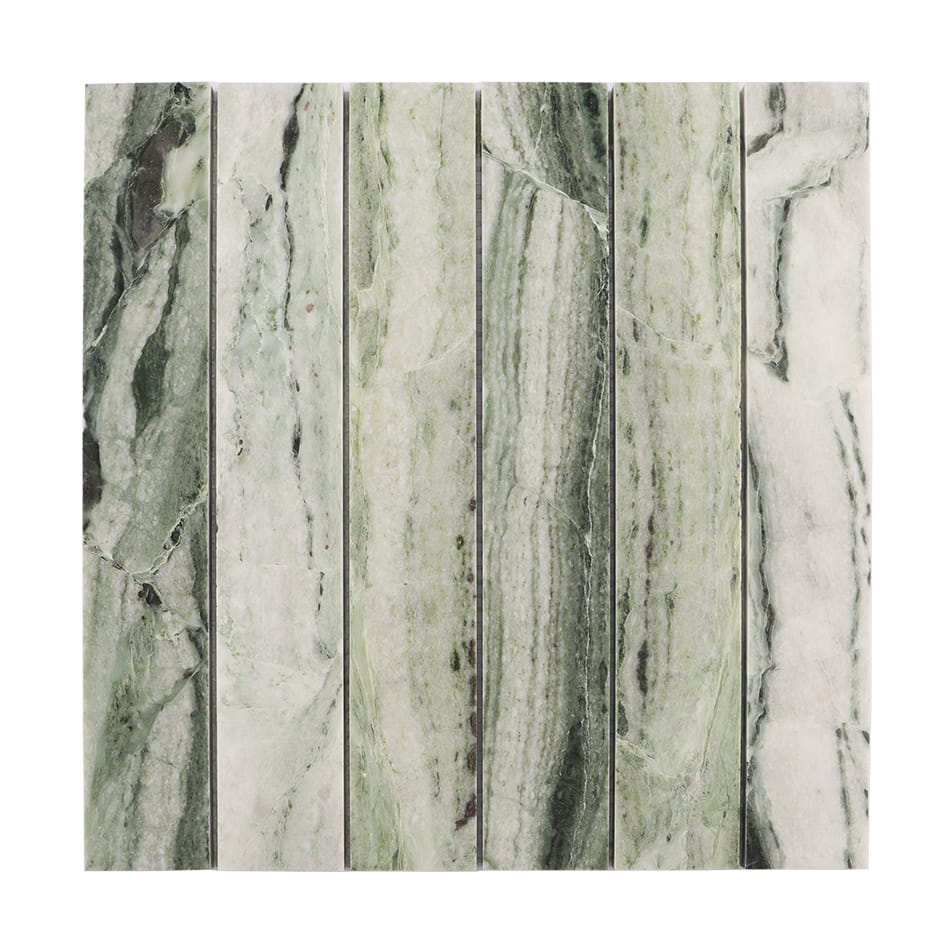
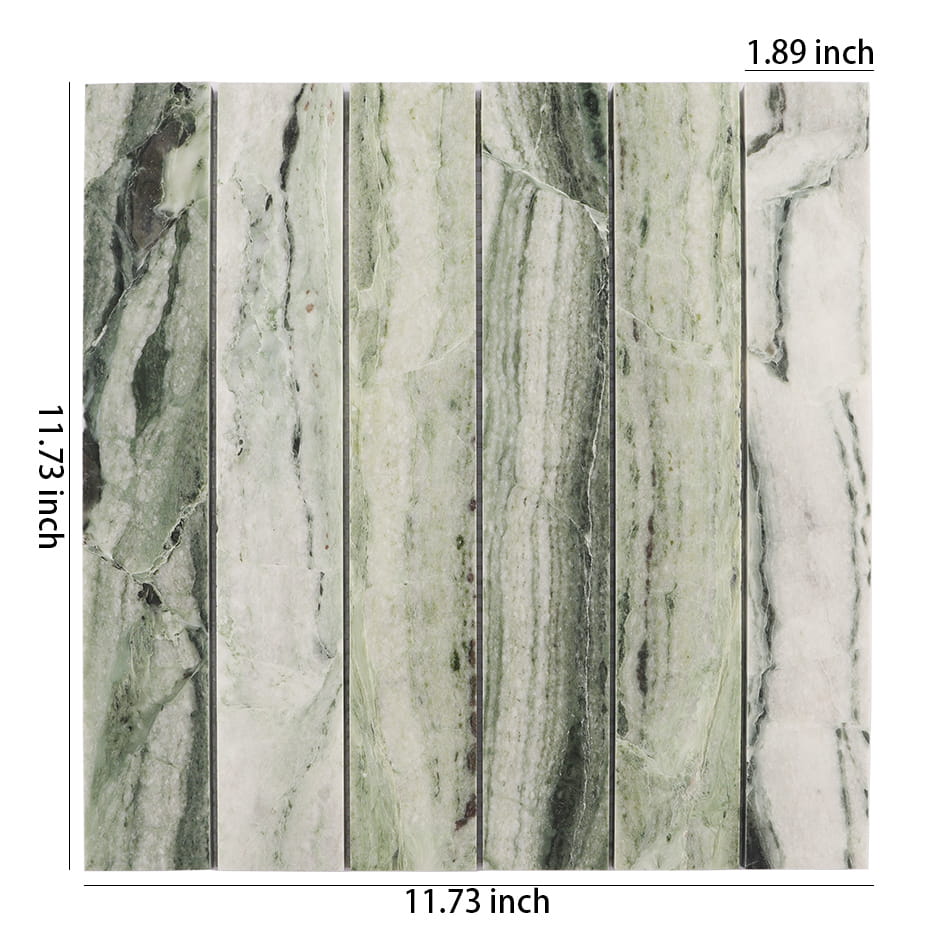
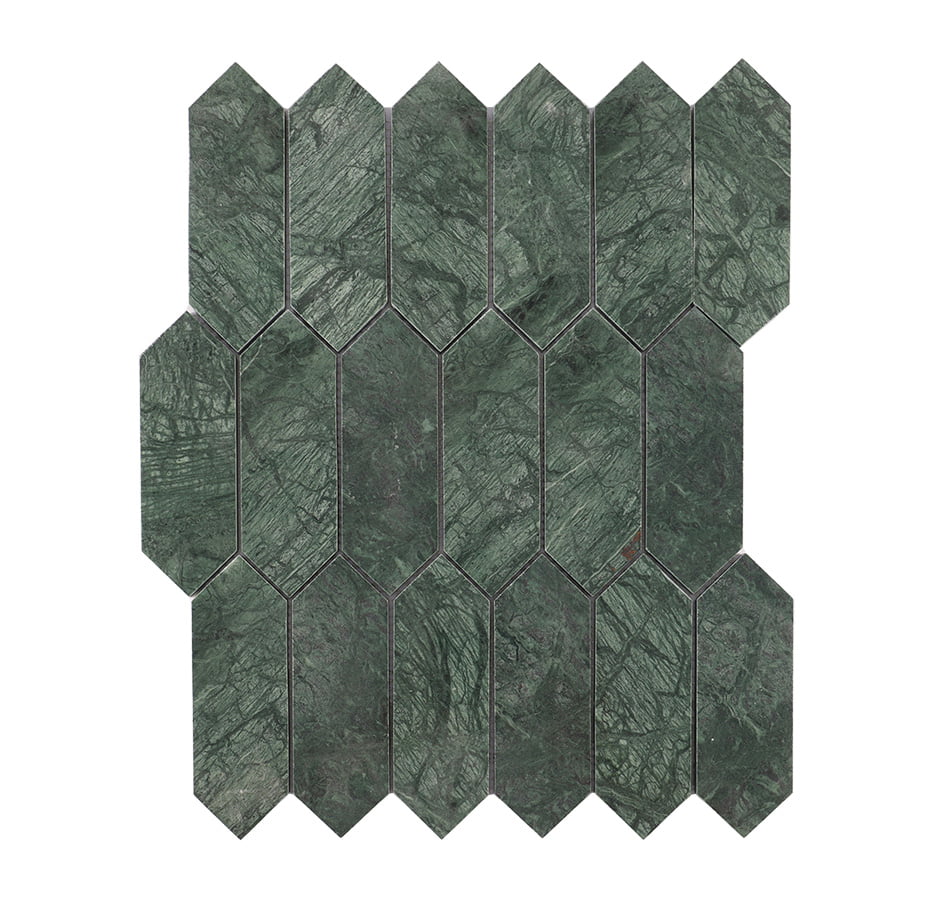
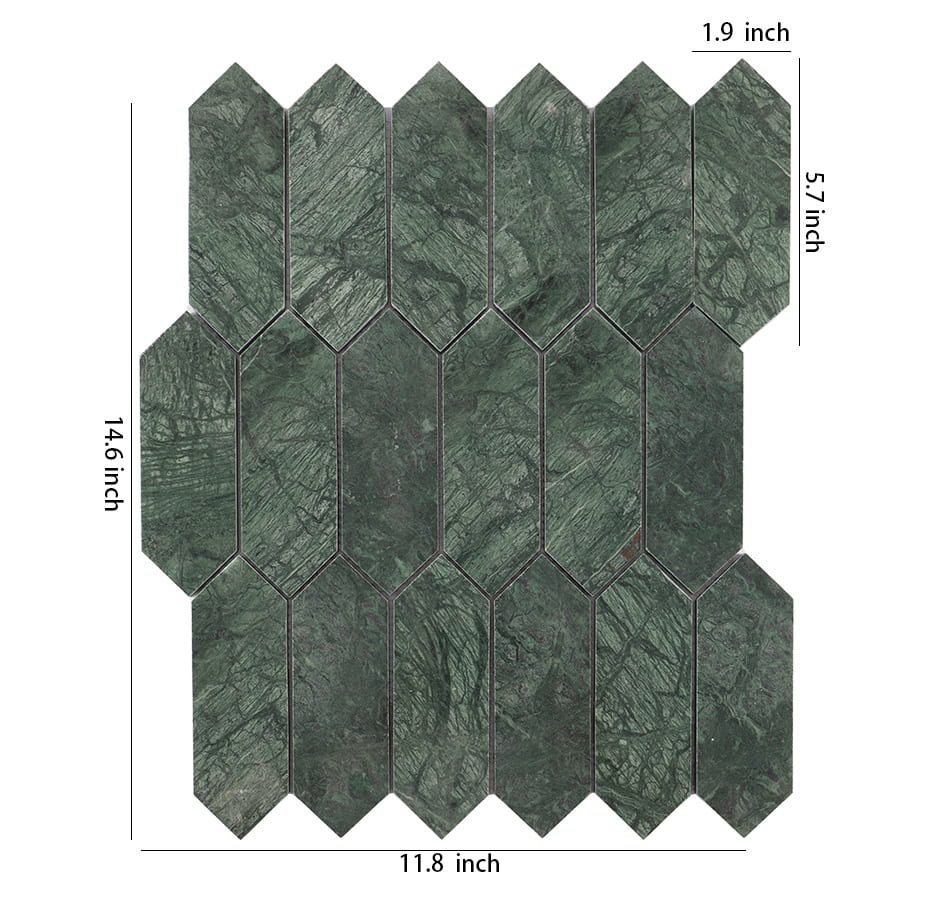
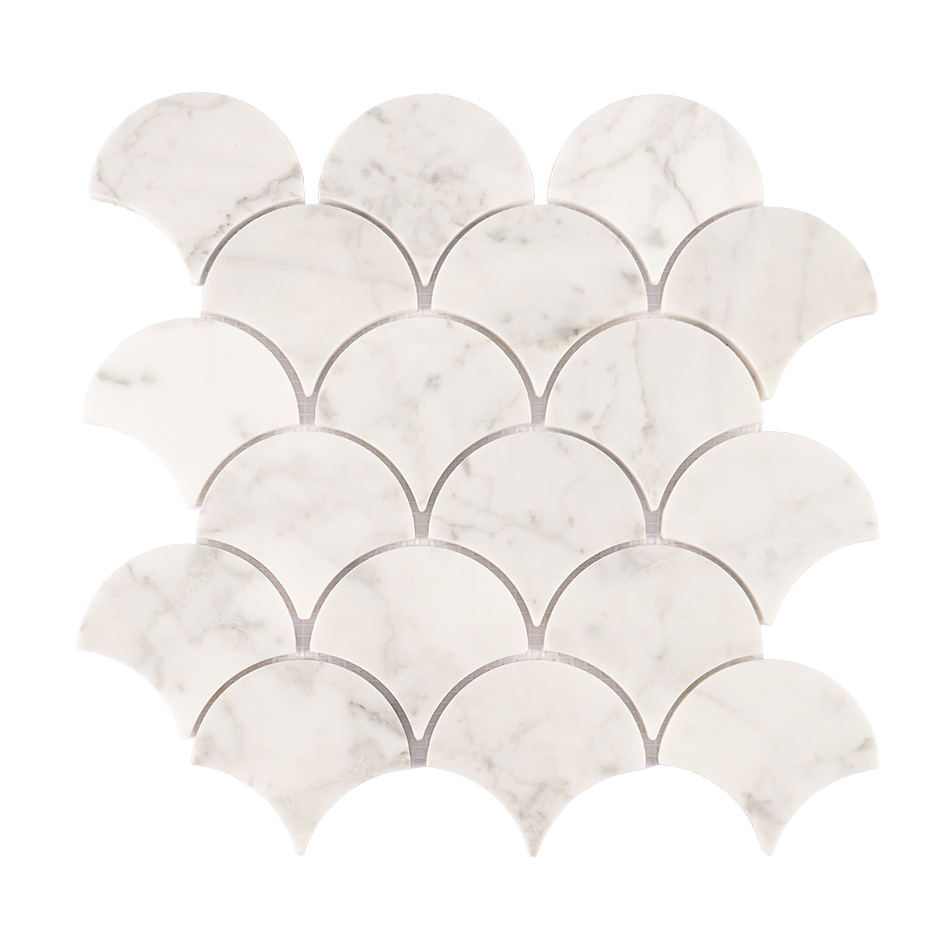
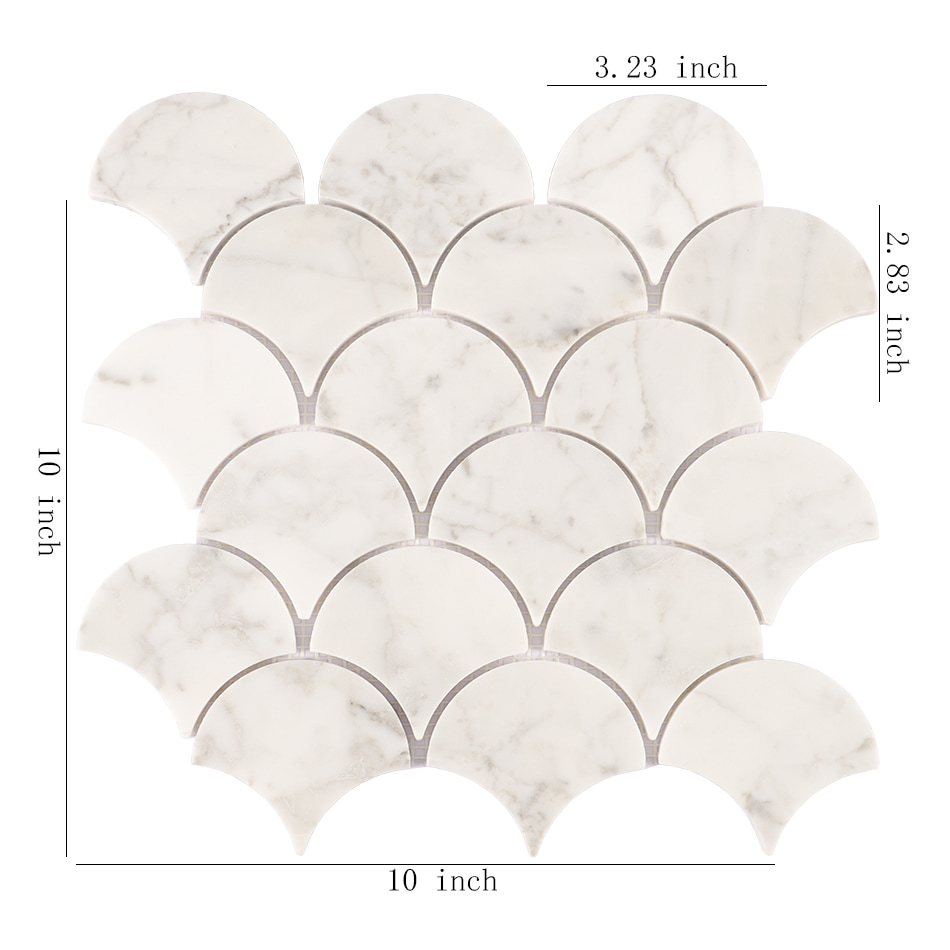
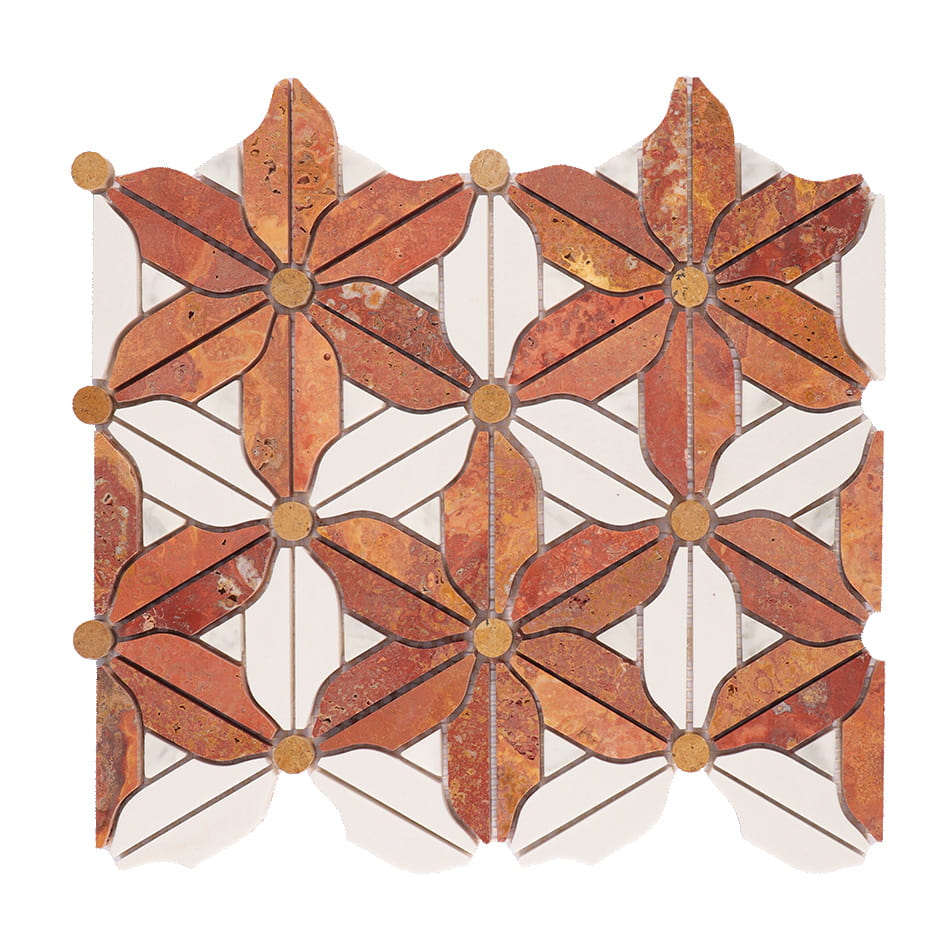
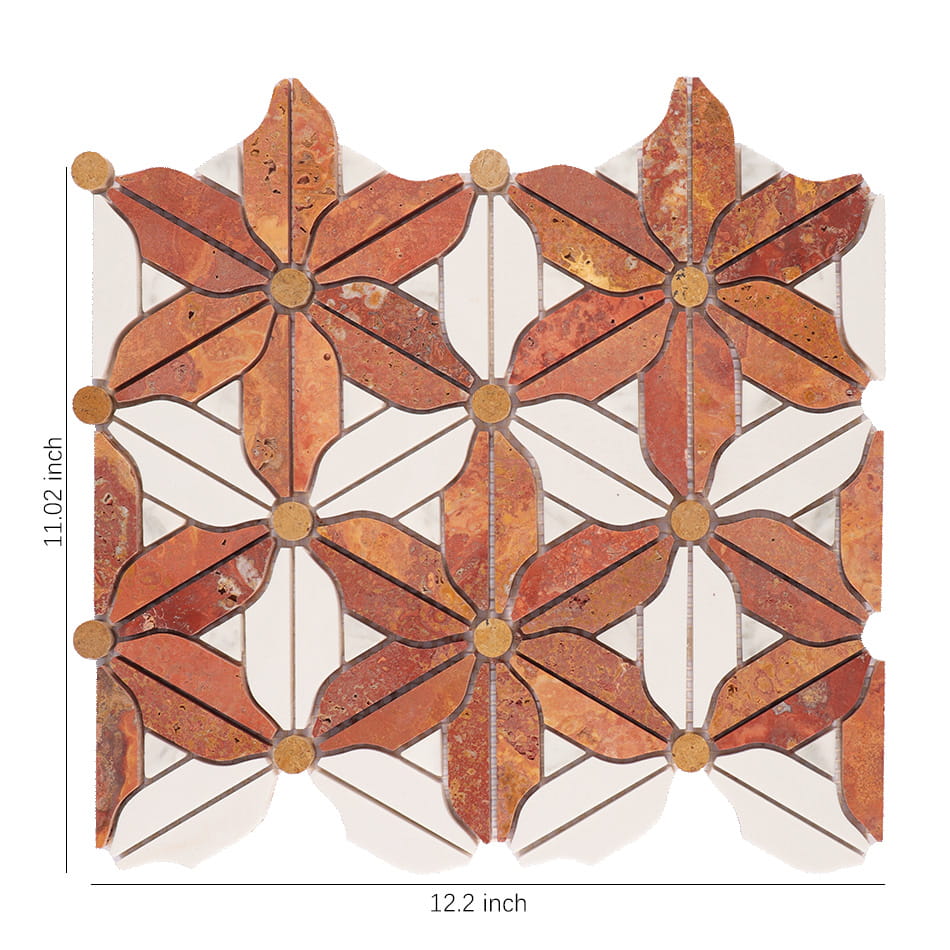
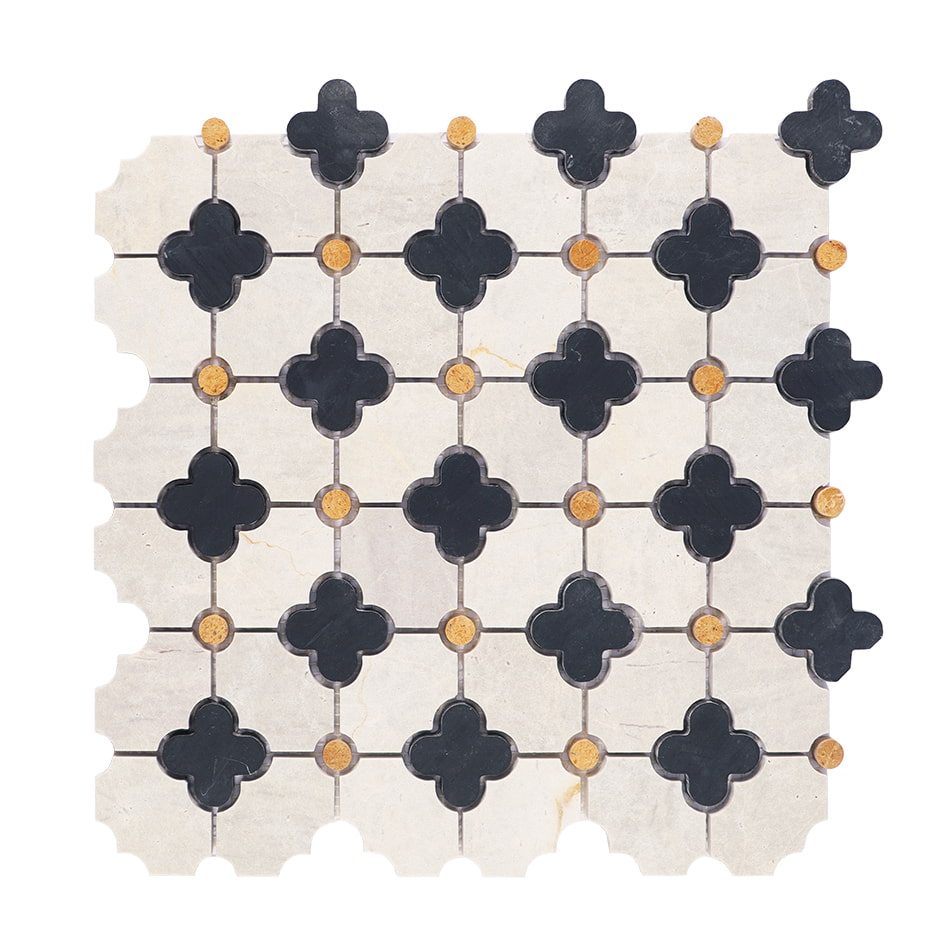
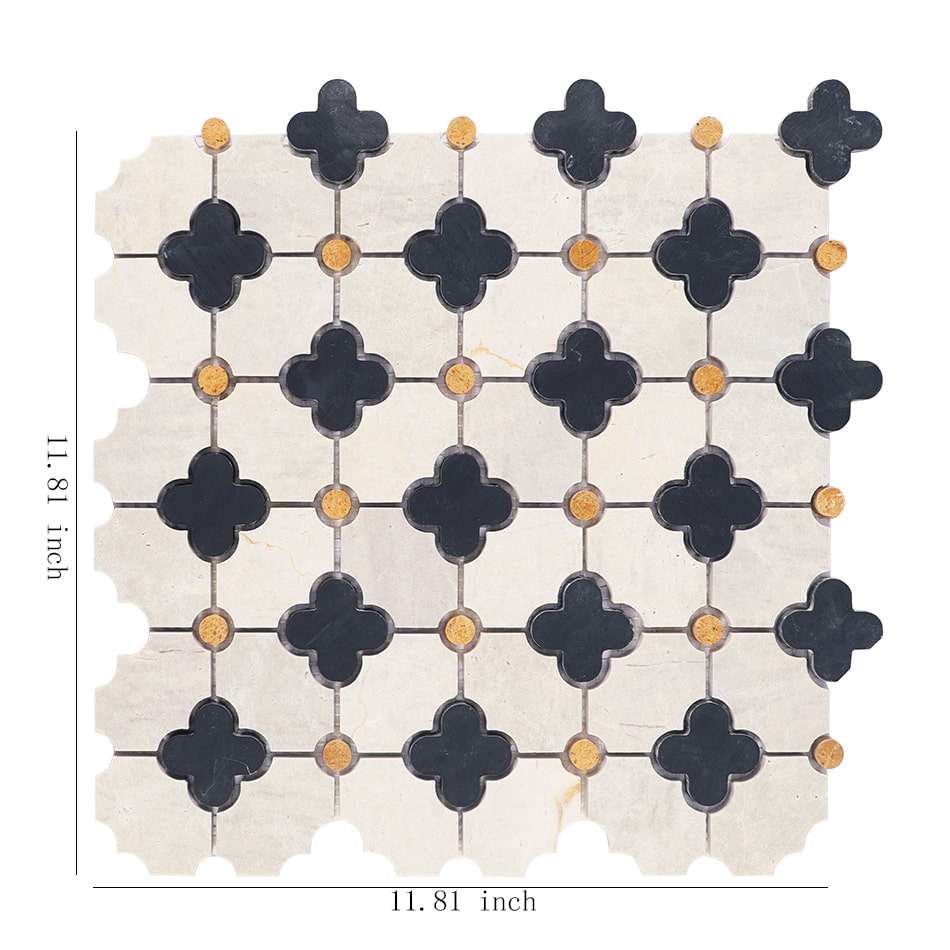

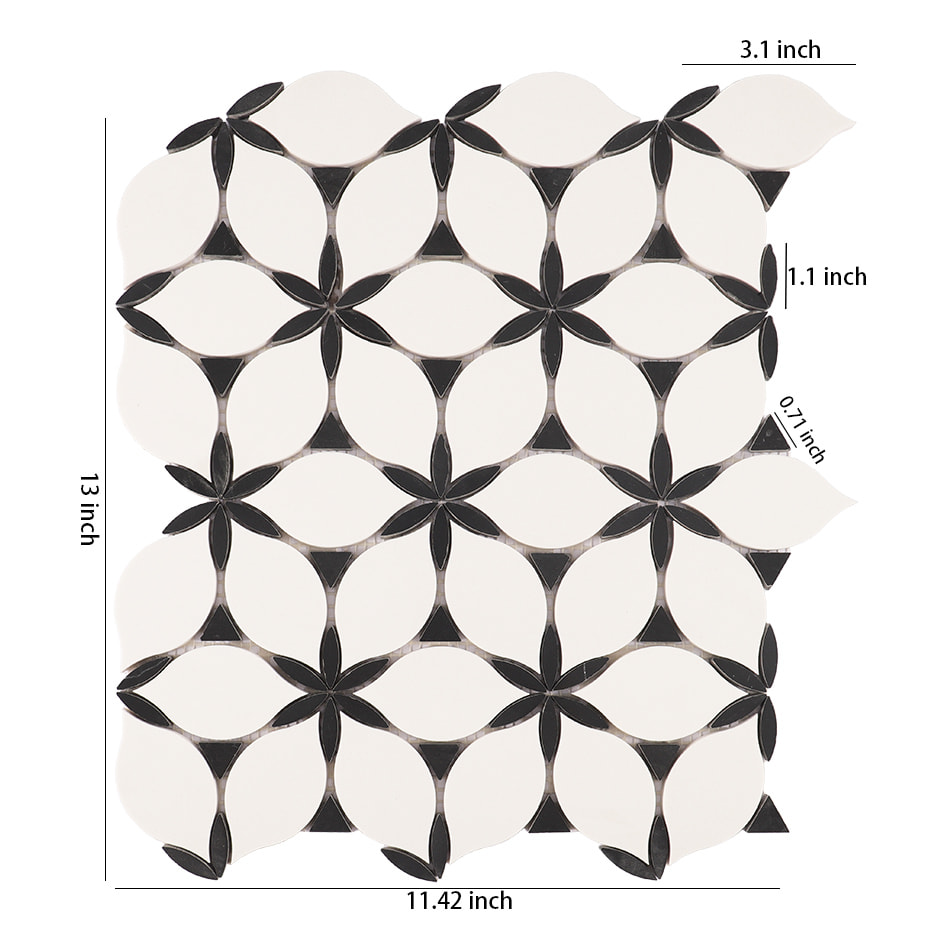
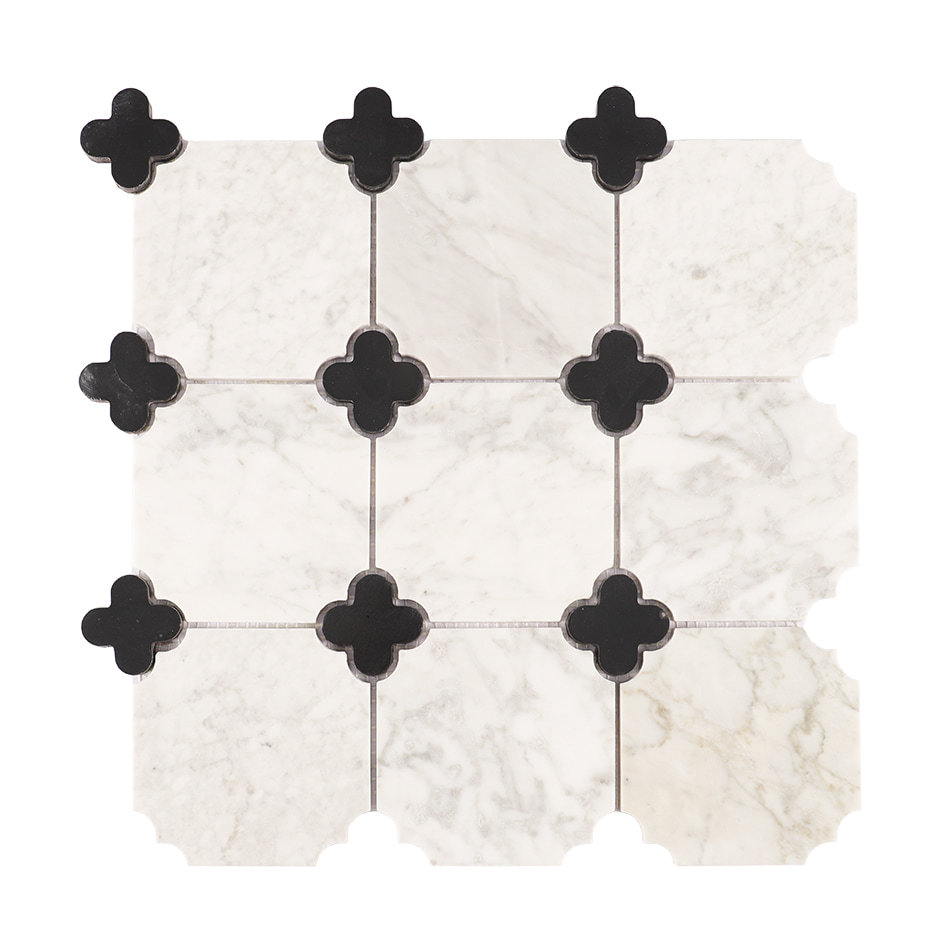
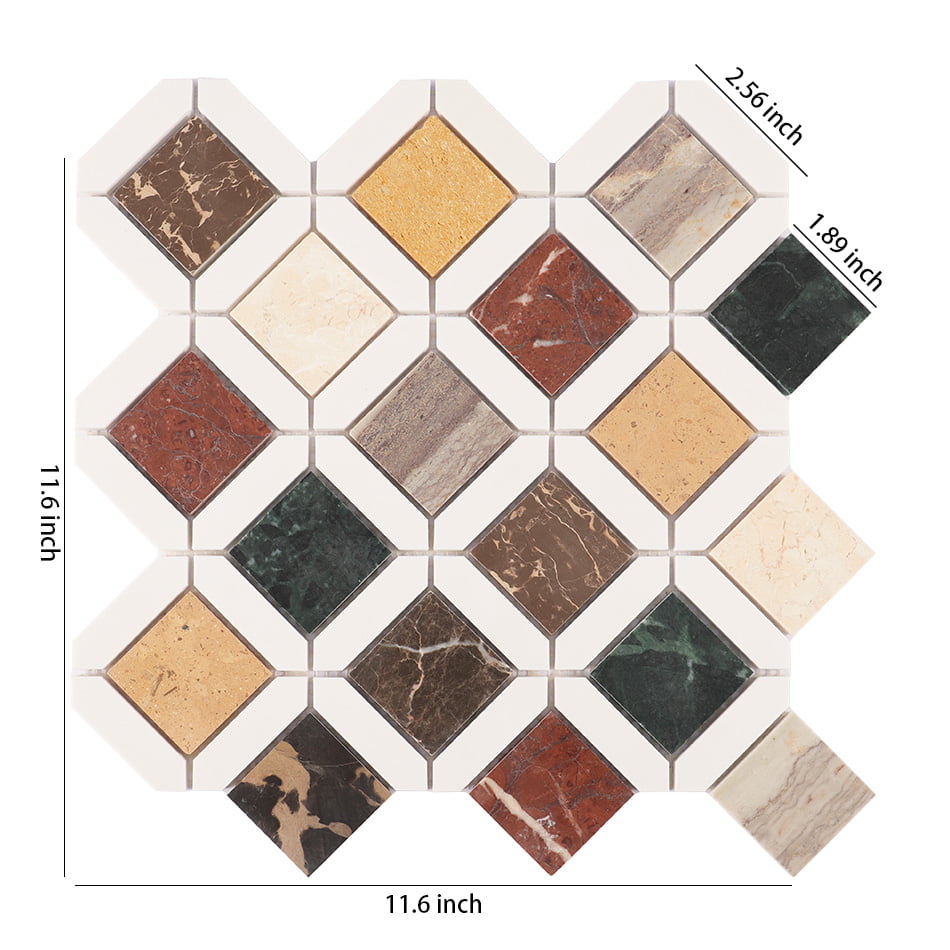
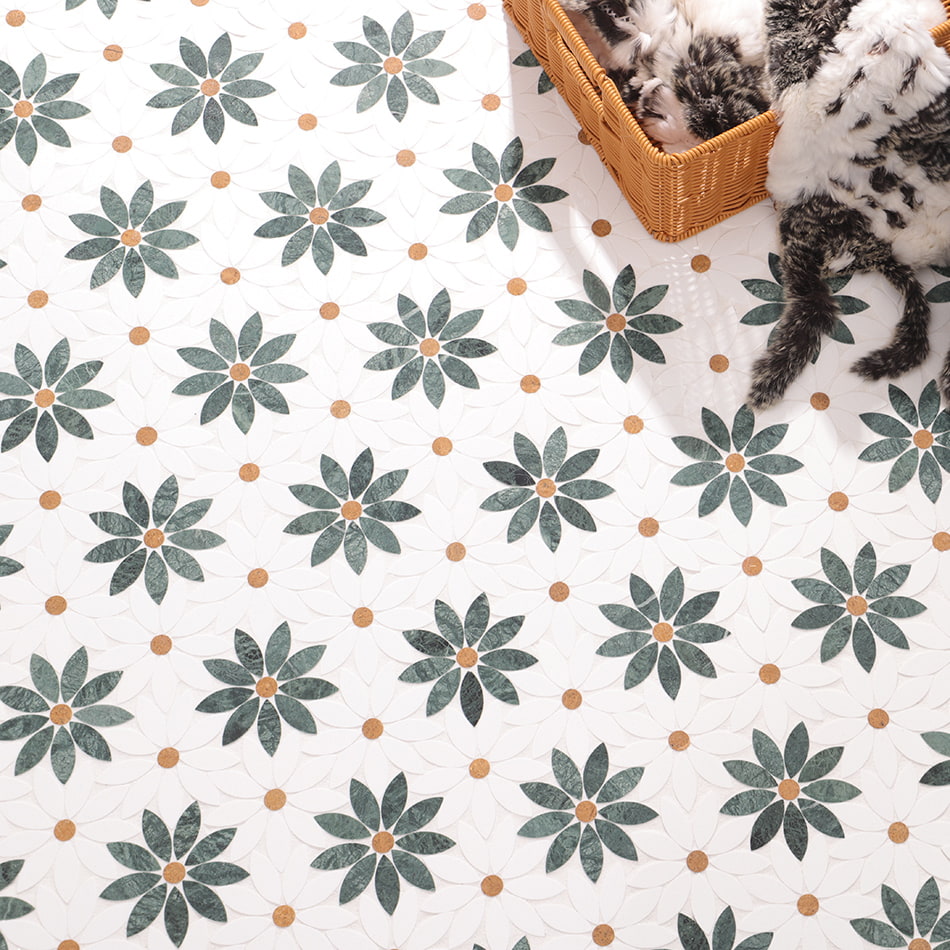
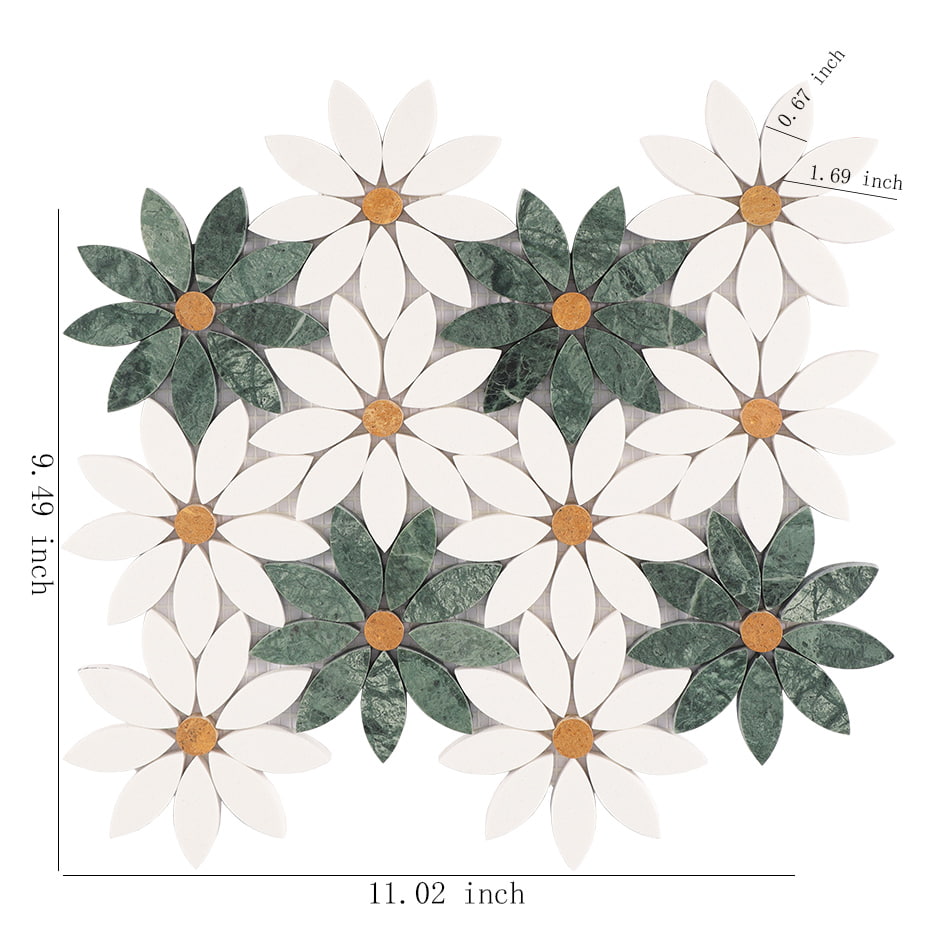
Restaurant Floor Tiles
Commercial Floor Tile Solutions for Dining Rooms, Cafes, Bars, and Restaurant Interiors
Restaurant Floor Tiles are more than a surface material. They define the atmosphere of a dining space while supporting the daily demands of commercial restaurant use. From elegant fine dining rooms and boutique cafes to modern bistros, hotel restaurants, cocktail bars, food halls, and fast casual dining spaces, the right floor tile should combine beauty, strength, slip resistance, easy maintenance, and long-lasting performance.
At Woos Tiles, we offer a wide range of restaurant floor tiles for residential and commercial projects, including marble tiles, glass tiles, metal tiles, shell tiles, stone tiles, mosaic tiles, floor tiles, wall tiles, bathroom tiles, kitchen tiles, backsplash tiles, outdoor tiles, and custom mosaic murals. Our restaurant flooring collections are designed for designers, contractors, architects, restaurant owners, and hospitality projects that need both visual impact and reliable commercial performance.
Whether your restaurant concept is luxury, vintage, rustic, Mediterranean, modern minimalist, industrial, artistic, or boutique, Woos Tiles can help create custom floor tile solutions that match your brand identity and interior design vision.
Why Restaurant Floor Tiles Matter
Restaurant floors face more daily pressure than ordinary residential flooring. A commercial dining space must handle constant foot traffic, moving chairs, cleaning carts, food spills, water, grease, and repeated maintenance. For this reason, restaurant floor tiles need to be durable, stain resistant, water resistant, easy to clean, and visually consistent with the overall dining concept.
A well-designed restaurant floor can improve the first impression of the dining space, support heavy commercial foot traffic, create a safer walking surface when selected correctly, make daily cleaning easier, enhance the restaurant’s brand style, and define different zones such as dining areas, bar areas, entryways, private rooms, and feature spaces.
For commercial projects, floor tile selection should balance design, safety, durability, and maintenance instead of focusing only on appearance.
Best Materials for Restaurant Floor Tiles
Natural Stone Restaurant Floor Tiles
Natural stone floor tiles are an excellent choice for restaurants that want a premium, timeless, and high-end appearance. Each stone piece has its own natural texture, color movement, and surface character, making it ideal for luxury dining rooms, boutique restaurants, hotel restaurants, wine bars, and private dining spaces.
Marble Restaurant Floor Tiles
Marble tiles bring a refined and elegant look to restaurant floors. With natural veining, smooth texture, and luxurious color variation, marble is especially suitable for fine dining restaurants, boutique hospitality spaces, elegant cafes, and high-end private rooms.
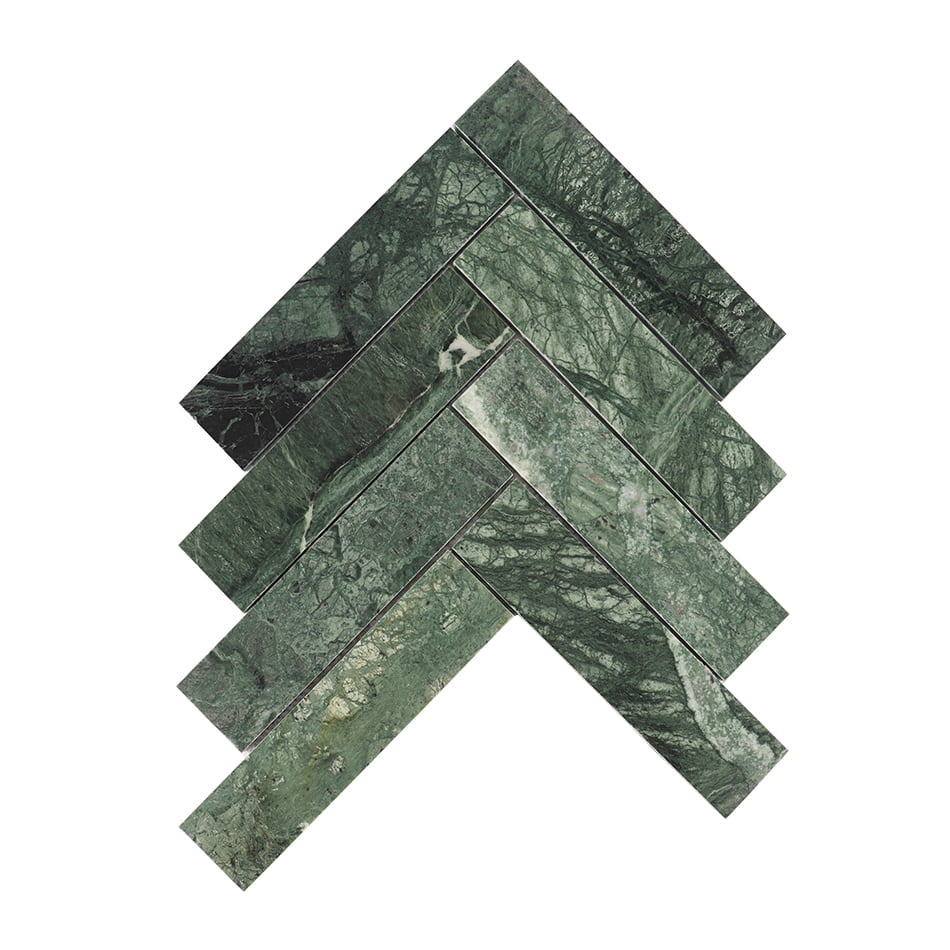
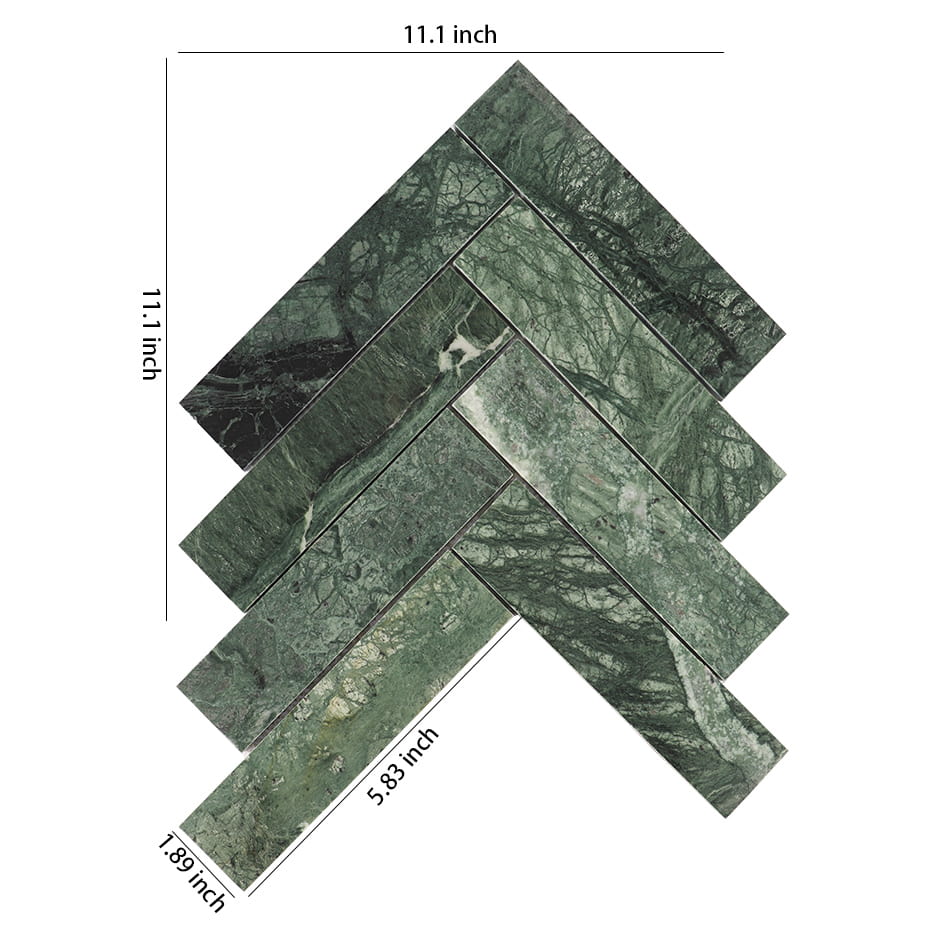
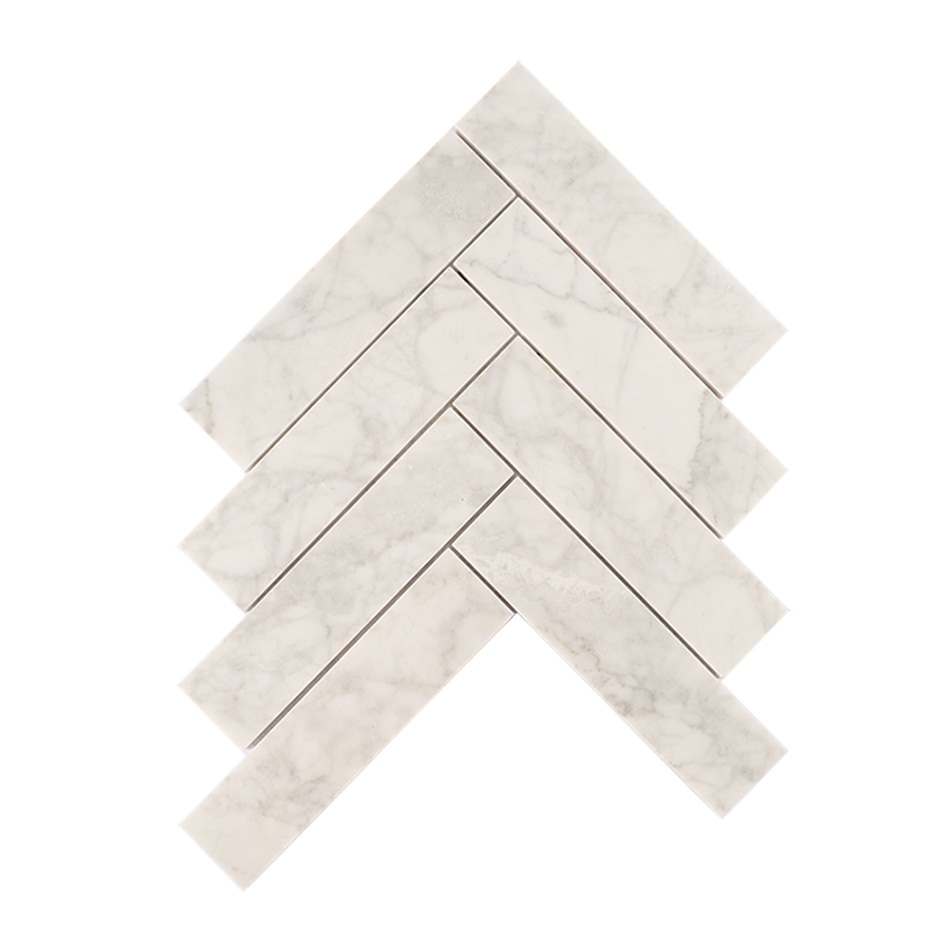
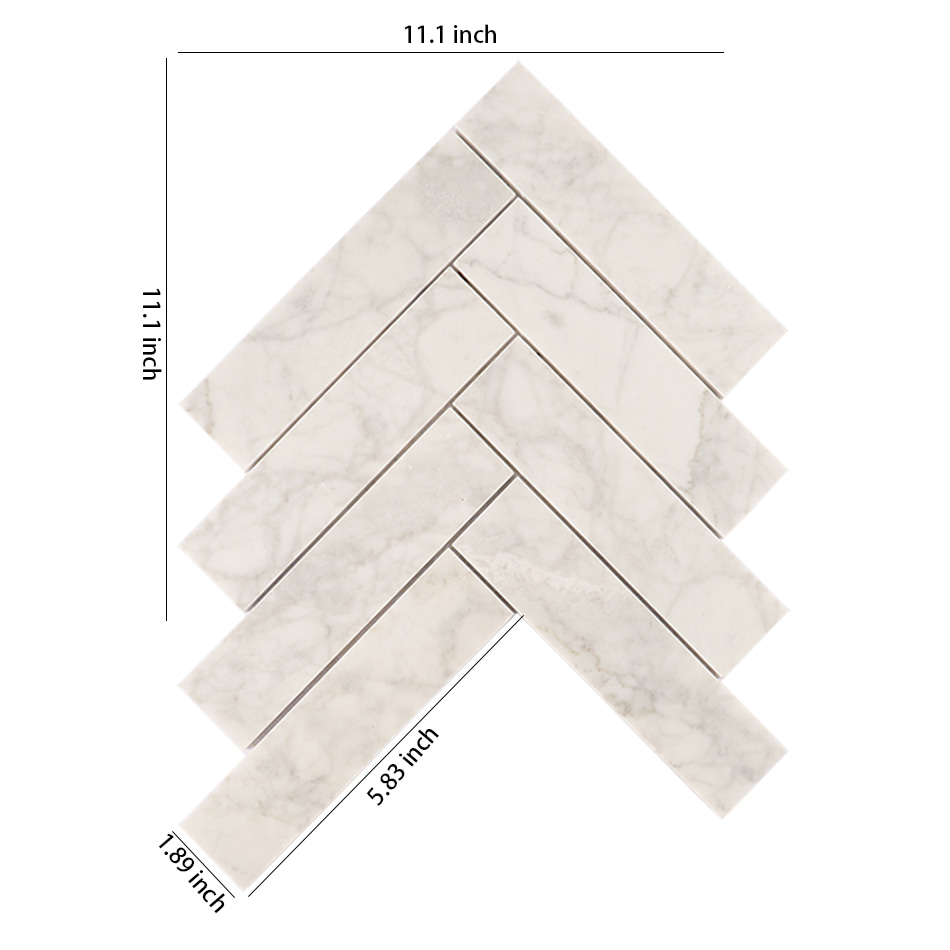
Marble floor tiles can be customized into square tiles, hexagon tiles, basketweave patterns, waterjet designs, borders, medallions, checkerboard layouts, and mosaic patterns. Popular marble colors include white, beige, brown, black, green, gray, and mixed natural stone combinations.
For restaurant use, marble is best suited for dining areas, feature floors, private rooms, entrance spaces, and luxury decorative zones. Proper sealing and maintenance are recommended for long-term commercial performance.
Limestone Restaurant Floor Tiles
Limestone tiles offer a soft, warm, and natural appearance. Their muted tones and subtle texture make them ideal for relaxed dining environments, Mediterranean restaurants, casual cafes, garden restaurants, and hospitality spaces that want a calm and organic feeling.
Limestone works beautifully with wood furniture, warm lighting, plaster walls, natural fabrics, and rustic interior details. It is a good choice when the restaurant design requires understated elegance instead of strong visual contrast.
Travertine Restaurant Floor Tiles
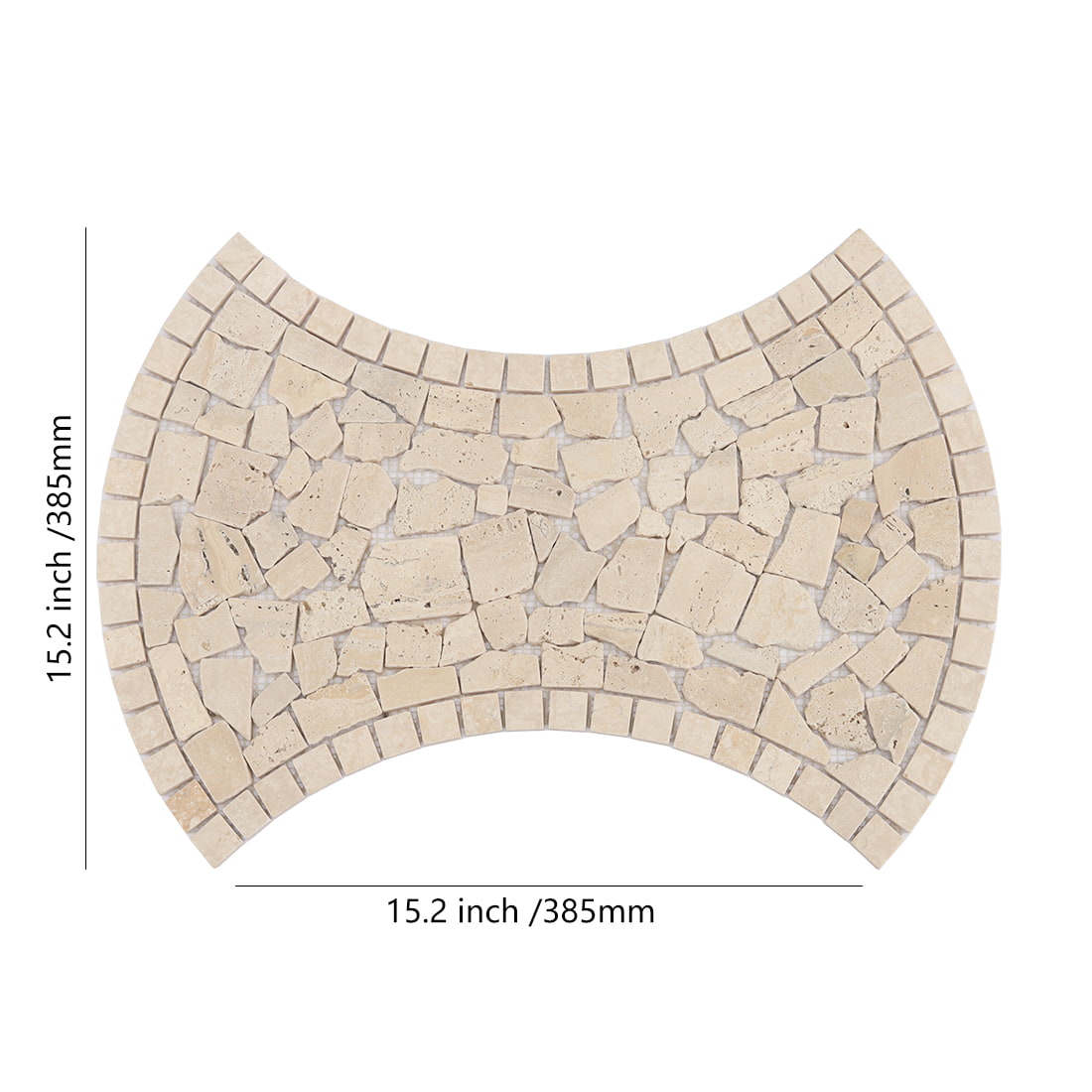
Travertine tiles are known for their natural porous texture, warm beige tones, and vintage character. They are suitable for Mediterranean restaurants, Italian restaurants, rustic dining spaces, wine bars, courtyard restaurants, and European-style interiors.
Travertine can create a relaxed, aged, and timeless dining atmosphere. It works especially well in restaurants that want an earthy, natural, and handcrafted look. Filled, honed, or textured finishes can be selected based on the required appearance and maintenance level.
Stone Mosaic Restaurant Floor Tiles
Stone mosaic tiles are ideal for creating detailed patterns, borders, entrance designs, feature zones, and custom restaurant floor artwork. Small-format stone mosaics can add stronger grip through more grout joints while creating a refined decorative effect.
Common options include marble mosaic, pebble mosaic, basketweave mosaic, hexagon mosaic, octagon mosaic, herringbone mosaic, and waterjet stone mosaic. These styles are especially useful for boutique restaurants, hotel dining areas, bars, and custom hospitality projects.
Glass Restaurant Floor Tiles
Glass tiles are a creative and artistic choice for restaurant flooring design, especially for decorative zones, mosaic patterns, feature areas, and custom visual concepts. Glass offers rich color, reflective depth, and a luminous surface effect that can make a restaurant interior feel more vibrant and memorable.
Vitreous Glass Tiles
Vitreous glass tiles have a smooth surface, stable color, and strong decorative appeal. They can be used to create colorful mosaic patterns, geometric restaurant floors, artistic borders, or branded custom designs.
Water Glass Tiles
Water glass tiles have a fluid, translucent, and light-reflective texture. They are excellent for restaurants that want a more artistic, fresh, or unique interior effect. Water glass mosaics can be used in cafes, cocktail bars, creative restaurants, themed dining spaces, and boutique hospitality projects.
For restaurant flooring, glass tiles should be selected according to the required slip resistance, surface texture, installation area, and expected foot traffic. Small mosaic formats are often more practical than large glass pieces because the grout joints help improve traction.
Metal Restaurant Floor Tiles
Metal tiles bring a strong sense of luxury, modernity, and industrial style to restaurant interiors. At Woos Tiles, metal tiles can be designed with stainless steel, brass, copper, antique finishes, brushed surfaces, embossed textures, and custom mosaic patterns.
Metal restaurant floor tiles are especially suitable for feature zones, bar areas, entrance details, accent borders, luxury restaurant interiors, and industrial-style dining spaces.
Brass Floor Tiles
Brass tiles offer a warm golden tone with a premium metallic appearance. They are suitable for luxury restaurants, boutique bars, hotel dining areas, and fashionable commercial interiors. Brass can add a refined highlight to selected floor areas, especially when combined with marble, dark wood, stone, or warm lighting.
Antique Copper Floor Tiles
Antique copper tiles create a vintage and handcrafted feeling. Their warm brown and aged metallic tones are ideal for retro restaurants, American industrial-style bars, wine rooms, steak houses, and nostalgic dining spaces.
Stainless Steel Floor Tiles
Stainless steel tiles create a clean, modern, and minimal look. They are suitable for contemporary restaurants, commercial dining spaces, fast casual interiors, and modern hospitality projects. Stainless steel is also valued for its water resistance, stain resistance, and easy-clean surface.
For restaurant floors, thicker and reinforced metal tile structures are recommended to support long-term use and avoid deformation in commercial environments.
Porcelain and Ceramic Restaurant Floor Tiles
Porcelain and ceramic tiles are commonly used in restaurant flooring because they are durable, practical, and available in many colors, finishes, sizes, and textures. They can imitate stone, concrete, wood, cement, or handmade surfaces while offering easier maintenance for many commercial projects.
Porcelain restaurant floor tiles are suitable for high-traffic dining rooms, casual restaurants, coffee shops, fast casual restaurants, hotel dining areas, food courts, entryways, restrooms, and outdoor dining areas when rated for exterior use.
For restaurant applications, textured, matte, or slip-resistant porcelain finishes are often preferred over highly polished surfaces, especially in areas where water or food spills may occur.
Mosaic Restaurant Floor Tiles
Mosaic tiles are one of the most flexible choices for restaurant floor design. They can be made from marble, glass, stone, metal, shell, ceramic, or mixed materials. Because mosaic tiles are usually smaller, they allow more design freedom and can create patterns that are difficult to achieve with large-format tiles.
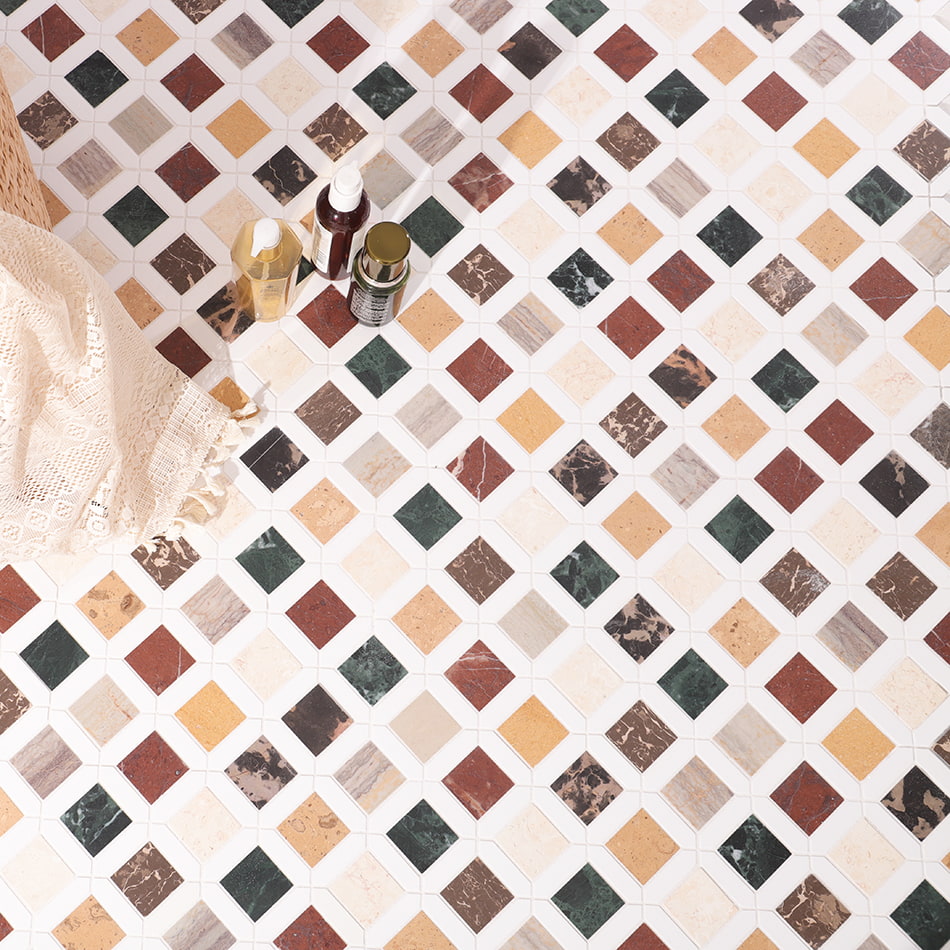
Restaurant mosaic floor tiles can be used for entrance logos, custom restaurant floor murals, dining room feature areas, bar floors, decorative borders, vintage patterns, geometric layouts, checkerboard designs, Mediterranean floors, luxury hospitality spaces, and boutique cafe flooring.
Mosaic flooring is especially valuable when a restaurant wants a custom identity rather than a standard tile layout.
Popular Restaurant Floor Tile Styles
Luxury Restaurant Floor Tiles
Luxury restaurant floor tiles often use marble, brass, waterjet stone, polished stone mosaics, and custom patterns. These tiles work well in fine dining restaurants, hotel restaurants, private dining rooms, wine bars, and elegant hospitality interiors.
Recommended designs include marble checkerboard floors, stone borders, brass inlay details, Nero Marquina marble, Carrara marble, Calacatta-style marble, beige marble, green marble, and custom waterjet medallions.
Vintage Restaurant Floor Tiles
Vintage restaurant floor tiles create a nostalgic and classic atmosphere. Popular options include travertine, antique copper, octagon tiles, basketweave marble mosaics, checkerboard floors, floral mosaics, and aged stone textures.
These tiles are ideal for retro cafes, bistros, American-style diners, European restaurants, Mediterranean restaurants, and boutique commercial interiors.
Modern Restaurant Floor Tiles
Modern restaurant floor tiles usually feature clean lines, neutral colors, geometric patterns, glass mosaics, stainless steel accents, and minimalist stone textures. They can make a restaurant feel fresh, polished, and contemporary.
Popular modern styles include large-format stone tiles, linear mosaics, hexagon tiles, straight stack layouts, concrete-look porcelain, gray marble, white marble, black stone, and metallic accents.
Industrial Restaurant Floor Tiles
Industrial restaurant floors often use darker tones, metal textures, concrete-look tiles, antique copper mosaics, stainless steel details, black marble, gray stone, and matte surfaces. These designs are suitable for bars, grill restaurants, breweries, loft-style restaurants, and urban dining spaces.
Mediterranean Restaurant Floor Tiles
Mediterranean restaurant floor tiles often include travertine, limestone, patterned mosaics, warm beige stone, handmade-style tiles, pebble mosaics, and rustic textures. These materials create a warm, relaxed, and natural dining environment.
Artistic Restaurant Floor Tiles
For themed restaurants and creative hospitality spaces, custom mosaic floor tiles can create strong visual identity. Woos Tiles can customize mosaic murals, logos, borders, color patterns, and artistic floor compositions for restaurants that want a memorable interior design.
Where to Use Restaurant Floor Tiles
Main Dining Area
The main dining area is the visual center of the restaurant. Tiles used here should match the brand style while supporting daily traffic, chair movement, cleaning, and long-term use. Marble, porcelain, stone mosaic, limestone, and custom mosaic tiles are popular choices.
Restaurant Entrance
The entrance floor creates the first impression. Custom mosaic logos, marble borders, checkerboard patterns, brass accents, or stone medallions can help make the space look more memorable and branded.
Bar Area
Bar floors often need both style and practicality. Metal tiles, dark marble, stone mosaics, porcelain tiles, and glass mosaic accents can create a more dramatic look while supporting commercial use.
Private Dining Rooms
Private rooms often allow more decorative and premium tile choices. Marble, waterjet stone, brass details, custom mosaic patterns, and warm natural stone can create a refined and exclusive atmosphere.
Cafe Floors
Cafe floors usually need a warm, welcoming, and easy-to-maintain design. Limestone, terrazzo-style tile, small mosaics, beige stone, patterned ceramic, and light marble can work well for cafe interiors.
Fast Casual Restaurant Floors
Fast casual spaces need durable, easy-clean, and cost-effective tiles. Porcelain, ceramic, quarry-style tiles, textured floor tiles, and simple geometric mosaics are practical choices.
Outdoor Dining Areas
Outdoor restaurant floor tiles should be selected for weather resistance, slip resistance, freeze-thaw suitability where needed, and long-term exterior durability. Stone tiles, textured porcelain, pebble mosaics, and outdoor-rated mosaics can be suitable depending on the project conditions.
Restaurant Kitchen and Service Areas
Restaurant kitchen floors need more technical performance than front-of-house dining areas. They often require strong slip resistance, stain resistance, moisture resistance, heat resistance, easy cleaning, and compatibility with commercial cleaning routines.
For back-of-house areas, practical materials such as quarry tile, textured porcelain tile, or other commercial-rated flooring systems are commonly used. Woos Tiles focuses on decorative and custom tile solutions for dining areas, feature zones, bar spaces, restaurant entrances, and selected commercial areas. For heavy-duty restaurant kitchen floors, always confirm the required safety, local code, and commercial performance specifications before ordering.
How to Choose the Best Restaurant Floor Tiles
Consider Foot Traffic
High-traffic restaurants need stronger and more durable tile surfaces. Entryways, walkways, bar areas, and main dining rooms should use tiles rated for regular commercial use.
Check Slip Resistance
Restaurant floors may be exposed to water, food spills, grease, and frequent cleaning. Matte, textured, honed, or small-format mosaic tiles can help improve traction. Avoid overly slippery polished surfaces in wet or spill-prone areas unless they are used in controlled decorative zones.
Think About Cleaning
Restaurants require frequent cleaning. Choose floor tiles with surfaces that can be wiped, mopped, and maintained without complicated care. Grout color, grout type, and sealing requirements should also be considered.
Match the Restaurant Concept
Floor tiles should support the overall brand image. A luxury restaurant may need marble and brass. A vintage cafe may need checkerboard or travertine. A modern bistro may need clean porcelain or geometric mosaics. A themed restaurant may benefit from custom mosaic floor art.
Select the Right Tile Size
Large tiles can create a clean and modern look, while small tiles and mosaics provide more pattern flexibility and more grout lines. Small mosaics are useful for curved areas, borders, artistic designs, and spaces where extra texture is desired.
Consider Long-Term Maintenance
Natural stone may require sealing. Metal tiles need proper installation and cleaning methods. Glass tiles should be selected carefully for suitable floor use. Porcelain is generally easier to maintain. Each material has different advantages, so the right choice depends on the restaurant’s design, traffic level, and maintenance plan.
Custom Restaurant Floor Tiles by Woos Tiles
Woos Tiles supports custom restaurant floor tile solutions for commercial dining spaces, hospitality projects, cafes, bars, boutique restaurants, and luxury interiors. We can customize materials, colors, sizes, shapes, finishes, patterns, mosaic layouts, borders, and mural-style floor designs.
Custom options include marble mosaic floor tiles, glass mosaic restaurant tiles, metal mosaic floor accents, stone mosaic patterns, custom restaurant logos, waterjet marble designs, geometric floor patterns, checkerboard tile layouts, border and frame designs, restaurant entrance medallions, mixed material tile designs, and custom mosaic murals for walls and floors.
Whether you are creating a high-end restaurant, a boutique cafe, a modern bar, or a themed dining space, Woos Tiles can help turn your design concept into a practical custom tile solution.
Restaurant Floor Tile Design Ideas
Marble Checkerboard Restaurant Floor
A marble checkerboard floor is a timeless choice for restaurants that want a classic, elegant, or vintage atmosphere. Black and white marble, beige and white marble, or green and white marble can create a strong visual foundation.
Brass and Marble Luxury Floor
Combining brass accents with marble tiles creates a refined and high-end look. This style is ideal for luxury dining rooms, hotel restaurants, cocktail lounges, and boutique hospitality spaces.
Travertine Mediterranean Dining Floor
Travertine floor tiles bring warmth, texture, and relaxed natural beauty. They work well with arched walls, wooden furniture, olive tones, warm lighting, and Mediterranean restaurant concepts.
Custom Mosaic Logo Entrance
A custom mosaic logo floor at the restaurant entrance can strengthen brand identity. It creates a memorable first impression and can be designed using glass, marble, stone, or mixed materials.
Hexagon Mosaic Restaurant Floor
Hexagon tiles add a modern geometric rhythm without feeling too complicated. They can be used in marble, porcelain, glass, stone, or mixed materials for cafes, bars, and contemporary restaurants.
Pebble Mosaic Floor for Natural Restaurants
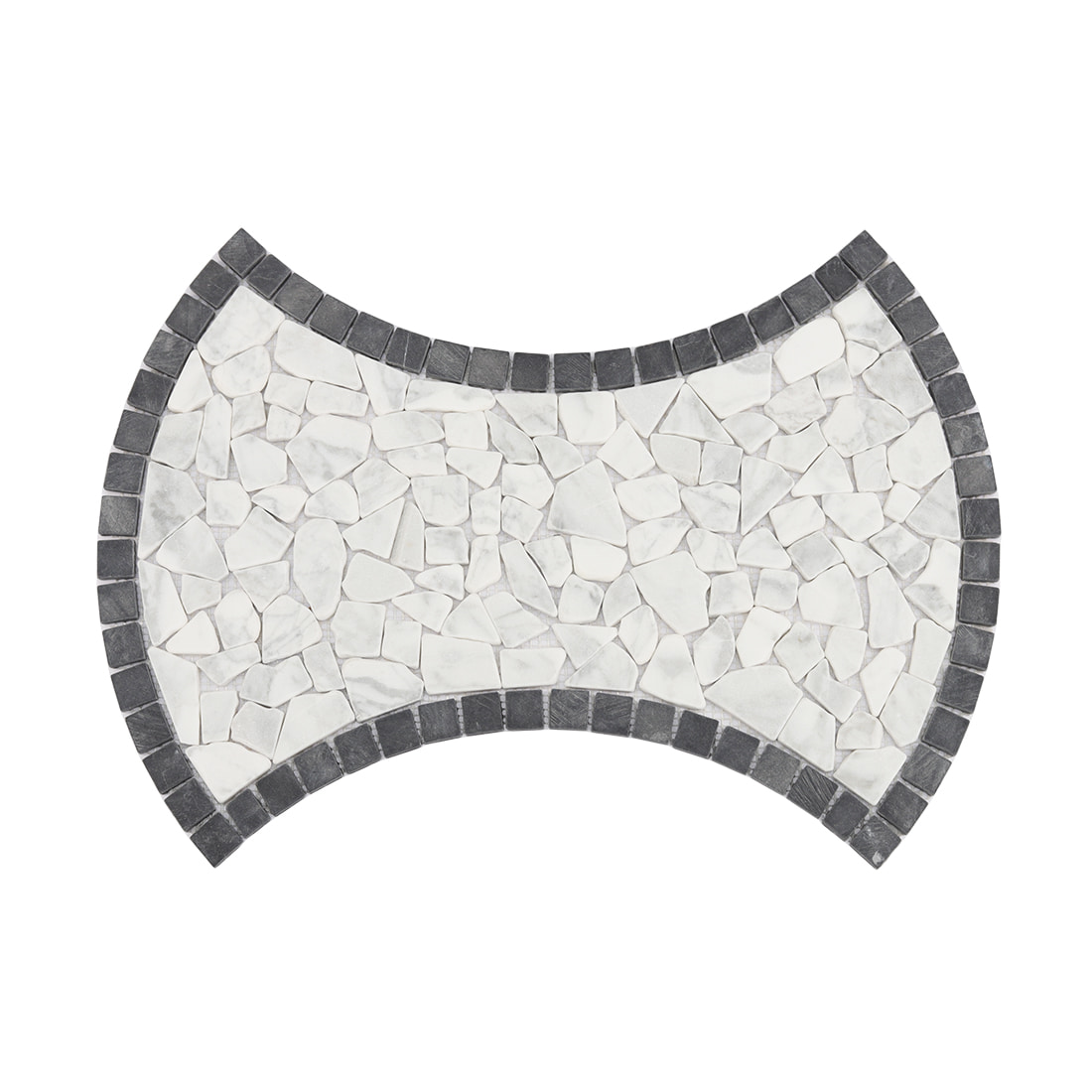
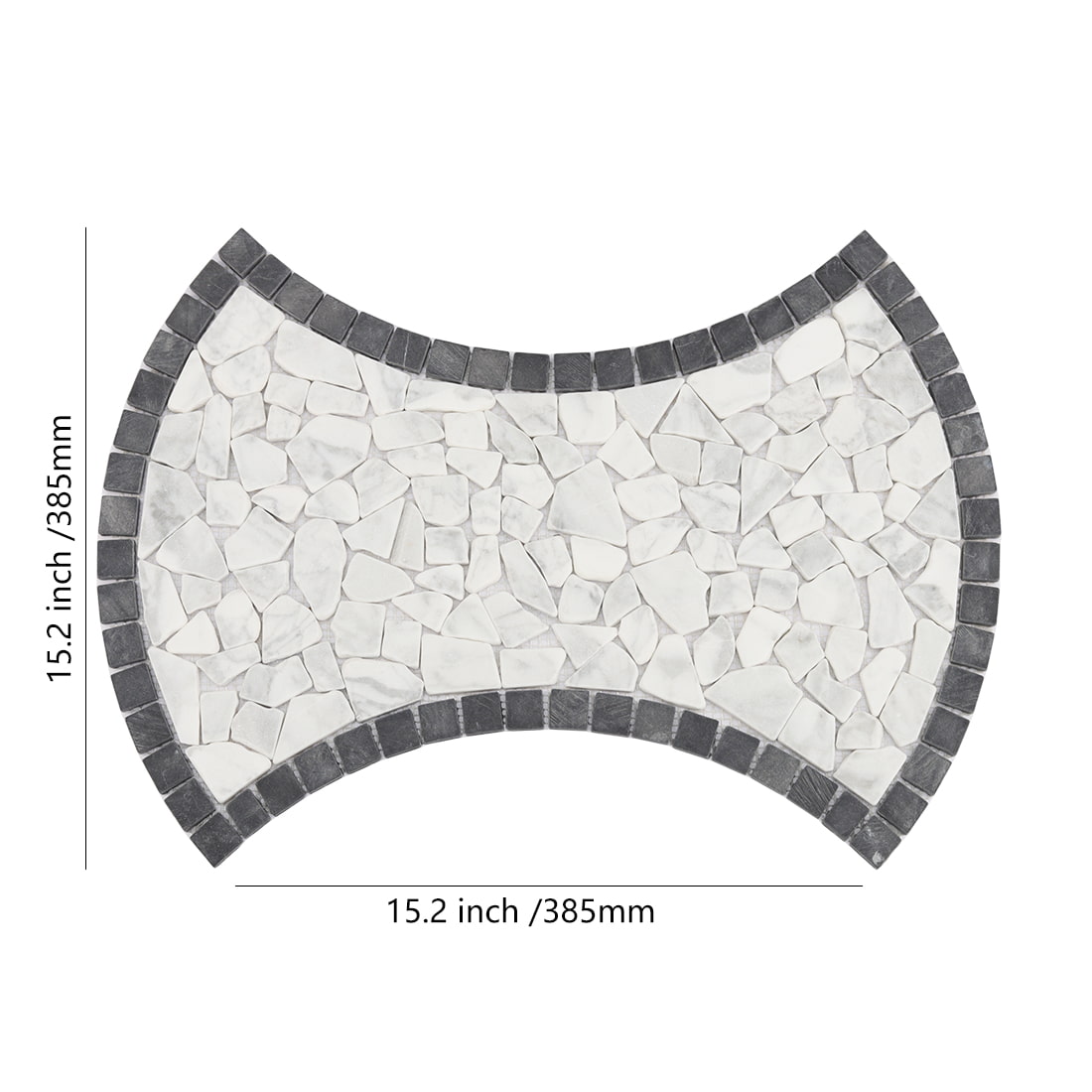
Pebble mosaic tiles are suitable for organic, spa-like, garden, seafood, coastal, or nature-inspired restaurant spaces. Their irregular shapes create a soft and handcrafted feeling.
Dark Stone Floor for Industrial Restaurants
Black marble, dark gray stone, antique copper, and stainless steel accents can create a bold industrial look. This style works well for bars, steak houses, grill restaurants, and urban dining spaces.
Maintenance Tips for Restaurant Floor Tiles
Restaurant floor tiles need regular care to maintain their appearance and performance. Clean spills as quickly as possible to reduce staining risk. Use neutral cleaners for natural stone and marble tiles. Avoid harsh acidic cleaners on marble, limestone, and travertine. Seal natural stone when required. Choose commercial-grade grout for high-traffic areas. Use textured or matte finishes in areas that may become wet. Use floor mats at entrances to reduce dirt and moisture. Inspect grout joints regularly in commercial spaces.
For restaurants, proper installation and maintenance are just as important as tile selection. A beautiful floor will last longer when the right adhesive, grout, sealer, and cleaning method are used.
Why Choose Woos Tiles for Restaurant Floor Tiles
Woos Tiles is an online tile superstore offering marble tiles, glass tiles, metal tiles, shell tiles, stone tiles, mosaic tiles, wall tiles, floor tiles, bathroom tiles, kitchen tiles, backsplash tiles, outdoor tiles, and custom mosaic murals for residential and commercial projects.
We provide restaurant floor tile solutions that combine material diversity, custom design flexibility, and commercial decoration value. Our collections are suitable for restaurants, cafes, bars, hotels, resorts, retail dining spaces, hospitality interiors, and custom design projects.
Choose Woos Tiles for wide material selection, custom mosaic design support, marble, glass, metal, stone, and mixed material options, commercial dining space tile solutions, custom sizes, shapes, colors, and patterns, luxury, vintage, modern, and artistic tile styles, and restaurant entrance, dining room, bar, and feature floor designs.
From elegant marble floors to custom mosaic restaurant logos, Woos Tiles helps create restaurant spaces that are practical, memorable, and visually distinctive.
FAQ
What are the best floor tiles for restaurants?
The best restaurant floor tiles depend on the space. Porcelain and ceramic tiles are practical for high-traffic areas. Marble and natural stone are ideal for luxury dining rooms. Mosaic tiles are great for custom patterns, entrances, and decorative zones. Textured or matte finishes are usually better for slip resistance.
Are marble tiles suitable for restaurant floors?
Yes, marble tiles can be used for restaurant floors, especially in fine dining rooms, hotel restaurants, private rooms, and luxury hospitality interiors. Marble should be properly sealed and maintained because natural stone requires more care than porcelain.
Can glass tiles be used for restaurant floors?
Glass tiles can be used in selected restaurant floor applications, especially small mosaic formats, decorative zones, custom patterns, and feature areas. For high-traffic or wet areas, the tile surface, slip resistance, and installation method should be carefully confirmed before use.
What tile is best for a restaurant dining area?
For restaurant dining areas, popular choices include porcelain tile, marble tile, limestone tile, travertine tile, stone mosaic tile, and custom mosaic tile. The best option depends on the restaurant style, traffic level, cleaning needs, and design concept.
What tile is best for restaurant kitchens?
Commercial kitchen floors usually need strong slip resistance, moisture resistance, stain resistance, heat resistance, and easy cleaning. Quarry tile, textured porcelain tile, and other commercial-rated flooring systems are commonly used for demanding kitchen areas. Always confirm local code and project requirements before choosing kitchen flooring.
Are restaurant floor tiles easy to clean?
Many restaurant floor tiles are easy to clean when the correct material, finish, grout, and sealer are selected. Porcelain and ceramic tiles are generally low maintenance. Natural stone requires neutral cleaners and periodic sealing. Metal and glass tiles should be cleaned according to their material requirements.
Can Woos Tiles make custom restaurant floor designs?
Yes. Woos Tiles can customize restaurant floor tiles with marble mosaics, glass mosaics, metal accents, stone patterns, borders, logo designs, geometric layouts, and custom mosaic murals. Custom designs are suitable for entrances, dining areas, bar floors, private rooms, and feature spaces.
Are mosaic tiles good for restaurant floors?
Mosaic tiles are a strong design choice for restaurant floors because they offer flexible patterns, custom colors, and decorative detail. Small mosaic pieces also create more grout lines, which may help improve traction depending on the material and finish.
What floor tile style is popular for restaurants?
Popular restaurant floor tile styles include marble checkerboard floors, vintage octagon tiles, basketweave mosaics, travertine floors, geometric mosaics, terrazzo-style designs, black stone floors, brass-inlay marble floors, and custom mosaic logo entrances.
Can restaurant floor tiles be used outdoors?
Some restaurant floor tiles can be used outdoors if they are rated for exterior use and selected with proper slip resistance, water resistance, and weather durability. Outdoor dining spaces often use textured stone, outdoor porcelain, pebble mosaics, or exterior-rated mosaic tiles.