

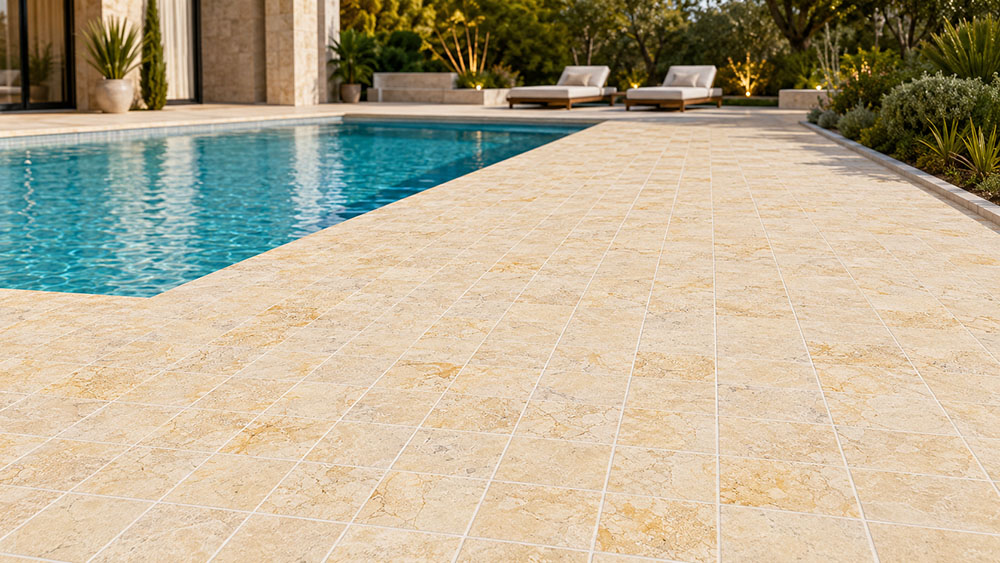
Natural Warmth for Modern Poolside Living
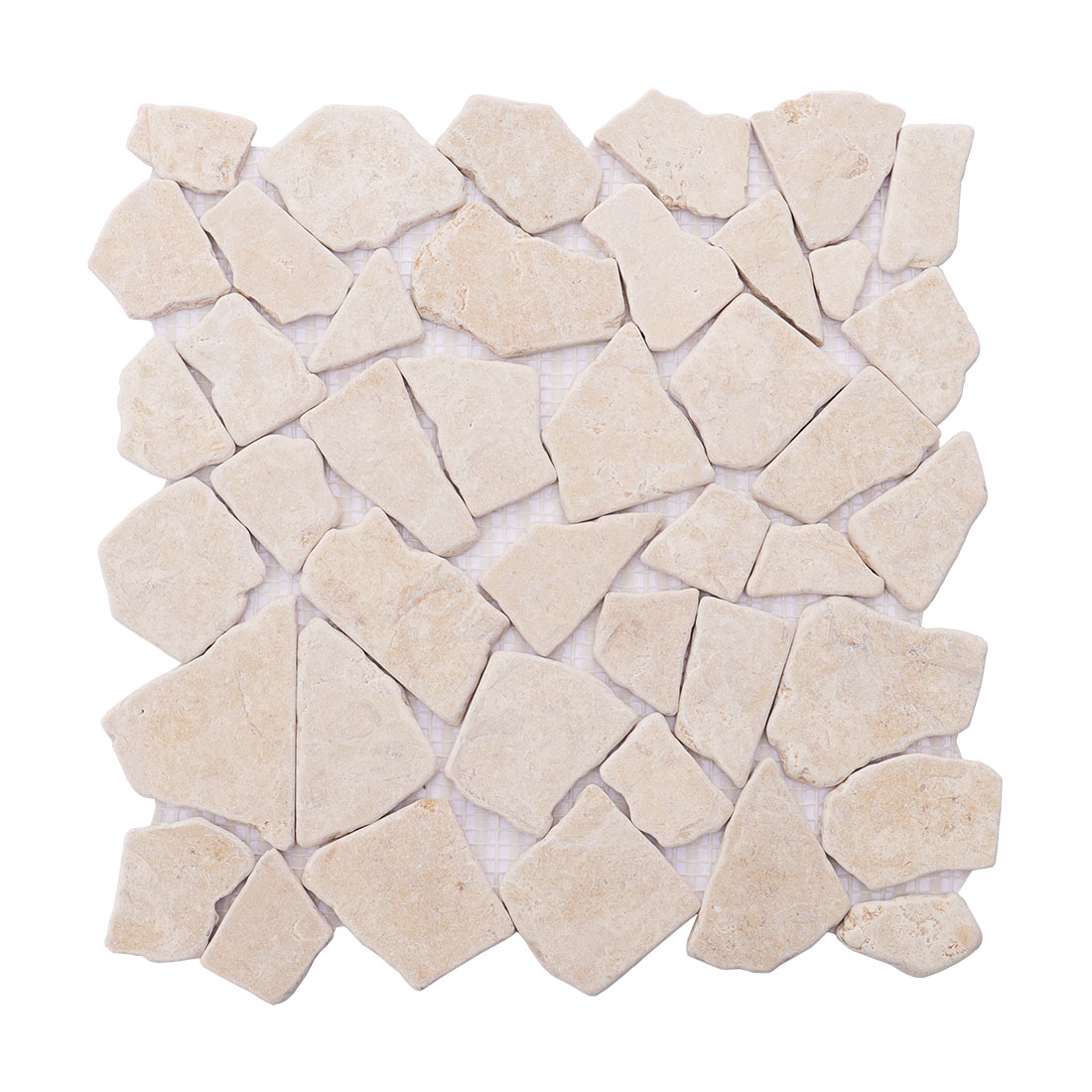
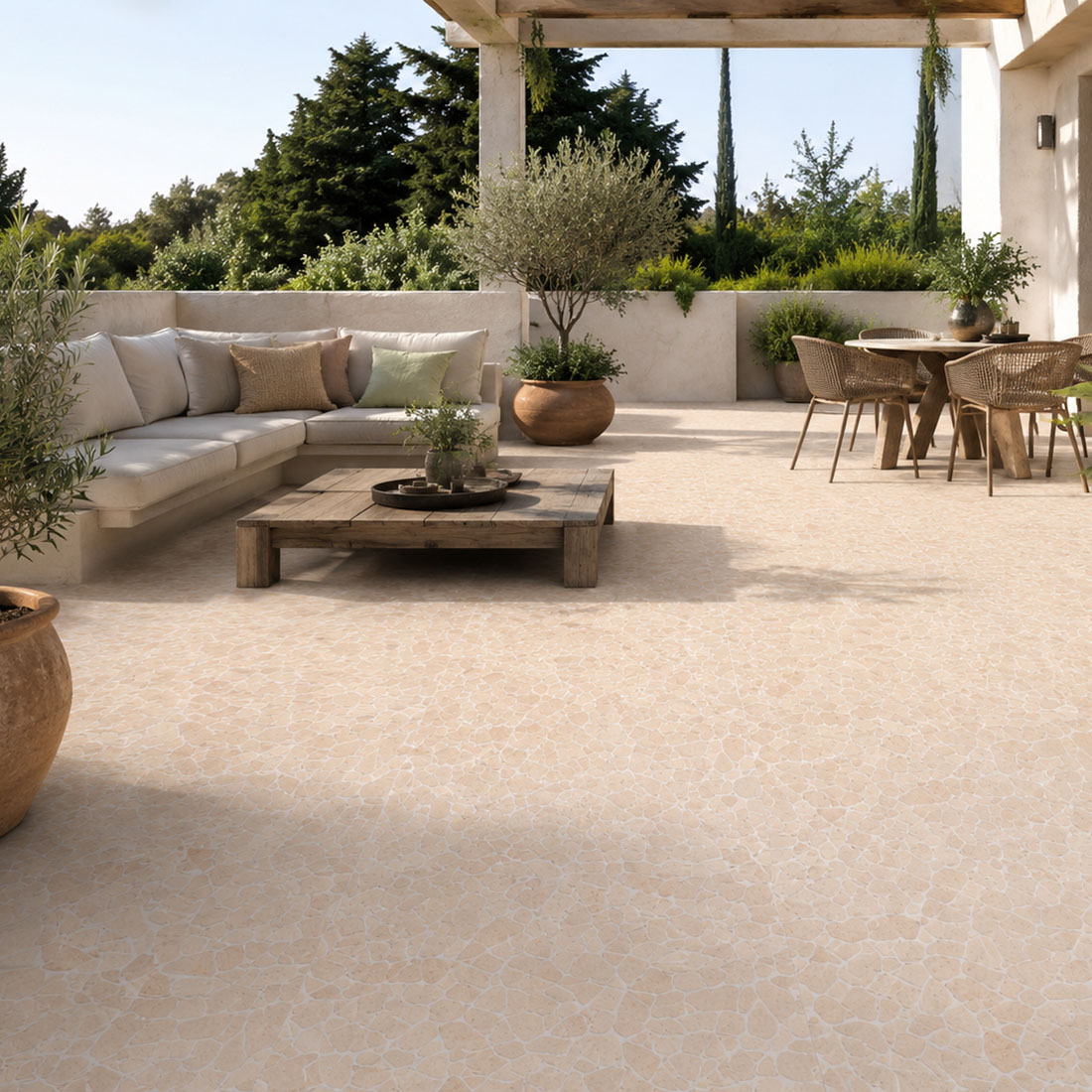
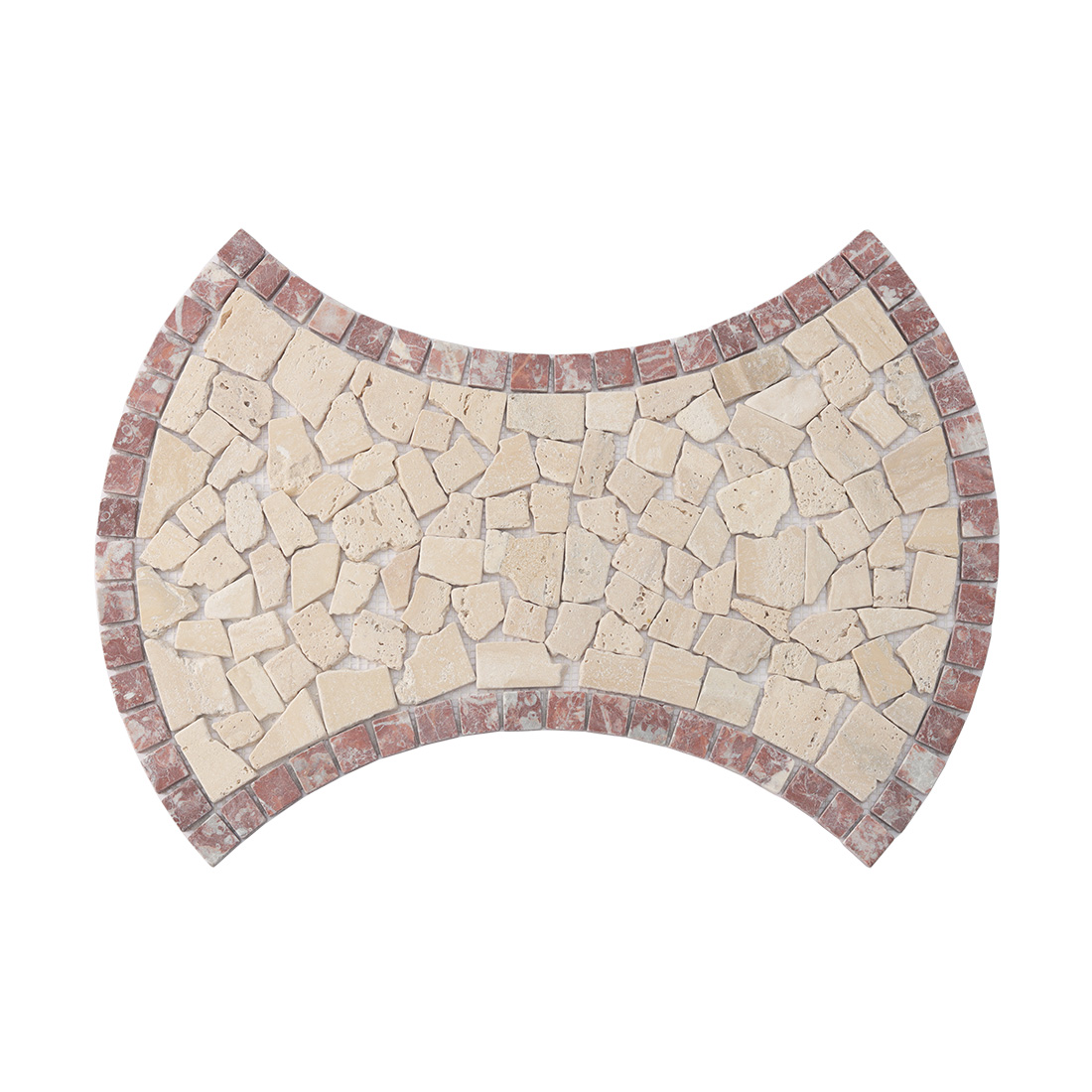
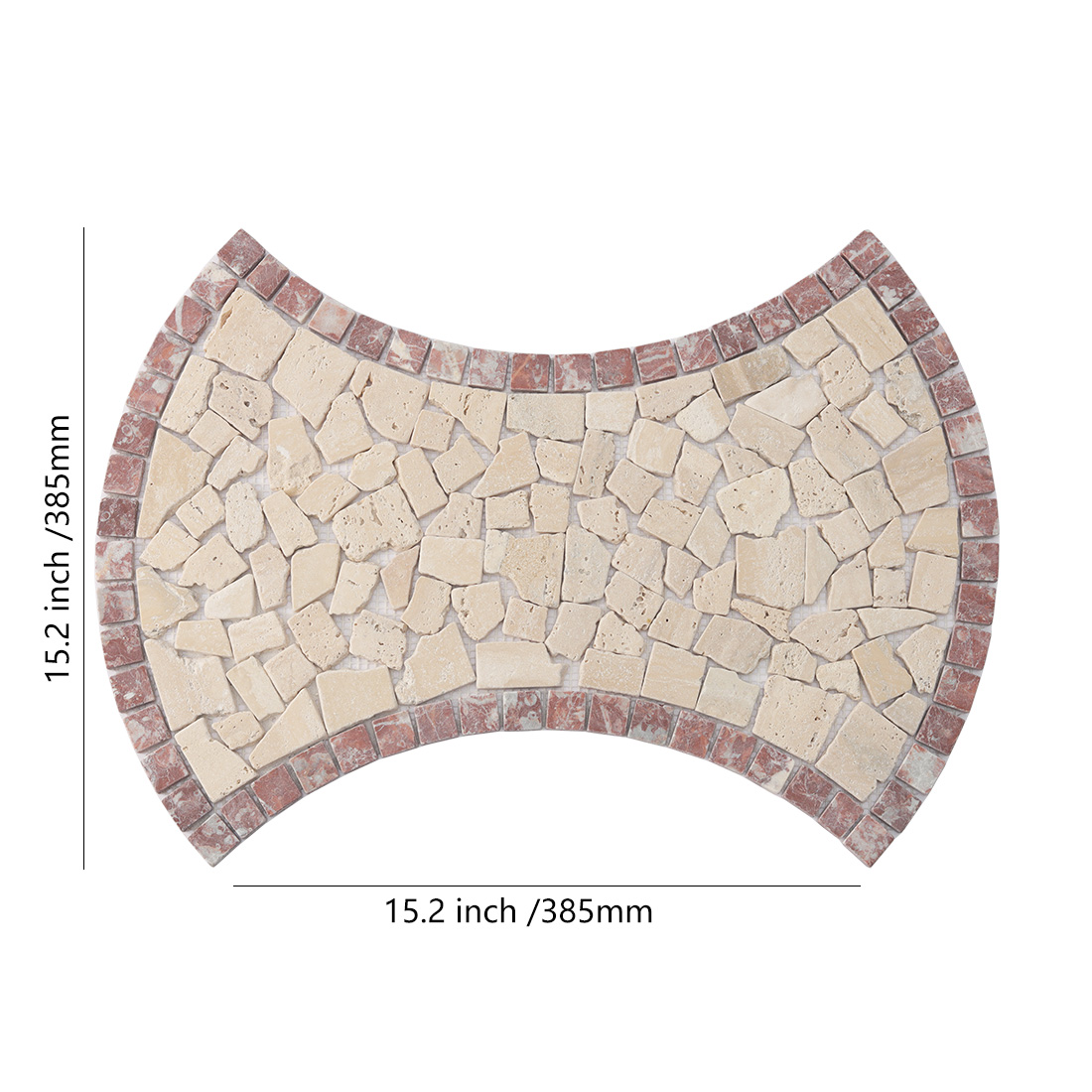
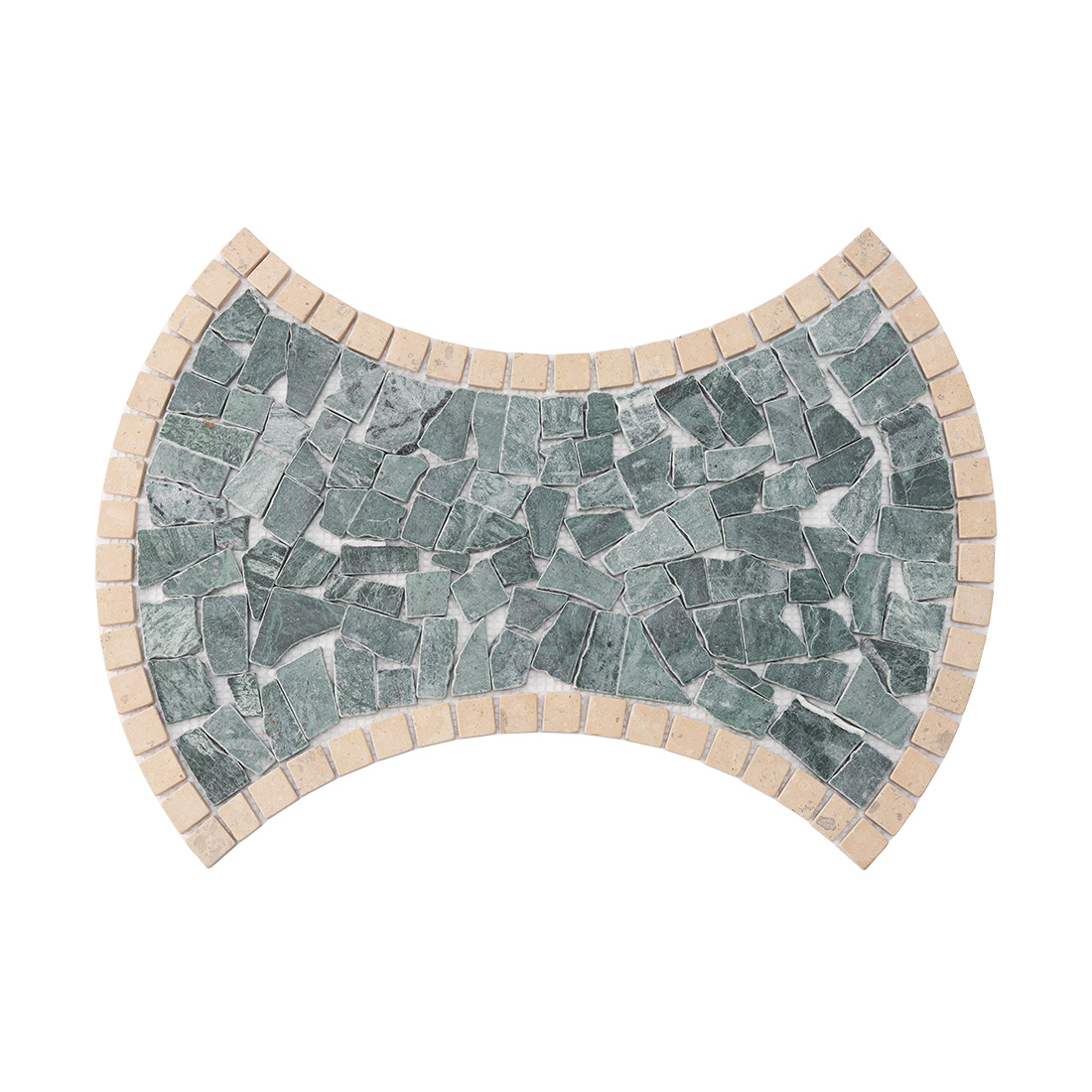
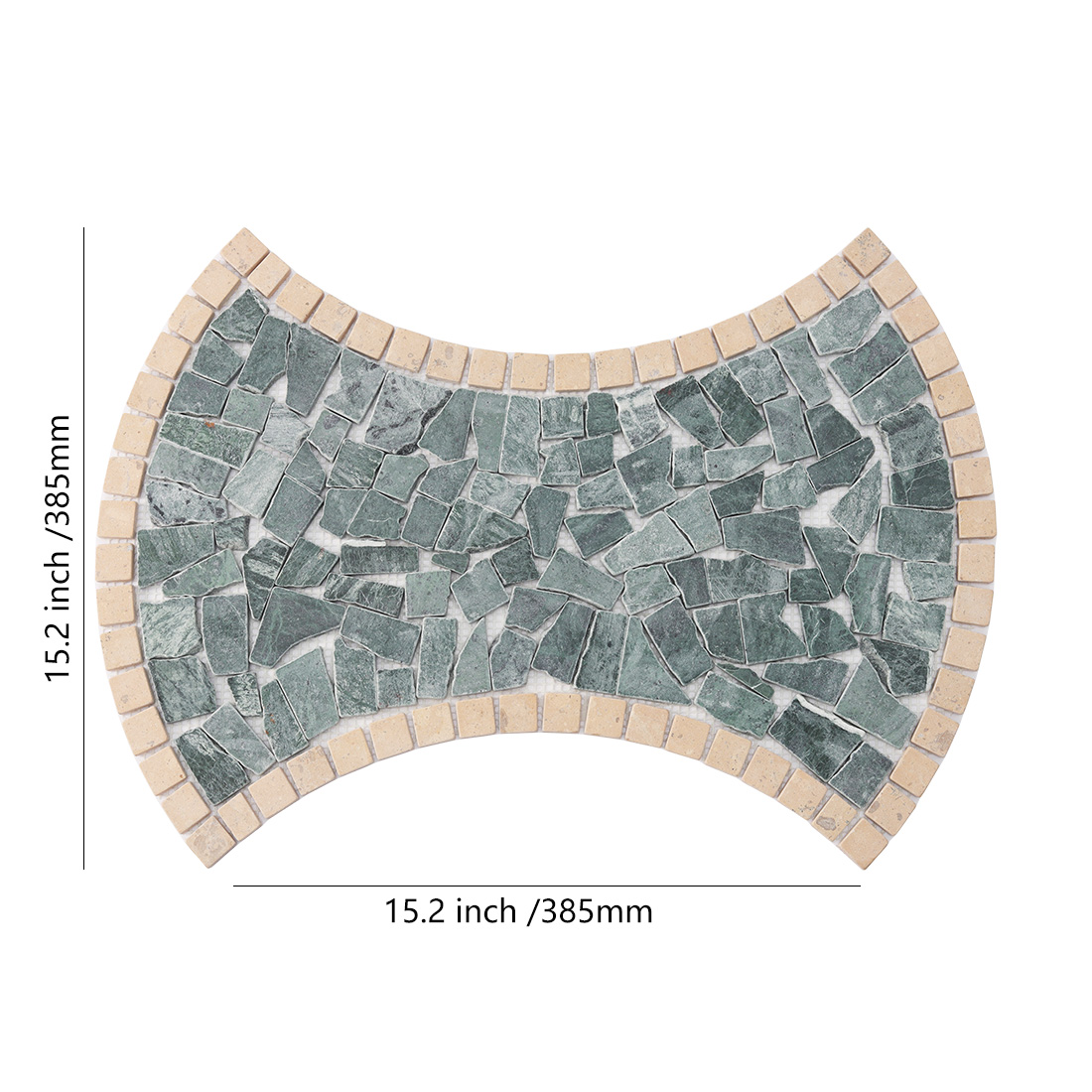
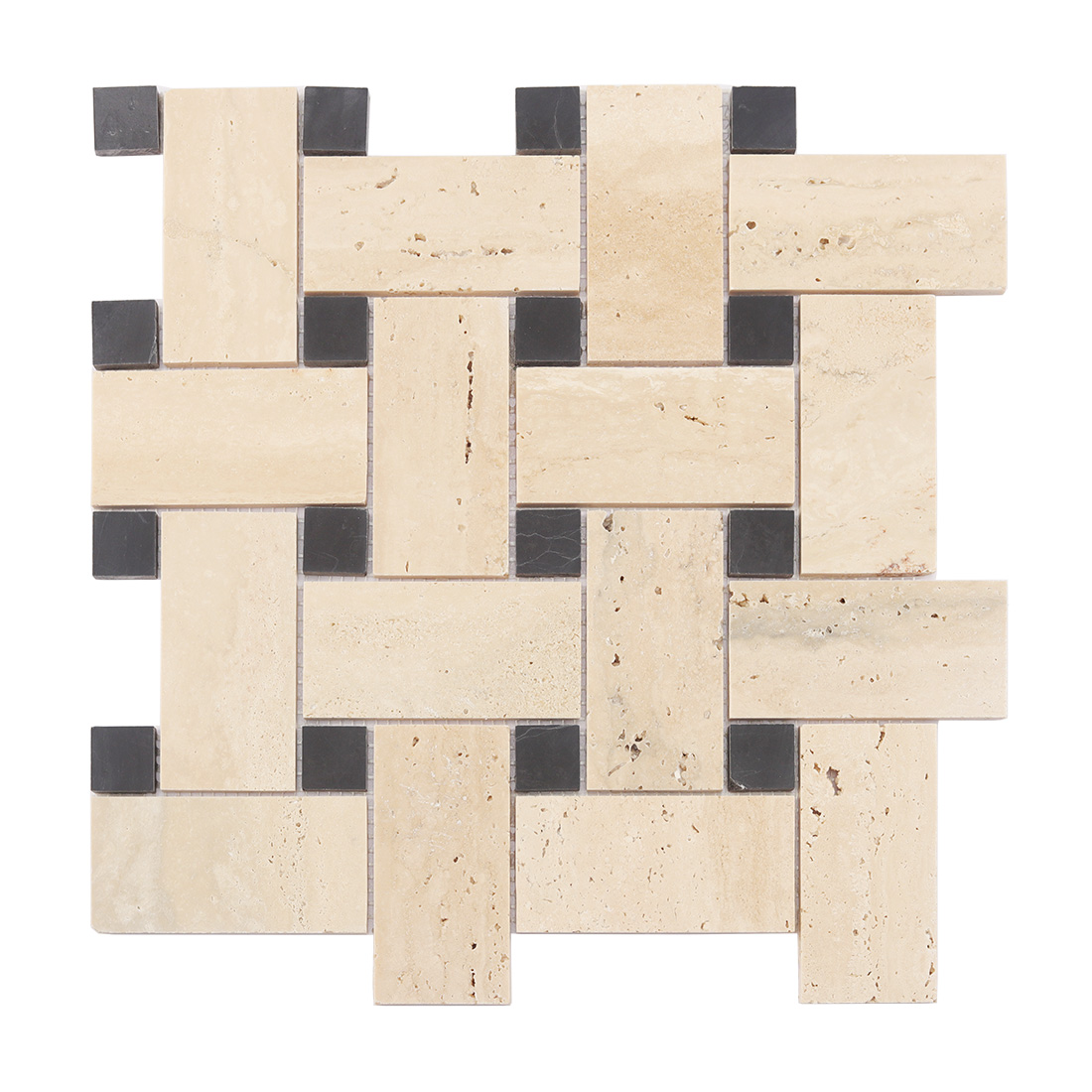

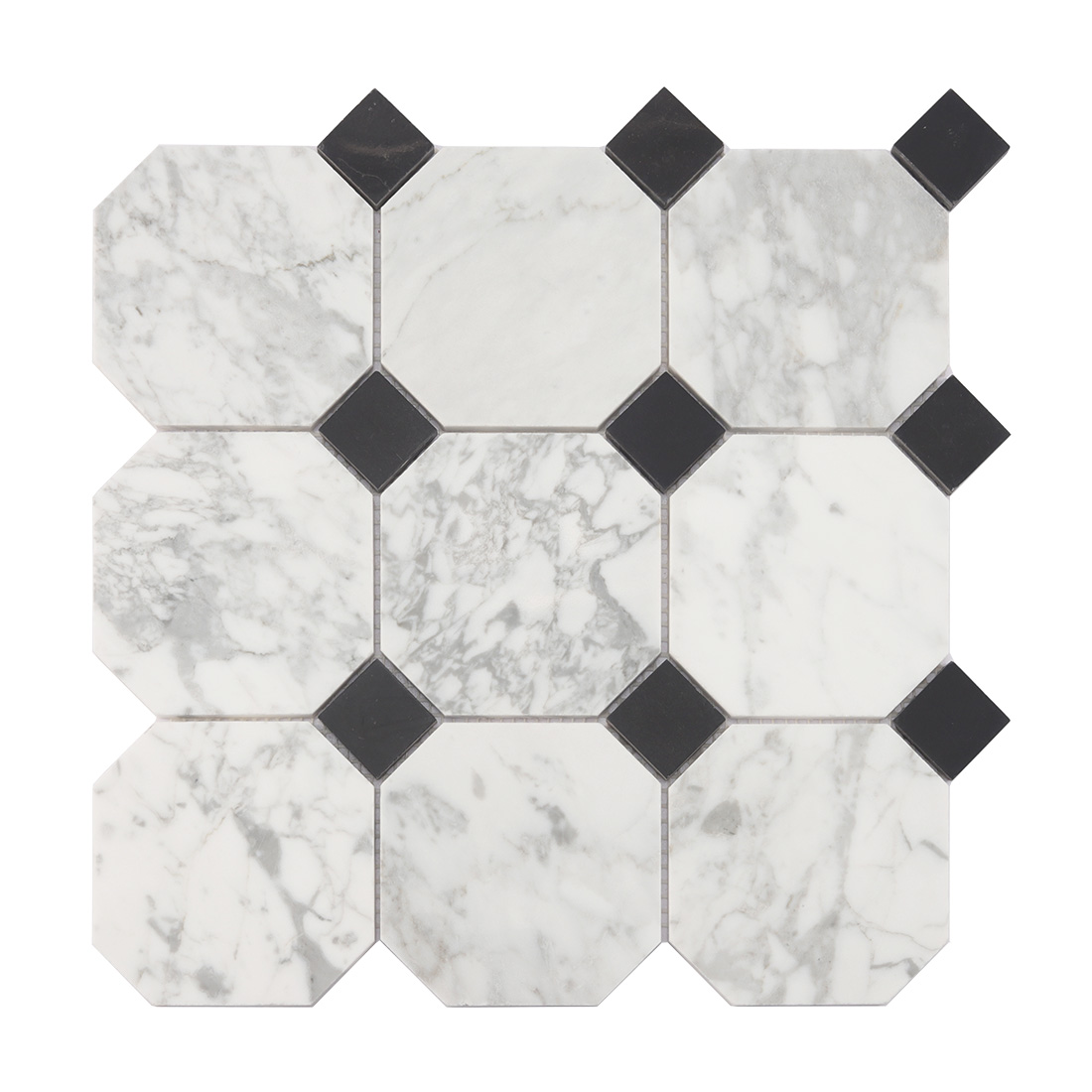
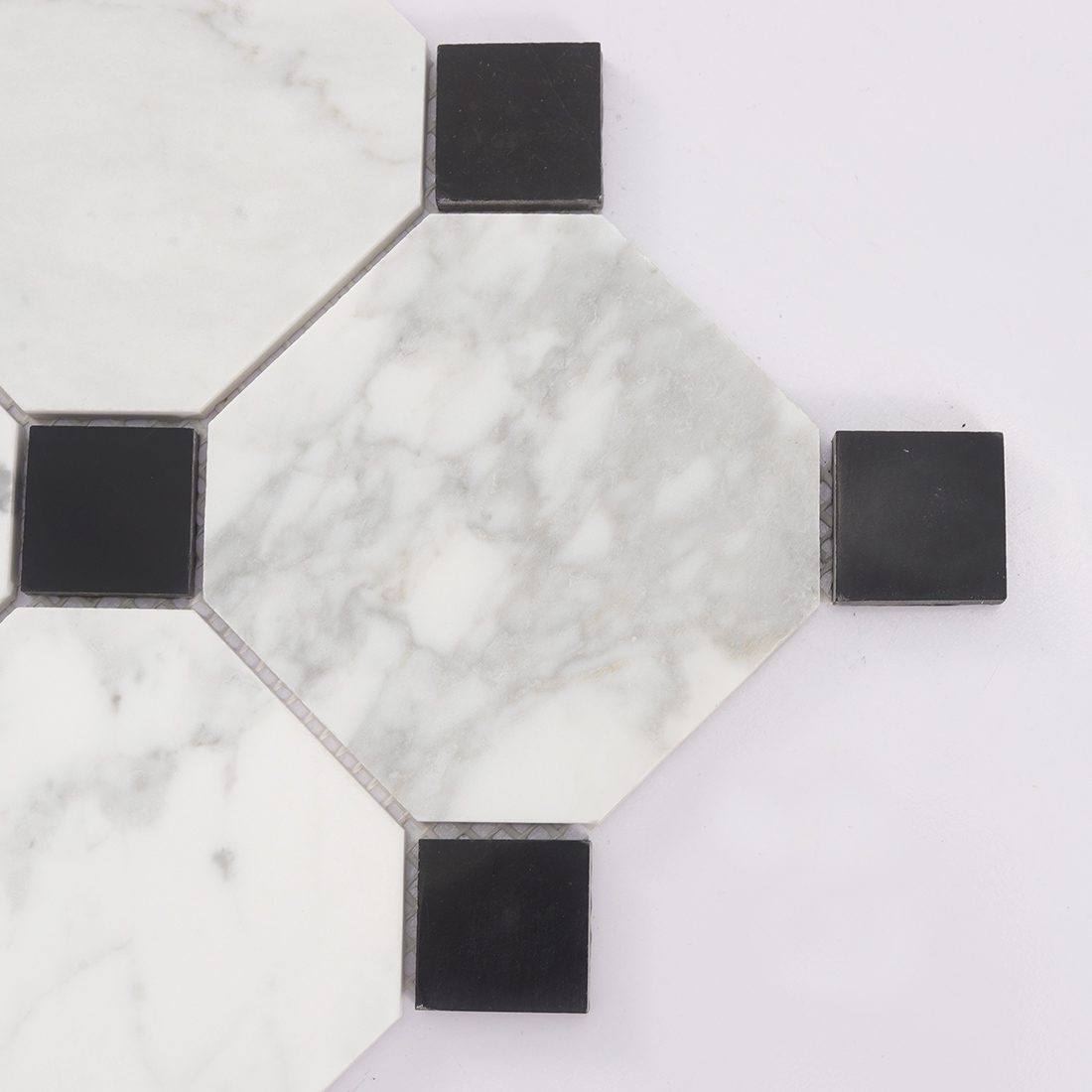
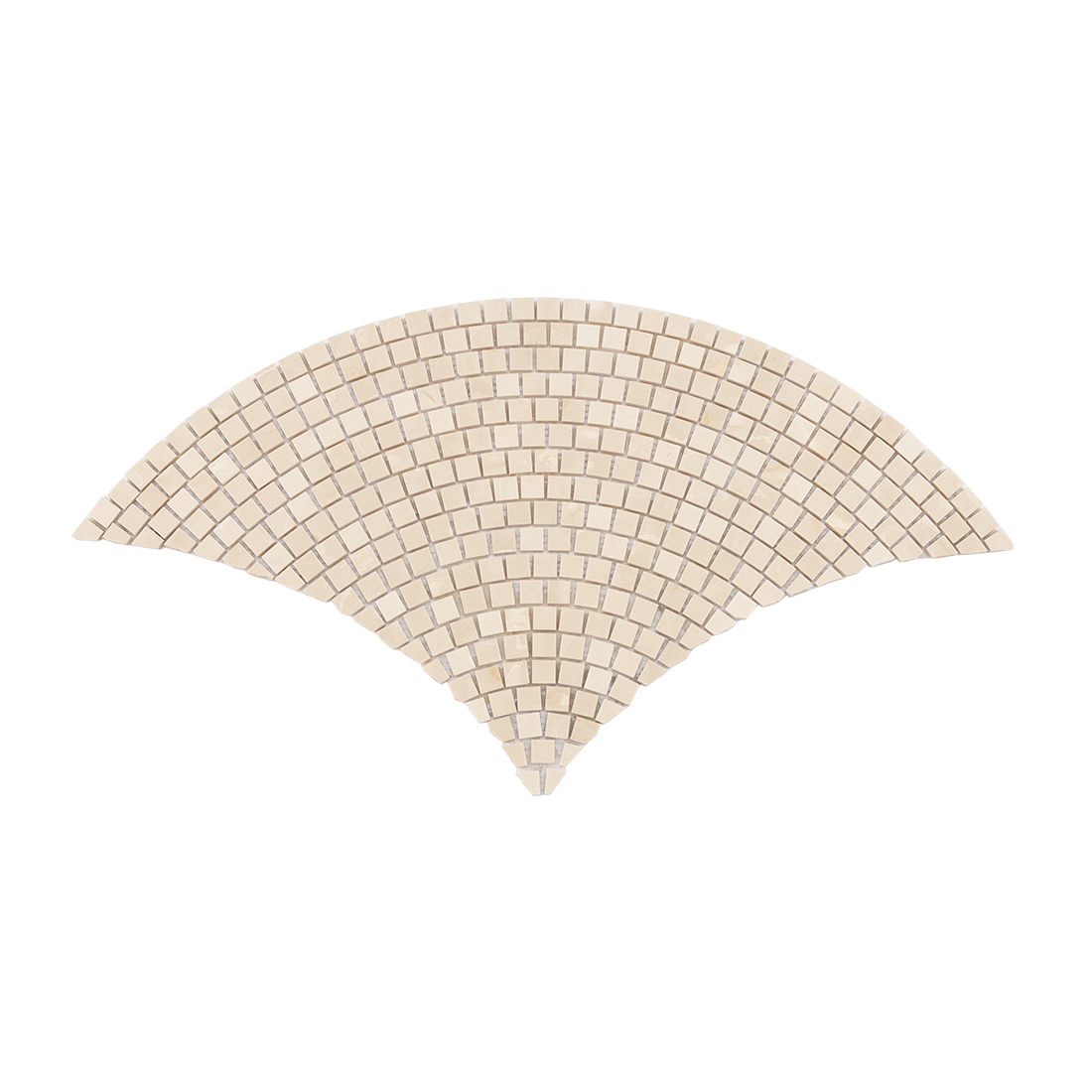
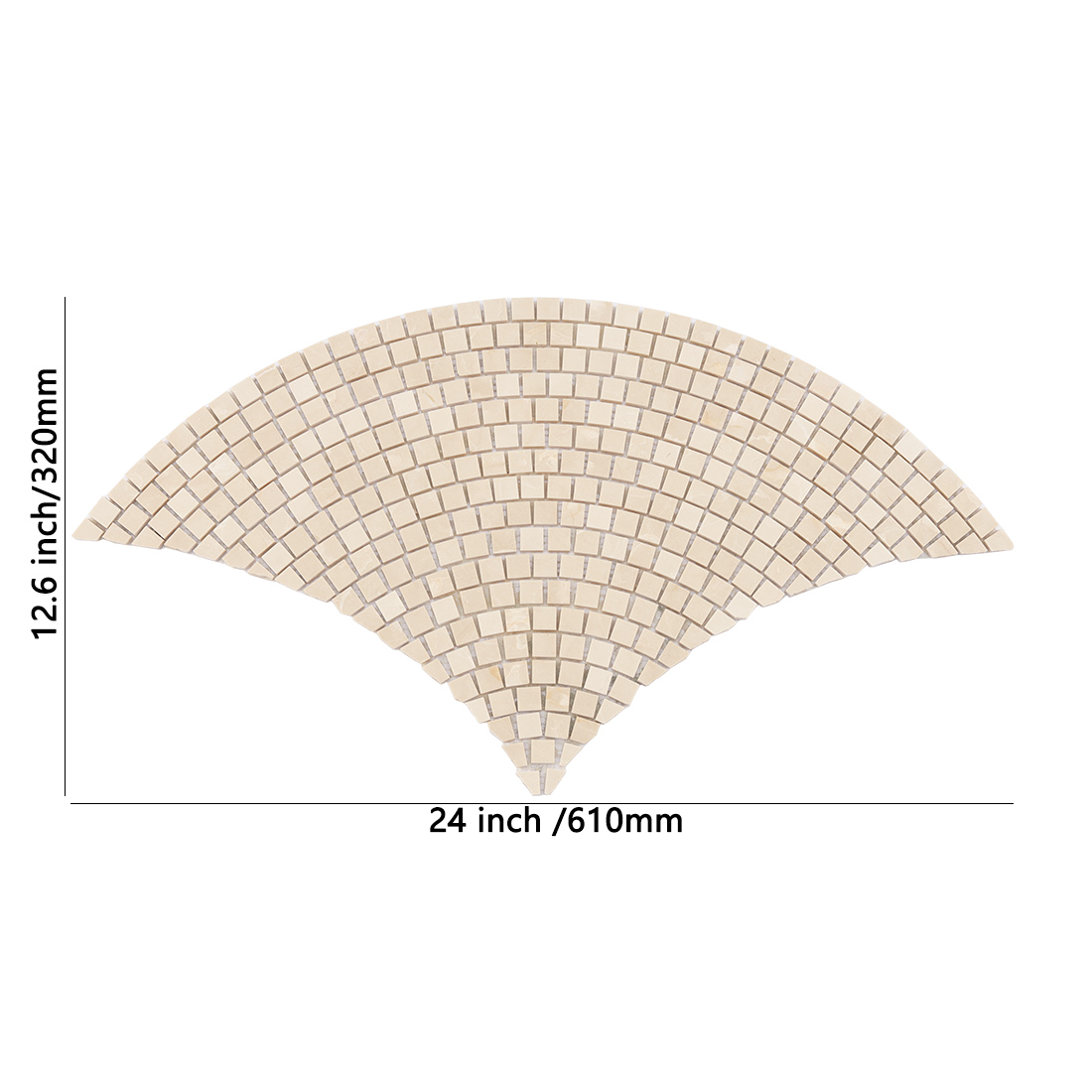

Swimming Pool Coping Tiles for Safe, Durable Pool Edges
Swimming pool coping tiles form the finished edge around a swimming pool, creating a safe and visually coordinated transition between the pool shell, waterline and surrounding deck. They cover the top of the pool bond beam, provide swimmers with a more comfortable edge to hold, and help control splash water around the pool perimeter.
Woos Tiles supplies natural stone, porcelain and custom pool coping solutions for residential pools, hotels, resorts, spas and commercial aquatic projects. Standard and custom sizes, edge profiles, colors and surface finishes are available to suit new construction and pool renovation projects.
What Are Swimming Pool Coping Tiles?
Pool coping tiles are installed along the upper perimeter of an inground swimming pool. They sit above the pool shell and waterline tile, separating the pool structure from the surrounding deck.
A correctly selected coping system performs four important functions:
-
Covers and protects the exposed top of the pool structure.
-
Provides a smoother, more comfortable edge for swimmers.
-
Helps direct splash water toward the intended drainage area.
-
Visually connects the pool interior with the deck and surrounding landscape.
Pool coping is different from waterline tile. Coping caps the horizontal pool edge, while waterline tile is installed vertically below the coping and remains in regular contact with pool water.
Why Pool Coping Matters
Protects the Pool Structure
Coping covers the bond beam and helps prevent water, debris and contaminants from entering vulnerable joints around the pool shell. Proper waterproofing and movement-joint detailing are still required beneath and around the coping.
Creates a Safer Pool Edge
Rounded or eased profiles remove sharp exposed corners and provide a more comfortable handhold. For areas that will be walked on, select a textured finish specifically classified by the manufacturer for the intended exterior wet application.
Controls Splash Water
A properly designed edge, overhang and drainage slope can reduce standing water around the pool. The final direction and degree of slope should follow the pool’s drainage design, particularly for infinity and overflow pools.
Completes the Pool Design
Coping acts as the visual frame of the pool. It can coordinate with waterline mosaics and deck pavers for a continuous appearance or provide a contrasting border that defines the pool shape.
Pool Coping Materials
Porcelain Pool Coping Tiles
Porcelain is a practical option for modern pools and projects requiring consistent sizing and relatively simple maintenance.
Key benefits include:
-
Low water absorption.
-
Consistent dimensions and edge profiles.
-
Resistance to staining and color variation.
-
Stone-, concrete- and wood-look designs.
-
Suitable options for freeze–thaw climates.
-
Matching pavers may be available for a continuous pool deck.
Always verify that the selected porcelain product is approved for exterior wet areas and compatible with local climate conditions.
Travertine Pool Coping
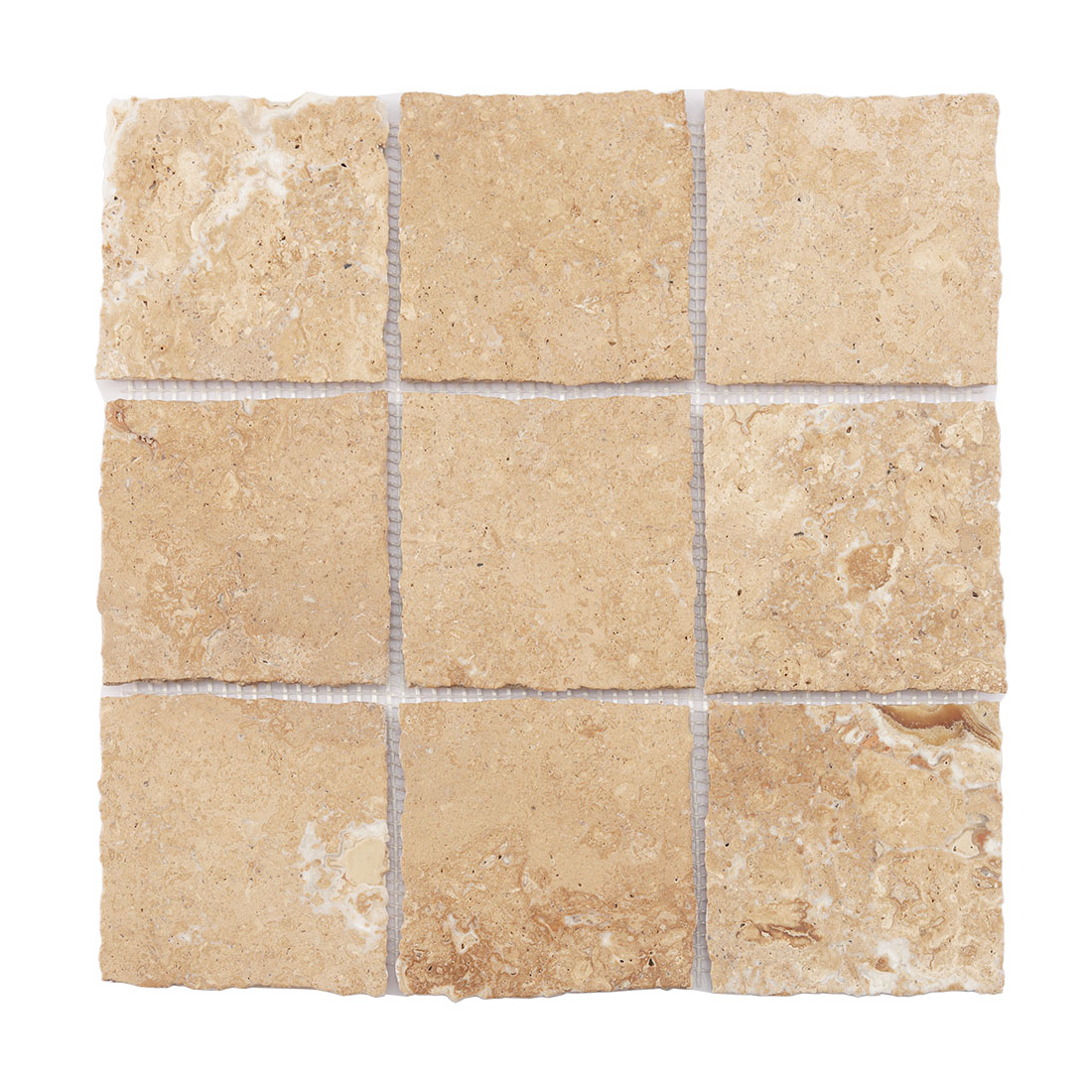
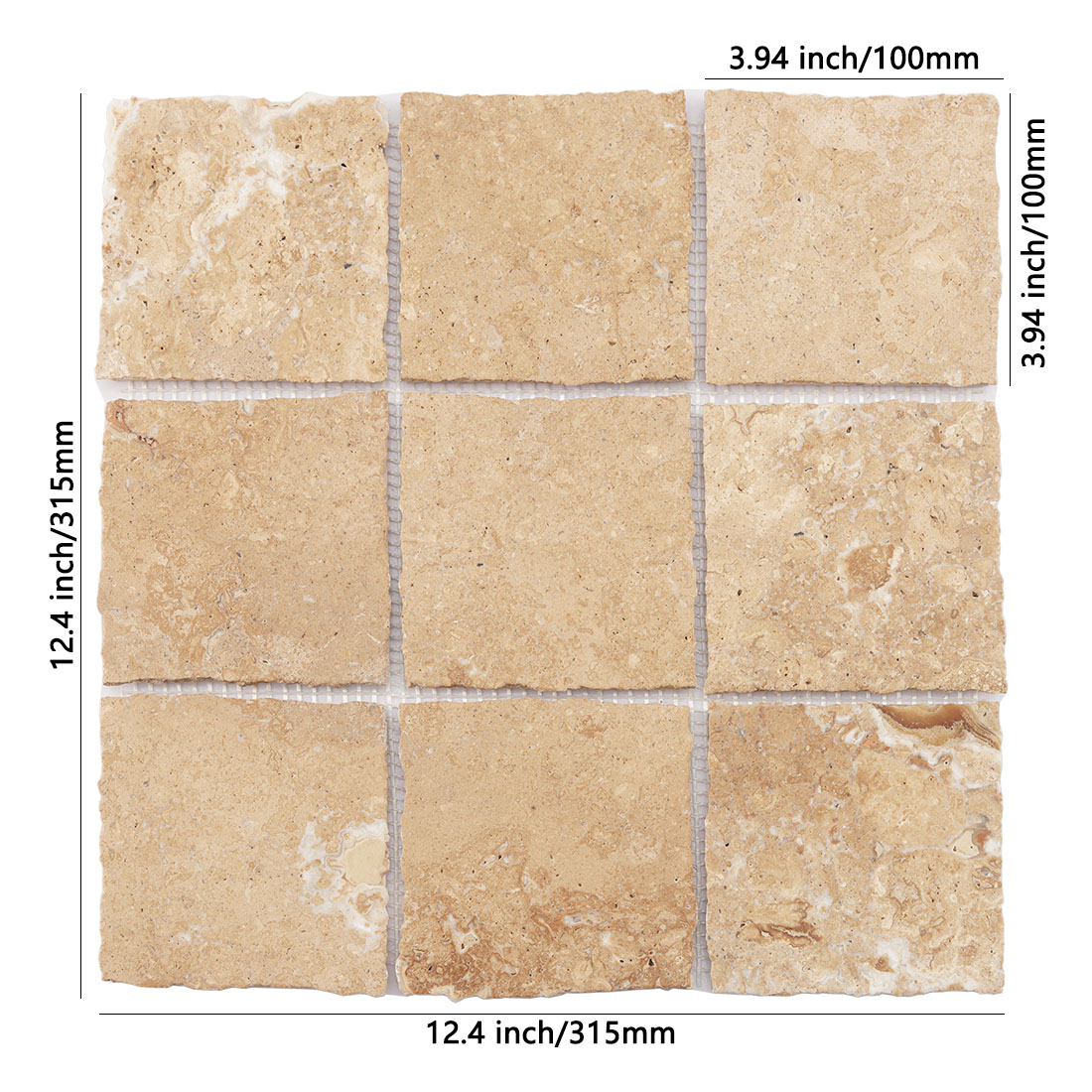
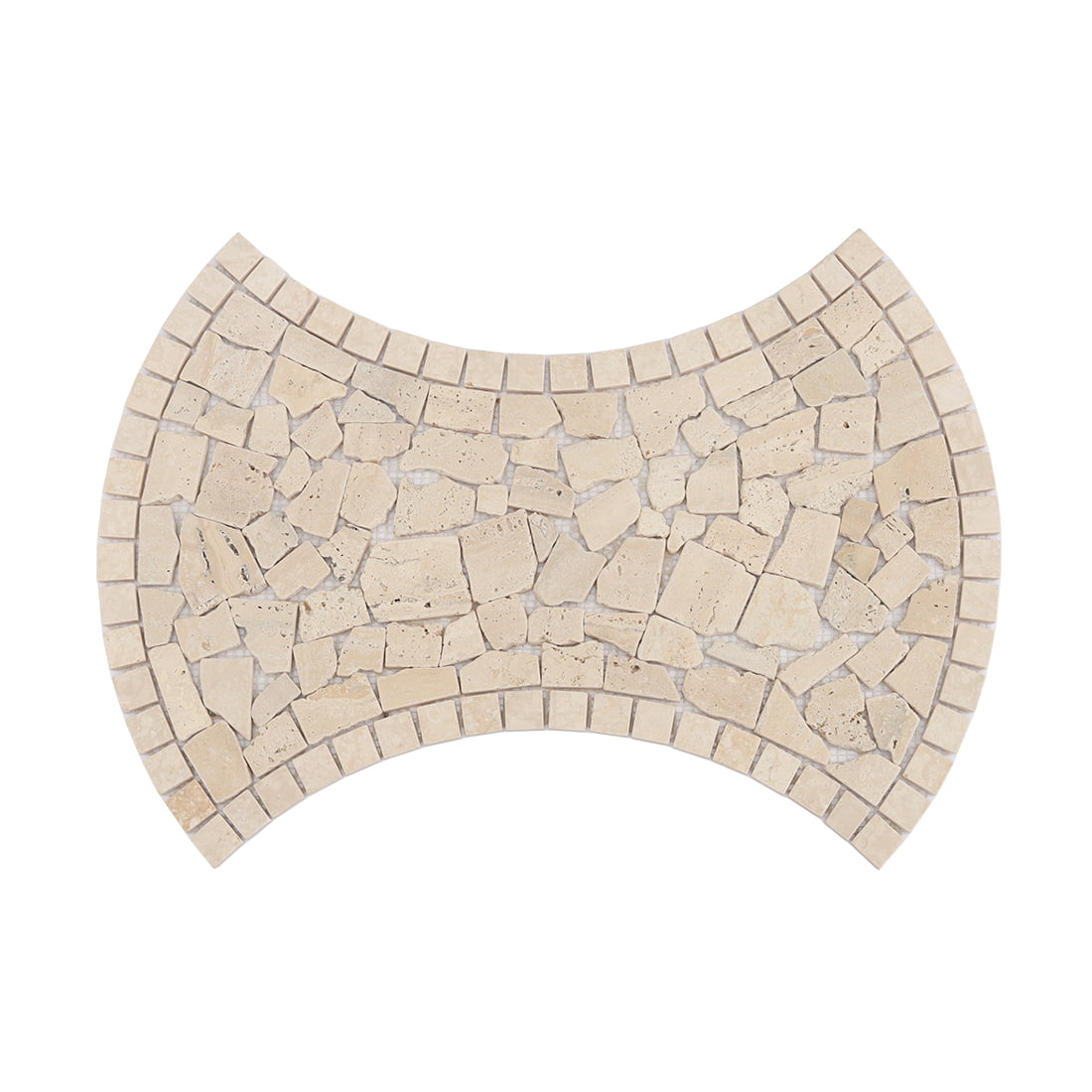
Travertine provides warm neutral colors, natural variation and a relaxed resort-style appearance. Tumbled, brushed and textured finishes are commonly selected for pool surrounds.
Because travertine is porous, its suitability depends on stone density, finish, climate, pool chemistry and maintenance expectations. Sealing may be recommended, especially in high-splash or saltwater environments.
Limestone Pool Coping
Limestone offers soft beige, cream and gray tones that work well with contemporary, Mediterranean and traditional outdoor spaces. It can be fabricated into bullnose, eased-edge, drop-face and custom curved pieces.
Different limestone varieties have different densities and chemical resistance. Customers should review a sample and confirm sealing, freeze–thaw and saltwater requirements before ordering.
Granite and Basalt Pool Coping
Dense granite and basalt are well suited to demanding residential and commercial projects when supplied with an appropriate exterior finish.
Flamed, sandblasted, bush-hammered or other textured surfaces are generally more appropriate around pools than highly polished surfaces. Dark colors may become warmer in direct sunlight, so a physical sample should be tested at the project location.
Sandstone Pool Coping
Sandstone creates a natural, warm landscape appearance and is commonly used around garden pools and traditional outdoor spaces. Its porosity, surface strength and weather resistance vary by stone type, making correct selection and sealing especially important.
Mosaic-Finished Coping
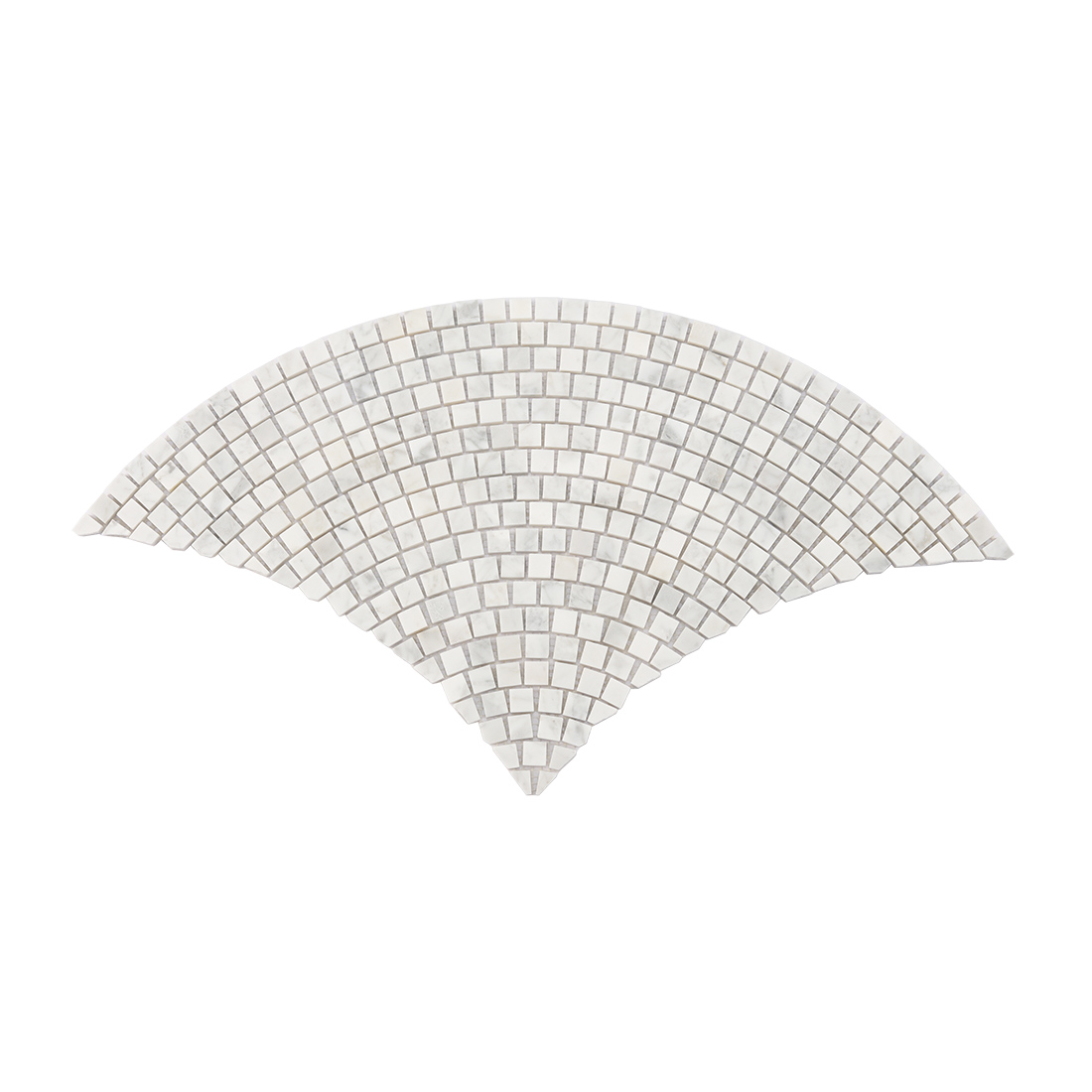
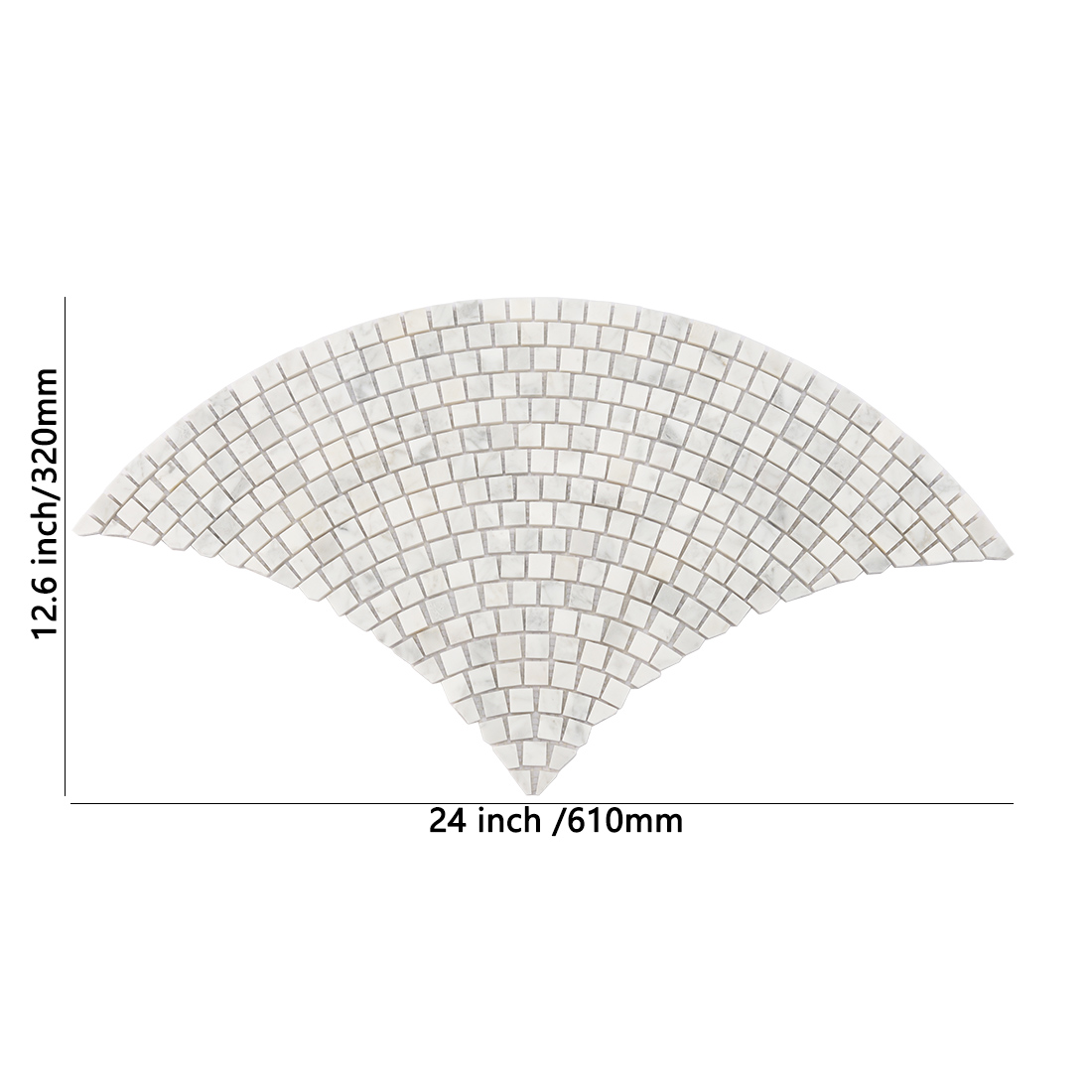
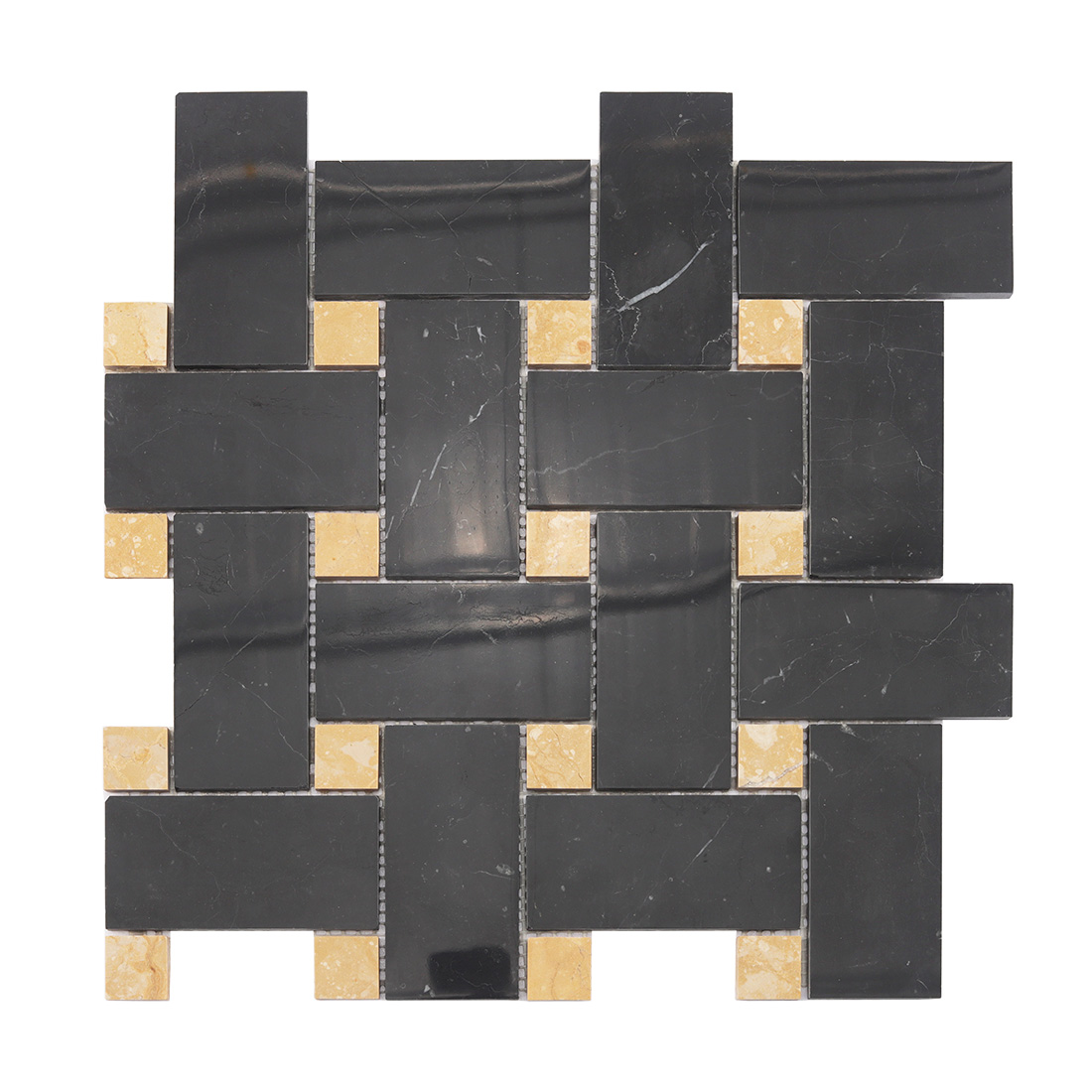
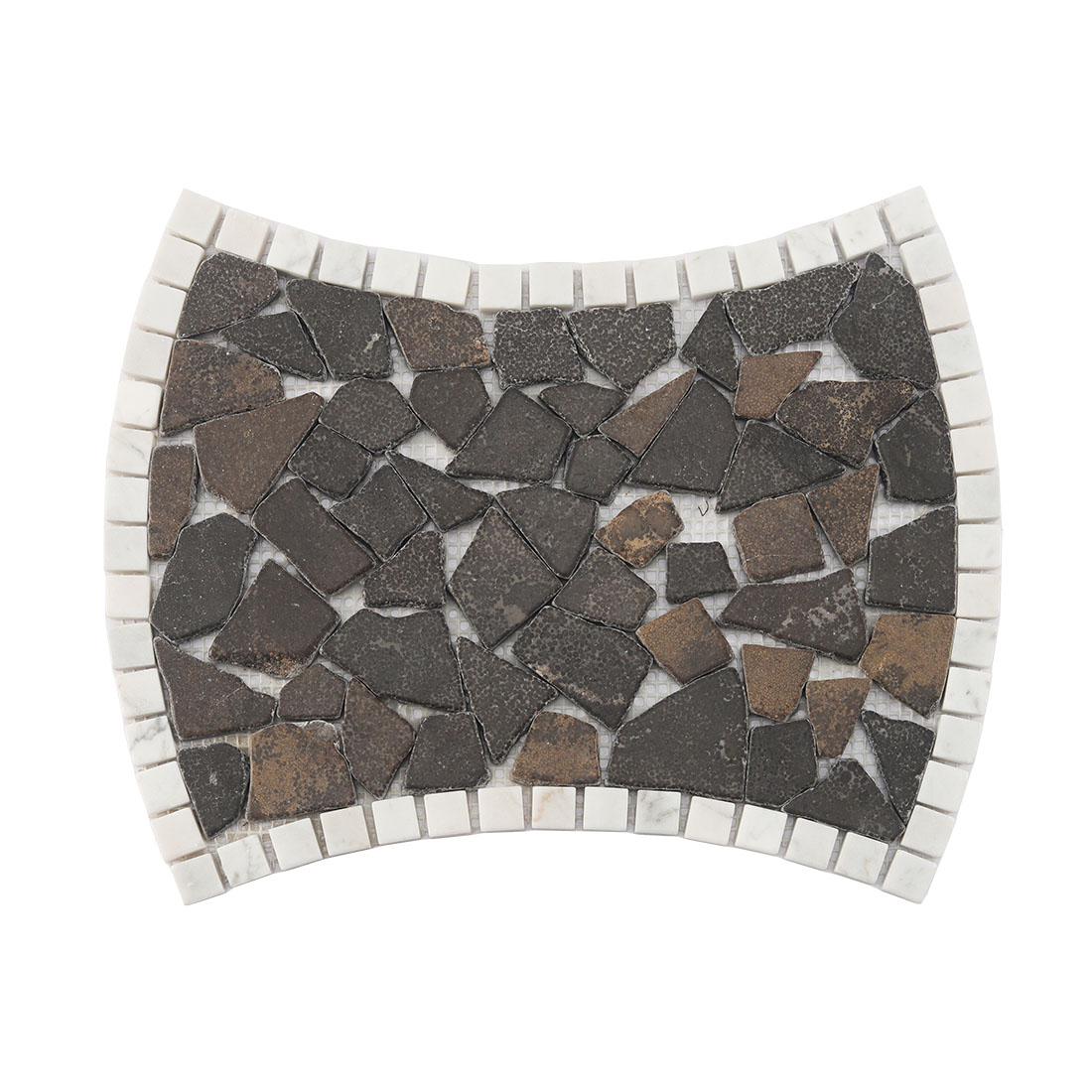
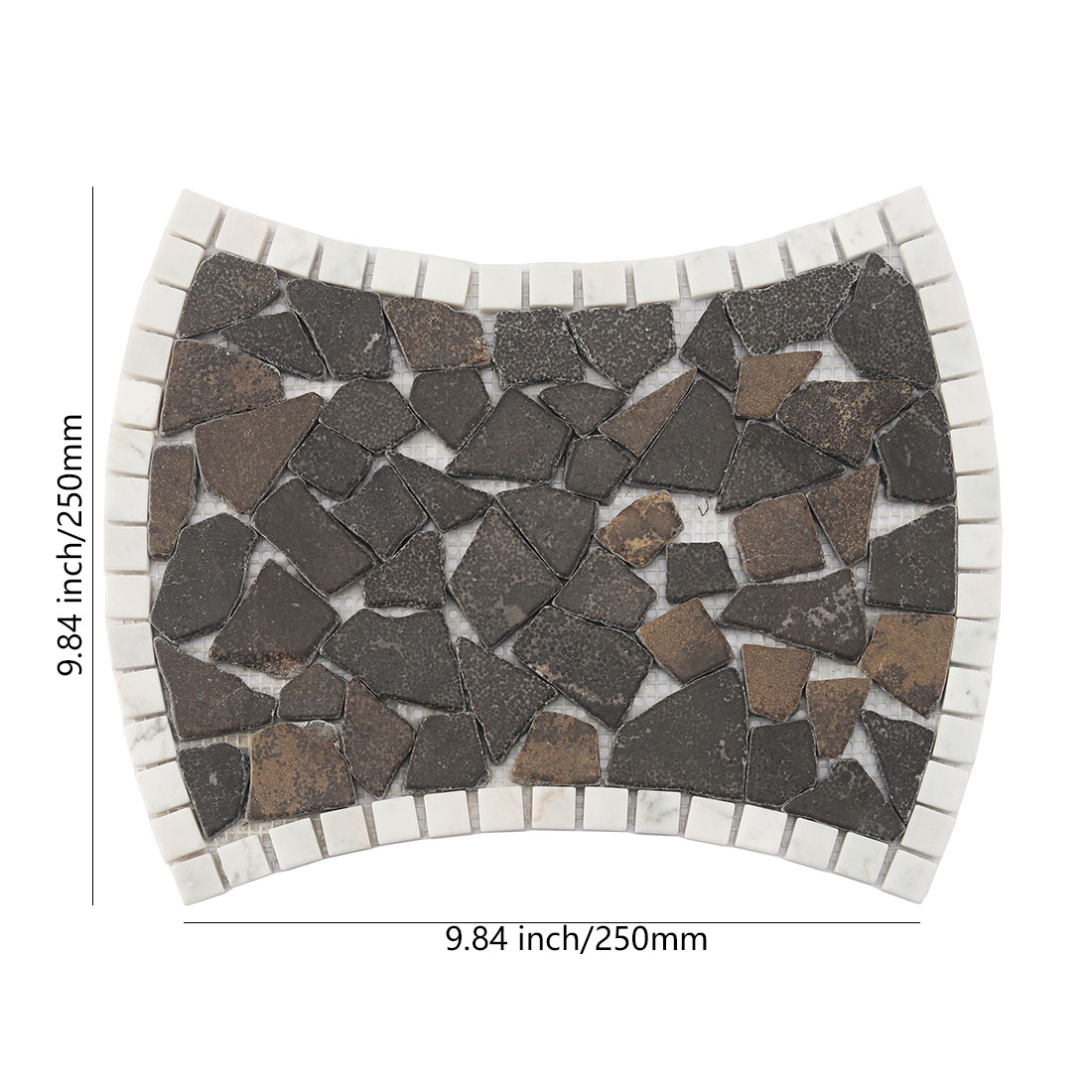
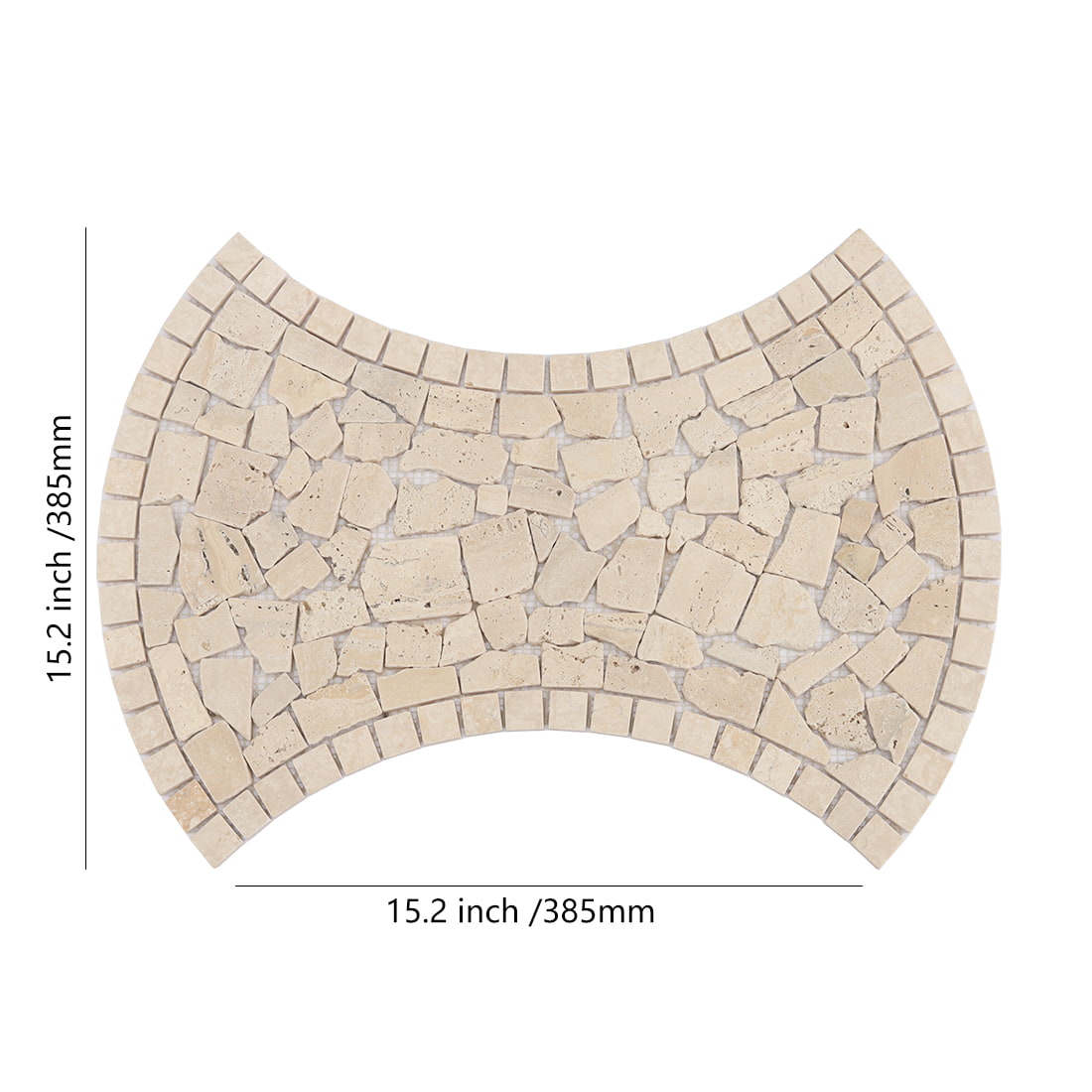
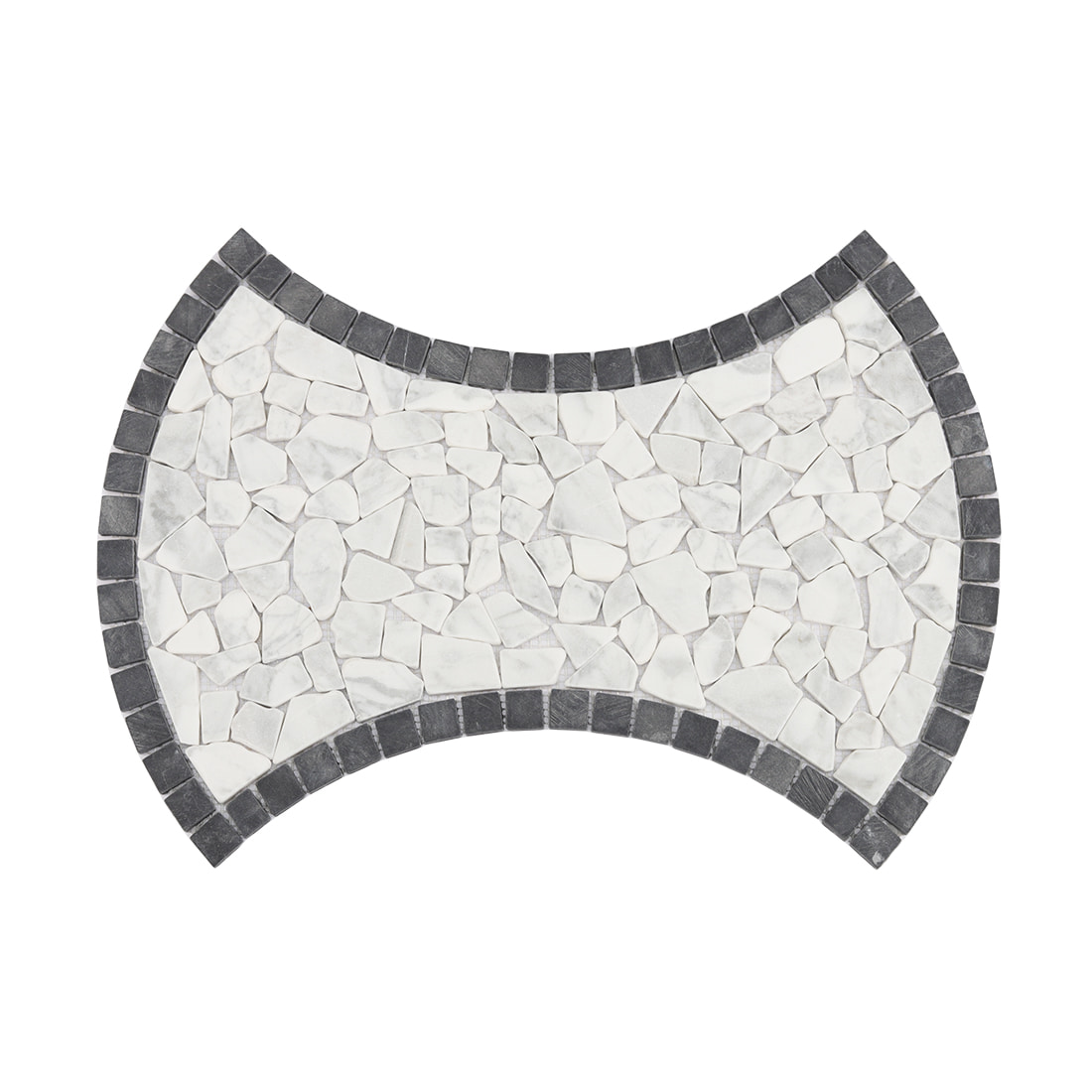
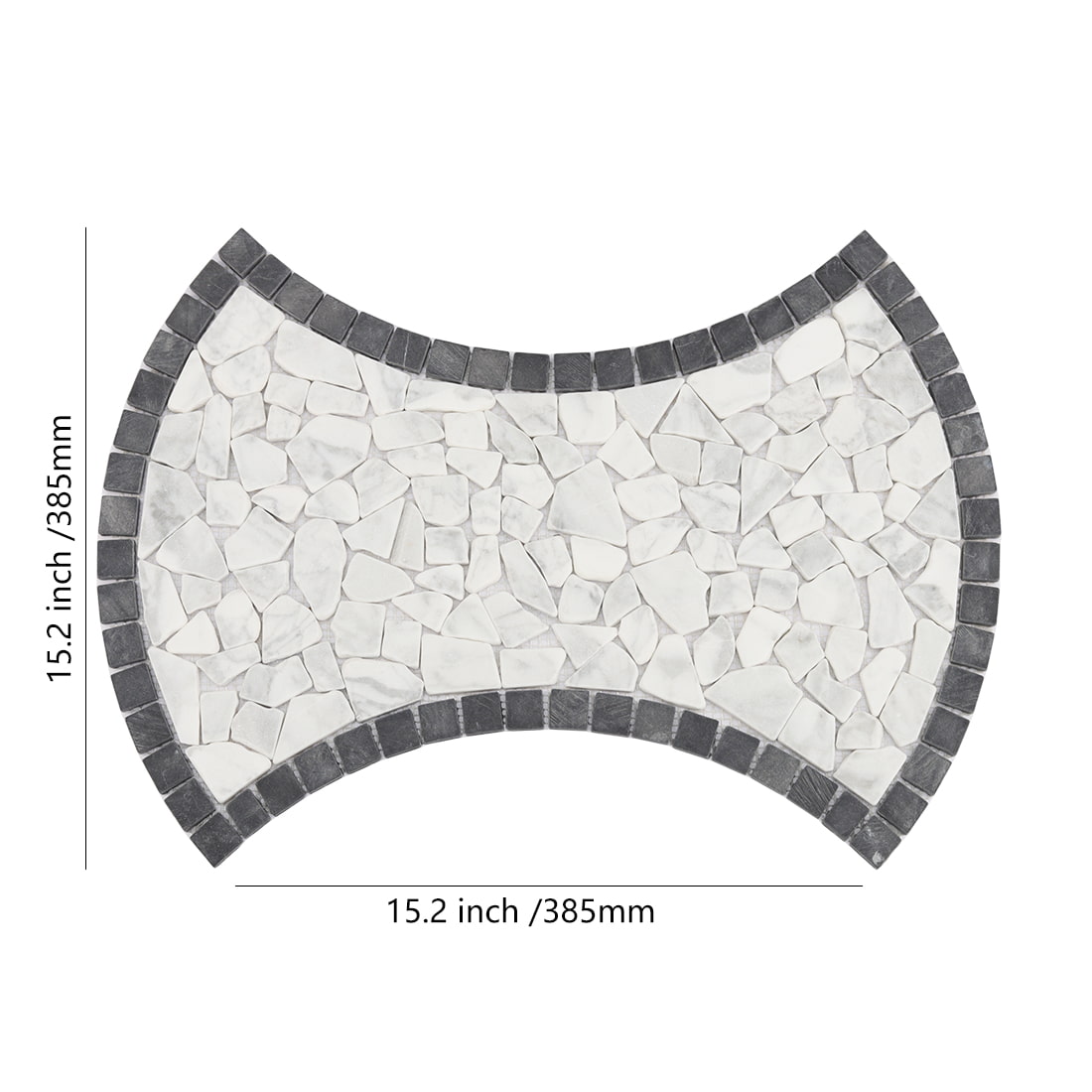
Glass, ceramic or stone mosaics can be applied over a properly formed coping substrate to continue the pool’s interior design across rounded edges, curved pools, spas and decorative water features.
The supporting structure—not the mosaic sheet itself—must provide the required strength, waterproofing, slope and movement accommodation.
Pool Coping Edge Profiles
Bullnose Coping
Bullnose coping has a rounded exposed edge that provides a comfortable handhold. It is popular for family pools, spas and traditional landscapes.
Eased-Edge or Square-Edge Coping
This profile has a clean, straight face with slightly softened corners. It creates a modern appearance without leaving an uncomfortably sharp edge.
Drop-Face Coping
Drop-face coping includes a vertical section that extends over the inside face of the pool. It creates the appearance of a thicker edge while concealing the bond beam, fiberglass shell edge or construction transition.
Full Bullnose and Double Bullnose
These profiles have rounded treatment on more than one exposed edge. They are useful for spa surrounds, raised walls, steps and locations where multiple sides remain visible.
Custom Curved Coping
Curved, kidney-shaped and free-form pools may require radius pieces, digital drawings or physical templates. Confirm the inside radius, outside radius, coping width, joint width and corner arrangement before production.
How to Choose the Right Pool Coping
Confirm the Pool Construction
Identify whether the project uses a concrete, fiberglass or vinyl-liner pool. The coping profile must coordinate with the pool shell, liner track, waterline tile and surrounding deck.
Check Wet-Area Slip Suitability
Do not rely only on words such as “non-slip.” Ask for the manufacturer’s intended-use classification, surface information and available test reports. In the United States, ANSI A326.3 includes product-use classifications for exterior wet areas.
Consider Climate and Sun Exposure
For hot, sunny locations, lighter colors generally provide better barefoot comfort than dark materials. In freezing climates, select products verified for freeze–thaw exposure and make sure the installation prevents trapped water.
Consider Chlorine and Saltwater Exposure
Choose a material, adhesive, grout, sealant and sealer compatible with the pool’s water-treatment system. Dense porcelain and selected stones may perform well, but suitability should be confirmed for the specific product rather than assumed from the material name alone.
Coordinate the Whole Pool Area
Compare coping samples beside:
-
Waterline tile.
-
Pool interior finish.
-
Deck pavers.
-
Exterior wall finishes.
-
Drain covers.
-
Steps and spa edges.
Review samples both dry and wet because water can noticeably change the color of natural stone.
Common Pool Coping Sizes
Common market sizes include 12 × 24, 13 × 24, 16 × 24 and longer 12 × 48-inch pieces, with porcelain products often around 20 mm thick and natural stone products available in several thicknesses. These are general market examples rather than universal standards.
Woos Tiles can provide project-specific fabrication based on:
-
Pool perimeter and bond-beam width.
-
Required overhang.
-
Edge profile.
-
Material thickness.
-
Drop-face height.
-
Corner configuration.
-
Pool radius.
-
Joint width.
-
Matching deck or waterline products.
Final dimensions should be approved by the installer before production.
How Much Pool Coping Do You Need?
Pool coping is normally calculated by linear length rather than square area.
For a rectangular pool:
Required length = 2 × (pool length + pool width)
For a circular pool:
Required length = pool diameter × 3.1416
After calculating the perimeter, add material for corner cuts, breakage and future repairs. Approximately 10% additional material is commonly used as an initial allowance, but curved pools and complex layouts may require more.
For mosaic-finished coping, calculate both the linear edge length and the total tiled surface area.
Pool Coping Installation Essentials
Professional installation is strongly recommended because coping sits at a critical transition between the pool shell and deck.
A reliable installation plan should include:
-
Inspecting and preparing a stable, clean bond beam.
-
Coordinating coping thickness with the waterline tile and deck elevation.
-
Completing the specified waterproofing transition.
-
Using an adhesive or mortar approved for the material and exposure conditions.
-
Achieving the required mortar coverage beneath every coping piece.
-
Maintaining consistent overhang, alignment and joint width.
-
Forming the specified drainage slope.
-
Providing movement joints between independently moving structures.
-
Using backer rod and flexible pool-compatible sealant where movement is expected.
-
Allowing the complete installation system to cure before water exposure.
Exterior tile systems require correctly designed movement joints because of temperature change and water exposure, Movement joints should not be filled with rigid grout.
Pool Coping Maintenance
Porcelain Coping
Clean regularly with water and a suitable neutral cleaner. Remove sunscreen, body oil, leaves and chemical residue before staining develops.
Natural Stone Coping
Use a pH-neutral stone cleaner. Avoid acidic cleaners on limestone, travertine and marble. Apply or renew a compatible penetrating sealer when recommended by the stone and sealer suppliers.
Routine Inspection
Check the pool perimeter periodically for:
-
Cracked or loose coping pieces.
-
Hollow sounds below the tile.
-
Failed flexible sealant.
-
Open movement joints.
-
White mineral deposits or efflorescence.
-
Standing water.
-
Chipped exposed edges.
-
Movement between the deck and coping.
Repairing a failed joint early can help prevent more extensive damage to the waterline tile or bond beam.
Pool Coping Replacement and Renovation
Pool coping may need replacement when it becomes loose, cracked, uneven, severely stained or detached from the bond beam. Individual pieces can sometimes be replaced when the supporting structure remains sound.
A renovation assessment should determine:
-
Whether damage is limited to the coping.
-
Whether the bond beam requires repair.
-
Whether waterproofing has failed.
-
Whether deck movement caused the cracking.
-
Whether waterline tile also needs replacement.
-
Whether existing materials can be matched.
The pool may not always require complete draining, but water level changes and demolition work should be planned by an experienced pool contractor.
What Affects Pool Coping Price?
Pool coping prices vary according to:
-
Material and stone grade.
-
Piece length, width and thickness.
-
Bullnose, eased or drop-face fabrication.
-
Straight versus curved pieces.
-
Inside and outside corners.
-
Surface treatment.
-
Custom color or pattern matching.
-
Order quantity.
-
Packaging and international freight.
-
Existing coping removal.
-
Bond-beam repair and waterproofing.
-
Local installation labor.
For accurate comparison, confirm whether a quotation is calculated per piece, linear foot, linear meter or square foot.
Why Choose Woos Tiles?
Woos Tiles supports residential, commercial and hospitality pool projects with coordinated tile and coping solutions.
Available project services include:
-
Standard and custom coping dimensions.
-
Bullnose, eased-edge and drop-face fabrication.
-
Straight, corner and curved pieces.
-
Natural stone and porcelain selections.
-
Coordinating pool mosaic and waterline tile.
-
Color and surface sample review.
-
Project quantity assistance.
-
Wholesale and custom project quotations.
-
International project support.
Send us your pool drawing, perimeter dimensions, coping width, preferred profile and project location. Our team will help you identify suitable products and prepare an accurate quotation.
Frequently Asked Questions
What is the difference between pool coping and waterline tile?
Pool coping covers the horizontal top edge of the pool. Waterline tile is installed vertically below the coping and helps protect the pool finish at the water level.
What is the best material for pool coping?
There is no single best material for every project. Porcelain is popular for consistent sizing and lower maintenance, while travertine, limestone, granite and sandstone provide natural character. Climate, pool chemistry, surface finish and maintenance should guide the selection.
Are swimming pool coping tiles slip-resistant?
Some products are designed for exterior wet use, but not every coping tile has the same slip performance. Check the product’s surface, intended-use classification and available test information.
Does natural stone coping need sealing?
Many natural stones benefit from a penetrating sealer, but the correct treatment depends on stone type, finish, climate and pool chemistry. Test the sealer on a sample before application.
Can pool coping be used around a saltwater pool?
Yes, but the stone or porcelain, setting materials, grout, sealant and sealer must all be suitable for the expected salt exposure.
Which coping stays coolest in direct sunlight?
Surface temperature depends heavily on color, density, texture and sunlight. Light-colored coping generally feels more comfortable than dark coping, but outdoor sample testing provides the most reliable comparison.
Can regular outdoor tiles be used as pool coping?
Only when the tile is approved for the intended exterior wet environment and can be safely fabricated into a suitable edge profile. A standard cut tile may leave a sharp or visually unfinished edge.
Can coping be installed on a curved pool?
Yes. Curved pools can use smaller modular pieces, custom radius coping or mosaic finishes over a formed substrate. Accurate templates may be required.
How much extra coping should I order?
Approximately 10% extra is a common starting allowance. Pools with curves, multiple corners or complex cuts may require a higher percentage.
Can cracked coping be replaced without replacing the entire pool edge?
Individual pieces can often be replaced if the bond beam, waterproofing and adjacent materials remain sound. Repeated cracking usually indicates an underlying movement or moisture problem that should be corrected first.