

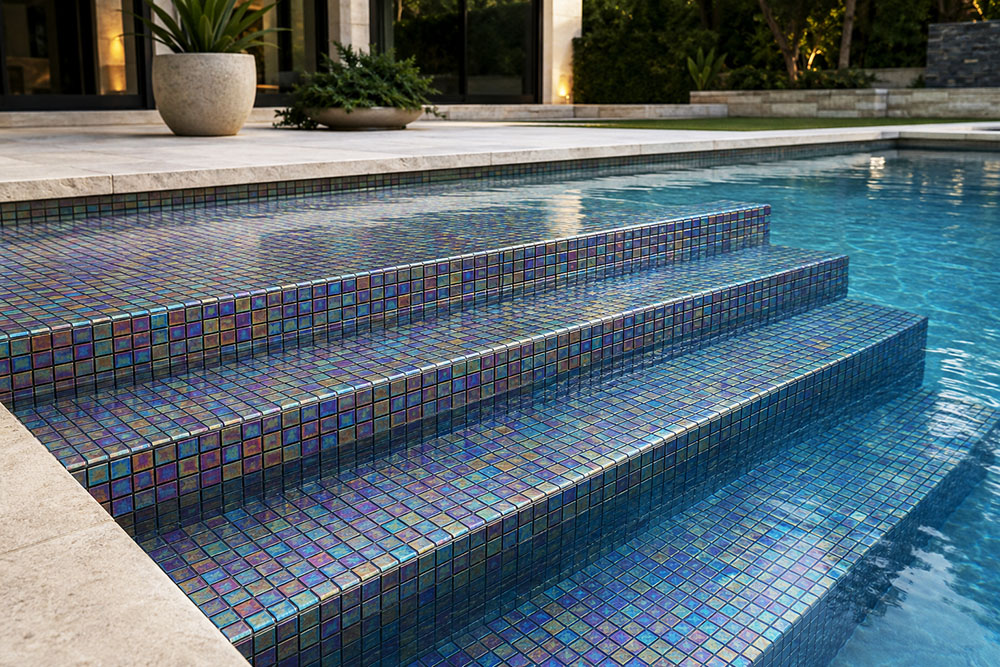
A Refined Mosaic Finish for Every Step
-
-
-
-
-
-
-
-
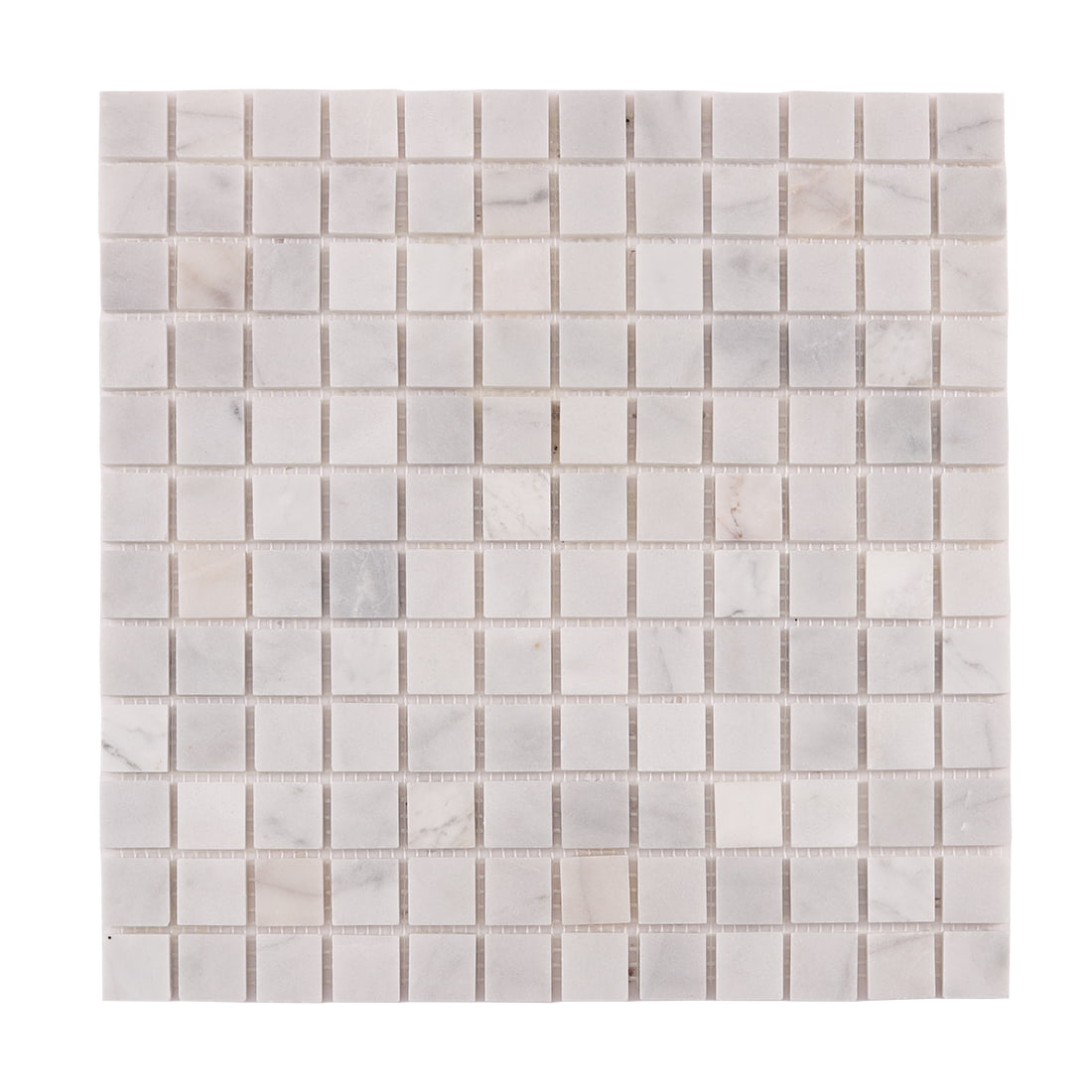
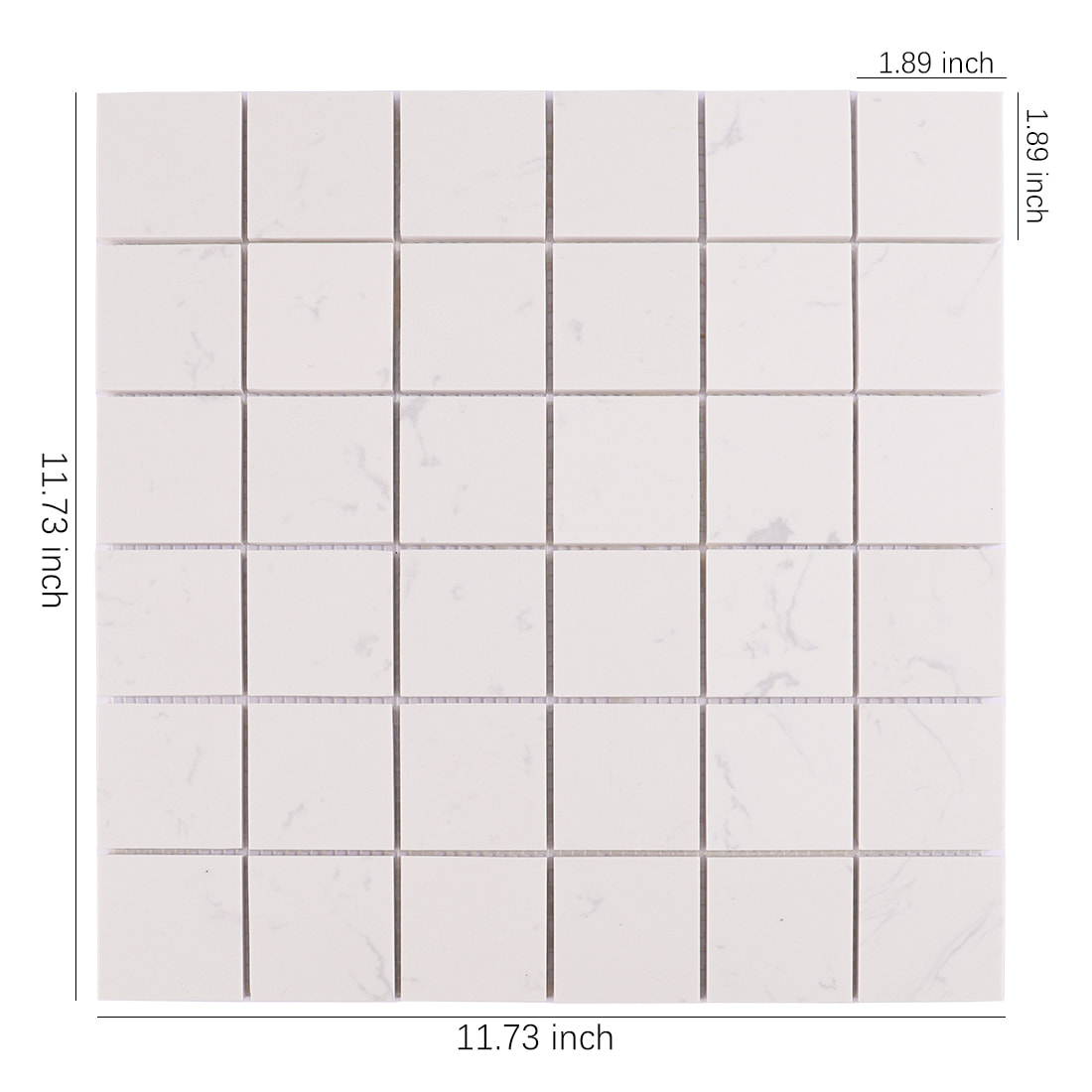
Light Gray Square Marble Mosaic Tile$8.77 USD
-
-
-
-
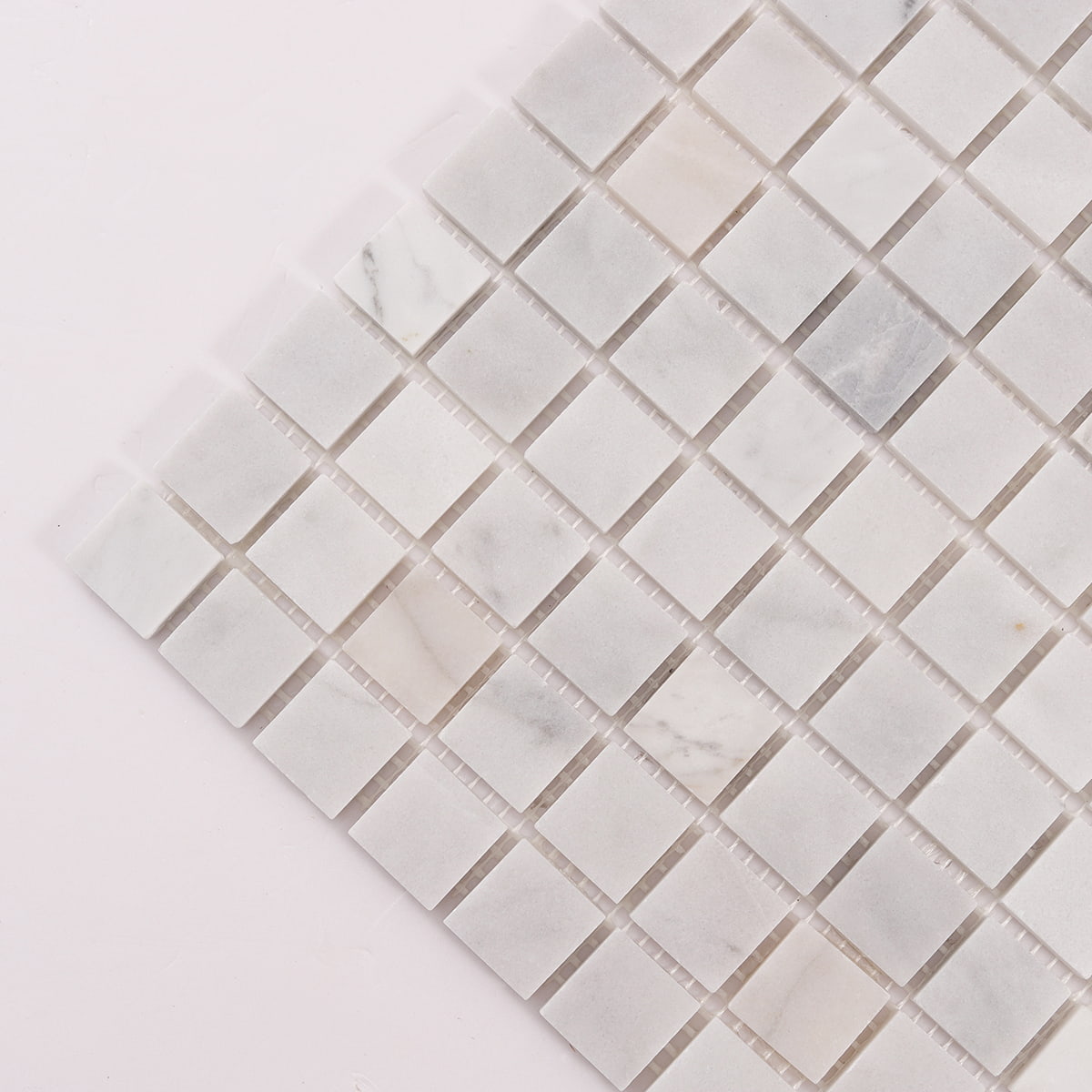
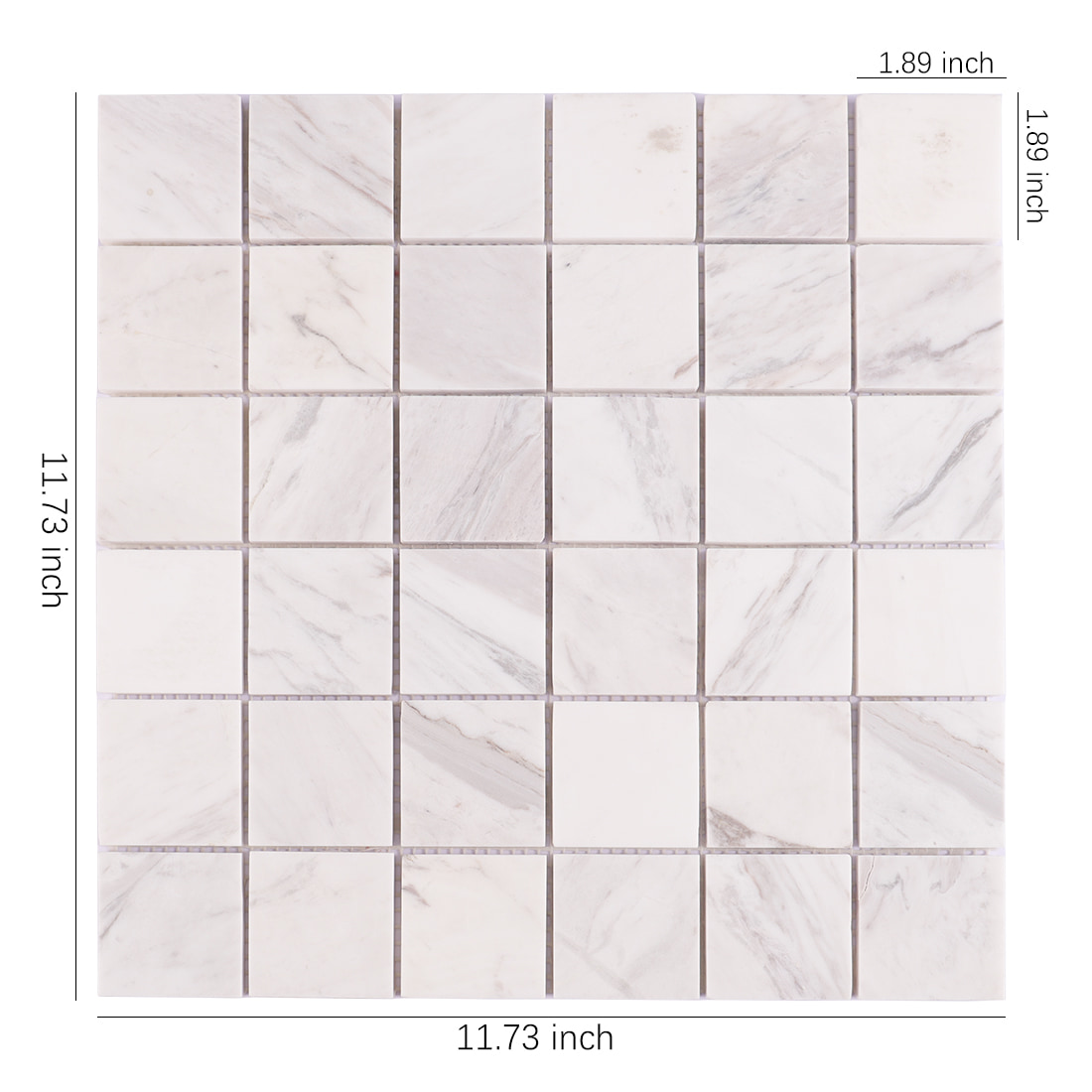
Volakas White Square Marble Mosaic Tile$9.69 USD
-
-
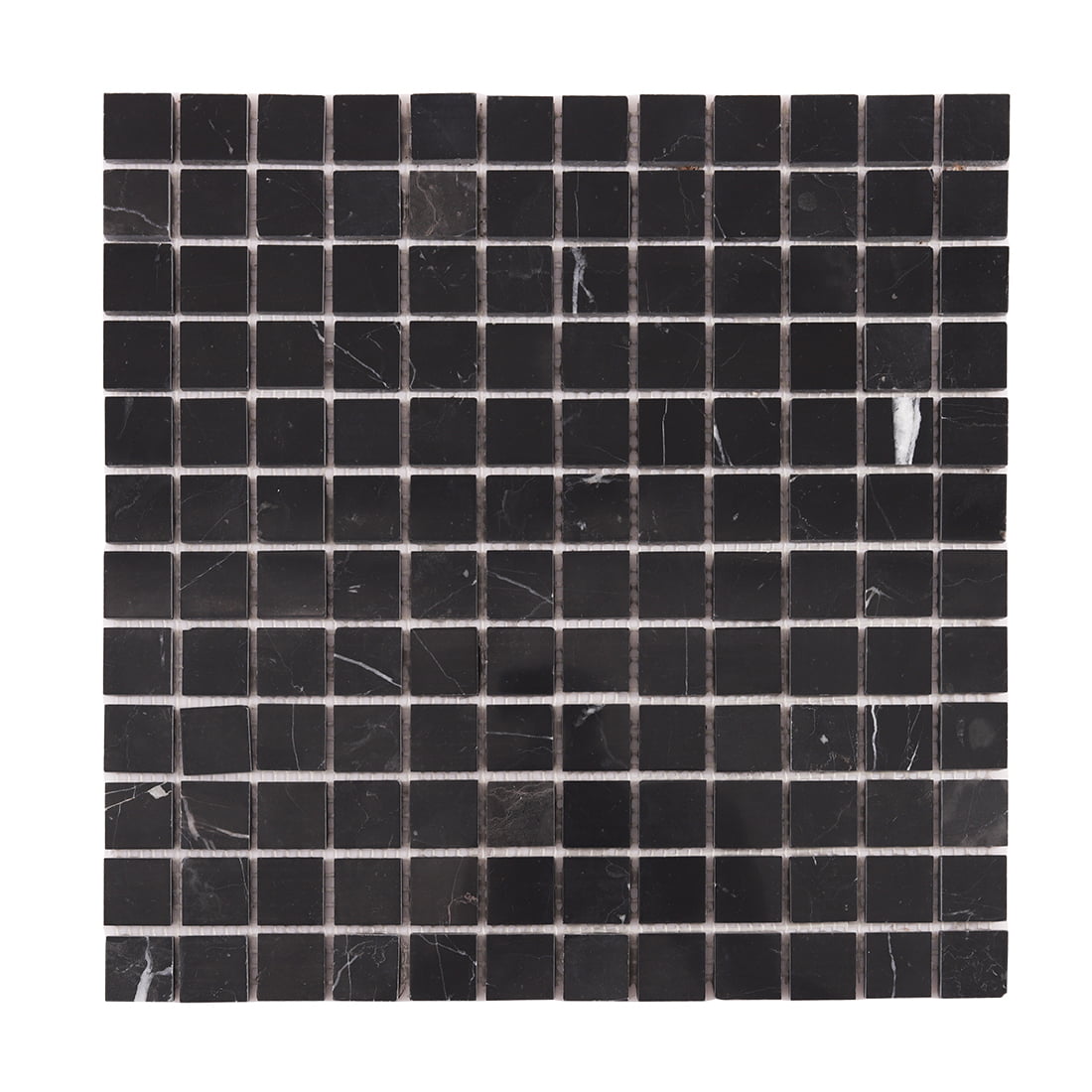
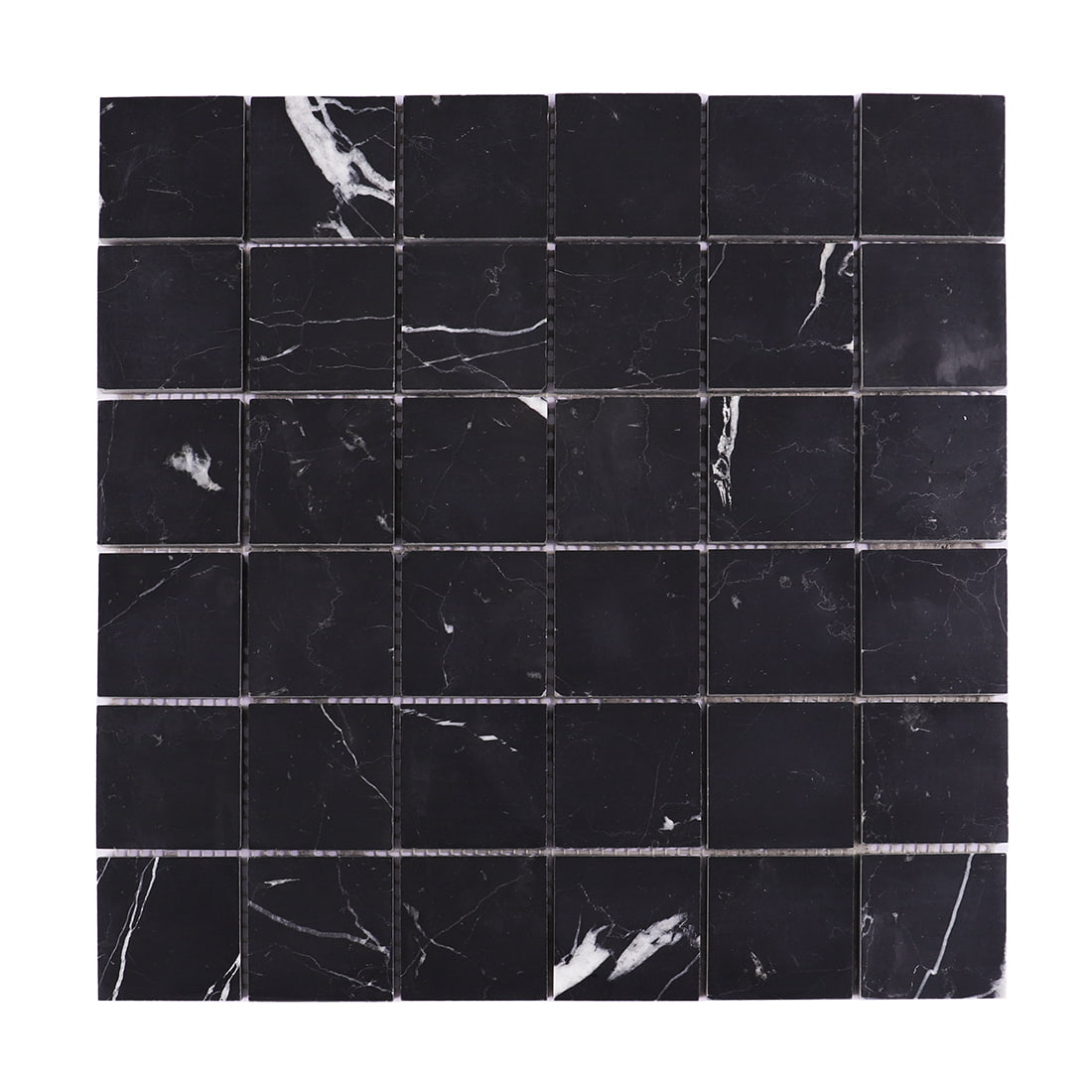
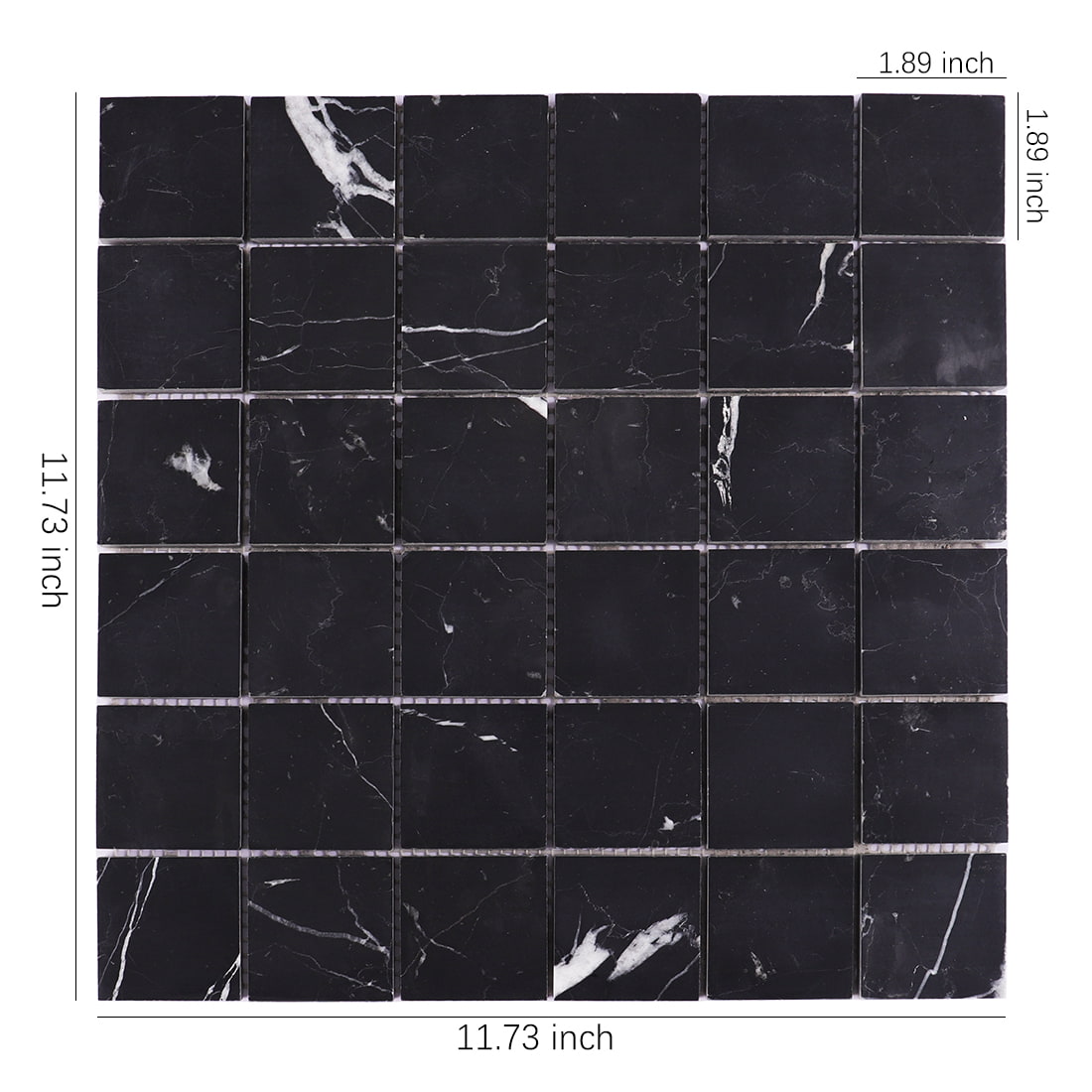
Nero Black Square Marble Mosaic Tile$9.02 USD
-
-
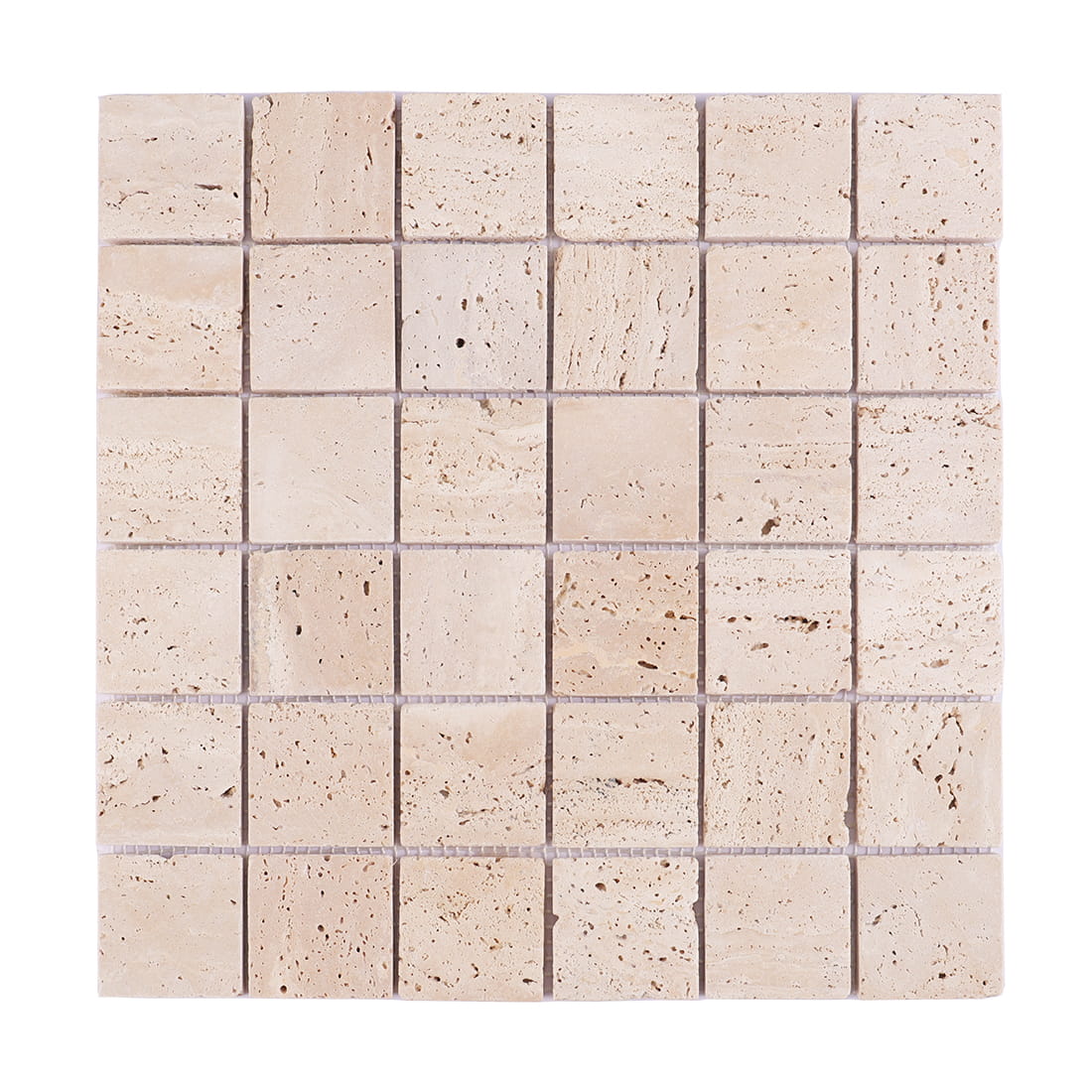
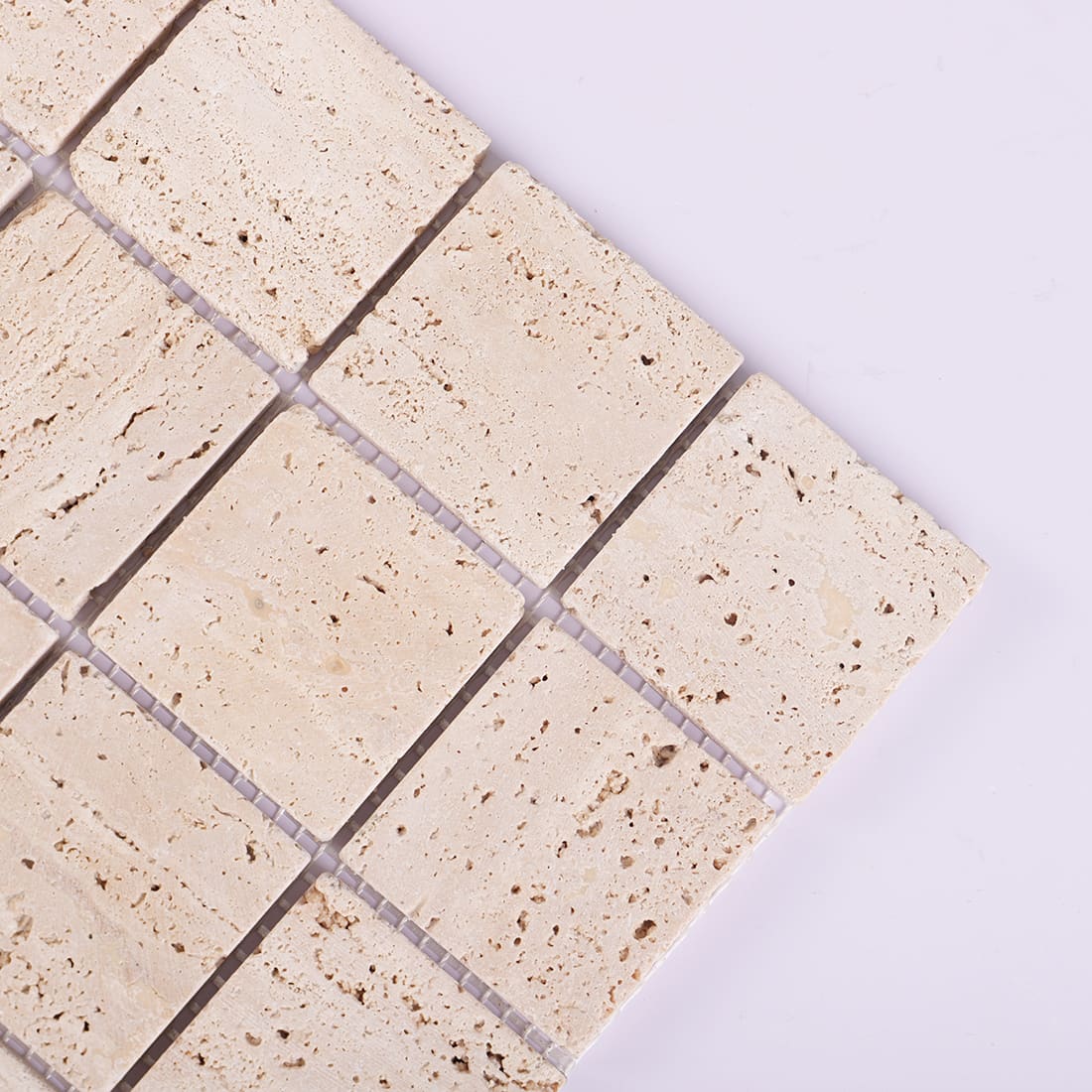
Beige Travertine Square Mosaic Tile$10.03 USD
-
-
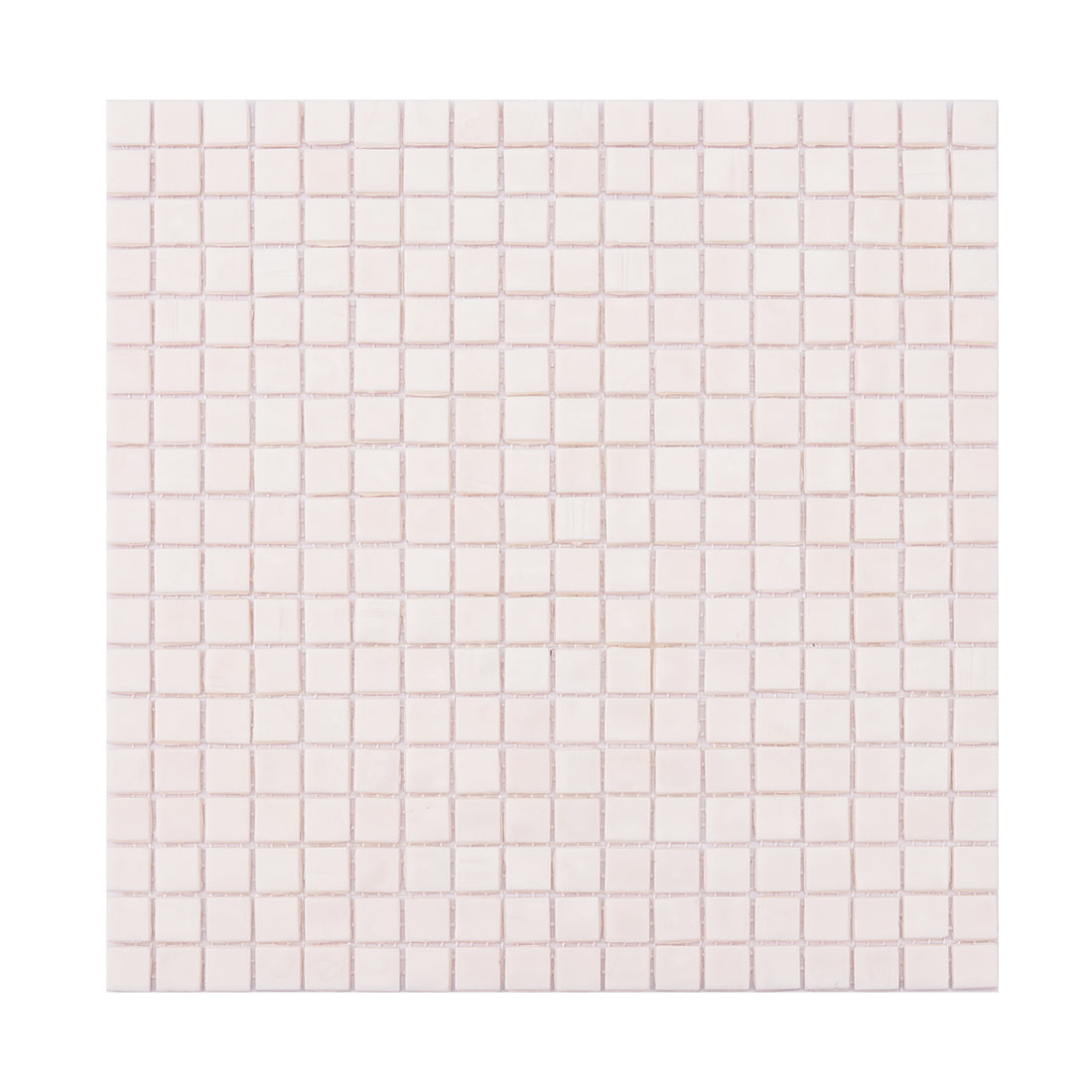
Light Blush Pink Glass Mosaic Pool Tile$12.79 USD
-
-
-
-
-
-
-
-
-
-
-
-
-
-
-
-
-
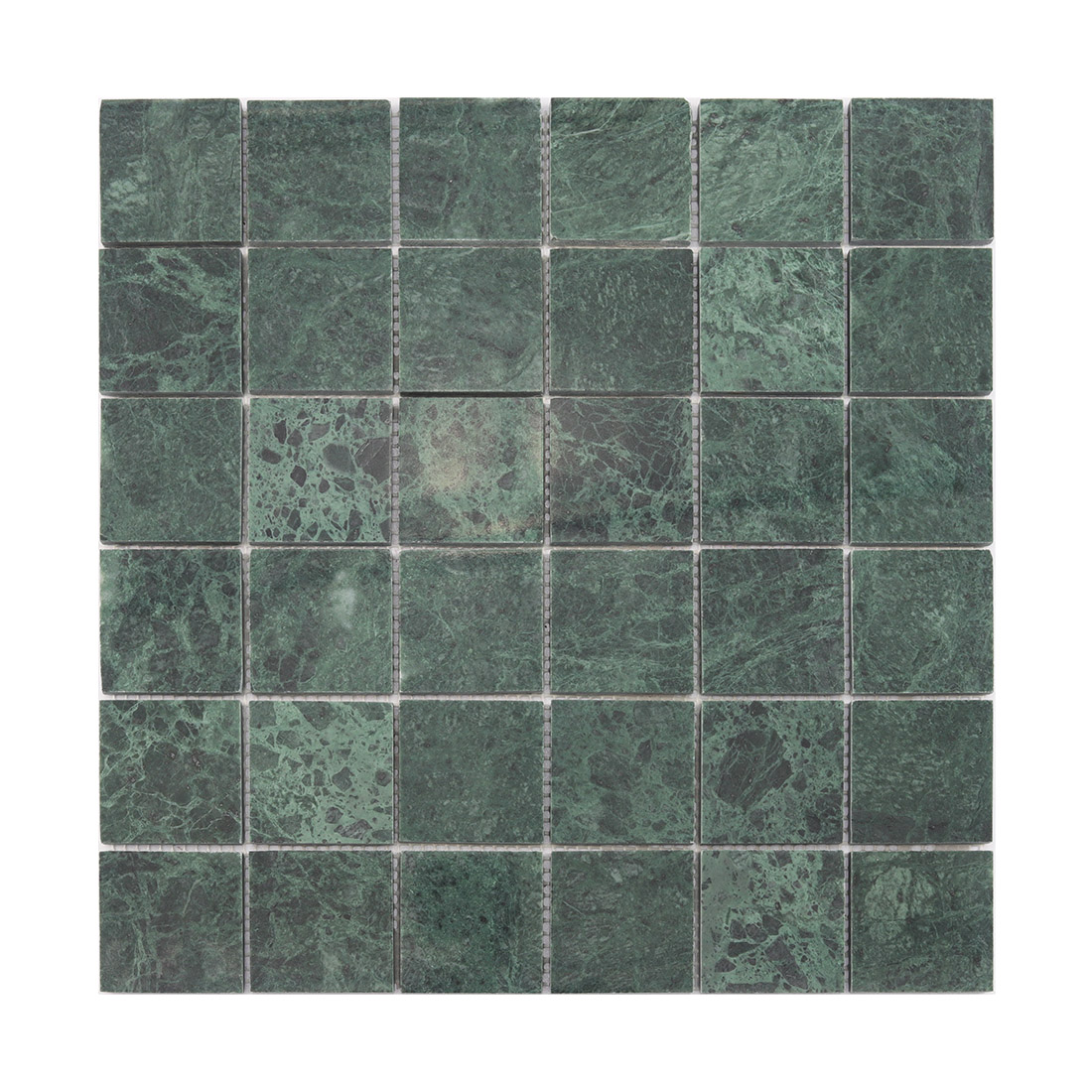
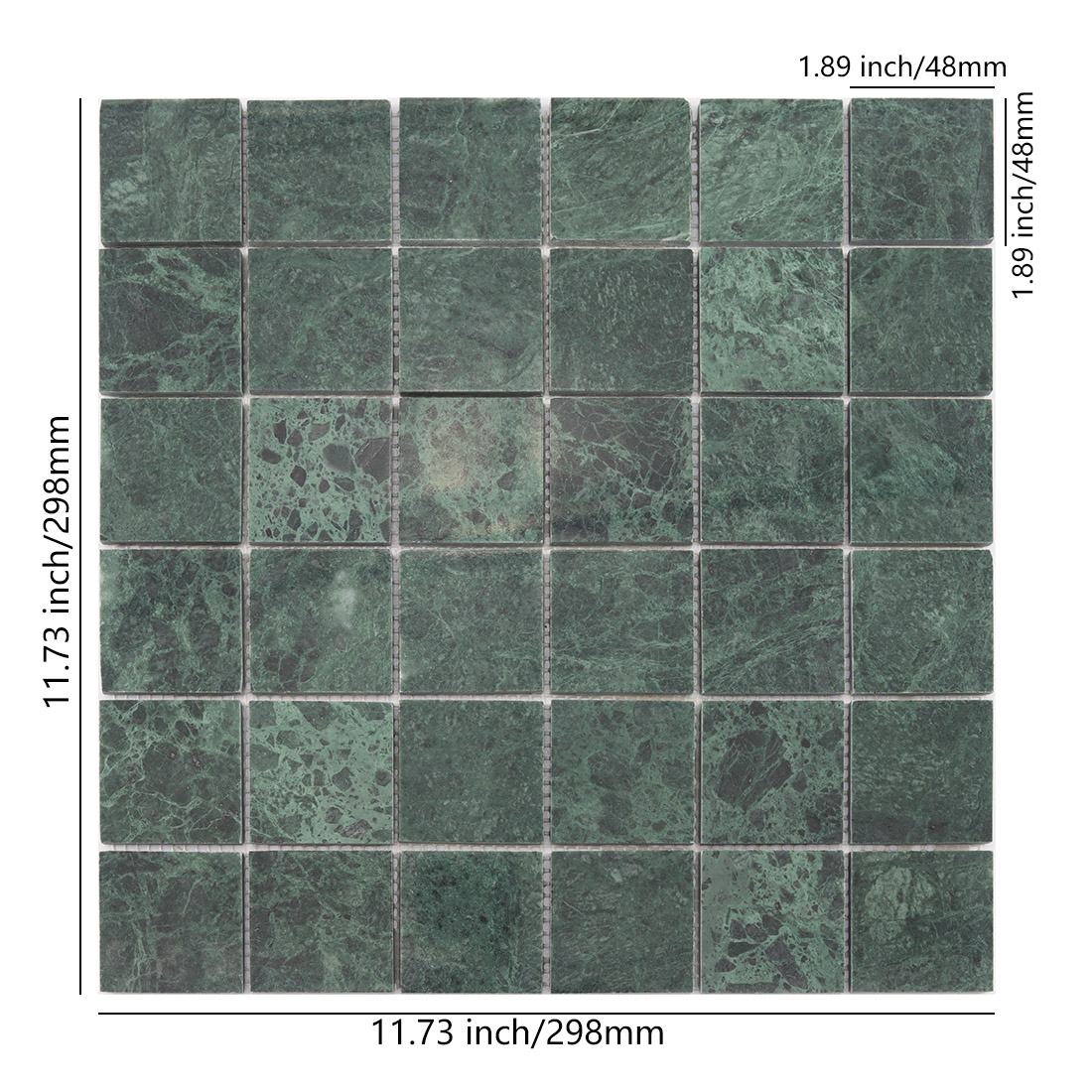
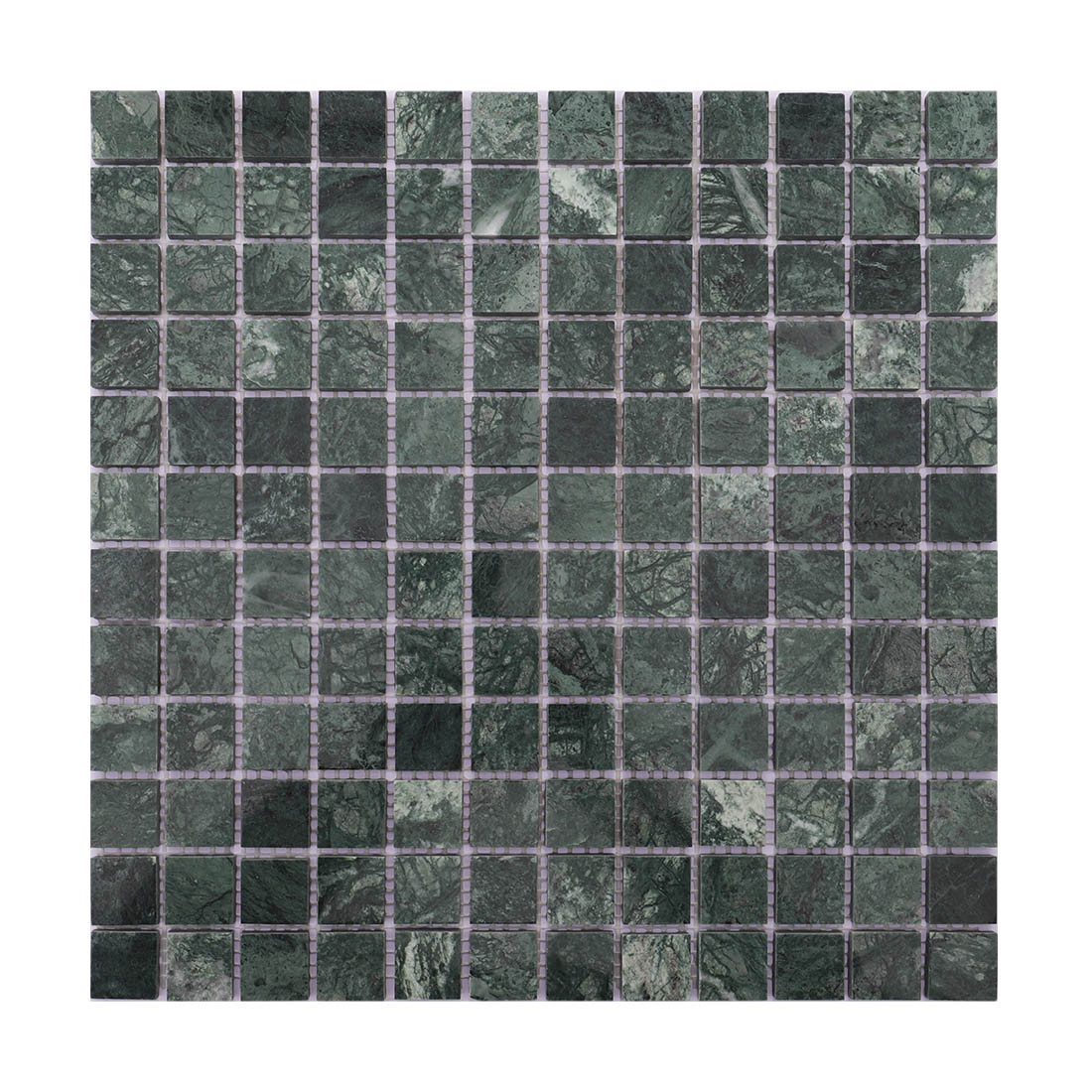
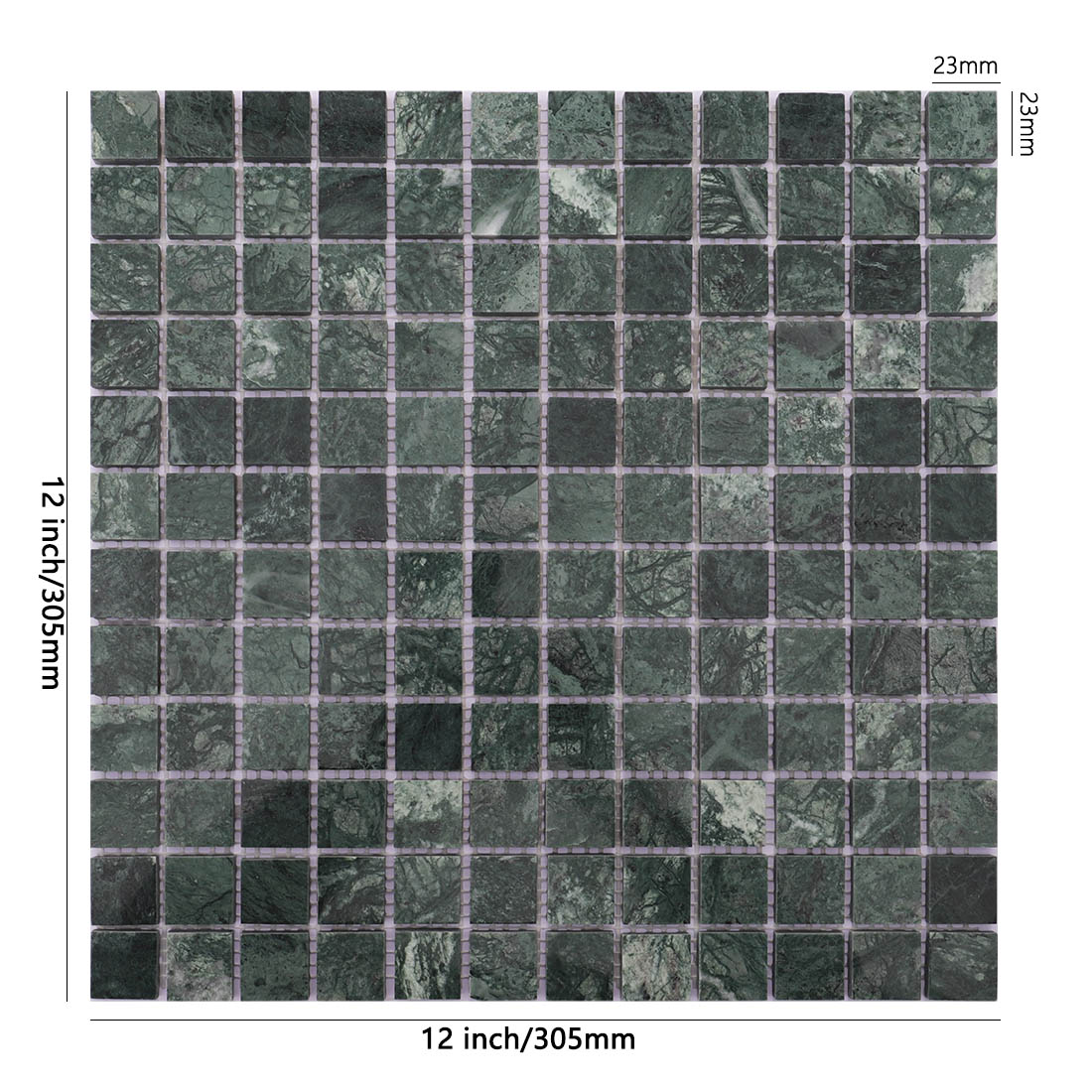
India Green Square Marble Floor Mosaic Tile$11.10 USD
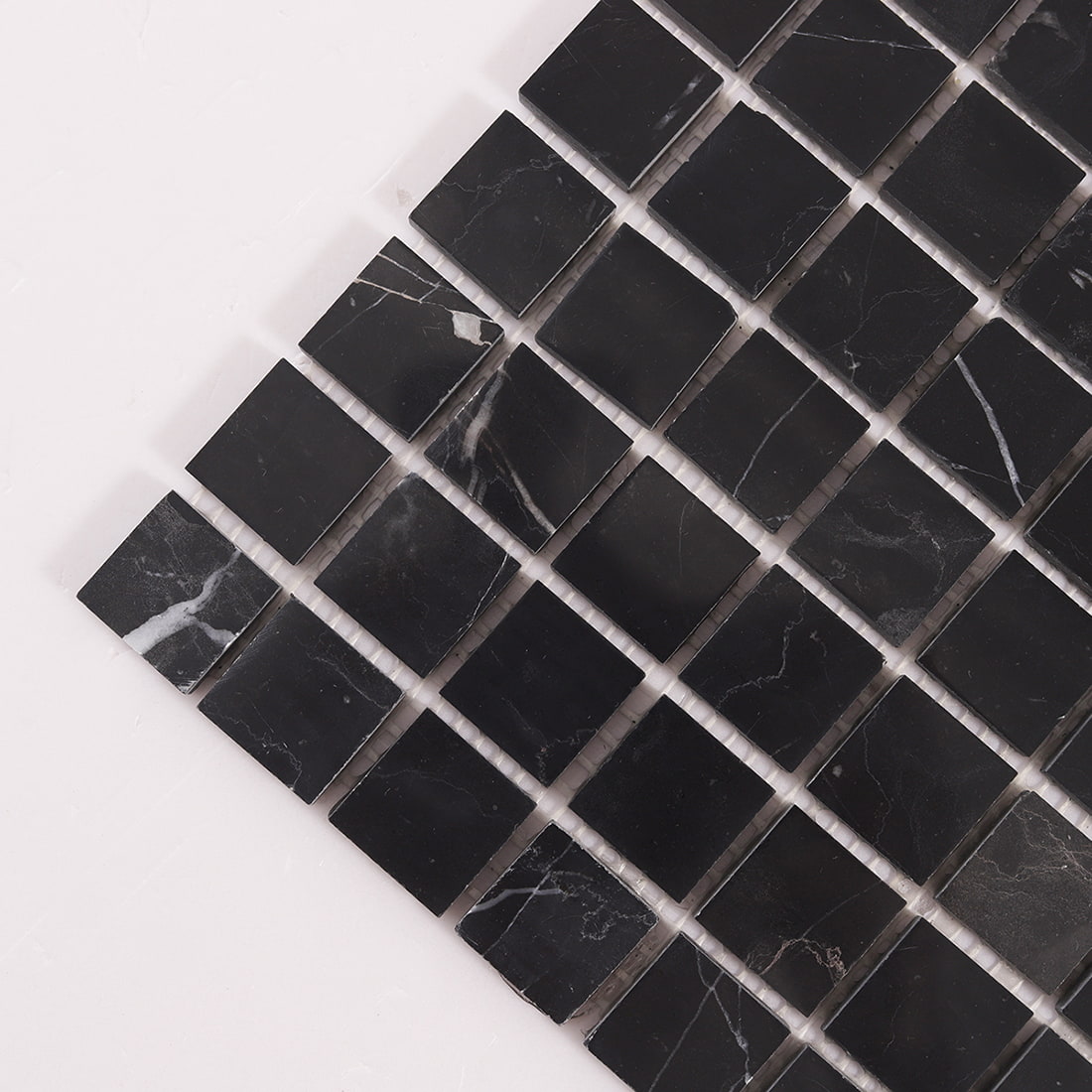
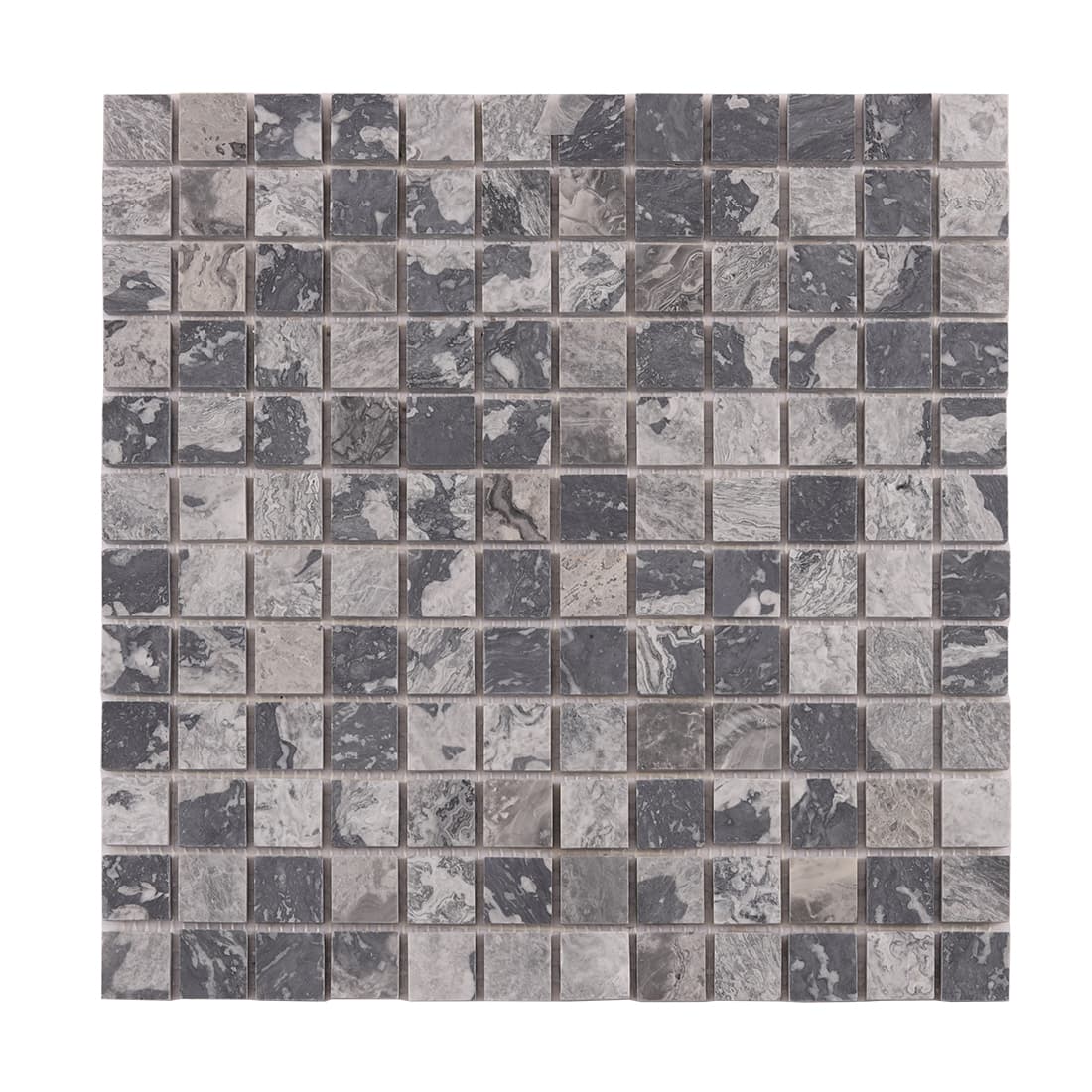
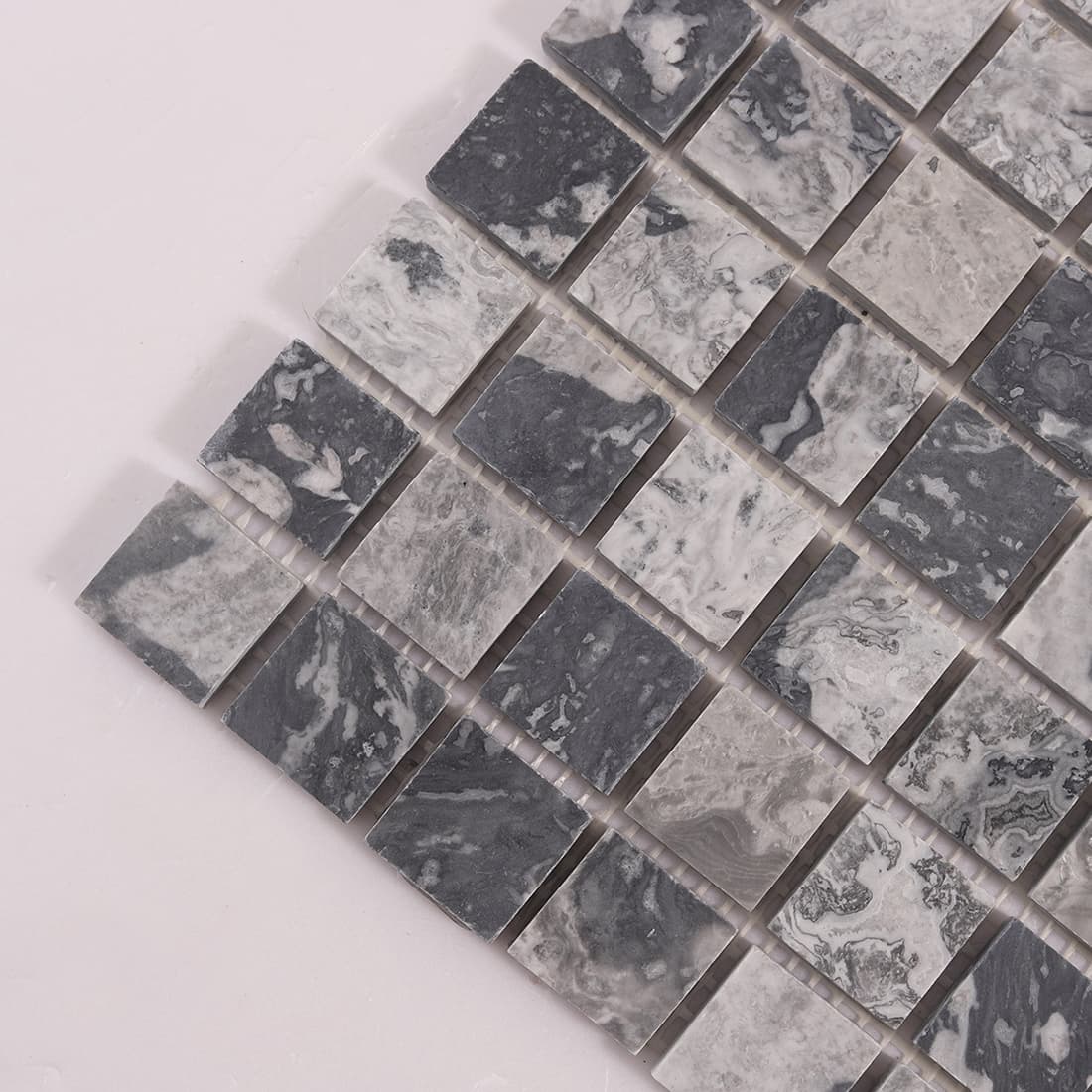
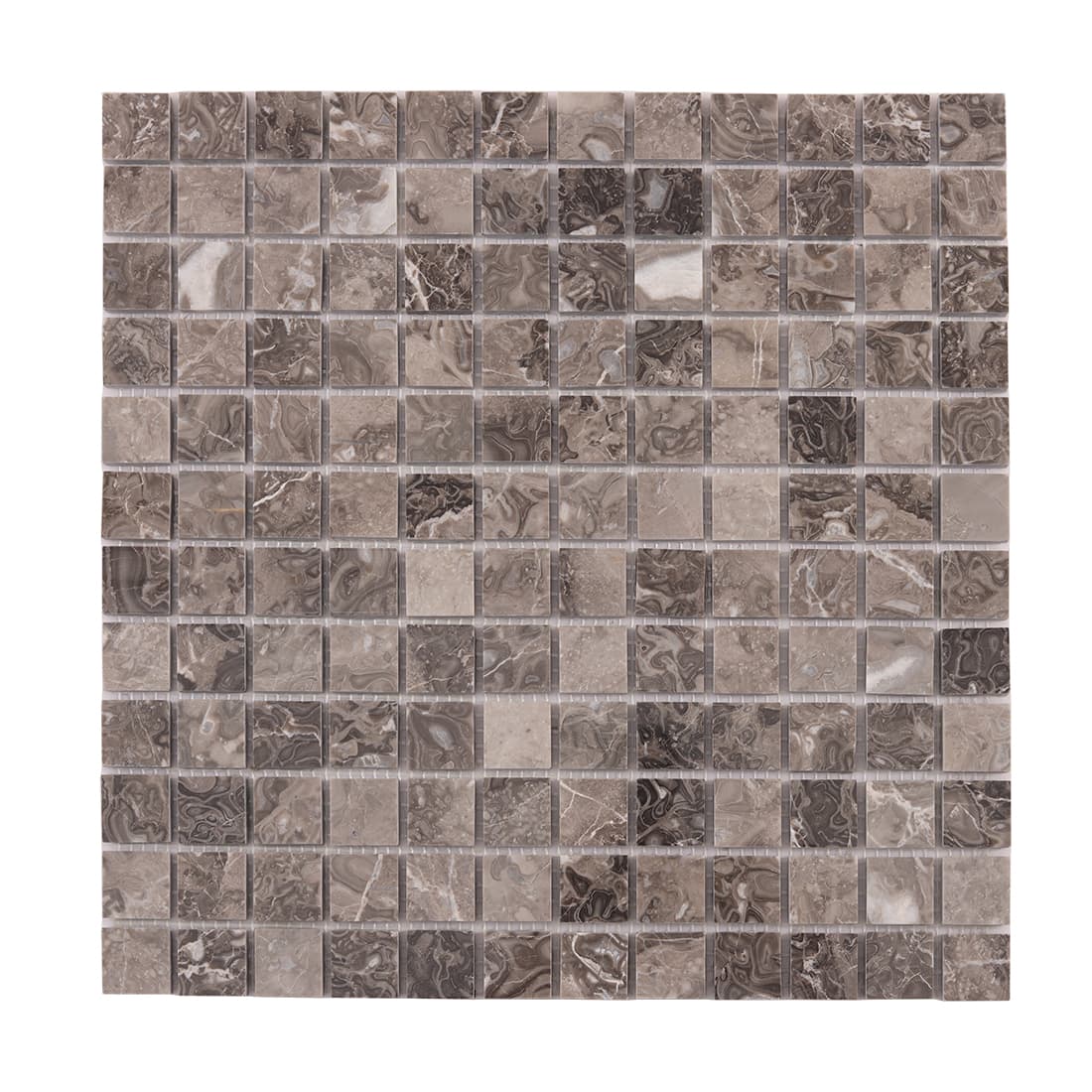
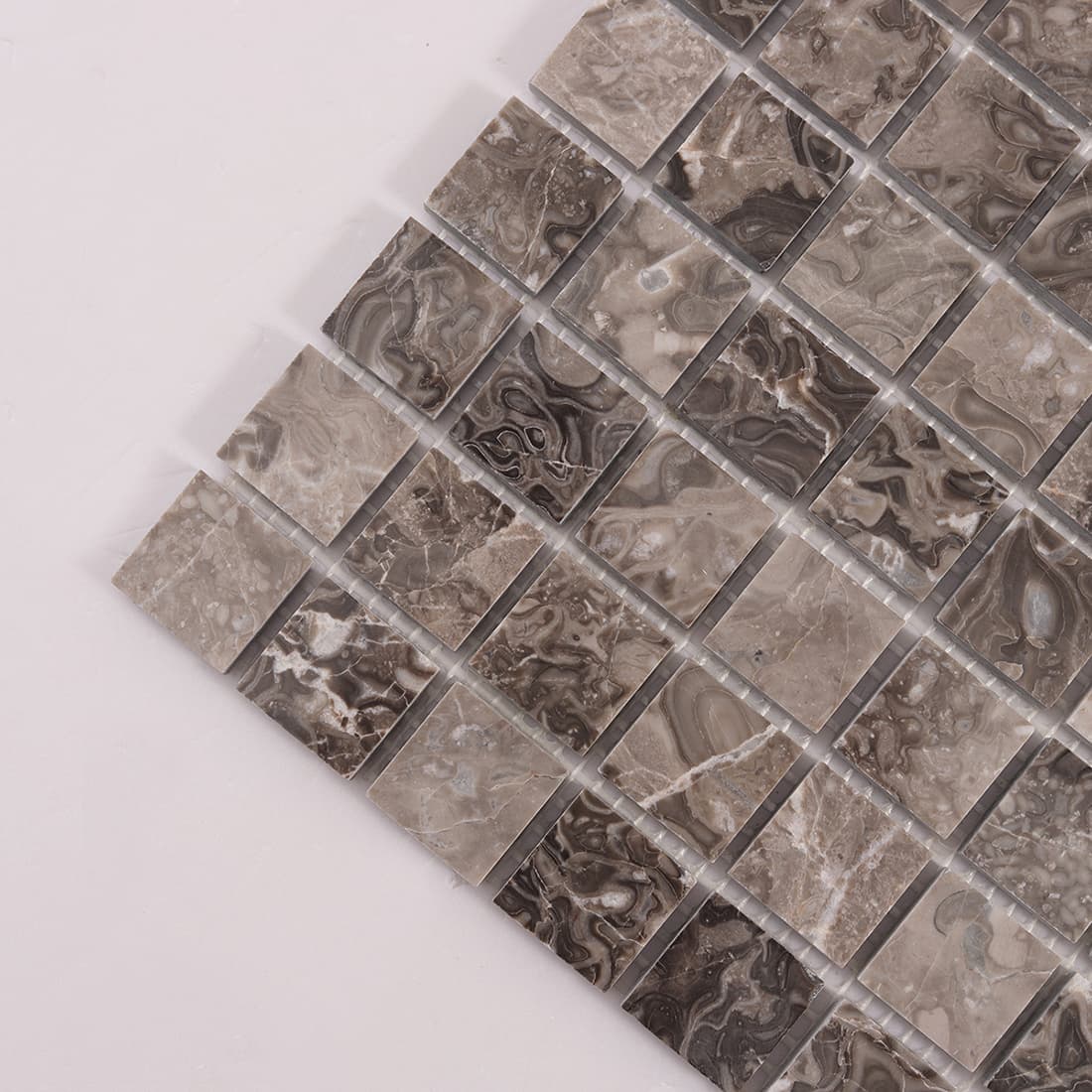
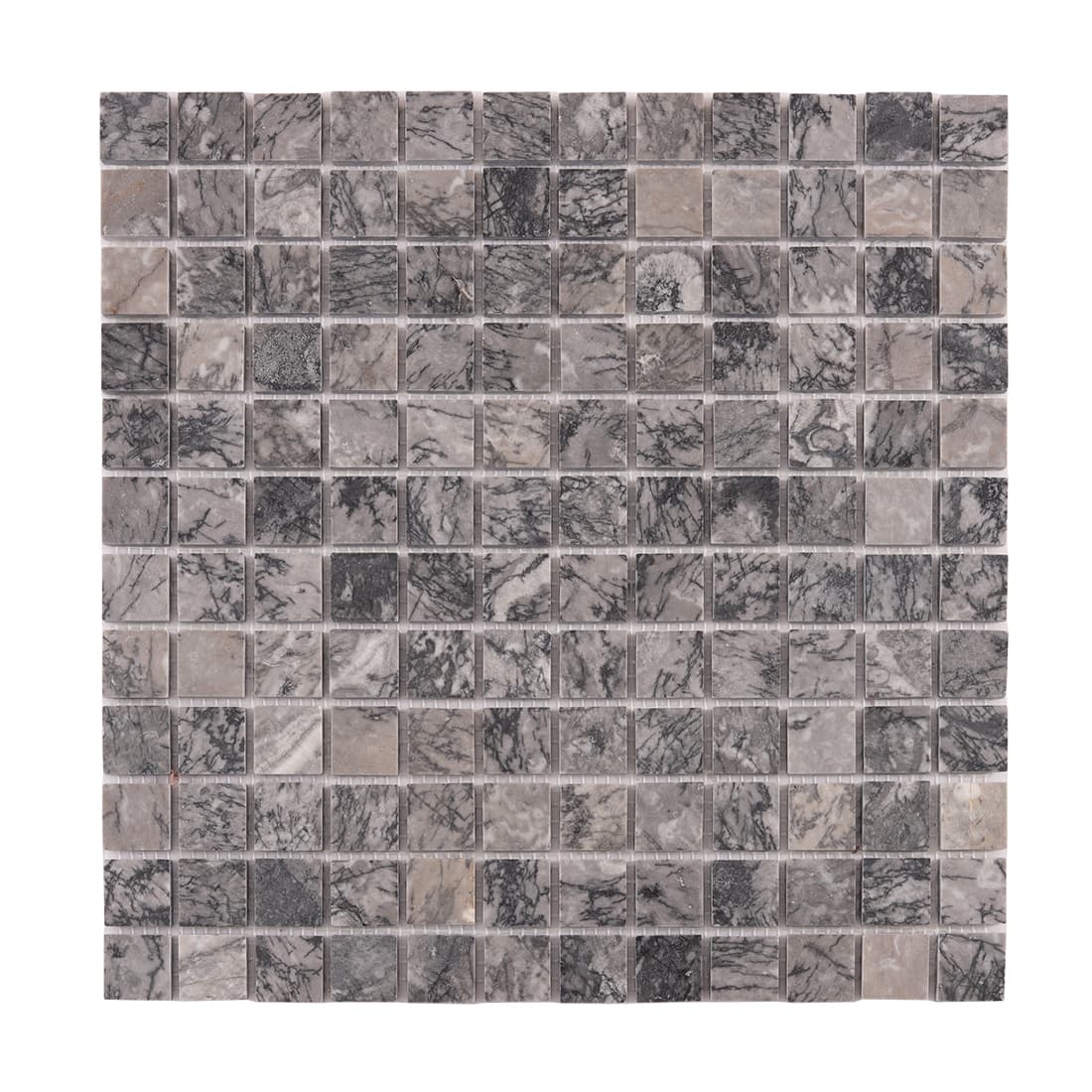
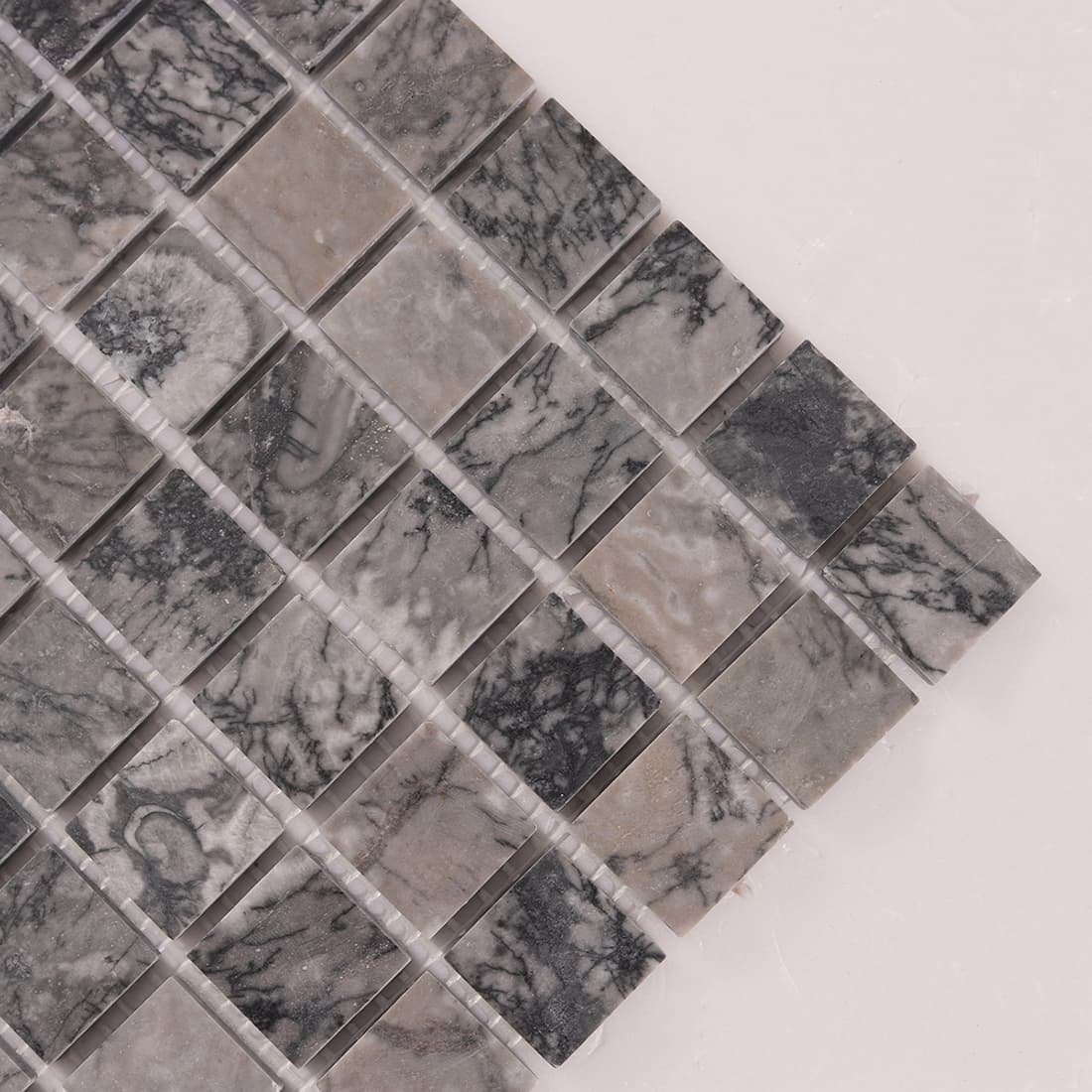
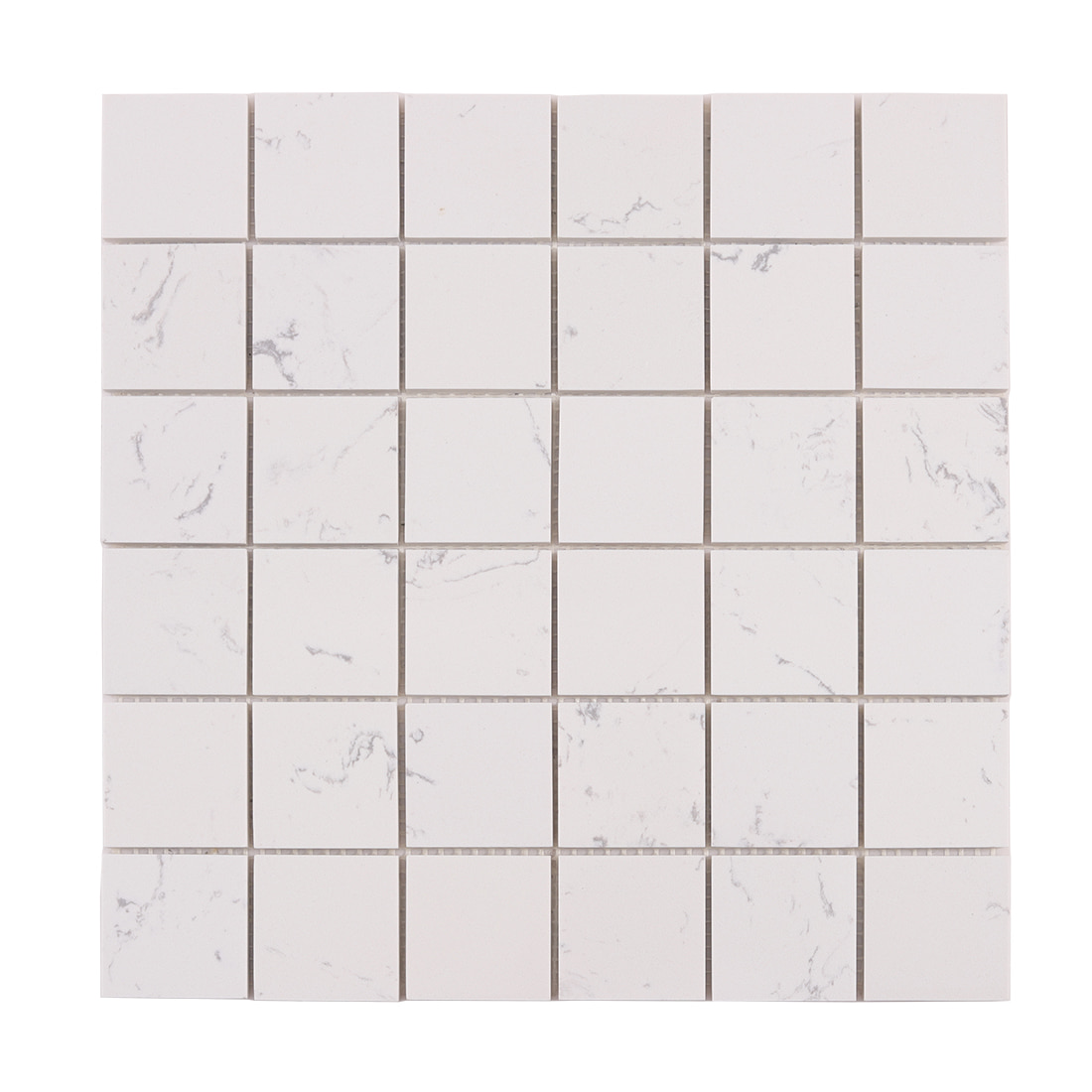
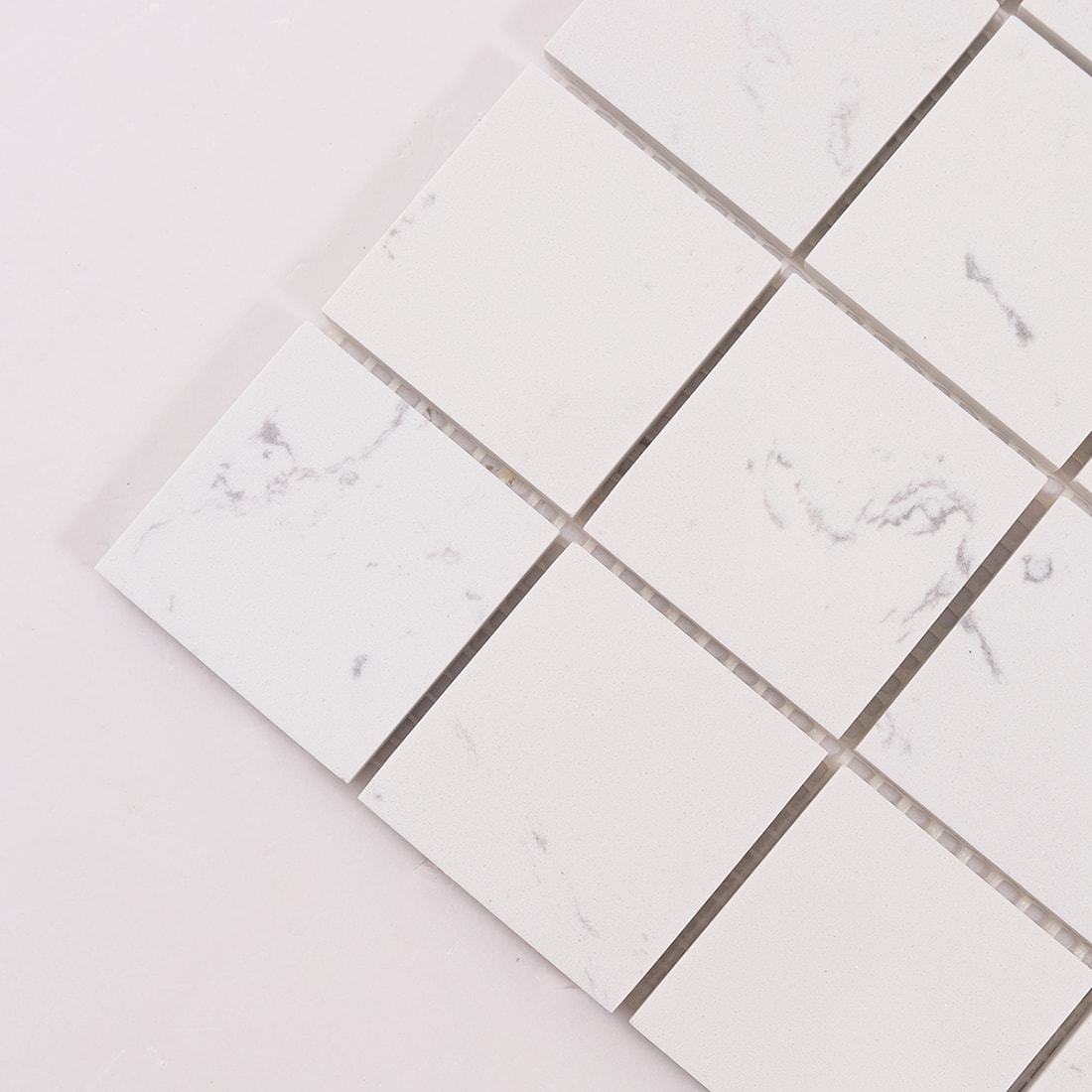
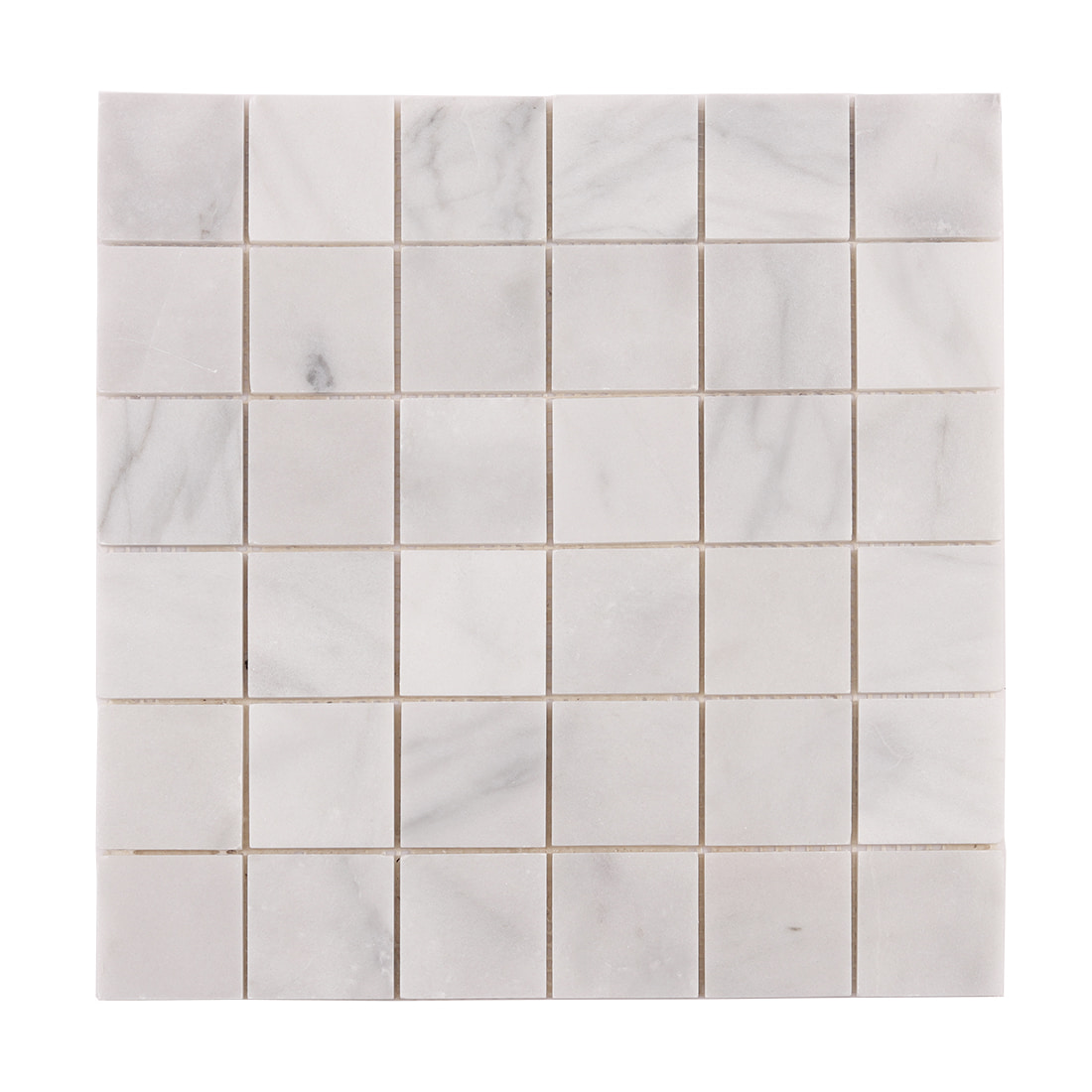
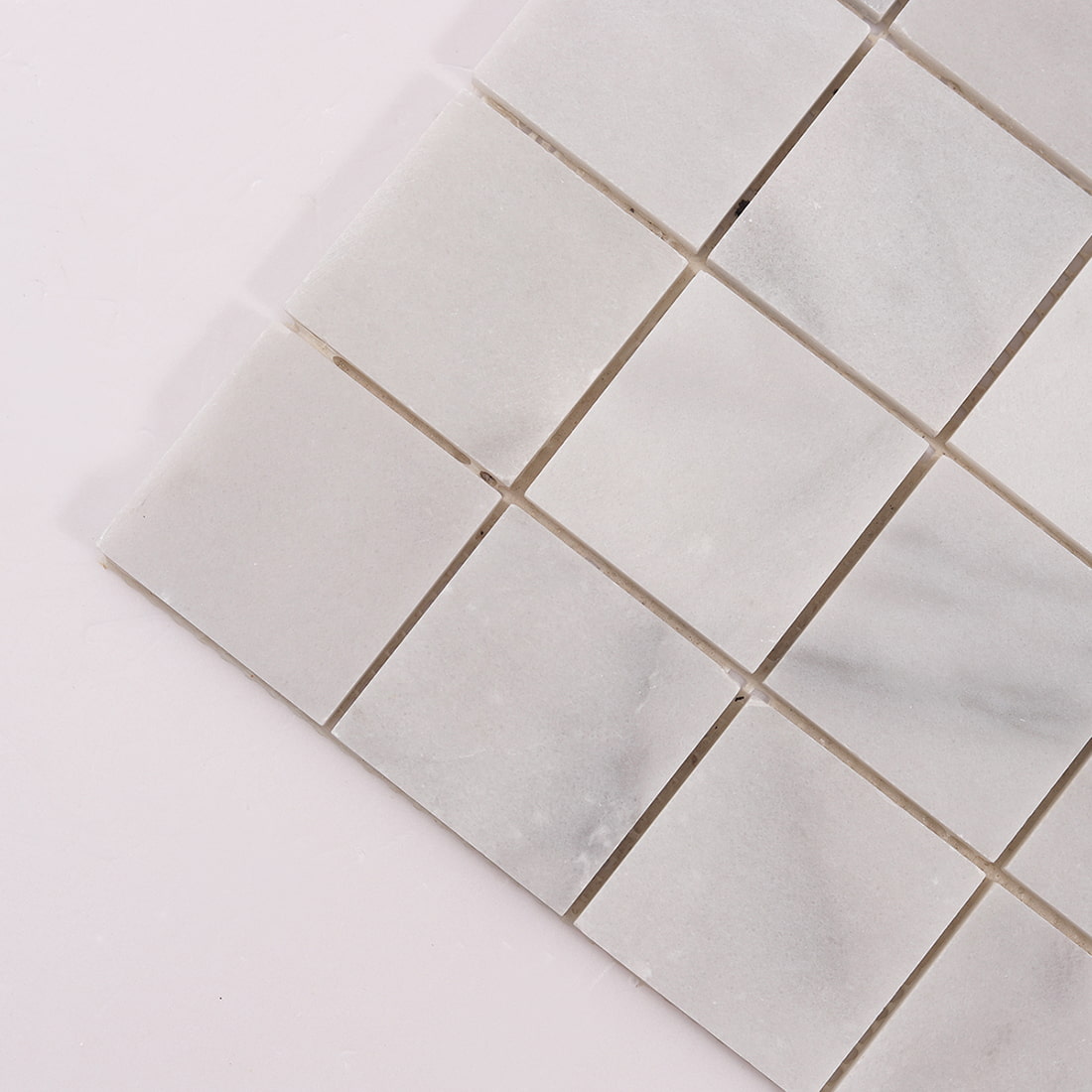
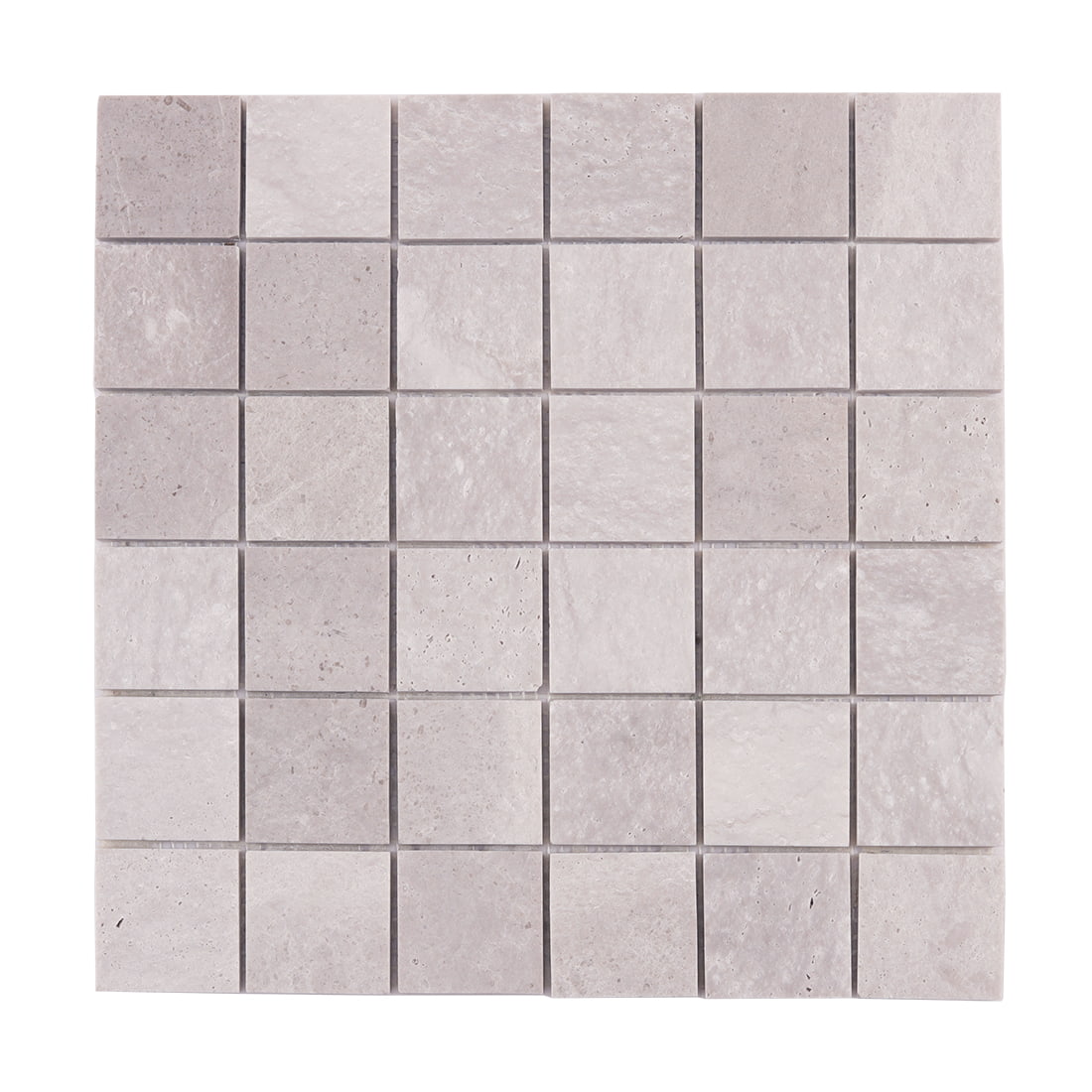
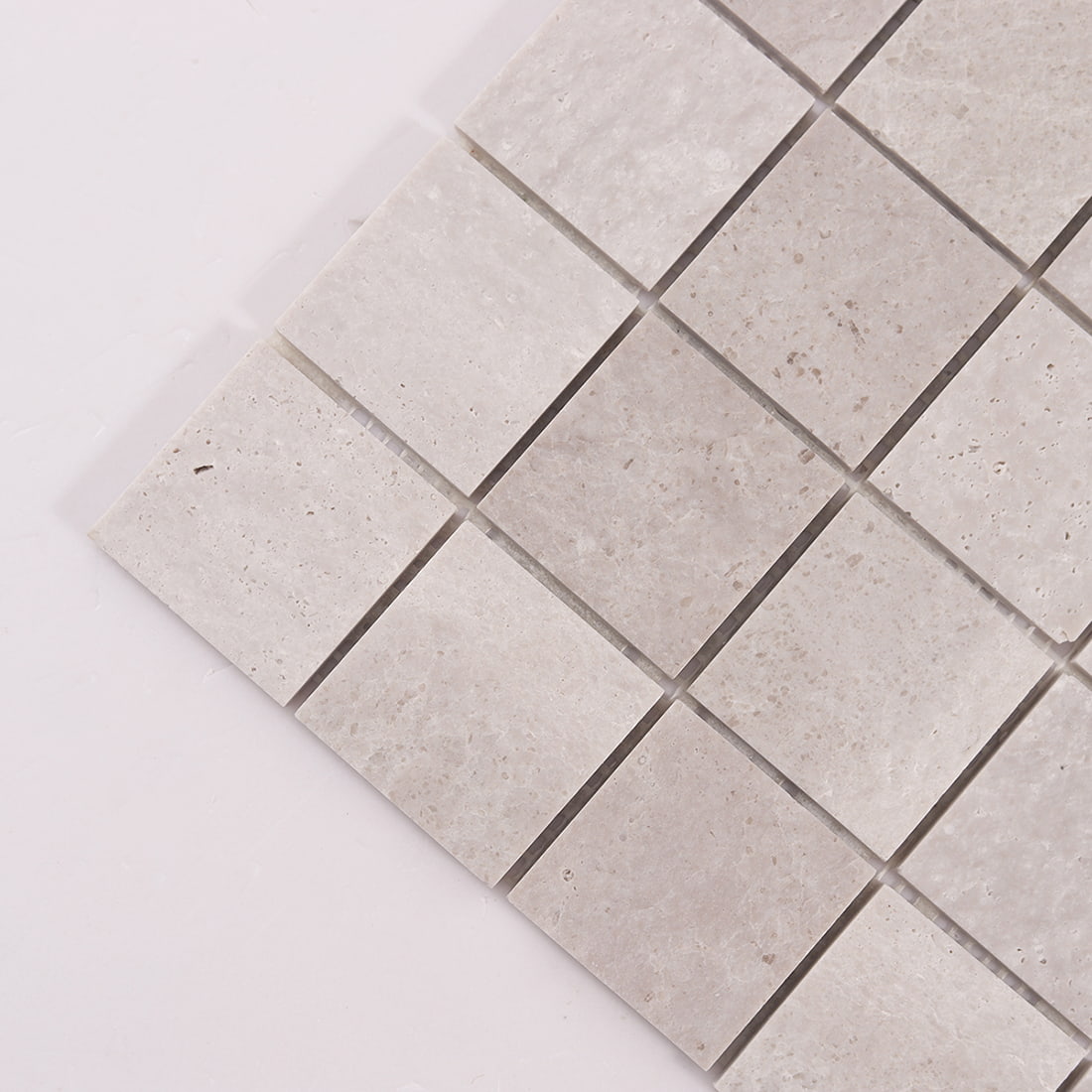
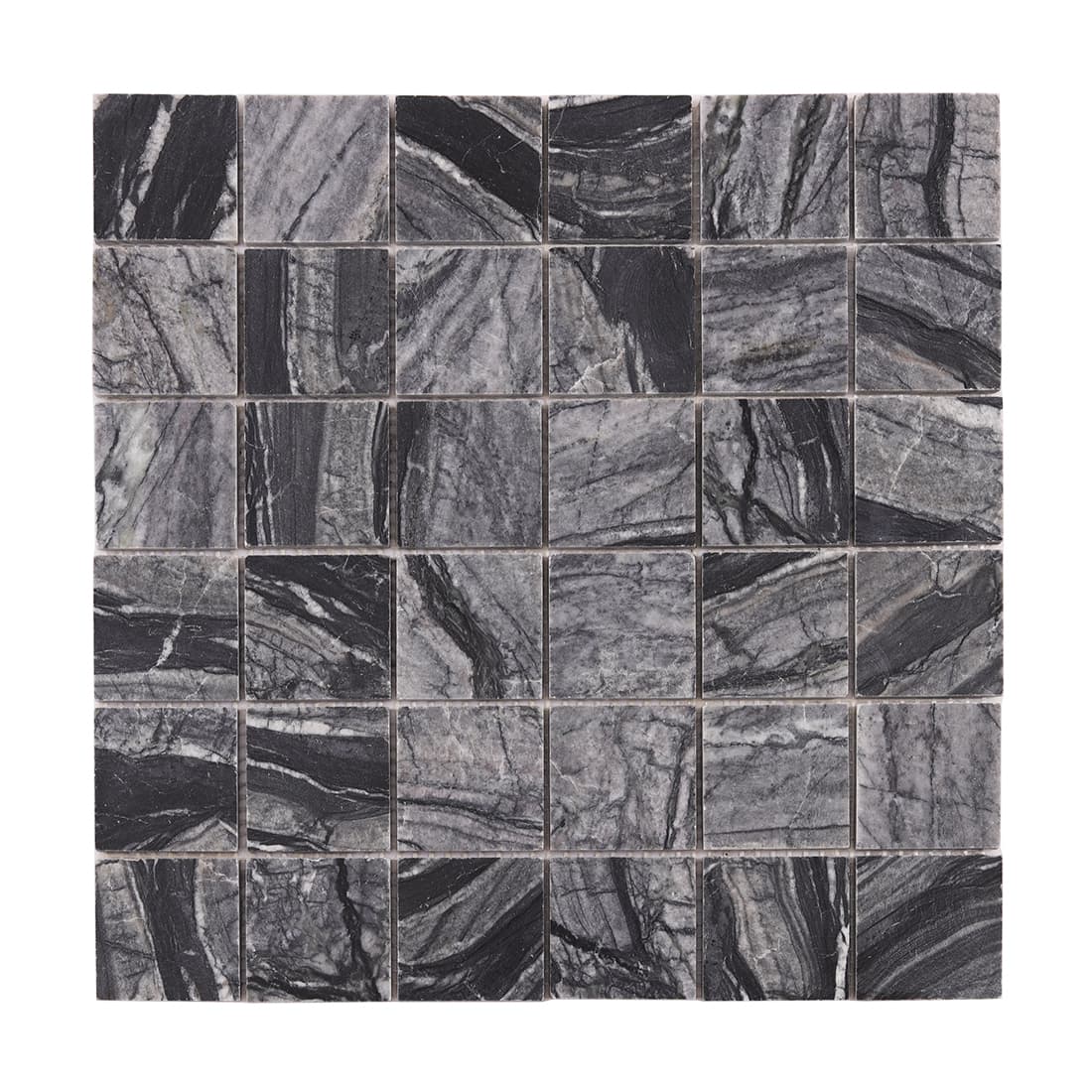
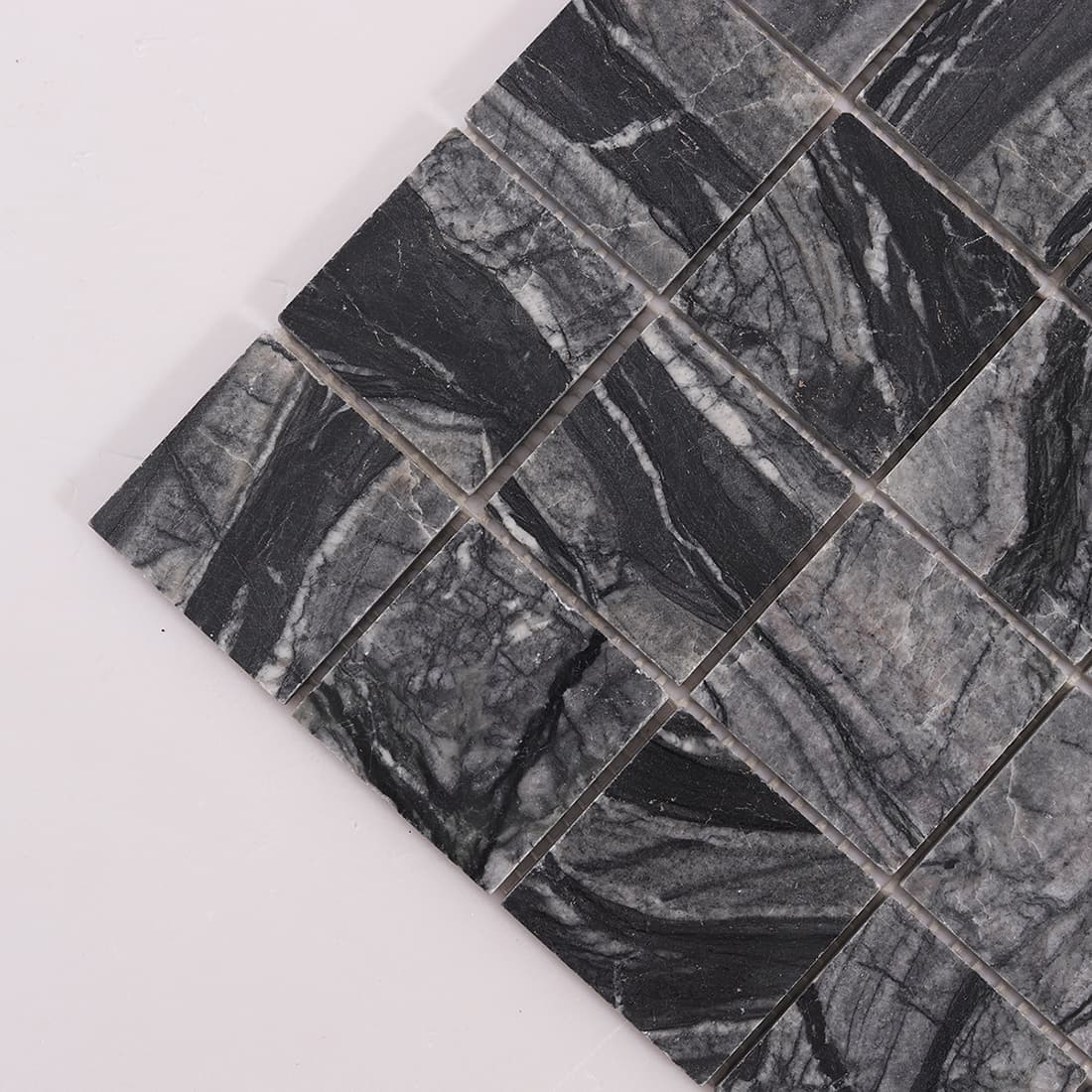
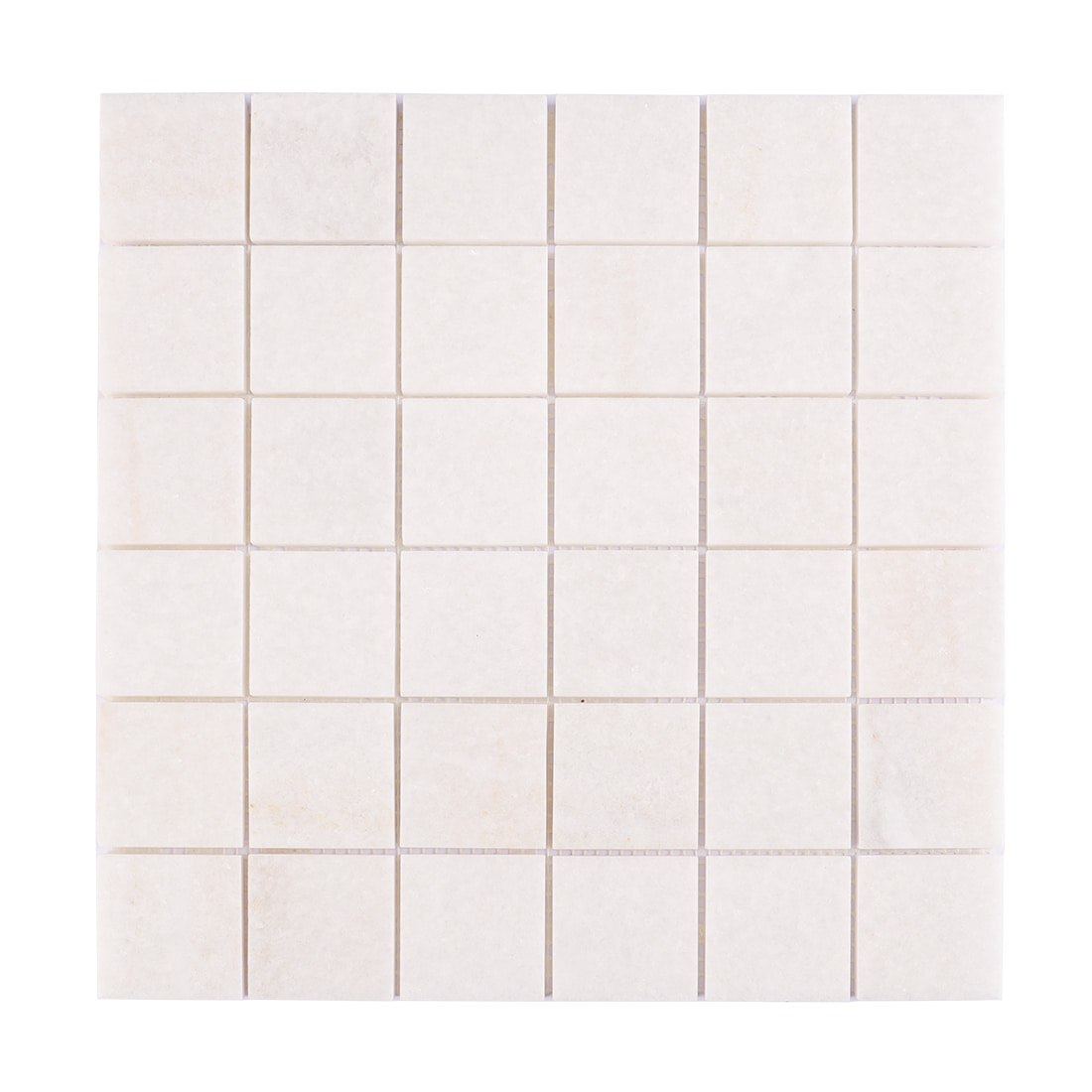
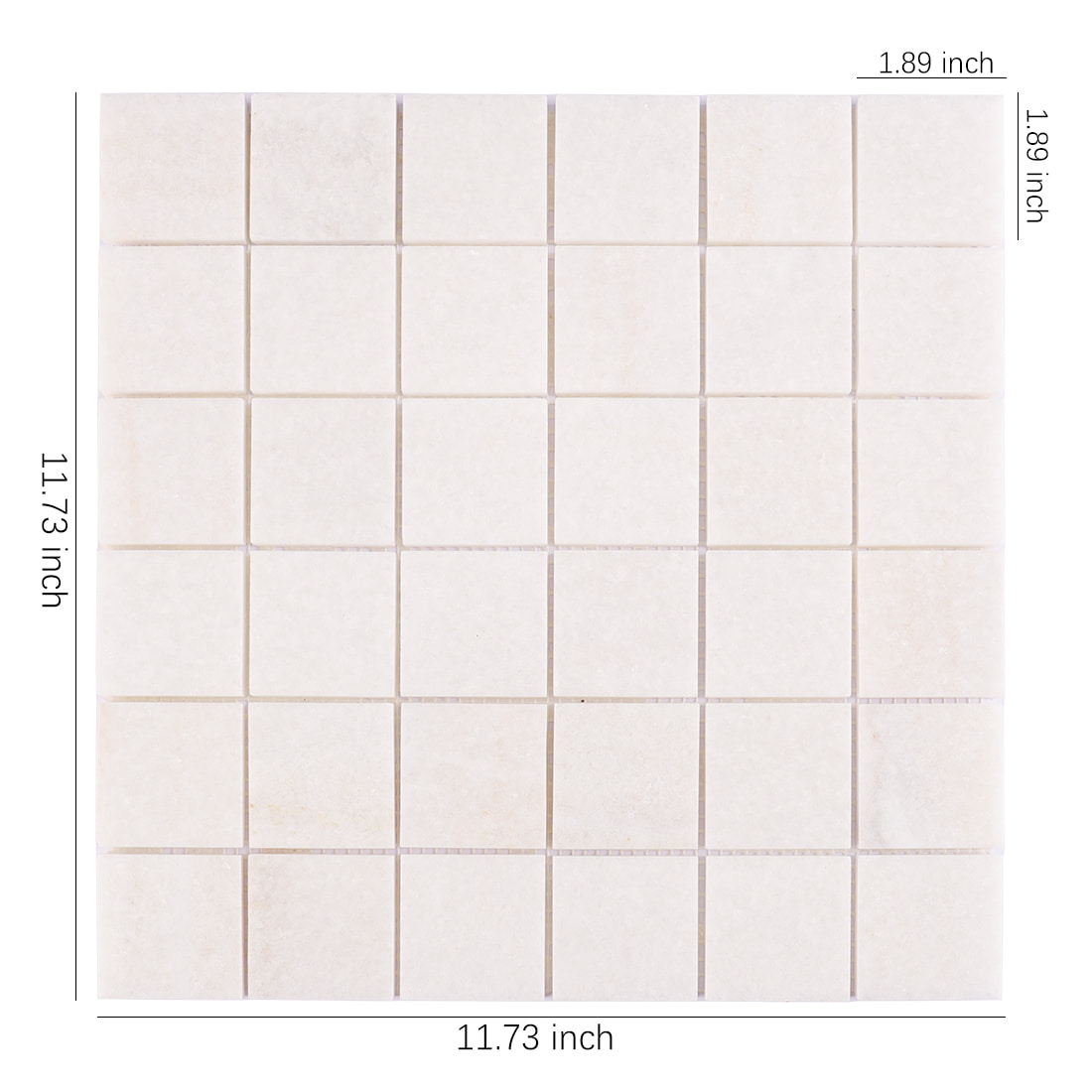
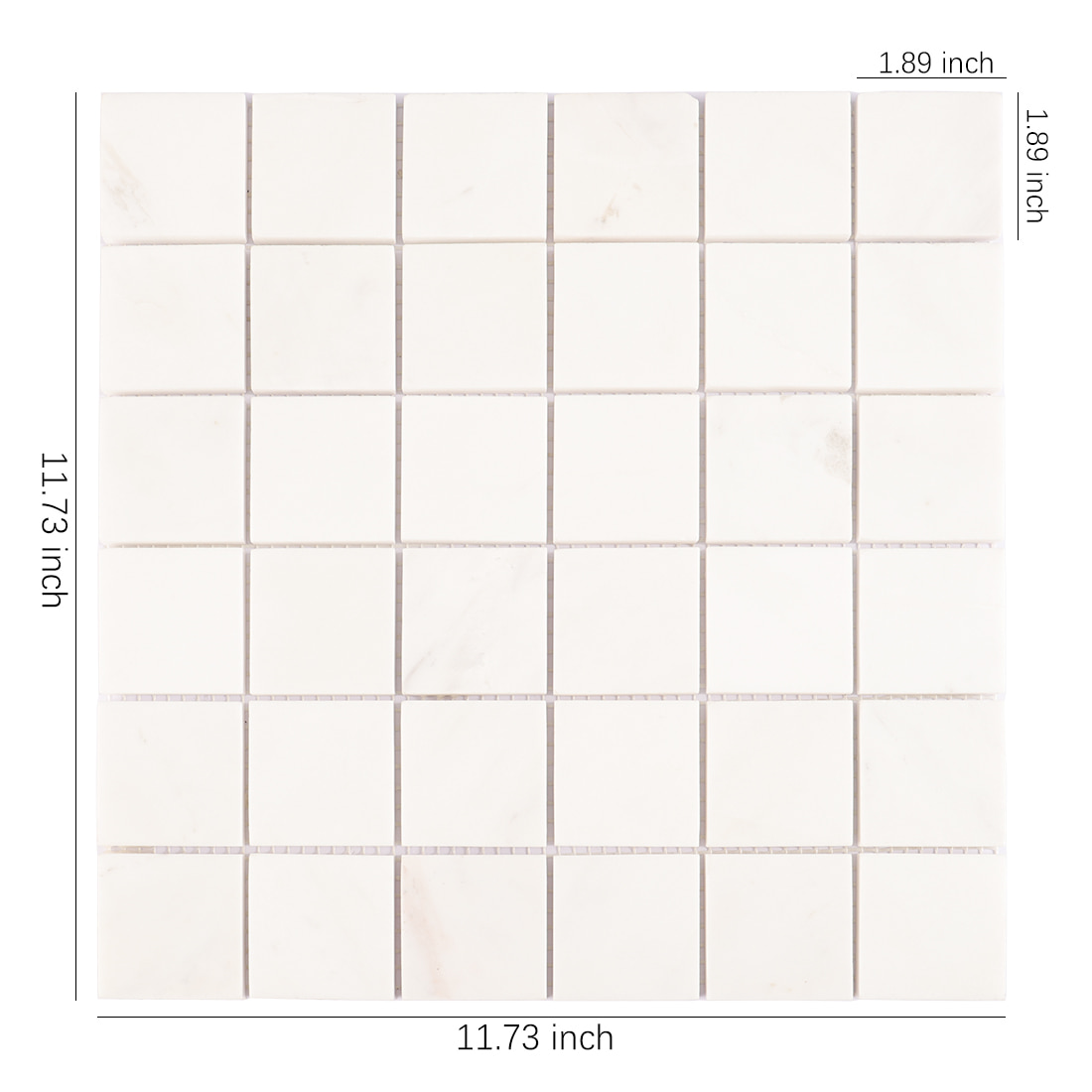
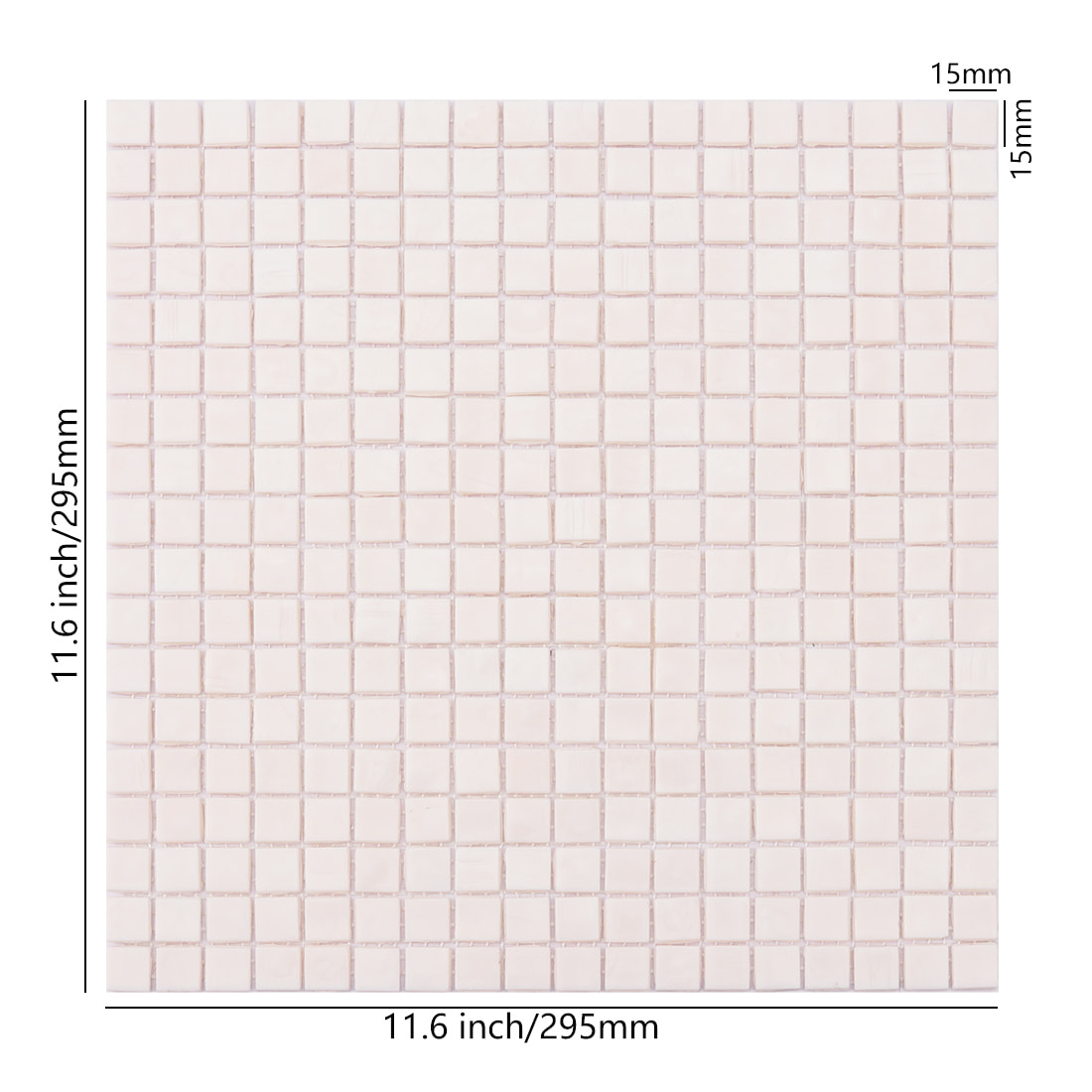
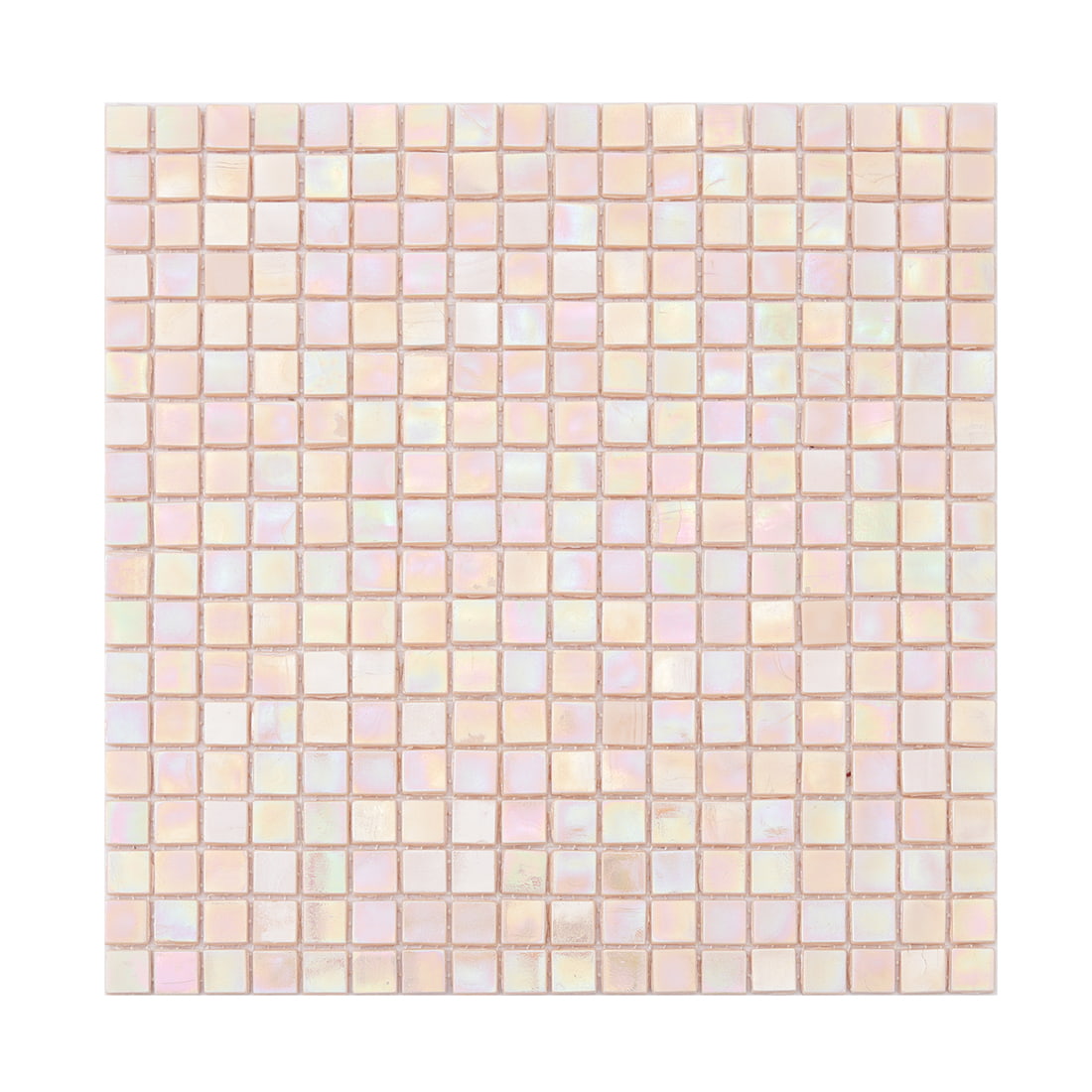
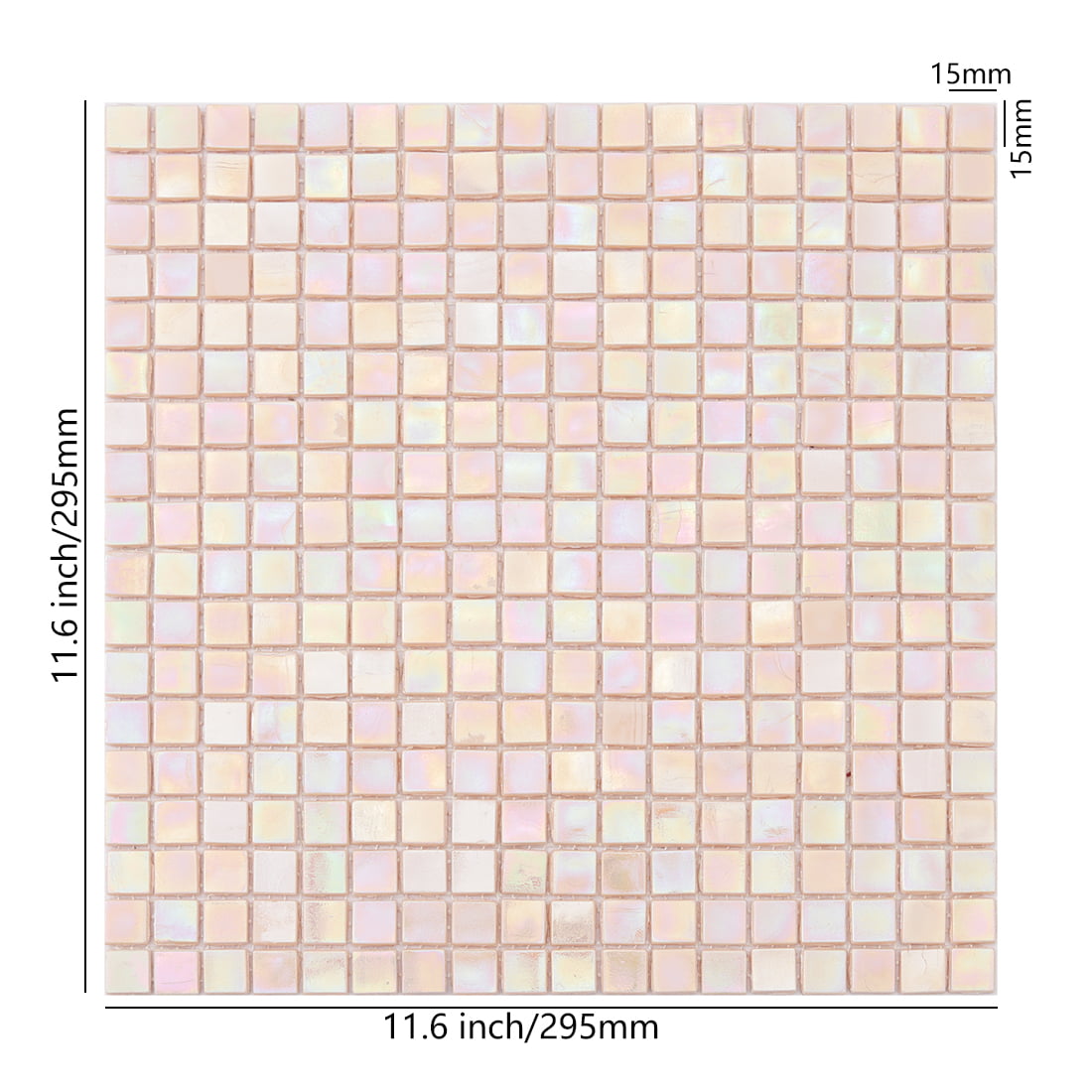
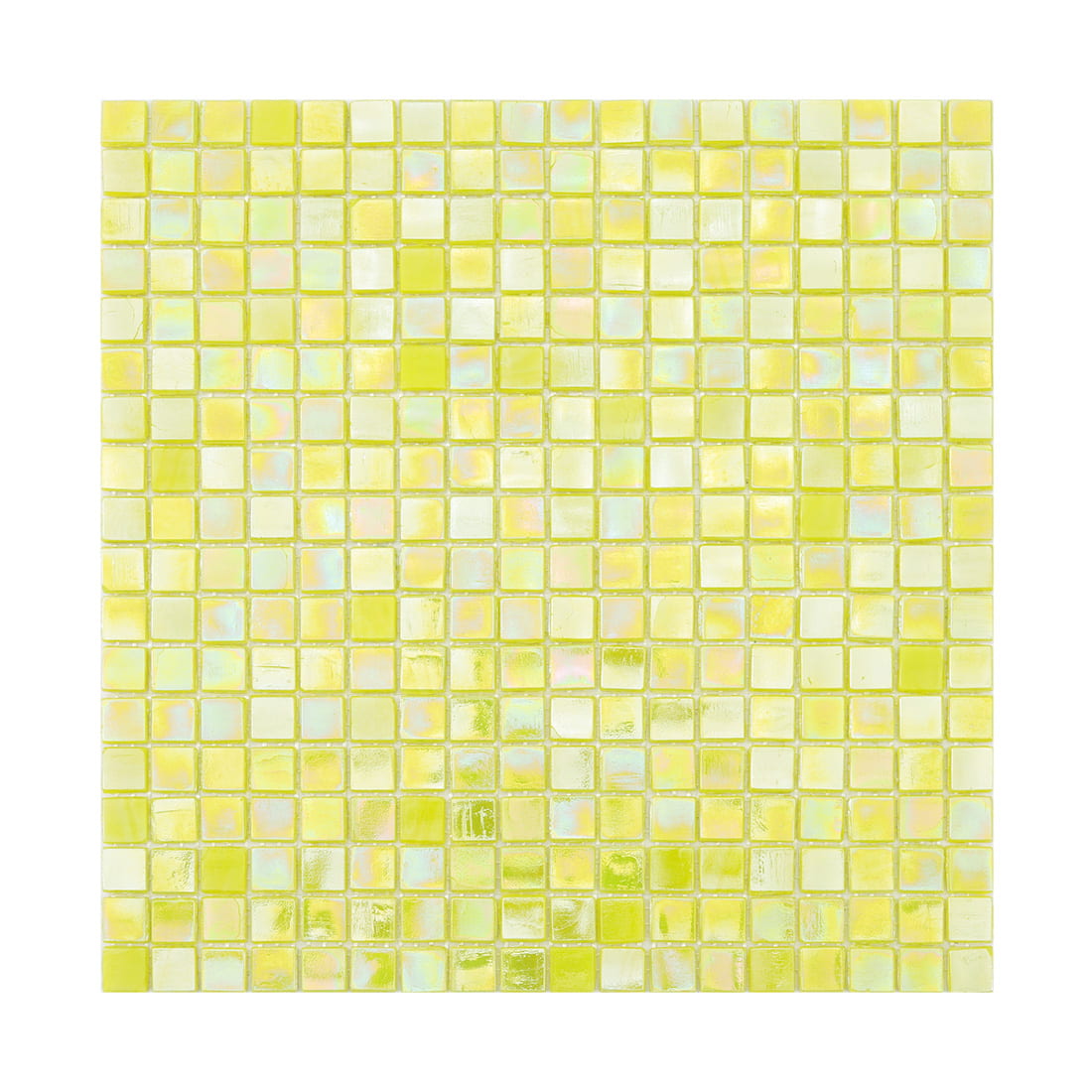
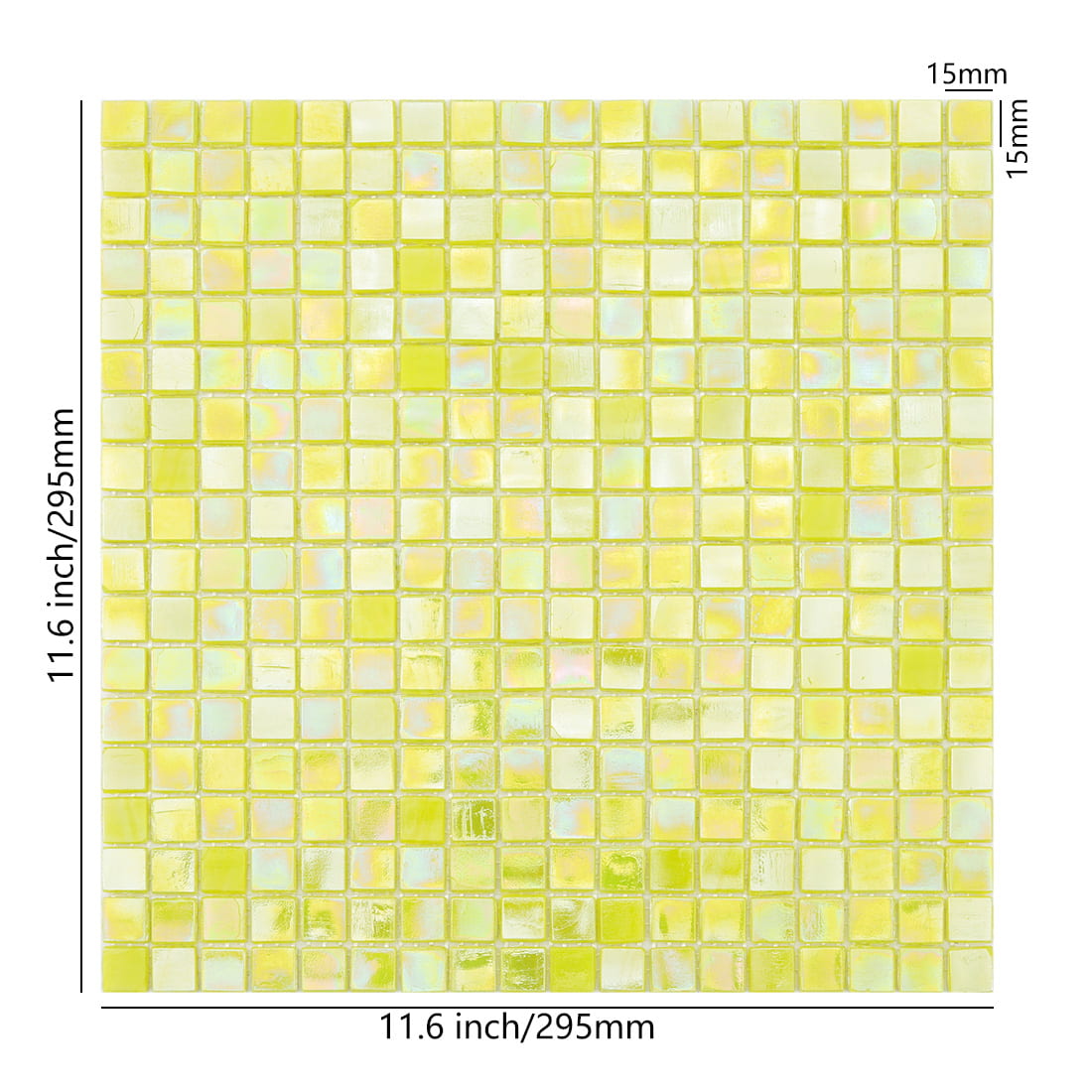
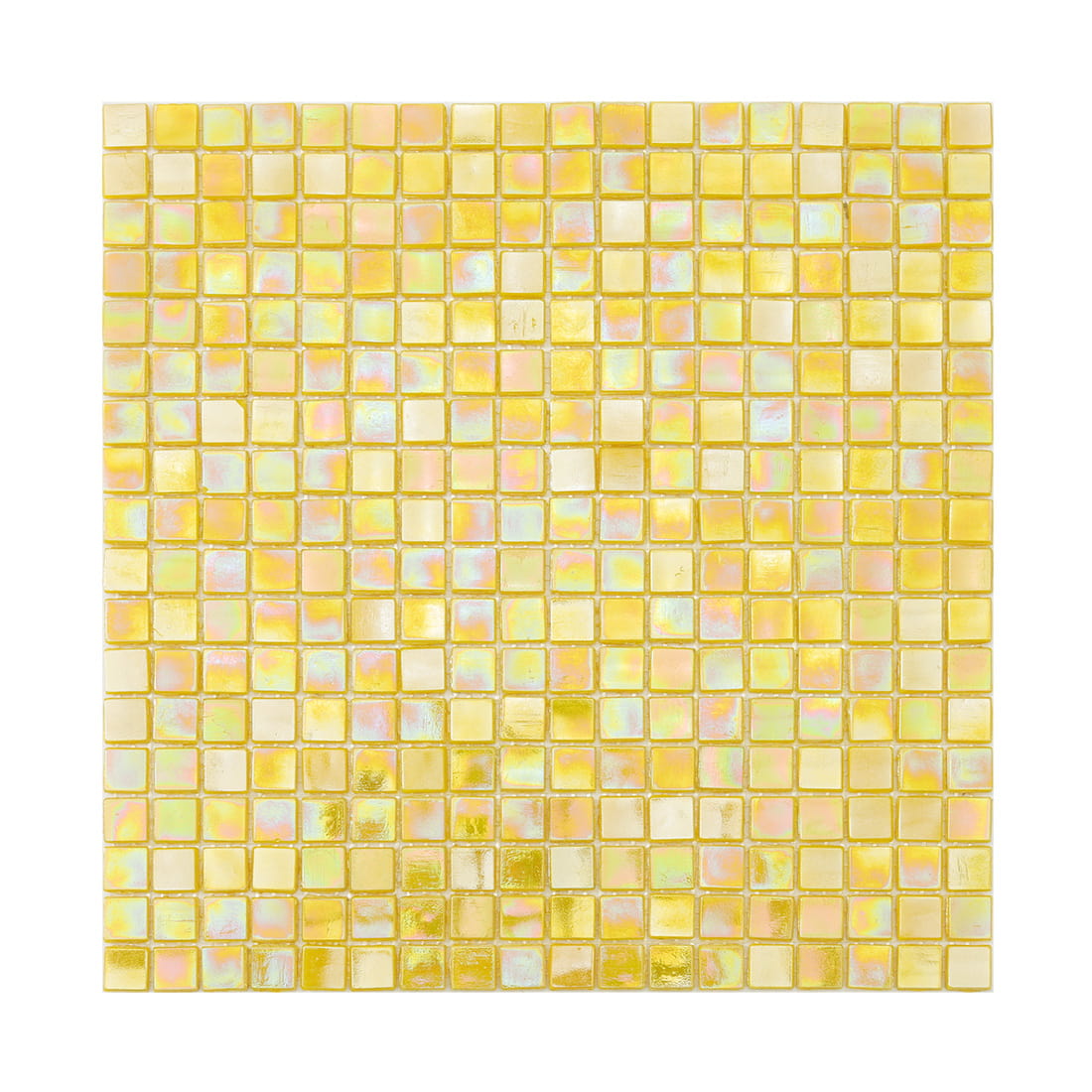
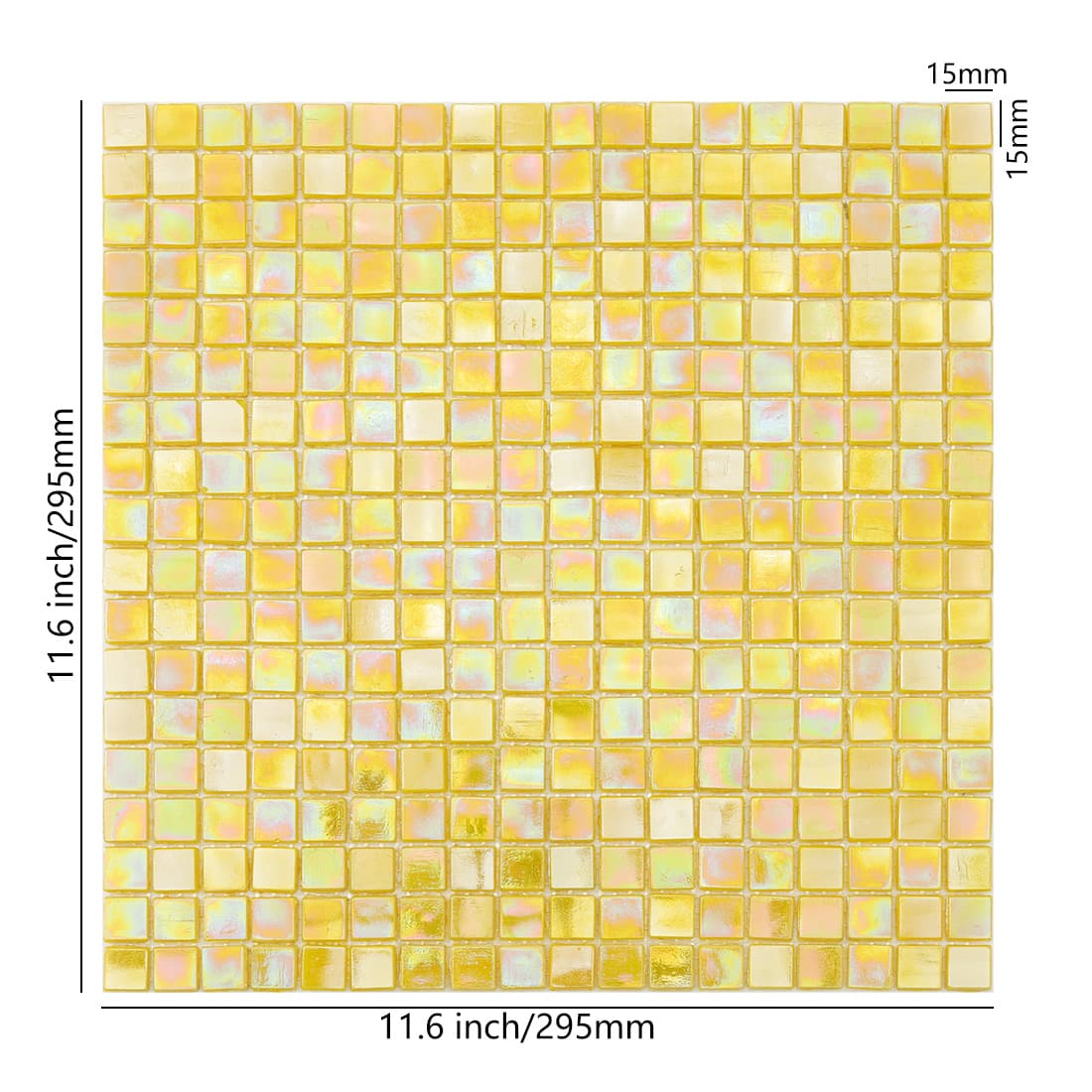
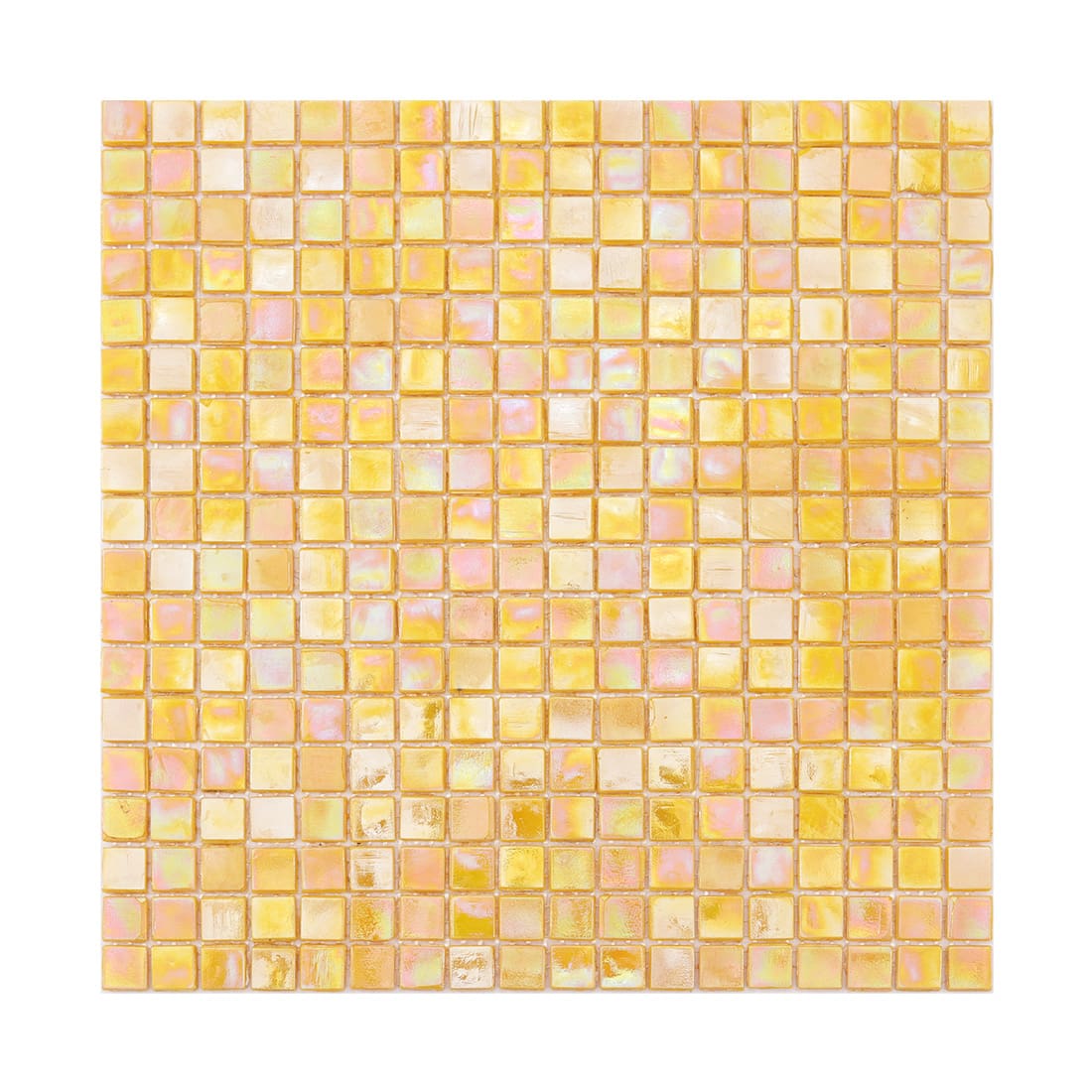
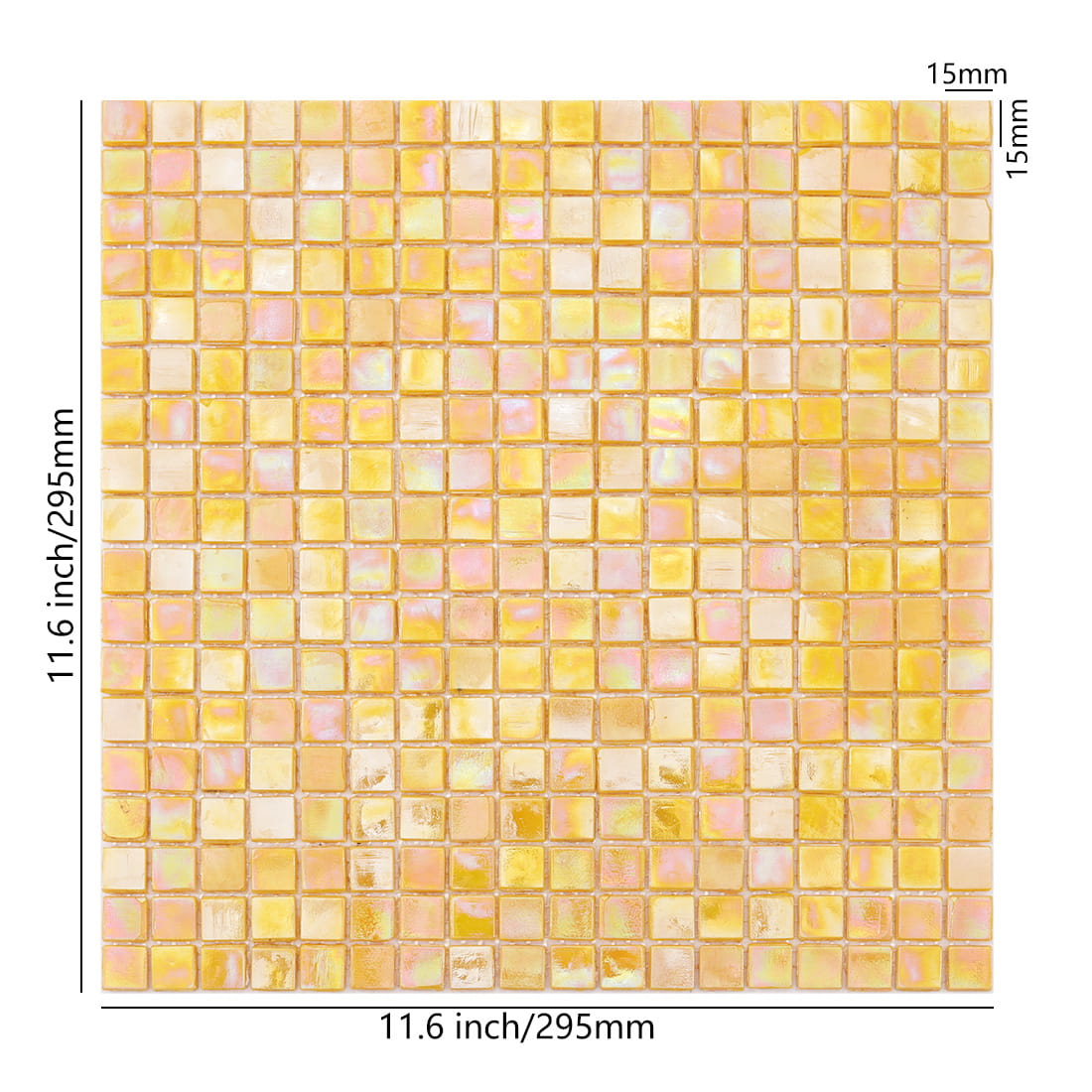
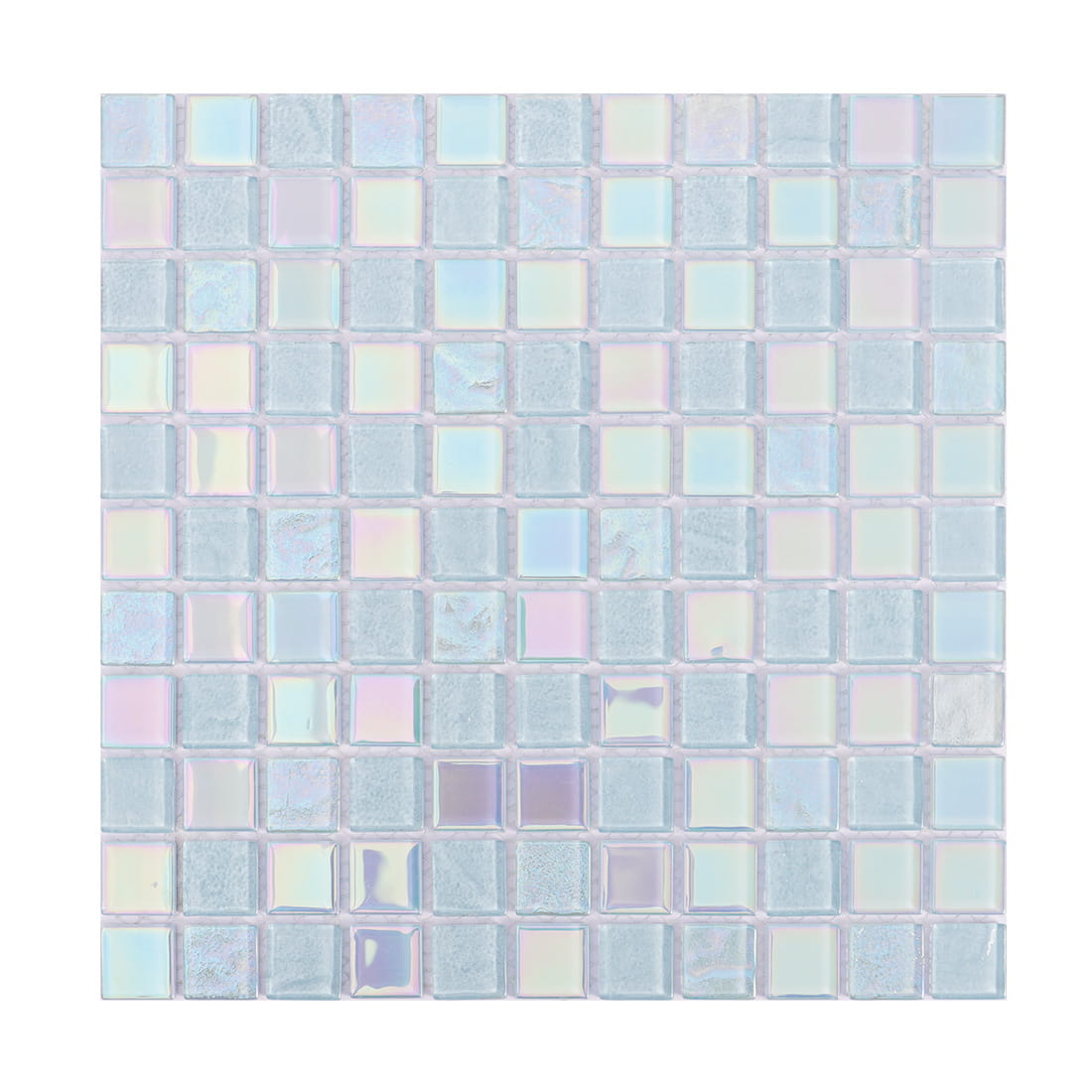
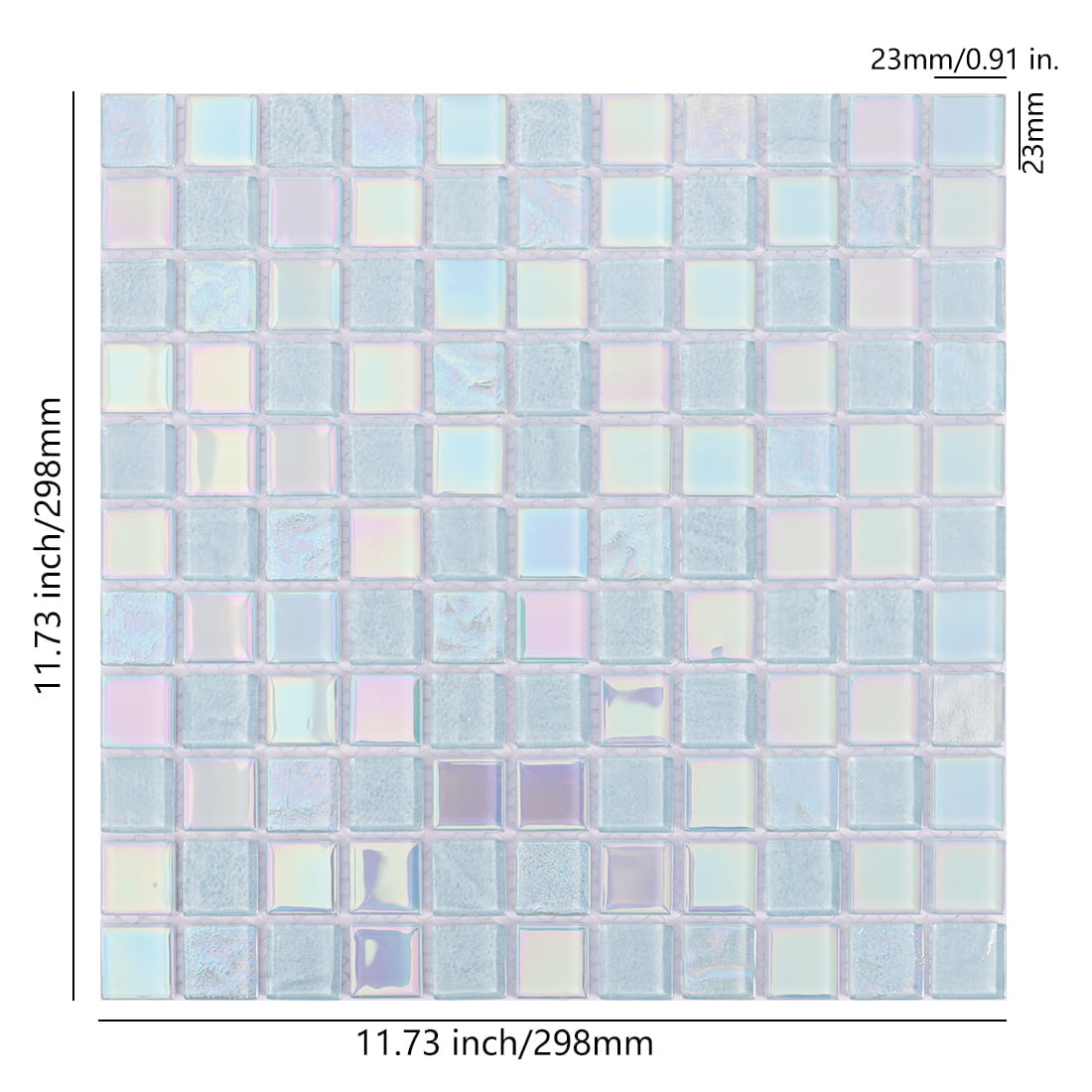
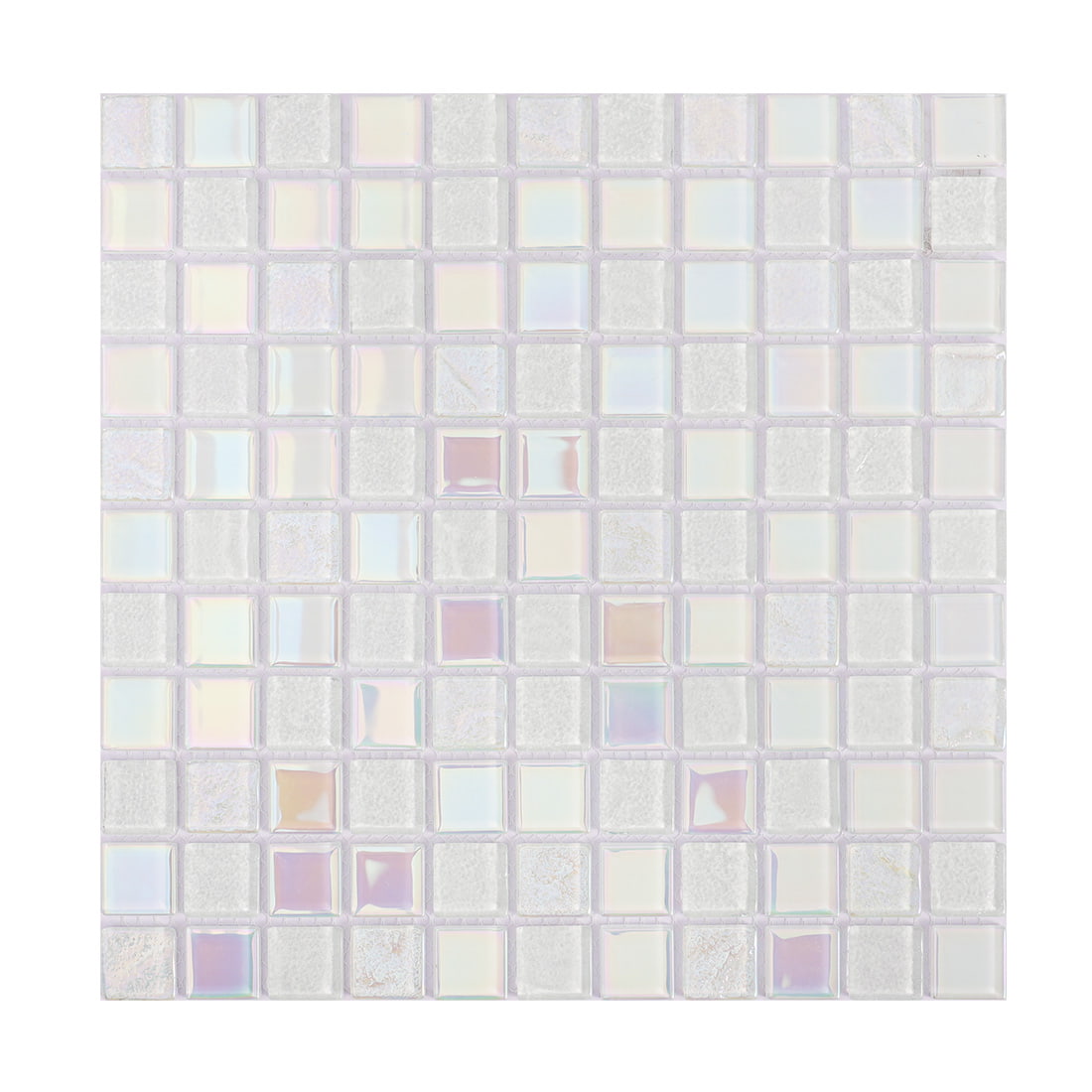

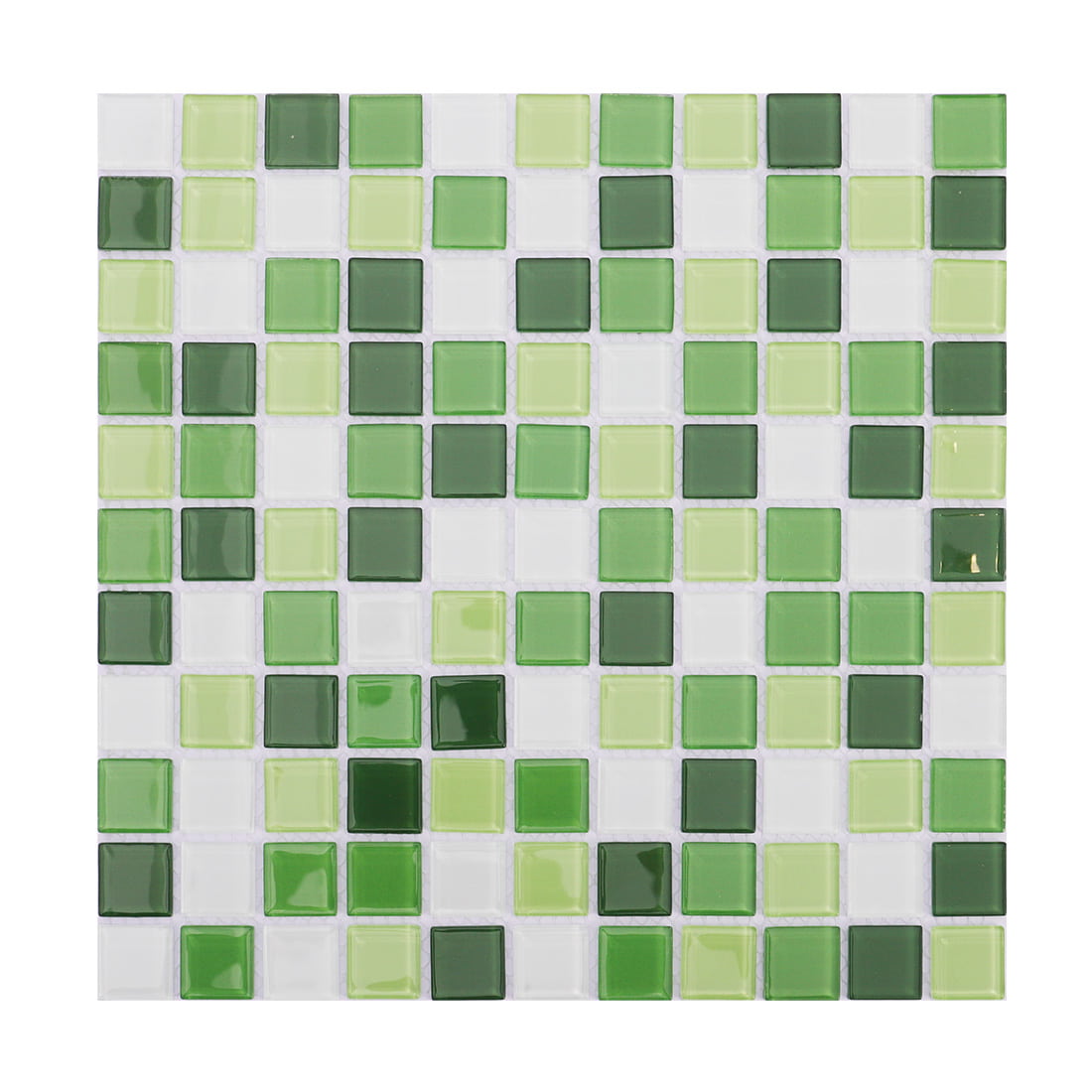
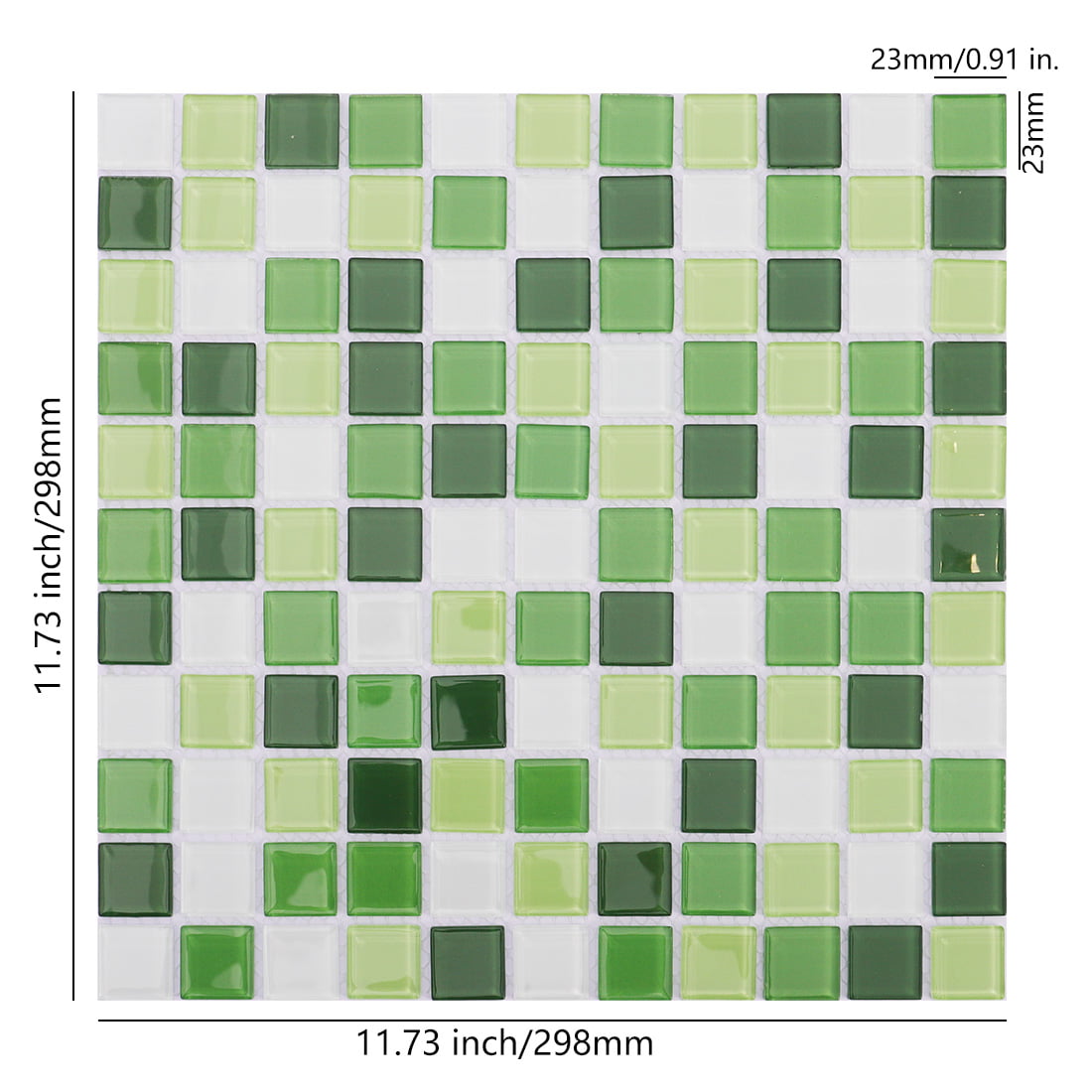
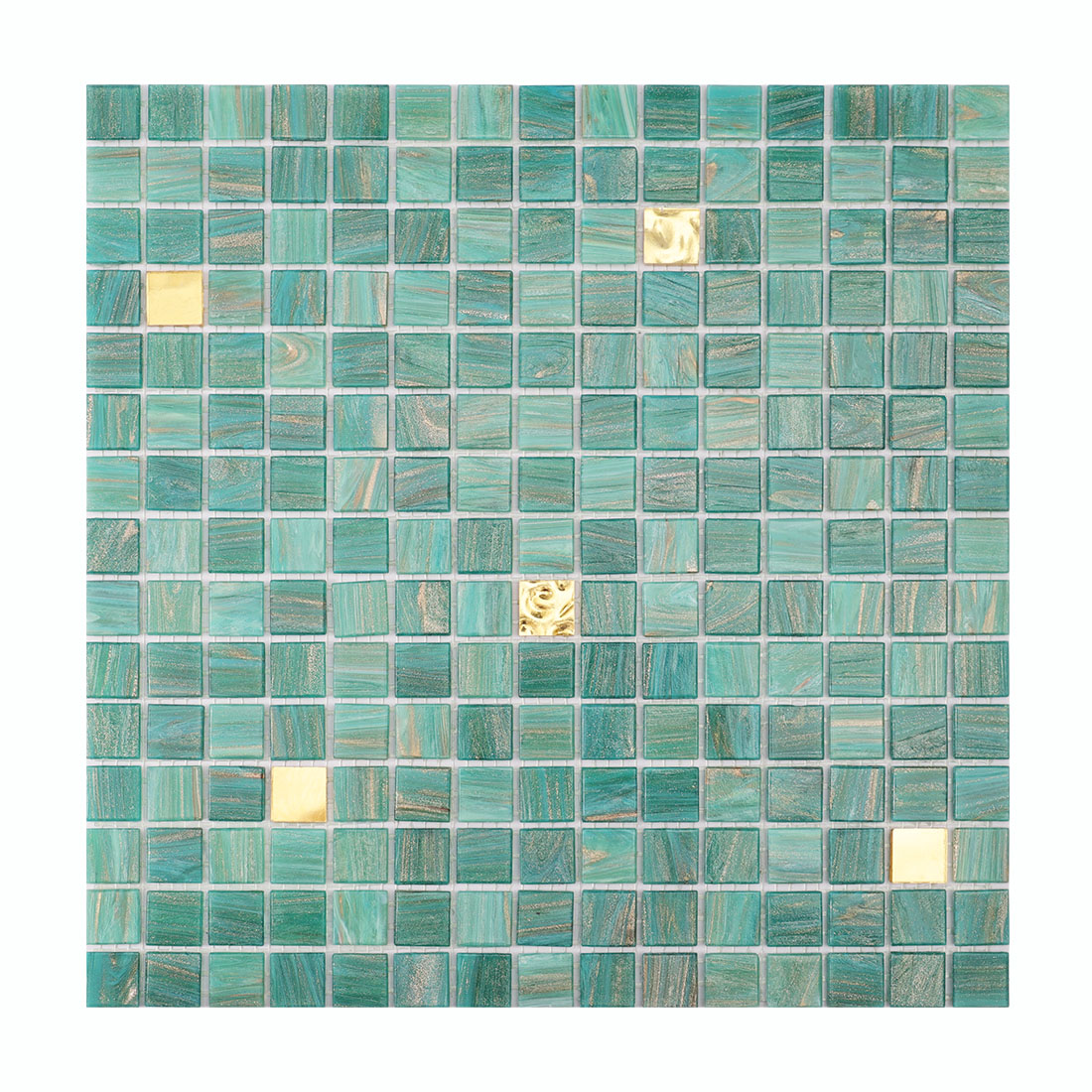
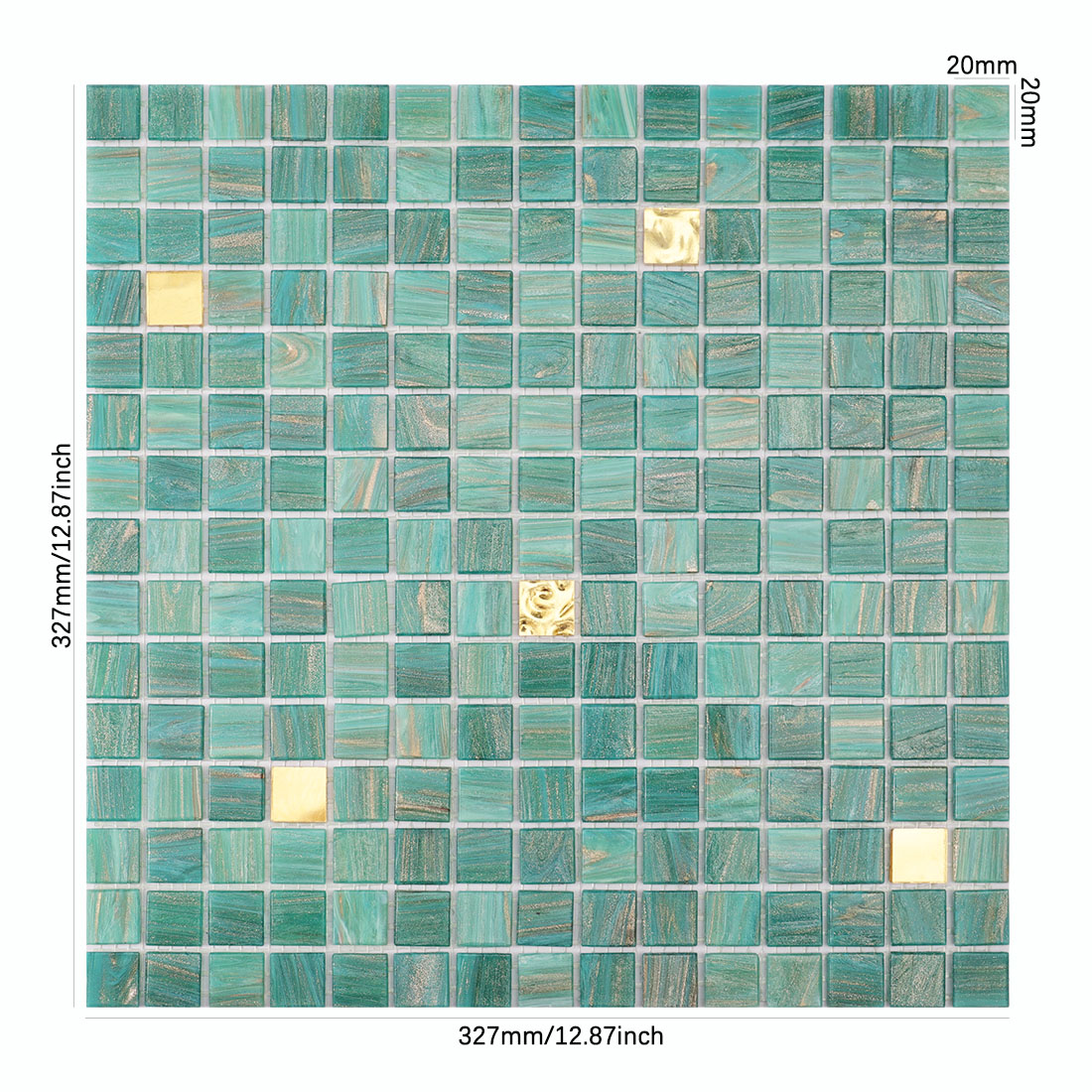
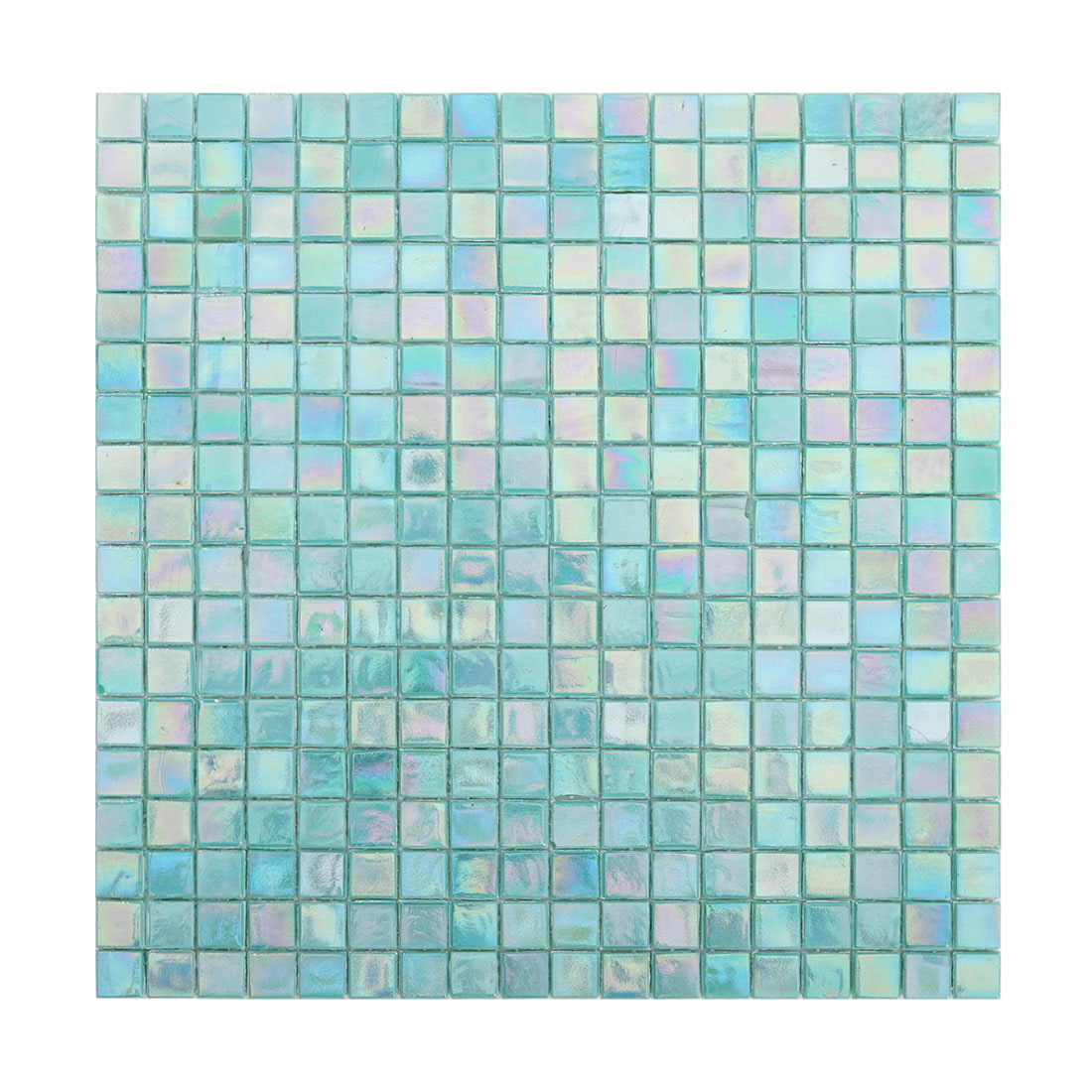
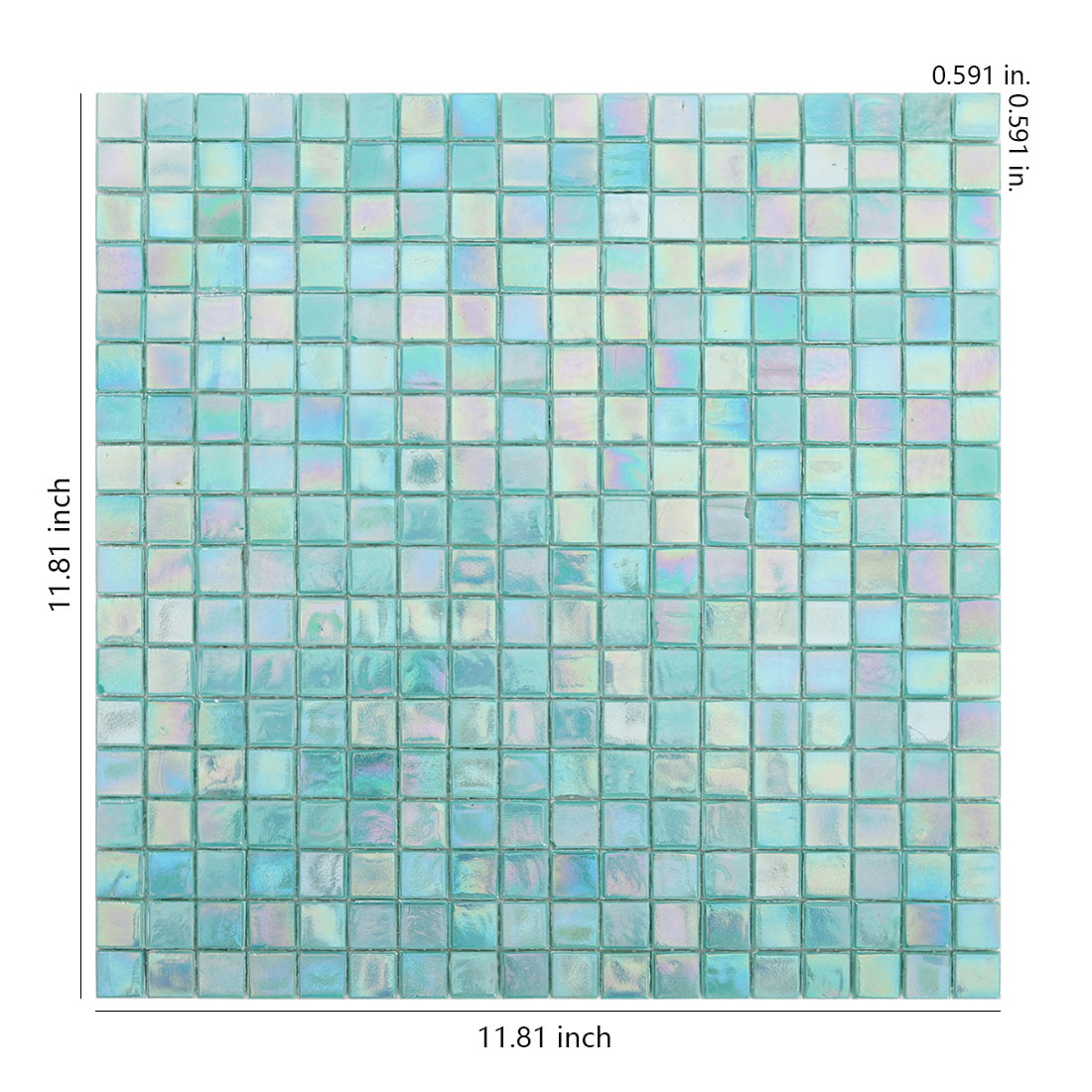
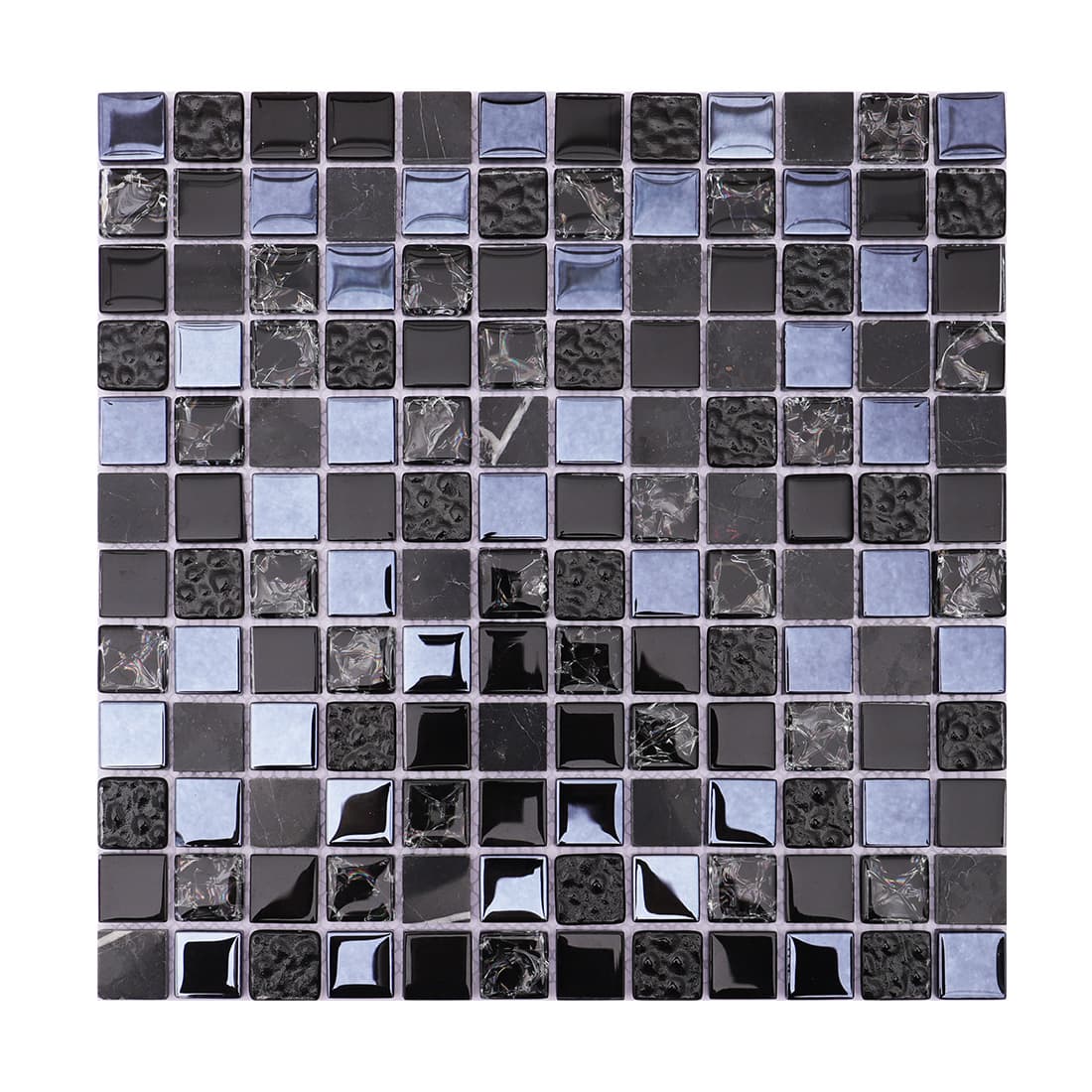
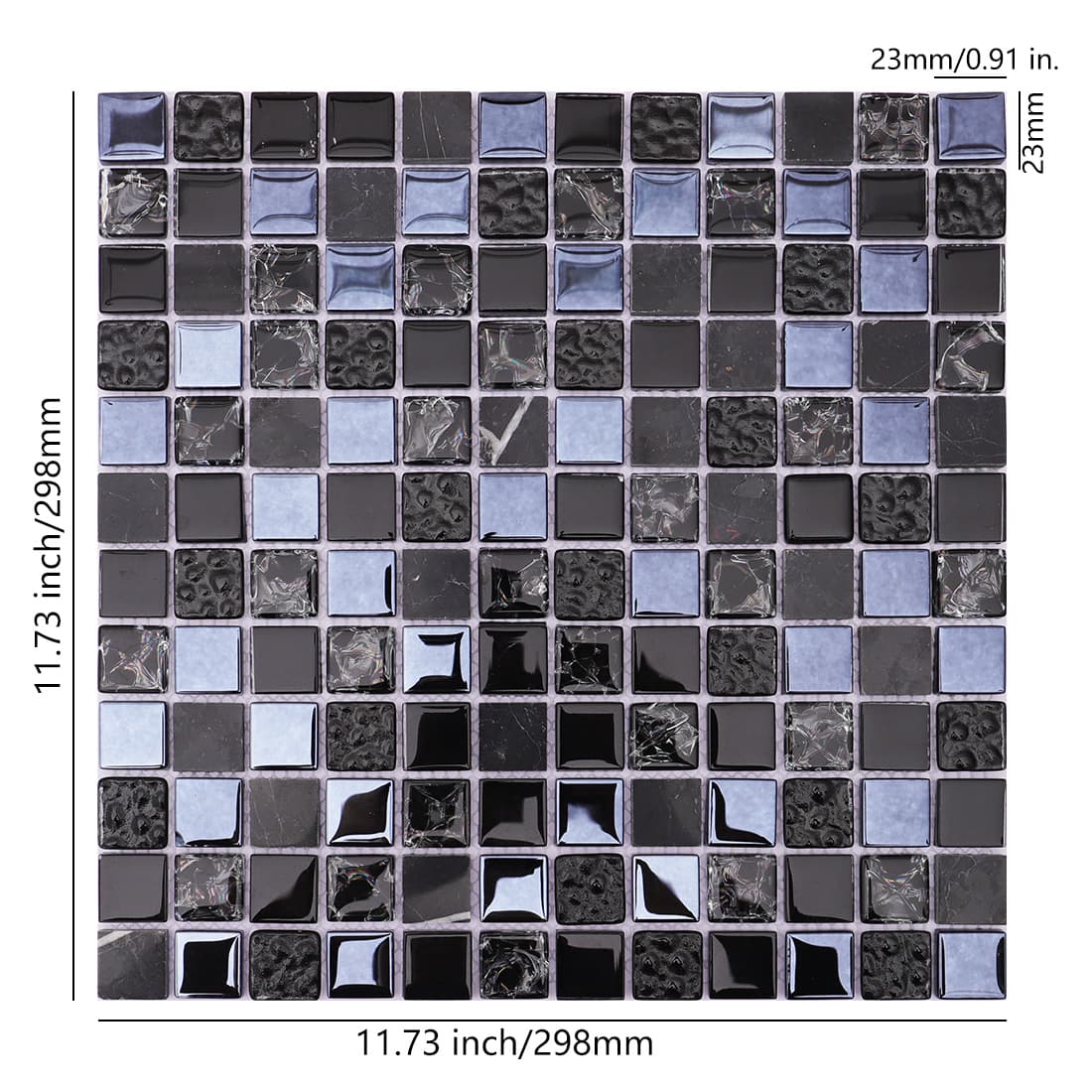
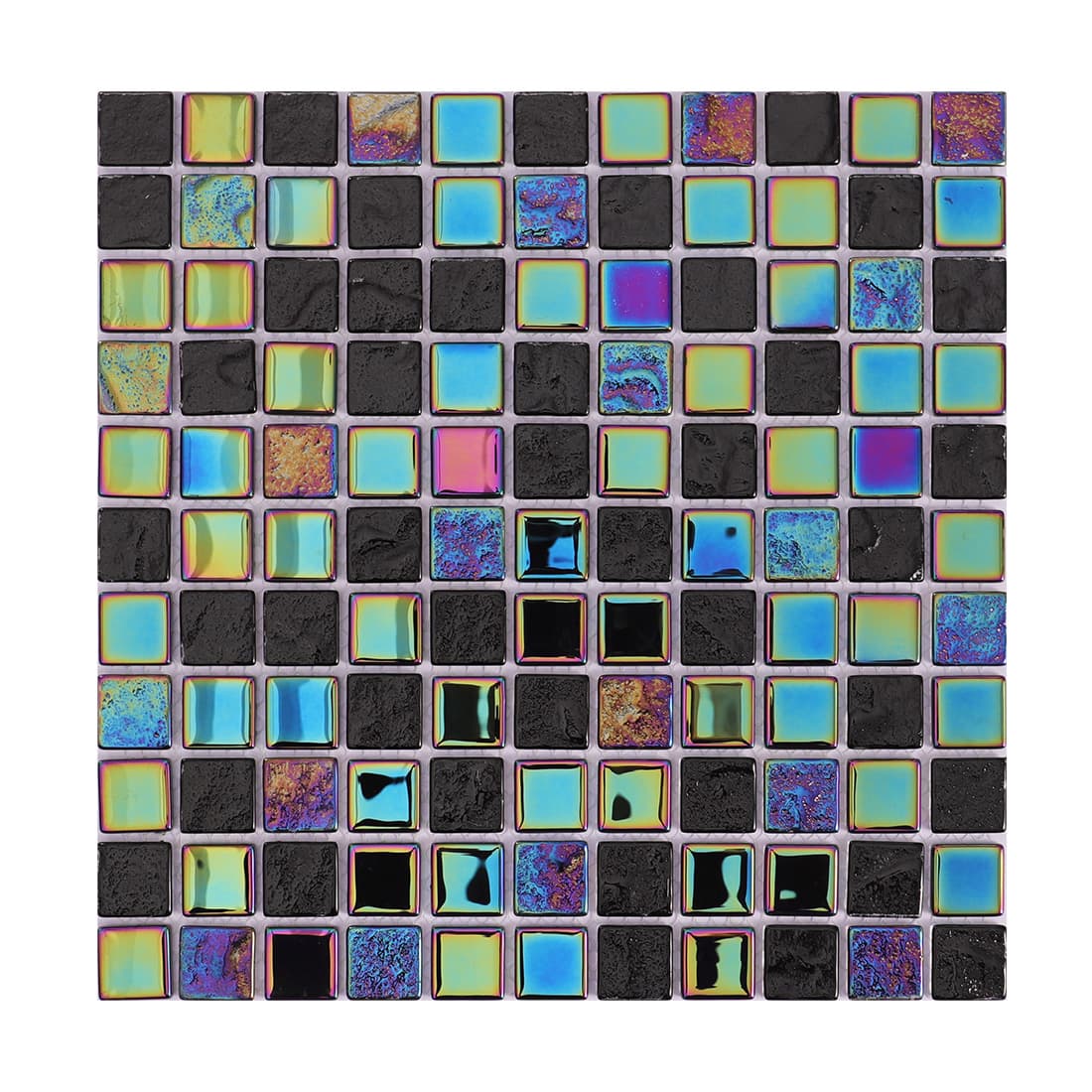


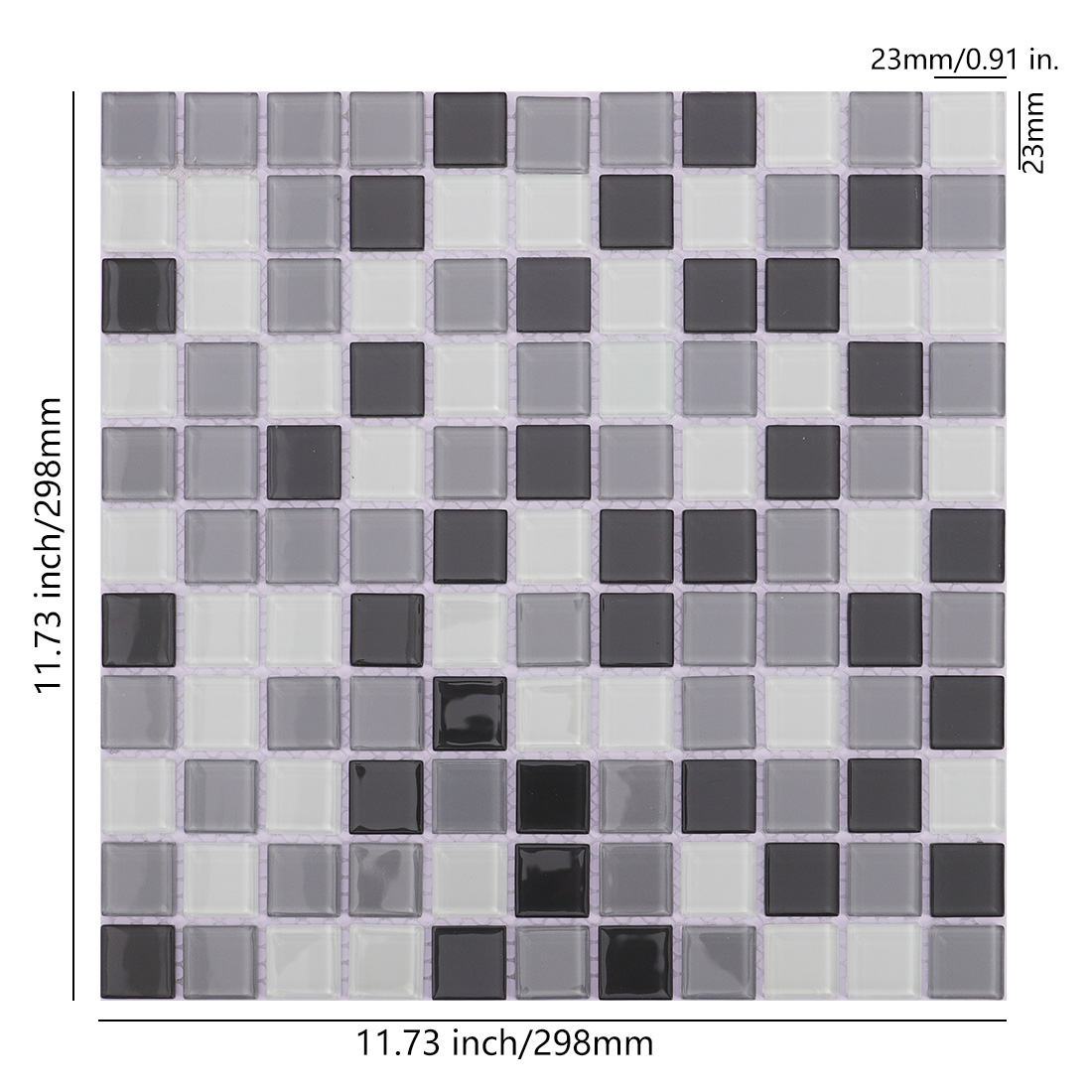
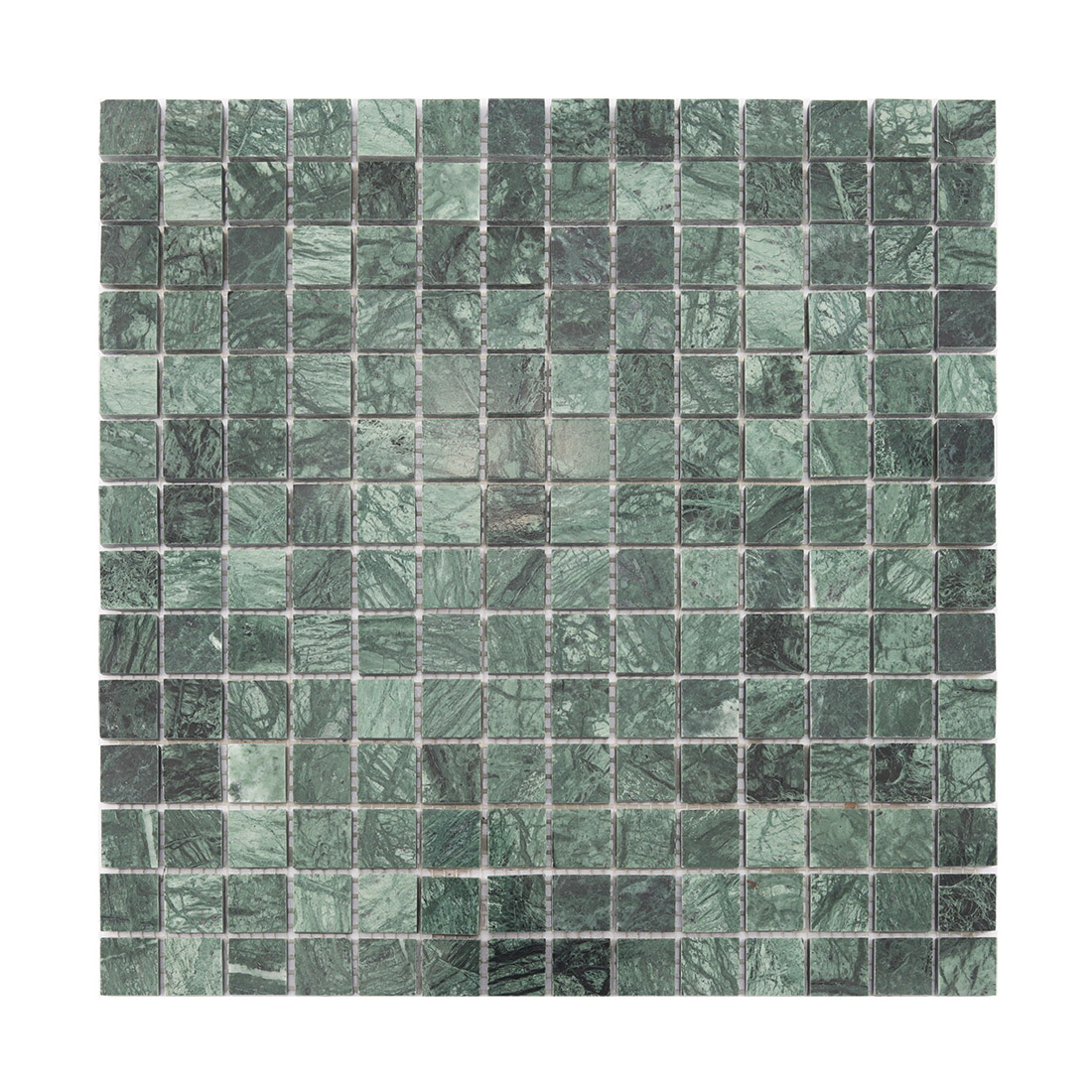
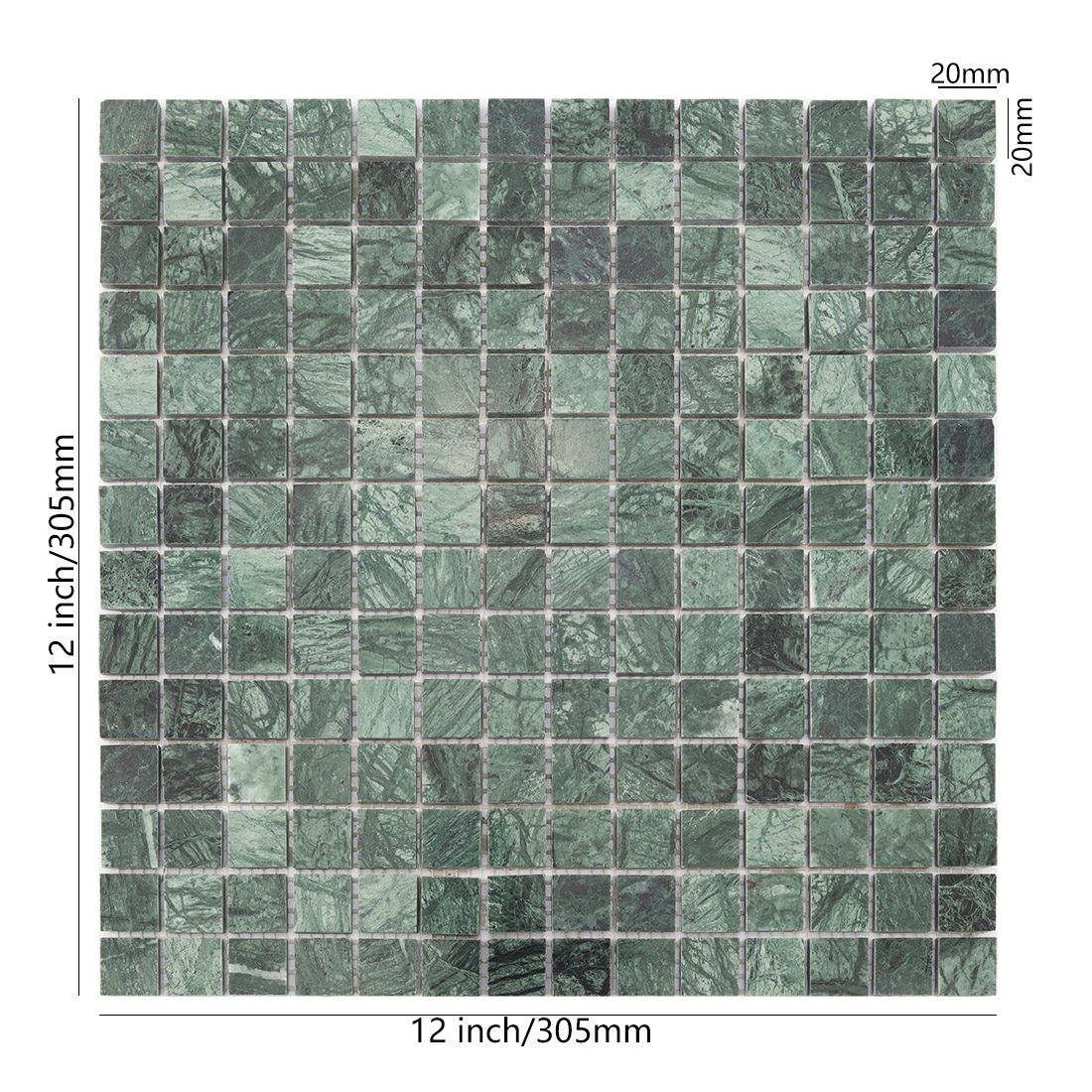
Swimming Pool Step Tiles
Swimming pool step tiles are designed for submerged stairs, entry steps, spa seating, tanning ledges, shallow-water platforms, and other areas where secure footing and clear step visibility are especially important. Unlike general wall or waterline tiles, tiles selected for pool steps must be suitable for permanent water exposure, regular barefoot traffic, pool chemicals, and repeated wet-and-dry conditions.
Woos Tiles offers pool-rated mosaic, porcelain, glass, trim, and step-marker options for residential pools, hotel pools, resorts, spas, wellness facilities, and commercial aquatic projects. Explore different colors, chip sizes, finishes, and marker designs, or contact us for product samples and project support.
Shop by Material, Color and Application
Use the product filters to narrow the collection by:
-
Material: vitreous glass, porcelain, ceramic, natural stone or mixed material
-
Finish: matte, textured, iridescent, glossy or specialty slip-resistant surface
-
Color: blue, aqua, turquoise, white, green, black, gray, beige or mixed
-
Format: mosaic sheets, individual trim pieces, border strips or decorative markers
-
Application: full step coverage, tread, riser, edge marker, bench or tanning ledge
-
Project type: residential pool, spa, hotel pool, resort or commercial aquatic facility
Each product page should clearly state whether the tile is approved for submerged use, pool steps, outdoor installation and freeze-thaw environments.
Why Pool Steps Need Purpose-Selected Tiles
Pool stairs are exposed to conditions that differ from ordinary interior floors. The correct tile selection must address several requirements at the same time.
Wet-foot traction:
A matte, textured or tested slip-resistant finish can provide more reliable traction under wet, barefoot conditions. Tile should never be described as completely slip-proof because water chemistry, cleaning residue, wear and maintenance can all affect surface performance.
Permanent water exposure:
The tile, backing, adhesive and grout must all be compatible with continuous immersion. A tile that works on a shower wall or kitchen backsplash is not automatically suitable for a swimming pool step.
Step visibility:
Contrasting edge tiles or pool step markers help swimmers identify changes in level beneath moving water. This is especially important in public pools, hotel pools, children’s areas and pools used by older adults.
Comfort underfoot:
The surface should provide traction without excessively sharp or aggressive textures. Mosaic joints should be properly filled and finished so that they do not create uncomfortable or difficult-to-clean depressions.
Edge protection:
Exposed stair edges may require coordinating trim, bullnose pieces, profiles or properly finished straight-edge details. Not every pool step tile is manufactured with rounded corners, so the edge solution must be confirmed for each design.
Pool Step Tile Materials Compared
| Material | Main advantages | Important considerations |
|---|---|---|
| Vitreous glass mosaic | Low absorption, rich color, easy to form around curves and small steps | Smooth glossy glass is not automatically suitable for stair treads; confirm finish and mounting system |
| Porcelain mosaic | Durable, dimensionally stable and available in textured finishes | Verify submerged-use, chemical, outdoor and freeze-thaw ratings |
| Pool-rated ceramic | Wide range of colors and decorative styles | Many ceramic products are wall-only; use only products approved for the intended pool location |
| Natural stone or marble | Natural variation and a resort-style appearance | Absorption, sealing needs and sensitivity to chemicals vary significantly |
| Trim and marker tiles | Define stair edges and create clean transitions | Color, width, finish and material must coordinate with the surrounding pool surface |
| Decorative mosaics | Add marine motifs, borders, dots or custom patterns | Decorative pieces still need to be compatible with the substrate and installation system |
Glass Mosaic Tiles for Pool Steps
Small glass mosaic tiles are well suited to curved Roman steps, rounded benches, spa seating and irregular pool shapes. Their compact format allows sheets to follow changes in direction more easily than large-format tiles.
Vitreous glass also offers strong color depth and a wide selection of blue, aqua, turquoise, white and iridescent finishes. For horizontal step treads, select a product specifically recommended for wet barefoot traffic. Smooth or highly polished glass may be better reserved for stair risers, waterlines and decorative borders unless the product has appropriate slip-resistance documentation.
For permanent immersion, confirm that the tile’s mesh, paper-facing or mounting system is approved for submerged installation.
Porcelain Pool Stair Tiles
Pool-rated porcelain is valued for durability, low water absorption and resistance to regular foot traffic. Textured porcelain mosaics are often selected for pool stair treads, entry platforms and commercial aquatic facilities.
Porcelain is available in solid colors, stone-look finishes, geometric mosaics and coordinating trim pieces. For outdoor projects in cold climates, verify that the exact product is rated for exterior freeze-thaw exposure. A general porcelain classification alone does not confirm suitability for every pool installation.
Pool Step Marker Tiles and Contrasting Edges
Pool step marker tiles are installed along the front edge of a tread to make the change in level easier to recognize through the water. They may be designed as:
-
Continuous mosaic border strips
-
Dark blue or black contrast lines
-
White or light-colored markers for dark pool interiors
-
Dots or regularly spaced geometric accents
-
Wave, fish, turtle or marine-inspired patterns
-
Custom color blends or decorative borders
For public aquatic facilities, the current CDC Model Aquatic Health Code recommends slip-resistant stair materials and a continuous contrasting marking approximately 1–2 inches wide along the leading horizontal and vertical edges of stair treads. Local regulations may differ, so commercial projects should be reviewed by the architect, pool contractor and authority having jurisdiction.
A marker should contrast with the adjacent pool finish. A beautiful blue border that disappears against a similar blue pool interior may not provide enough visual distinction.
Understanding Slip Resistance
The words “non-slip” and “anti-slip” are often used loosely in tile marketing. A more accurate description is “slip-resistant,” followed by product-specific test data or an intended-use classification.
Before specifying a pool step tile, check:
-
Whether the finish is recommended for submerged stair treads
-
Whether testing reflects wet or wet-barefoot conditions
-
Whether the product is classified for exterior wet or other demanding wet applications
-
Whether the tile manufacturer approves the exact location
-
How grout joints, maintenance and wear affect the completed surface
-
Whether the product meets local commercial pool requirements
Grout joints in small mosaics can contribute texture, but grout lines alone should not be treated as proof that a smooth tile is appropriate for pool steps.
Choosing the Right Color and Finish
High-contrast step edges:
Use dark navy, cobalt, black or deep turquoise markers against a light pool interior. For darker pools, consider white, light aqua or pale gray edge strips.
Coordinated pool interiors:
Match the main tread and riser tiles to the pool walls or floor, then introduce a contrasting line along the stair edge.
Resort-style gradients:
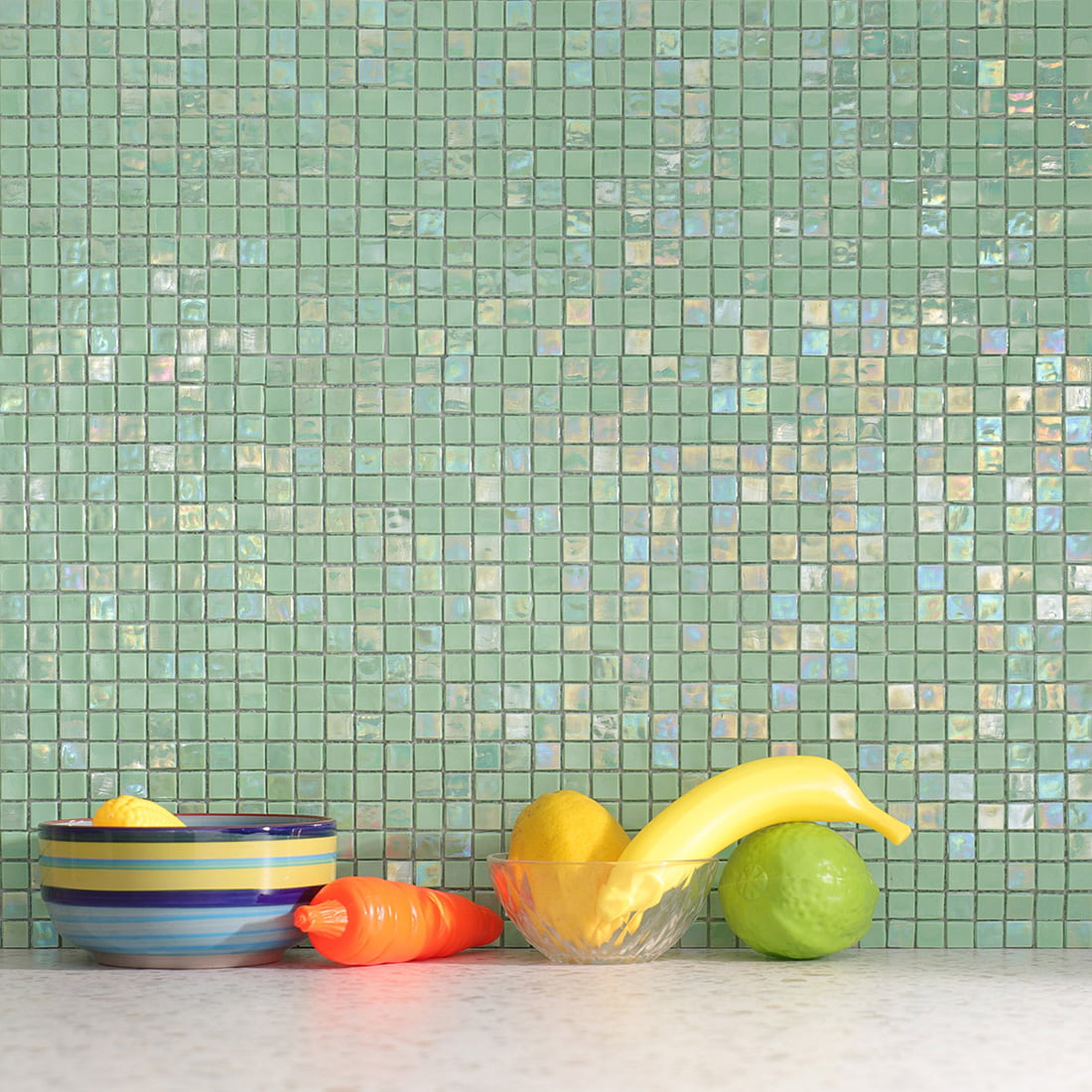
Blue-green glass blends create layered color beneath the water and work well in spas, villas and resort pools.
Modern neutral pools:
Gray, white, beige and stone-look porcelain can create a contemporary architectural appearance.
Decorative applications:
Iridescent glass, 24K gold accents and custom mosaics can be used on risers, borders or selected flat areas. Confirm tread suitability before using a decorative glossy finish on a walking surface.
Where to Use Swimming Pool Step Tiles
-
Submerged swimming pool stairs
-
Walk-in pool entries
-
Roman pool steps
-
Spa and hot-tub steps
-
Underwater benches and seating ledges
-
Tanning ledges and Baja shelves
-
Shallow-water platforms
-
Pool stair risers
-
Contrasting step-edge bands
-
Areas surrounding pool handrails
-
Fountain and water-feature steps
-
Hotel, resort and commercial pool entries
Products must be selected separately for horizontal walking surfaces, vertical risers and purely decorative applications.
Product Specifications to Check Before Ordering
Every Woos Tiles product page should provide the following information whenever applicable:
| Specification | Information to verify |
|---|---|
| Material | Vitreous glass, porcelain, ceramic, stone or mixed material |
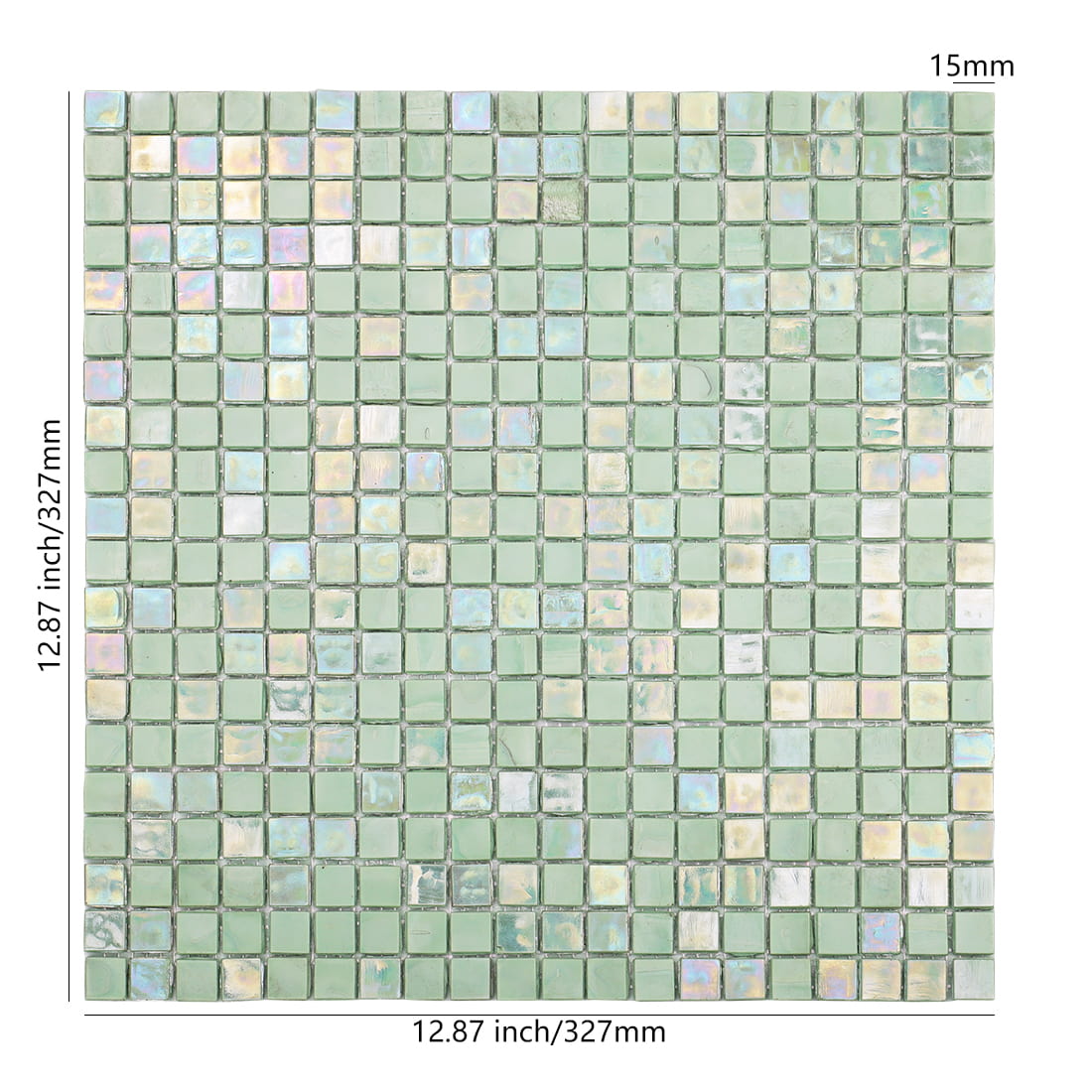
| Chip size | Actual dimensions of each mosaic piece |
| Sheet size | Overall mounted sheet dimensions |
| Thickness | Tile thickness and possible variation |
| Finish | Matte, textured, glossy, iridescent or specialty surface |
| Mounting | Mesh-mounted, paper-faced, film-faced or loose pieces |
| Coverage | Square feet or square meters per sheet and carton |
| Submerged-use rating | Whether continuous immersion is approved |
| Step-tread suitability | Whether horizontal wet barefoot traffic is approved |
| Chemical resistance | Compatibility with properly maintained pool water |
| Outdoor rating | Exterior-use and UV suitability |
| Freeze-thaw rating | Required for relevant climates |
| Slip-resistance data | Test result or manufacturer-declared use classification |
| Variation | Expected variation in color, texture and shade |
| Trim availability | Matching edge, border or transition pieces |
| Sample availability | Sample size, price and shipping conditions |
Do not group every product under one universal performance statement. Ratings should be displayed individually.
How to Choose the Best Pool Step Tiles
-
Identify the installation area.
Determine whether the tile will cover the full tread, riser, edge marker, bench or shallow platform. -
Confirm permanent-submersion approval.
Do not substitute ordinary indoor wall tile or an unverified backsplash mosaic. -
Review traction information.
Request test data and intended-use guidance for horizontal wet surfaces. -
Plan a visible step edge.
Choose a marker color that remains distinguishable through water and under pool lighting. -
Match the tile format to the step shape.
Small mosaics are usually easier to fit around curves, corners and irregular layouts. -
Check the complete installation system.
Tile, mounting, mortar, waterproofing, grout and sealant must be compatible. -
Order samples before final approval.
View the tile both dry and underwater because glass color, reflectivity and grout appearance can change significantly.
Pool Step Tile Installation
Pool step tile installation is a technical submerged application and should normally be completed by an experienced pool tile contractor.
Prepare the substrate:
The step structure must be sound, properly formed, clean and free from dust, oil, coatings or loose material. Treads should have the drainage and dimensions required by the project design.
Install an approved waterproofing system:
Waterproofing, penetrations, corners and movement joints should be completed according to the selected installation-system manufacturer.
Dry-layout the tiles:
Plan sheet alignment, marker-strip width, cut locations and tread-to-riser transitions before applying mortar.
Use submerged-rated setting materials:
Select mortar compatible with the tile material and approved for continuous water exposure. Glass mosaics may require white mortar to preserve their intended color.
Achieve proper mortar contact:
Avoid voids behind tiles, especially at step edges, corners and submerged horizontal surfaces.
Fill grout joints completely:
Use a pool-compatible grout and finish joints consistently. Follow the grout manufacturer’s instructions regarding joint width, cleaning and chemical exposure.
Respect movement joints and curing time:
Movement joints should not be filled with rigid grout. Do not fill the pool until waterproofing, mortar, grout and sealants have completed their specified curing periods.
Choosing Grout for Pool Steps
Grout affects both appearance and long-term performance.
-
White grout produces a clean, bright mosaic pattern.
-
Light gray grout softens contrast and may make routine discoloration less noticeable.
-
Dark grout creates a stronger grid and can visually deepen blue or iridescent glass.
-
Epoxy grout can offer strong stain and chemical resistance, but compatibility, UV limitations and installation requirements must be confirmed.
-
Cement-based grout should be selected and maintained according to its submerged-use instructions.
Grout color should be tested with an actual sample because it can significantly change the perceived color of translucent glass mosaics.
Cleaning and Maintenance
Clean pool step tiles regularly with a soft nylon brush and a cleaner approved for both the tile and the pool system. Avoid metal tools, highly abrasive pads and unapproved acidic products that may damage tile, stone, grout or decorative finishes.
Maintain balanced pool-water chemistry to help reduce scale, staining and deterioration of installation materials. Periodically inspect step edges, grout joints, movement joints and loose tiles. Address damaged grout or movement joints before water reaches the underlying assembly.
Natural stone may require additional sealing and maintenance. Follow the stone and sealer manufacturer’s recommendations rather than applying a universal pool-tile treatment.
Pool Step Tile Cost
The cost of swimming pool step tiles depends on:
-
Tile material and finish
-
Chip and sheet size
-
Standard tile versus specialty trim
-
Slip-resistance testing and performance rating
-
Curved or custom-cut step details
-
Decorative borders and marker designs
-
Custom color blends
-
Order quantity and carton coverage
-
Freight and delivery location
-
Waterproofing and installation materials
-
Professional installation labor
Compare products by coverage per sheet or square foot—not only by the price of one sheet.
How Much Tile Do You Need?
Measure every tiled surface separately:
-
Tread width × tread depth
-
Riser width × riser height
-
Bench width × seat depth
-
Landing or shallow-platform area
-
Vertical faces and side returns
-
Step-marker length and width
Add the areas together, convert the total to the product’s coverage unit, and round up to complete sheets or cartons. Ask the installer to determine an appropriate cutting and waste allowance, especially for curved stairs, decorative borders and complex layouts.
Custom Swimming Pool Step Tiles
Selected Woos Tiles products can be customized for residential and commercial projects. Available options may include:
-
Custom color blends
-
Gradient blue and aqua mosaics
-
Contrasting marker strips
-
Custom chip or sheet layouts
-
Geometric borders
-
Marine-life motifs
-
Logo-inspired decorative patterns
-
Coordinating pool wall, floor and waterline tiles
-
Project packaging and quantity support
Provide drawings, step dimensions, preferred colors, water conditions, installation location and required performance information when requesting a custom quotation.
Why Choose Woos Tiles?
-
Pool-focused selection: Options for steps, benches, ledges, pool floors and waterlines.
-
Multiple materials: Glass mosaic, porcelain, ceramic, stone and decorative solutions.
-
Clear specification support: Request chip size, sheet size, finish, thickness and application information.
-
Sample service: Review color, texture, reflectivity and grout compatibility before ordering.
-
Custom options: Selected products support custom colors, marker strips and layouts.
-
Project purchasing: Quotations are available for residential, hotel, resort, spa and commercial pool projects.
-
Coordinated design: Match pool steps with complementary wall, floor, coping and waterline tiles.
Swimming Pool Step Tiles FAQ
What are the best tiles for swimming pool steps?
The best choice is a pool-rated tile that is approved for permanent immersion and the exact intended location. Textured porcelain and appropriately rated mosaics are common tread options. Glass mosaics work especially well on curved areas, but smooth glossy glass should not be assumed suitable for walking surfaces.
Are mosaic tiles suitable for pool steps?
Yes, provided the tile, surface finish and mounting system are approved for submerged step use. Small mosaics adapt well to curves and introduce more joints, but the grout lines do not replace product-specific slip-resistance evaluation.
Are all pool tiles slip-resistant?
No. Some pool tiles are intended only for waterlines or vertical walls. Always check whether the exact product is recommended for horizontal wet barefoot traffic.
What is the difference between pool step tiles and step markers?
Pool step tiles may cover the complete tread and riser. Step markers are contrasting tiles, strips or decorative pieces placed near the front edge to make each step easier to see.
Can glossy glass tiles be installed on pool steps?
They may be used on risers, borders or decorative areas. For horizontal treads, use glossy glass only when the manufacturer specifically approves the product for that application.
Can pool step tiles be used in saltwater and chlorinated pools?
Many pool-rated glass and porcelain products can be used in properly maintained saltwater and chlorinated pools. Confirm the tile, backing, mortar and grout specifications before ordering.
Do outdoor pool step tiles need to be frost-resistant?
In freeze-thaw climates, the complete tile and installation system should be suitable for exterior freezing conditions. “Porcelain” or “pool tile” alone should not be treated as proof of freeze-thaw suitability.
What grout is best for swimming pool steps?
Use grout specifically approved for submerged pool installations and compatible with the tile. Epoxy and high-performance cementitious grouts are common options, but the final selection depends on the project and manufacturer’s installation system.
Can mosaic tiles cover curved pool steps?
Small mosaic sheets are among the most practical options for curved Roman stairs, benches and irregular shapes. Confirm that the sheet backing can follow the curve and is approved for permanent immersion.
Can ordinary bathroom tile be used on pool steps?
Not unless the manufacturer specifically approves it for permanent submersion, pool chemicals and horizontal wet use. Many bathroom tiles are designed only for interior walls or ordinary wet rooms.
Should pool steps match the pool floor?
The main tile can match the pool floor for visual continuity, but the front edge should remain clearly visible. A contrasting marker strip can provide distinction without disrupting the overall design.
Can Woos Tiles produce custom pool step markers?
Custom color blends, borders, geometric strips and decorative marker layouts are available for selected products. Send Woos Tiles the pool drawings and step dimensions for evaluation.
Request a Sample or Project Quote
Make pool stairs easier to see, more comfortable to use and better coordinated with the complete pool design. Contact Woos Tiles to compare materials, review product specifications, order samples or request a quotation for residential and commercial swimming pool step tiles.