Bathroom Backsplash Tiles are a practical and decorative way to protect the wall behind a vanity from water, soap, toothpaste, and daily moisture. They also help define the style of the bathroom and create a finished look around mirrors, countertops, and sinks. From natural marble mosaics to glossy glass tiles and metallic finishes, bathroom backsplash tile offers a wide range of design possibilities for both small and large spaces.
Bathroom backsplash tiles help protect painted walls from splashes and stains while making the vanity area easier to clean. They also add texture, color, and visual interest to the bathroom. A well-designed backsplash can turn a simple vanity wall into a focal point and connect the mirror, countertop, lighting, and hardware into one cohesive design.
Marble backsplash tiles bring natural beauty, soft veining, and timeless elegance to bathroom walls. Because marble can be cut into many different shapes, it works well in classic, modern, geometric, and decorative styles. Marble mosaics are especially popular for bathroom backsplashes because the smaller pieces add detail and a custom look. Popular options include square mosaics, hexagon mosaics, herringbone patterns, basketweave designs, and waterjet marble patterns.
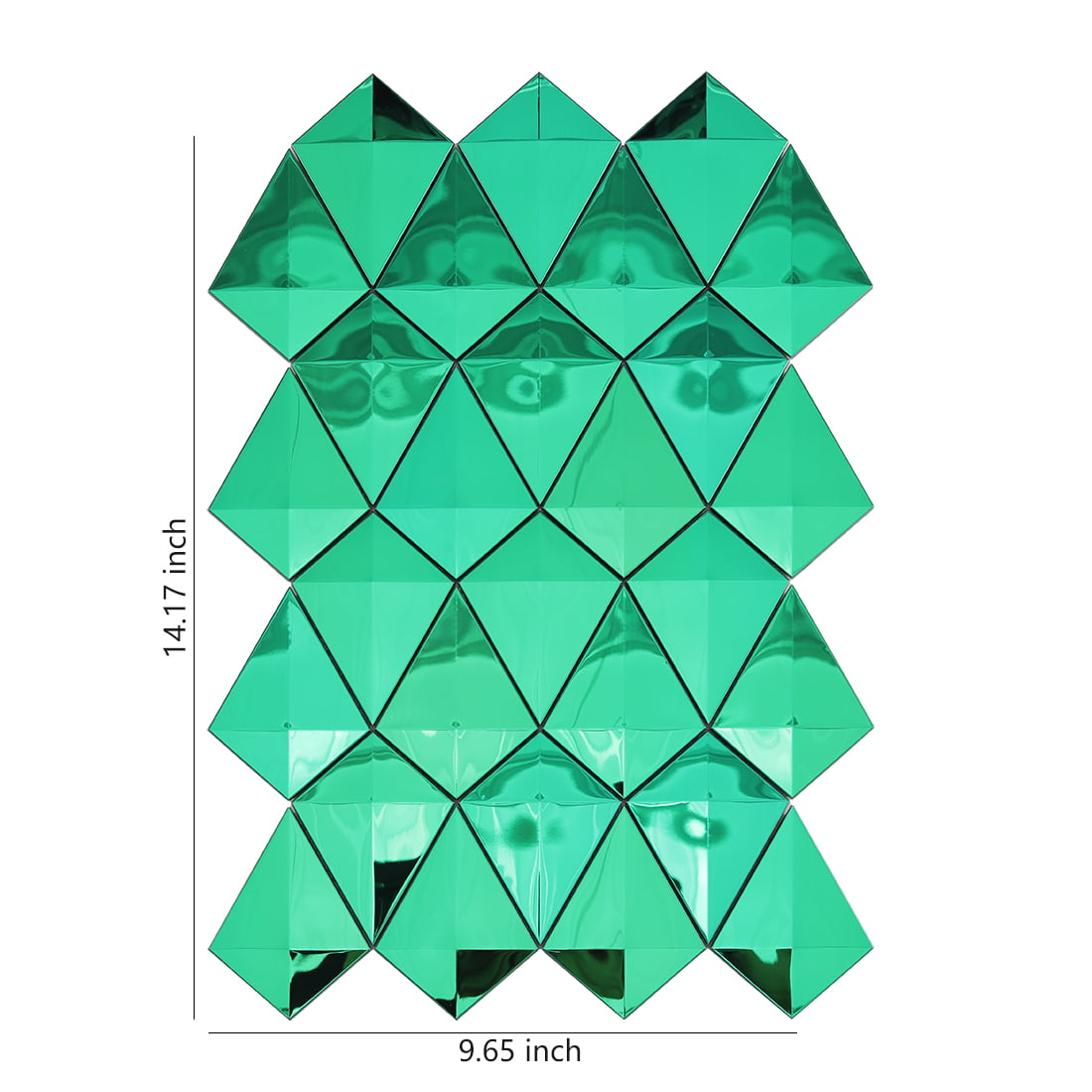
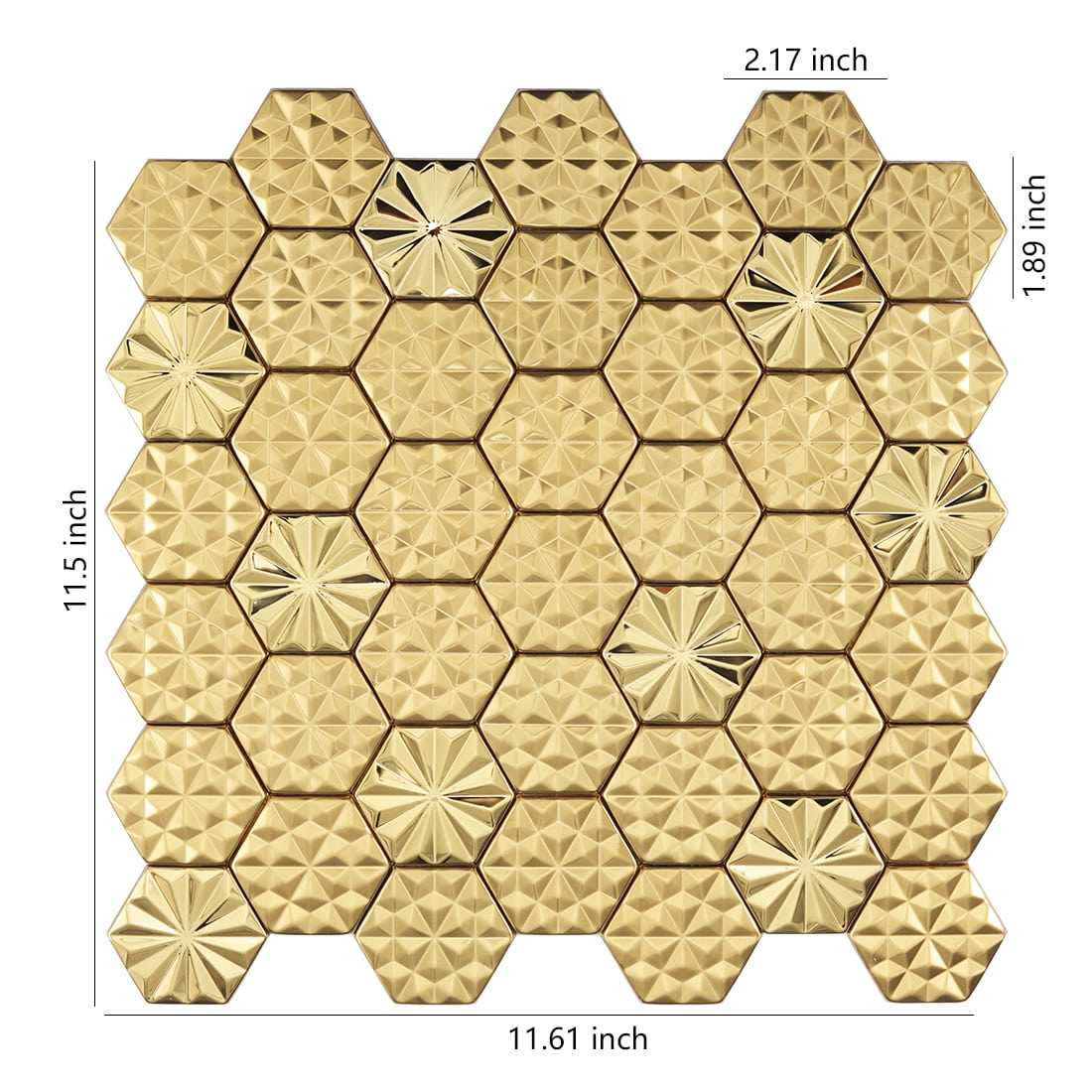
Glass backsplash tiles are a strong choice for bathrooms because they are non-porous, moisture-resistant, and easy to clean. Glass also reflects light, making the bathroom feel brighter and more open. Common glass materials include vitreous glass, crystal glass, water glass, and recycled glass. Surface effects can include iridescent, metallic, matte, gold-speckled, and sanded finishes. Glass tiles are ideal for both simple contemporary bathrooms and colorful decorative spaces.
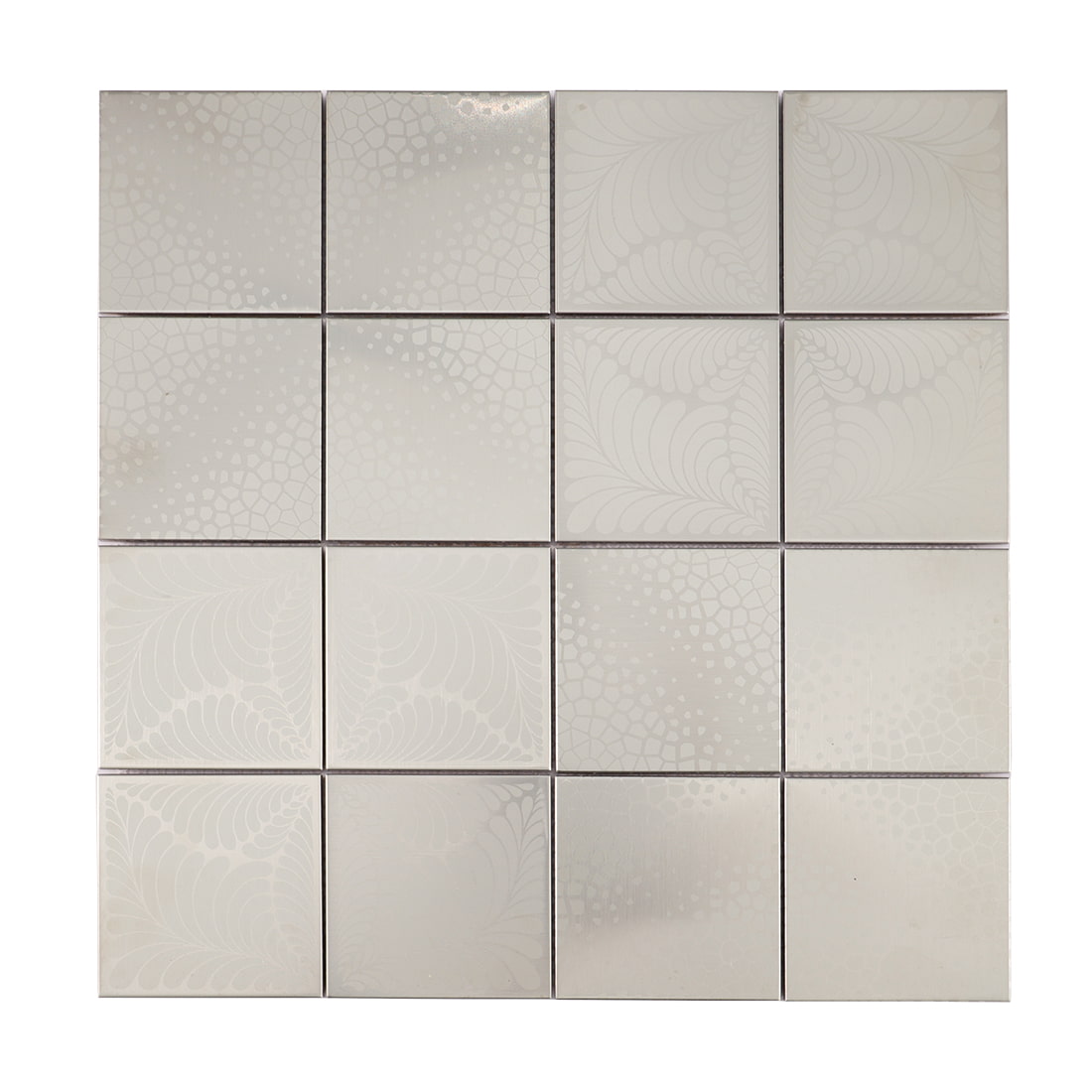
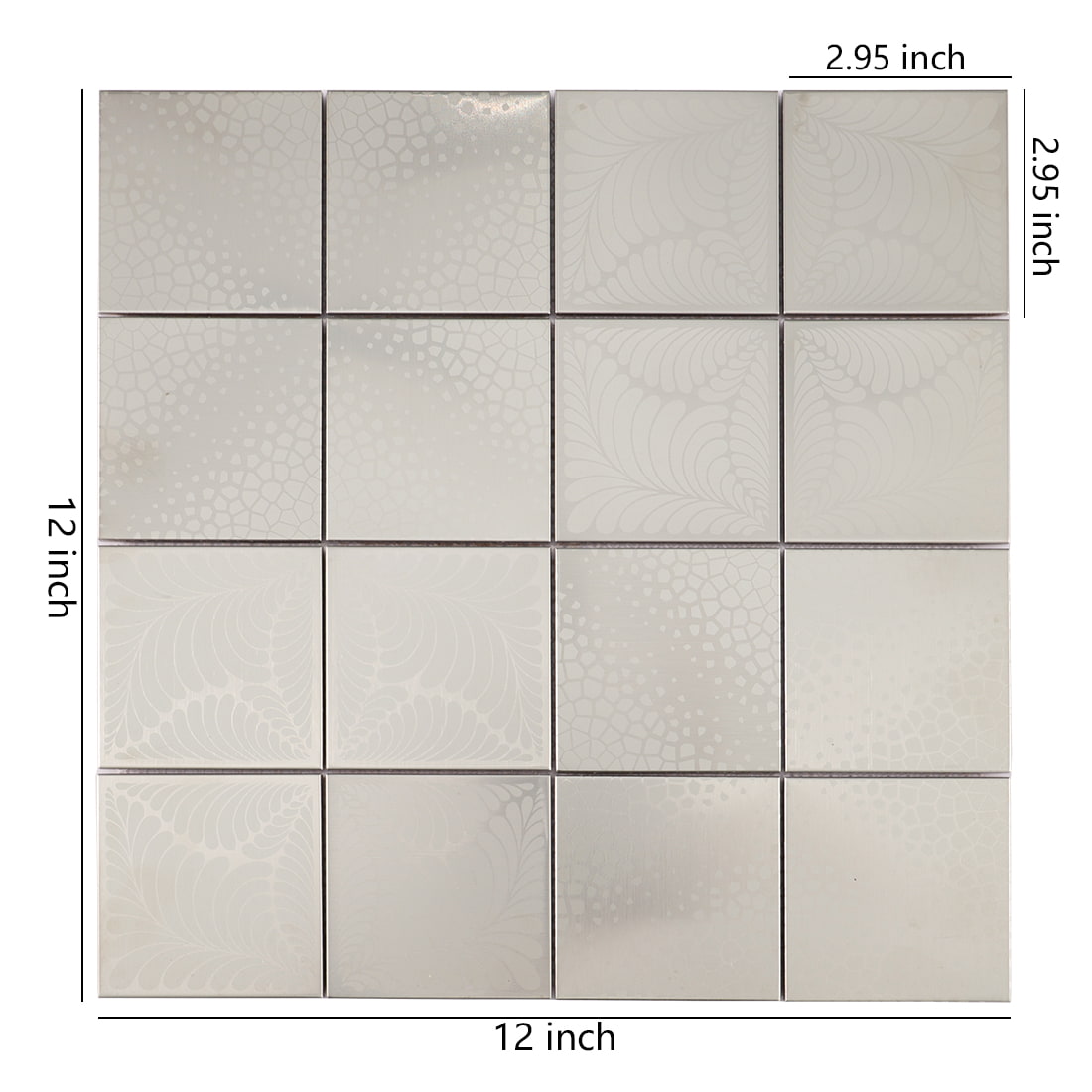
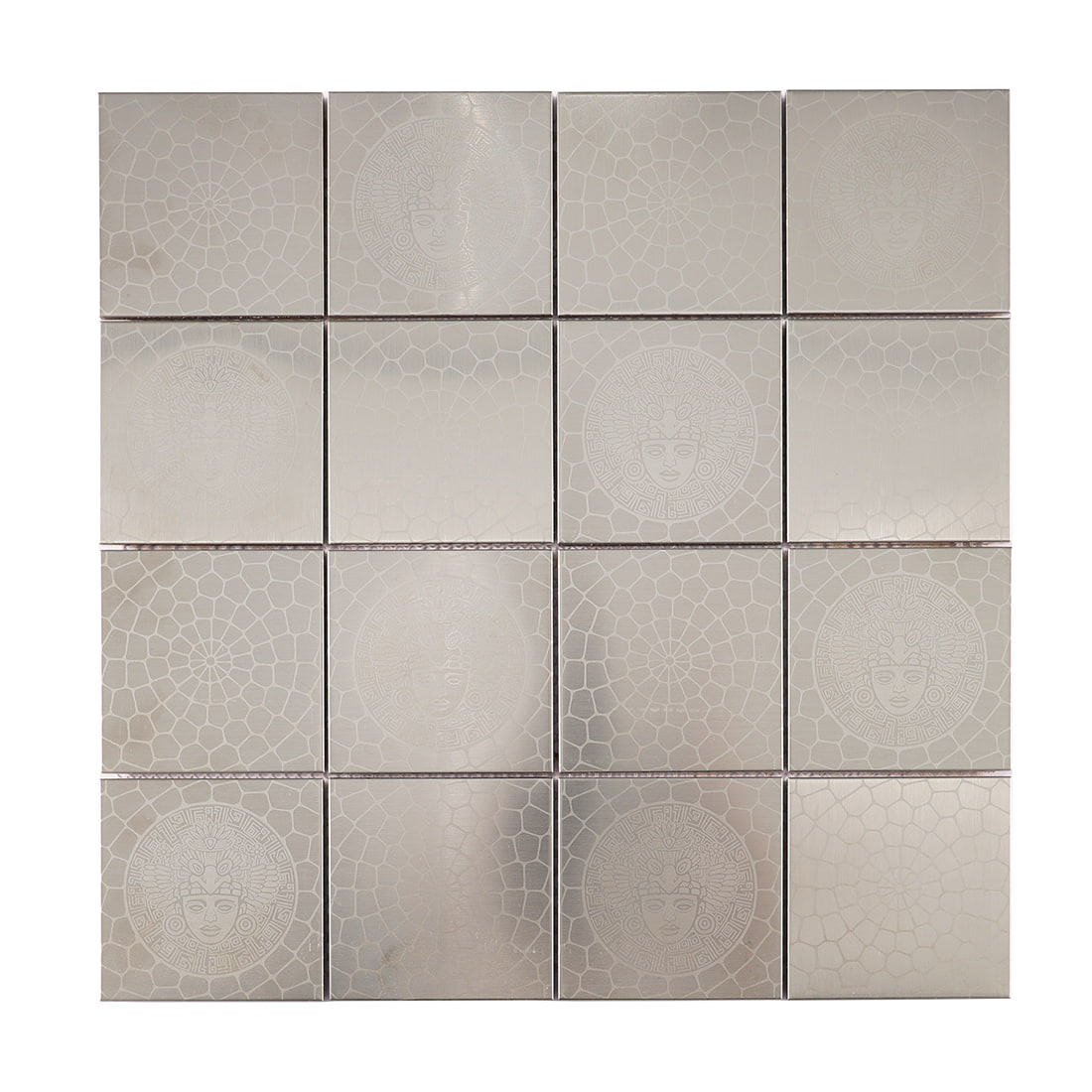
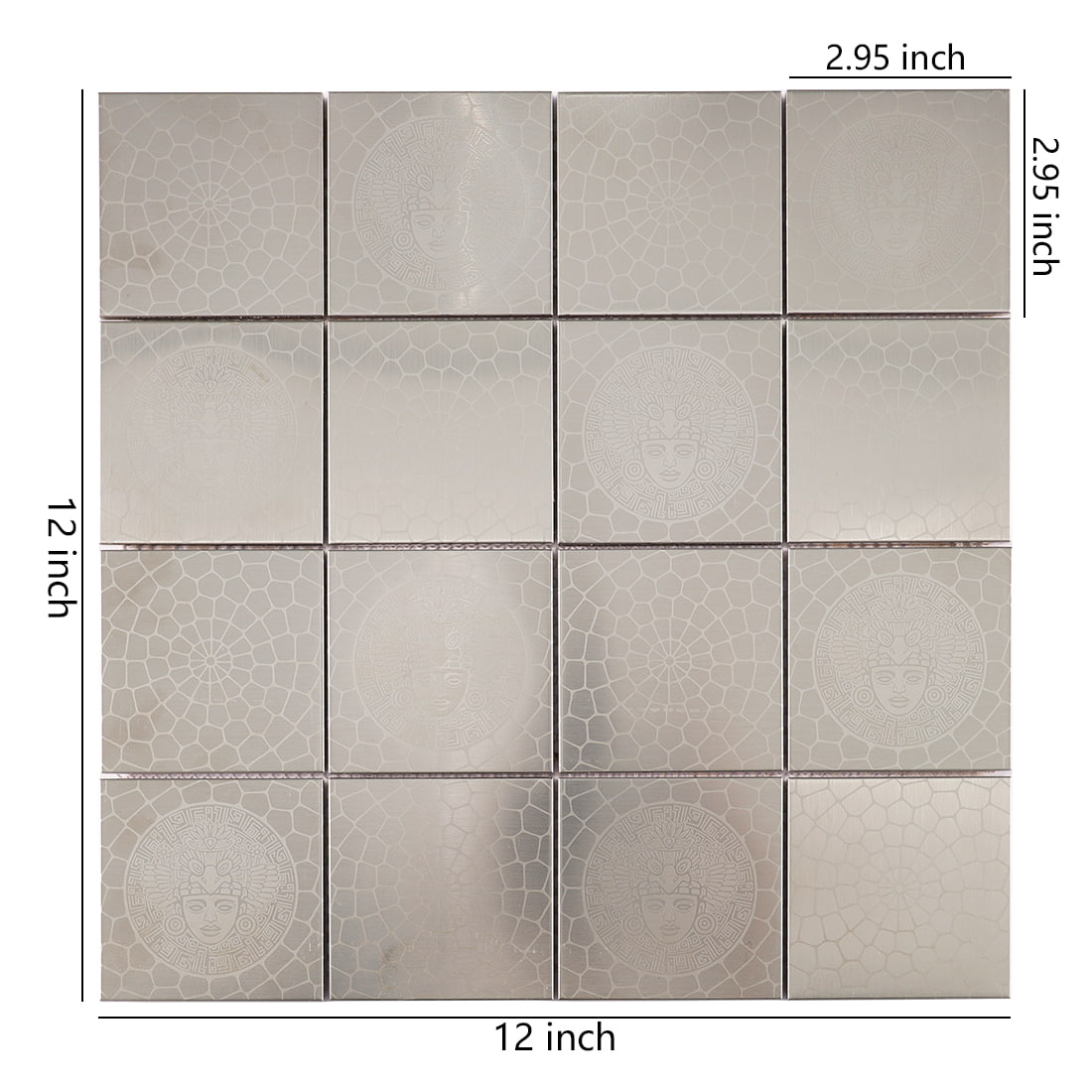
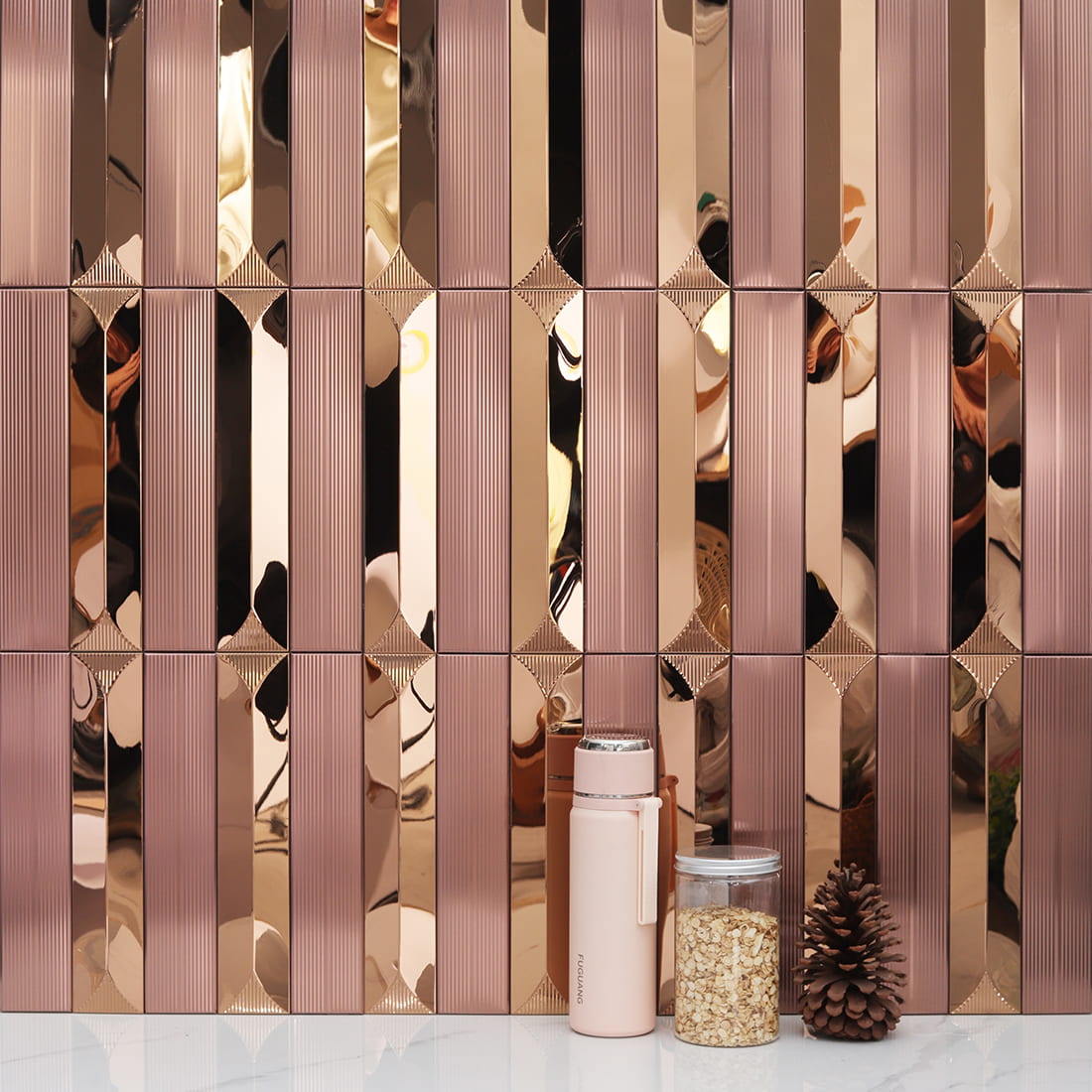
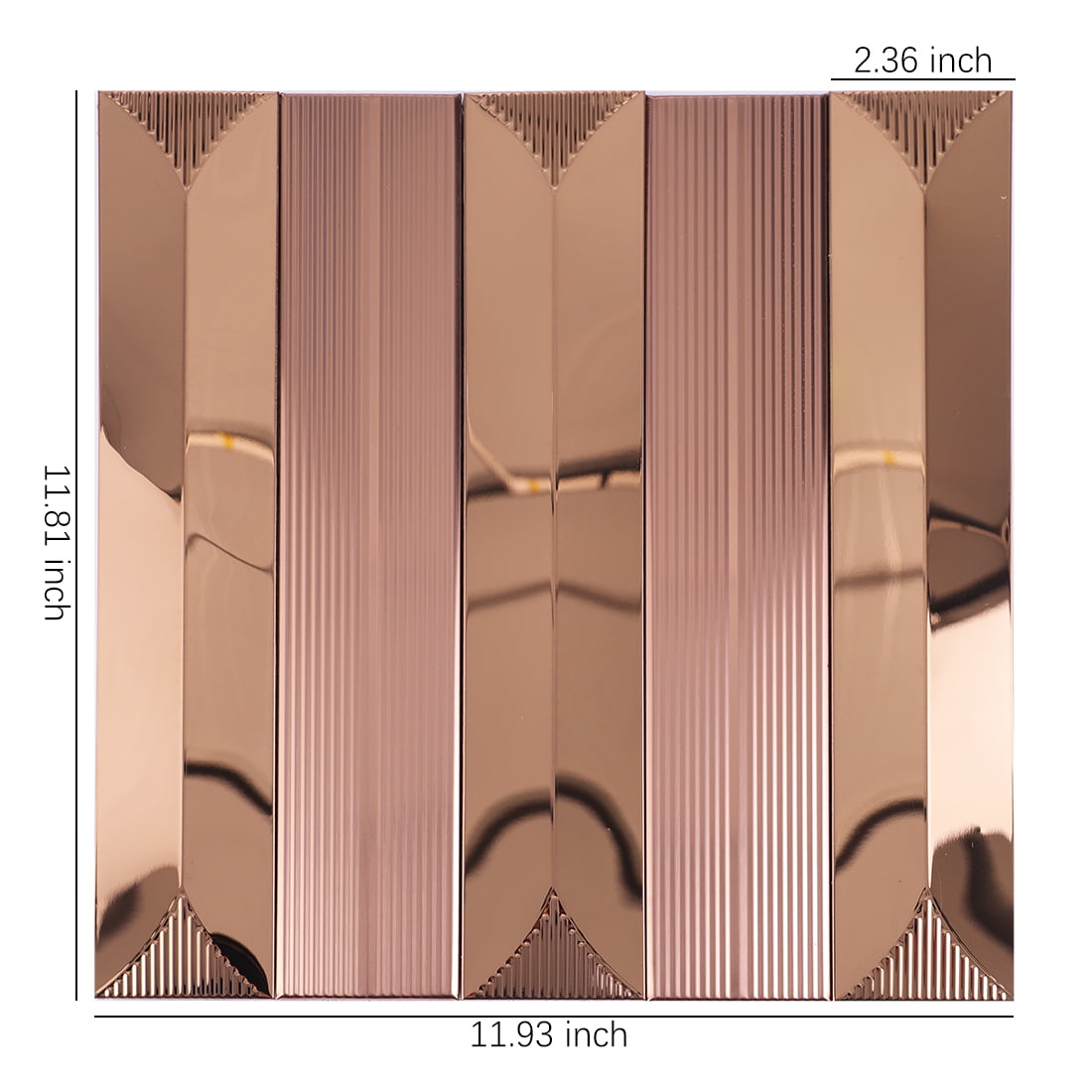
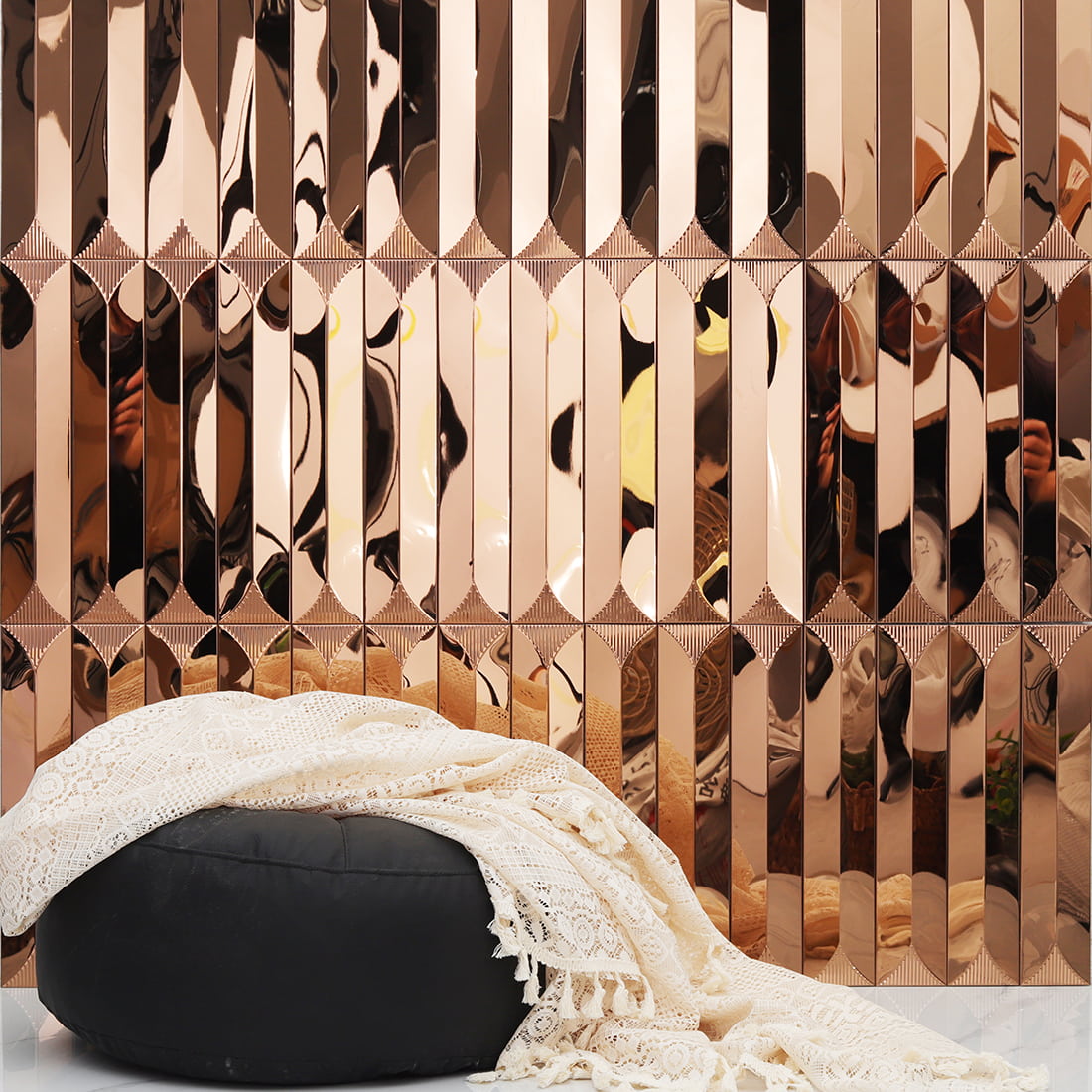
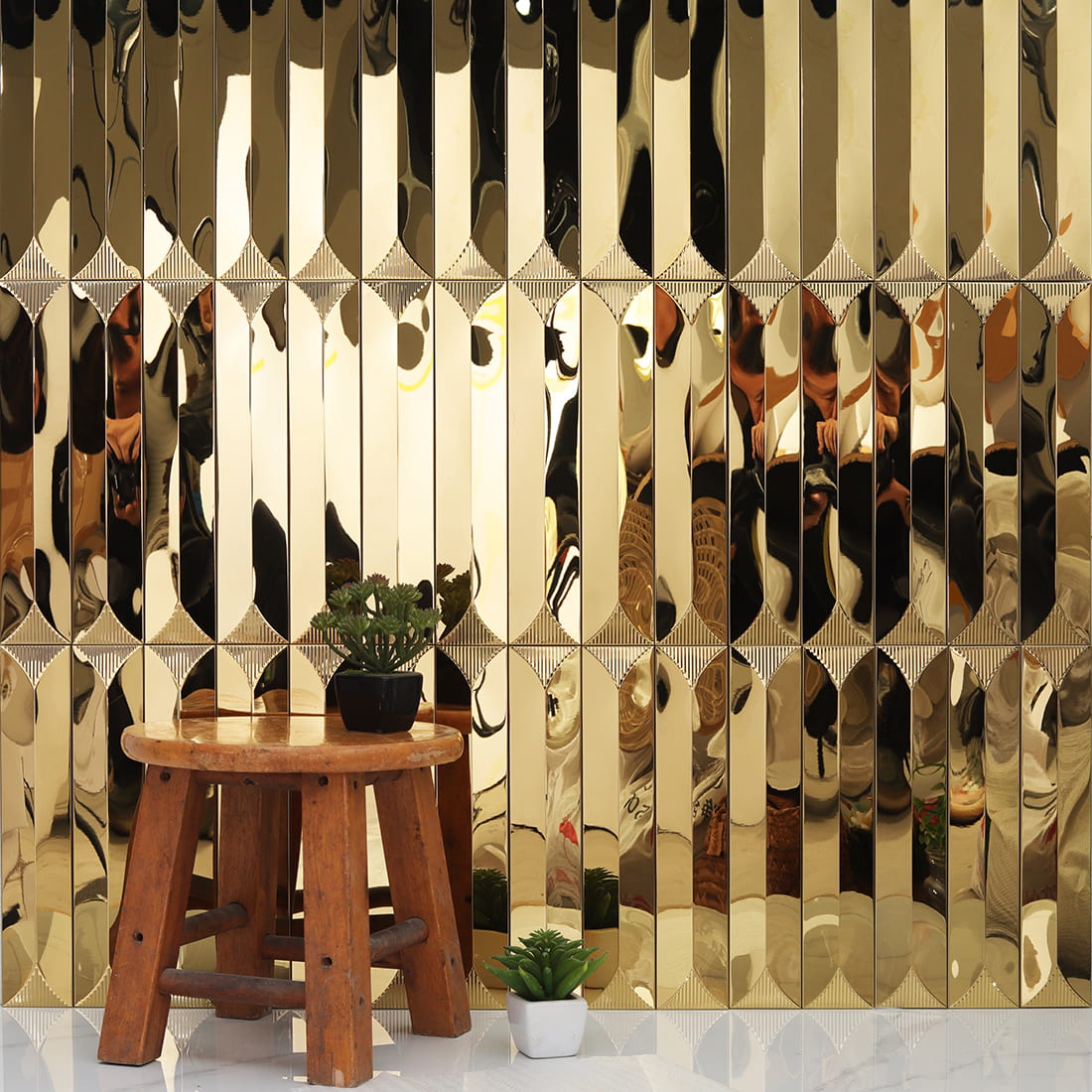
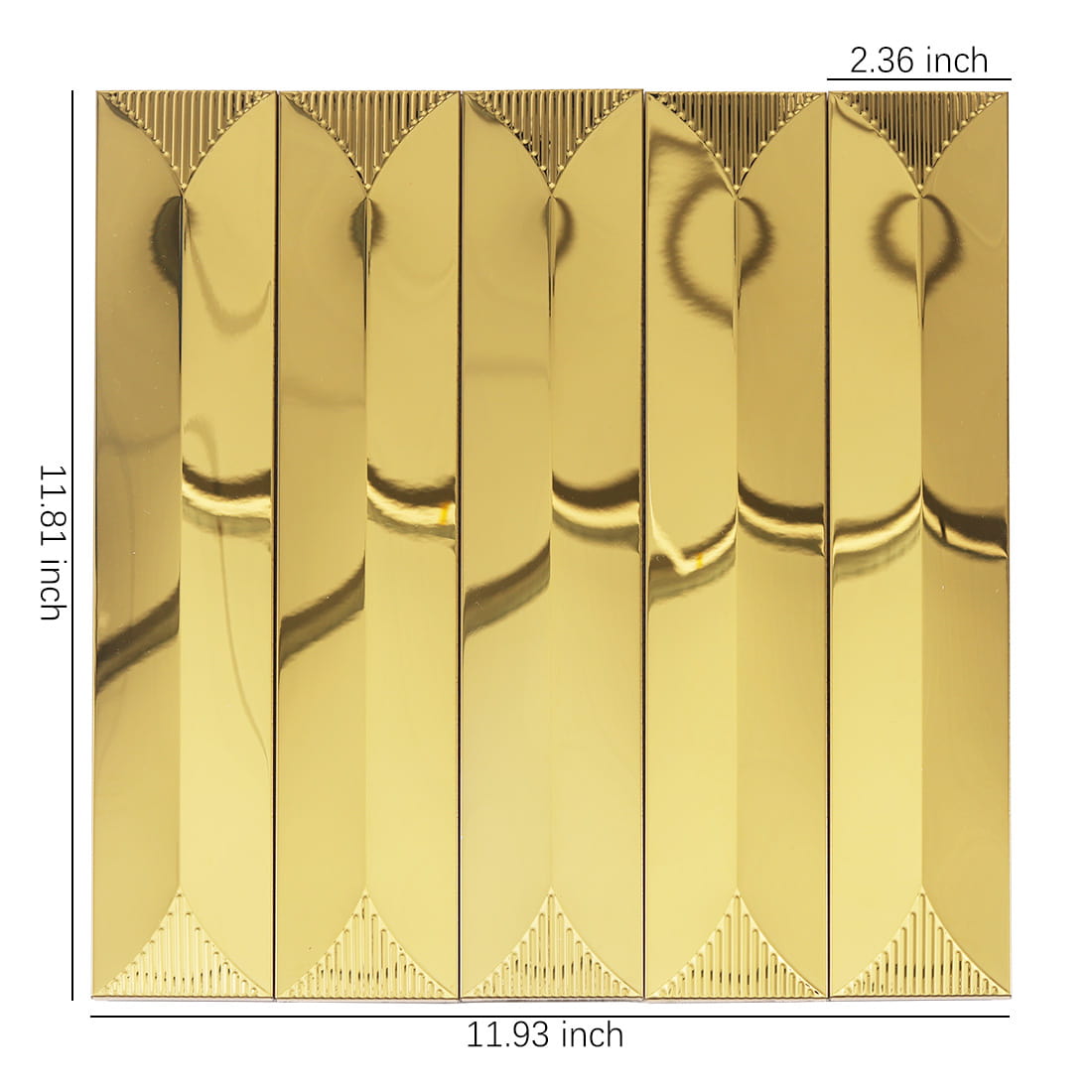
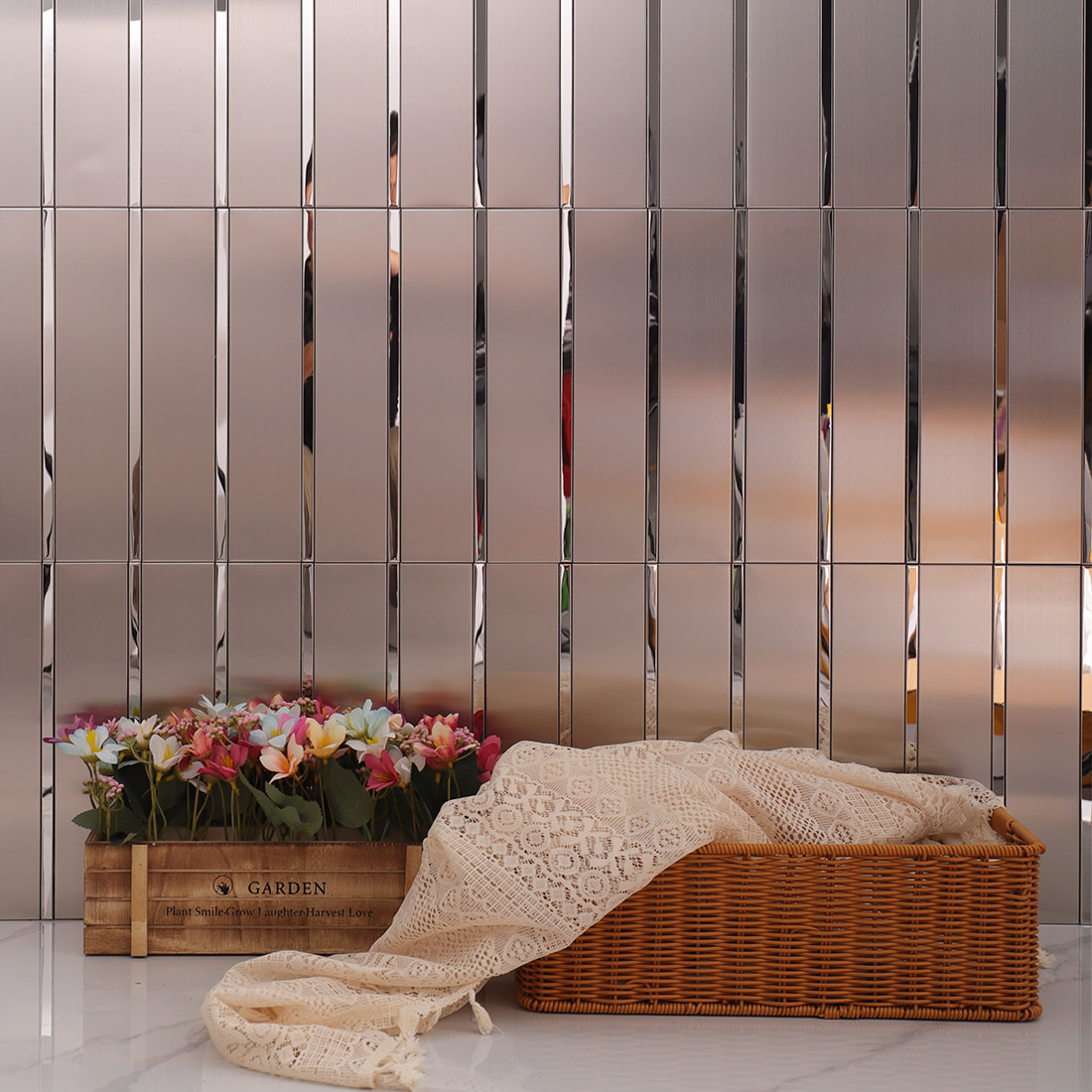
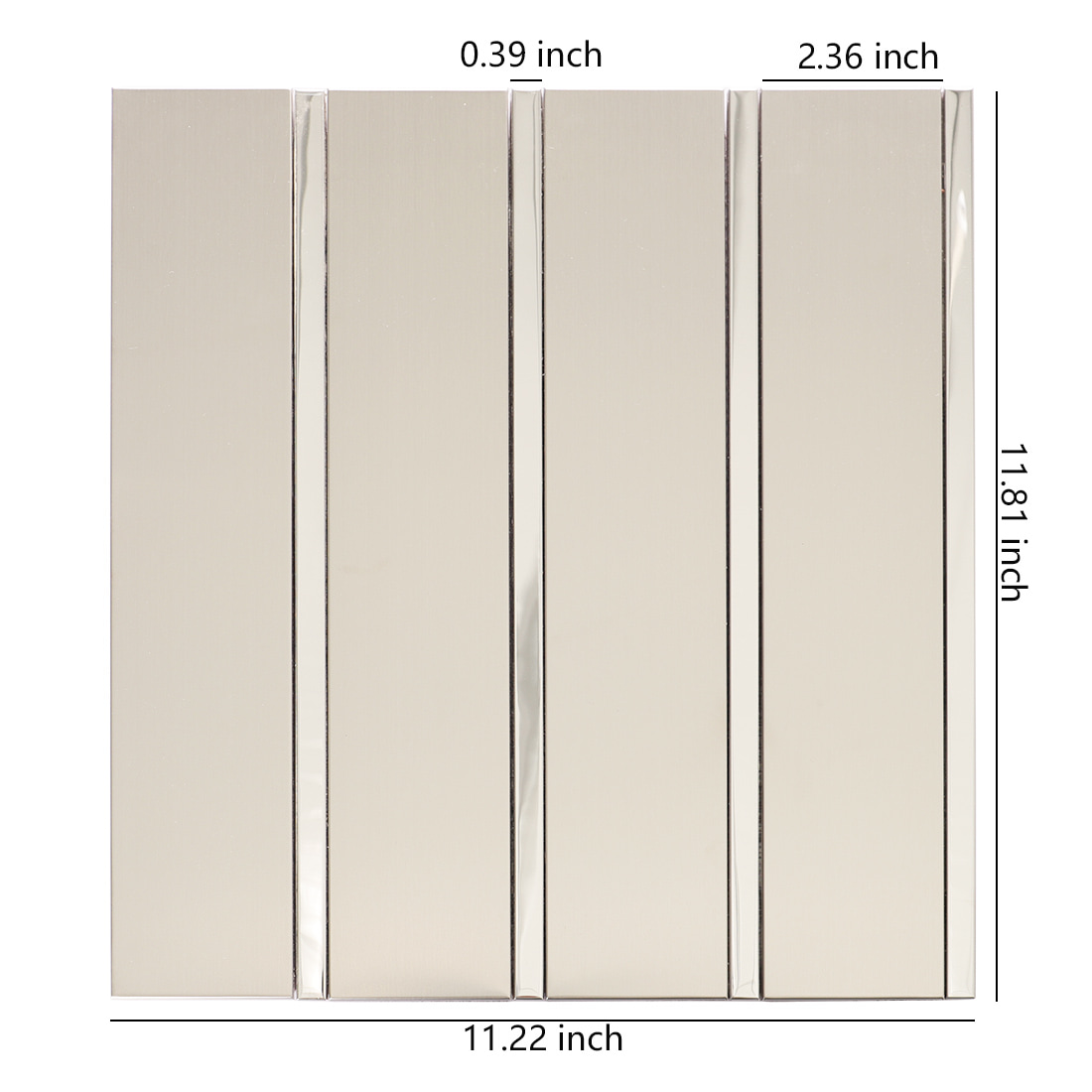
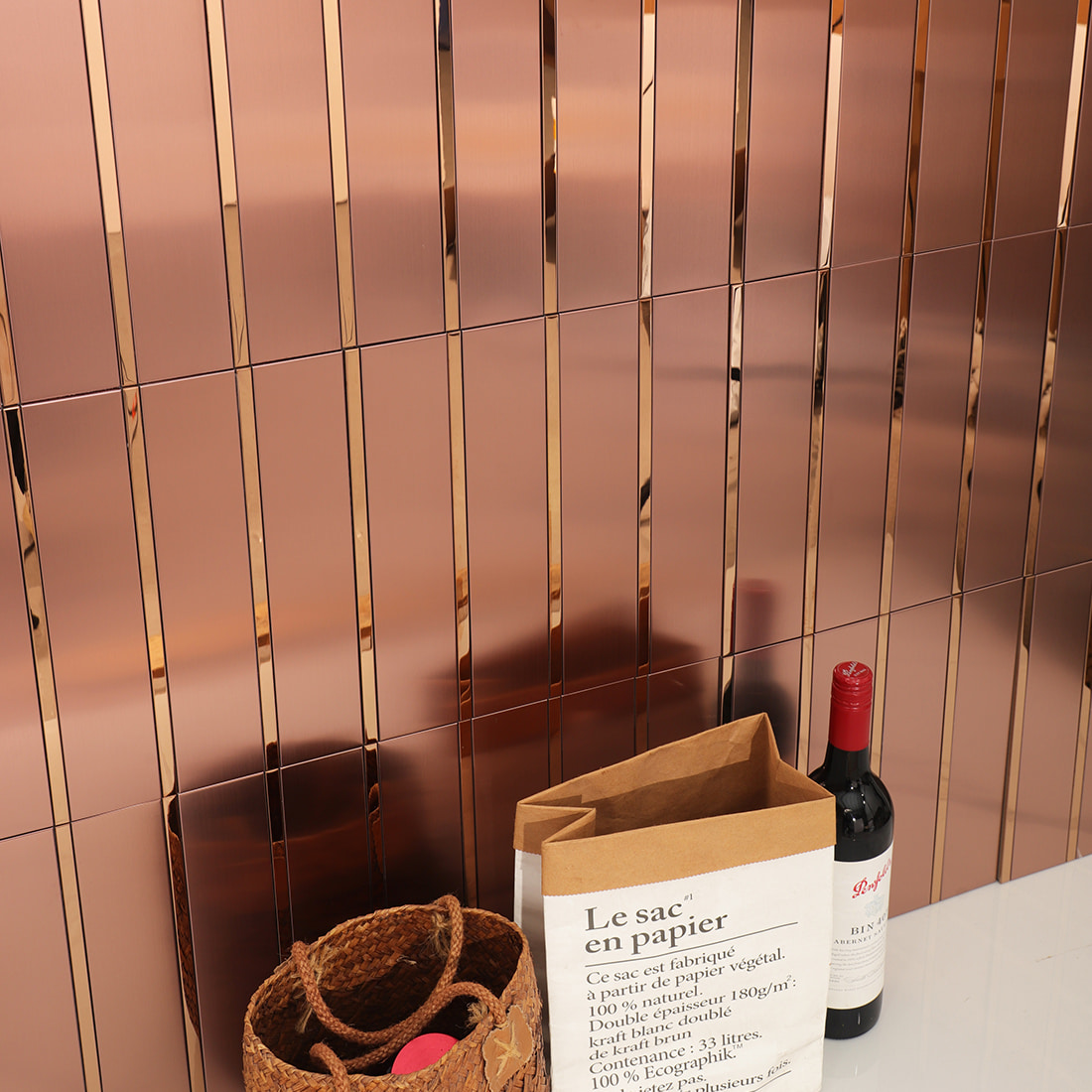
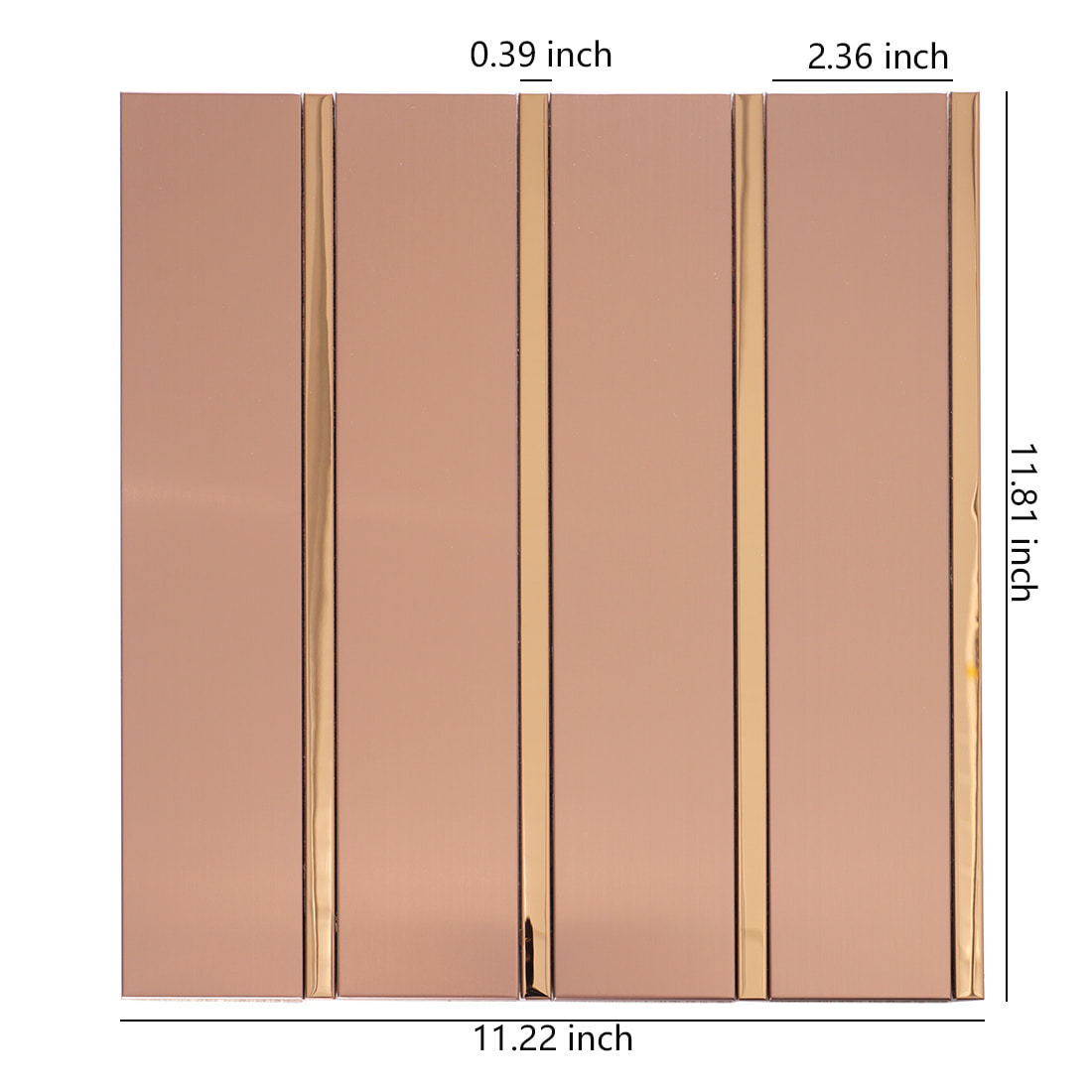
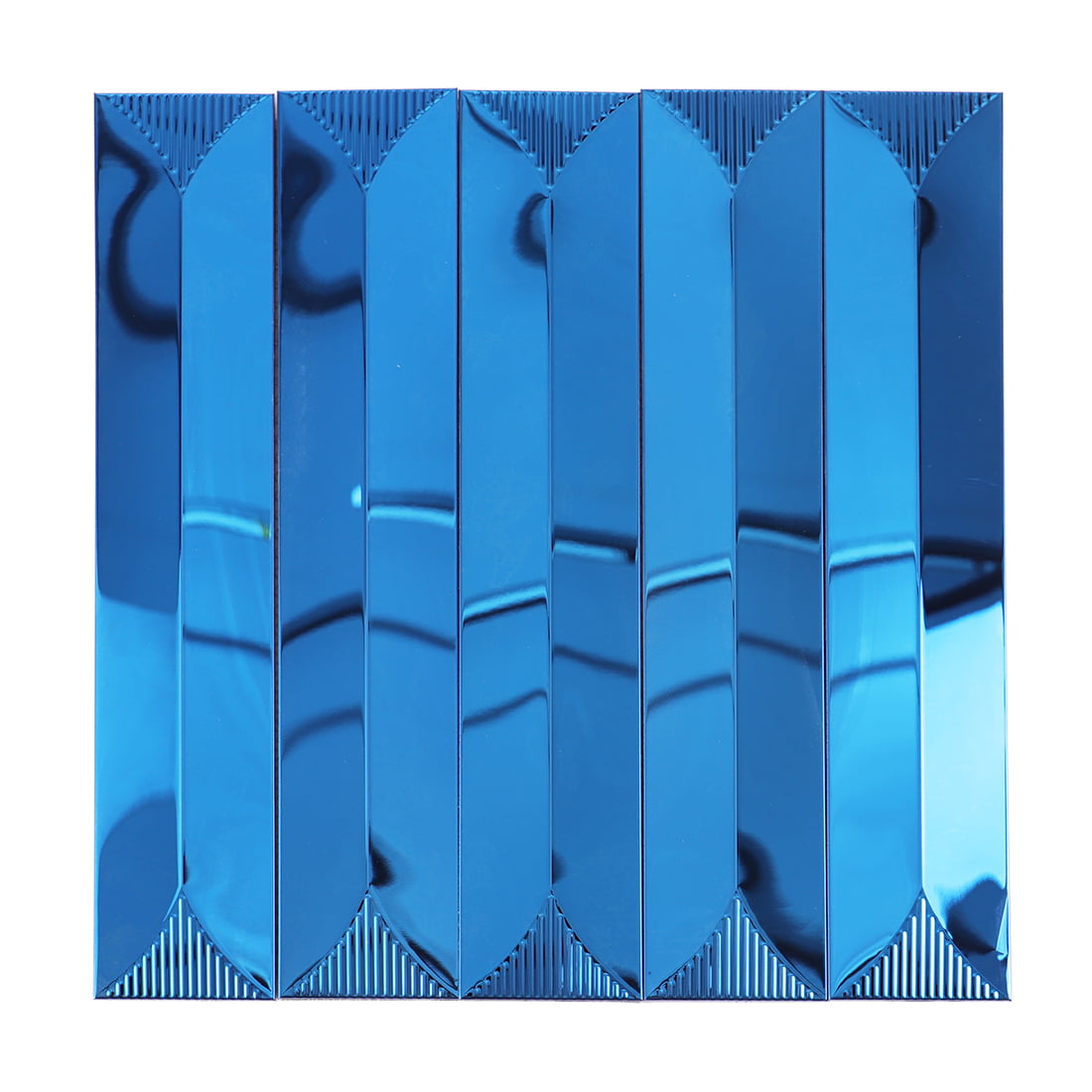
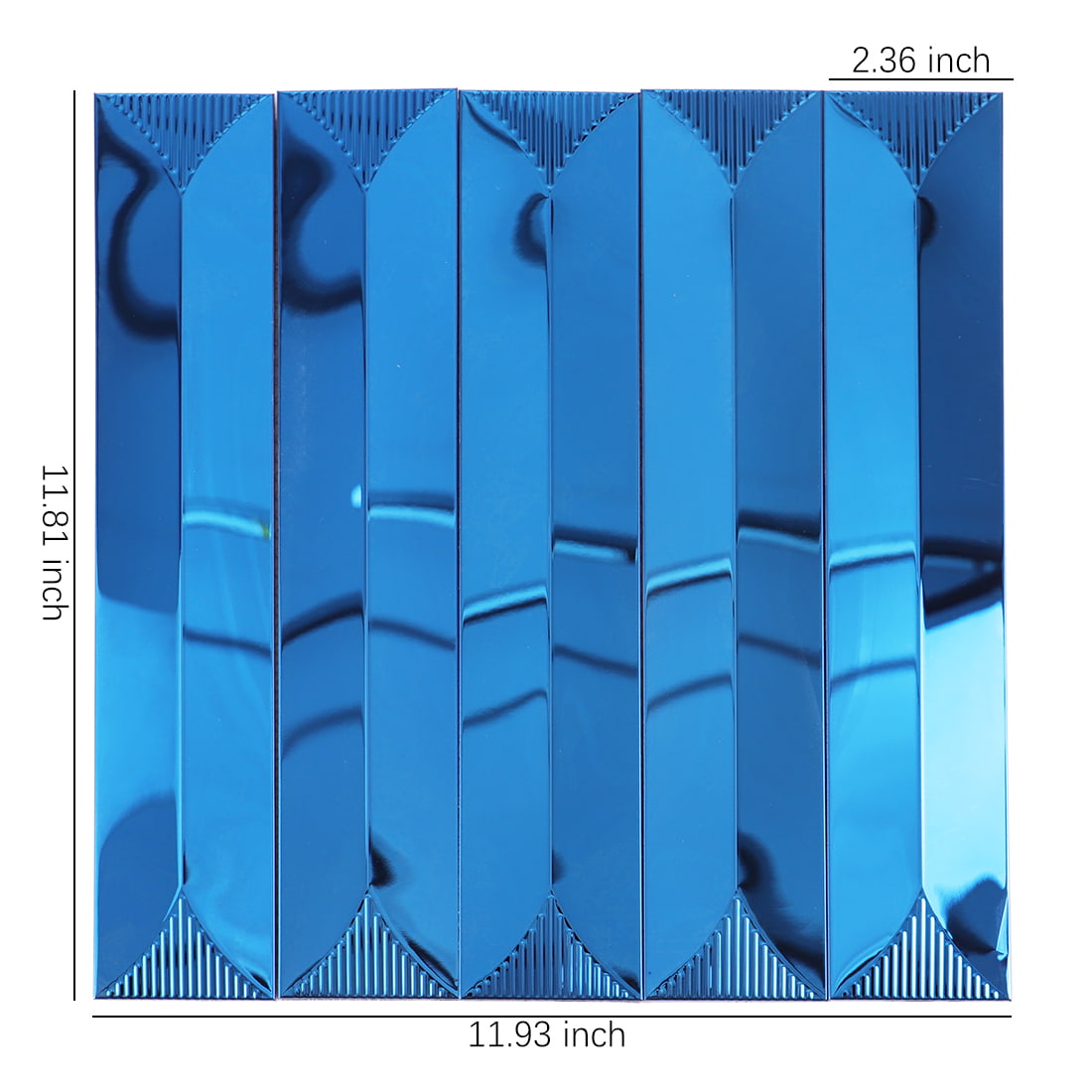
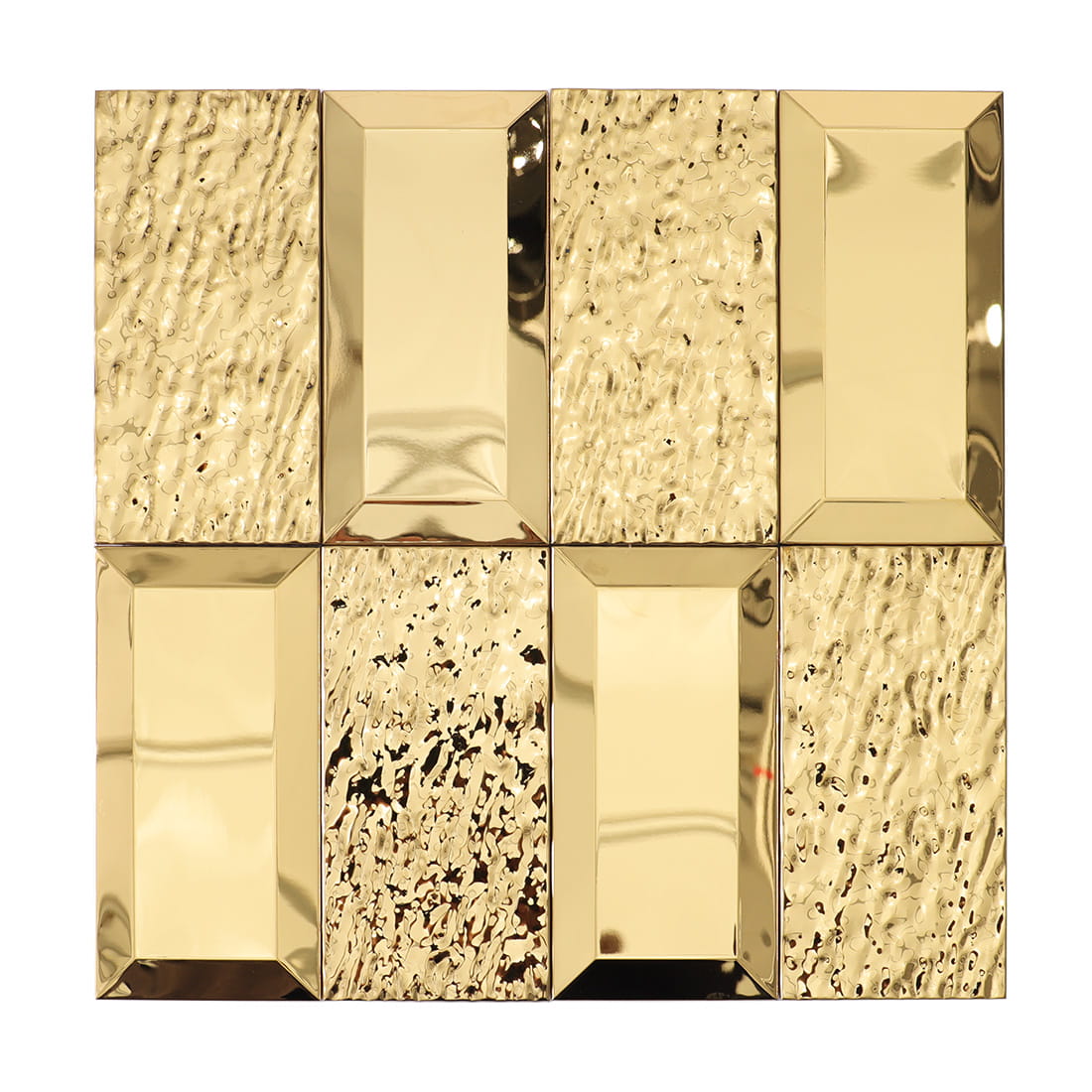
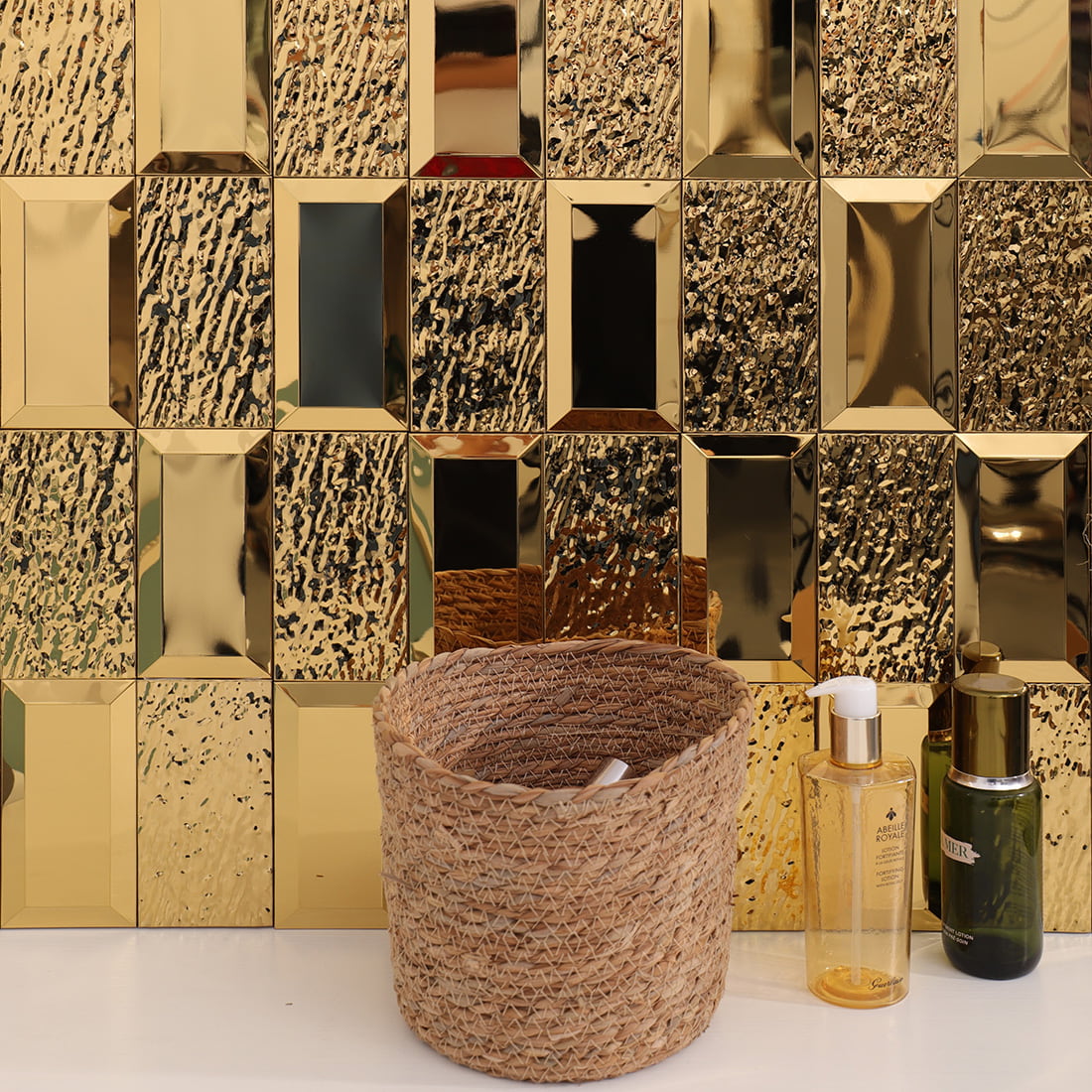
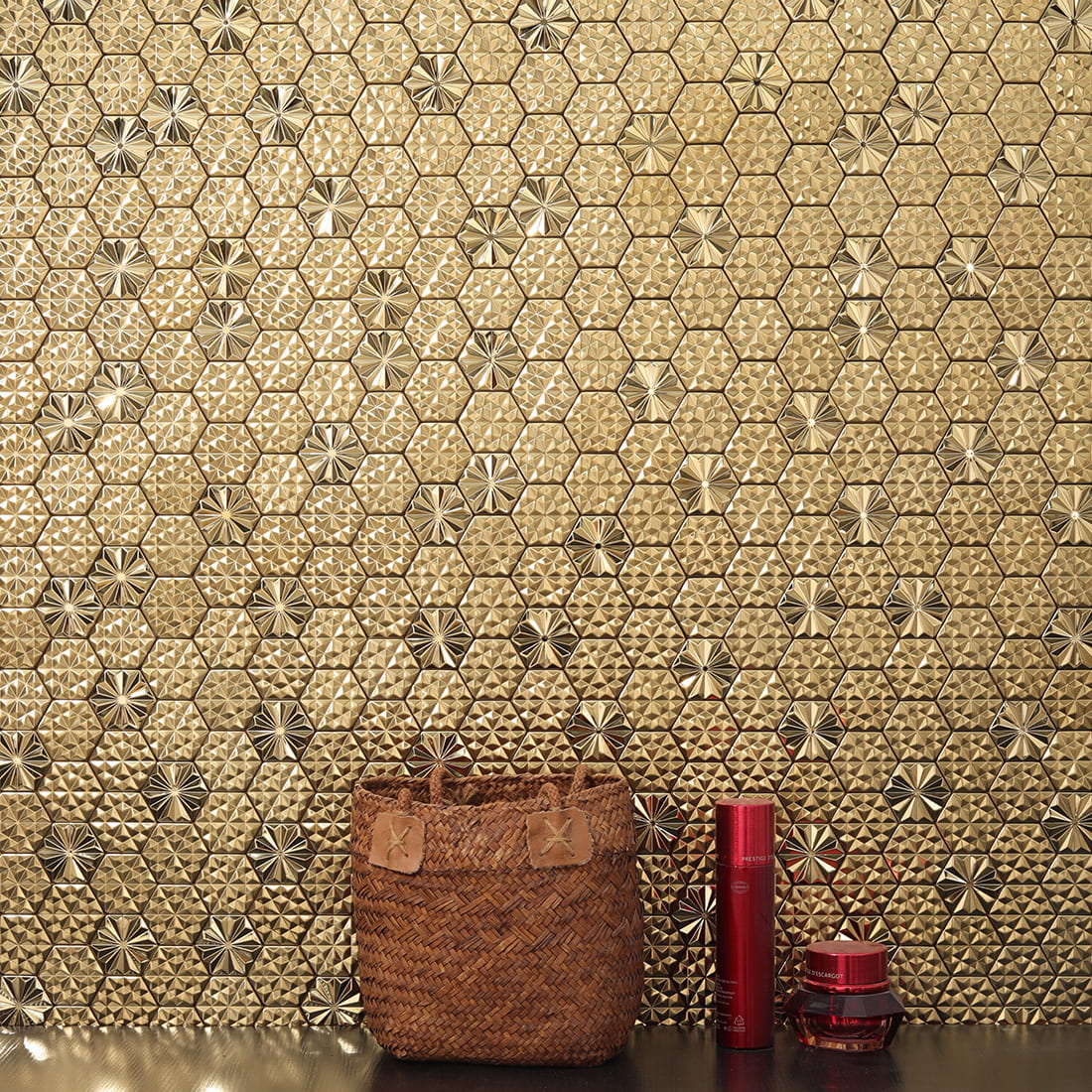
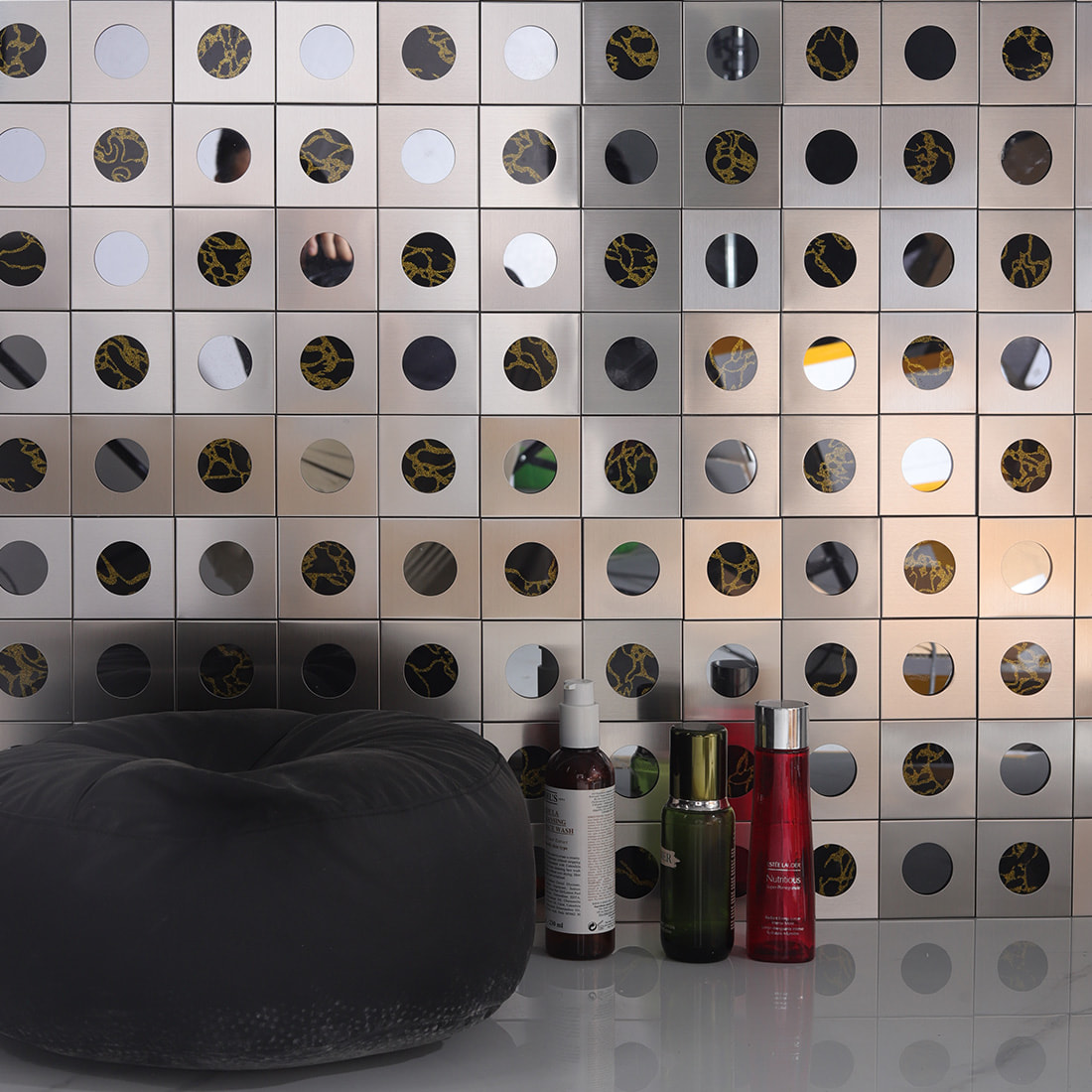
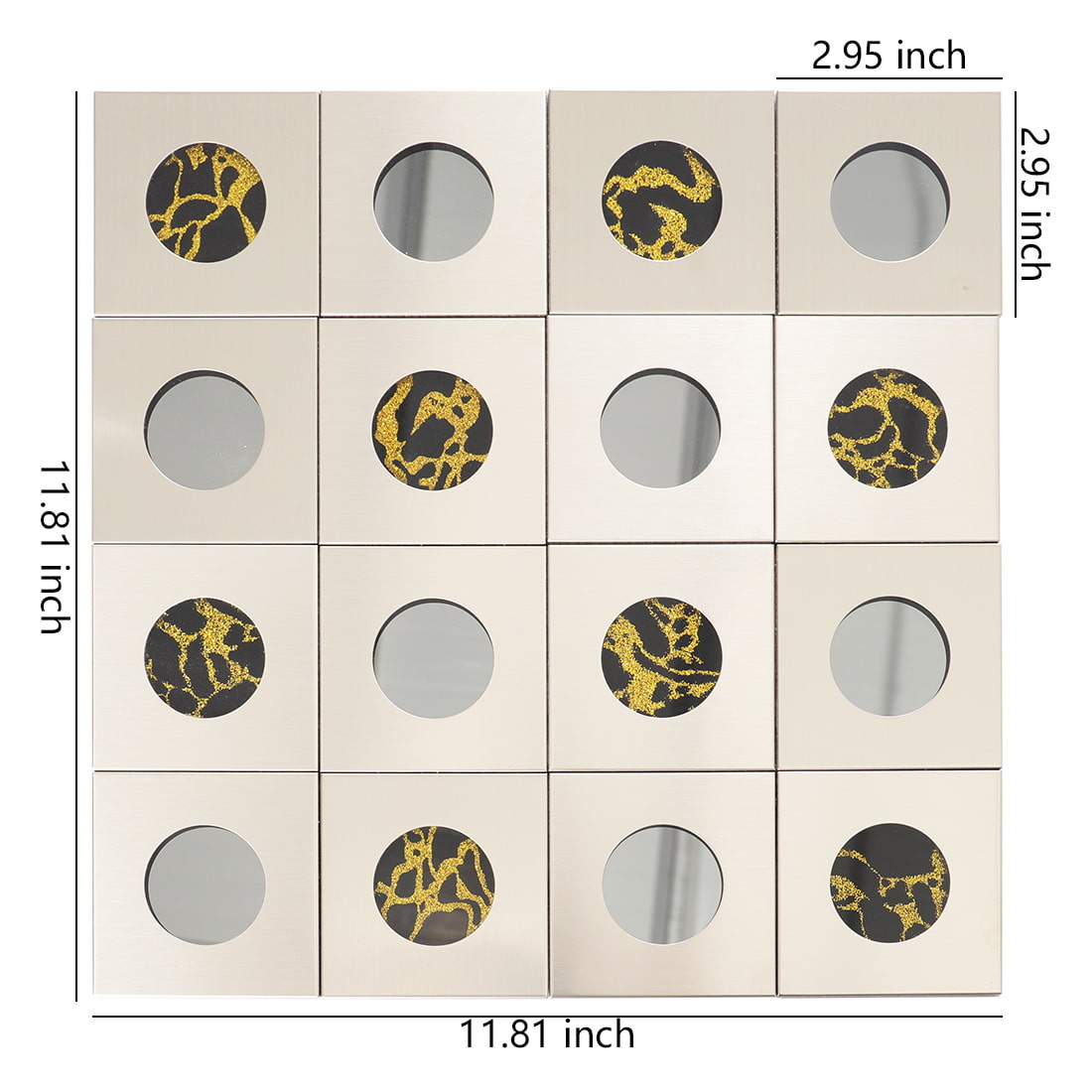
Metal backsplash tiles create a sleek and stylish accent wall behind the vanity. Stainless steel, copper, and aluminum can be made in brushed, mirror, textured, and aged finishes. Metal tiles are often used in modern, industrial, or luxury bathroom designs where shine, contrast, and dimensional texture are important. They are especially effective when paired with clean lines, stone countertops, and statement lighting.
Subway tiles are one of the most popular bathroom backsplash choices because they are simple, clean, and versatile. They can be installed horizontally for a classic look, vertically for a taller effect, or in herringbone and stacked layouts for a more modern appearance.
Mosaic tiles are ideal for bathroom backsplashes because they add detail and texture in a compact area. Small mosaics work especially well behind vanities and mirrors. Popular mosaic shapes include square, hexagon, penny round, picket, fish scale, and geometric designs.
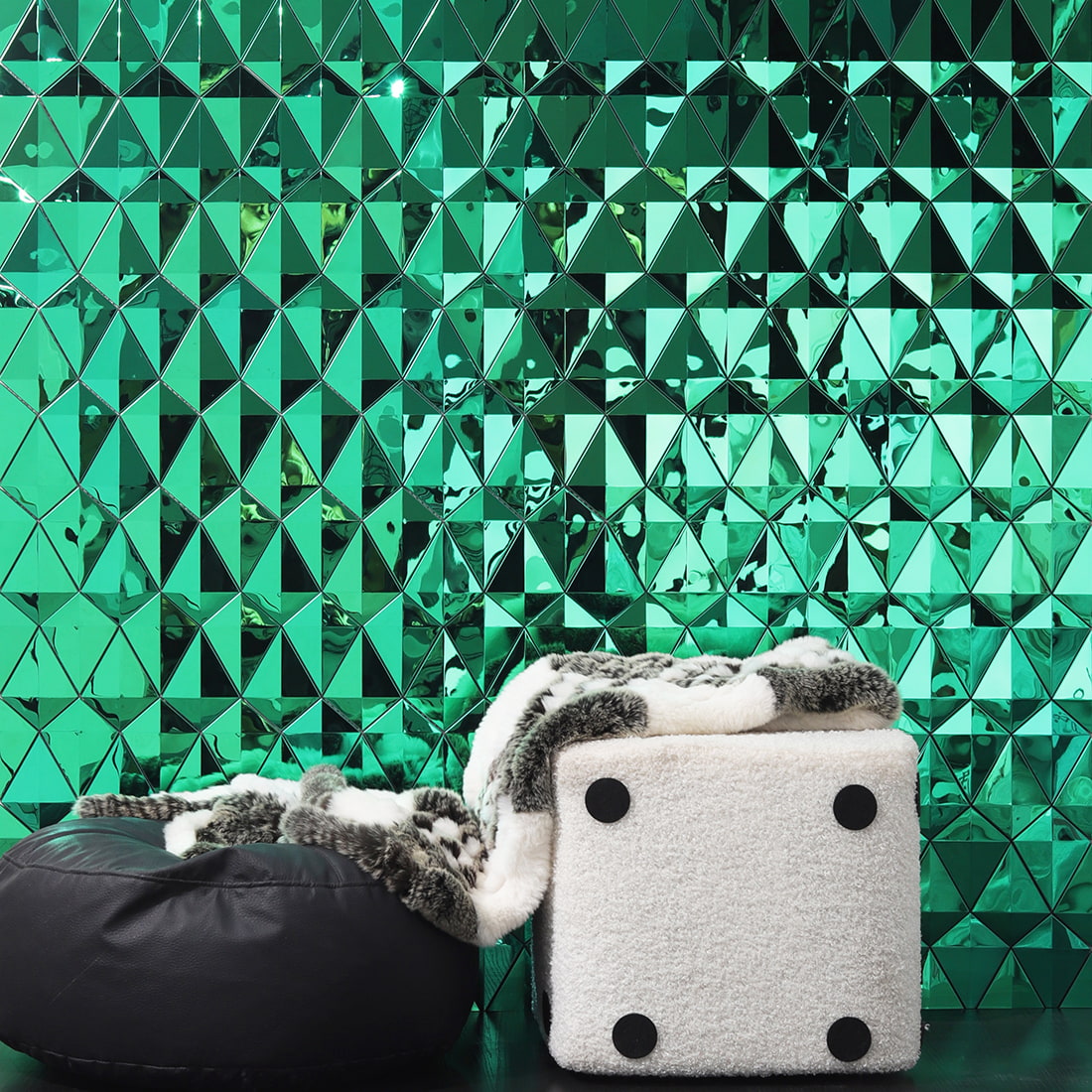
Geometric backsplash tiles add a more decorative and artistic feel to the bathroom. They are suitable for creating feature walls and statement vanity areas. Shapes such as hexagon, diamond, trapezoid, arabesque, and waterjet-cut patterns are often used to create a distinctive backsplash design.
Marble is a natural material with rich veining and color variation. It can be cut into many shapes and patterns, making it suitable for vintage, classic, modern, and luxury bathrooms. It brings a closer connection to natural materials and gives the wall a refined and high-end appearance.
Glass offers one of the widest ranges of colors and surface finishes. It is a non-porous material, making it suitable for wet bathroom areas. It is also easy to clean and can reflect light beautifully, which is especially useful in smaller bathrooms.
Metal tiles bring shine, structure, and modern character to bathroom backsplash walls. Brushed, mirror, and antique finishes can all create different moods, from minimal and contemporary to bold and decorative.
Vintage bathroom backsplashes often use marble mosaics, penny round tiles, basketweave patterns, and warm-toned metal finishes. These combinations work well with brass fixtures, wood vanities, and soft neutral palettes.
Minimalist bathroom backsplash tiles focus on clean lines, soft colors, and simple layouts. White, beige, gray, and light earth tones are common choices. Subway tile, stacked rectangles, and small square mosaics are especially suitable for this style.
Modern bathroom backsplashes often use glass tile, metallic finishes, geometric patterns, and textured surfaces. Bold contrast, reflective materials, and clean linear layouts help create a sharp and updated look.
Marble is ideal for natural elegance and timeless texture. Glass is ideal for brightness, color variety, and easy maintenance. Metal is ideal for modern decorative impact.
Light colors help the bathroom feel open and clean. Dark colors create contrast and depth. Mixed tones and iridescent surfaces can make the backsplash more eye-catching.
Glossy finishes reflect light and make a bathroom feel brighter. Matte finishes look softer and more understated. Metallic and textured finishes create stronger visual impact.
Simple shapes such as subway and square tiles create a clean look. Mosaic and geometric shapes add more texture and pattern. Waterjet shapes can create a highly decorative backsplash wall.
The backsplash should work well with the width of the vanity, the height of the faucet, and the position of the mirror. It can be a short backsplash behind the sink or a full-height feature wall for a stronger design effect.
Grout color affects the final appearance of the backsplash. Matching grout creates a softer and more seamless look, while contrasting grout highlights the tile shape and layout.
Bathrooms are humid spaces, so it is important to choose materials and installation methods that perform well in wet conditions. Proper adhesive, grout, and sealing are especially important for long-term durability.
Glass tile should be cleaned with mild, non-abrasive cleaners to keep the surface clear and glossy.
Marble should be cleaned with stone-safe products. It is best to avoid harsh acidic cleaners. Sealing may help improve stain resistance and make maintenance easier.
Metal tile should be wiped gently with a soft cloth. Avoid rough scrubbing tools that may scratch the surface finish.
This is the most common use. A backsplash behind the sink helps protect the wall and adds a polished finished look.
Extending the tile around the mirror can make the vanity area look larger and more decorative.
A full backsplash wall behind the vanity creates a stronger visual statement and can turn the bathroom into a more custom-designed space.
They are not always required, but they are highly practical because they protect the wall behind the sink from splashes, stains, and moisture.
The best material depends on the design and maintenance needs. Glass is easy to clean and moisture-resistant, marble offers natural elegance, and metal creates a modern decorative effect.
Yes. Glass tile is one of the best choices for bathroom backsplashes because it is non-porous, easy to clean, and available in many colors and finishes.
Marble is a natural porous material, so sealing is often recommended to help with stain resistance and easier maintenance.
Subway tile, marble mosaics, soft neutral colors, and simple geometric layouts are among the most timeless choices.
loading