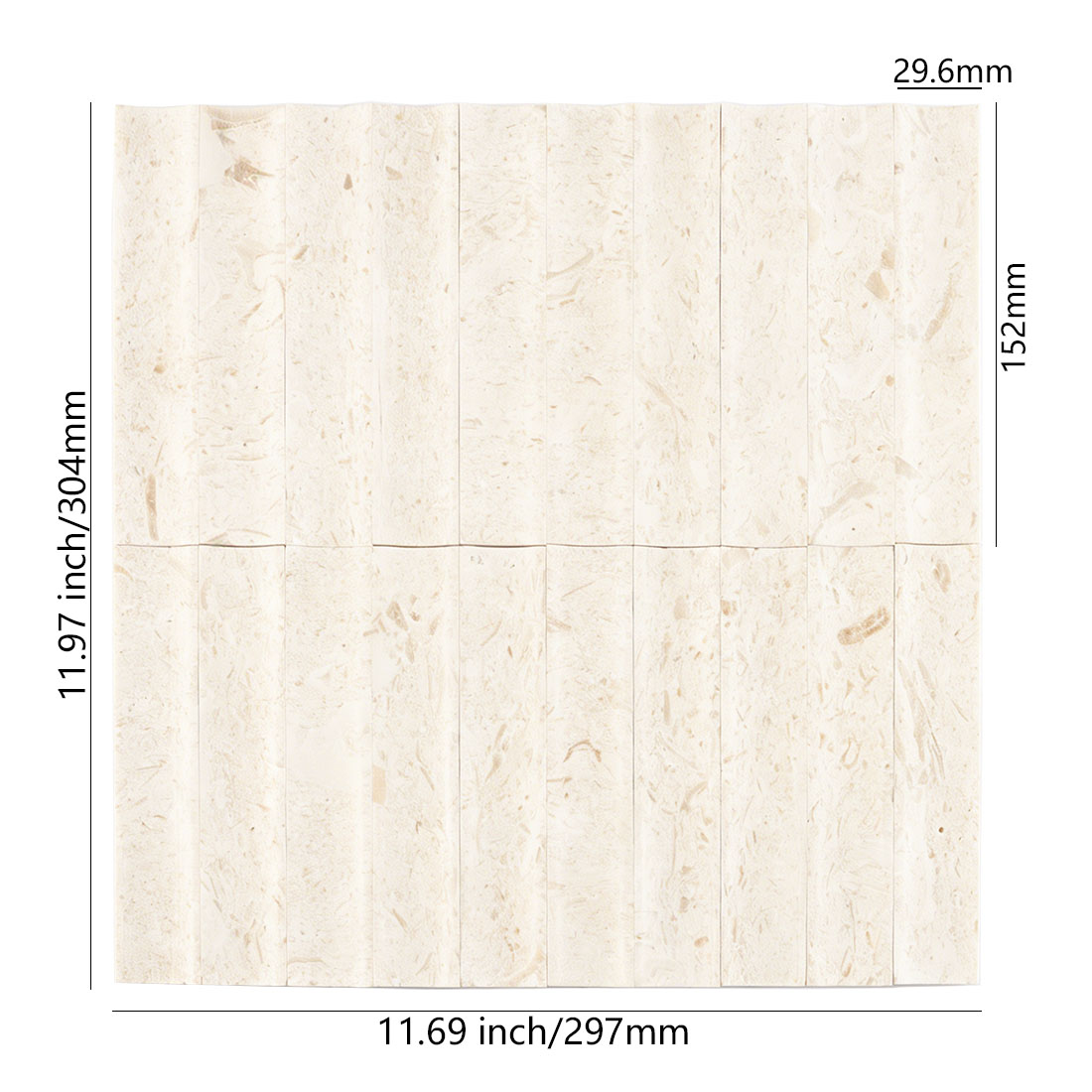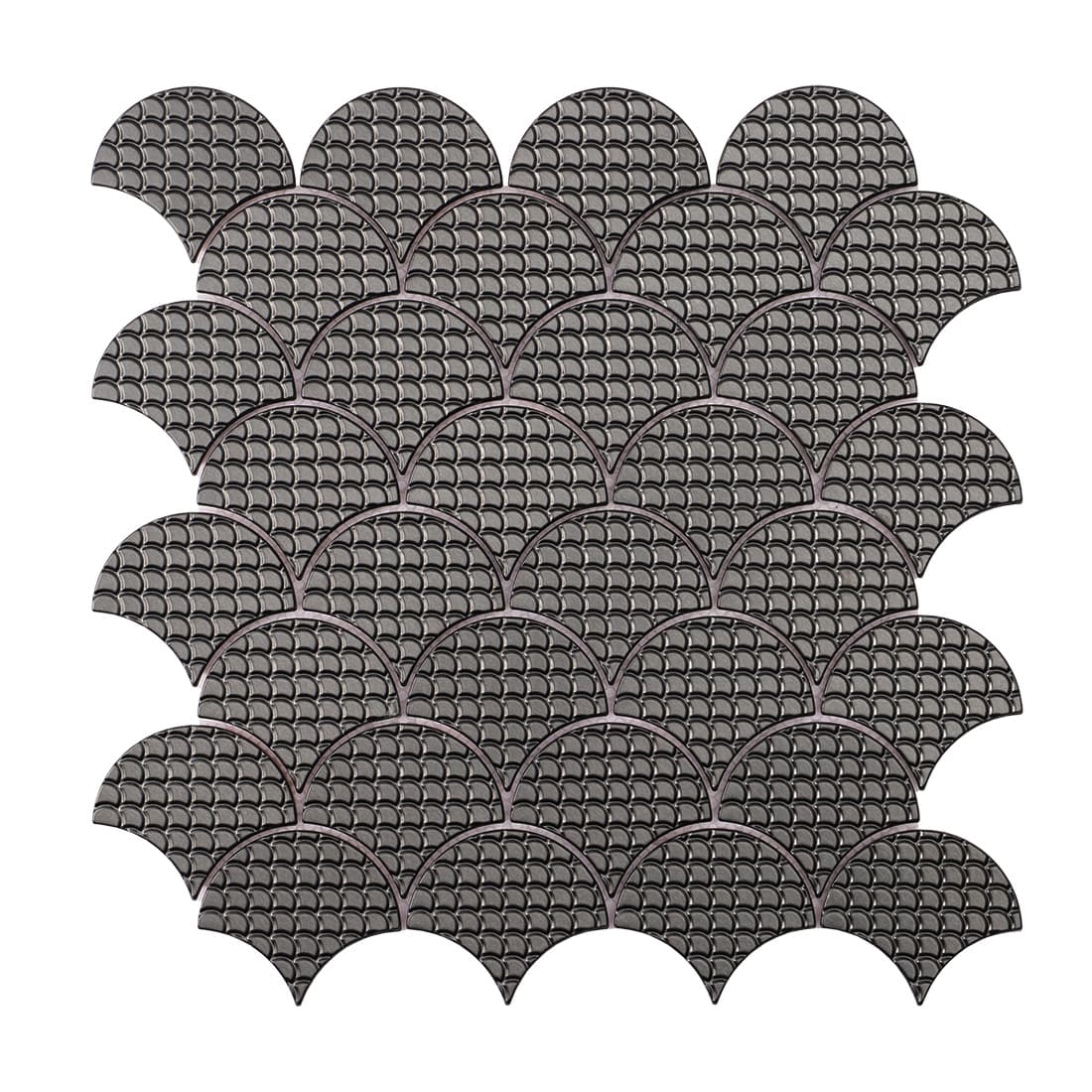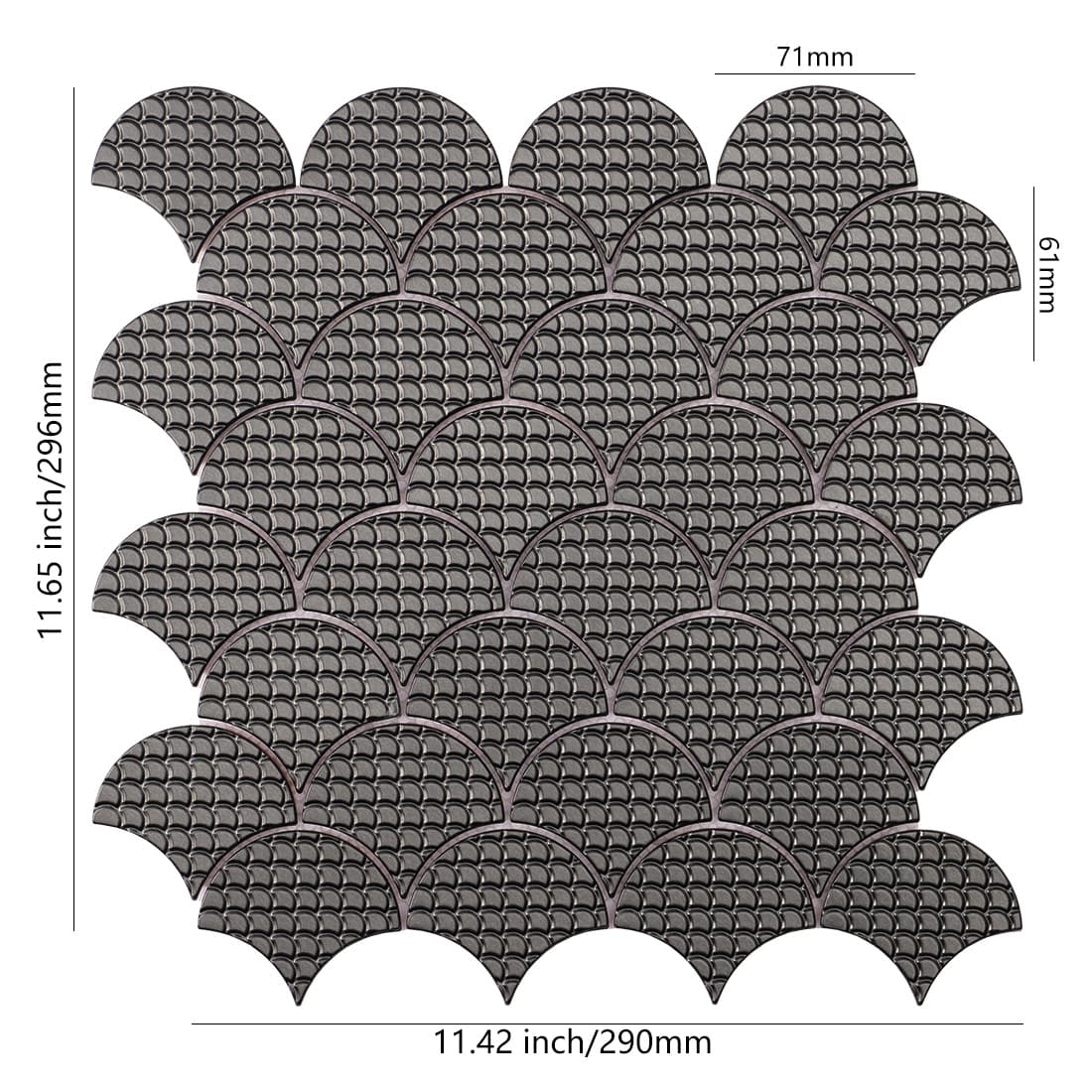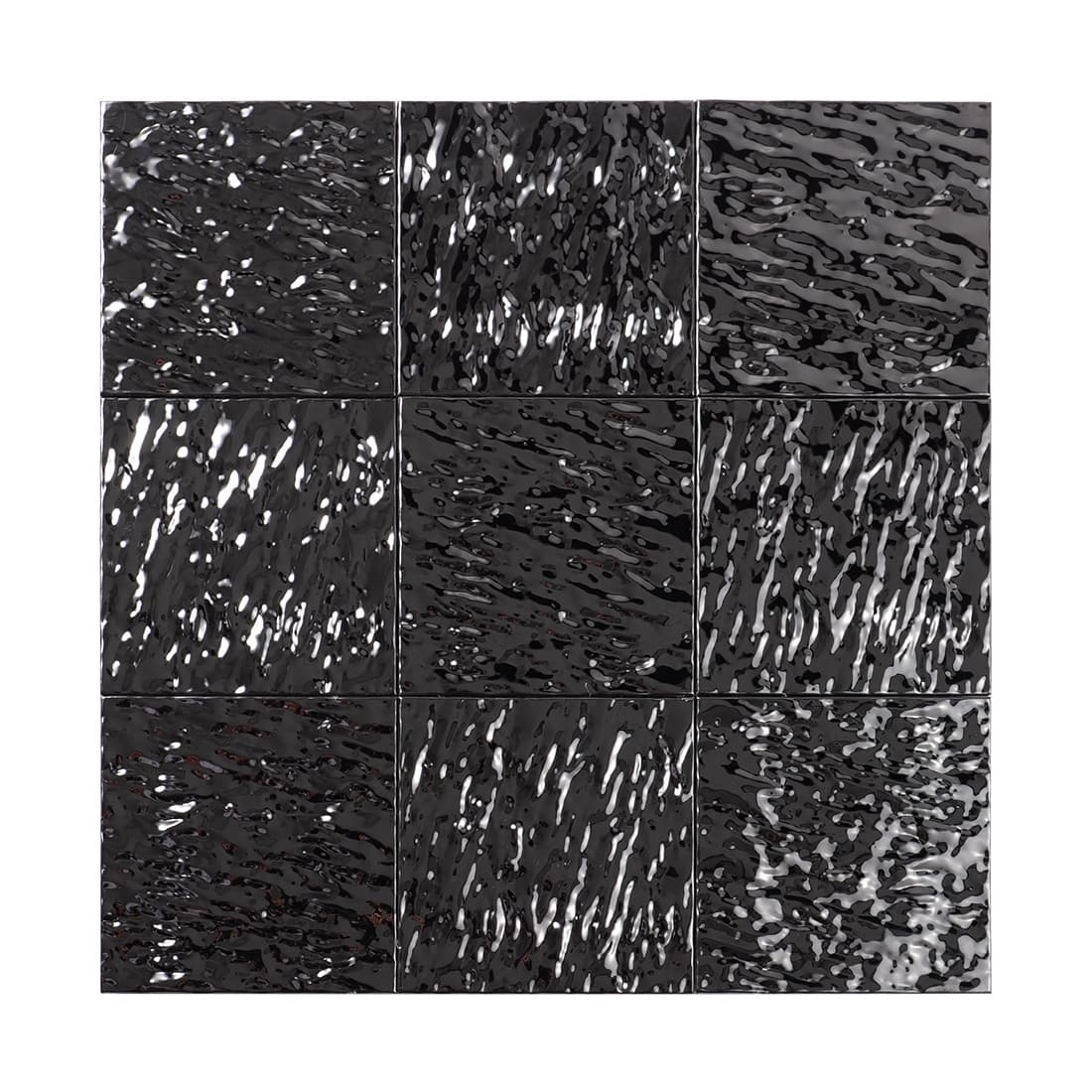
In the realm of high-end interior design, the pursuit of continuity and flow is paramount. Seamless tiles represent the pinnacle of this aesthetic, offering uninterrupted surfaces that visually expand spaces and create sophisticated, modern environments. Unlike traditional tiling, which relies on visible grout lines to accommodate irregularities, seamless tiling depends on exacting precision and superior materials to create a unified surface that mimics a solid slab.
Seamless tiles are a specialized category of surfacing materials designed to minimize or virtually eliminate visible joints between individual pieces. While "seamless" technically implies the absence of seams, in the context of tiling, it refers to an installation technique using rectified edges and precision cutting that allows tiles to be placed so closely together that the grout lines become imperceptible.
The "seamless effect" is not merely about placement; it is fundamentally about the material's integrity. To achieve a truly seamless look, the material must be capable of being cut to extremely tight tolerances without chipping or irregularity. This requirement filters out many standard ceramic products, leaving a select group of premium natural materials that are dense and consistent enough to support this demanding application.
Not all materials are created equal when the goal is a seamless finish. The industry consensus identifies three primary materials that excel in this application due to their structural properties and aesthetic qualities:
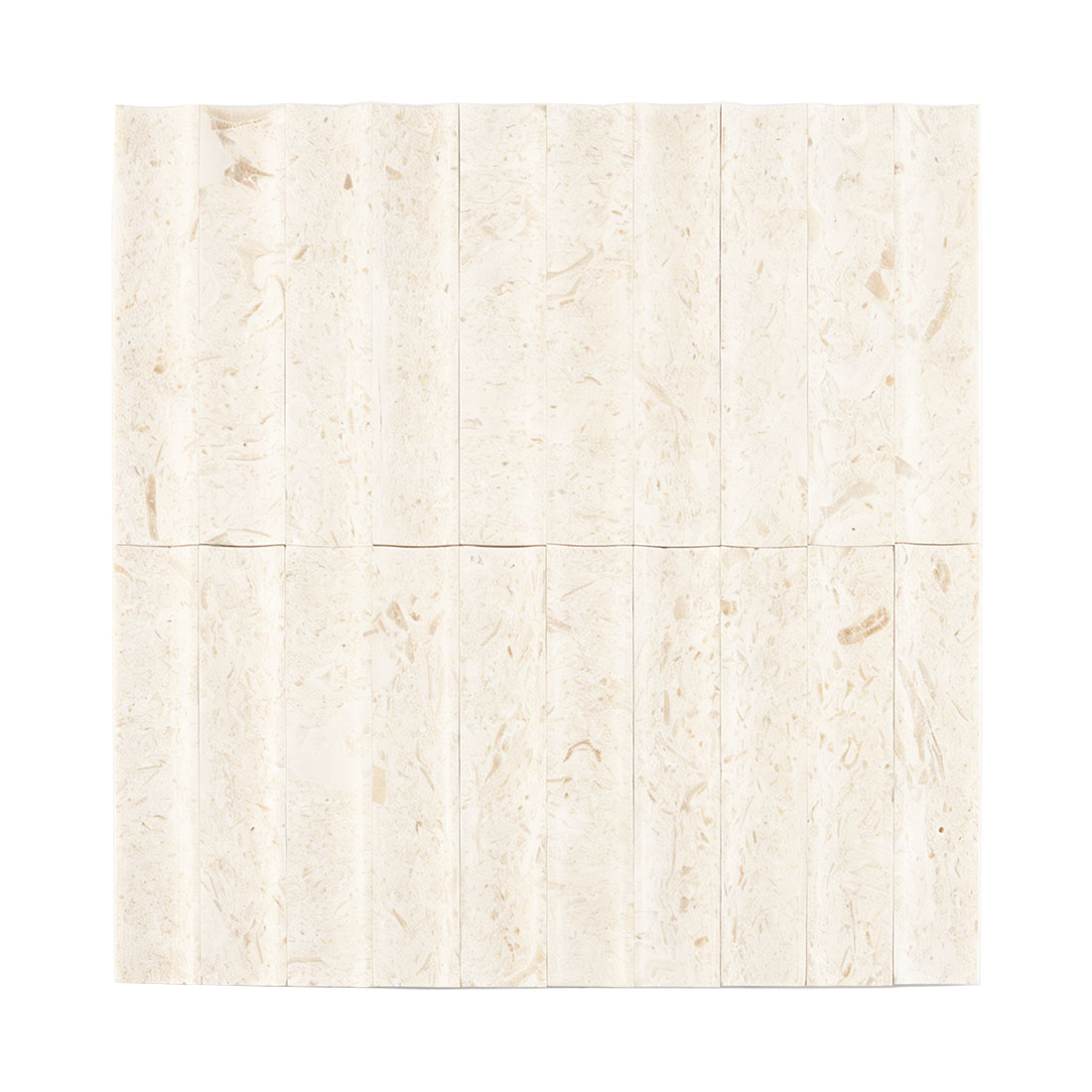
Natural marble is perhaps the most celebrated material for seamless installations. Its density allows for waterjet cutting and precision rectification, ensuring that every edge is perfectly straight. When installed, the natural veining of marble can be book-matched or arranged to flow continuously across joints, effectively hiding the seams within the pattern of the stone itself.
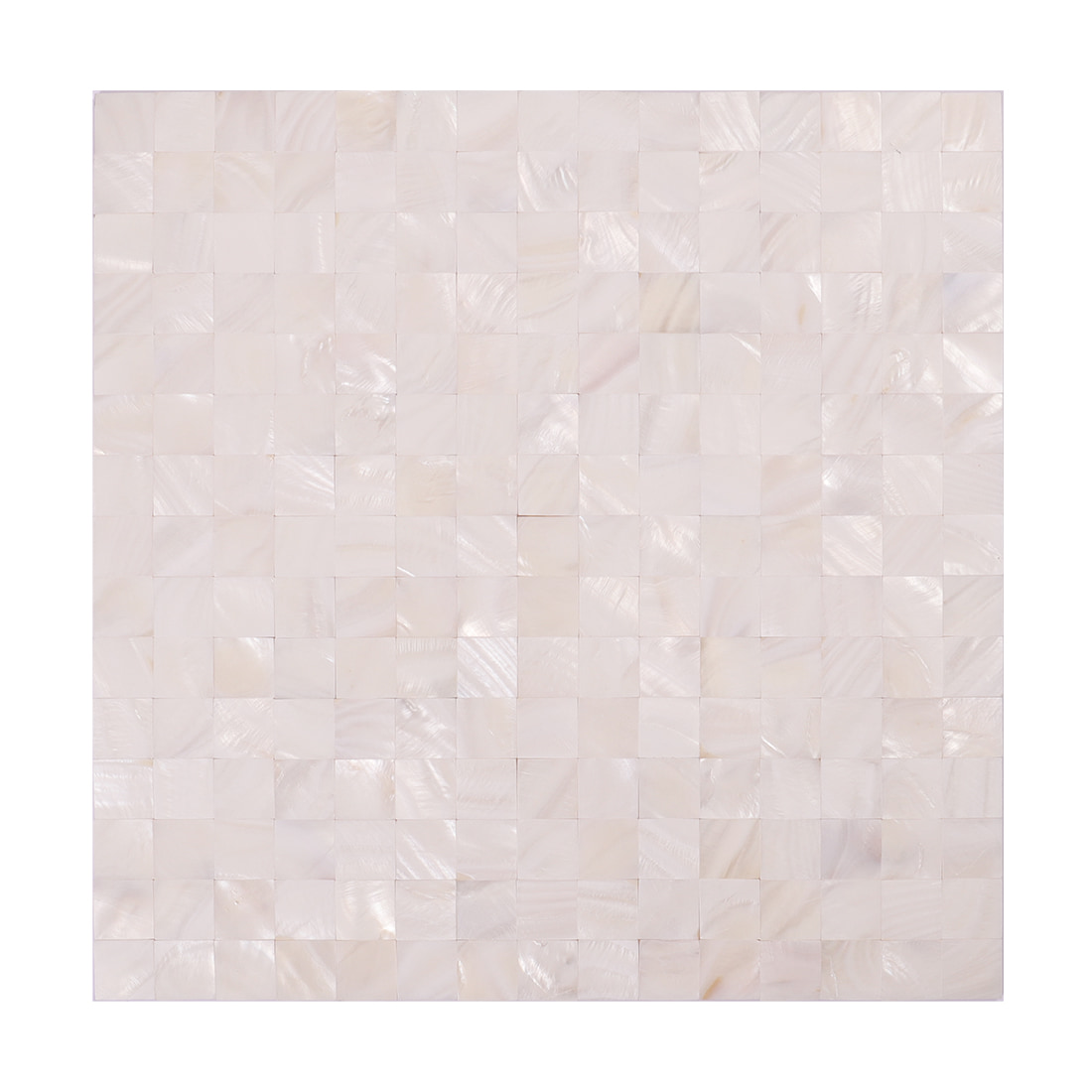
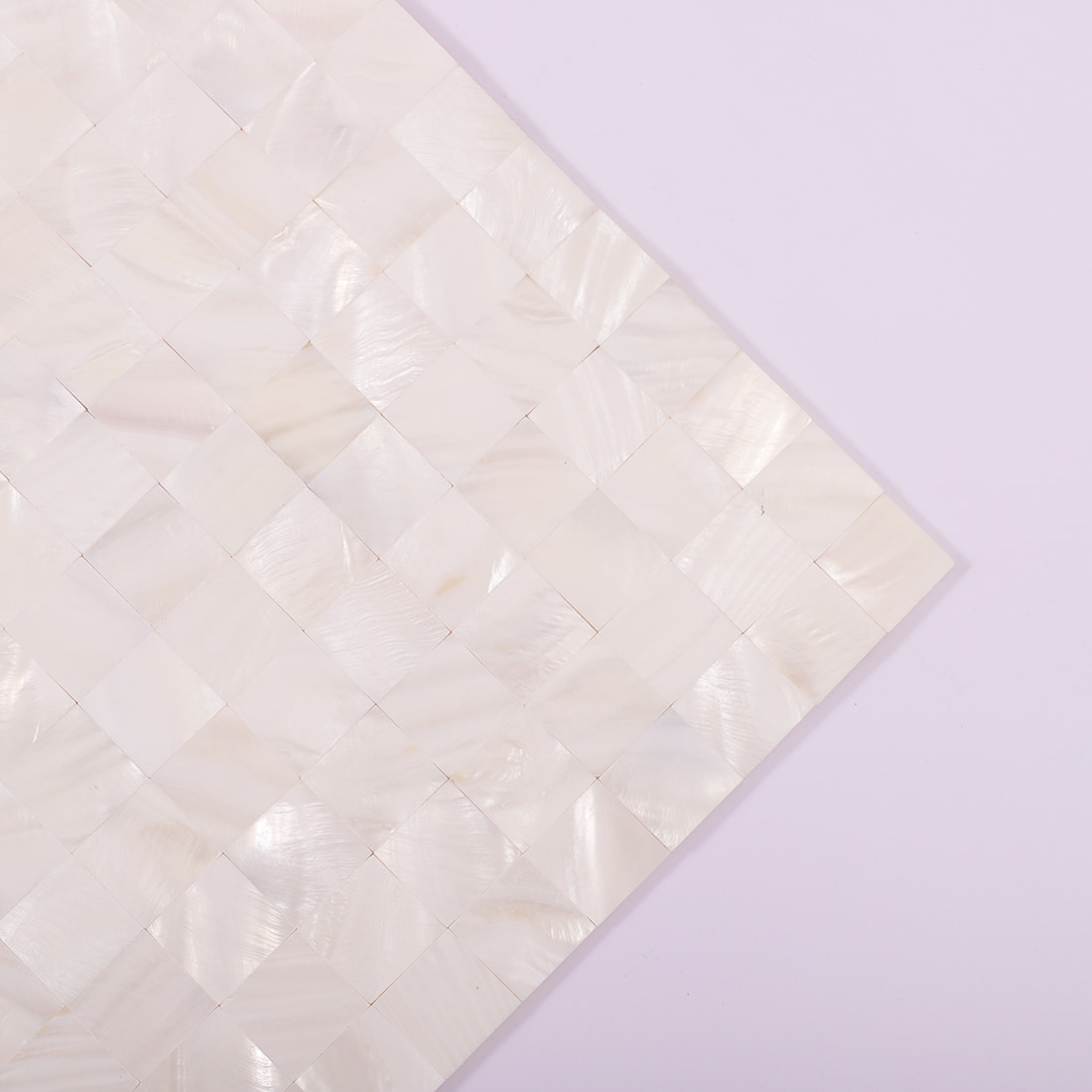
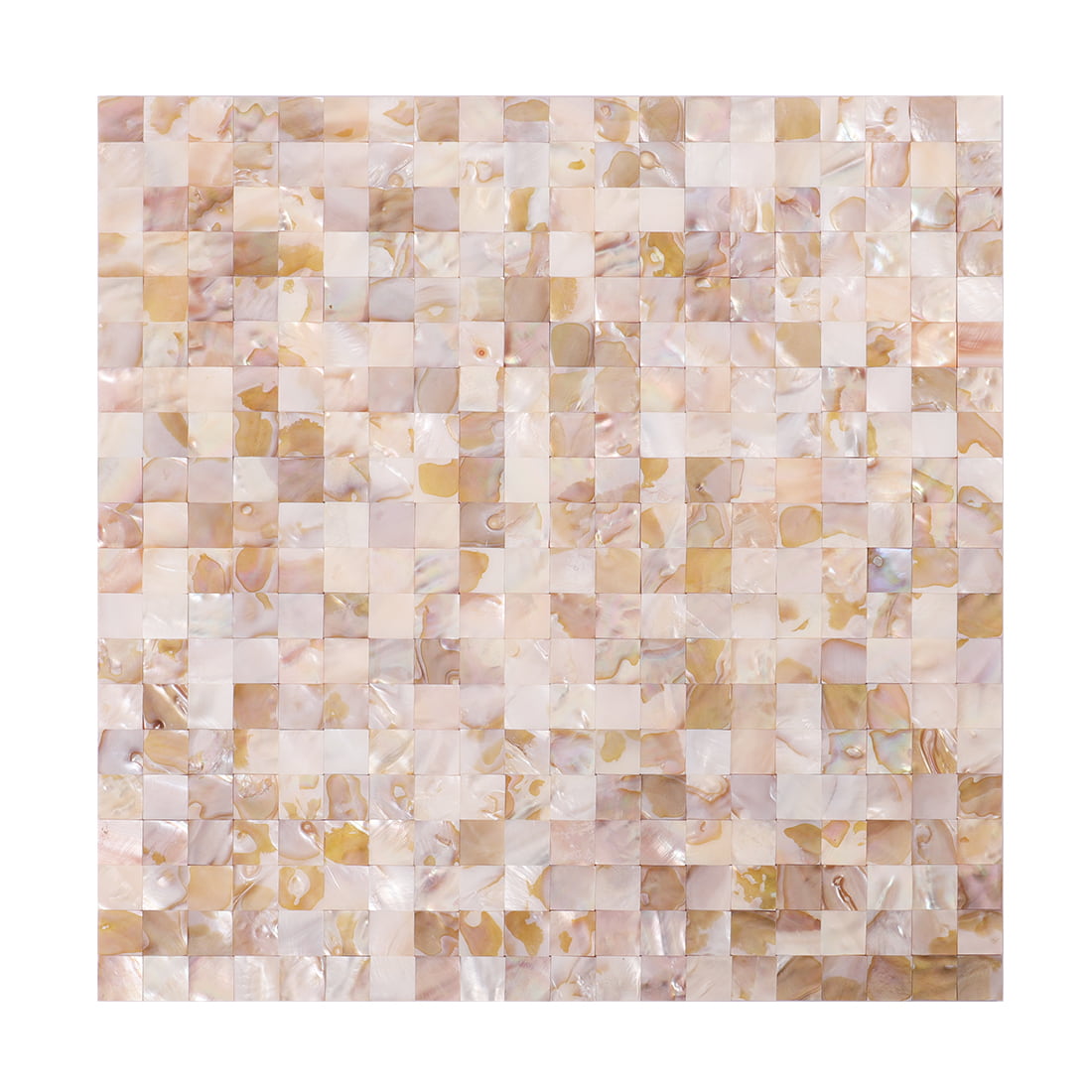
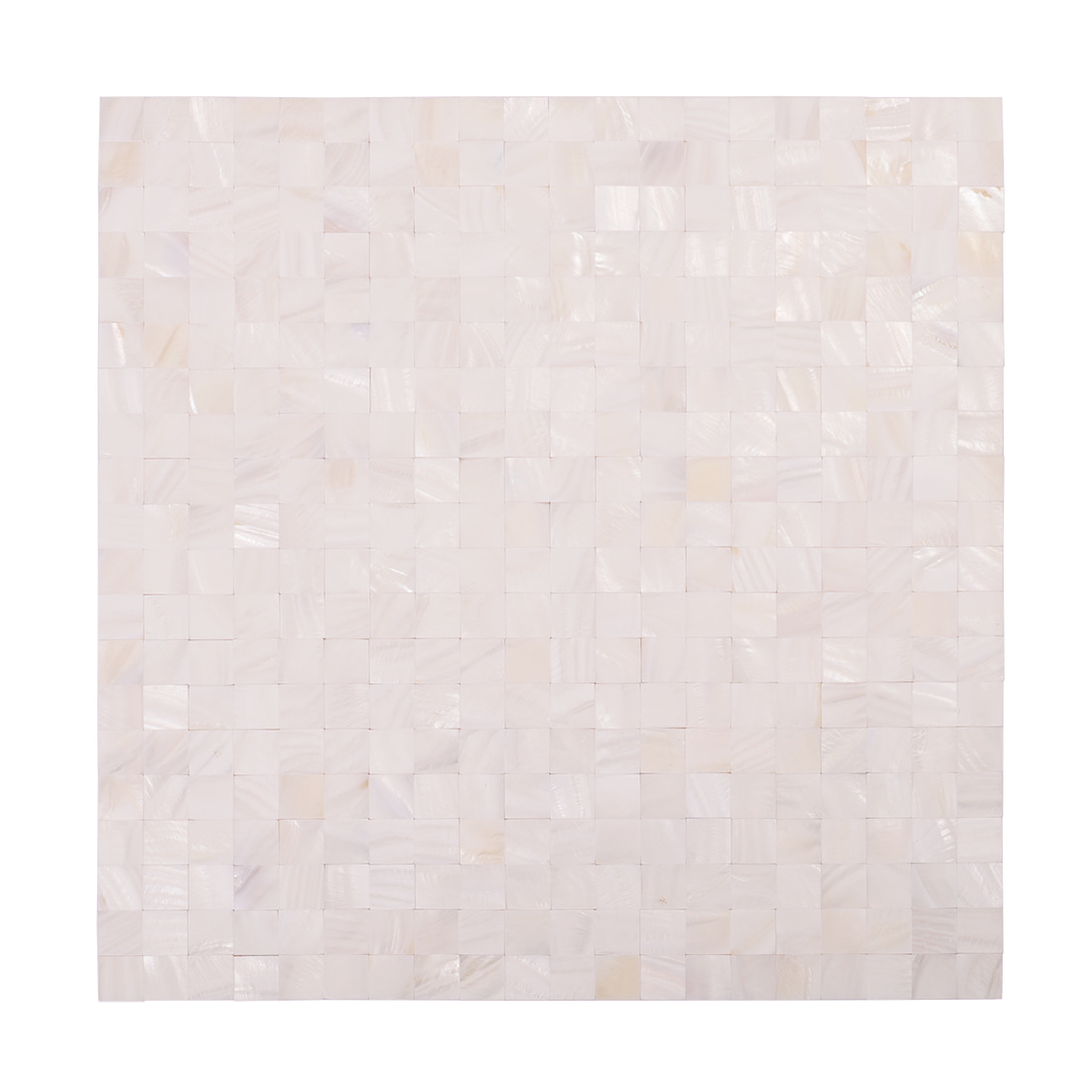
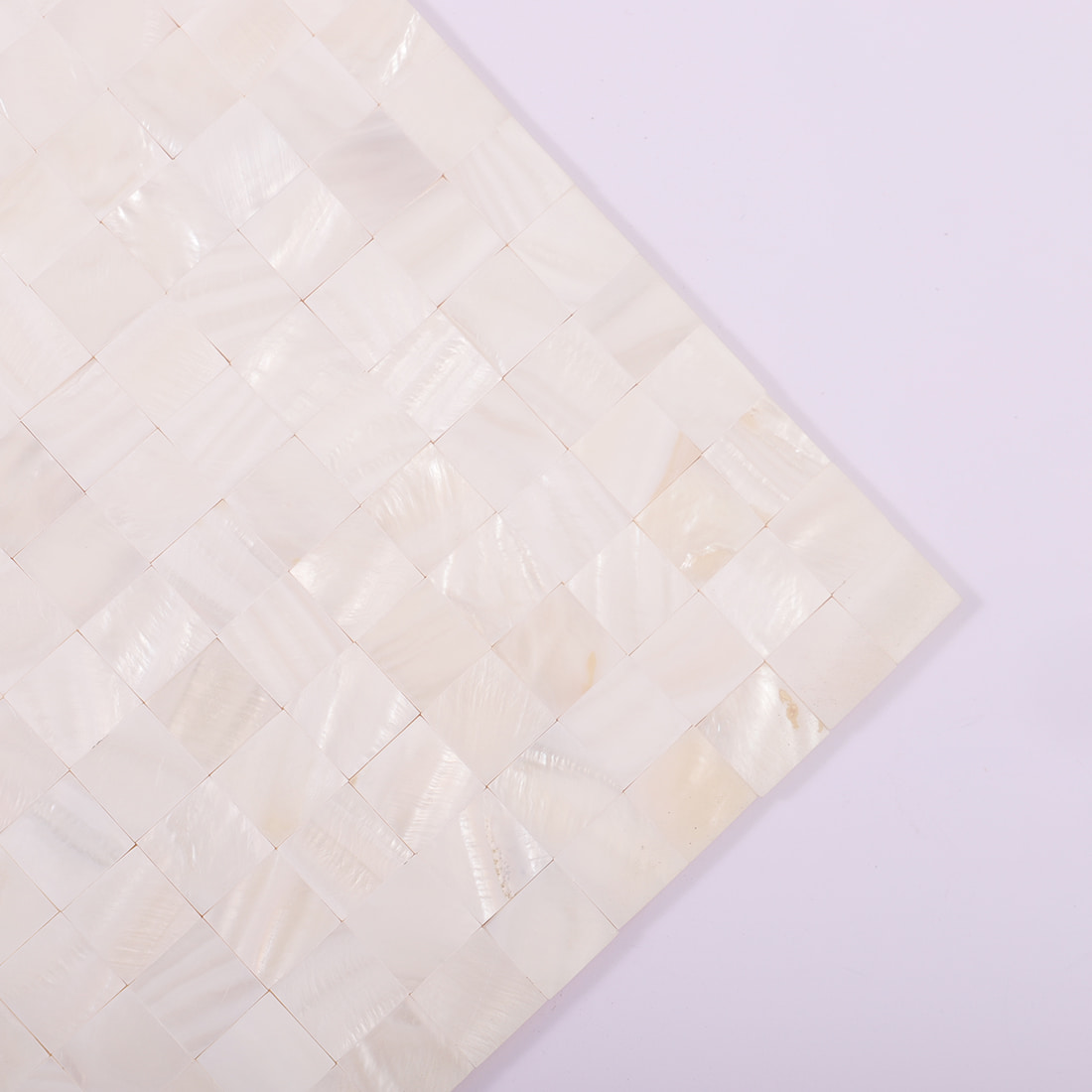
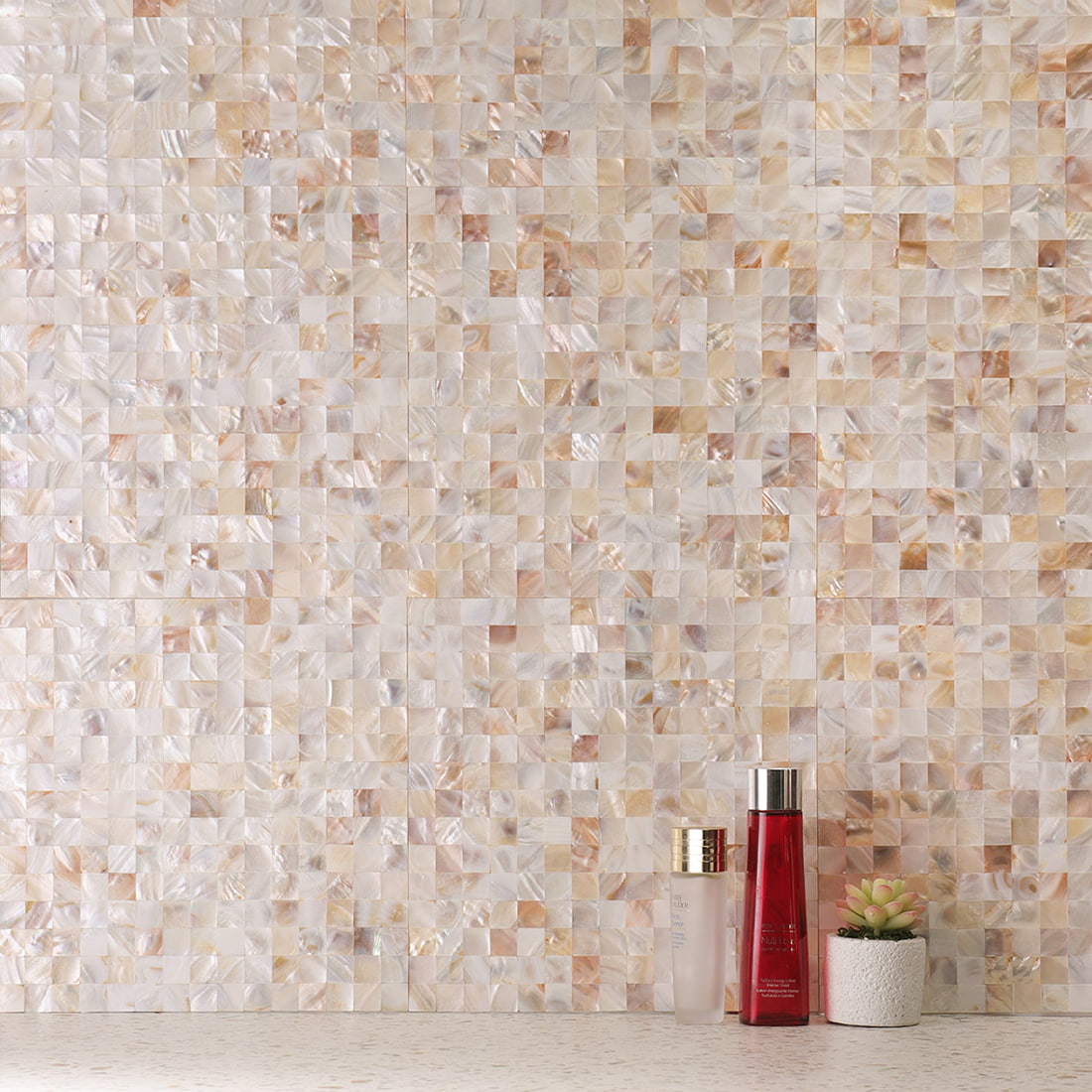
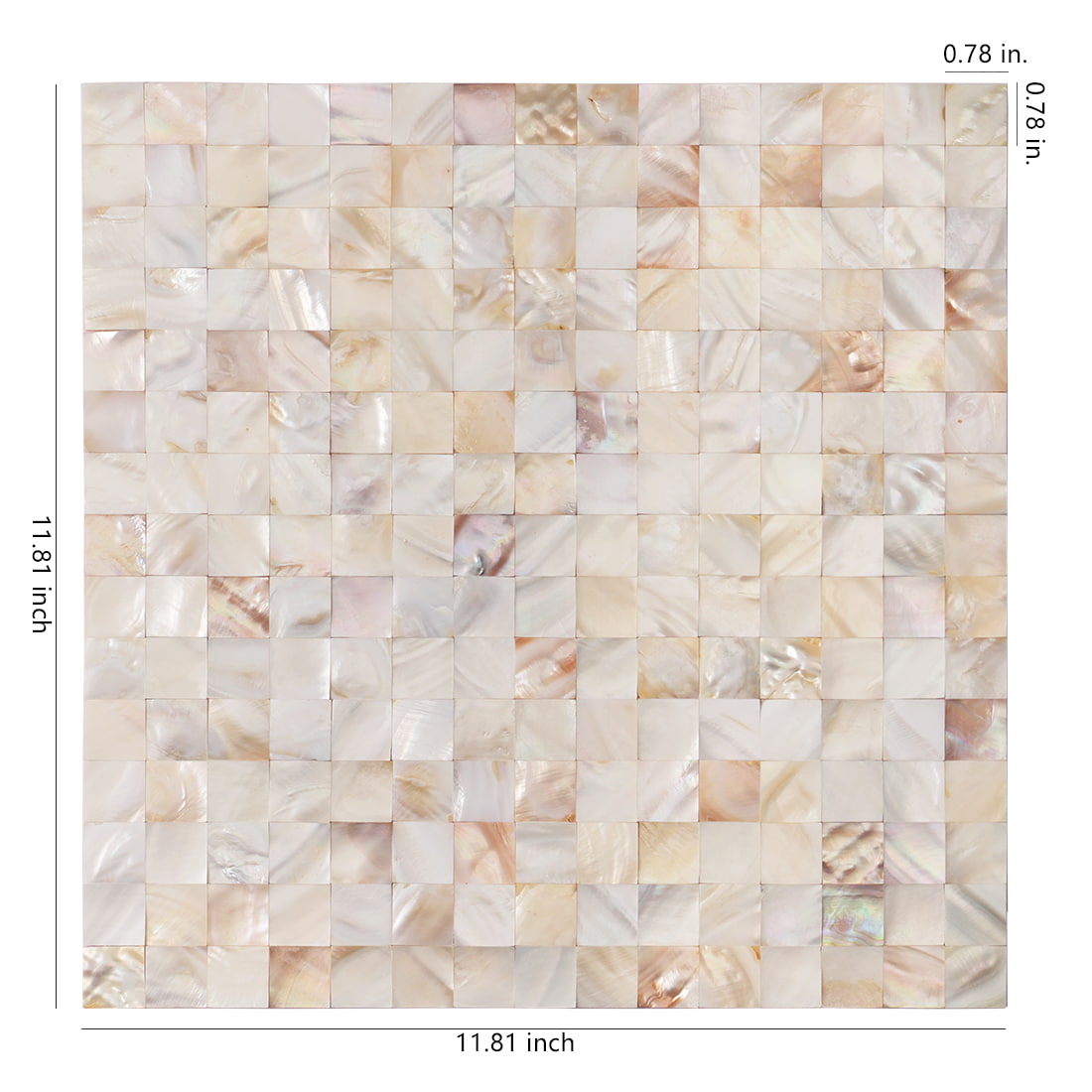
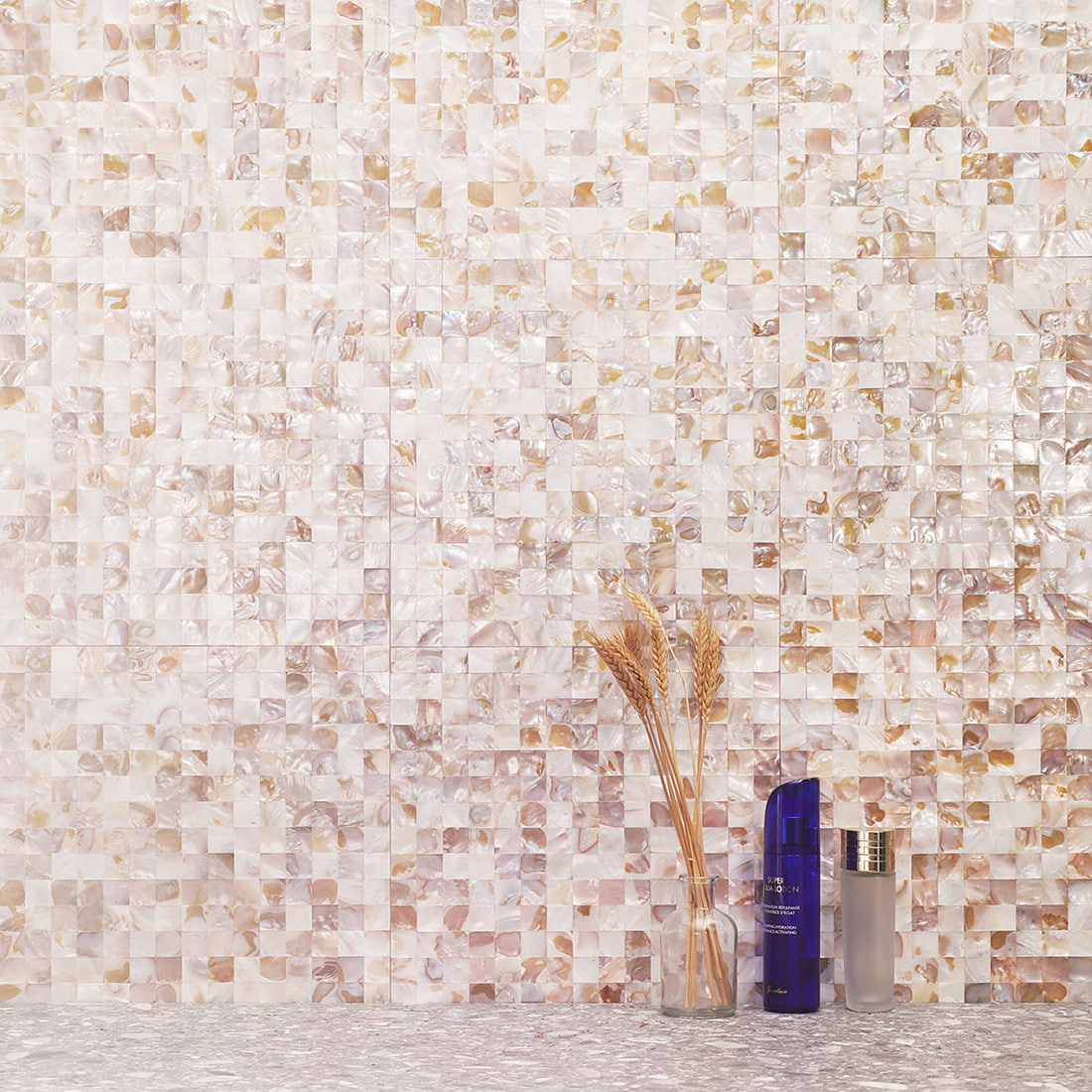
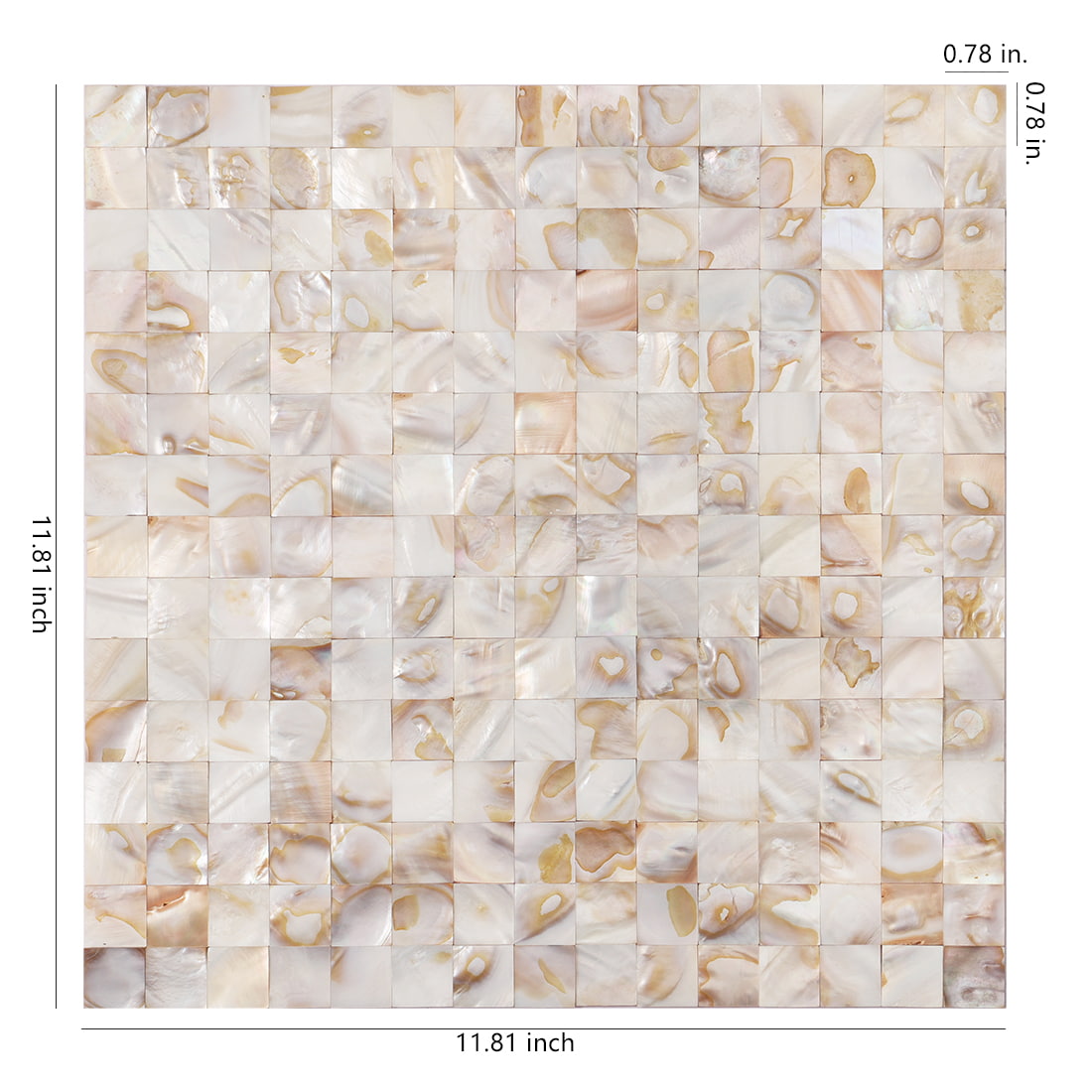
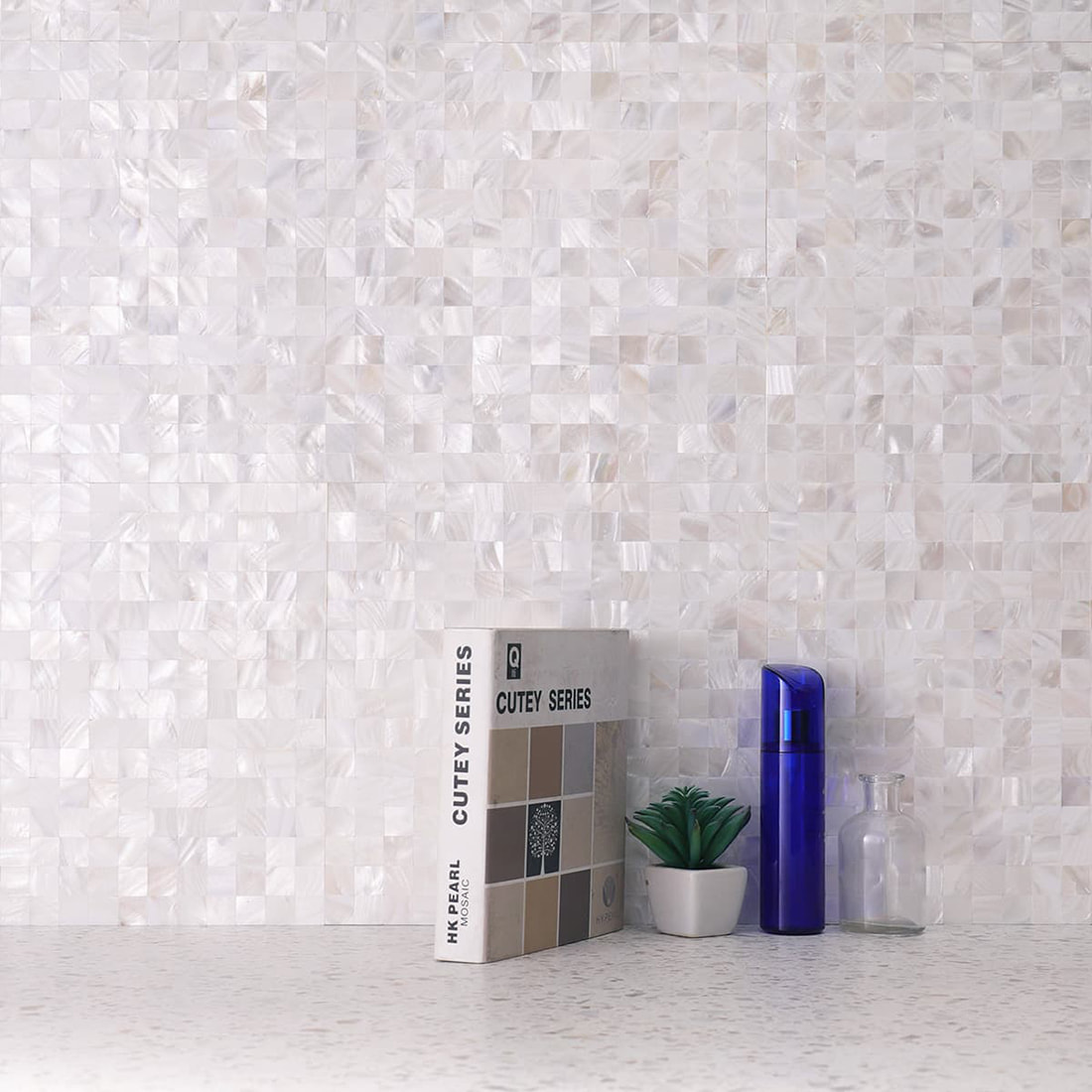
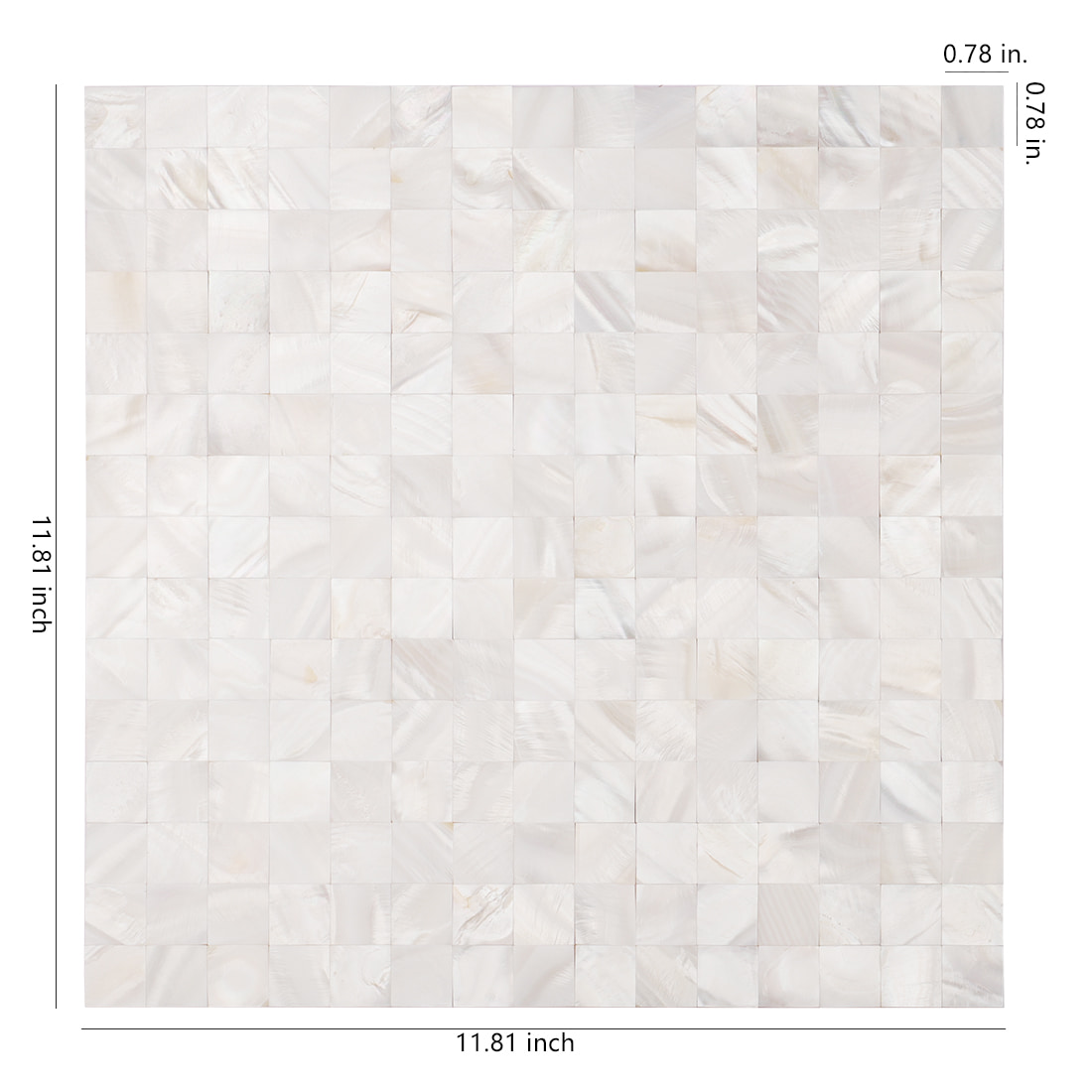
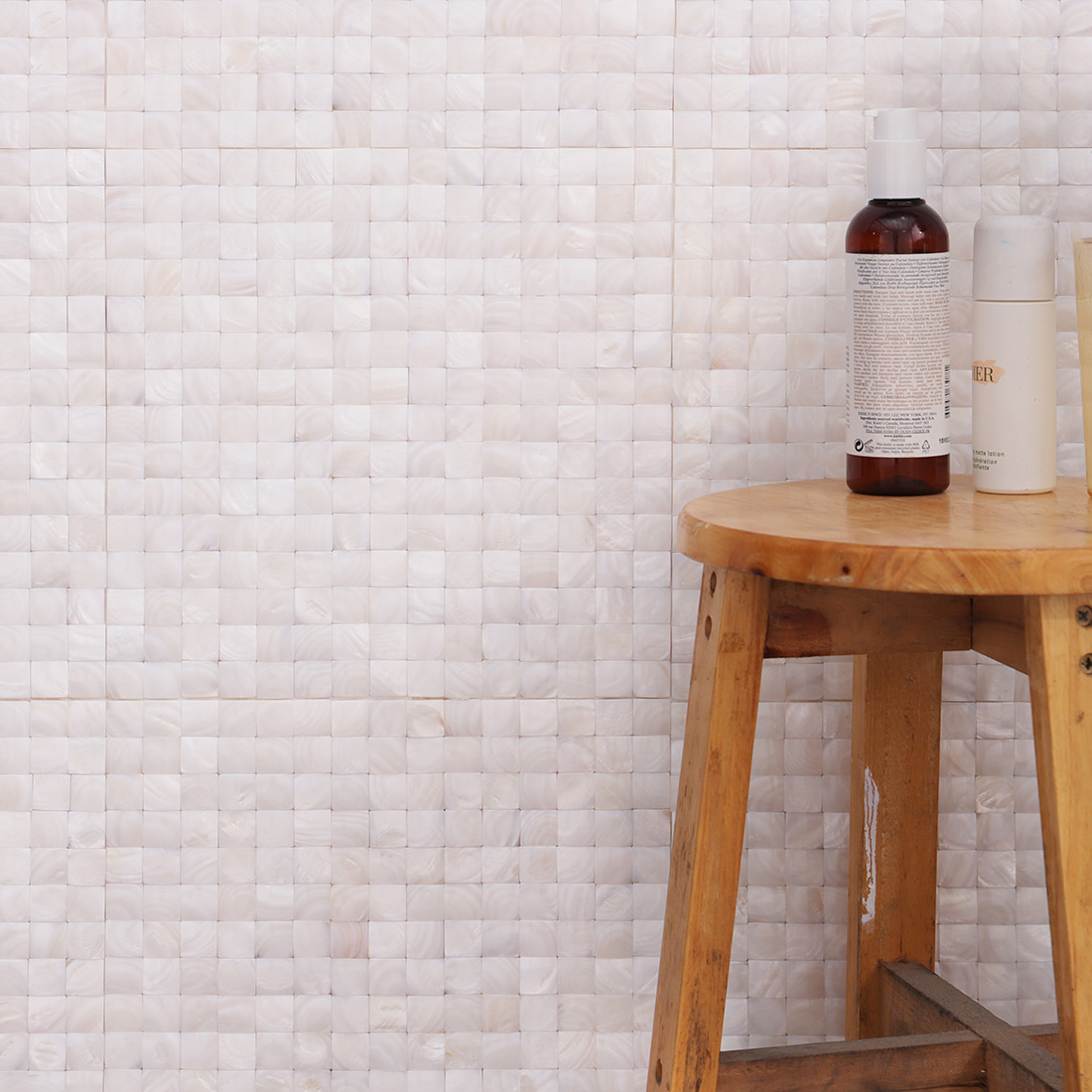
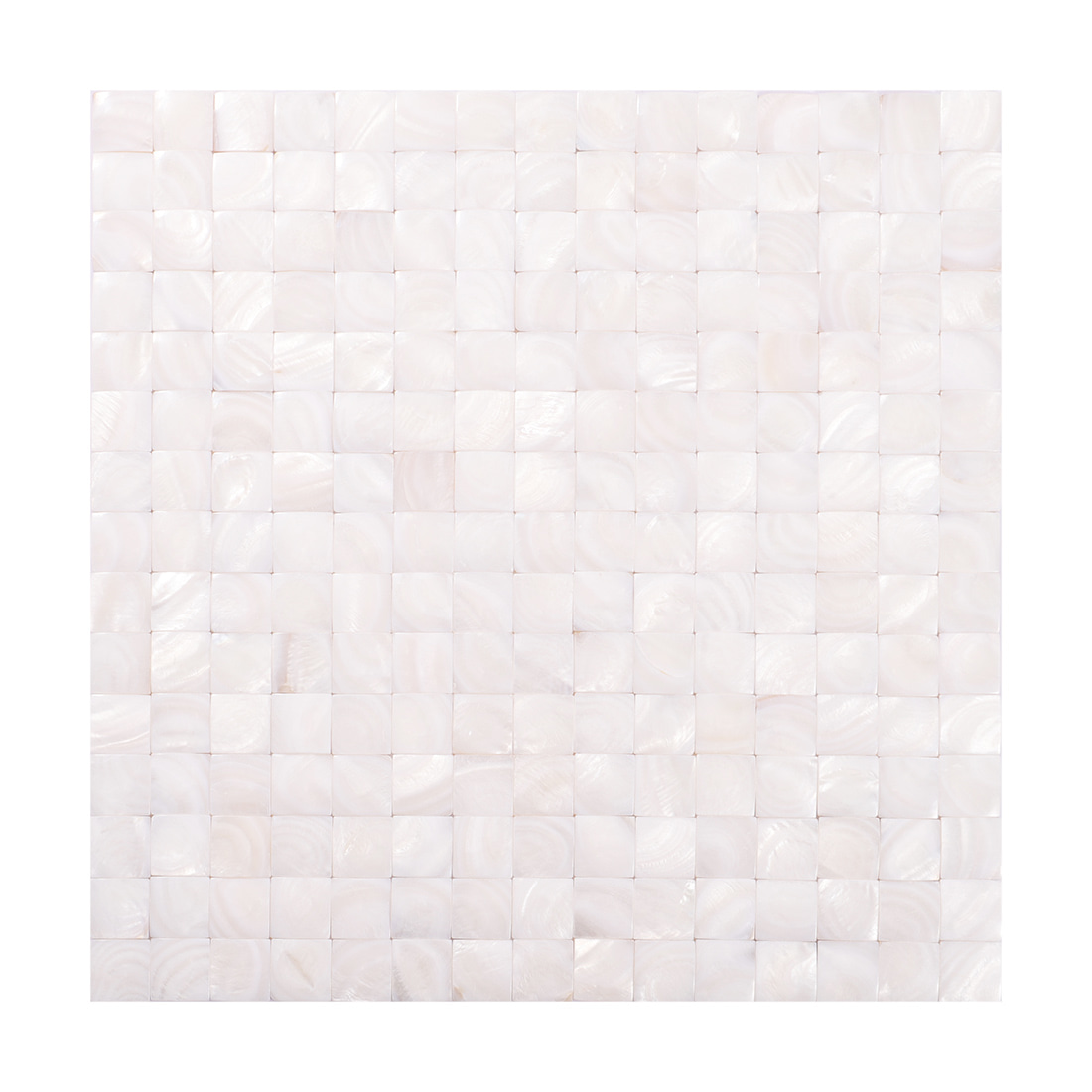
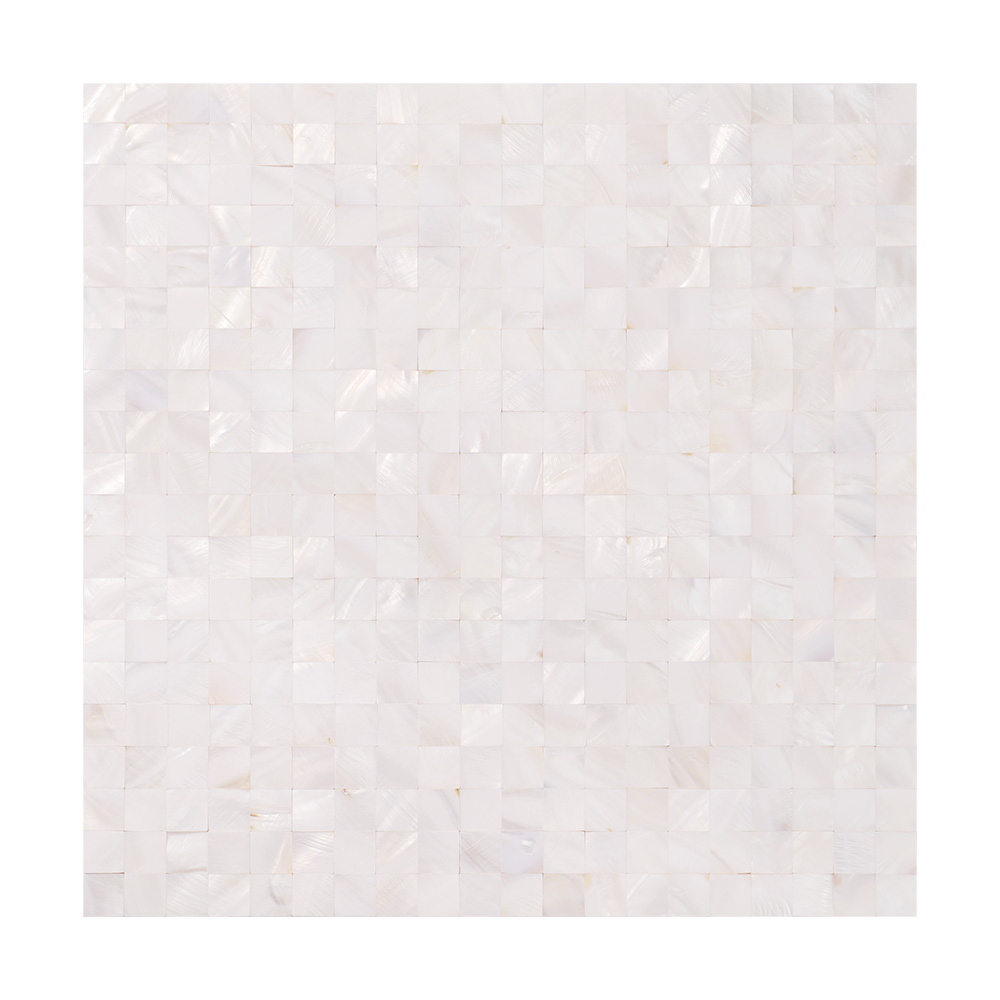
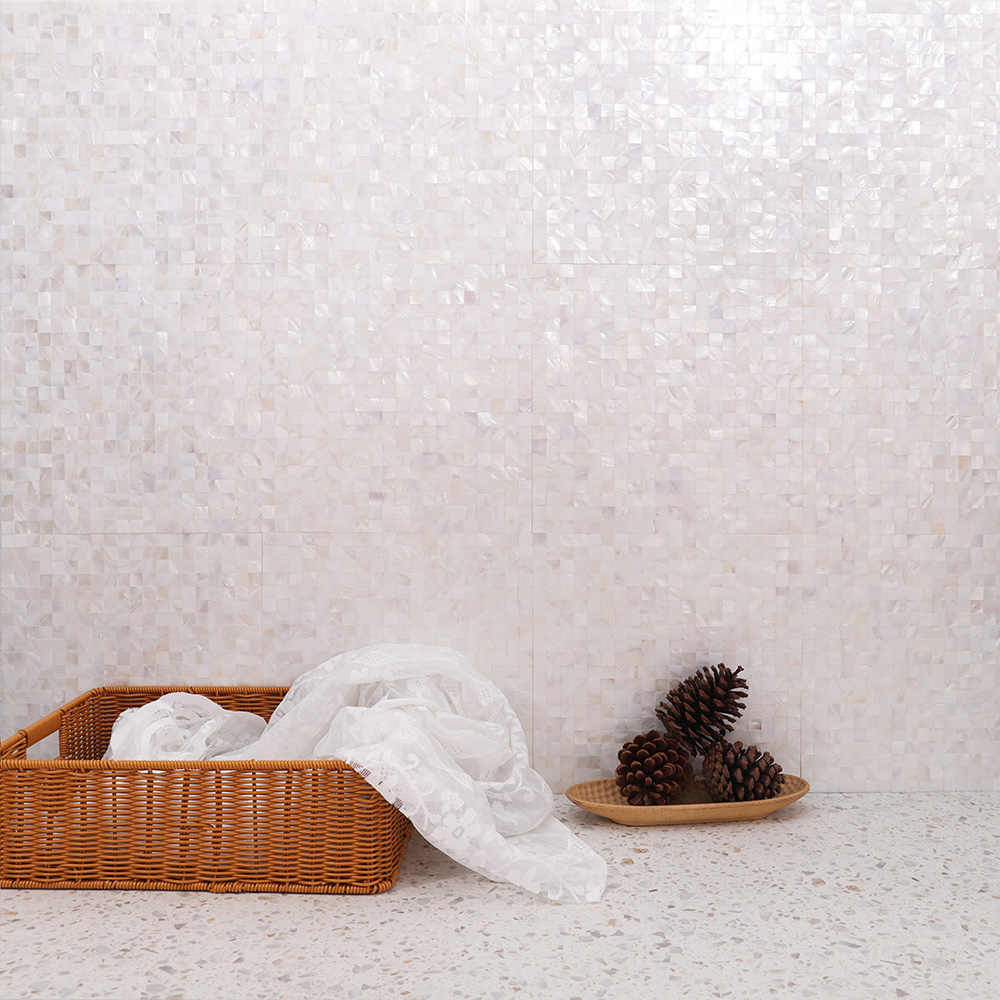
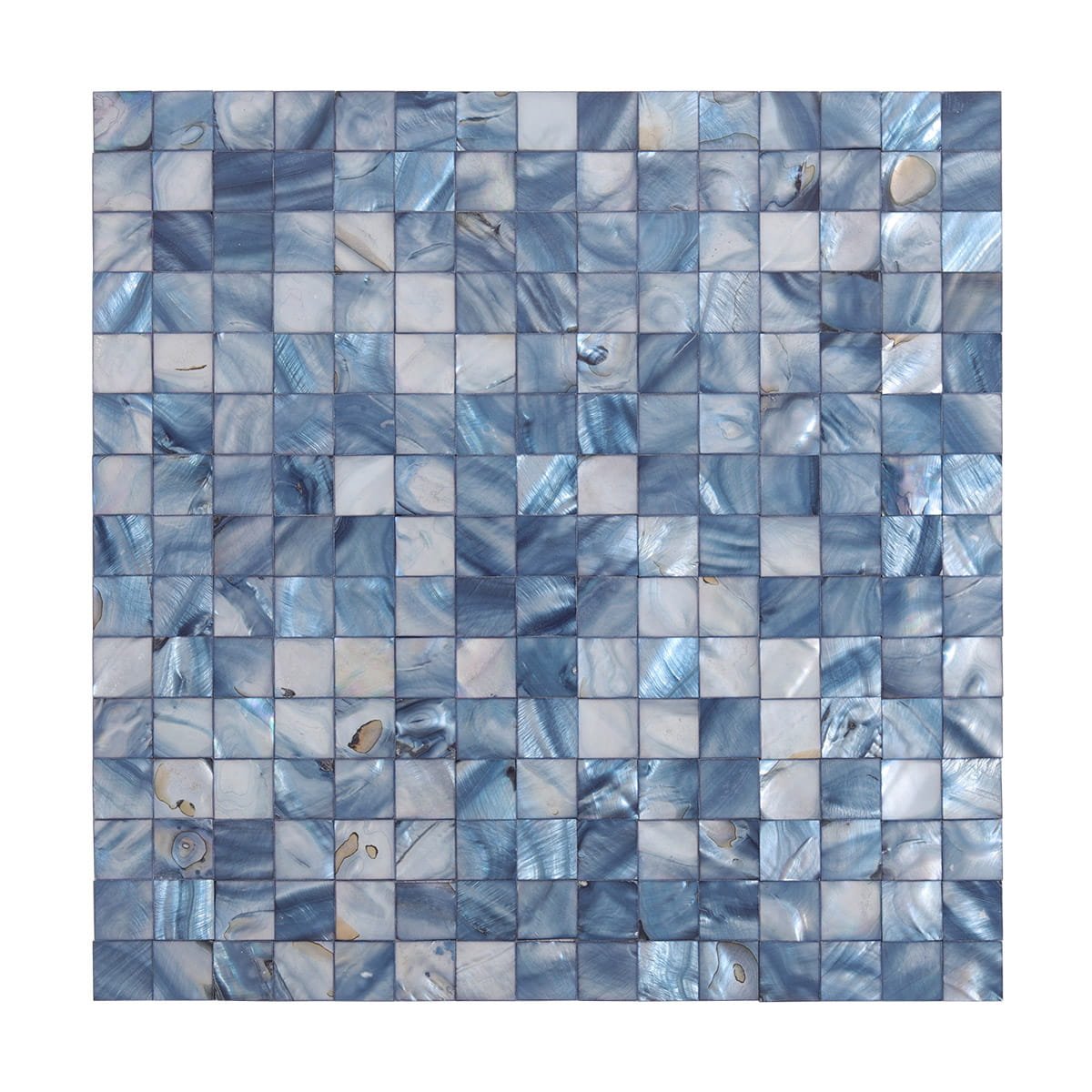
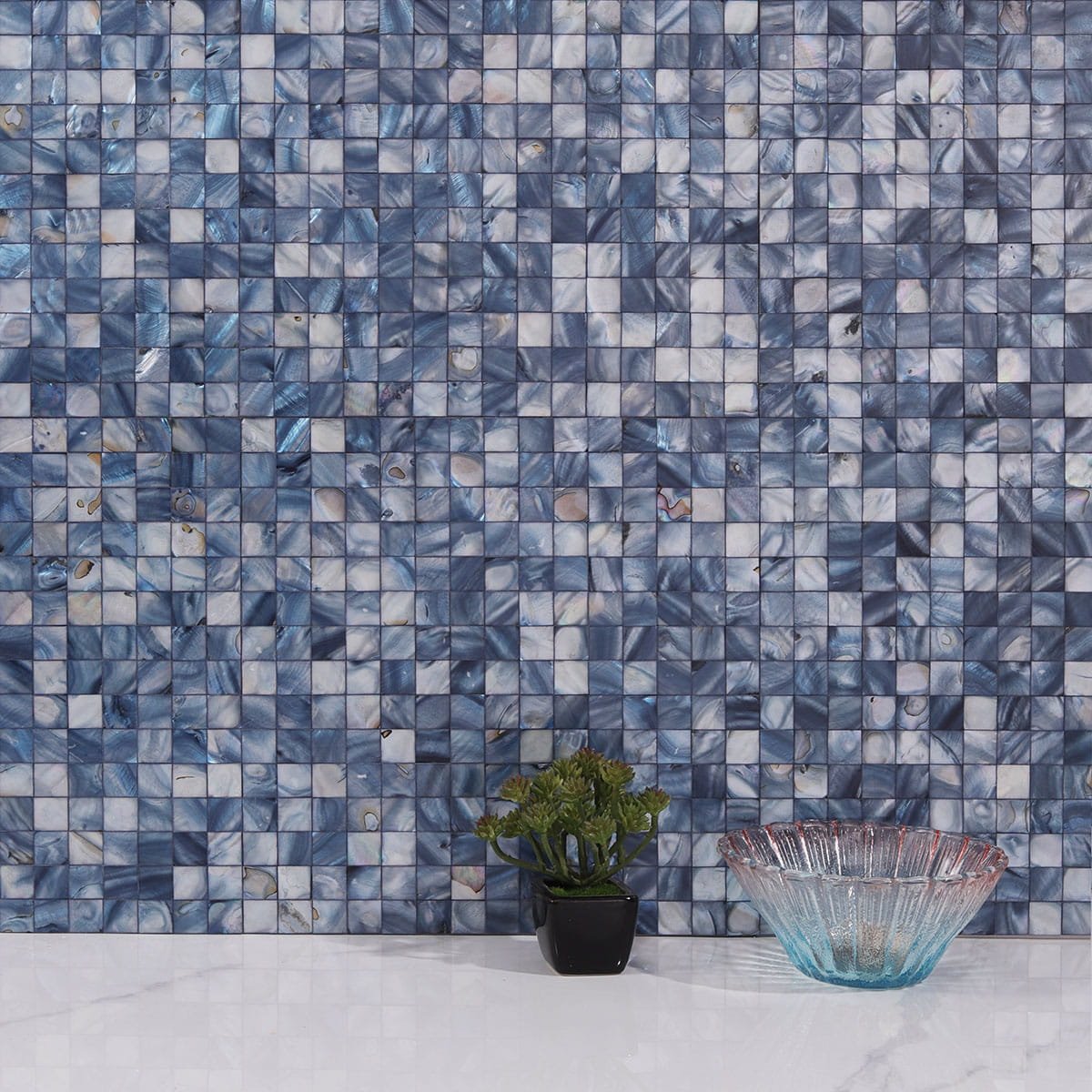
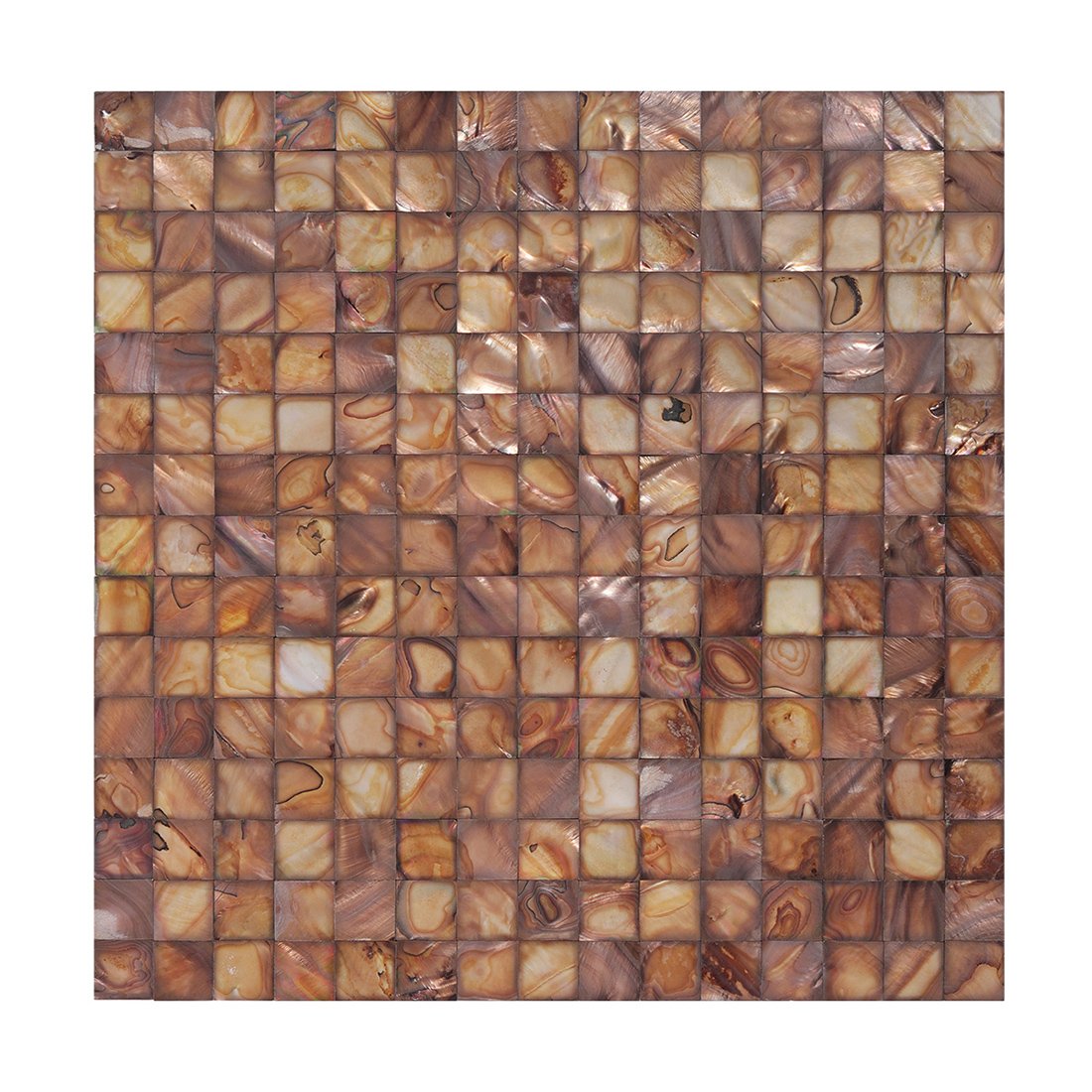
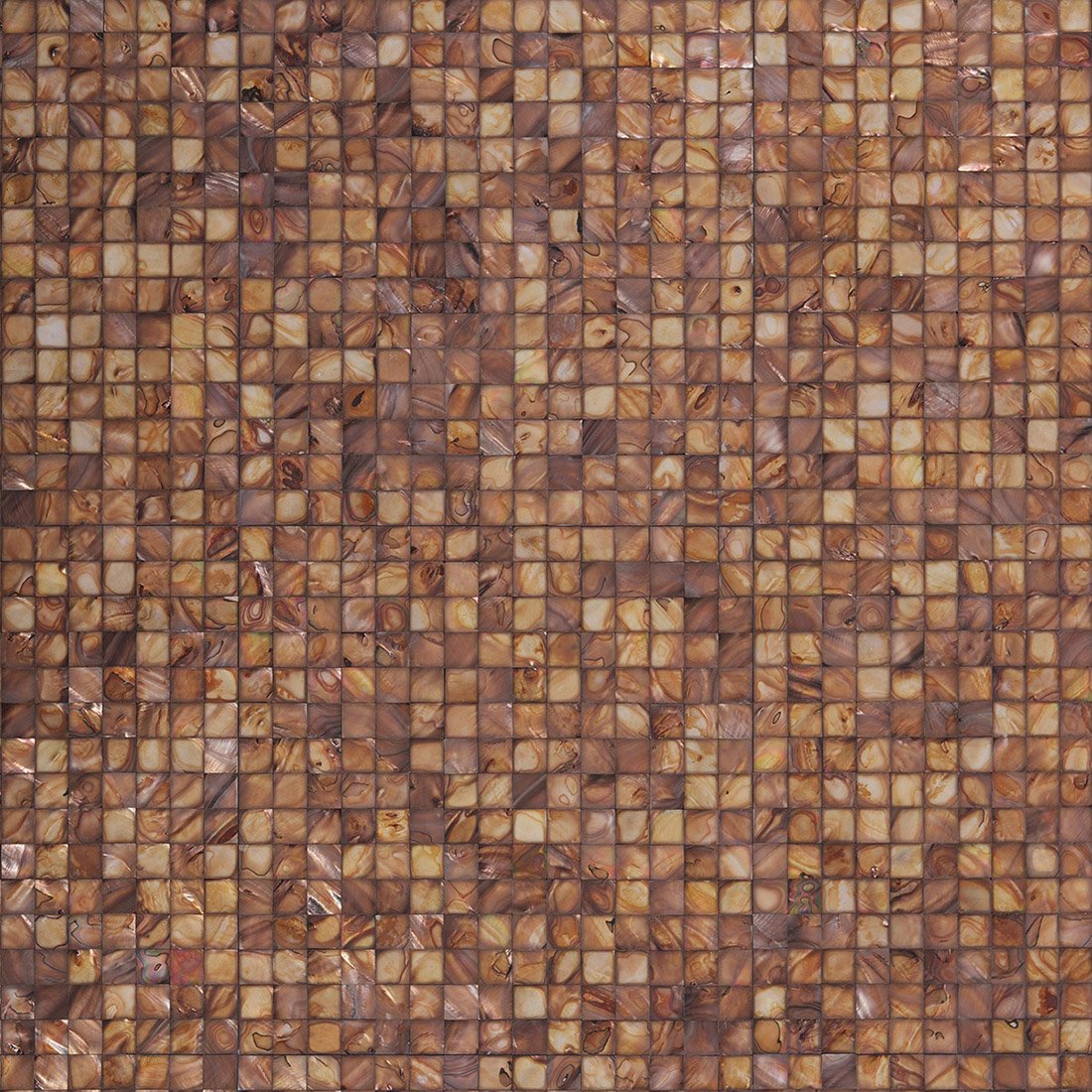
Mother of Pearl tiles offer a unique iridescence that naturally distracts the eye from joint lines. Because shell is a natural, organic material, it can be cut into very thin, precise chips. When mounted on mesh backings with minimal spacing, Mother of Pearl mosaics create a luminous, continuous surface that appears as a single, shimmering sheet rather than a grid of individual tiles.
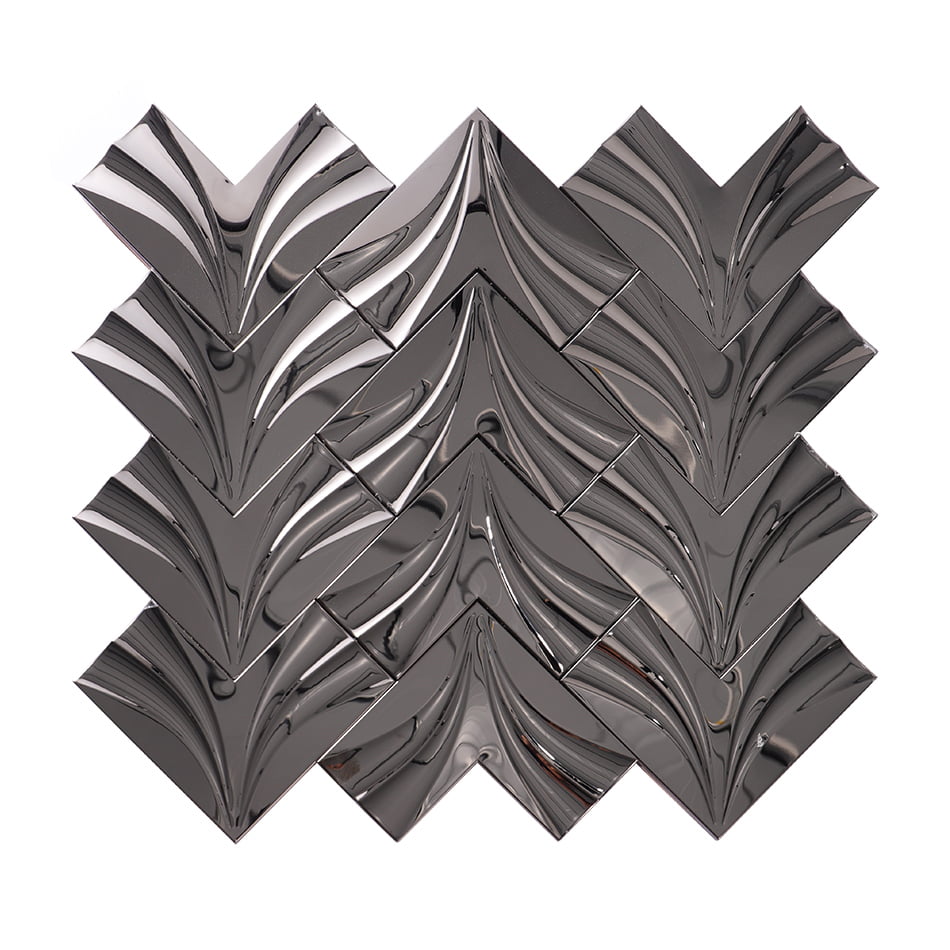
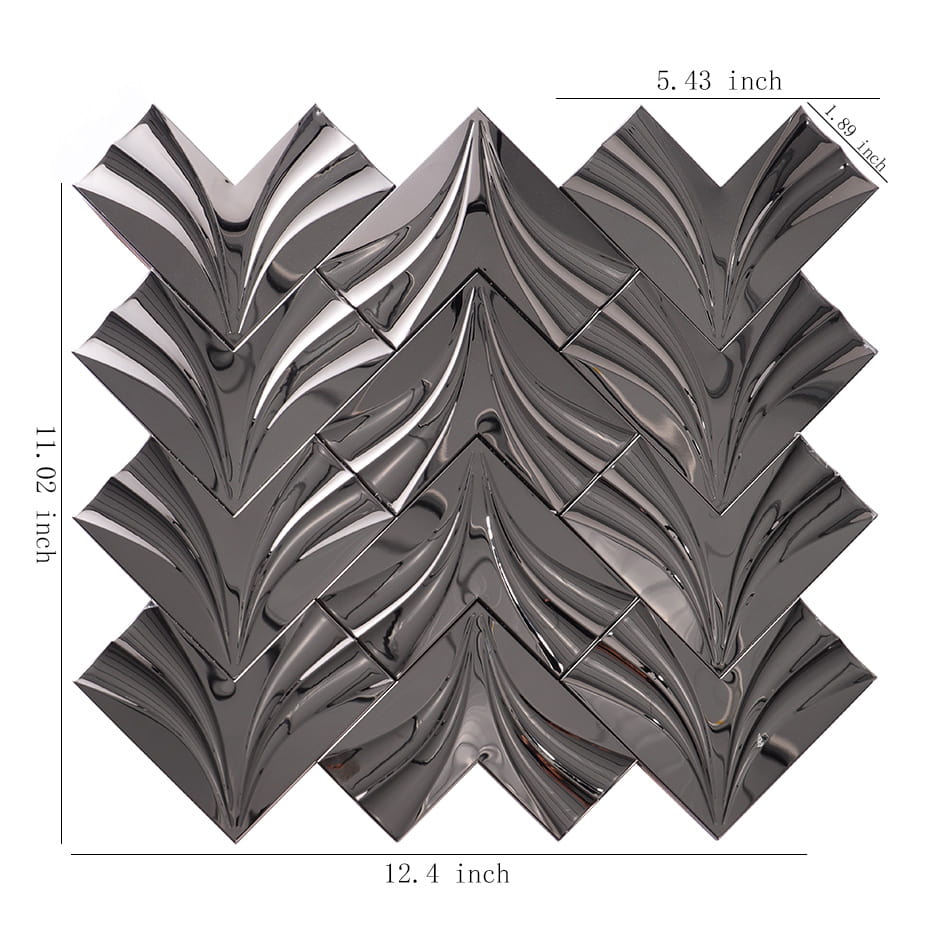
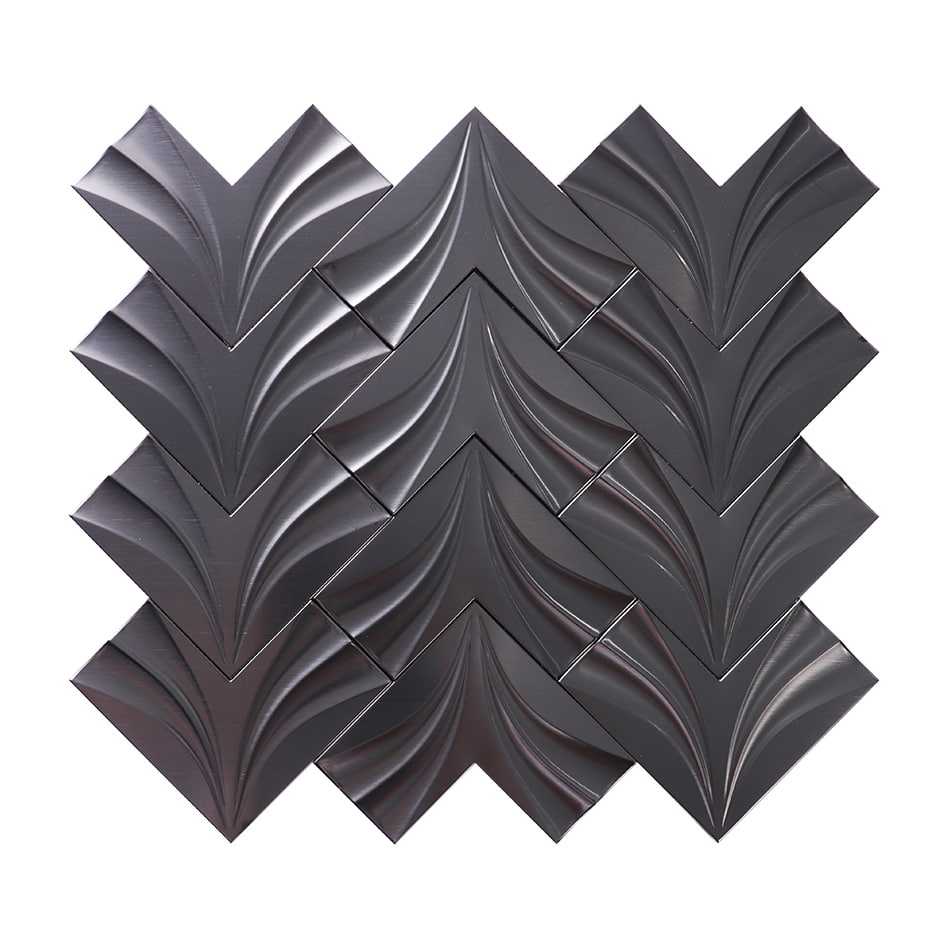
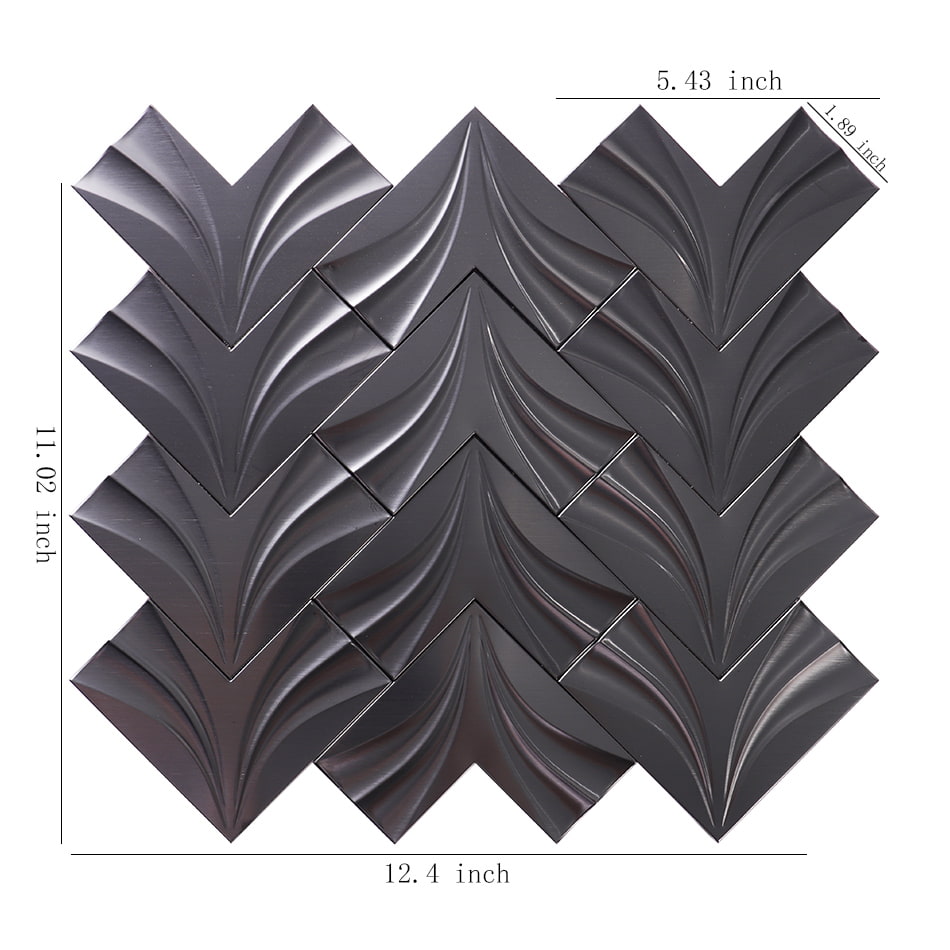
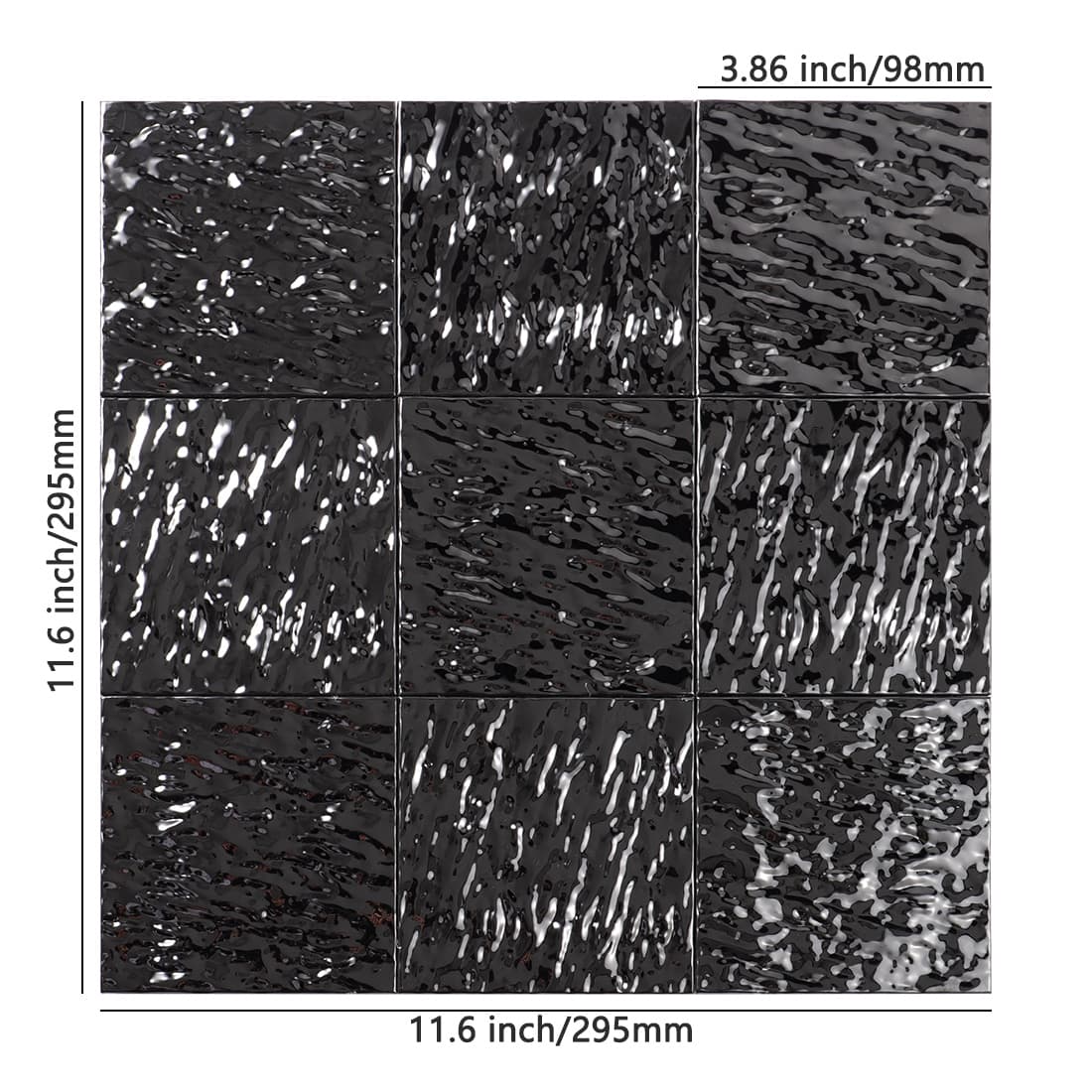
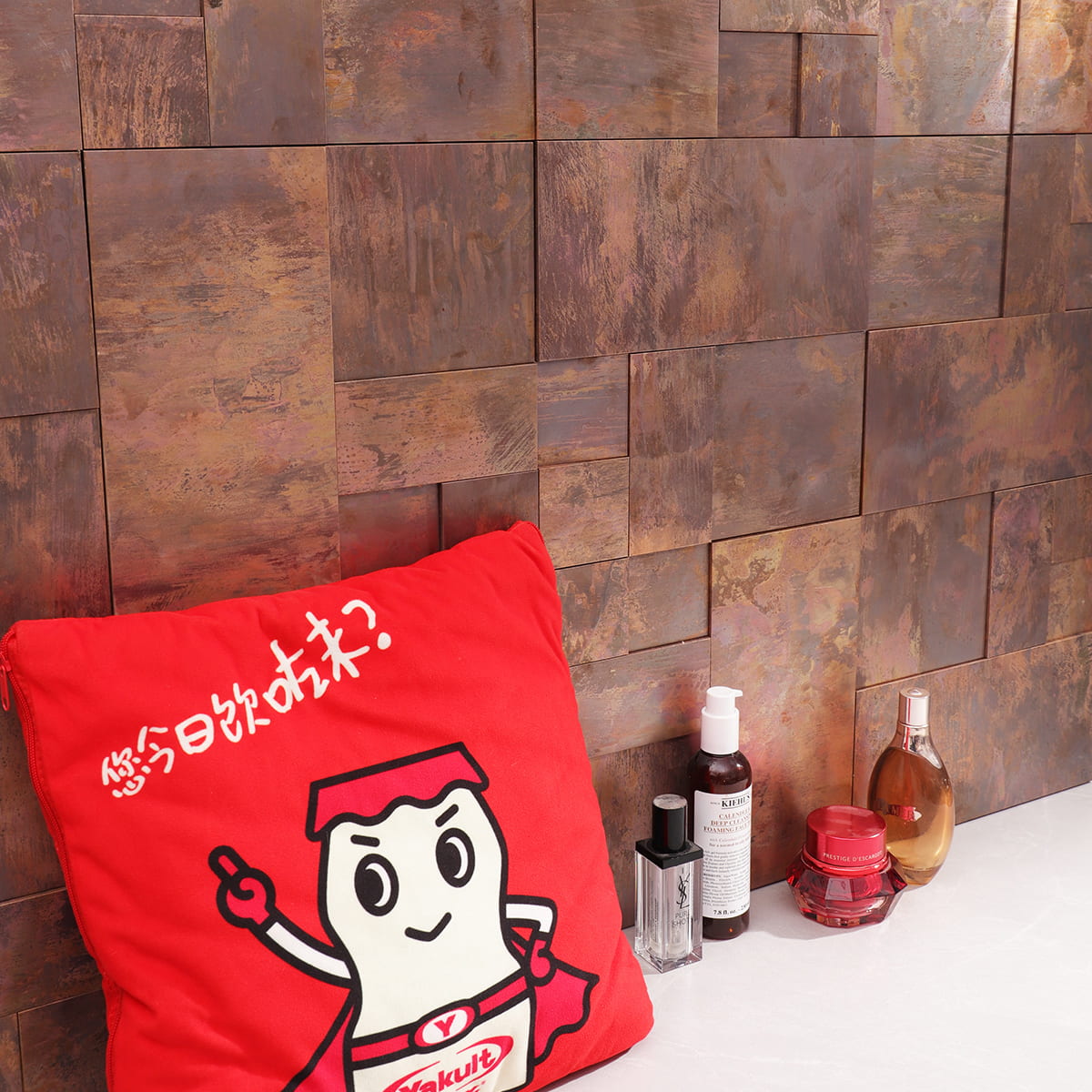
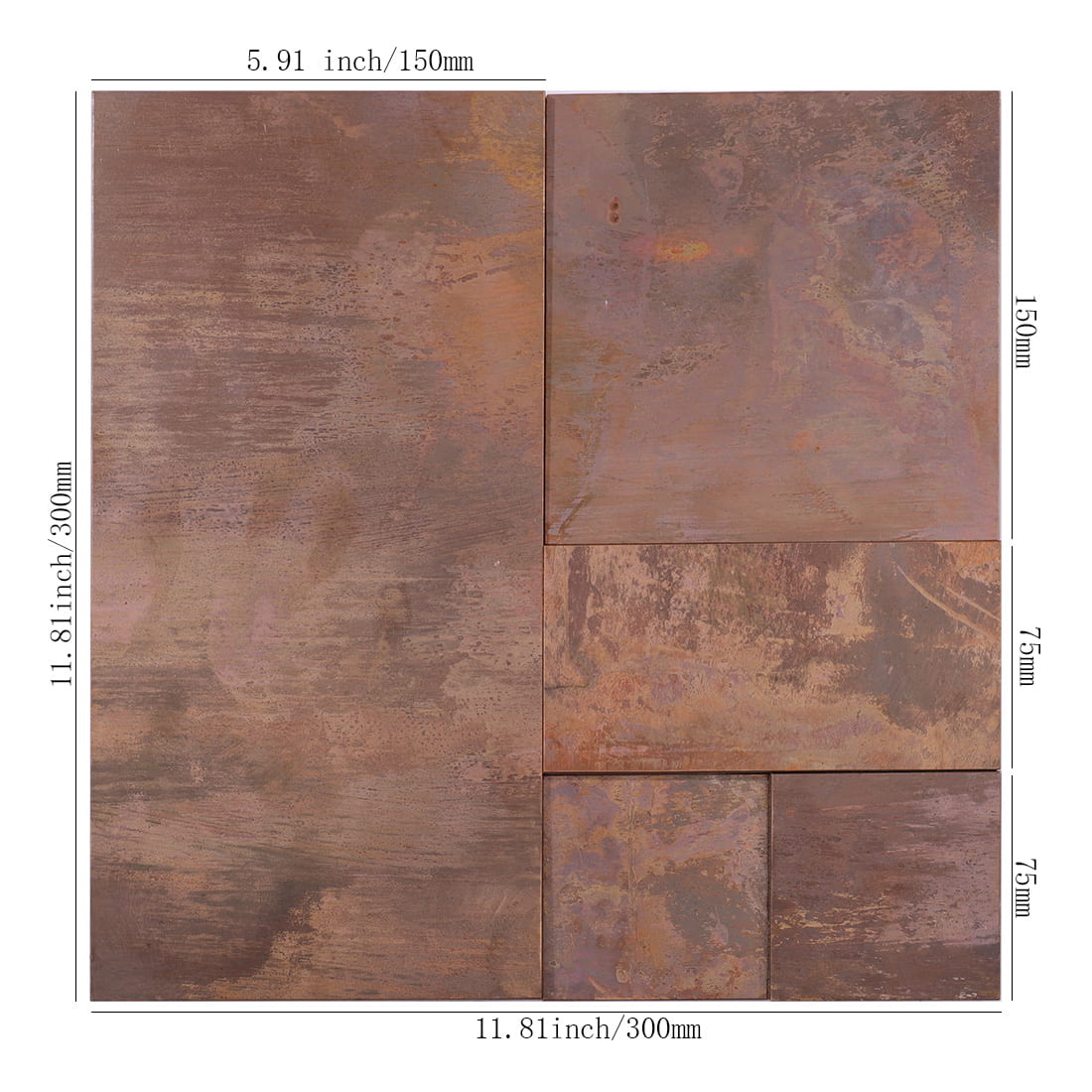
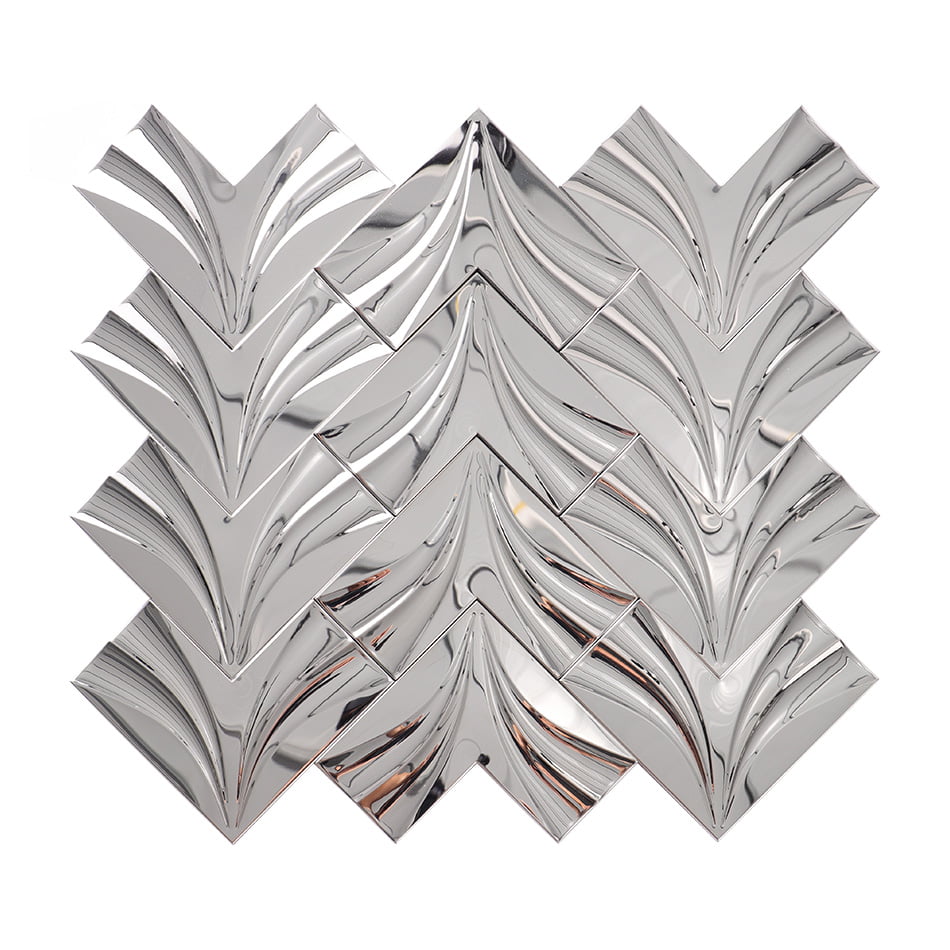
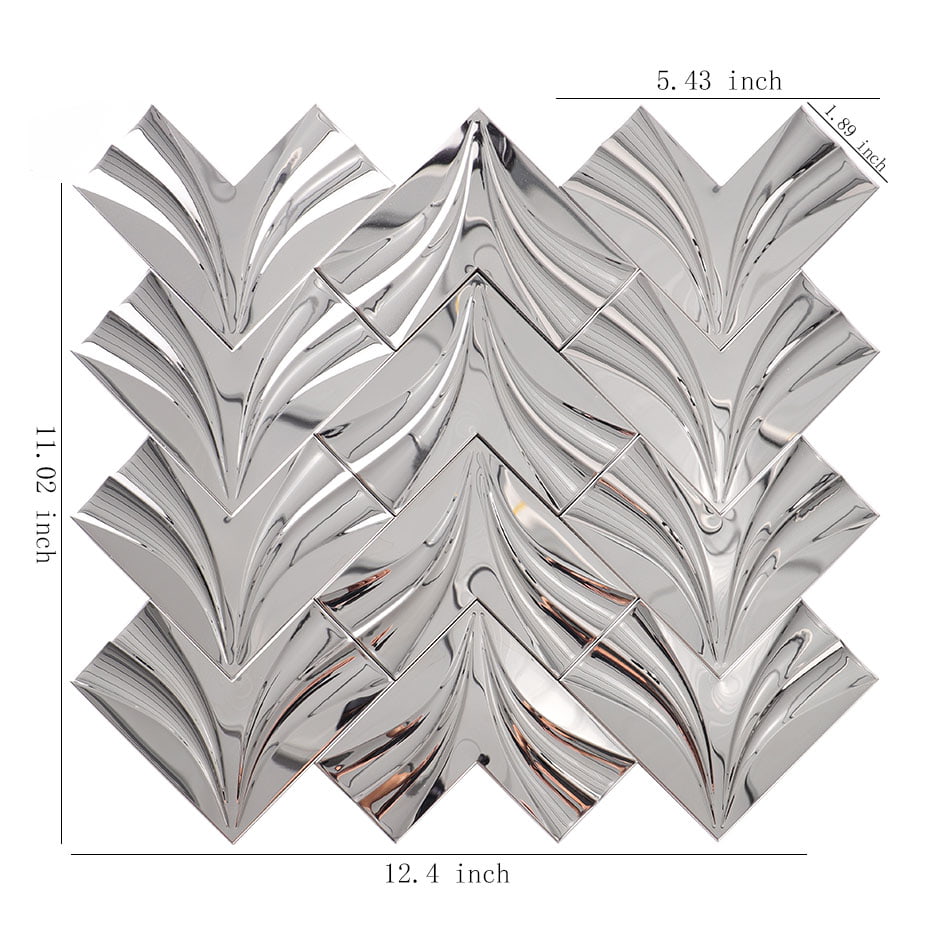
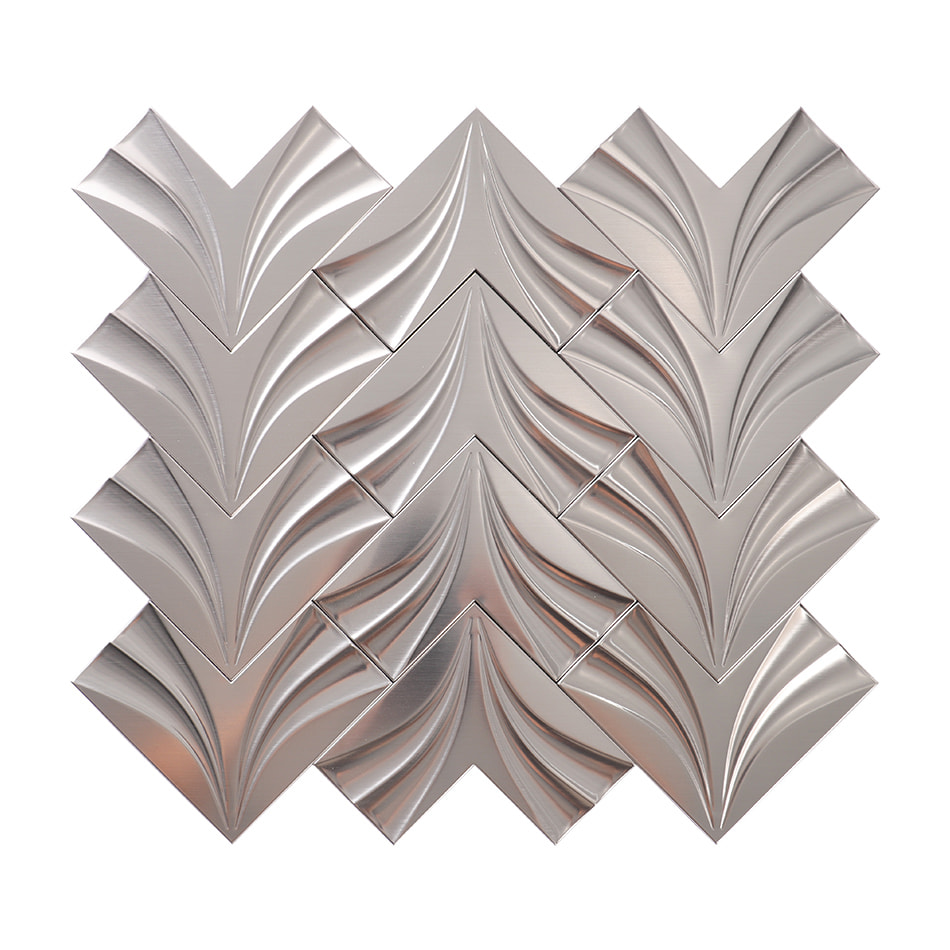
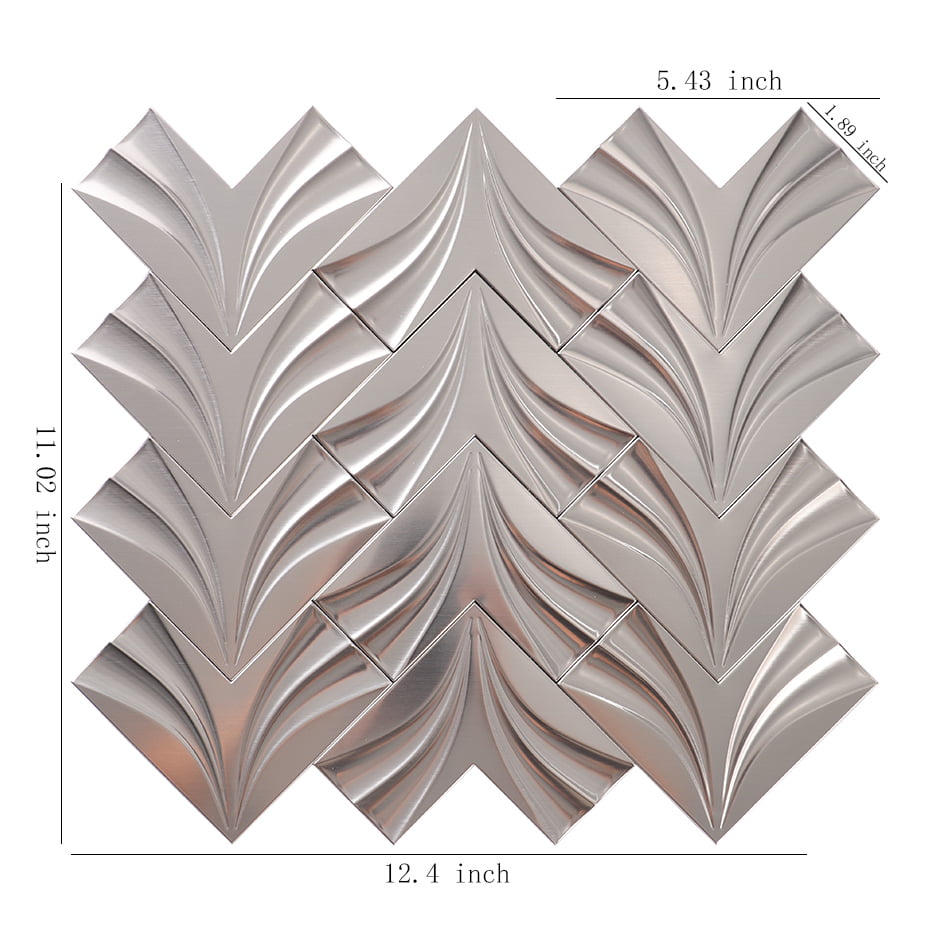
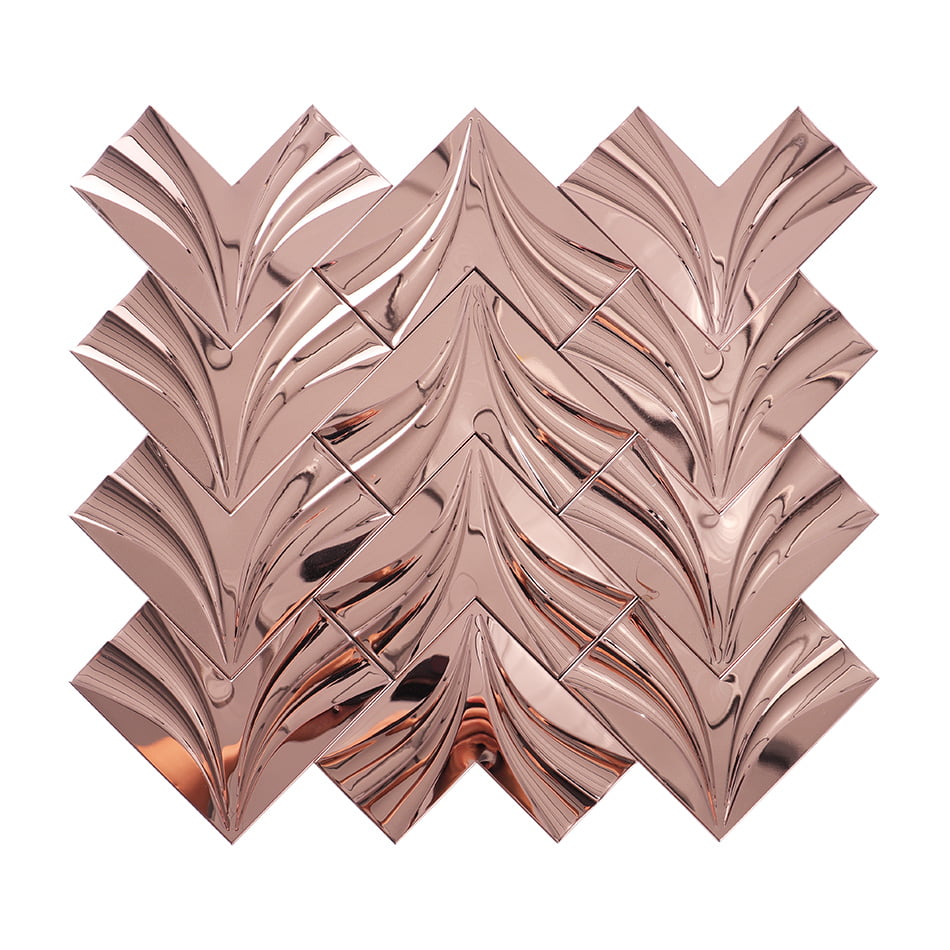
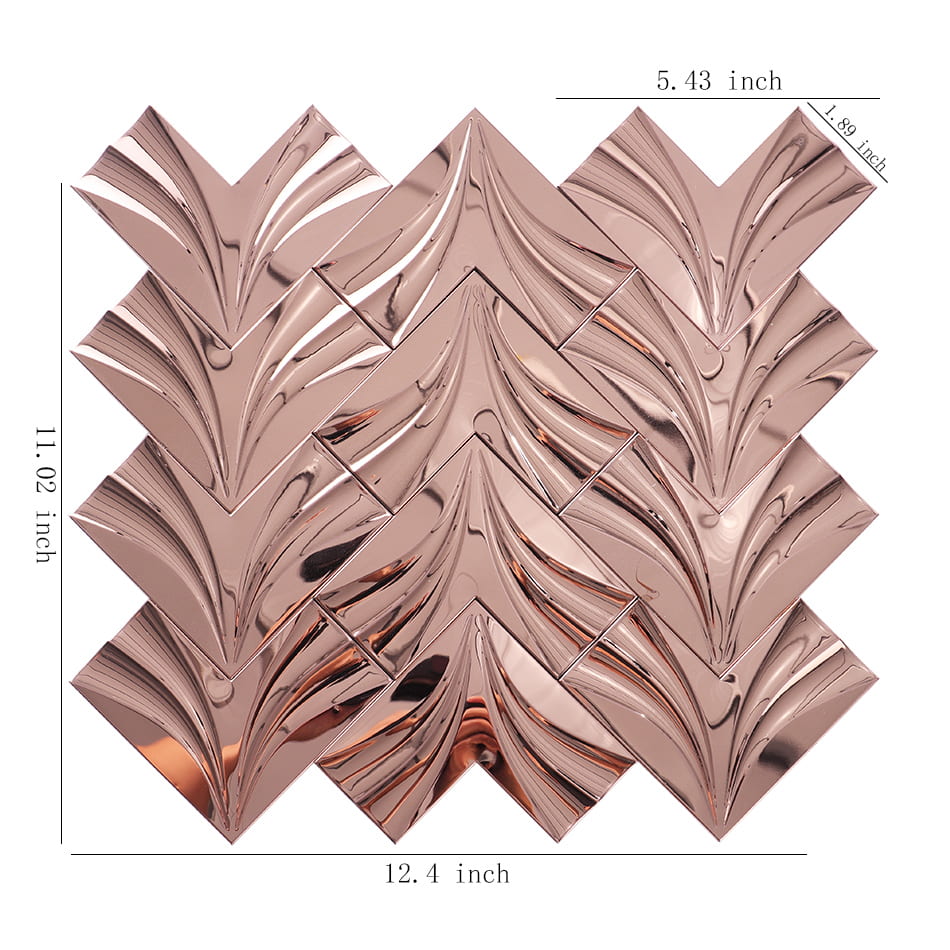
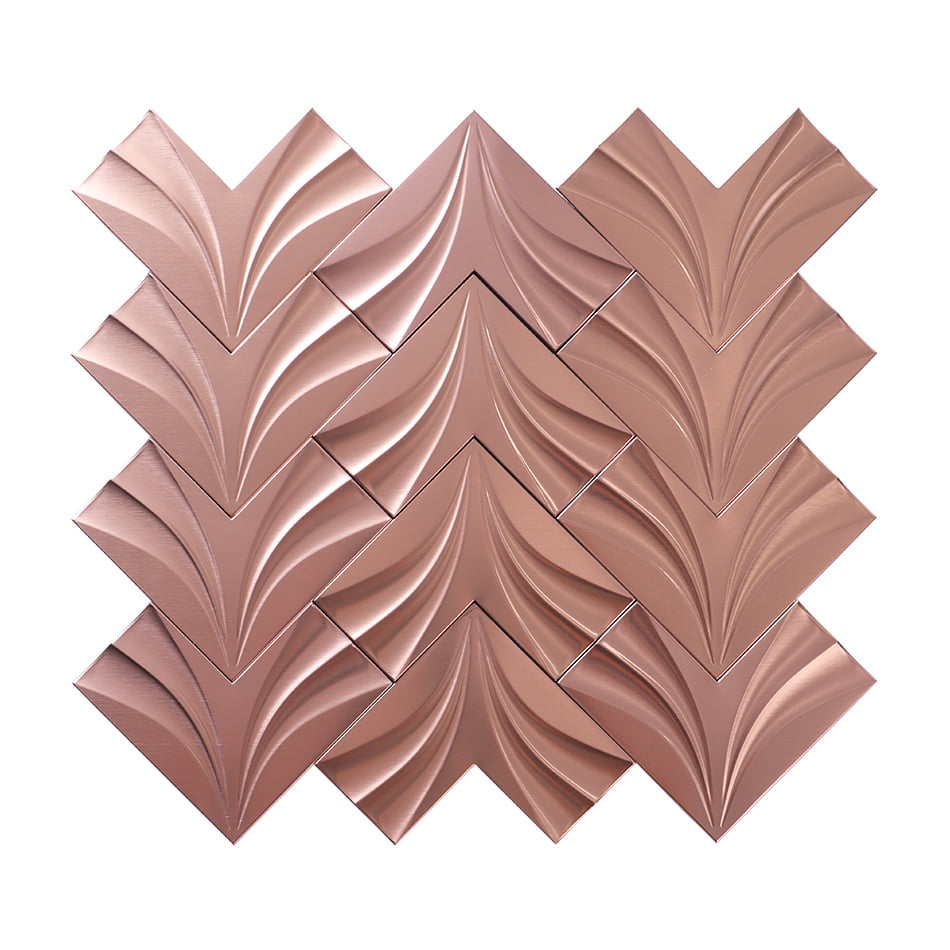
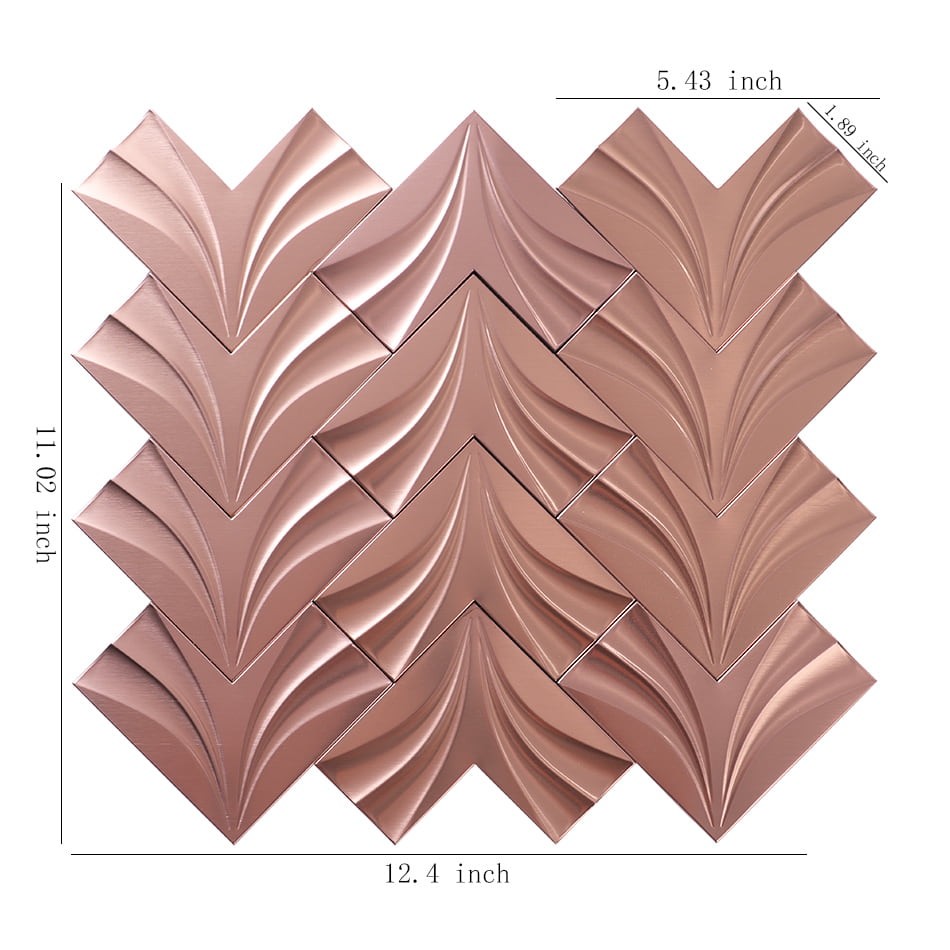
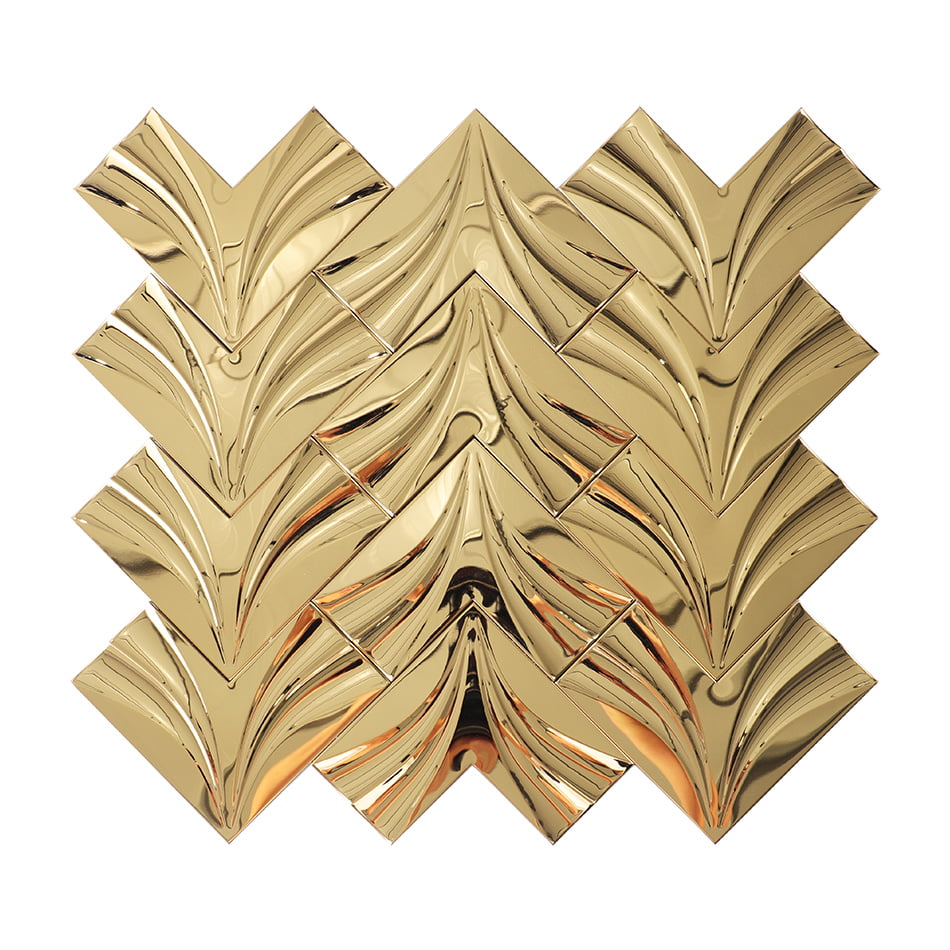
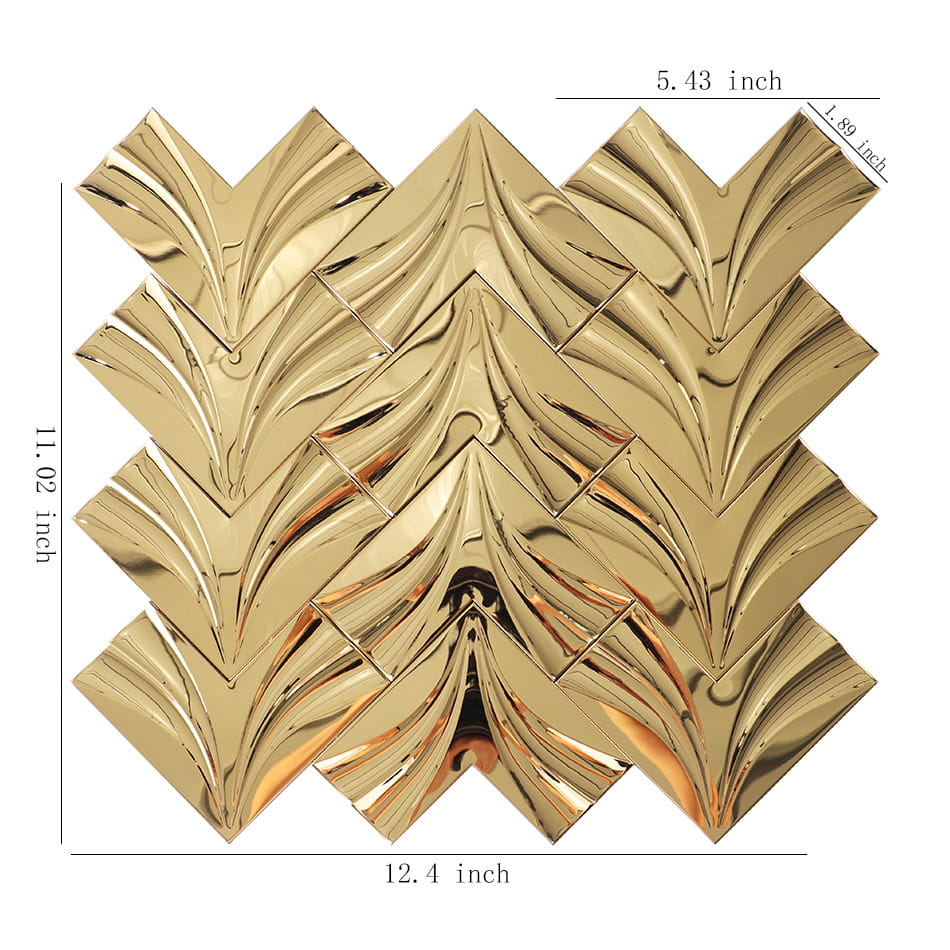
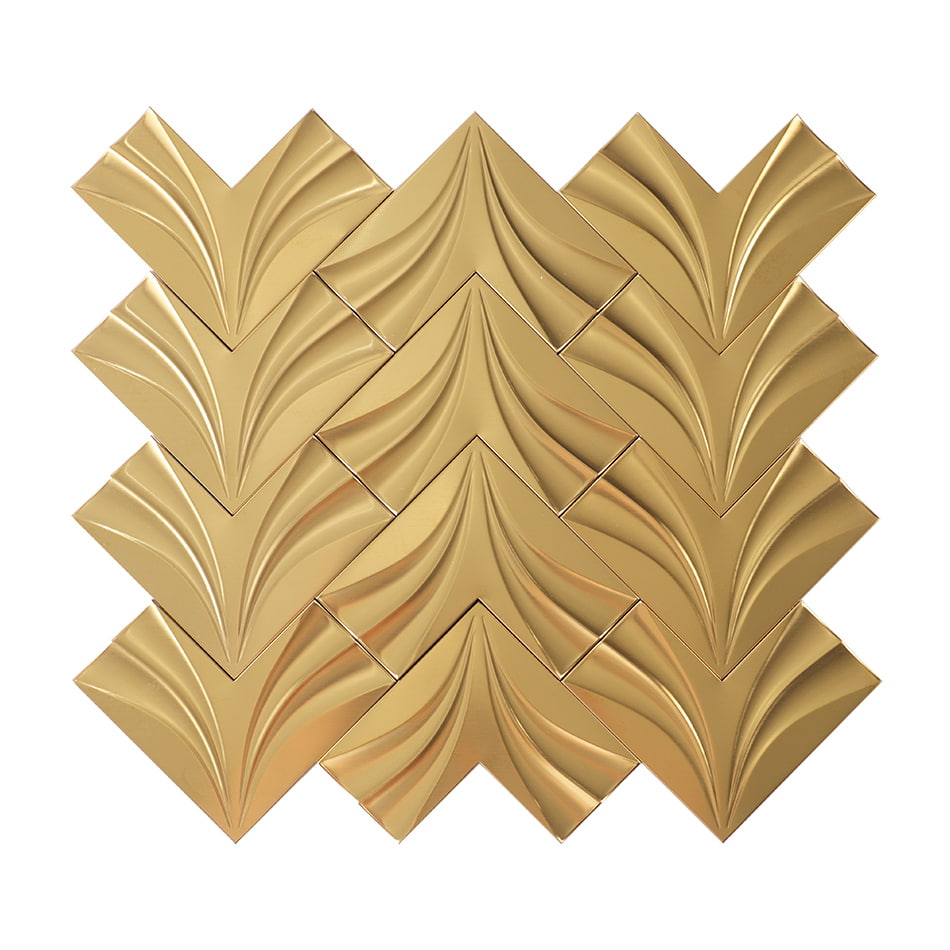
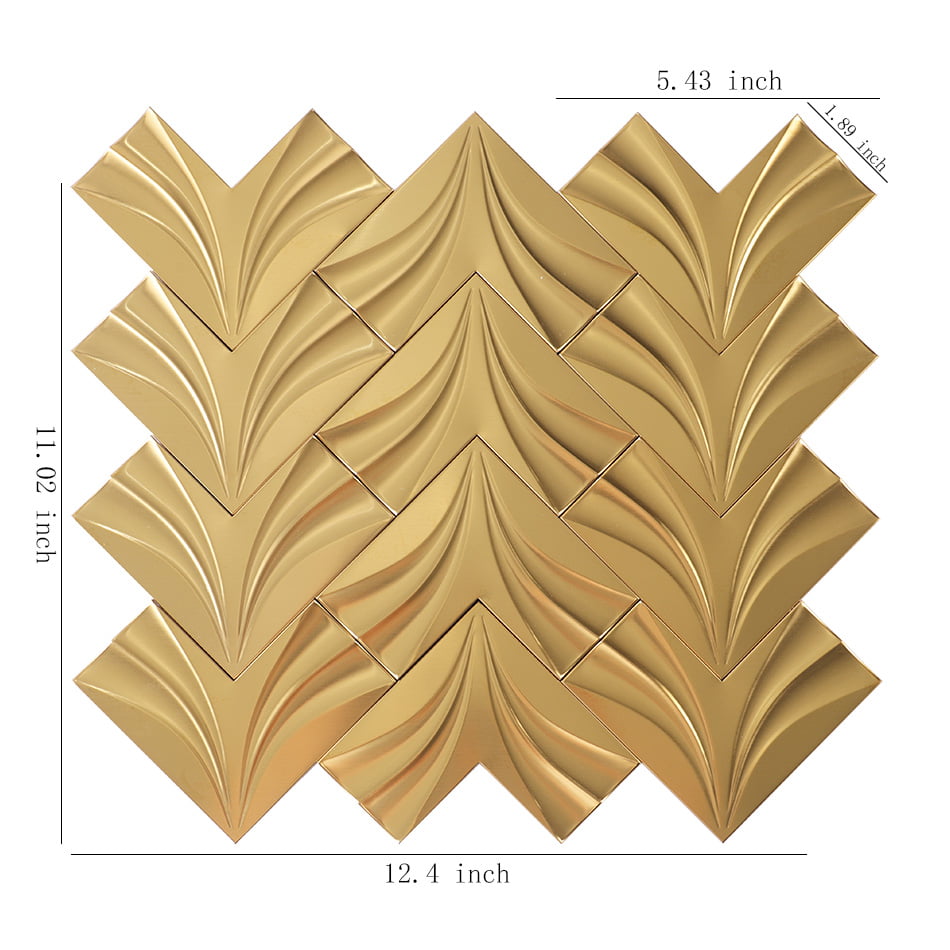
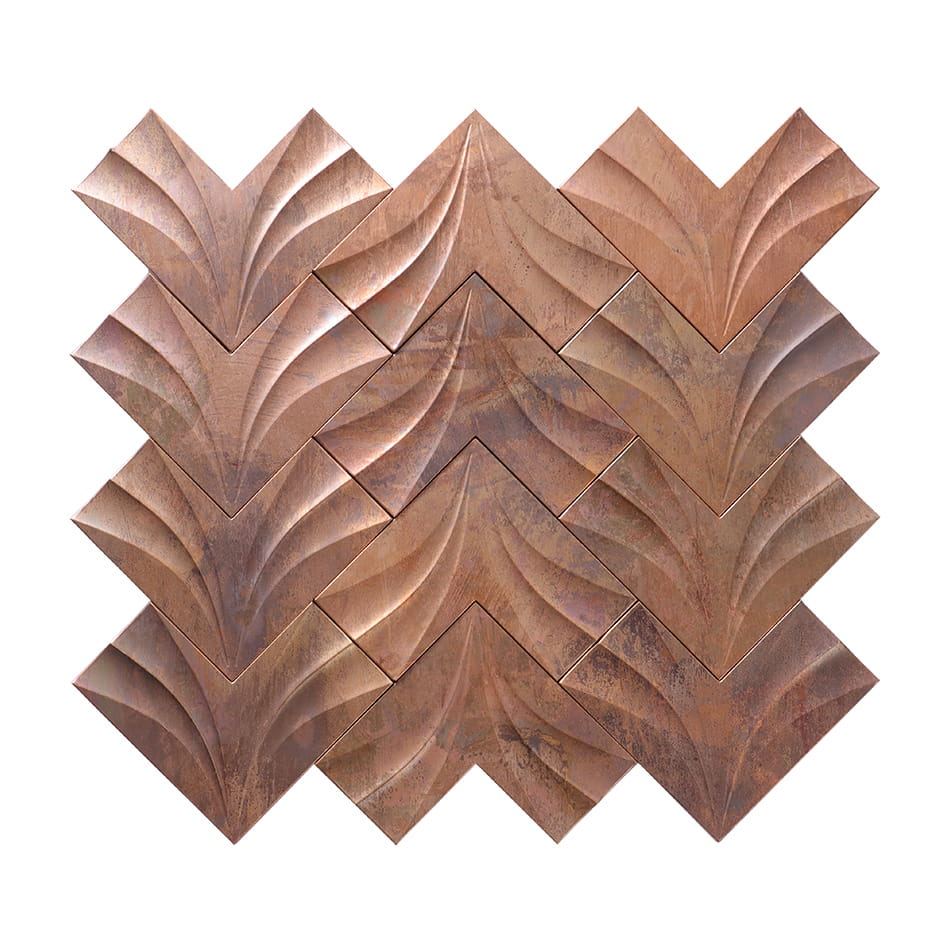
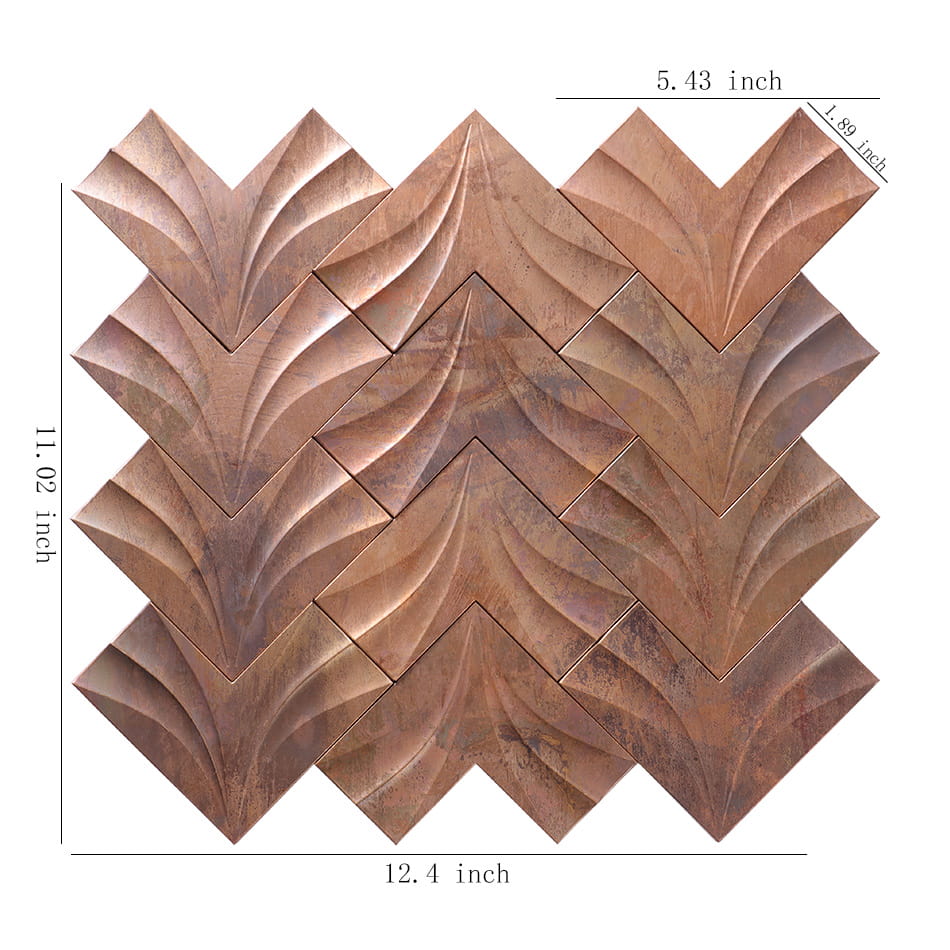
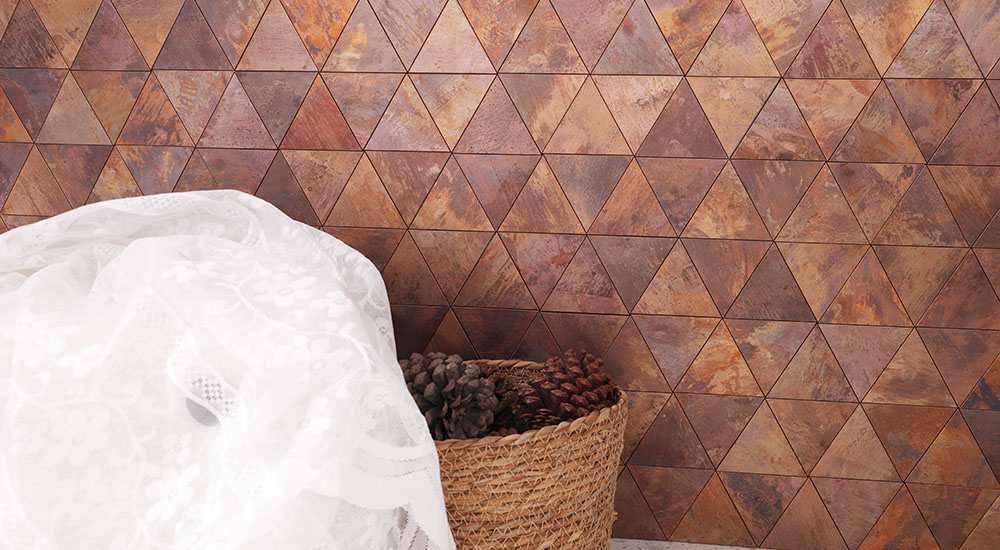
For a modern, industrial, or Art Deco aesthetic, metal tiles (such as stainless steel, copper, or brass) provide the ultimate in precision. Metal can be laser-cut to exact microns, allowing for interlocking designs where the pieces fit together like a puzzle. The reflective nature of metal further obscures seams by bouncing light across the surface, unifying the visual field.
While the term "tile" often conjures images of squares and rectangles, the seamless tile market has evolved to embrace complex geometry. Precision cutting technology allows for shapes that interlock perfectly without the need for thick grout lines to hide cutting errors.
One of the most exciting advantages of seamless tiles is the ability to create three-dimensional (3D) effects. Because the tiles fit together so precisely, designers can vary the thickness or the angle of individual pieces without exposing unsightly gaps.
By utilizing materials like molded metal or carved stone, seamless tiles can create relief patterns—waves, ridges, or pyramids—that flow continuously across a wall. The absence of grout lines maintains the illusion of a single, sculpted surface, adding depth and shadow play that flat tiles cannot achieve.
The secret to the seamless look lies in the manufacturing process. Standard tiles are often fired in kilns, leading to slight shrinkage and variations in size (caliber). Seamless tiles, particularly those made of stone, metal, or shell, undergo rectification or waterjet cutting.
Waterjet technology uses high-pressure water mixed with abrasive particles to cut materials with microscopic accuracy. This ensures that a tile designed to be 300mm wide is exactly 300mm wide, not 299mm or 301mm. This precision allows installers to butt tiles against one another with a joint width of less than 1mm, creating the coveted seamless appearance.
Seamless tiles are versatile and can be used to elevate various areas of a home or commercial space:
Beyond aesthetics, choosing seamless tiles offers several practical benefits:
Hygiene and Maintenance: Grout is porous and prone to staining, mold, and mildew. By virtually eliminating grout lines, seamless tiles provide a surface that is significantly easier to clean and more hygienic, making them ideal for wet areas.
Visual Space Expansion: Grid lines subconsciously break up a space, making it feel smaller or more cluttered. A seamless surface removes this visual noise, making rooms appear more expansive and airy.
Timeless Elegance: While patterned grout trends come and go, the look of natural stone or metal is timeless. A seamless installation focuses attention on the material's natural beauty rather than the installation method.
Achieving a seamless result requires a higher level of craftsmanship than standard tiling. It is recommended to hire professionals experienced with rectified tiles and natural stone.
Seamless tiles represent an investment in quality and permanence. They bridge the gap between nature and architecture, bringing the organic, continuous beauty of the outdoors inside. Whether utilizing the iridescent charm of Mother of Pearl, the cool precision of Metal, or the classic luxury of Marble, seamless tiles offer a sophisticated solution for modern living.
For homeowners and designers seeking to create spaces that feel custom, luxurious, and visually expansive, seamless tiles are the superior choice. They transform ordinary surfaces into architectural statements, proving that the true mark of luxury lies not just in the material, but in the precision of its execution.
loading